

 Wendy Robert
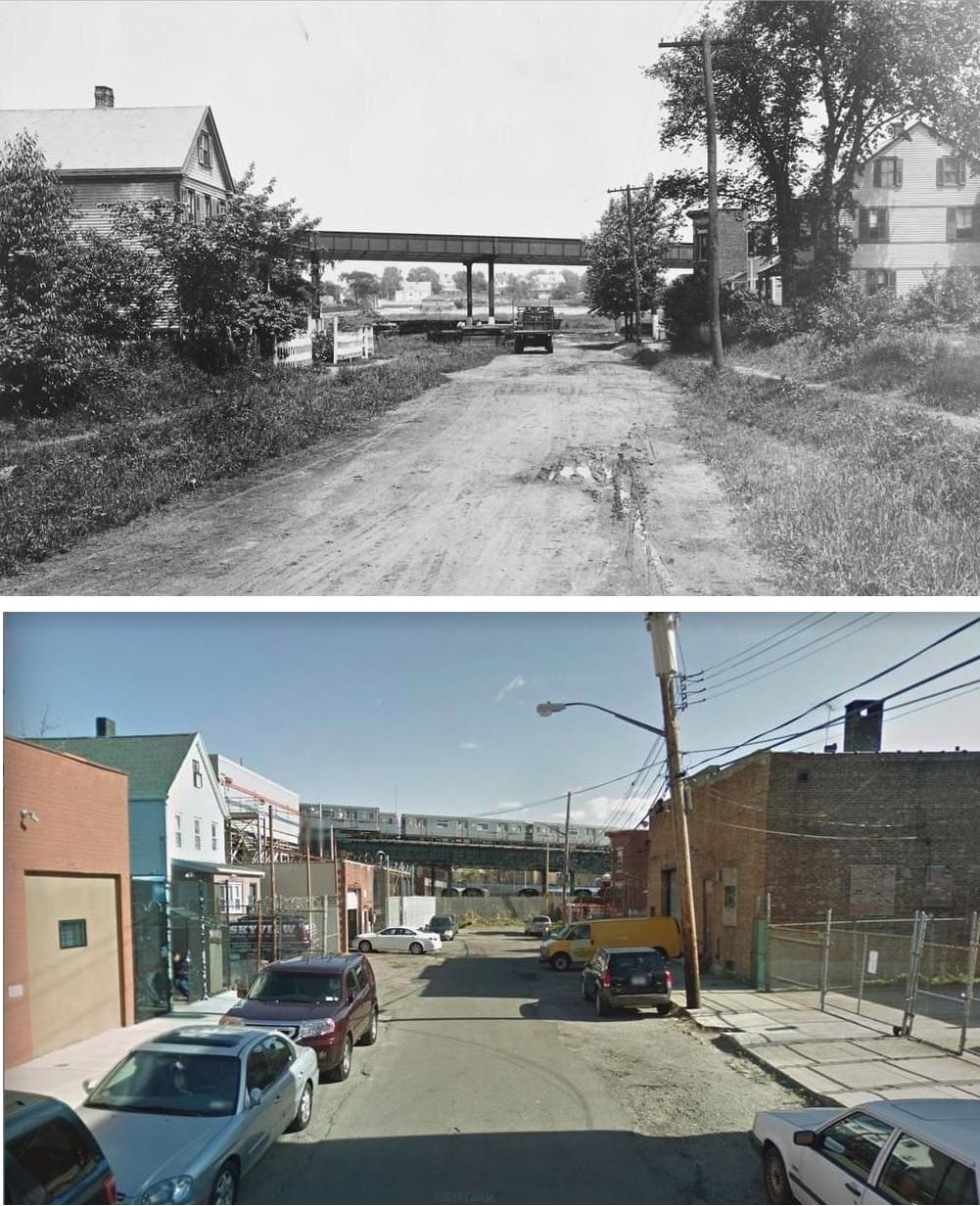
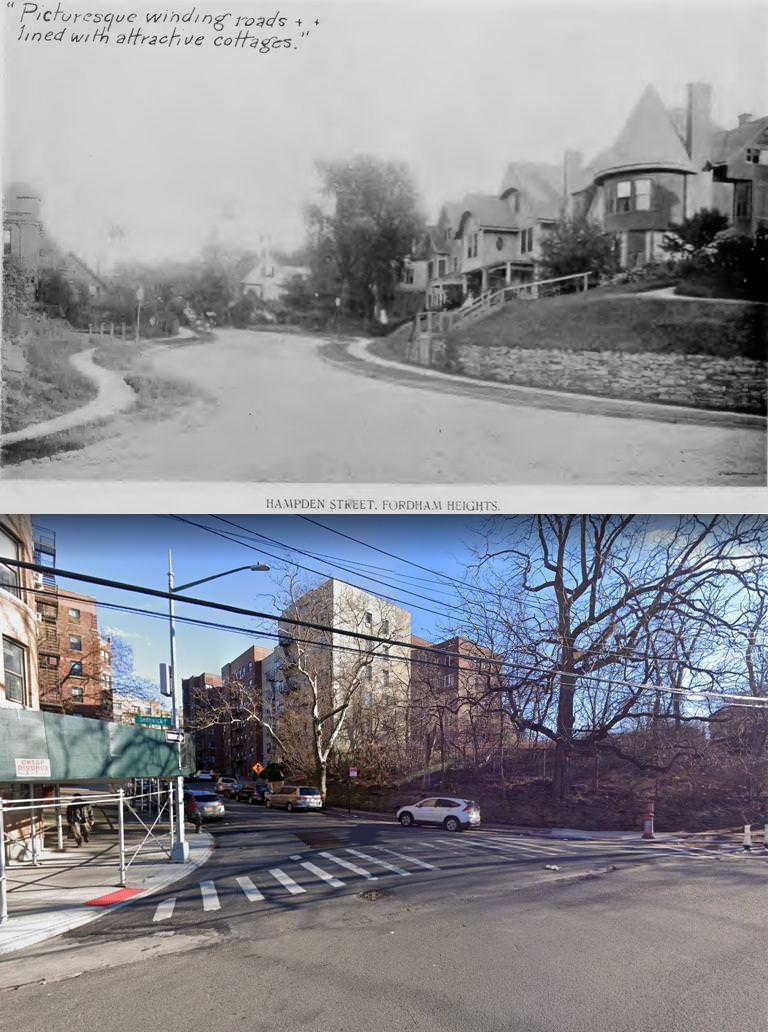
The Bronx developed from farmland into a dense urban borough during the late 1800s and early 1900s. Before city growth reached the area, much of the land held estates, small villages, and open fields. Stone farmhouses and narrow country roads defined much of the landscape.
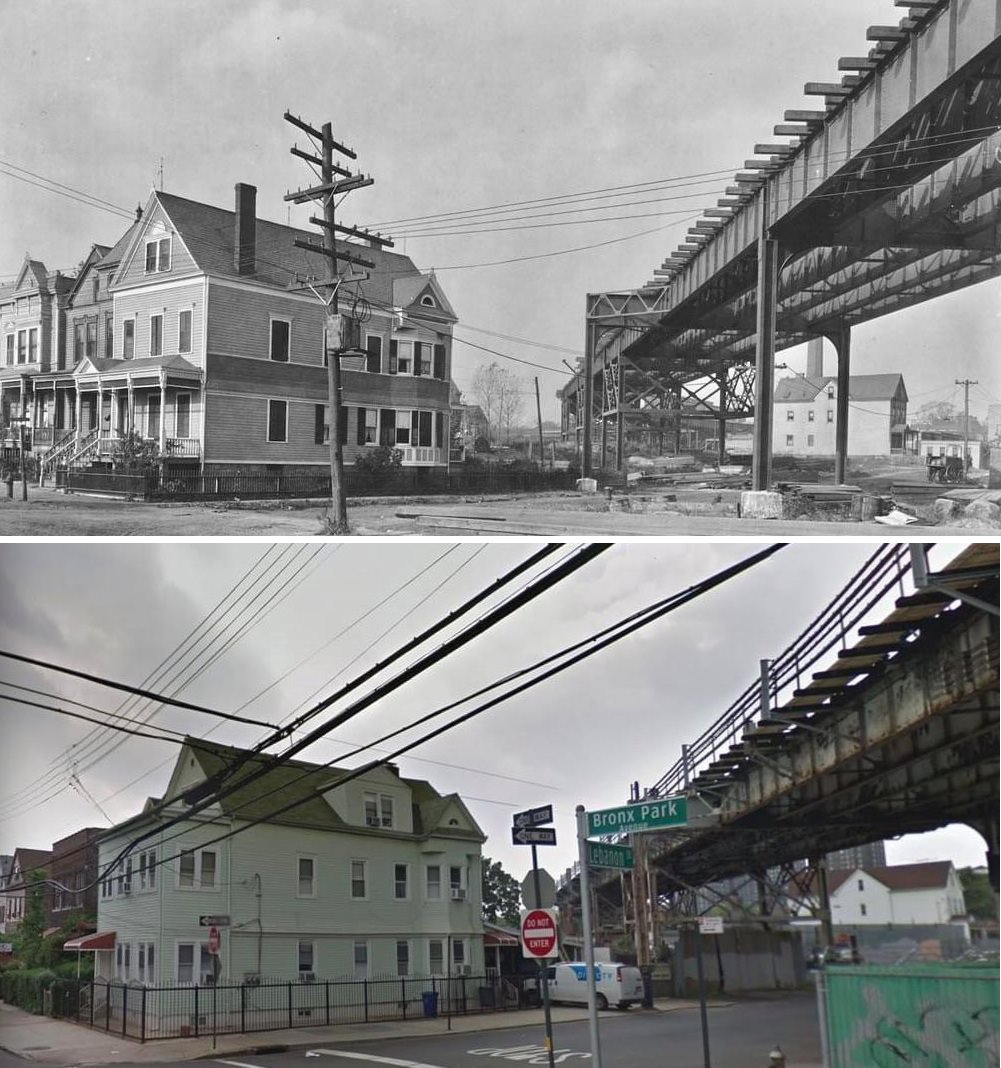
The arrival of rail lines and elevated trains changed this pattern. Developers divided farmland into city blocks. Brick apartment houses replaced many older homes.
Today, the Bronx shows a mix of early apartment districts, public housing towers, industrial zones, and modern developments.
Early residential growth
During the early 1900s, much of the Bronx filled with five- and six-story apartment buildings. Builders designed these with brick and stone fronts. Many featured decorative cornices, carved entryways, and inner courtyards.
Neighborhoods like Mott Haven and Melrose show this type of construction. These buildings gave working-class families solid housing close to transit lines.
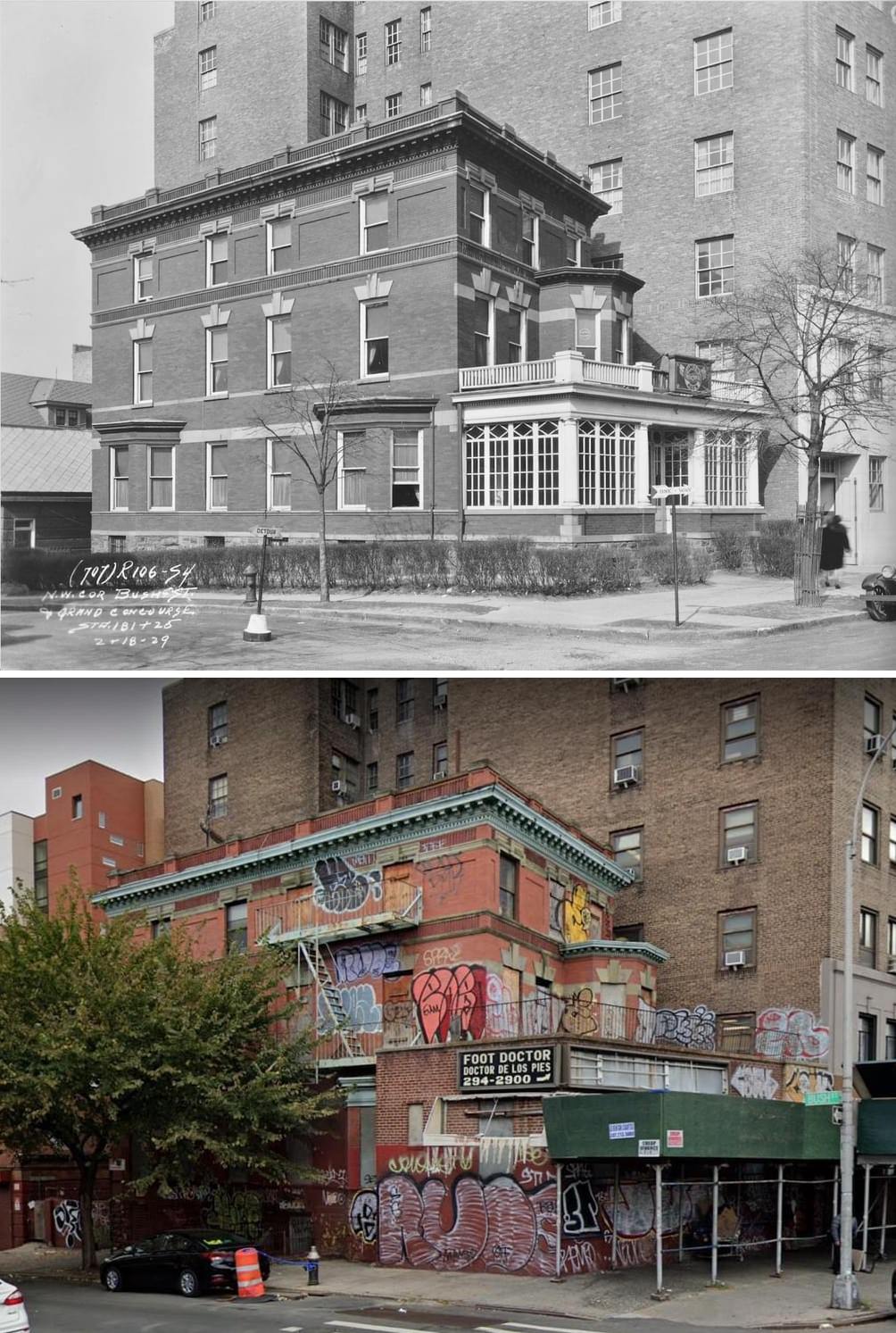
Developers built many of these apartments along the Grand Concourse. This wide boulevard opened in 1909 and became one of the Bronx’s best known streets.
Buildings along the Grand Concourse often followed Art Deco and Beaux-Arts styles. Lobbies included terrazzo floors, brass mailboxes, and geometric ceiling designs.
Read more
Civic landmarks and public buildings
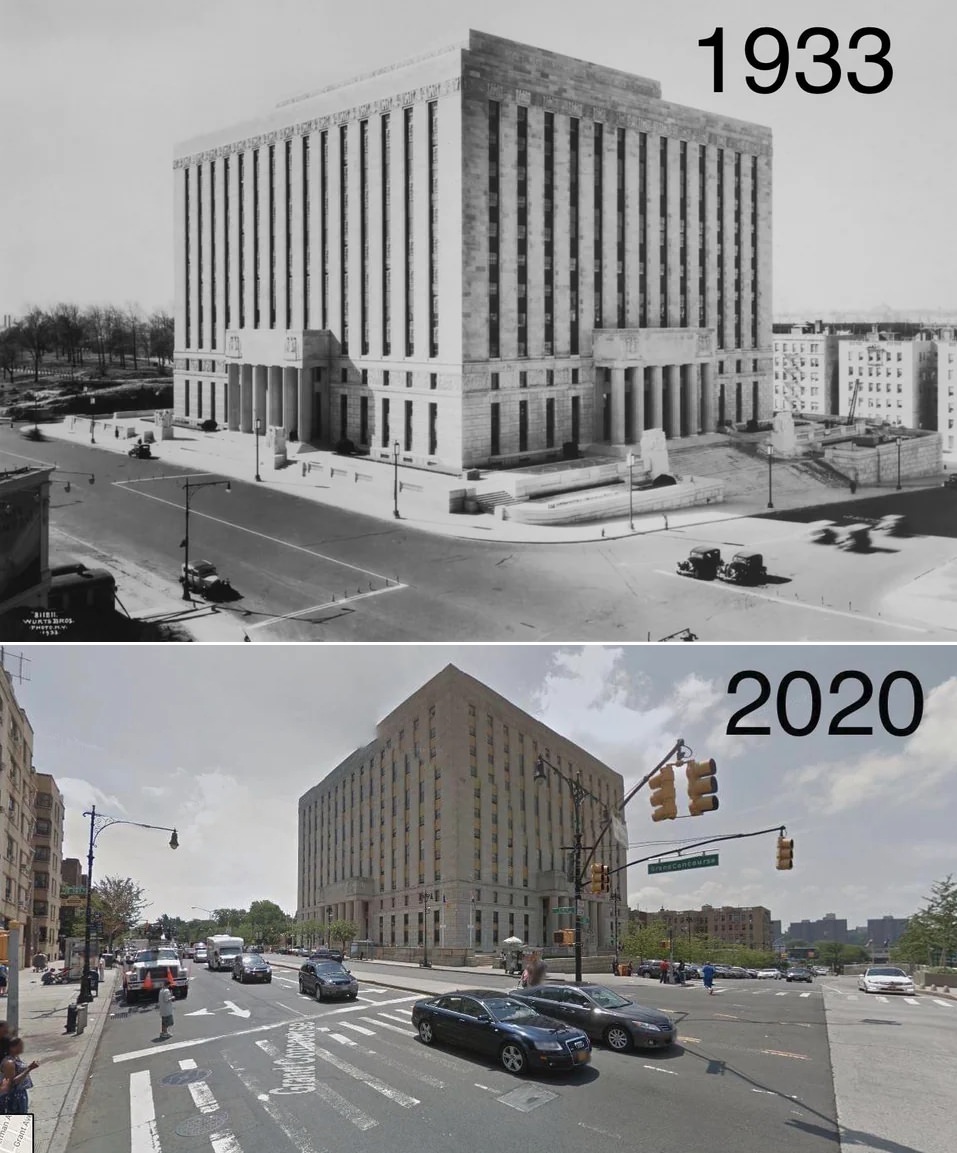
Several major public buildings shaped the borough’s early identity. Bronx County Courthouse stands as a large civic structure with classical columns and stone steps.
The Yankee Stadium area became another major landmark zone. The original stadium opened in 1923. The current stadium, opened in 2009, stands nearby with modern design features and expanded seating areas.
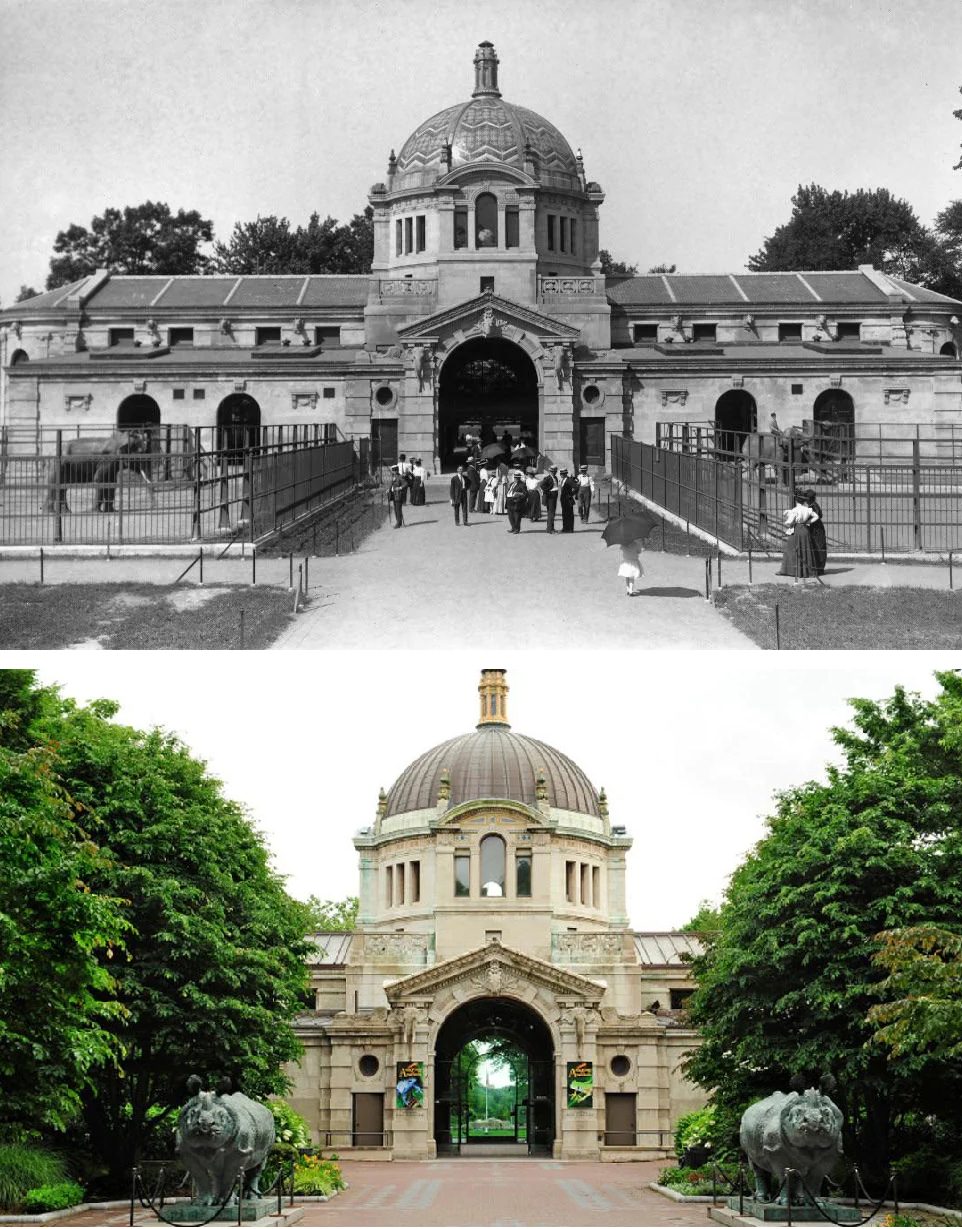
Parks also played a major role in development. Bronx Park became home to the Bronx Zoo and the New York Botanical Garden. These large green spaces preserved sections of natural landscape even as urban growth increased.
Industrial areas and waterfront development
Parts of the South Bronx developed as industrial centers. Warehouses, rail yards, and food distribution markets filled areas near the Harlem River. Buildings in these districts focused on function, with concrete frames and wide loading areas.
The Hunts Point Terminal Market became one of the largest food distribution centers in the country. Its large warehouse buildings reflect mid-20th century industrial design.
Rail infrastructure also shaped these neighborhoods. Freight lines connected Bronx industries to national markets.
Mid-century housing projects
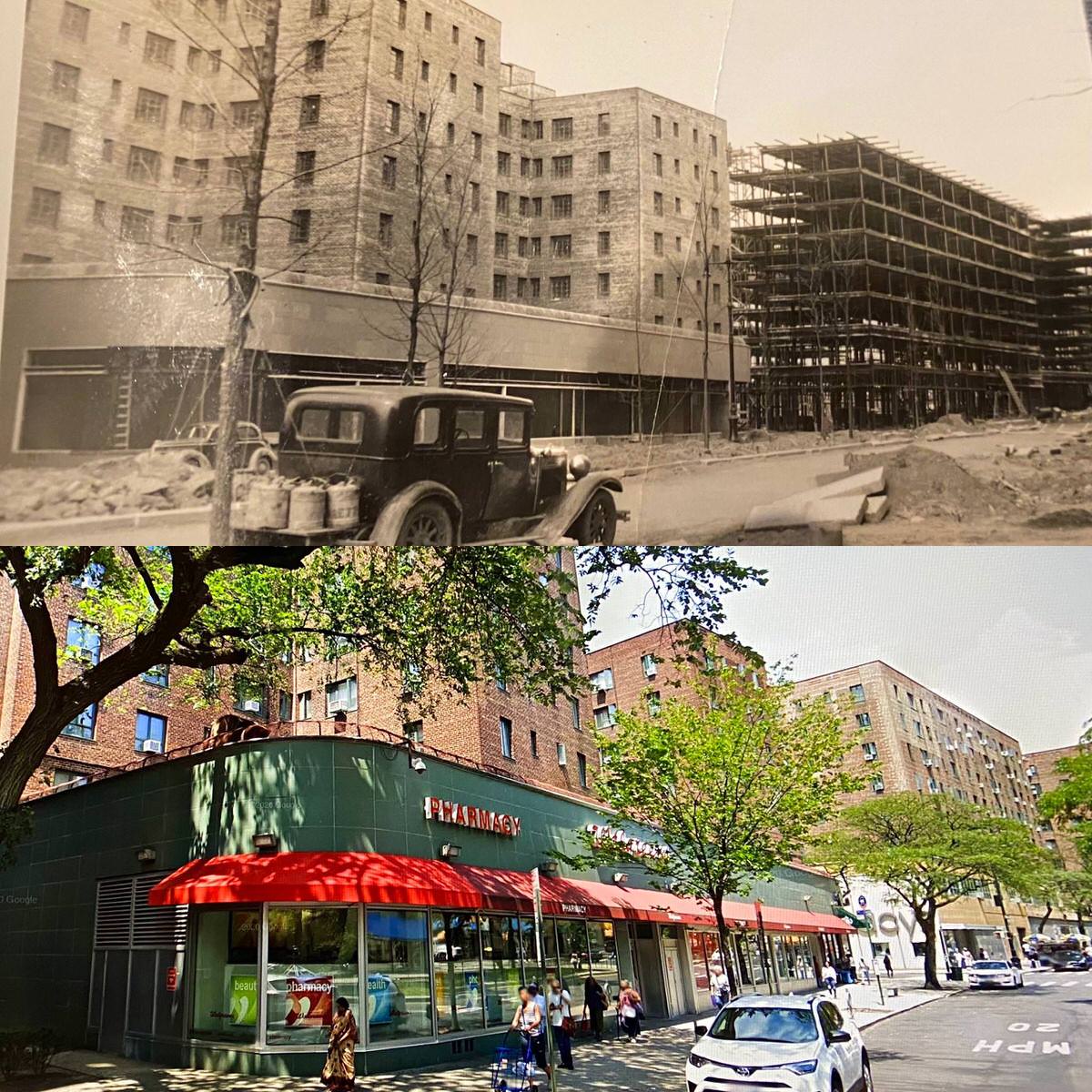
After World War II, large public housing developments rose across the Bronx. These projects followed modern planning ideas. Tall residential towers stood within open landscaped grounds.
The New York City Housing Authority managed many of these complexes. Buildings often used simple brick exteriors with repeated window patterns.
Some private housing followed similar styles. Large apartment complexes replaced smaller buildings on certain blocks.
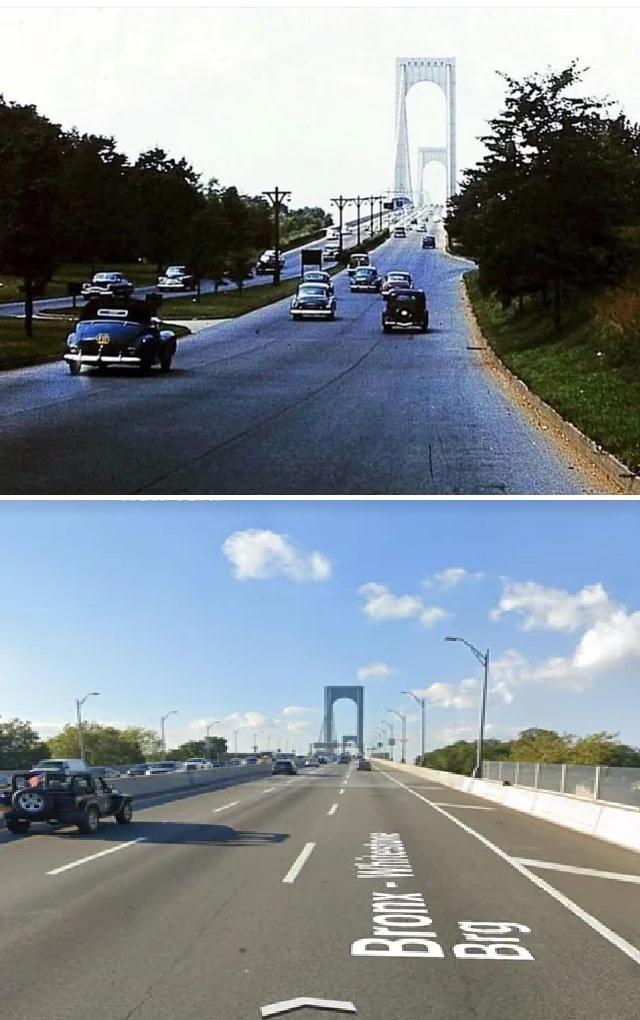
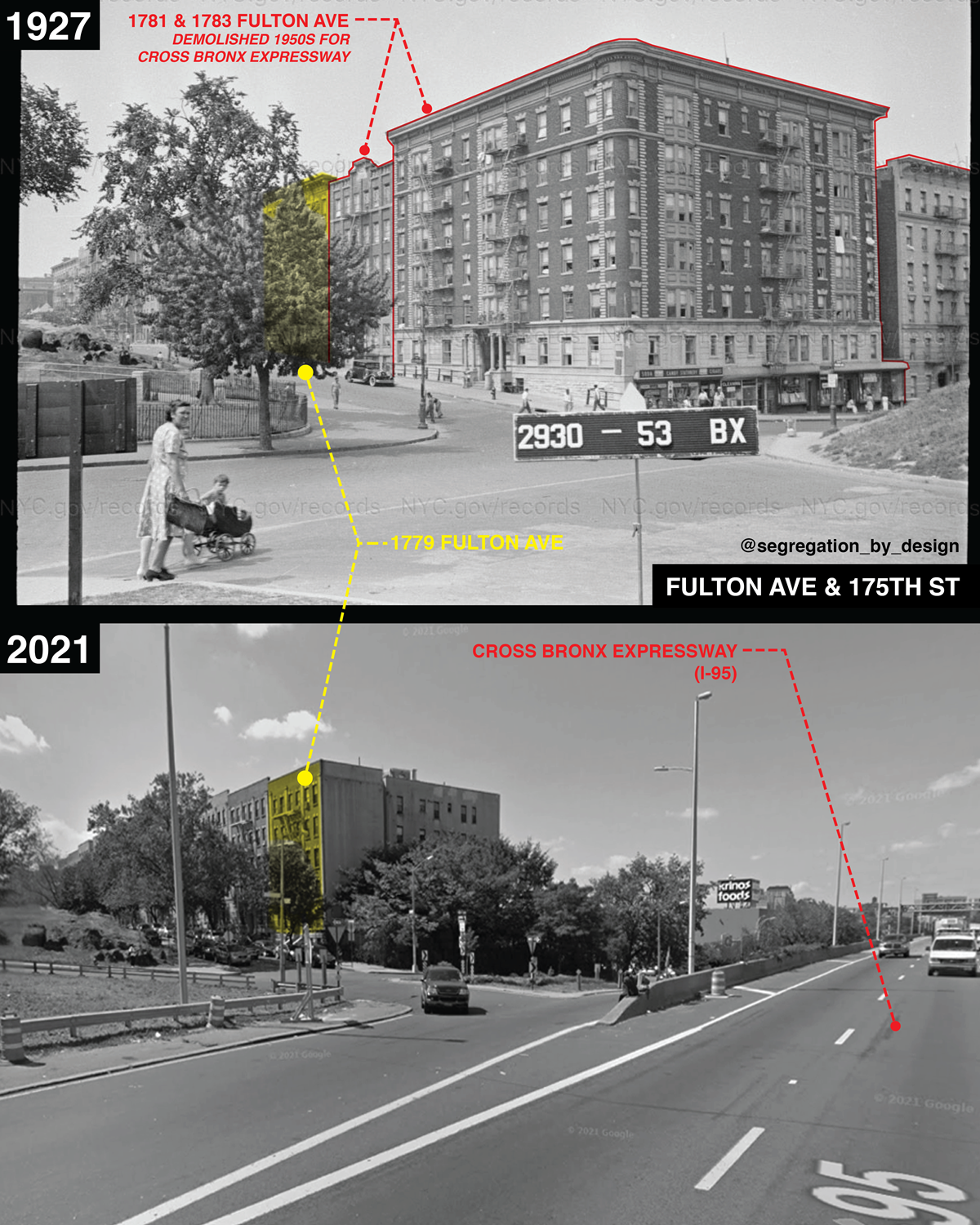
Highway construction also changed the borough. Expressways cut through established neighborhoods. These projects removed older buildings and reshaped traffic patterns.
Hard years and rebuilding
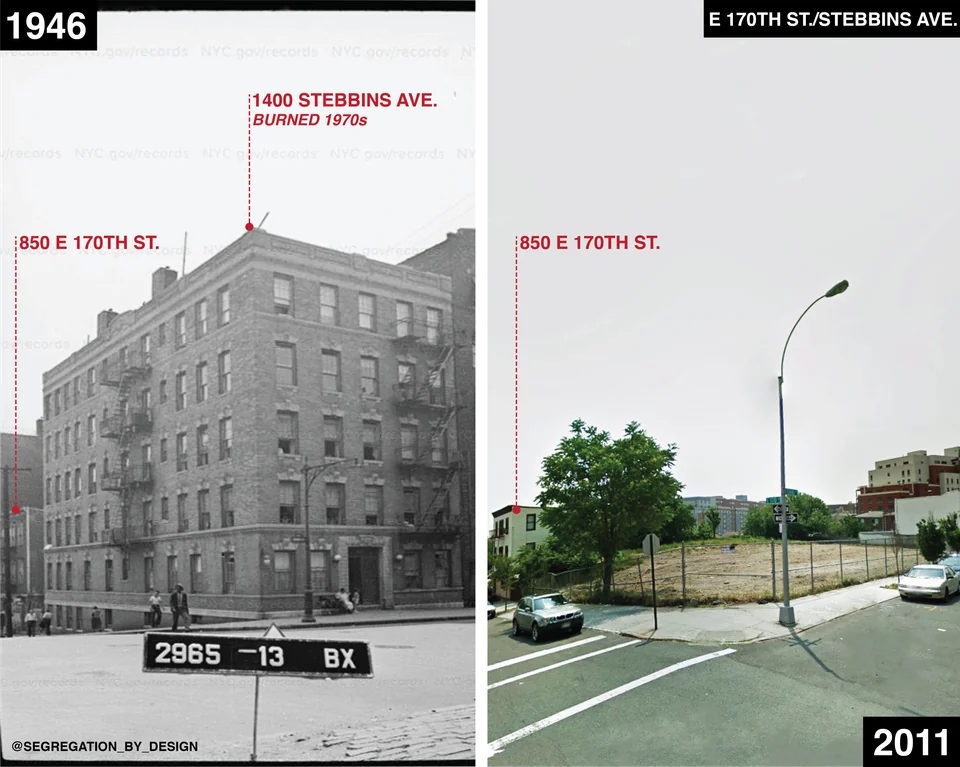
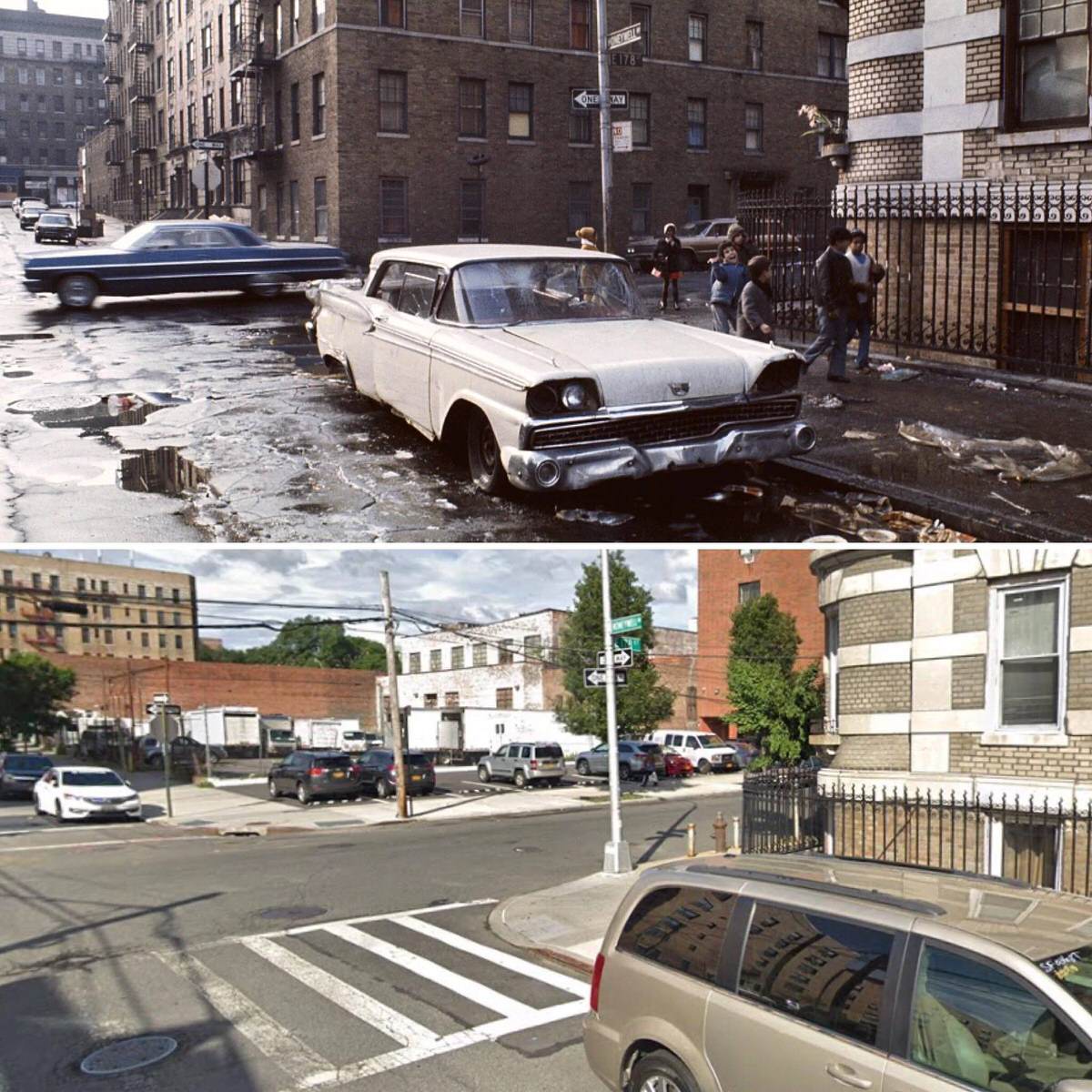
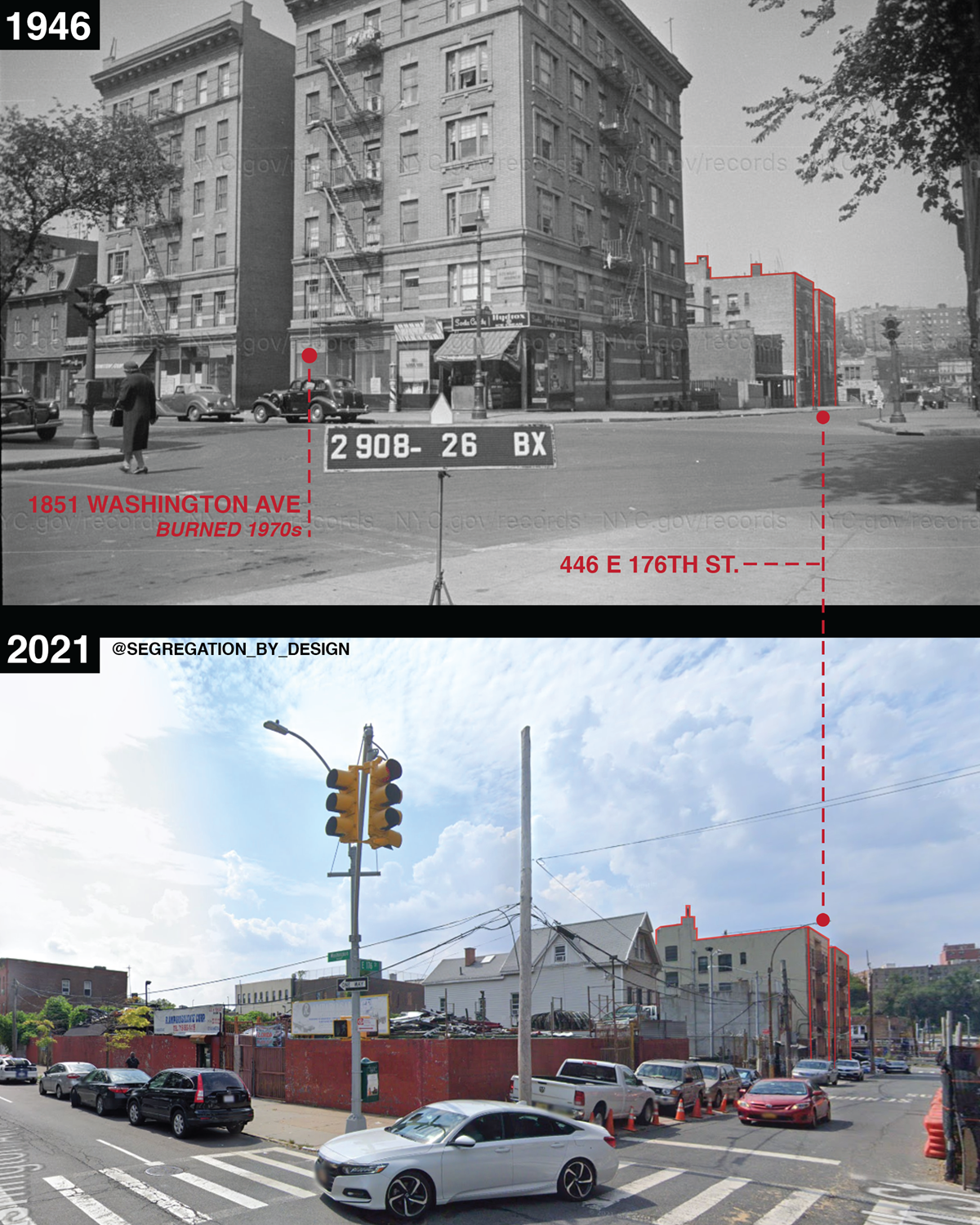
During the 1970s, many Bronx neighborhoods suffered building loss due to fires and neglect. Entire blocks lost residential buildings. Vacant lots replaced former apartment rows.
City programs and local groups began rebuilding during the 1980s and 1990s. New low-rise brick homes filled empty spaces. Many followed simple designs to restore housing quickly.
Community development groups worked to repair surviving buildings. Restored apartments brought residents back to damaged areas.
New development and modern construction
Since the early 2000s, new construction has added housing across the Bronx. Developers built mid-rise apartments near transit lines. Some projects include ground-floor retail and community space.
Waterfront areas along the Harlem River now include new residential buildings and public walkways. Parks and greenways replaced sections of former industrial land.
Modern buildings often use glass balconies, steel framing, and energy-efficient designs. These features contrast with older masonry structures nearby.
Religious and educational buildings
Churches remain strong visual landmarks across the Bronx. Many early churches used Gothic Revival or Romanesque styles with stone towers and stained glass.
Later religious buildings often use simpler brick construction while keeping traditional layouts.
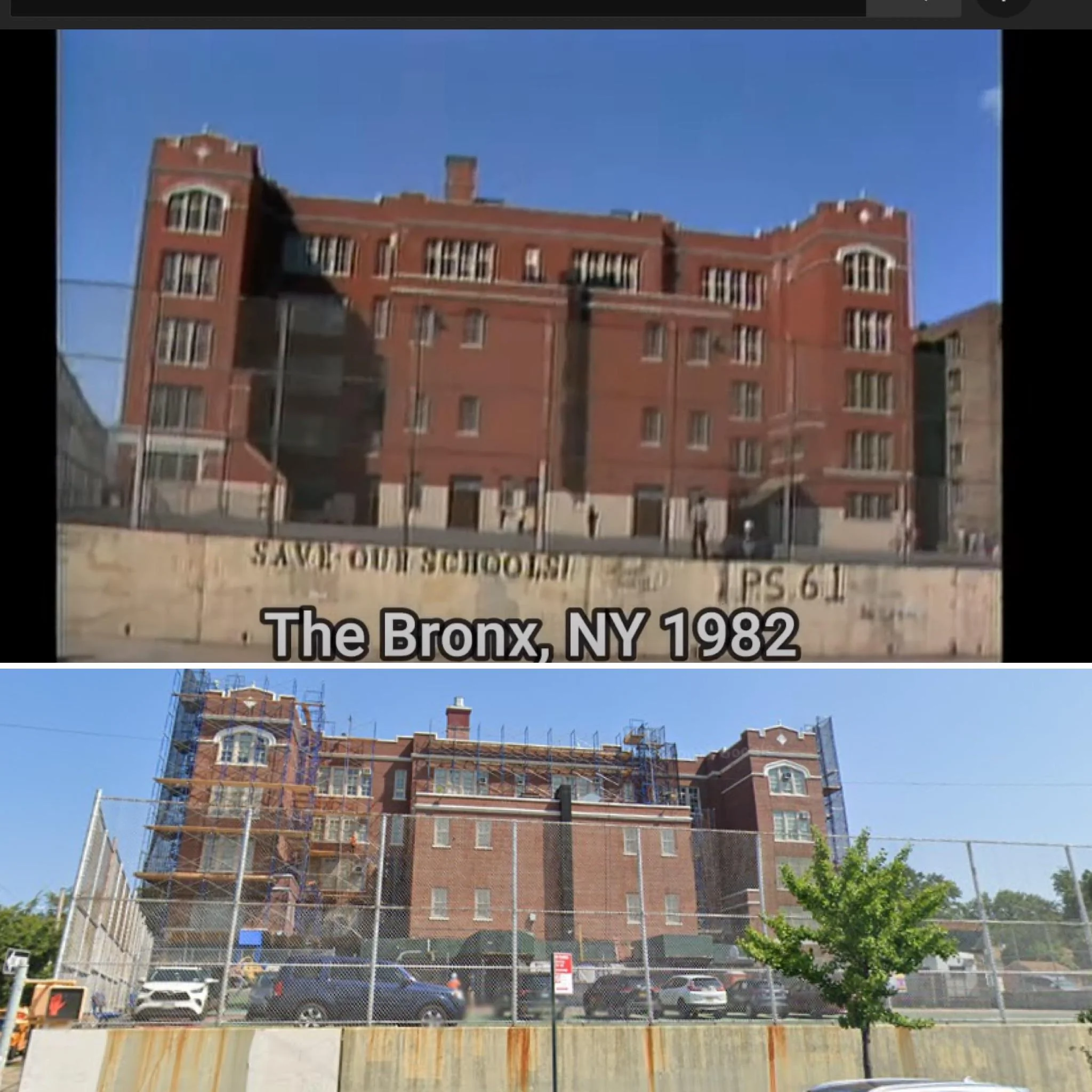
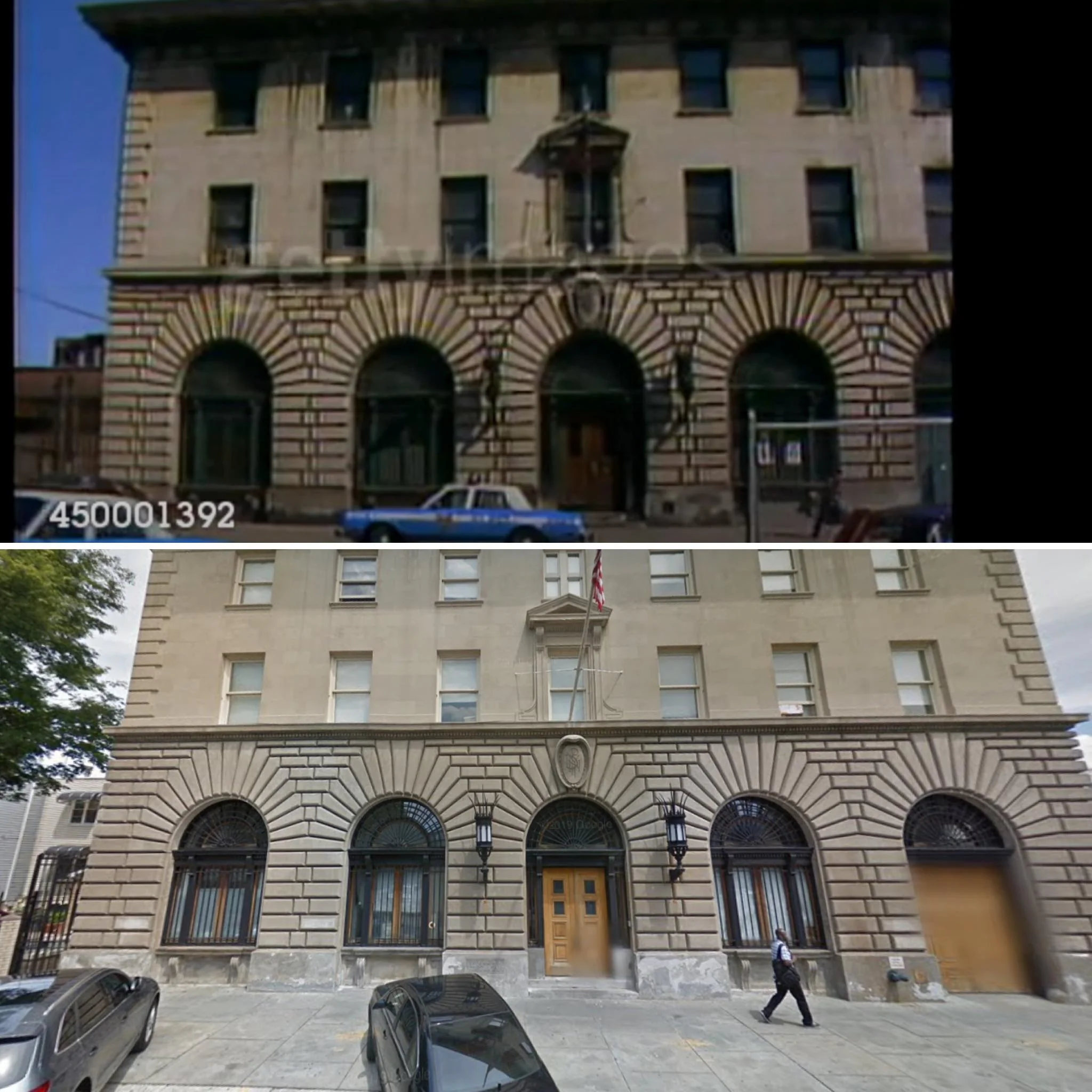
Schools also show architectural change. Early 20th-century schools often look like fortresses, with thick walls and detailed entrances. Newer schools focus on open interiors, large windows, and updated safety features.
Streets showing old and new Bronx
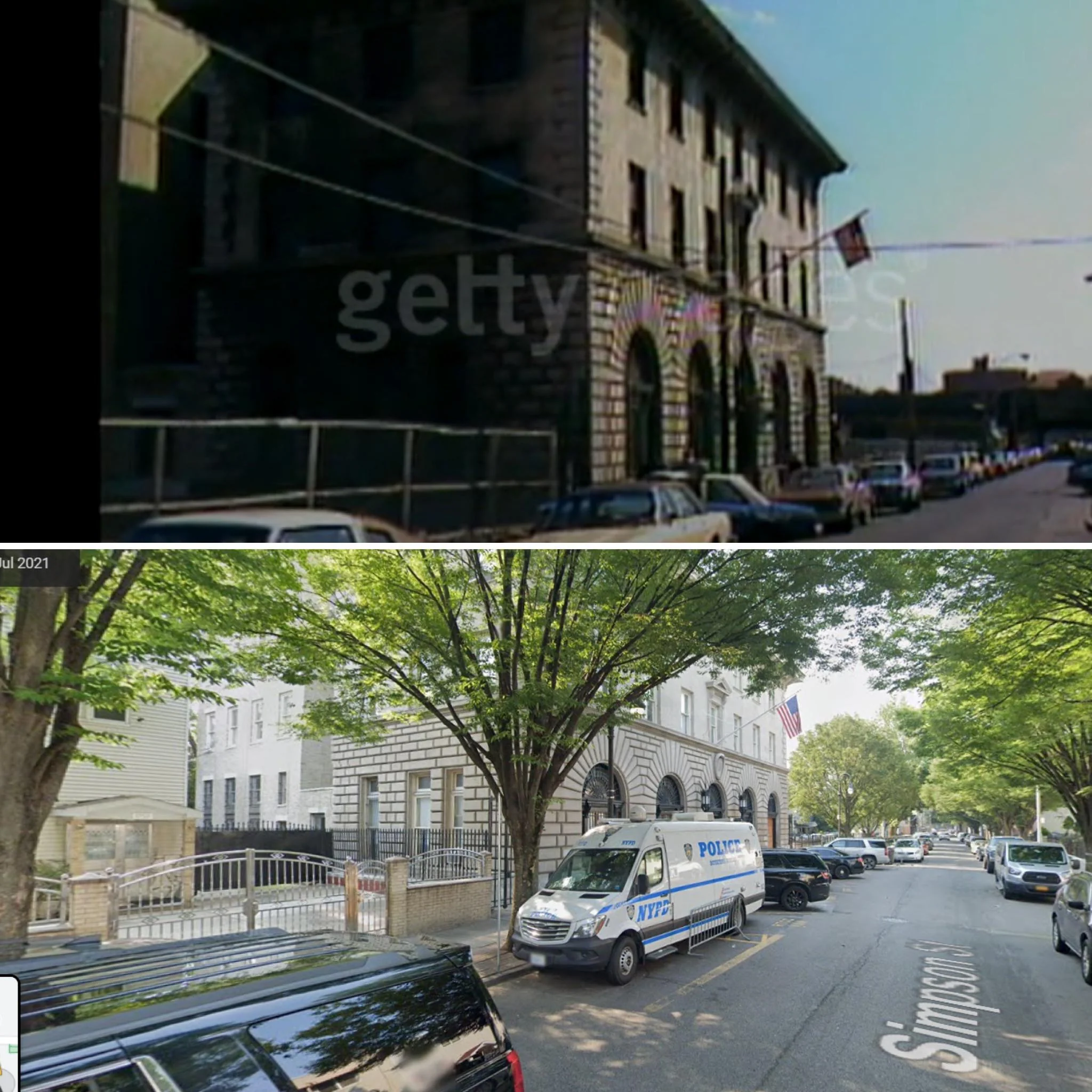
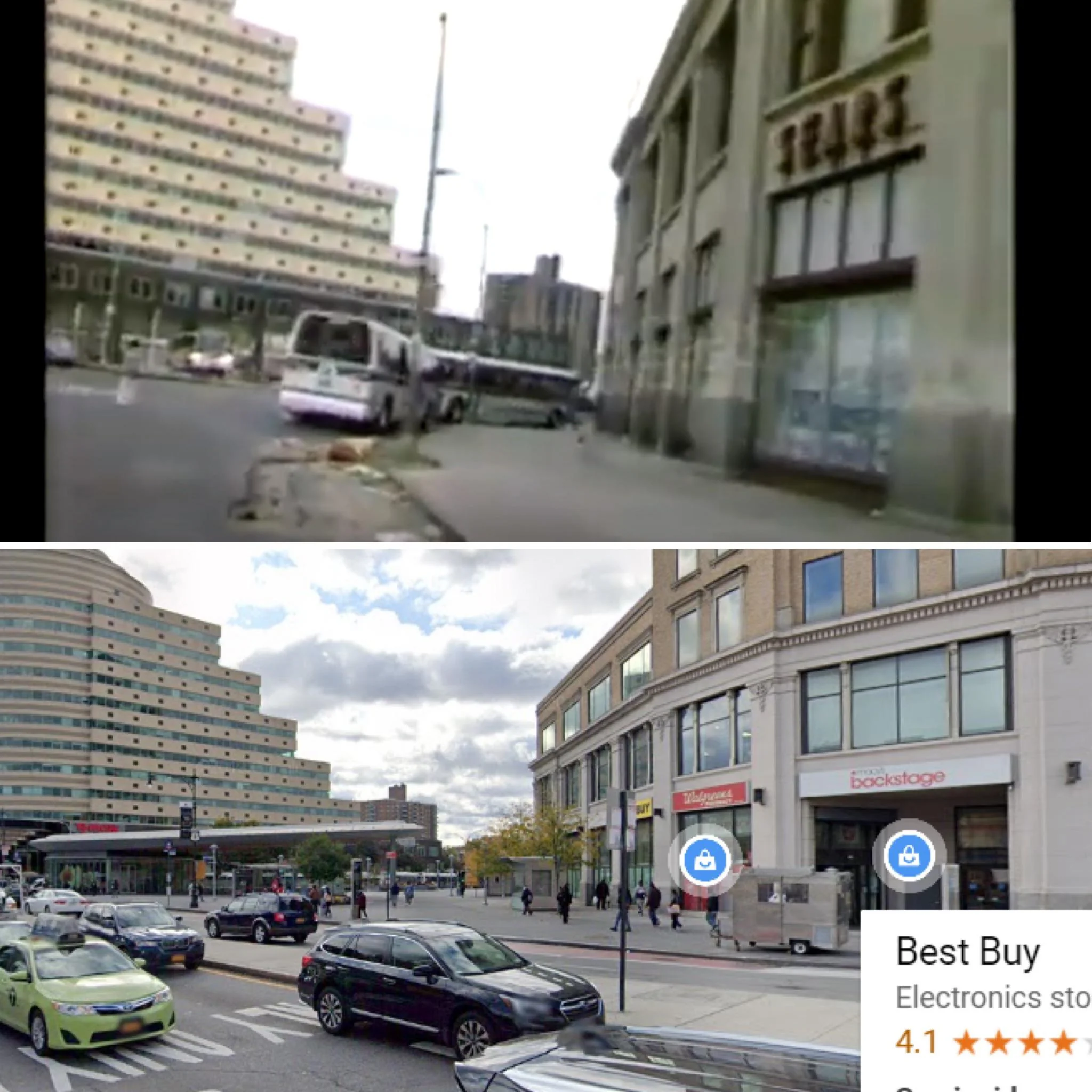
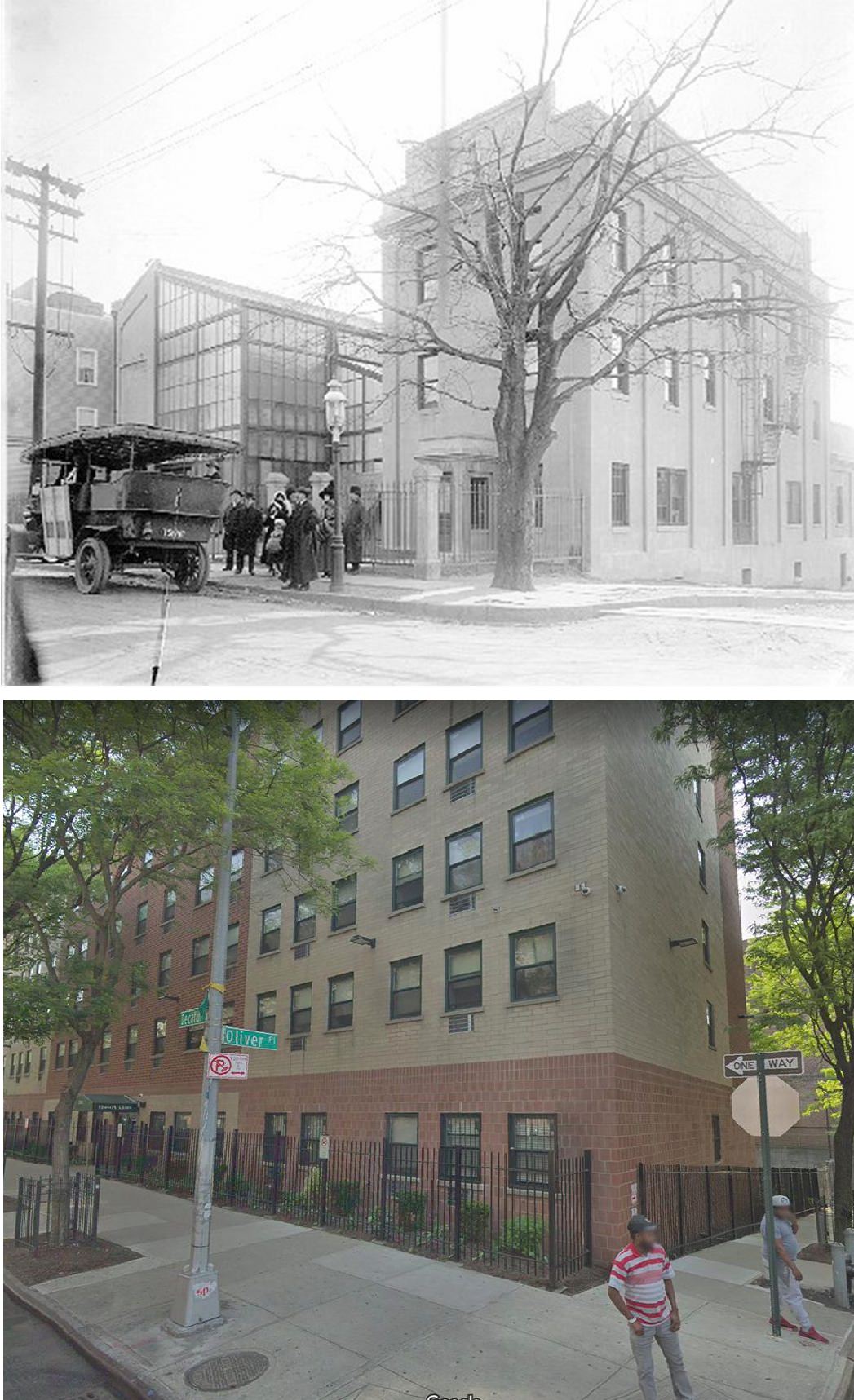
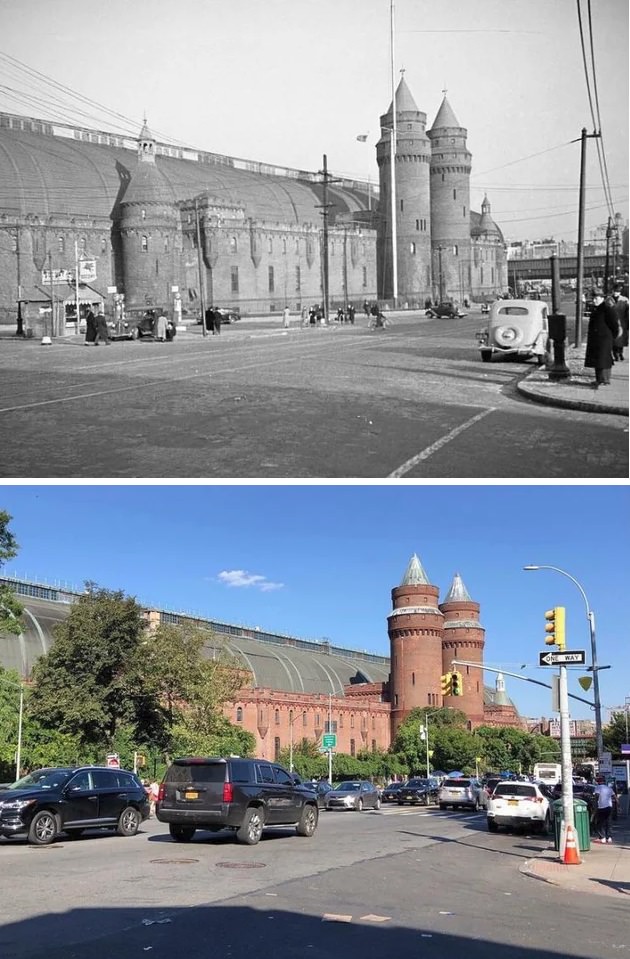
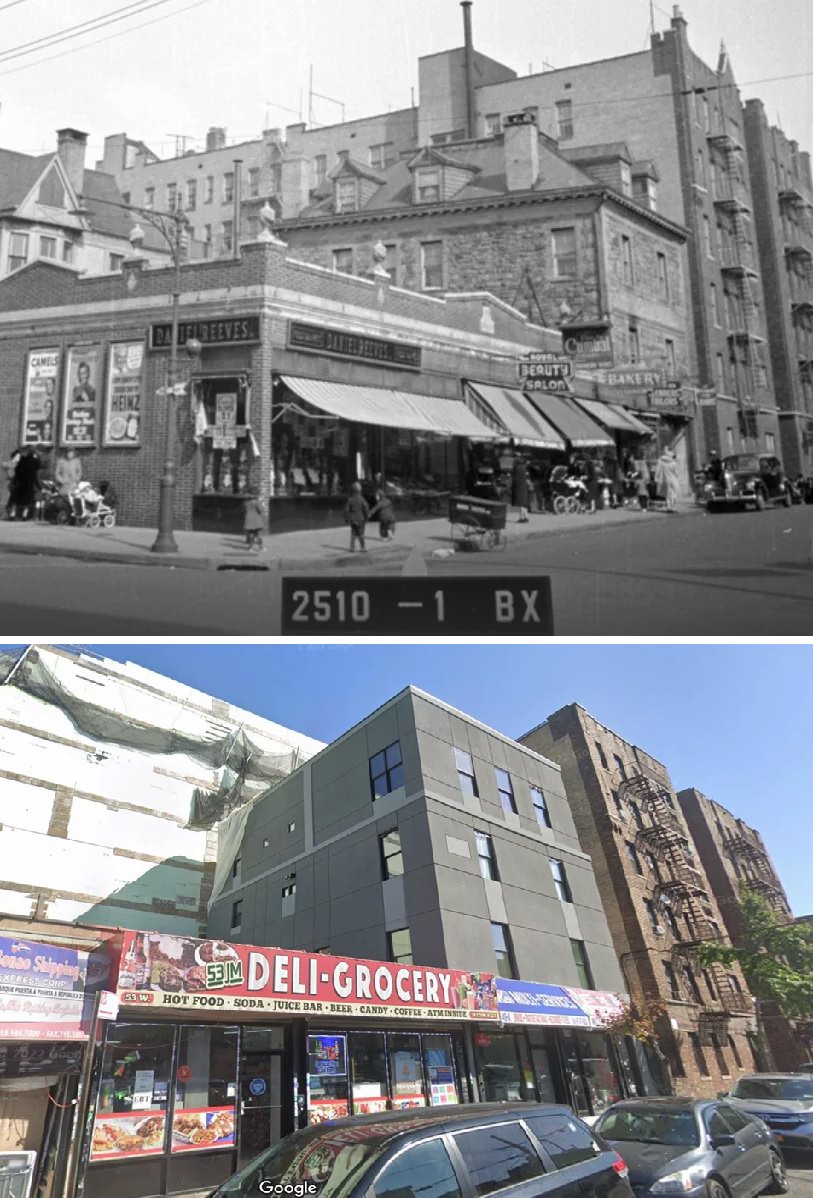
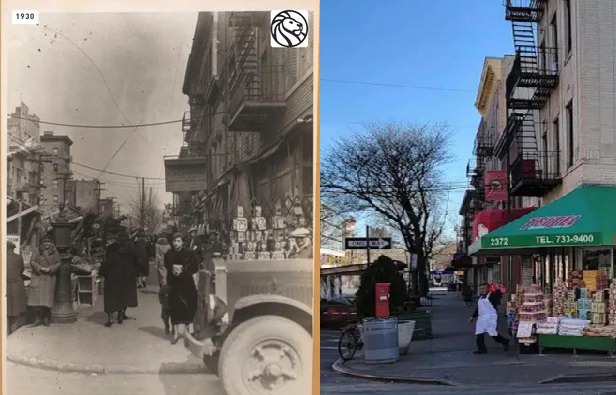
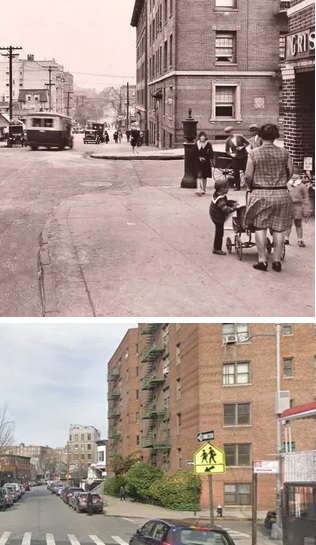
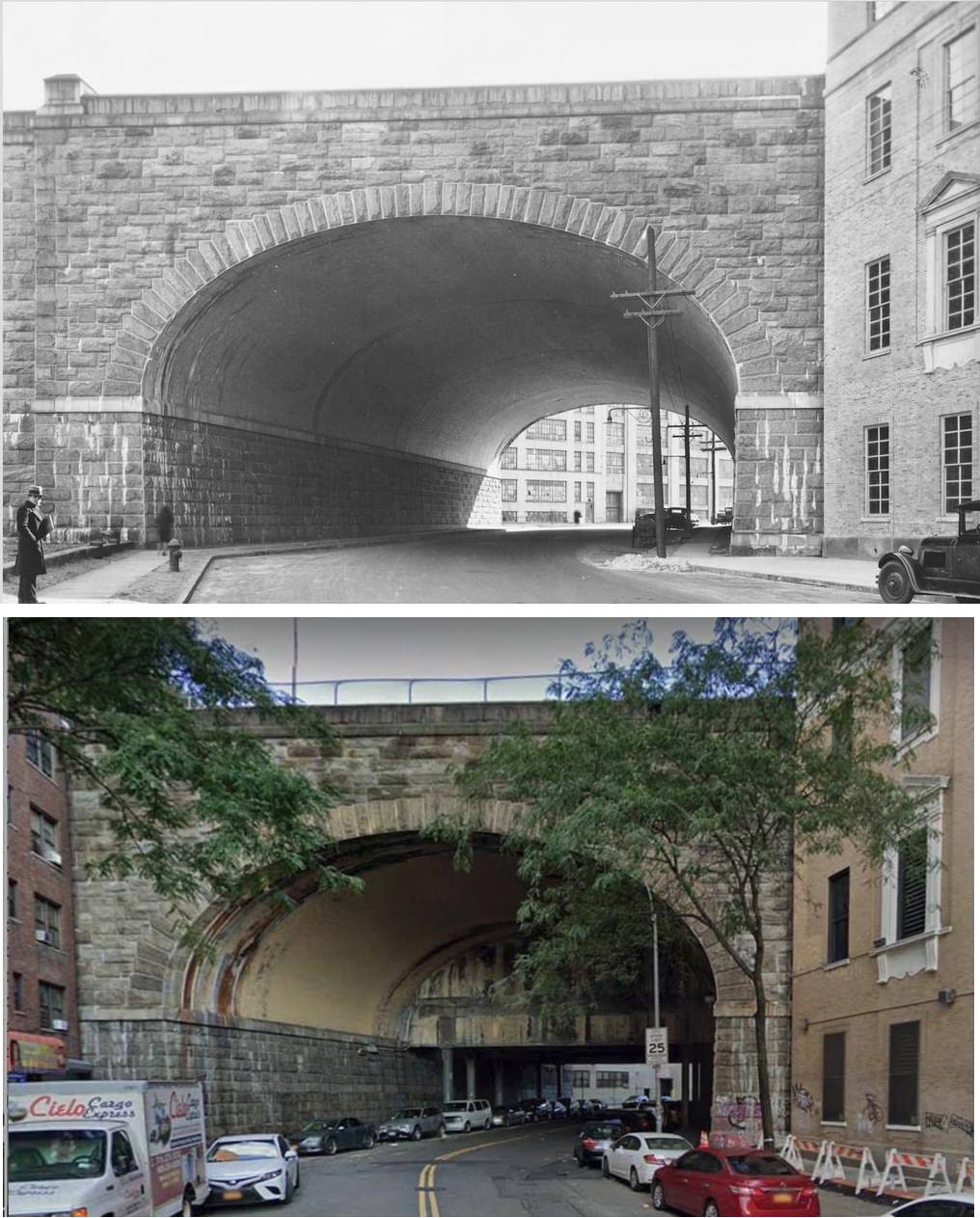
Some Bronx streets show clear contrasts between different eras. Early apartment houses with carved stone details stand near modern affordable housing projects.
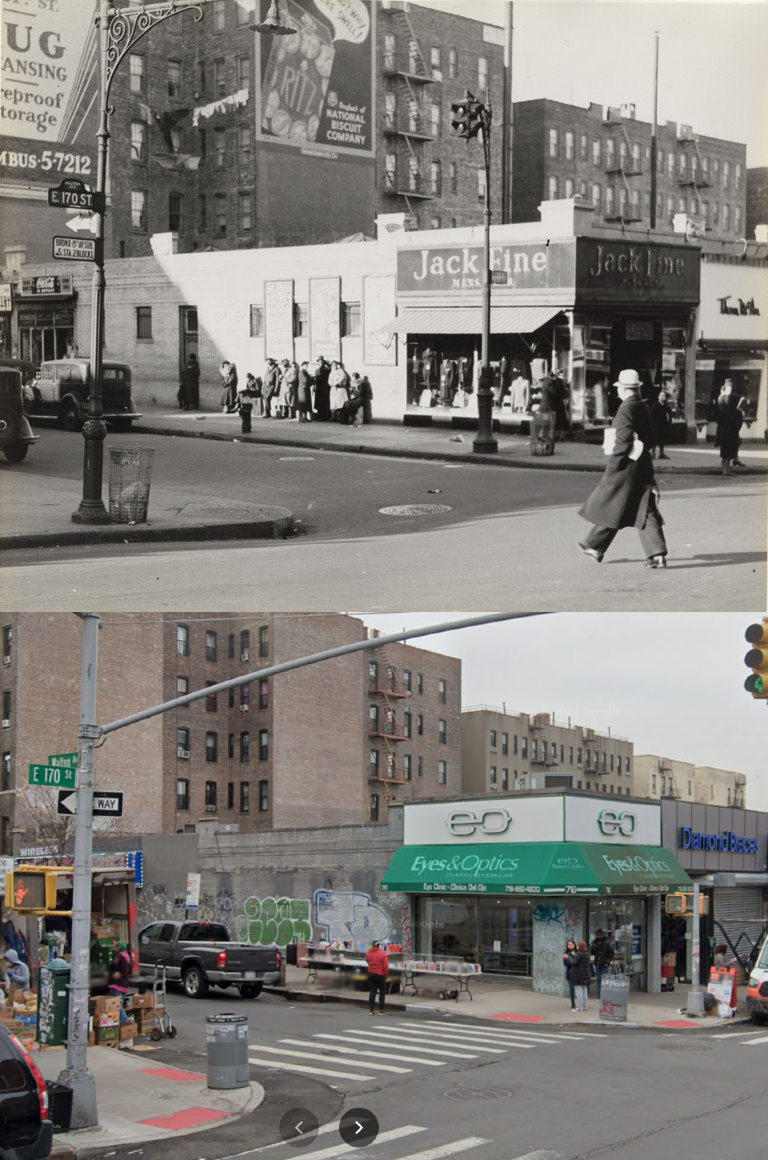
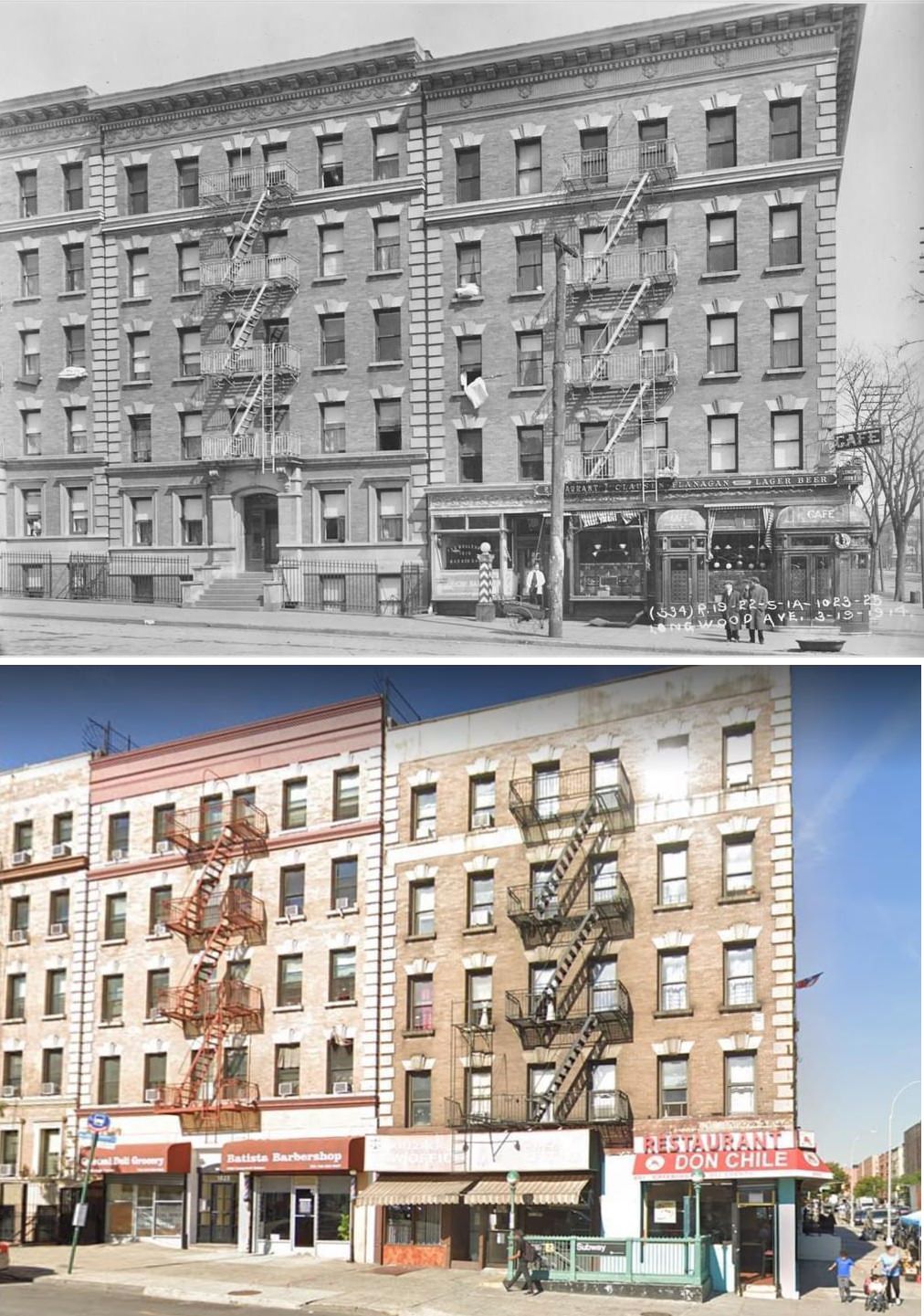
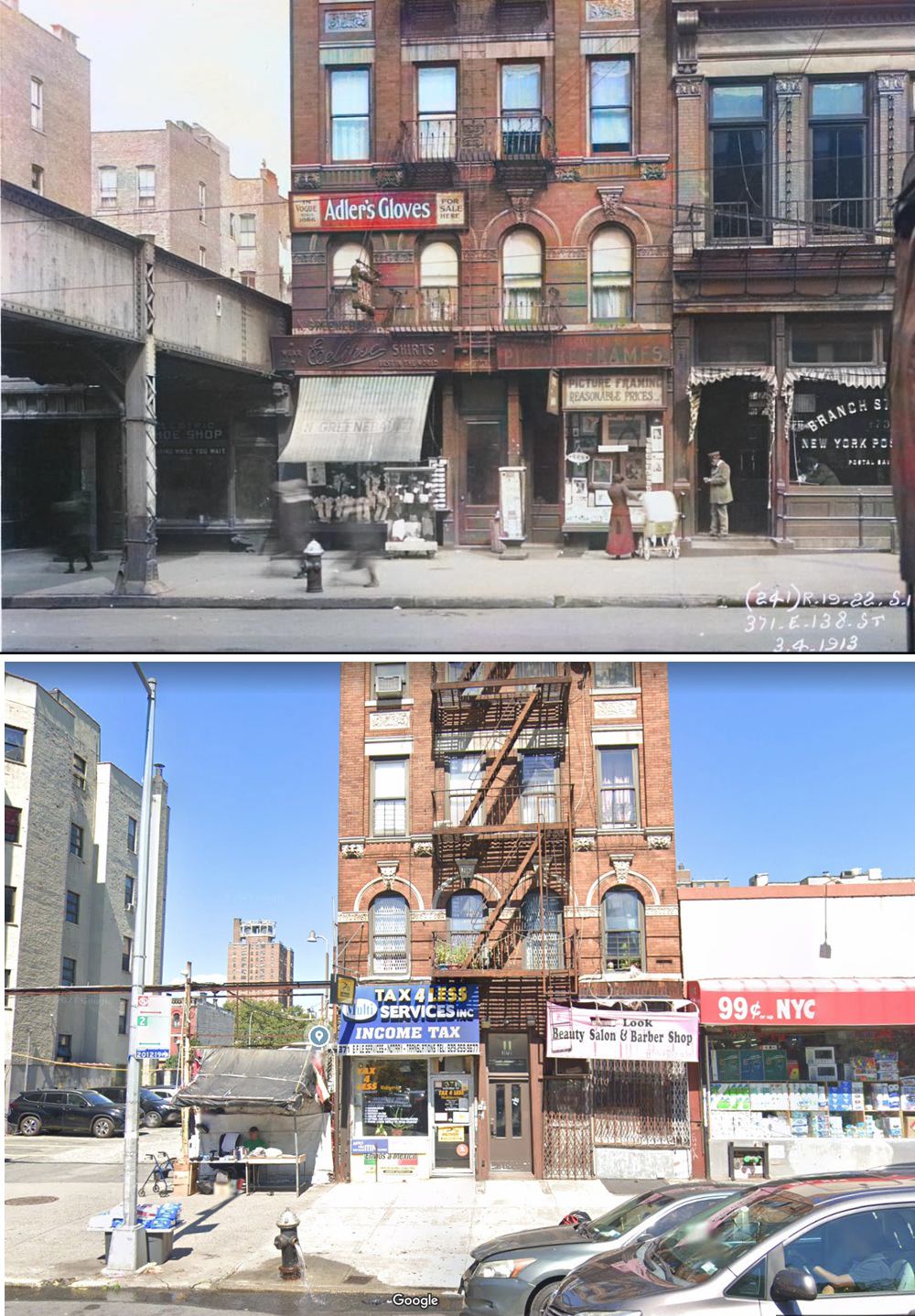
Older commercial streets still show early storefront designs with narrow shop fronts and apartments above. New businesses update these spaces while keeping the original building shells.
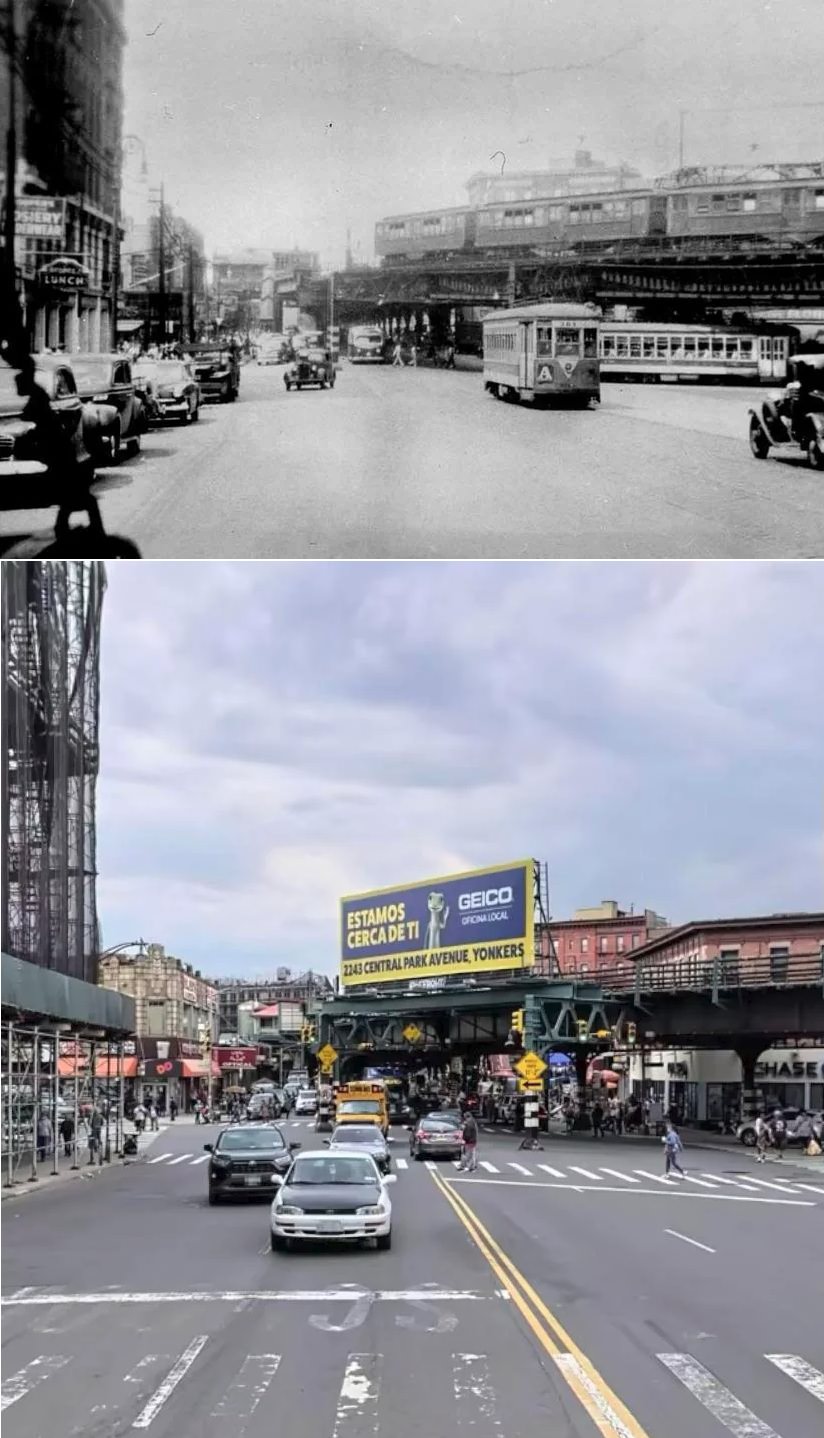
Transit improvements also mark change. Renovated subway stations, bus hubs, and pedestrian plazas show recent investment.
Across the borough, buildings from different decades stand side by side. Early apartments from the 1910s, housing towers from the 1950s, and new developments from the 2020s all share the same streets.

GIPHY App Key not set. Please check settings