

 Dennis Saul
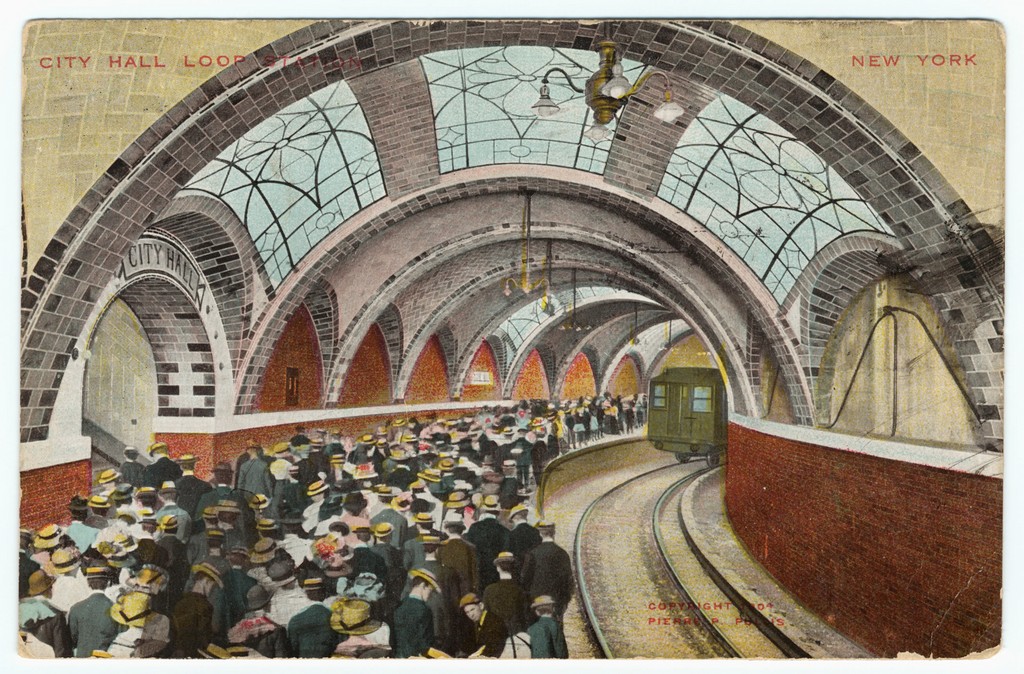
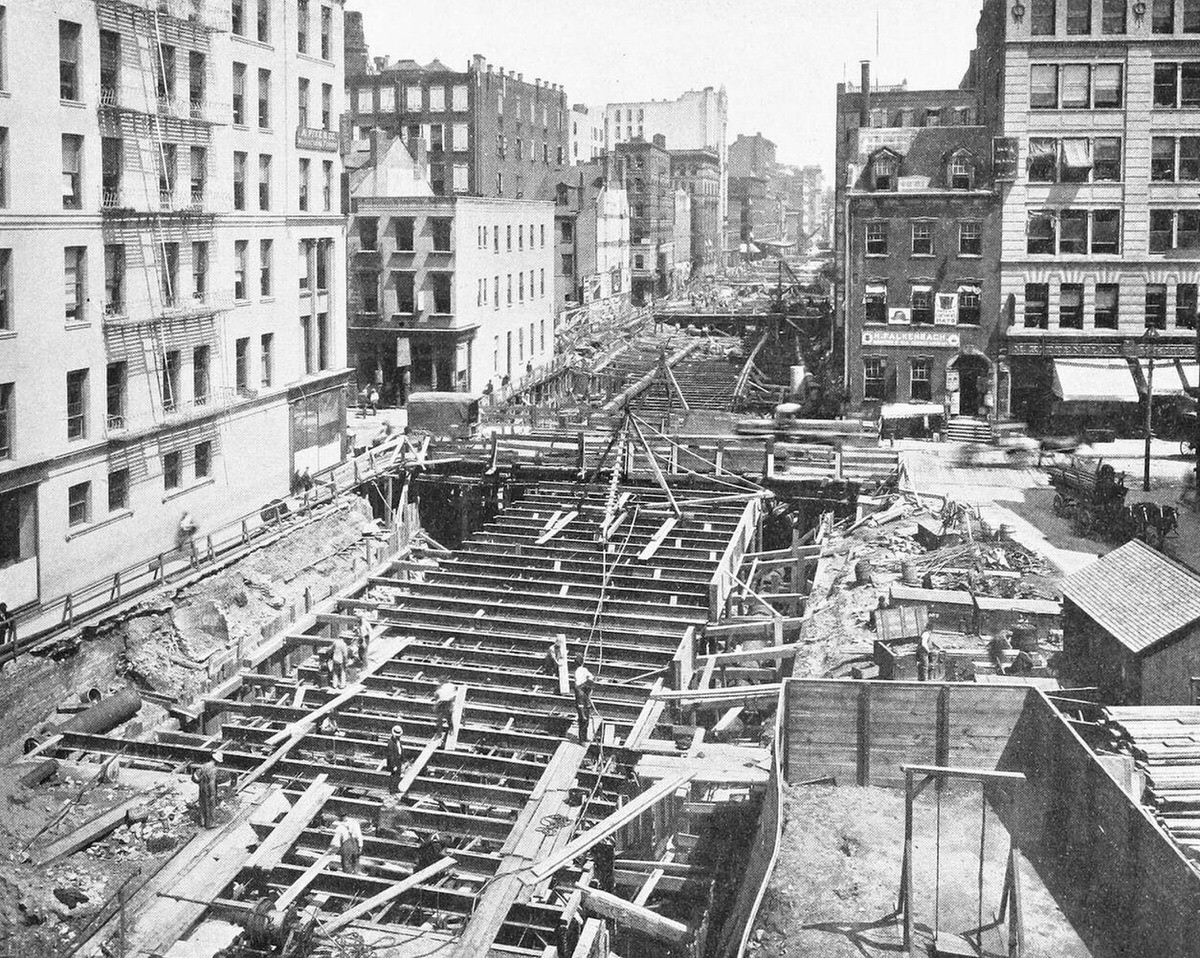
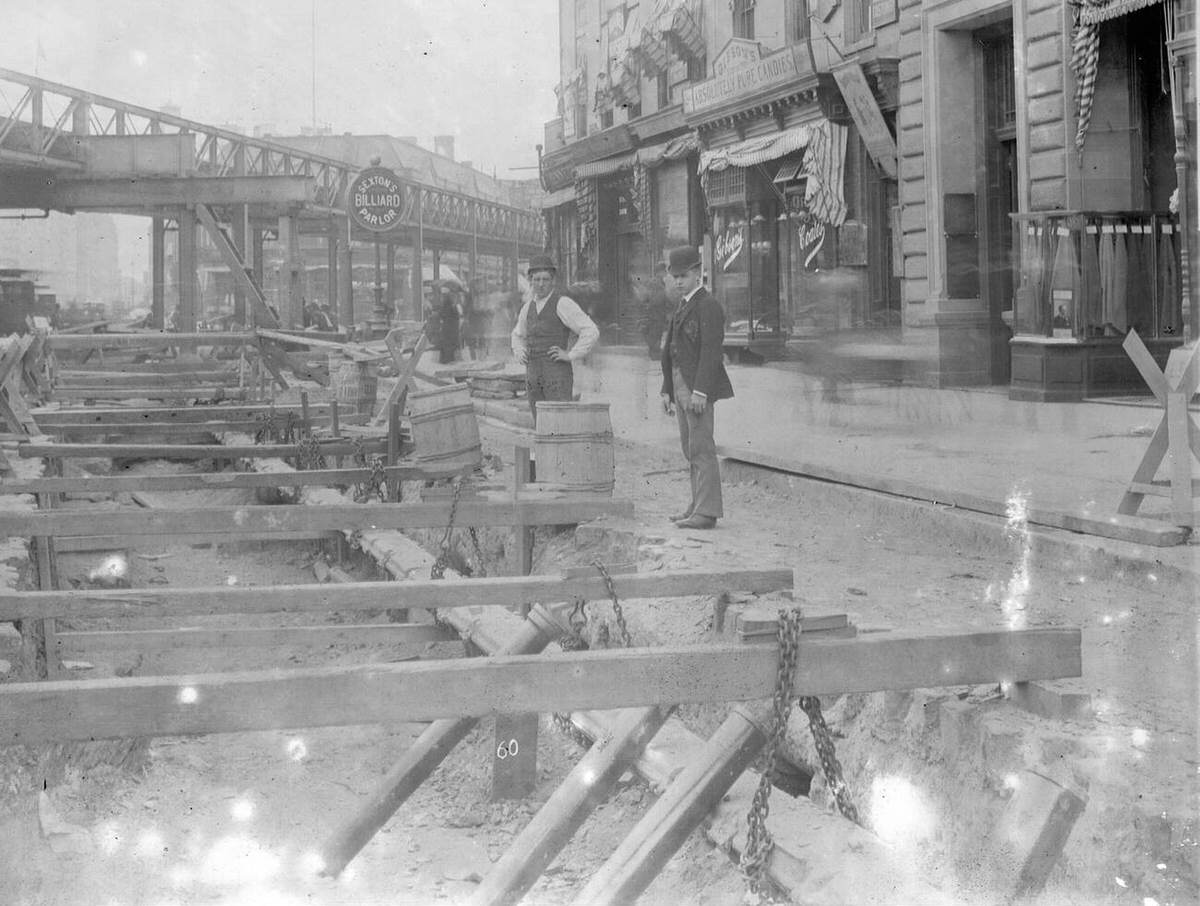
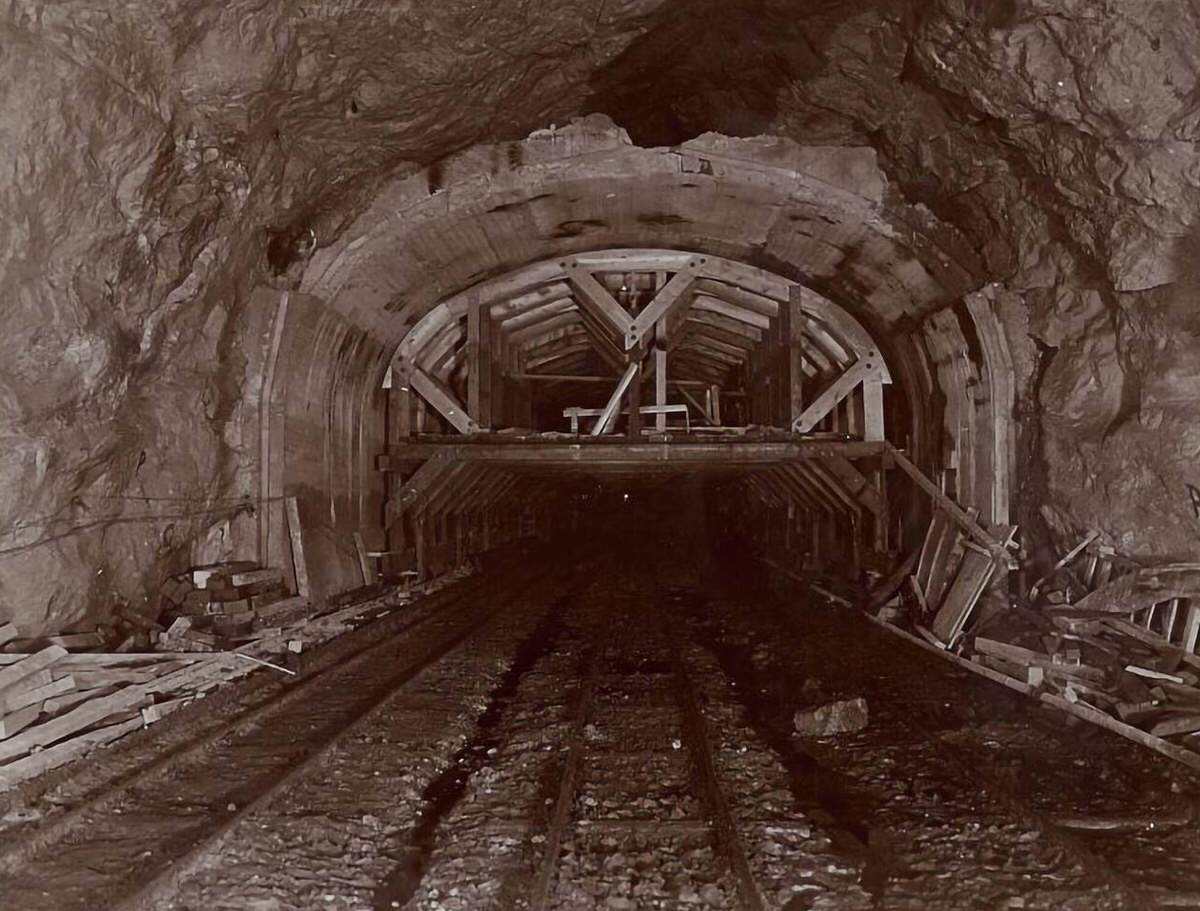
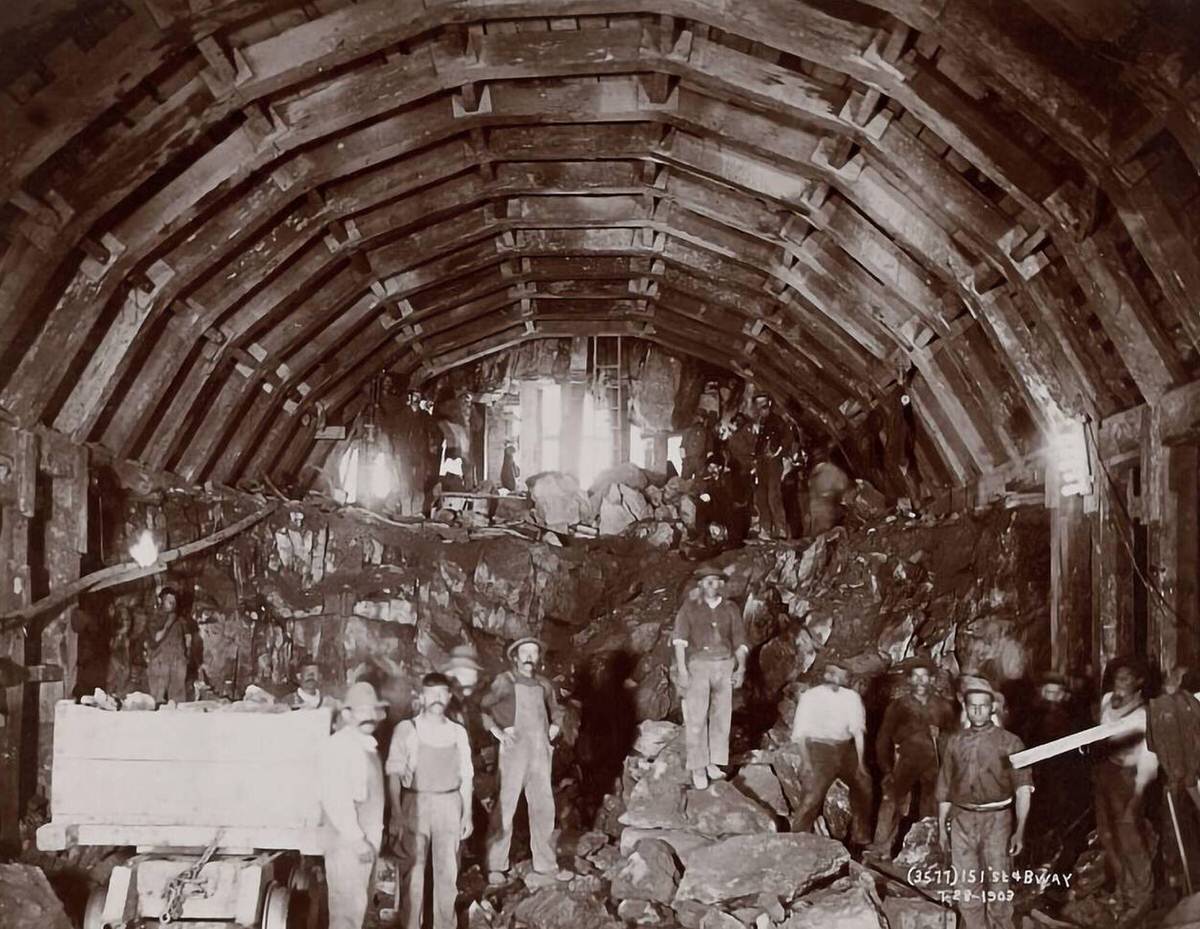
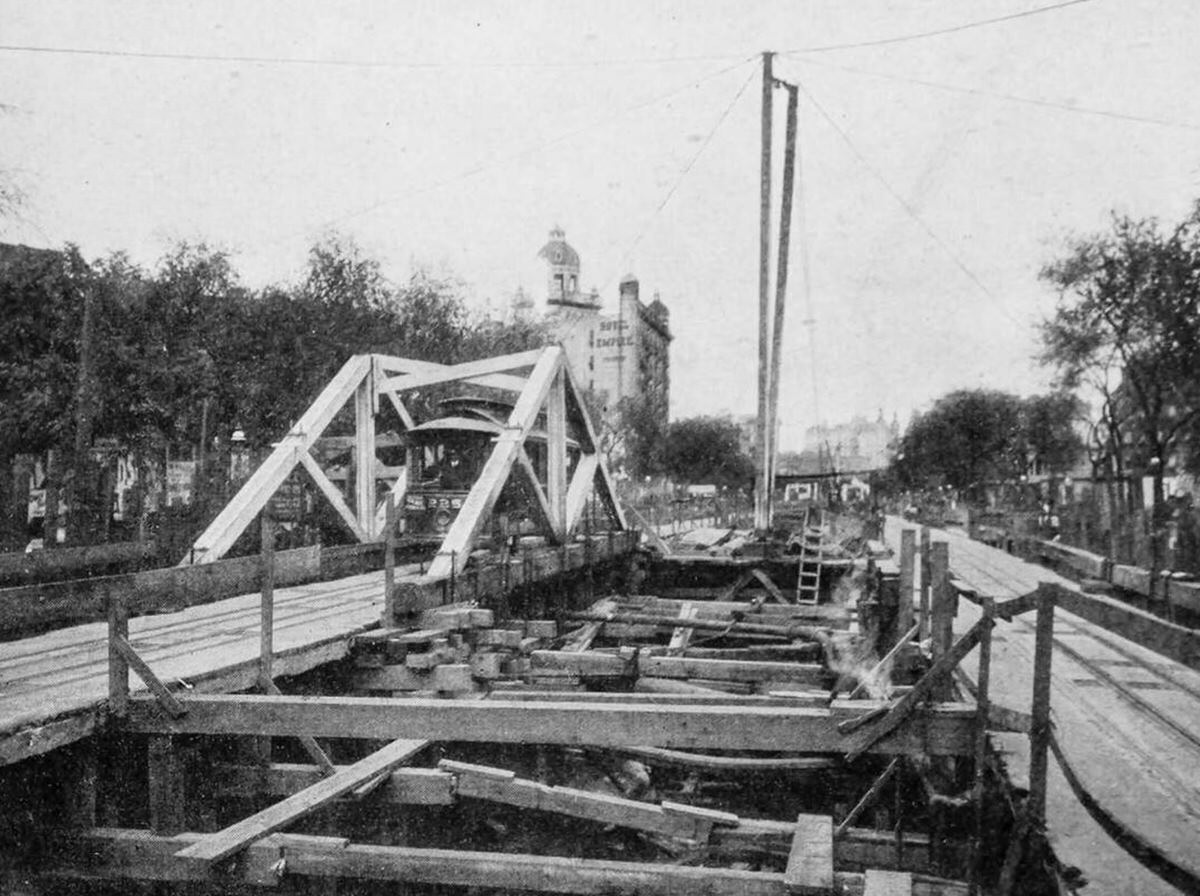
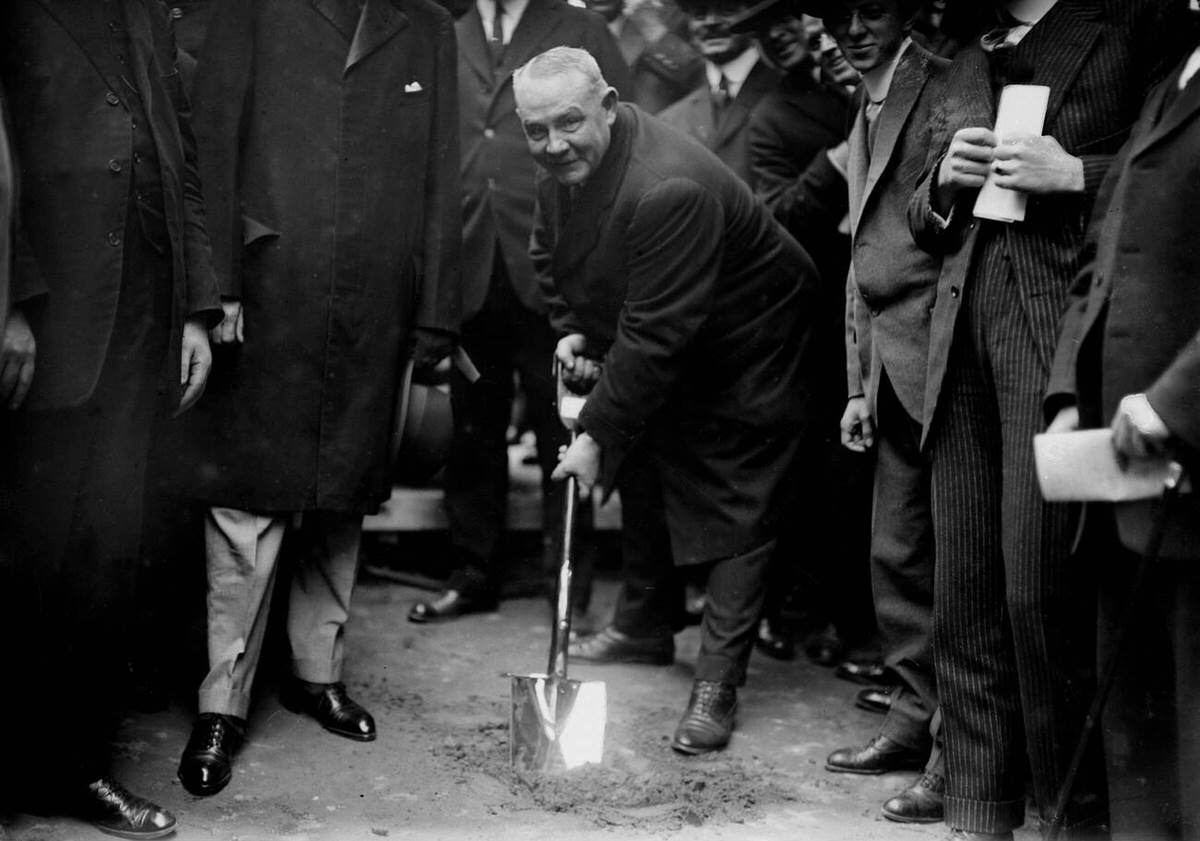
The subway system in New York City began operating in 1904. The first line ran from City Hall to Harlem. It was built and operated by the Interborough Rapid Transit Company, often called the IRT.
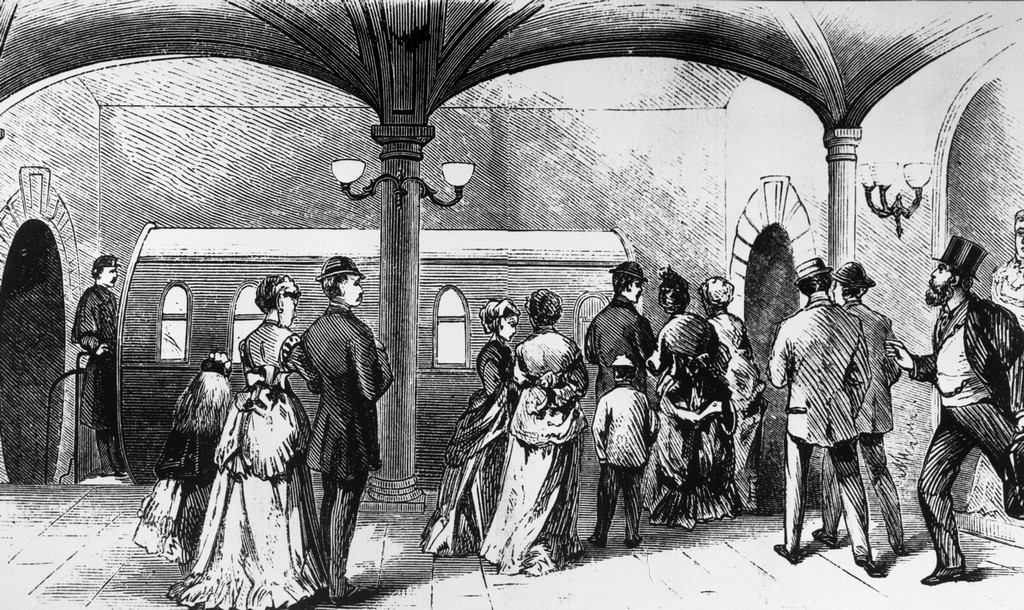
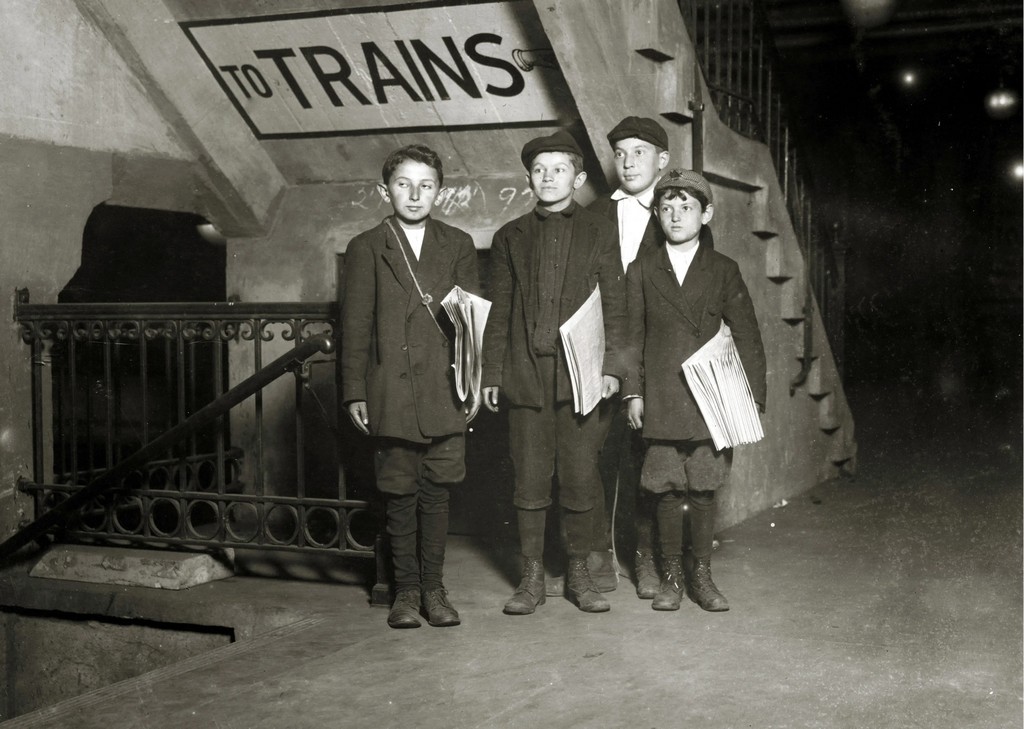
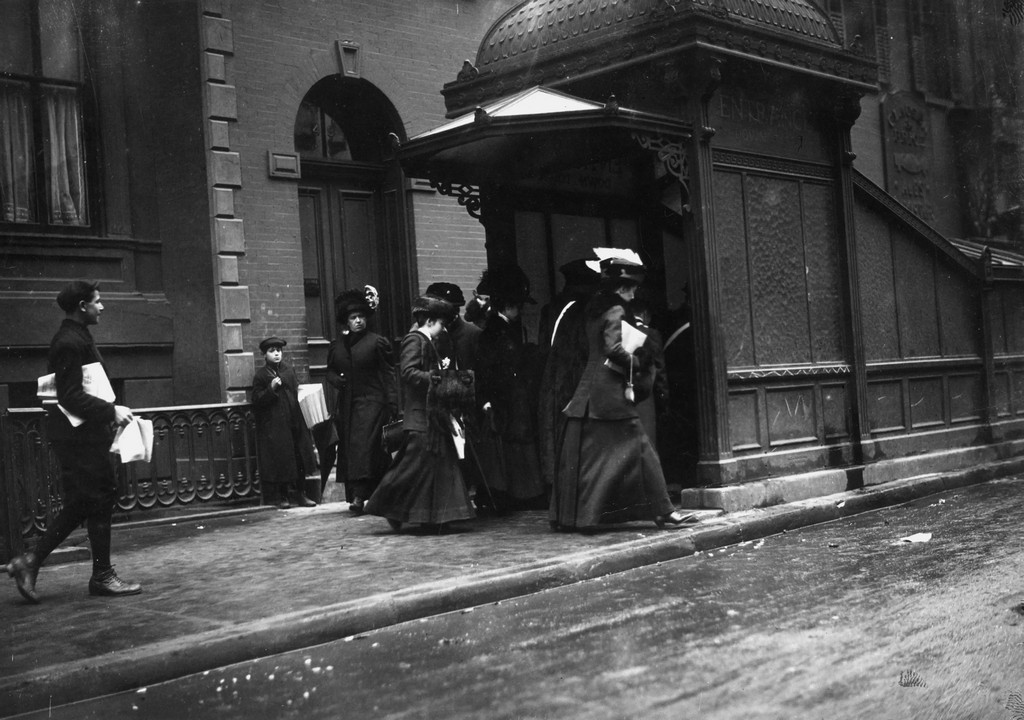
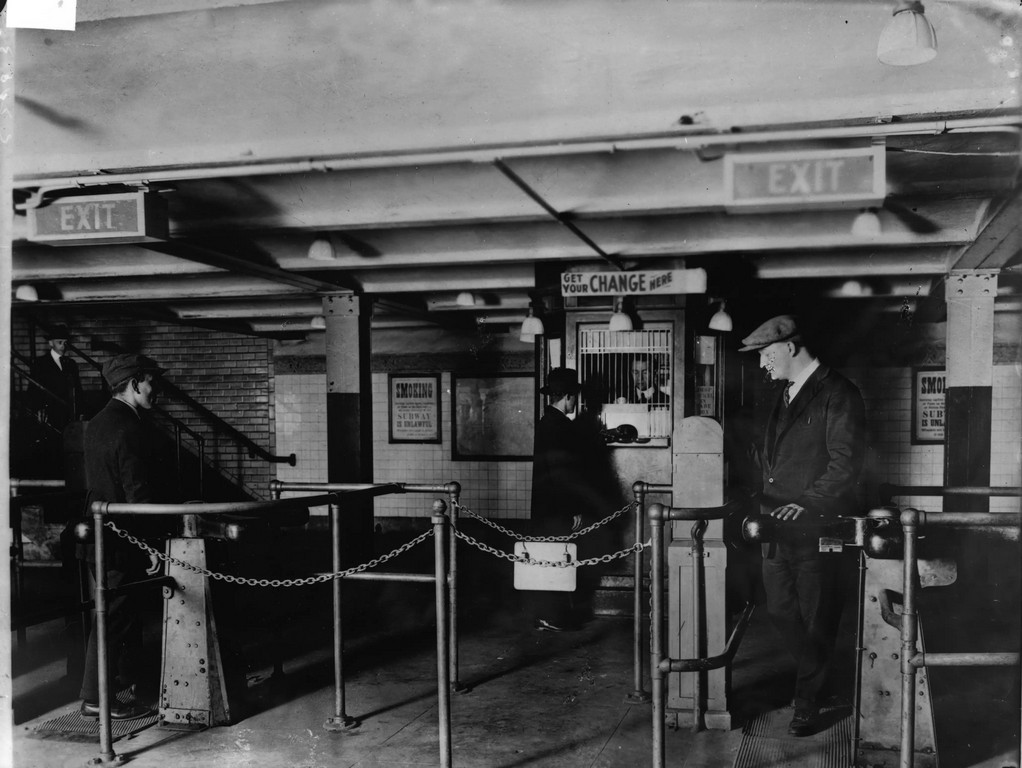
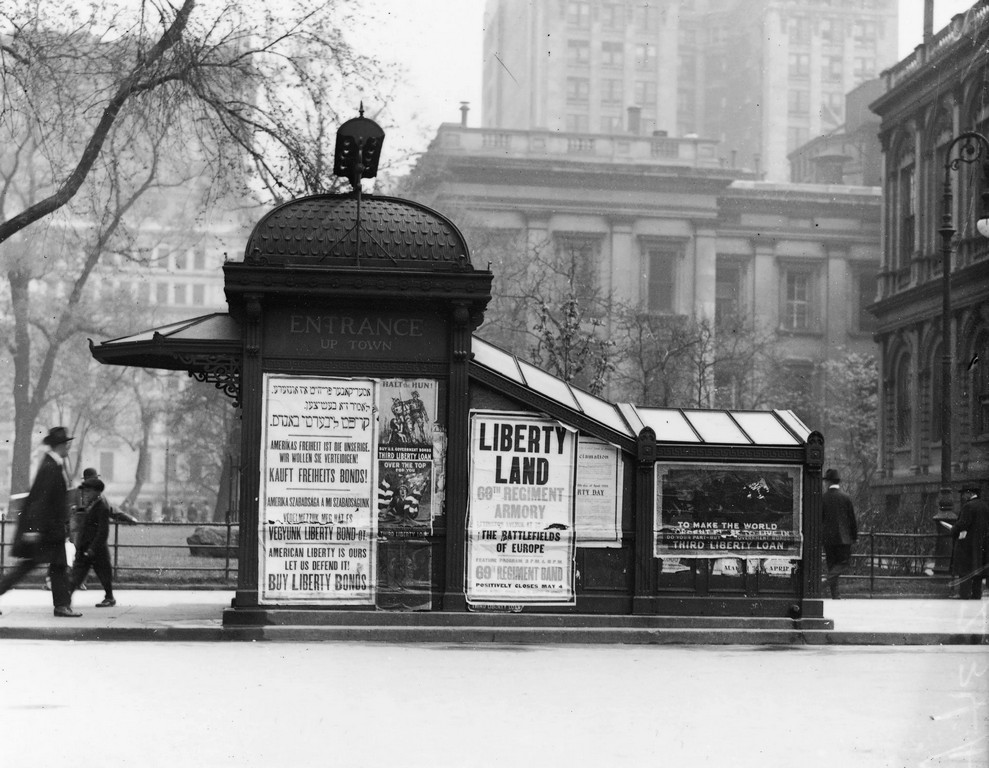
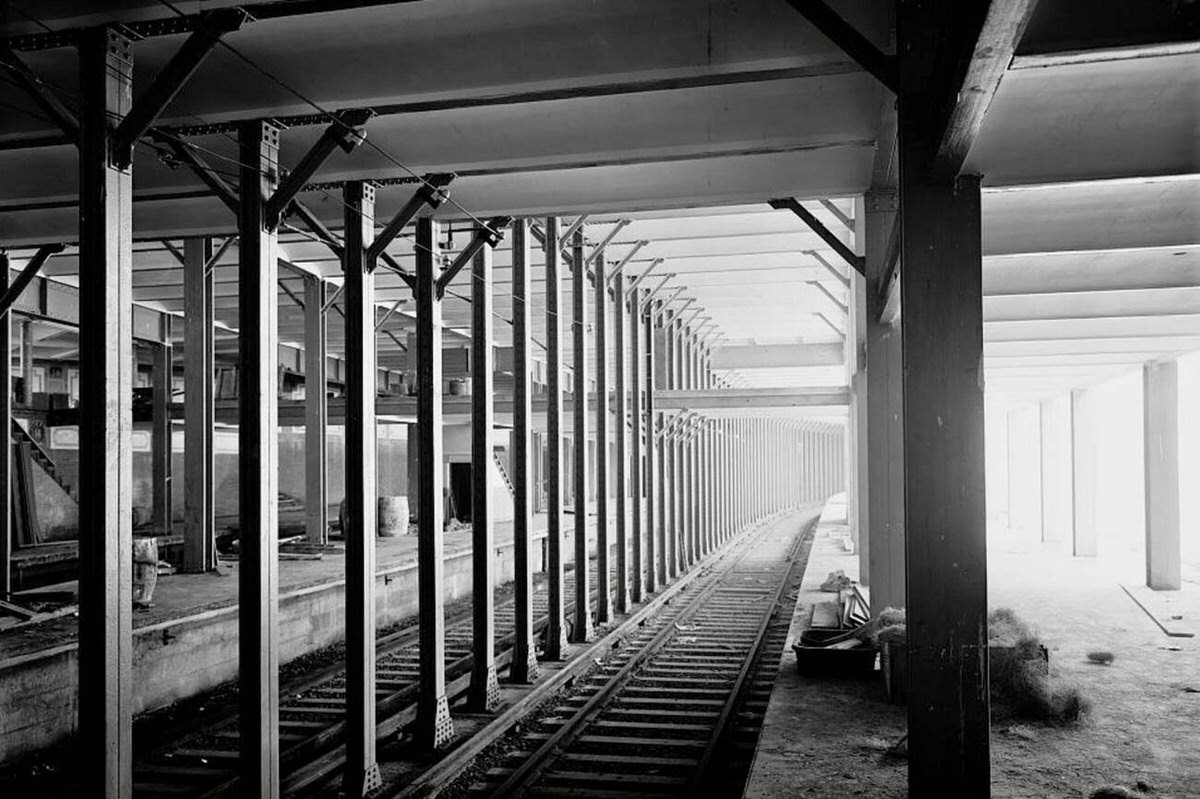
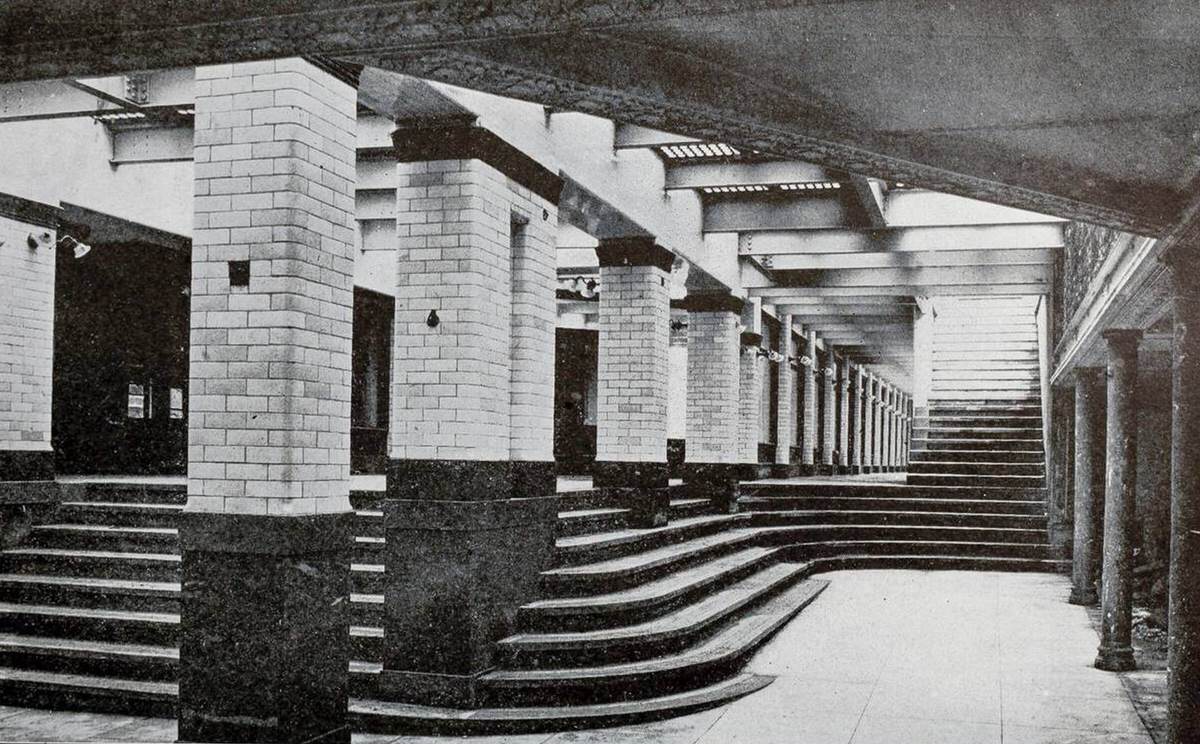
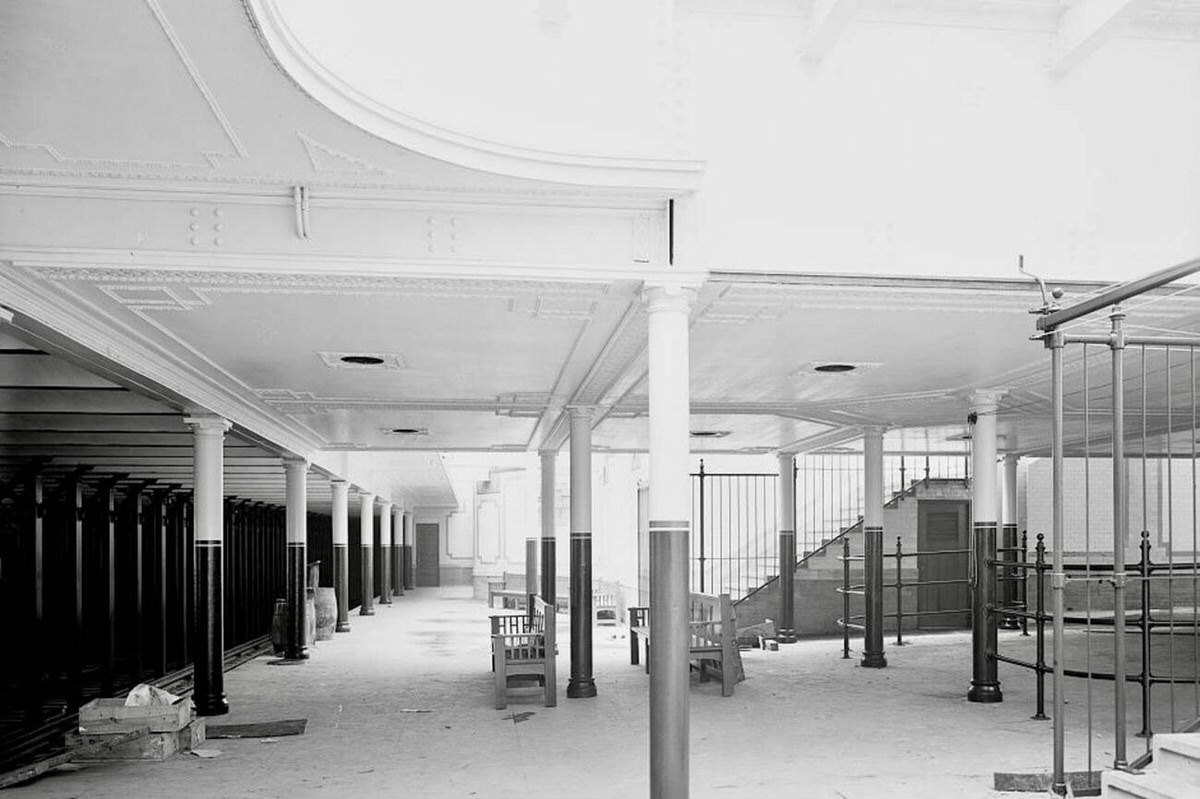
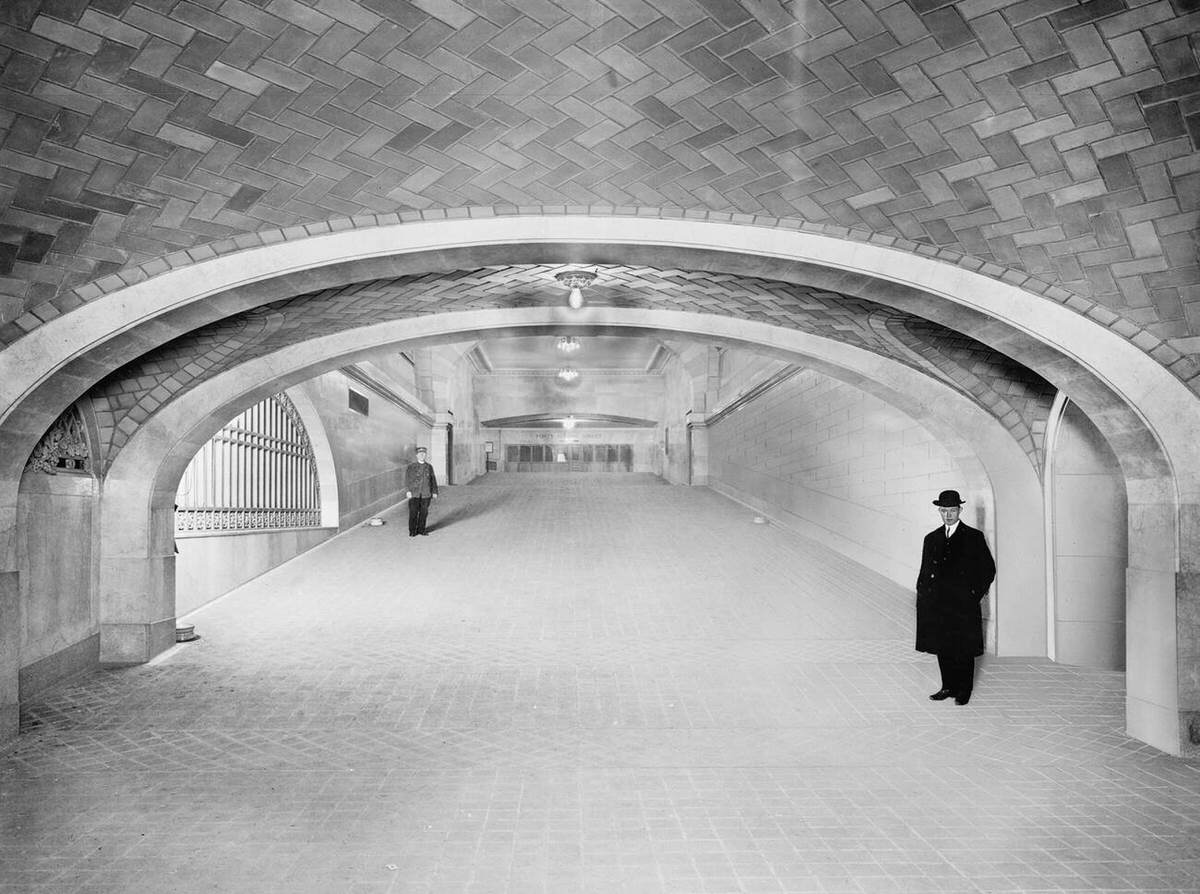
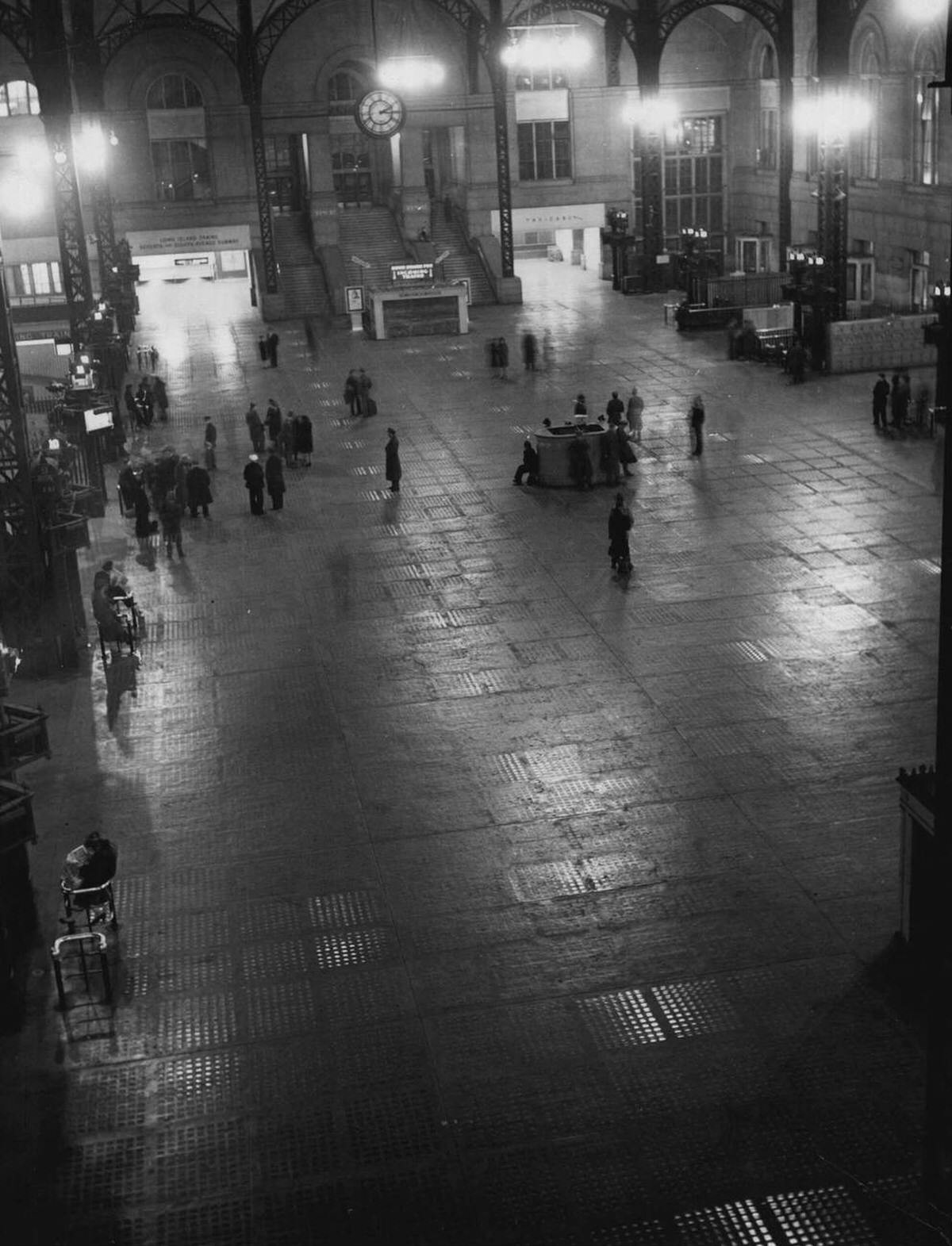
Early commuters experienced a system that felt modern for its time. Electric trains moved passengers faster than horse-drawn streetcars. Stations were decorated with ceramic tiles, brass fixtures, and arched ceilings. Riders entered through simple ticket booths and walked down stairways to the platforms.
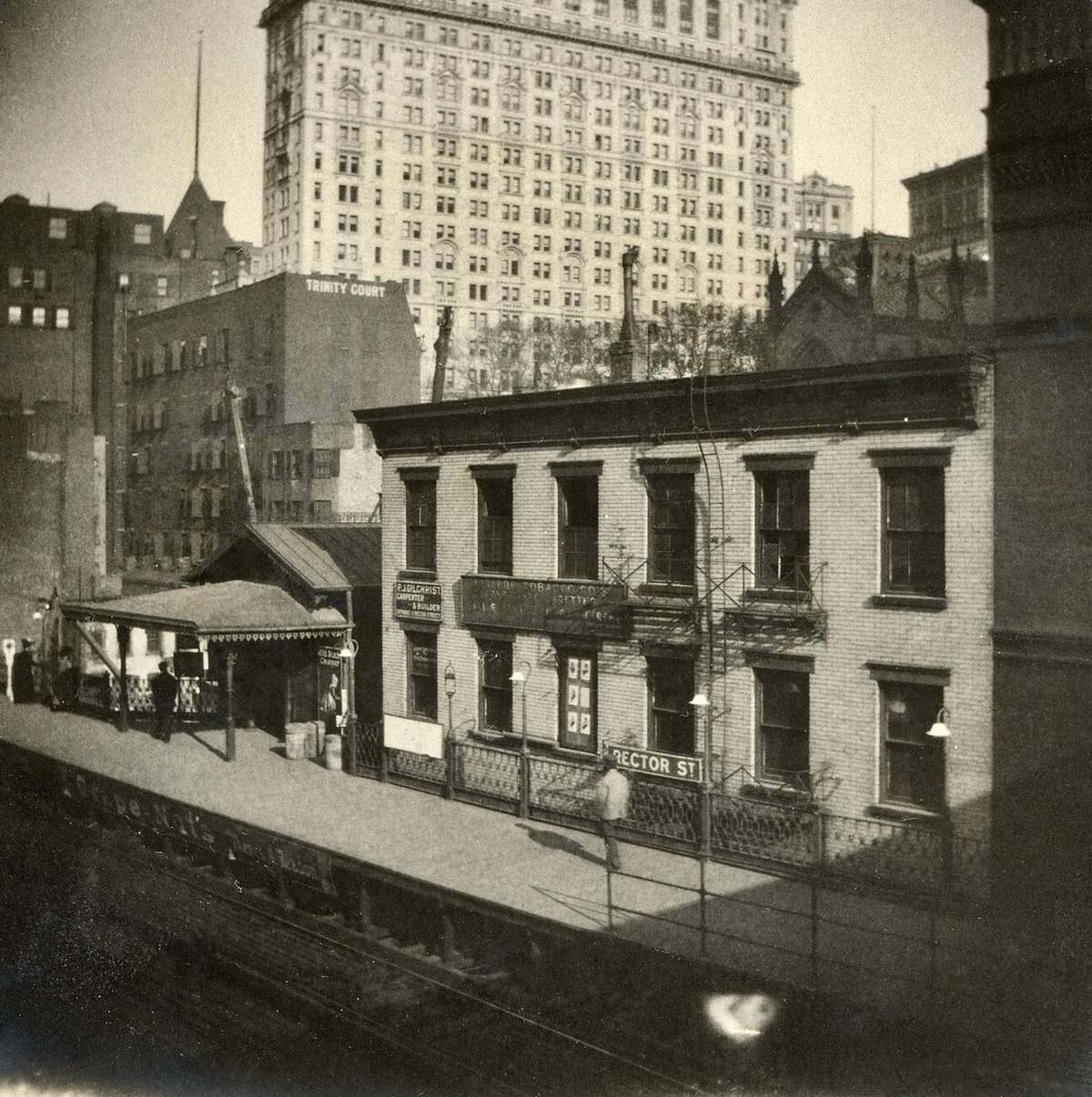
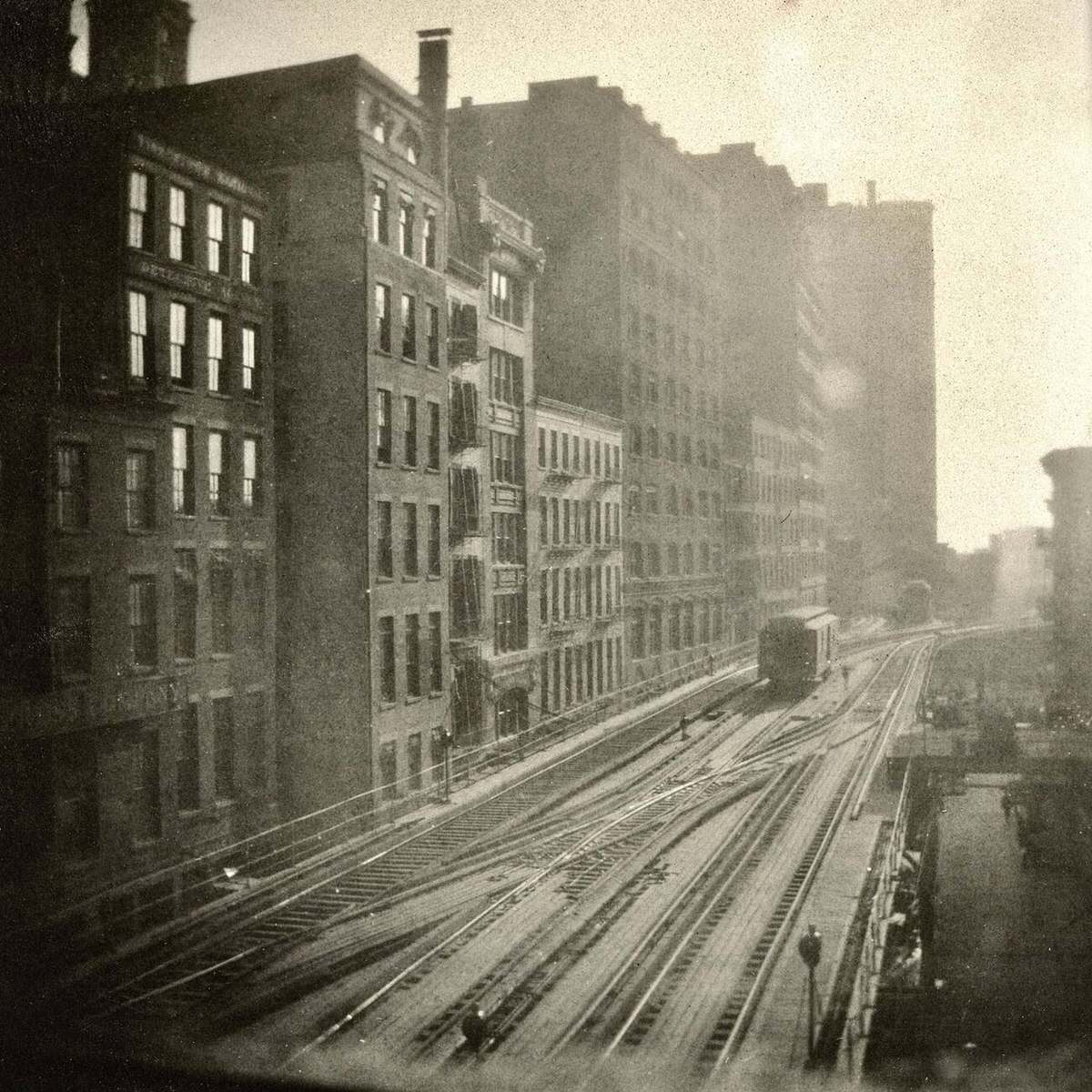
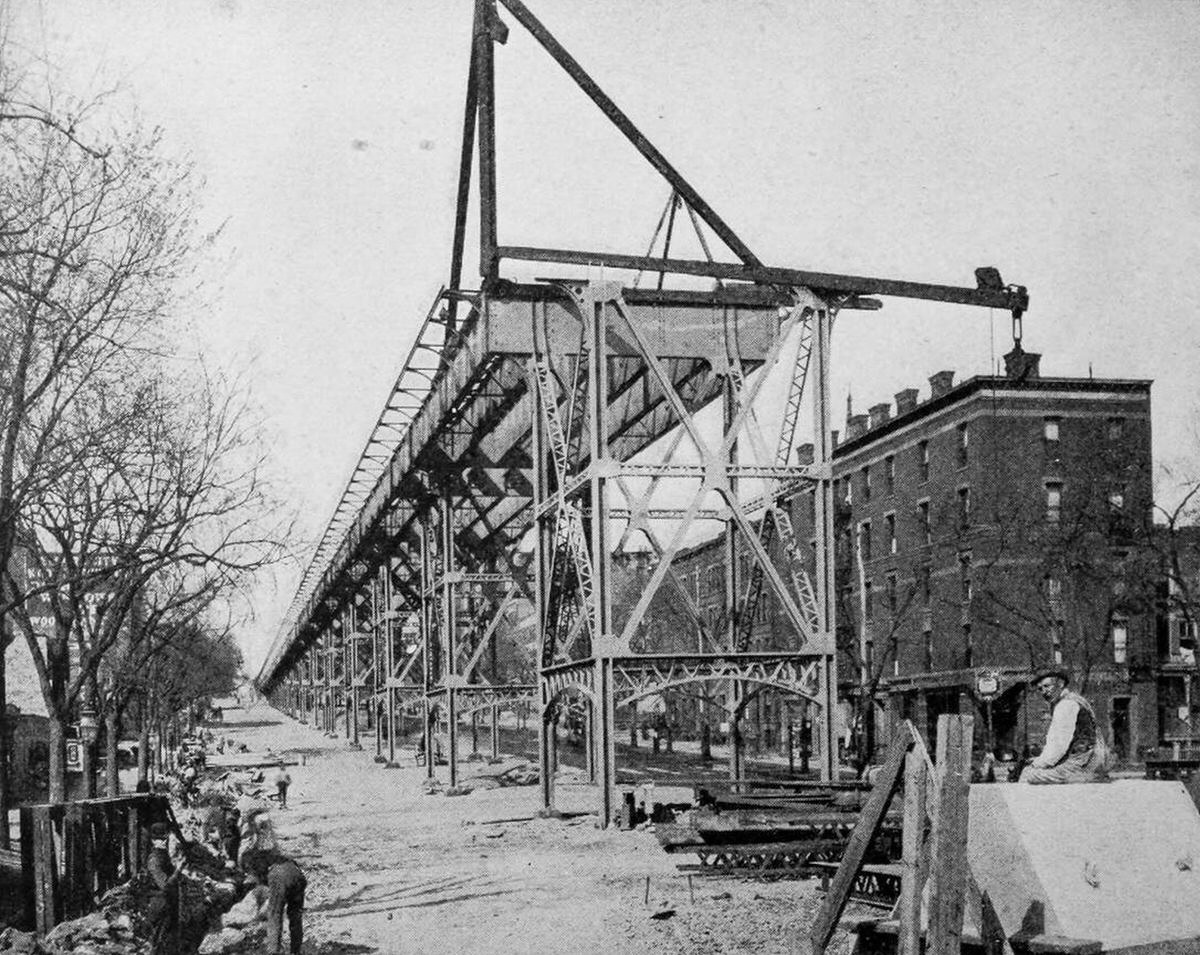
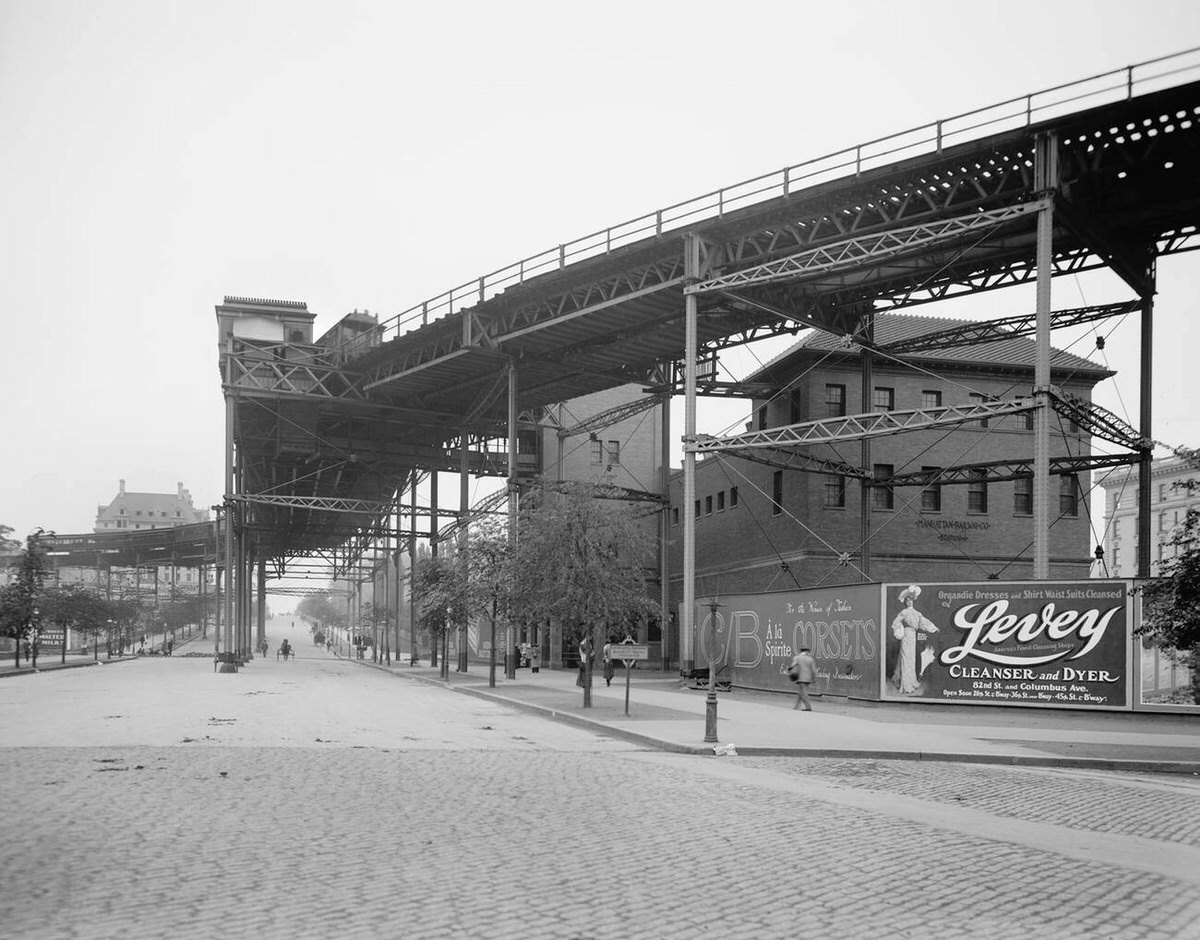
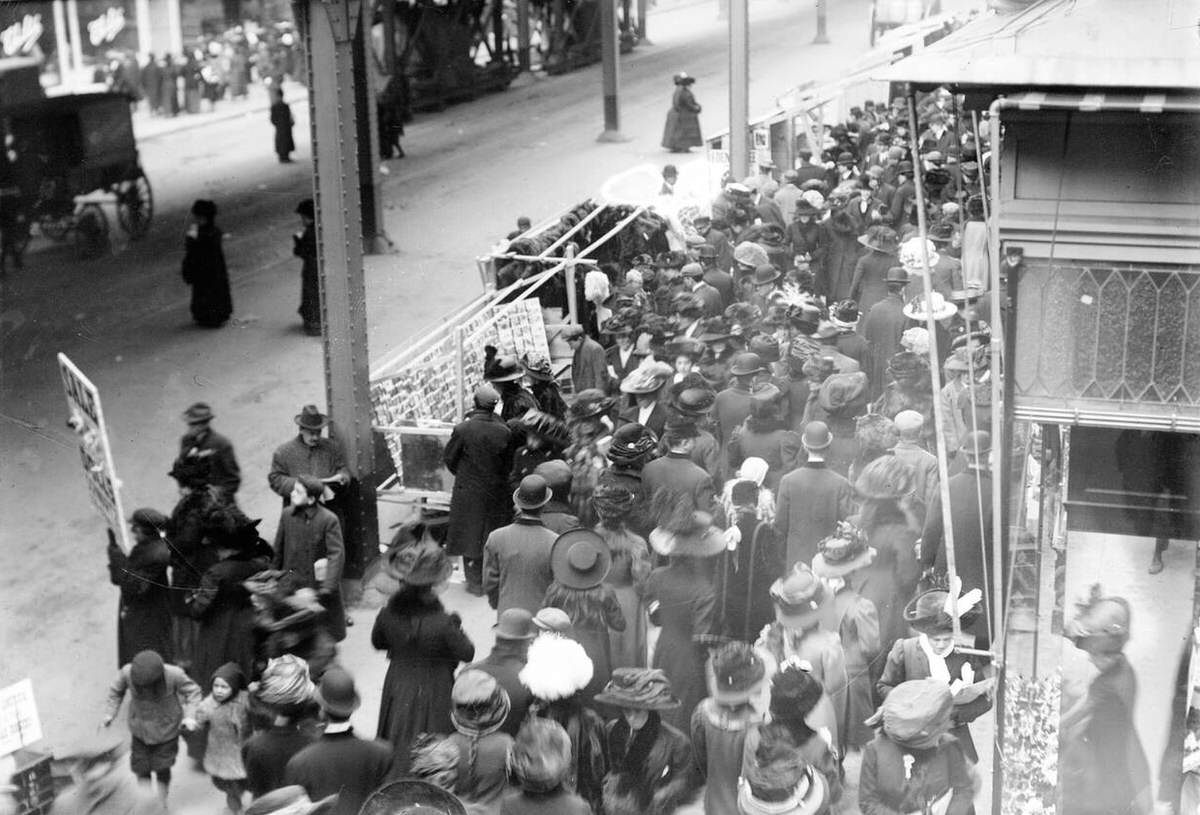
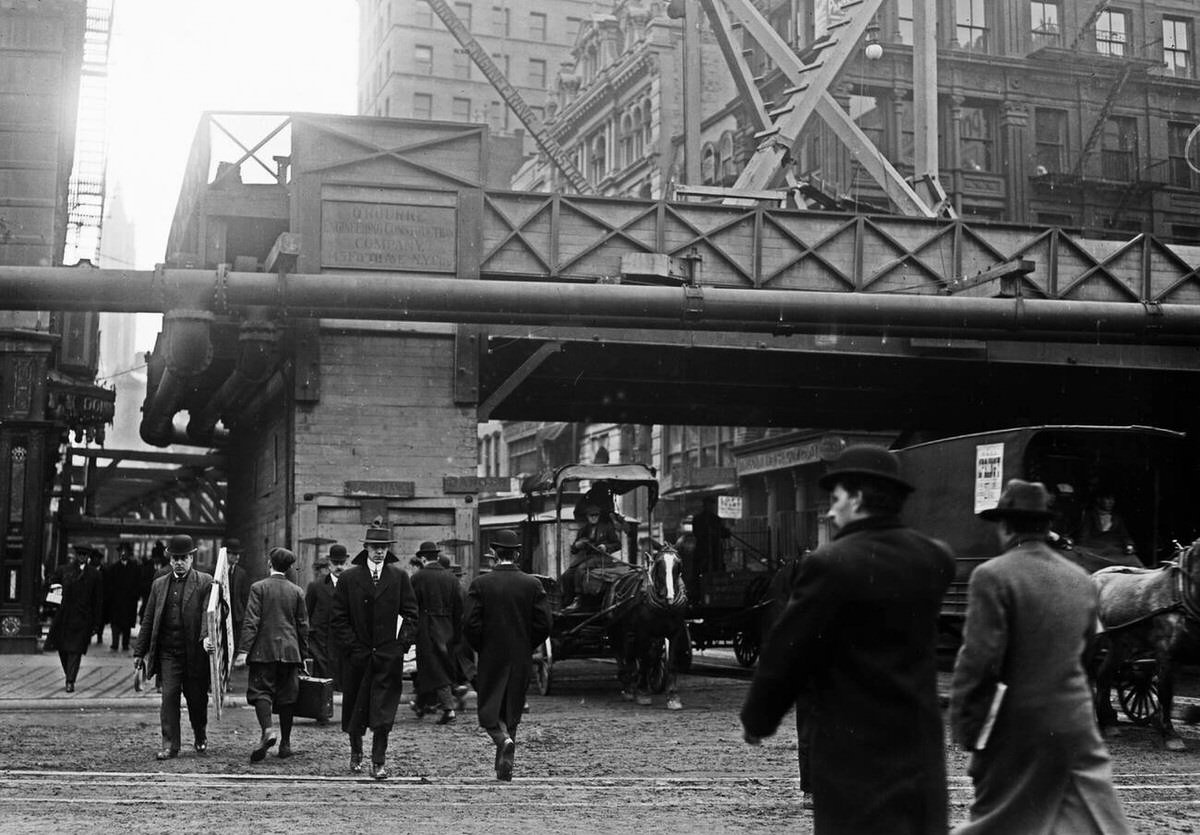
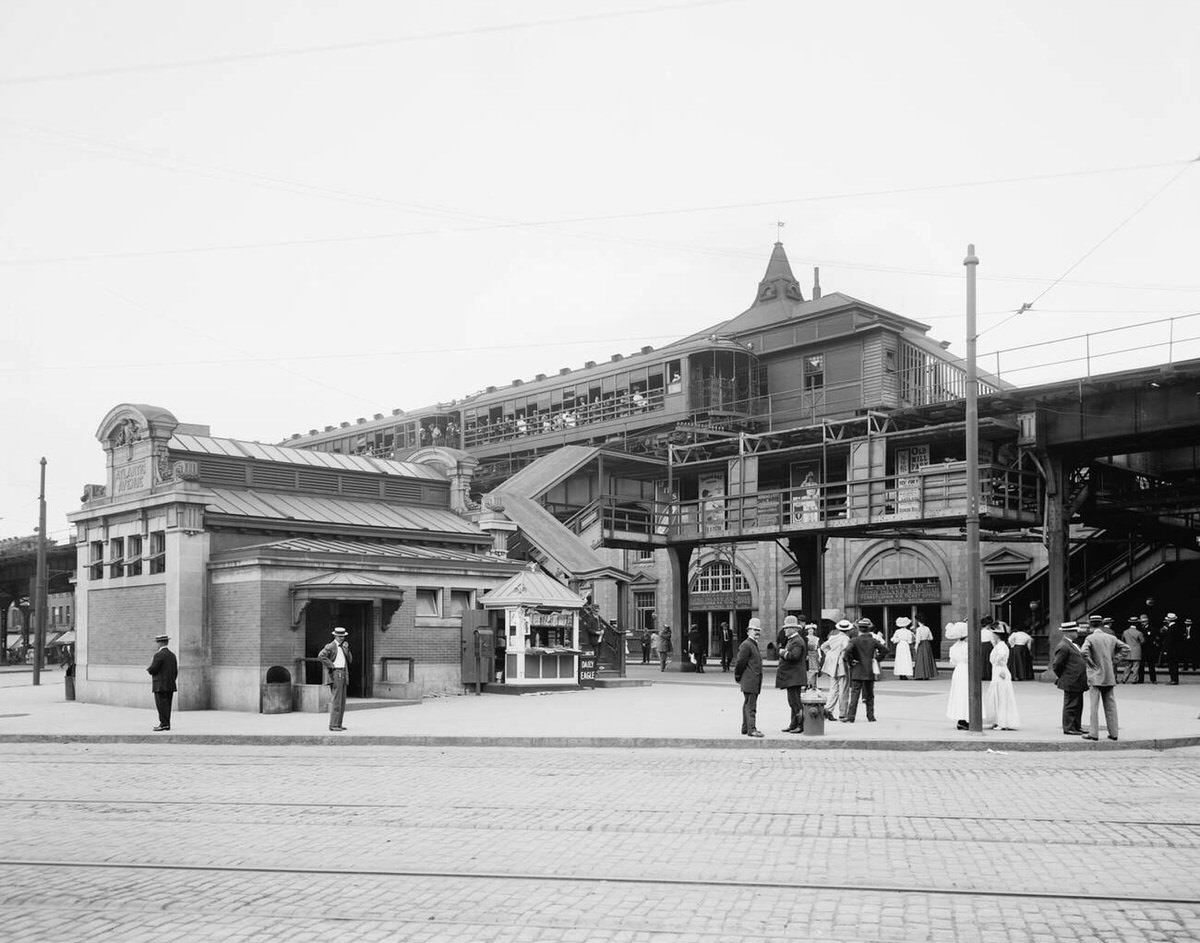
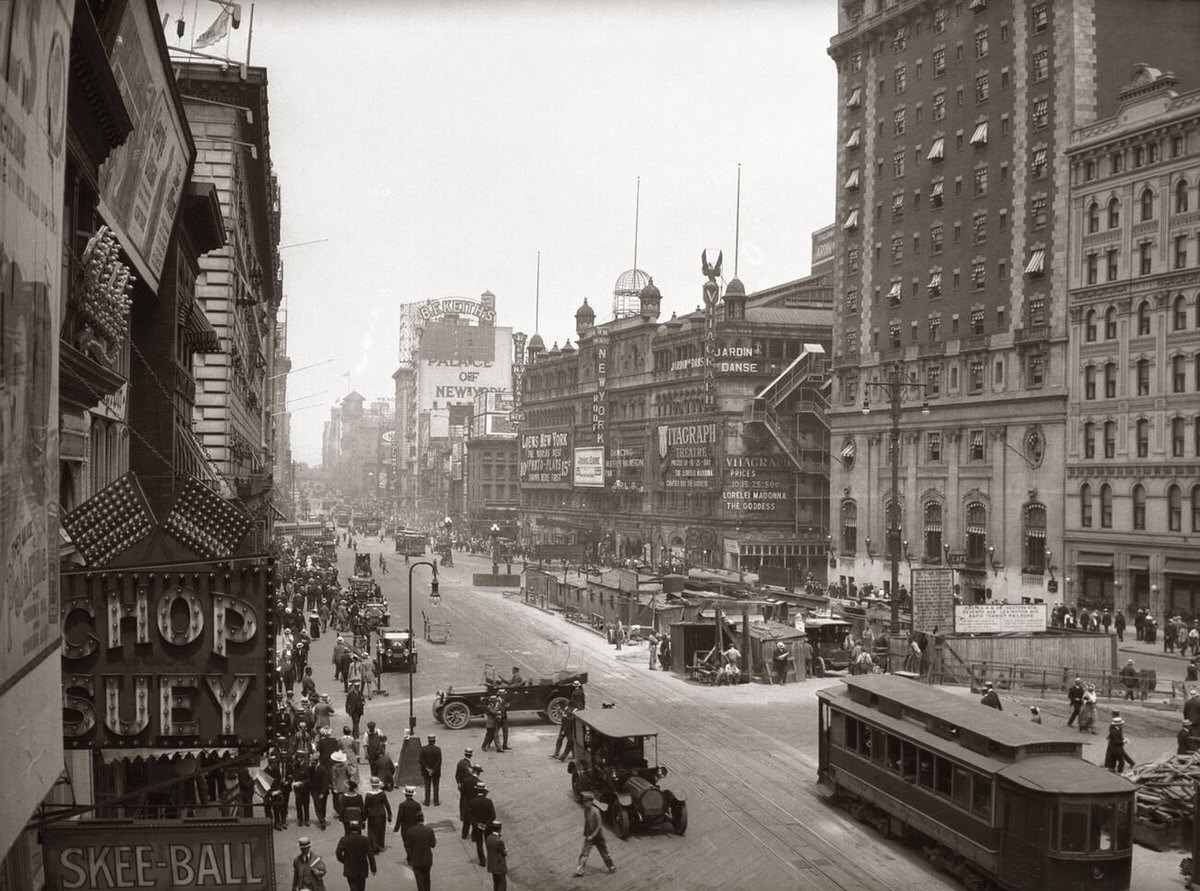
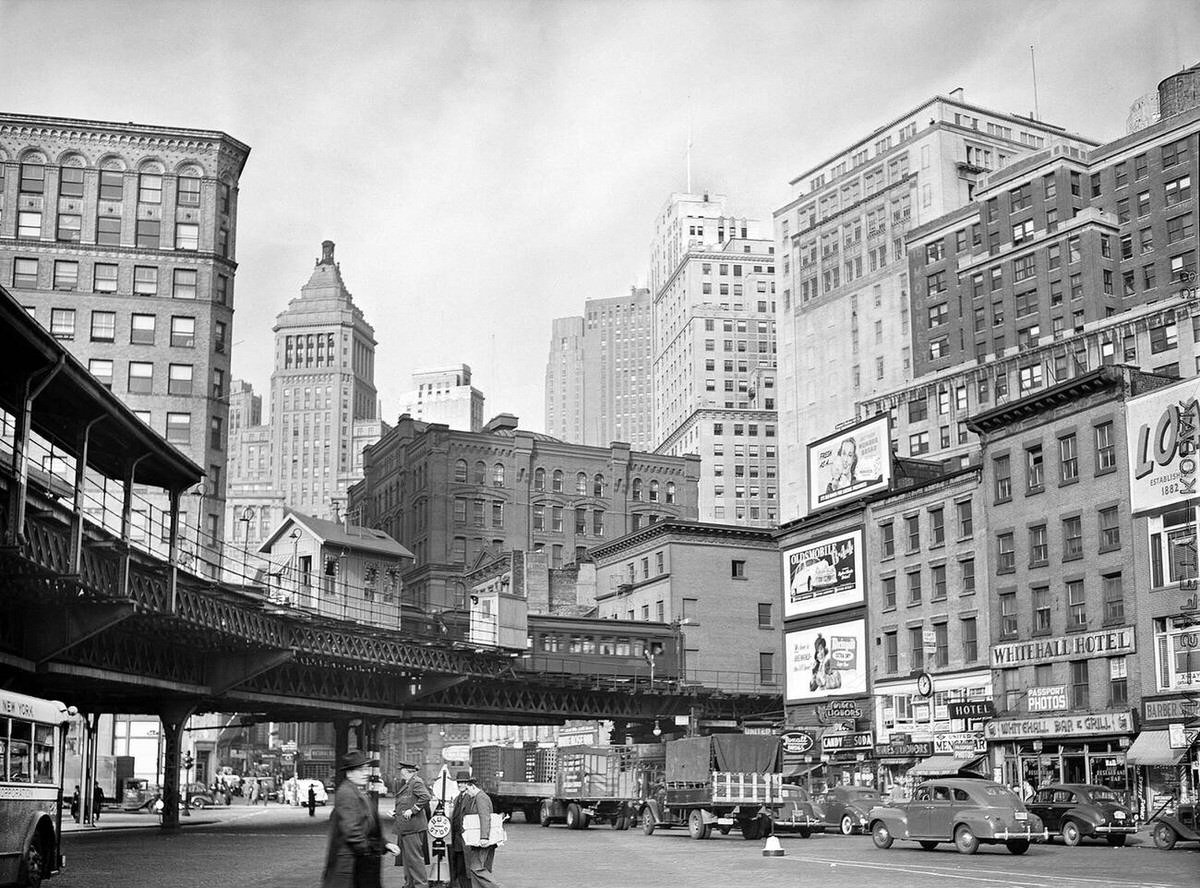
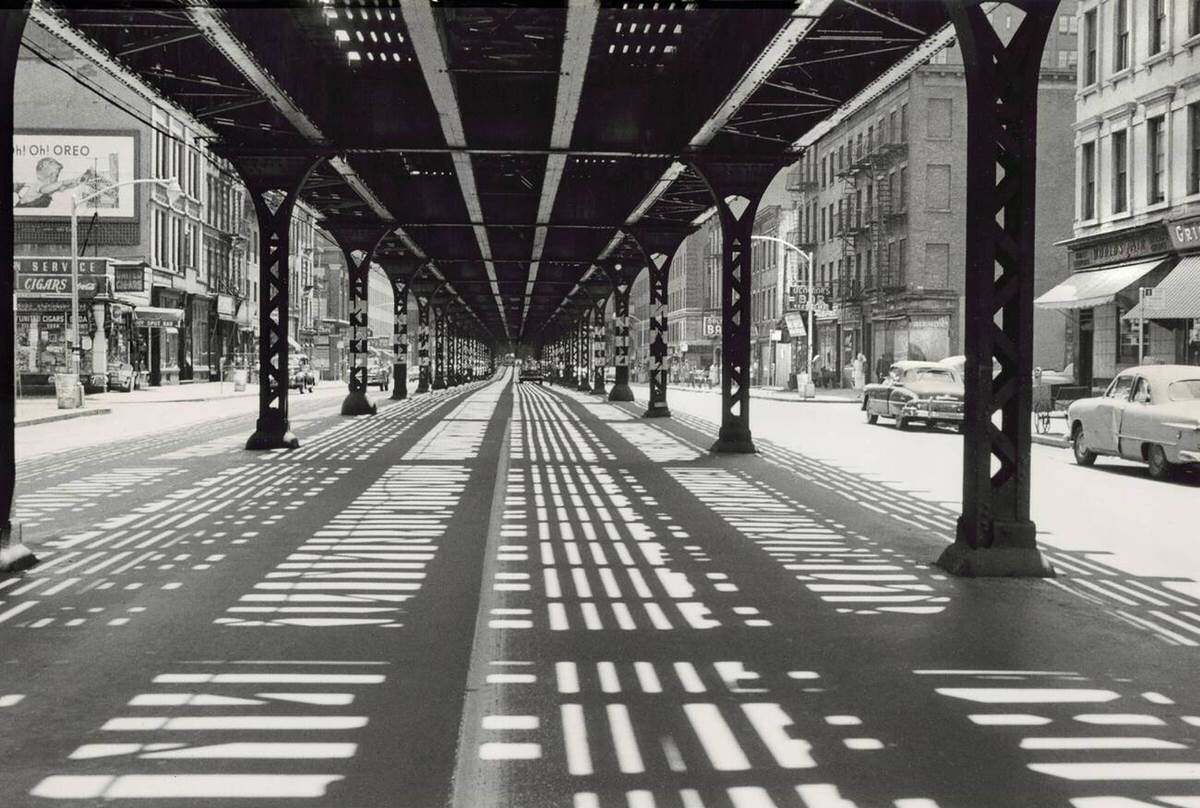
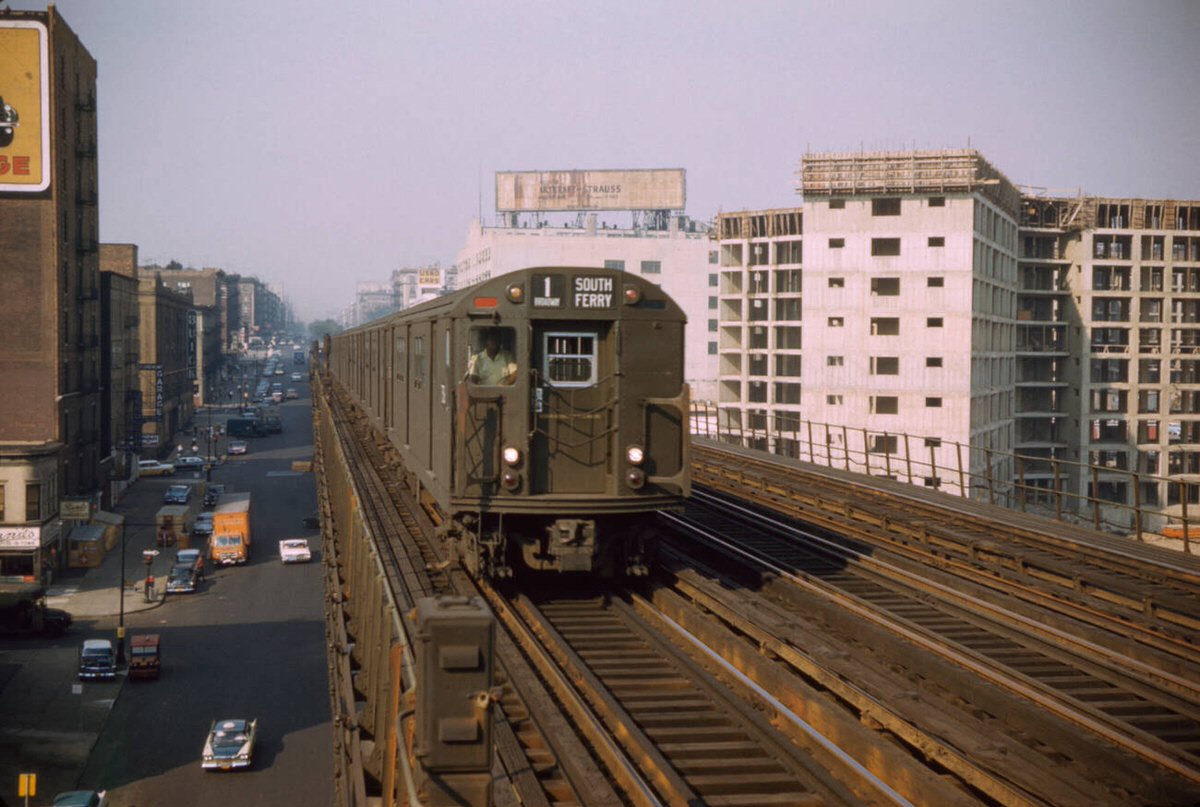
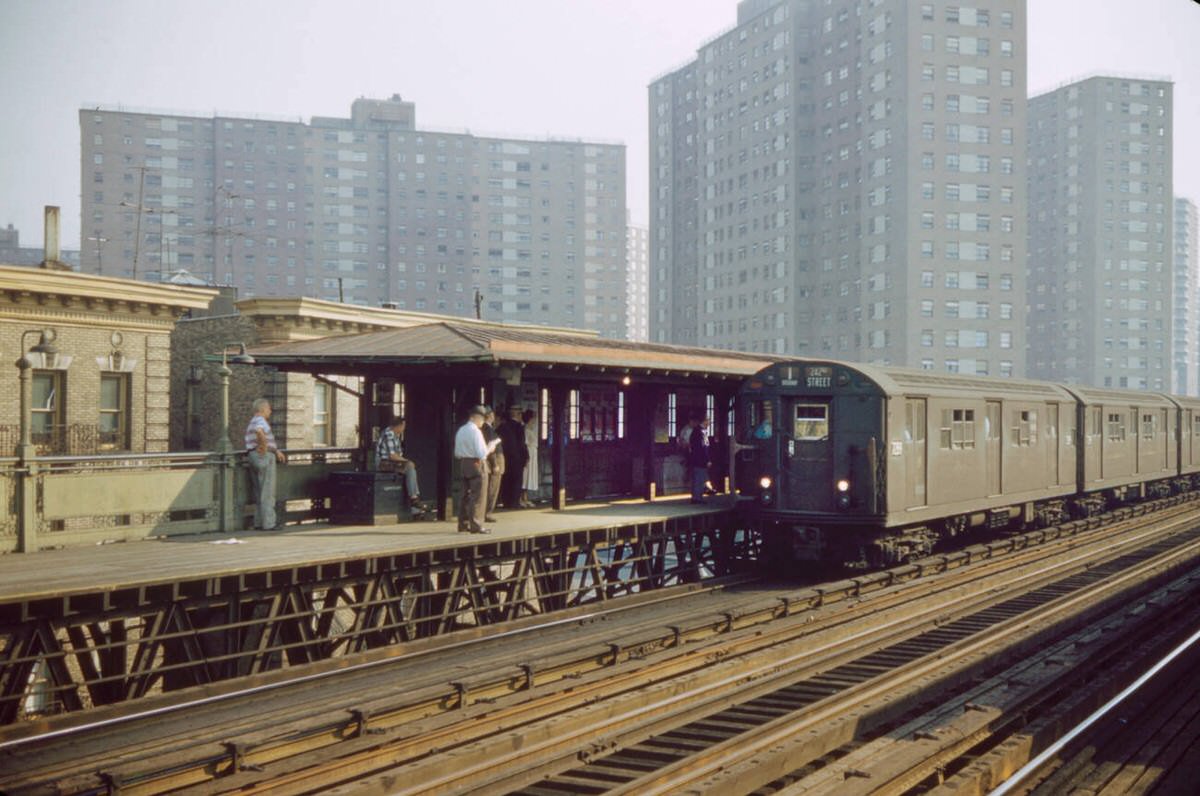
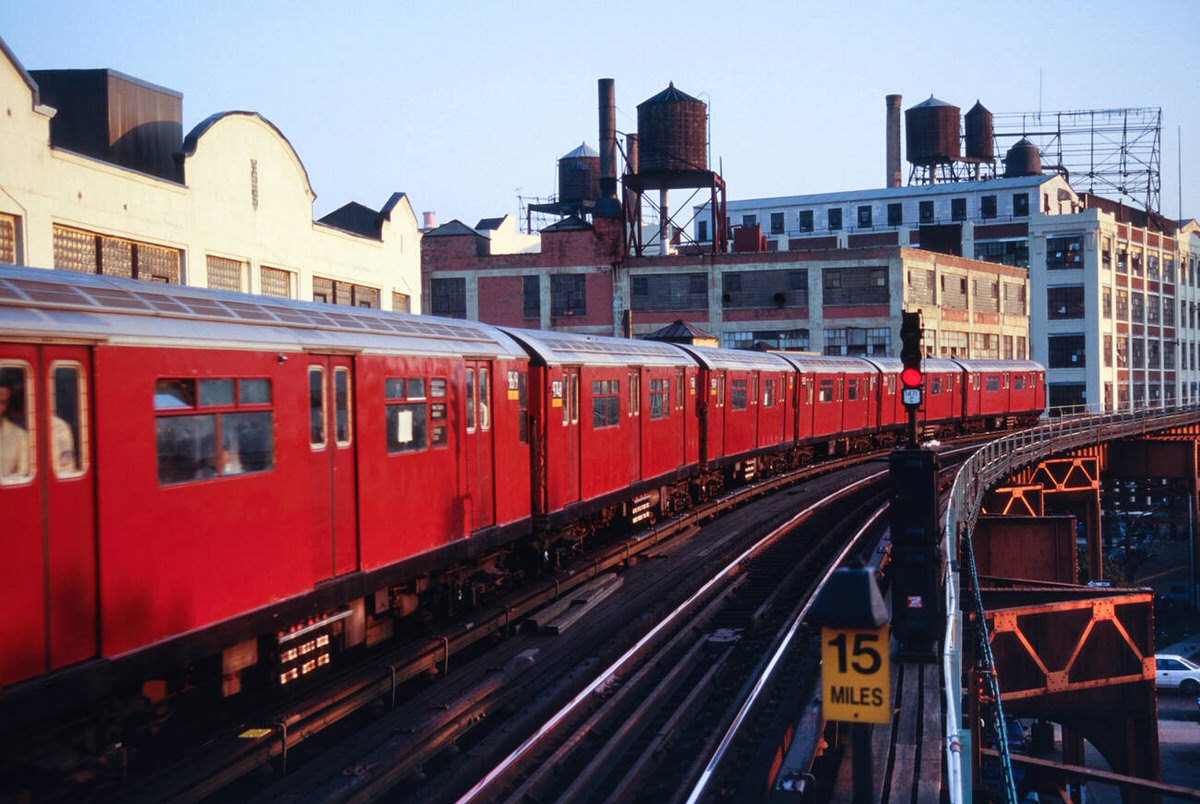
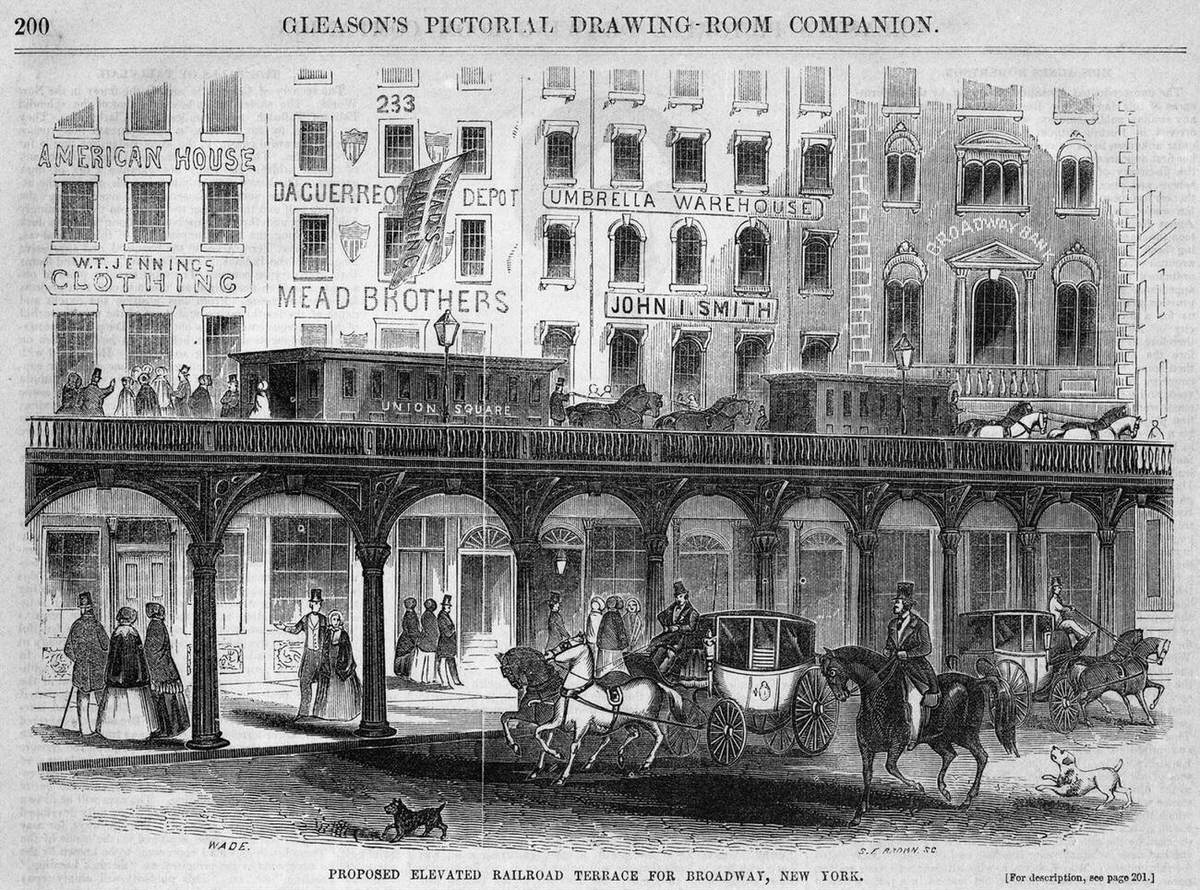
Before the subway opened, most people relied on elevated trains, streetcars, and ferries. Elevated railways ran above busy streets on iron tracks. These trains were loud and cast long shadows over neighborhoods. The underground subway offered a quieter and faster alternative.
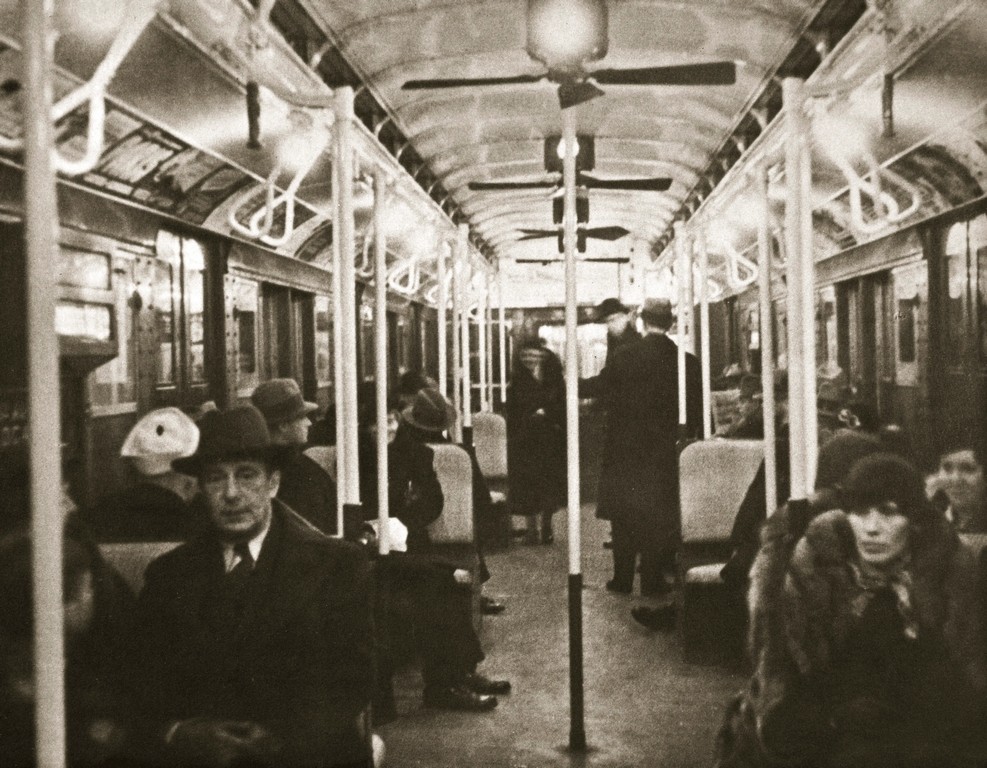
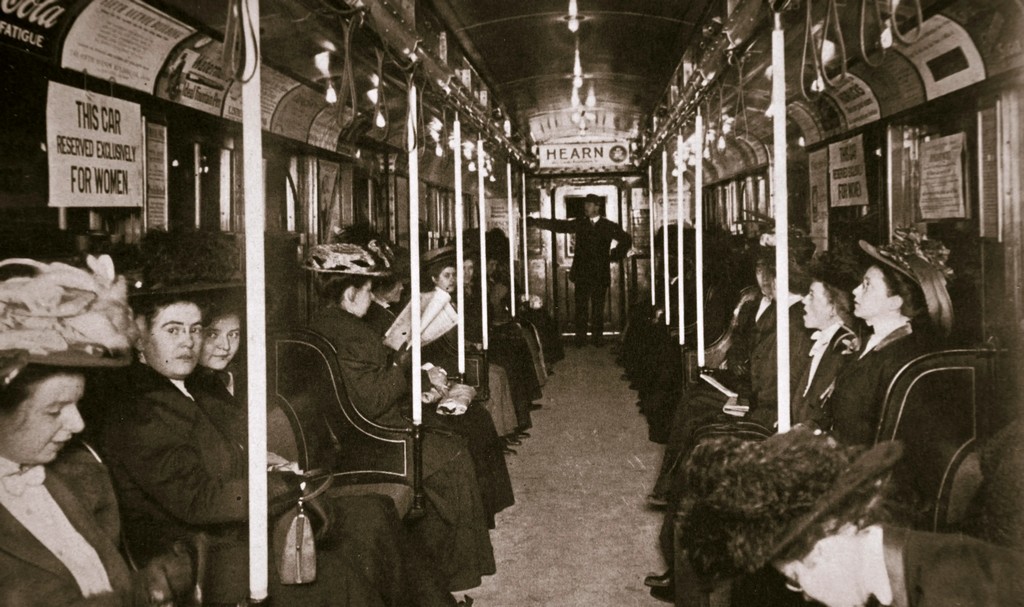
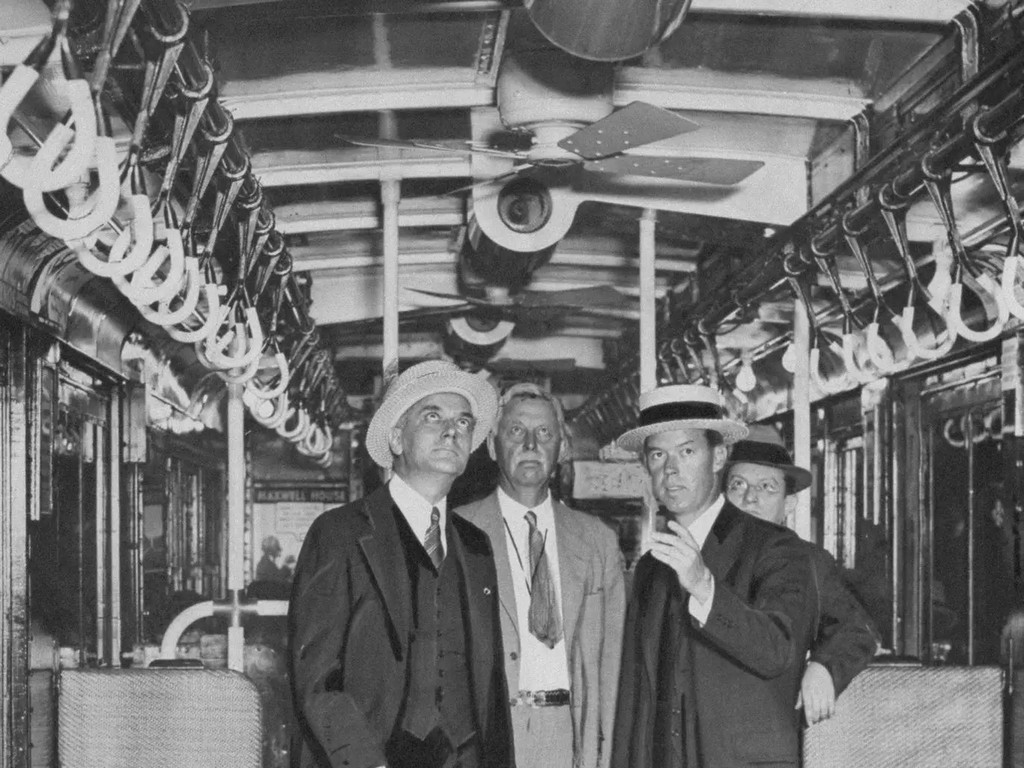
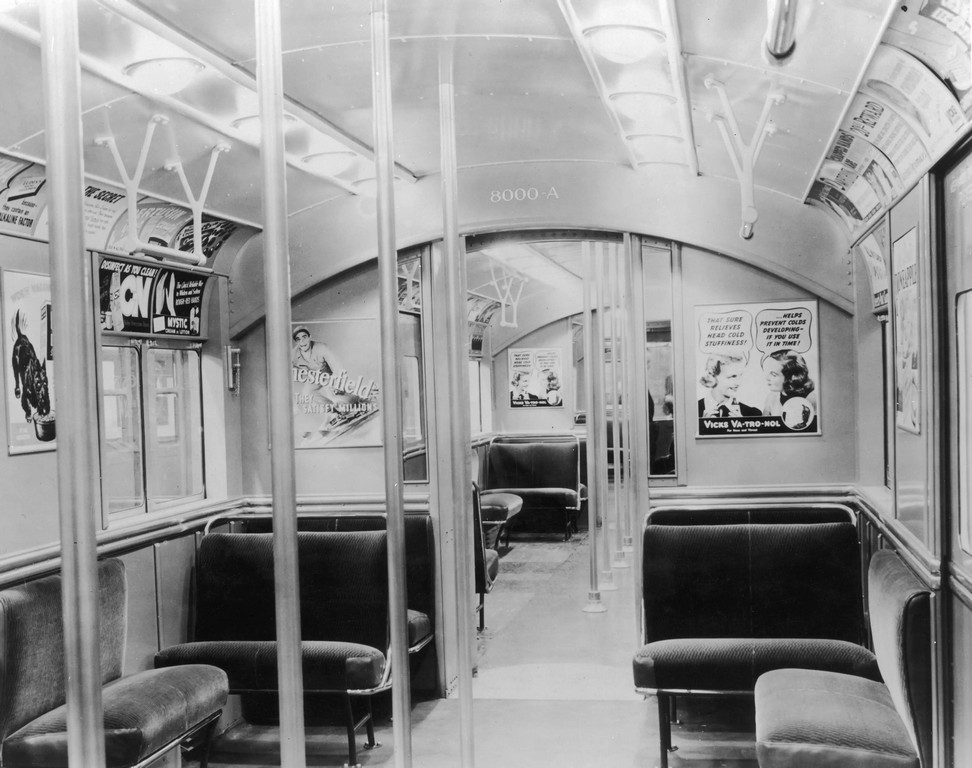
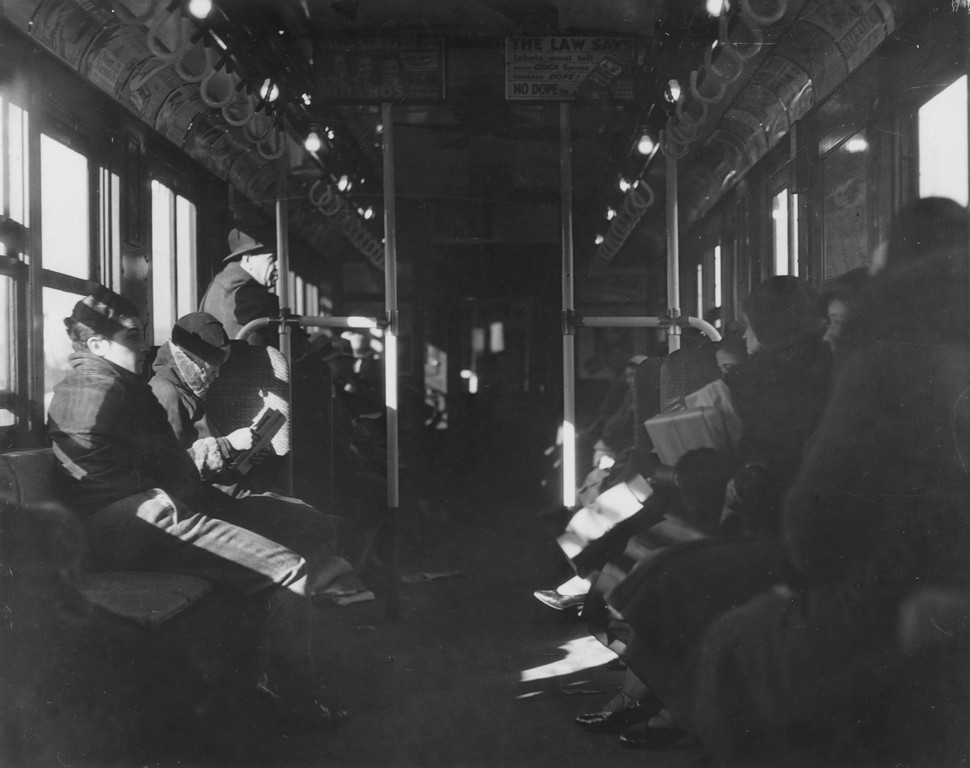
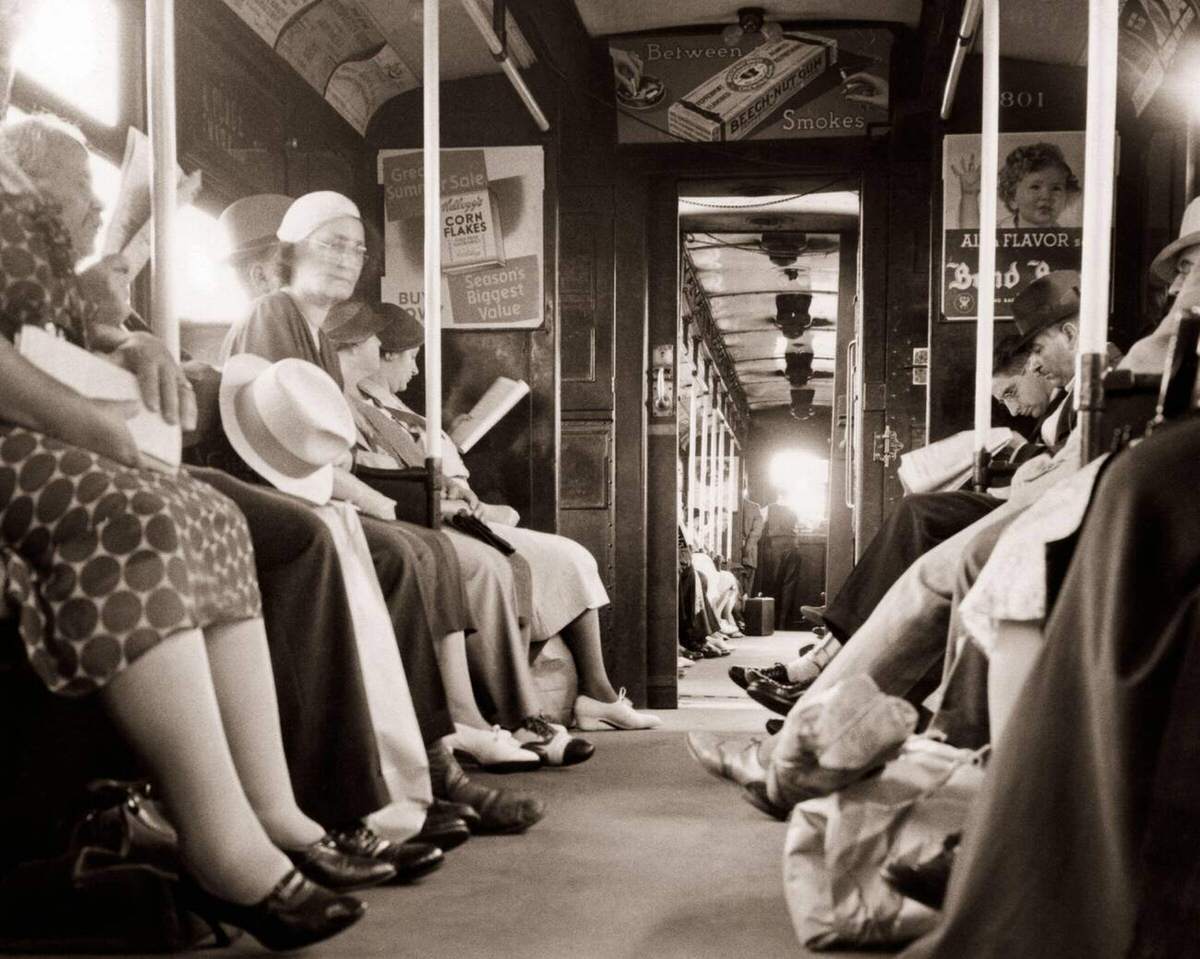
In the early decades, subway cars were smaller and narrower than today’s trains. Wooden seats lined the interiors. Ceiling fans provided air during warm months. Conductors walked through the cars to check fares and assist riders.
Read more
Fares remained low for many years. The cost of a subway ride stayed at five cents from 1904 until 1948. This low fare allowed workers from many income levels to commute across the city.
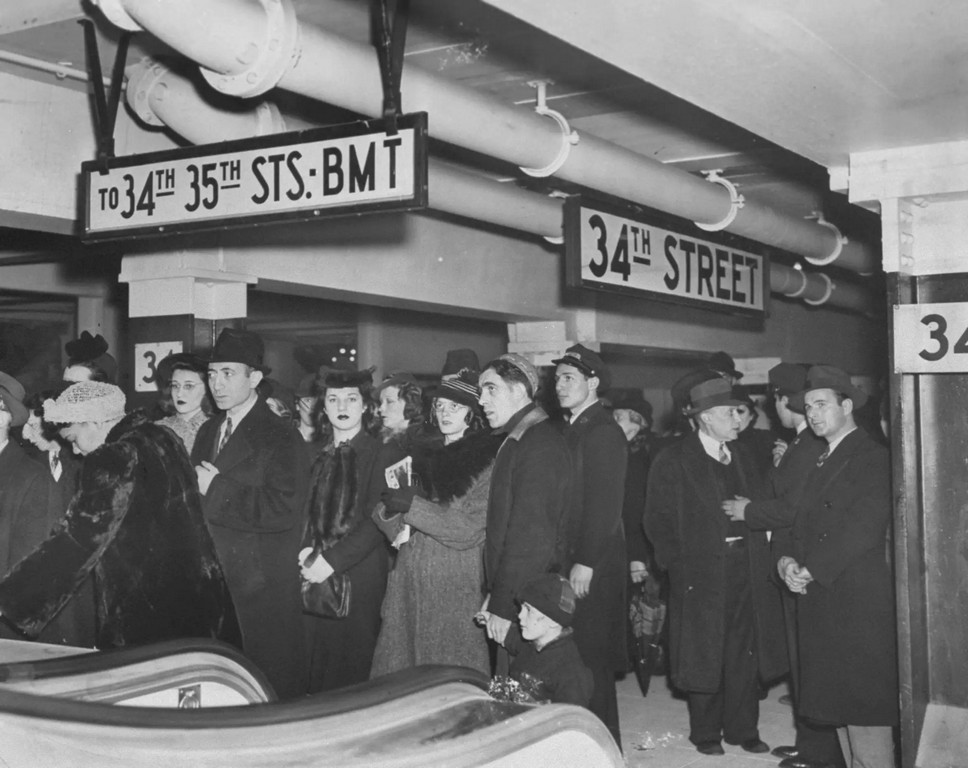
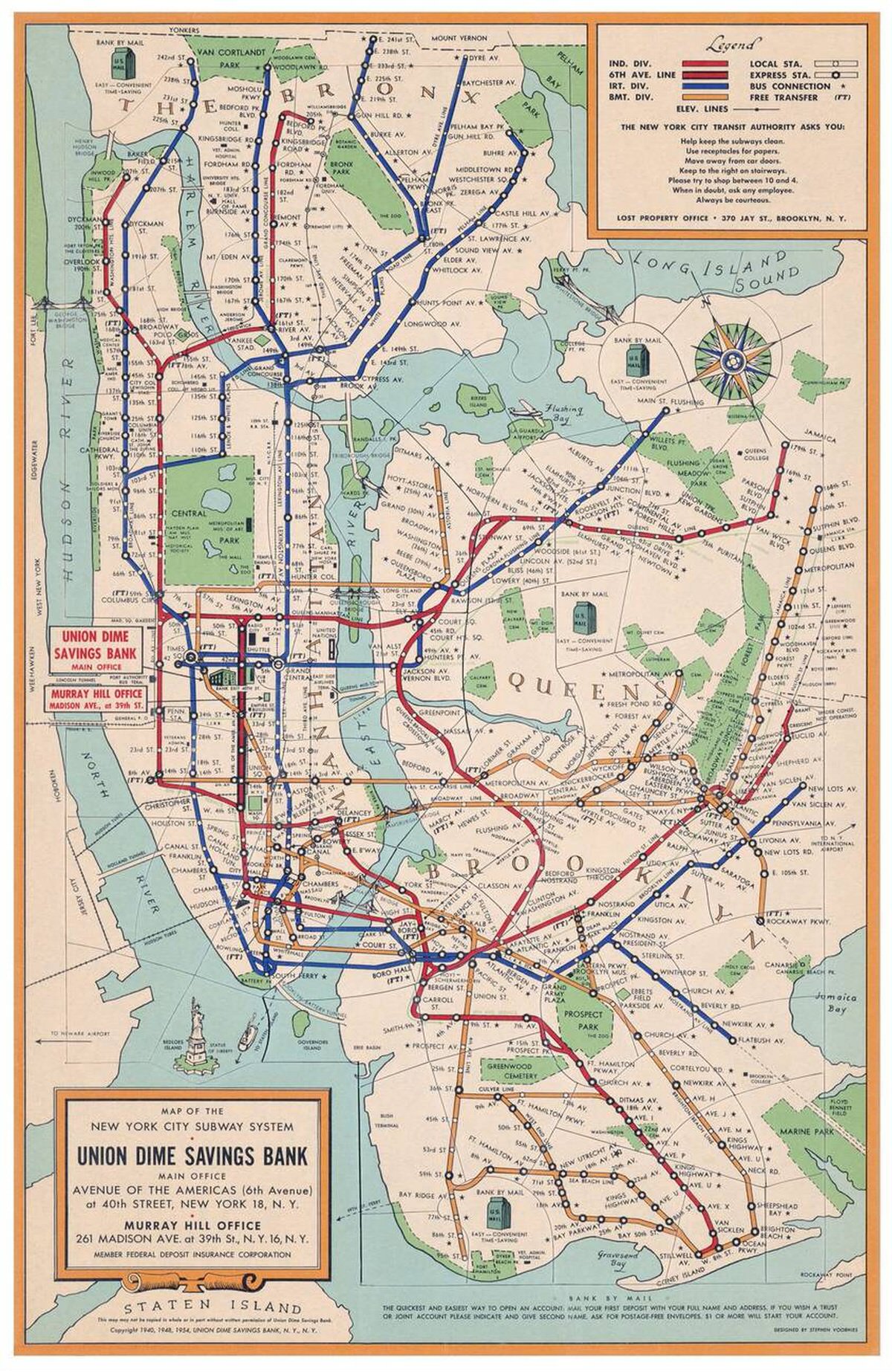
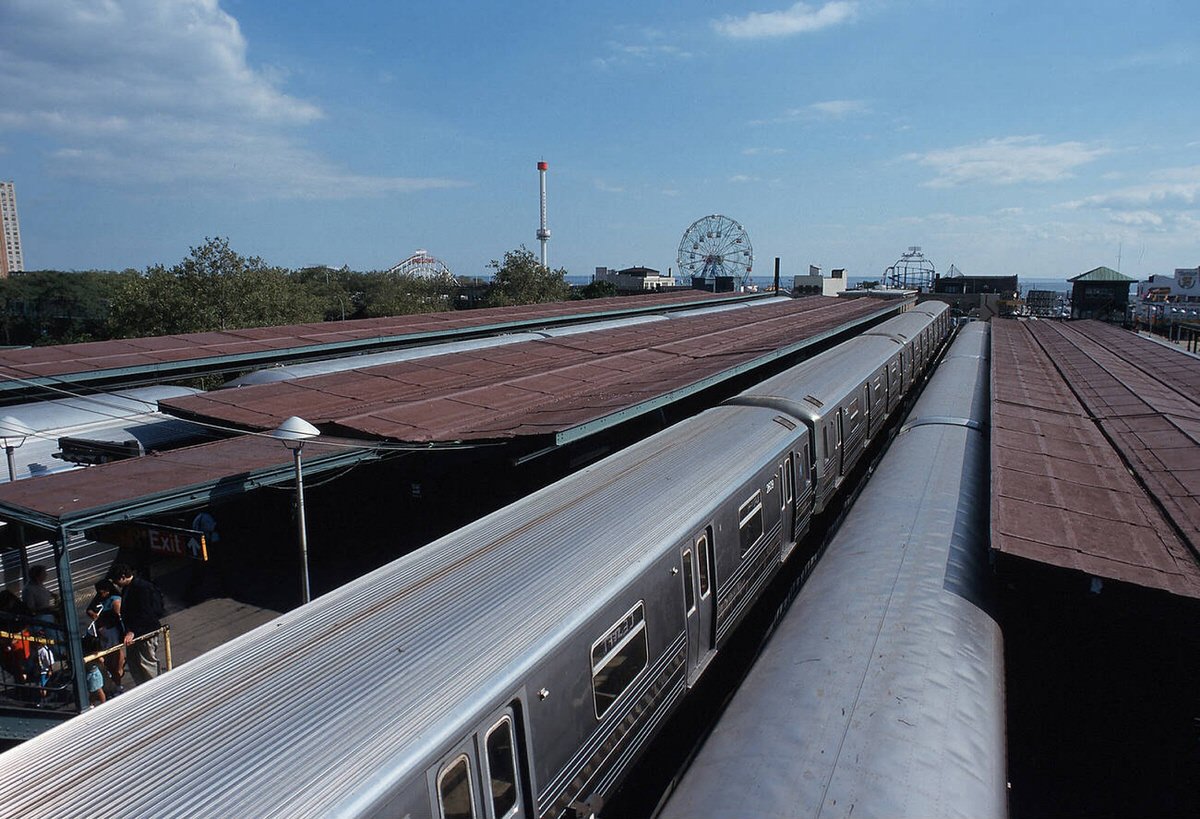
The system expanded rapidly during the early 20th century. New lines reached Brooklyn, the Bronx, and Queens. Different companies built separate routes, including the Brooklyn–Manhattan Transit Corporation and the Independent Subway System. In 1940, the city unified these networks into a single system.
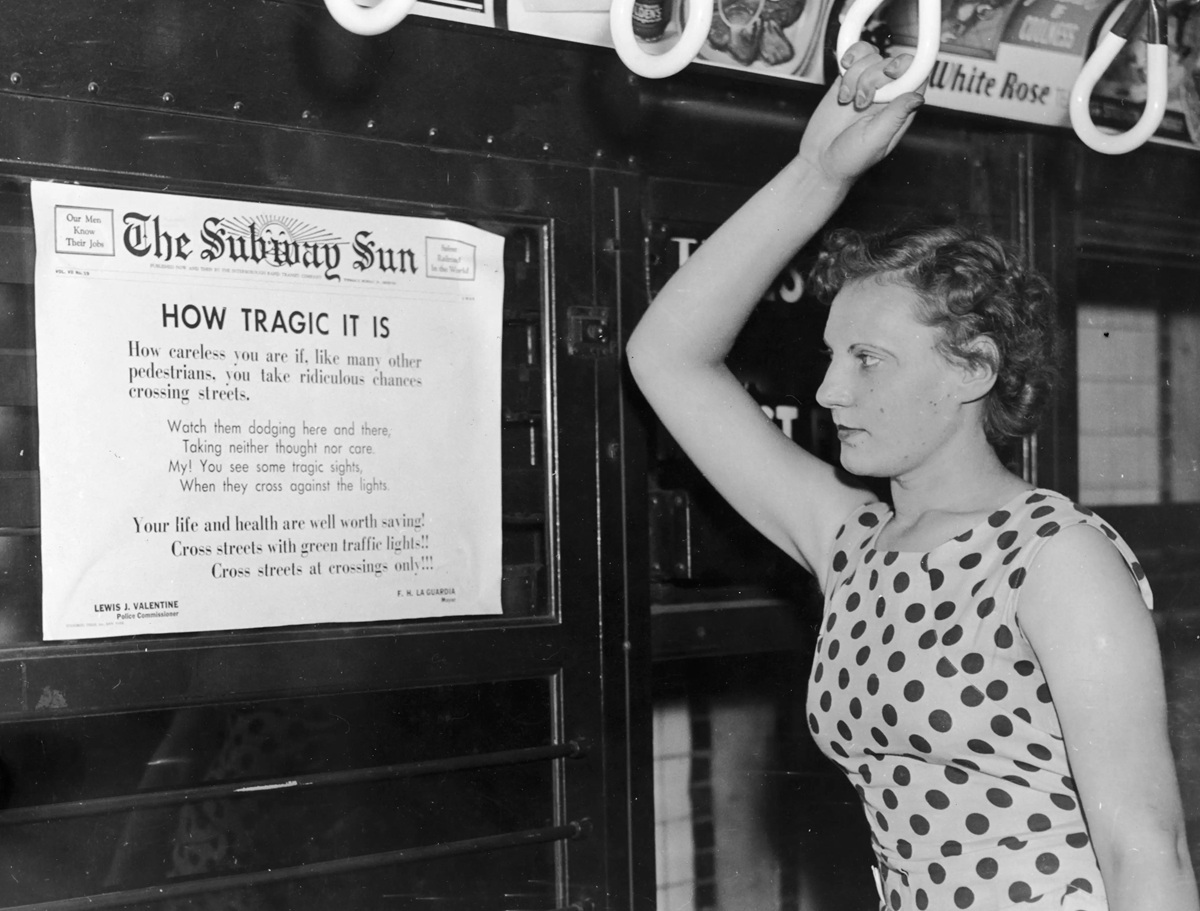
Subway cars changed as technology improved. Steel replaced wood in train construction, improving safety. Larger cars increased passenger capacity. Automatic doors replaced manual gates, speeding up boarding at stations.
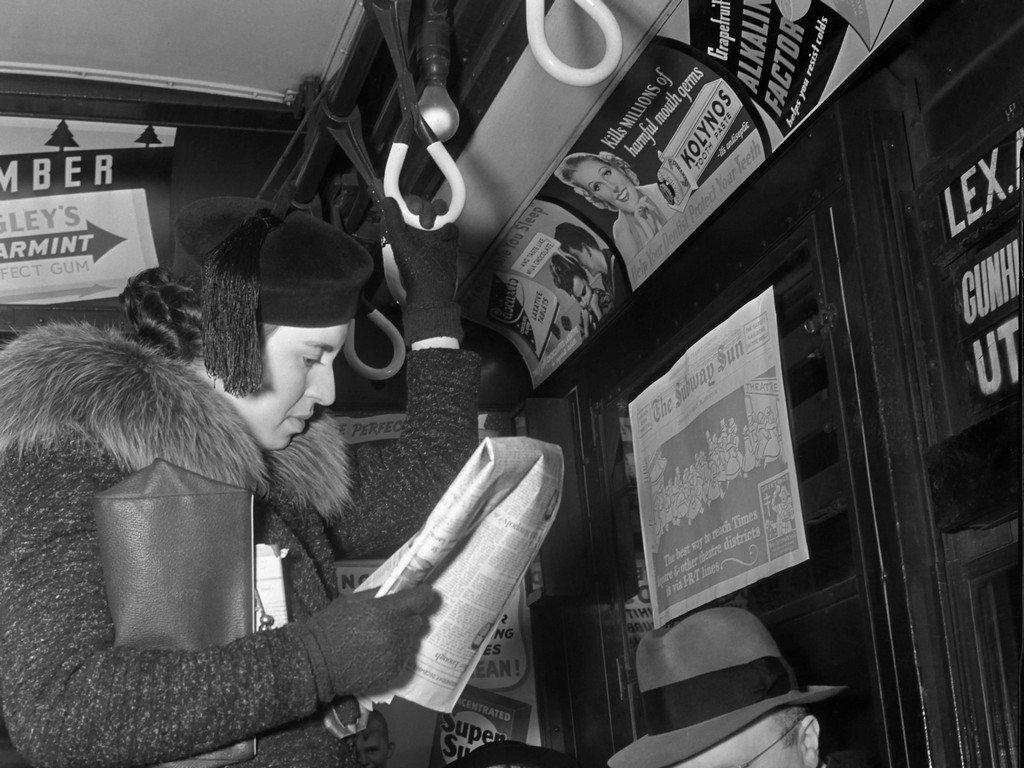
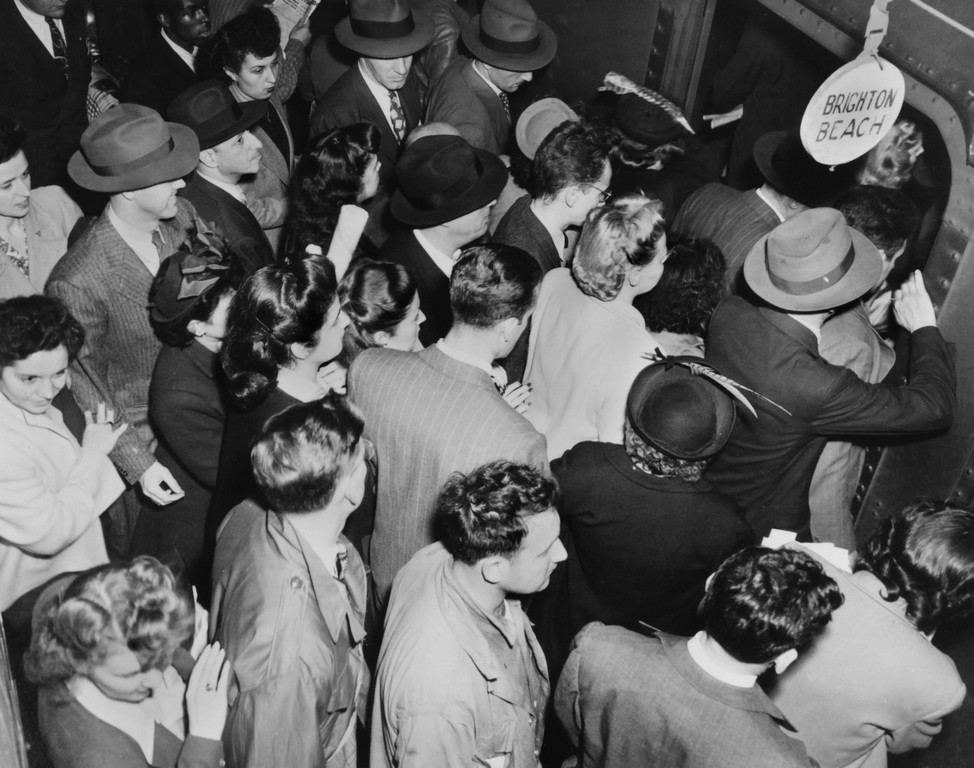
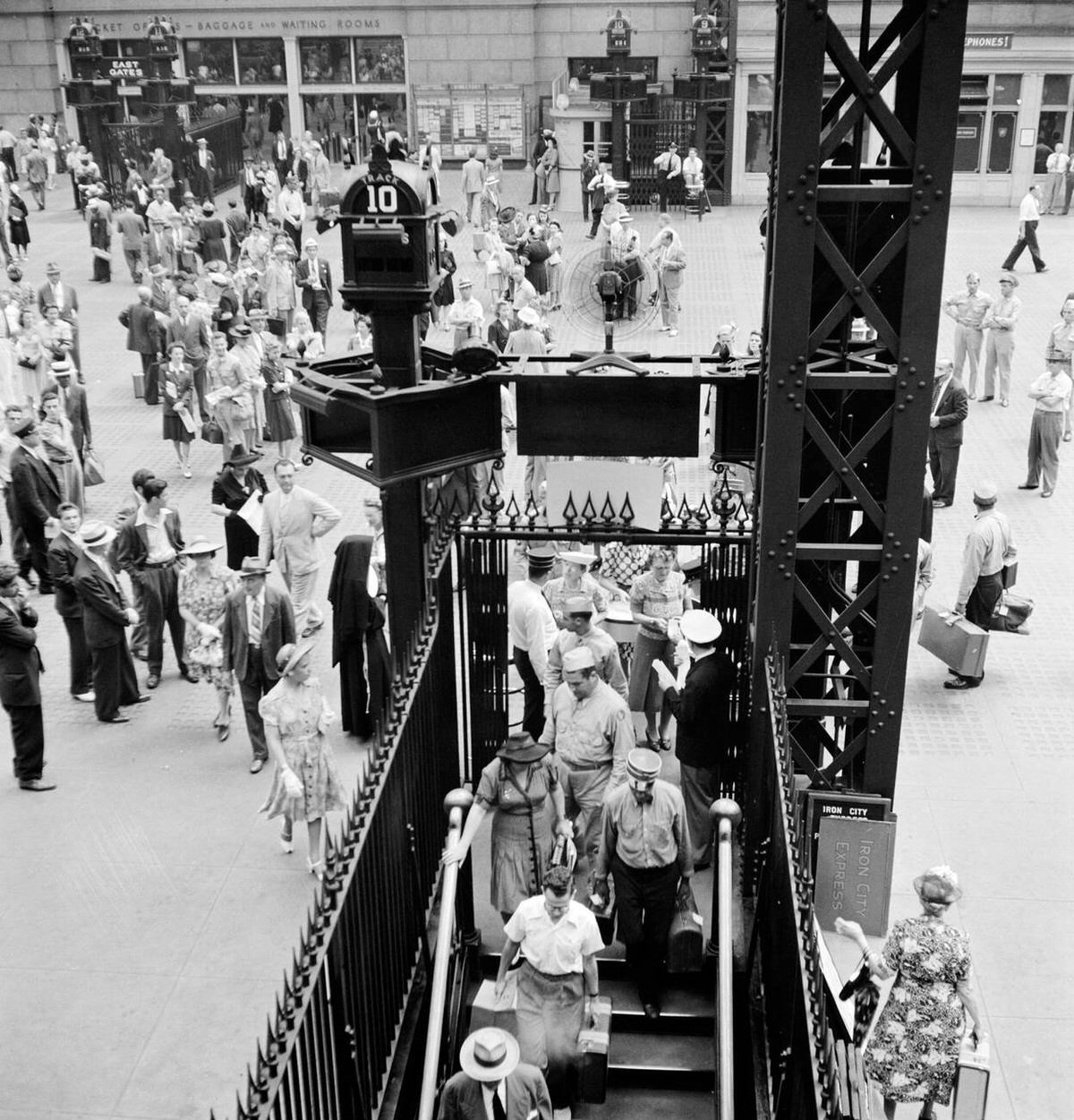
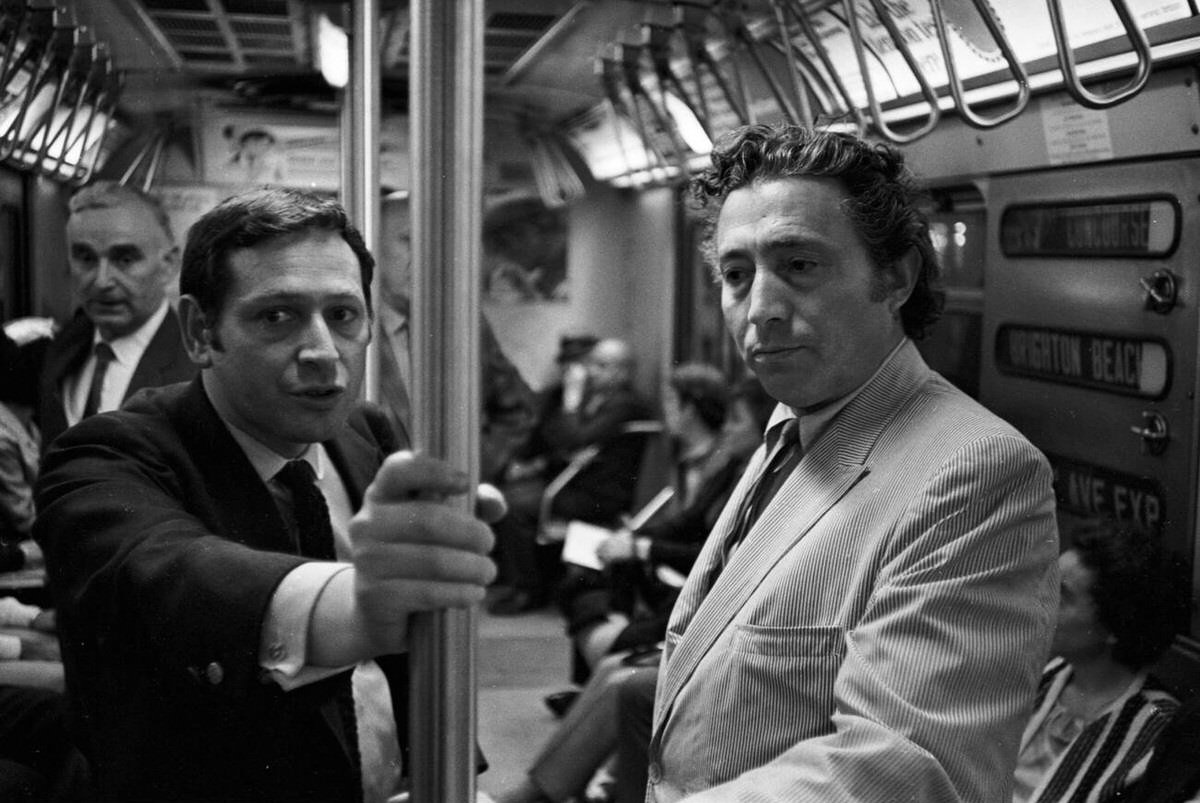
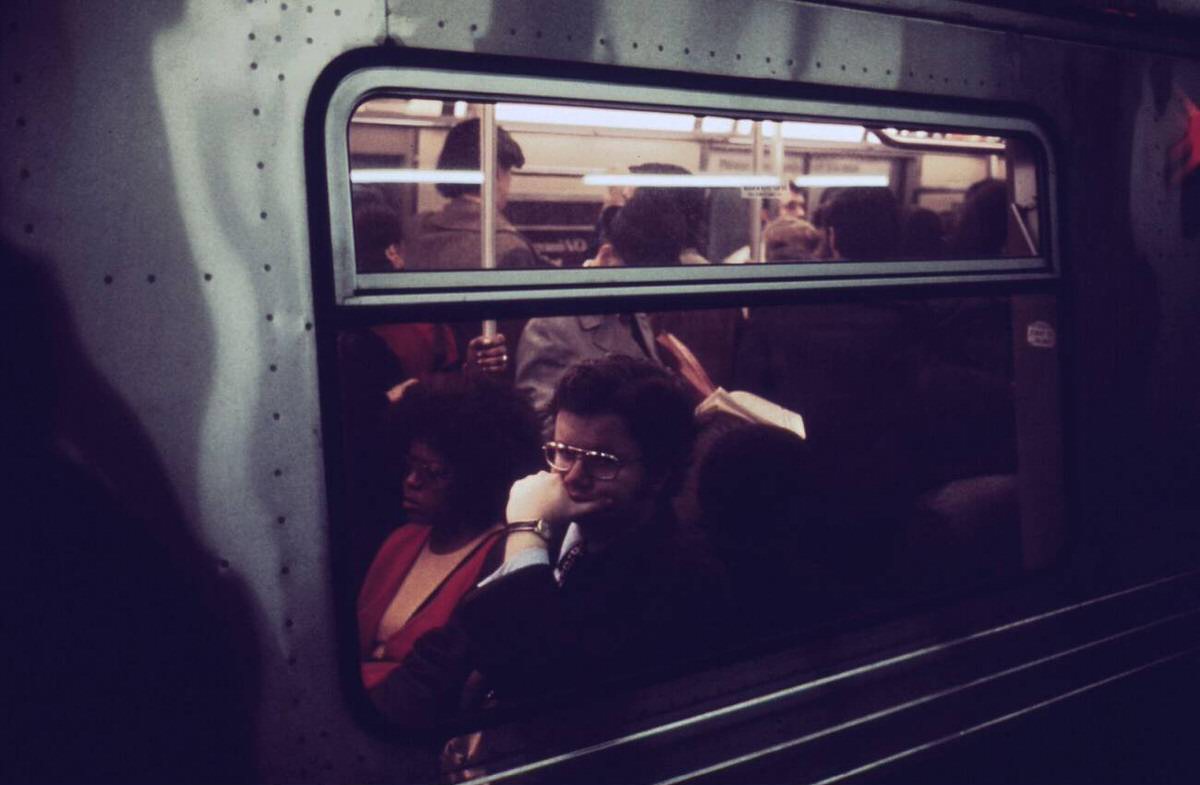
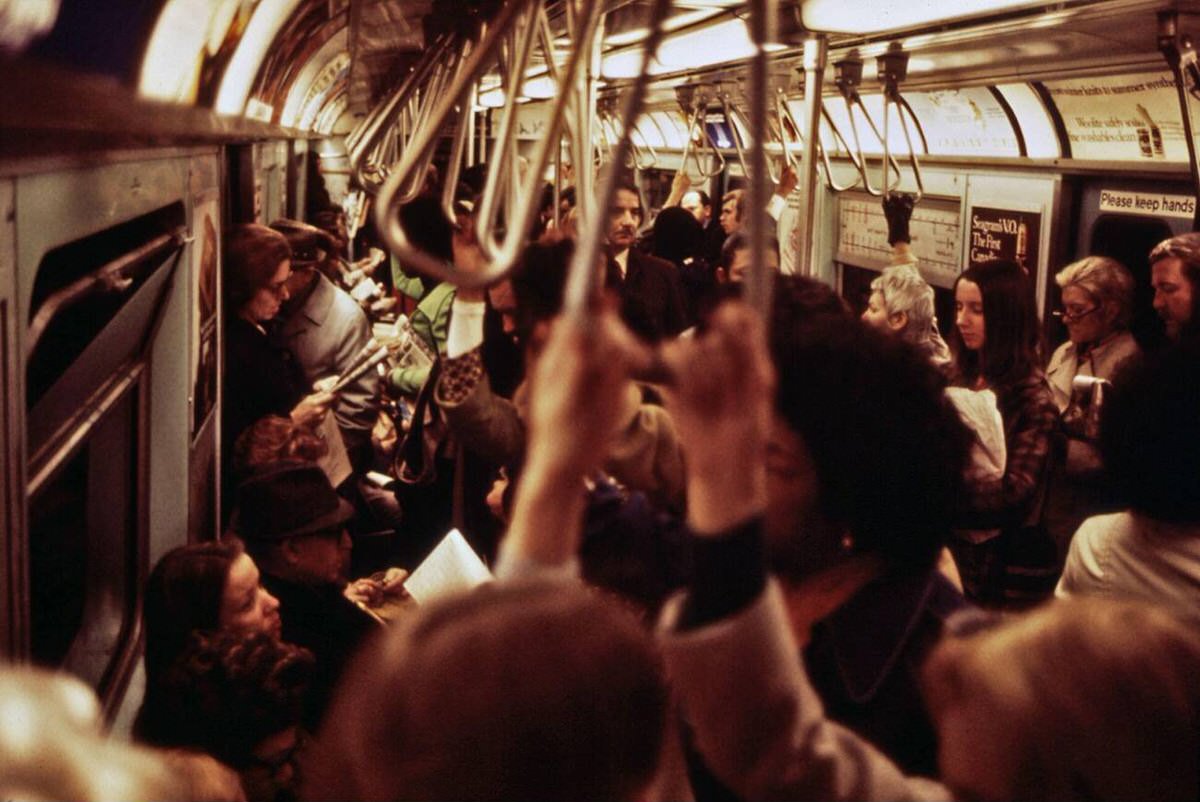
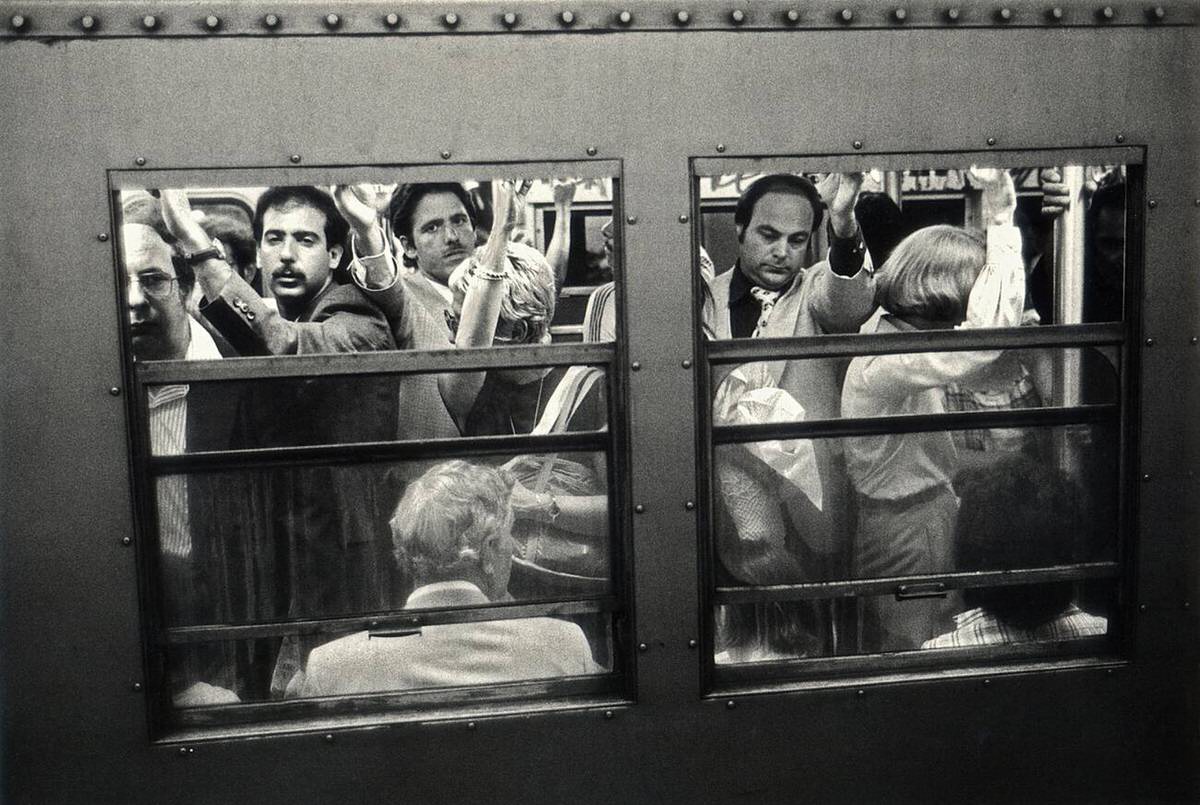
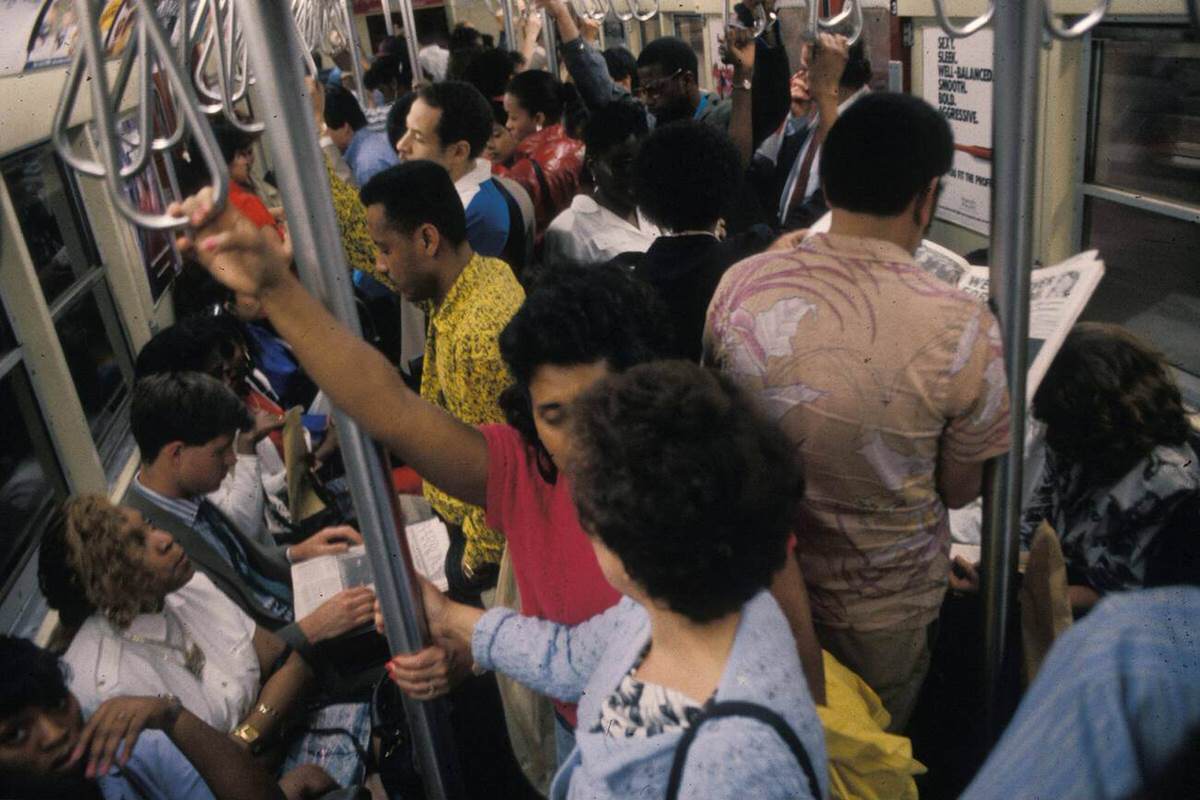
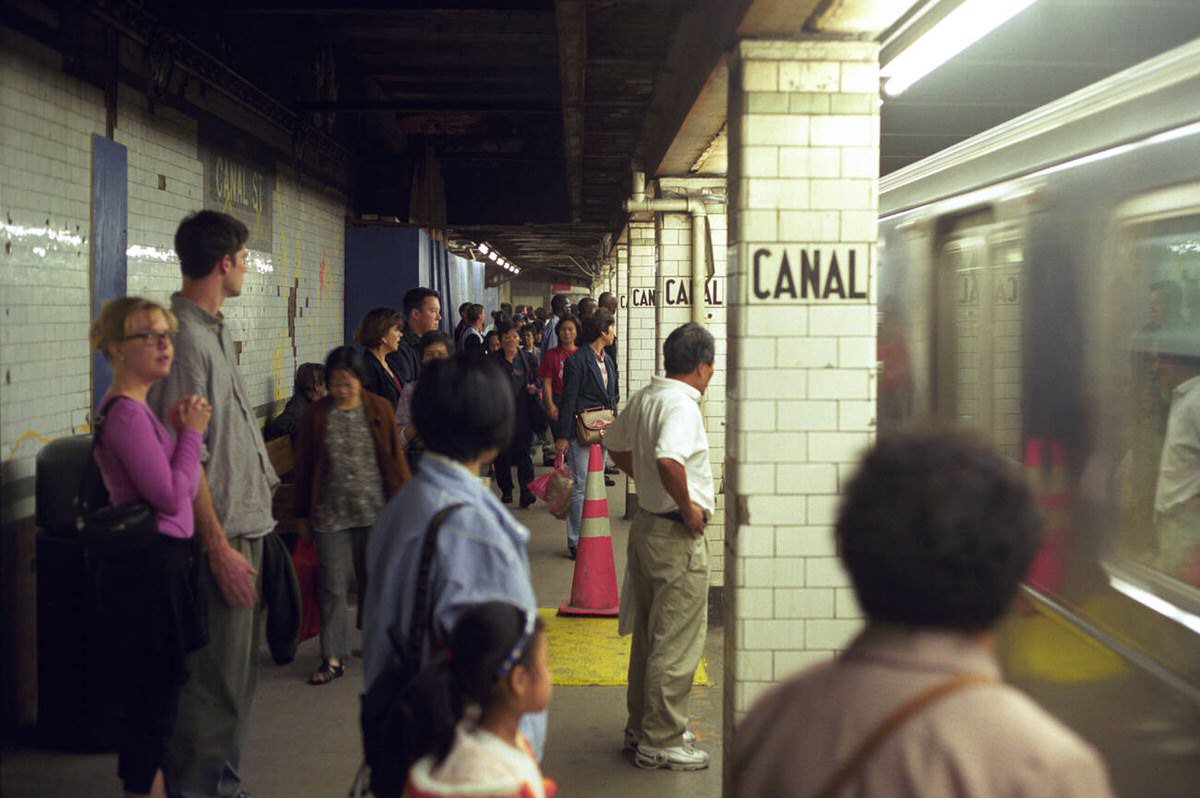
The postwar years brought heavy ridership. Millions of workers depended on the subway every day. Crowded trains during rush hour became a defining feature of commuting in the city.
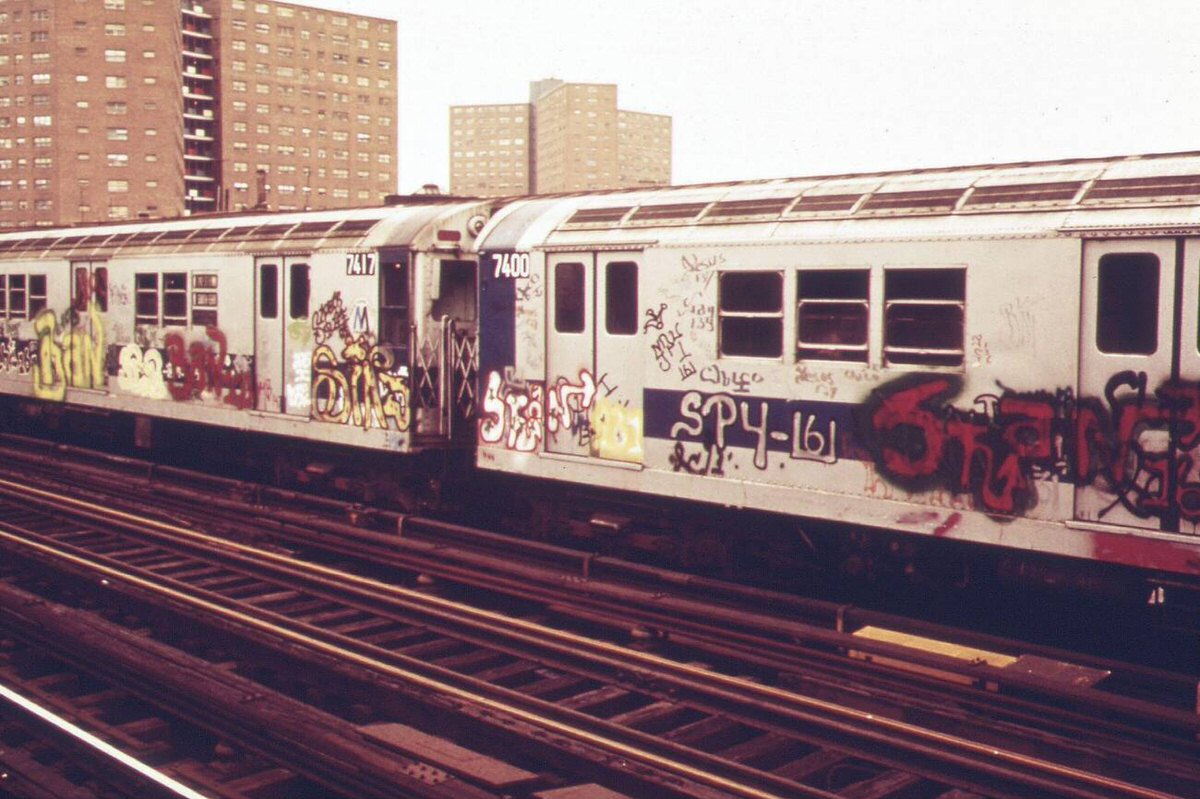
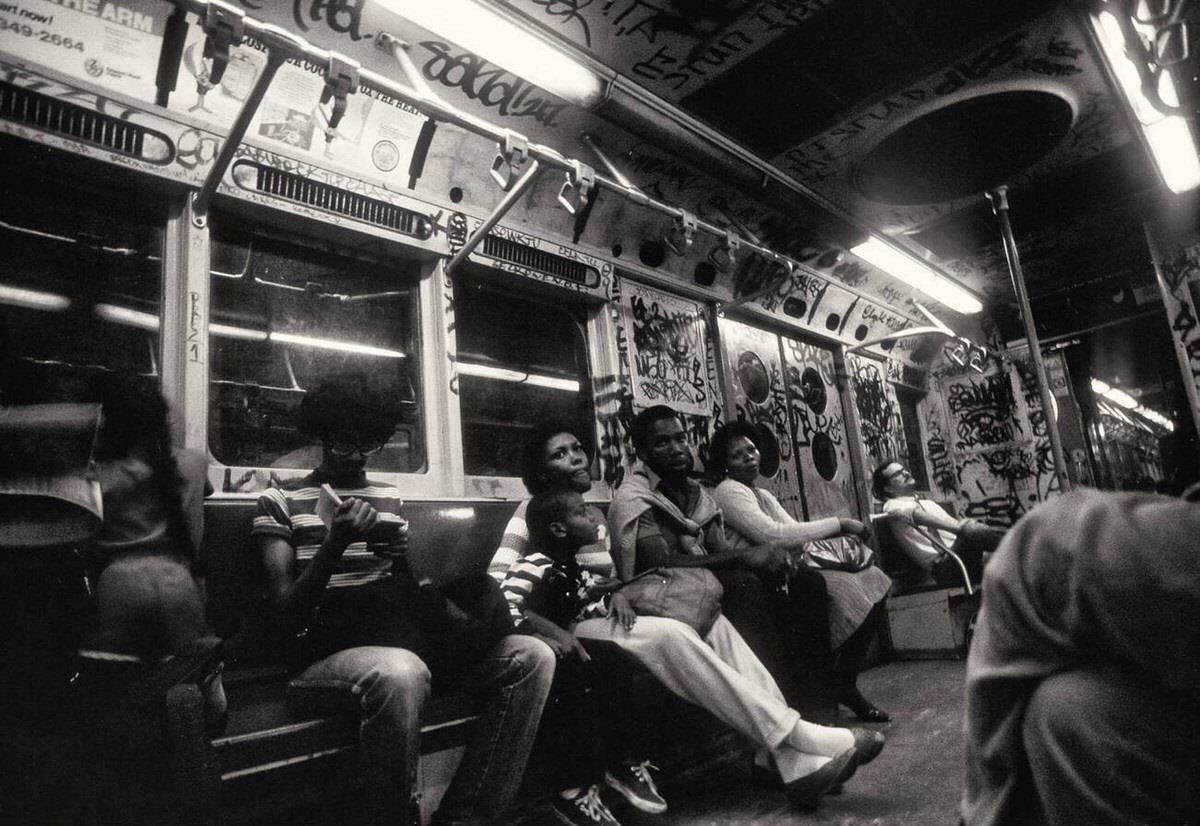
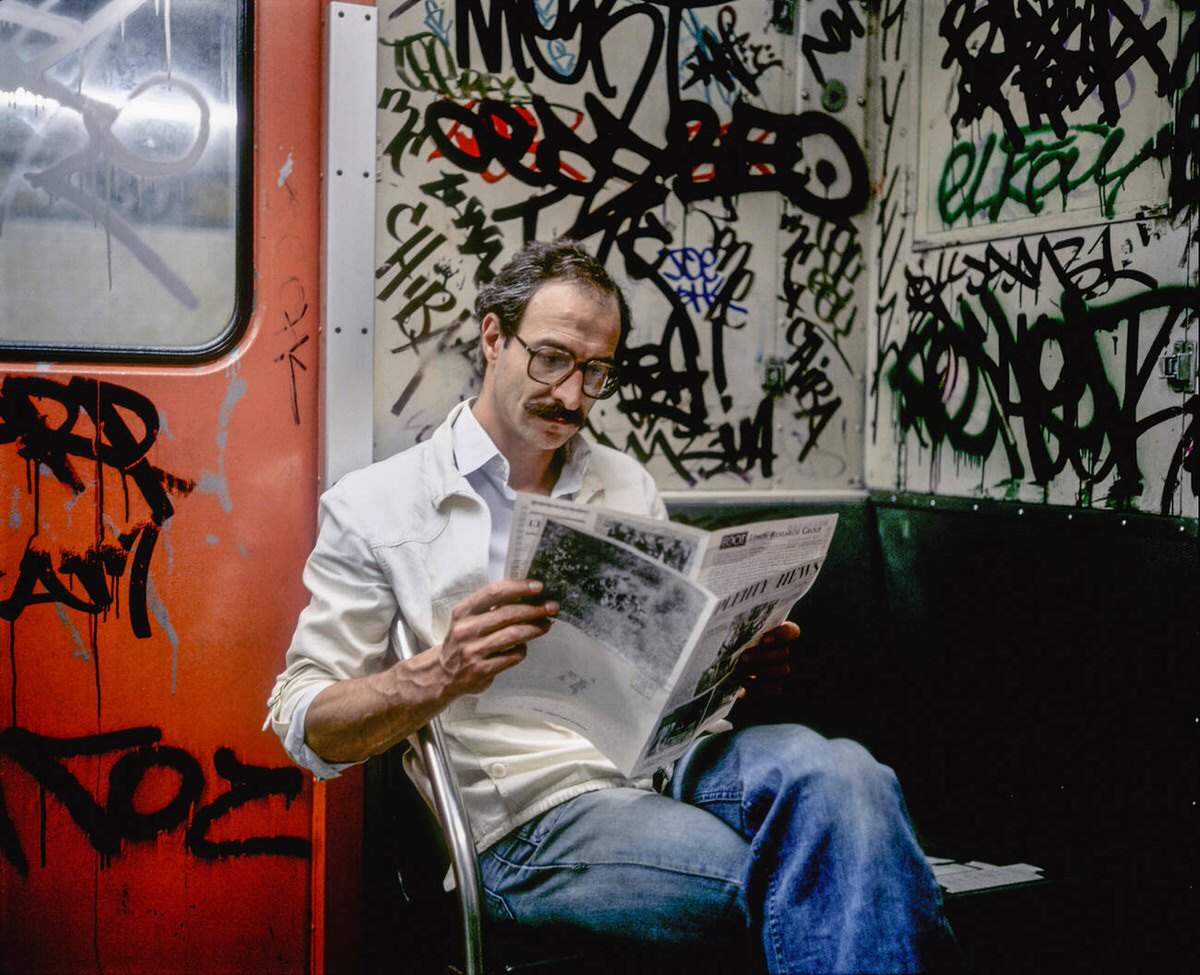
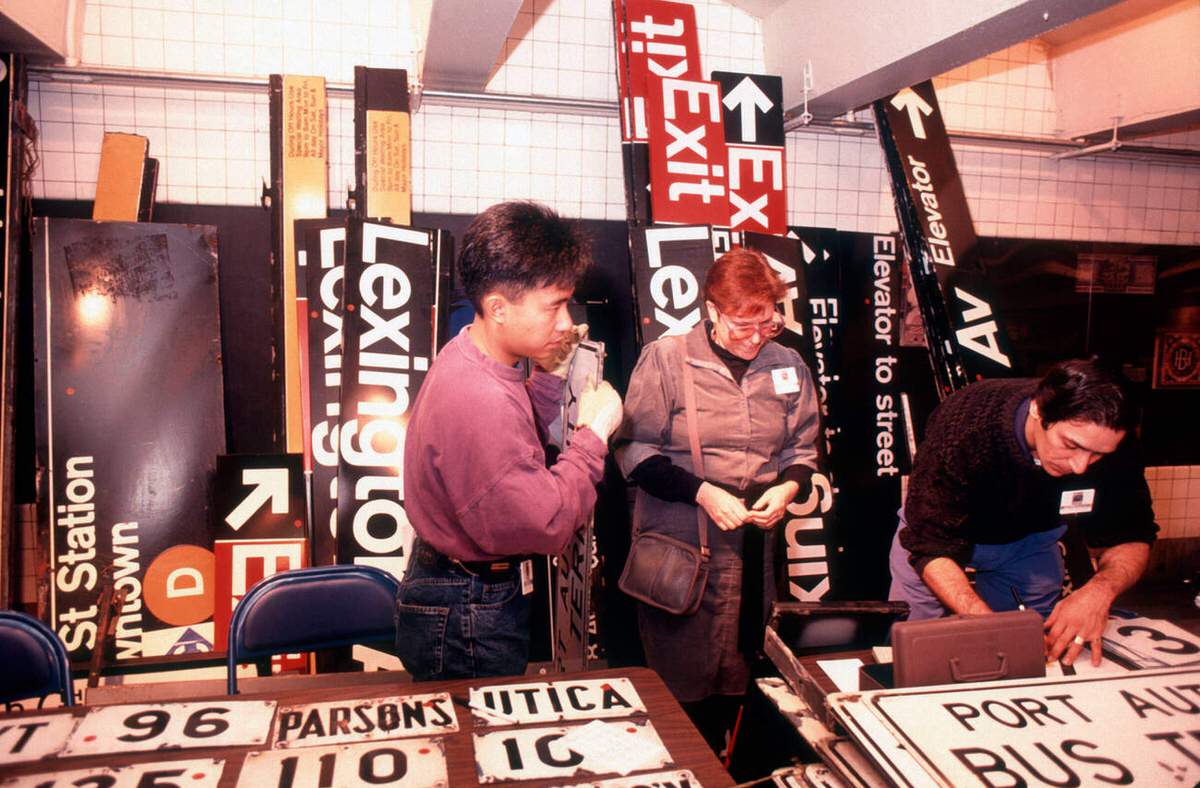
Conditions declined during the 1970s. Budget problems limited maintenance and repairs. Graffiti covered train cars and stations. Mechanical failures caused delays and service problems. Crime on trains and platforms raised concerns among riders.
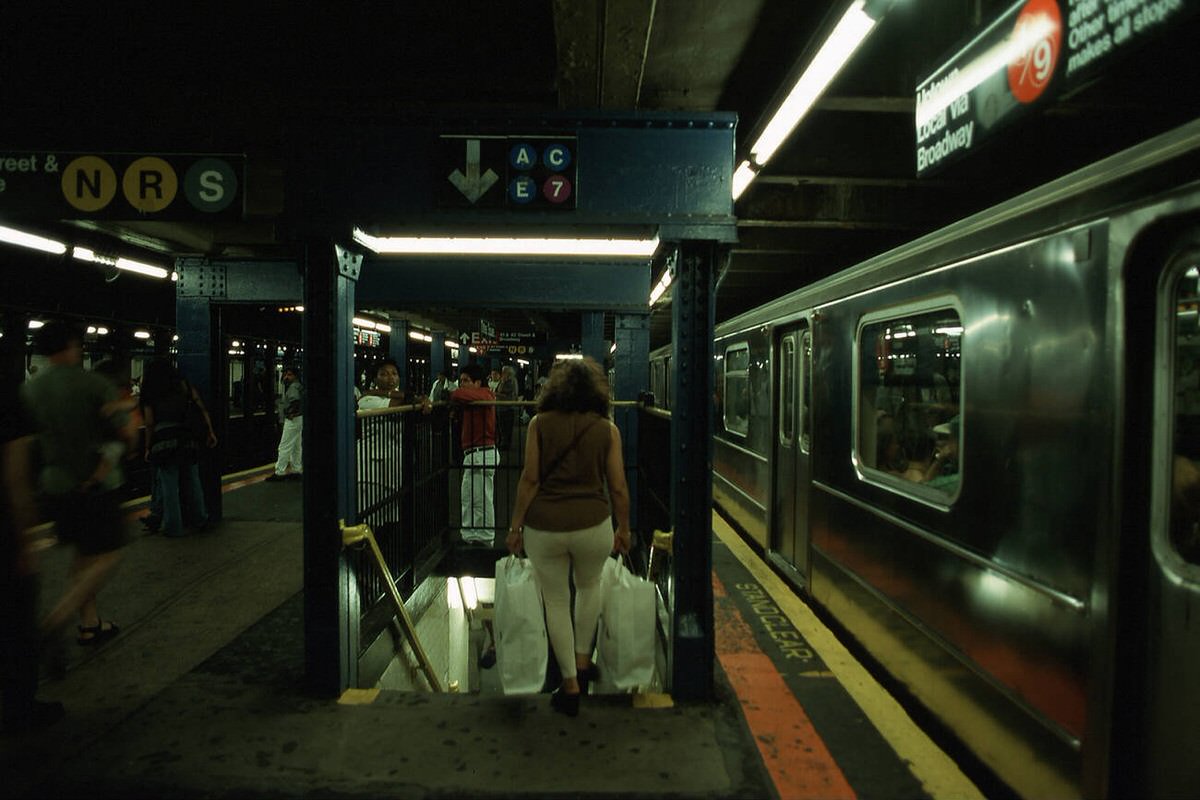
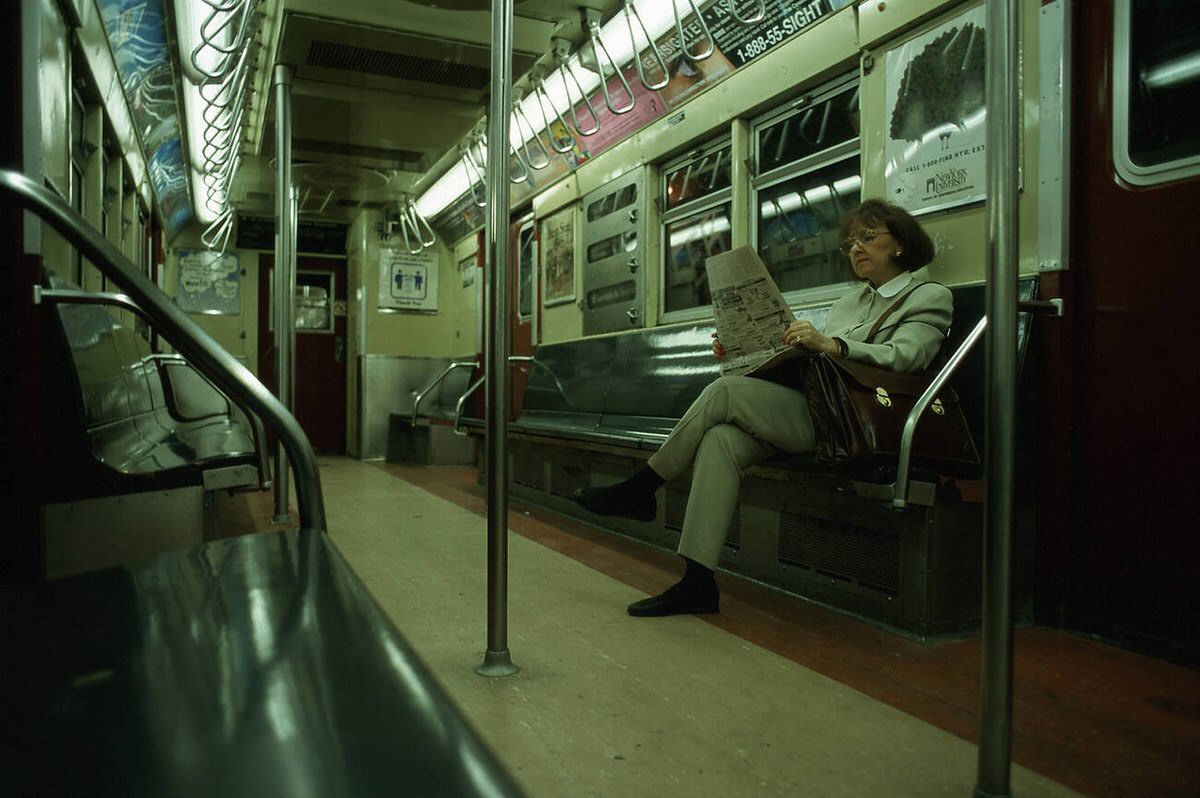
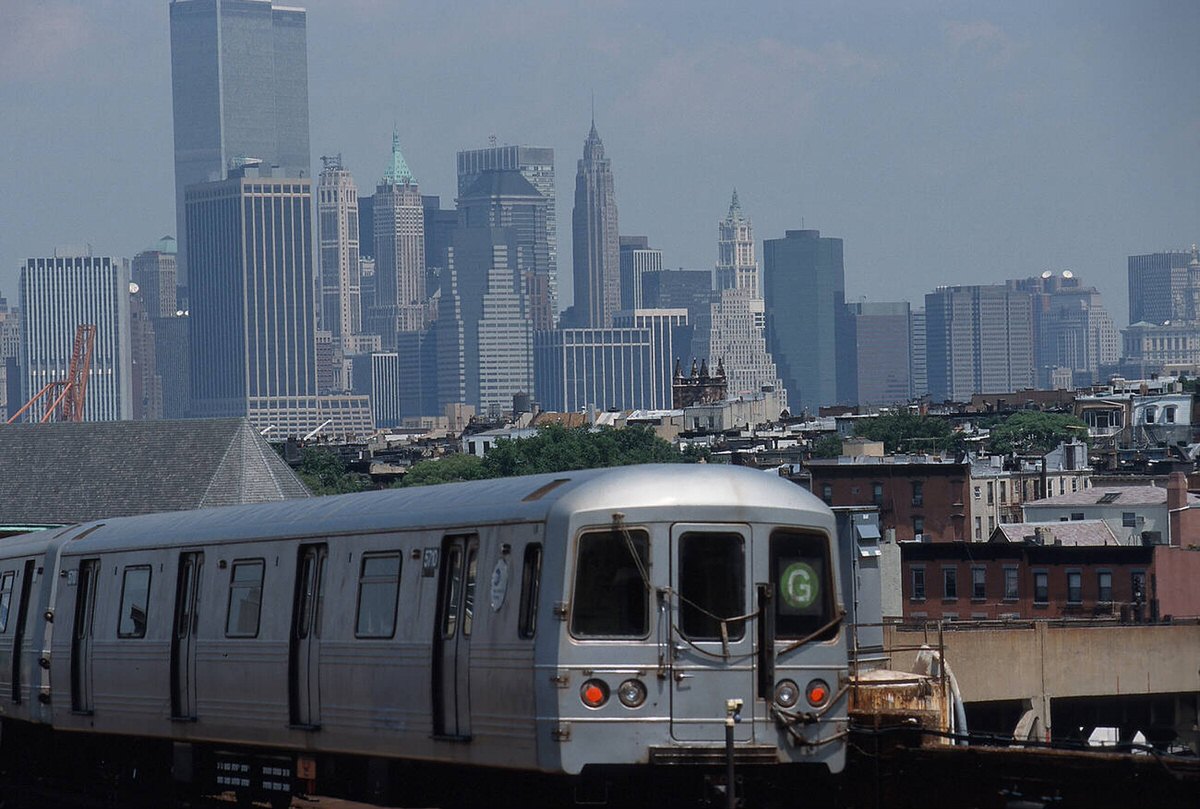
Major improvements began during the 1980s and 1990s. Transit authorities replaced older trains with new models that included air conditioning, brighter lighting, and smoother rides. Cleaning programs removed graffiti from subway cars and stations.
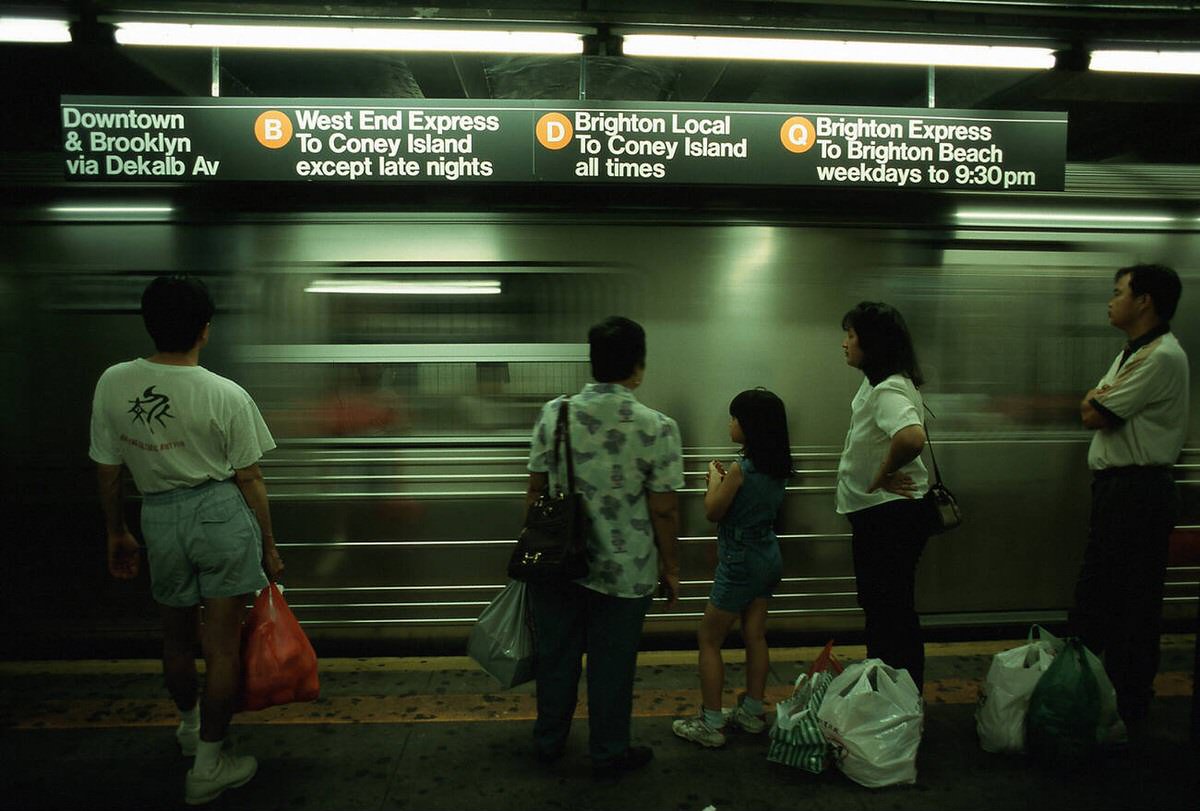
Modern technology reshaped the commuting experience. Digital signs display arrival times on many platforms. Automated announcements provide service updates. Surveillance cameras monitor stations and trains to improve safety.
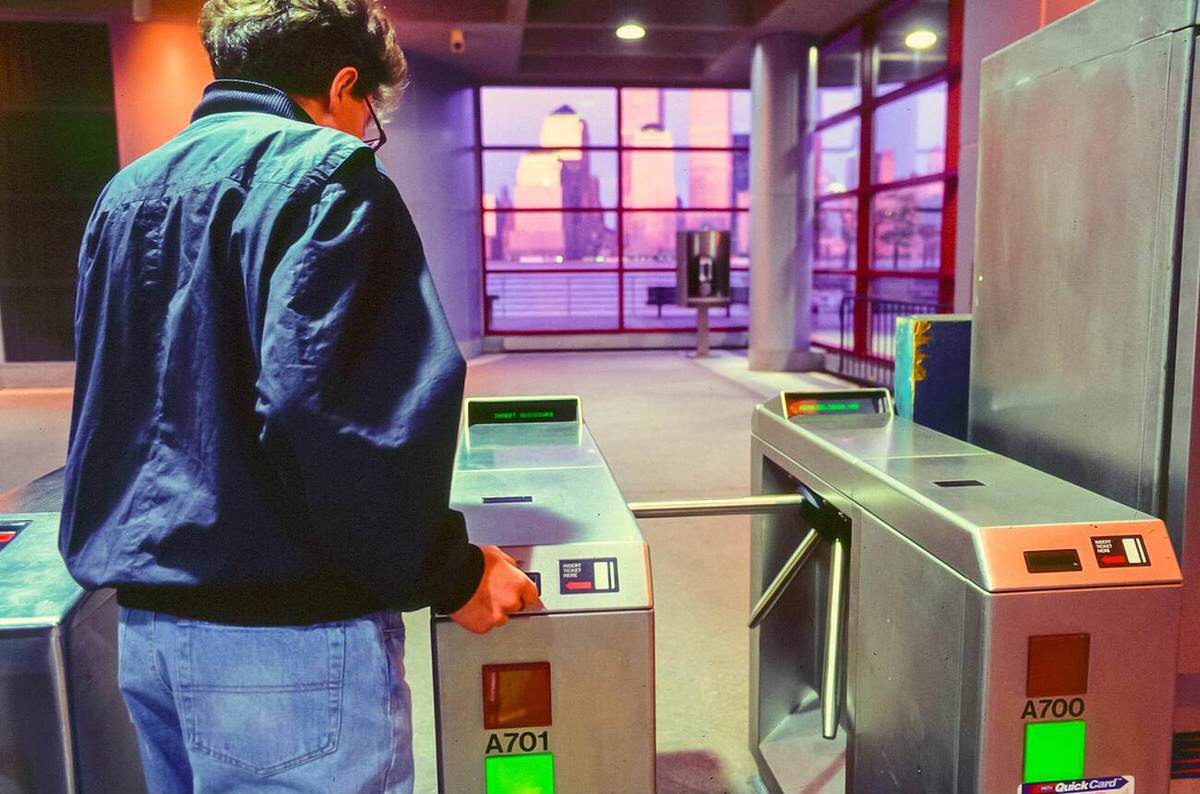
Fare systems also changed. Paper tickets and metal tokens once controlled entry through turnstiles. Today riders use contactless cards and mobile payment options through the Metropolitan Transportation Authority system.
Train design continues to evolve. Newer cars include open interiors, wider doors, and electronic route displays. These changes help move passengers faster during busy periods.
The subway now runs twenty-four hours a day across hundreds of miles of track. It remains one of the largest transit networks in the world. Commuters travel beneath streets, rivers, and neighborhoods while moving between homes, workplaces, and schools throughout New York City.

GIPHY App Key not set. Please check settings