

 Henry Parker
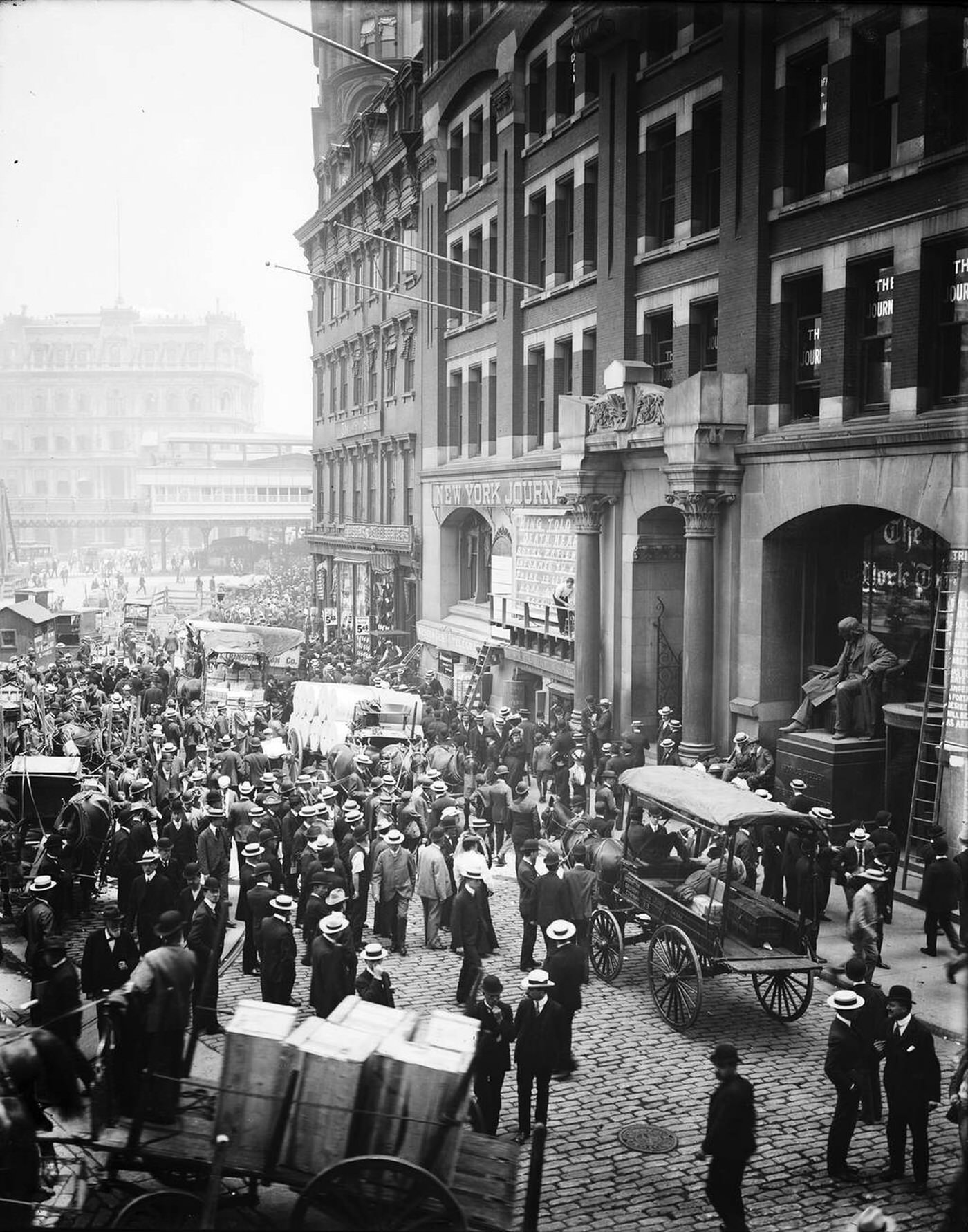
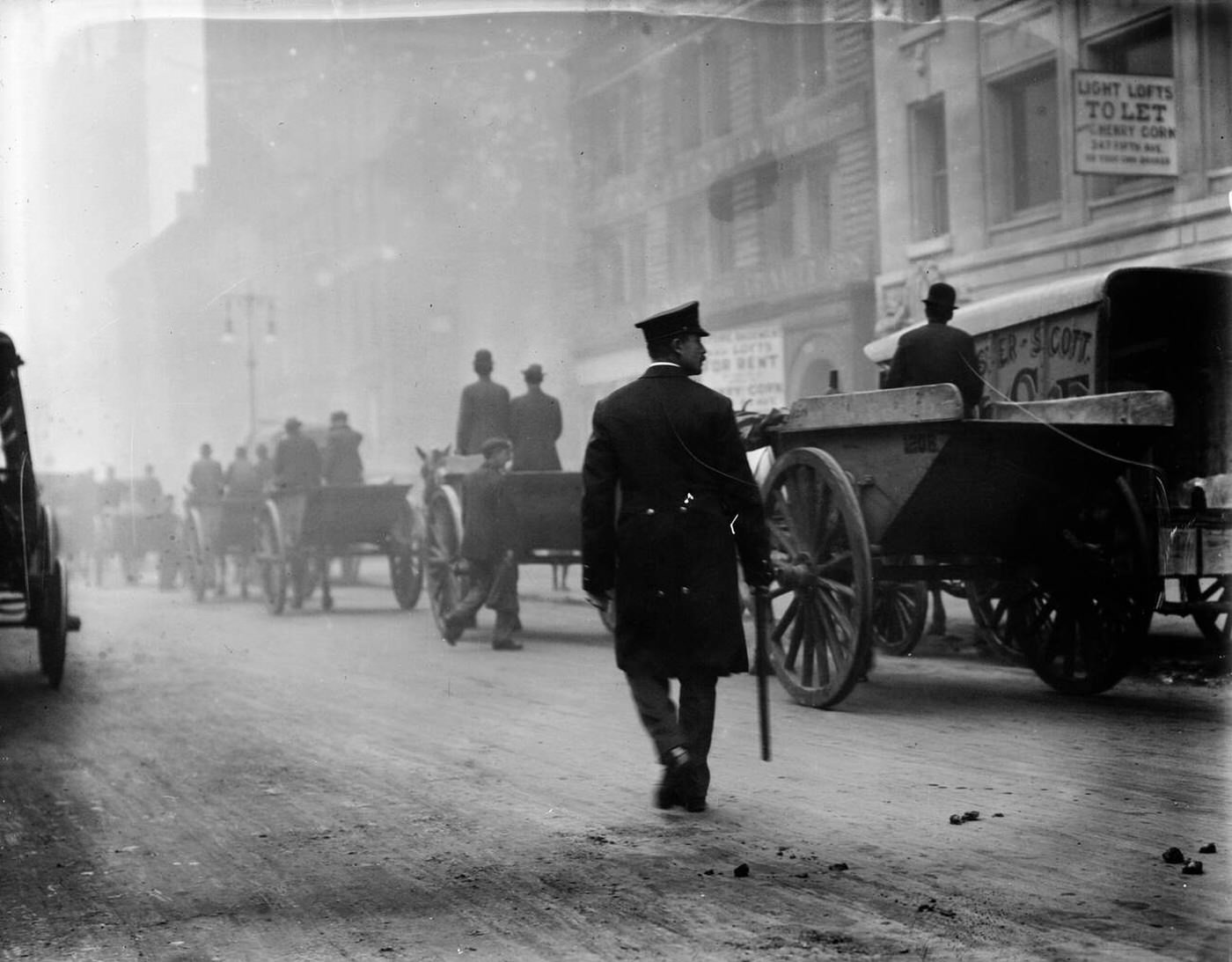
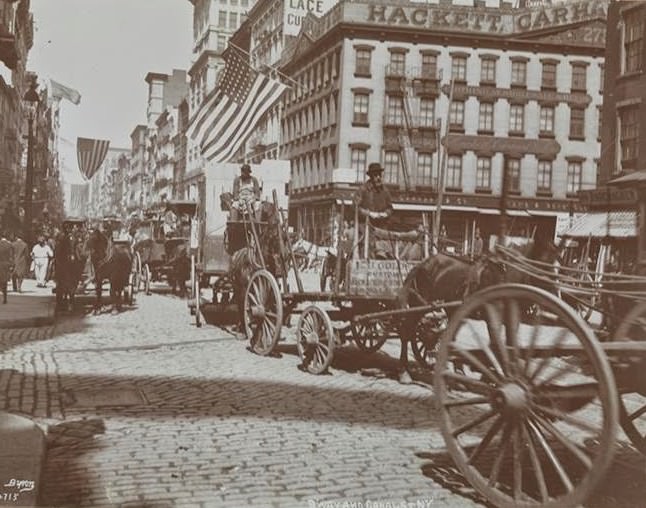
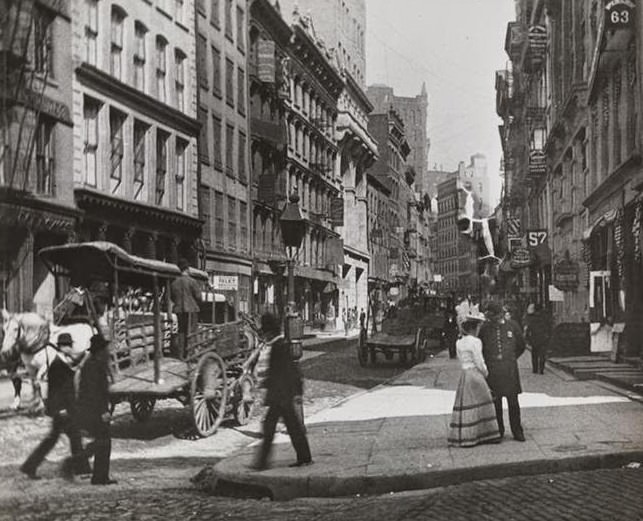
In the final decades of the 1800s and the opening years of the 1900s, New York City’s streets ran on horsepower — the literal kind. Carts, wagons, drays, and pushcarts moved through Manhattan in numbers that made modern traffic look manageable. The city was the commercial center of the United States, and everything that entered or left it did so on four wheels pulled by an animal or pushed by a person.
The Scale of It
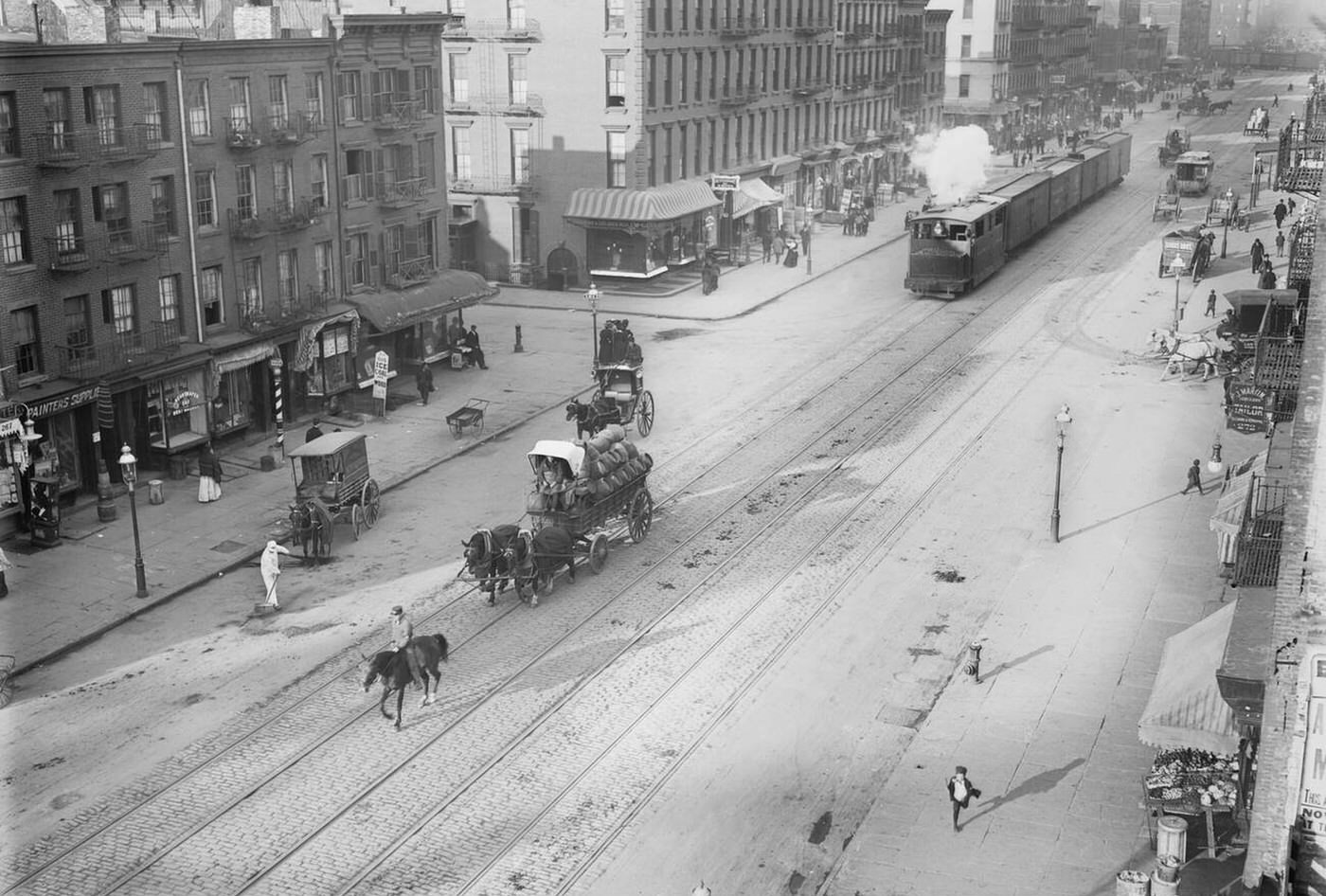
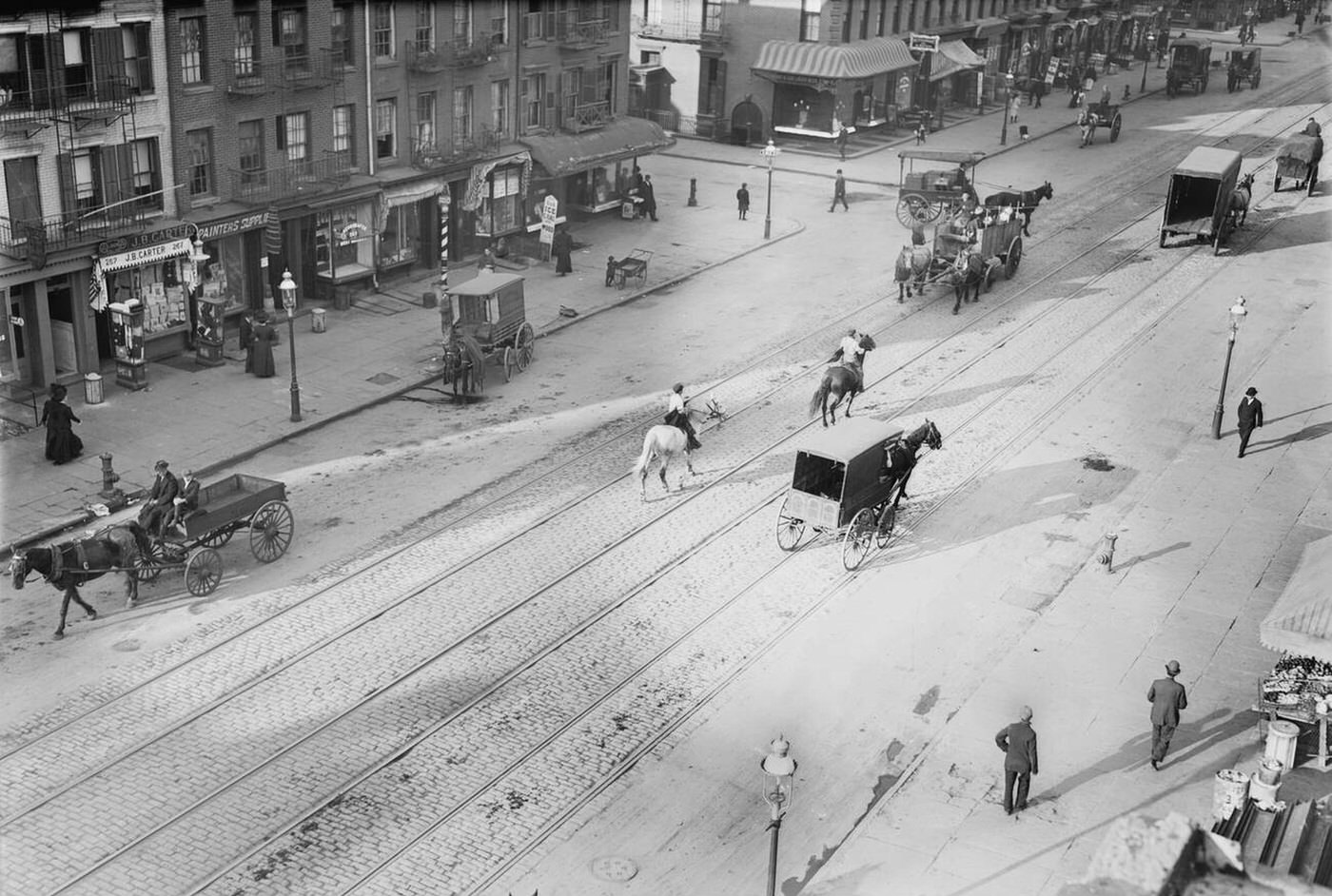
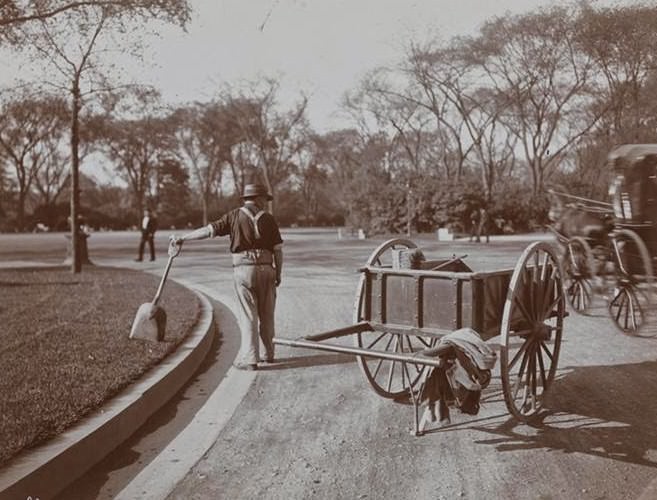
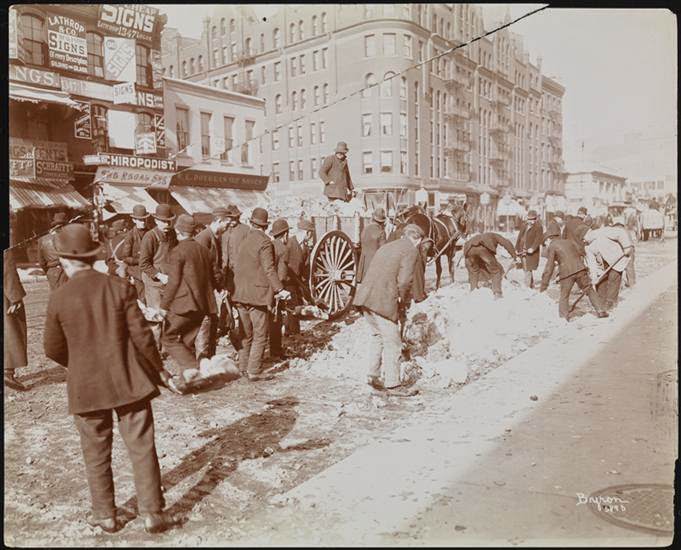
By 1900, an estimated 130,000 horses were working in New York City. Each one produced between 15 and 30 pounds of manure per day, which meant the streets were covered in it constantly despite the armies of street cleaners the city employed. The smell was part of the urban experience. So was the noise — iron-rimmed wheels on cobblestone produced a constant grinding roar that residents of crowded neighborhoods lived with every waking hour.
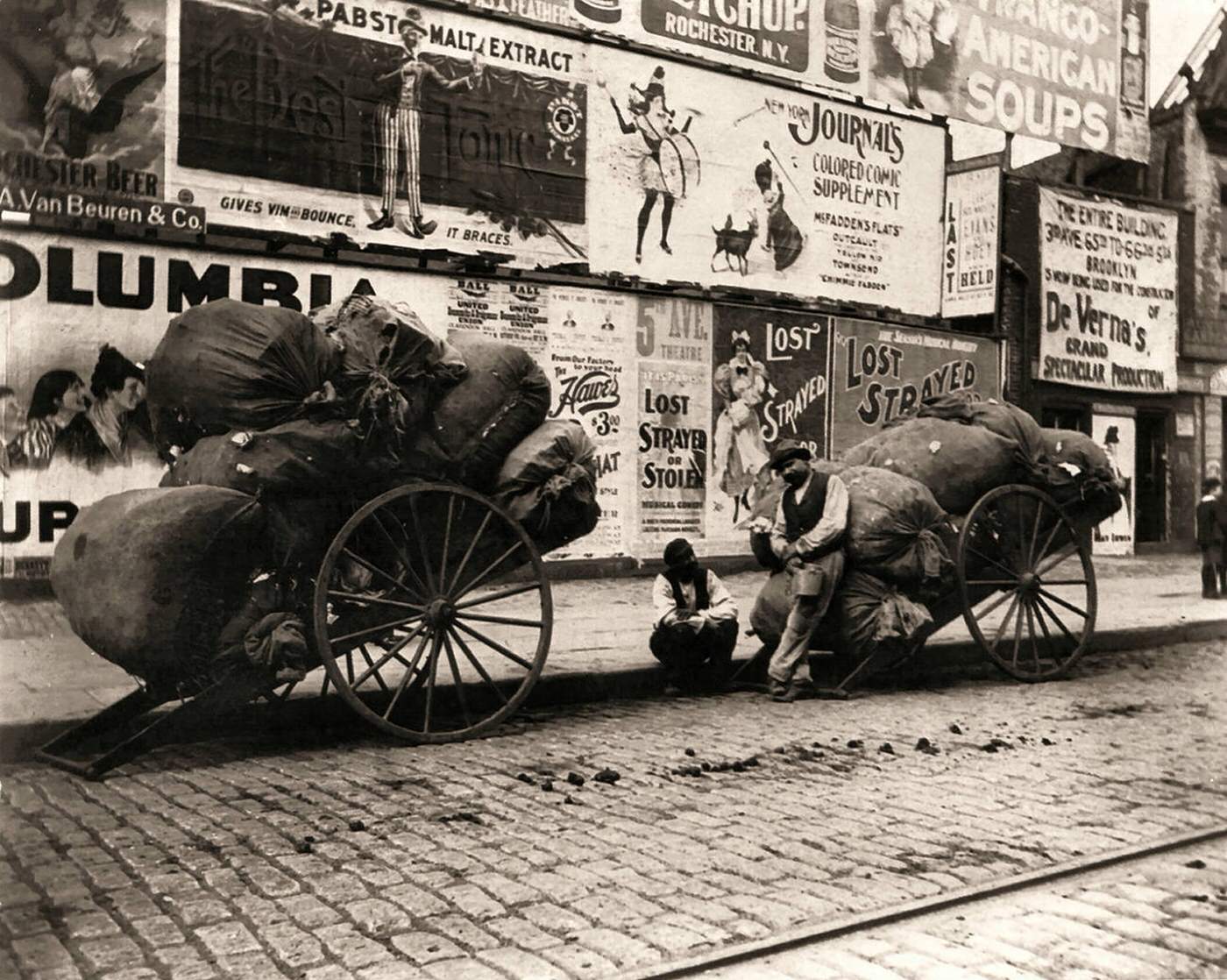
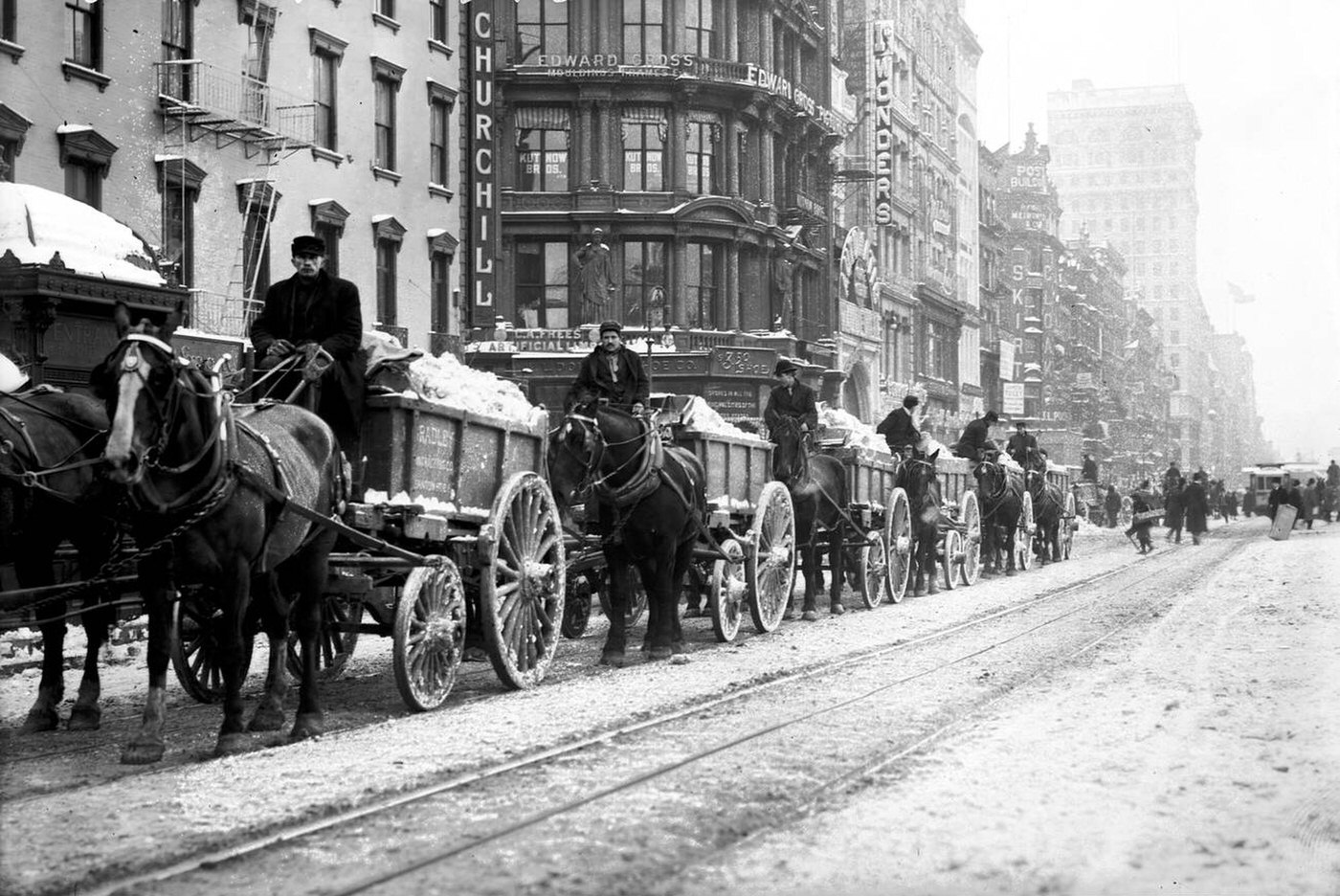
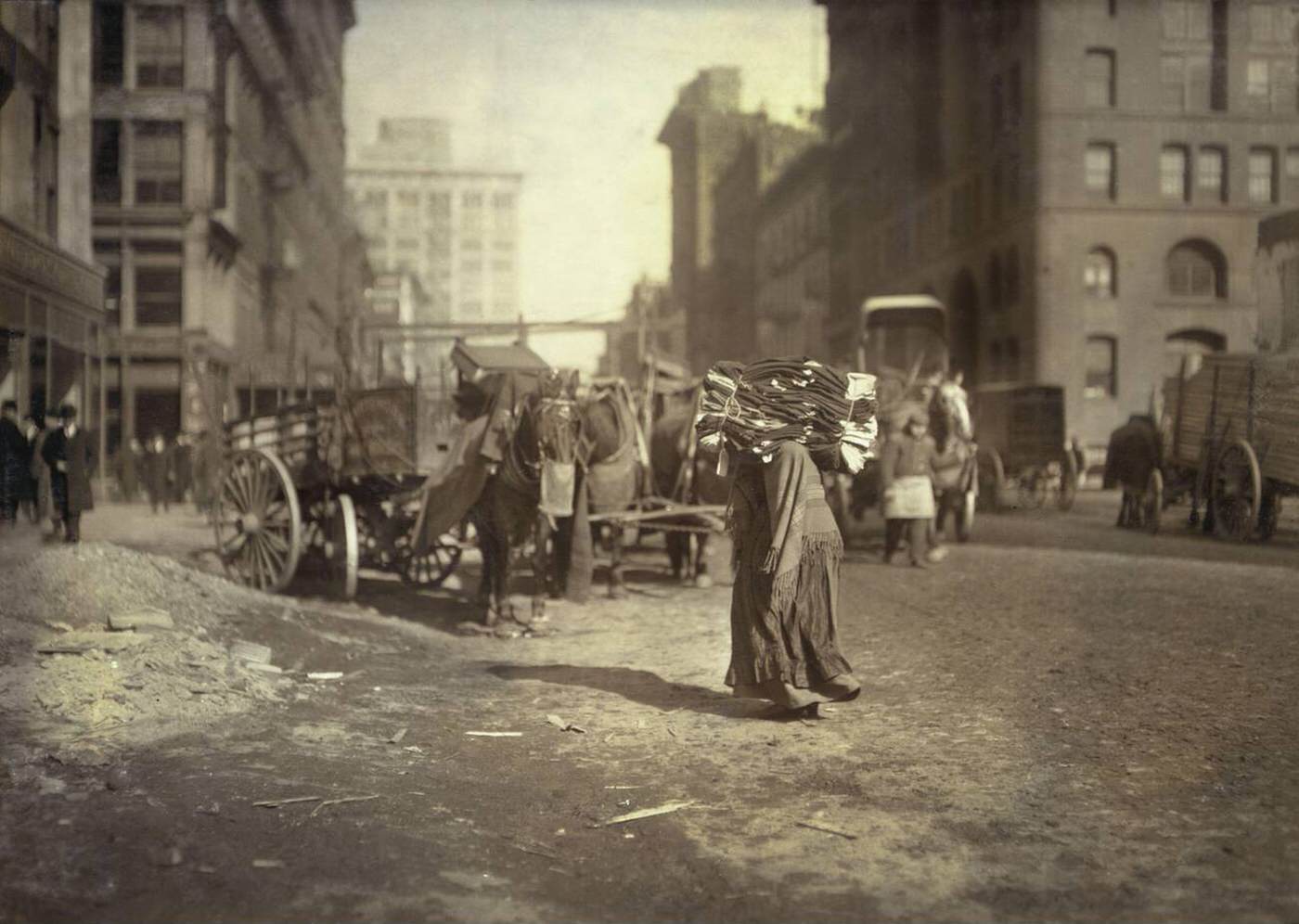
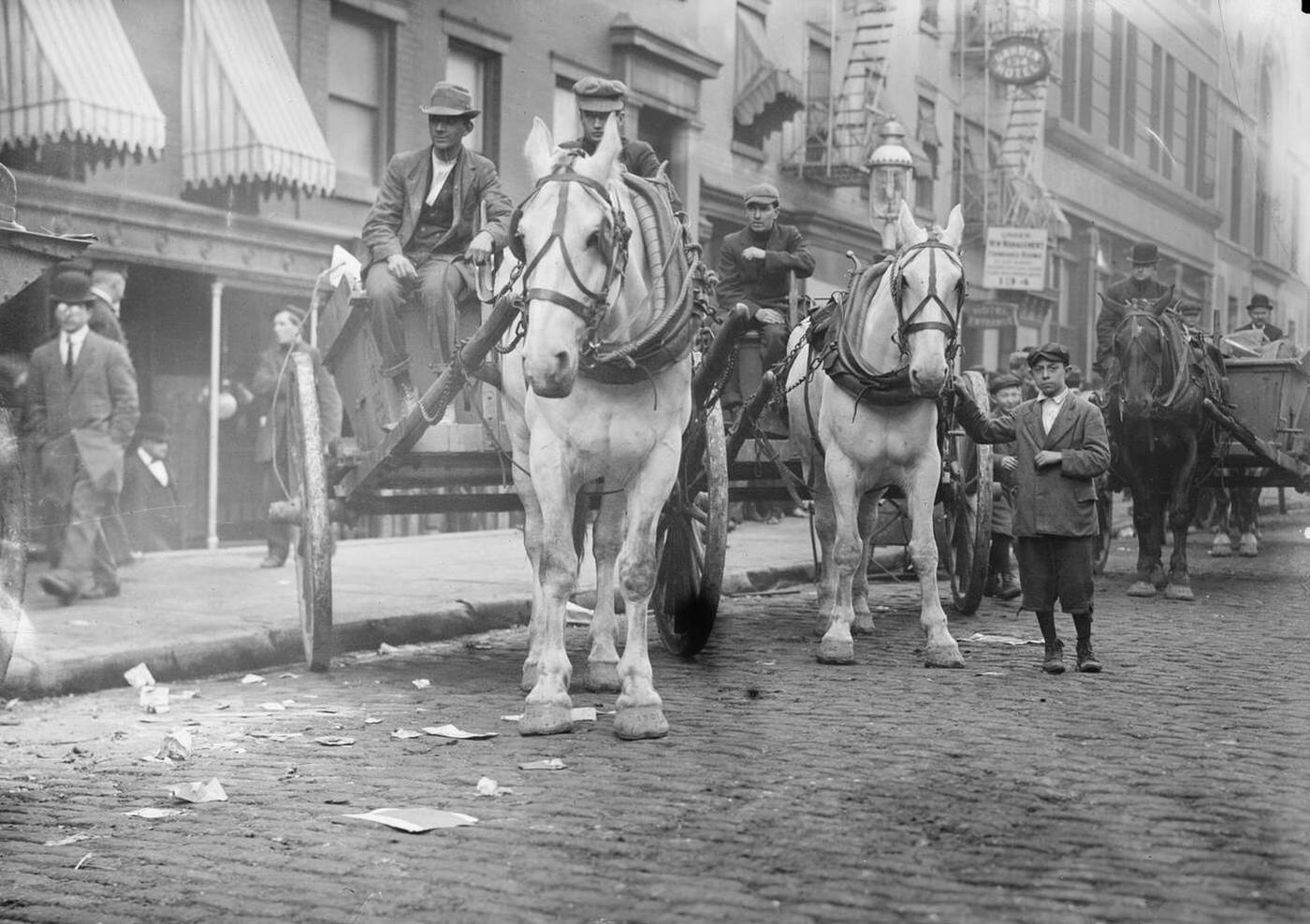
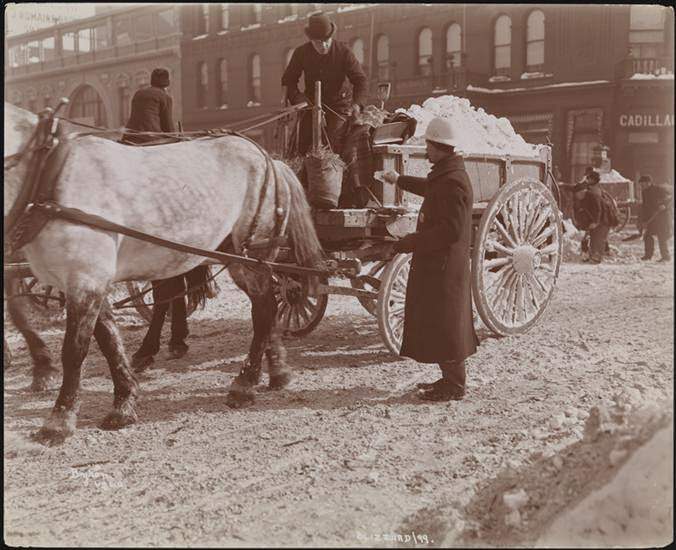
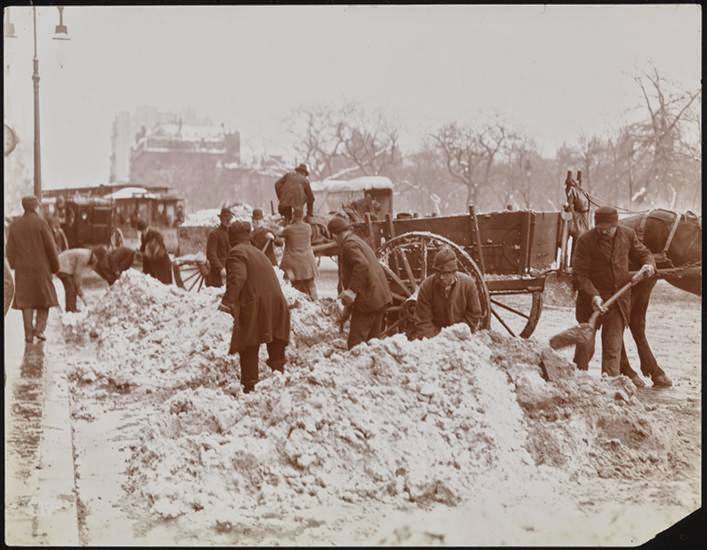
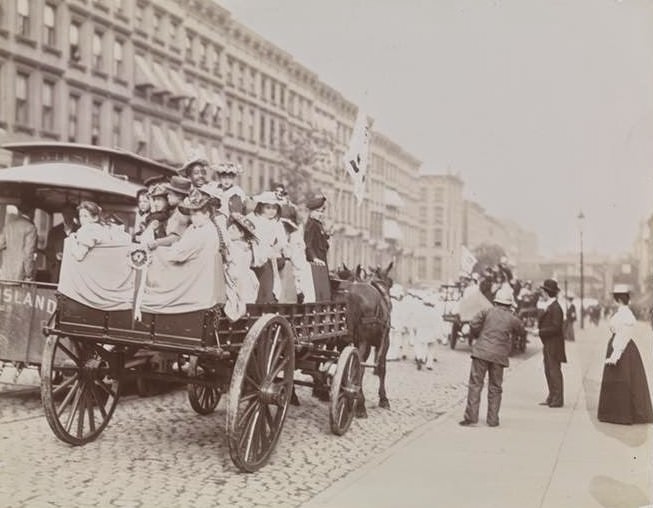
The wagons themselves ranged enormously in size and purpose. Heavy freight wagons, called drays, handled the bulk commercial work — moving goods from the docks along the East River and Hudson River into the city’s warehouses, markets, and businesses. These were massive, flat-bedded vehicles pulled by teams of two or four draft horses and driven by teamsters who spent their entire working lives navigating the congested streets of lower Manhattan.
Read more..
The Pushcart Economy
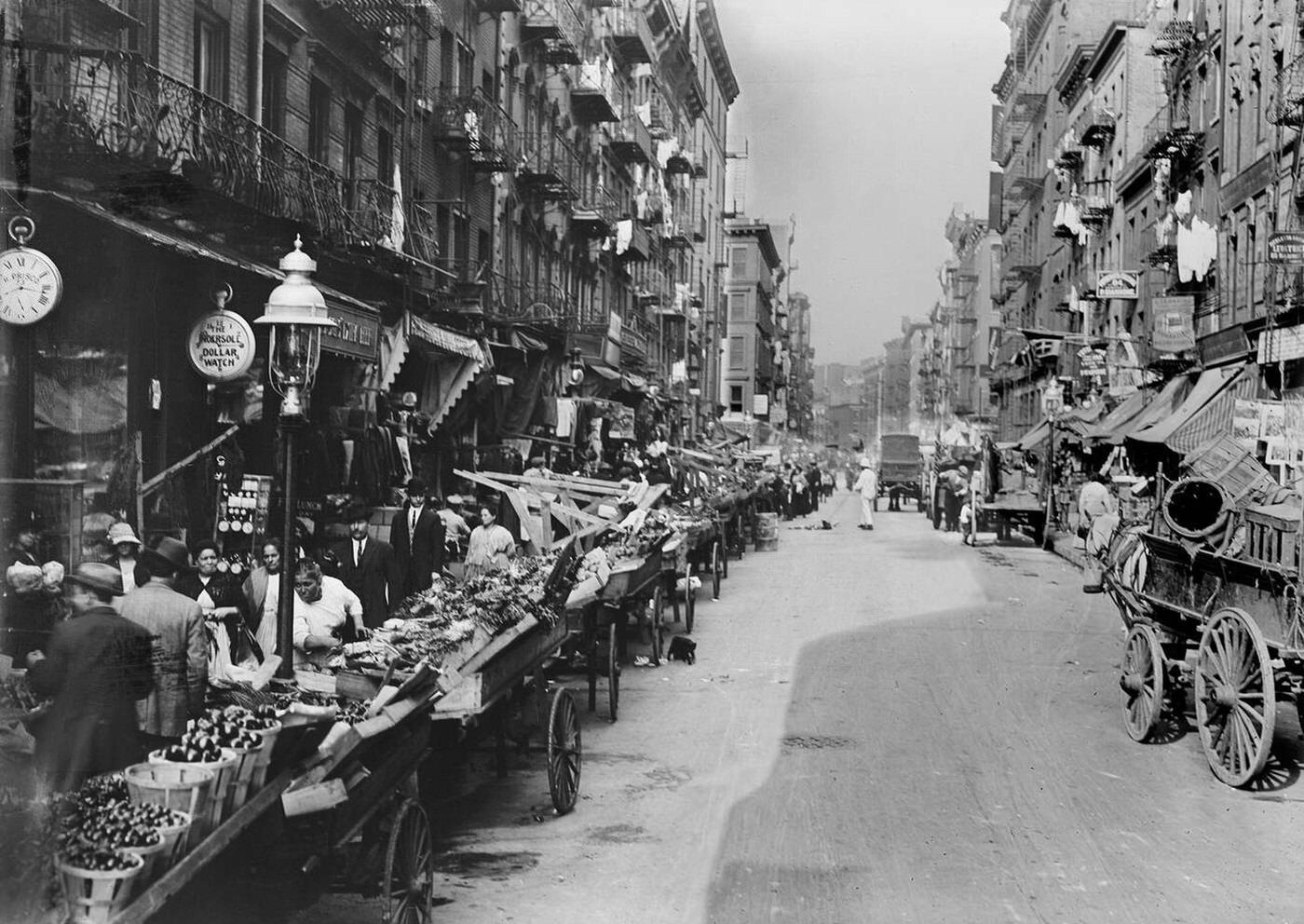
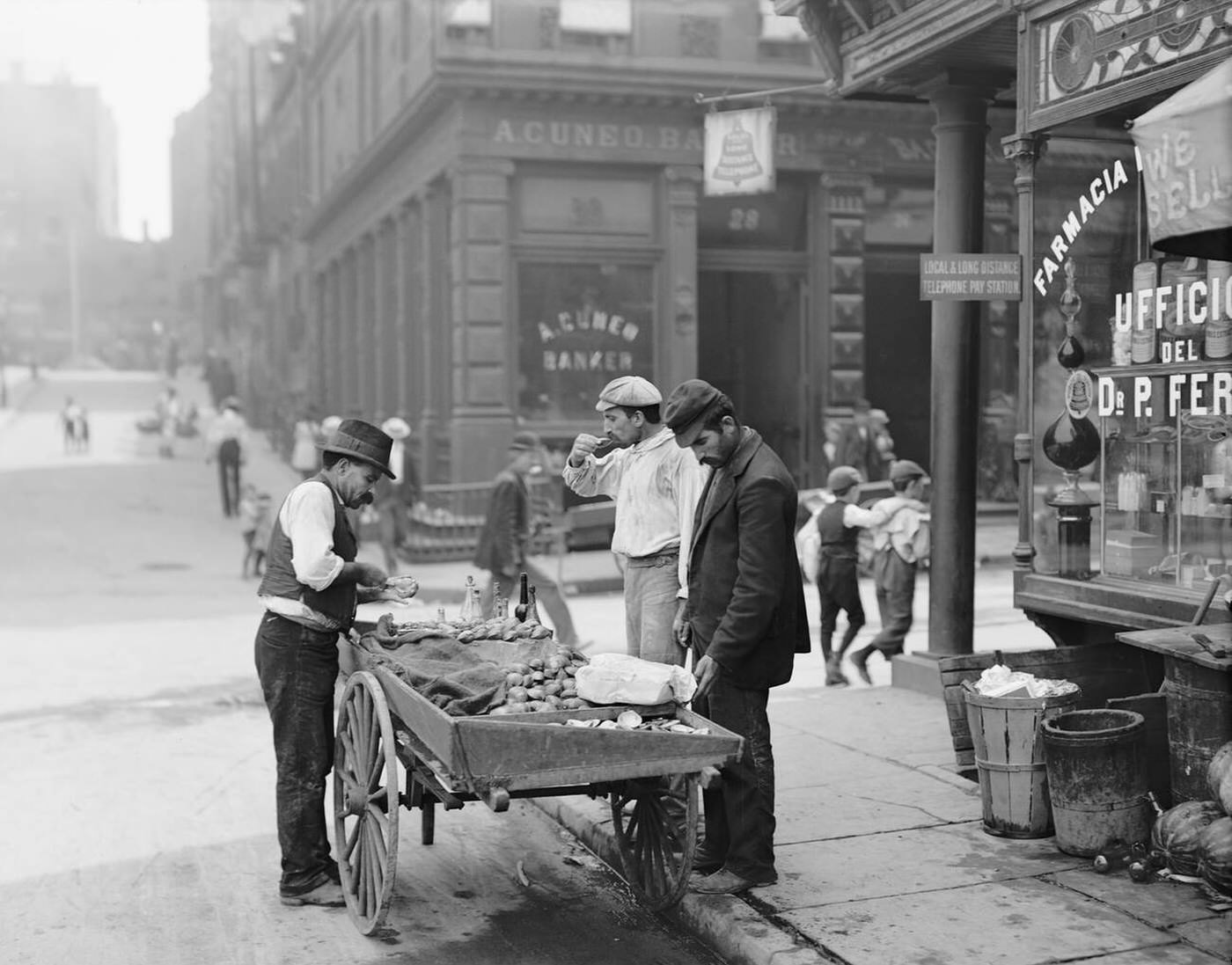
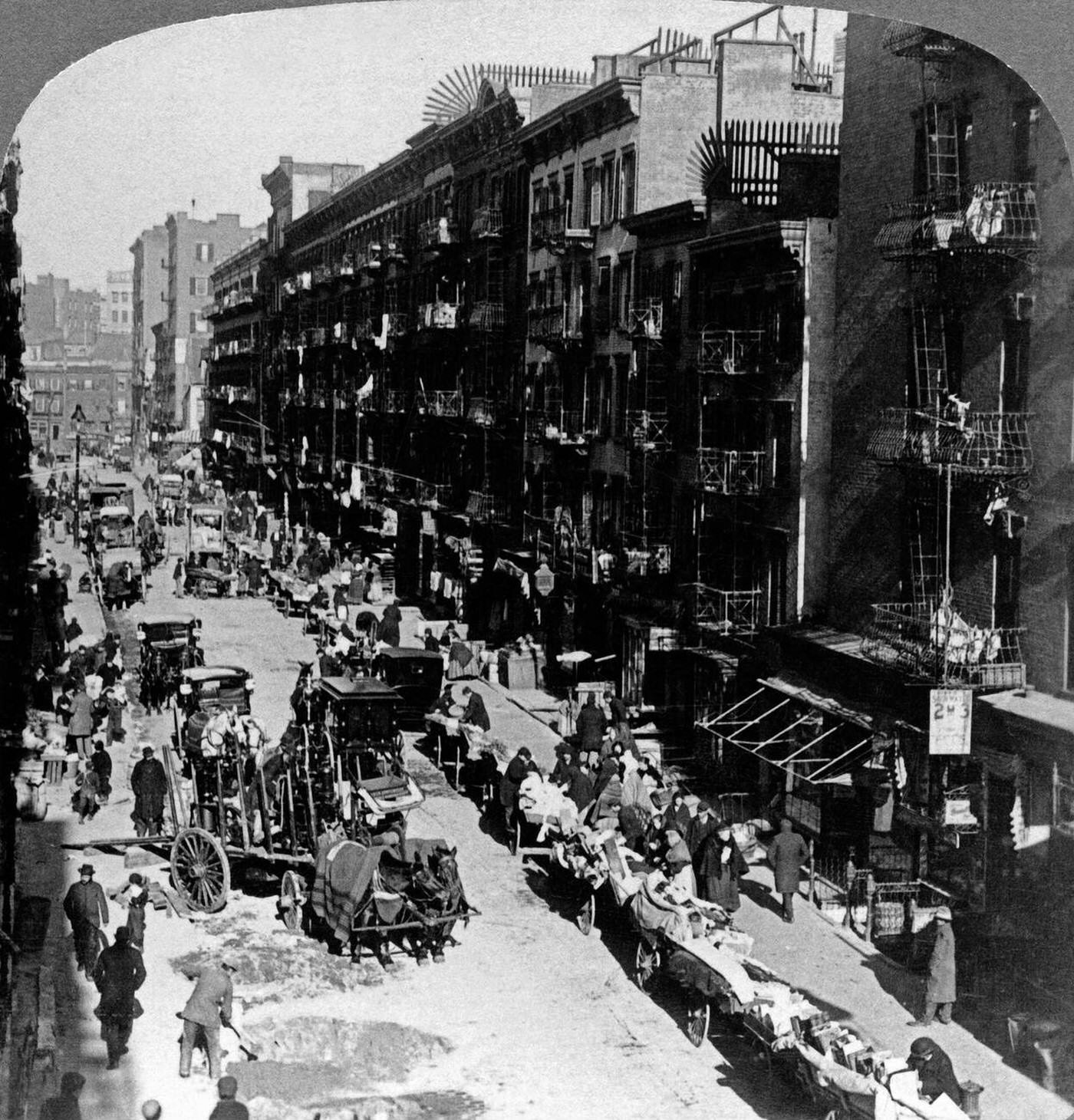
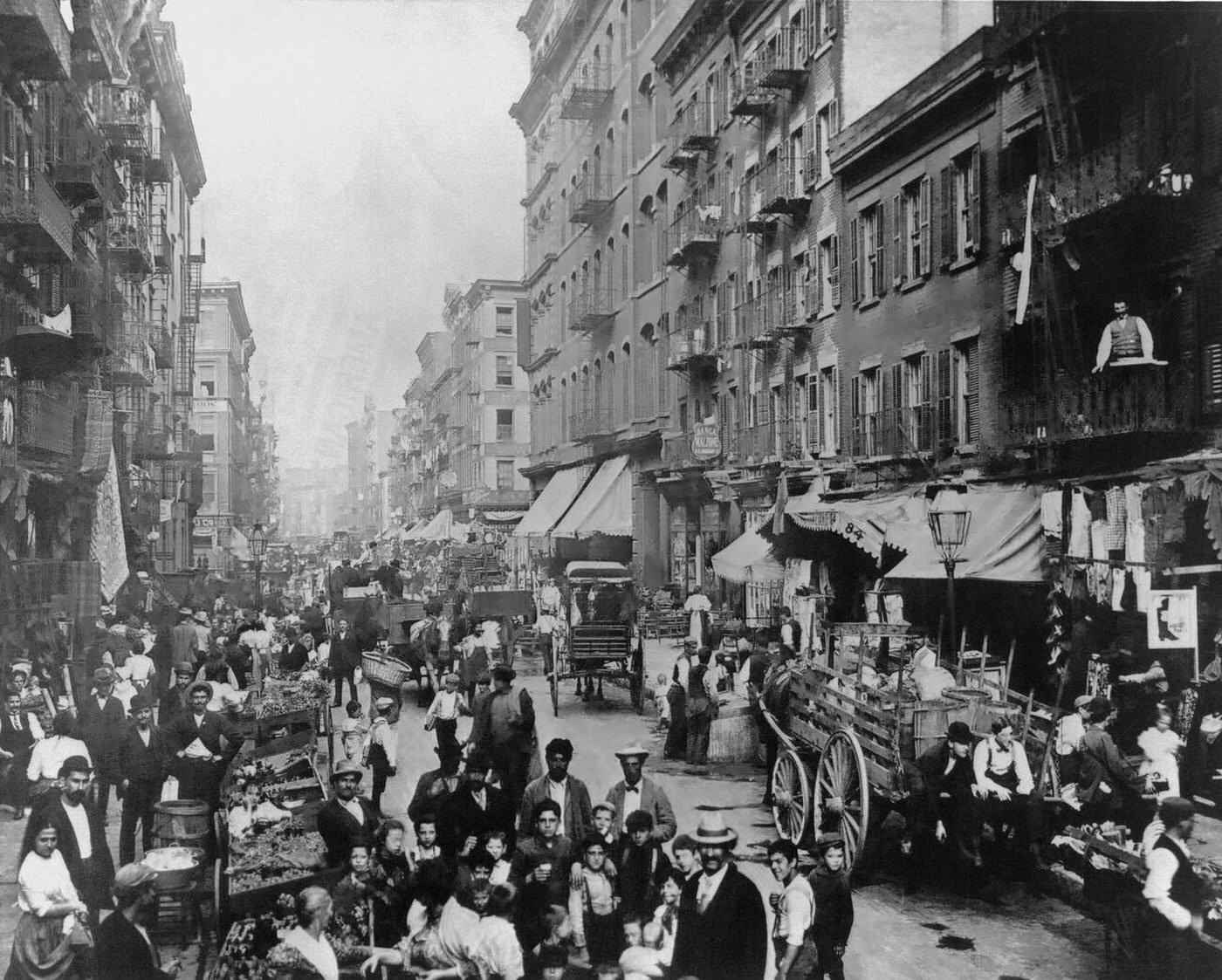
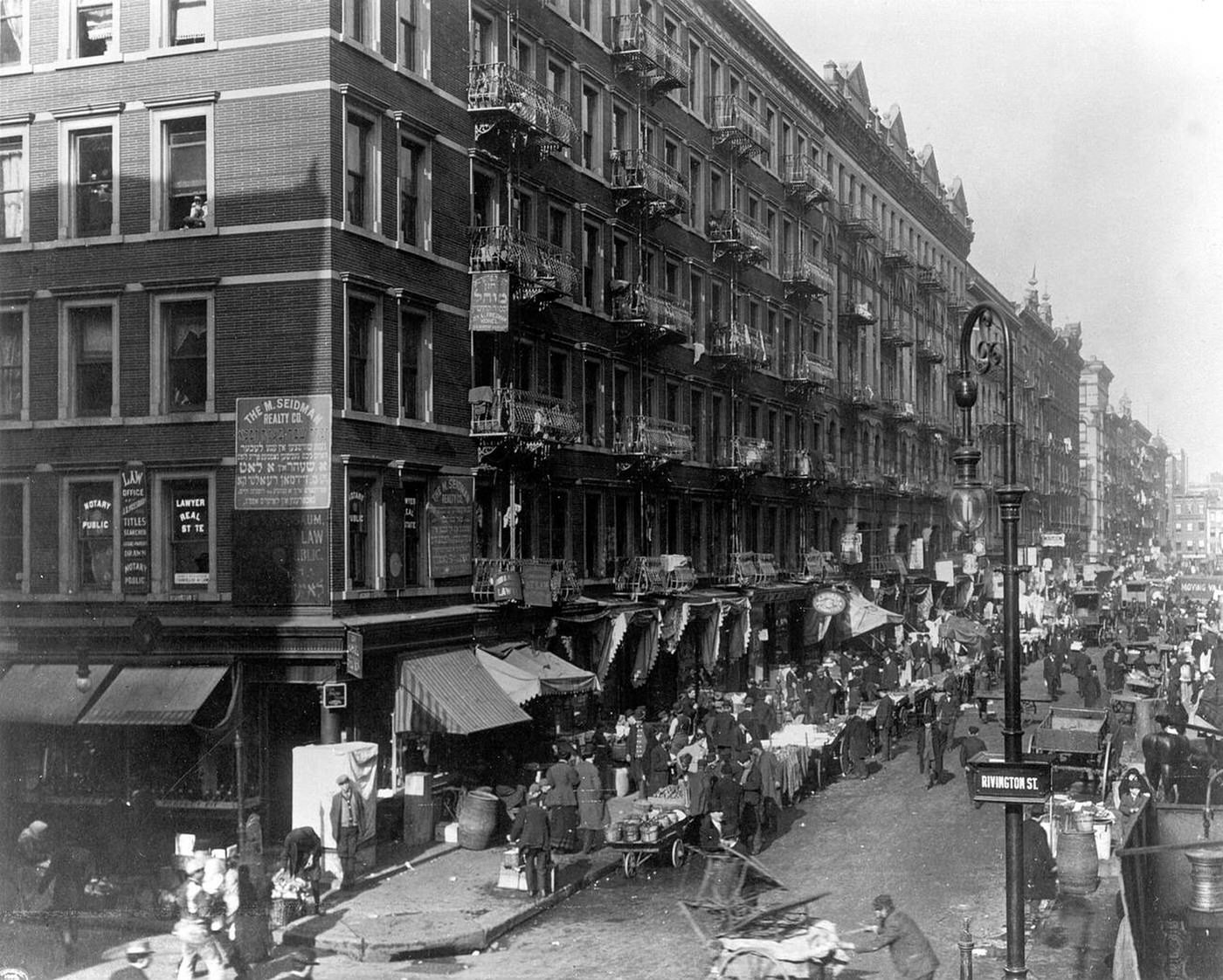
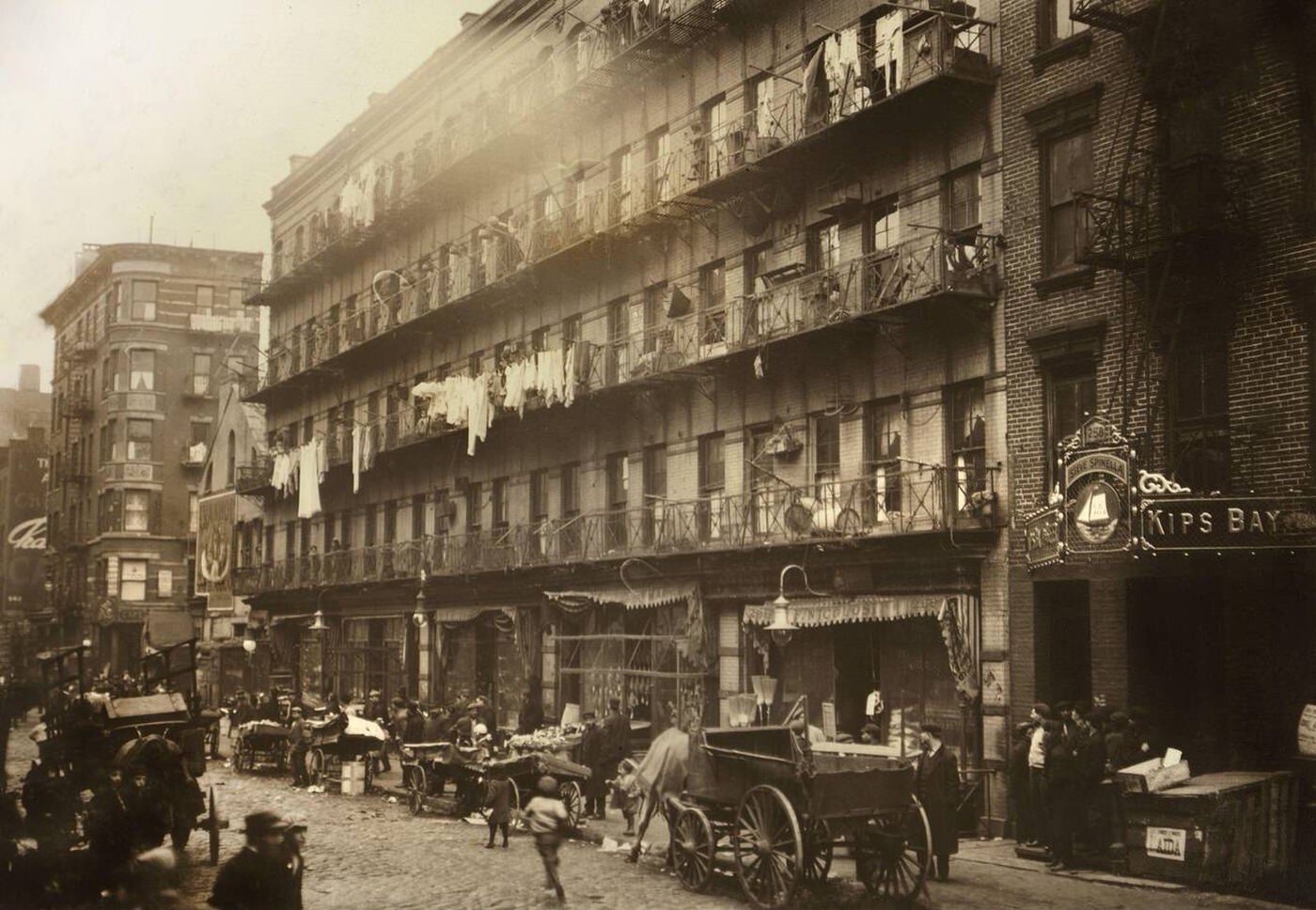
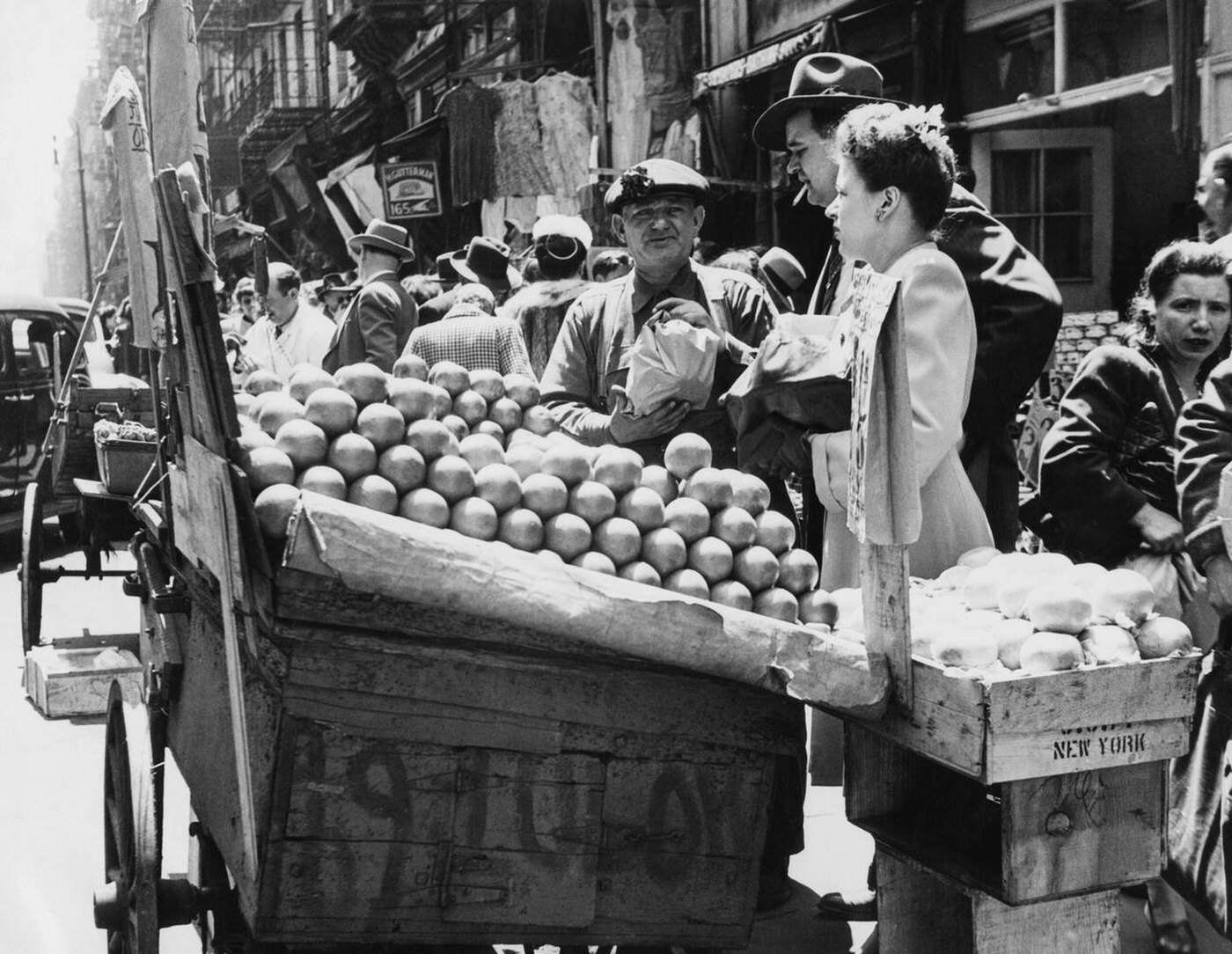
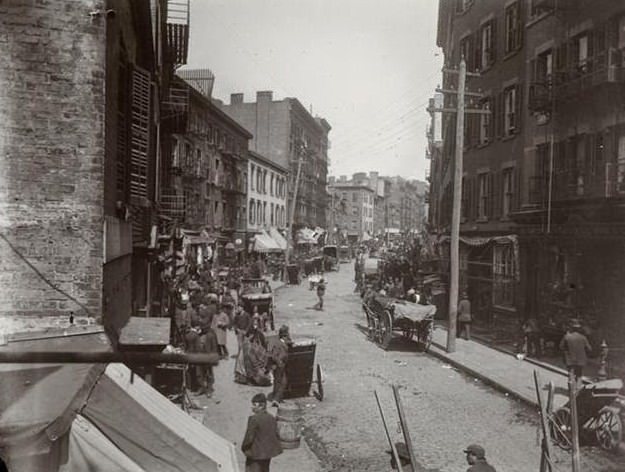
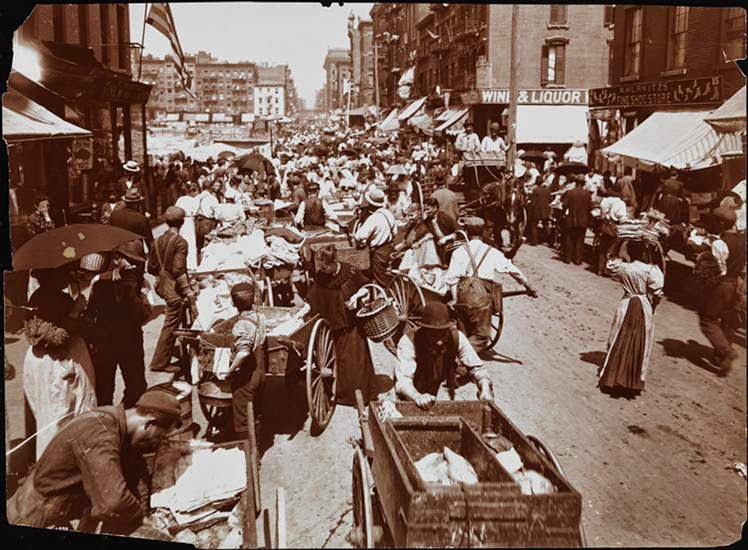
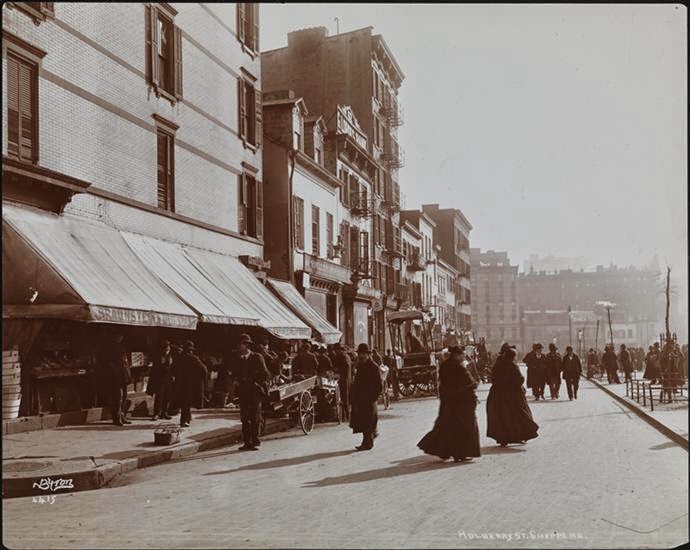
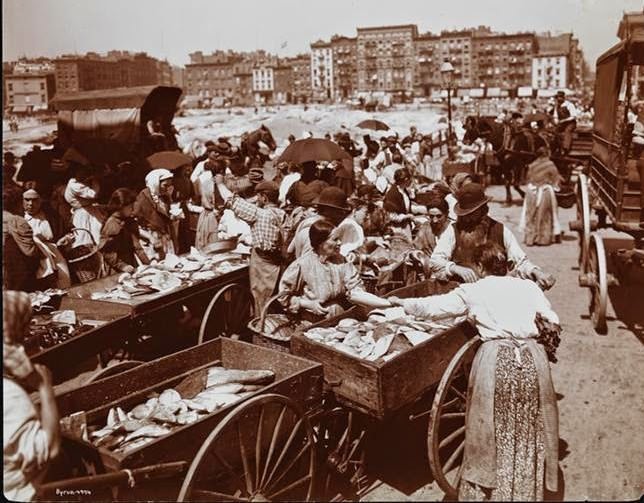
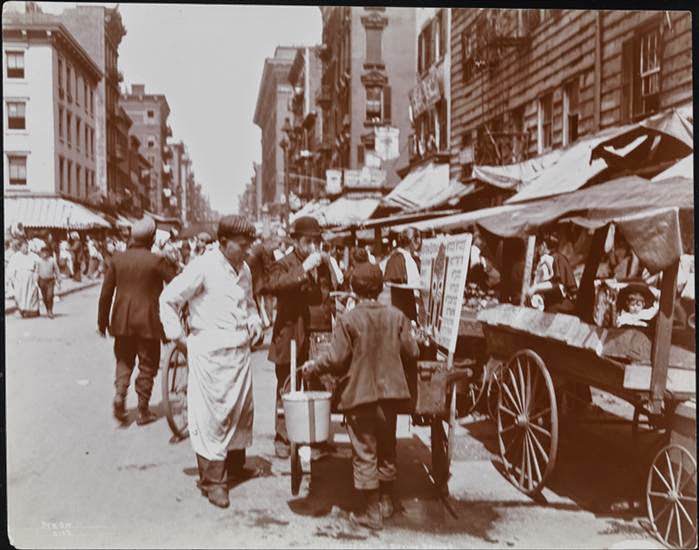
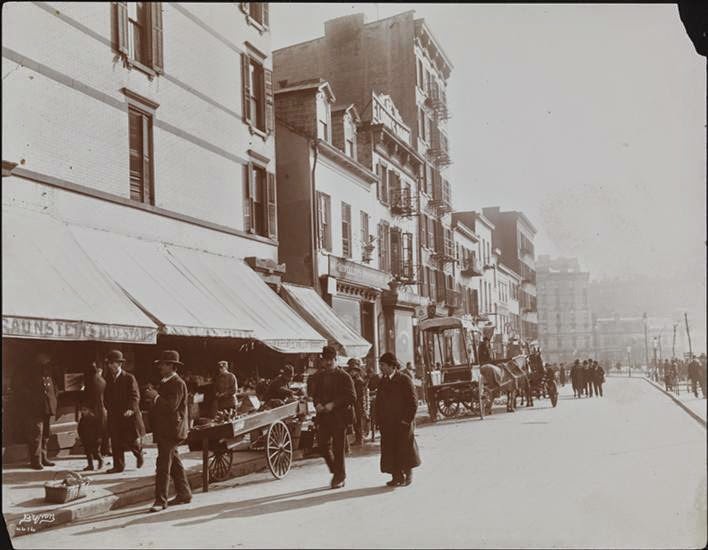
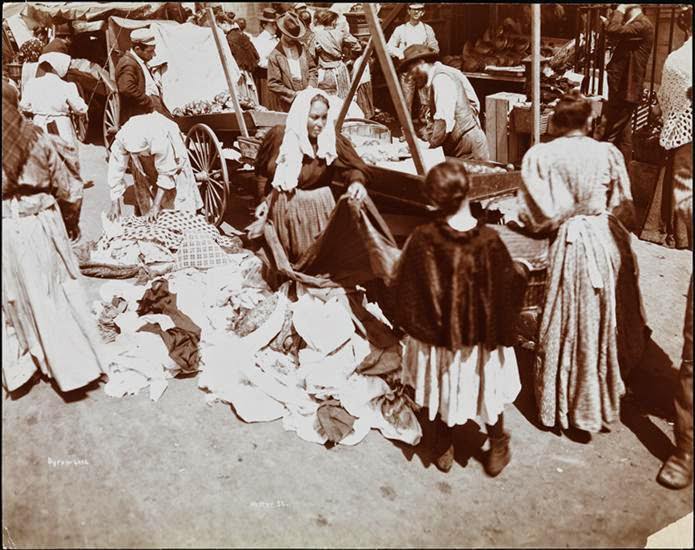
Below the level of the horse-drawn wagon was an entire economy built on pushcarts. On the Lower East Side, which was densely packed with recent immigrants from Eastern Europe and Italy by the 1890s, pushcart vendors lined the streets so thickly that pedestrians could barely pass. Hester Street was the most famous example — a continuous outdoor market that ran for blocks, with vendors selling food, clothing, tools, household goods, and almost anything else a working-class family might need.
The pushcart operators paid daily fees to the city for their spots and defended their positions fiercely. Vendors arrived before dawn to claim their places and worked until dark. The carts were simple wooden platforms on two wheels, loaded with whatever the vendor was selling that day. A fish vendor’s cart smelled different from a pickle vendor’s cart, which smelled different from a bread vendor’s cart, and the combination of all of them together defined the sensory experience of shopping on the Lower East Side.
Specialized Wagons
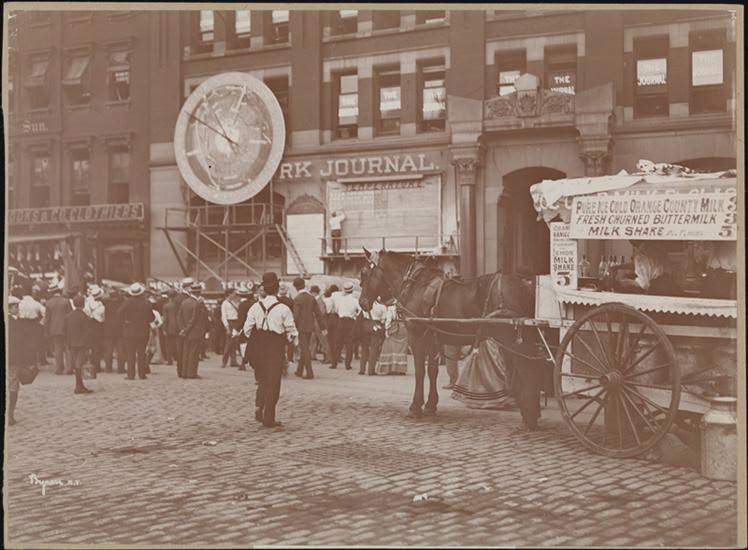
Different trades used different vehicles, and the streets reflected that specialization clearly. Milk wagons made early morning rounds through residential neighborhoods, the horses so familiar with the routes that drivers claimed they stopped at the right buildings without being directed. Ice wagons — essential in an era before mechanical refrigeration — delivered large blocks of ice to homes and businesses daily throughout the warmer months. The iceman’s wagon was easy to identify by the wet trail it left on the street as the ice melted in transit.
Coal wagons served the same essential function in winter. New York’s buildings ran on coal heat, and the delivery wagons that brought it through the city’s streets were among the heaviest and most common vehicles in operation. Drivers backed their wagons up to buildings and dropped coal directly through iron grates set into the sidewalk, filling basement storage bins that fed the furnaces above.
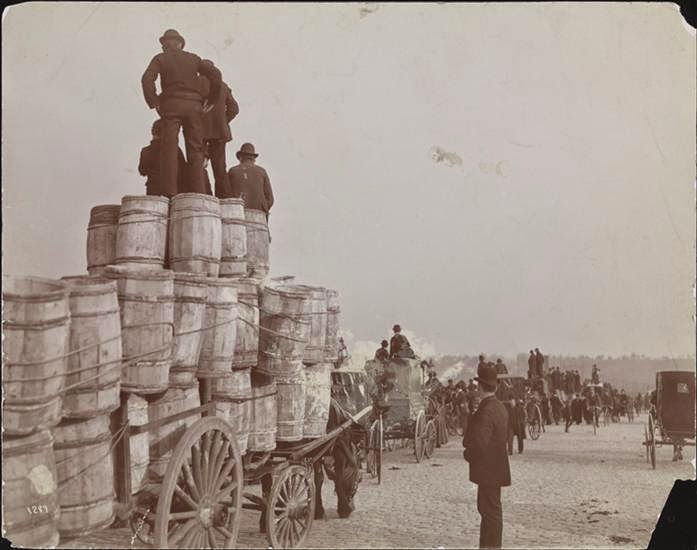
Brewery wagons were another constant presence. New York had dozens of active breweries in the late 19th century, and the large barrel-loaded wagons that distributed beer to the city’s thousands of saloons were a regular feature of commercial streets. The barrels themselves weighed hundreds of pounds each, requiring the largest and strongest draft horses available.
The Transition
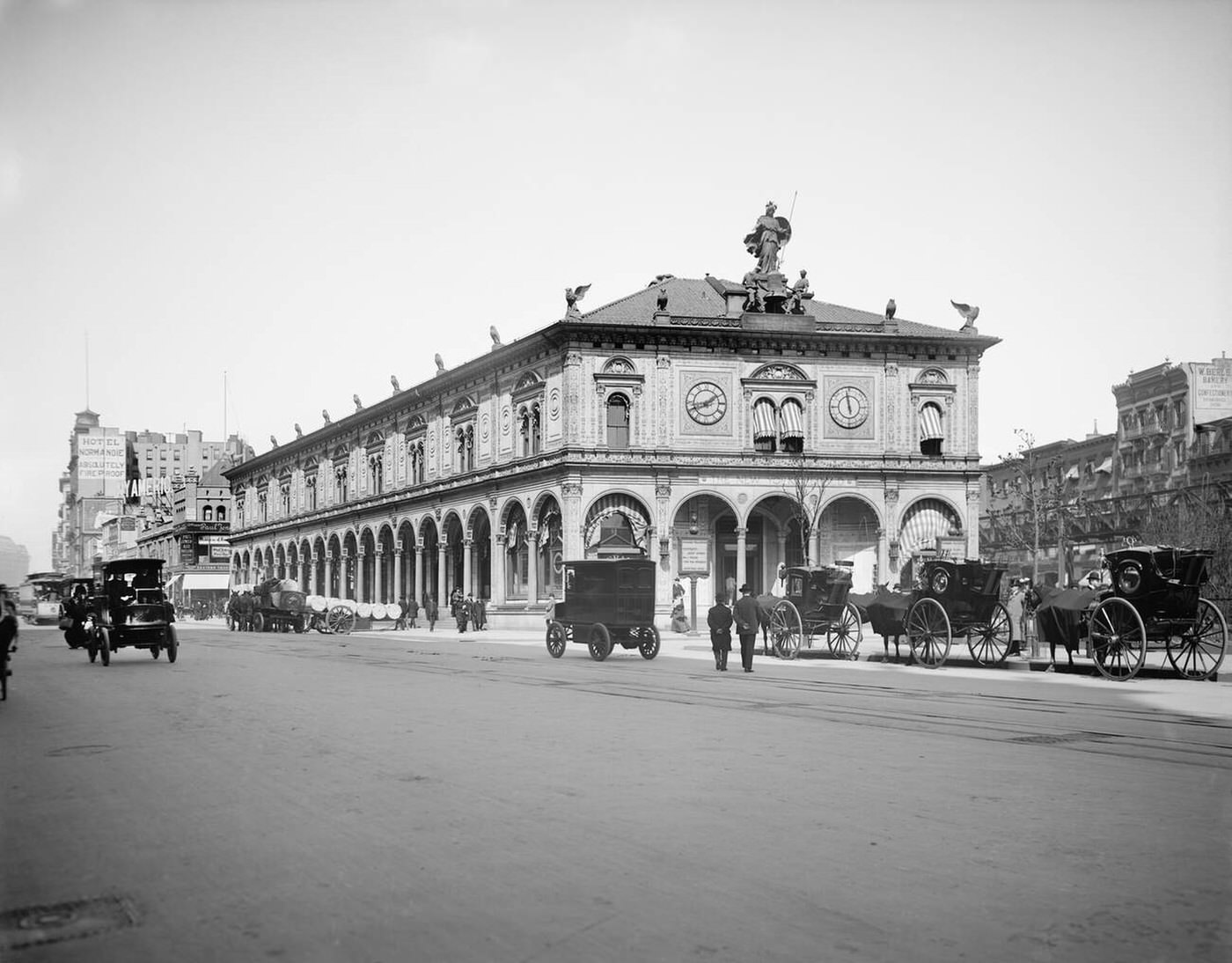
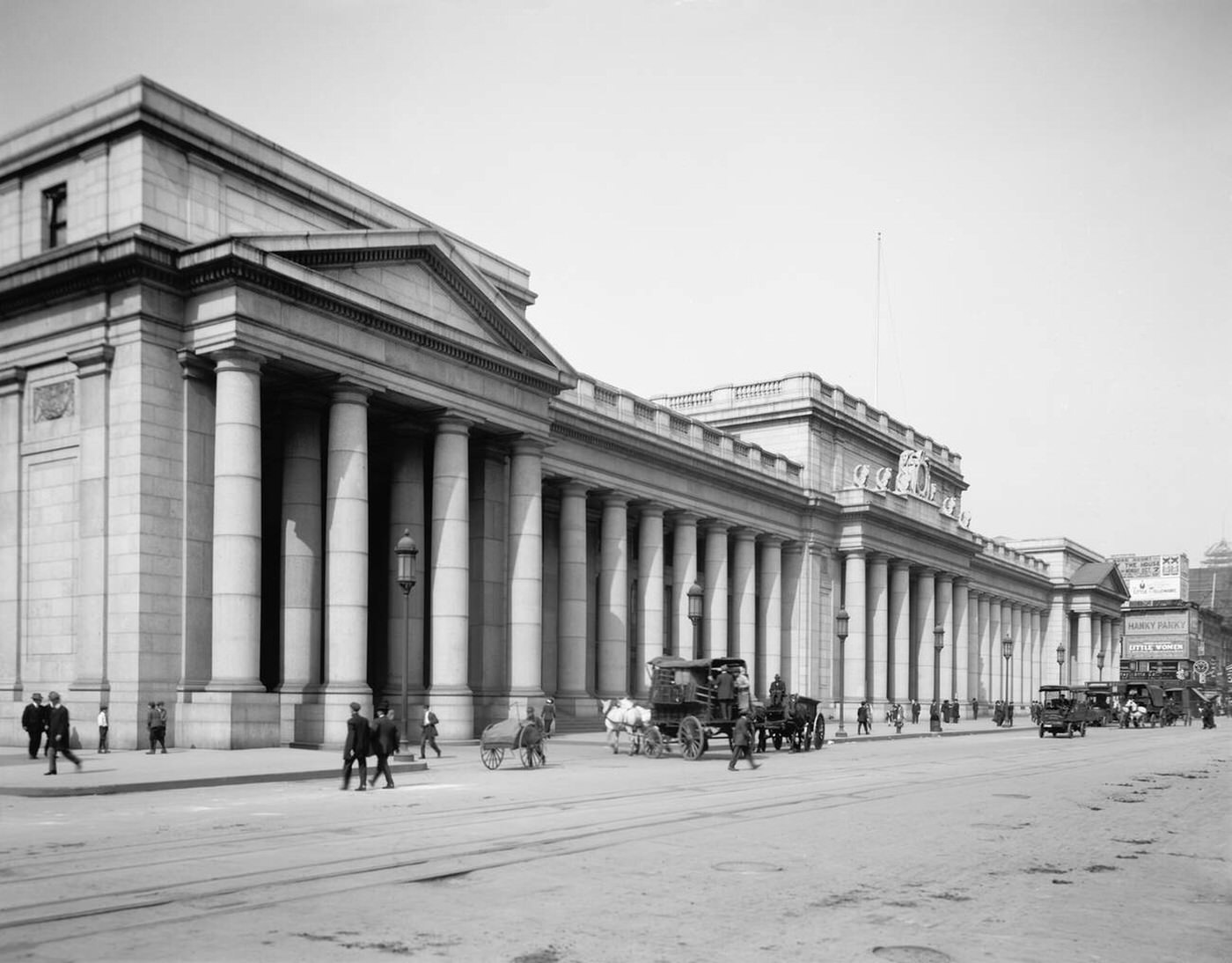
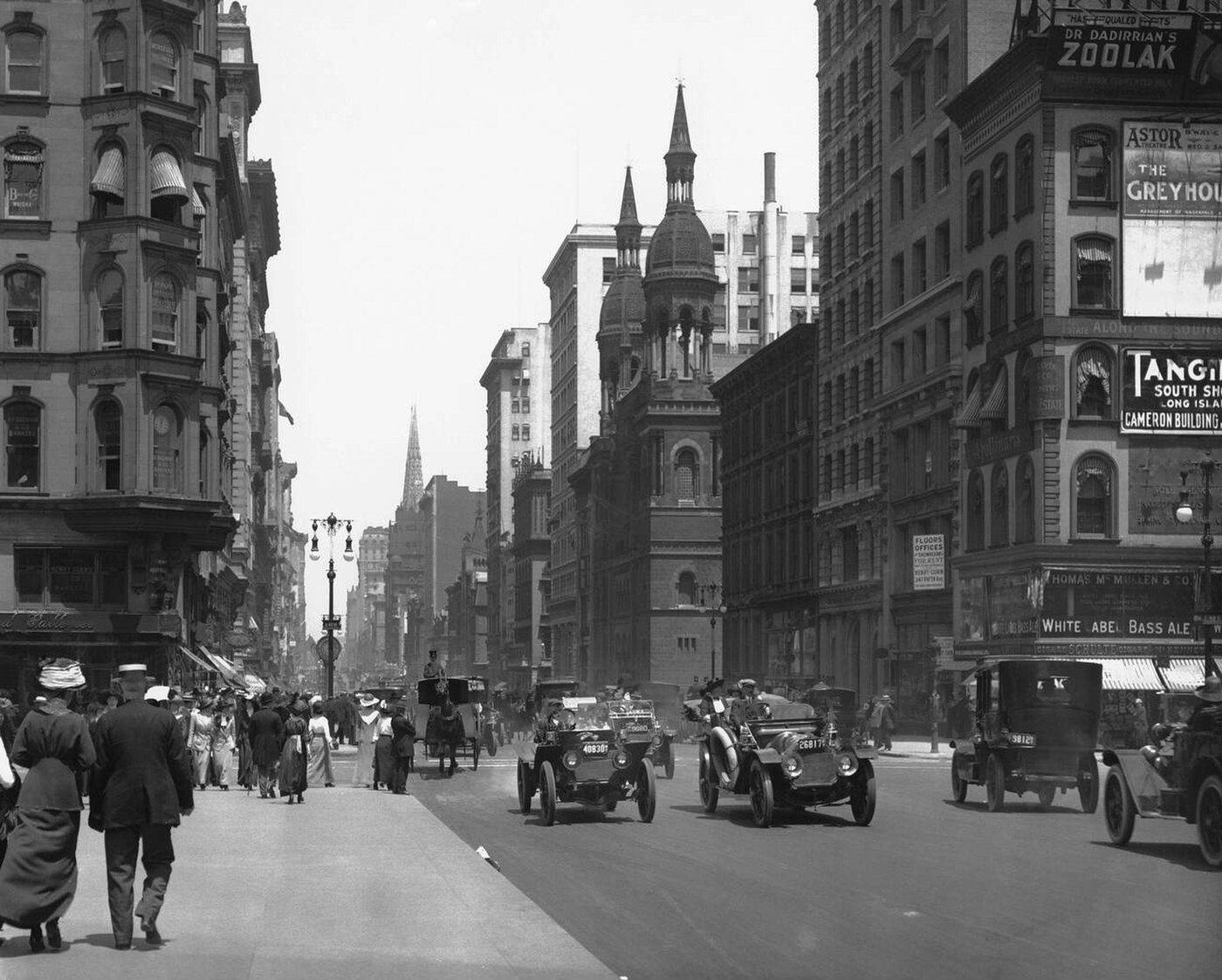
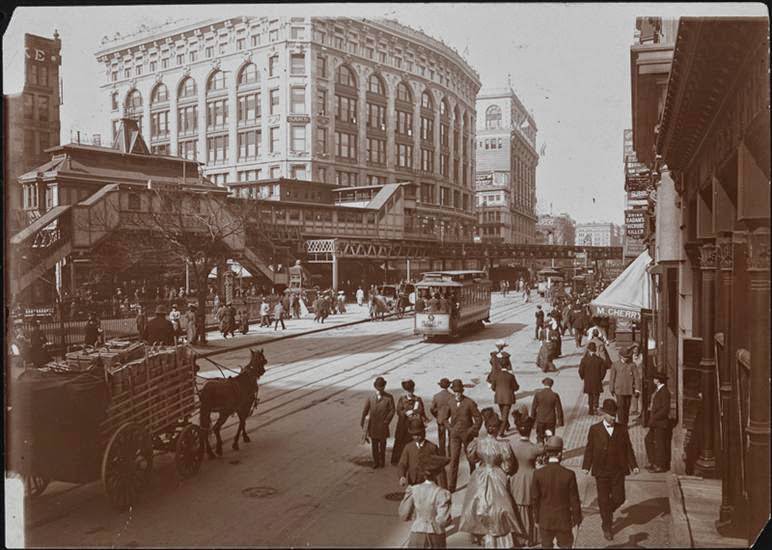
The automobile began appearing on New York City streets in meaningful numbers around 1900, and the competition between horse-drawn vehicles and early motor vehicles defined the street experience of the following two decades. The transition was not immediate or clean. Horse-drawn wagons and automobiles shared the same streets for years, creating a chaotic mix of speeds, noise levels, and operating logics that neither drivers nor horses were fully equipped to handle.
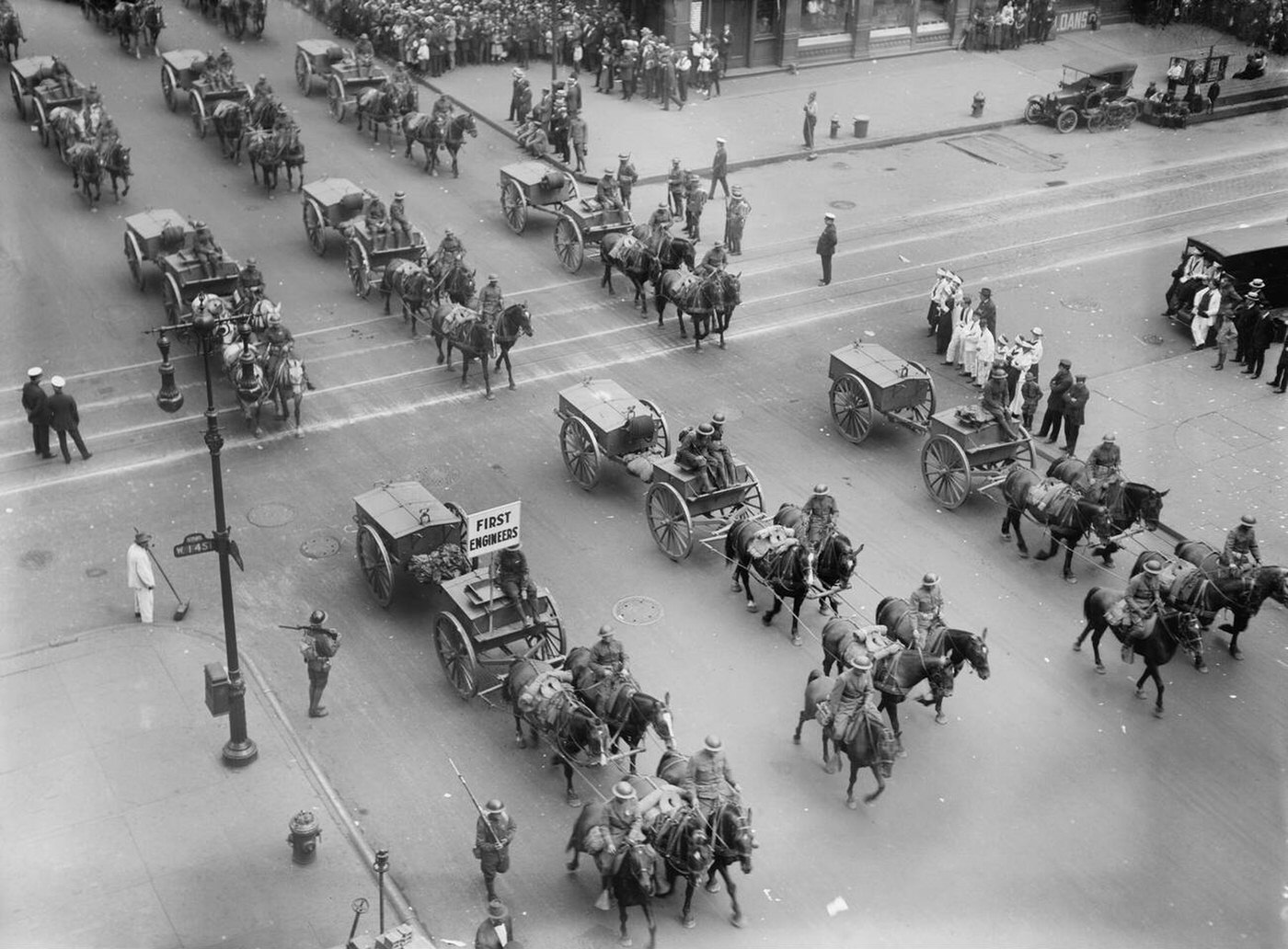
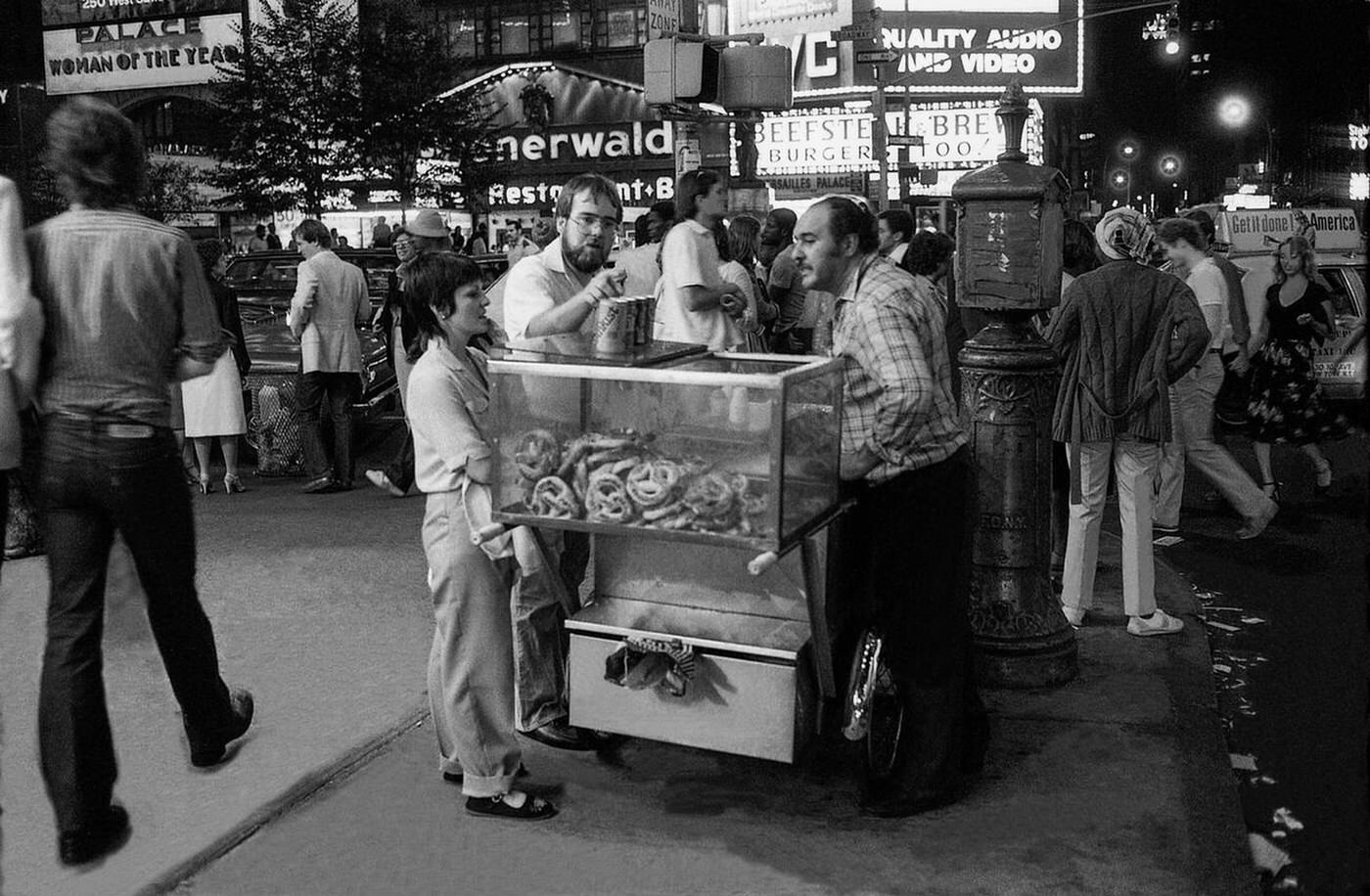
By 1912, the city began actively encouraging the replacement of horses with motor vehicles for commercial delivery. By 1917, the number of working horses in the city had dropped significantly as trucks took over the heavy freight routes. The pushcarts lasted longer — the street vendor economy of the Lower East Side persisted well into the 1930s before the city began forcing vendors off the streets and into covered markets.
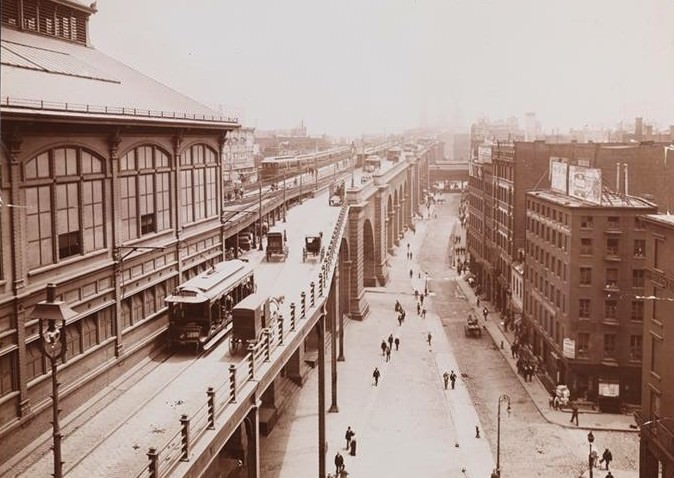
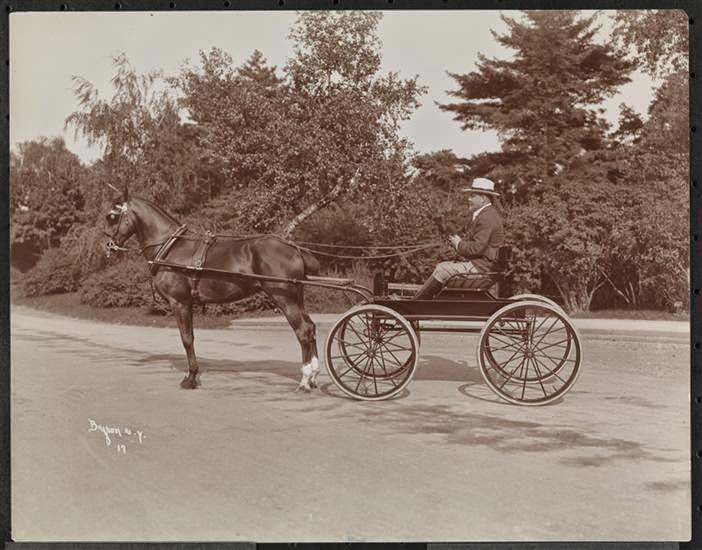
The photographs taken during this transition period capture a city in the middle of one of the most significant changes in its physical history — streets that had operated on animal power for centuries shifting within a single generation to the internal combustion engine.

GIPHY App Key not set. Please check settings