

 Dennis Saul
In 1827, two Swiss brothers named John and Peter Delmonico opened a small pastry shop and café at 23 William Street in Lower Manhattan. New York City at that time had no real restaurants. Taverns served food, but the menu was fixed, the hours were set by the house, and you ate what was put in front of you. The Delmonicos changed every one of those rules.
Within a few years, the pastry shop became a full dining room. By 1830, Delmonico’s was operating as a proper restaurant — the first in New York City to offer a printed menu with individual dishes and prices. That one decision separated it from every other eating establishment in the city. A diner could now walk in, choose what they wanted, and pay for exactly that. The concept seems obvious today. In 1830 New York, it was a completely new idea.
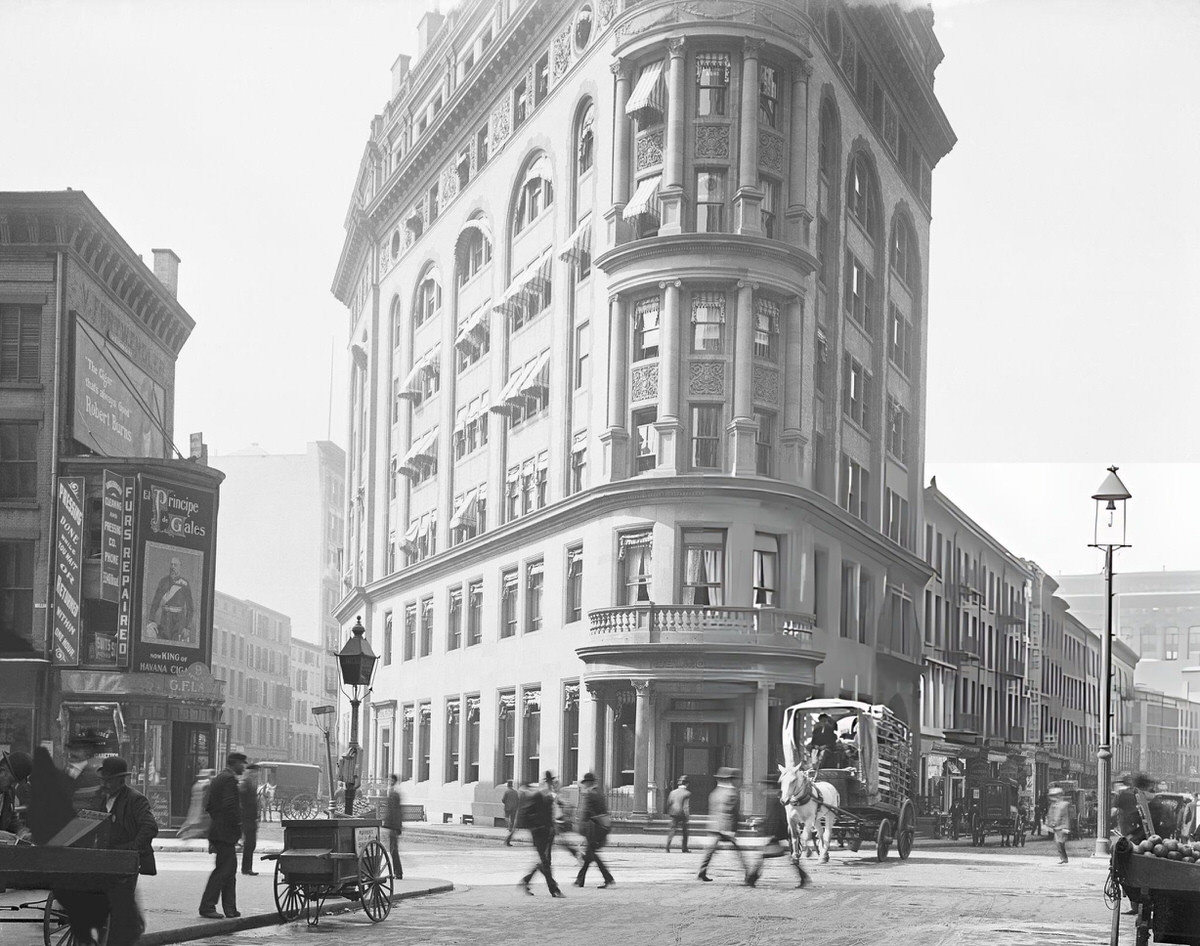
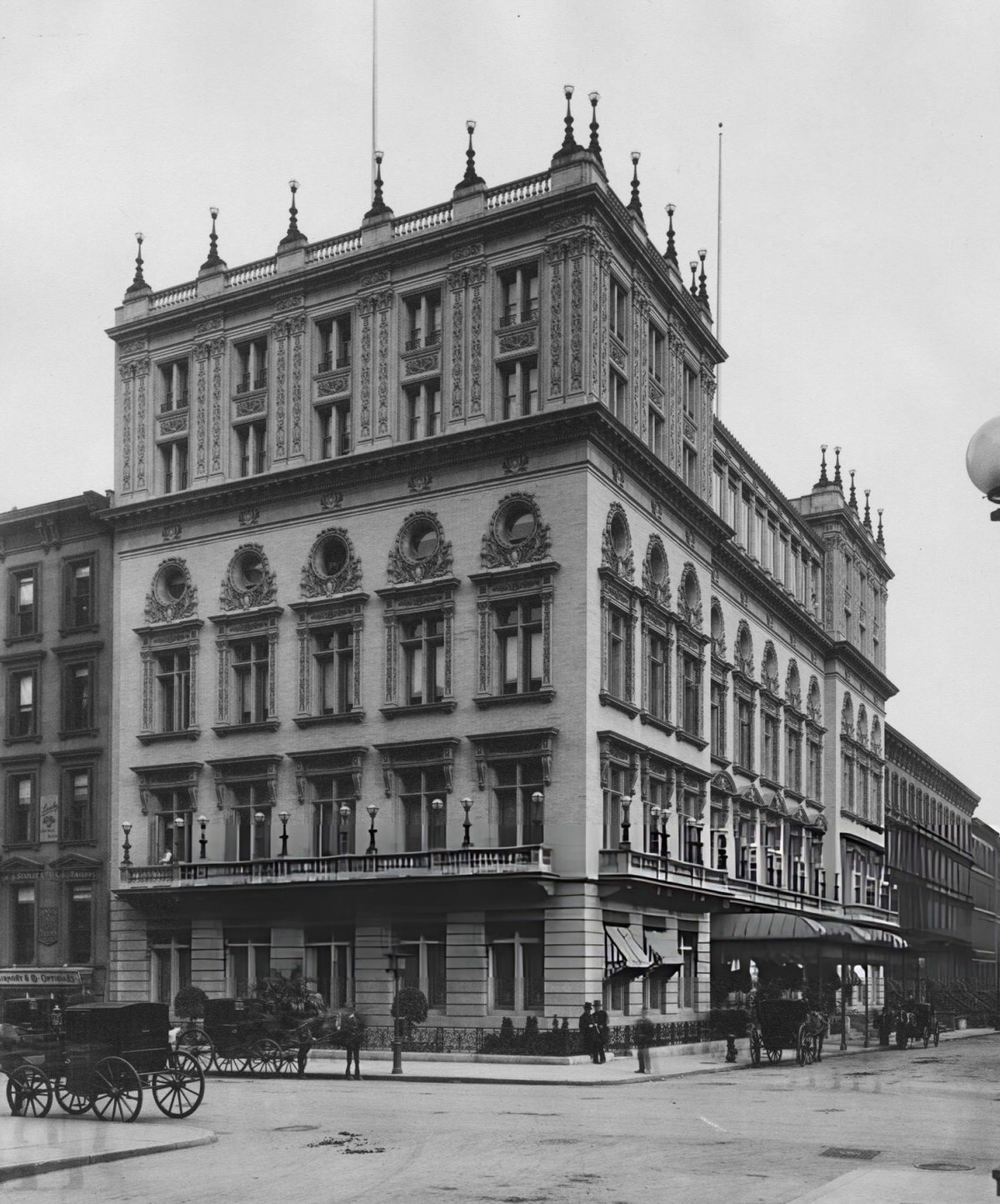
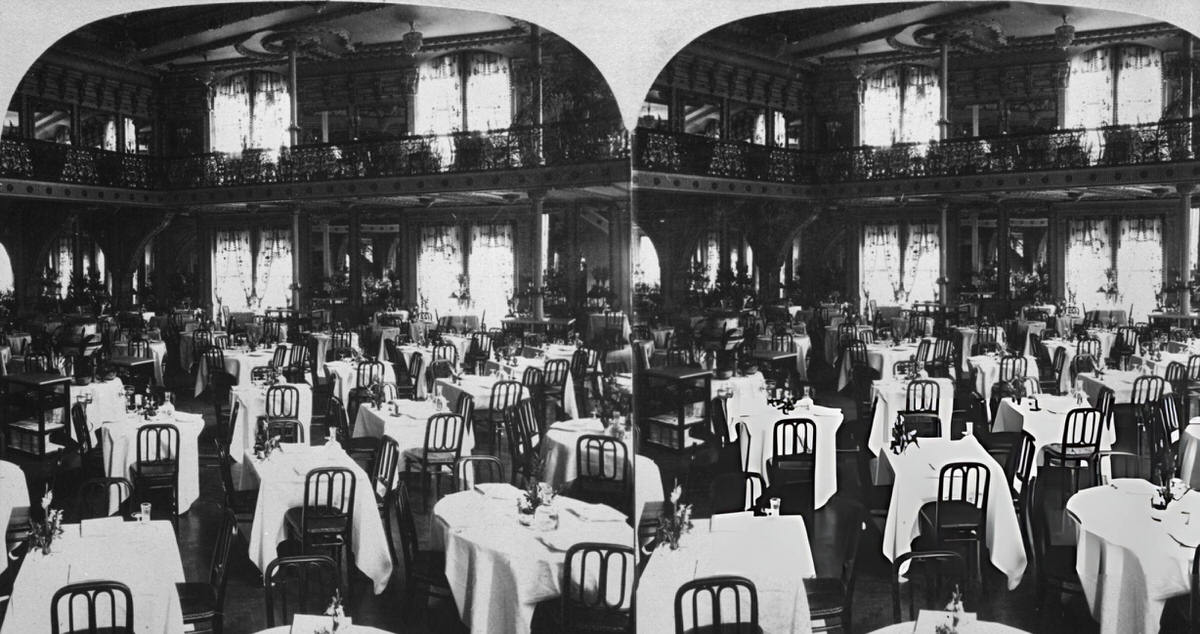
The restaurant moved several times as Lower Manhattan grew and the business expanded. The most famous location opened in 1837 at the corner of Beaver and South William Streets, inside a building that still stands today. The marble columns at the entrance were brought over from the ruins of Pompeii. That detail tells you exactly what kind of statement the Delmonicos were making. This was not a place for a quick meal. It was a place built to signal that New York had arrived as a serious city.
Read more
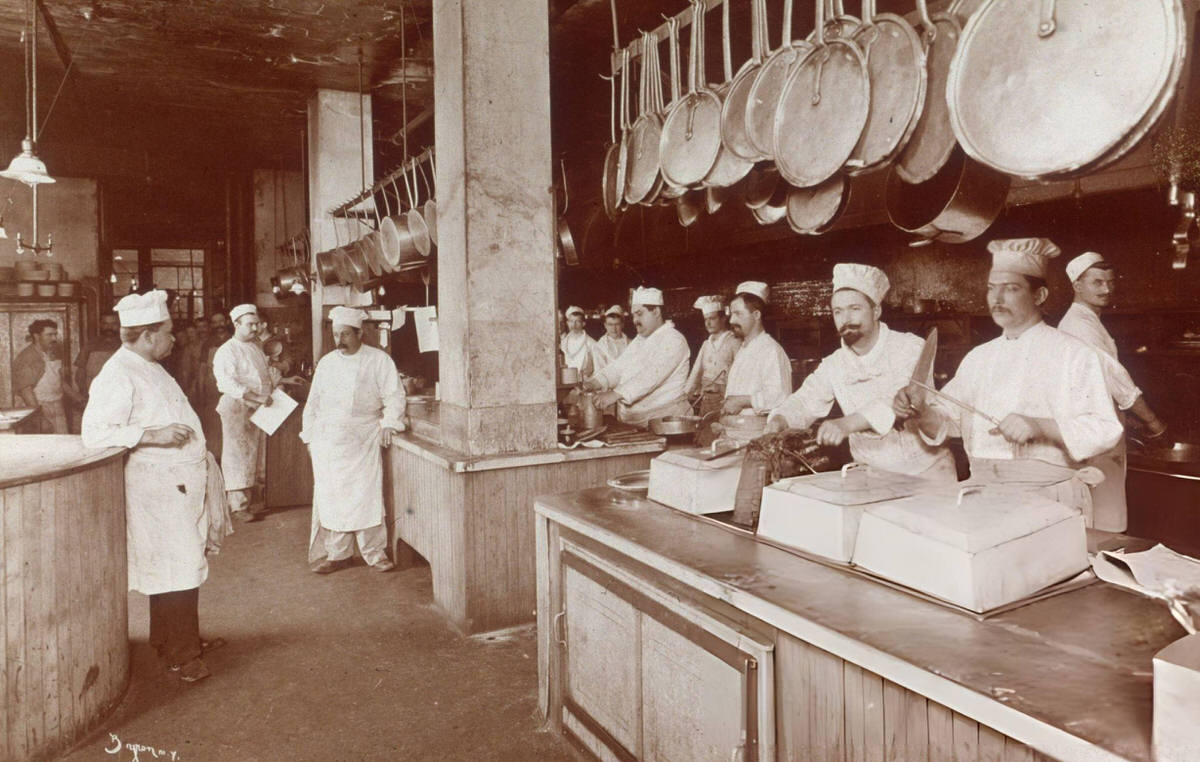
The kitchen at Delmonico’s was run for decades by a Swiss-born chef named Charles Ranhofer, who took the job in 1862 and held it until 1896. Ranhofer cooked French cuisine at the highest level, but he also understood American ingredients and appetites. He developed dishes that became permanent fixtures of New York dining. Eggs Benedict was created at Delmonico’s in the 1890s, reportedly at the request of a Wall Street broker named Lemuel Benedict who wanted a hangover cure. Lobster Newberg, a rich dish of lobster cooked in cream and sherry, was developed there in 1876 for a sea captain named Ben Wenberg. Chicken à la King also traces its origins to the Delmonico’s kitchen.
The steak came from the same place. Ranhofer developed a cut of beef he called the Delmonico steak — a boneless ribeye, thick-cut and cooked simply over high heat. The preparation was straightforward by French standards, but the quality of the beef and the precision of the cooking made it something New York diners had never tasted before. The Delmonico steak became the signature dish of the restaurant, and the name stuck to that cut of meat long after the restaurant itself changed hands multiple times. Today, any butcher who uses the term “Delmonico steak” is tracing a direct line back to that kitchen on Beaver Street.
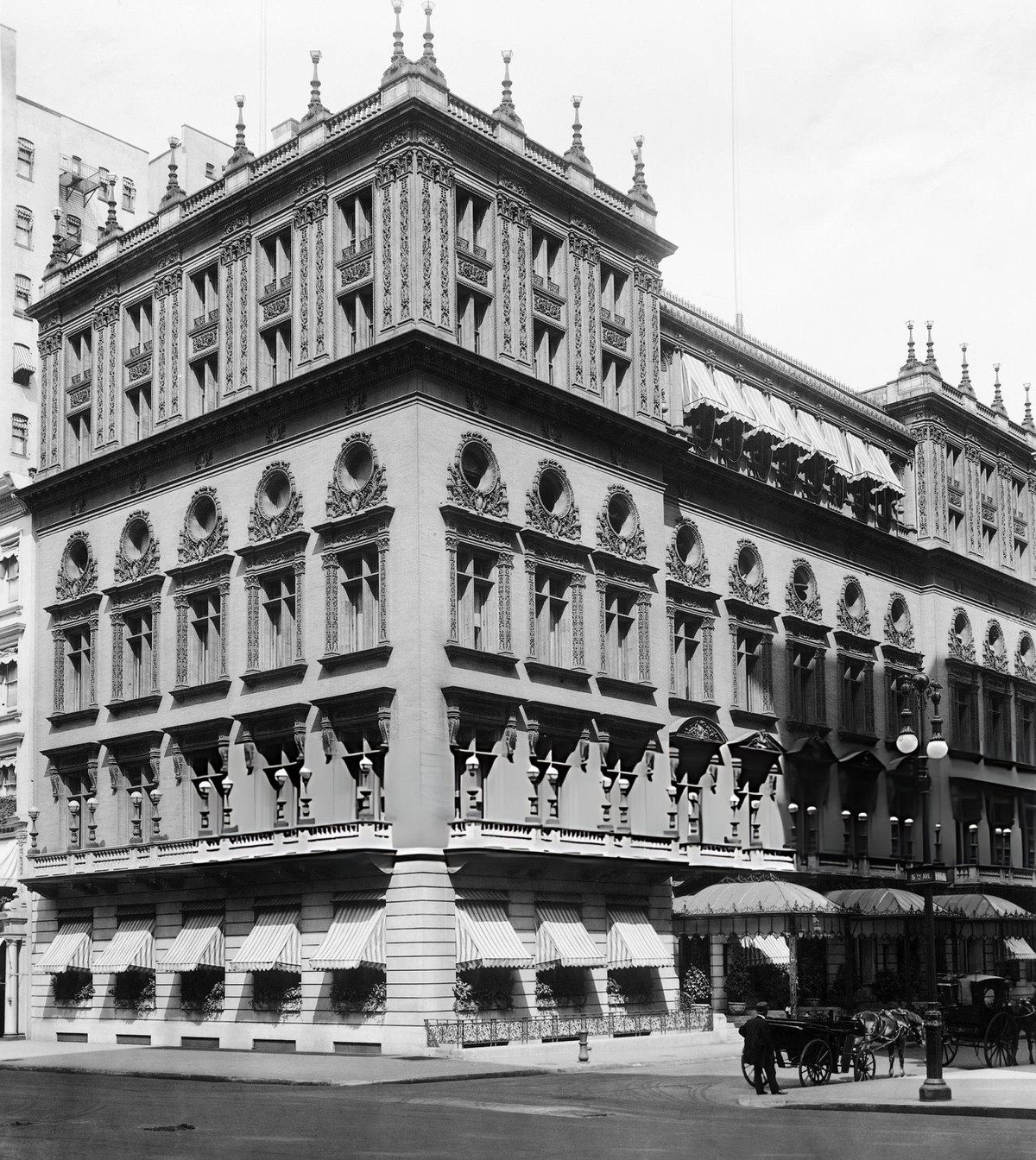
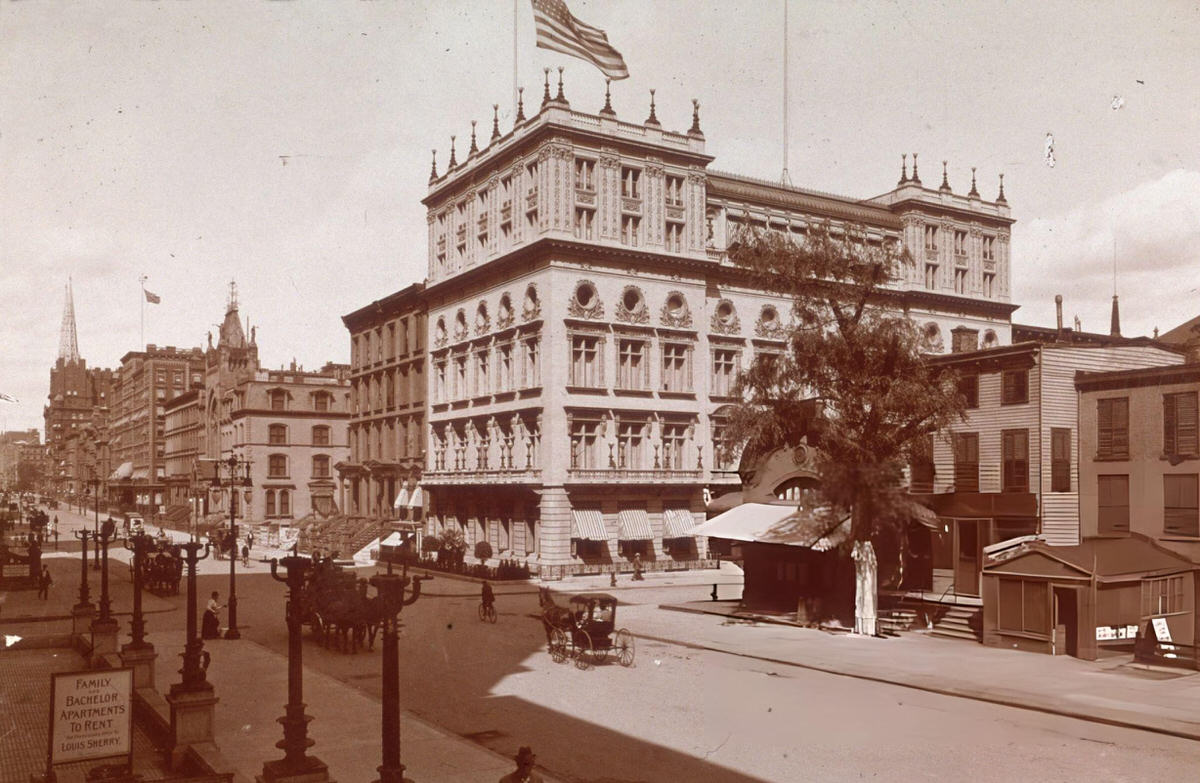
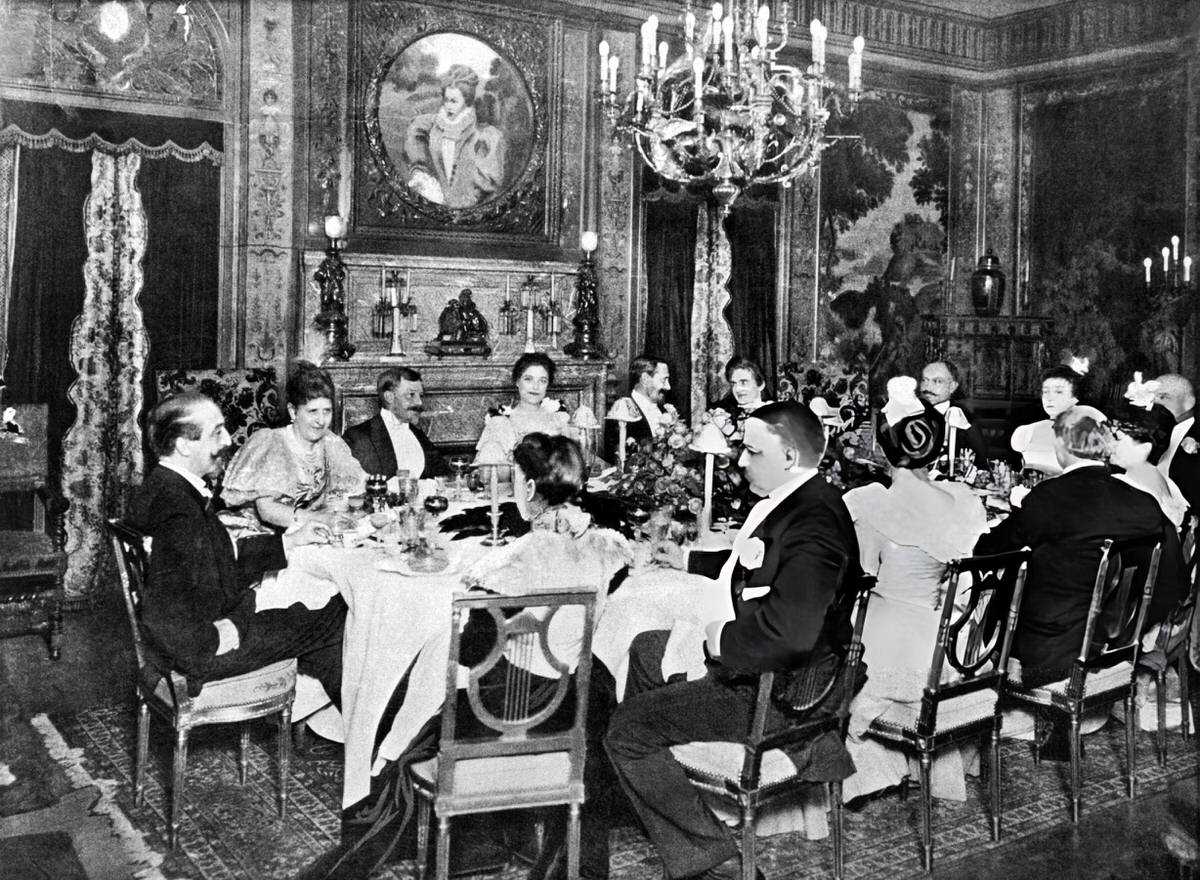
The dining room attracted the most powerful people in New York throughout the 1800s. Abraham Lincoln ate there. Mark Twain dined there regularly. Charles Dickens was hosted at a formal dinner in his honor at Delmonico’s in 1868 during his second American tour. Jay Gould, J.P. Morgan, and the Vanderbilts all had their tables. The 1883 dinner thrown by ward politician William Marcy Tweed — the same Boss Tweed who ran Tammany Hall — cost $20,000 and was held in Delmonico’s private banquet rooms. The restaurant sat at the center of New York money and power for the entire second half of the nineteenth century.
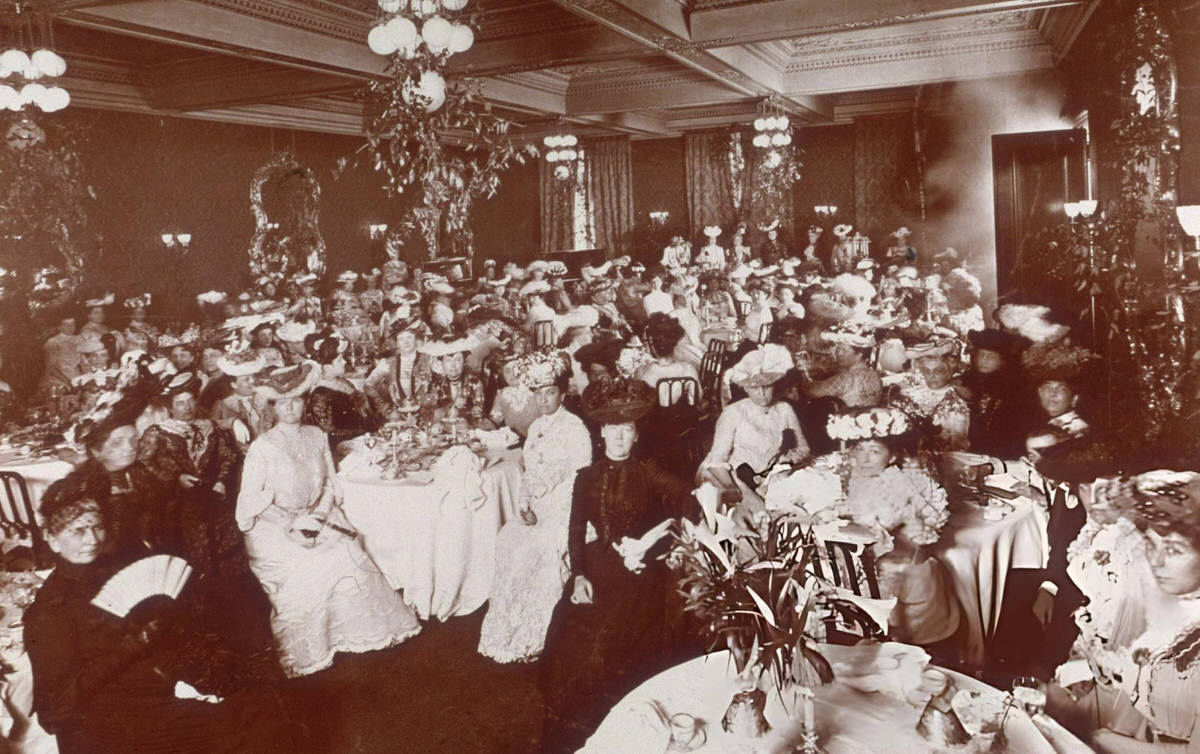
Delmonico’s also broke social barriers that were standard elsewhere. In the 1860s, it became one of the first restaurants in New York to seat women dining without a male escort. That was a significant decision. Respectable women simply did not eat out alone or with other women in mid-nineteenth century New York. Delmonico’s changed that practice, and other restaurants followed.
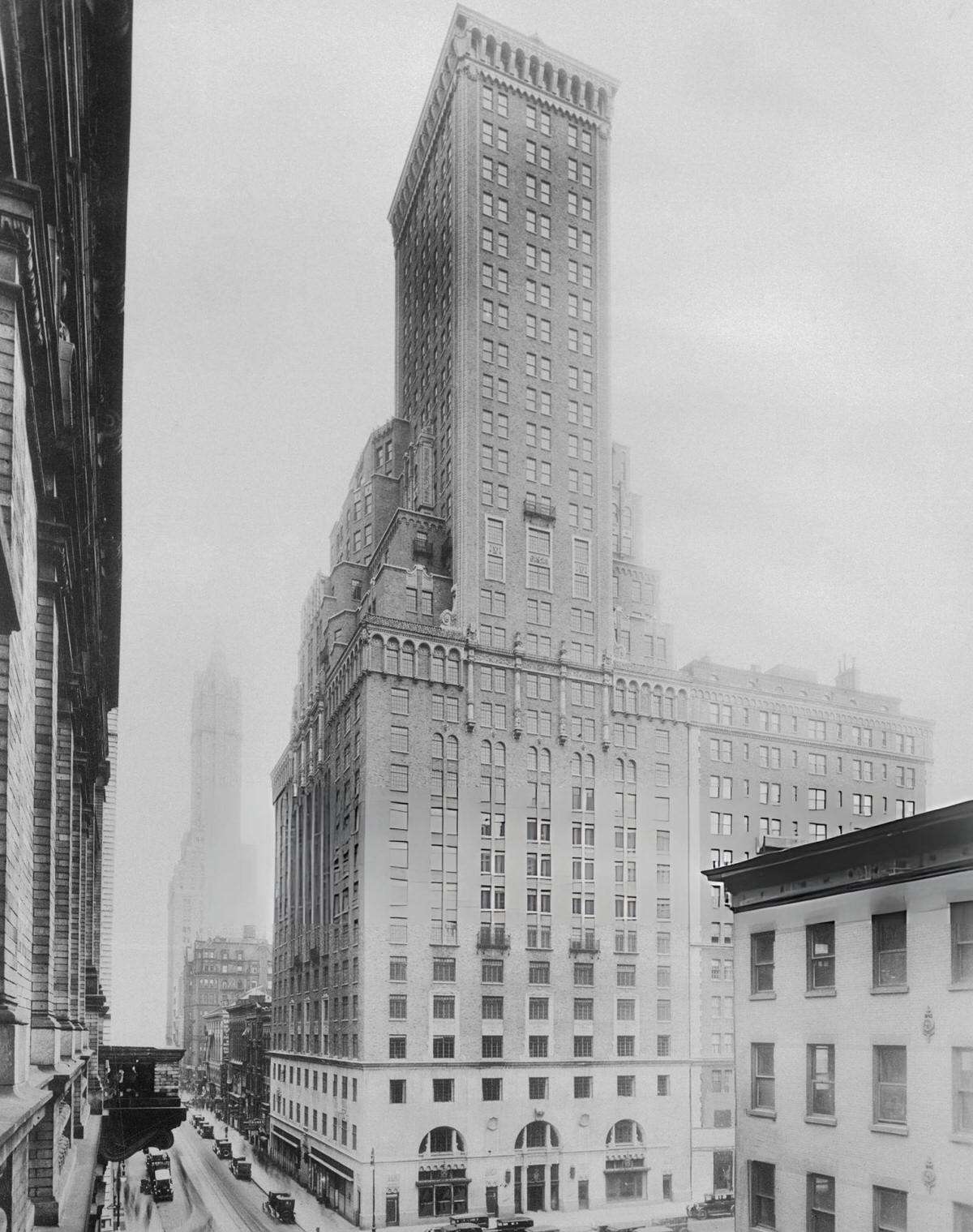
The original family sold the restaurant in 1923, and it closed during Prohibition shortly after. The building on Beaver Street was converted to offices. But the name and the address carried so much weight that the restaurant was revived multiple times across the twentieth century. The current Delmonico’s at 56 Beaver Street reopened in 1998 and still serves the Delmonico steak on its menu, cut and cooked the way Ranhofer specified more than 150 years ago. Every steakhouse in New York — from Peter Luger in Williamsburg to Keens on West 36th Street — owes something to the kitchen that started working out these ideas in 1837.

GIPHY App Key not set. Please check settings