

 Henry Parker
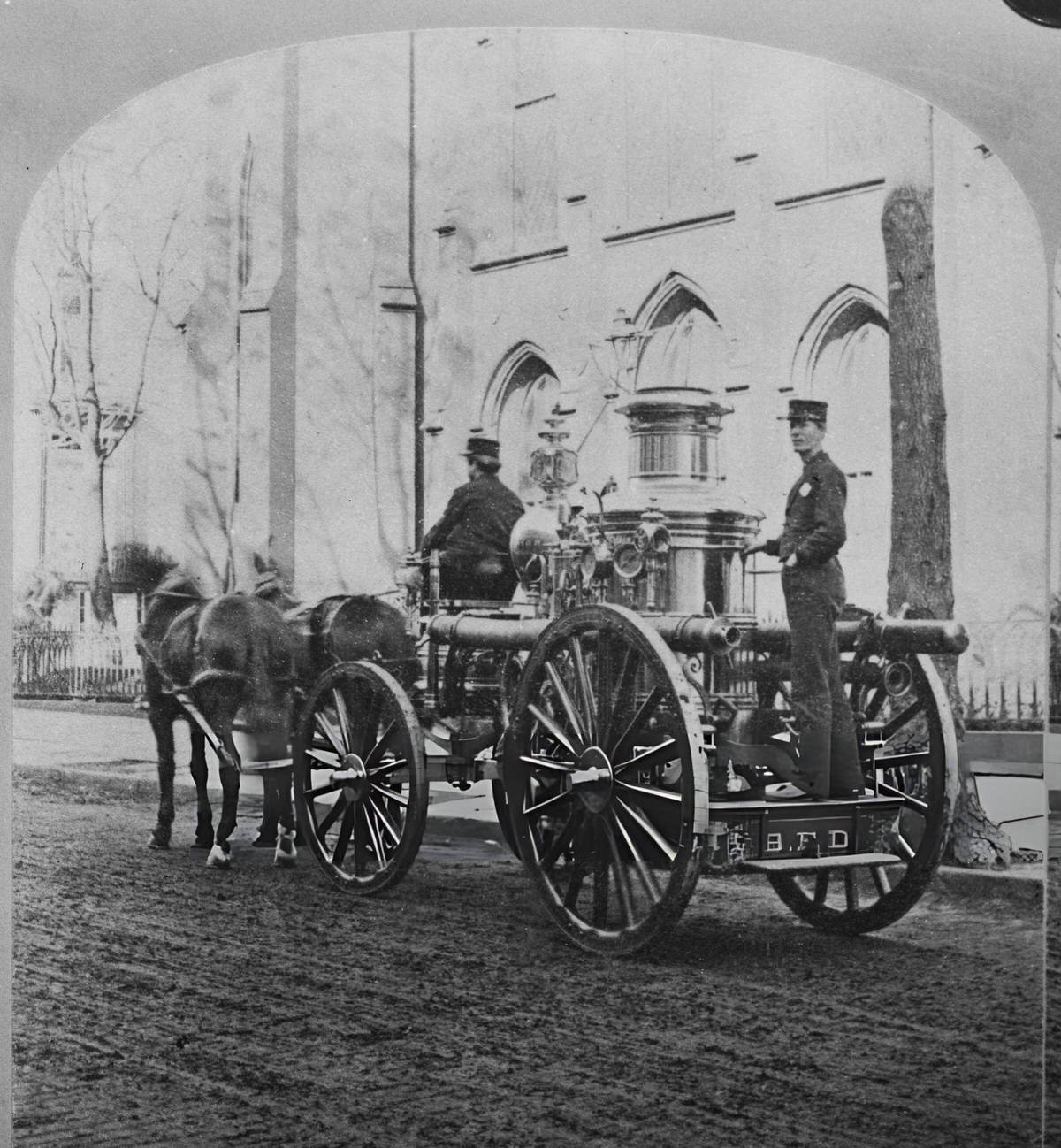
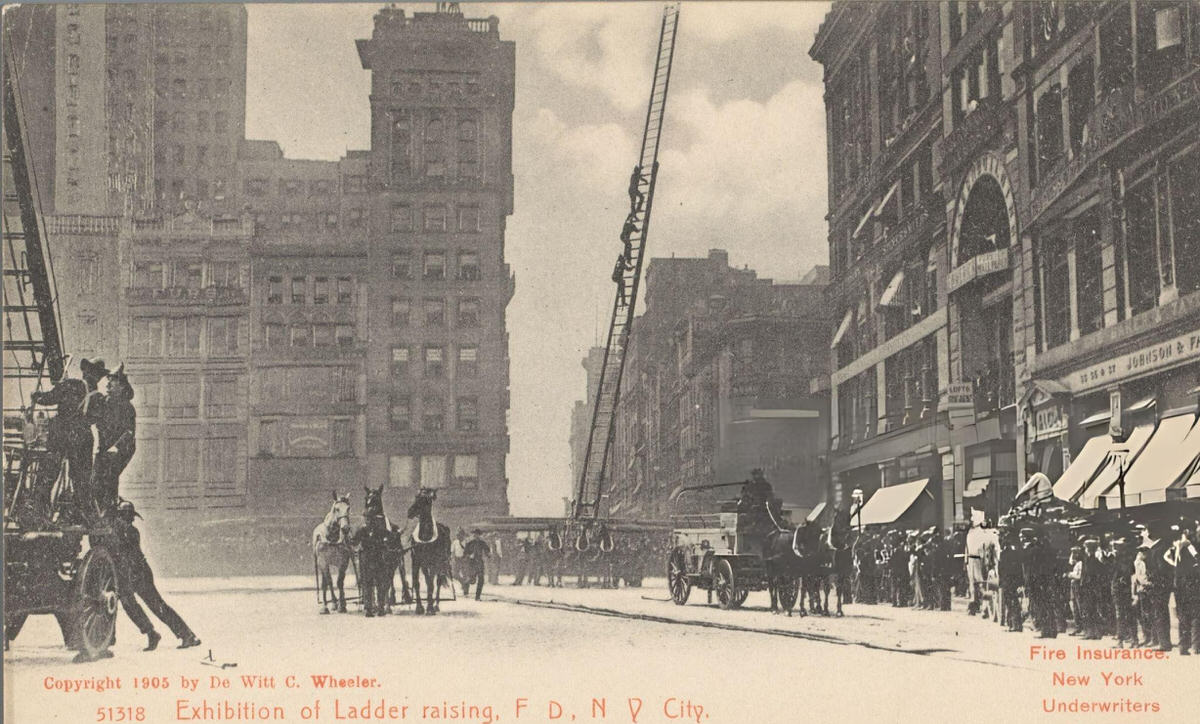
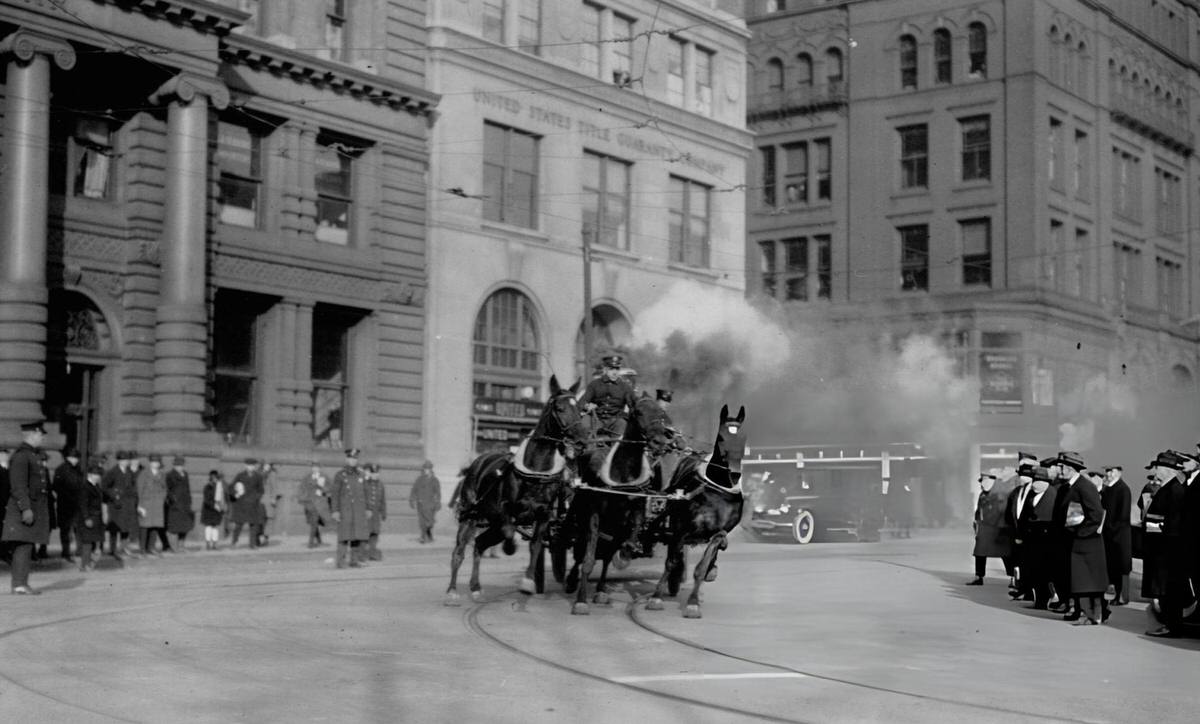
In 1890, the FDNY ran entirely on horsepower — the real kind. Every firehouse in the city kept a team of horses stabled on the ground floor, directly behind the apparatus. When an alarm came in on the telegraph box, a weighted harness dropped automatically from the ceiling onto the horses’ backs. The animals knew the routine. They stepped forward into position under the collar without being led. A trained team was harnessed and out the door in under thirty seconds.
The city had organized its fire alarm system around cast-iron telegraph boxes bolted to street corners. A person who spotted a fire pulled the handle, which sent a coded signal to the central alarm office on Worth Street and simultaneously rang in every firehouse assigned to that box. Dispatchers read the code and knew the exact corner. It was faster than shouting and more reliable than sending a runner.
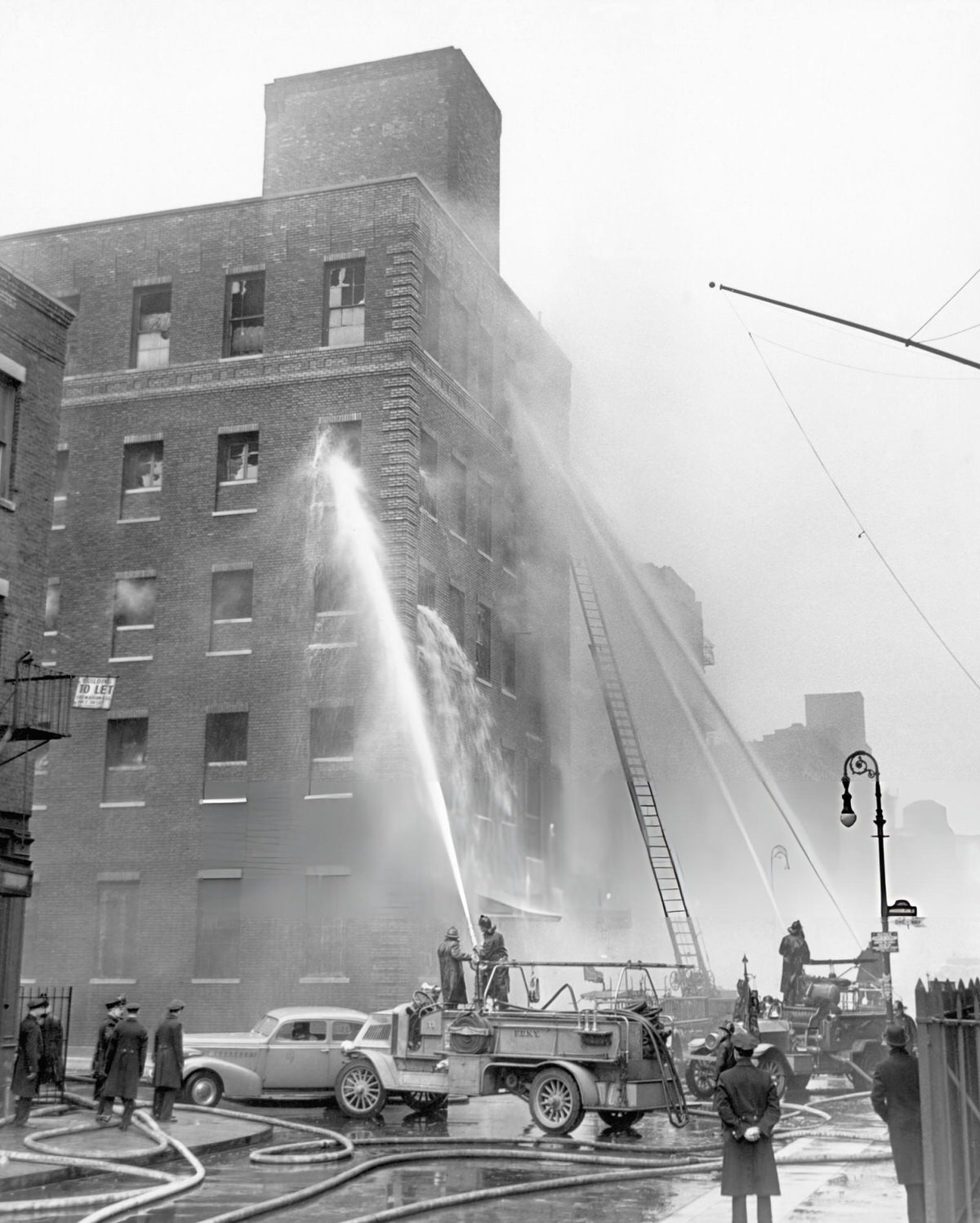
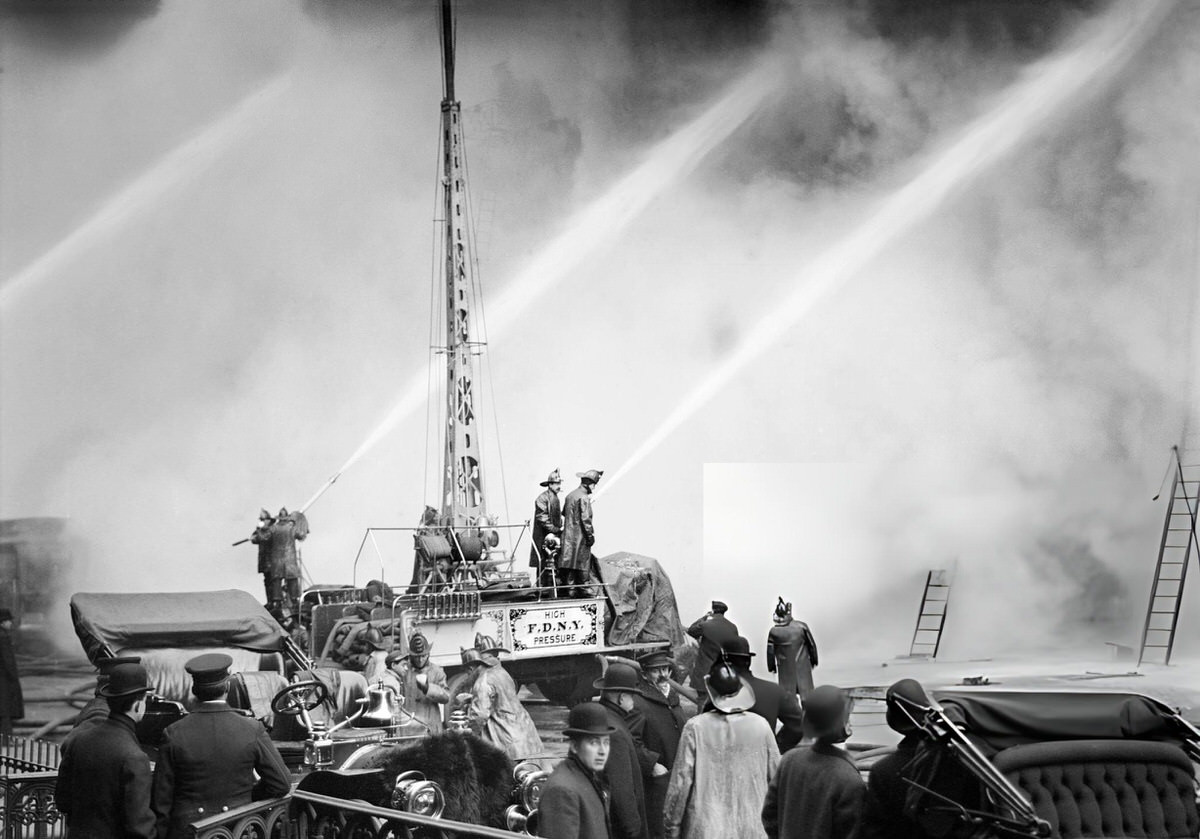
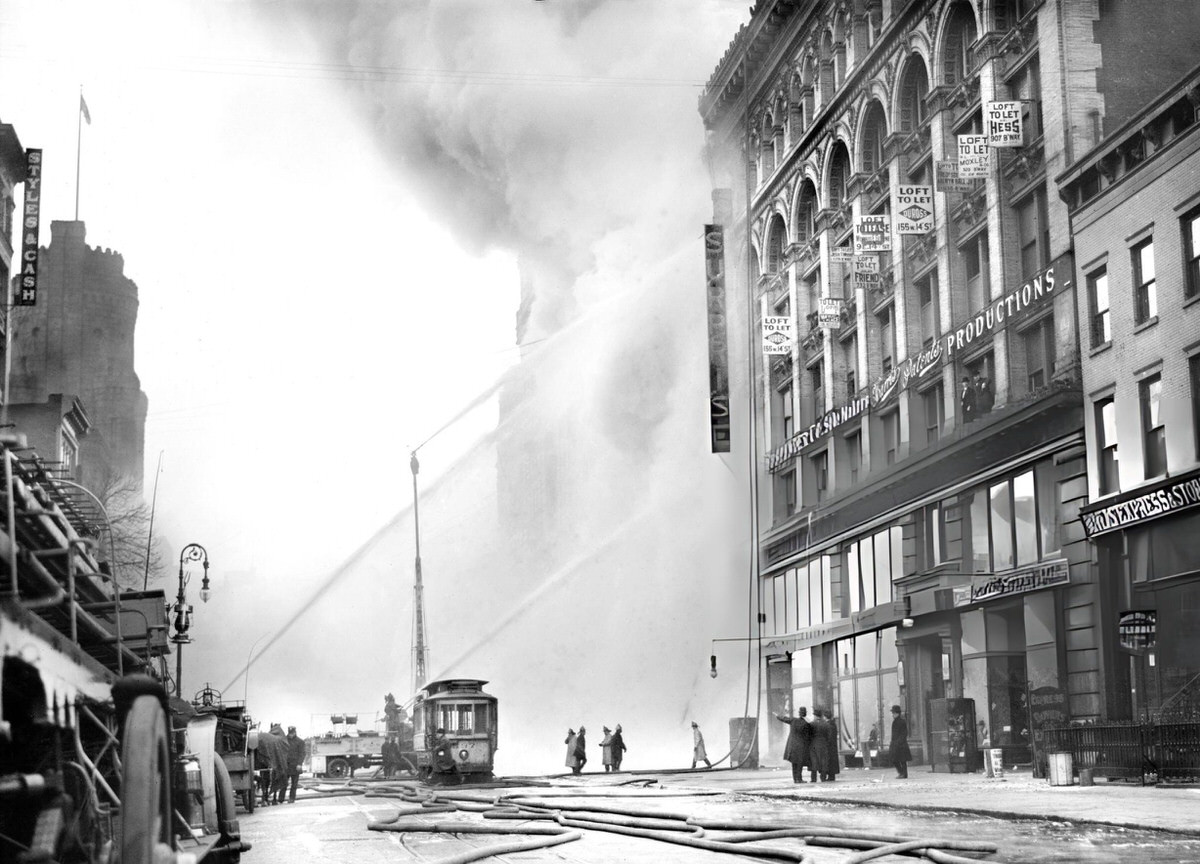
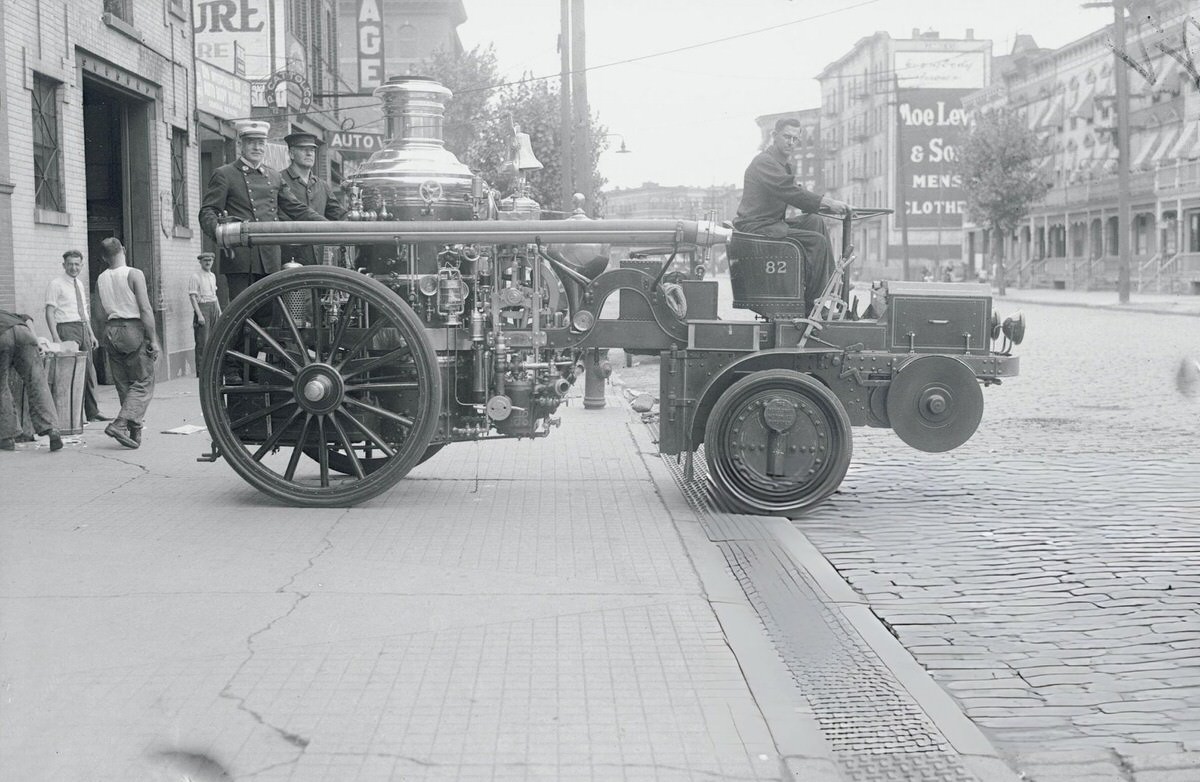
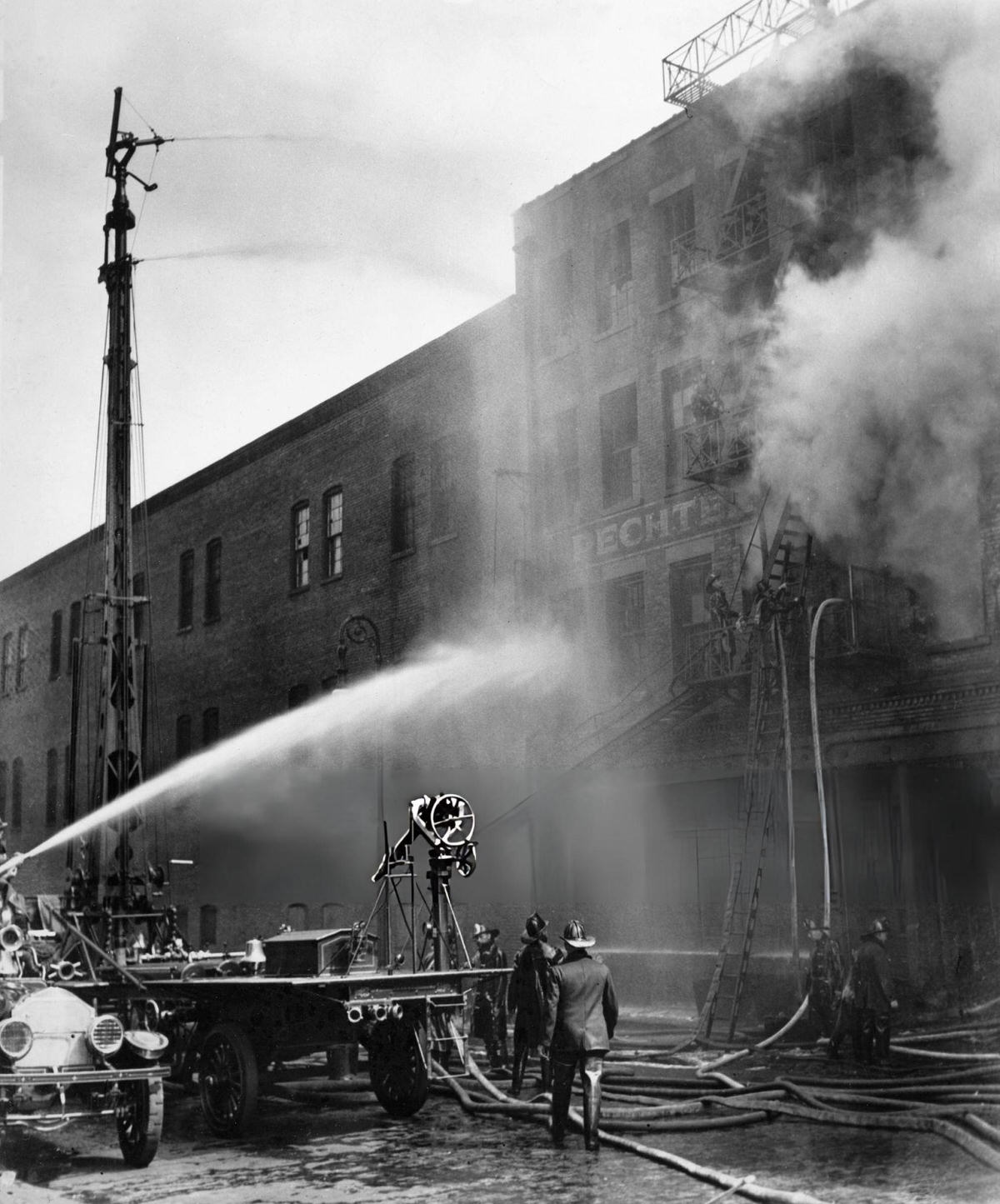
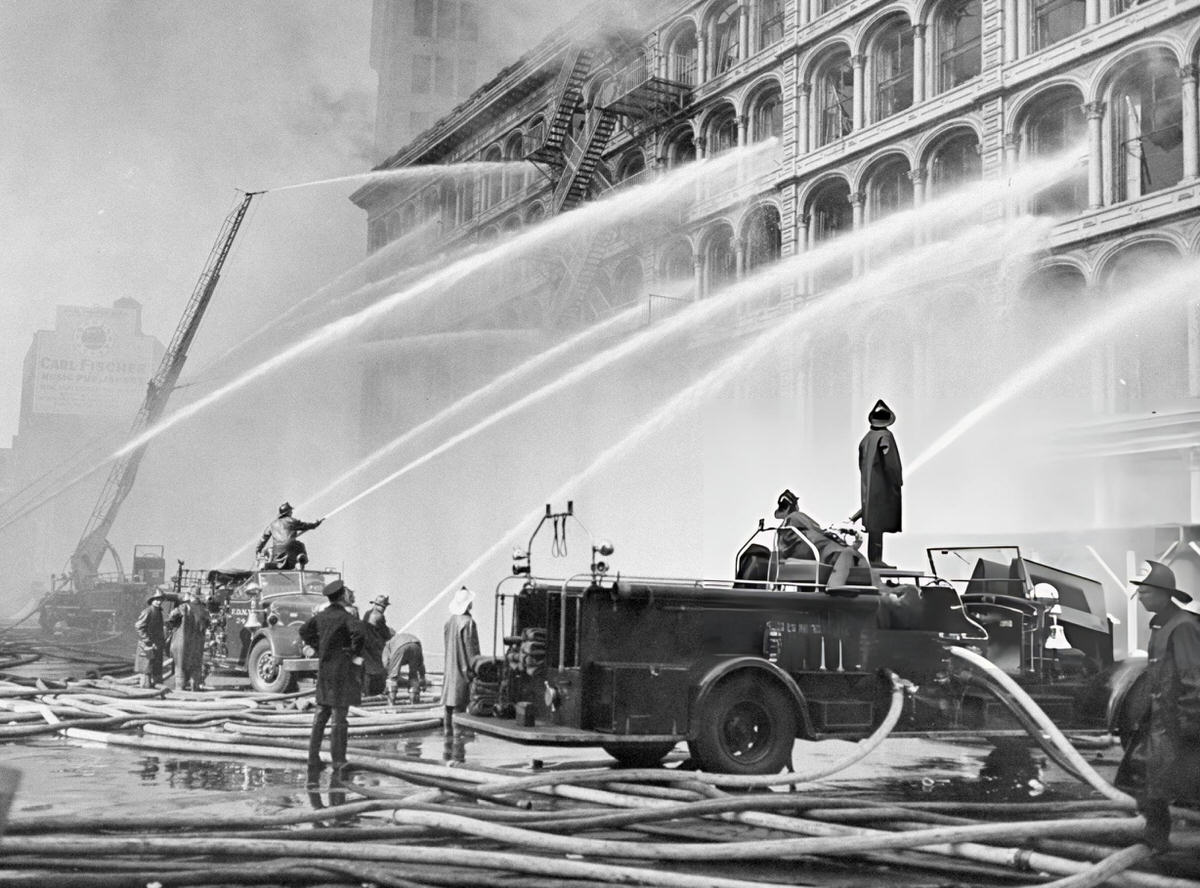
Manhattan’s tenement districts — the Lower East Side, Hell’s Kitchen, and the area around the old Five Points — kept the department constantly busy. These six-story brick and wood buildings had one staircase, no fire escapes on early structures, and dozens of families per floor. When a fire started in a rear kitchen or a basement coal room, it moved fast. Firefighters carried wool blankets soaked in water to get under smoke, and used hand lines fed from horse-drawn steam pumpers that could throw a one-and-a-quarter-inch stream up to four stories.
Read more
The Triangle Shirtwaist fire and what it forced
On March 25, 1911, fire broke out on the top three floors of the Asch Building on Washington Place in Greenwich Village. The building held the Triangle Shirtwaist Company, a garment factory with around 500 workers, mostly young immigrant women. The fire moved through the floors in minutes. The stairwell doors on the eighth and ninth floors were locked from the outside — a common factory practice meant to prevent workers from taking breaks. The exits were not enough. One hundred and forty-six people died, many of them jumping from the ninth-floor windows because the heat left no other choice.
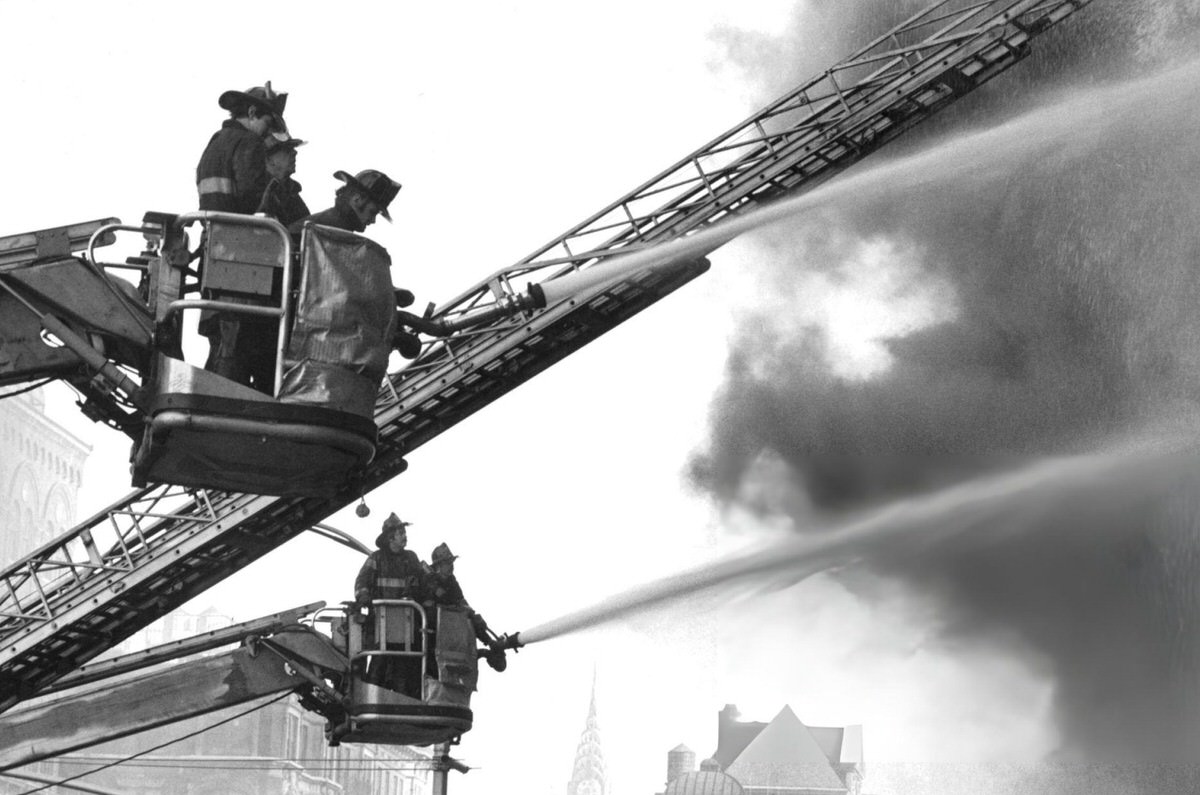
The FDNY’s tallest ladder that day reached only to the sixth floor. The department had no equipment that could reach the top floors of a ten-story building from the street. Firefighters watched people fall and could do nothing. That single fact — the ladder height — drove the department to push the city for funding on aerial ladder trucks that could reach eight, nine, and ten stories. Within four years of the Triangle fire, the FDNY had deployed new 85-foot aerial ladders across Manhattan.
Going from horses to gasoline
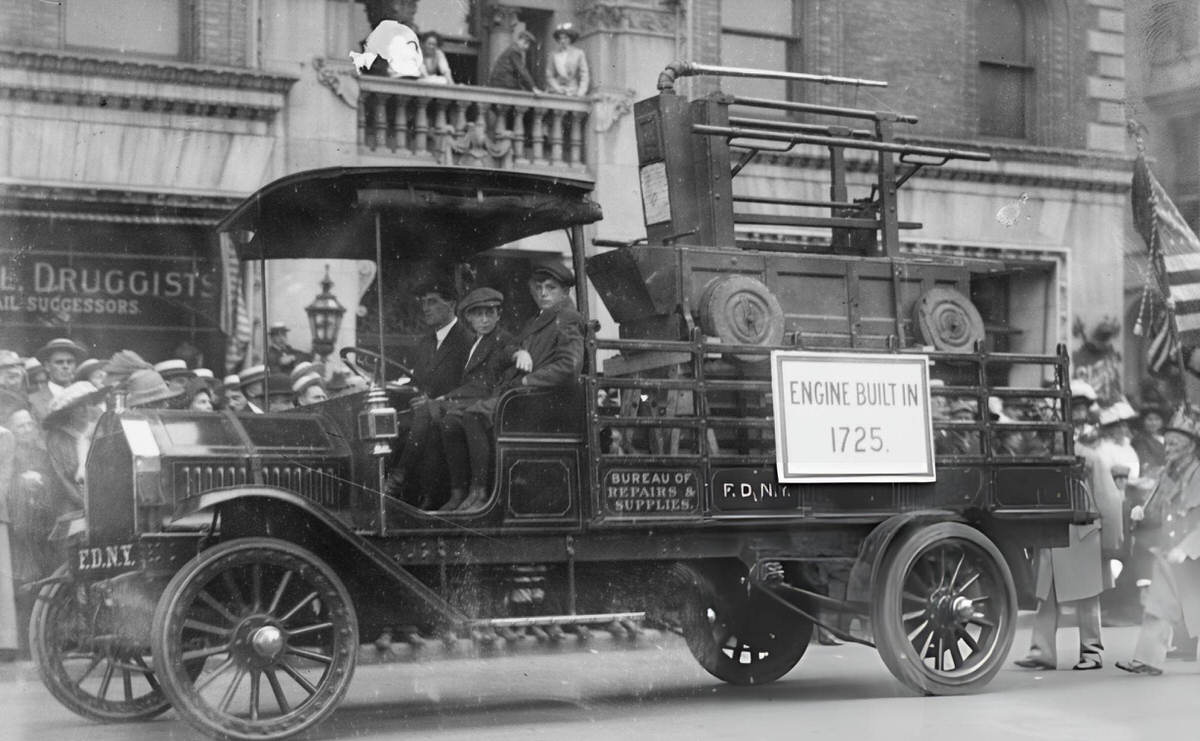
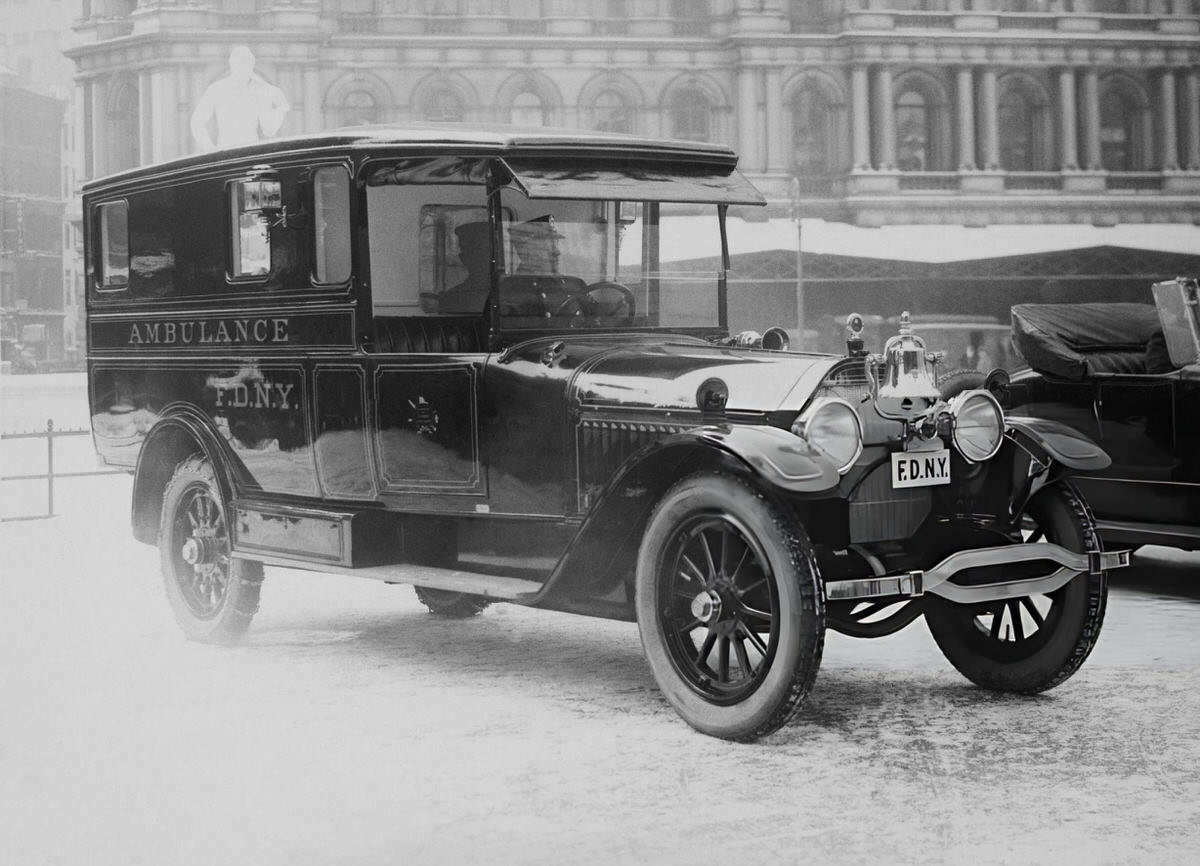
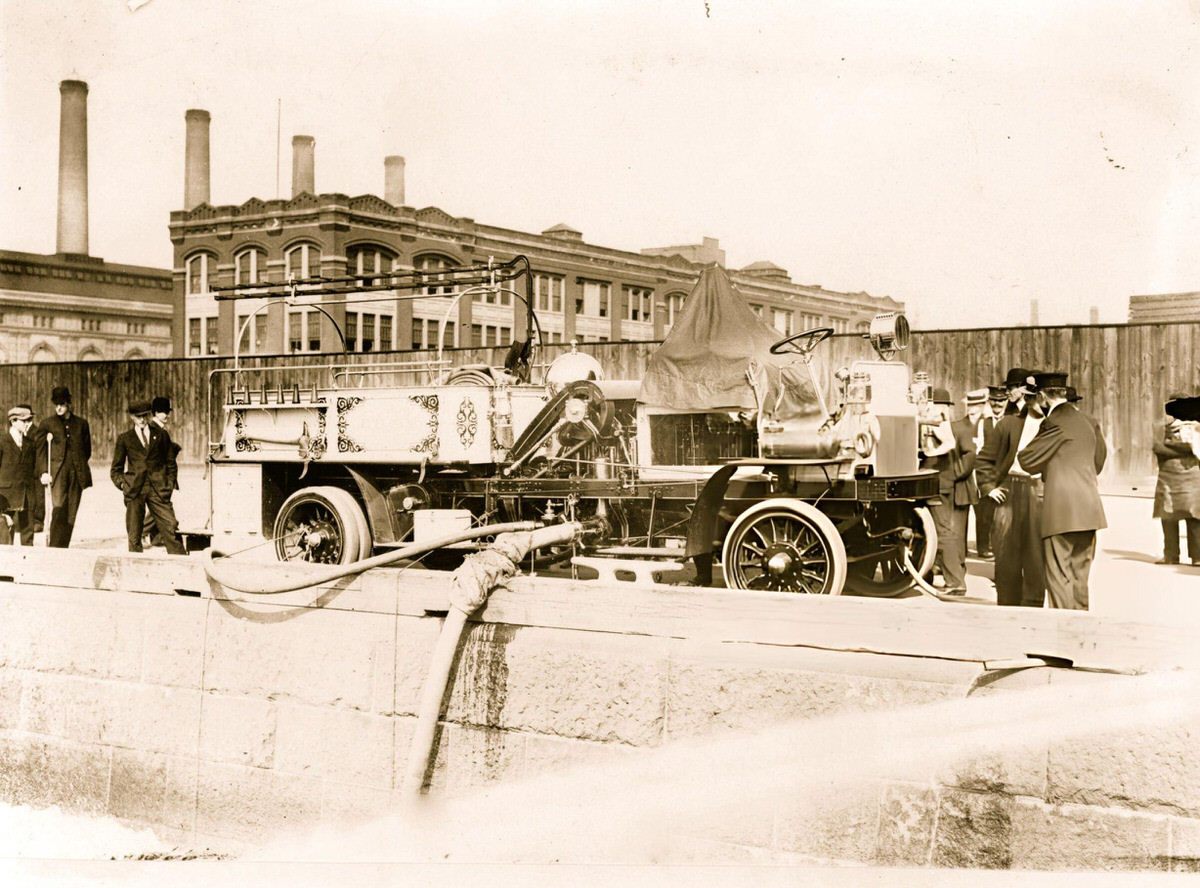
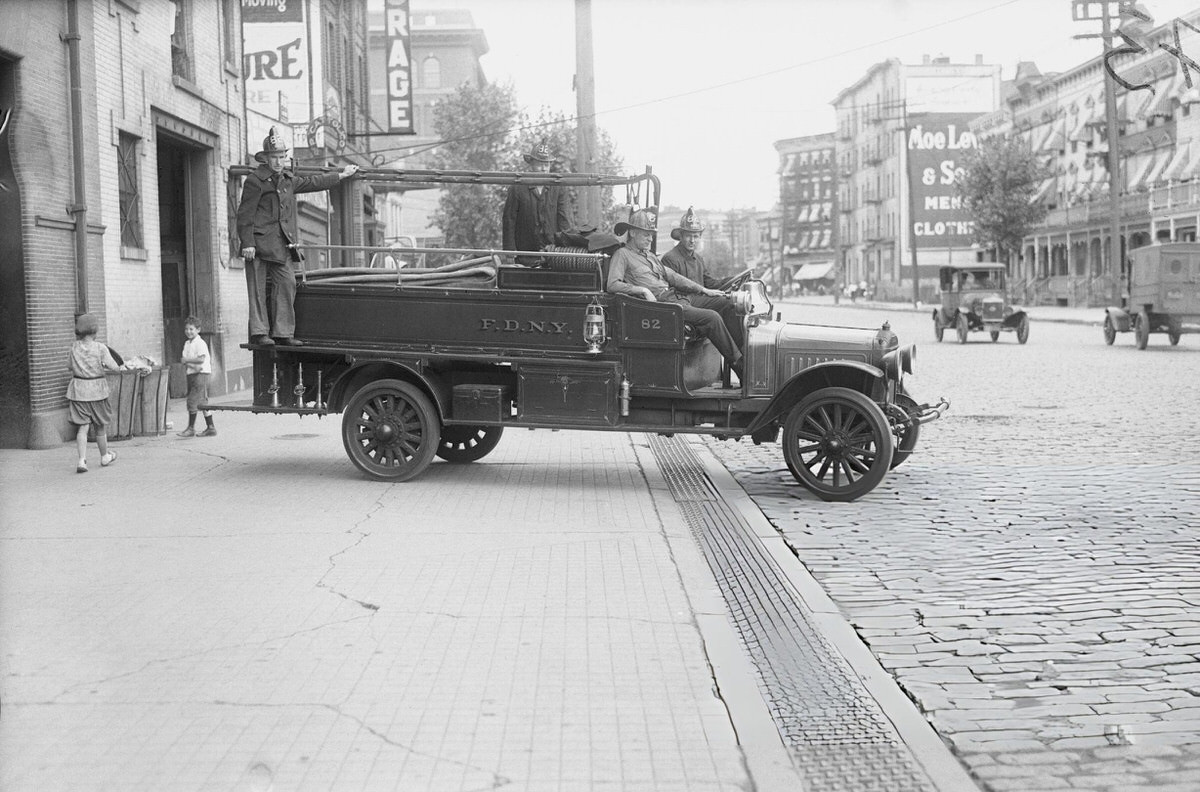
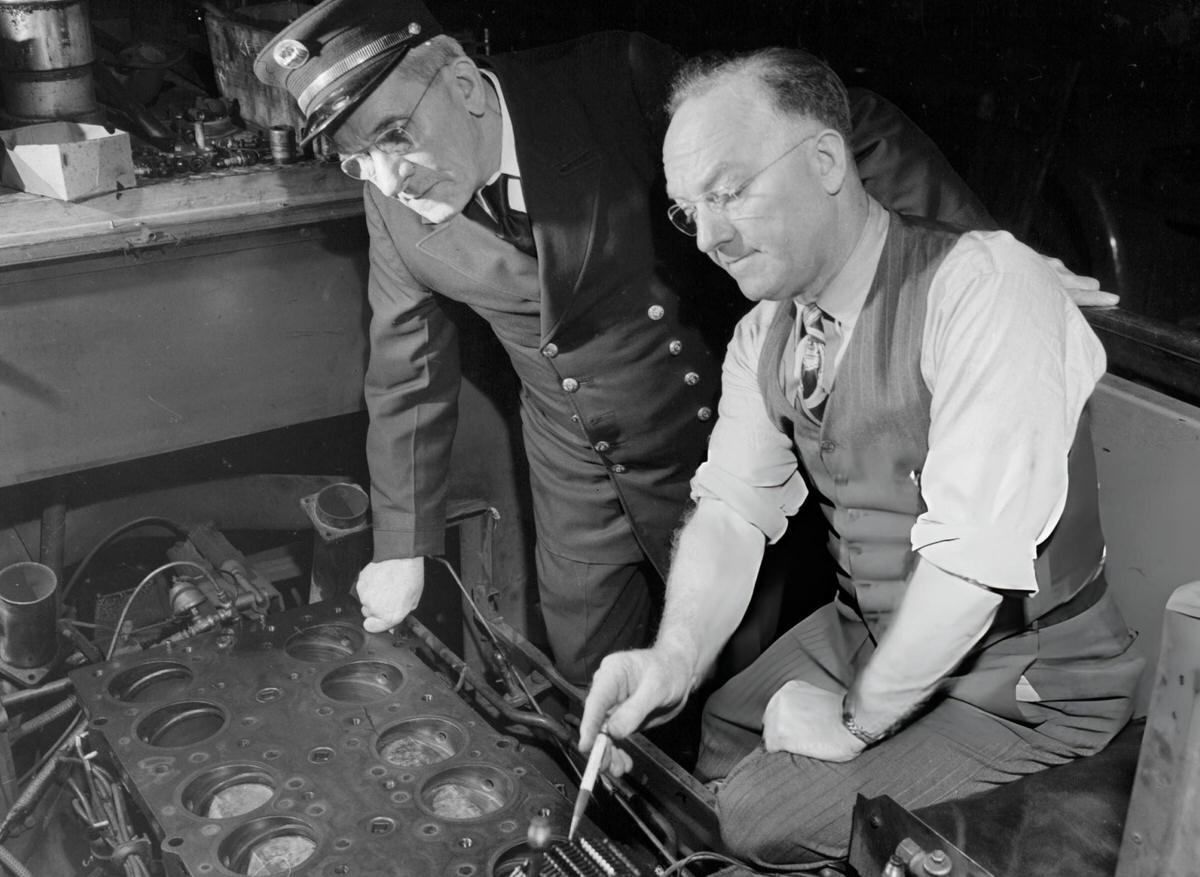
The FDNY began testing its first motorized fire engine in 1910. By 1922, the last horse-drawn apparatus in the city was retired. The transition took twelve years, which was deliberate — the department replaced horses borough by borough, company by company, as funding allowed and as mechanics were trained to maintain internal combustion engines. The horses themselves were auctioned off, mostly to farms in New Jersey and upstate New York.
Motorized engines changed response times dramatically. A horse could sustain a full run for about half a mile before tiring. A gasoline engine did not tire. Companies that covered large geographic areas — particularly in Brooklyn, Queens, and the Bronx, which were growing fast — could now respond to calls two and three miles away without the vehicle slowing down.
Breathing apparatus and the fire that changed safety
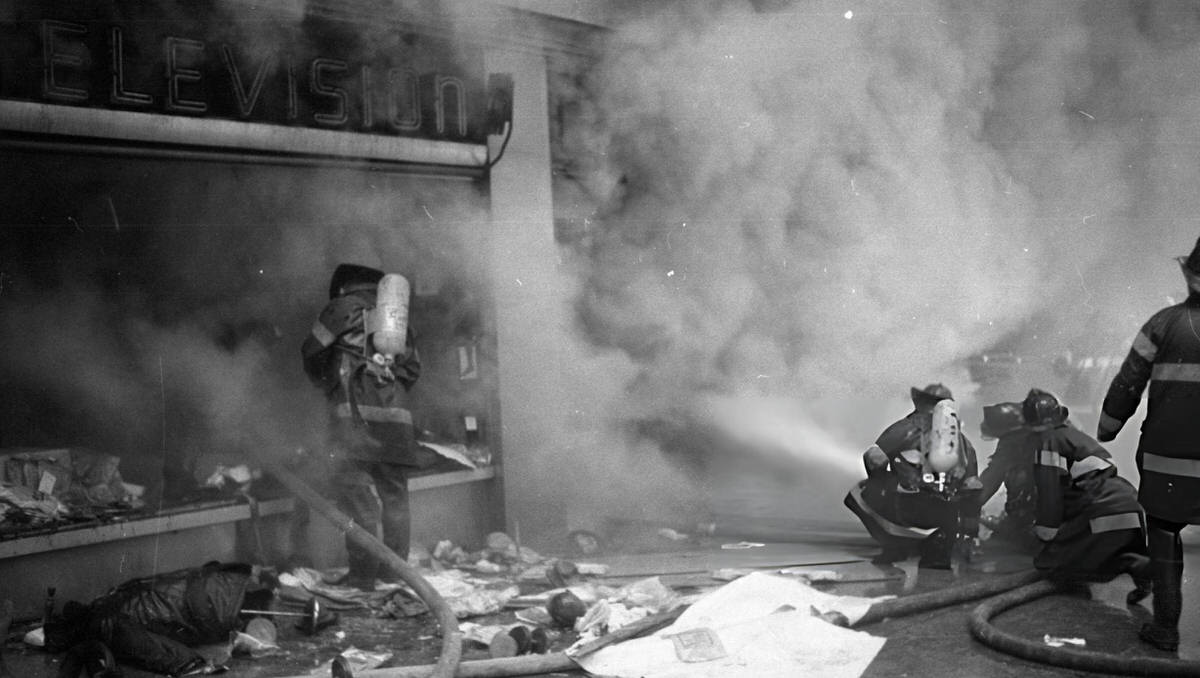
For most of the department’s early history, firefighters entered smoke-filled buildings with no breathing protection at all. They went in low, breathed shallowly, and got out when they started to feel dizzy. Carbon monoxide poisoning was common, and firefighters often did not recognize it until they collapsed. The department experimented with early smoke masks in the 1910s and 1920s, but widespread use of self-contained breathing apparatus — tanks of compressed air carried on the back — did not happen until the late 1940s and into the 1950s.
The shift to synthetic materials in building construction after World War II made this equipment absolutely necessary. Burning plastic, rubber insulation, and synthetic fabrics produce toxic gases that incapacitate within a few breaths. A firefighter in 1950 entering a burning apartment in a postwar housing project faced a chemically different environment than one entering a burning tenement in 1910. The department updated its gear accordingly, and by the late 1950s, air tanks were standard issue across all five boroughs.
The South Bronx: the burning decade
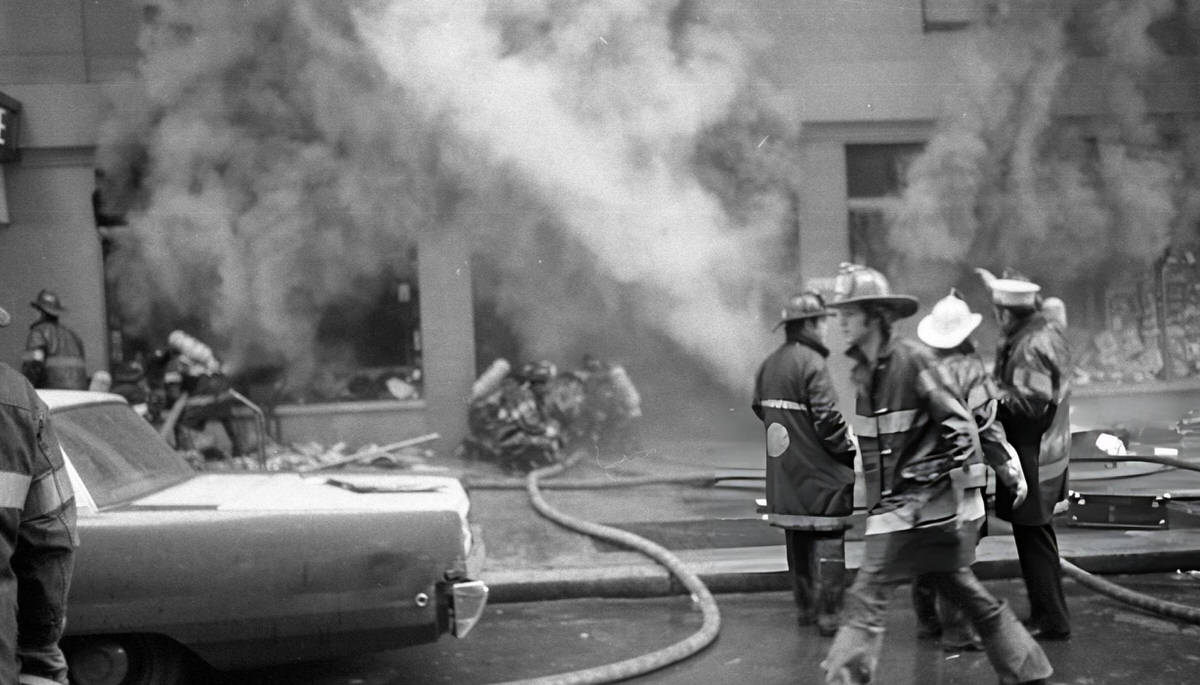
From the mid-1960s through the 1970s, the South Bronx became one of the most fire-damaged urban areas in American history. Landlords abandoned buildings as tenants left for suburbs and city services deteriorated. Some buildings were set on fire for insurance money. Others burned from neglect — broken boilers, exposed wiring, and no maintenance. The FDNY companies based in the Bronx — particularly Engine 82 and Ladder 31 on Intervale Avenue — ran more fire calls per year than almost any firehouse in the country.
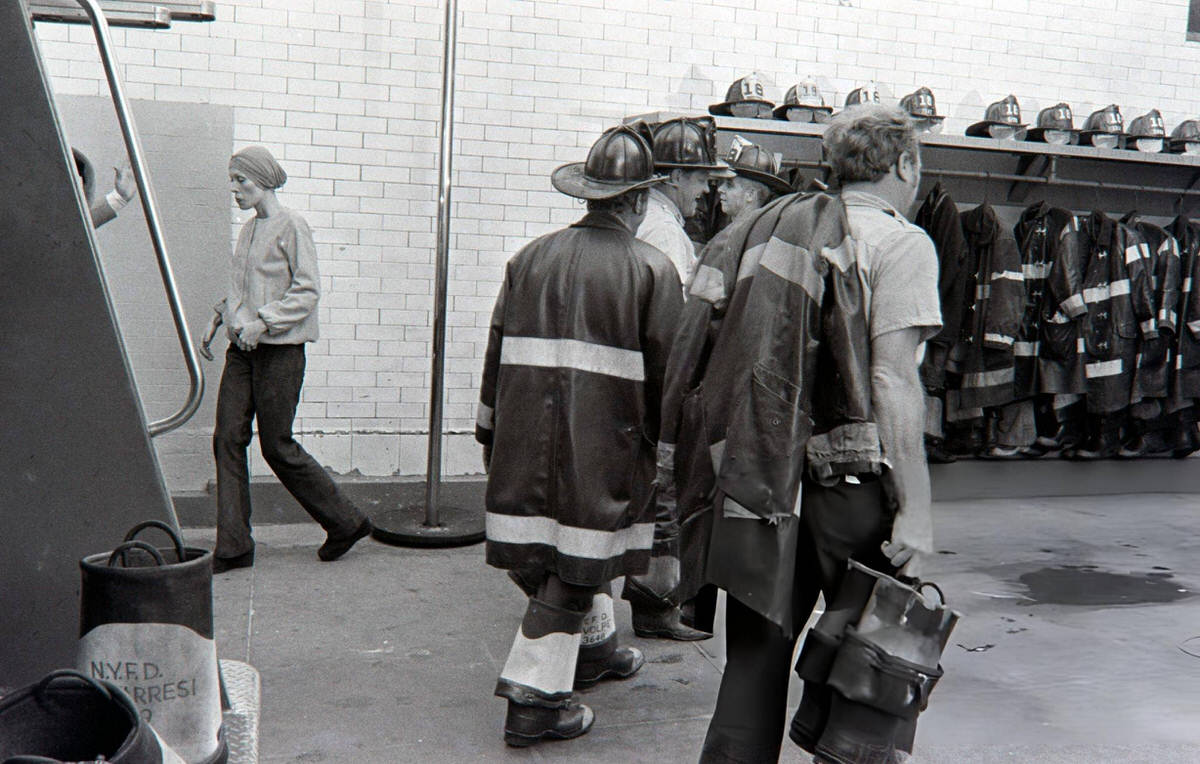
Engine 82 in the South Bronx answered over 6,000 alarms in a single year during the early 1970s. For comparison, a busy firehouse in a stable neighborhood handled 1,500 to 2,000. The firefighters based there worked in twelve-hour tours with little downtime between runs. Dennis Smith, a firefighter stationed at Engine 82, wrote about this period in his 1972 book “Report from Engine Co. 82,” which gave the public its first detailed look at what the South Bronx fire crisis actually looked like from inside a firehouse.
The fires burned through entire city blocks. Charlotte Street in the South Bronx, which had been a dense residential neighborhood in 1960, was open rubble by 1977. The FDNY could not stop the burning because the fires were not caused by accidents — they were caused by poverty, abandonment, and a city government that had stopped investing in those neighborhoods. Firefighters put out what they could and came back the next night for more.

GIPHY App Key not set. Please check settings