

 Wendy Robert
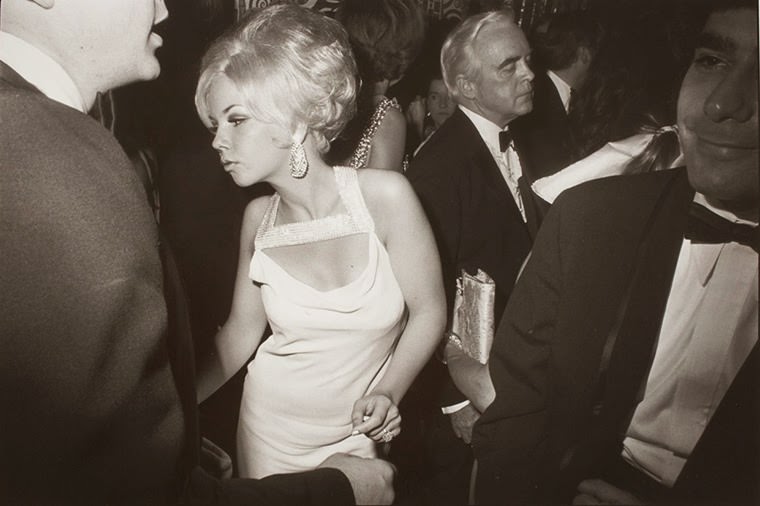
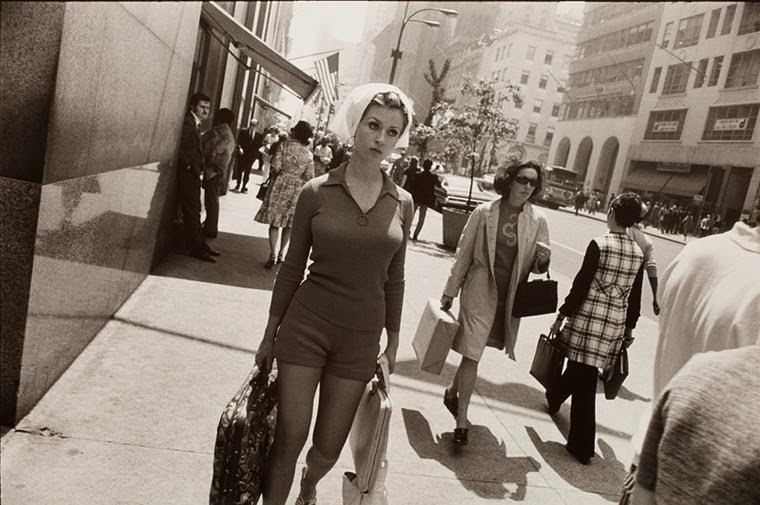
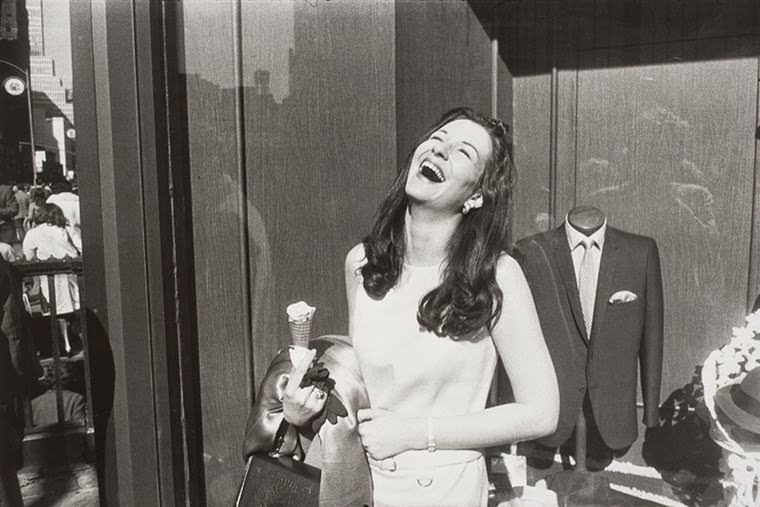
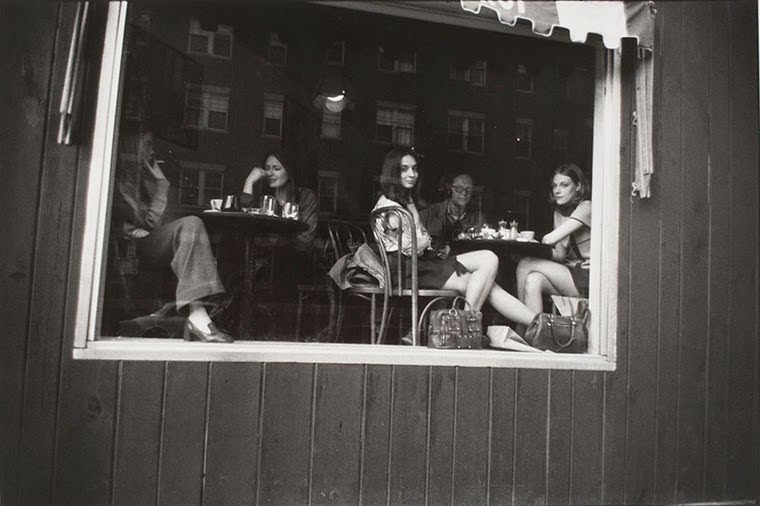
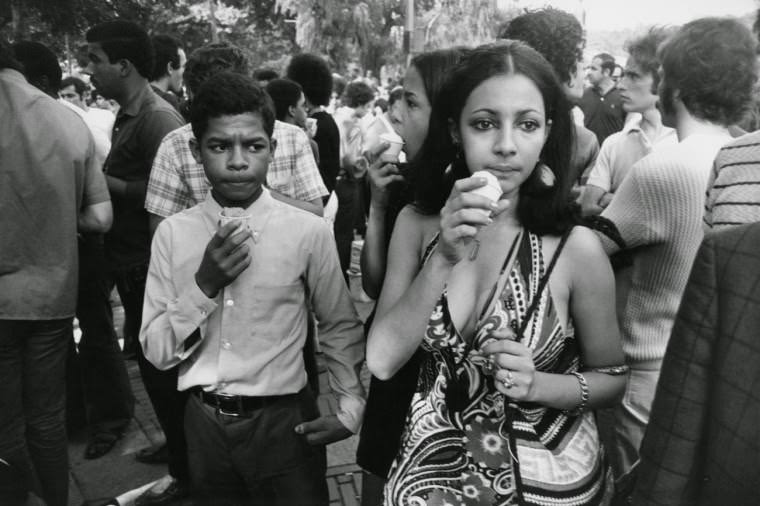
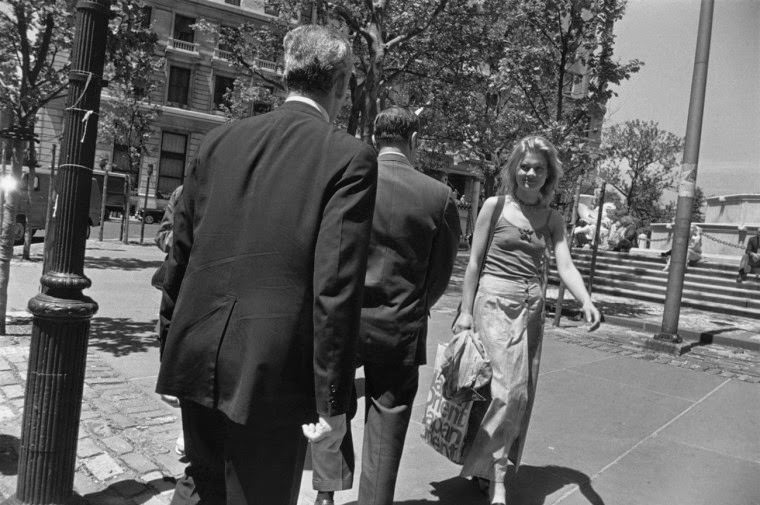
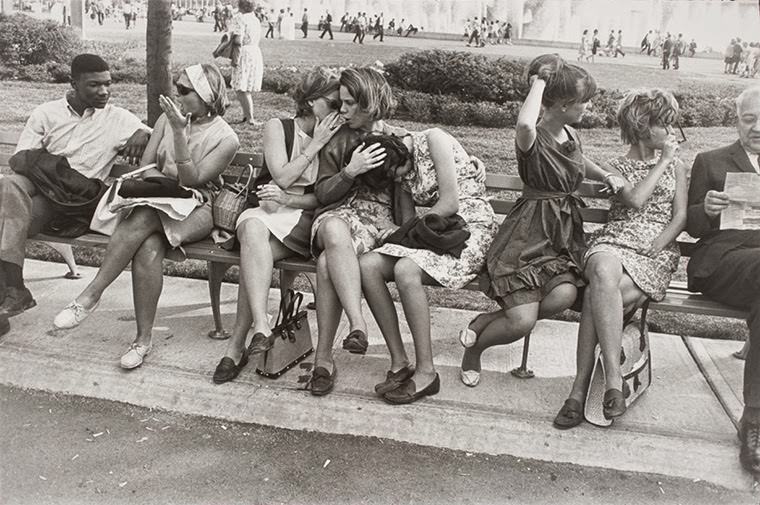
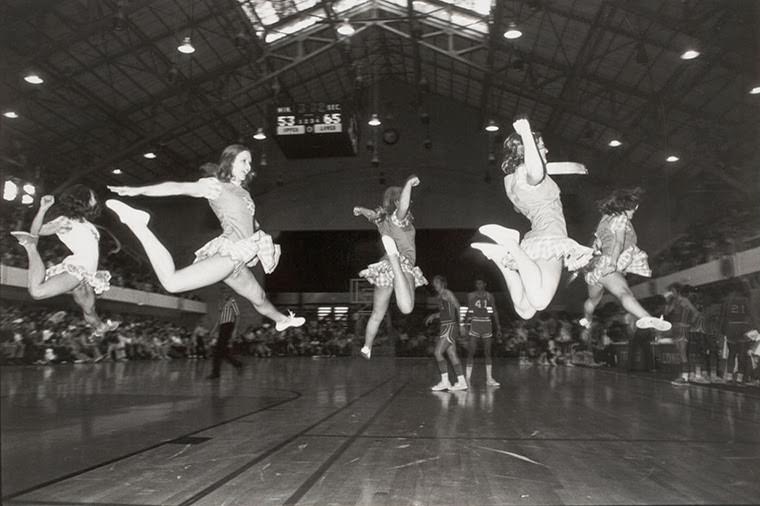
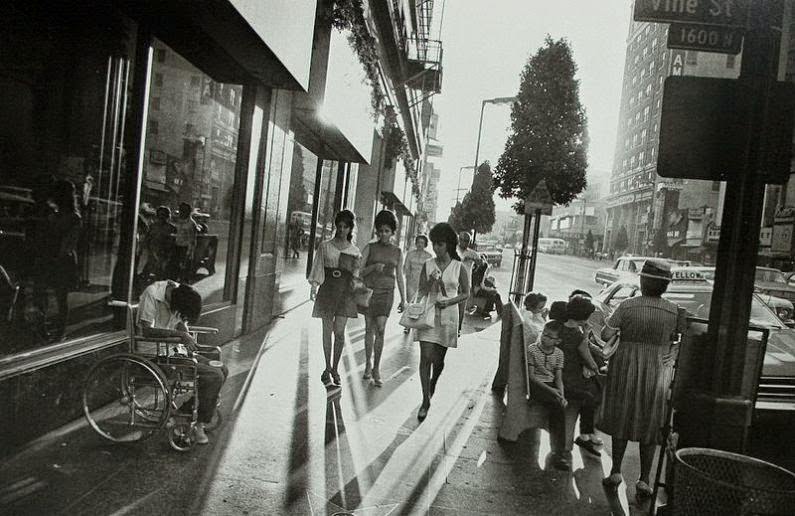
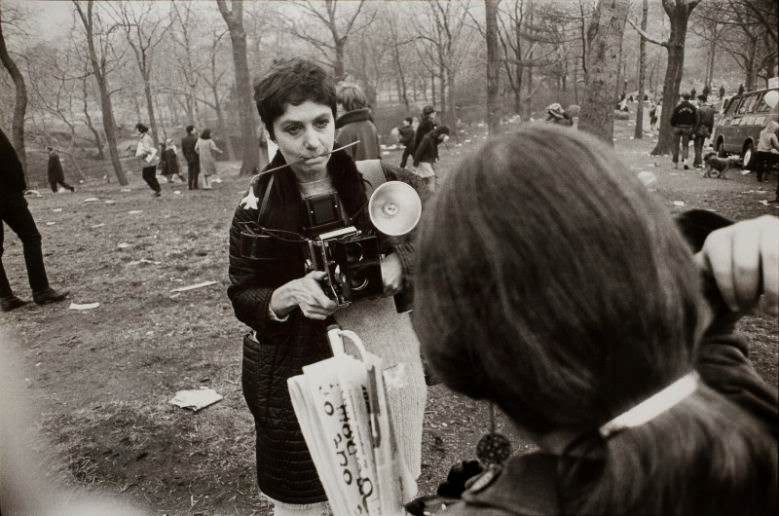
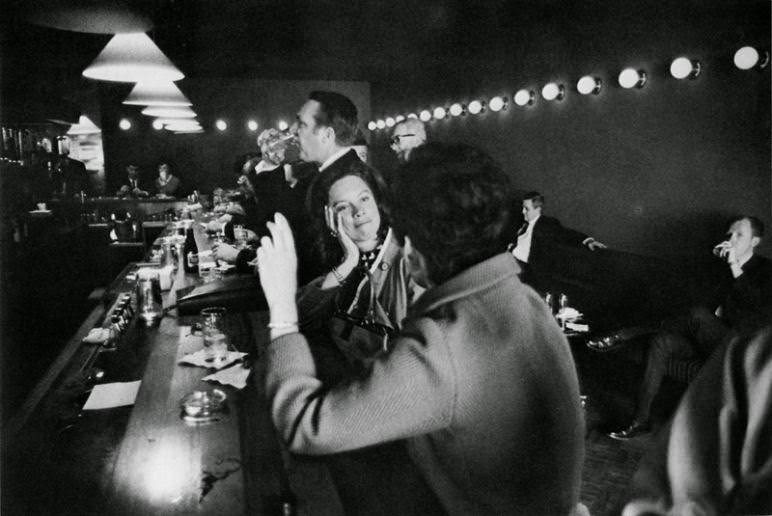
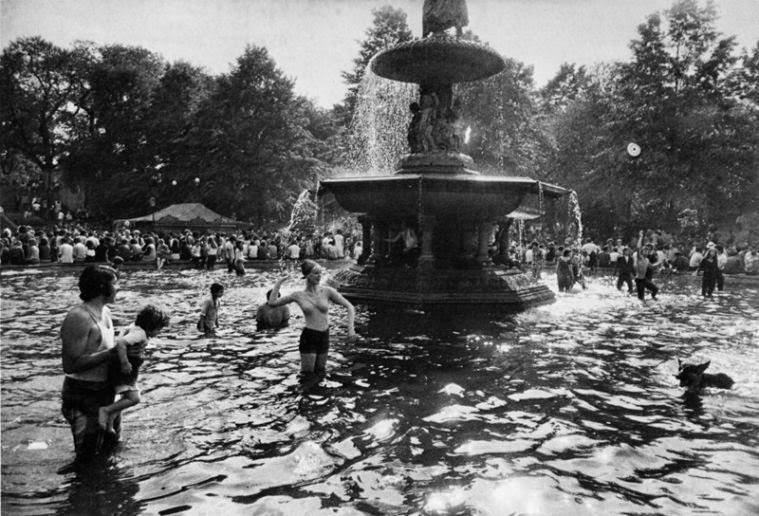
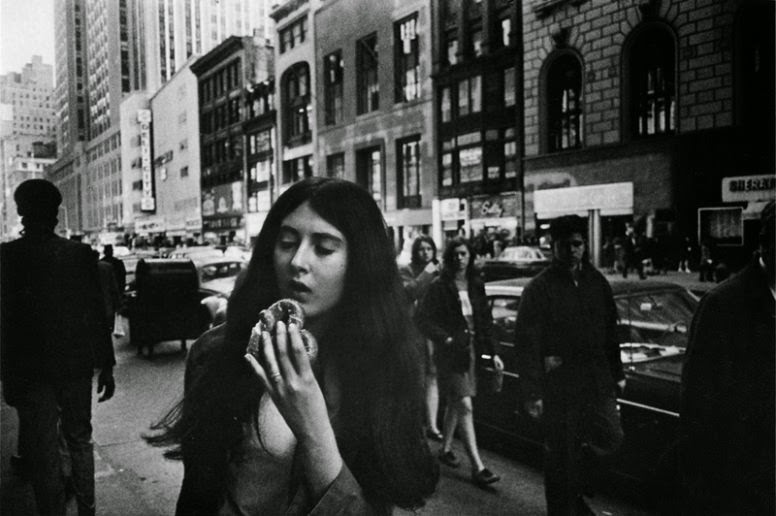
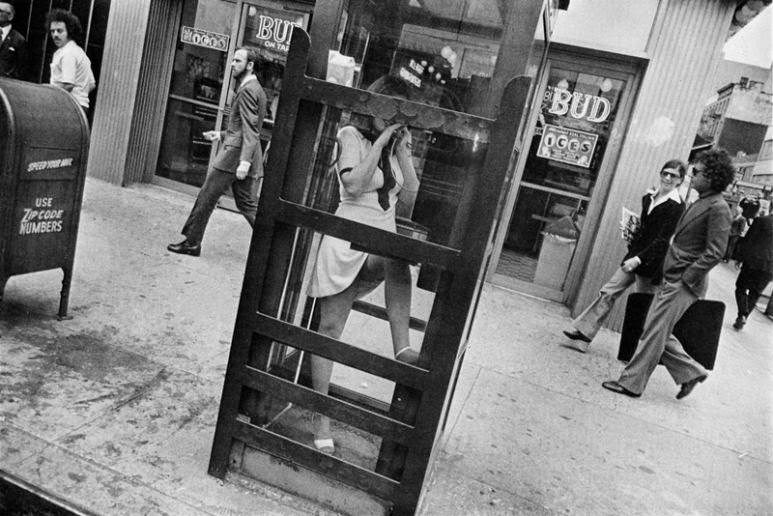
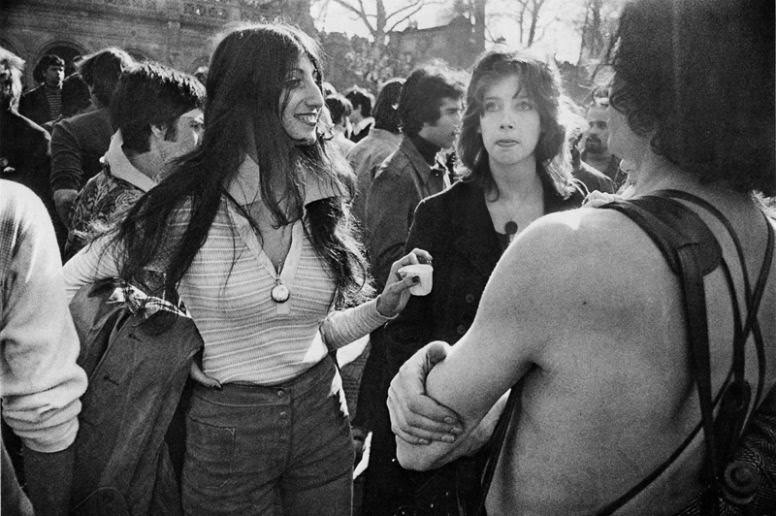
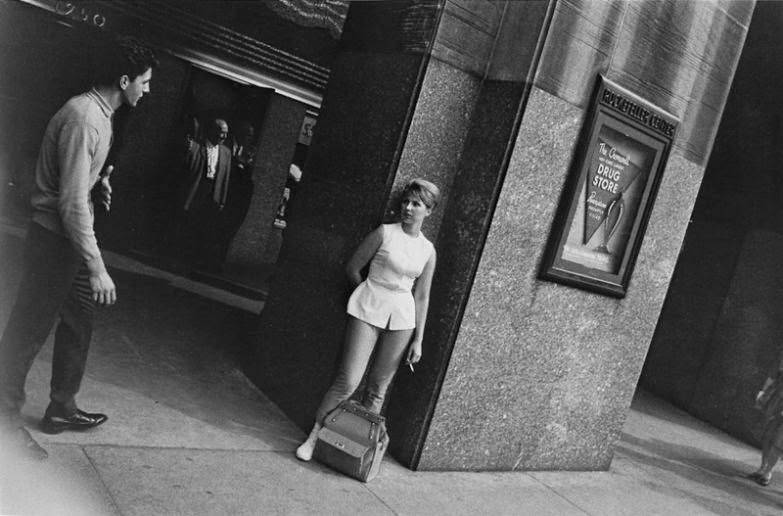
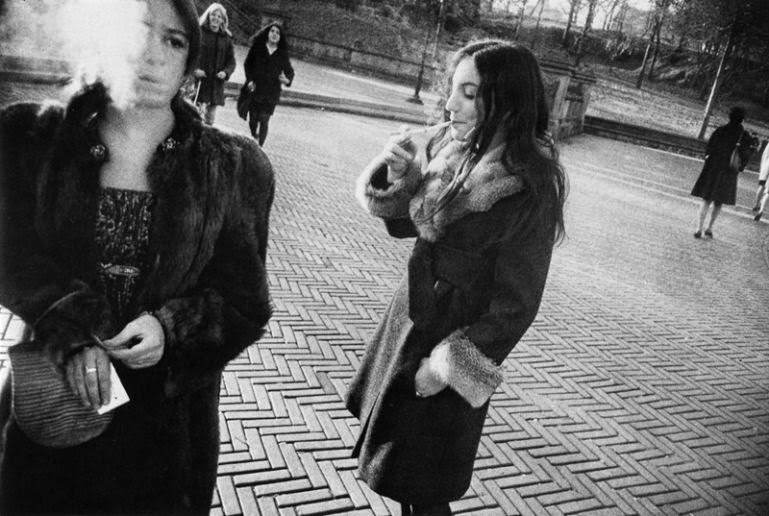
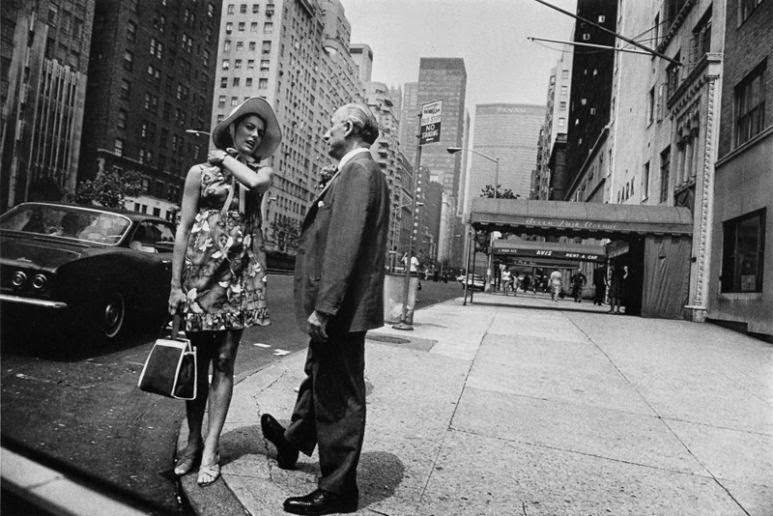
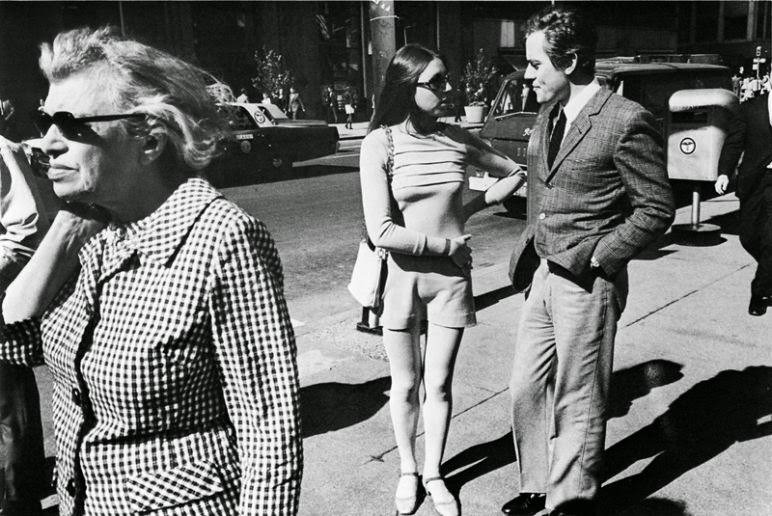
Garry Winogrand walked the streets of New York with a Leica camera and shot everything he saw. But in the late 1960s and into the early 1970s, one subject pulled his attention more than any other: women. Not posed, not lit, not asked for permission. Just women moving through the city — on sidewalks, in parks, coming out of office buildings, crossing intersections, eating lunch on benches.
The resulting body of work is one of the most discussed and most argued-over series in American photography.
The Photographer and His Method
Winogrand was a street photographer in the purest sense. He didn’t set up shots. He moved fast, shot from the hip when he needed to, and printed only a fraction of the thousands of frames he exposed. He was known for tilting his camera slightly, giving his images a diagonal energy that made the world look like it was always mid-motion.
By the late 1960s, he was already well-established in the photography world. His 1969 book The Animals had shown his ability to find strange, uncomfortable humor in public spaces. But the women project — eventually published as Women Are Beautiful in 1975 — was different in tone and different in intention.
Read more..
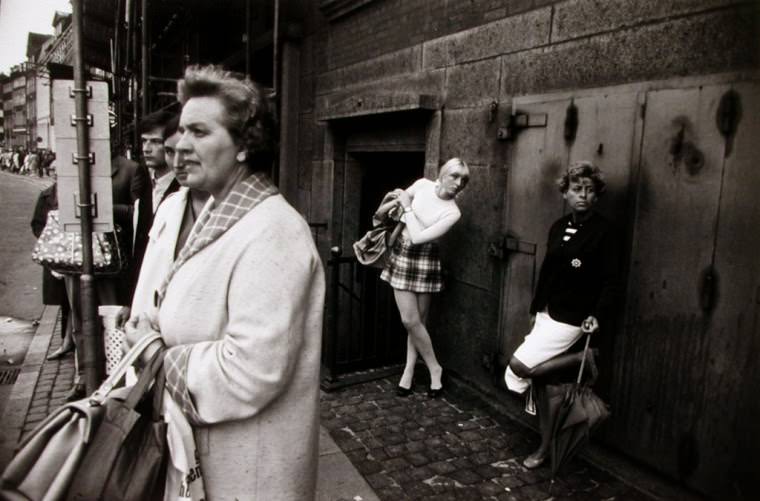
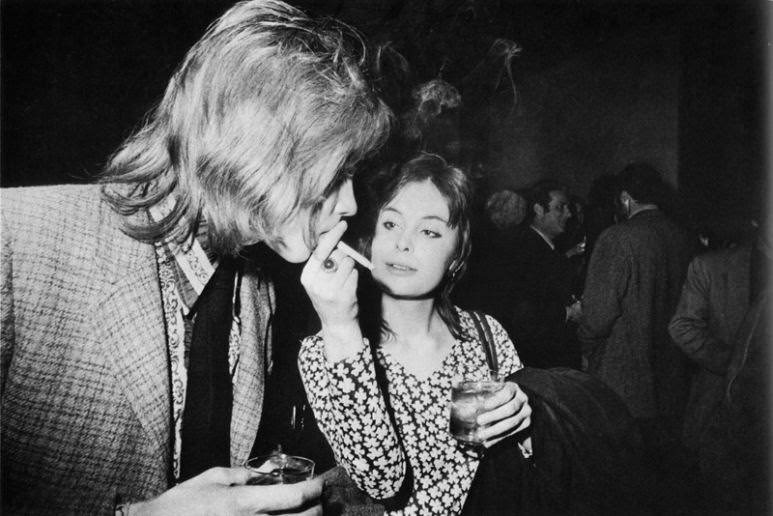
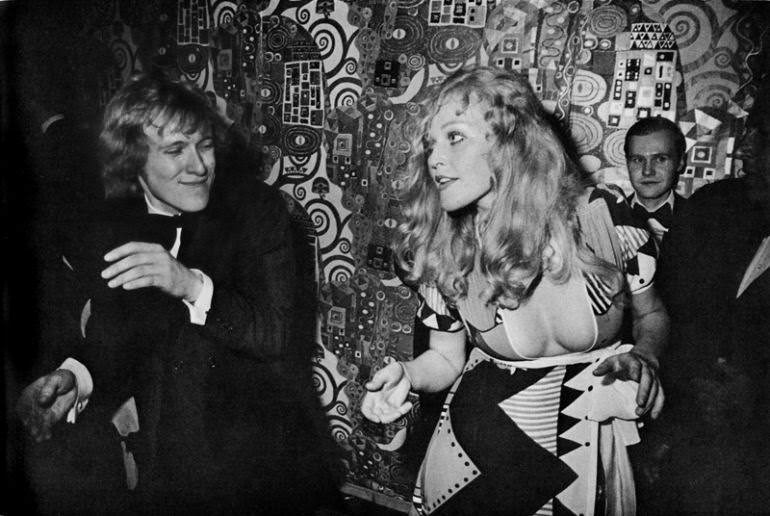
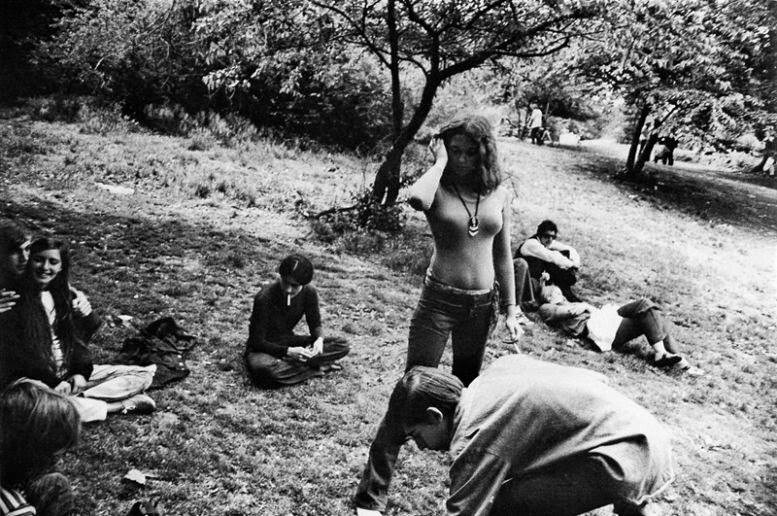
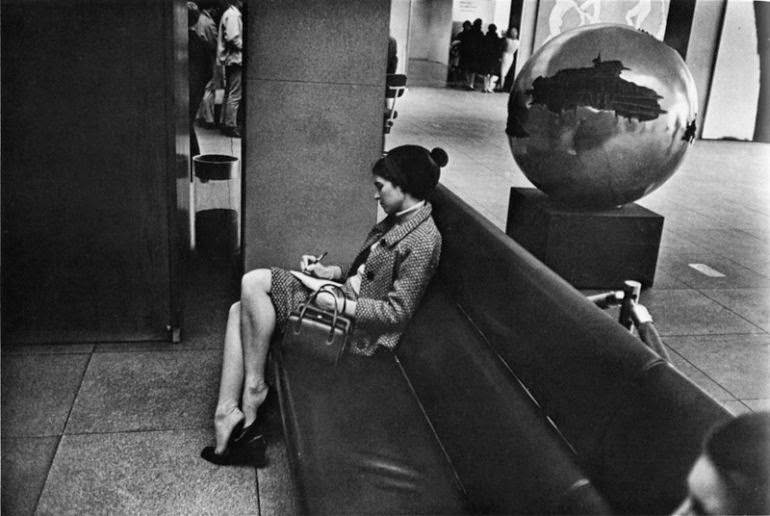
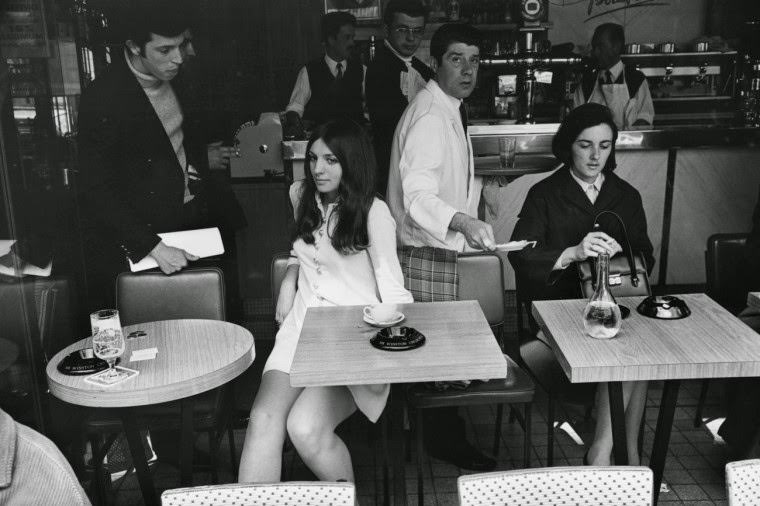
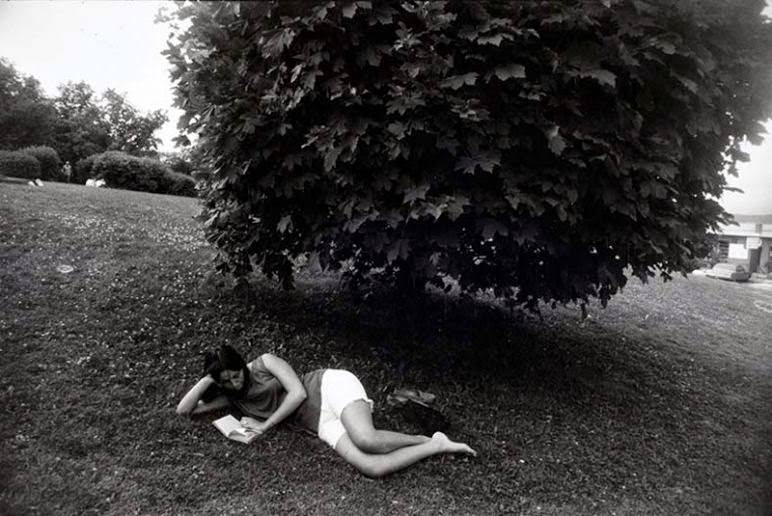
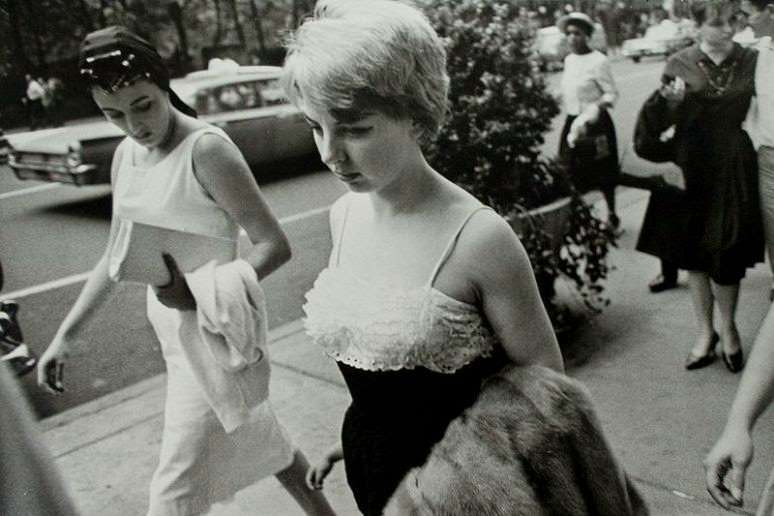
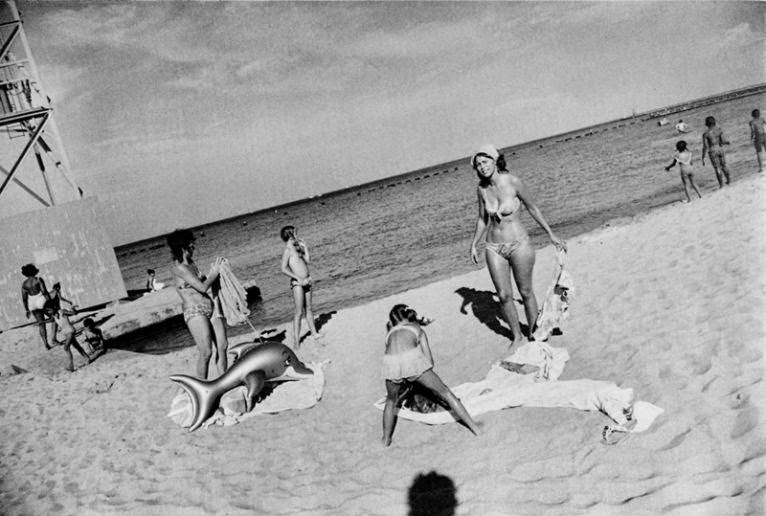
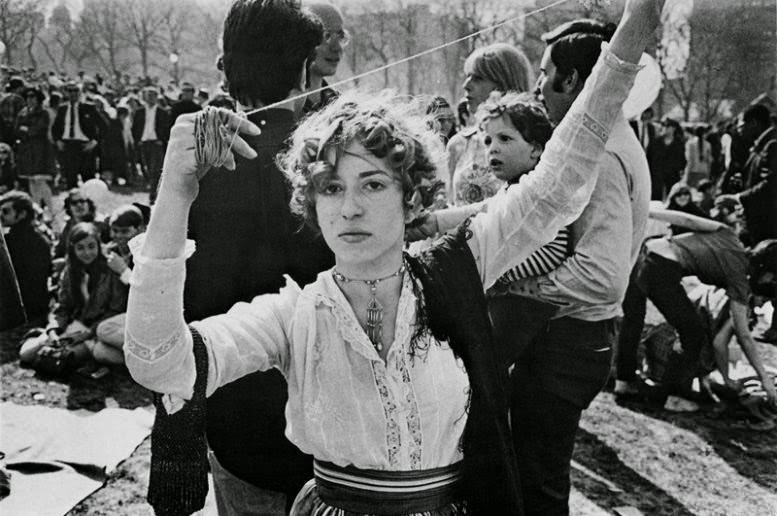
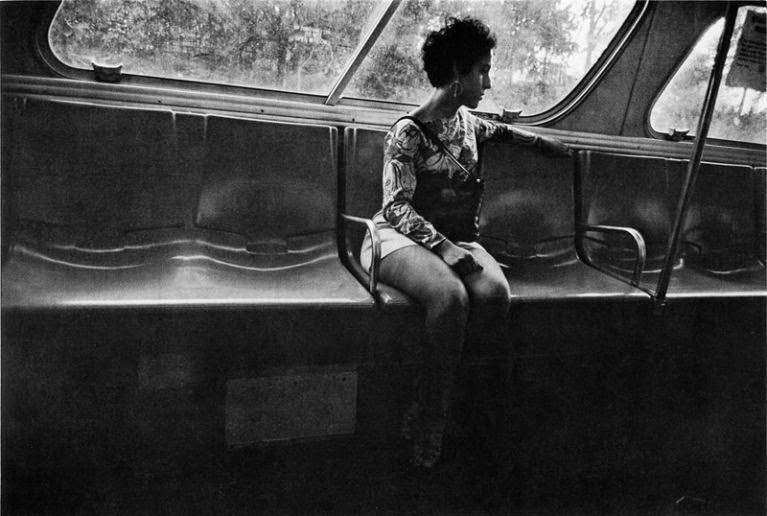
He photographed women constantly during this period. Young women in miniskirts on Fifth Avenue. Women in Central Park lying in the grass. Women laughing with friends outside a diner. Women alone, walking fast, looking at nothing in particular. His camera noticed legs, faces, the way a dress moved, the way a woman held herself when she thought no one was watching.
What the Streets Looked Like
New York in this era was not a comfortable city. It was loud, crowded, and increasingly tense. The late 1960s brought the fallout from Vietnam, race riots, rising crime, and the beginning of the city’s long fiscal collapse. Women were also, in these years, publicly demanding things they had never demanded before — equal pay, reproductive rights, an end to being treated as decoration.
On the street, all of that was happening at once. A woman walking down Madison Avenue in 1969 was navigating a city that was itself in the middle of an argument about who she was and what she was allowed to be.
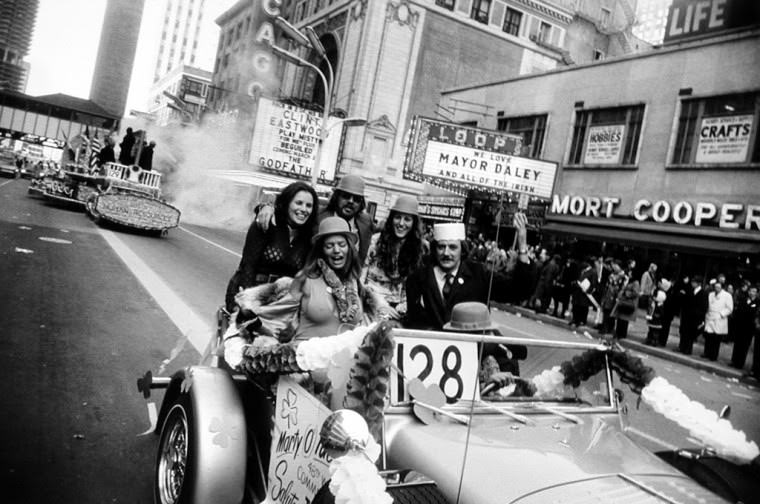
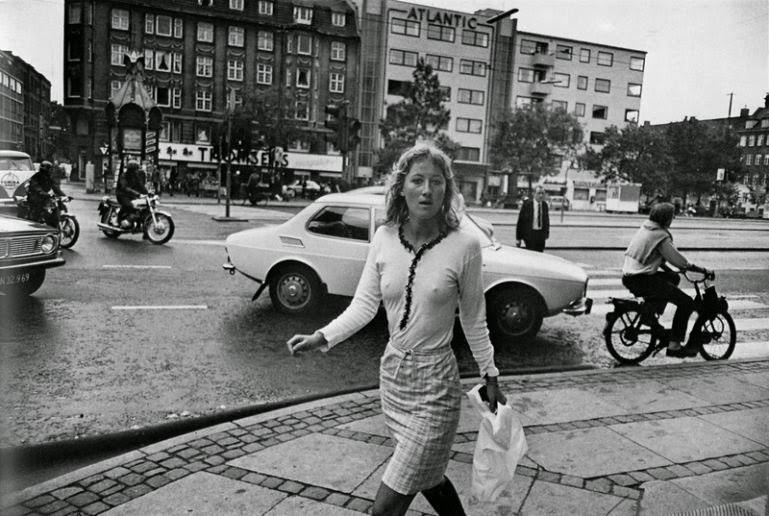
Winogrand photographed women against that backdrop. The streets in his images are always full — buses, storefronts, other pedestrians pressing close. His subjects move through real urban space, not cleaned-up versions of it.
What the Photographs Actually Capture
Whatever the debate around his intentions, the photographs themselves are specific and alive in ways that make them historically valuable beyond the controversy.
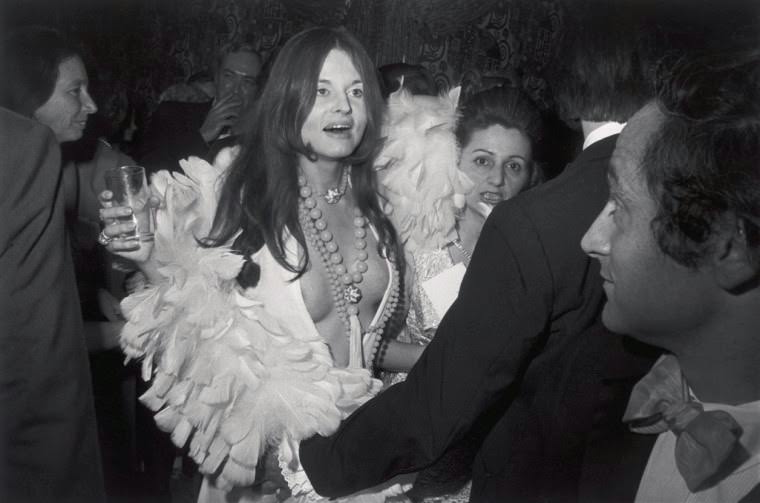
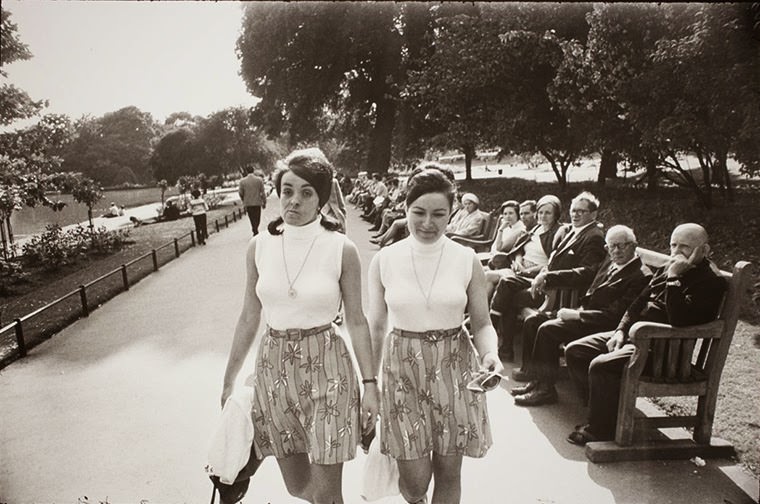
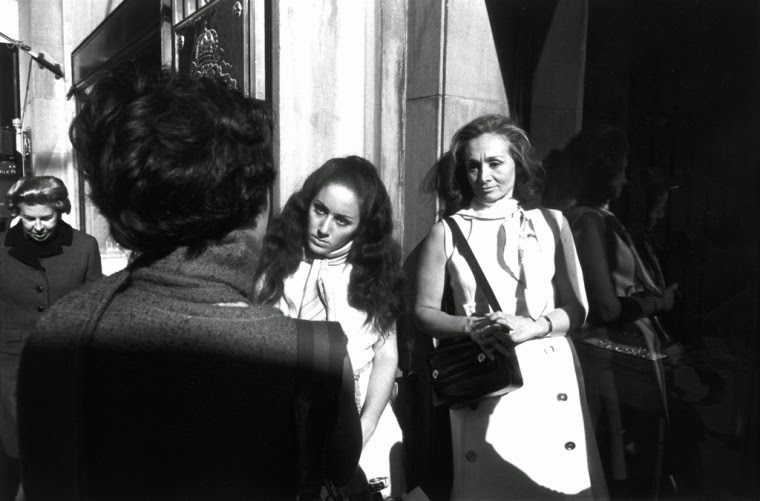
They document exactly how women dressed and moved in New York during one of the most turbulent transitions in American social history. The miniskirt was at its peak. Women were wearing trousers on streets where, a decade earlier, that would have drawn stares. Hair was worn loose. The polished, buttoned-up look of the early 1960s was gone.
Some of the women in his photographs look completely unaware of the camera. Others catch him — and their expressions range from amusement to irritation to a cool, level stare that gives nothing away. Those moments of eye contact are the most interesting frames in the series. The subject stops being passive. She looks directly at the man behind the lens, and the photograph becomes a different kind of document.

GIPHY App Key not set. Please check settings