

 Frederick Victor
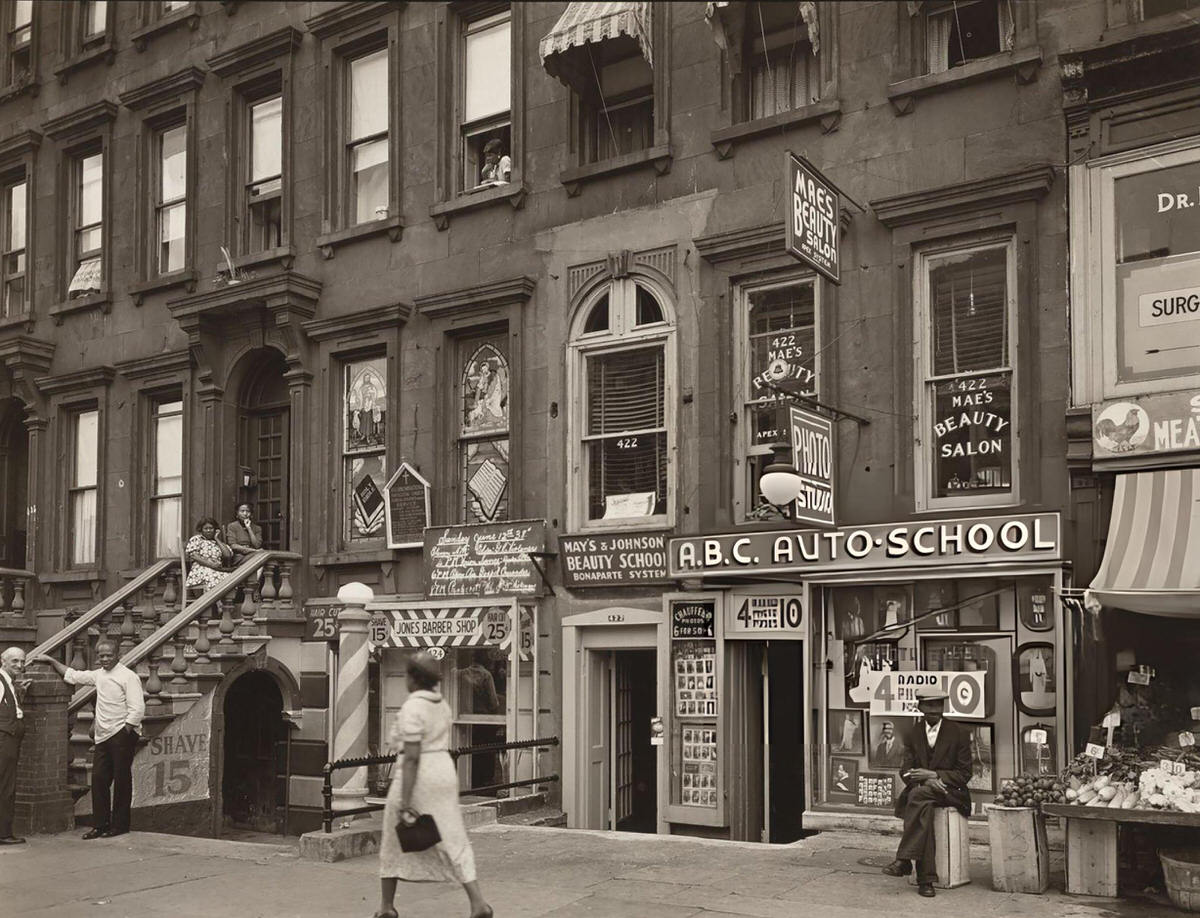
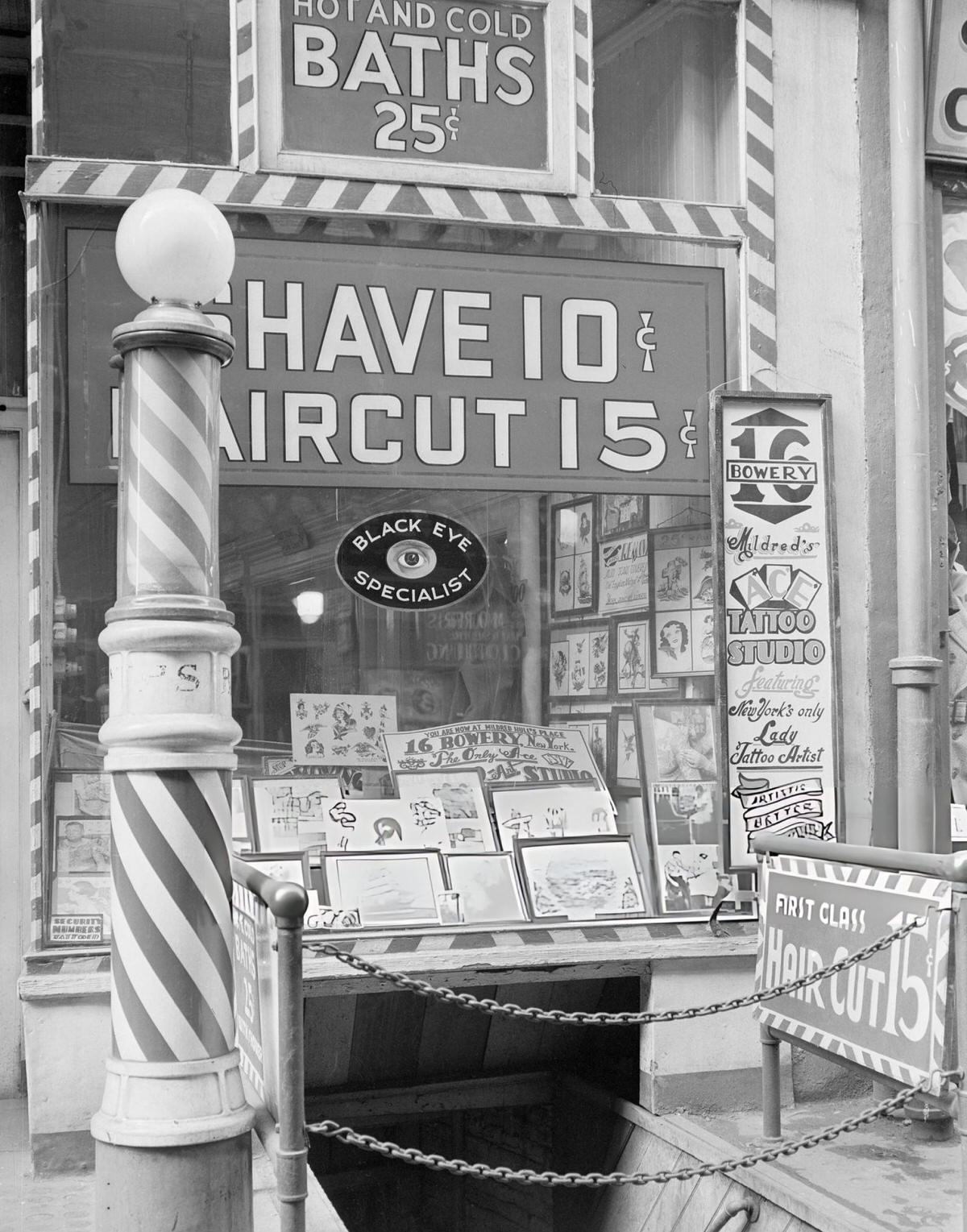
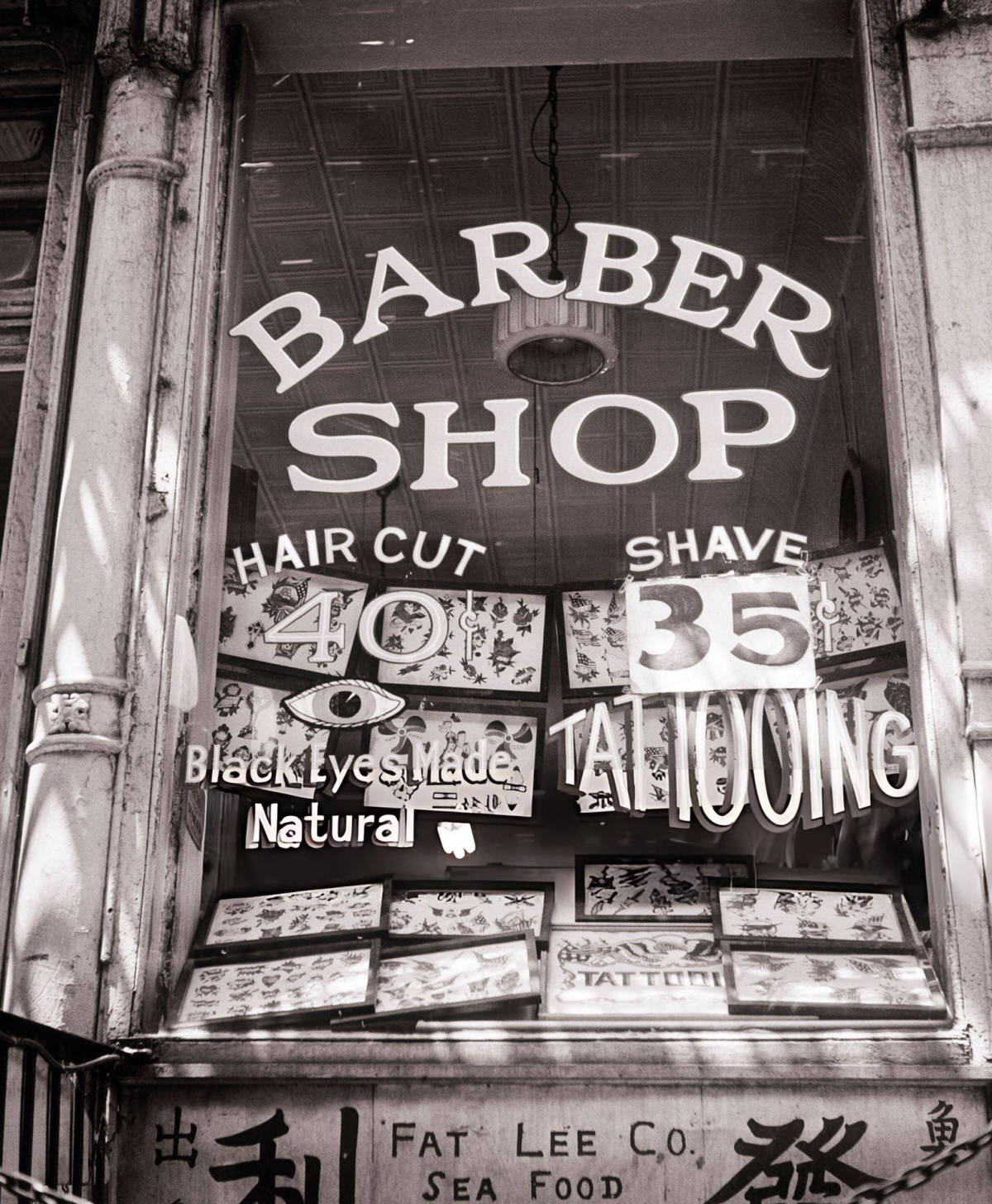
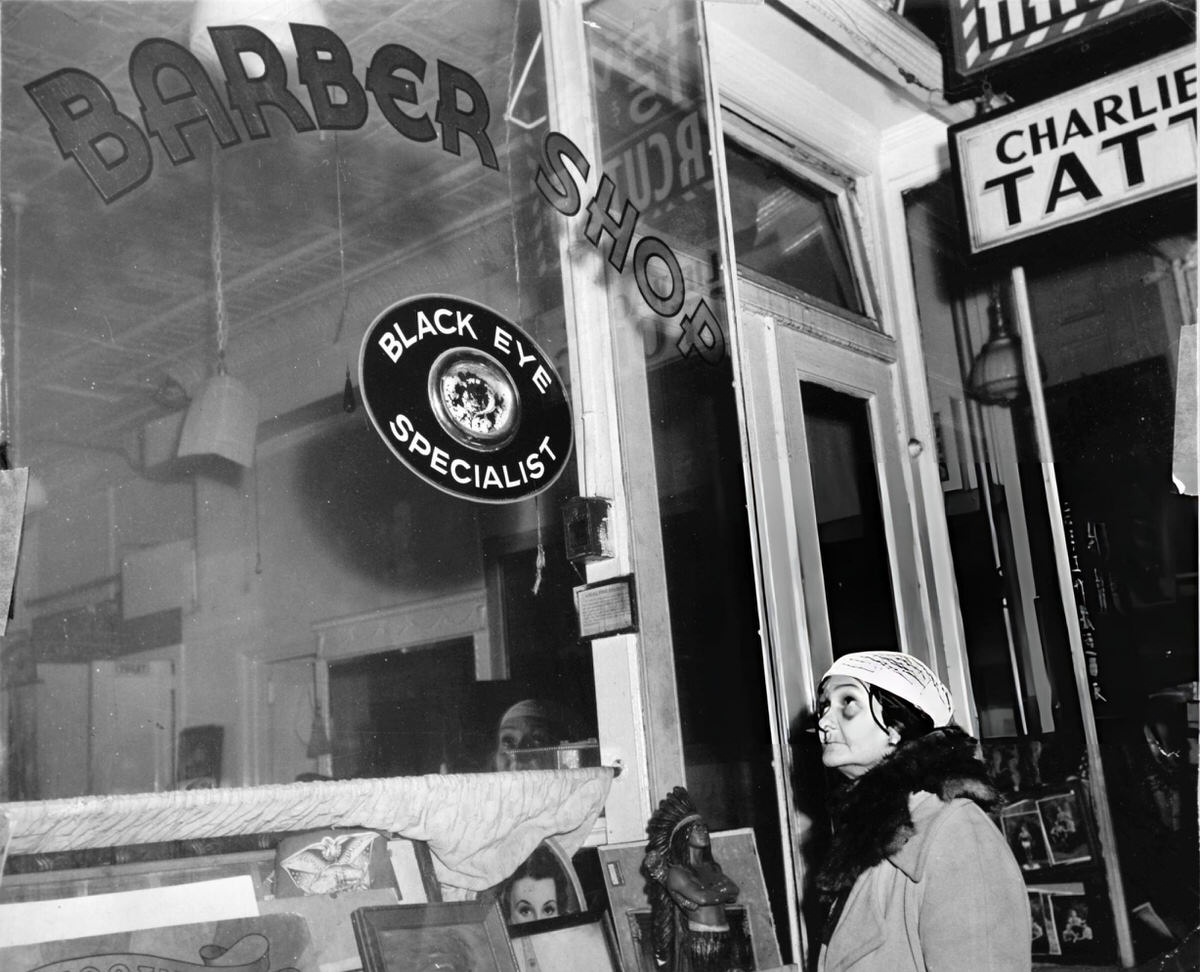
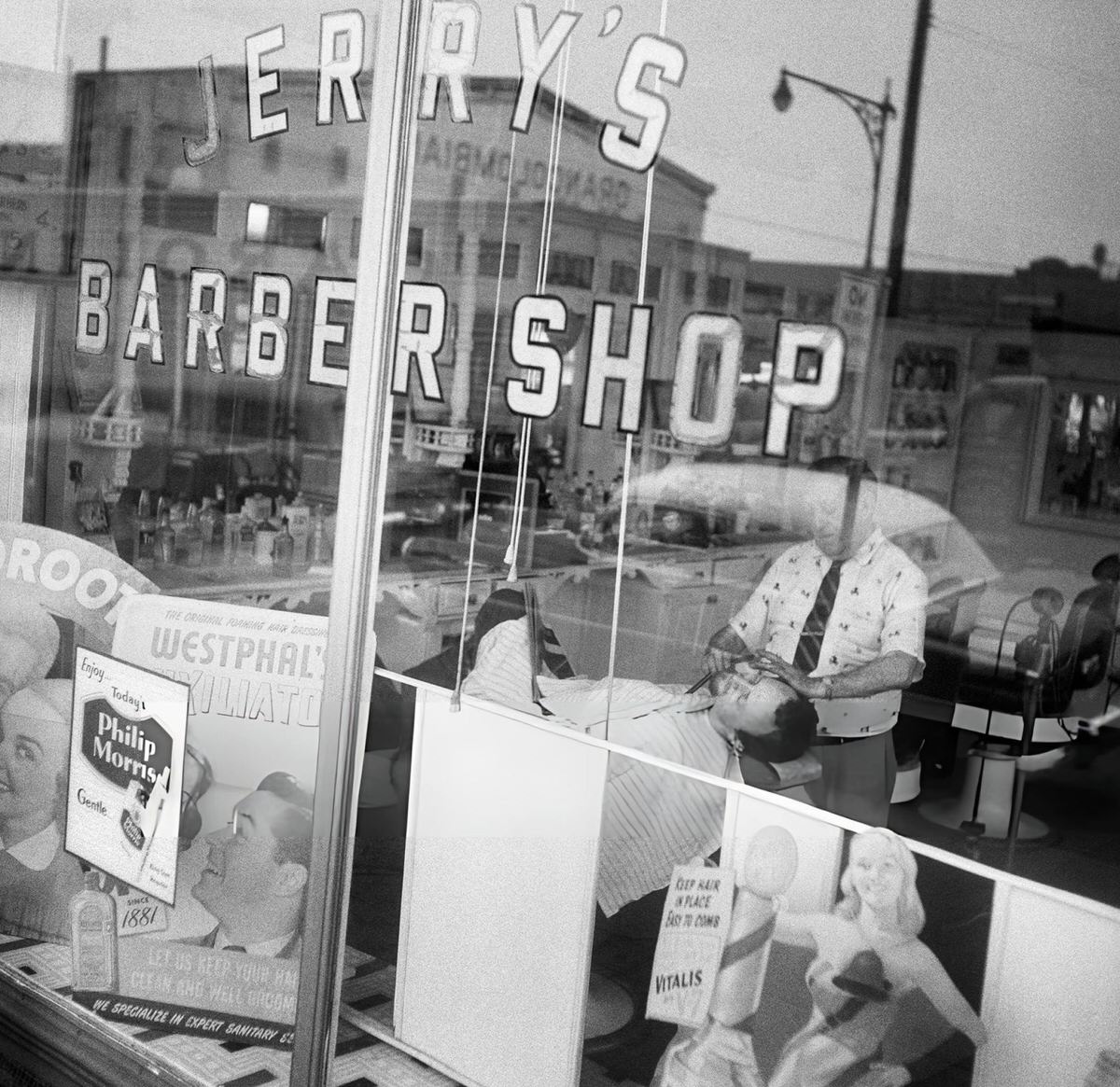
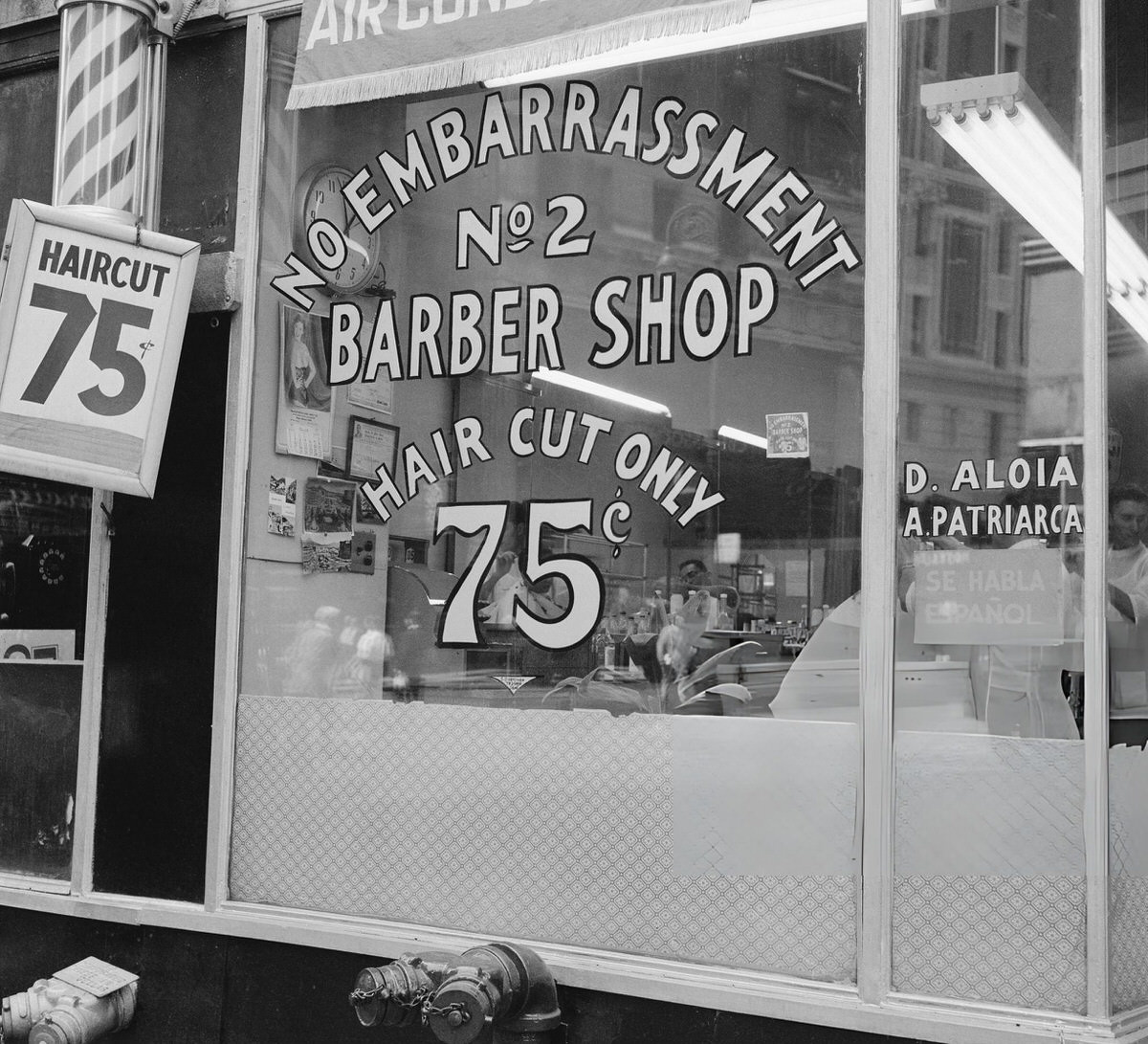
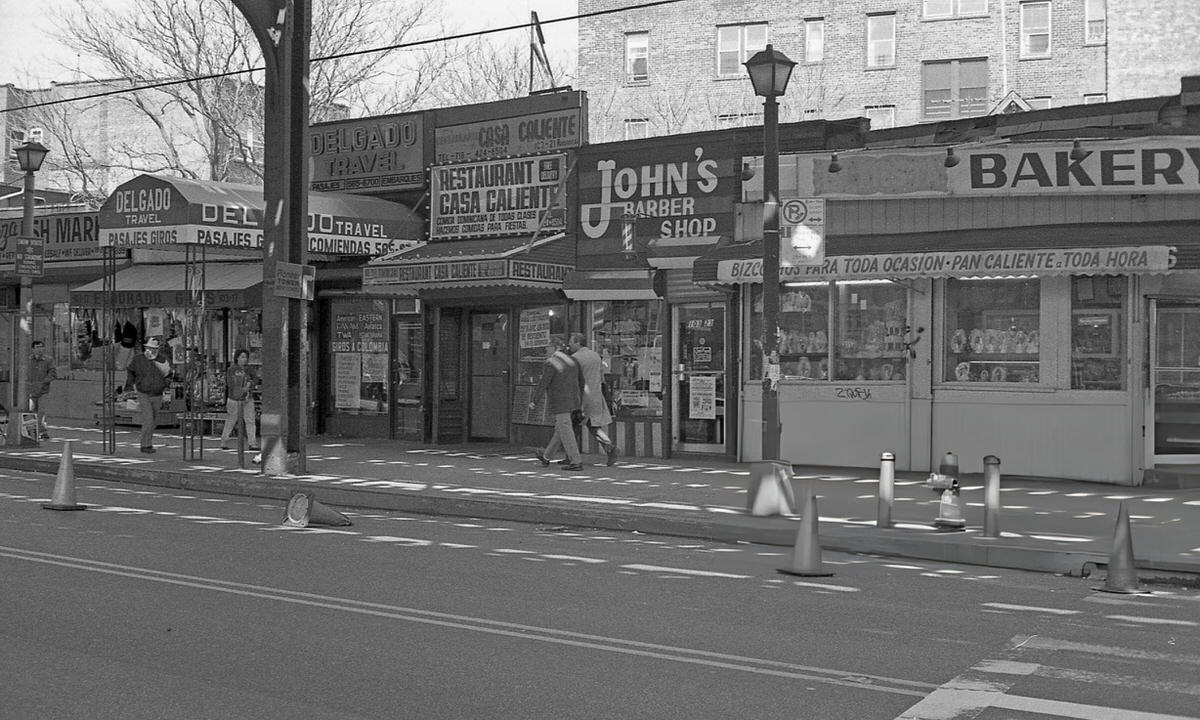
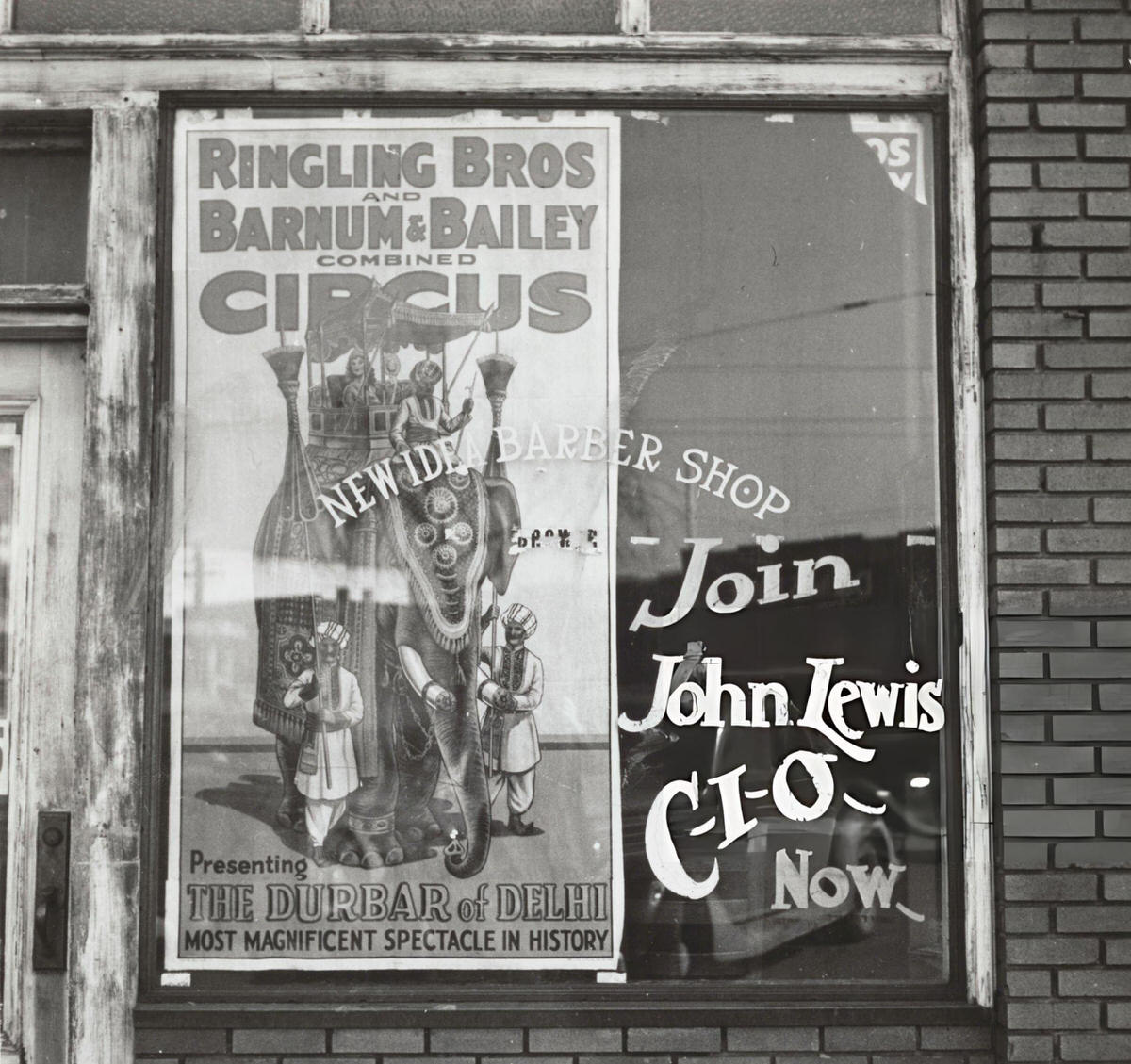
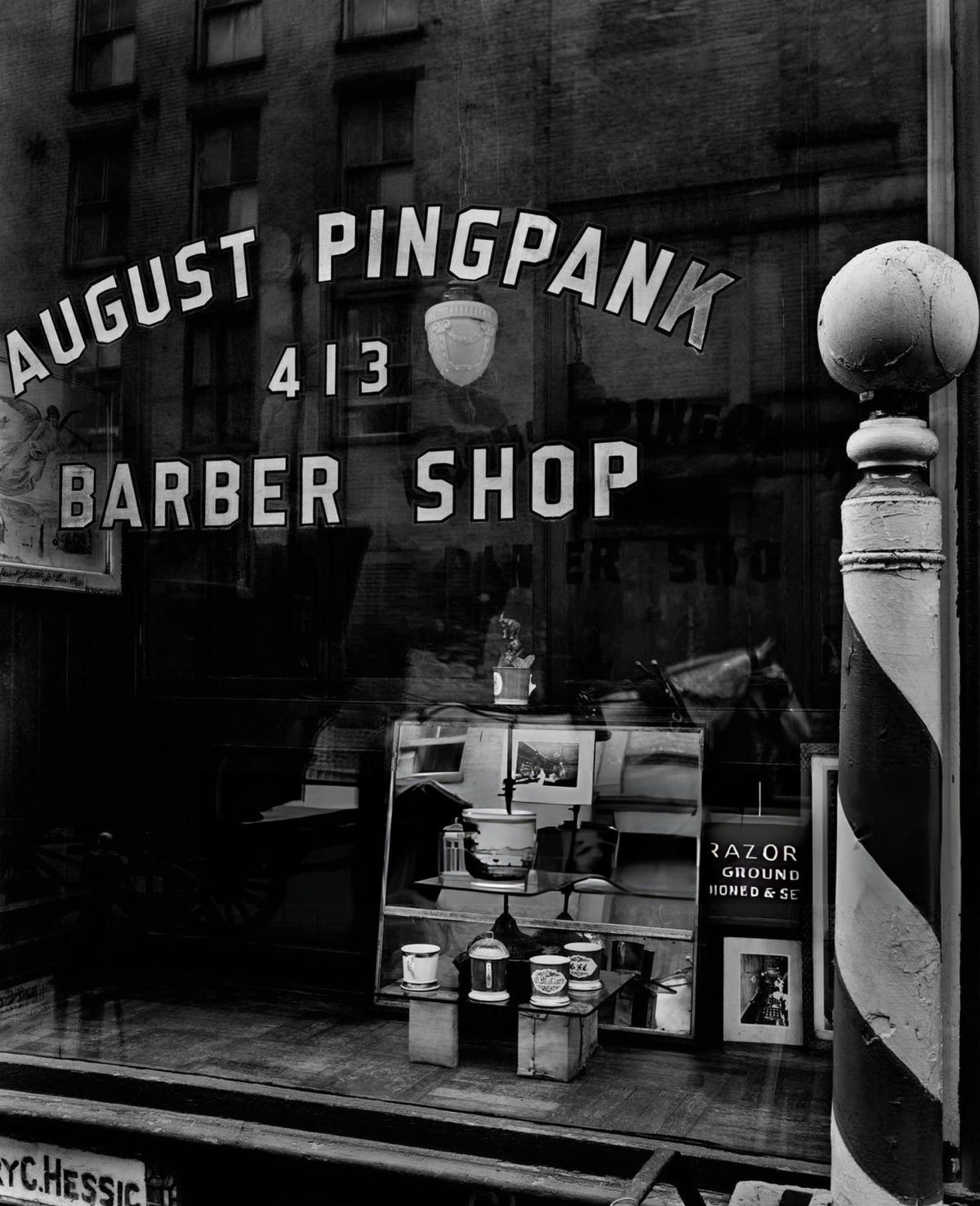
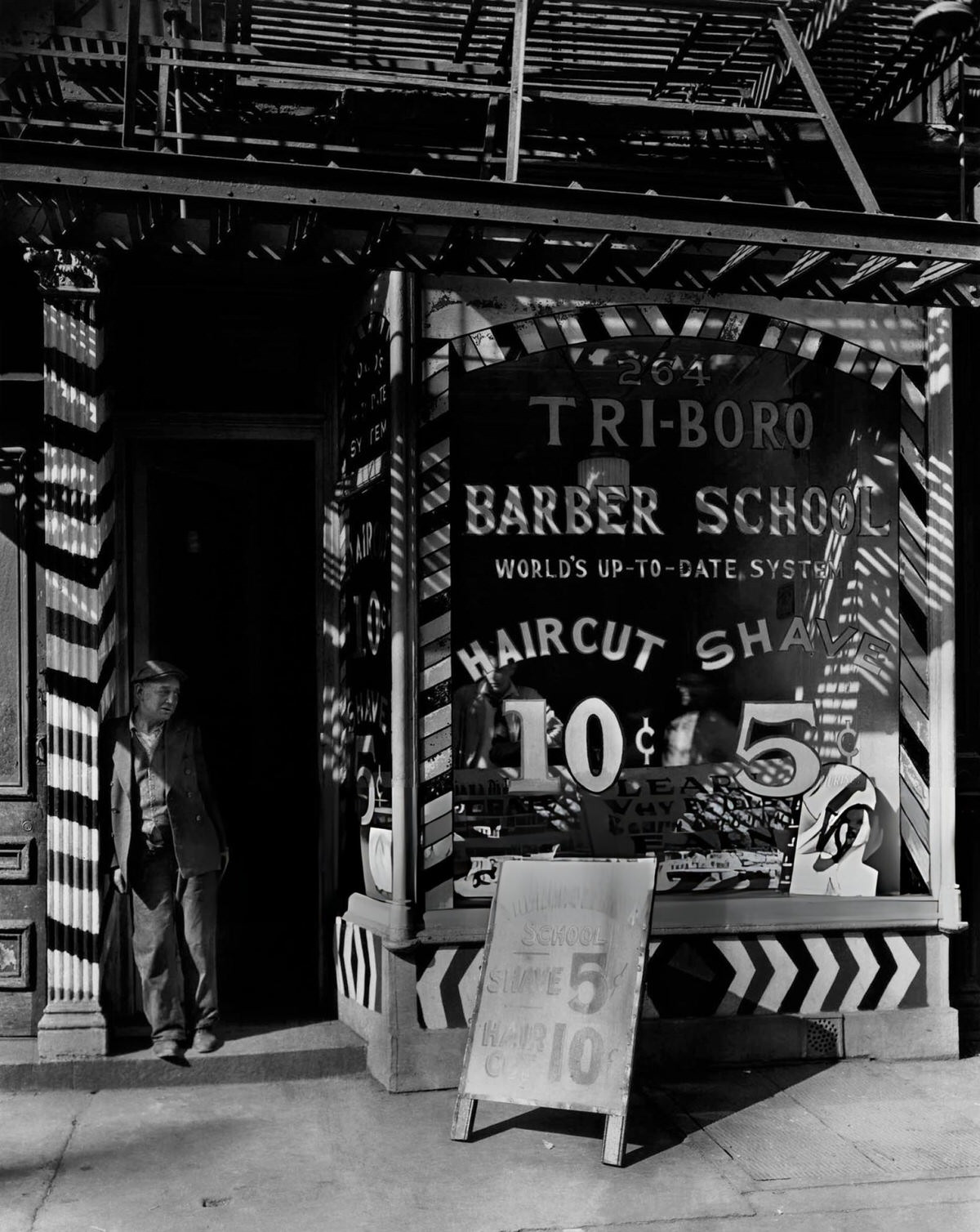
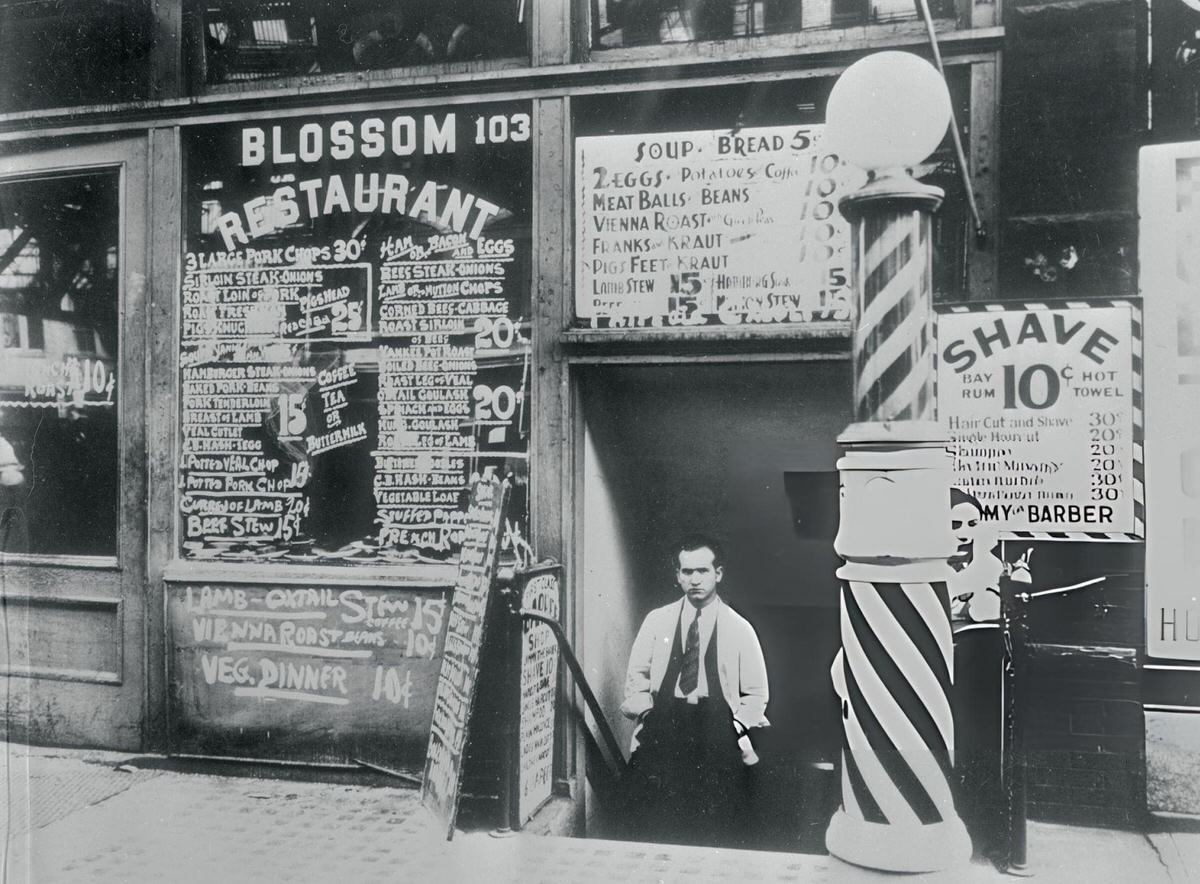
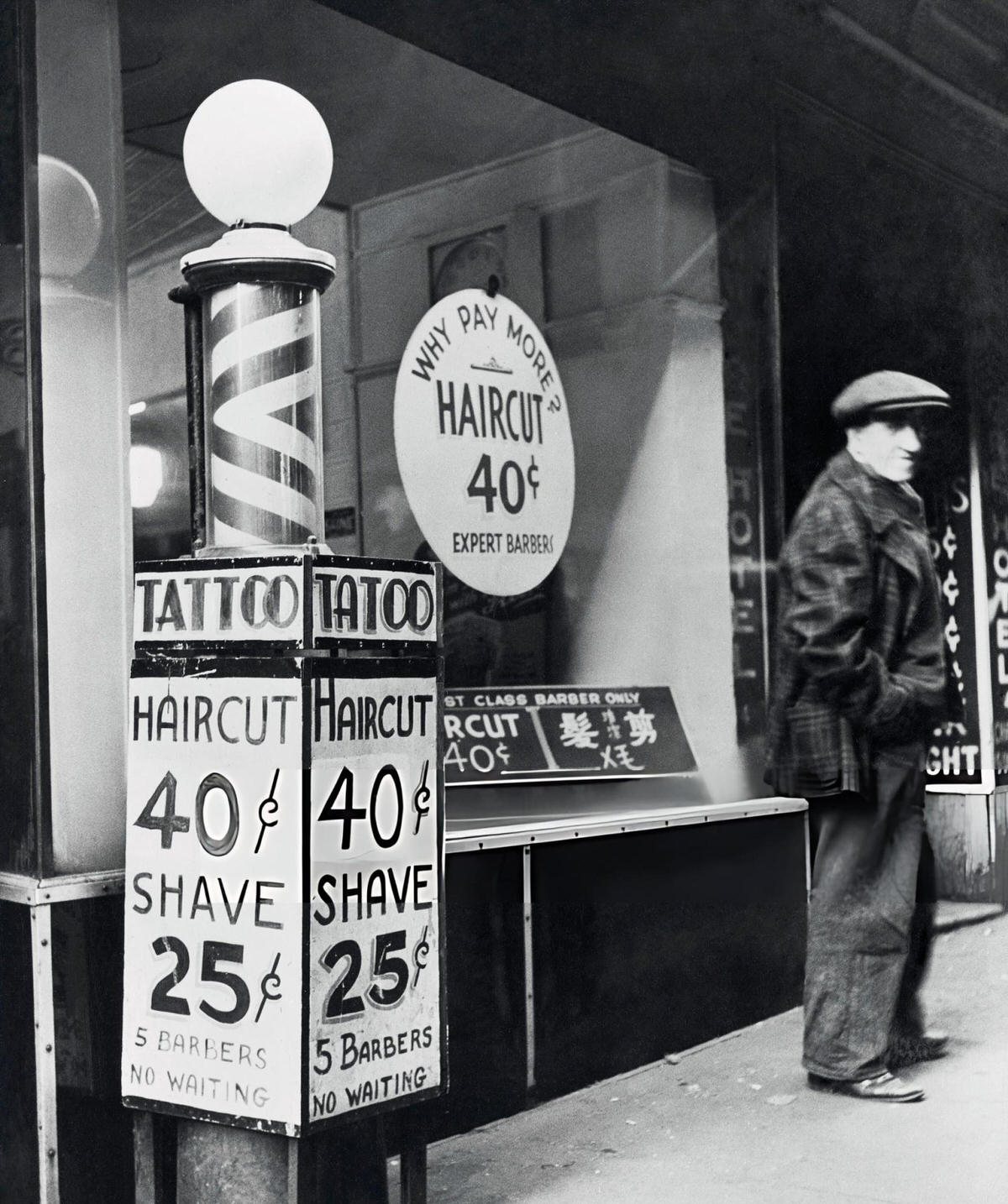
Every neighborhood in New York had one. Sometimes two or three. The barbershop sat at street level, usually with a big plate-glass window that let the barber see who was walking by and let the people walking by see who was sitting in the chair. The striped pole out front — red, white, and blue, spinning slowly — was as much a part of the block as the fire hydrant or the stoop. You knew where your barber was the same way you knew where your butcher was. You didn’t shop around. You had your guy, and that was it.
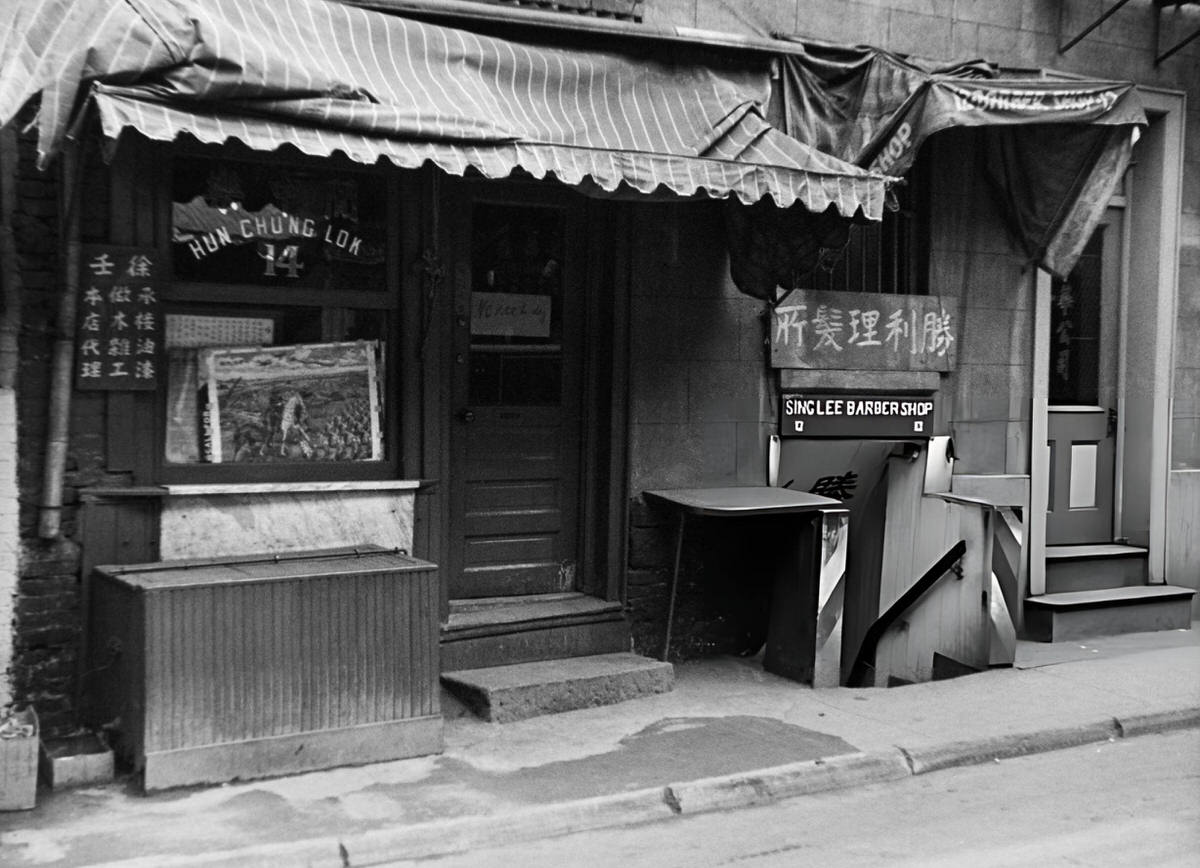
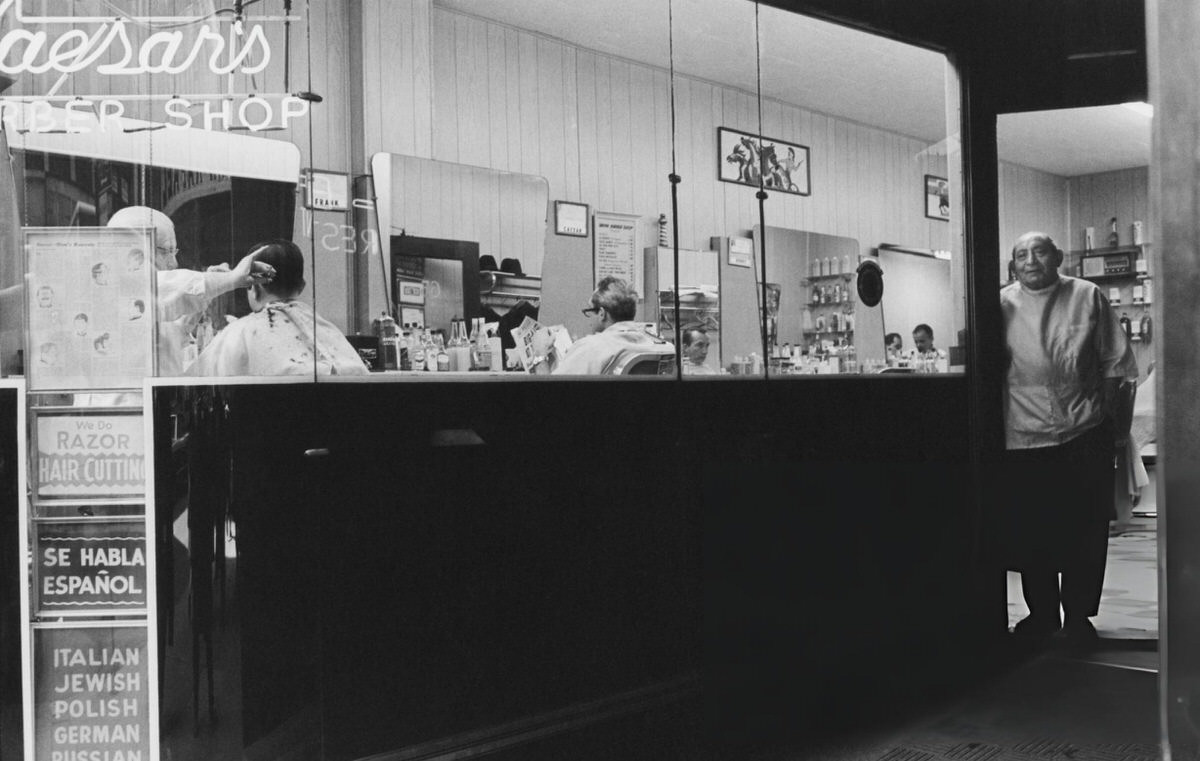
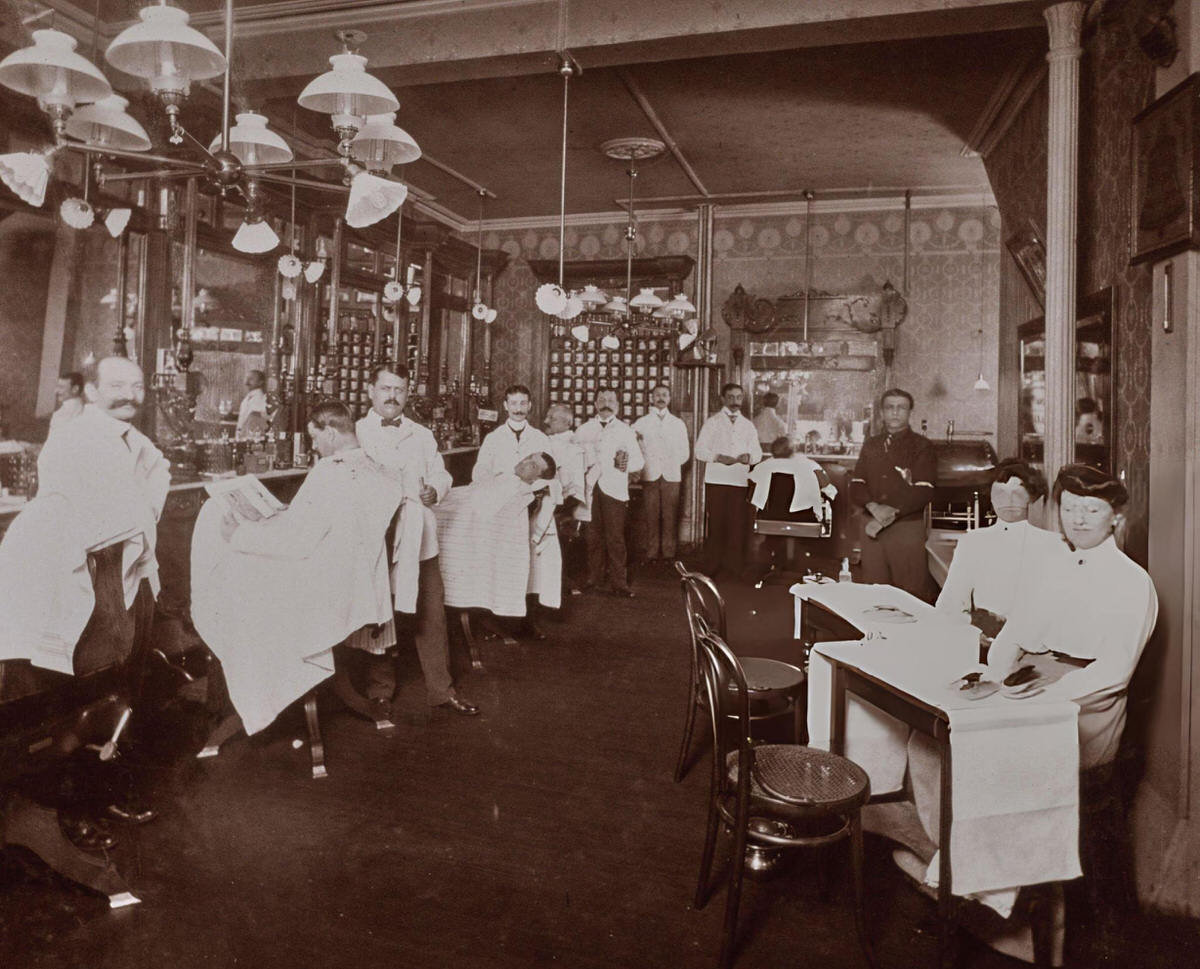
In the early 1900s, Italian immigrants dominated the barbering trade in New York. They had brought the craft with them from southern Italy and Sicily, where the village barber was a respected figure who handled shaving, haircutting, and basic grooming for the whole community. In New York, that tradition transplanted itself neighborhood by neighborhood. Little Italy, East Harlem, Carroll Gardens in Brooklyn, Belmont in the Bronx — the barbershops on these blocks were almost always Italian-owned, and the barbers almost always spoke Italian with their older customers and English with everyone else.
Read more
What Happened Inside
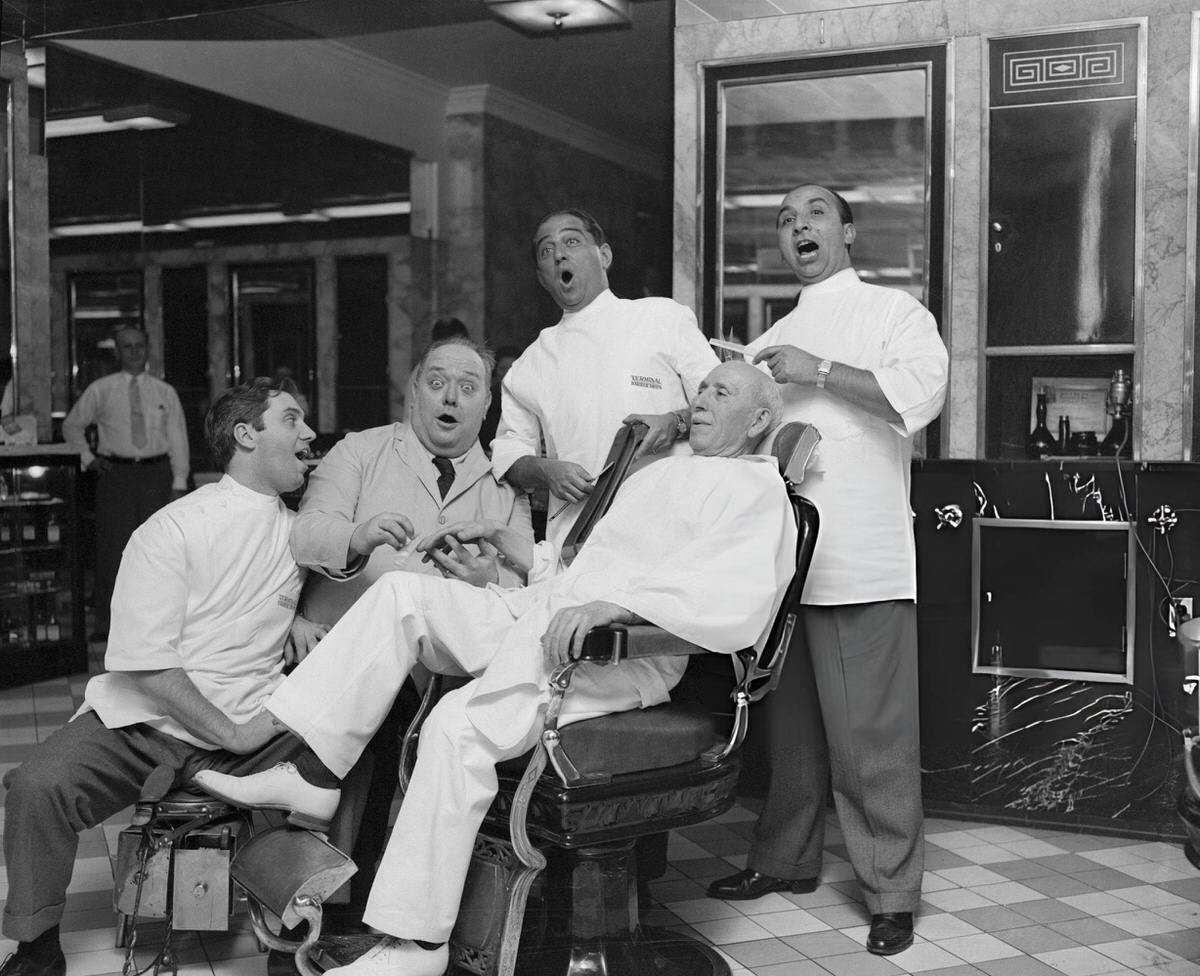
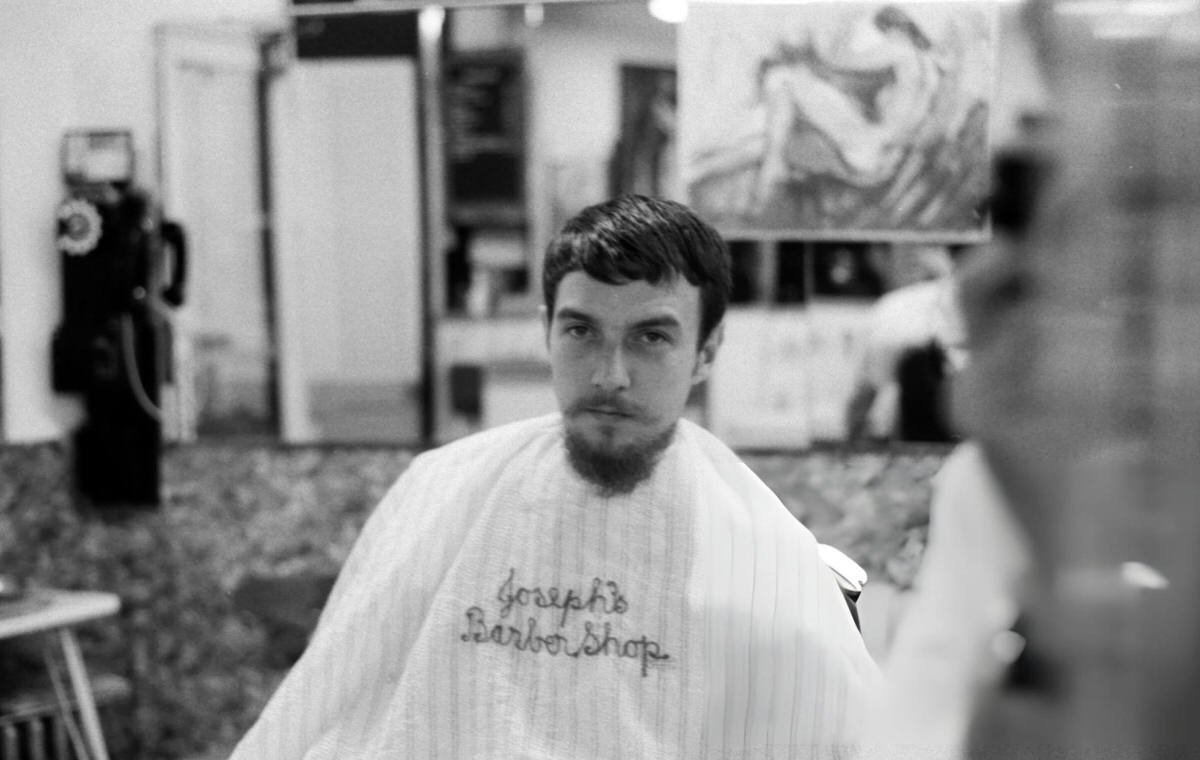
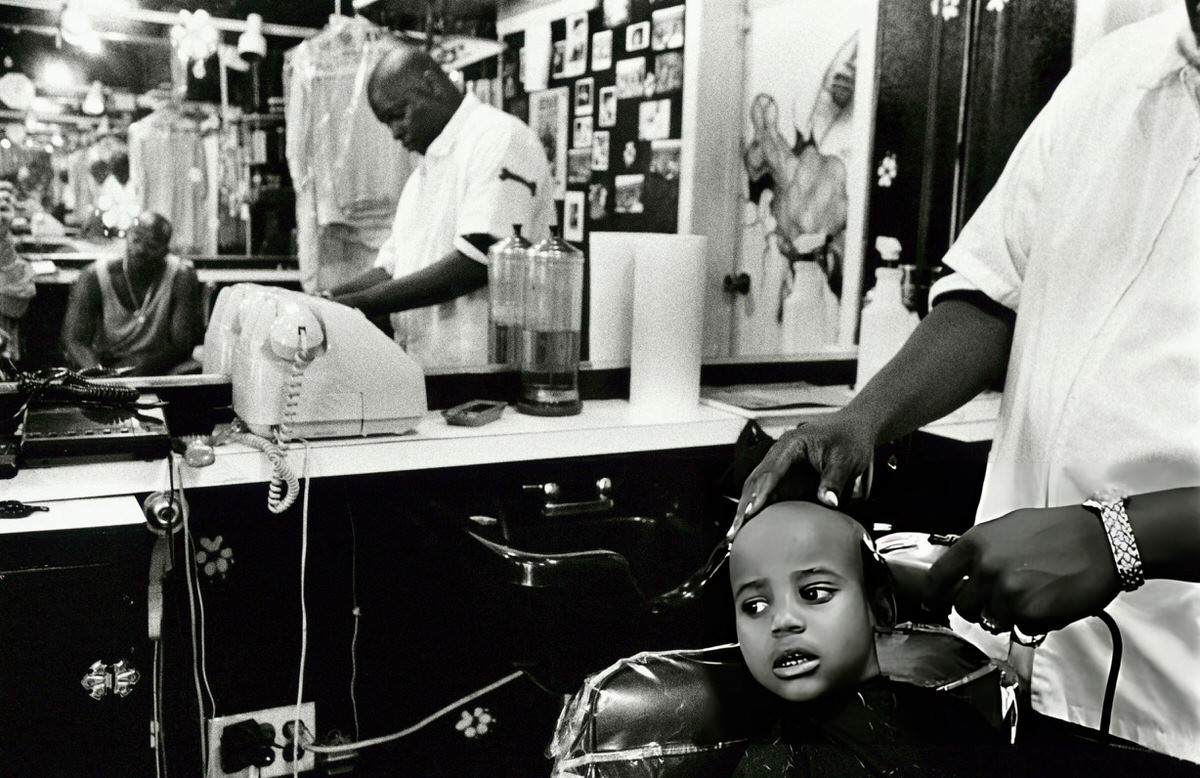
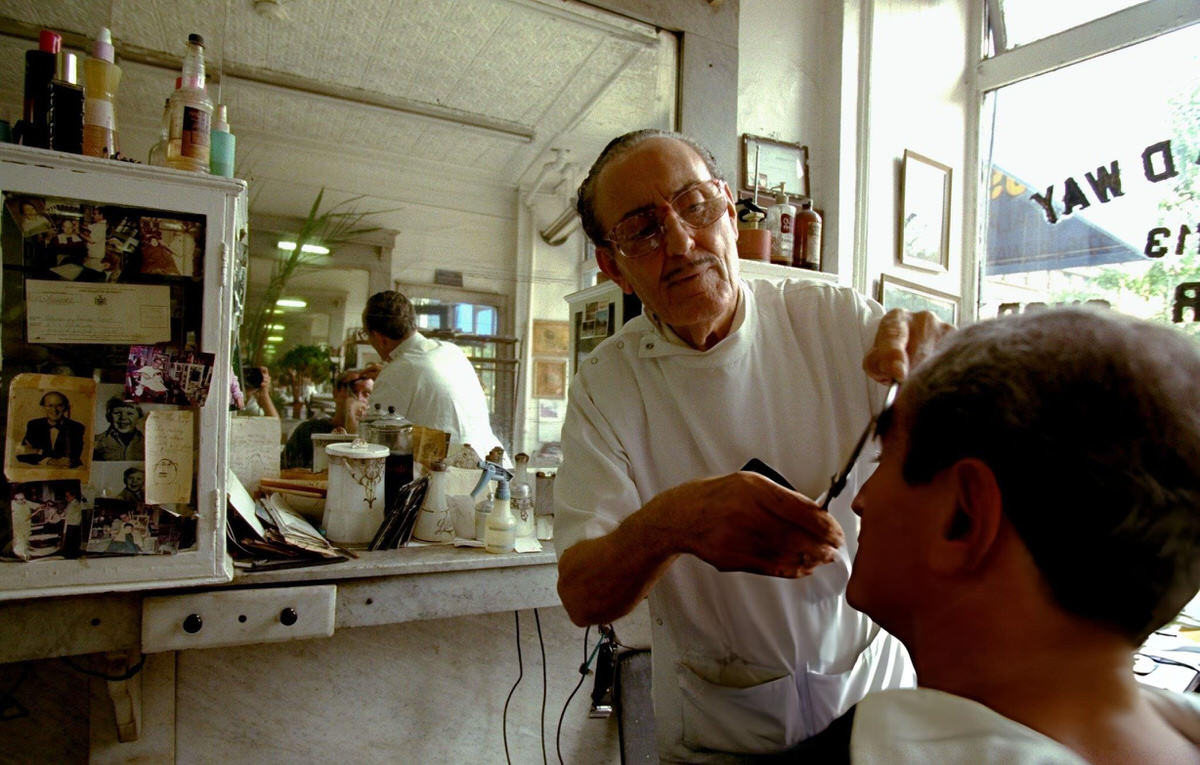
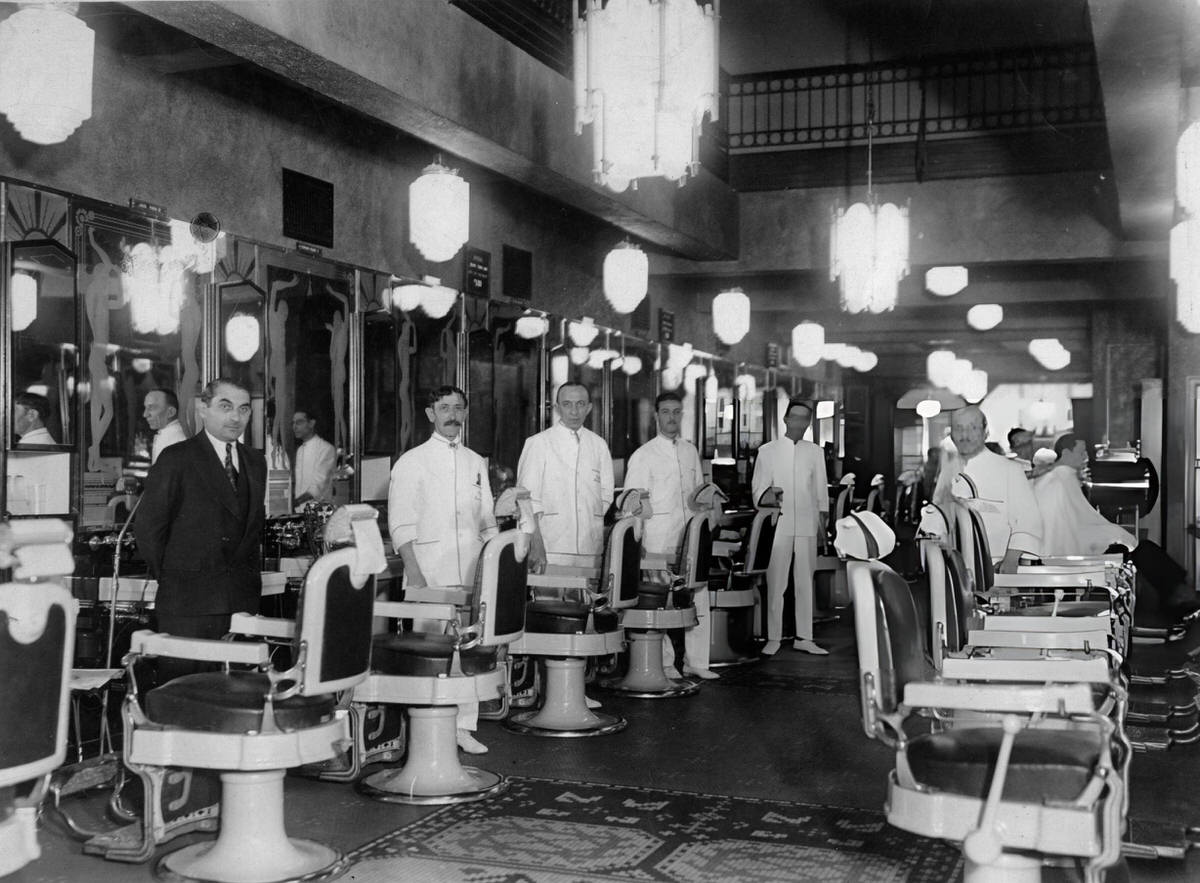
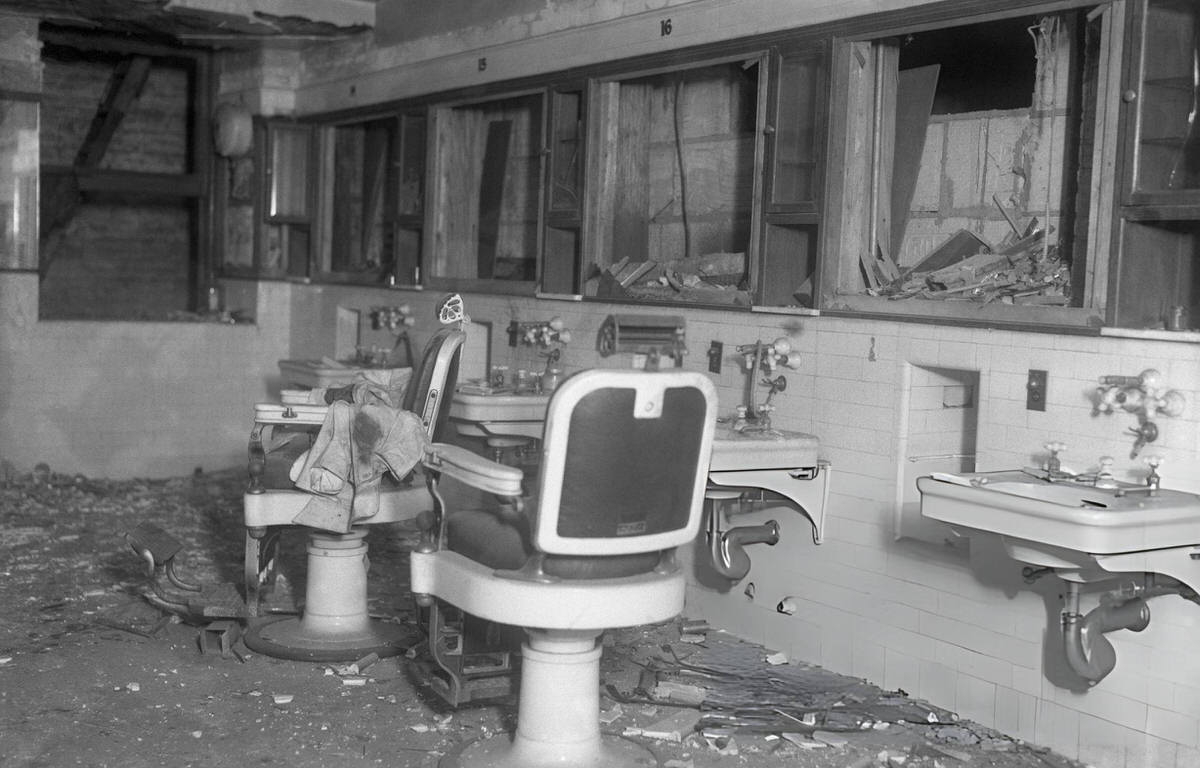
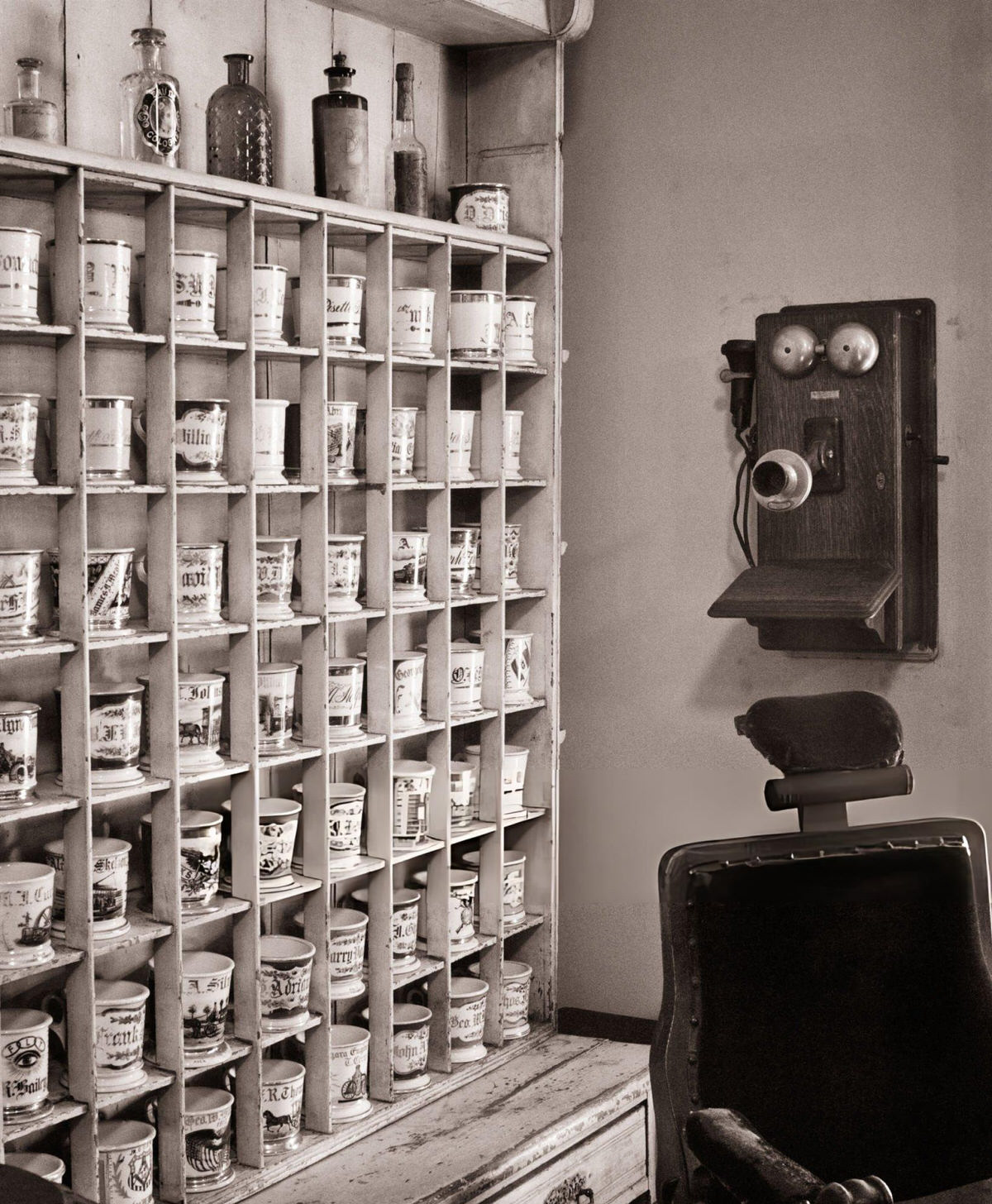
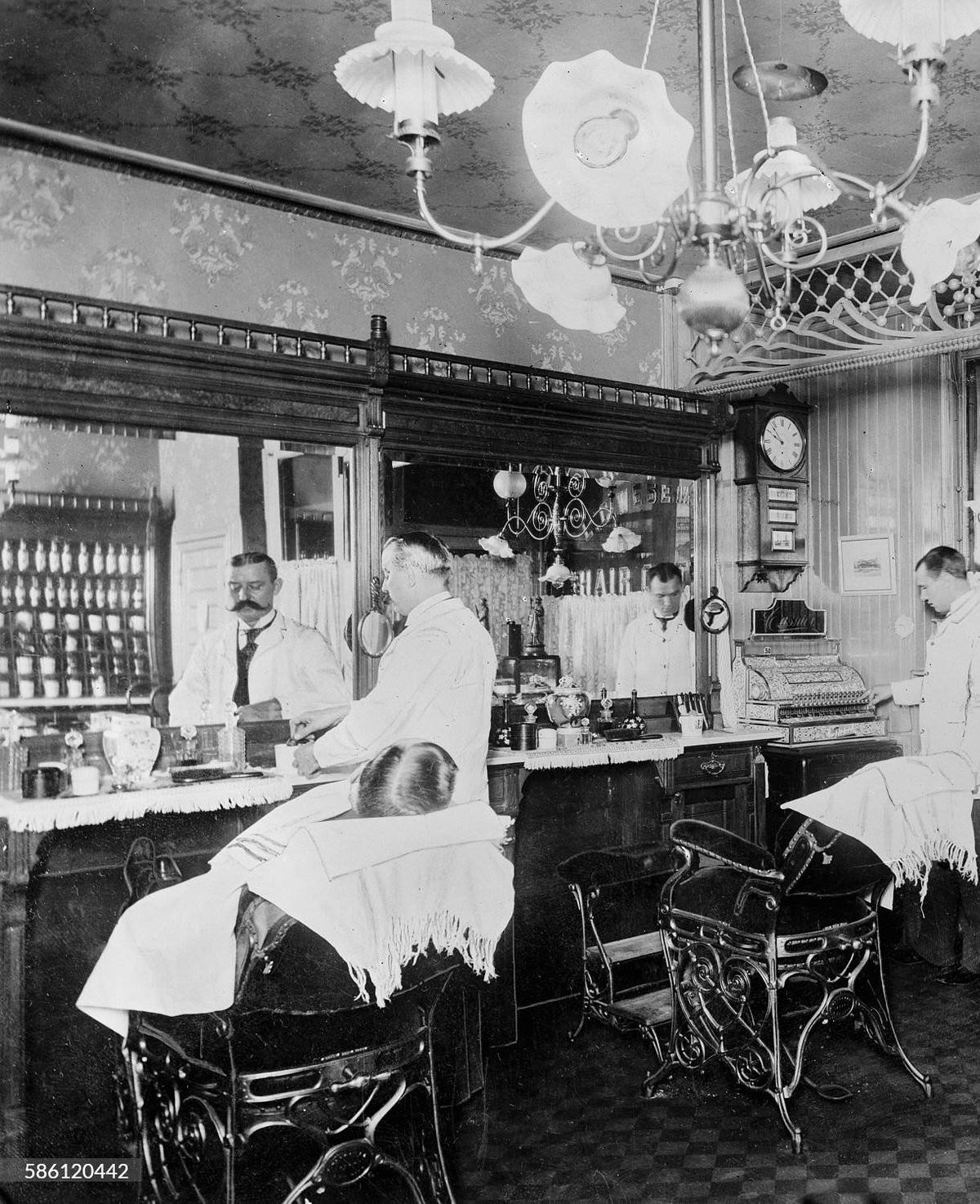
Walk into a New York barbershop in 1935 and the layout was almost always the same. A row of chairs along one wall for waiting — wooden, maybe with a cushion if the owner was generous. Magazines on a low table: Life, Look, Police Gazette, a sports weekly. Mirrors covering the back wall behind the barber chairs, which were big cast-iron and leather things that could be pumped up with a foot pedal. A glass case near the register holding combs soaking in blue Barbicide solution, a row of talc bottles, and the owner’s private stock of tonics and pomades.
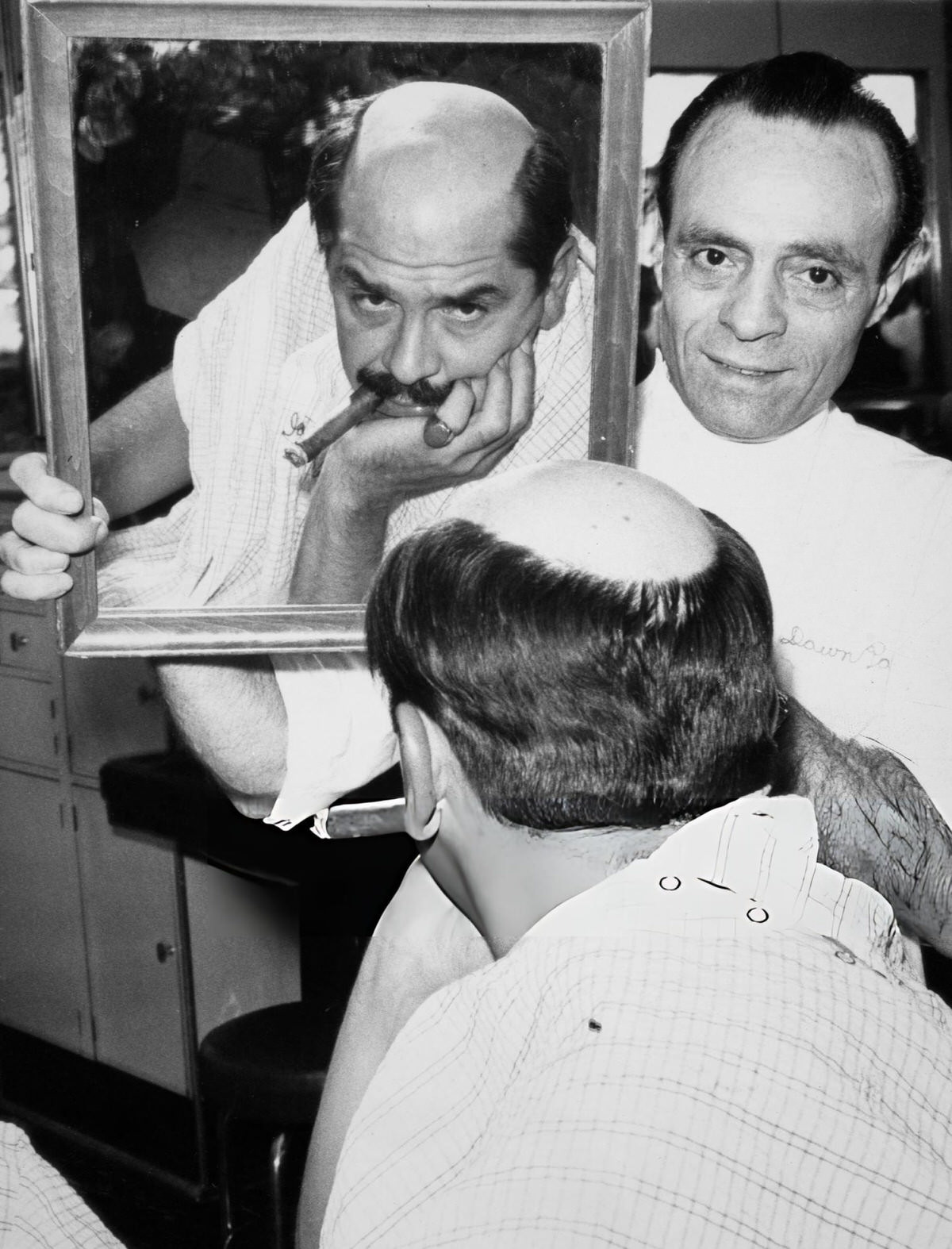
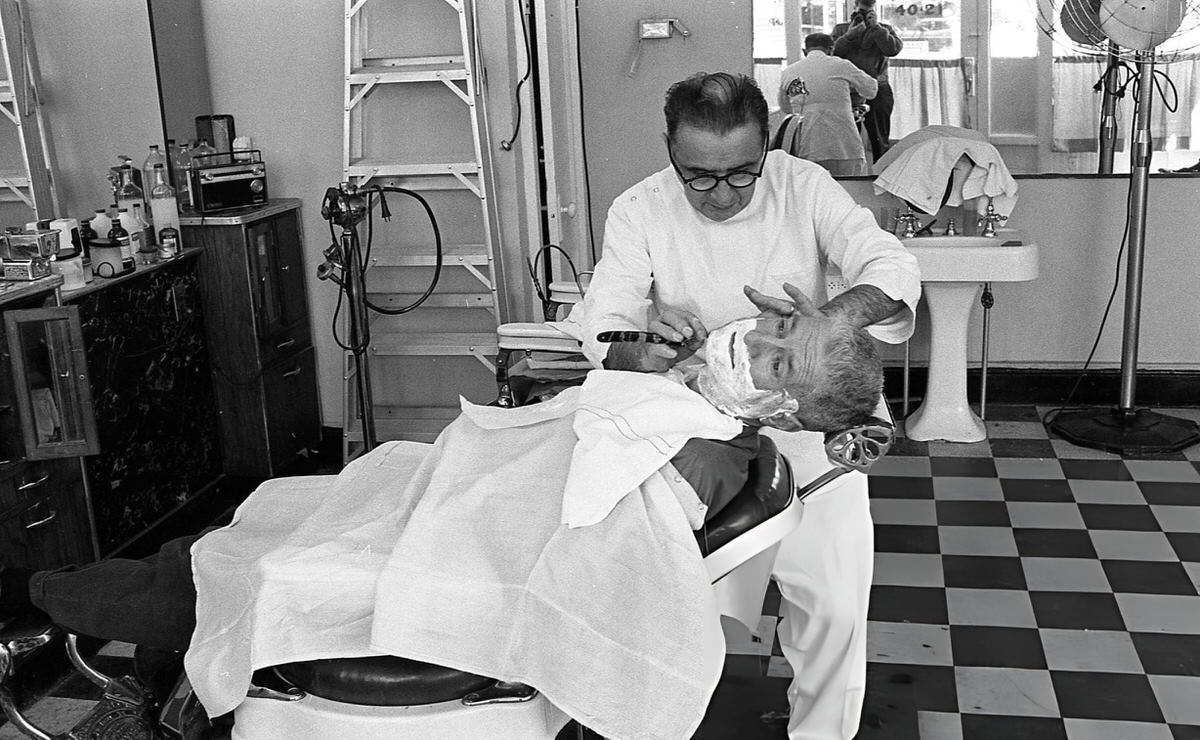
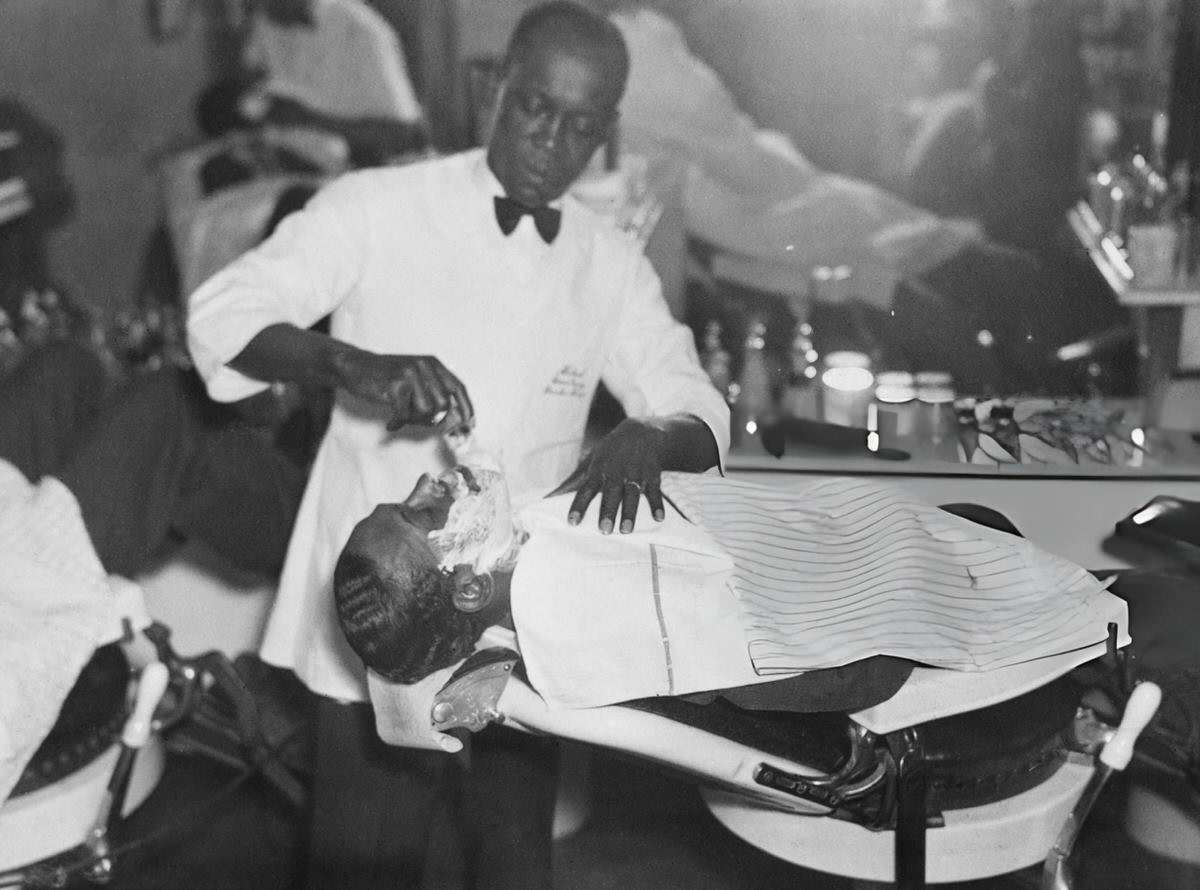
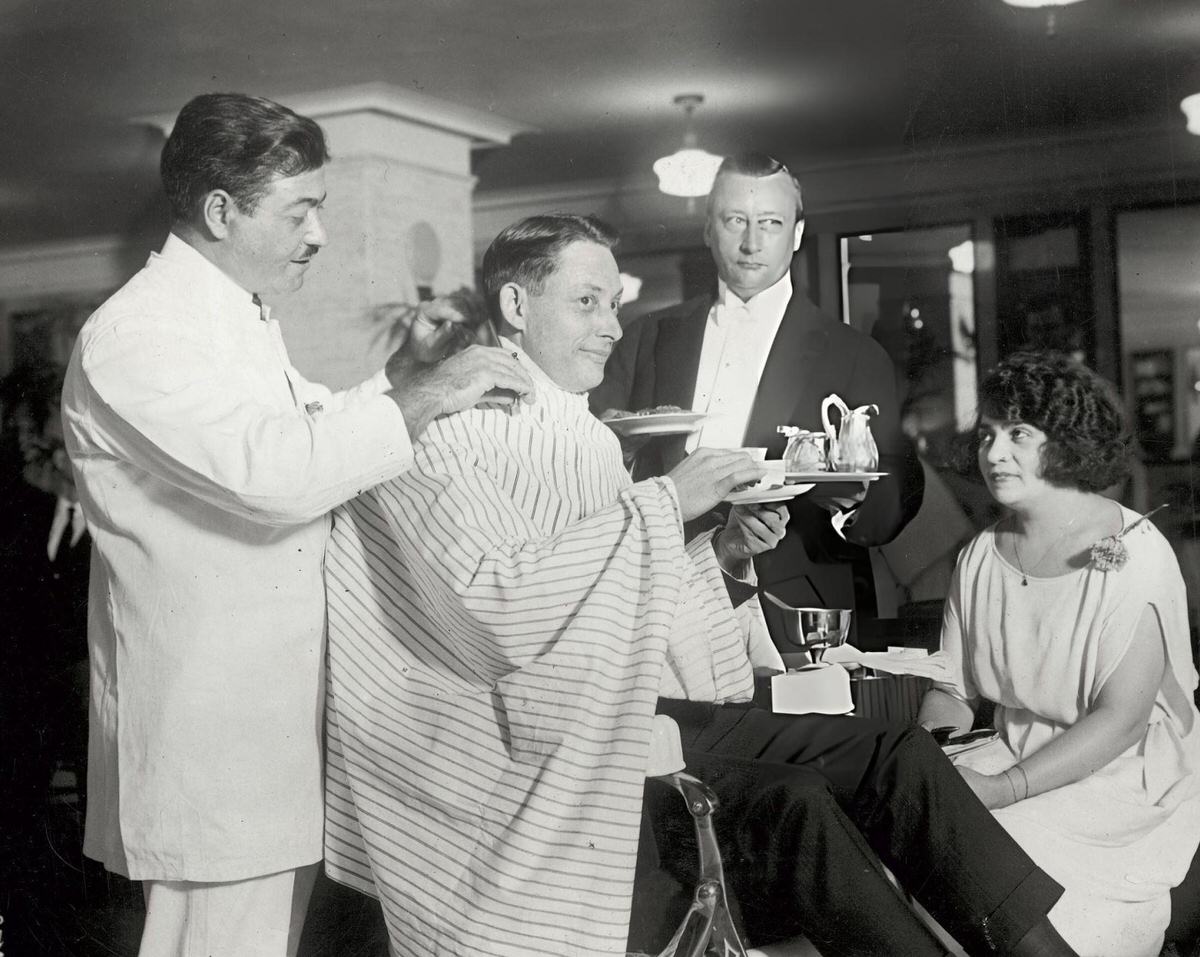
The straight razor shave was still common through the 1940s and into the 1950s. A man came in on Saturday morning, settled into the chair, and the barber wrapped his face in a hot towel first — a few minutes of steam to soften the beard. Then came the lather, worked up in a mug with a brush and applied with real pressure. The razor was stropped on a leather strap hanging from the chair arm, tested against the barber’s thumb, and then drawn across the face in long, clean strokes. The whole process took twenty minutes. Men scheduled their Saturday mornings around it.
The conversation never stopped. A good barber was a good talker — not a gossip exactly, but a man who knew how to keep a room going. He knew the neighborhood cold: who got promoted at the plant, whose kid just made the high school basketball team, which building on the next block had the super letting things slide. The waiting customers joined in. Arguments about the Yankees or the Dodgers — and before 1958, when the Dodgers left for Los Angeles, this was a daily argument in Brooklyn shops — could fill an entire Saturday morning without anyone noticing how much time had passed.
African American Barbershops
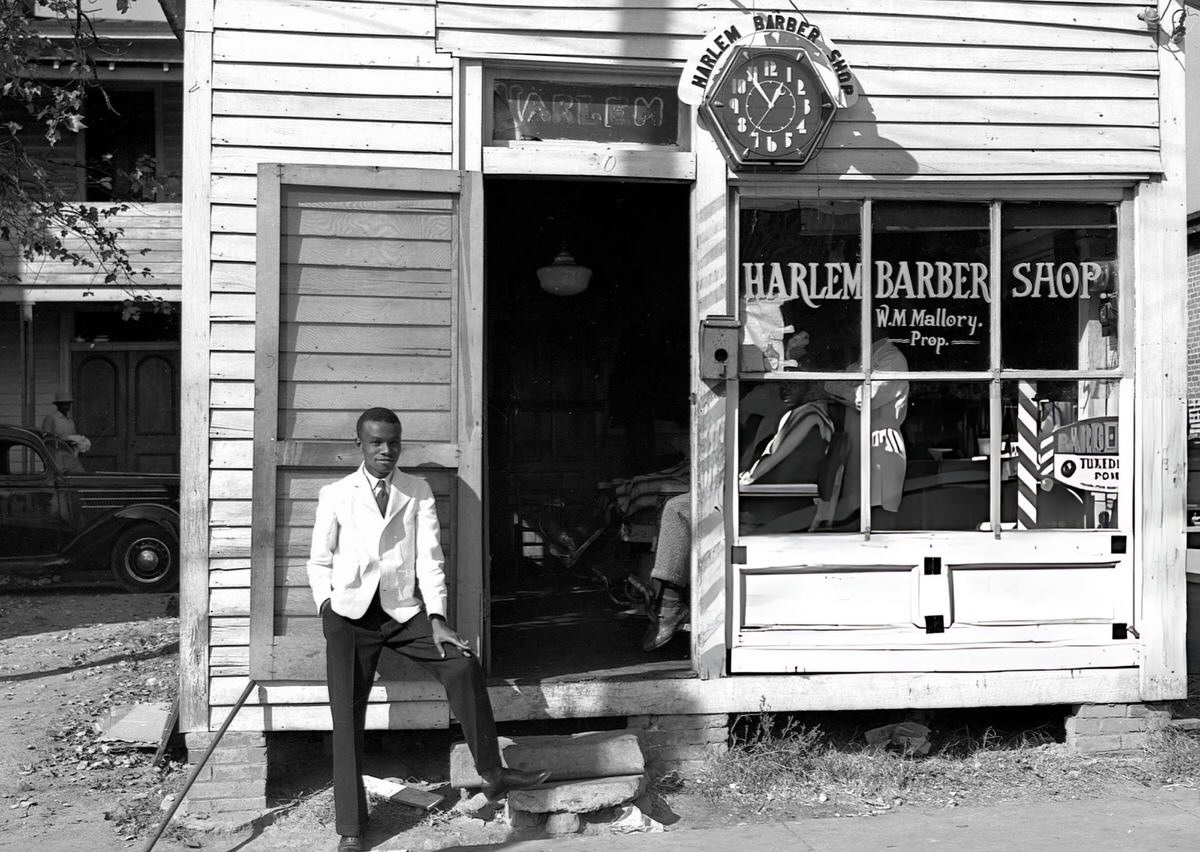
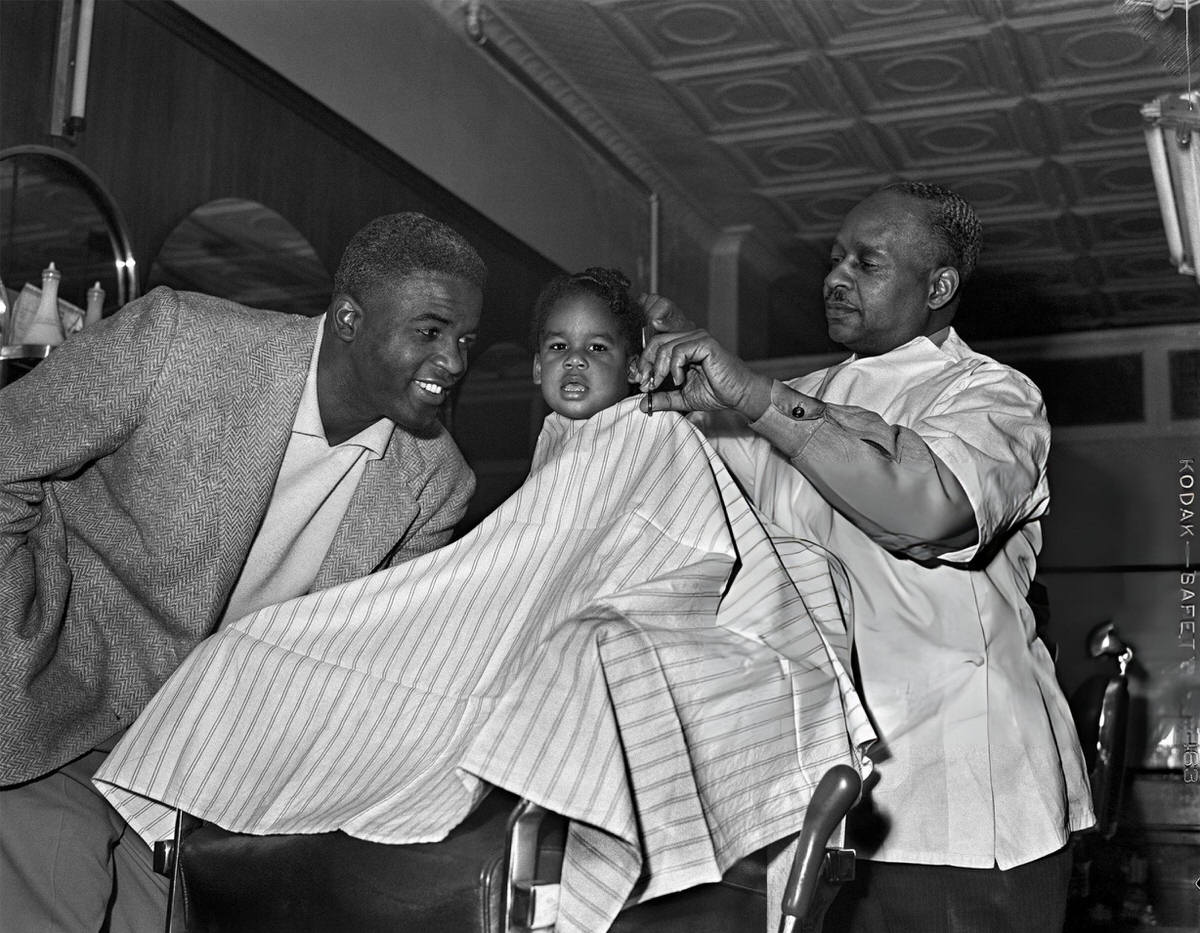
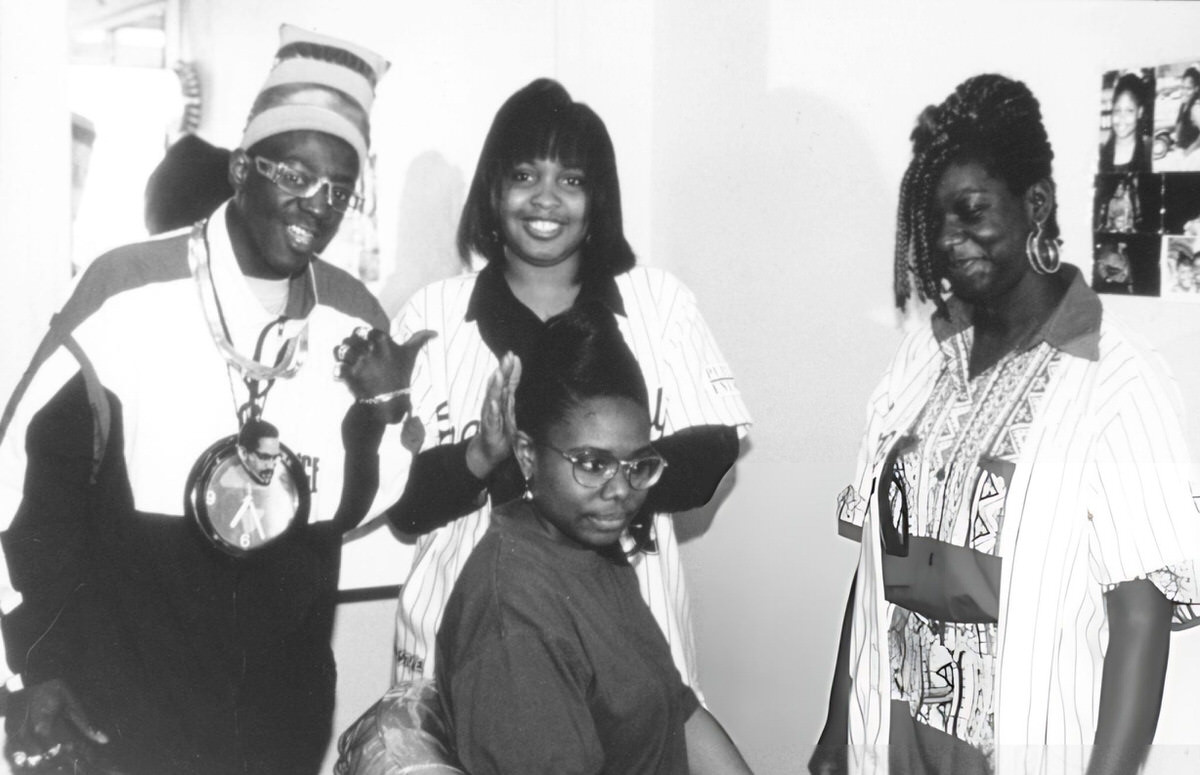
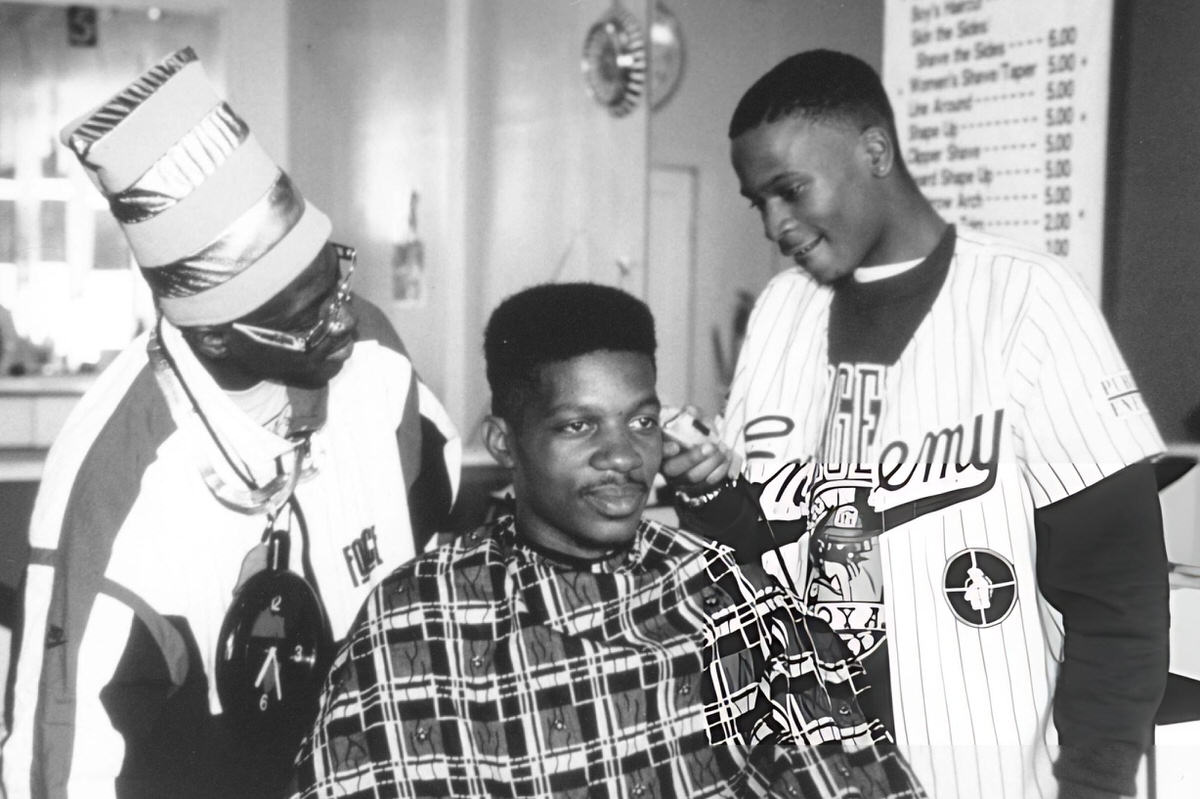
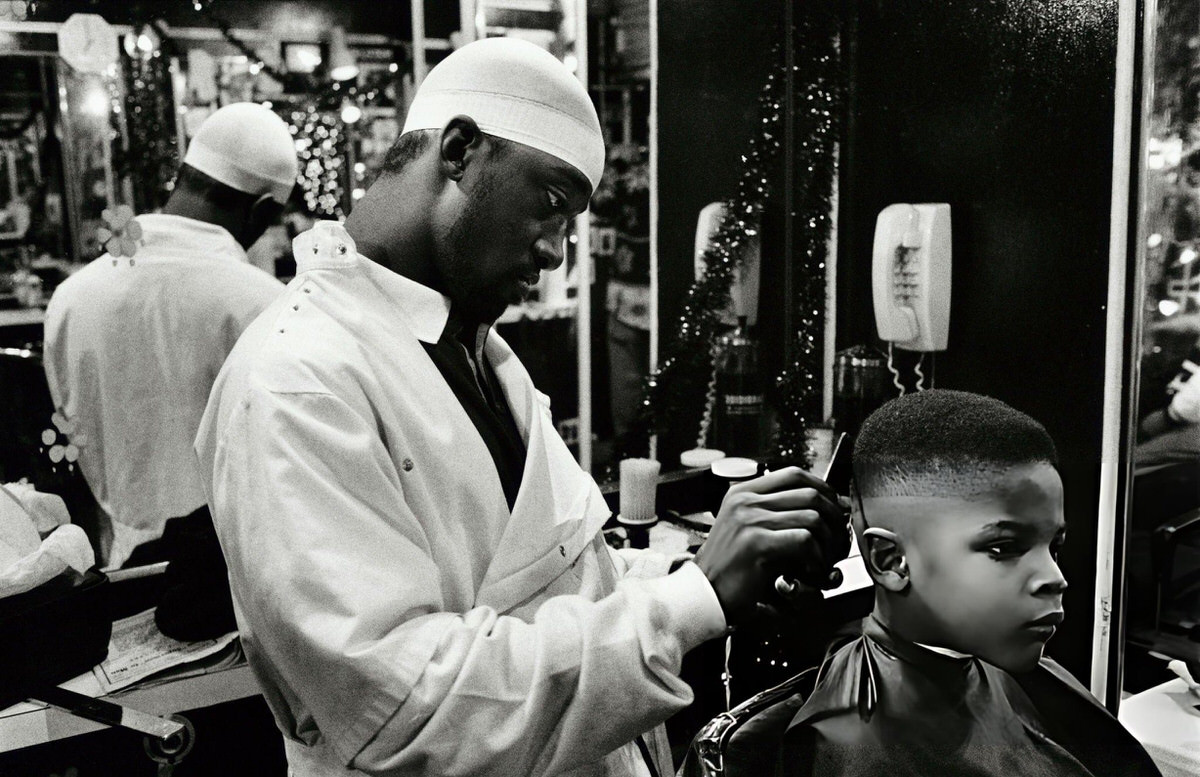
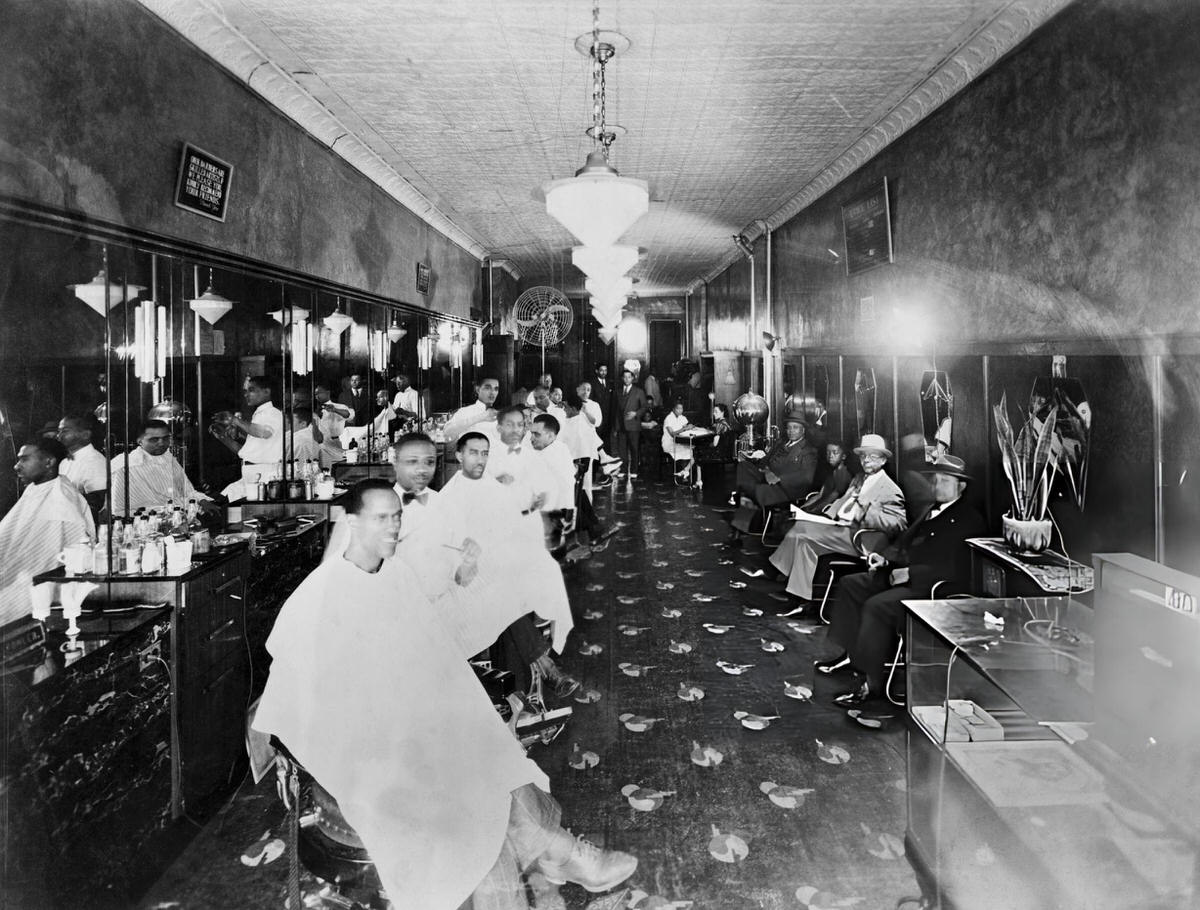
In Harlem, Bedford-Stuyvesant, and the South Bronx, African American barbershops ran on their own terms and served their communities with the same depth that Italian shops served theirs. The Black barbershop in New York was a fully autonomous social space at a time when Black New Yorkers were excluded from or unwelcome in most of the city’s public institutions. During the Harlem Renaissance of the 1920s, the barbershops on 125th Street and Lenox Avenue were places where writers, musicians, activists, and working men shared the same chairs and the same conversations.
The barbers themselves were often among the more economically stable men in the neighborhood. Owning a shop meant owning a business, which meant a level of independence from white employers that most Black workers in the city did not have. A Harlem barber who had built a loyal clientele over fifteen years was not easily displaced. His shop was paid for, his customers were steady, and his position on the block was solid. That economic reality gave the barbershop a particular status in Black New York that it held throughout this entire period.
The Shop as Betting Parlor
The numbers game — an illegal lottery that ran through most of New York’s working-class neighborhoods from the 1920s onward — found a natural home in the barbershop. Runners collected bets from regular customers, and the barber often served as a collection point. A man getting his hair cut on Wednesday morning slipped his numbers slip and his nickel or dime across with the same casual gesture he used to hand over money for the cut itself. The police knew it happened. In many precincts, the arrangement was tolerated as long as it stayed low-key. The shop was a trusted space, and trust was what the numbers operation ran on.
Horse racing was the other constant. The barber kept a radio going through the afternoon, and when race results came in from Aqueduct or Belmont, the shop paid attention. Men who had a few dollars on a race listened while still in the chair, their faces half-covered in lather. The barber paused, they both listened, and then the work resumed. It was completely ordinary.
The 1960s Shift
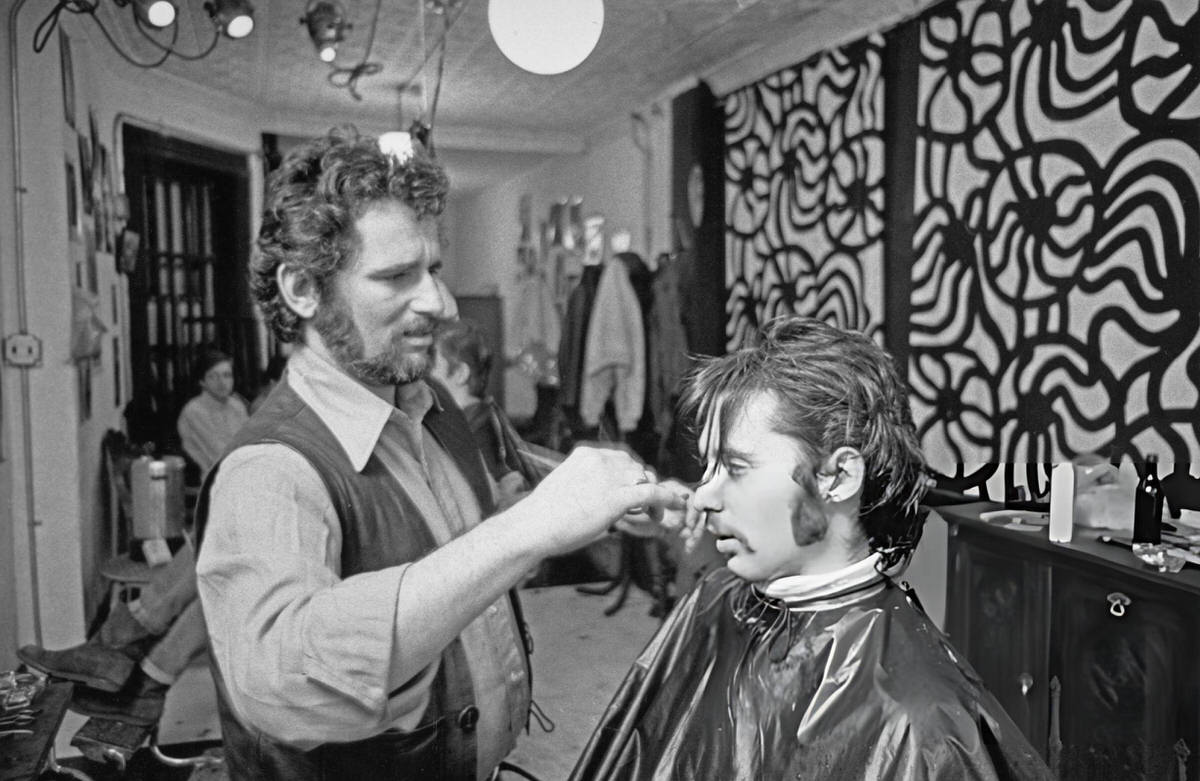
The 1960s changed the barbershop’s hold on the city. The first pressure came from fashion. The generation that came of age in the early 1960s started wearing their hair longer — not dramatically, at first, but enough. A young man who let his hair grow past his collar did not need a haircut every three weeks. He came in every six weeks, every two months. The weekly or biweekly visit that had kept neighborhood shops busy dropped off, and the revenue dropped with it.
Unisex salons started appearing in New York in the late 1960s, mostly in Manhattan first and then spreading to the outer boroughs. They charged more than barbershops and offered a different atmosphere — no waiting row, no sports radio, no straight razor. Women went to them. Young men who wanted a more styled cut went to them. The traditional barbershop was still there, still cutting, still talking — but its grip on the male grooming dollar was loosening for the first time in sixty years.
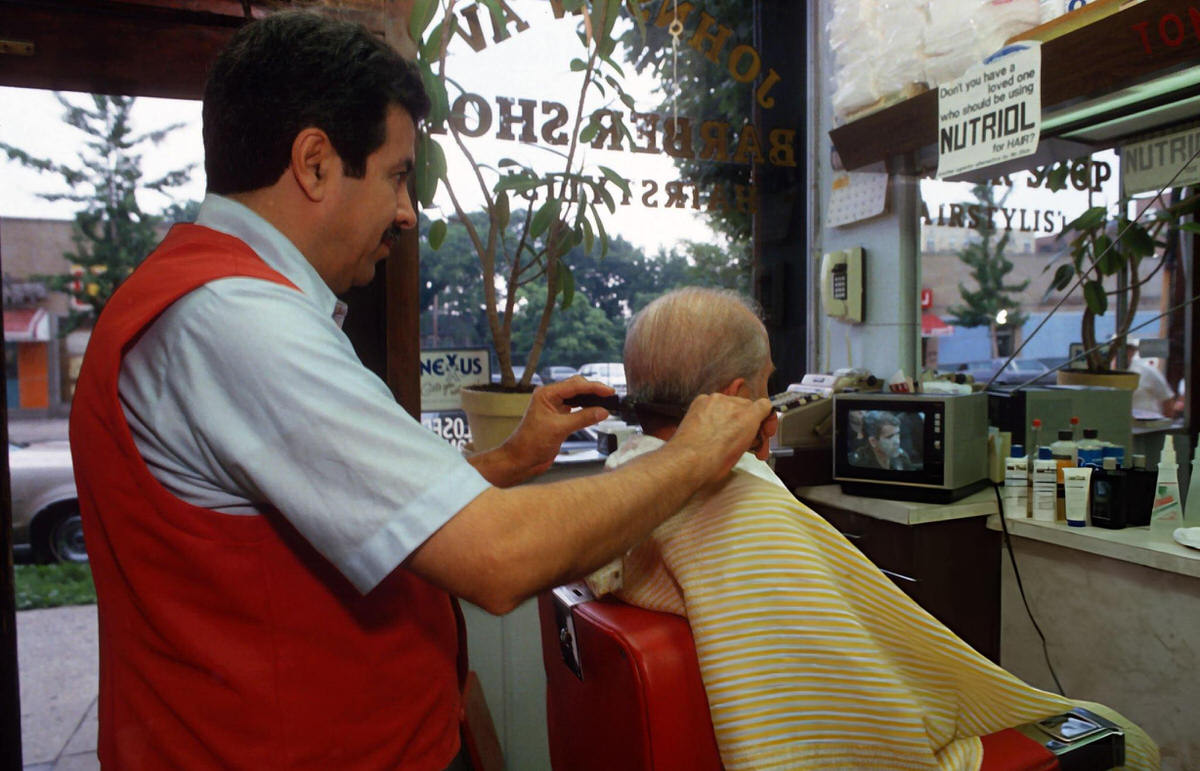
The barbers who held on through the 1970s were almost always men who owned their shops outright and had clientele old enough to be set in their ways. A 55-year-old man in Bensonhurst who had gone to the same barber for twenty years was not switching to a salon on the avenue. He kept coming back, Saturday morning, same chair, same conversation. The shop survived on that loyalty, block by block, borough by borough, for as long as that generation stayed in the city.

GIPHY App Key not set. Please check settings