

 Dennis Saul
At the turn of the twentieth century, the Bowery ran one mile from Chatham Square in the south to Cooper Square in the north. That mile held more saloons, flophouses, pawnshops, and cheap theaters than any other street in America. It was not a neighborhood that had fallen apart. It was a neighborhood that had been built for a specific purpose — to absorb the poorest, the roughest, and the most desperate people that New York produced and attracted — and it performed that function with brutal efficiency.
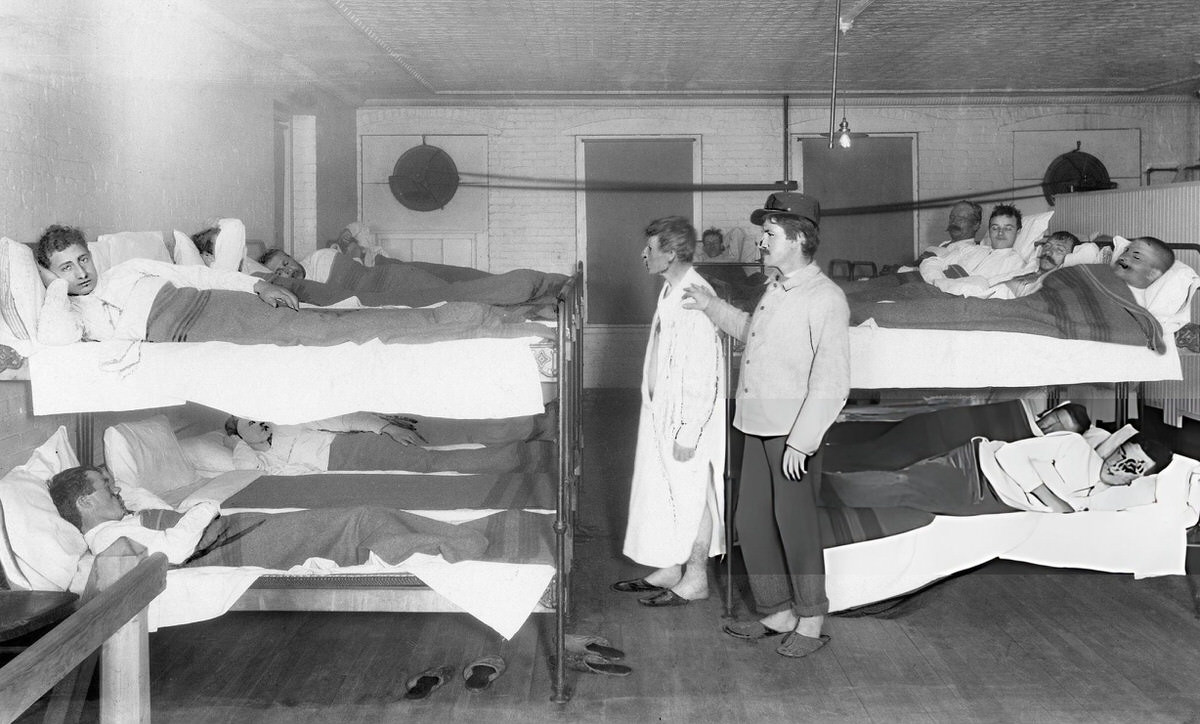
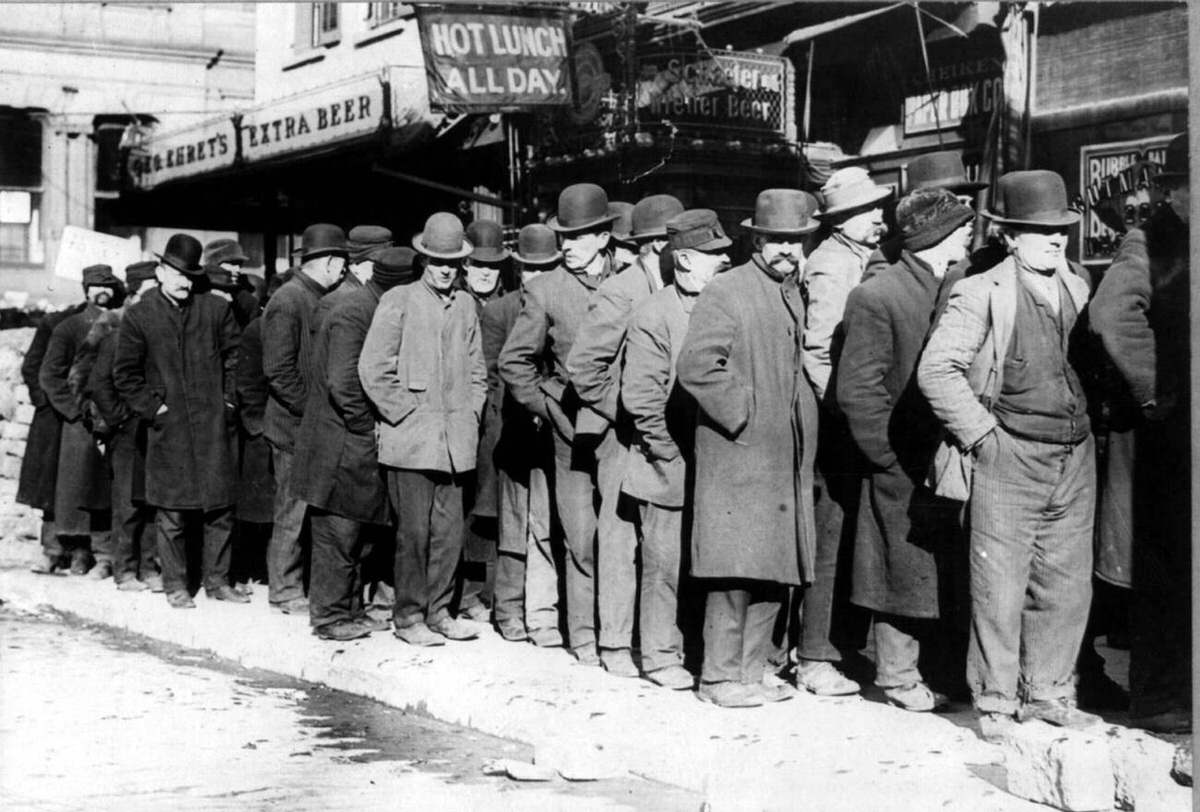
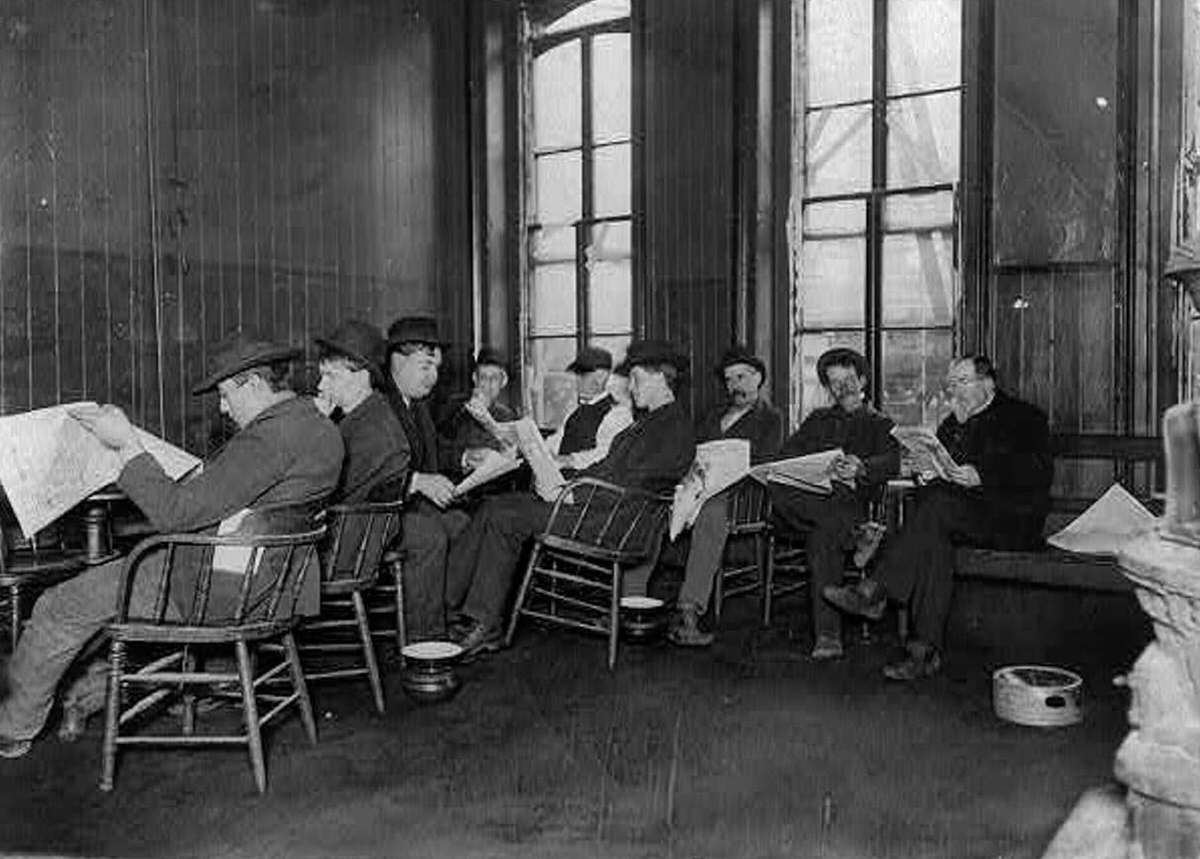
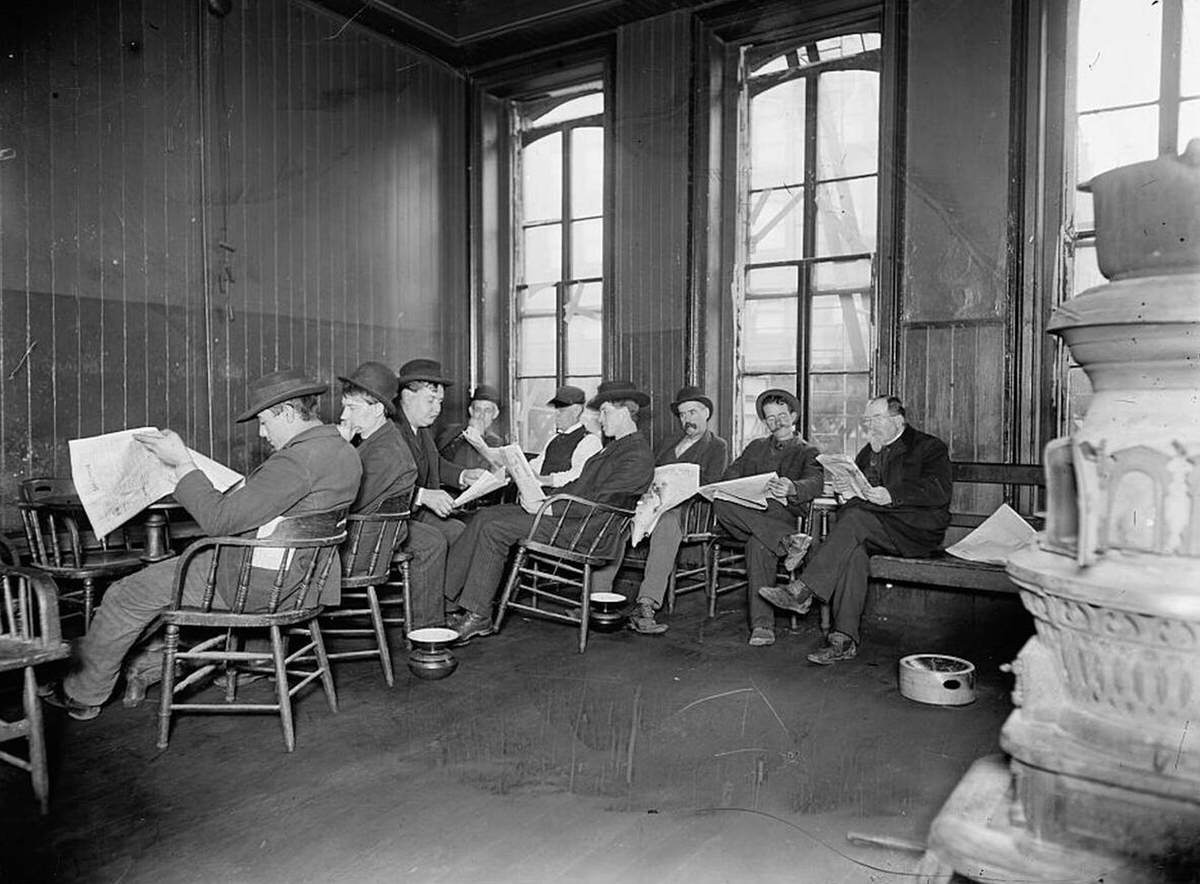
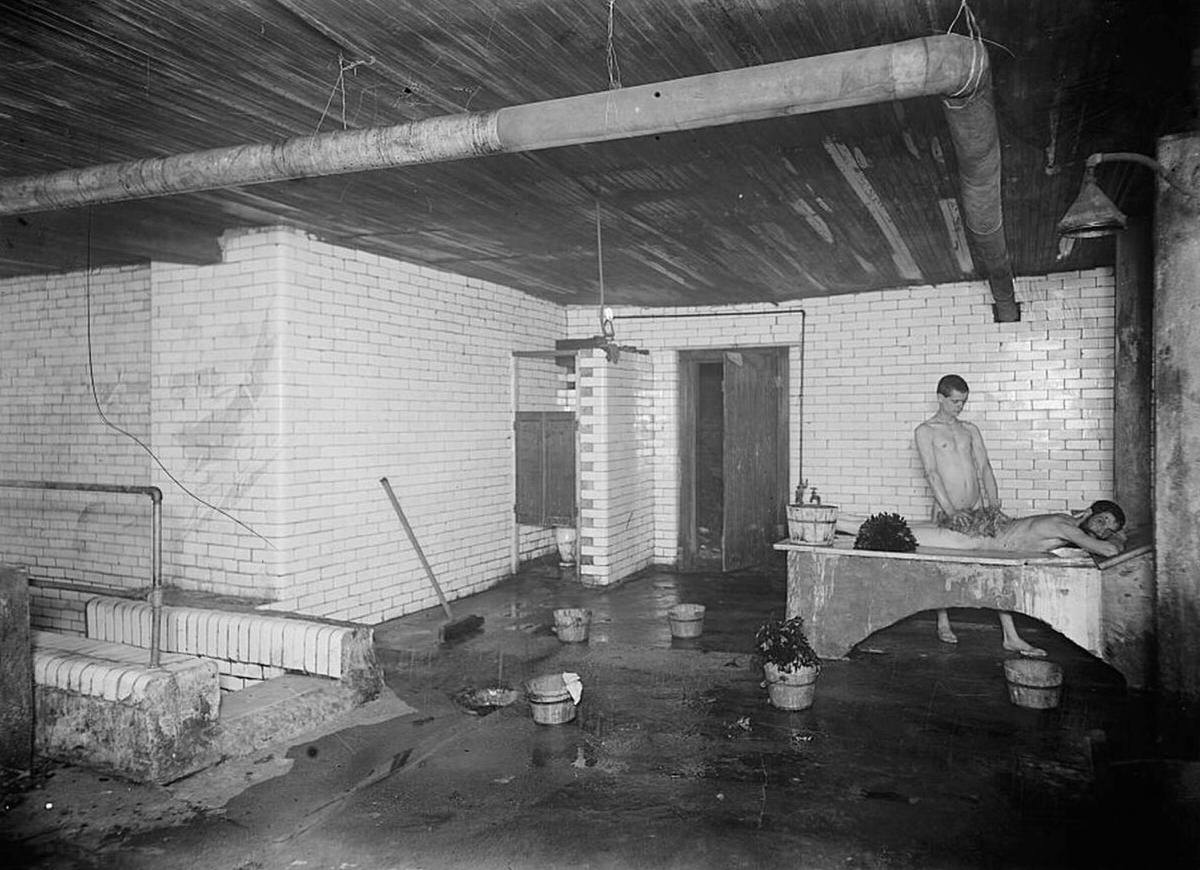
The street had been notorious since the 1840s, but by 1900 it had developed its own full economy. Flophouses charged seven cents a night for a cot behind a curtain. Some charged five cents for a spot on the floor. The cheapest option was two cents to sit in a chair with a rope strung across the front so you could lean forward and sleep without falling. These places were called “two-cent hops” or “scratch houses.” A man with nothing could survive the night on the Bowery for what he might find in a gutter.
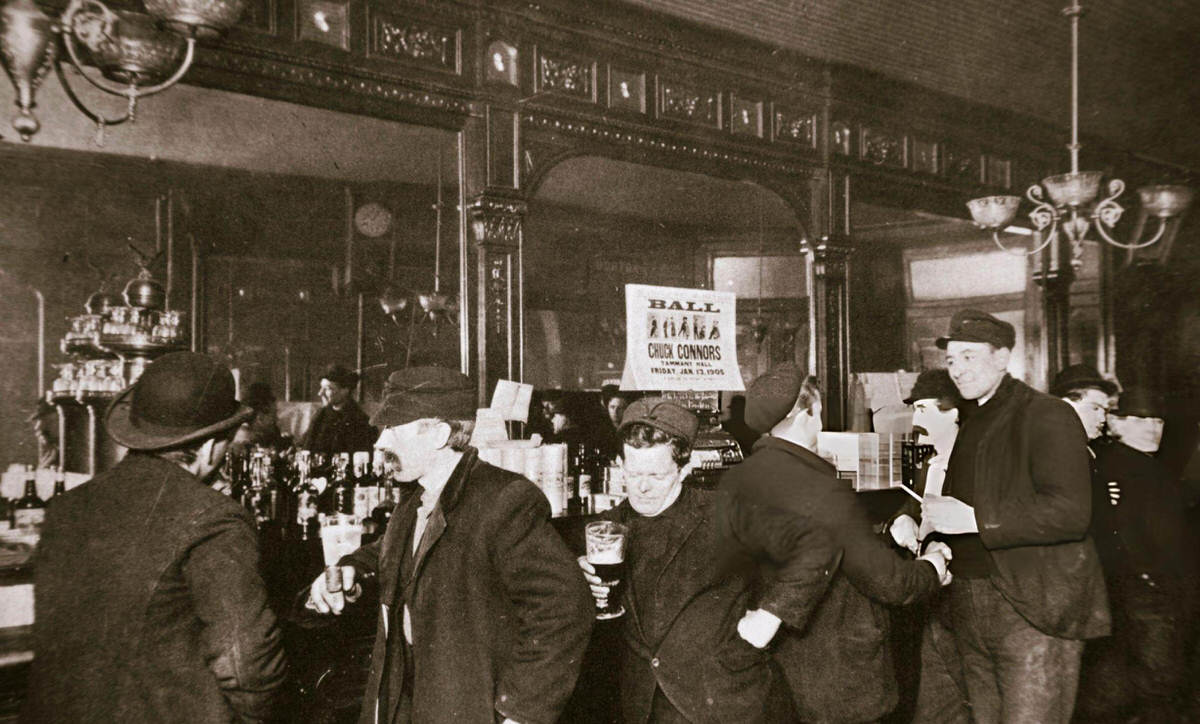
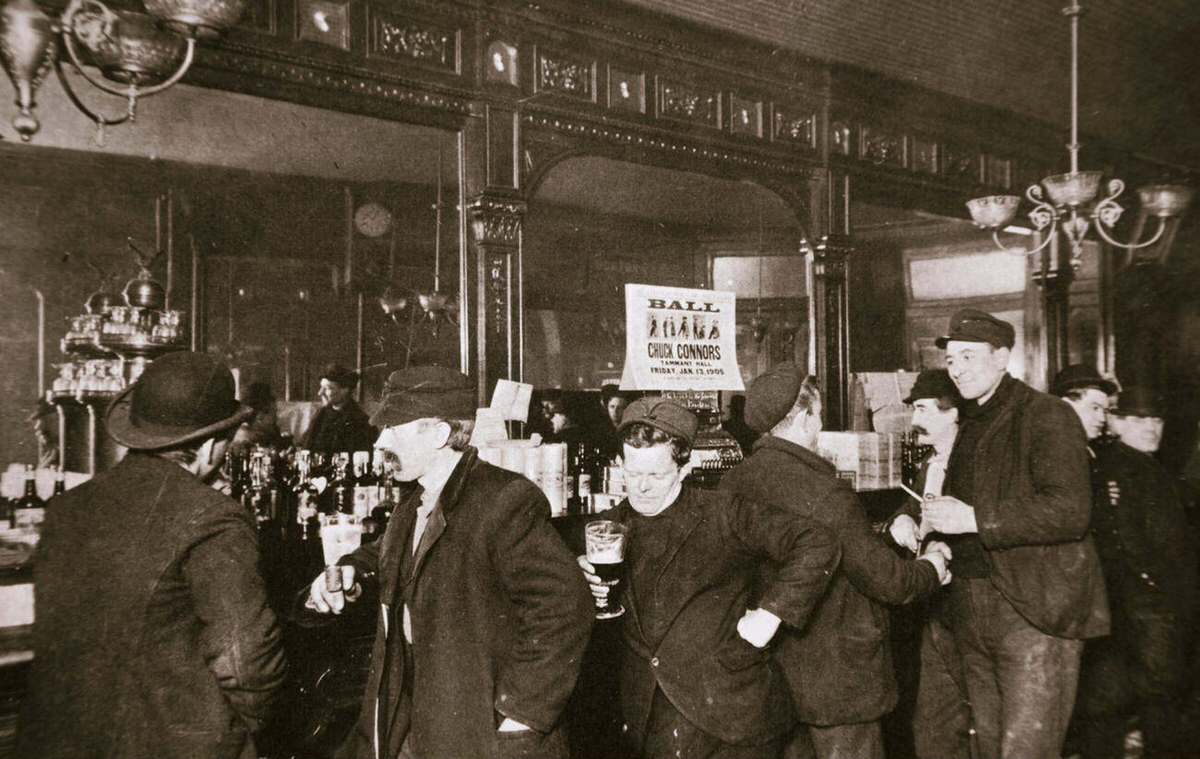
The saloons were the social institutions of the street. McGurk’s Suicide Hall at 295 Bowery earned its name honestly — six women killed themselves there between 1895 and 1902, most of them prostitutes who had reached the end. The owner, John McGurk, kept the name because it drew customers. He sold watered-down whiskey for a nickel and employed women to encourage men to drink faster. When a reform movement eventually shut him down in 1902, he was operating one of the most profitable bars in the city.
Read more
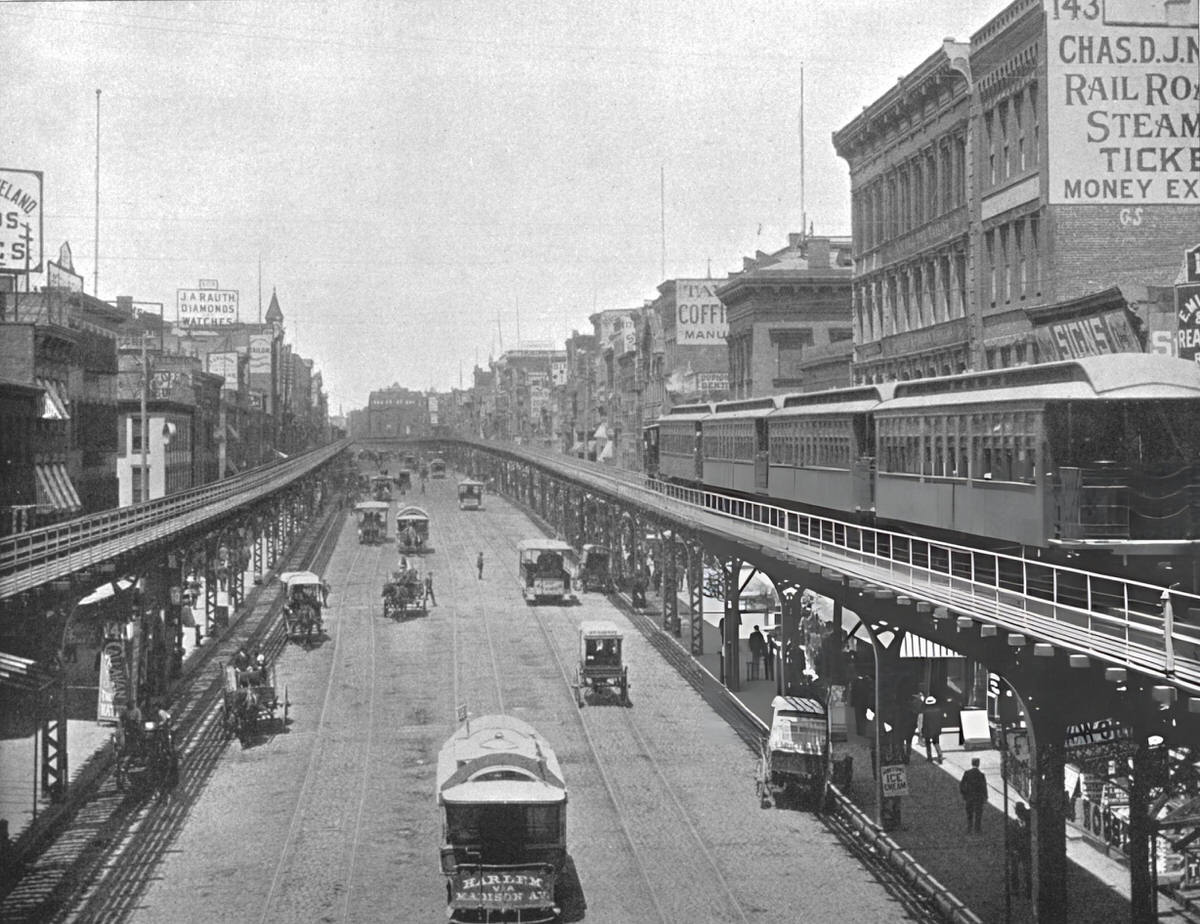
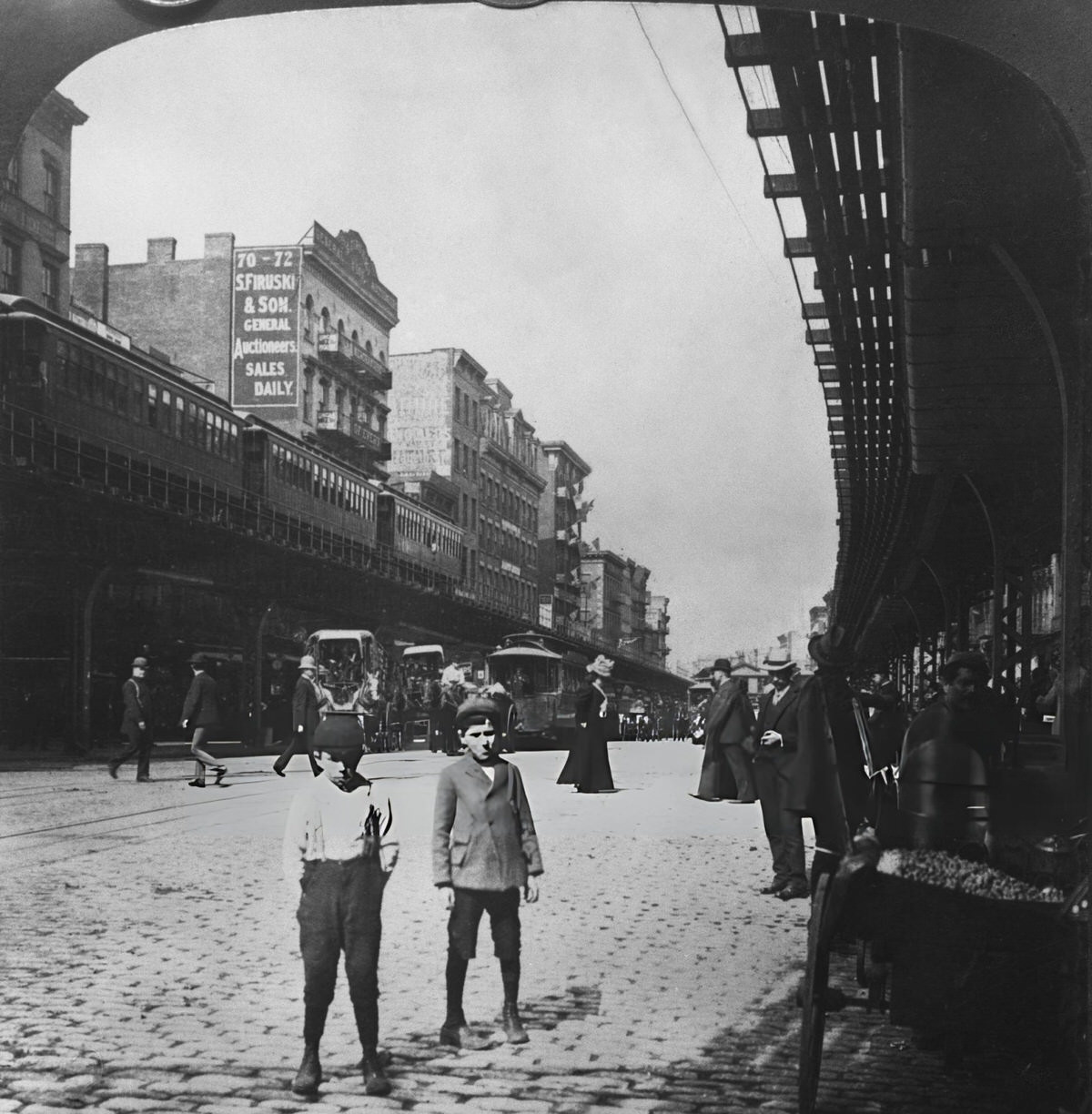
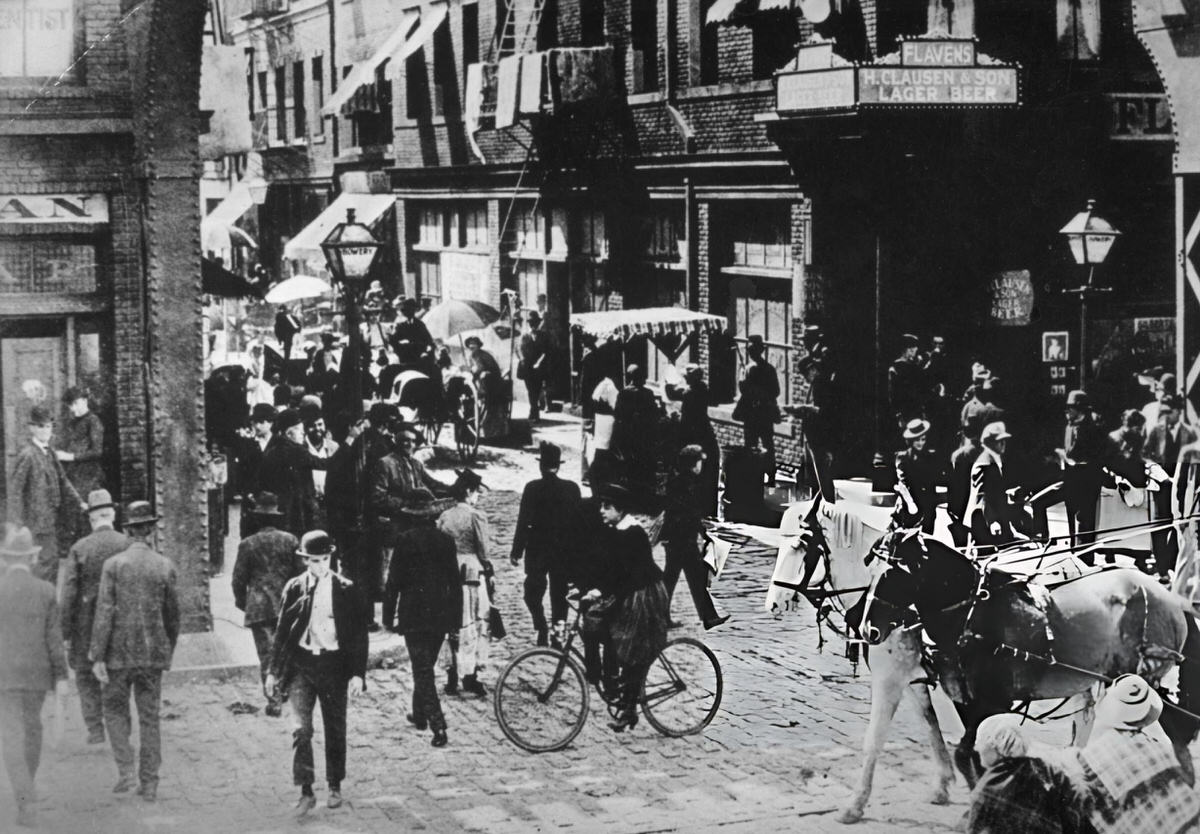
The Bowery ran directly under the Second Avenue El, the elevated train line that cast the street in permanent shadow. Trains ran every few minutes from early morning to past midnight. The noise was constant. The iron columns holding the tracks up sat in the middle of the sidewalk, breaking the flow of foot traffic. Merchants set up stands between the columns. Pickpockets worked the crowds near the station stairs. The El did not improve the Bowery — it pressed down on it like a lid.
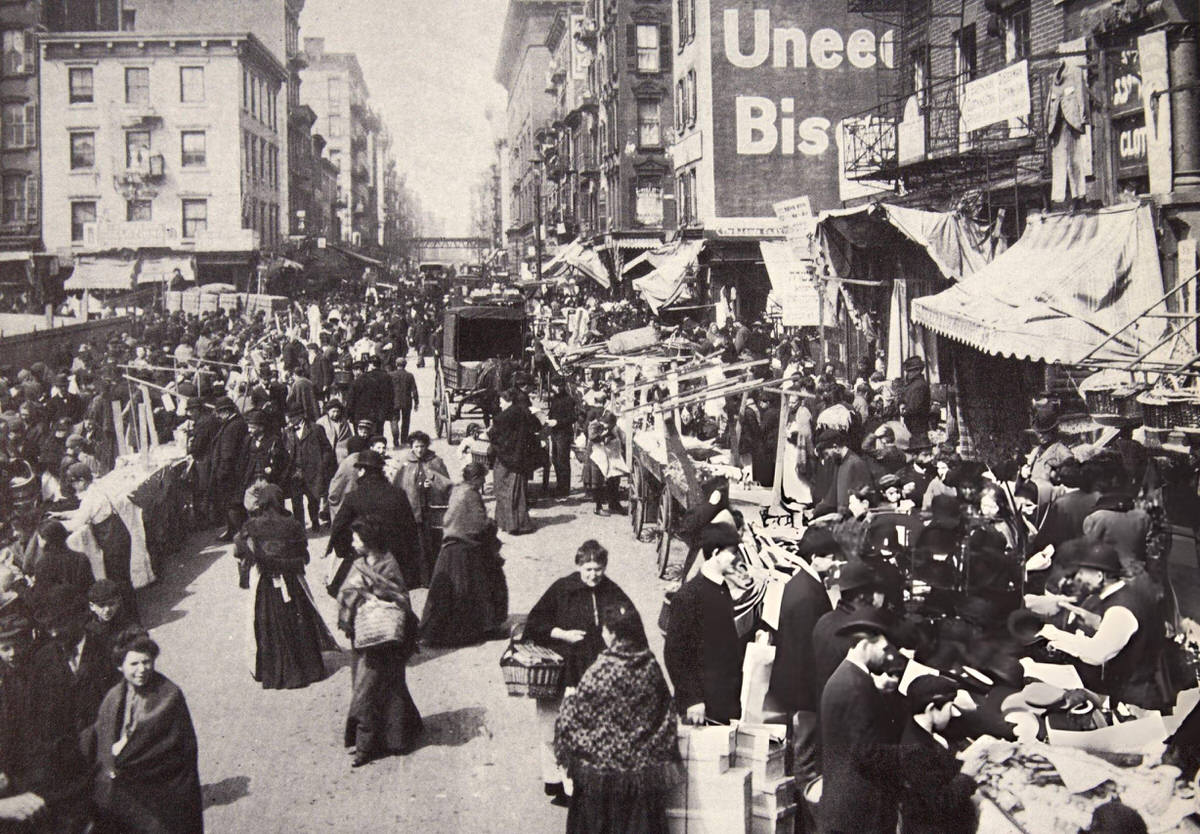
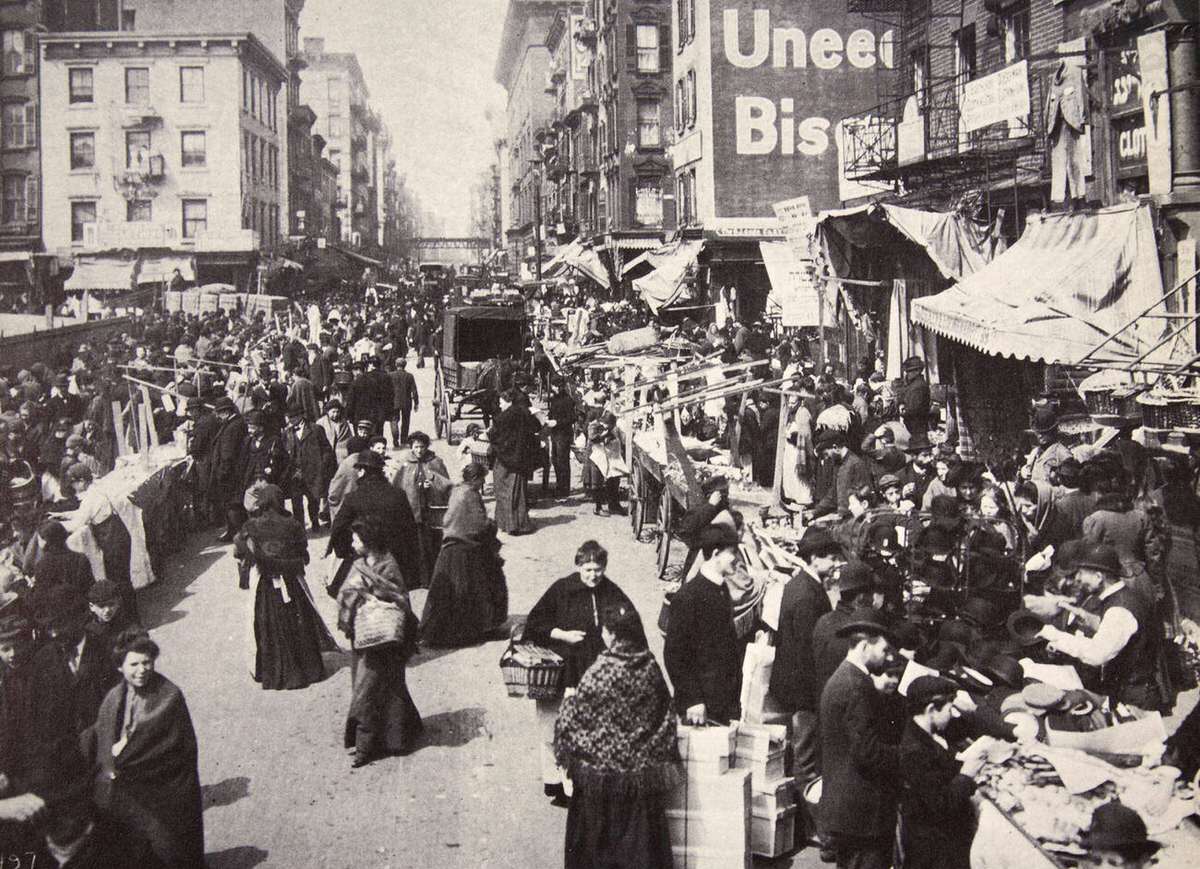
Immigrant life poured onto the Bowery from every direction. The Lower East Side, packed with Jewish immigrants from Eastern Europe, sat just east of the street. Little Italy was to the southwest. Chinatown anchored Chatham Square at the southern end. The Bowery was the border where all of these communities met, traded, and sometimes fought. Pawn shops on the strip accepted goods in any language. The owners knew the value of a winter coat, a pocket watch, or a set of tools without asking where they came from.
The theaters on the Bowery catered to working-class audiences who could not afford Broadway. The Bowery Theater, which had once been a legitimate playhouse in the 1830s, had long since converted to melodramas and variety shows. The performers were paid poorly and the audiences were loud. Men threw peanuts and shouted at the stage. If the show was bad, they threw more than peanuts. The theater owners accepted this as part of the business.
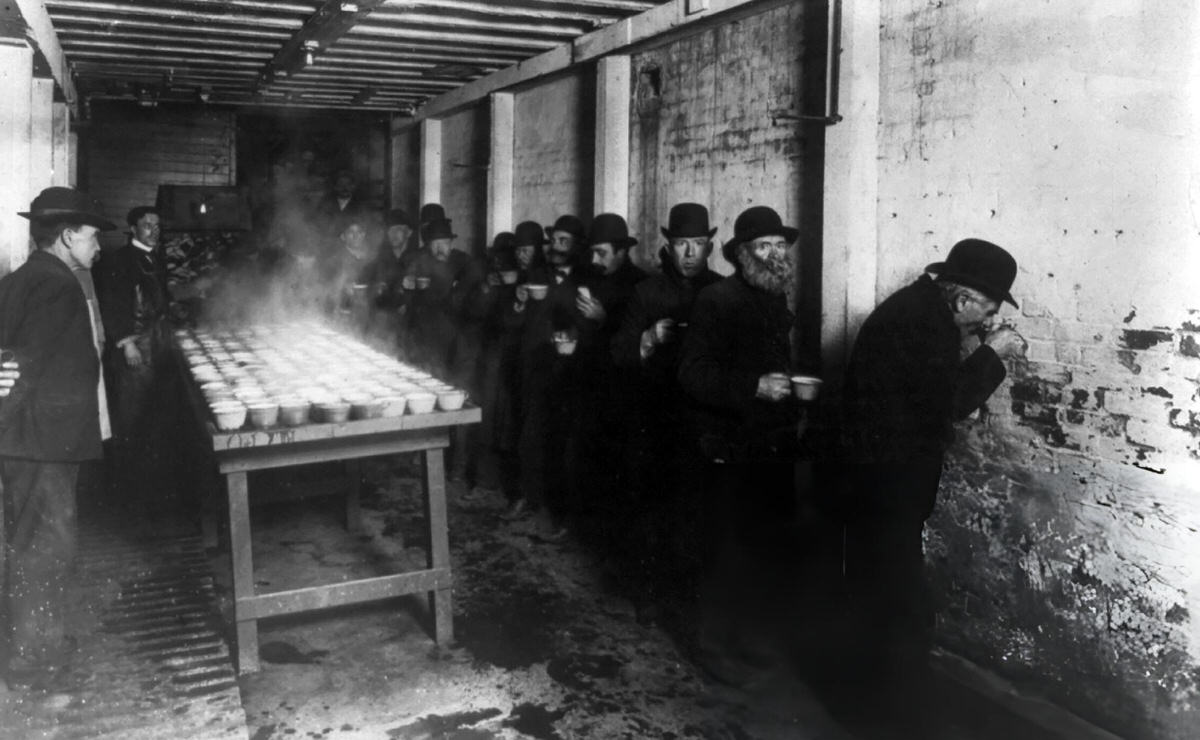
Mission houses competed with saloons for the souls of the street’s residents. The Bowery Mission opened in 1879 and by 1900 was serving thousands of free meals each month. Jerry McAuley’s Water Street Mission, a few blocks south, ran prayer meetings every night. The missionaries believed in saving men one at a time. The saloon owners believed in the same thing, from a different direction. Both operated around the clock and neither ran out of customers.
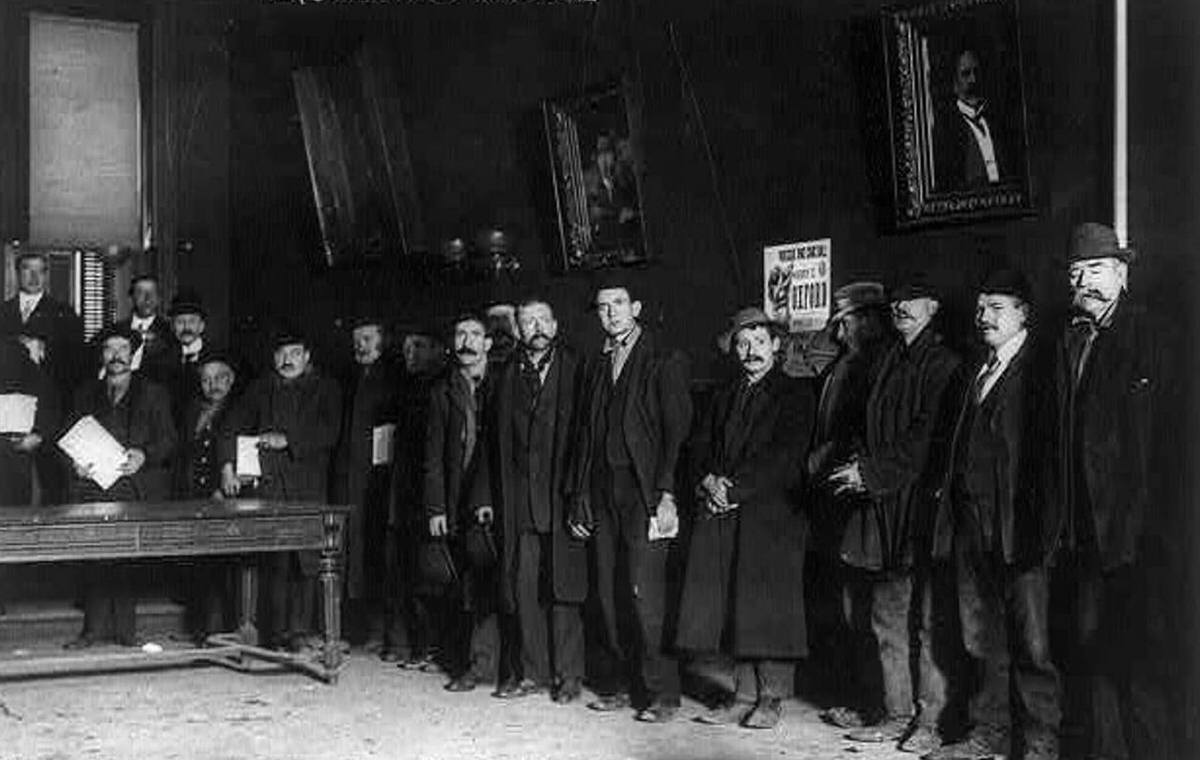
The police presence on the Bowery was visible but complicated. Officers from the Fifth Precinct walked beats on the street but operated within a system of open corruption that the reform journalist Lincoln Steffens documented in detail. Saloon owners paid the precinct for protection. Brothel operators paid separately. The money moved up through the ranks to Tammany Hall, the Democratic political machine that controlled city government. A raid happened when someone stopped paying, not when a law was broken.
Stephen Crane, who wrote *Maggie: A Girl of the Streets* in 1893, had lived on the Bowery and used it directly. The novel followed a girl from a tenement family destroyed by alcohol, poverty, and violence — a story the street supplied without embellishment. Jacob Riis photographed the flophouses and back alleys for his book *How the Other Half Lives* in 1890. Both men showed middle-class New Yorkers what existed ten minutes from their front doors, and both were largely ignored by the city government.
By 1910, reformers had closed the worst of the concert saloons and shut down several flophouses that violated new building codes. The street cleaned up slightly at its edges. The core of it — cheap, loud, desperate, and alive — remained exactly what it had been built to be.

GIPHY App Key not set. Please check settings