

 Dennis Saul
The Upper West Side of Manhattan underwent a massive transformation between 1900 and 1950. At the center of this change were two iconic buildings: The Dakota and The San Remo. These structures redefined how the wealthiest New Yorkers lived. Before these grand apartment houses existed, the upper class lived almost exclusively in private townhouses. Moving into a shared building was a new concept that required immense luxury to be successful.
The Dakota: A Fortress on 72nd Street
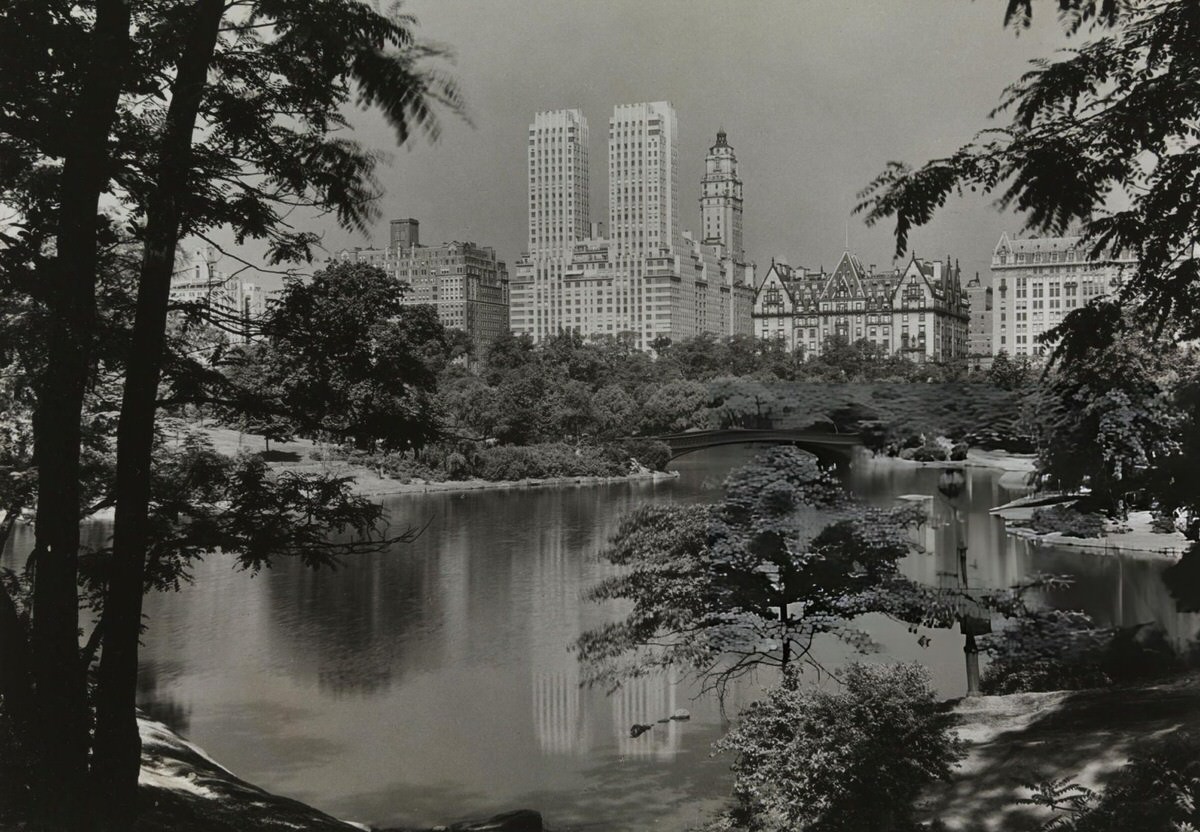
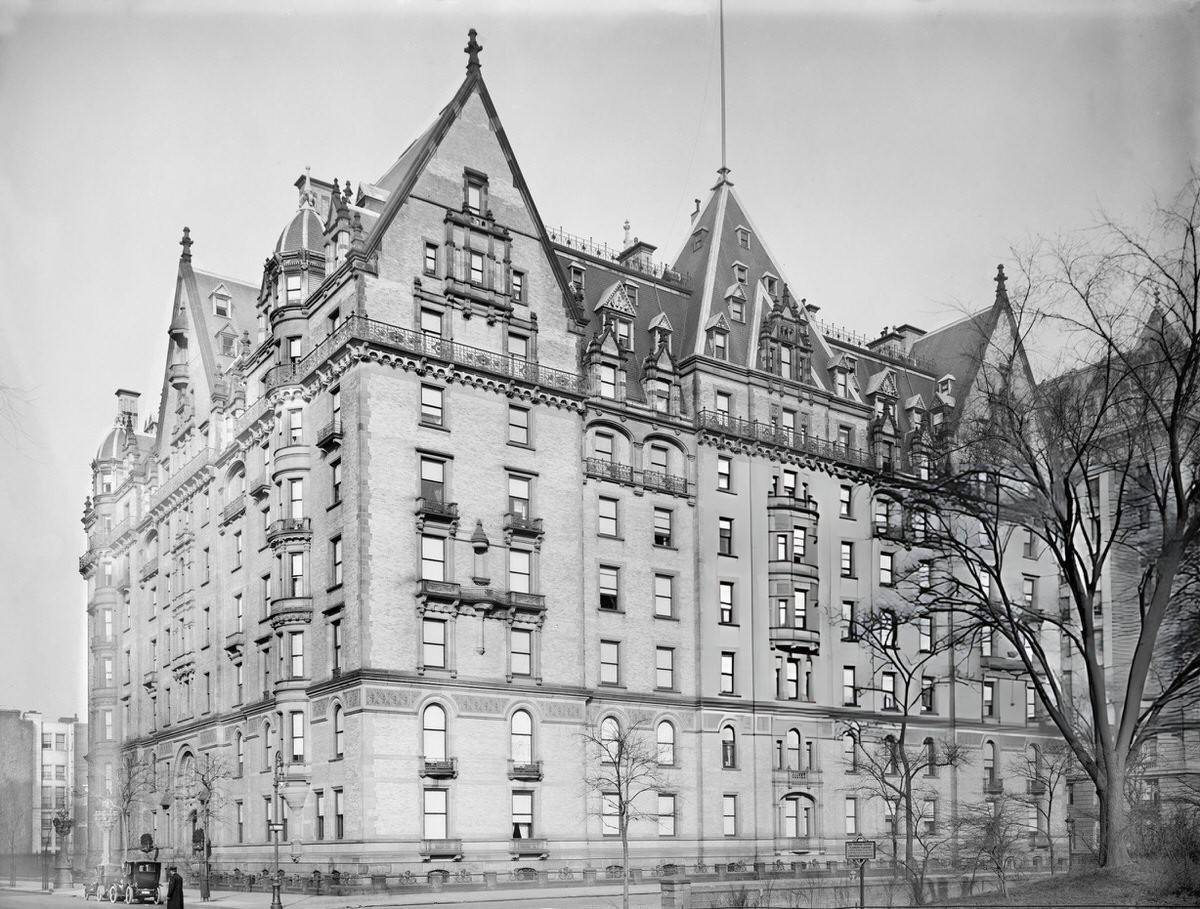
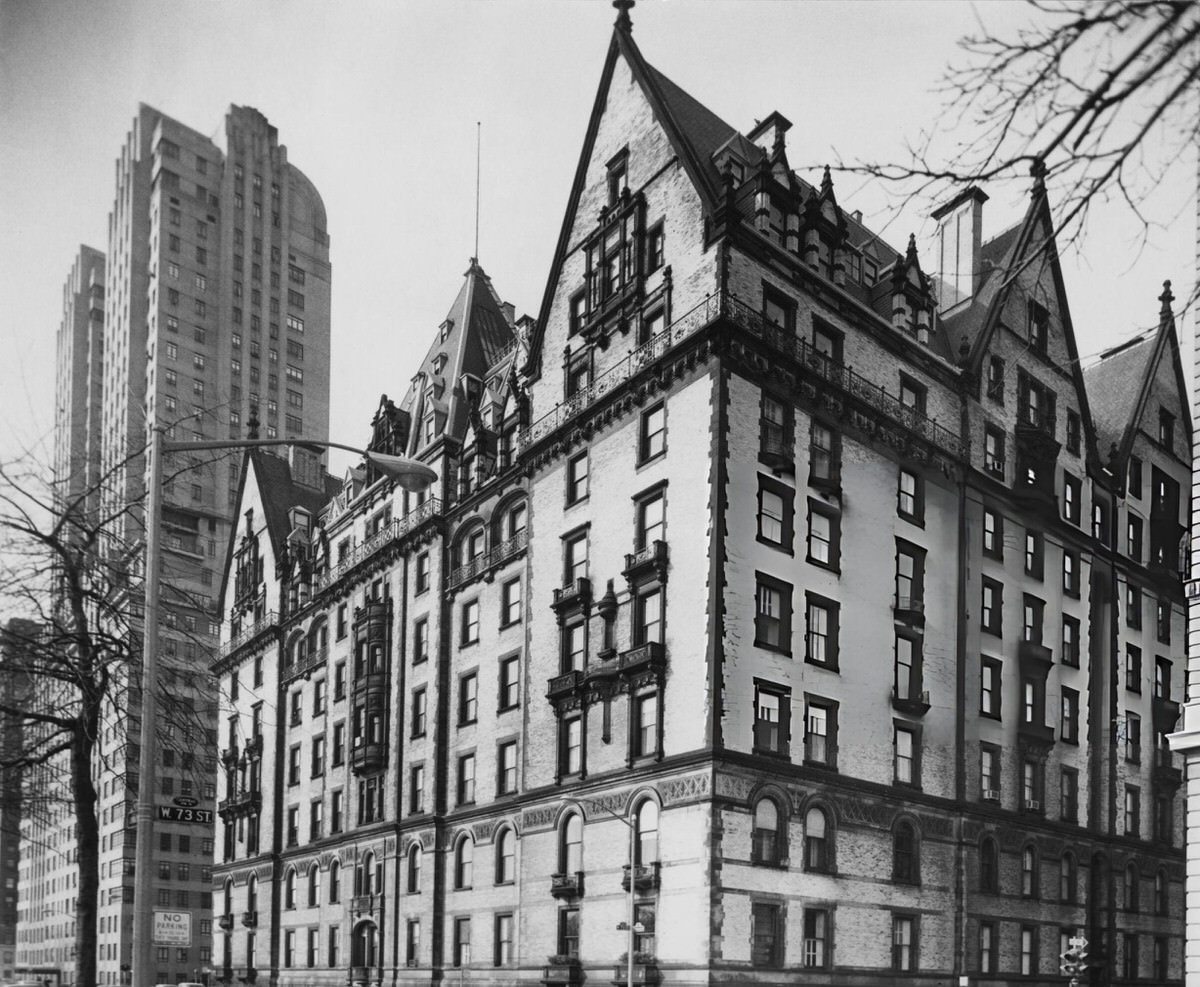
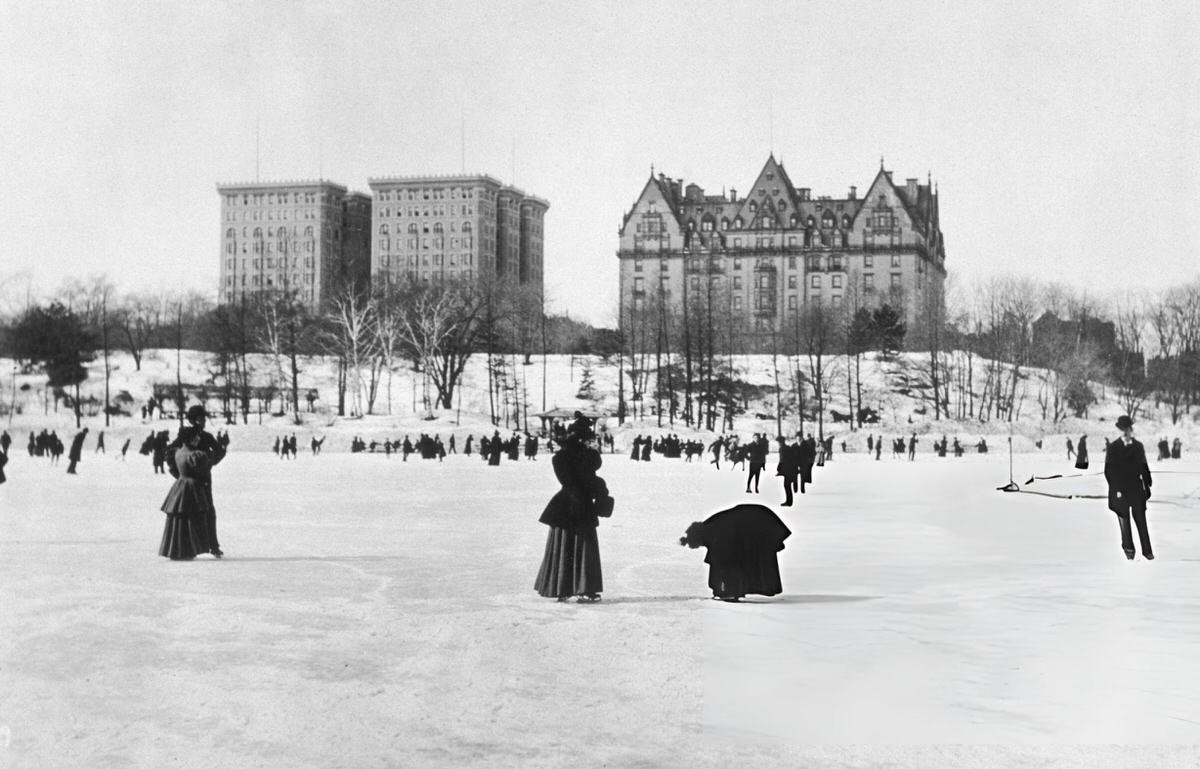
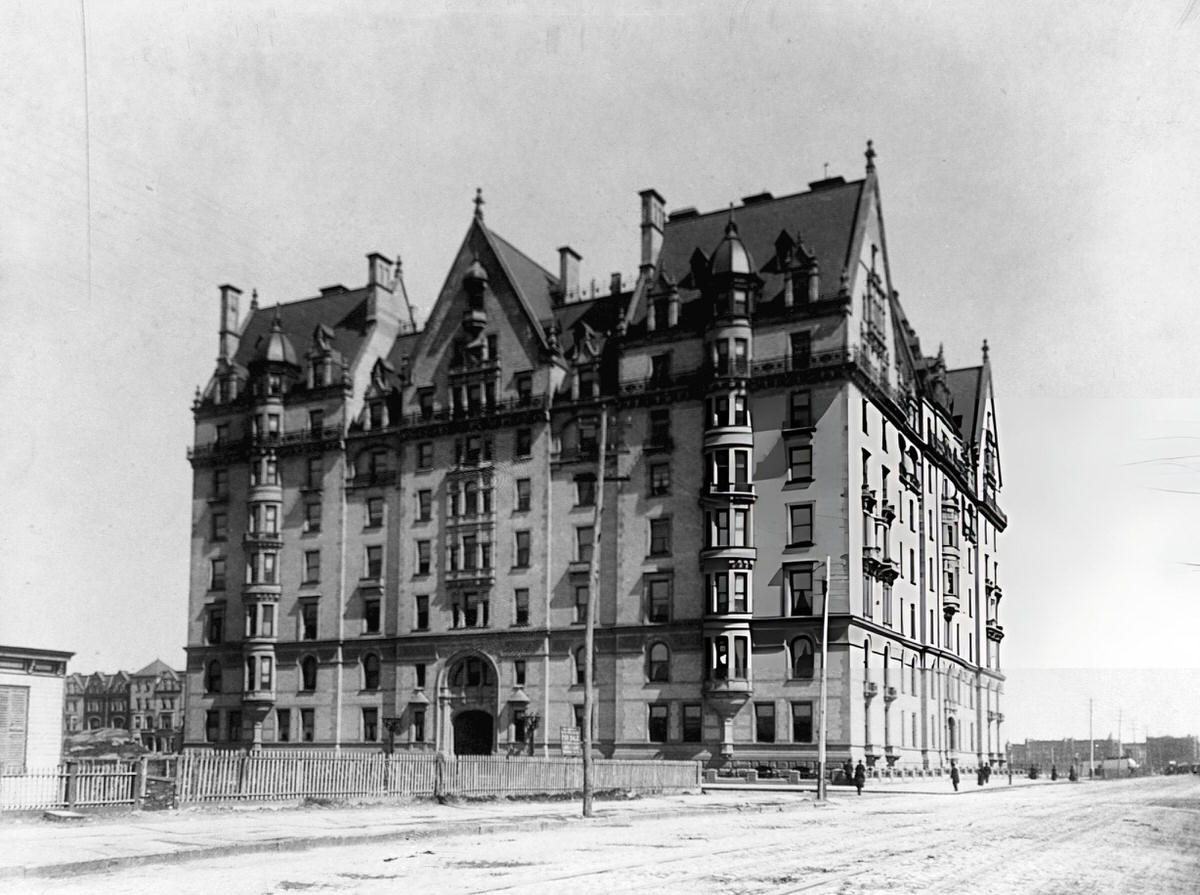
The Dakota was completed in 1884, but its peak as a social hub solidified in the early 1900s. It stands on the corner of 72nd Street and Central Park West. The architect, Henry Janeway Hardenbergh, used a North German Renaissance style. The building features deep gables, high roofs, and many decorative balconies. One of its most striking features is the massive archway that leads into a central courtyard. This design allowed horse-drawn carriages to enter, let passengers out in private, and then exit through the other side.
Read more
Inside, the apartments were built with unmatched scale. The ceilings are 14 feet high, and the floors are made of thick oak, cherry, and mahogany. To ensure privacy and quiet, the builders used three feet of ground cherry pits between the floors to act as insulation. This kept the sounds of the city and the neighbors away from the residents. During the early 1900s, the building was entirely self-sufficient. It had its own power plant in the basement and a private dining room that delivered meals to individual apartments via “dumbwaiters.”
Daily Life in the Dakota
By the 1920s and 1930s, the Dakota remained a symbol of old-world stability. The staff lived in the upper attic floors, which were hidden behind the steep rooflines. Every resident had a private storage room and a separate laundry area. The building maintained a strict boarding-house style of management. This meant that residents were often screened by a board of directors to ensure they fit the social status of the building.
The central courtyard served as a quiet park for the children of the elite. Because the building occupied a square block, the interior remained shielded from the wind and noise of the street. In the 1940s, the building transitioned from a rental property to a “co-operative,” or co-op. This meant the residents became the owners of the building. This change allowed the Dakota to remain exclusive even as the neighborhood around it began to modernize and grow more crowded.
The San Remo: The Two-Towered Marvel
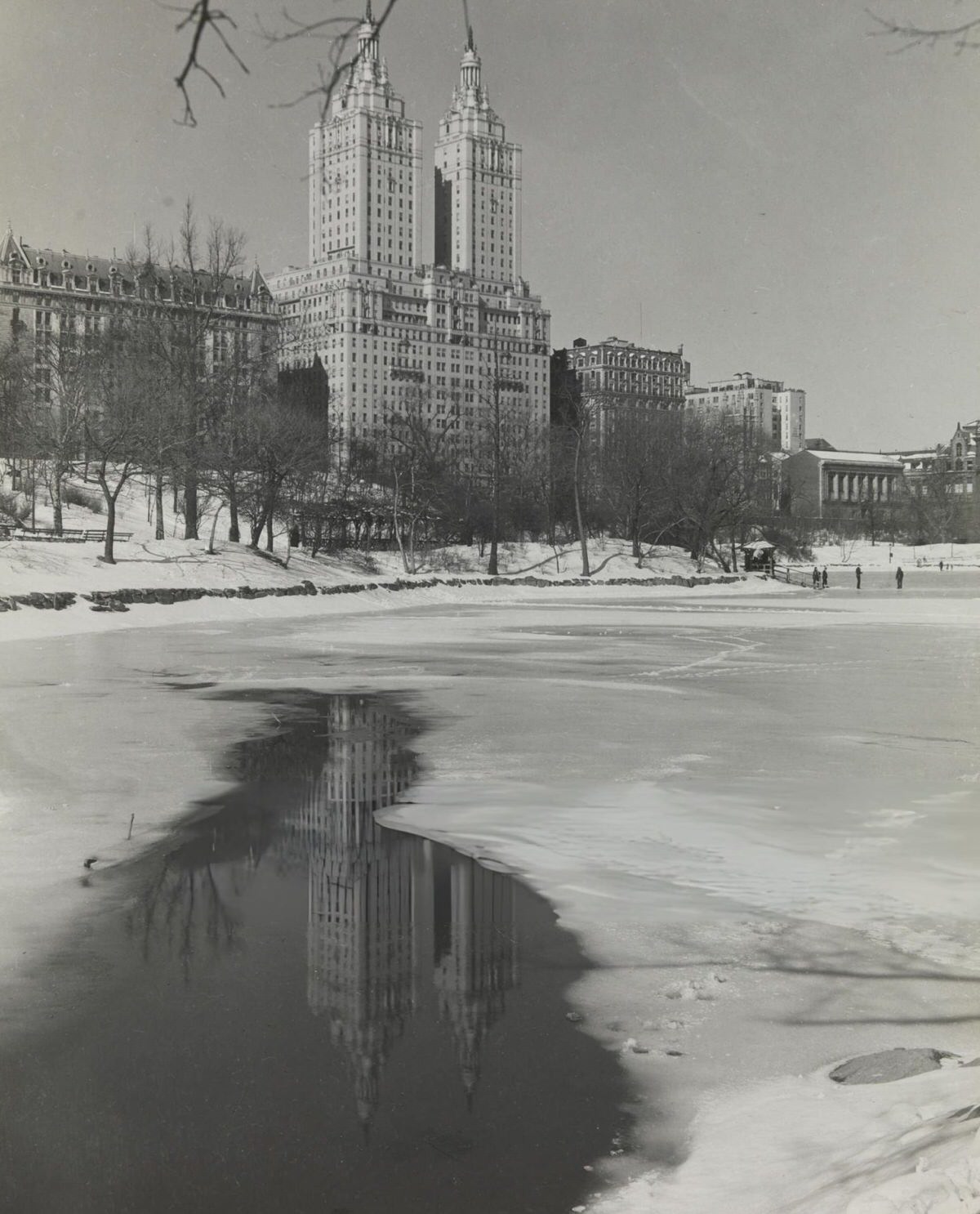
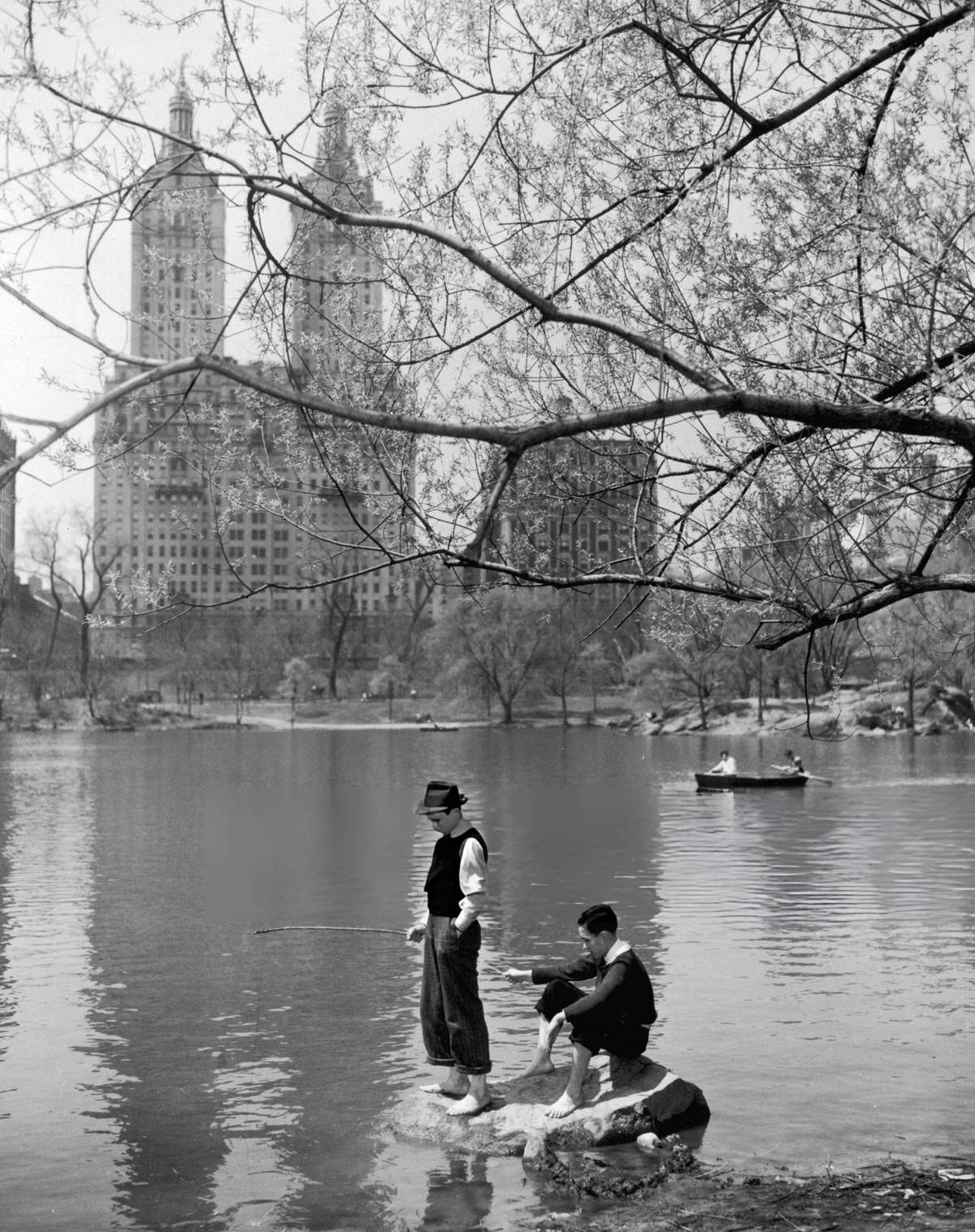
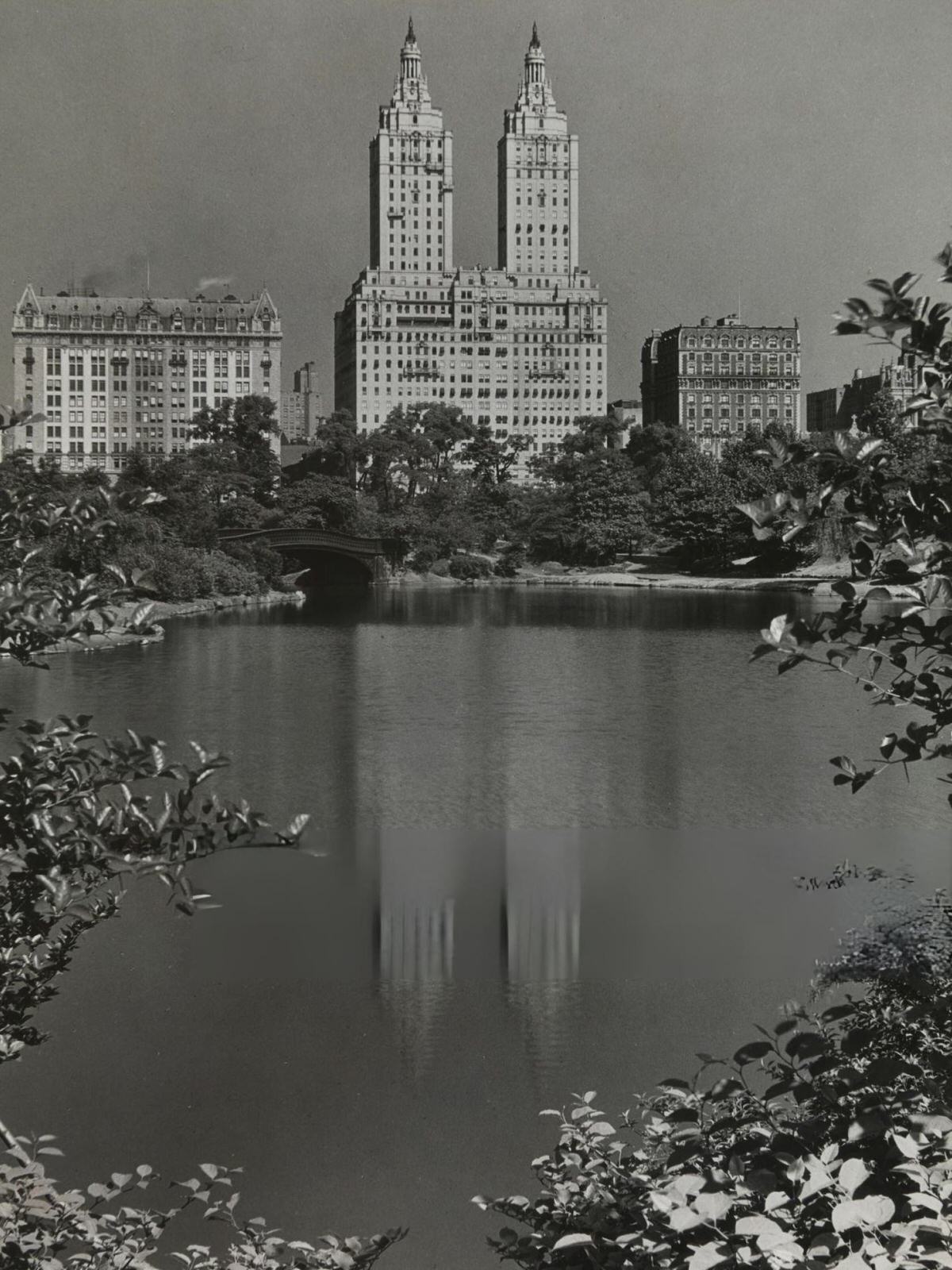
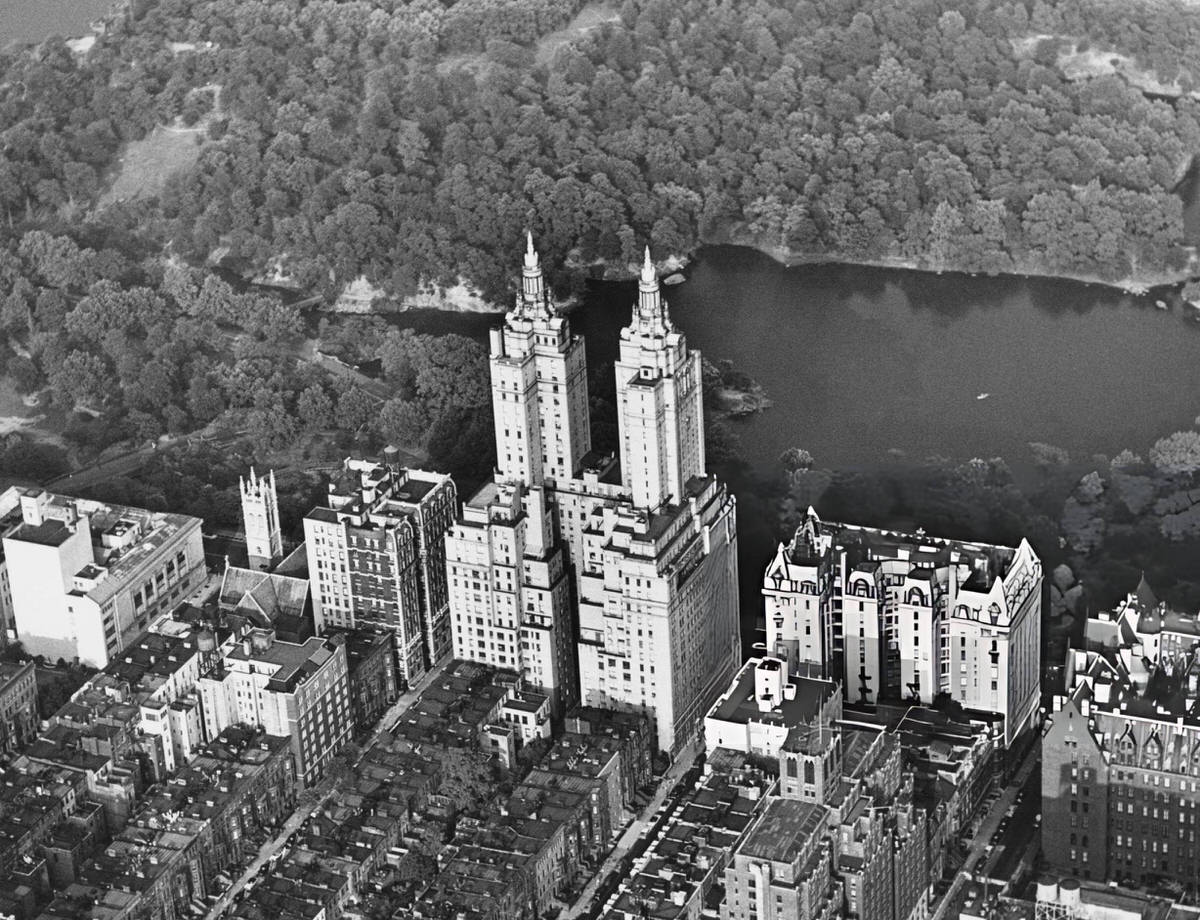
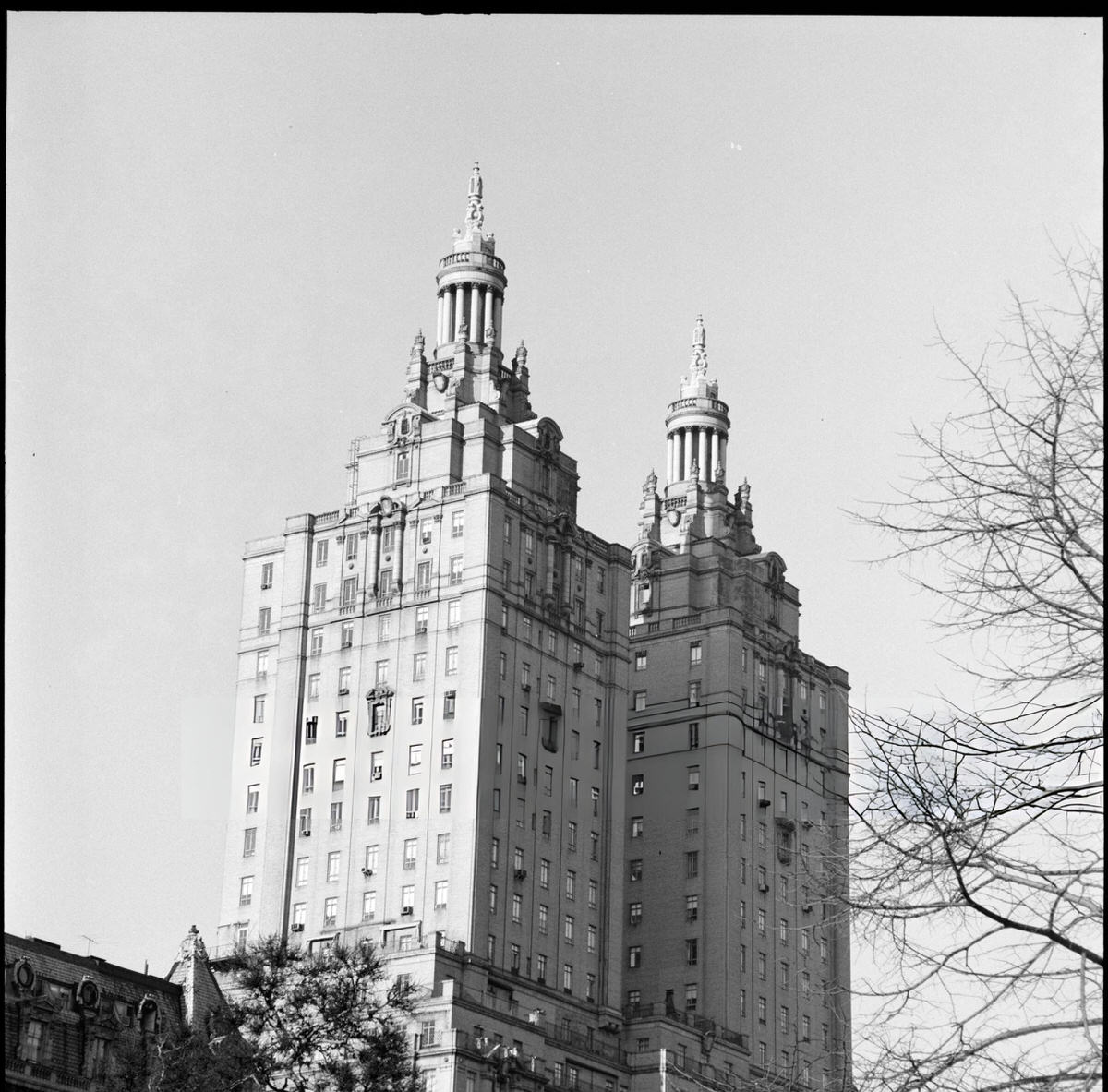
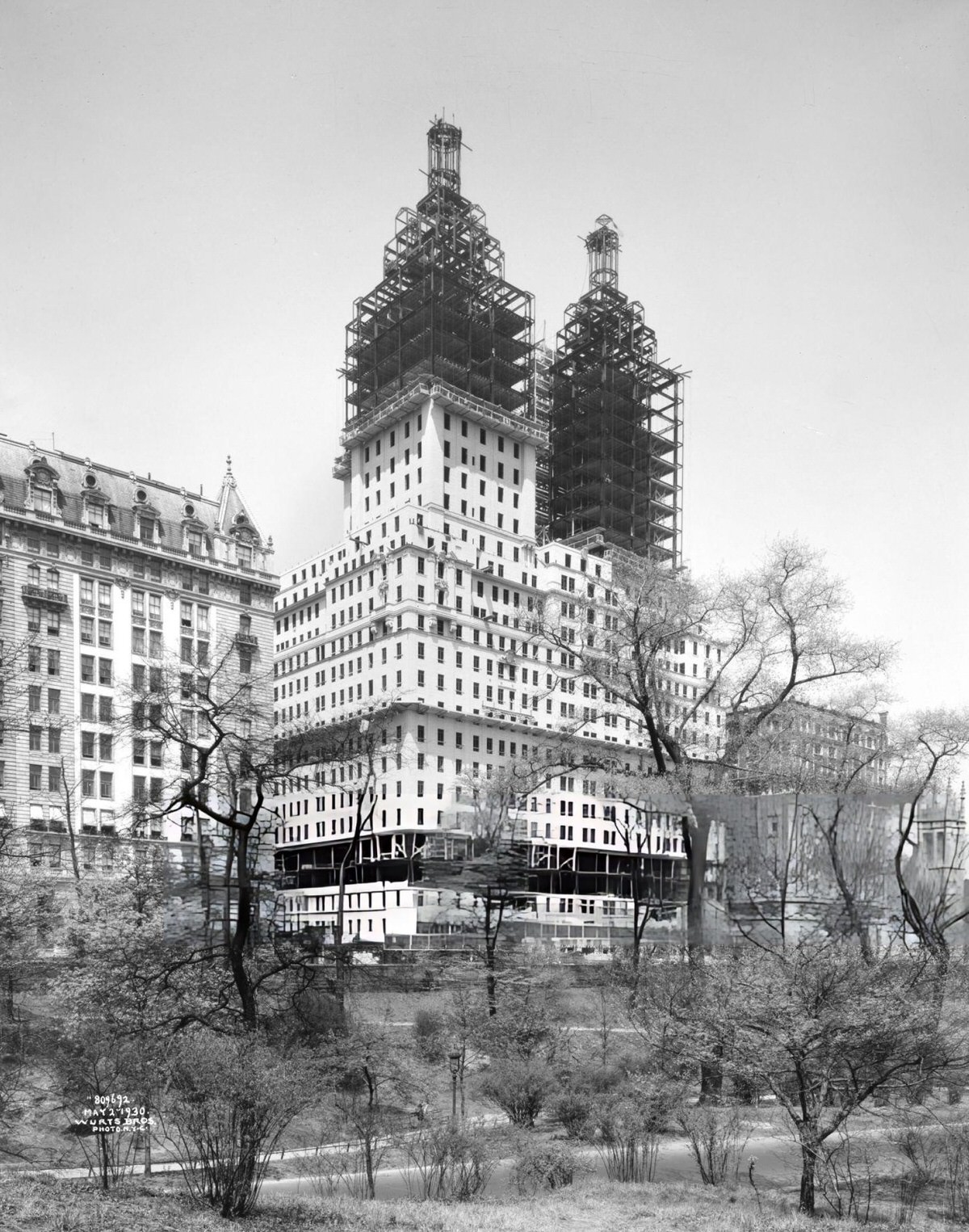
Further north on Central Park West, at 74th Street, stands The San Remo. Completed in 1930, it represented the next era of elite living. It was designed by architect Emery Roth during the Art Deco period. The San Remo was the first building in New York City to feature two distinct towers. This design was not just for style; it was a clever way to follow the city’s building laws. These laws restricted the height of buildings unless they occupied only a small portion of the lot. By building two slender towers, Roth could reach 27 stories while giving every room a view of Central Park.
The San Remo offered a more modern version of luxury than the Dakota. The lobby featured marble floors and walls with bronze elevator doors. Each tower had its own private elevator bank, meaning residents rarely had to share a hallway with many neighbors. The apartments were designed for entertaining, with grand foyers and large windows that captured the morning light over the park.
The Engineering of Luxury at the San Remo
The construction of the San Remo utilized a steel frame, which was standard for 1930. However, the interior finishes were what set it apart. The bathrooms were lined with colorful tiles and featured deep soaking tubs. The kitchens were equipped with the latest electric appliances, a major upgrade from the coal-burning stoves found in older buildings. Roth included “sunrooms” in many of the suites, which were enclosed in glass to provide views of the skyline.
During the 1930s and 1940s, the San Remo attracted a different kind of resident than the Dakota. It became a favorite for stars from the theater and the growing film industry. The “E” and “F” lines of apartments were the most sought after because they faced the water of the Central Park Reservoir. The soundproofing was equally advanced, using layers of cork and plaster to create a silent environment for the high-profile tenants.
The View from Central Park West
By the 1950s, the stretch of Central Park West between 72nd and 75th Streets was the most expensive real estate in the city. The Dakota and the San Remo anchored this “Gold Coast.” Residents in both buildings lived a life of high service. Uniformed doormen stood outside 24 hours a day to hail taxis and carry groceries. Elevator operators manually ran the lifts, greeting every tenant by name.
The basements of these buildings were as busy as the streets outside. They contained workshops for carpenters, plumbers, and electricians who worked exclusively for the building. There were also massive refrigeration units and storage for the coal and later oil that heated the apartments. While the Dakota offered the charm of the Victorian era, the San Remo offered the sleekness of the pre-war modern age. Together, they established the standard for the New York City apartment that remains a global symbol of wealth today.

GIPHY App Key not set. Please check settings