

 Henry Parker
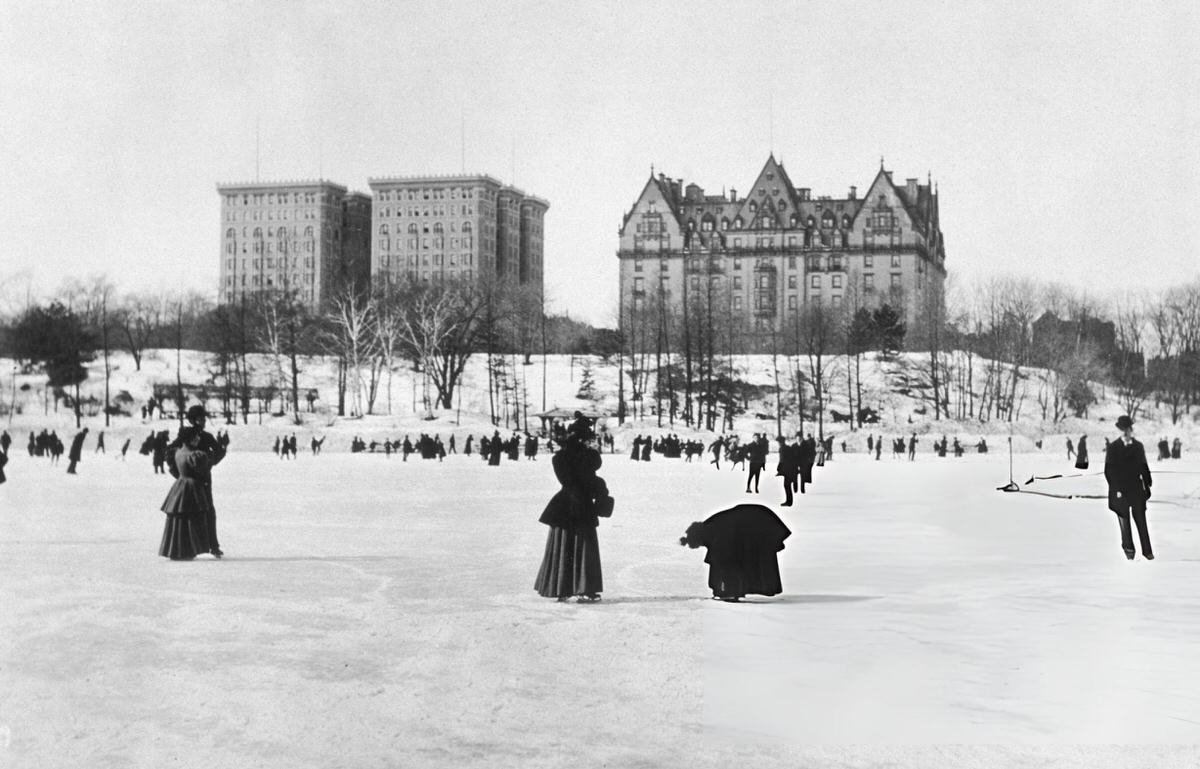
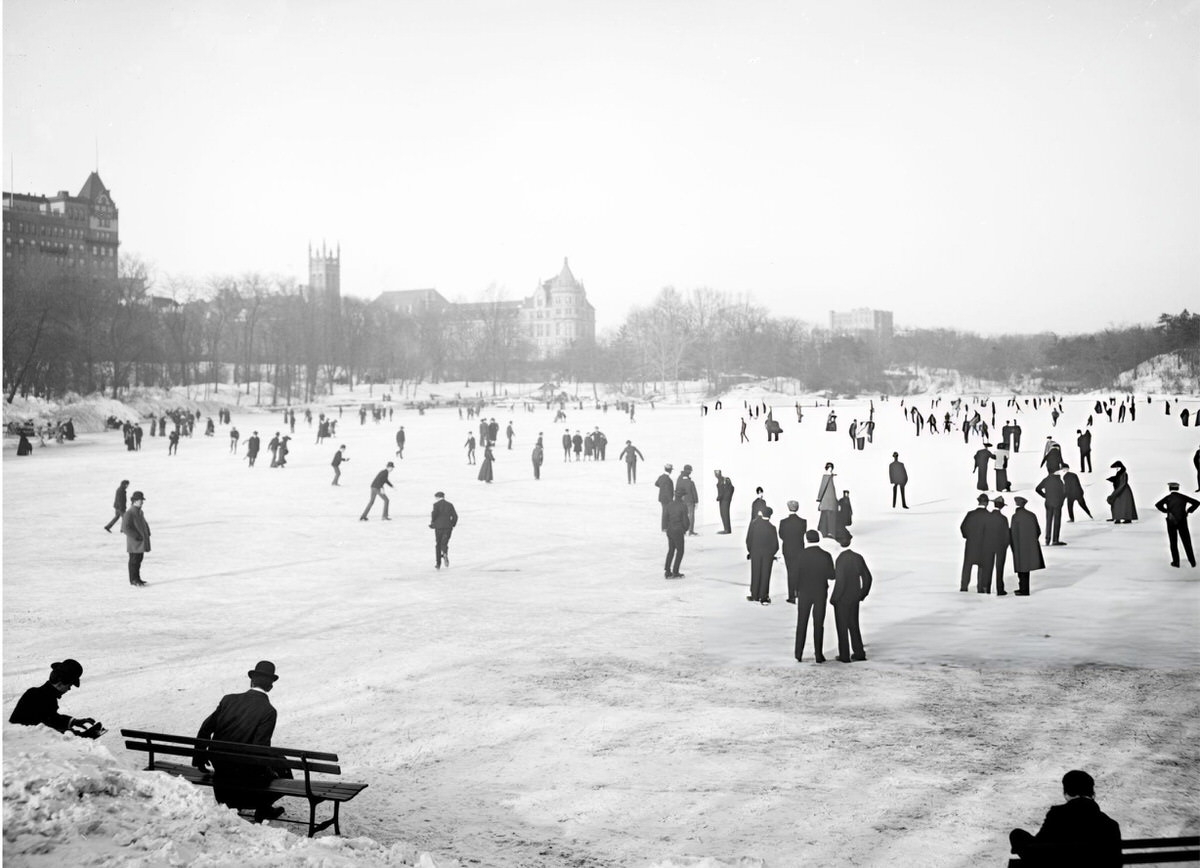
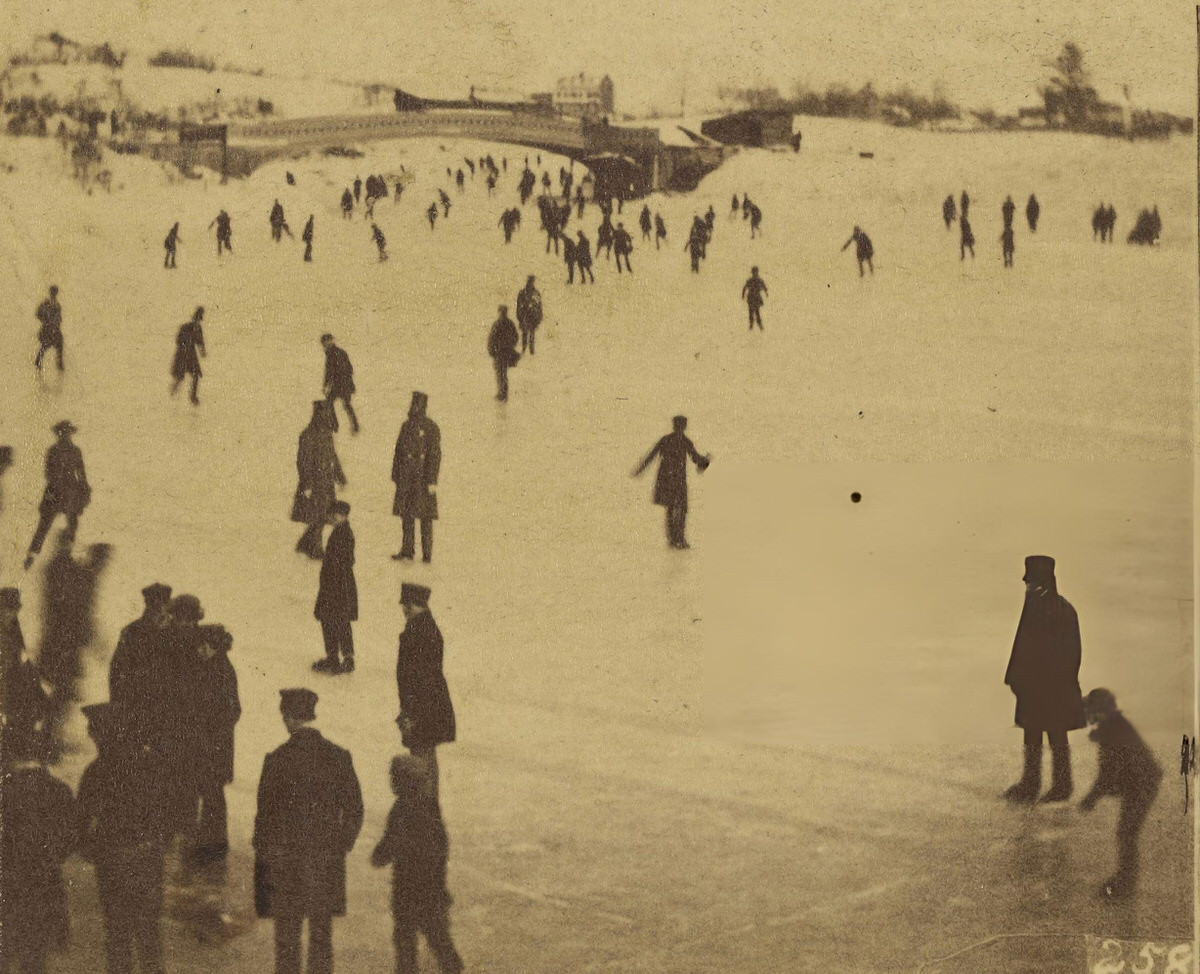
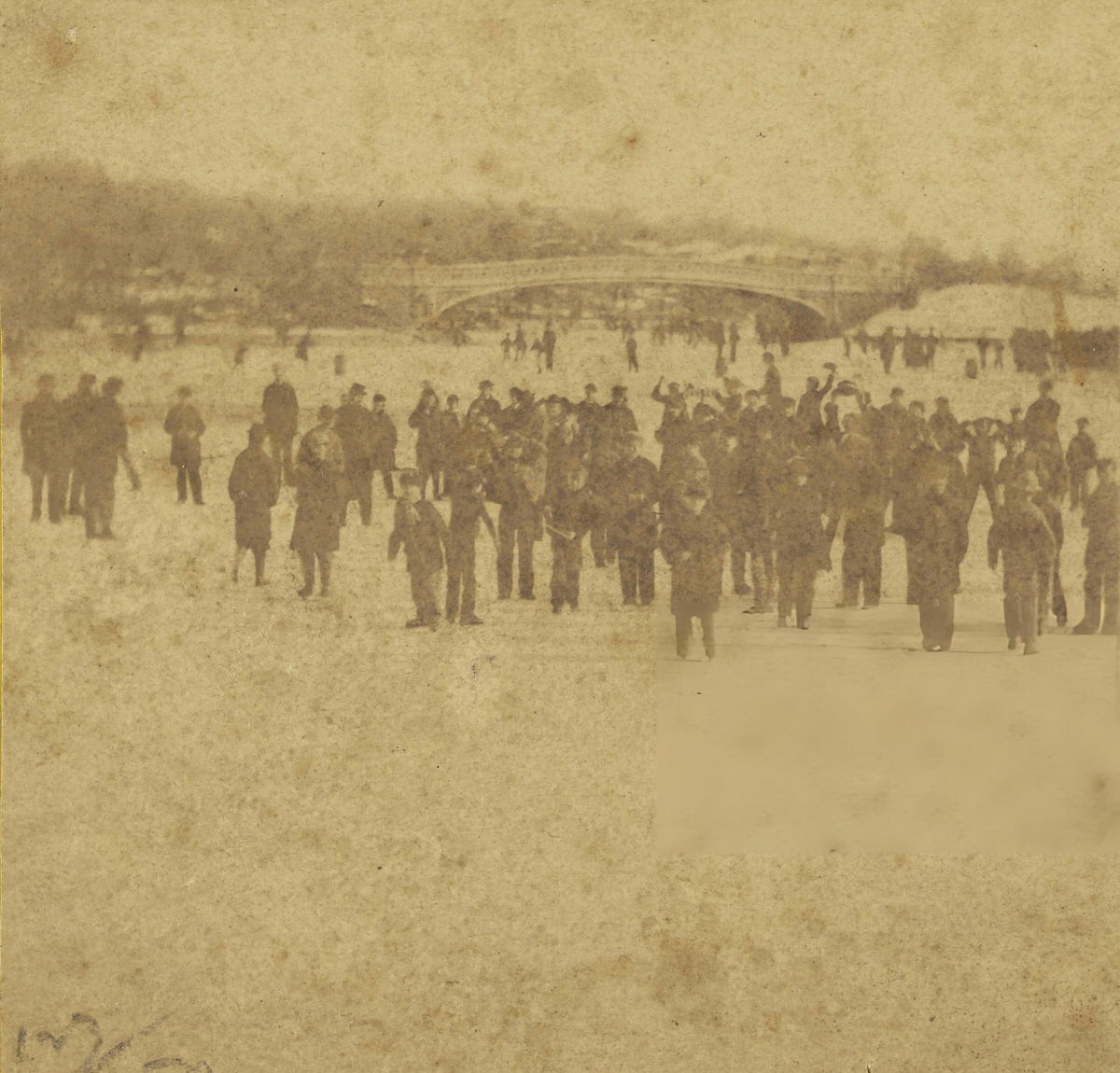
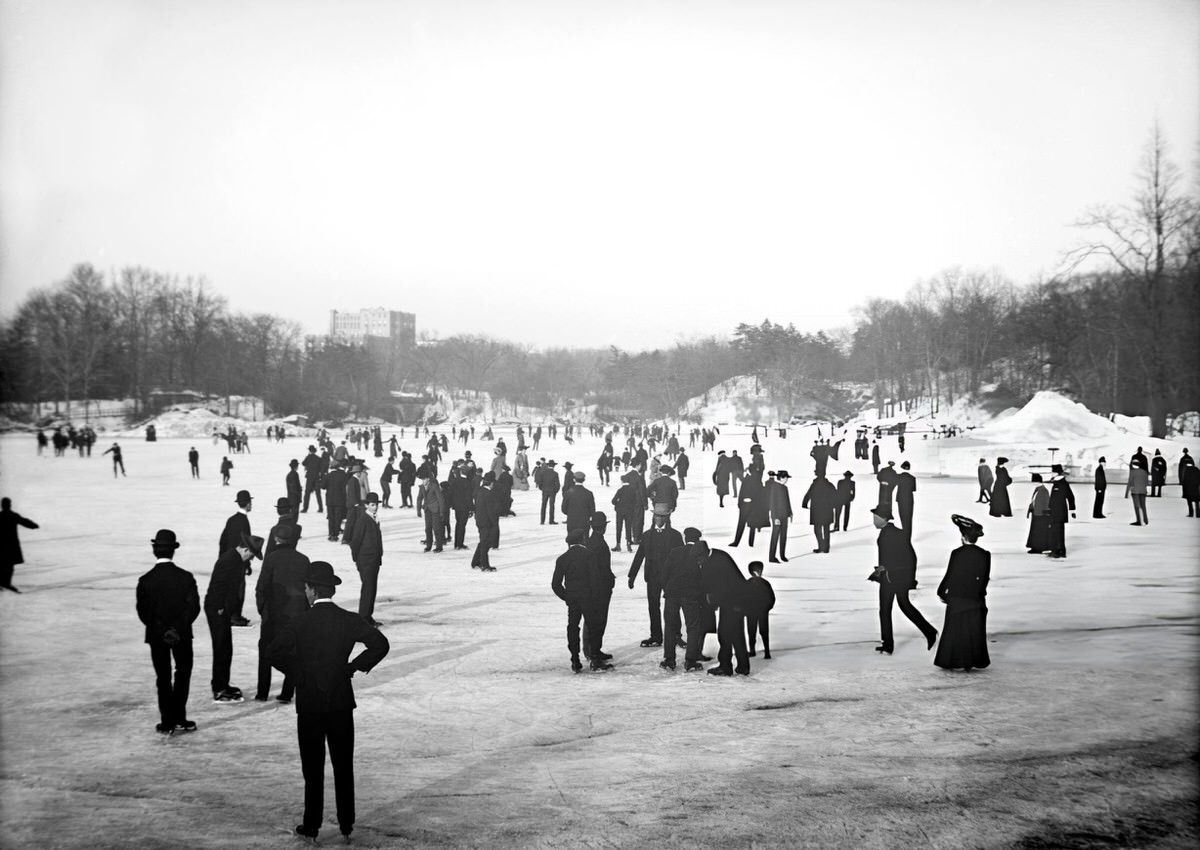
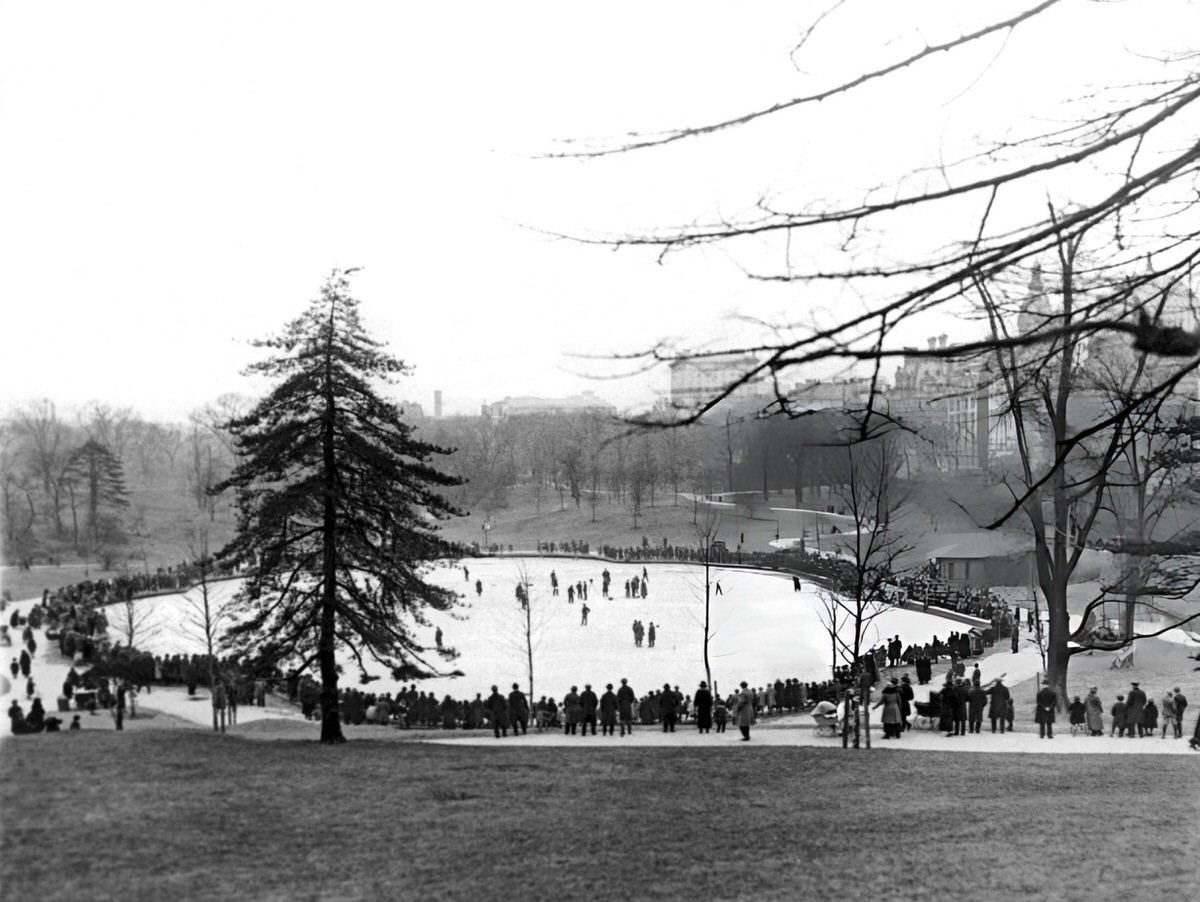
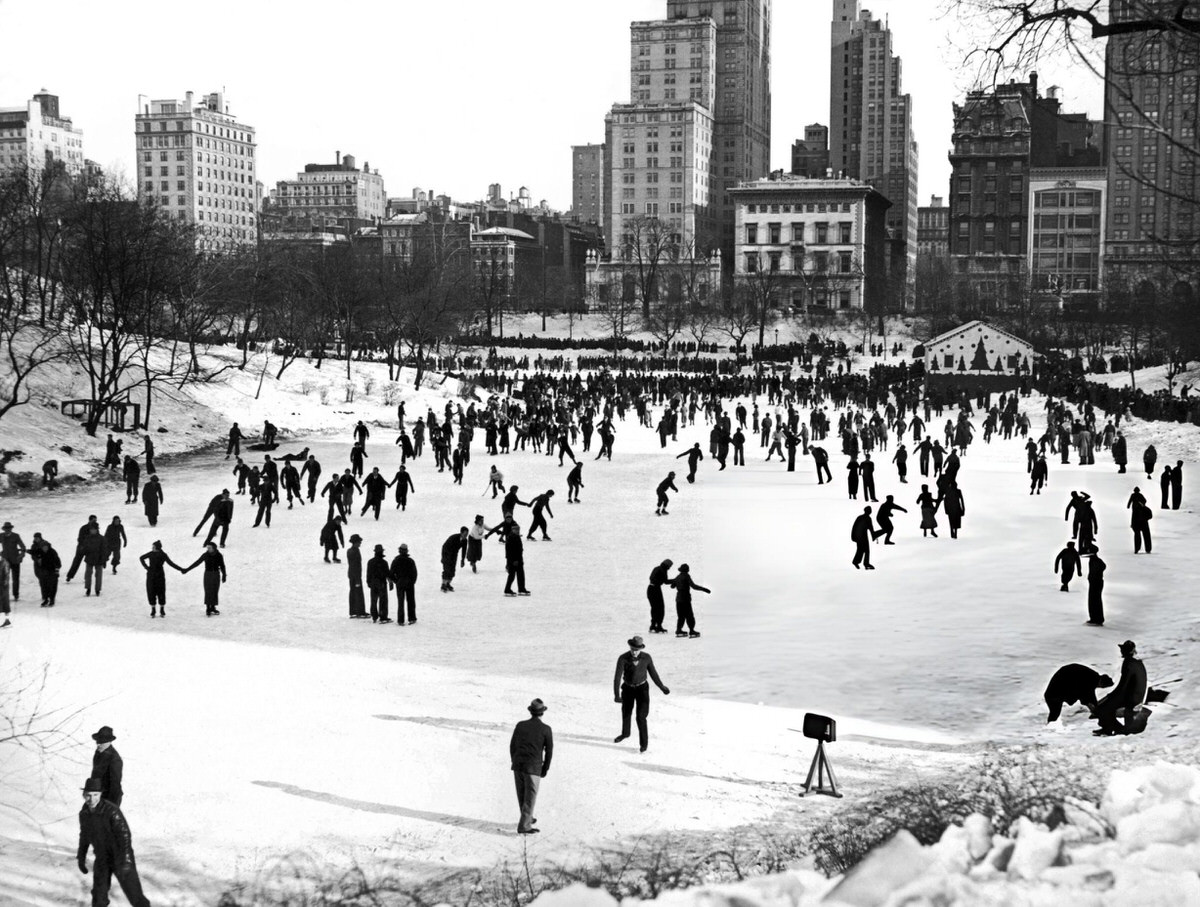
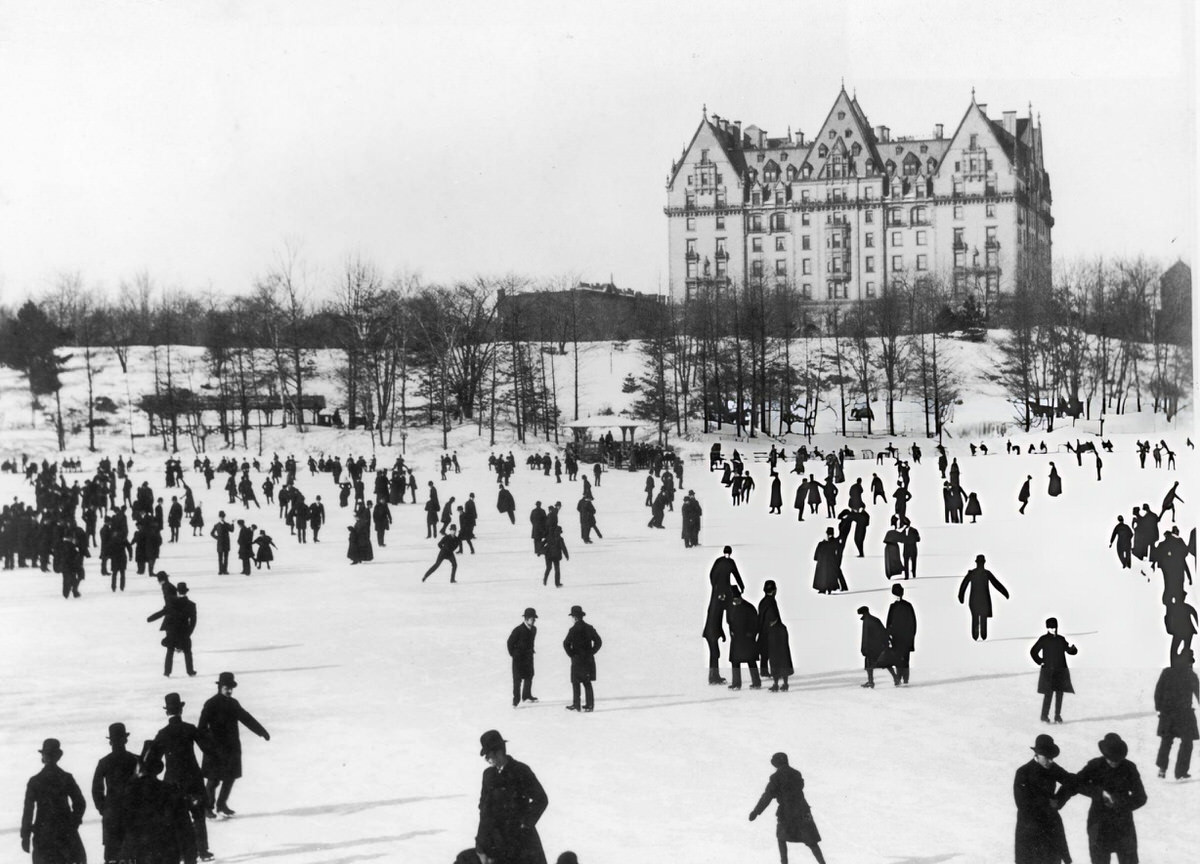
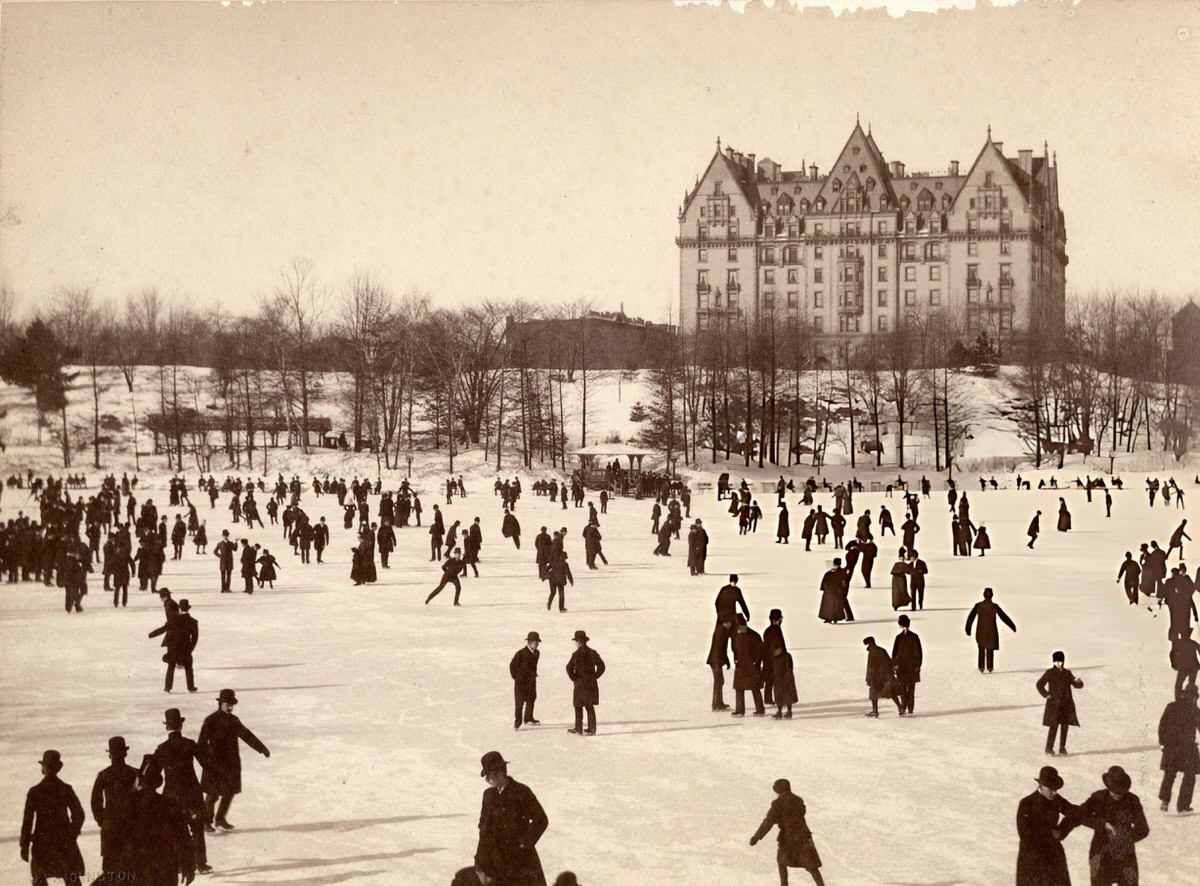
The tradition of ice skating in Central Park began on the natural bodies of water within the park grounds. In the 1890s, the Lake and the Pond served as the primary locations for skaters. The park commissioners raised a red ball on a high flagpole to signal that the ice was thick enough for public use. This system alerted thousands of New Yorkers to grab their skates and head toward the park entrances.
The Victorian Era on the Lake
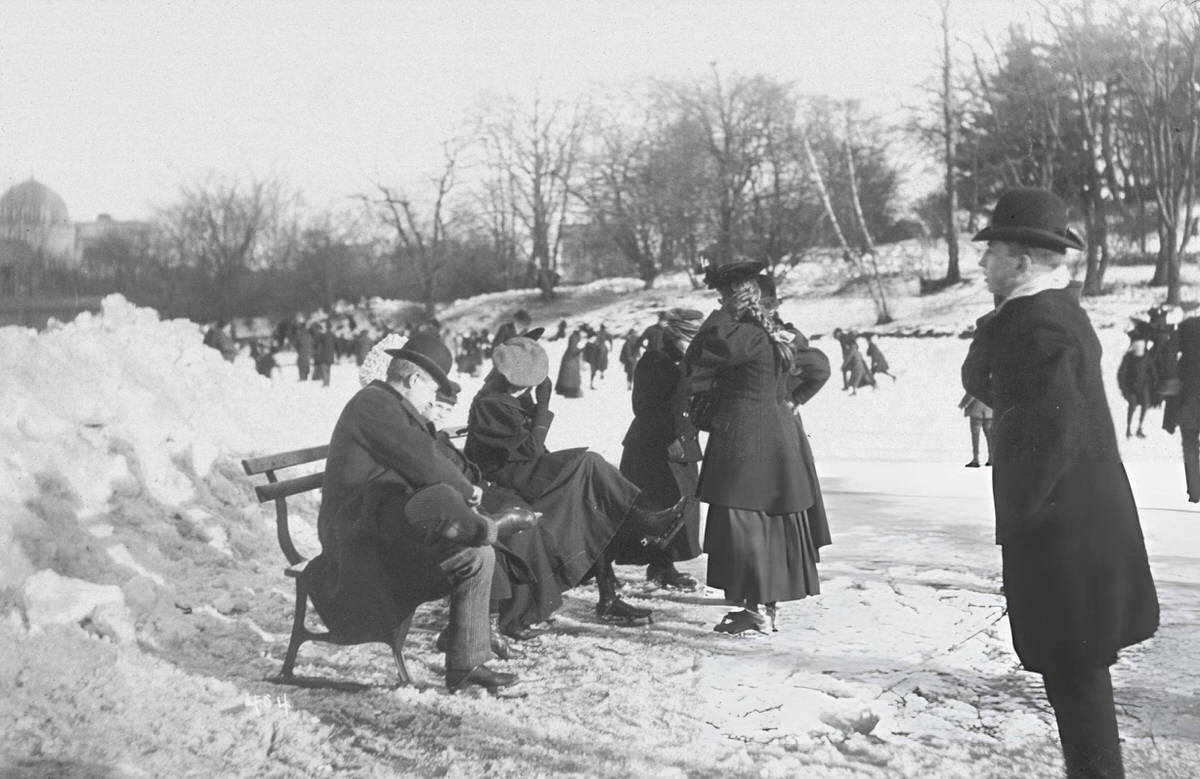
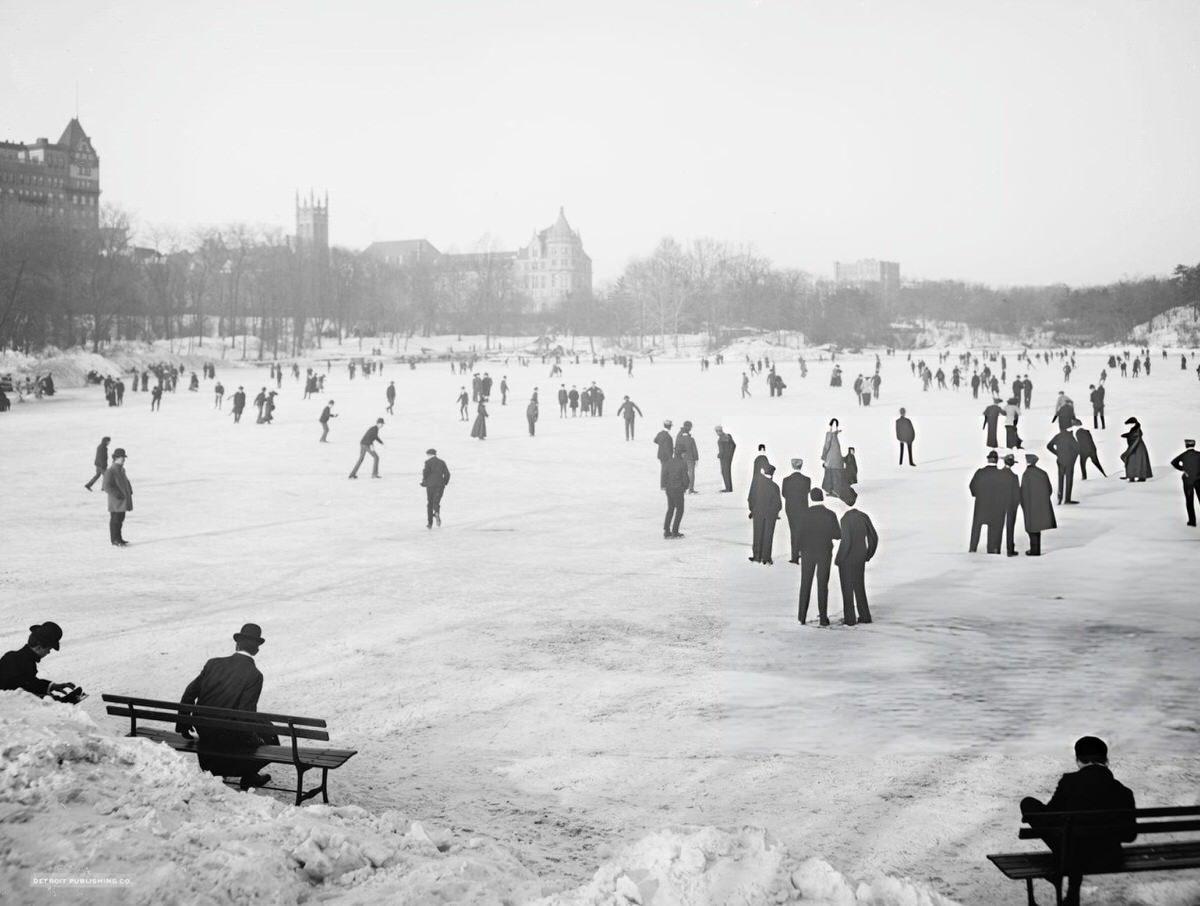
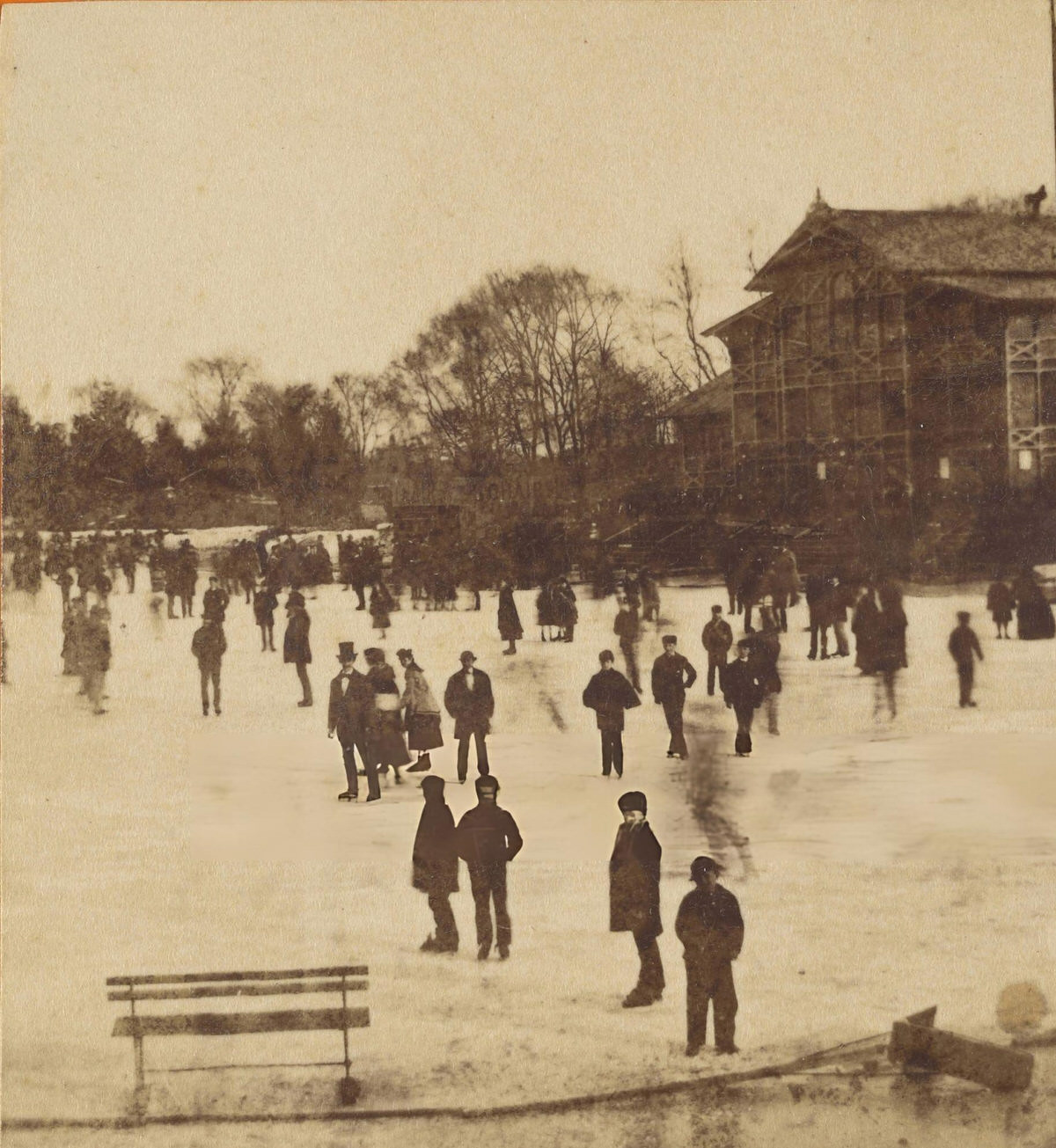
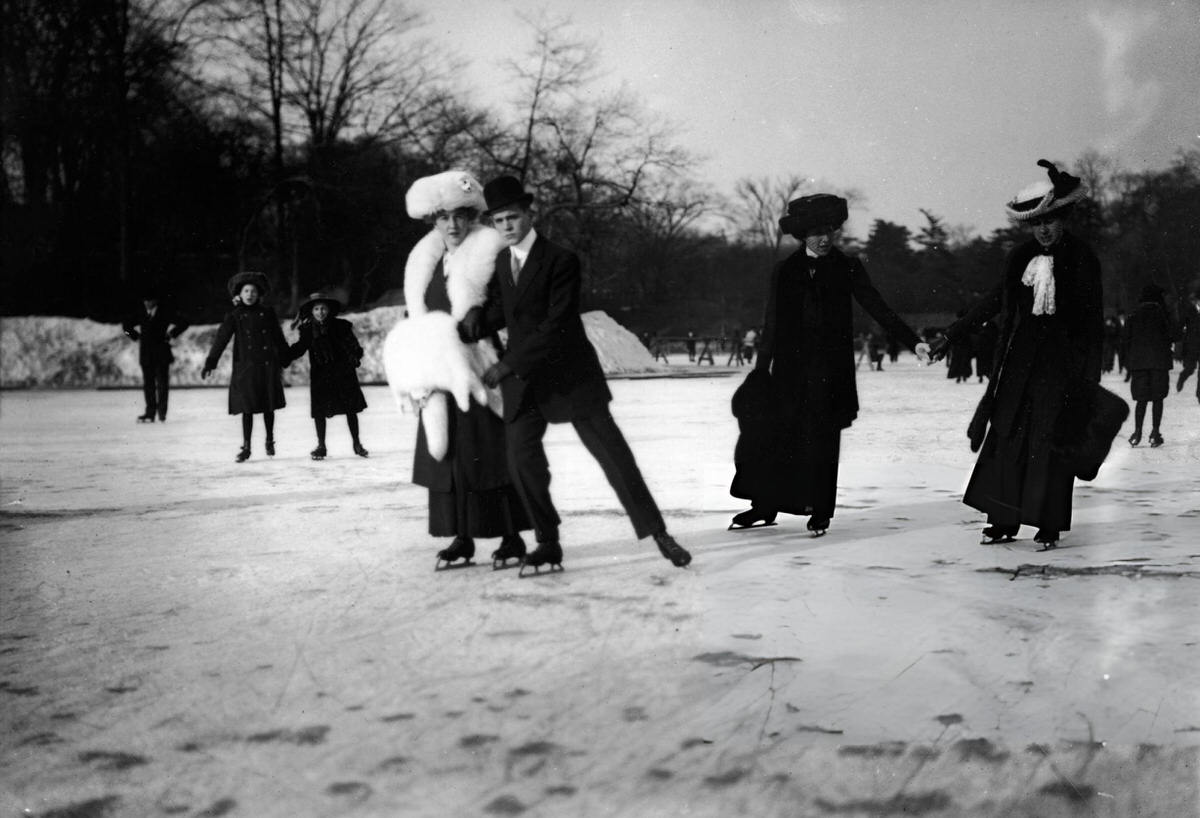
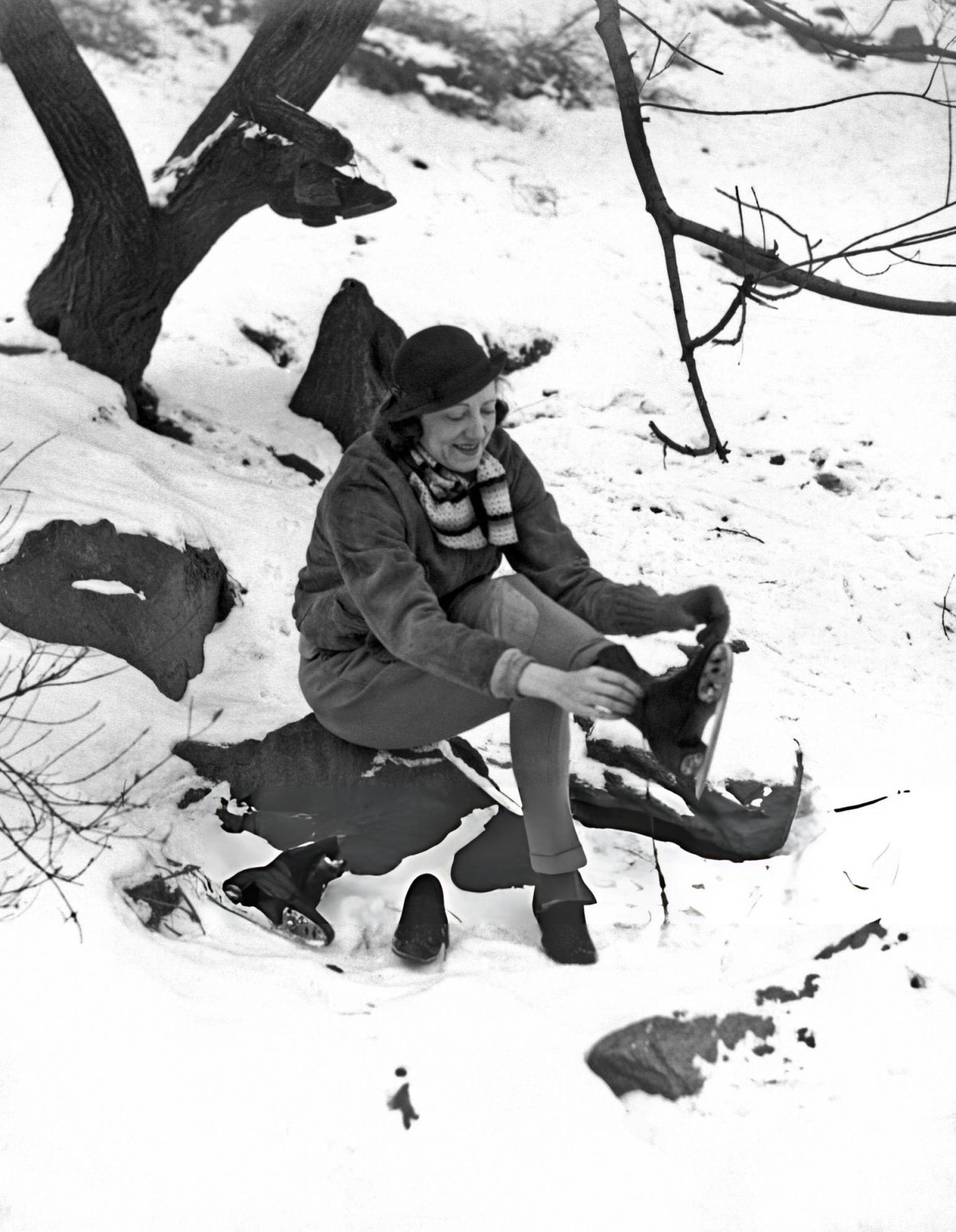
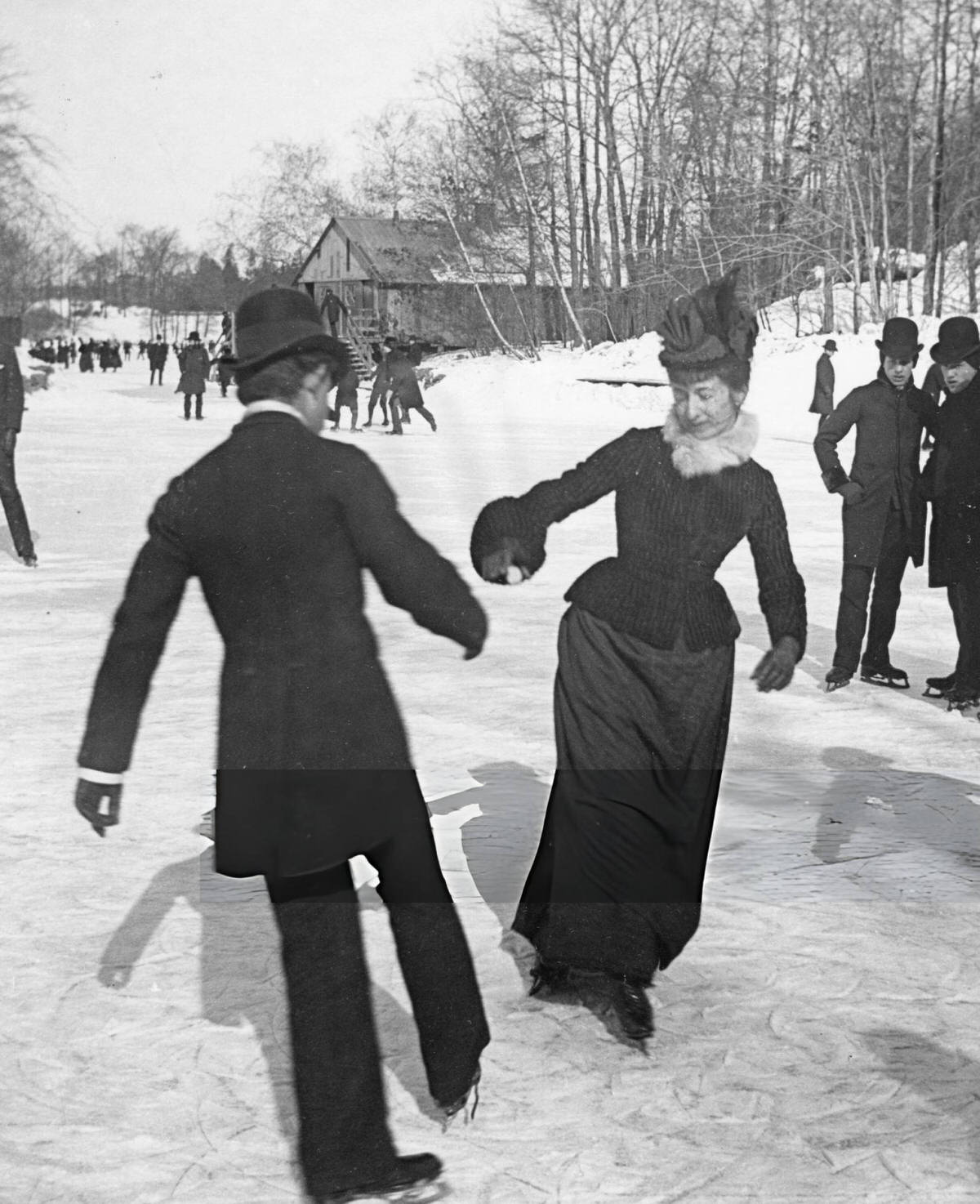
During the 1890s, skating was a formal social event. Women wore floor-length wool skirts, fur muffs to keep their hands warm, and decorative hats. Men dressed in heavy overcoats and suits. The skates of this period often clamped onto the soles of leather boots with metal levers. Because the ice was natural, it was not perfectly smooth. Maintenance crews worked overnight to shovel snow and plane the surface of the frozen Lake.
The park department provided temporary wooden sheds along the shoreline. These structures served as warming huts where skaters changed their shoes and rested by wood-burning stoves. Large bonfires were often built on the banks to provide light and heat after the sun went down. Vendors sold hot chocolate and roasted chestnuts to the crowds. The atmosphere was quiet, as the only sounds were the scraping of metal blades and the murmur of conversation.
Read more
Technological Shifts in the Early 1900s
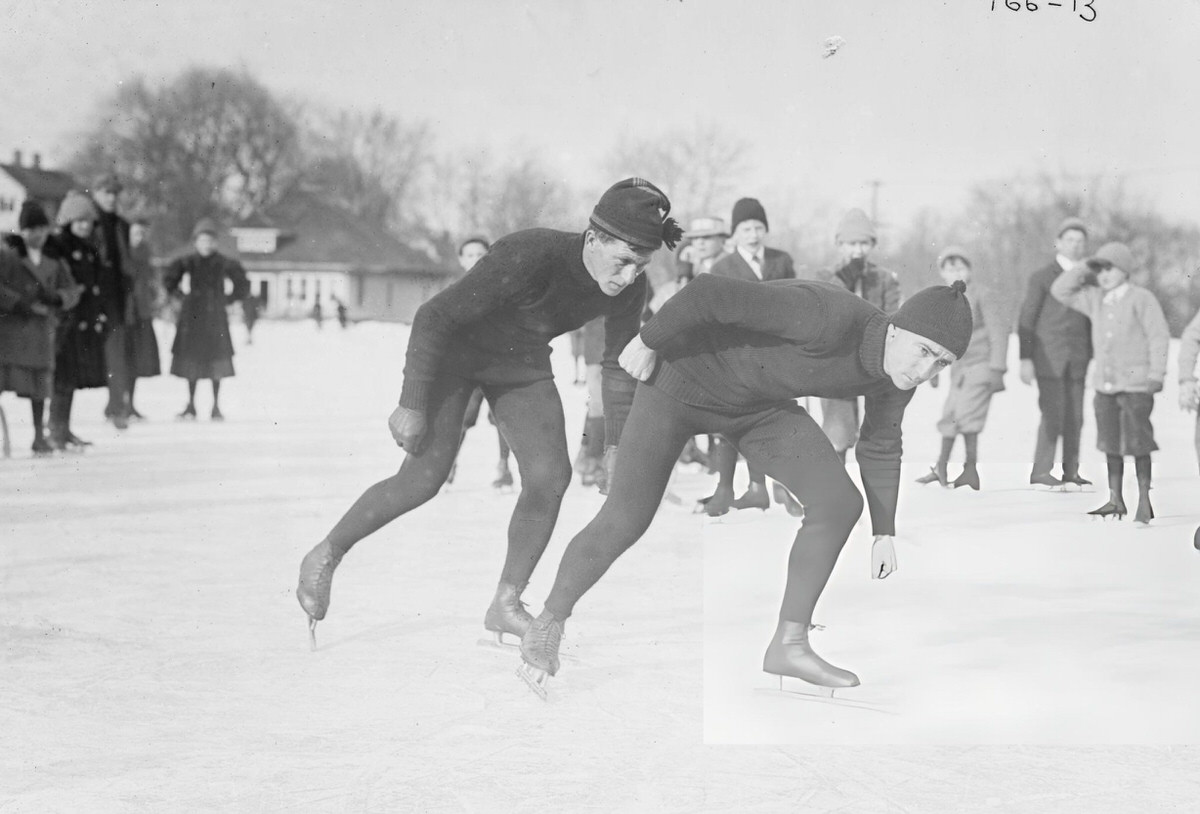
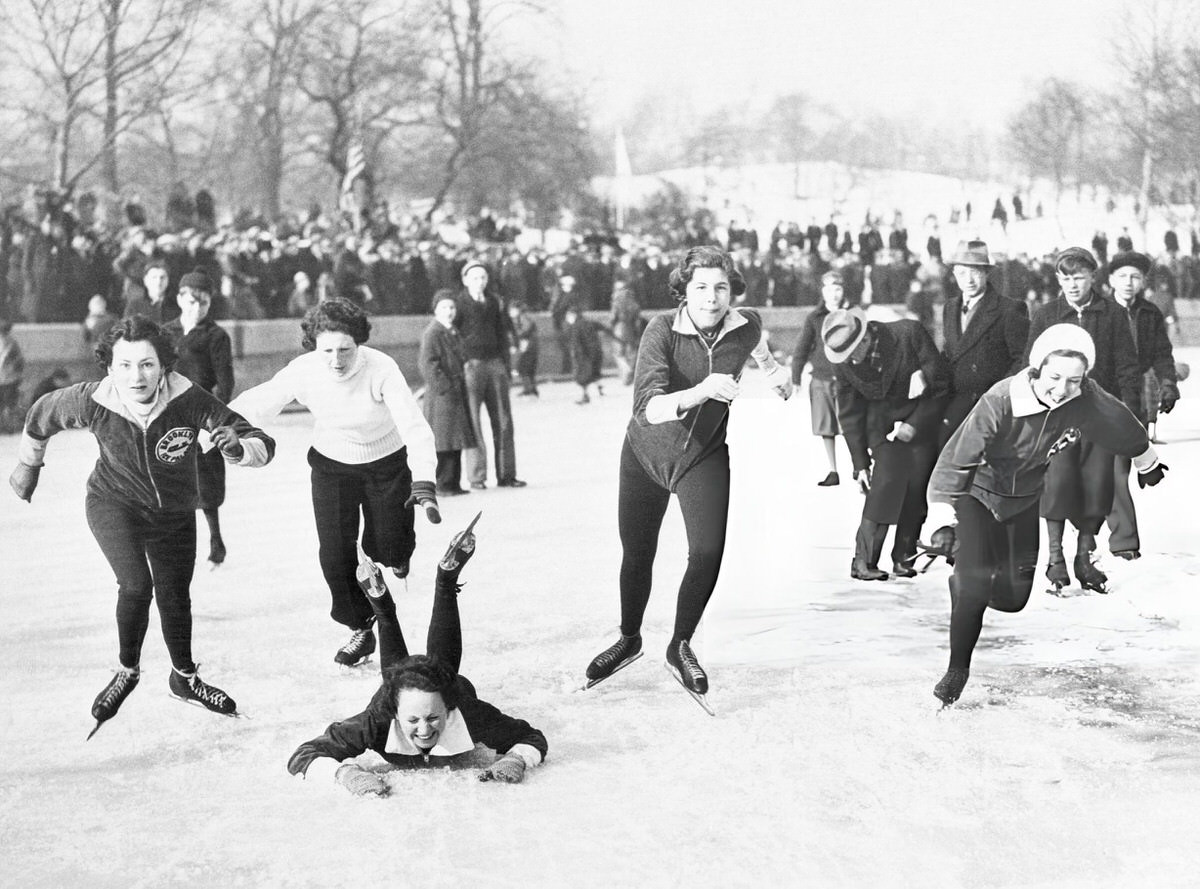
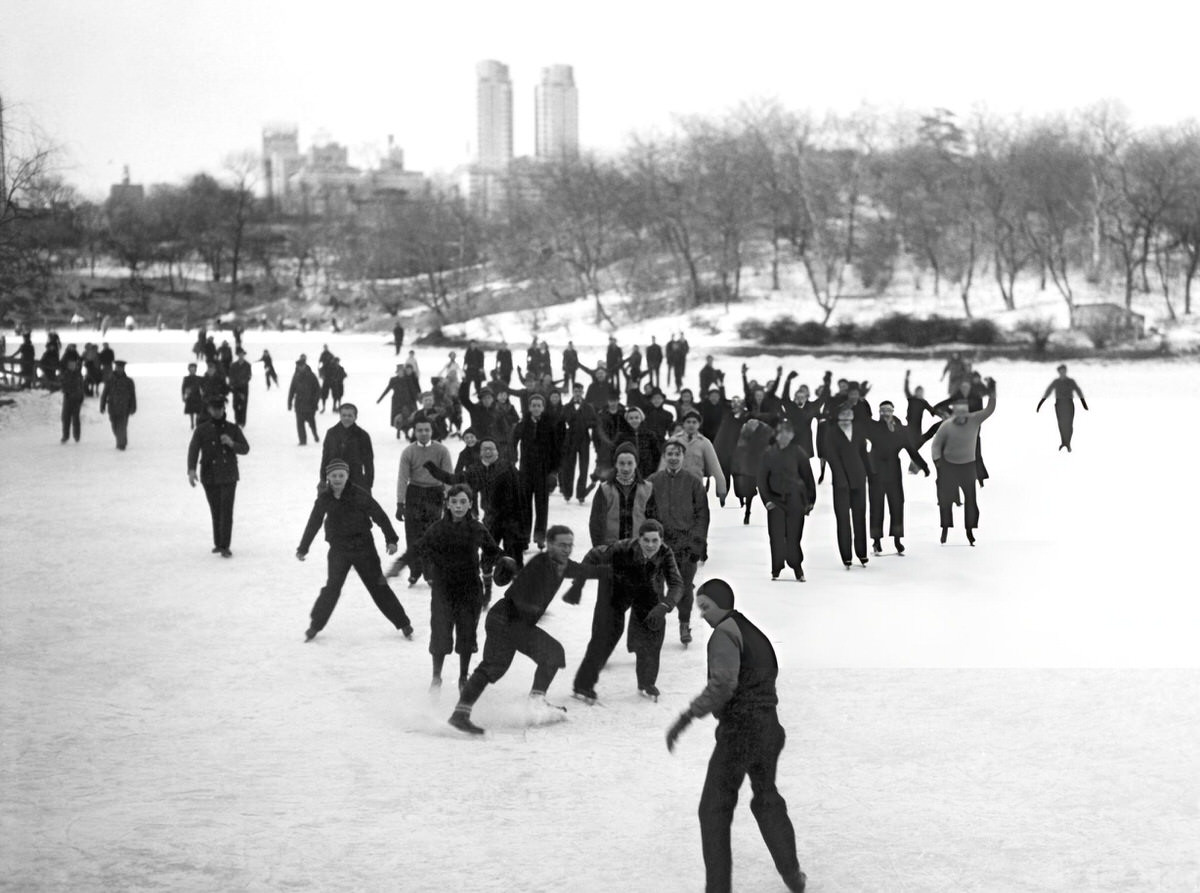
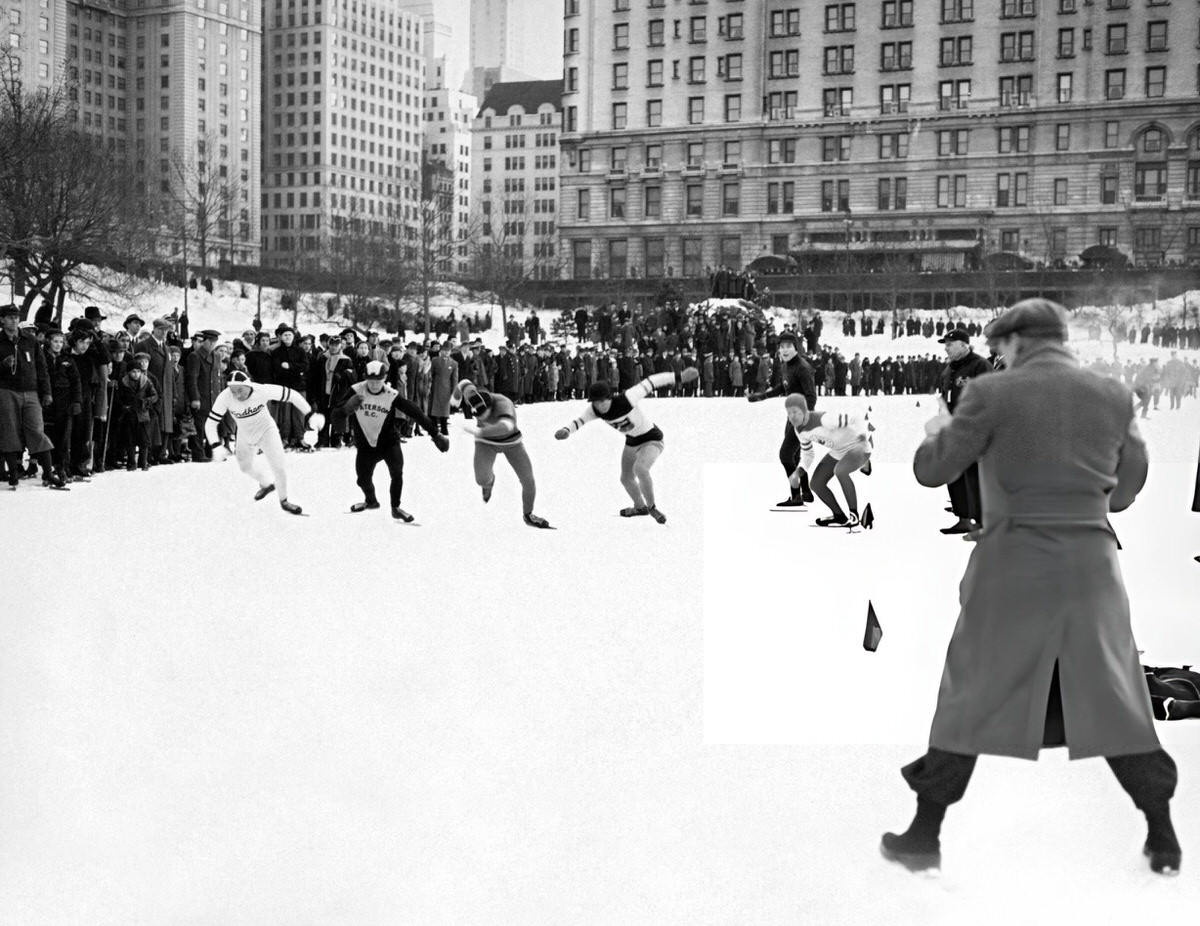
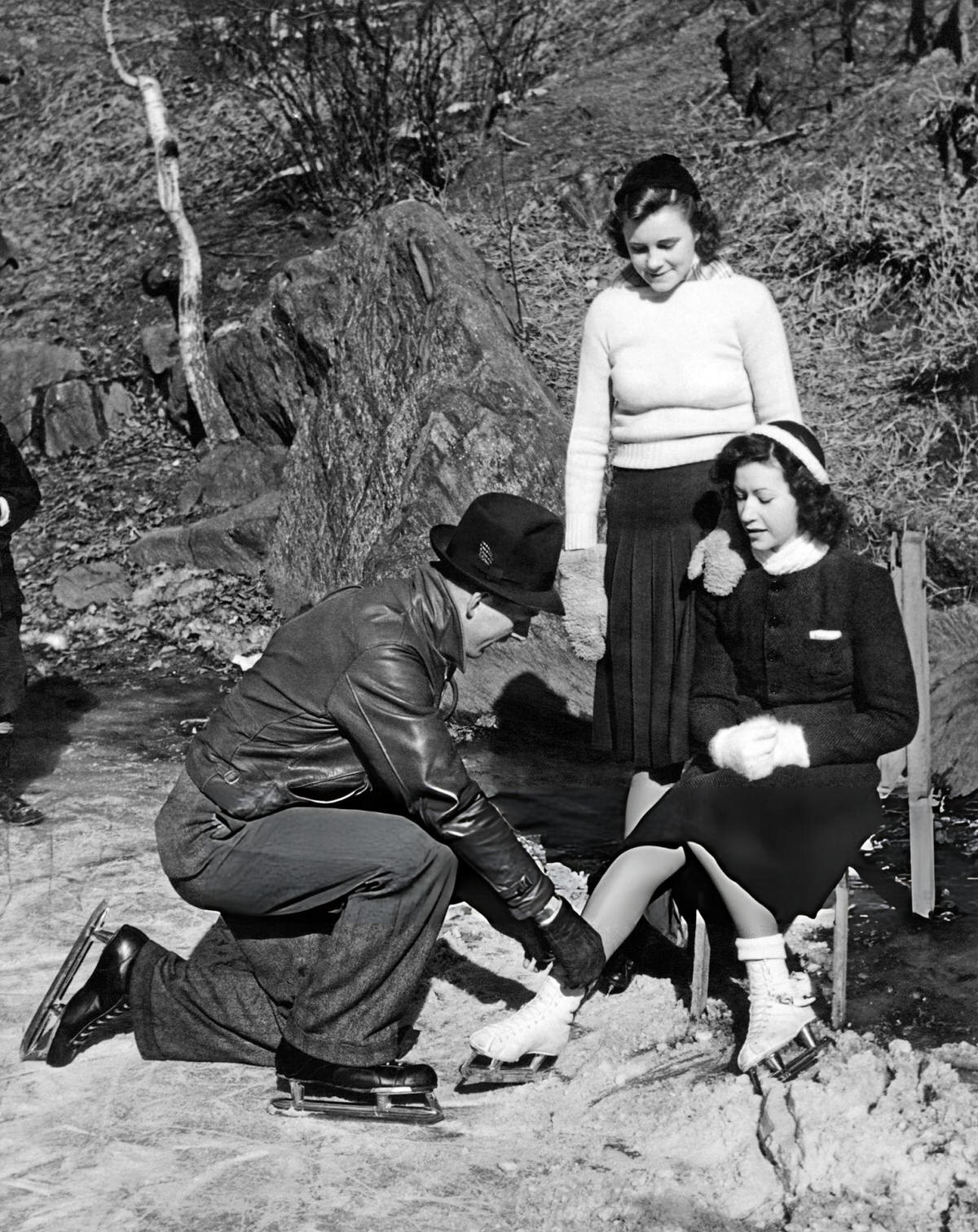
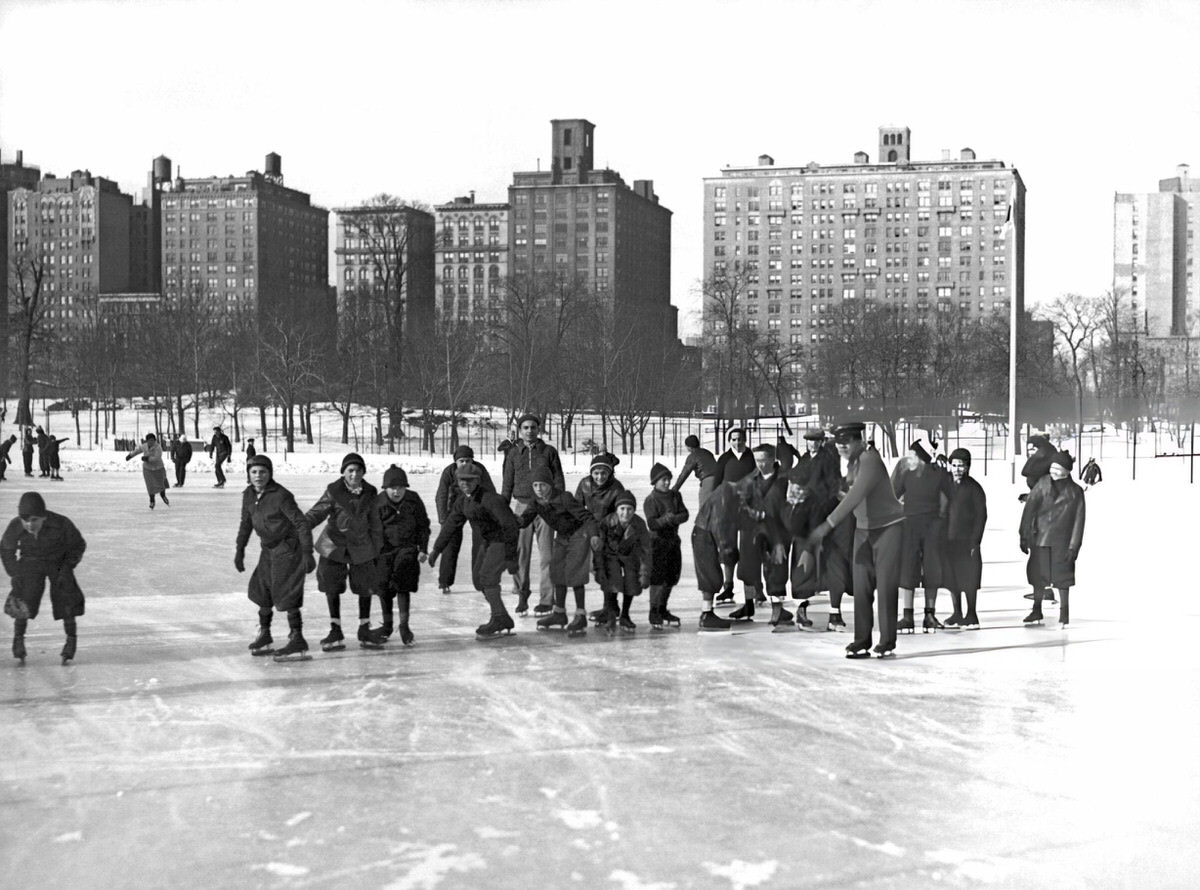
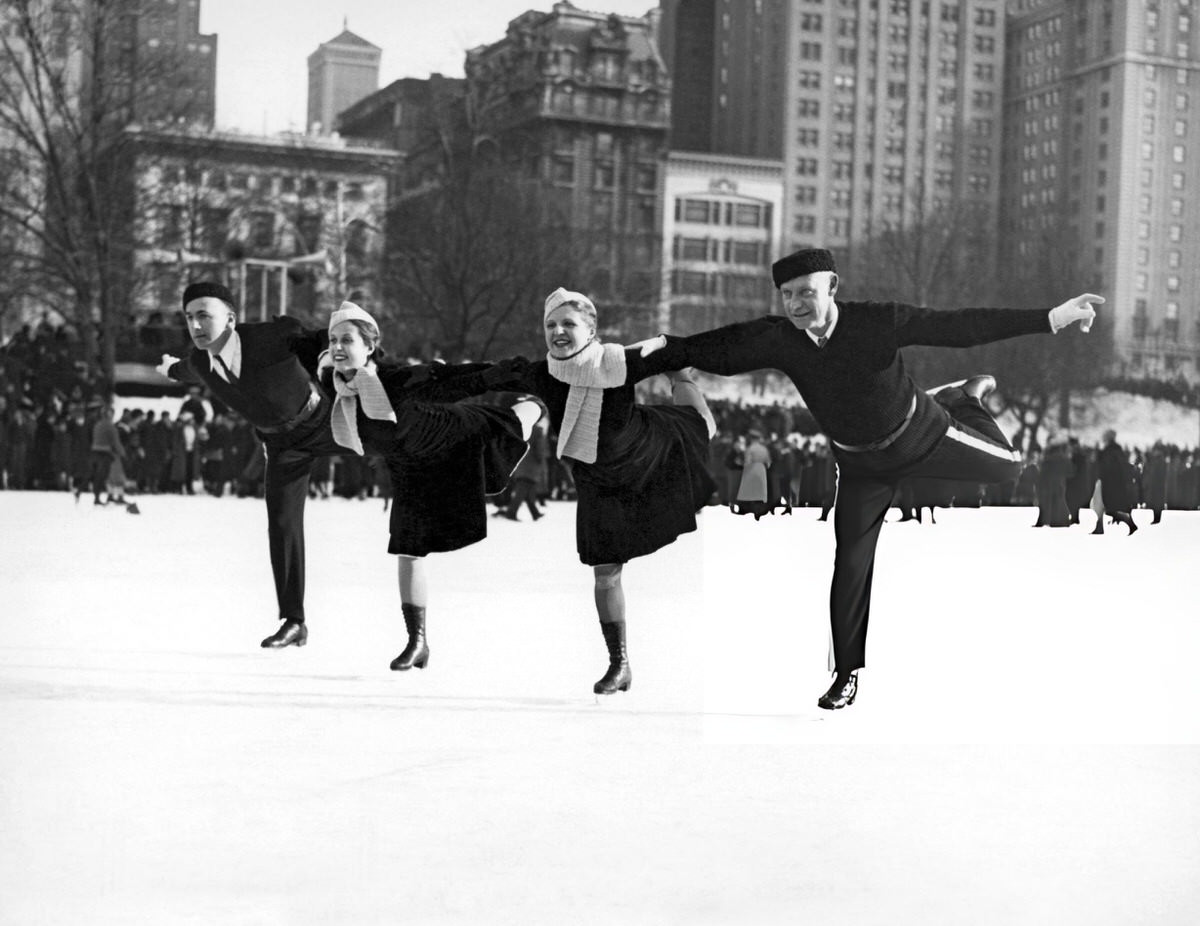
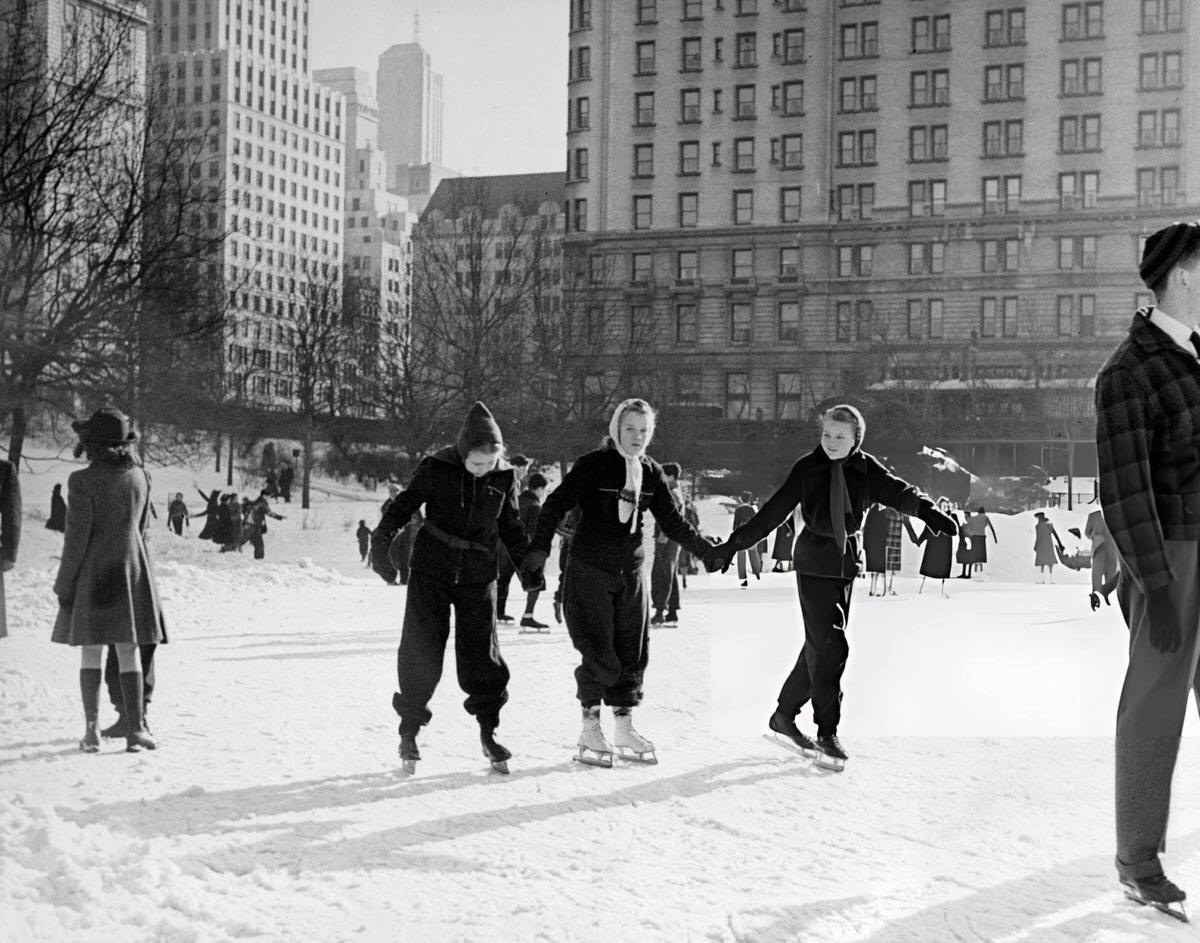
As the 20th century progressed, the equipment became more advanced. By the 1920s and 1930s, the “tubular” skate became popular. These skates featured a boot permanently attached to a hollow steel blade, which allowed for more speed and better control. Skating became less of a slow stroll and more of an athletic pursuit. Young people began practicing jumps and spins, influenced by the growing popularity of figure skating in the Winter Olympics.
The park staff used horse-drawn scrapers to clear the ice after heavy snowstorms. They had to be careful not to put too much weight on the frozen surface. If a crack appeared, they marked it with a red flag. Safety was a major concern because the water beneath the ice was deep. Despite the risks, the Lake remained the most popular winter destination in Manhattan for decades.
The Arrival of Wollman Rink
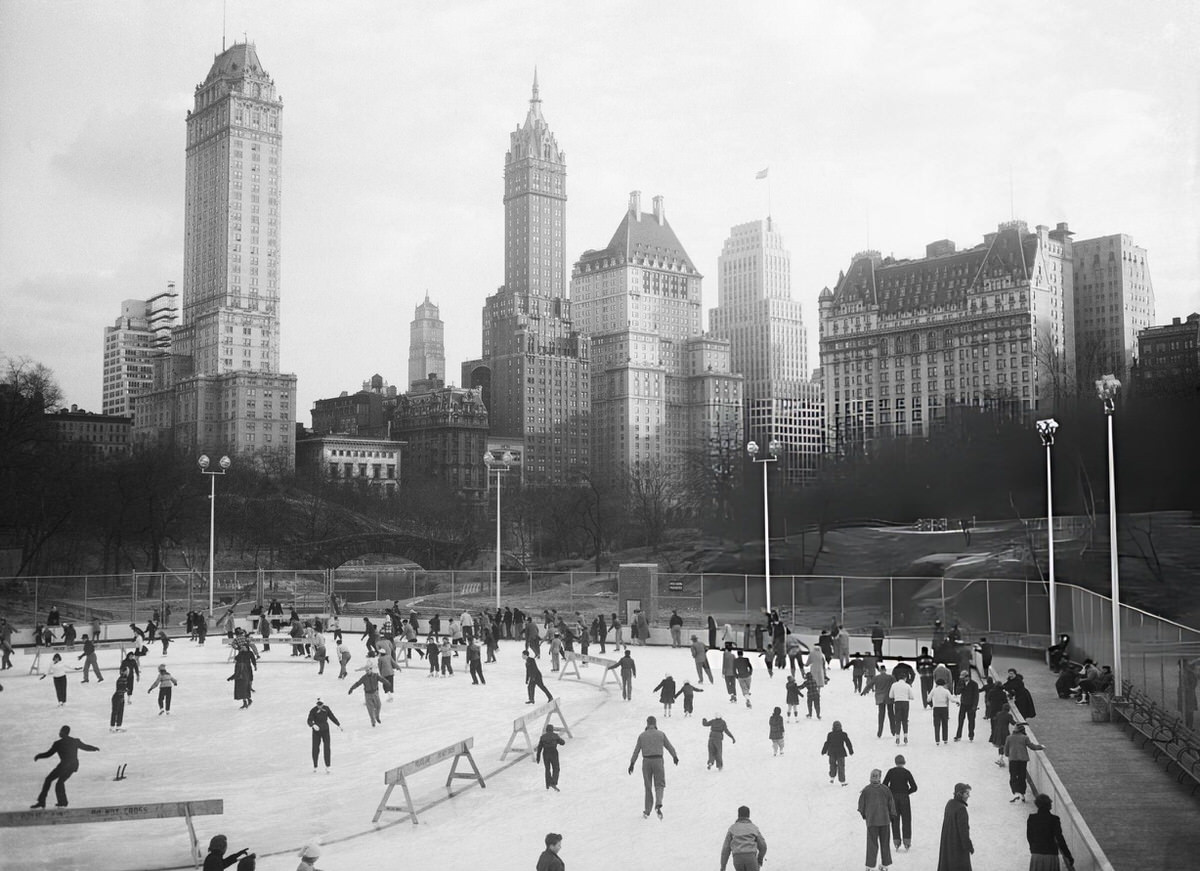
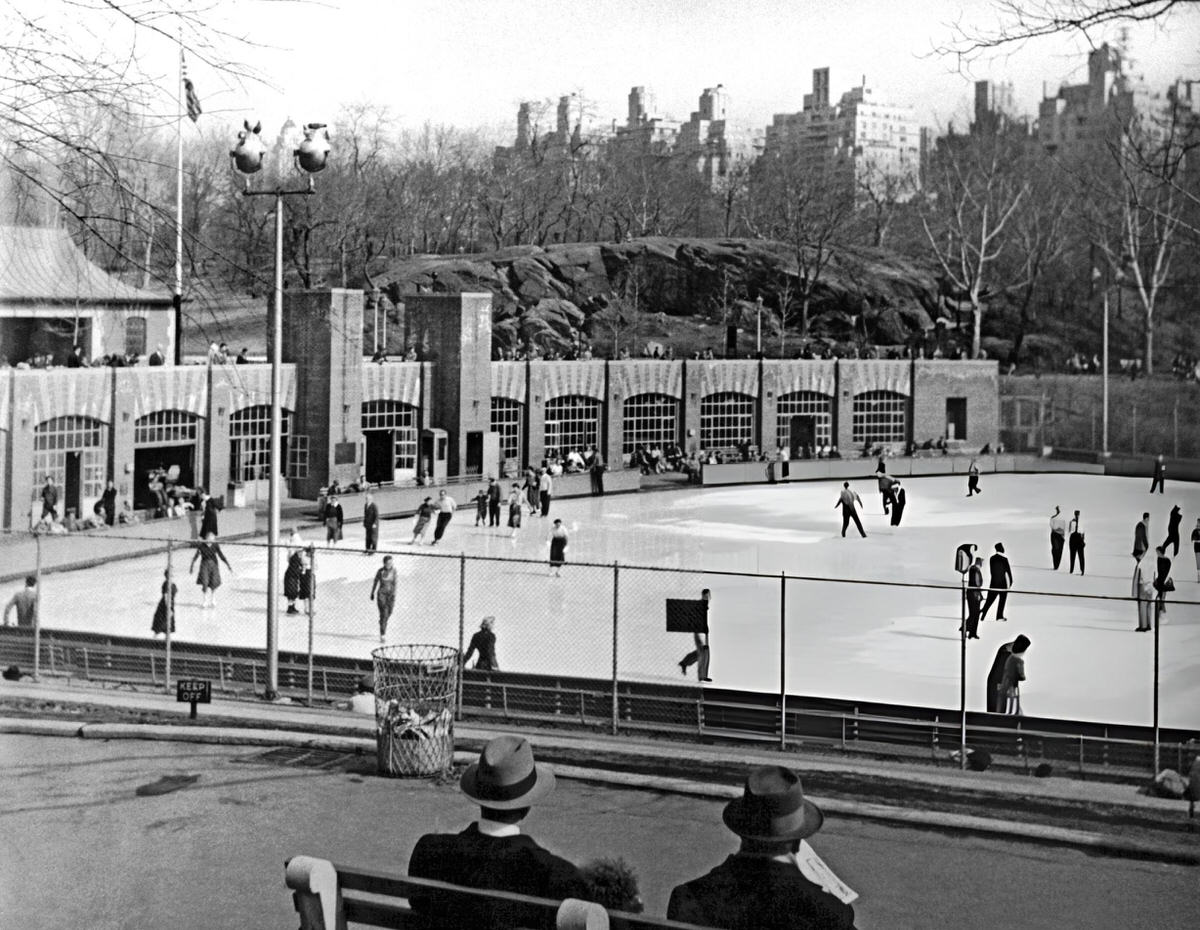
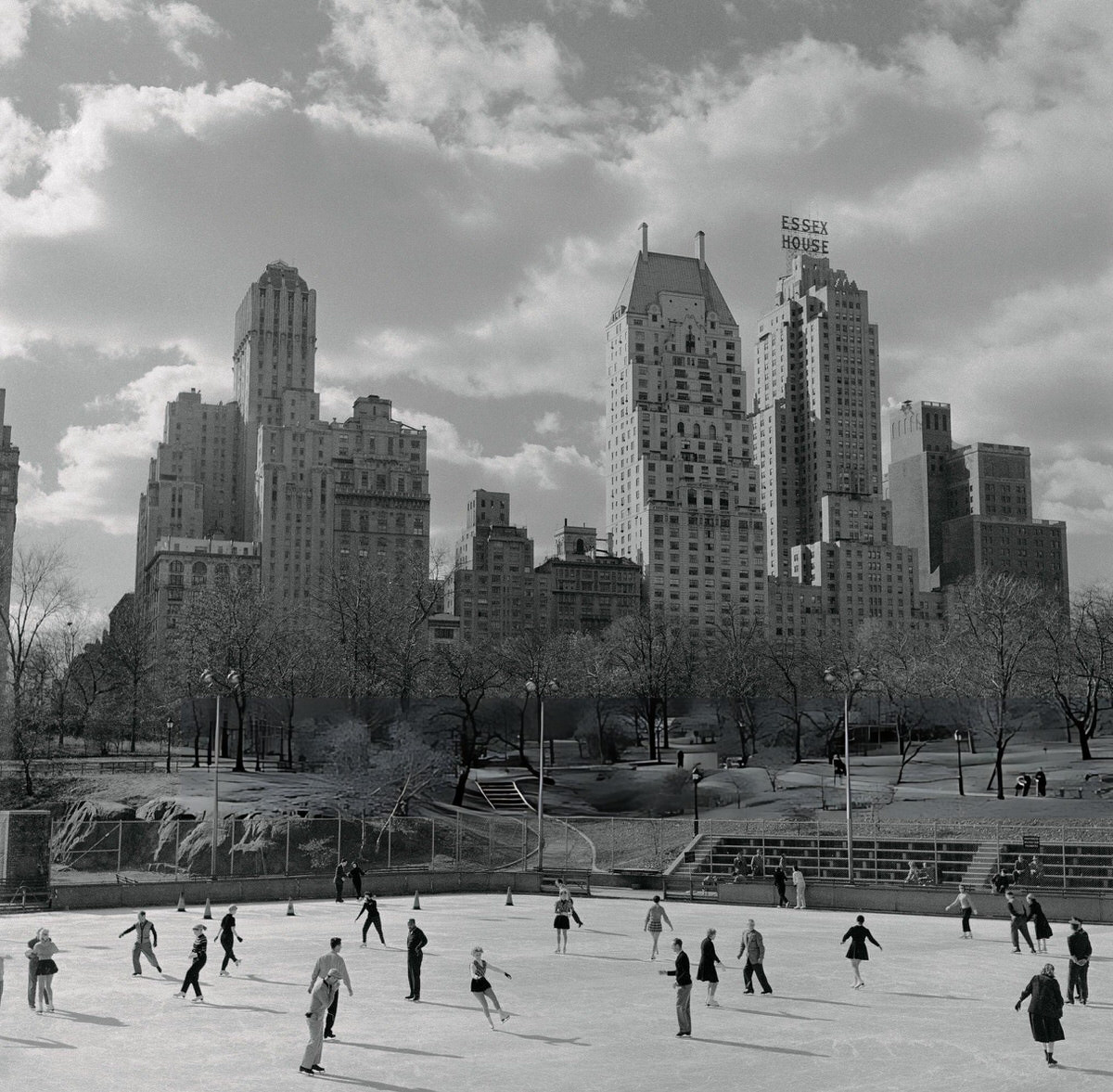
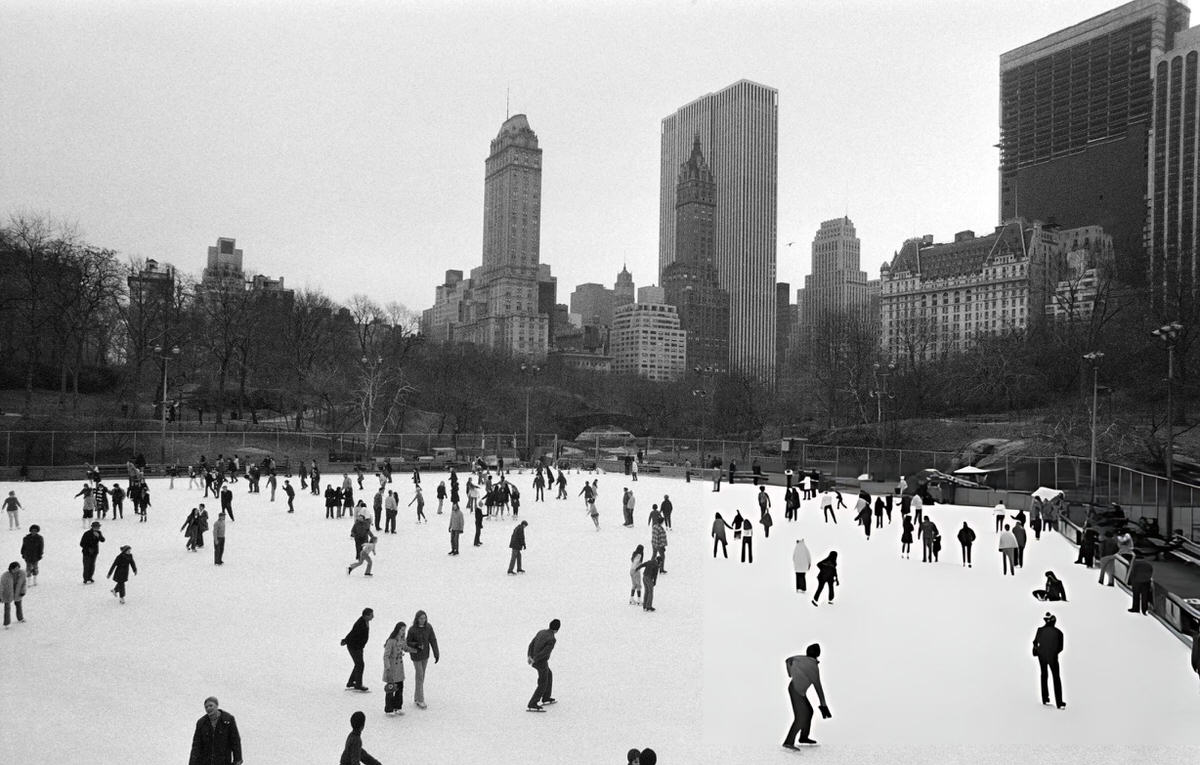
In 1950, the skating experience changed forever with the opening of the Wollman Memorial Rink. Kate Wollman donated the funds to build the facility near the southeast corner of the park. Unlike the Lake, this rink used an artificial cooling system. Pipes filled with brine were laid beneath the concrete surface to freeze the water. This meant that New Yorkers could skate even when the outside temperature was above freezing.
The rink featured a large, modern brick building that housed a snack bar, locker rooms, and a skate sharpening shop. The ice was maintained by a Zamboni, a machine that shaved the surface and laid down a fresh layer of water. This resulted in a glass-like finish that natural ice could not match. The opening of the rink shifted the crowd away from the natural ponds and toward the more predictable, man-made ice surface.
Skating Culture in the 1950s and 1960s
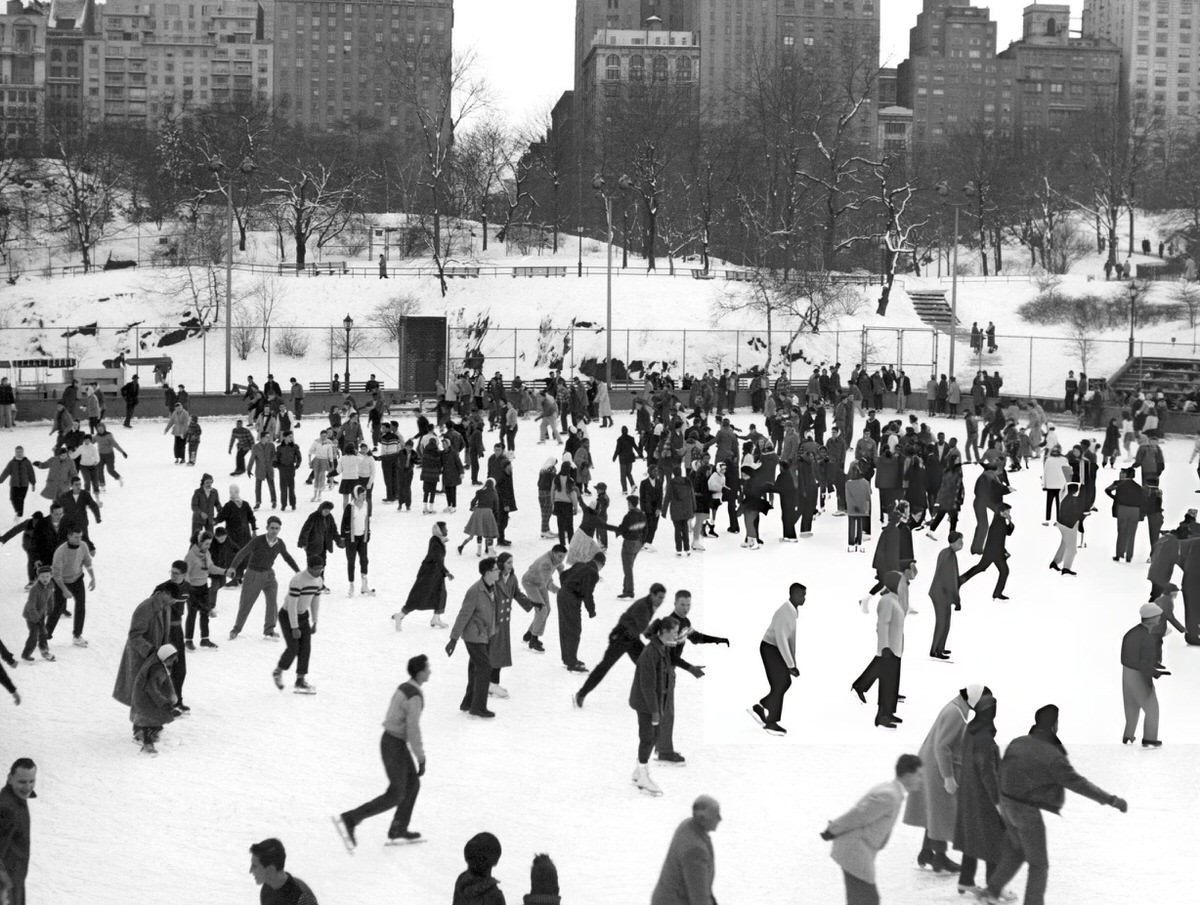
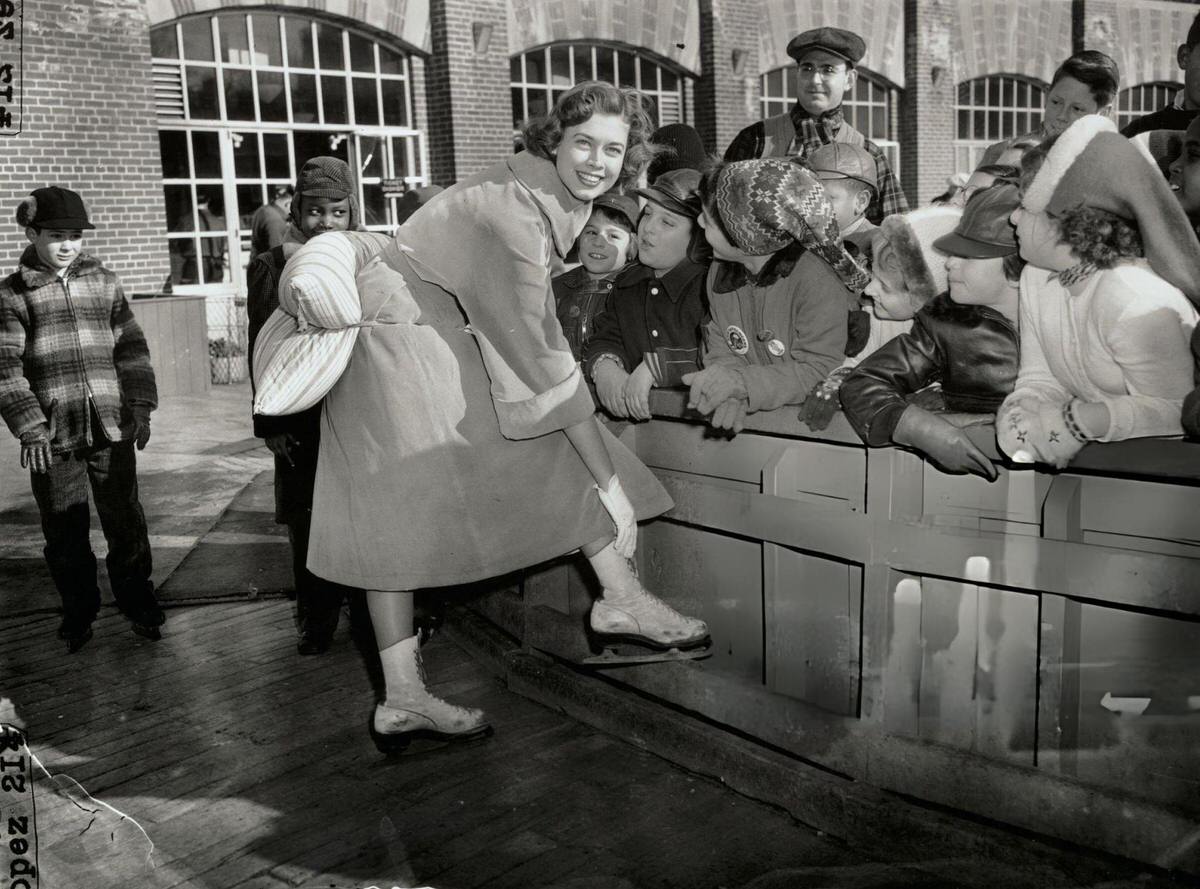
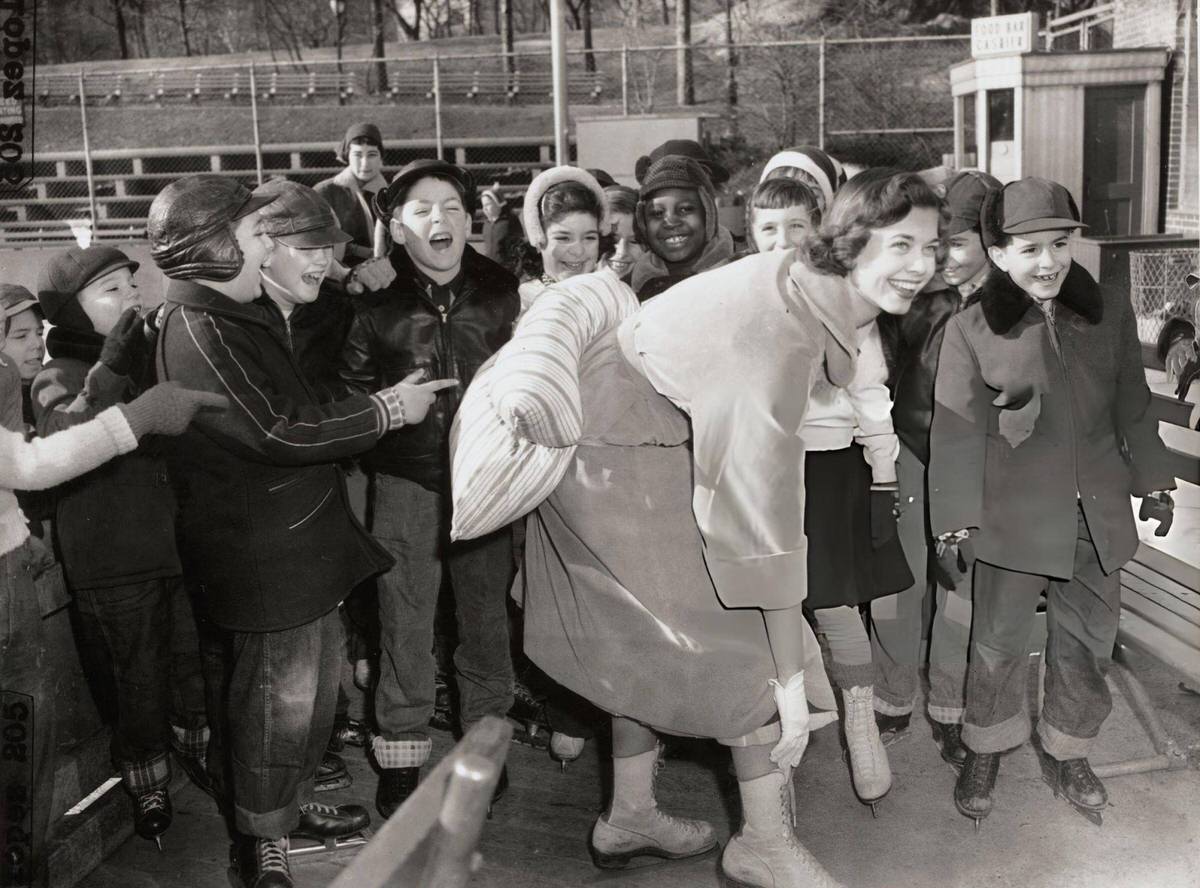
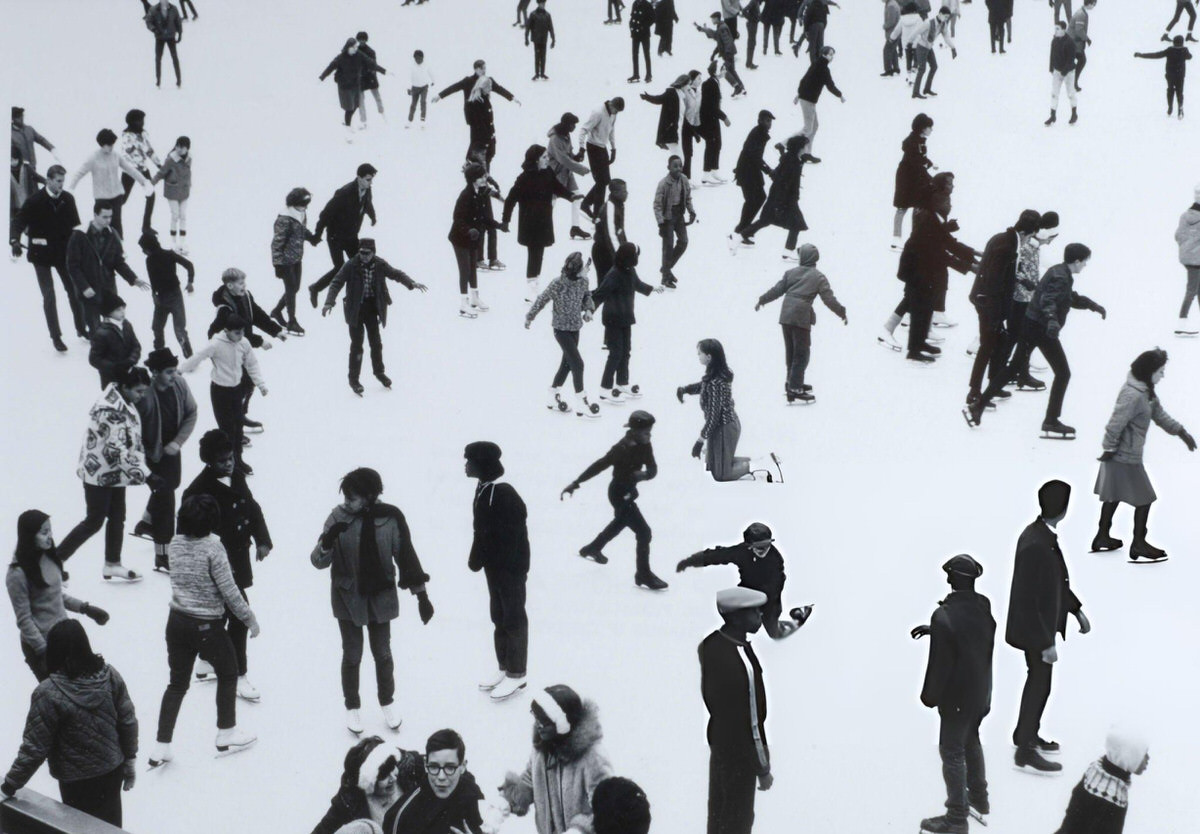
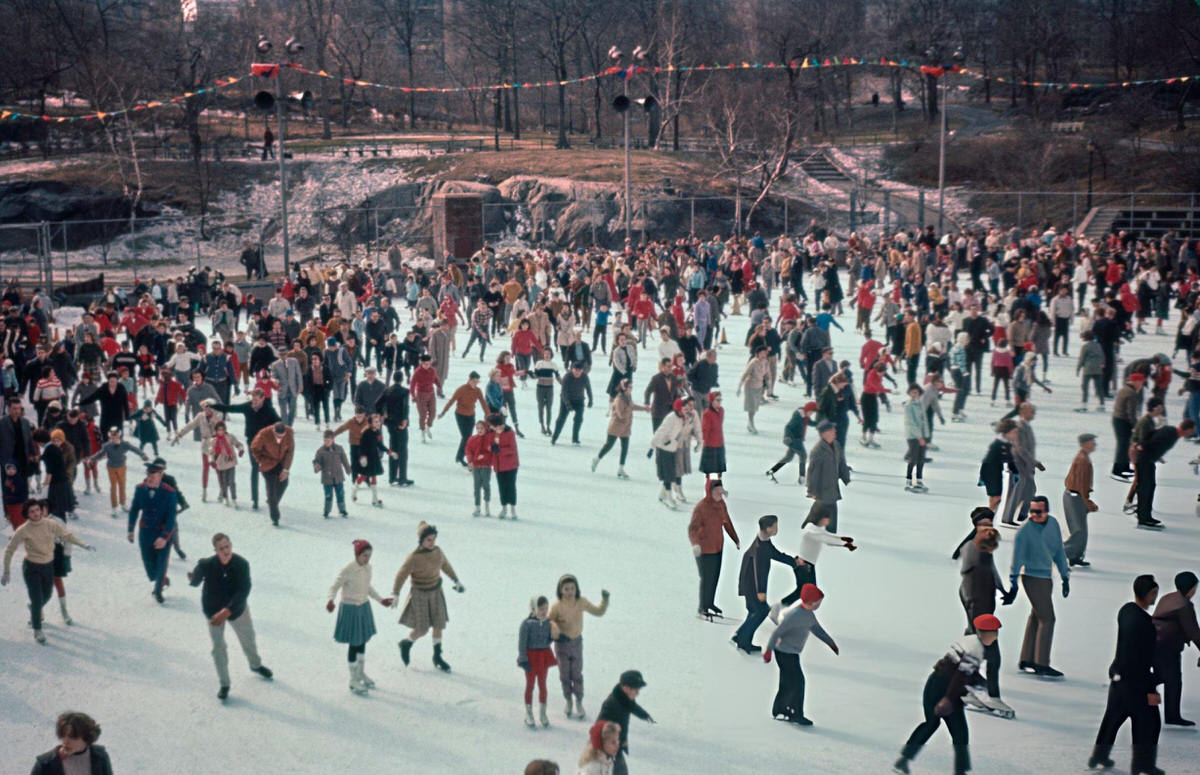
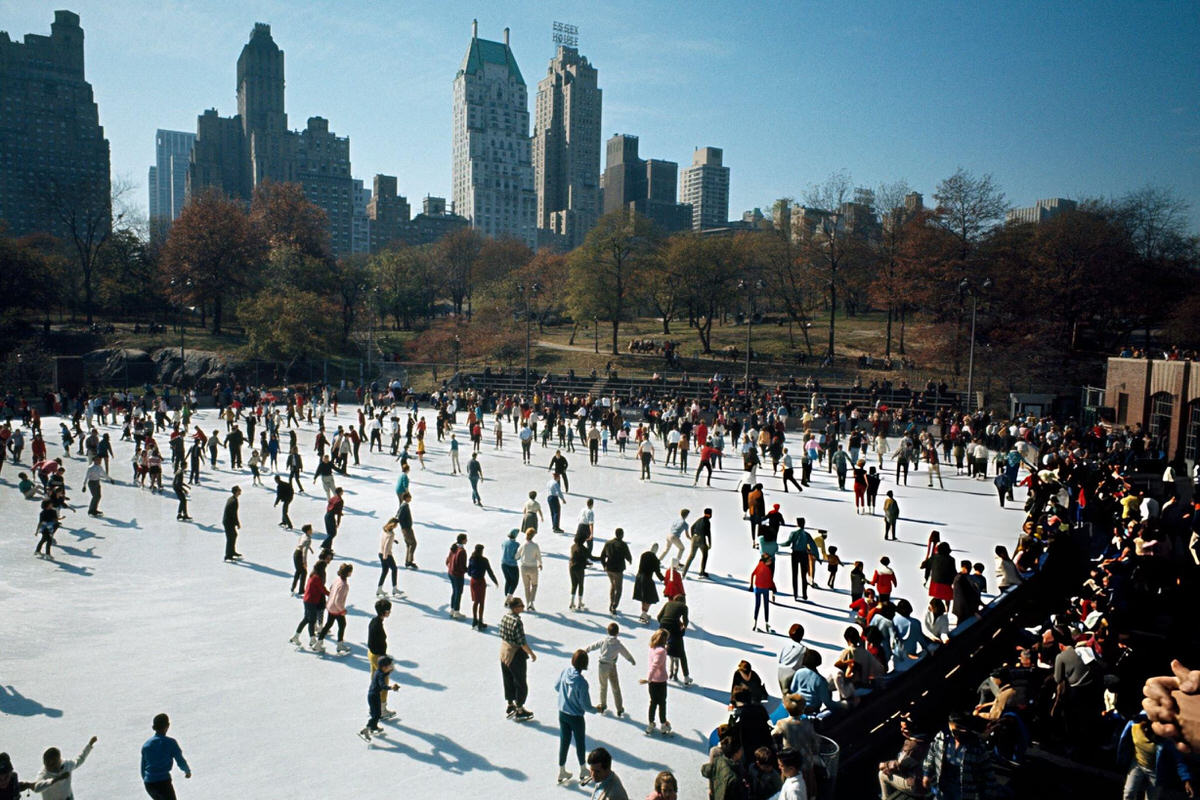
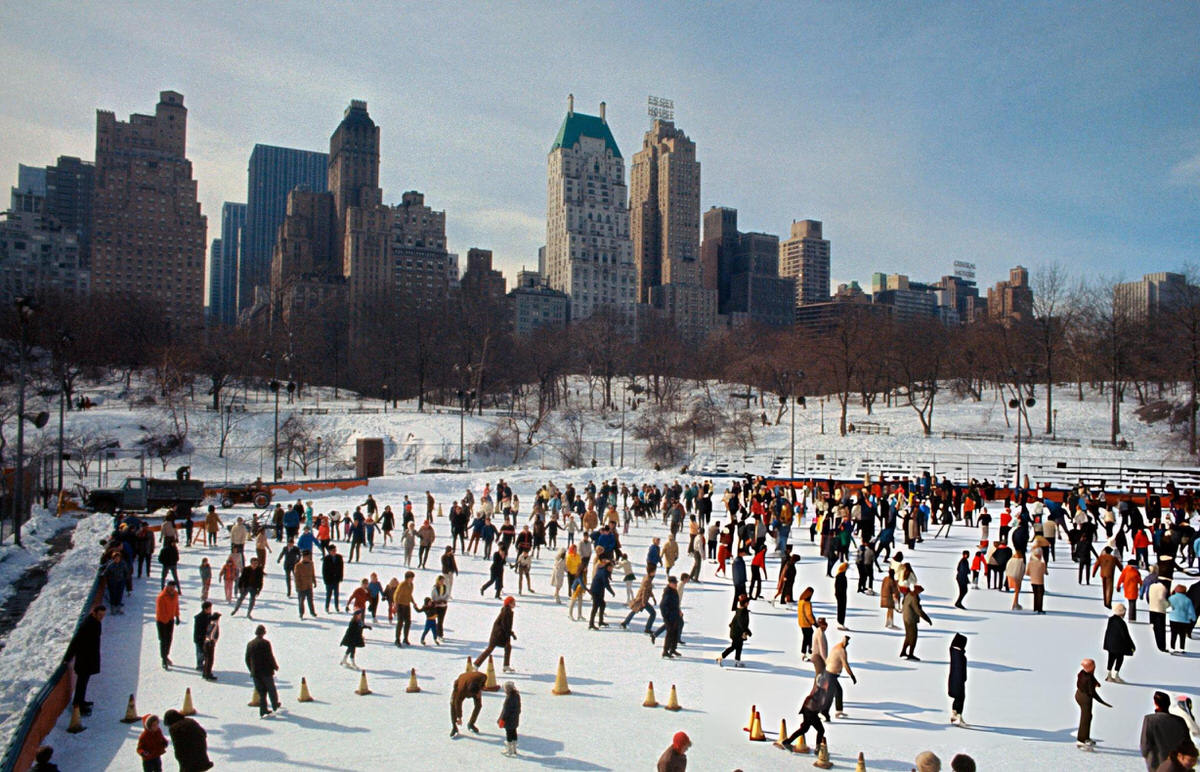
By the 1960s, the clothing had become much more casual. Teenagers wore colorful sweaters, jeans, and knitted pom-pom hats. The rink played popular music over loud speakers, turning the sessions into a social party. Figures like Dick Button and Peggy Fleming made figure skating a household interest. Many children took formal lessons at Wollman Rink to learn the basics of the “edges” and “figures” that gave the sport its name.
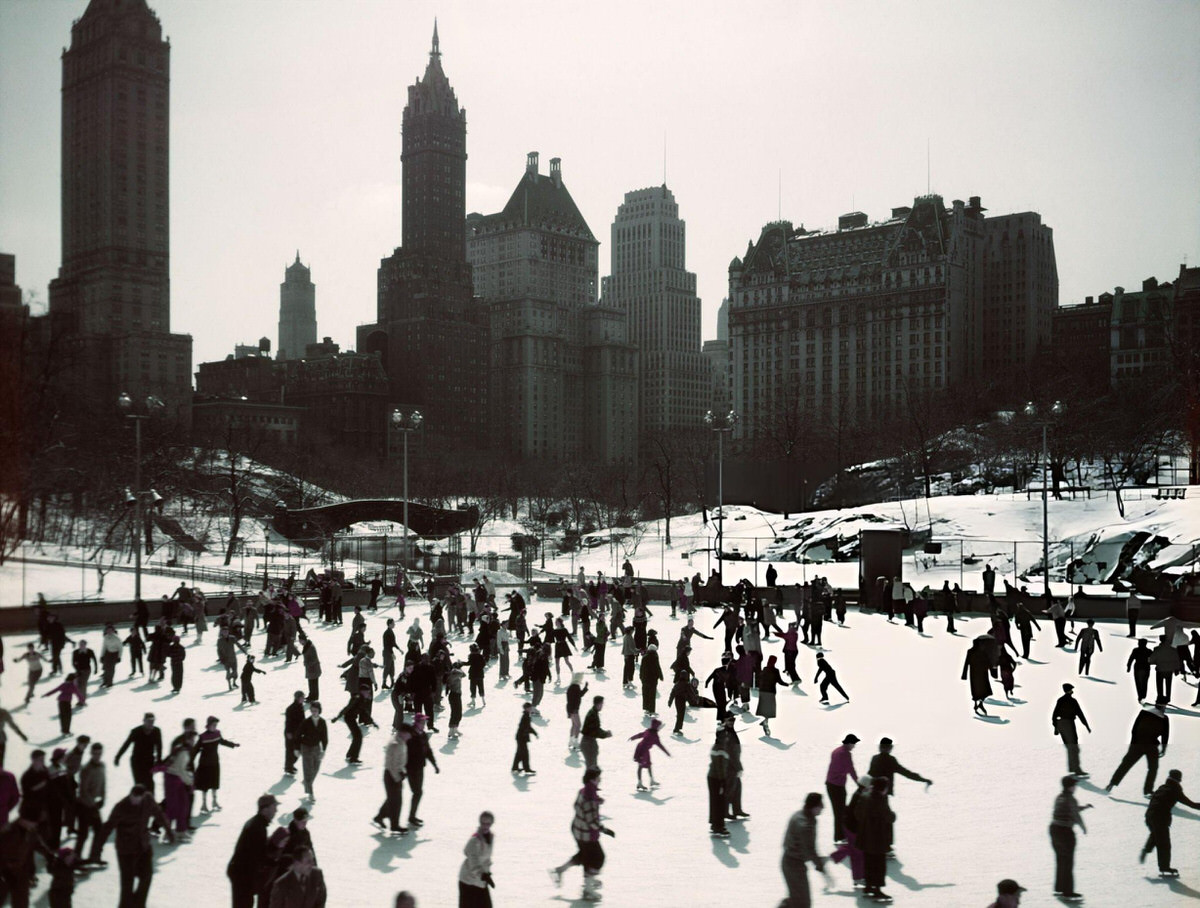
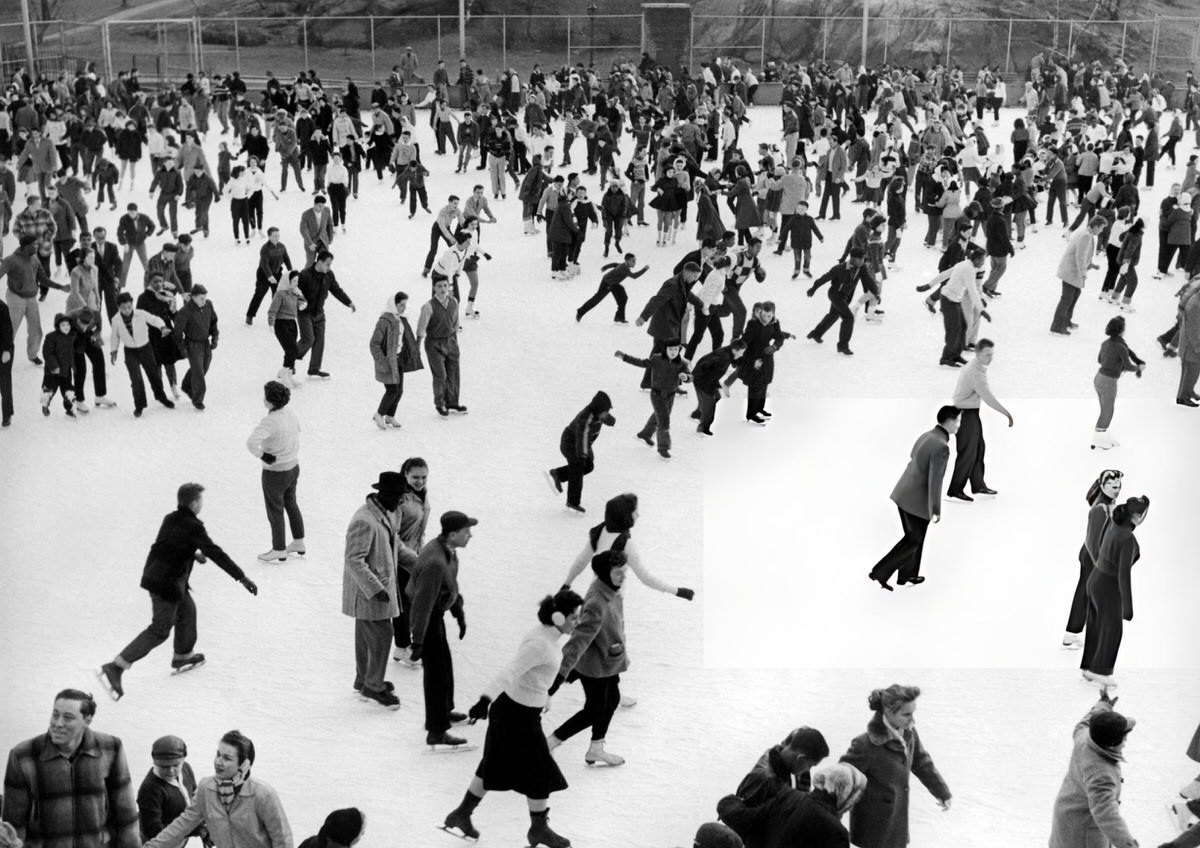
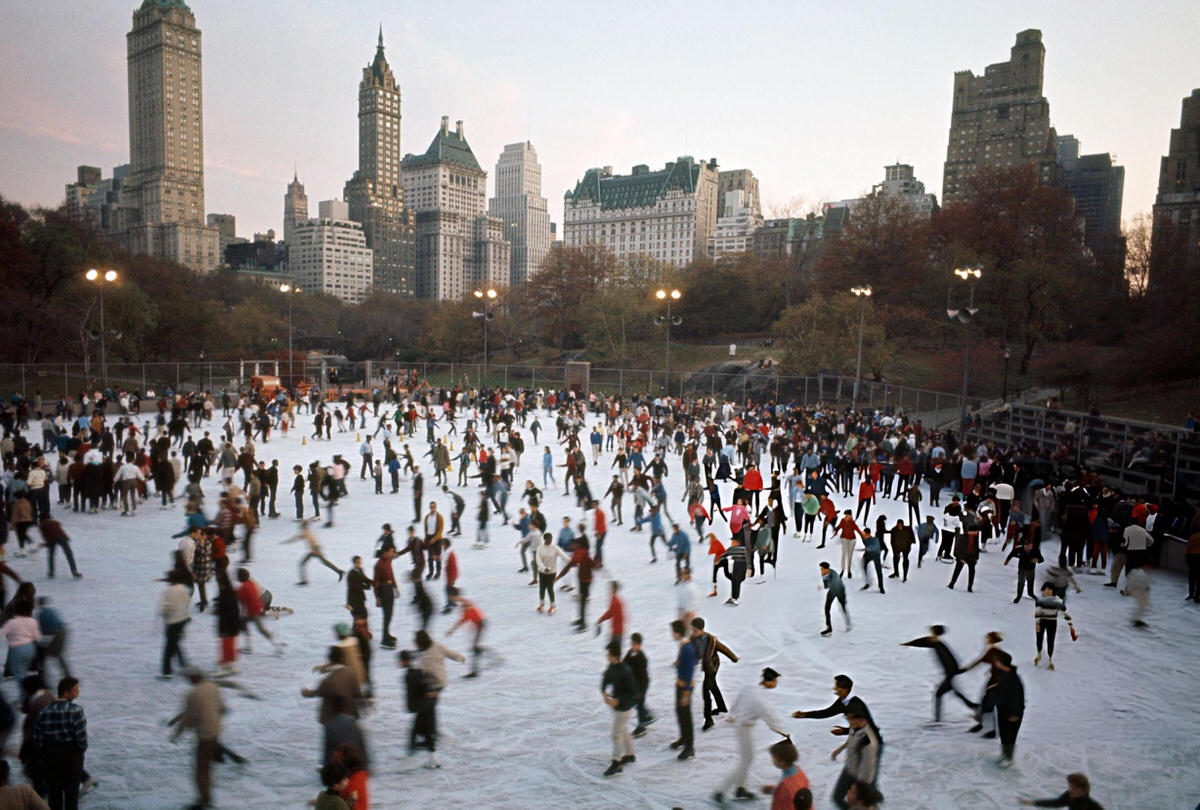
The rink was often at maximum capacity on weekends. Hundreds of people moved in a counter-clockwise circle under the supervision of “skate guards” in red jackets. These guards blew whistles to stop people from racing or skating backward in the fast lane. At night, powerful floodlights illuminated the ice, and the surrounding skyscrapers of Midtown provided a glowing backdrop.

GIPHY App Key not set. Please check settings