

 Adriana Palmer
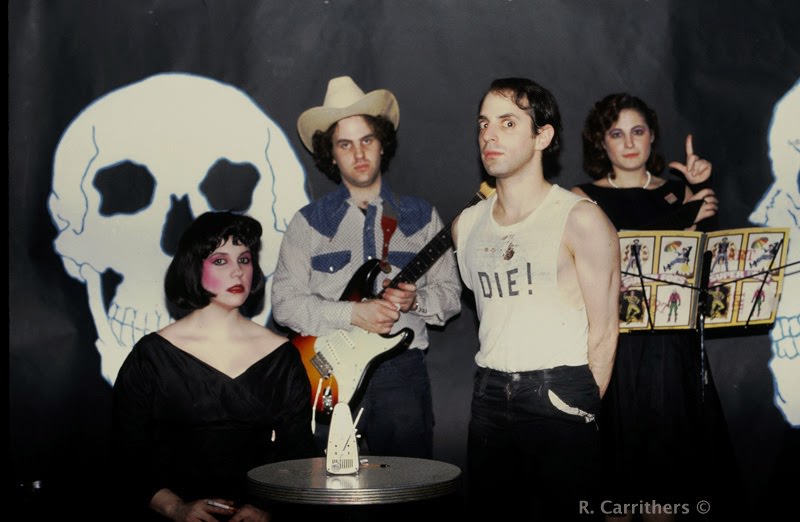
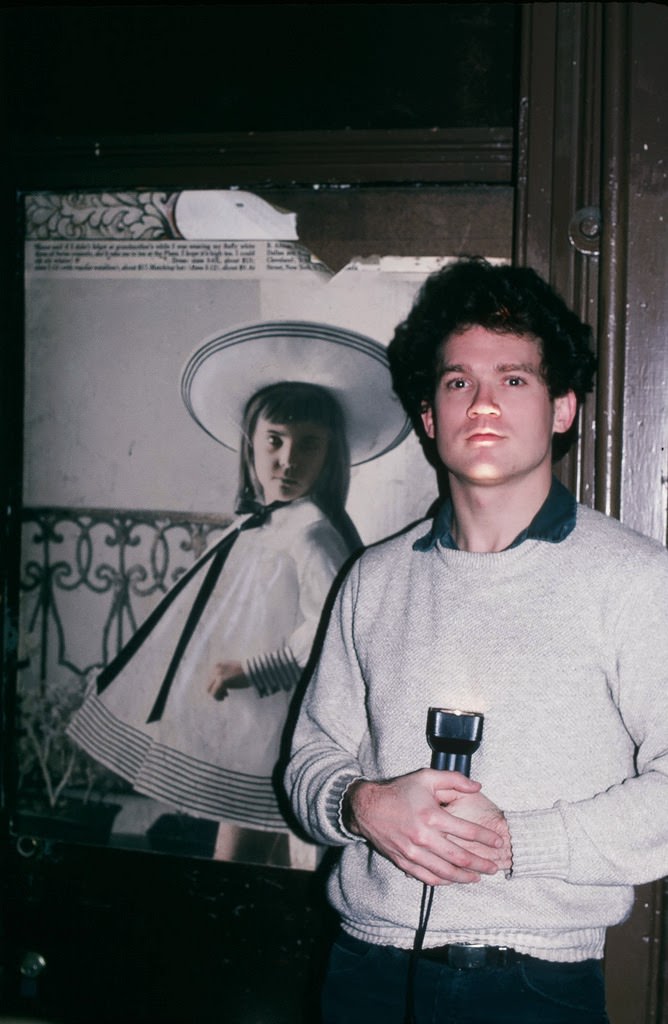
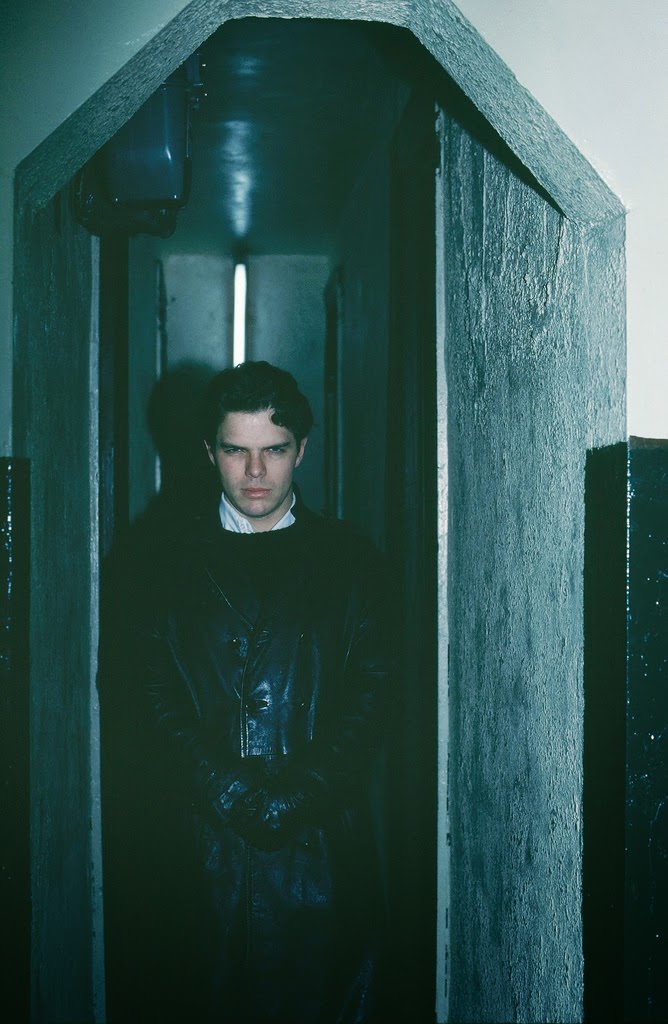
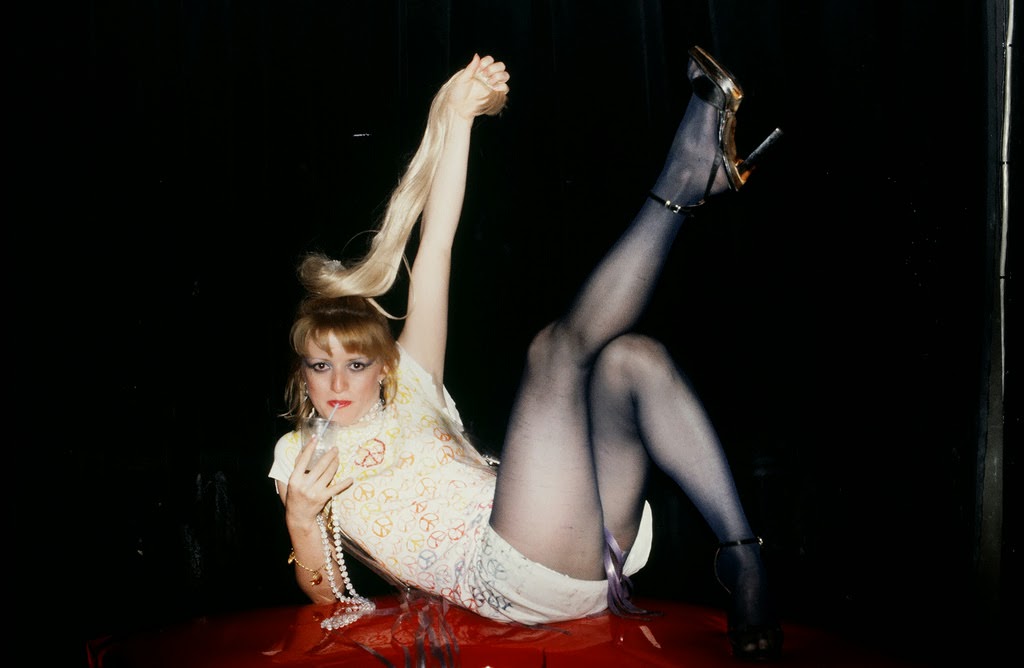
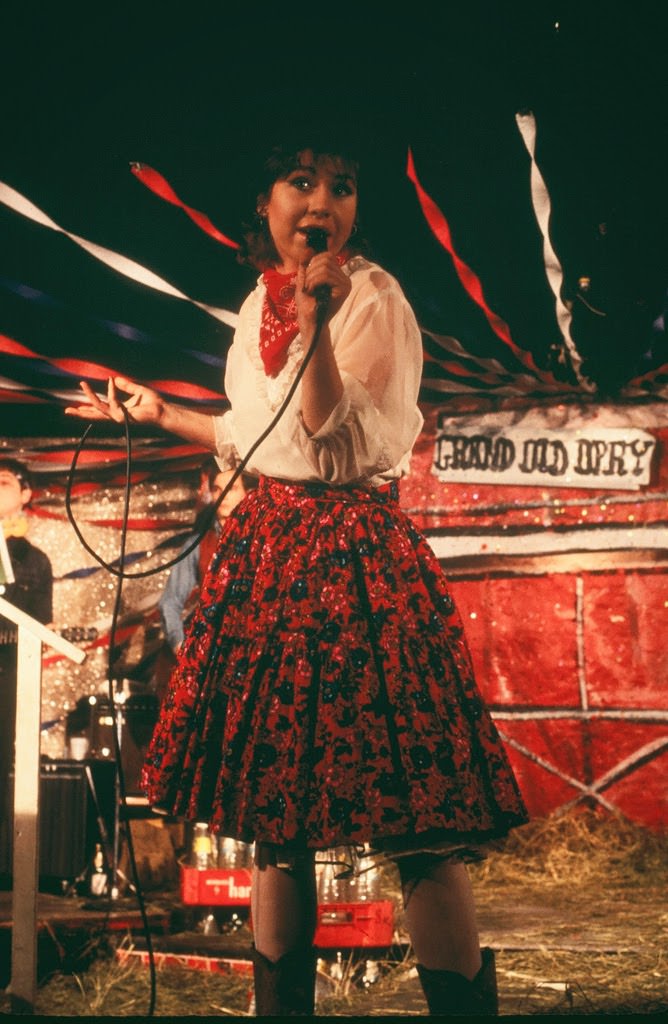
Club 57 operated out of the basement of a Polish church on St. Mark’s Place in the East Village. The address was 57 St. Mark’s Place — that’s where the name came from. The space was small, ugly by design, and run on almost no budget. It became one of the most creatively dense venues New York City produced in that entire decade.
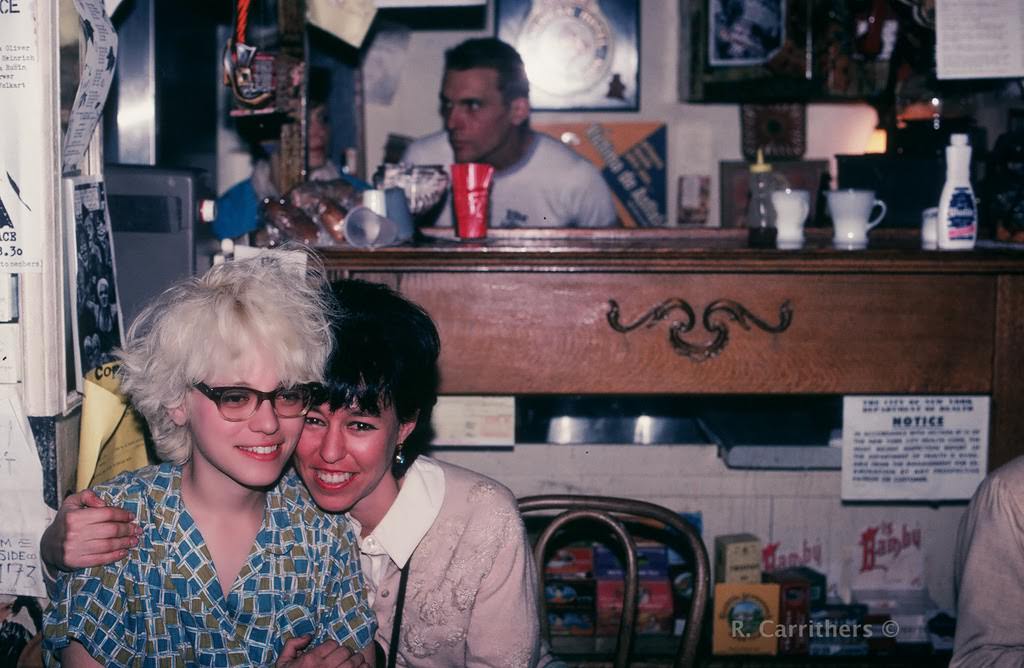
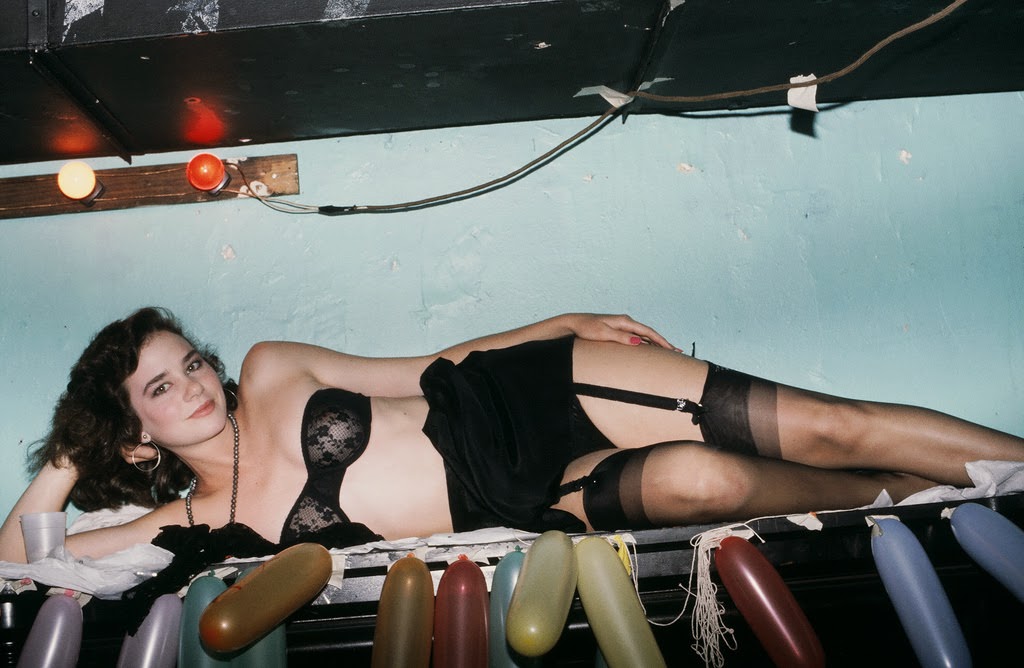
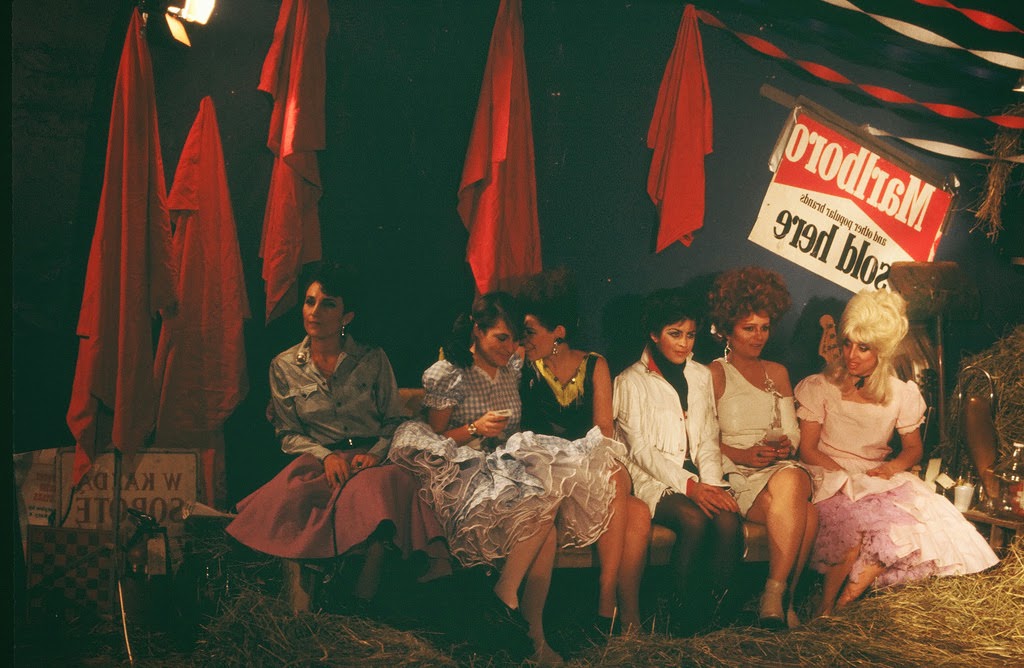
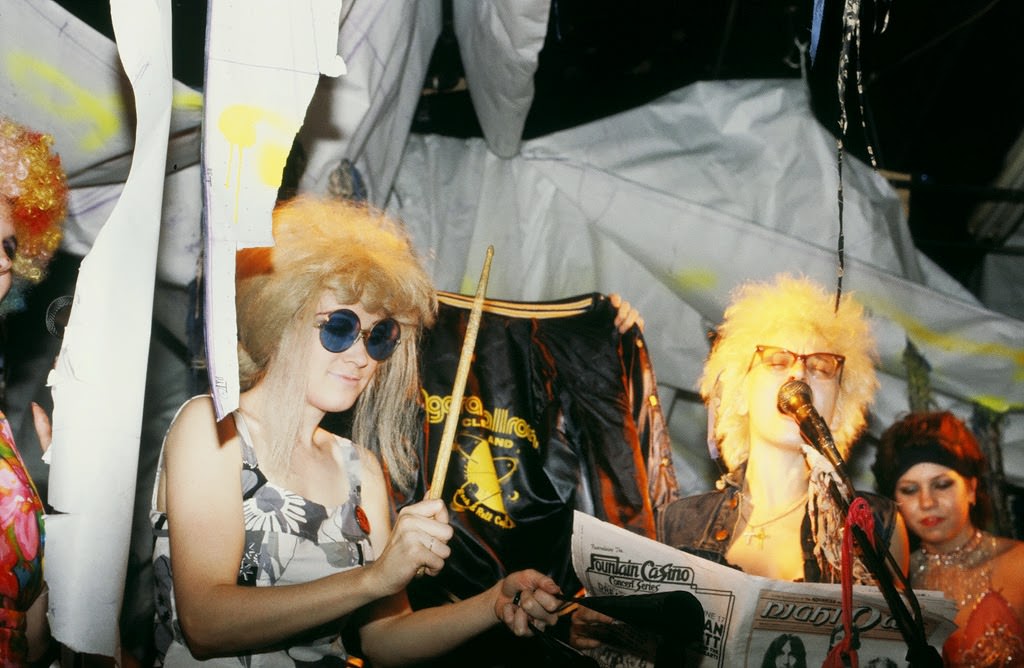
The club opened in 1978 and hit its peak between 1979 and 1983. It was not a glamorous place. The ceiling was low, the walls were bare, and the capacity was around 250 people on a packed night. Studio 54 had velvet ropes and celebrities dressed in designer clothes. Club 57 had folding chairs, bad lighting, and artists who were broke and completely serious about what they were making.
Who Actually Ran the Place
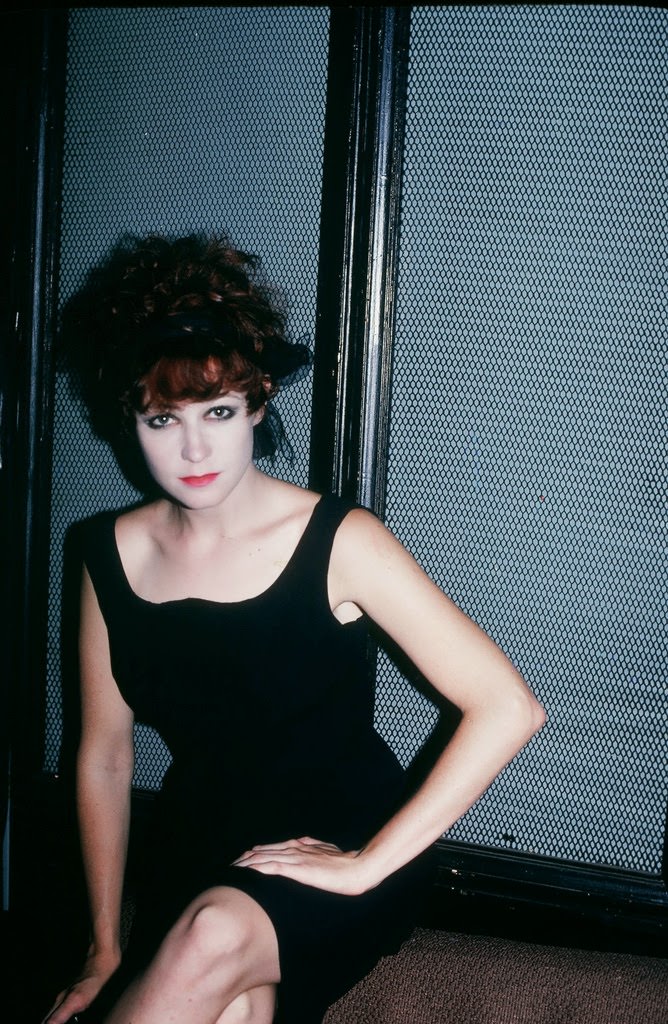
Ann Magnuson was the central figure behind Club 57’s programming. She booked the events, performed in many of them, and shaped the aesthetic of the entire venue. Magnuson was an actress and performance artist who understood that the club worked best as a laboratory rather than a conventional nightlife spot. She treated the basement as a stage for anything that didn’t fit anywhere else.
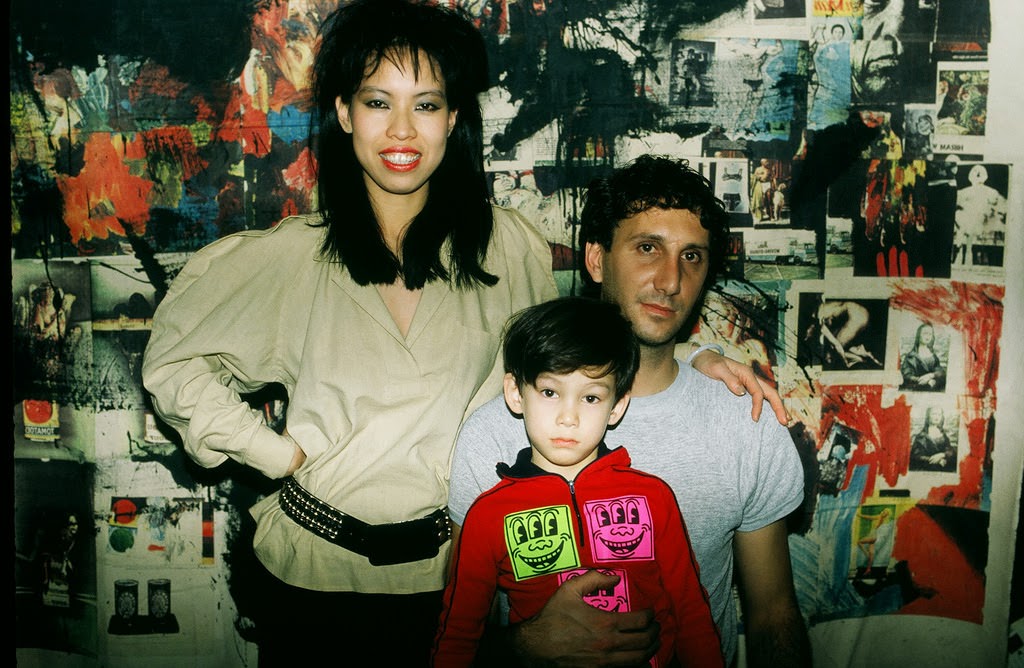
Kenny Scharf and Keith Haring were regulars before either of them became internationally known. Haring drew chalk figures on unused advertising panels in the subway and brought that raw, direct energy into everything Club 57 hosted. Scharf covered surfaces in cartoon imagery pulled from 1950s and 1960s pop culture. Both of them used the club as a testing ground. Jean-Michel Basquiat moved through the same circle, though he was more closely connected to the downtown gallery scene on the Bowery than to Club 57 specifically.
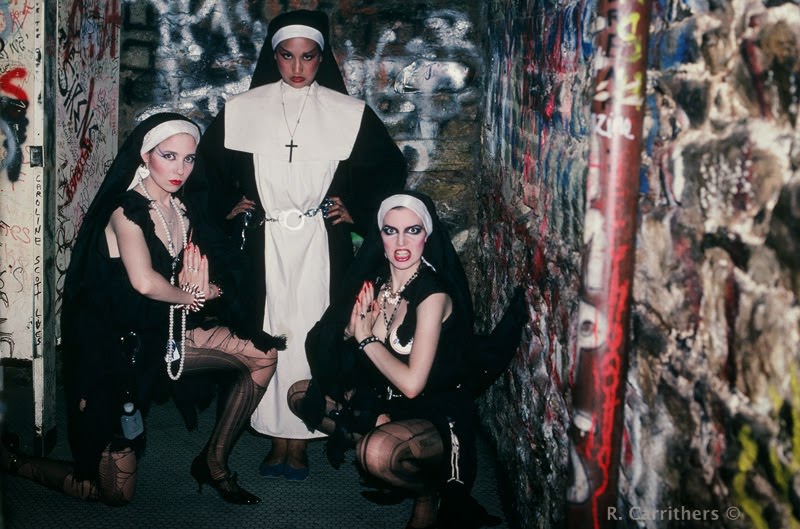
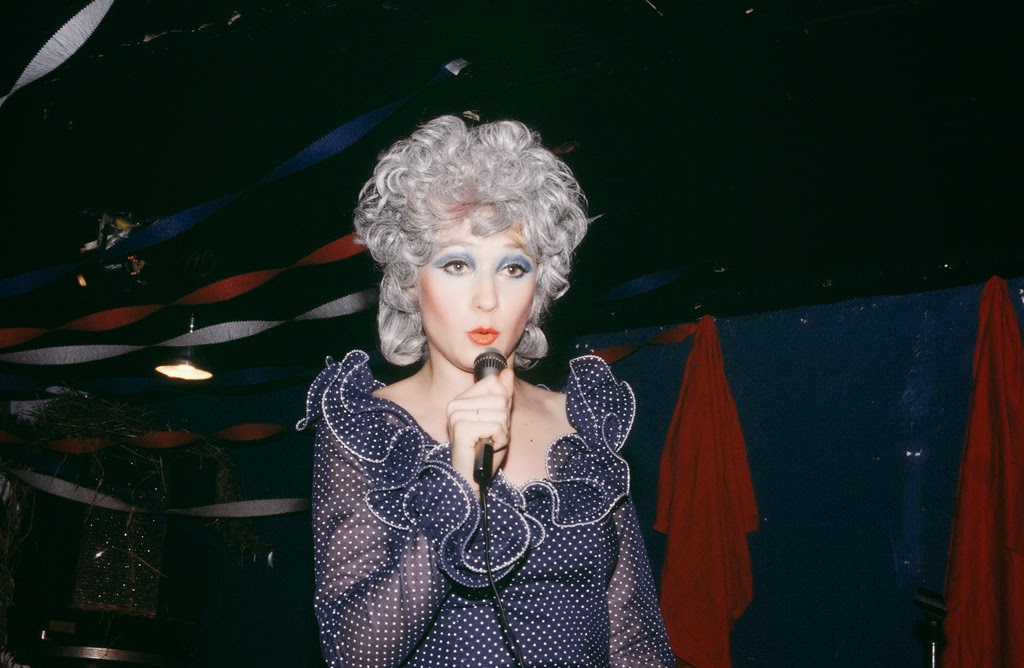
RuPaul performed at Club 57 in the early 1980s, years before achieving mainstream recognition. The club’s openness to drag, performance art, and gender play made it a natural home for performers who had no other platform. The door policy was the opposite of exclusionary — the crowd was queer, straight, punk, new wave, and art school, all in the same room on the same night.
What Actually Happened Inside
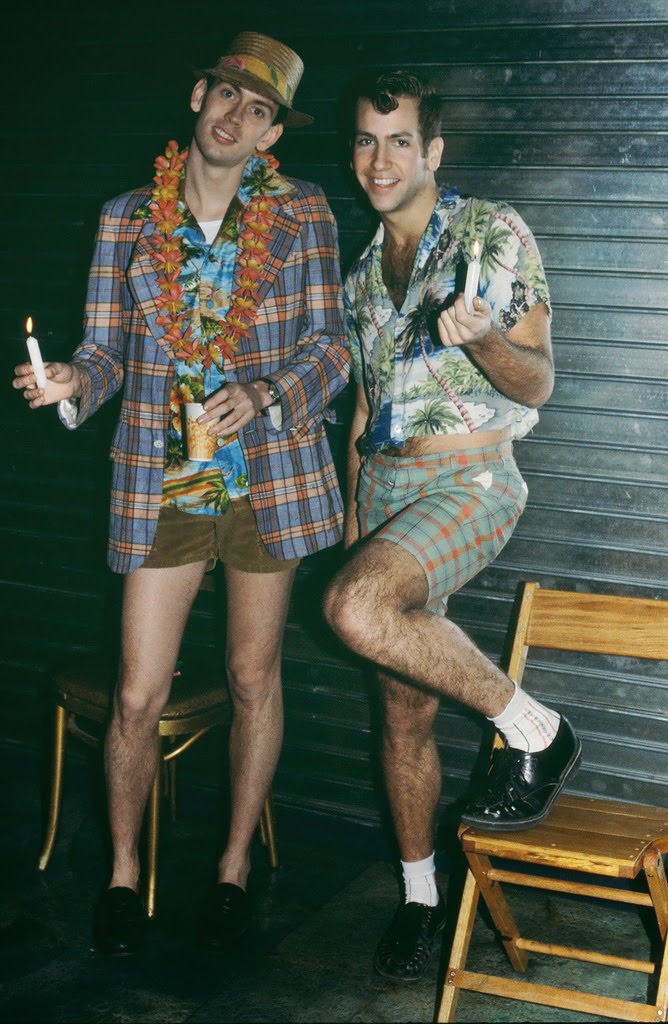
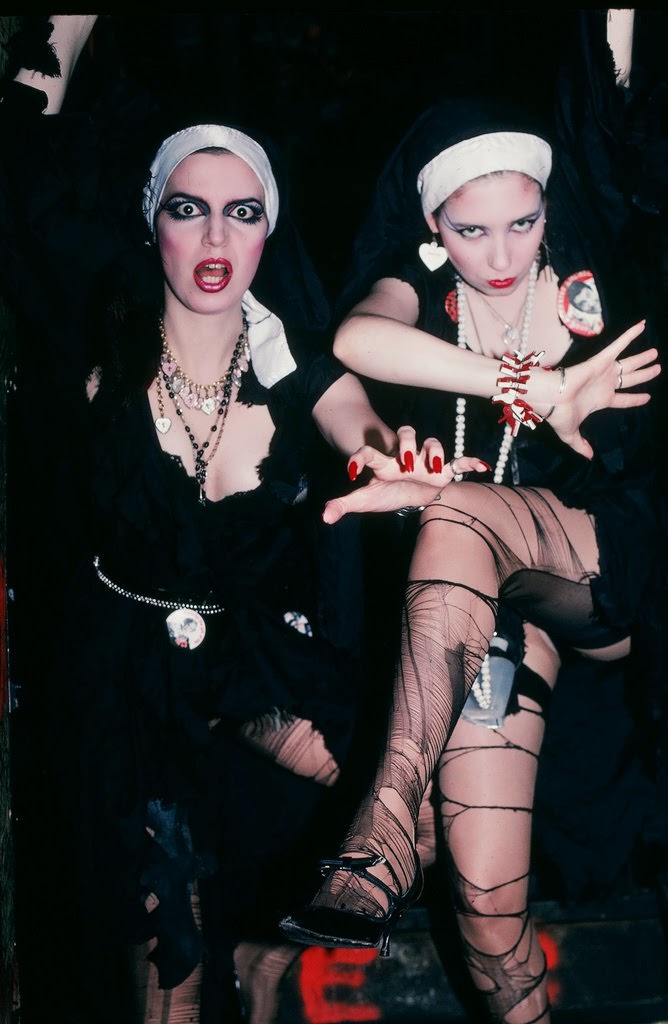
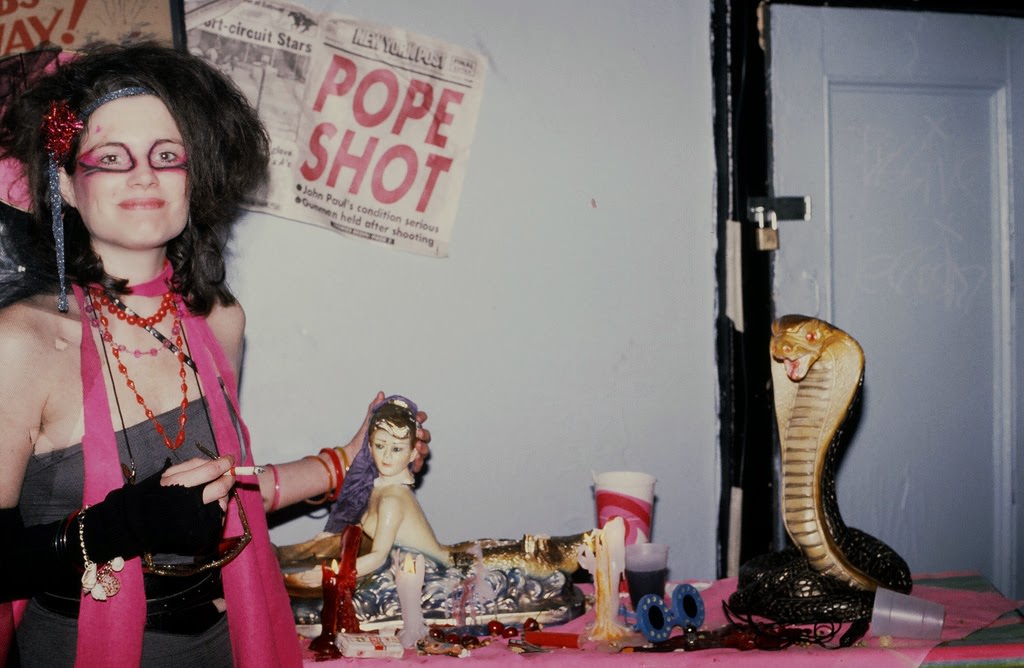
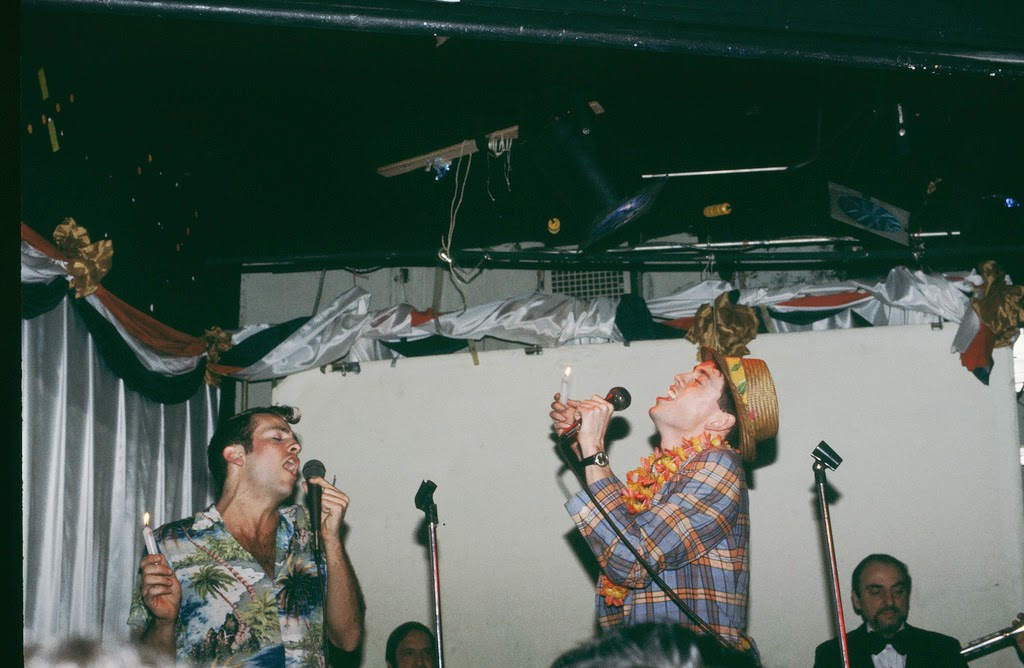
The programming at Club 57 was relentless and deliberately strange. There were monster movie nights where the audience dressed as creatures and watched B-films on a projection screen. Theme parties ran on a weekly schedule — International Disco Night, Putt Putt Reggae Golf, the Cocktail Hour, and a recurring event called Fiorucci Night that blurred the line between nightclub and performance piece.
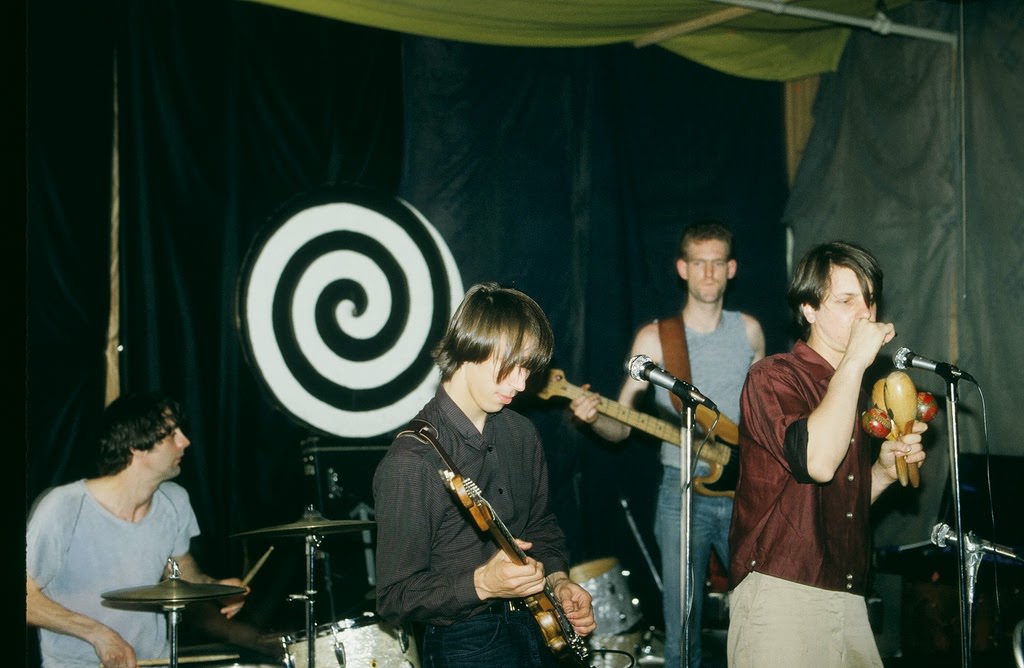
The club hosted art shows that lasted a single night, poetry readings that turned into shouting matches, and musical acts that included bands so new they hadn’t recorded anything yet. The Fleshtones played there regularly. So did the act that would eventually become The B-52s’ extended downtown circle. The bookings were not curated to attract press coverage — they were chosen because Magnuson and the other organizers genuinely wanted to see what would happen.
Film nights were a serious part of the schedule. The club screened exploitation films, foreign films, and underground shorts alongside mainstream Hollywood pictures, often pairing them in double bills designed to create friction. Audiences were expected to react, talk back, and engage rather than sit quietly.
The East Village Context
St. Mark’s Place in that era was not expensive or safe. The East Village in the early 1980s had high vacancy rates, cheap rents, and a population that included artists, immigrants, junkies, and punk kids who had arrived from the suburbs with nothing. The neighborhood’s cheapness was what made Club 57 possible. The Polish church charged minimal rent for the basement, and because overhead was nearly zero, the club never had to book commercially viable acts to survive.
That economic reality shaped everything. Artists could try something and fail without consequences. A night that drew thirty people was still a night that happened. There was no investor demanding a return, no management company protecting a brand. Magnuson and her collaborators made decisions based entirely on what interested them.
The Decline Was Quick
By 1983, Club 57 was effectively over as a functioning venue. The reasons were not dramatic. Key figures moved on to other projects, the neighborhood began to change, and the energy that had concentrated in that basement dispersed into galleries, other clubs, and eventually into mainstream careers. Keith Haring signed with galleries and began producing work on a commercial scale. Magnuson moved toward film and television work. The moment passed the way those moments do — not with a closing party, but with a gradual emptying out.
The Polish church is still on St. Mark’s Place. The basement has been used for other purposes over the decades. The run that Club 57 had was roughly five years, which in the timeline of New York nightlife is both very short and more than enough.










GIPHY App Key not set. Please check settings