

 Wendy Robert
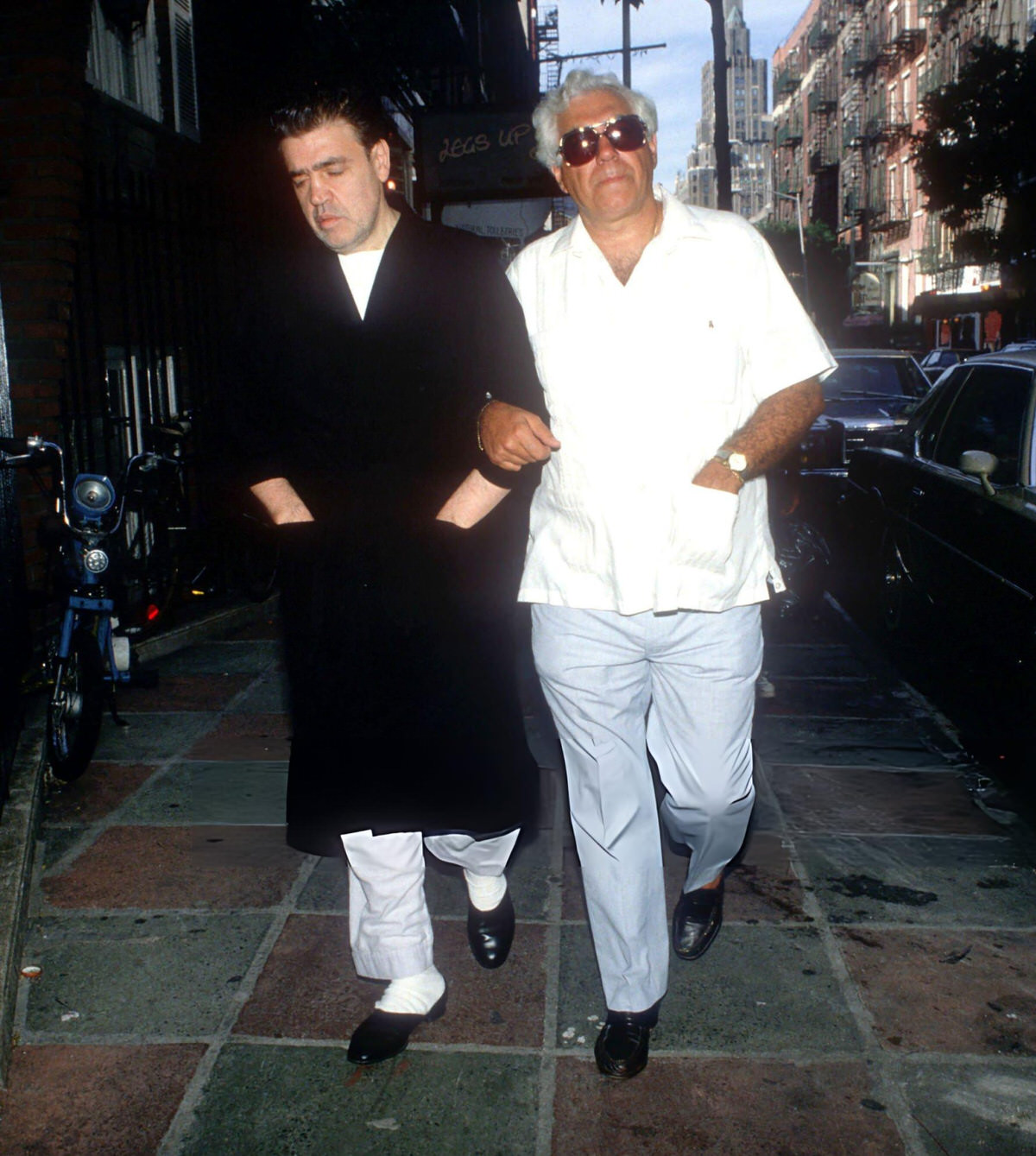
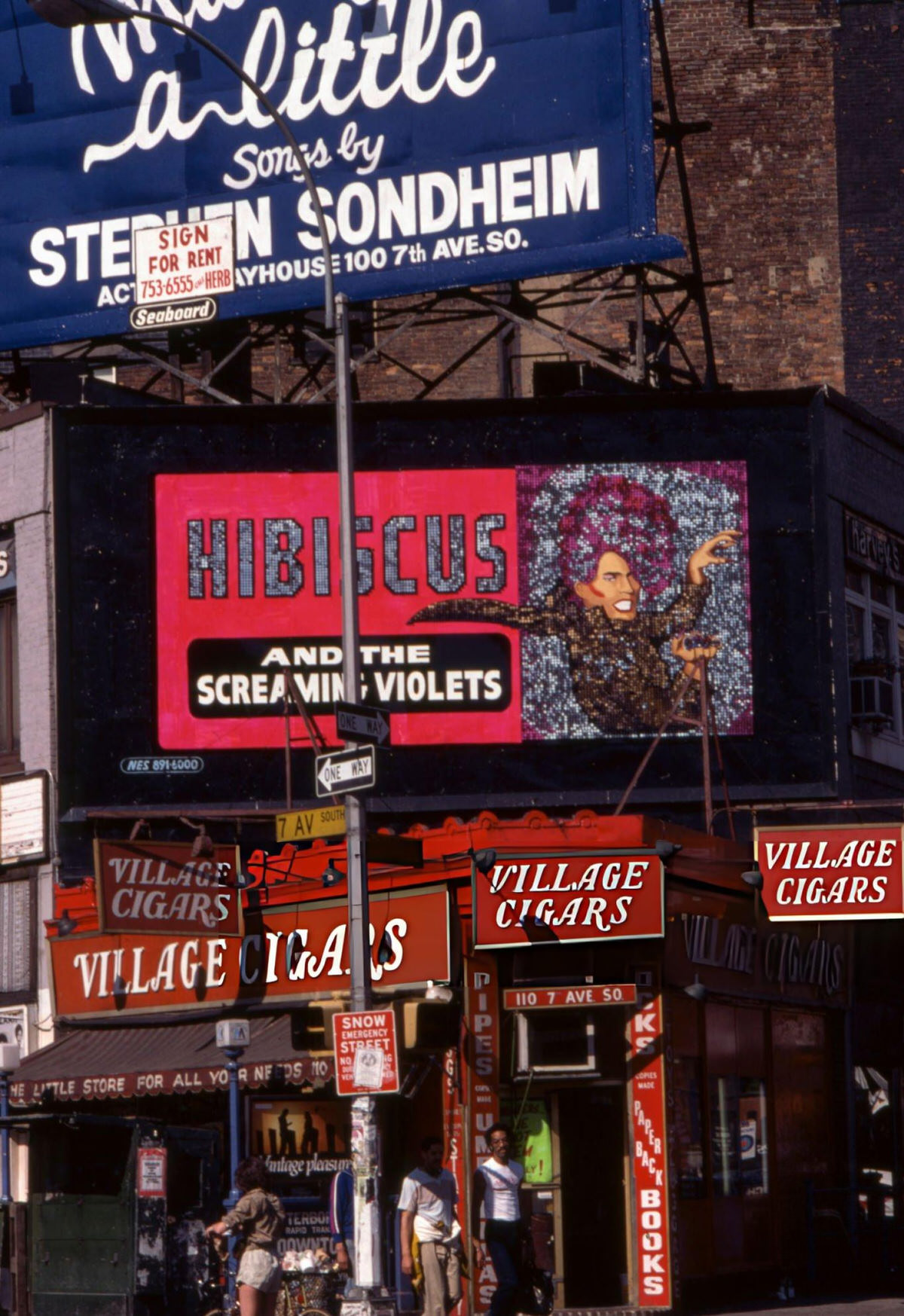
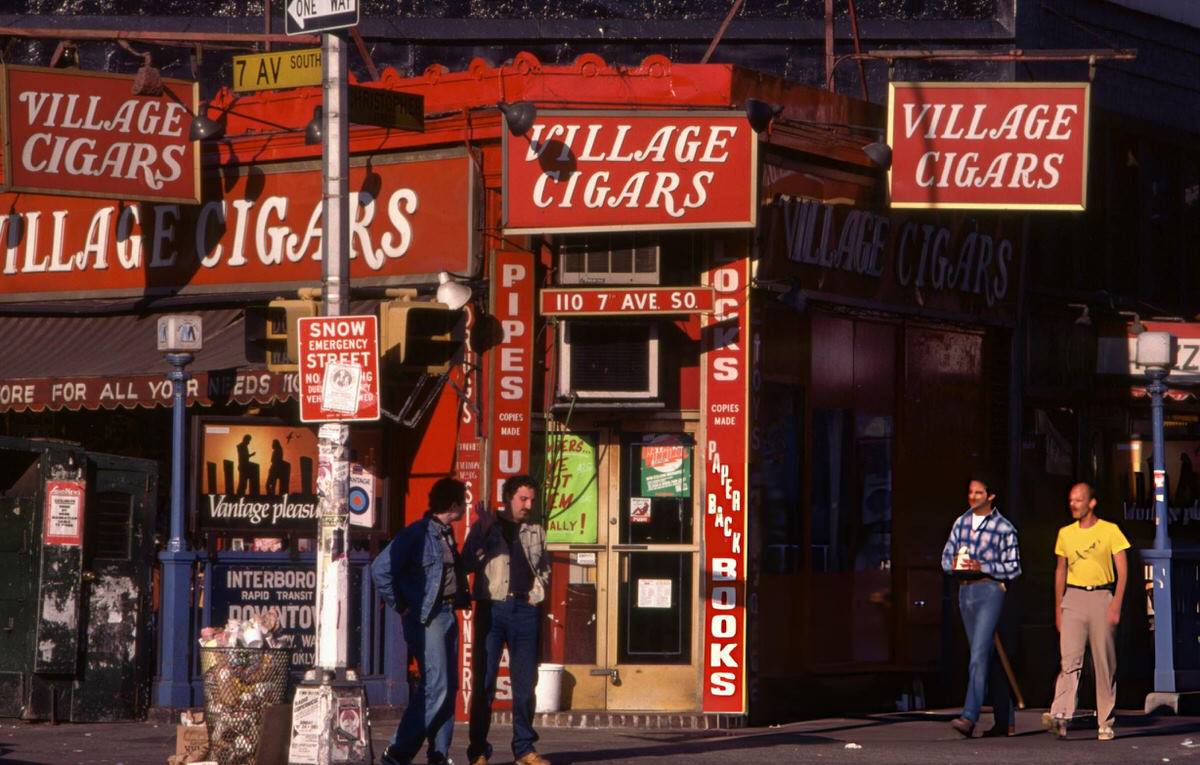
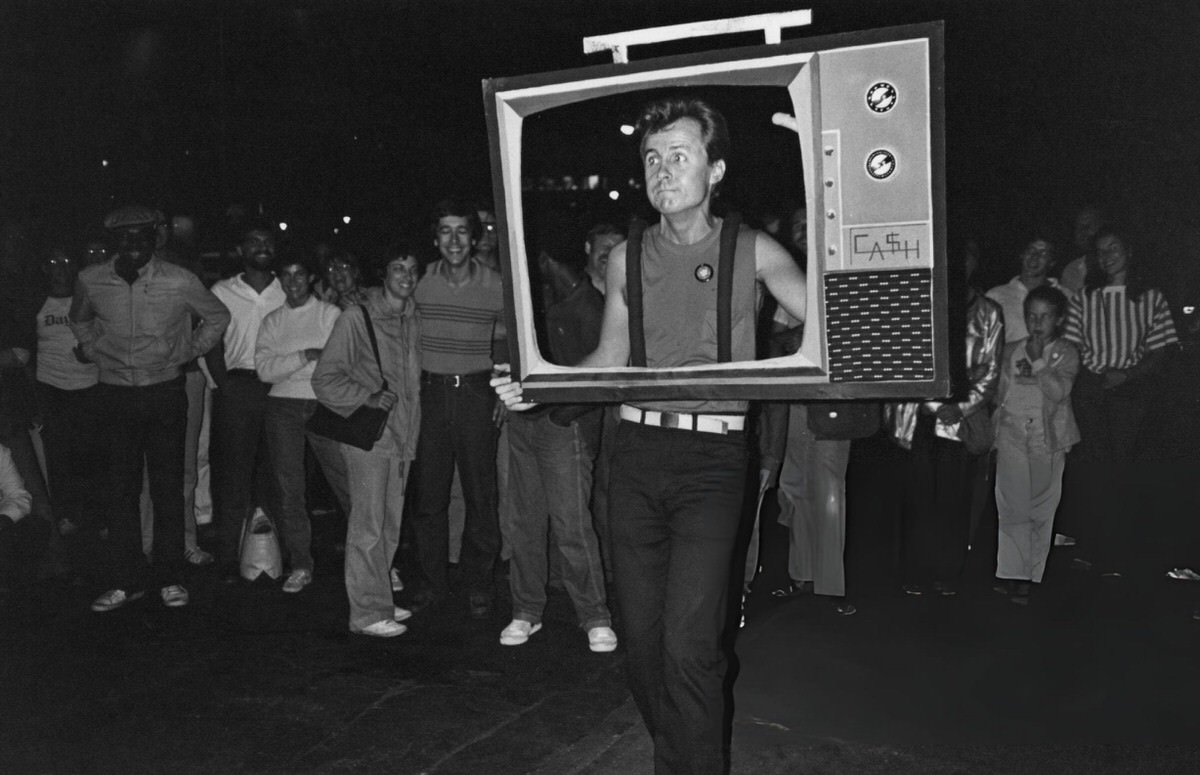
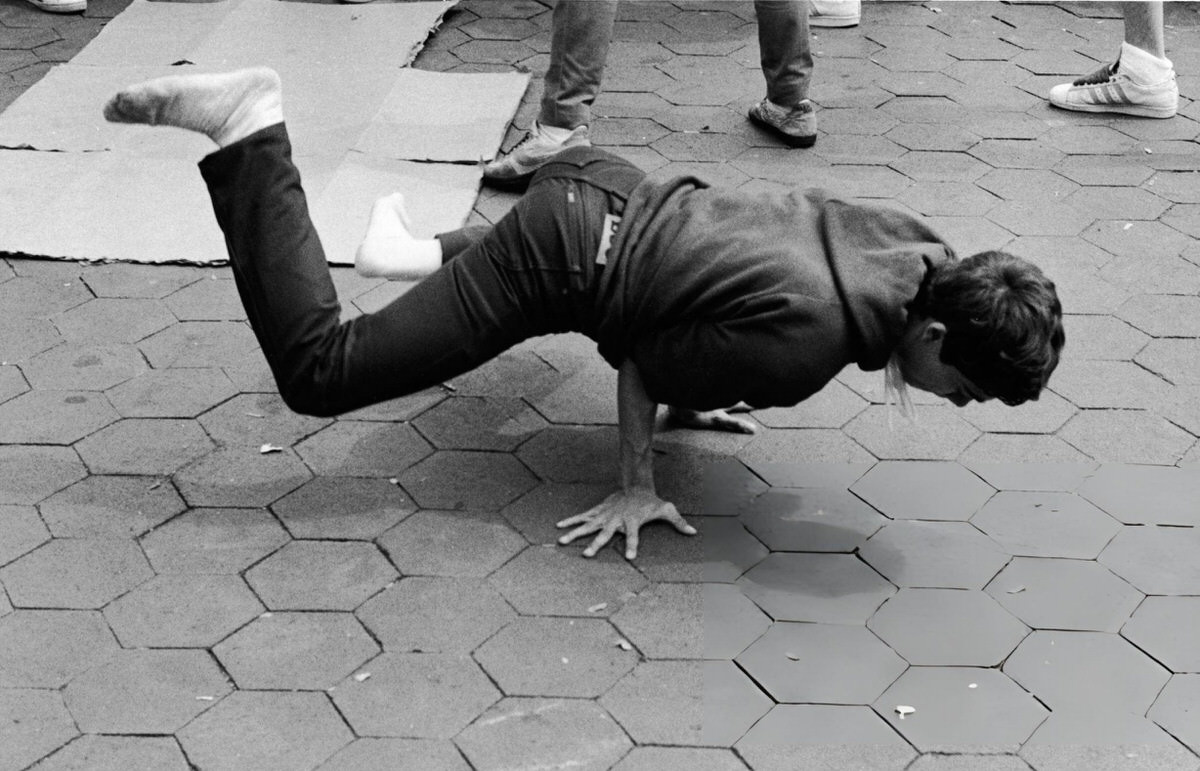
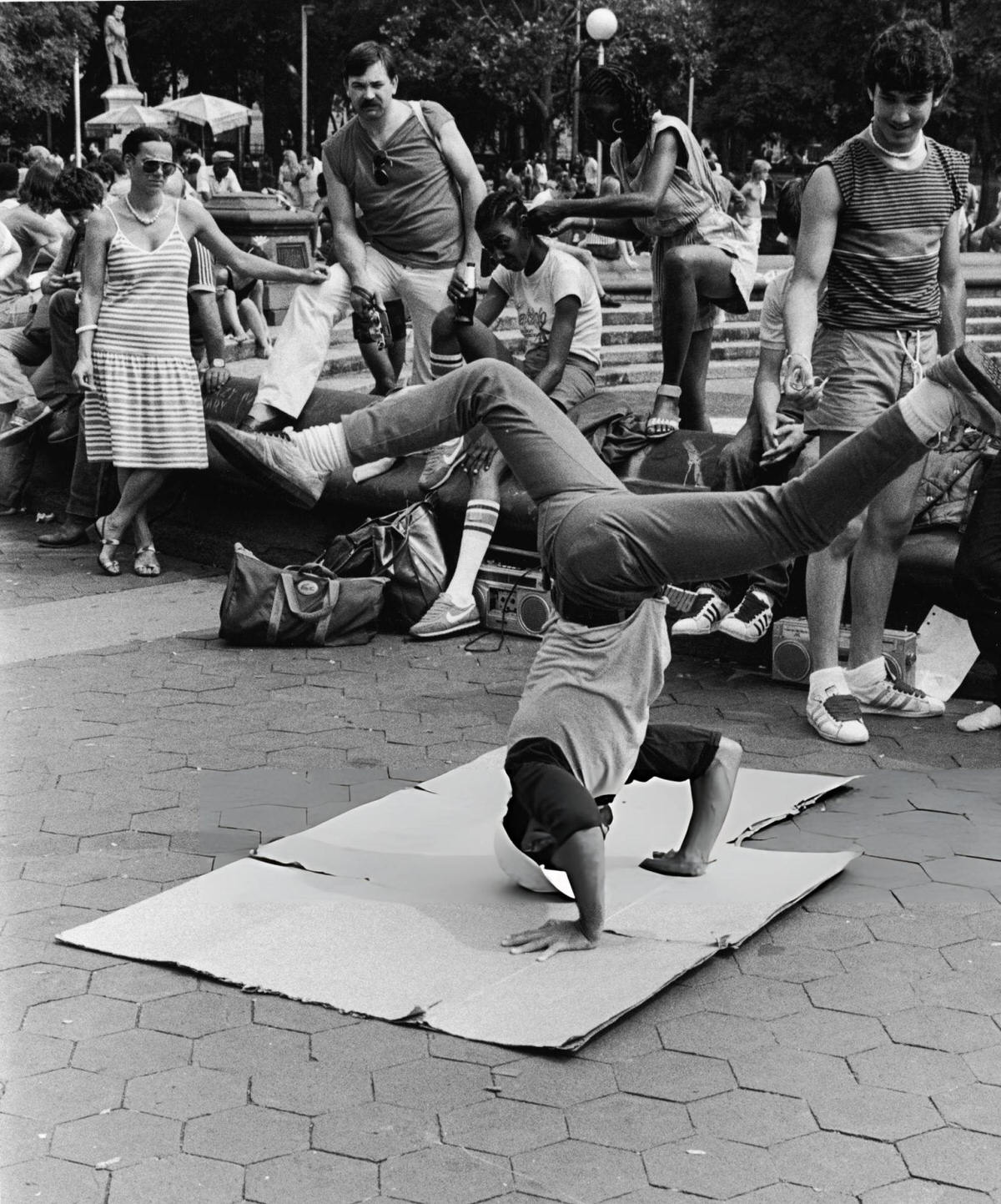
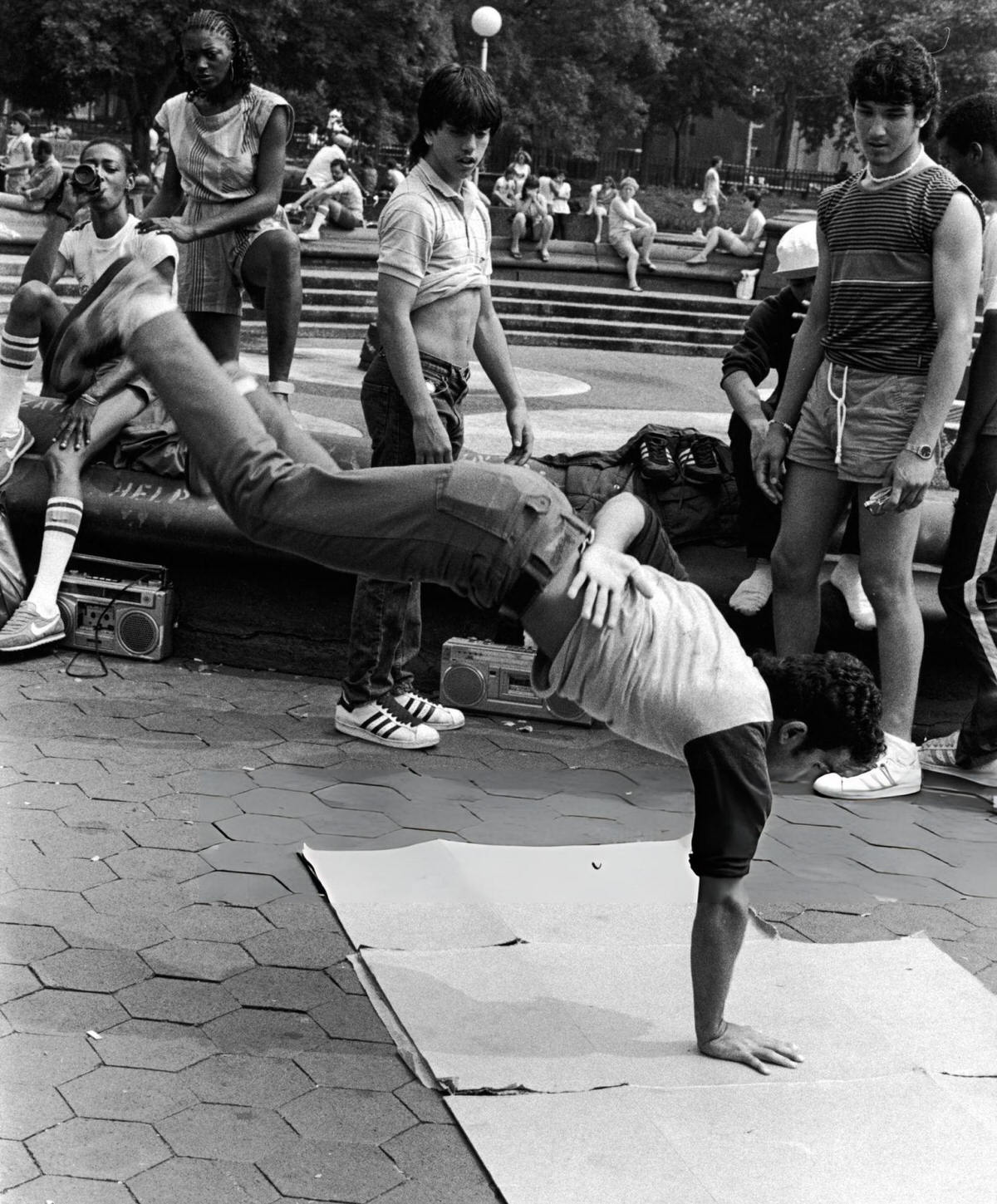
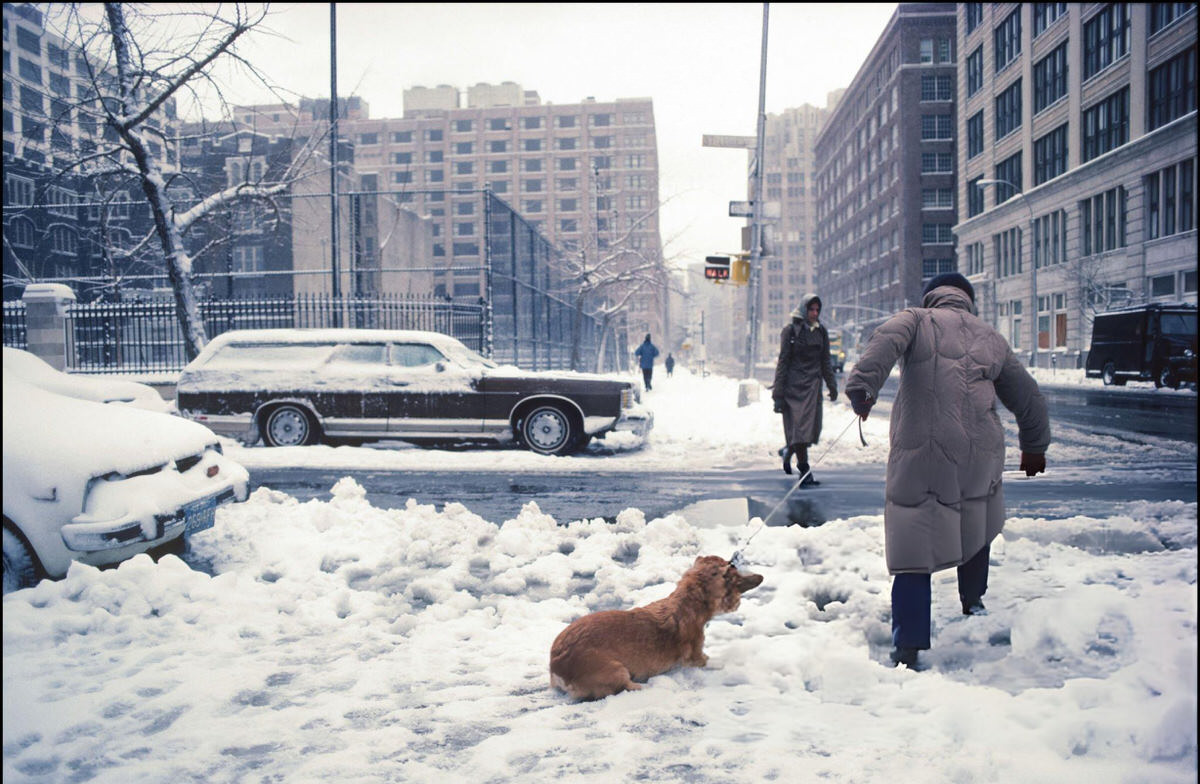
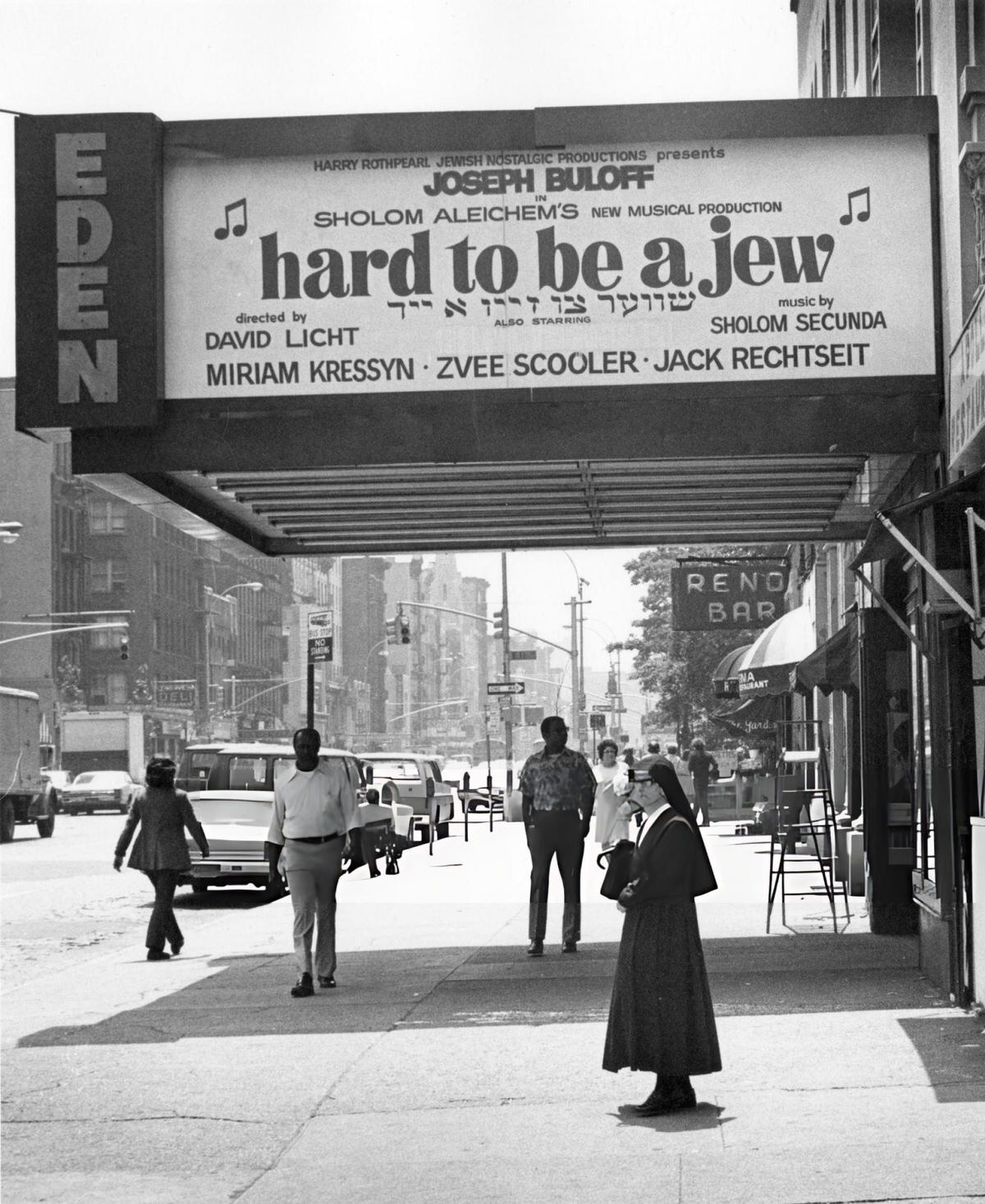
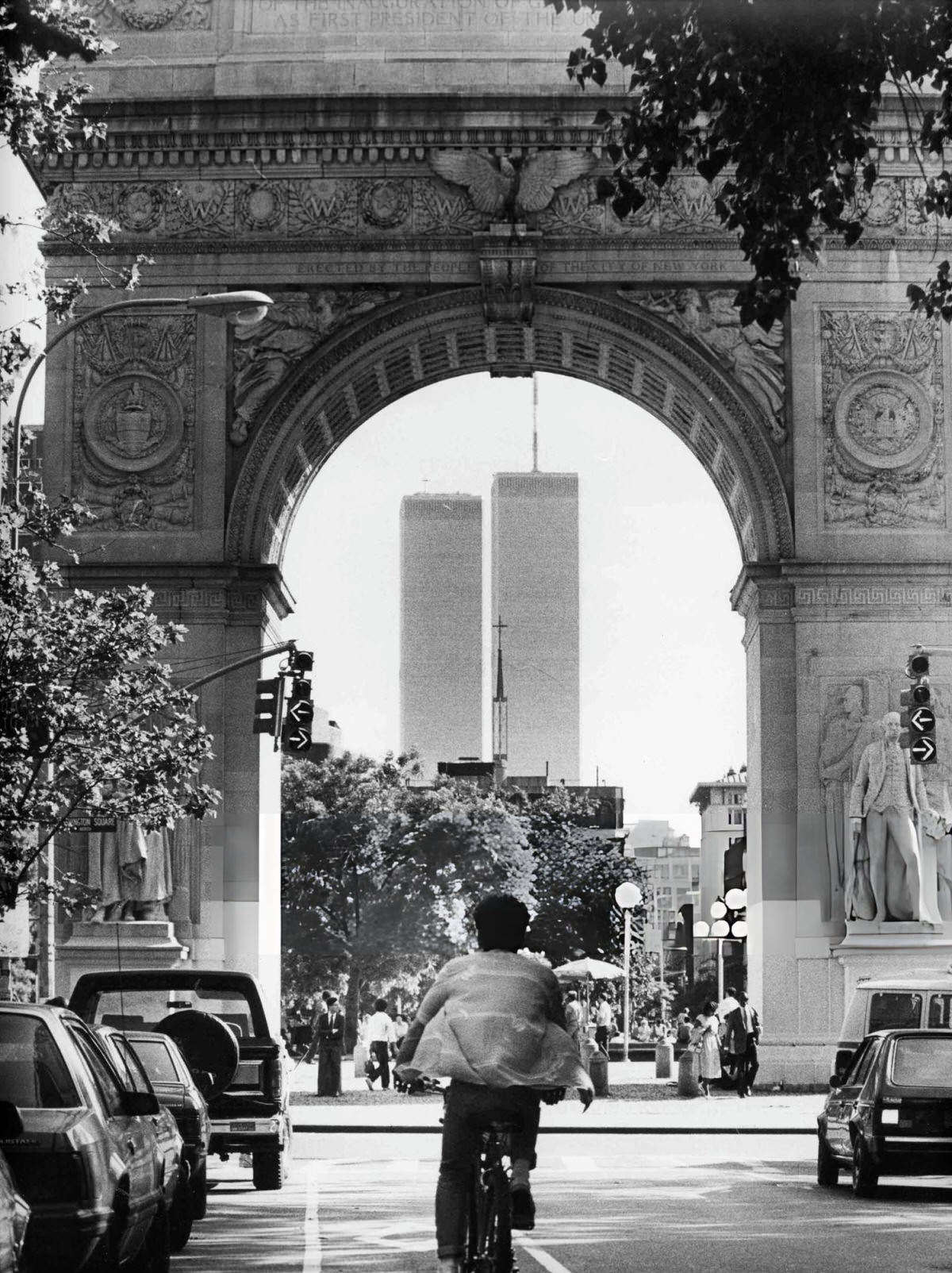
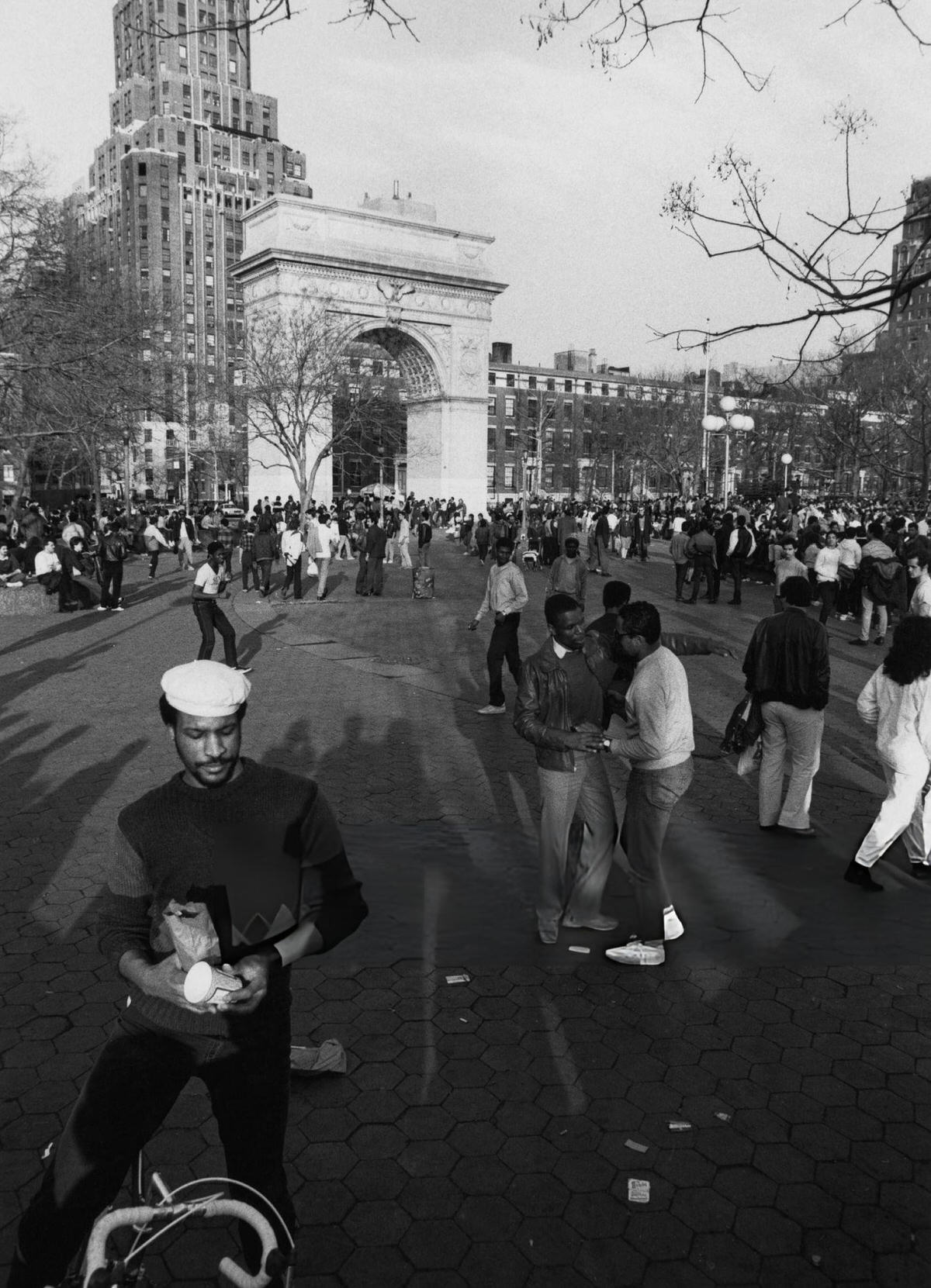
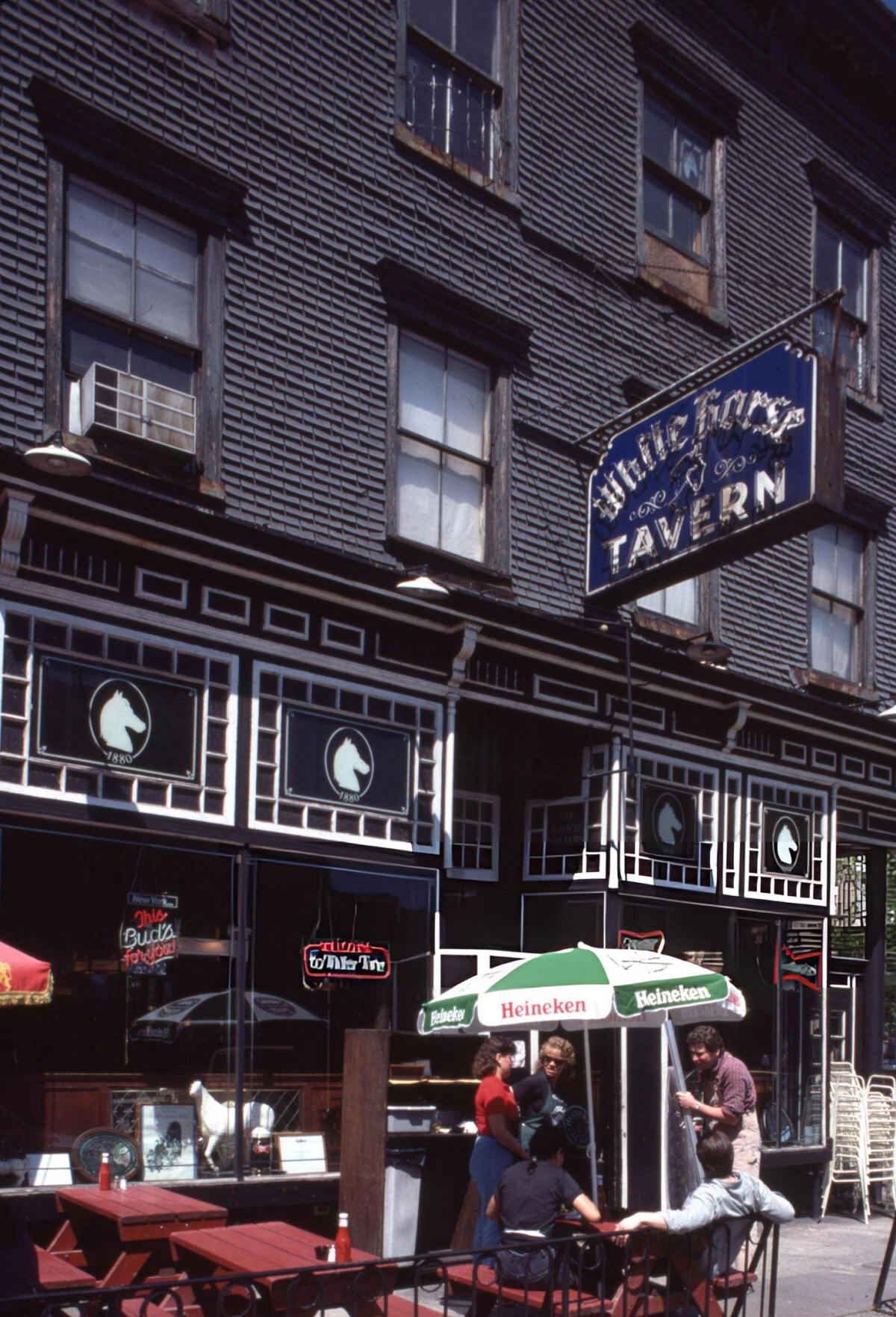
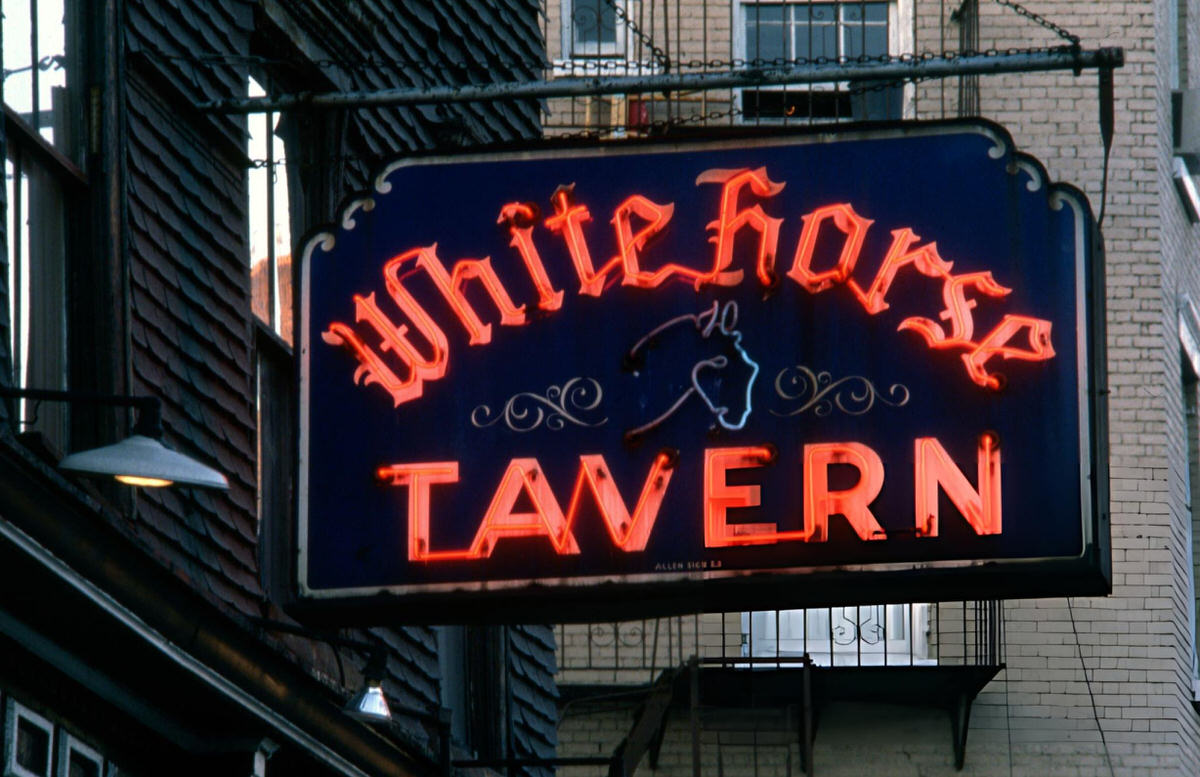
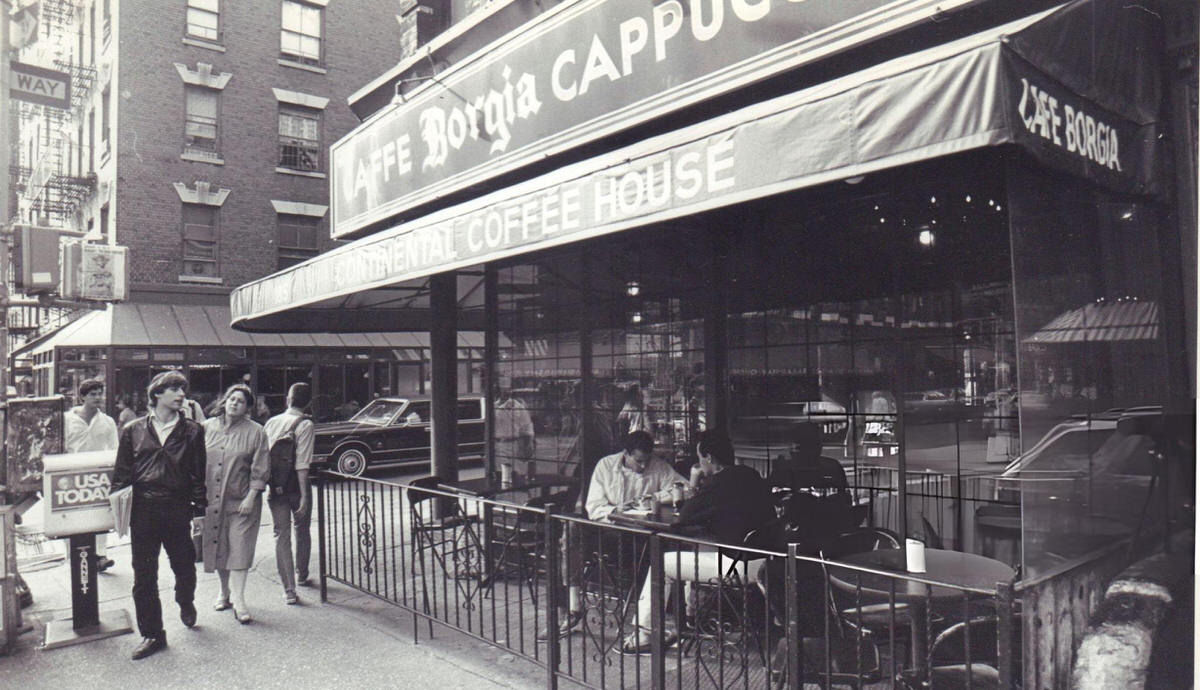
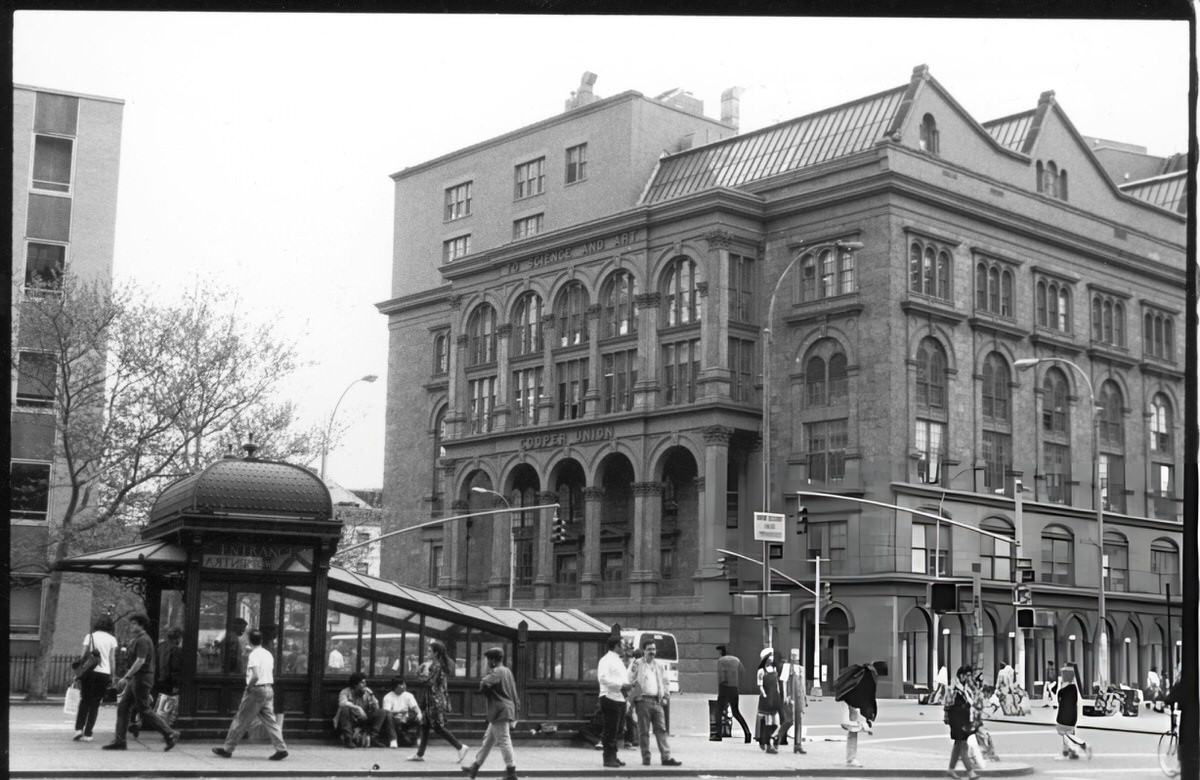
By 1980, the Village had survived a decade of New York’s near-bankruptcy, crack, and white flight. The city was broke and bruised, but Greenwich Village held together in ways that other neighborhoods did not. What emerged in the eighties was messier and darker than the folk era — and in many ways more honest.
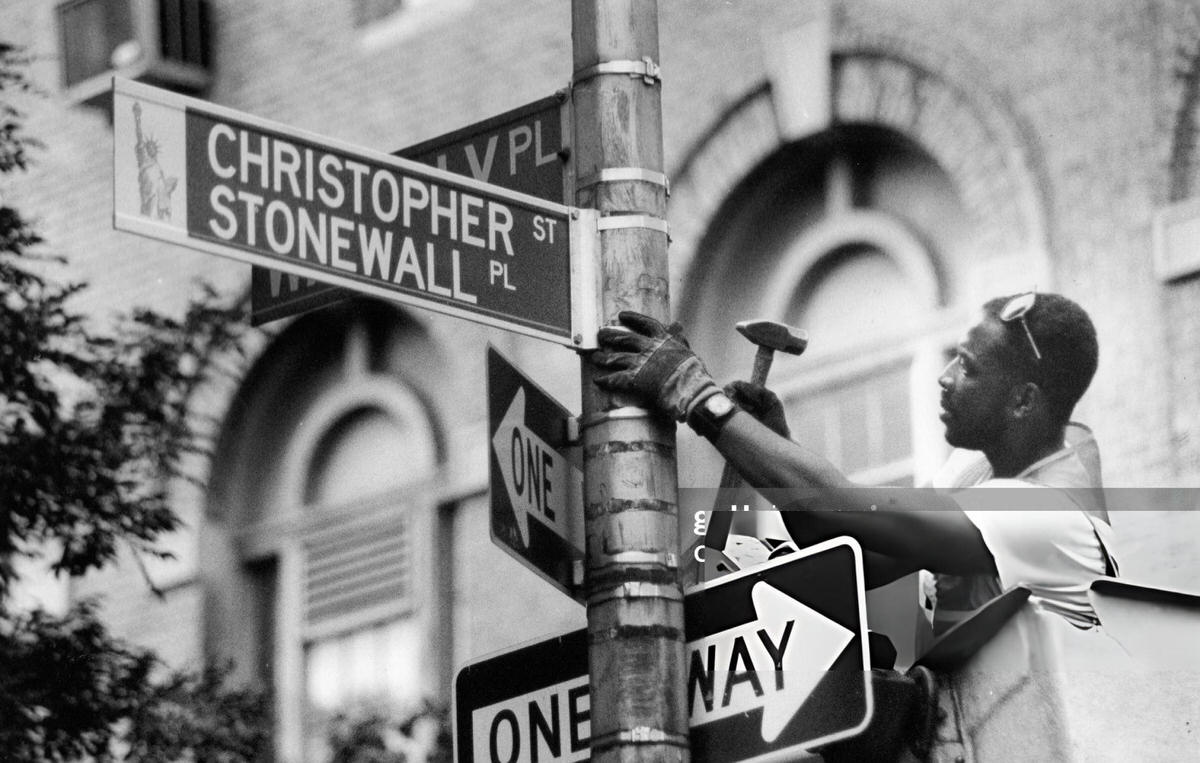
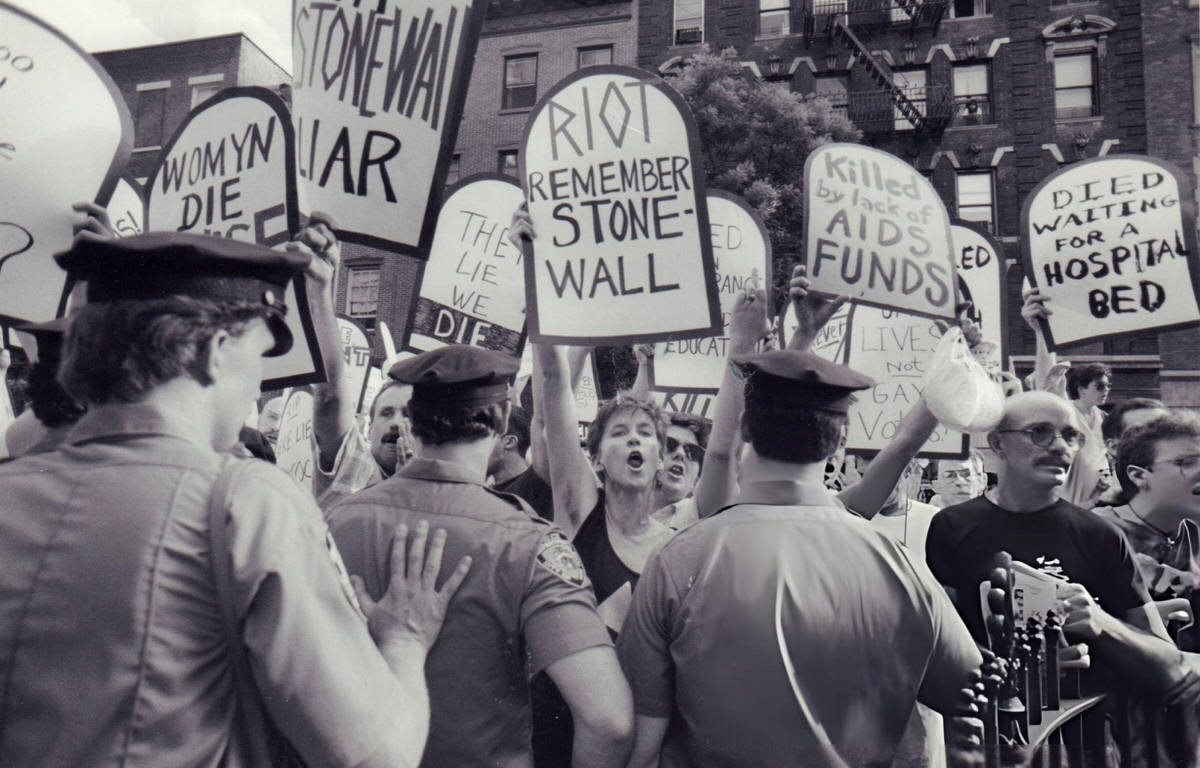
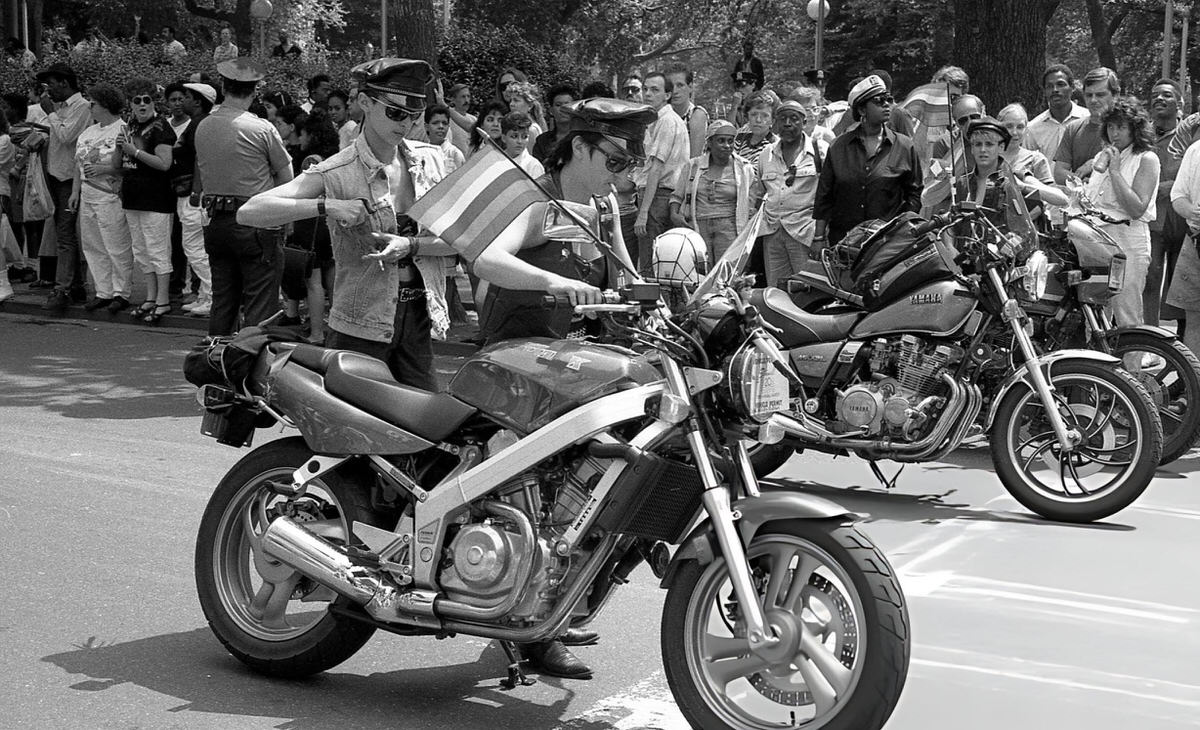
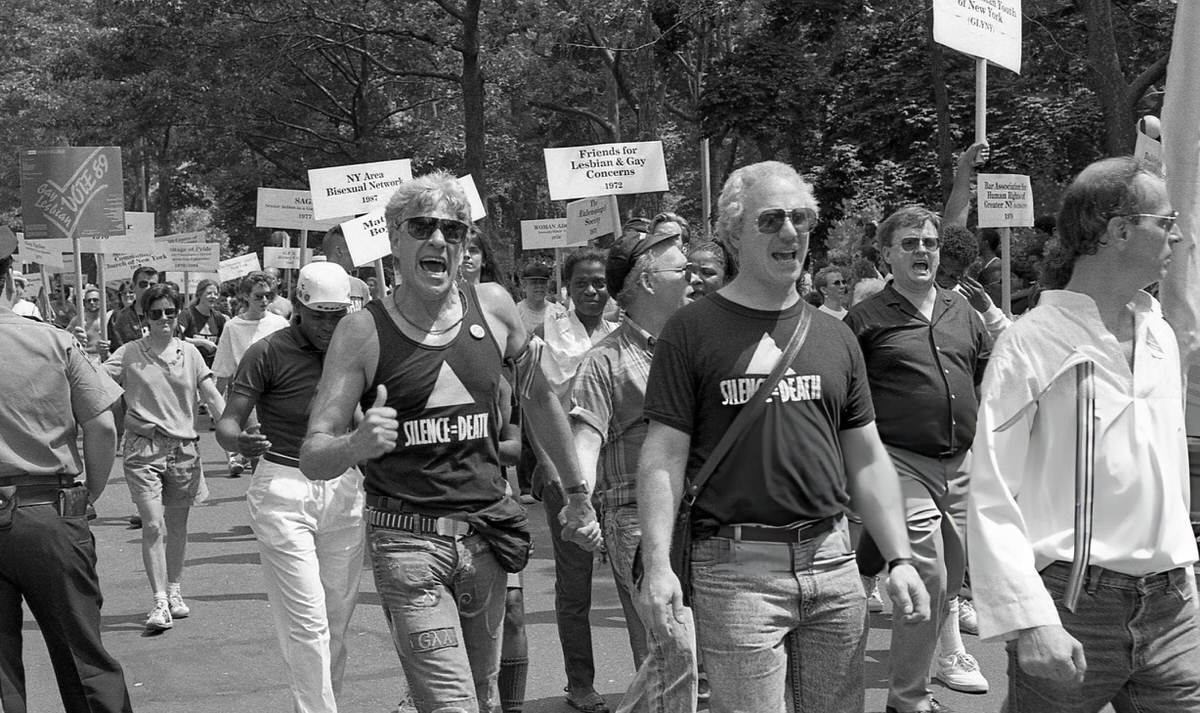
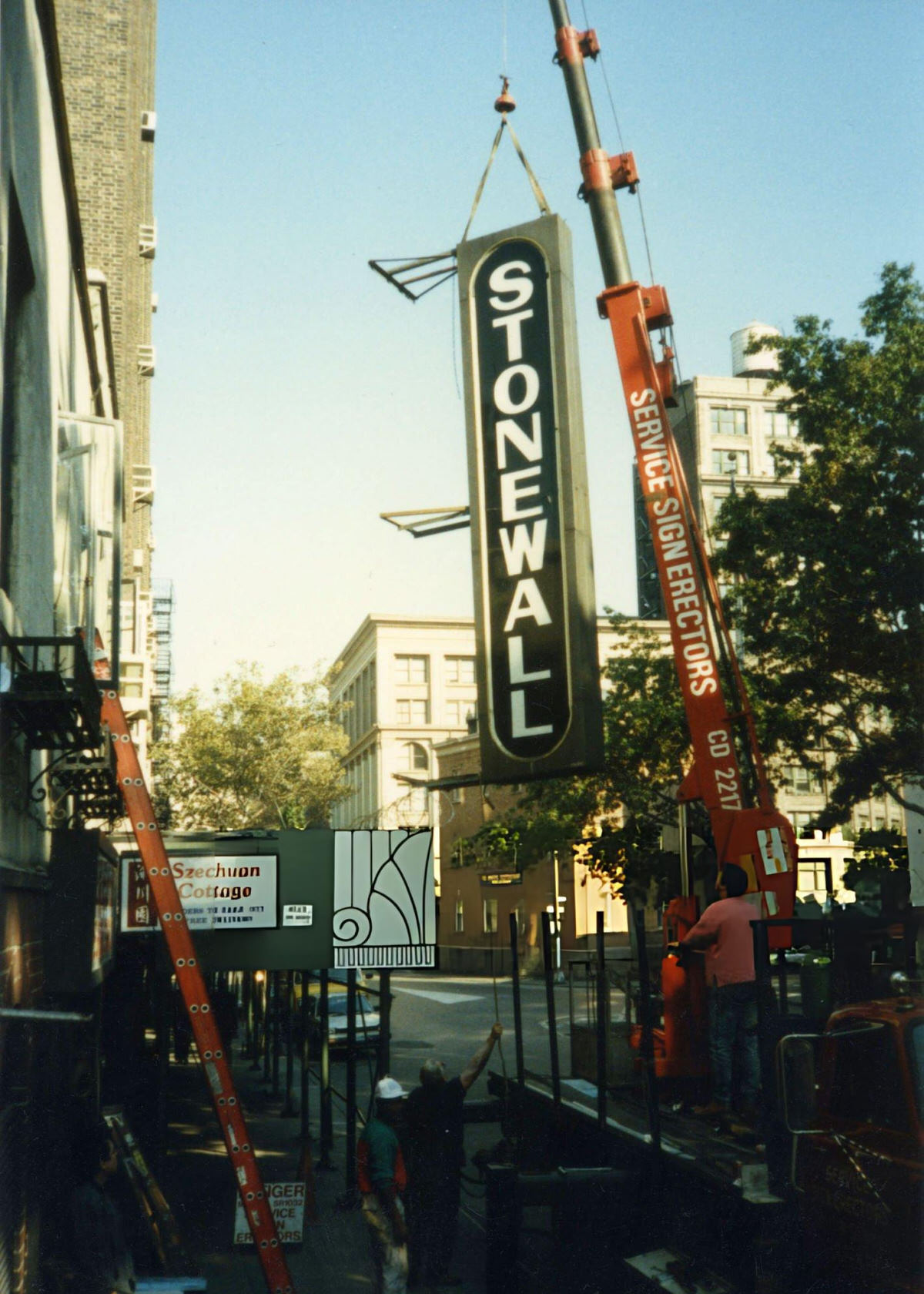
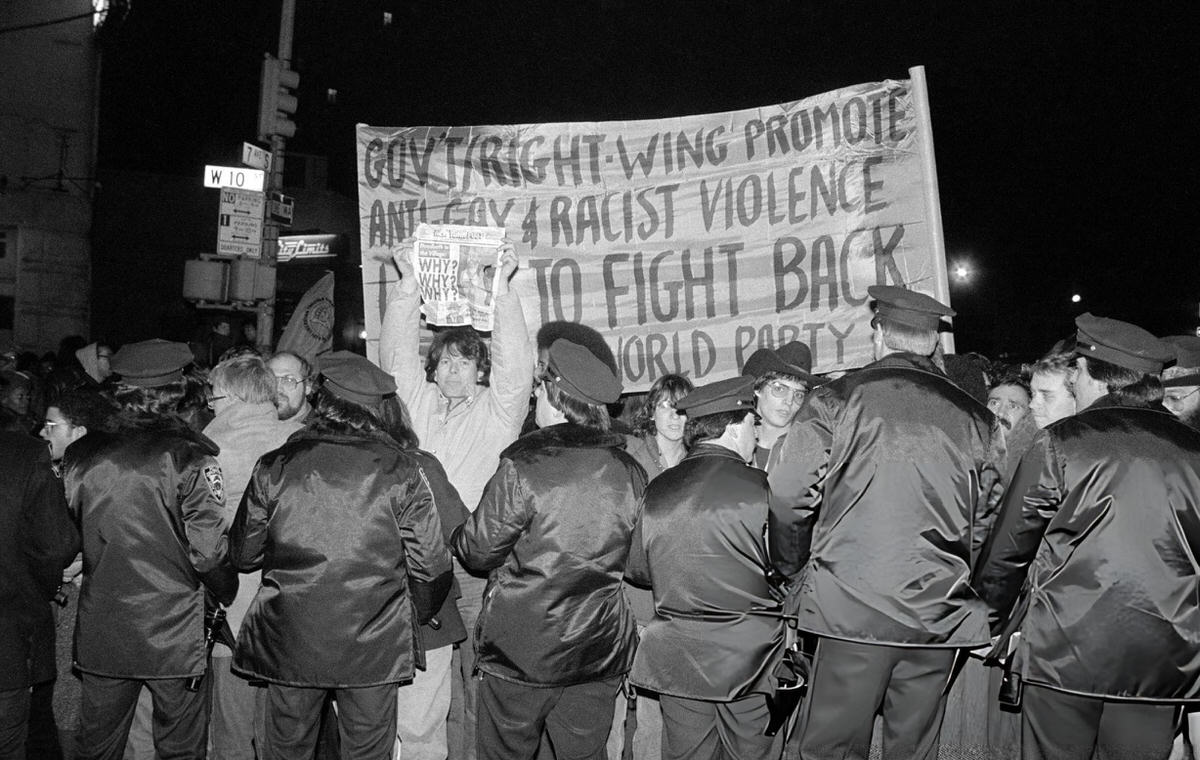
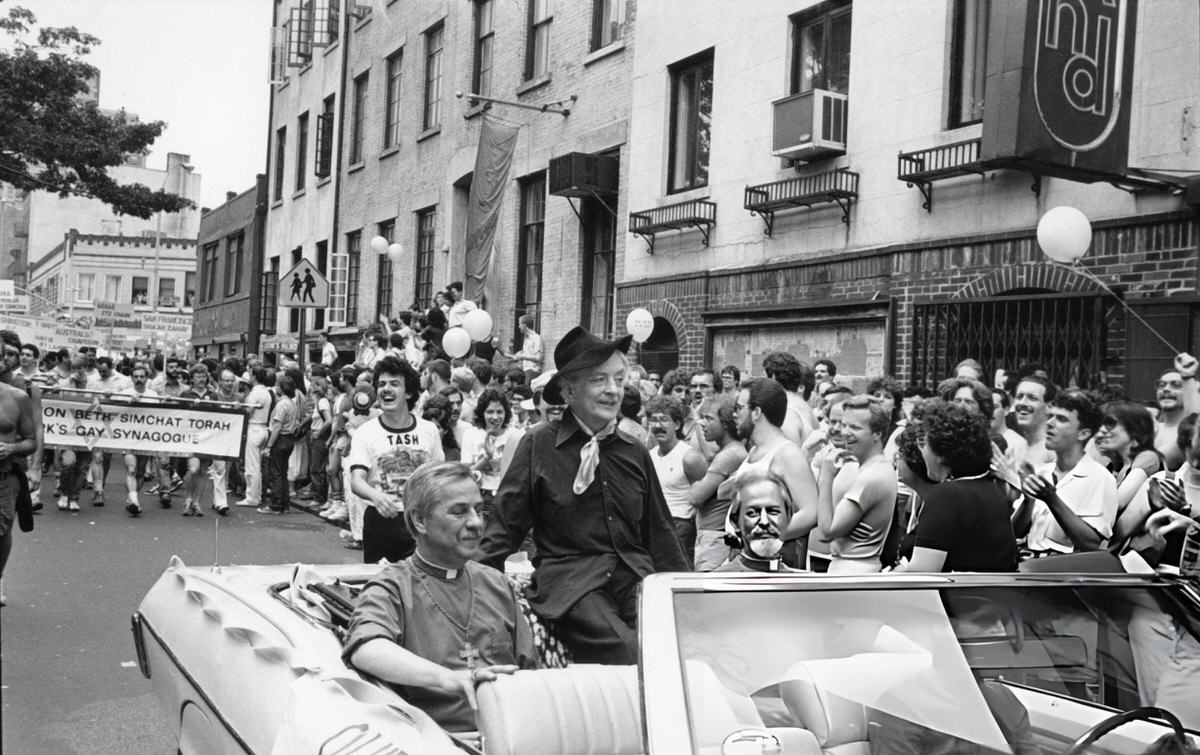
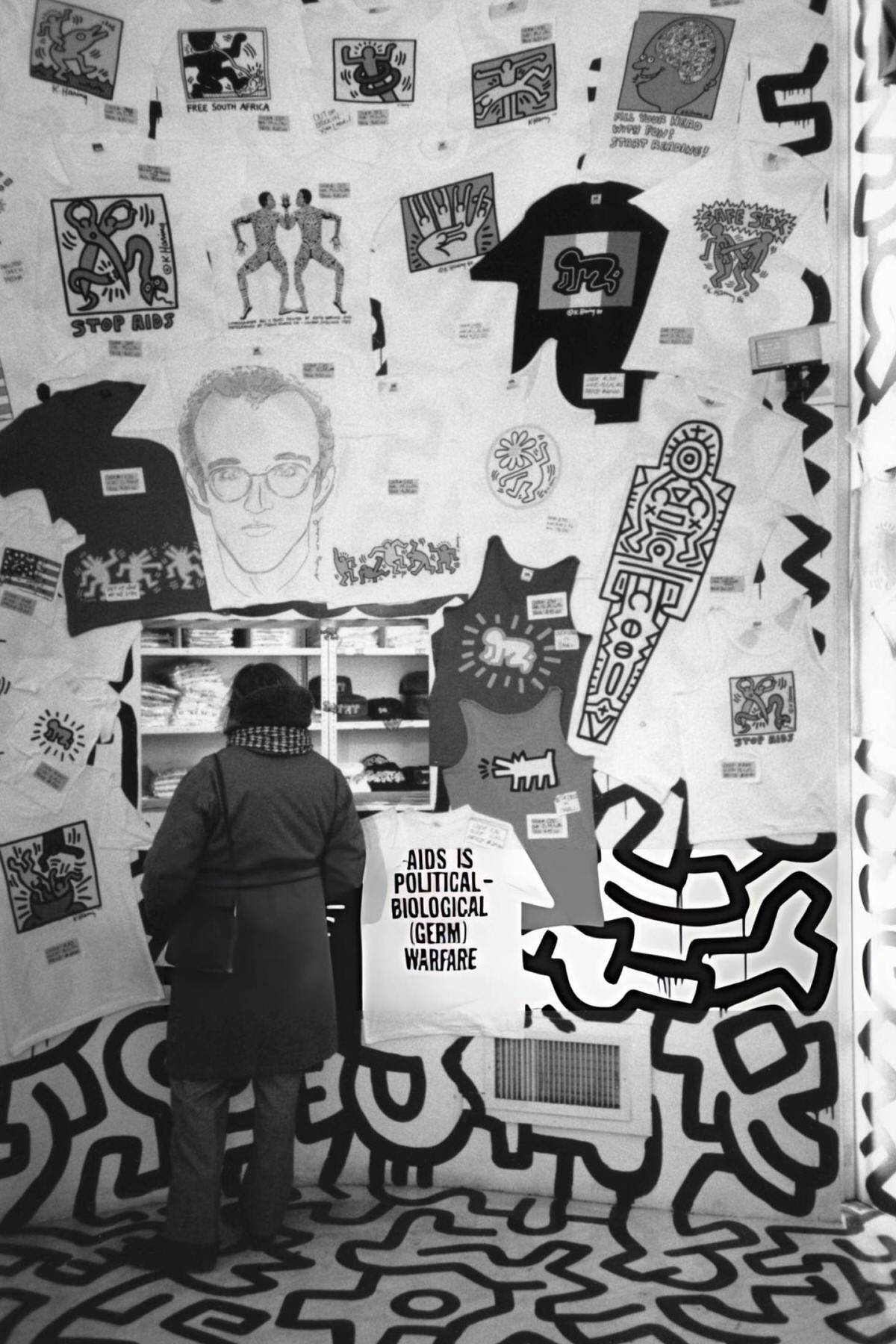
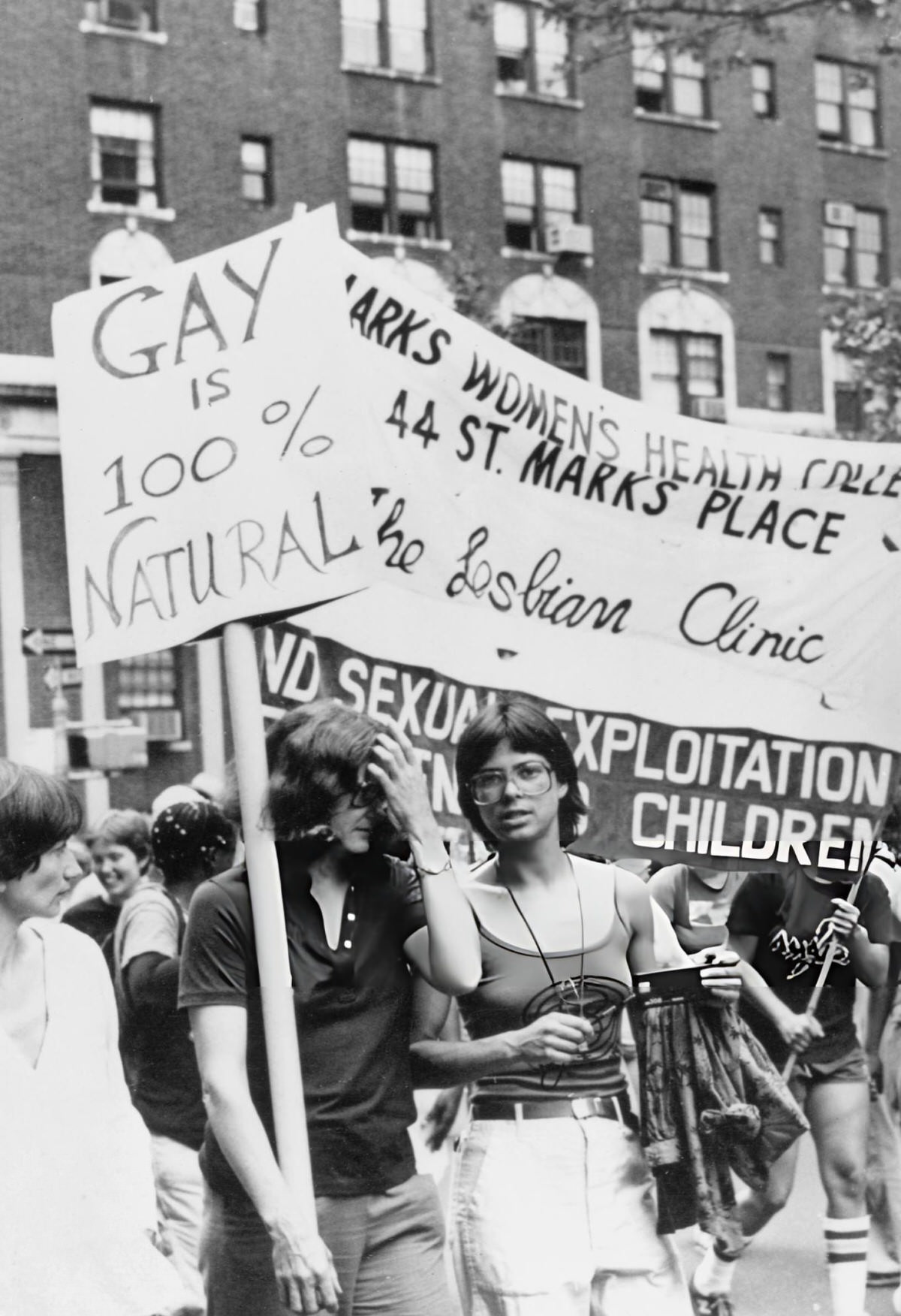
The AIDS crisis hit the Village before most of America knew the disease had a name. Gay men had been moving to the West Village since the 1960s, and by 1980 Christopher Street was the center of gay life in New York. When cases of a rare pneumonia started appearing in 1981, the Village felt it first. By 1983, men were dying on blocks where they had lived for years. The bathhouses on the far West Side stayed open. The city government stayed quiet. The community organized itself because no one else would.
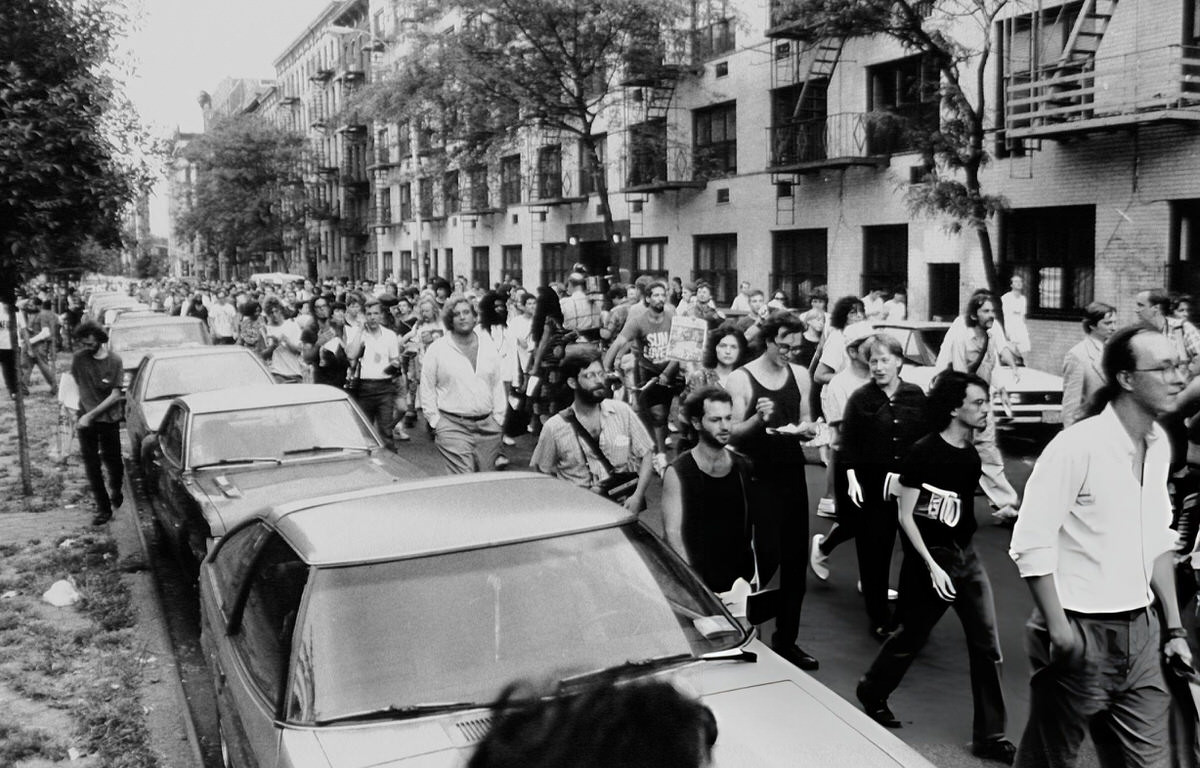
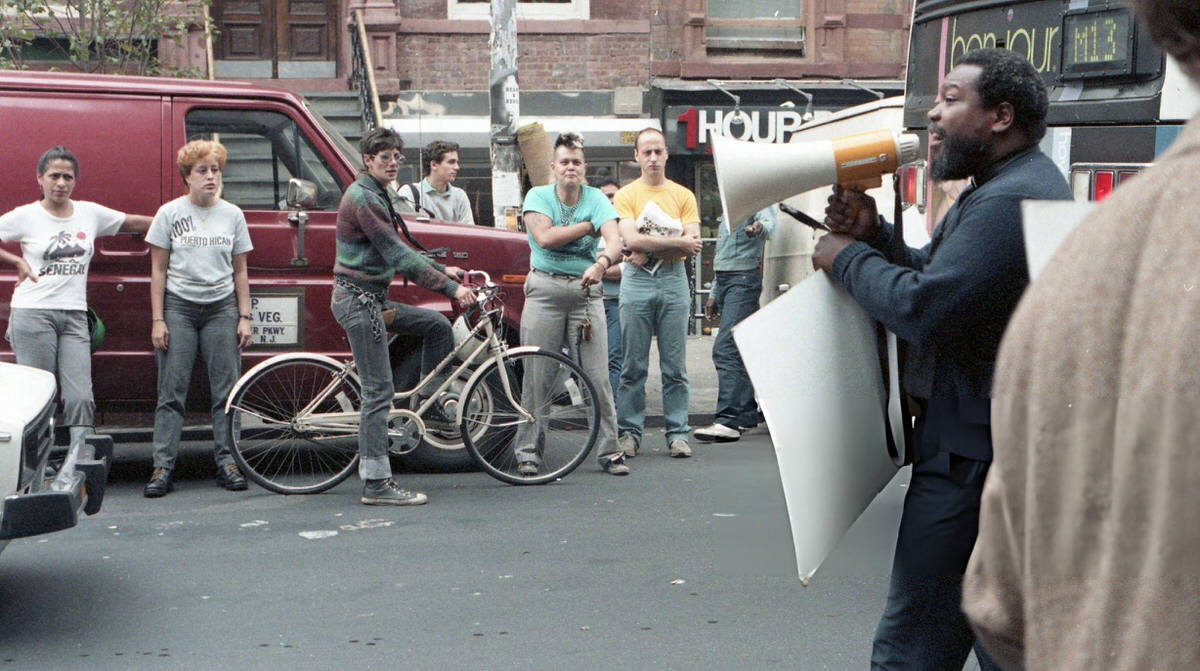
ACT UP — the AIDS Coalition to Unleash Power — was founded in 1987 at the Lesbian, Gay, Bisexual & Transgender Community Center on West 13th Street. The group used direct action: blocking traffic on Wall Street, storming the FDA’s offices in Maryland, throwing the ashes of dead friends onto the White House lawn. They were loud because silence was killing people. The Village was where they planned it.
Read more
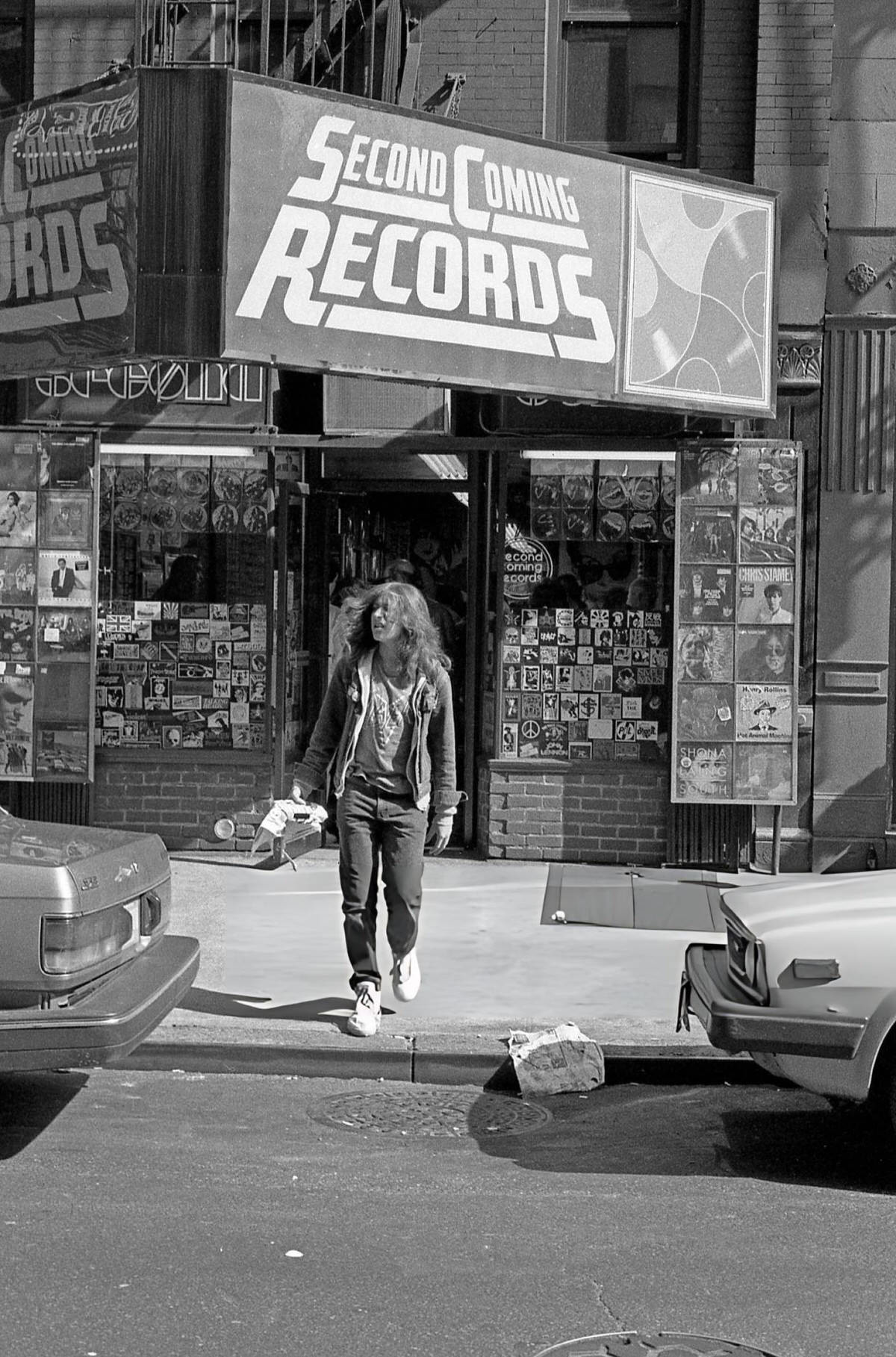
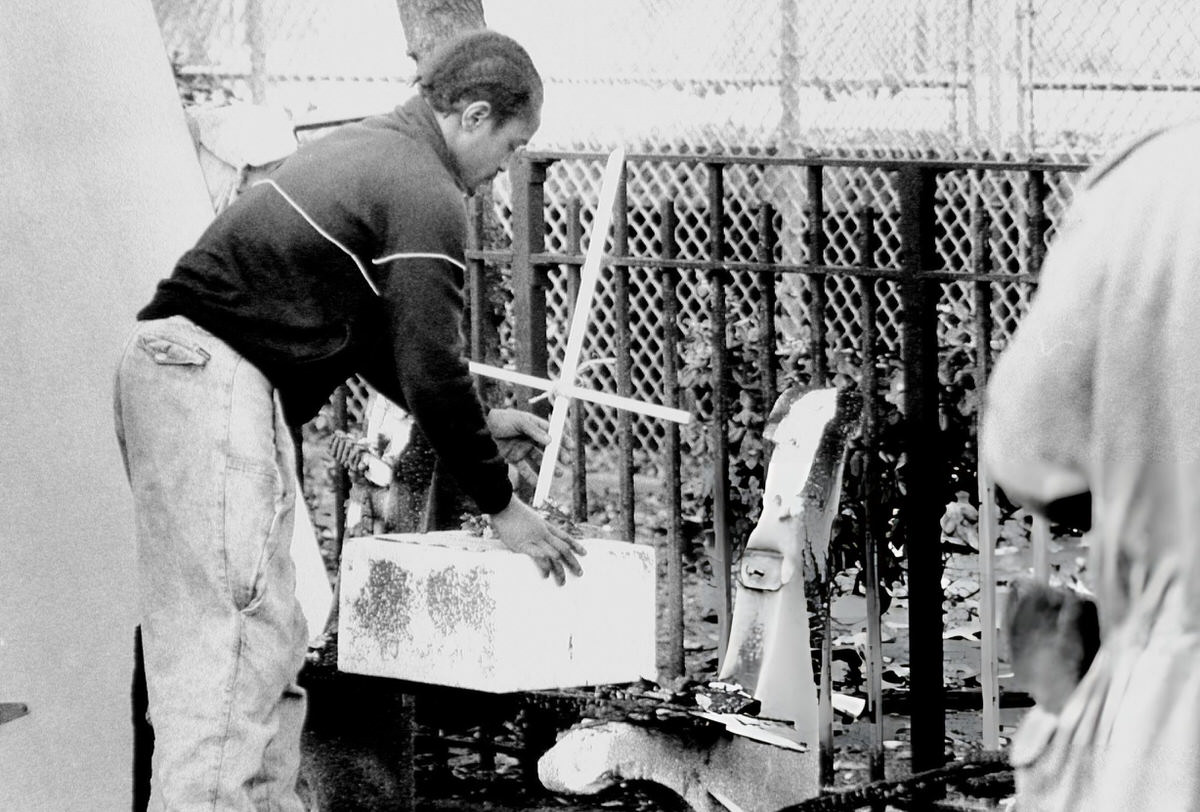
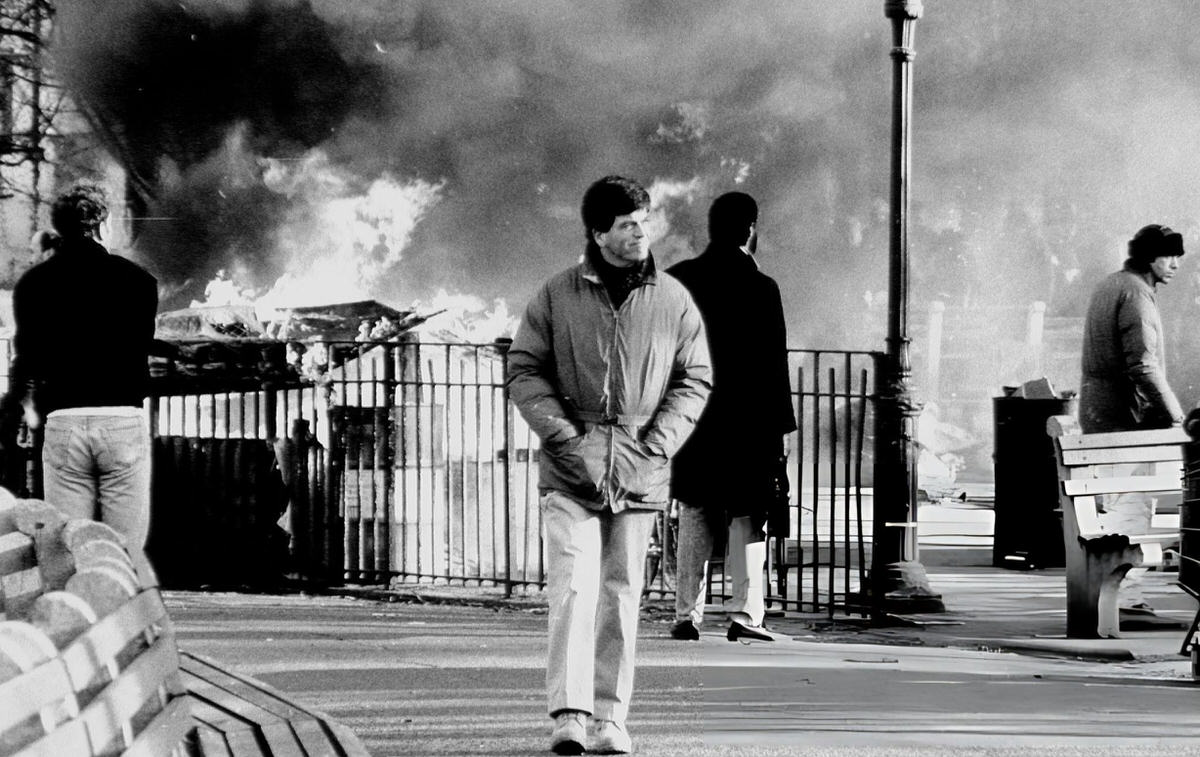
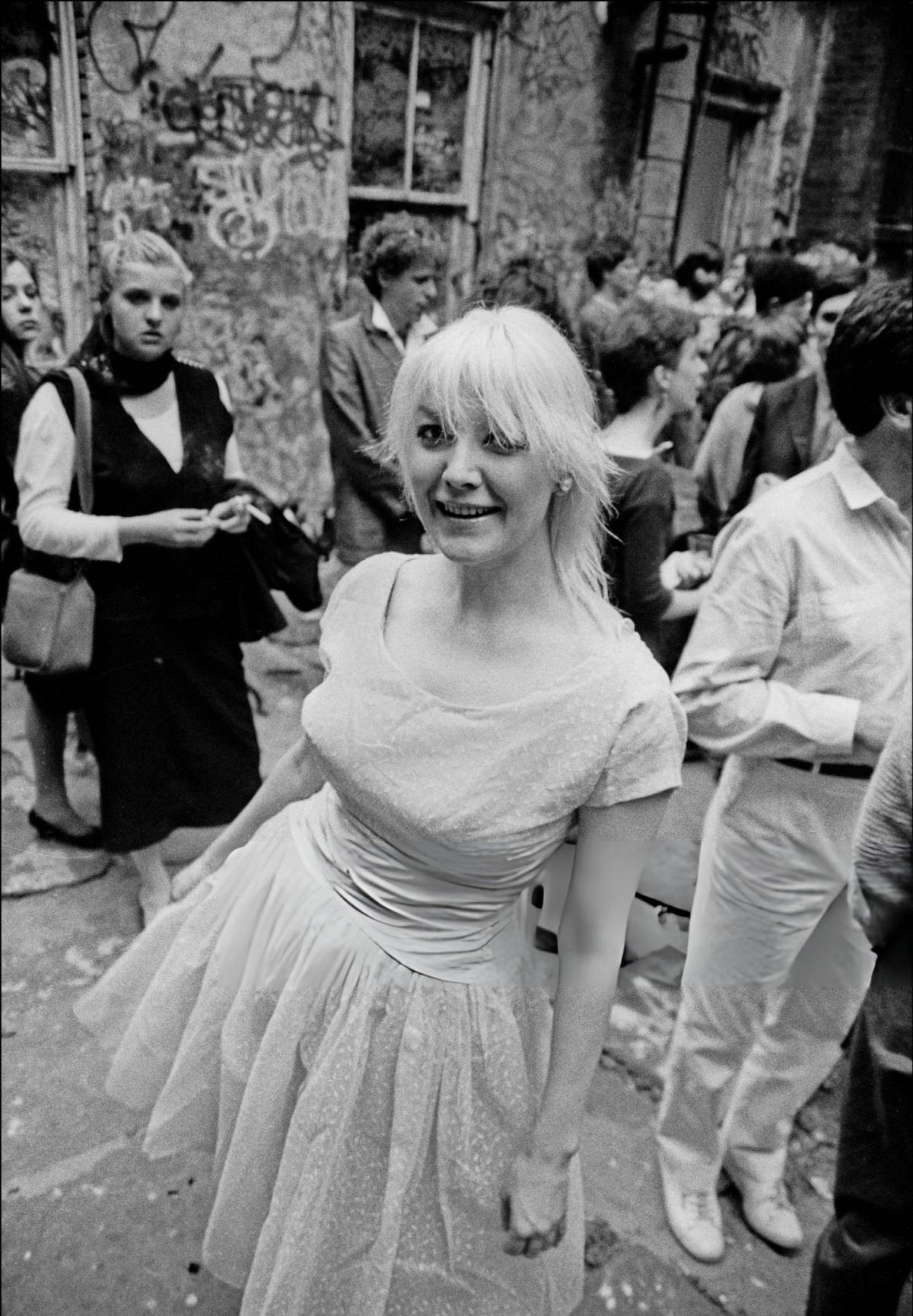
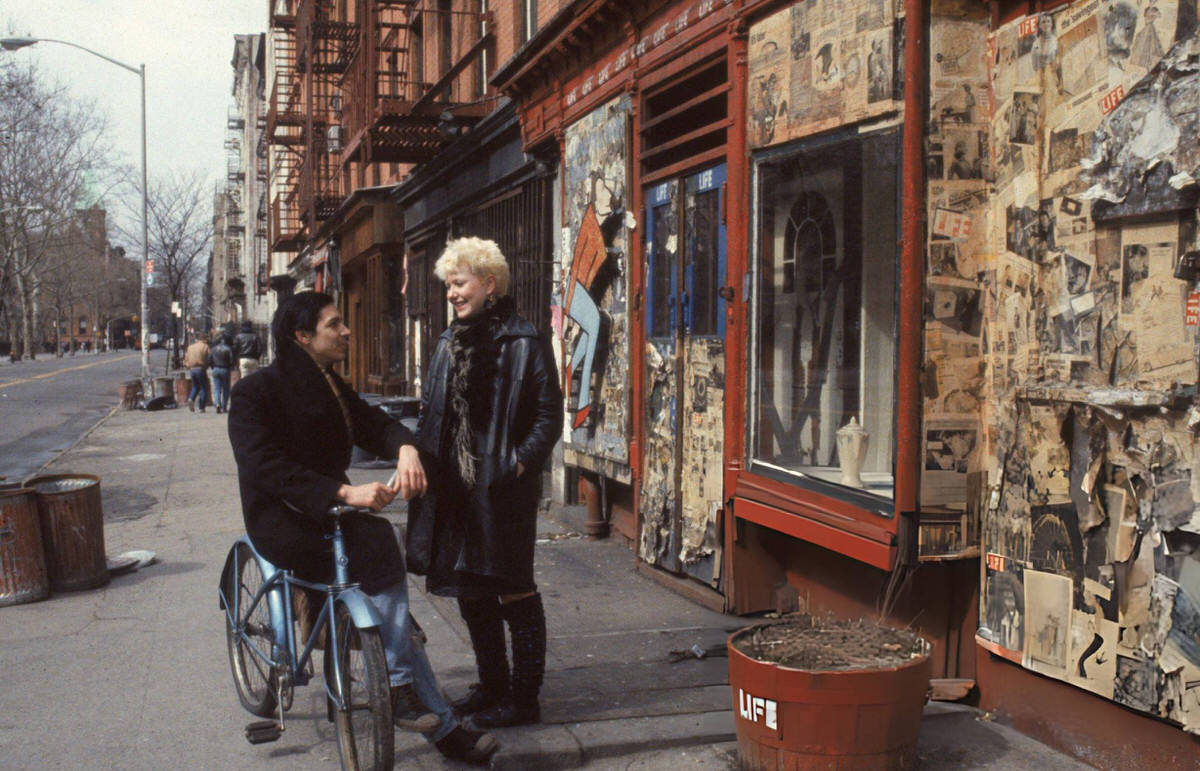
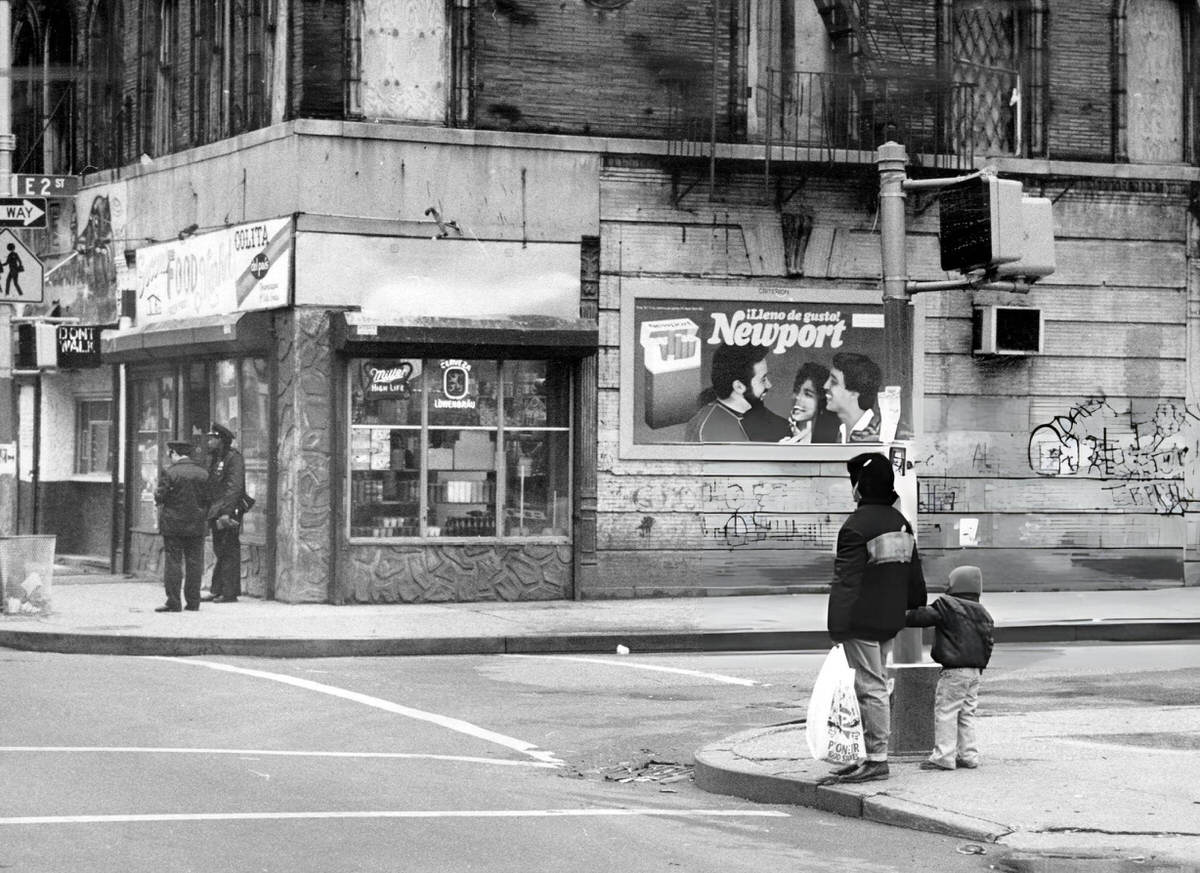
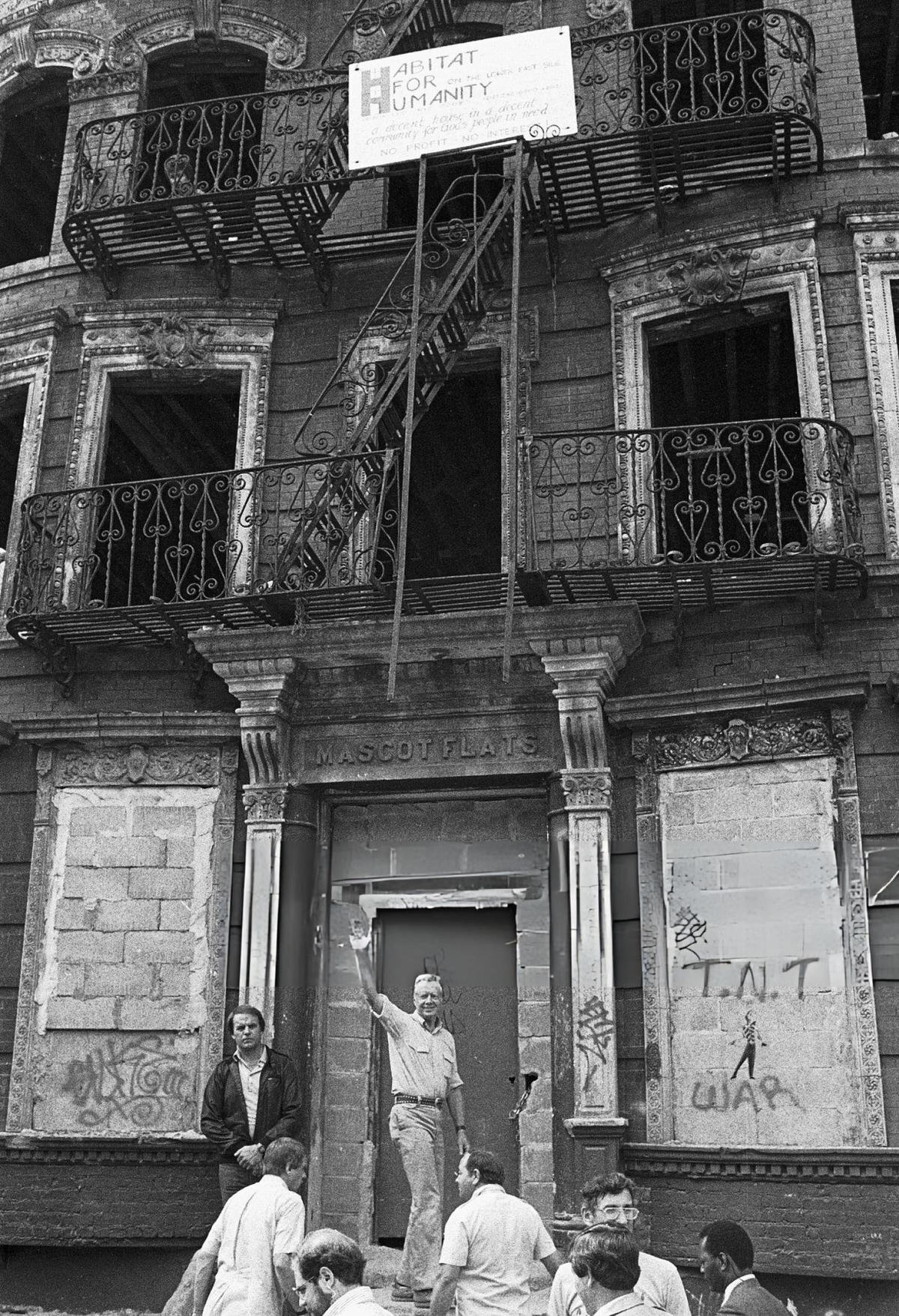
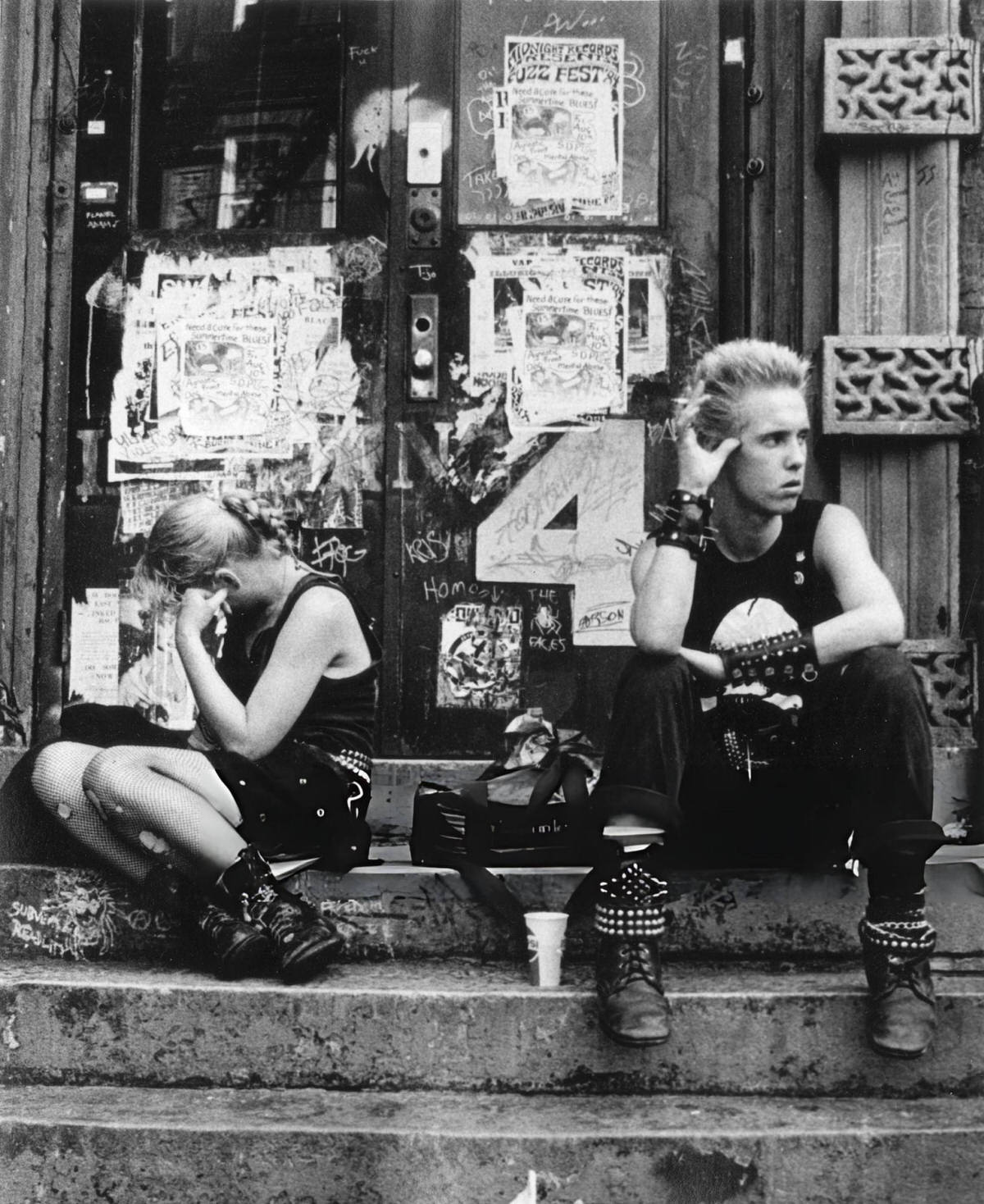
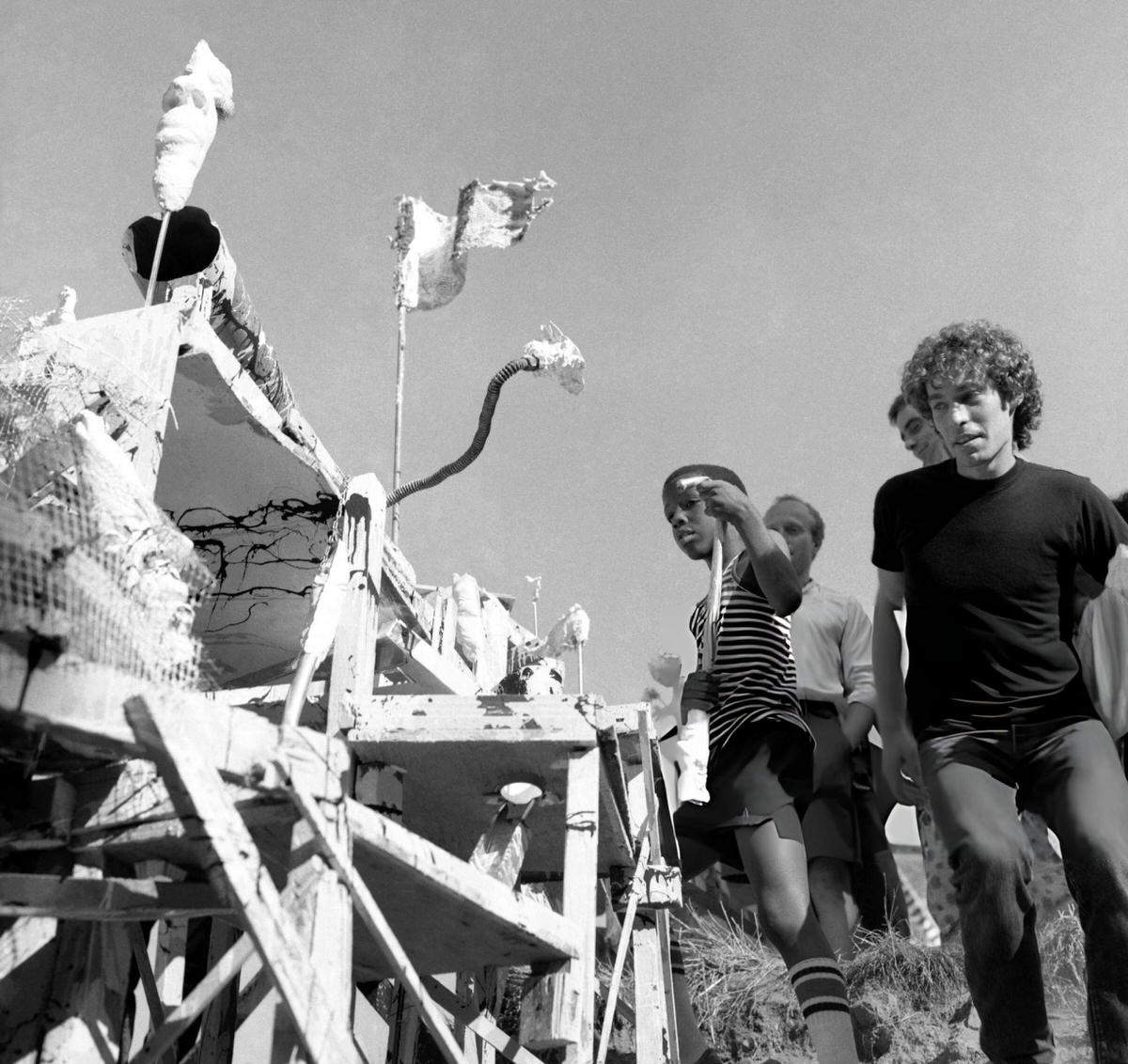
Meanwhile, the East Village — technically a different neighborhood east of Broadway, but close enough in spirit — was burning. Arson was common in the late 1970s and early 1980s. Landlords torched their own buildings to collect insurance. Squatters moved into abandoned tenements on Avenue B and C and rebuilt them by hand. Artists priced out of SoHo moved in because rent was almost nothing. The area around Tompkins Square Park became its own scene entirely, separate from the older Village west of Broadway.
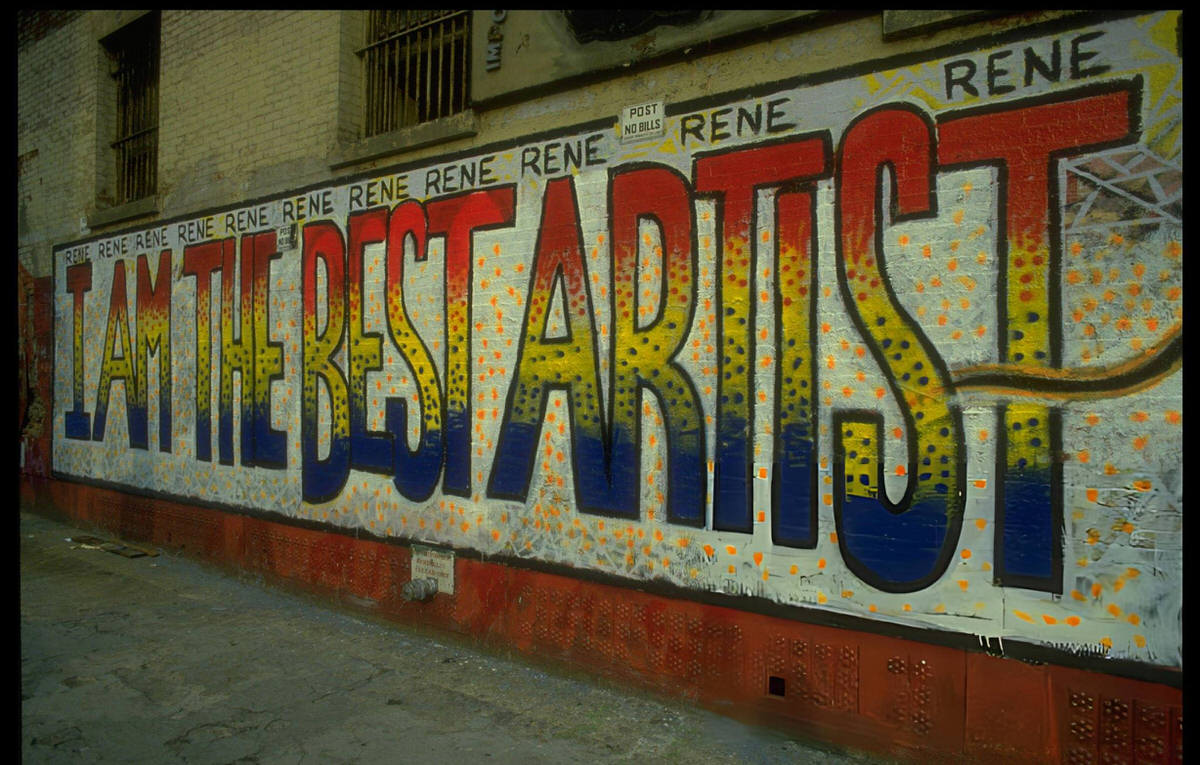
Jean-Michel Basquiat started as a graffiti writer in lower Manhattan using the tag SAMO. By 1982 he was selling paintings for tens of thousands of dollars and showing at galleries in SoHo. Keith Haring drew chalk figures in empty subway ad panels and then moved into galleries. The East Village gallery scene exploded between 1981 and 1985 — small storefronts on 10th Street and Avenue B turned into exhibition spaces overnight. The Fun Gallery on East 11th Street showed Basquiat, Haring, and Kenny Scharf before the mainstream art world caught up.
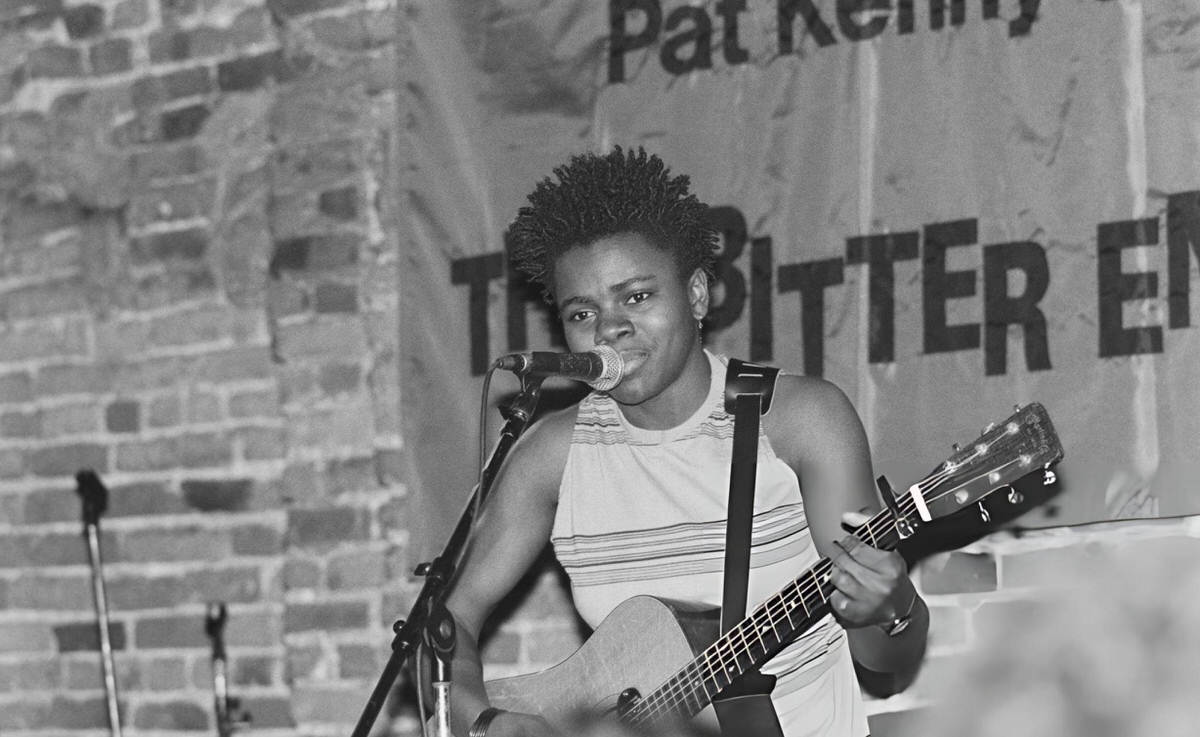
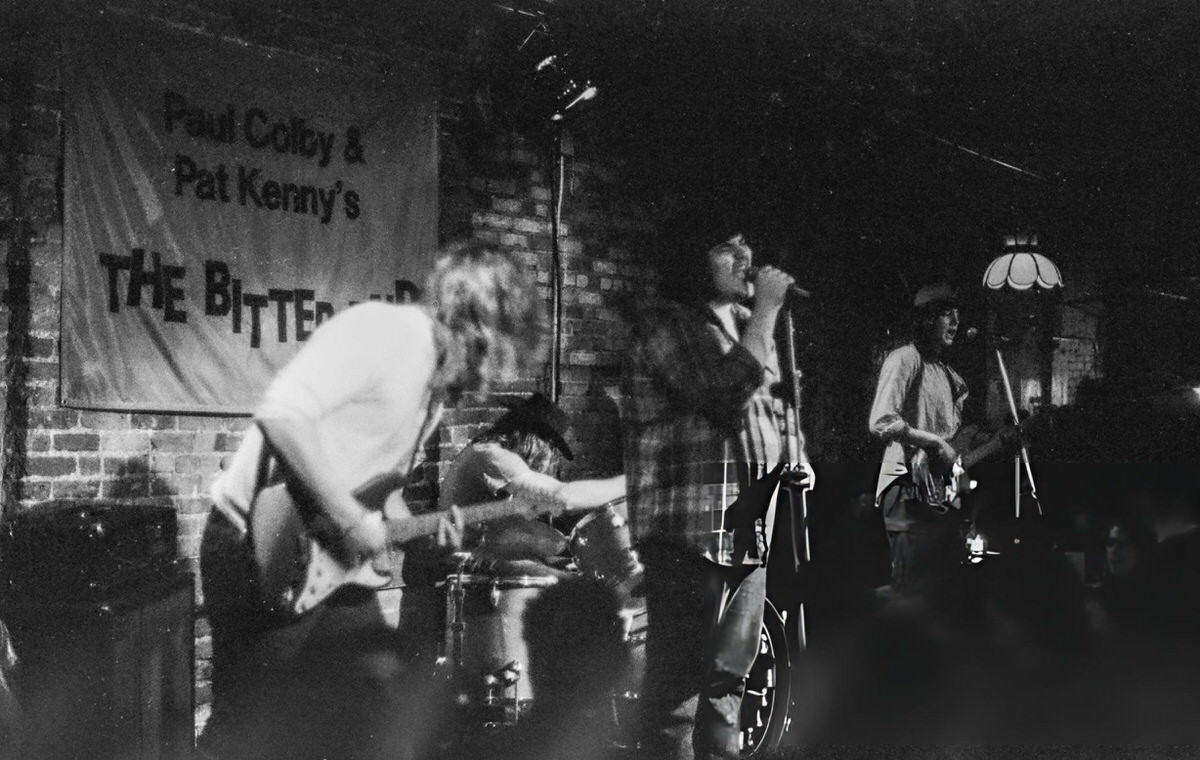
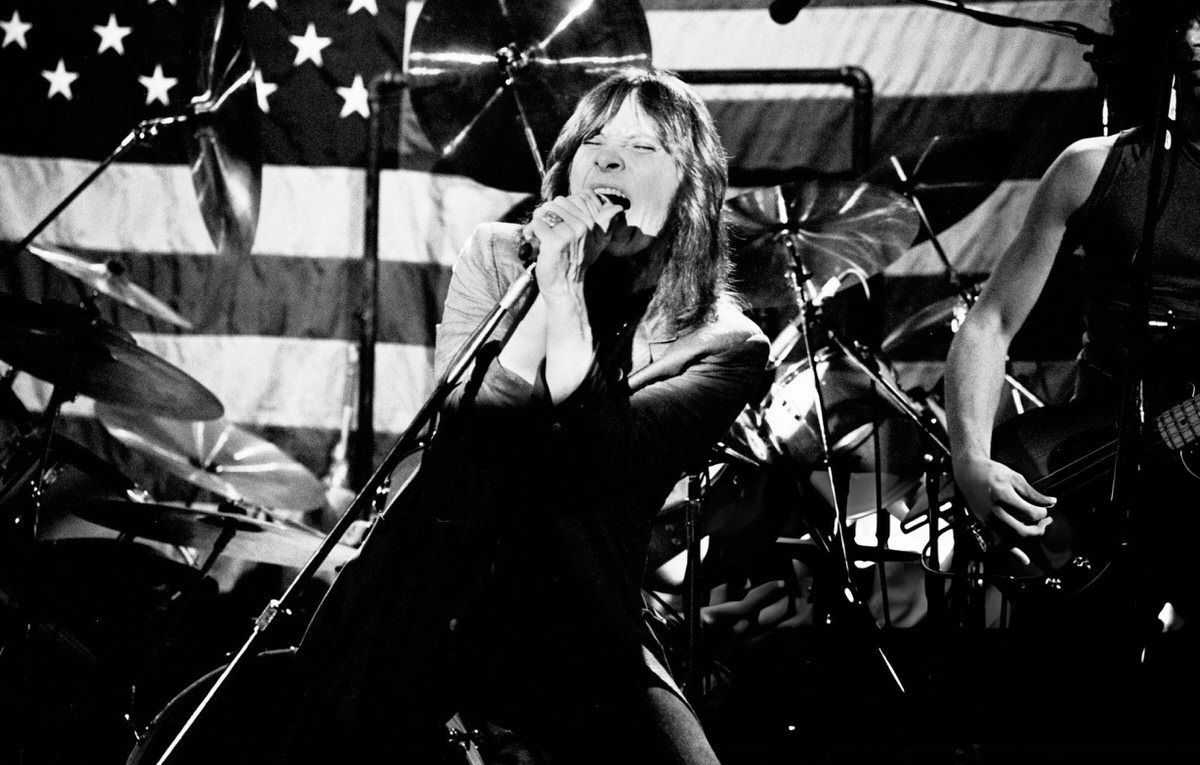
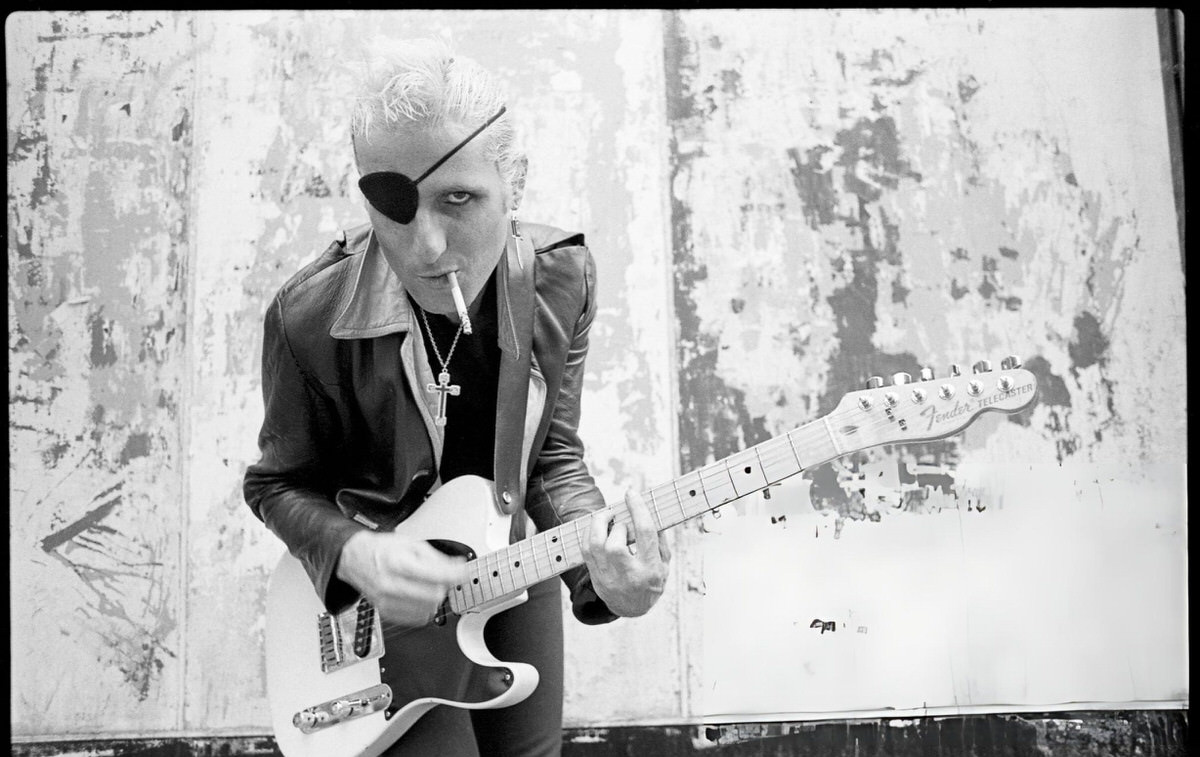
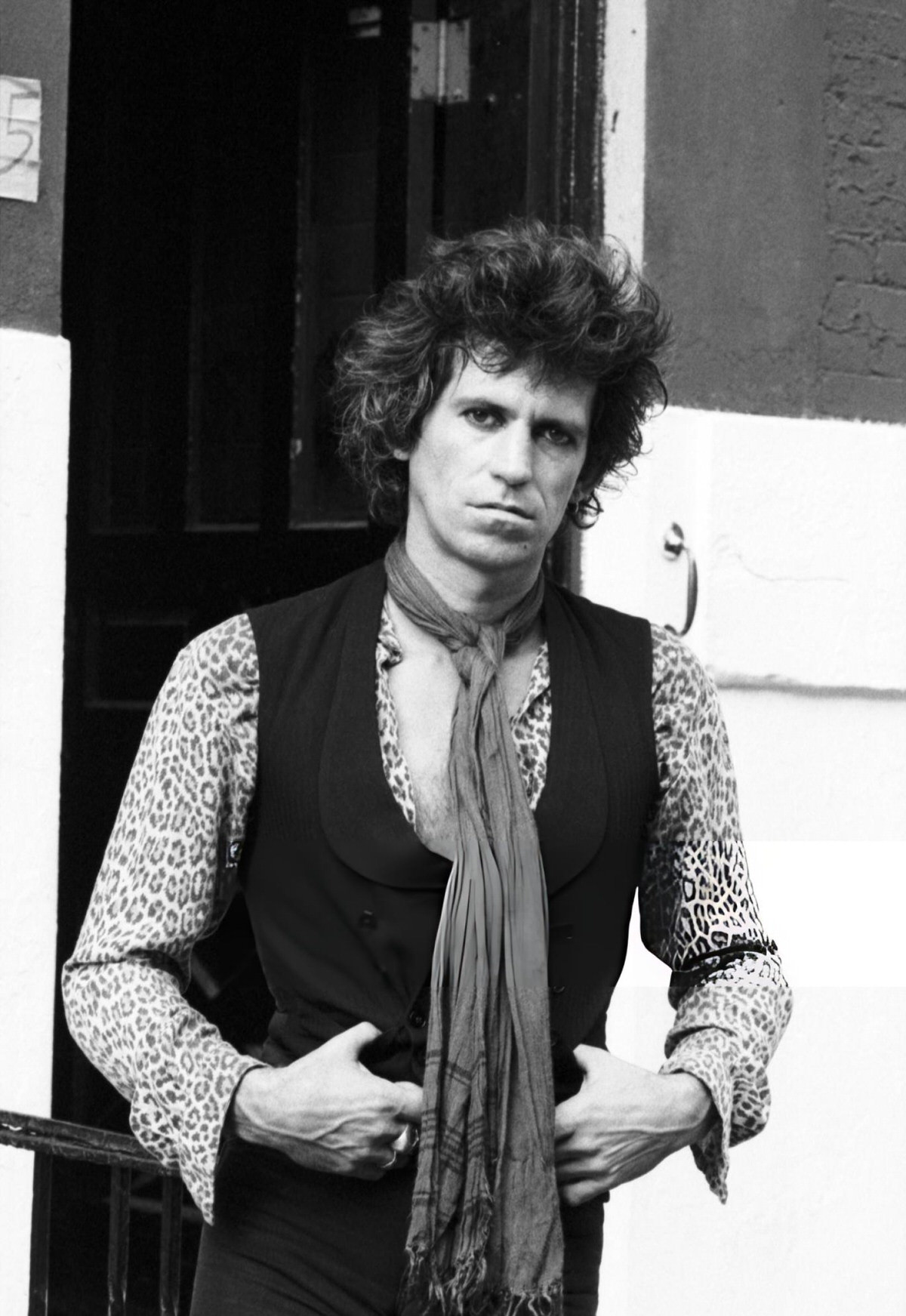
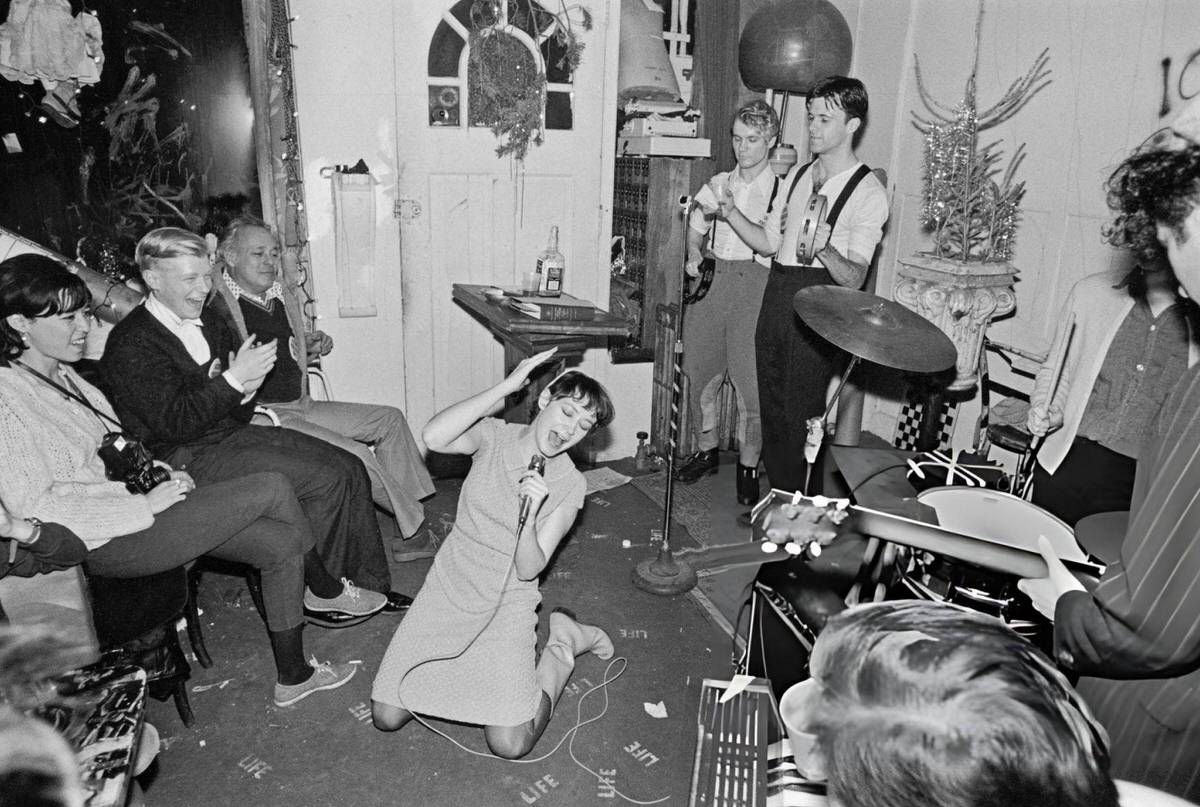
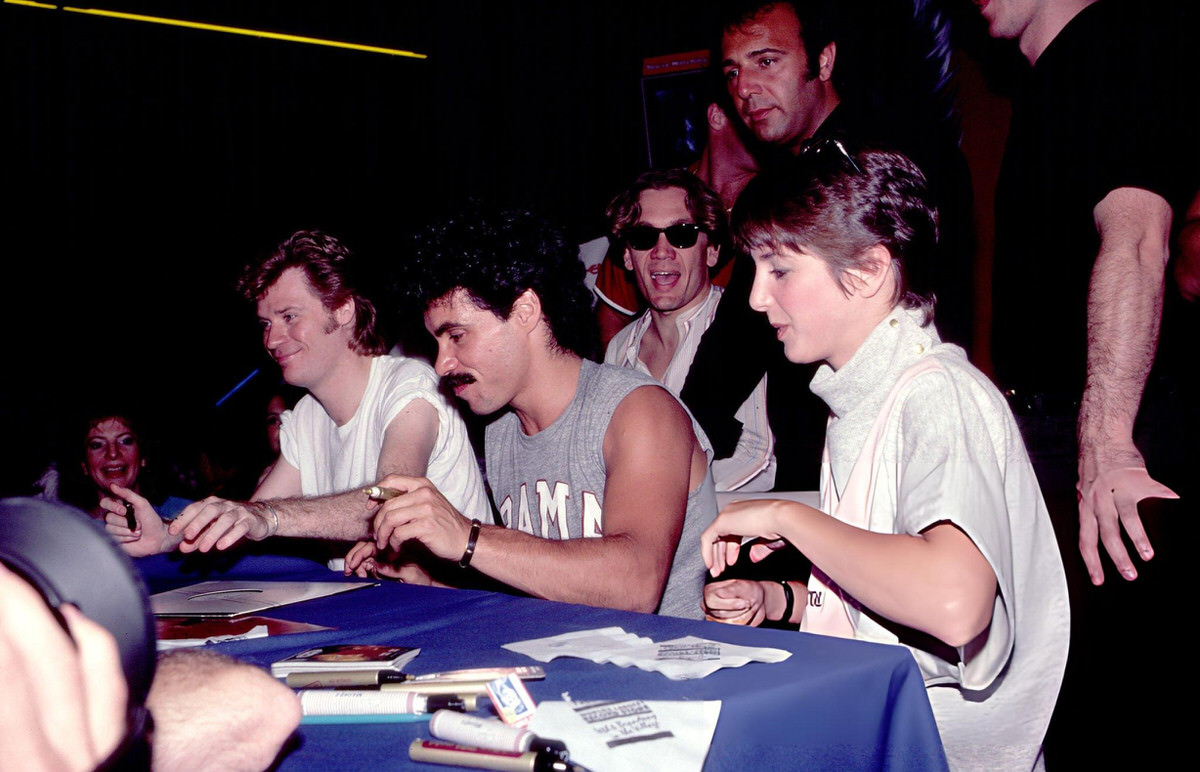
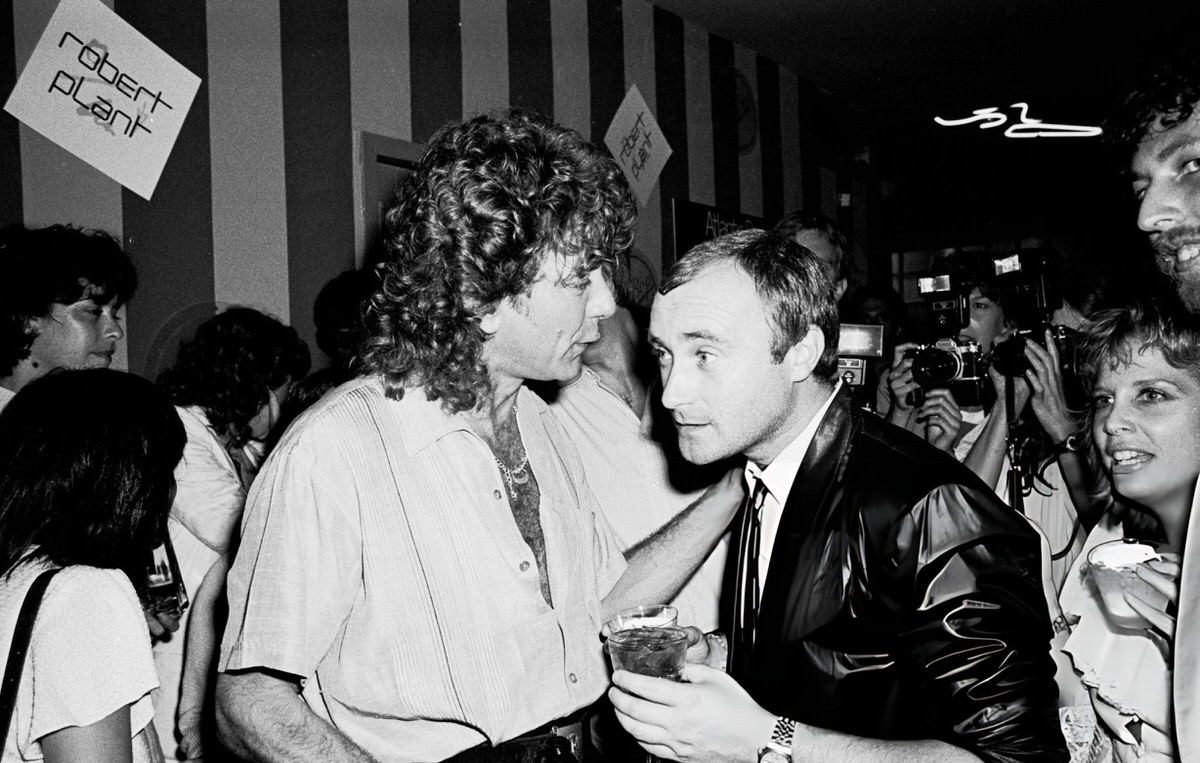
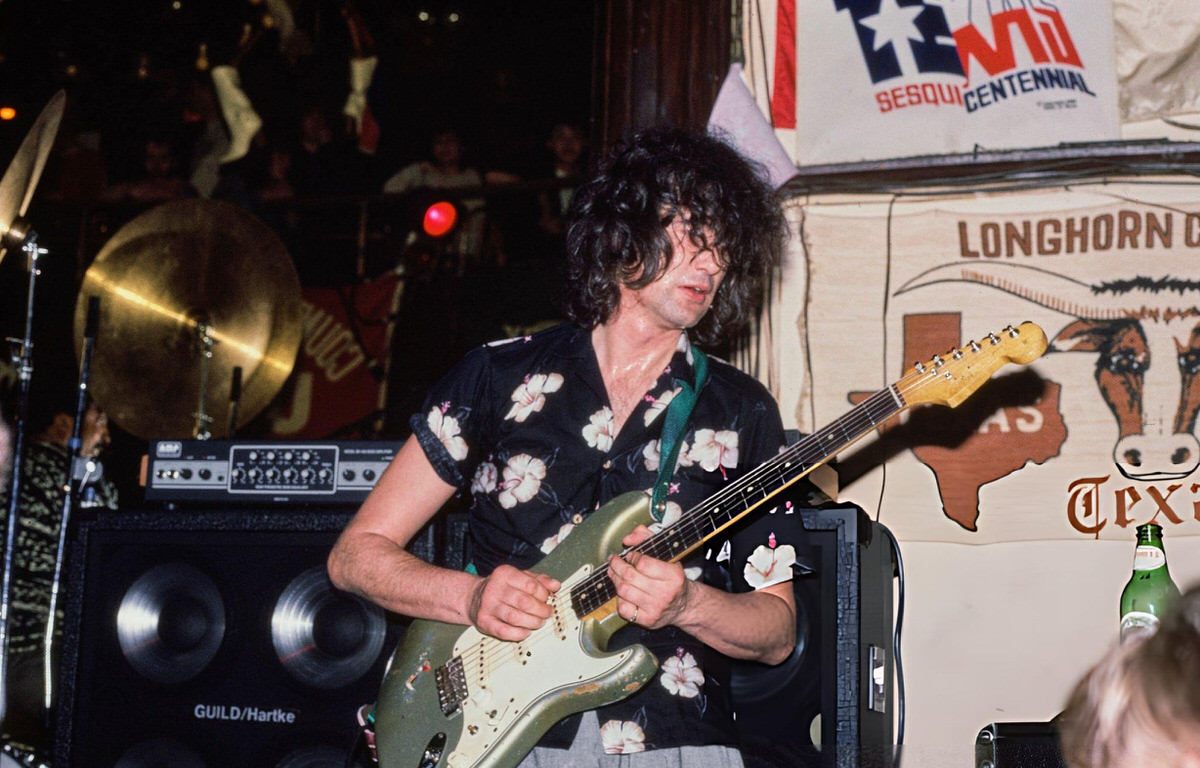
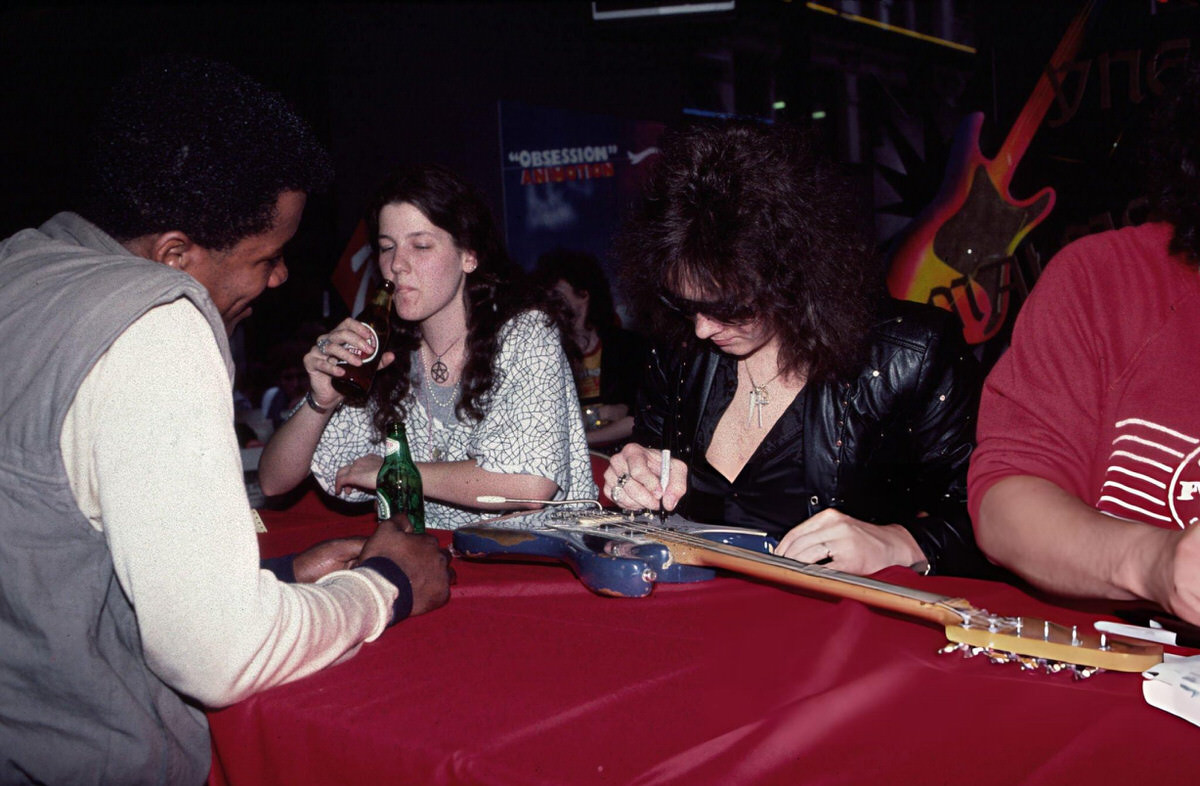
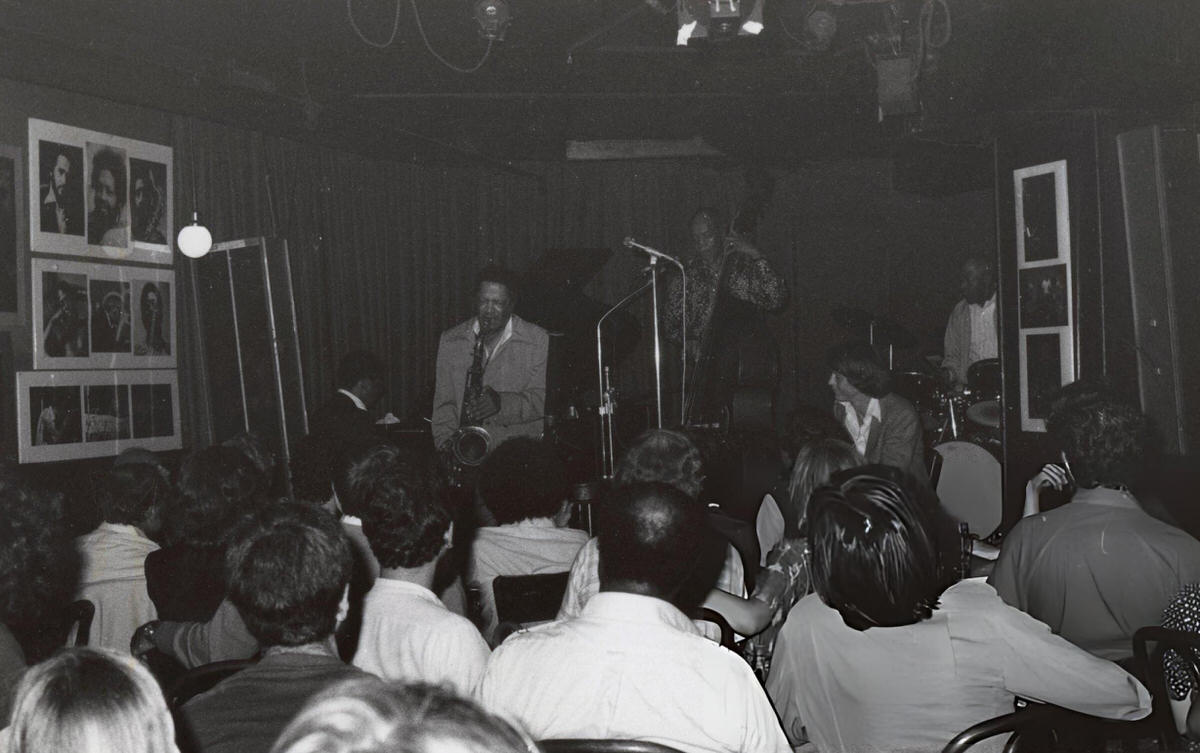
The punk scene had already burned through CBGB on the Bowery by 1980, but the music kept going. The Mudd Club on White Street drew a crowd that mixed punk, new wave, and the downtown art world. Blondie, Talking Heads, and the B-52s had all come through by then. Danceteria, further uptown on West 21st, pulled the Village crowd north on weekends. Madonna played early shows at Danceteria in 1982 before her first single dropped. She had been living in a squat in the East Village and eating at the YMCA.
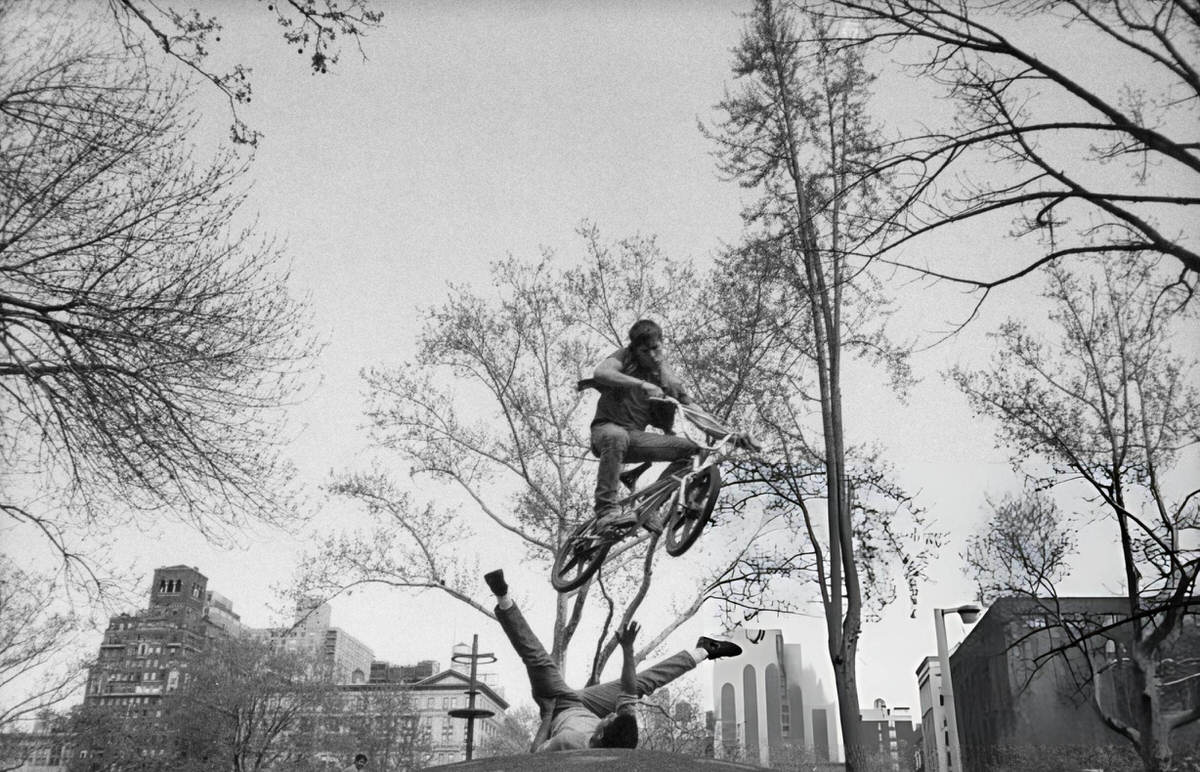
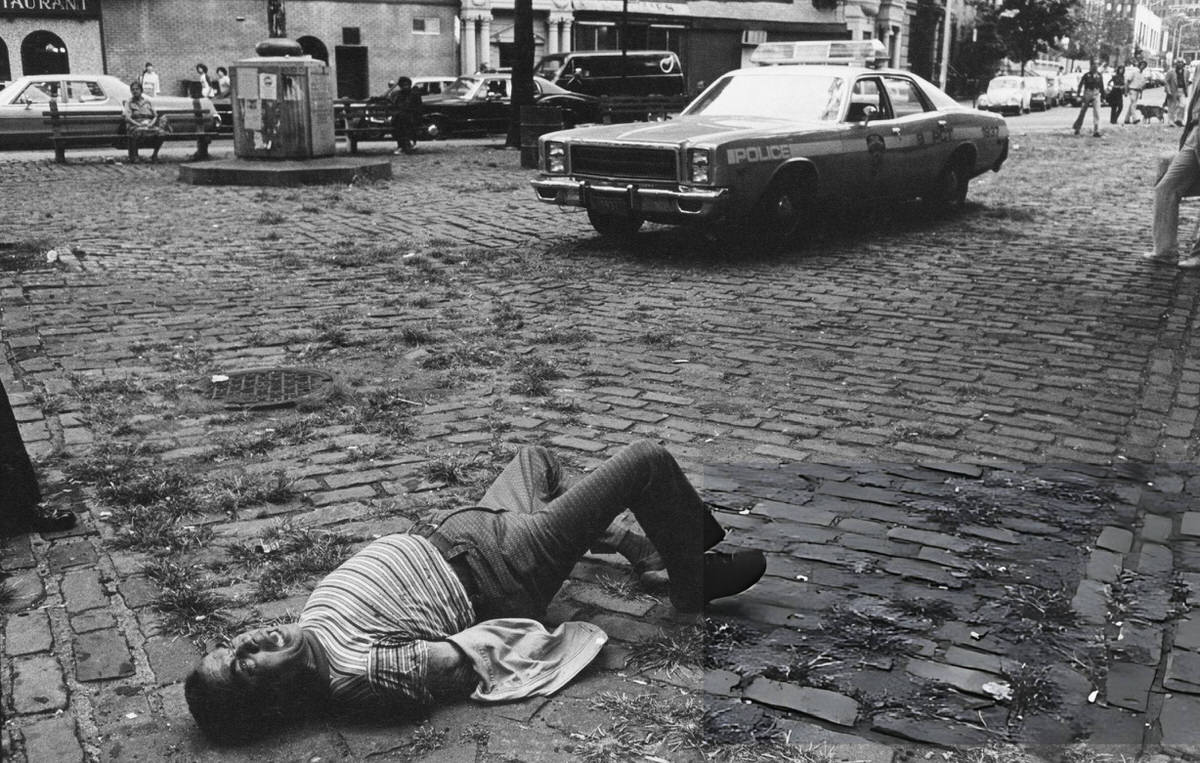
The heroin problem was serious and open. Needle Park — what people called the area around Tompkins Square — was not a metaphor. Drug dealing happened in daylight on Avenue A. The police mostly left it alone. Residents who had lived in the neighborhood for decades shared blocks with addicts, squatters, and artists in a combination that was unstable from the start.
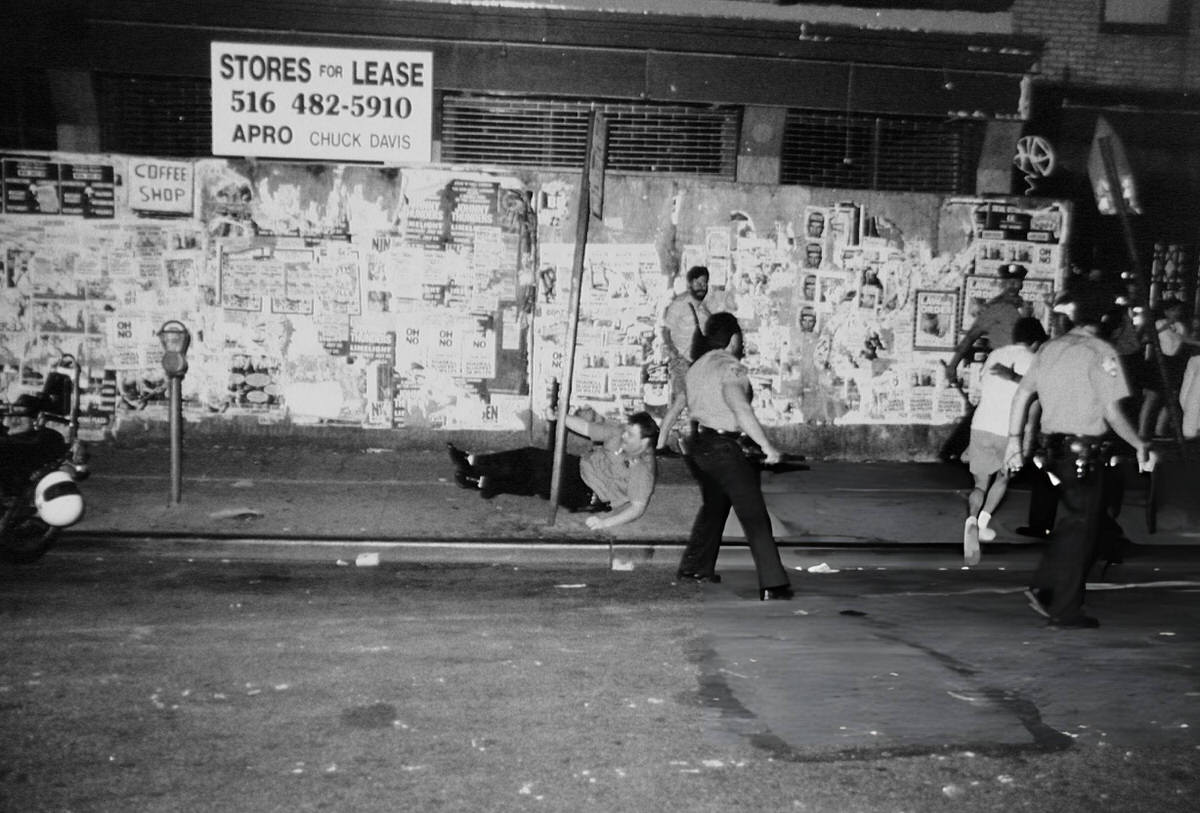
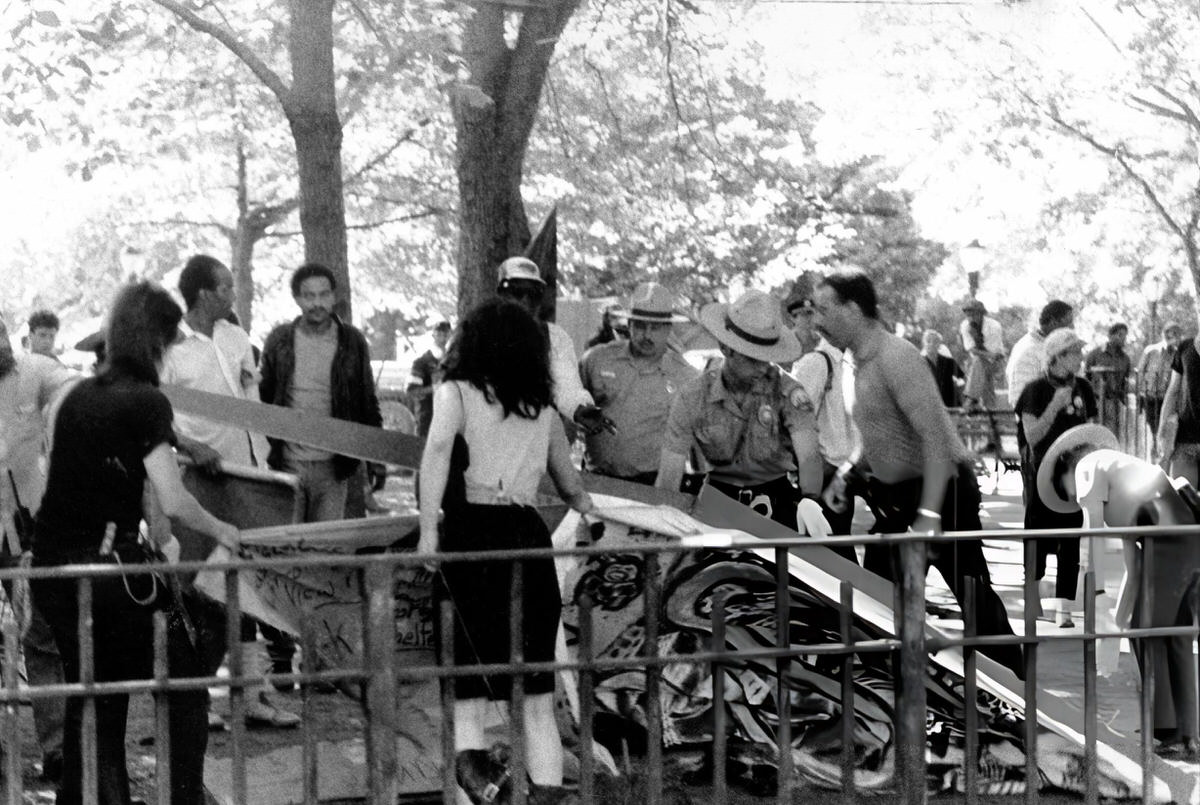
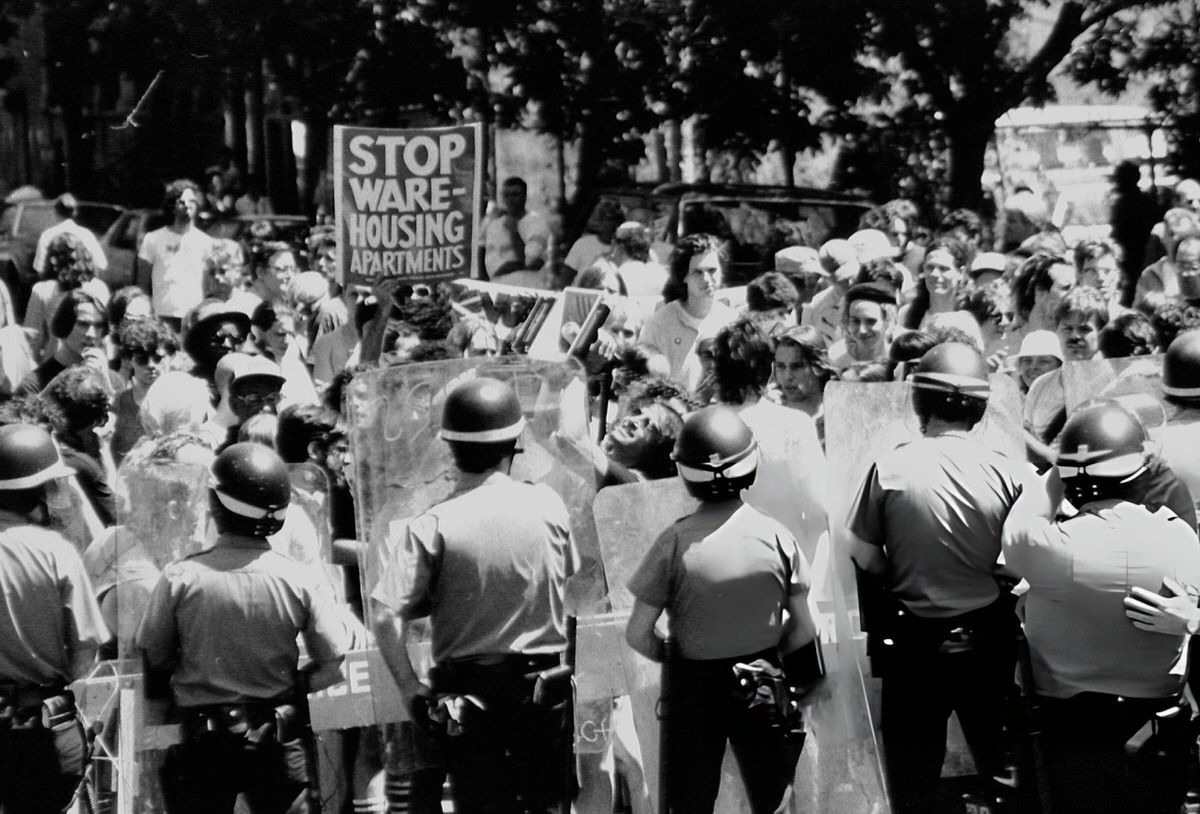
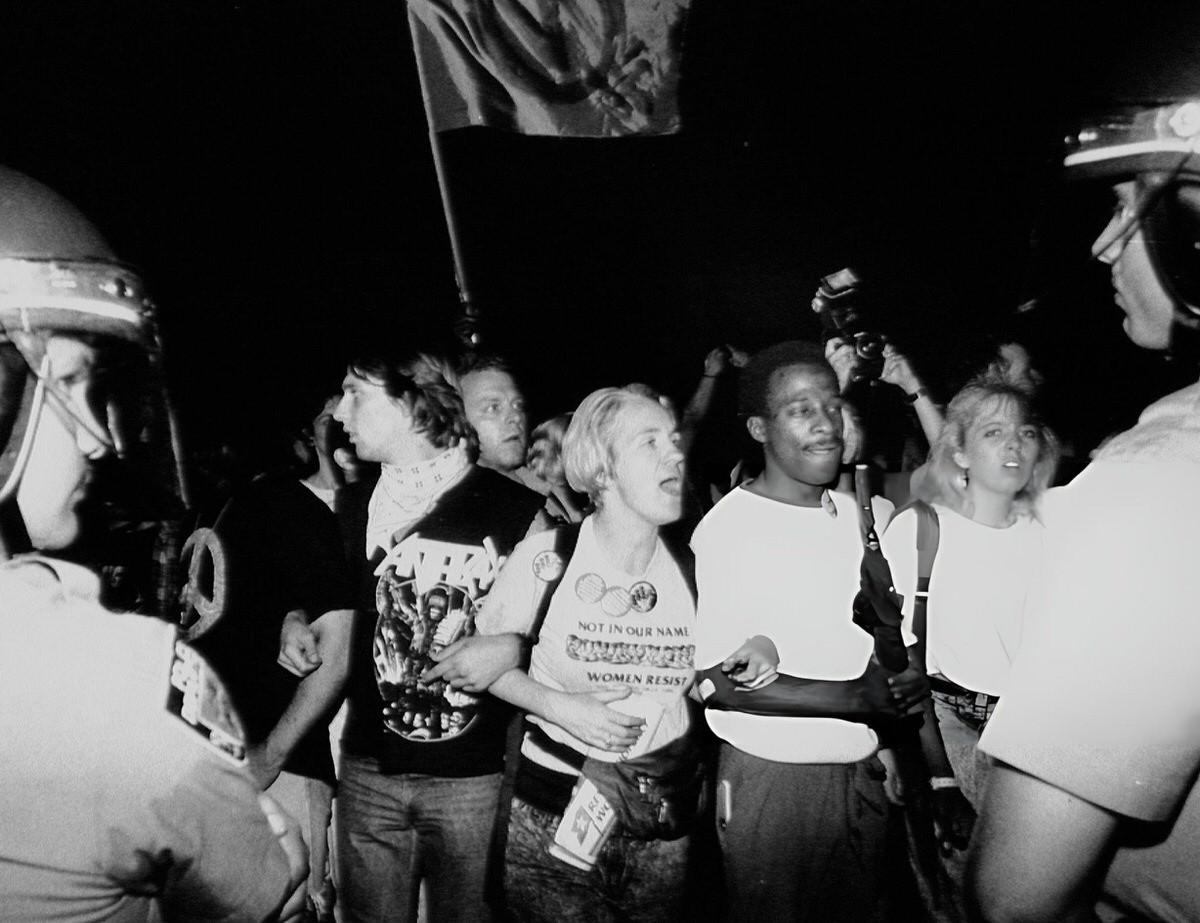
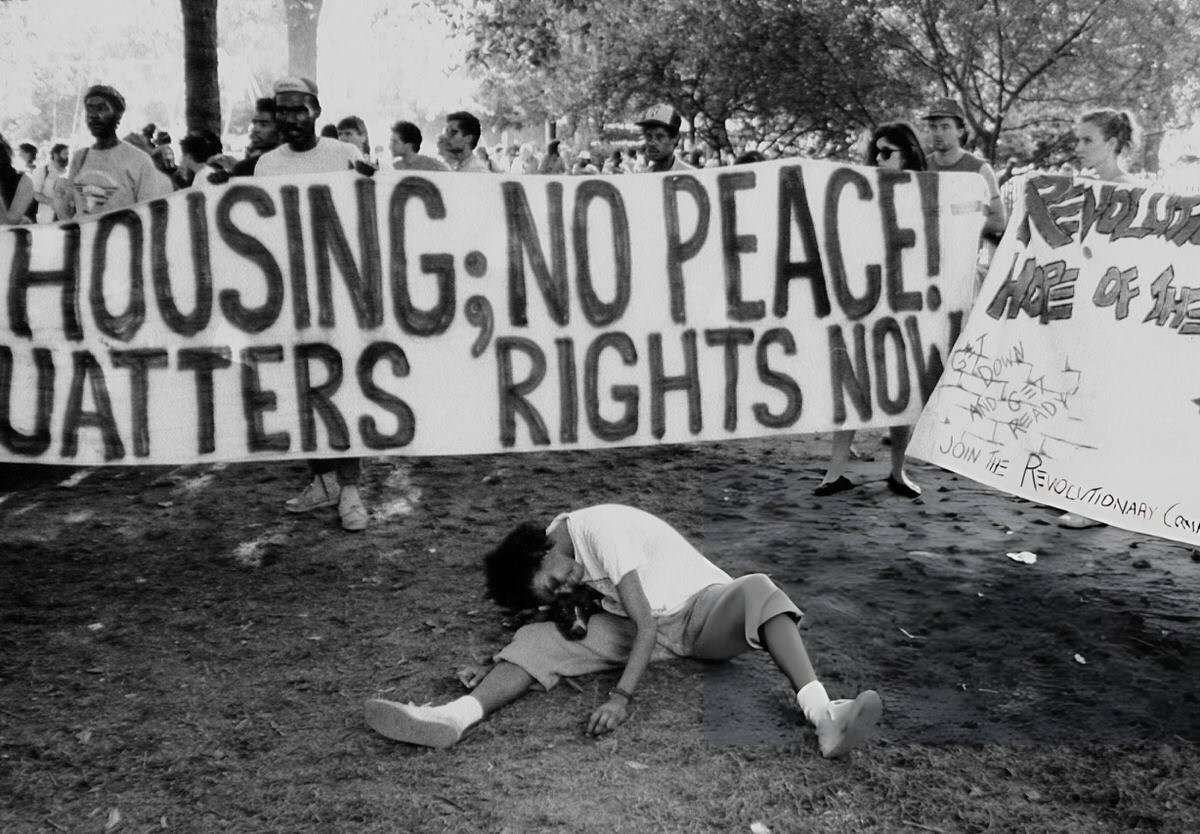
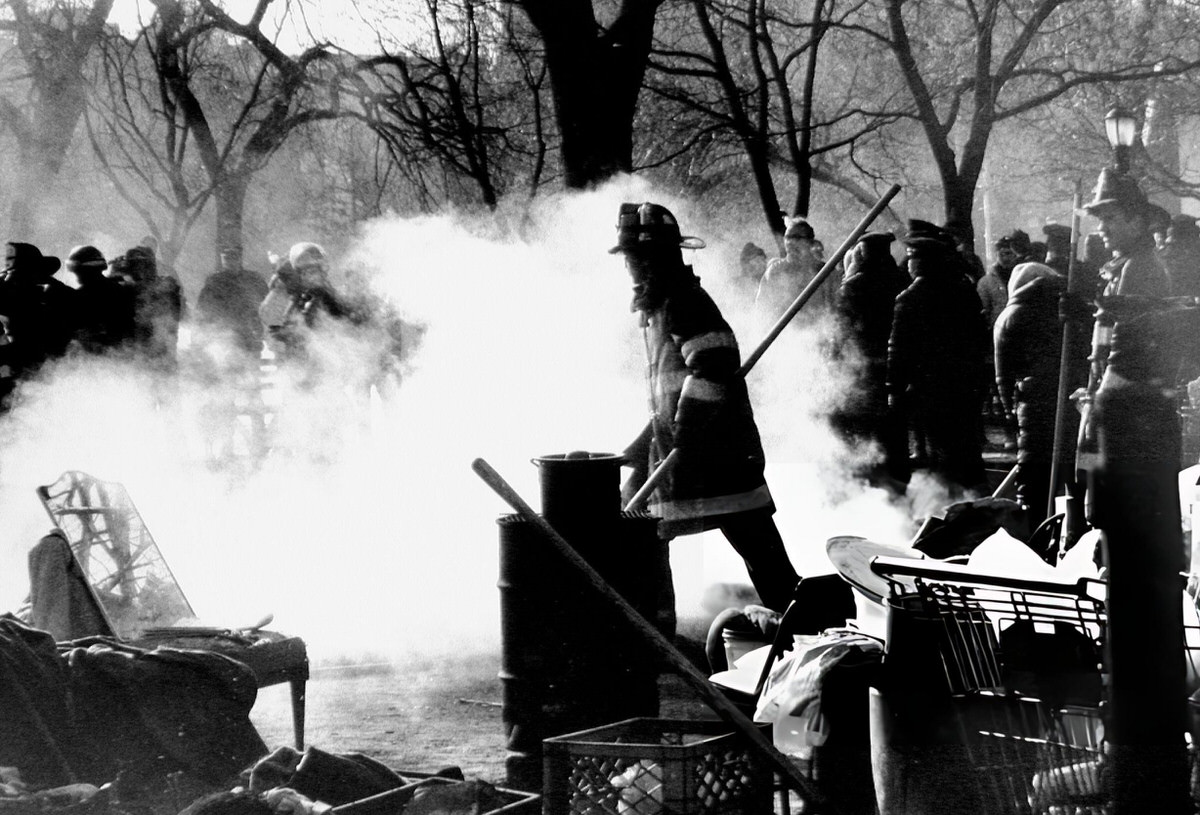
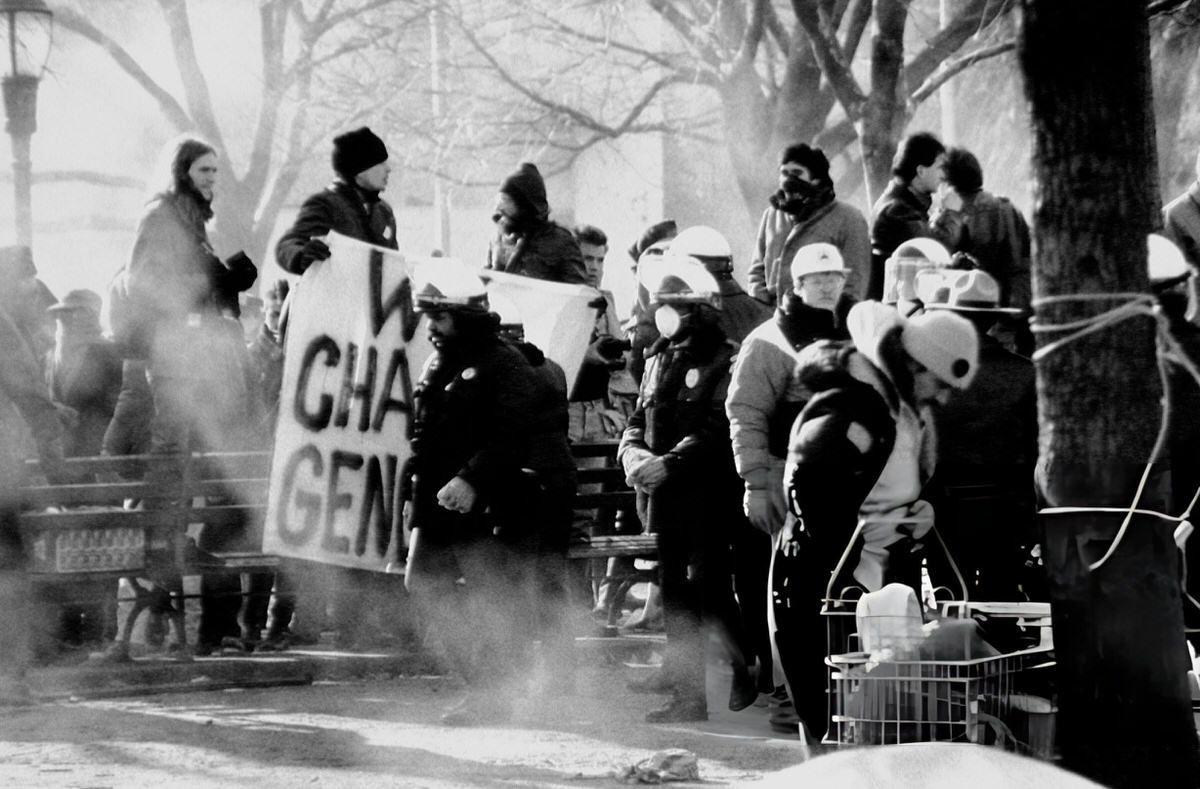
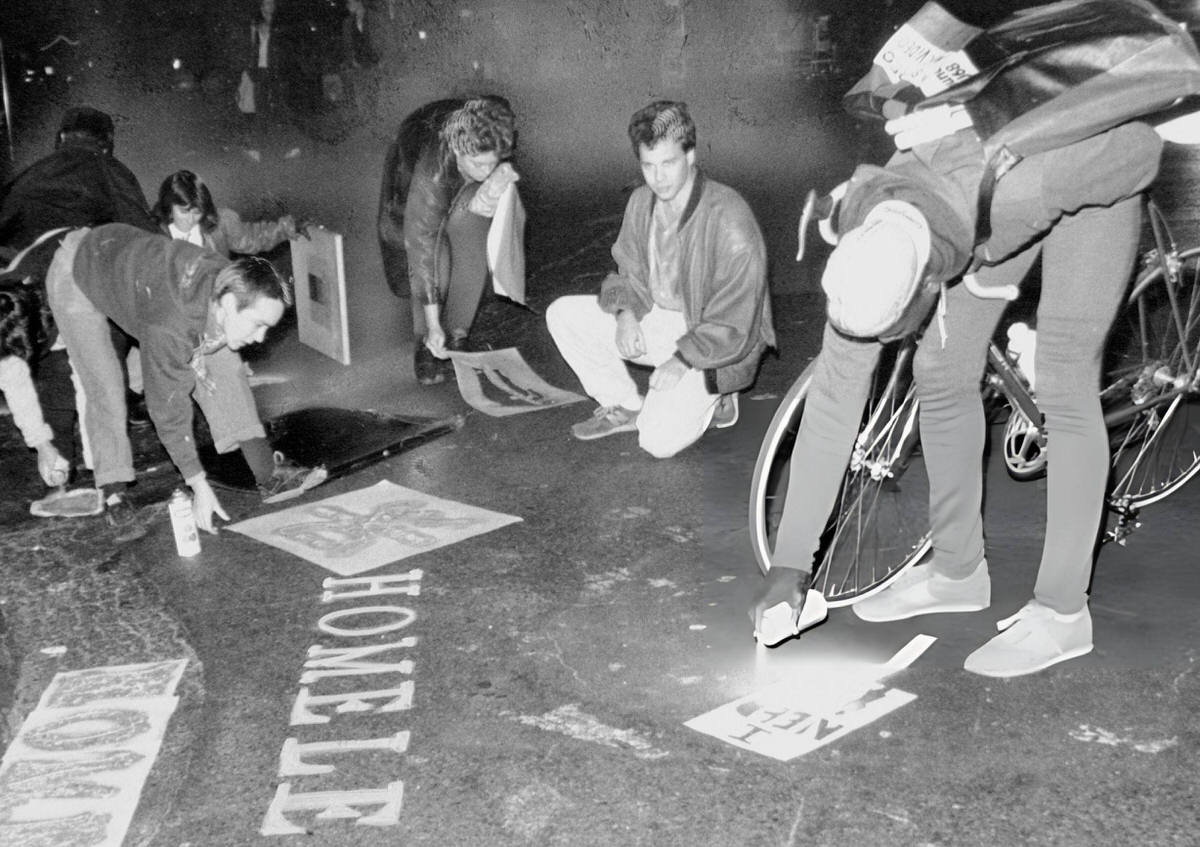
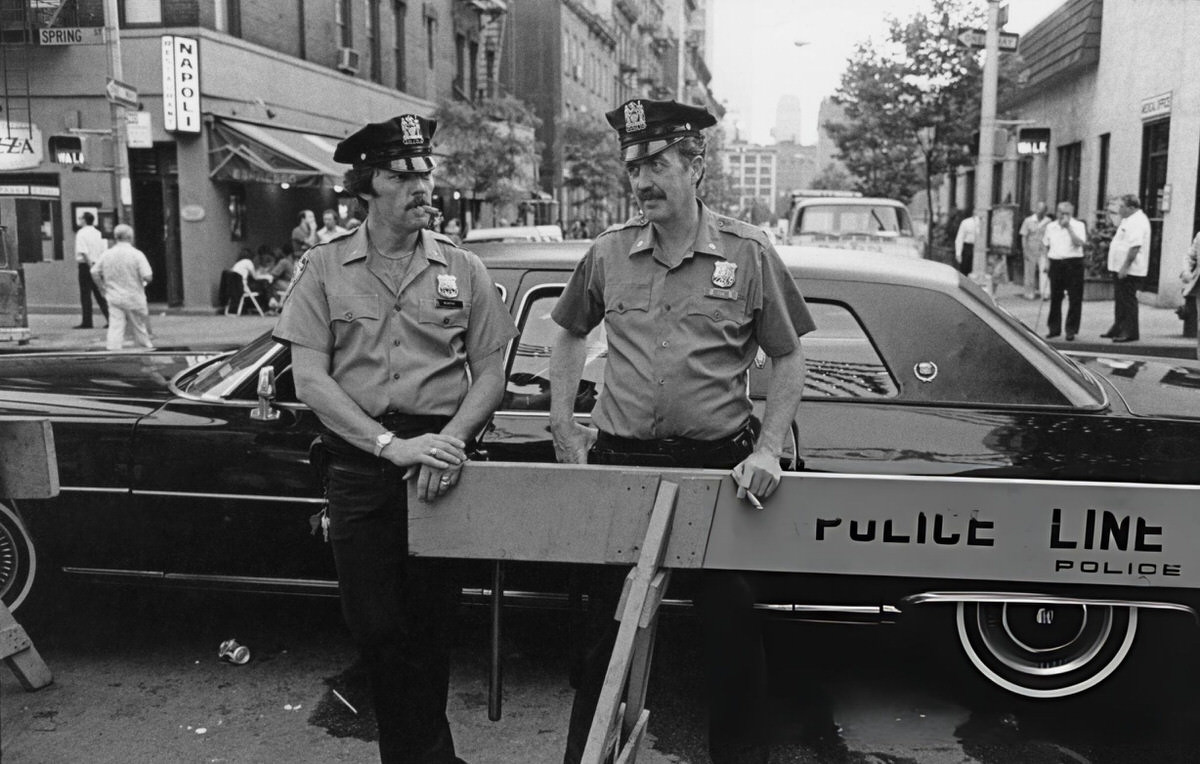
The tension broke in August 1988. The city tried to enforce a curfew in Tompkins Square Park to clear out the homeless encampment that had grown there. Protesters and police clashed for hours. Officers beat bystanders, journalists, and residents who had nothing to do with the protest. Thirty-eight people filed complaints of police brutality. The park stayed open. The encampment stayed too, until the city eventually closed the park entirely in 1991 for renovations and cleared it by force.
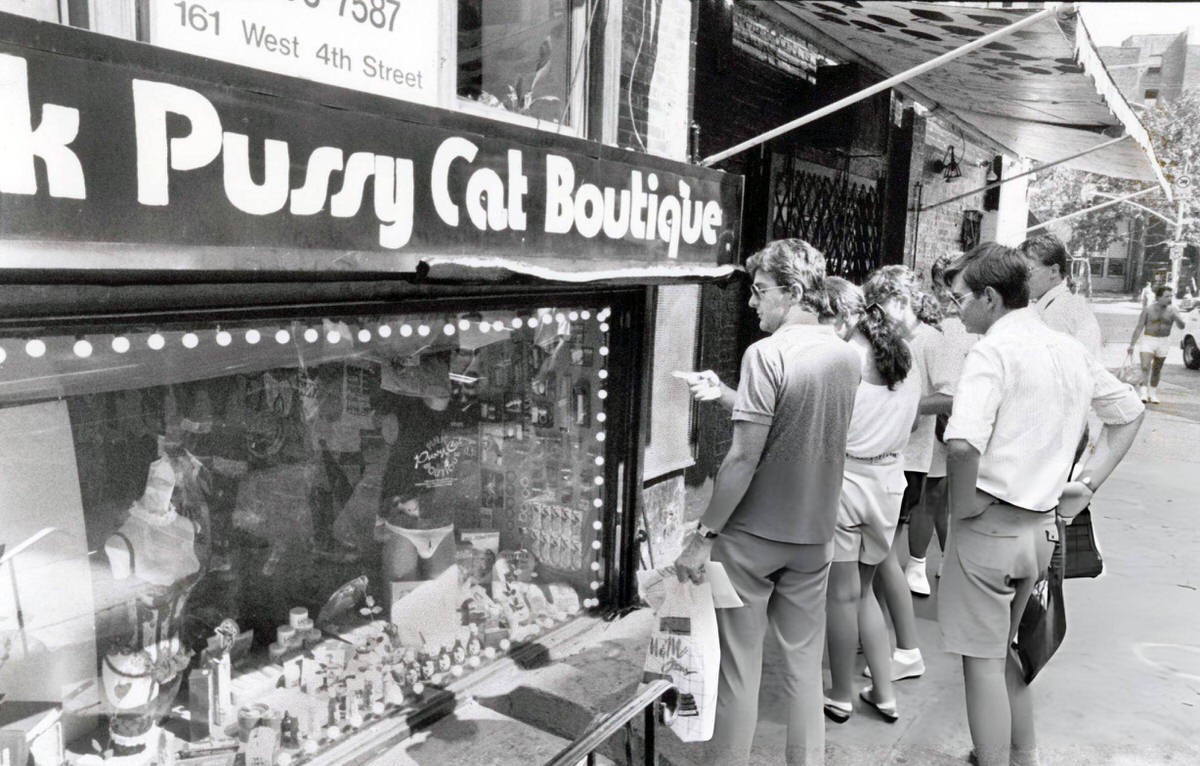
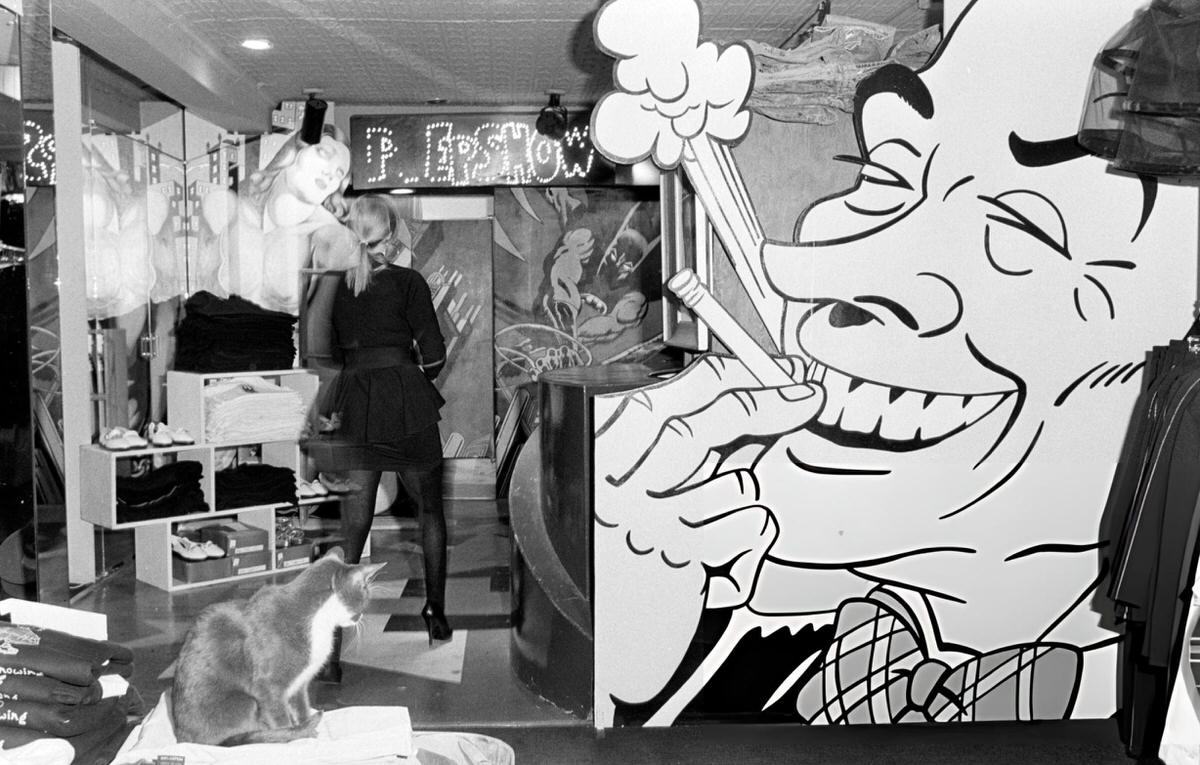
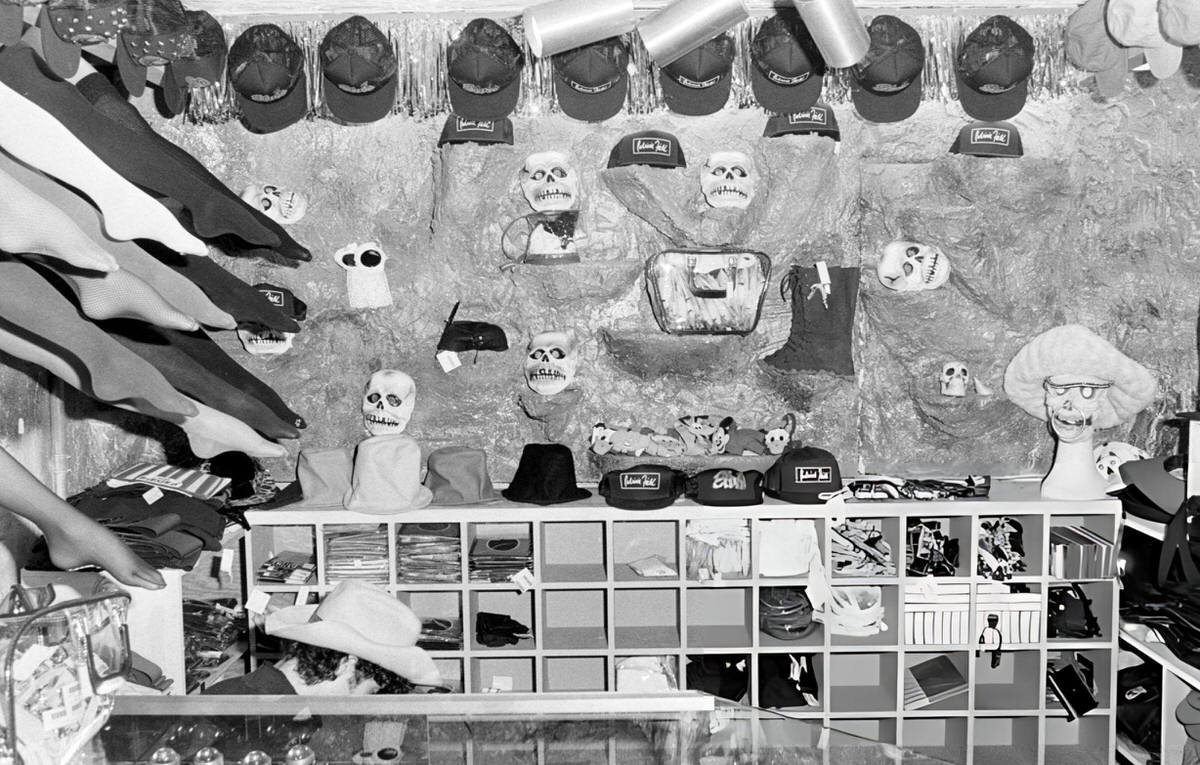
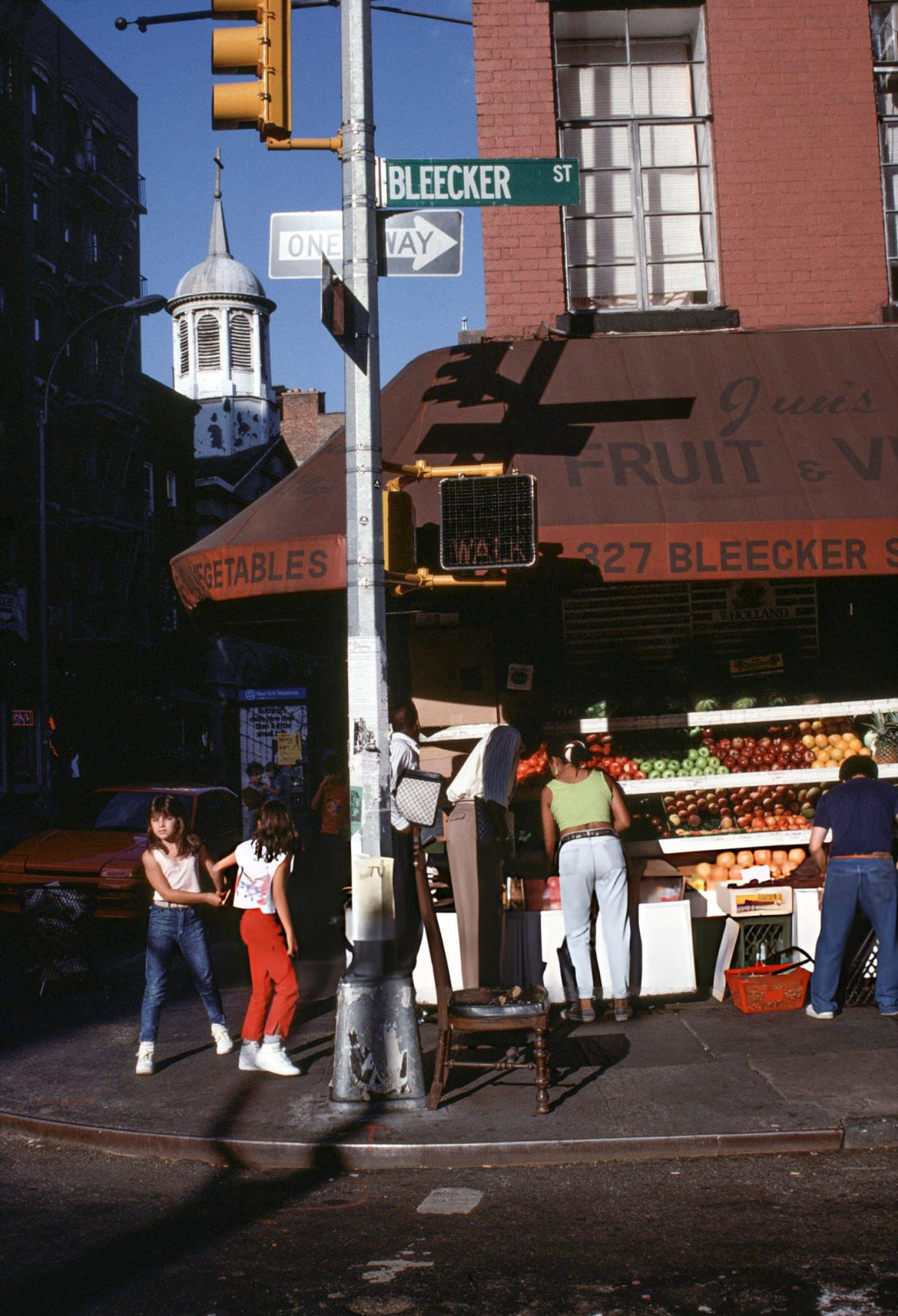
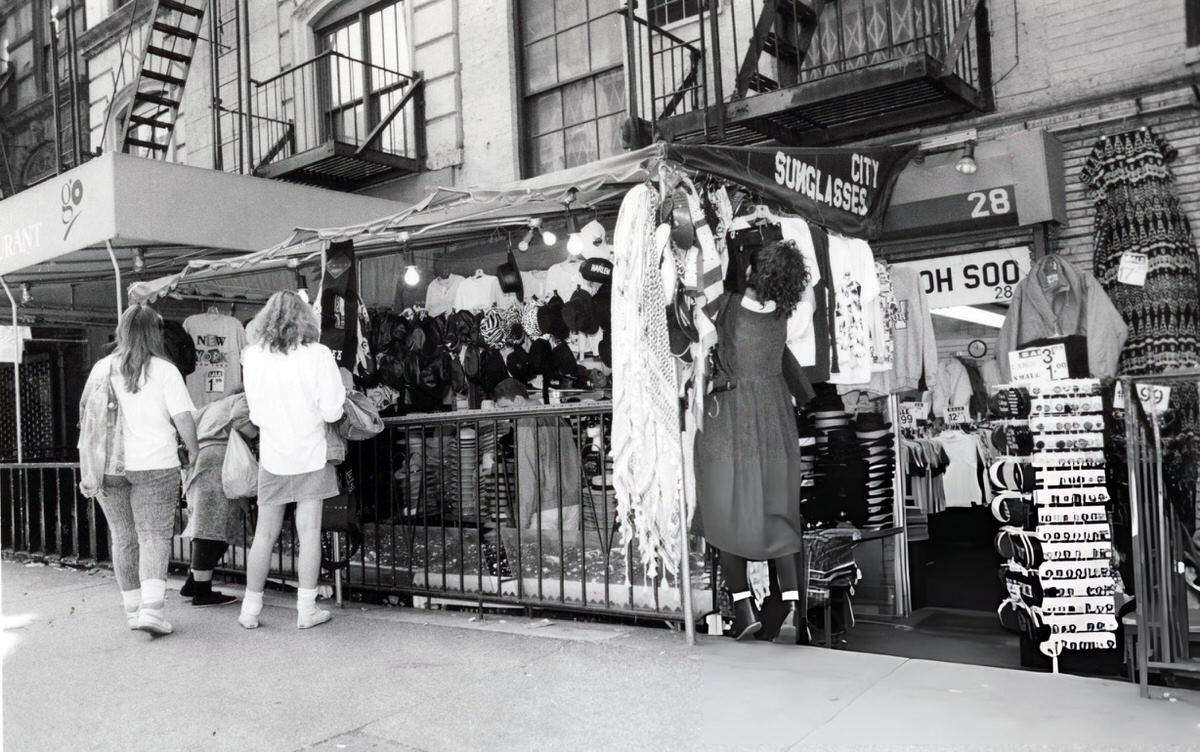
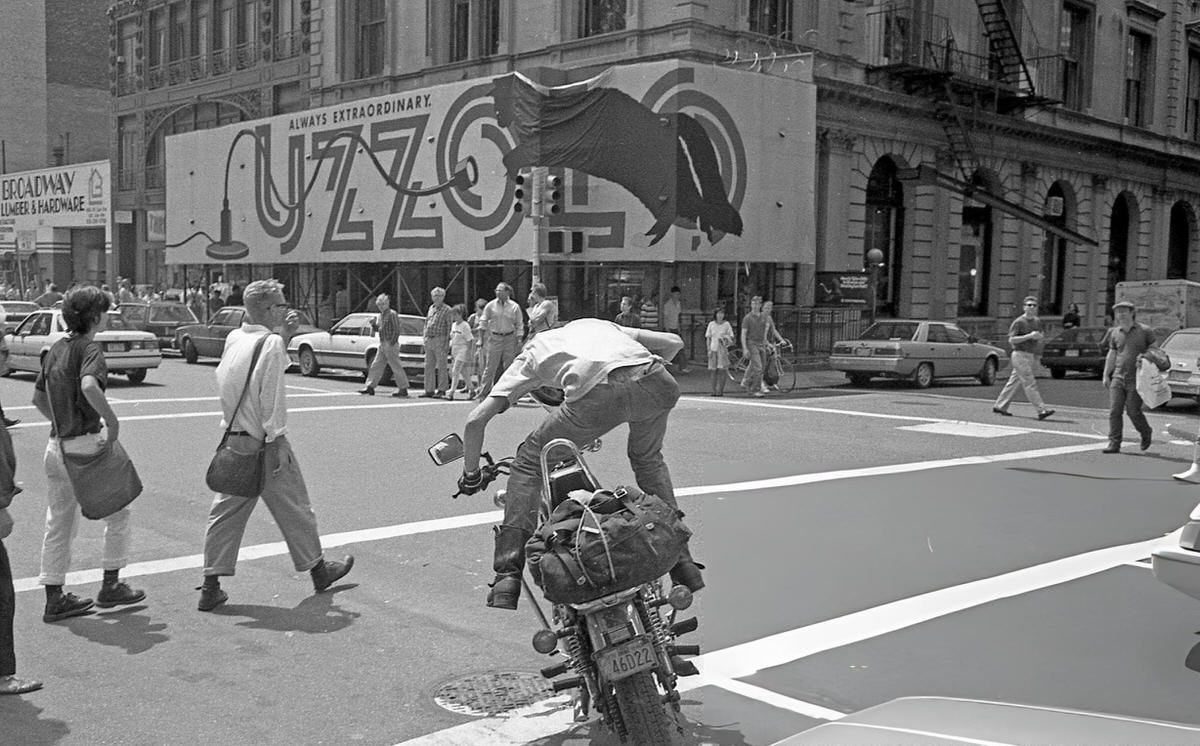
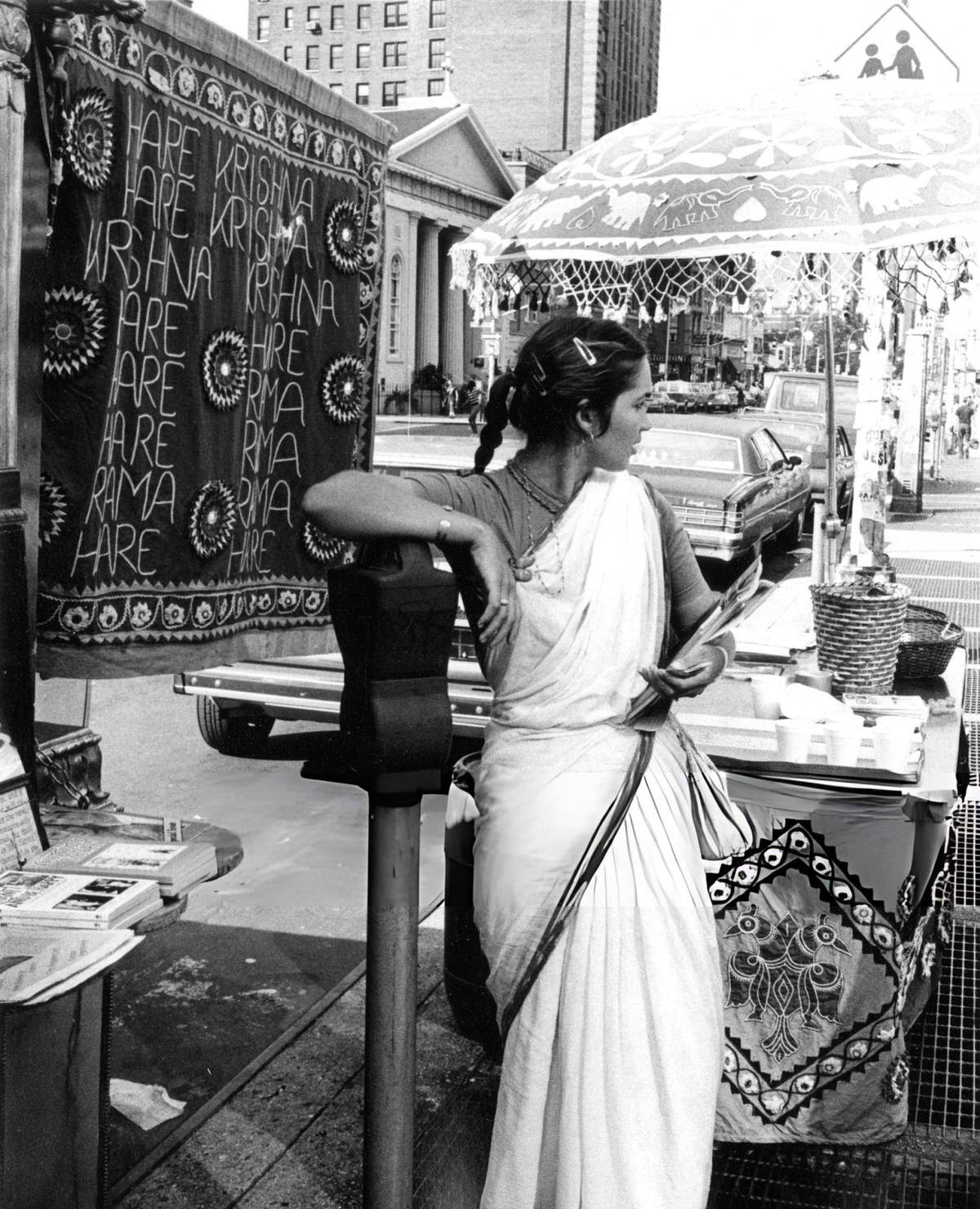
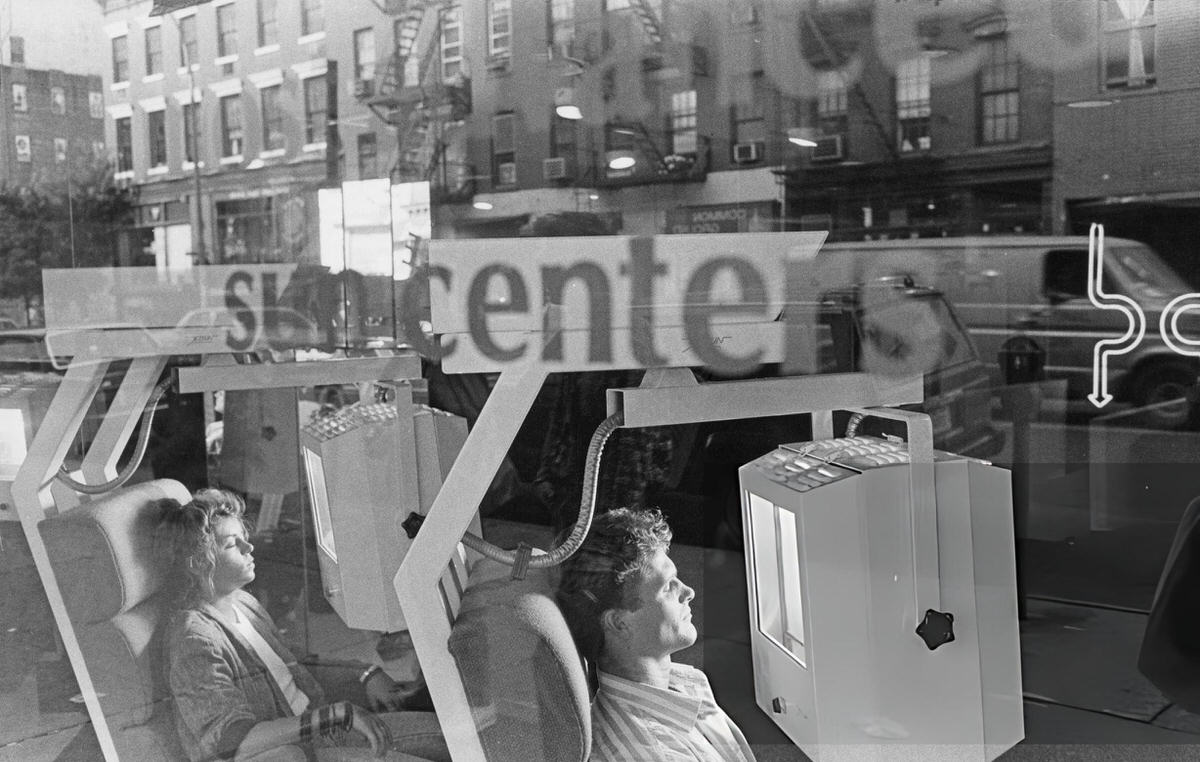
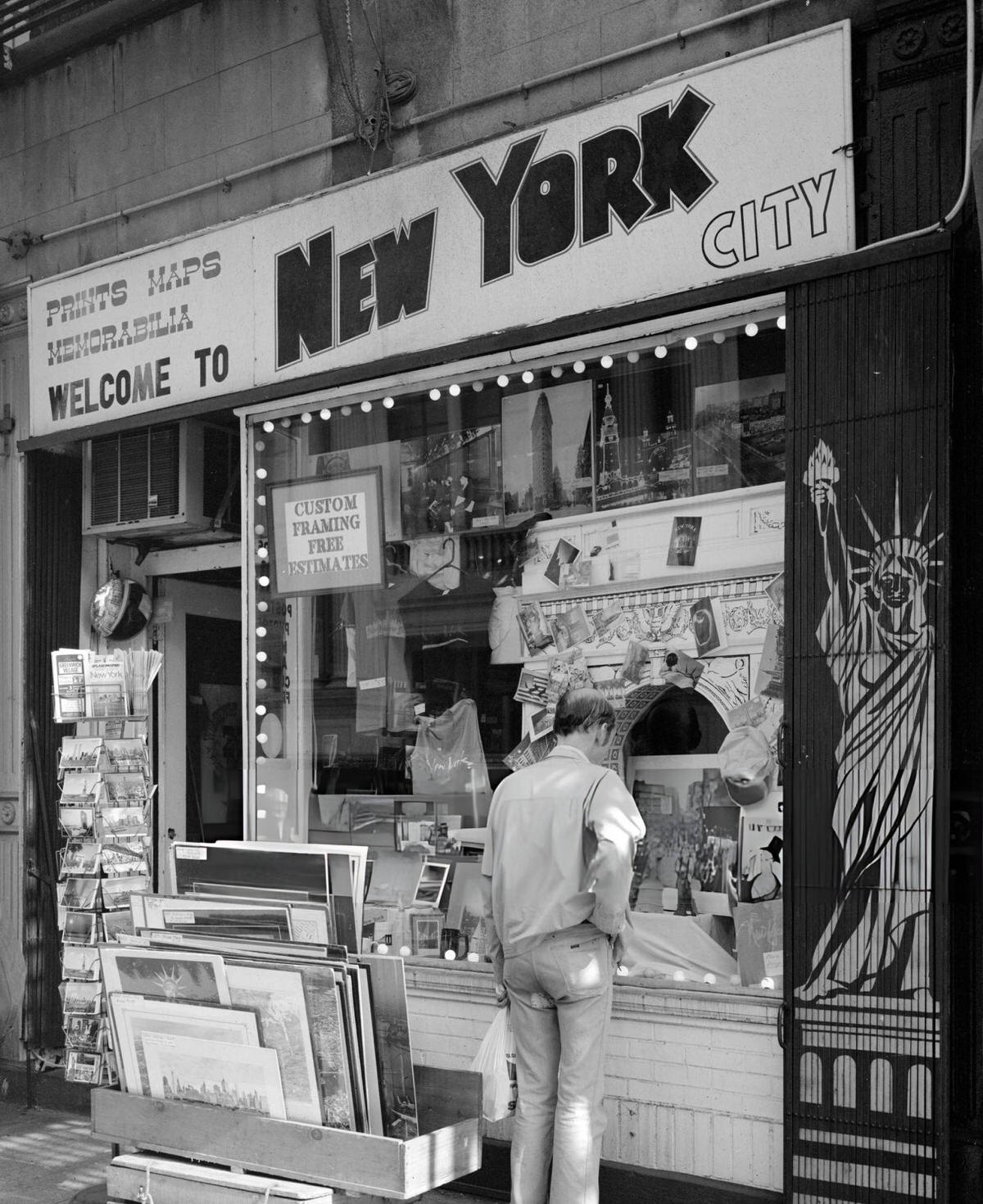
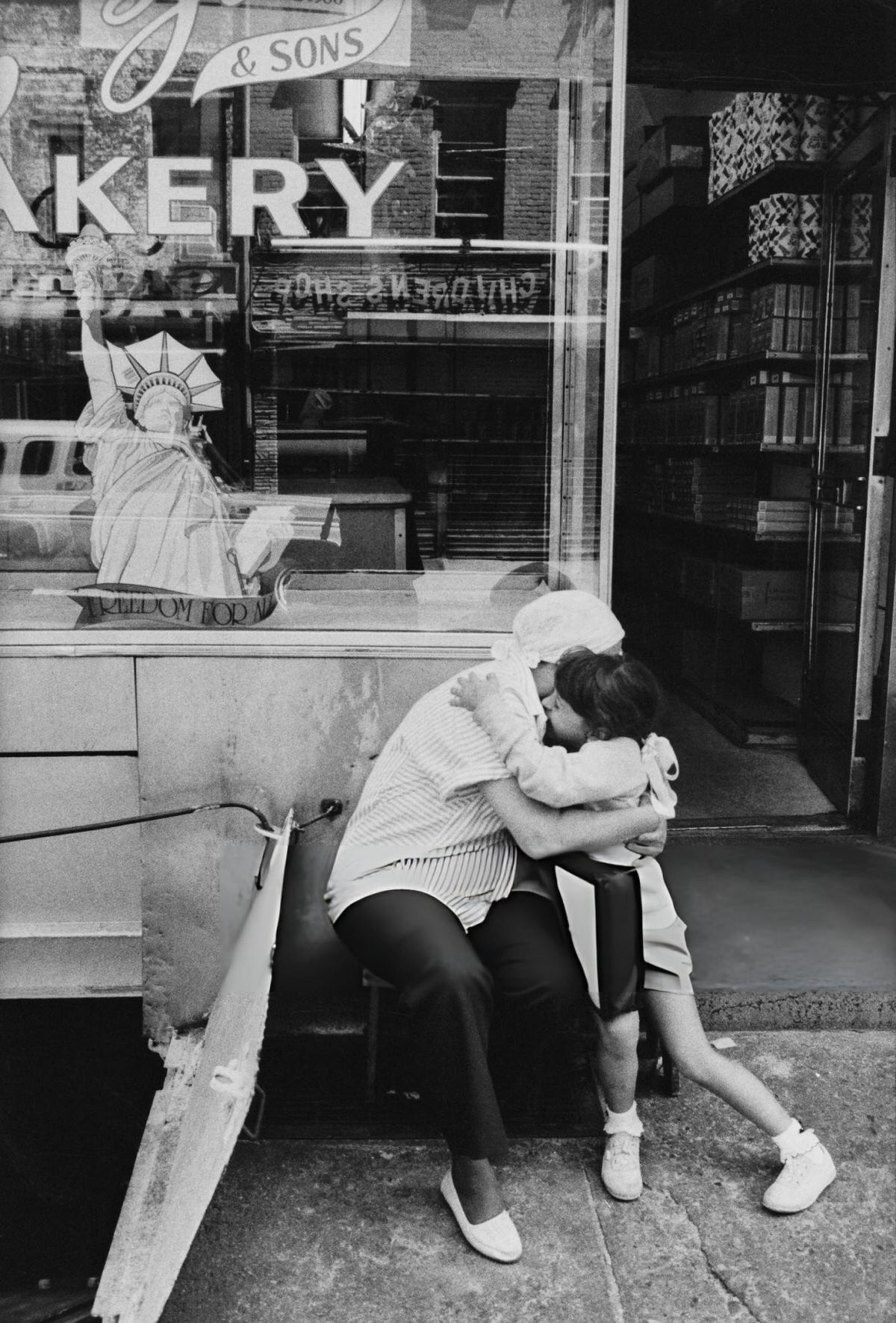
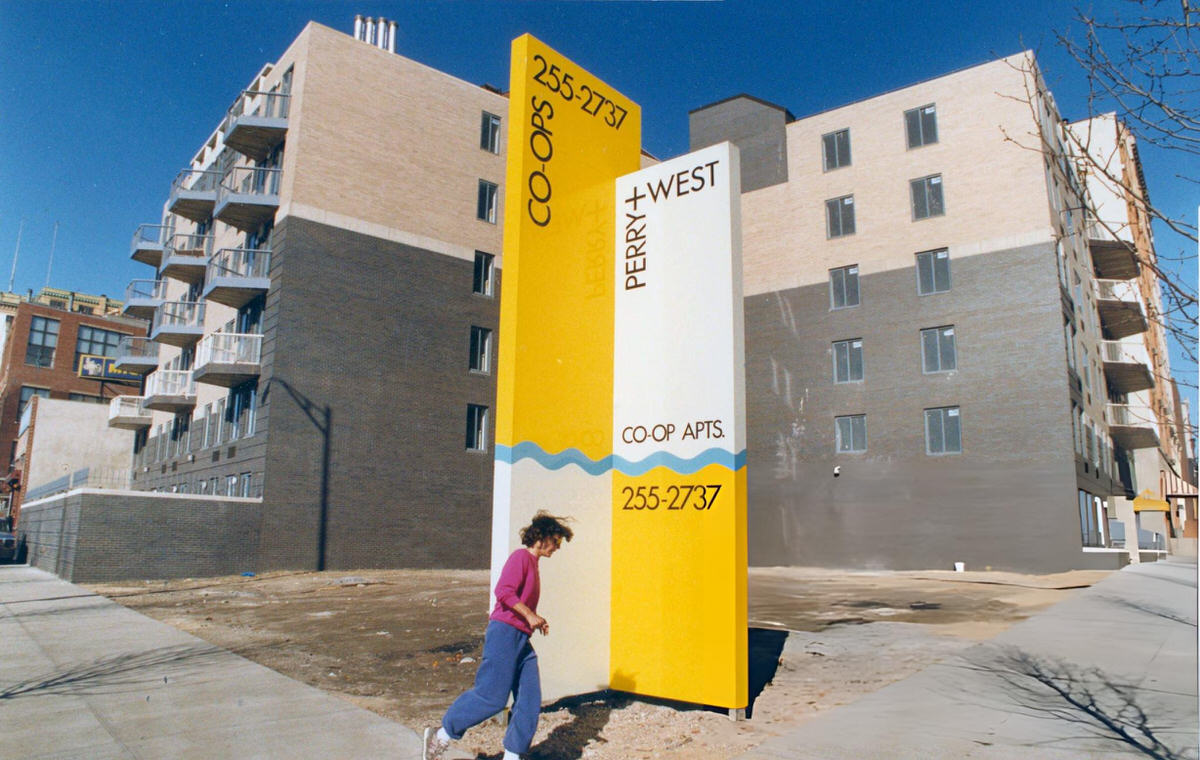
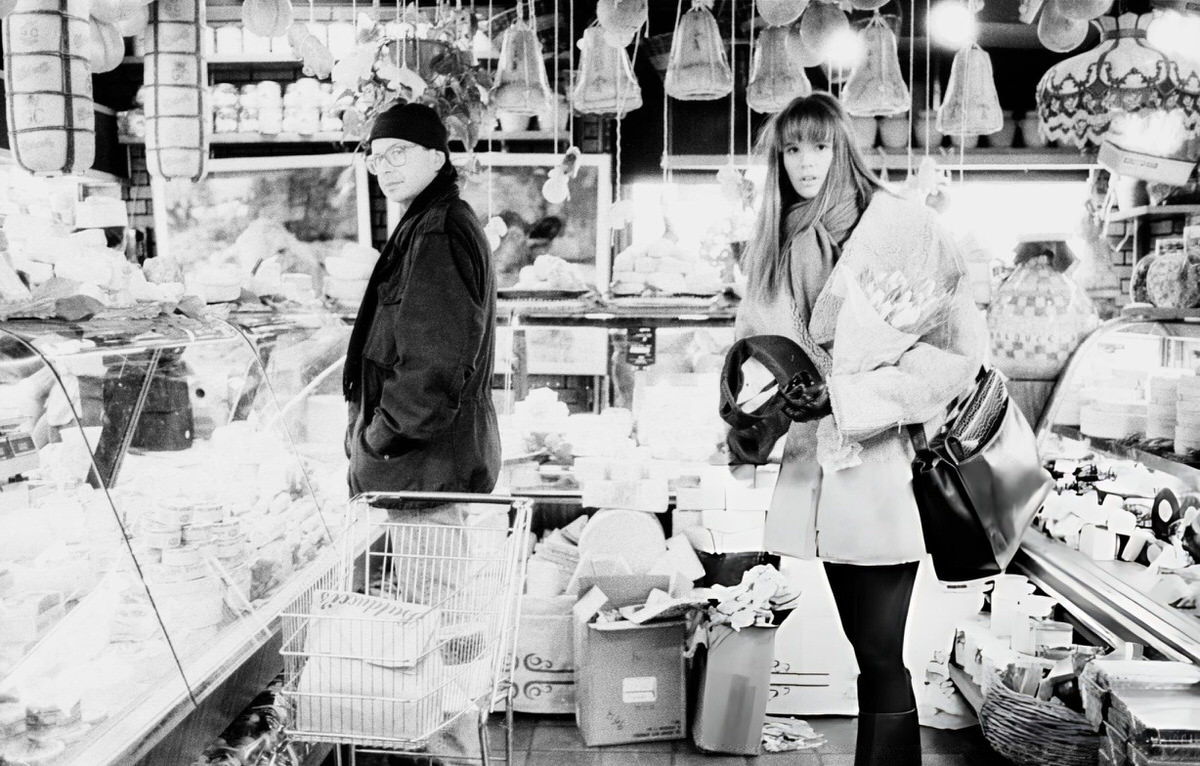
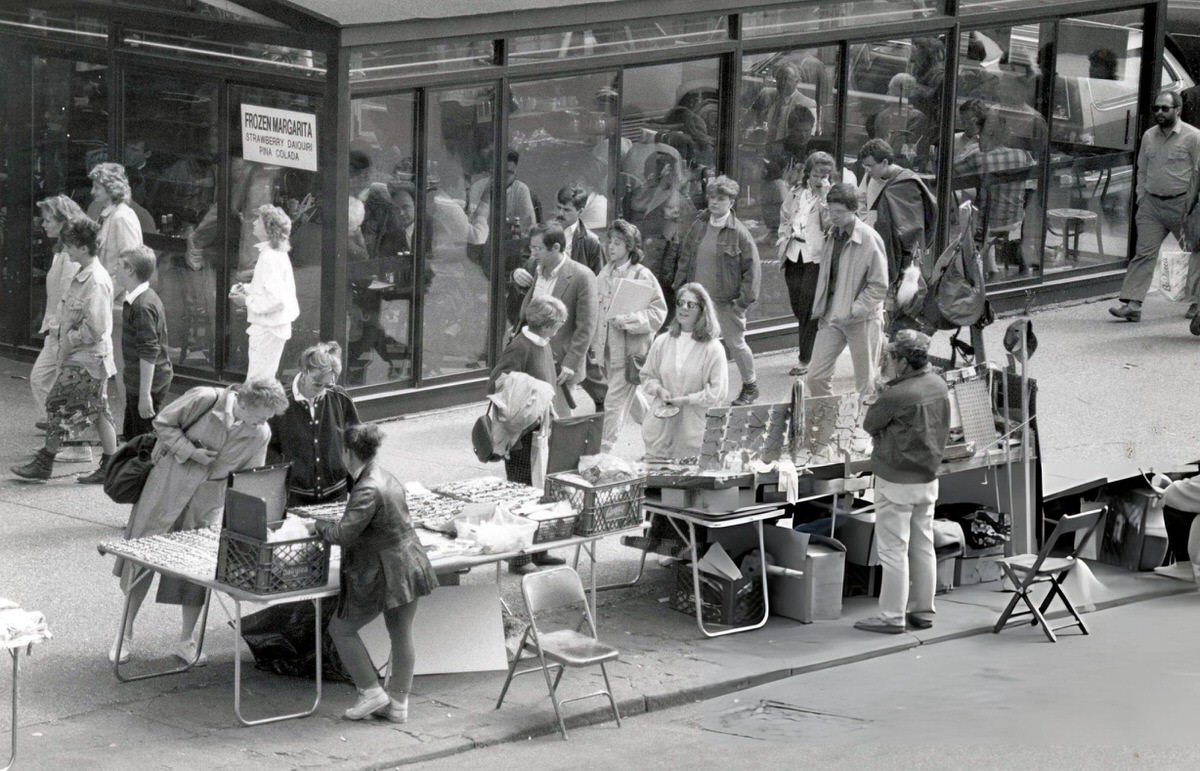
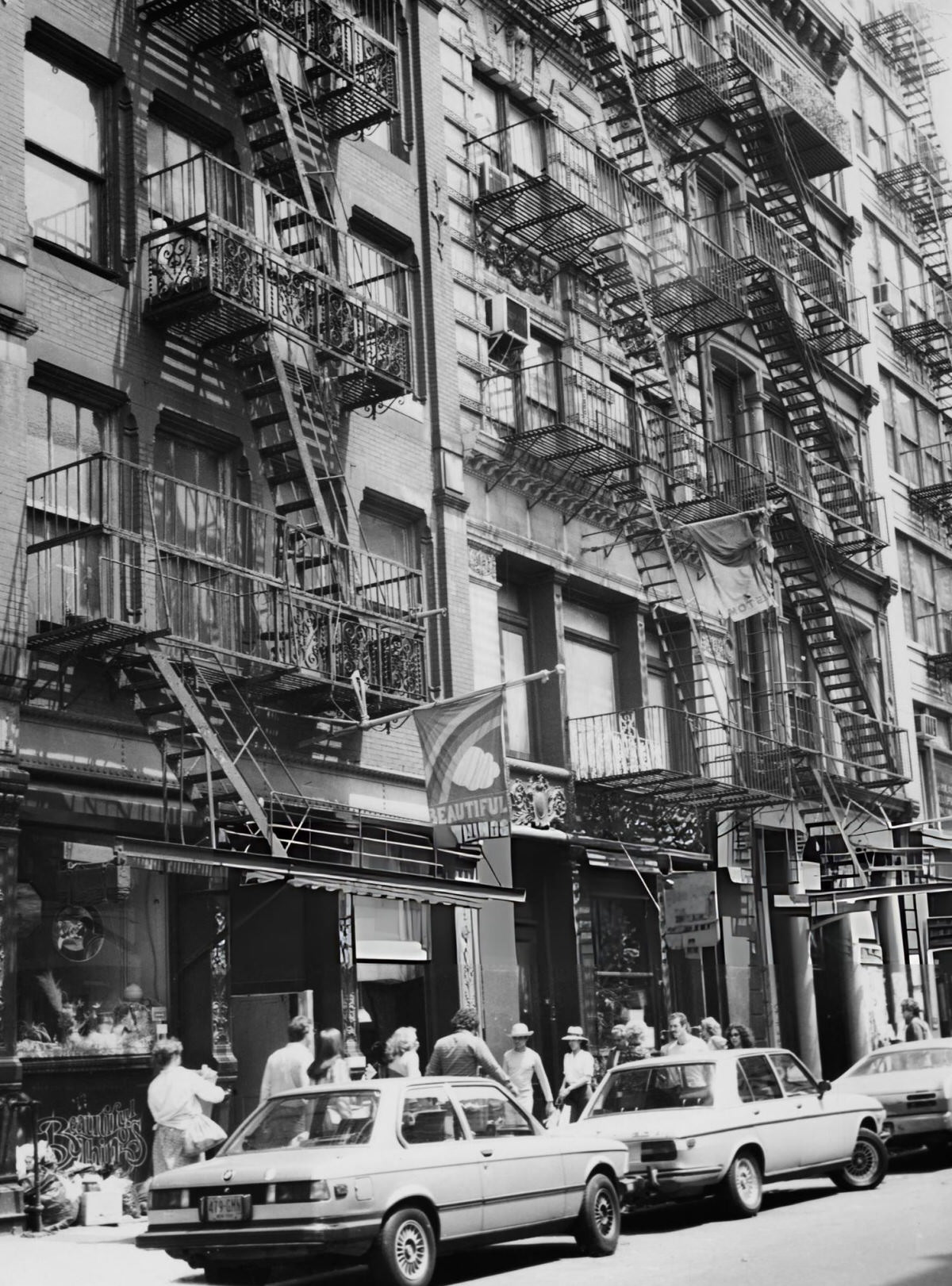
Real estate pressure was building through the whole decade. The term “gentrification” started appearing in New York newspaper stories about the Village in the early 1980s. Rents that had held at a few hundred dollars a month started climbing. Longtime renters on rent stabilization stayed; anyone whose lease ended found themselves pushed out. Boutiques replaced hardware stores. Wine bars replaced bodegas. The people who had made the neighborhood interesting were being replaced by people who could afford to pay for the version of interesting that remained.
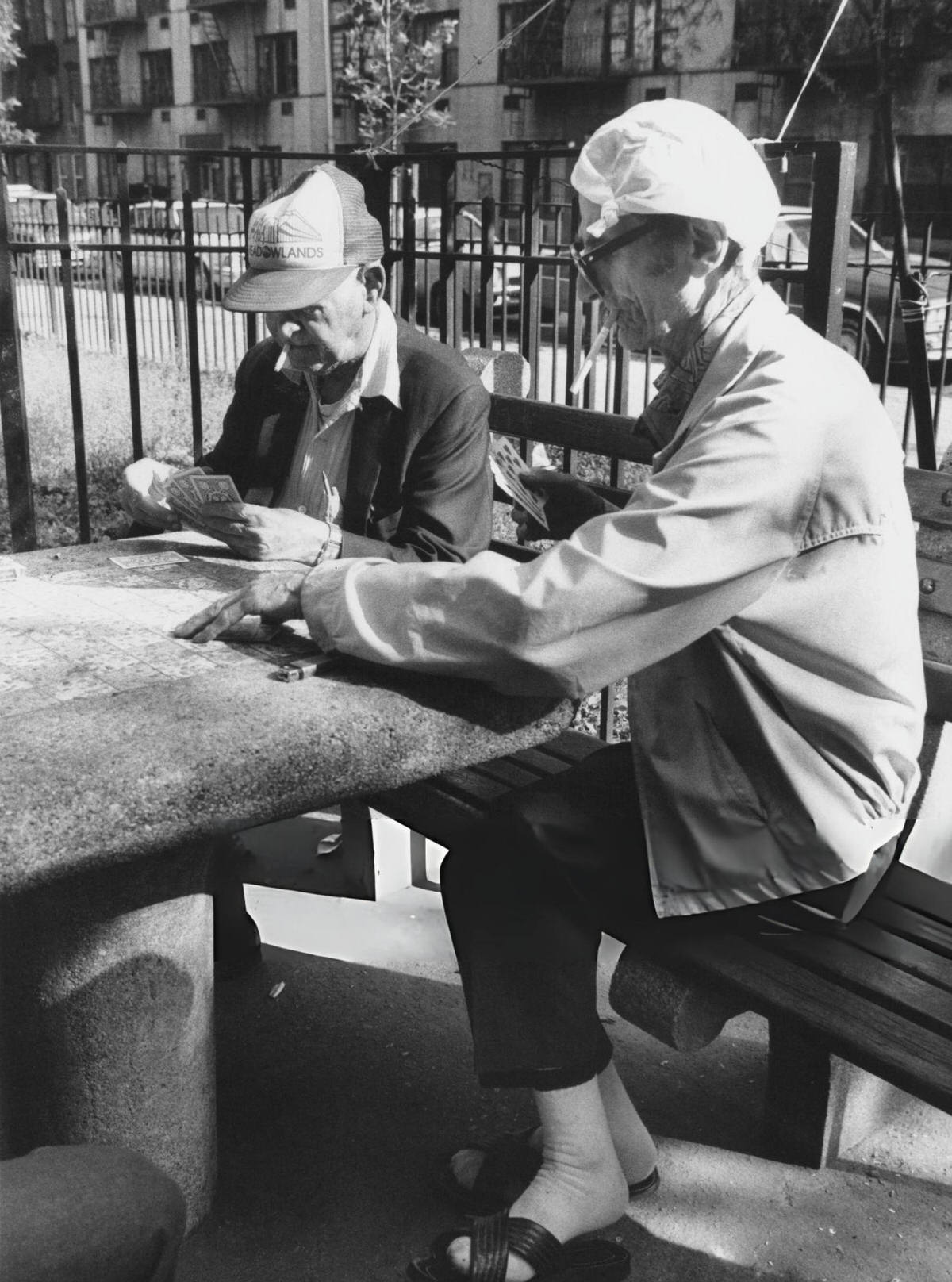
The Ukrainian and Puerto Rican families who had lived in the East Village for generations watched the neighborhood change around them. Community boards fought new development. Tenant associations organized rent strikes. None of it stopped the money from moving in, but it slowed things down and kept some of the original residents in place.
The Village in the 1980s was a neighborhood at war with itself and with the city — over AIDS, over housing, over who the streets belonged to. It was not romantic. It was not scenic. It was necessary.
GIPHY App Key not set. Please check settings