

 Makayla White
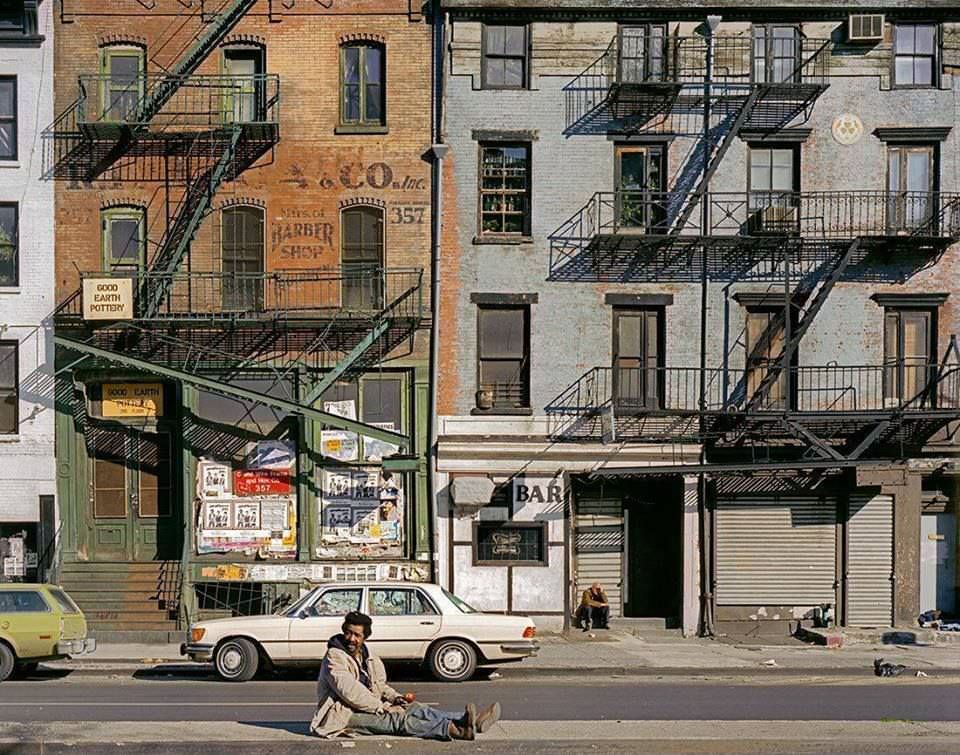
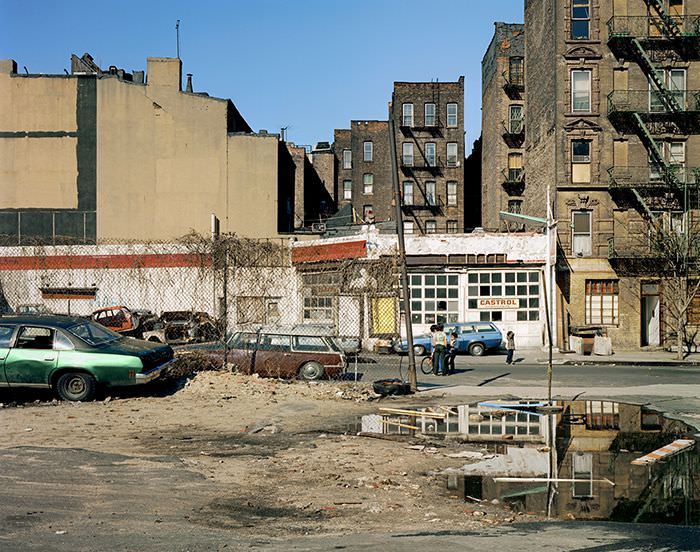
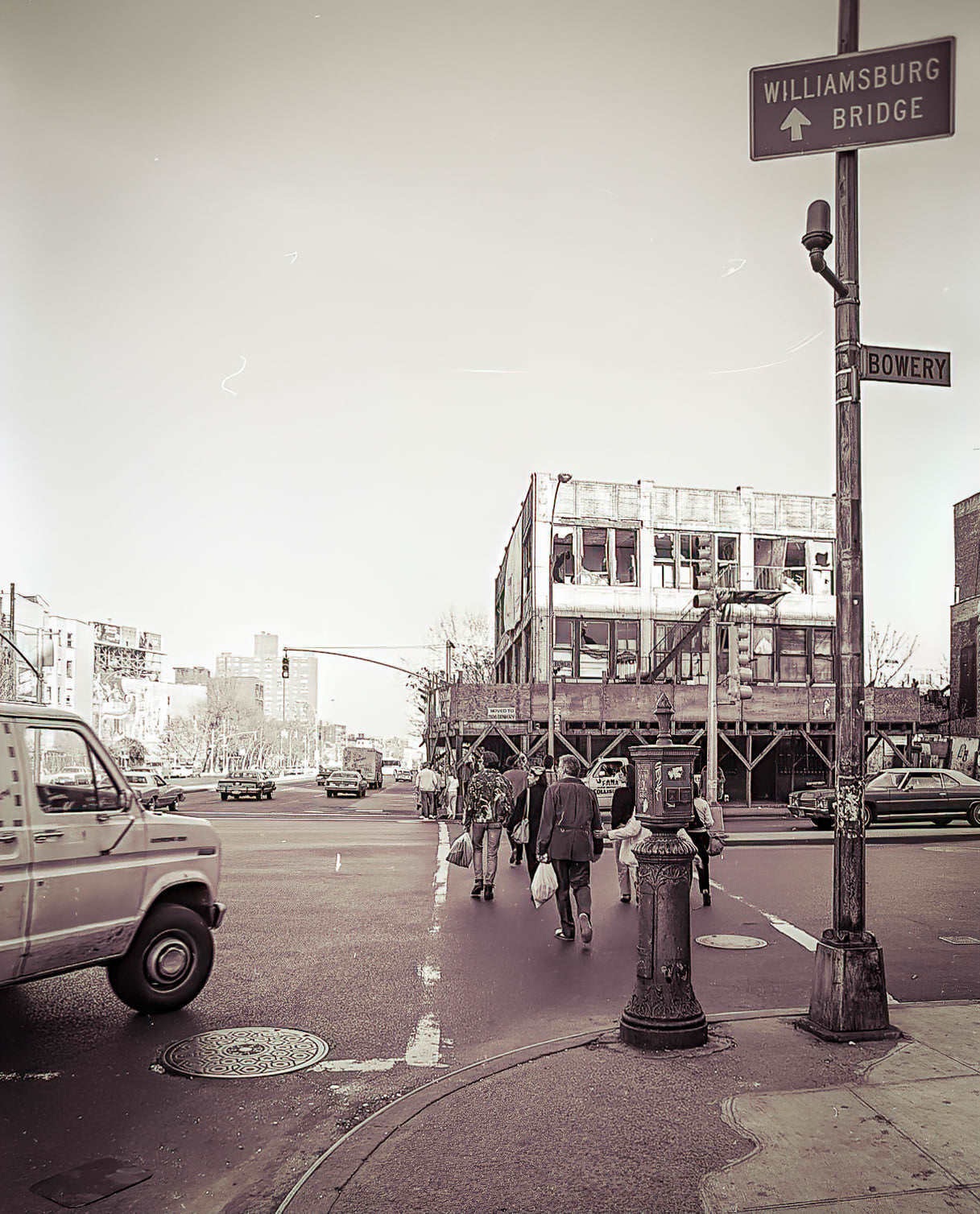
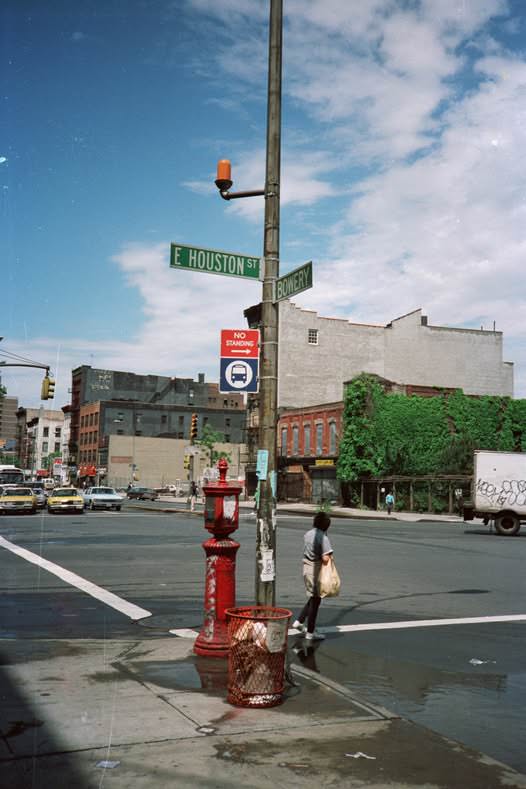
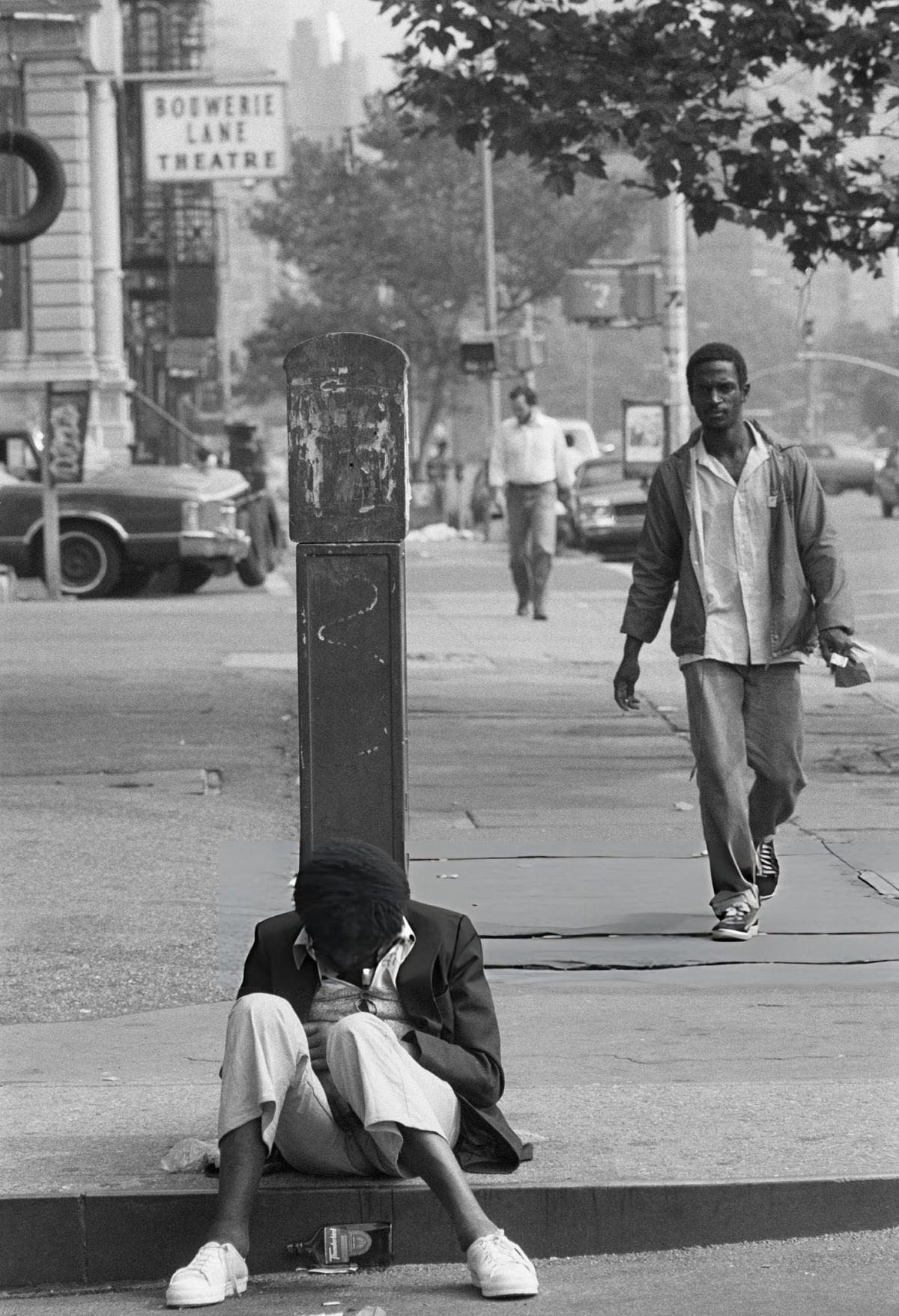
The 1980s hit the Bowery from two directions at once. From one side came the crack epidemic, which arrived in New York in force around 1984 and drove the city’s homeless population to levels not seen since the 1940s. From the other side came a Manhattan real estate market that was heating up faster than at any point in the city’s history, pushing developers and speculators to look at blocks they had previously ignored. The Bowery sat directly between these two pressures, and the decade was defined by both of them pulling at the same strip of asphalt simultaneously.
The homeless population citywide jumped dramatically in the early 1980s, driven by a combination of factors that compounded each other: the deinstitutionalization of mentally ill patients from state hospitals throughout the 1970s left tens of thousands of people without stable housing; federal cuts to low-income housing programs under the Reagan administration reduced the supply of affordable units; and the crack epidemic, once it arrived, created addiction cycles that stripped men and women of housing, employment, and family support faster than any previous drug had. The Bowery Mission at 227 Bowery, which had been serving roughly 300 meals a day through the 1970s, was serving closer to 700 meals a day by the mid-1980s. The line for the evening service backed up past neighboring storefronts on cold nights.
Read more
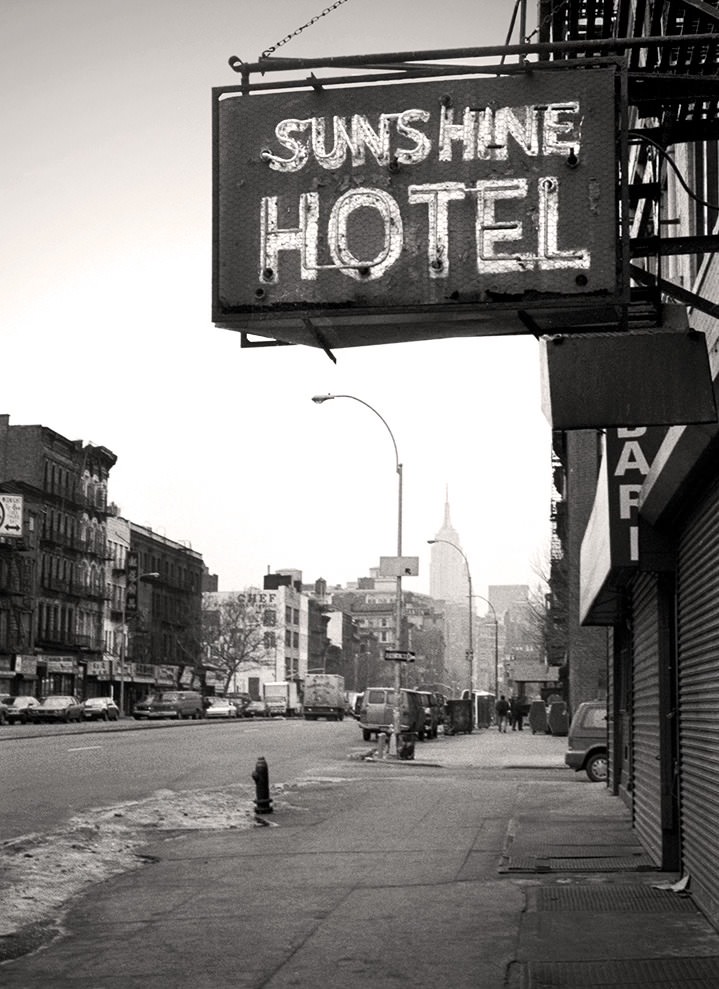
The old flophouse system was breaking down at the same time. New York City buildings inspectors had been citing Bowery flophouses for code violations throughout the late 1970s, and by the early 1980s, several of the oldest lodging houses had been forced to close or were operating under violation orders. The Whitehouse Hotel at 340 Bowery survived the decade, but others did not. The men who had relied on fifteen- and twenty-five-cent beds had no directly comparable alternative. The city’s shelter system — which operated large armories and converted warehouses as emergency shelters — was crowded, dangerous, and deeply unpopular with the men the Bowery had traditionally housed. Many of them chose to sleep on the street rather than enter a city shelter.
The AIDS crisis layered onto all of this. By 1985, New York City had more reported AIDS cases than any other city in the country. The disease moved through the Bowery’s population — men who shared needles, men without access to medical care, men whose immune systems were already compromised by years of alcohol dependence and poor nutrition. The Bowery Mission and the other social service organizations on the street were not equipped to handle a medical crisis of this scale. They continued doing what they had always done: feeding people, providing beds, running religious services. The medical response to AIDS on the Bowery came slowly and inadequately.
The real estate story ran alongside all of this without pausing for it. SoHo, which had been an artists’ district through the 1970s, was fully gentrified by the mid-1980s. Loft spaces that had rented for $200 a month in 1972 were selling as co-ops for $200,000 by 1985. The galleries that had opened on West Broadway in SoHo through the late 1970s — Leo Castelli, Mary Boone, Sonnabend — had turned the neighborhood into the center of the international contemporary art market. As SoHo’s prices rose, the pressure pushed east. The blocks immediately west of the Bowery, and then the Bowery itself, began attracting developer attention for the first time.
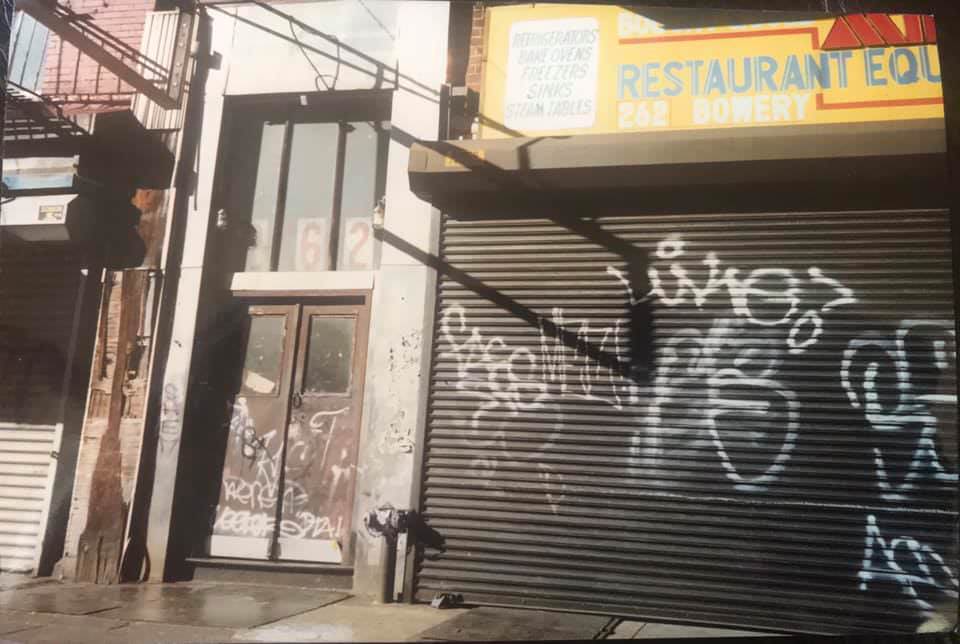
Several Bowery flophouse buildings were sold to developers during the decade and converted to other uses. The conversions were not yet residential — zoning and the cost of renovation made full residential conversion difficult — but the pattern of transactions established that the land under the flophouses had value that the flophouse business itself had never captured. Property values along the Bowery increased between 40 and 60 percent through the 1980s even as the street’s surface conditions remained as difficult as they had ever been. An investor buying a flophouse building in 1988 was not buying it to run a flophouse.
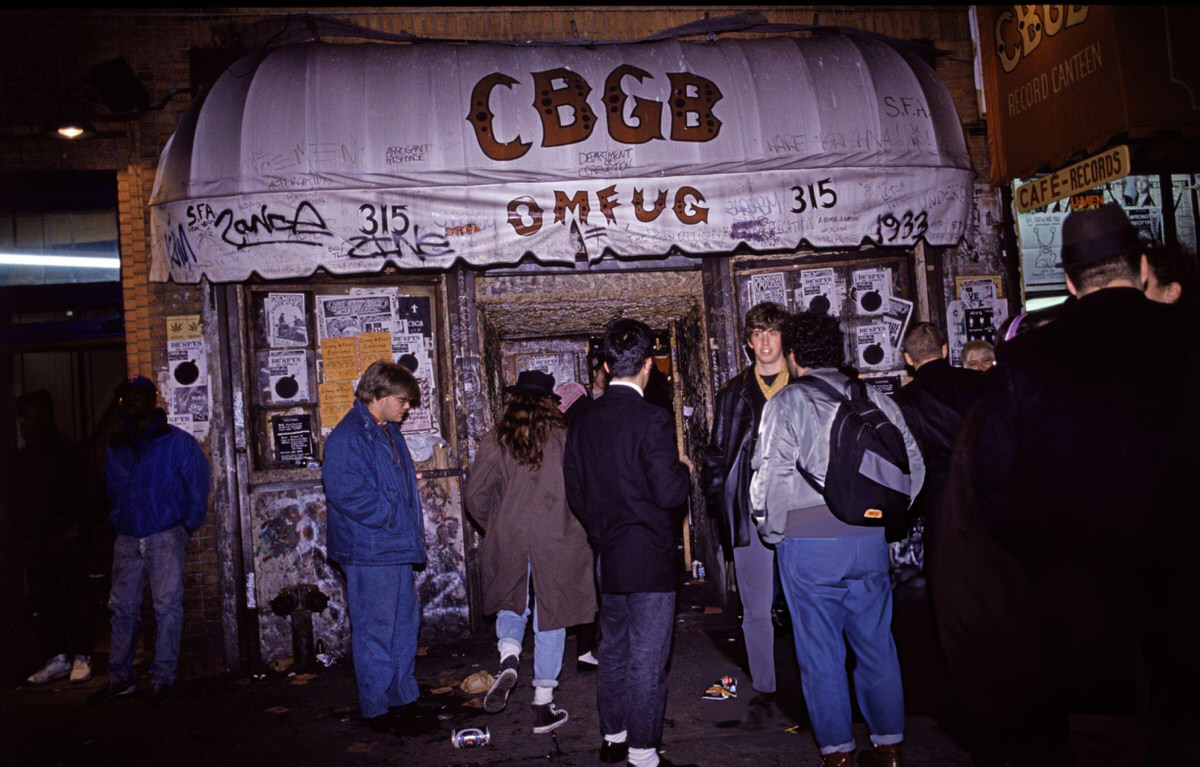
CBGB continued operating at 315 Bowery through the entire decade, but its cultural moment had passed. The bands that had built their careers on that stage — the Ramones, Talking Heads, Blondie, Television — had all moved on to larger venues and major label recordings by the early 1980s. The club kept booking acts and stayed open, but it was functioning more as a landmark than as the engine of a new movement. The hardcore punk scene used CBGB’s Sunday matinee slots heavily in the early 1980s — Bad Brains, Minor Threat, and Black Flag all played the club during this period — but the surrounding neighborhood gave those shows a specific texture. Loading equipment past men sleeping in doorways on Bleecker Street and the Bowery was not a backdrop. It was the actual condition of the street.
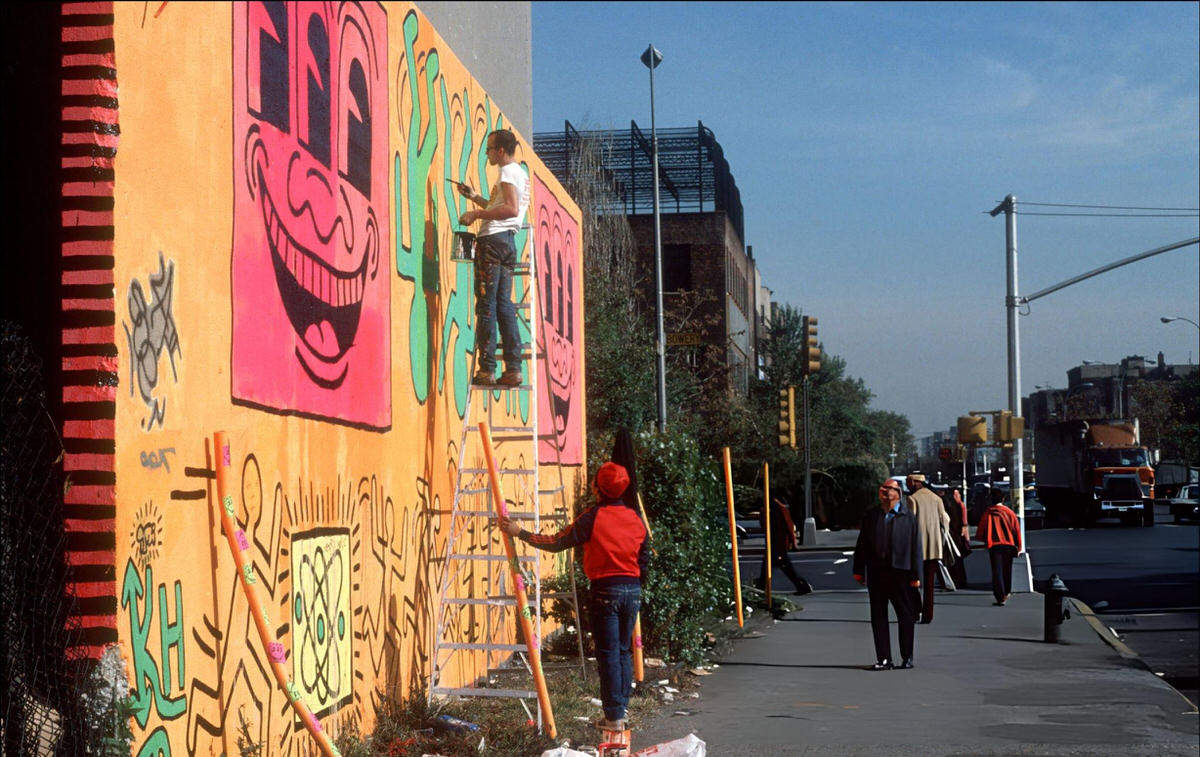
The street art and graffiti world that had its center in the East Village through the early 1980s spilled over toward the Bowery regularly. Jean-Michel Basquiat, who had been painting SAMO tags on walls throughout Lower Manhattan since the late 1970s, was showing work at galleries just blocks from the Bowery by 1981. Keith Haring drew chalk figures in the subway stations at Bleecker Street and Broadway-Lafayette, both within walking distance of the Bowery’s northern end. The art world and the street world overlapped geographically in ways that were visible every day without producing any material improvement for the men who slept on the Bowery’s sidewalks.
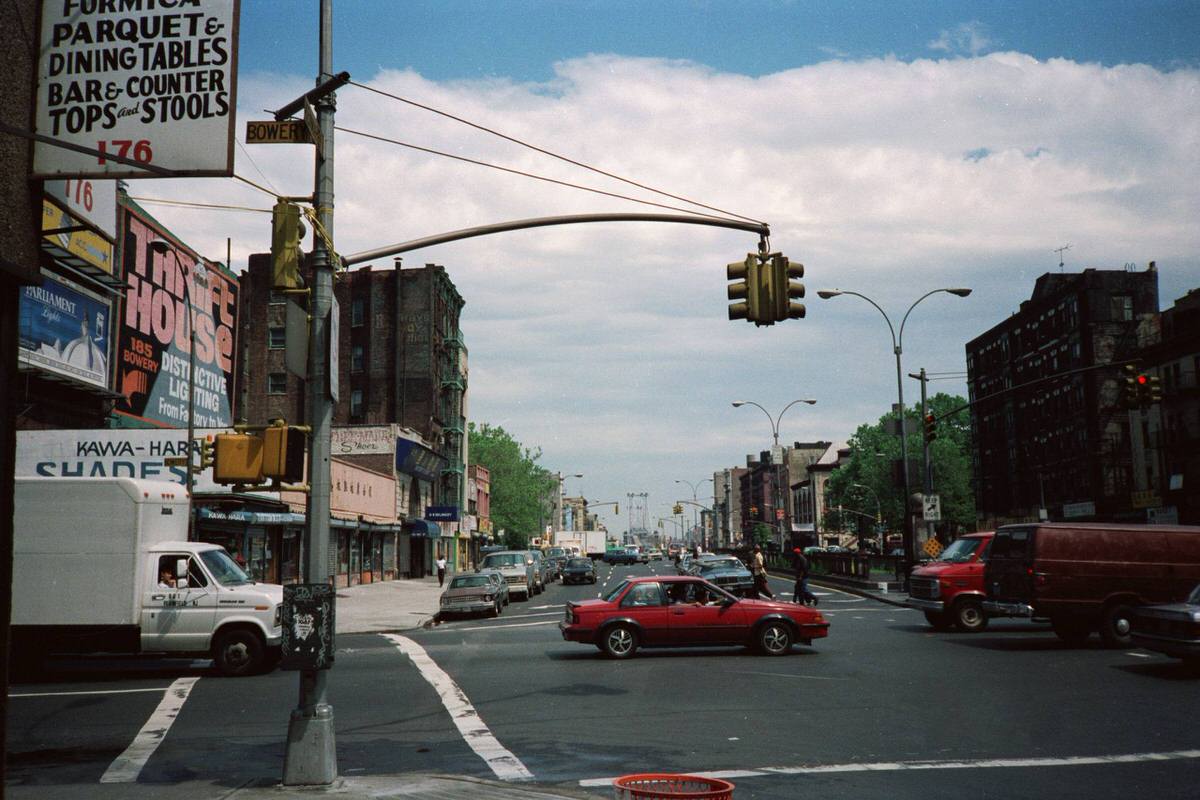
By 1989, the Bowery was a street in the process of being reassessed by everyone except the people who lived on it. The missions were more overwhelmed than at any point since the Depression. The remaining flophouses were aging and under regulatory pressure. The real estate market had identified the street as undervalued relative to its neighbors. The crack epidemic had added a new population of severely addicted men and women to the chronic homeless population the Bowery had always held. All of these things were true simultaneously, and none of them cancelled the others out.

GIPHY App Key not set. Please check settings