

 Henry Parker
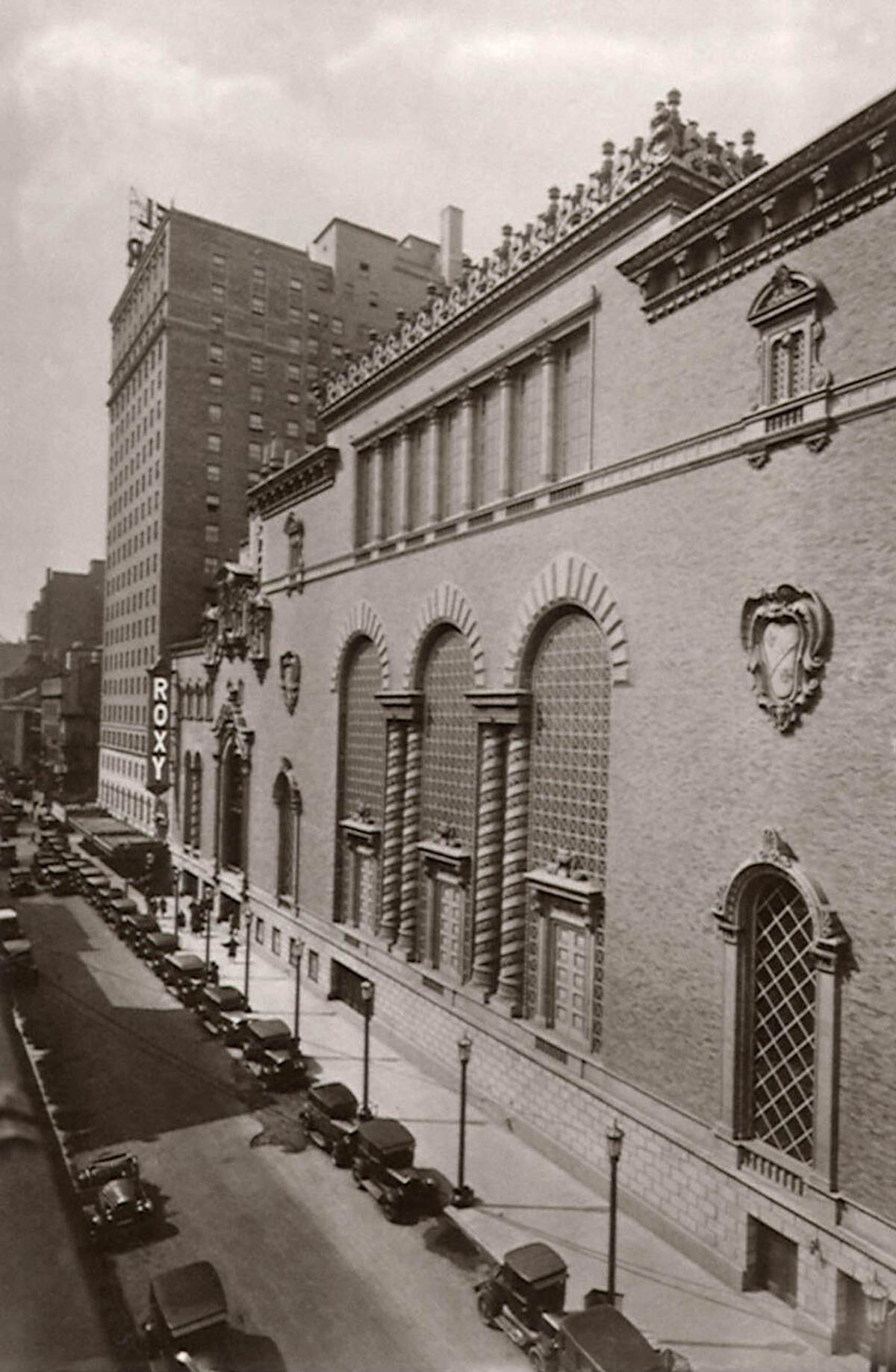
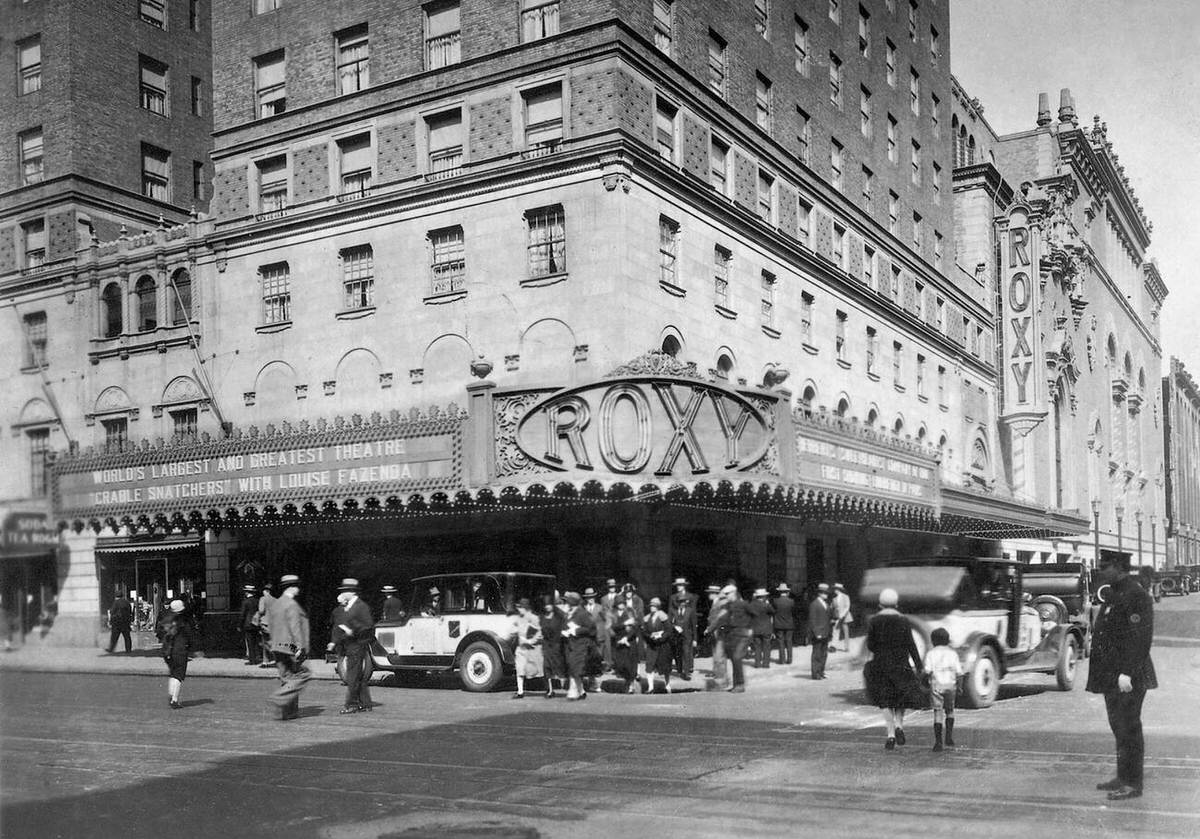
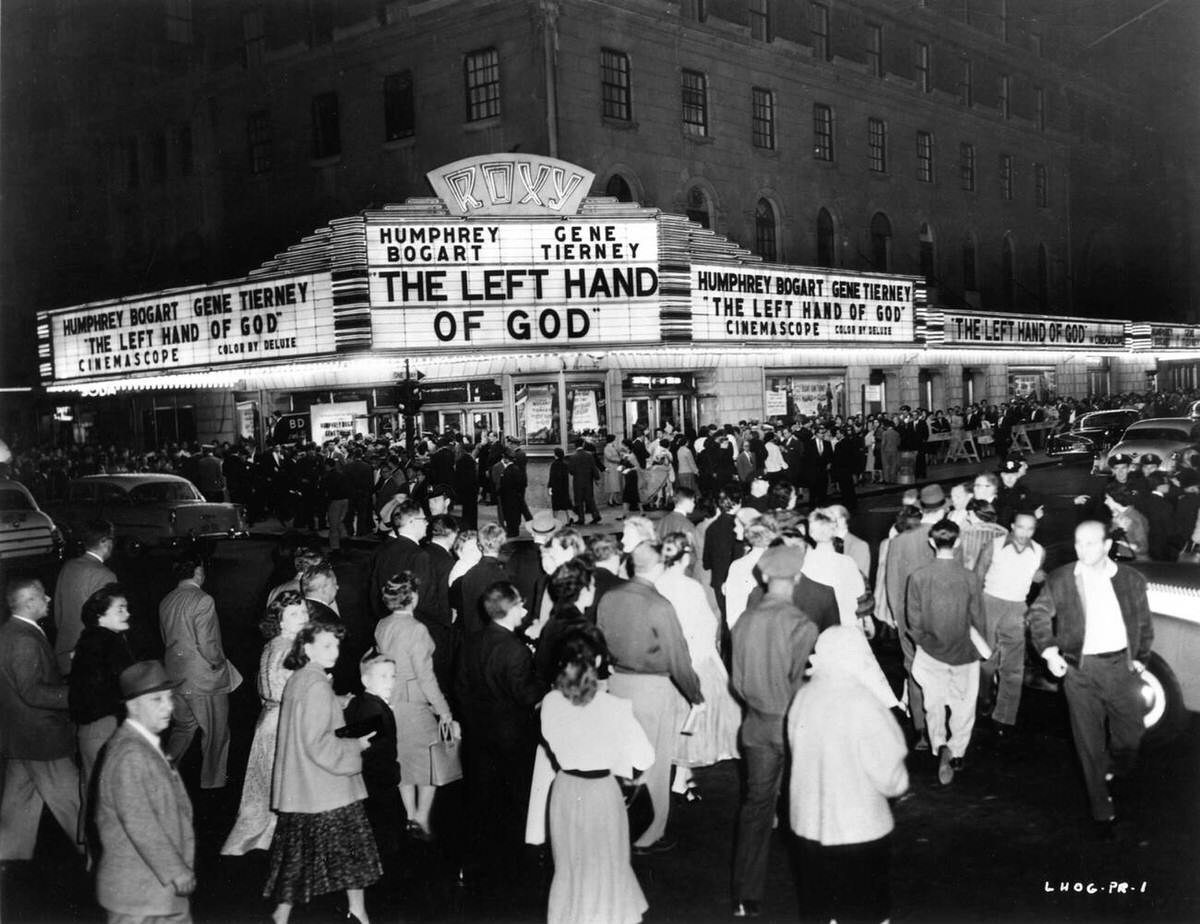
The Roxy Theatre opened on March 11, 1927, at the corner of 50th Street and Seventh Avenue in New York City. Samuel “Roxy” Rothafel built the theater to be the most luxurious movie palace in the world. It cost $12 million to complete and contained 5,920 seats. The building was designed by architect Walter W. Ahlschlager in a Spanish Renaissance style. Because of its massive size and grand decor, the public quickly began calling it the “Cathedral of the Motion Picture.”
The Grand Lobby and Rotunda
Entering the Roxy was a sensory experience that started in the Grand Rotunda. This circular lobby featured a massive gold-leaf ceiling supported by twenty tall columns made of imitation marble. The floor was covered by a single rug that weighed two tons, which was the largest rug ever woven at the time. A giant crystal chandelier hung from the center of the dome, casting light onto the velvet-lined walls.
The theater employed a private security force known as the Roxy Ushers. These men were trained by a retired Marine Corps colonel. They wore stiff, formal uniforms with gold braided trim and white gloves. They stood at attention at the entrance of every aisle and used hand signals to communicate with one another. This military-style discipline ensured that thousands of people could enter and exit the building in total silence.
Read more
The Massive Auditorium and Stage
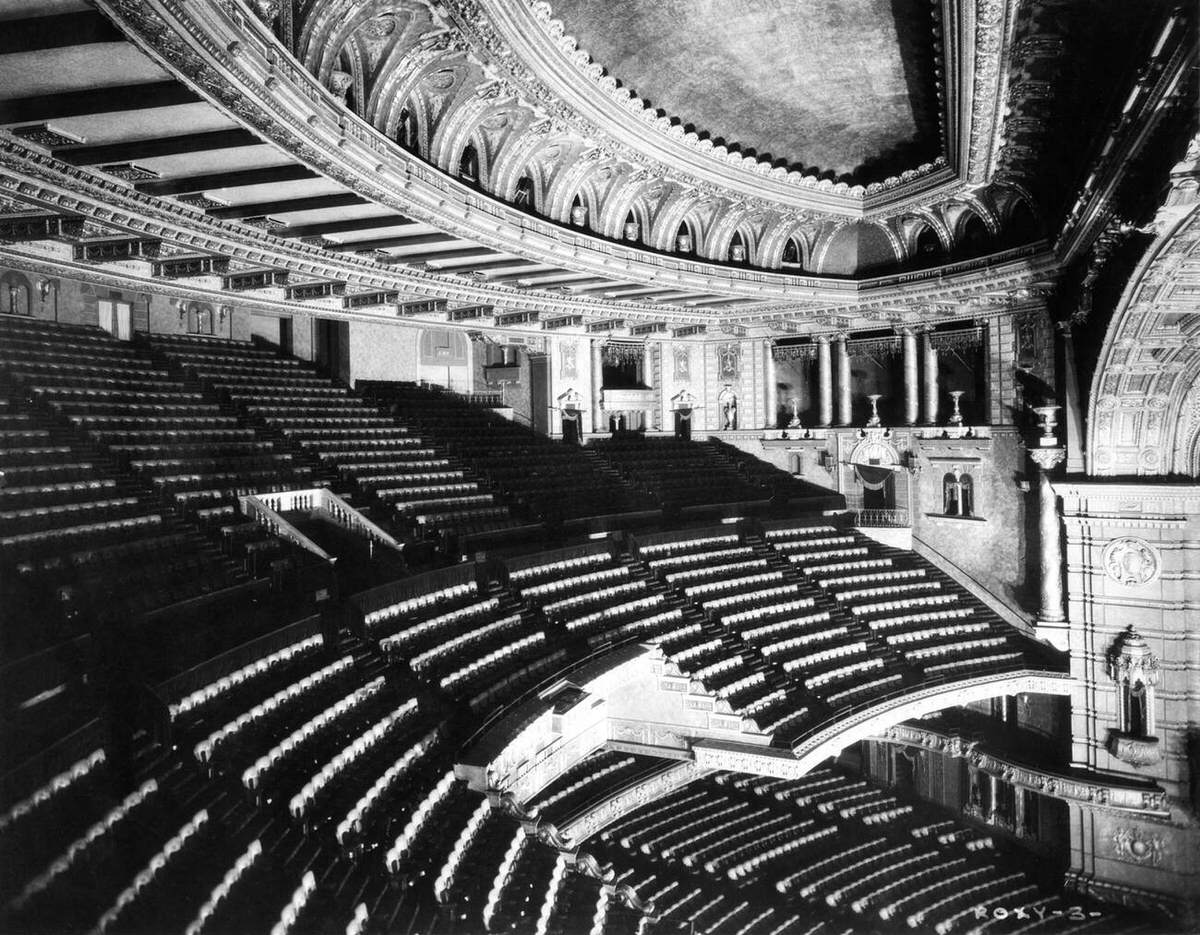
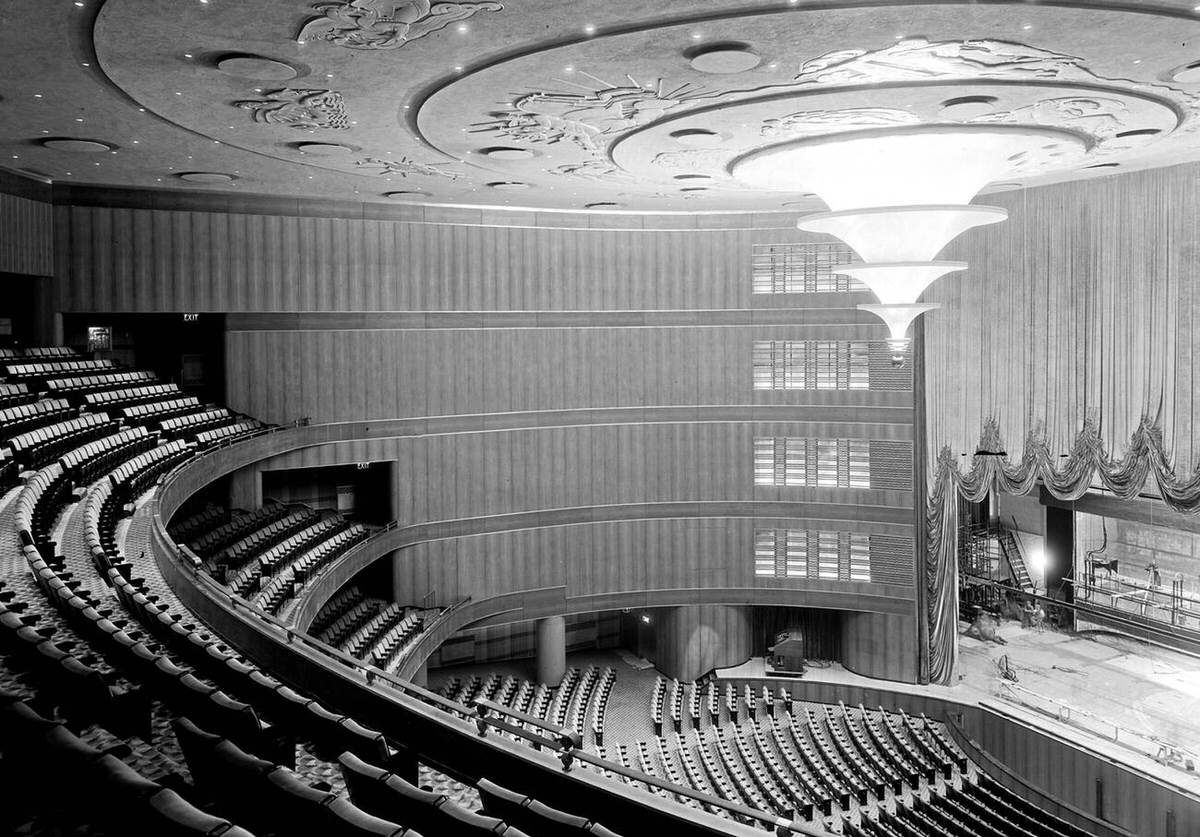
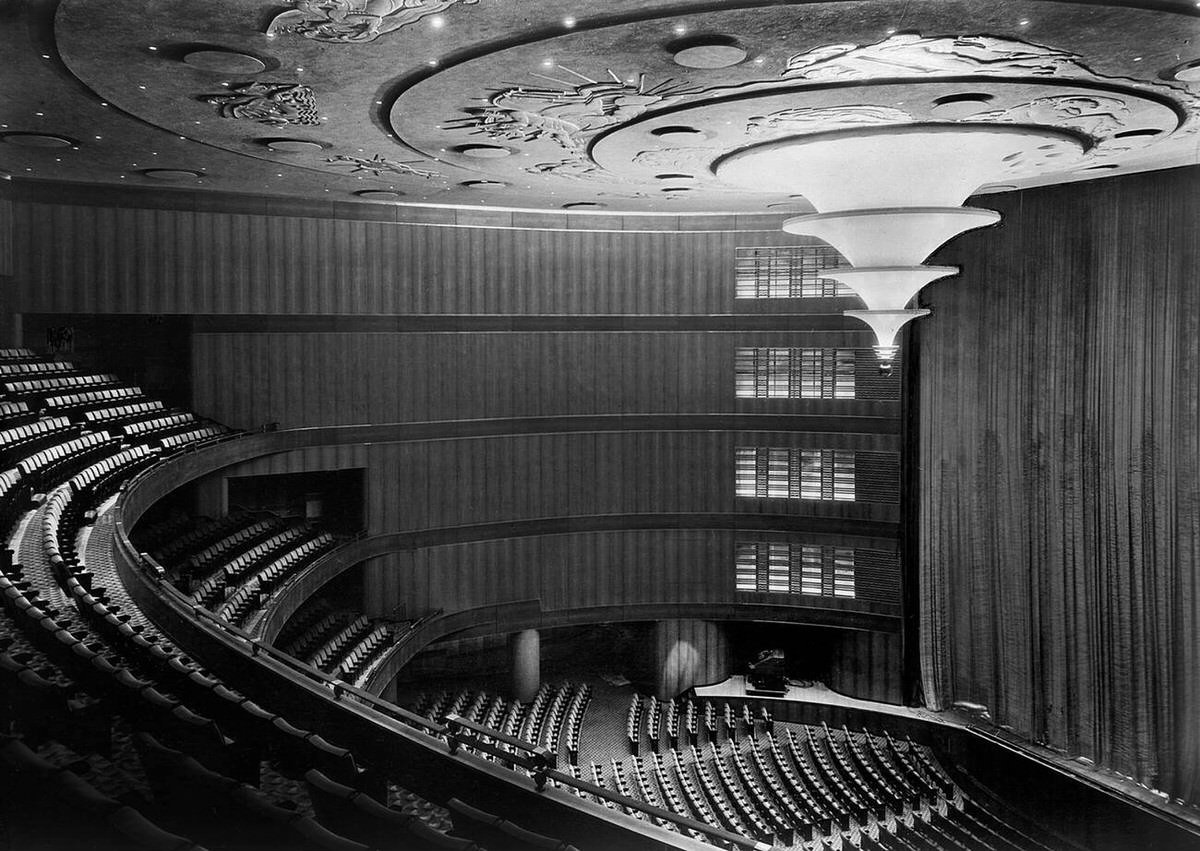
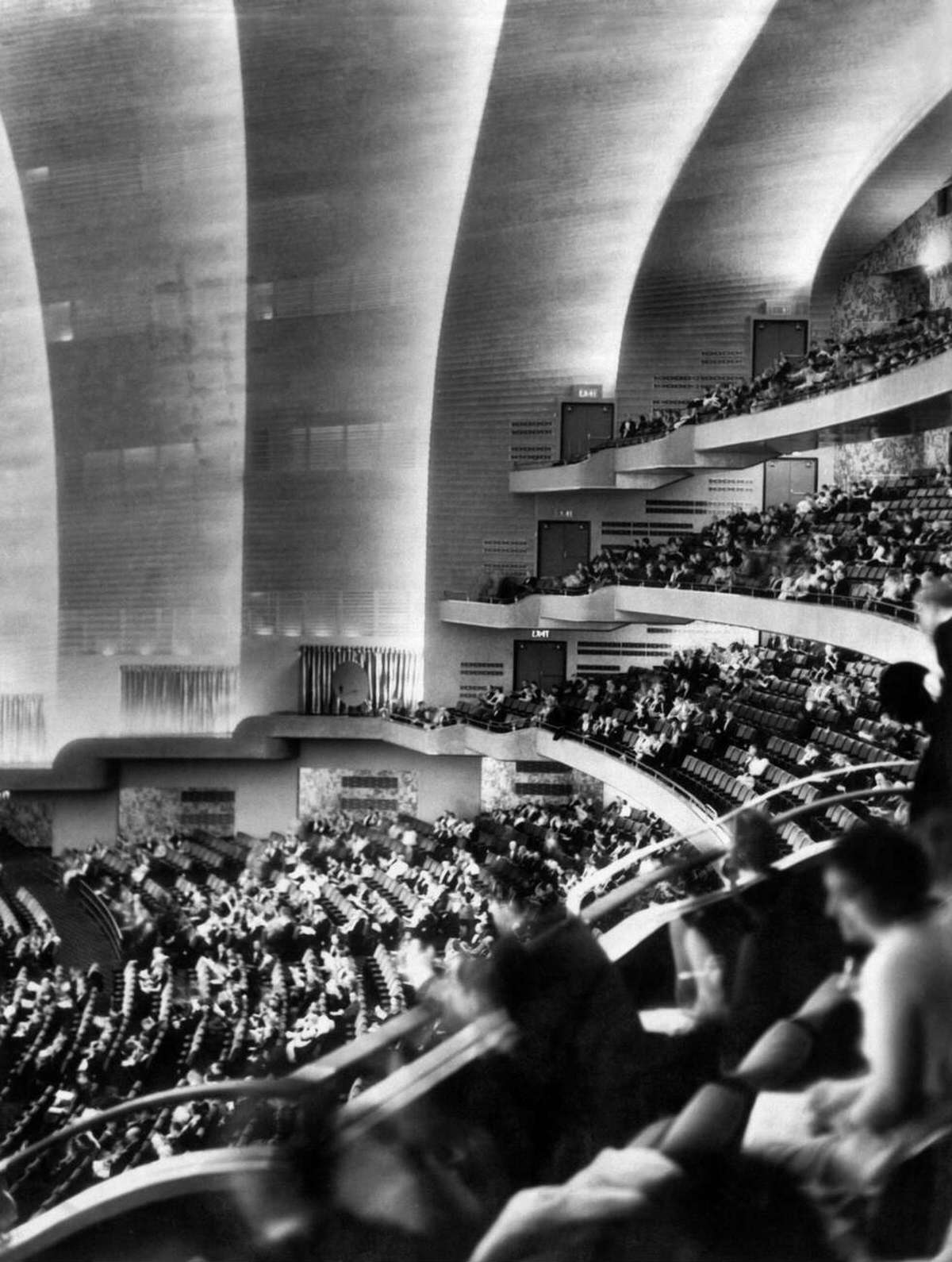
The auditorium was shaped like a fan to give every guest a clear view of the screen. The walls were decorated with intricate plaster carvings of lions, griffins, and floral patterns. The stage was 70 feet wide and 60 feet deep, which was large enough to host a full circus if necessary. Behind the screen sat a complex system of speakers for the early “Vitaphone” sound films.
Beneath the stage, the Roxy used a triple-deck elevator system. This allowed the orchestra, the stage performers, and the scenery to rise into view simultaneously. The orchestra pit was large enough to hold 110 musicians. During the silent film era, this orchestra provided a live soundtrack for every movie. The theater also featured a massive pipe organ with three separate consoles, allowing three organists to play at the exact same time.
The Roxyettes and Live Entertainment
Every movie screening at the Roxy was preceded by a massive live stage show. The center of these performances was a precision dance team called the “Roxyettes.” These dancers were the predecessors to the famous Rockettes. They performed synchronized routines that required every dancer to move their arms and legs at the exact same angle. The Roxyettes lived in dormitories located inside the theater building to ensure they were always available for rehearsals.
The theater also featured a permanent ballet company and a 100-member chorus. These performers changed their routines every week to match the theme of the featured film. Stagehands used a “contour curtain” that could be pulled into different shapes by 13 separate electric motors. This allowed the stage to transition from a small, intimate setting to a massive open space without a single pause in the show.
Behind the Scenes Technology
The Roxy was a leader in theater technology. It was one of the first public buildings in New York City to feature a large-scale air conditioning system. This system used giant fans and ice-chilled water to keep the temperature at exactly 70 degrees, even during the hottest summer months. This made the theater a popular destination for people looking to escape the heat of the city streets.
The projection booth was located high above the balcony. it contained five separate projectors to ensure the movie never had to stop for a reel change. The projectionists communicated with the stage manager and the orchestra conductor through a series of colored lights and telephones. This coordination meant that the music, the lighting, and the film always started at the same second.
The Private Facilities
The Roxy offered more than just movies and stage shows. The building contained a private hospital suite with a full-time doctor and nurse to treat guests who felt ill. There was also a radio studio, WABC, which broadcast live concerts from the theater’s stage to listeners across the country.
The basement held a large cafeteria for the 600 employees who worked in the building. It also included a laundry room, a tailor shop to repair uniforms, and a barber shop. The theater was a self-contained city that operated 24 hours a day. While the audience watched the silver screen, hundreds of workers moved through hidden hallways and dressing rooms to keep the “Cathedral” running smoothly.

GIPHY App Key not set. Please check settings