

 Henry Parker
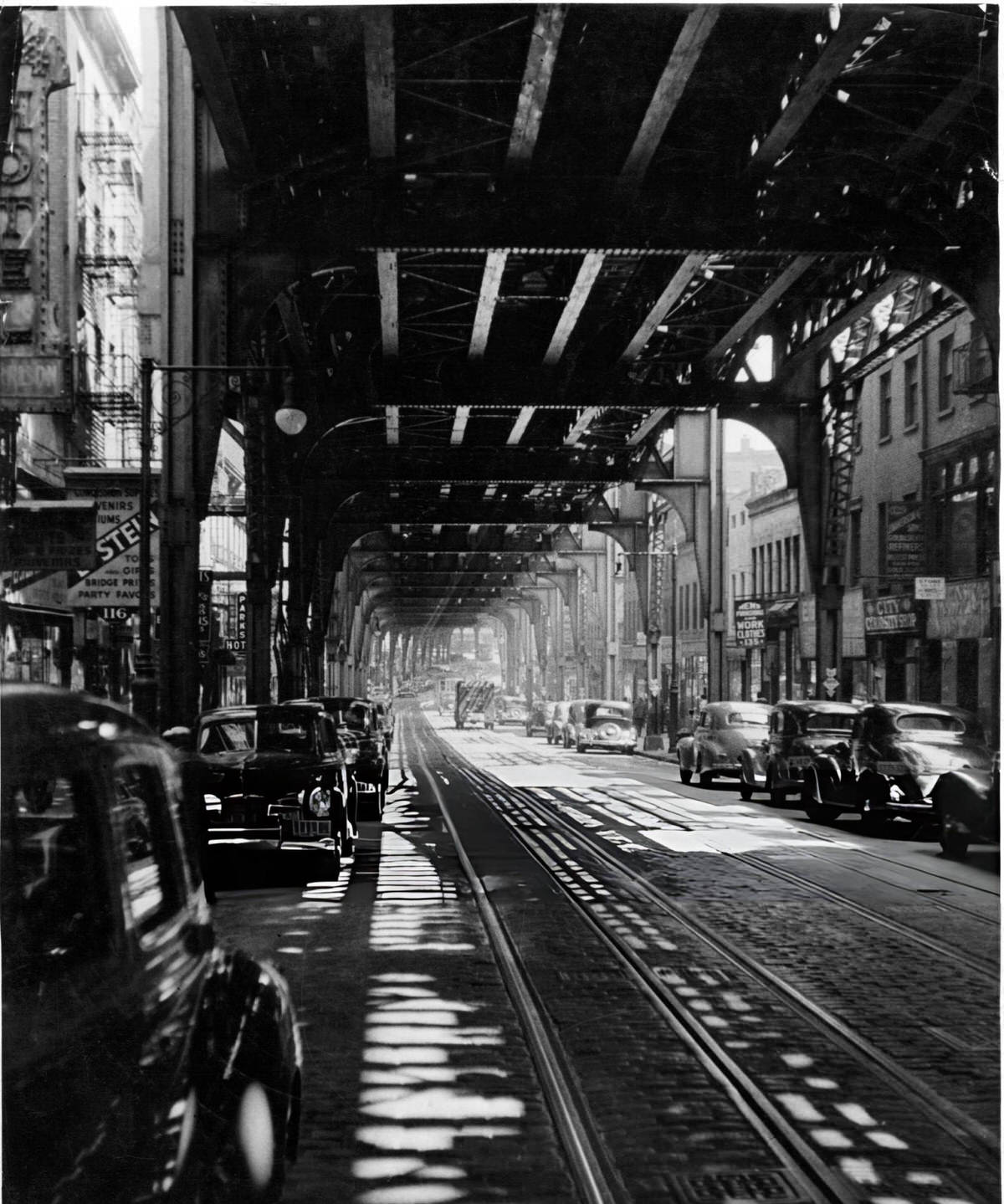
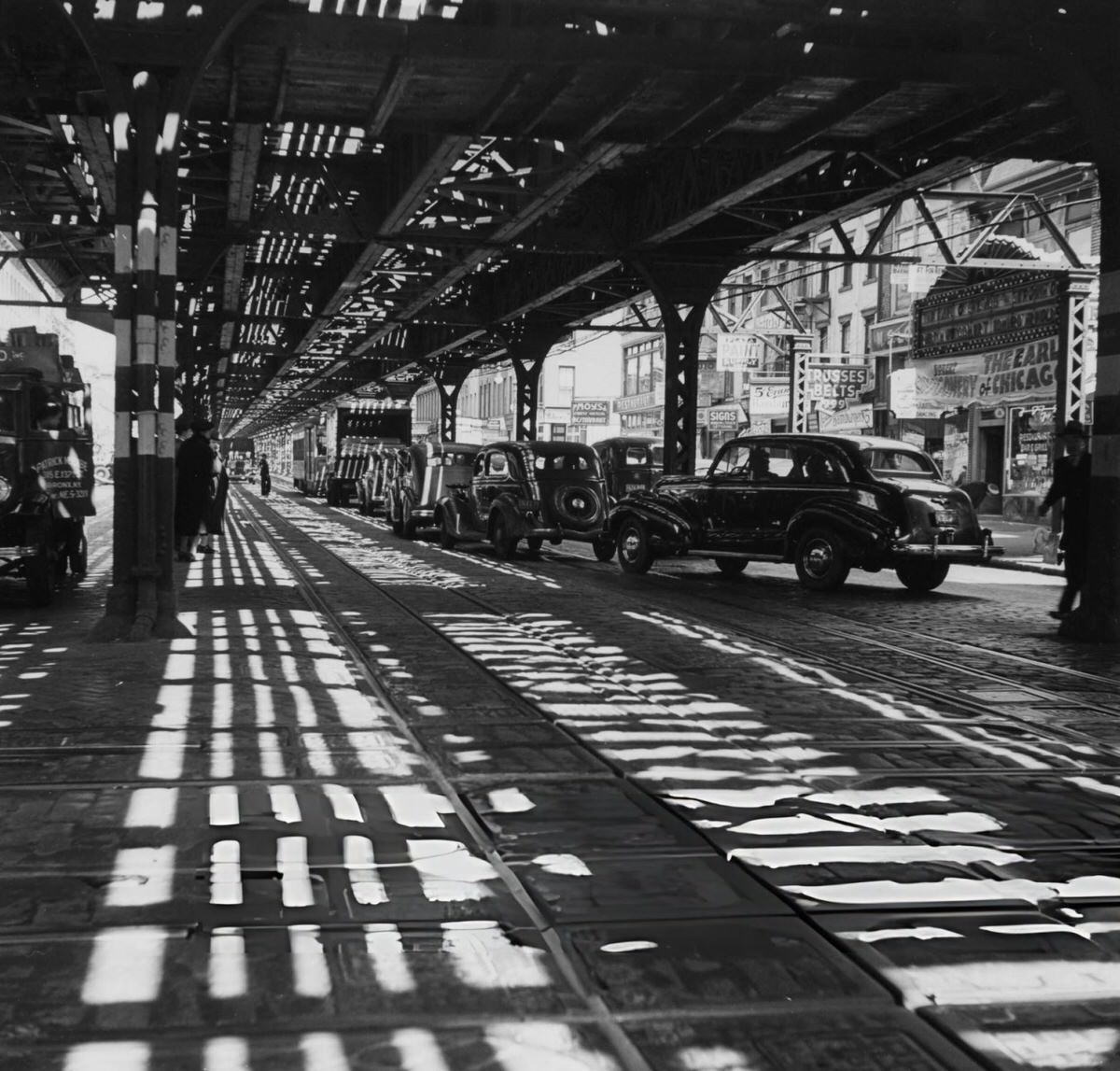
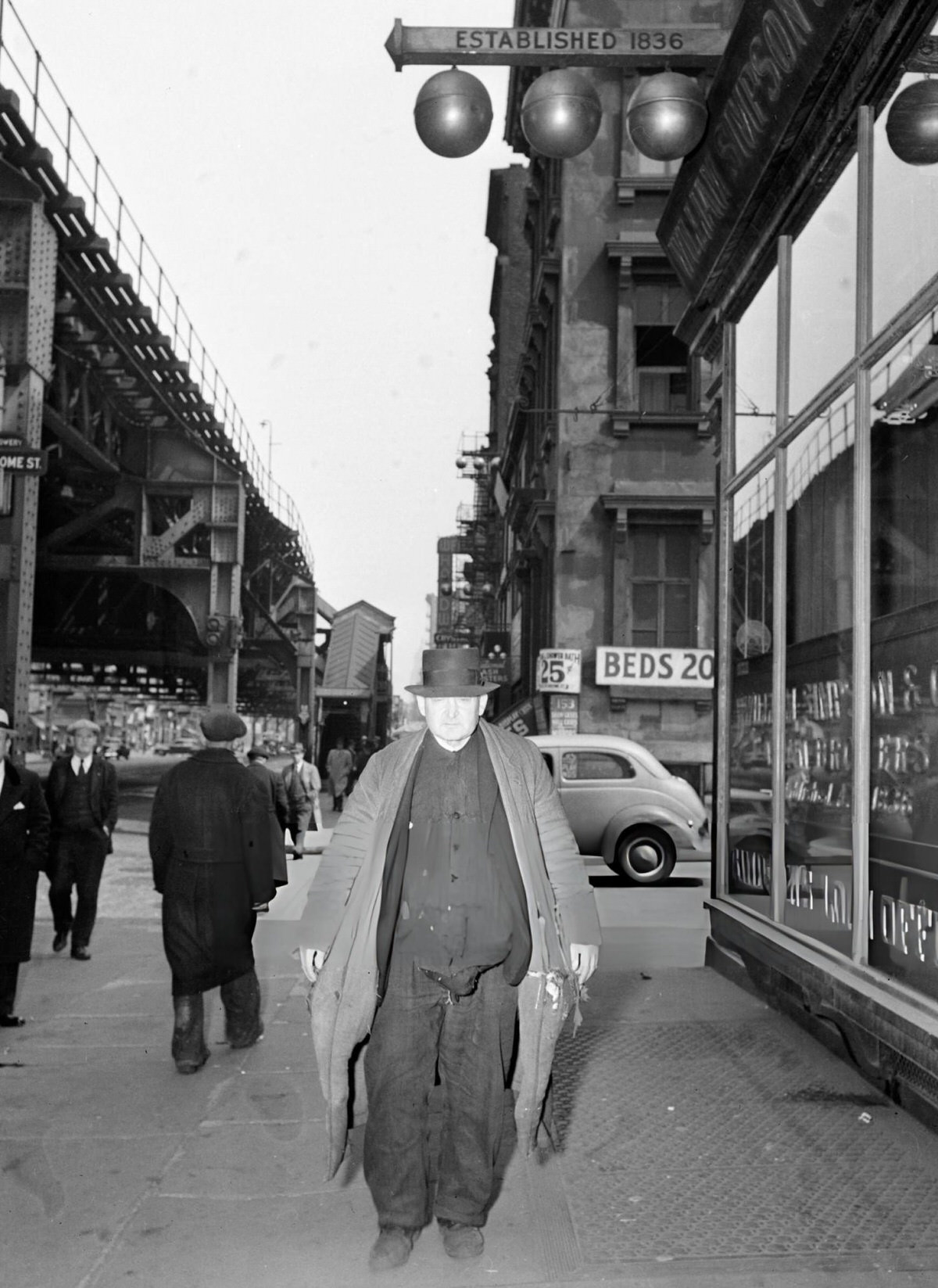
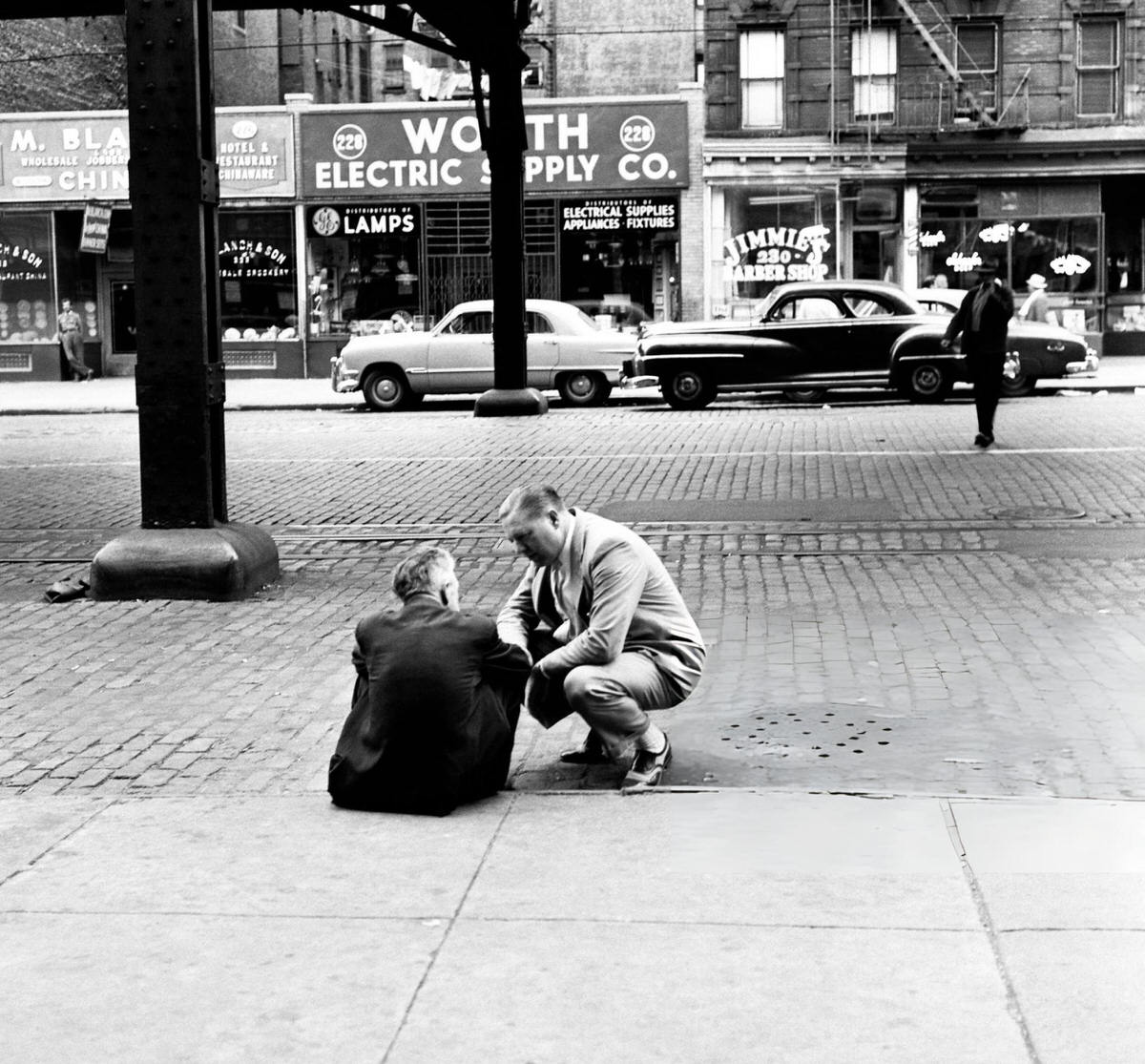
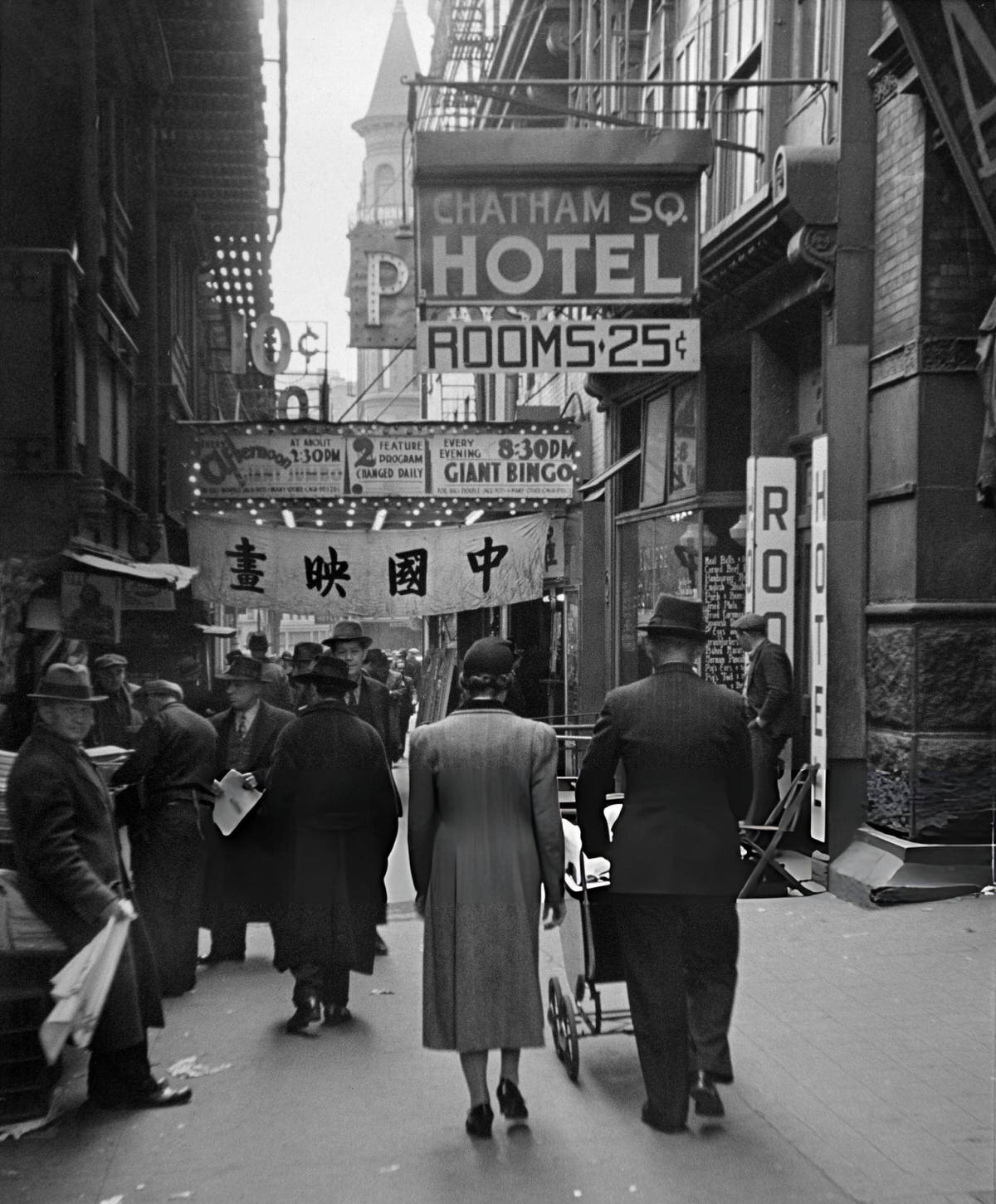
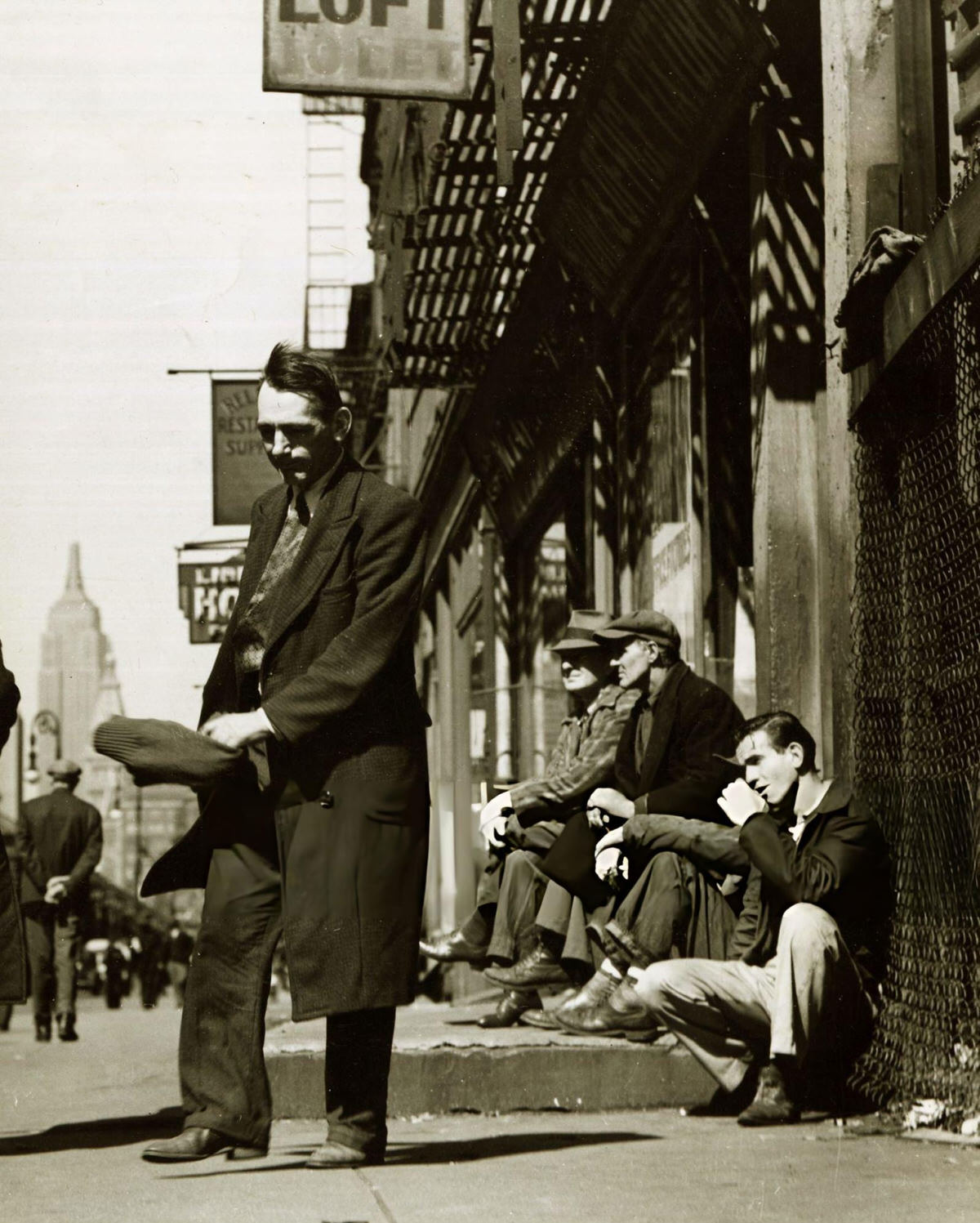
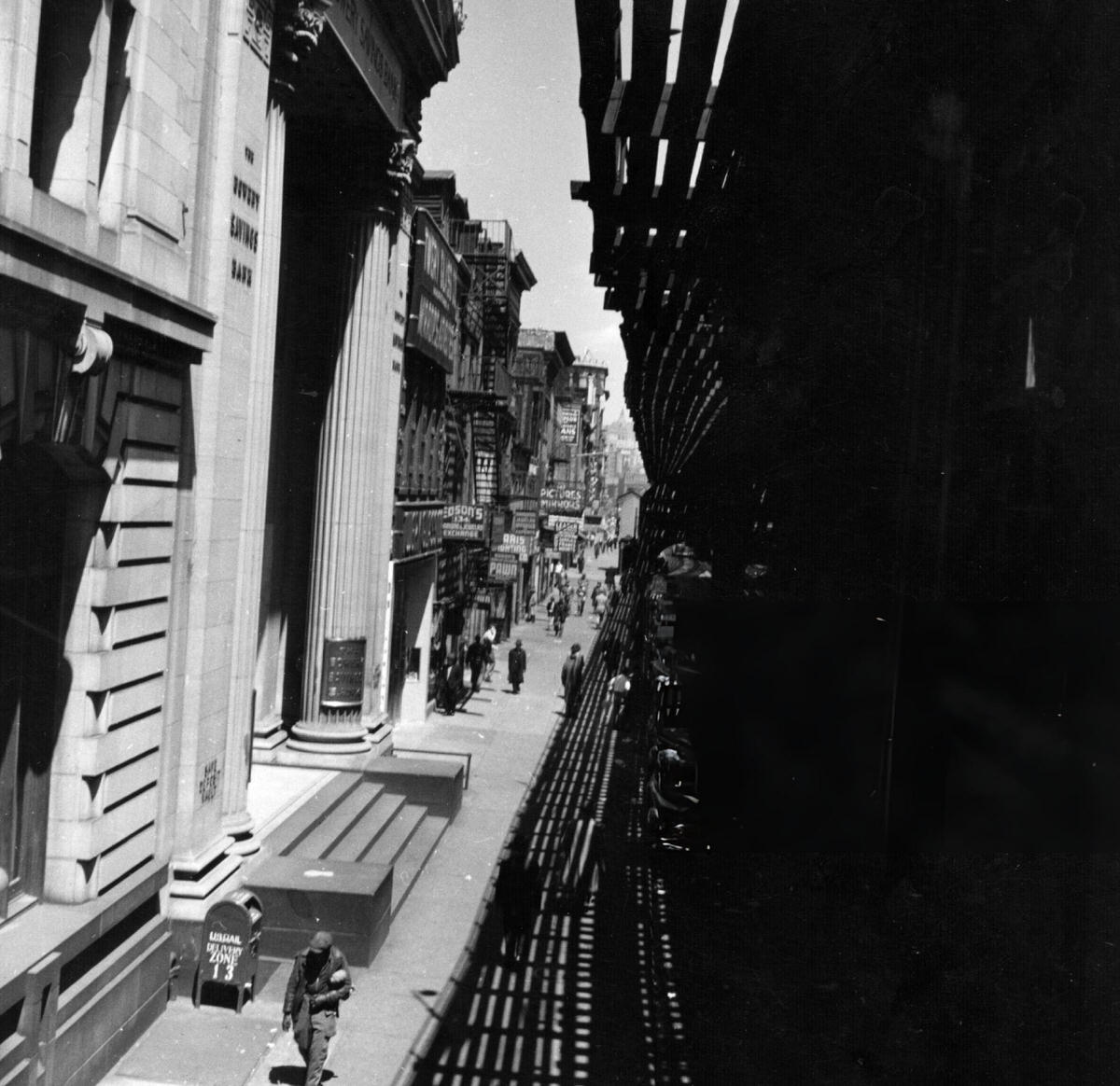
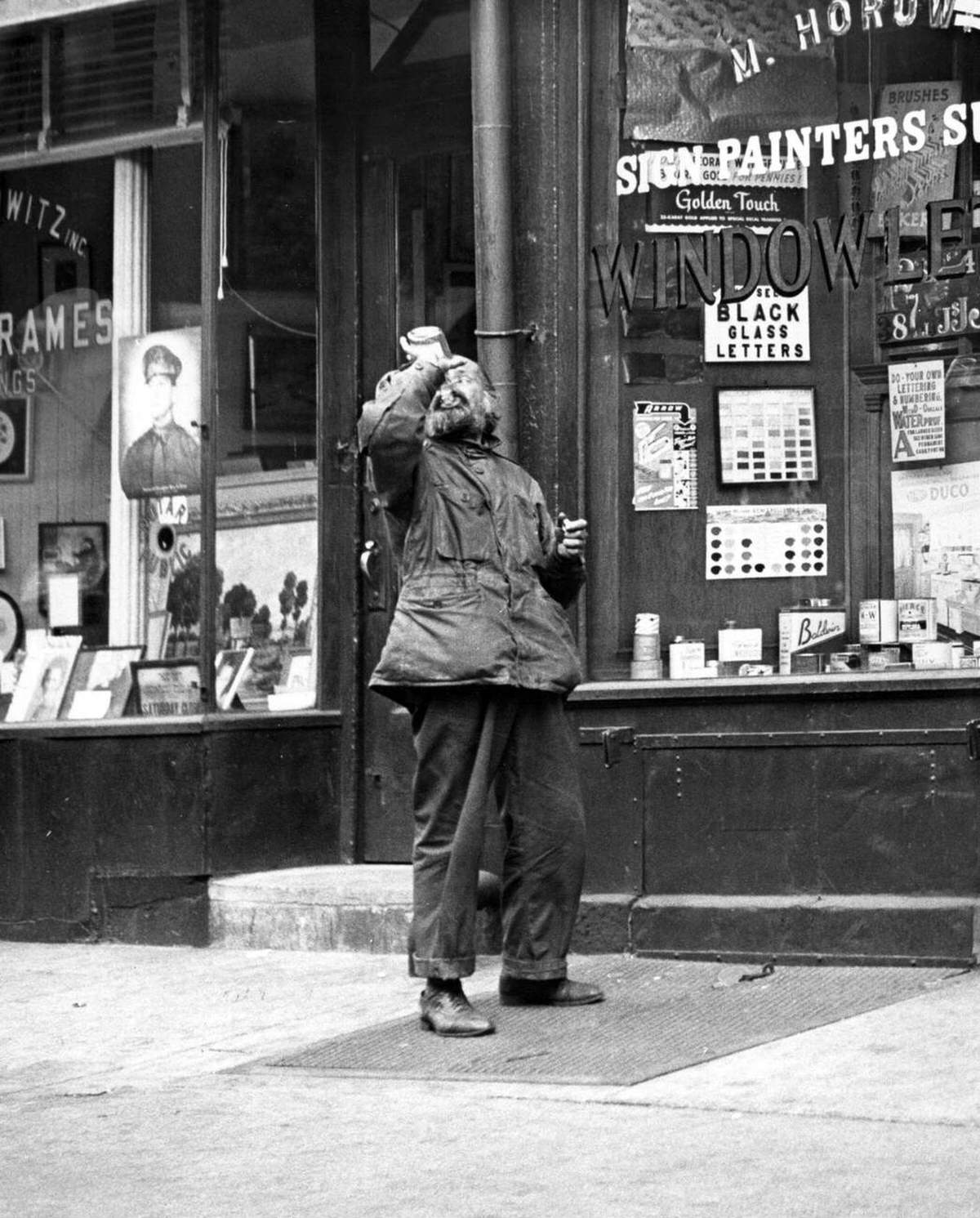
The Bowery runs roughly one mile from Chatham Square at the southern end up to Cooper Square at the north, where it becomes Third Avenue. In the 1940s, that mile was the most concentrated strip of poverty, cheap lodging, and open alcoholism in the United States. New Yorkers called it Skid Row before the term was widely used elsewhere. The men who lived there — and it was almost entirely men — called it home, even when home meant a wooden shelf in a flophouse for twenty-five cents a night.
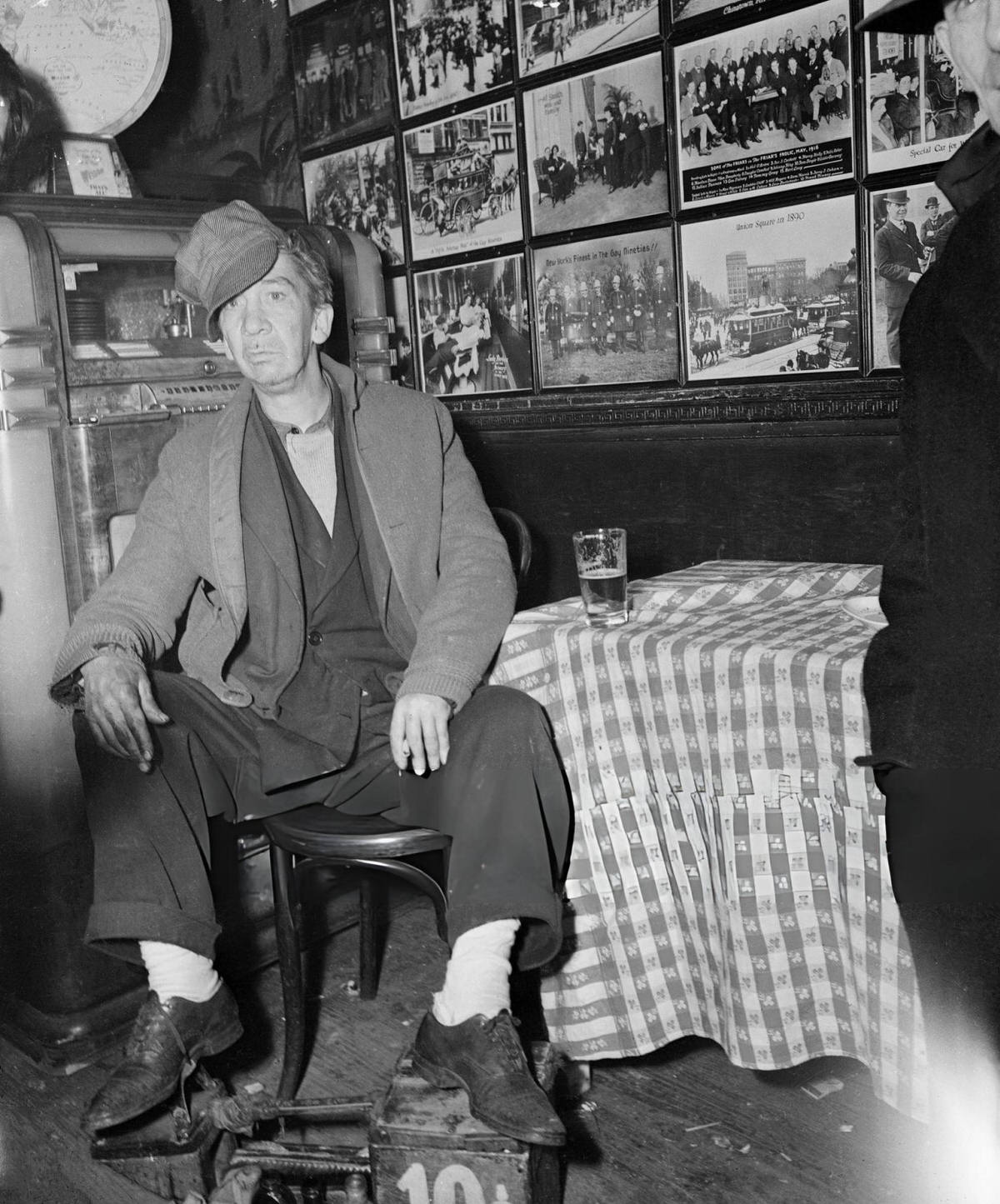
The street had a long history of hard living before the 1940s arrived. By the turn of the century, the Bowery was already synonymous with vagrancy and cheap bars. The Depression drove another wave of men onto the street in the 1930s, and by the time World War II ended, the population of homeless and transient men on the Bowery had swelled to an estimated 14,000. Many of them were veterans. Some had come home from the Pacific or Europe with injuries — physical and otherwise — that the government had no real system to address. They ended up on the Bowery because rent was low and questions were few.
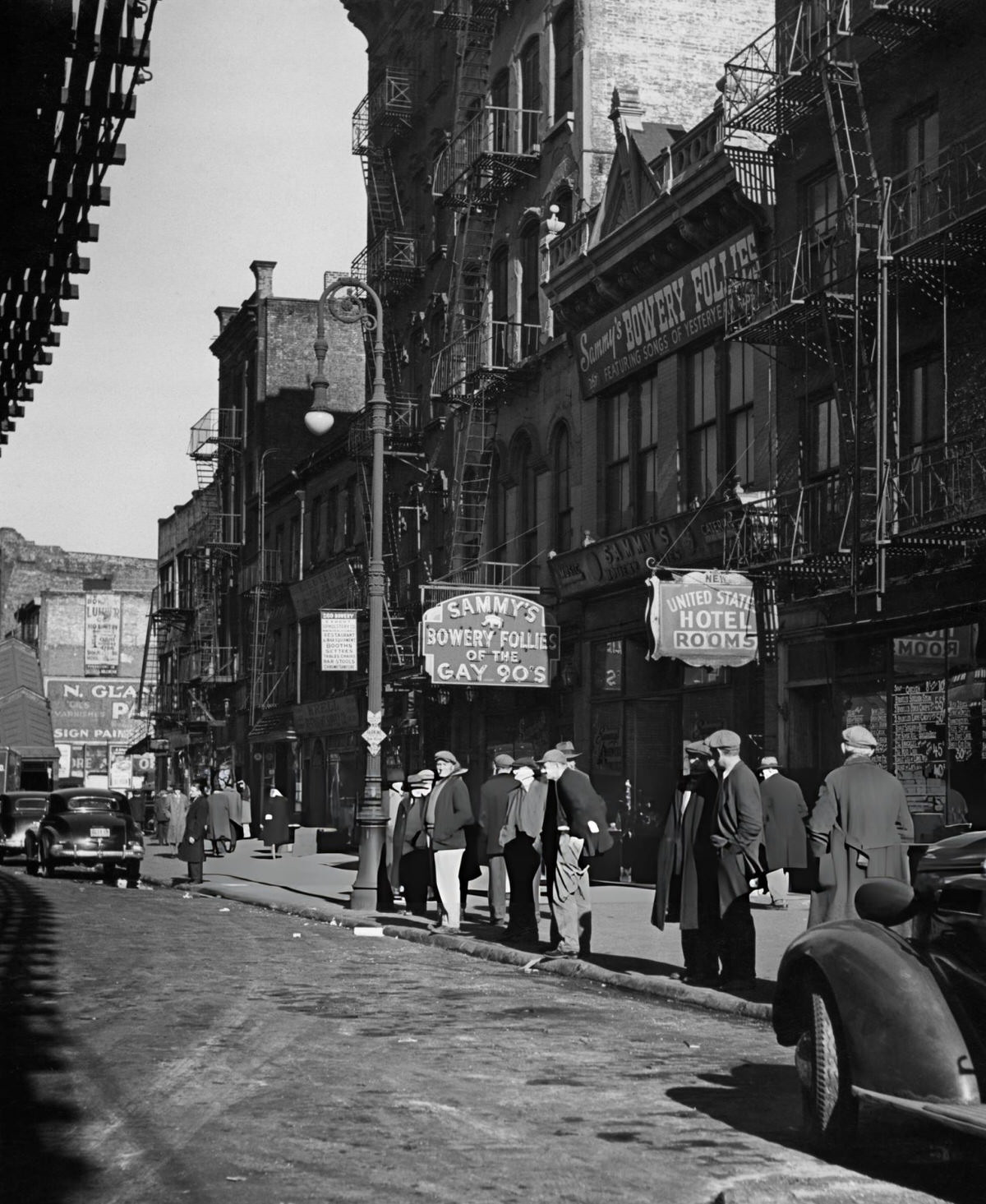
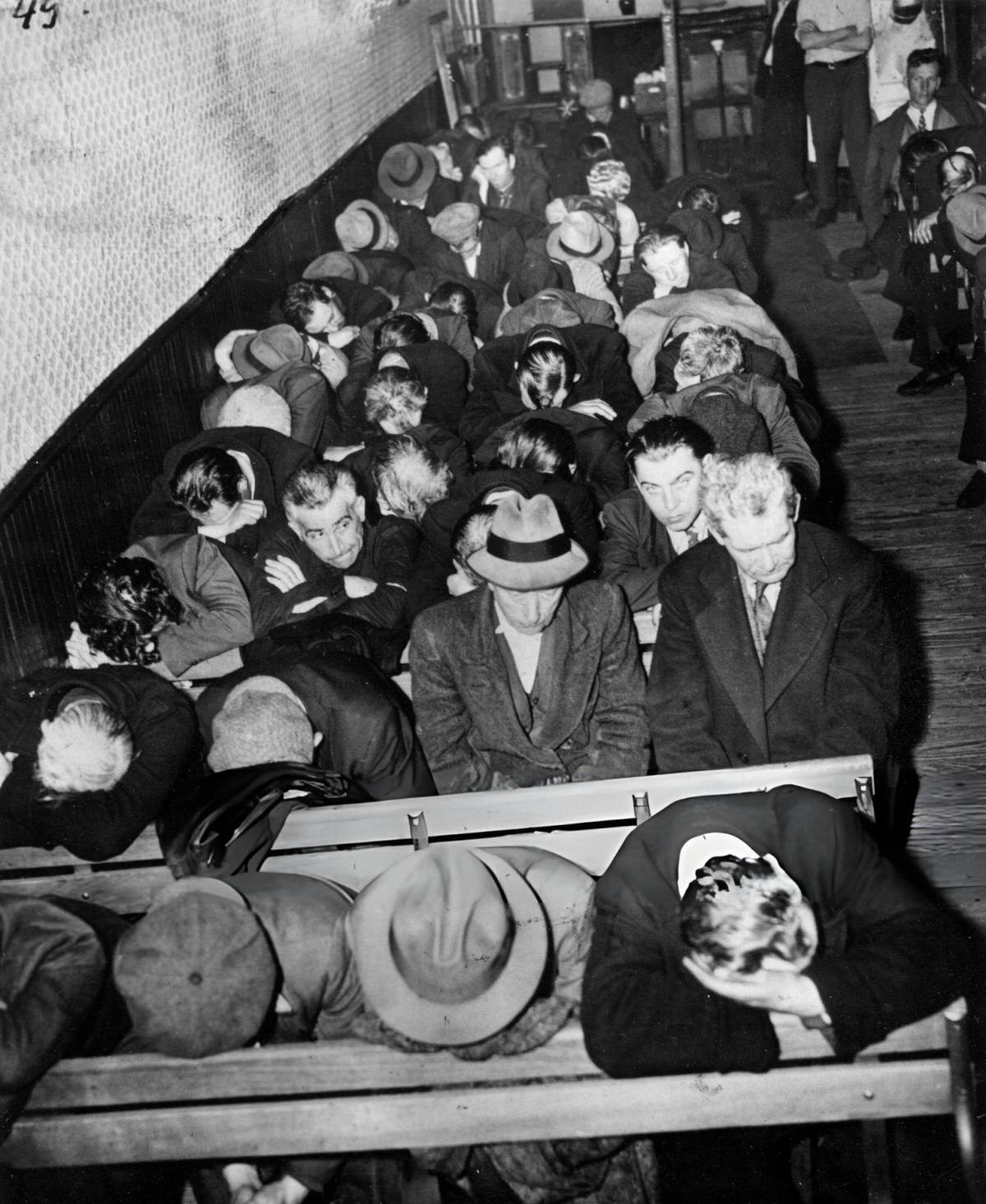
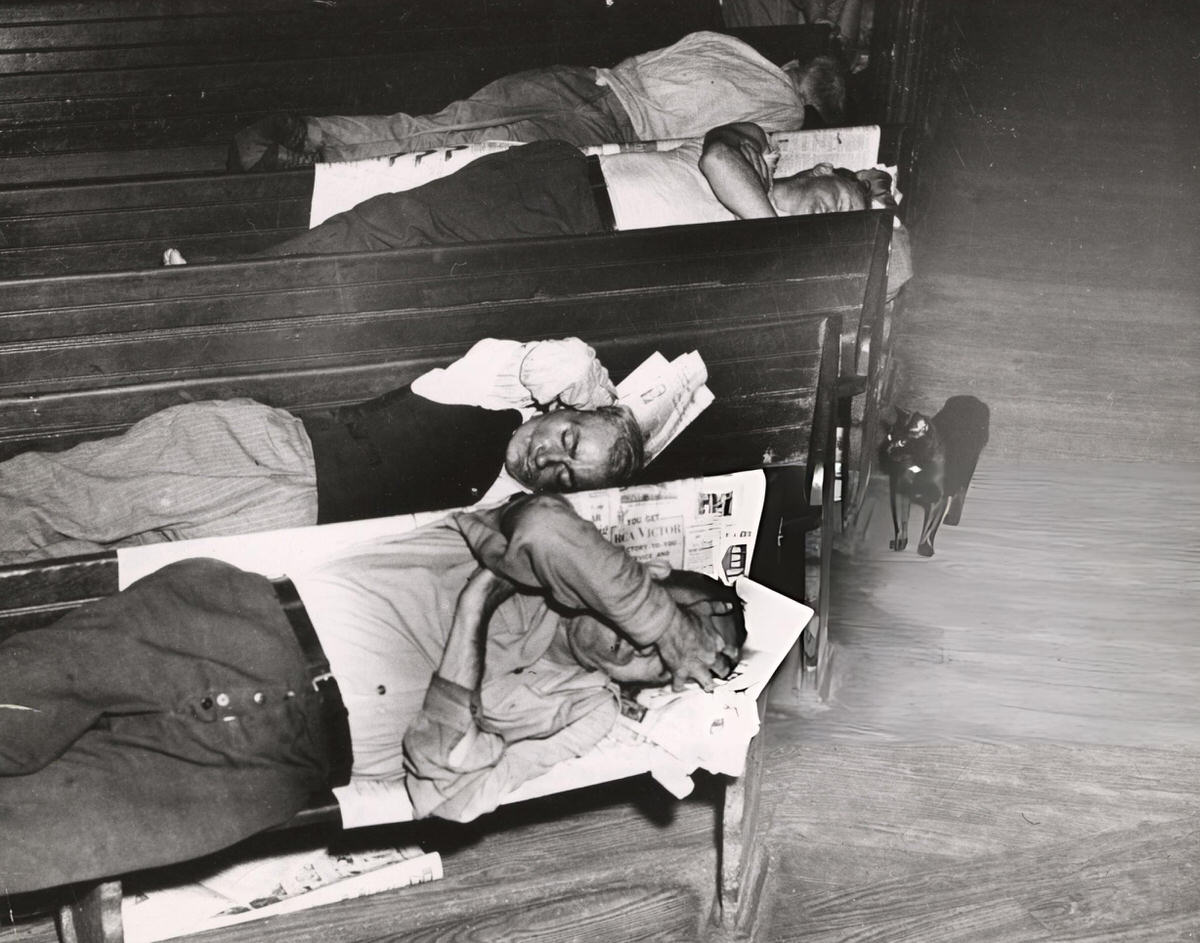
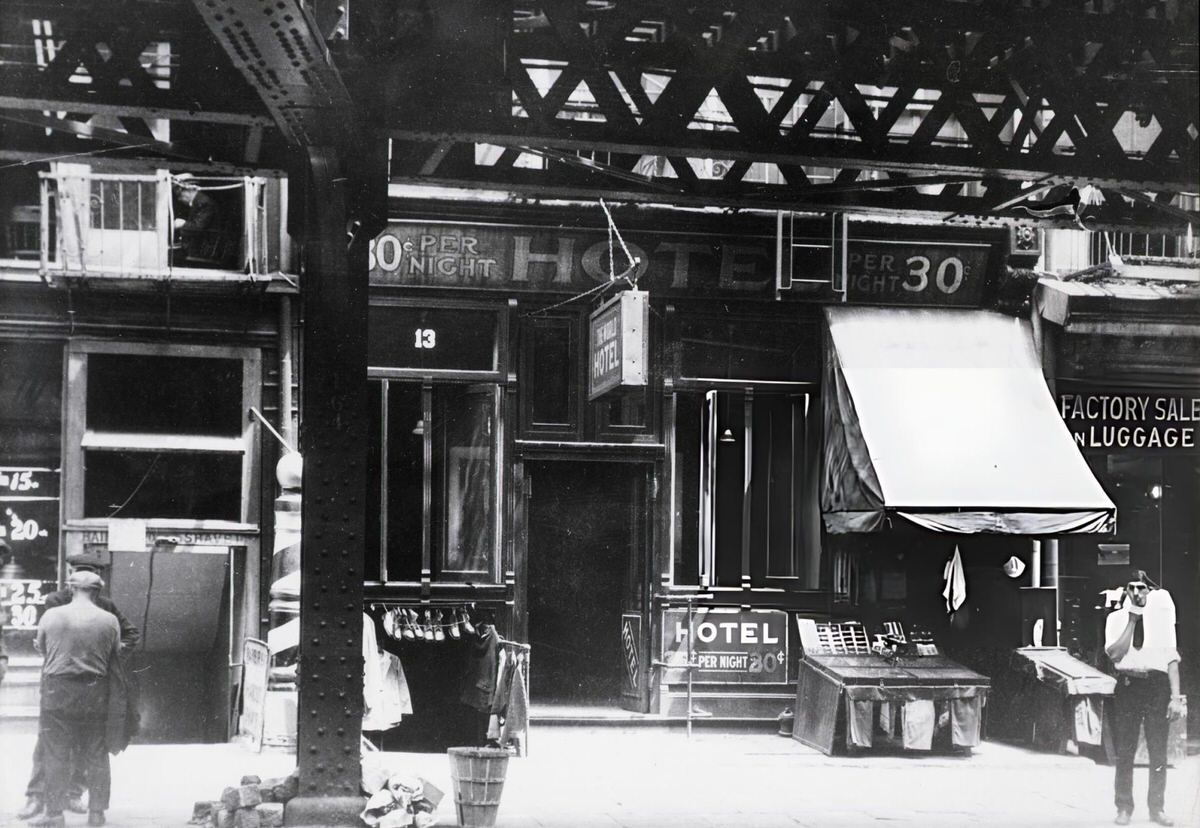
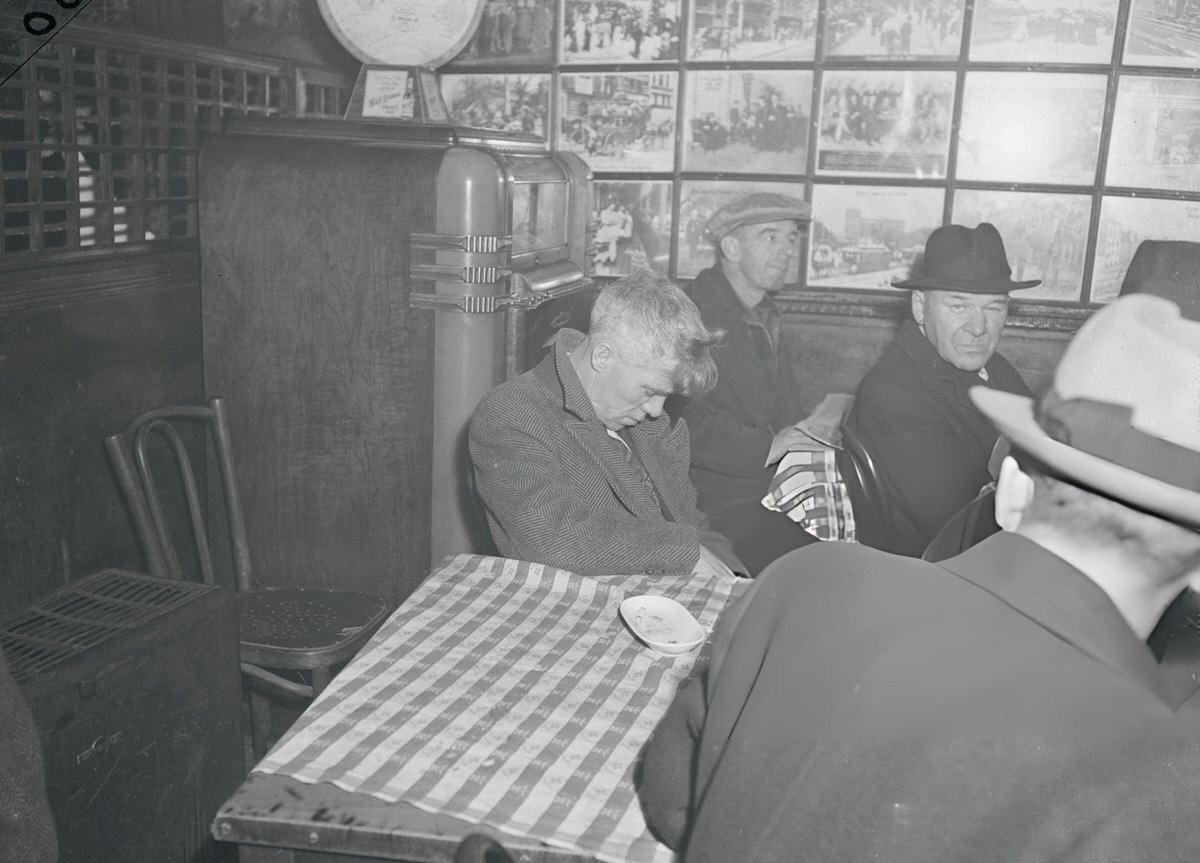
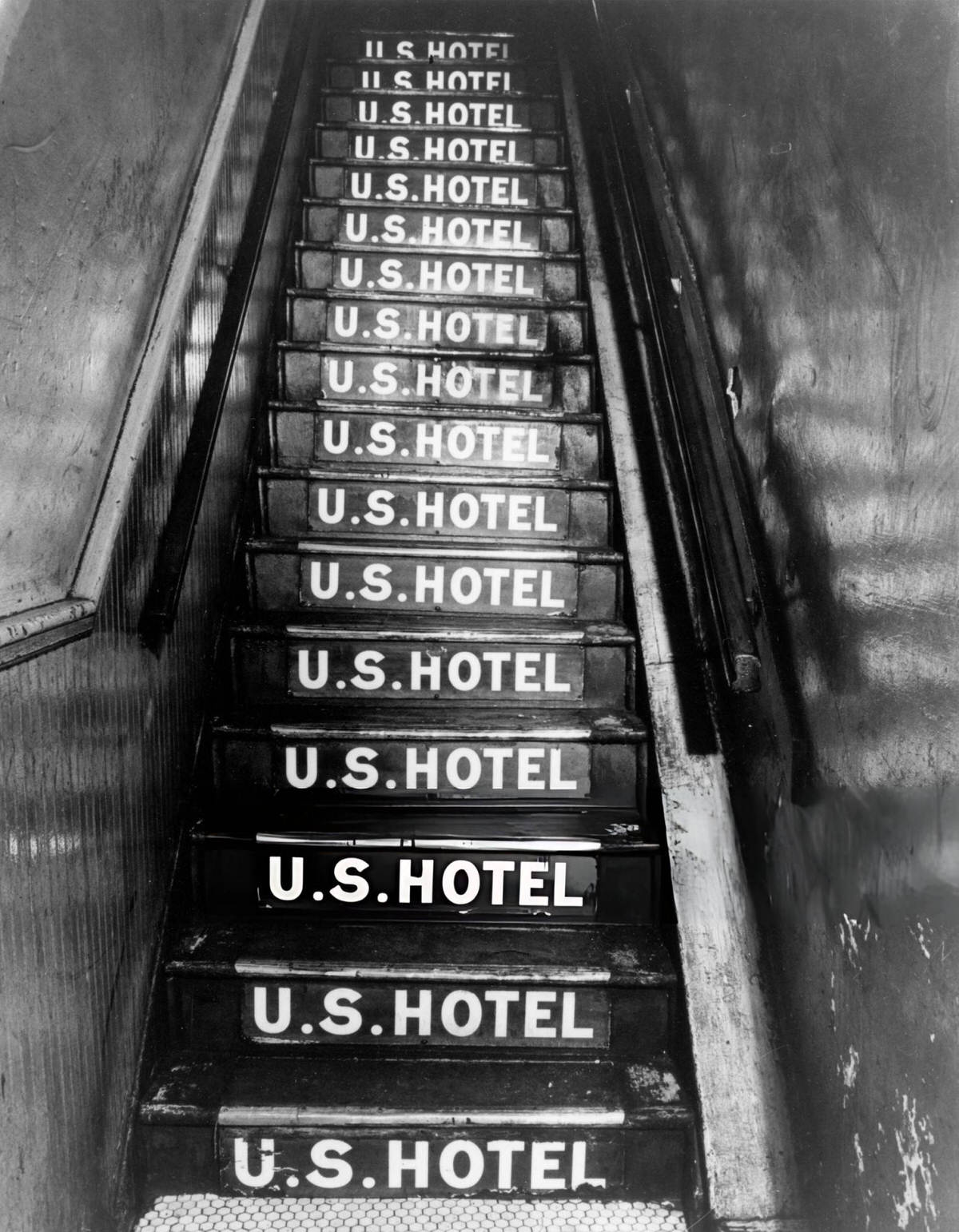
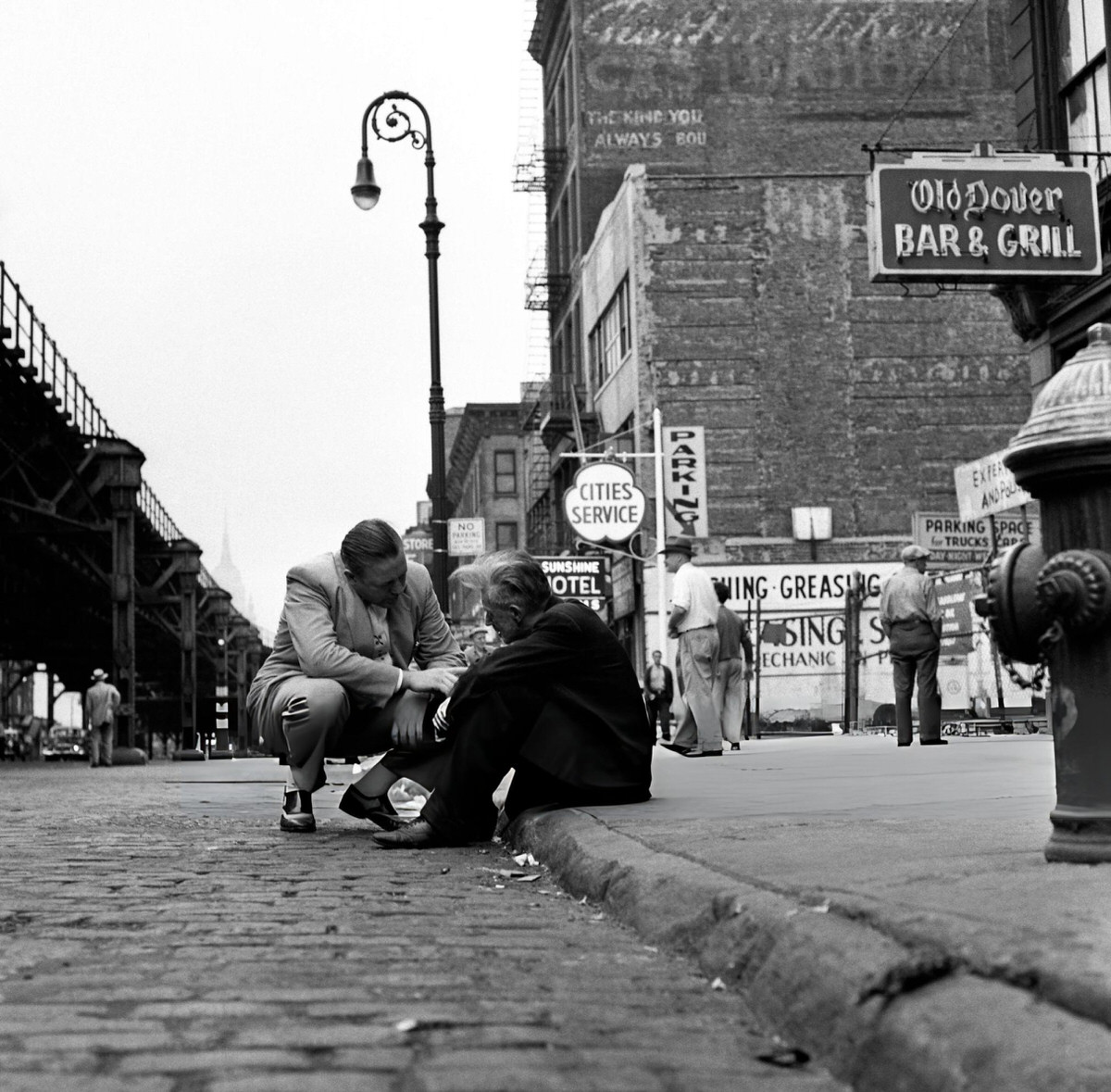
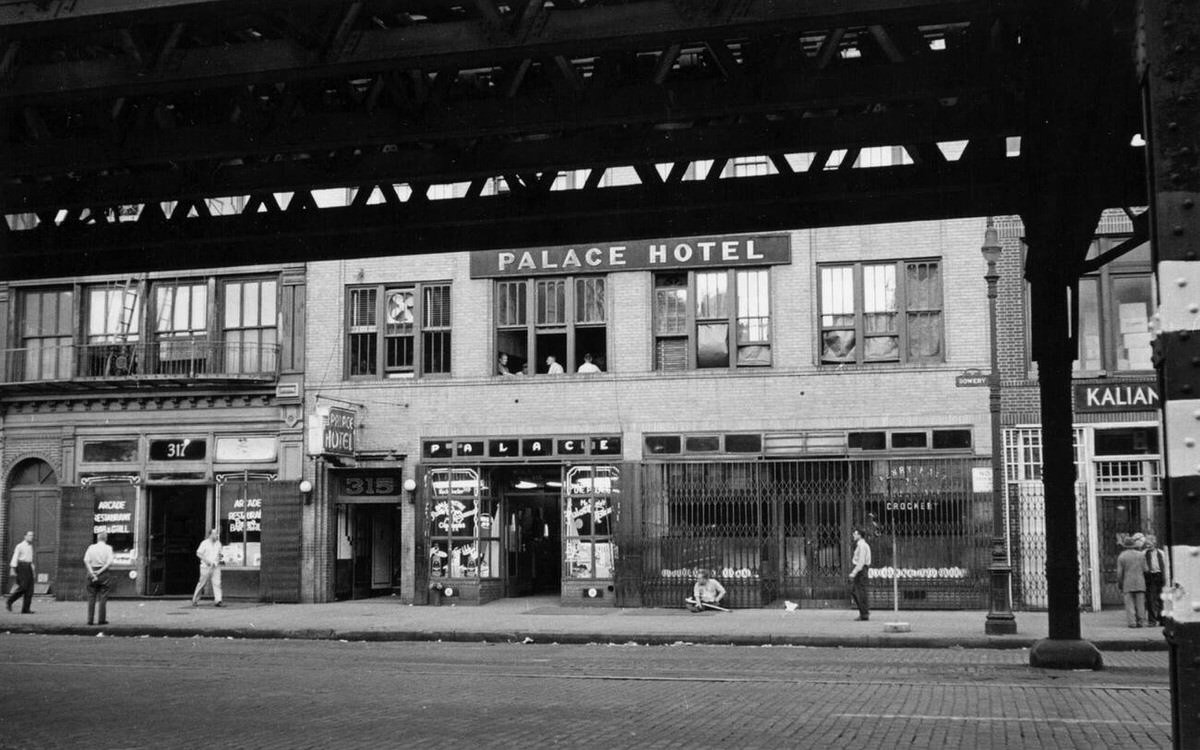
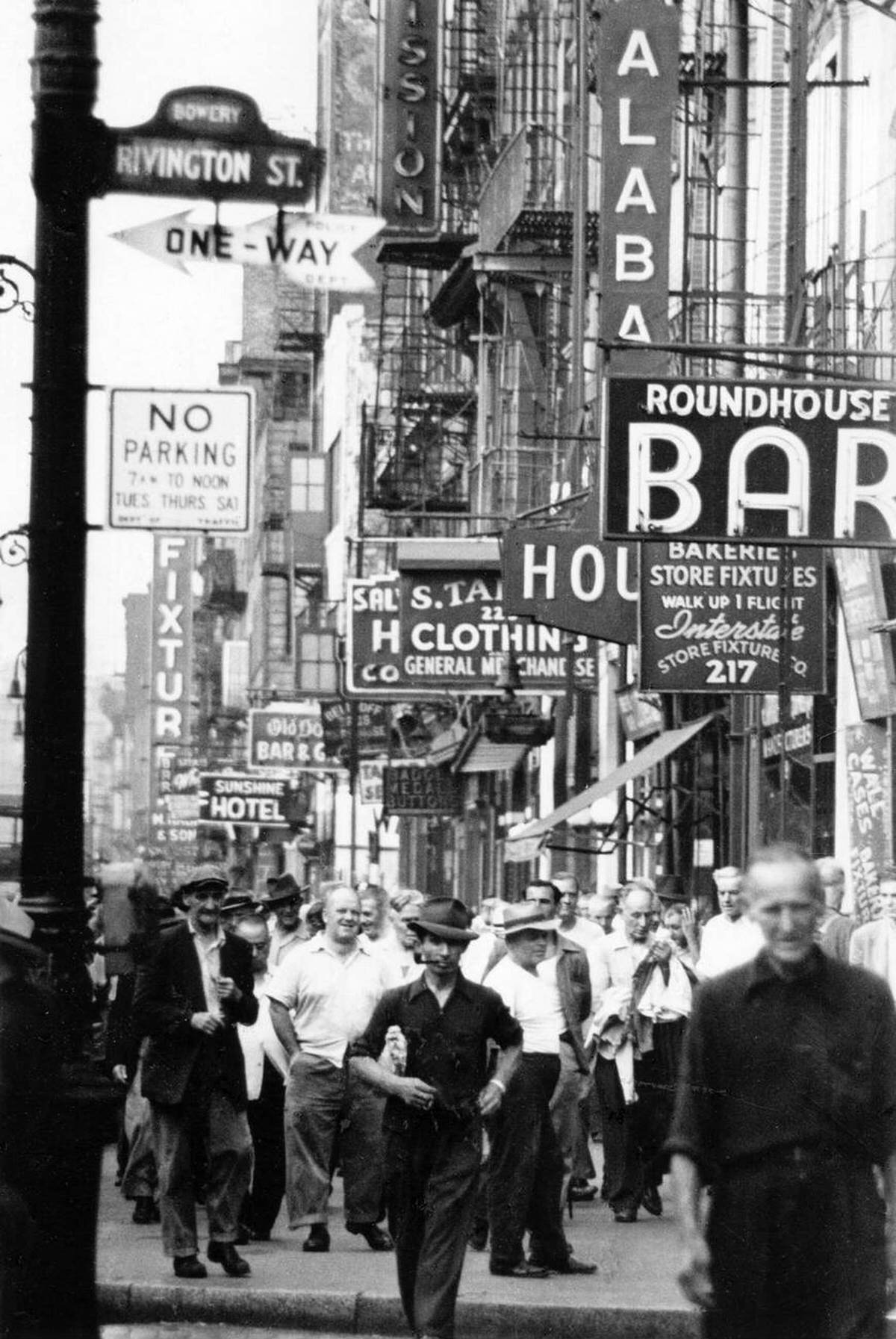
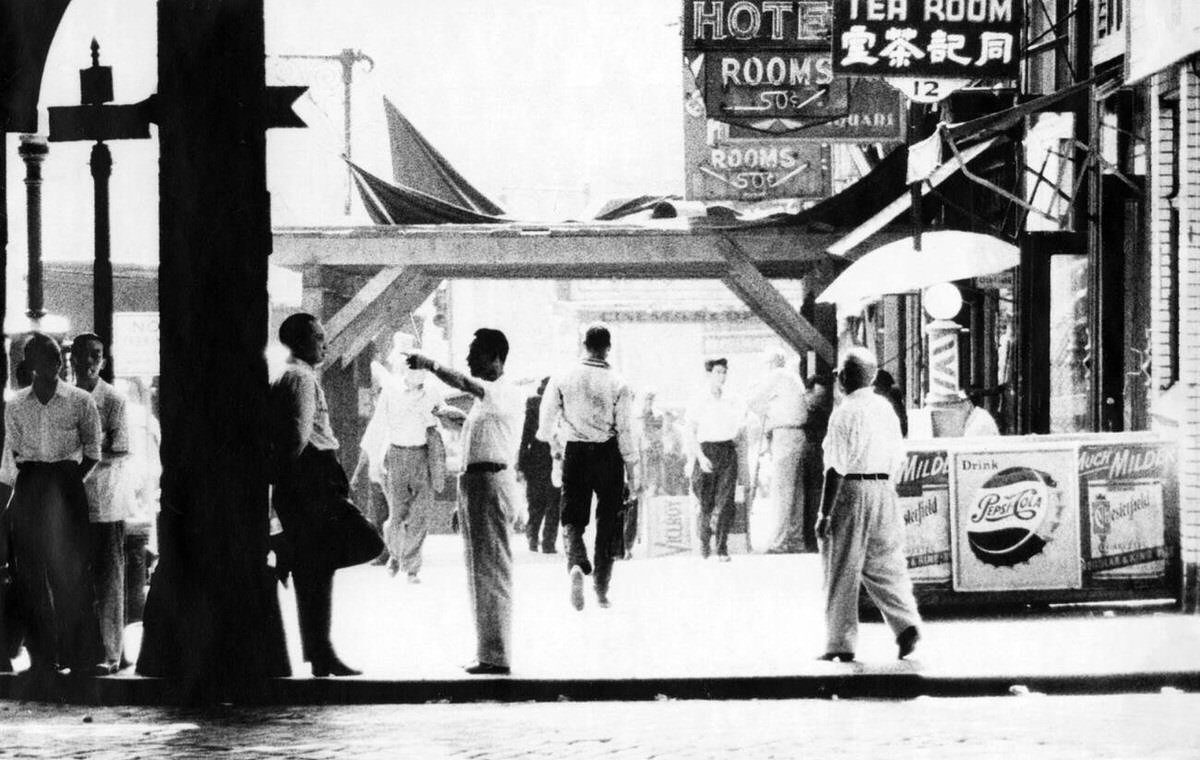
The flophouses were the backbone of the street’s economy. A flophouse was not a hotel in any recognizable sense. The cheapest ones offered a single cot or a shelf in a large open room, separated from the next man’s space by a thin wooden partition or nothing at all. The Comet, the Palace, the Uncle Sam, the Sunshine — these were the names above the doors on the Bowery. A man could get a bed at the Uncle Sam Hotel for fifteen cents during the Depression years. By the 1940s, prices had crept up to twenty-five or thirty cents, still cheap enough for a man with one day’s labor in his pocket. Better flophouses, sometimes called “cage hotels” because the partitions between rooms were topped with chicken wire to prevent theft, ran fifty cents to a dollar and gave a man a room with an actual door.
Read more
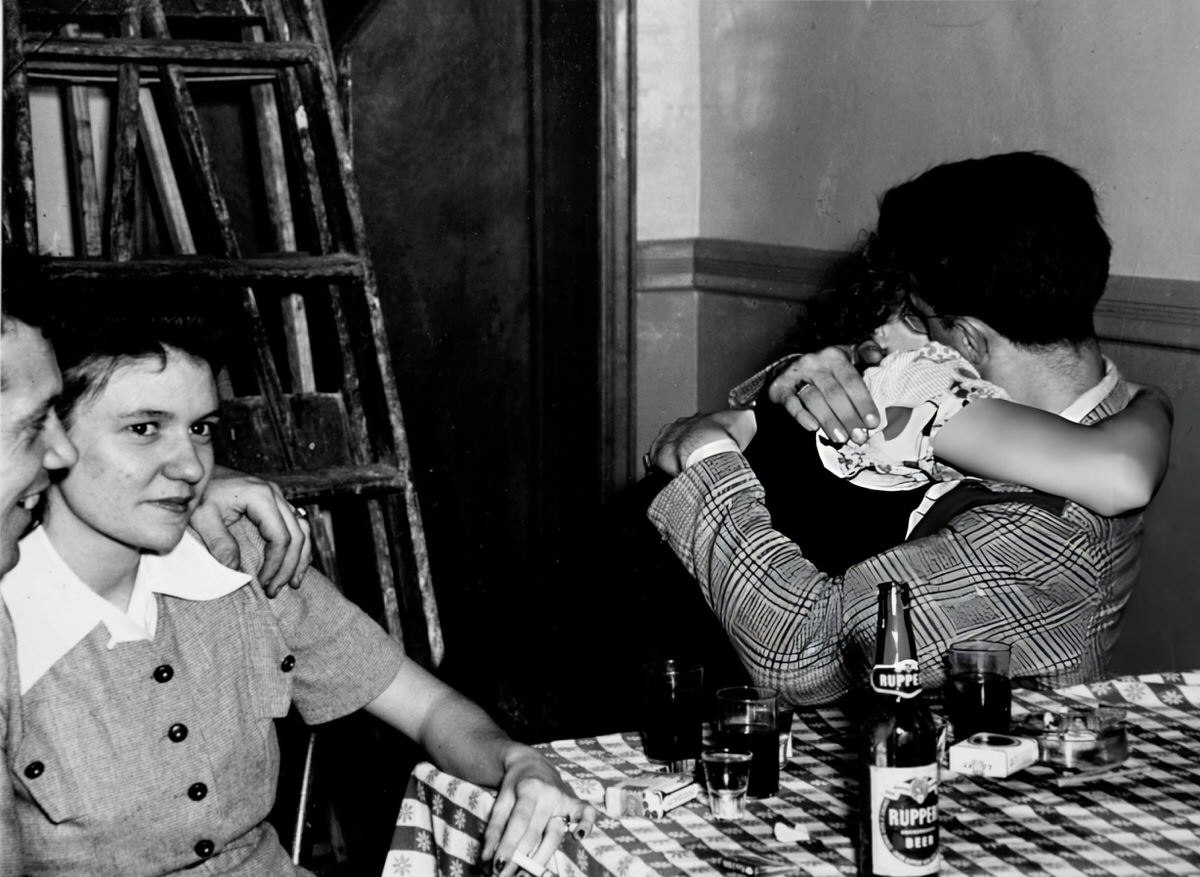
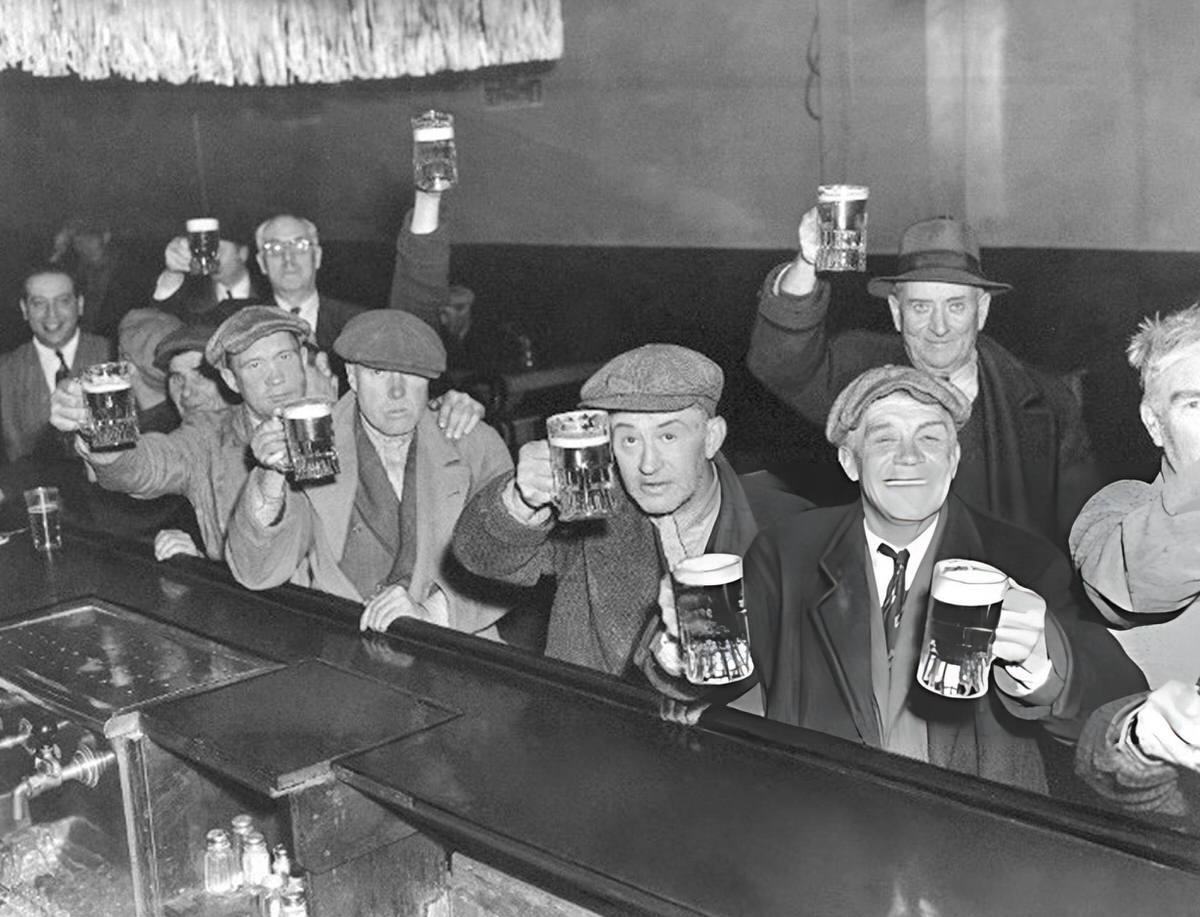
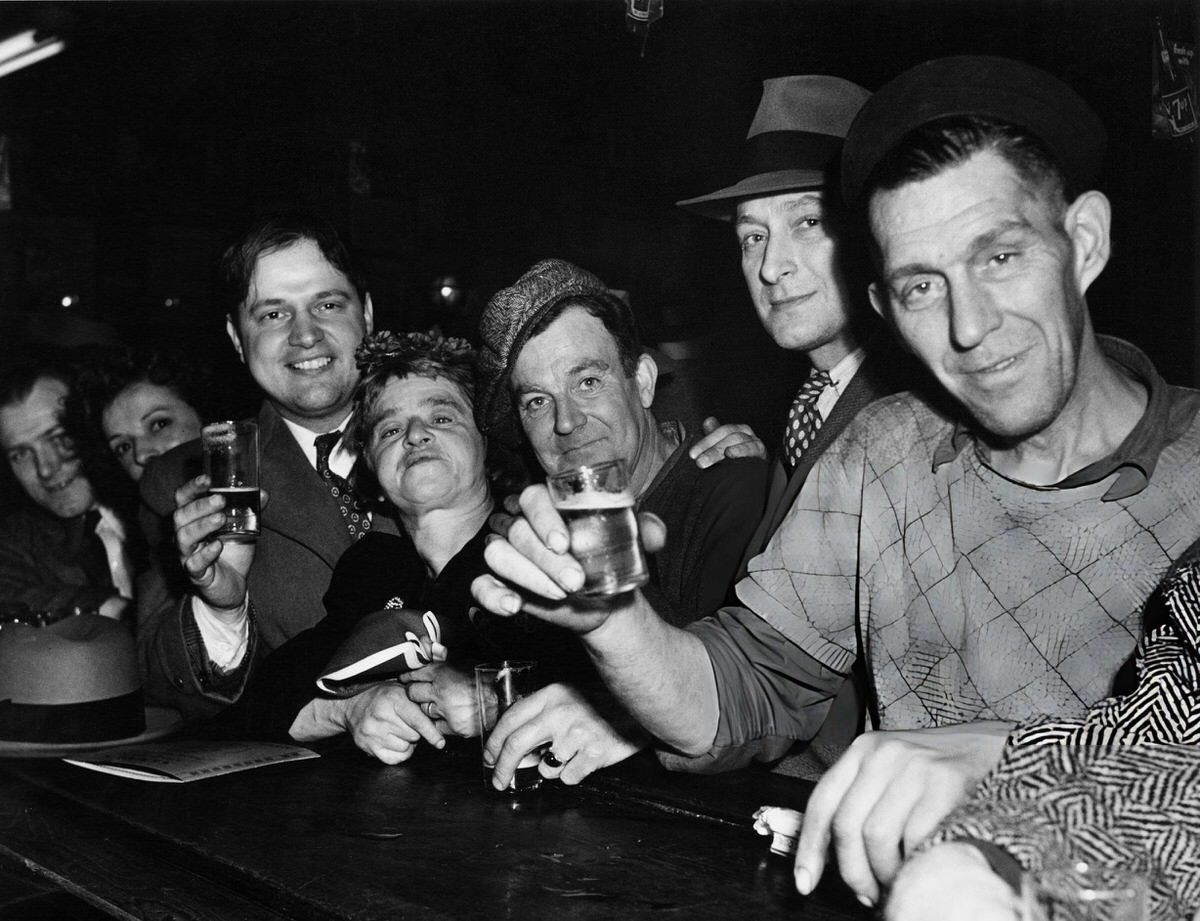
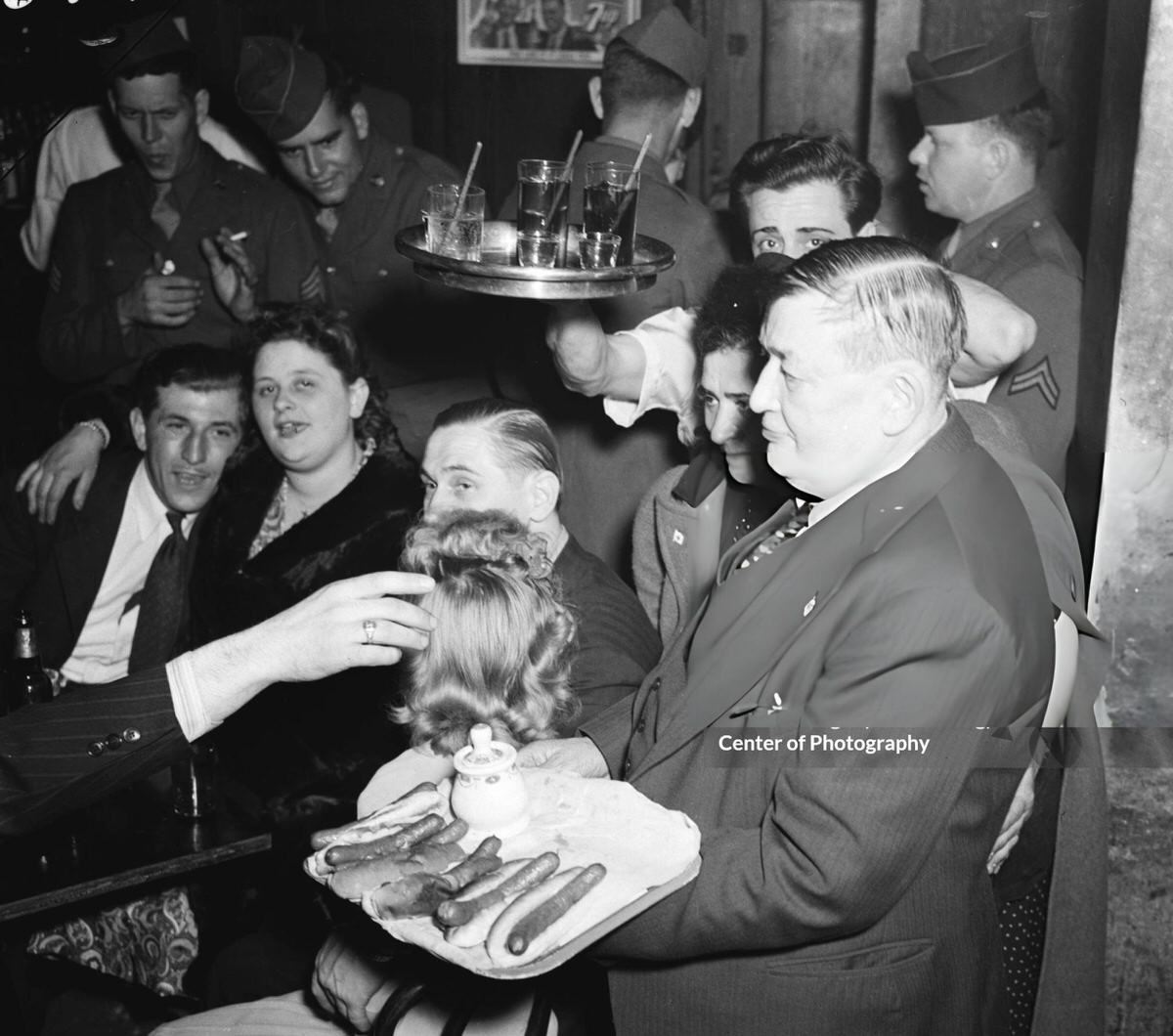
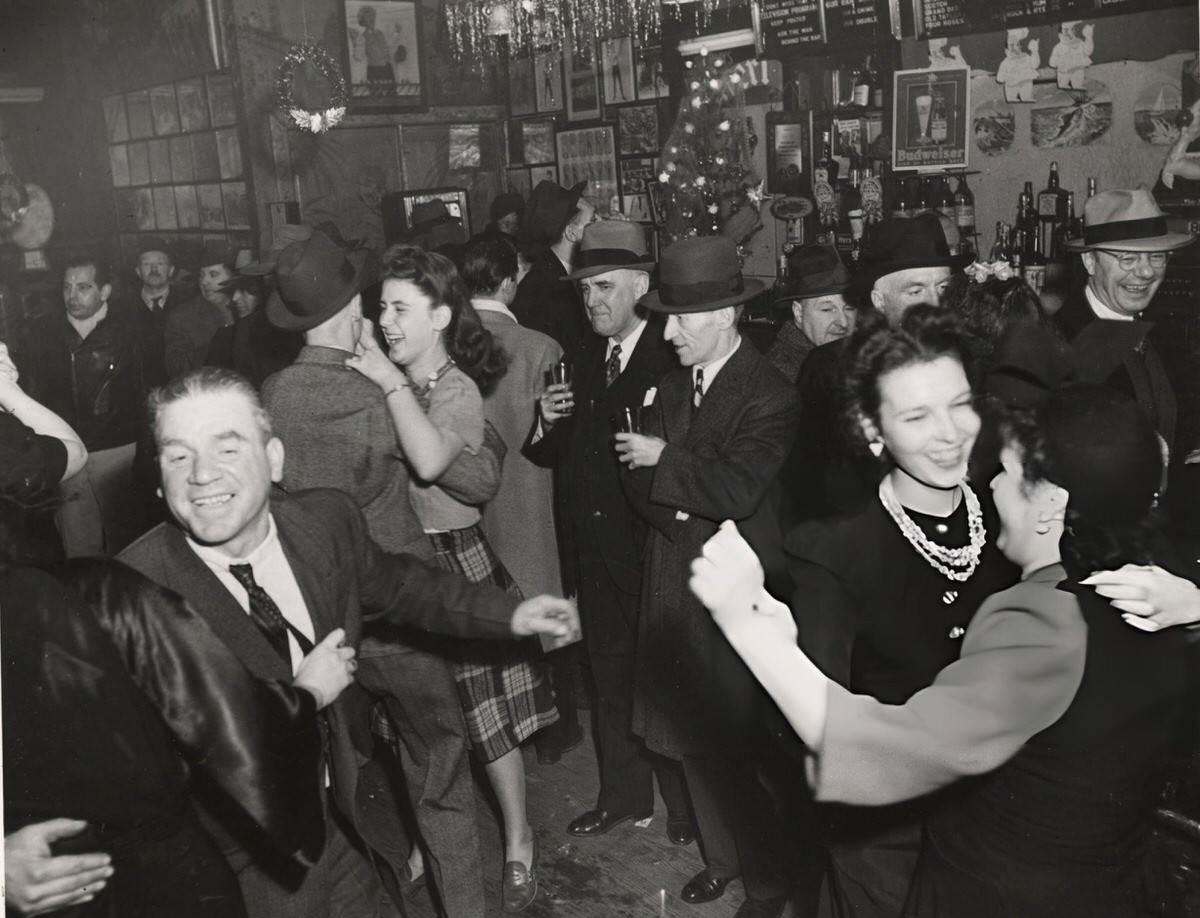
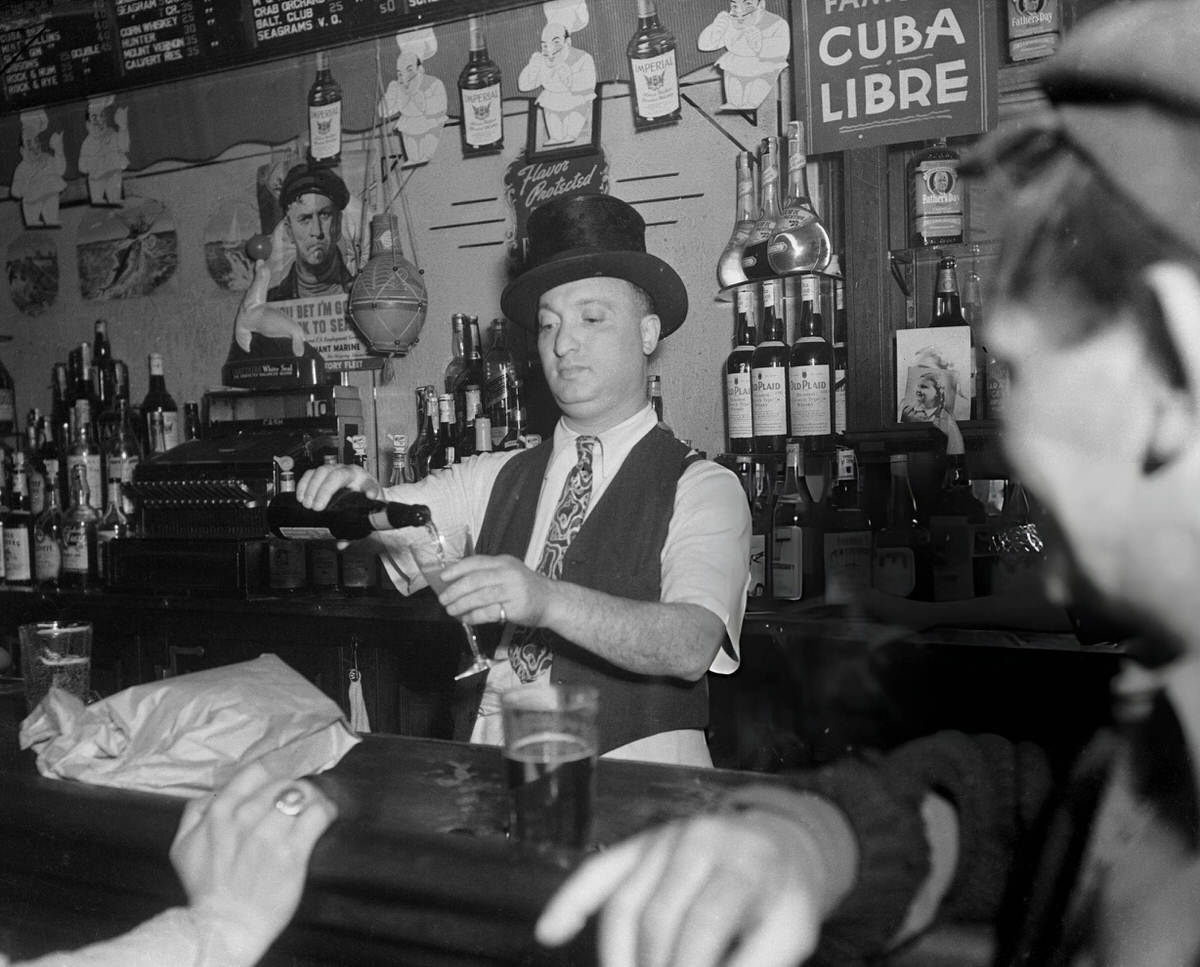
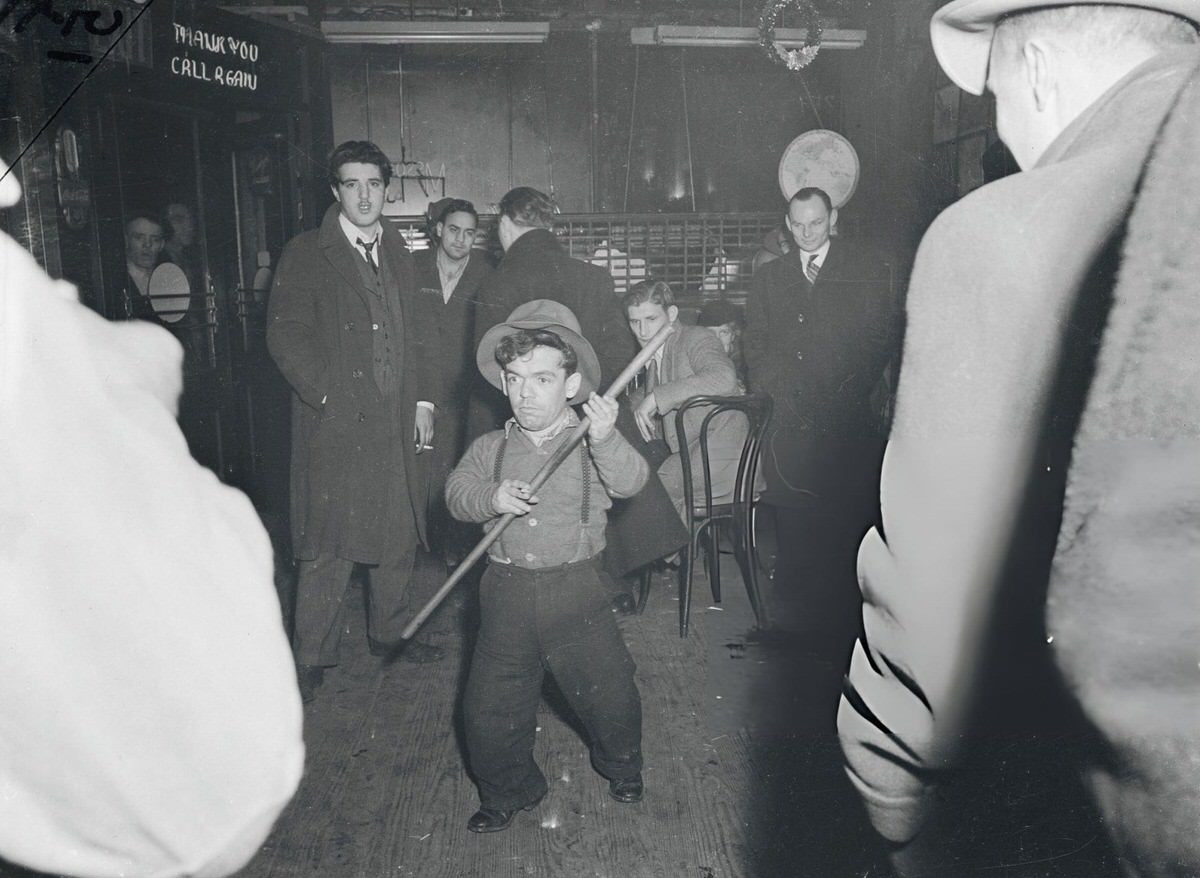
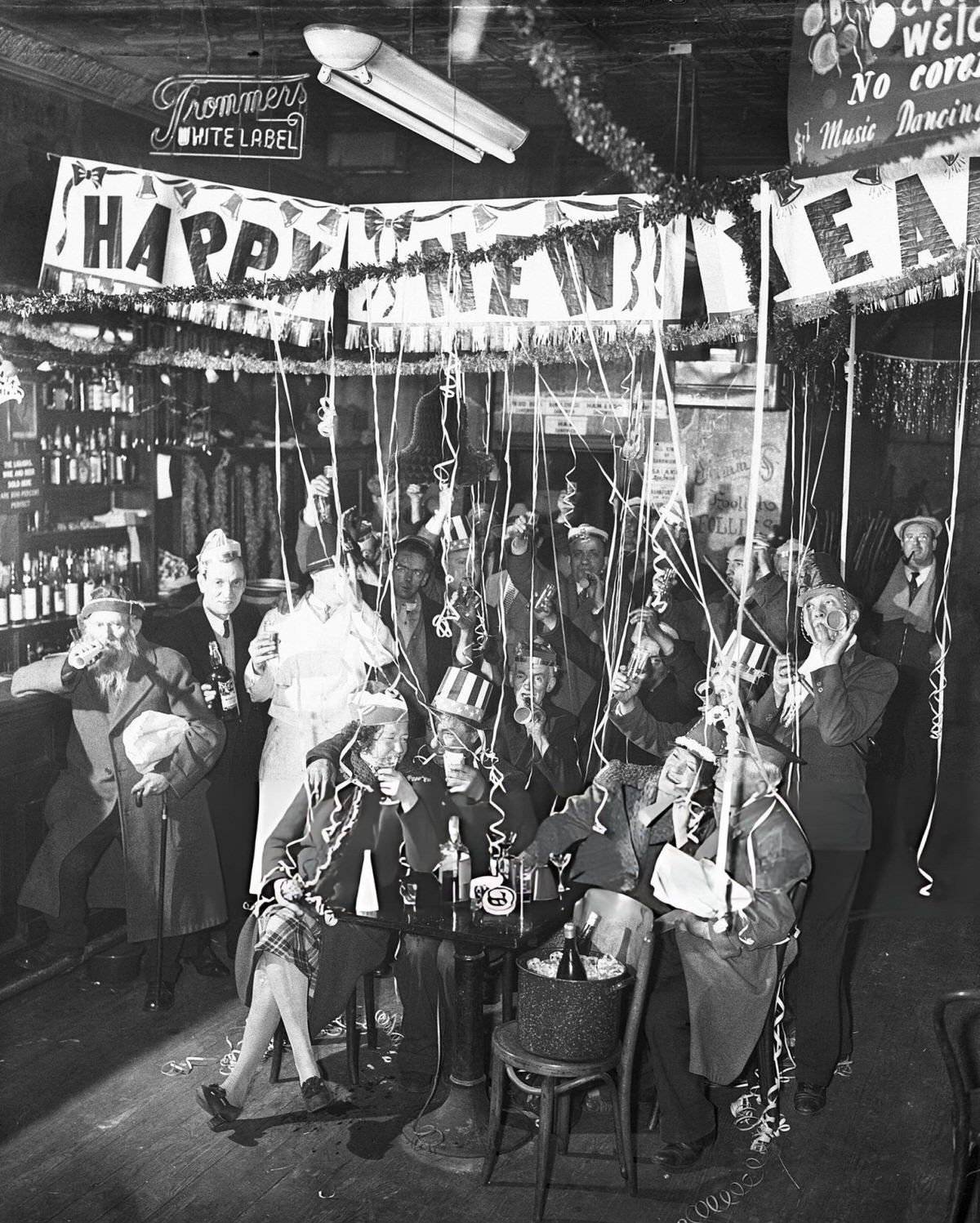
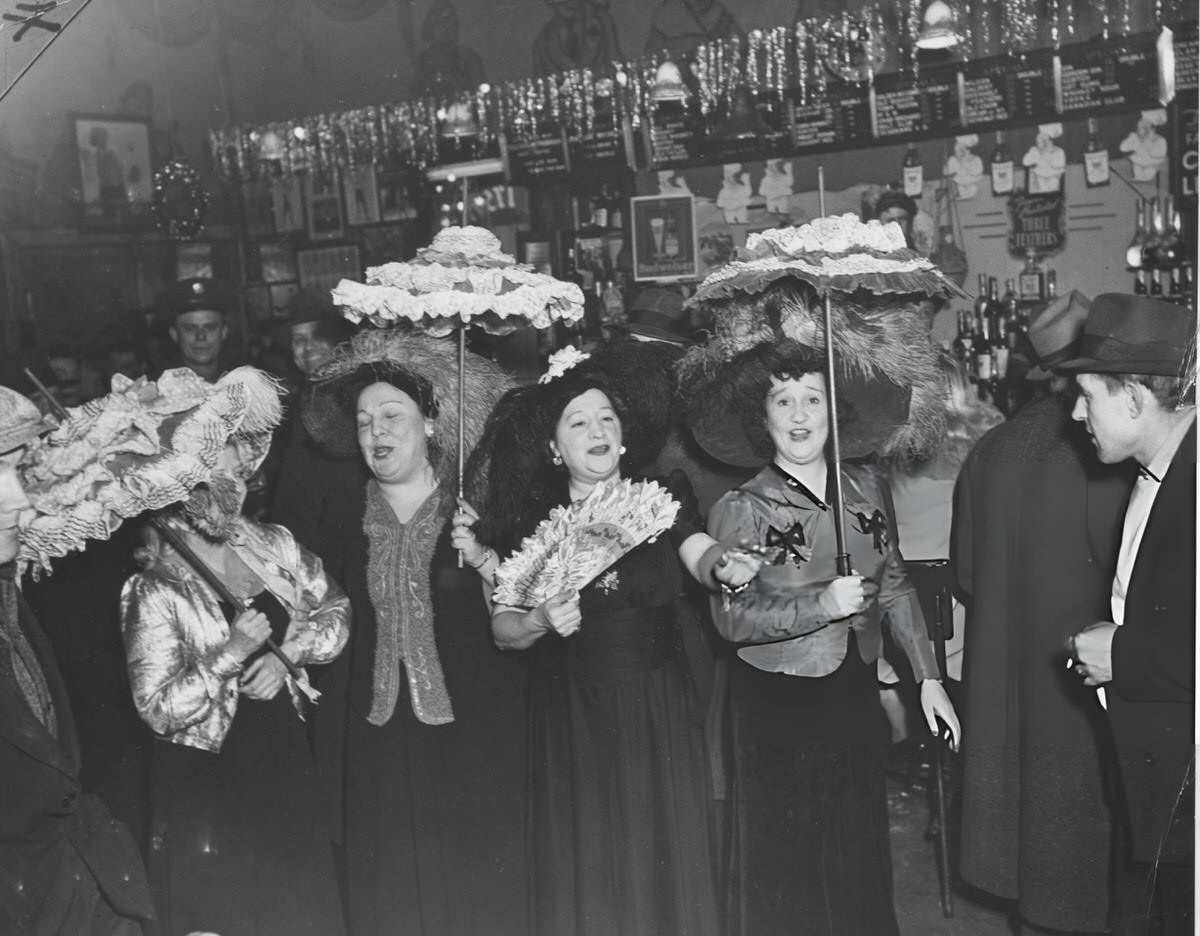
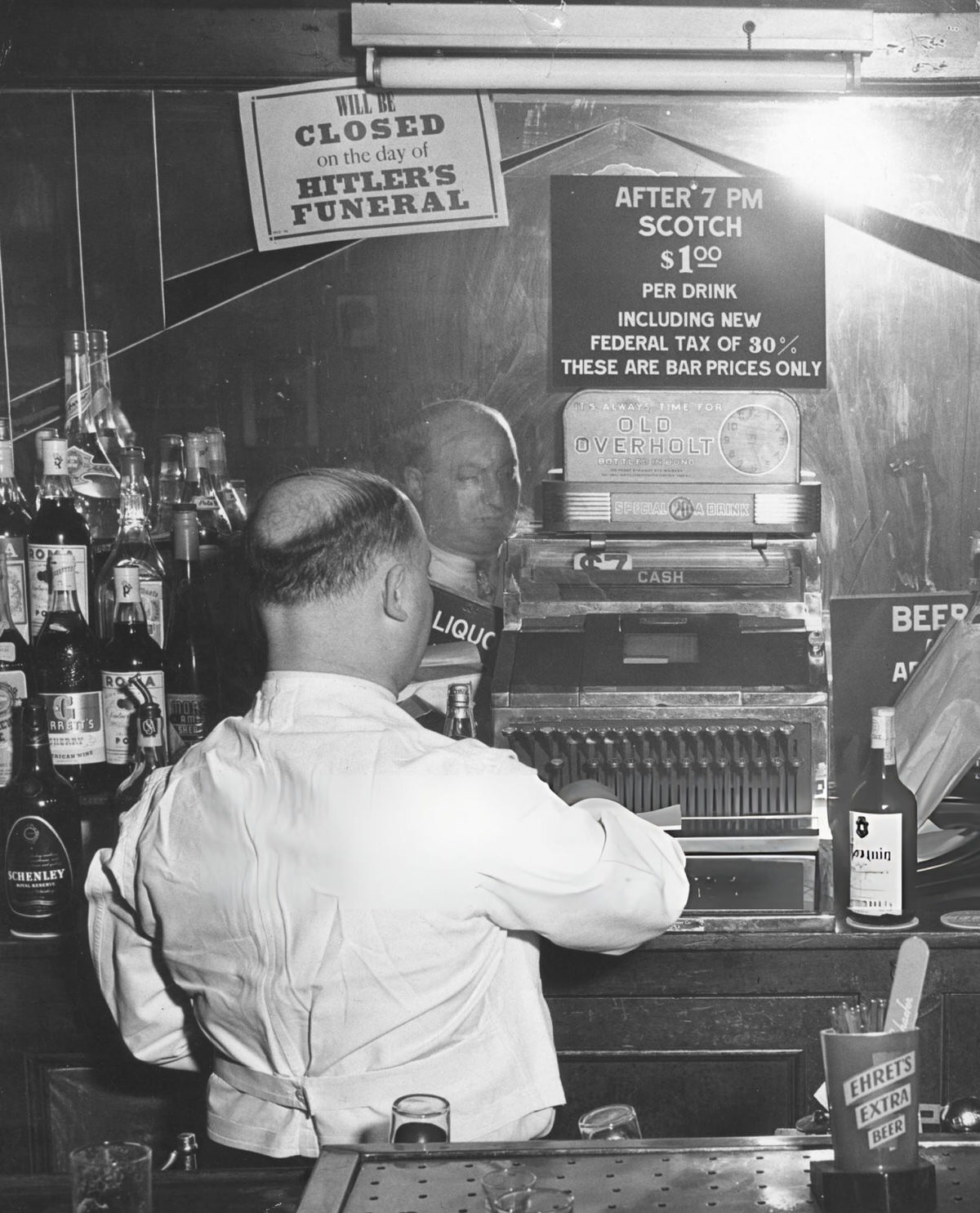
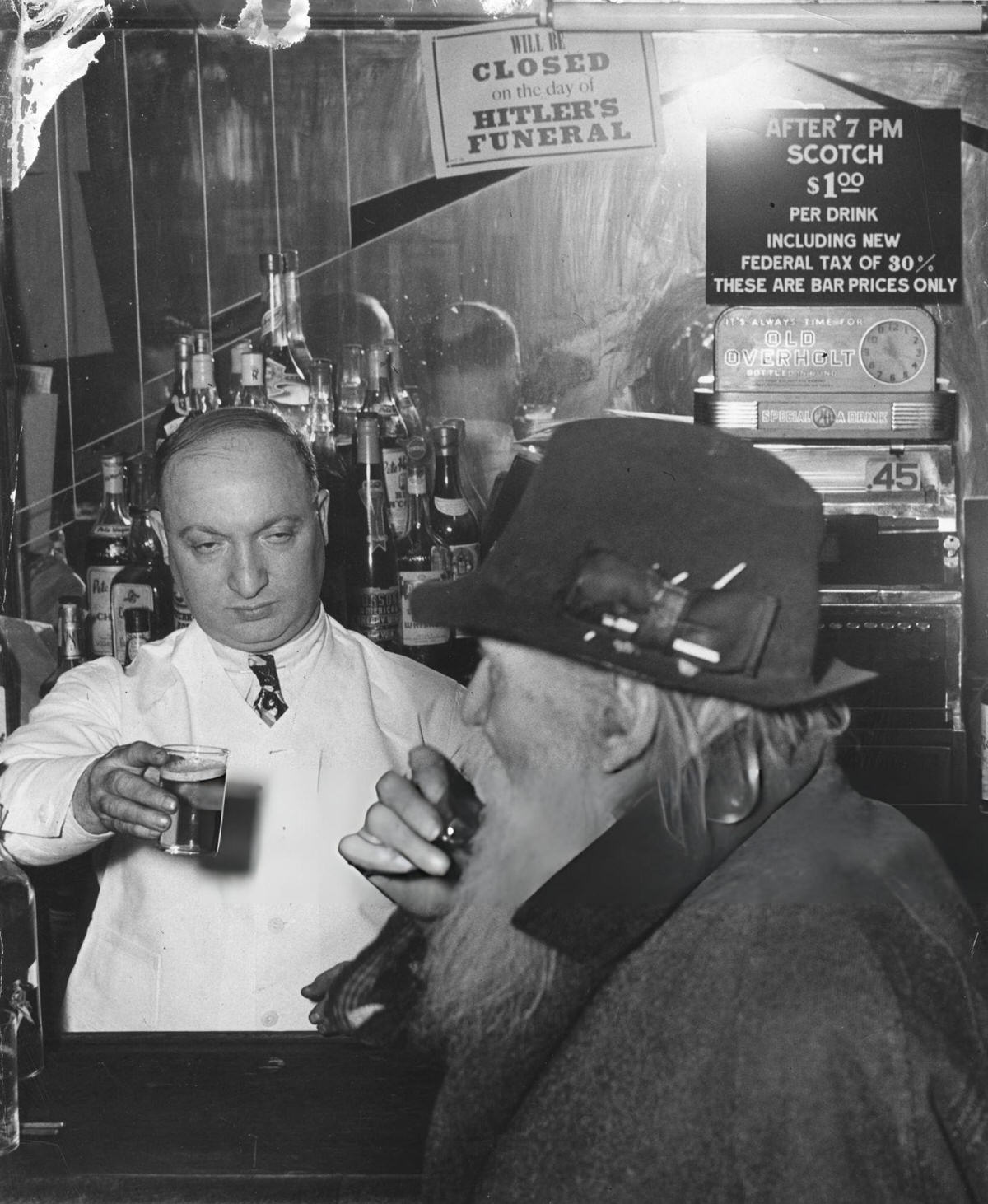
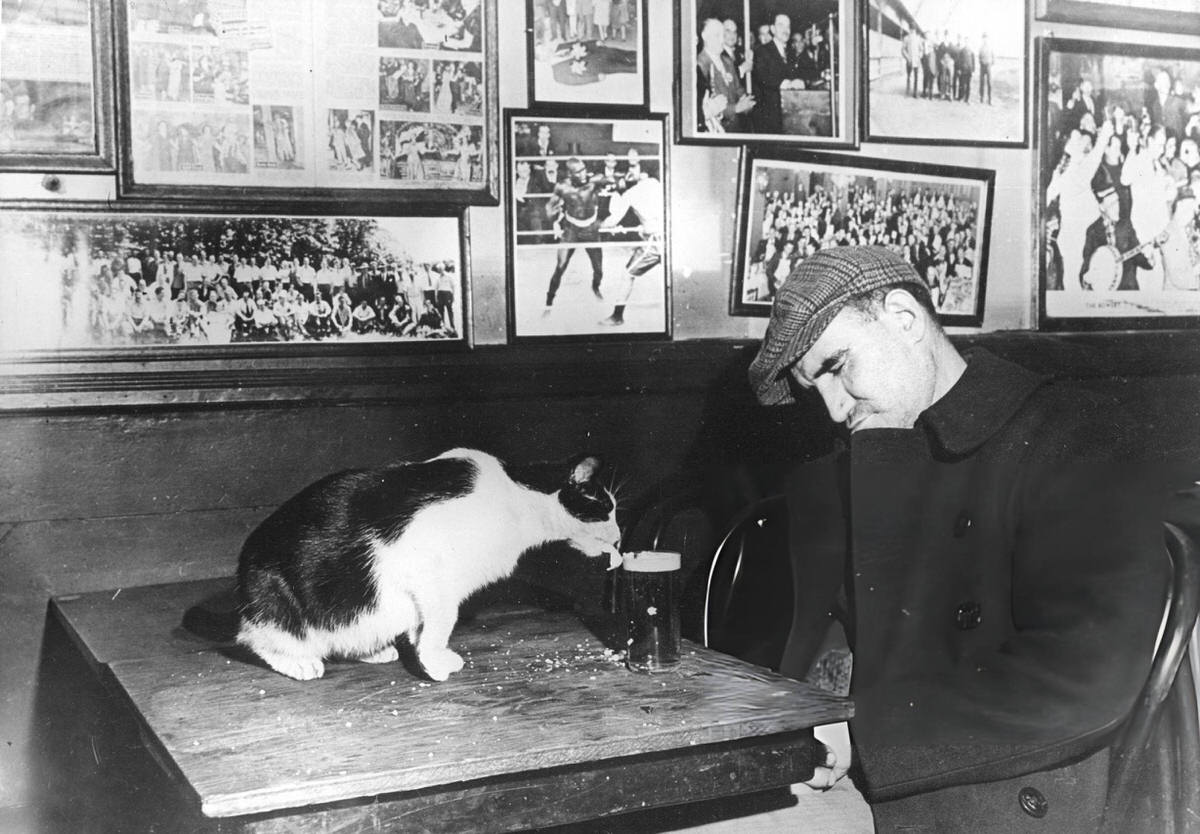
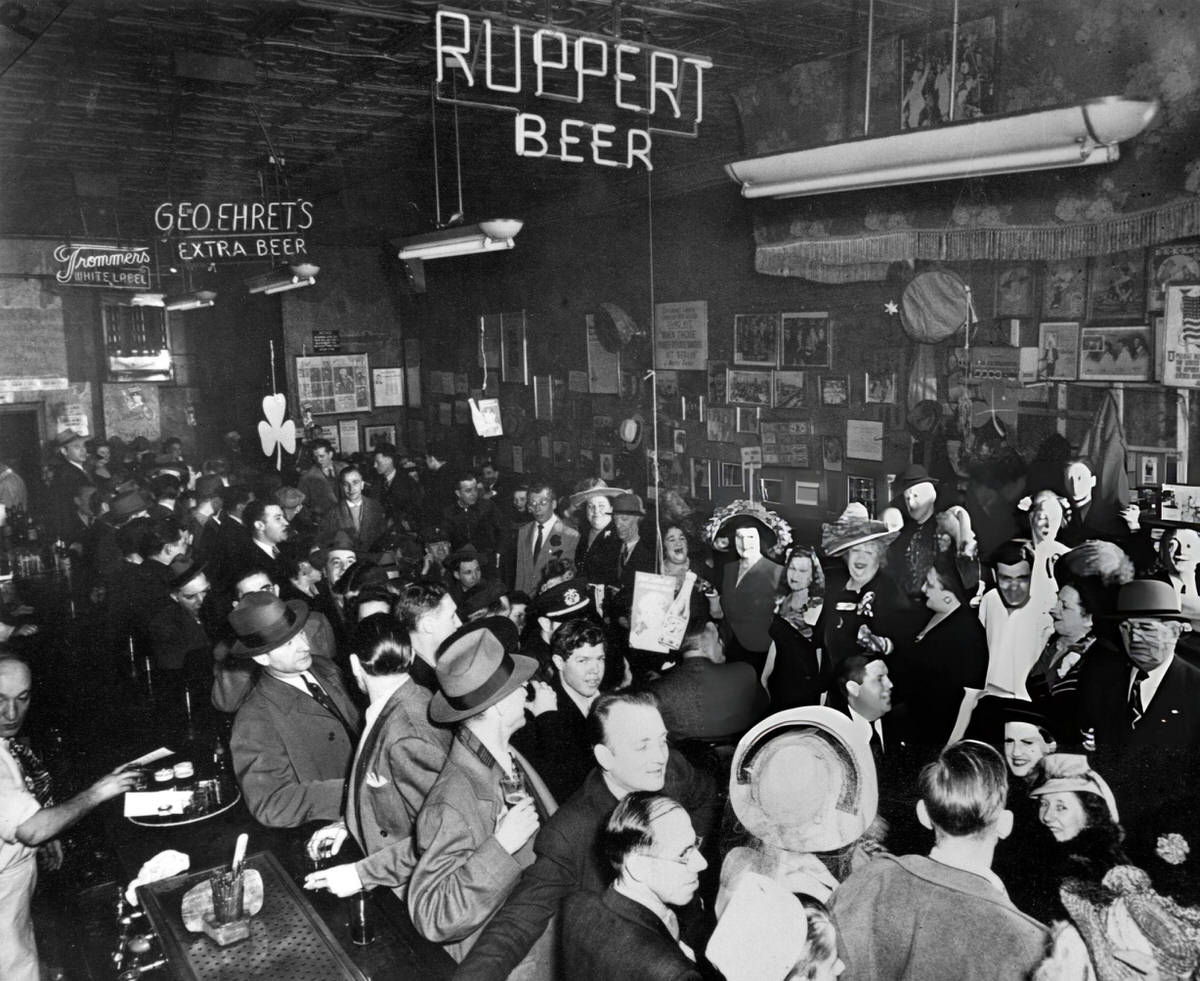
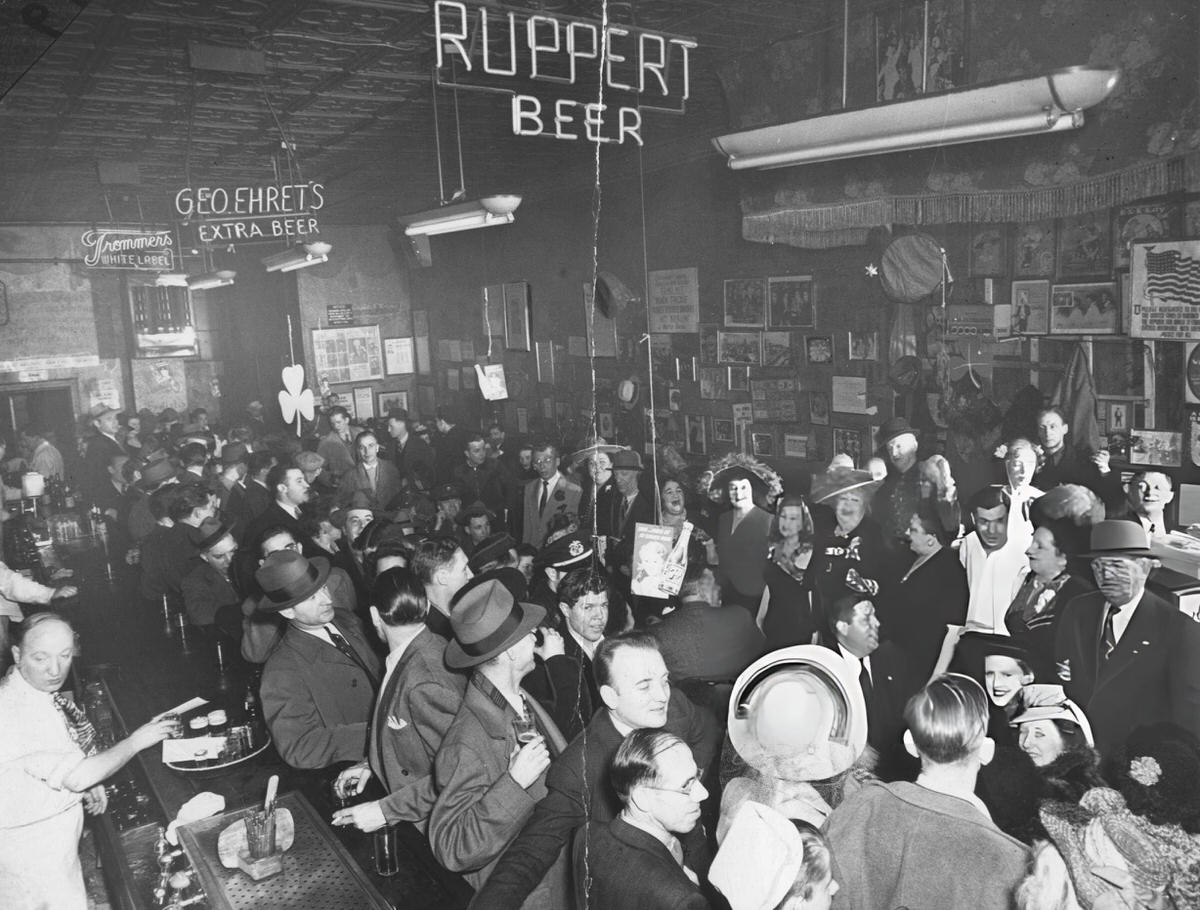
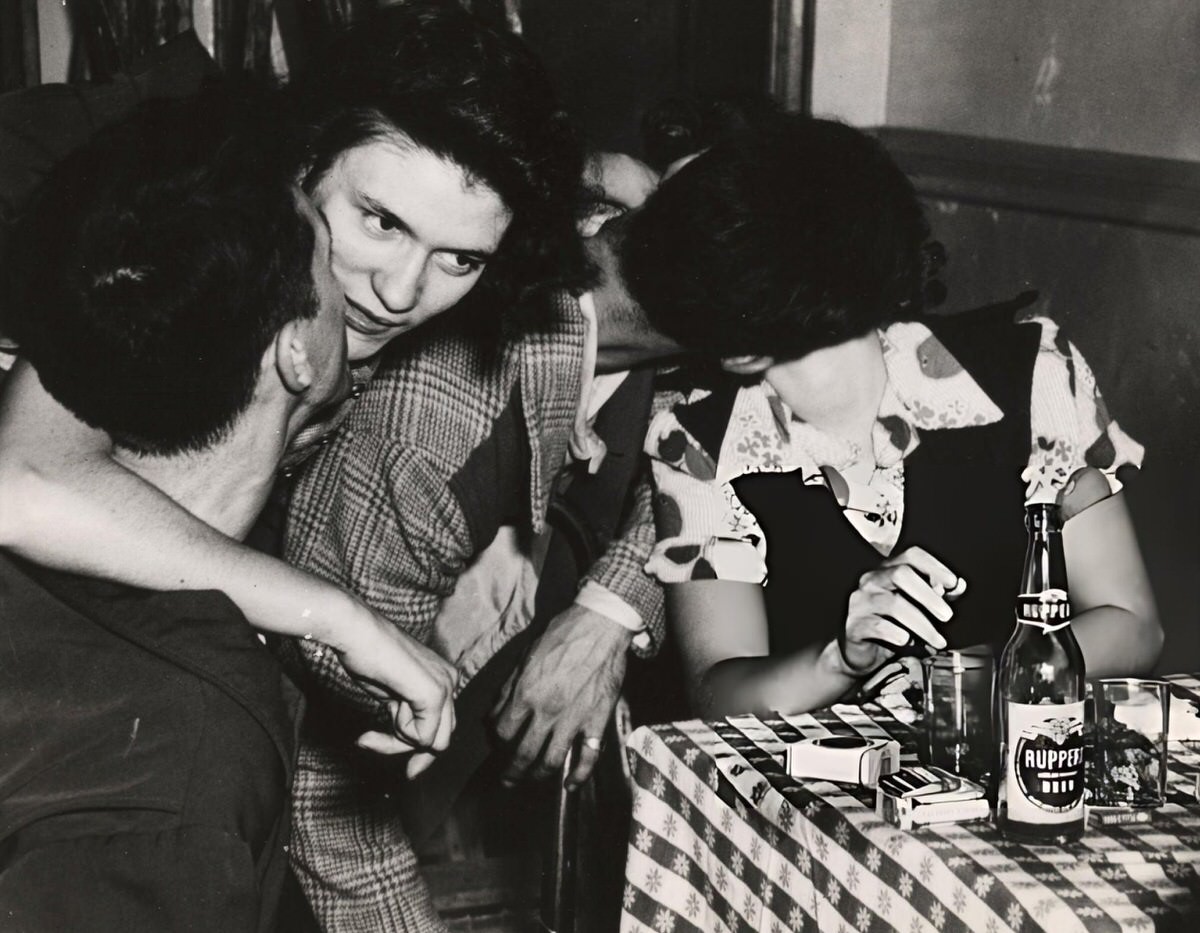
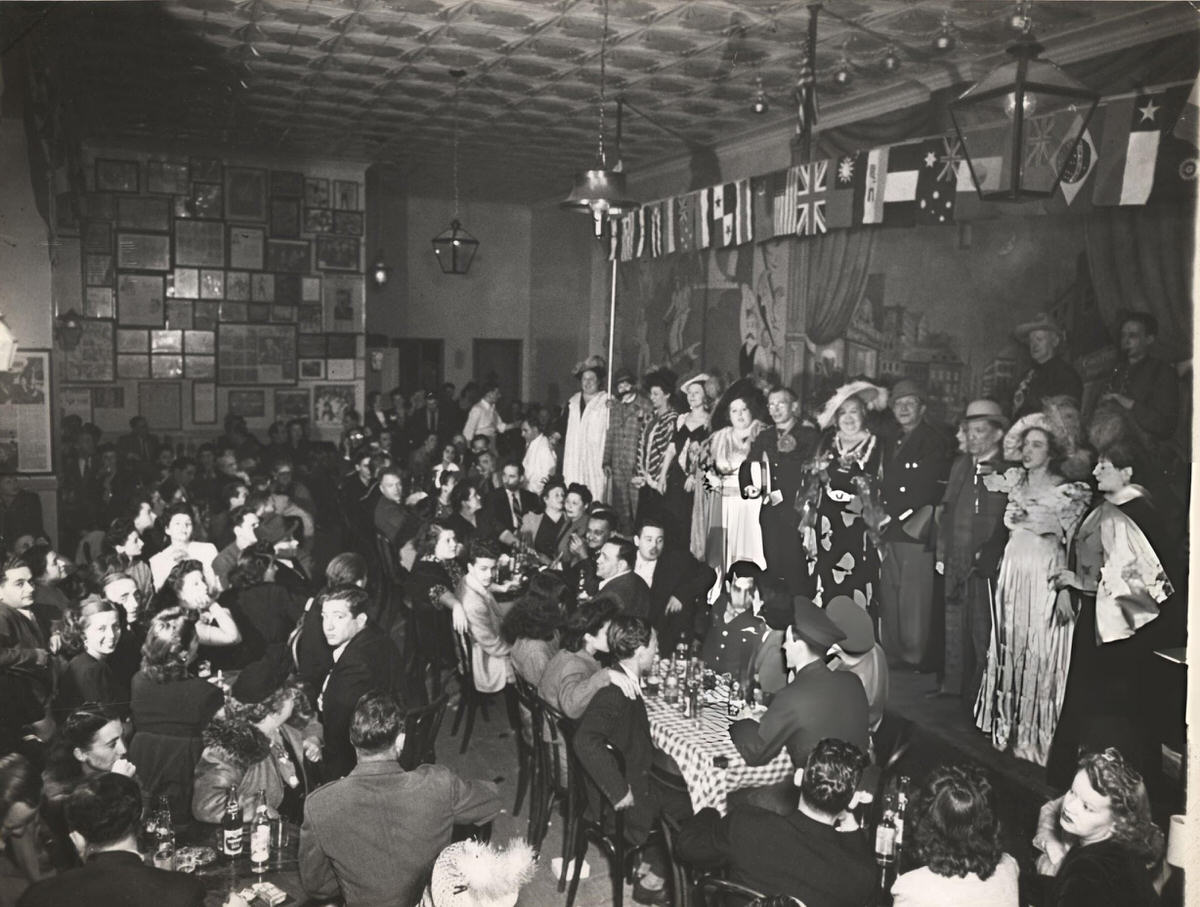
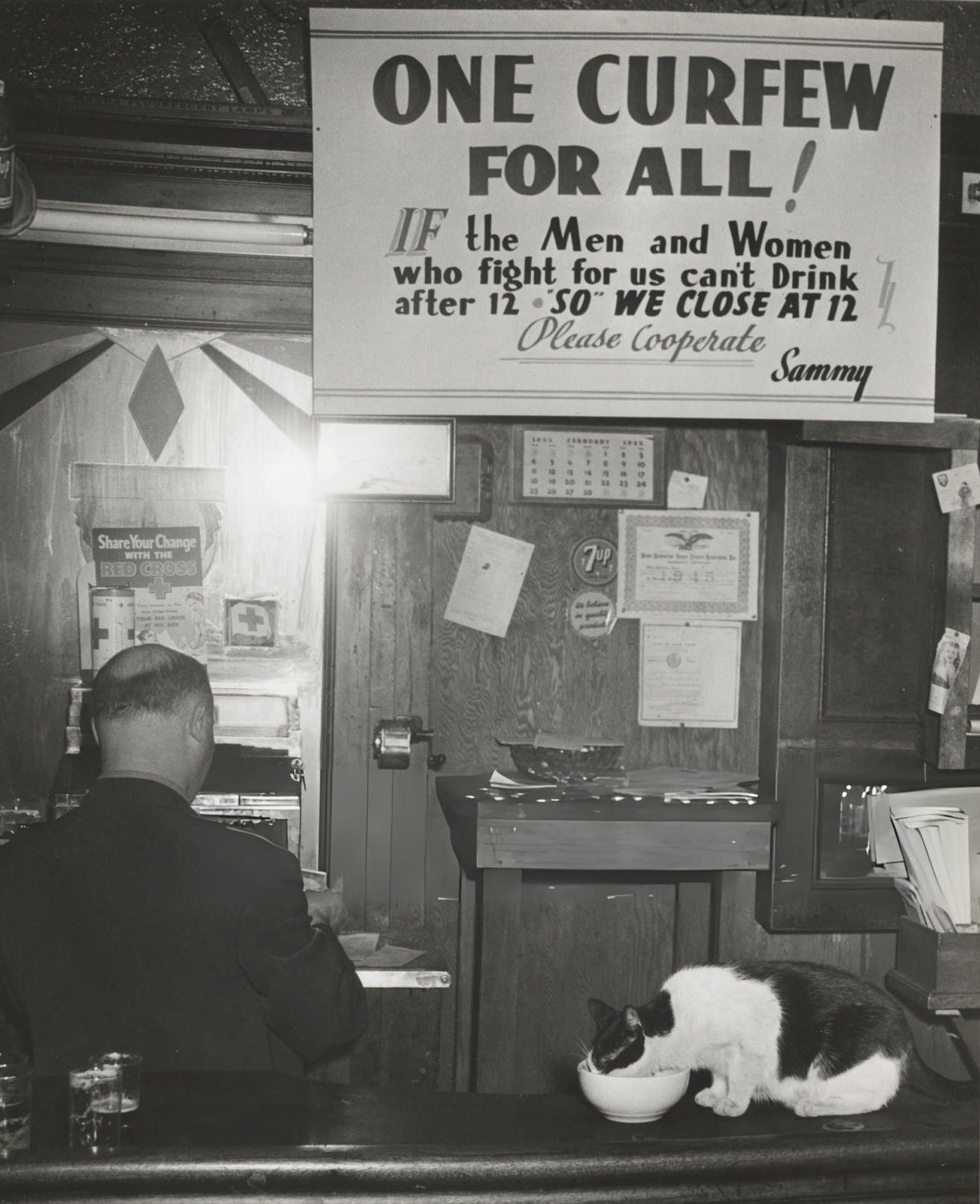
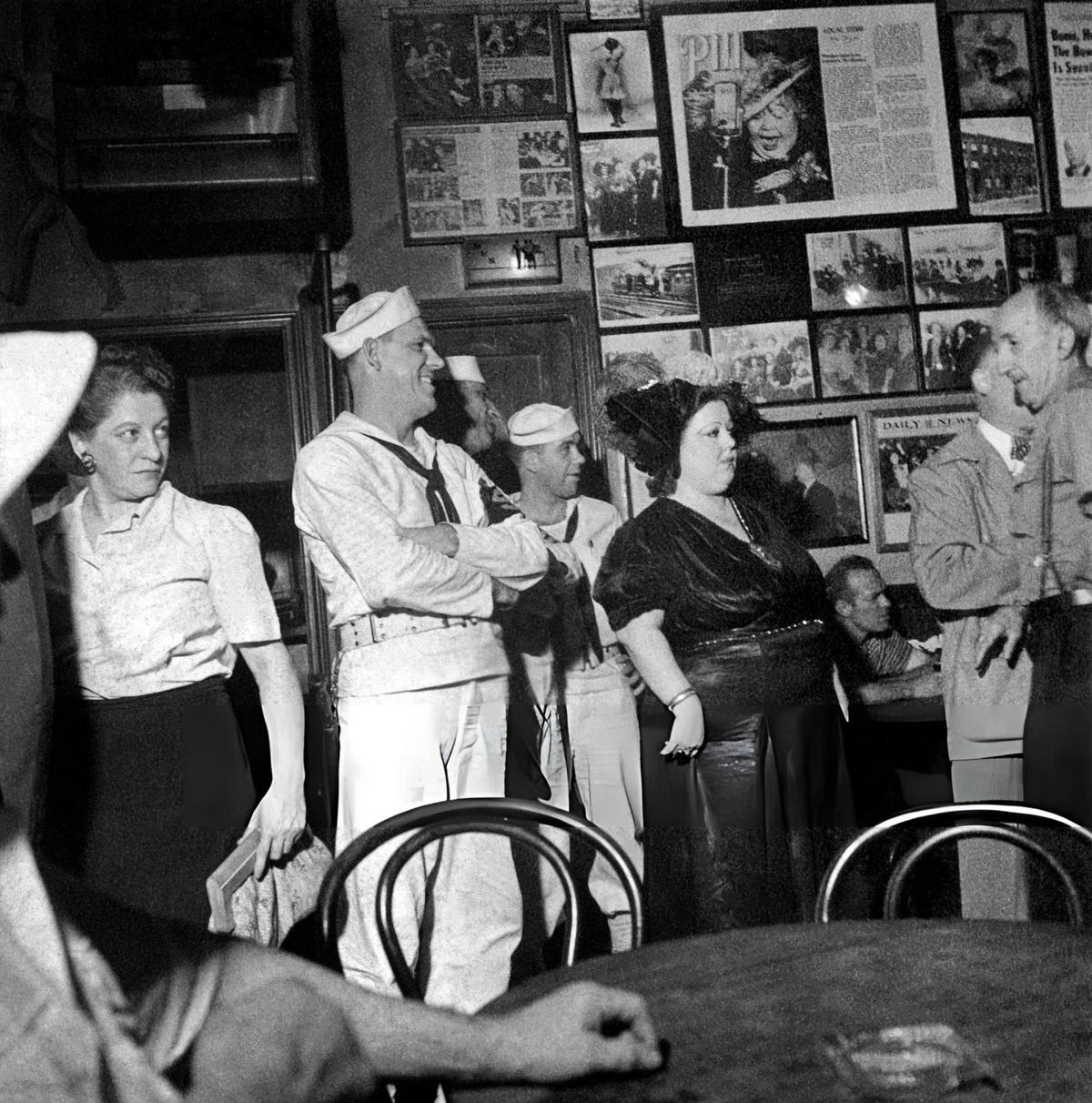
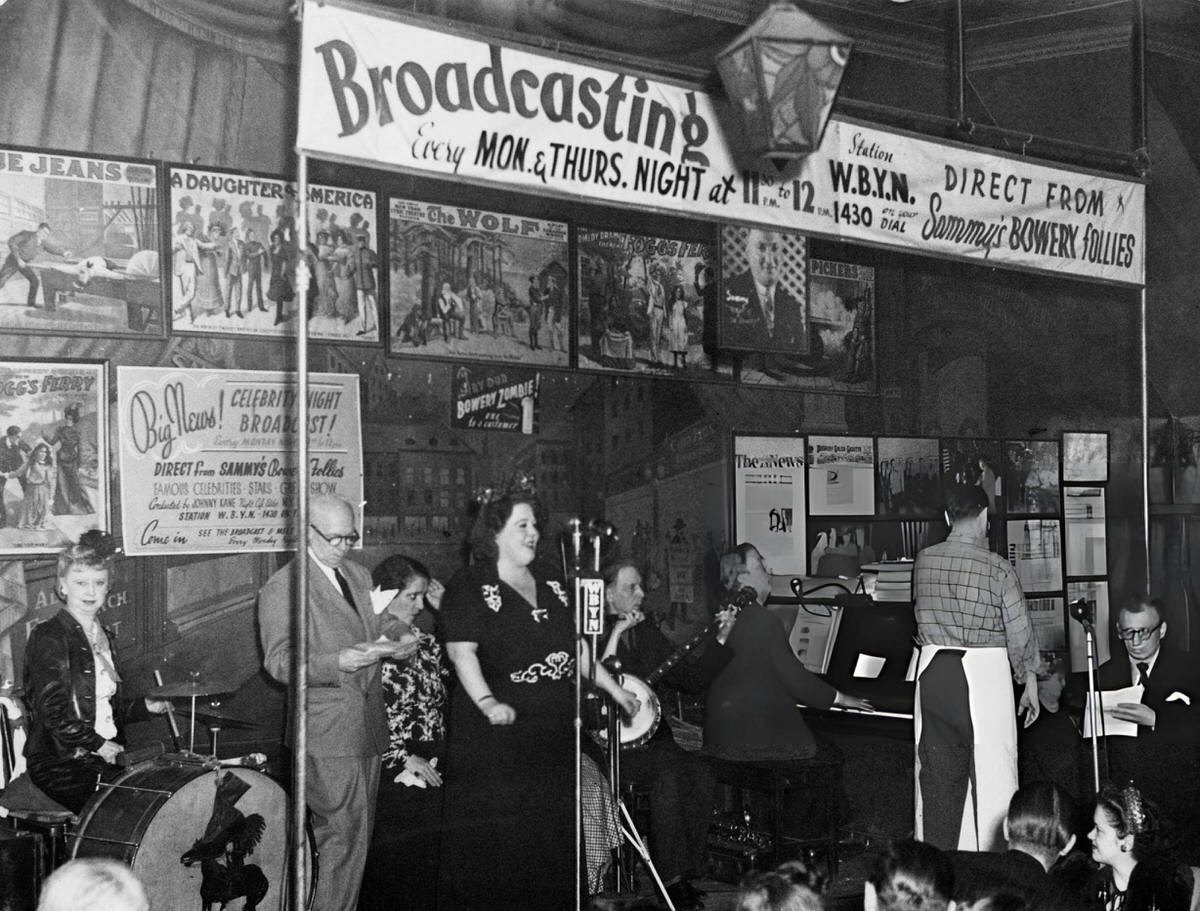
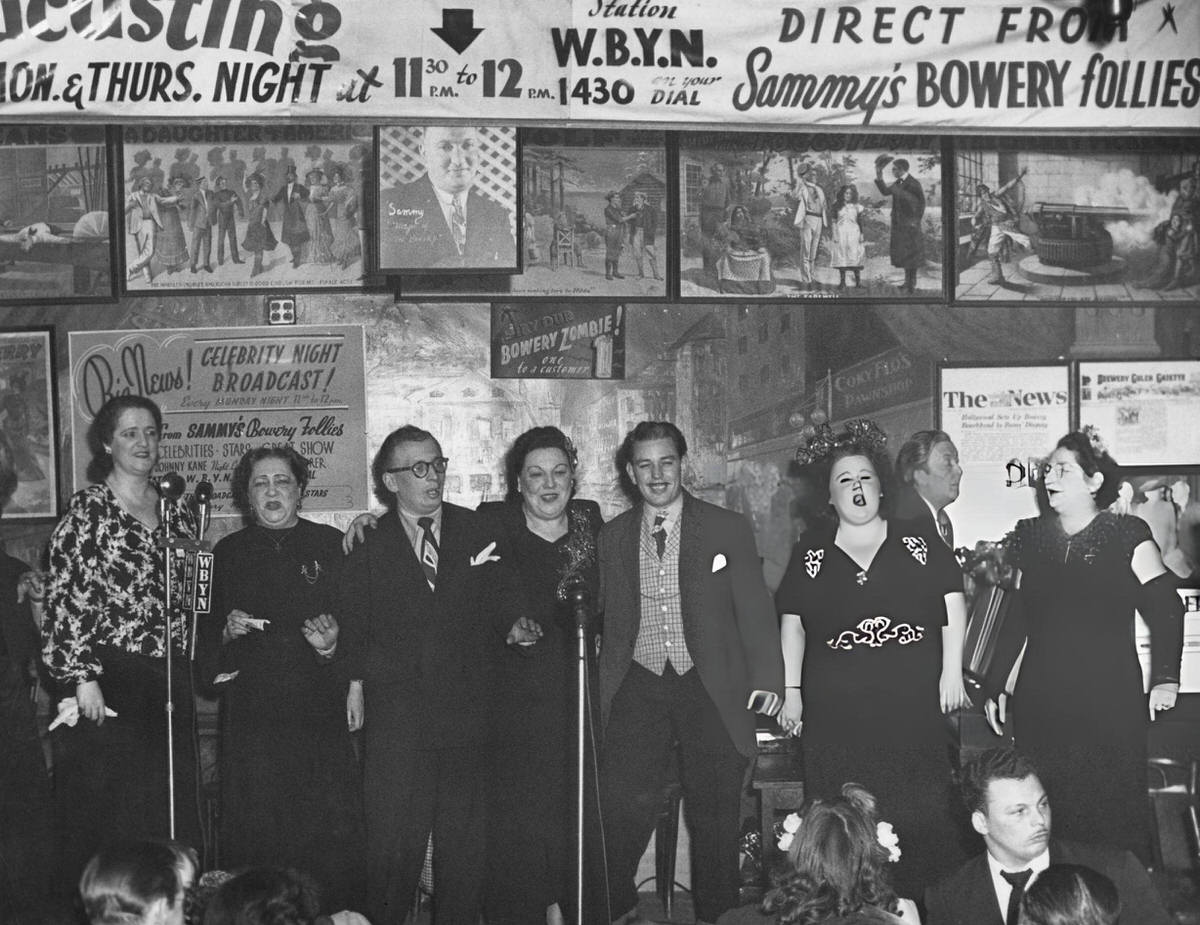
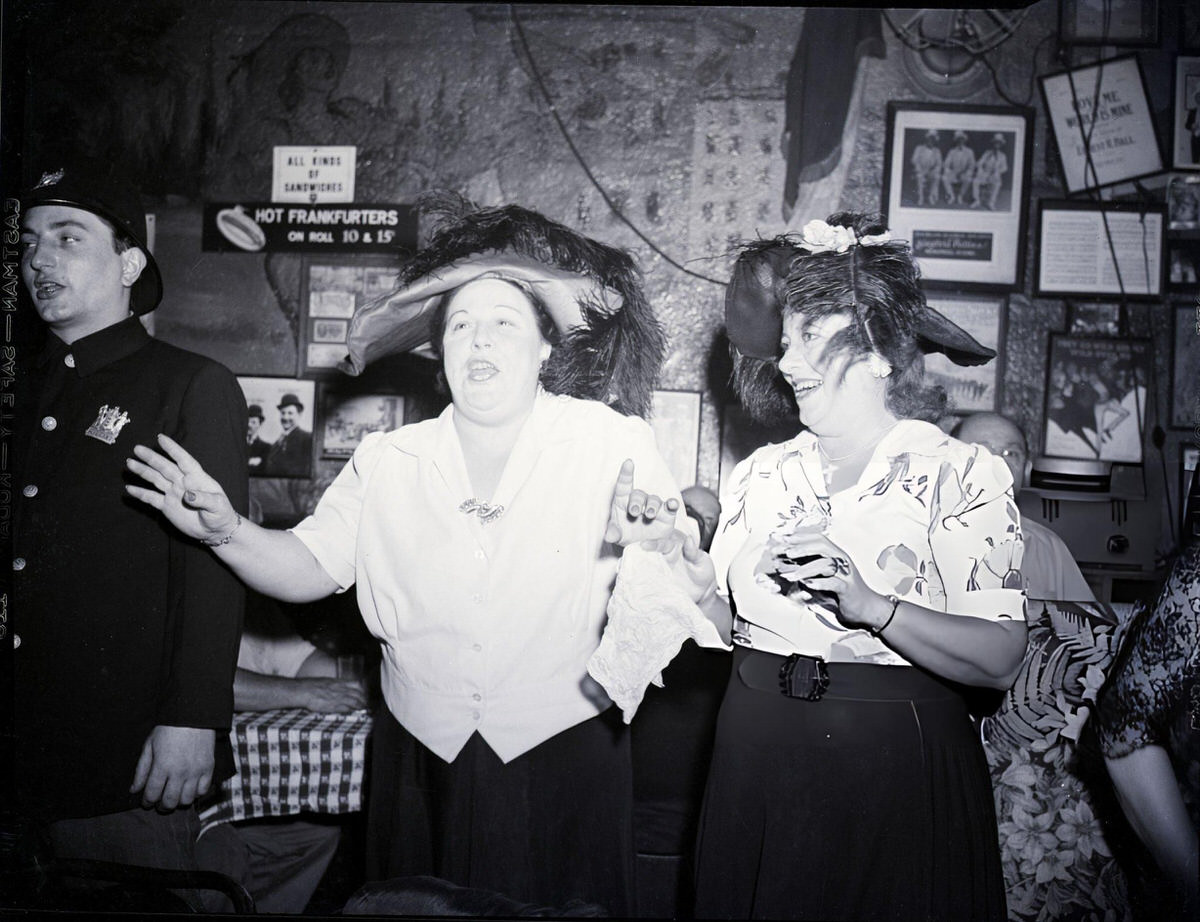
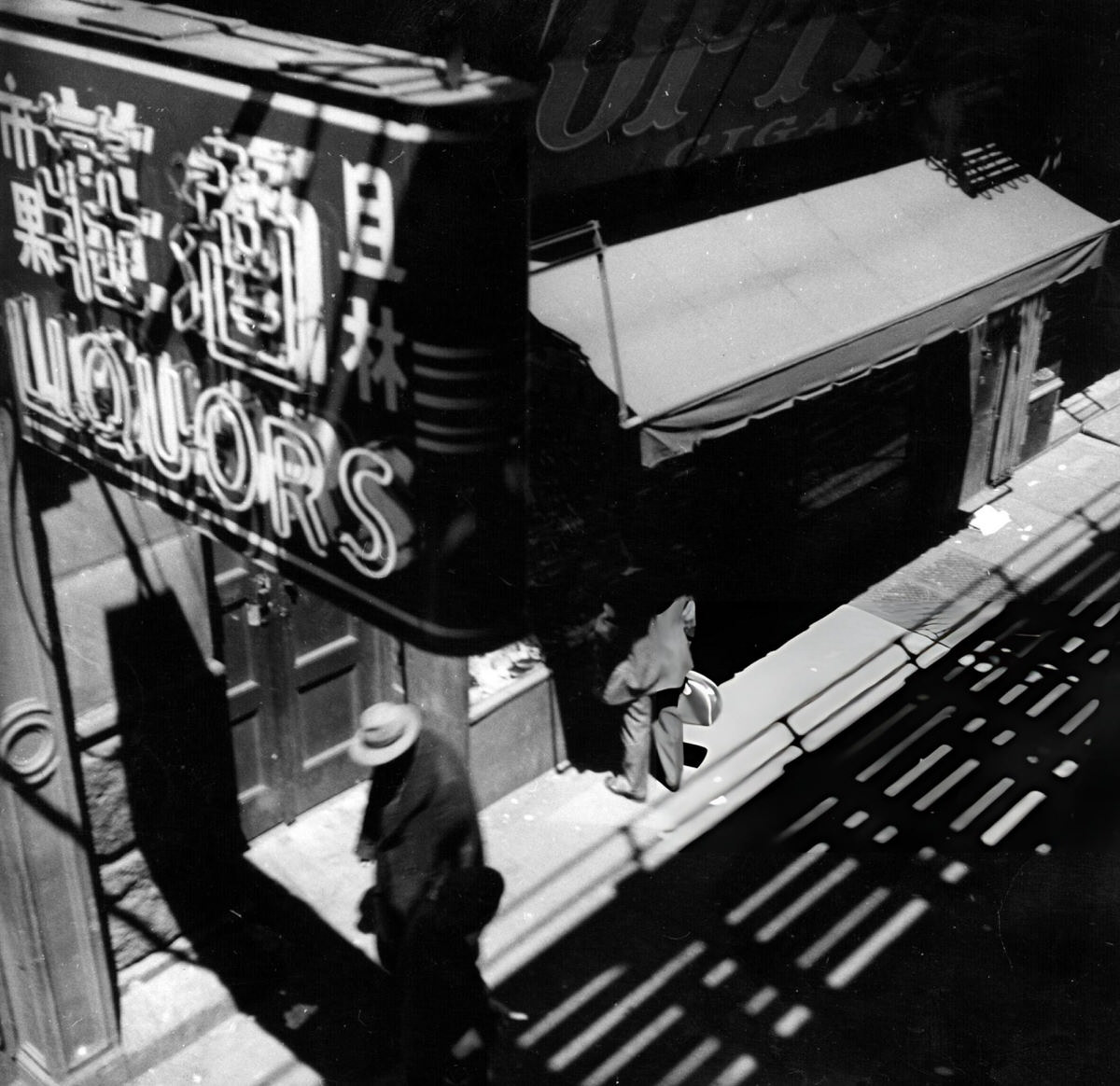
The saloons lined both sides of the street and outnumbered every other type of business. A glass of beer in a Bowery bar in the 1940s cost a nickel. Wine was cheaper. The bars opened early and stayed open late, and the bartenders did not ask where a man had been or where he was going. Some bars ran a ticket system where a man could buy drink tickets in bulk at a slight discount, which meant his money went further and also meant he was committed to spending it there before he left. The Bowery’s saloon owners understood their customers thoroughly.
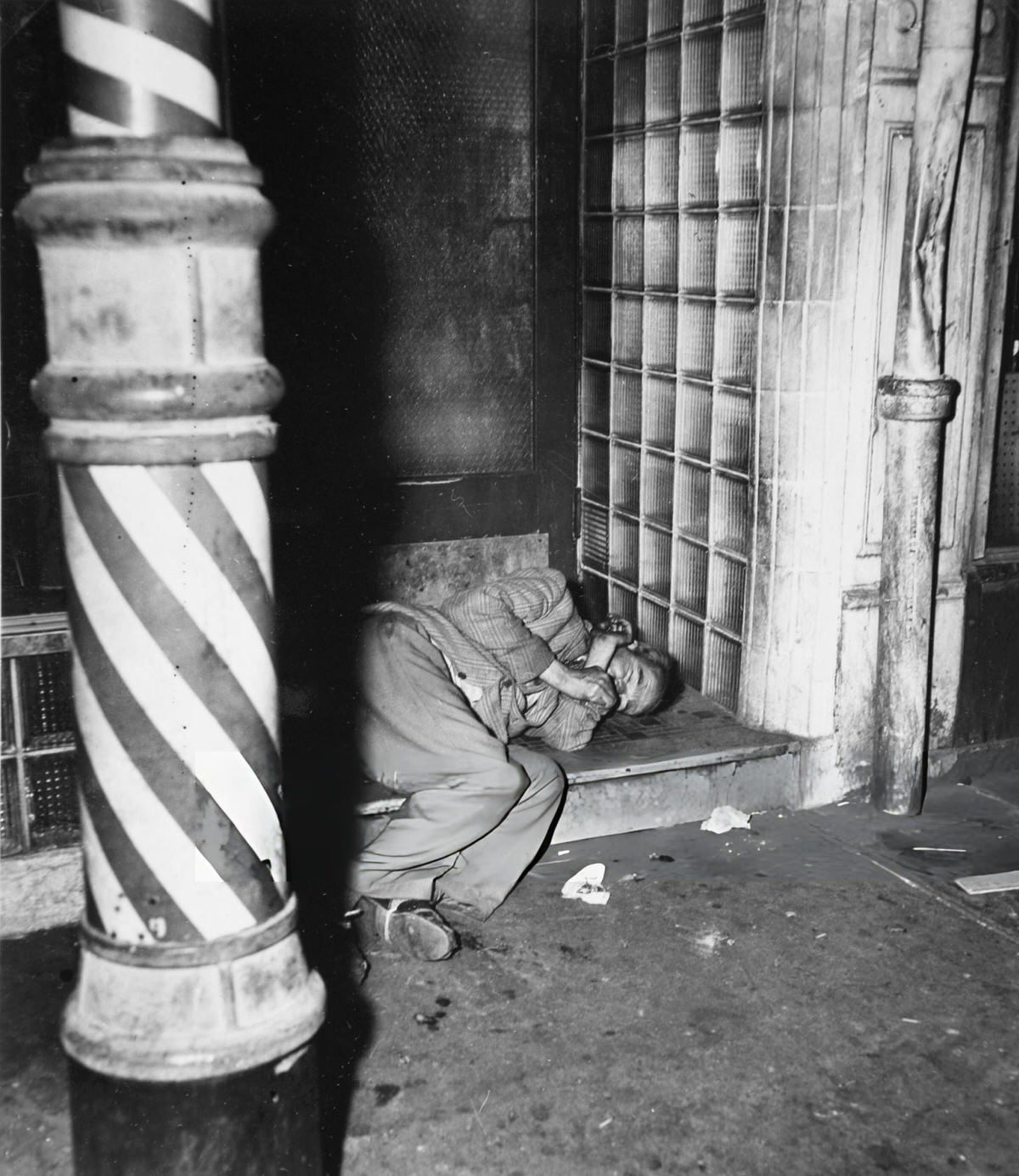
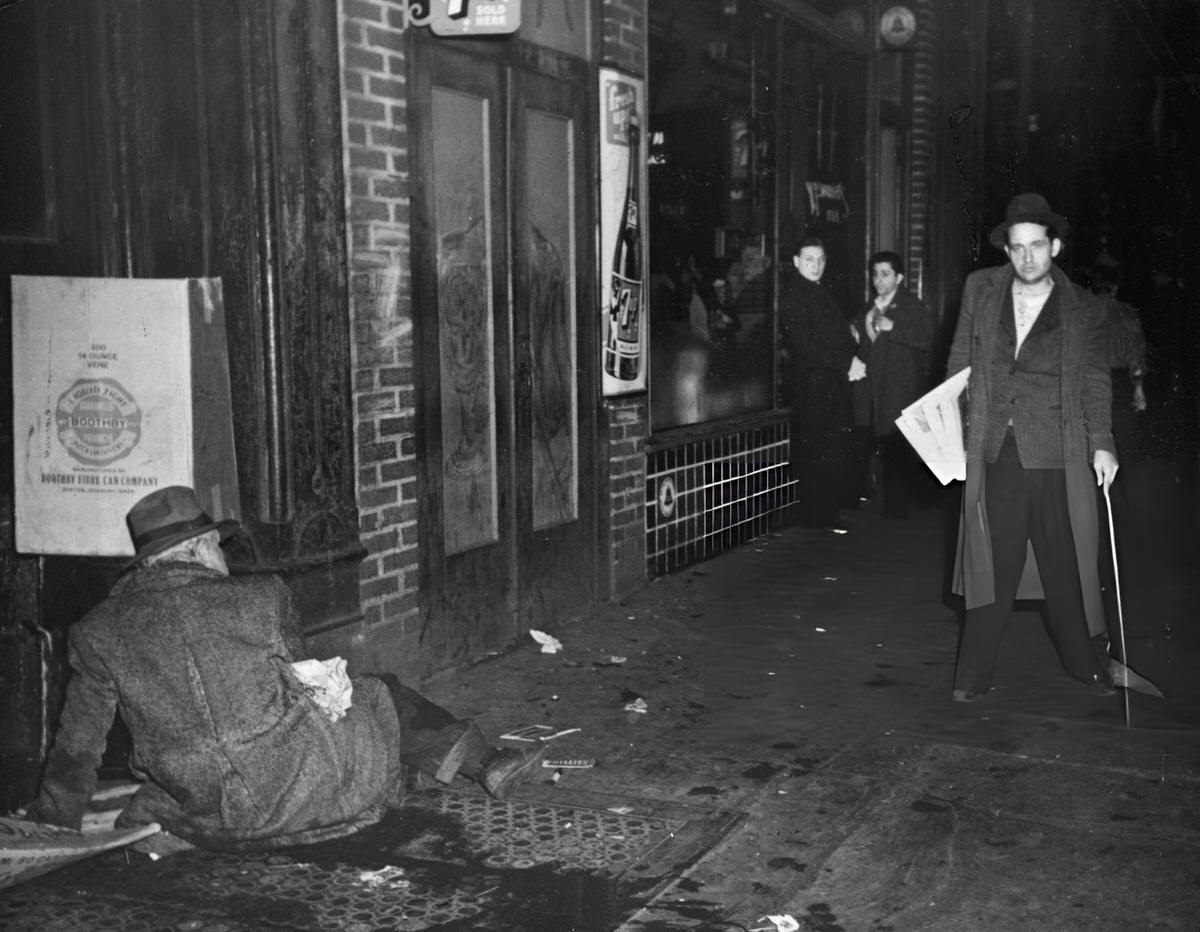
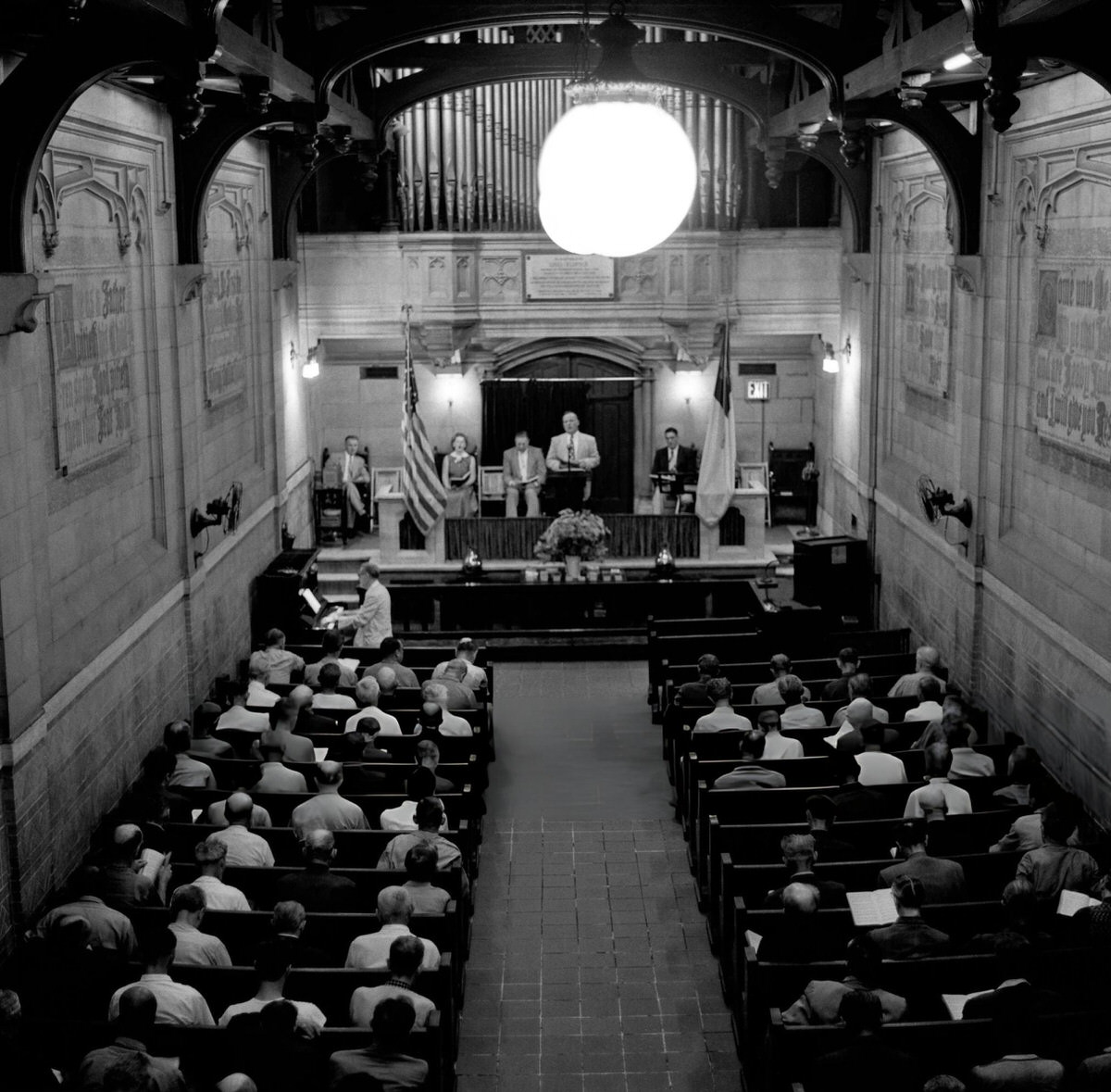
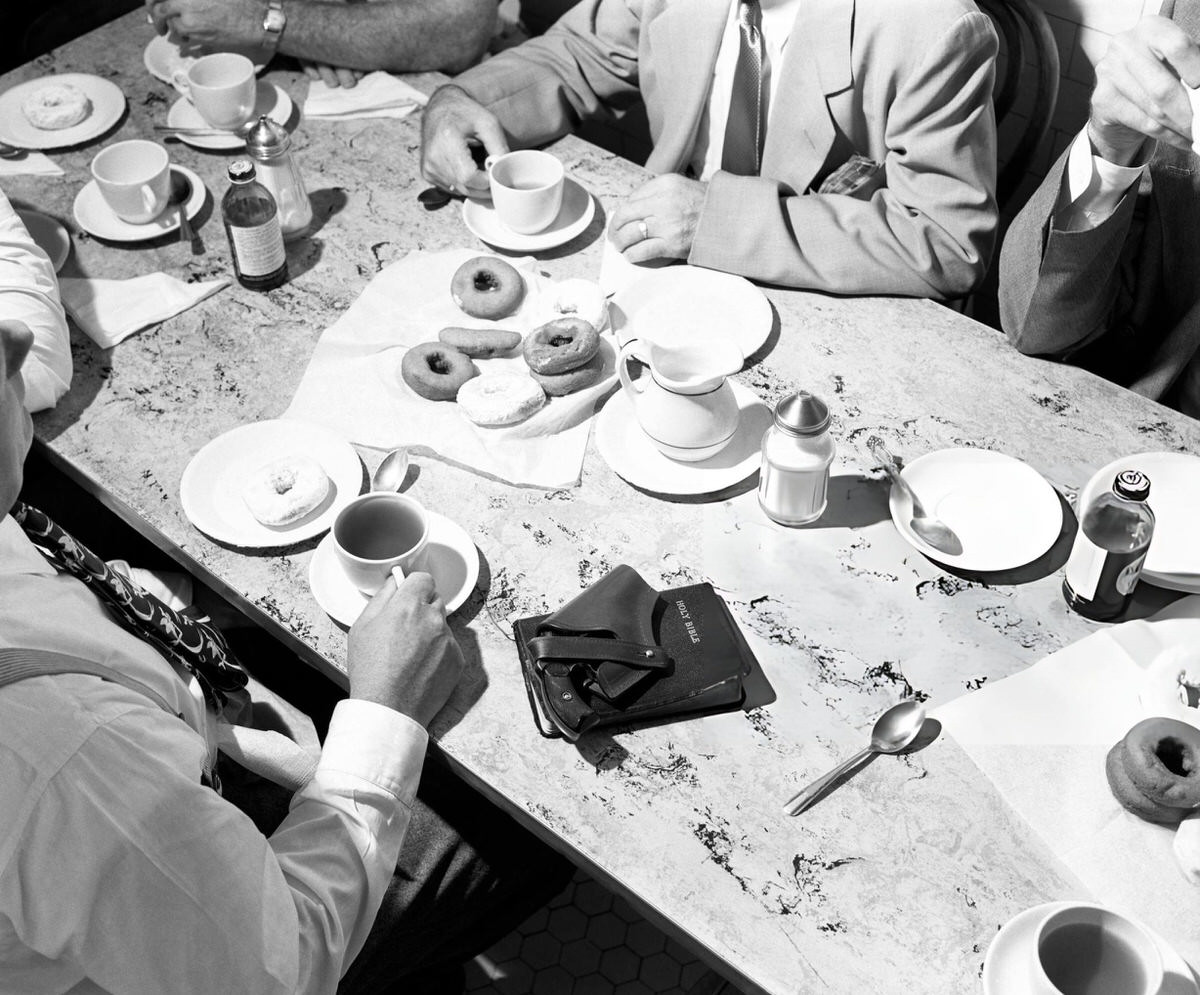
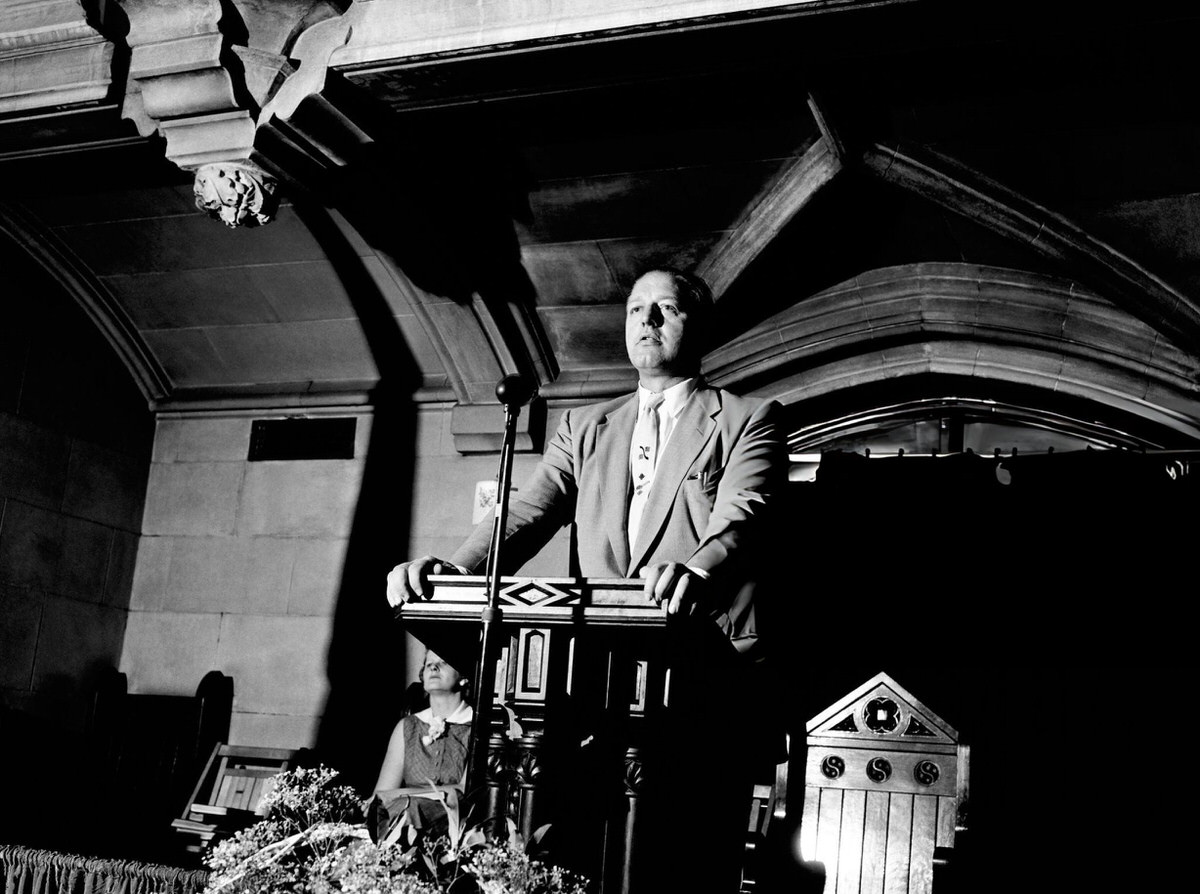
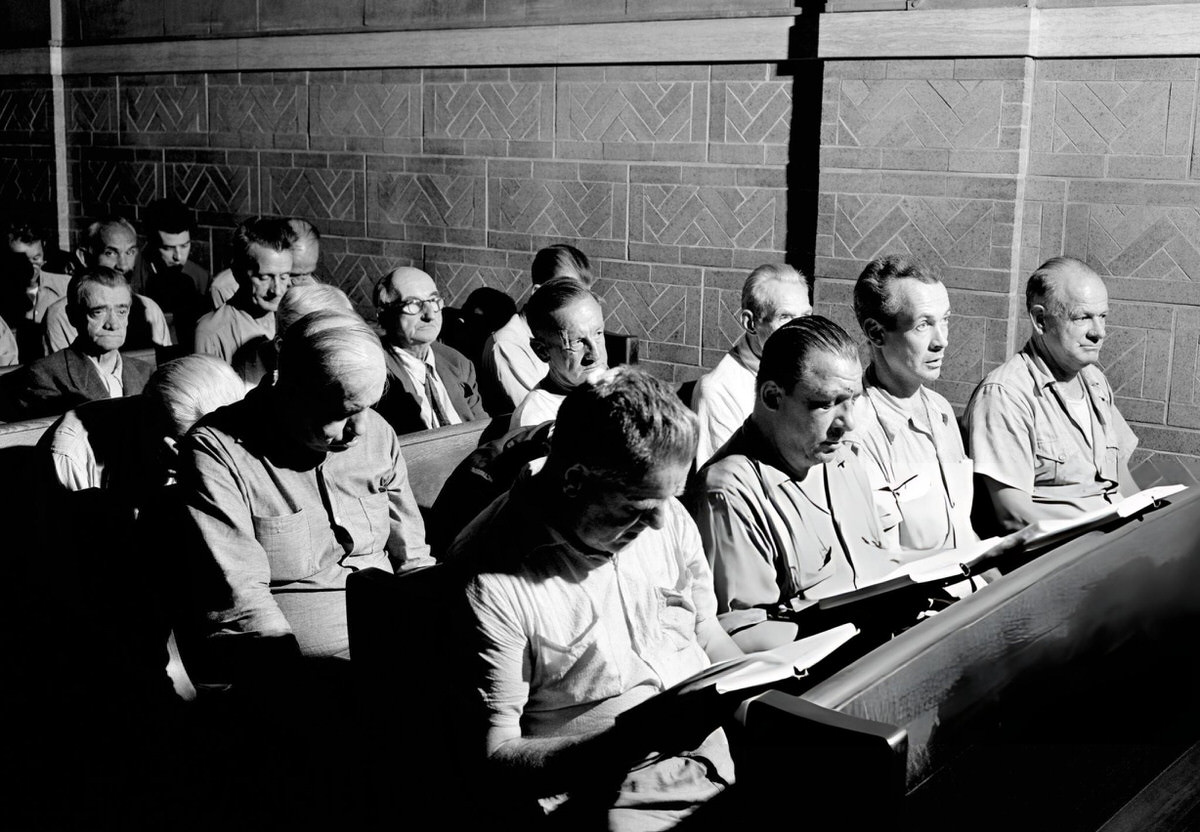
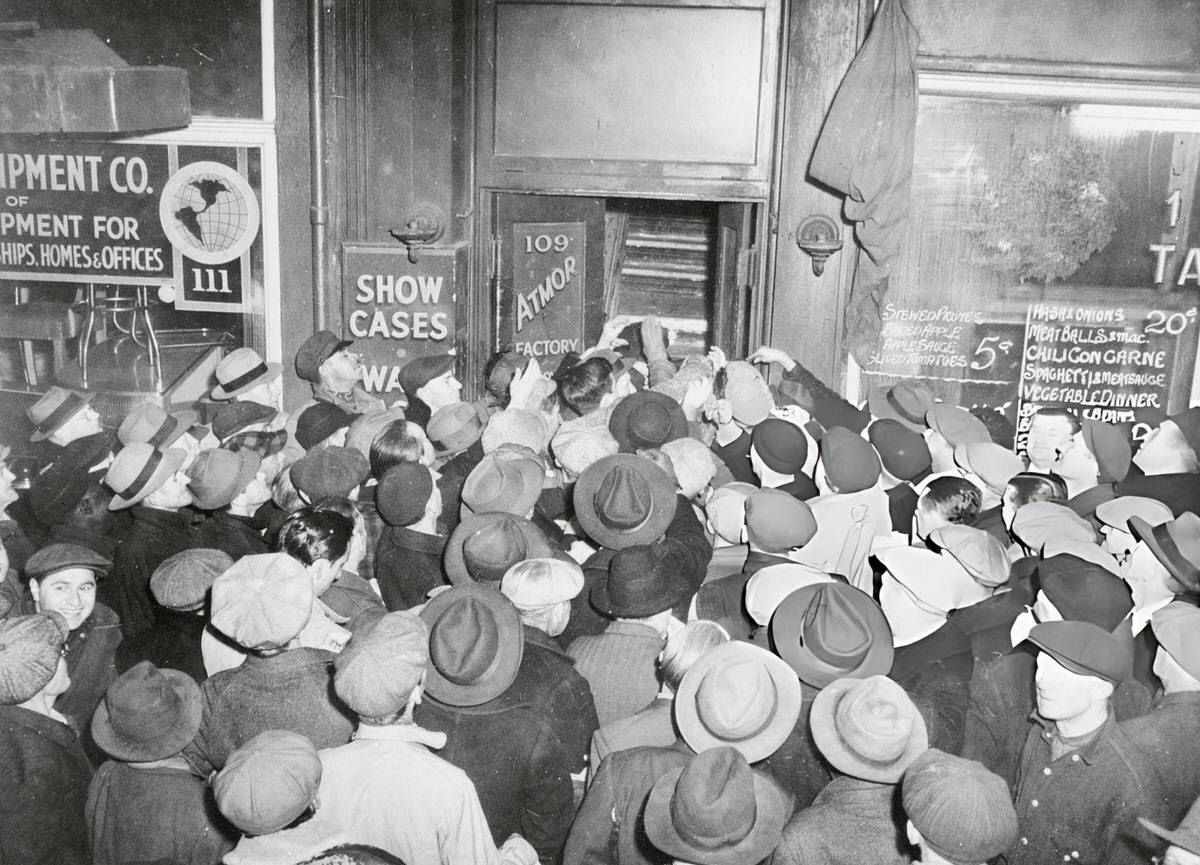
The missions operated alongside the saloons and competed with them for the same men. The McAuley Water Street Mission, founded in 1872, was the oldest rescue mission in the country and stood just off the Bowery. The Bowery Mission at 227 Bowery had been running since 1879. Both required men to sit through a religious service before receiving a meal, a practice that the men on the street accepted as the price of a hot dinner. The Salvation Army ran its own operations nearby. On any given winter night in the 1940s, these missions collectively fed and sheltered several hundred men who would otherwise have slept on the street or in doorways.
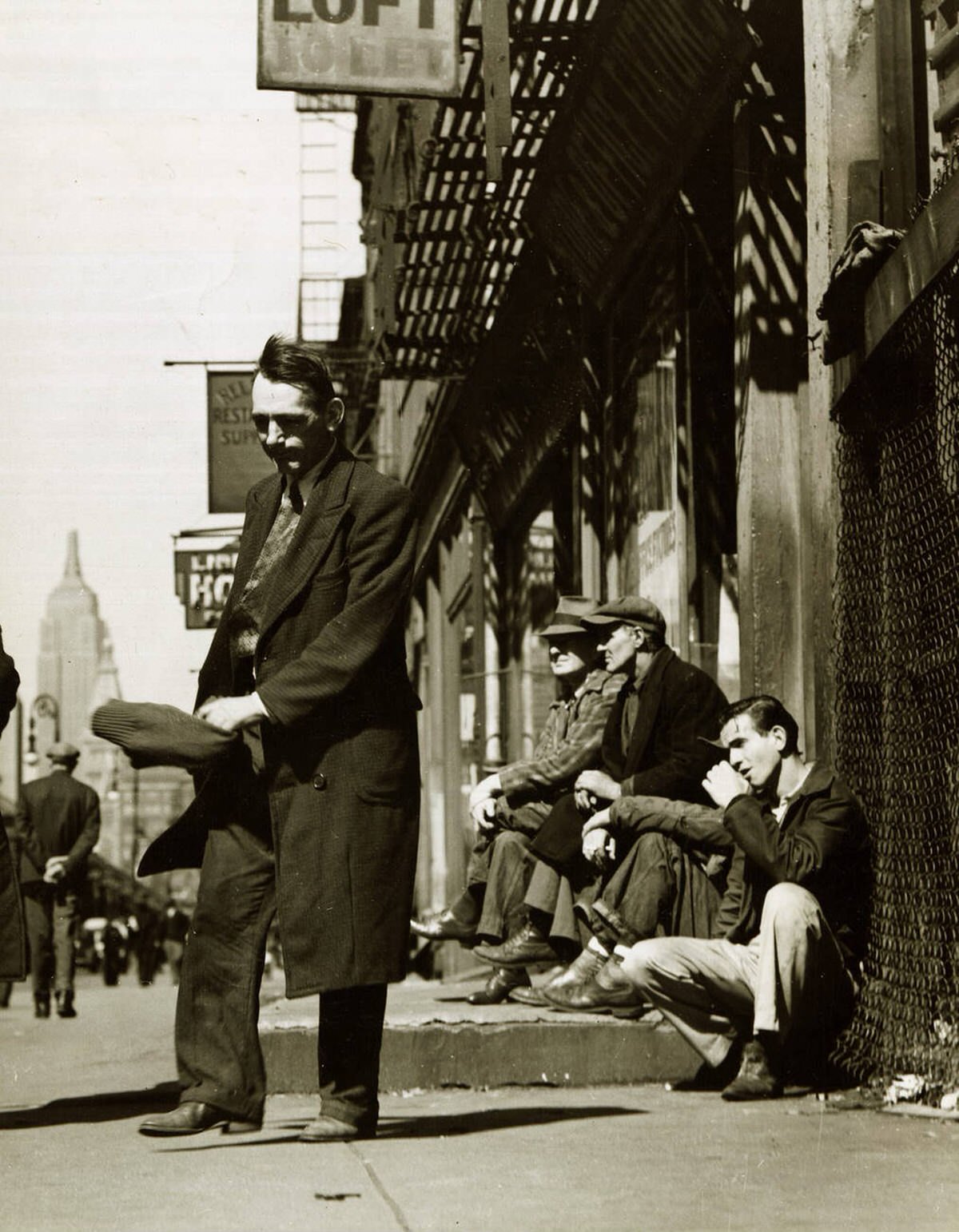
Work was available on the Bowery, but it operated on its own terms. Labor contractors set up on street corners in the early morning hours and hired men for day jobs — unloading trucks, cleaning lots, hauling materials — that paid cash at the end of the shift with no paperwork and no commitment to the next day. A man could earn two or three dollars this way, enough for a bed and several drinks and a bowl of soup, and wake up the next morning in exactly the same position. This cycle — day labor, drink, flophouse, day labor again — defined the rhythm of life on the Bowery for tens of thousands of men across the decade.
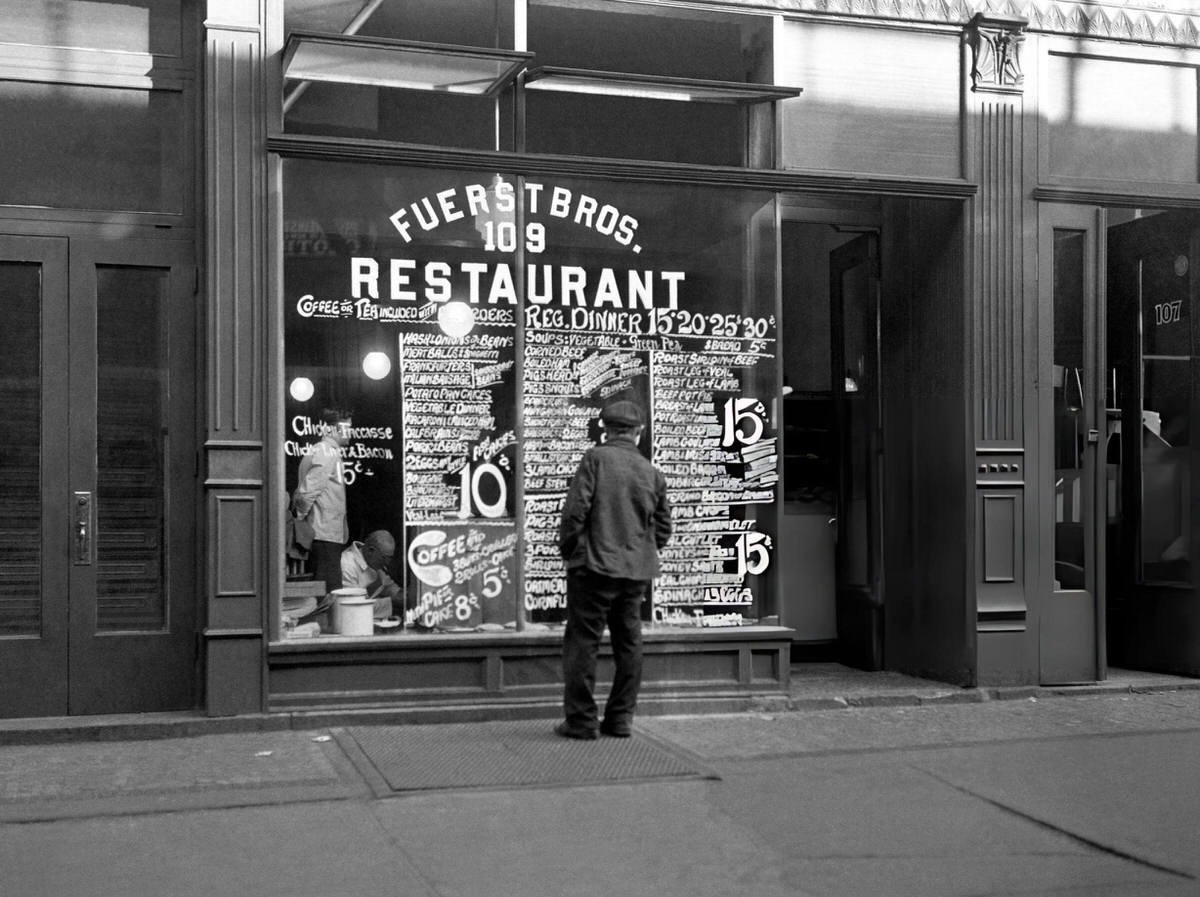
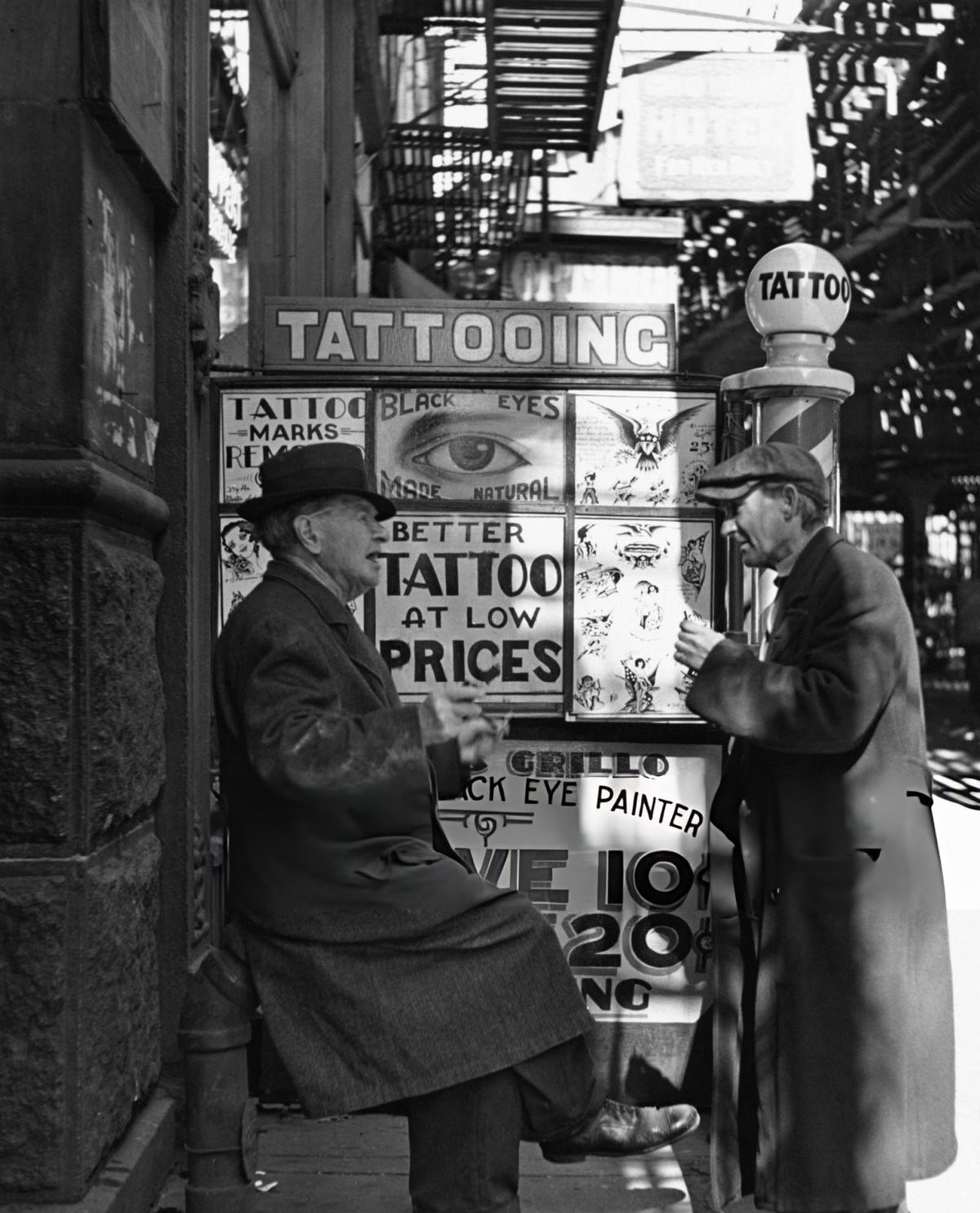
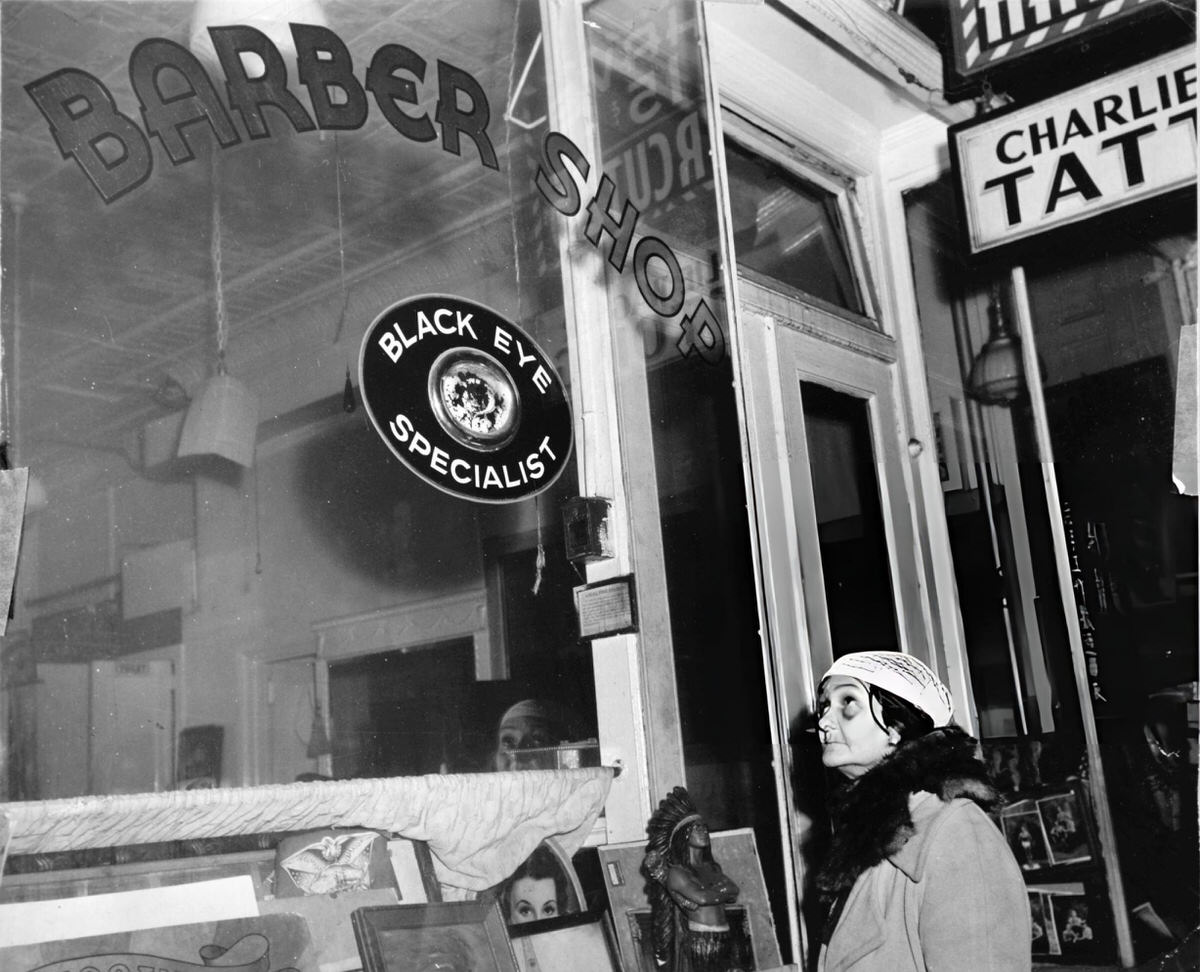
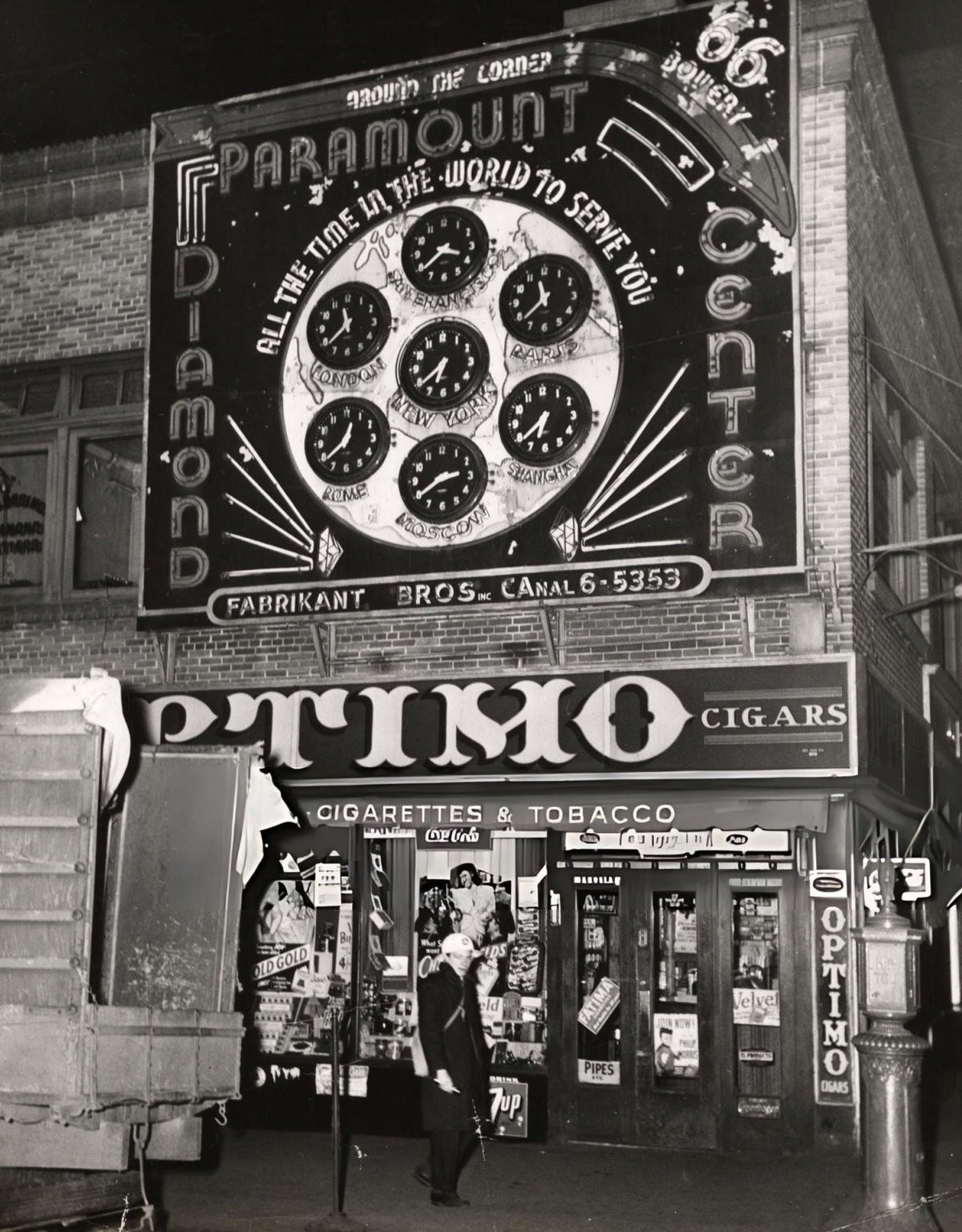
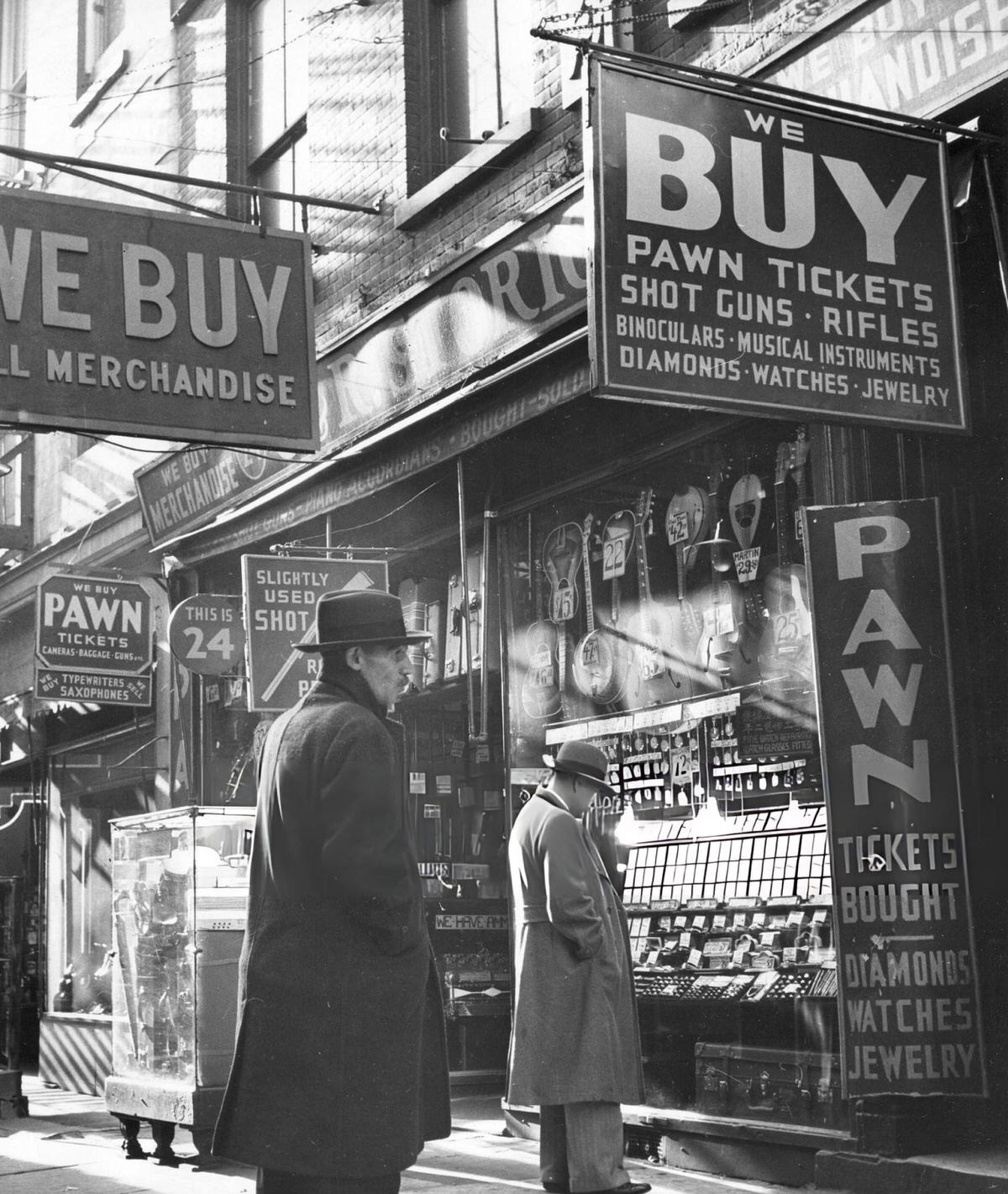
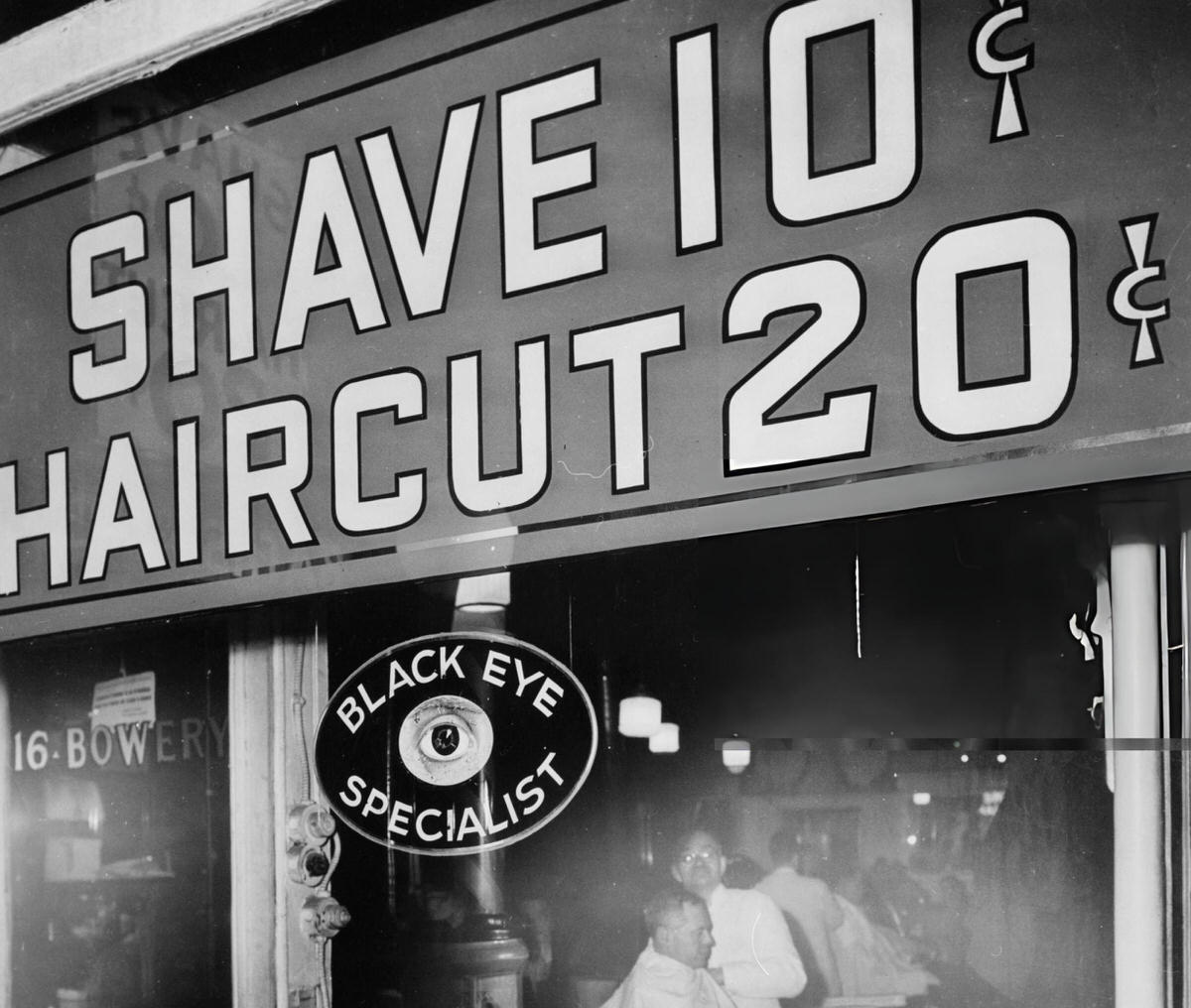
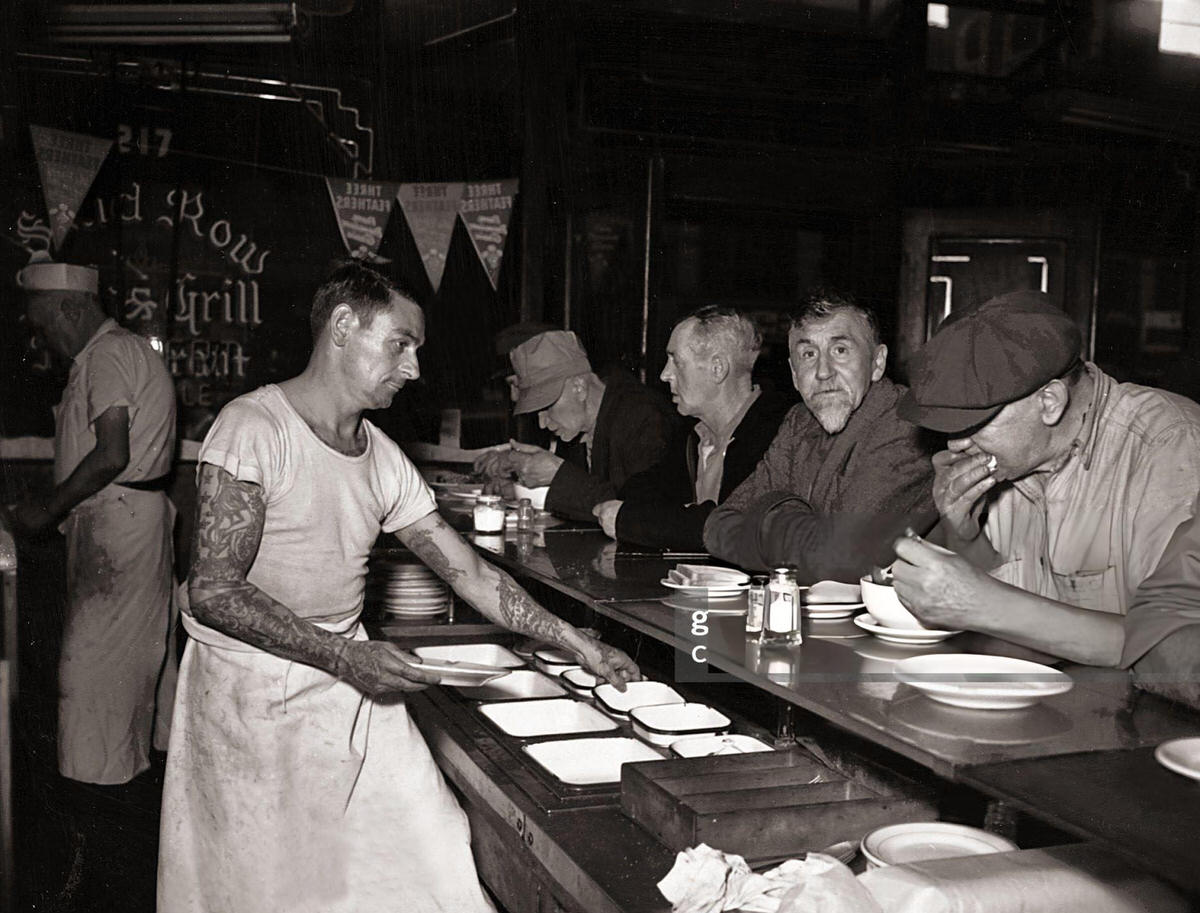
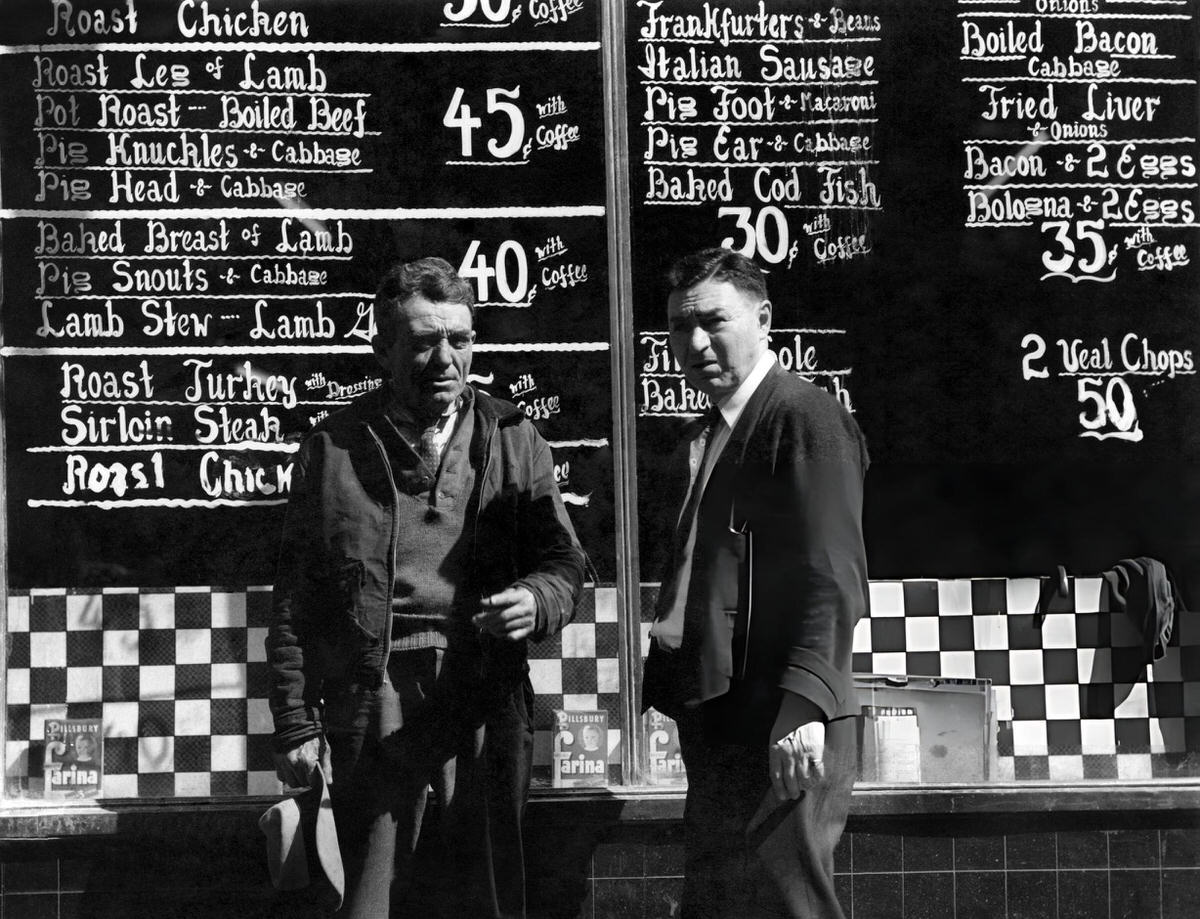
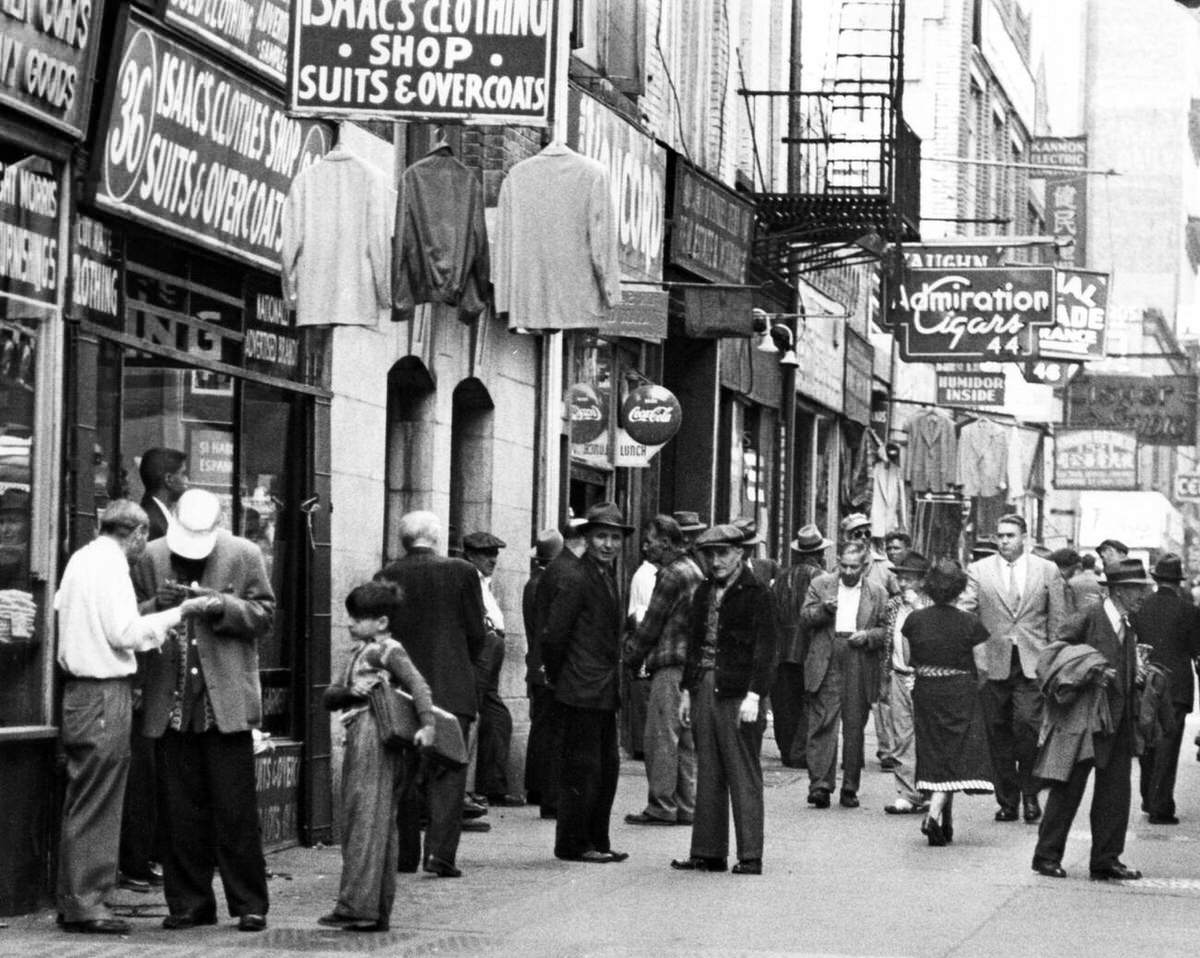
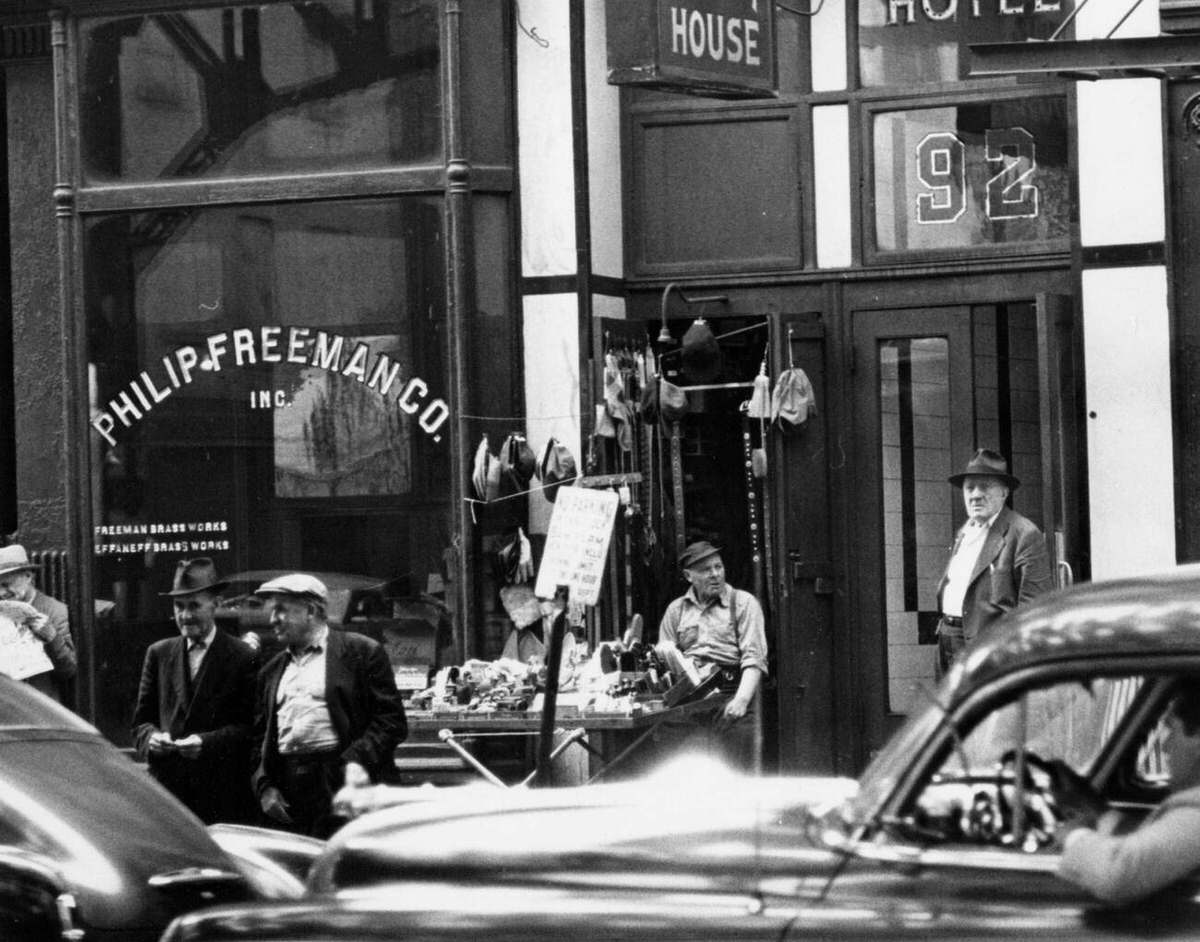
The street also had its own retail infrastructure. Secondhand clothing stores sold overcoats for fifty cents and shoes for a dime. Pawnshops lined the blocks, buying tools, watches, and whatever else a man had brought with him when he first arrived and had not yet sold. Employment agencies charged fees to connect men with longer-term work upstate or in New Jersey. Restaurants called “beaneries” served meals for ten cents — a bowl of bean soup, a piece of bread, coffee. The whole economy of the Bowery was calibrated to operate at the lowest possible price point, because the men who lived there had almost nothing.
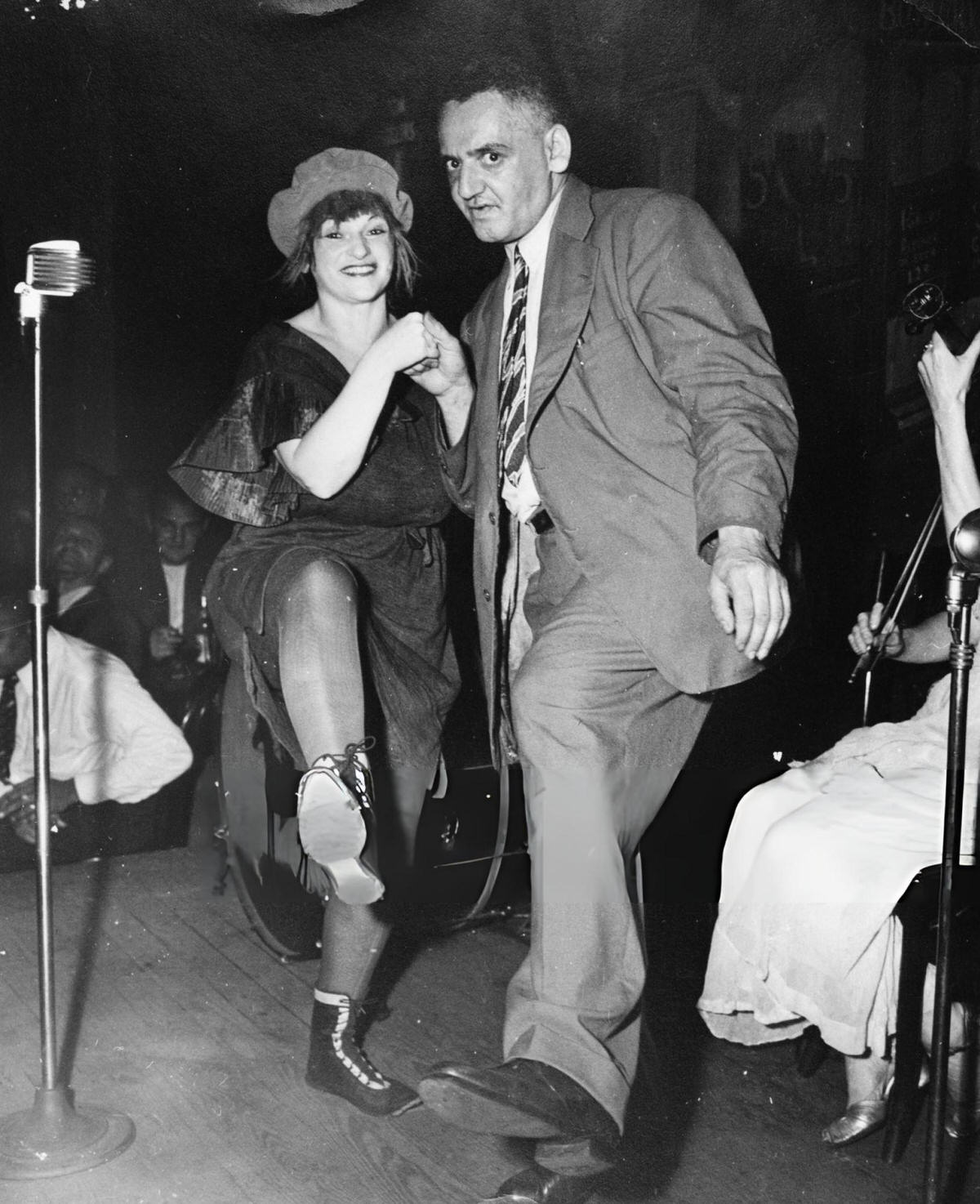
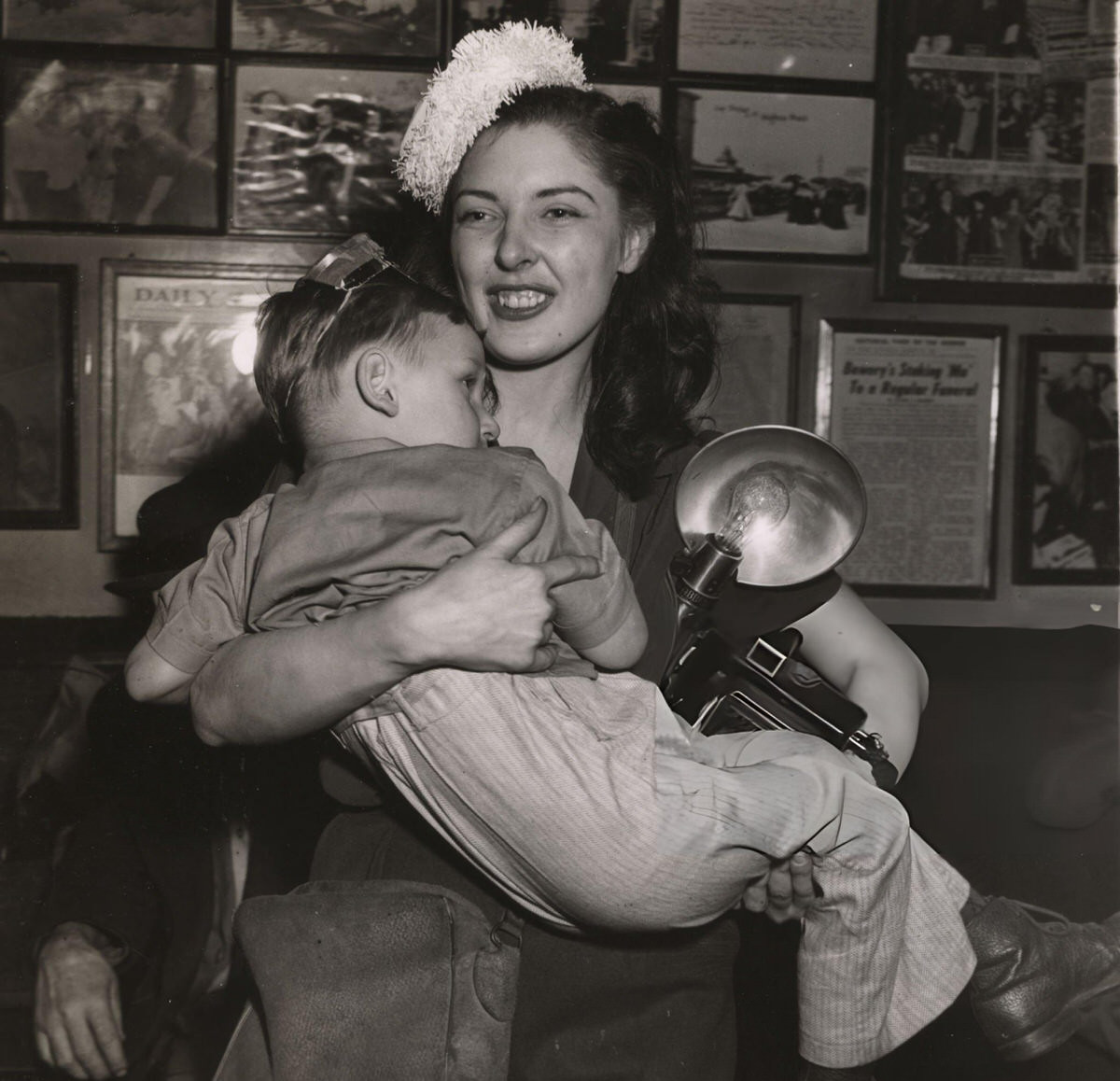
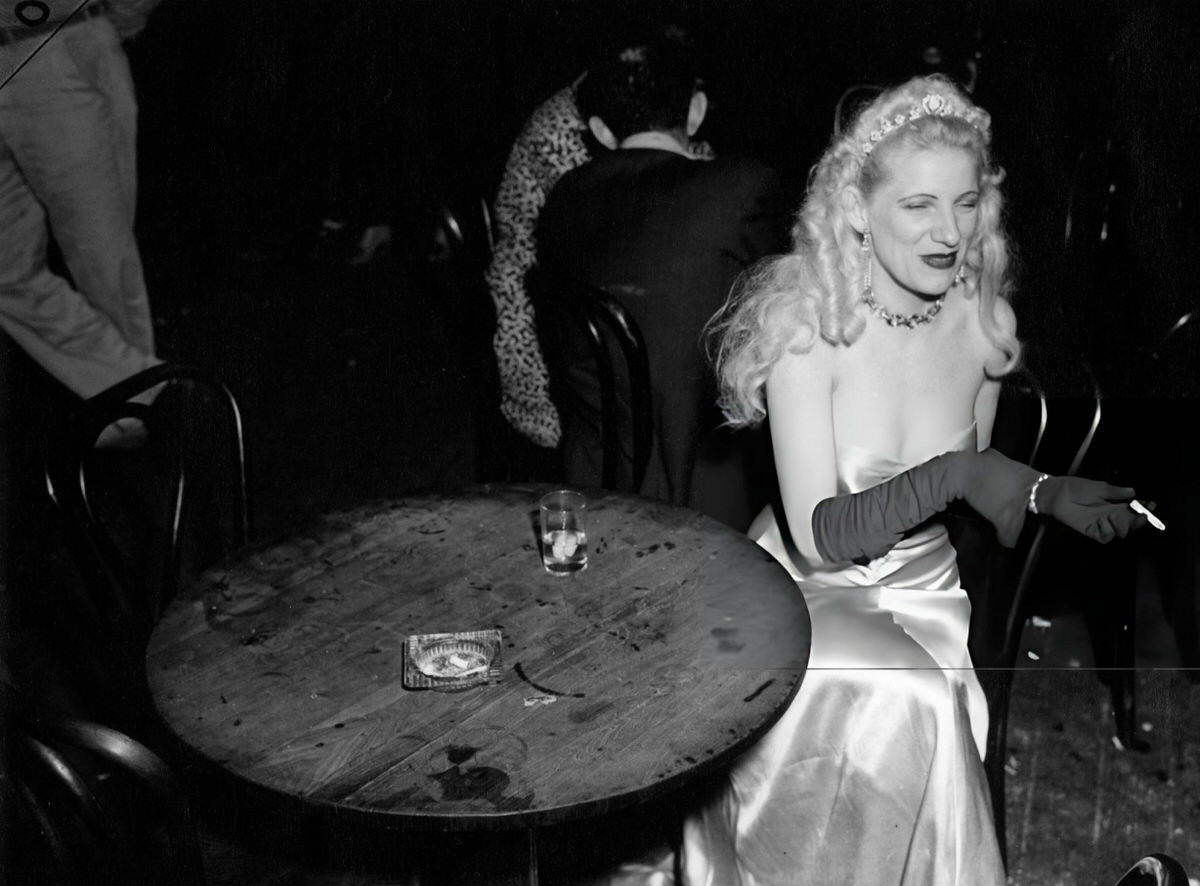
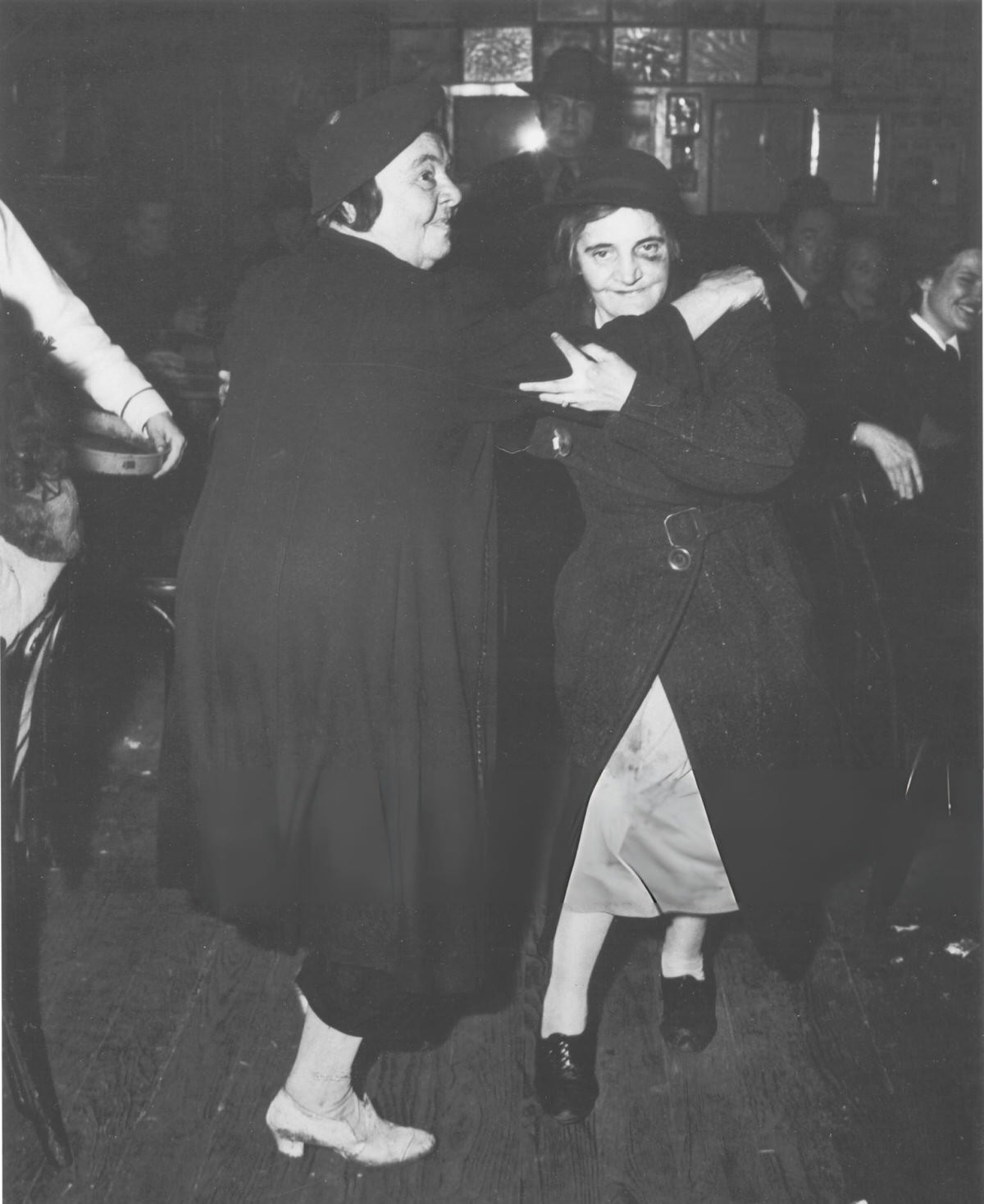
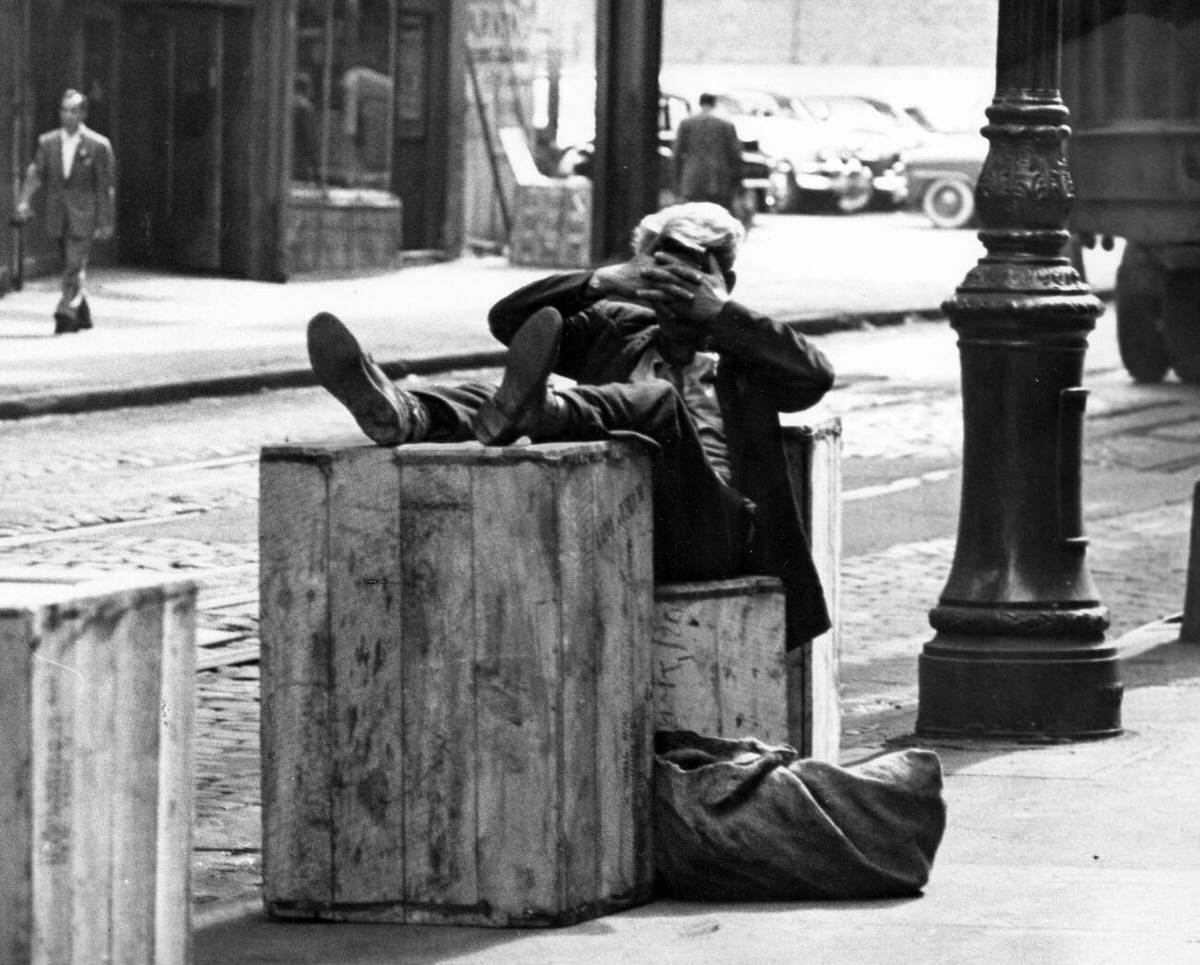
Photographers and writers came to the Bowery throughout the 1940s drawn by the rawness of what was there. Weegee, the crime and street photographer who worked the city’s nightside for the tabloids, shot the Bowery regularly. His photographs of men sleeping in doorways and on the sidewalk, overcoats pulled up against the cold, ran in the New York papers alongside crime scenes and fires. The writer Joseph Mitchell, who covered the street-level New York that most journalists ignored, spent time on the Bowery and wrote about its residents with the same precision he brought to fish markets and waterfront bars. His 1940 profile of a Bowery lodging house appeared in the New Yorker and treated the men inside as people with actual histories rather than as a social problem to be solved.

GIPHY App Key not set. Please check settings