

 Wendy Robert
The 1990s brought the sharpest crime drop in South Bronx history, thousands of new apartments on blocks that had been rubble for twenty years, and a population that was finally growing again. The recovery was real — and it was uneven.
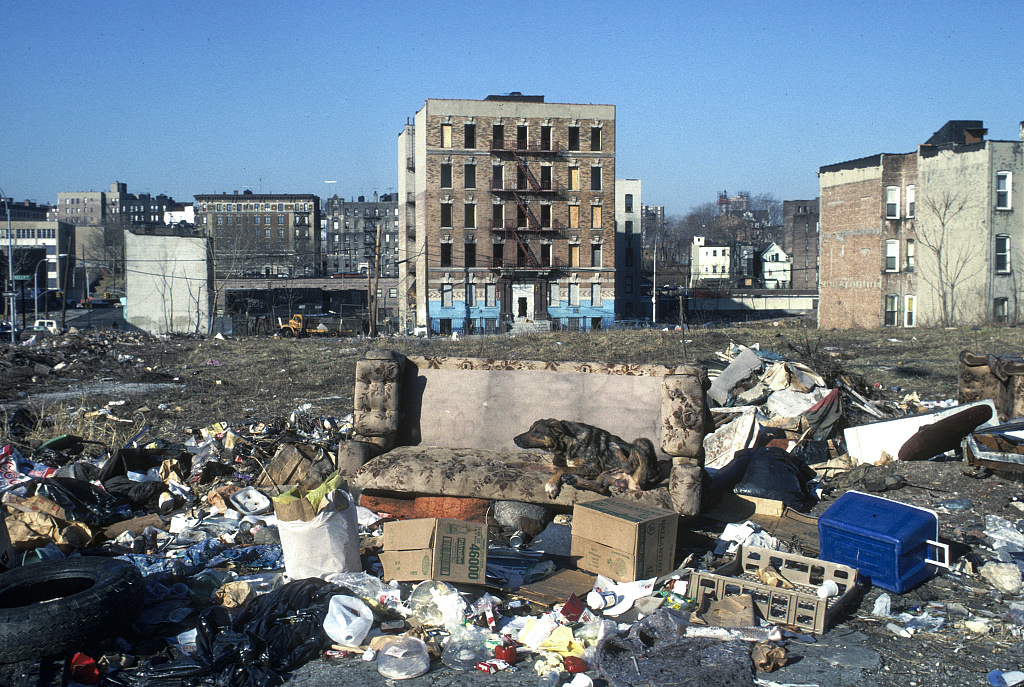
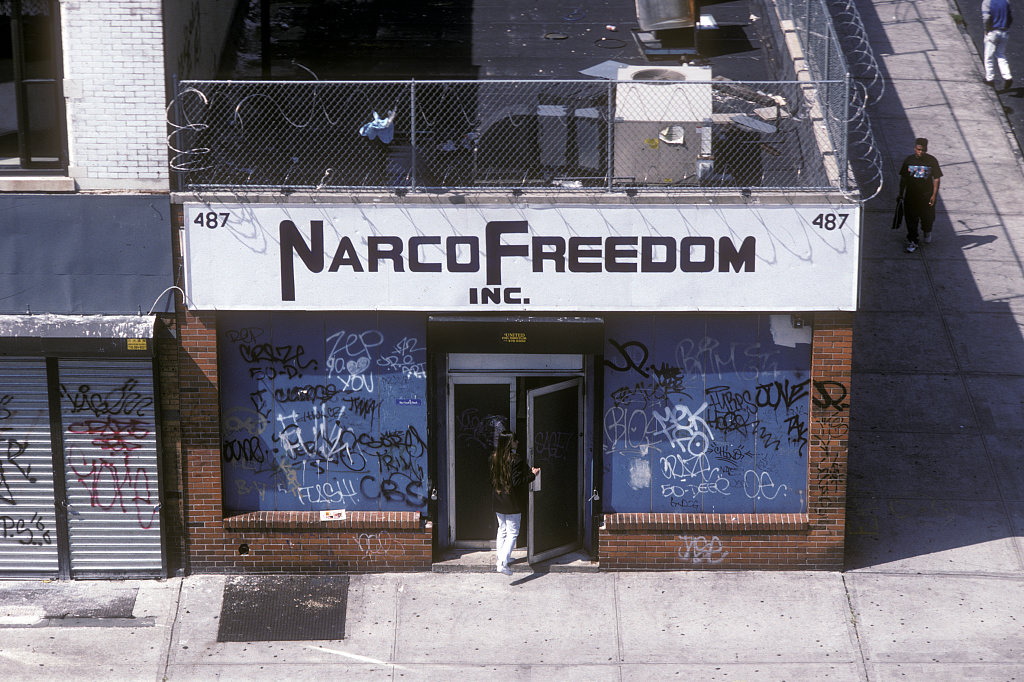
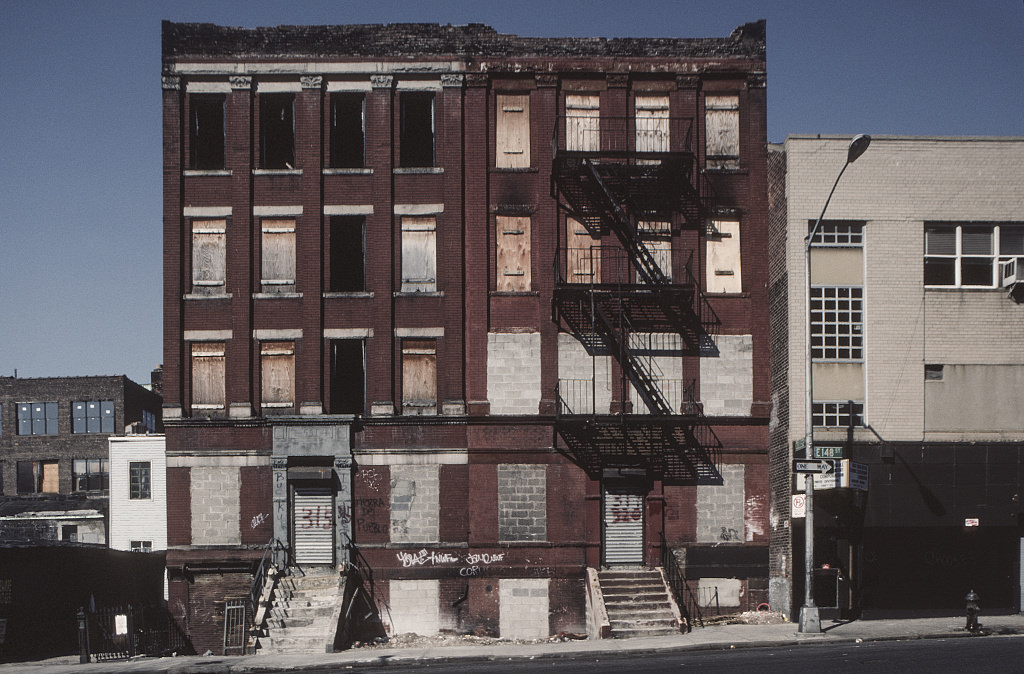
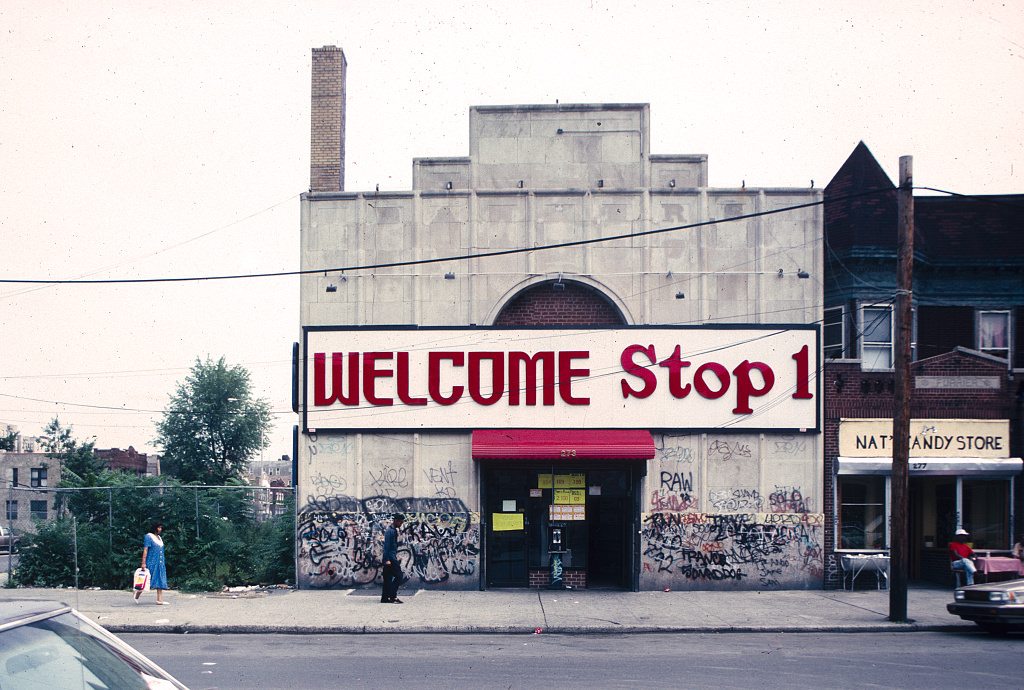
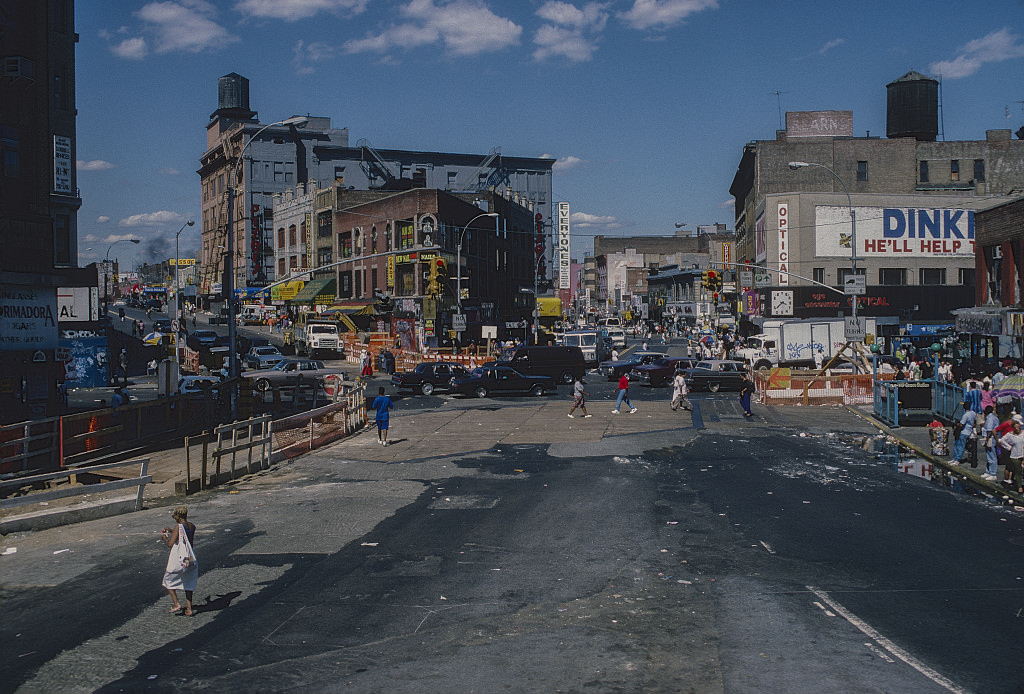
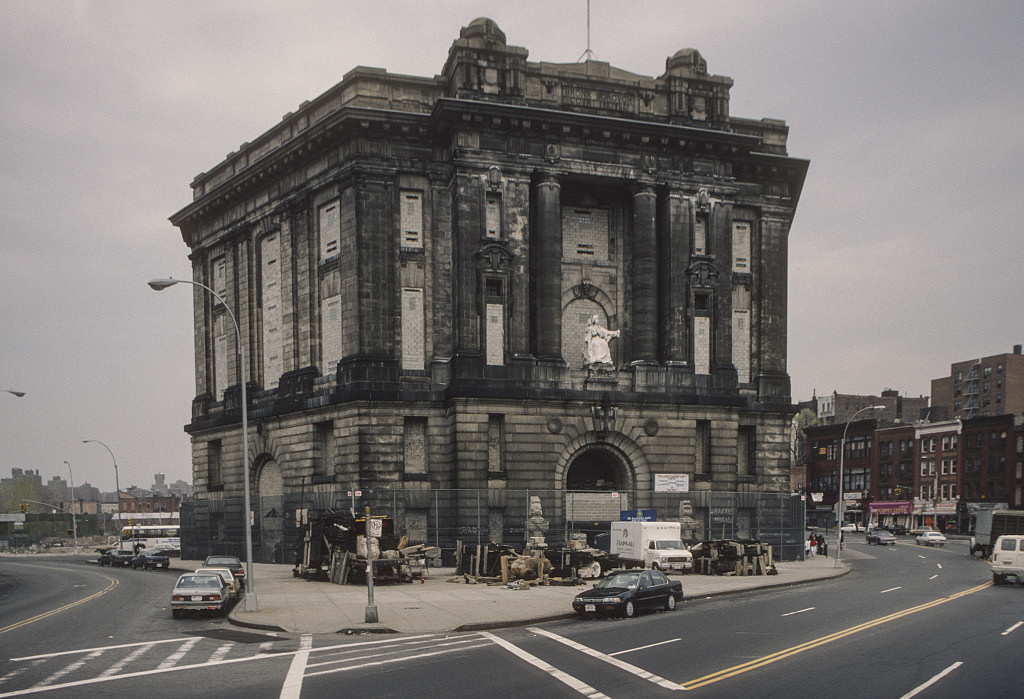
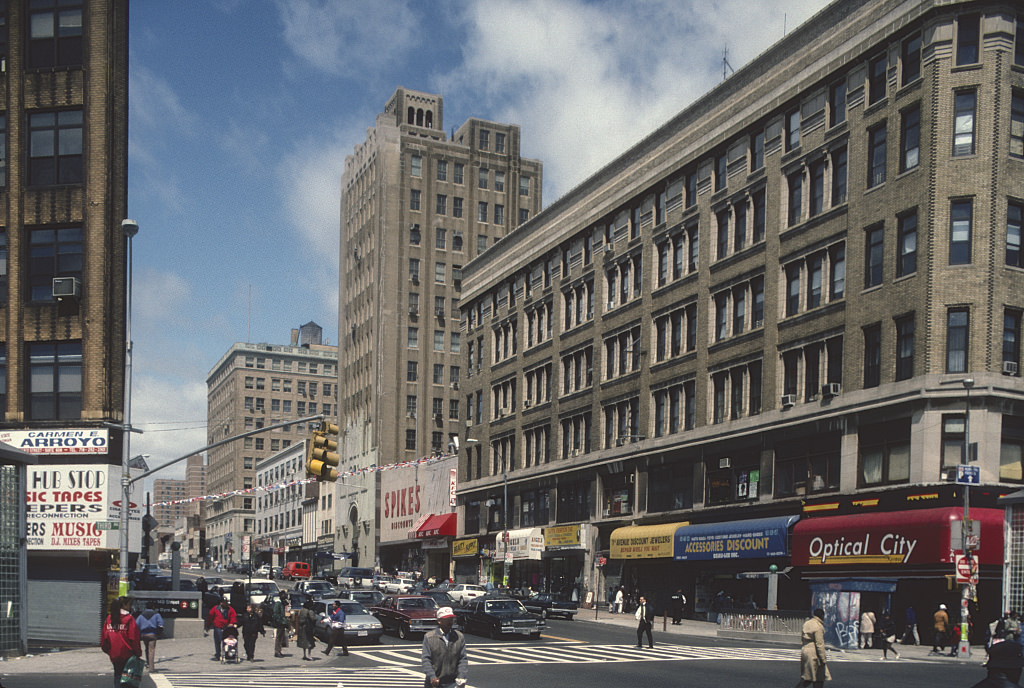
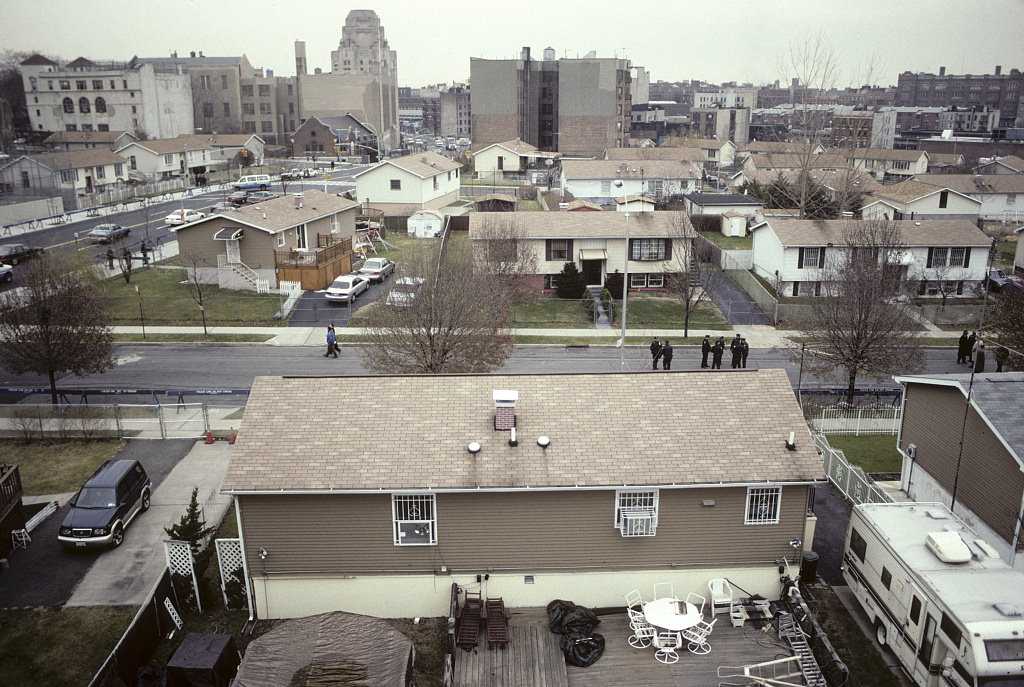
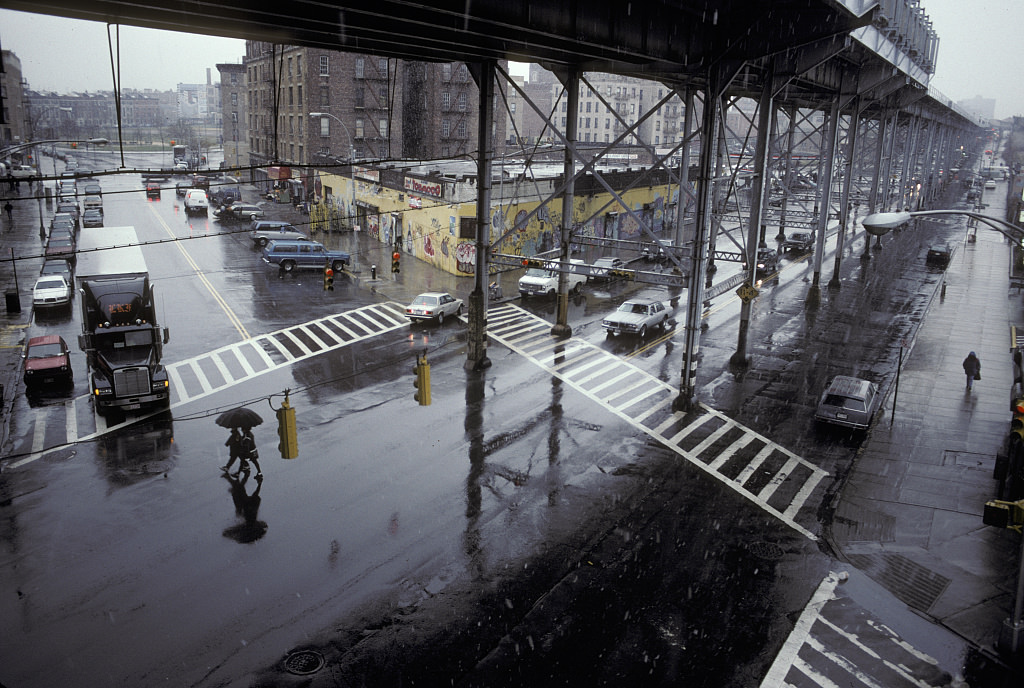
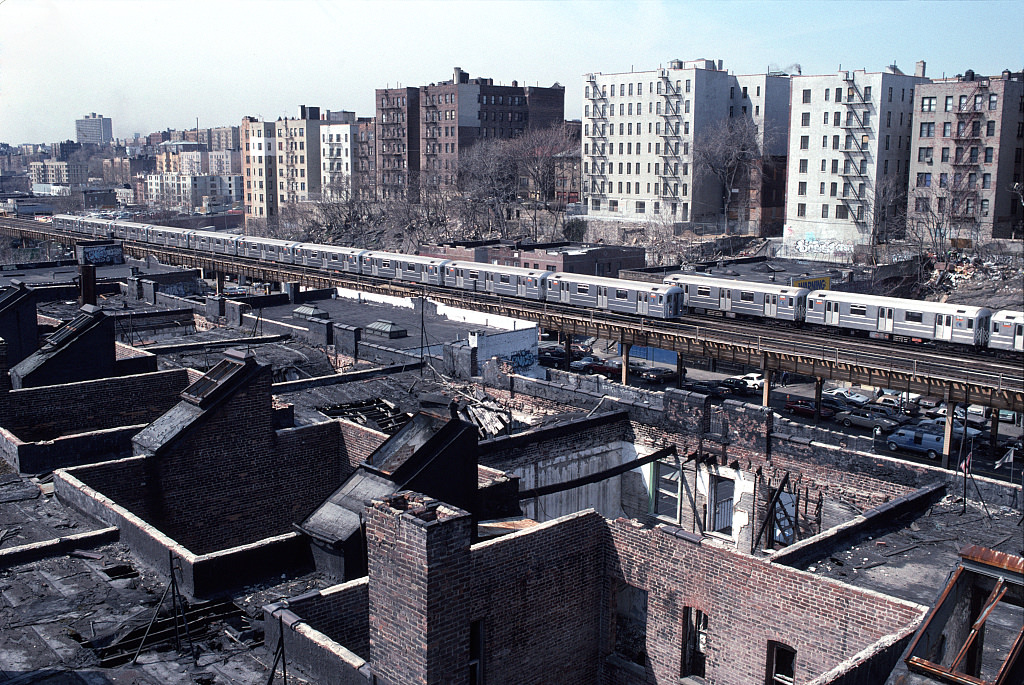
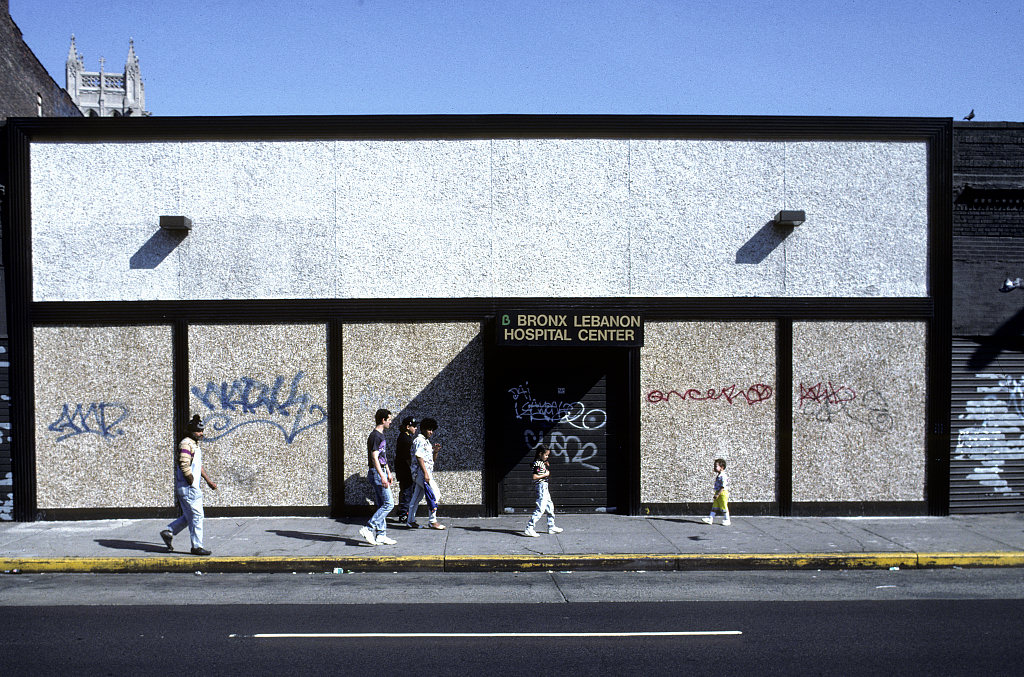
The South Bronx of 1990 still looked, in too many places, like the South Bronx of 1978. The crack epidemic was at full force. Murders in the Bronx as a whole peaked at 653 in 1990 — the highest single-year total the borough had ever recorded. Lincoln Hospital on Southern Boulevard was treating gunshot wounds at a rate that required its emergency room to function like a combat surgery unit. The streets around Hunts Point, Mott Haven, and Morrisania were controlled by open-air drug markets that operated in daylight with minimal interference. And yet within that same decade, more new housing went up in the South Bronx than in any comparable period since the 1920s, and by 1999 the murder count had fallen to 167. That is the story of the South Bronx in the 1990s — two contradictory realities running simultaneously, and the gap between them closing, slowly, block by block.
Why Crime Fell
The crime drop of the 1990s happened across all five boroughs, but it was most dramatic in neighborhoods like the South Bronx that had been hardest hit in the crack years. Several forces converged at once. The crack epidemic itself began burning out — not because the city fixed the conditions that had fed it, but because the drug had devastated its own user base and the generation that had come of age during the worst years was aging out of the most violent phase of street life. The crack market of 1993 was smaller and less chaotic than the crack market of 1988, and the violence that accompanied it dropped accordingly.
Read more
Mayor Rudolph Giuliani took office in January 1994 and immediately expanded the NYPD’s use of CompStat — a data-driven system that tracked crime by location in near-real time and held precinct commanders directly accountable for their numbers. Commanders who could not show results were replaced. The 40th, 41st, and 42nd Precincts, which covered the core of the South Bronx, became among the most intensively policed areas in the city. Arrests for low-level offenses — open drug use, public drinking, jumping turnstiles — rose sharply. The strategy pushed the open-air markets off the corners, though it also produced a pattern of aggressive stops and searches in Black and Latino neighborhoods that generated serious and documented civil rights complaints throughout the decade.
The Housing Keeps Coming
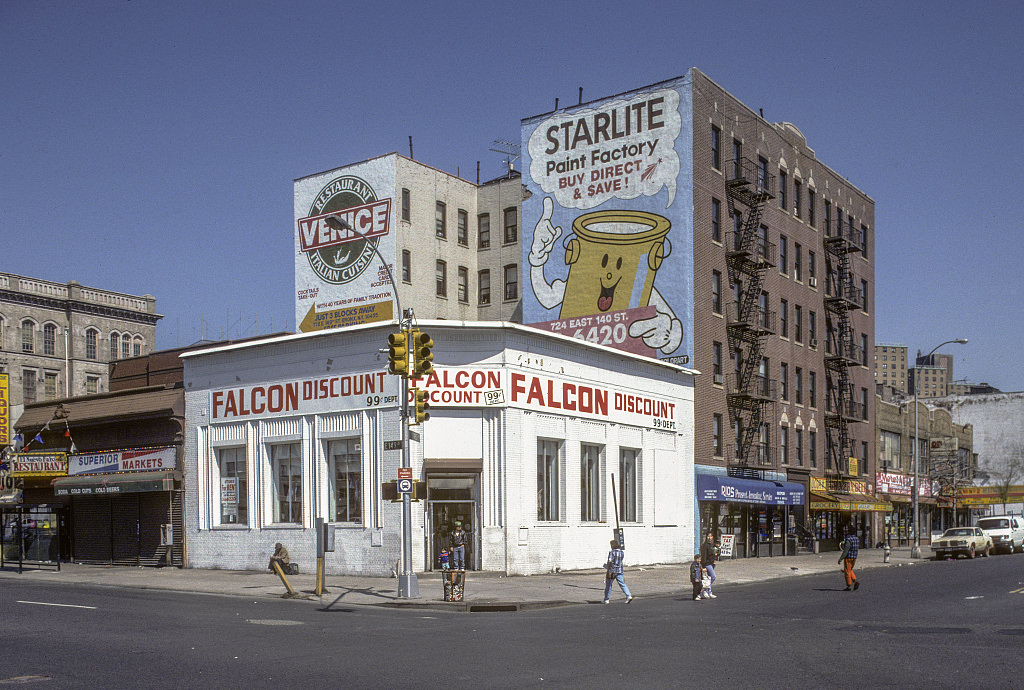
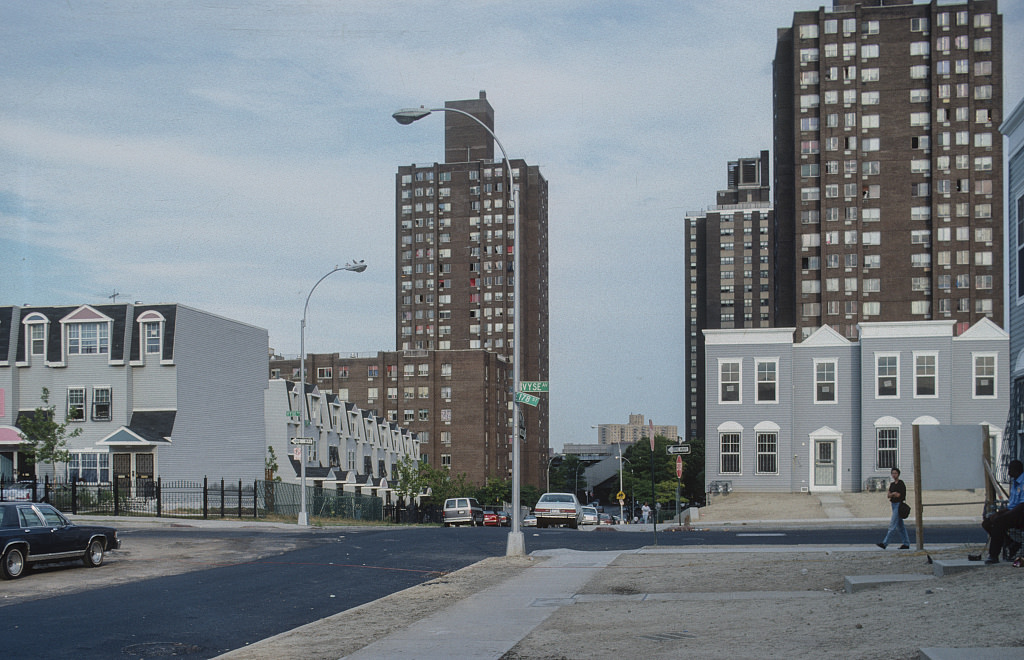
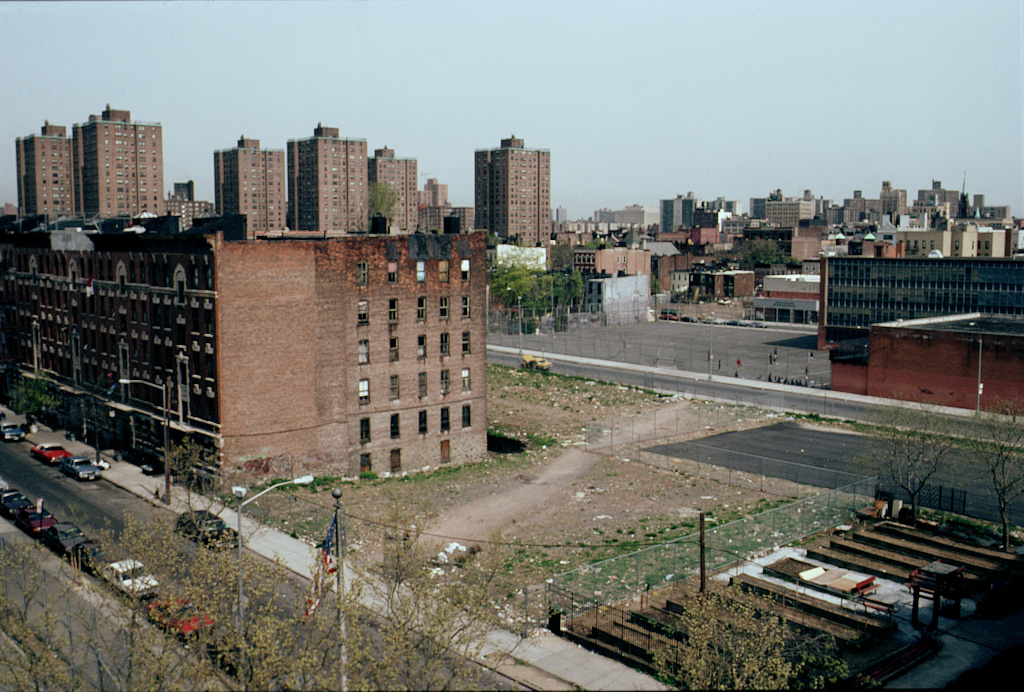
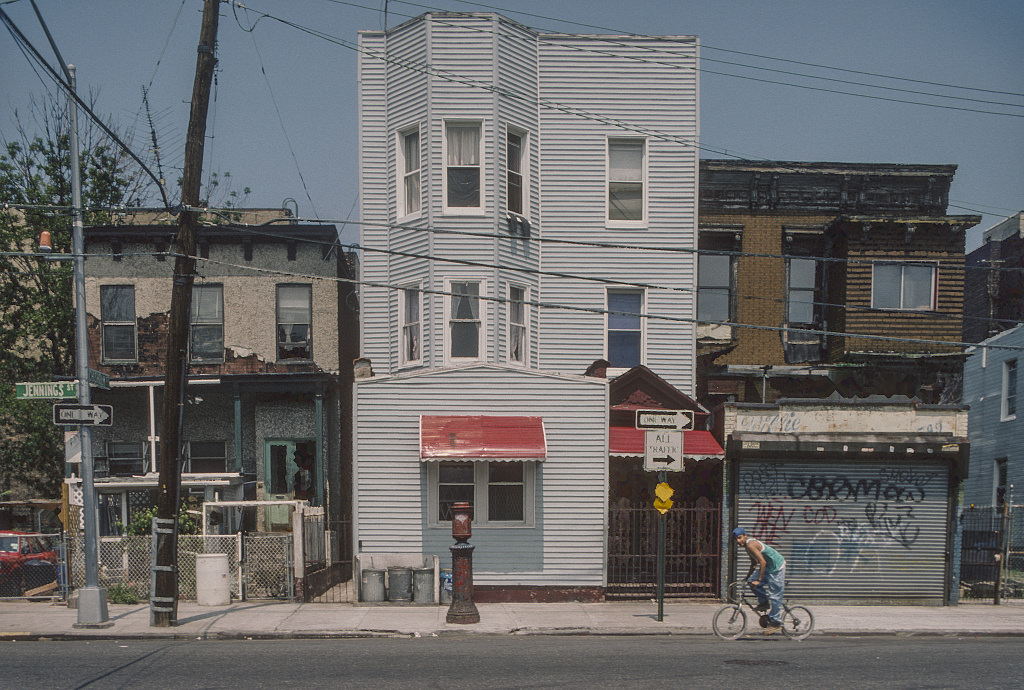
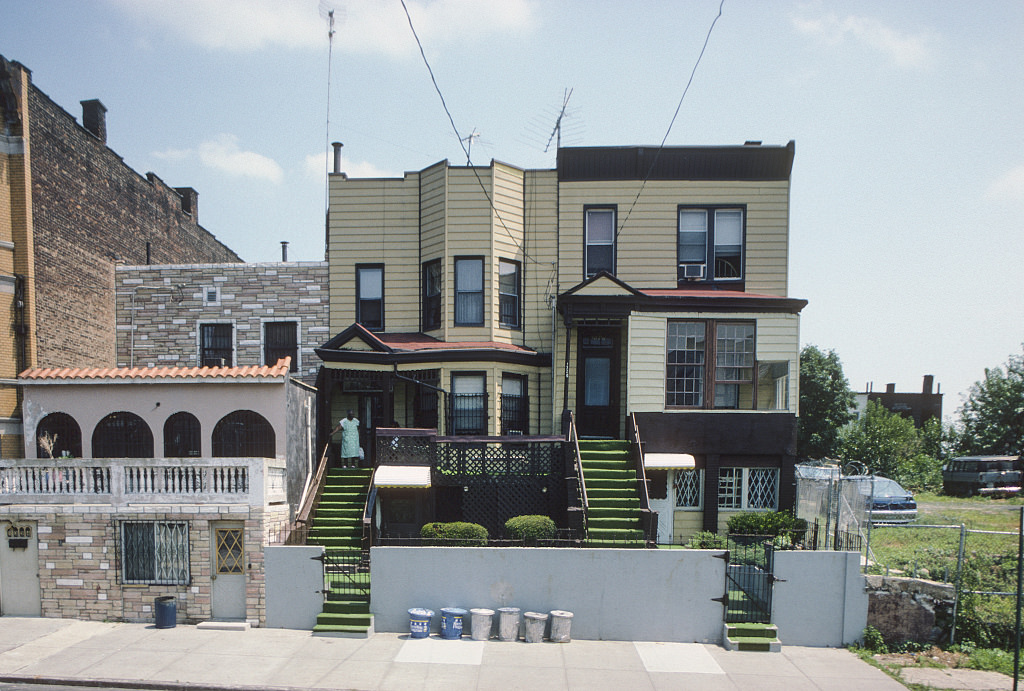
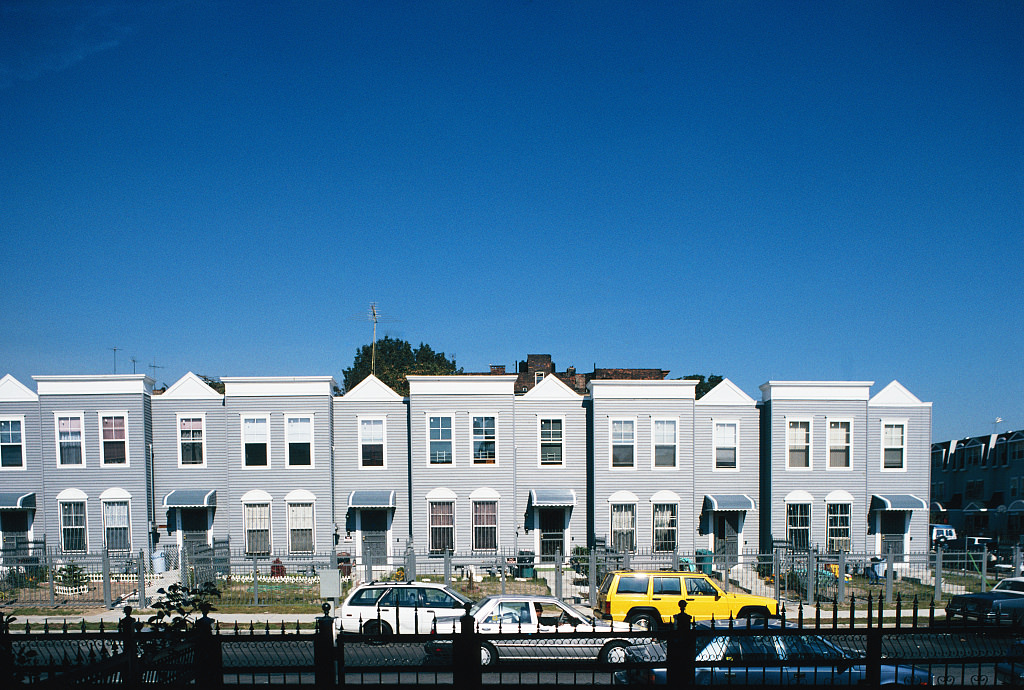
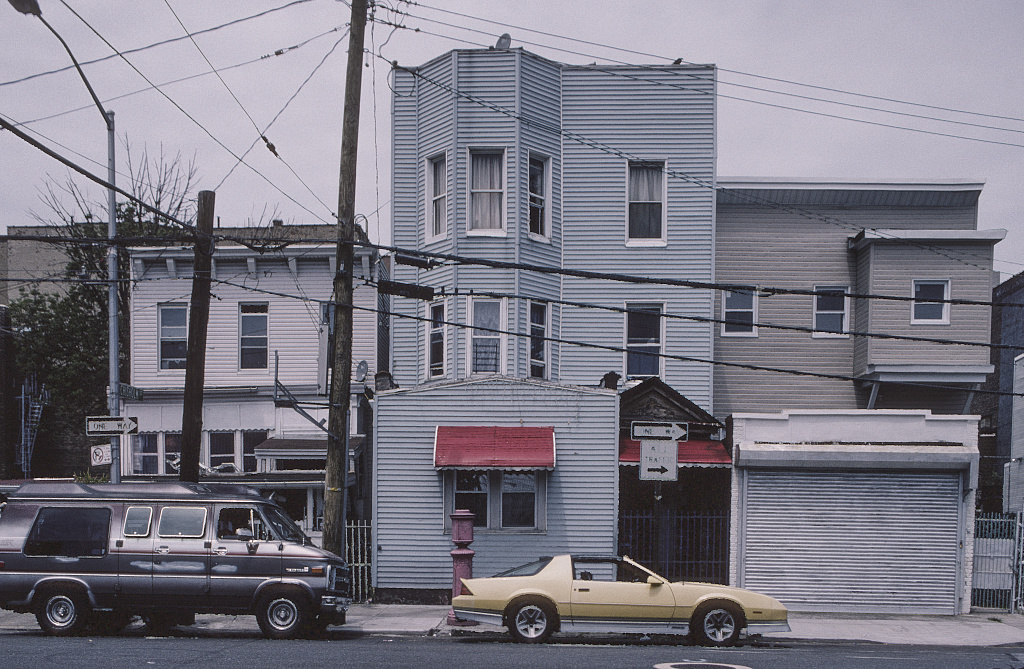
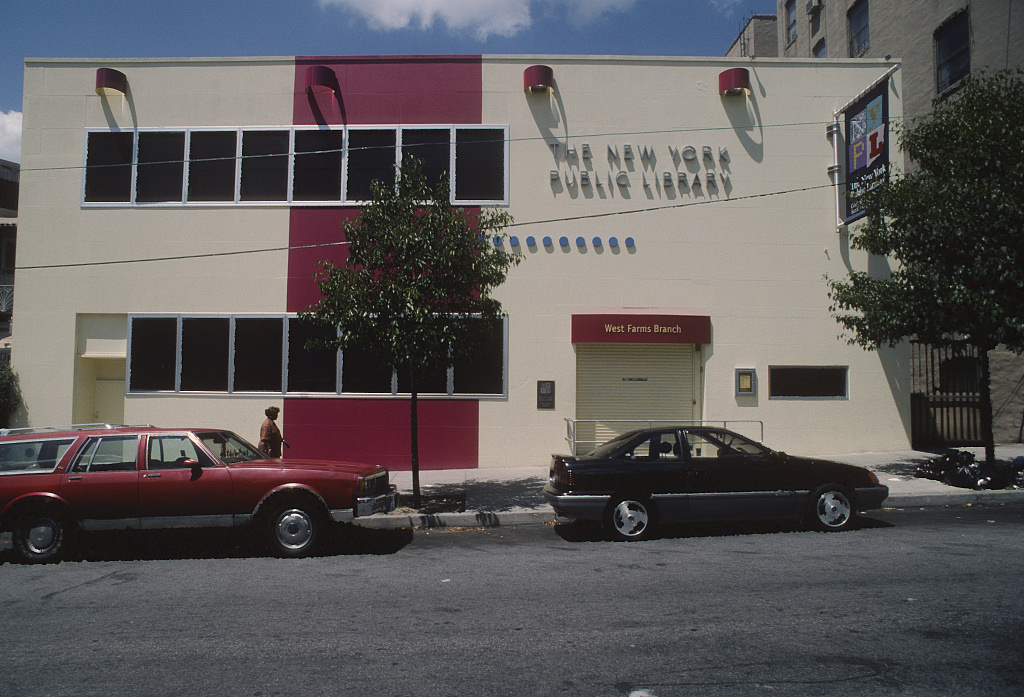
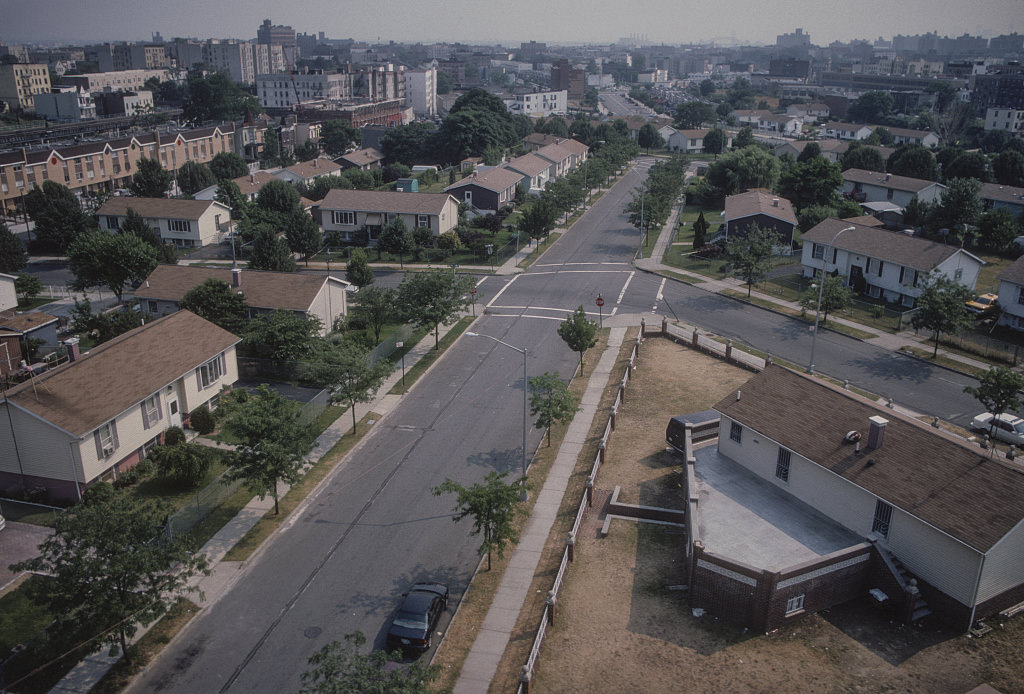
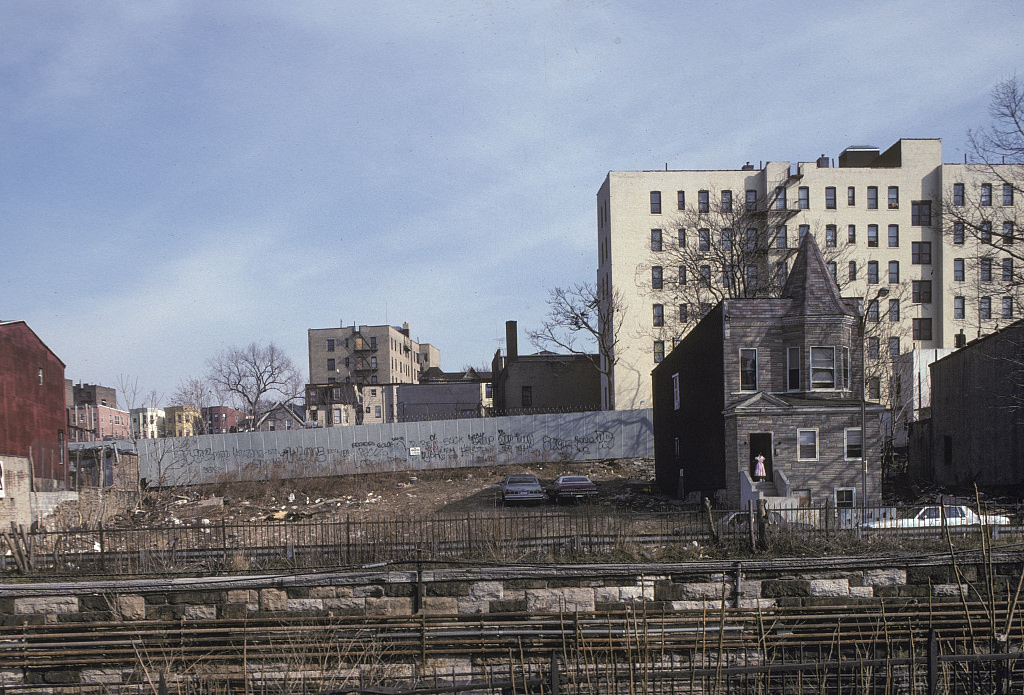
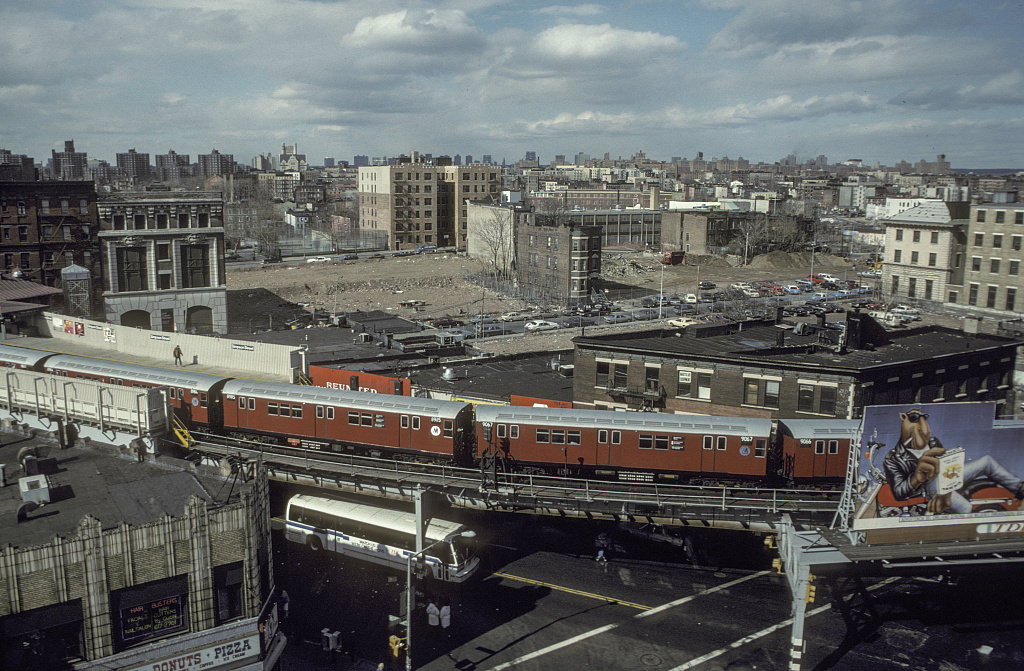
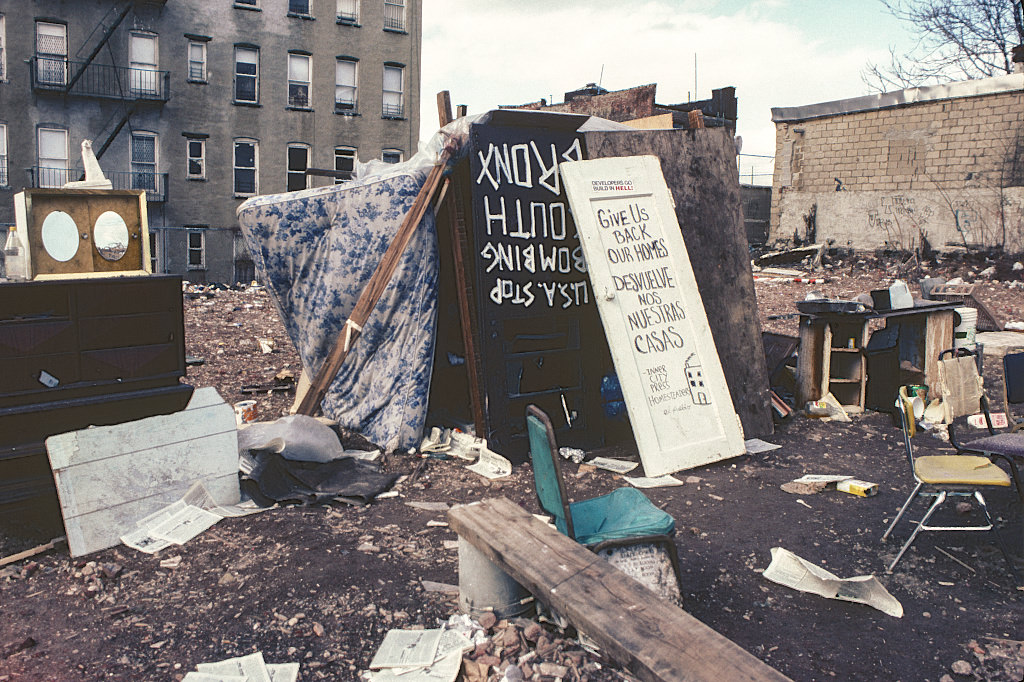
The Koch housing plan that had started in 1986 was still building through the early 1990s, and Mayor David Dinkins continued the commitment when he took office in 1990. By the middle of the decade, the vacant lots that had defined the South Bronx landscape for twenty years were filling in. The nonprofit builders — Banana Kelly, Mid-Bronx Desperadoes, Phipps Houses, the Bridge Street Development Corporation — were putting up three- and four-story buildings on blocks where nothing had stood since the fires.
The new buildings were almost entirely affordable rental housing, built with a combination of city capital funds, federal Low Income Housing Tax Credits, and private financing. They were not luxury units, and they were not designed to attract people from outside the neighborhood. They were built for the families already living in the South Bronx in overcrowded apartments, doubled up with relatives, or cycling through the shelter system. A family that had been on a waiting list for five years finally got a two-bedroom apartment in a new building on St. Ann’s Avenue or Willis Avenue and moved in. That transaction, multiplied thousands of times across the decade, is what actually rebuilt the South Bronx.
Hunts Point and the Market
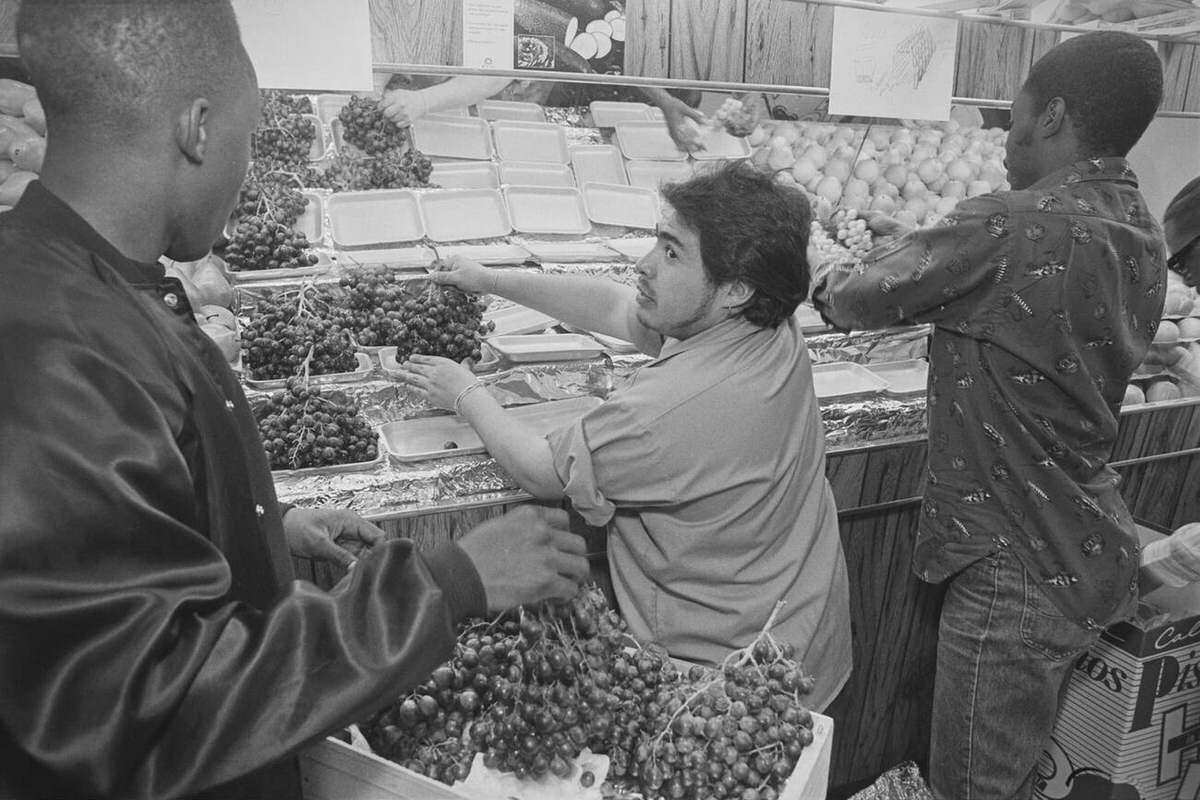
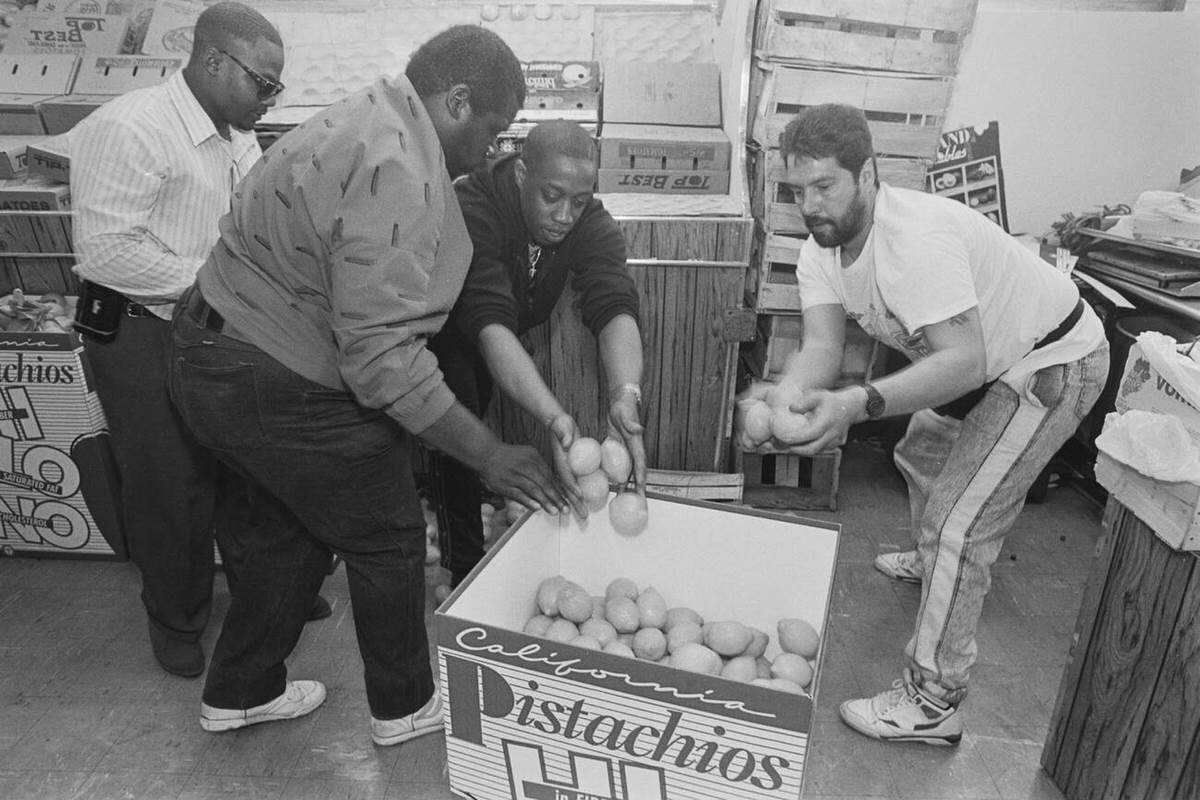
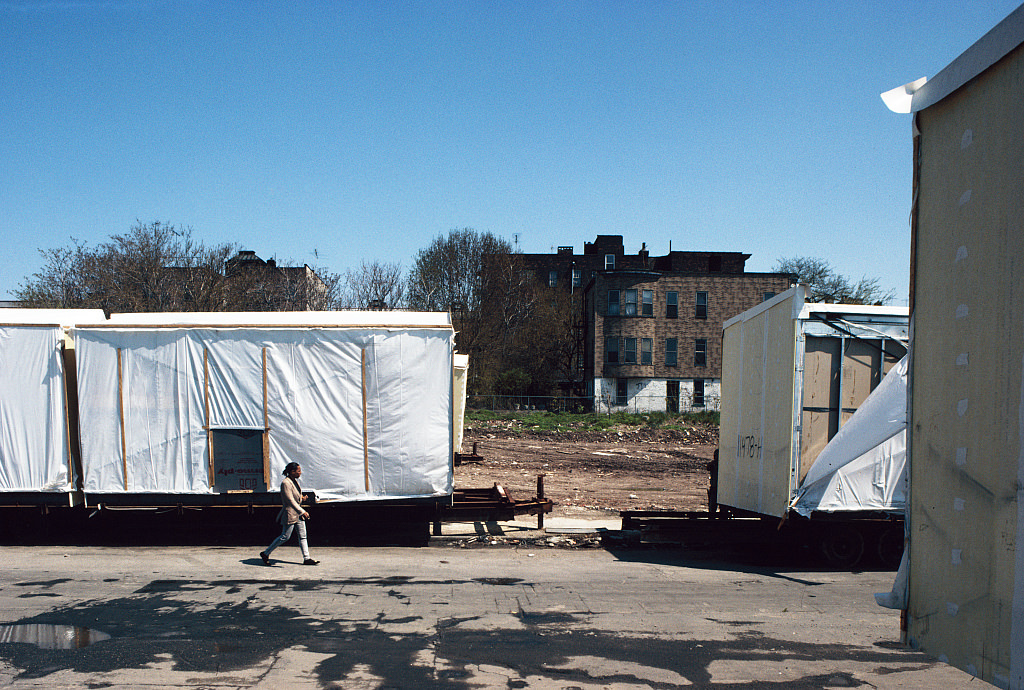
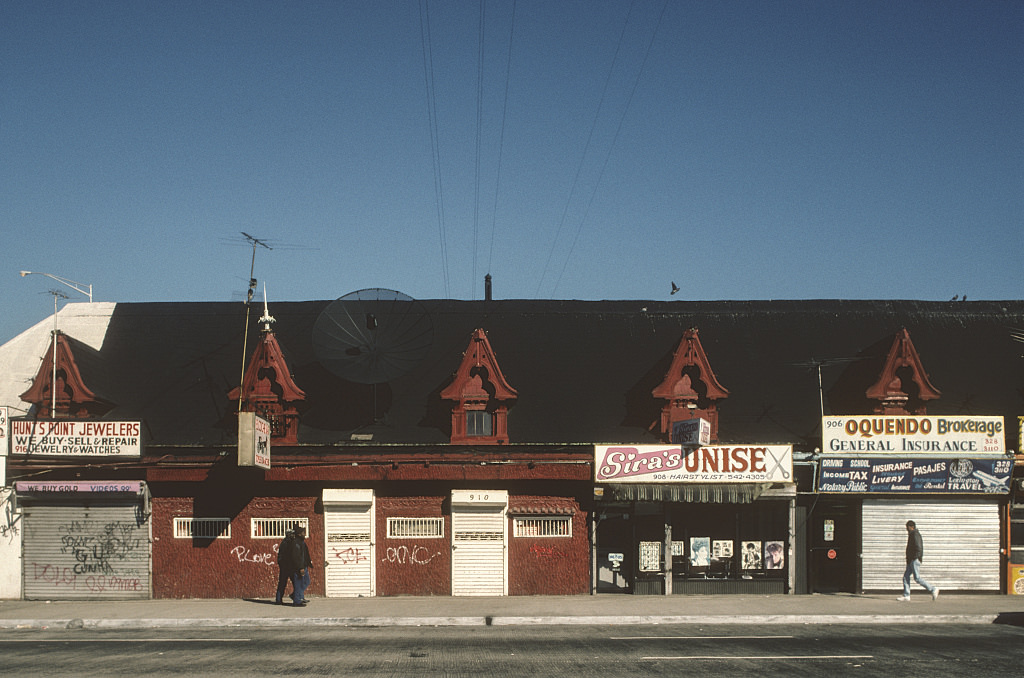
Hunts Point in the southeastern corner of the South Bronx had been, through all the devastation of the 1970s and 1980s, one of the most important food distribution hubs in the world. The Hunts Point Market — the cooperative wholesale market covering meat, fish, and produce — operated on a massive footprint along the waterfront and supplied a significant portion of the food consumed by the entire New York metropolitan area. Thousands of workers came to Hunts Point every night, between midnight and dawn, to move the food that would stock grocery stores and restaurants across the tri-state region by morning.
The market was both an economic anchor and a source of neighborhood tension. The truck traffic it generated on Bruckner Boulevard and the surrounding streets ran twenty-four hours a day and made those blocks loud, diesel-saturated, and inhospitable to residential life. The workers who came to Hunts Point to work the market did not live in the neighborhood. The economic activity the market represented did not circulate into the local retail economy the way a normal commercial district would. Hunts Point had one of the most significant industrial operations in the city and one of the highest poverty rates simultaneously — a combination that the decade’s recovery addressed only partially.
Who Was Living There
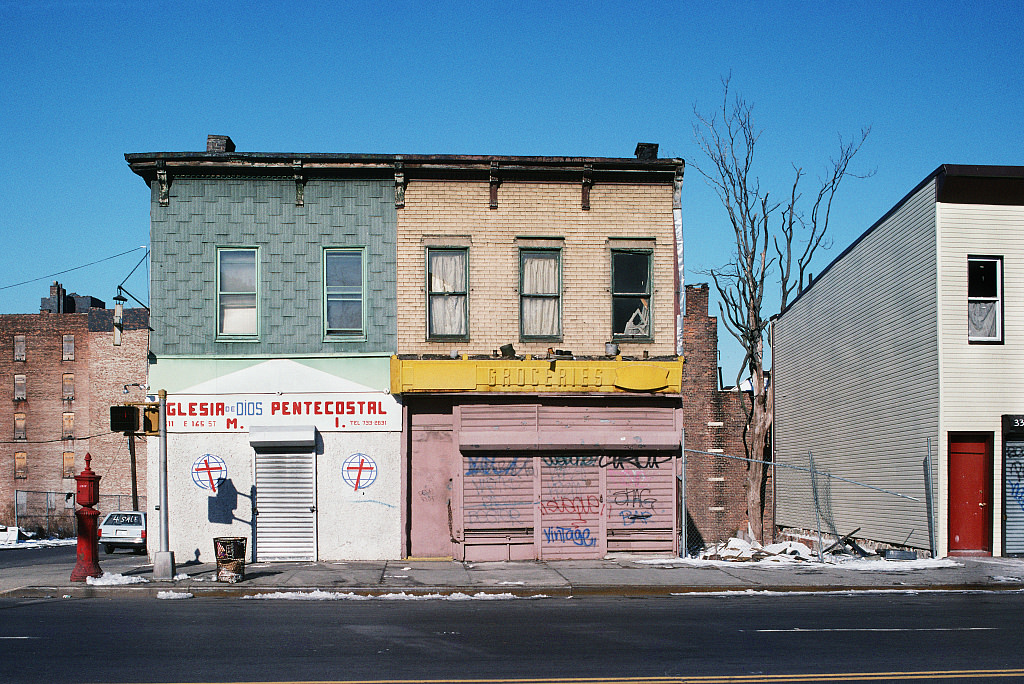
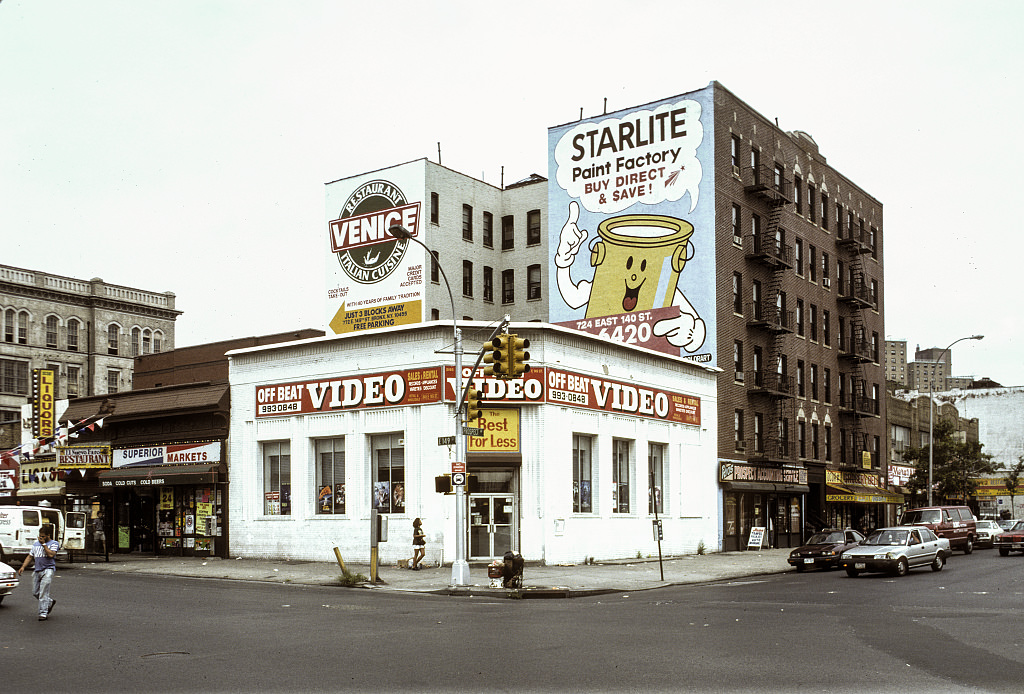
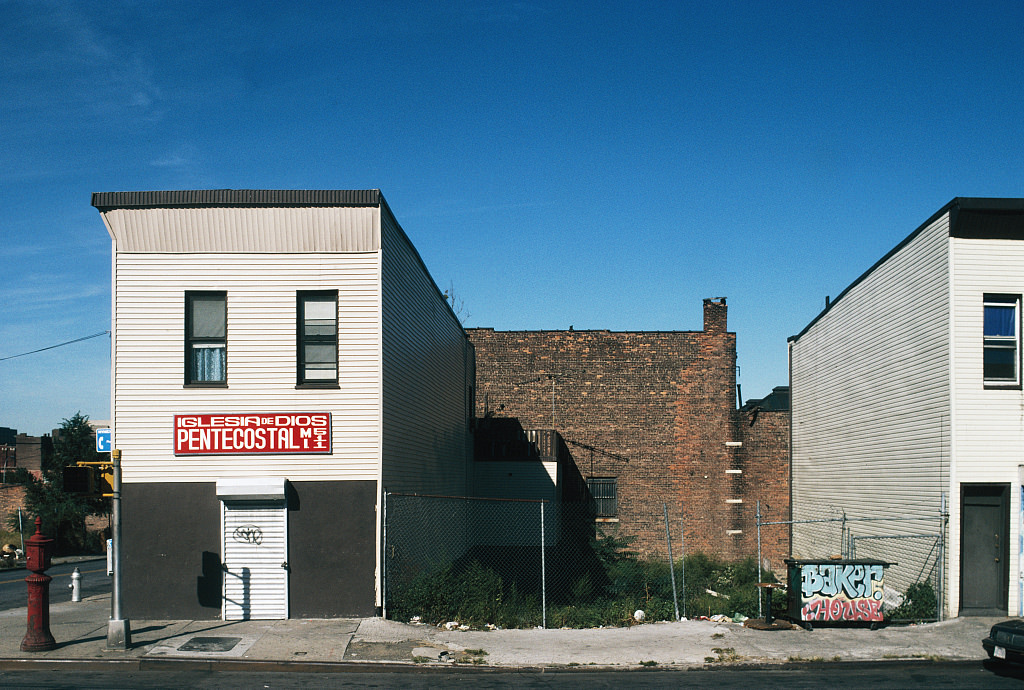
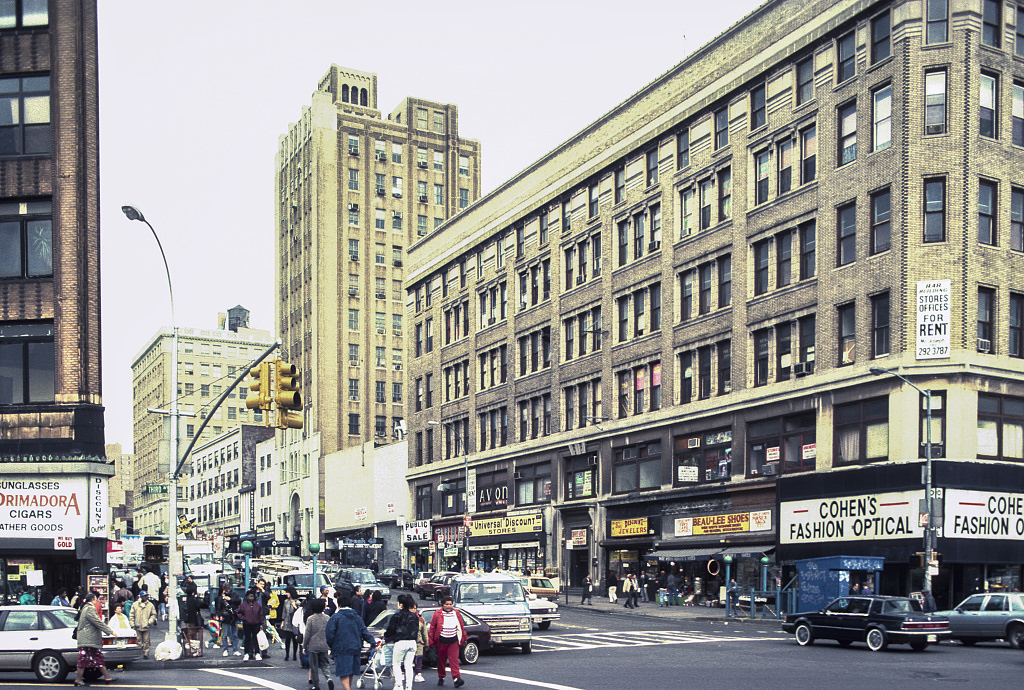
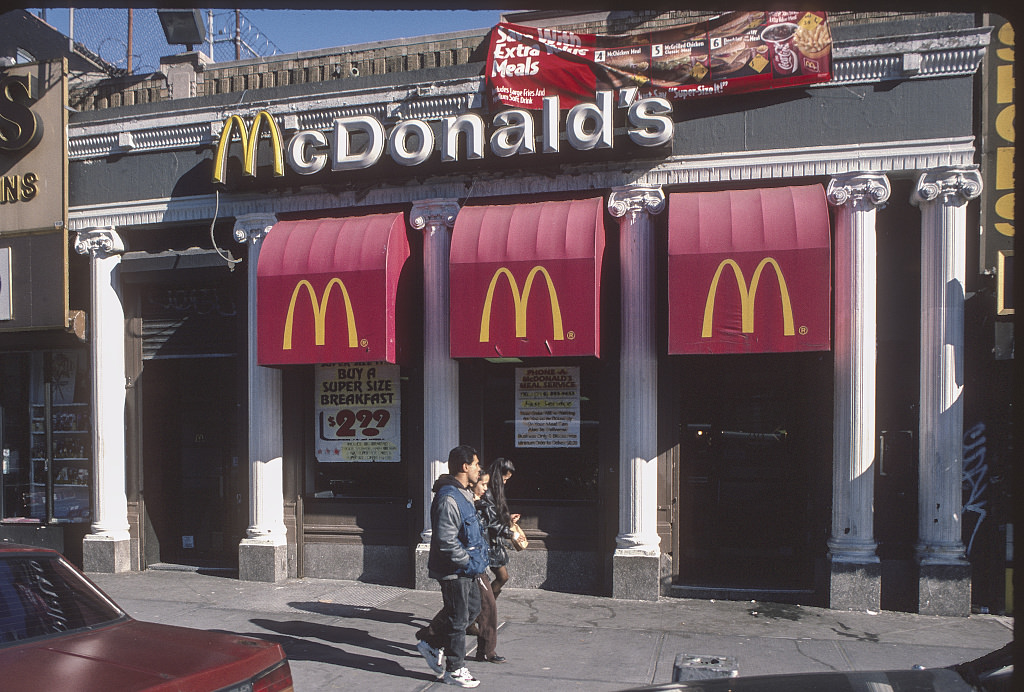
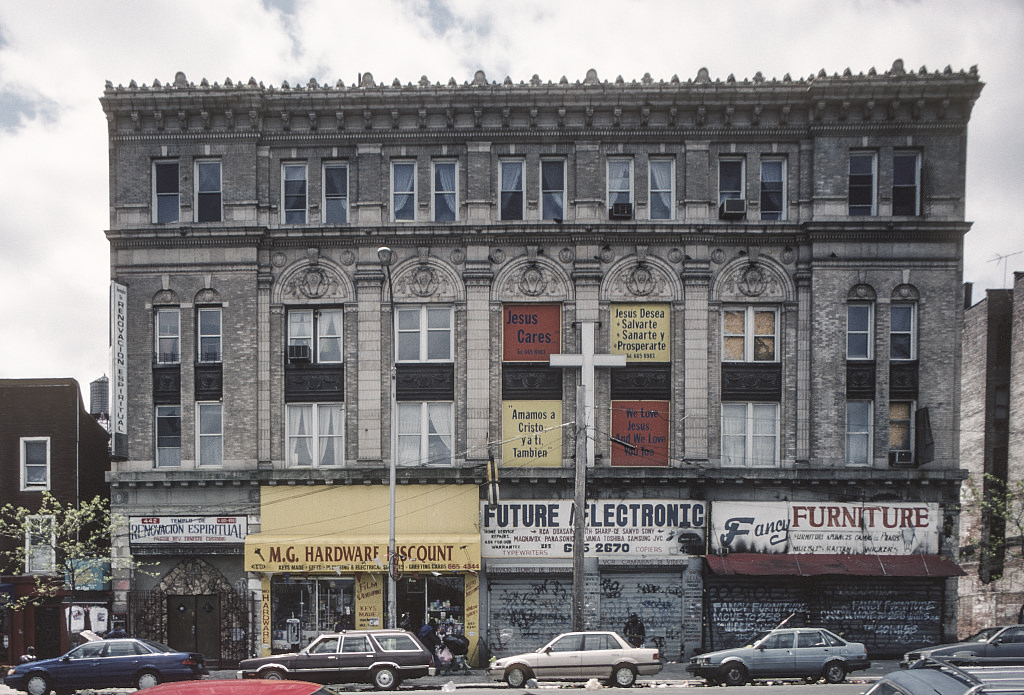
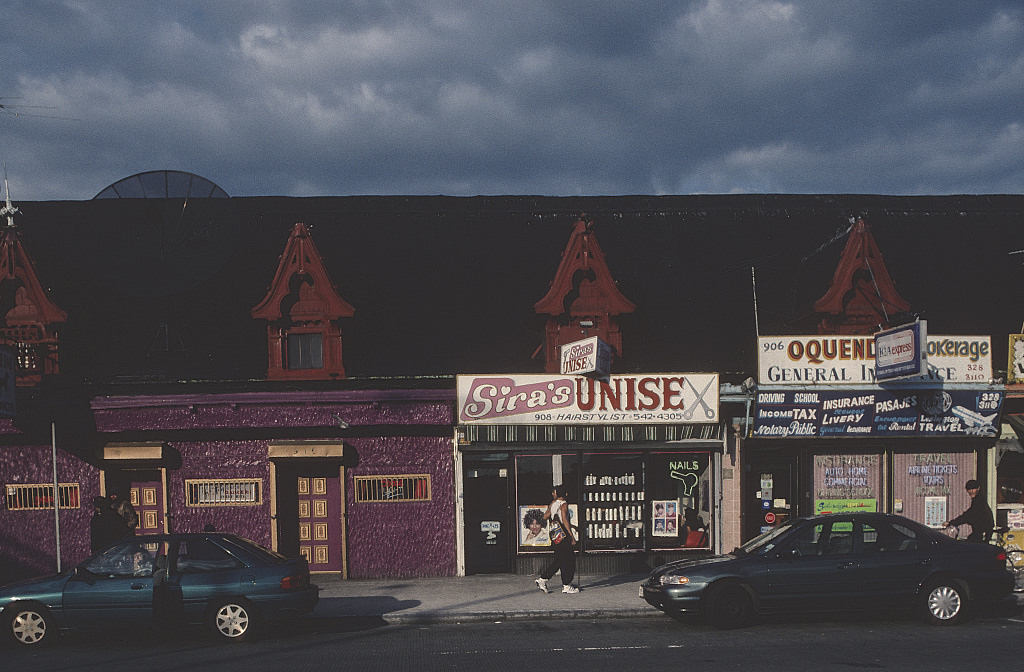
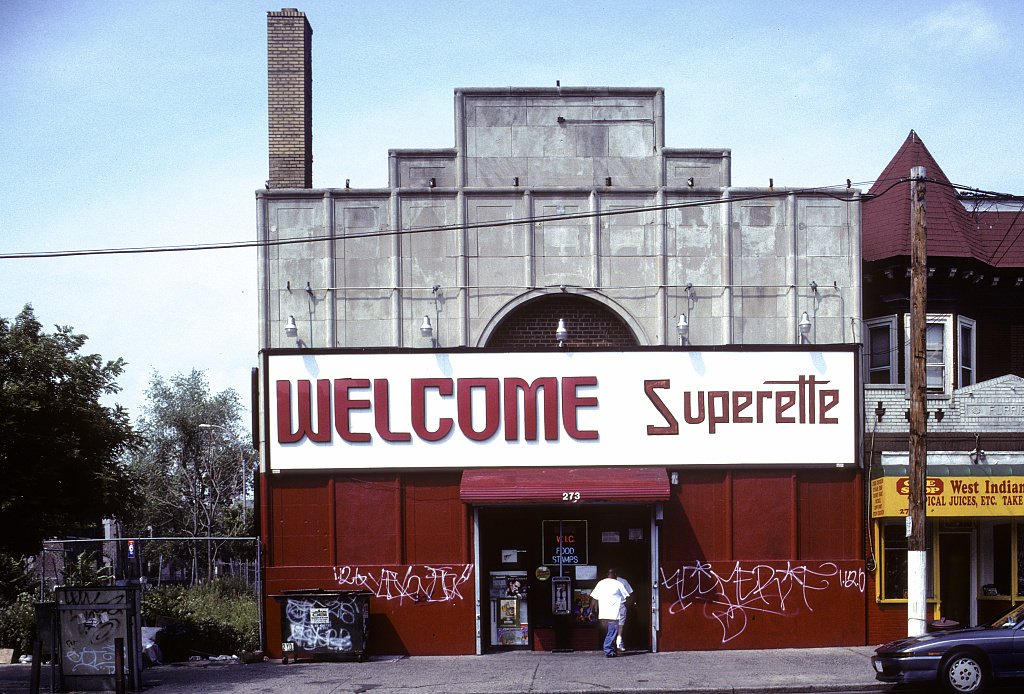
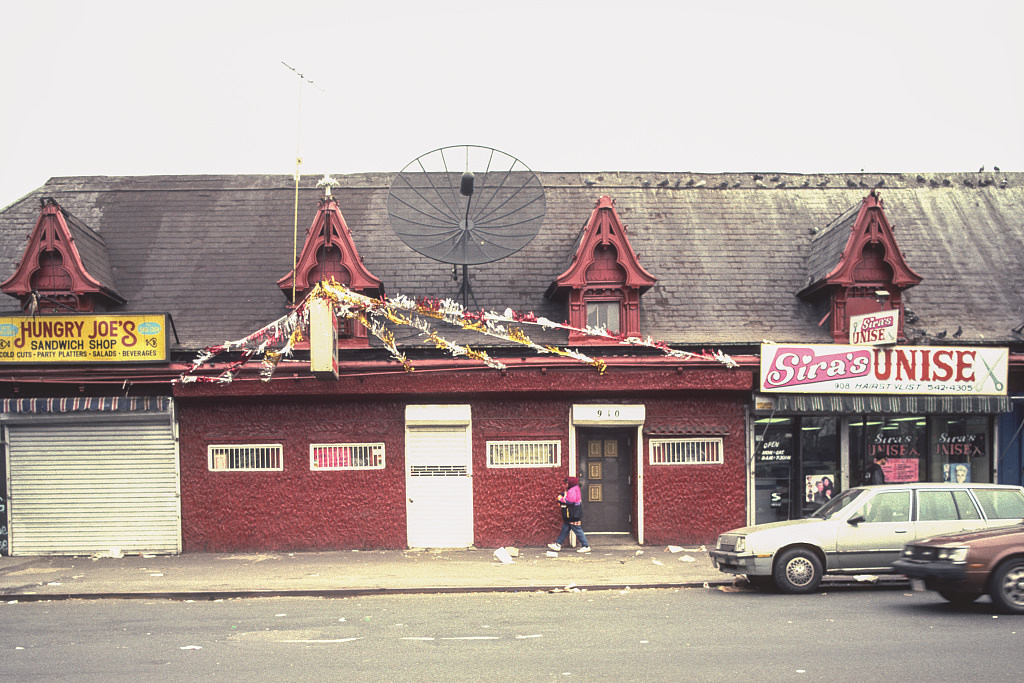
By the mid-1990s, the South Bronx was overwhelmingly Puerto Rican and Dominican. The Jewish, Italian, and Irish families of the 1950s were long gone, as were many of the African American families who had moved in during the 1960s and survived the 1970s before leaving in the 1980s. The neighborhood’s identity was now firmly Latino, and its institutions — the bodegas, the churches, the community organizations, the schools — reflected that. Spanish was the primary language on the street in most blocks of Mott Haven and Hunts Point.
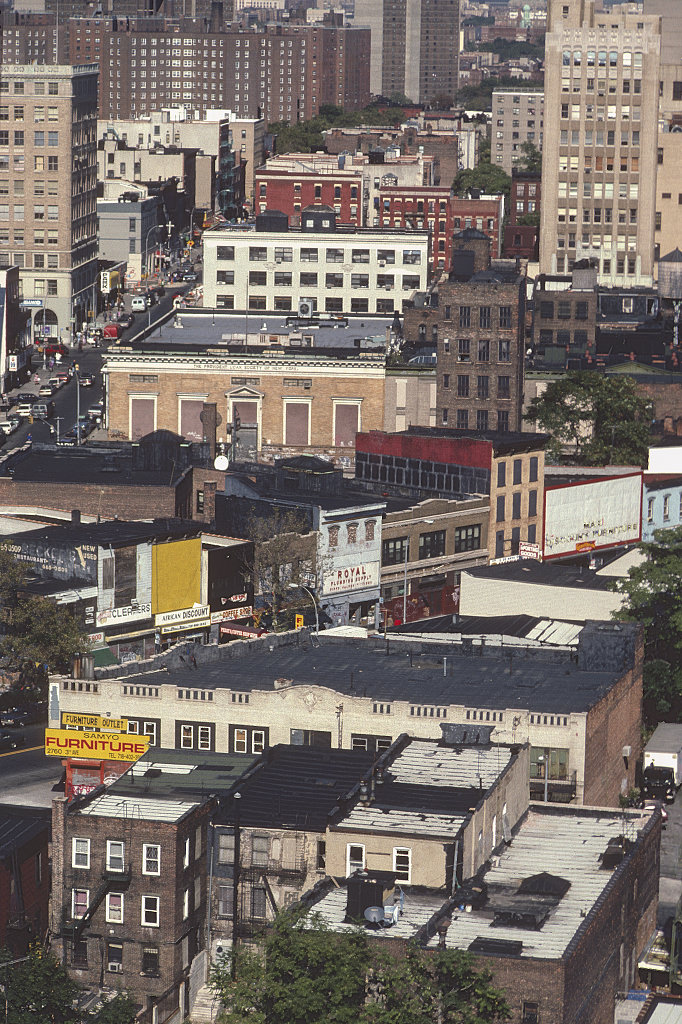
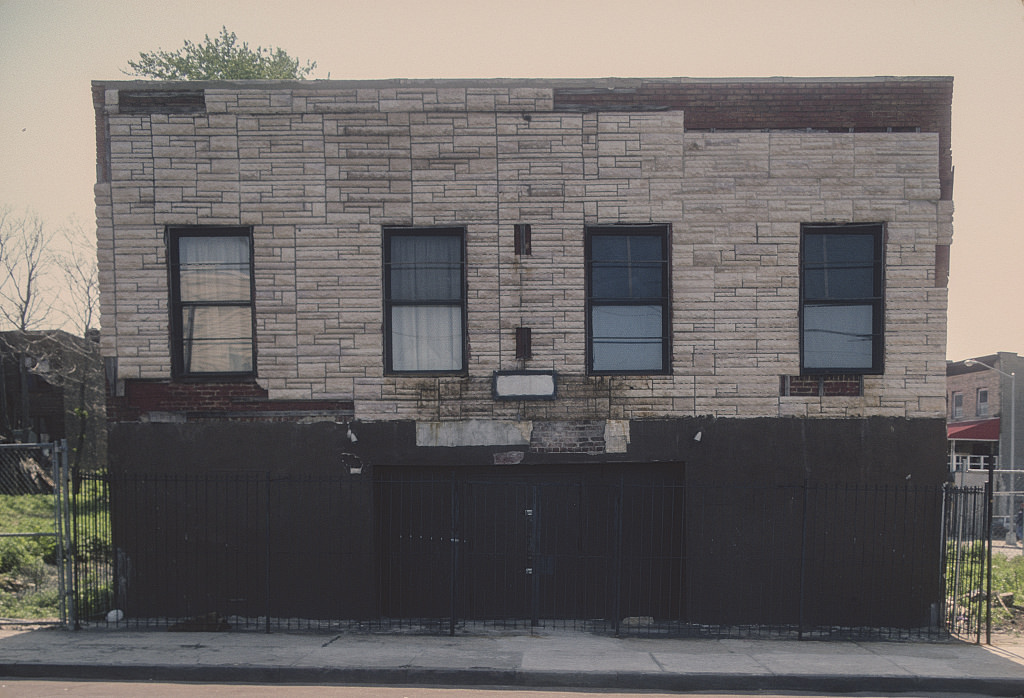
The South Bronx of 1999 was not the South Bronx of 1975. The fires were done. The worst of the crack years were receding. New buildings lined streets that had been empty lots for a generation. The murder rate had fallen further and faster than anyone had projected at the start of the decade. The neighborhood still had some of the highest poverty rates in the city, the worst asthma rates in the country — caused in part by the truck exhaust from the Hunts Point market and the nearby waste transfer stations — and schools that were still badly under-resourced. The recovery was structural and documented. So were the problems that remained.

GIPHY App Key not set. Please check settings