

 Henry Parker
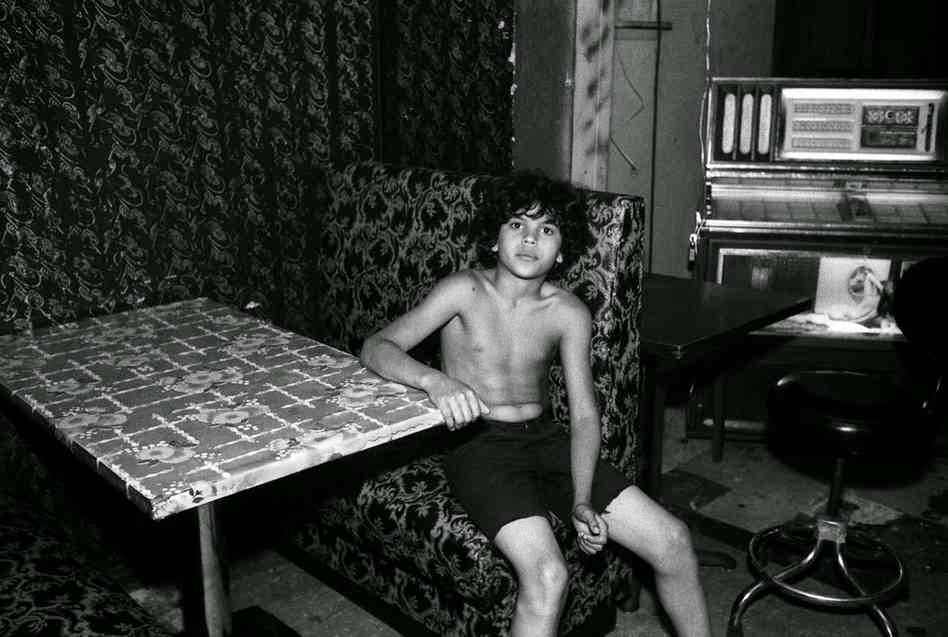
In 1977, photographer Stephen Shames took an assignment for Look magazine that sent him into the South Bronx. He went expecting to document a neighborhood. He stayed for over twenty years.
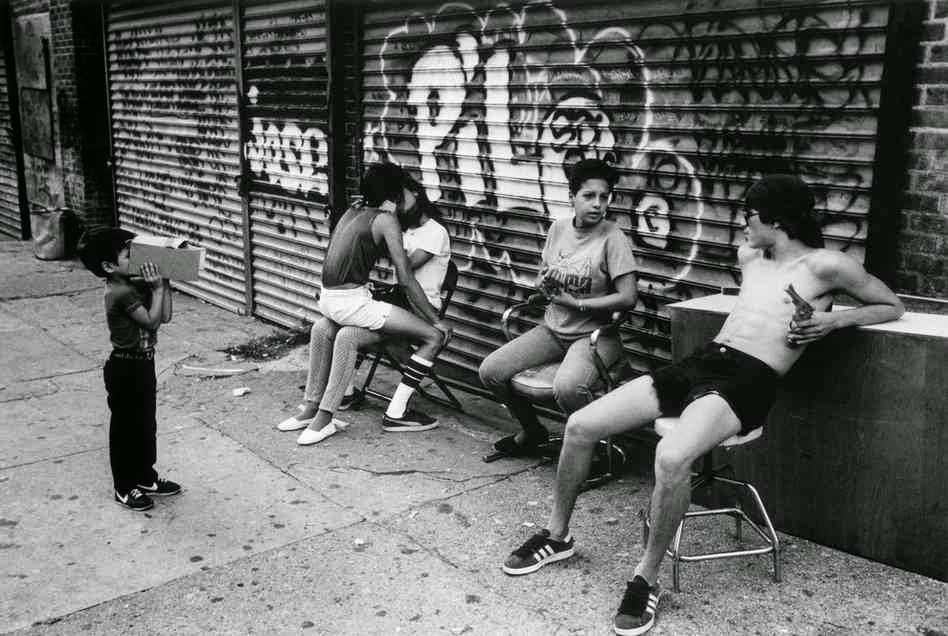
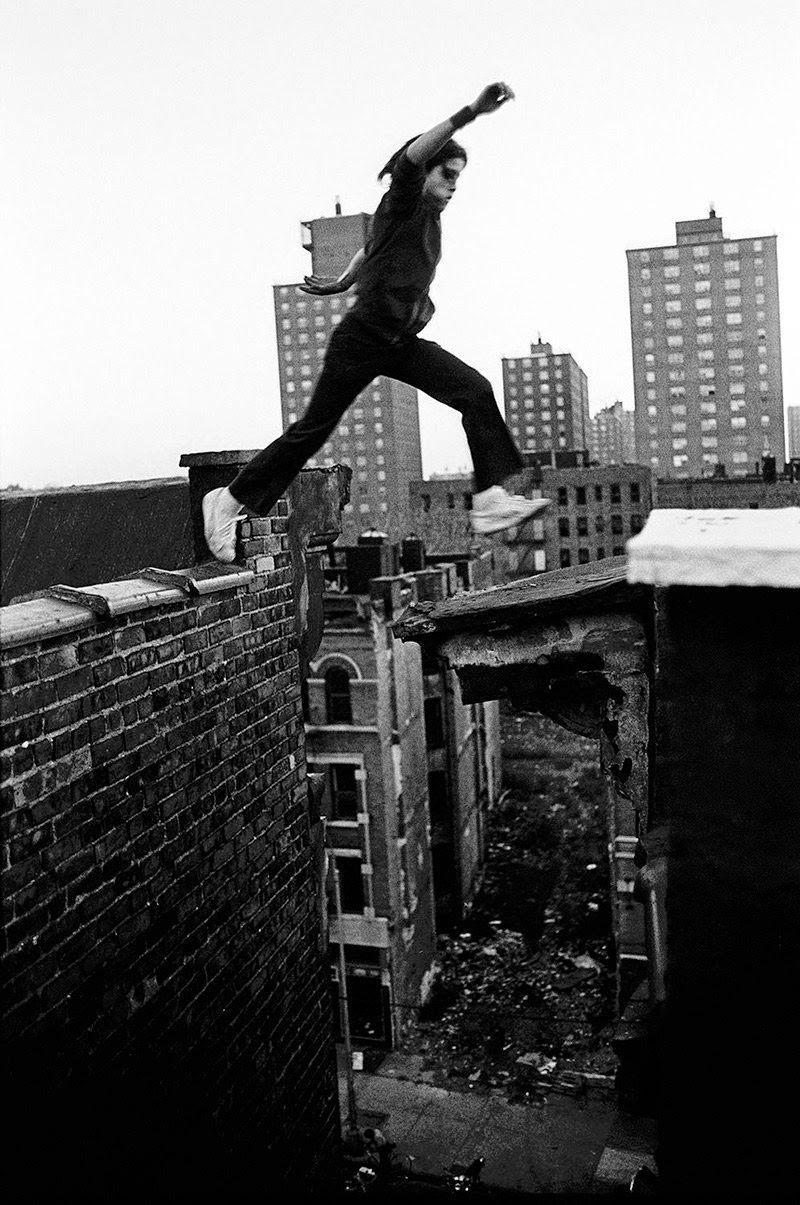
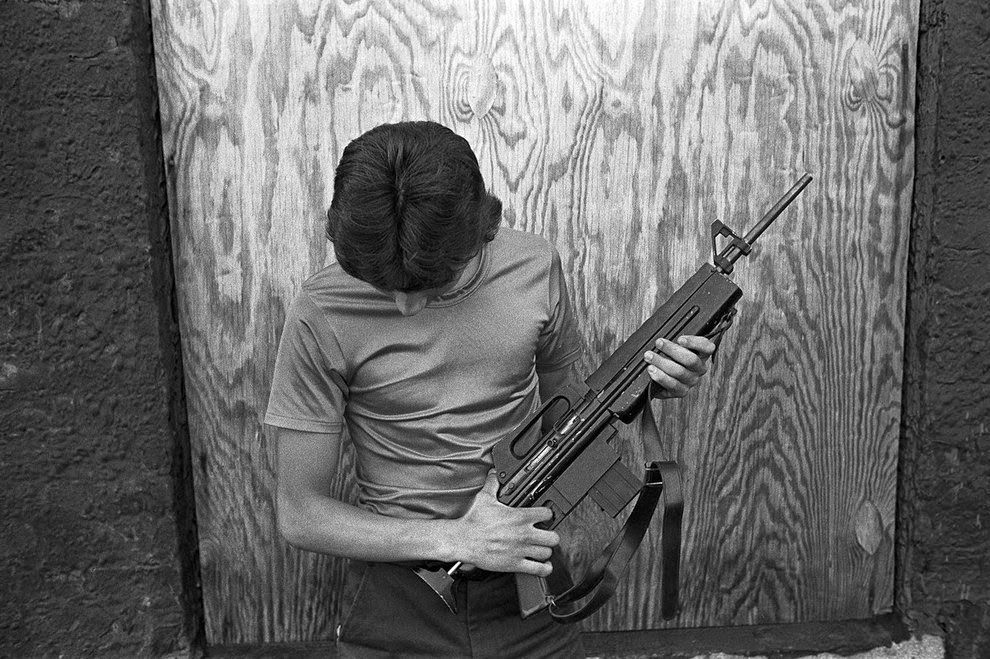
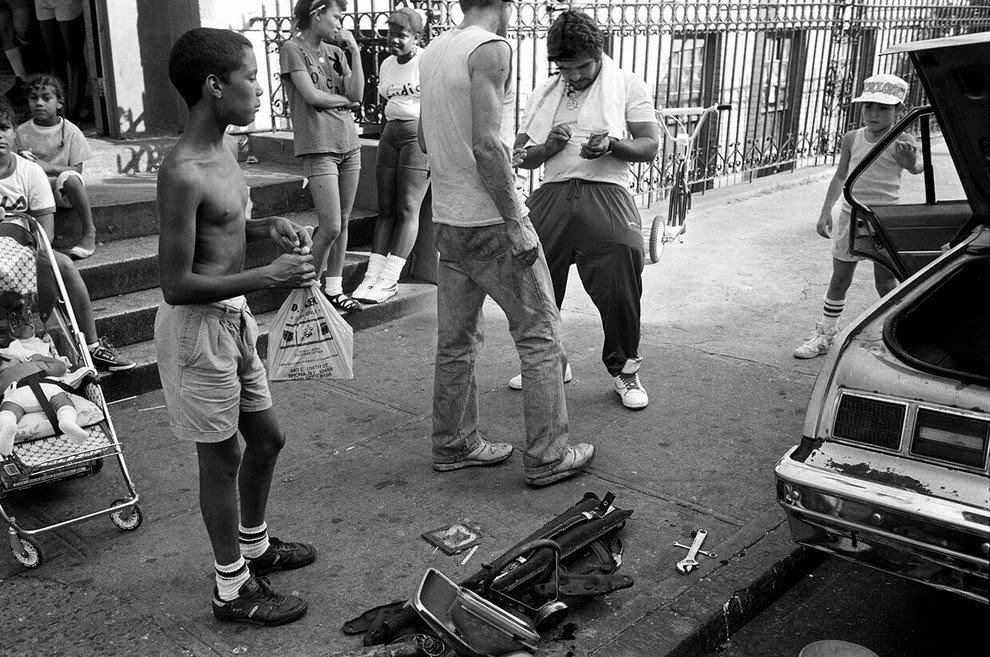
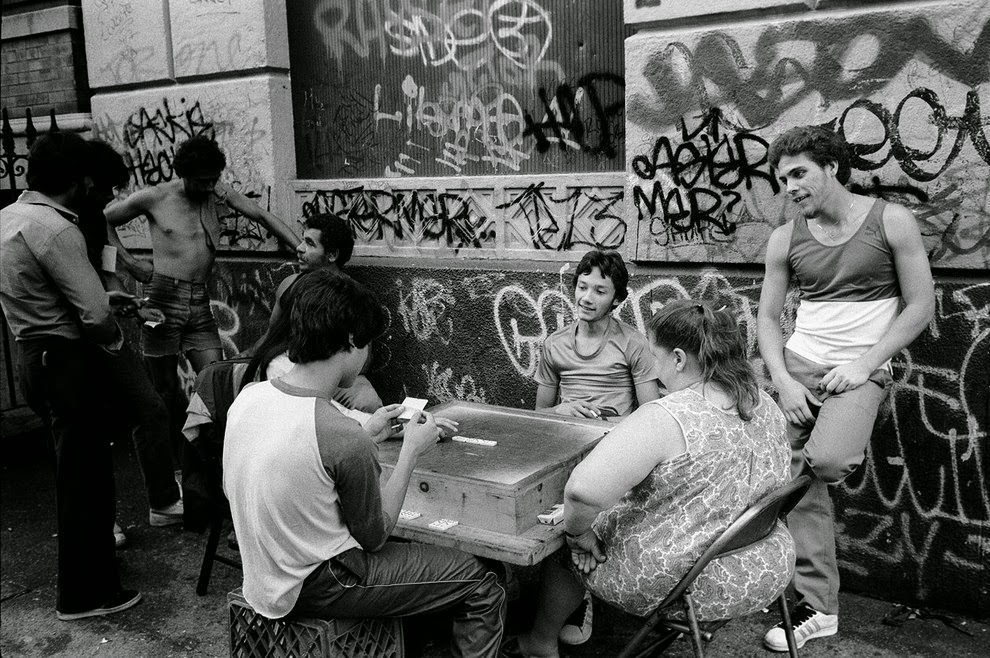
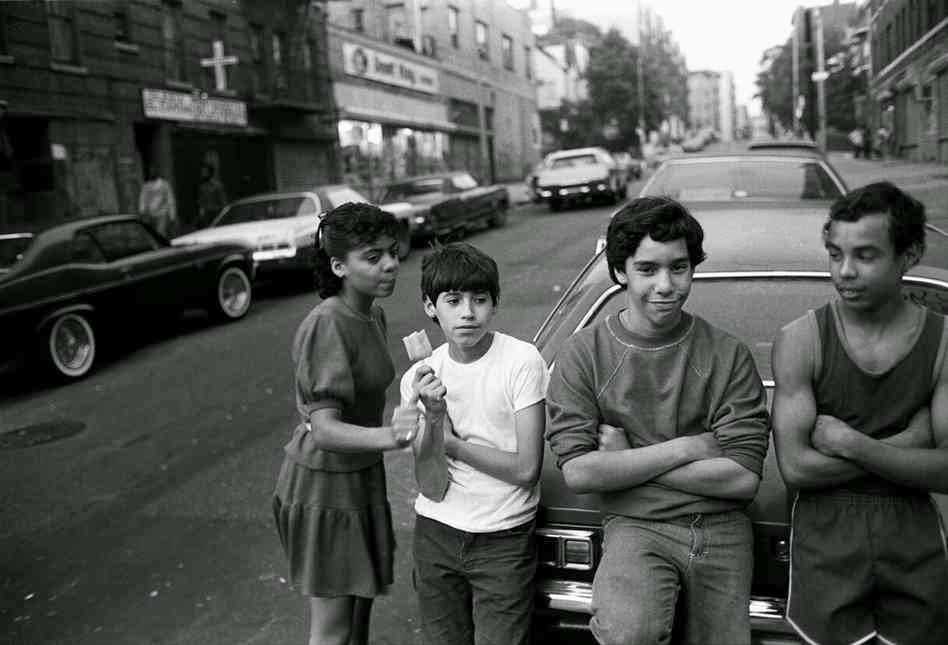
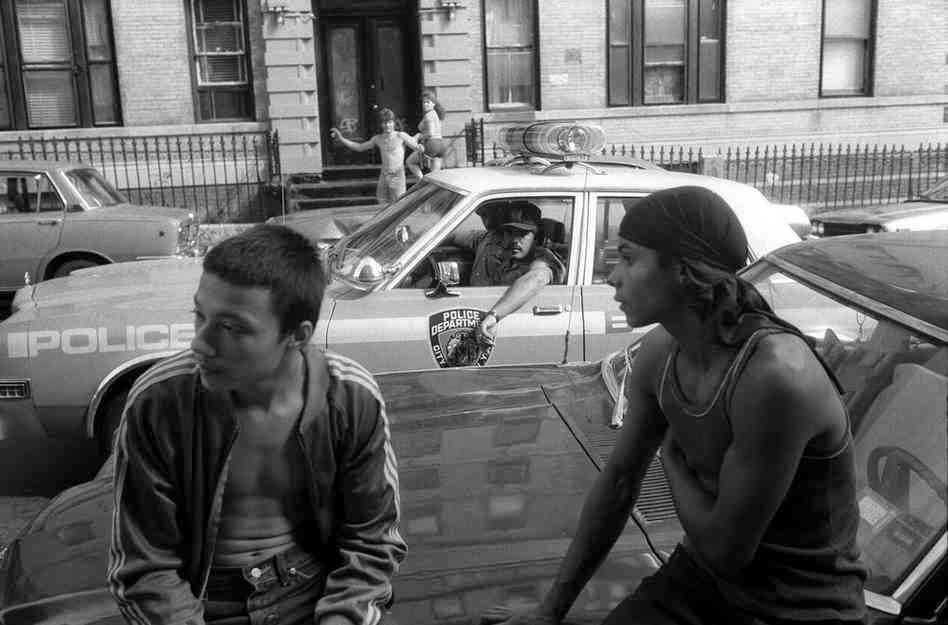
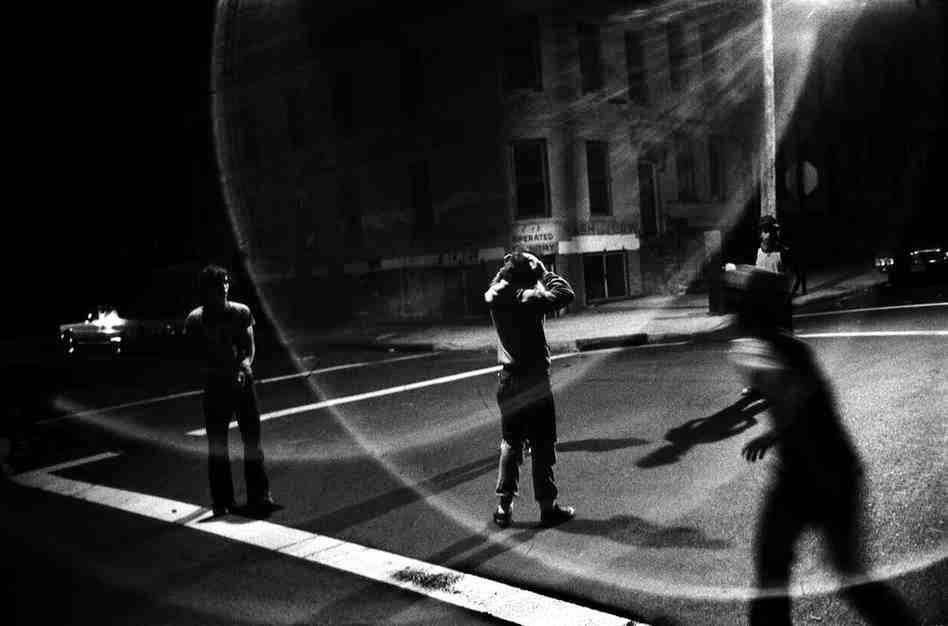
The Bronx at that time was in a state of serious collapse. Buildings were burning — landlords torched their own properties for insurance money while the city cut fire department funding. Poverty was concentrated and deep. Gangs controlled blocks. Drugs moved through the neighborhood openly. For the boys growing up there, the street was not a backdrop to their lives. It was the primary institution that shaped them, because many of the other institutions had already failed or left.
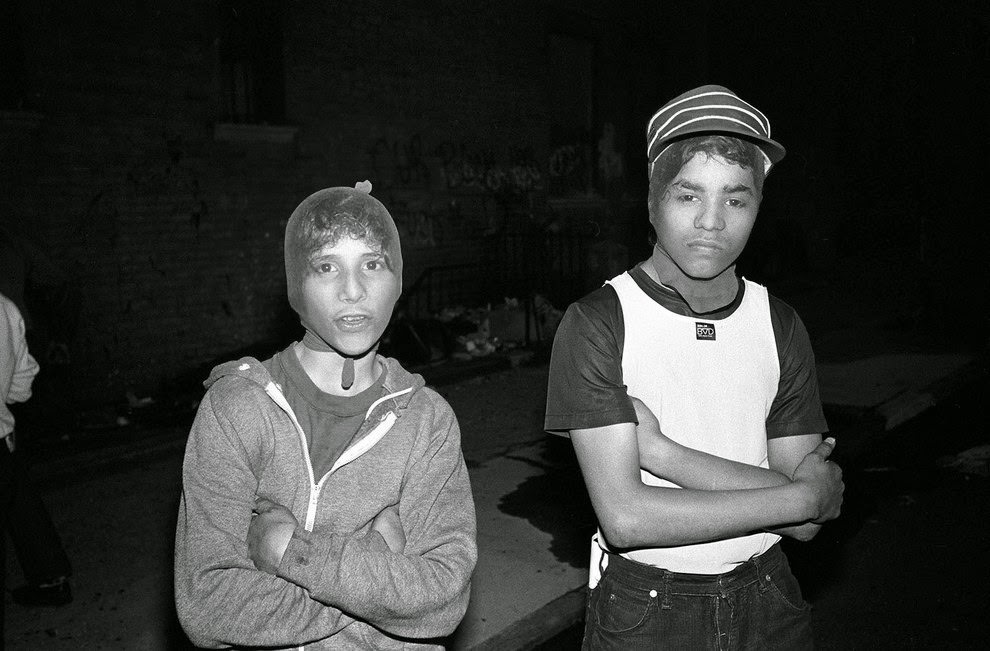
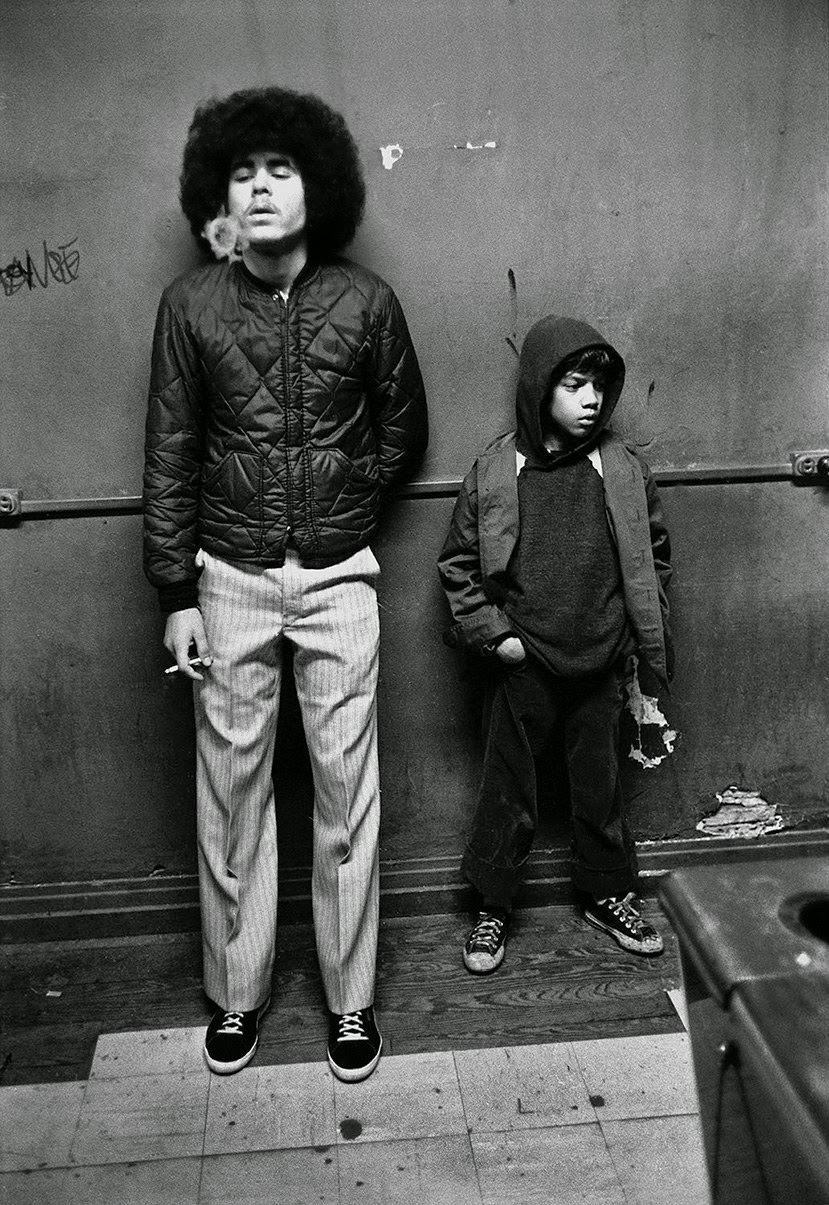
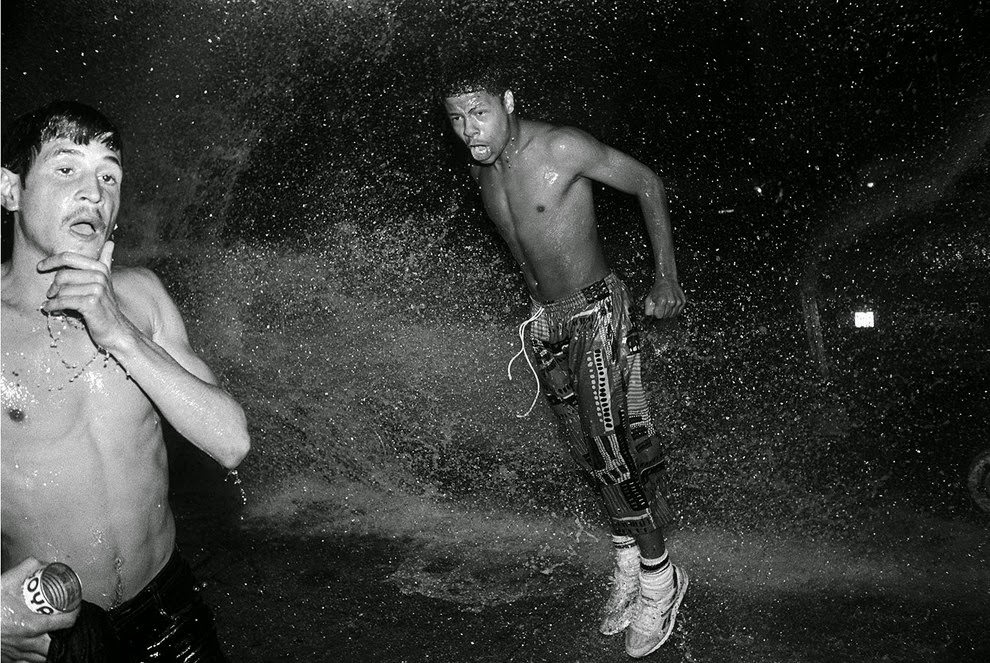
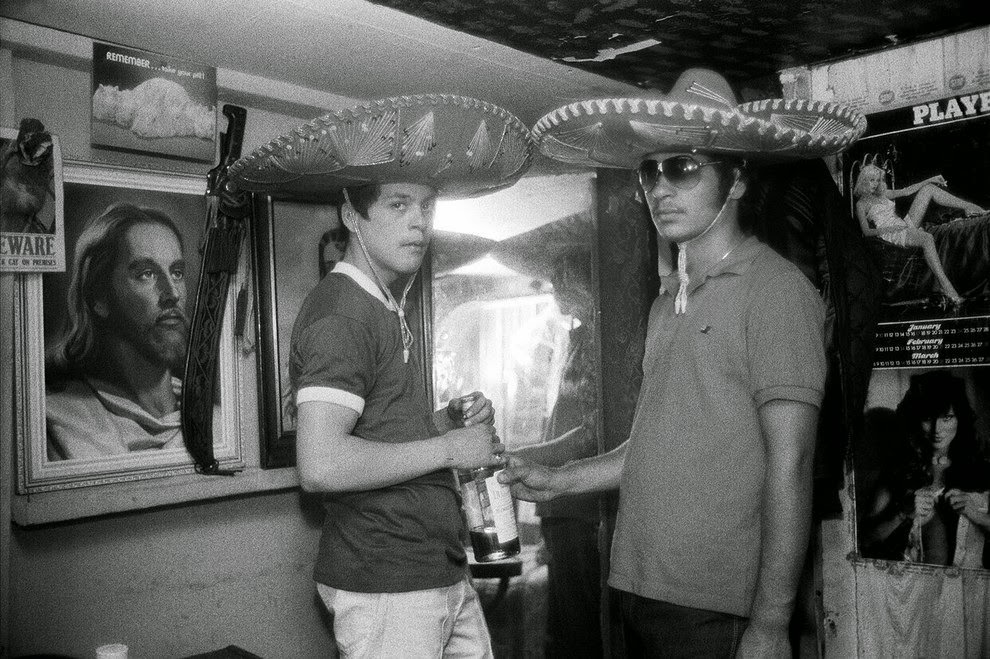
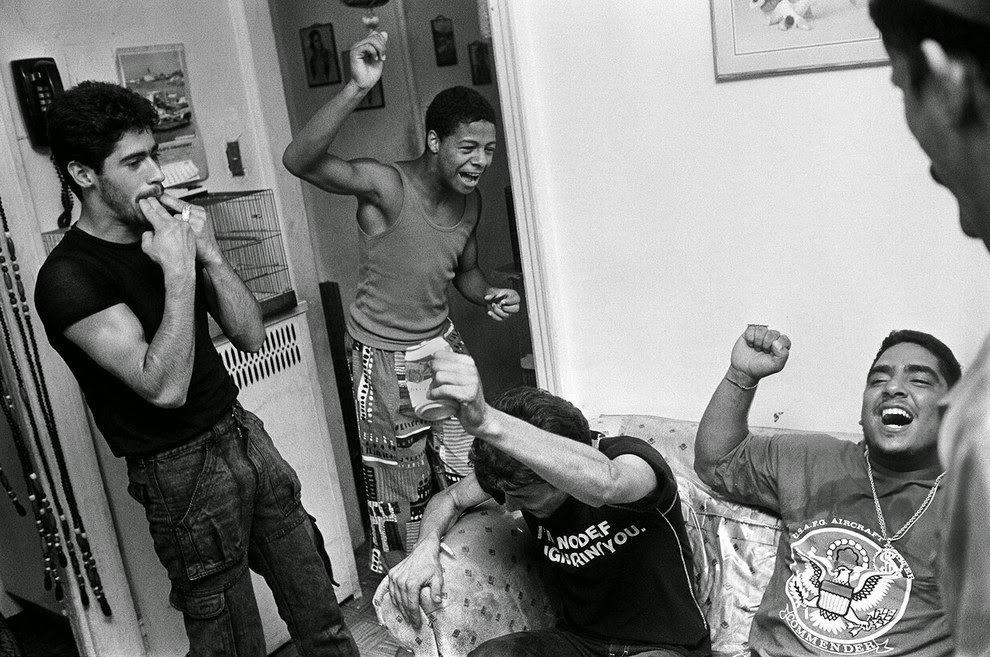
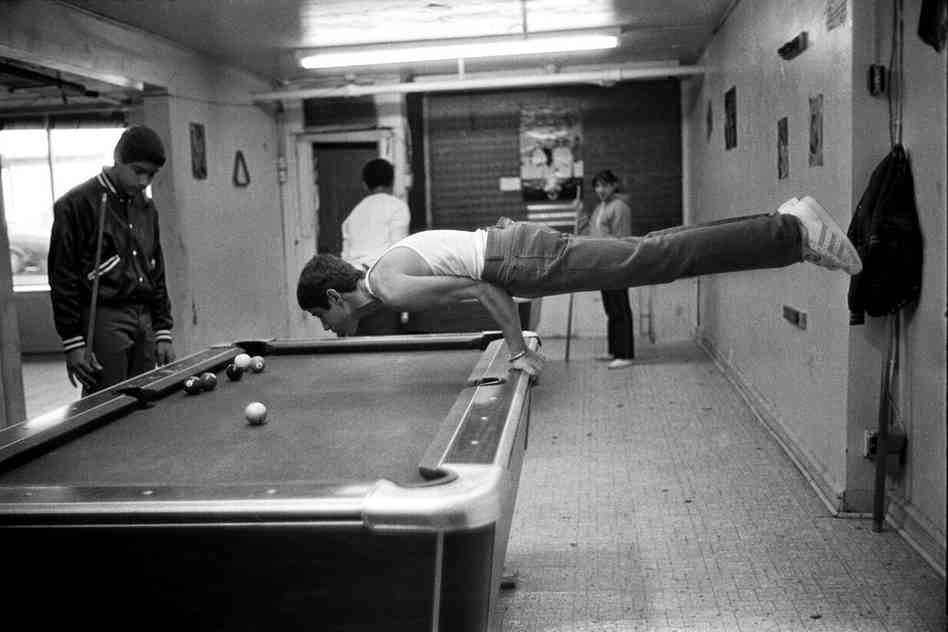
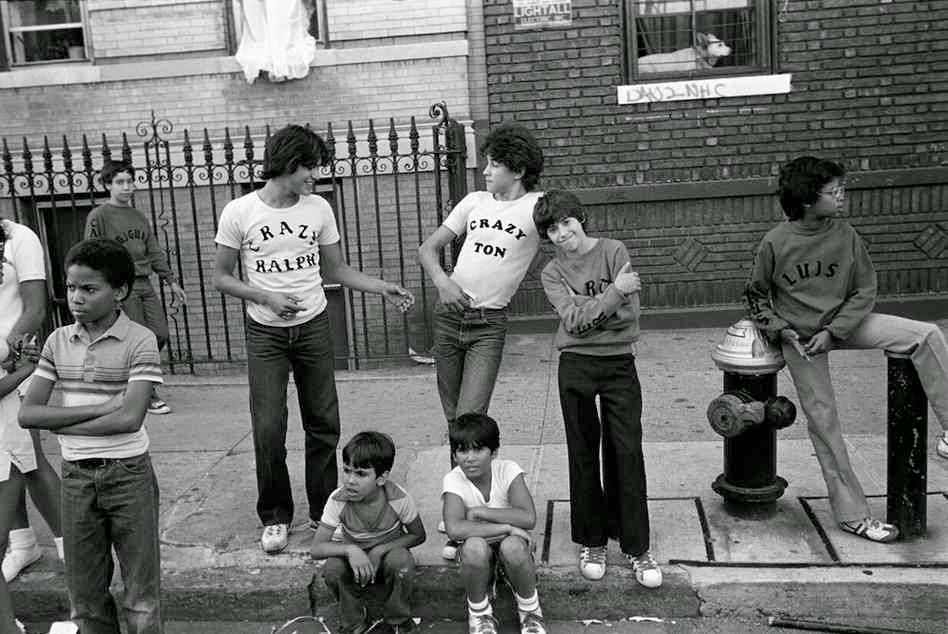
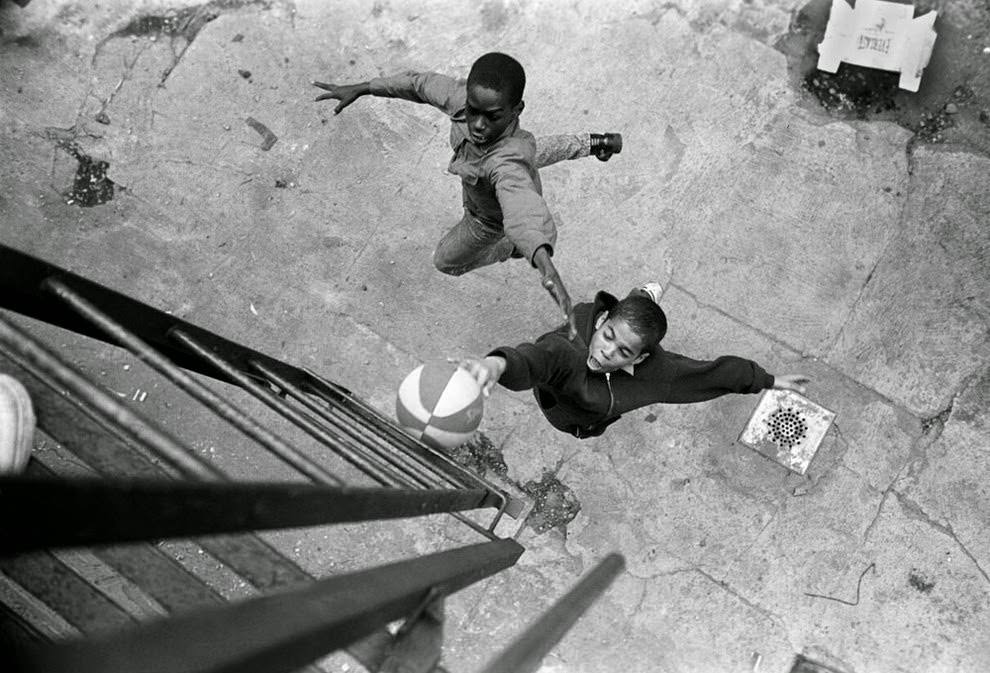
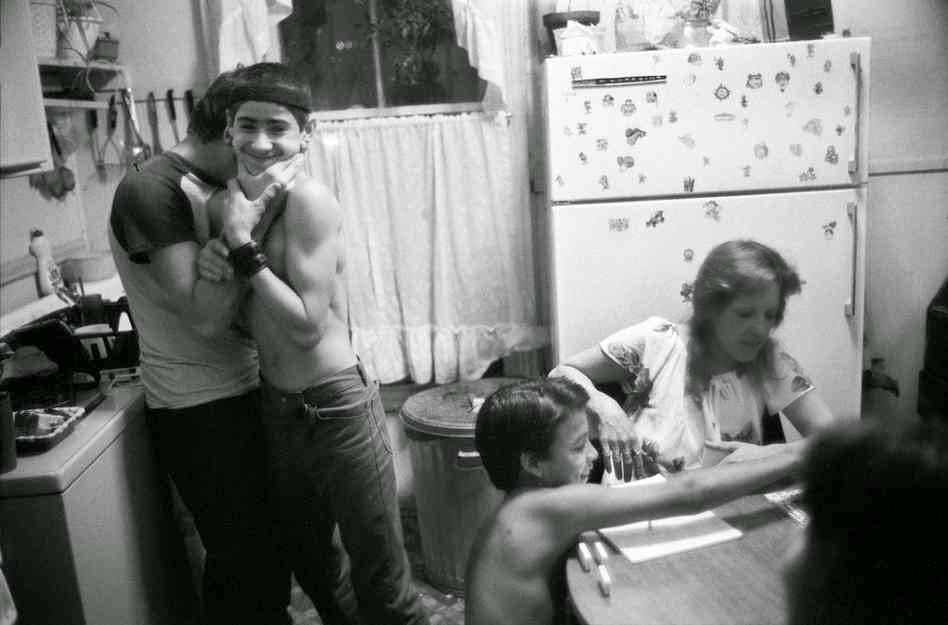
Shames began photographing a group of boys navigating adolescence inside that environment. They formed their own crews — tight groups built on loyalty and proximity that functioned as substitute families when real ones were absent or broken. Shames’s approach was patient and unglamorized. He did not parachute in for dramatic images and leave. He kept coming back, and over time the boys trusted him enough to let him into their homes, their conflicts, and their private lives.
Read more..
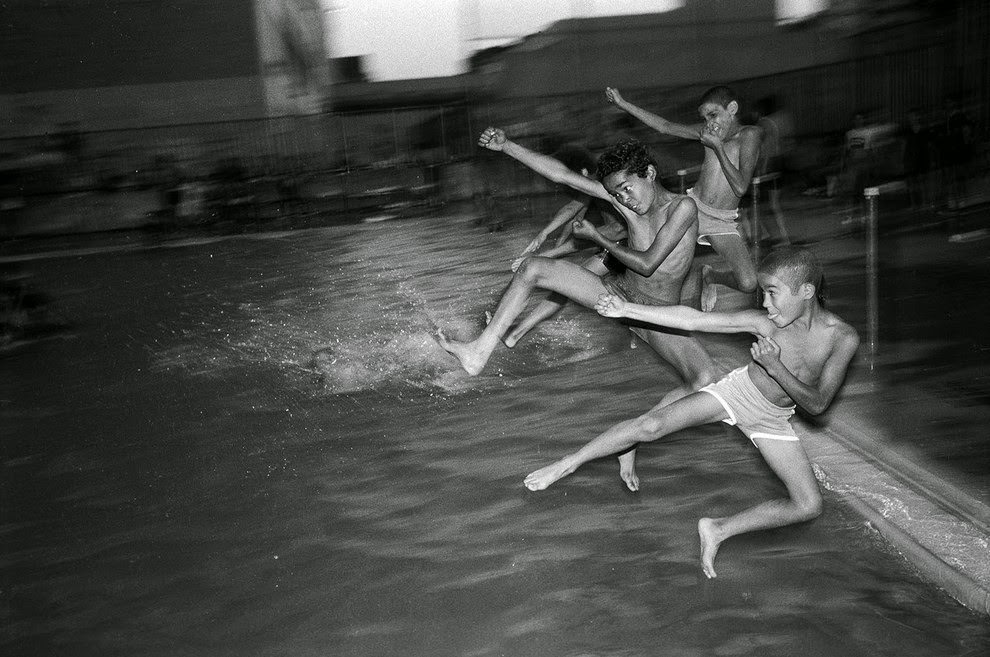
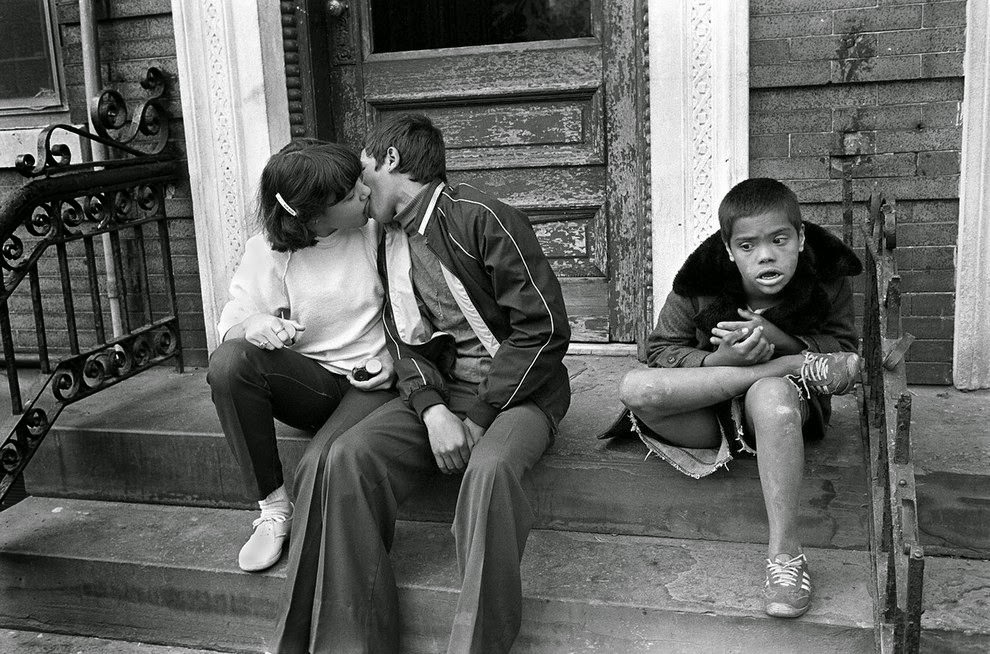
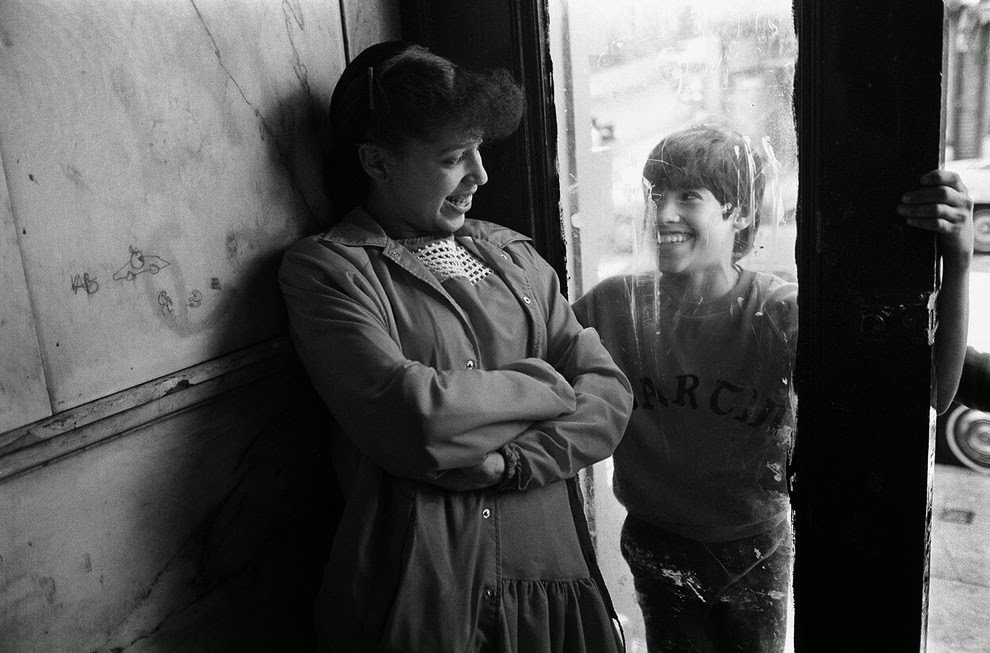
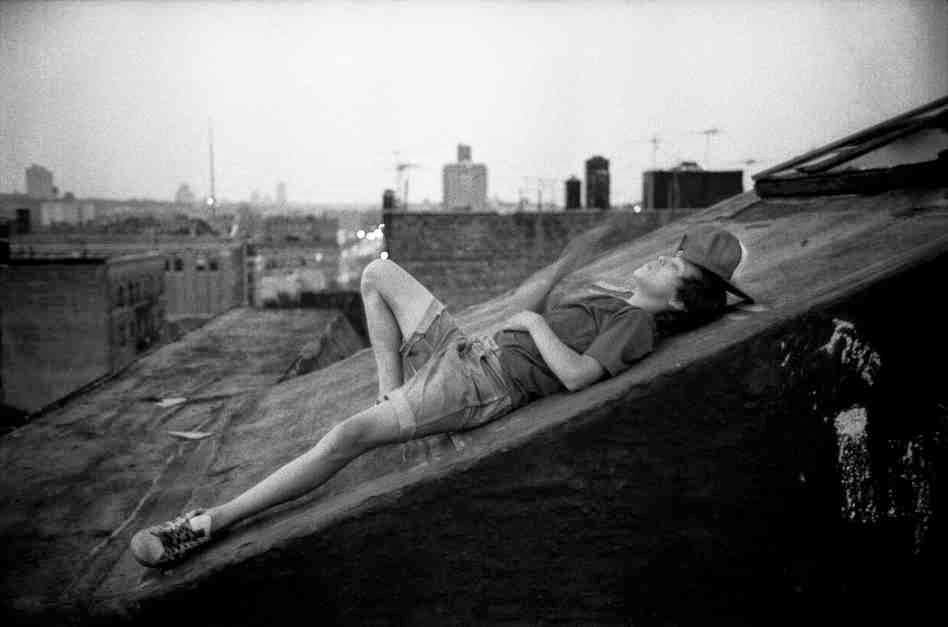
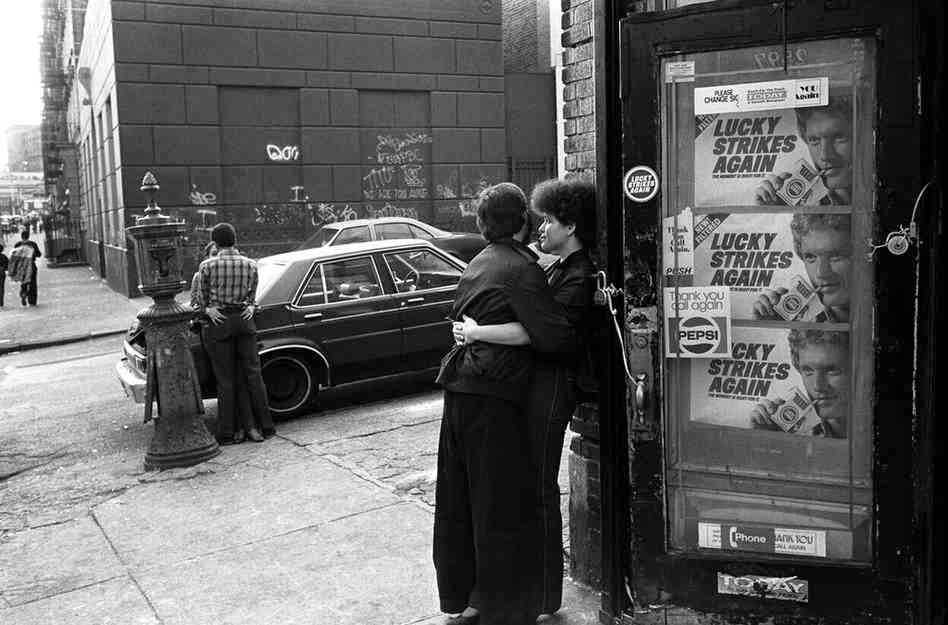
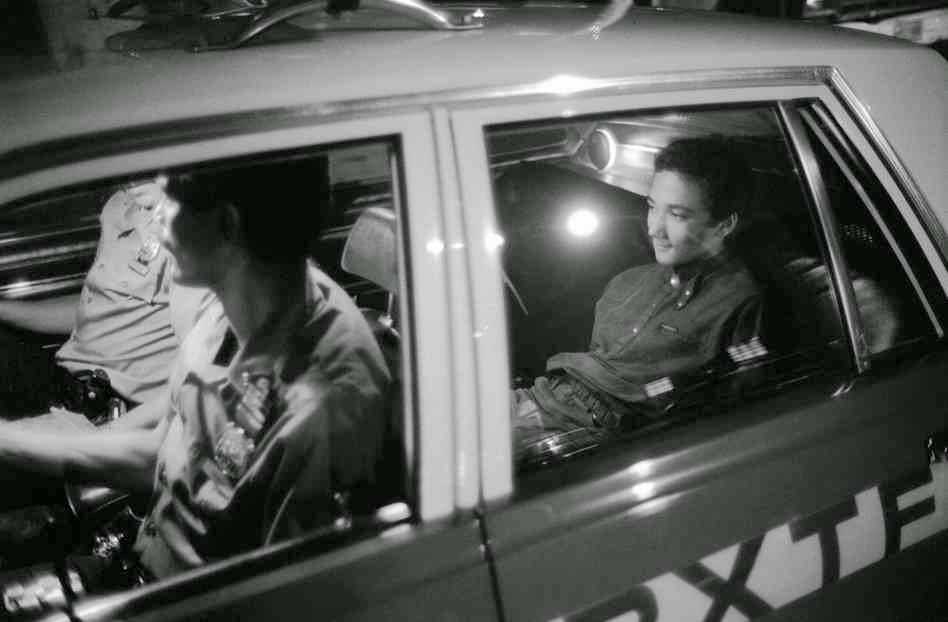
The photographs made across those two decades document both sides of what those years actually contained. He captured arrests, drug deals, fights, and the specific kind of violence that left several of the young men he photographed either dead or incarcerated before they reached thirty. He also photographed them falling in love, becoming fathers, and building lives in the spaces between the chaos.
One of the young men Shames mentored directly was Martin Dones, who contributed his own account to the project. Dones described getting pulled into violence and drug activity before a small number of adults intervened and helped redirect his path. His account gives the photographs a specific human voice — not a generalized story about a neighborhood, but one person’s experience of being caught inside it and finding a way through.
What Shames built over those twenty-plus years is a sustained portrait of a community that most of America had written off entirely. The South Bronx in the late 1970s and 1980s was used repeatedly as shorthand for urban failure. These photographs refuse that shorthand. They show boys becoming men under genuine pressure, with all the loss and resilience that process actually involved.

GIPHY App Key not set. Please check settings