

 Dennis Saul
The South Bronx in the 1970s lost half its population, thousands of buildings, and most of its basic services. What happened there was not a natural disaster — it was the result of specific decisions made by landlords, banks, city planners, and city government.
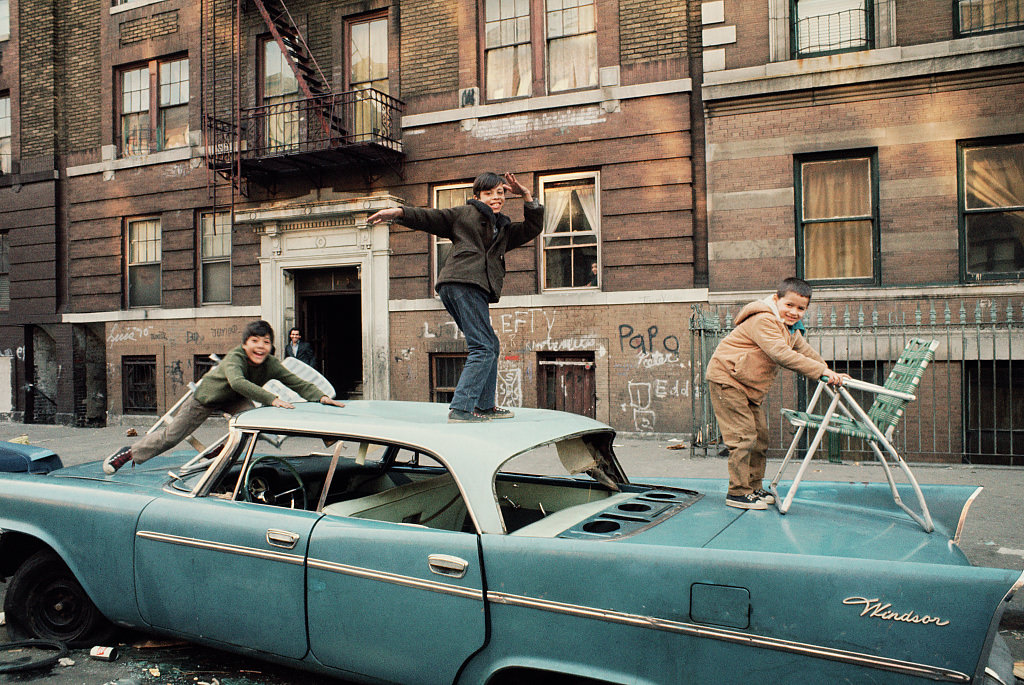
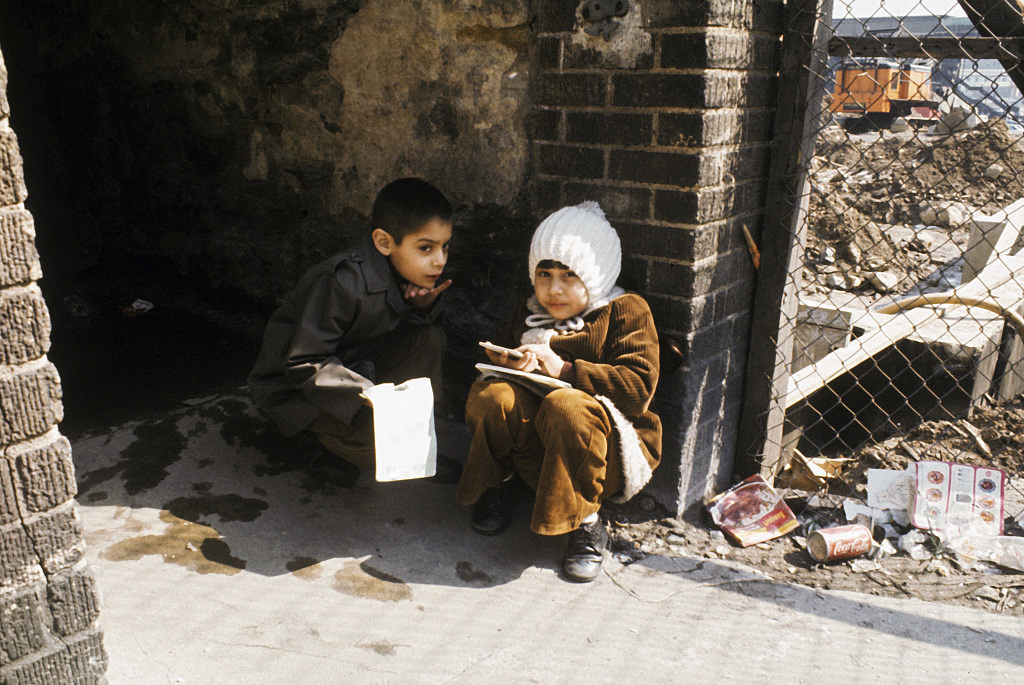
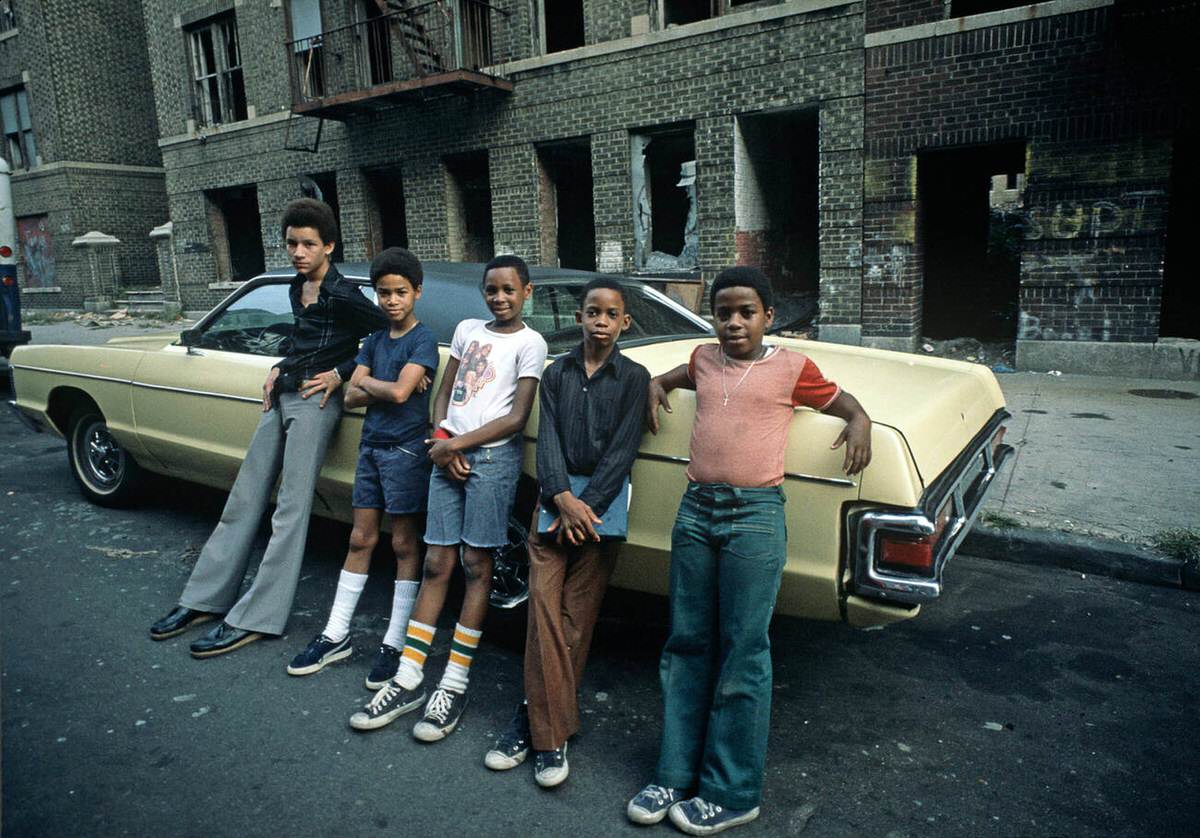
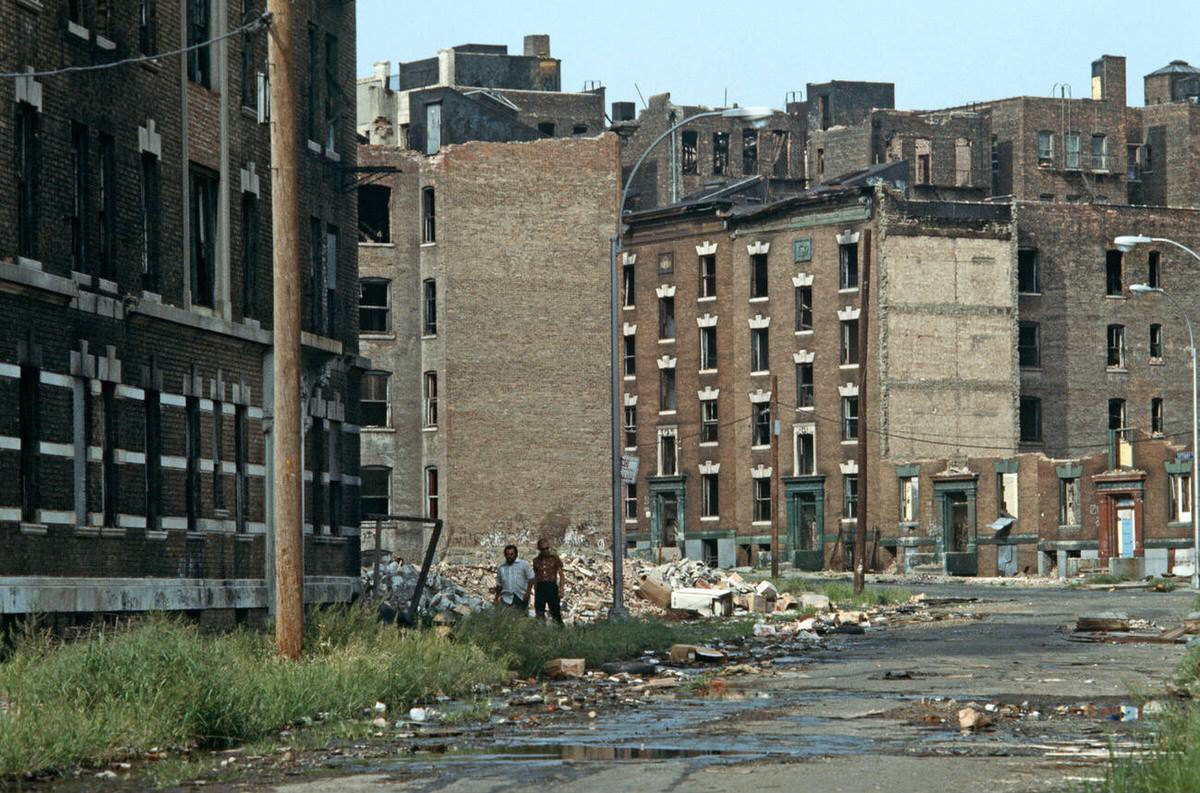
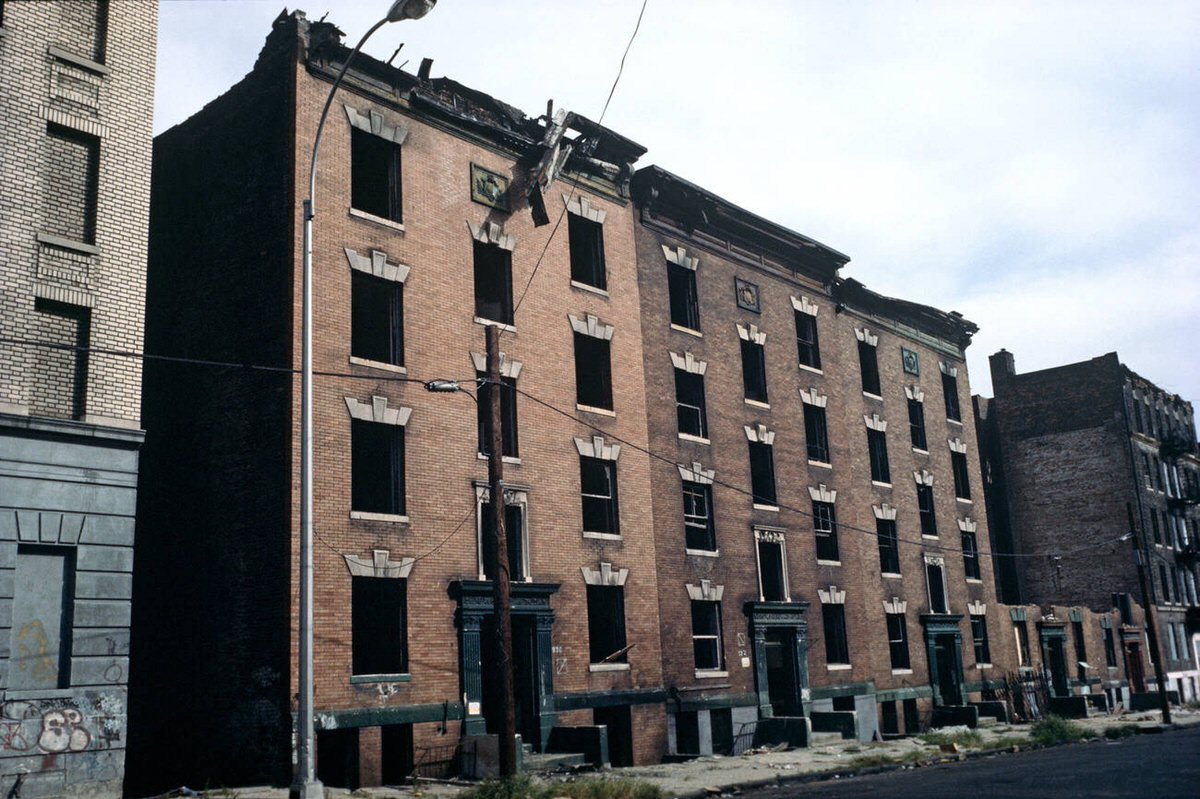
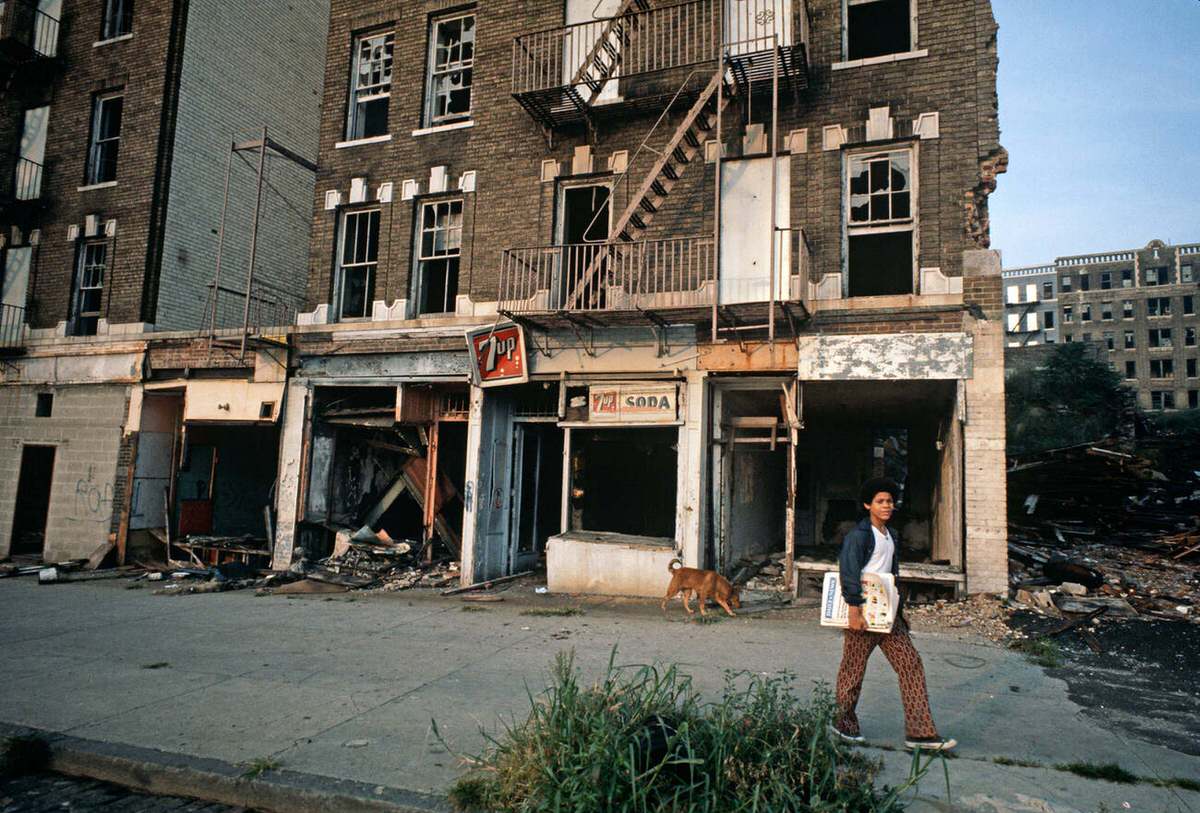
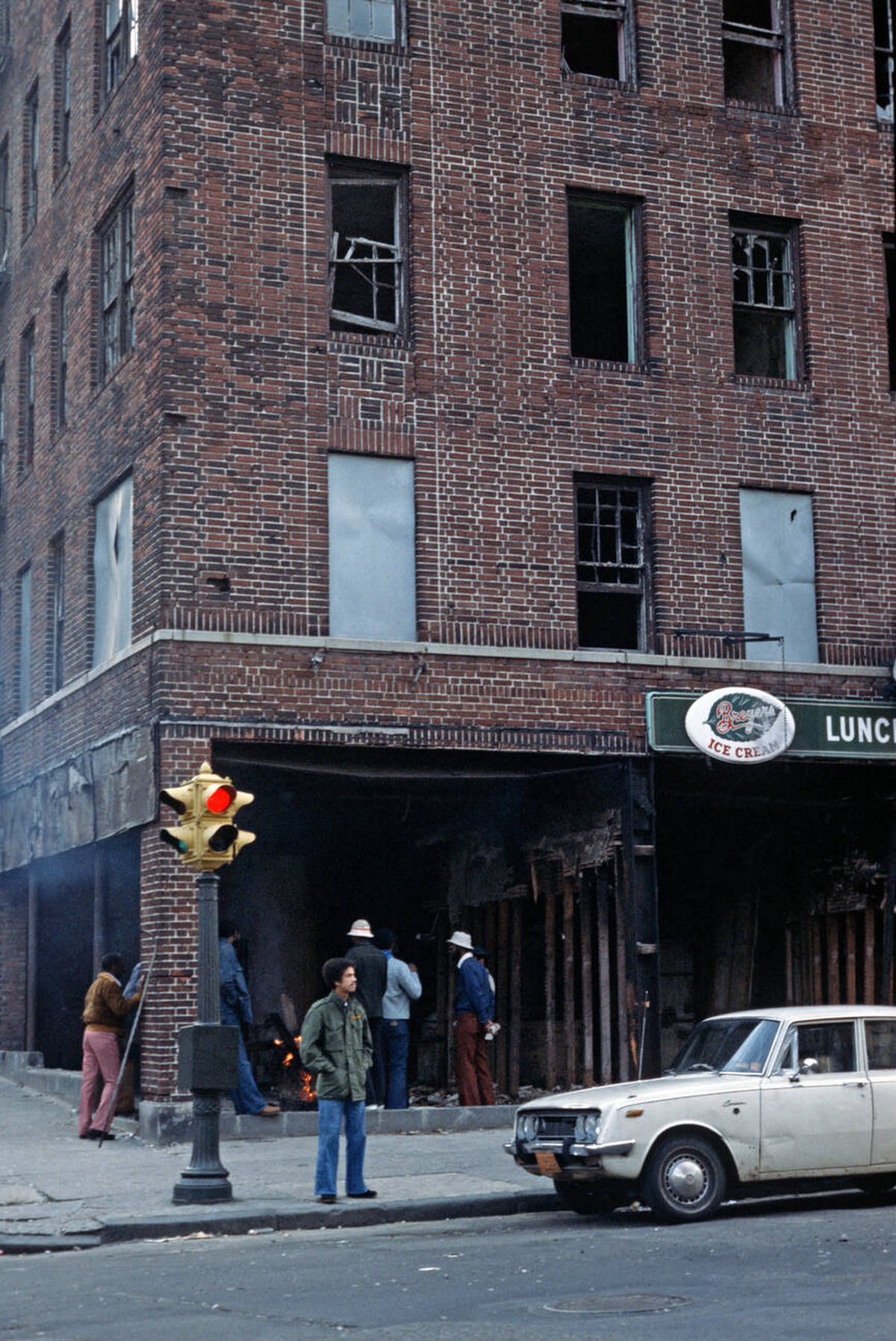
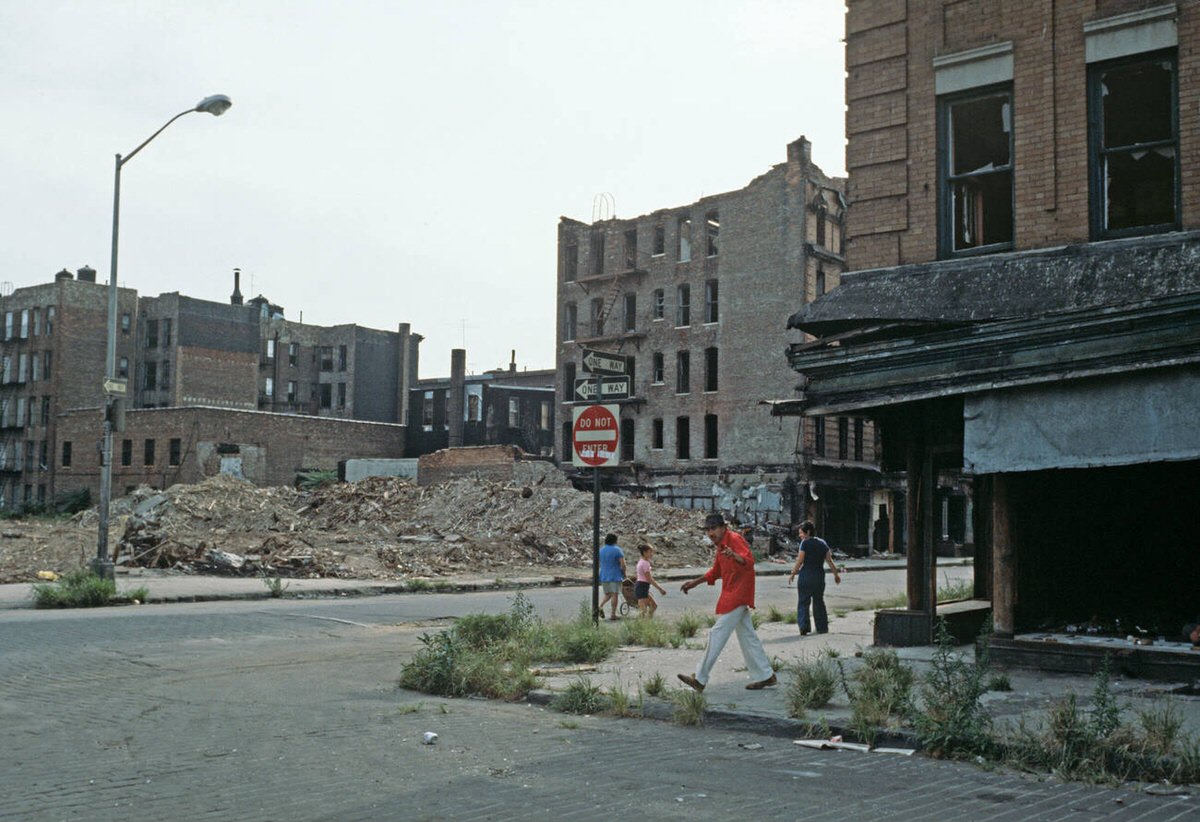
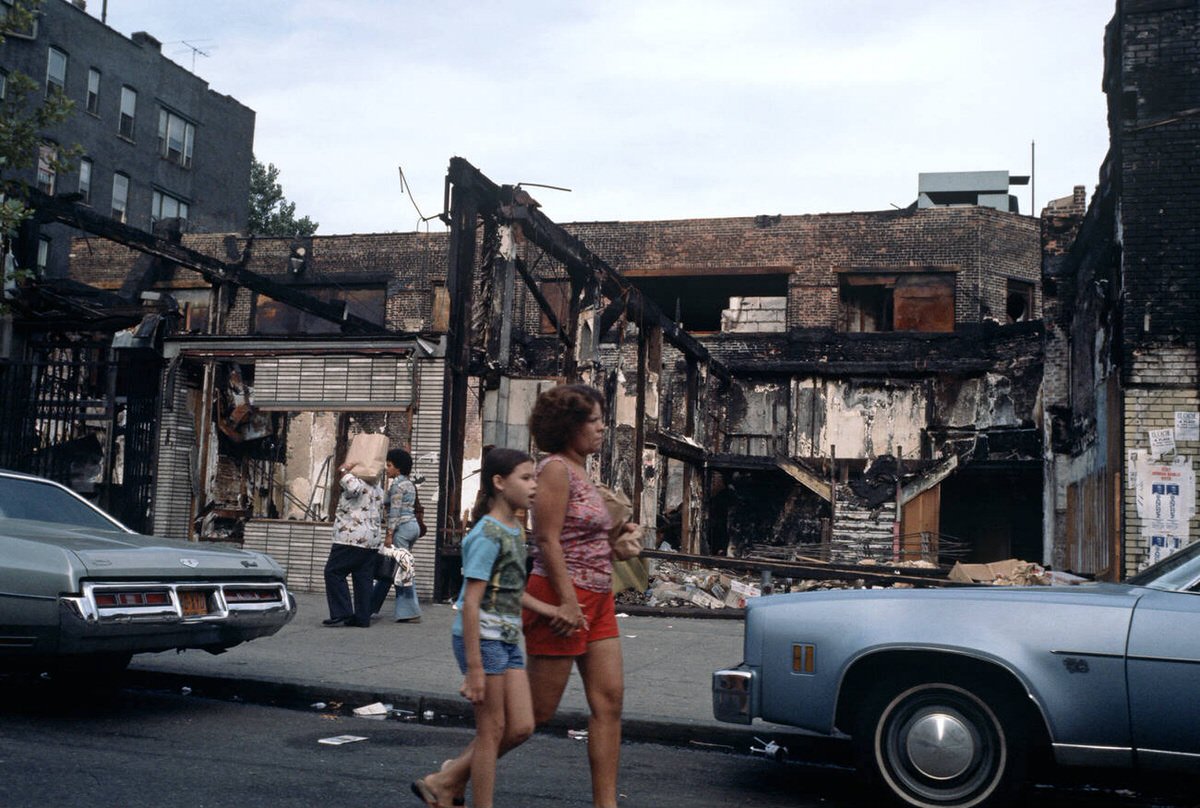
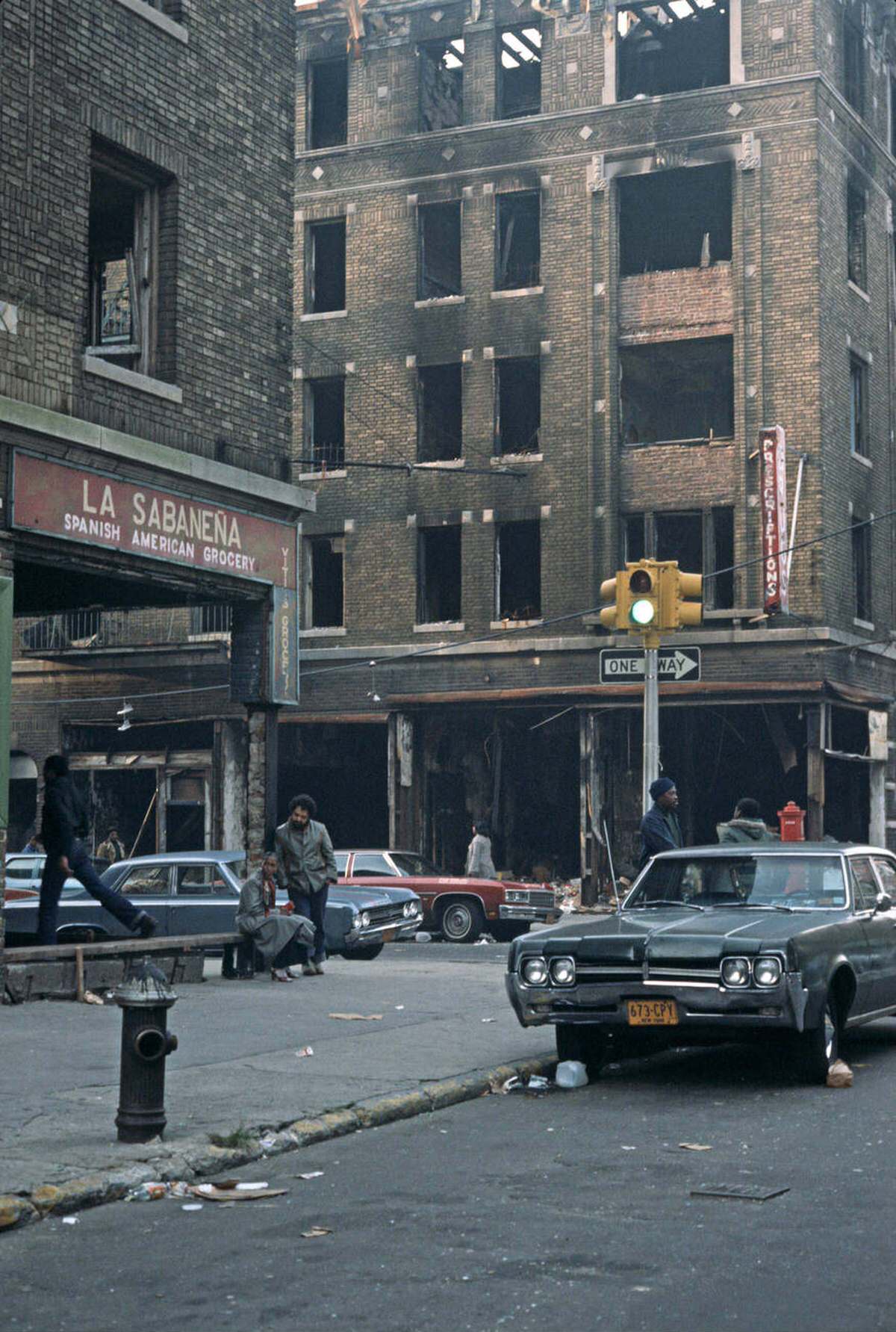
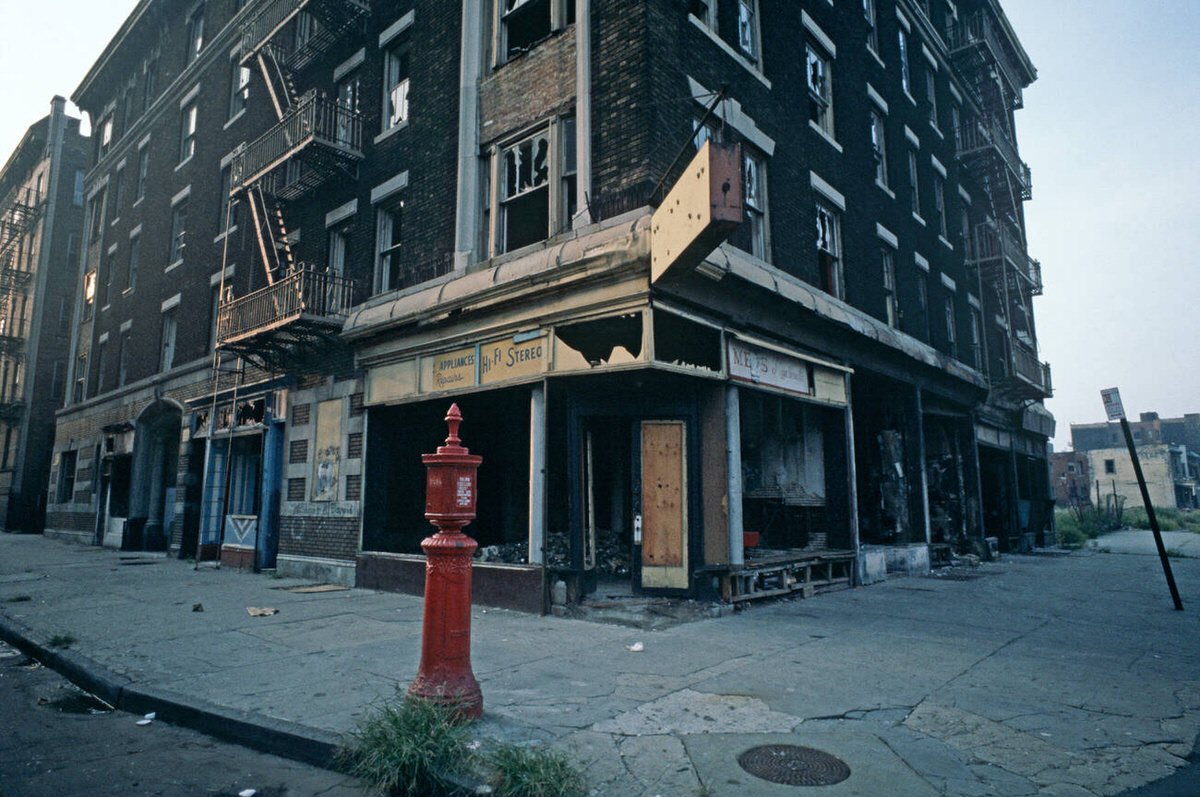
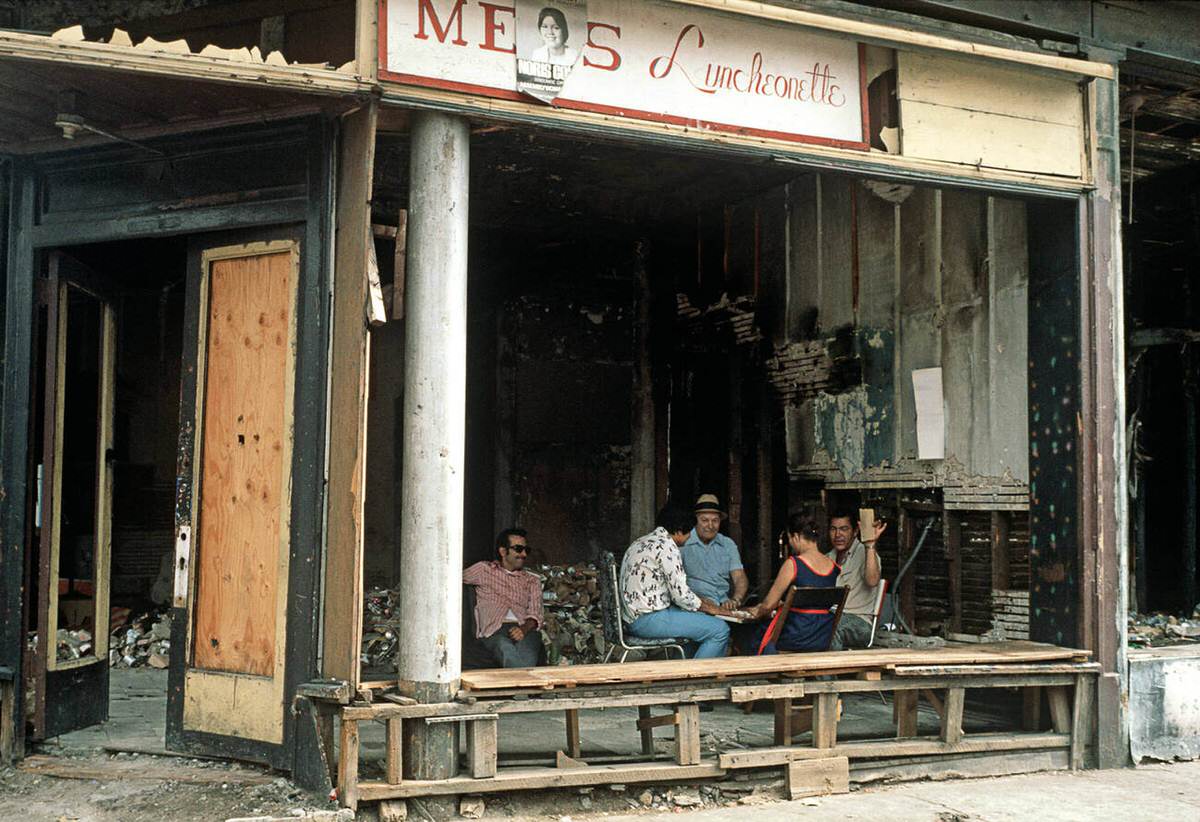
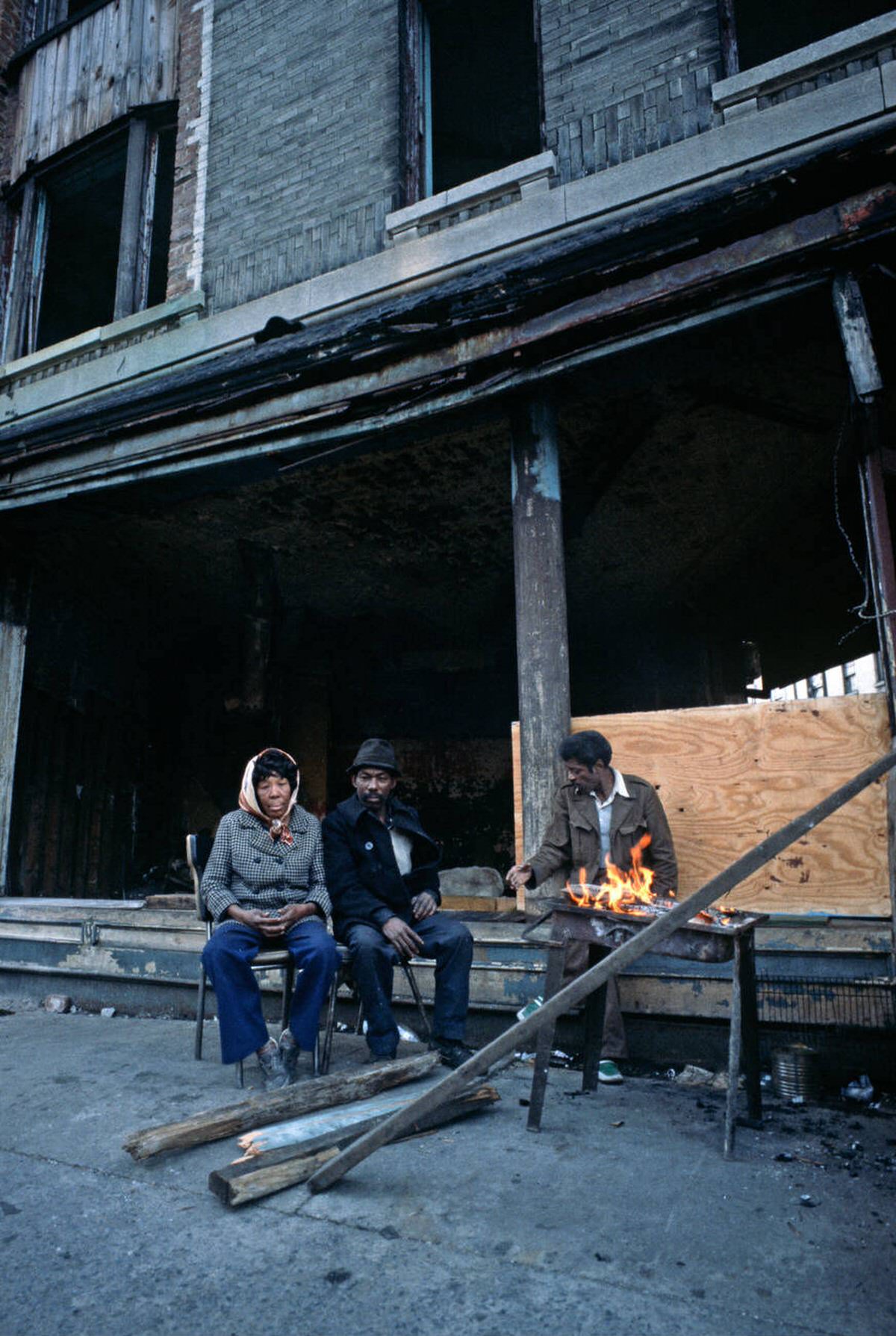
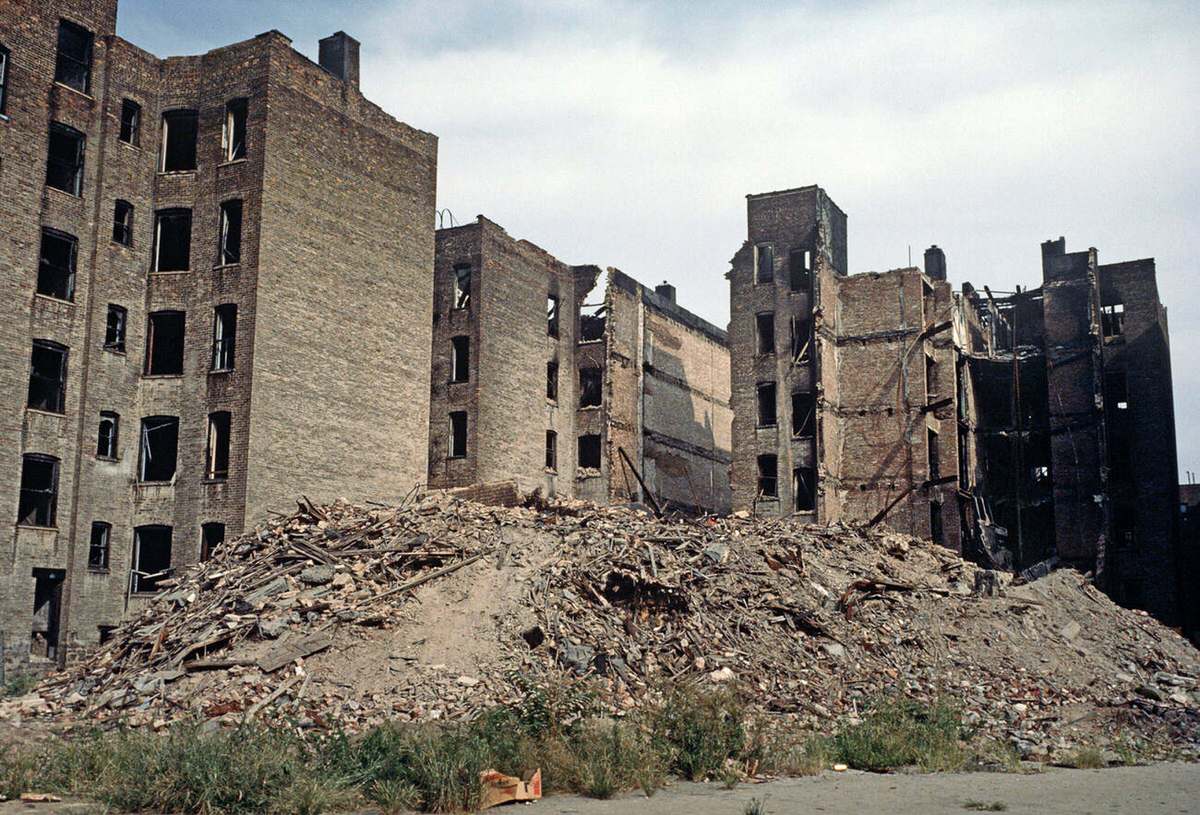
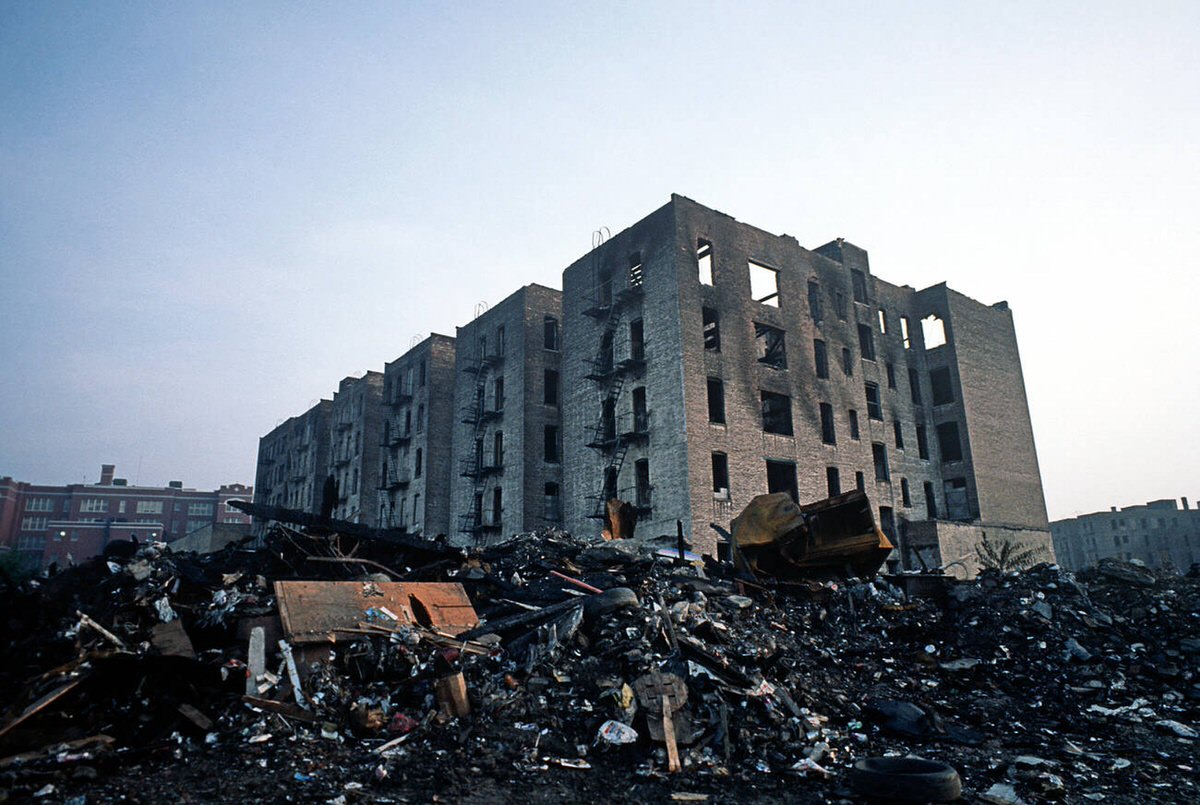
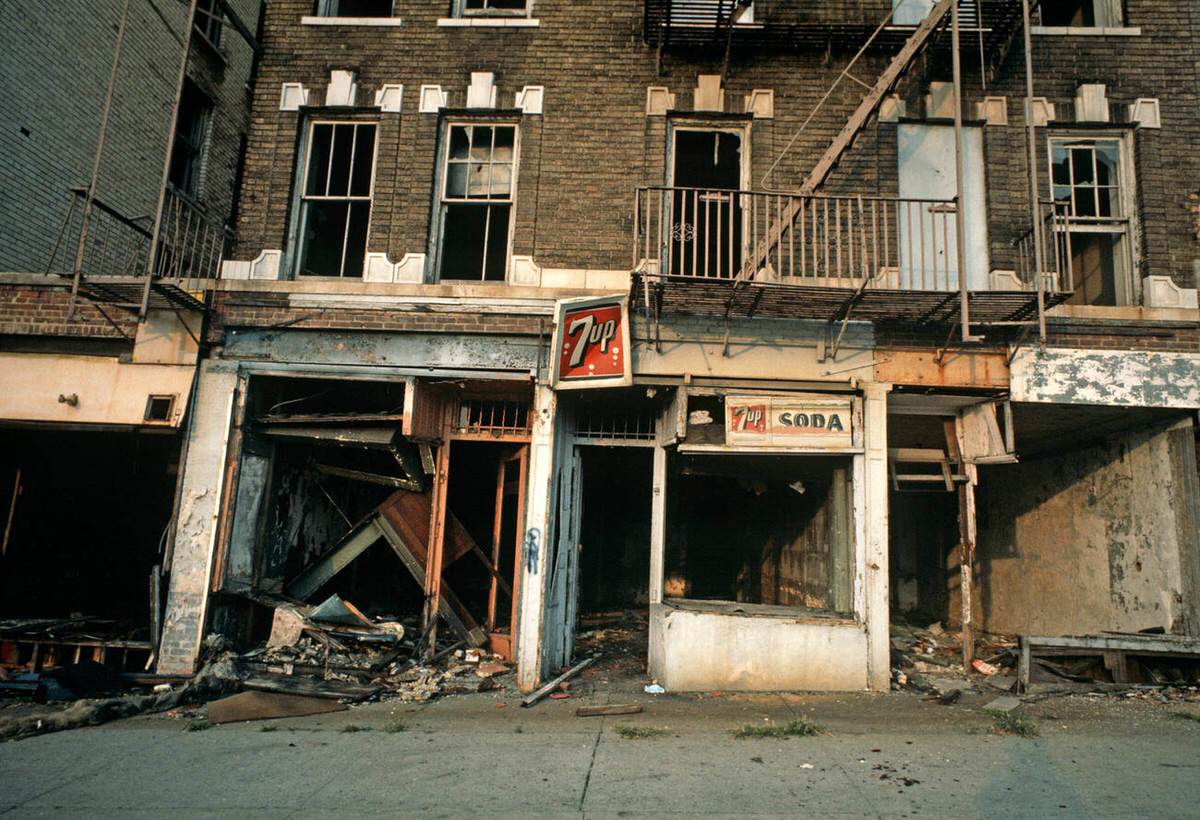
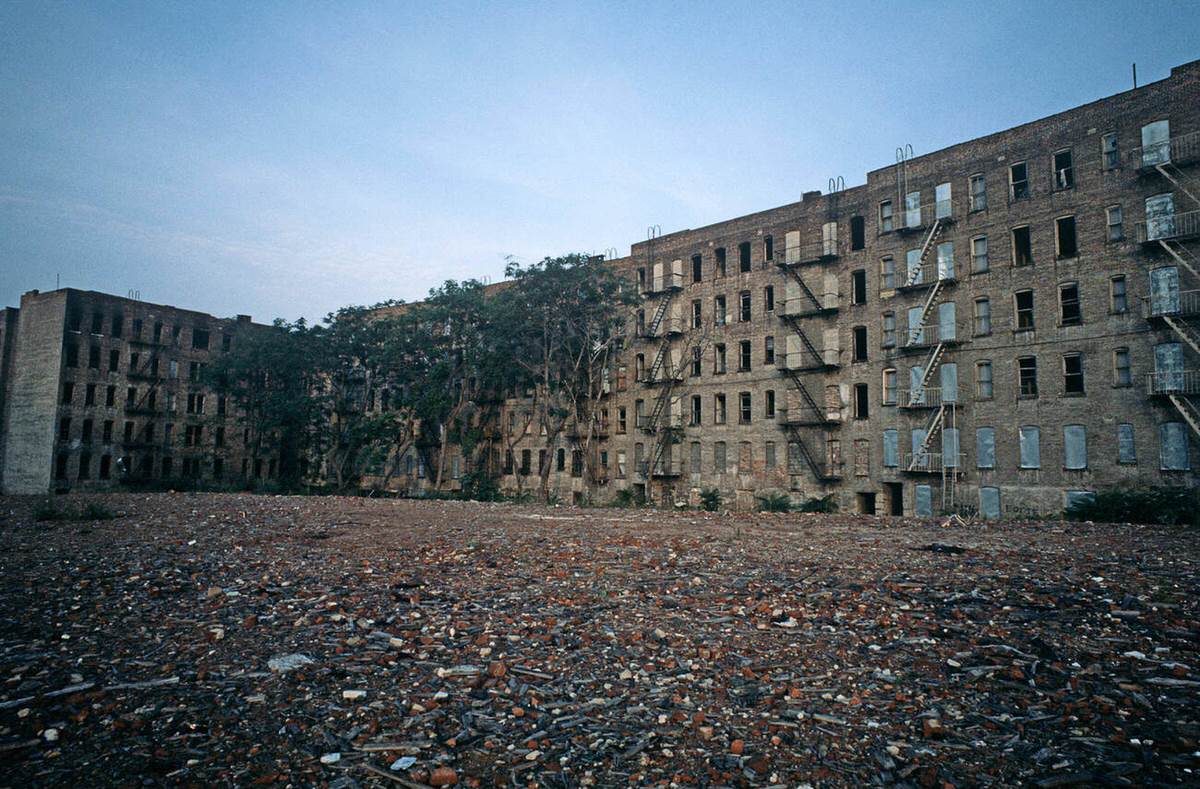
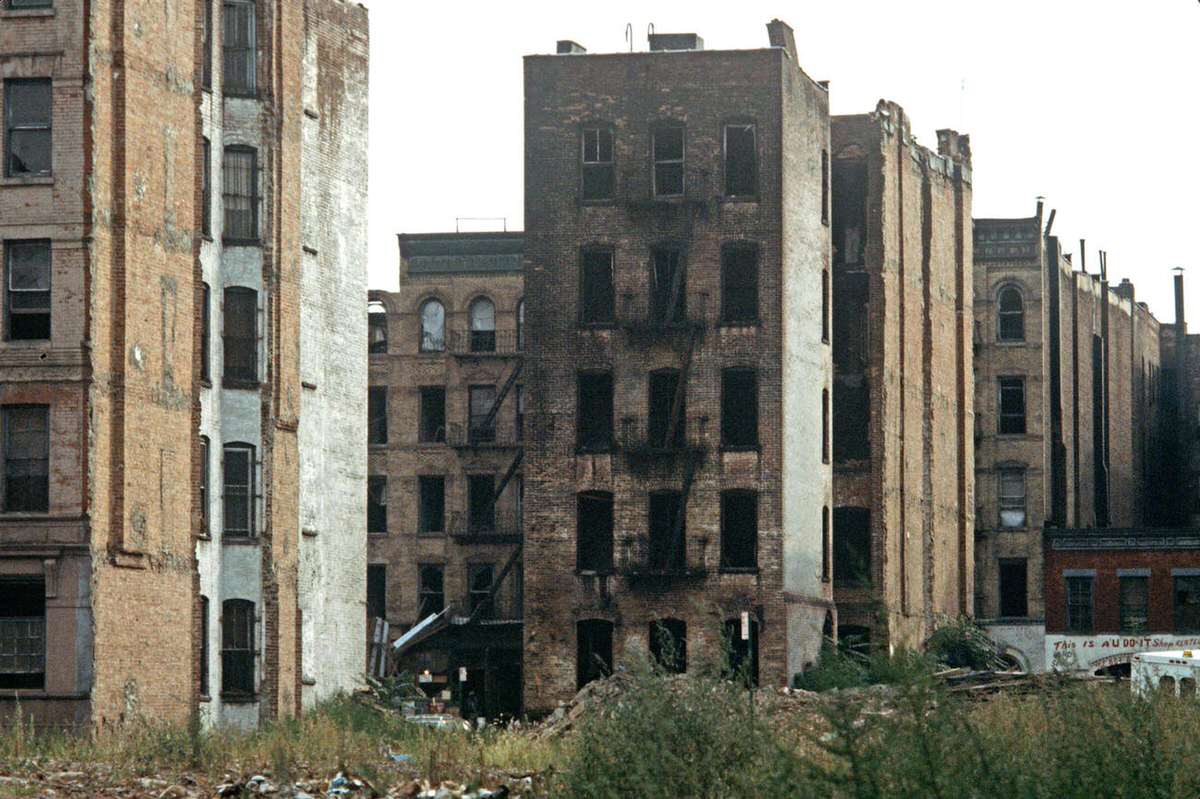
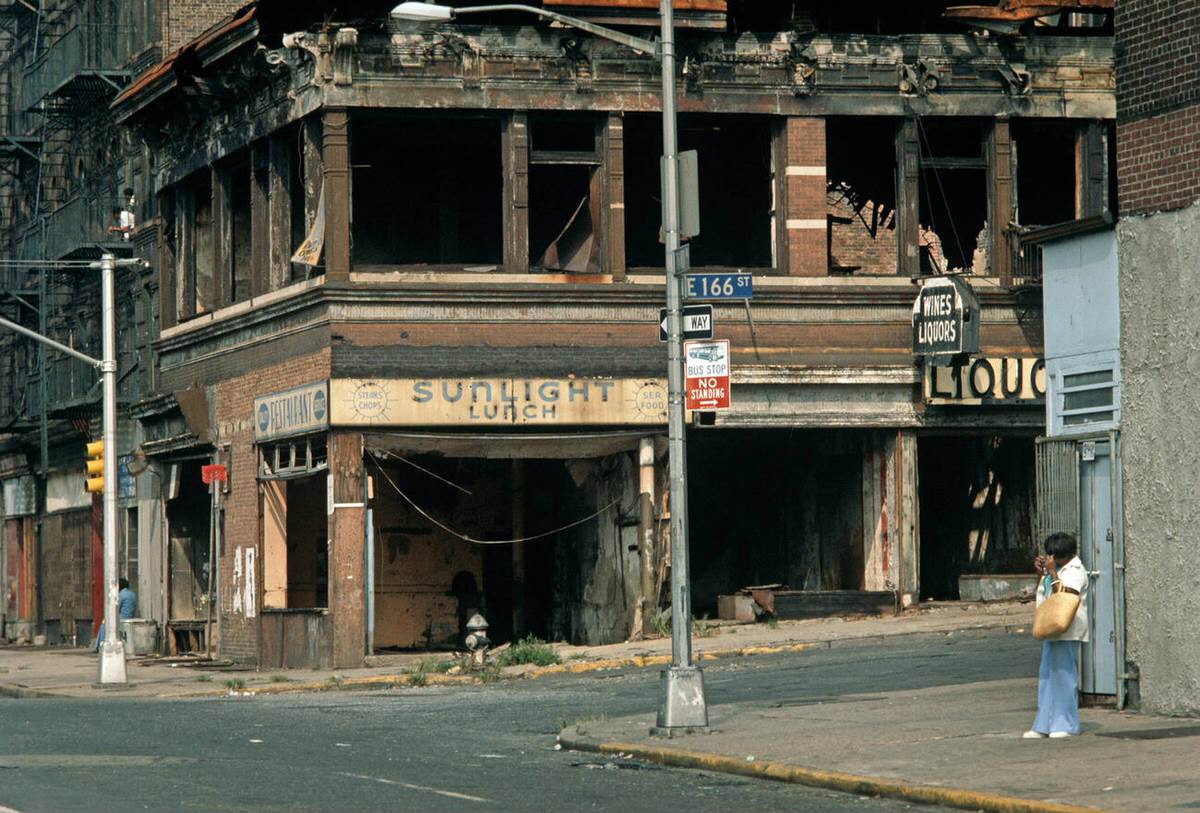
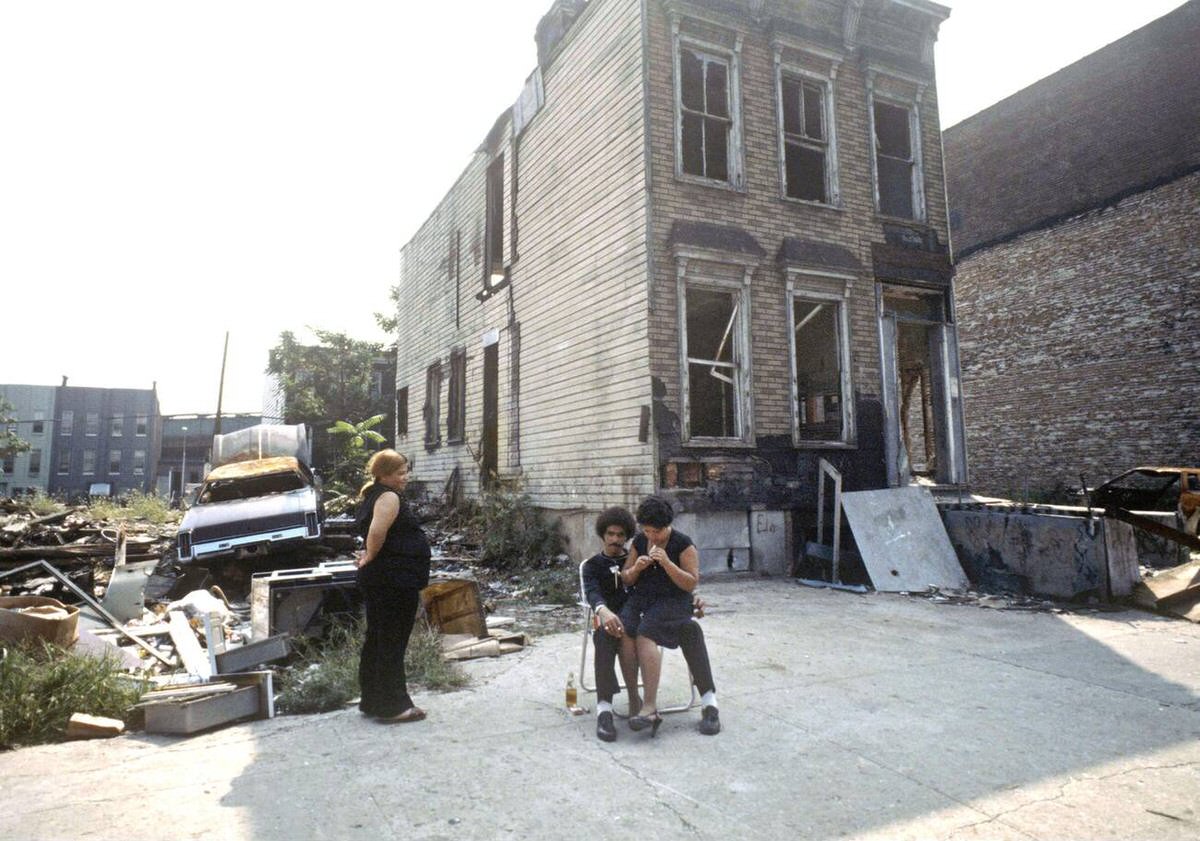
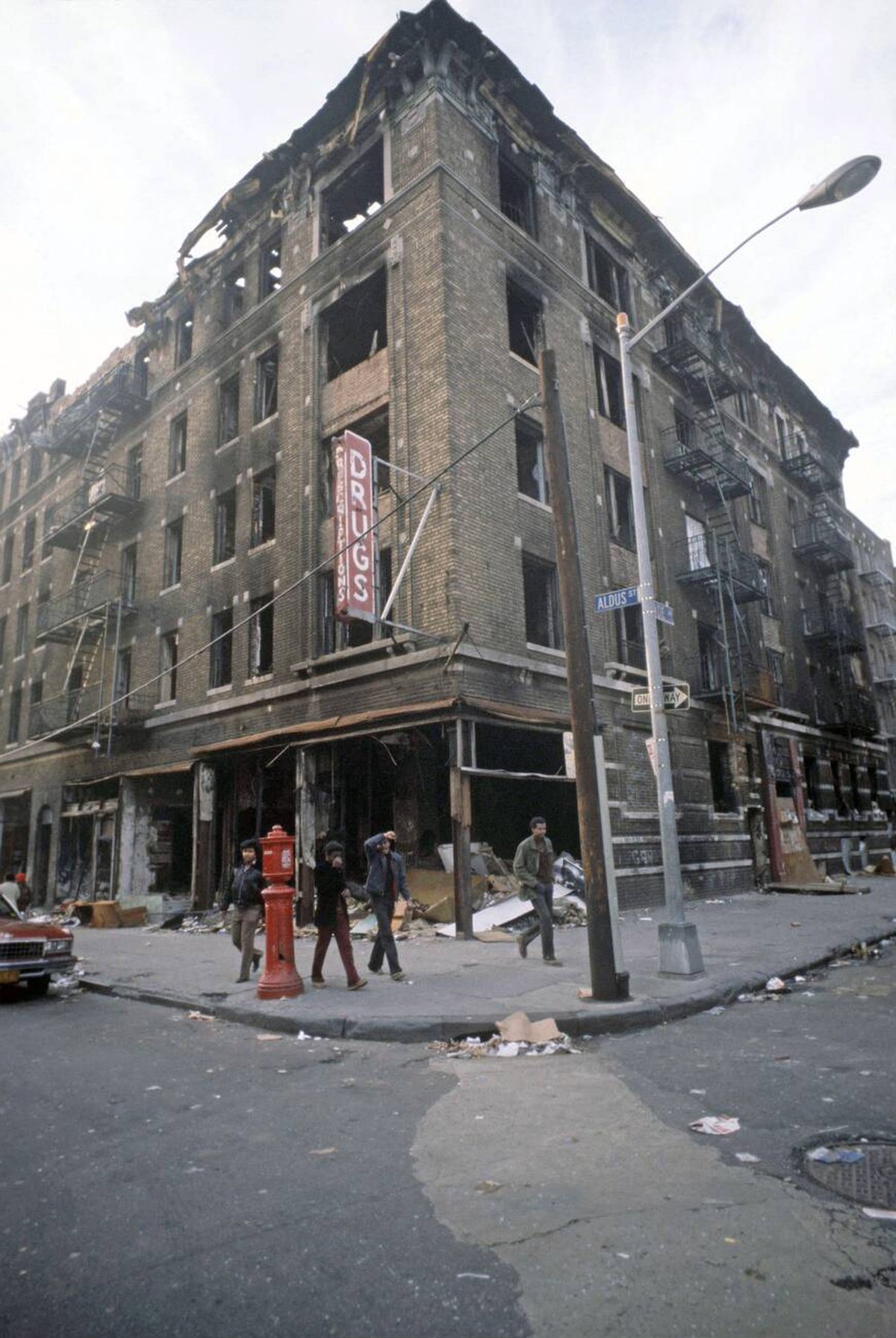
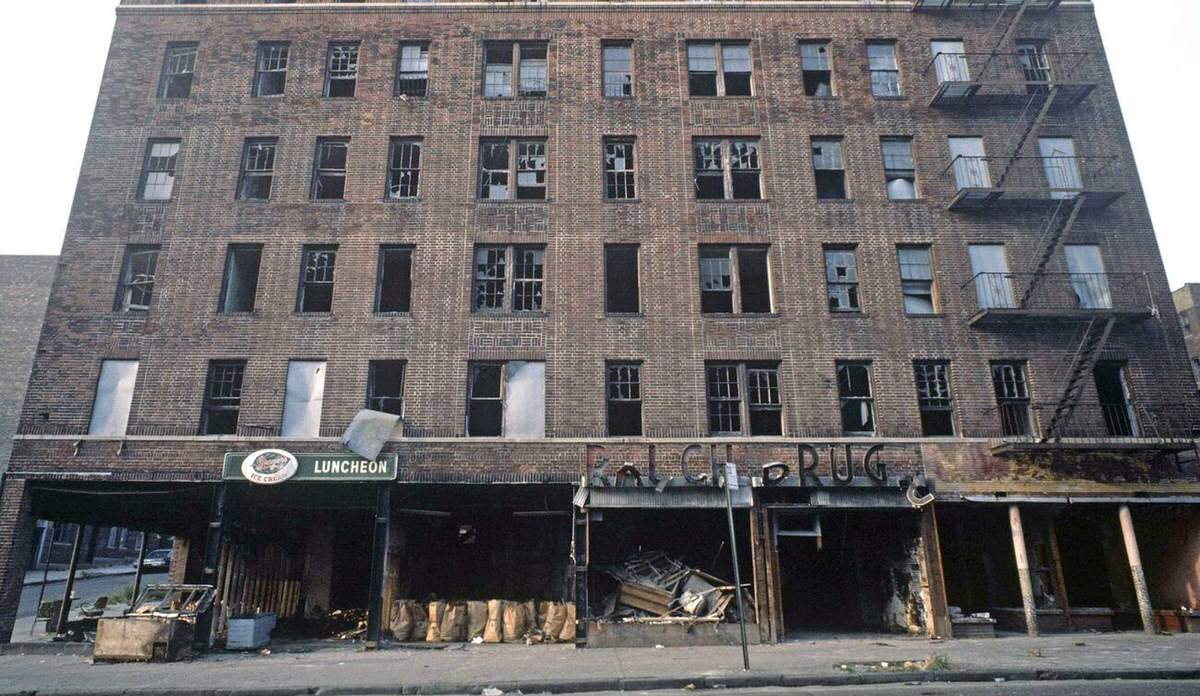
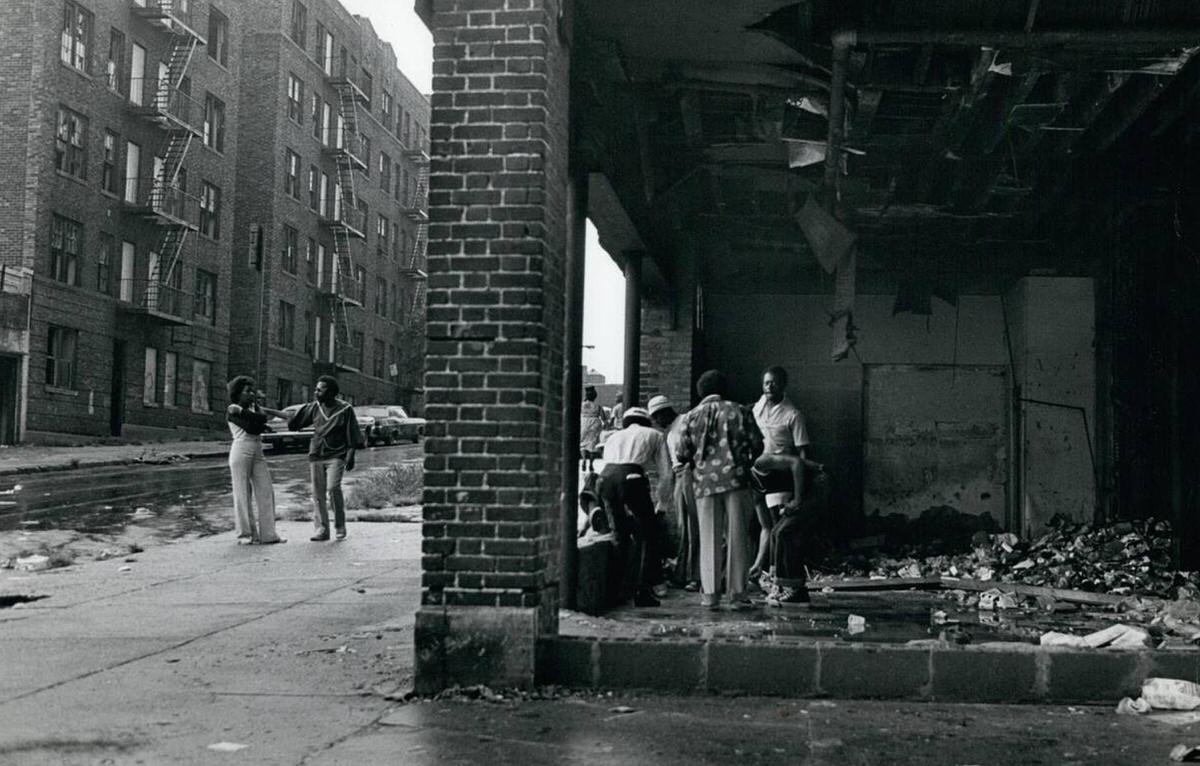
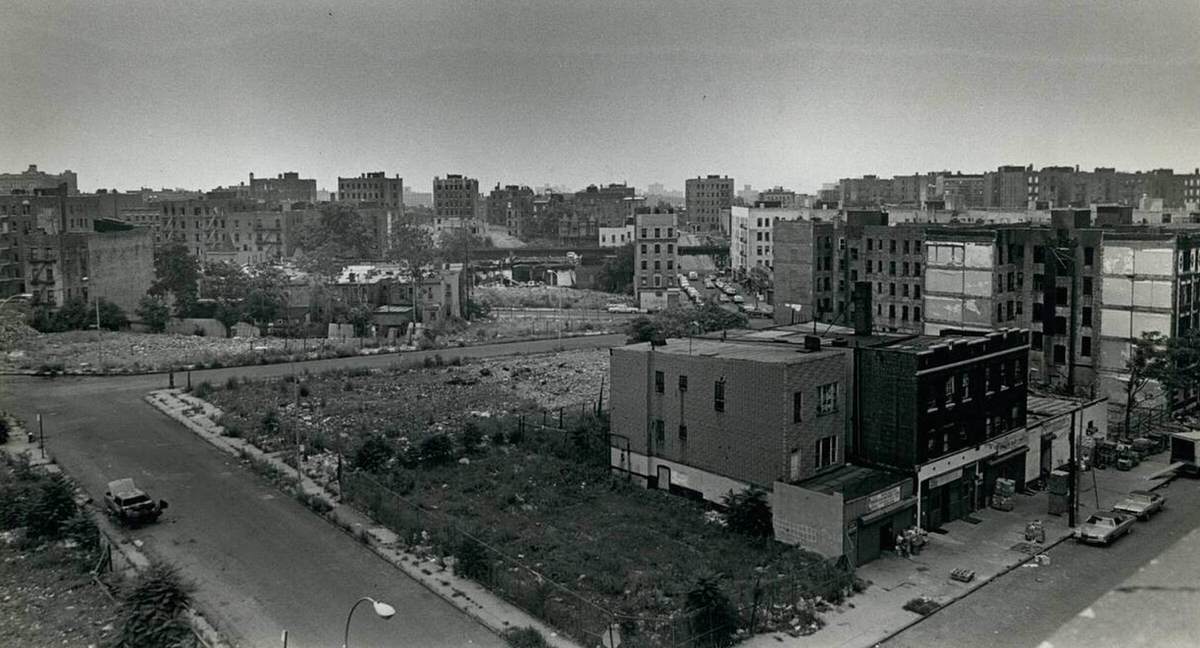
By 1975, Charlotte Street in the South Bronx looked like a bombed-out European city from World War Two photographs. Entire blocks had burned to the foundation. Rubble lots stretched for acres where apartment buildings had stood a decade before. The few buildings still upright were abandoned, their windows gaping, their interiors stripped of everything worth taking. This was not a neighborhood in decline. It was a neighborhood in active destruction, block by block, and it was happening in the largest city in the United States.
The South Bronx of 1960 had been a working-class neighborhood — dense, functional, full of Jewish, Italian, and Irish families who had been there for a generation. The Cross Bronx Expressway, completed in 1963 under Robert Moses, tore directly through the heart of the borough and displaced 60,000 residents. Many of those families were the stable, rent-paying tenants who had kept the neighborhood’s housing stock viable. When they left, landlords in the affected areas faced buildings full of lower-income replacement tenants — predominantly Black and Puerto Rican families — who could not pay the same rents and who had no political leverage to demand basic services.
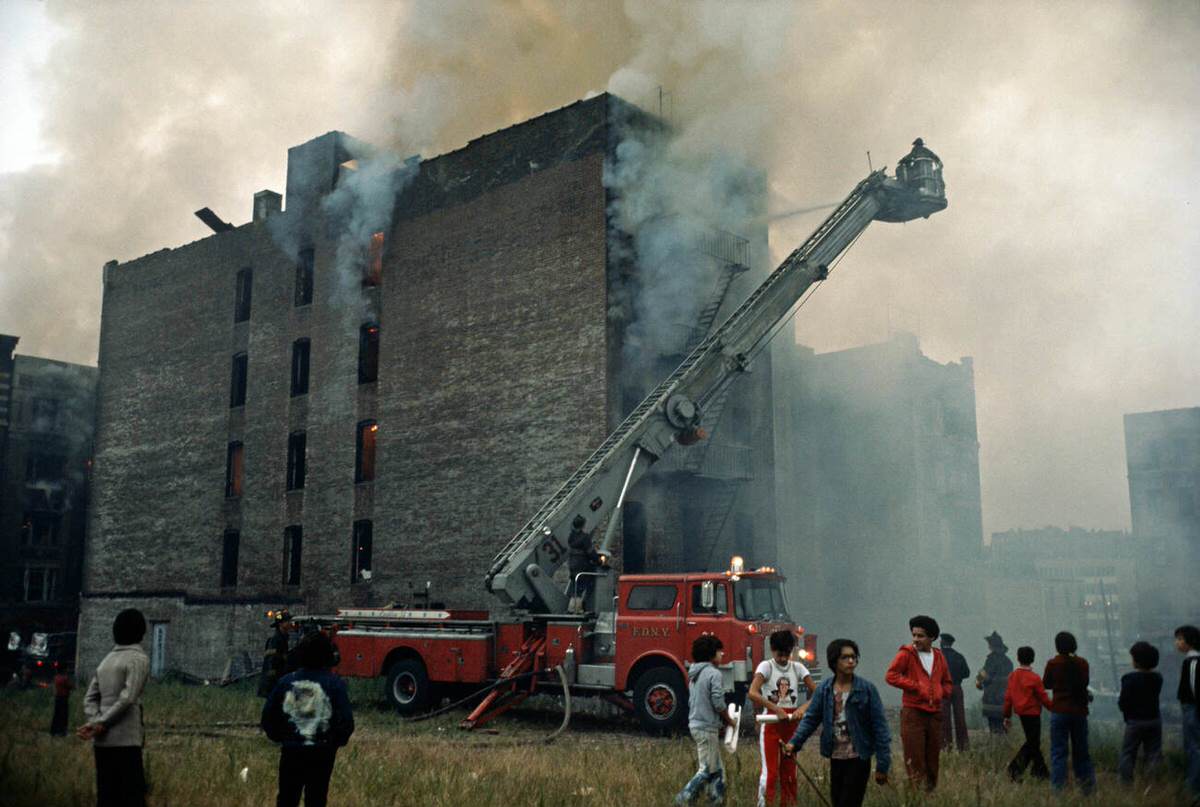
Construction of the Cross Bronx Expressway displaced 60,000 South Bronx residents, the area lost 40% of its population during the 1970s, about 12,000 fires were reported each year at the peak of the crisis, and seven fire companies were closed due to city budget cuts in 1975.
Read more
Why the Buildings Burned
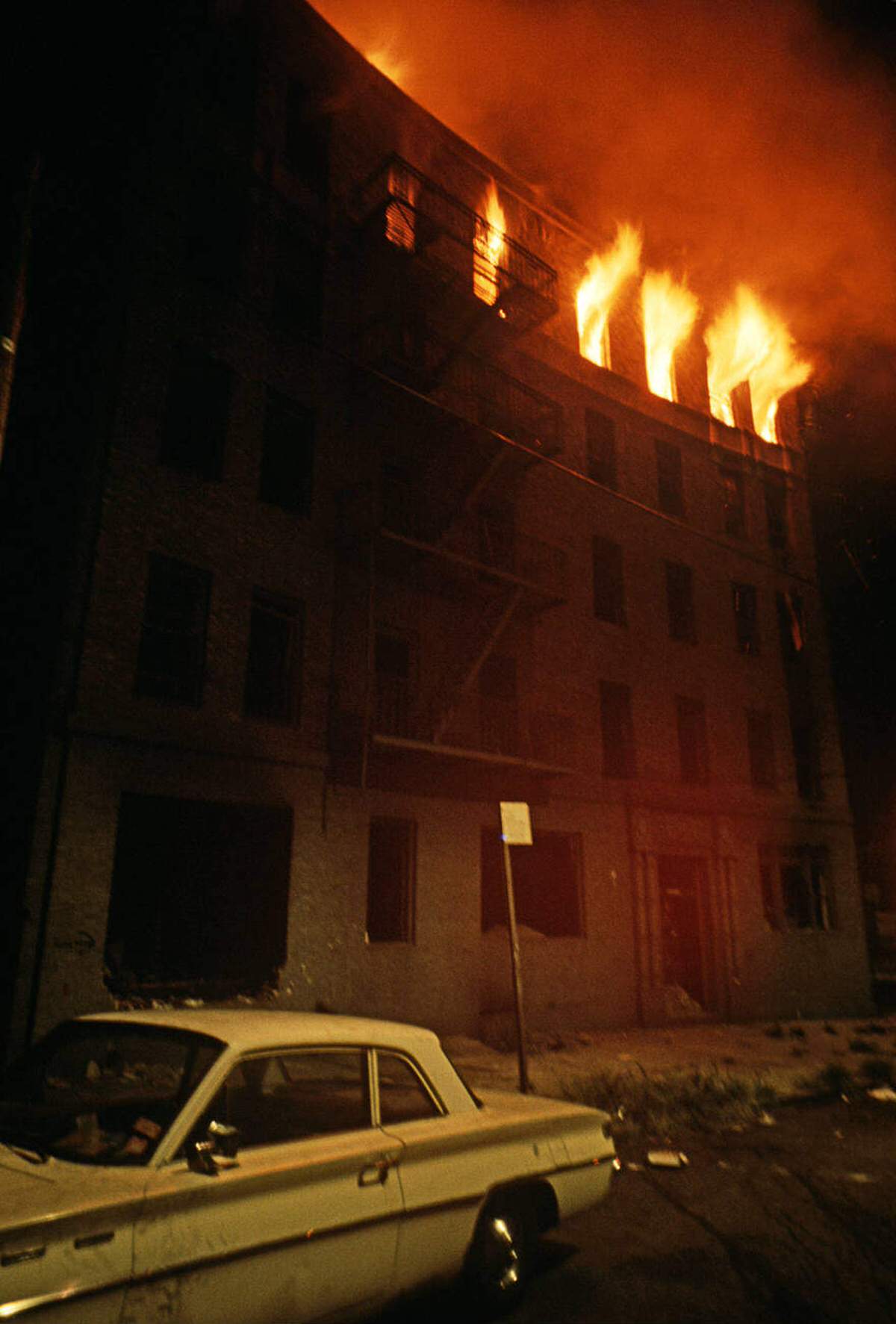
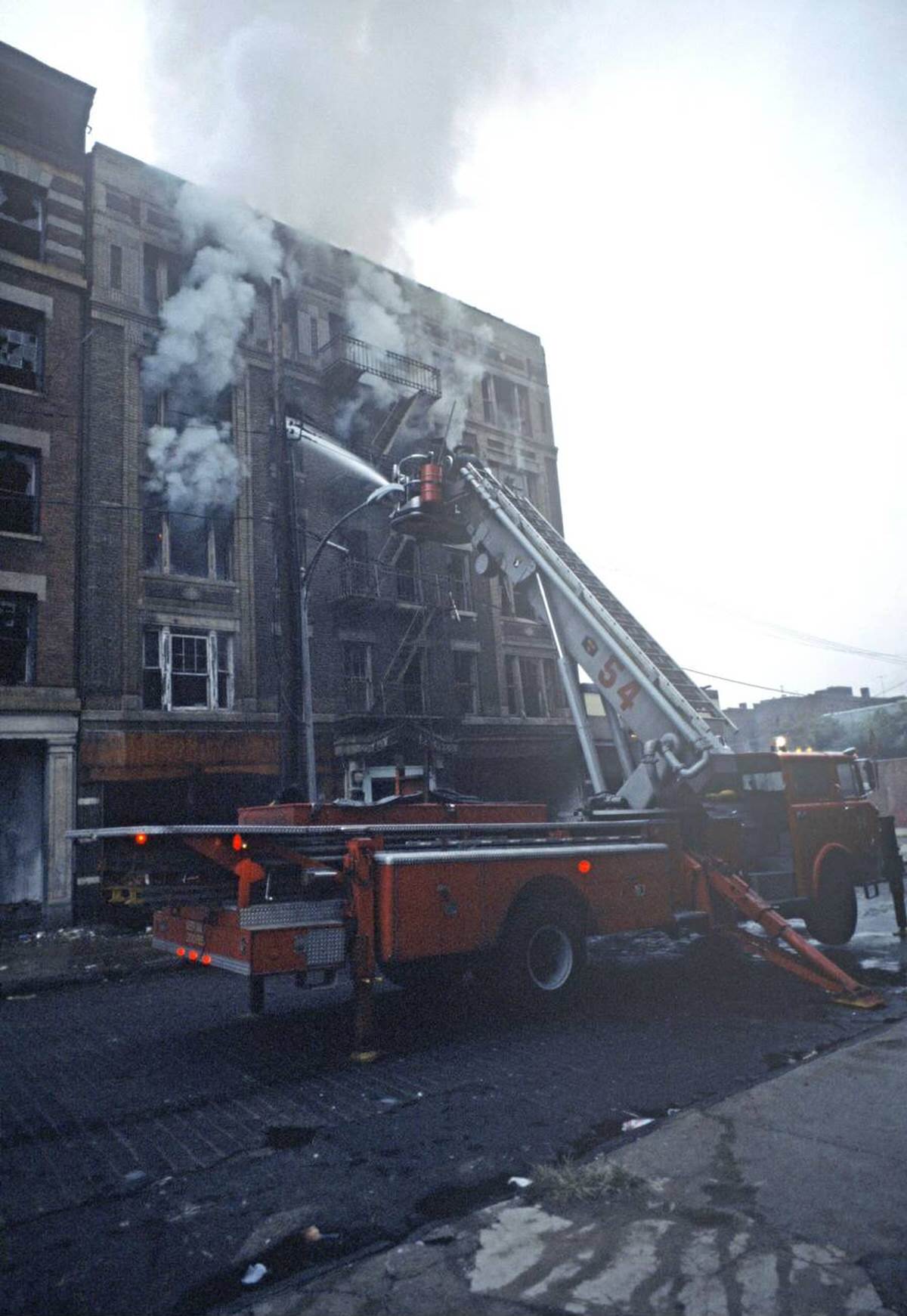
The fires were not accidental and they were not random. Landlords who owned buildings in the South Bronx in the early 1970s faced a specific economic calculation: the buildings were losing value, repairs cost more than the rent rolls justified, and the city’s property tax bills kept arriving regardless. The fastest exit from that trap was arson. A landlord who burned his own building collected the insurance money, walked away from the mortgage and the tax debt, and left the city holding a rubble lot. This happened hundreds of times.
Professional arsonists — called torches — operated openly in the South Bronx through the mid-1970s. They charged a flat fee to burn a building, and landlords hired them the way they hired plumbers. The fire department knew the pattern. Investigators could identify which fires were set and often knew who had set them. Prosecutions were rare because proving arson required evidence that was destroyed in the fire itself, and because the city’s legal resources were stretched thin by the fiscal crisis hitting every department simultaneously.
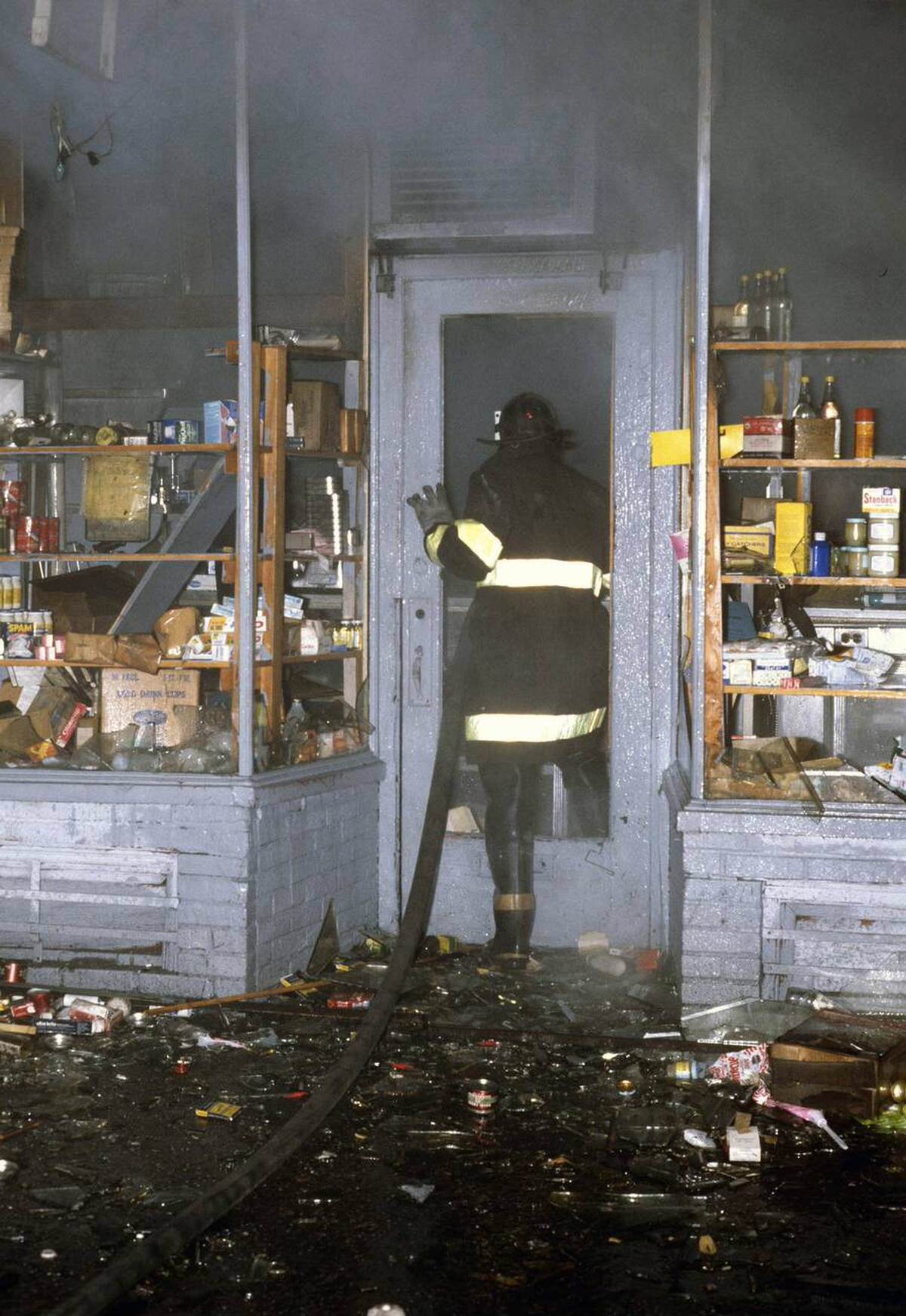
In 1975, facing bankruptcy, New York City closed seven fire companies in the South Bronx as a budget-cutting measure. Fire Commissioner John O’Hagan argued the closures were justified by a redeployment of resources. The result on the ground was that response times in an area with one of the highest fire rates in the country got longer. Fires that might have been contained spread to adjacent buildings. The closures accelerated exactly what they were supposedly a response to.
The People Who Stayed
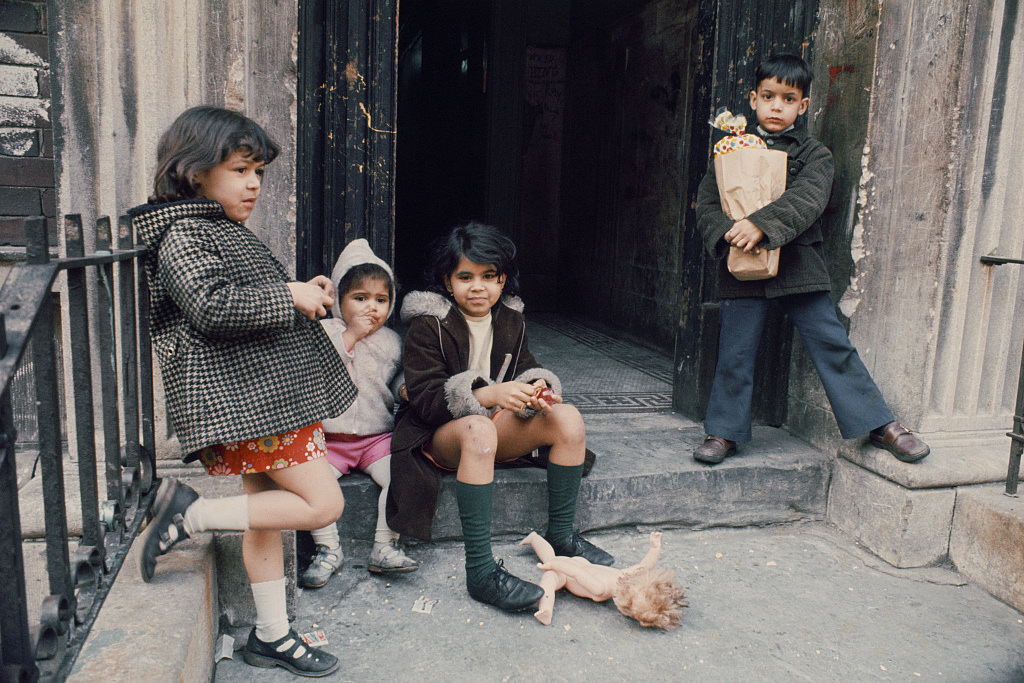
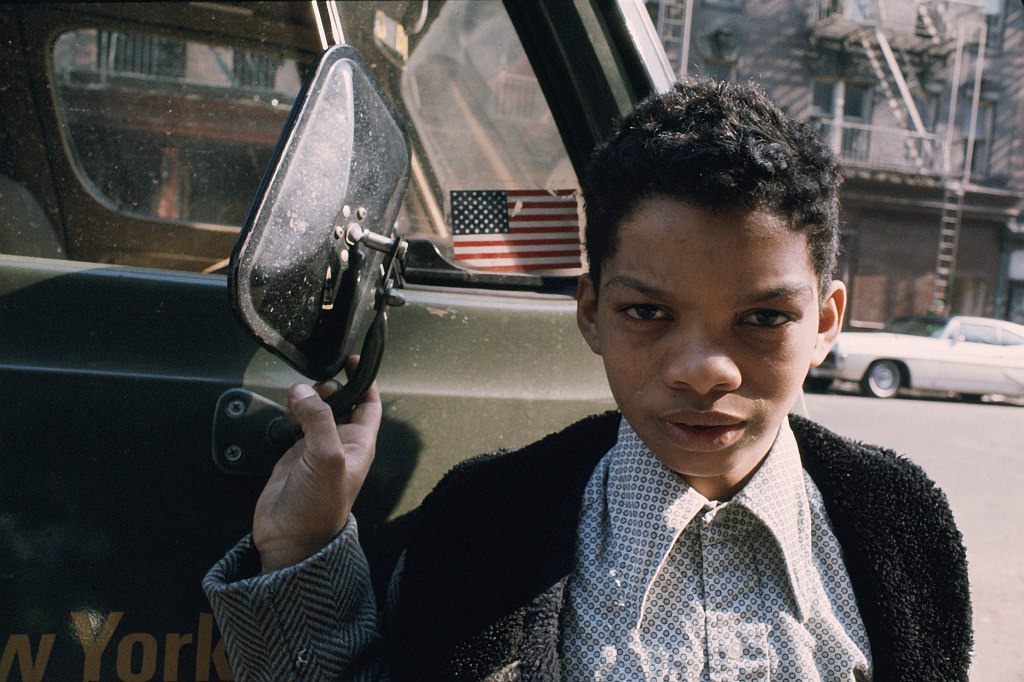
The population of the South Bronx dropped by roughly 40 percent during the 1970s. The people who left were generally those with options — families with savings, working adults who could secure housing elsewhere, anyone with a relative in another borough or another city. The people who stayed were those with nowhere to go: the elderly, families with young children, people on fixed incomes or public assistance, recent arrivals from Puerto Rico who had no established network outside the neighborhood.
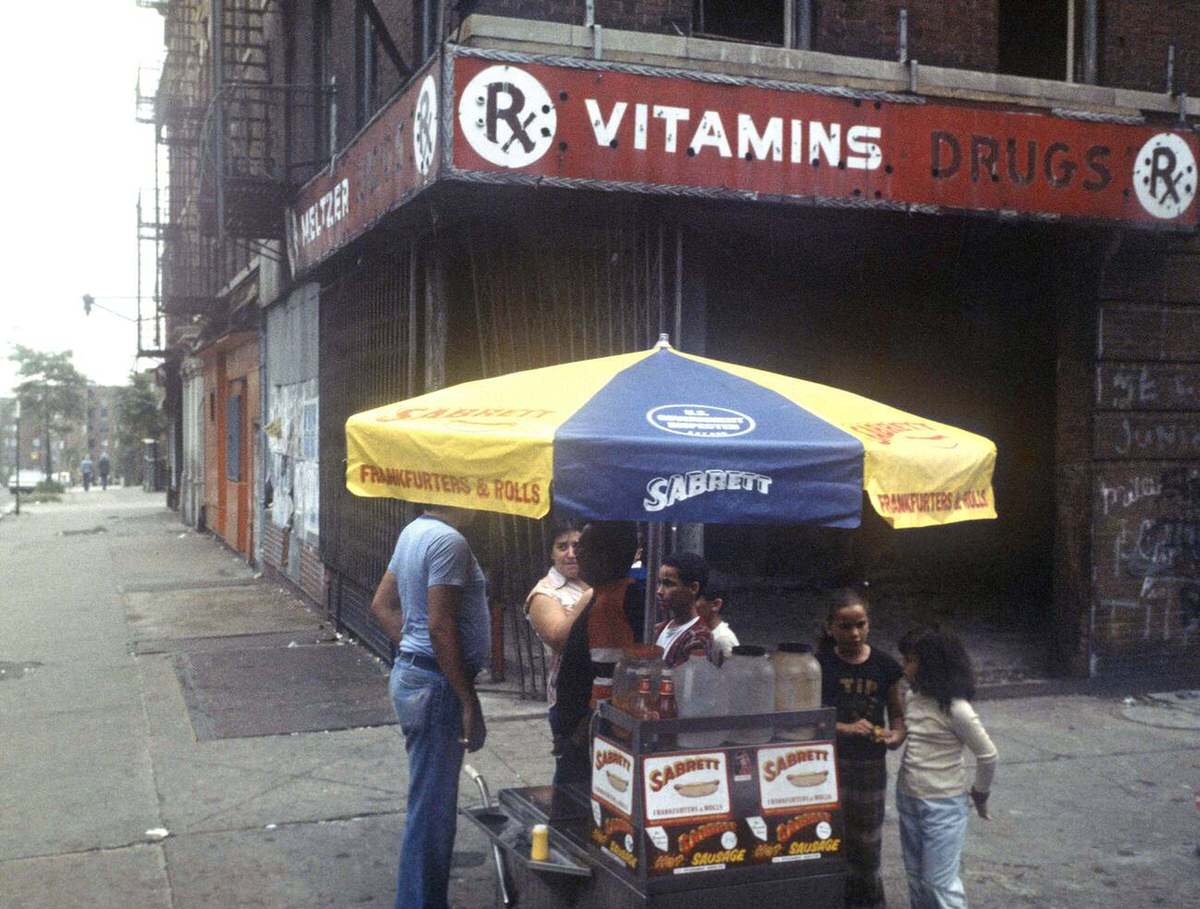
Living conditions for those who remained deteriorated steadily. Landlords who had not yet burned their buildings stopped maintaining them. Heat went out in winter and stayed out for weeks. Water pressure failed. Elevators broke and were never repaired. Rats moved into buildings through gaps that no one fixed. The city’s housing inspection apparatus, also gutted by budget cuts, was not citing violations or enforcing repairs. Tenants who complained to the city got no response. Tenants who stopped paying rent in protest were evicted.
The public school system in the South Bronx in the 1970s was operating under conditions that made teaching nearly impossible. Schools were overcrowded, underfunded, and dealing with student populations carrying the full weight of what was happening in the neighborhood outside. Teacher turnover was high. The schools that functioned were doing so on the strength of individual teachers who stayed by choice, not because the system supported them.
Carter on Charlotte Street
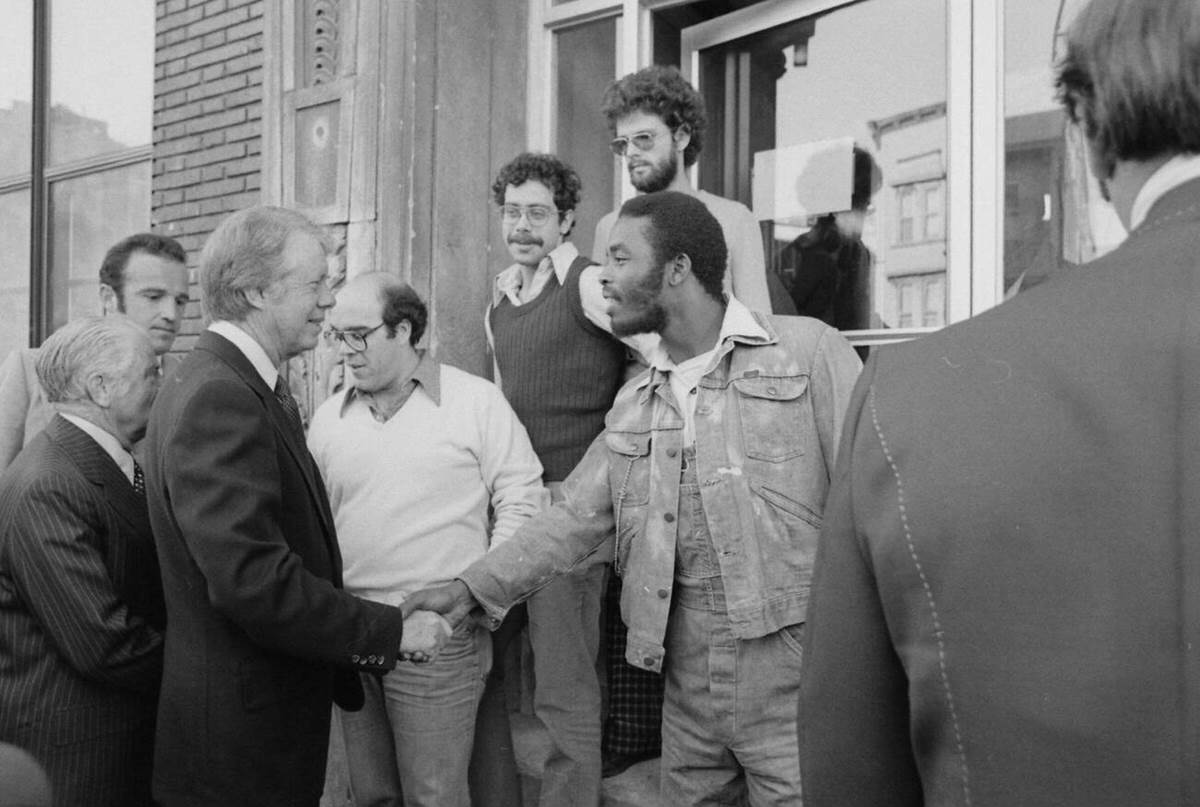
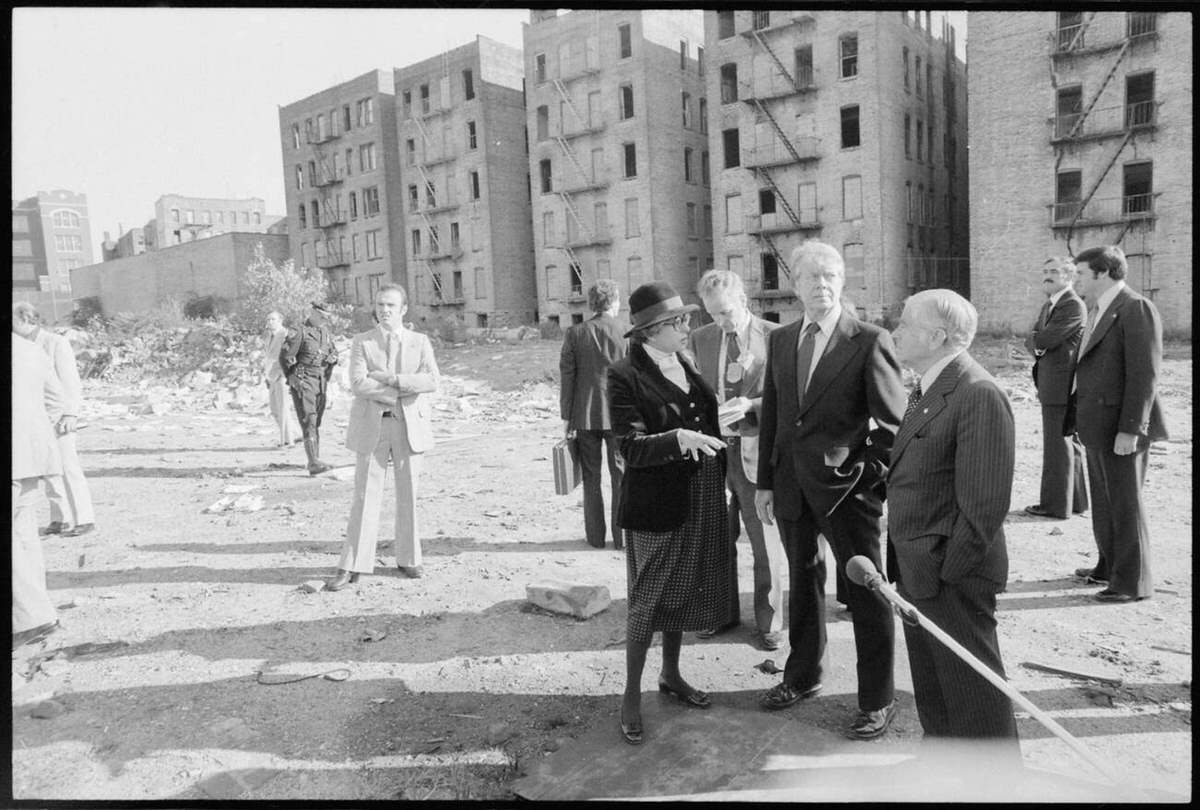
President Jimmy Carter visited Charlotte Street on October 5, 1977. The photographs taken that day — Carter standing in the rubble, surrounded by vacant lots, burned-out shells of buildings visible in every direction — went around the world and became the defining images of urban America in crisis. Carter promised federal attention. Some money came, some programs were announced, but the structural forces destroying the neighborhood did not reverse because of a presidential visit.
What the visit did was force the country to look at what had happened. The South Bronx had been burning for years before Carter stood in the rubble on Charlotte Street. The city knew. The state knew. The federal government knew. The visit made ignorance impossible, at least briefly, and the photographs placed the South Bronx into the national conversation about what American cities had become and what, if anything, anyone intended to do about it.

GIPHY App Key not set. Please check settings