

 Wendy Robert
The 2000s brought record-low crime, a real estate market that finally noticed the South Bronx waterfront, and a federal disaster that hit the neighborhood harder than almost anywhere else in the city — the collapse of the subprime mortgage market in 2008.
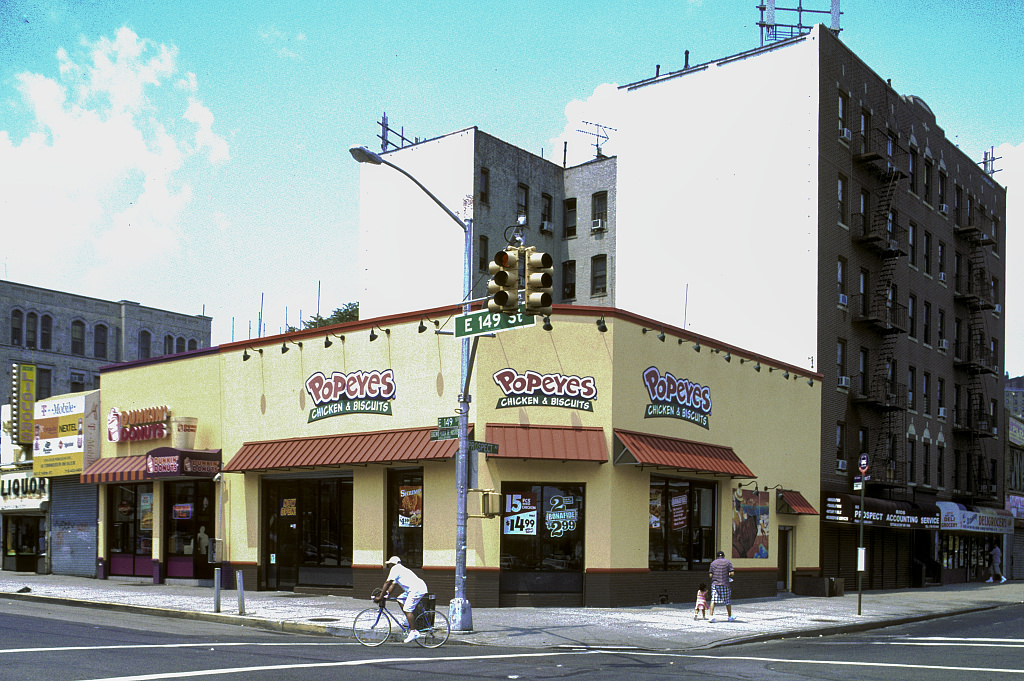
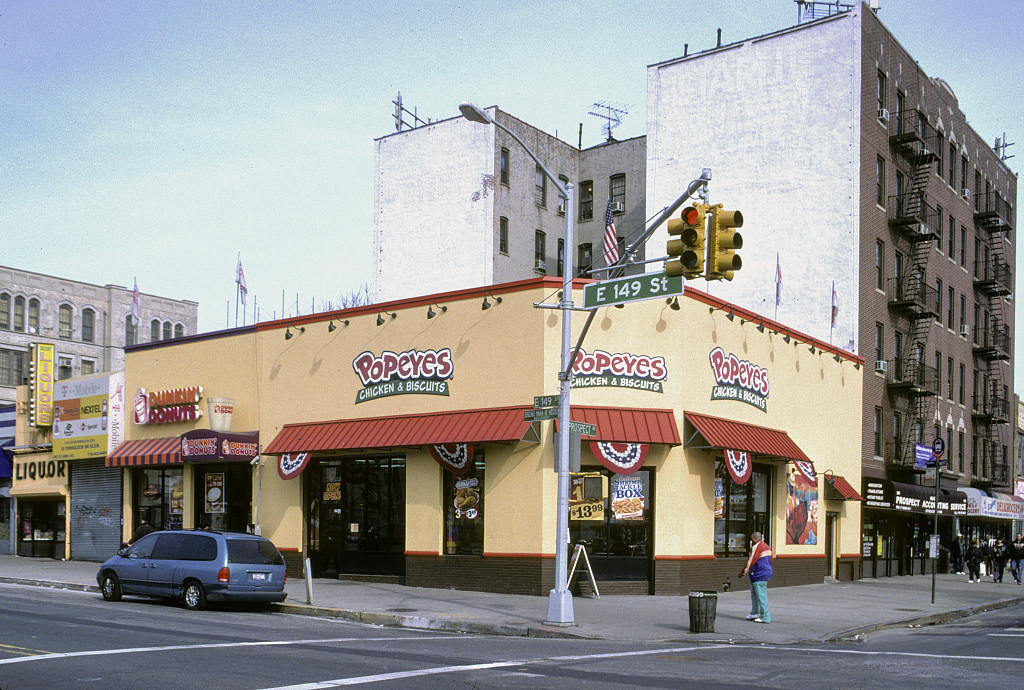
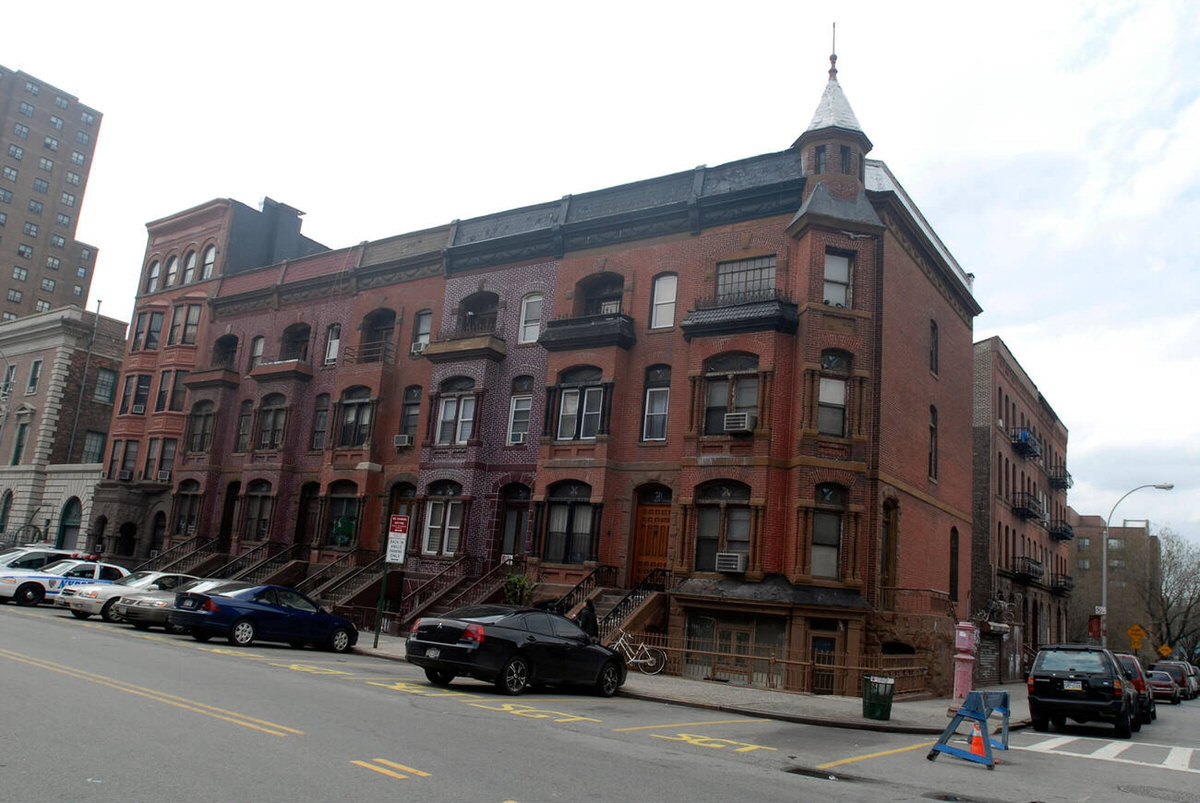
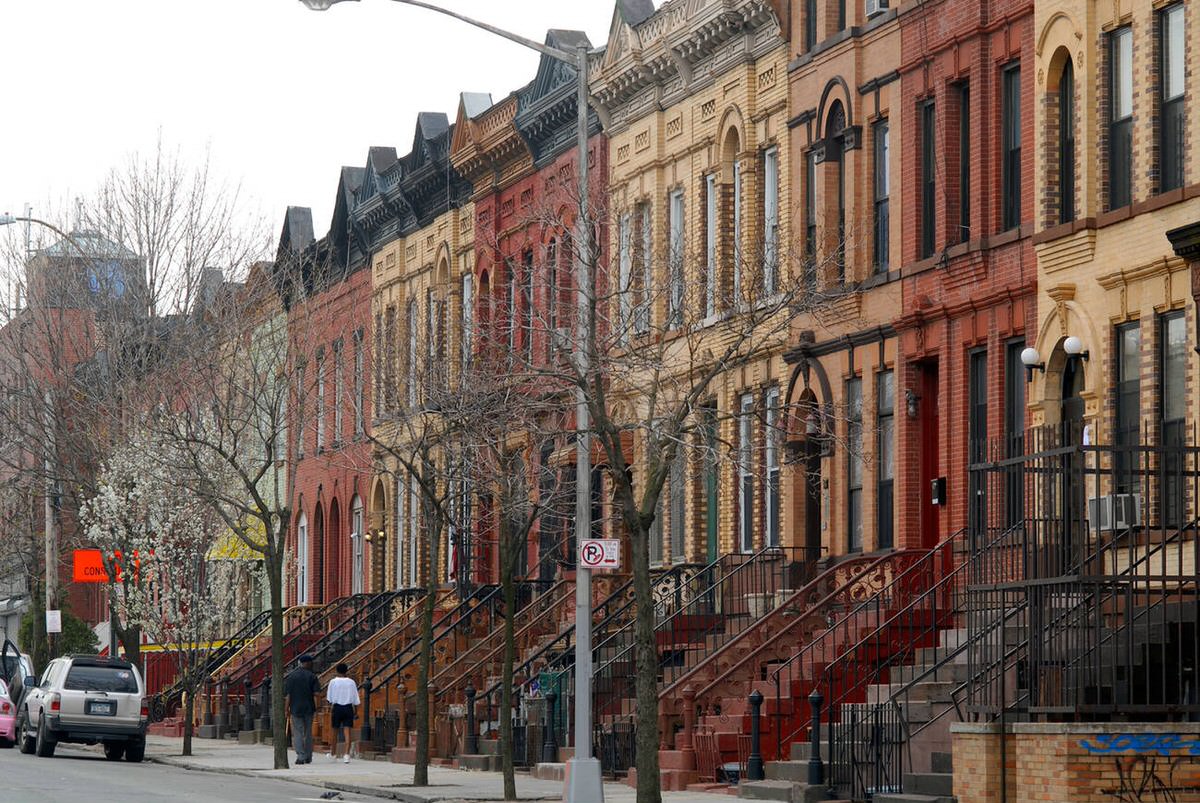
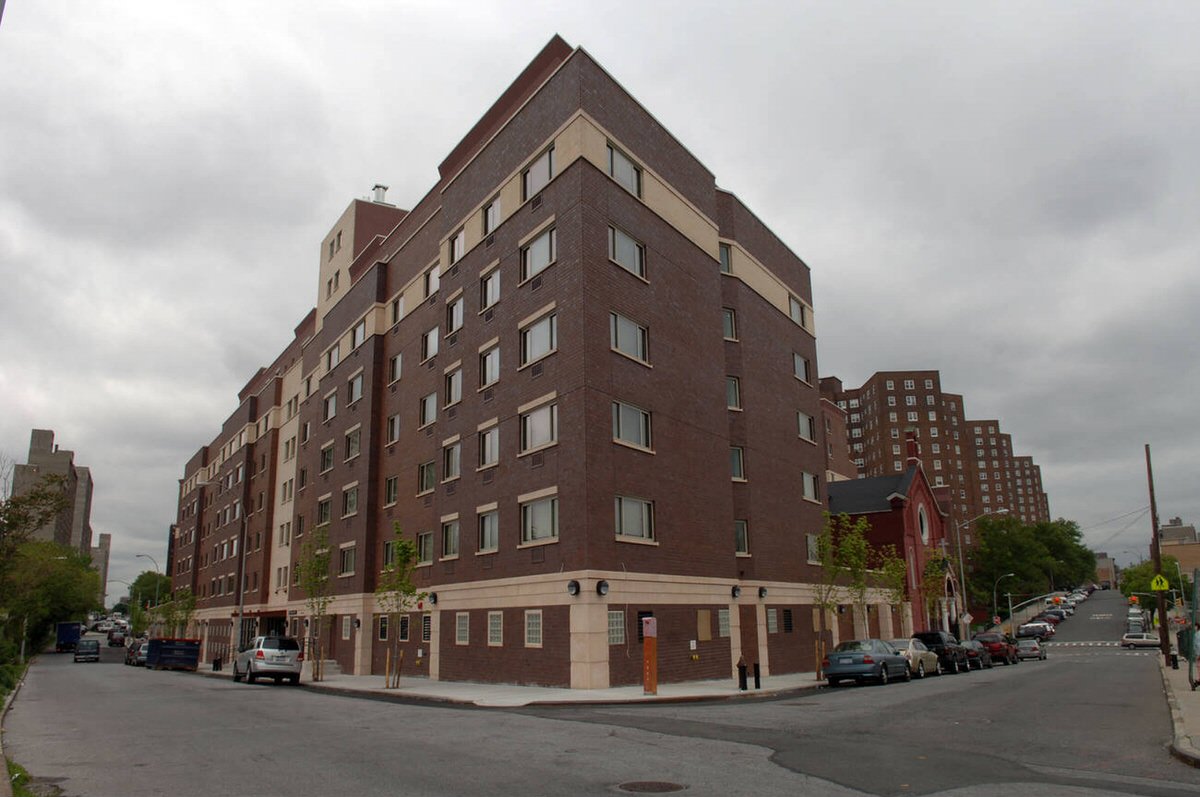
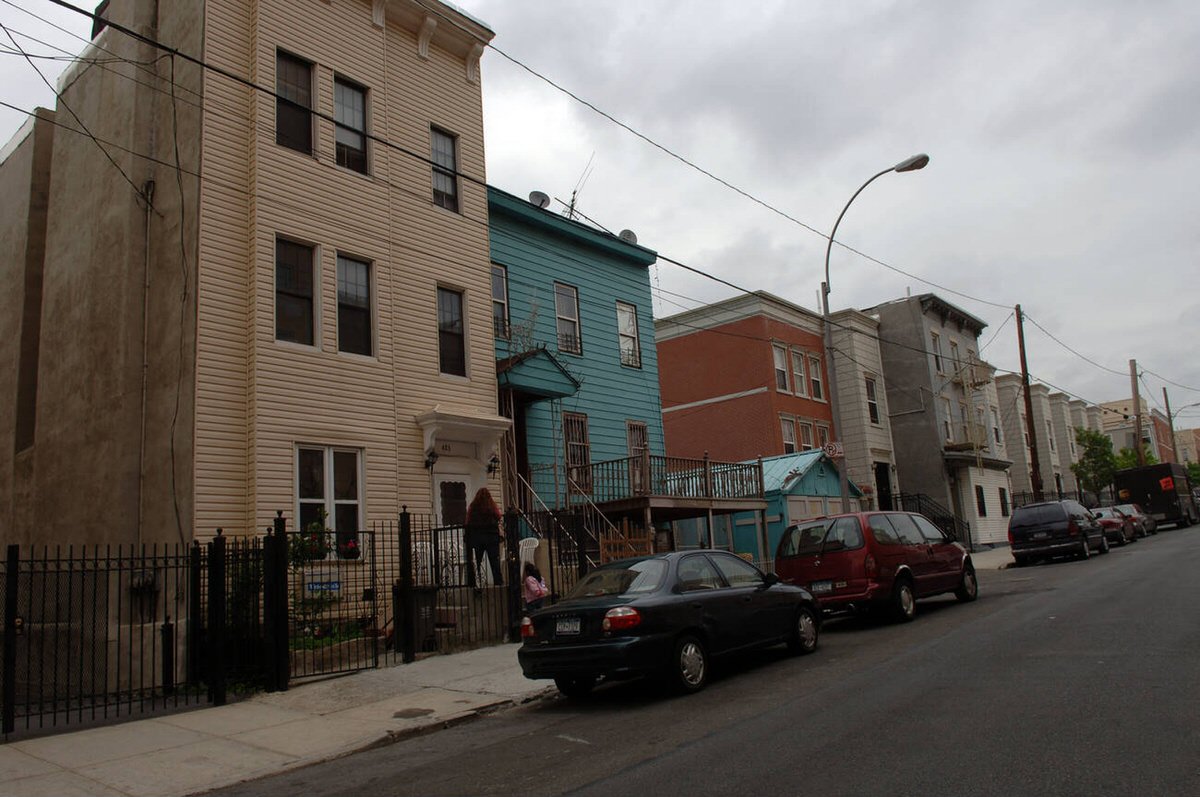
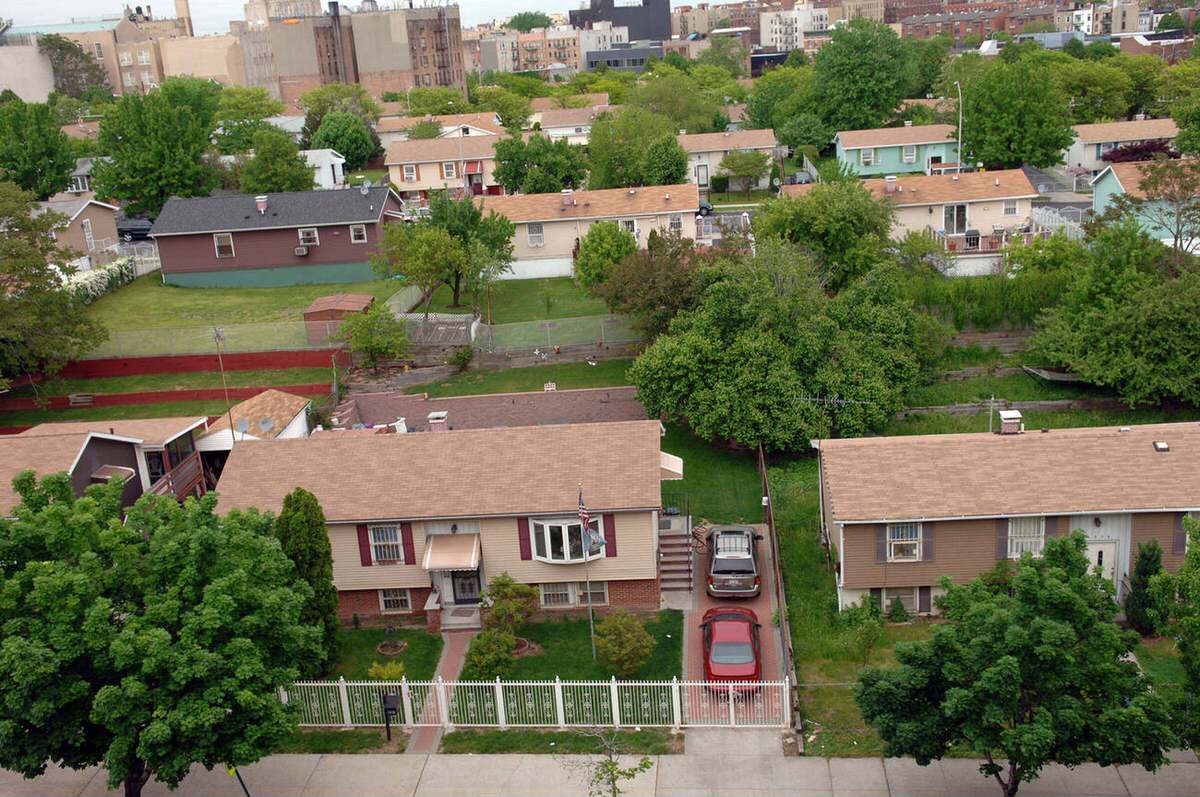
The South Bronx that entered the 2000s bore almost no physical resemblance to the burned-out landscape of 1977. The rubble lots were gone. The blocks that had been empty for twenty years were filled with the affordable housing built through the 1980s and 1990s by city-backed nonprofits. Crime was at its lowest level in four decades. The population was growing. And for the first time since the Cross Bronx Expressway tore the borough apart in the early 1960s, people outside the neighborhood were starting to look at the South Bronx waterfront and see something other than a problem to be managed.
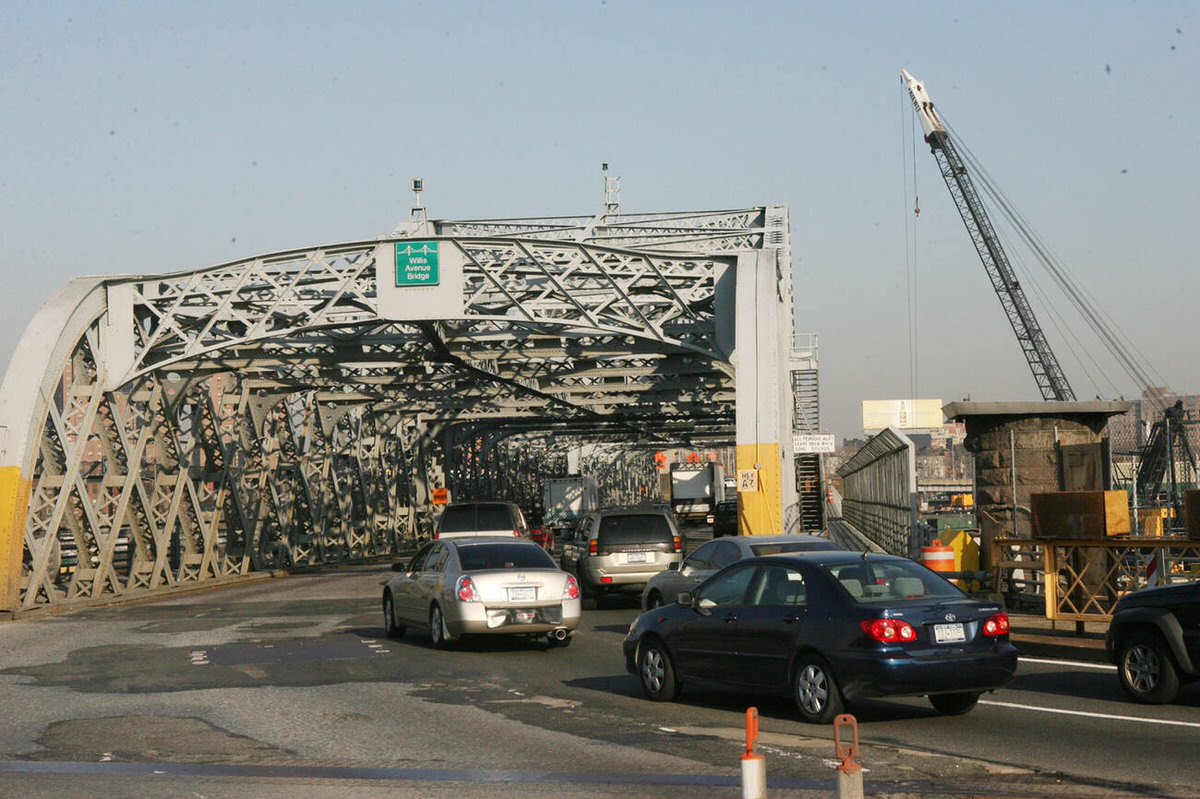
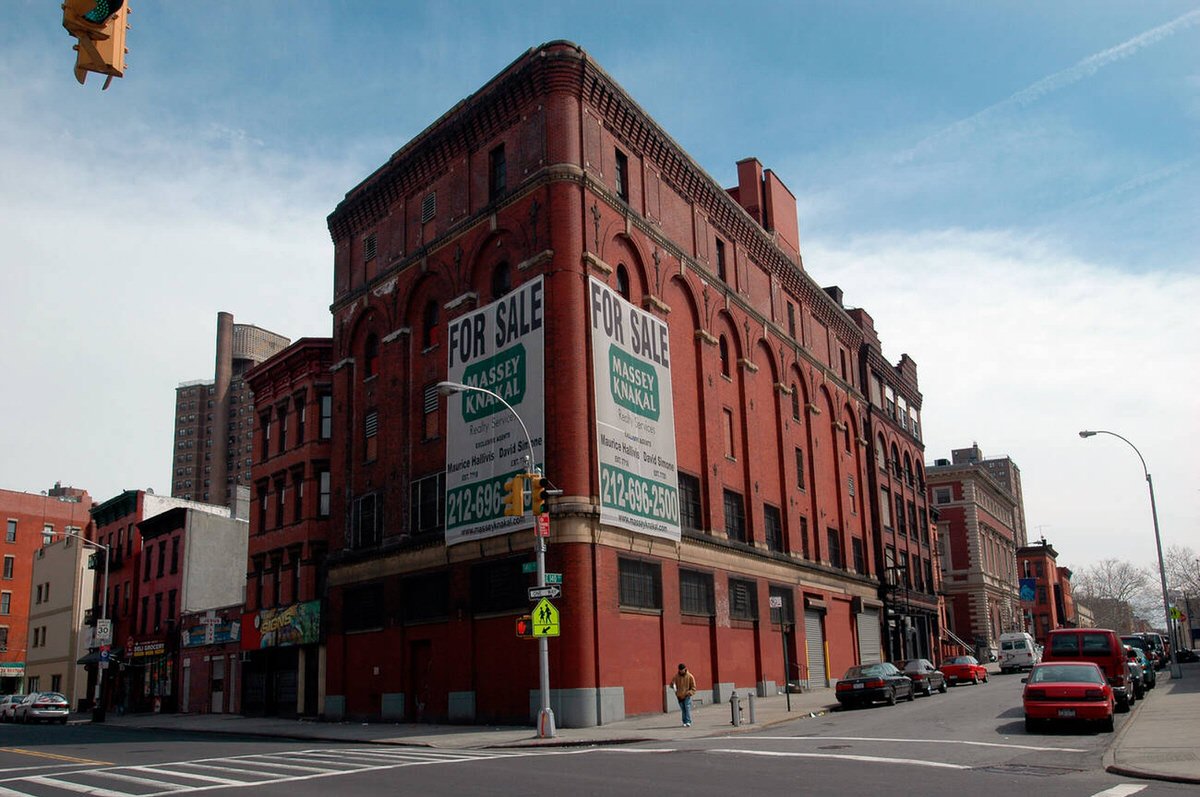
The Harlem River waterfront — the strip of land along the western edge of the South Bronx facing upper Manhattan across the water — had been industrially zoned and largely inaccessible to residents for most of the twentieth century. In the early 2000s, the Bloomberg administration began a rezoning push that opened sections of the waterfront to residential and mixed-use development. The Port Morris section of the South Bronx, just north of the Willis Avenue Bridge, became the focus of developer interest for the first time in living memory. Loft conversions of former industrial buildings began appearing. Artists who had been priced out of Williamsburg and Long Island City were crossing into the Bronx looking for cheap studio space.
Read more
The Asthma Capital of America
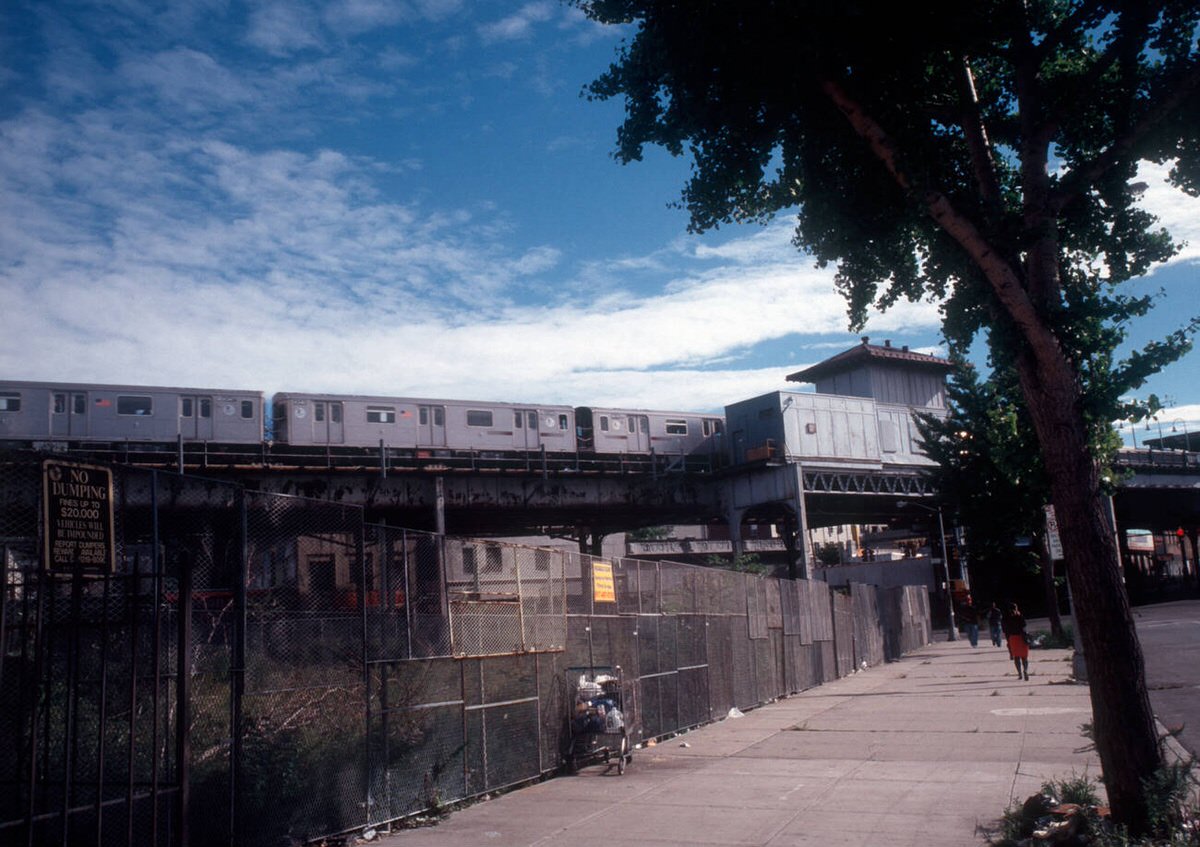
Through all of this visible progress, one crisis remained completely unresolved. The South Bronx — specifically the Mott Haven and Hunts Point sections — had the highest childhood asthma rates in the United States throughout the entire decade. One in four children in parts of Mott Haven had been diagnosed with asthma by the mid-2000s. The cause was not a mystery. The neighborhood sat at the convergence of three major highways — the Cross Bronx Expressway, the Bruckner Expressway, and the Major Deegan — and hosted the largest concentration of waste transfer stations in the city. Diesel trucks from the Hunts Point Market and the transfer stations ran through residential streets around the clock.
Community organizations — particularly Majora Carter’s Sustainable South Bronx, founded in 2001 — documented the environmental burden systematically and pushed the city to acknowledge that the South Bronx was being used as a dumping ground for facilities that wealthier neighborhoods had successfully blocked from their own blocks. Sustainable South Bronx’s plan for a greenway along the Bronx River waterfront gave the argument a concrete alternative rather than just a complaint, and the Bronx River Greenway project moved forward through the decade. But the waste transfer stations stayed, the trucks kept running, and the asthma rates stayed high.
Stop-and-Frisk at Full Scale
The Bloomberg administration expanded the NYPD’s stop-and-frisk program far beyond what it had been under Giuliani. By the middle of the decade, the South Bronx precincts were generating stop numbers that were extraordinary even by New York standards. The 40th Precinct in Mott Haven and the 41st in Hunts Point stopped and frisked residents at rates that far exceeded any documented crime pattern that could justify them. The overwhelming majority of those stopped were Black and Latino men and boys. The overwhelming majority were found to have done nothing wrong and were released without arrest.
For families living in the South Bronx in the 2000s, stop-and-frisk was not an abstract policy debate — it was a routine fact of moving through the neighborhood. A teenage boy walking to school, a man coming home from a night shift at the Hunts Point Market, a group of young men standing on a corner — all were subject to stops that required no cause beyond an officer’s discretion. The crime numbers kept falling through the decade, which the Bloomberg administration cited as proof the strategy worked. What the numbers did not show was what it cost the people stopped, in dignity and in the cumulative weight of being treated as a suspect in their own neighborhood every time they stepped outside.
The 2008 Crash Lands Hard
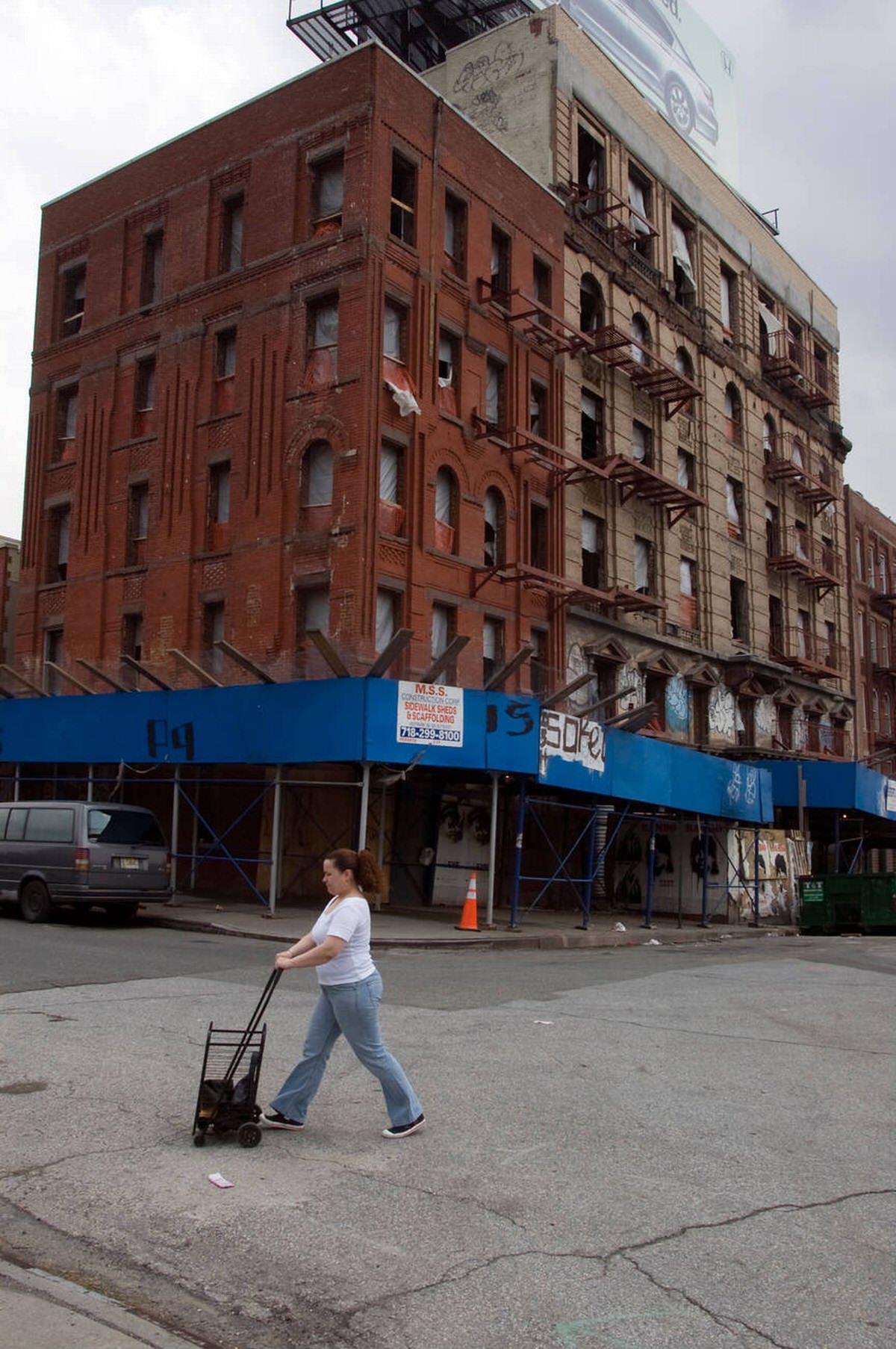
The subprime mortgage crisis of 2008 hit the South Bronx with particular force because the neighborhood had been a primary target for predatory lenders throughout the mid-2000s. As credit standards collapsed nationally, mortgage brokers flooded into low-income neighborhoods with loan products designed to extract fees and then fail. Families who had spent years building enough stability to buy a home — the same families who had survived the fires, the crack years, and twenty years of waiting for their neighborhood to function — were sold adjustable-rate mortgages that reset to payments they could never sustain. Foreclosure notices piled up across Mott Haven and Hunts Point in 2008 and 2009.
The vacant properties that followed foreclosures created a new version of an old problem. Buildings that had been occupied and maintained since the 1990s reconstruction went dark again. The city’s housing court was overwhelmed with cases. The community organizations that had spent two decades building stable housing stock watched the work come undone on specific blocks where the lenders had been most aggressive. The South Bronx of 2009 was not 1977. But it was carrying fresh wounds on top of old ones, and the decade ended with the neighborhood’s recovery more fragile than the falling crime numbers suggested.

GIPHY App Key not set. Please check settings