
in

A Photographic Tour of Jamaica, Queens in the 1920s

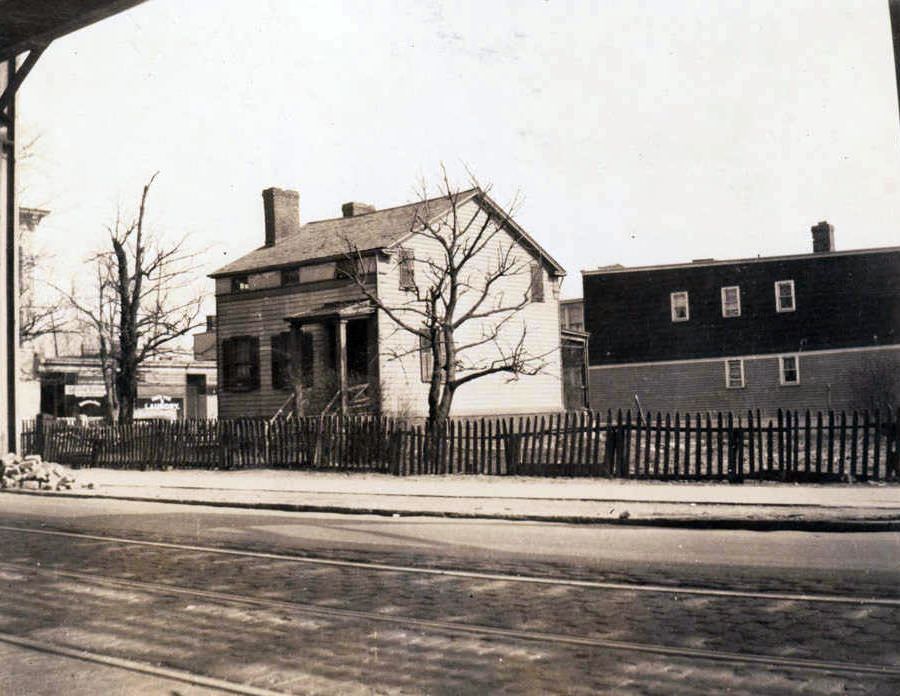
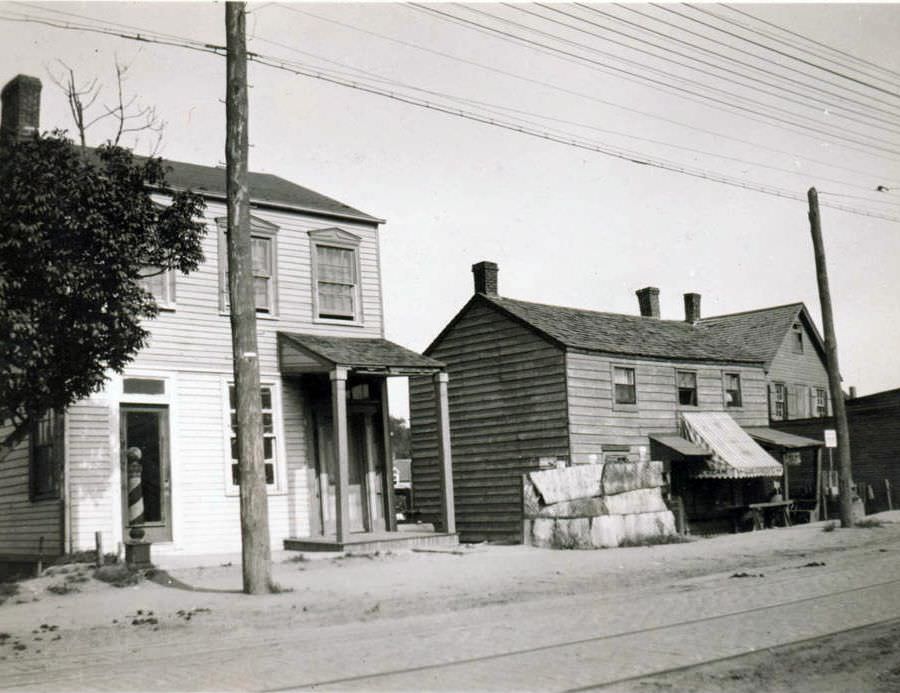
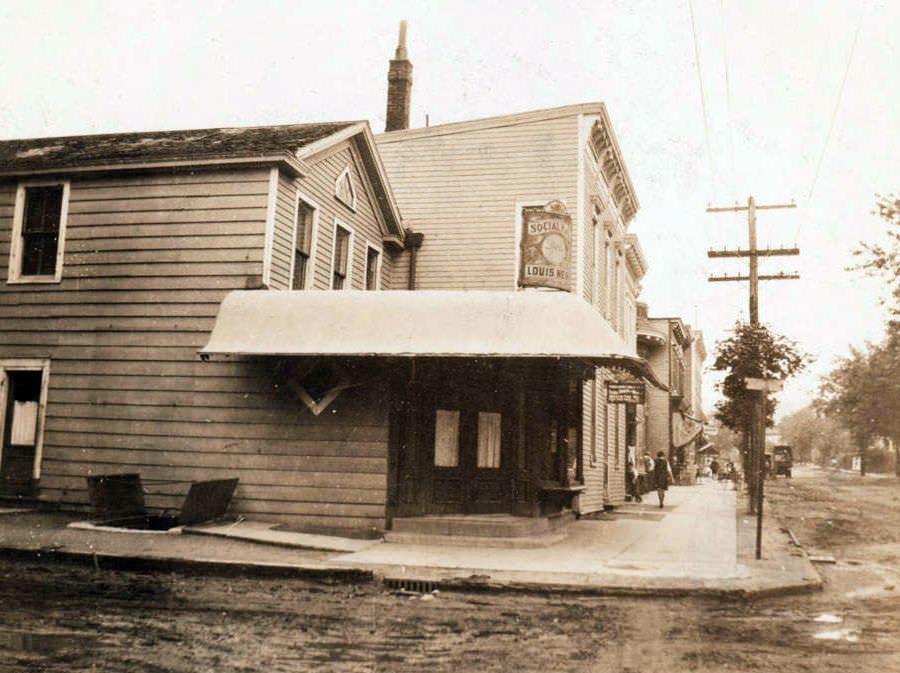
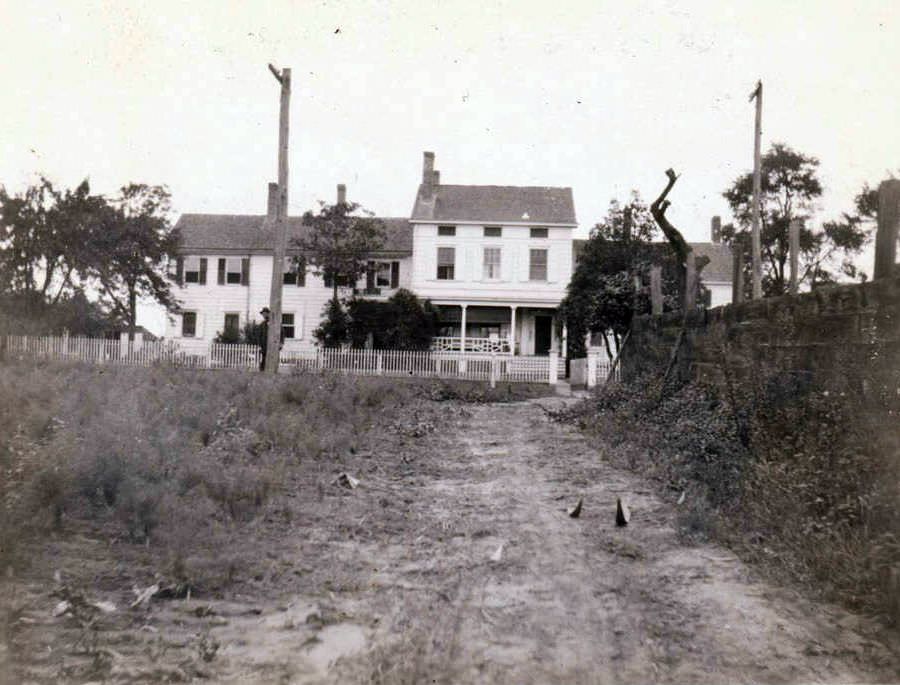
Most people today think of Jamaica as a transit hub — the place you pass through on the way to JFK or the Long Island Rail Road. In the 1920s, Jamaica was a destination. It was the largest commercial center in Queens, the county seat, and one of the fastest-growing communities in the entire New York metropolitan area. The decade transformed it from a mid-sized town with a small-city feel into a fully urban neighborhood, dense with commerce, crowded with new residents, and connected to Manhattan by rail lines that ran every few minutes during rush hour.

Queens became a borough of New York City in 1898, when the five boroughs were consolidated, but Jamaica’s identity as the center of Queens predated that by centuries. The town had been the seat of Queens County government since the colonial era. Its courthouse sat on Jamaica Avenue, its commercial strip ran along the same road, and the Long Island Rail Road had made it a rail junction since the 1830s. By the time the 1920s arrived, Jamaica already had the bones of a real downtown. The decade put meat on those bones fast.

Jamaica Avenue — The Main Street of Queens

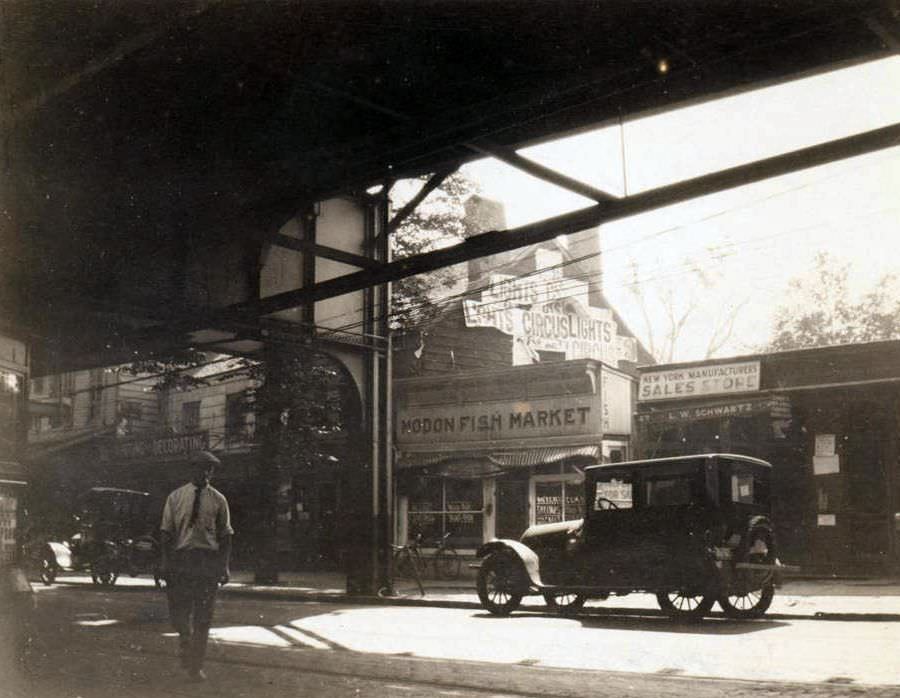
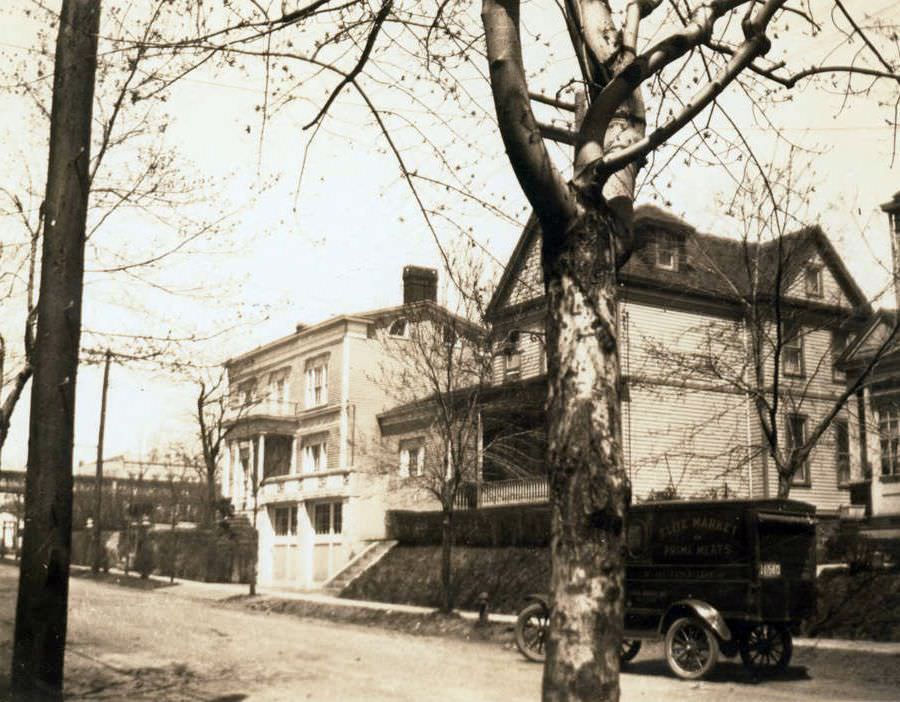
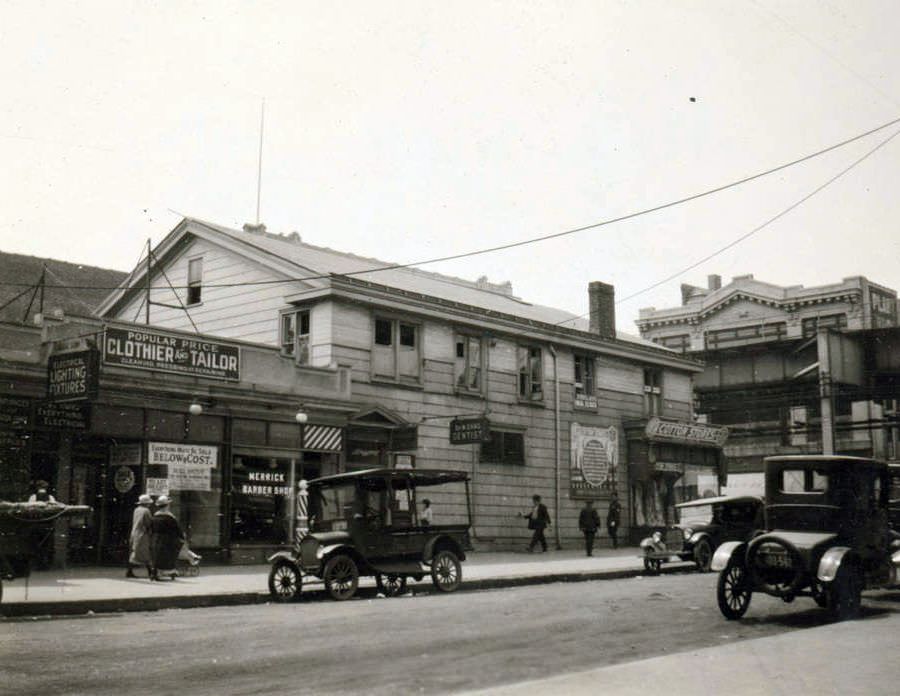
Jamaica Avenue in the 1920s was a real shopping street, not a strip of bodegas and discount stores. Gertz Department Store anchored the block between 161st and 162nd Streets and drew shoppers from as far as the Rockaways and the South Shore of Long Island. Gertz competed directly with the big Manhattan stores — it had multiple floors, a full range of merchandise, and sales staff who knew their customers by name. Women from Hollis, St. Albans, and Richmond Hill came to Gertz the way women from Queens today go to the mall, except Gertz was better. Macy’s and Gimbels had the Manhattan trade. Gertz had Jamaica.

Read more

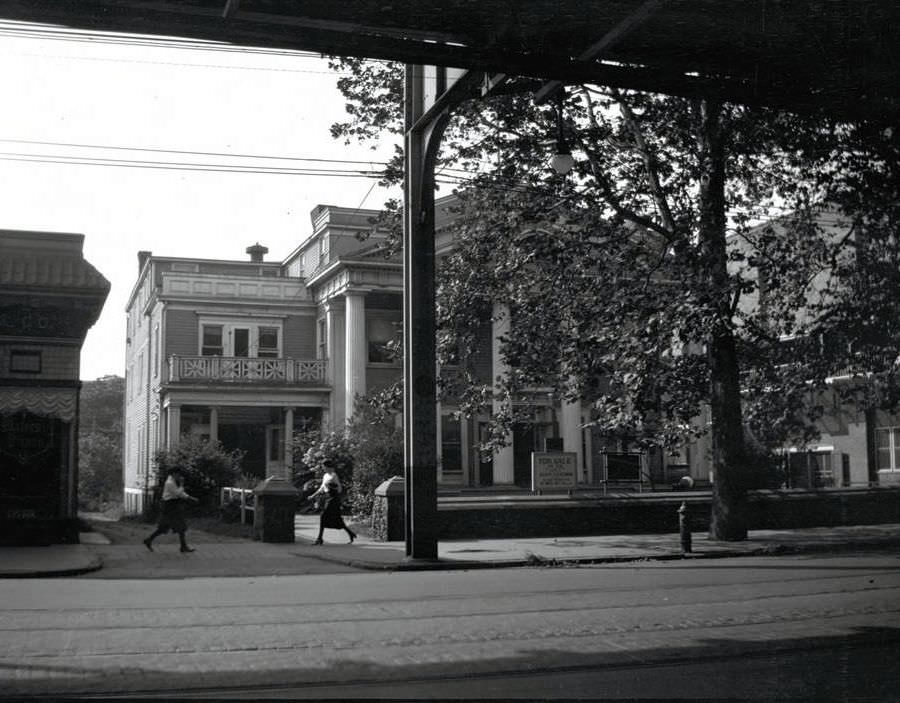
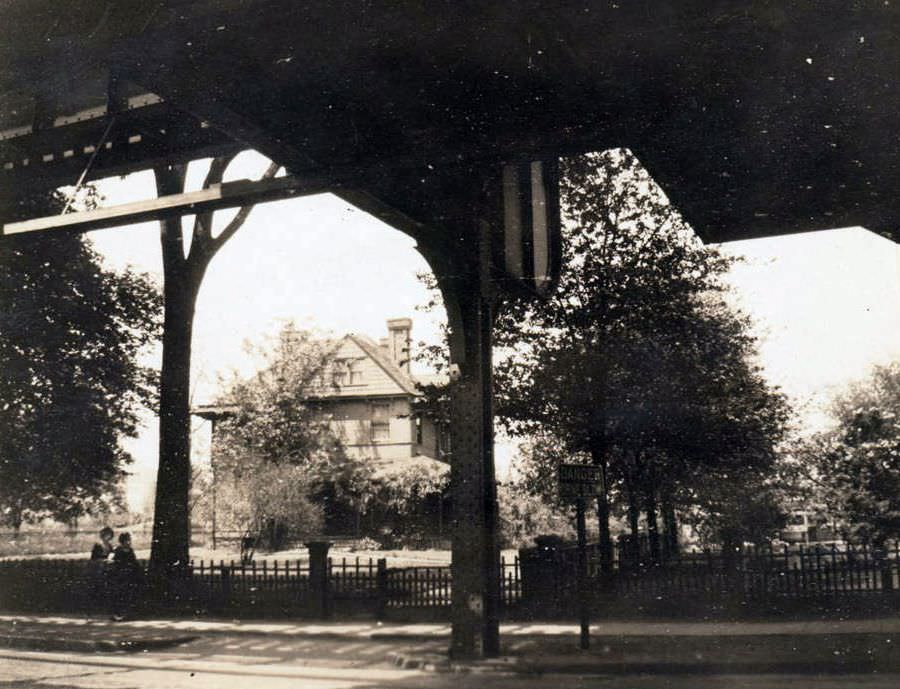
The elevated subway line — the IND’s Jamaica line — had extended service to the neighborhood, and the Long Island Rail Road’s Jamaica station was one of the busiest suburban rail stops in the country. That combination of rail access made Jamaica Avenue commercially viable in a way that few outer-borough shopping streets could match. A merchant on Jamaica Avenue in 1924 had access to customers from a dozen surrounding neighborhoods, all of whom could reach the avenue easily by rail or by the new bus lines that were beginning to replace the old trolley routes.

Movie theaters lined Jamaica Avenue and the side streets nearby. The Valencia Theatre, which opened in 1929 at 165-11 Jamaica Avenue, was one of the grandest movie palaces in the entire borough — a lavish Spanish-Baroque interior with a ceiling painted to look like an open sky, seating over 3,000 people. It was built as a Loew’s house and competed directly with the picture palaces of Manhattan. A family in Jamaica in 1929 did not need to take the train to Times Square to see a first-run film in a magnificent building. The Valencia gave them that experience six blocks from their apartment.

The Jamaica Racetrack

The Jamaica Race Course sat on a large plot of land bounded by what are now Sutphin Boulevard, Parsons Boulevard, and the streets of the South Jamaica neighborhood. It had been operating since 1903, and by the 1920s it was one of the premier thoroughbred racing venues in the Northeast. On a major racing day — the Jamaica Handicap, the Paumonok Stakes — the track drew crowds of 20,000 and more, arriving by Long Island Rail Road trains that stopped at a dedicated track station. Bookmakers worked the crowds openly, as off-track betting had not yet been regulated out of existence. The track brought money into the Jamaica economy on race days in a way nothing else could match.

The racing crowd was a cross-section of the city. Businessmen from Manhattan who followed the thoroughbred circuit came out for the stakes races. Working men from Brooklyn and the Bronx who had a few dollars to put on a horse took the train. Gamblers who ran numbers in their home neighborhoods were regulars. The racetrack operated in a social world of its own, adjacent to but separate from the residential Jamaica that was growing up around it.

The Building Boom

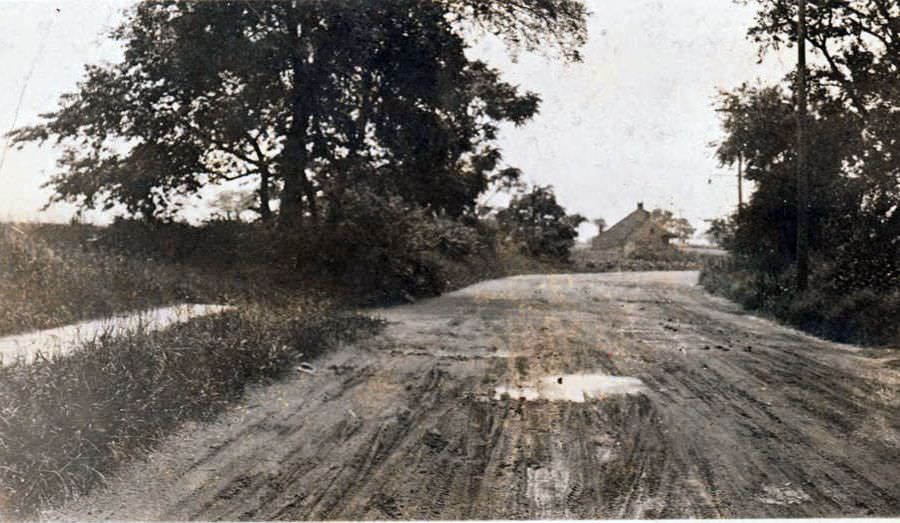
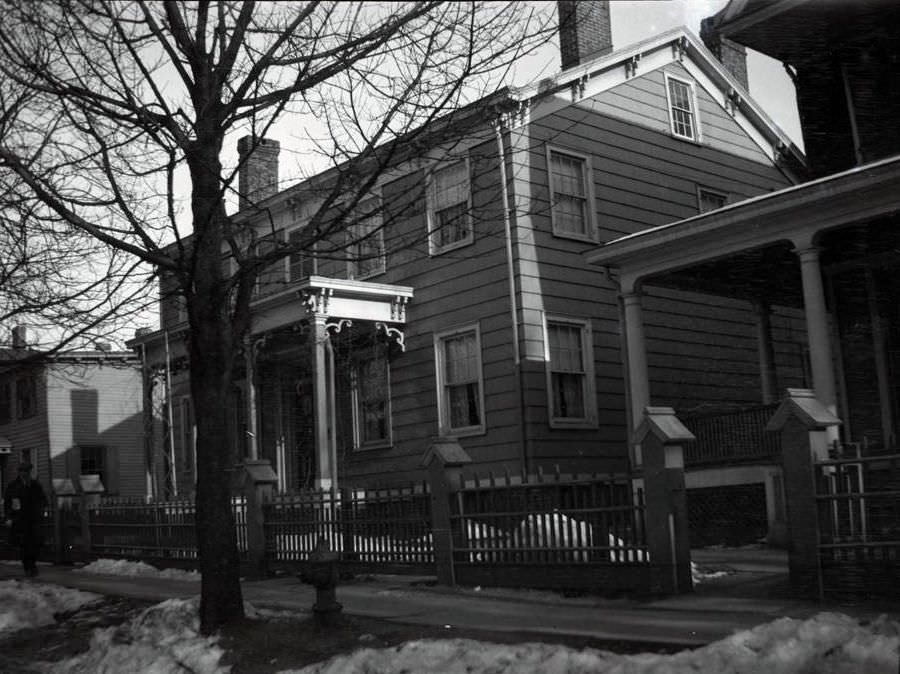
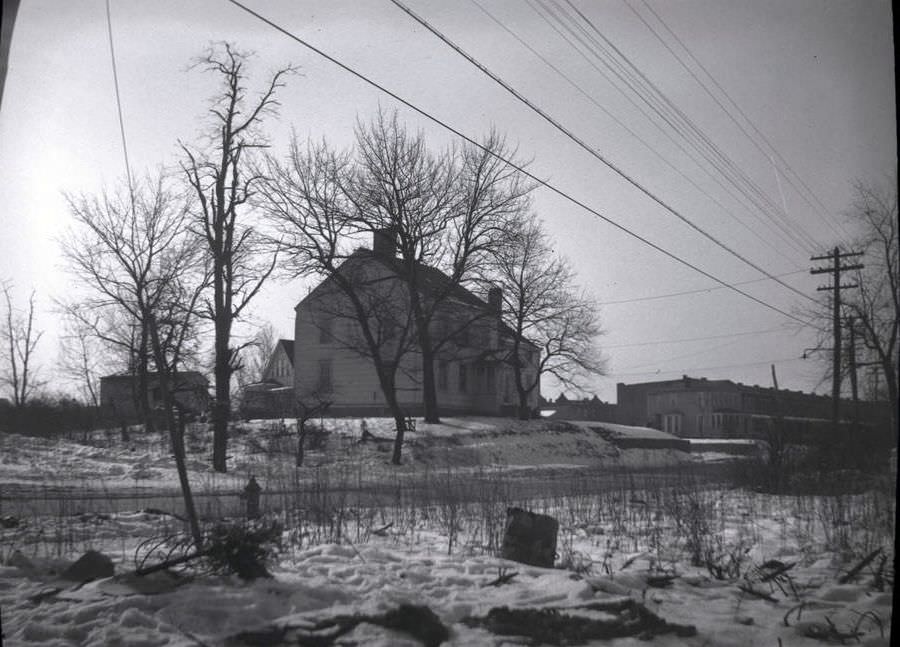
Queens grew faster in the 1920s than any other borough in New York City. The population more than doubled between 1920 and 1930, from 469,000 to over a million. Jamaica and its surrounding neighborhoods — St. Albans, Hollis, South Jamaica, Jamaica Estates — absorbed a large share of that growth. The land that had been truck farms and potato fields in 1910 was being platted into building lots and sold to developers who put up two-family houses, small apartment buildings, and attached row houses at a pace that reshaped the landscape year by year.

The buyers were largely white working-class and middle-class families moving out of crowded Brooklyn and Manhattan tenements. Irish, Jewish, and Italian families who had saved enough for a down payment on a house in Queens saw Jamaica Estates or Hollis as the first step into something that looked and felt like the American suburb — a private house, a small yard, a garage for the new car. The house on the tree-lined street in Queens was the goal, and the 1920s put that goal within reach for a class of New Yorkers who had never had access to it before.

St. Albans and the Color Line

The residential boom in Jamaica and its surrounding neighborhoods operated under strict racial boundaries. Real estate agents, developers, and neighborhood associations worked together to keep Black families out of the new housing developments in St. Albans, Hollis, and Jamaica Estates. Restrictive covenants — legal clauses written into property deeds that prohibited sale to Black buyers — were standard practice across the new developments. Banks refused mortgages to Black applicants for properties in these areas regardless of creditworthiness. The booming Queens of the 1920s was being built as an explicitly white suburb.

South Jamaica, by contrast, had an established African American community that predated the borough consolidation. Black families who had lived in the area for generations were concentrated in South Jamaica’s blocks, largely cut off from the prosperity being built on the other side of the neighborhood’s informal boundaries. The same decade that brought Gertz Department Store and the Valencia Theatre to Jamaica Avenue brought systematic exclusion to the Black residents living a mile away.
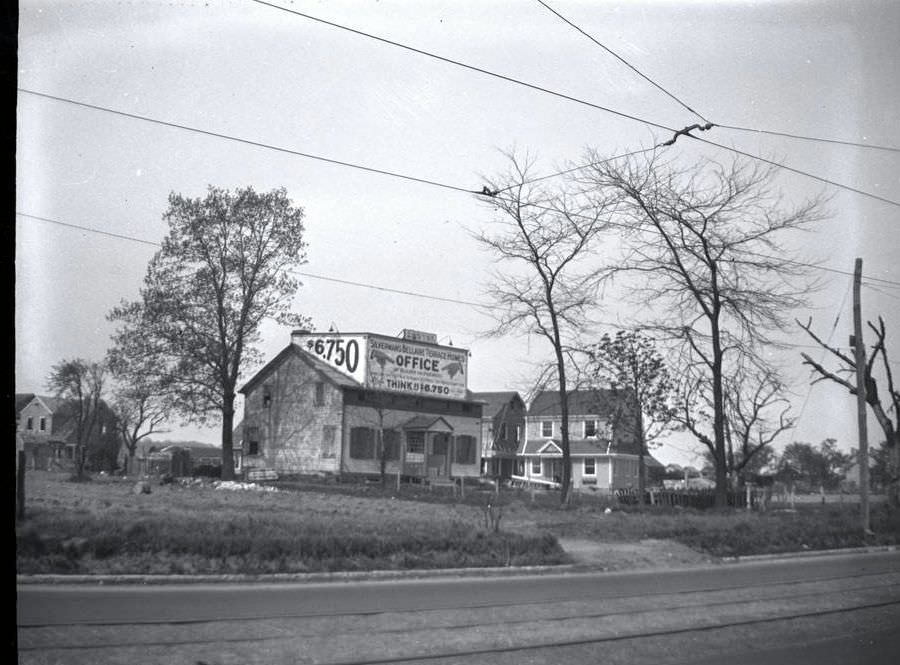
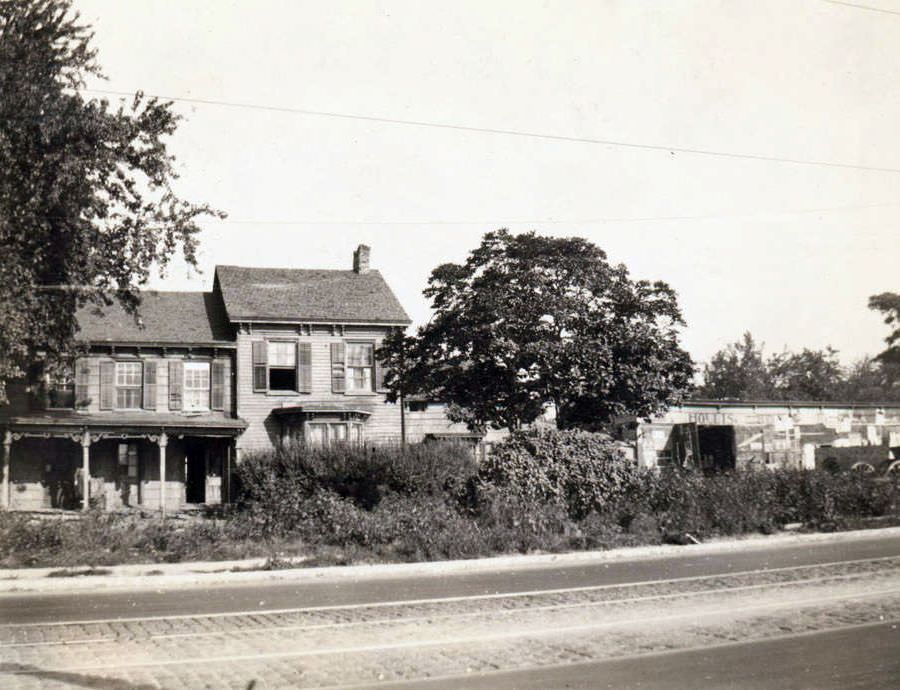
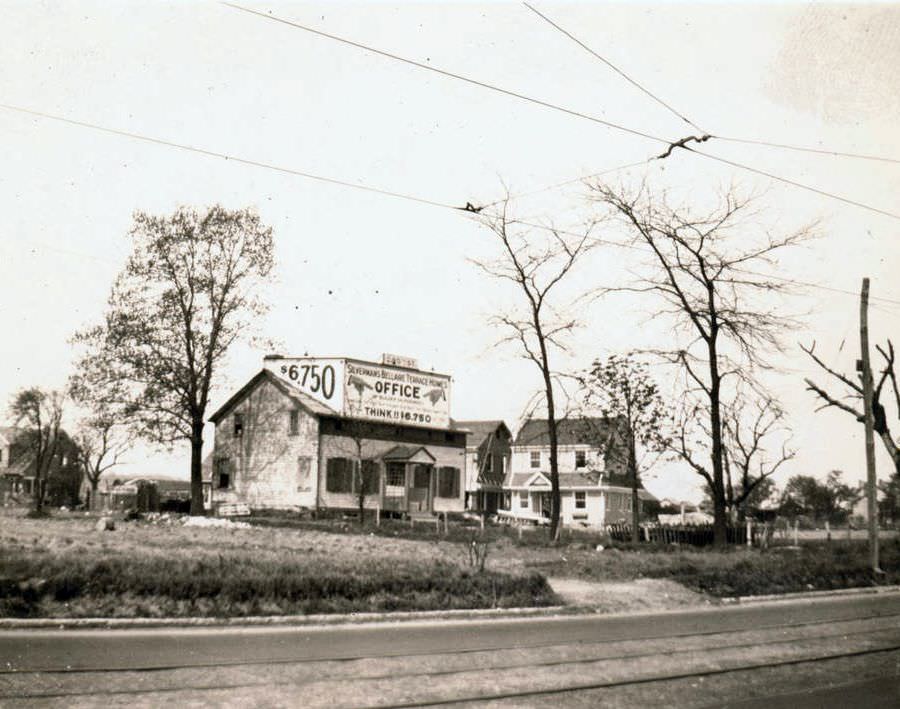
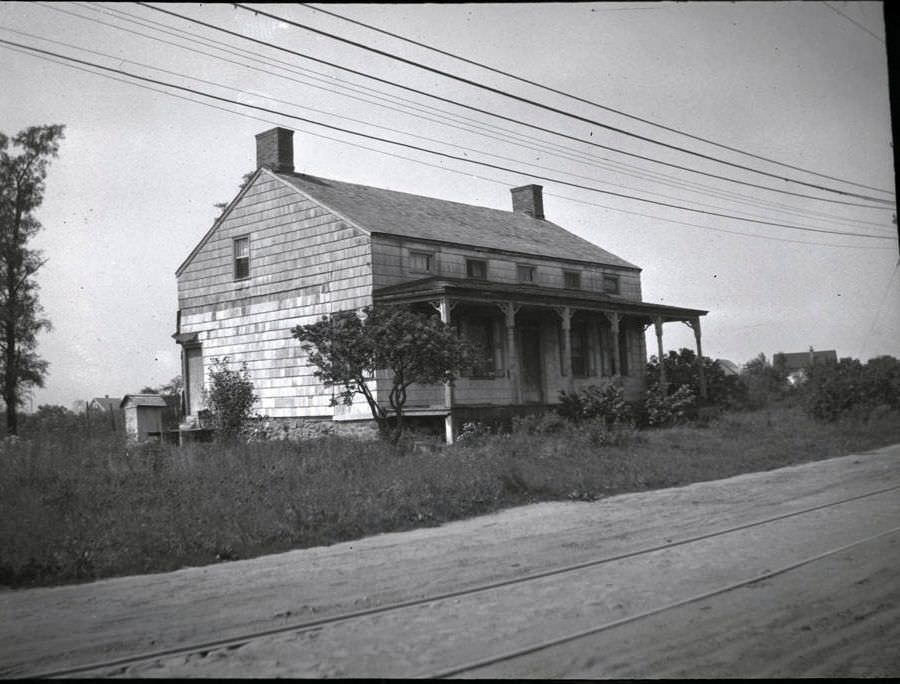
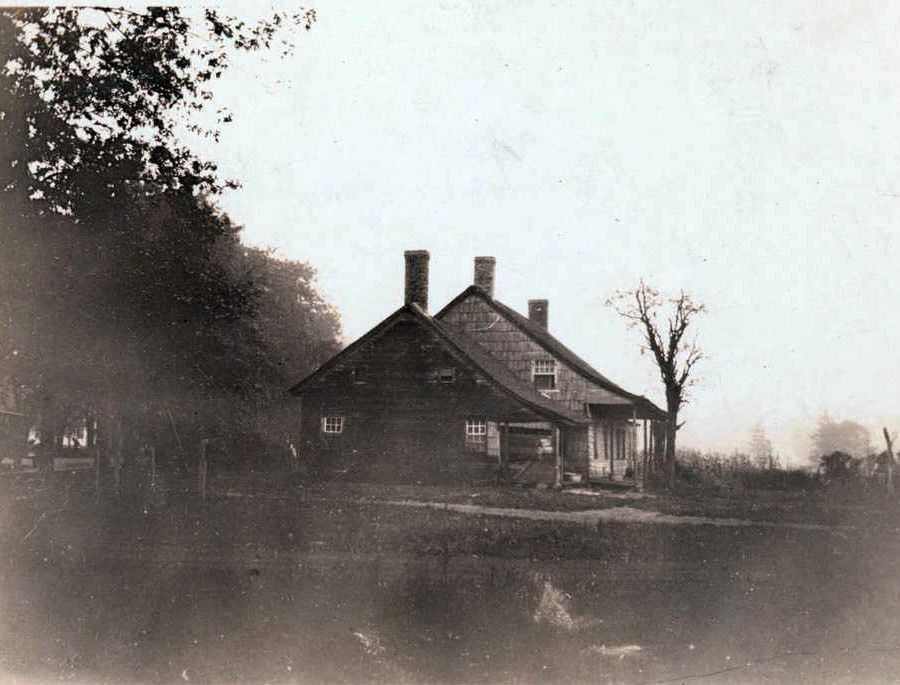
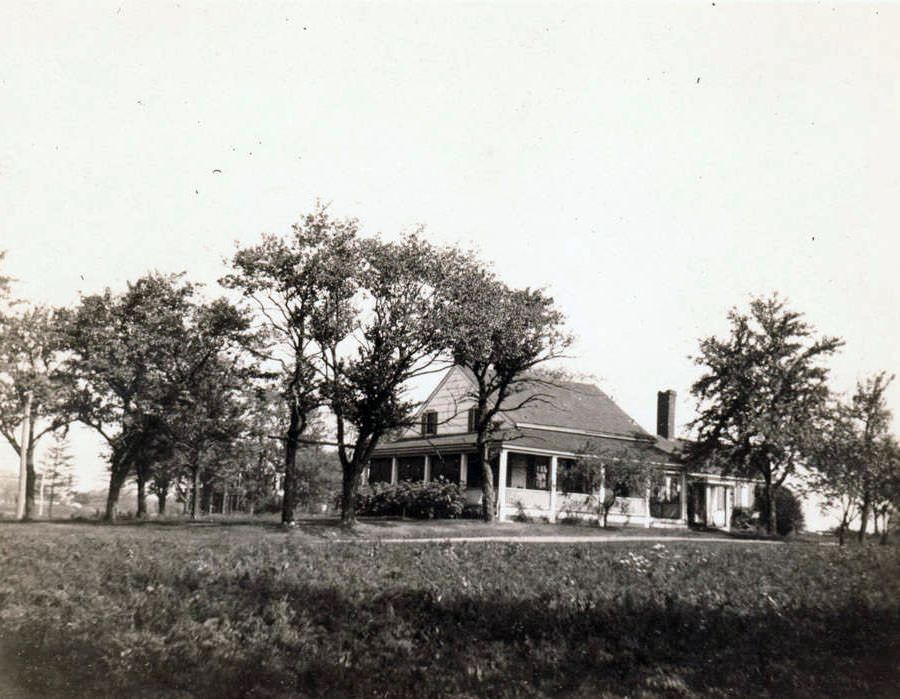
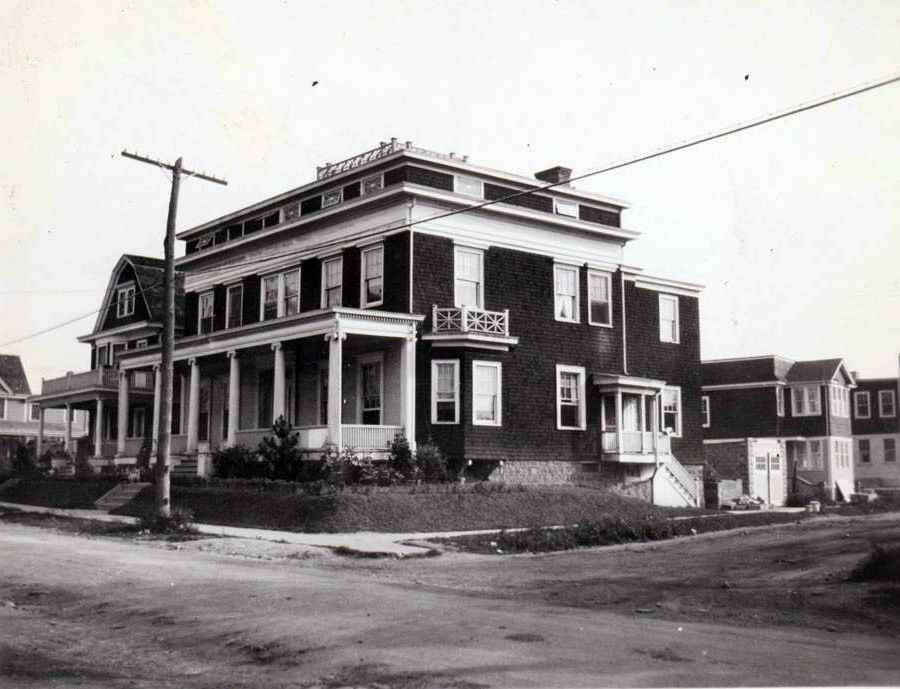
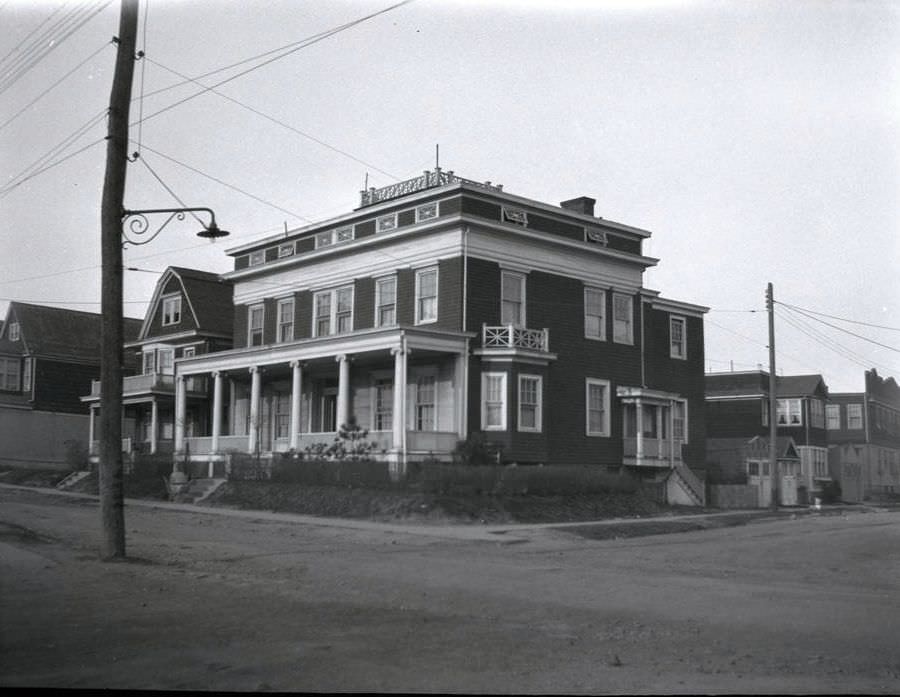
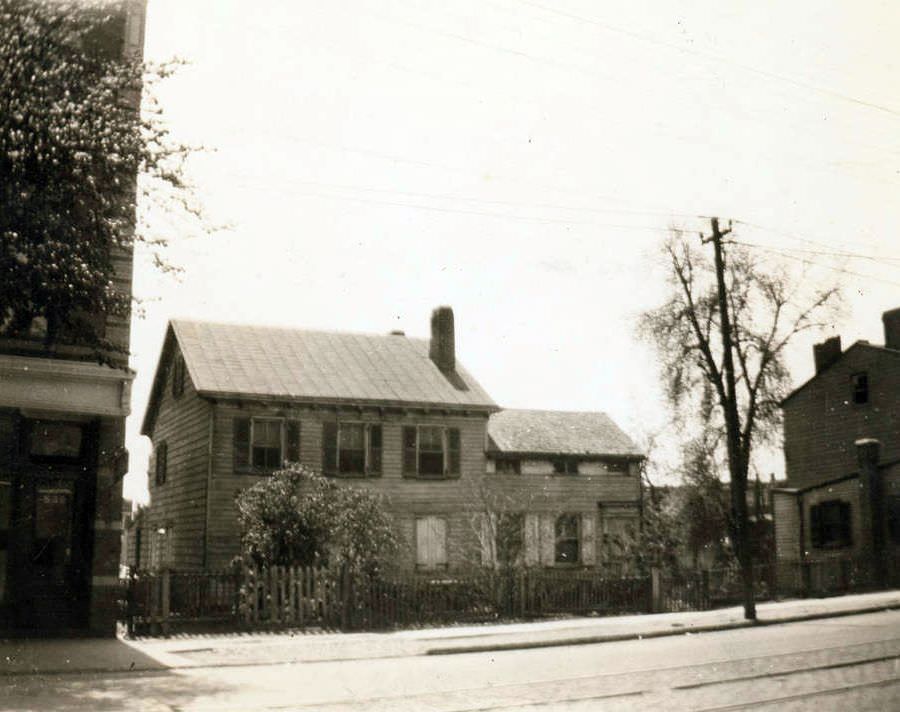
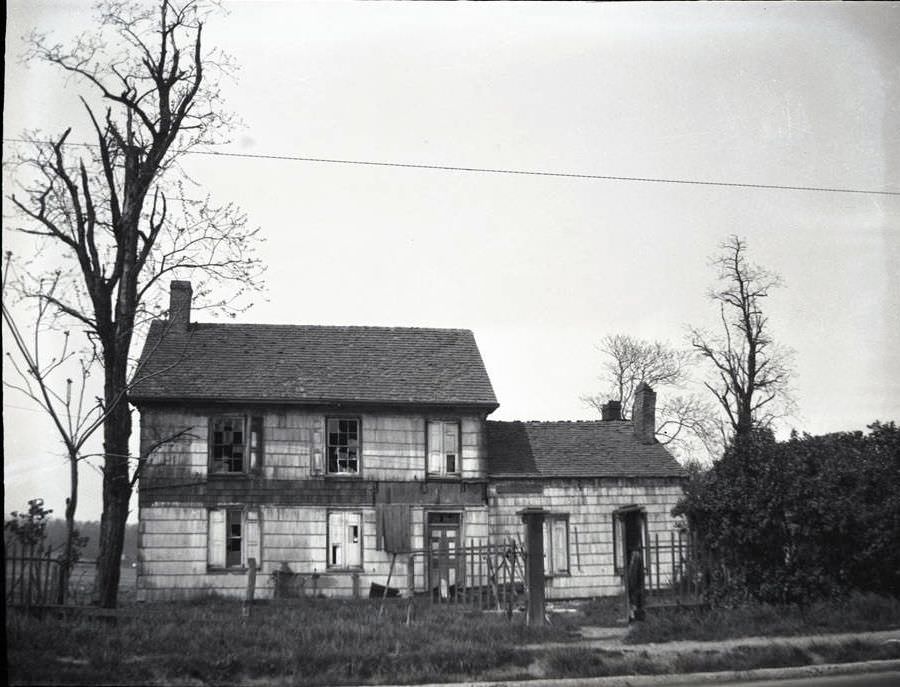
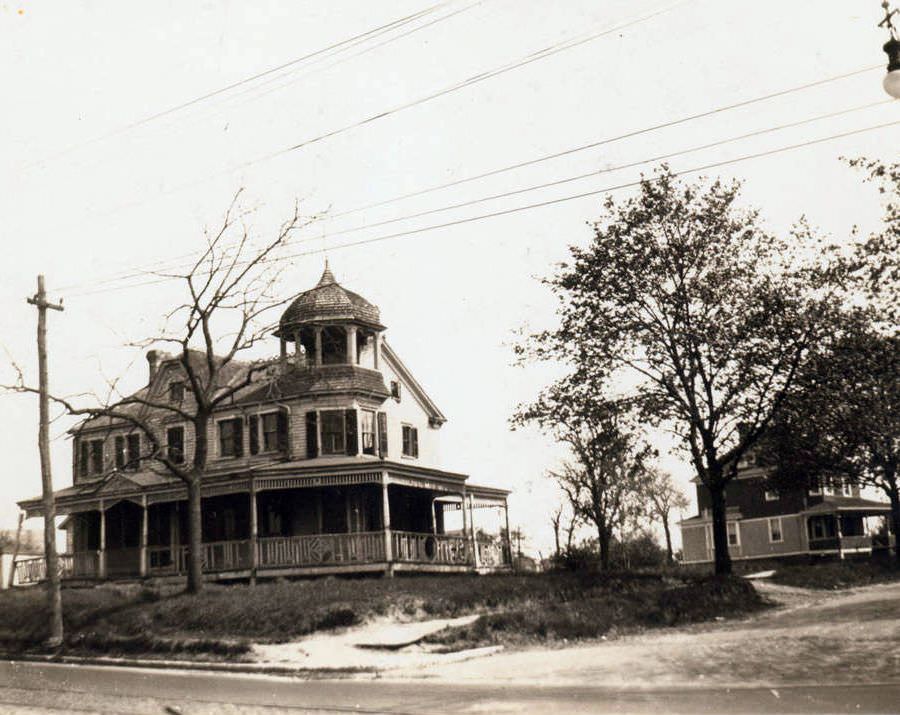
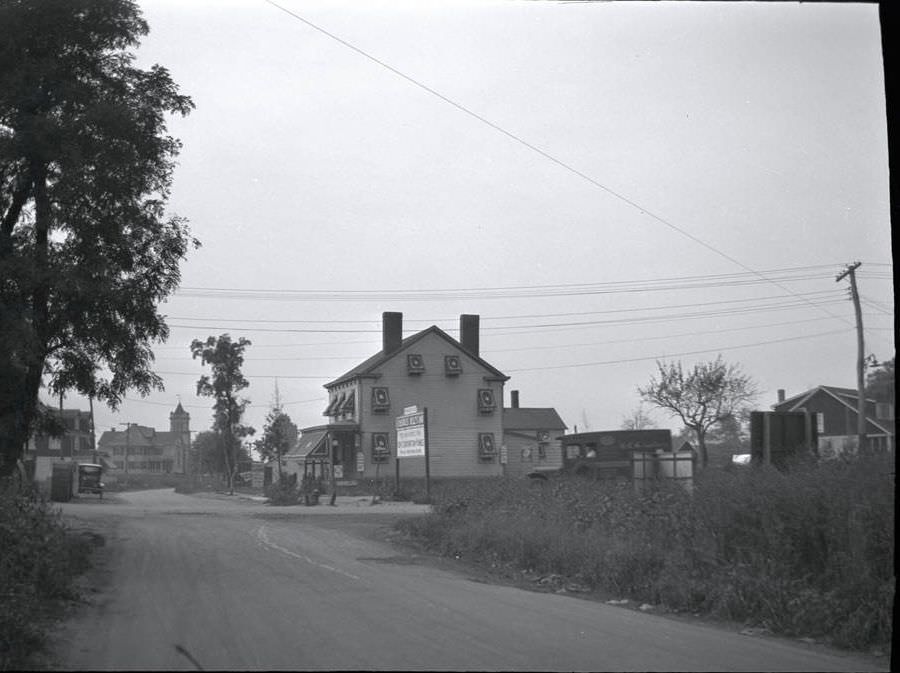
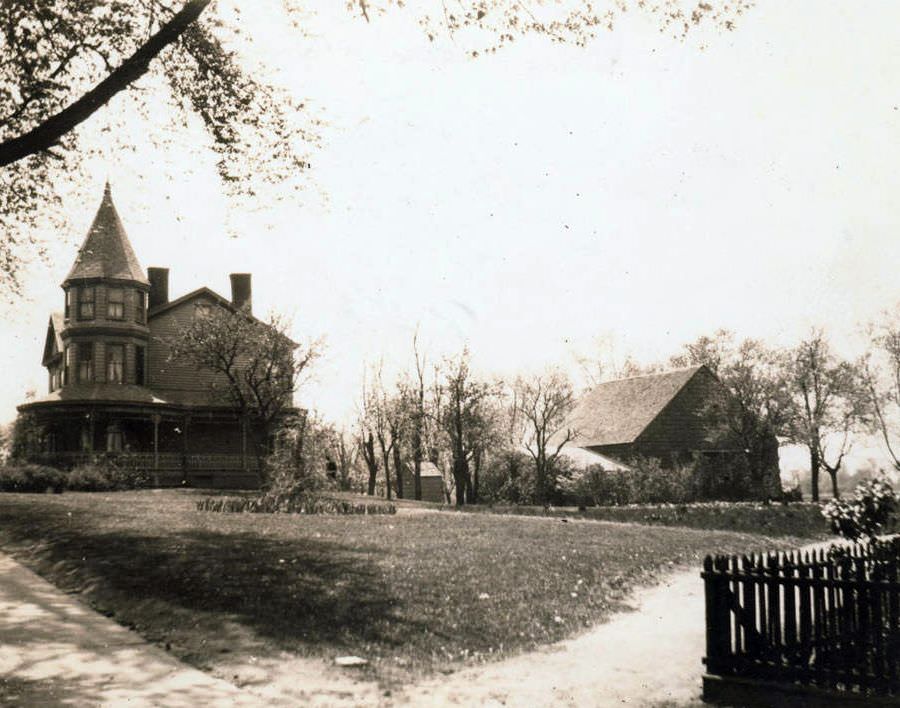
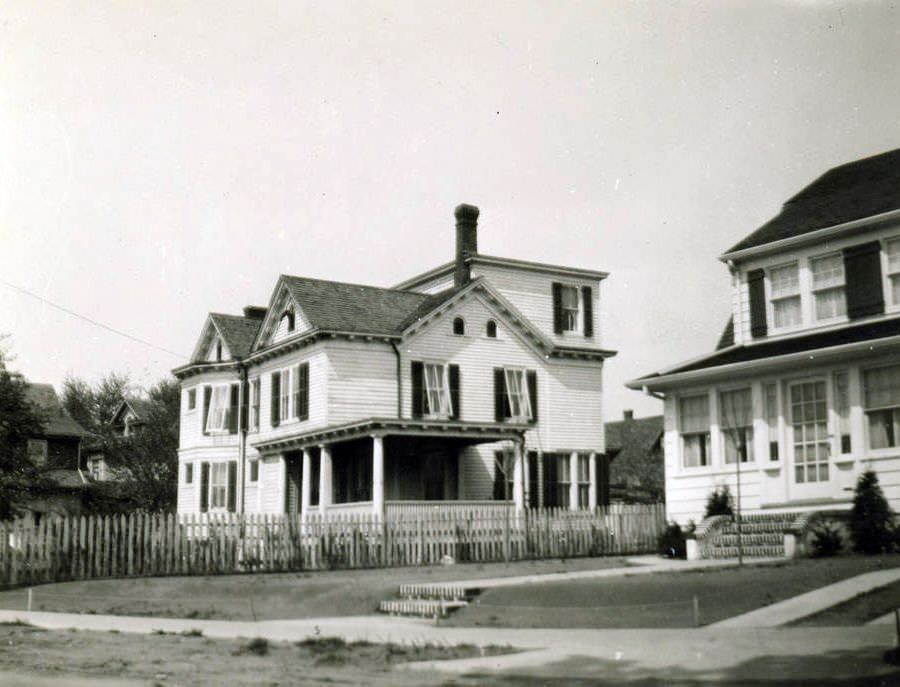
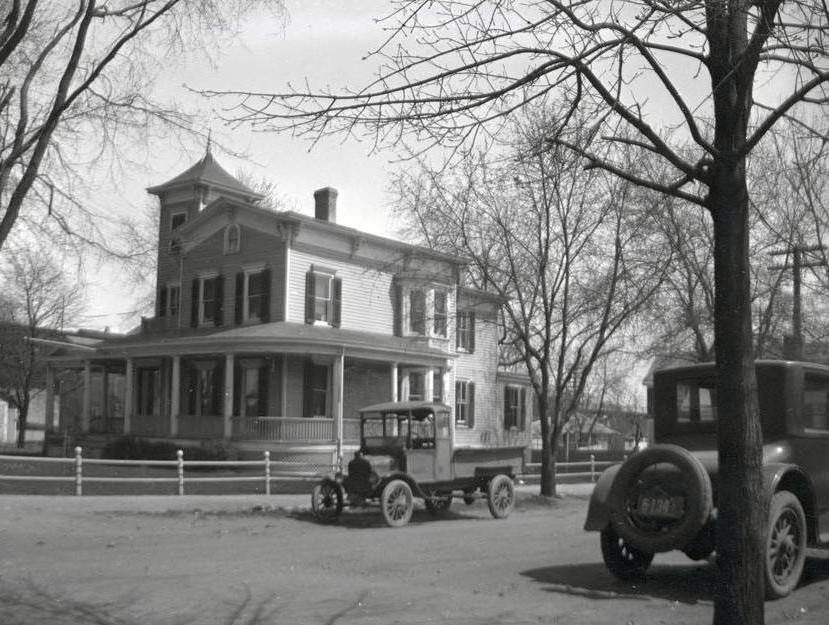
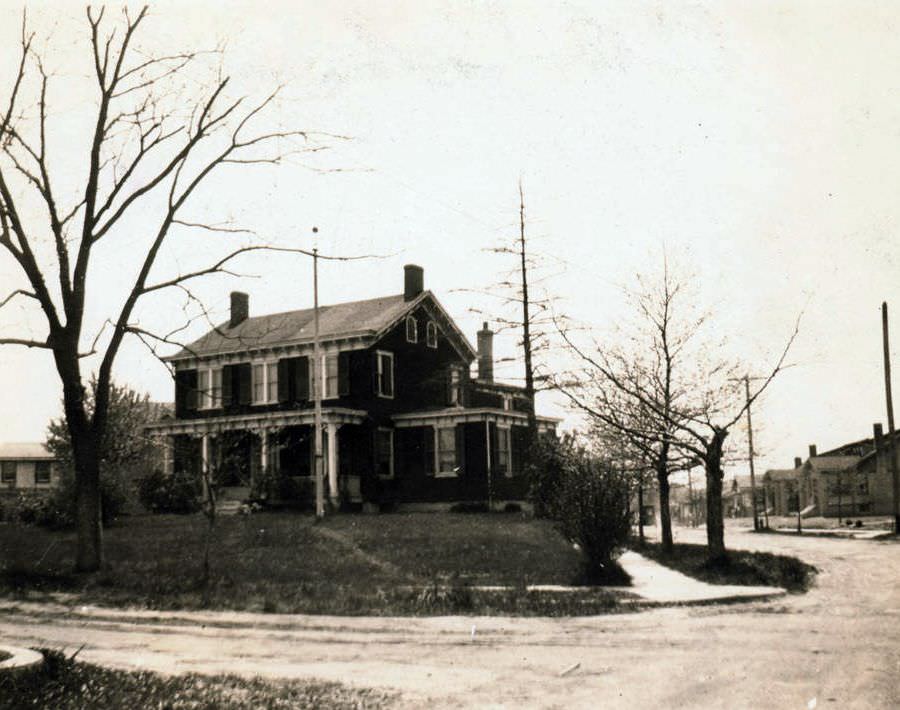
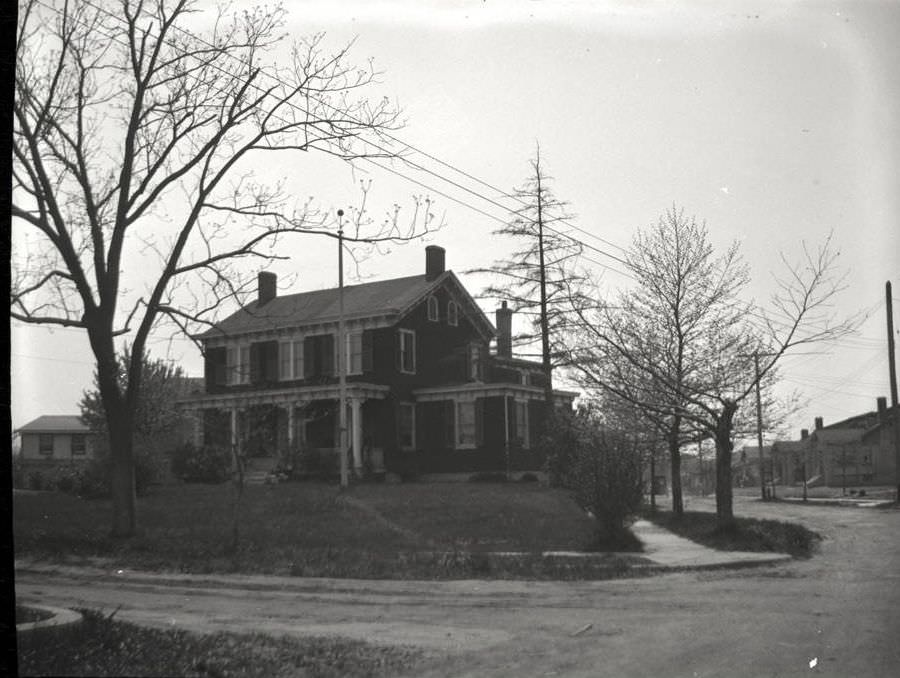
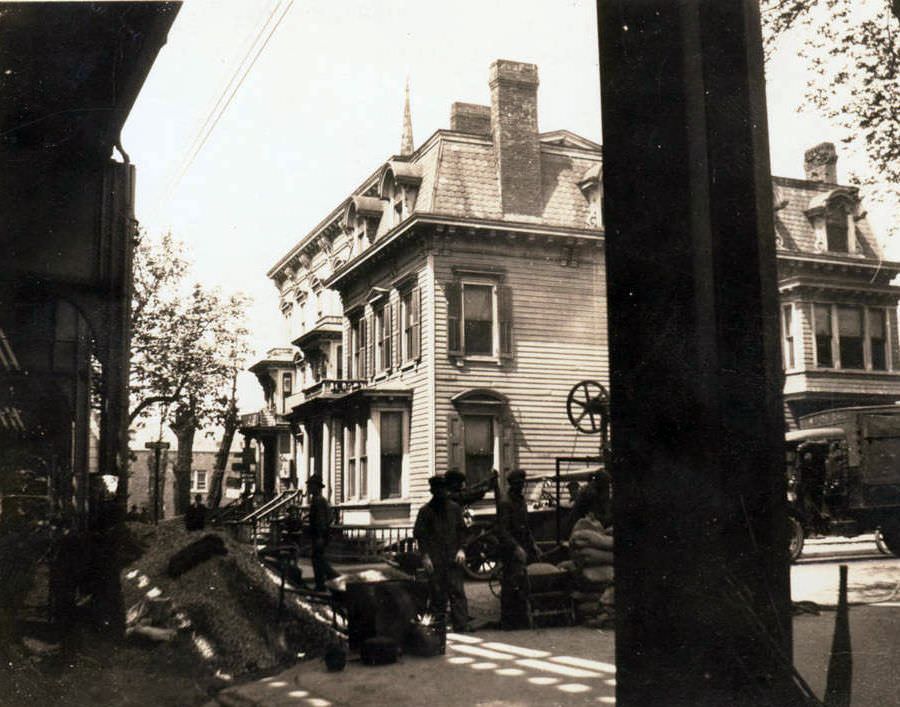
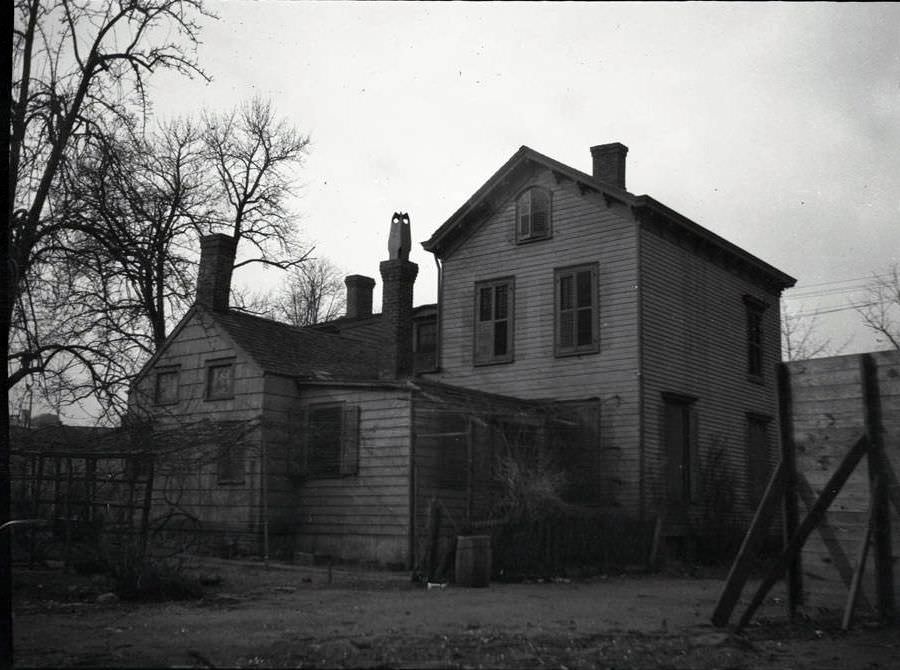
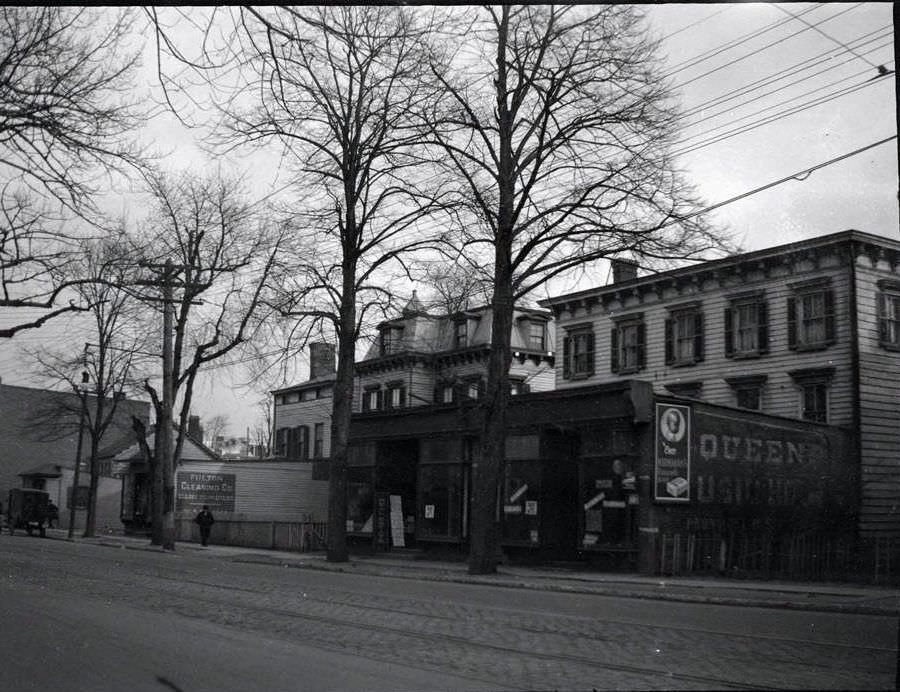
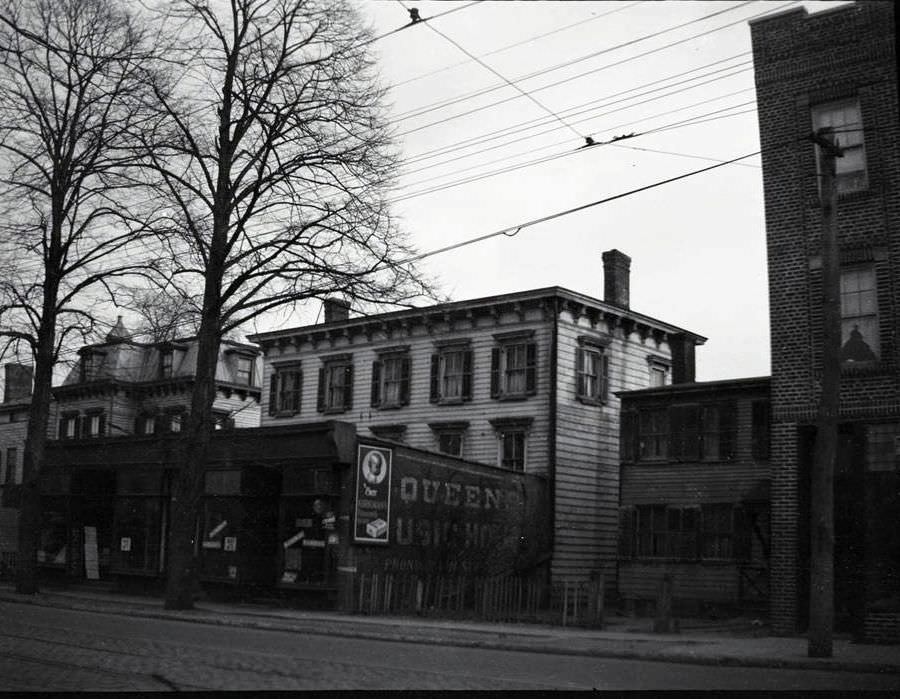
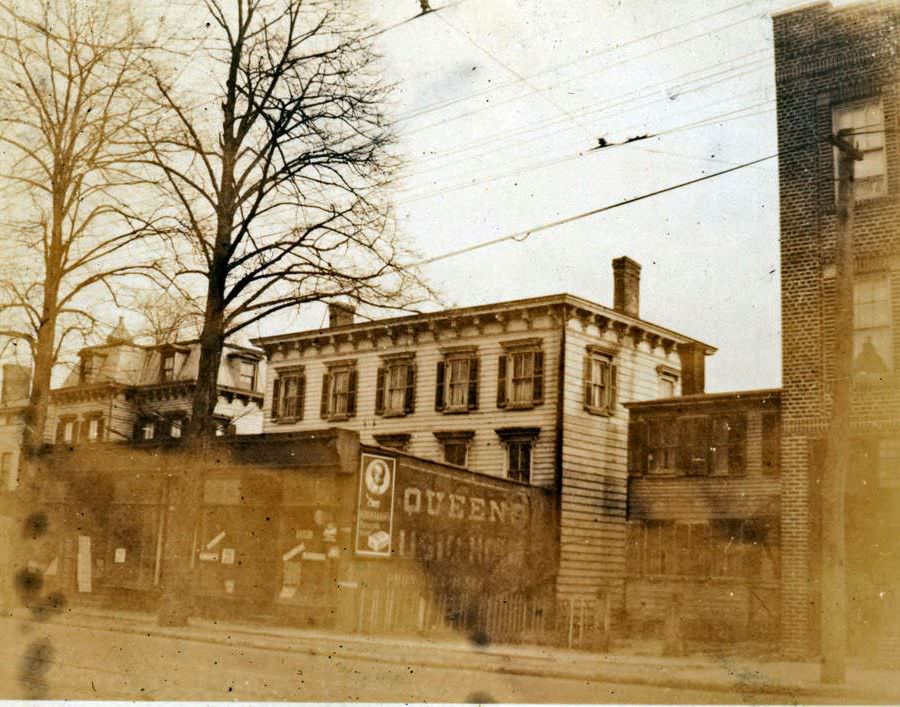
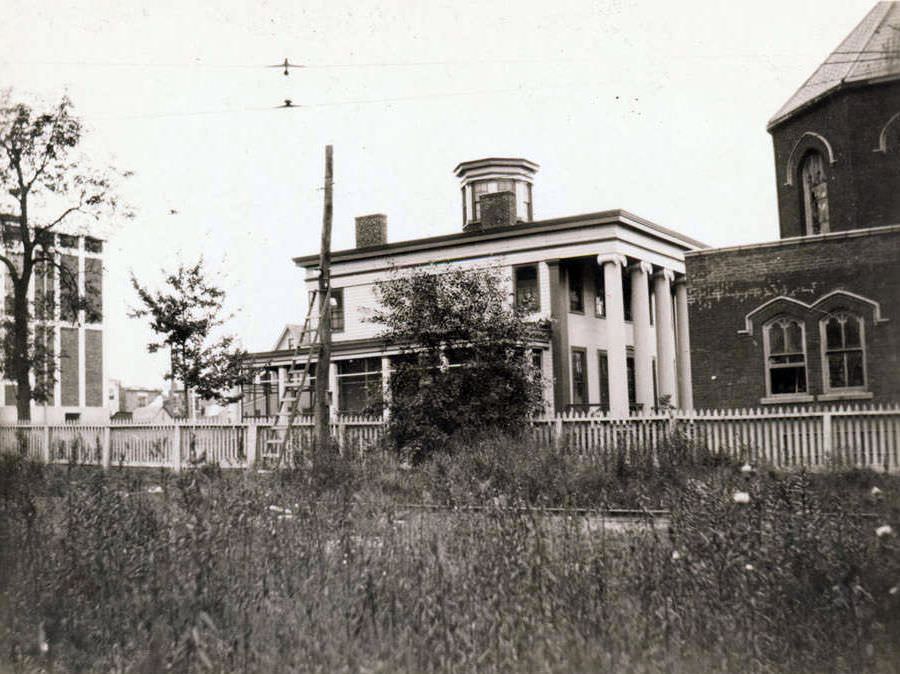
#1 Bergen House on the north side of Jamaica Avenue at 205th Street, Bellaire Terrace, 1922.
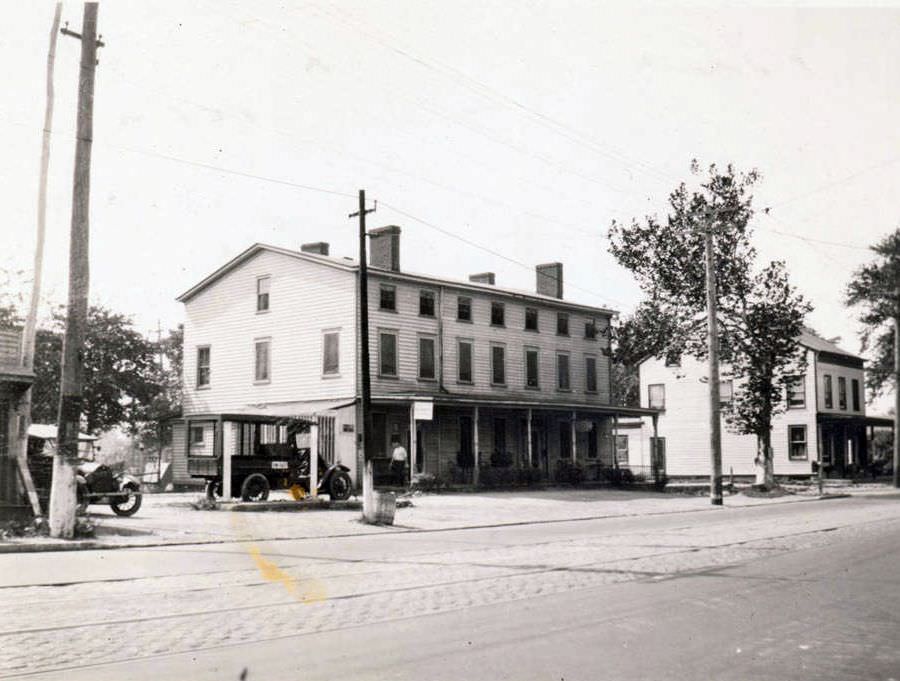
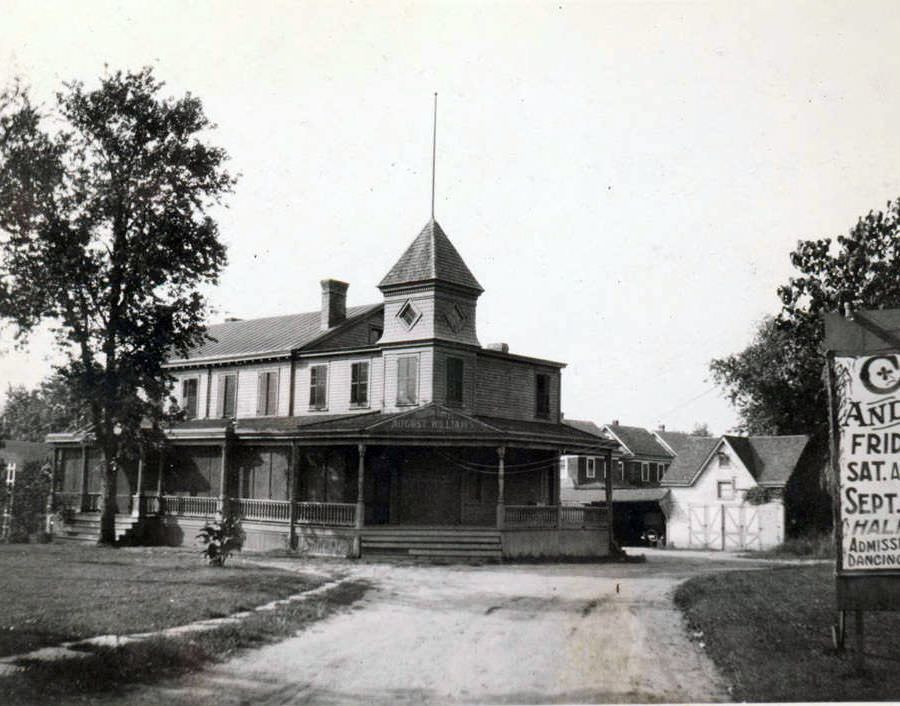
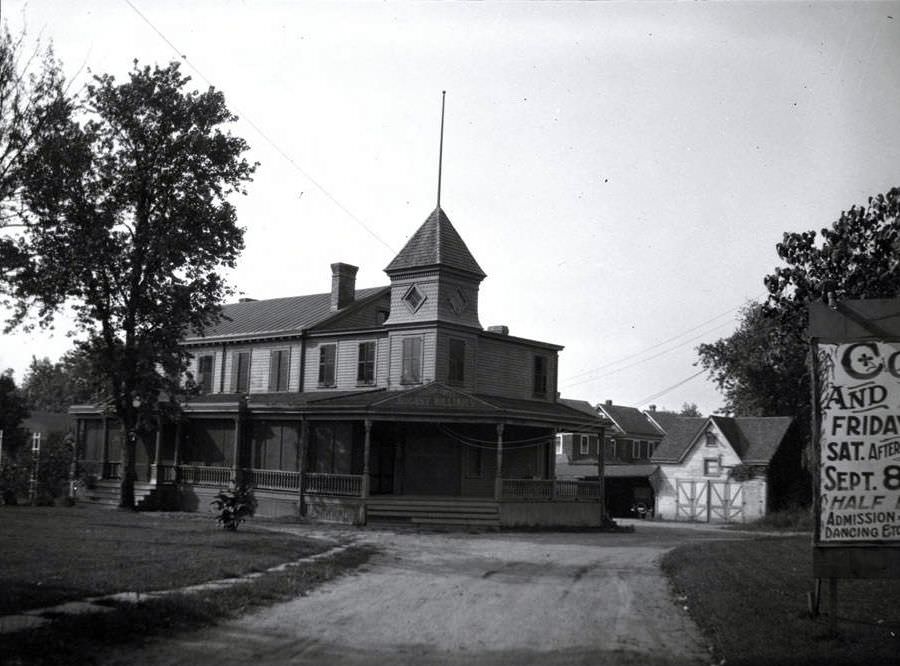
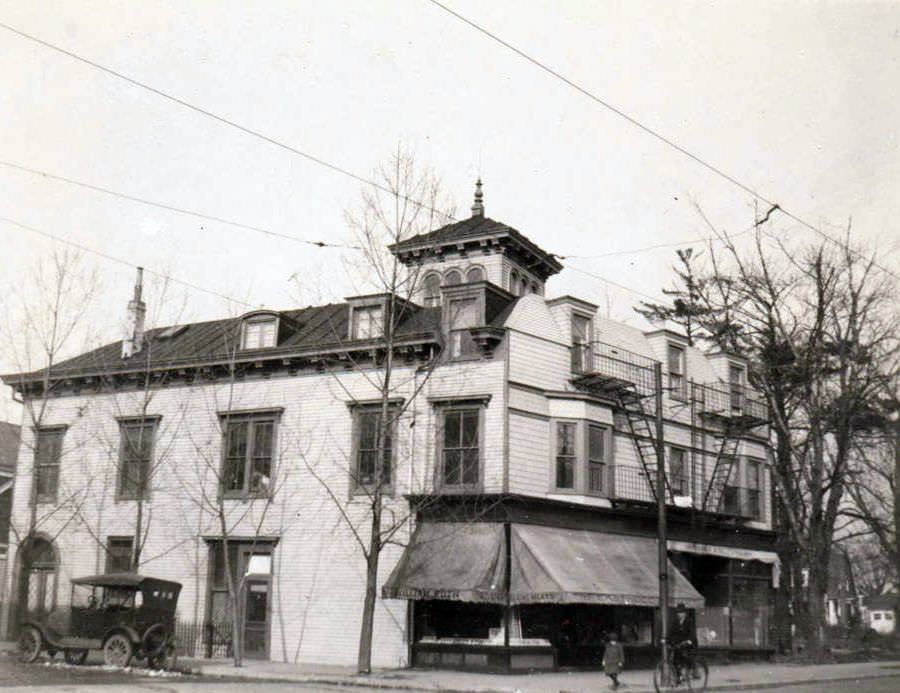
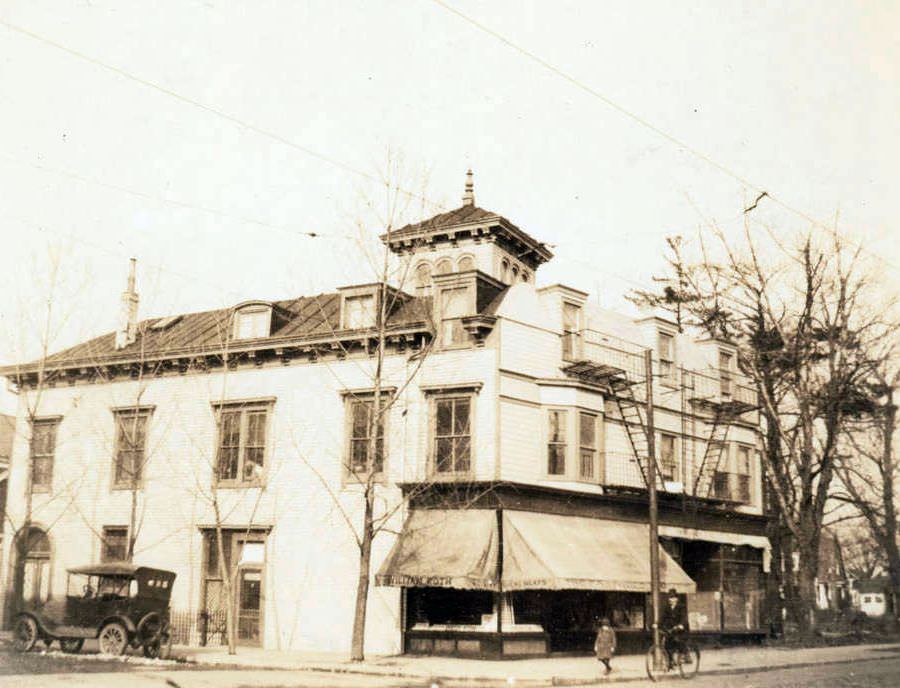
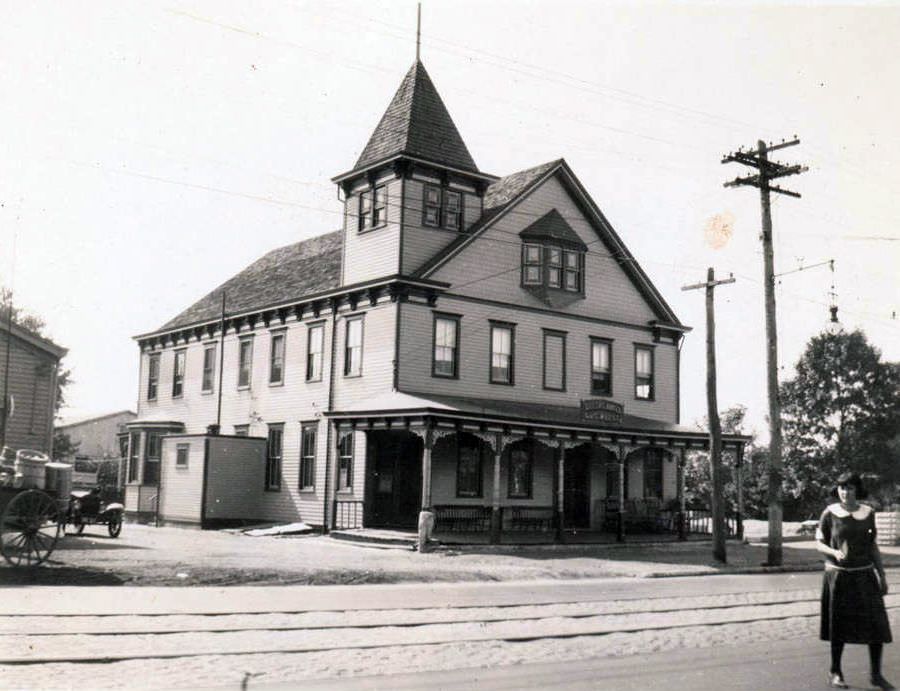
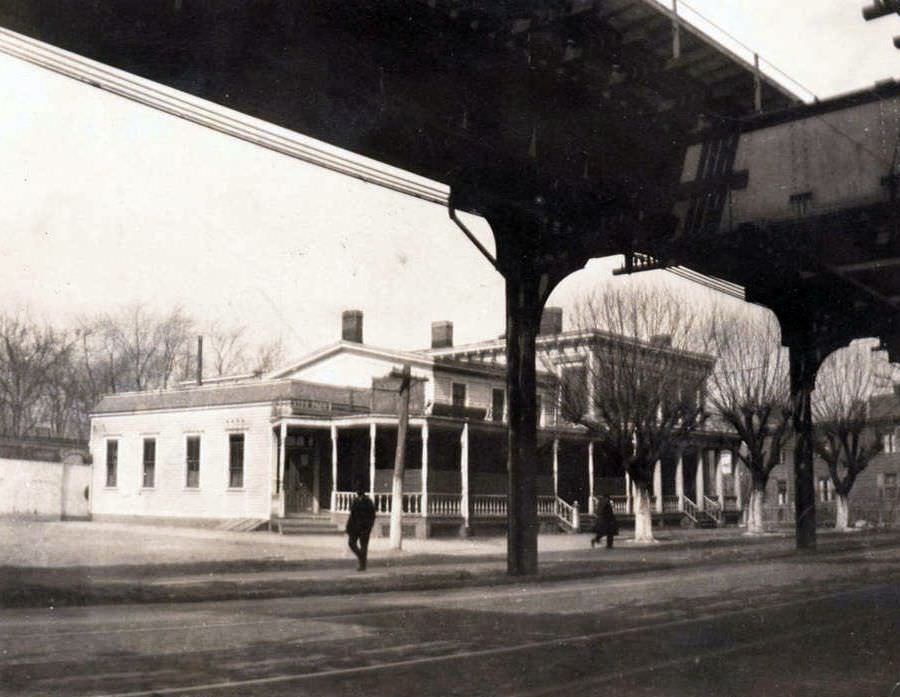
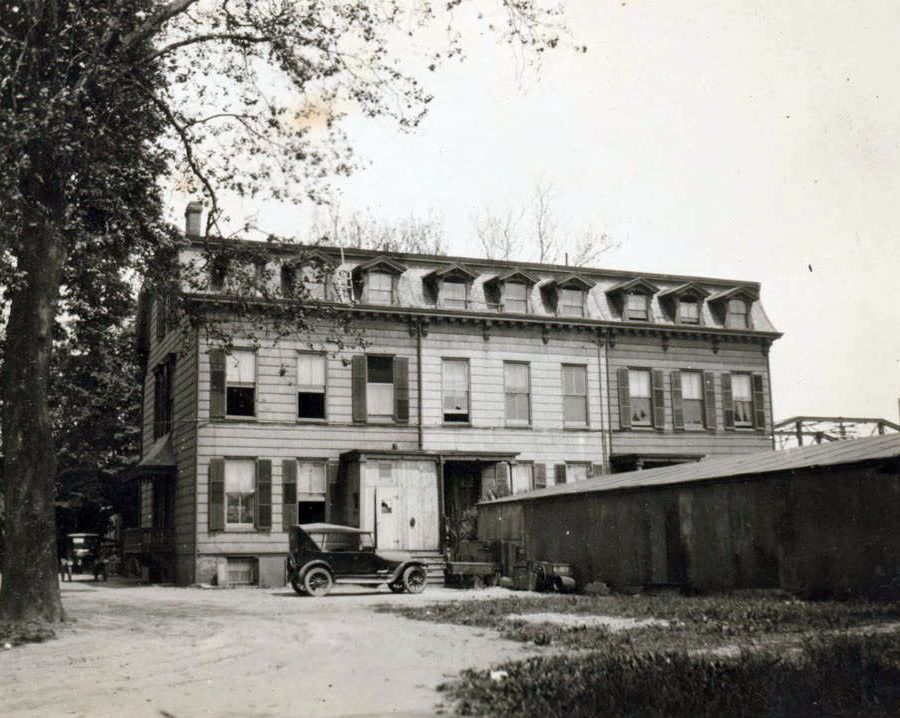
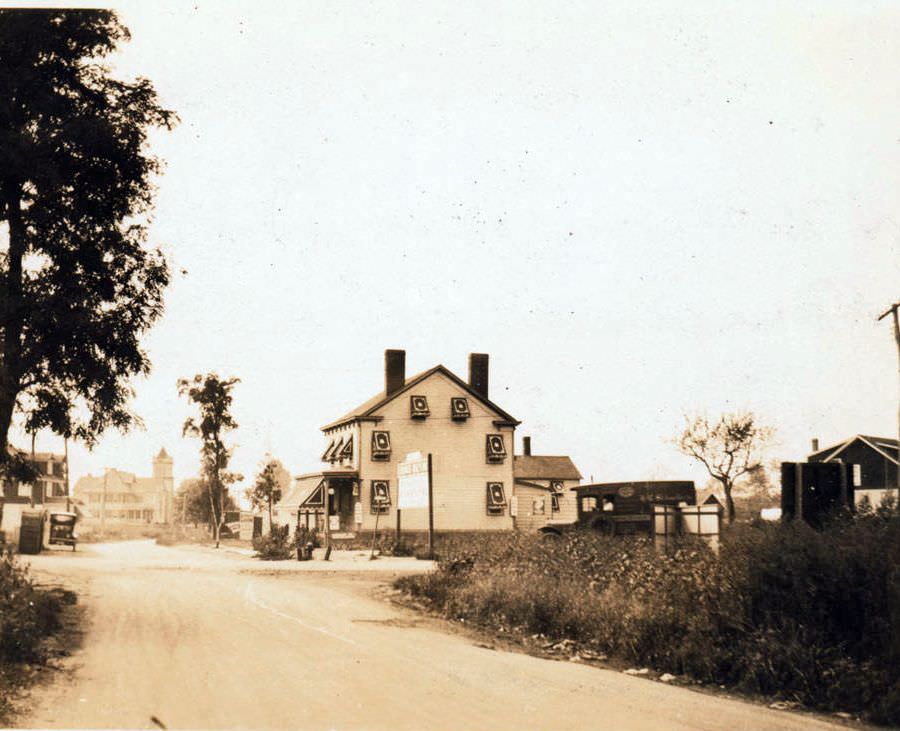
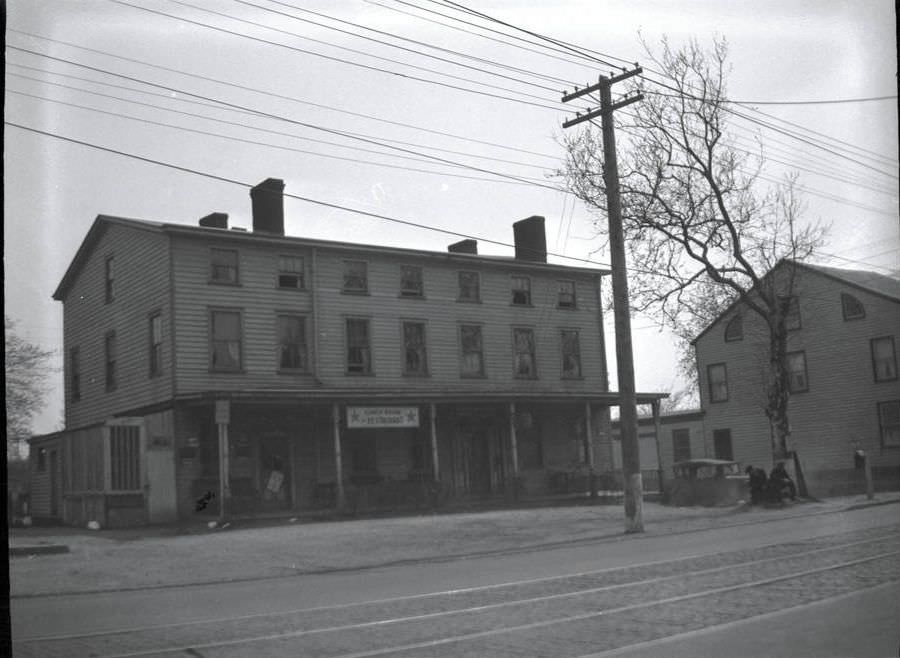
#2 Ben Lane’s Hotel at the southeast corner of Jamaica Avenue and 1st Avenue, 1922.
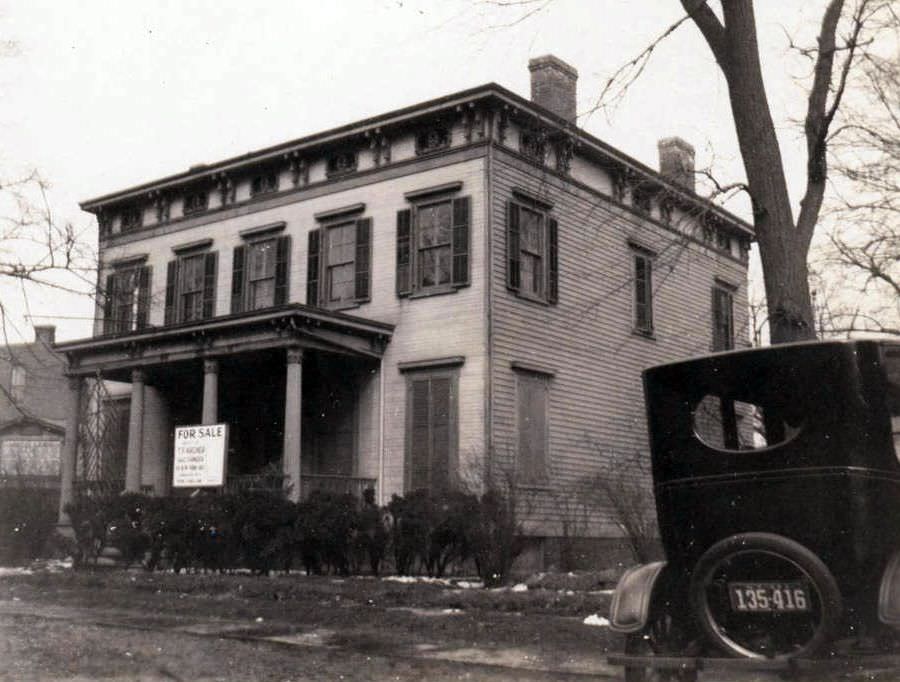
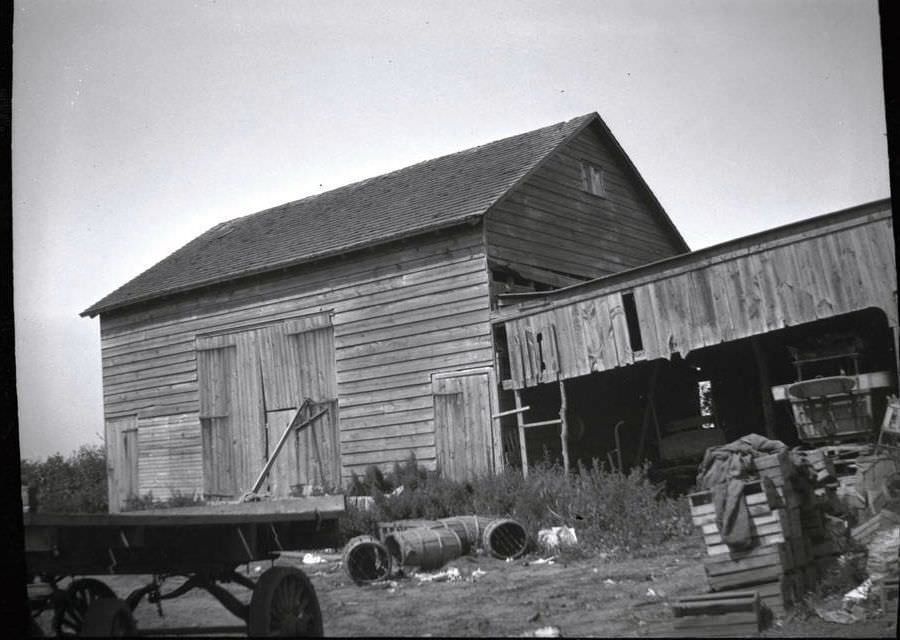
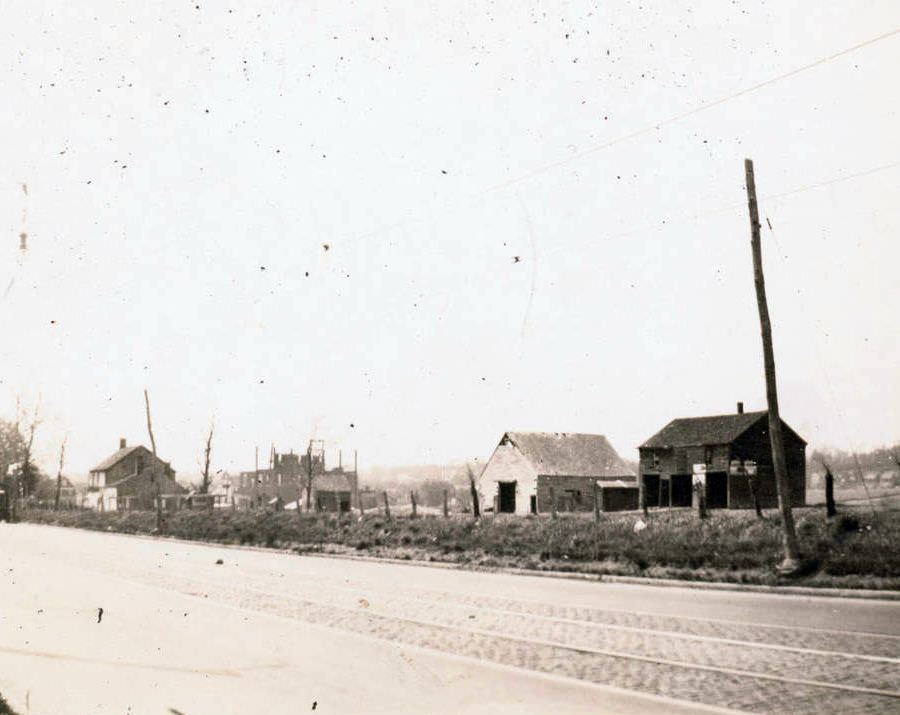
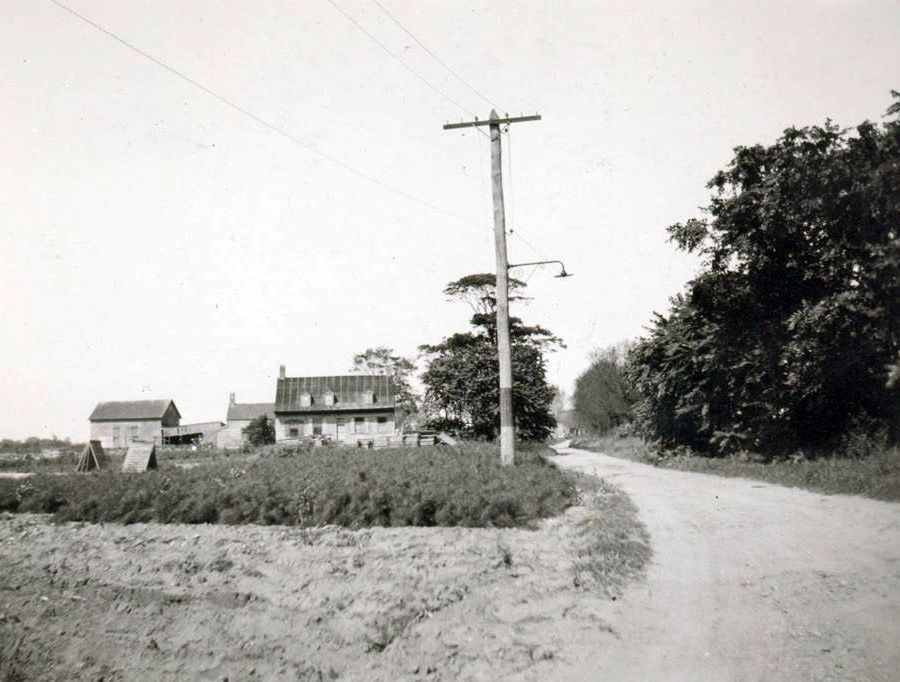
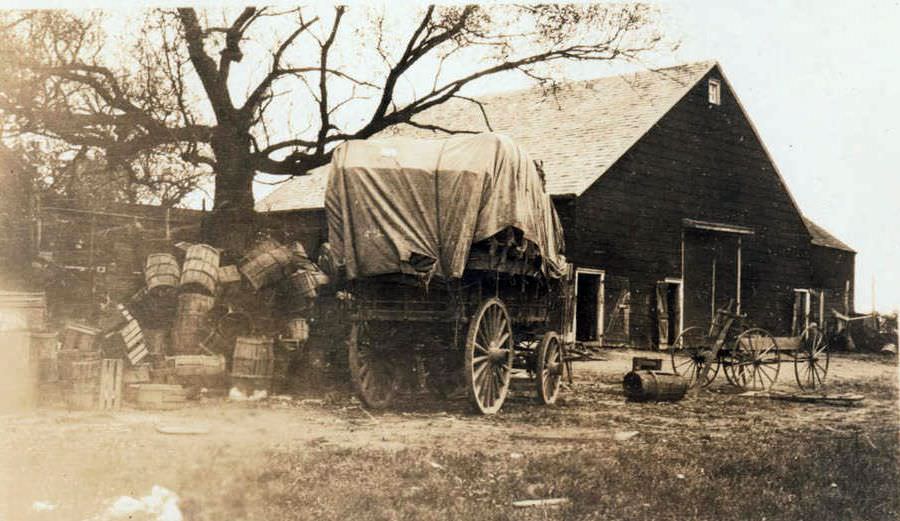
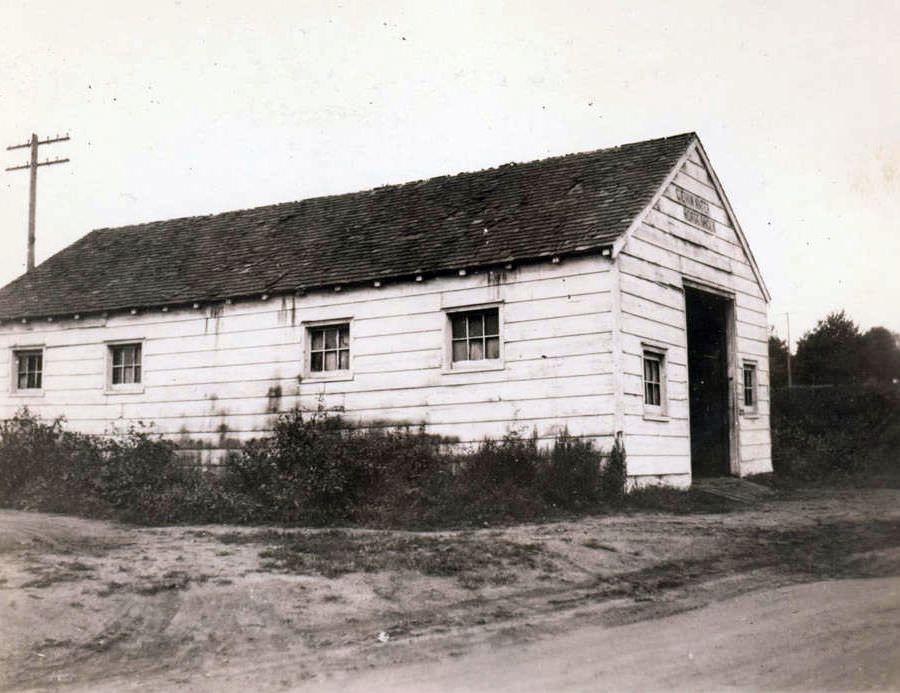
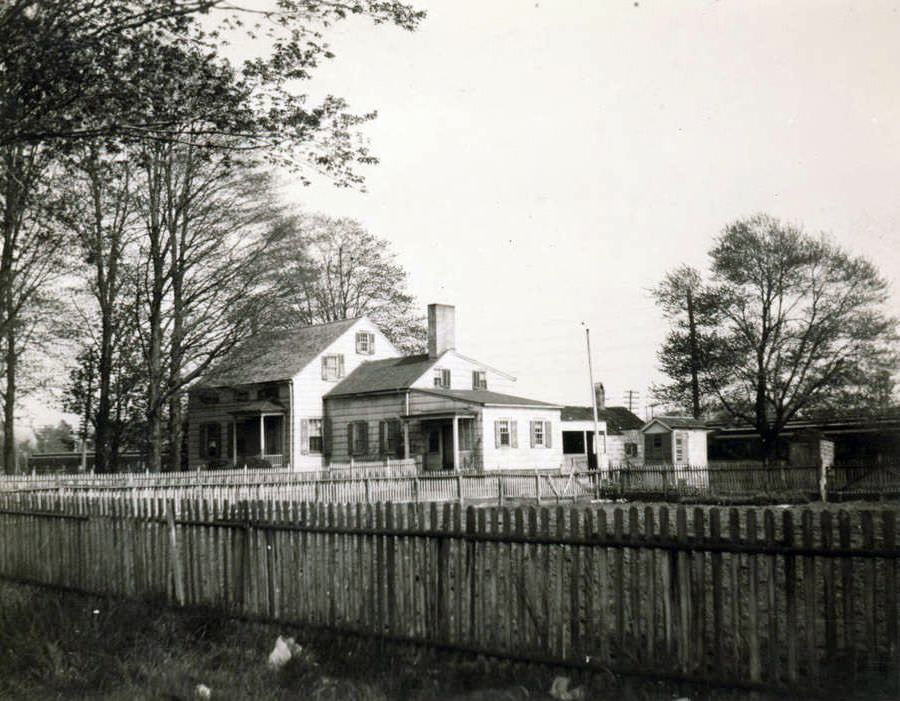
#4 Christian Nicklaus’ barn on Three Mile Mill Road near Old South Road, 1922.

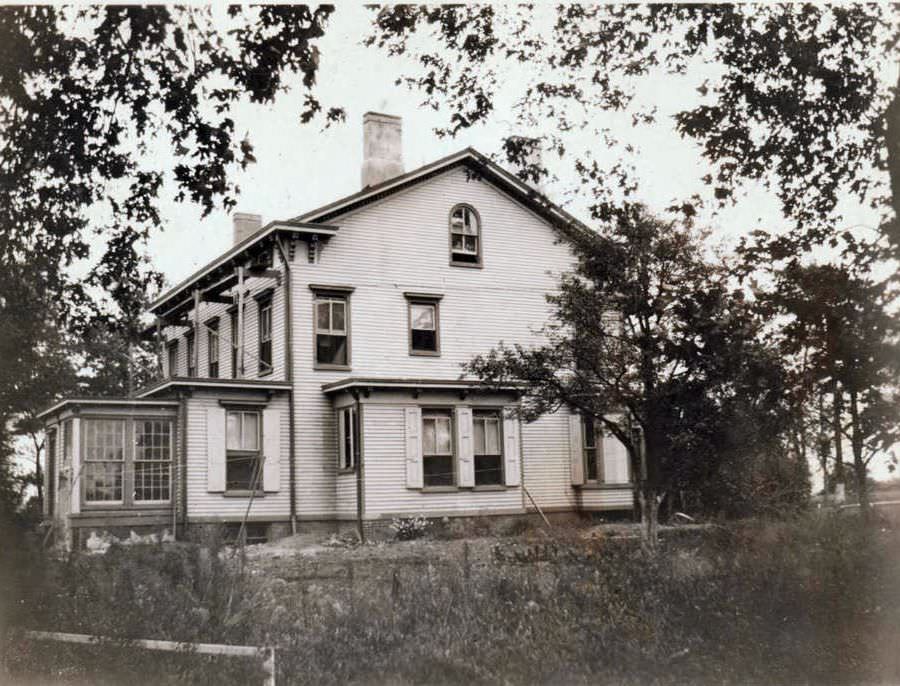
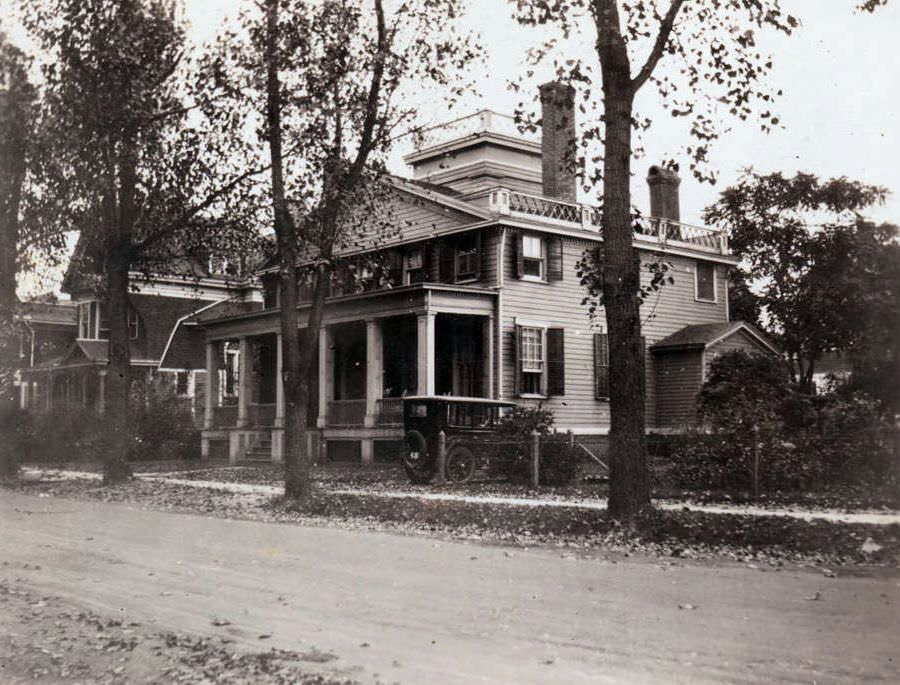
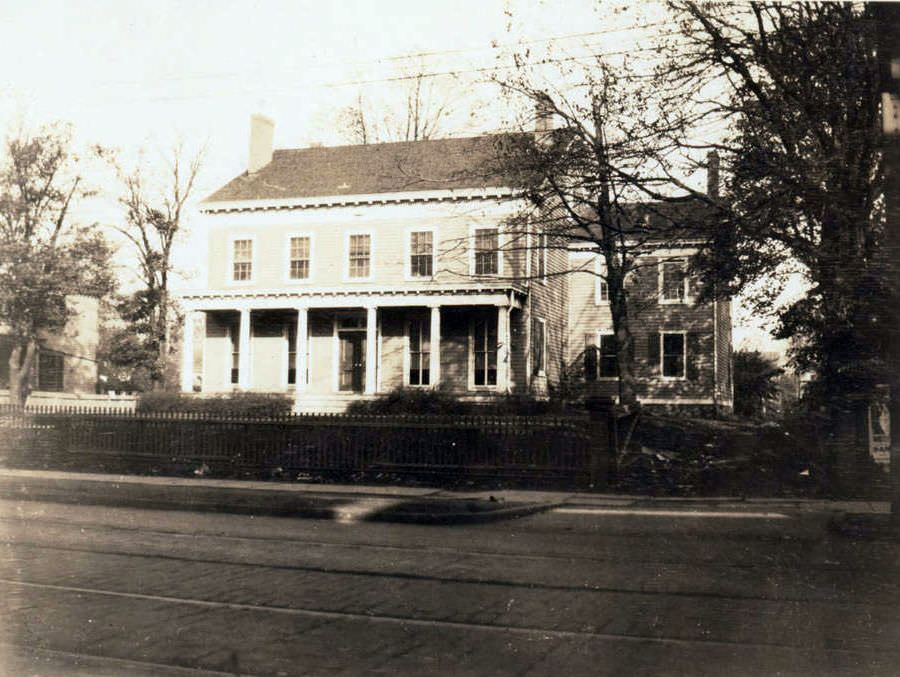
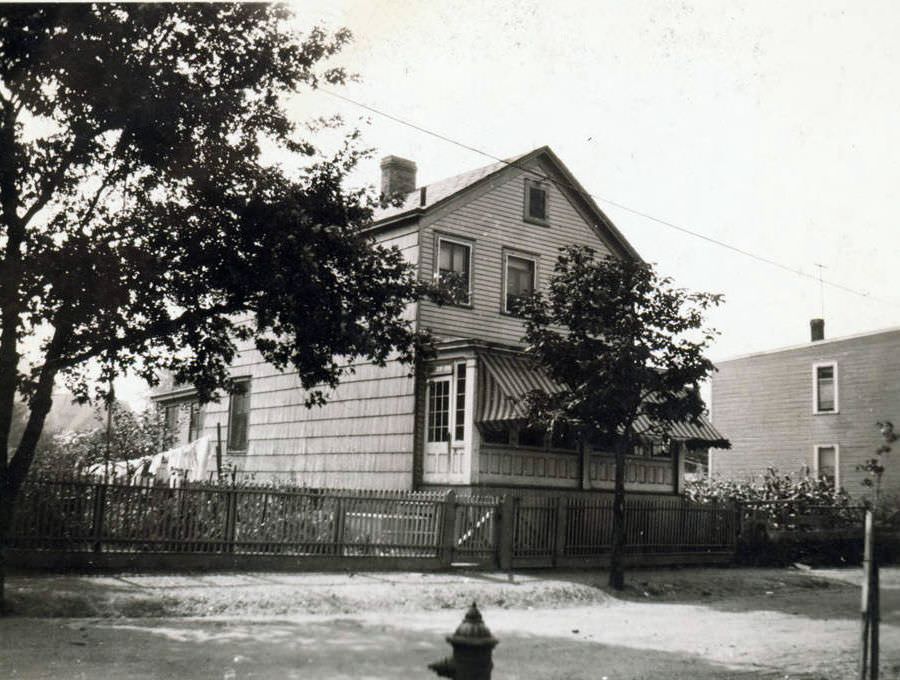
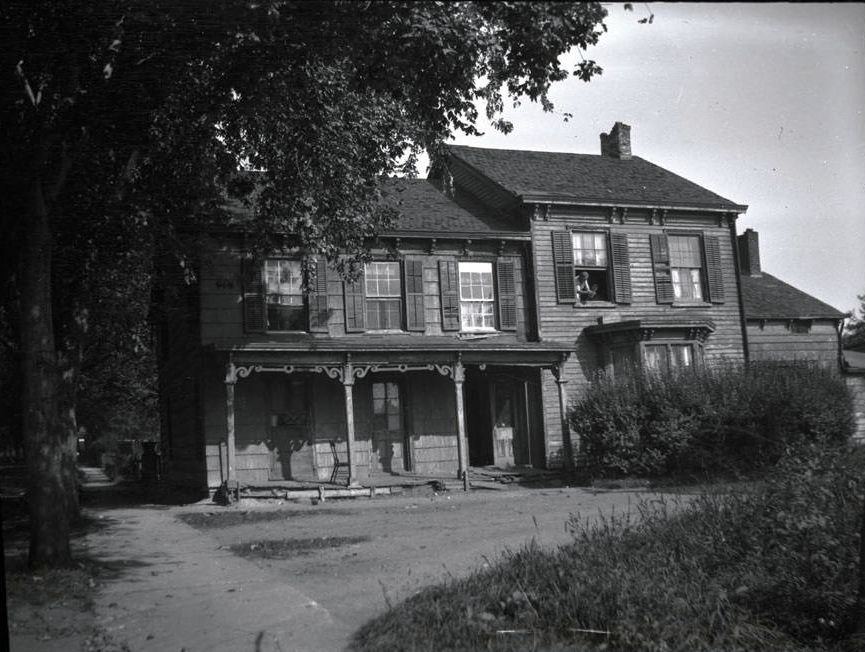
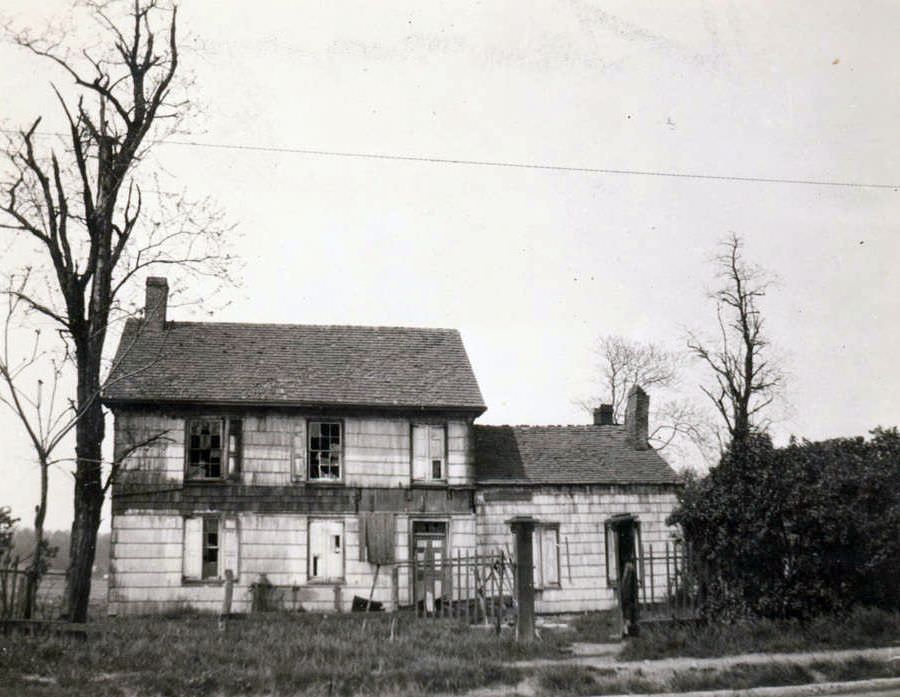
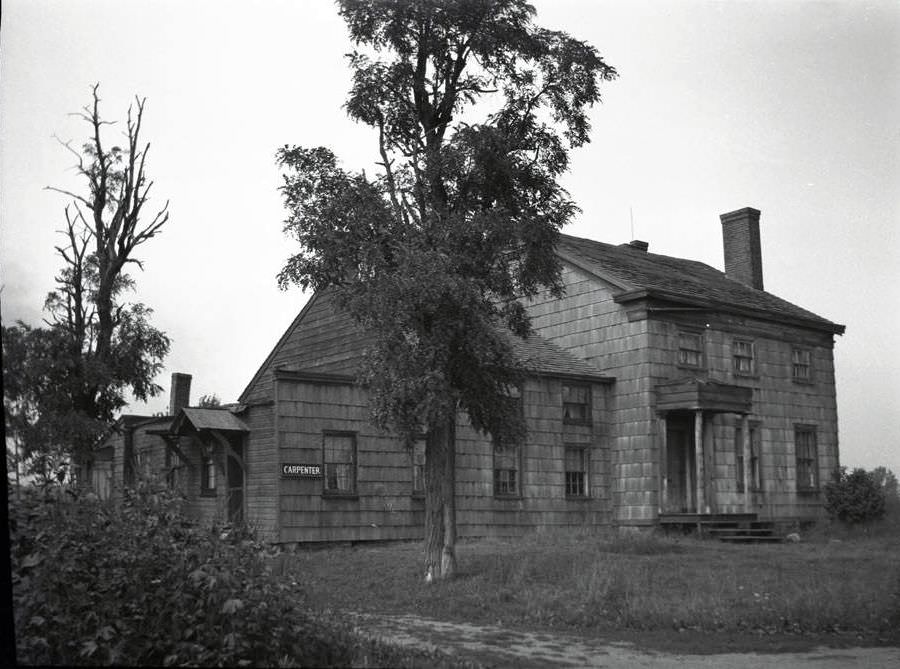
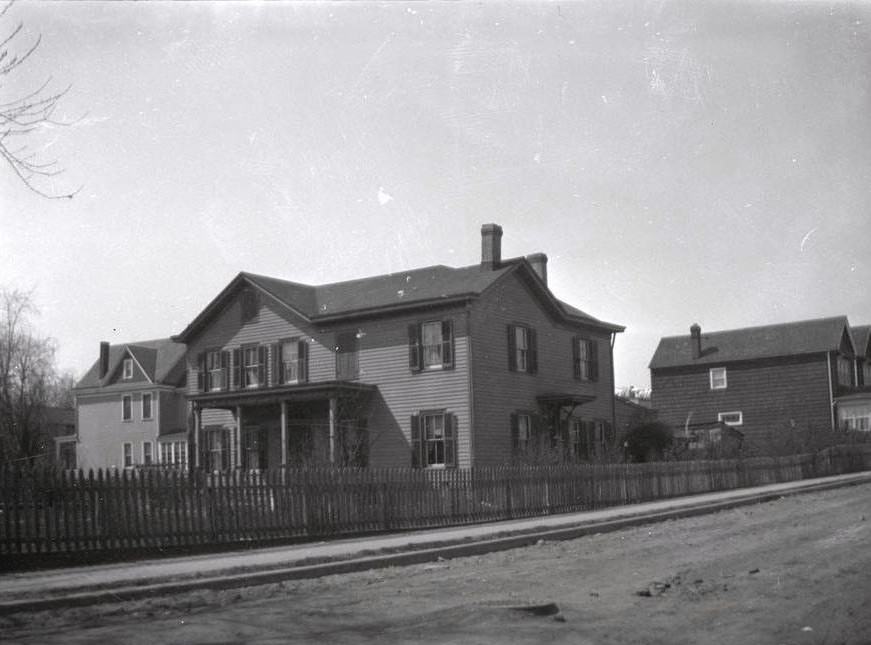
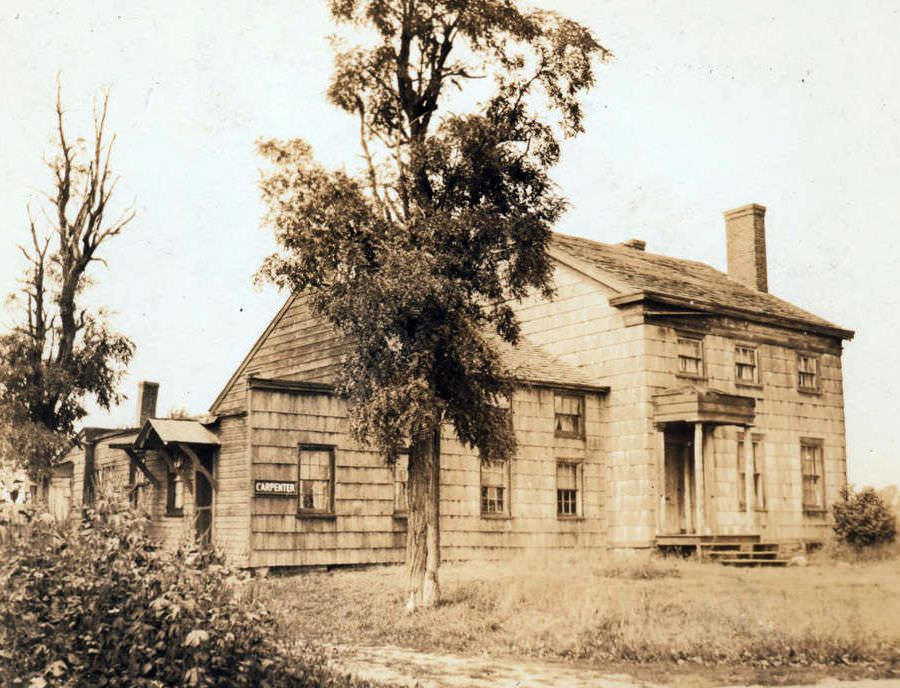
#5 Daniel Carpenter House at 793 Jamaica Avenue and 182nd Street, 1922.

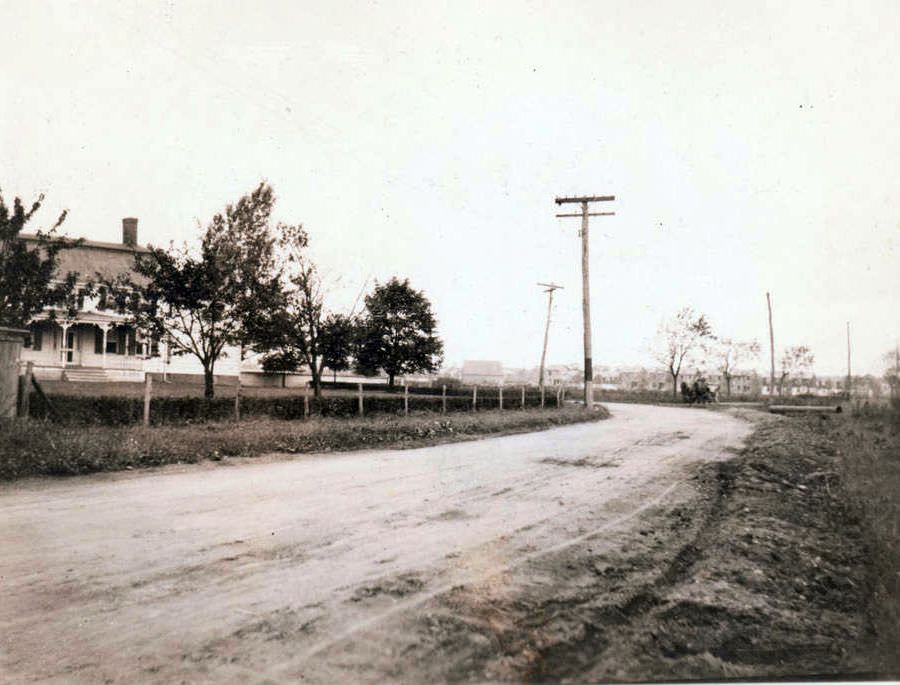
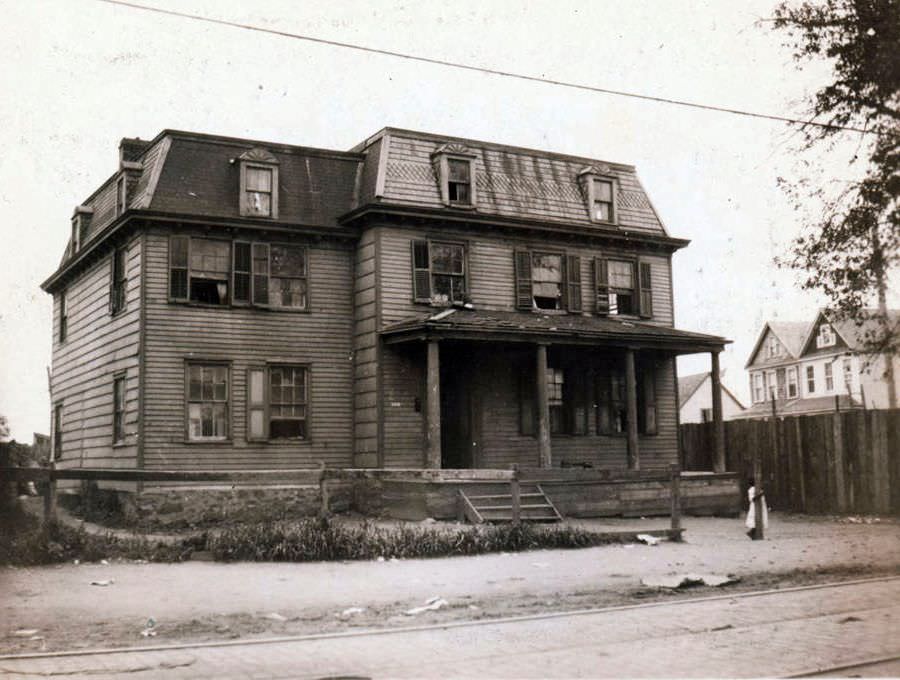
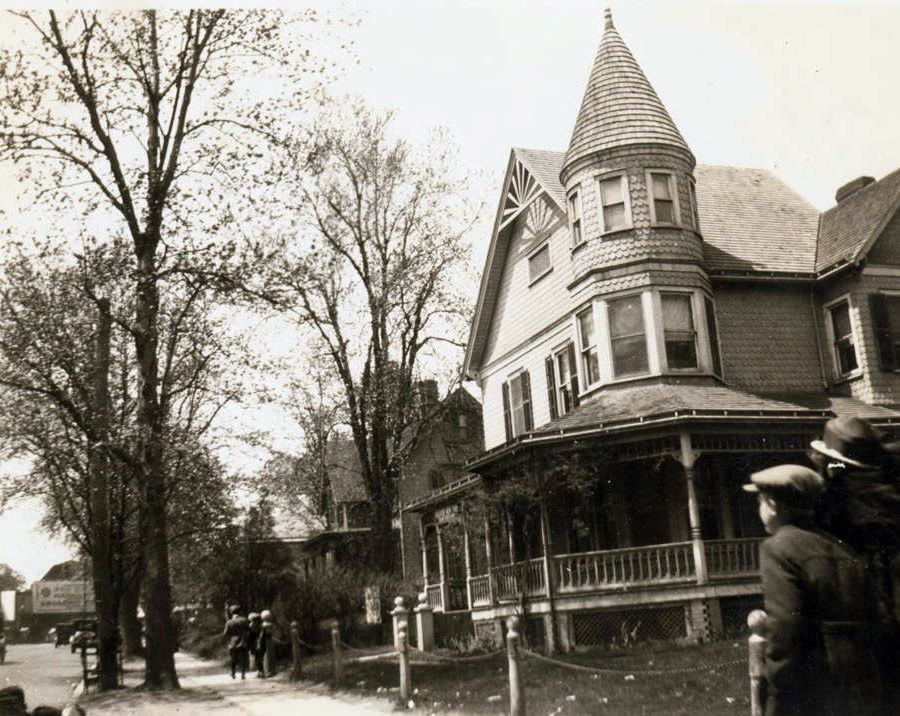
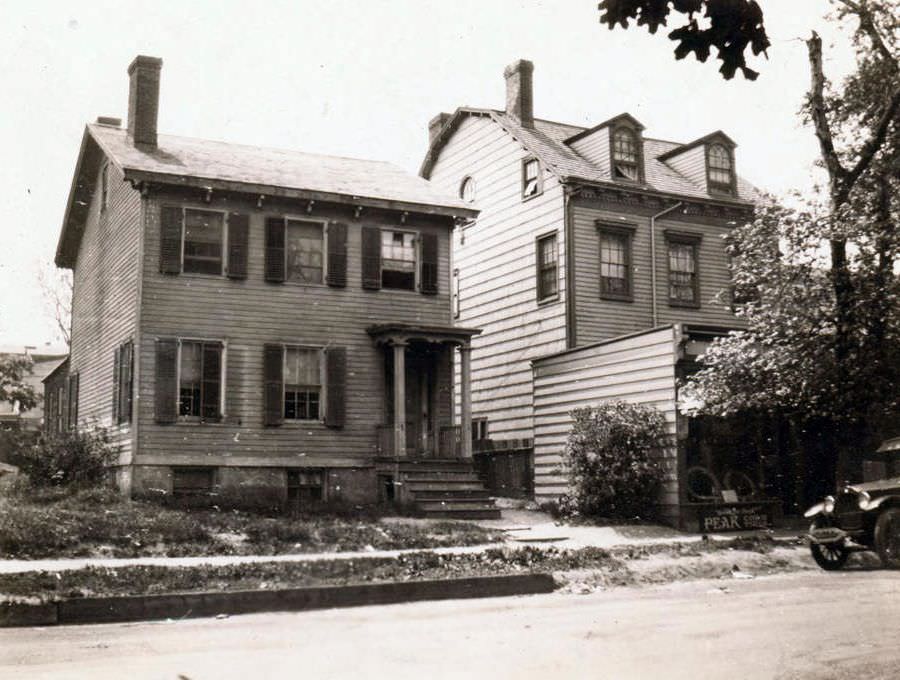
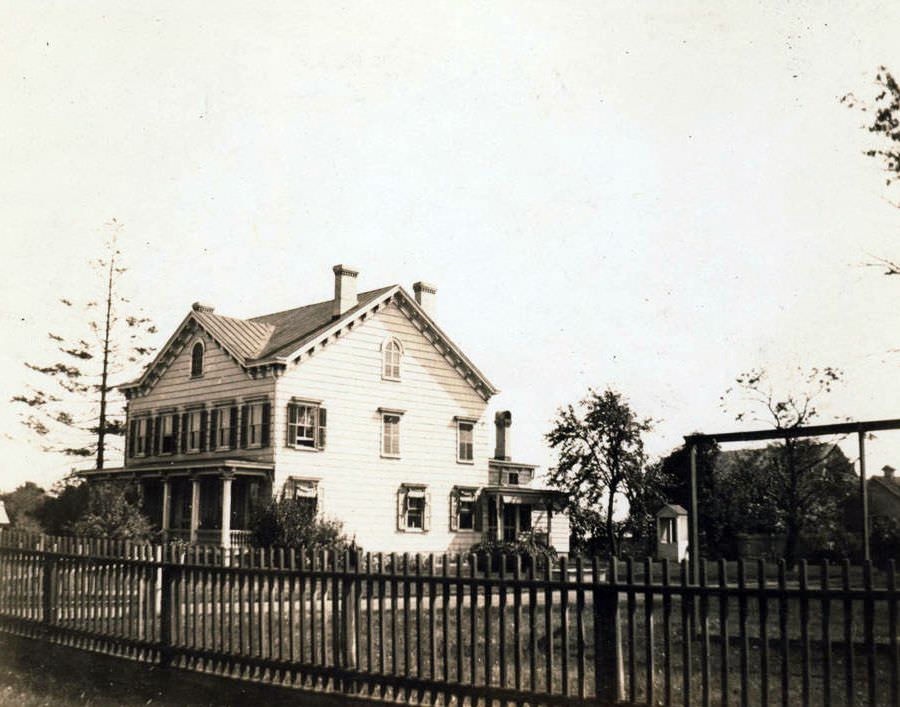
#6 W. J. Allen House at the northeast corner of Jamaica Avenue and 187th Place, Hollis, 1922.

#7 W. J. Allen House at the northeast corner of Jamaica Avenue and 187th Place, Hollis, 1922.

#9 Garret McCrum’s barns at Jamaica Avenue and Carpenter Avenue, Hollis, 1922.

#10 Bergen House on the north side of Jamaica Avenue at 205th Street, Bellaire Terrace, 1922.

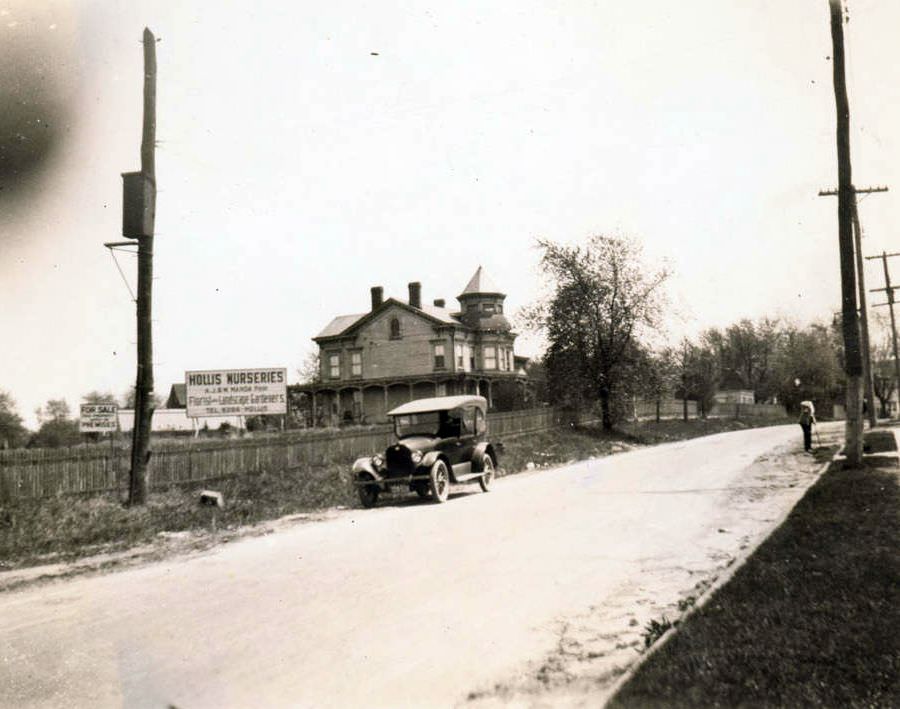
#11 New York Boulevard north of Water Street opposite Jamaica Race Track, 1922.

#12 Ben Lane’s Hotel at the southeast corner of Jamaica Avenue and 1st Avenue, 1922.

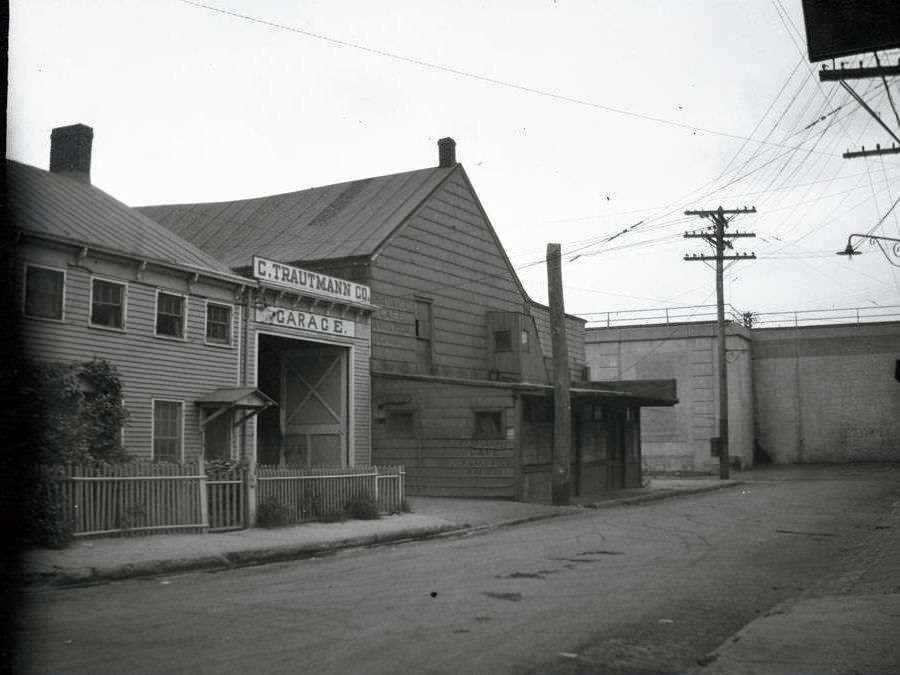
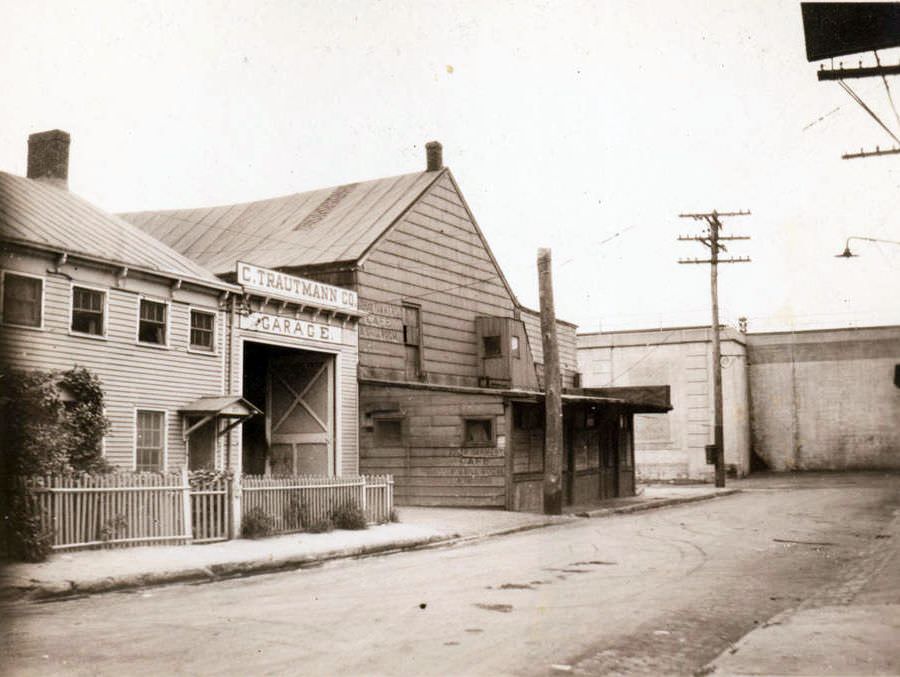
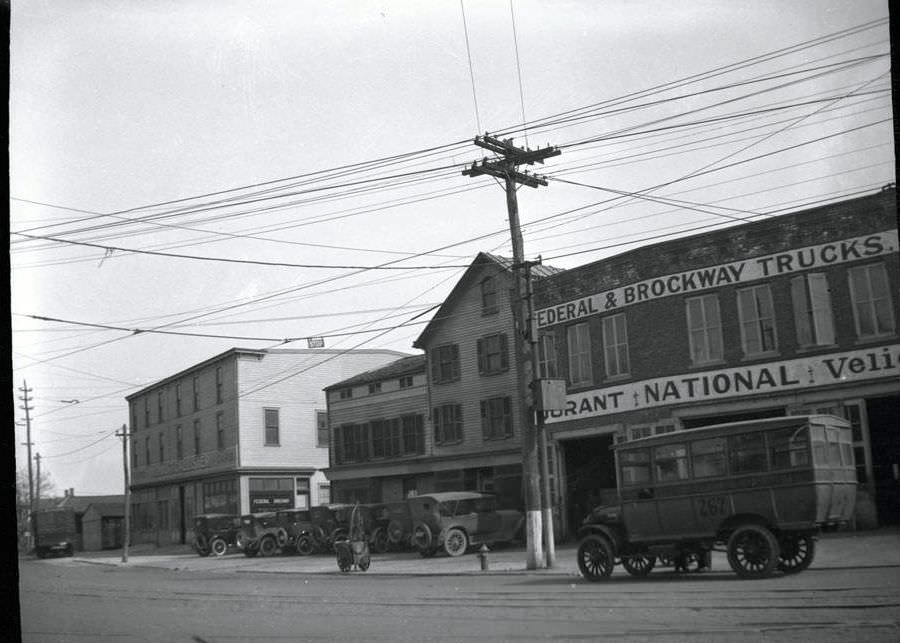
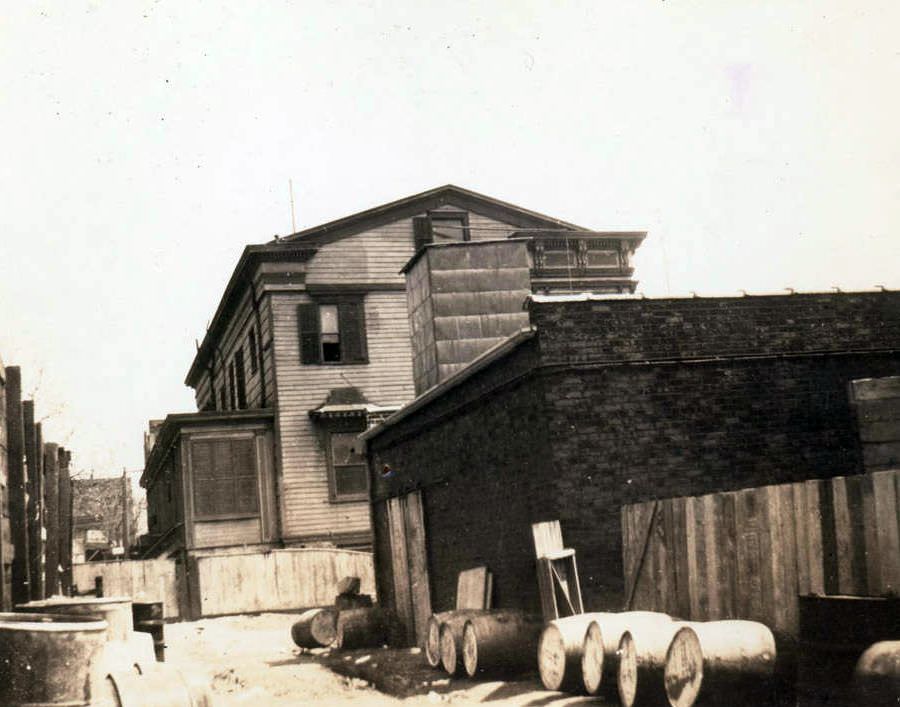
#13 Former South Side Hotel and C. Trautmann Co. garage at Twombly Place and Durand Street, 1922.

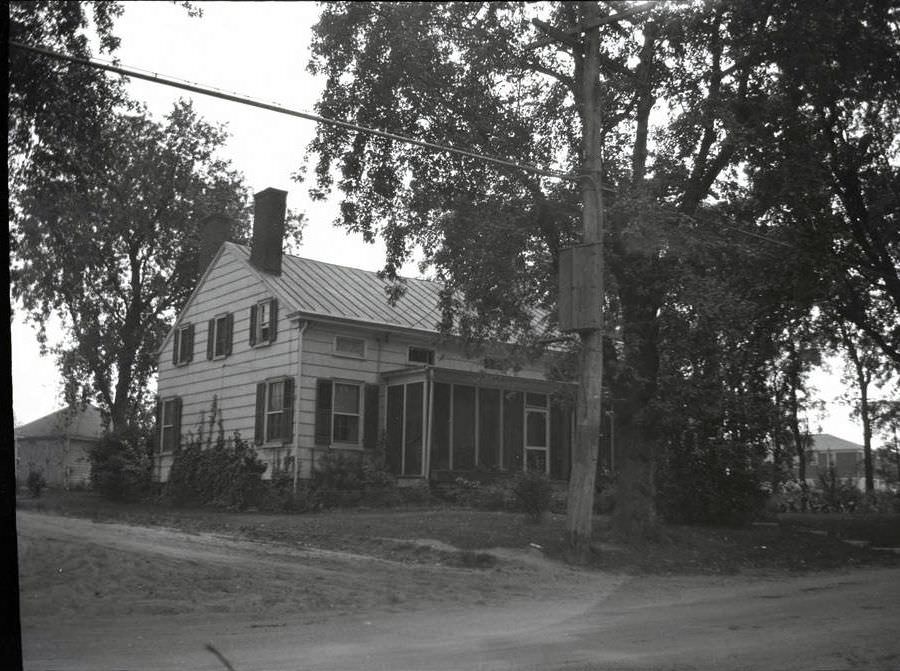
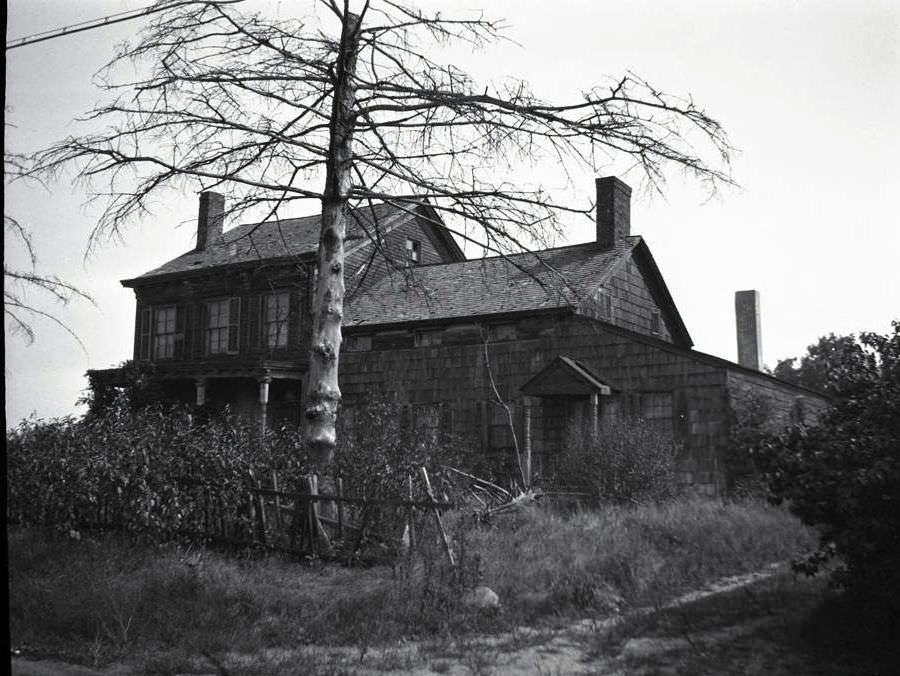
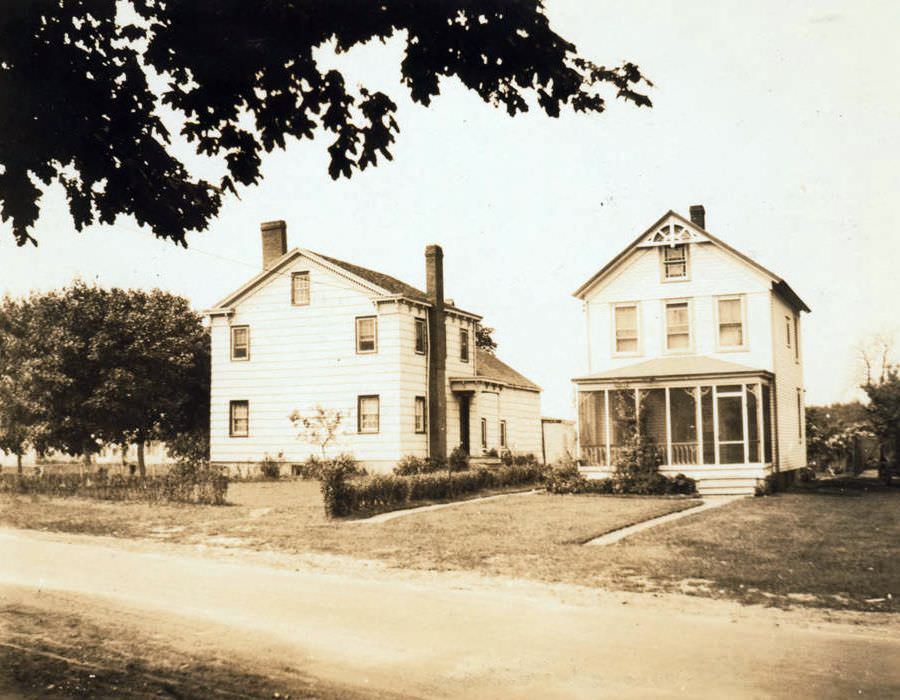
#14 Benjamin Everitt house at the southeast corner of Farmers Avenue and Everitt Avenue, St. Albans, 1922.

#15 Daniel Baylies House on the south side of Jericho Turnpike opposite Queens Grove, 1922.

#16 Amos Harris House on the east side of Van Wyck Avenue north of 95th Avenue, 1922.

#17 Charles DeBevoise House on the east side of Farmers Avenue south of Hilton Street, 1922.

#18 Dunton Hotel at the southwest corner of Van Wyck Avenue and Jerome Avenue, 1922.

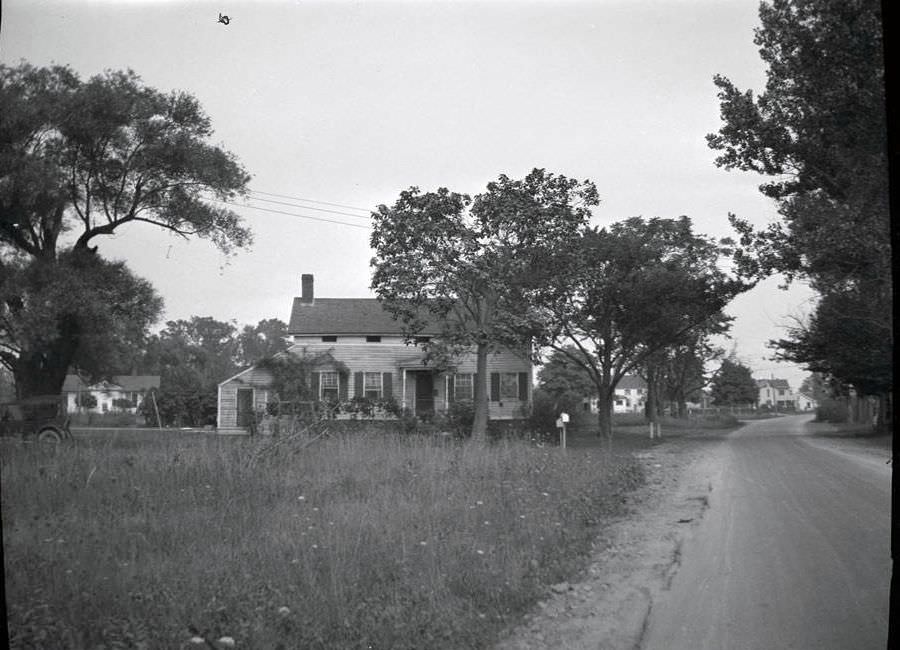
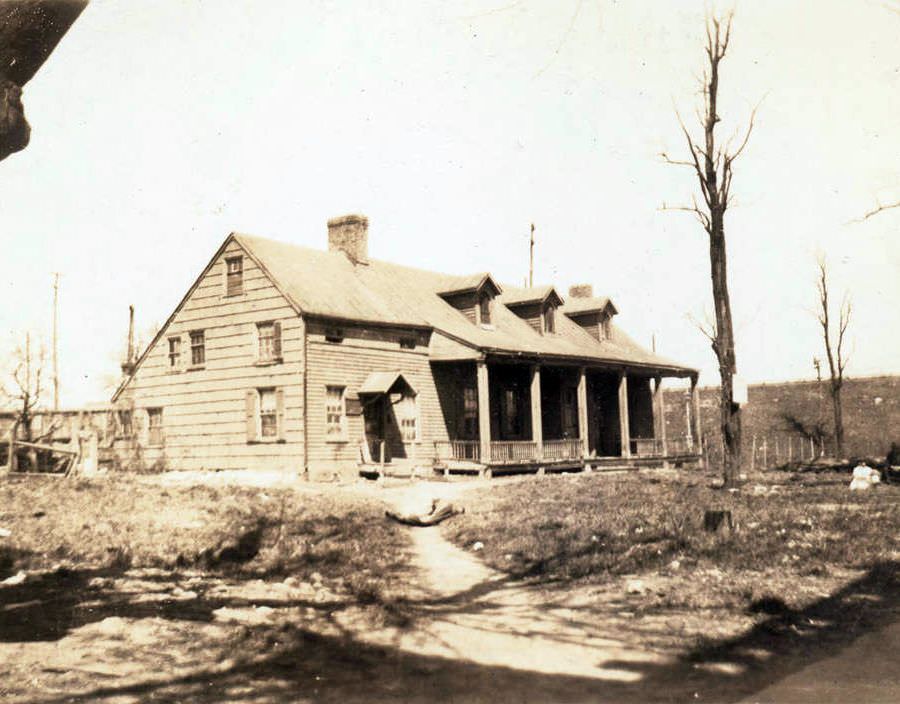
#19 Christian Nicklaus House on Three Mile Mill Road near Old South Road, 1922.

#20 Dunton Hotel at the southwest corner of Van Wyck Avenue and Jerome Avenue, 1922.

#21 Hewlett Creed Tavern at 24 and 26 Union Avenue, 1922.

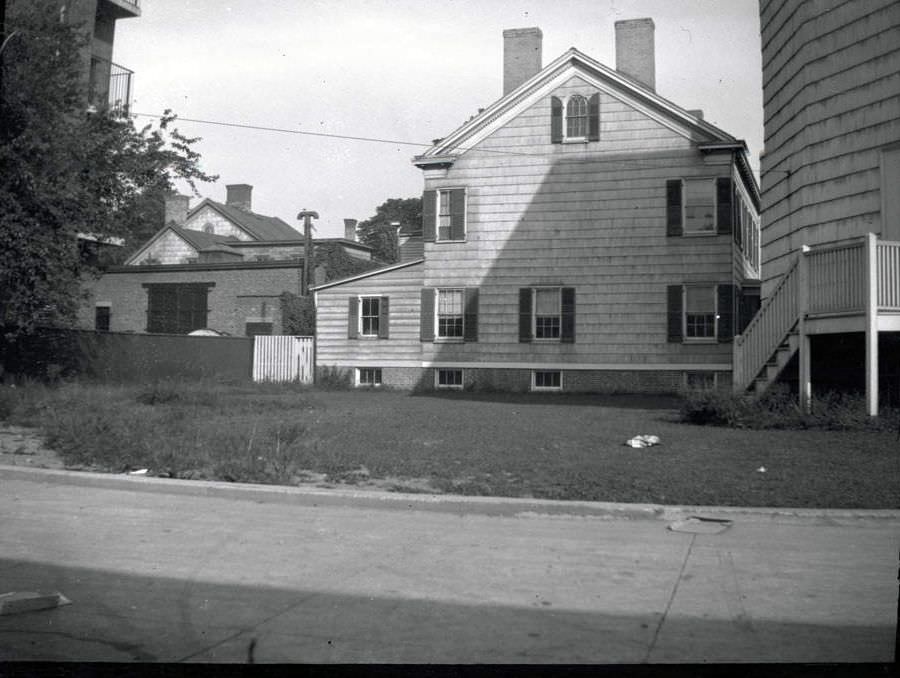
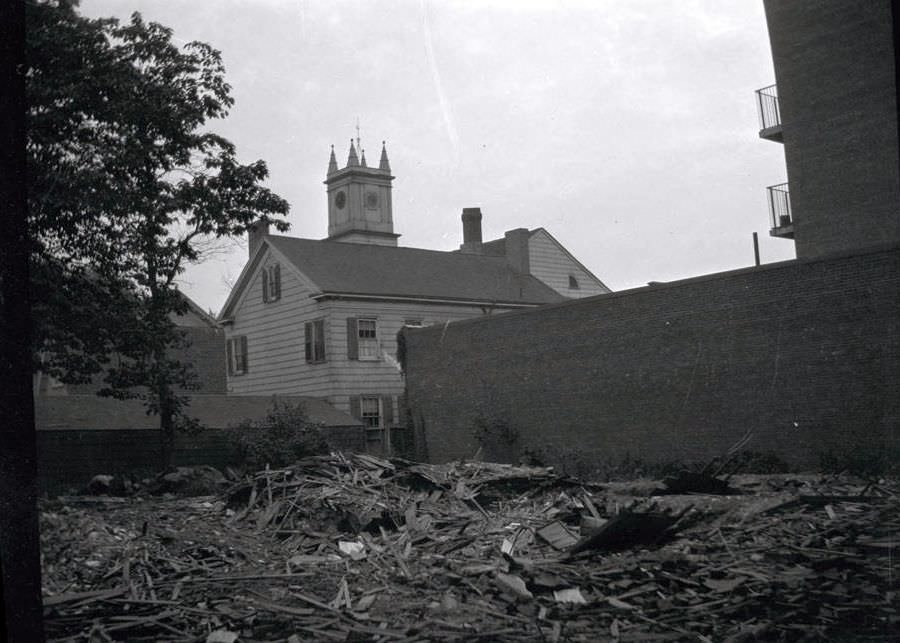
#22 First Presbyterian Church parsonage on the west side of Clinton Avenue, 1922.

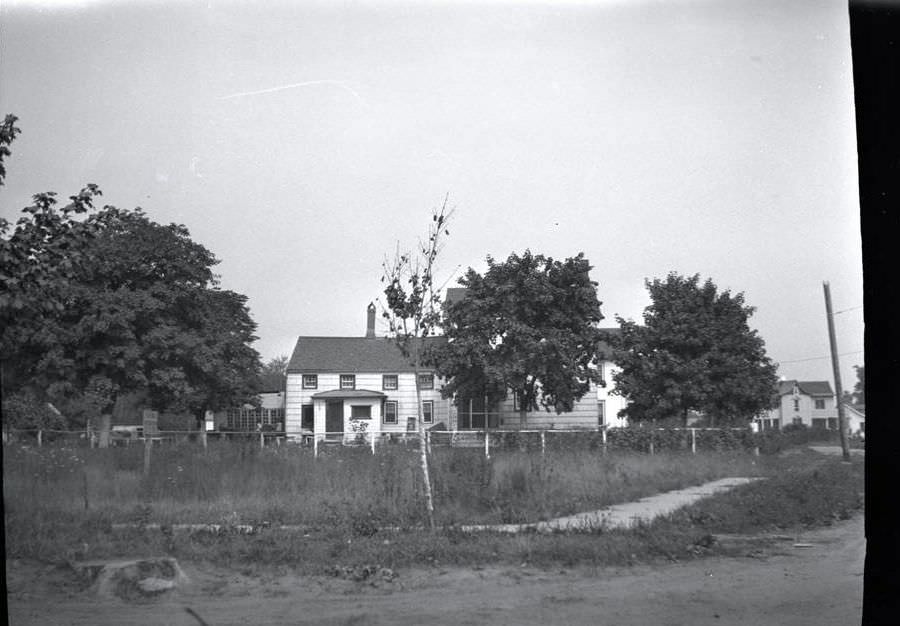
#23 John C. Hendrickson House on the west side of Springfield Road, 1922.

#24 Rear of the James Van Siclen House on the west side of Lincoln Avenue near 112th Avenue, 1922.

#25 W. Jellinghaus House on the southwest side of Hawtree Creek Road near 130th Street, 1922.

#26 Colonial Hall on the south side of Jamaica Avenue, 1922.

#27 Theodore Suediker House at the southwest corner of Jamaica Avenue and 78th Street, Woodhaven, 1922.

#29 Old blue pump house at 88th Avenue and 78th Street, Woodhaven, 1922.

#30 Jacob Bergen House on the north side of Old South Road at 130th Street, 1922.

#31 John Davies House on the east side of Sutphin Boulevard between Scudder Street and 109th Avenue, 1922.

#32 Barns at the Jacob Bergen farm on the north side of Old South Road at 130th Street, 1922.

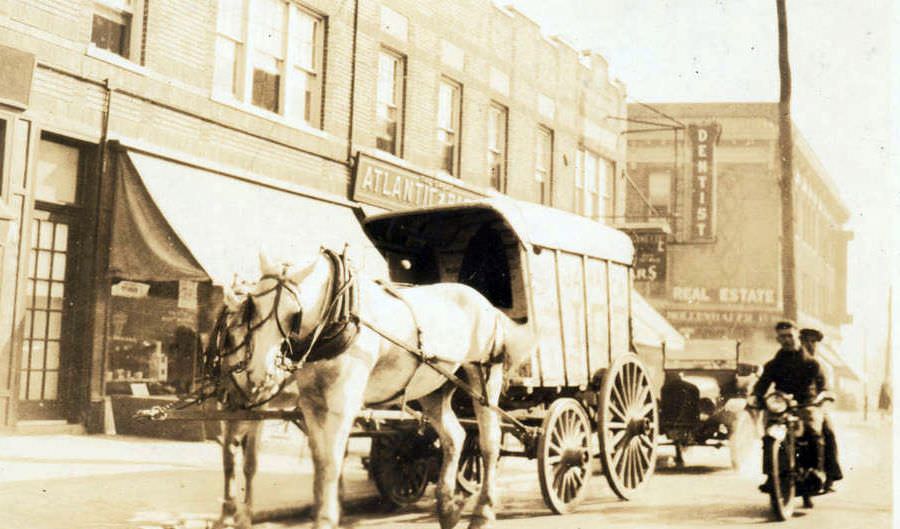
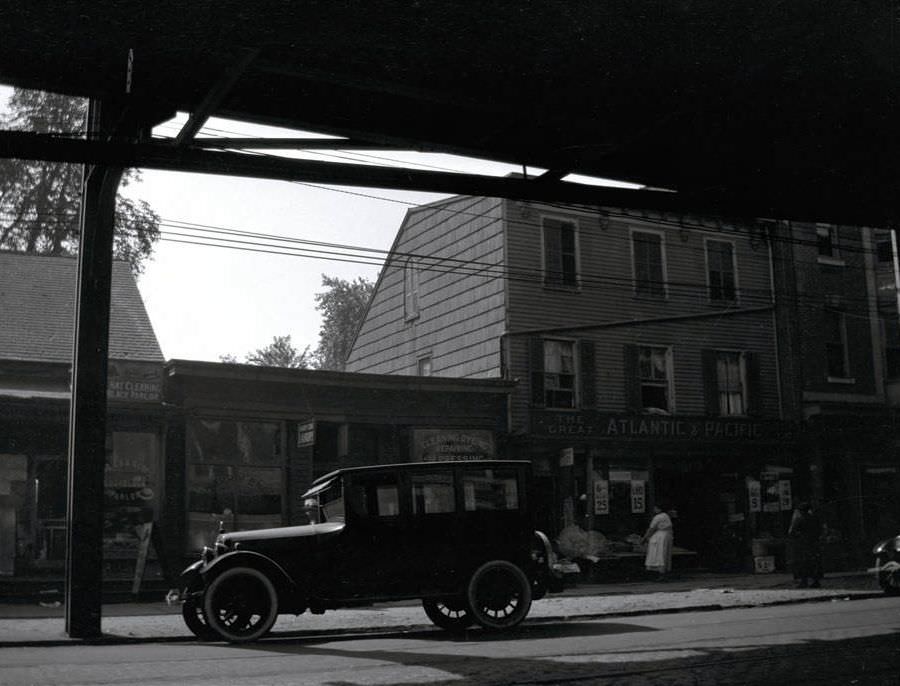
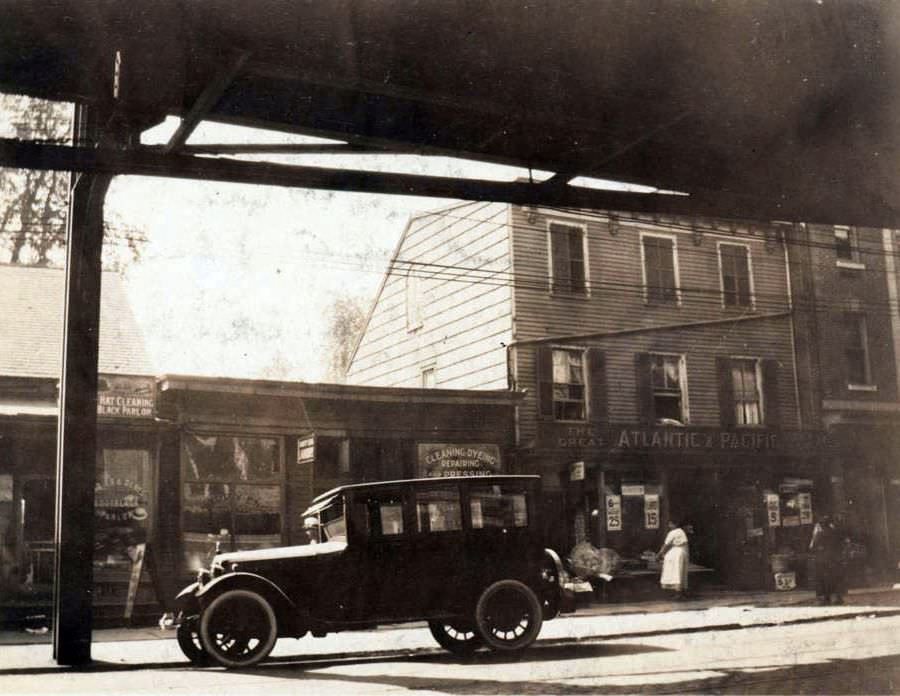
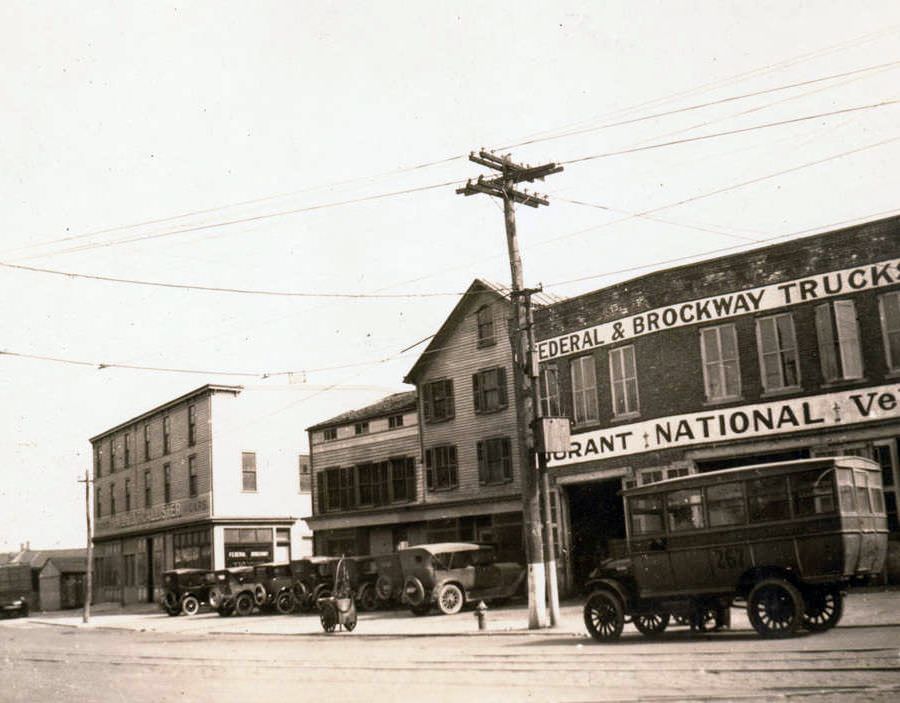
#33 Atlantic and Pacific Tea Company and Samuel Hirst General Merchandise at 466 Fulton Street, 1922.

#34 Distler’s Hotel on the south side of Jamaica Avenue at Van Wyck Avenue, 1922.

#35 Rev. Keletter House at the northeast corner of 144th Street and 89th Avenue, 1922.

#36 Mrs. G.E. Ely House and blacksmith shop at Hawtree Creek Road and Lincoln Avenue, 1922.

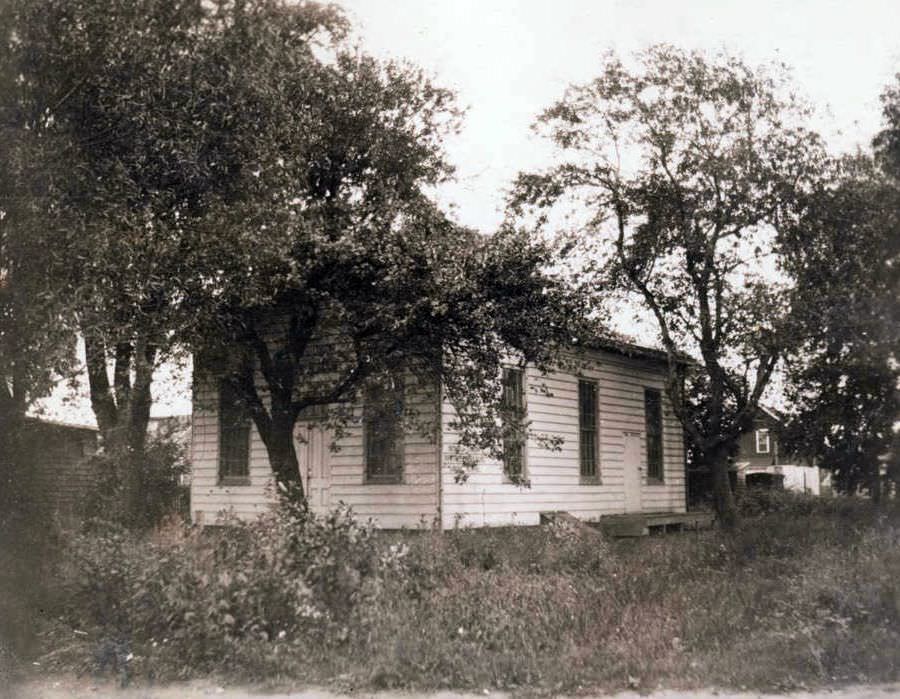
#37 Bethel Union Sunday School on the east side of Hawtree Creek Road, 1922.

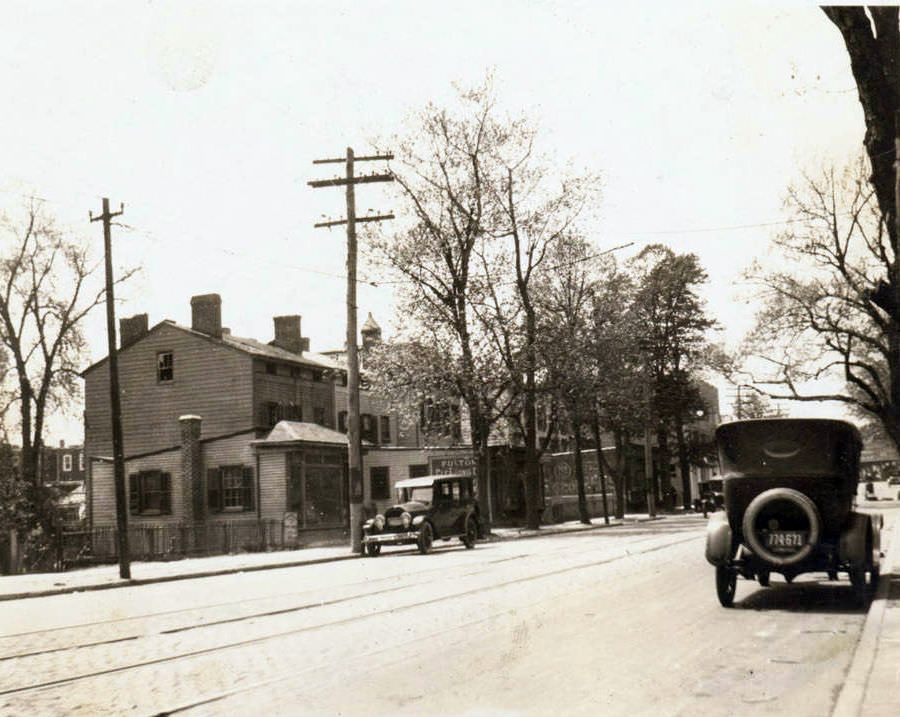
#38 Reformed Dutch parsonage at 227 Fulton Street near 149-11 Jamaica Avenue, 1922.

#39 John Davies House on the east side of Sutphin Boulevard between Scudder Street and 109th Avenue, 1922.

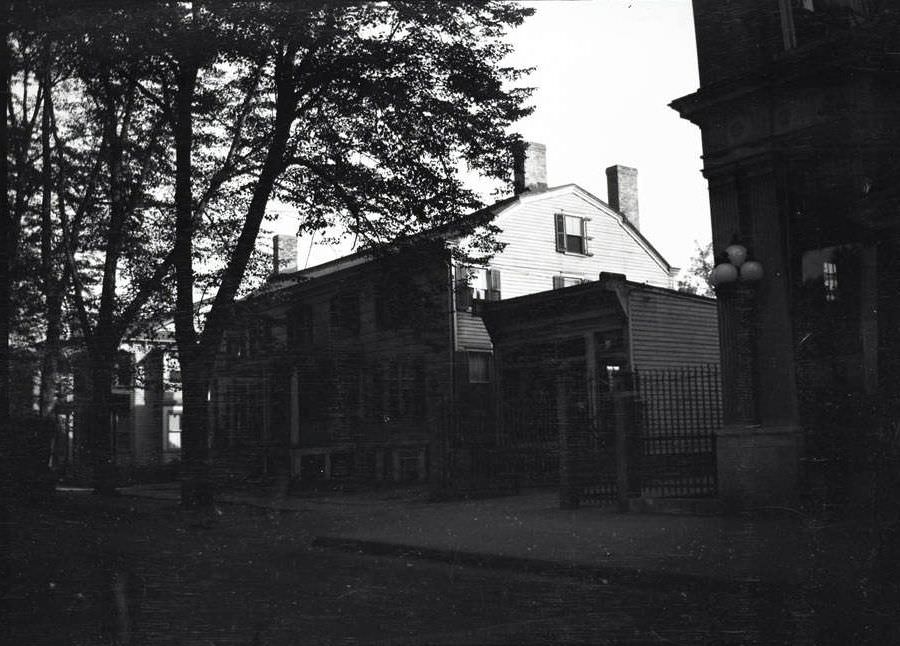
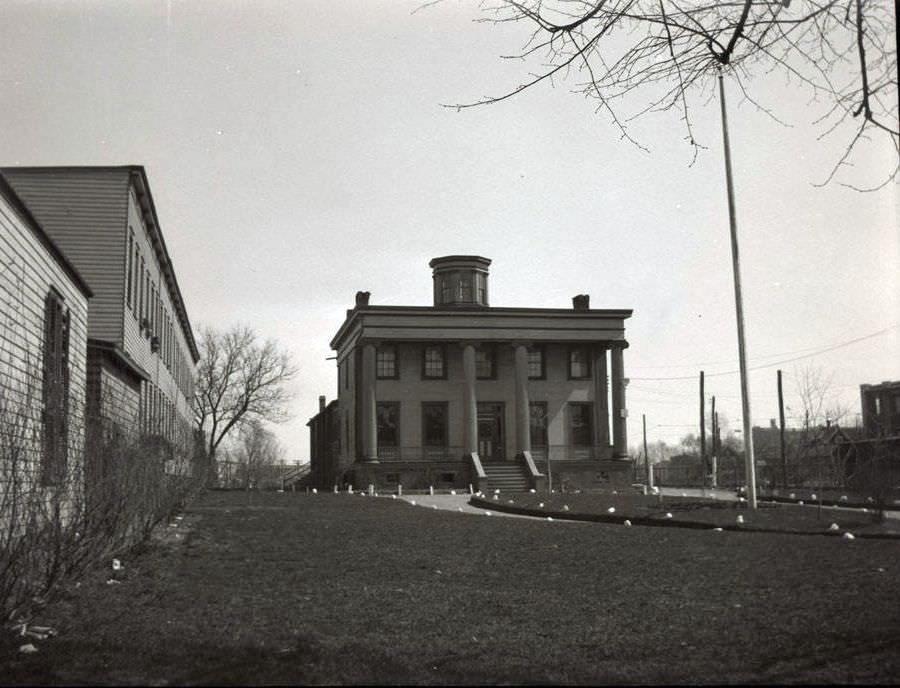
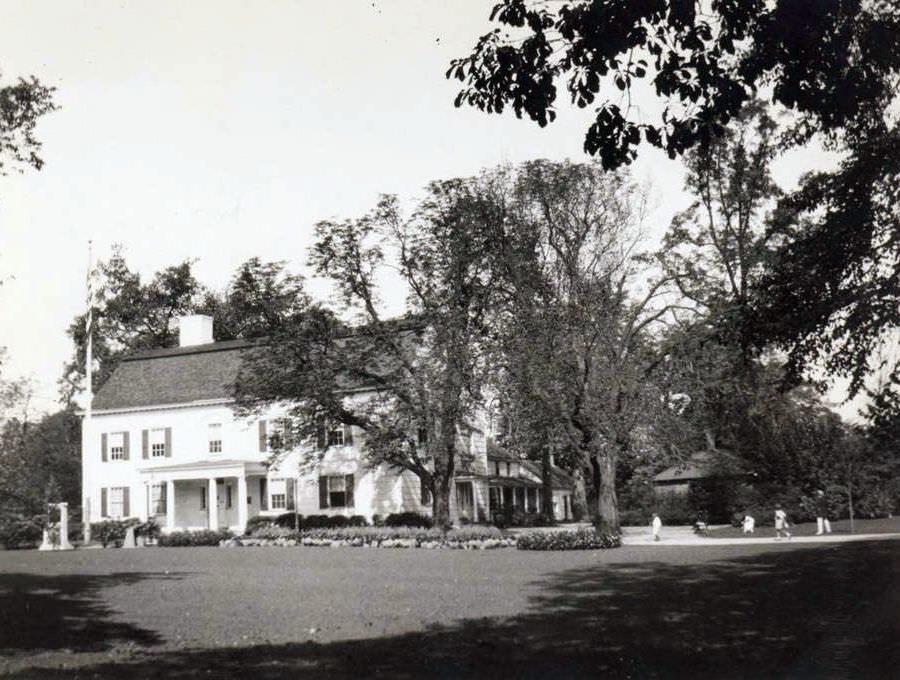
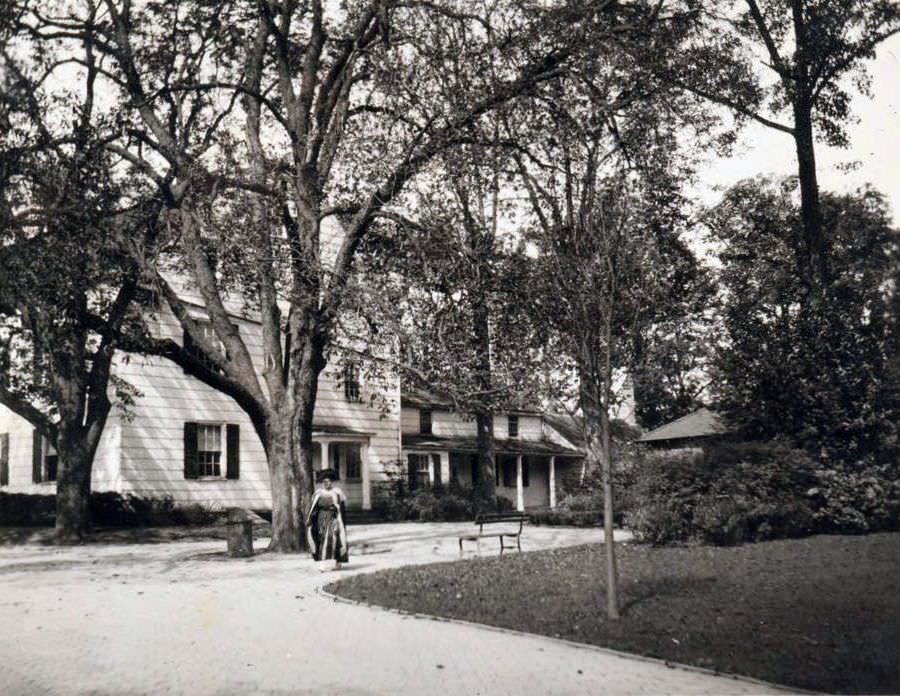
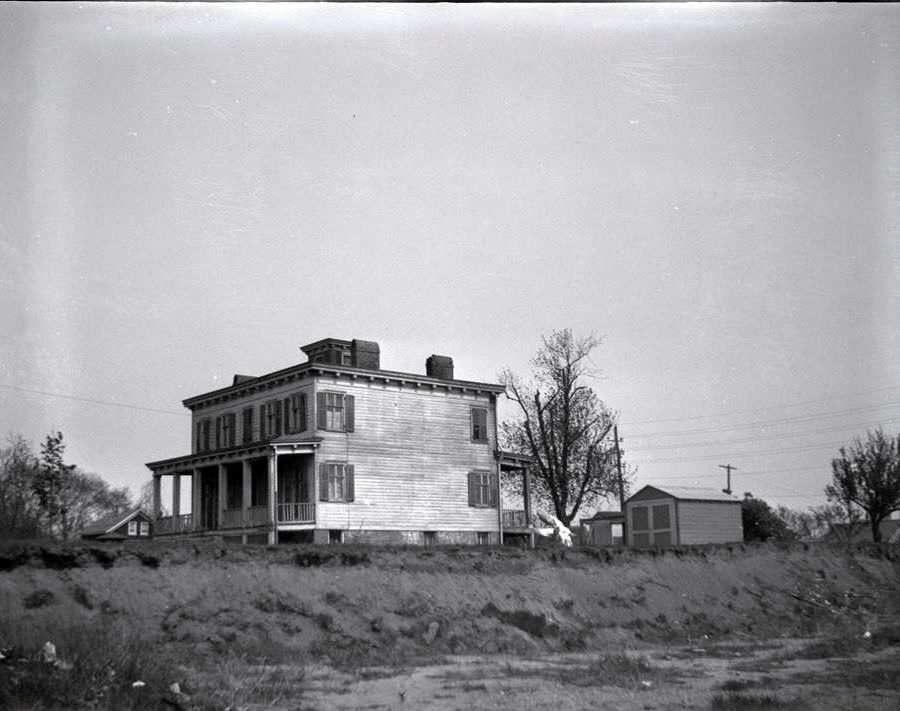
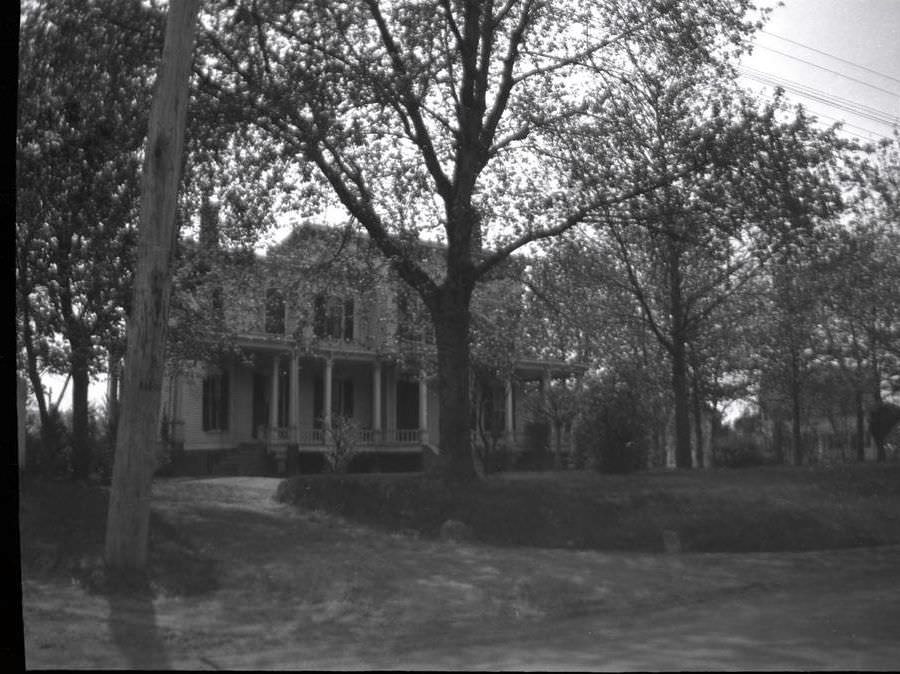
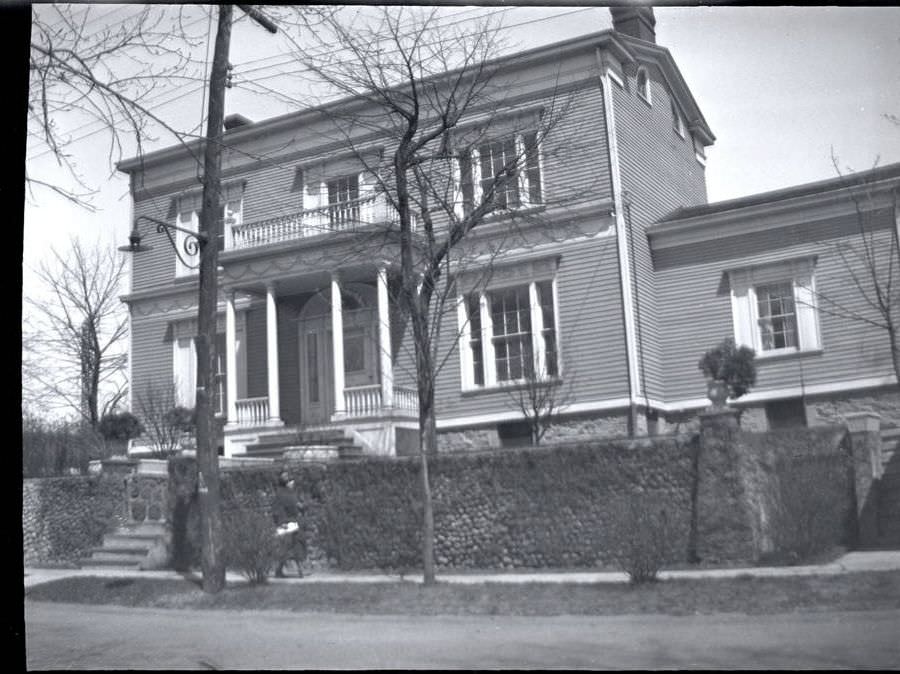
#40 Rufus King House in King Park on Jamaica Avenue, 1922.

#41 Batchelor House at the southeast corner of Van Wyck Avenue and 95th Avenue, 1922.

#42 Rufus King House in King Park on Jamaica Avenue, 1922.

#43 Southeast corner of 134th Street and 95th Avenue, 1922.

#44 D. Ketcham House on grounds bounded by Hollis Avenue, Atlantic Avenue, and 193rd Street, 1922.

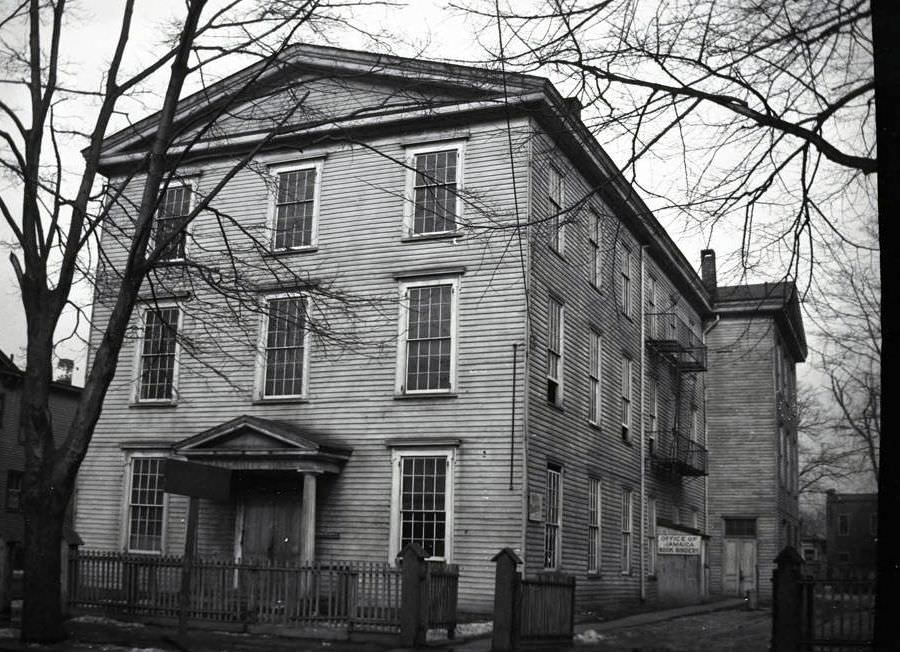
#45 Union Hall Academy at 28 to 32 Union Hall Street, 1922.

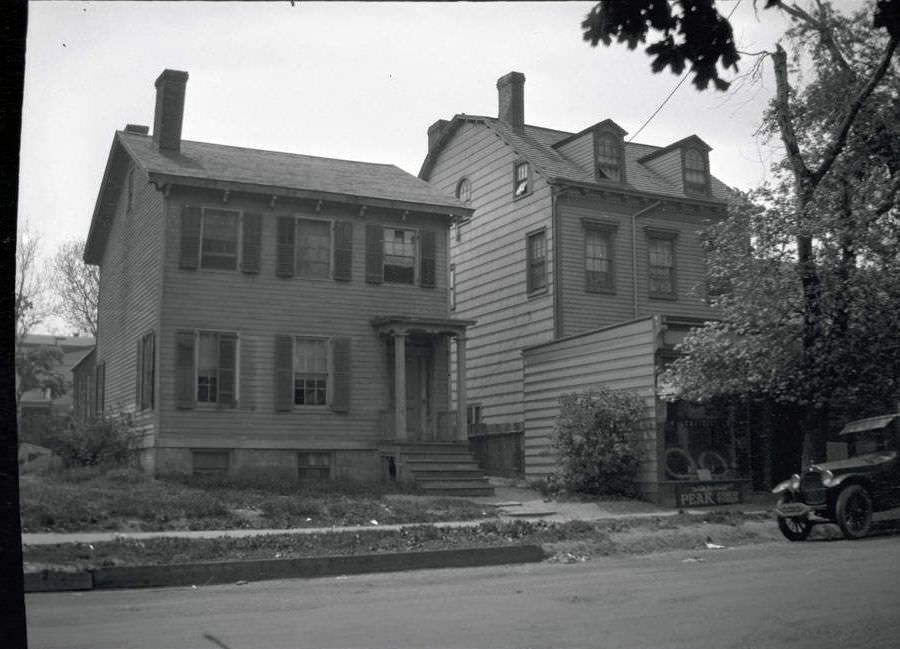
#46 Former South Side Hotel at the northeast corner of Twombly Street and Durand Street, 1922.

#47 Town Hall at the northeast corner of Jamaica Avenue and Flushing Avenue, 1922.

#48 Rev. Keletter House at the northeast corner of 144th Street and 89th Avenue, 1922.

#49 Southwest corner of 106th Avenue and Waltham Street, 1922.

#50 Daniel Brush House on the west side of Union Avenue between Jamaica Avenue and L.I.R.R. tracks, 1922.

#51 Colonial Hall on the south side of Jamaica Avenue, 1922.

#52 John Van Wicklen homestead at the northeast corner of Old South Road and Trotting Course Lane, 1922.

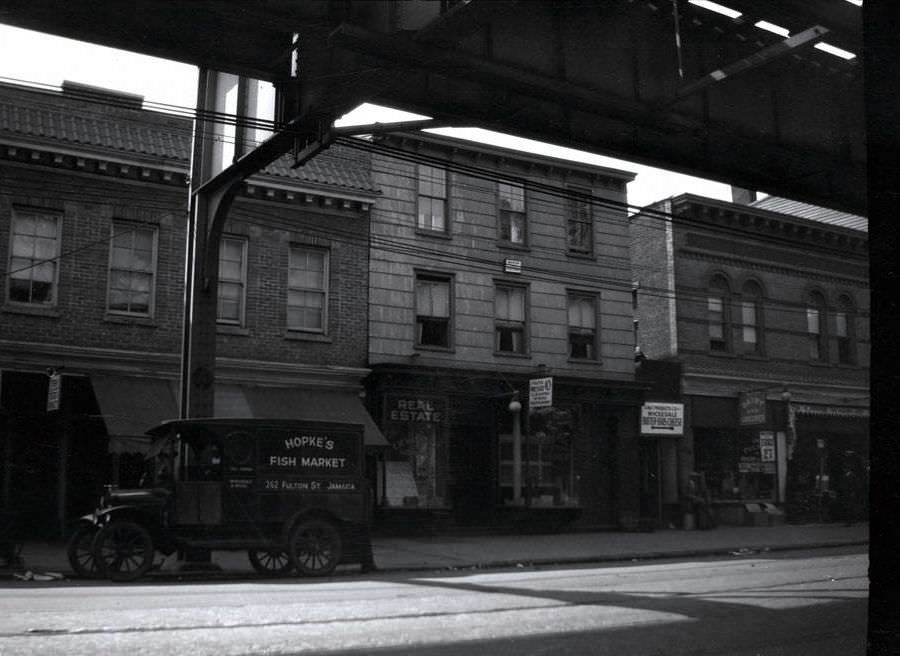
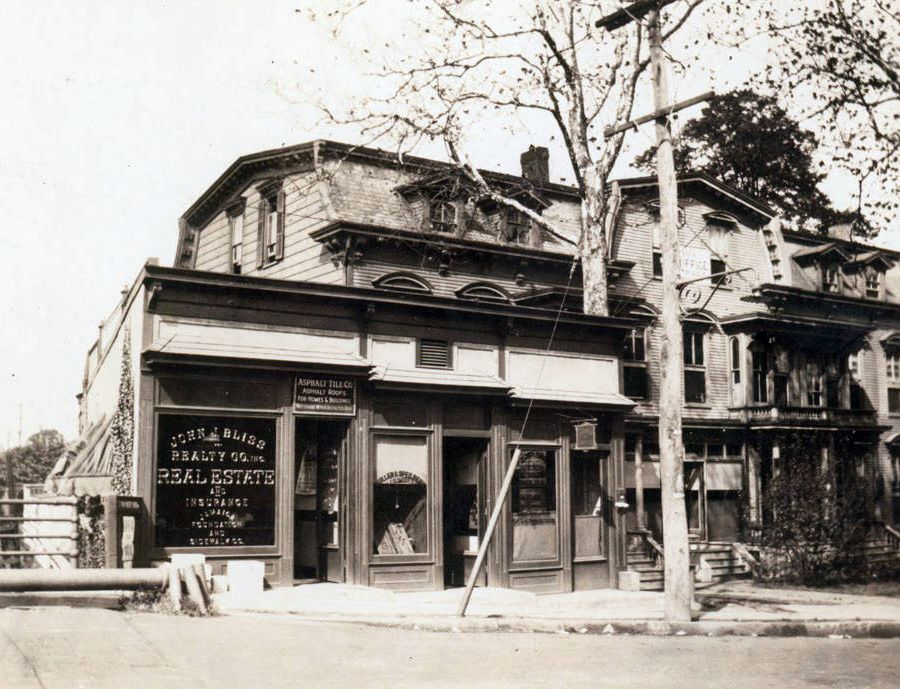
#53 476 to 478 Fulton Street on the south side of Jamaica Avenue, 1922.

#54 Henry Hanna House at 226 South Street west of Rockaway Road, 1922.

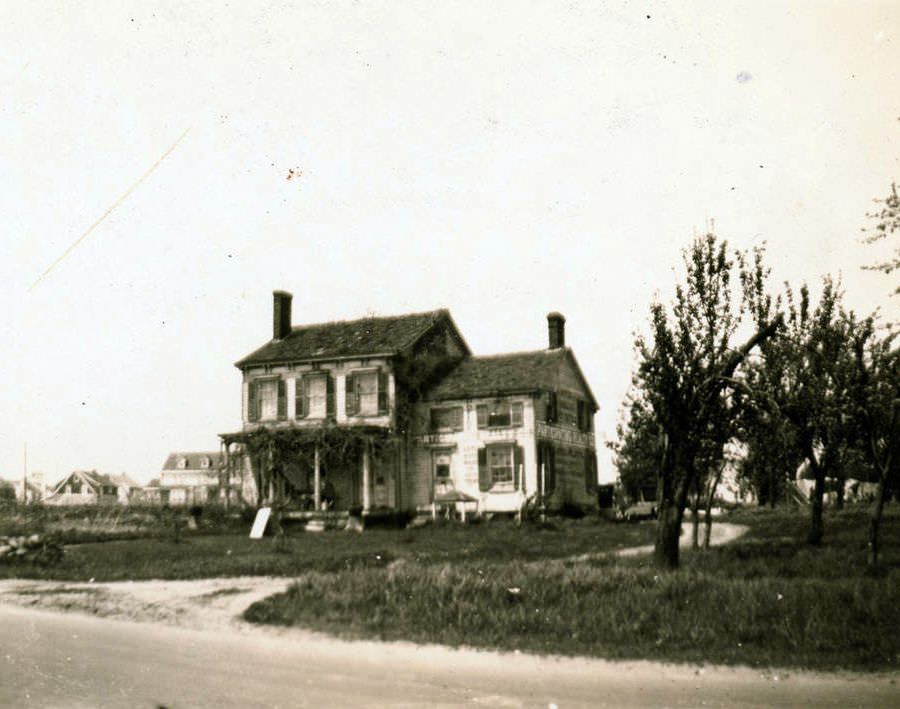
#55 W.J. Allen House at the northeast corner of Jamaica Avenue and 187th Place, Hollis, 1922.

#56 Atlantic and Pacific Tea Company and Samuel Hirst General Merchandise at 466 Fulton Street, 1922.

#57 J.P. Vaile House on the south side of Jamaica Avenue, Bellaire, 1923.

#58 Aaron Oakley Ketcham House on the east side of Hollis Avenue opposite 102nd Avenue, Hollis, 1923.

#59 South side of Jamaica Avenue between 168th Street and 169th Street, 1923.

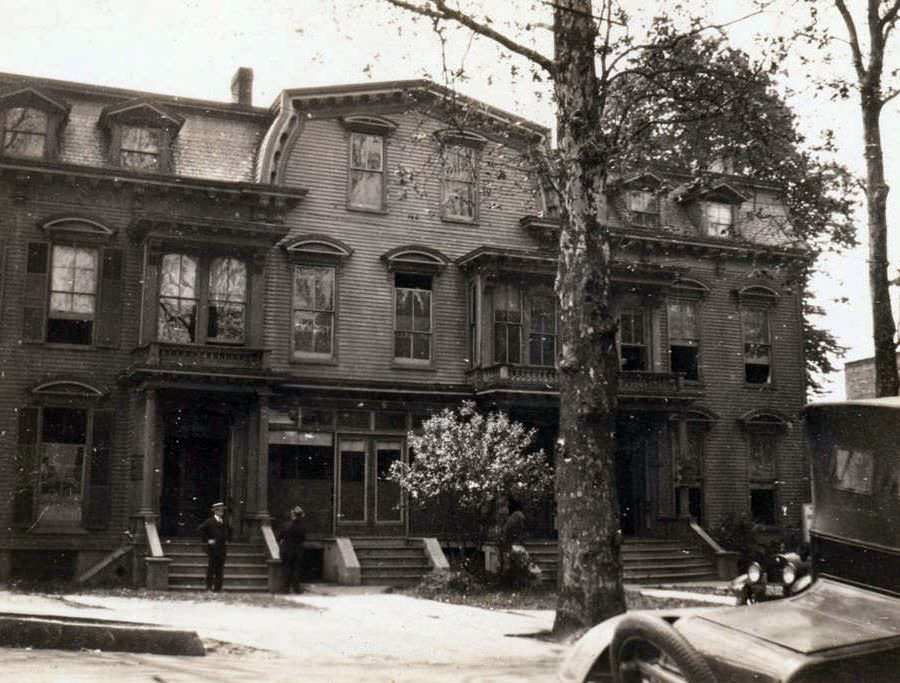
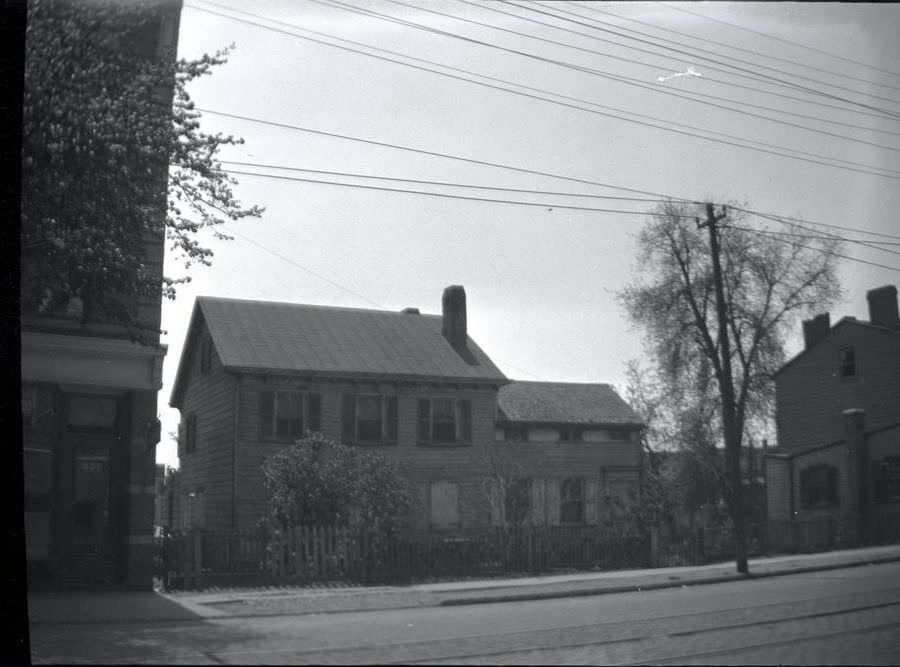
#60 Pearsall House at 534 and 536 Fulton Street on the south side of Jamaica Avenue, 1923.

#61 North side of Jamaica Avenue between 168th Street and 169th Street, 1923.

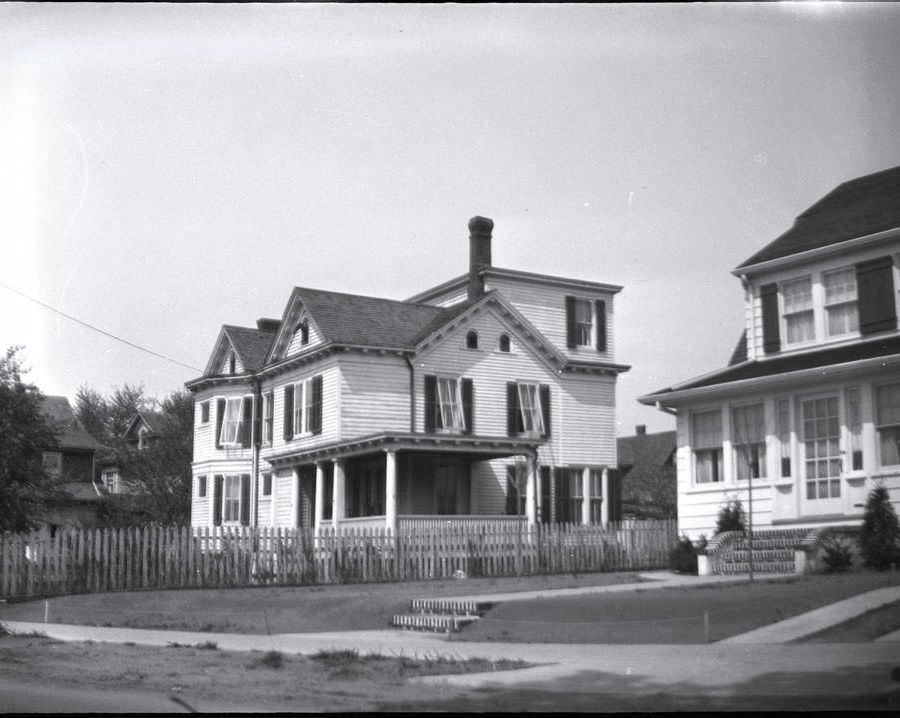
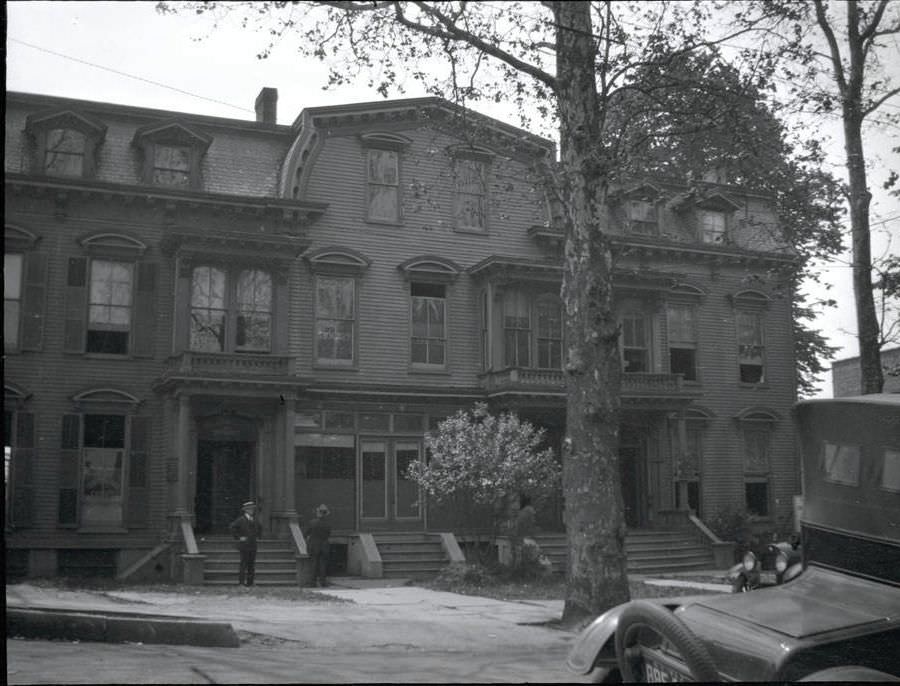
#62 Judge R. Busteed House at the northeast corner of Jamaica Avenue and 173rd Street, 1923.

#63 Judge R. Busteed House at the northeast corner of Jamaica Avenue and 173rd Street, 1923.

#64 Bogart House on the north side of Jamaica Avenue near 200th Street, Hollis, 1923.

#65 Thomas Callister wagon shop at the southwest corner of Jamaica Avenue and Hempstead Turnpike, 1923.

#66 William Woag House on the south side of Jamaica Avenue west of Farmers Avenue, Hollis, 1923.

#67 Vandergan House on the north side of Jericho Turnpike west of 214th Place, Queens Village, 1923.

#68 A. Colyer House at the southeast corner of Jamaica Avenue and 197th Street, Hollis, 1923.

#69 Bogart House on the north side of Jamaica Avenue near 200th Street, Hollis, 1923.

#70 Stephen Decker House on the west side of Farmers Avenue south of Merrick Road, 1923.

#71 Daniel Murray House on the west side of Farmers Avenue south of Merrick Road, 1923.

#72 Charles Belz’s inn at the southwest corner of Farmers Avenue and Merrick Road, Springfield Manor, 1923.

#73 Oldfield Hendrickson House on the north side of Hollis Avenue near 199th Street, Hollis, 1923.

#74 Gus Warest’s Queens Hotel on the south side of Jamaica Avenue opposite Hollis Court Boulevard, 1923.

#75 Alexander Carpenter House on the east side of Farmers Avenue south of 120th Road, 1923.

#76 Thomas Callister wagon shop at the southwest corner of Jamaica Avenue and Hempstead Turnpike, 1923.

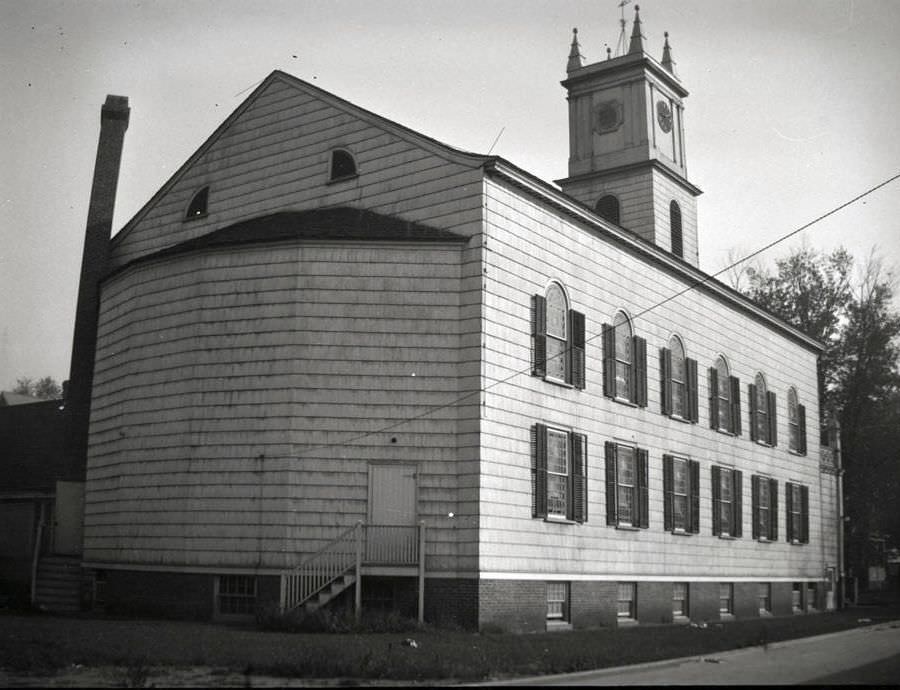
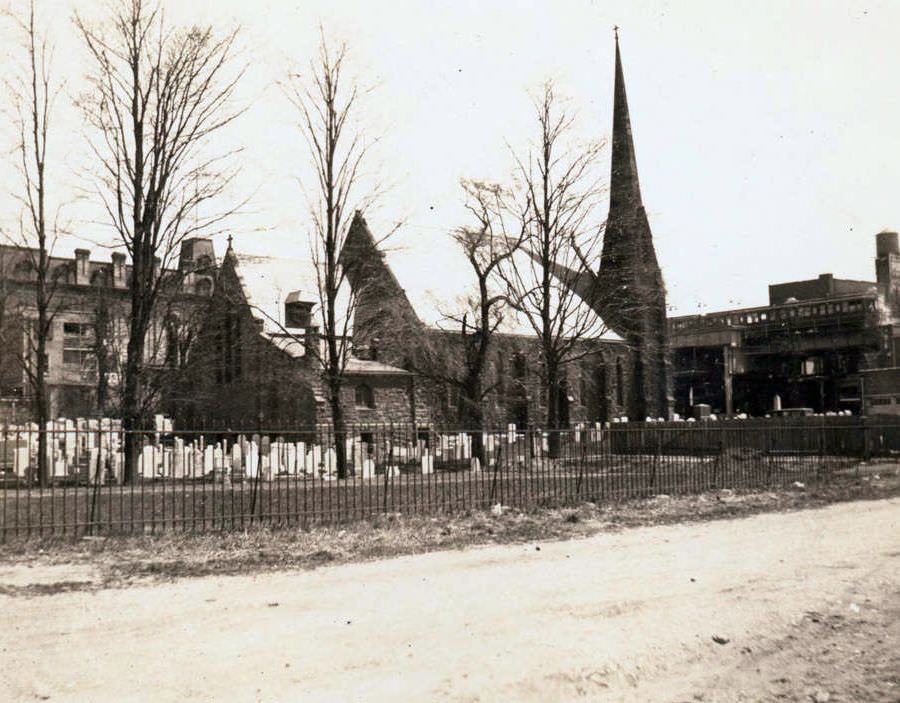
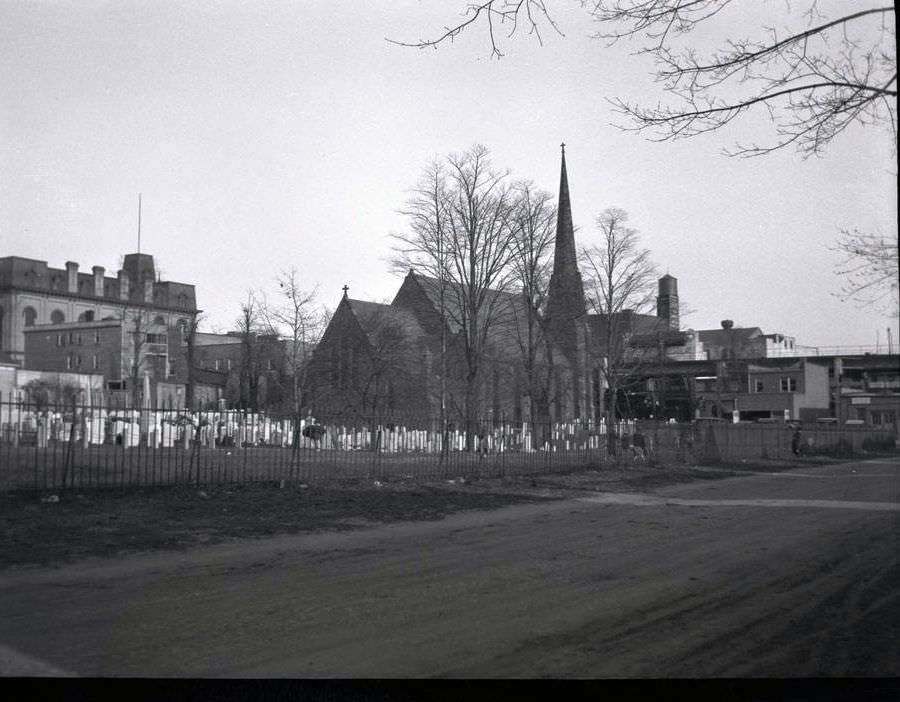
#77 First Presbyterian Church on the west side of Clinton Avenue north of Jamaica Avenue, 1923.

#78 Charles J. DeBevoise House on the south side of Hollis Avenue near 199th Street, Marian Park, 1923.

#79 Rear view of the First Presbyterian Church on the west side of Clinton Avenue north of Jamaica Avenue, 1923.

#80 Dexter Park Hotel on the north side of Jamaica Avenue opposite 75th Street, Woodhaven, 1923.

#81 John B. Napier House on the west side of 98th Street north of Jamaica Avenue, Woodhaven, 1923.

#82 Maple Grove Summer Garden at the junction of Jamaica Avenue, Metropolitan Avenue, and Kew Gardens Road, 1923.

#83 Ditmars House at 3915 Jamaica Avenue between 127th Street and L.I.R.R. tracks, 1923.

#84 Stuart House on the east side of 138th Street south of Jamaica Avenue, 1923.

#85 Belknap House on the north side of Jamaica Avenue opposite 148th Street, 1923.

#86 Baylis House on the east side of Smith Street south of Jamaica Avenue, 1923.

#88 Union Hall Academy at 28 to 32 Union Hall Street, 1923.

#90 Union Hall Academy at 28 to 32 Union Hall Street, 1923.

#91 Grace Protestant Episcopal Church on the north side of Jamaica Avenue east of Church Street, 1923.

#92 A.J. DeBevoise House on the east side of Farmers Avenue south of Atlantic Avenue, Hollis, 1923.

#93 Richard Brush House on the north side of Jamaica Avenue east of 160th Street, 1923.

#95 Francis Lott House on the north side of Hollis Avenue near 196th Street, Hollis, 1923.

#96 Nicholas Lott House at the northwest corner of Jamaica Avenue and 77th Street, Woodhaven, 1923.

#97 Union Hall Academy at 28 to 32 Union Hall Street, 1923.

#98 Grace Protestant Episcopal Church on the north side of Jamaica Avenue west of Church Street, 1923.

#99 James I. Remsen House on the east side of Beaver Street south of Jamaica Avenue, 1923.

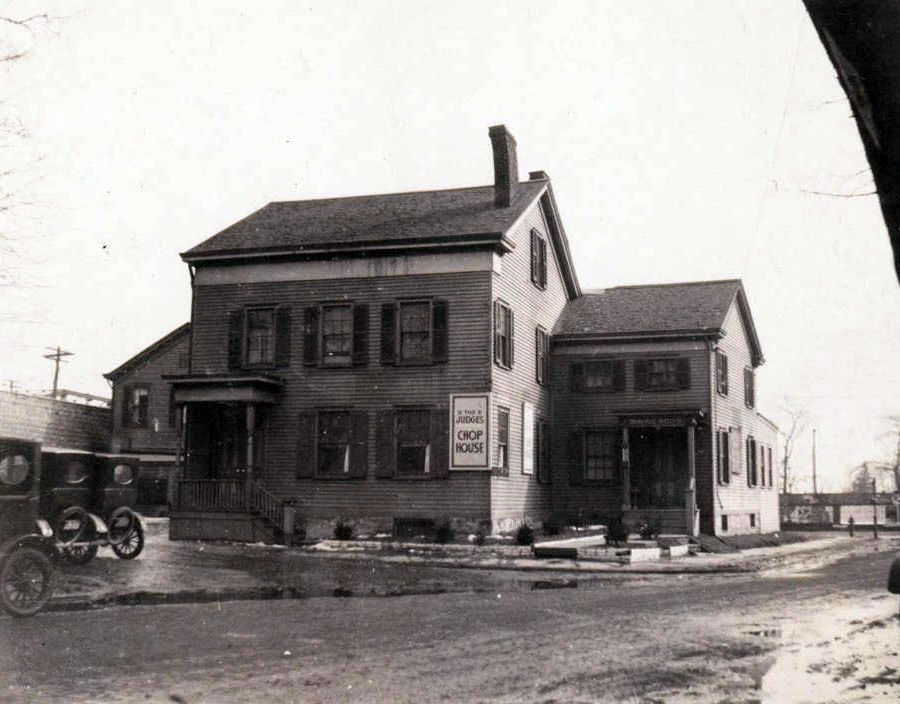
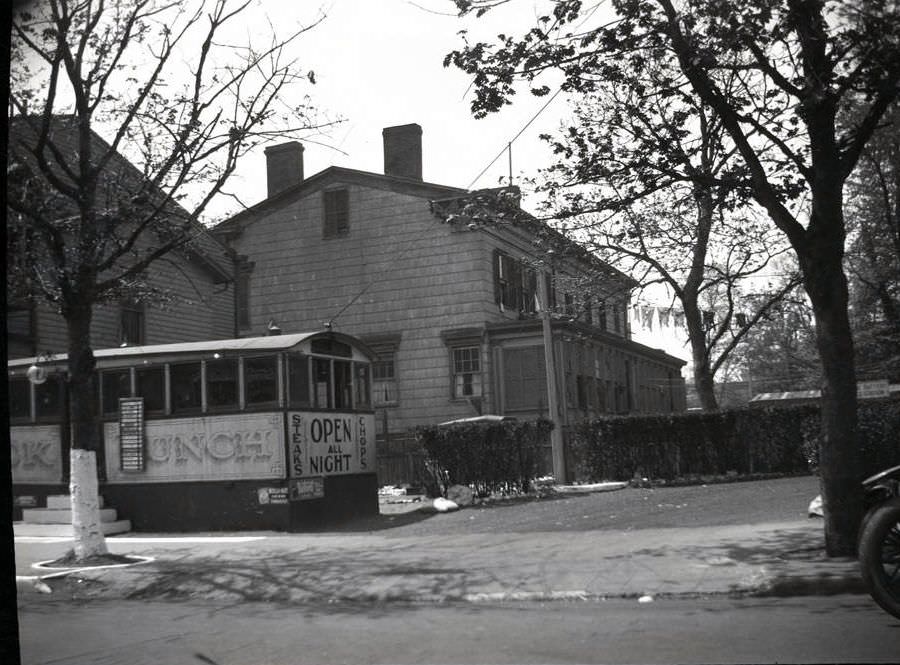
#100 John McLoughlin house and Judges Chop House on the east side of Beaver Street, 1923.

#101 Aaron Oakley Ketcham House on the east side of Hollis Avenue opposite 102nd Avenue, Hollis, 1923.

#102 John B. Napier House on the west side of 98th Street north of Jamaica Avenue, Woodhaven, 1923.

#103 John B. Golder House on Jericho Turnpike at 215th Place, Queens Village, 1923.

#104 Stuart House on the east side of 138th Street south of Jamaica Avenue, 1923.

#105 J. Howe House at the southwest corner of Farmers Avenue and South Street, 1923.

#106 Former Methodist church at the southwest corner of Jamaica Avenue and New York Avenue, 1923.

#107 Stoothoff House at 22 Herriman Avenue north of Jamaica Avenue, 1923.

#108 Alexander Carpenter House on the east side of Farmers Avenue south of 120th Road, 1923.

#109 Hendrick Onderdonk Jr. House north of Jamaica Avenue and west of Bergen Avenue, 1923.

#110 Lamberson House on the west side of Farmers Avenue south of Merrick Road, 1923.

#111 Charles Belz’s inn at the southwest corner of Farmers Avenue and Merrick Road, Springfield Manor, 1923.

#112 Hendrick Onderdonk Jr. House north of Jamaica Avenue and west of Bergen Avenue, 1923.

#113 J. Howe House at the southwest corner of Farmers Avenue and South Street, 1923.

#114 J. Carpenter House at 203-08 Hollis Avenue near 203rd Street, 1923.

#115 Pearsall House at 534 and 536 Fulton Street on the south side of Jamaica Avenue, 1923.

#116 Union Hall Academy at 28 to 32 Union Hall Street.

#117 William Phraner House at the northwest corner of Fulton Street and Flushing Road, 1924.

#118 John Gracy House at 502 Fulton Street east of Canal Street, 1924.

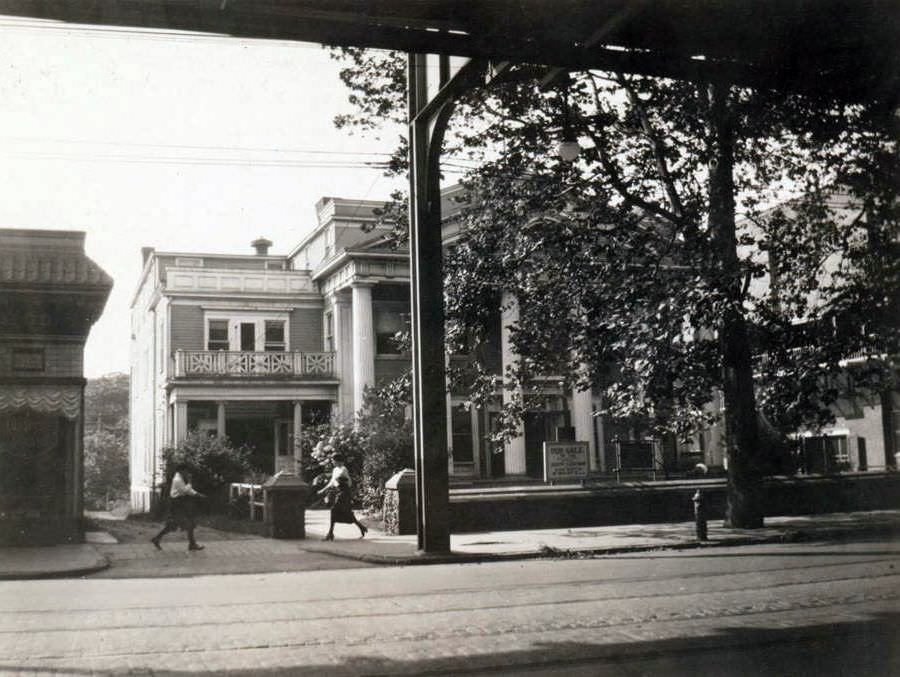
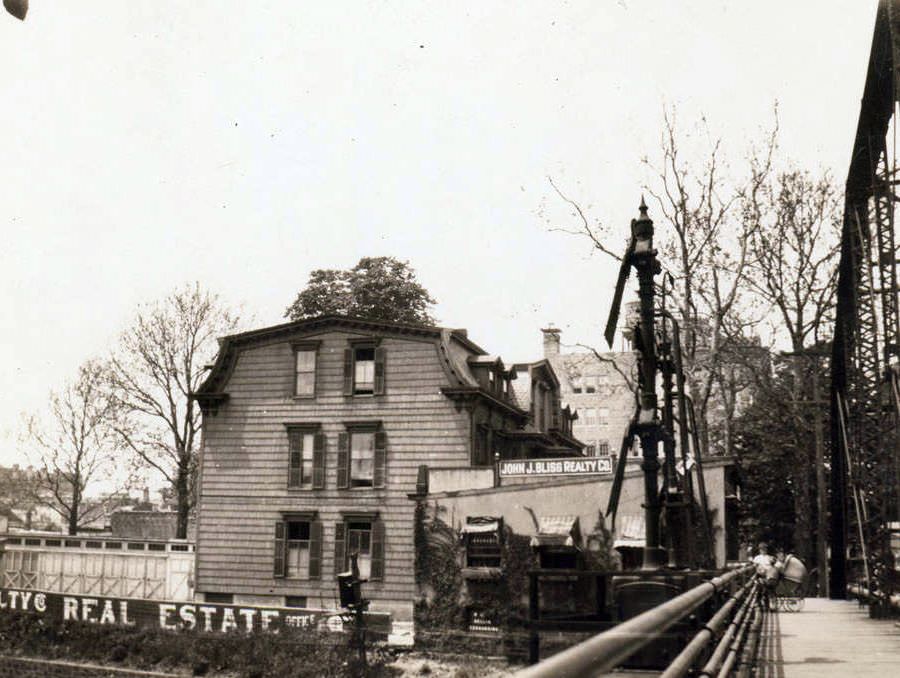
#120 518 to 524 Jamaica Avenue on line with 169th Street, 1924.

#121 518 to 524 Jamaica Avenue on line with 169th Street, 1924.

Written by Frederick Victor

I've been a history writer for a while. I love to explore historical sites because they connect us to our past. They make us feel like we are part of something much bigger.

Leave a Reply

Comment using name and email. Or Register an account

GIPHY App Key not set. Please check settings