

 Makayla White
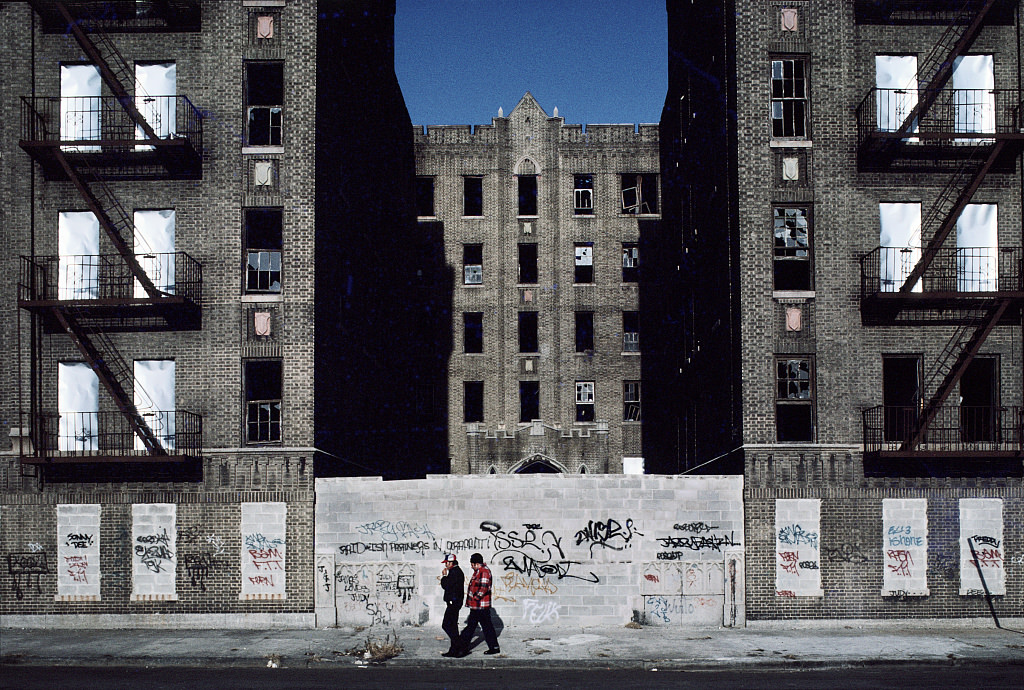
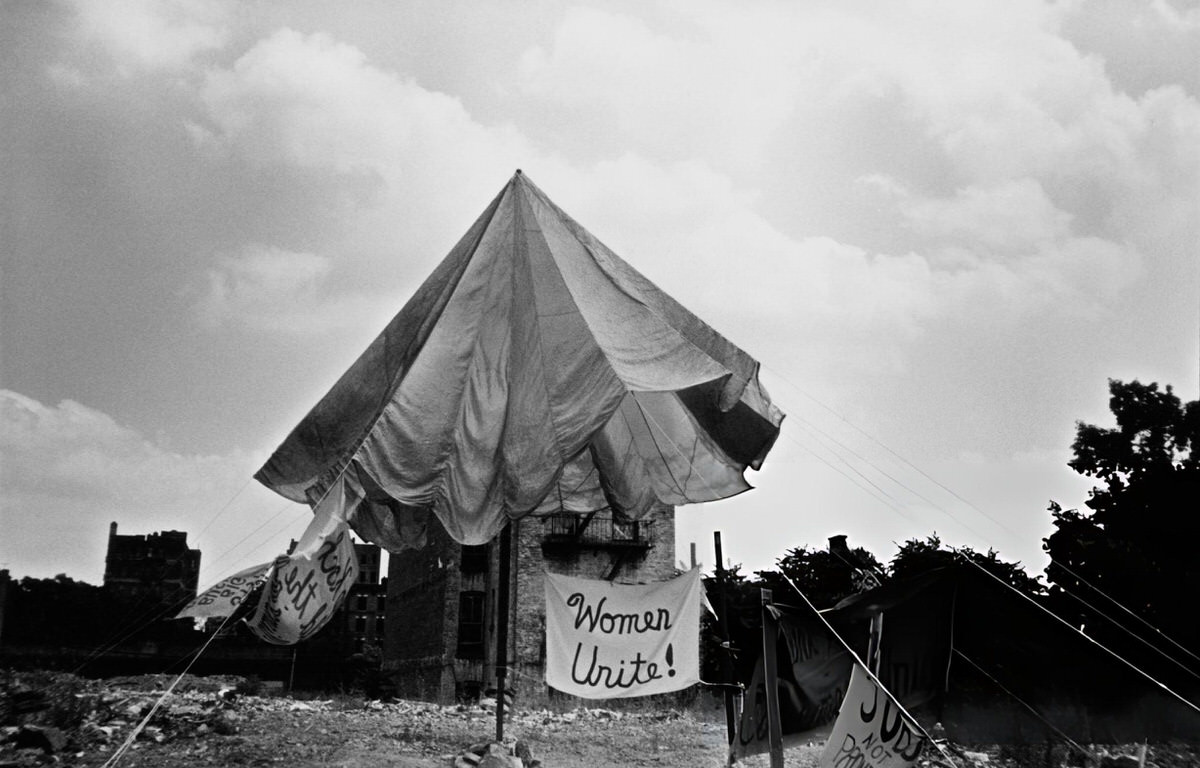
The arson fires of the 1970s left the South Bronx with acres of empty lots and a hollowed-out population. The 1980s brought crack cocaine, the AIDS epidemic, and a city government that was only beginning to pay attention — but also the first determined efforts by residents to rebuild on their own terms.
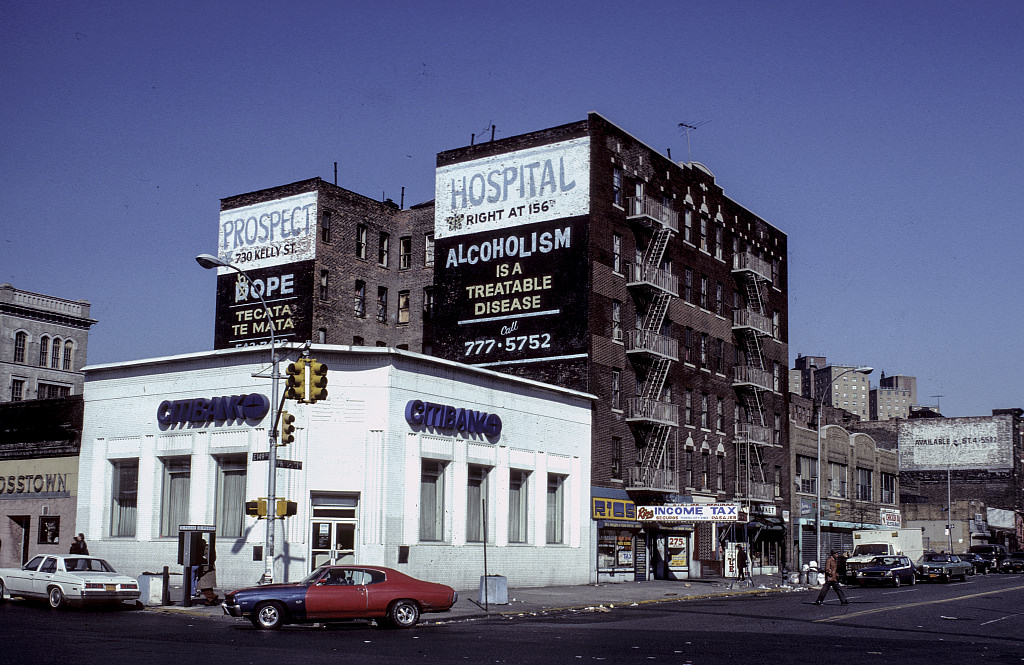
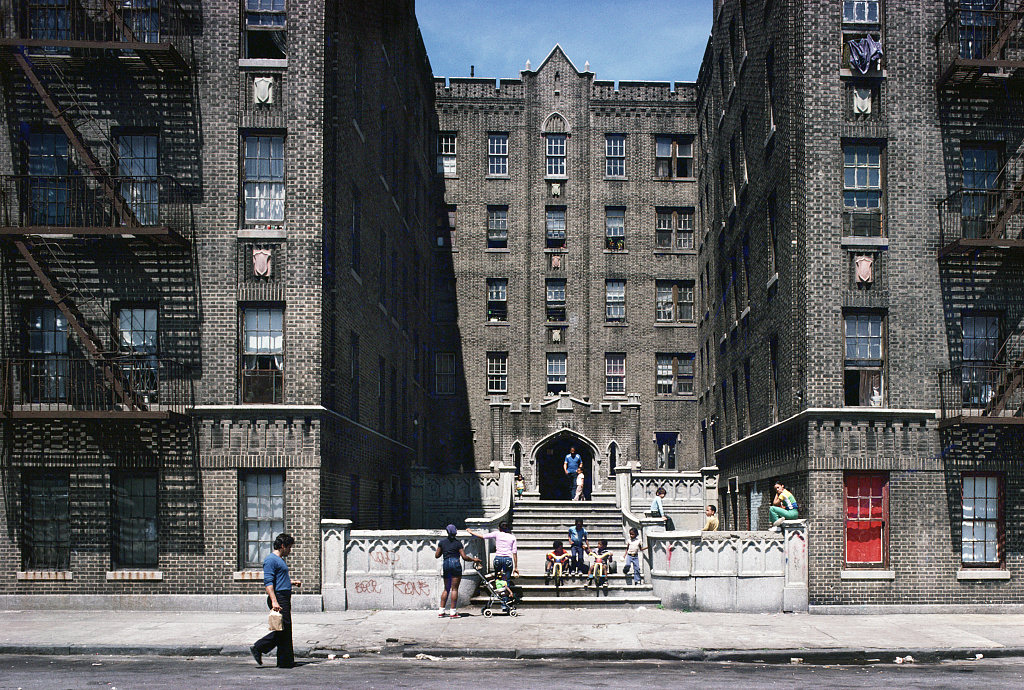
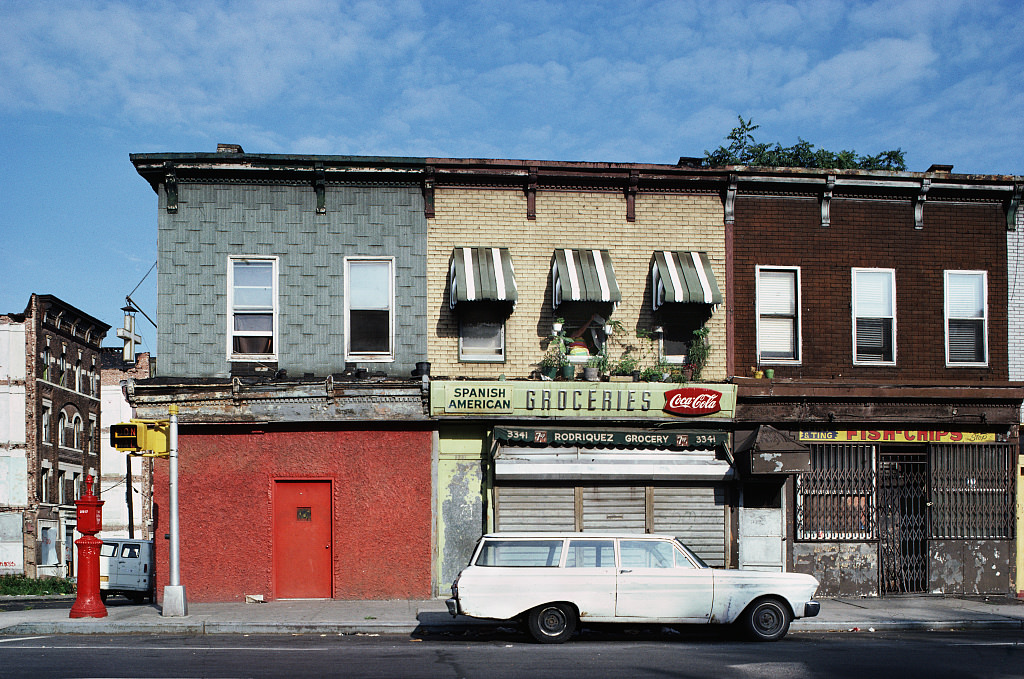
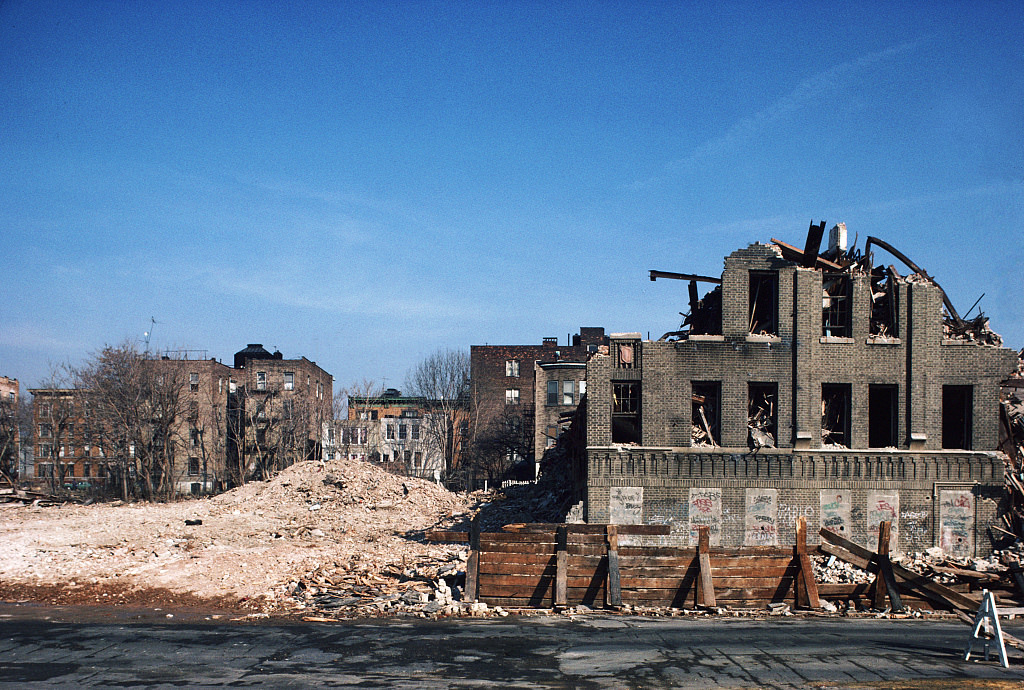
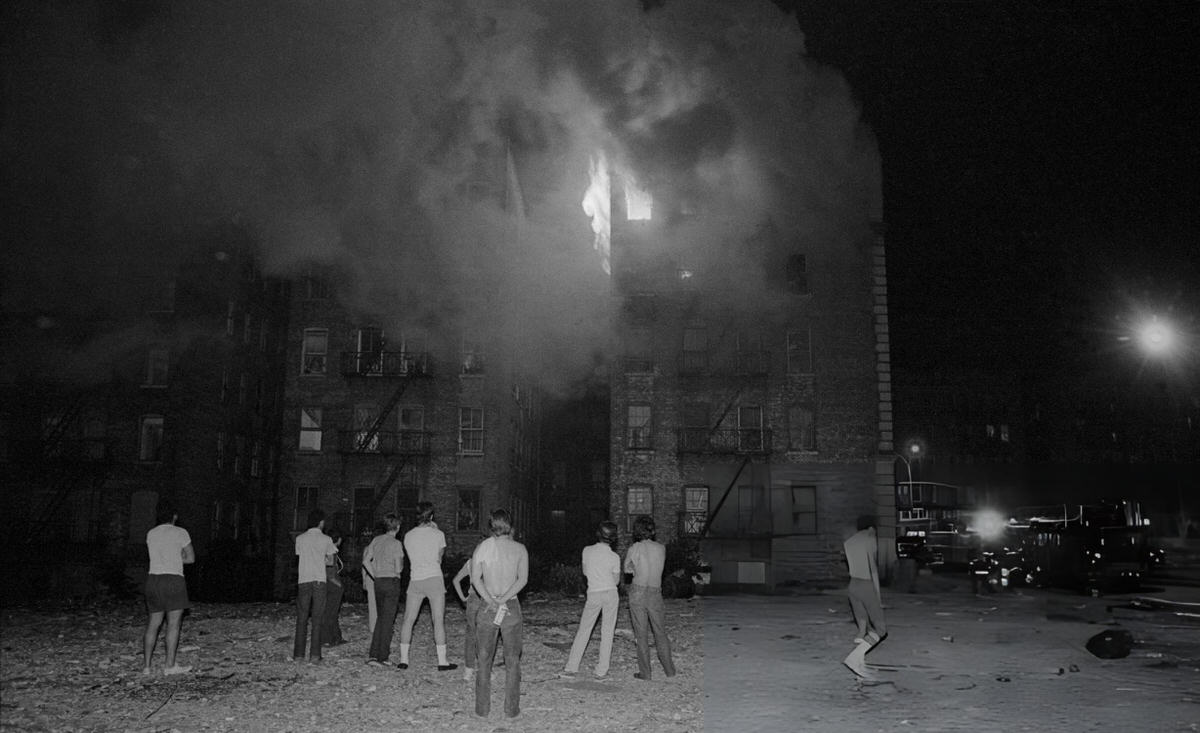
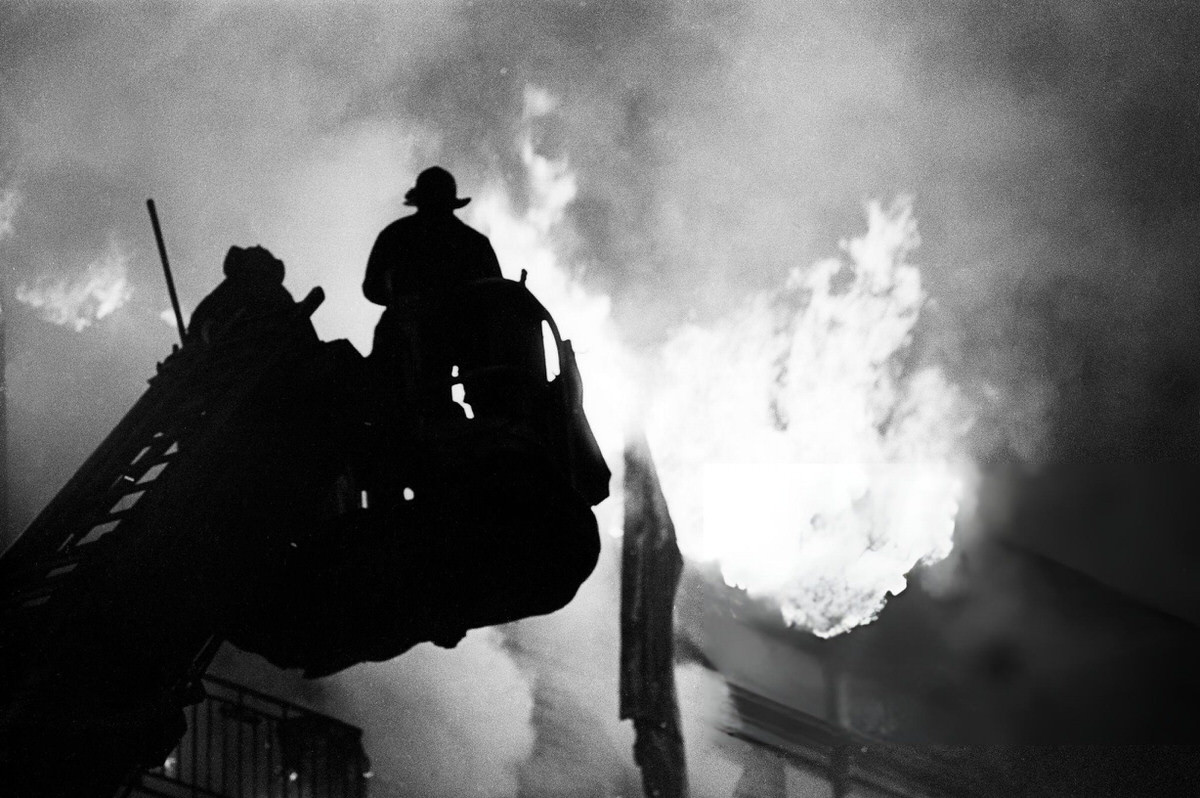
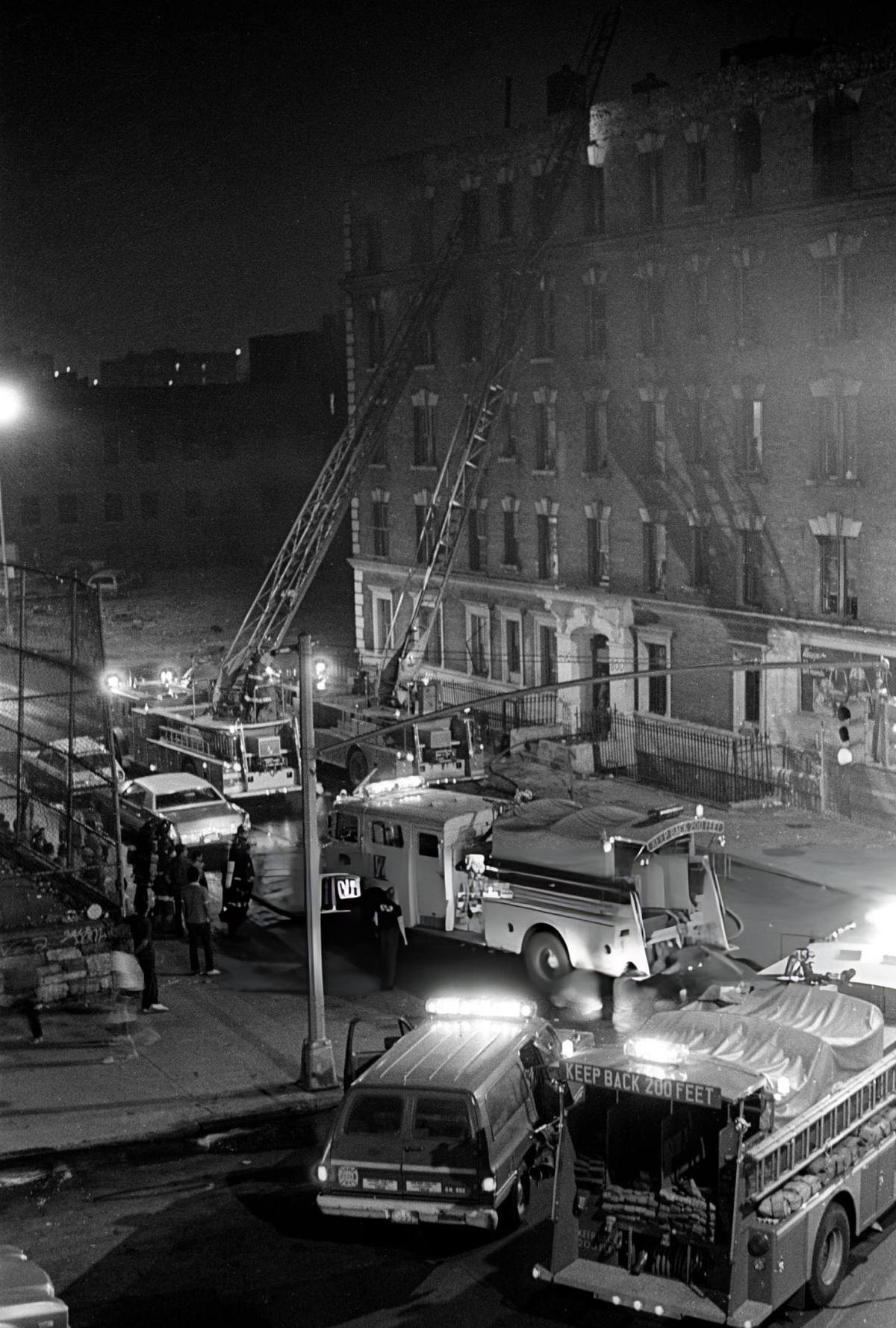
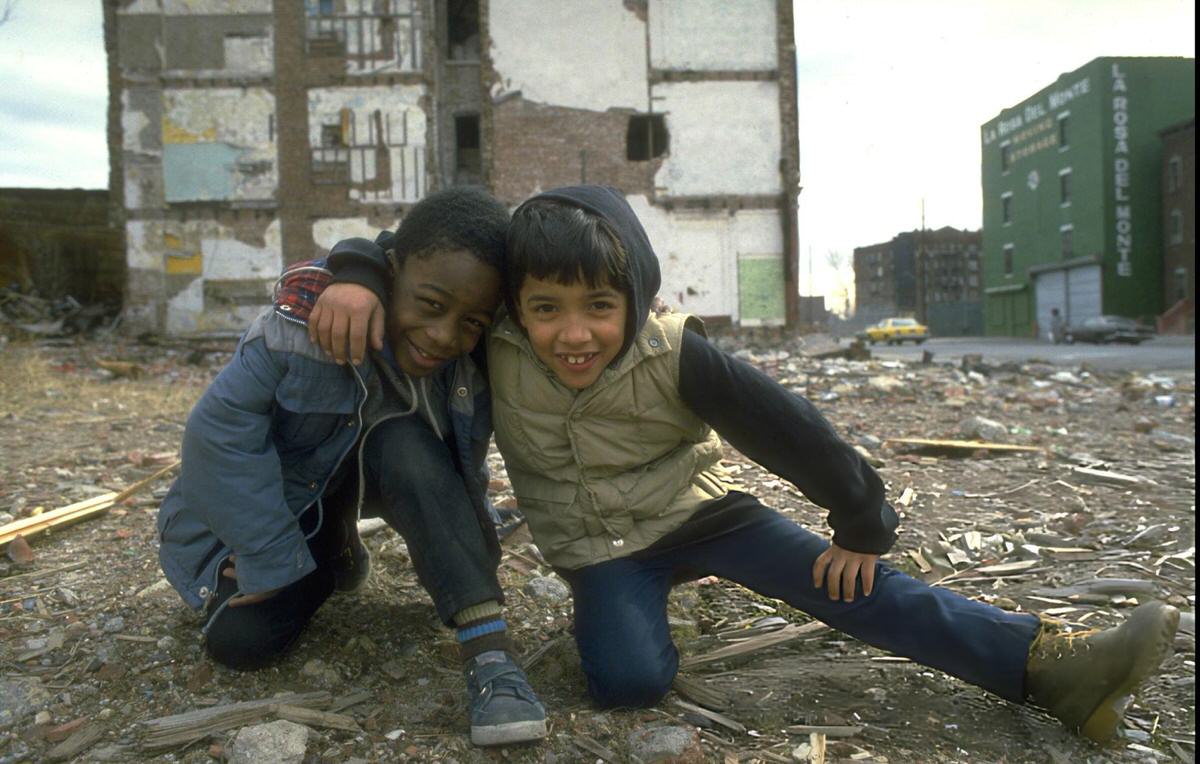
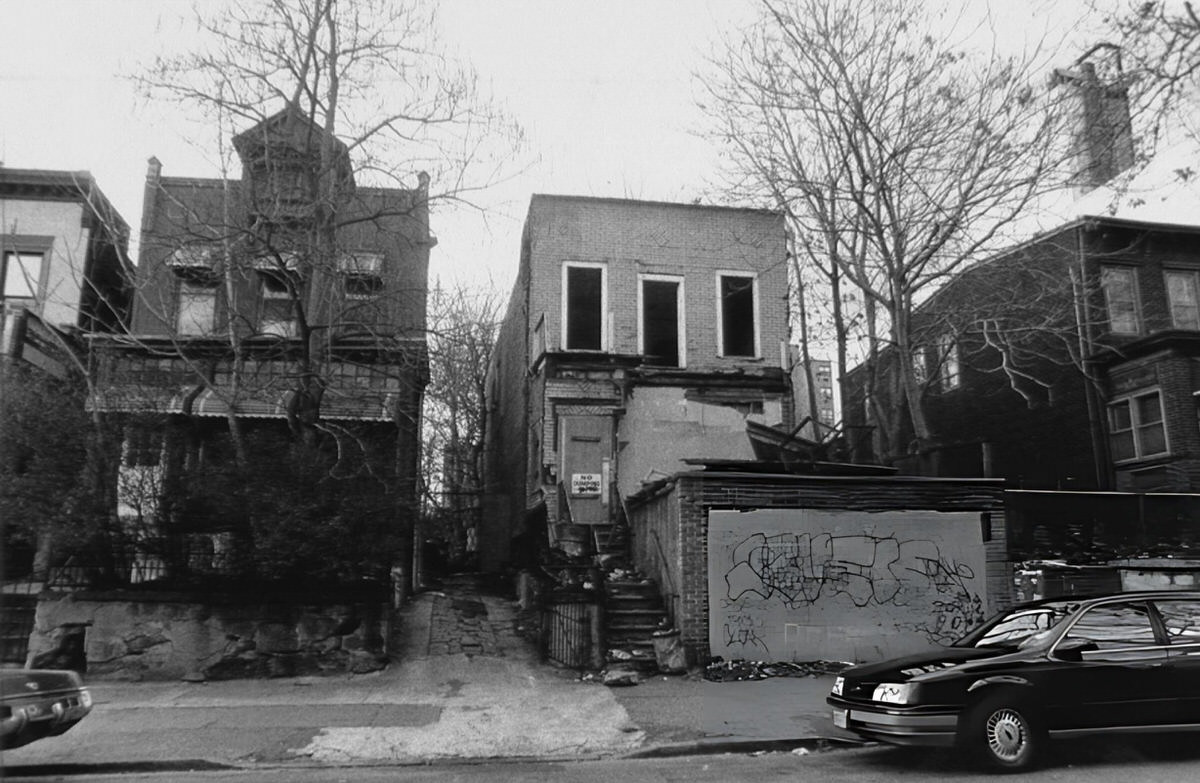
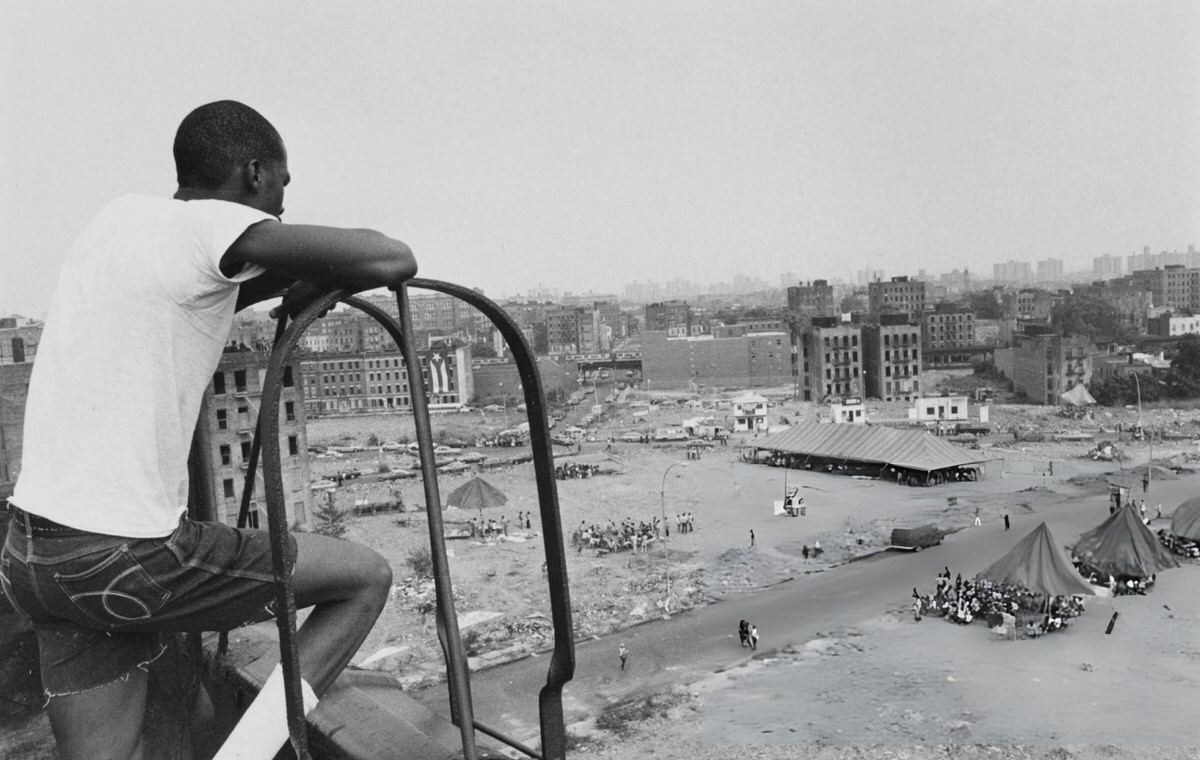
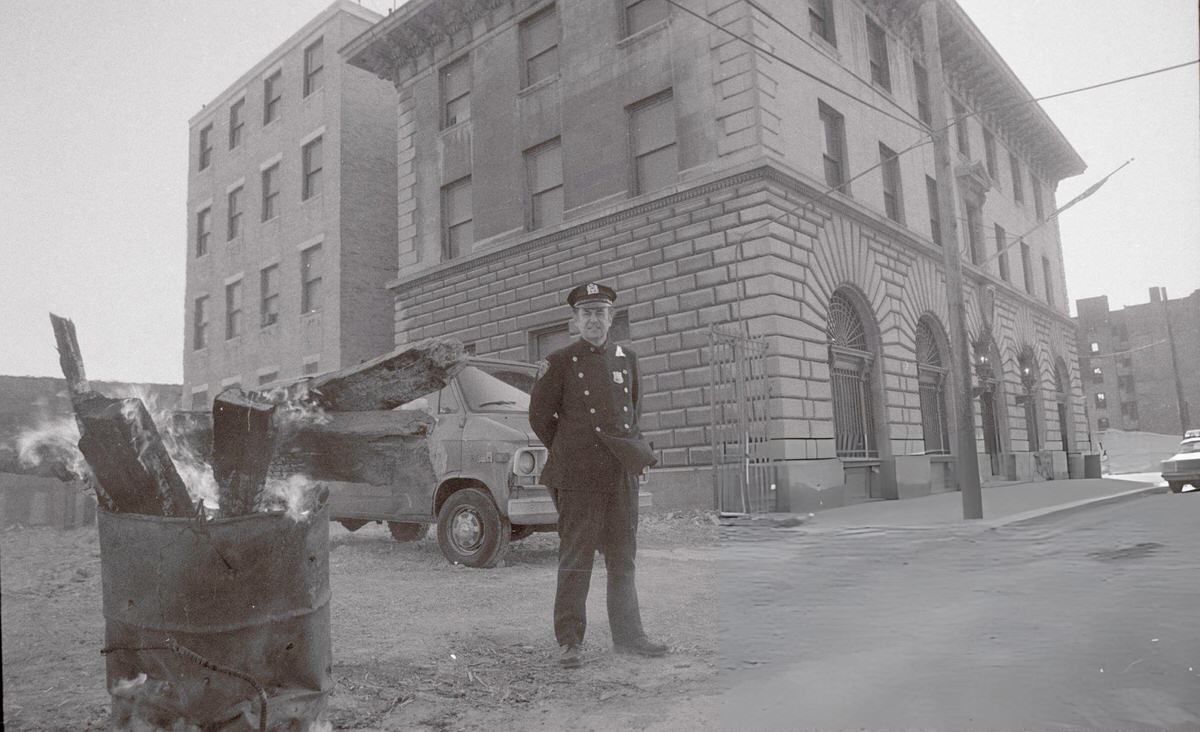
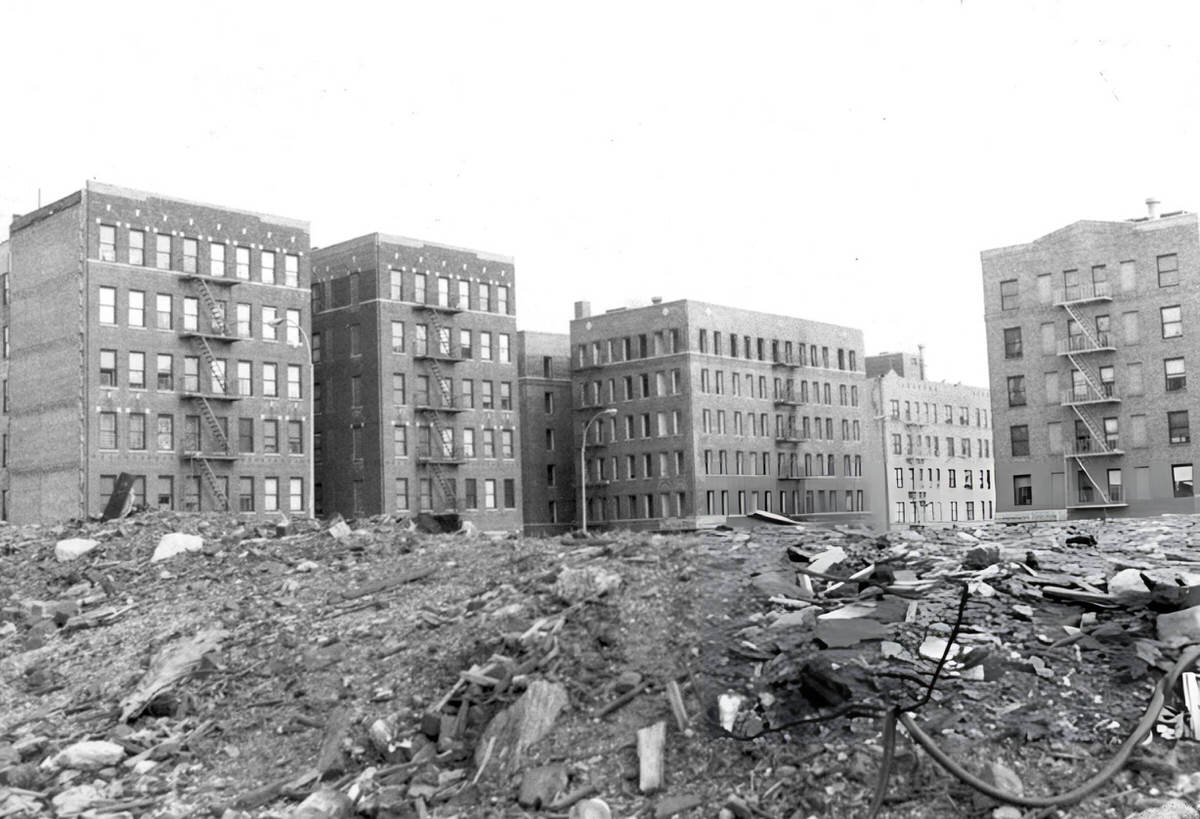
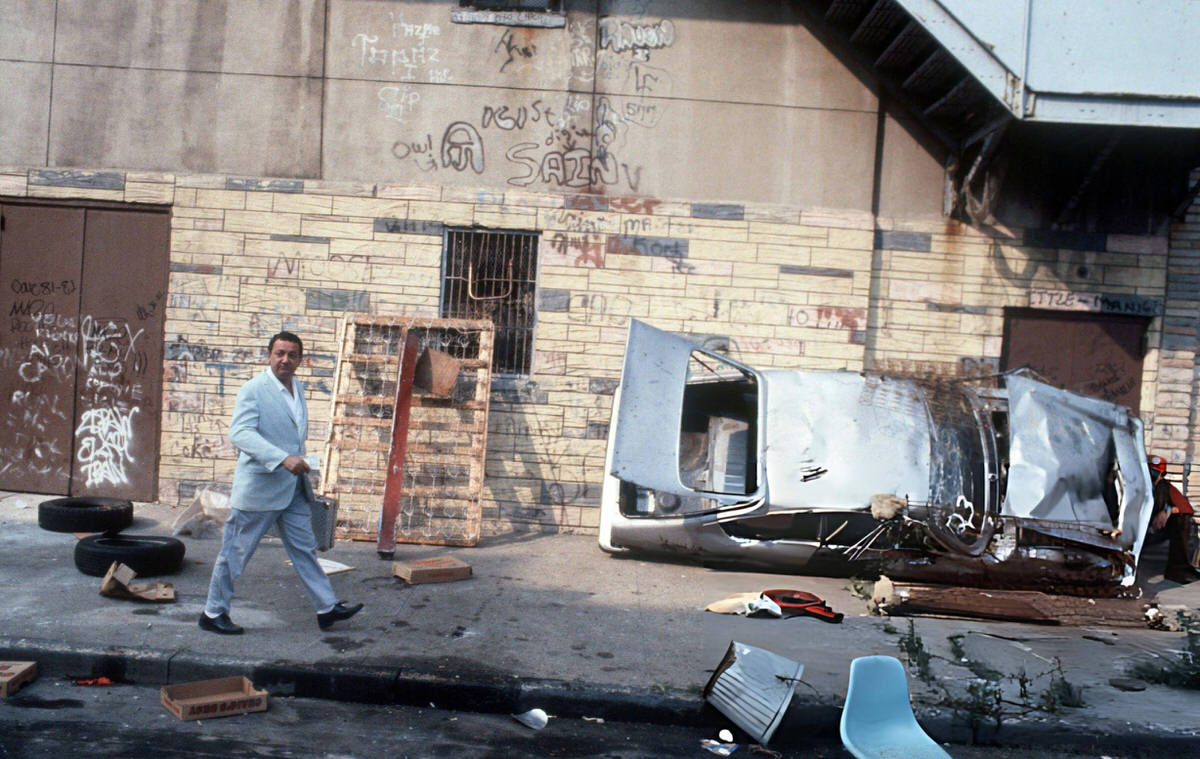
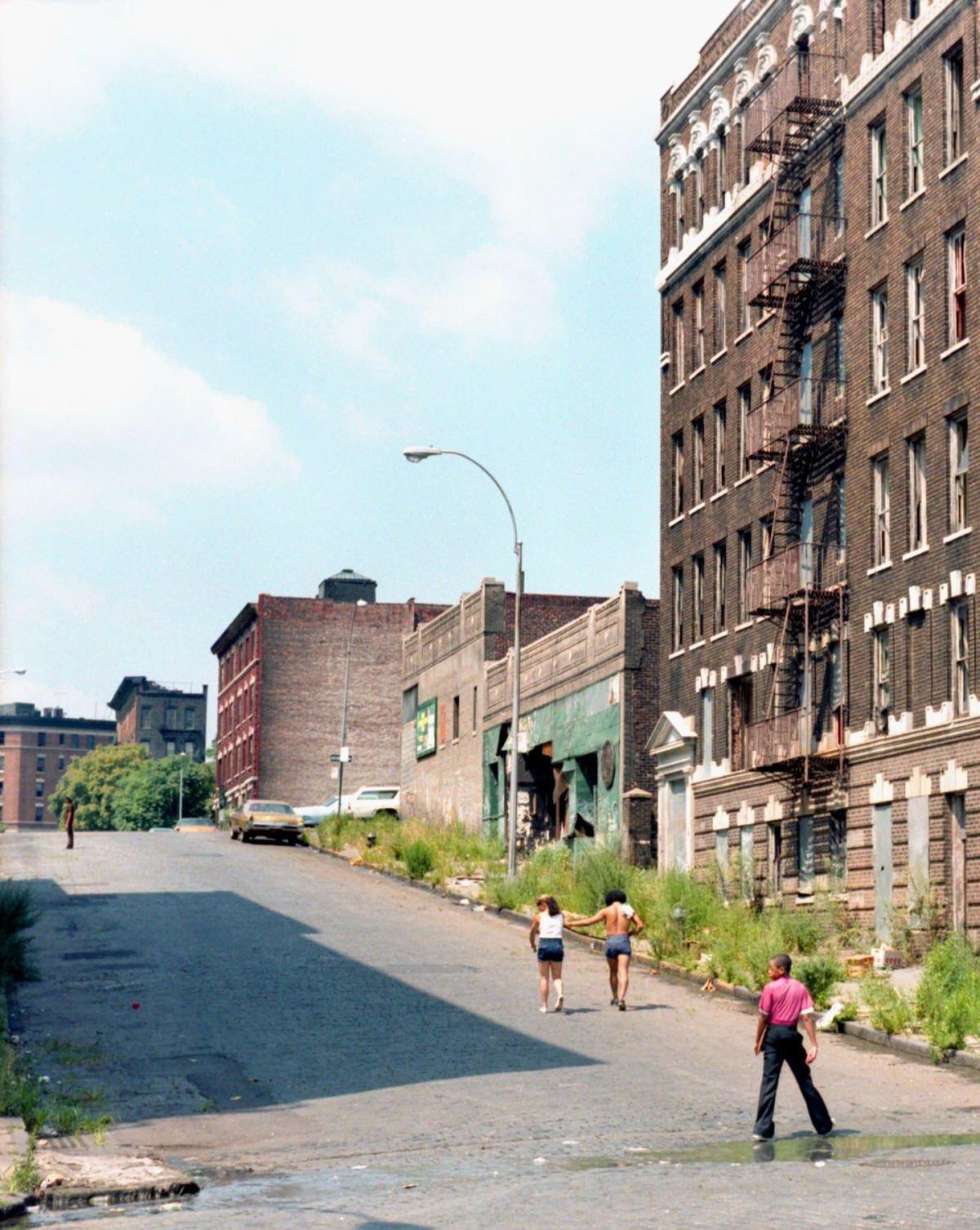
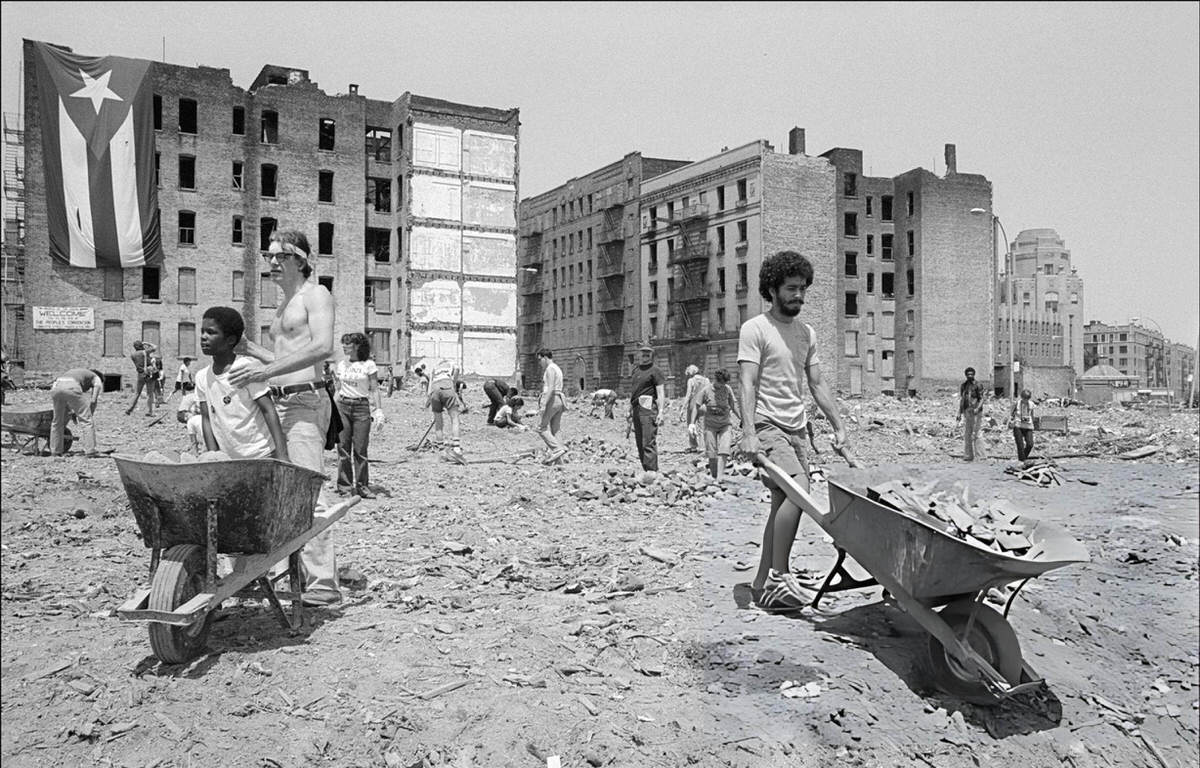
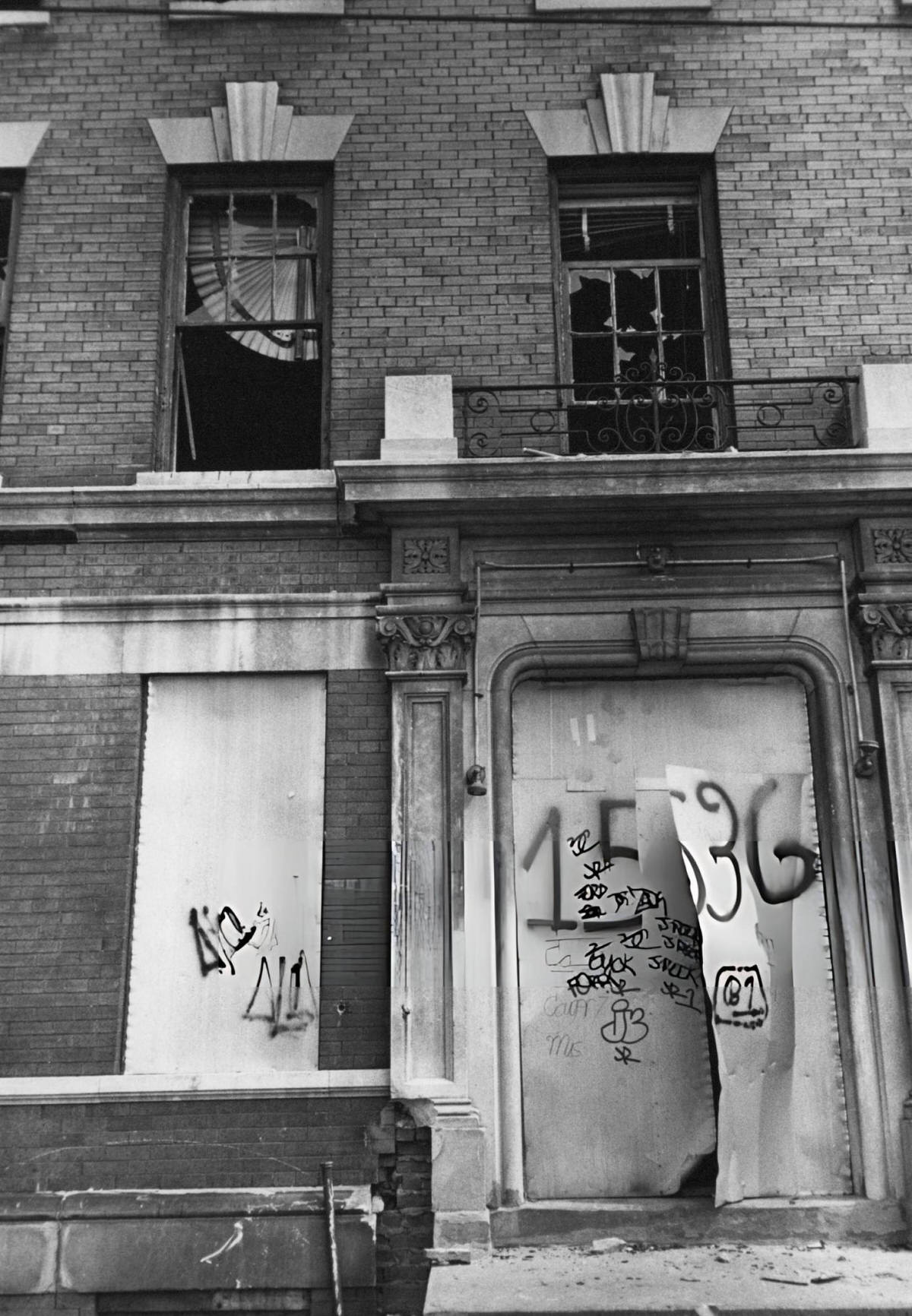
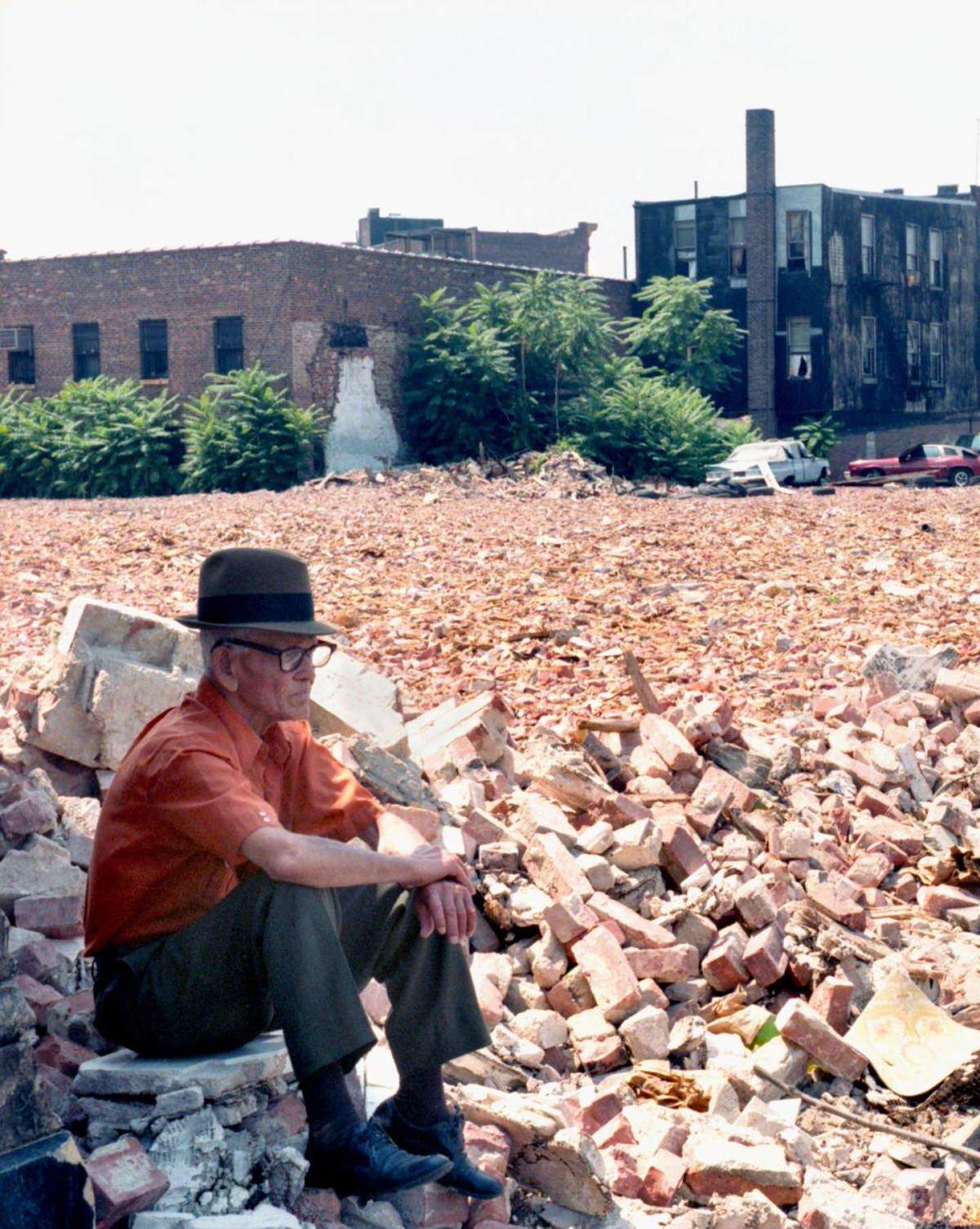
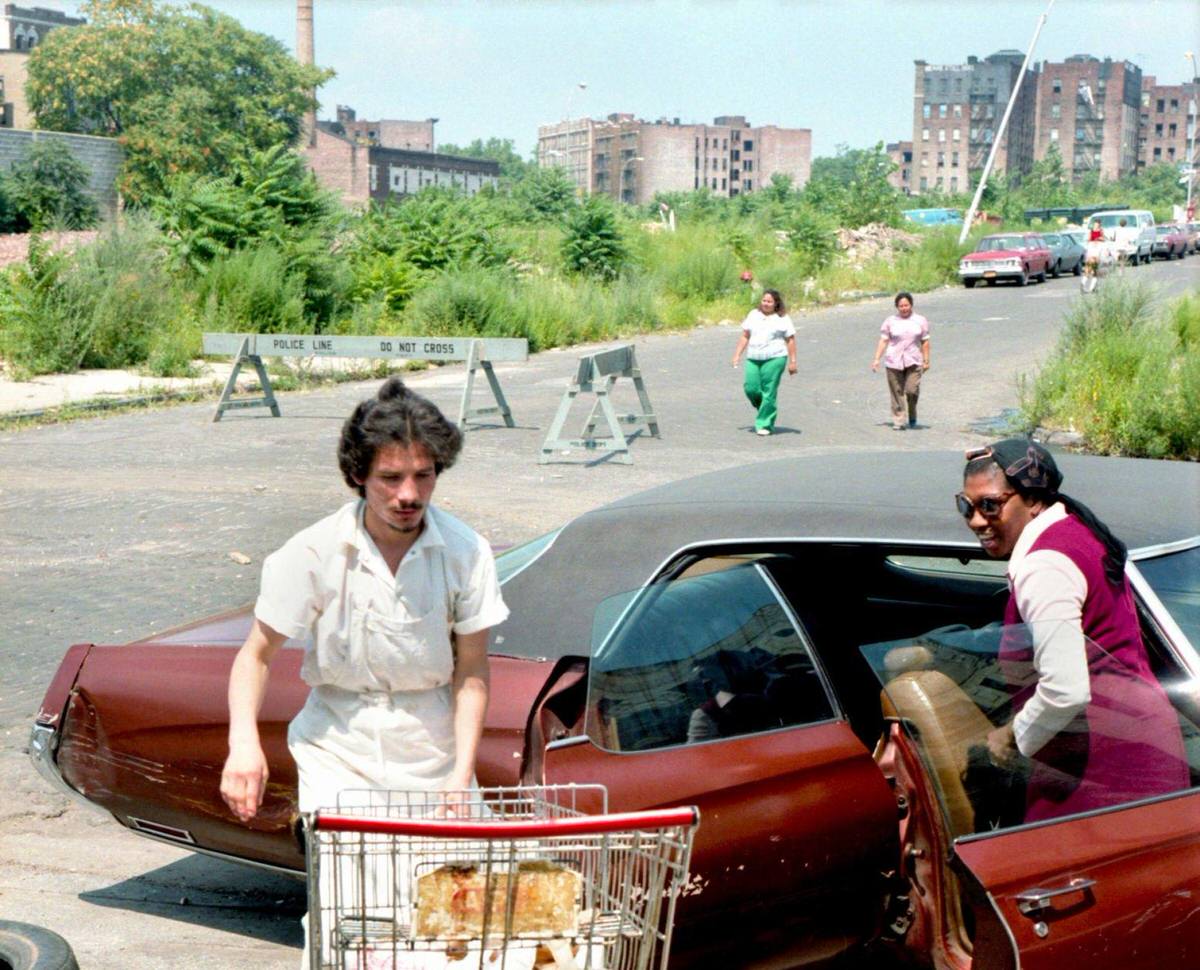
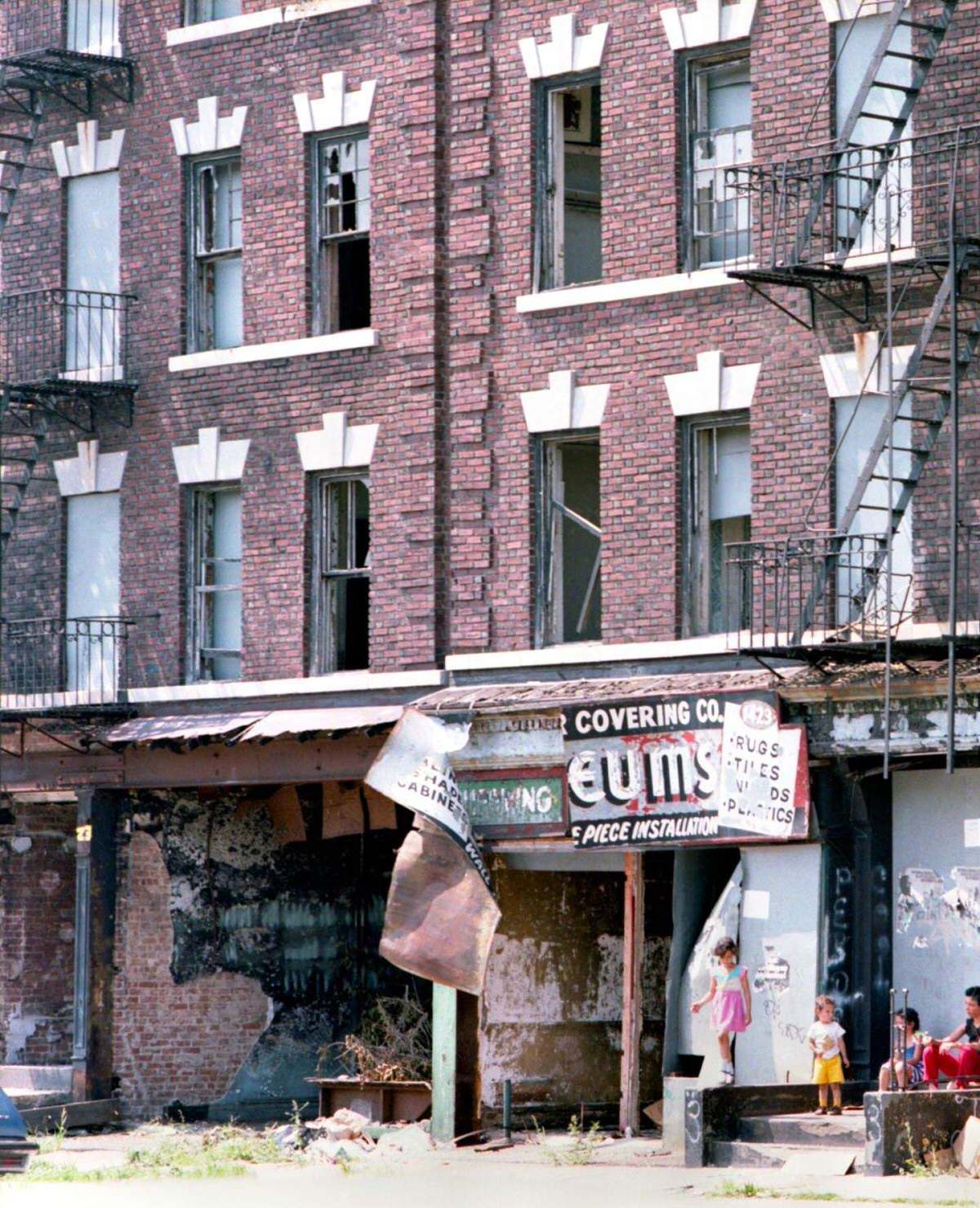
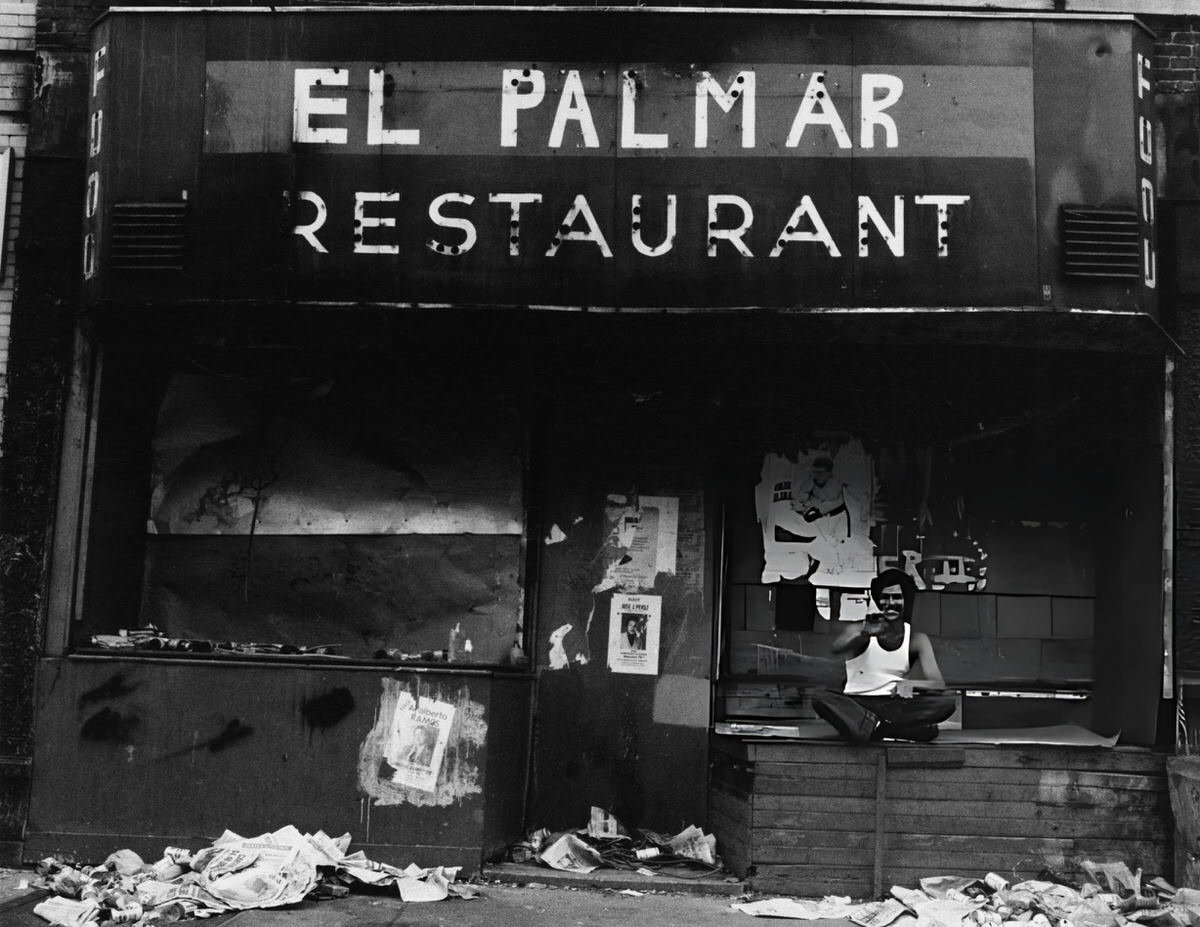
The South Bronx that entered the 1980s was a place that had already absorbed a decade of destruction. Whole blocks in Mott Haven, Hunts Point, and Morrisania were gone — burned down, stripped, and left as rubble fields. The population had fallen so sharply that some sections felt less like a city neighborhood and more like the edge of something abandoned. And then, just as the worst of the fire epidemic was slowing, crack cocaine arrived and started a new crisis from scratch.
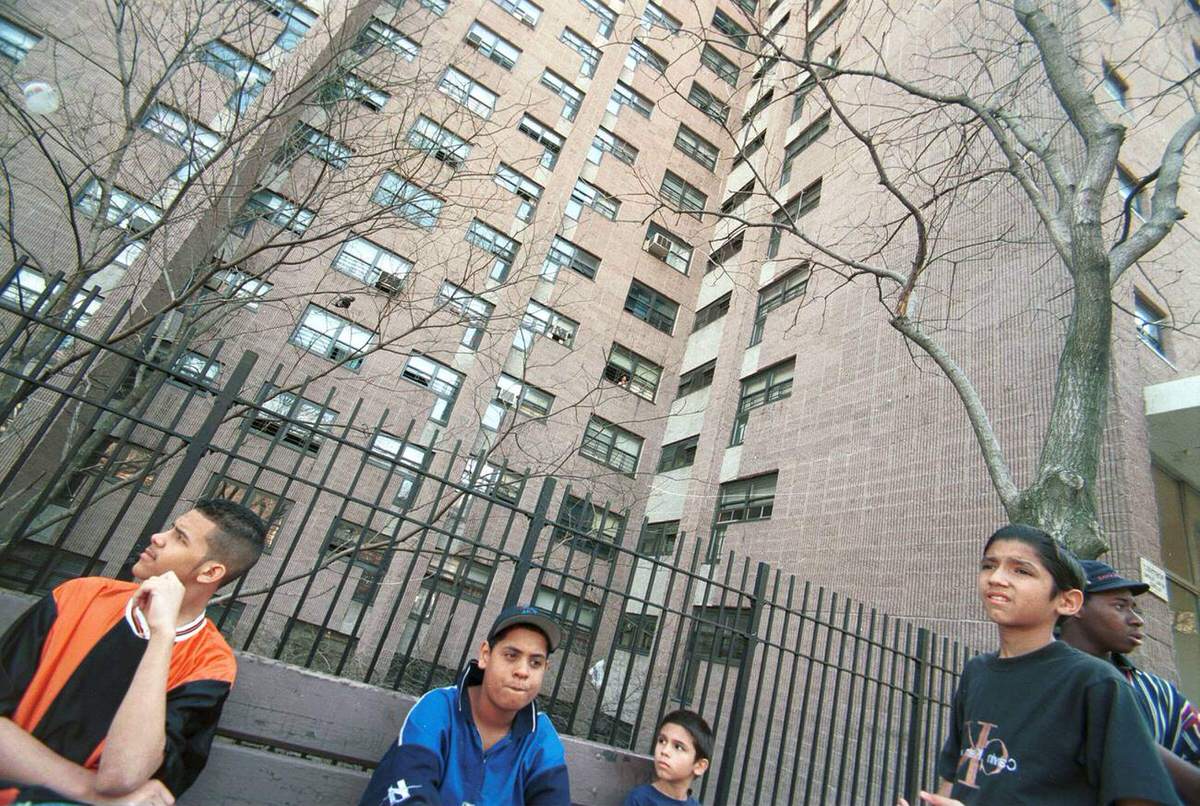
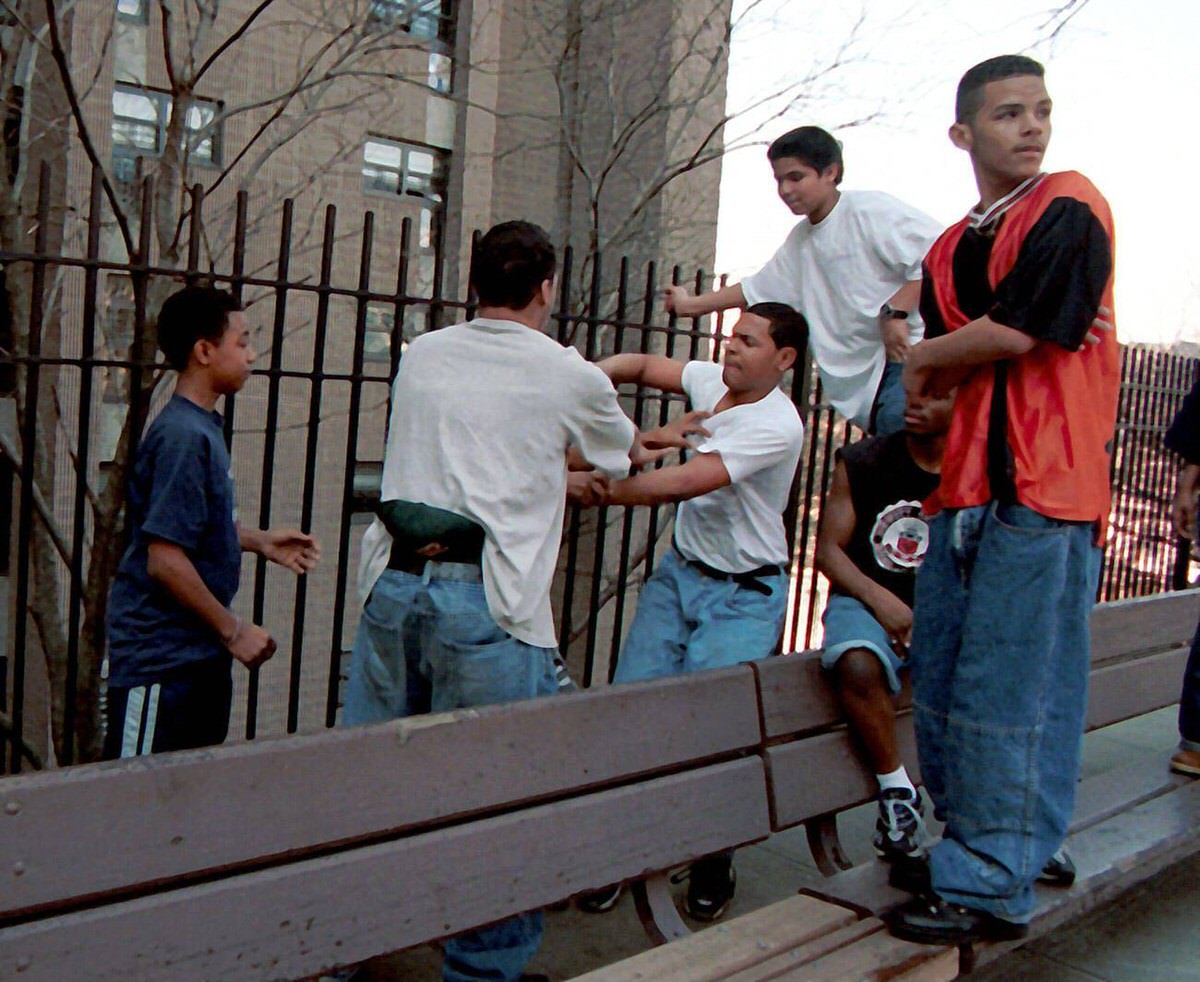
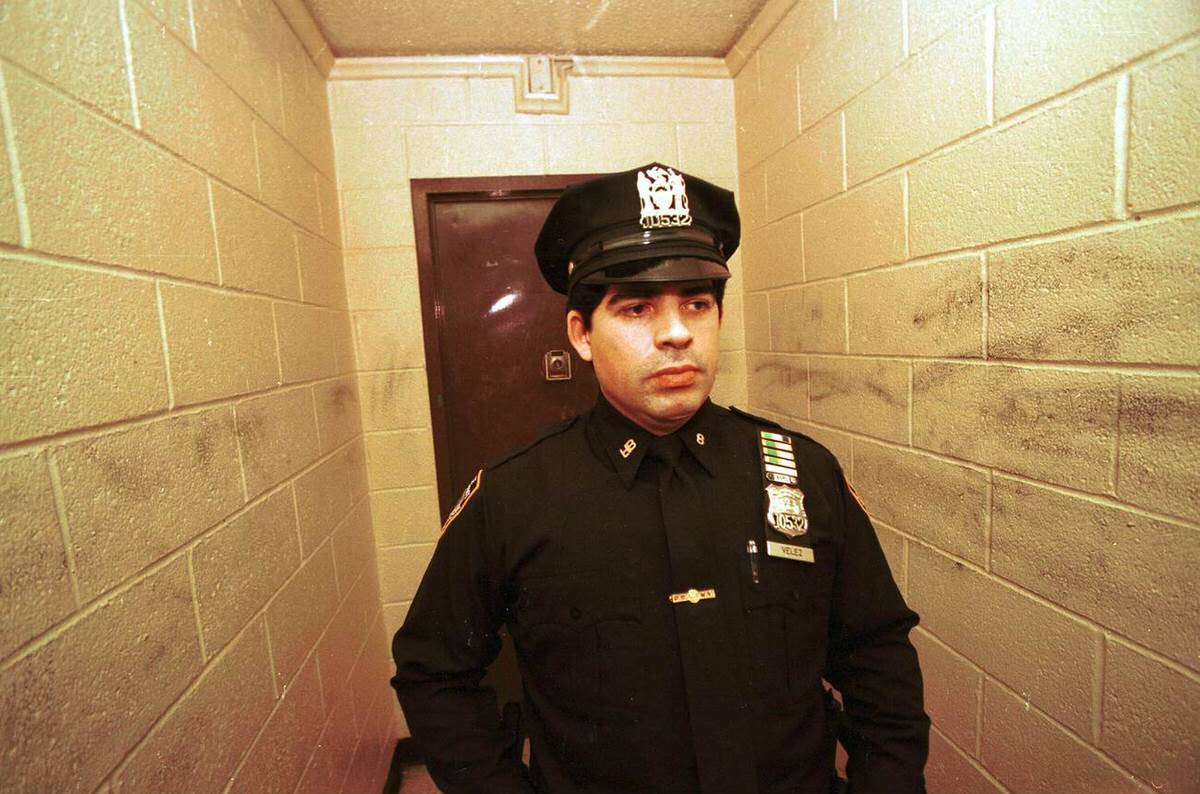
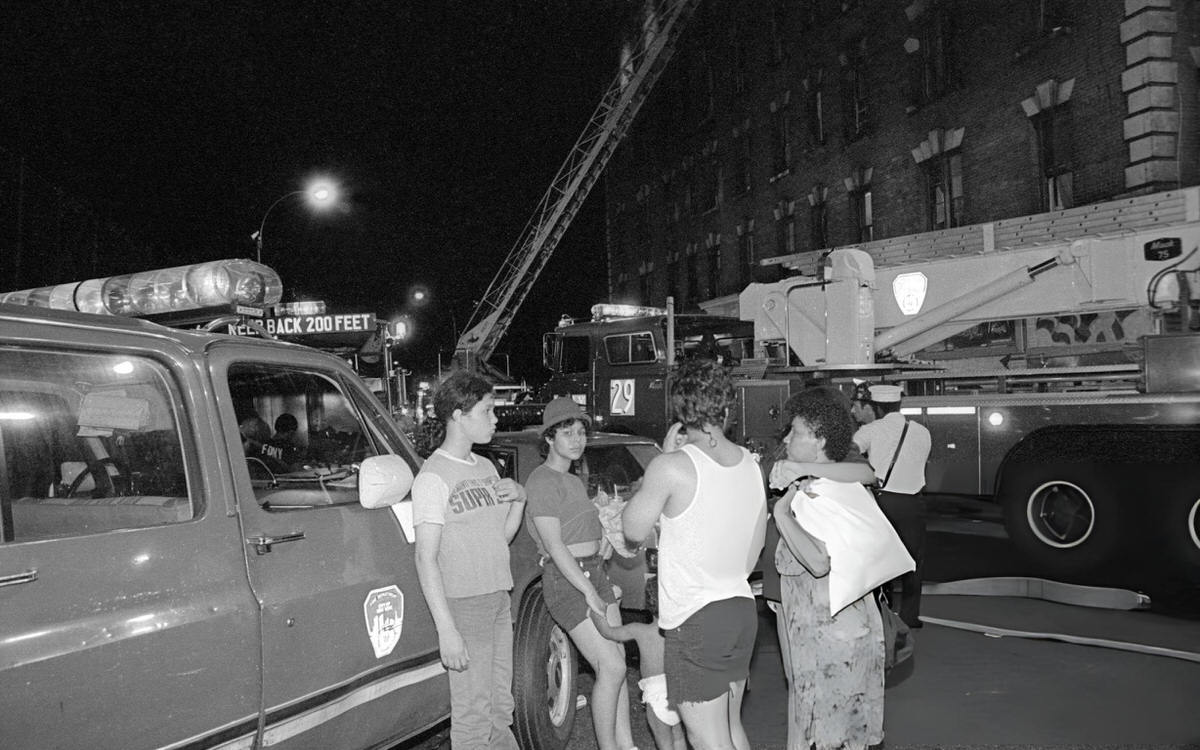
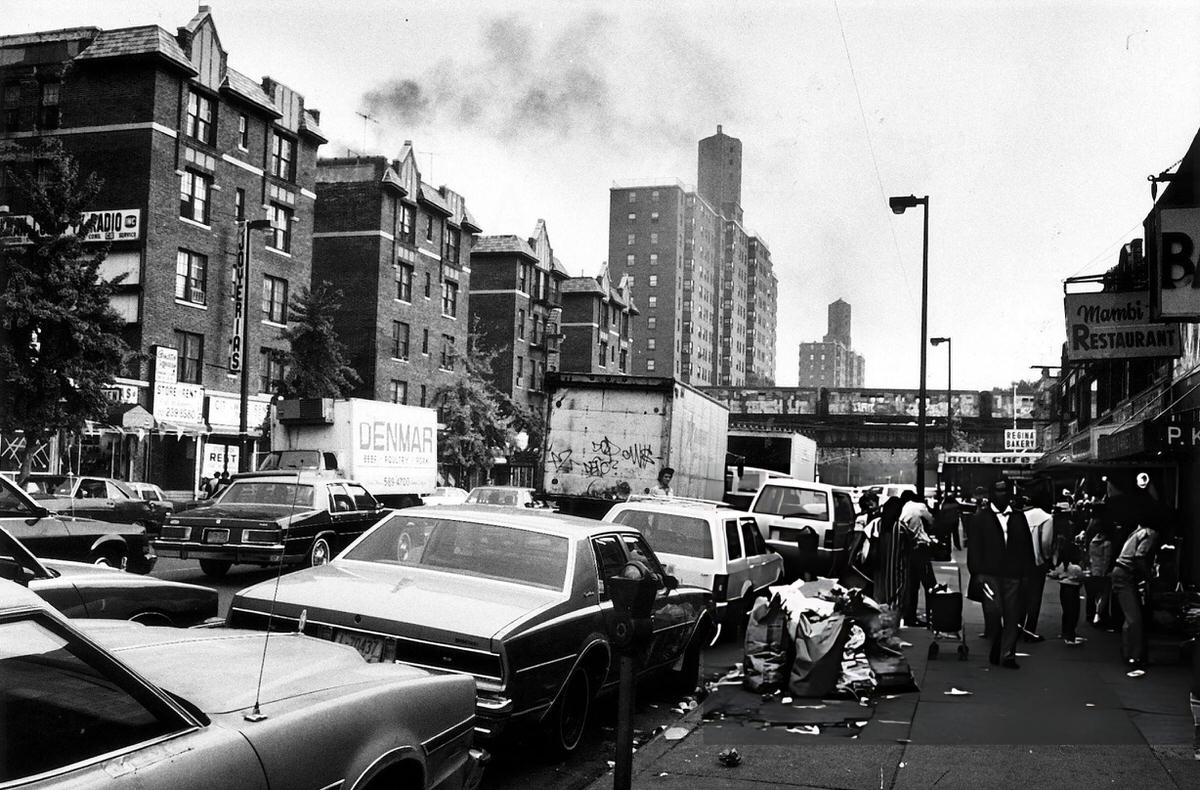
Crack hit the South Bronx in force around 1984 and 1985. It was cheap — a vial sold for as little as two dollars at the peak of the market — smokable, and immediately addictive in a way that powder cocaine was not. The drug moved through the remaining residential blocks of the South Bronx faster than any public health response could track. Open-air drug markets set up on corners that had been quiet residential streets five years earlier. Buildings that had survived the arson era became crack houses. The street violence that accompanied the drug trade — disputes over territory, robberies to fund habits, retaliation cycles between crews — drove murder rates that were already high in the 1970s to new peaks.
During the 1980s, the South Bronx faced the effects of the crack epidemic, where a vial sold for about $2 in the mid-decade, New York City recorded 2,246 murders in 1986, new construction brought 15,000 housing units to the Bronx by the late 1980s, and the borough also remained known as the birthplace of hip-hop, which began in 1977 at 1520 Sedgwick Avenue.
Read more
The AIDS Crisis Lands on Top of Everything Else
AIDS arrived in the South Bronx simultaneously with crack, and the two crises fed each other. Intravenous drug use — heroin had been endemic in the neighborhood since the 1960s — was one of the primary transmission routes for HIV in New York City. The South Bronx had among the highest HIV infection rates of any community in the United States by the mid-1980s. Bellevue and Lincoln Hospital were seeing AIDS patients in numbers that overwhelmed their infectious disease wards. The city’s public health infrastructure, never well-resourced in poor communities, had no coordinated plan for a neighborhood facing drug addiction, housing collapse, and a new fatal illness simultaneously.
The children bore a specific part of this burden. Pediatric AIDS cases — children born to HIV-positive mothers — appeared in South Bronx hospitals in numbers that reflected the infection rates in the adult population around them. Grandmothers in their fifties and sixties were raising grandchildren because their own children had died or were incapacitated. The family structures that had held the community together through the fires of the 1970s were being dismantled again, this time by disease.
What the City Finally Did
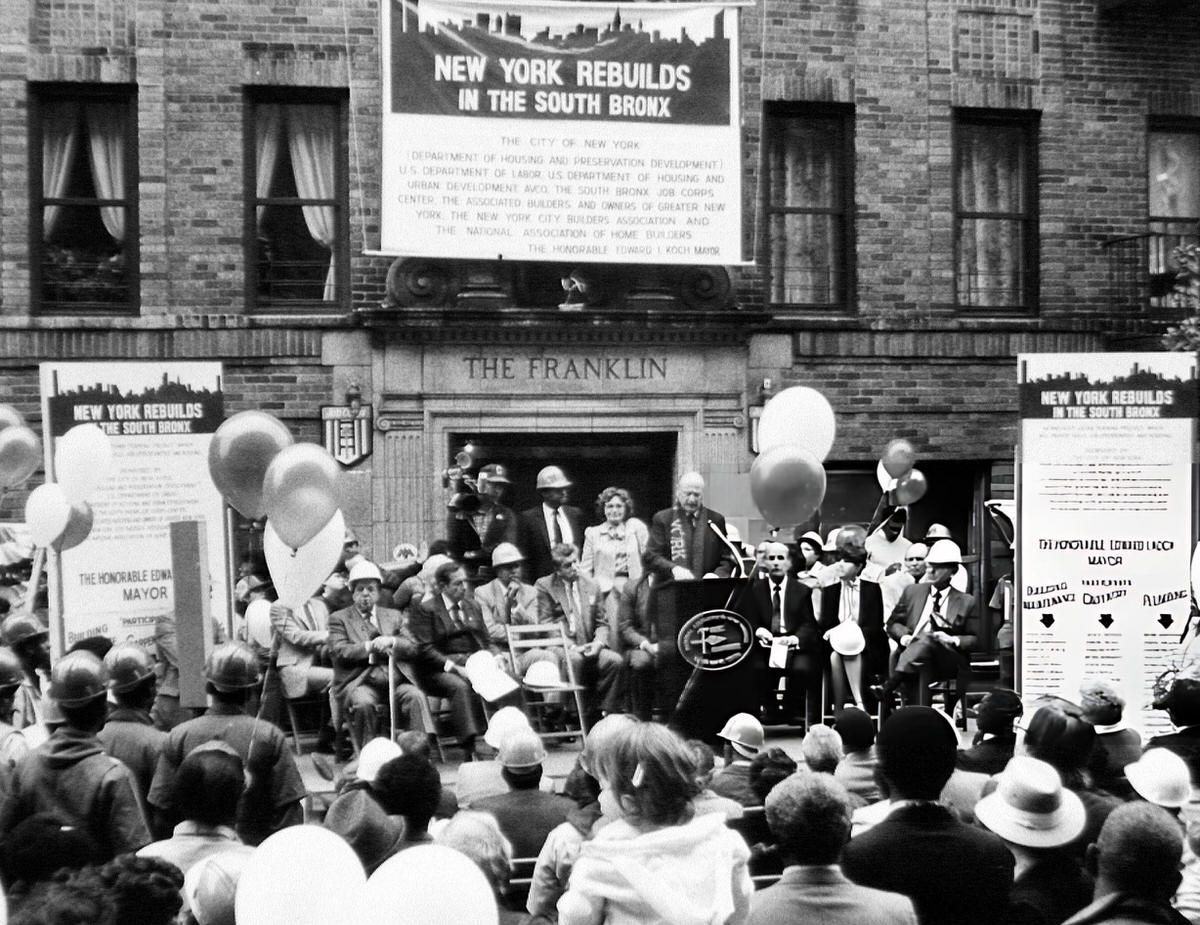
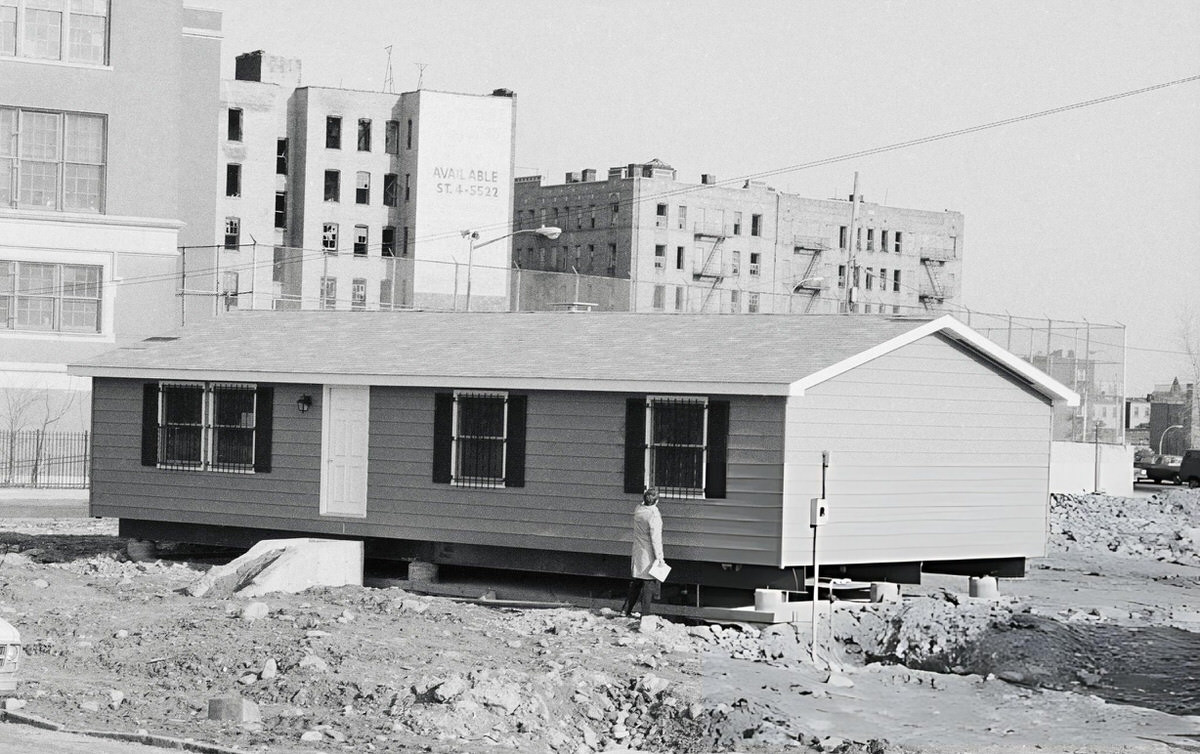
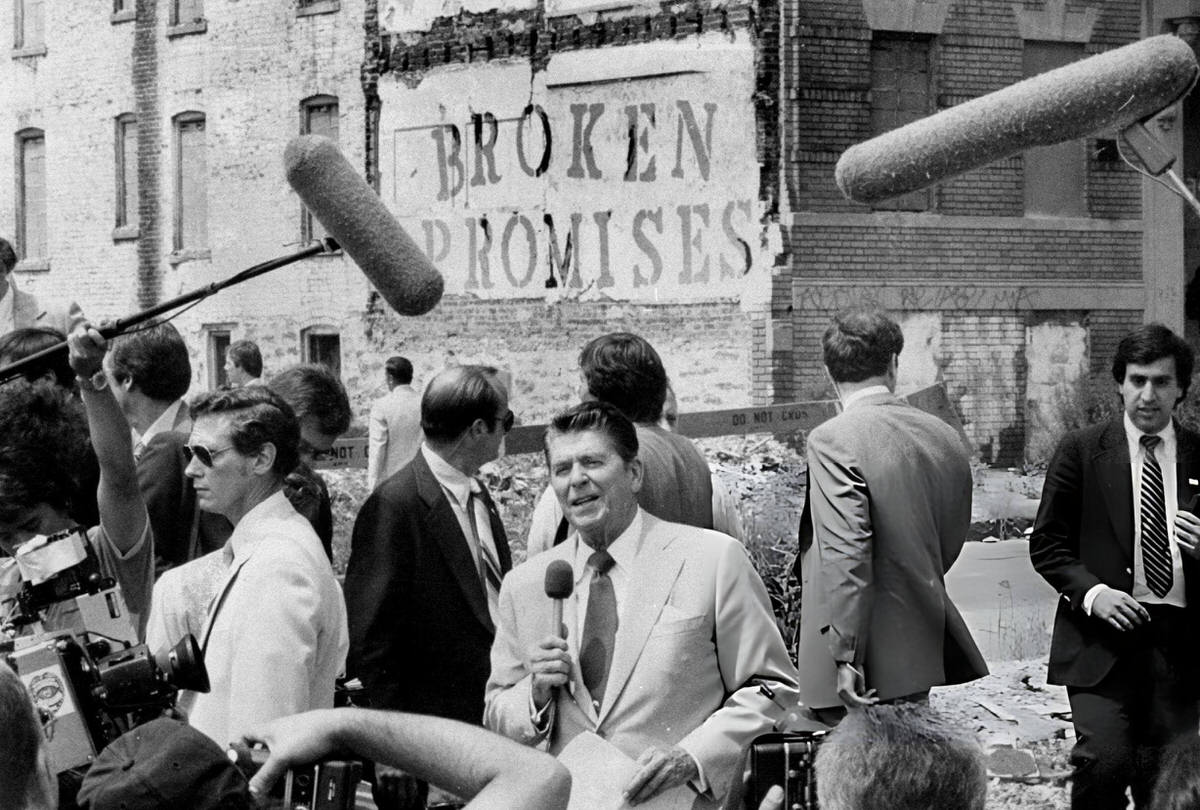
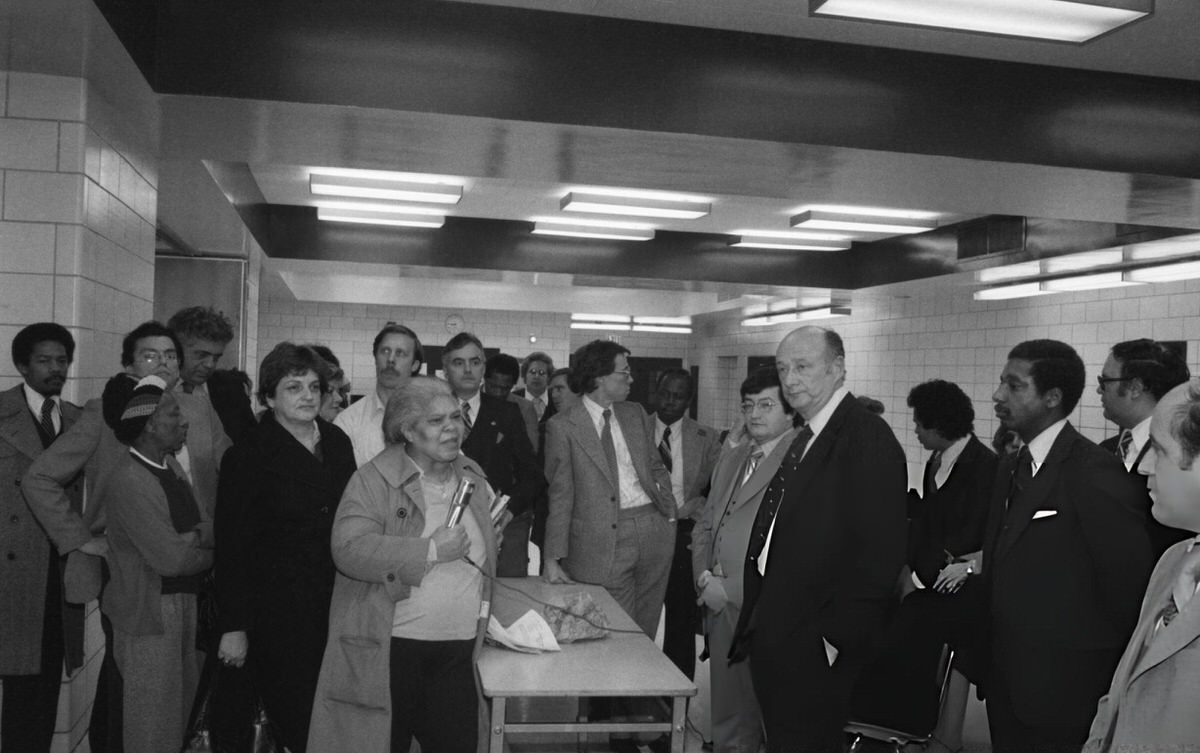
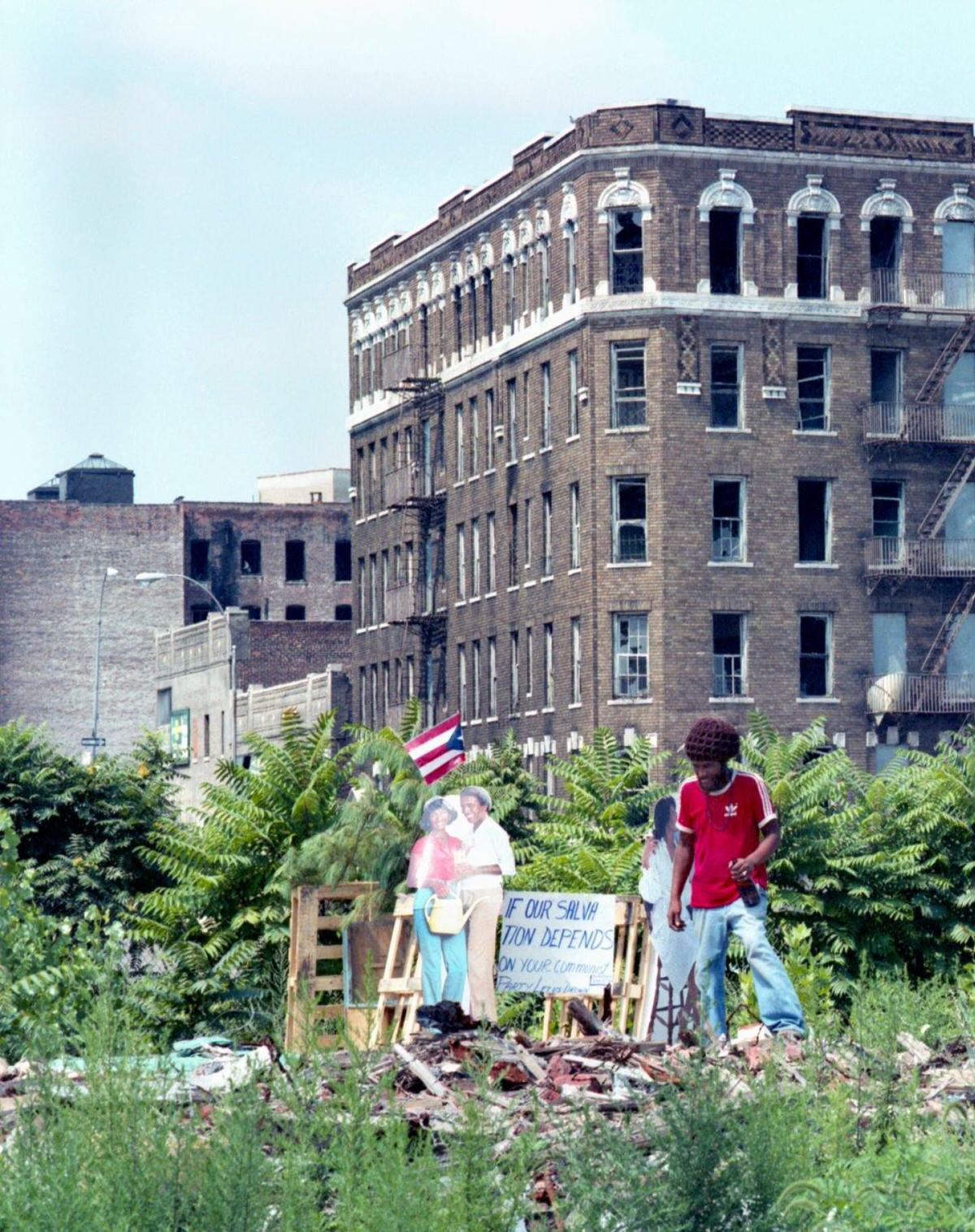
Mayor Ed Koch announced a ten-year housing plan in 1986 that committed $4.2 billion to building and rehabilitating housing across New York City’s most distressed neighborhoods. The South Bronx was a primary target. The city took ownership of thousands of tax-foreclosed buildings — properties whose landlords had stopped paying taxes and walked away — and began either rehabilitating them with nonprofit partners or clearing them for new construction. Charlotte Street, the rubble field that had been photographed behind Jimmy Carter in 1977, was cleared and rebuilt as low-density ranch houses — an unusual choice for the Bronx, and a controversial one, but the houses were occupied and maintained.
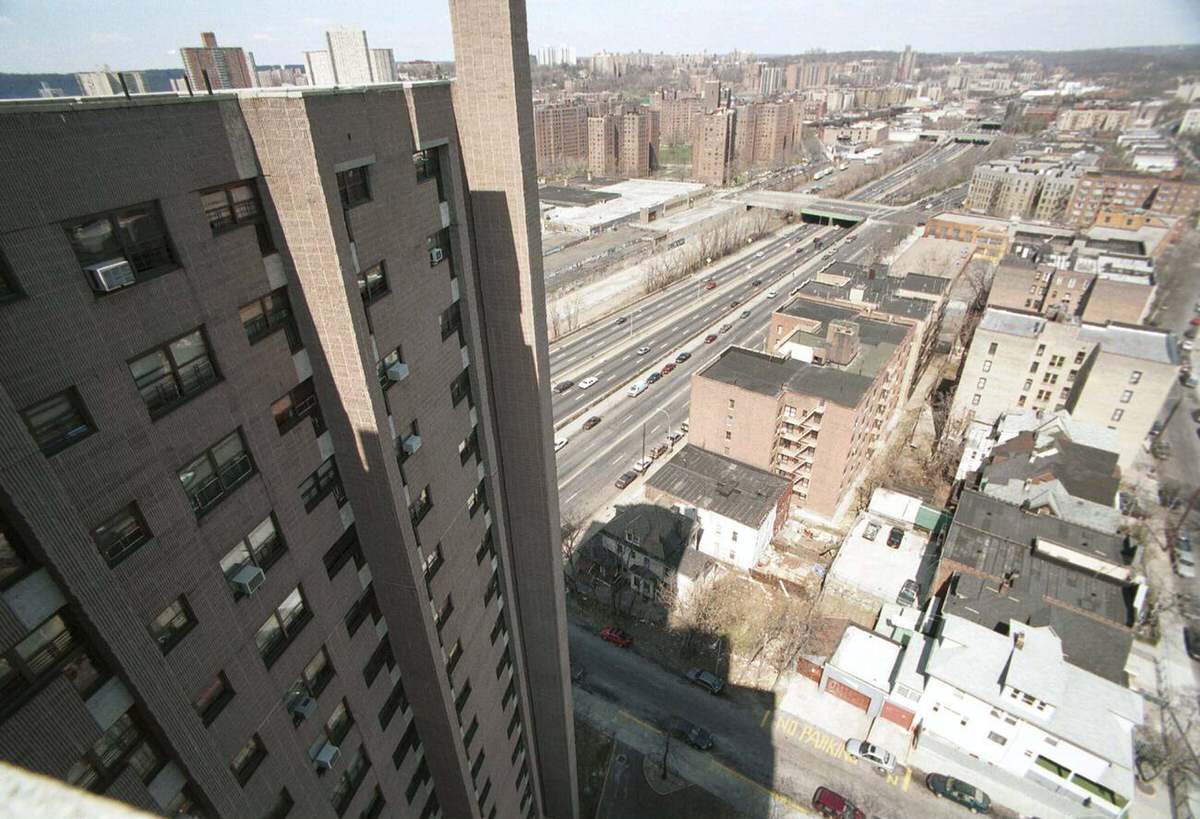
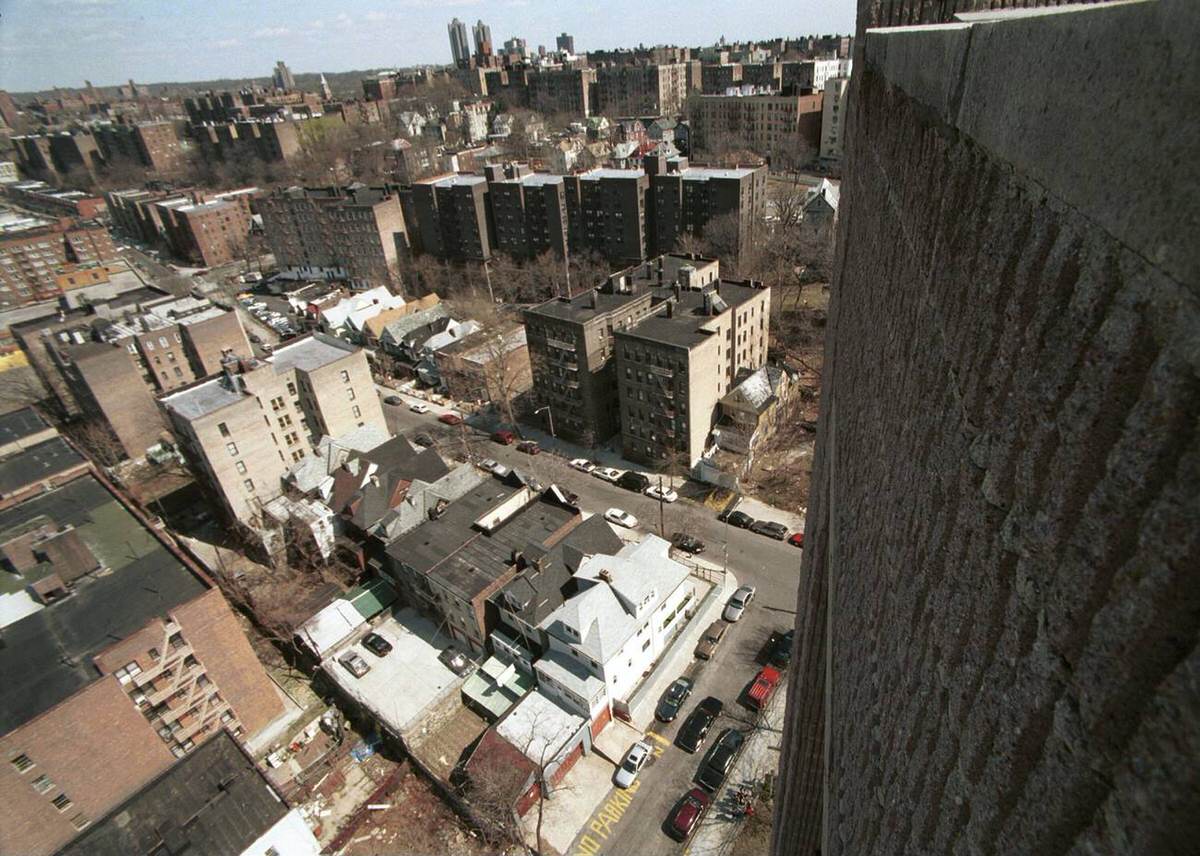
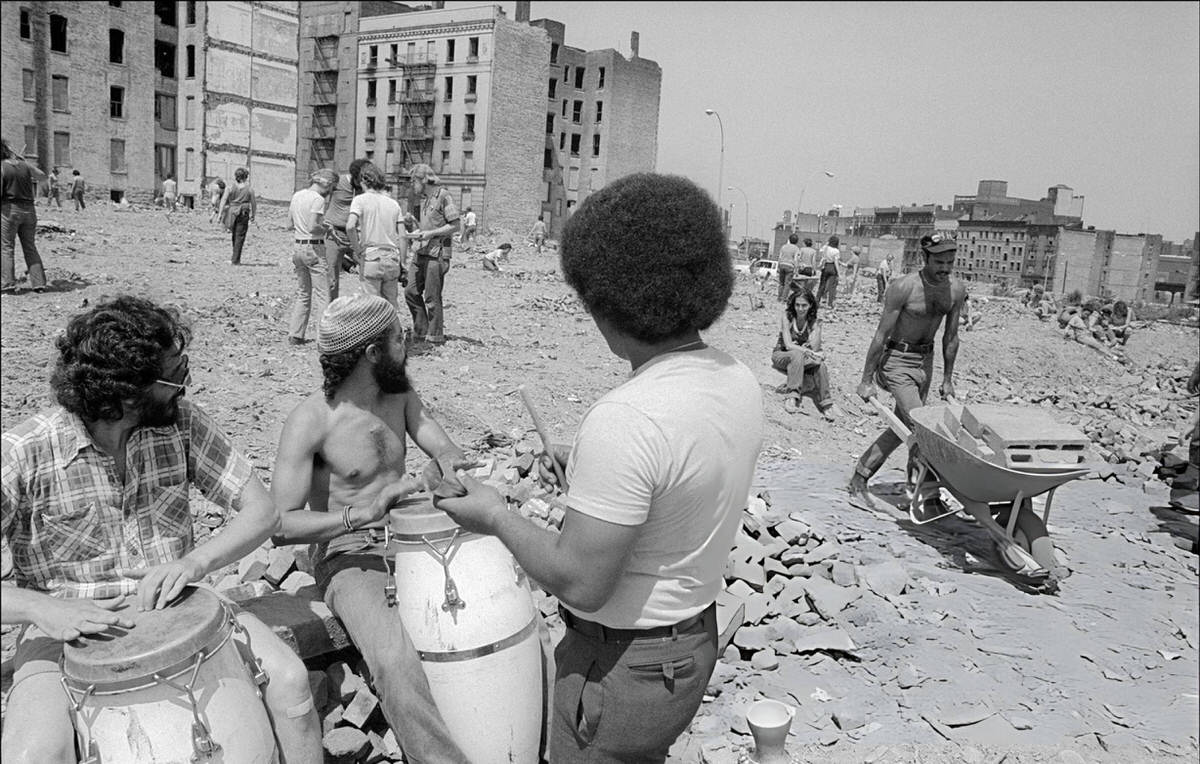
The nonprofit housing organizations that had been operating in the South Bronx since the late 1970s — groups like the Mid-Bronx Desperadoes and Banana Kelly Community Improvement Association — became the actual builders of the new South Bronx. These were organizations run by residents, staffed by people from the neighborhood, who understood that the community needed functioning apartments more than it needed planning documents. They took city and federal funds, leveraged private financing, and put up buildings that worked. By the end of the 1980s, new construction was visible on blocks that had been empty lots for a decade.
Hip-Hop Had Already Started Here
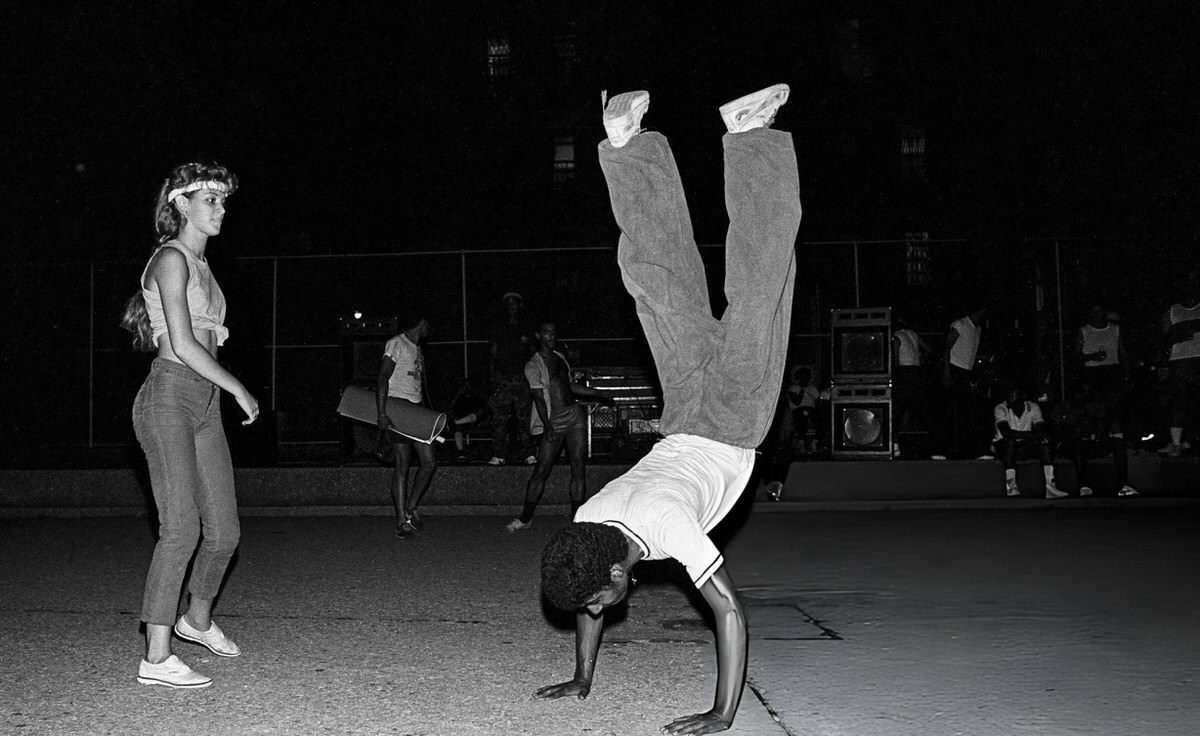
While the political and economic story of the South Bronx in the 1980s was one of crack, AIDS, and slow governmental response, the cultural story was running on a completely different track. DJ Kool Herc had thrown the party at 1520 Sedgwick Avenue in August 1977 that most music historians mark as the birth of hip-hop. By the early 1980s, what had started in Bronx rec rooms and park jams was becoming something the rest of the city and then the rest of the country was paying attention to.
Afrika Bambaataa operated out of the Bronx River Houses in Soundview. Grandmaster Flash built his technique on Bronx streets and took it to clubs in Manhattan. The South Bronx was producing a form of music that was directly about the conditions of its own existence — the rubble lots, the burning buildings, the drug corners, the police. It named what was happening in language that no city report or newspaper editorial matched for accuracy or force. The same neighborhood that was being written off by institutions was generating one of the most consequential art forms of the twentieth century, and doing it with whatever equipment the residents could afford or borrow.

GIPHY App Key not set. Please check settings