

 Makayla White
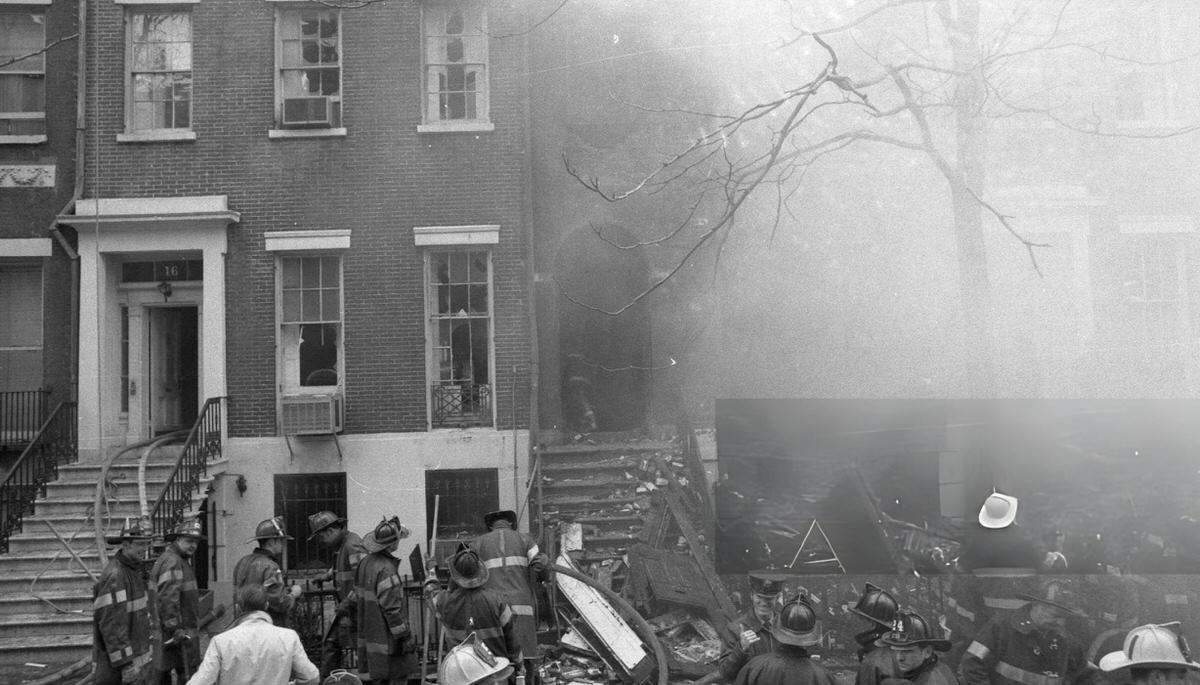
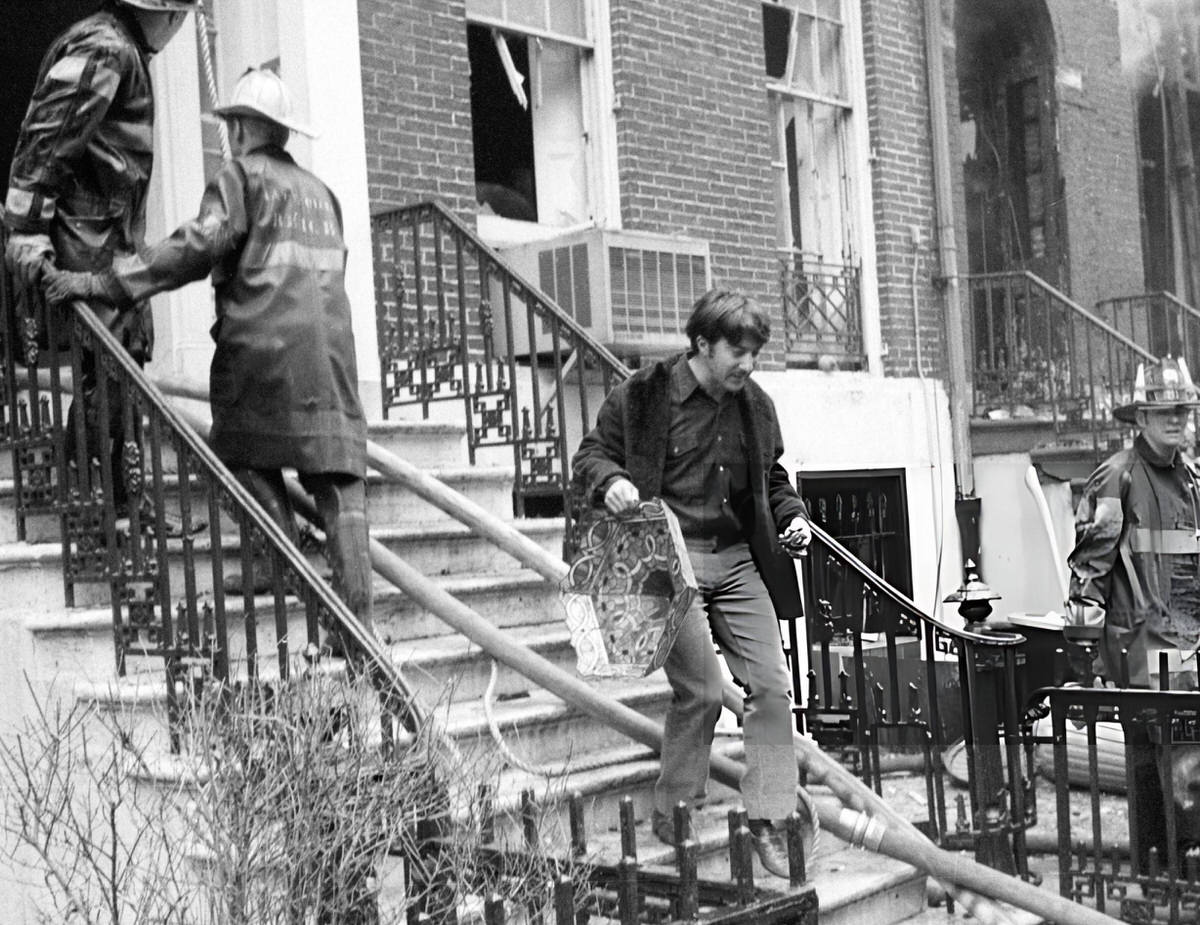
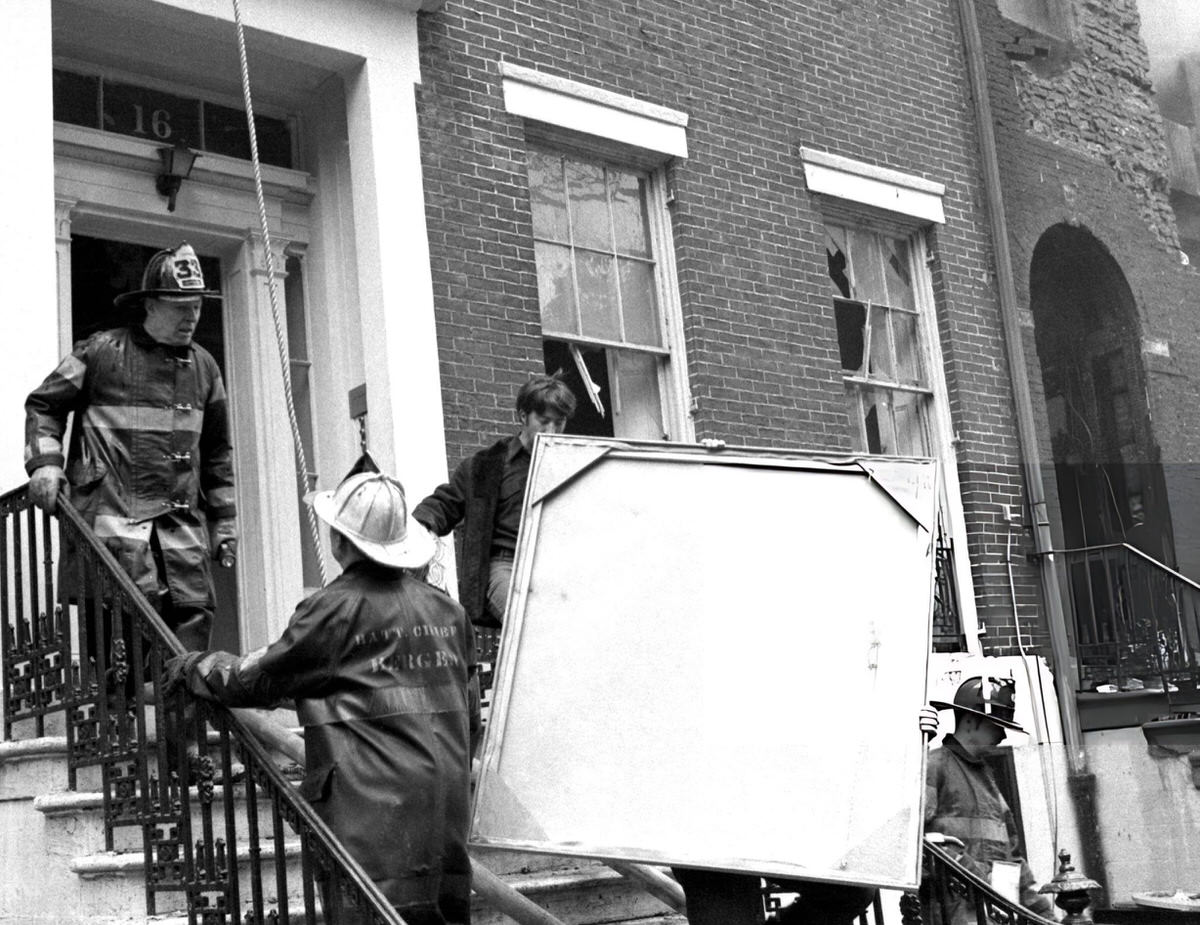
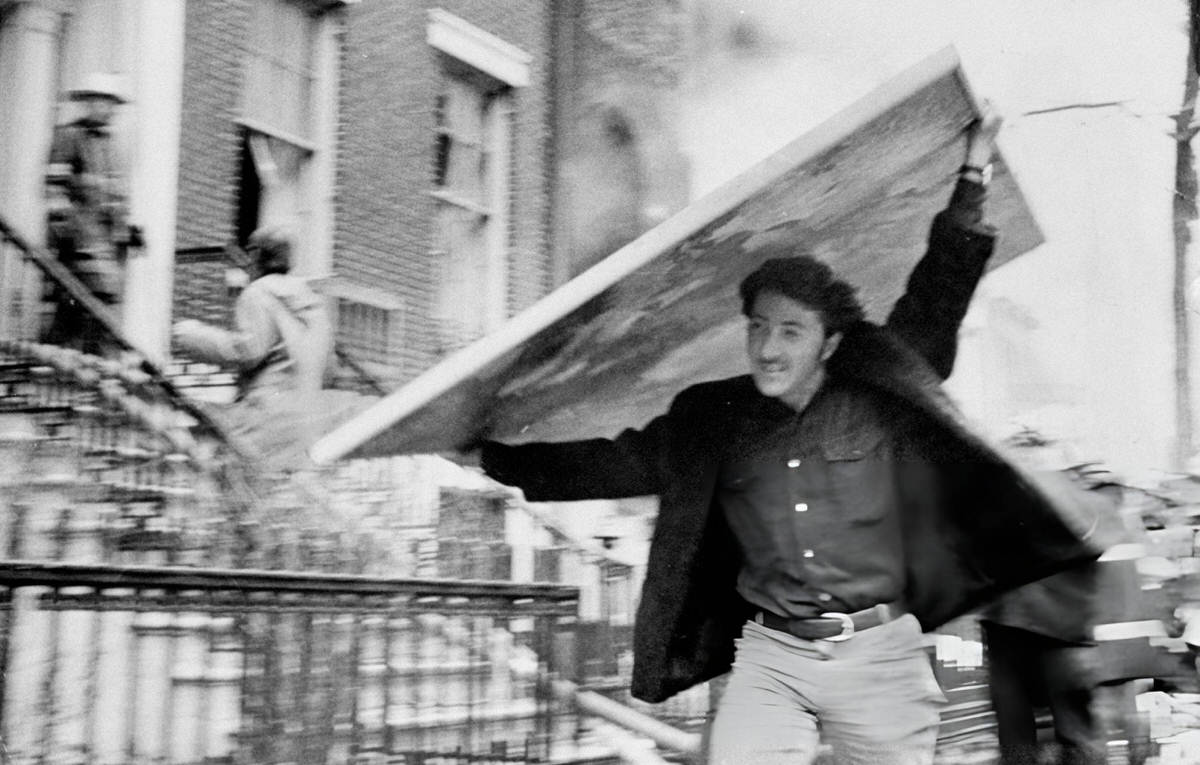
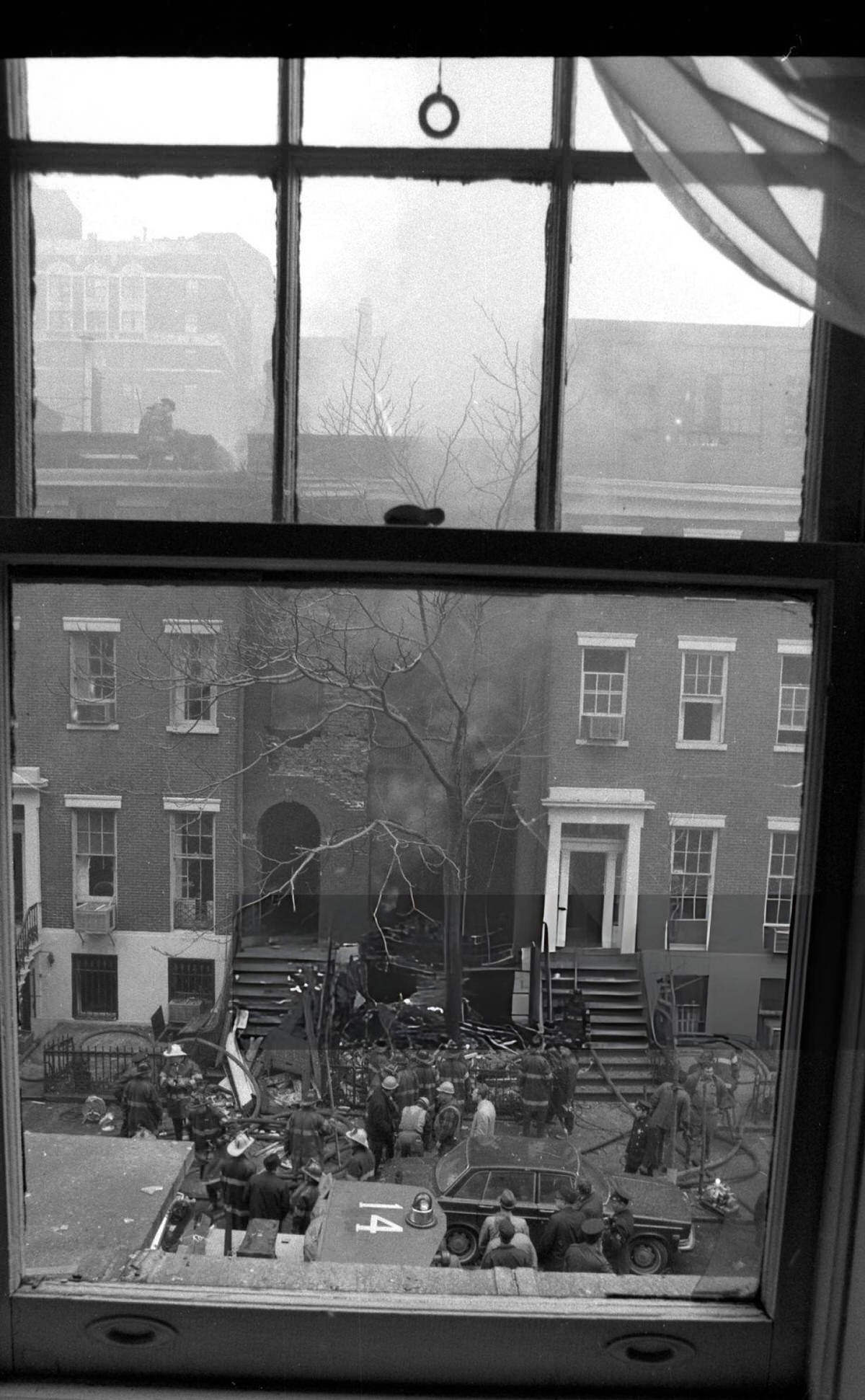
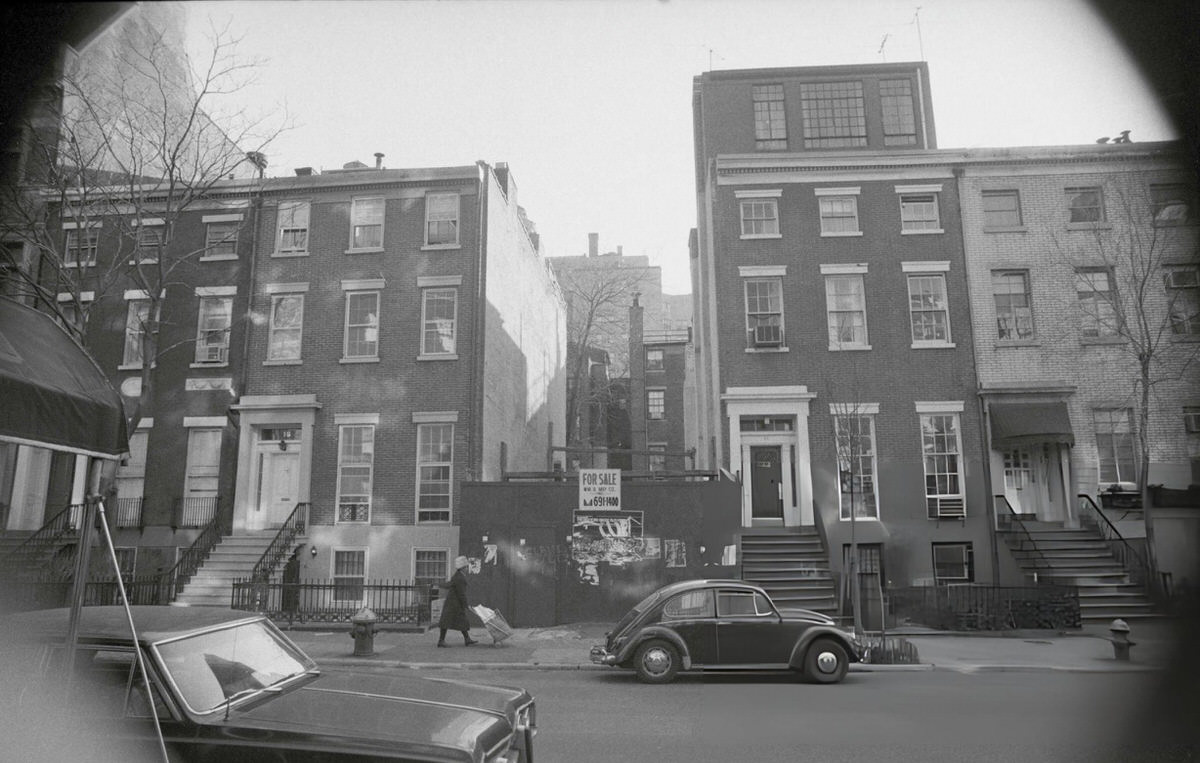
On the morning of March 6, 1970, a massive explosion destroyed a four-story townhouse at 18 West 11th Street. The building sat in a quiet, wealthy row of homes in Greenwich Village. Dustin Hoffman lived in the house next door and was seen on the sidewalk holding his belongings shortly after the blast. The explosion occurred at 11:40 a.m. and sent a wall of fire and debris into the street. Windows shattered across the neighborhood, and the sound could be heard for several blocks.
The Scene of the Blast
The townhouse was owned by James Wilkerson, a wealthy radio executive. He was on vacation in the Caribbean at the time. His daughter, Cathlyn Wilkerson, was a member of a radical group called the Weathermen. While her parents were away, she and four other members used the basement as a secret workshop. They were building bombs intended for a dance at the Fort Dix army base in New Jersey.
The group had filled the basement with sticks of dynamite and several large jugs of fuel. They also had a collection of heavy iron pipes and nails to use as shrapnel. A worker accidentally crossed two wires or dropped a blasting cap while assembling a bomb. This mistake triggered the massive store of explosives kept in the lower level of the house.
The Immediate Aftermath
The force of the blast lifted the entire building off its foundation before it collapsed inward. Dust and smoke filled the air, making it impossible for neighbors to see. Two women, Cathlyn Wilkerson and Kathy Boudin, crawled out of the smoking ruins. A neighbor offered them clothes and a place to wash up. The two women took the clothes and then disappeared before the police could question them. They remained fugitives for many years after the event.
Firefighters arrived within minutes but had to work carefully. The remaining walls of the townhouse were leaning at dangerous angles. They used high-pressure hoses to douse the flames that were leaping from the basement. As the smoke cleared, it became obvious that the house was a total loss. Only a jagged brick shell remained where the front door had been.
The Search of the Rubble
As investigators began to dig through the brick and charred wood, they found horrifying evidence. They discovered sixty sticks of dynamite that had not exploded. They also found a live anti-personnel bomb made from a 12-inch pipe. Police realized the basement had been a large-scale bomb factory. This changed the investigation from a simple gas leak to a major criminal case involving domestic terrorism.
Search crews used small hand tools to sift through the debris. They were looking for the bodies of the people who did not make it out. They eventually found three bodies in the basement area. The victims were Ted Gold, Diana Oughton, and Terry Robbins. Identification was difficult because the blast was so powerful. Experts had to use dental records and fingerprints to confirm who had died in the workshop.
Structural Damage and Cleanup
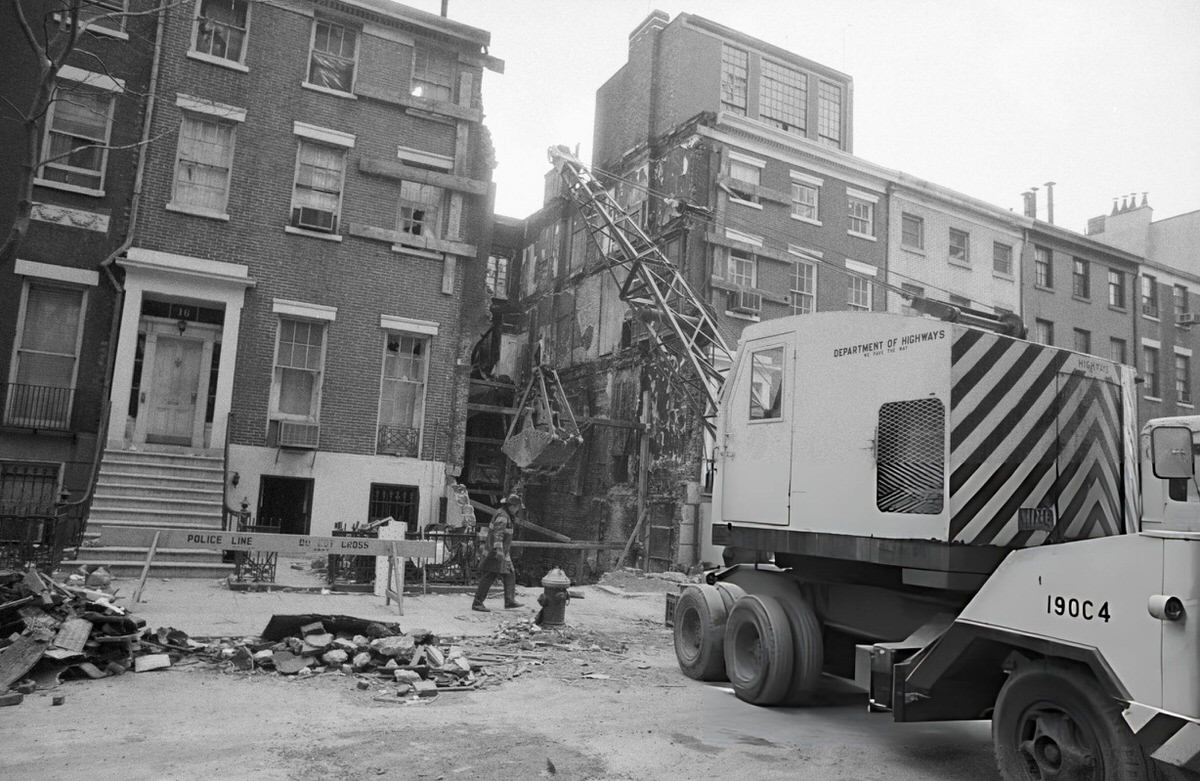
The explosion was so intense that it compromised the structural integrity of the neighboring buildings. 16 West 11th Street and 20 West 11th Street both suffered cracked foundations and broken joists. City engineers had to inspect every home on the block to ensure they were safe for residents to return. Large cranes were brought in to remove the heavy limestone and brick pieces that had fallen into the street.
The rubble pile was treated as a crime scene. Every bucket of dirt was checked for blasting caps or more dynamite. Detectives found maps and lists of names that linked the group to other radical organizations across the country. The site remained a gaping hole in the middle of the elegant street for a long time. It served as a stark reminder of the political violence occurring in the United States during the Vietnam War era.
The Architecture of the Bomb Factory
The basement where the bombs were made was a cramped space with low ceilings. It was originally used for laundry and storage. The group had set up workbenches and long tables to assemble their devices. They used battery-operated timers and alarm clocks to create fuses. The lack of ventilation in the basement made the area smell of chemicals and gunpowder.
The townhouse itself was a Greek Revival style home built in the 1840s. It featured high ceilings and mahogany woodwork. The contrast between the elegant upper floors and the dangerous activity in the basement was sharp. The group chose this location because the quiet, upscale neighborhood was the last place police would expect to find a militant headquarters.
The Investigation Details
The Federal Bureau of Investigation (FBI) took over the case once the scope of the explosives was clear. They tracked the purchase of the dynamite to a construction site in another state. They also found a “black book” belonging to one of the members that contained secret codes. Forensic teams spent weeks at the site, even after the bodies were removed. They recovered thousands of pieces of evidence, including pieces of the pipes used to hold the gunpowder.
The investigation revealed that the bomb makers were relatively inexperienced. The bomb that exploded was being wired to a clock. Because they were working in a dark, crowded basement, the risk of a mistake was very high. The explosion was the result of a single faulty connection. If the group had succeeded, they would have taken the bombs to a dance at Fort Dix that same night. The accidental blast in Greenwich Village likely saved many lives at the army base.

GIPHY App Key not set. Please check settings