

 Henry Parker
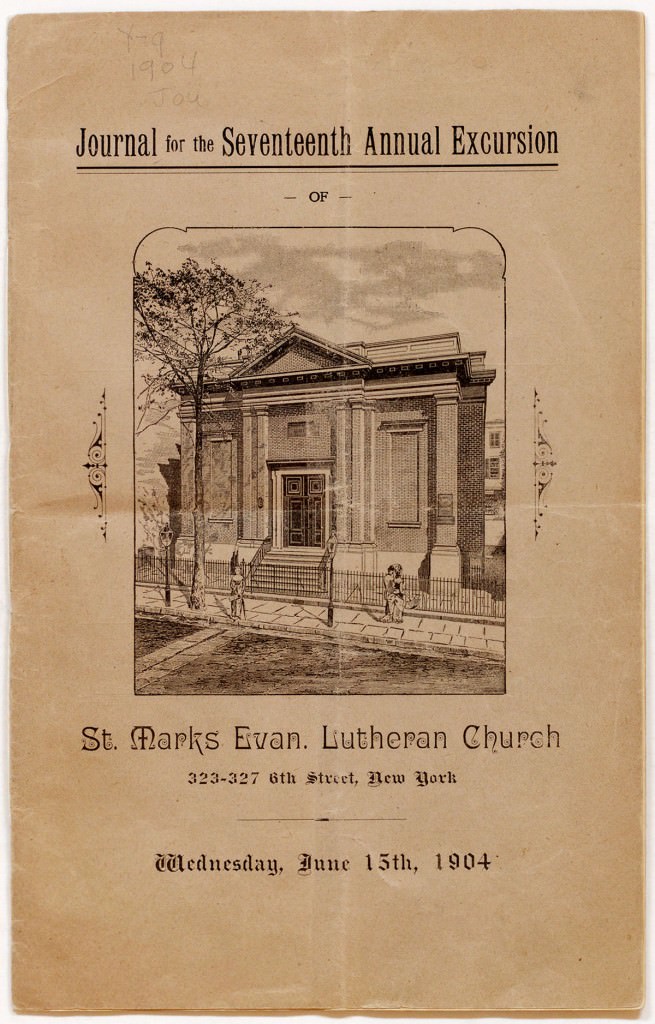
The General Slocum was a large excursion steamboat, 264 feet long, built in Brooklyn in 1891. She operated out of the East River doing exactly what large excursion boats did in that era — carrying paying passengers on day trips up the river, around Long Island Sound, or along the shores of the harbor. She was a familiar sight to anyone who lived near the water in lower Manhattan. On June 15, 1904, she was chartered by St. Mark’s Evangelical Lutheran Church, a German congregation based on East 6th Street in the heart of Kleindeutschland — Little Germany — the densely settled German immigrant neighborhood that occupied the blocks of the Lower East Side below 14th Street.
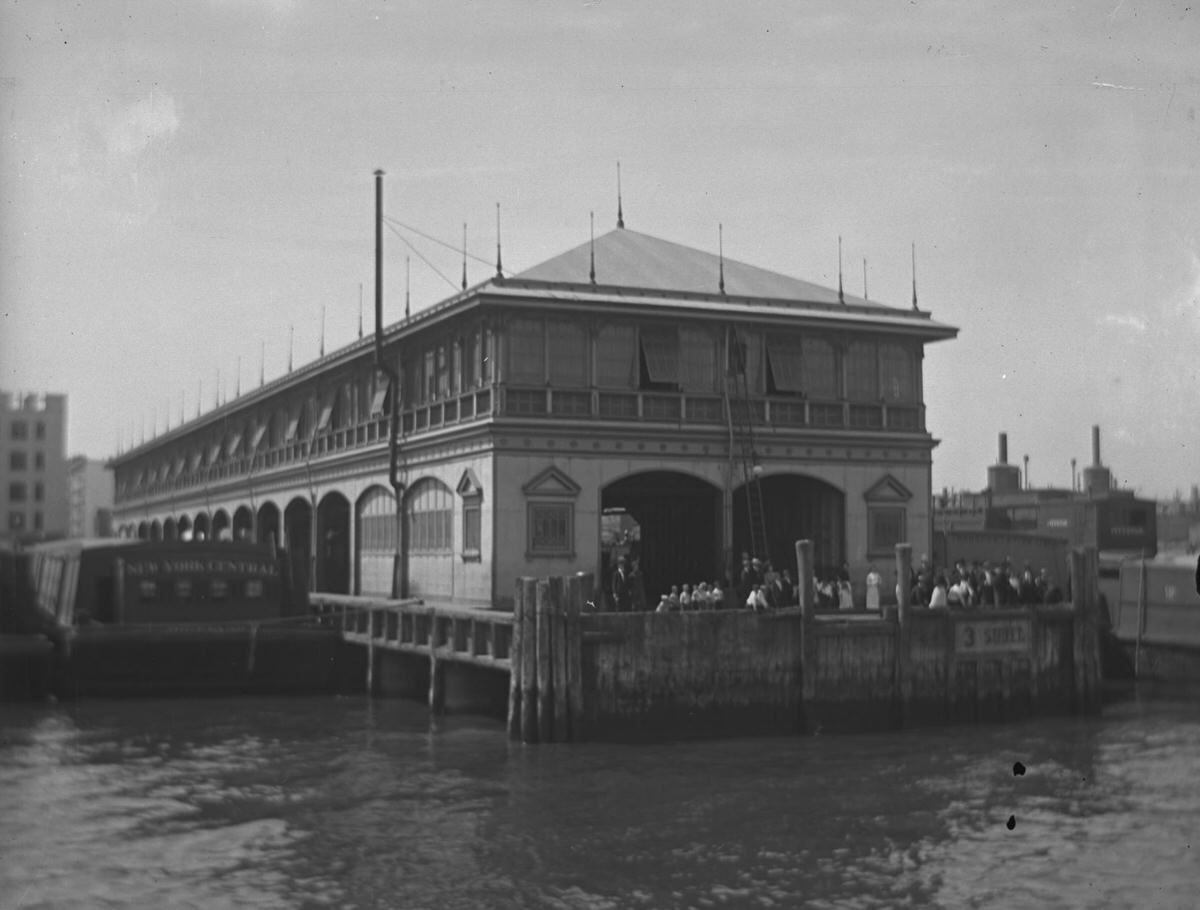
The annual church picnic was one of the most anticipated events of the year for the parish. Families dressed in their best summer clothes and gathered at the Third Street pier on the East River side of lower Manhattan. The destination was Locust Grove, a picnic ground on Long Island Sound near Throggs Neck in the eastern Bronx. The boat was loaded with approximately 1,358 passengers. Nearly all of them were women and children — the men of the congregation had stayed behind to work. The morning was warm and clear, the water calm, and the mood aboard the General Slocum, as she pulled out into the East River just before ten in the morning, was the mood of a community on holiday.
The Fire Starts
The fire was discovered in a storage room on the forward lower deck, called the lamp room, at approximately 9:30 in the morning. The boat had barely cleared 97th Street on the Manhattan side of the river when a young boy spotted flames in the lamp room and reported it to a crew member. What was in that lamp room — barrels of lamp oil, paint cans, and hay used to pack glassware — turned a small fire into an inferno within minutes. The crew member who received the report tried to fight it himself with a fire hose. The hose rotted through on contact with the water pressure and came apart in his hands.
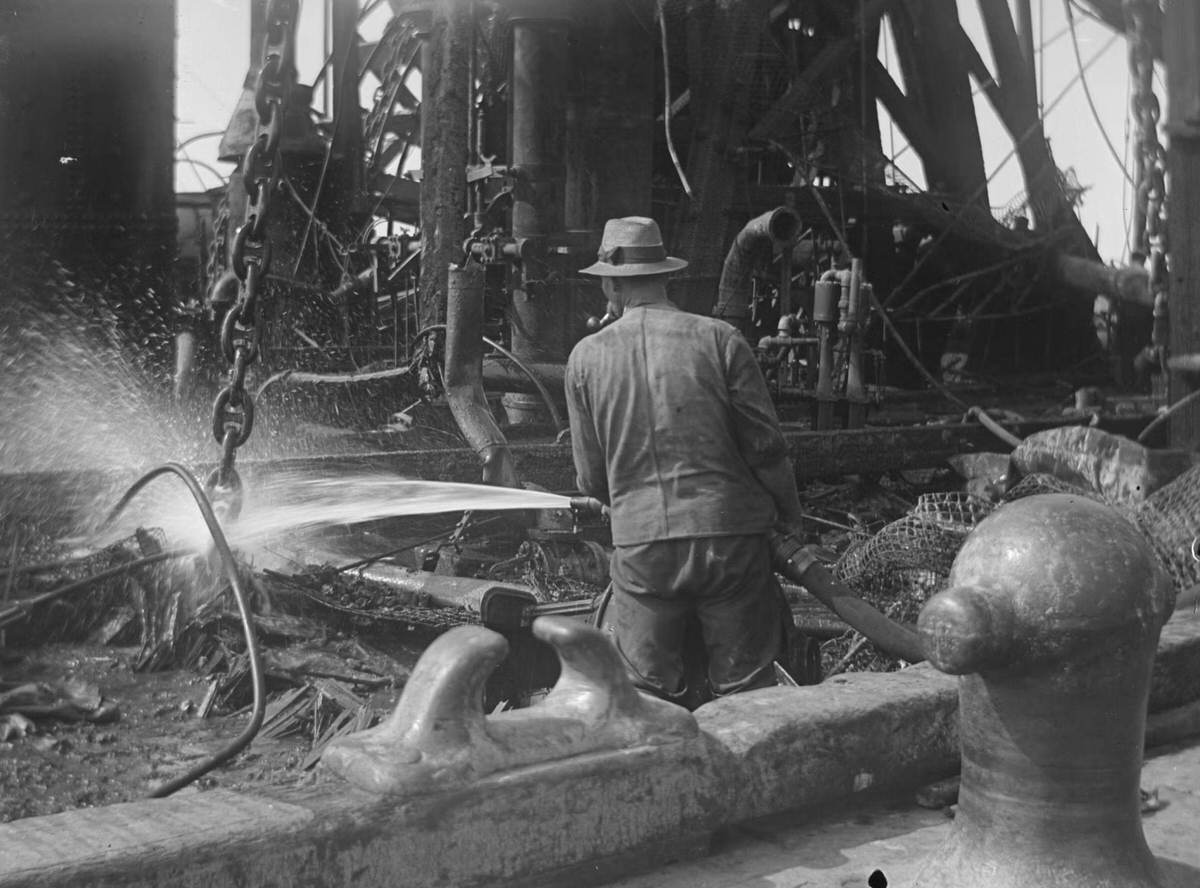
The fire hoses on the General Slocum had not been replaced in years. Federal steamboat inspectors had approved the vessel for passenger service as recently as the previous year, certifying its safety equipment as adequate. The life preservers stored on board were stuffed not with cork but with iron rods and granulated cork dust — materials that had been substituted to cut costs and that provided no flotation whatsoever. When women and children put them on and jumped into the river, the life preservers pulled them under rather than holding them up.
The life boats were wired into their davits — the brackets holding them over the side of the ship. They had not been deployed in so long that the wires had corroded and fused. Crew members who tried to lower them during the fire could not break them free. The boats hung useless over the side while the passengers below them drowned.
Captain Van Schaick’s Decision
Captain William Van Schaick made a decision in the first minutes of the fire that determined how many people died. He did not steer the burning boat toward the Manhattan shore, which was close and lined with docks where passengers could have been evacuated quickly. Instead he increased speed and drove the boat north, toward North Brother Island in the upper East River, where he intended to beach her. His stated reason was that stopping near the Manhattan docks would risk spreading the fire to oil storage facilities on shore.
The decision to drive north at full speed was catastrophic. The increased speed turned the forward decks into a wind tunnel of fire. Flames that might have been contained swept backward along the length of the boat. Women and children packed on the upper decks were engulfed before they could reach the railings. Those who did reach the railings jumped into the river, where the swift current of the East River — which runs particularly fast through the narrow channel between Manhattan and Ward’s Island — swept them under. Most of the 1,021 who died were drowned, not burned.
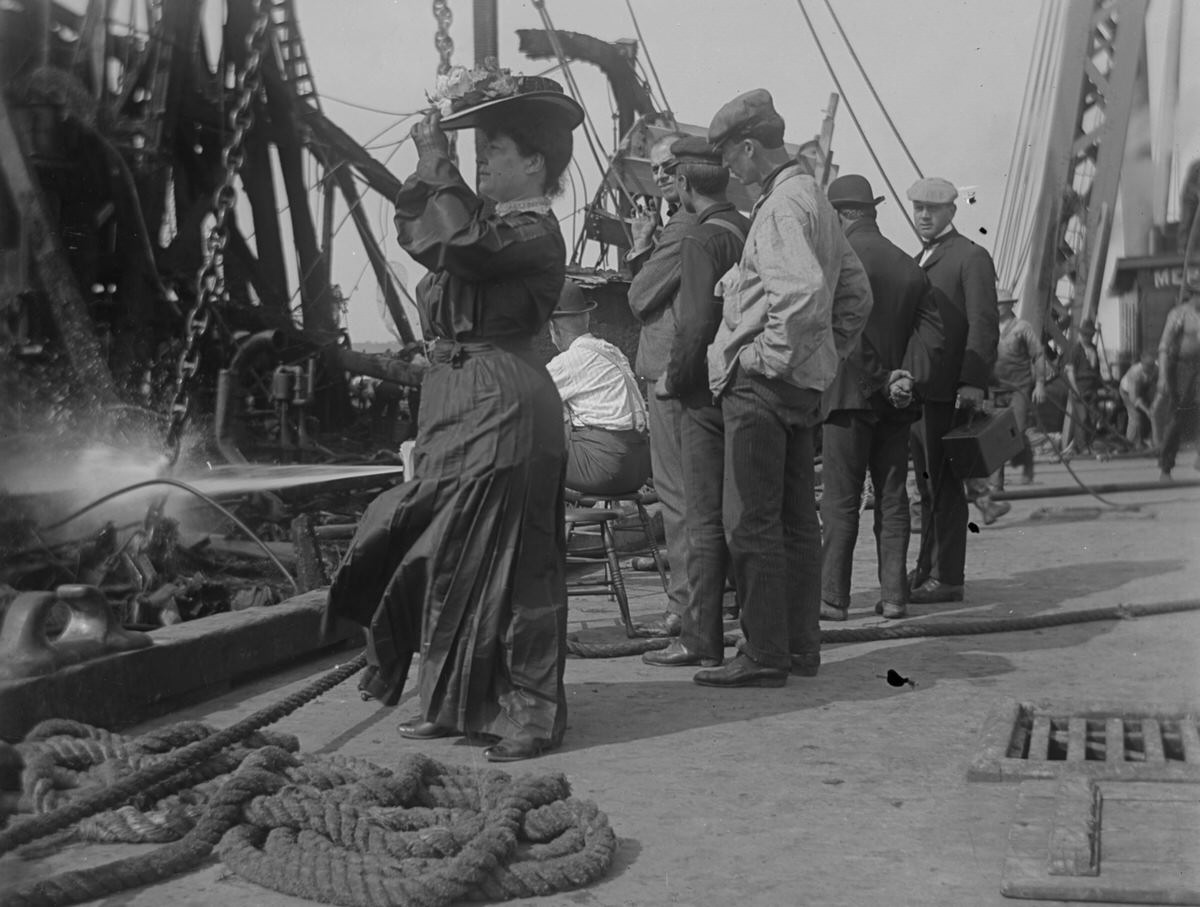
The General Slocum beached herself on the shore of North Brother Island at approximately 10:05 AM. By that point the fire had been burning for roughly 35 minutes and the killing was largely done. The island was the site of Riverside Hospital, a quarantine facility, and the nurses and staff there waded into the water immediately to pull survivors out. Boats from nearby vessels arrived. The tugboat Wade, which had been following the burning Slocum up the river, pulled bodies and survivors from the water as fast as its crew could manage.
The Dead and the Dying
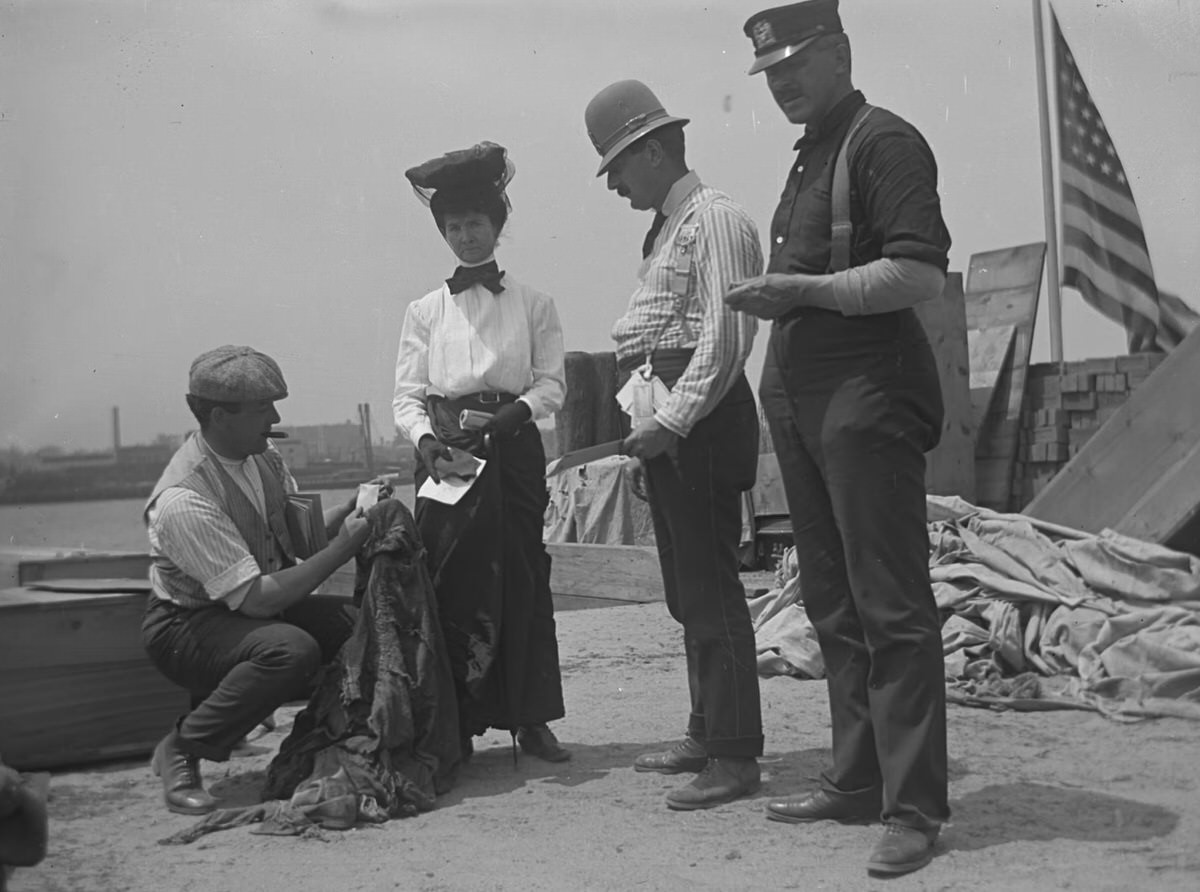
Bodies recovered from the East River in the hours after the fire were laid out on the shore of North Brother Island and then transferred to the 138th Street pier in the Bronx and to Misericordia Hospital on the Manhattan side. Identifying them was a slow and agonizing process. Many of the dead were children, and children’s faces were harder to identify with certainty, especially after time in the river. Families from Kleindeutschland traveled to the identification points throughout June 15 and the days that followed, looking for their daughters, their mothers, their sisters.
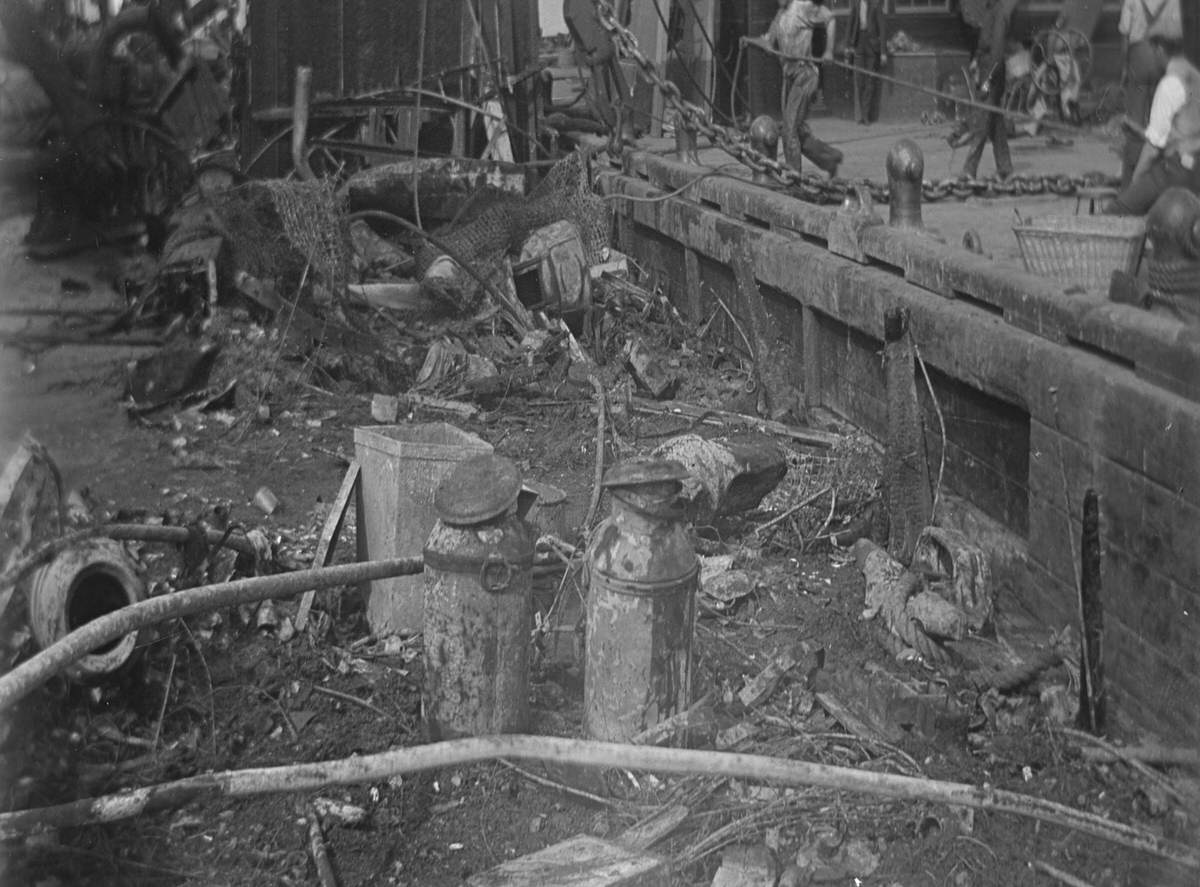
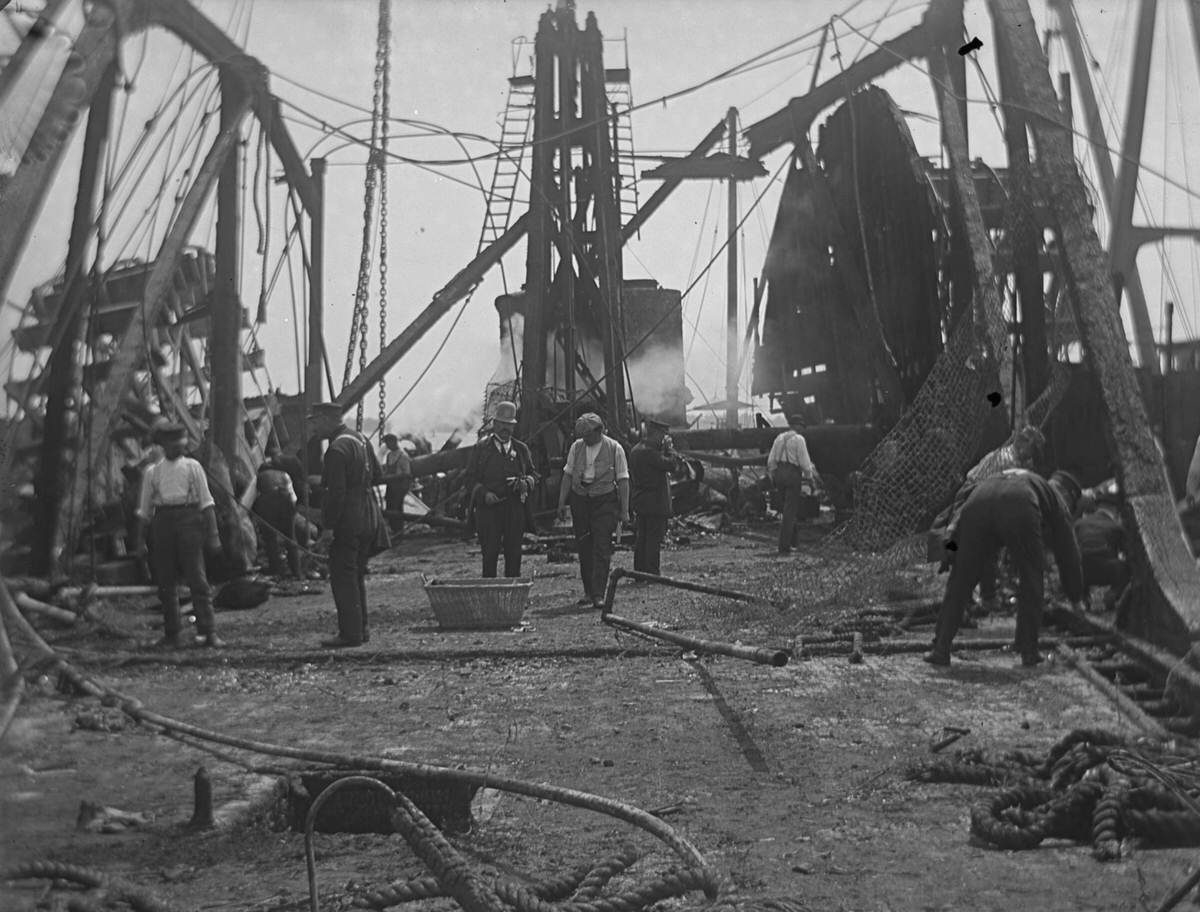
The final confirmed death toll was 1,021. Some accounts place it higher, as several bodies were never recovered and the passenger manifest was imprecise. Of the dead, an estimated 400 were children under the age of ten. The disaster killed, in a single morning, a significant fraction of the entire adult female population of the Kleindeutschland neighborhood — the mothers, the wives, the daughters of a community that had been established in lower Manhattan for two generations.
What the Inspections Had Missed
Federal steamboat inspector Henry Lundberg had inspected the General Slocum in May 1904, six weeks before the fire. He certified the vessel as seaworthy and its safety equipment as satisfactory. The life preservers he approved were the same life preservers that killed people in the river on June 15. The fire hoses he approved were the same hoses that disintegrated on contact with water pressure. The lifeboats he approved were the same lifeboats that could not be launched.
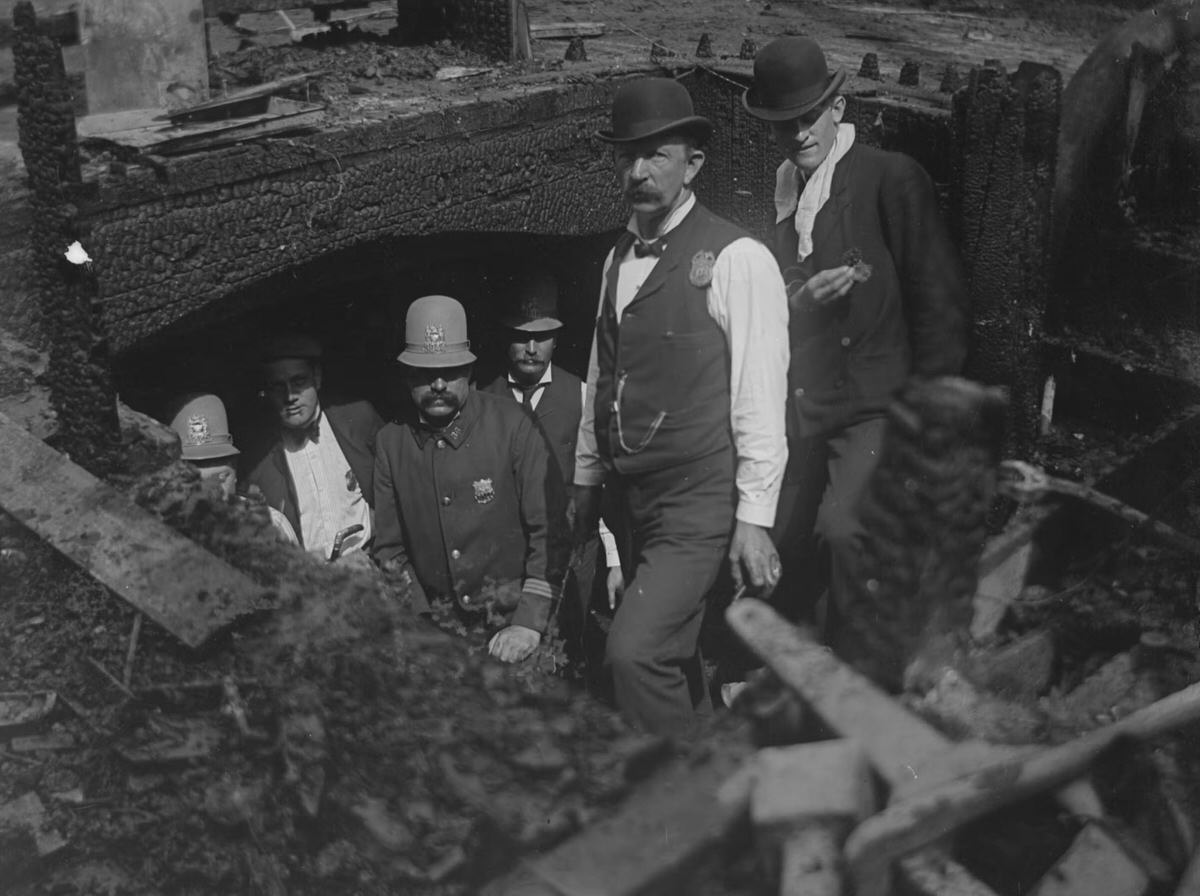
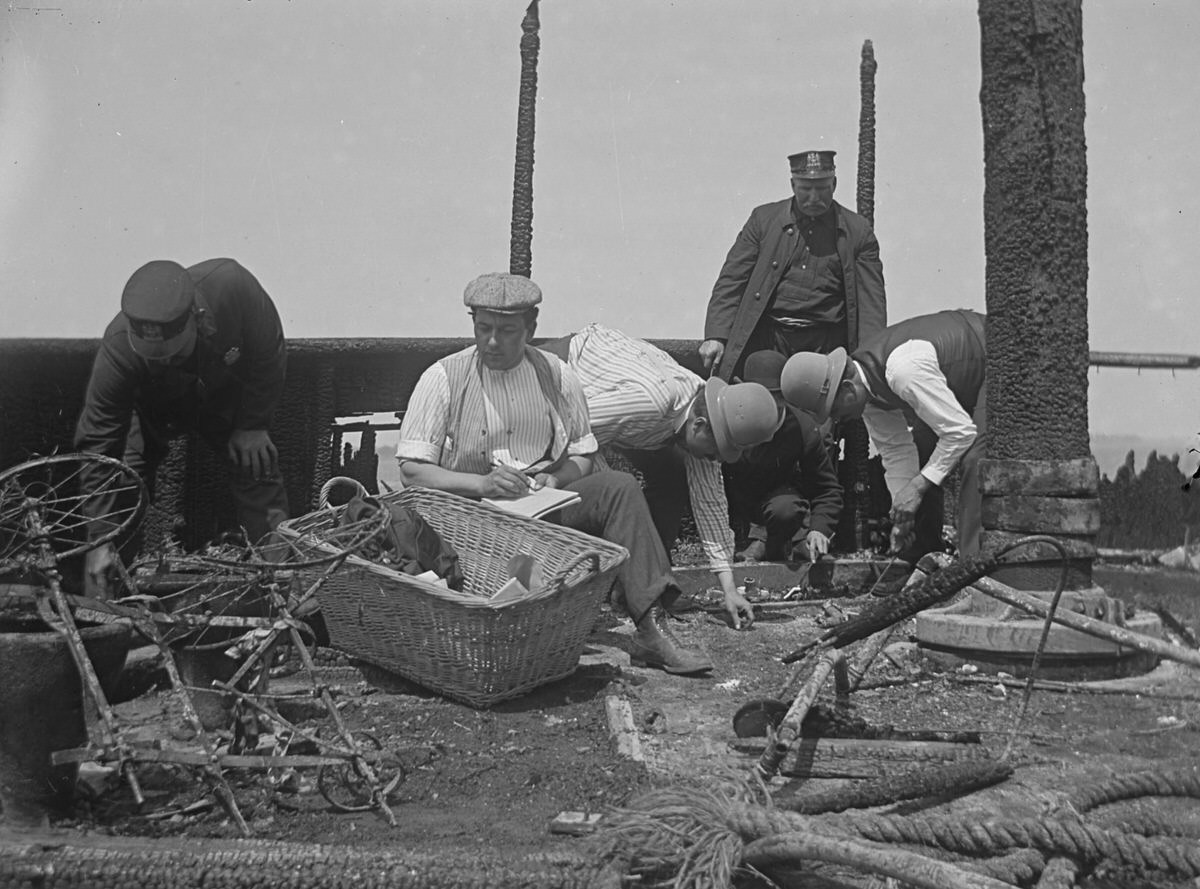
The inspection system for excursion vessels on American waterways in 1904 was chronically underfunded and subject to corruption. Steamboat companies maintained relationships with inspectors that ensured cursory examinations and passed equipment that should have been condemned. Lundberg was later indicted. The Knickerbocker Steamship Company, which owned the General Slocum, had a documented history of safety violations and accidents going back years. The company had paid fines and continued operating. The regulatory system treated the fines as a cost of doing business, not as a signal that an operator was too dangerous to continue.
The Trial of Captain Van Schaick
Captain Van Schaick was tried in federal court on charges of criminal negligence and manslaughter. The prosecution focused on his failure to conduct fire drills, his failure to ensure the crew was trained in emergency procedures, and his decision to accelerate the boat northward rather than beach it immediately on the Manhattan shore. Van Schaick was convicted in January 1906 and sentenced to ten years of hard labor at Sing Sing Prison in Ossining, New York. He was 68 years old at the time of sentencing.
He served three and a half years before President William Howard Taft granted him a pardon in 1912, citing his age and poor health. No officer of the Knickerbocker Steamship Company was ever convicted of any crime in connection with the disaster. Inspector Lundberg’s indictment was eventually dropped. The owners of the company paid a fine of $1,000.
Kleindeutschland After the Fire
The Kleindeutschland neighborhood on the Lower East Side did not survive the General Slocum disaster as a functioning community. The loss of over a thousand women and children from a single neighborhood — a neighborhood of perhaps 70,000 people — was a blow the community could not absorb in place. German families who had lived on the blocks around Tompkins Square Park and St. Mark’s Place for decades began leaving almost immediately. By 1910, the German character of those blocks was largely gone. The community relocated uptown, primarily to Yorkville on the Upper East Side between 79th and 86th Streets, where a smaller German neighborhood persisted through the mid-twentieth century.
The church that had organized the excursion, St. Mark’s Evangelical Lutheran, lost so many of its congregation that it nearly ceased to exist. The pastor, Reverend George Haas, who had been on the boat and survived, was consumed by guilt and grief in the years that followed. Several hundred families associated with the church lost multiple members in the fire — a grandmother, a mother, and a daughter all gone in the same morning on the same boat.
The Memorial and the Long Forgetting
A small memorial fountain was installed in Tompkins Square Park in 1906 in memory of the children who died on the General Slocum. It shows two children looking out over water. The inscription reads: “They were Earth’s purest children, young and fair.” The memorial is modest to the point of invisibility — easy to walk past without recognizing what it marks.
The General Slocum disaster killed more New Yorkers in a single event than any other disaster in the city’s history before September 11, 2001. For most of the twentieth century, it was better known outside New York than within it. The community that suffered most completely relocated and dispersed. The German identity of the Lower East Side vanished so thoroughly and so quickly that later generations of New Yorkers had no framework for understanding what had been lost on the East River on June 15, 1904. The fire that destroyed the General Slocum also destroyed the neighborhood that would have kept its memory alive.

GIPHY App Key not set. Please check settings