

 Makayla White
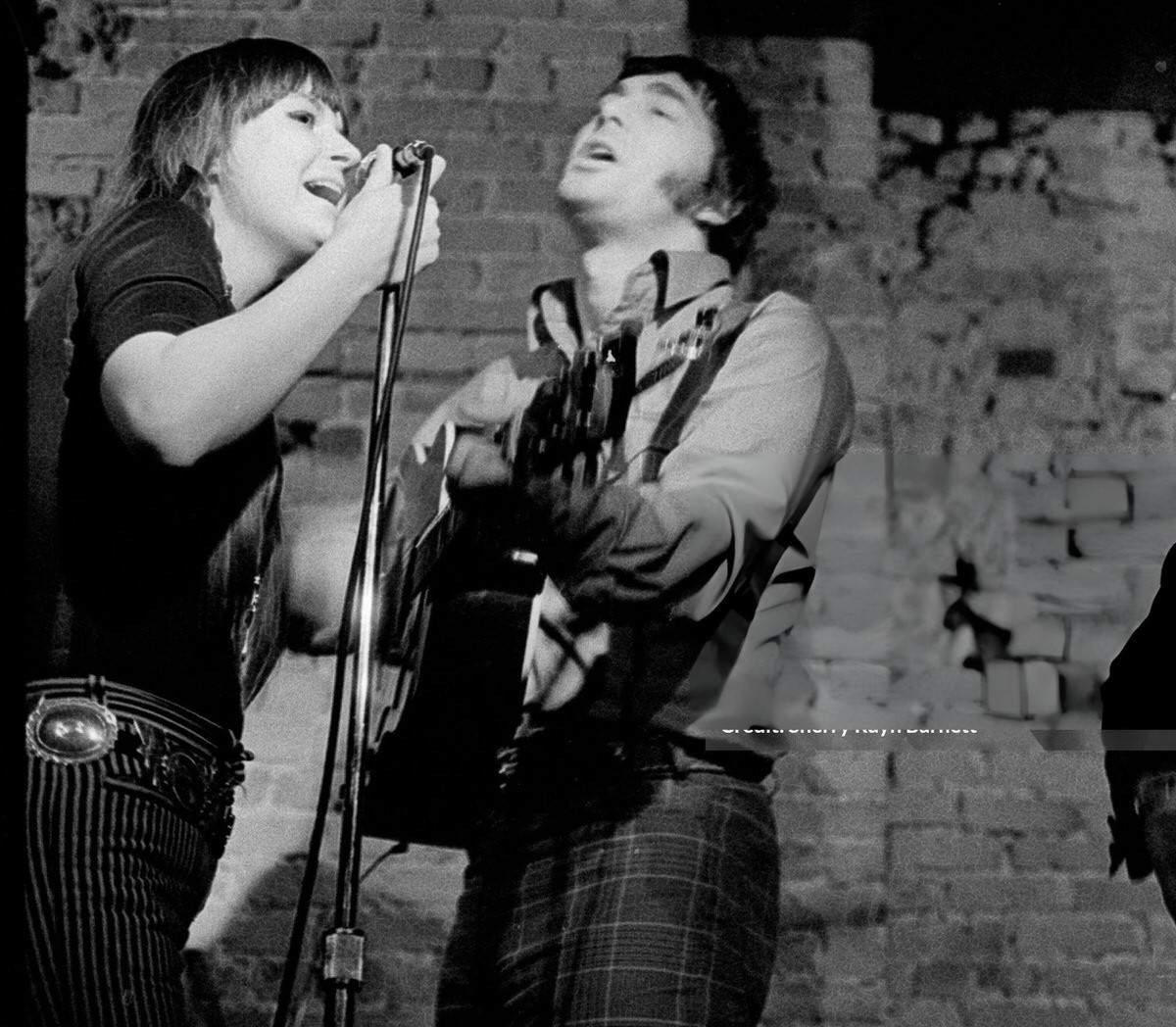
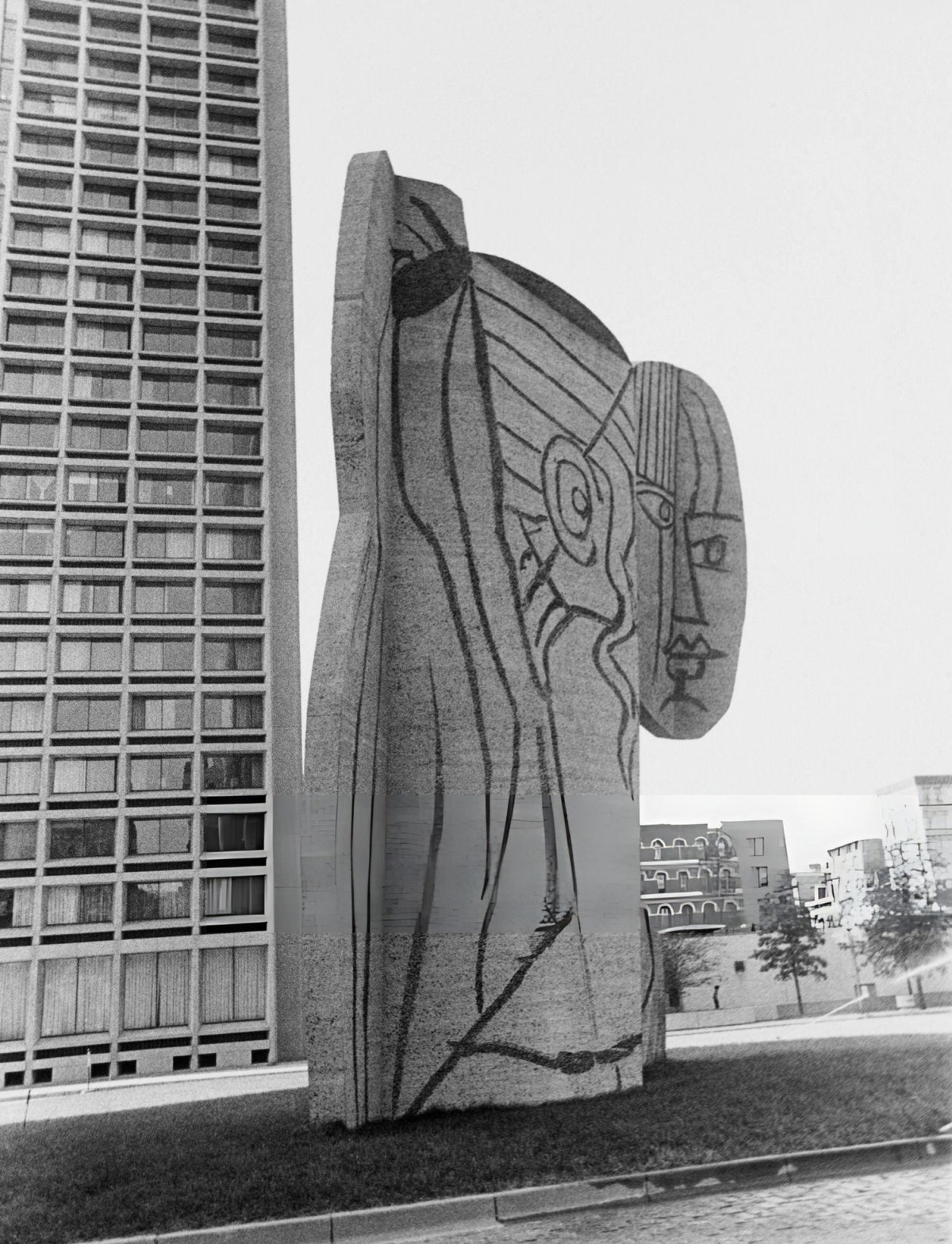
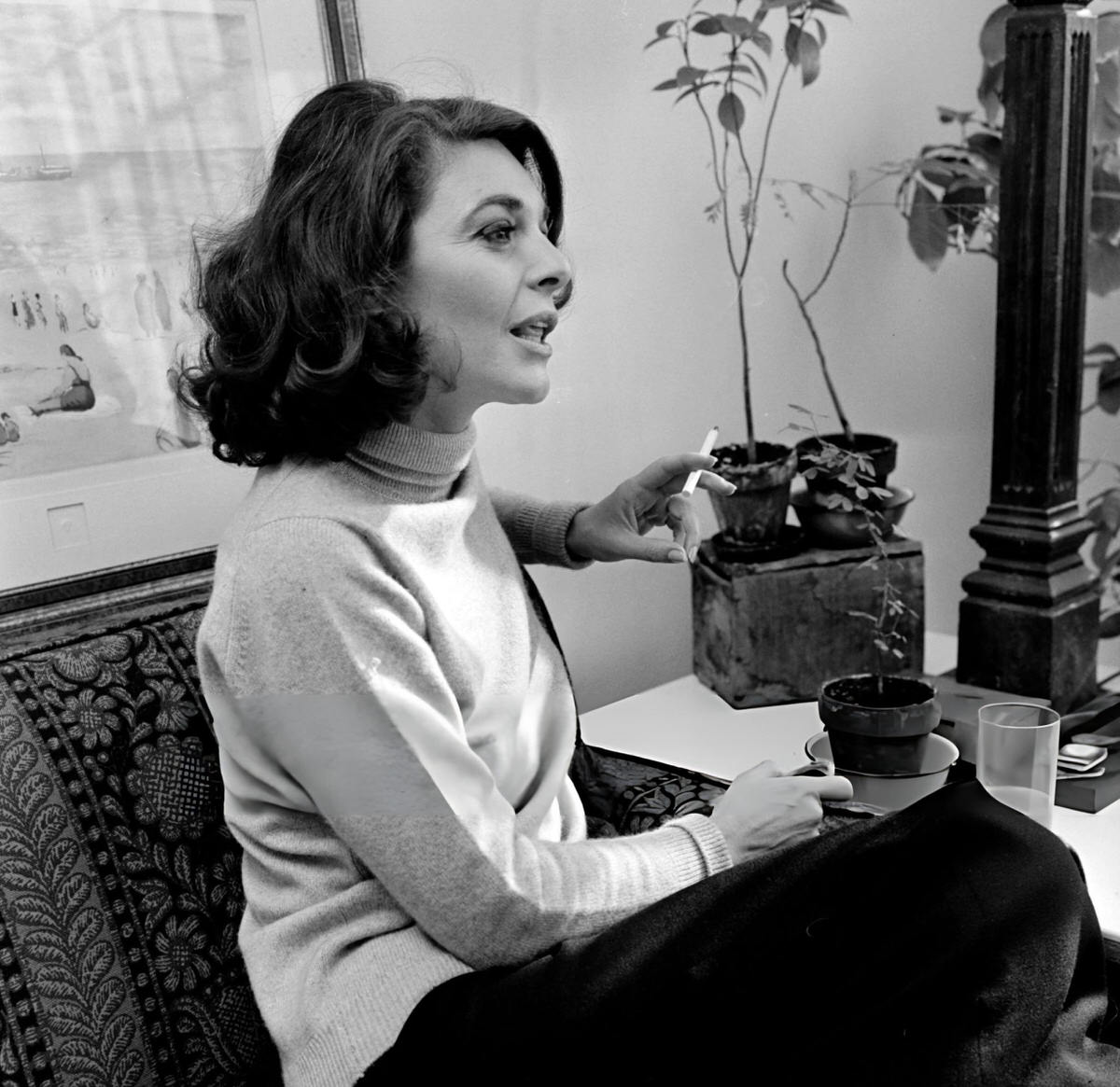
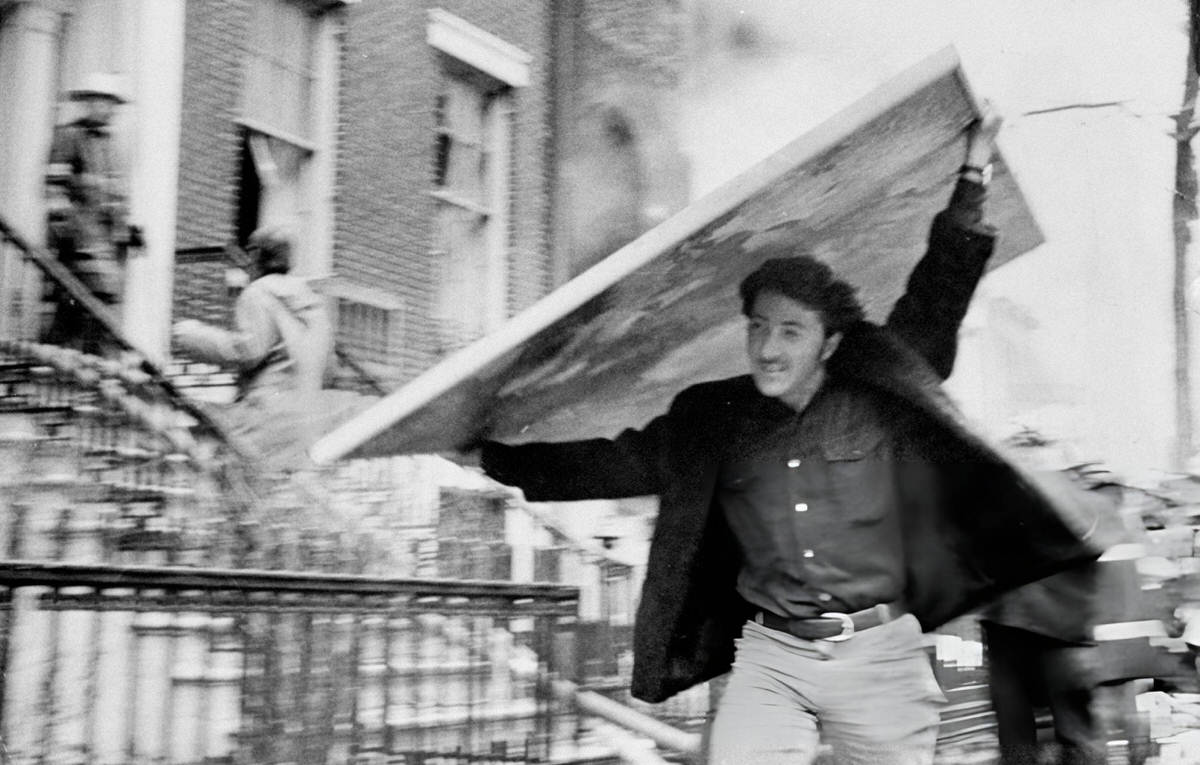
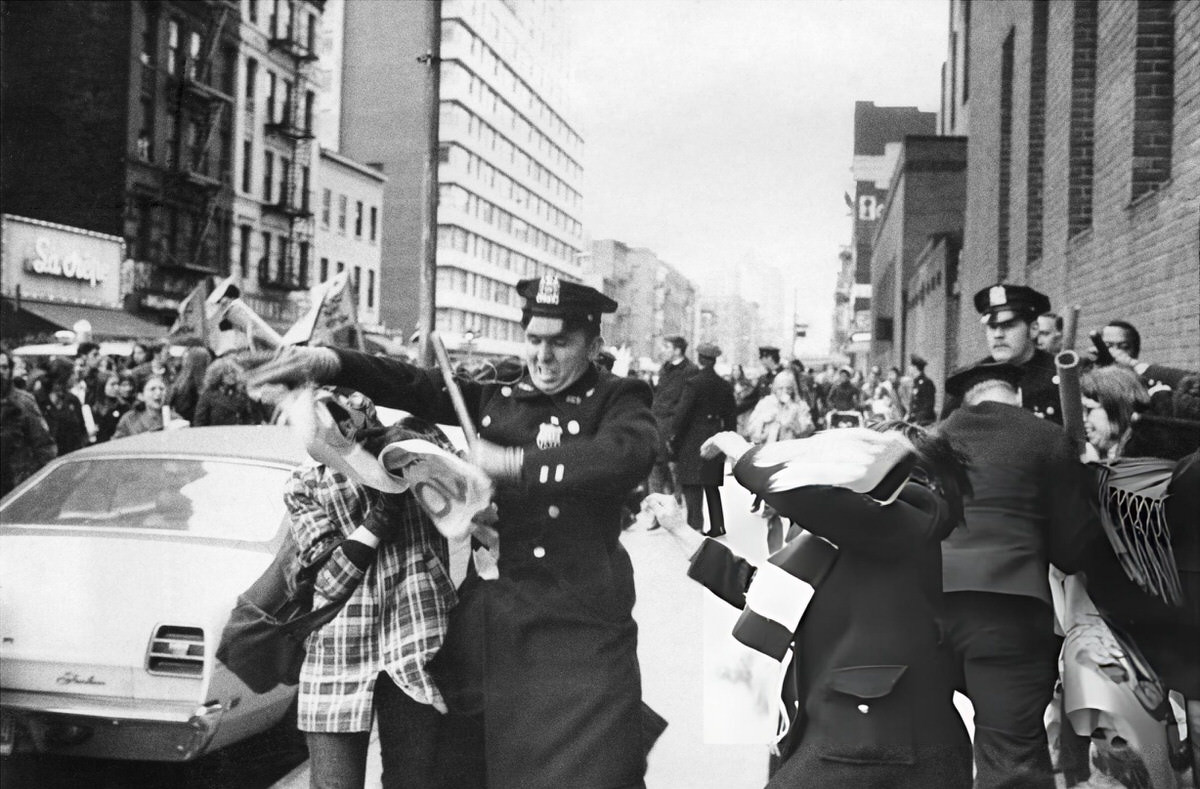
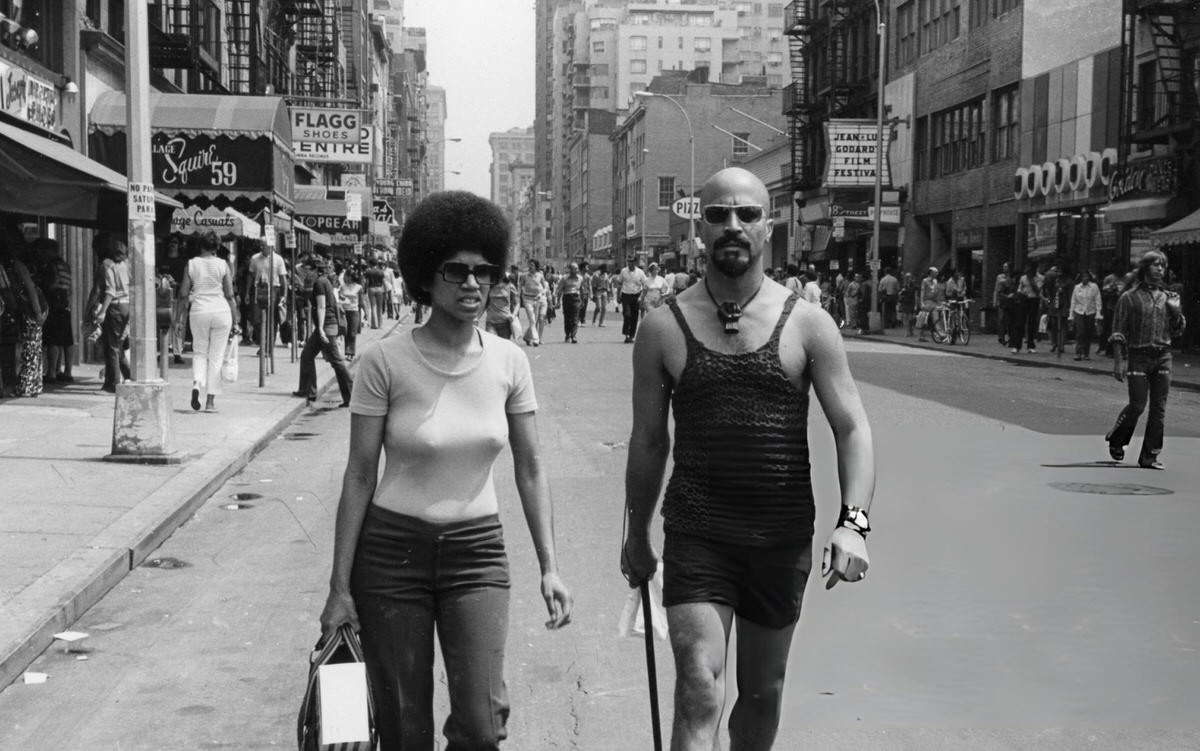
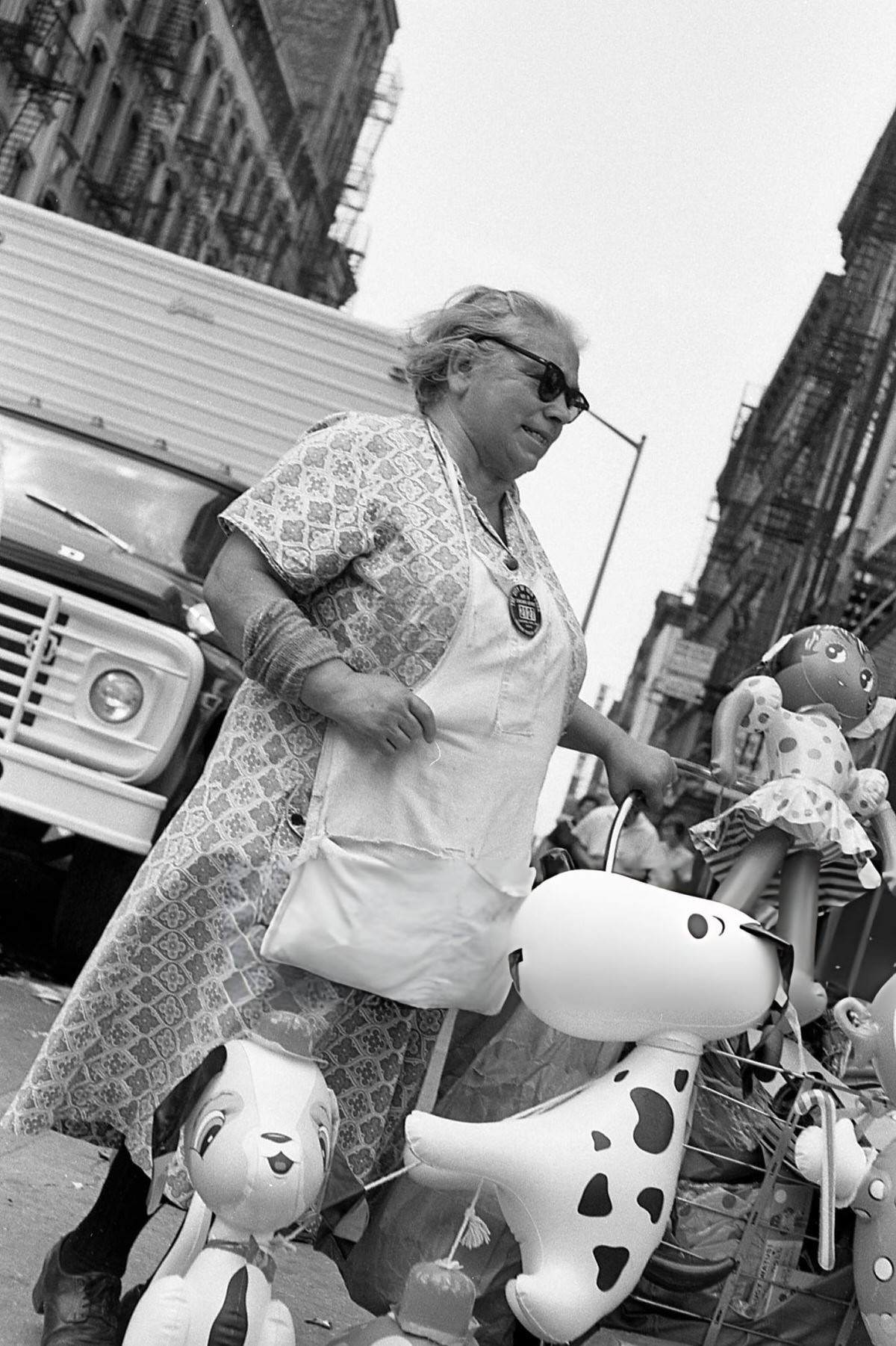
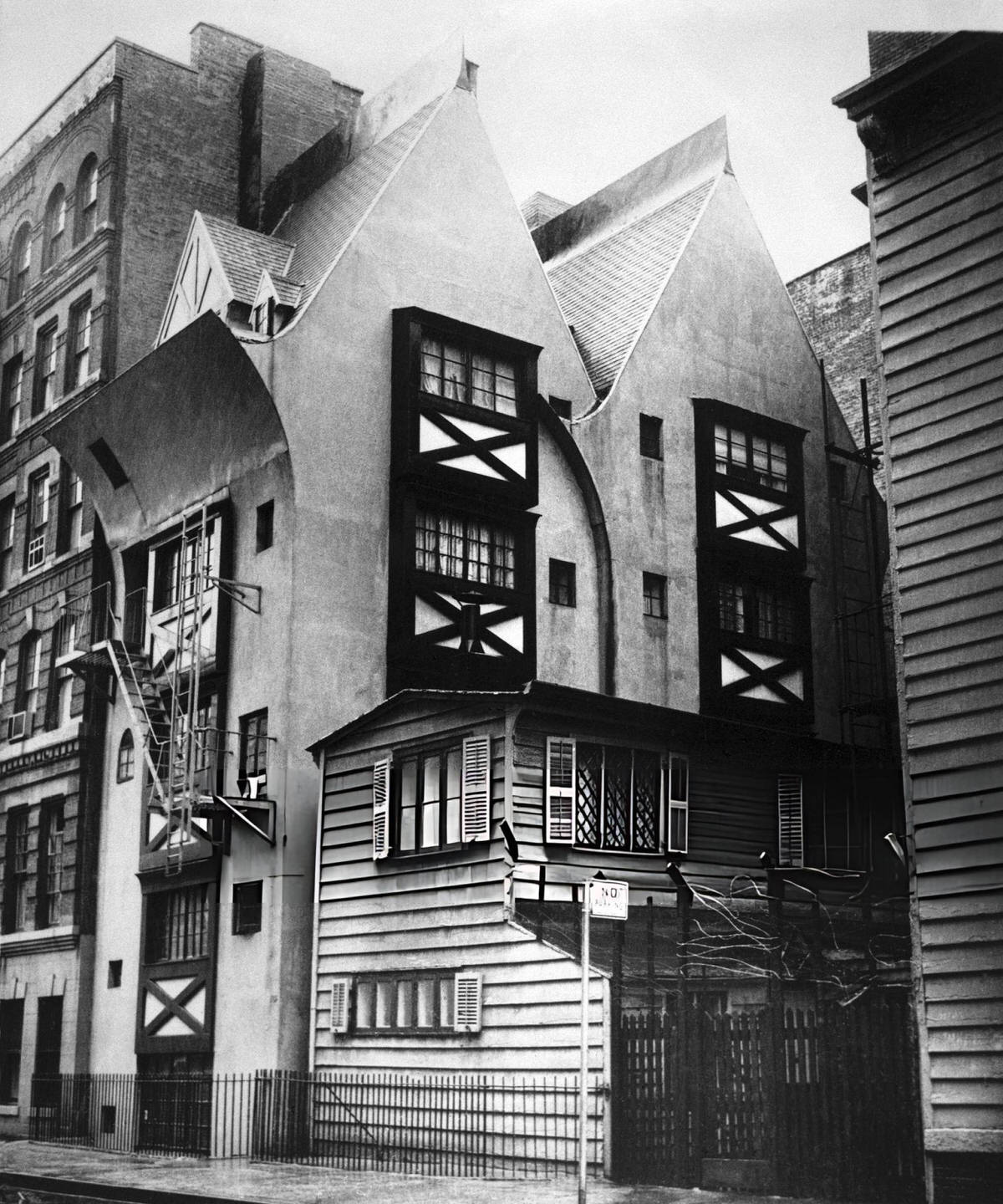
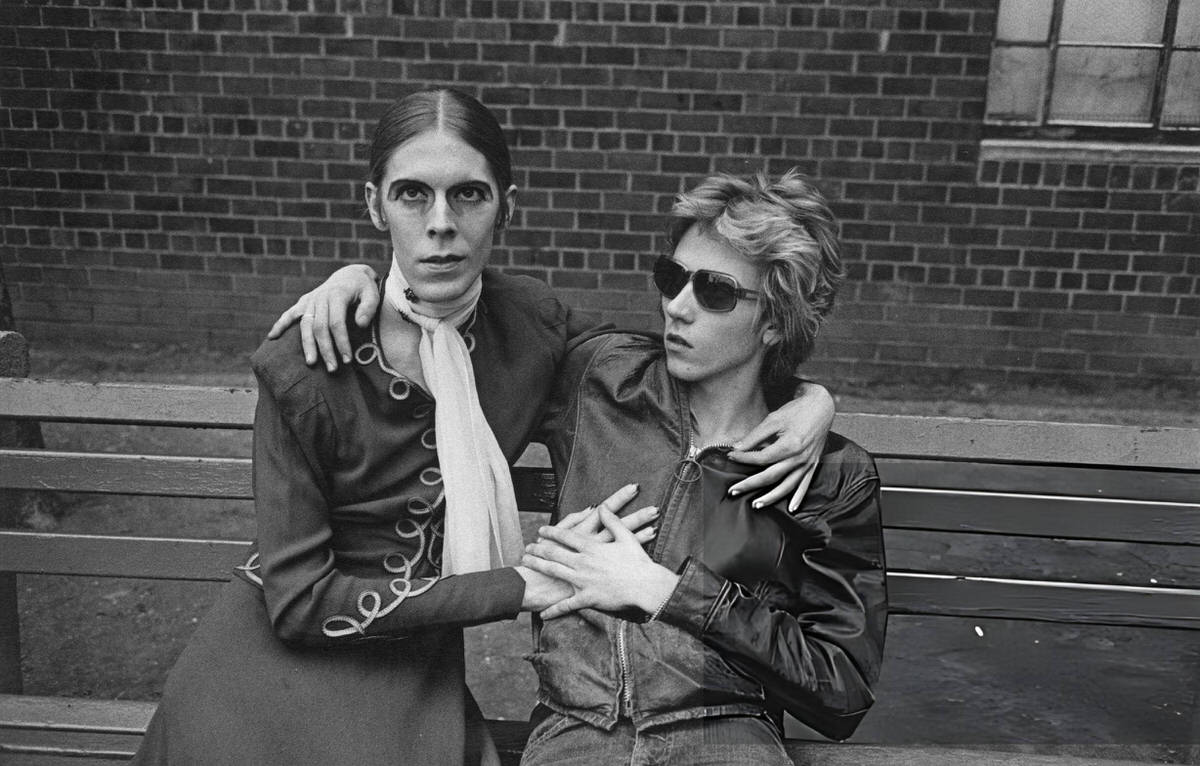
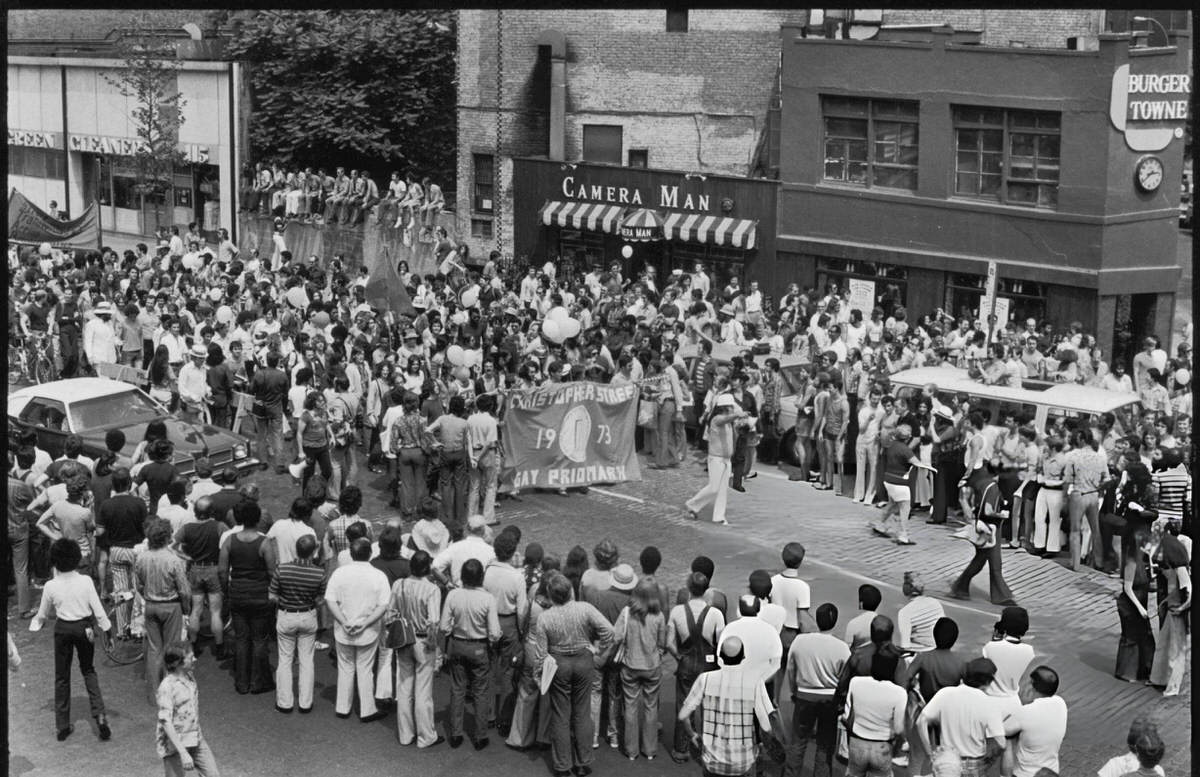
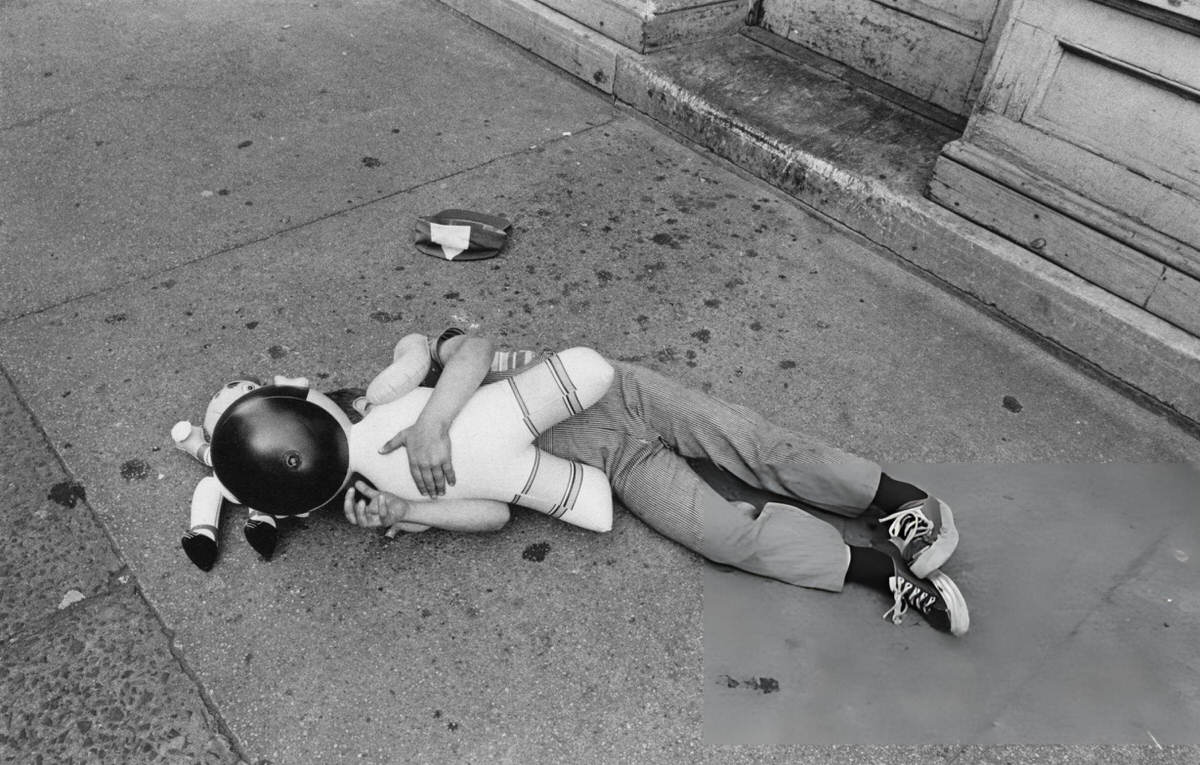
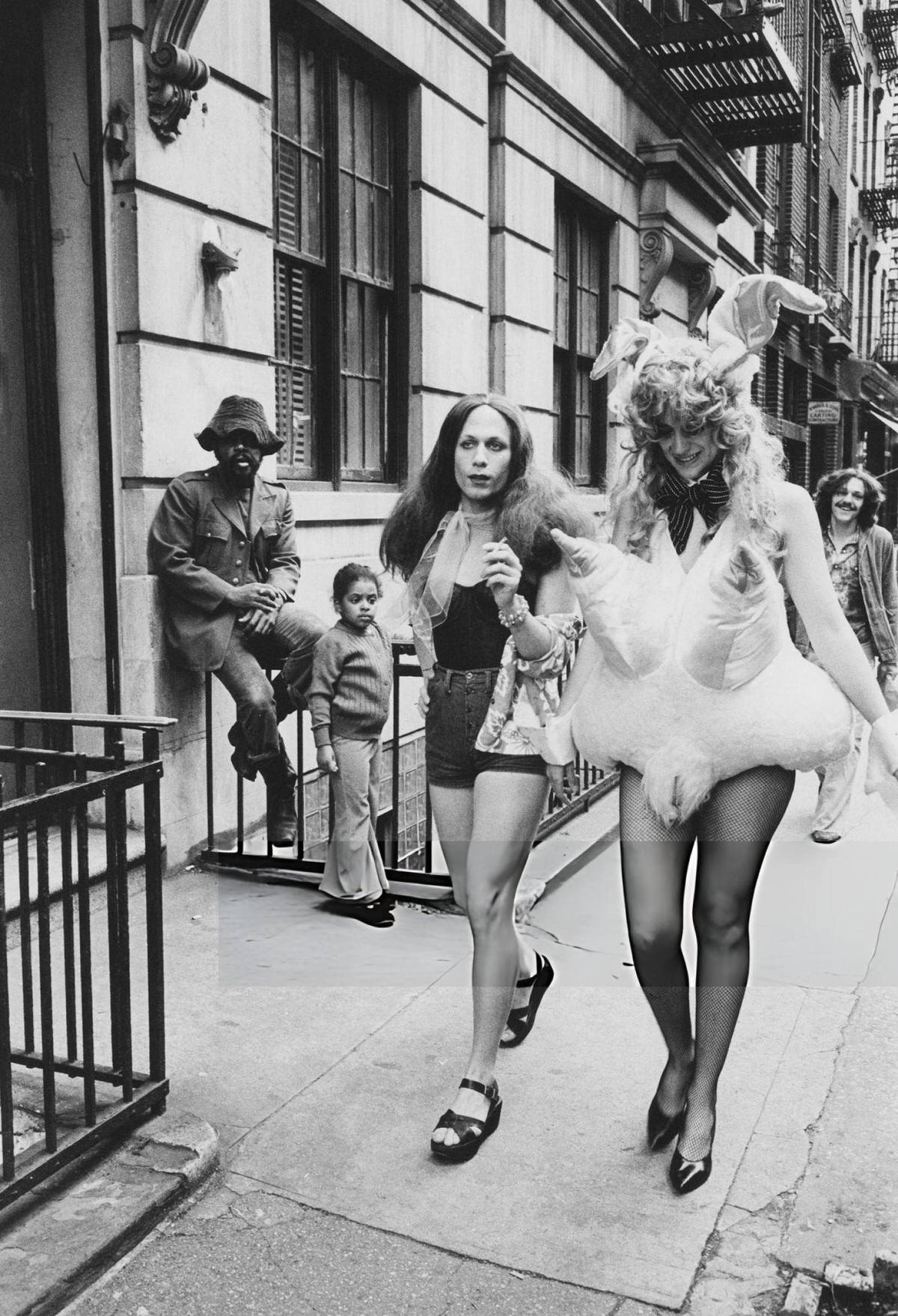
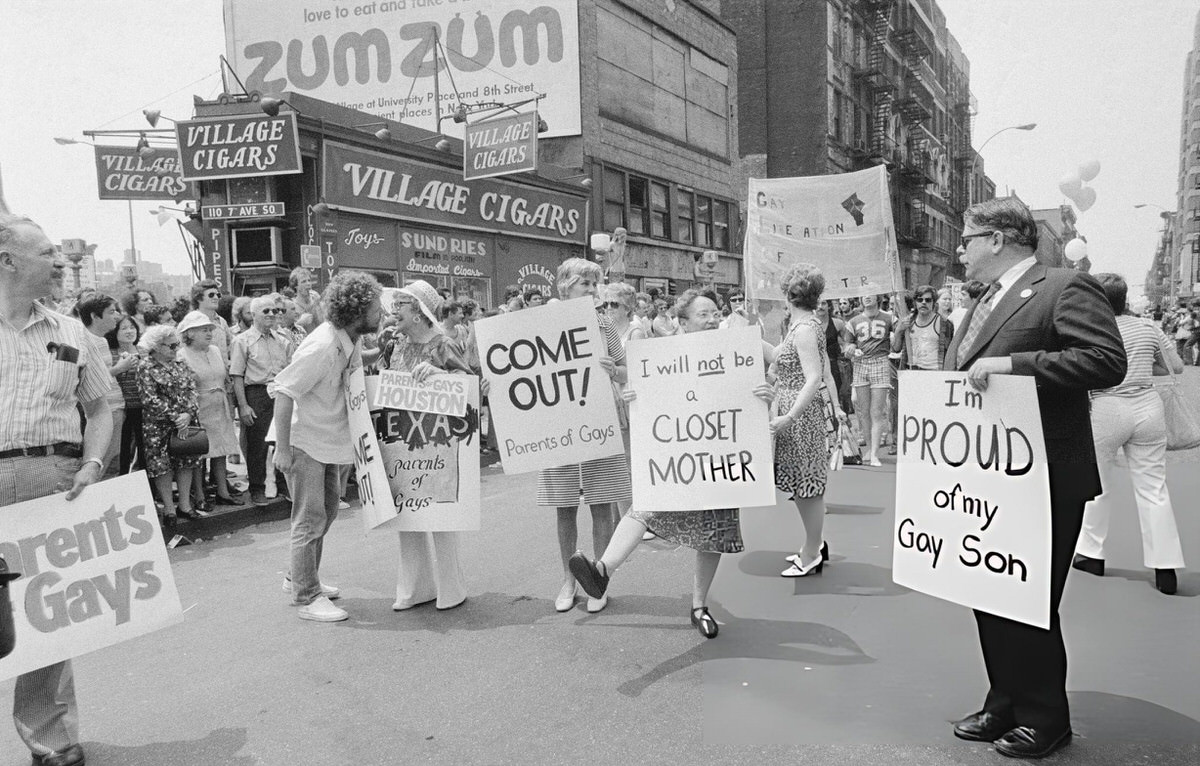
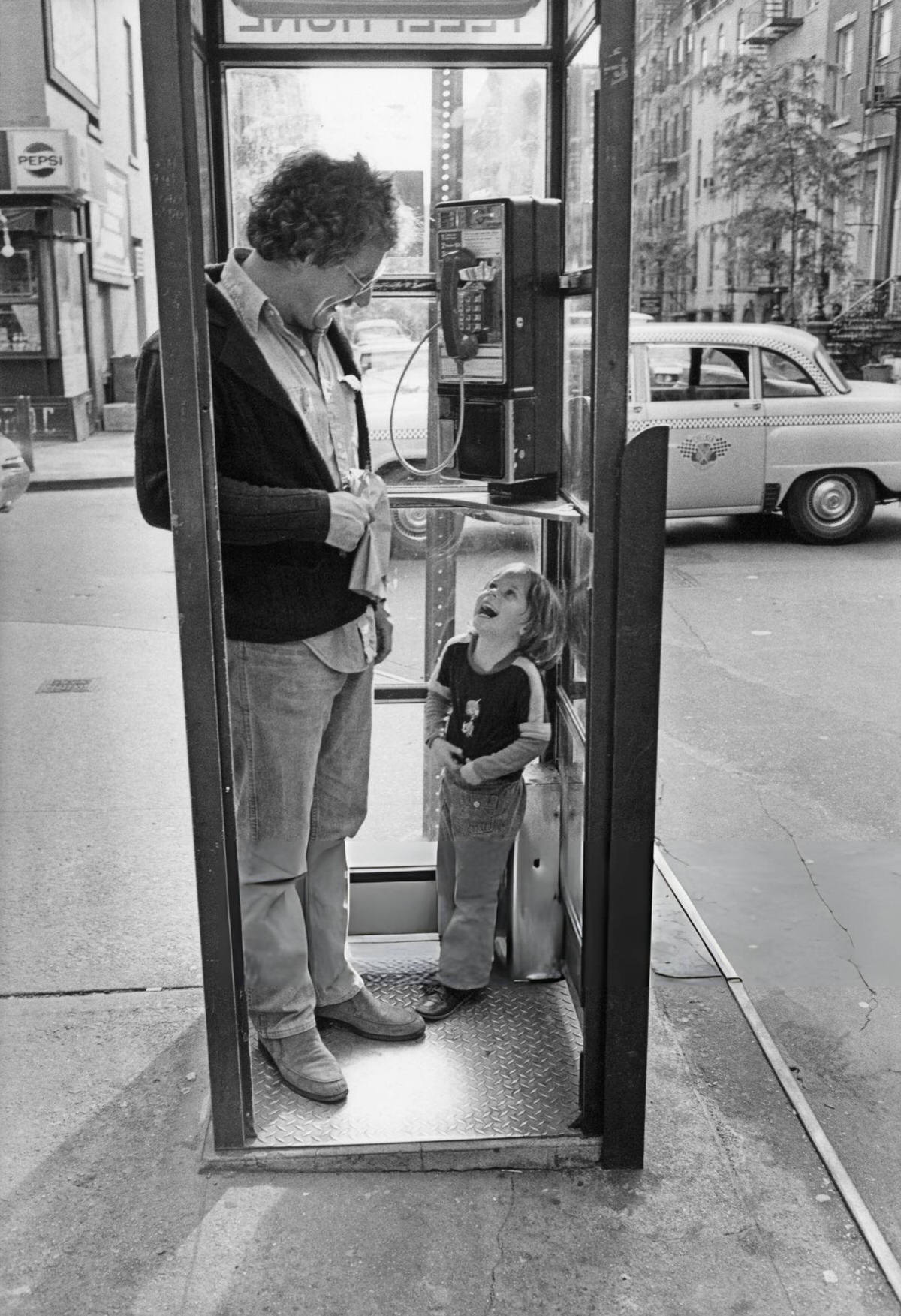
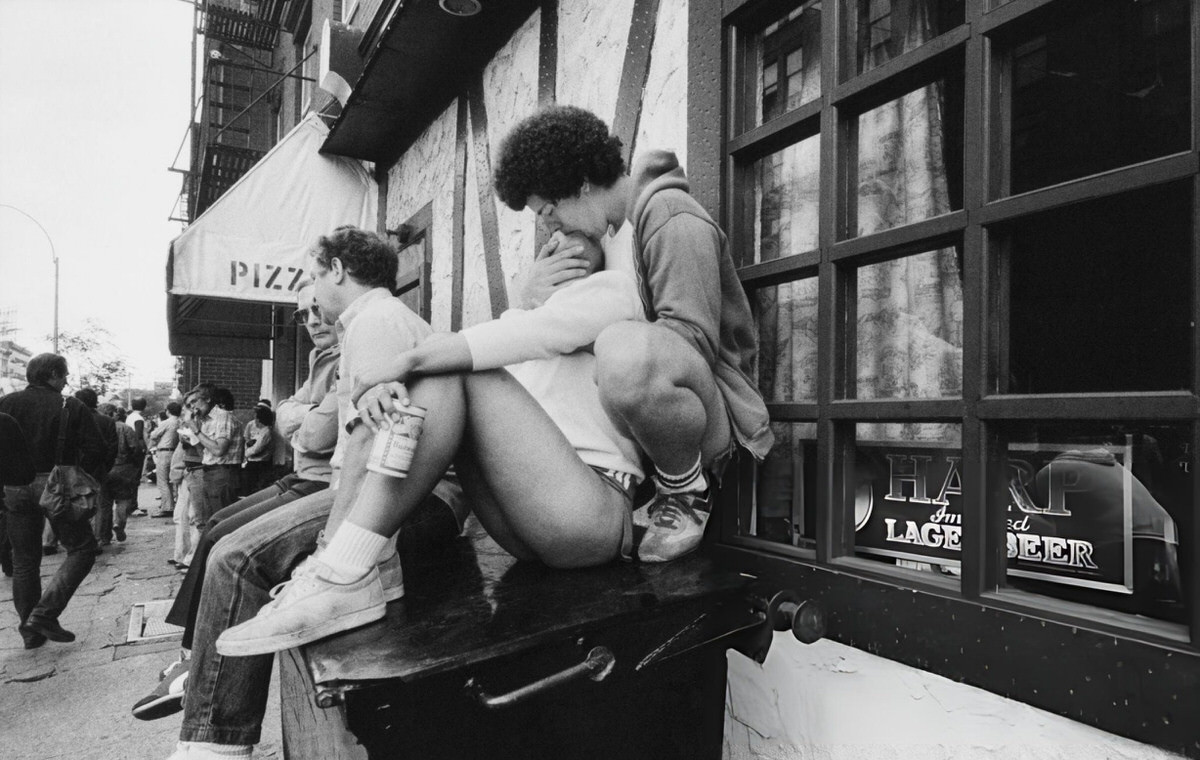
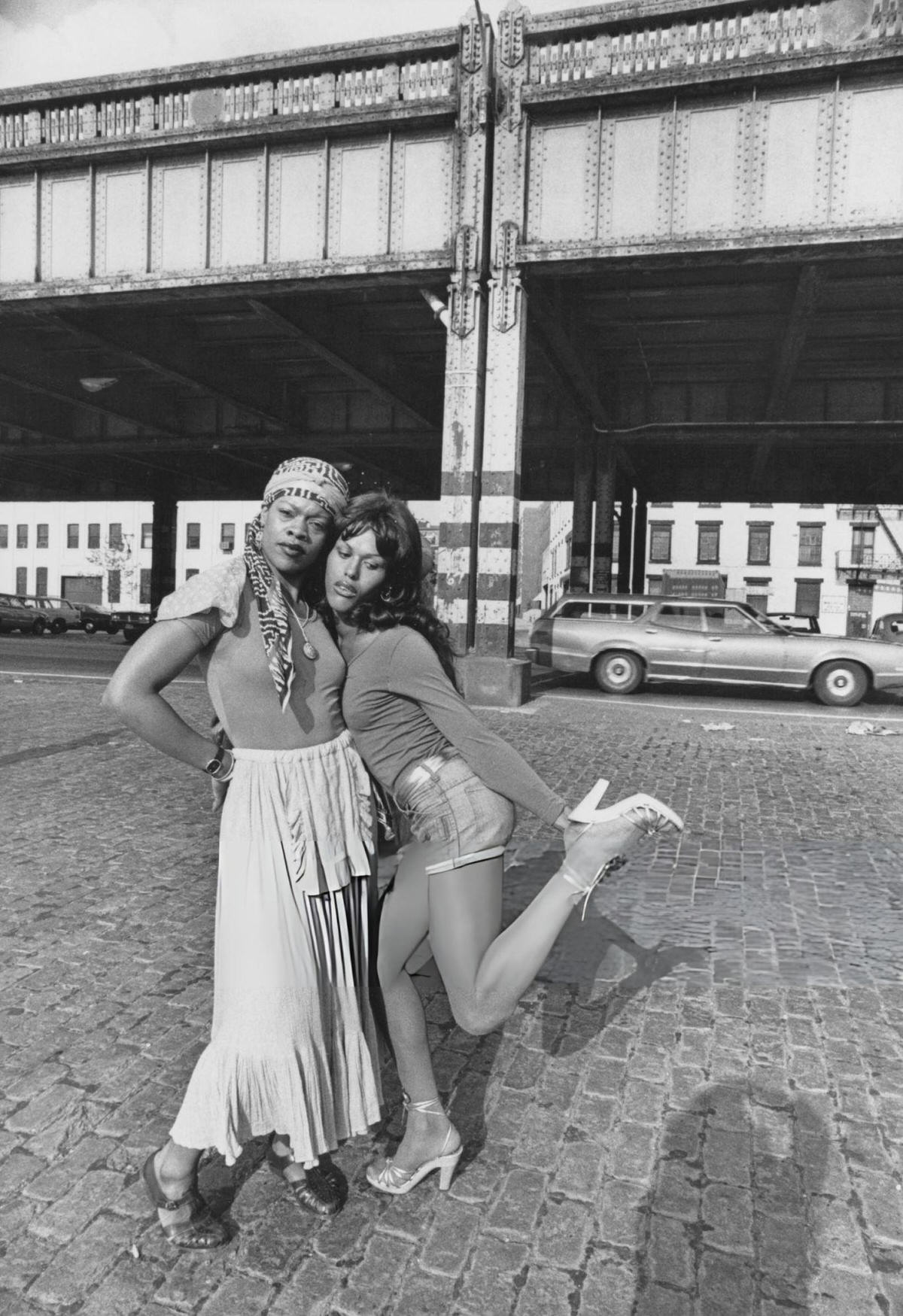
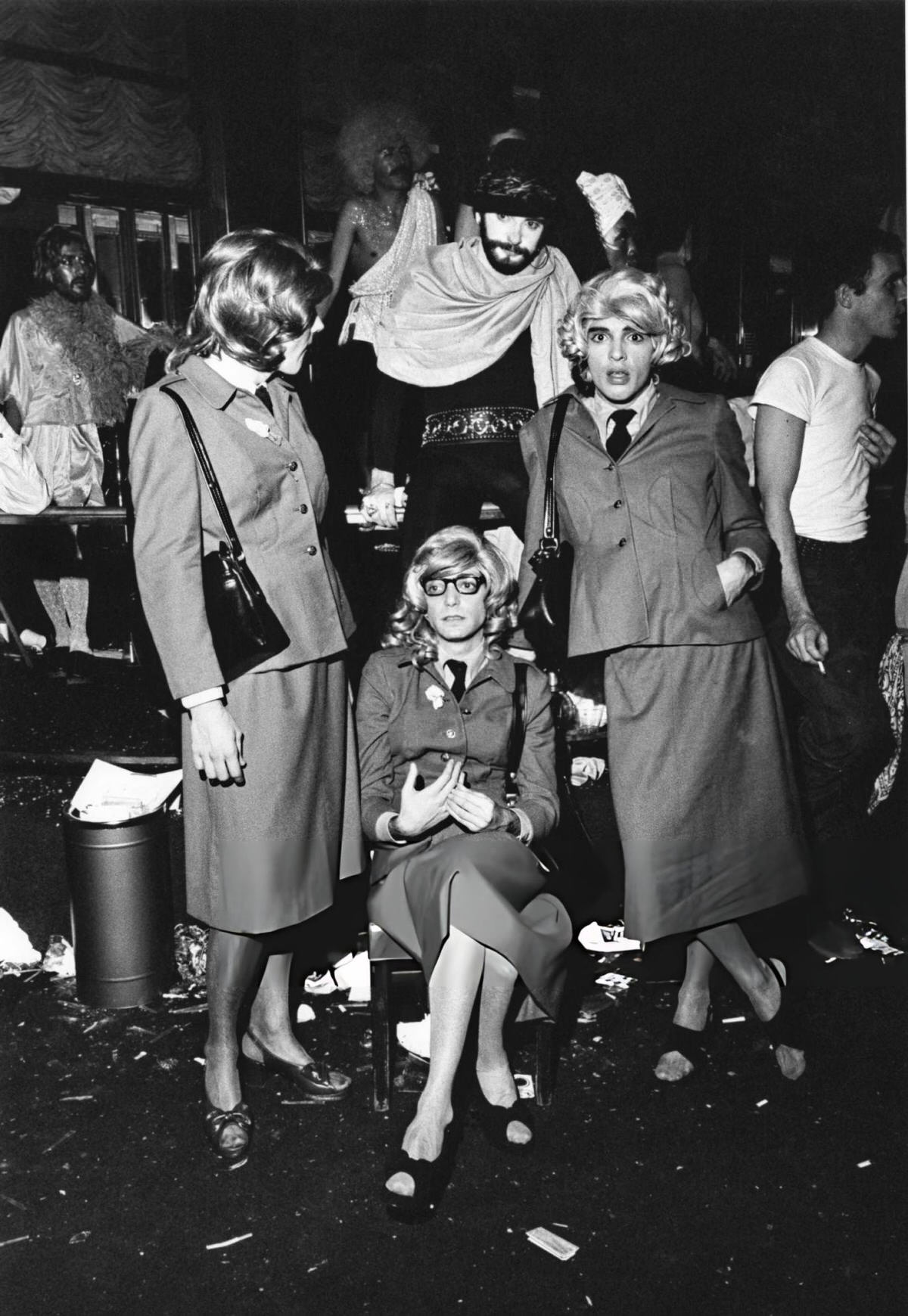
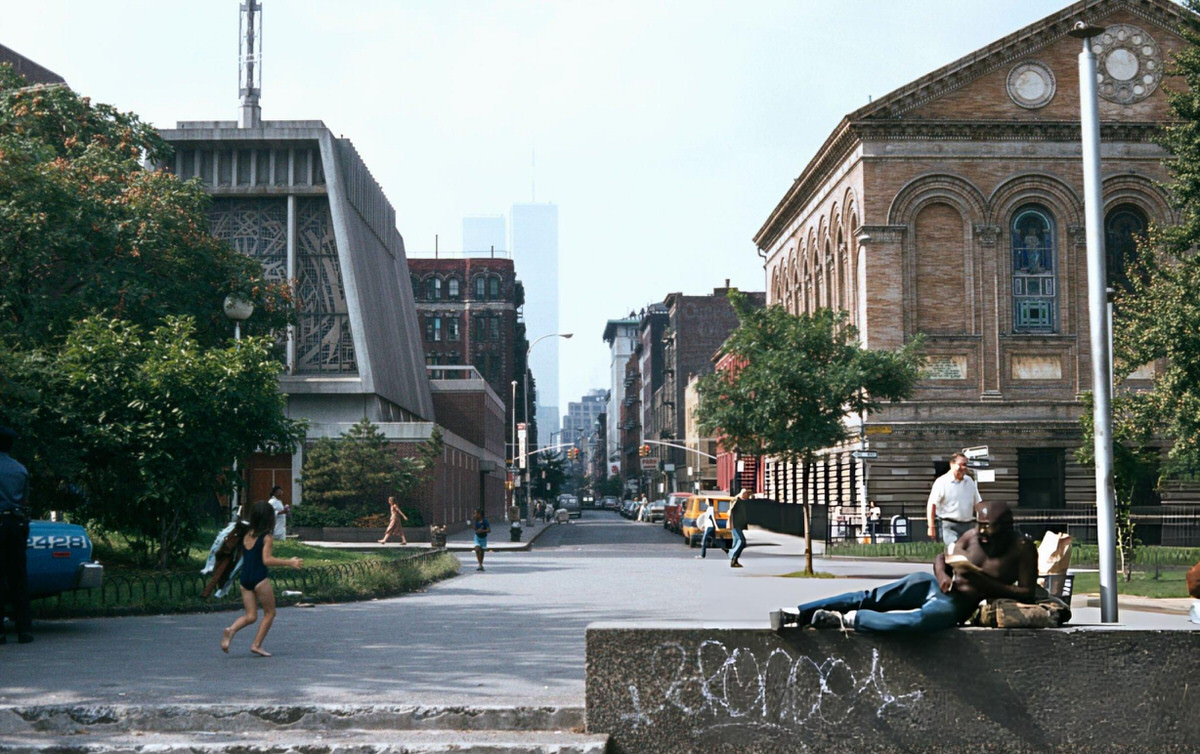
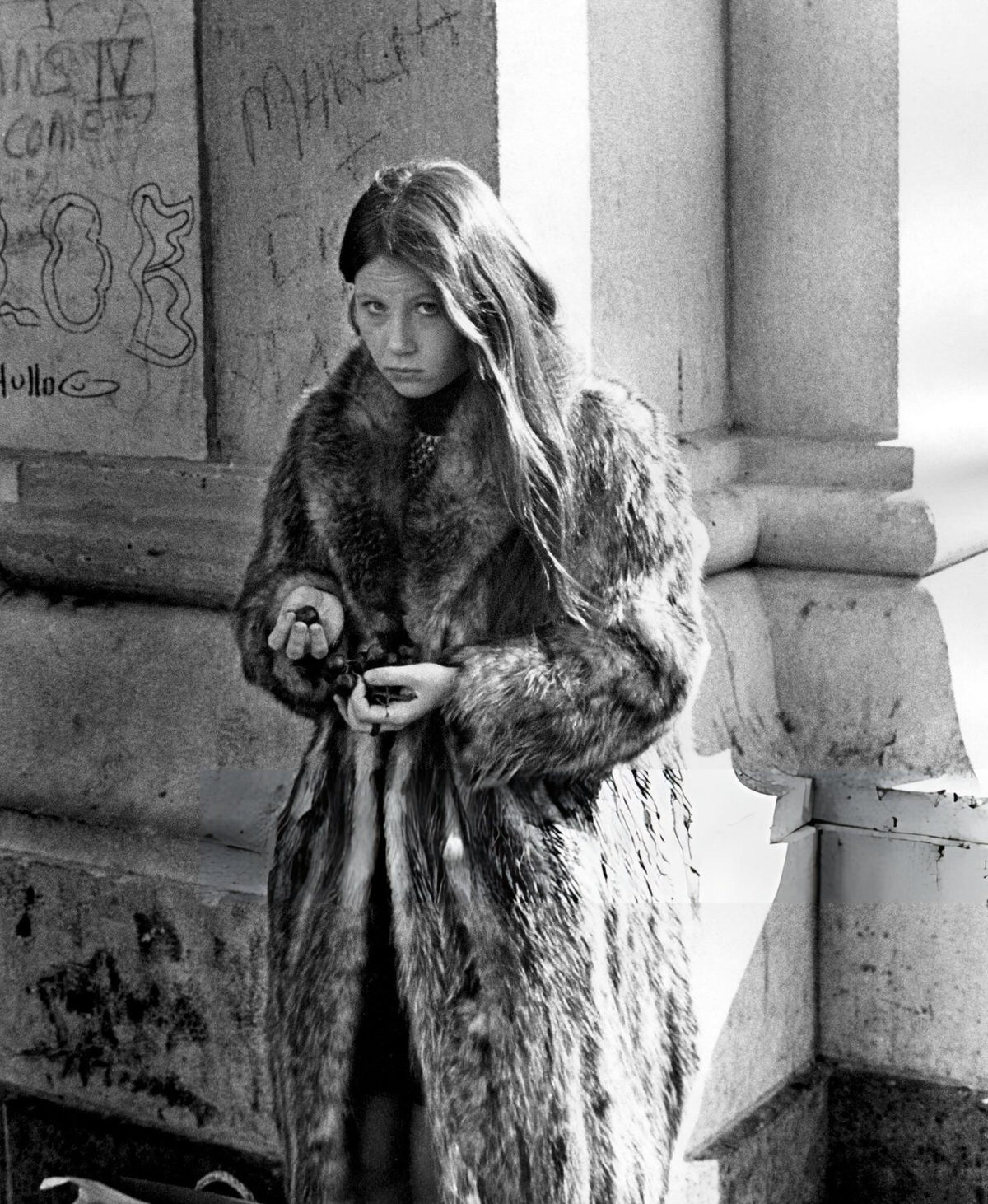
By 1970, Greenwich Village had already been through its beatnik phase, its folk revival, its Stonewall riot. The neighborhood did not slow down. It got stranger, louder, and in many ways more honest than anywhere else in New York City.
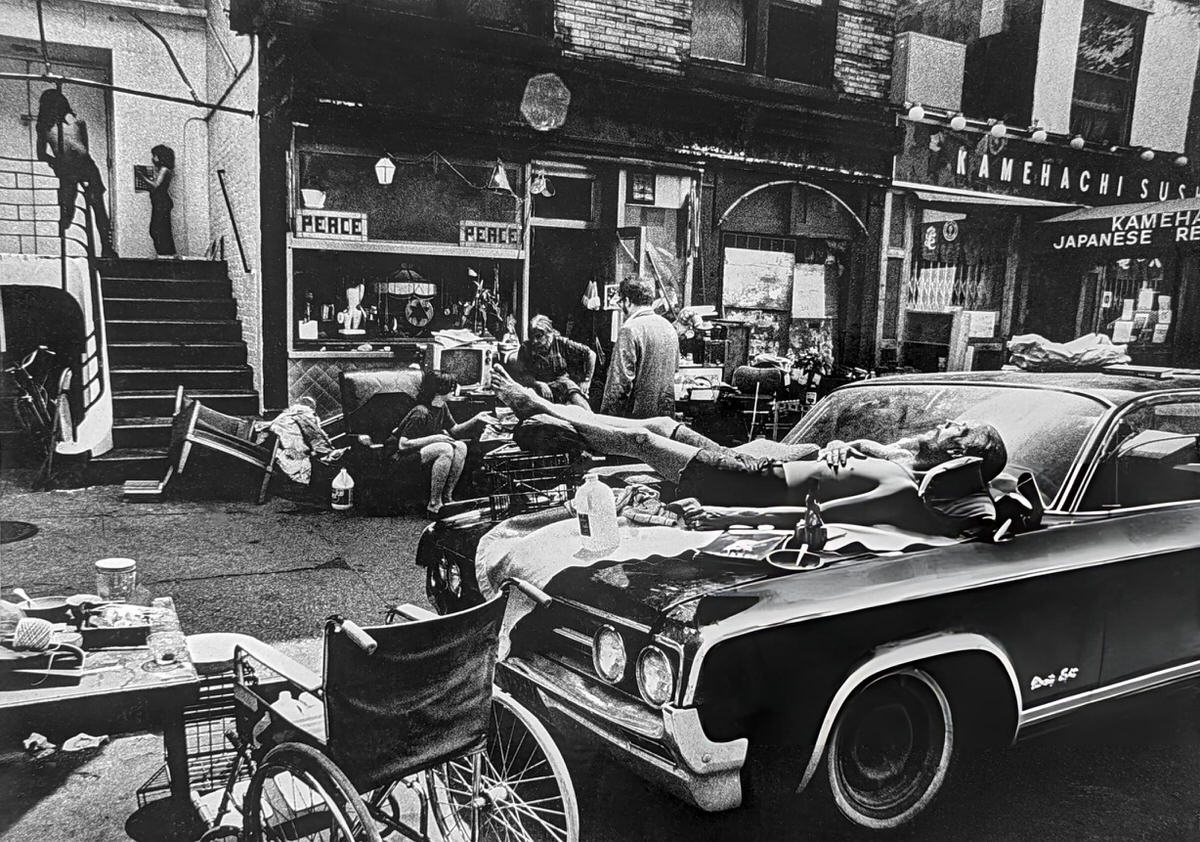
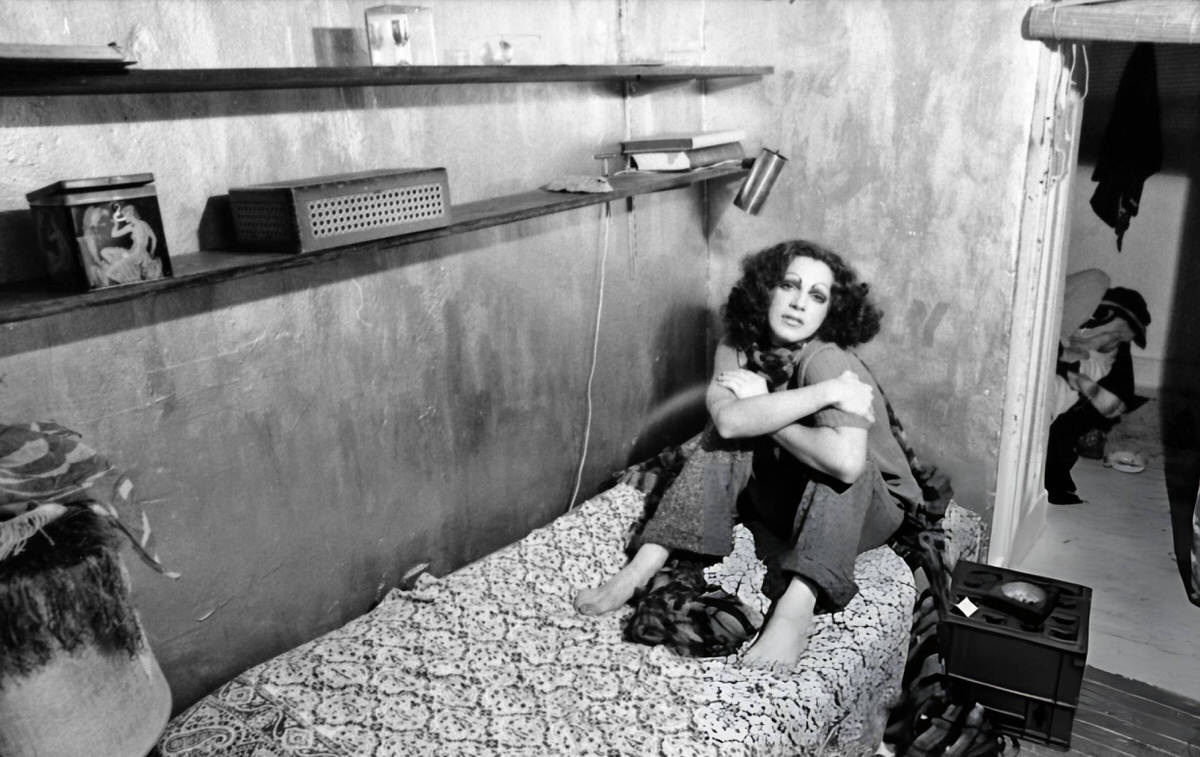
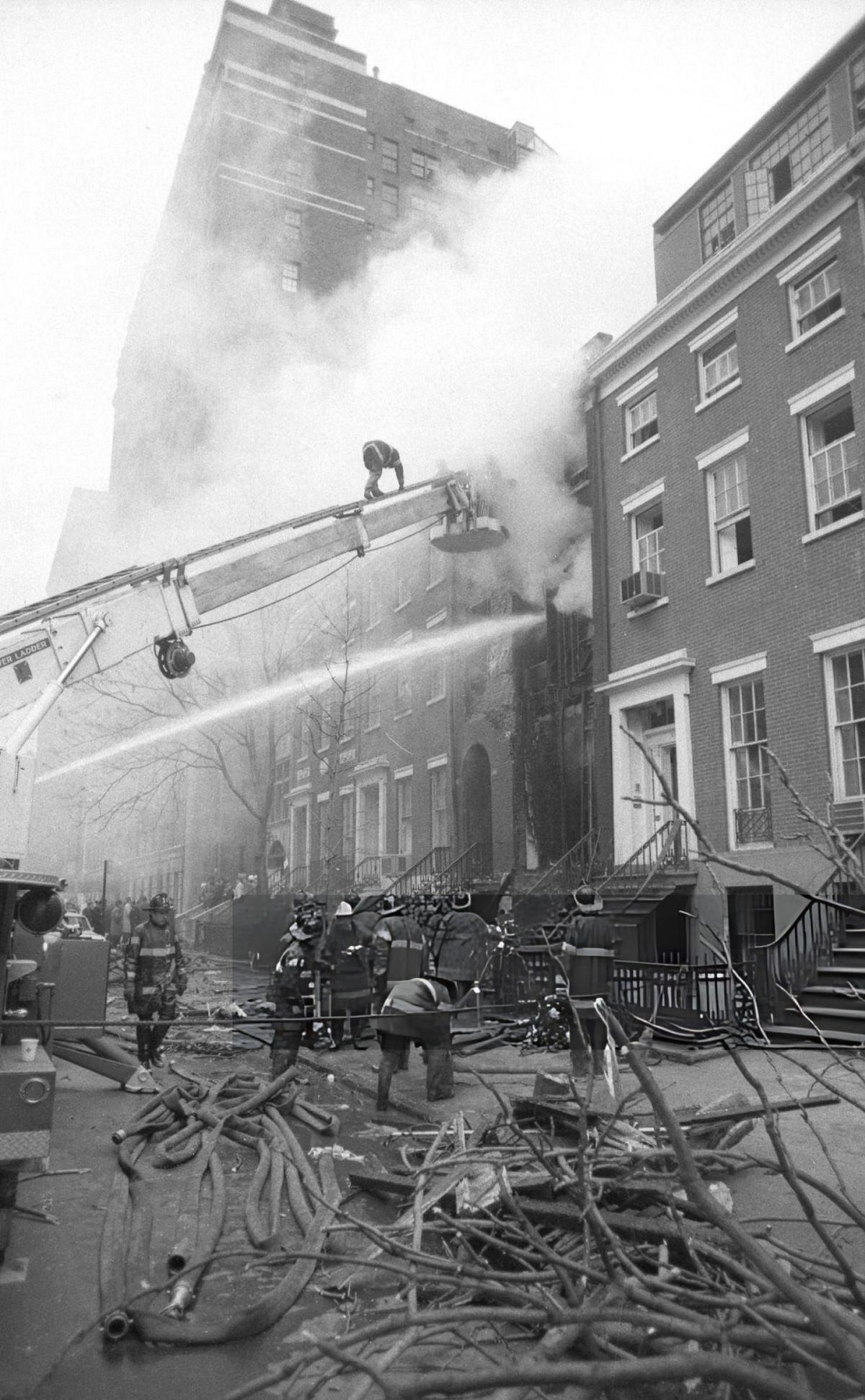
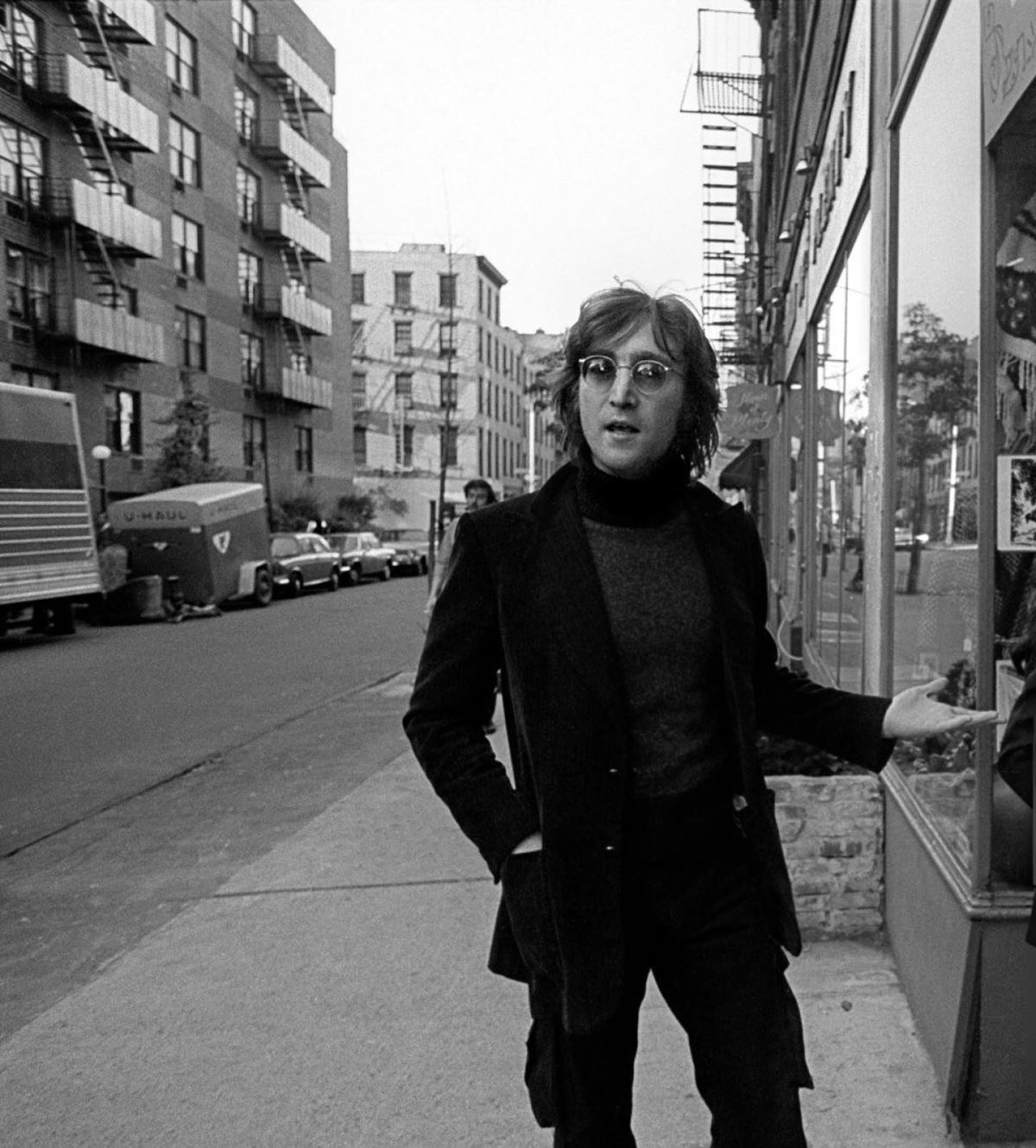
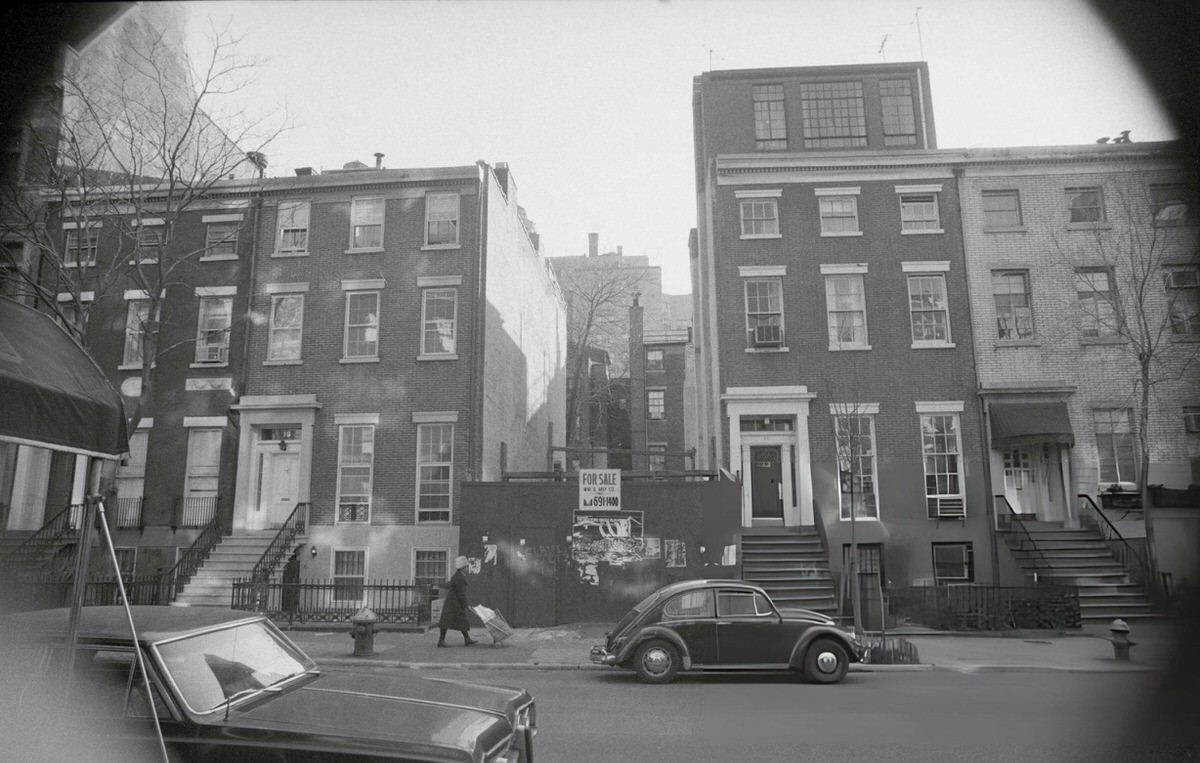
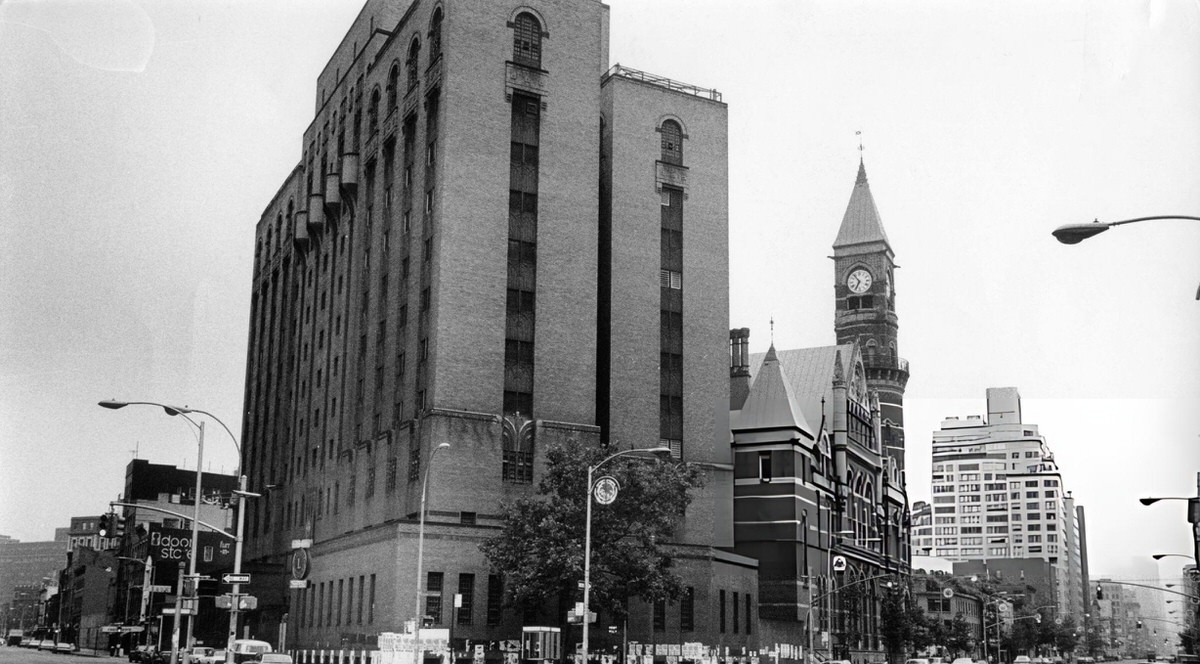
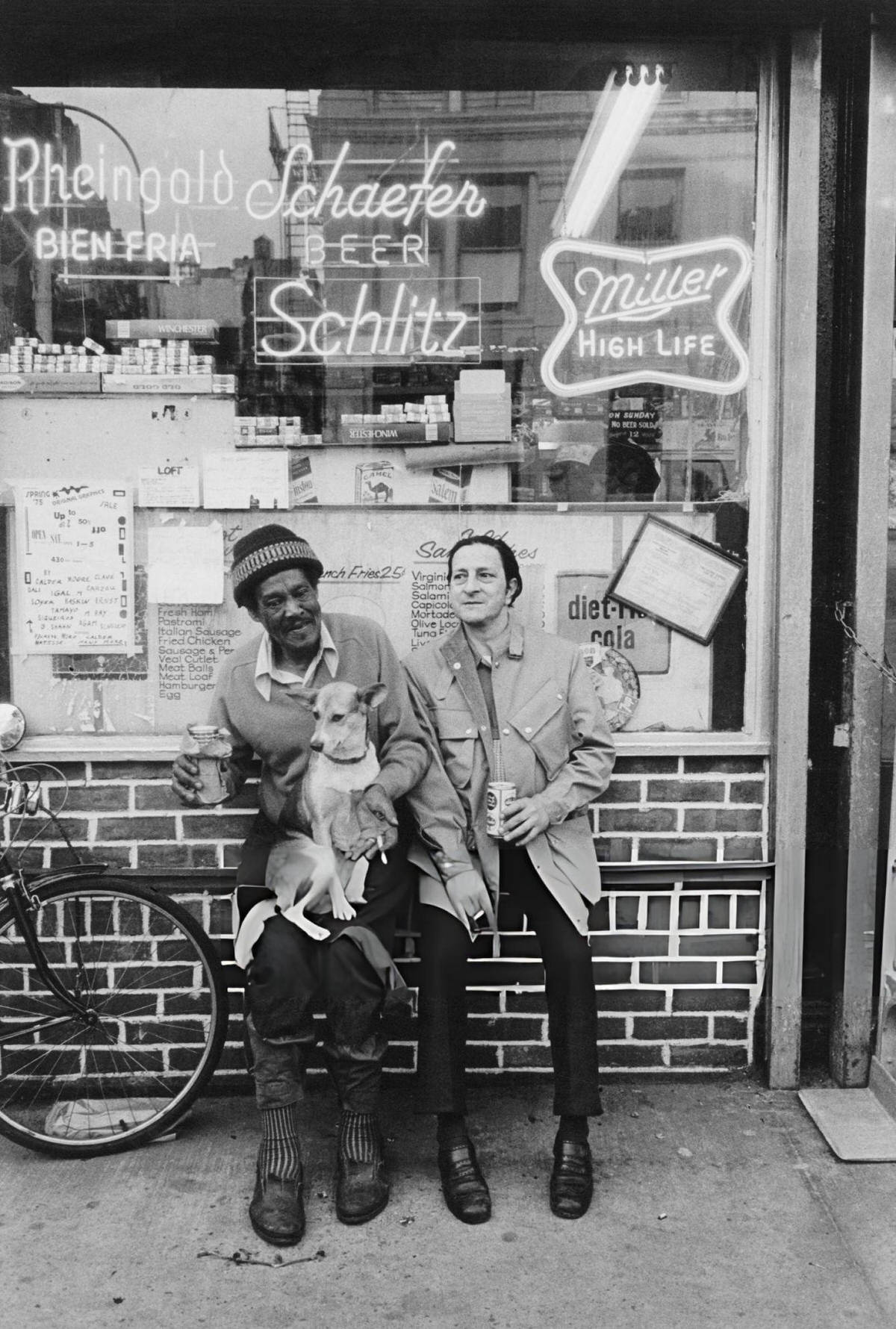
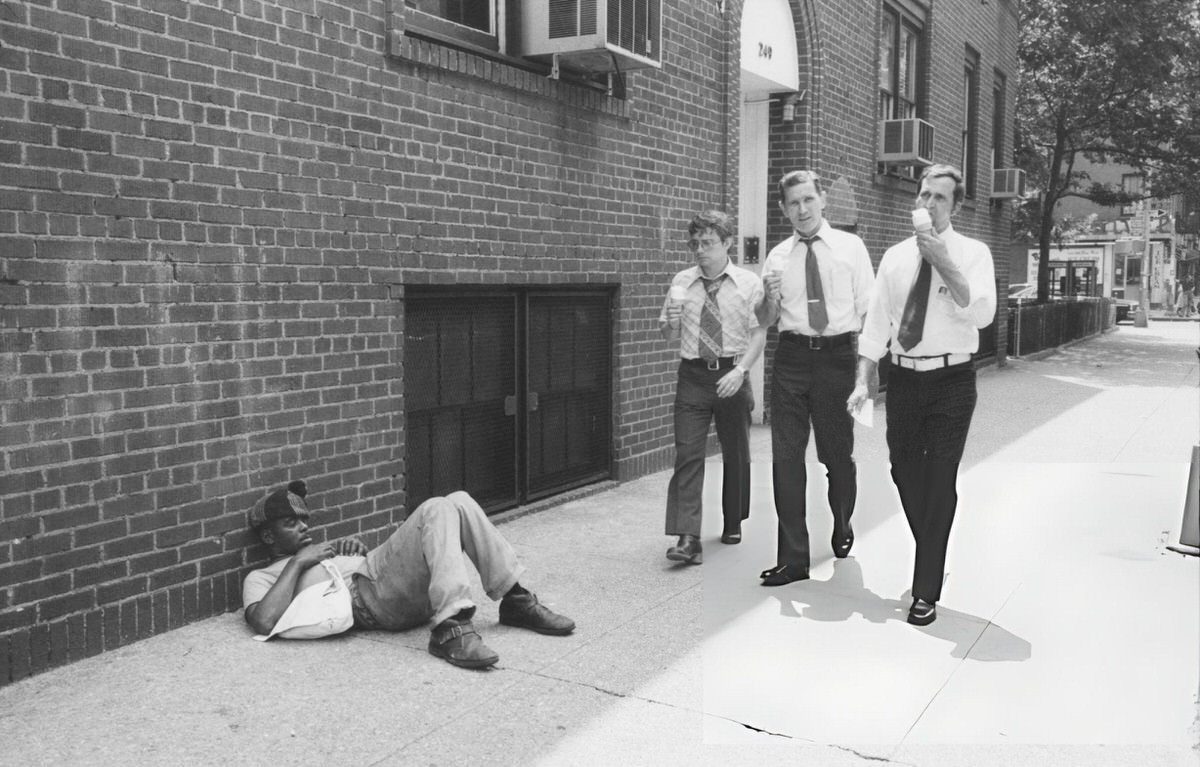
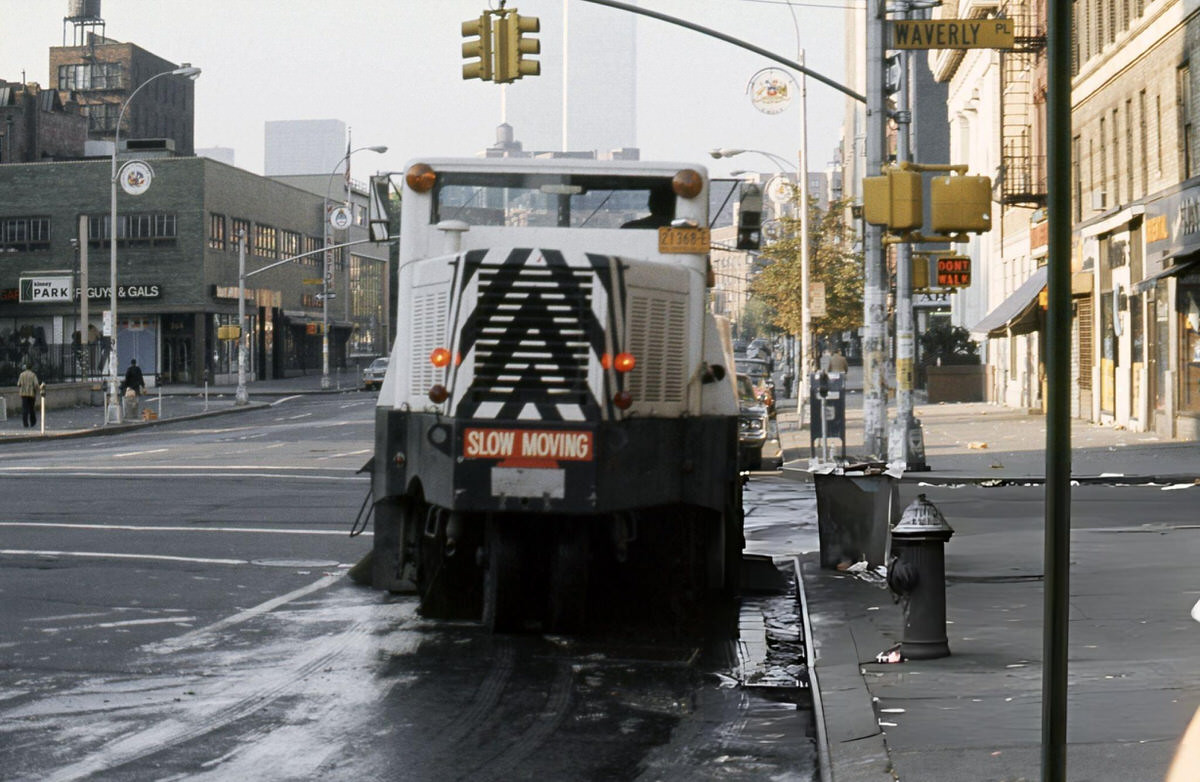
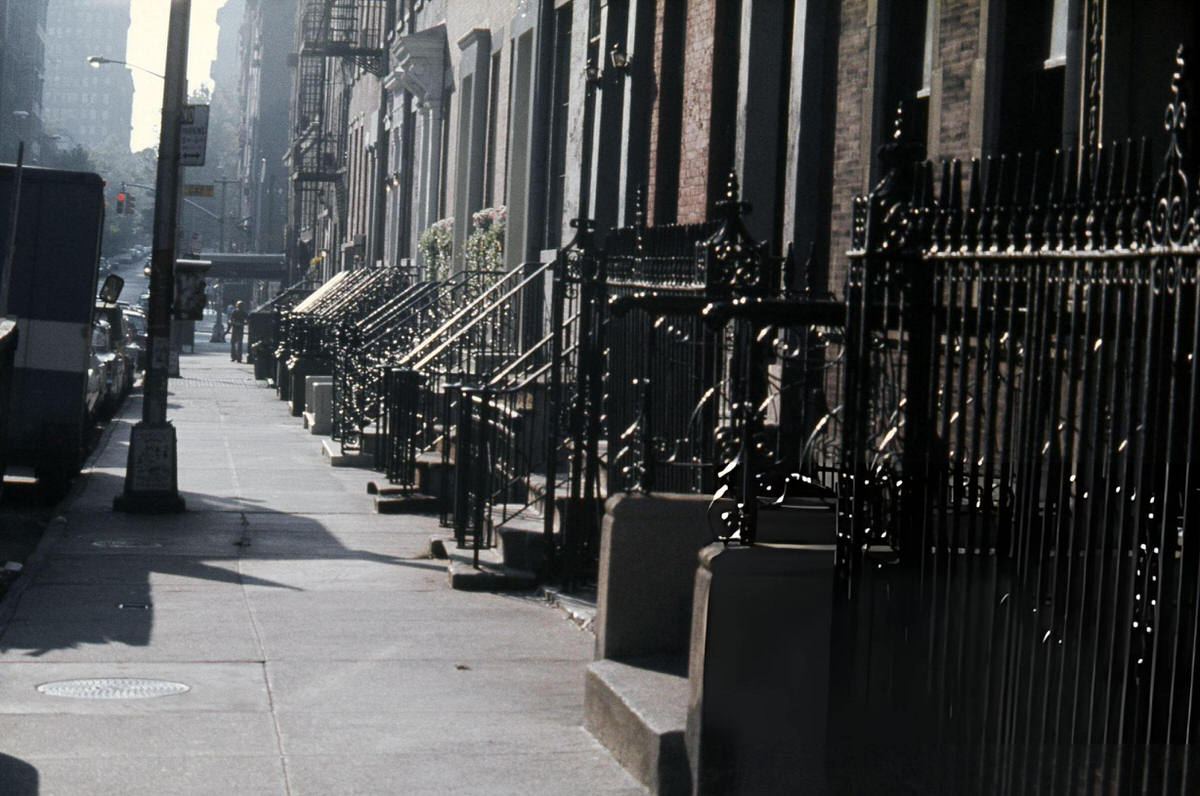
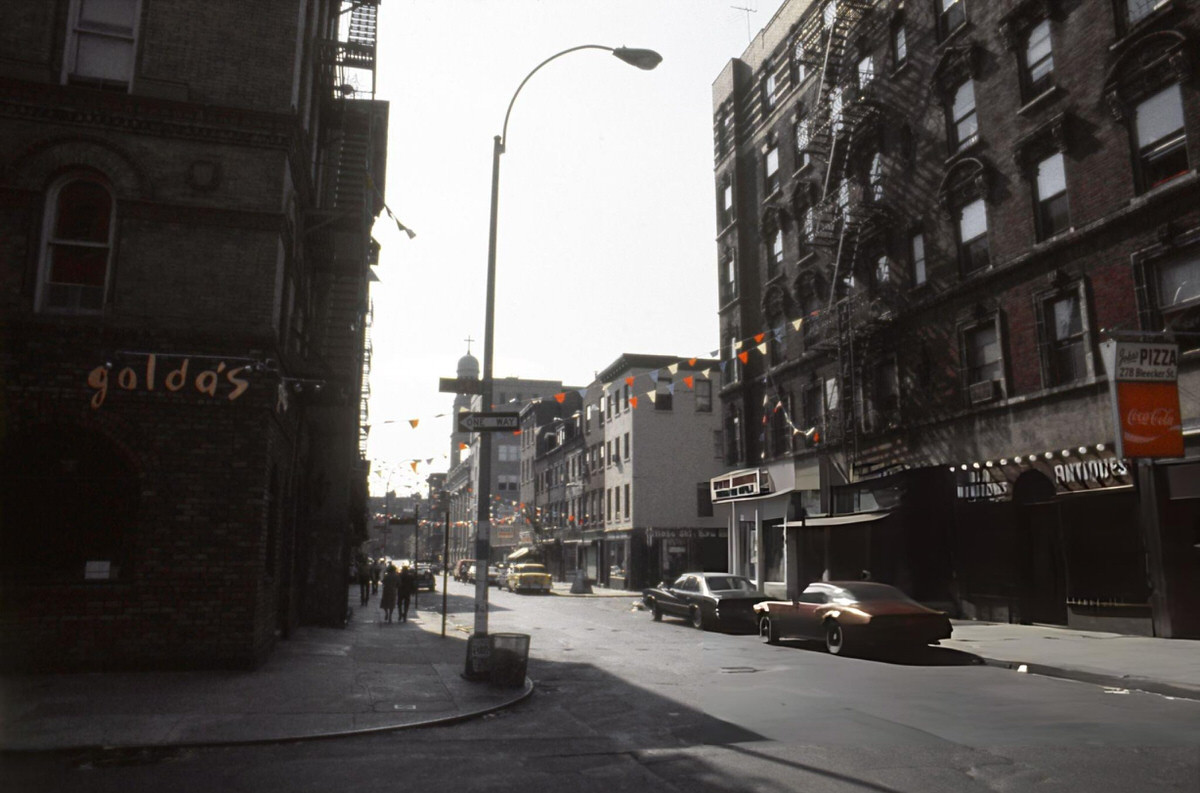
The fiscal crisis of 1975 hit the city hard. Garbage piled up on street corners. The subway was covered in graffiti from floor to ceiling. Police layoffs left whole blocks feeling unpoliced. In the Village, this breakdown of city services created an odd kind of freedom. Artists, musicians, and writers who could never afford Manhattan rents anywhere else found themselves living in walk-up apartments on Bleecker Street, Jane Street, and Carmine Street for $150 a month.
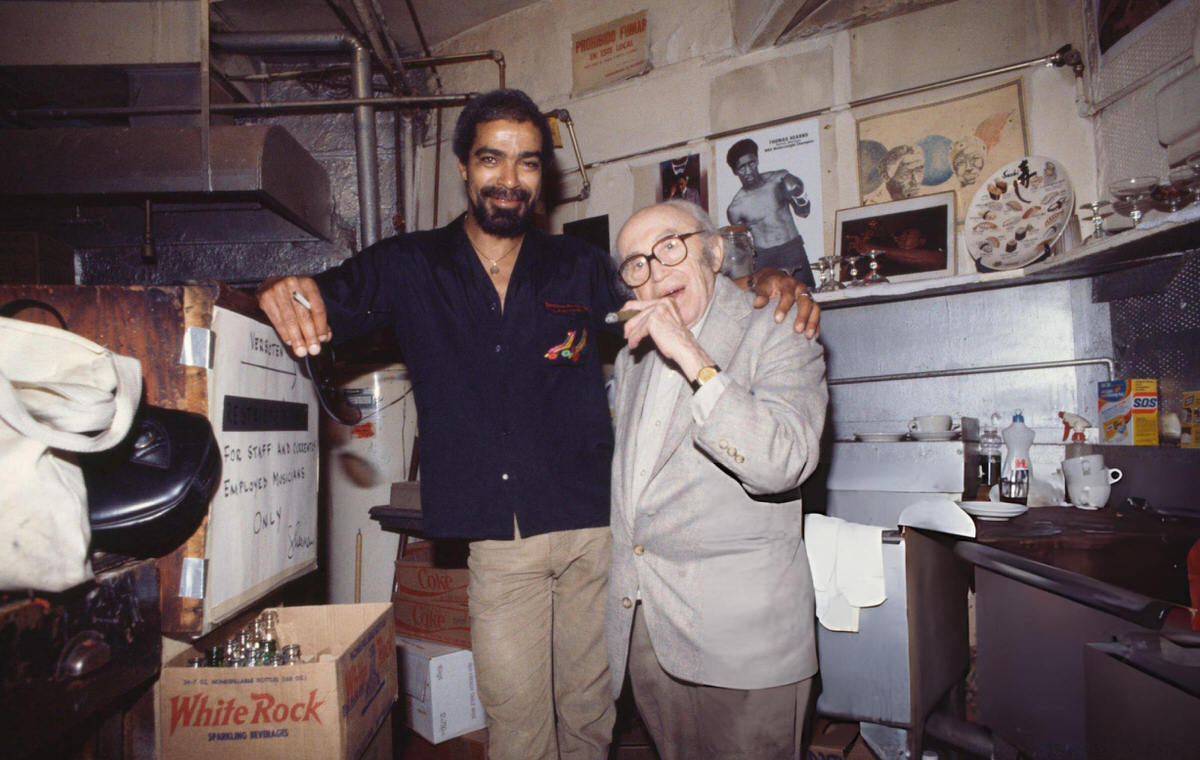
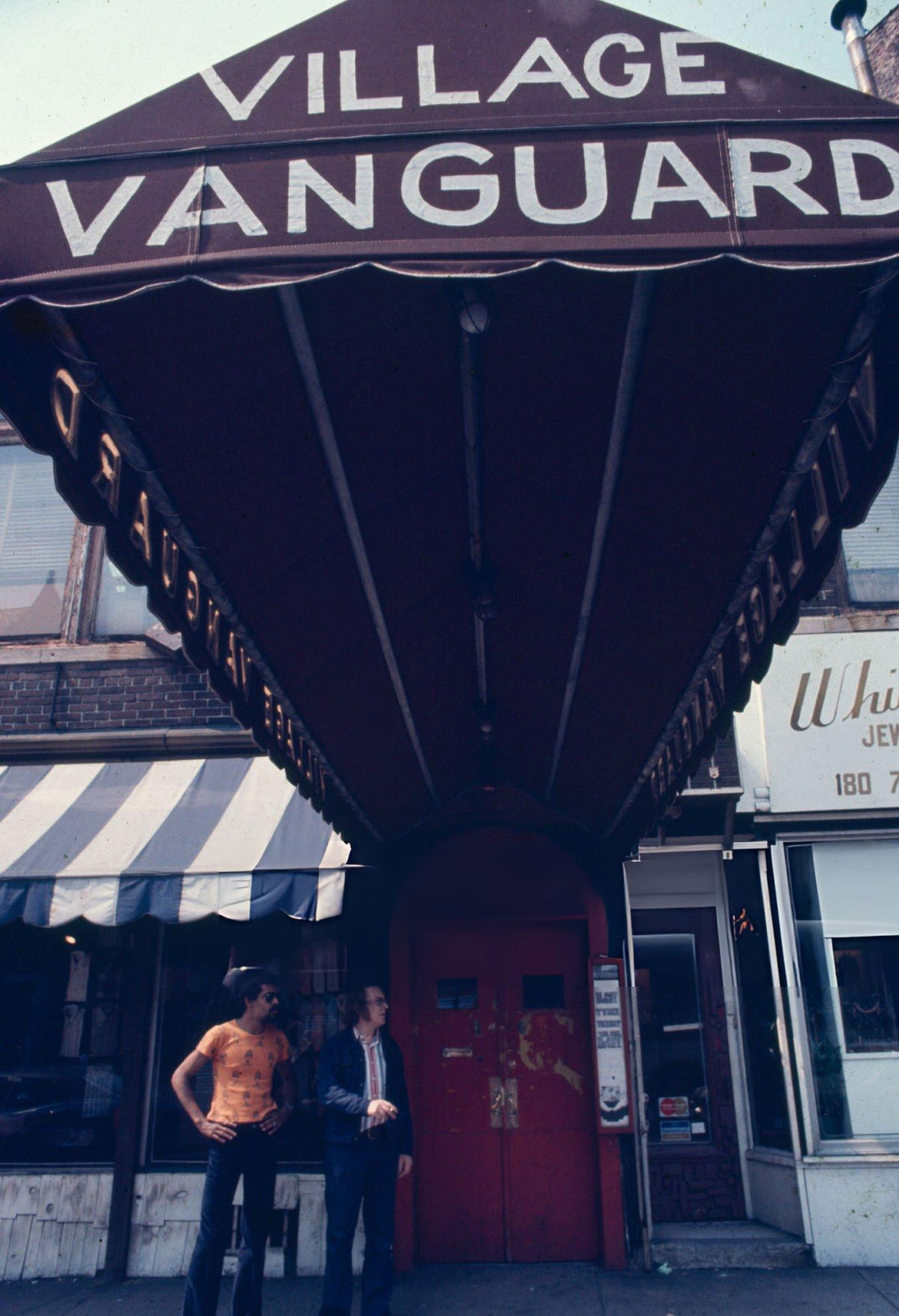
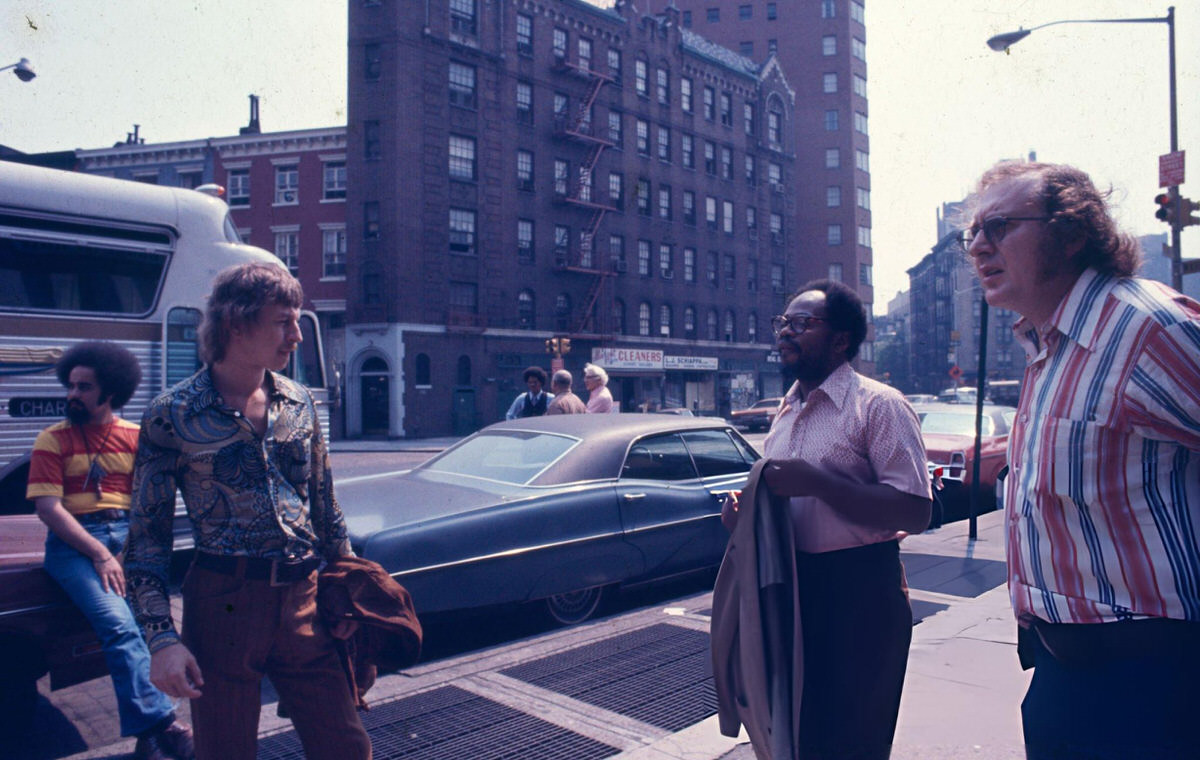
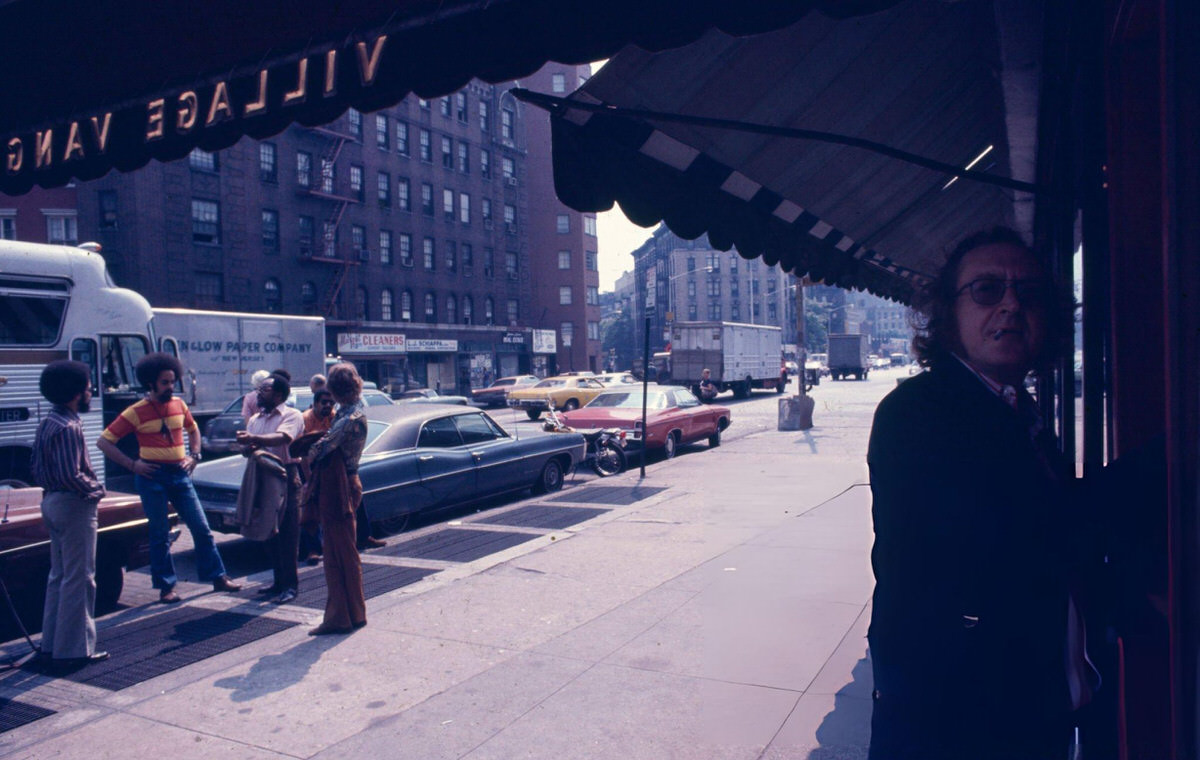
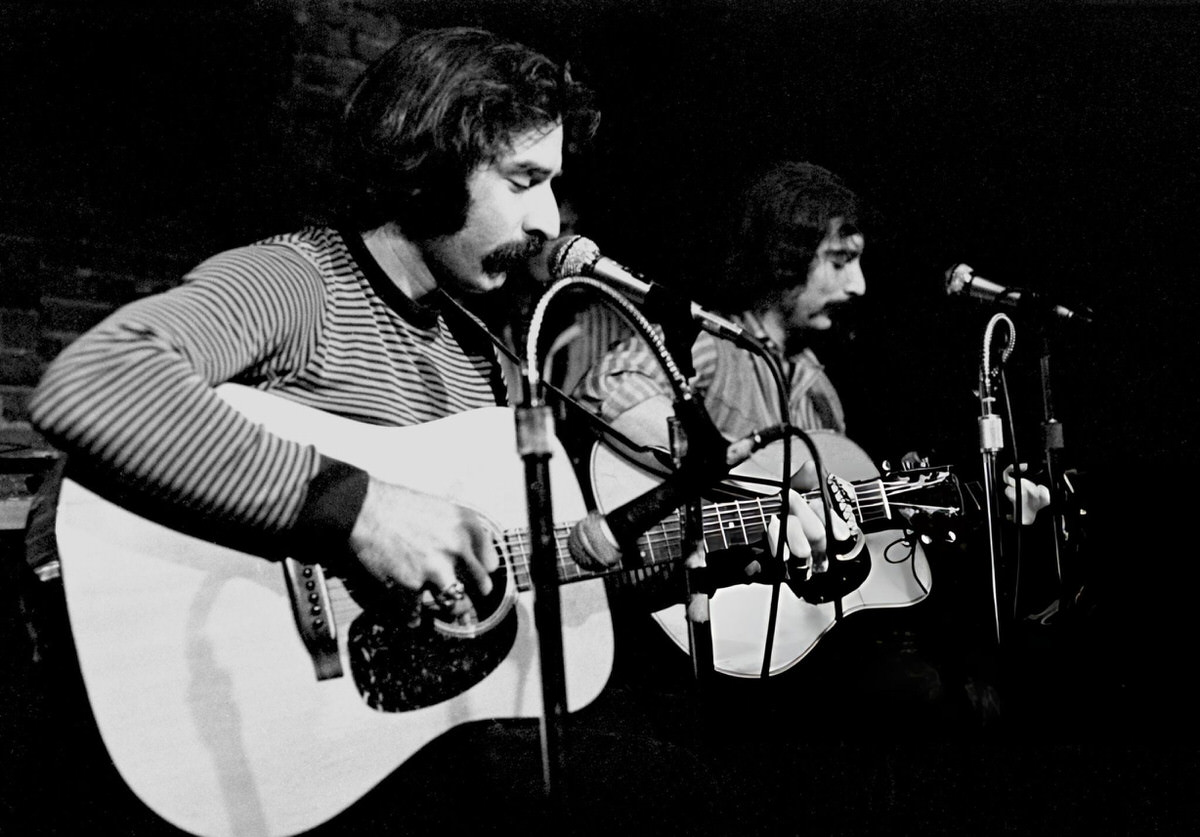
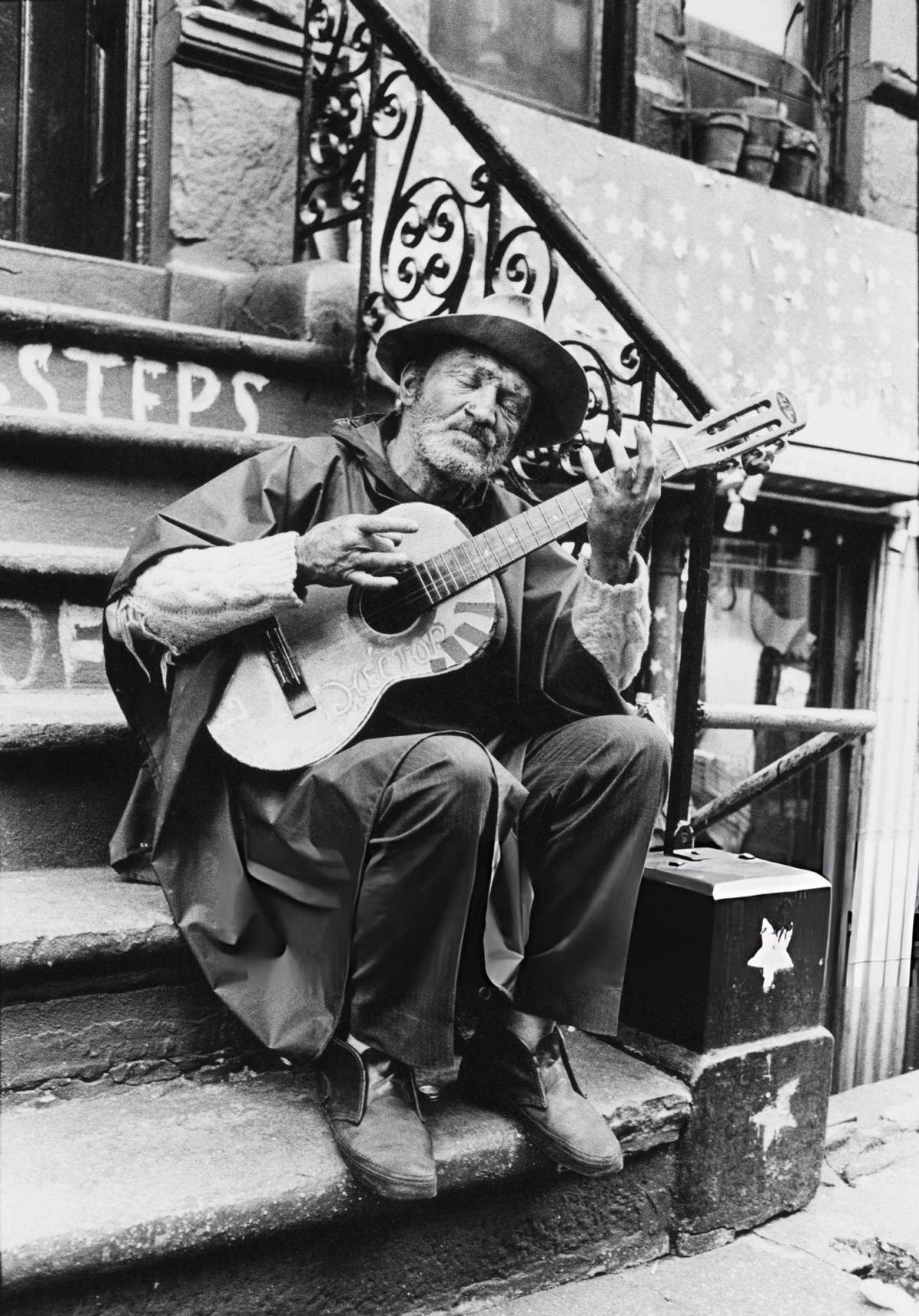
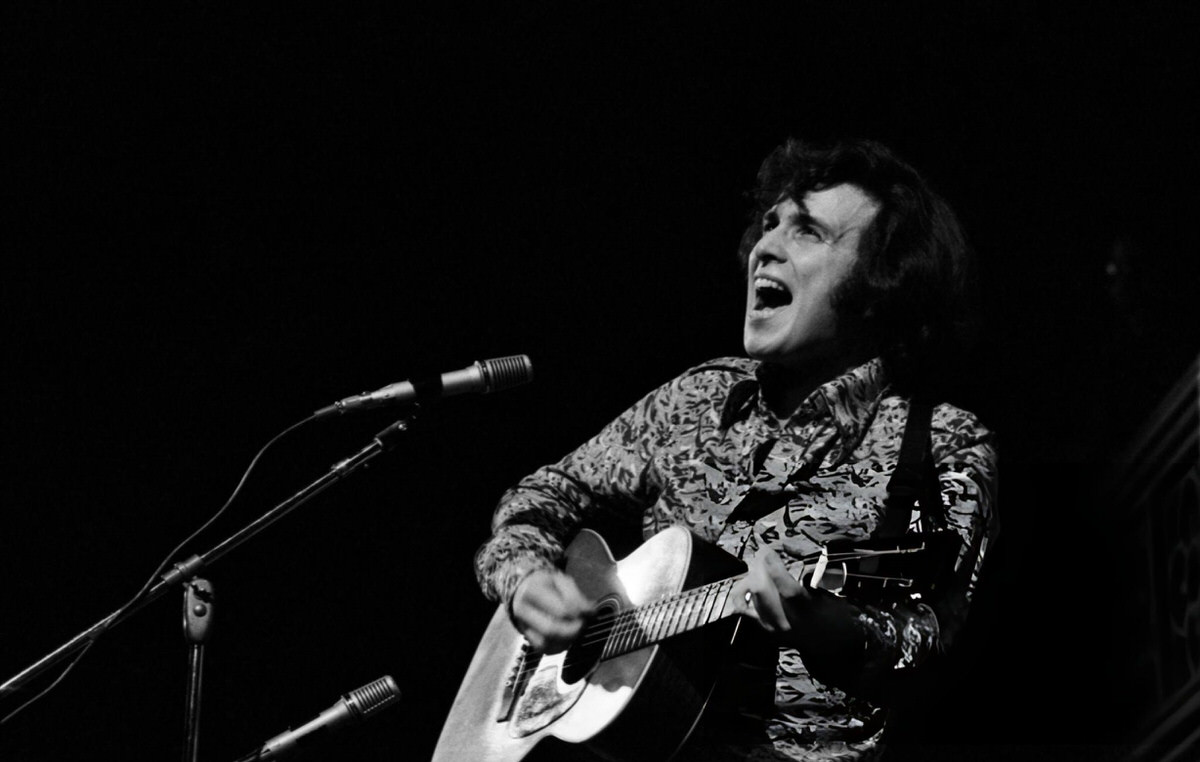
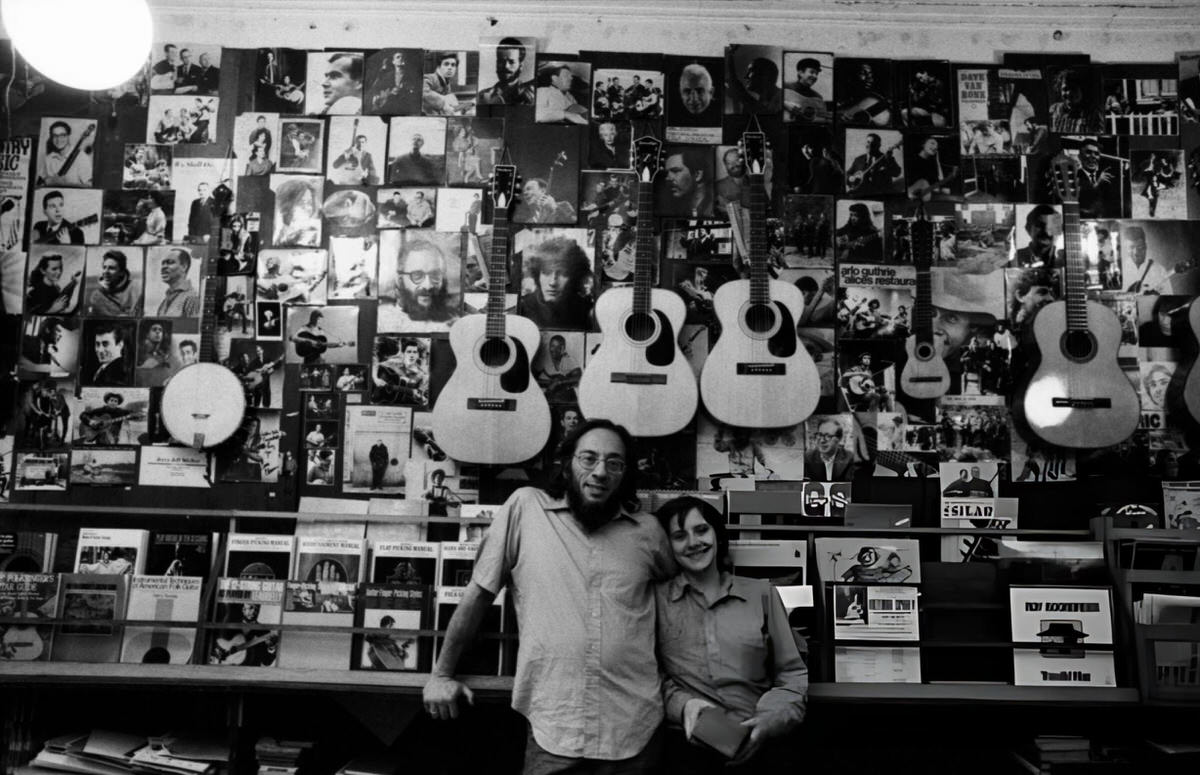
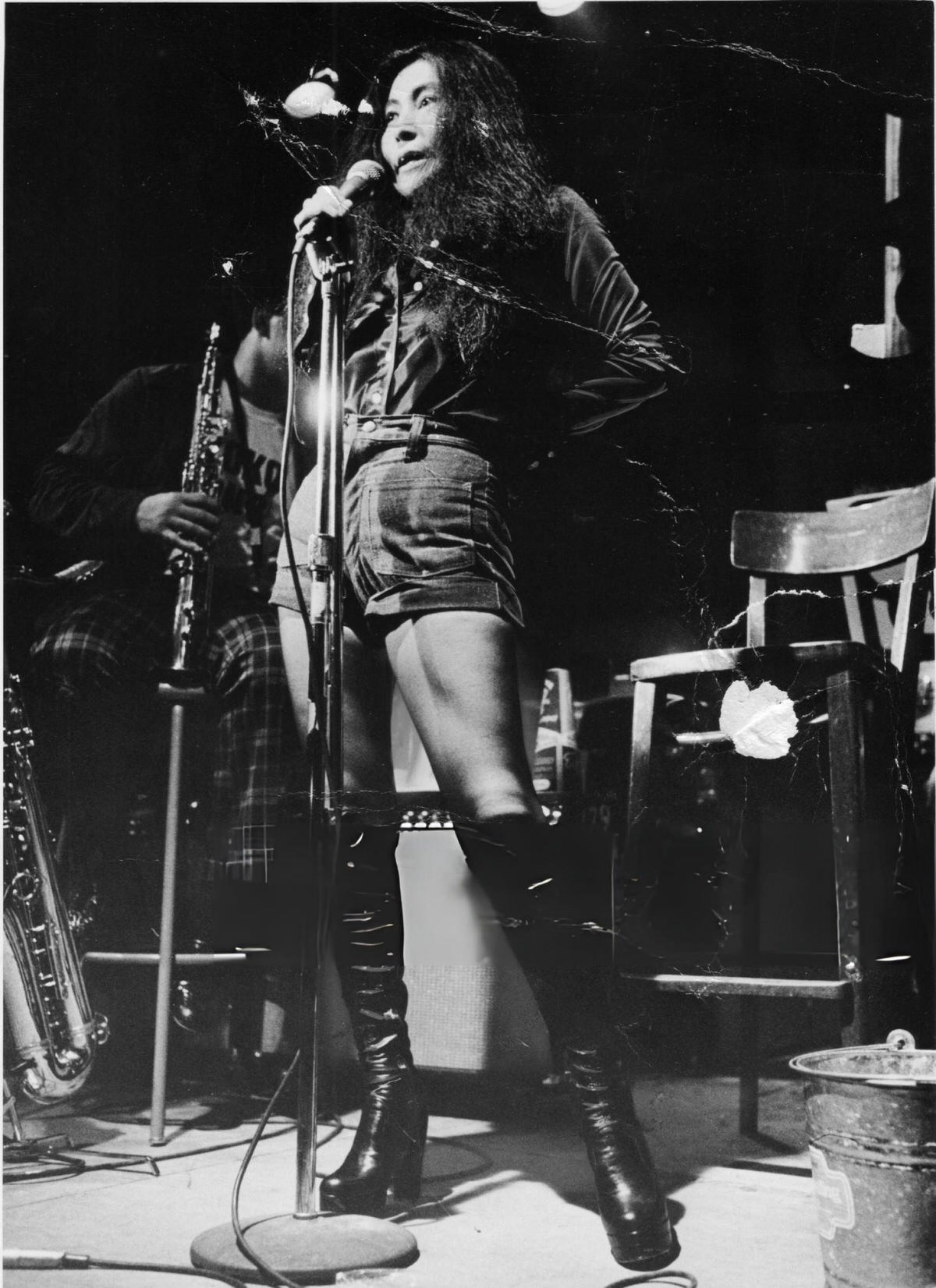
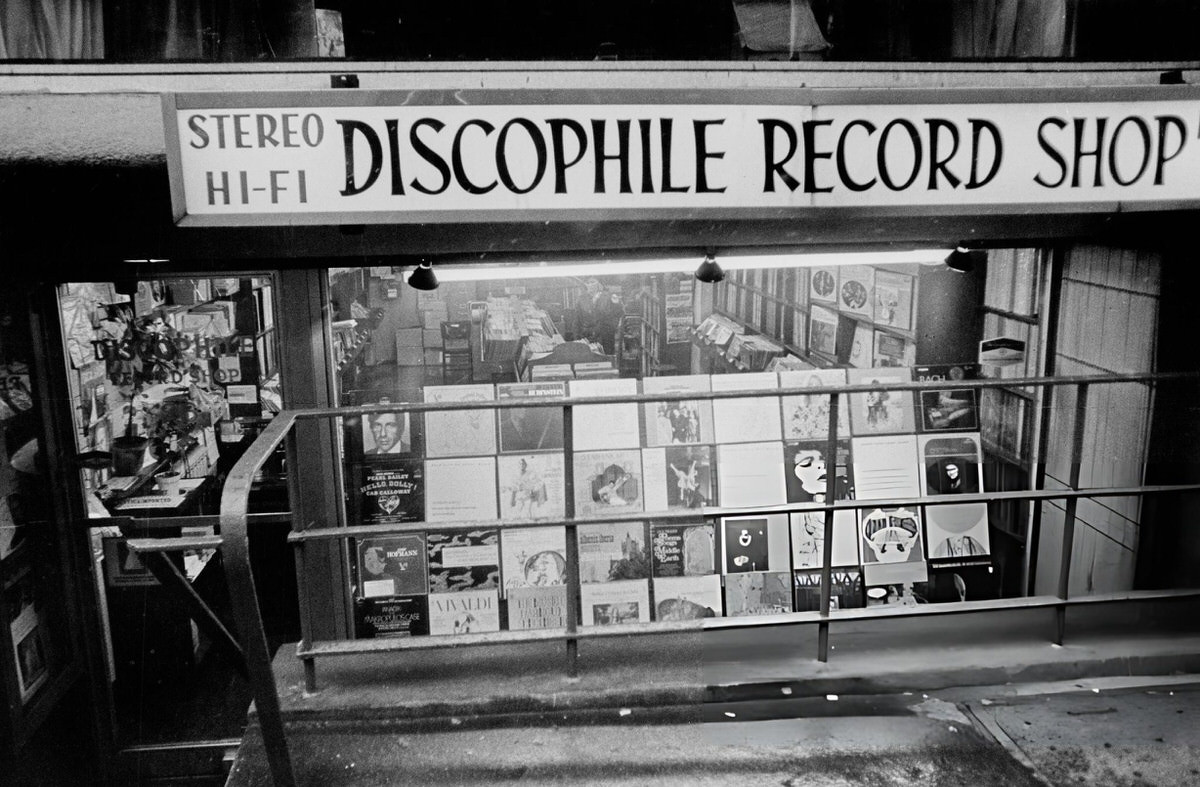
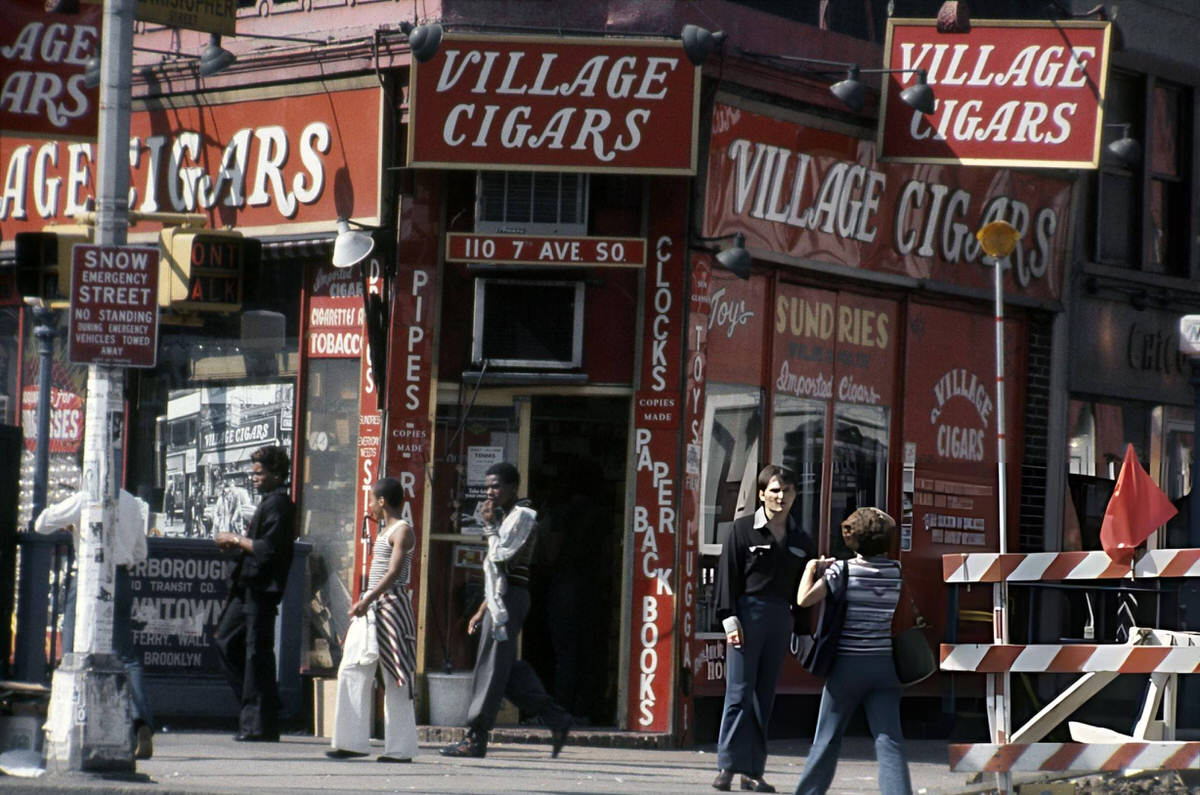
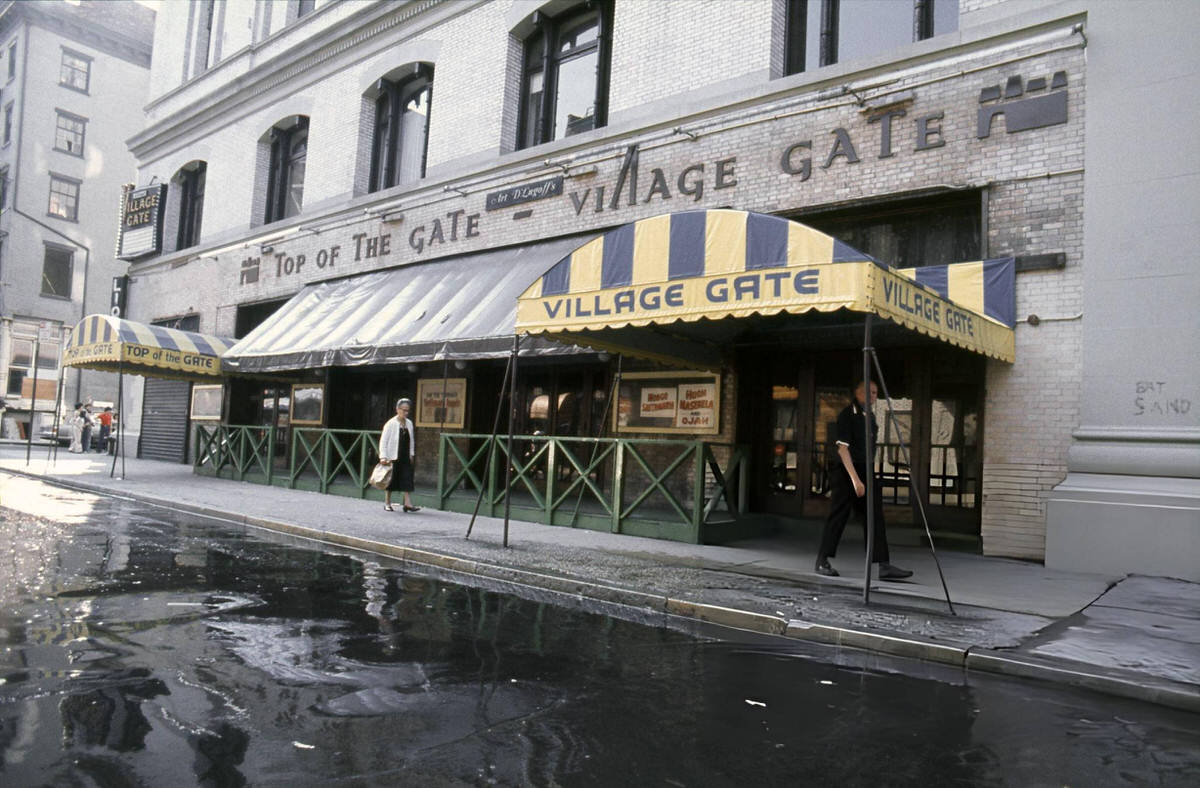
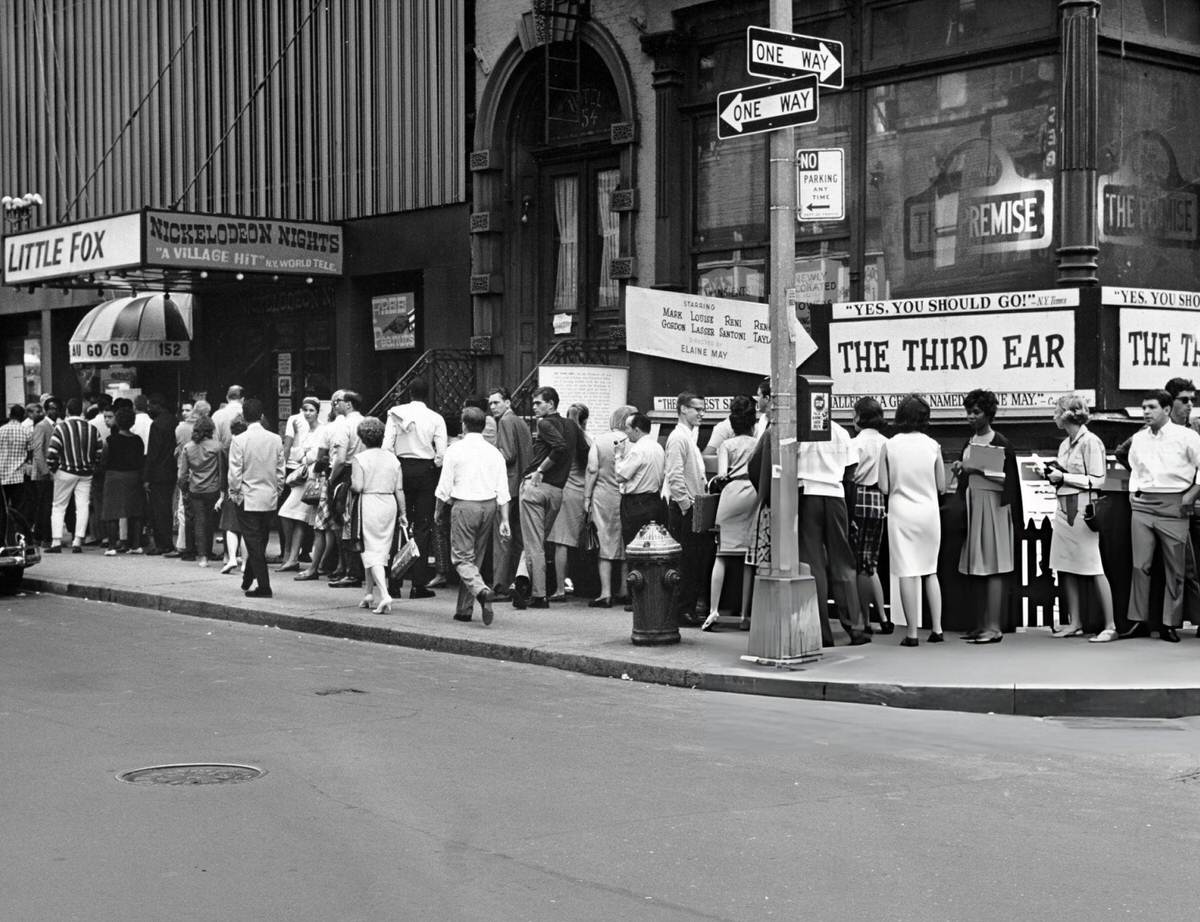
The music scene was crammed into small bars and clubs along Bleecker Street and in the streets branching off it. The Bitter End hosted folk nights that ran until well past midnight. Kenny’s Castaways packed in crowds for rock bands that nobody had heard of yet. Around the corner, the Village Vanguard on Seventh Avenue South had been a jazz institution since 1935, and in the 70s it remained one of the few places in the city where you could hear serious jazz played seriously. Miles Davis had recorded a live album there in 1961, and the club’s basement room still carried that weight every single night.
Read more
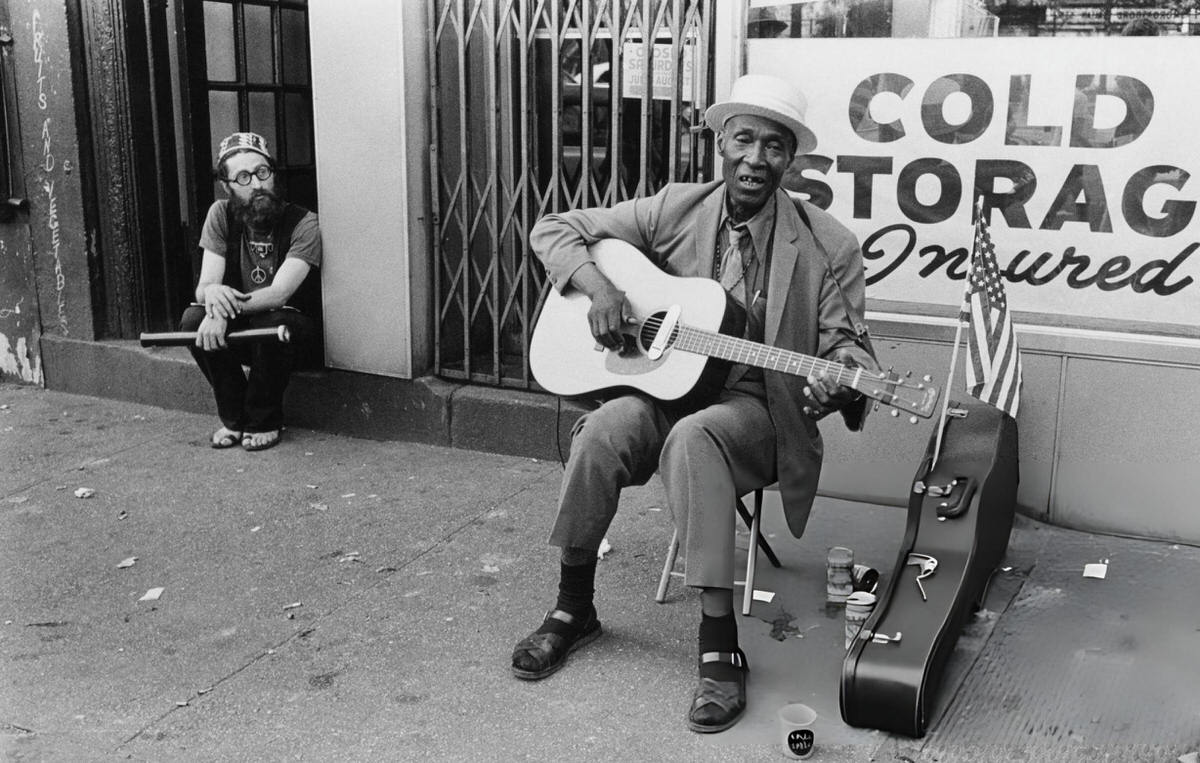
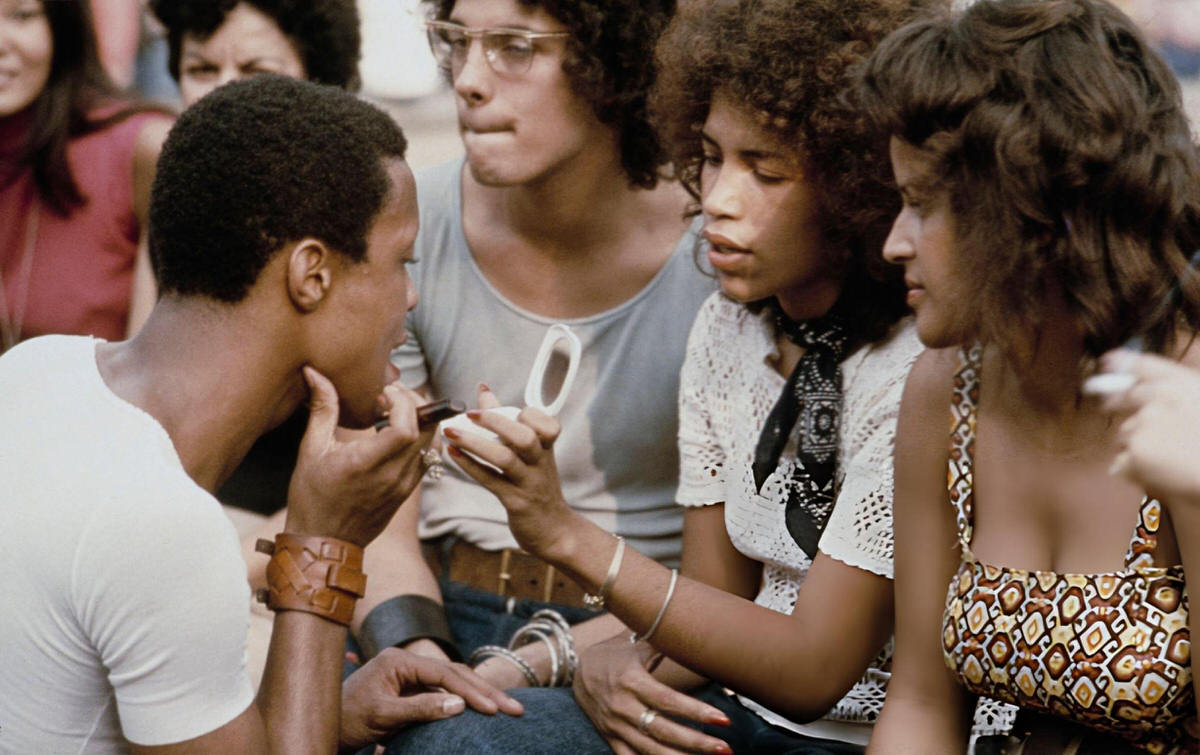
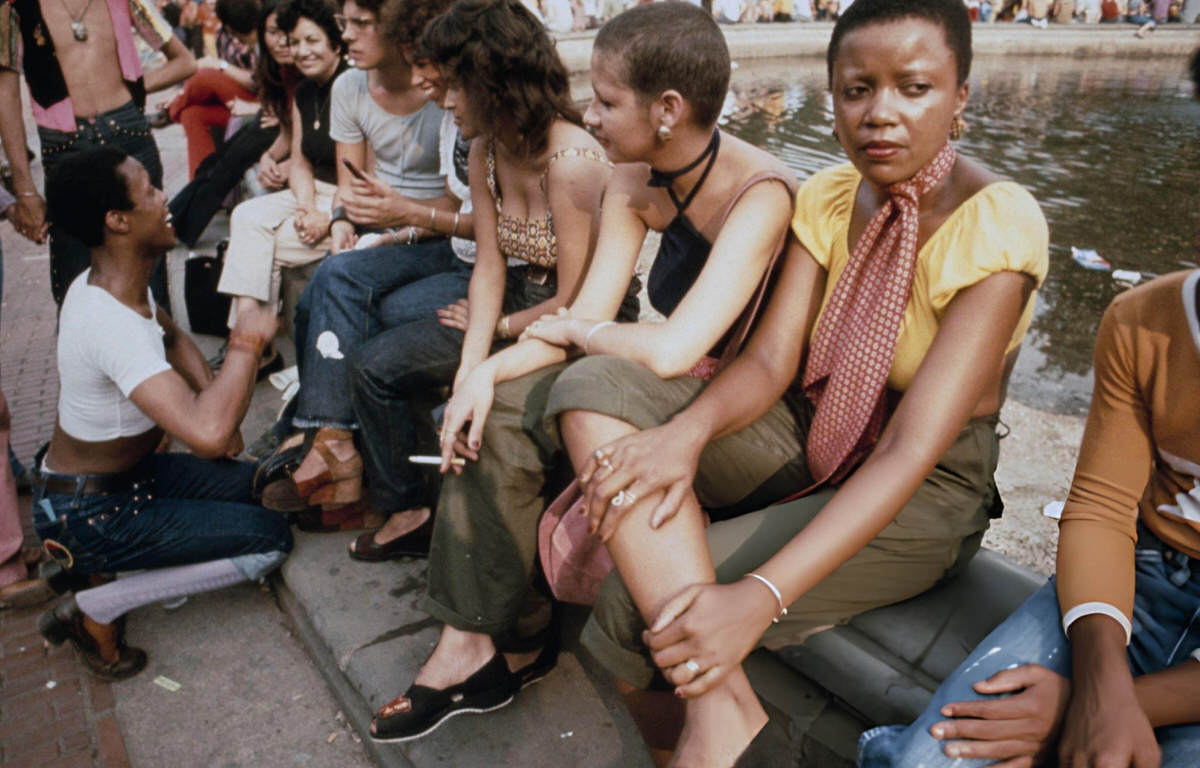
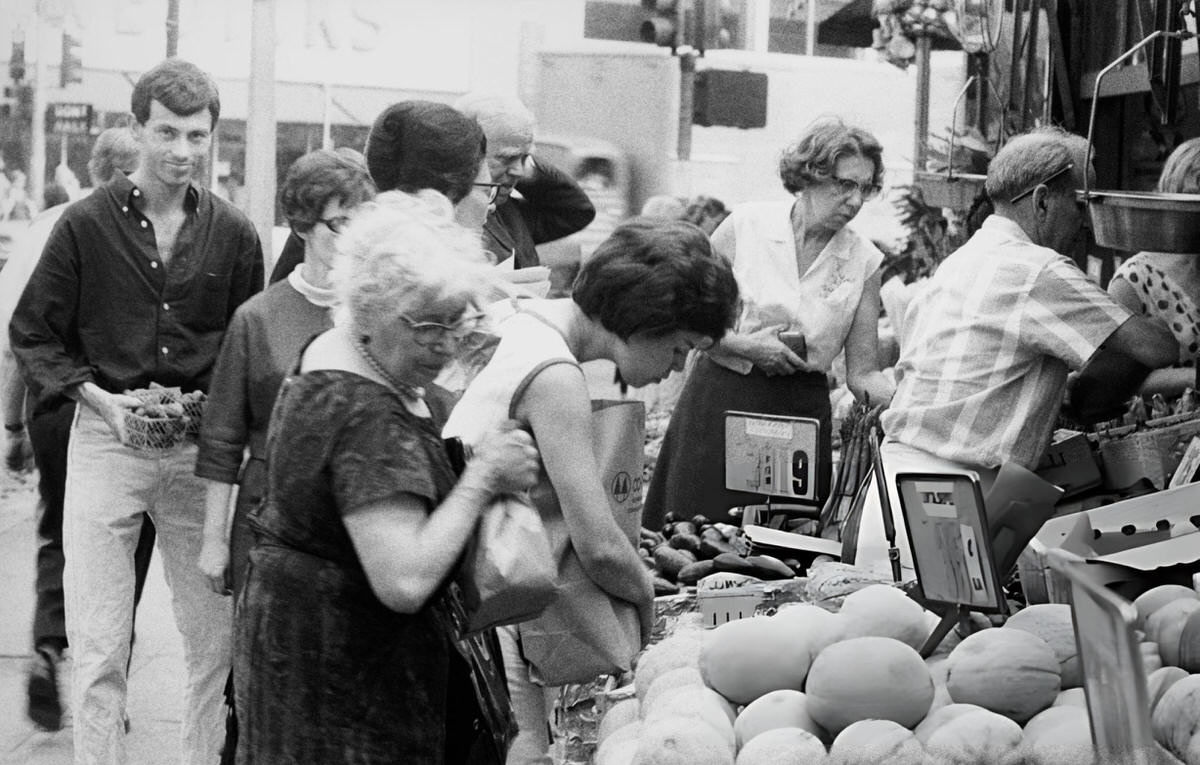
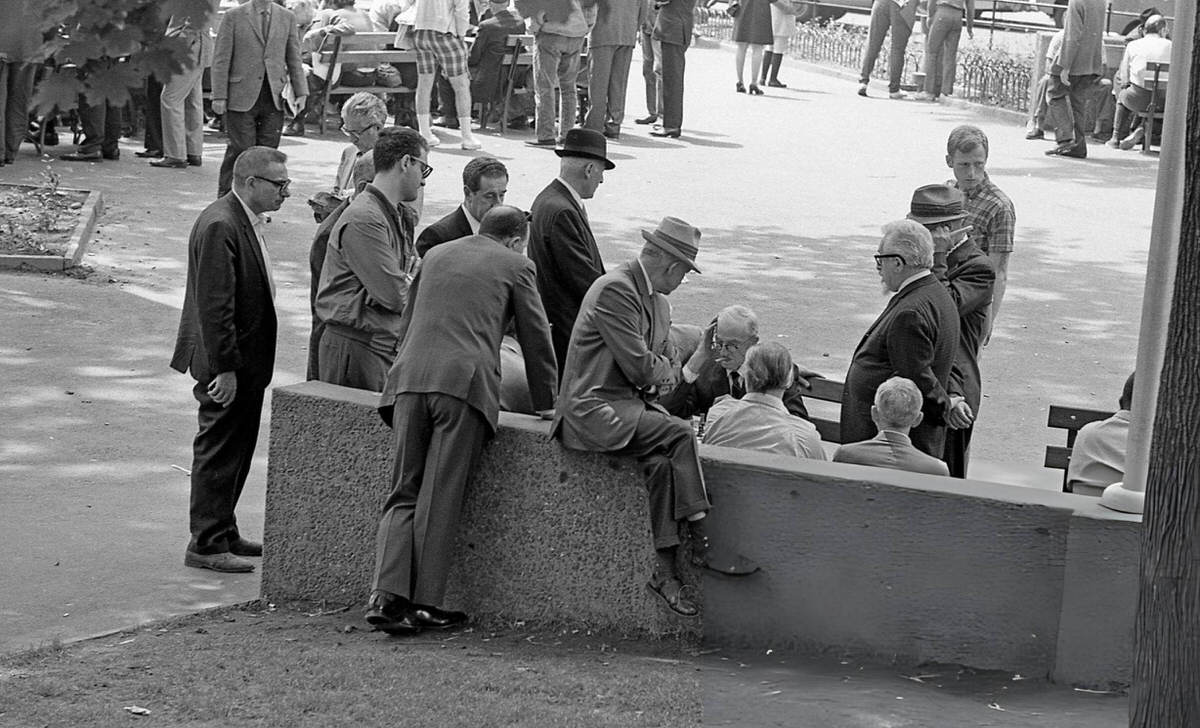
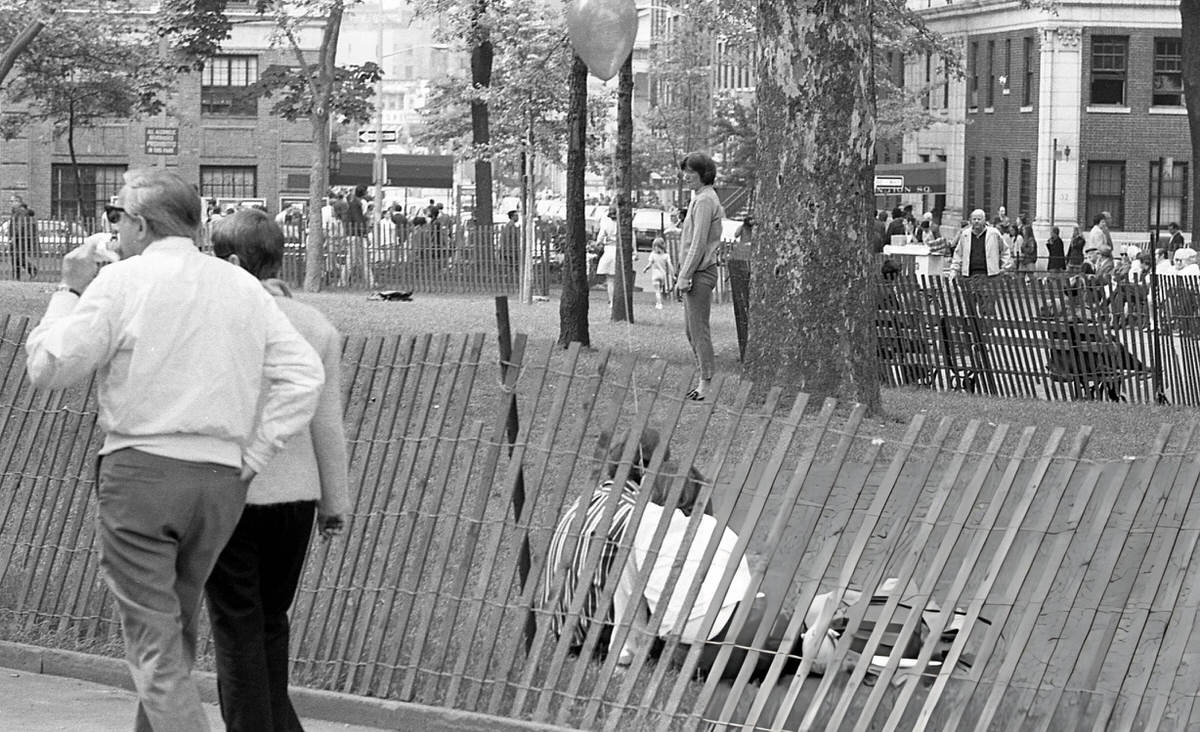
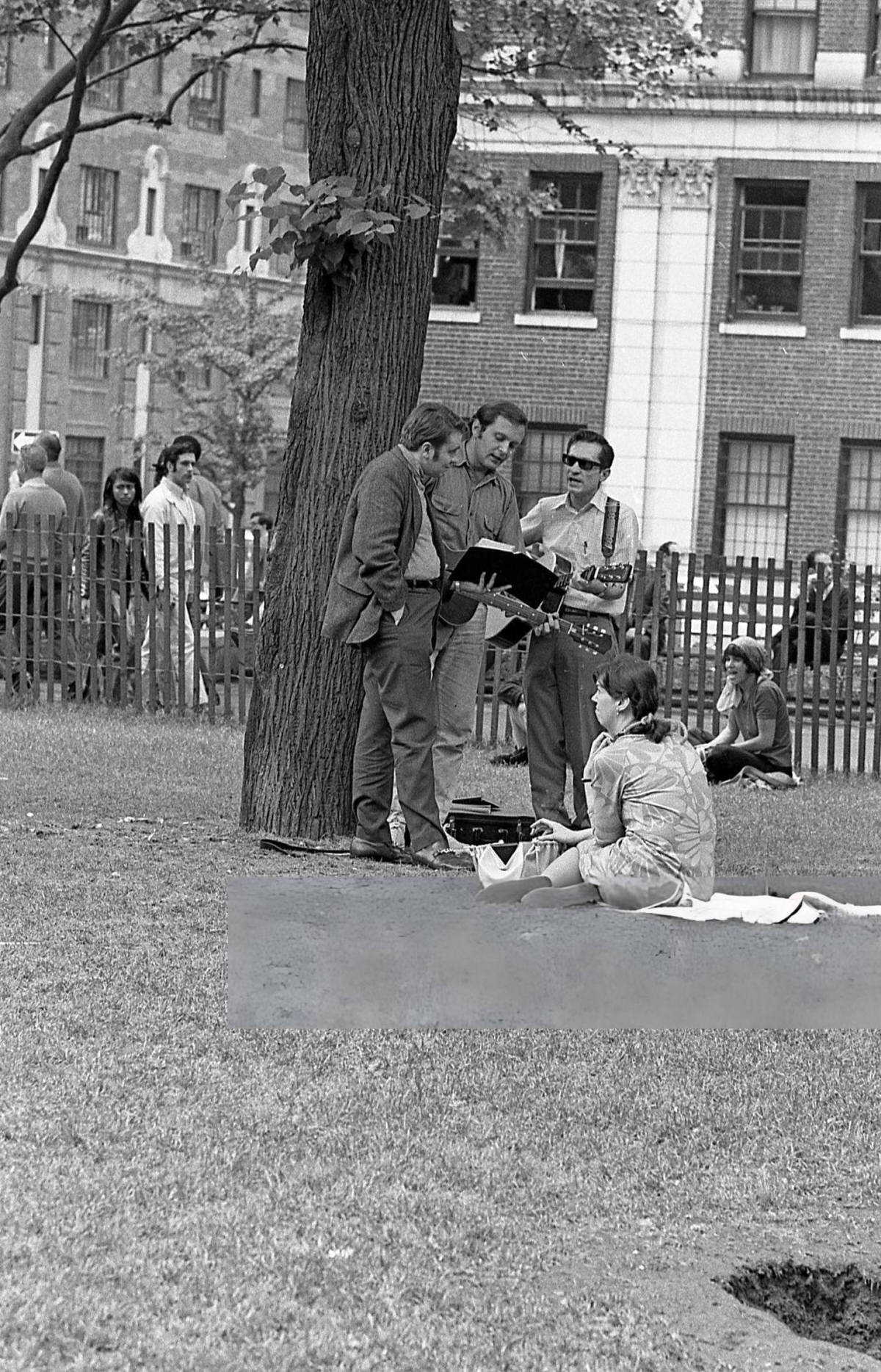
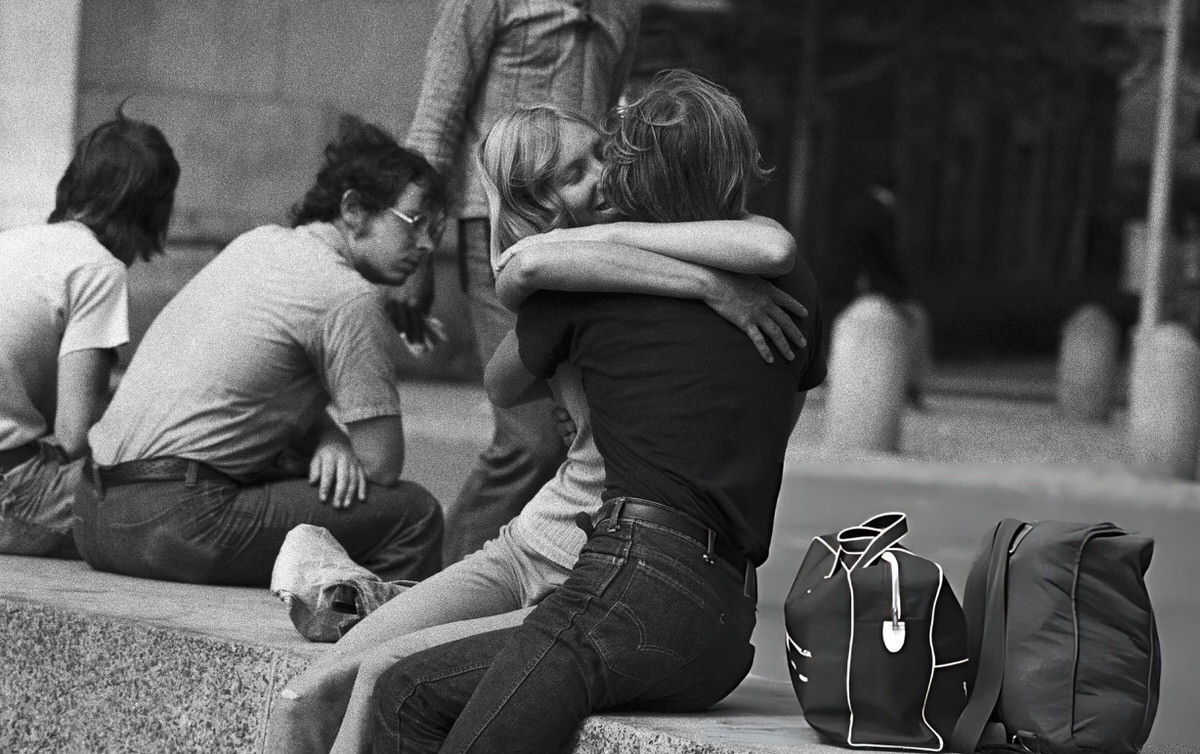
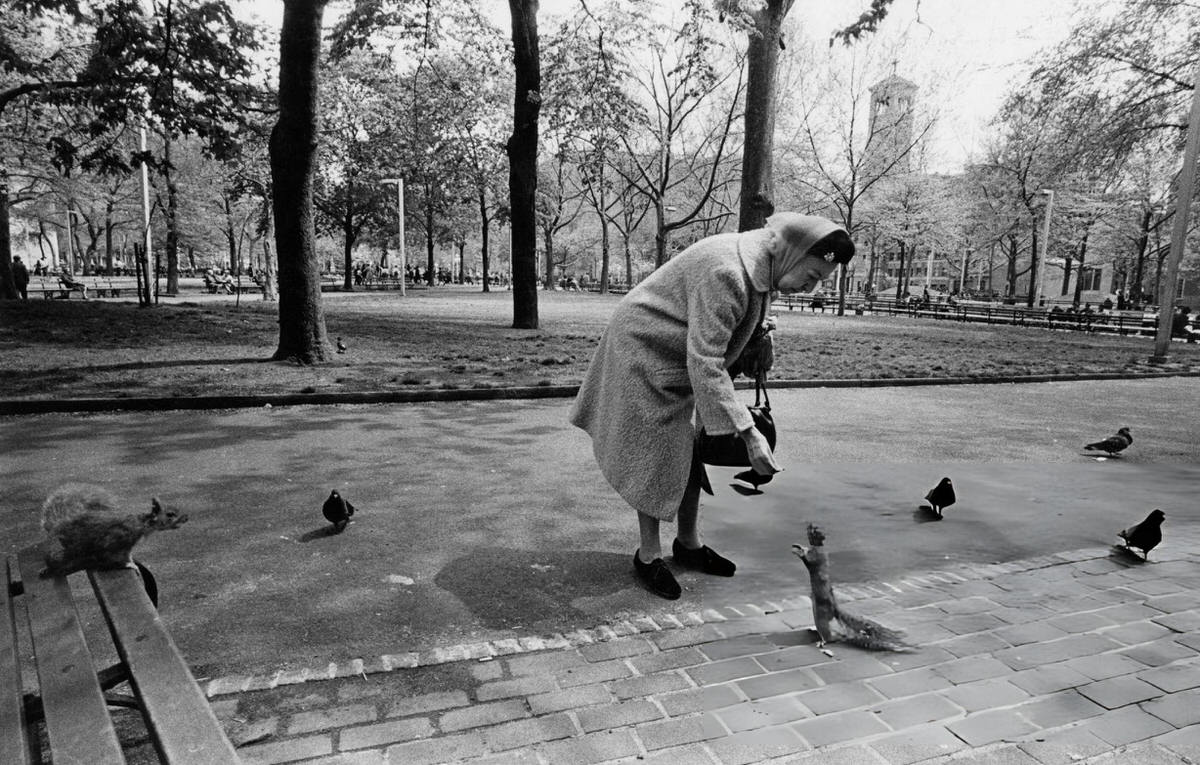
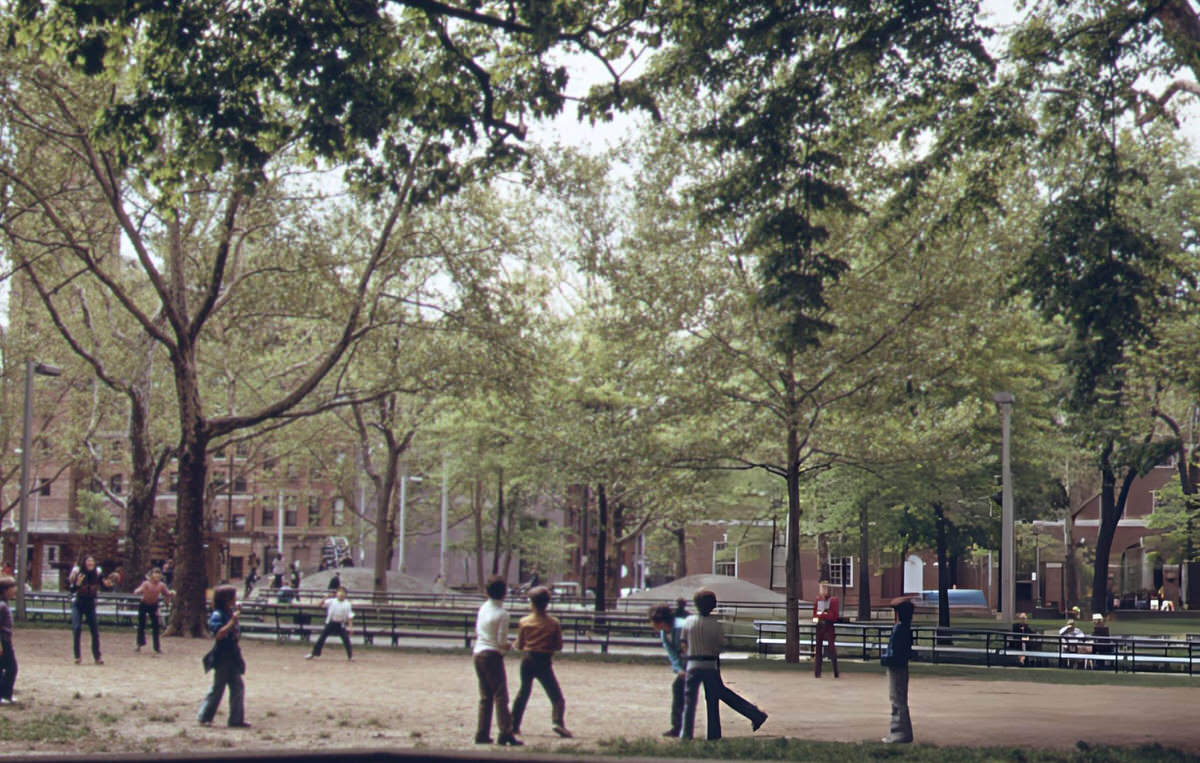
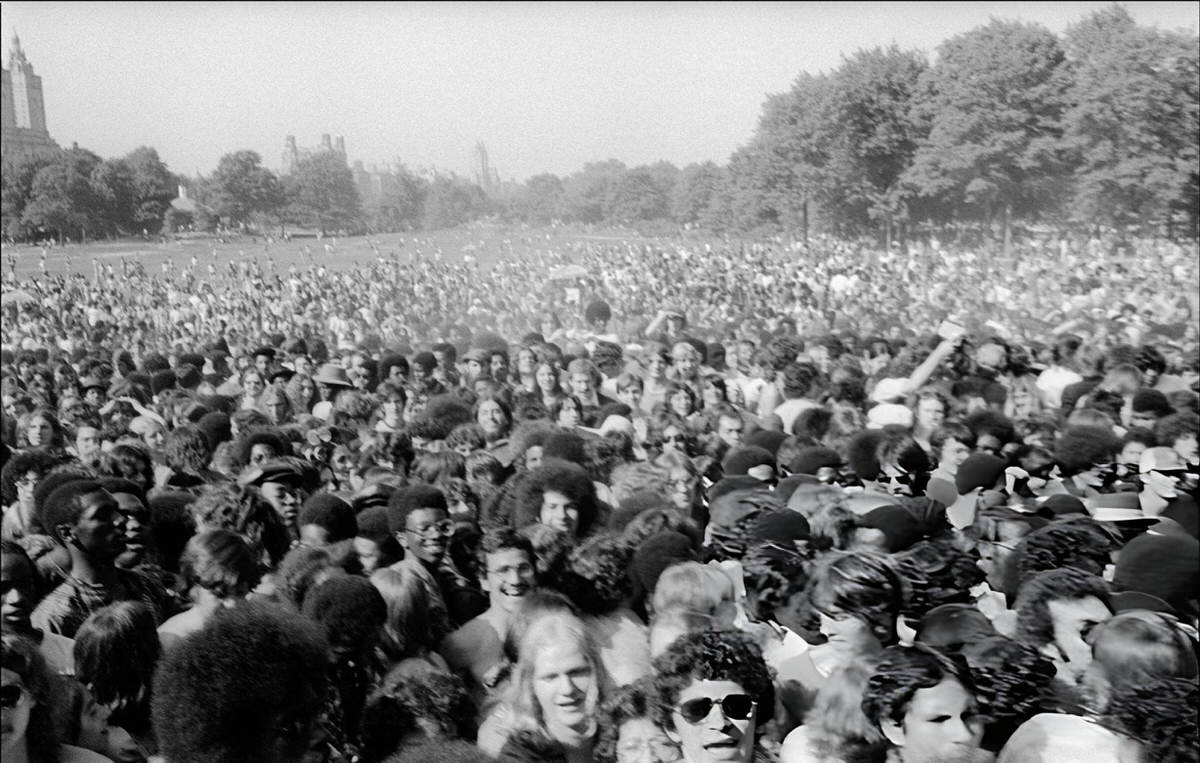
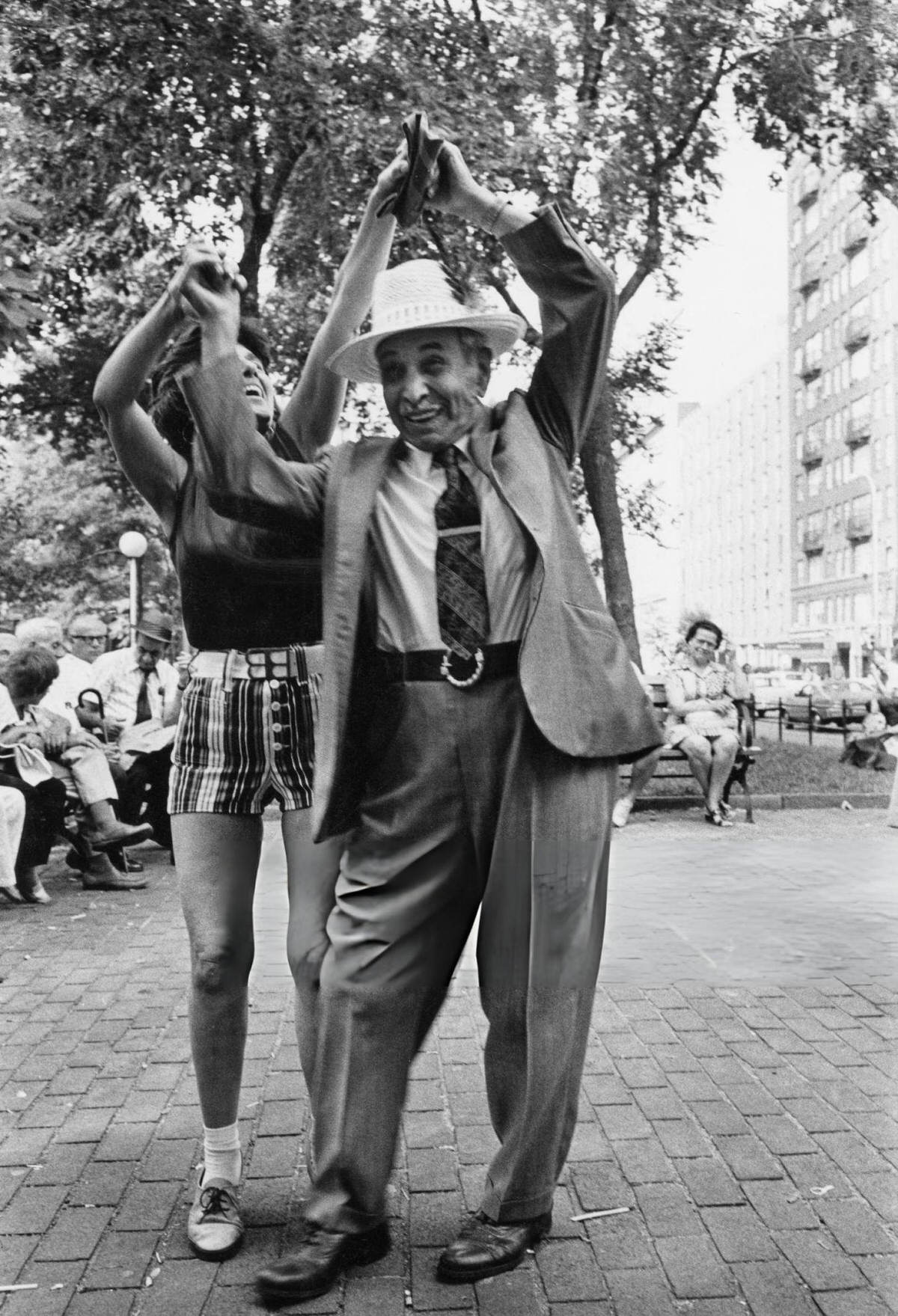
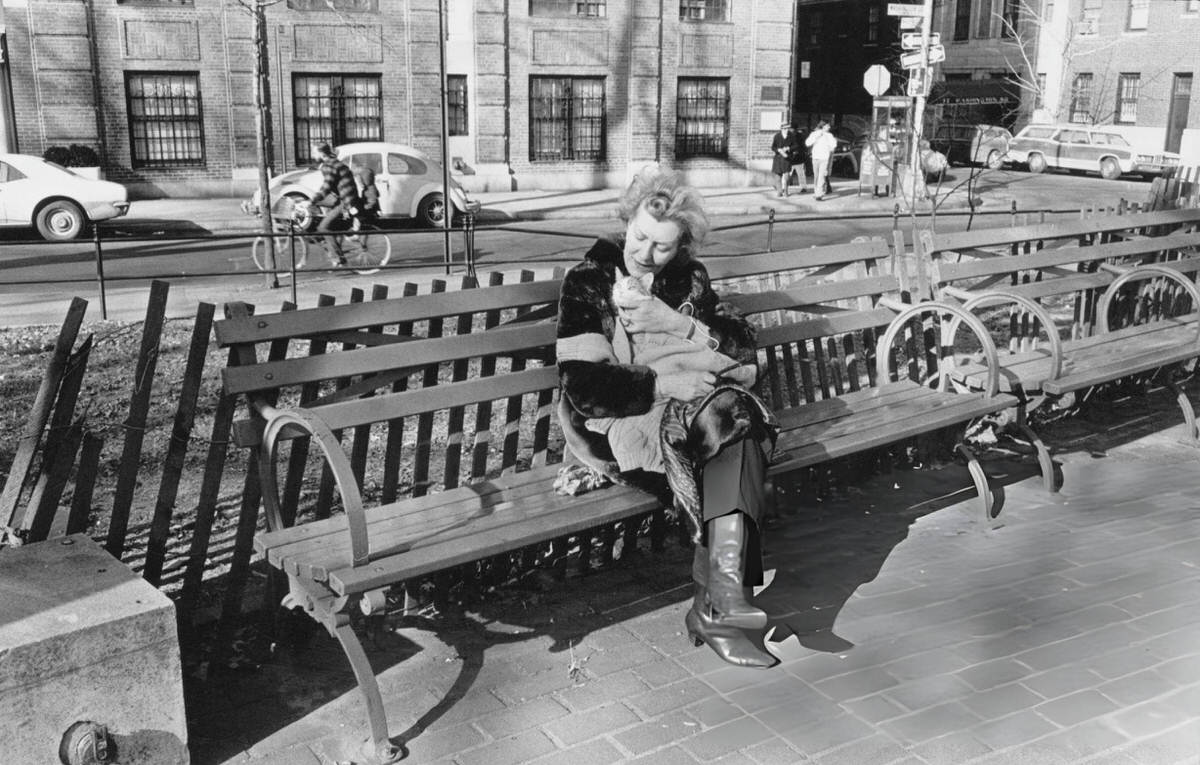
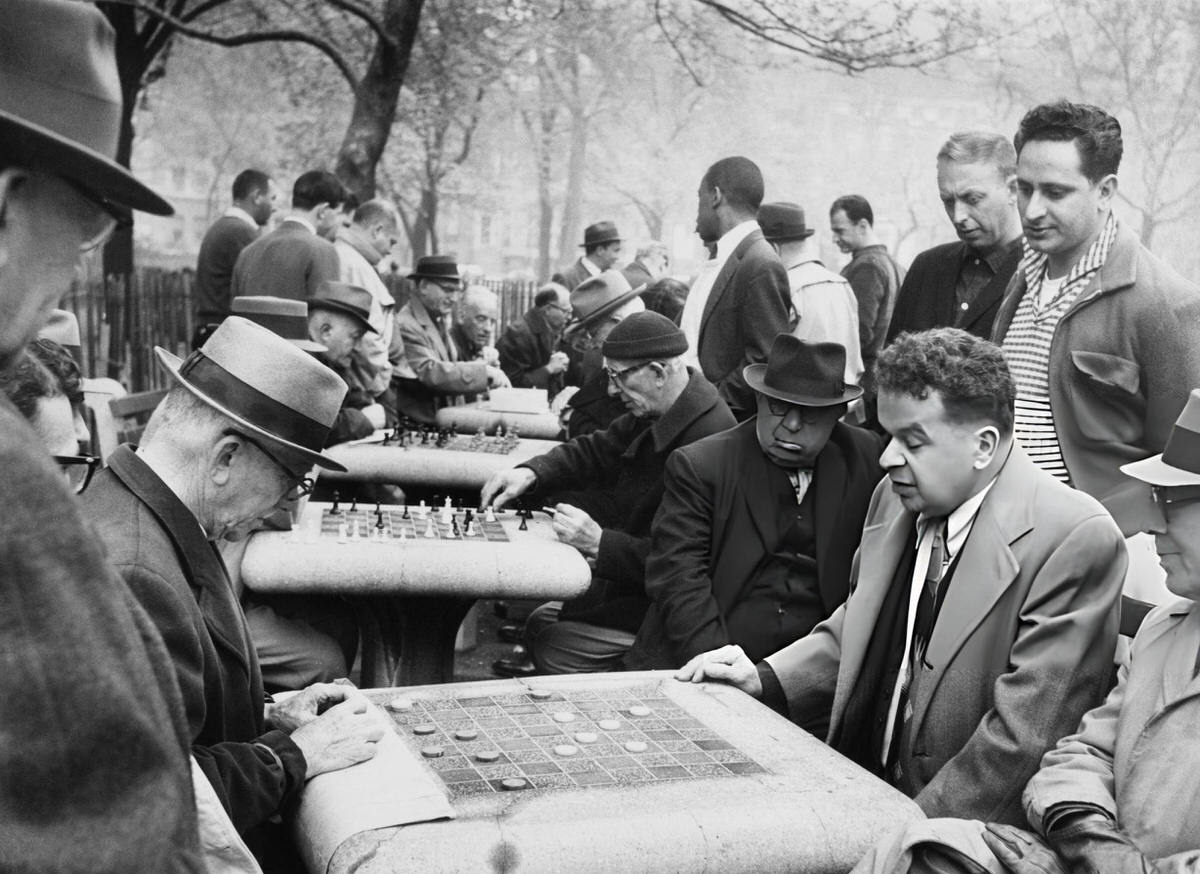
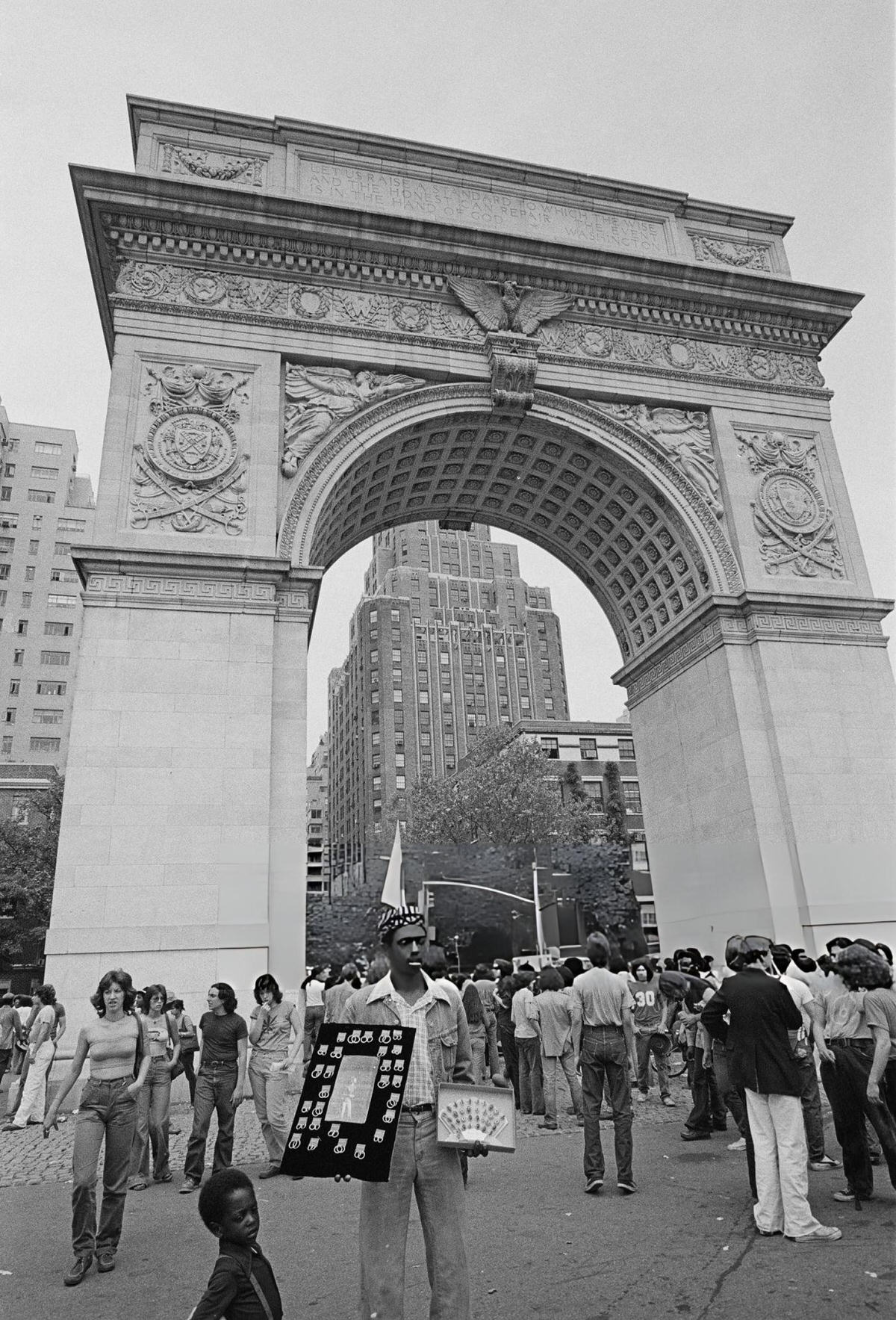
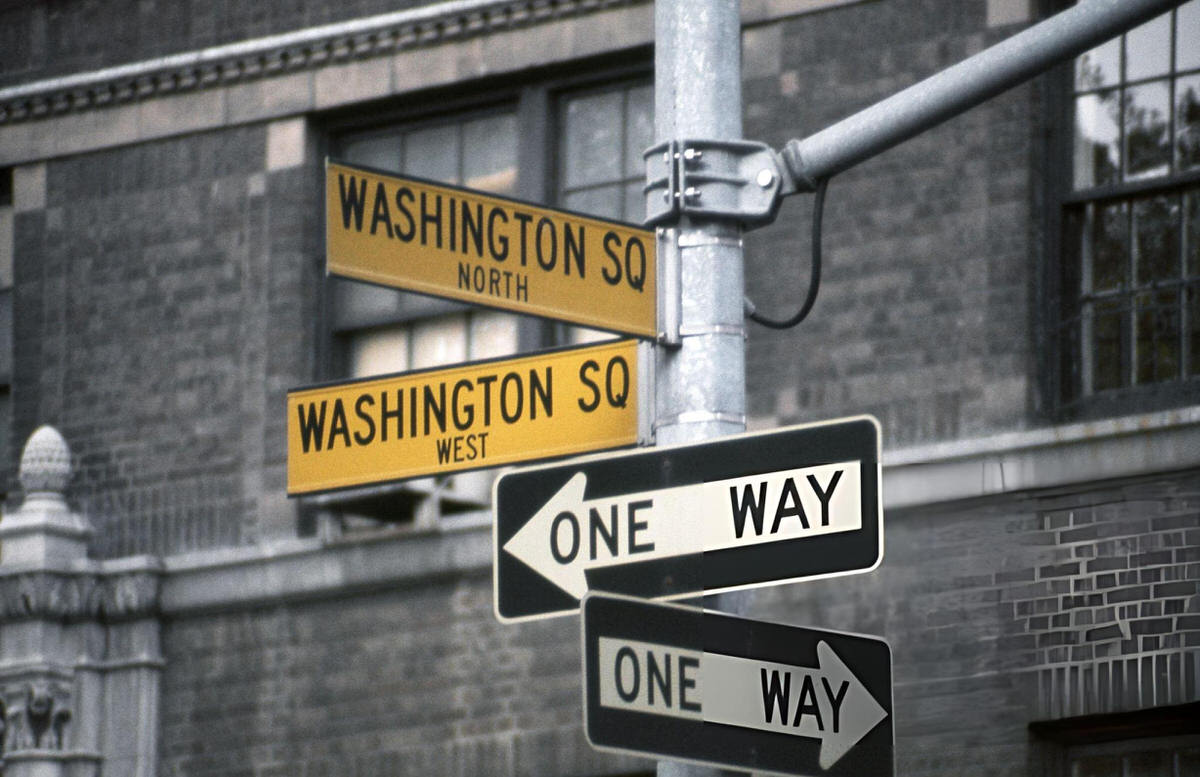
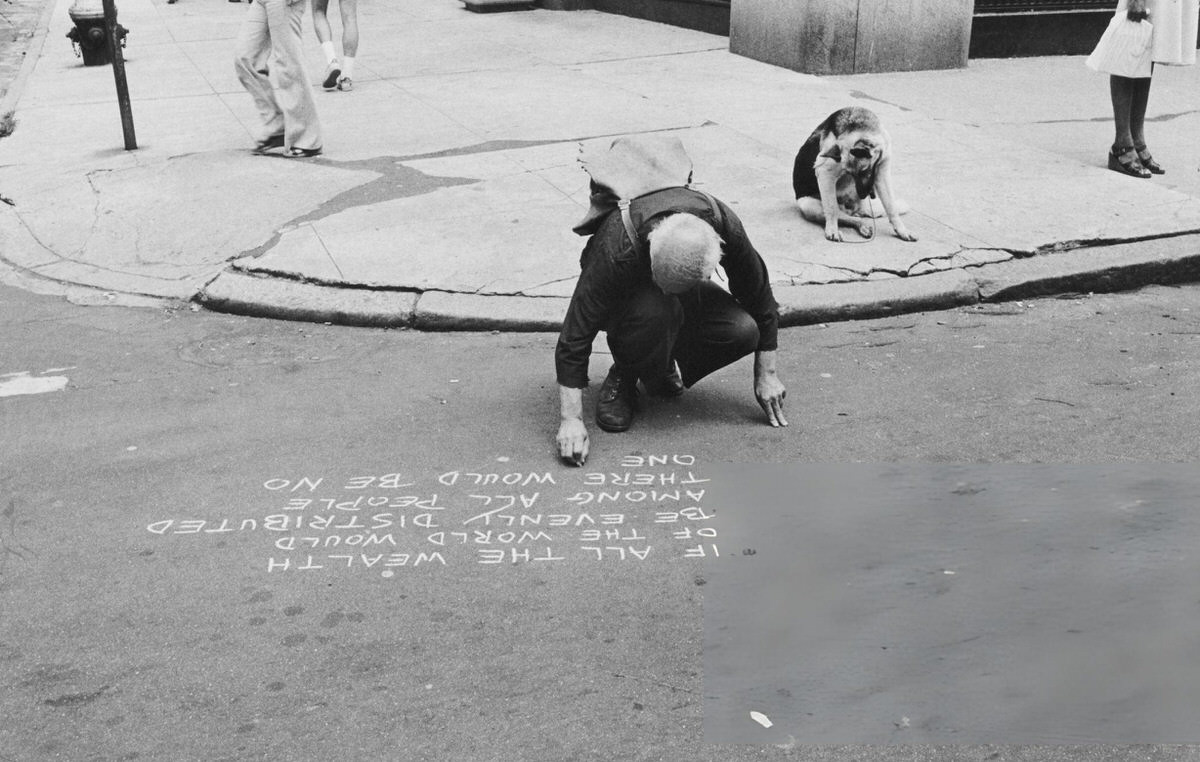
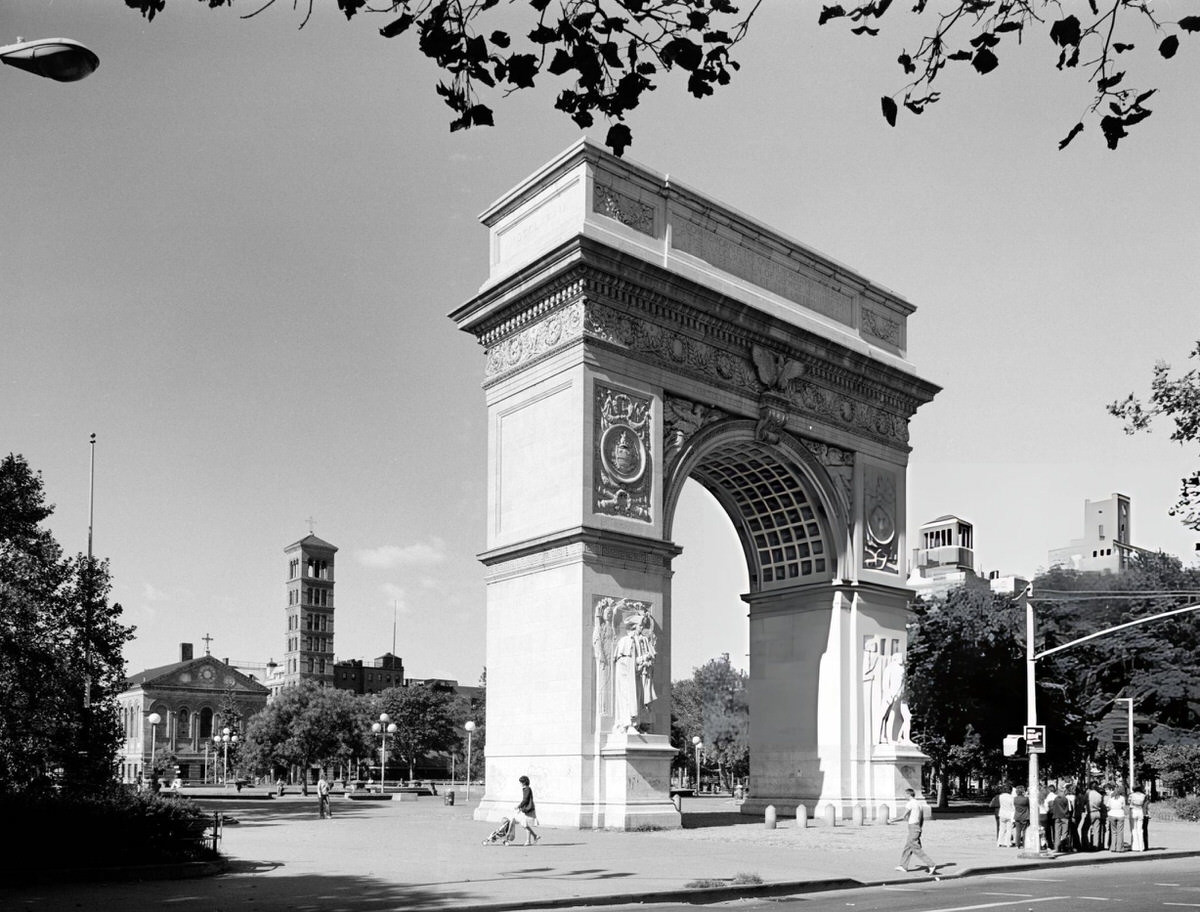
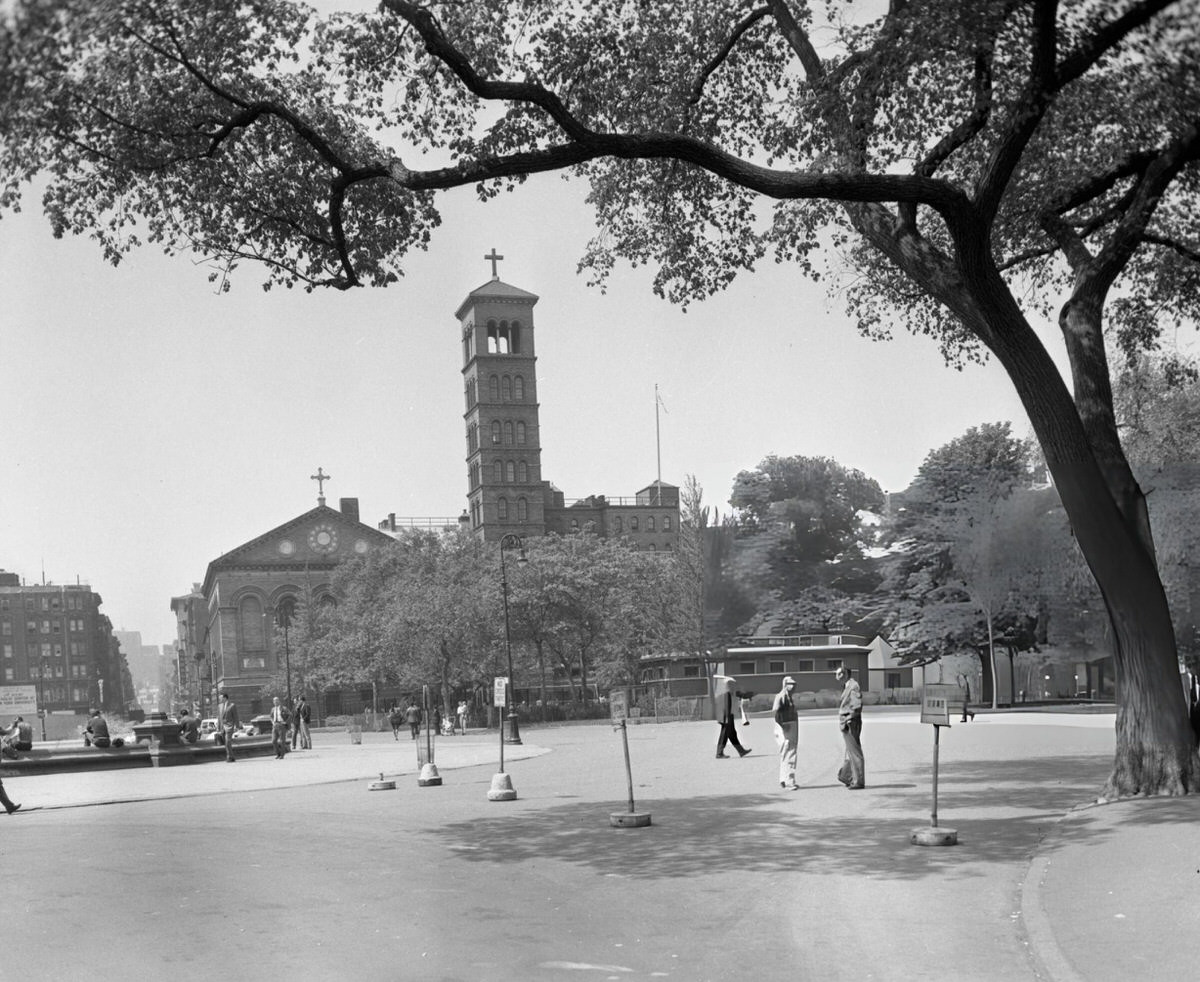
Washington Square Park was the center of everything. On warm weekends, the fountain turned into an outdoor amphitheater. Folk singers set up without permits. Chess players ran games for dollar bets. Dealers sold loosies, weed, and occasionally harder things right in the open. The park was not safe in any suburban sense of the word, but it was alive in a way that made people keep coming back. NYU students walked through it every day alongside locals who had been sitting on those same benches for thirty years.
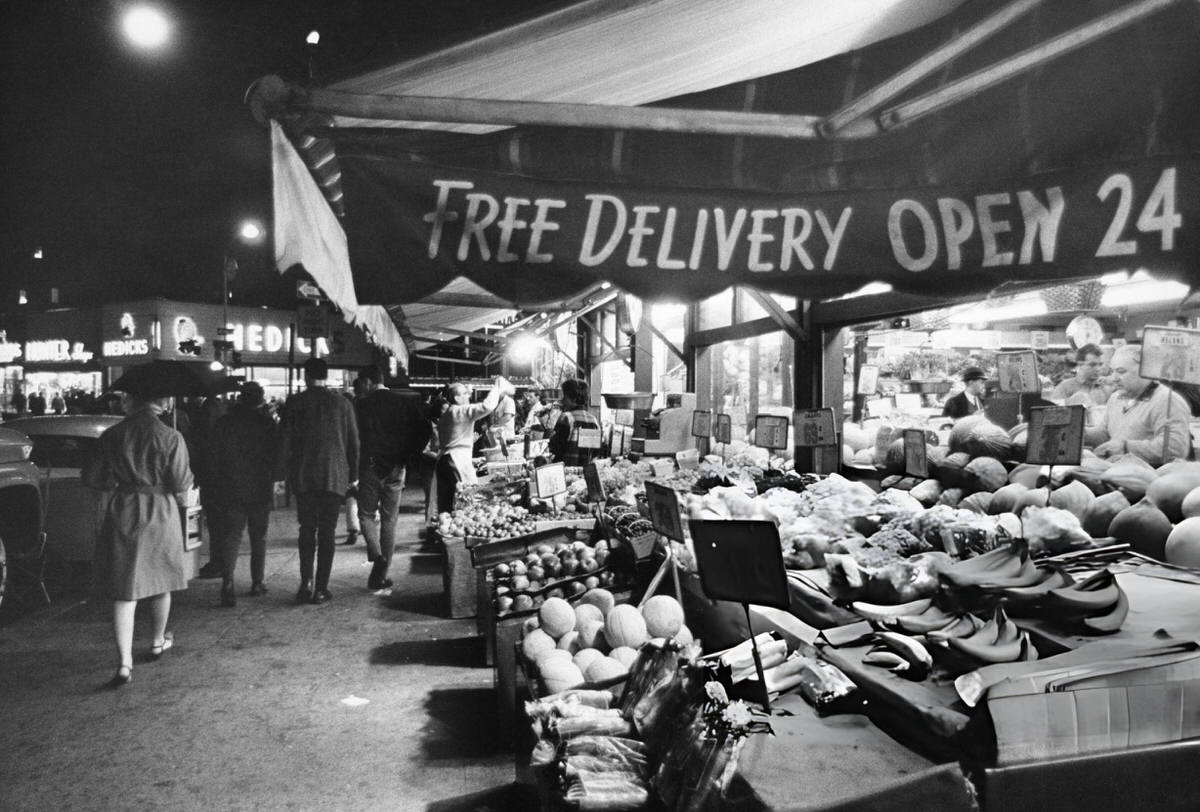
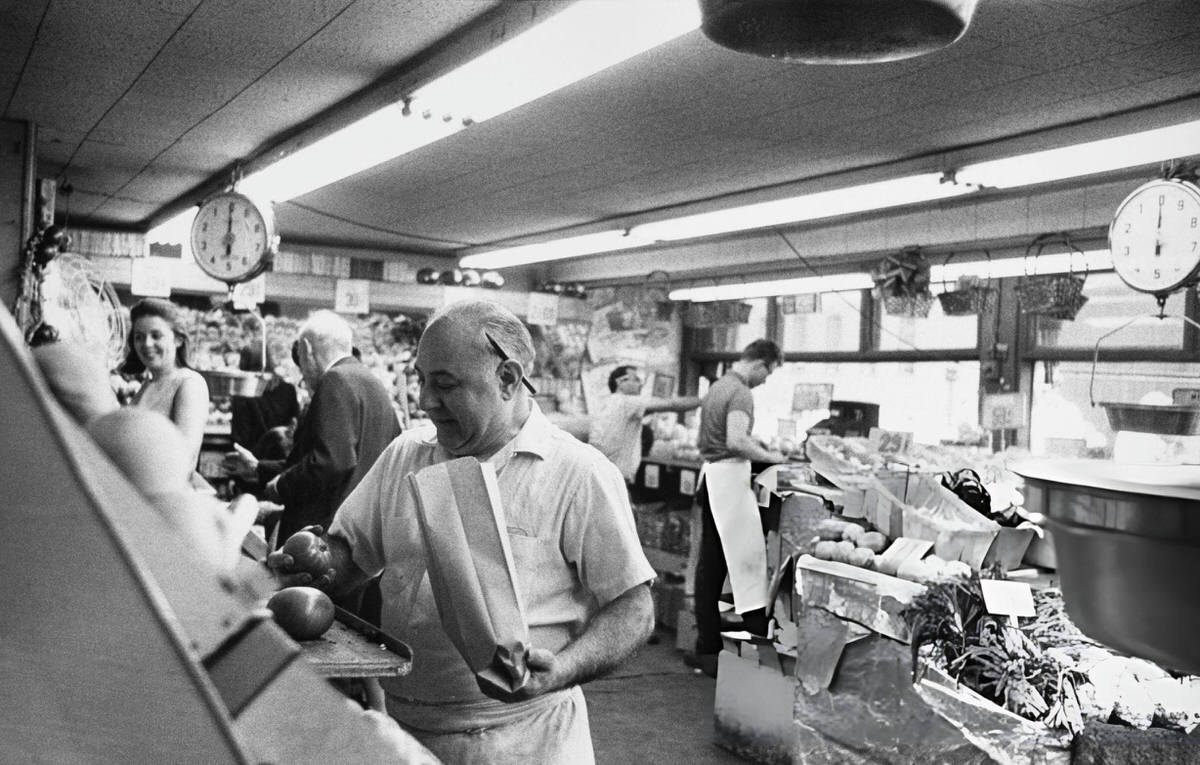
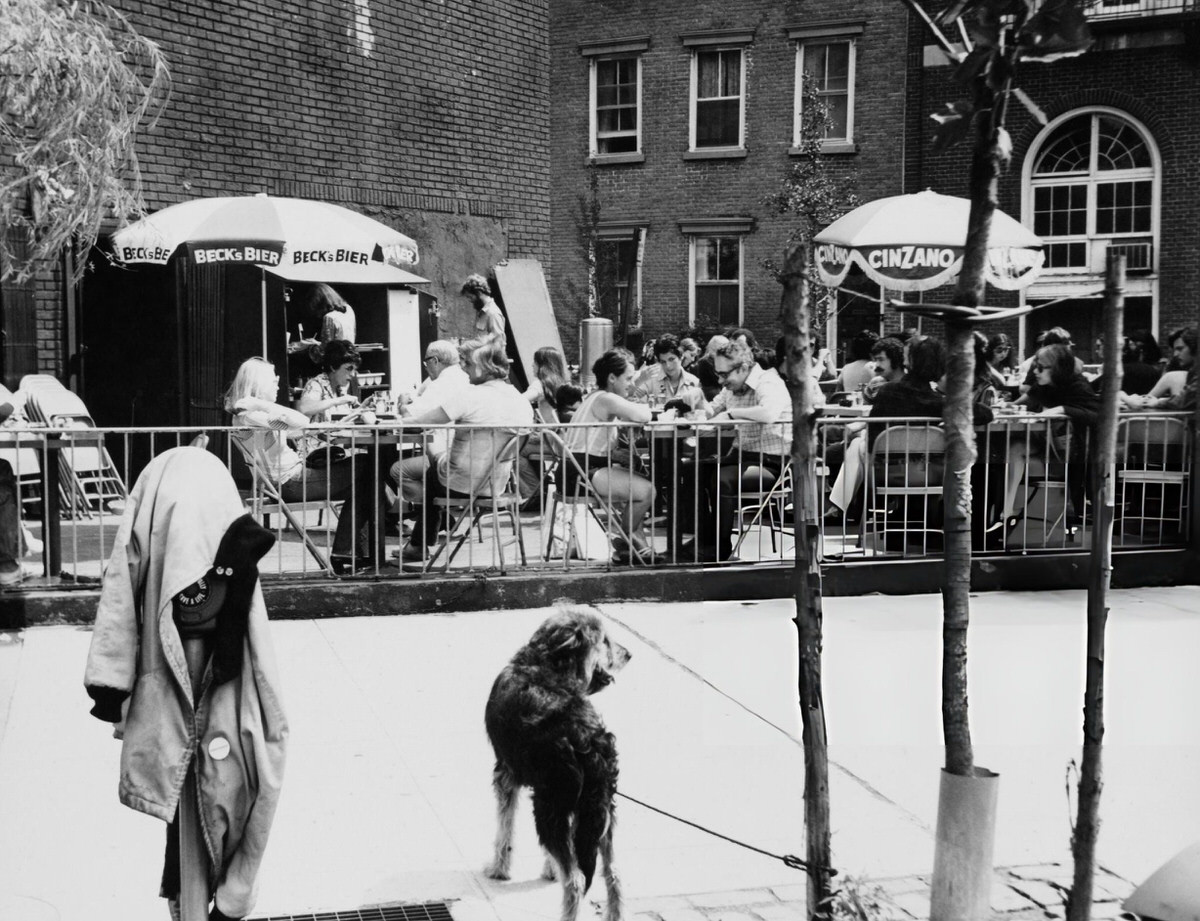
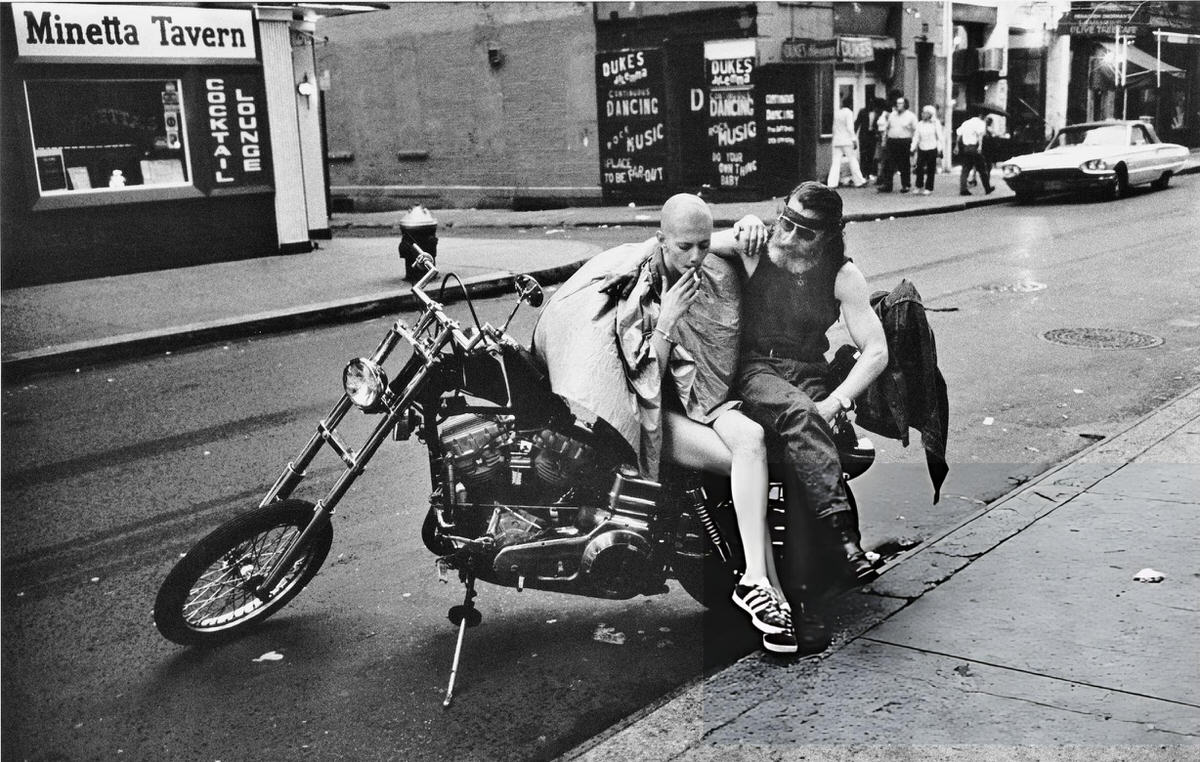
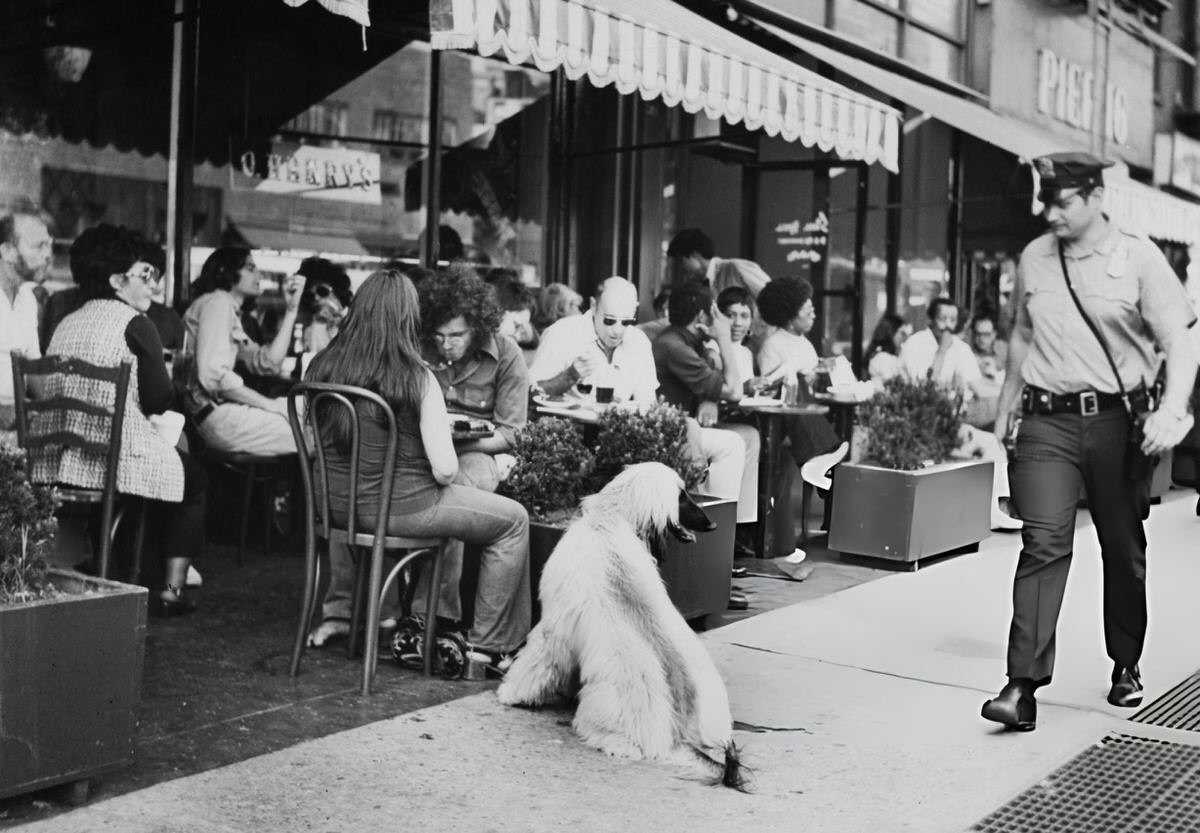
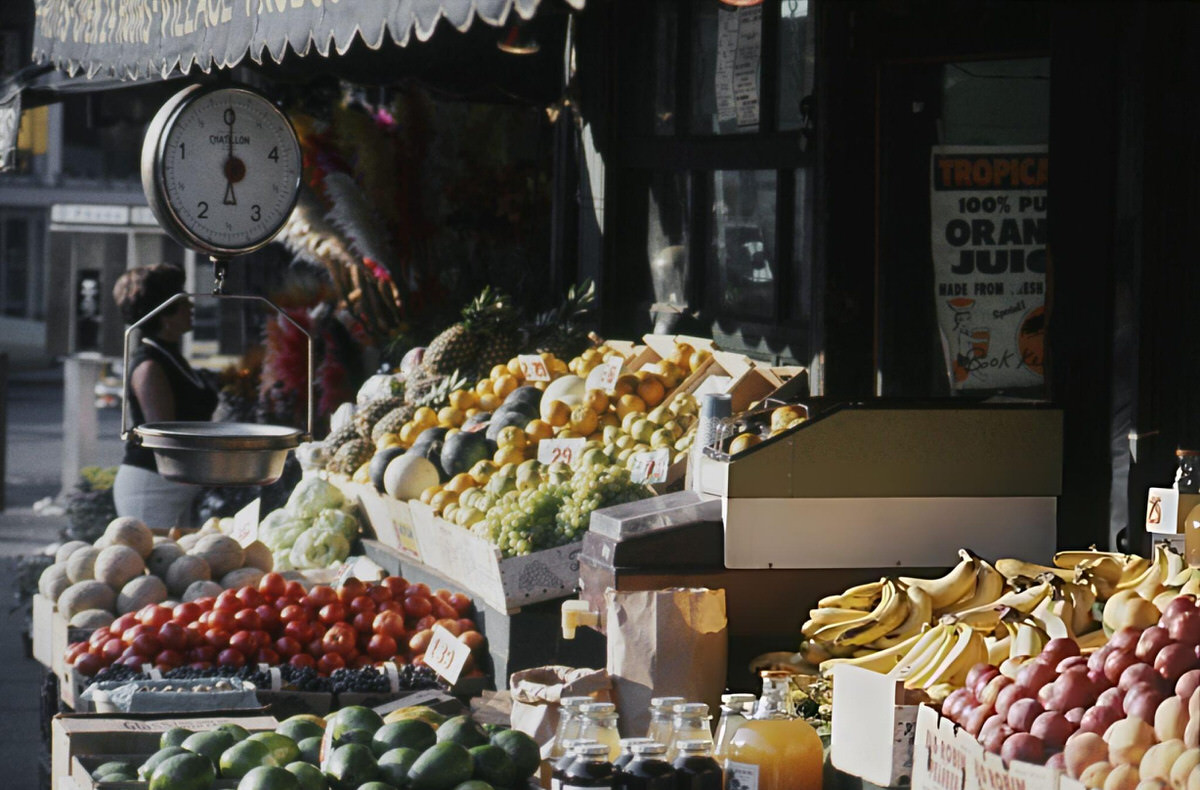
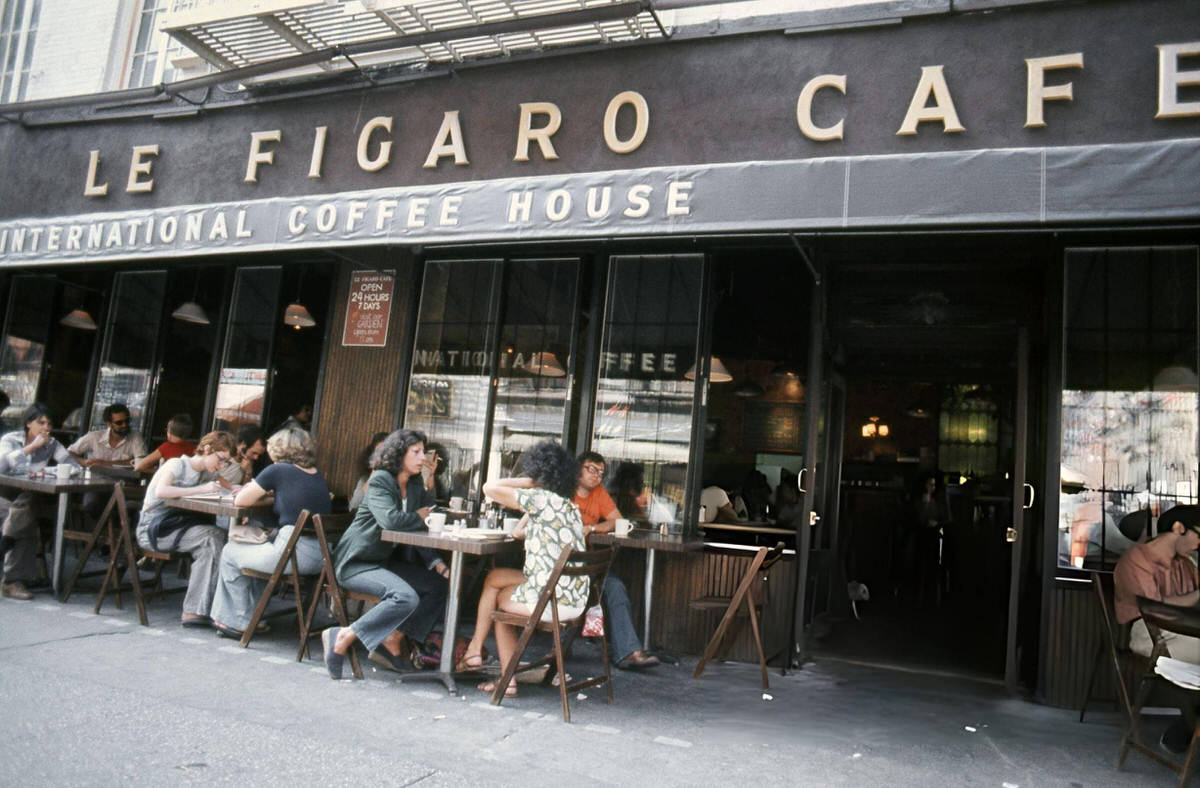
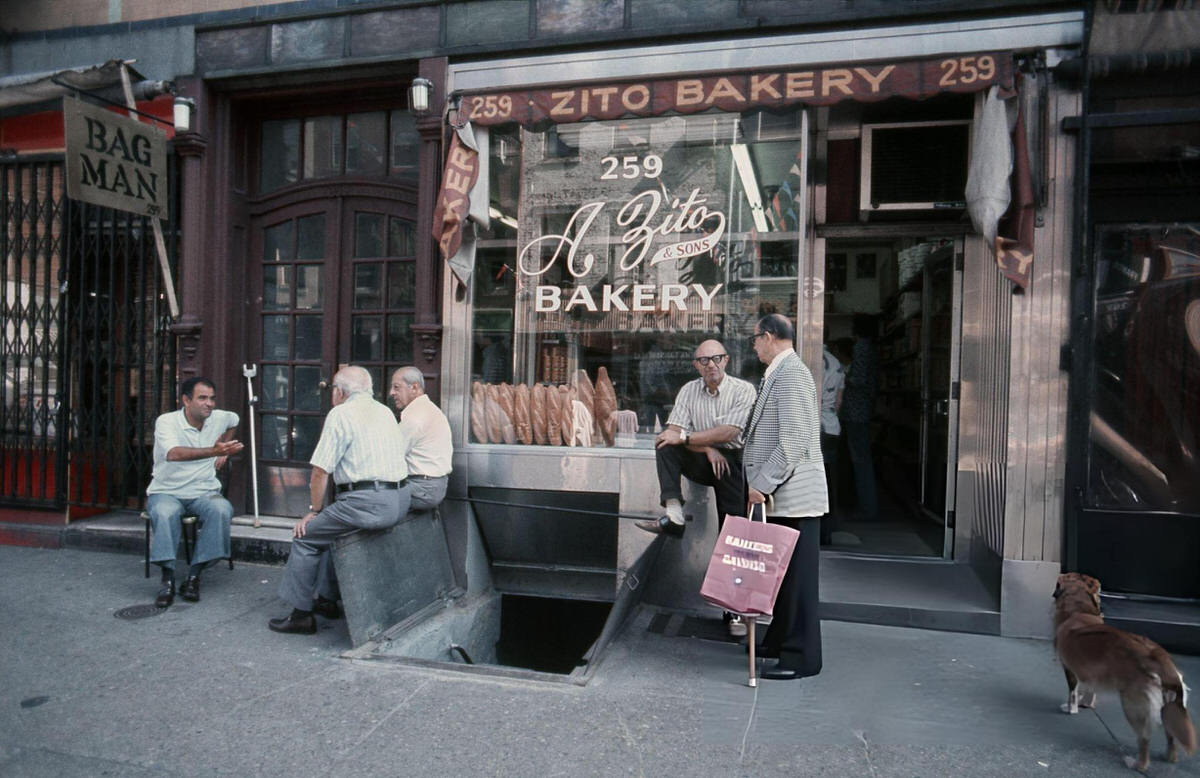
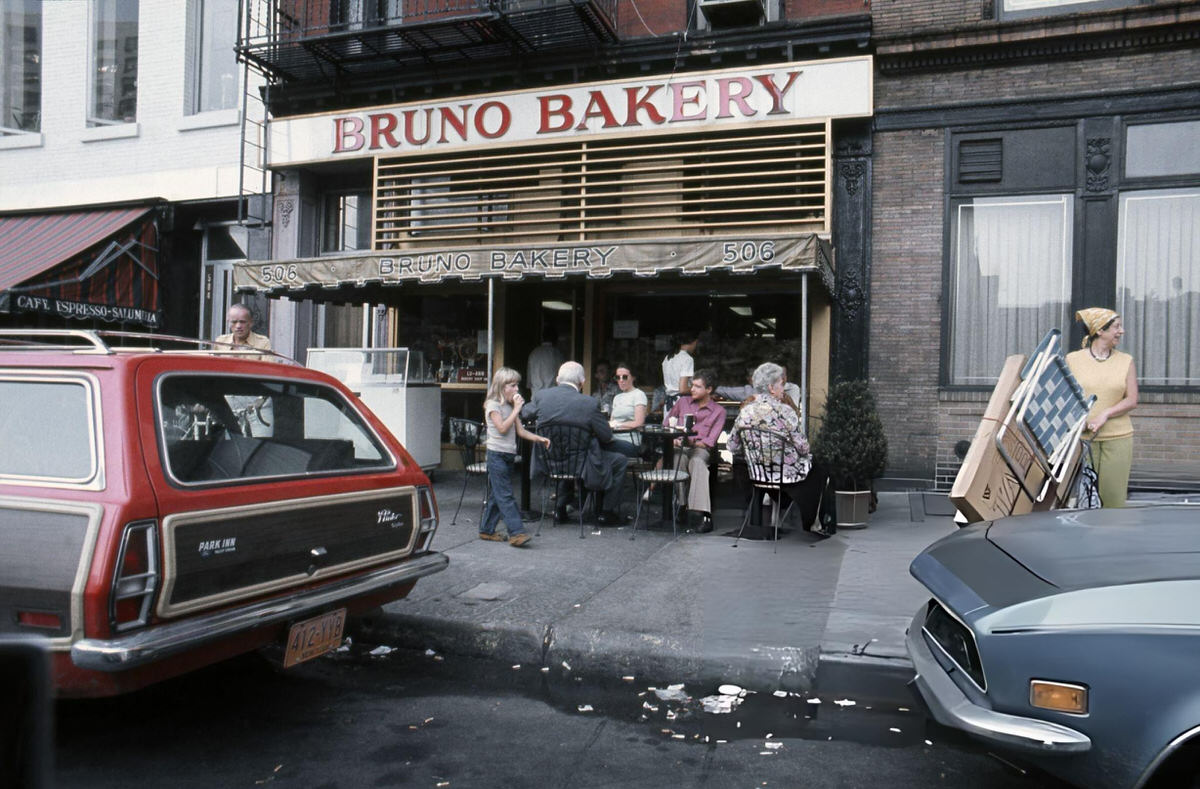
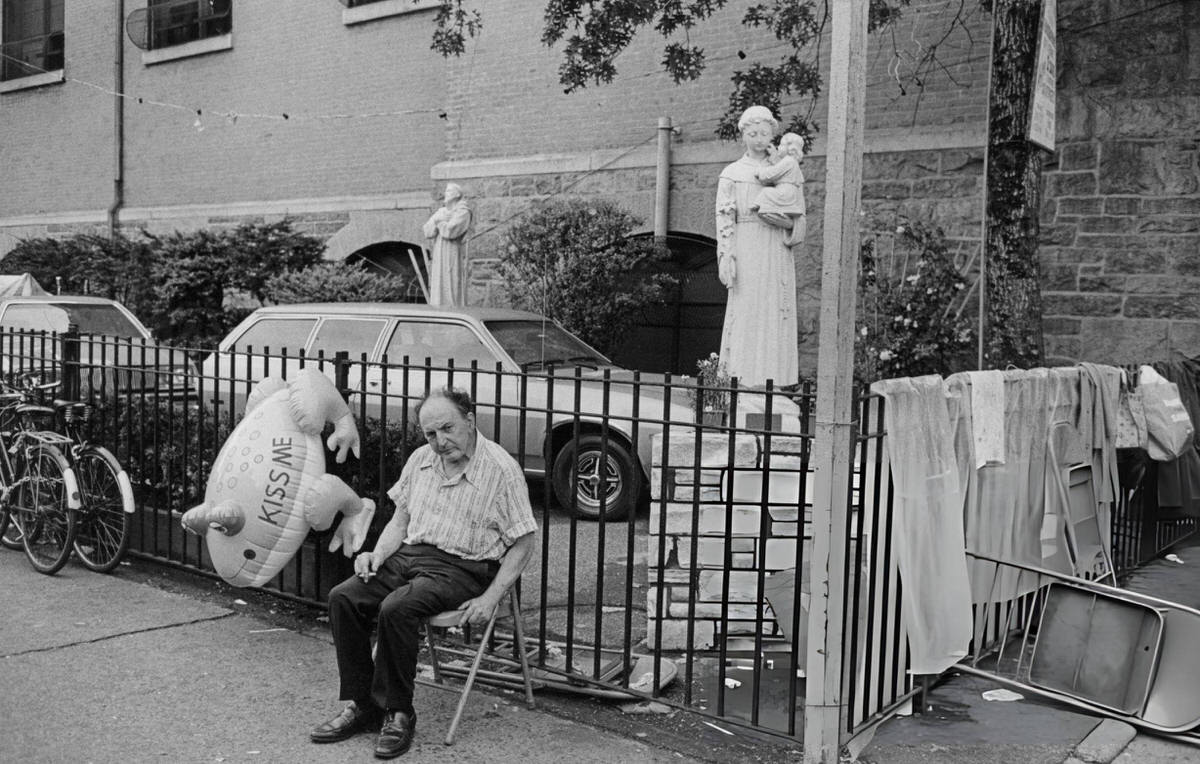
Food in the Village in the 70s meant Italian. Caffe Reggio on MacDougal Street claimed to have introduced the cappuccino machine to the United States in 1927, and it still looked in 1975 almost exactly as it did then. A cup of coffee cost fifty cents, and nobody rushed you out. Minetta Tavern on Minetta Lane had been feeding people since 1937 and still cooked its pasta the way it always had. These were not trendy restaurants chasing a moment. They were institutions that outlasted moments.
The poetry scene lived in the streets, the cafés, and the back rooms of bars. The St. Mark’s Poetry Project was technically in the East Village, but poets moved freely between neighborhoods, and many of them lived on the west side of the island. Allen Ginsberg, who moved to the East Village in 1975, was a familiar face all the way down to the Village bars. Readings happened at Café Wha? on MacDougal, a room that had hosted Bob Dylan in 1961 when he first arrived from Minnesota and needed a place to play.
New York University’s campus pressed up against the southern edge of Washington Square Park, and the tension between the university and the neighborhood was real. NYU was quietly buying up property throughout the decade, converting old townhouses and small apartment buildings into dorms and offices. Longtime residents fought back through community boards and tenant organizations. The Village had always been a neighborhood of activists, and it did not accept displacement quietly.
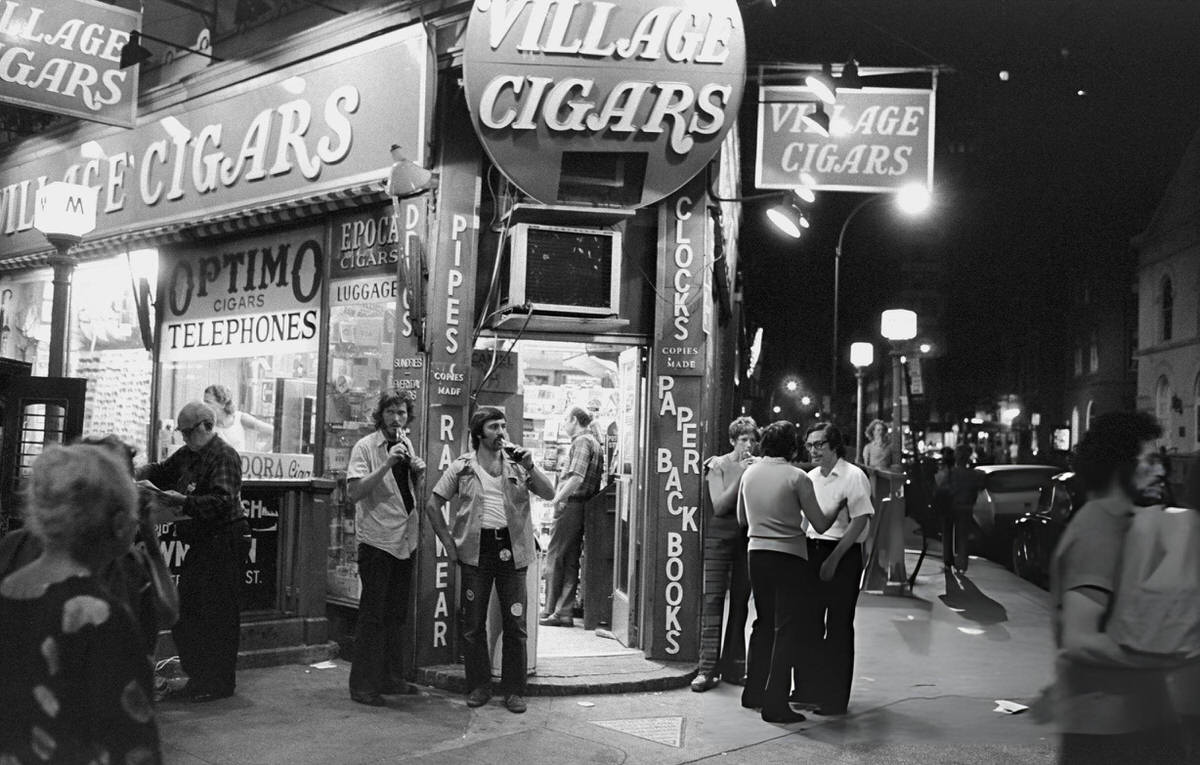
None of this was comfortable. The Village in the 1970s was not a neighborhood of boutiques and wine bars. It was a neighborhood where the landlord did not fix the boiler, where the stairwell lights were always out, where you learned to walk fast at night not because you were scared but because that was the pace the city demanded. It was home to people who chose it on purpose, because the street life, the music, the sense that something real was happening right outside your door, made the broken radiator worth it.
![[Subject Description], Bis Zur Bitteren Neige, 1975.](https://seeoldnyc.com/wp-content/uploads/2026/04/Greenwich_Village_1970s_115.jpg)

GIPHY App Key not set. Please check settings