

 Adriana Palmer
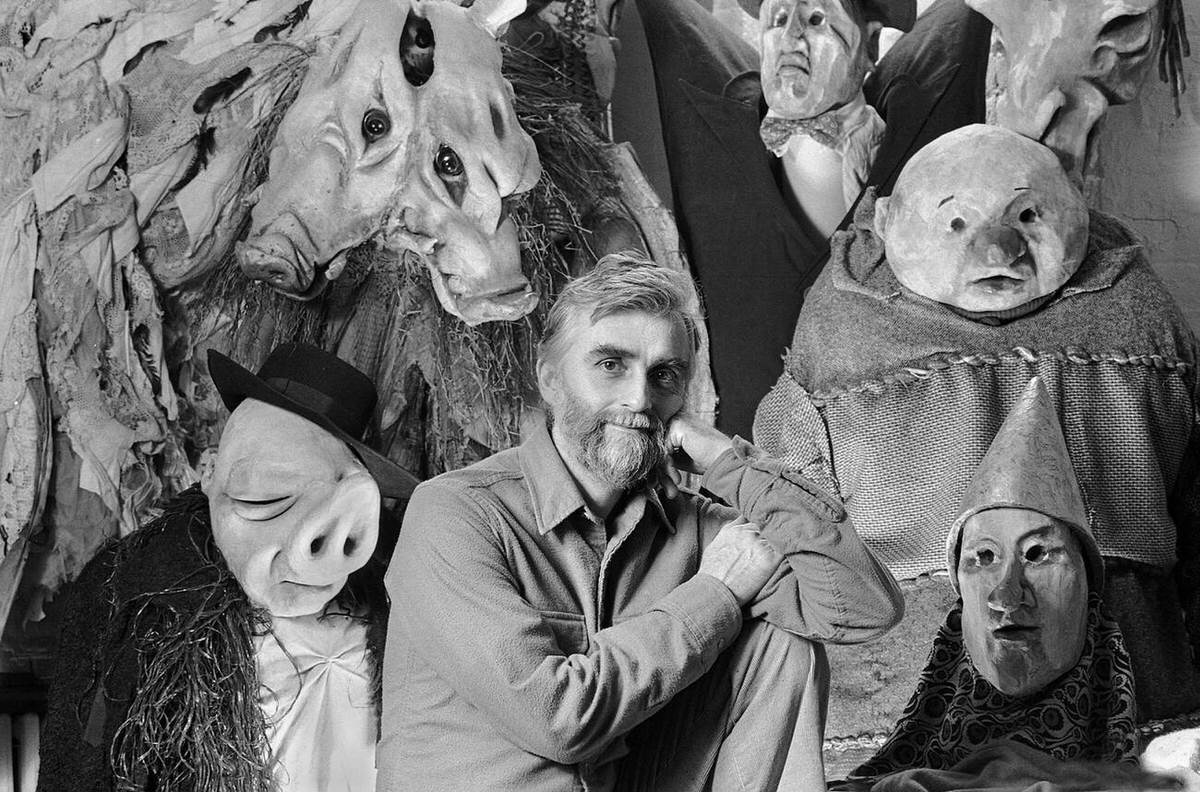
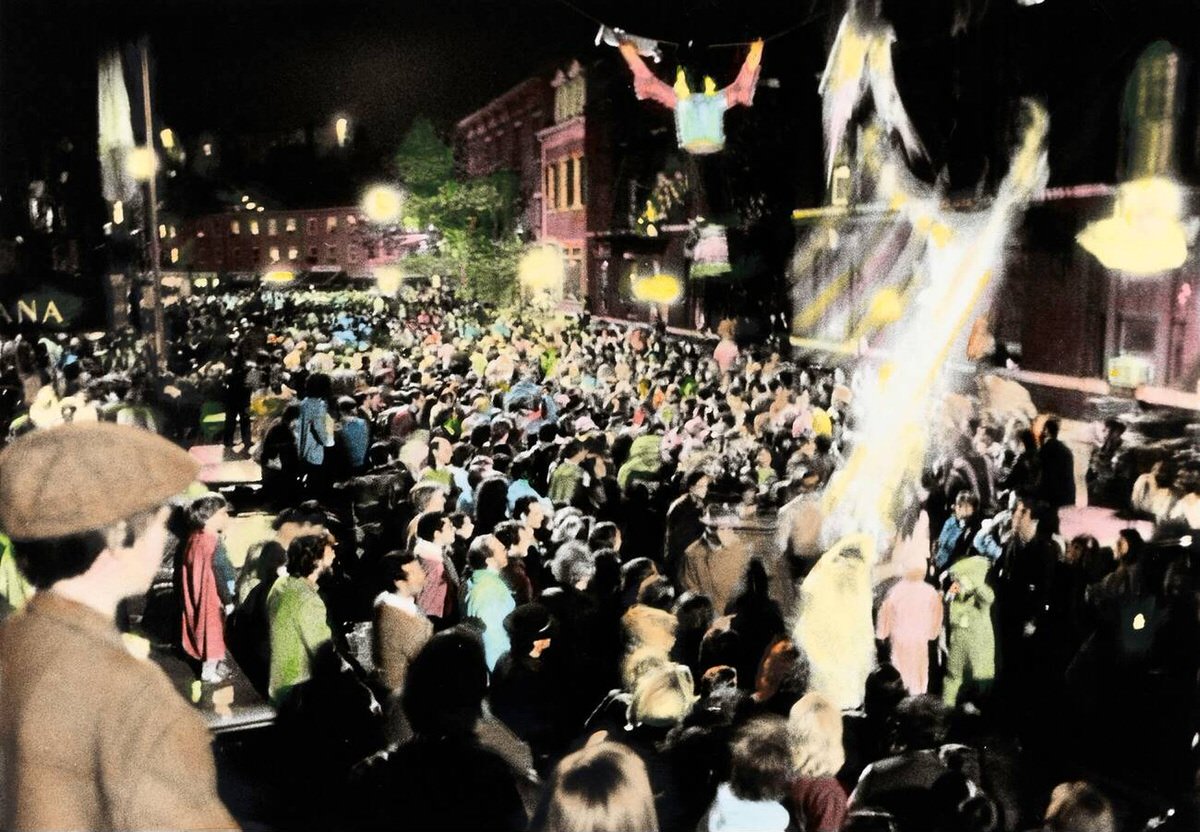
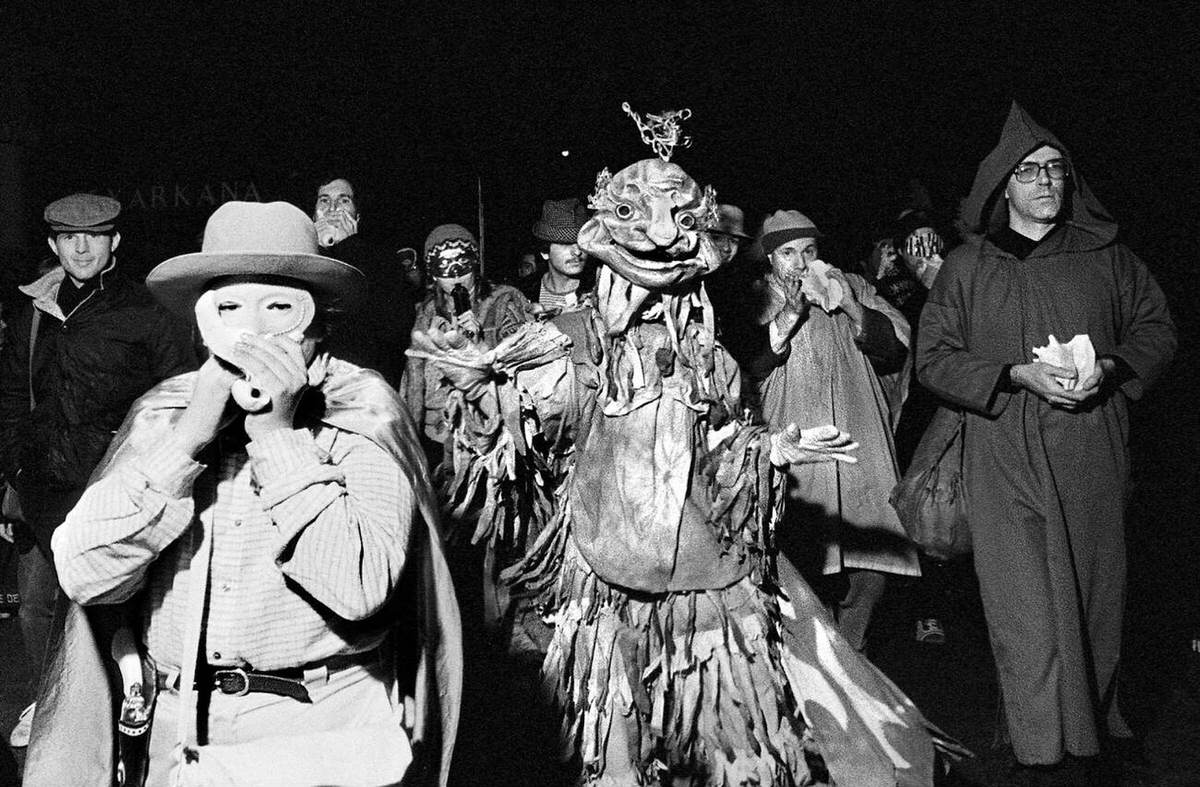
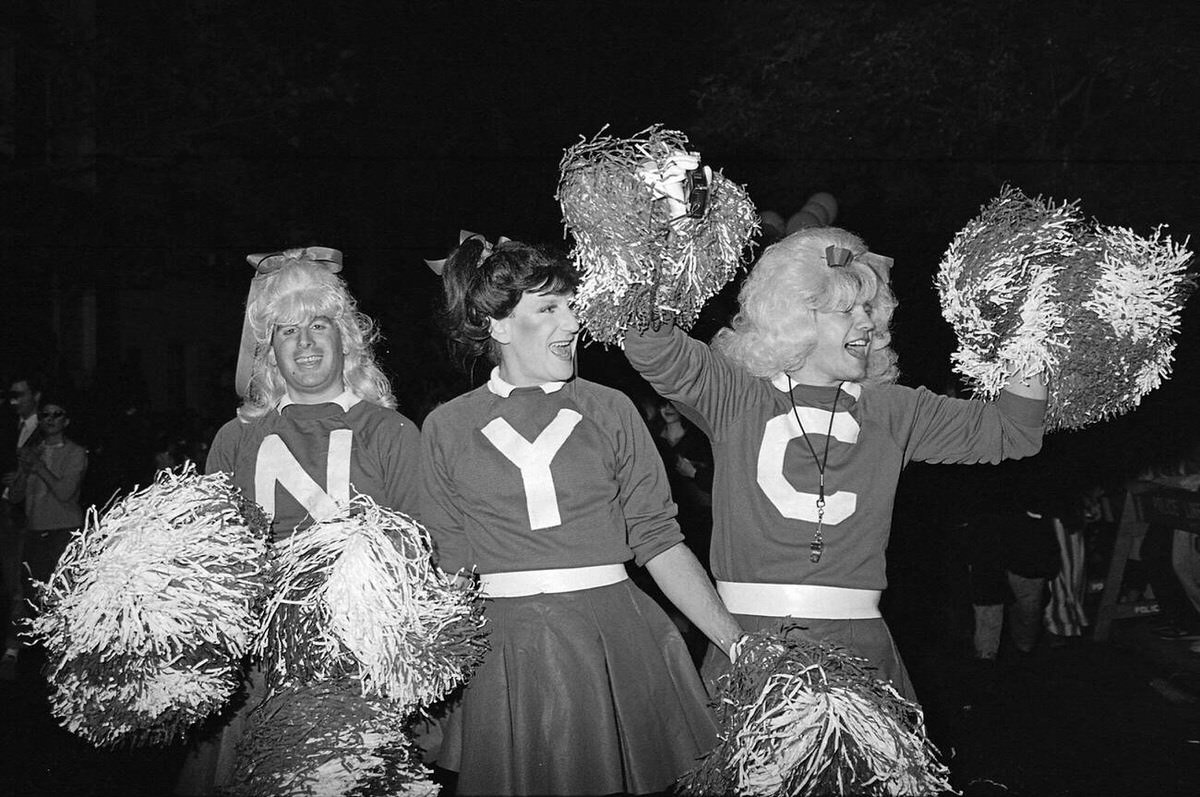
In the 1980s, the Village Halloween Parade transformed from a local neighborhood walk into a massive, city-wide event. Ralph Lee, a puppet maker, started the tradition, and by this decade, it had outgrown the narrow side streets. In 1985, the route moved to Sixth Avenue to accommodate the hundreds of thousands of spectators. The parade began at Spring Street and marched north toward 14th Street. It remained a grassroots event where anyone in a costume could join the line and walk alongside professional performers.
The Giant Puppets and Artistry
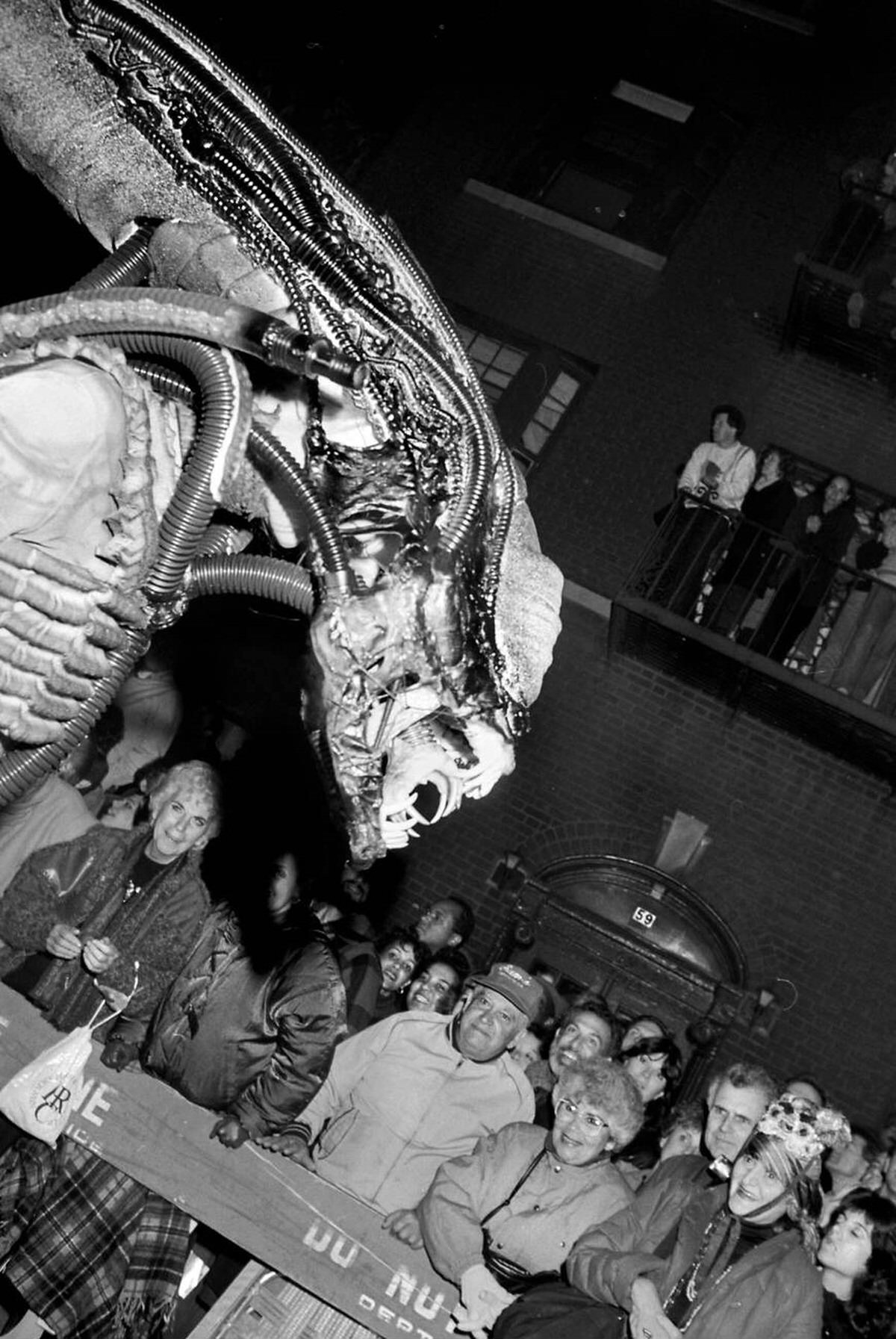
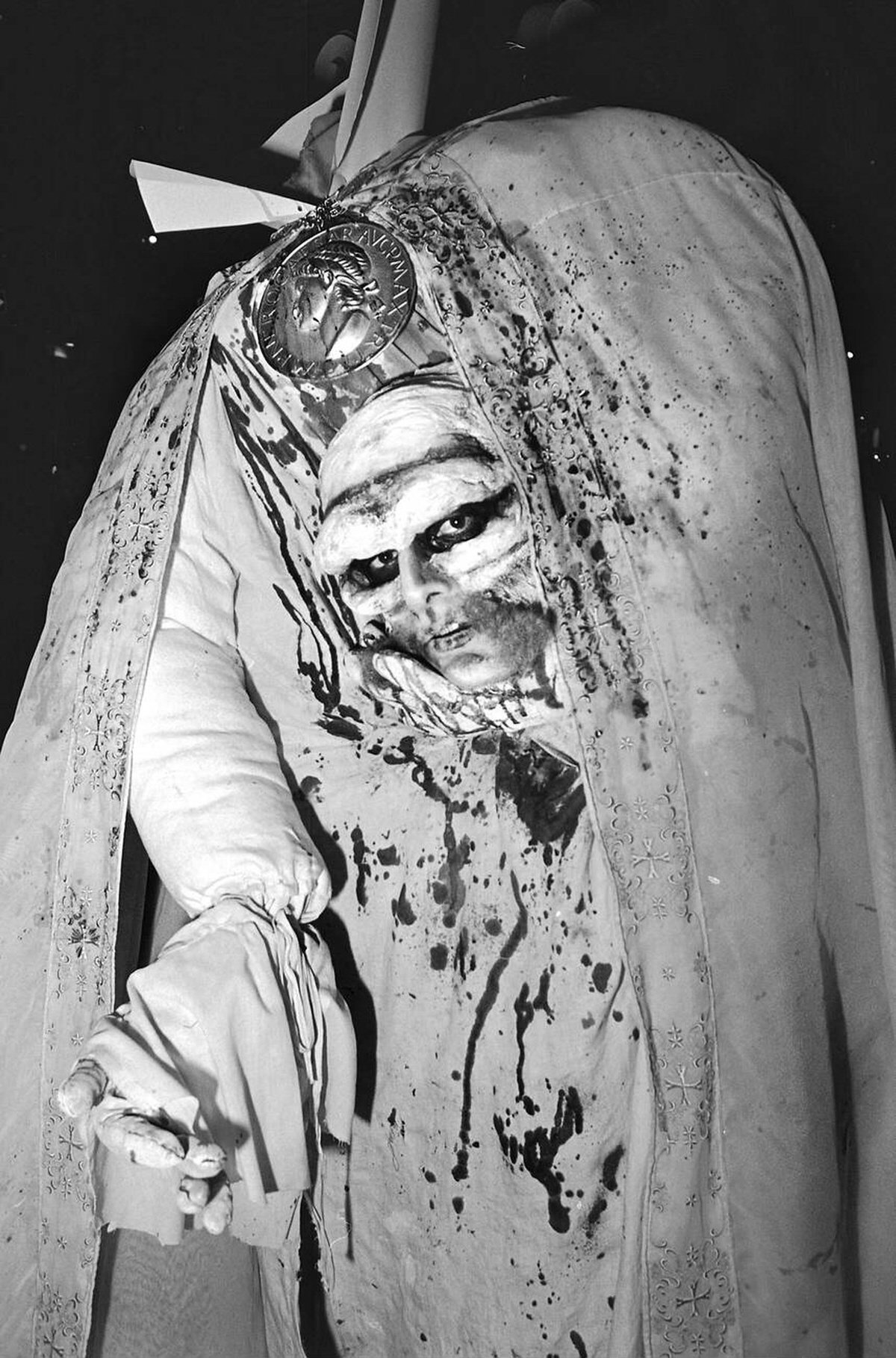
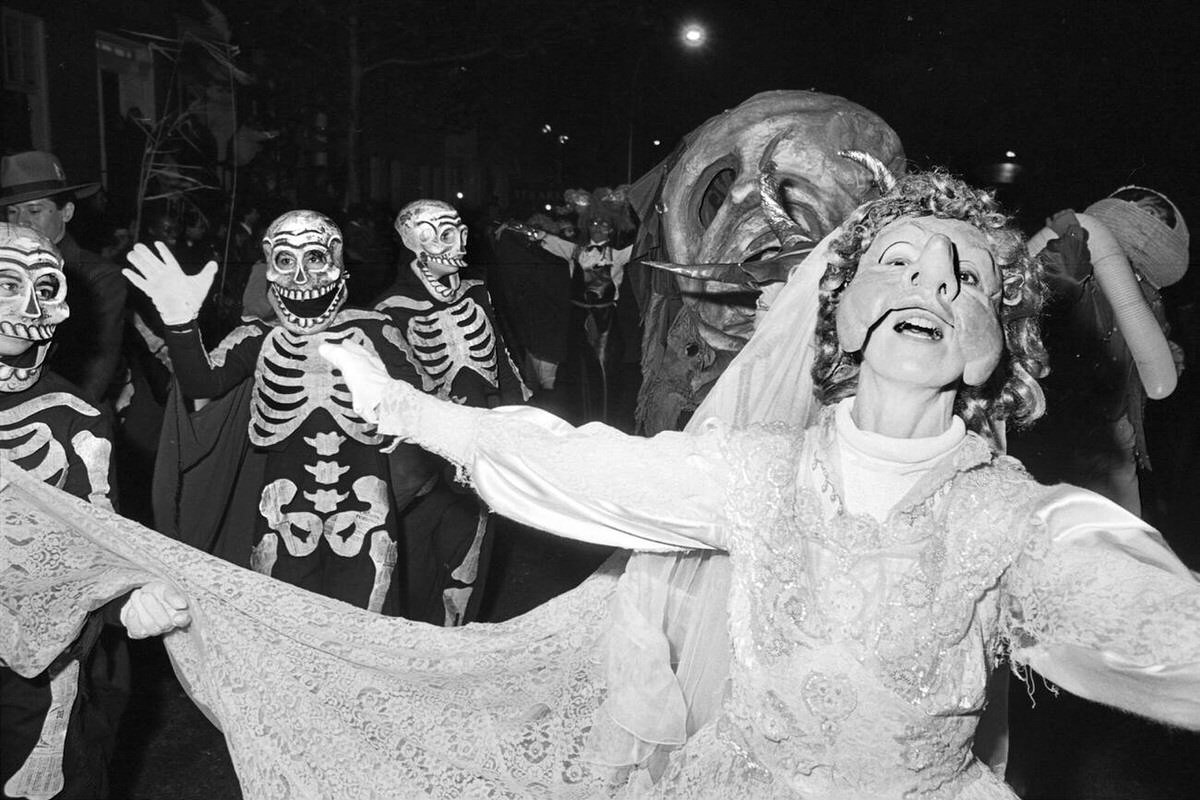
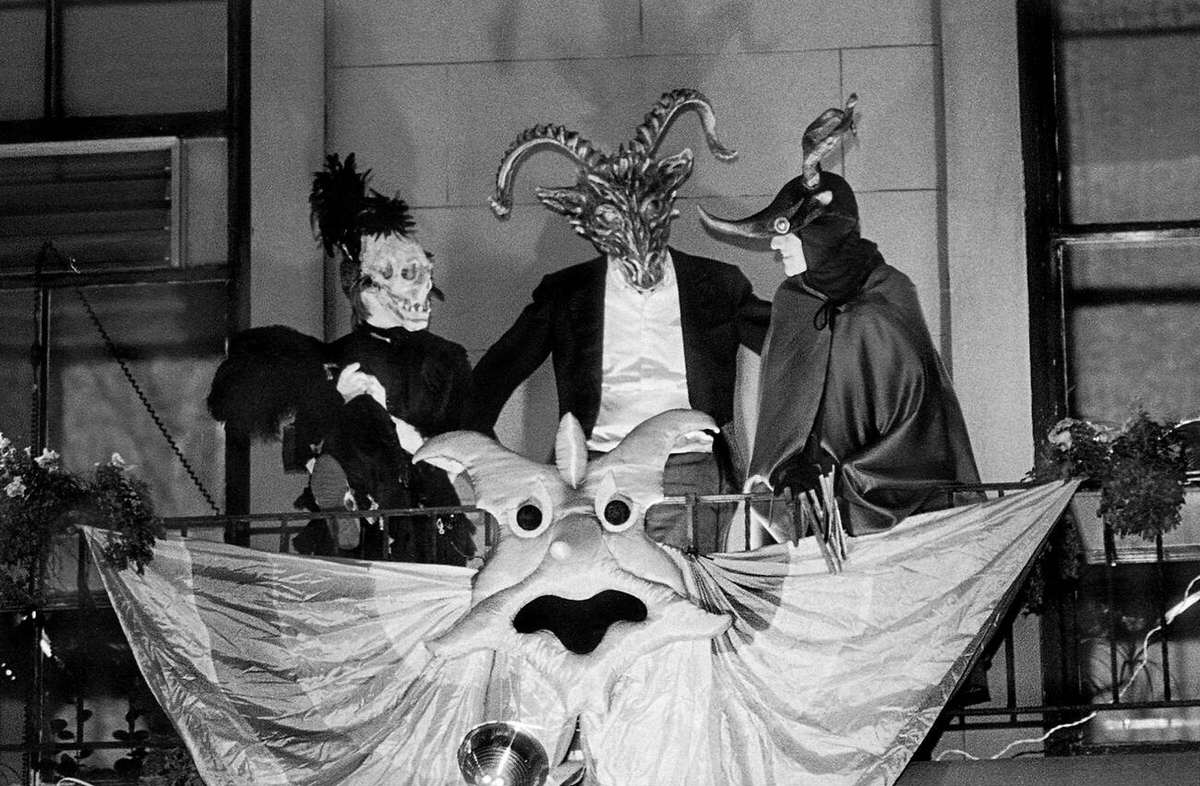
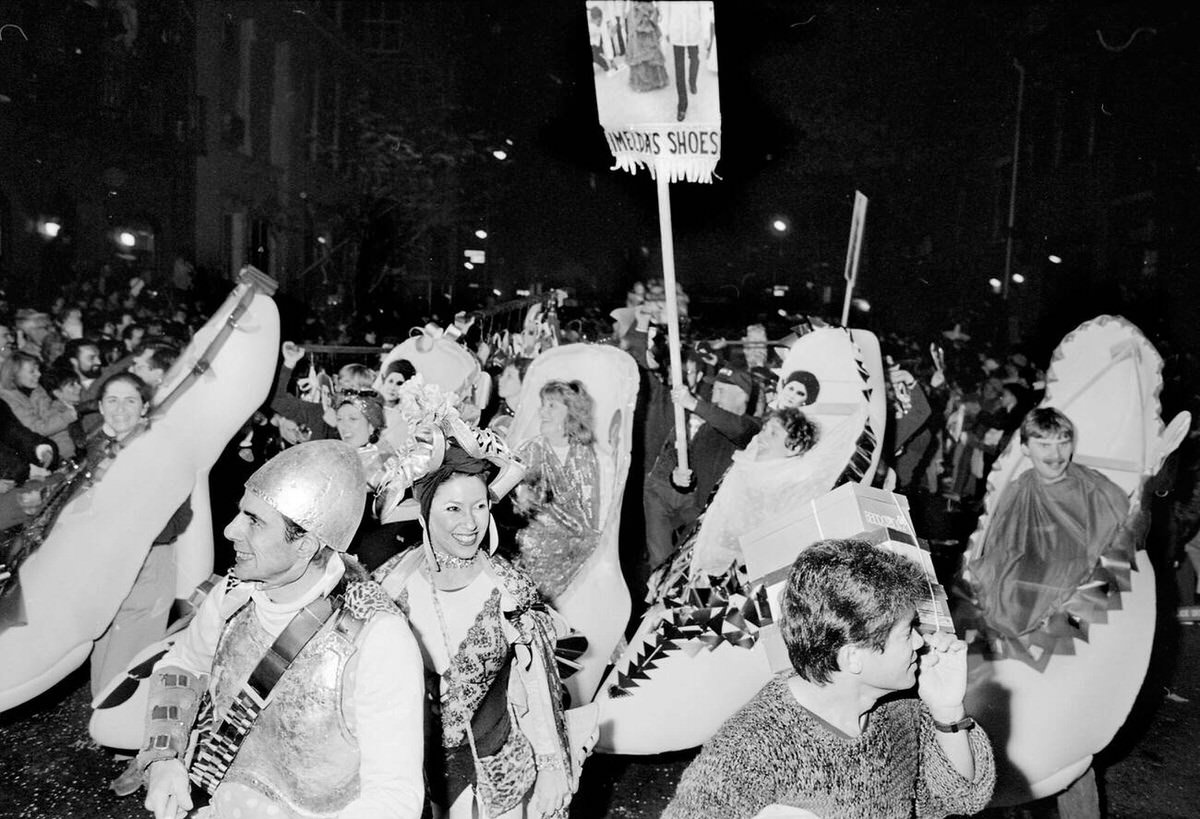
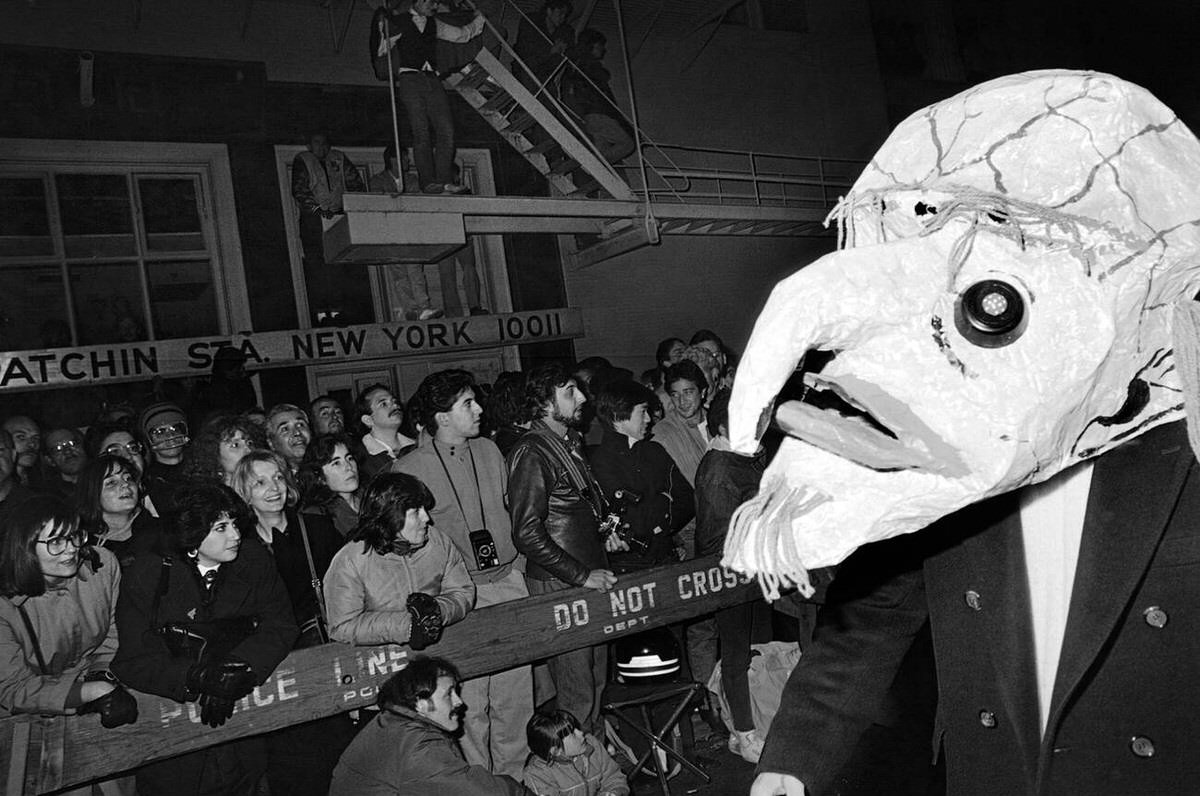
The defining feature of the 1980s parade was the use of giant, rod-controlled puppets. These figures were made of lightweight materials like papier-mâché, foam, and sheer fabric. Some puppets stood twenty feet tall and required three or four people to operate the limbs using long poles. Skeletons, giant spiders, and mythical beasts hovered over the crowds, swaying back and forth as the handlers moved them in sync with the music.
Read more
The workshop for these puppets was located at Westbeth Artists Housing. Volunteers spent months before October 31st painting and assembling the frames. Because the puppets were so large, they had to be designed to collapse for transport through the theater doors. On the night of the parade, the puppets were lit from below by flashlights or battery-powered lanterns, giving them a glowing, ghostly appearance against the dark buildings of Sixth Avenue.
The Crowd and Open Participation
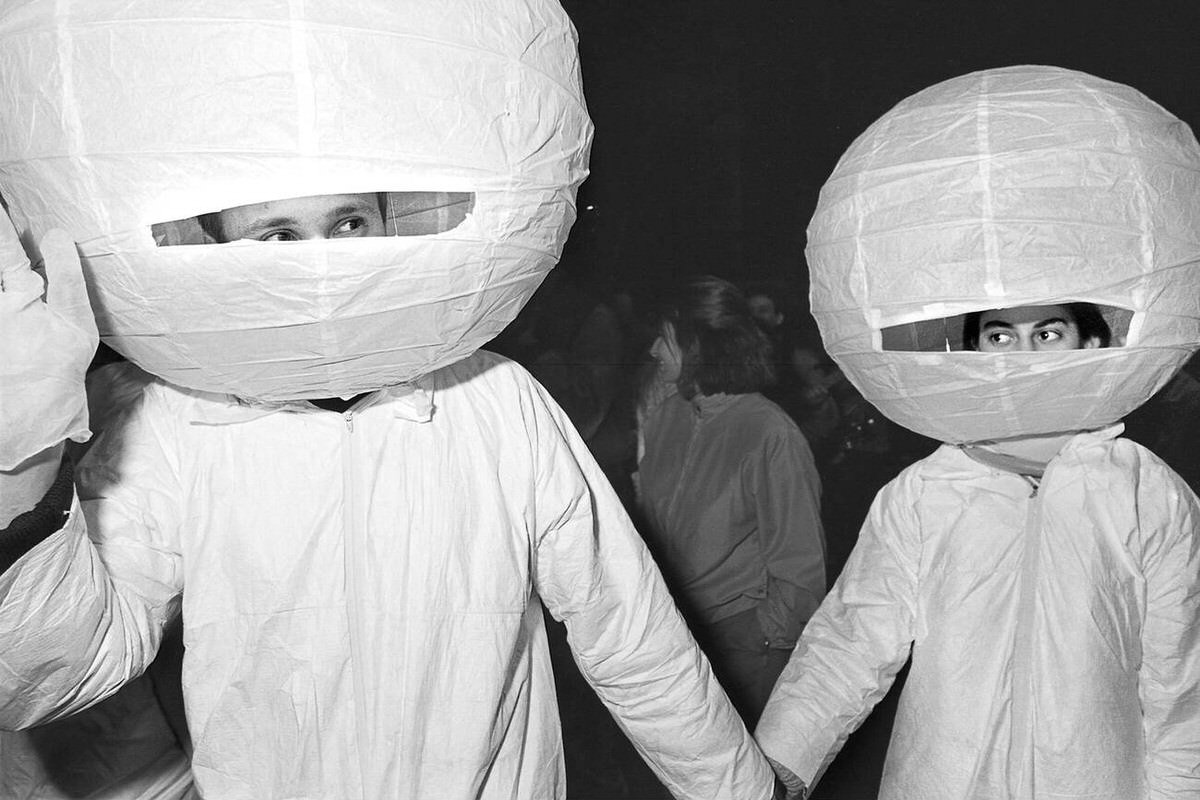
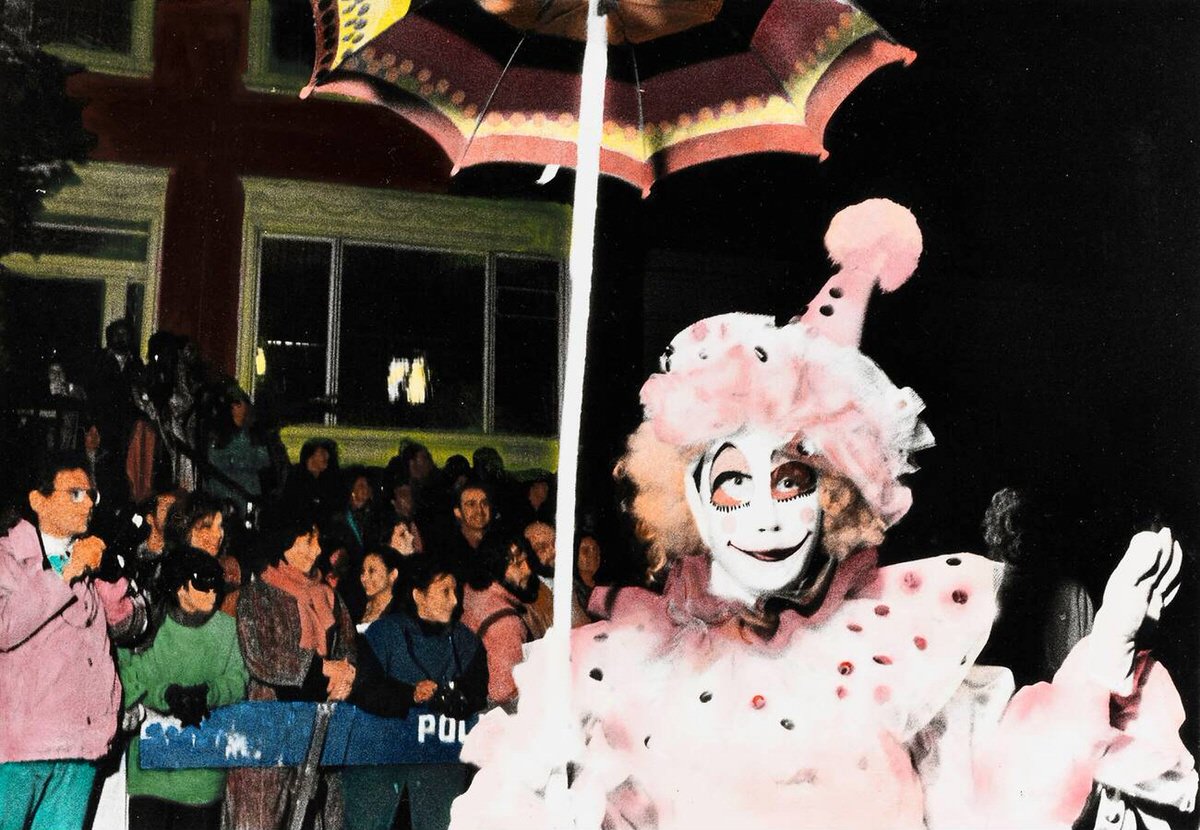
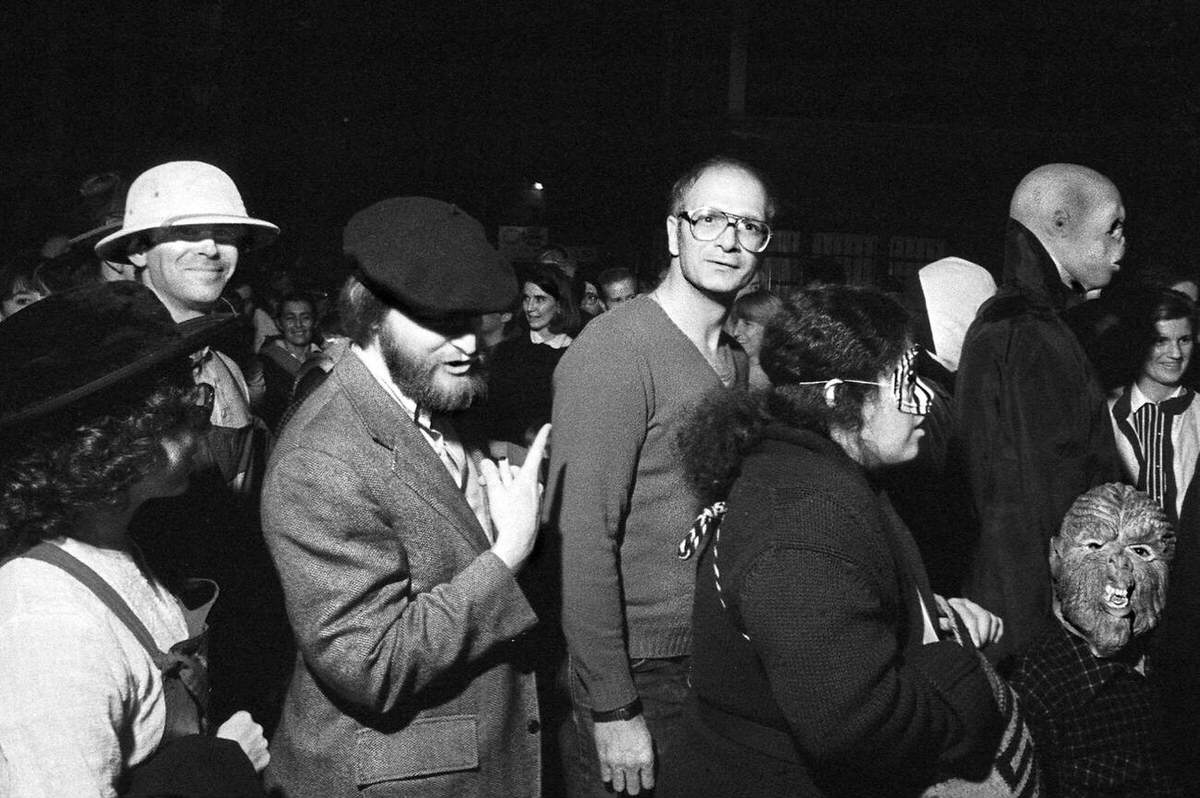
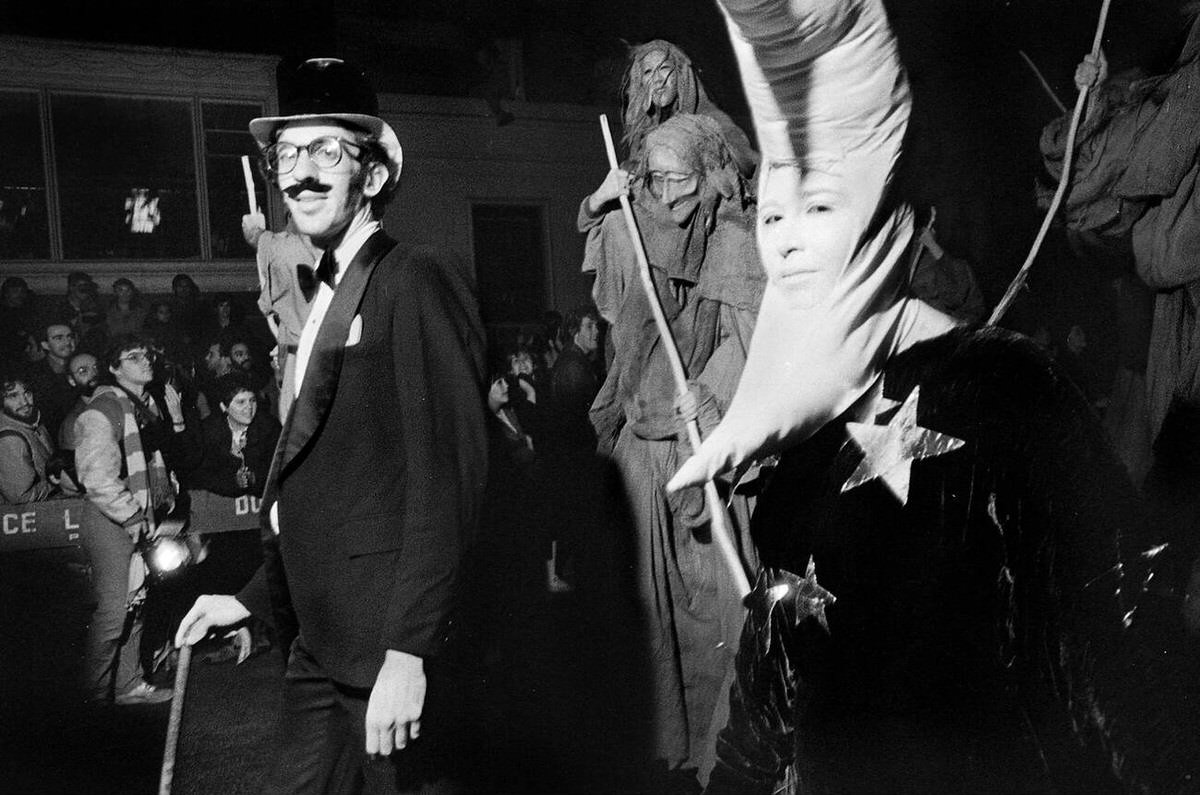
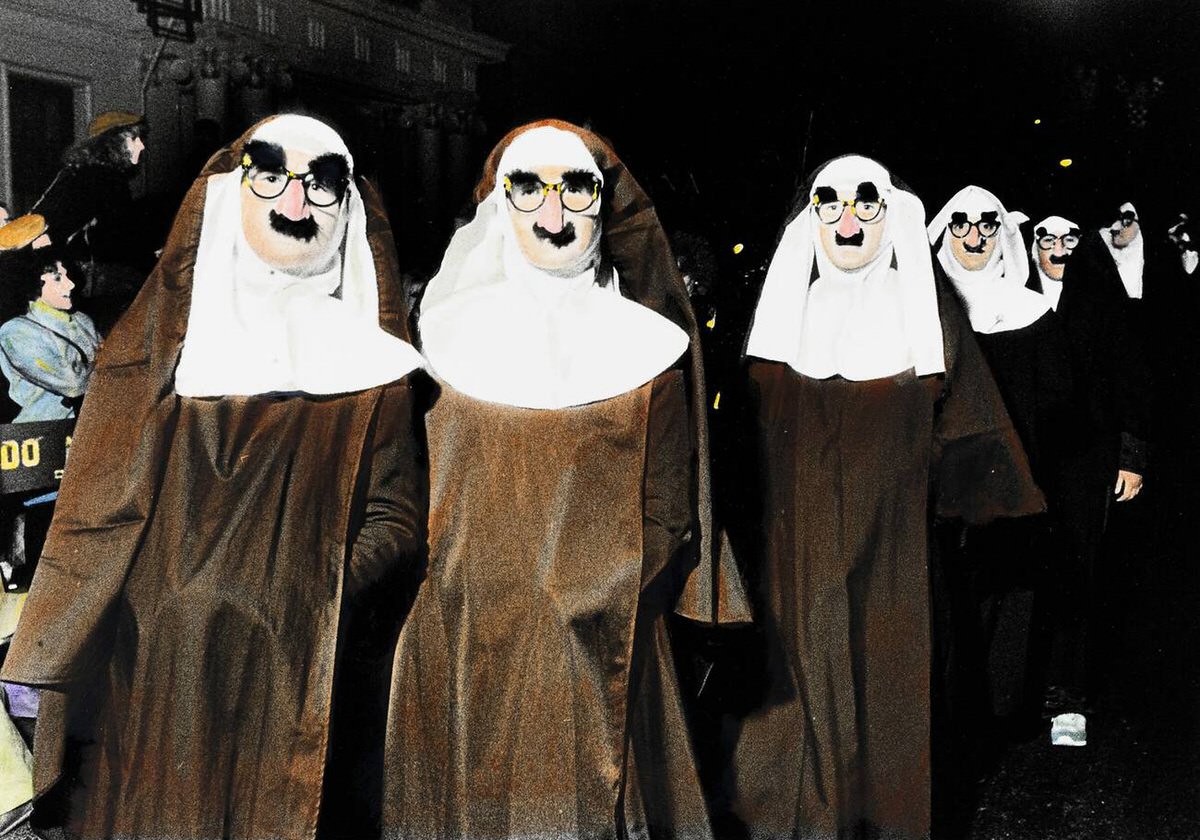
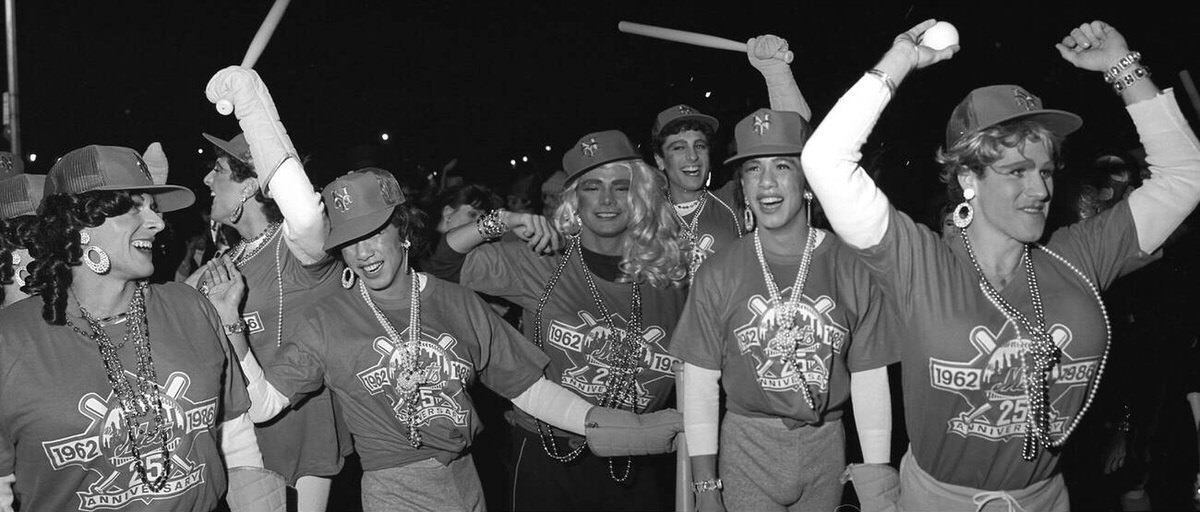
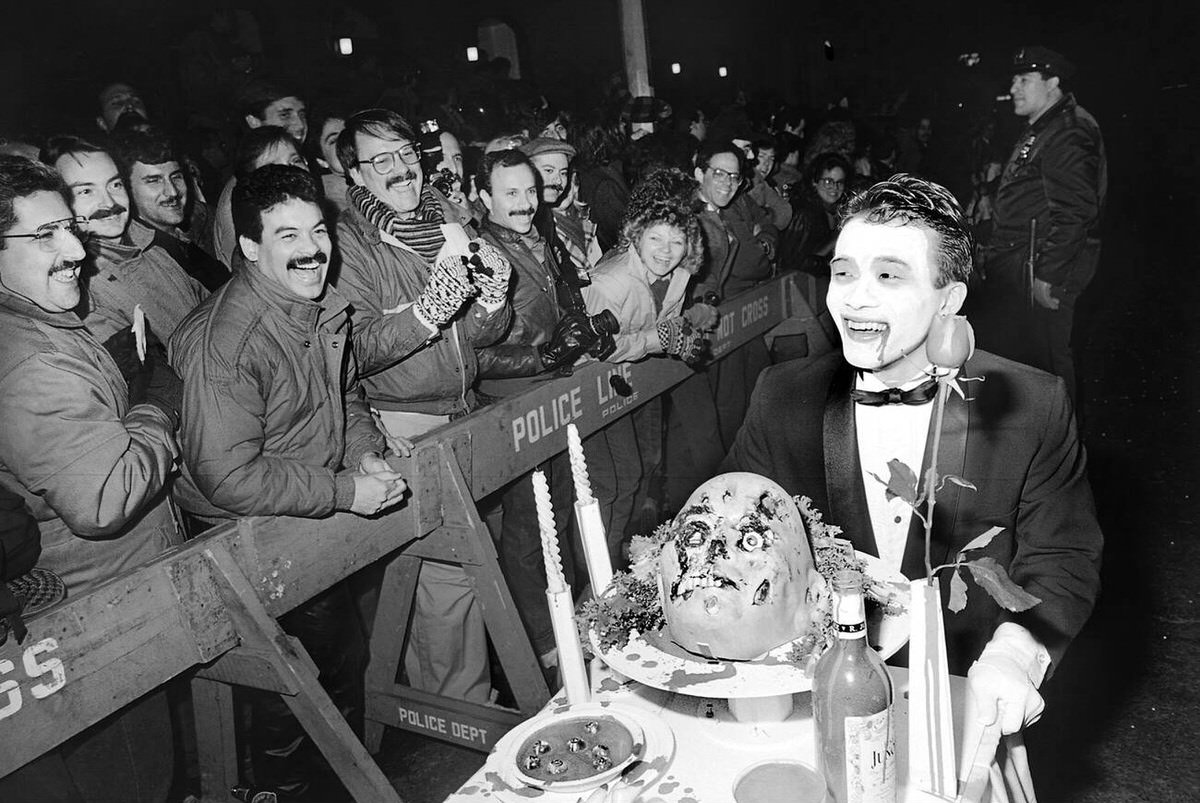
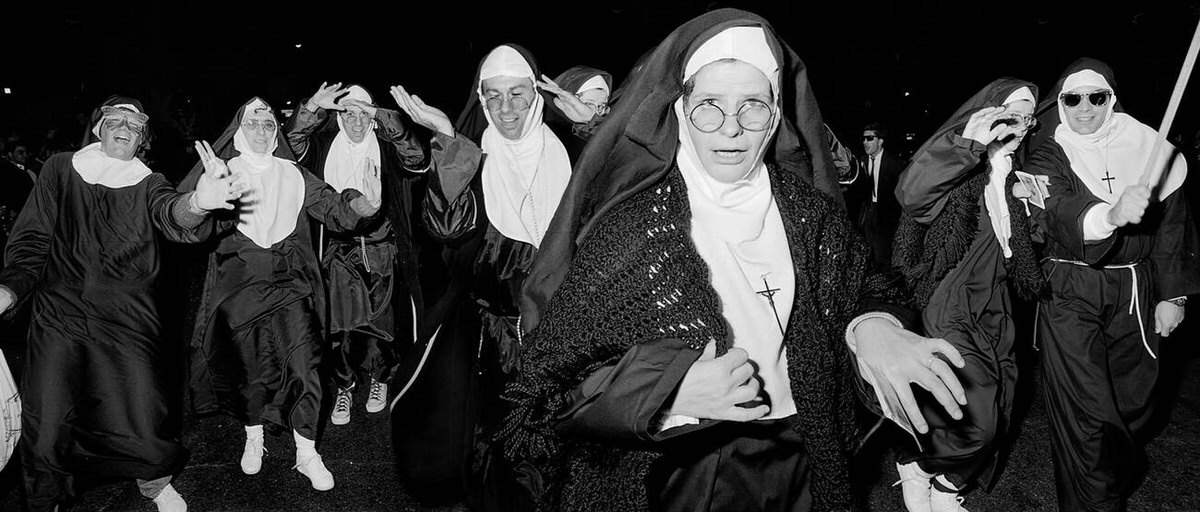
Unlike most New York City parades, the Village Halloween Parade did not have metal barricades along the entire route in the early 1980s. This allowed for a high level of interaction between the performers and the audience. People often hopped over the curb to dance with the giant puppets or join a marching band for a few blocks. The “no-registration” rule meant that a group of friends could show up in matching outfits and become an official part of the procession.
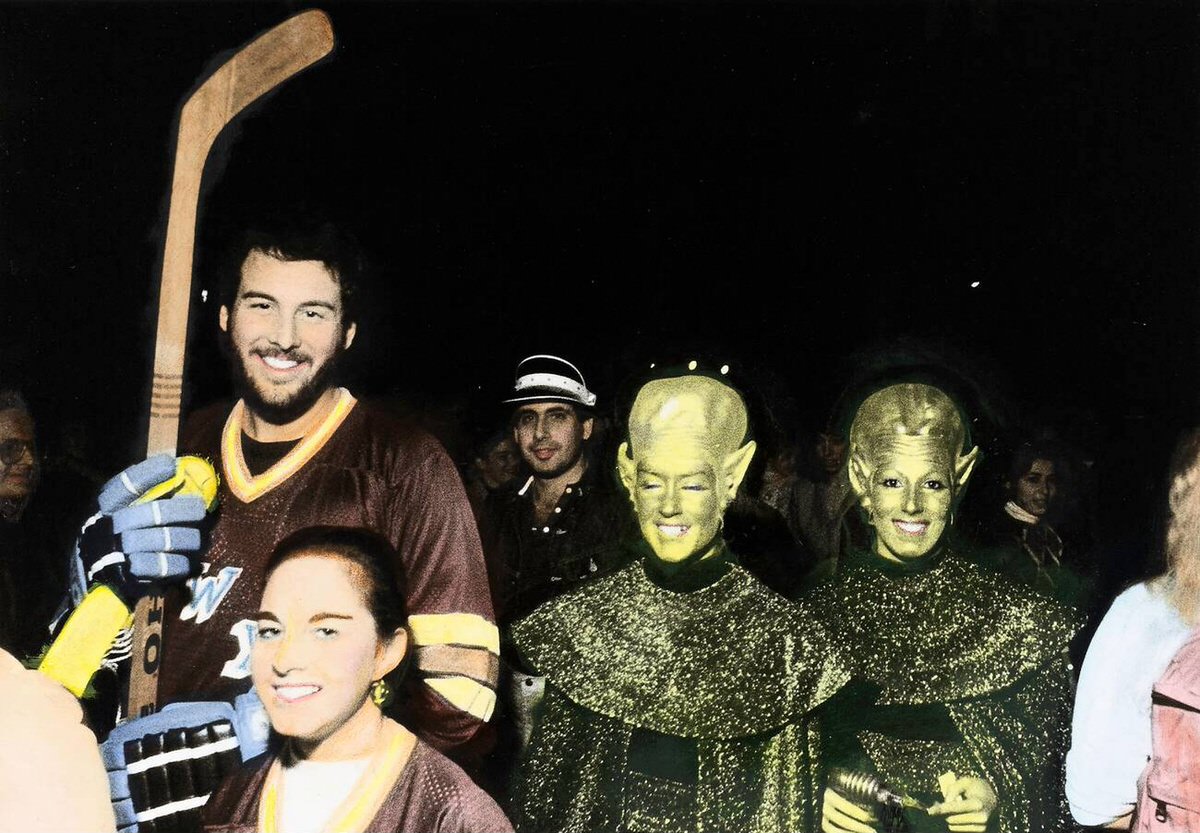
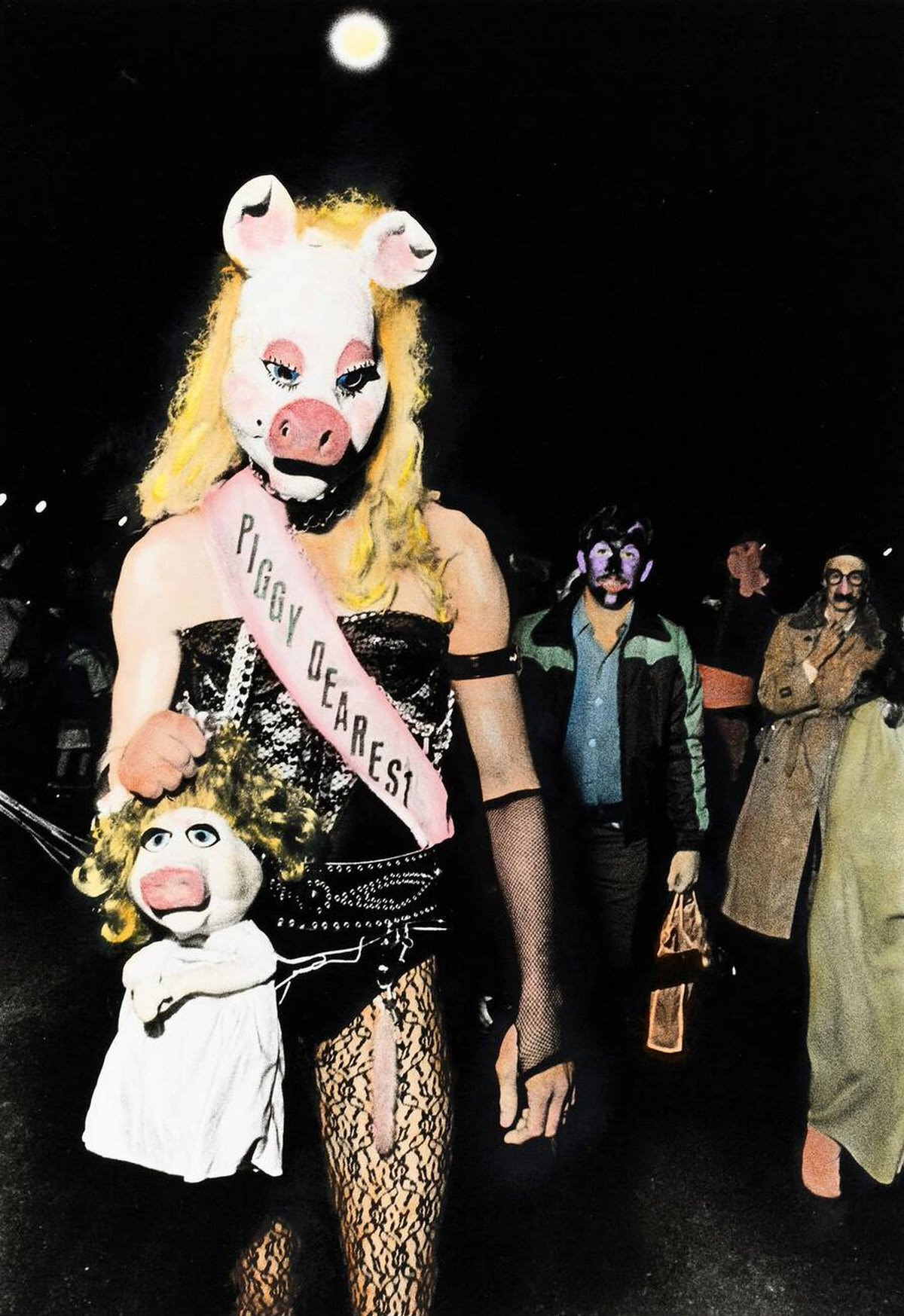
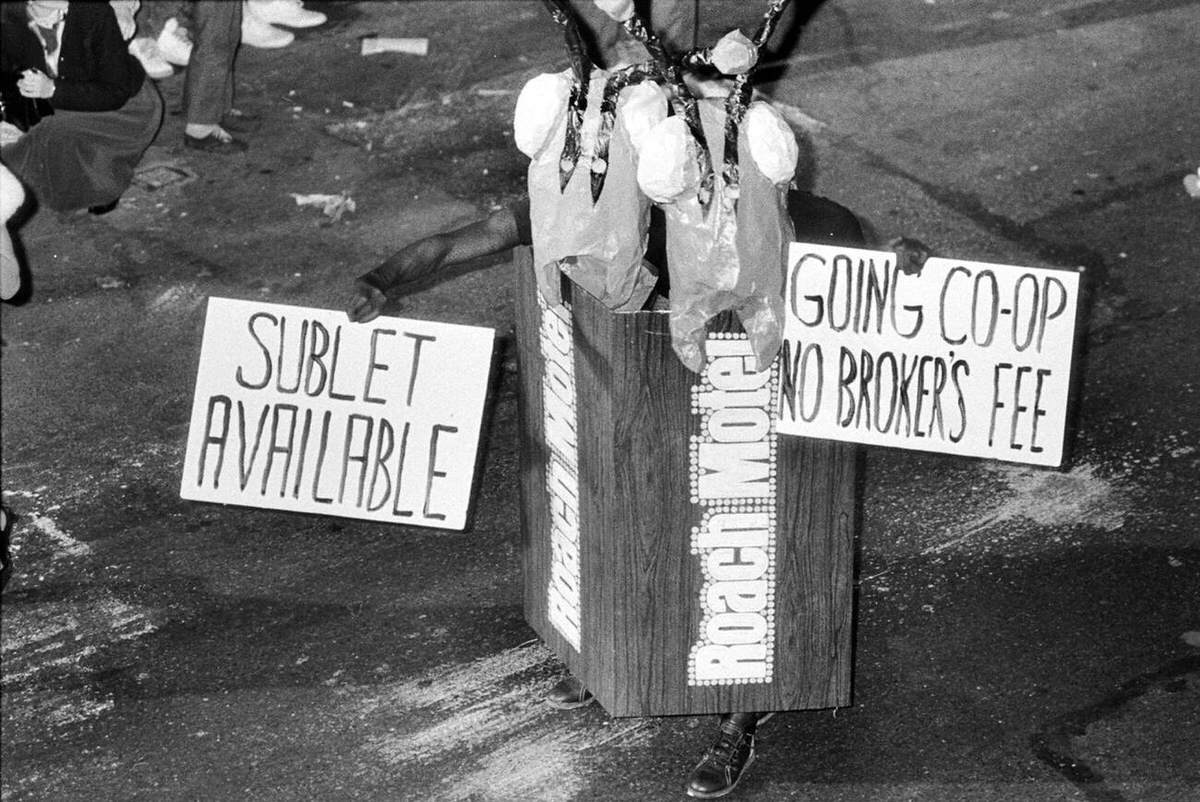
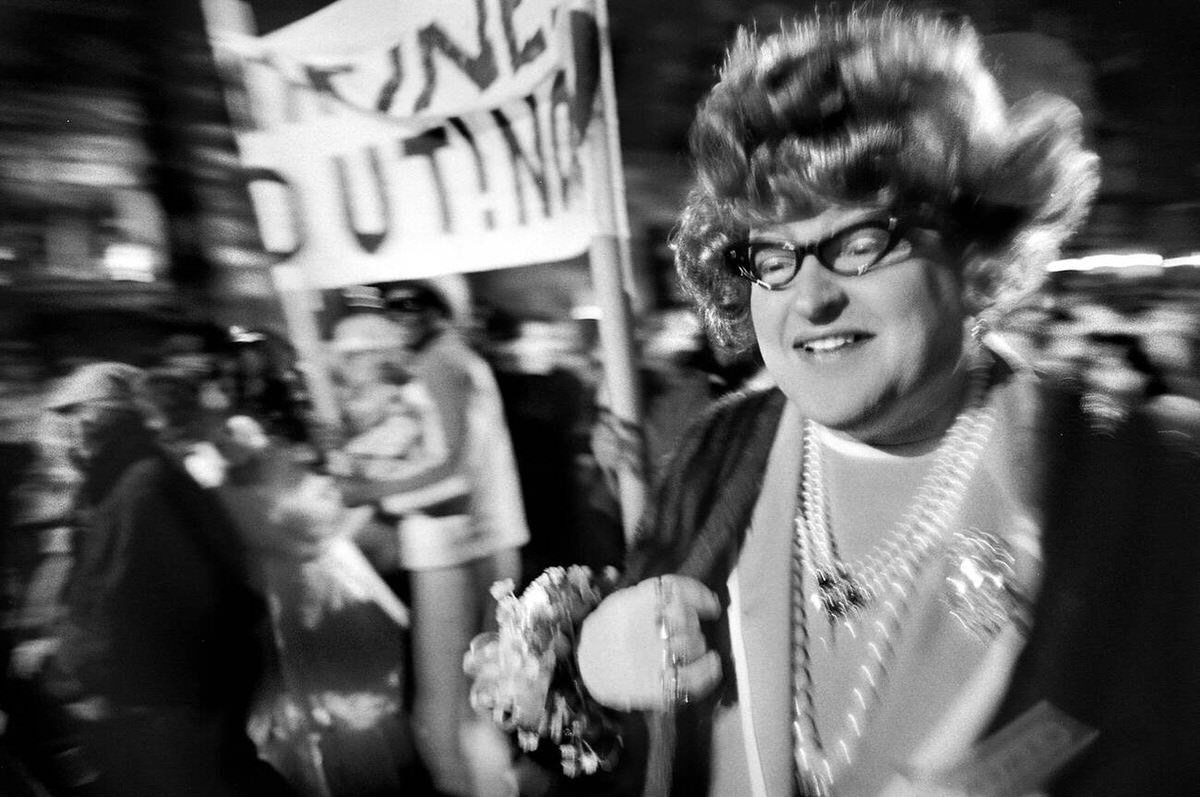
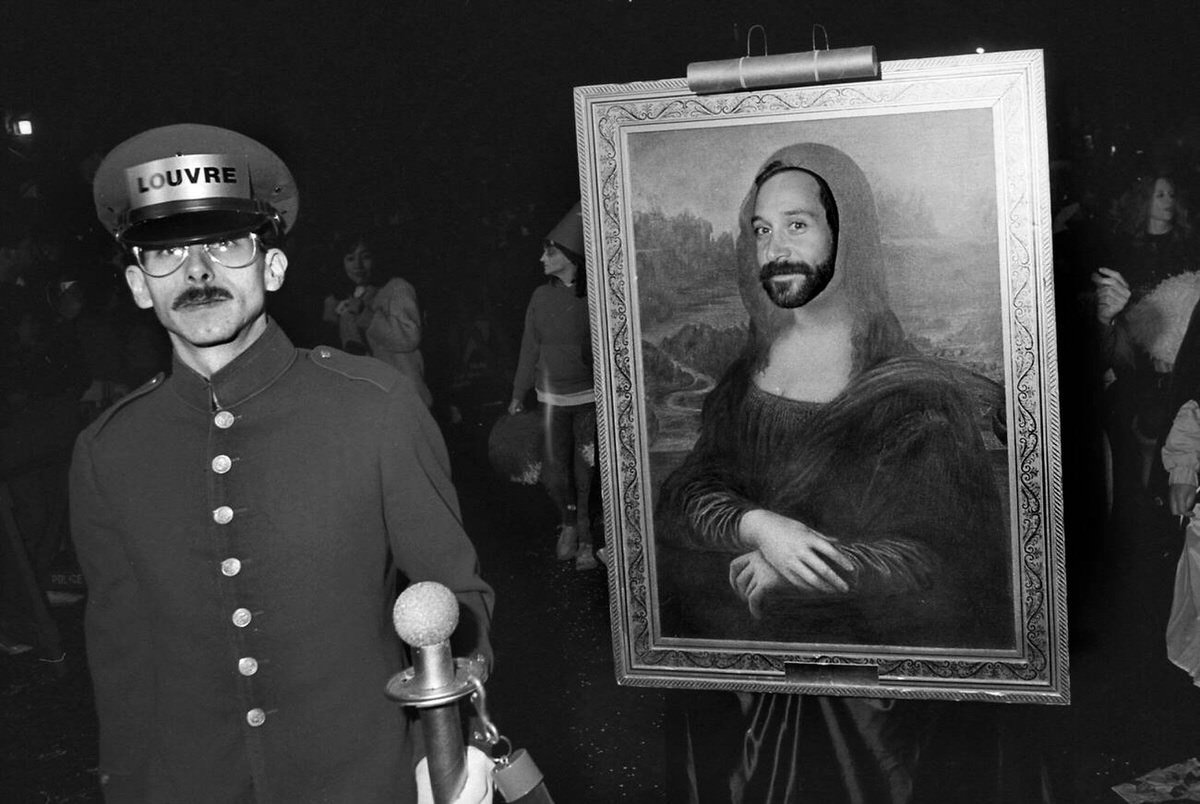
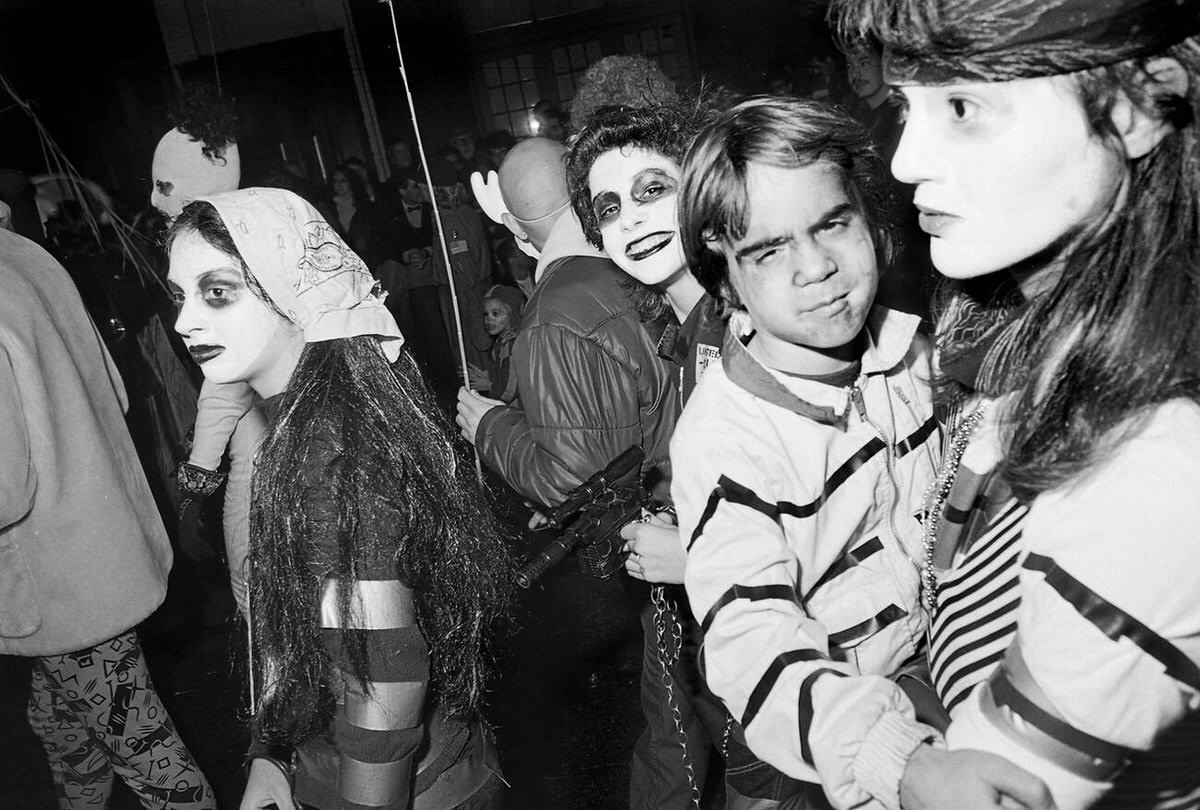
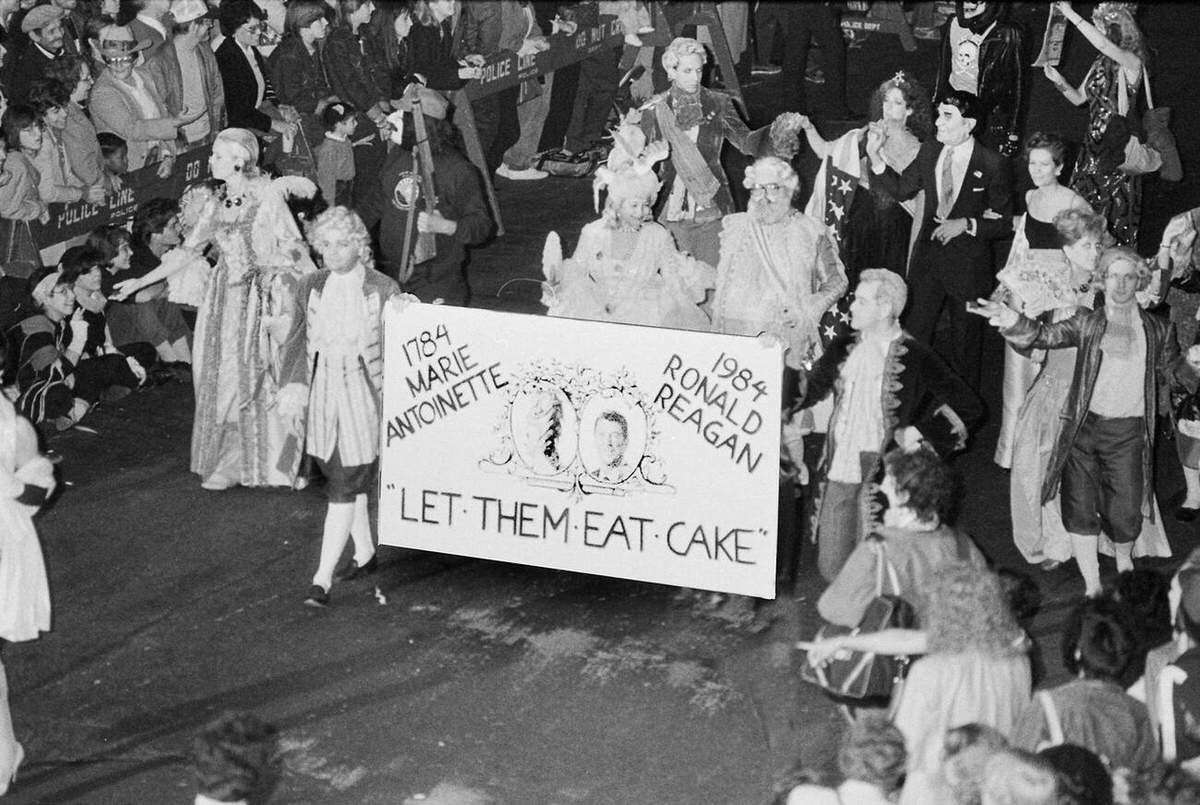
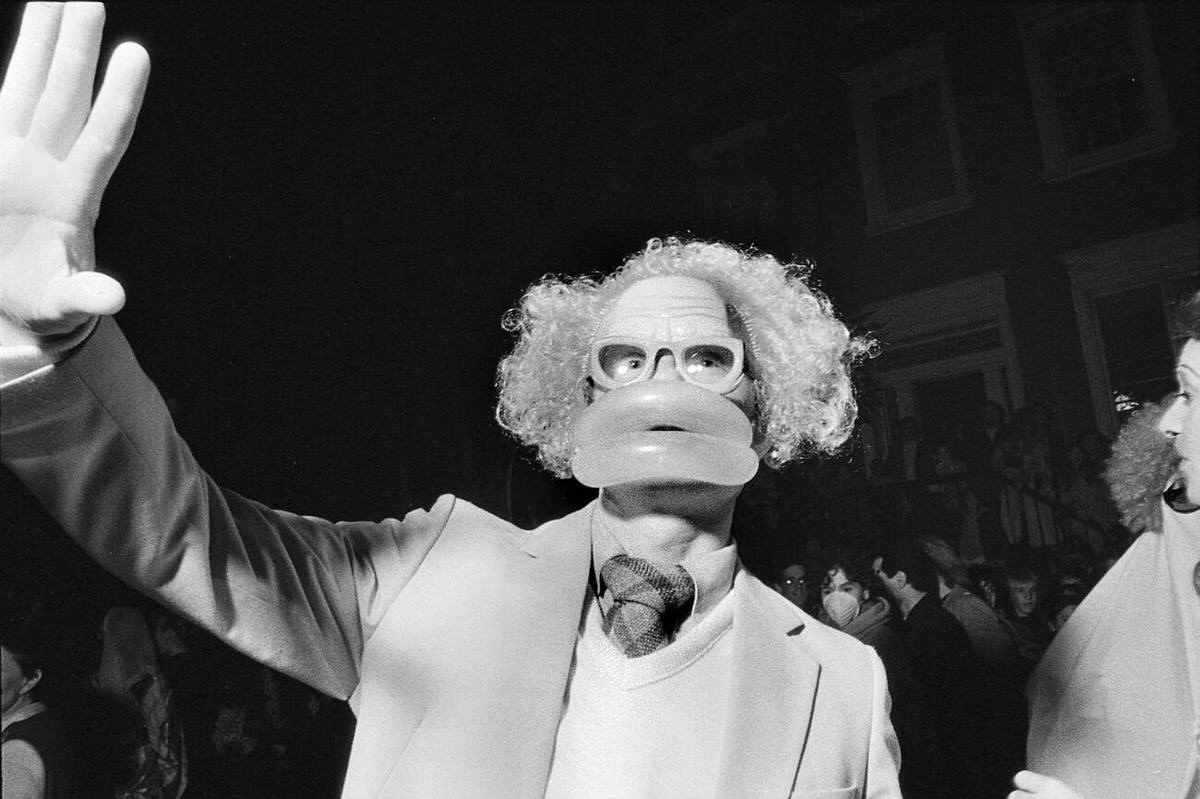
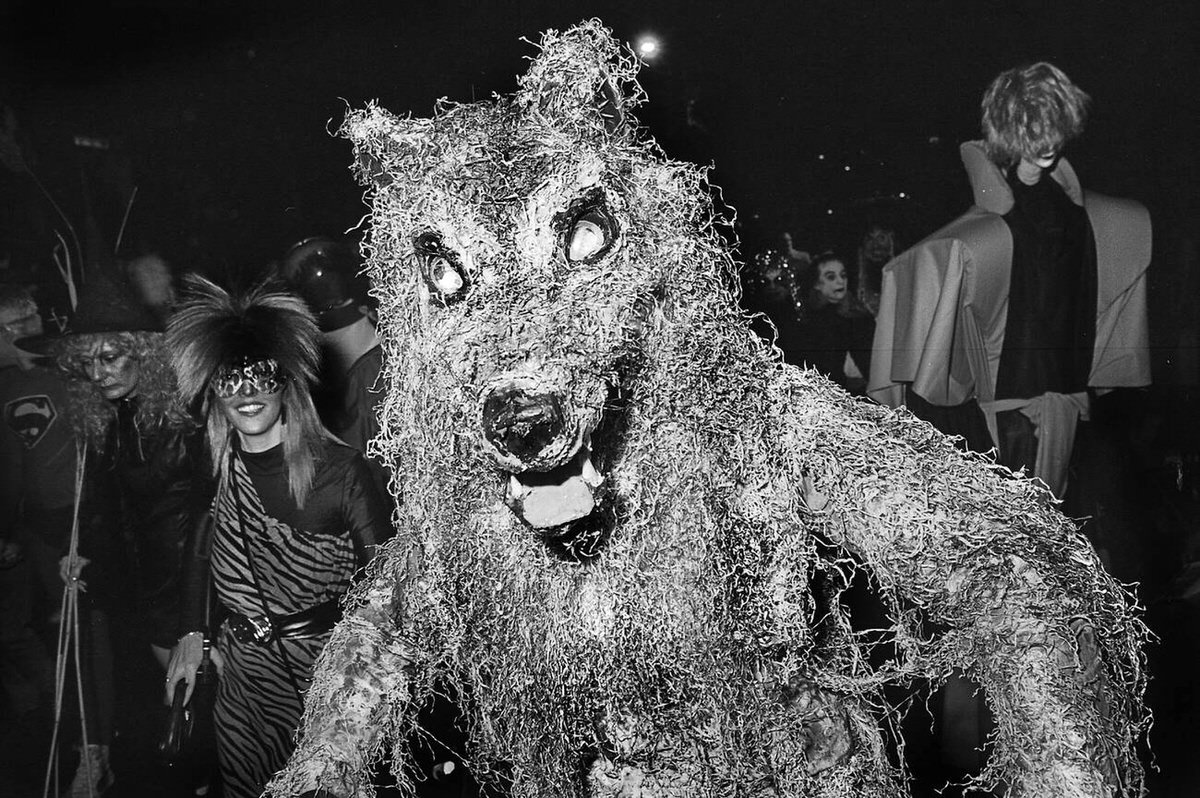
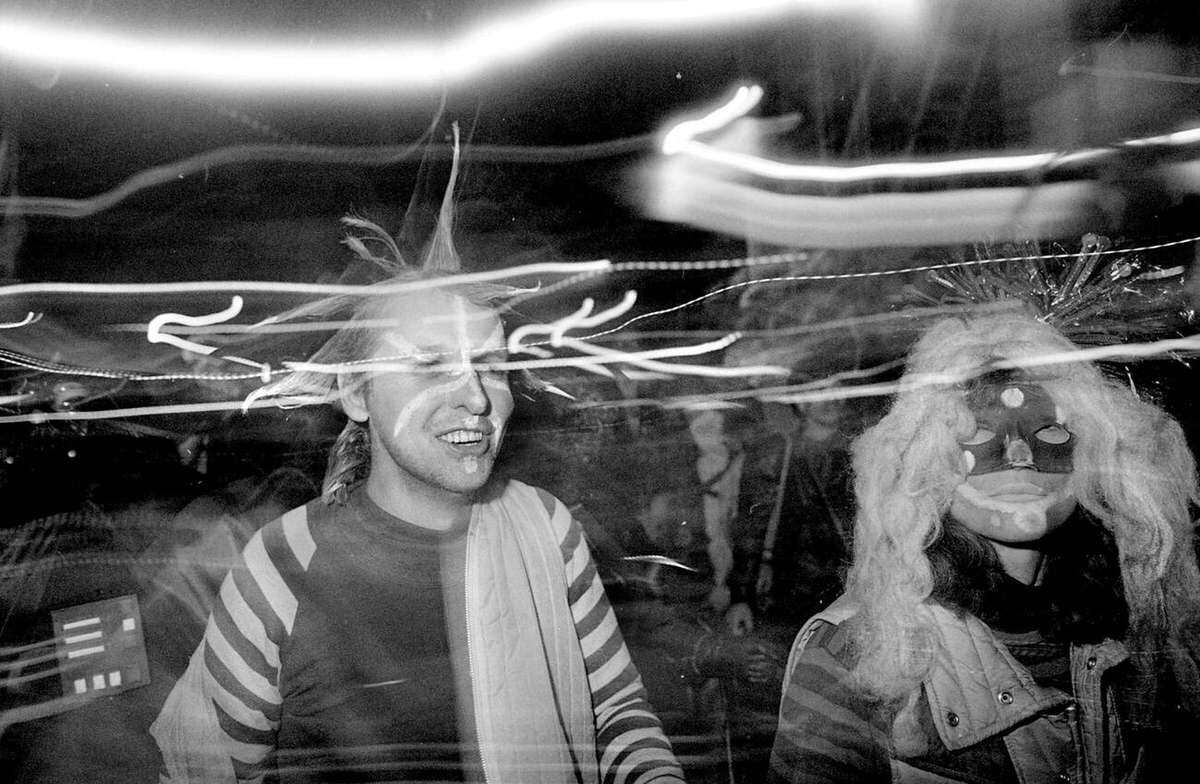
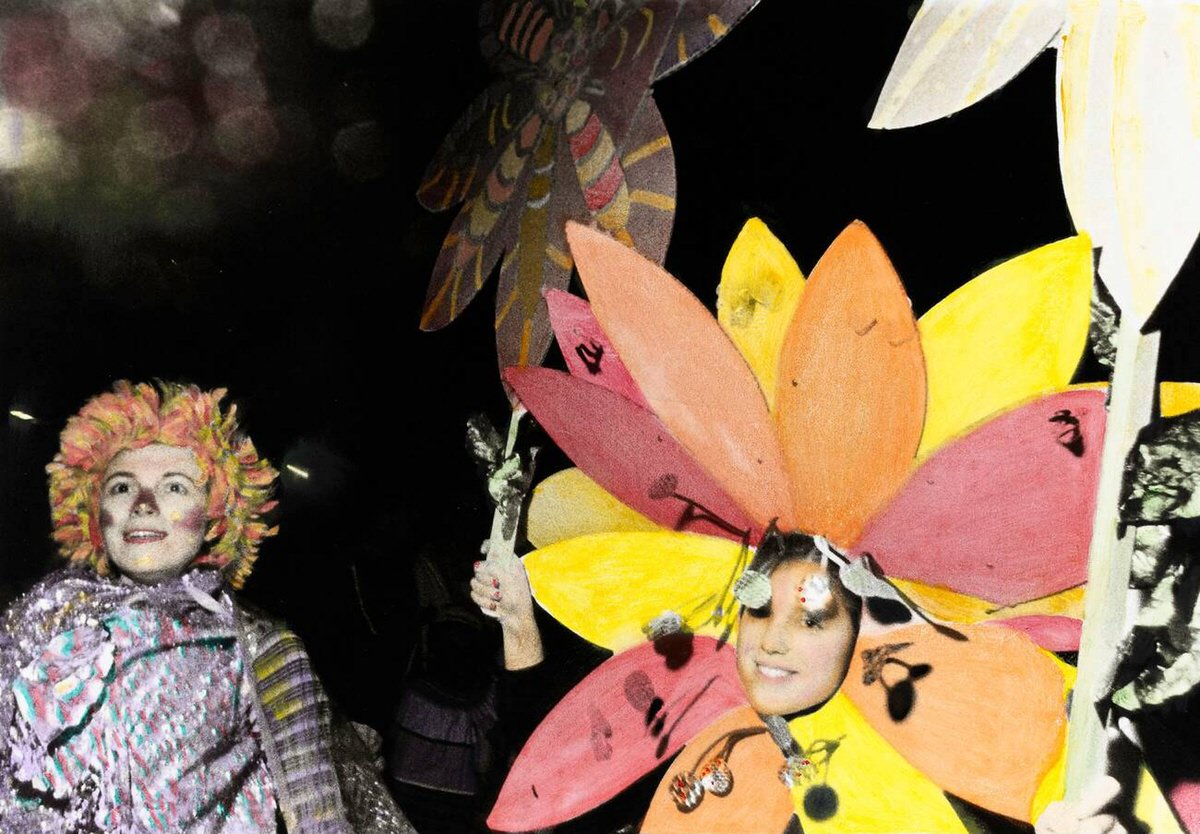
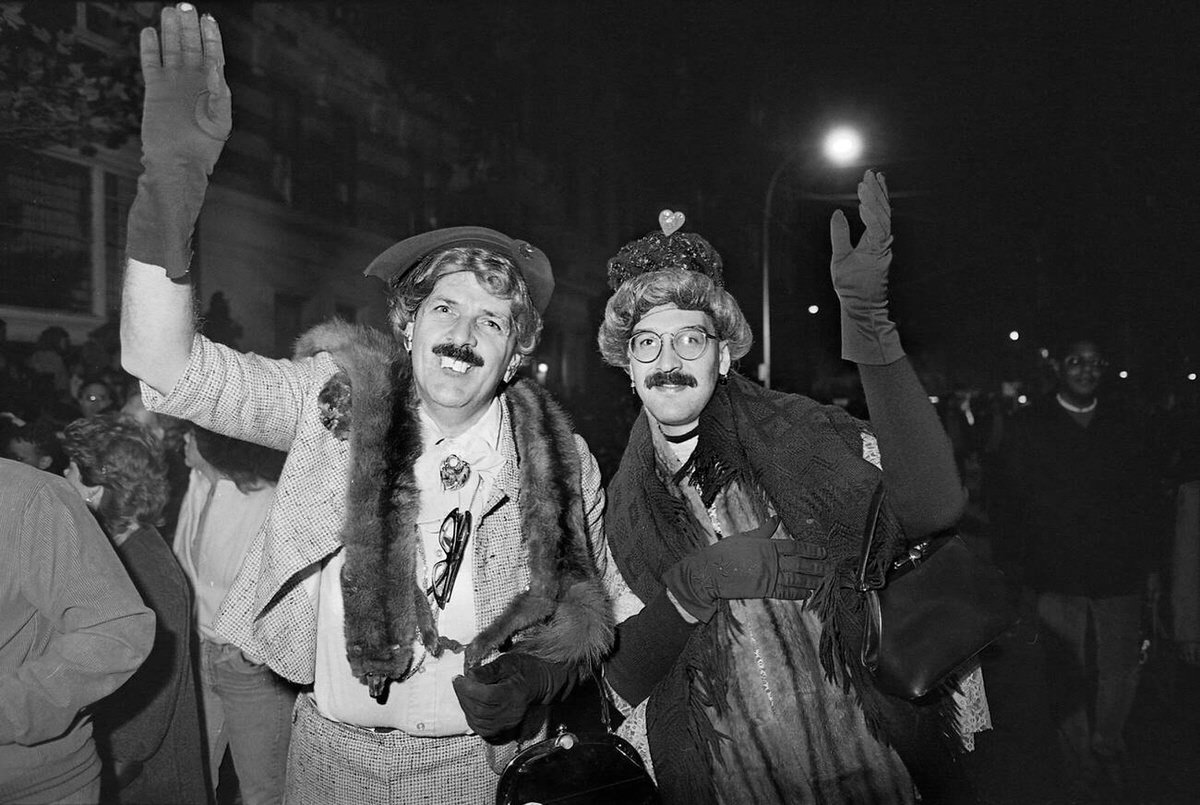
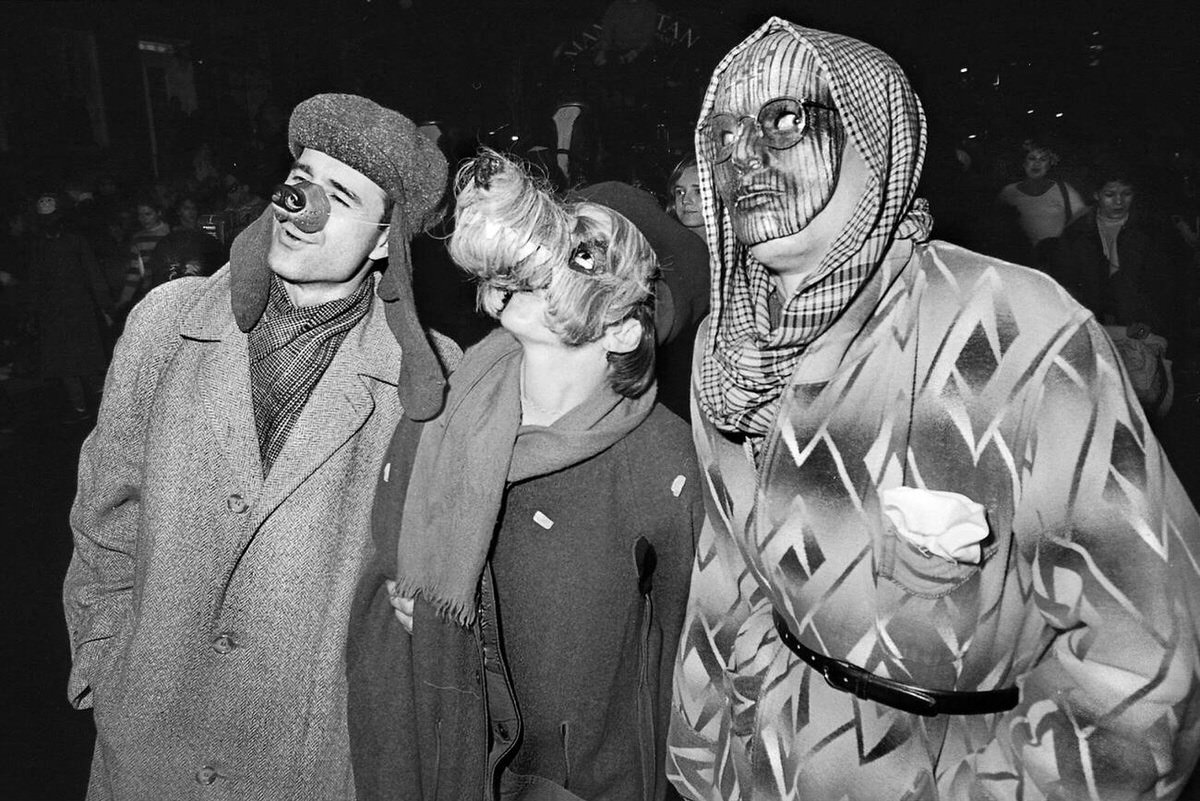
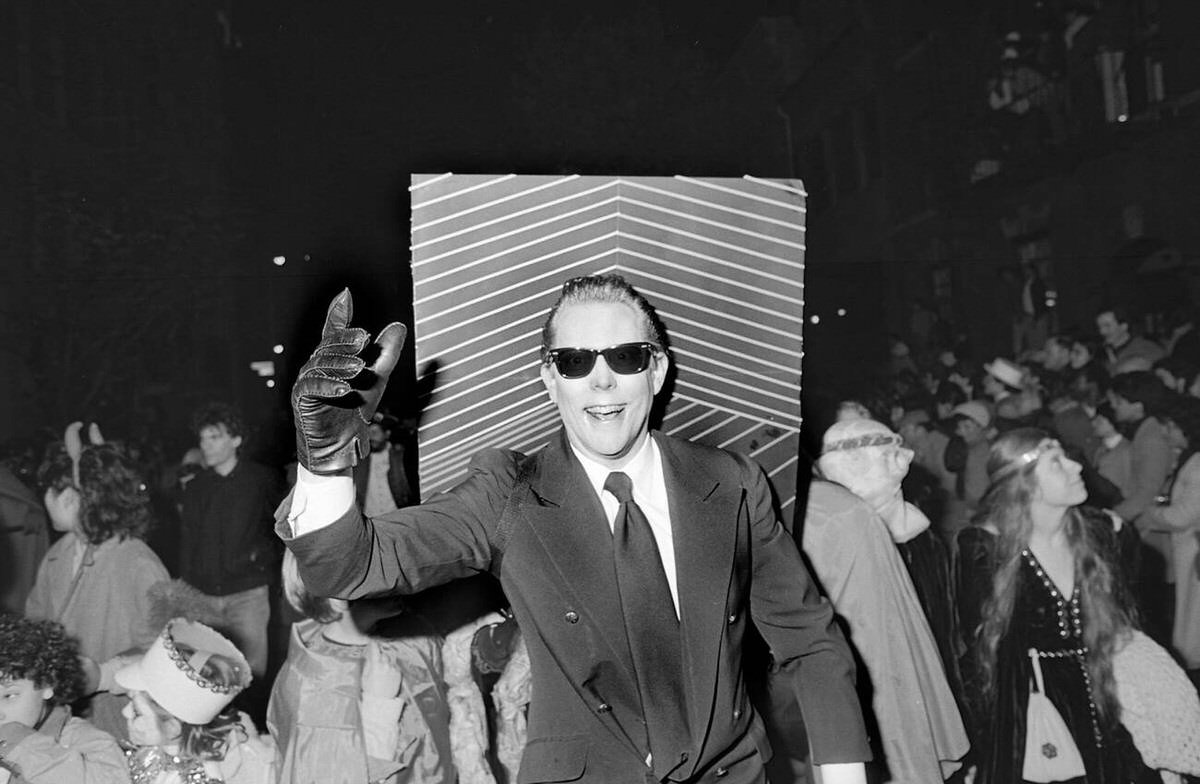
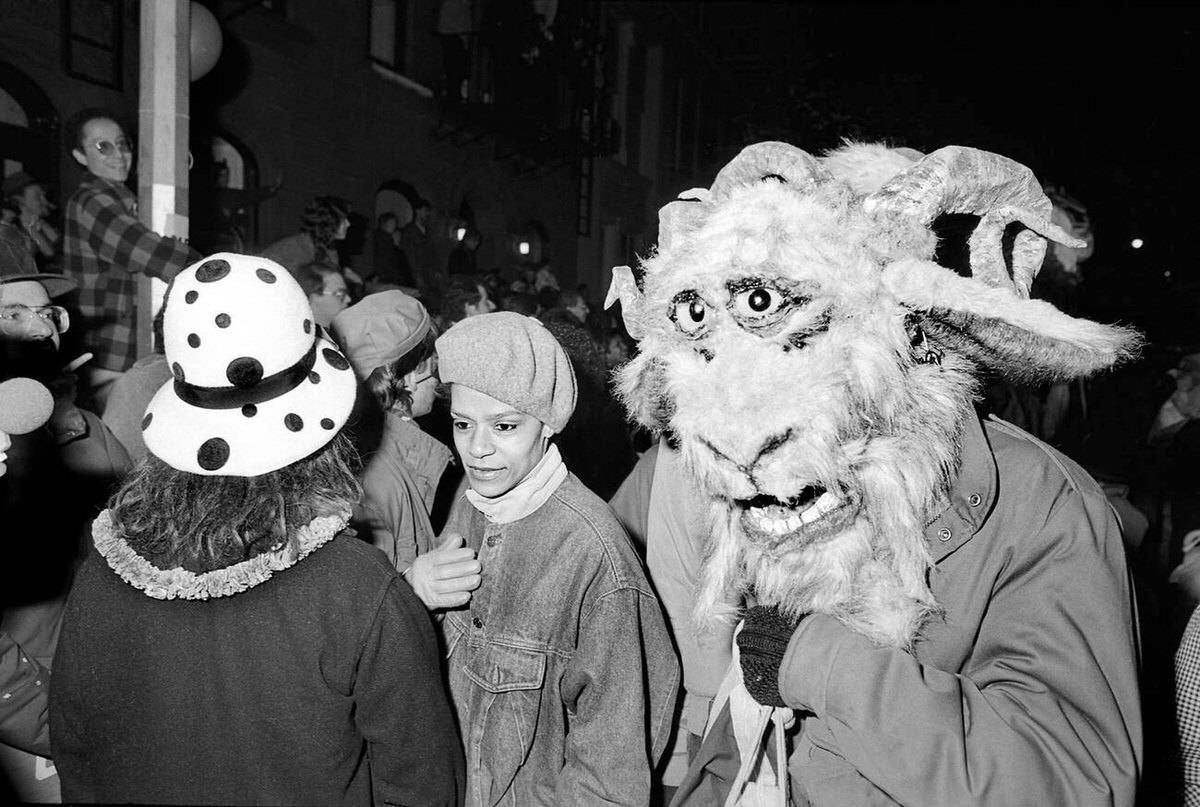
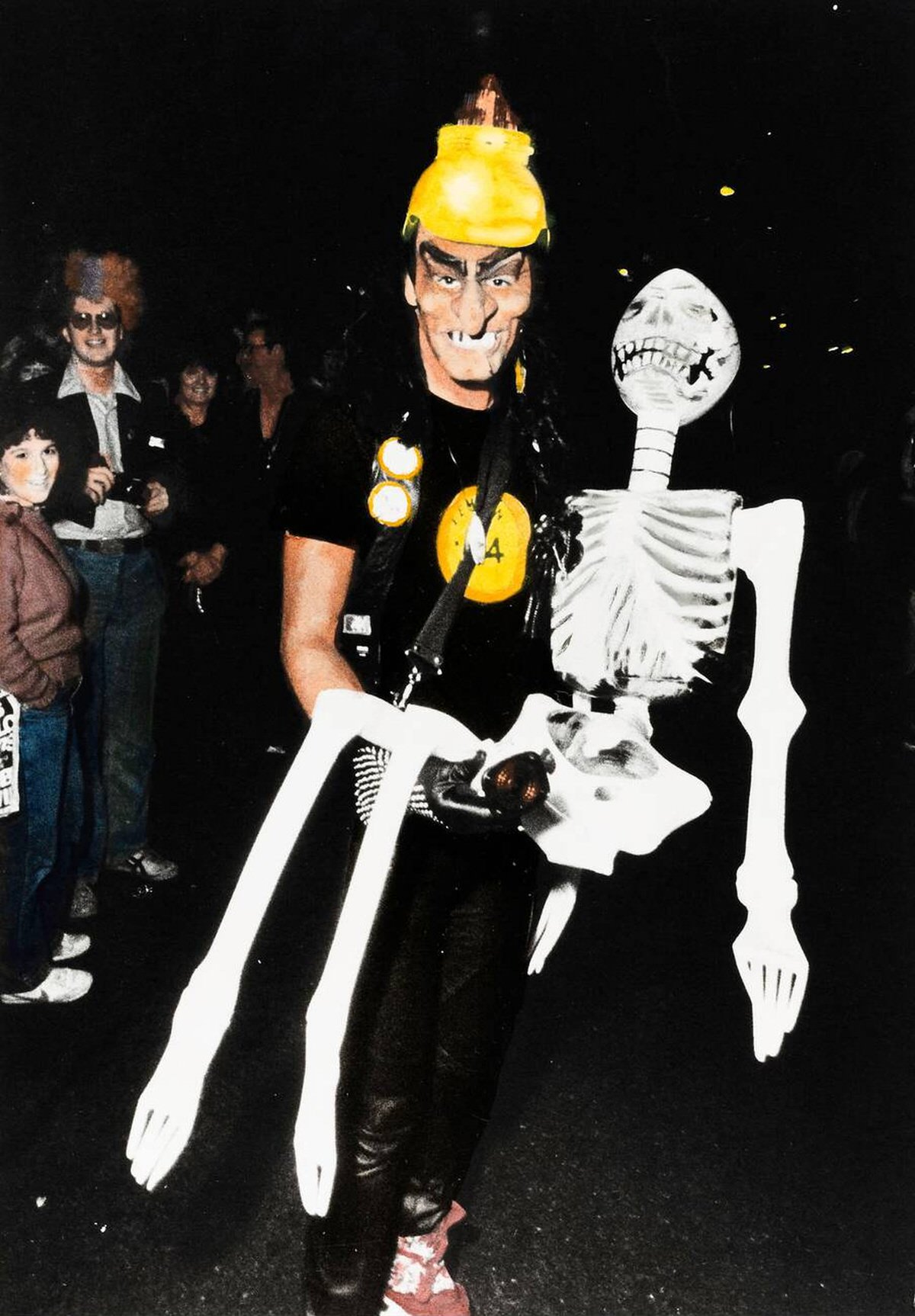
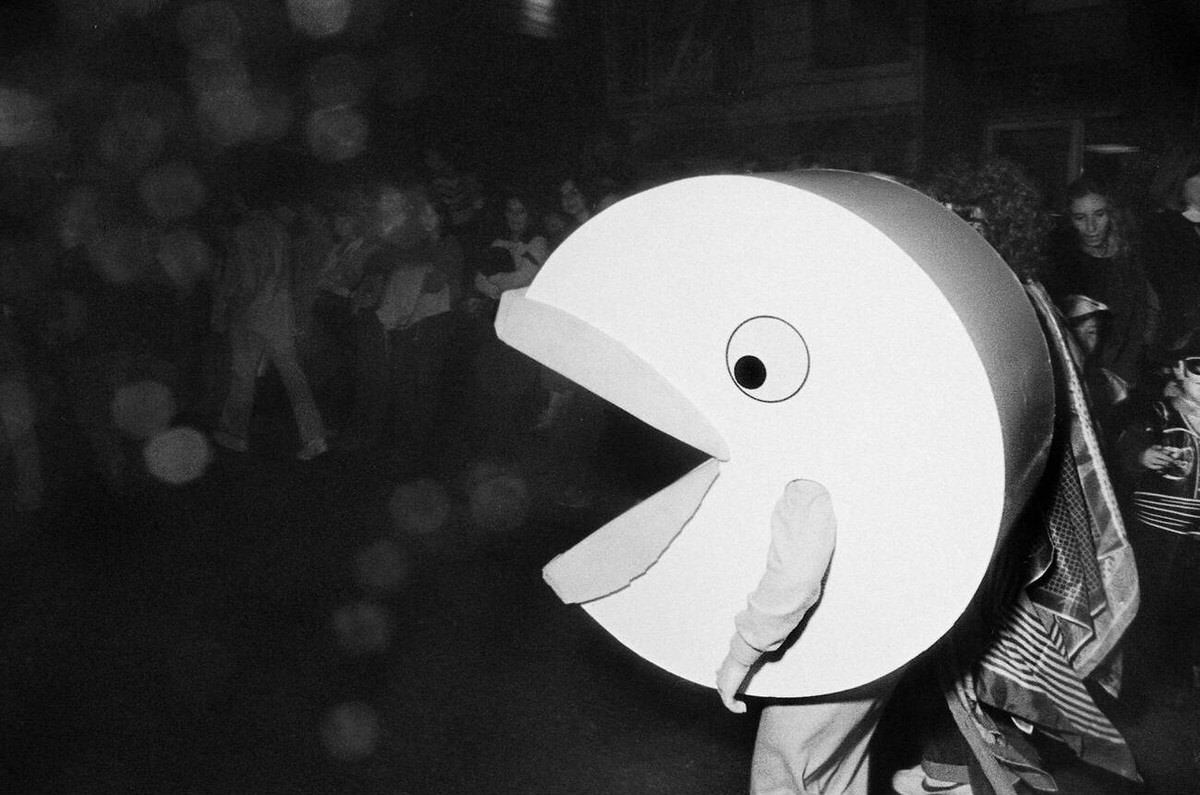
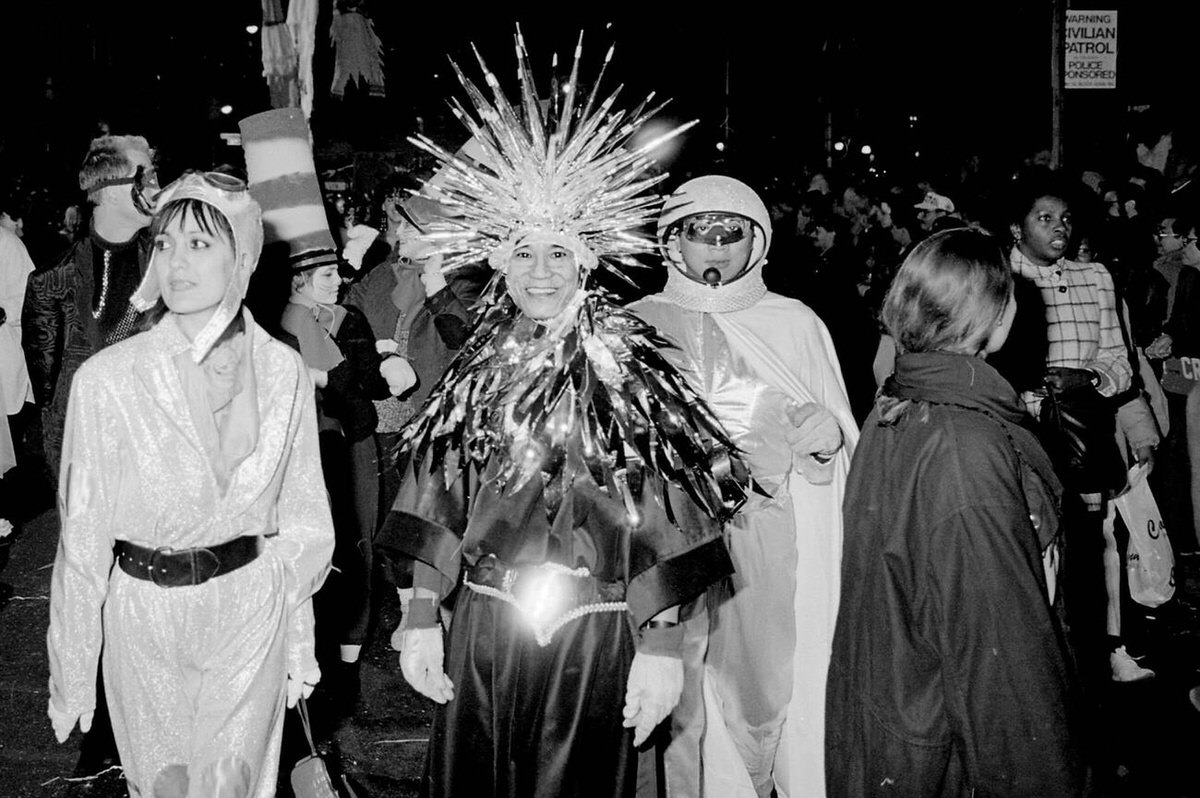
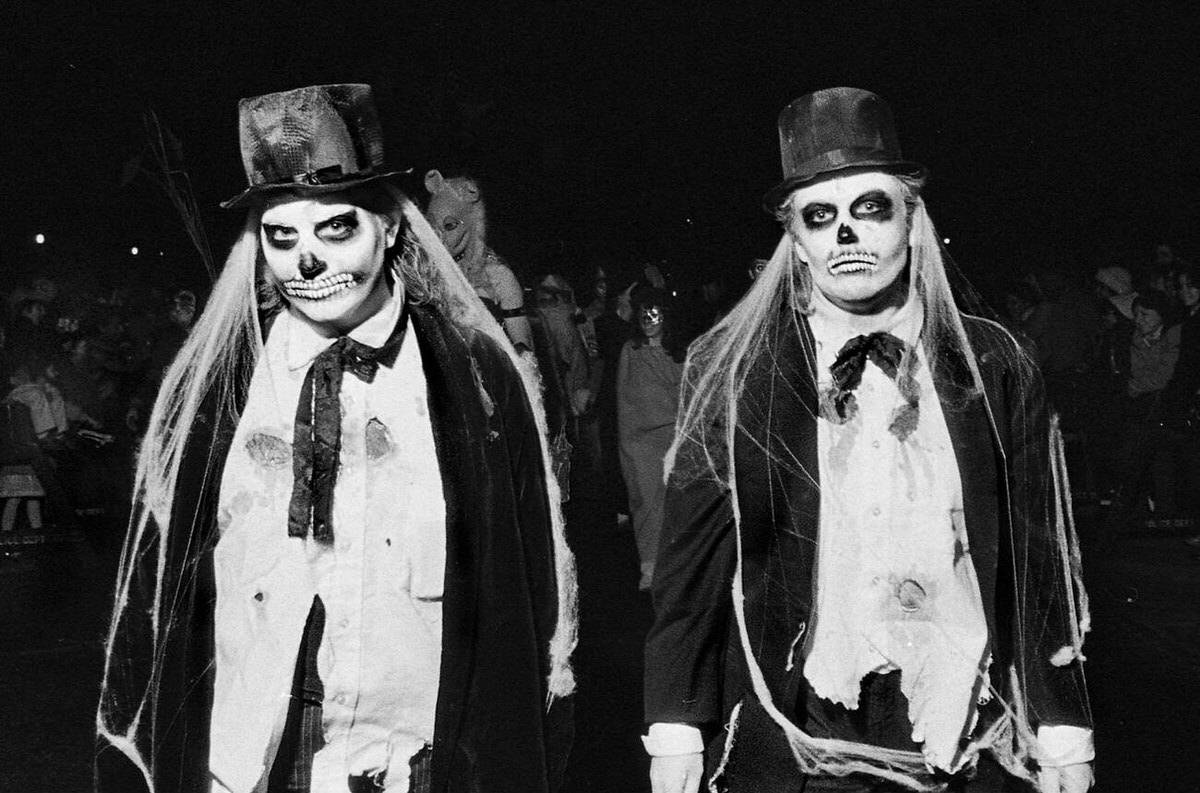
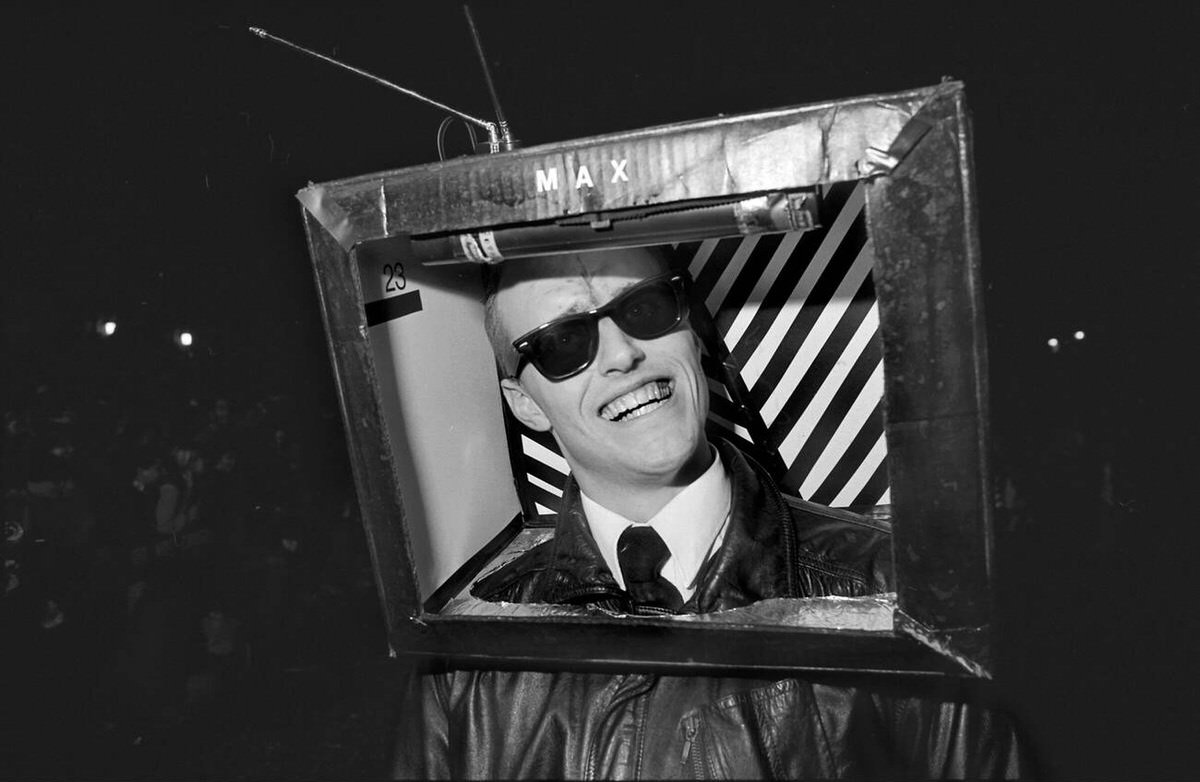
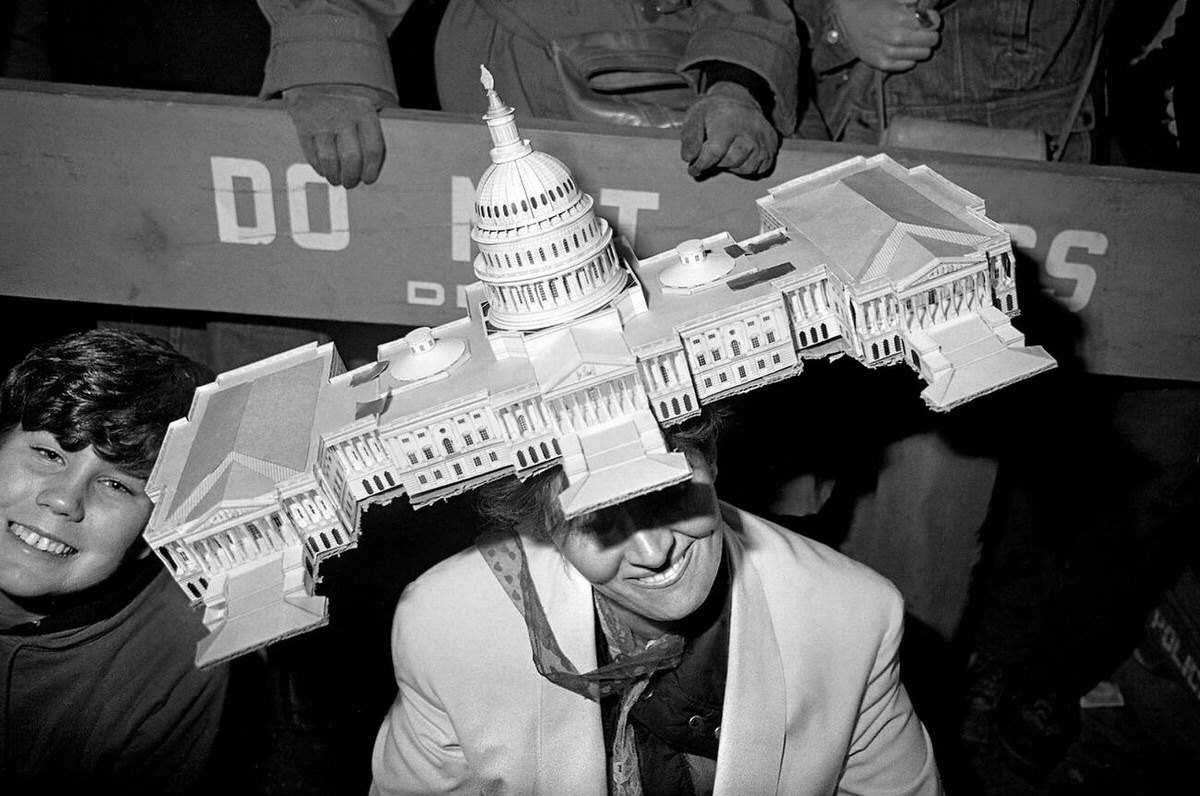
The diversity of the costumes reflected the creative spirit of Greenwich Village. High-end theatrical costumes stood next to simple, homemade outfits made of cardboard and duct tape. Many participants used the parade to express political views or to mock popular celebrities of the decade. By the mid-1980s, the crowd grew so dense that the police had to implement stricter “zones” to keep the march moving, but the atmosphere remained chaotic and festive.
Music and Soundscapes
The soundtrack of the 1980s parade was a mix of live brass bands and portable sound systems. Samba bands were a constant presence, with dozens of drummers playing synchronized rhythms that could be heard from blocks away. These percussion groups kept a fast pace, encouraging the costumed marchers to dance rather than just walk.
In addition to the drums, many participants carried heavy boomboxes on their shoulders. They played the latest hits from 1980s icons like Michael Jackson or Prince. The song “Thriller” was a staple of the decade, often triggering spontaneous group dances among the zombies and ghouls in the crowd. The combination of different musical styles created a wall of sound that vibrated off the brick walls of the Village tenements.
Iconic Characters and Groups
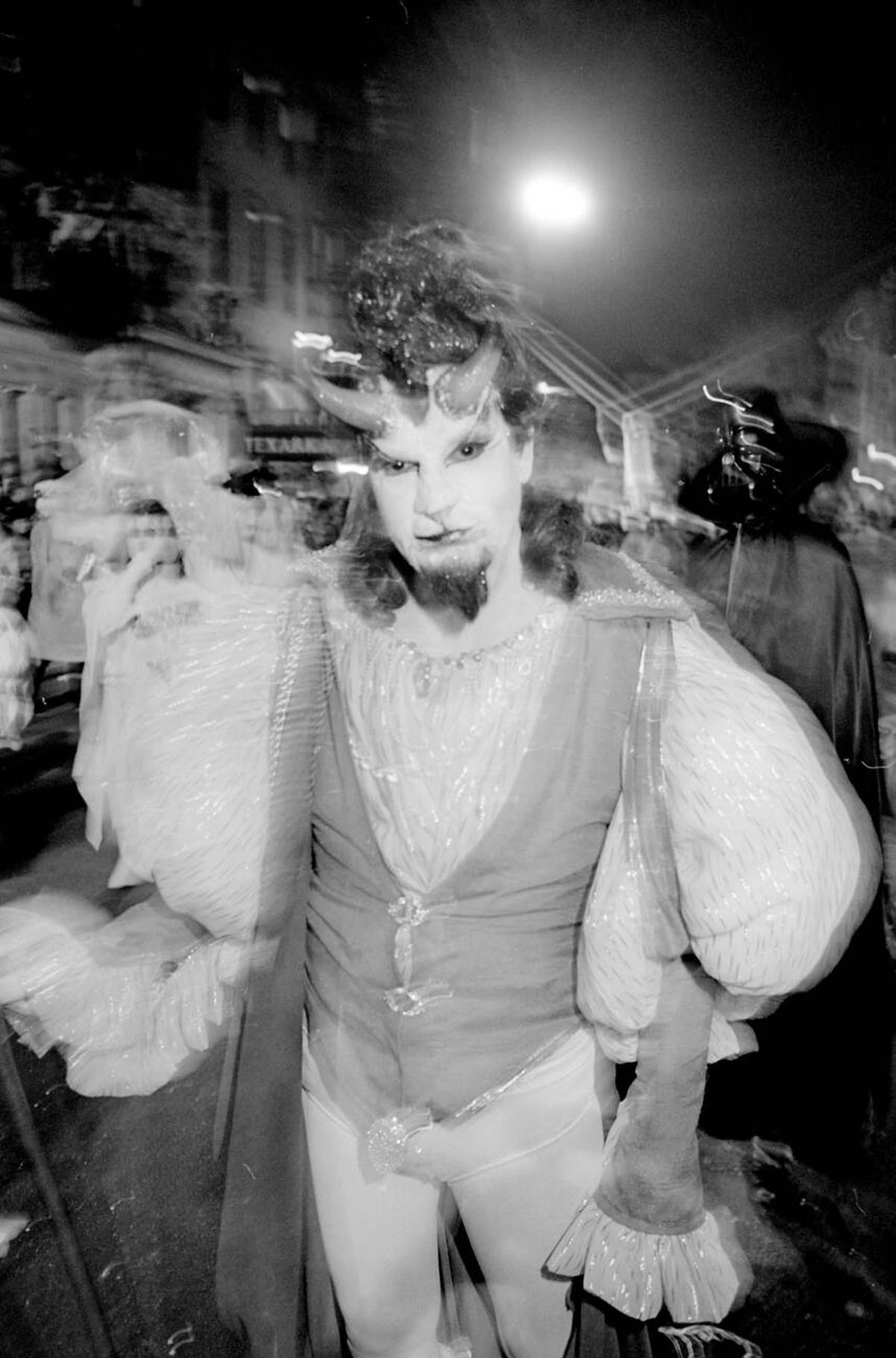
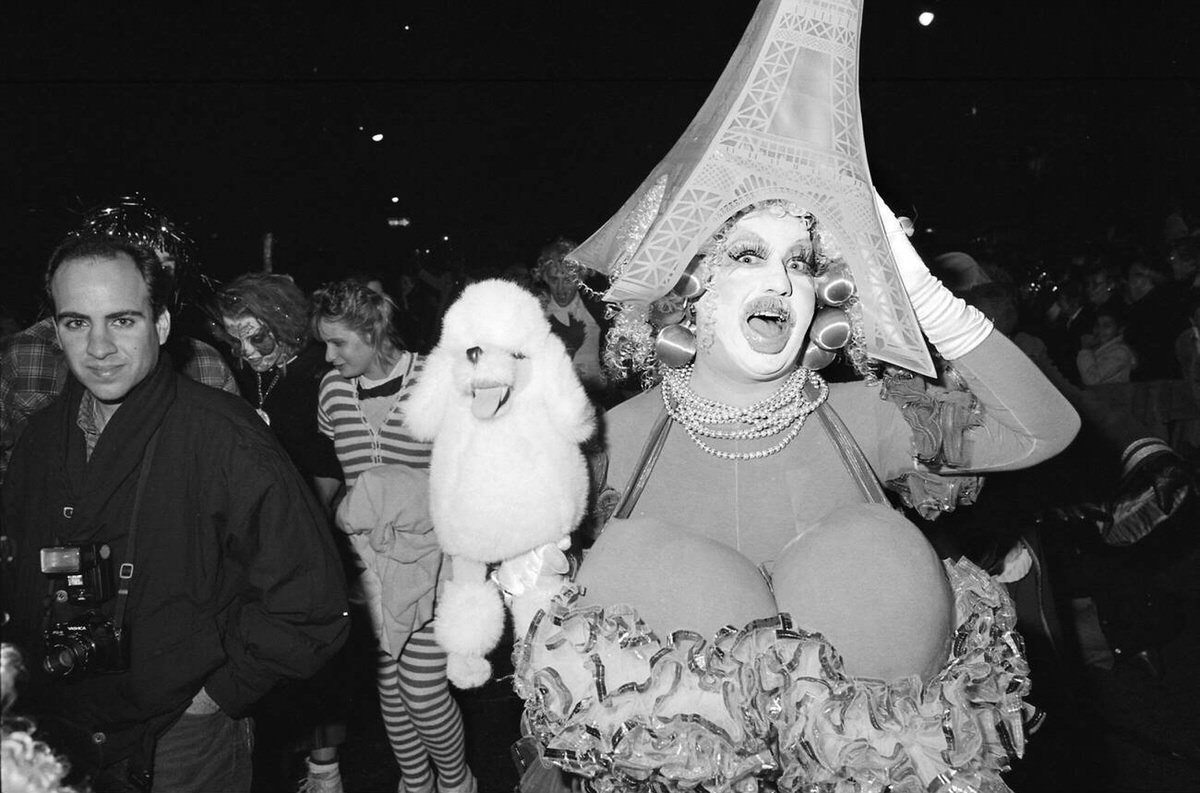
Certain groups became legends of the 1980s parade. The “Village People” look-alikes were always present, reflecting the neighborhood’s history. Another frequent sight was the “Walking Headless Men,” who used clever wire frames to make it look like they were carrying their own heads in their hands. Drag queens in ten-inch heels and elaborate sequined gowns walked the entire route, posing for photographers and waving to the crowds from the tops of streetlamps.
The “Official Halloween Committee” often chose a specific theme for the year, such as “Aliens” or “Under the Sea.” This encouraged groups of artists to build floats out of old flatbed trucks. These floats were not the professional, polished versions seen in televised parades. They were gritty, hand-painted, and often featured live rock bands playing on the back.
The Nighttime Atmosphere
The parade always took place at night, starting after the sun went down. The lighting was provided by the neon signs of the Sixth Avenue storefronts and the orange glow of the streetlights. Many participants added to the light by carrying tiki torches or wearing battery-operated strings of lights. This created a flickering, cinematic effect as the parade moved through the shadows of the West Village.
The cold October air was often filled with the smell of hairspray, face paint, and exhaust from the older trucks used for floats. Despite the chilly weather, many performers wore minimal clothing as part of their elaborate costumes. After the parade reached 14th Street, the marchers dispersed into the local bars and house parties. This turned the entire neighborhood south of 14th Street into a massive, decentralized costume party that lasted until the early morning hours of November 1st.
GIPHY App Key not set. Please check settings