

 Jonathan Ng
If the 1970s were brutal, the 1980s hit Harlem with a different kind of violence — faster, more chemical, and more destabilizing than anything the neighborhood had faced before. Two forces arrived almost simultaneously: crack cocaine and the AIDS epidemic. Together they reshaped the community in ways that took decades to even begin to measure. And yet, against that backdrop, Harlem produced art, music, and political energy that was completely alive.
Crack Cocaine: What It Actually Did
Crack arrived in Harlem around 1984 and spread with a speed that overwhelmed every existing community structure. Unlike powder cocaine, which was expensive and associated with a different economic class, crack was cheap. A vial sold for as little as two or three dollars. The drug was smokable, which meant the high hit faster and harder than snorted cocaine — and wore off faster, creating a cycle of craving that was almost impossible to break without serious intervention.
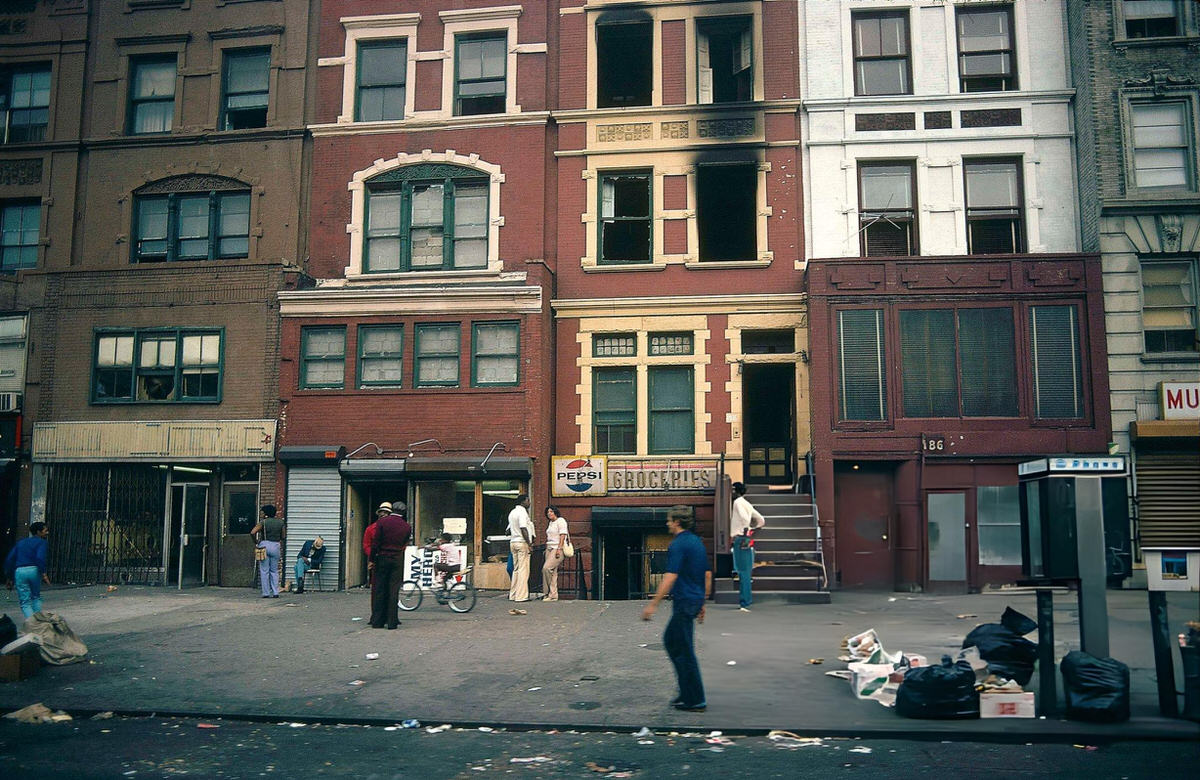
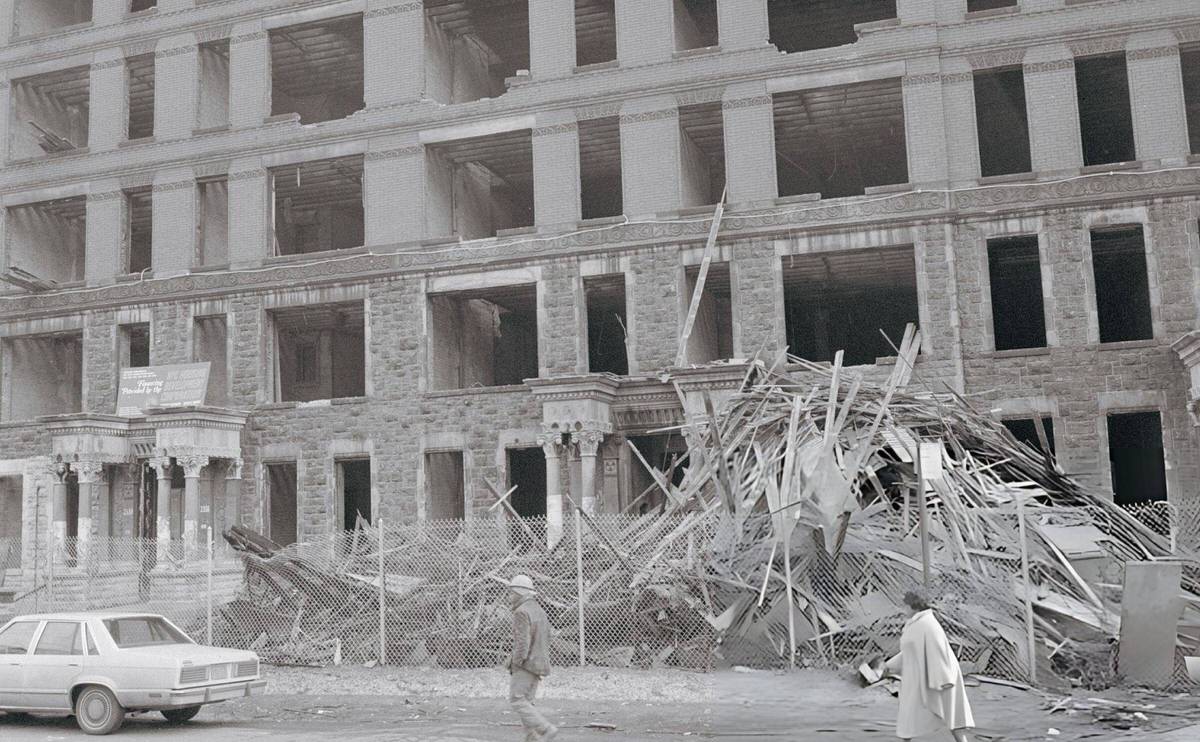
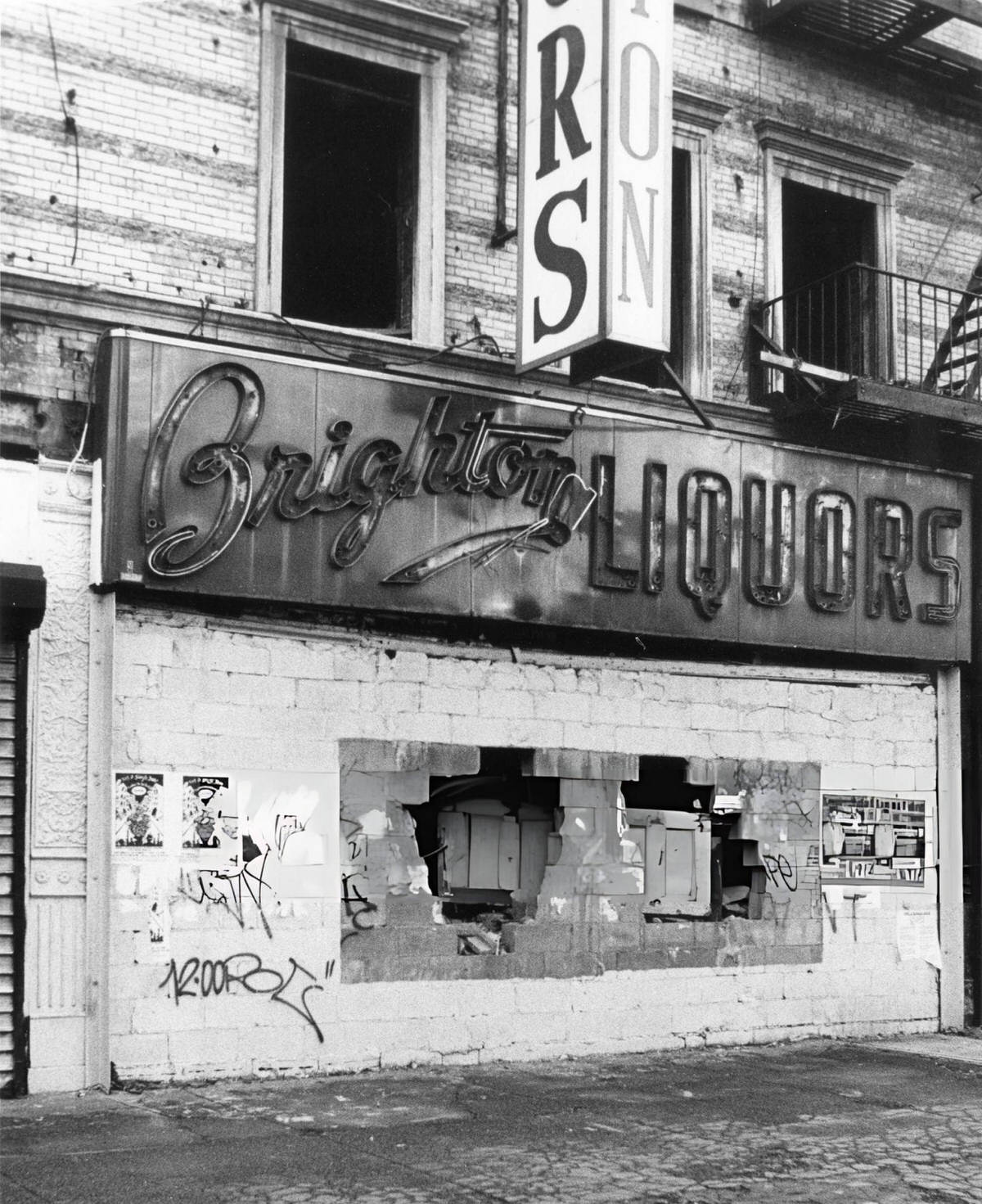
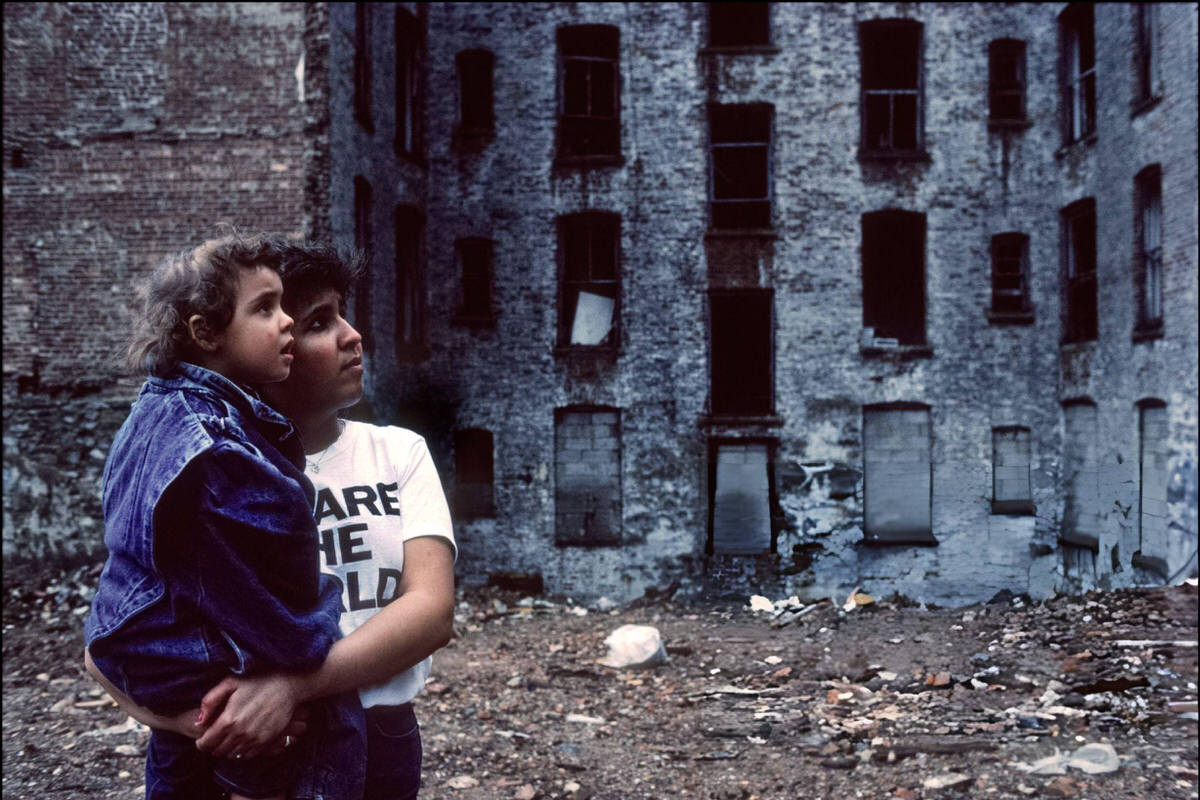
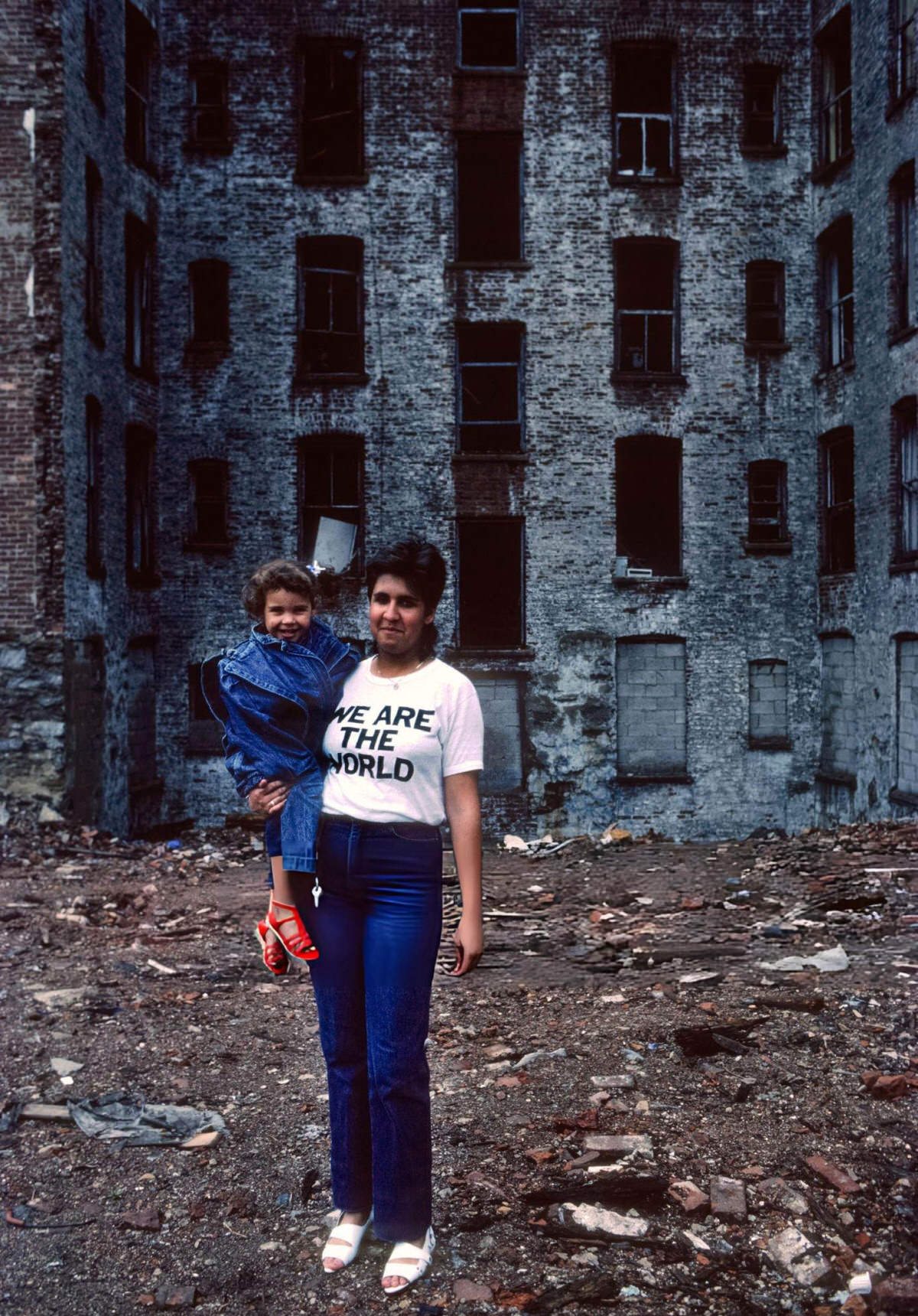
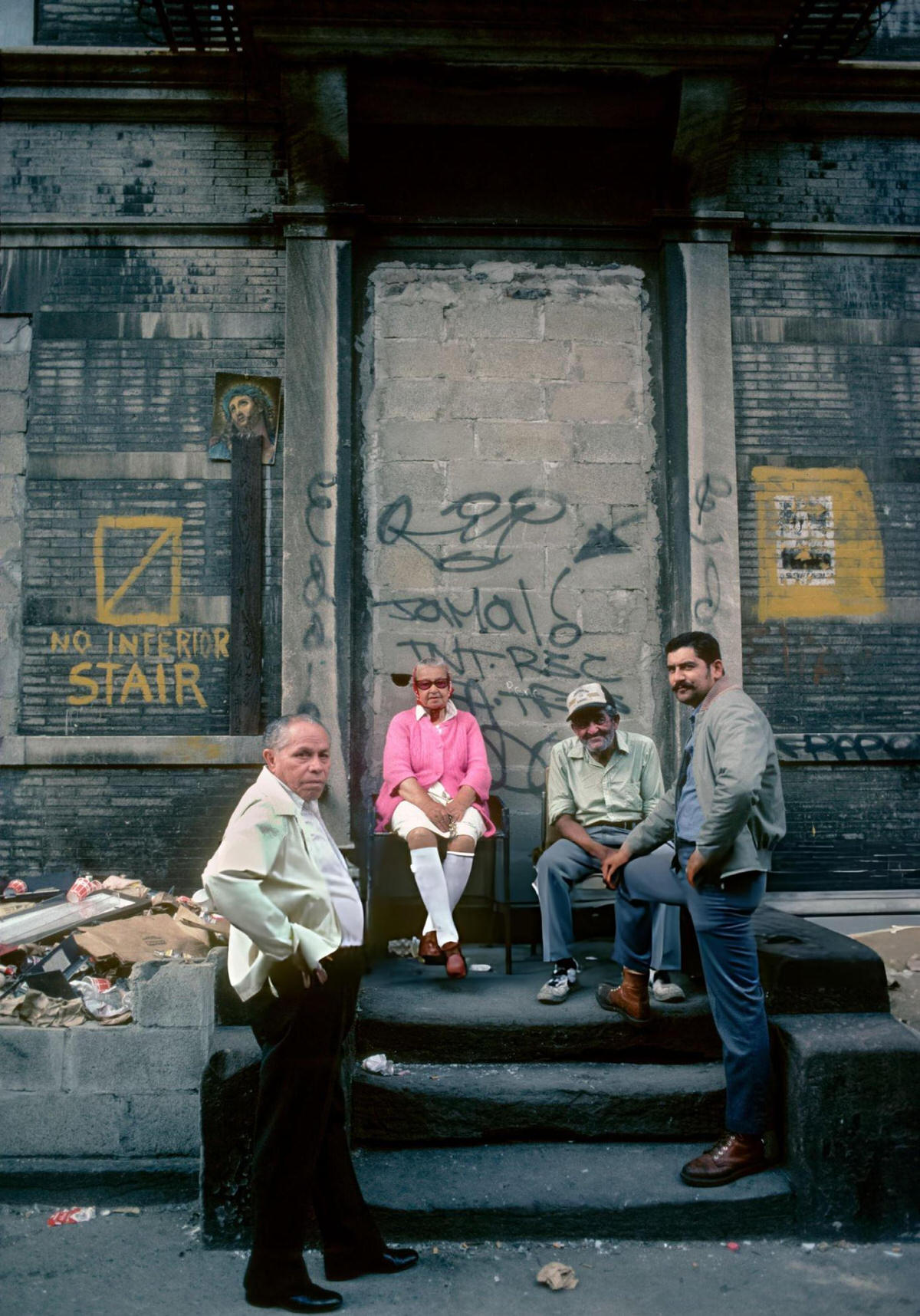
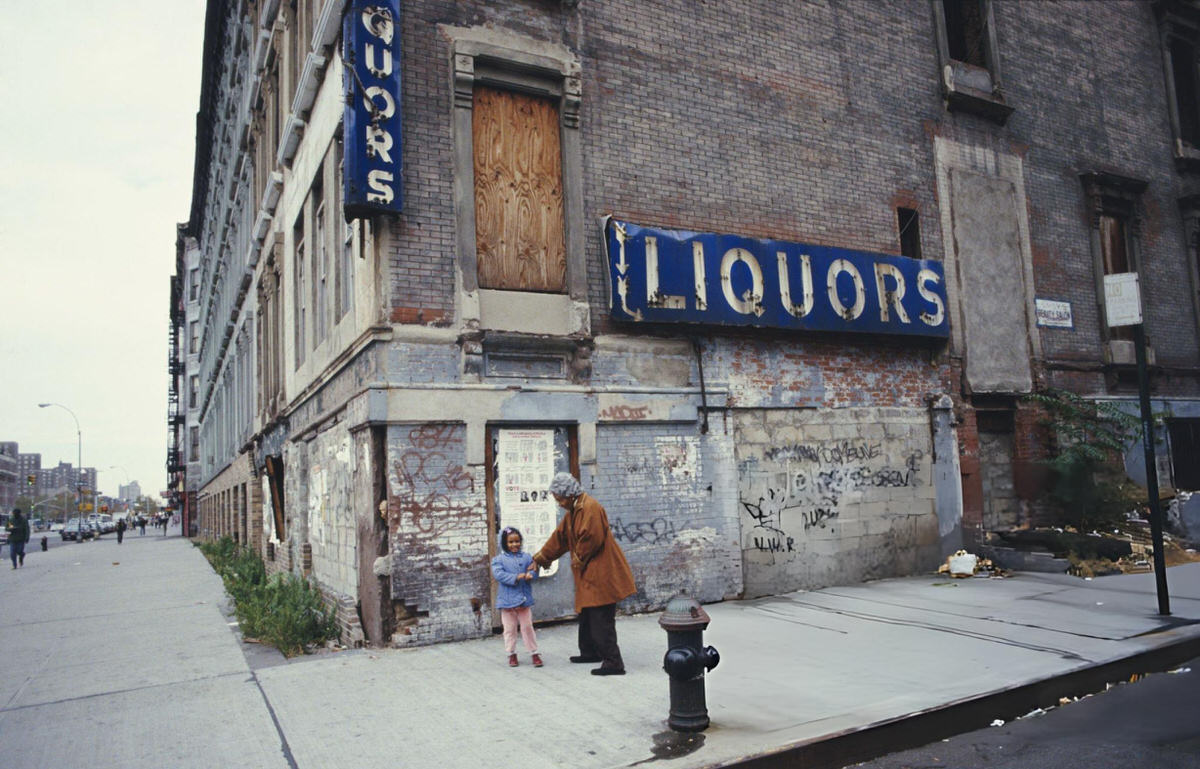
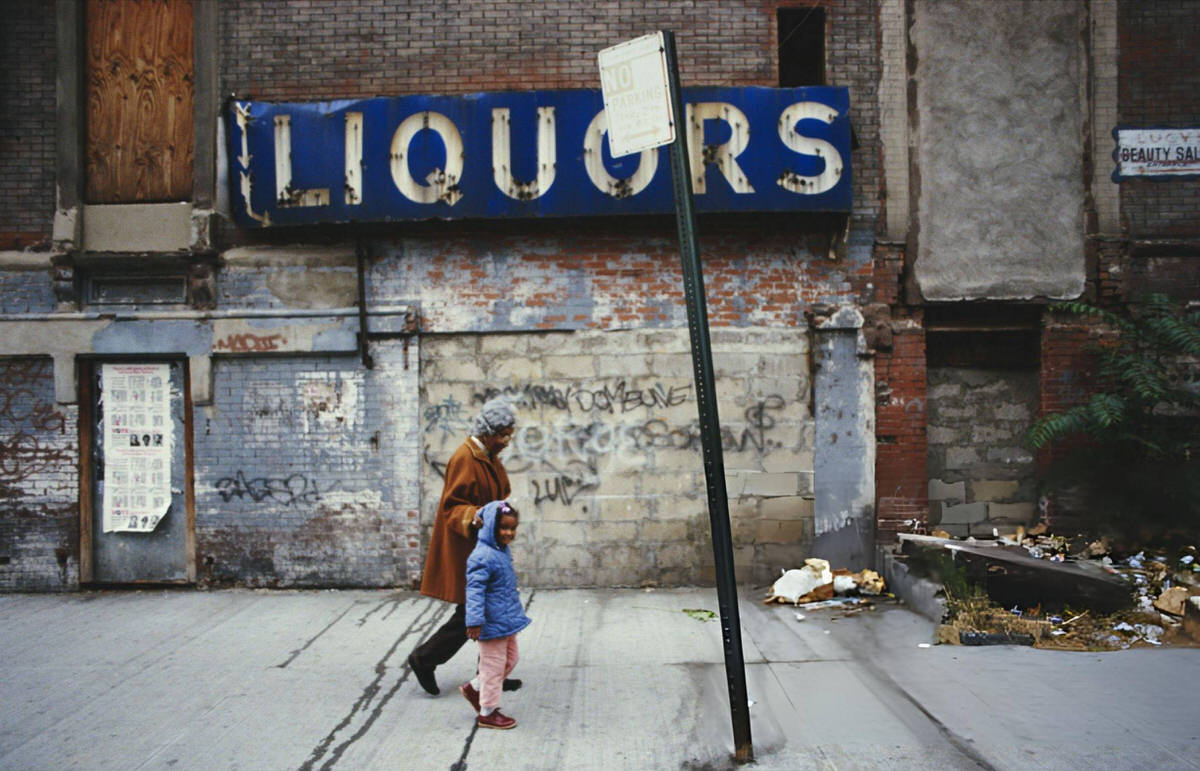
The physical transformation of certain blocks happened within months. Abandoned buildings became crack houses. Dealers set up on corners that had previously been controlled by heroin sellers, and the turnover in those crews was constant and violent. Shootings increased sharply. The NYPD, operating under pressure to show results, flooded certain blocks with officers while ignoring others — enforcement was intense, aggressive, and produced mass arrests that sent young Black men into the prison system at rates that staggered the neighborhood’s social fabric.
Read more
Families fractured. Women who became addicted sometimes lost custody of their children. The number of children entering the foster care system from Harlem jumped dramatically through the mid-1980s. Grandmothers who had raised their own children were raising grandchildren while their sons and daughters were either incarcerated, addicted, or dead.
The AIDS Epidemic in a Community Already Under Pressure
AIDS arrived in Harlem at the same time as crack, and the two crises fed each other. Intravenous drug use — sharing needles — was one of the primary transmission routes for HIV in the neighborhood. The federal government under Ronald Reagan was slow to acknowledge the epidemic and slower to fund research or treatment. By the time serious resources were committed, the virus had moved through Harlem’s most vulnerable populations with devastating efficiency.
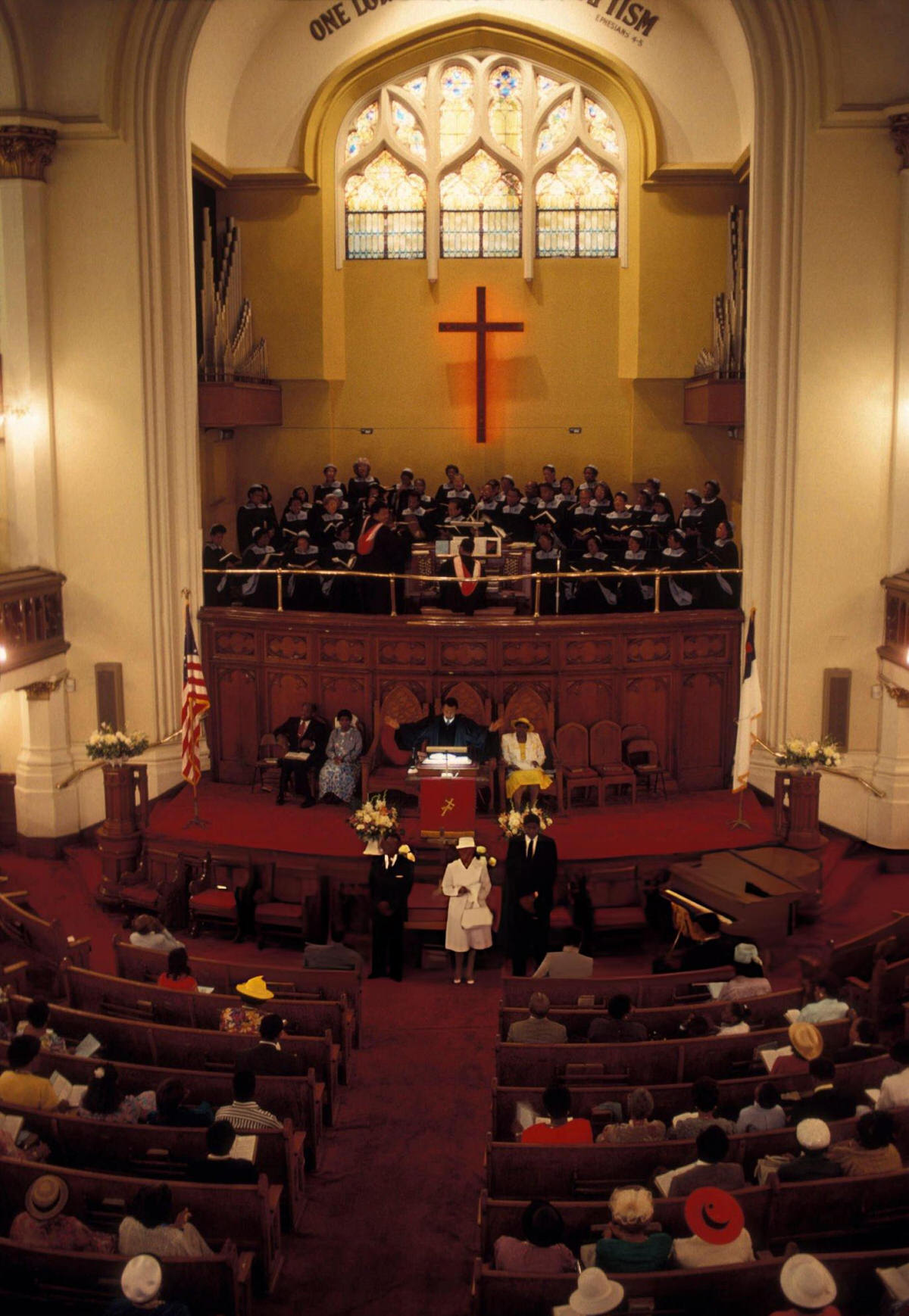
The stigma around AIDS made an already terrible situation worse. Men who were sick were sometimes hidden from neighbors and extended family. The Black church, which had always been central to Harlem’s community response to crisis, was slow in many cases to address AIDS directly because of its association with gay men and drug users. Individual pastors broke from this pattern and opened their congregations to the sick — but the institutional response lagged years behind the need.
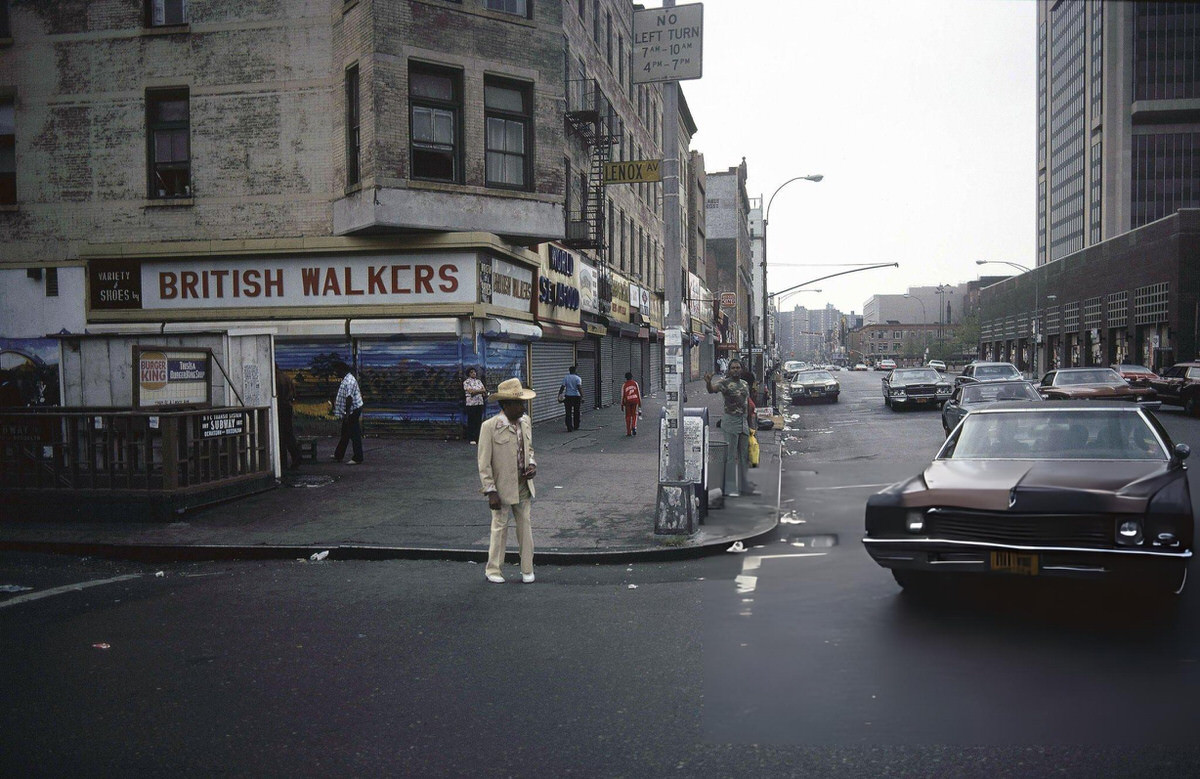
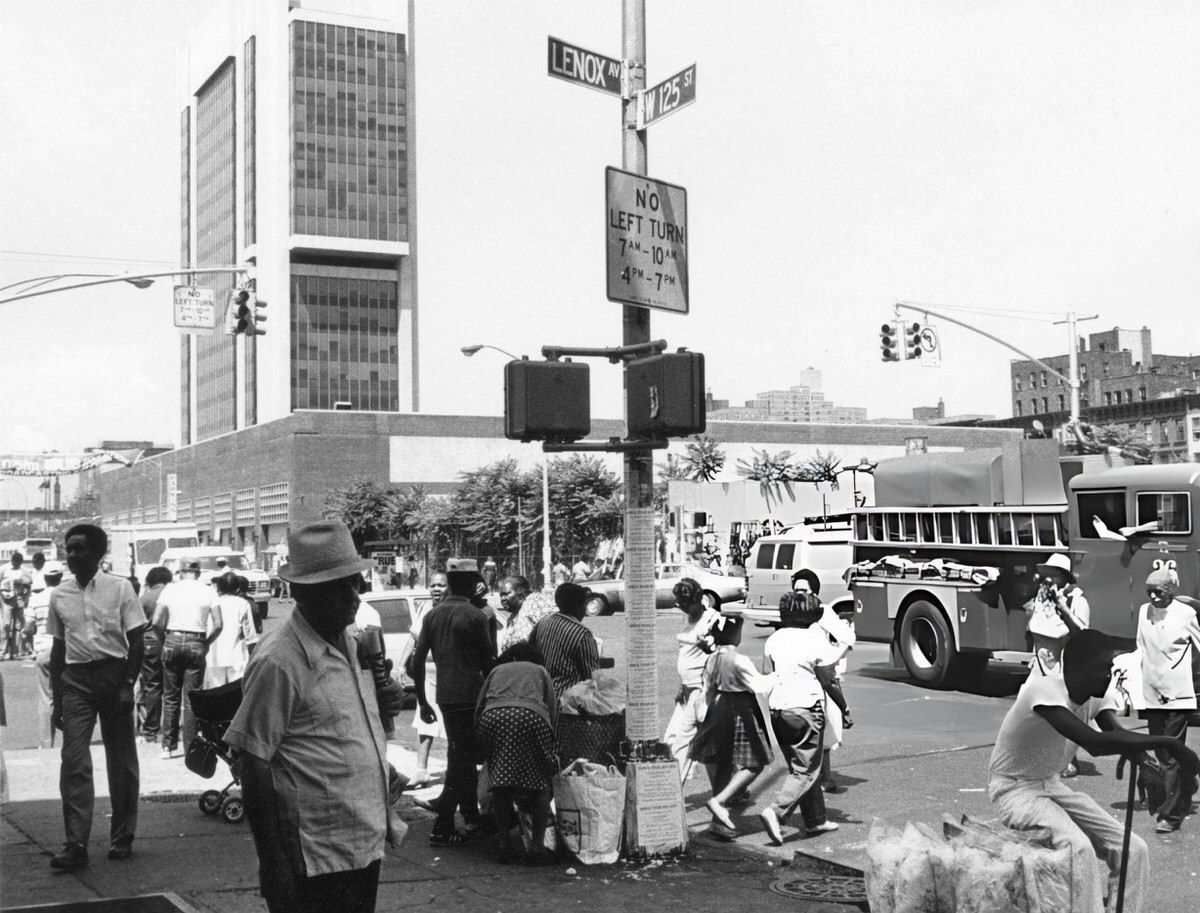
Harlem Hospital, on Lenox Avenue, became the primary treatment center for AIDS patients in the neighborhood. The staff there worked under conditions of severe resource limitation, treating patients whose illness was advanced because they had waited — out of fear, denial, or lack of information — before seeking care.
Hip-Hop Takes Over the Neighborhood
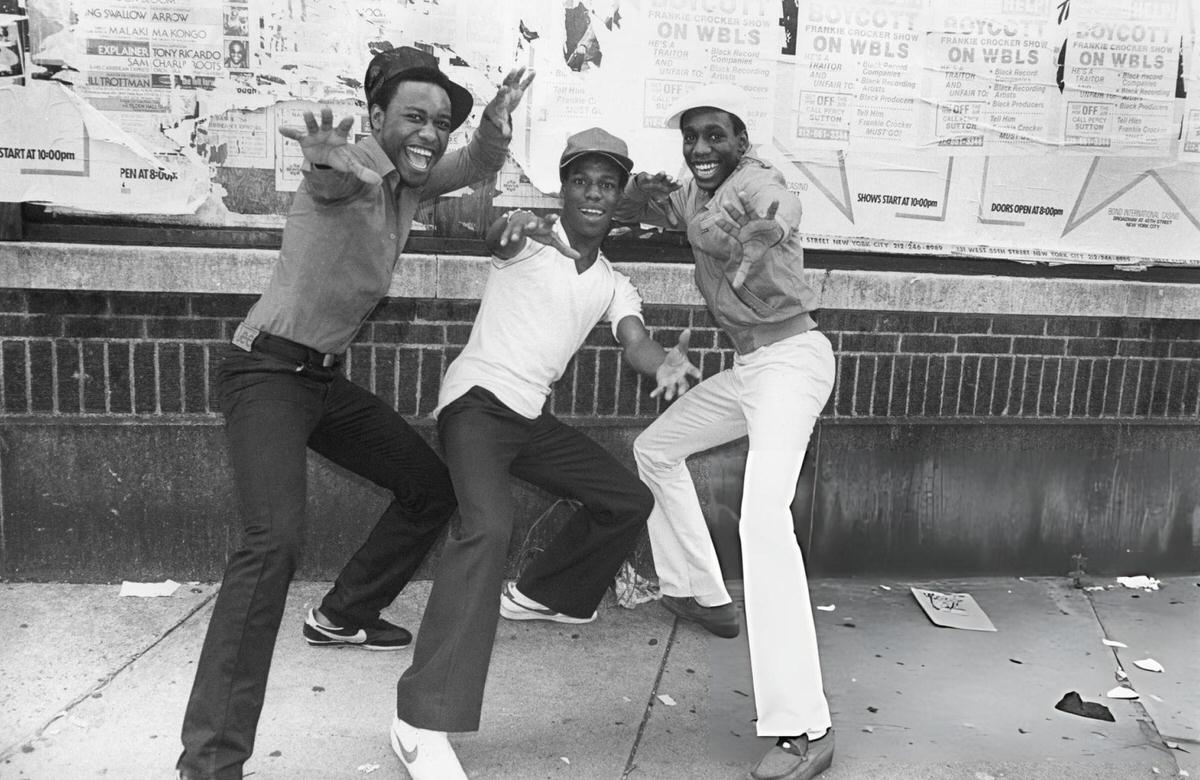
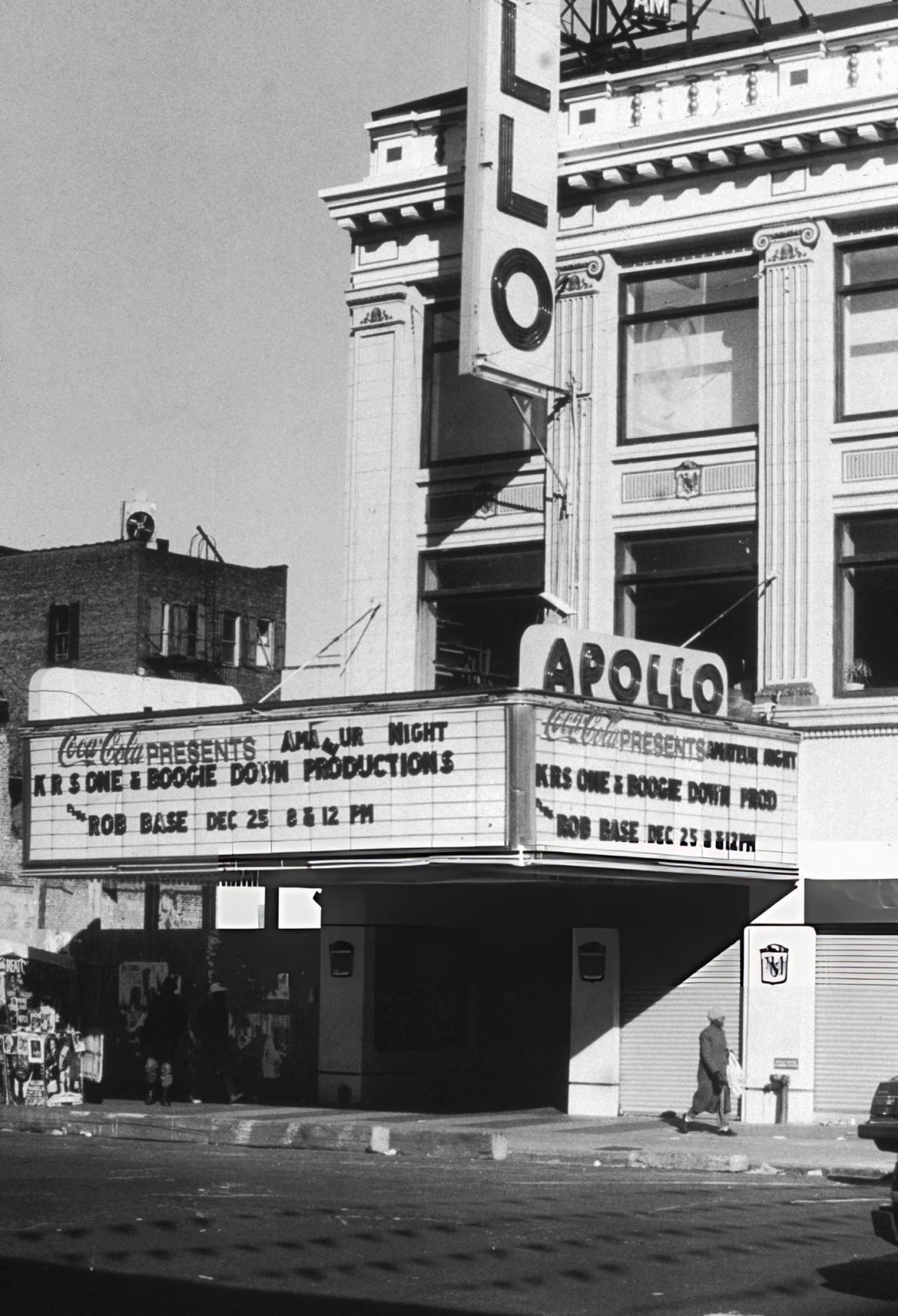
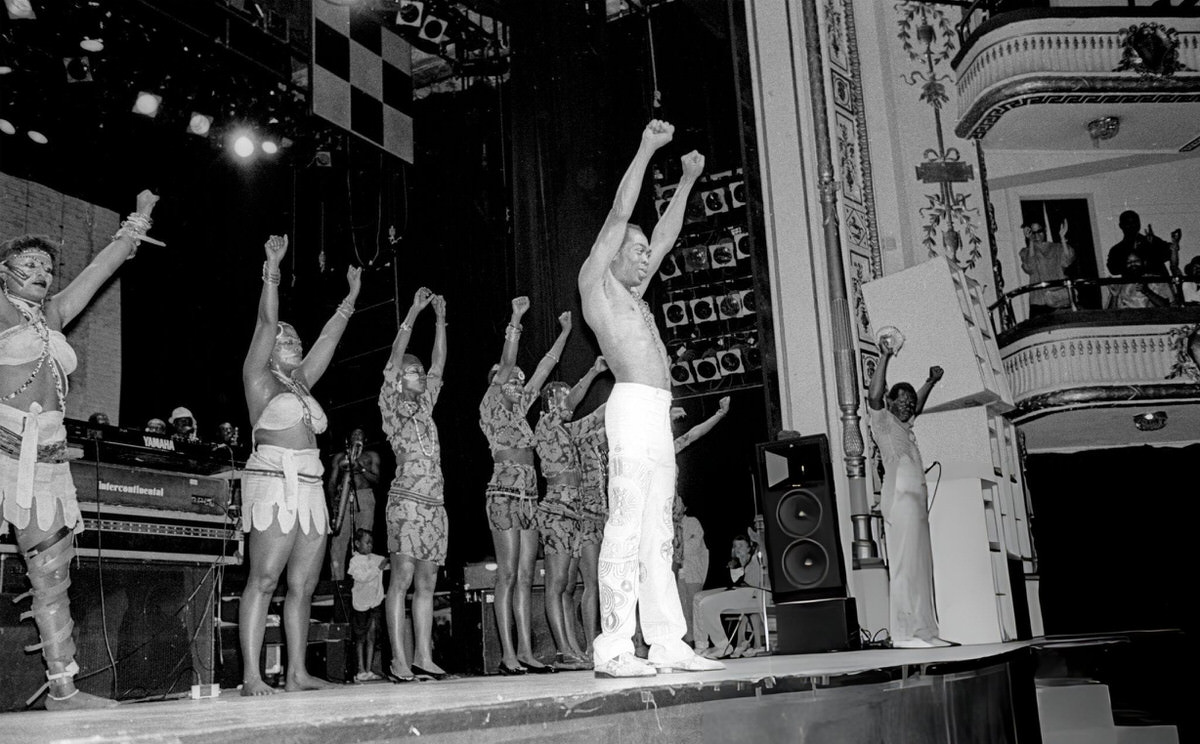
While crack dismantled one set of street-level institutions, hip-hop was building new ones. By the early 1980s, the music that had been born in parks and clubs in the late 1970s had developed a commercial infrastructure. Russell Simmons, who grew up in Queens but operated extensively in Harlem, was managing acts and building what would become Def Jam Records. The label’s roster — LL Cool J, the Beastie Boys, Public Enemy — was signed and developed in New York, with Harlem audiences serving as one of the primary testing grounds for what worked.
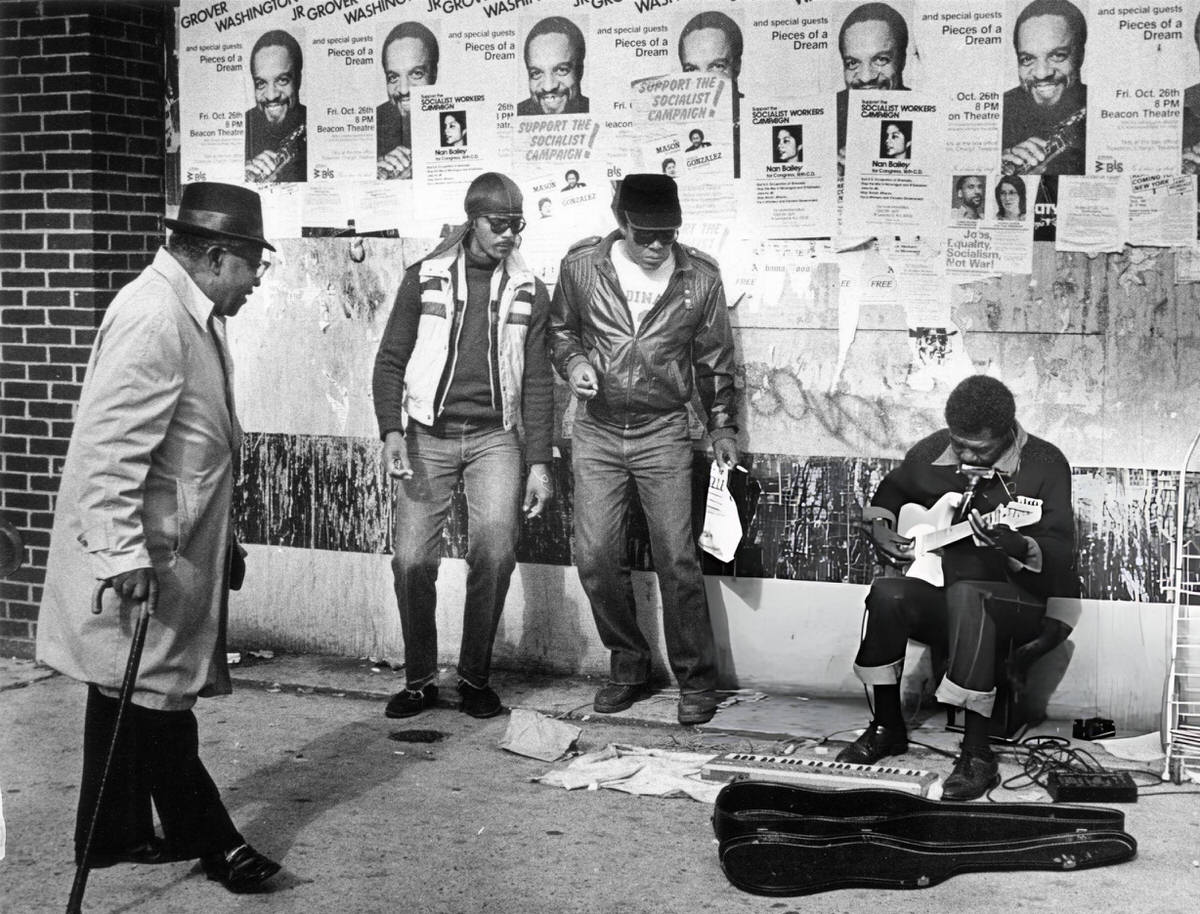
Harlem World on 116th Street remained a key venue. The neighborhood produced its own MCs who worked the local circuit before breaking wider. Rap music in the early 1980s was still figuring out what it was going to be — how hard, how political, how commercial — and Harlem crowds helped answer those questions by responding viscerally to what hit and ignoring what didn’t.
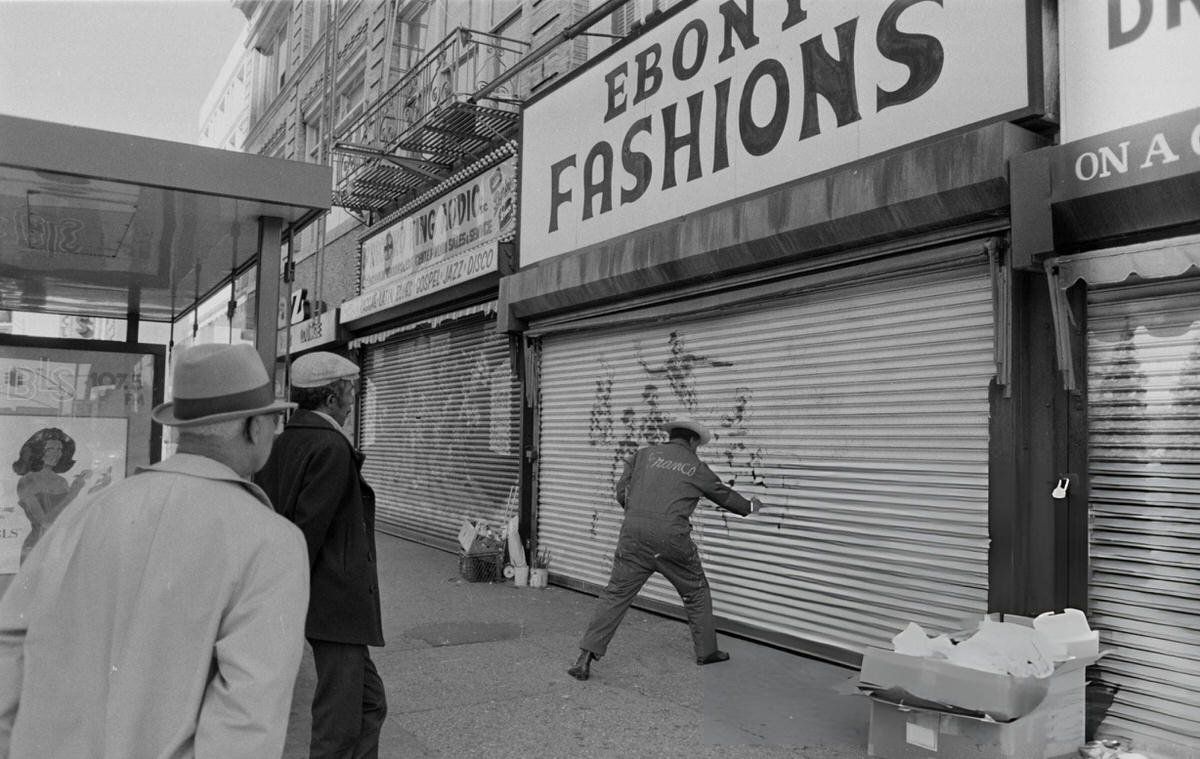
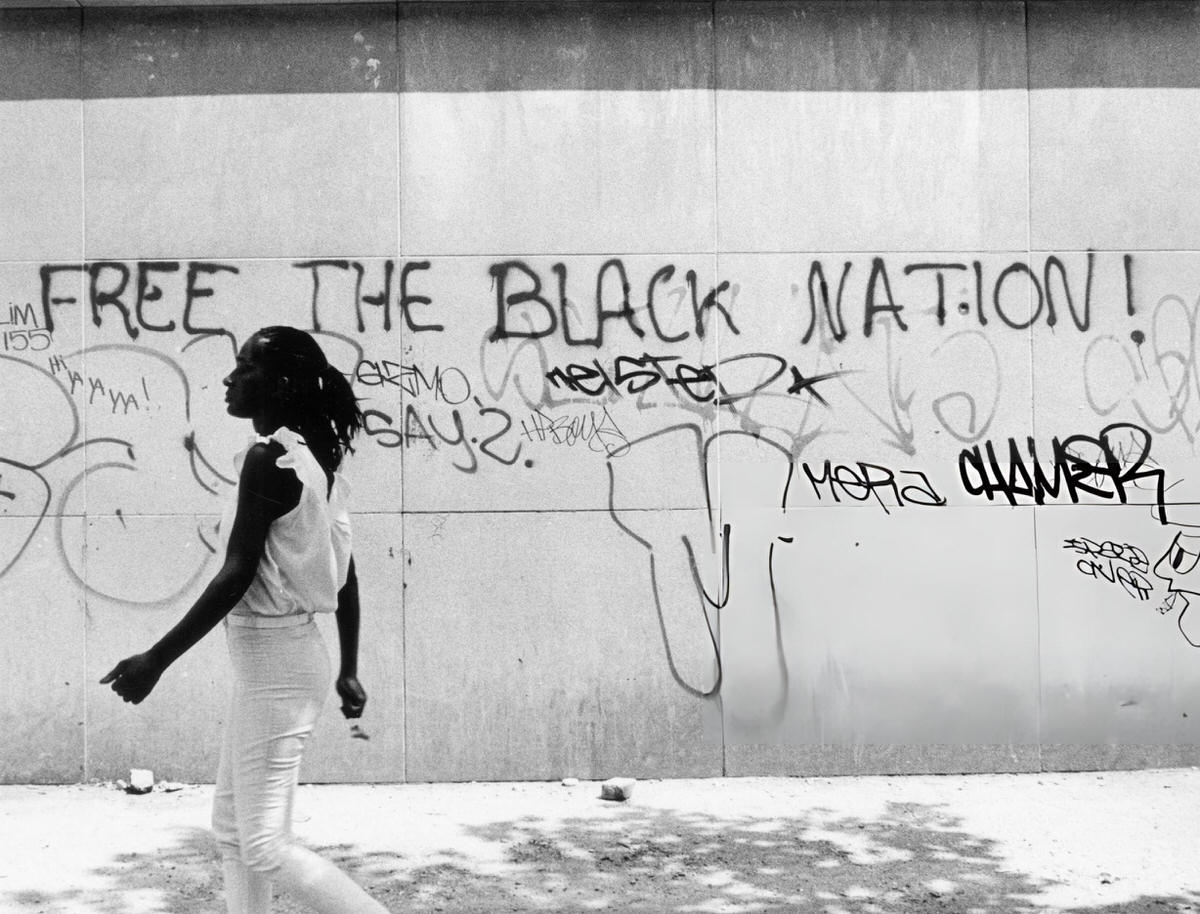
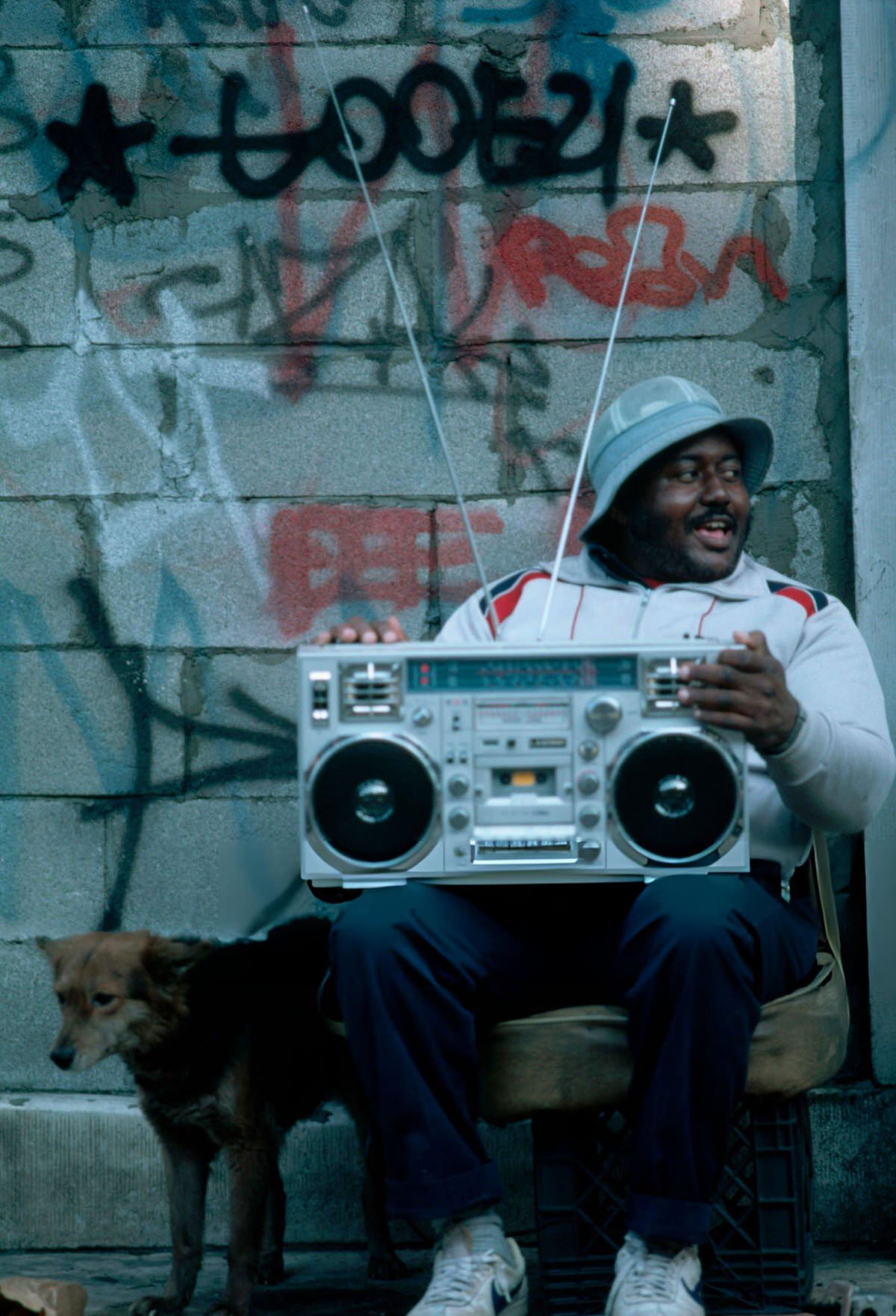
Graffiti covered the subway cars that ran through Harlem’s stations. Writers like STAYHIGH 149 and TRACY 168 had been active since the 1970s, and the visual language they developed became inseparable from hip-hop’s identity. The city was simultaneously prosecuting graffiti writers aggressively and watching the same art form get exhibited in downtown galleries — a contradiction that Harlem residents found more amusing than surprising.
The Visual Arts: A Parallel Explosion
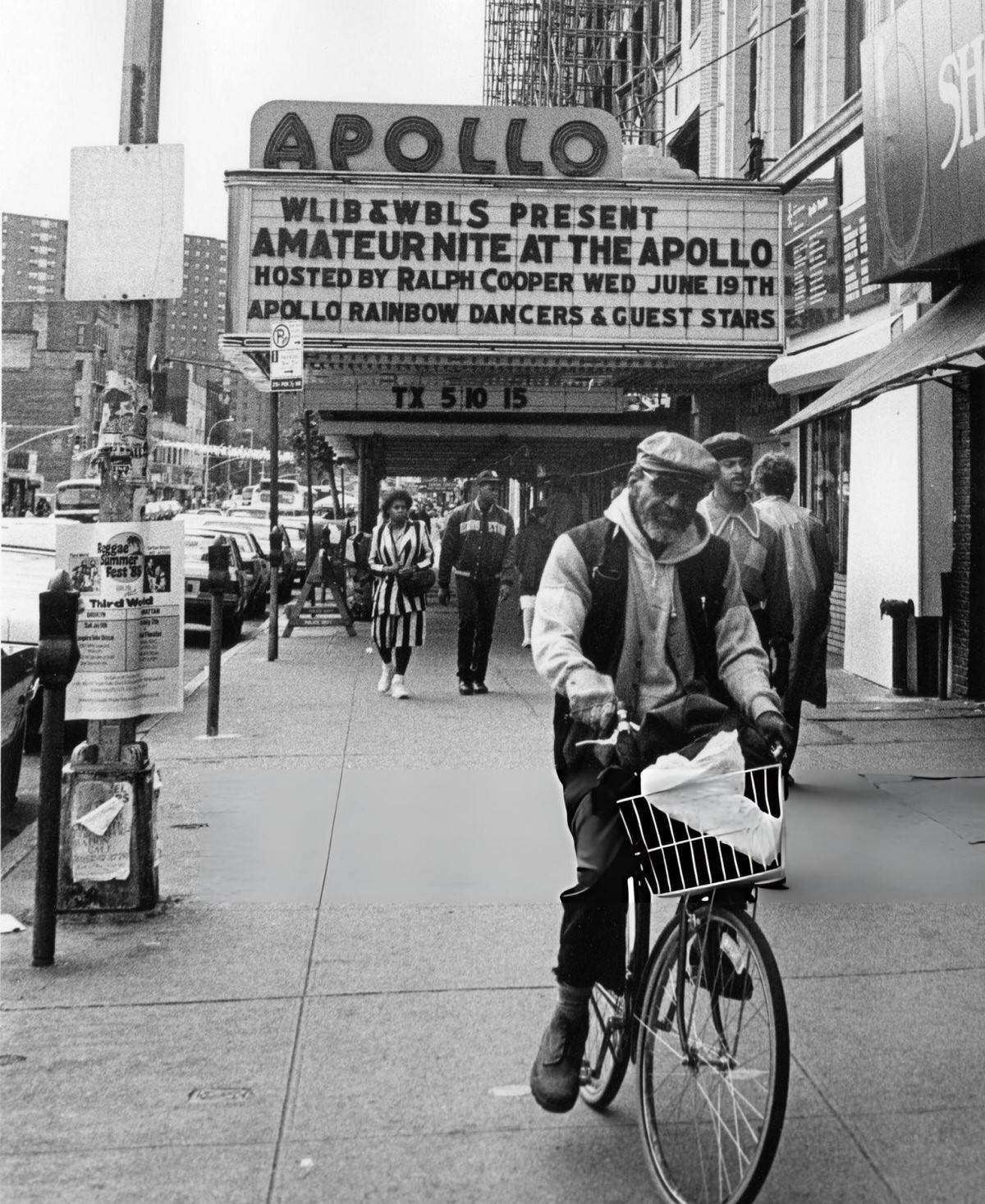
While hip-hop dominated street culture, Harlem’s formal arts institutions were producing serious work. The Studio Museum in Harlem, on 125th Street, had been founded in 1968 and spent the 1980s cementing its position as the most important museum dedicated to Black art in the country. Its Artist-in-Residence program brought painters, sculptors, and photographers into the building and kept them connected to the community rather than isolated in downtown studios.
Jean-Michel Basquiat grew up in Brooklyn but moved through downtown Manhattan and had strong connections to Harlem’s cultural world. His paintings — raw, text-heavy, anatomically obsessive — referenced Black history, street life, and the art world he was simultaneously part of and critiquing. By the mid-1980s he was internationally famous and selling work for prices that would have seemed fictional five years earlier. He died of a heroin overdose in 1988 at 27, and his death landed in Harlem’s cultural community with the weight of everything the decade had already taken.
David Dinkins and the Politics of the Moment
Political organizing in Harlem in the 1980s built toward a specific goal: putting a Black mayor in City Hall. David Dinkins, the Manhattan Borough President, was the vehicle for that effort. His political base was rooted in Harlem, and the community organizations, churches, and block associations that had spent the 1970s just trying to hold the neighborhood together spent the 1980s building the electoral infrastructure that would carry Dinkins to victory in 1989.
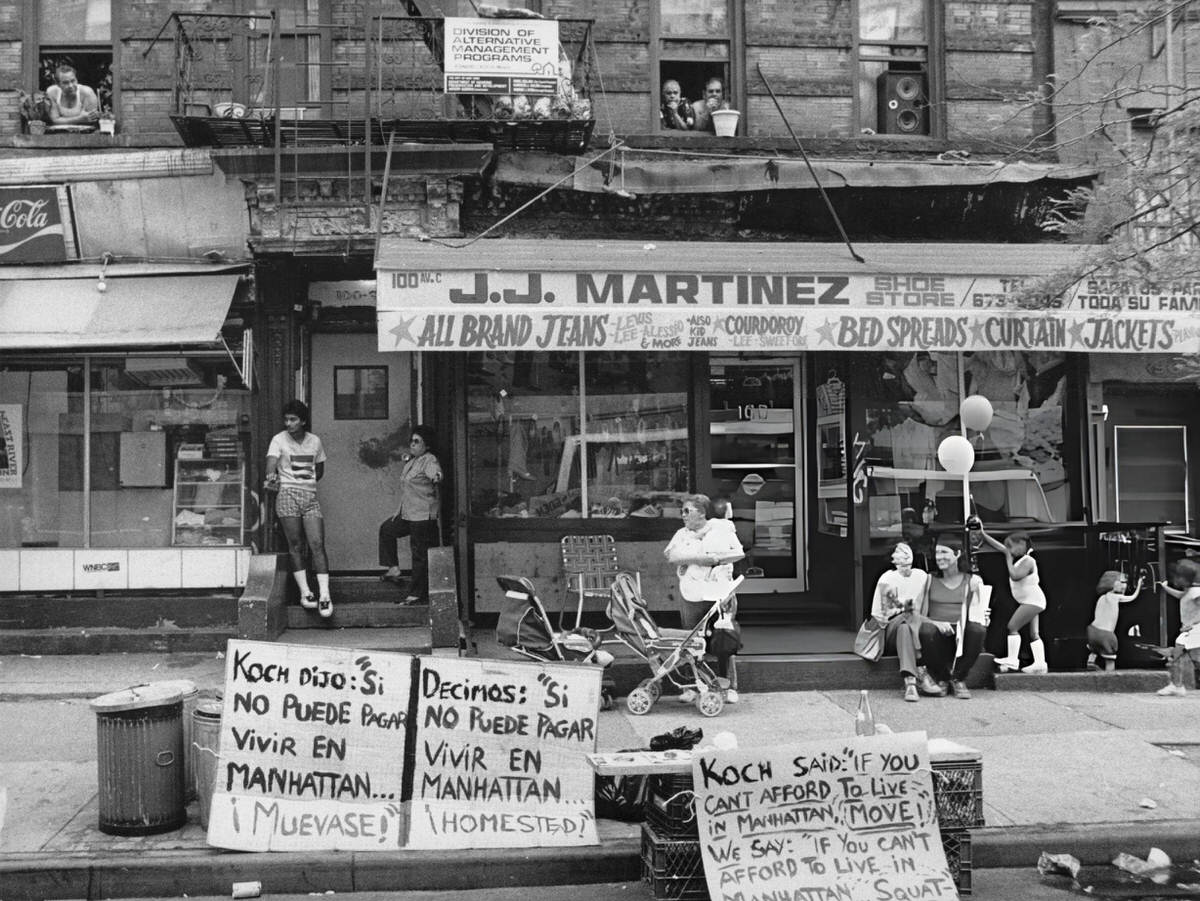
The campaign against Ed Koch, who had been mayor since 1978, was fueled by years of accumulated anger. Koch’s relationship with Black New York was adversarial in a way that was sometimes explicit. His administration’s response to the crack crisis and AIDS epidemic was widely seen in Harlem as indifferent. When Dinkins won the Democratic primary in September 1989 — which in New York was effectively the general election — 125th Street erupted in celebration that went through the night.

GIPHY App Key not set. Please check settings