

 Adriana Palmer
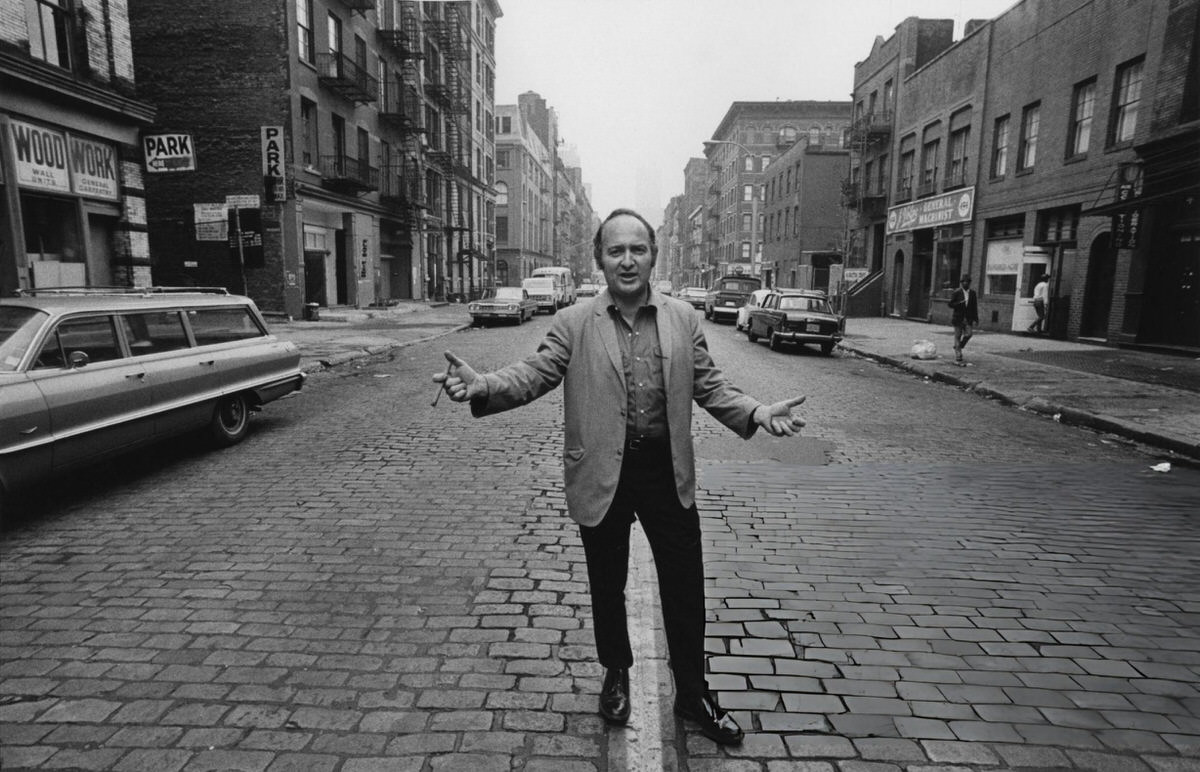
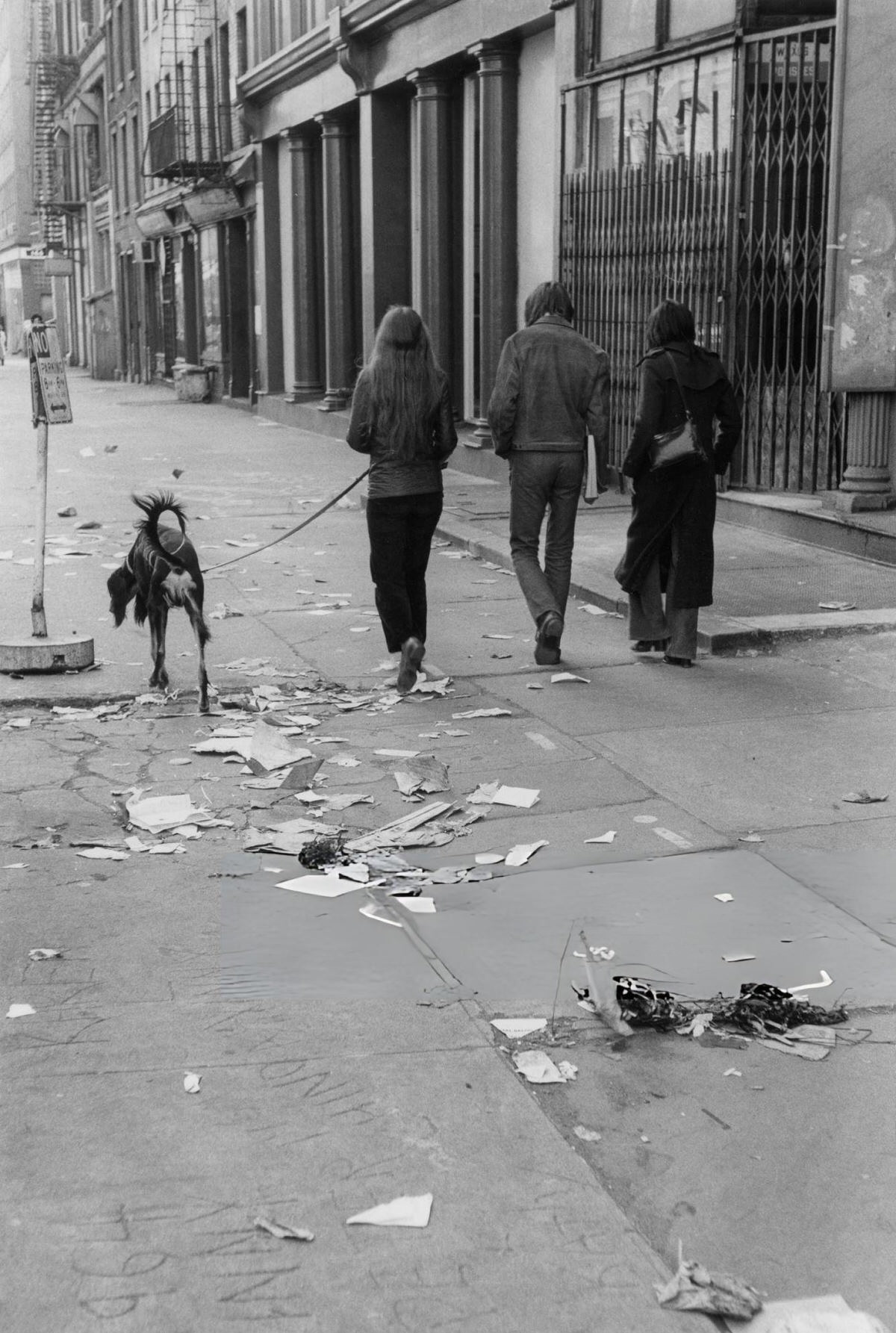
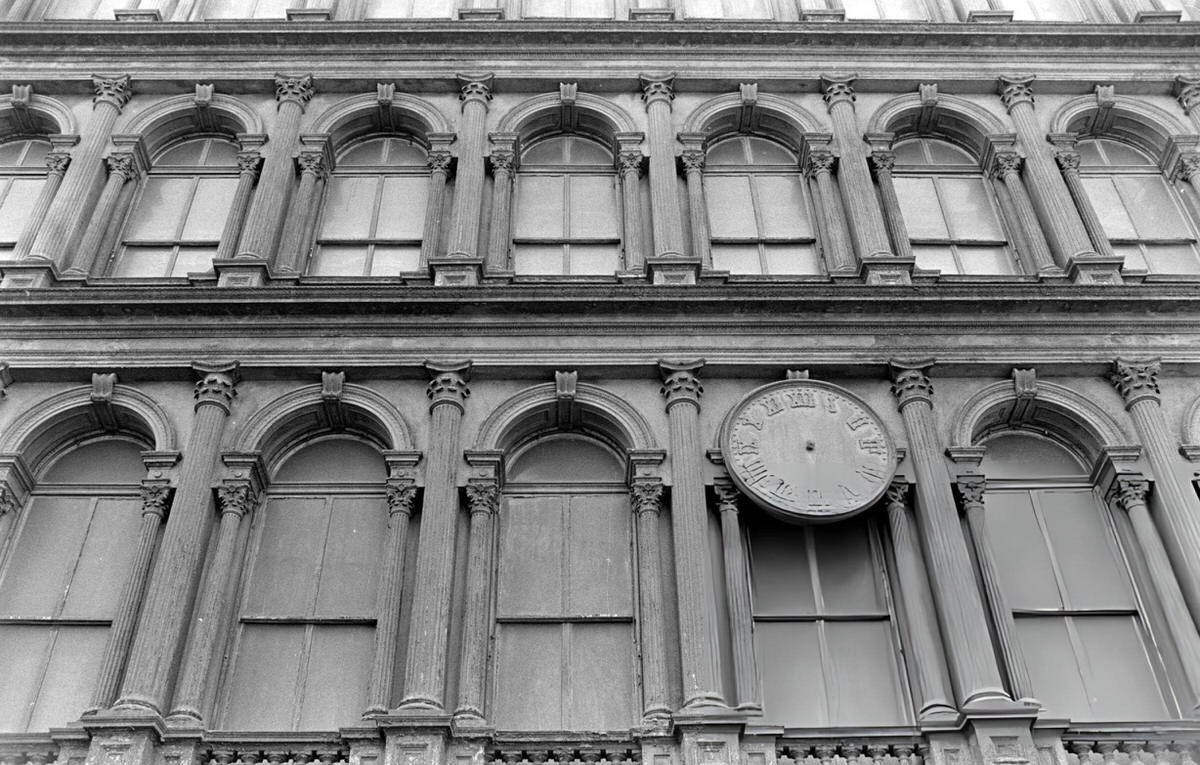
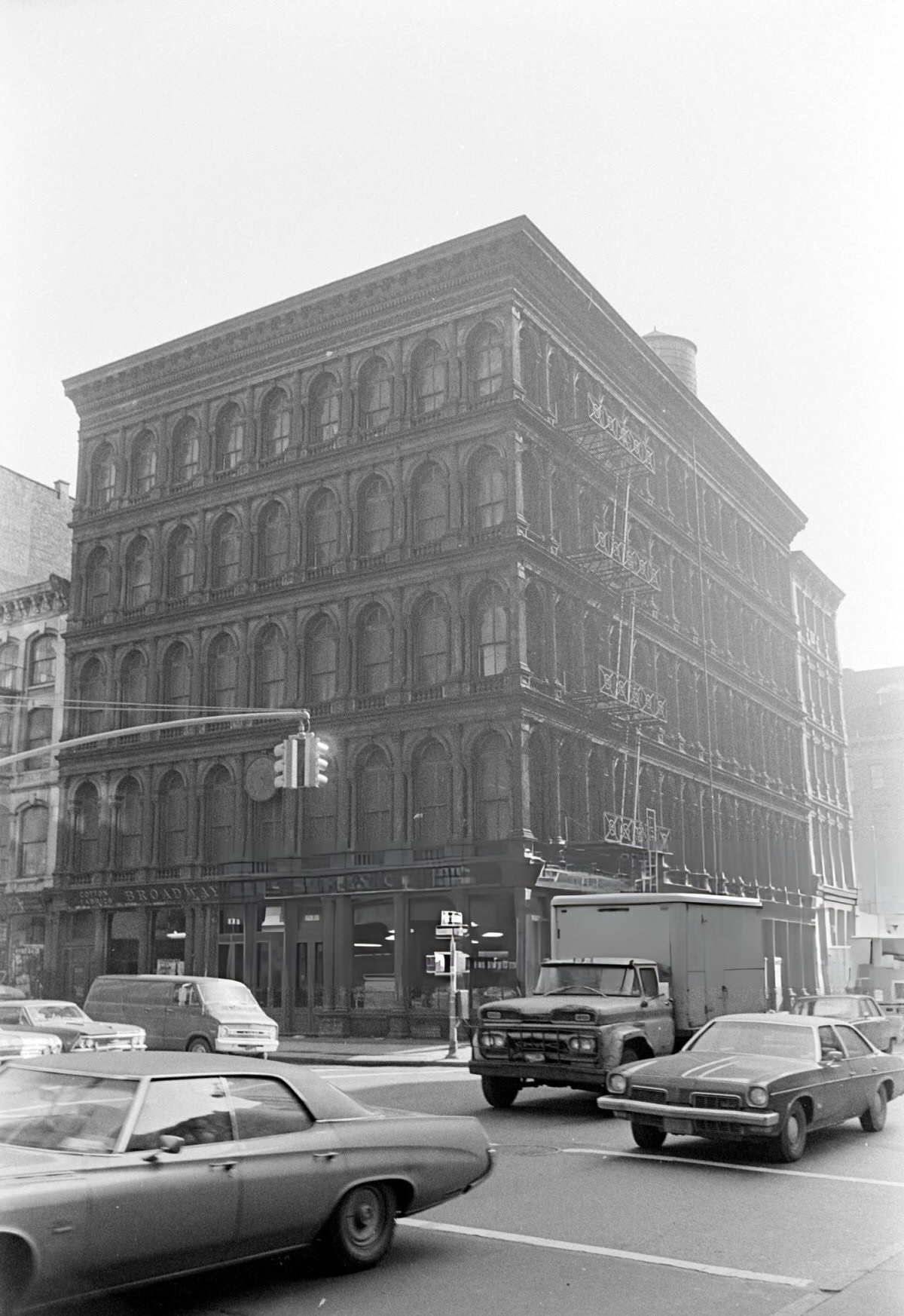
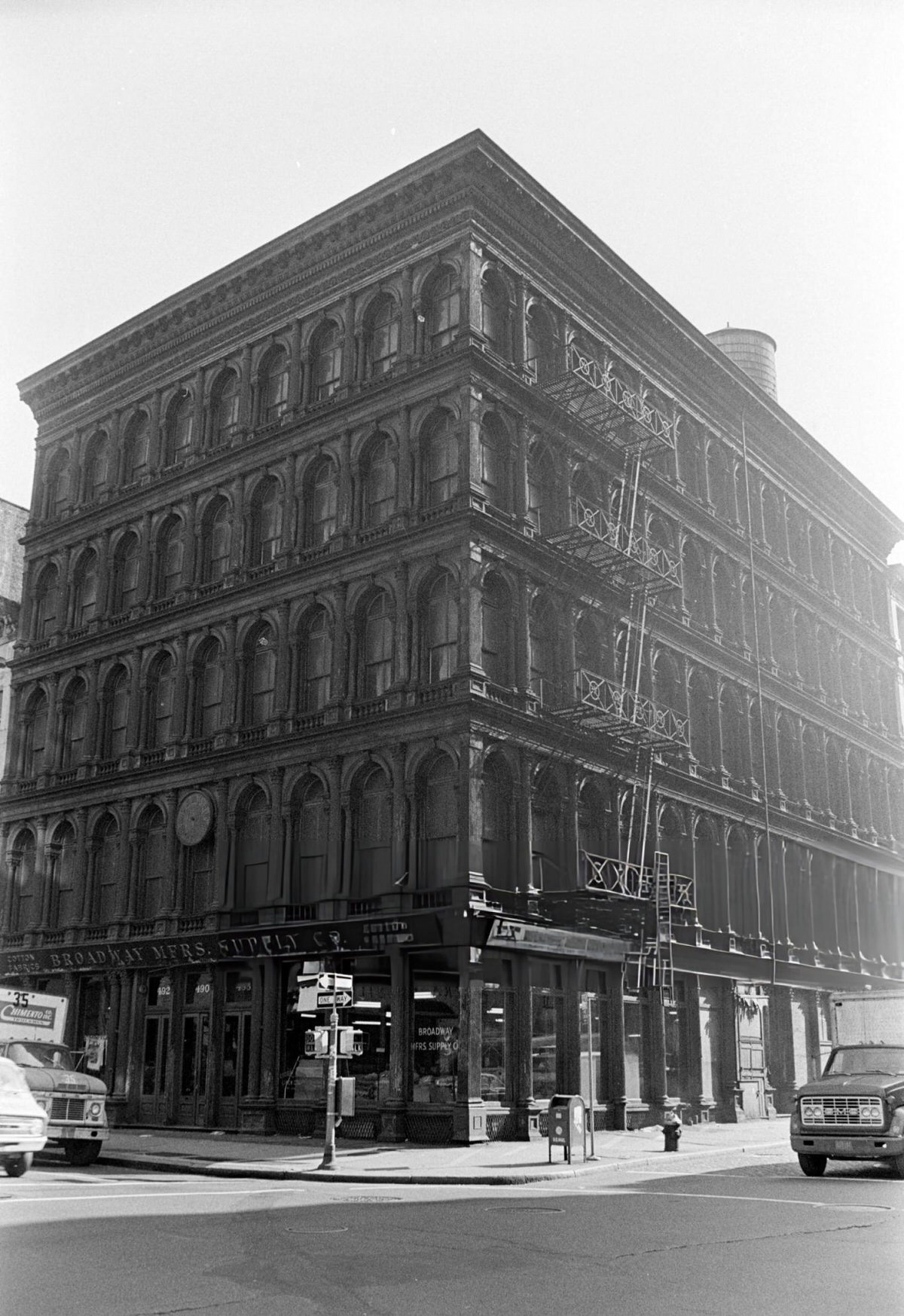
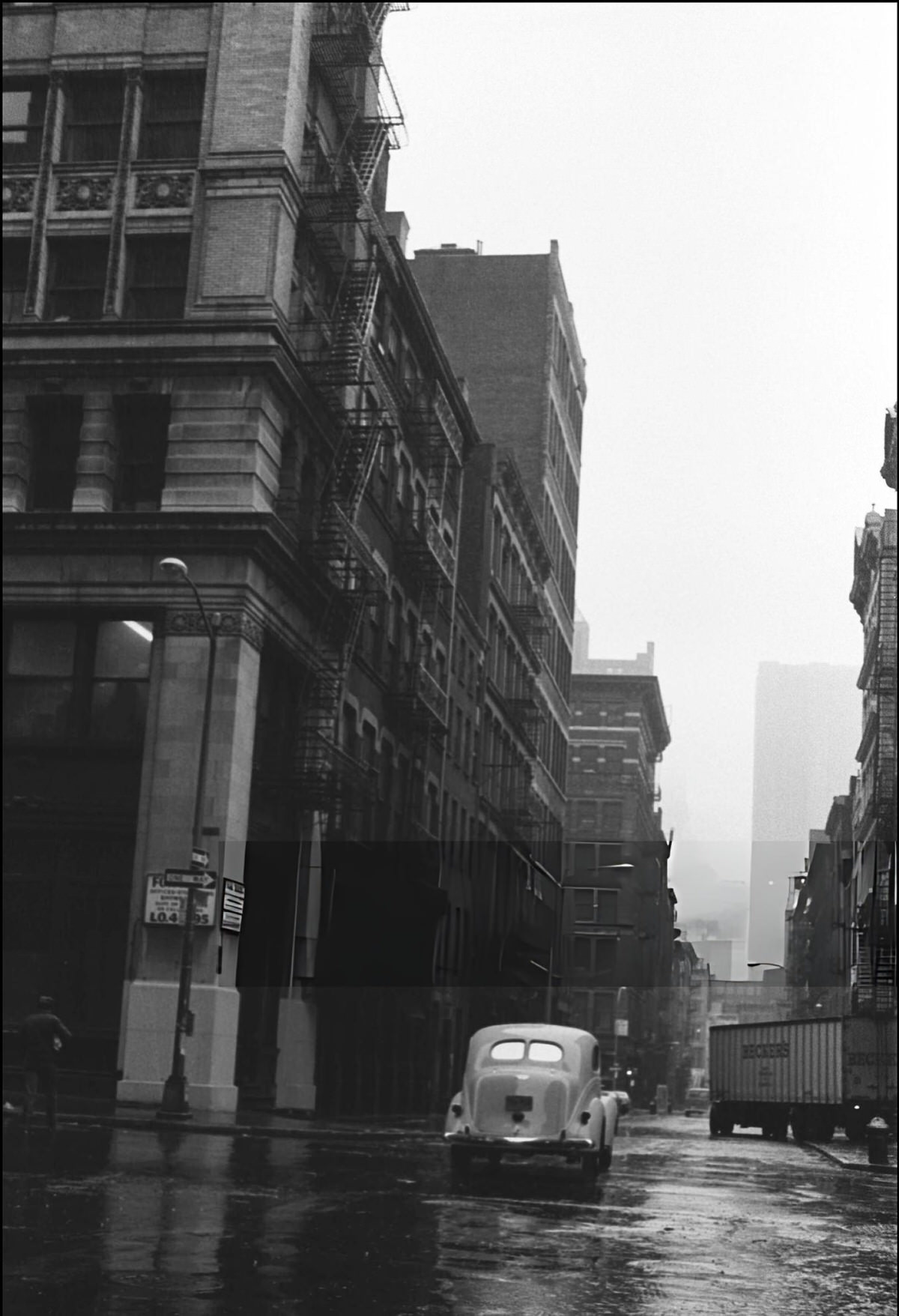
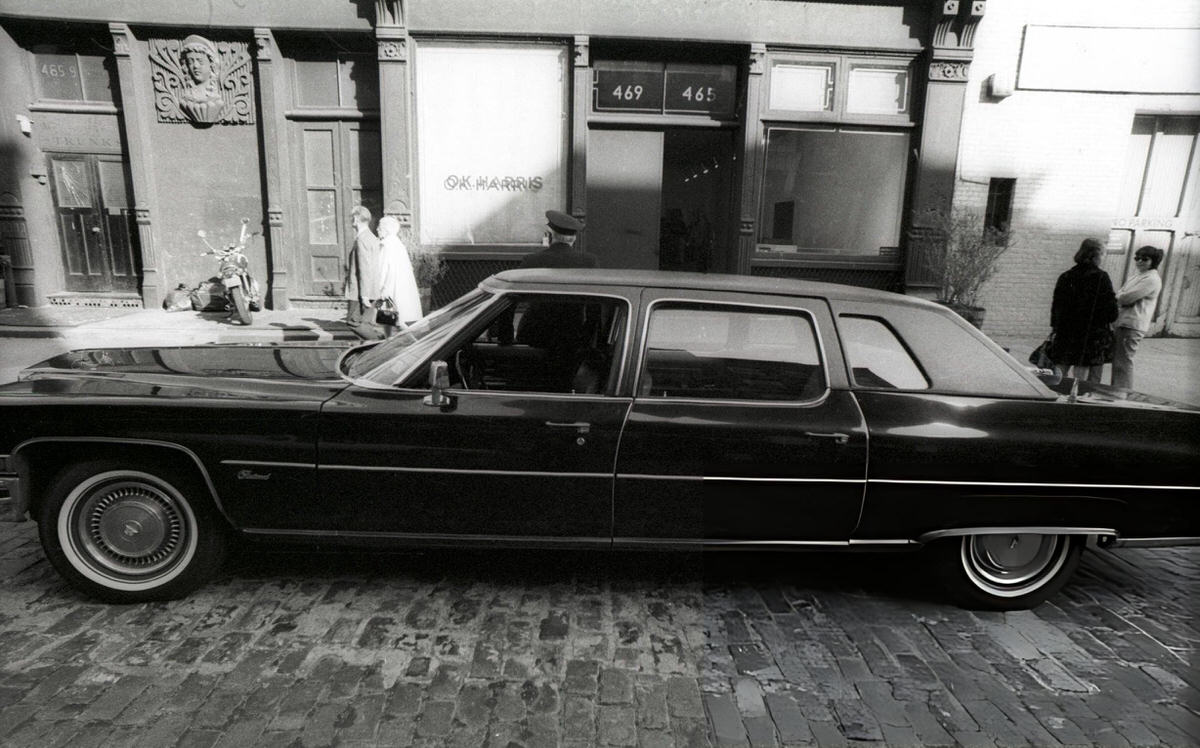
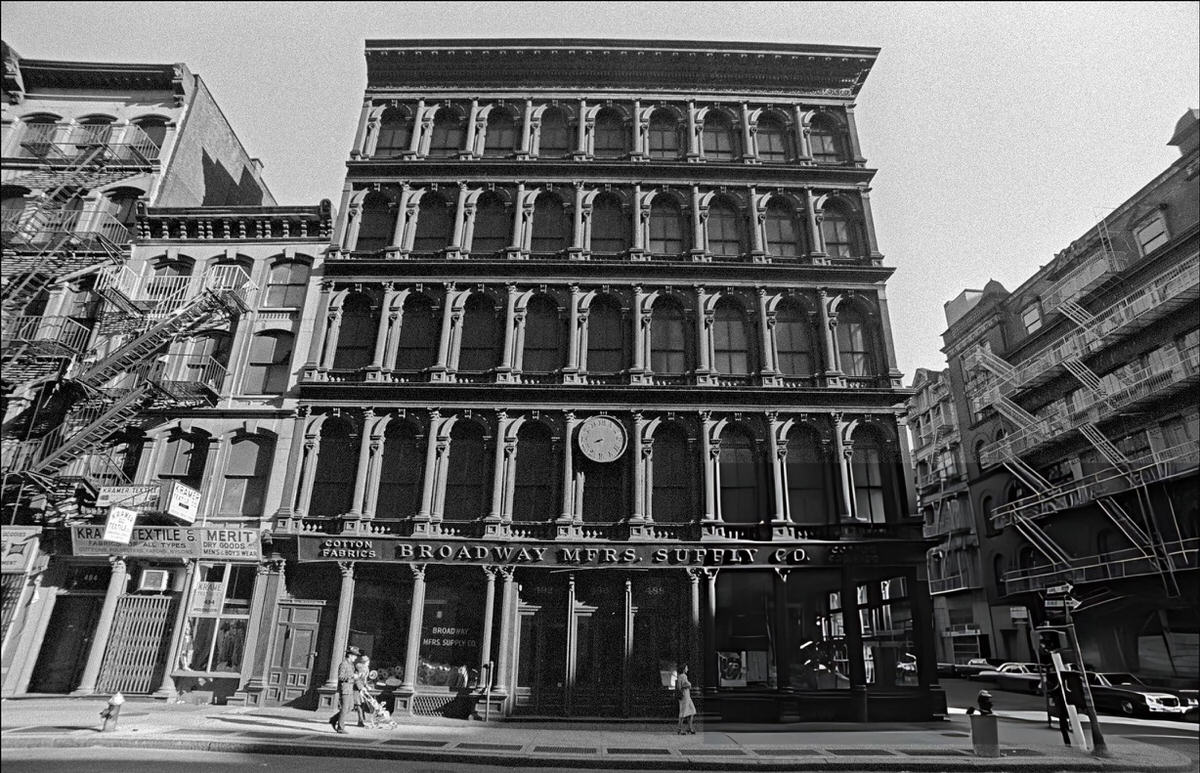
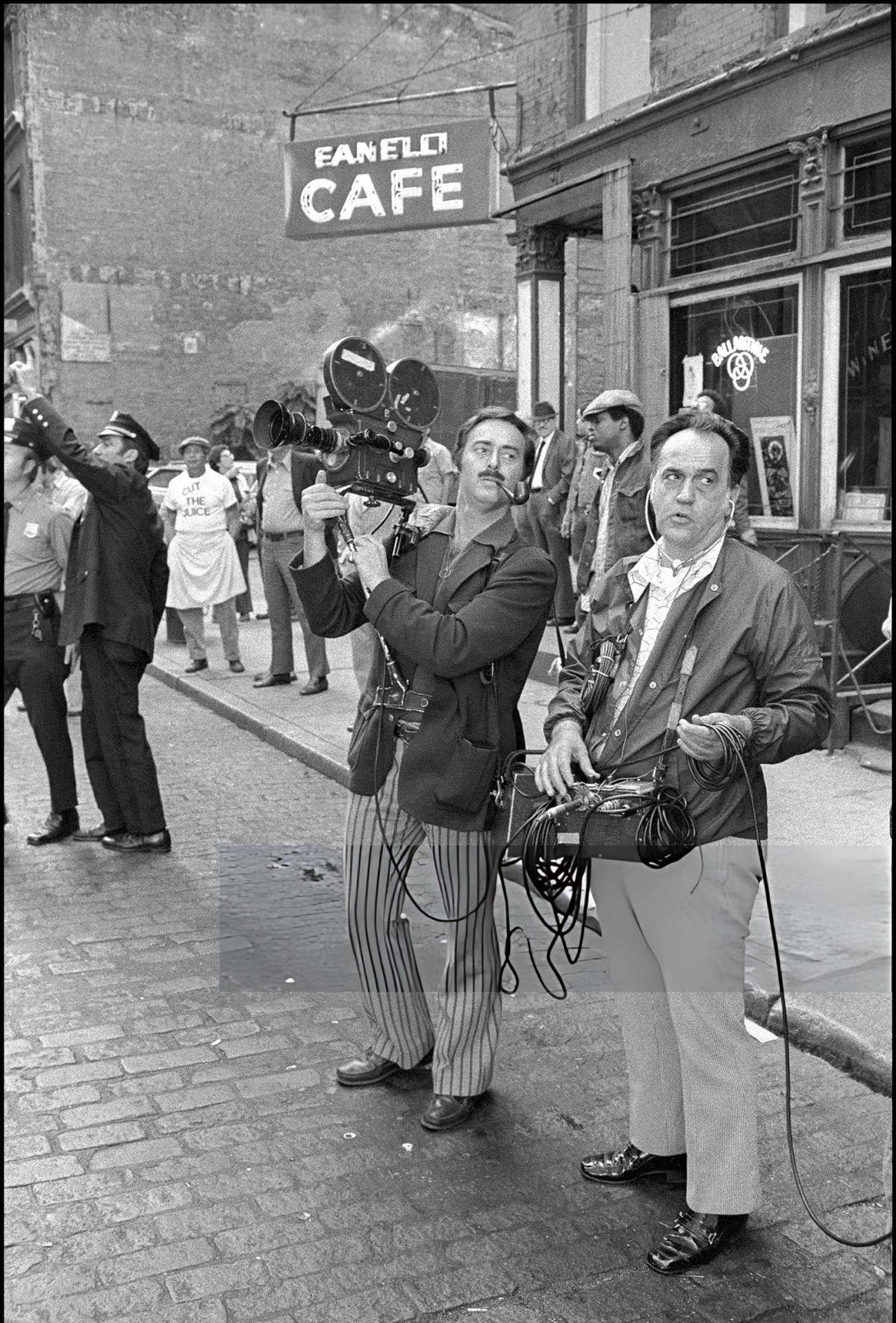
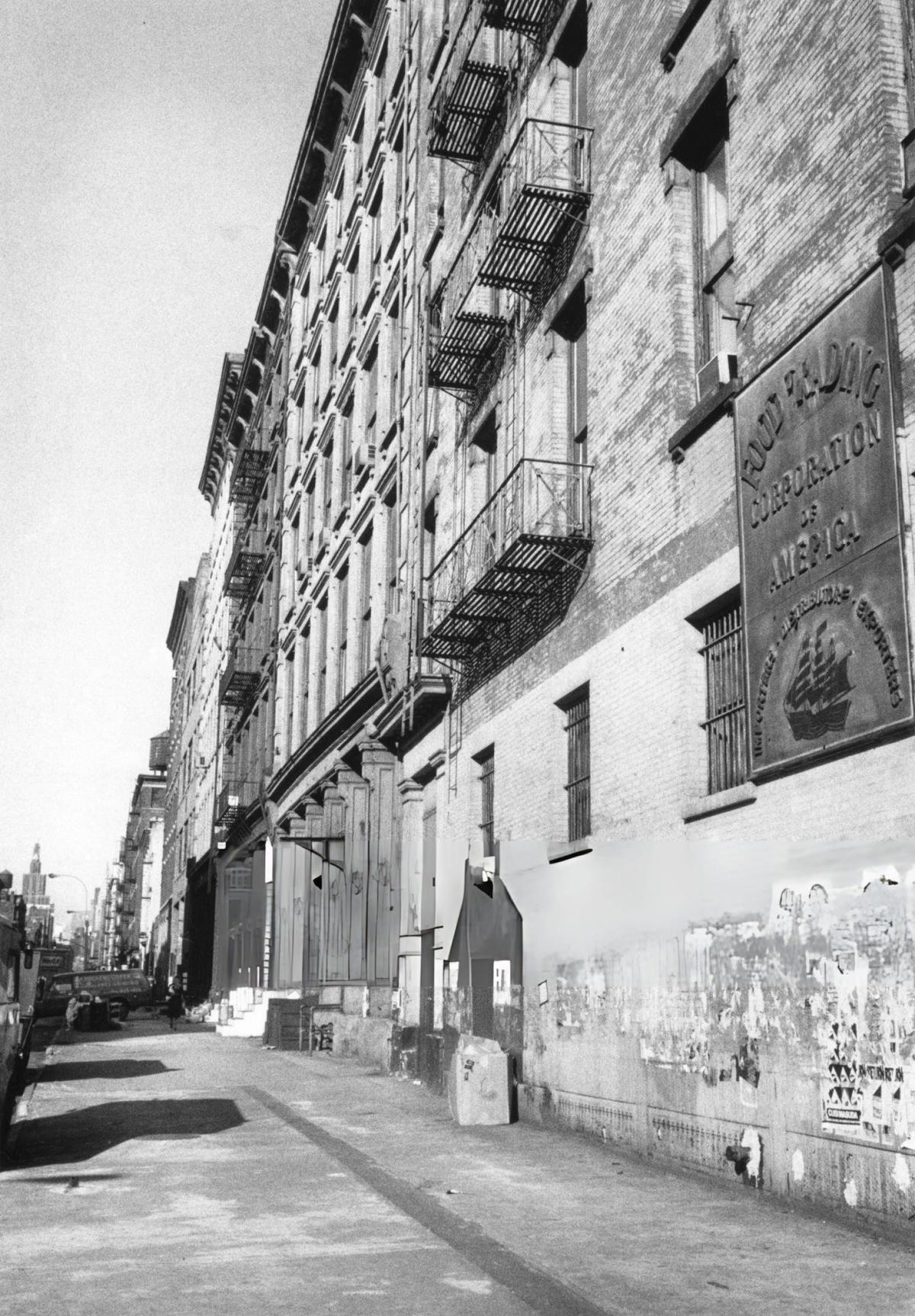
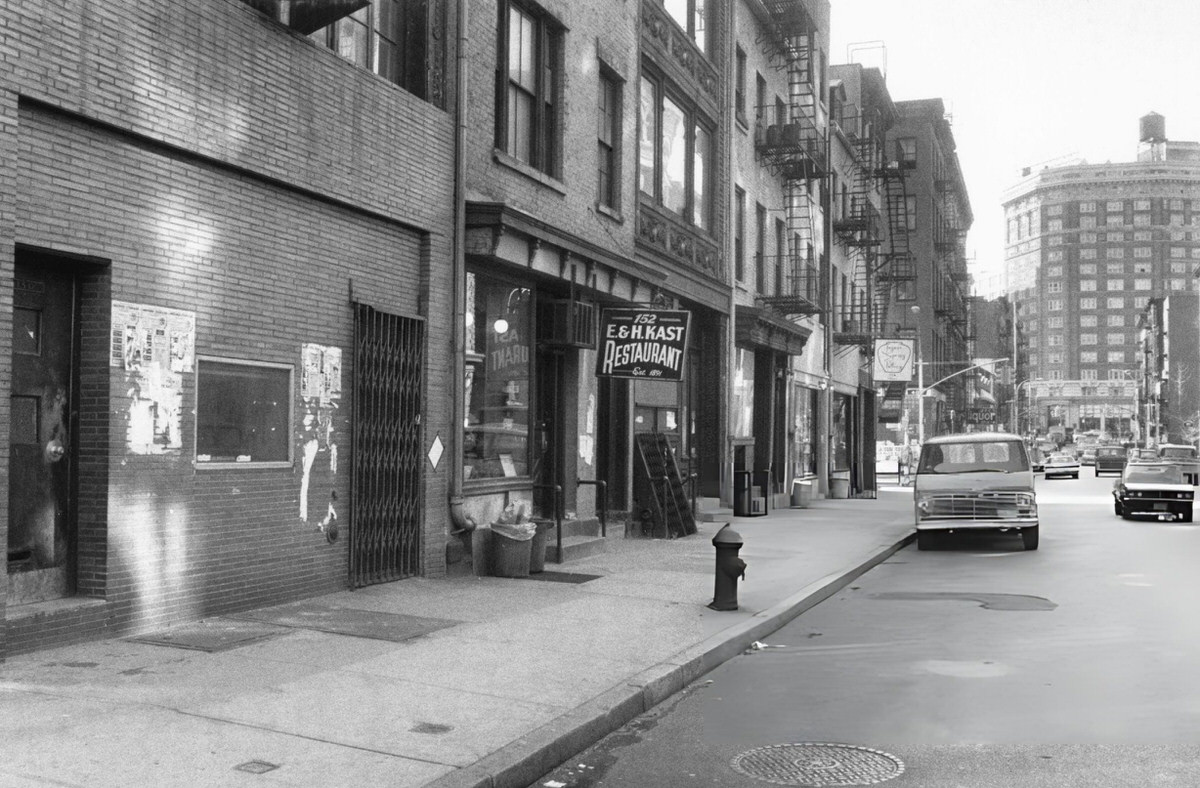
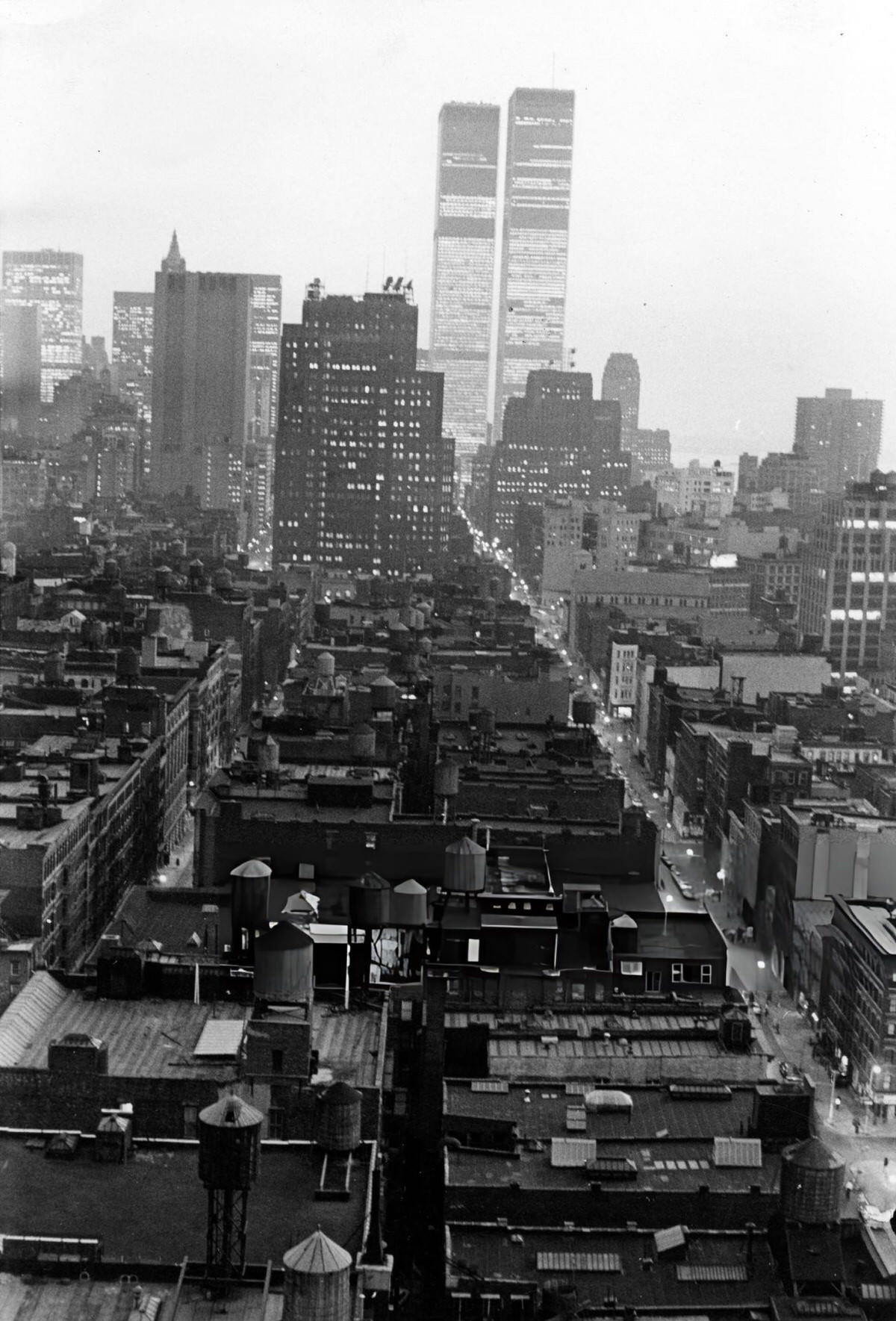
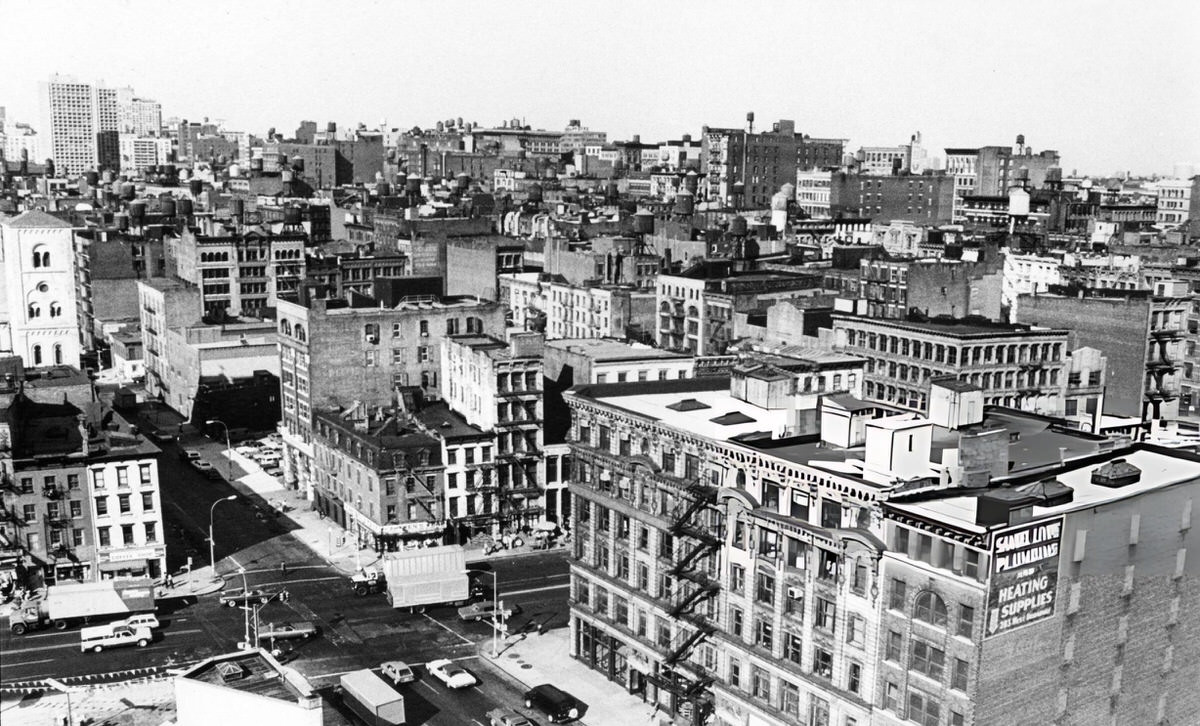
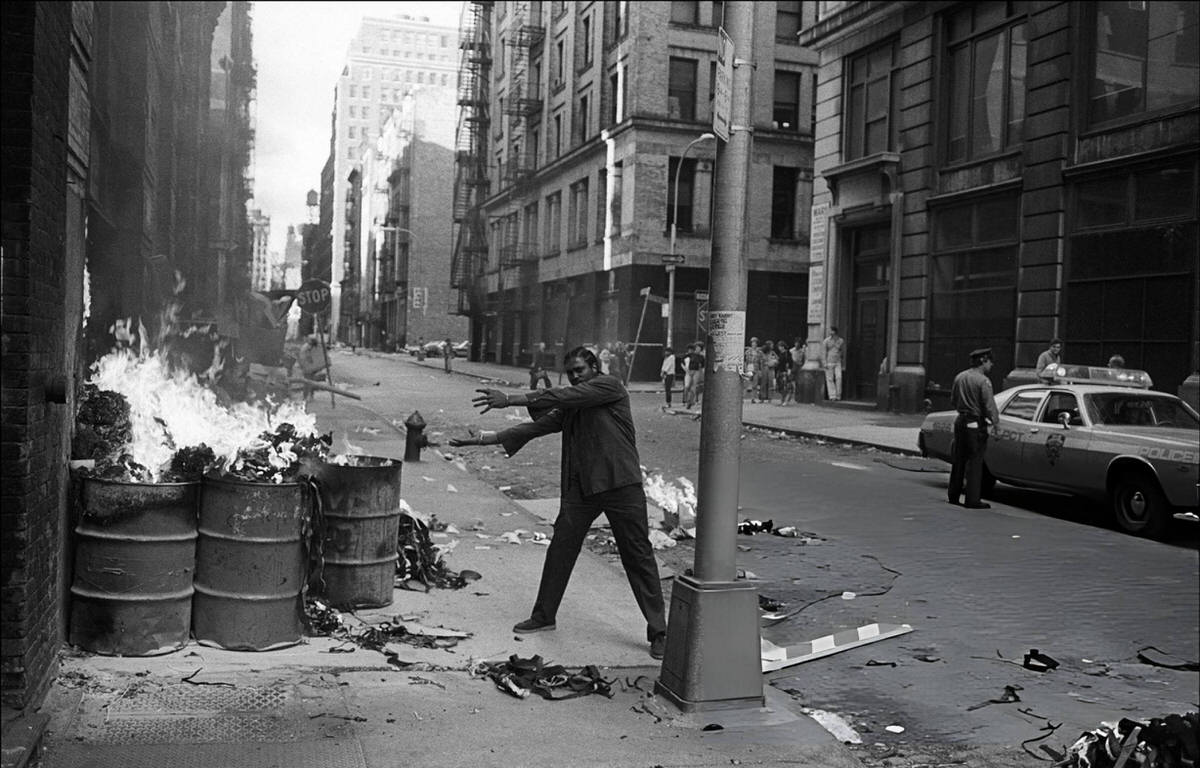
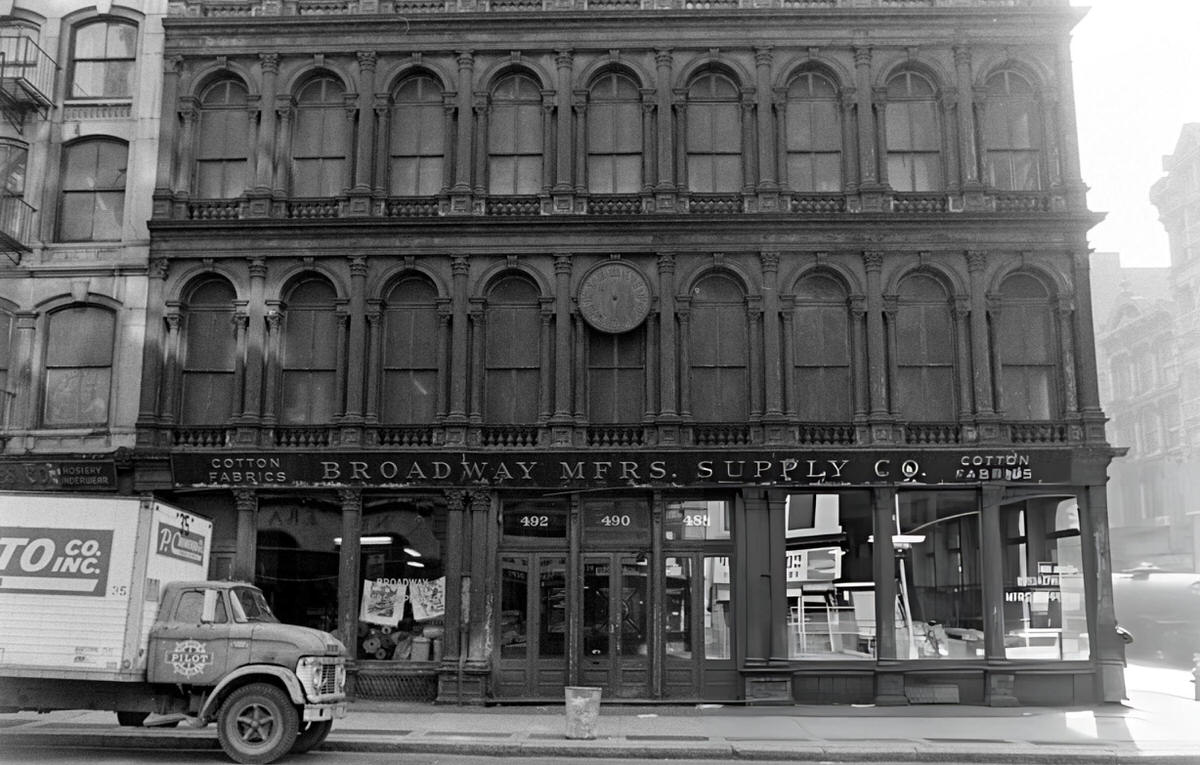
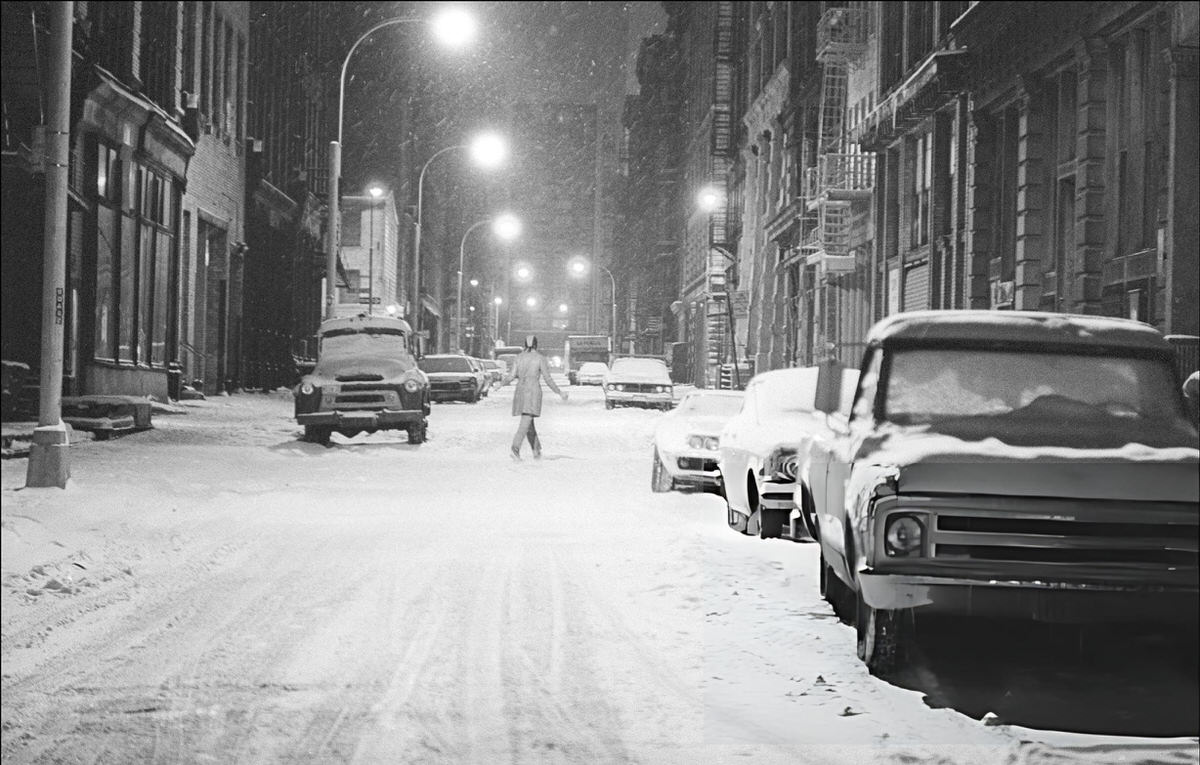
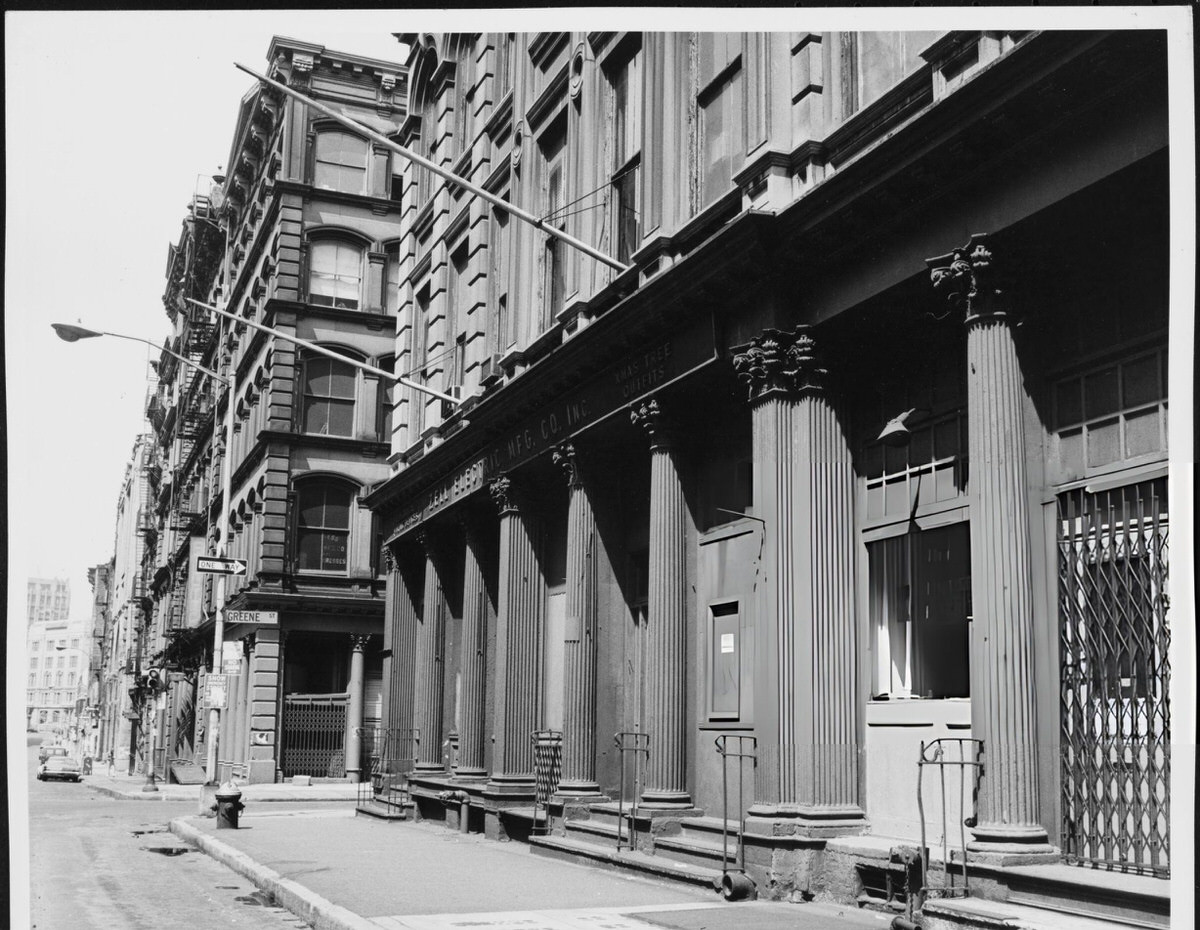
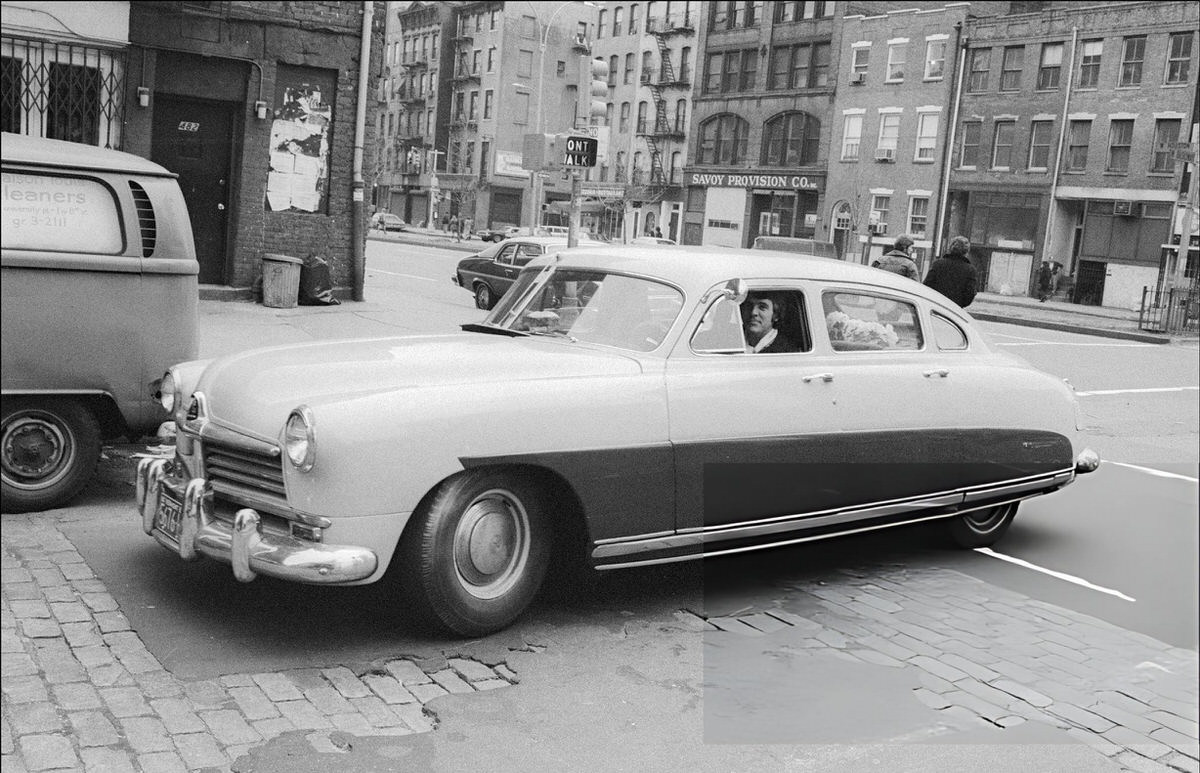
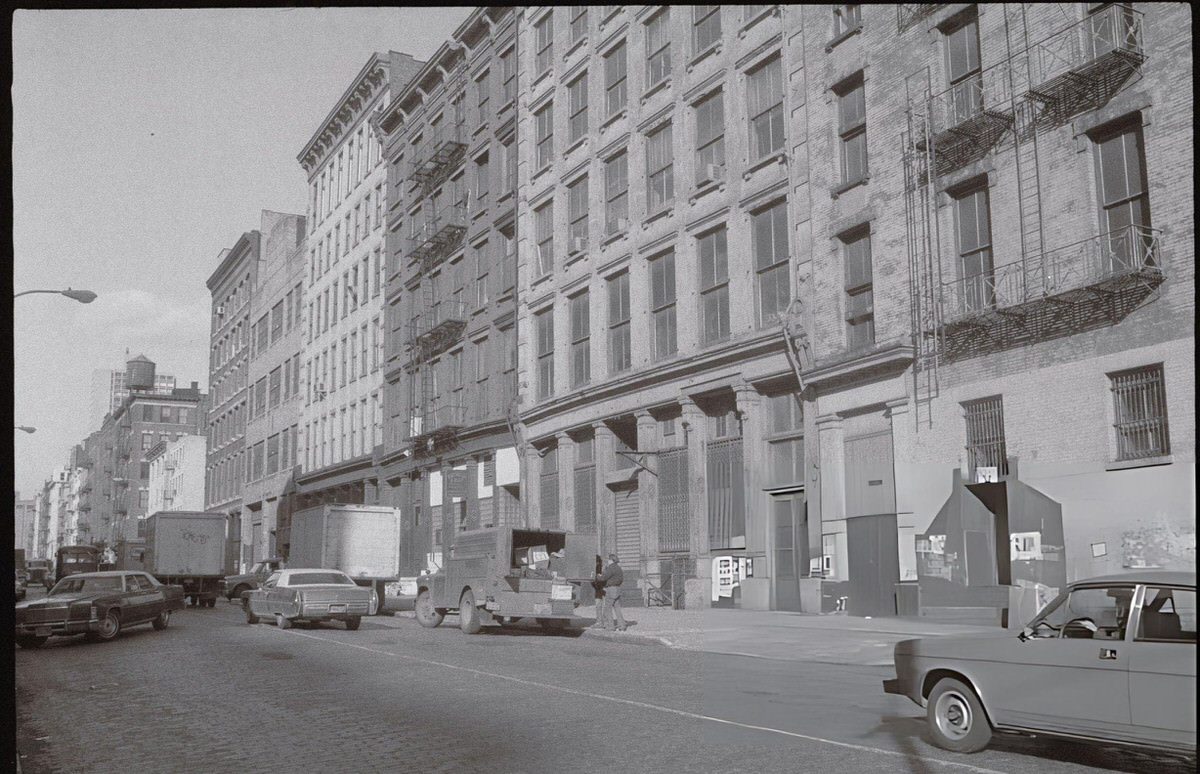
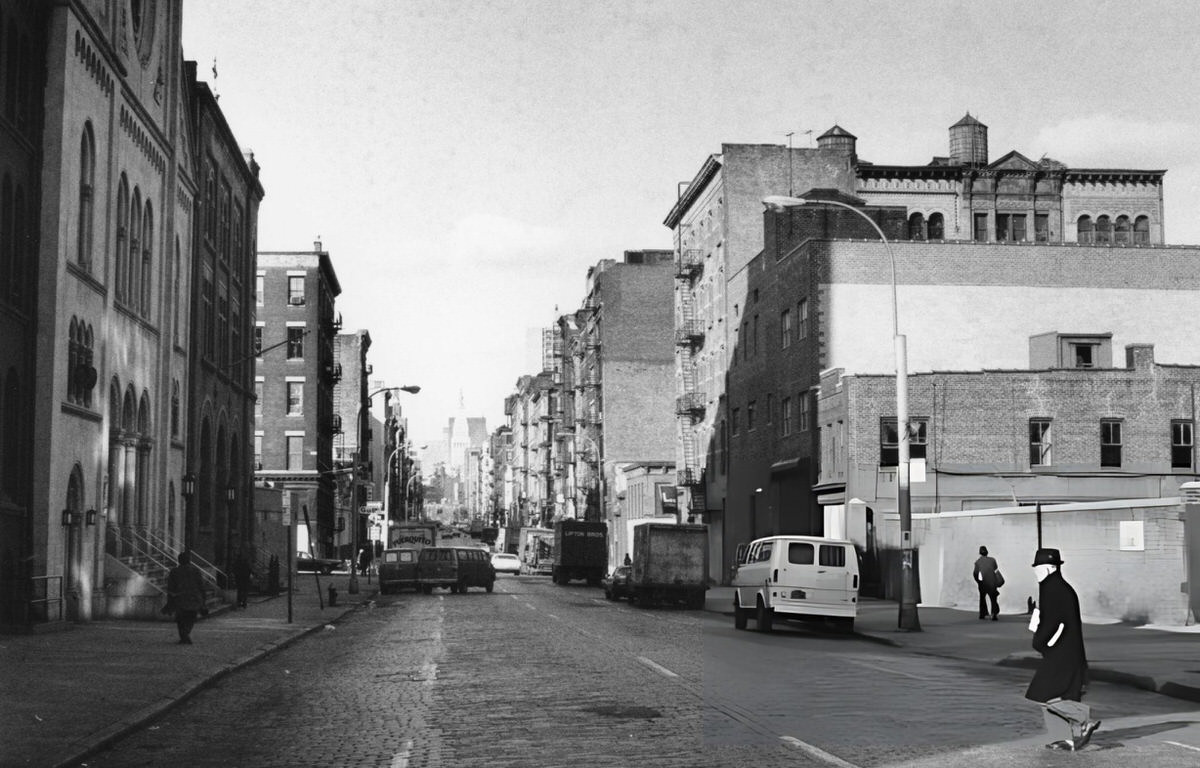
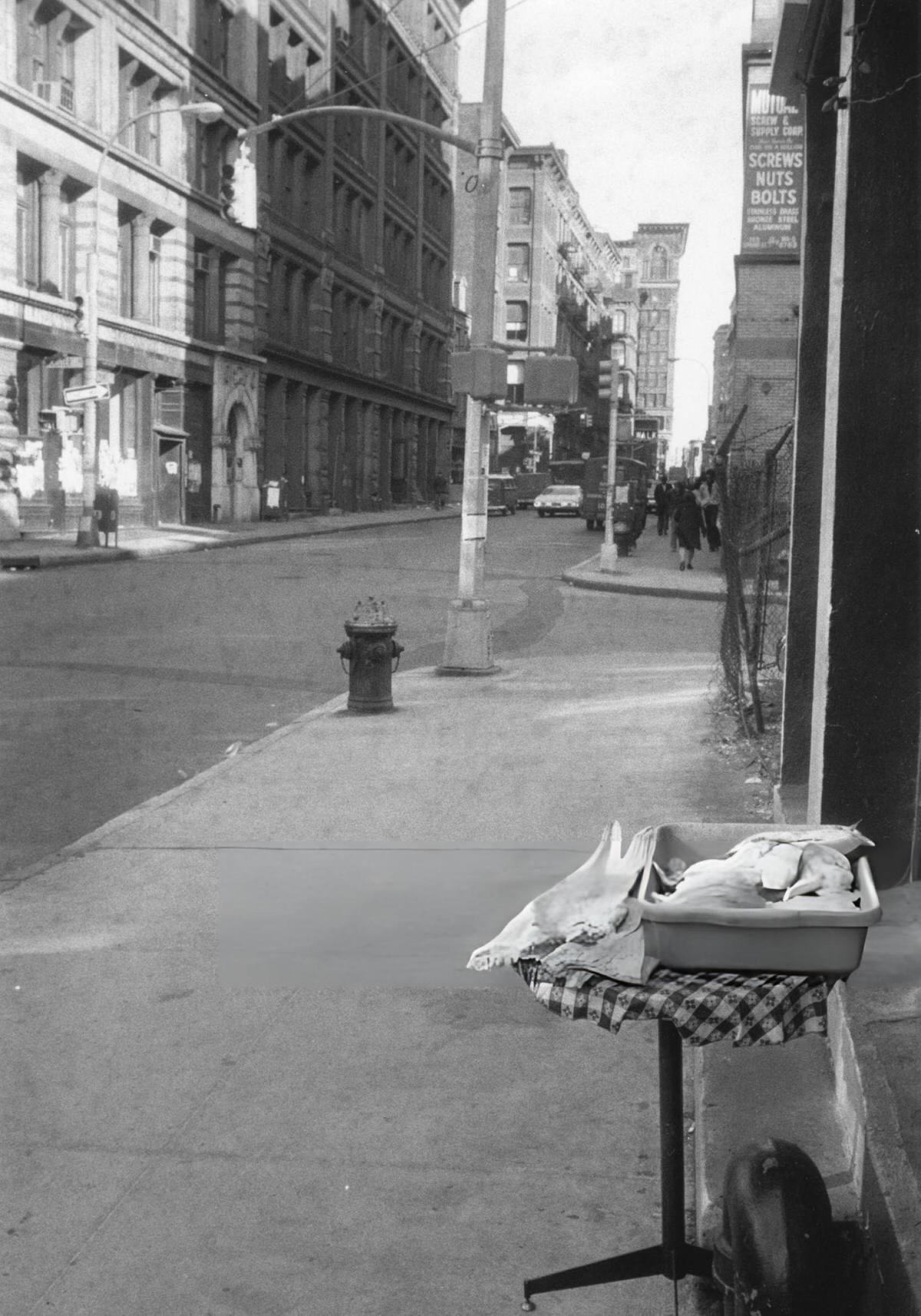
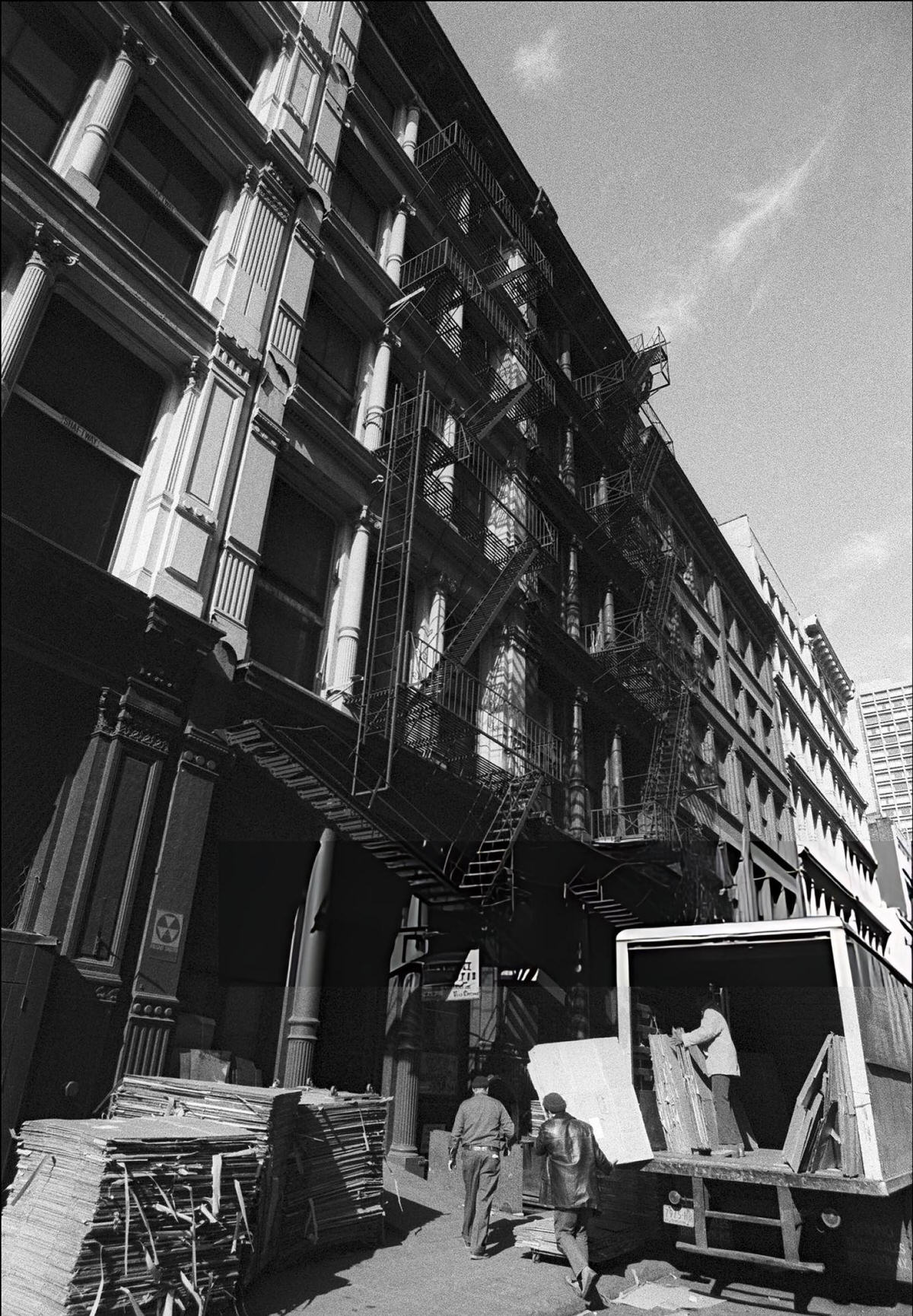
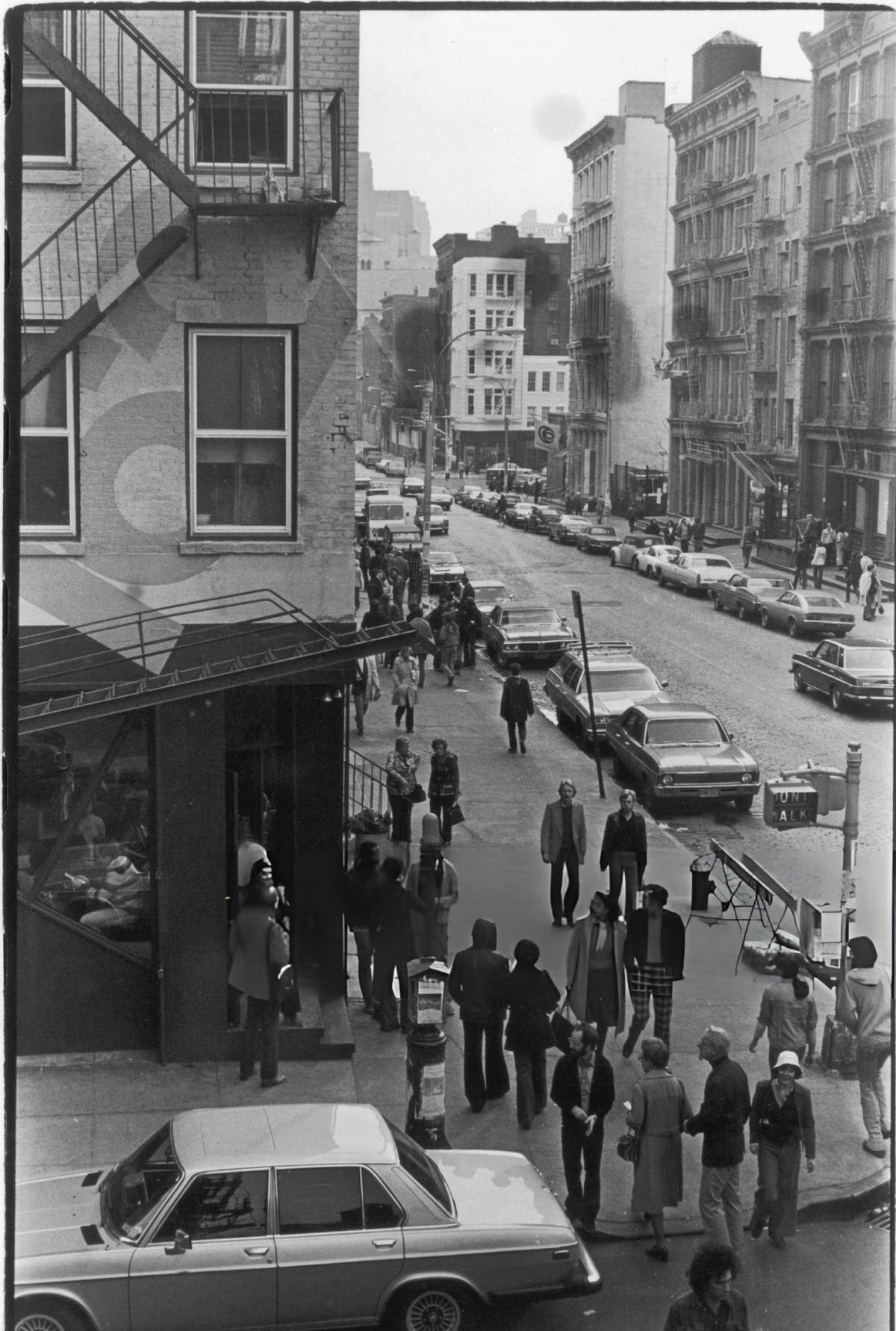
Before the artists came, SoHo was a failing industrial neighborhood that the city had essentially written off. The blocks south of Houston Street and north of Canal — bounded by Broadway to the east and West Broadway to the west — were filled with cast-iron manufacturing buildings that had been emptying out since the 1950s. Factories relocated to New Jersey and the South. Freight elevators sat idle. Loading docks collected garbage. The city’s own planning commission had a name for the area in the 1960s: Hell’s Hundred Acres, so called because of the frequency of fires in the old, poorly maintained buildings.
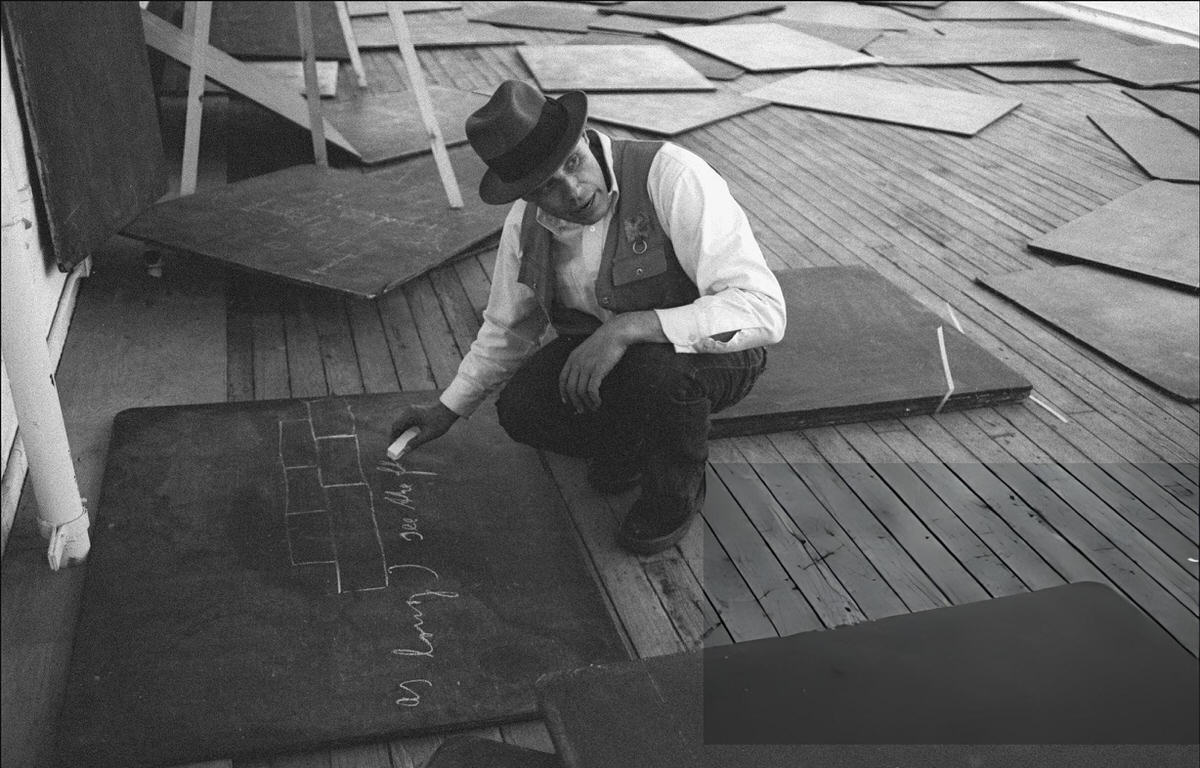
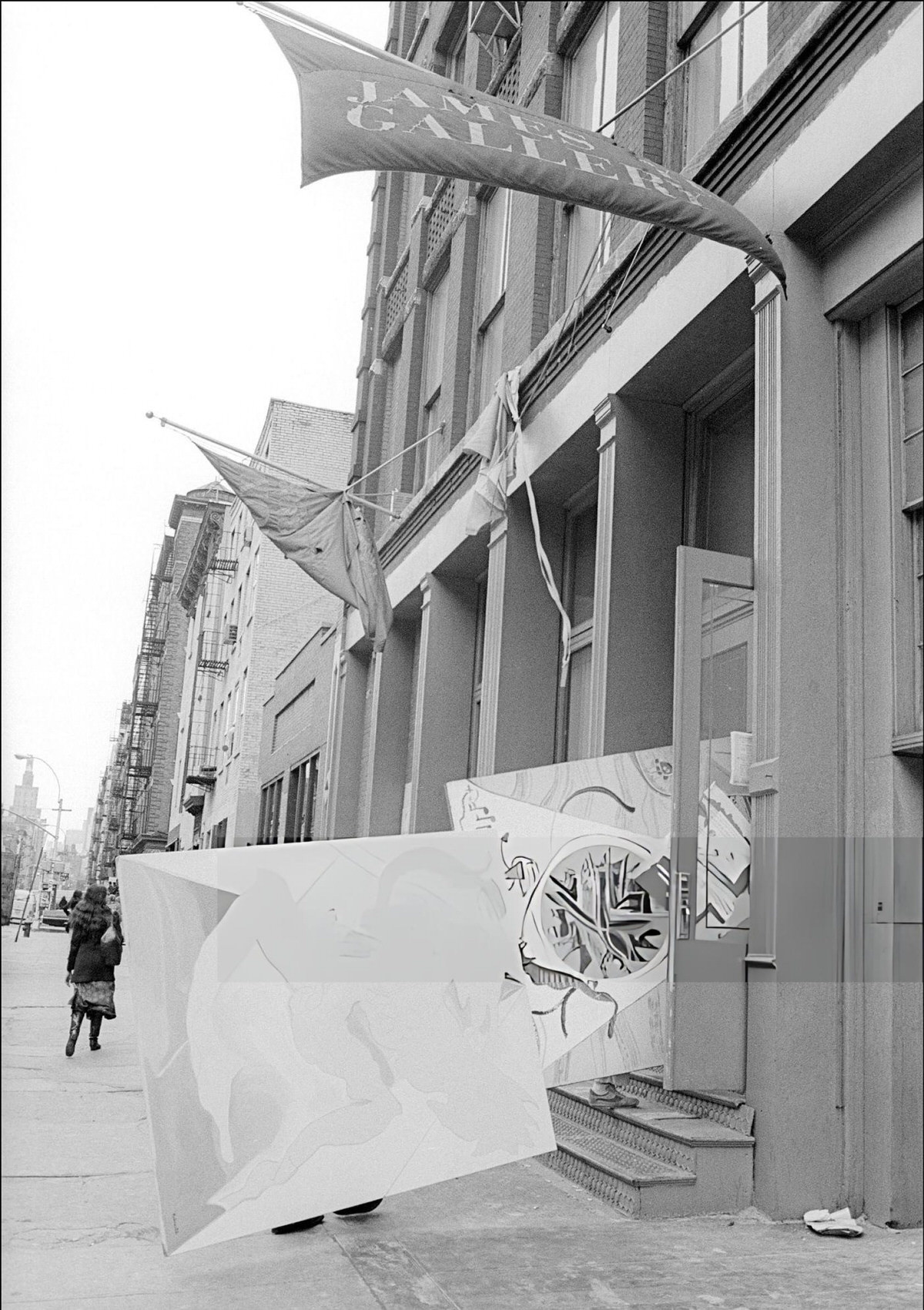
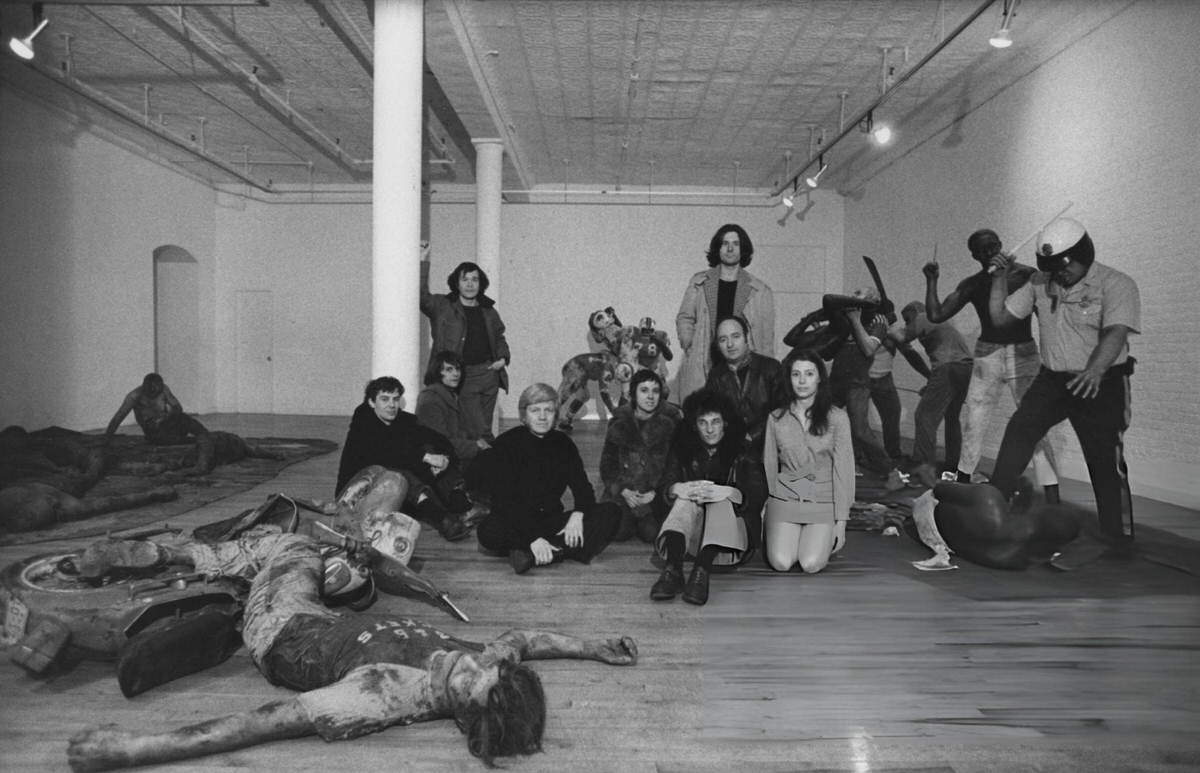
By 1970, artists had already been moving in illegally for years. What happened next turned that quiet invasion into one of the most documented neighborhood transformations in American urban history.
Why Artists Came and What They Found
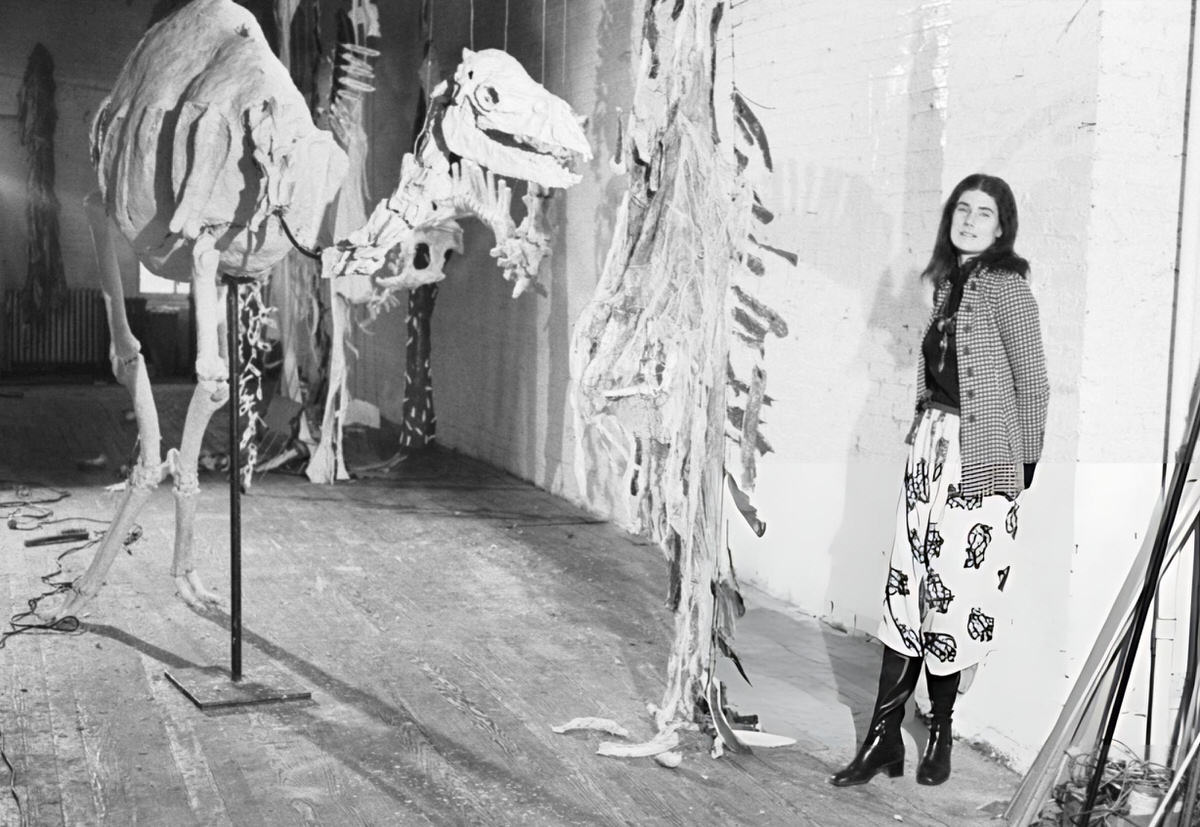
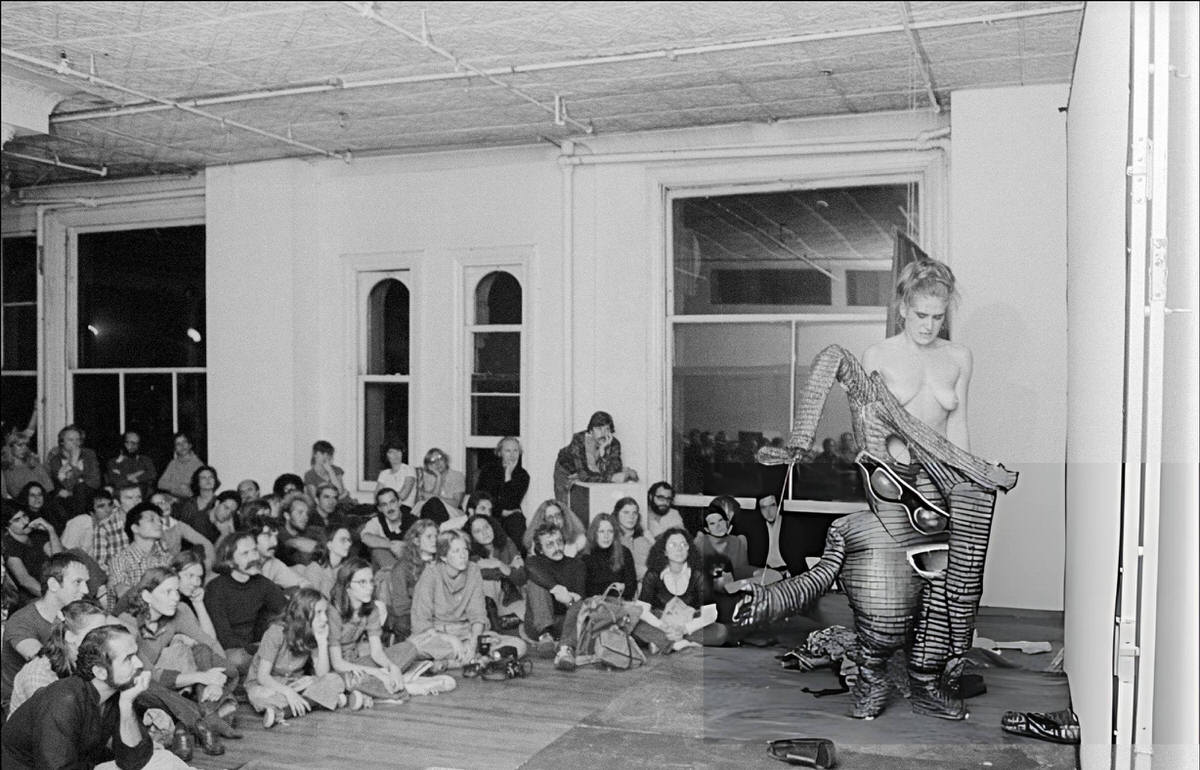
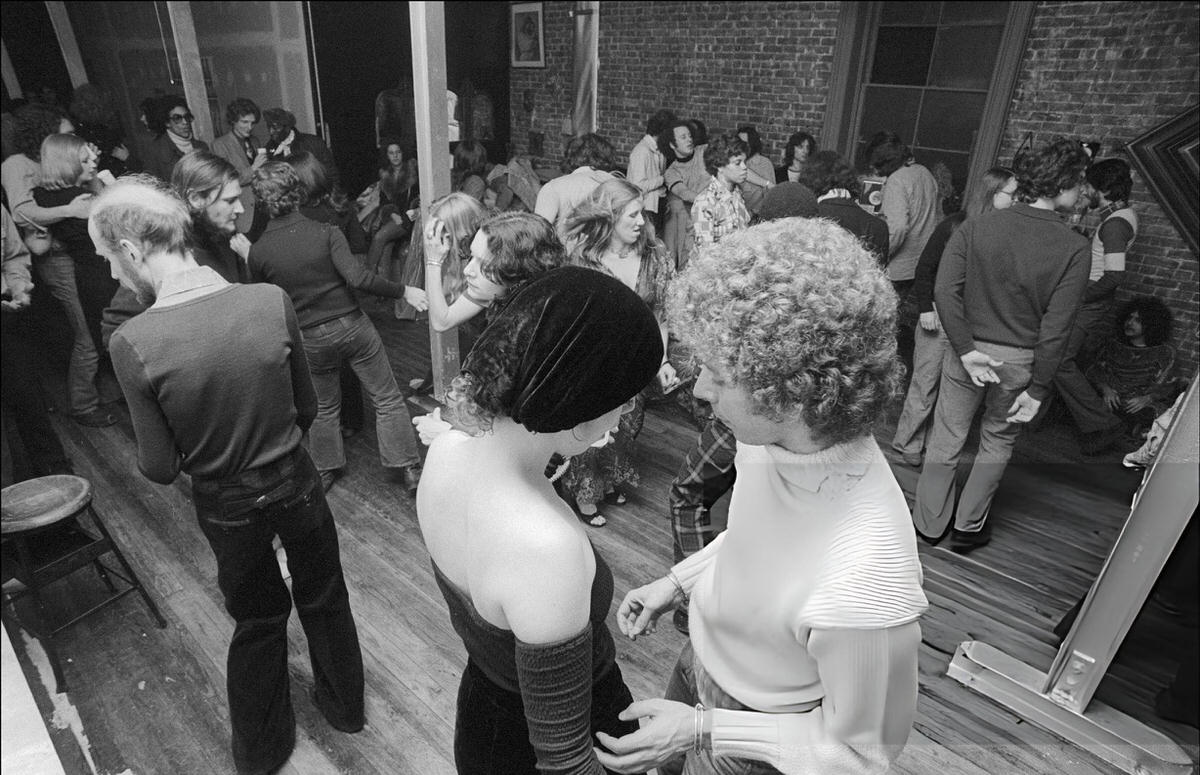
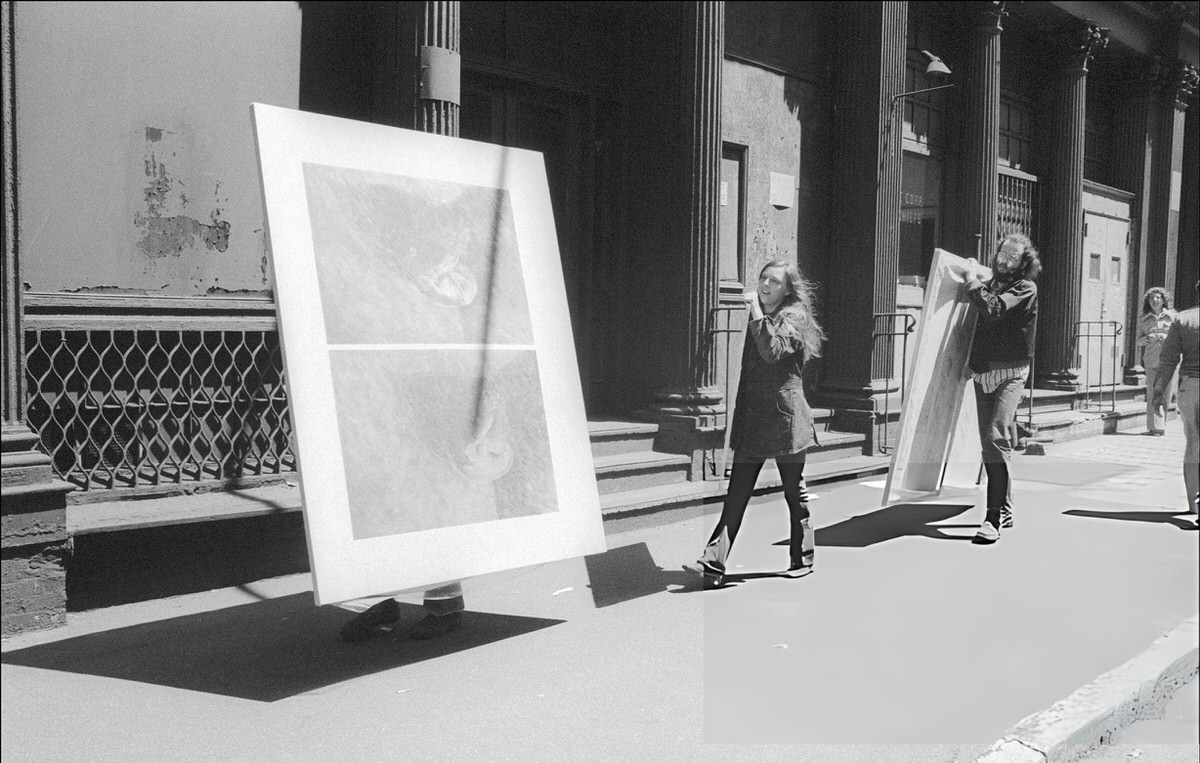
The buildings were the reason. SoHo’s cast-iron lofts — wide-open floors with high ceilings, large windows, and square footage that no artist could afford anywhere else in Manhattan — were exactly what painters and sculptors needed. A sculptor working in steel or a painter making canvases twelve feet wide had no use for a conventional apartment. These lofts offered space measured in thousands of square feet, often for rents that a working artist could manage, at least in the early years.
Living there was technically illegal. The buildings were zoned for manufacturing, not residential use. Artists signed leases as “commercial tenants” and then quietly moved in mattresses, hot plates, and art supplies. The city knew this was happening and largely looked away, partly because the alternative was buildings that generated no rent and no tax revenue at all.

GIPHY App Key not set. Please check settings