

 Adriana Palmer
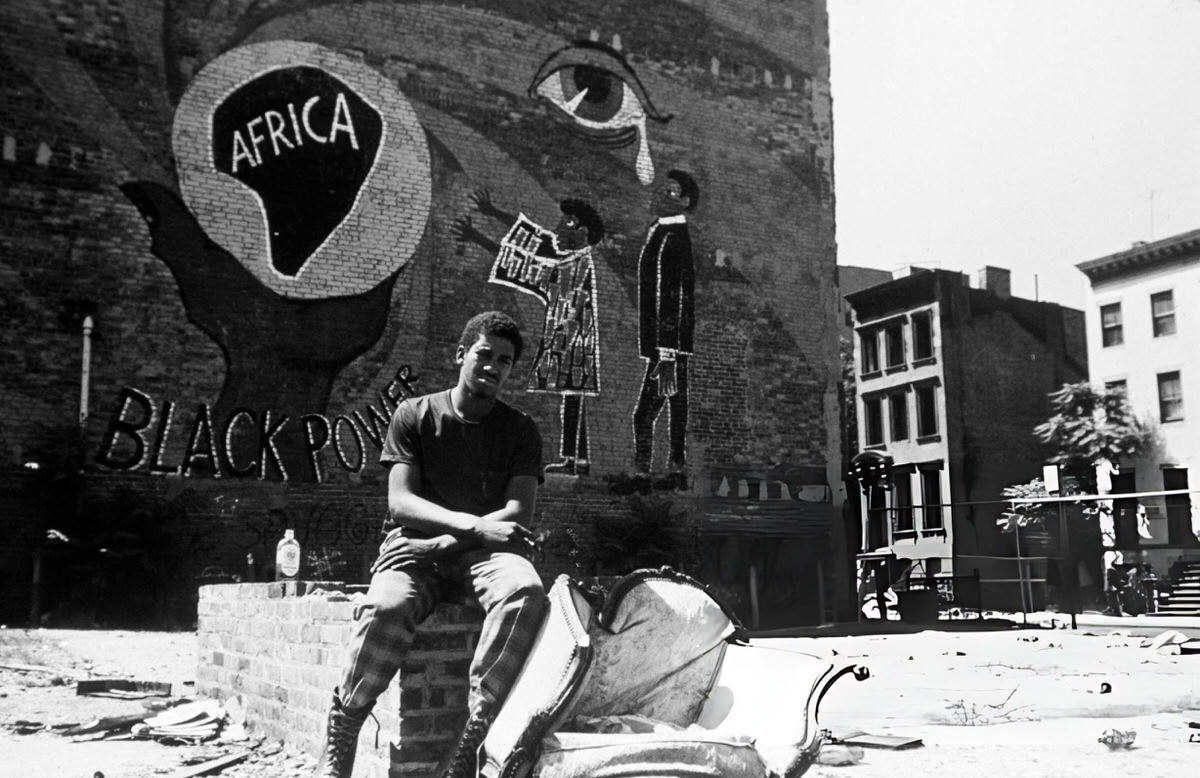
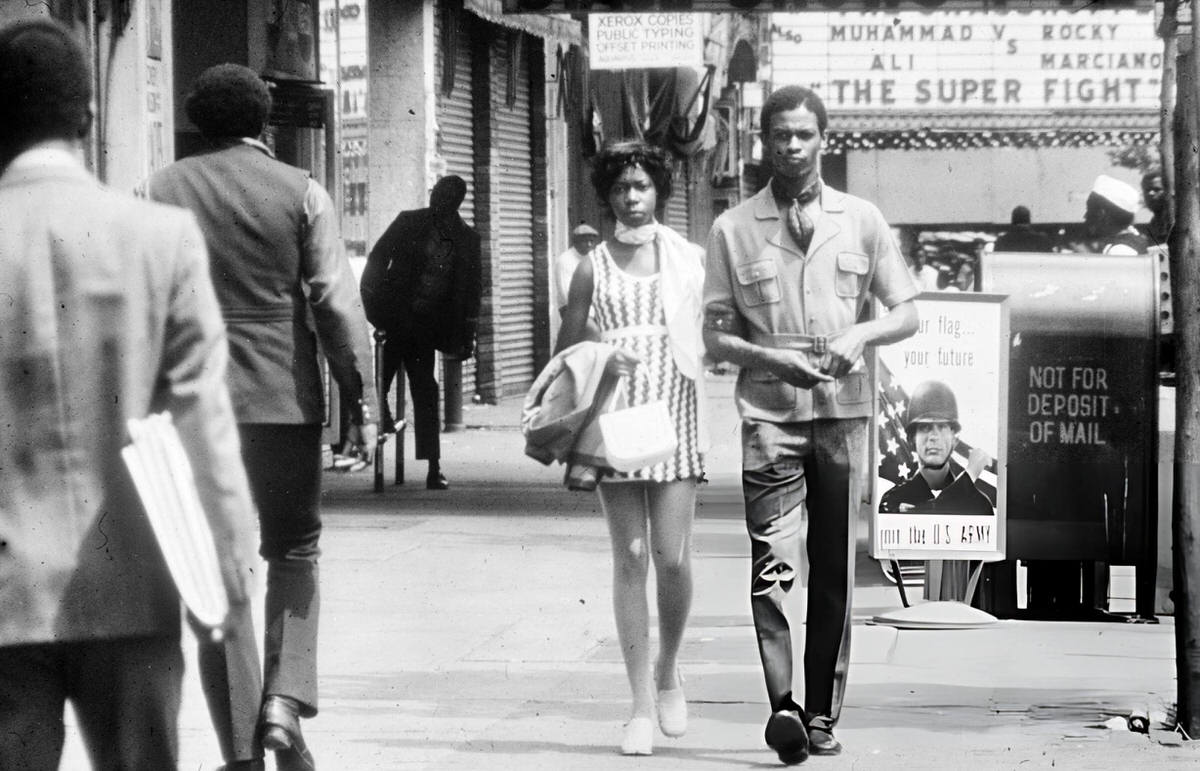
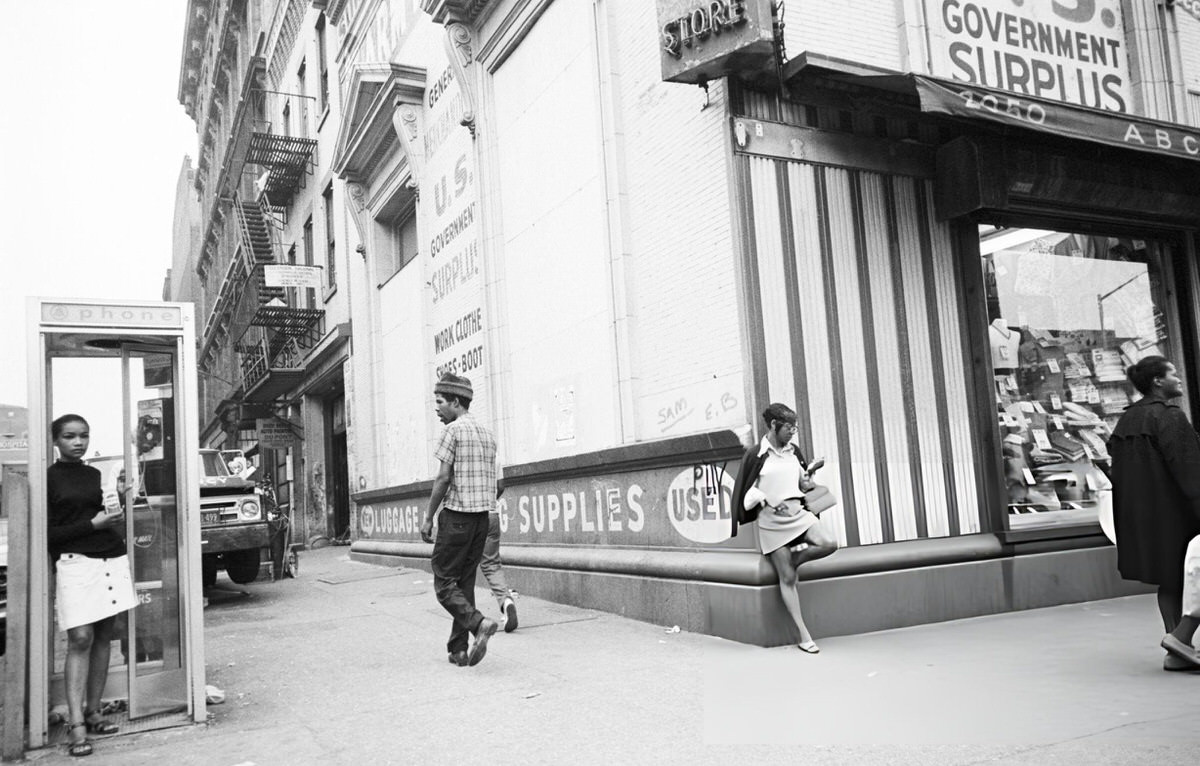
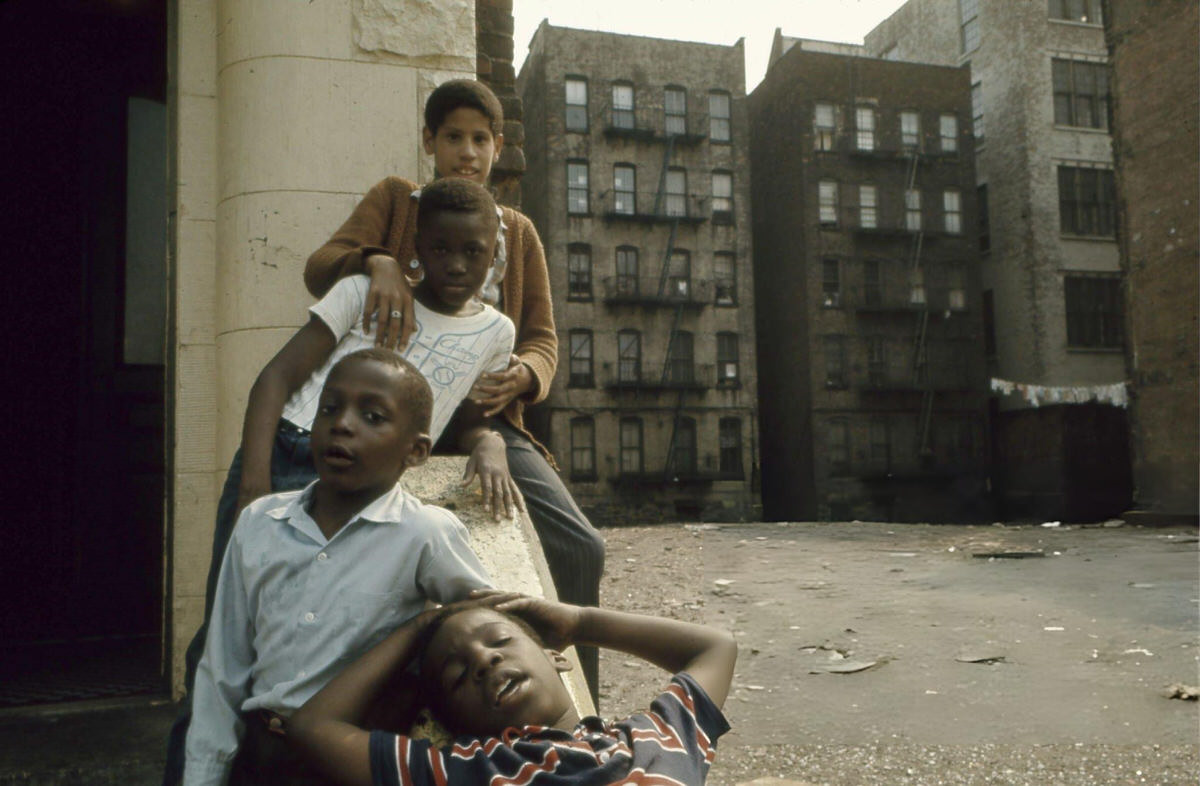
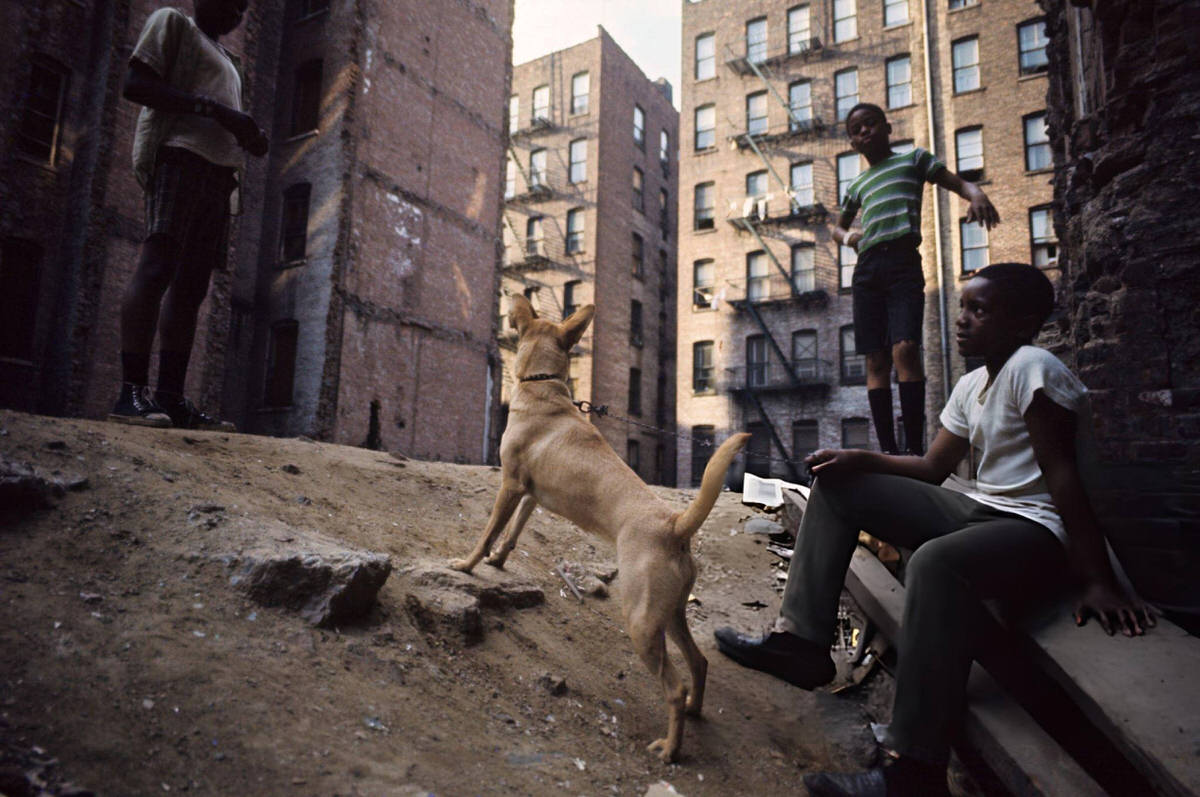
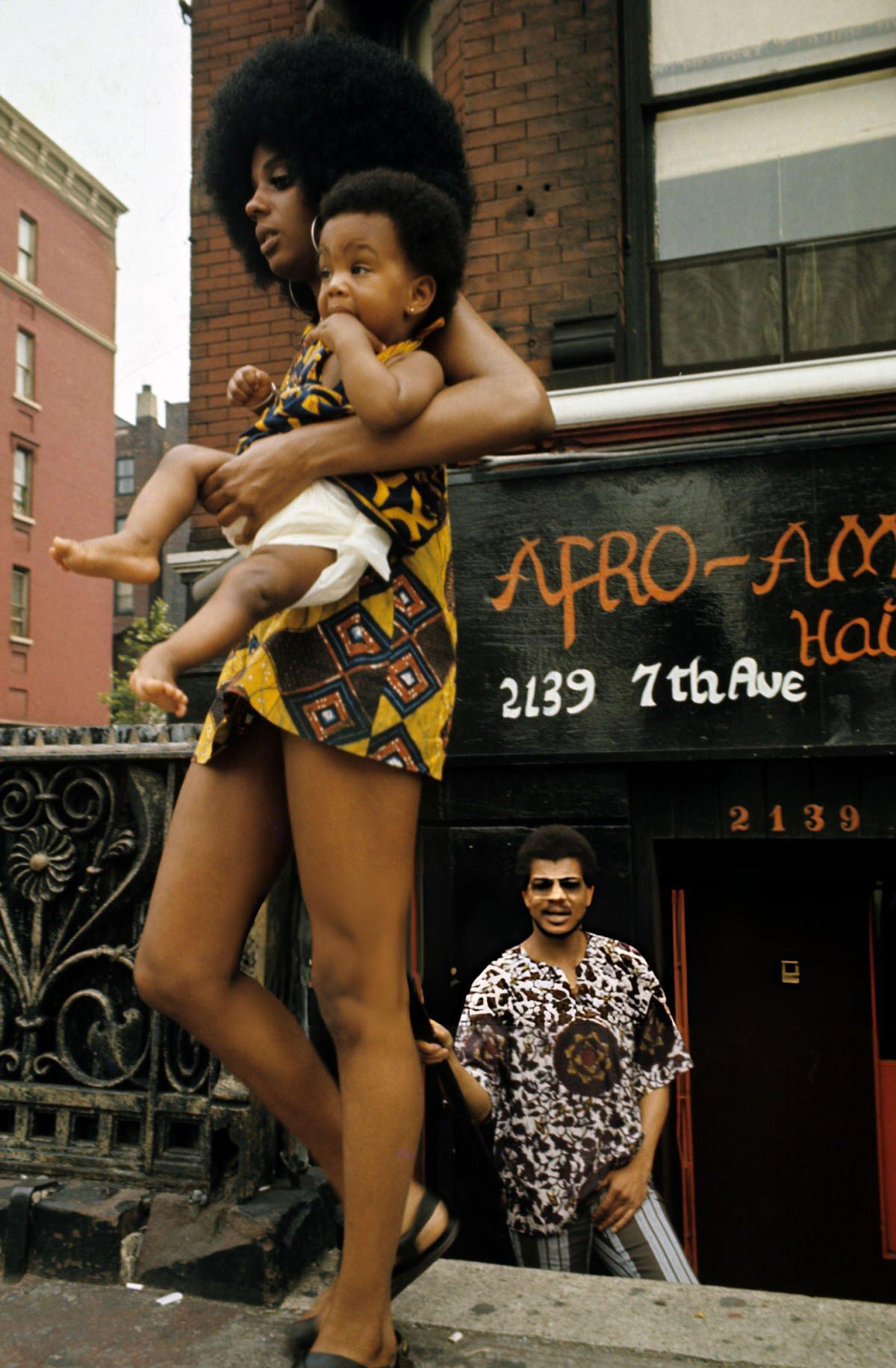
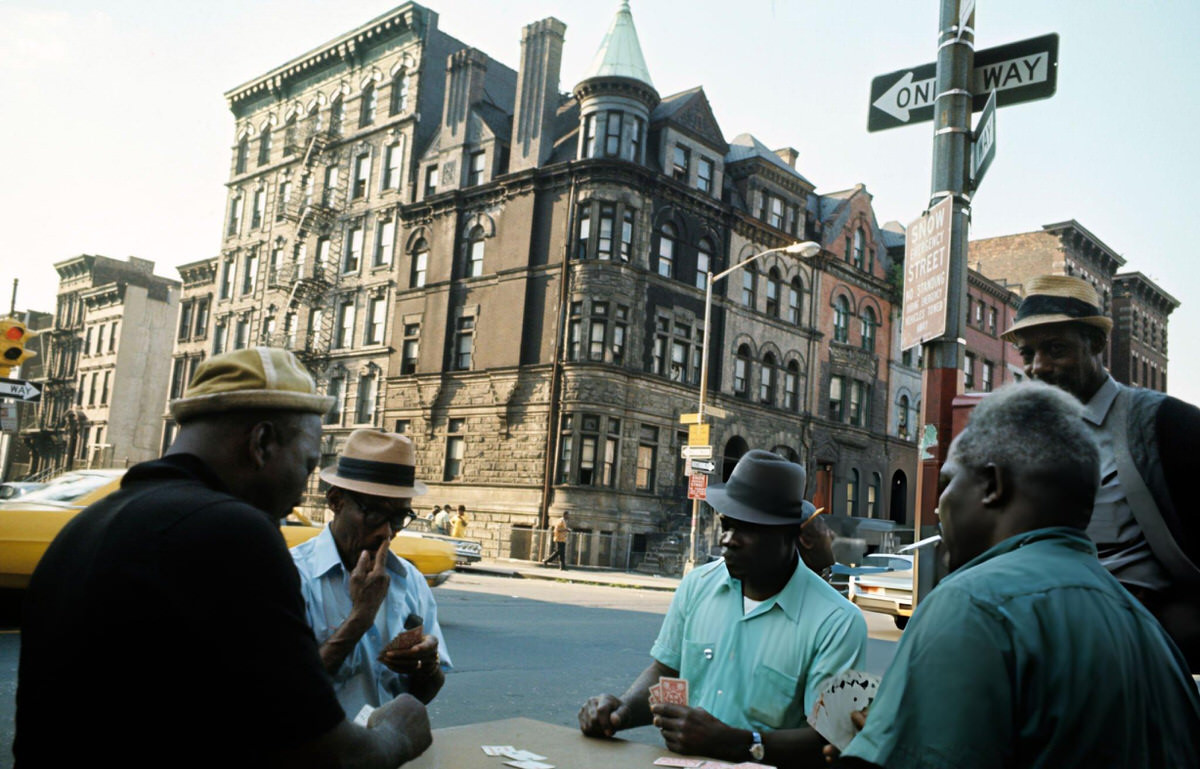
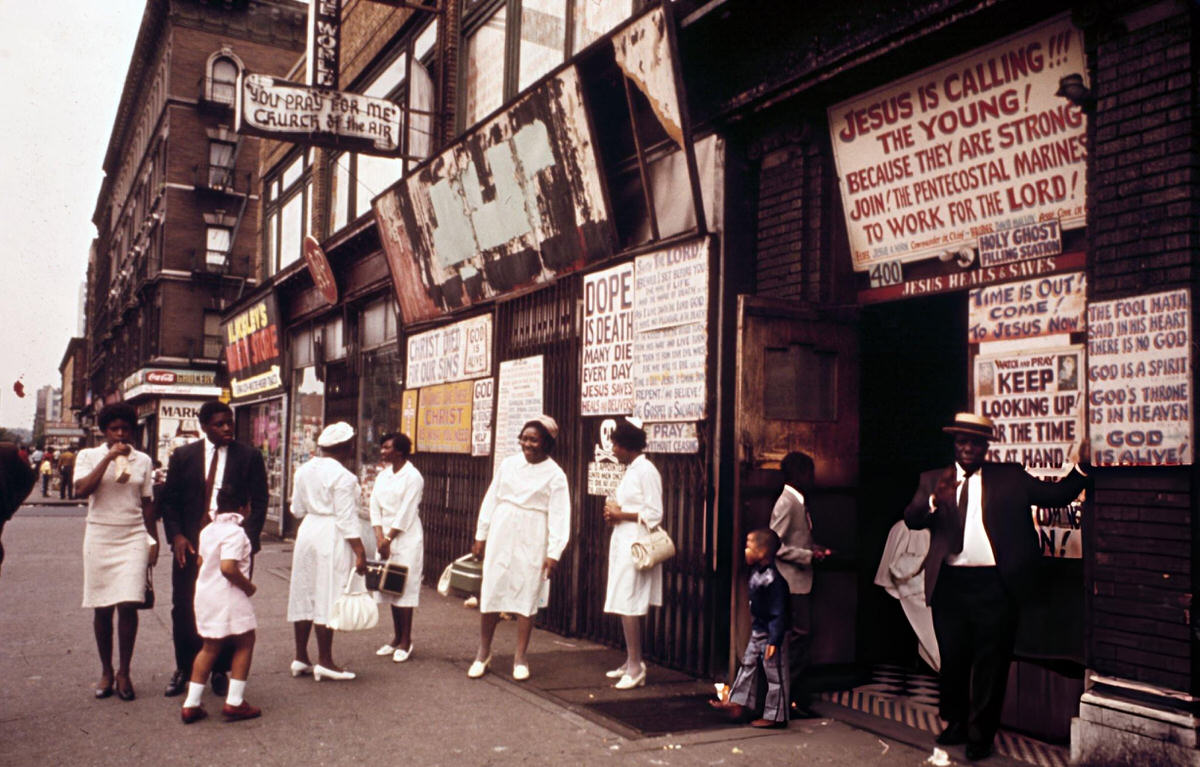
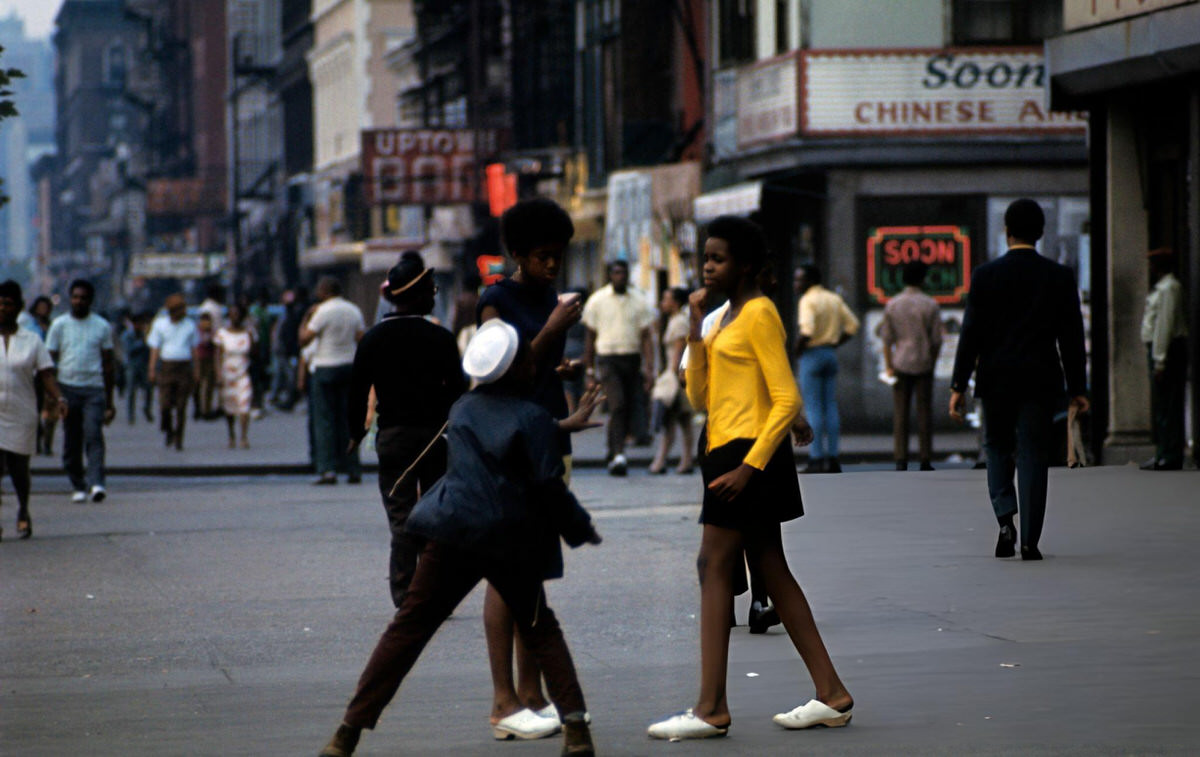
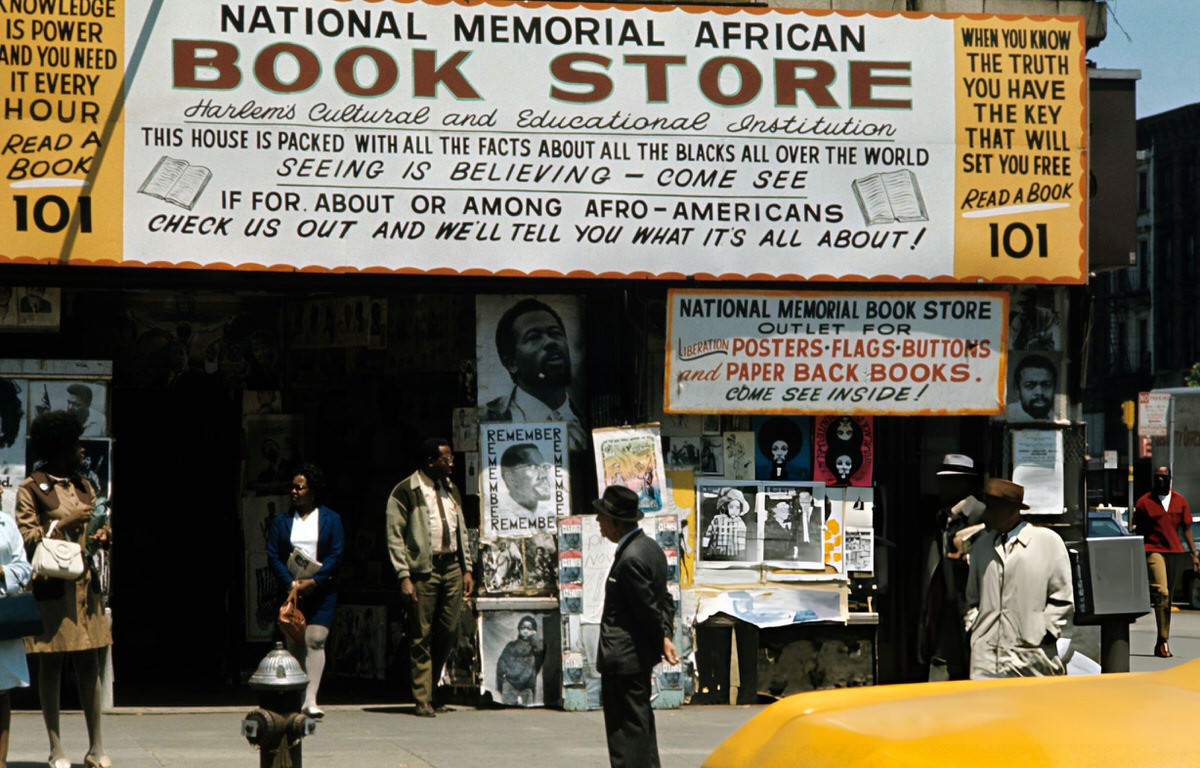
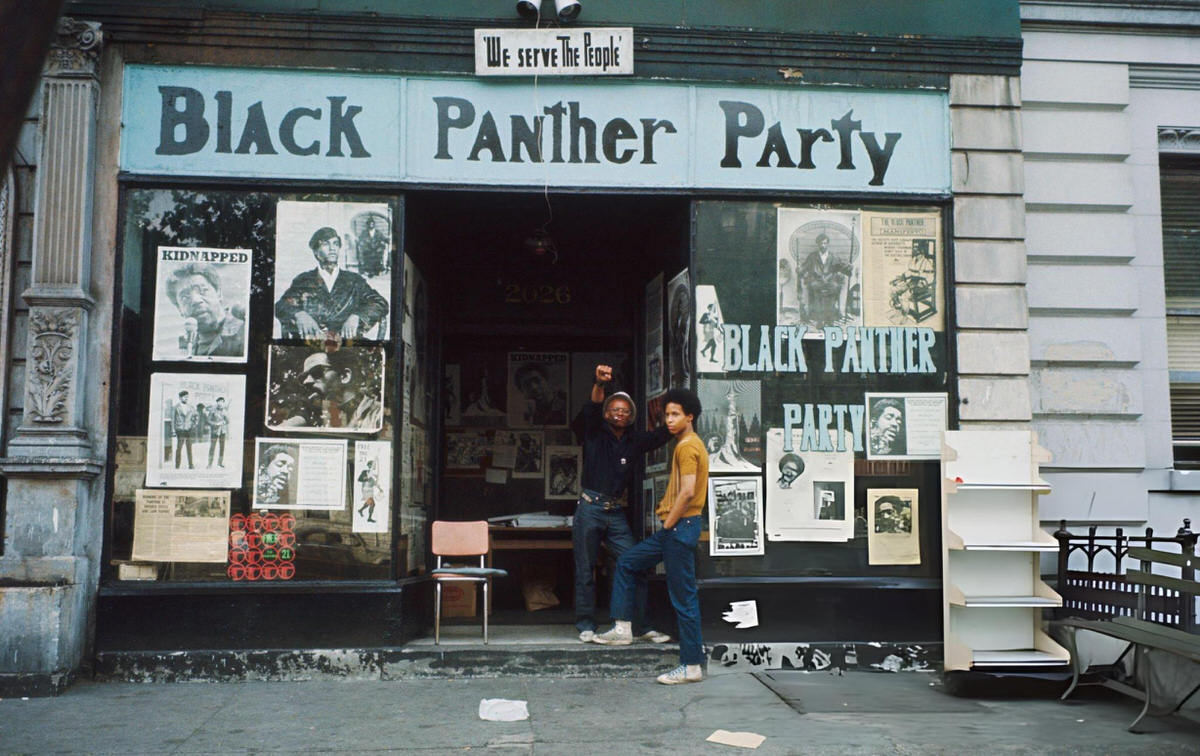
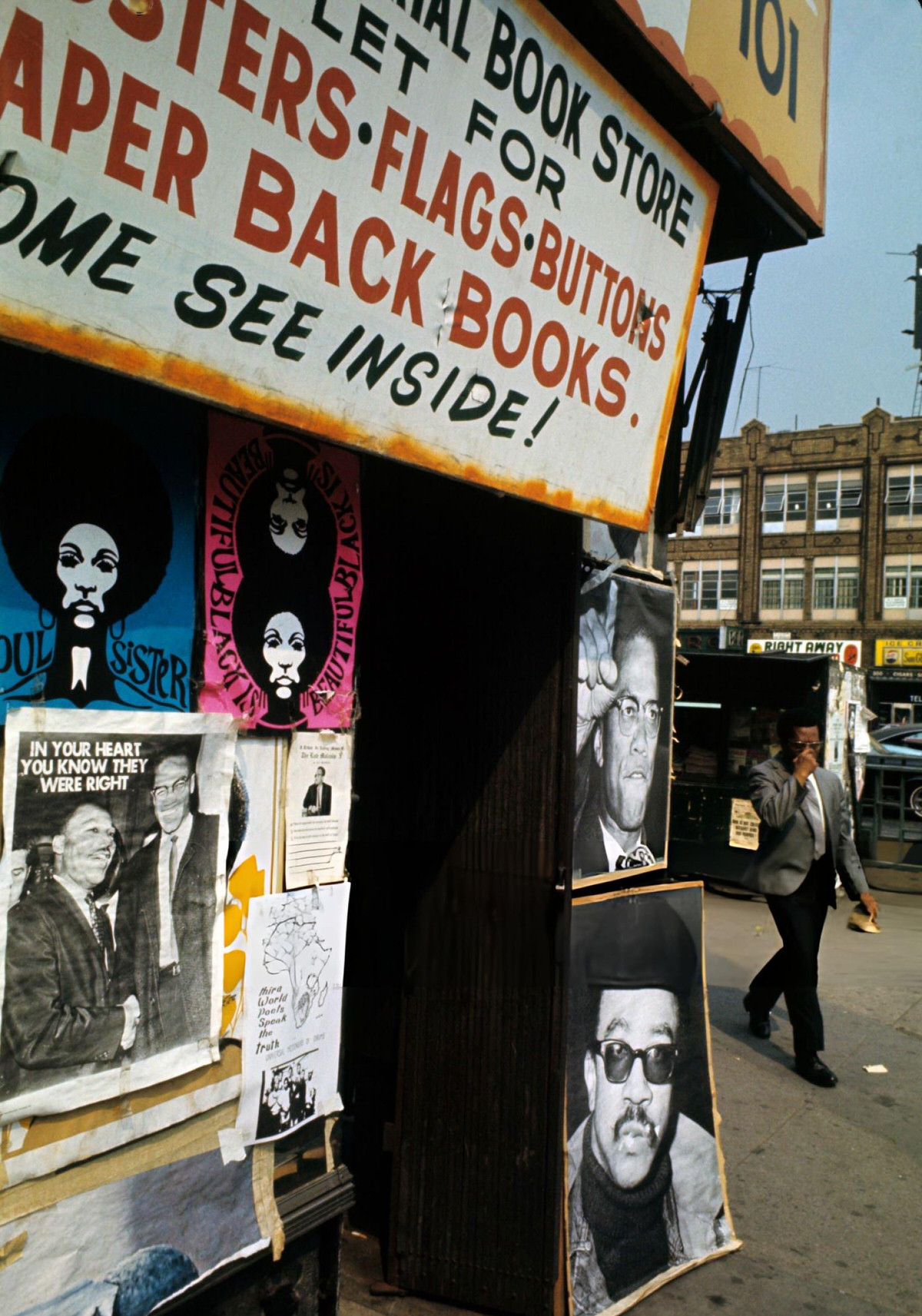
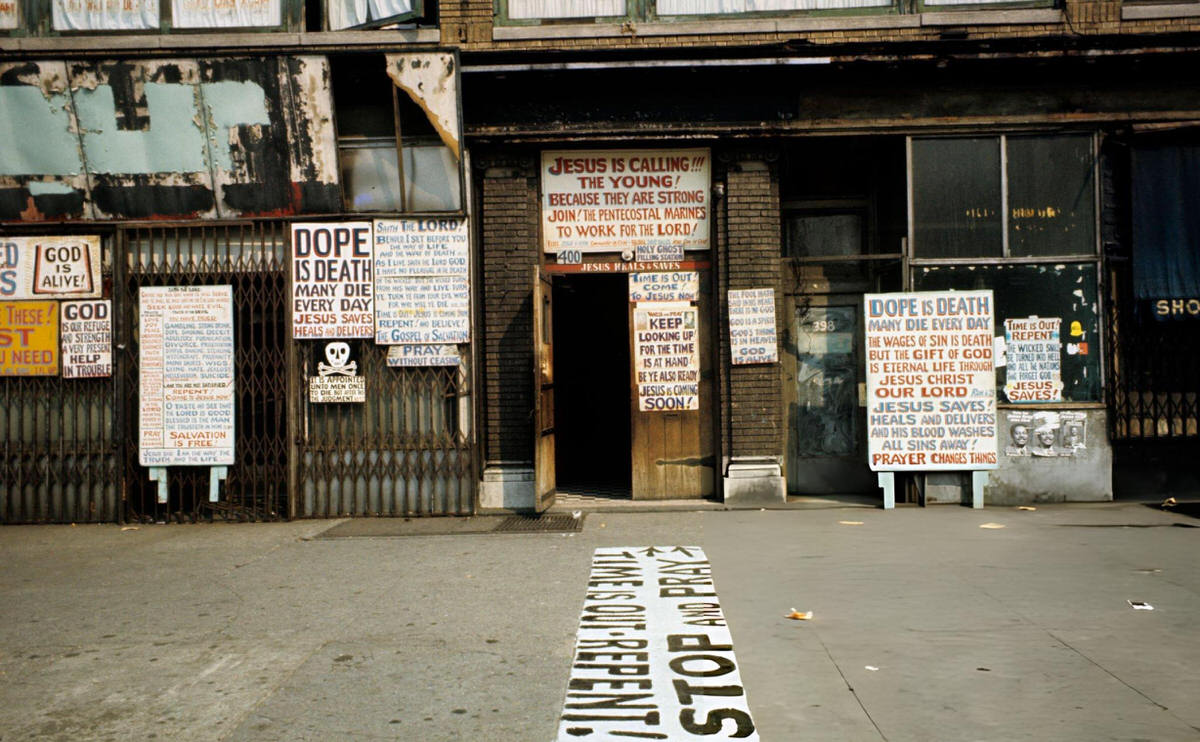
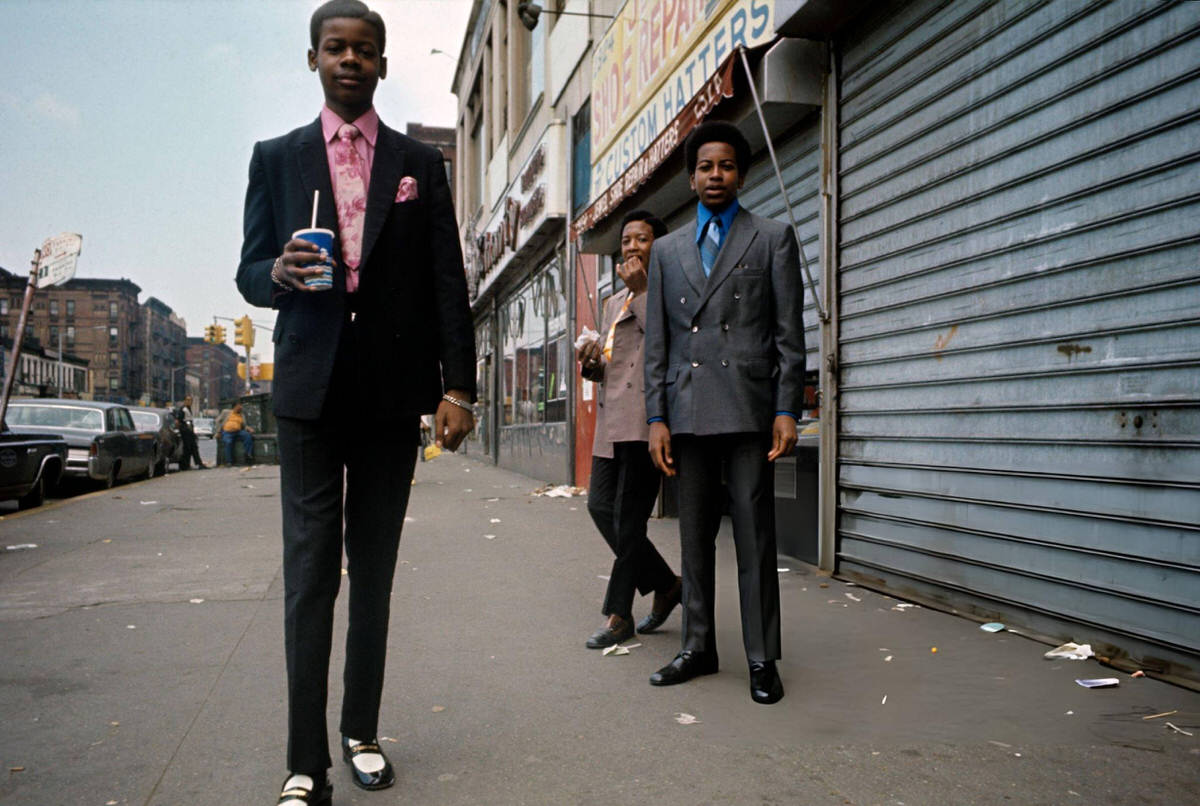
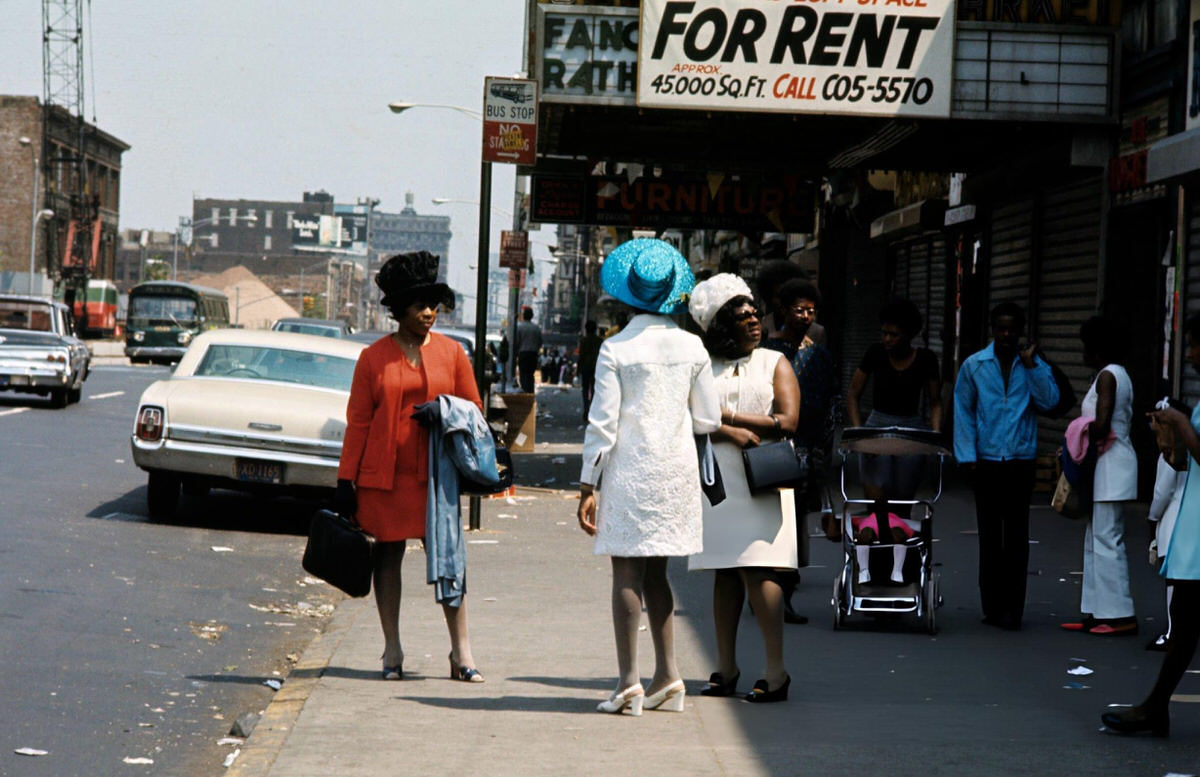
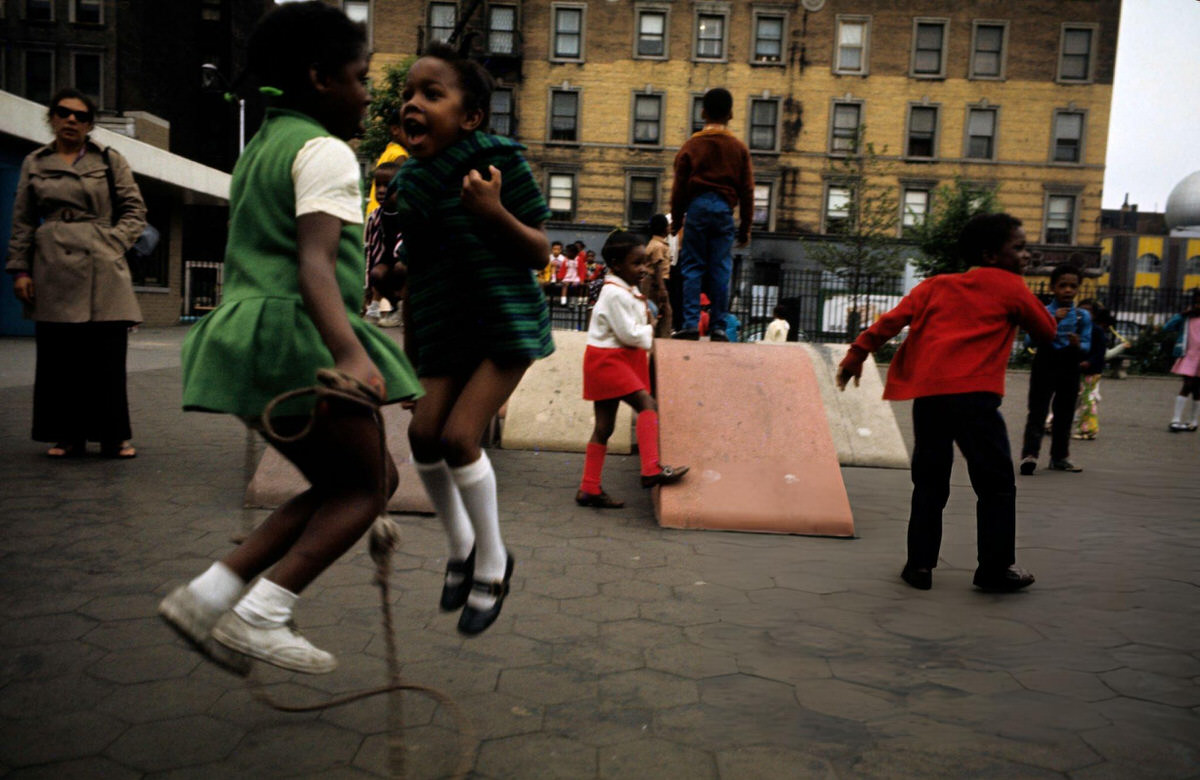
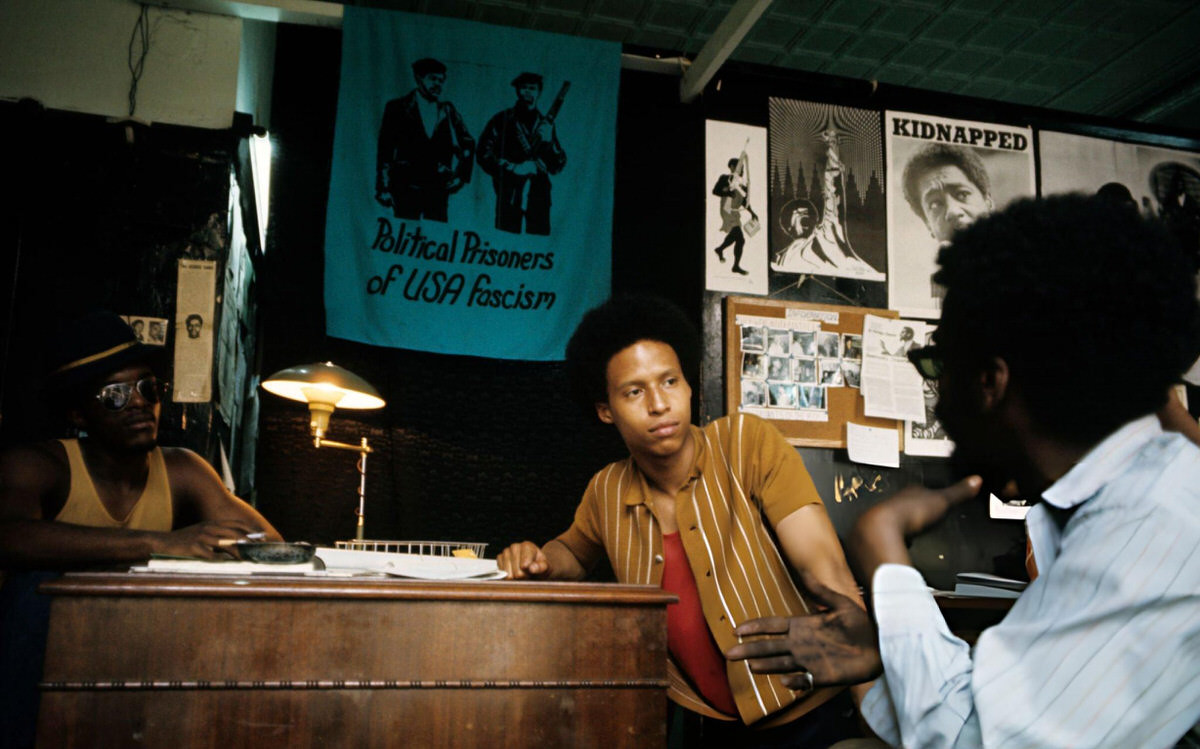
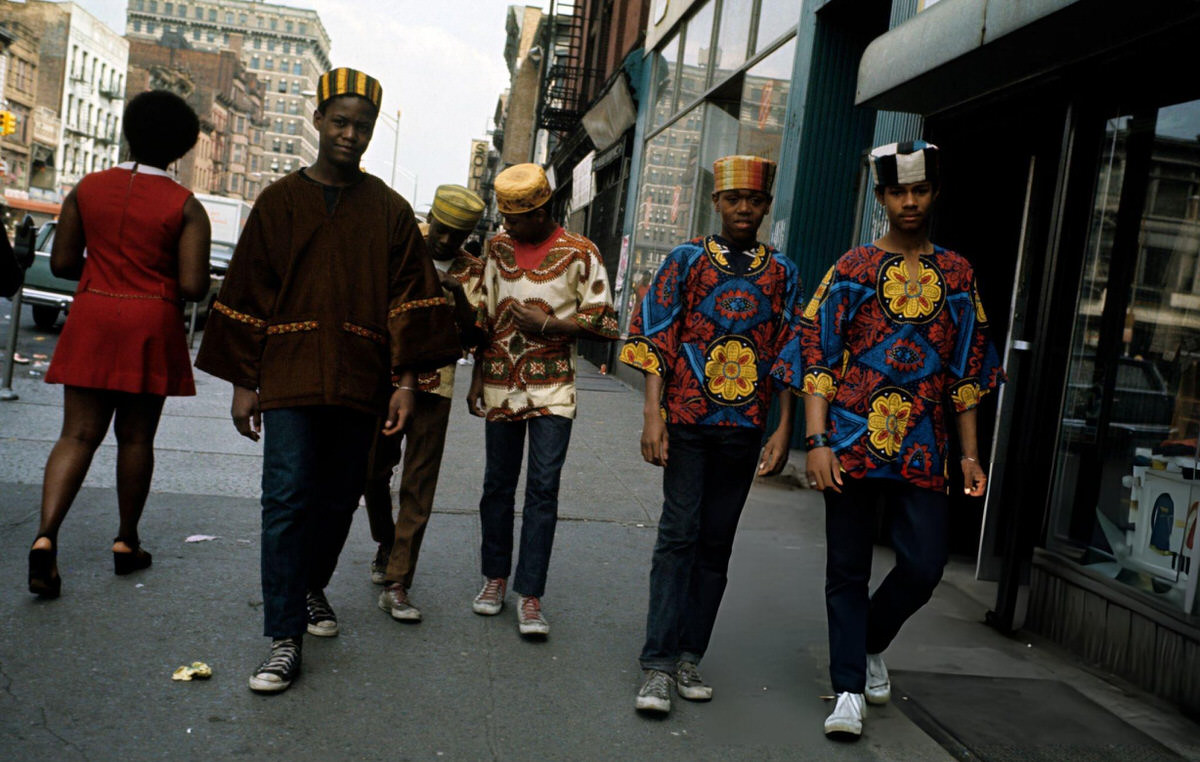
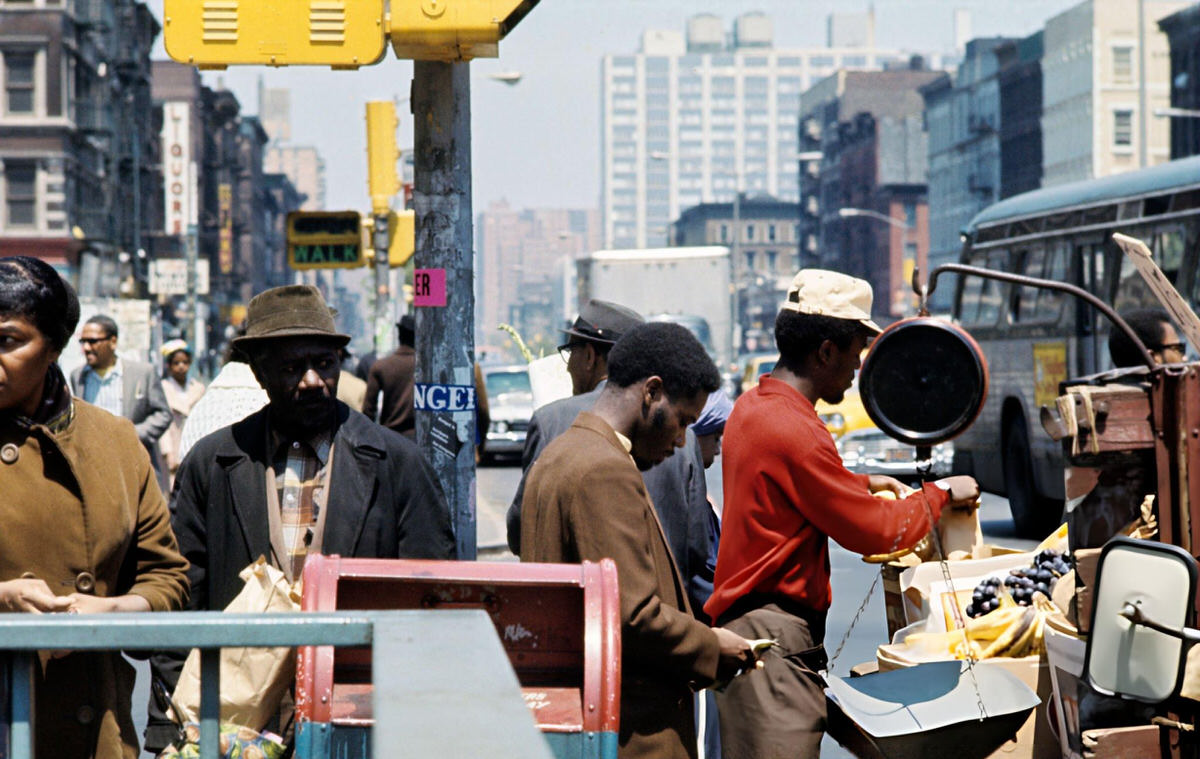
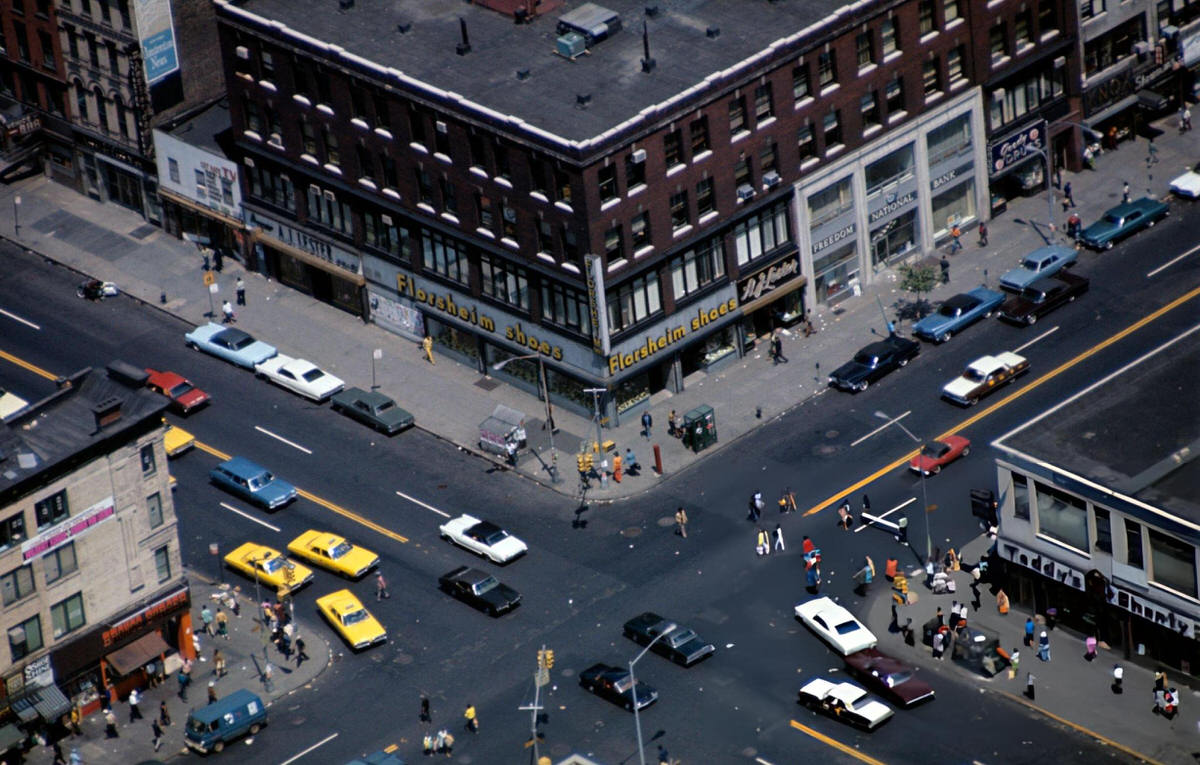
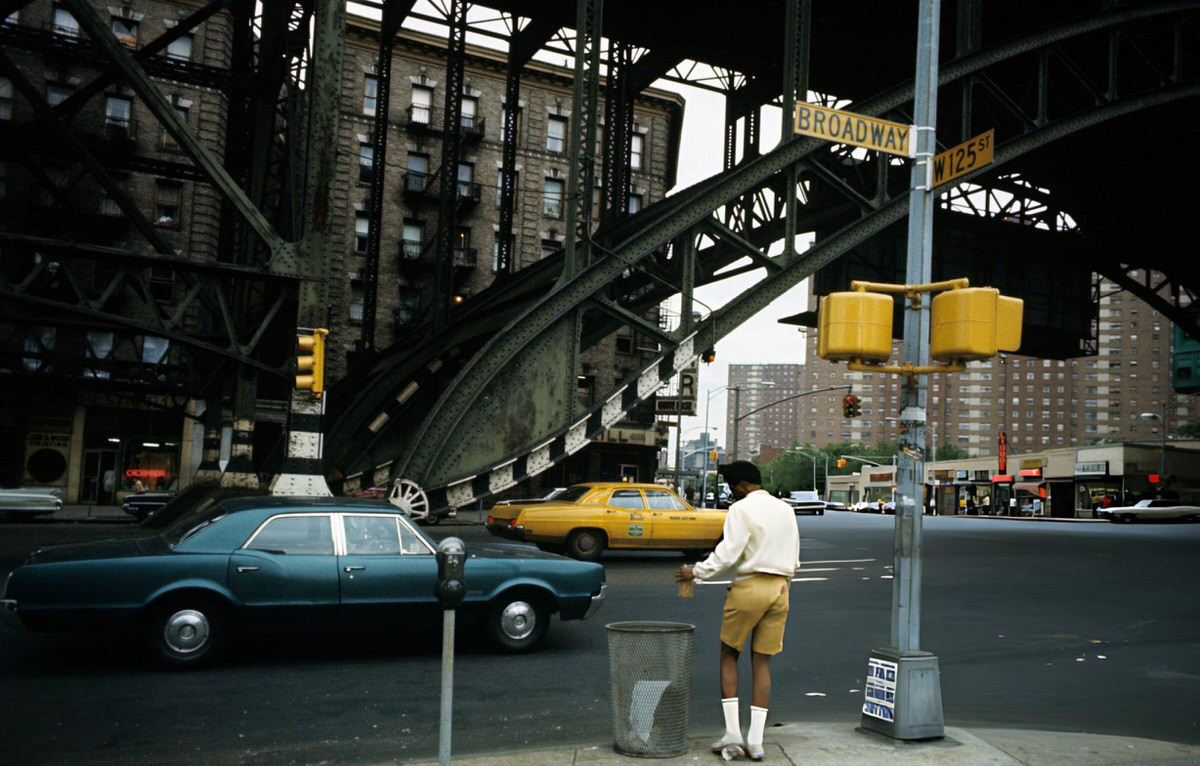
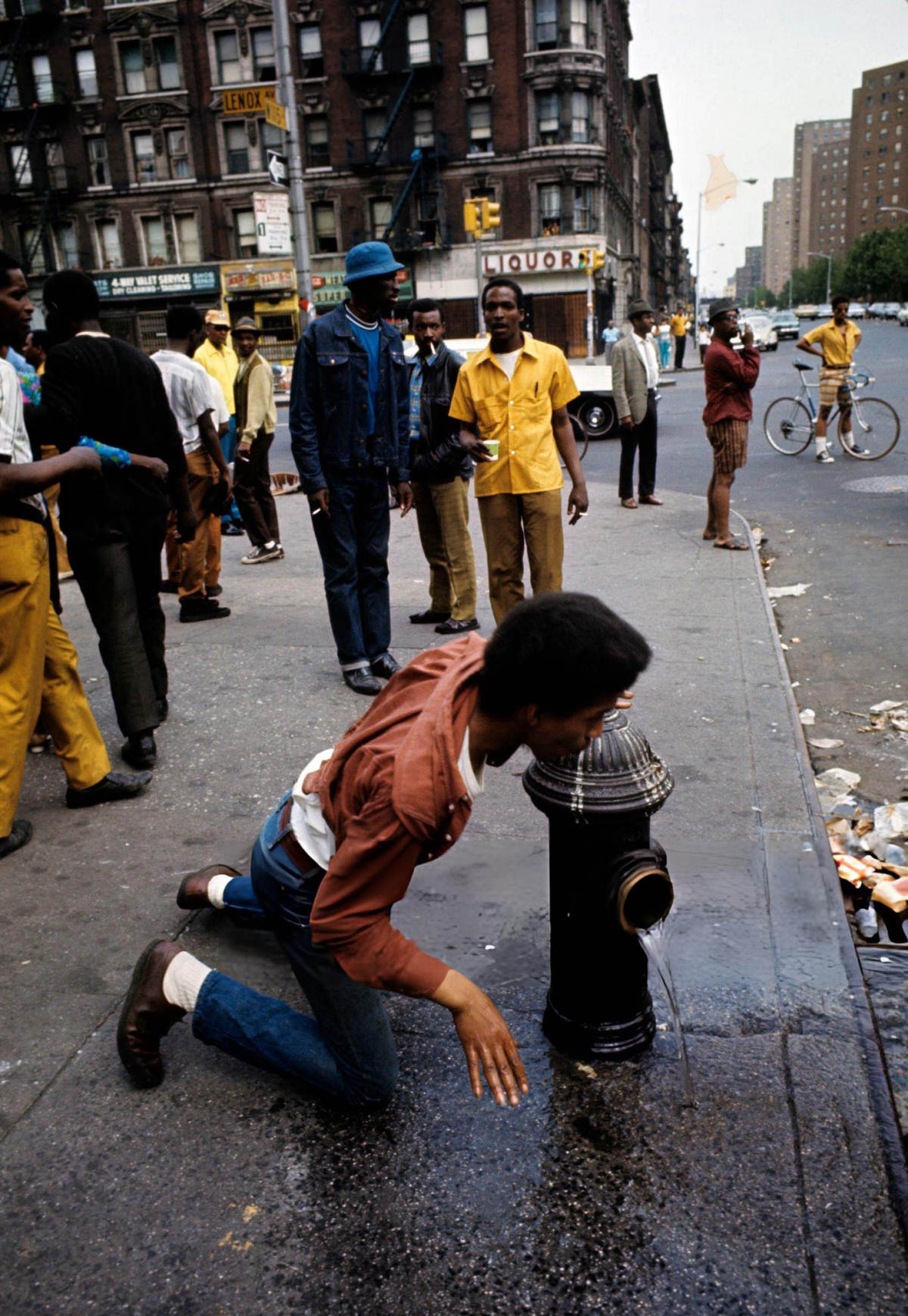
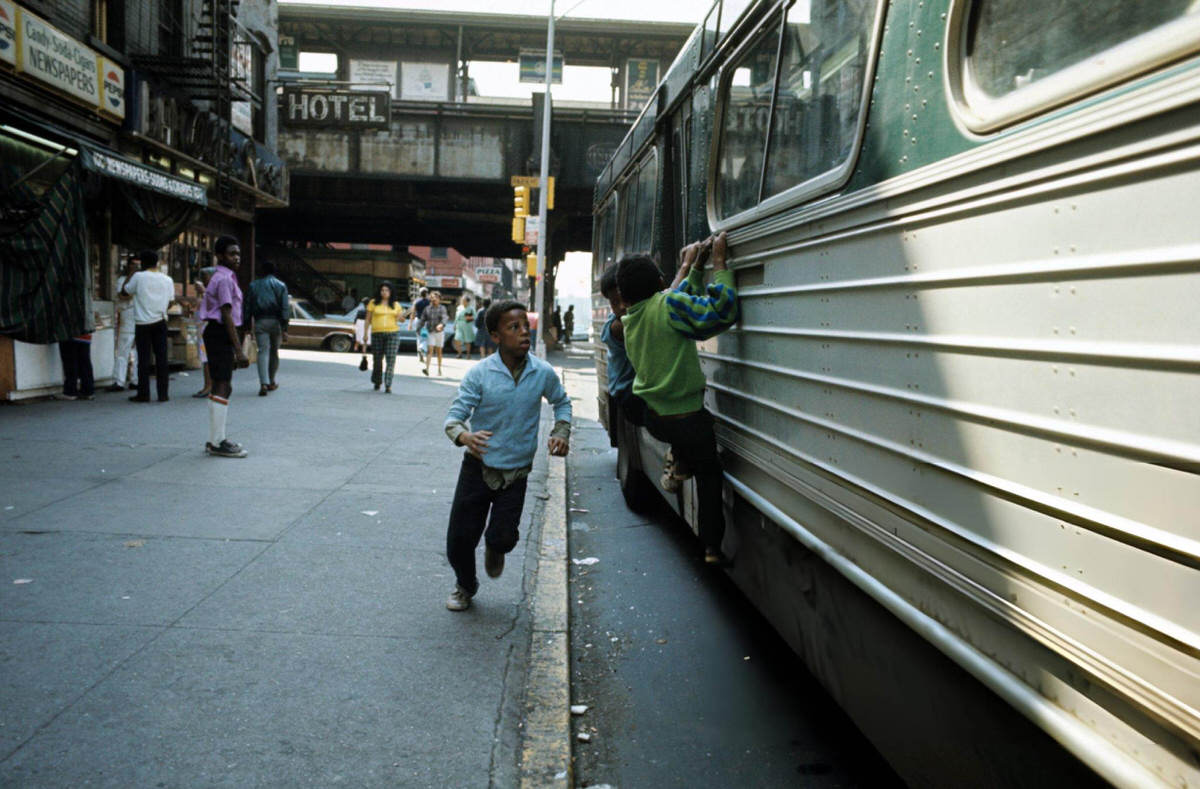
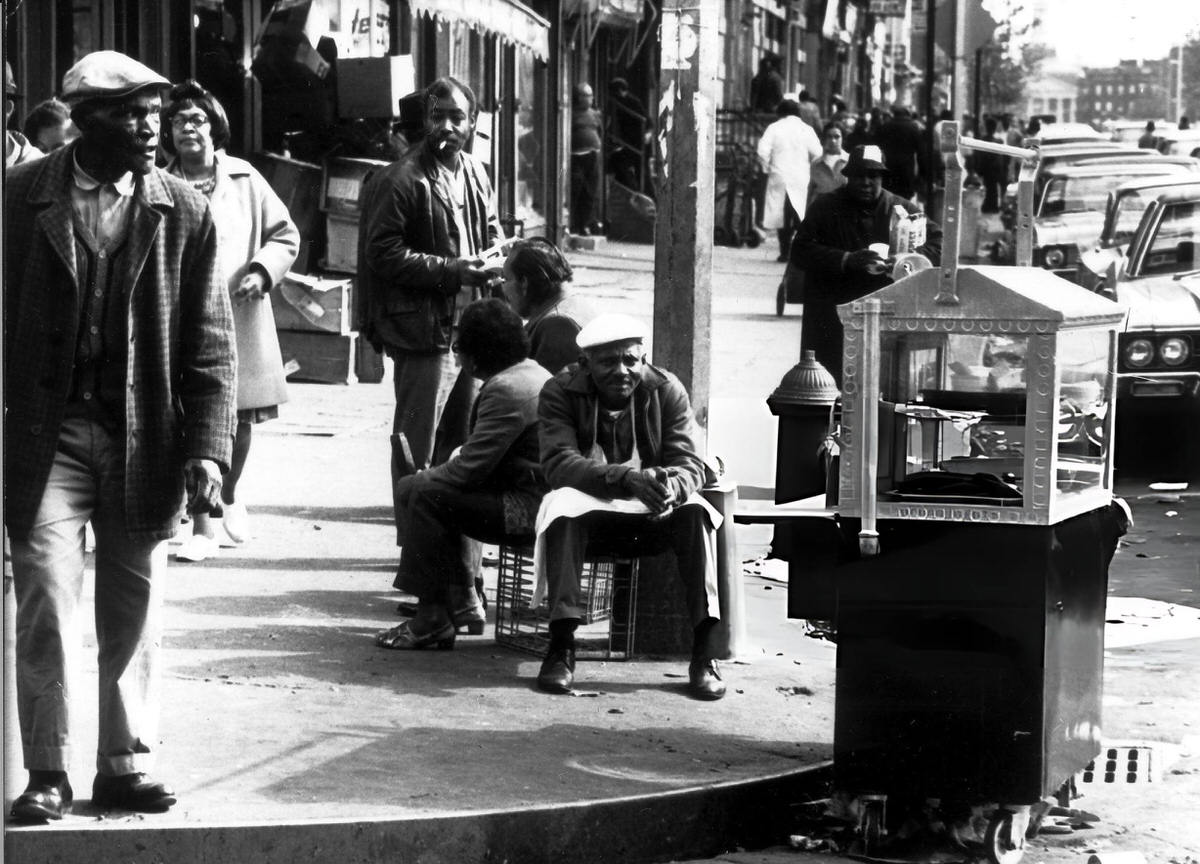
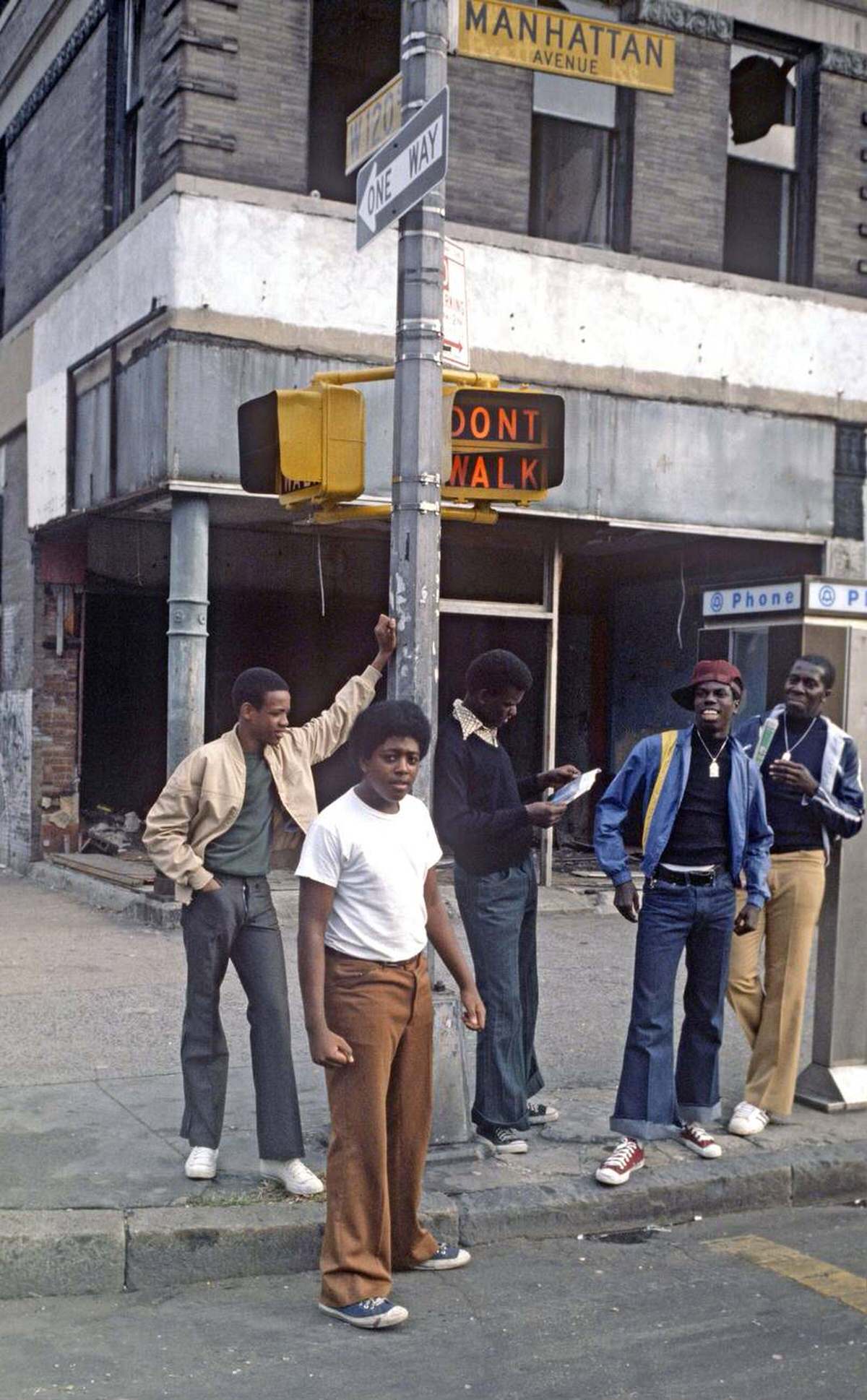
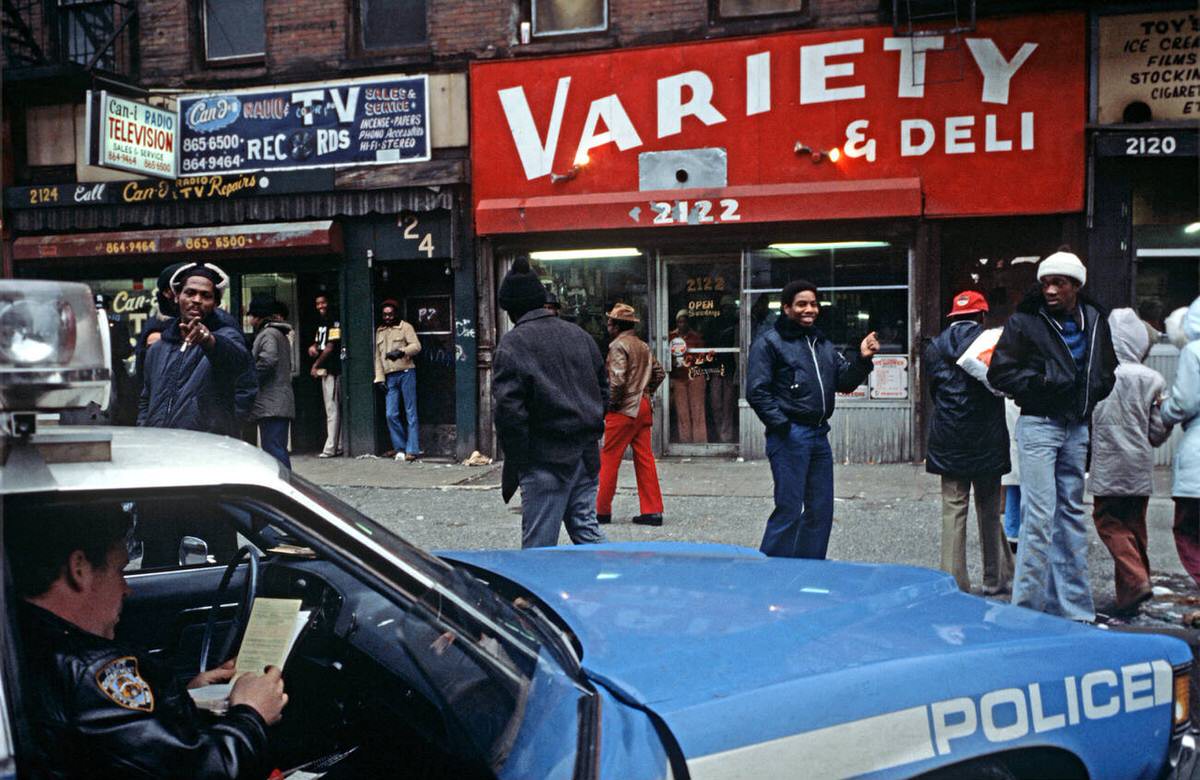
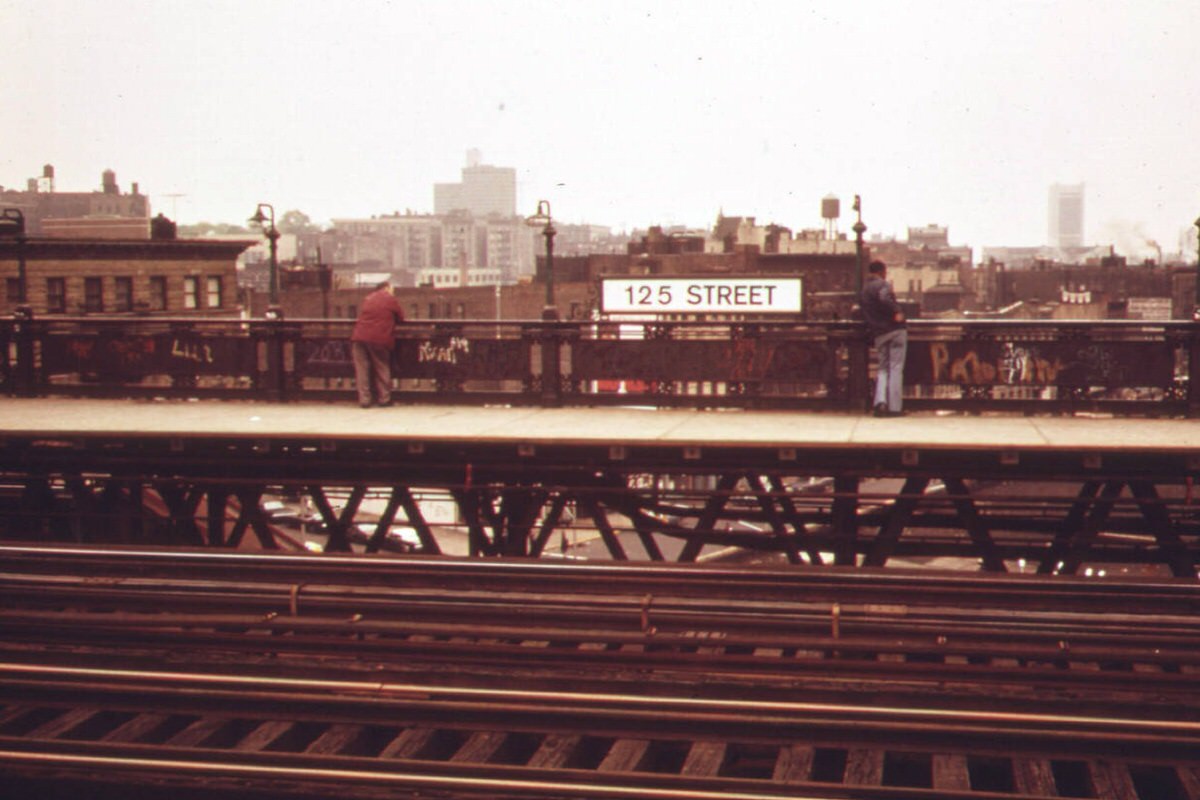
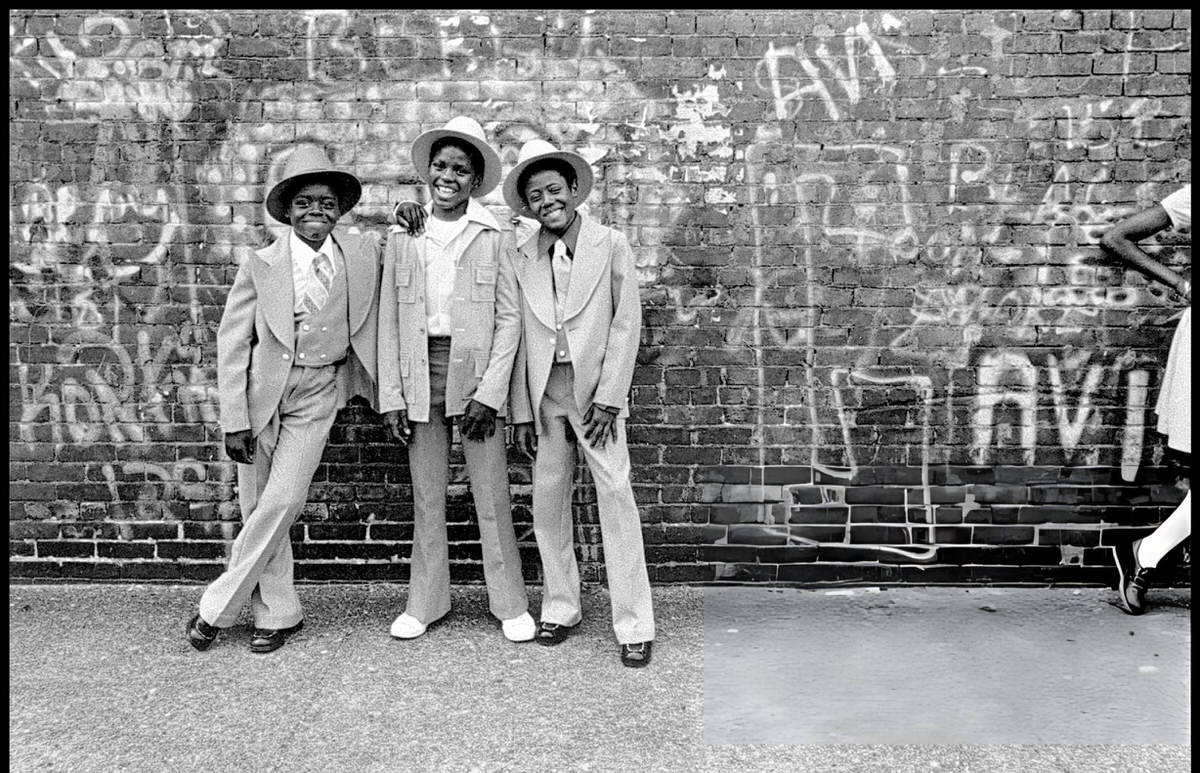
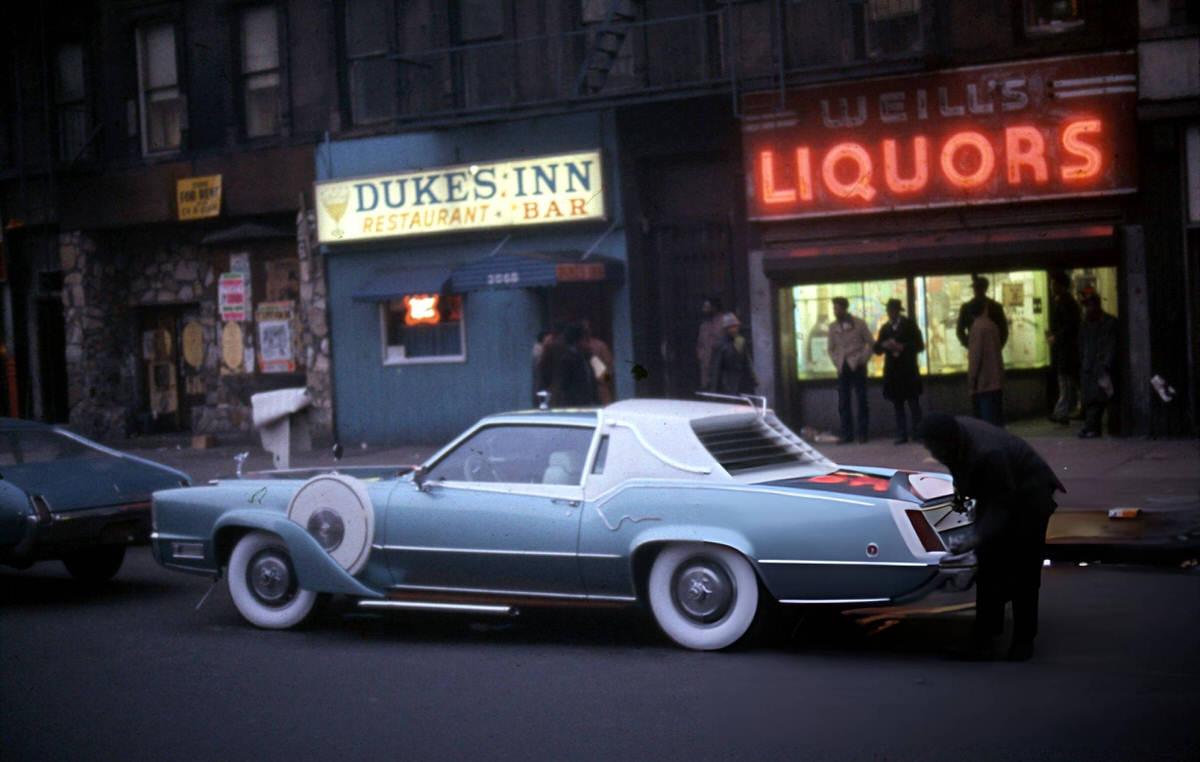
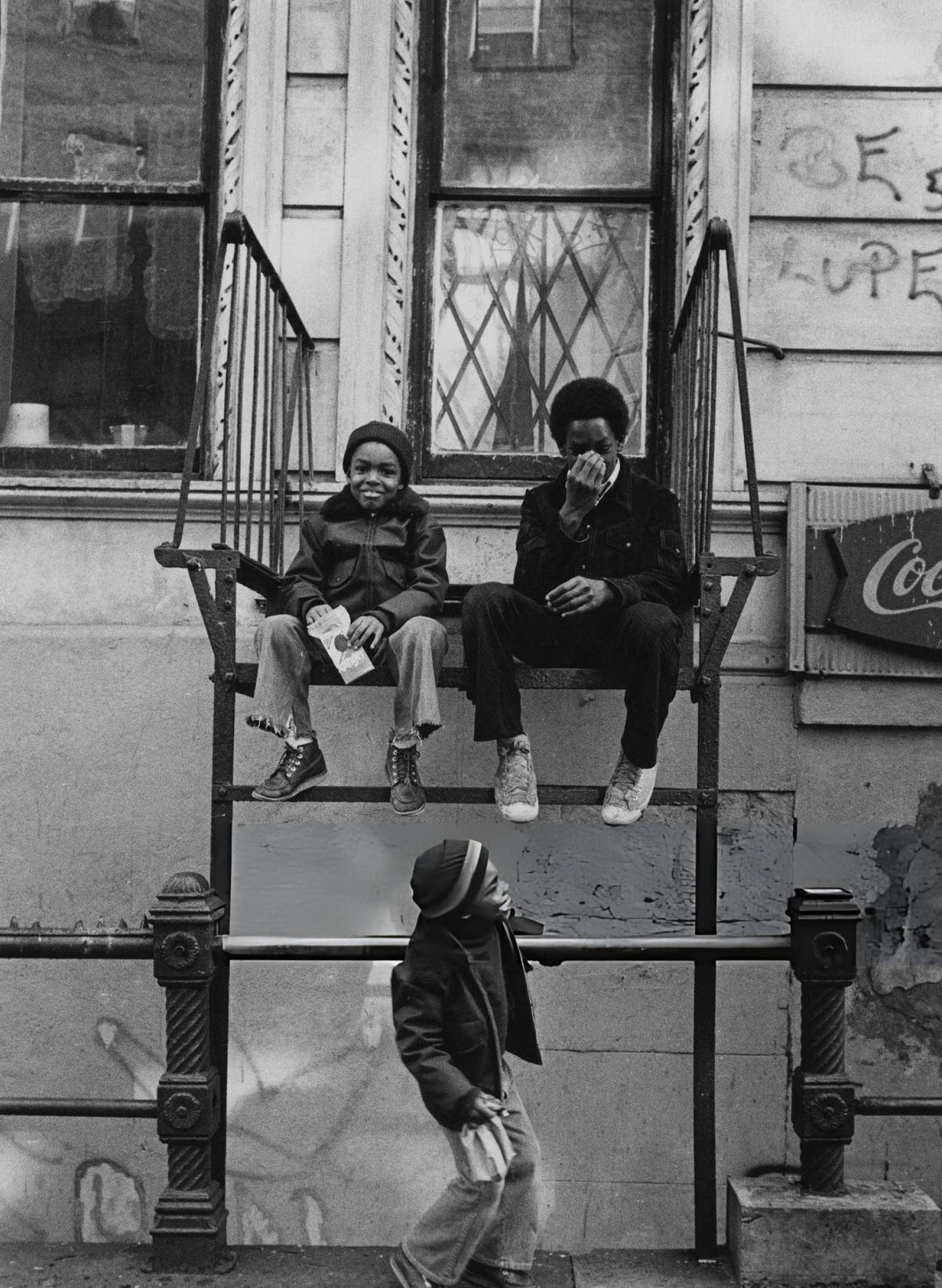
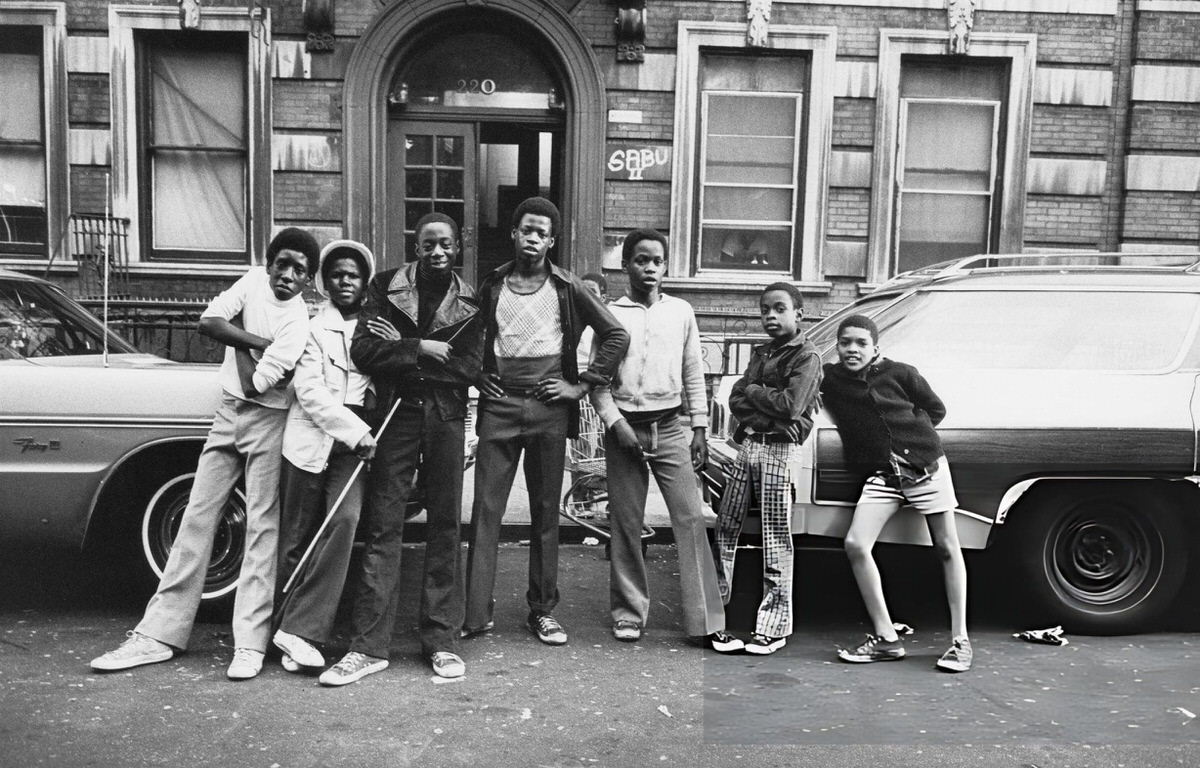
The 1970s in Harlem were brutal in ways that are hard to overstate. The city was collapsing financially, buildings were burning, heroin was still carving through families, and the political energy of the 1960s had run into a wall of indifference from city and federal government. And yet, inside all of that wreckage, something completely new was being created — music, art, and a street culture that would eventually circle the entire globe.
The Fiscal Crisis and What It Did to Harlem
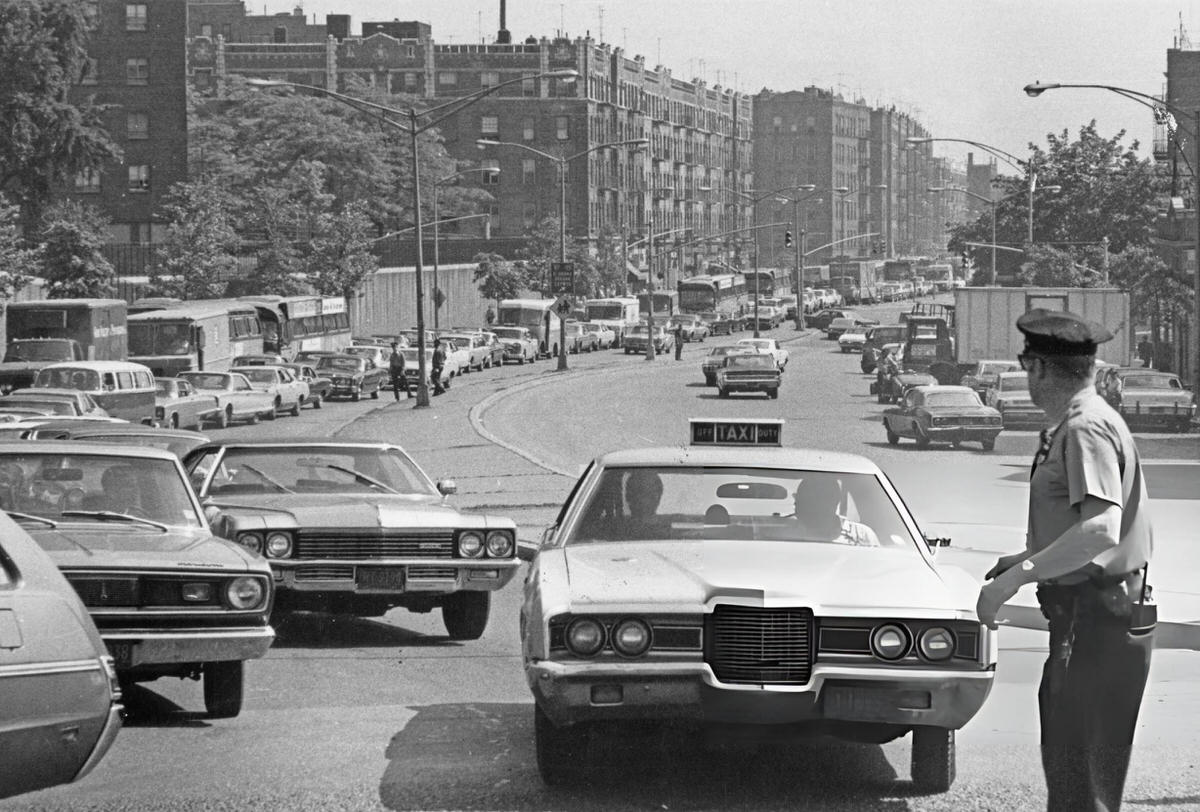
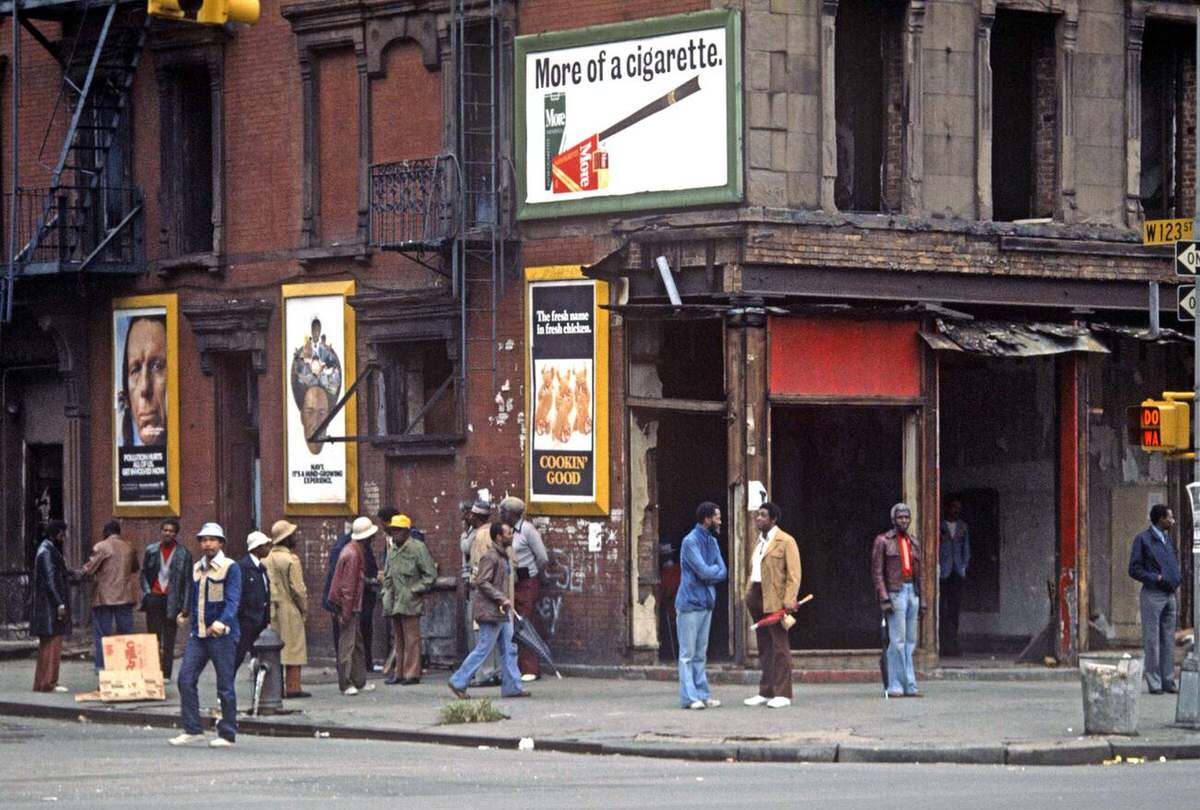
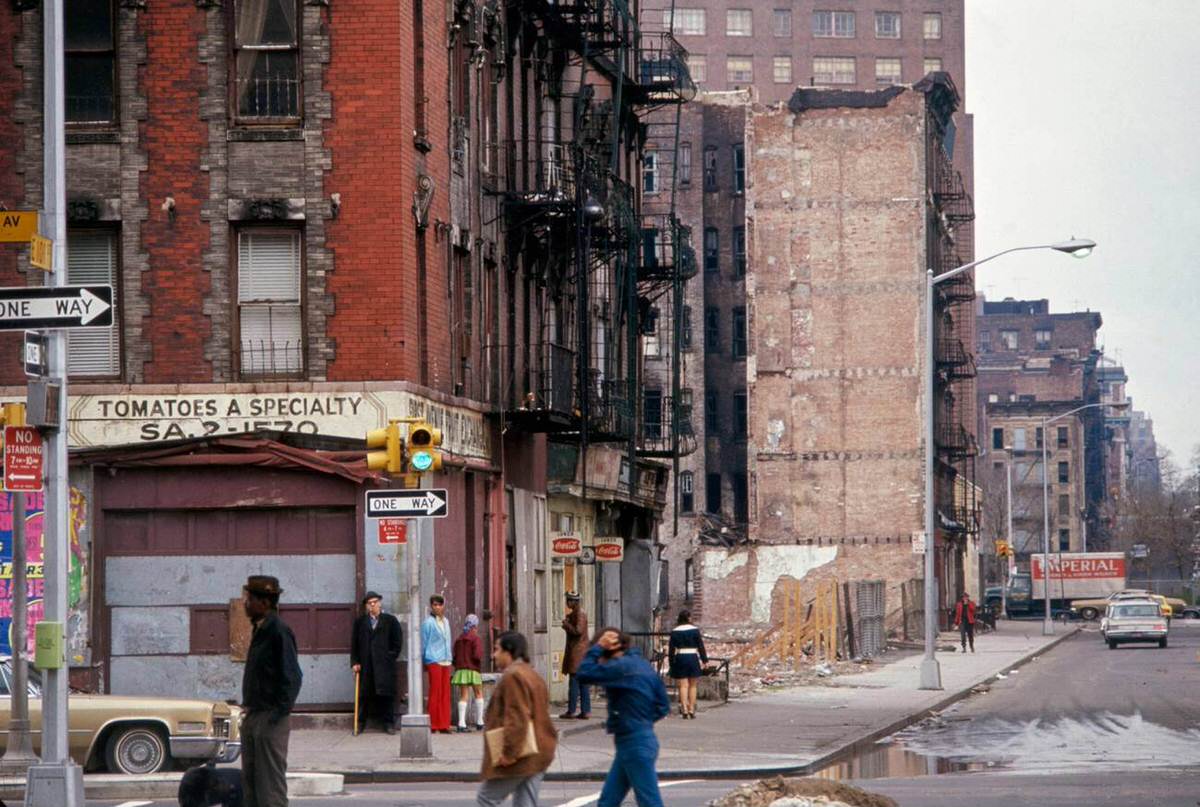
New York City nearly went bankrupt in 1975. The city had been borrowing money for years to cover basic expenses, and when the banks finally refused to lend more, the crisis became public and immediate. Mayor Abraham Beame cut city services across the board. Harlem, which had always received fewer services than wealthier neighborhoods, absorbed cuts that left the community visibly hollowed out.
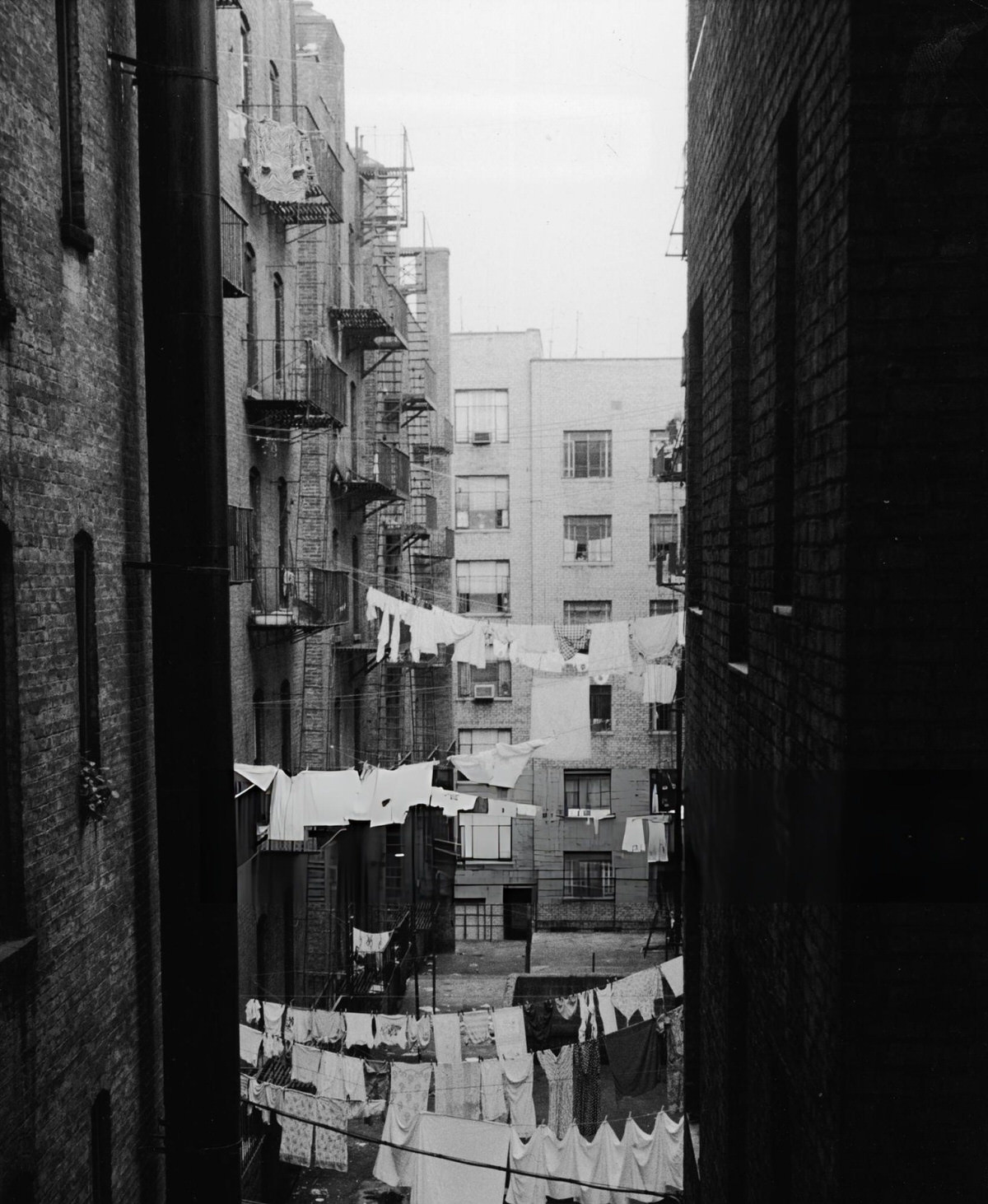
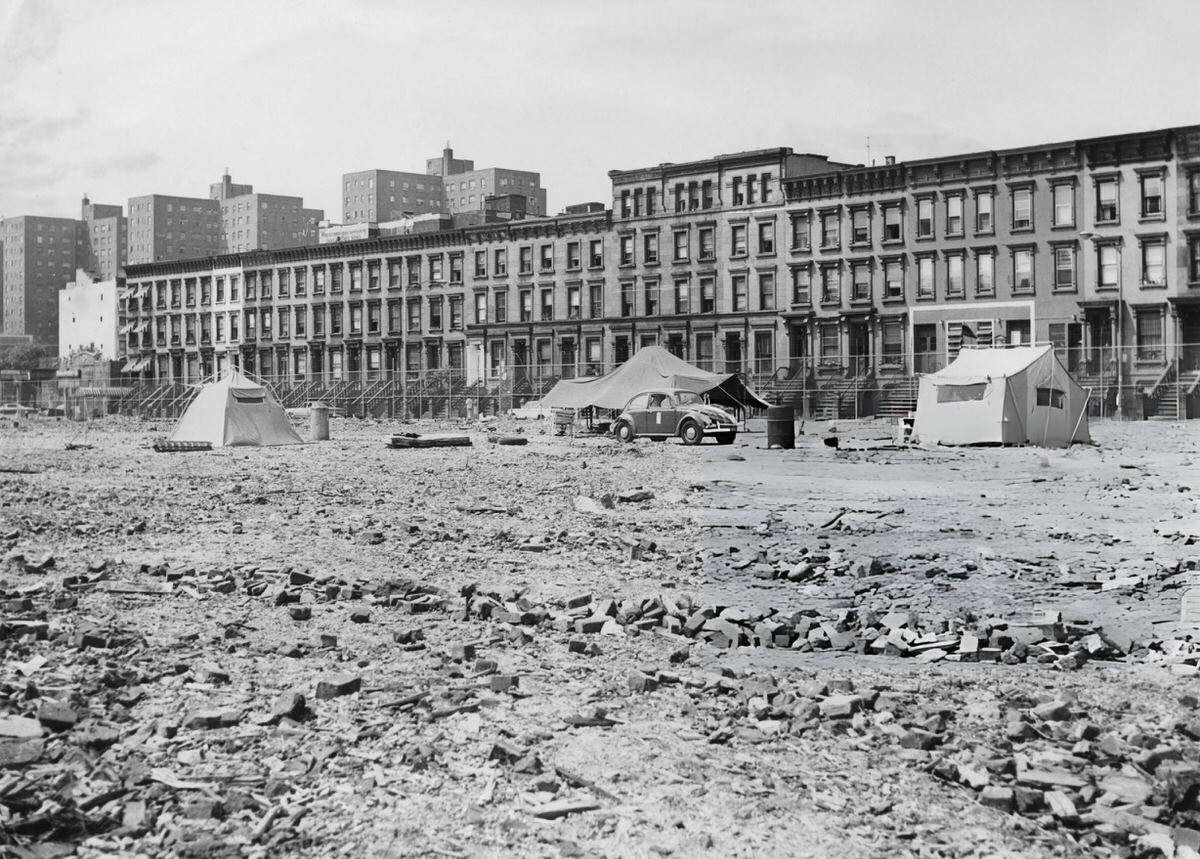
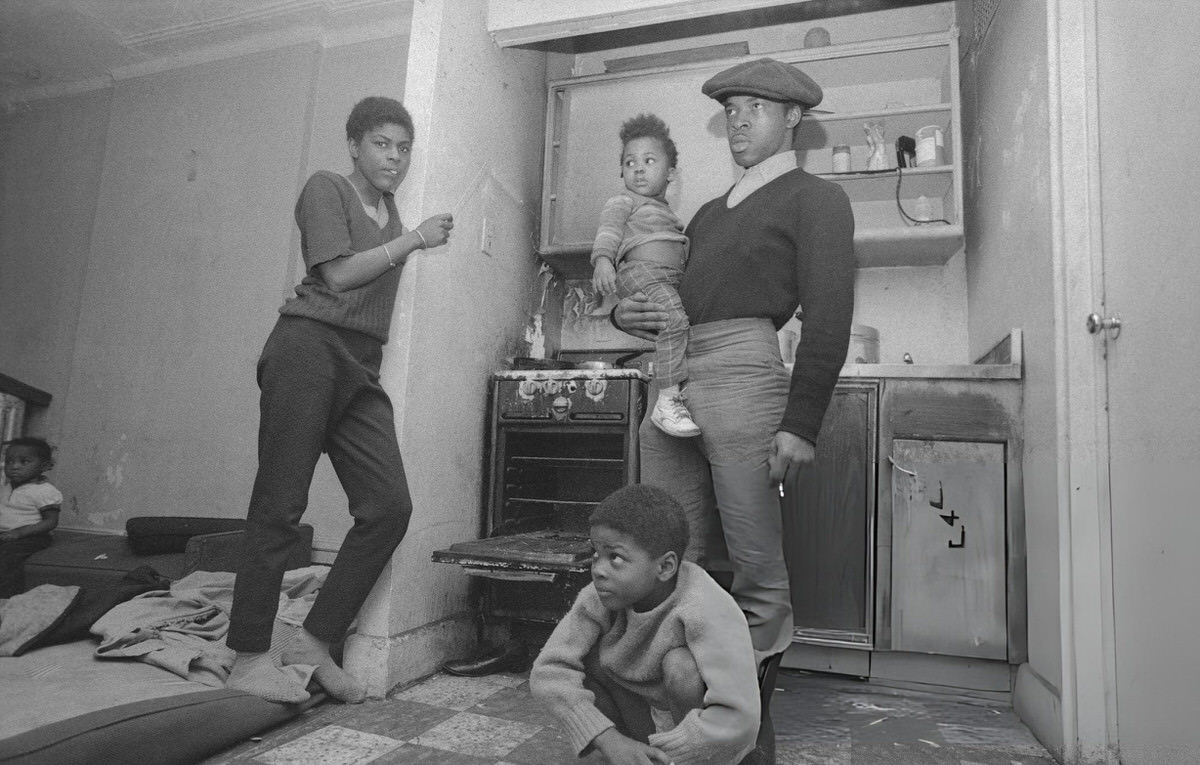
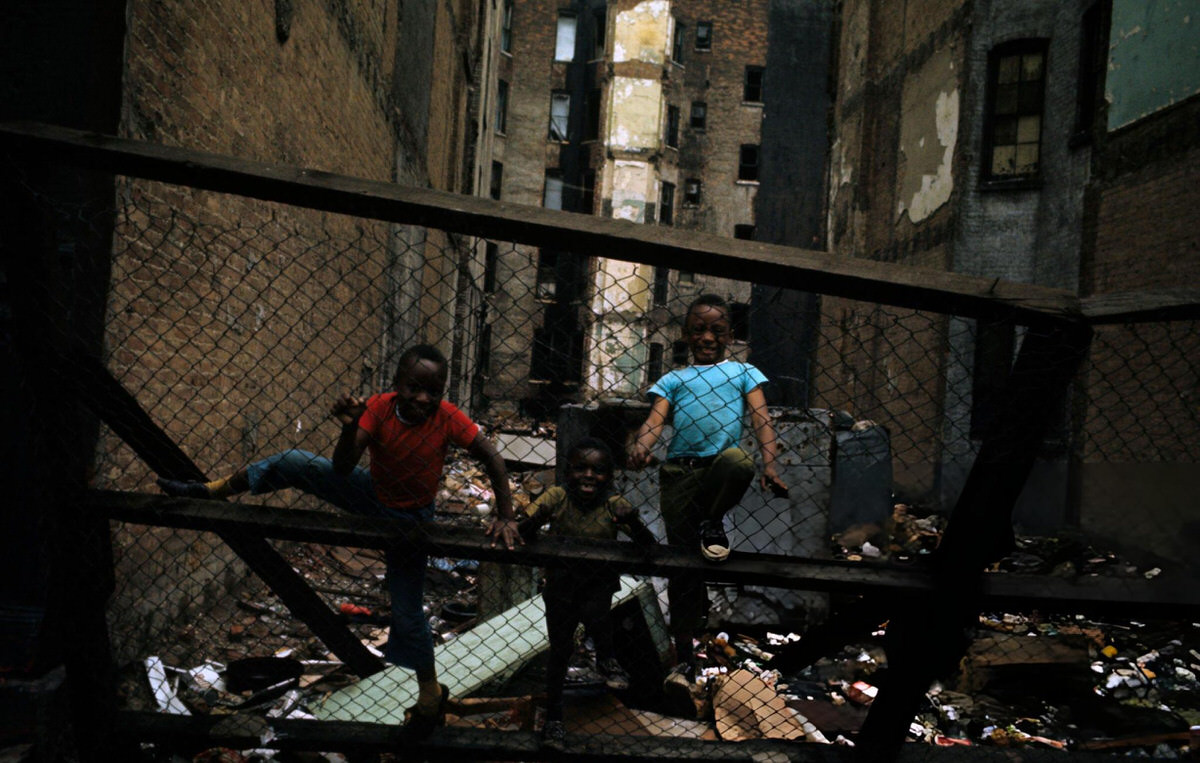
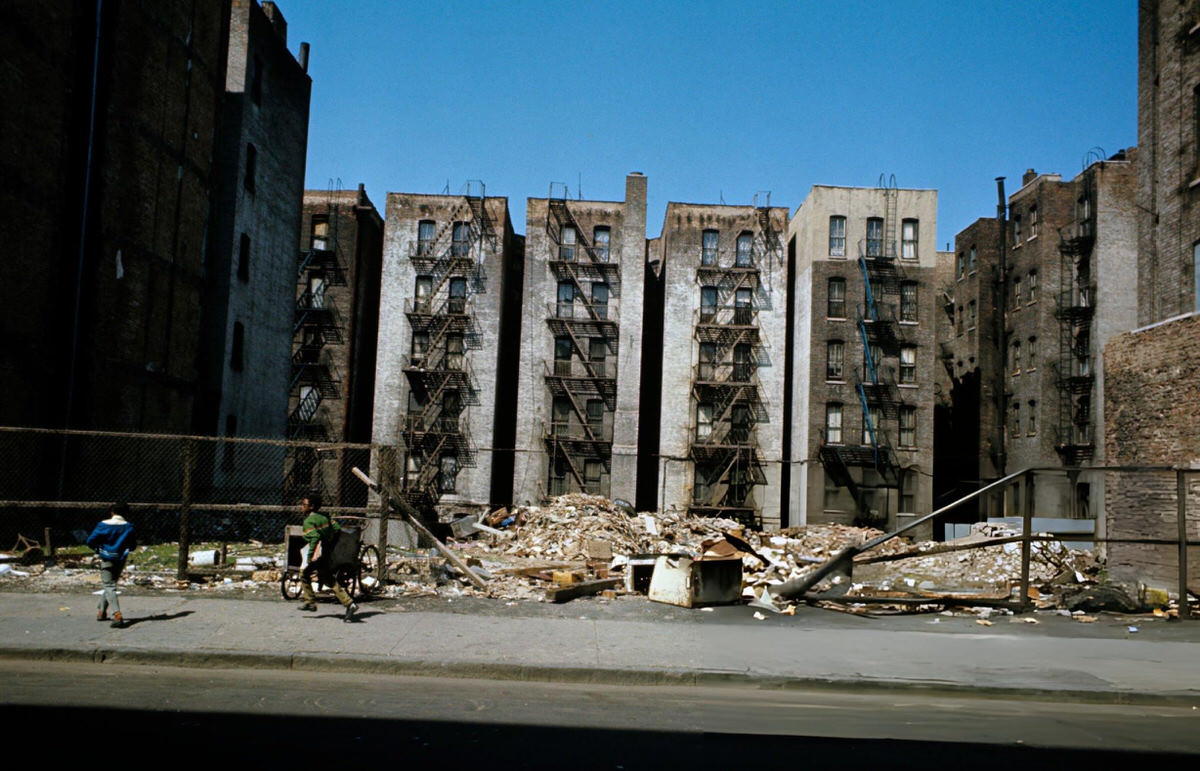
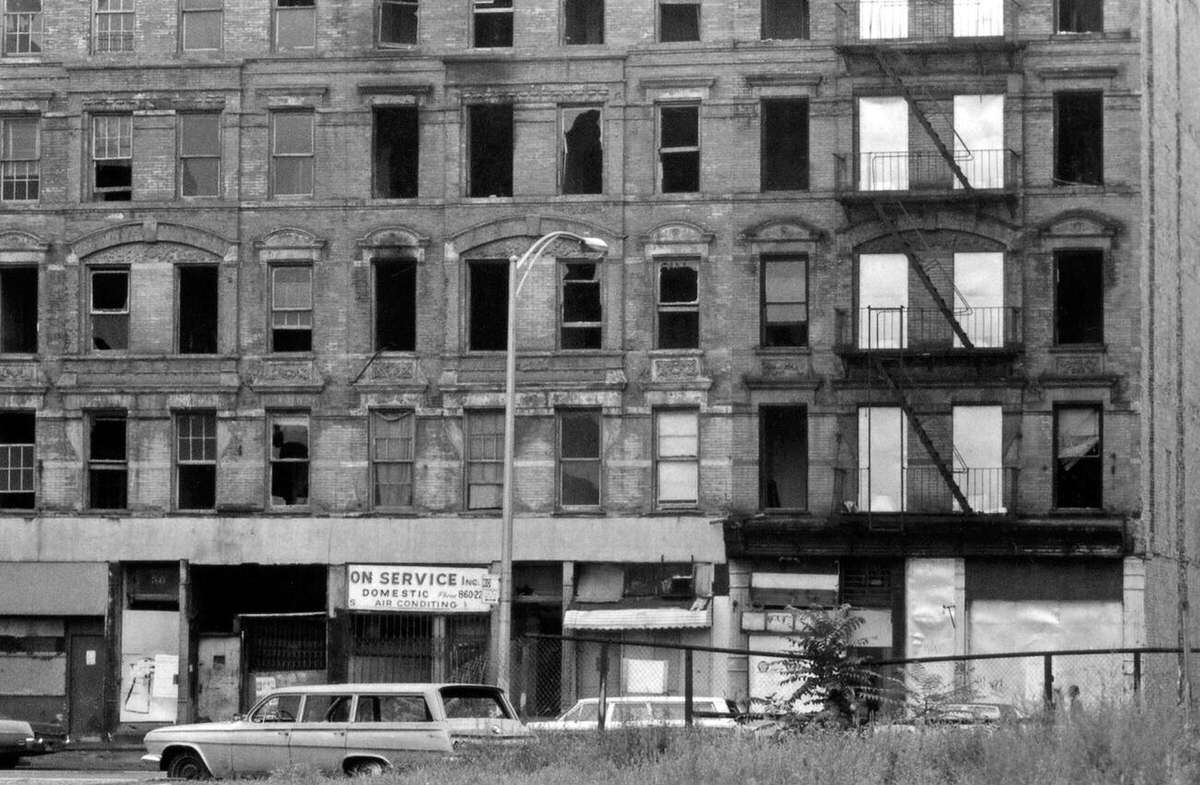
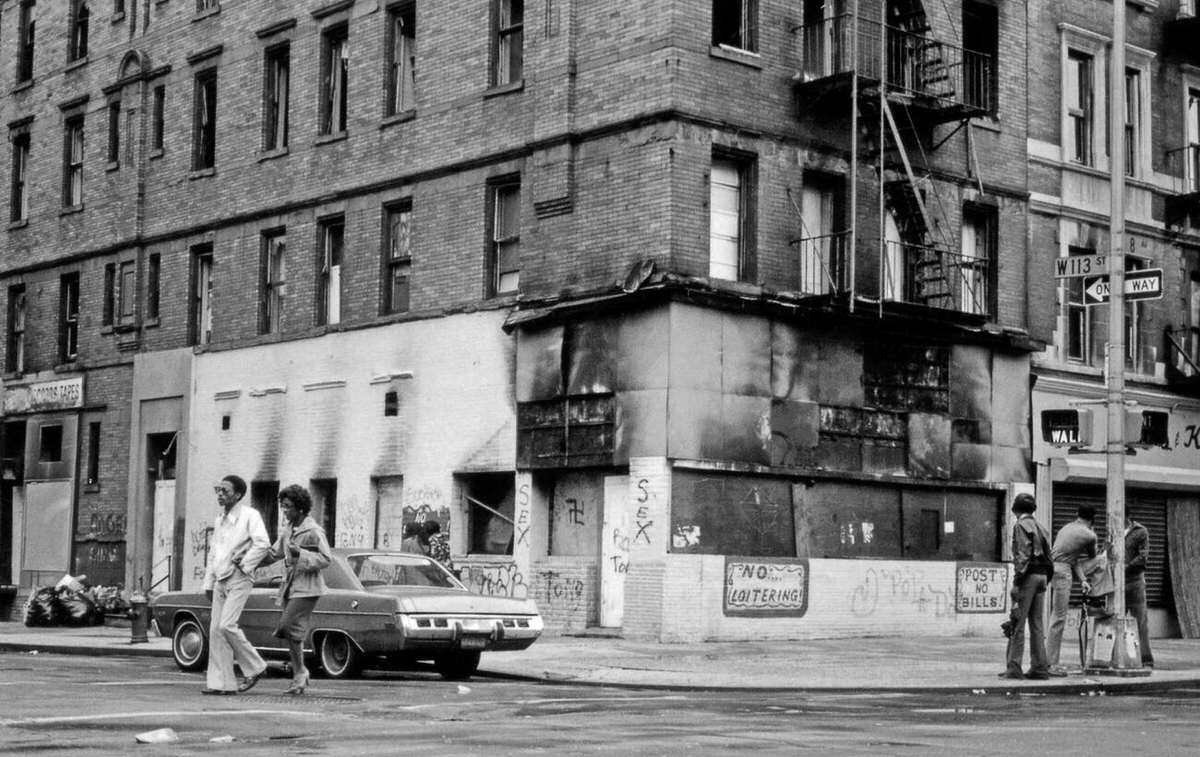
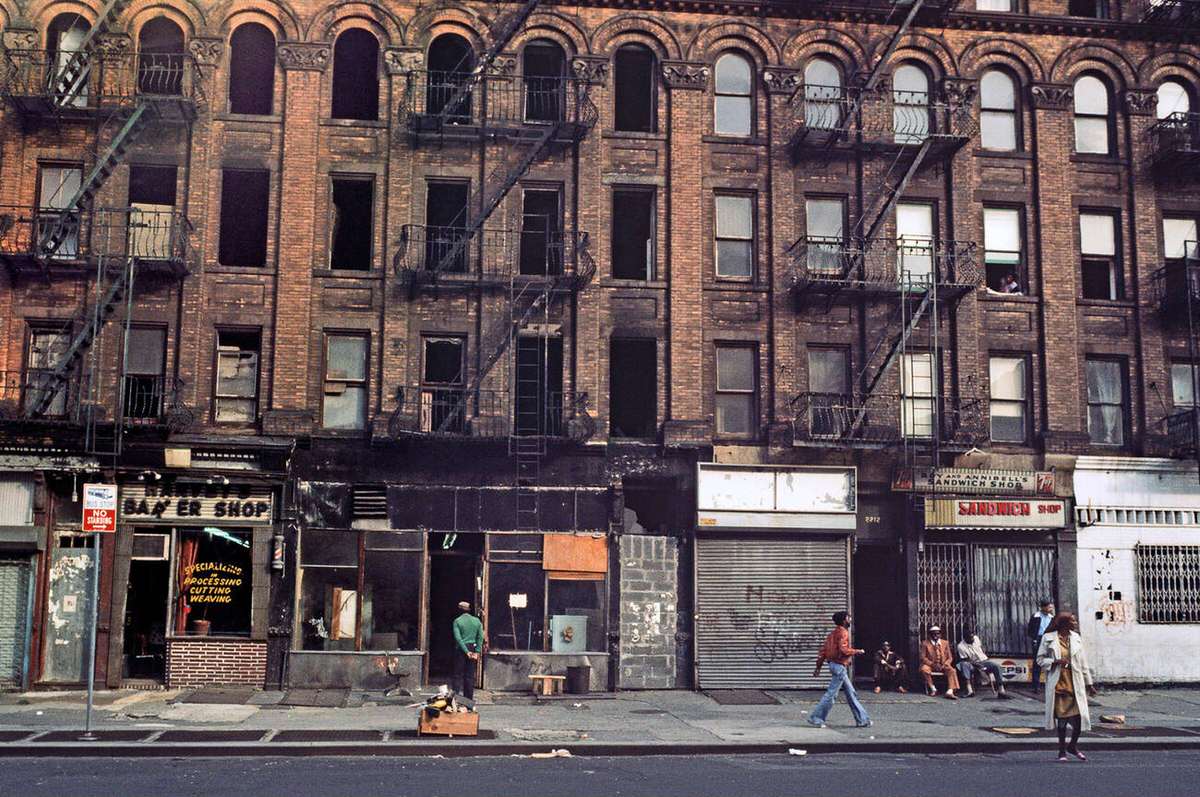
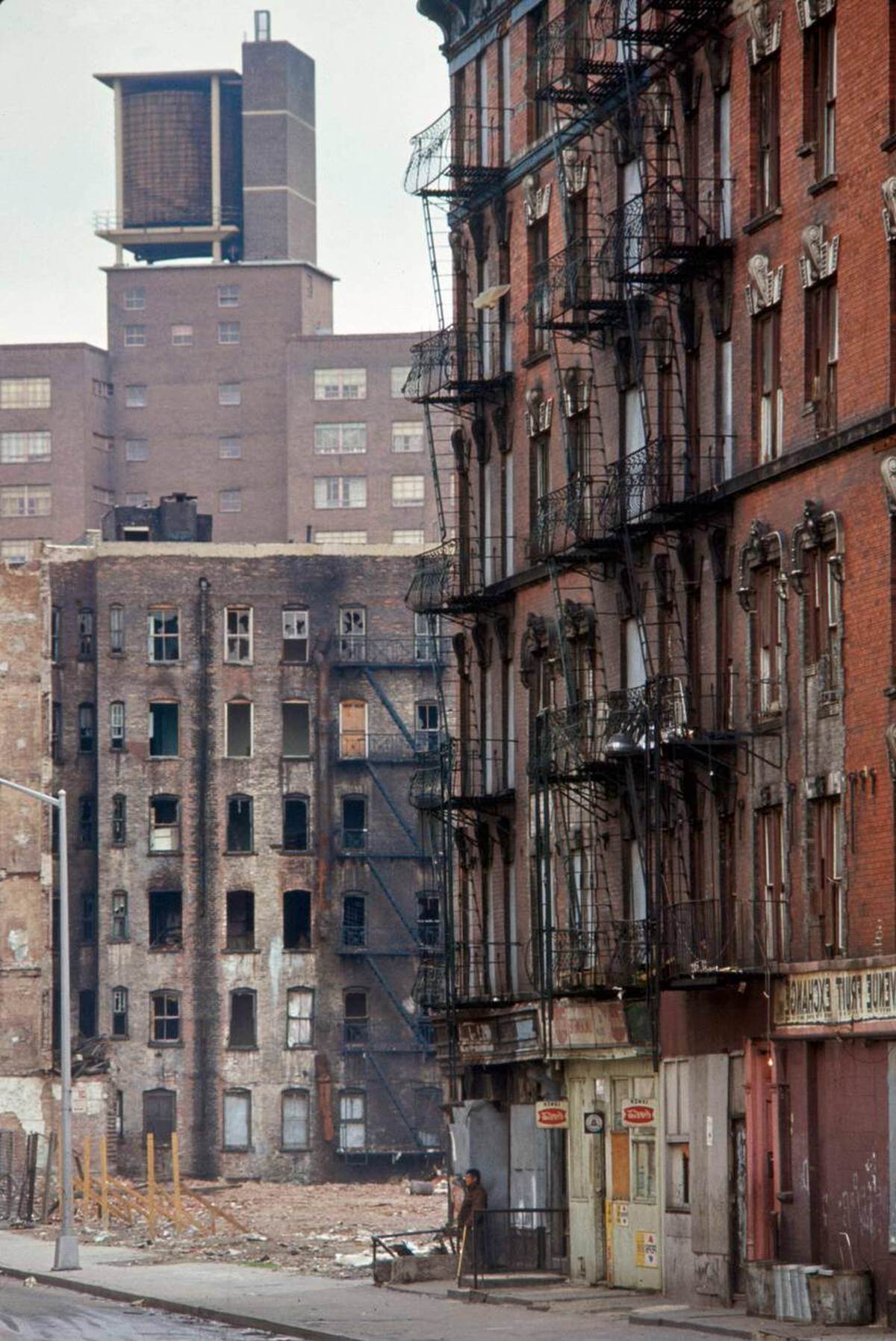
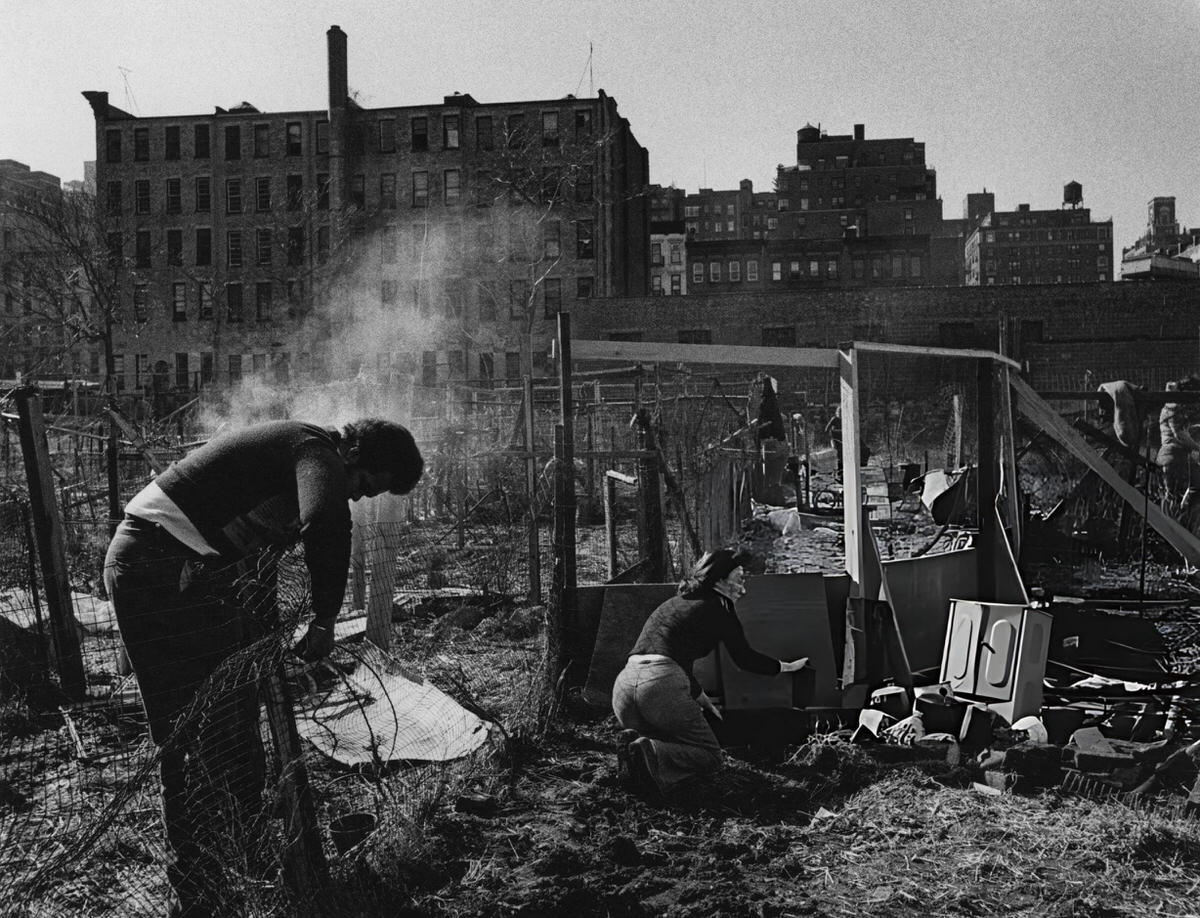
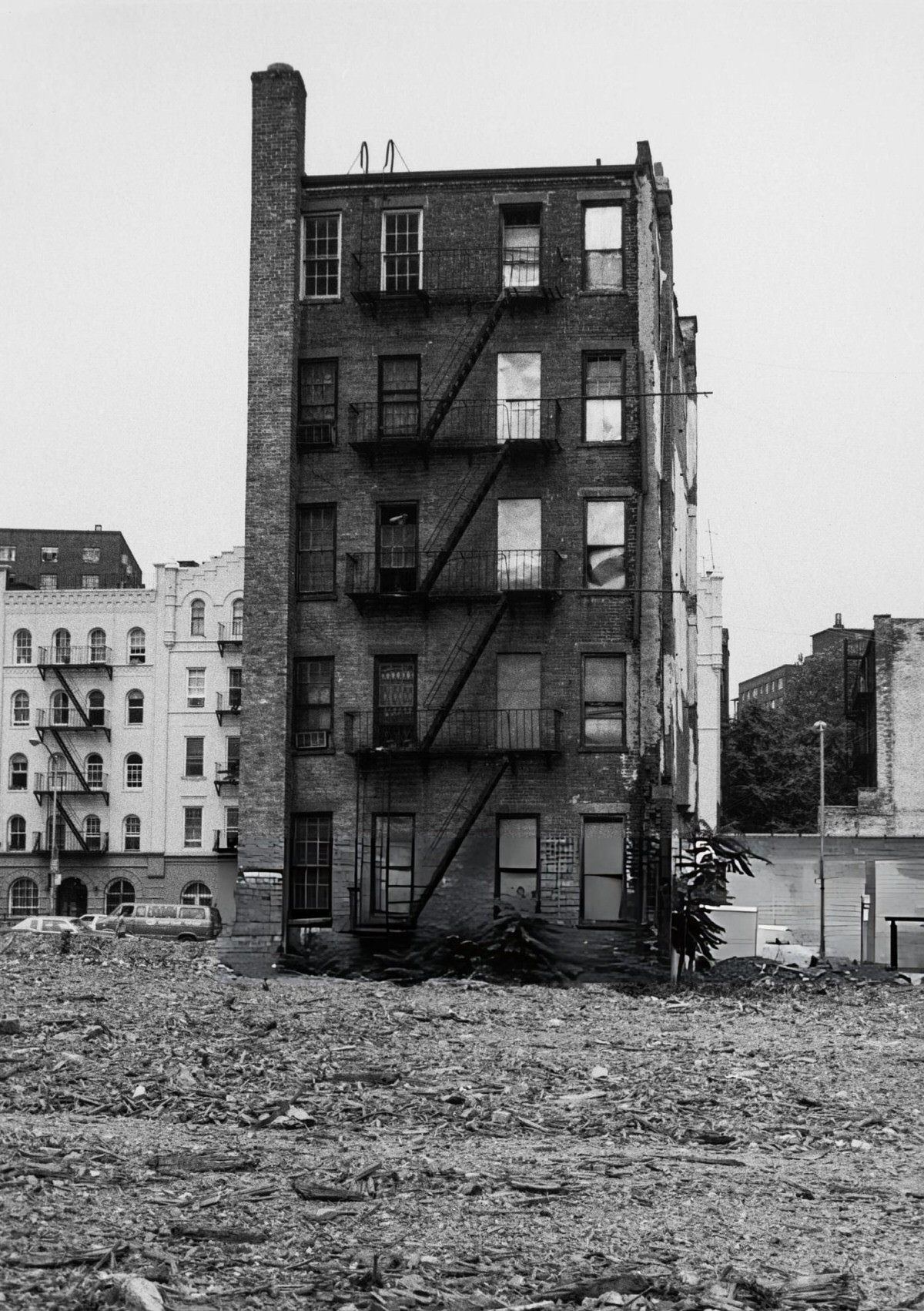
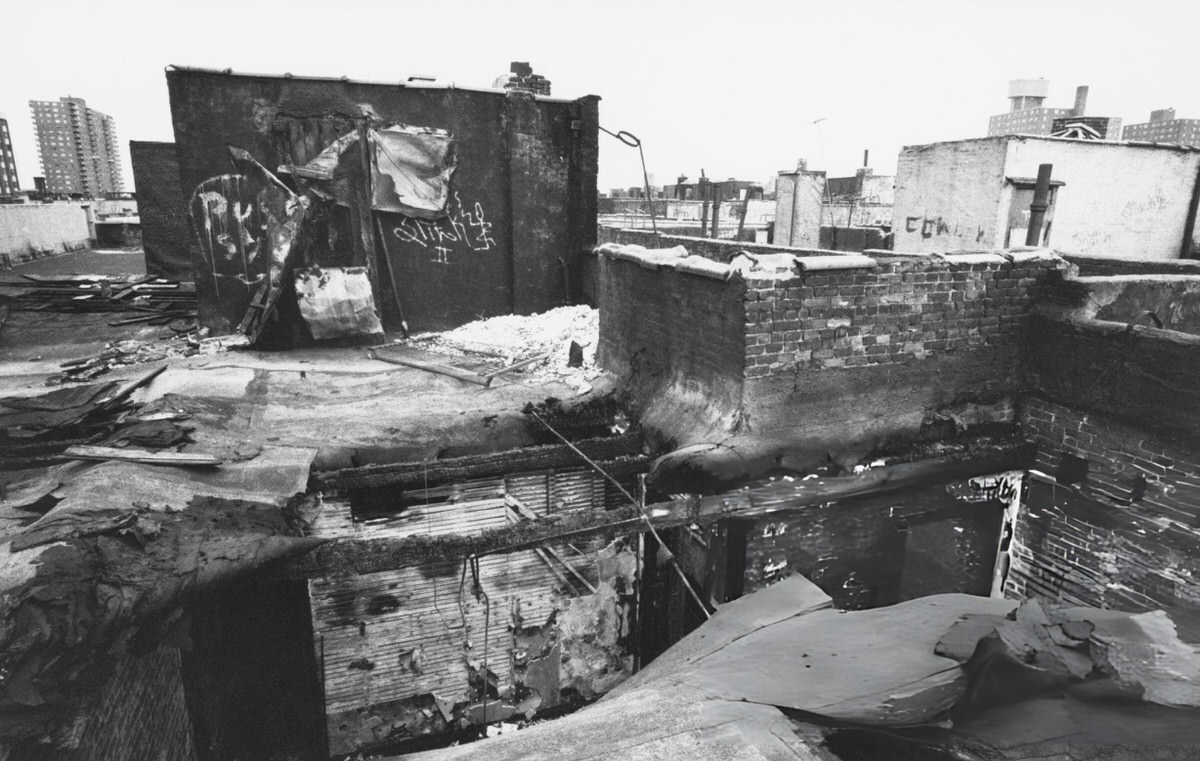
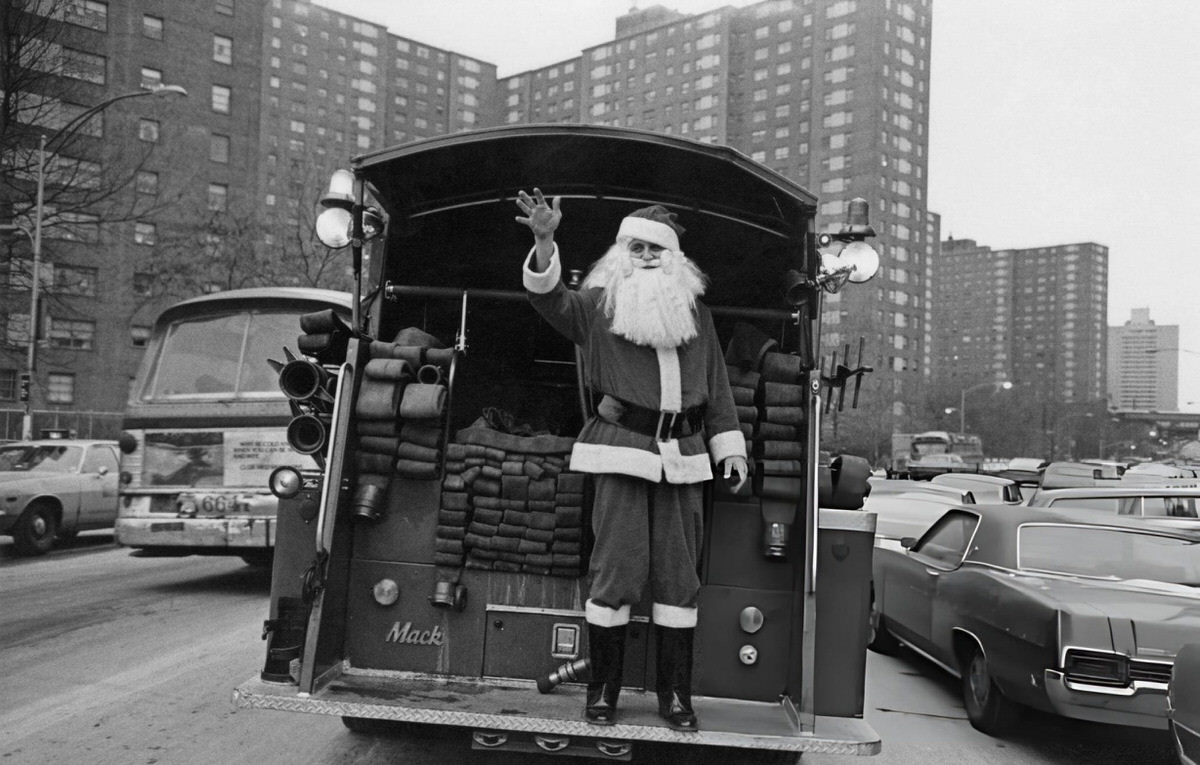
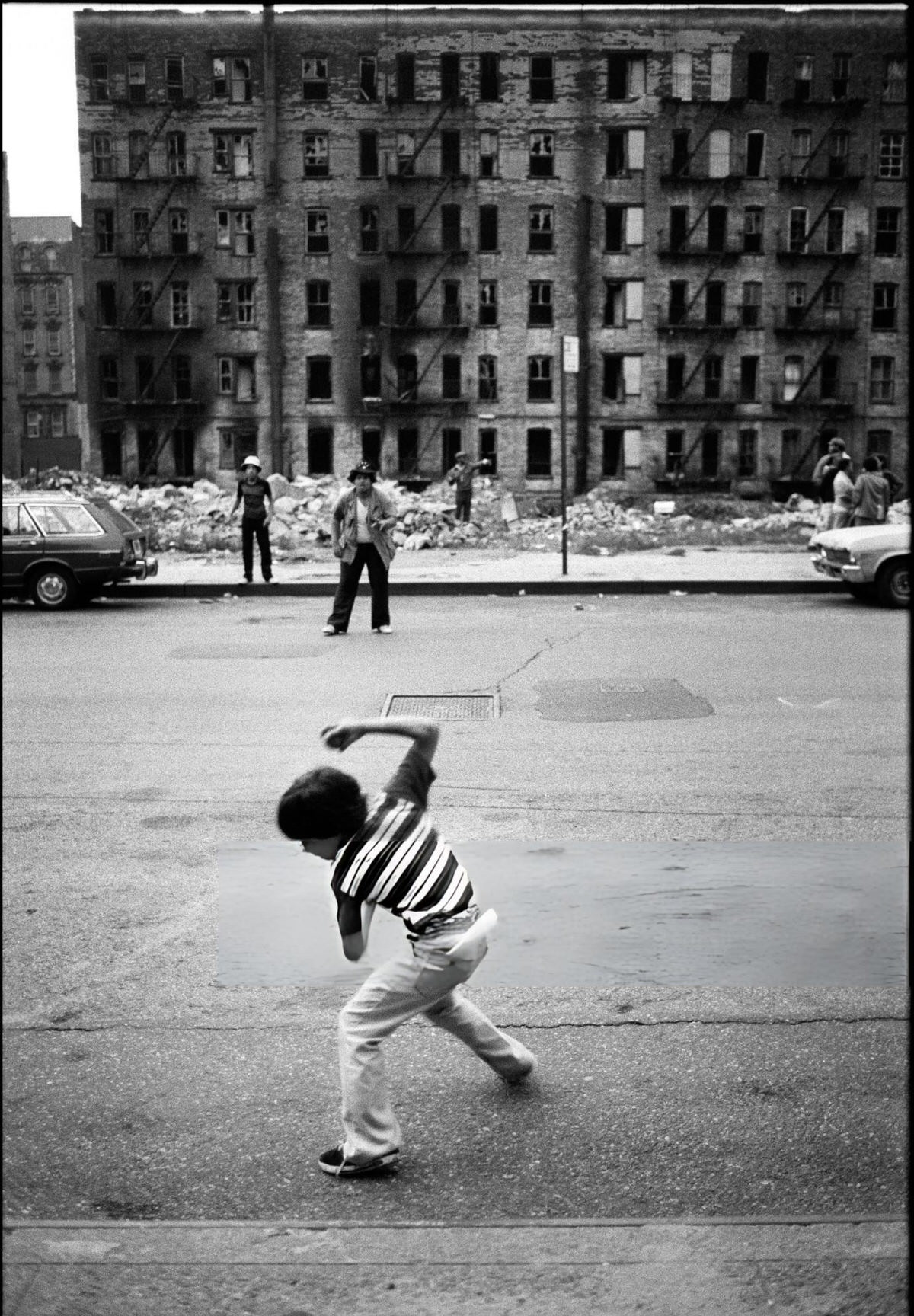
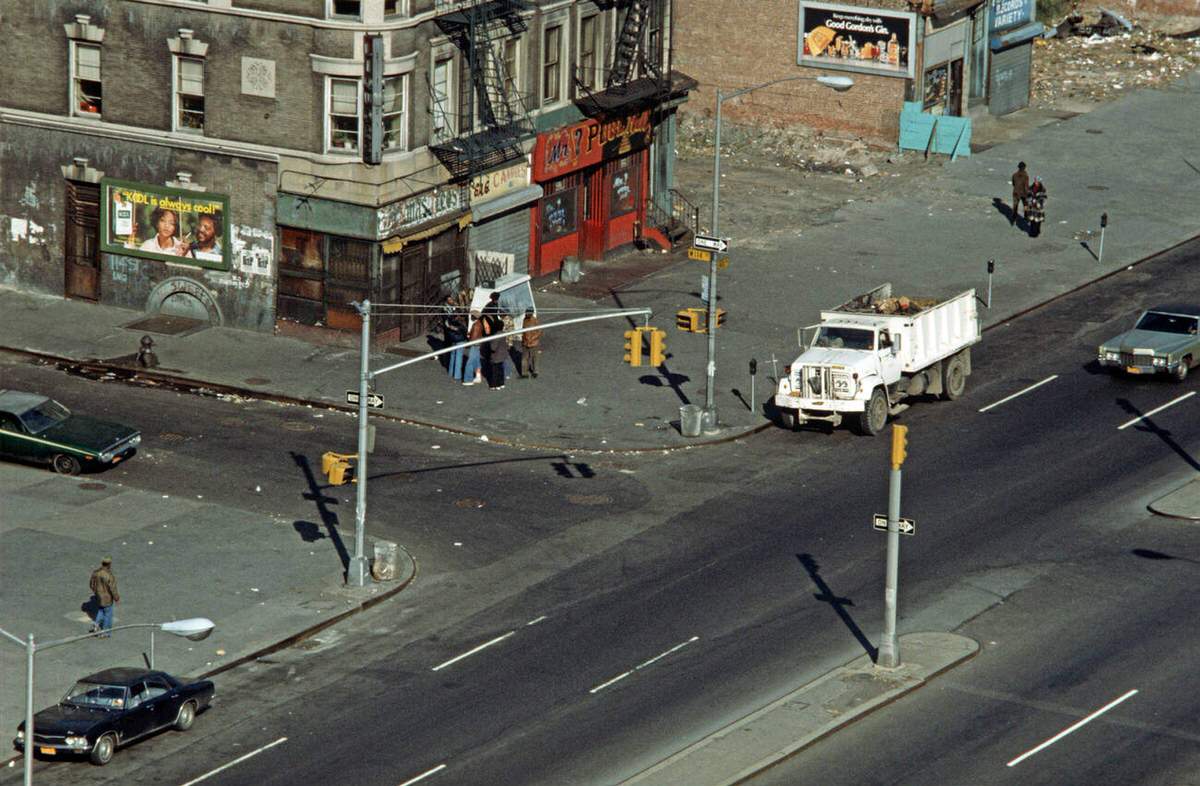
Firehouses closed. The FDNY lost roughly 3,000 firefighters citywide through layoffs and attrition. In Harlem and the South Bronx, this was catastrophic. Landlords who couldn’t sell their buildings and couldn’t afford to maintain them began burning them for insurance money. Fires broke out constantly. Whole blocks were reduced to shells. The city didn’t have enough firefighters to respond quickly, and response times in Harlem were significantly longer than in neighborhoods like the Upper East Side that hadn’t lost their firehouses.
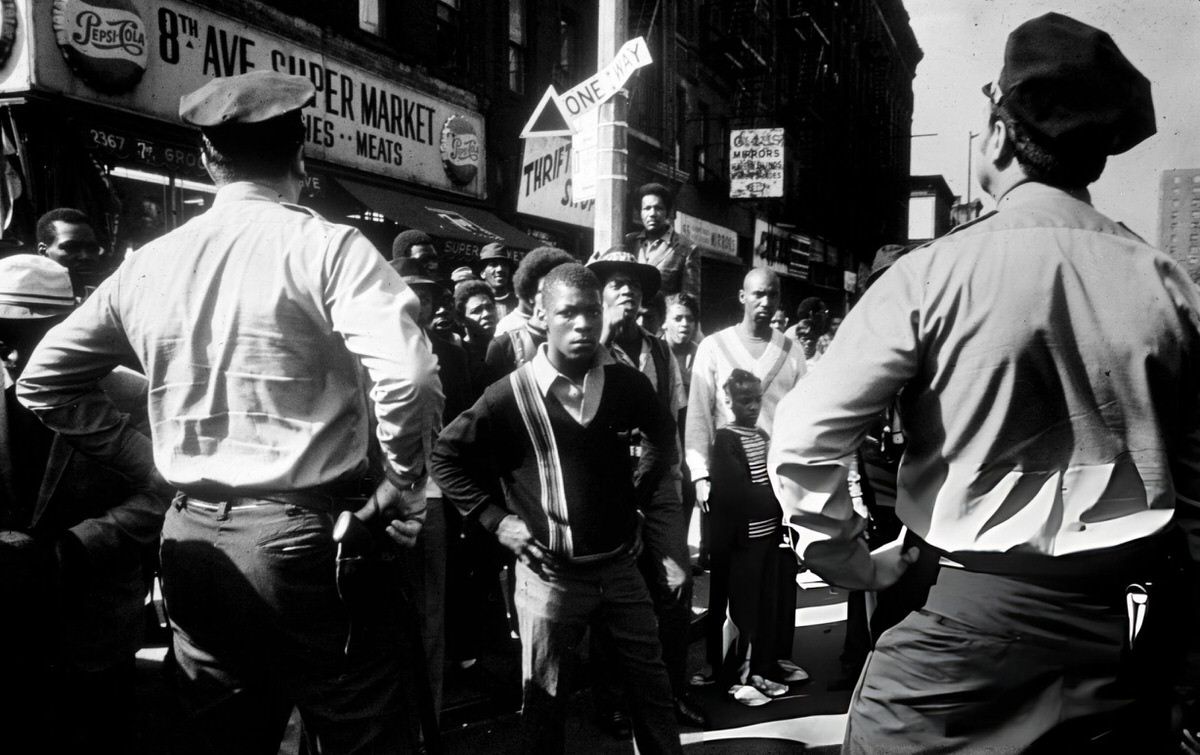
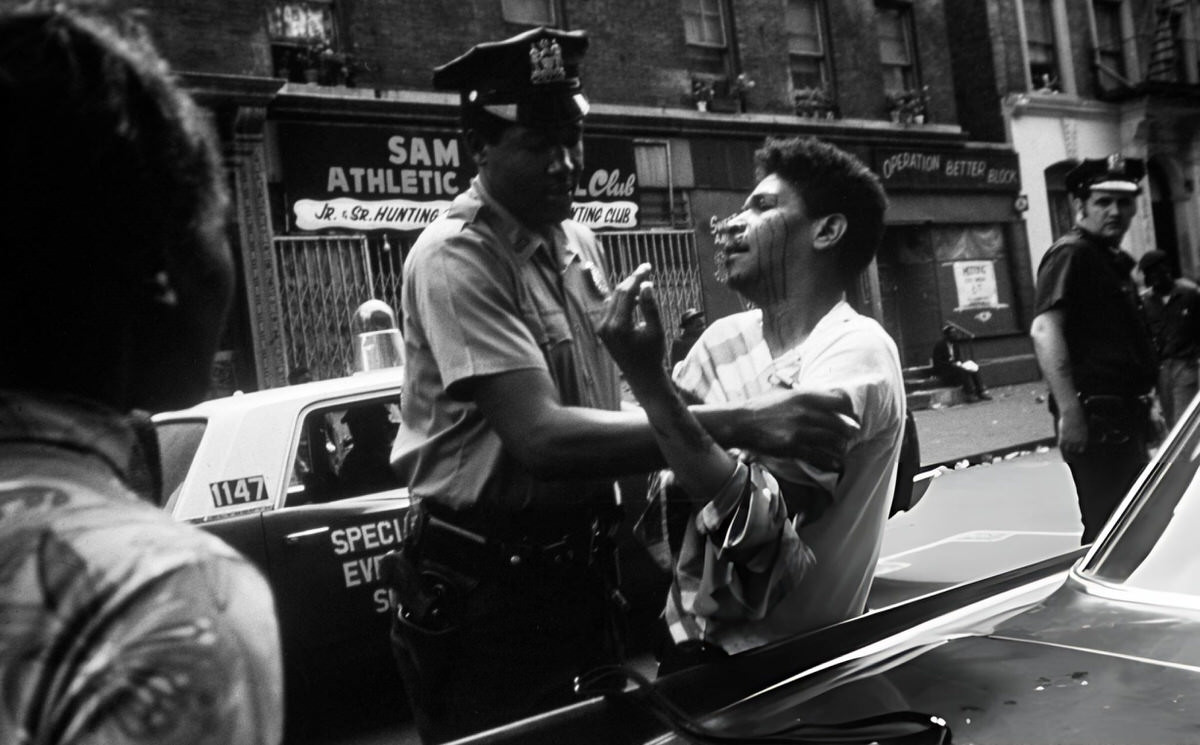
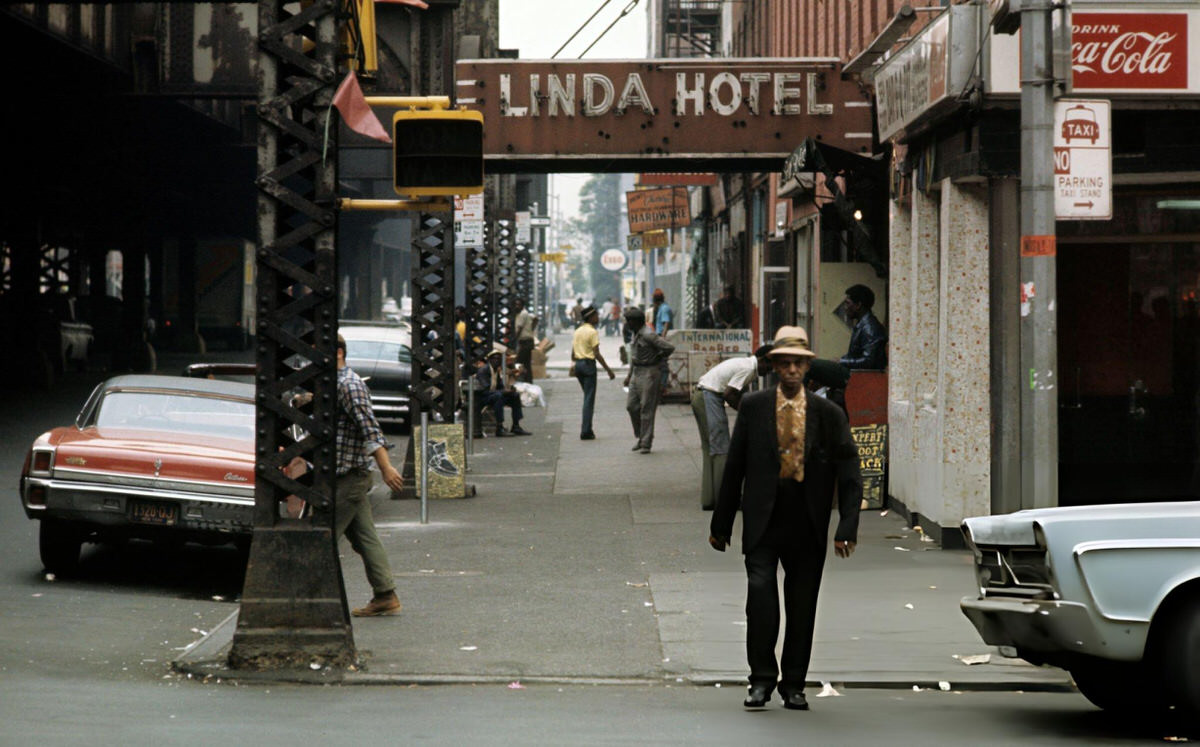
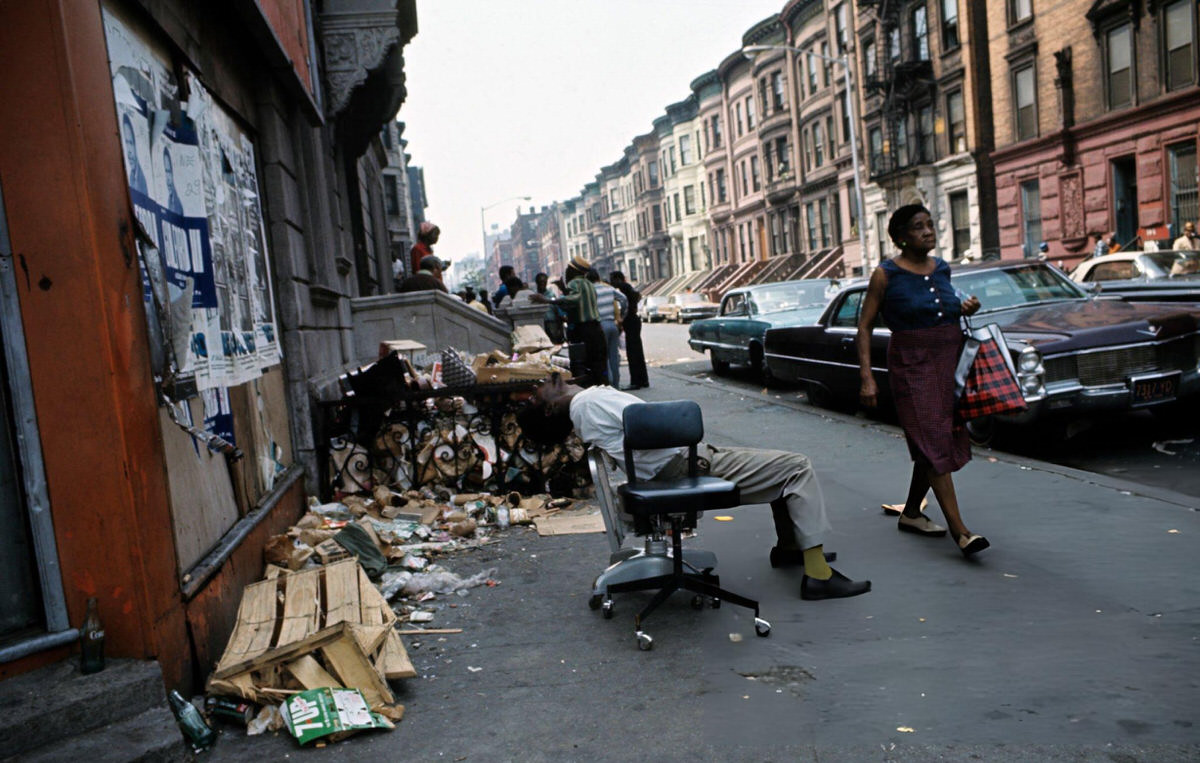
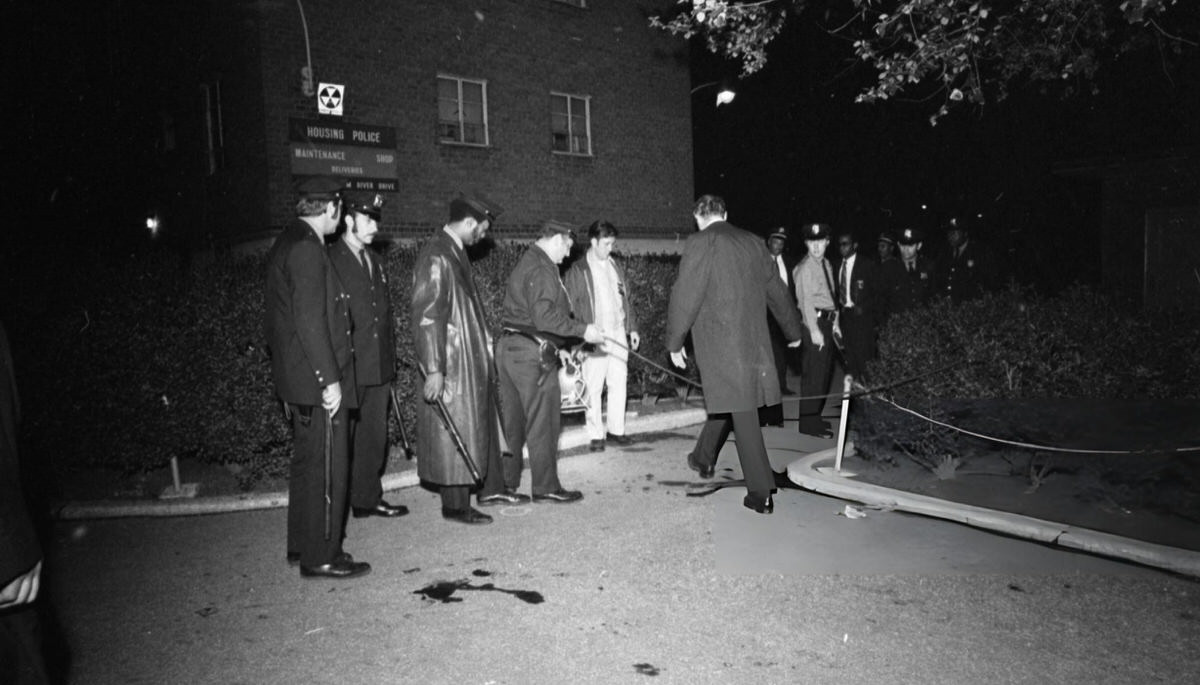
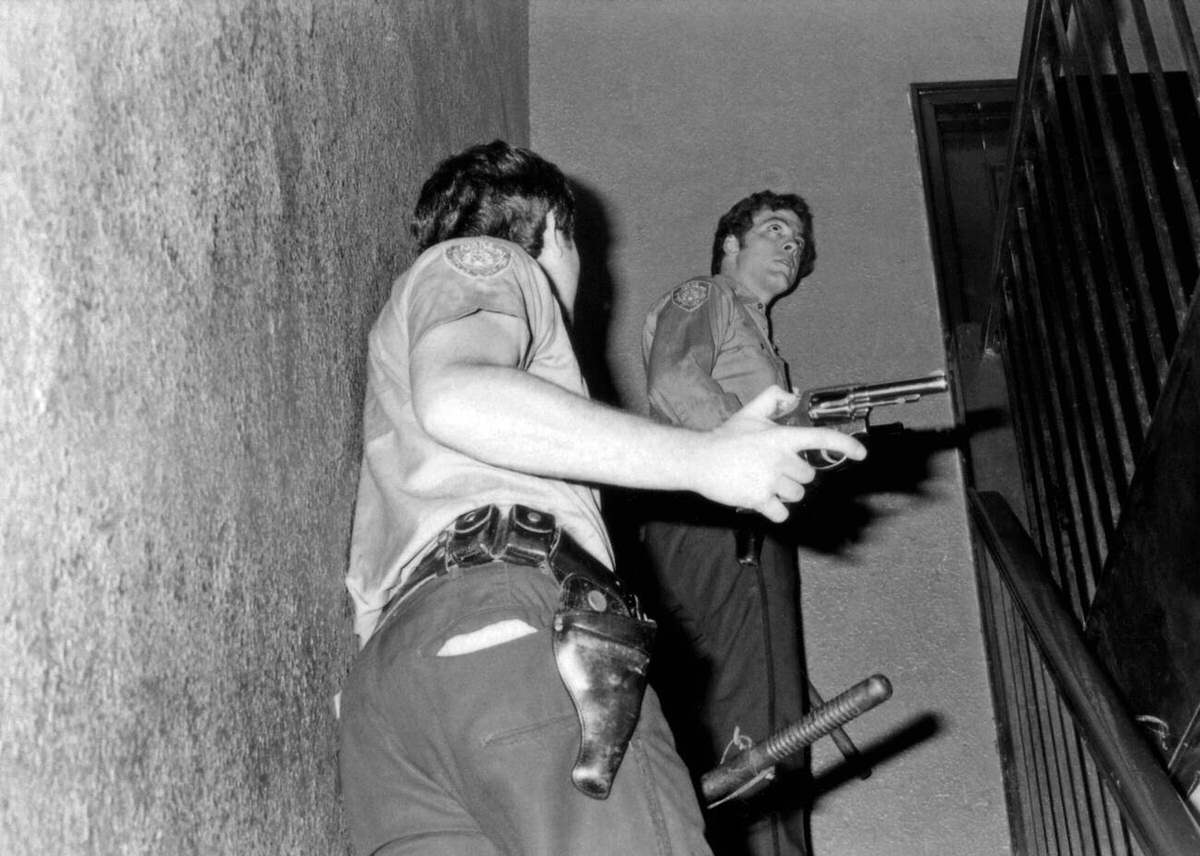
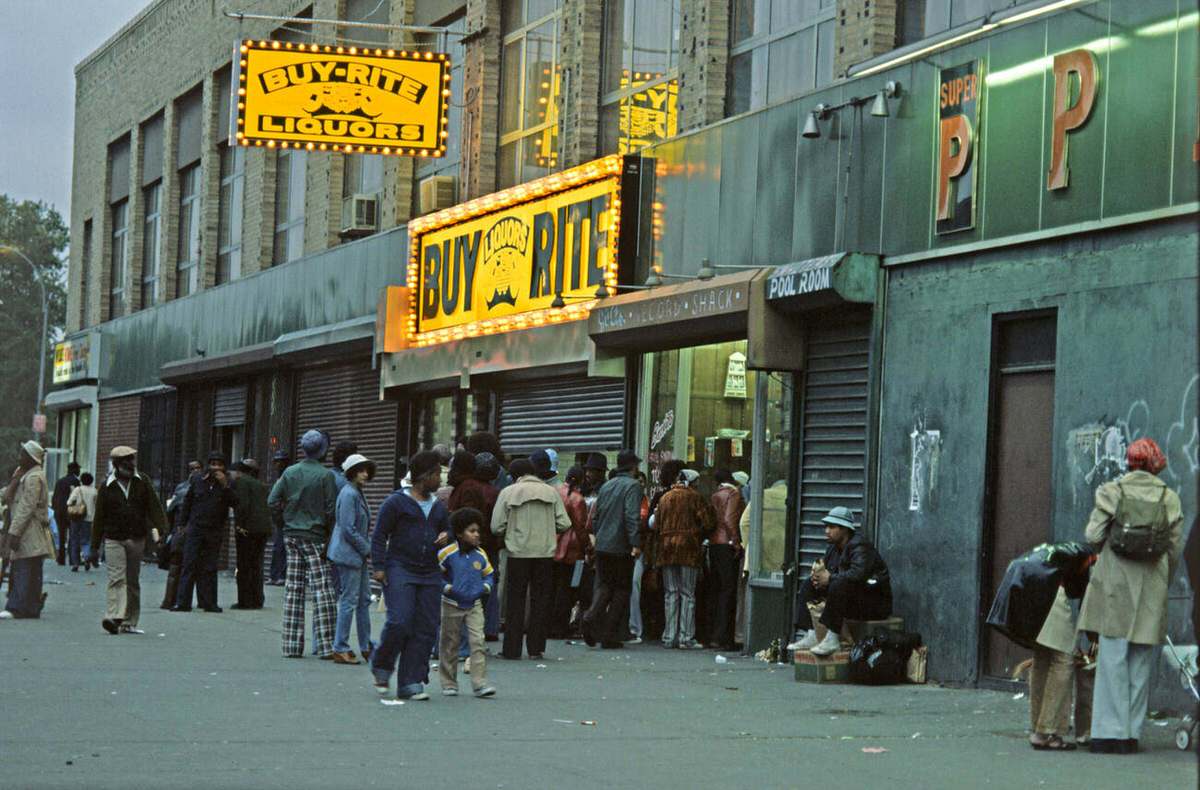
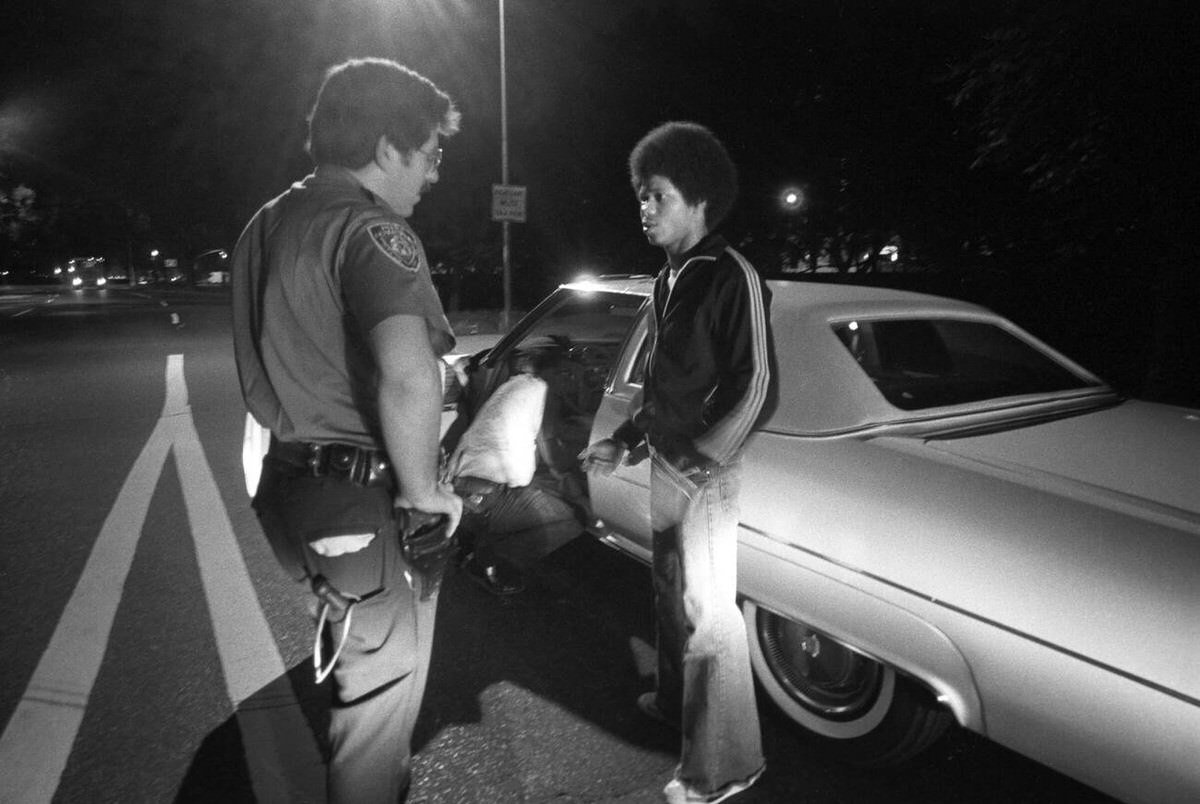
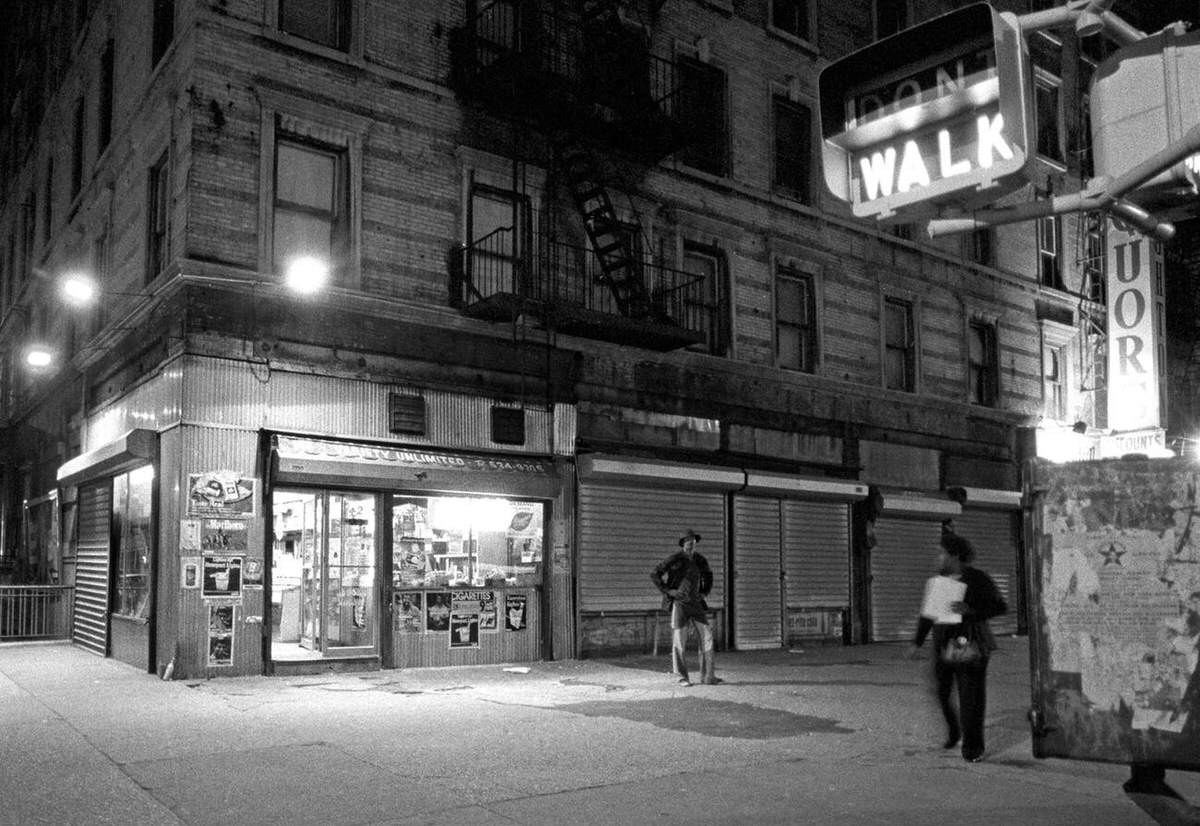
Sanitation cuts left garbage piling on streets. Police layoffs meant fewer officers in a neighborhood that was already dealing with rising crime. The message the city sent to Harlem with every one of these cuts was unmistakable: you are not a priority.
Read more
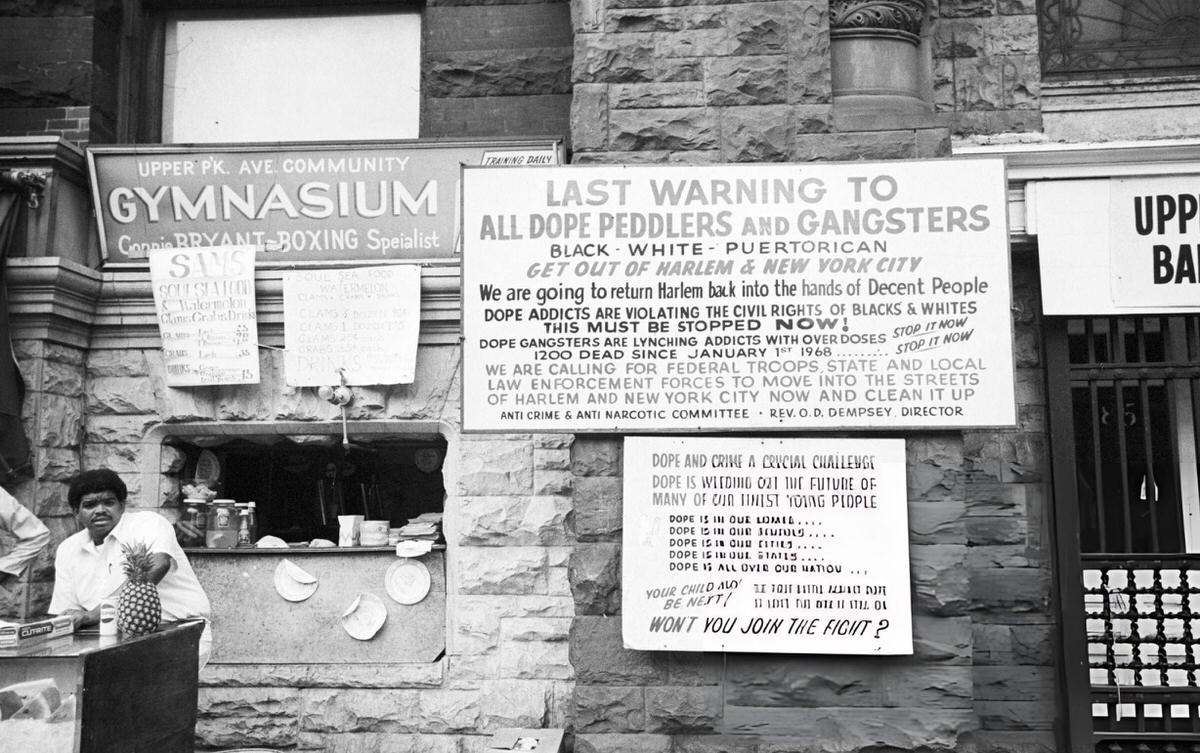
Heroin’s Continuing Destruction
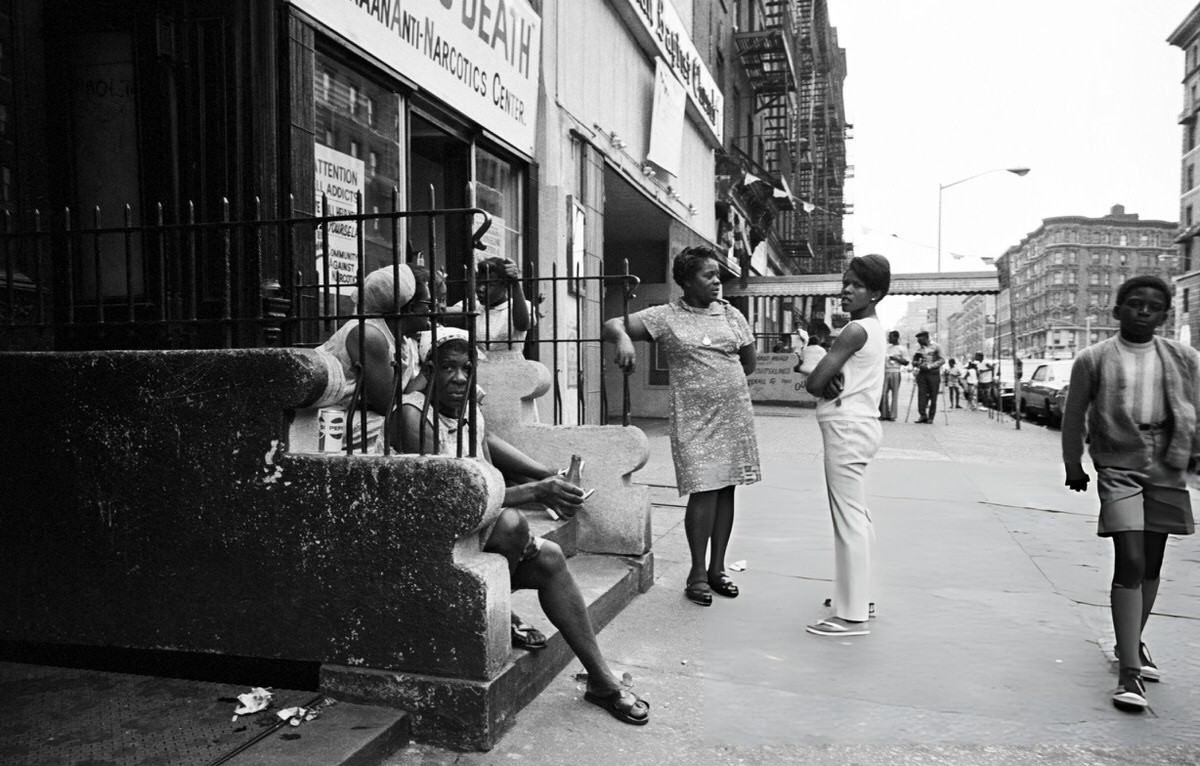
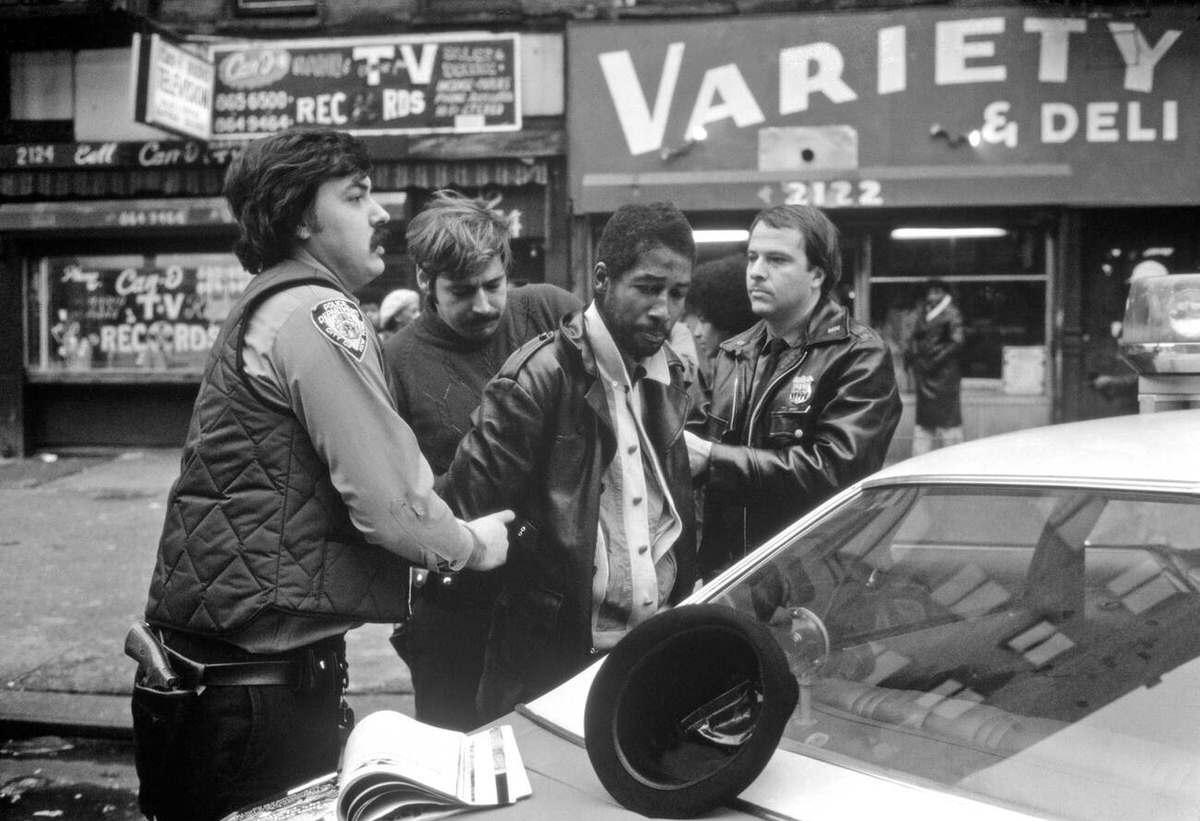
Heroin had been devastating Harlem since the late 1940s, and in the 1970s it reached a kind of peak intensity. The drug was cheap, widely available, and connected to street-level crime that made entire blocks feel unsafe at any hour. Robbery rates climbed because addiction required constant cash. Families that had survived the Depression, World War II, and the upheavals of the 1960s were being torn apart by a drug that the city treated as a law enforcement problem rather than a public health one.
The response from the federal government was the Rockefeller Drug Laws, signed by Governor Nelson Rockefeller in 1973. These laws mandated harsh minimum sentences — fifteen years to life for possession of small amounts of narcotics. The laws did not reduce drug use in Harlem. They did send enormous numbers of Black and Latino men to state prisons for long sentences, removing them from their families and communities for decades.
Block Associations and the People Who Held Things Together
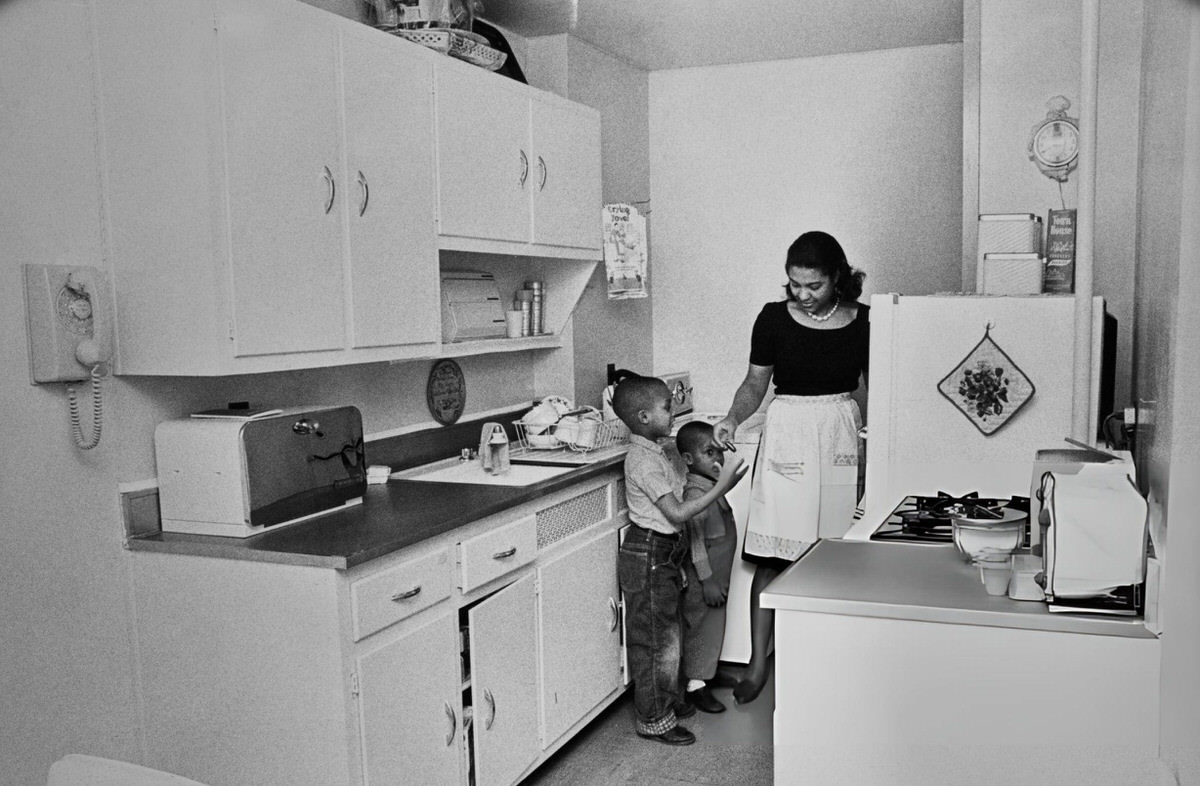
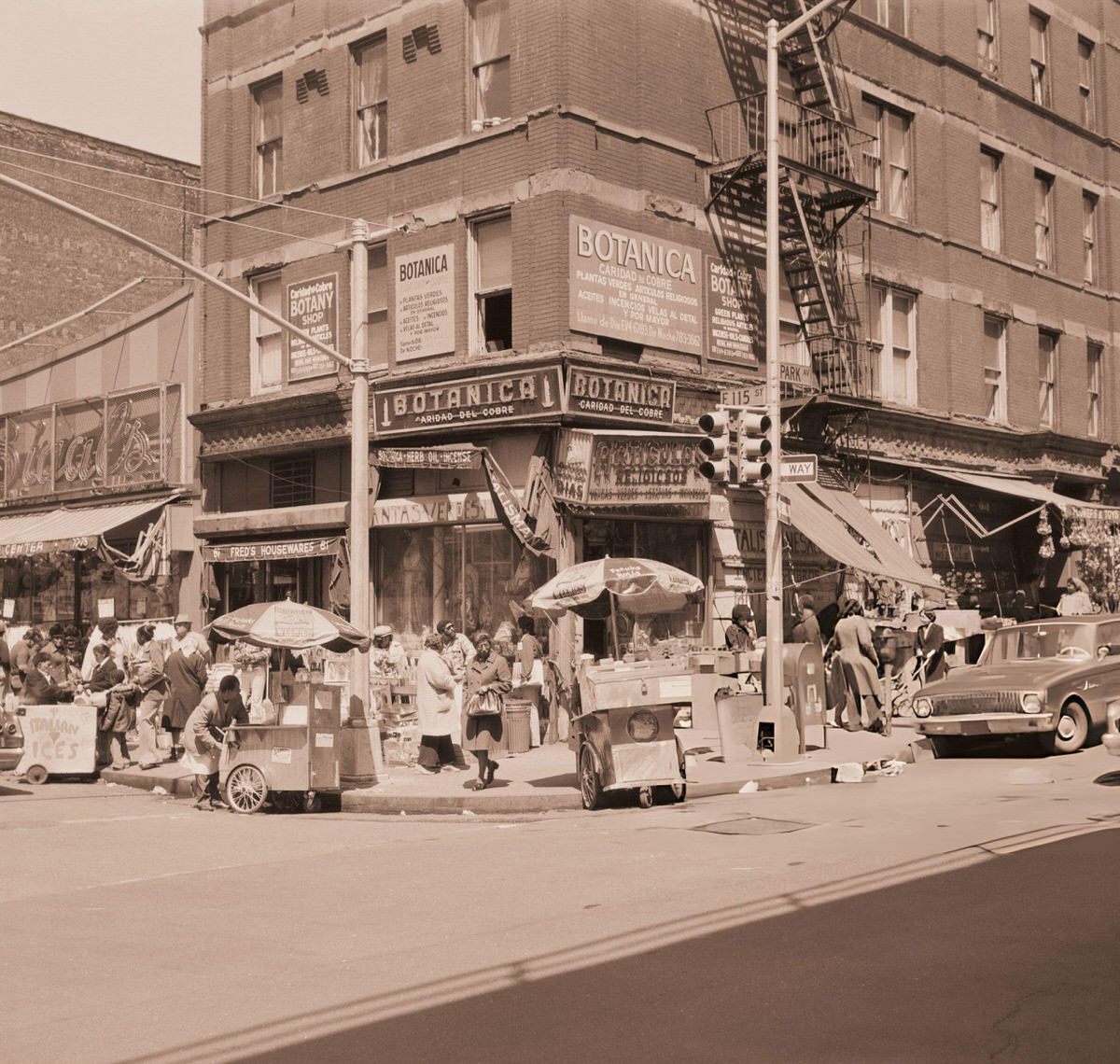
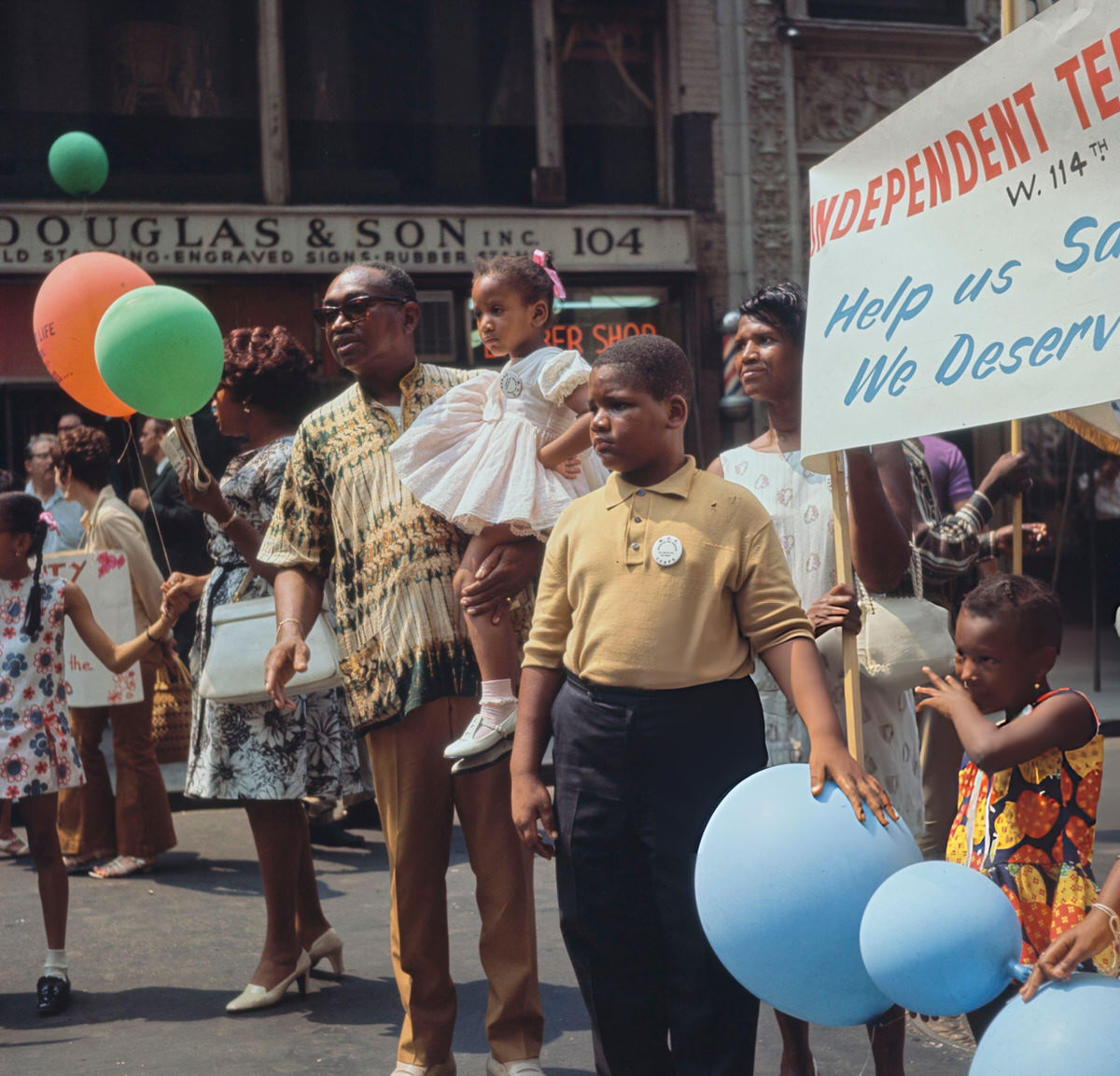
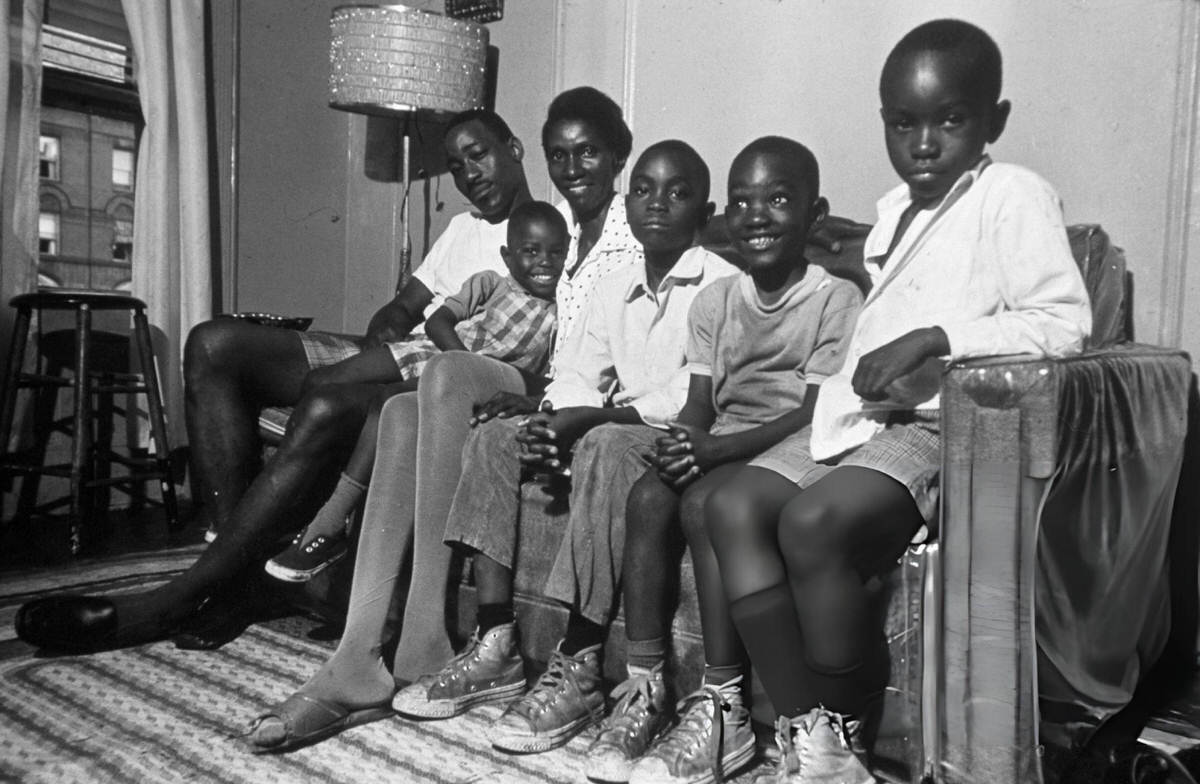
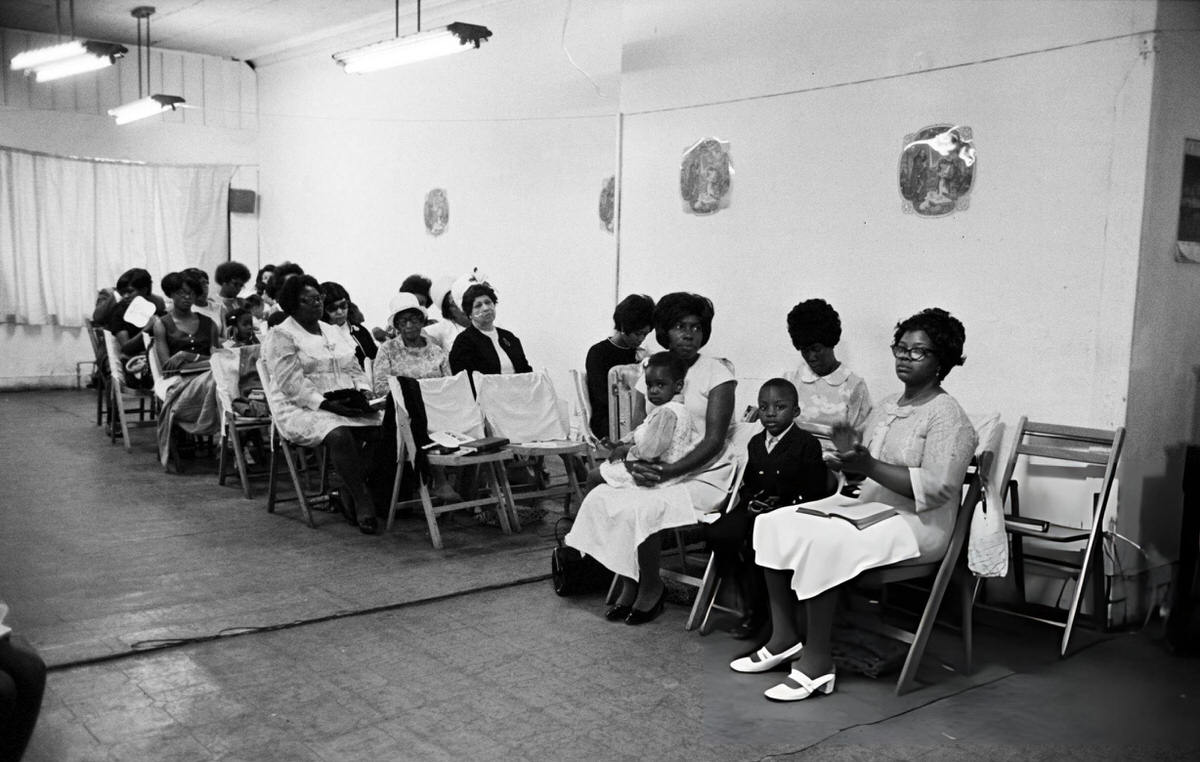
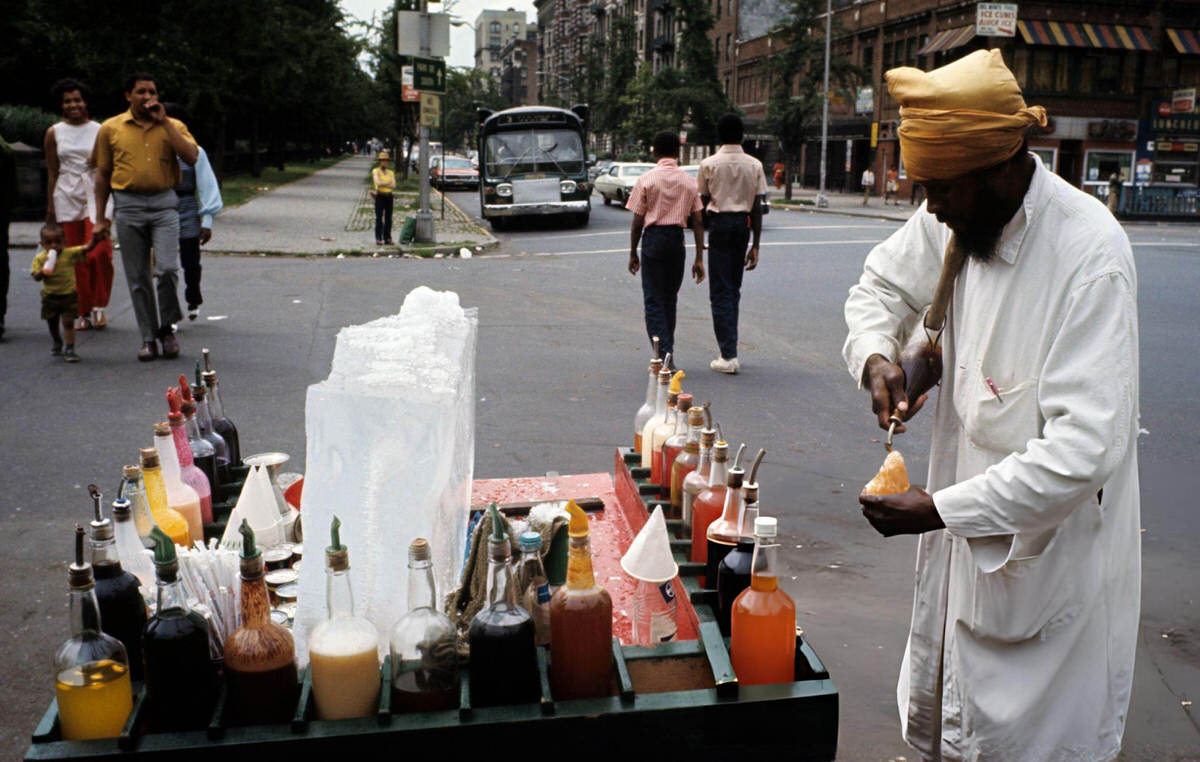
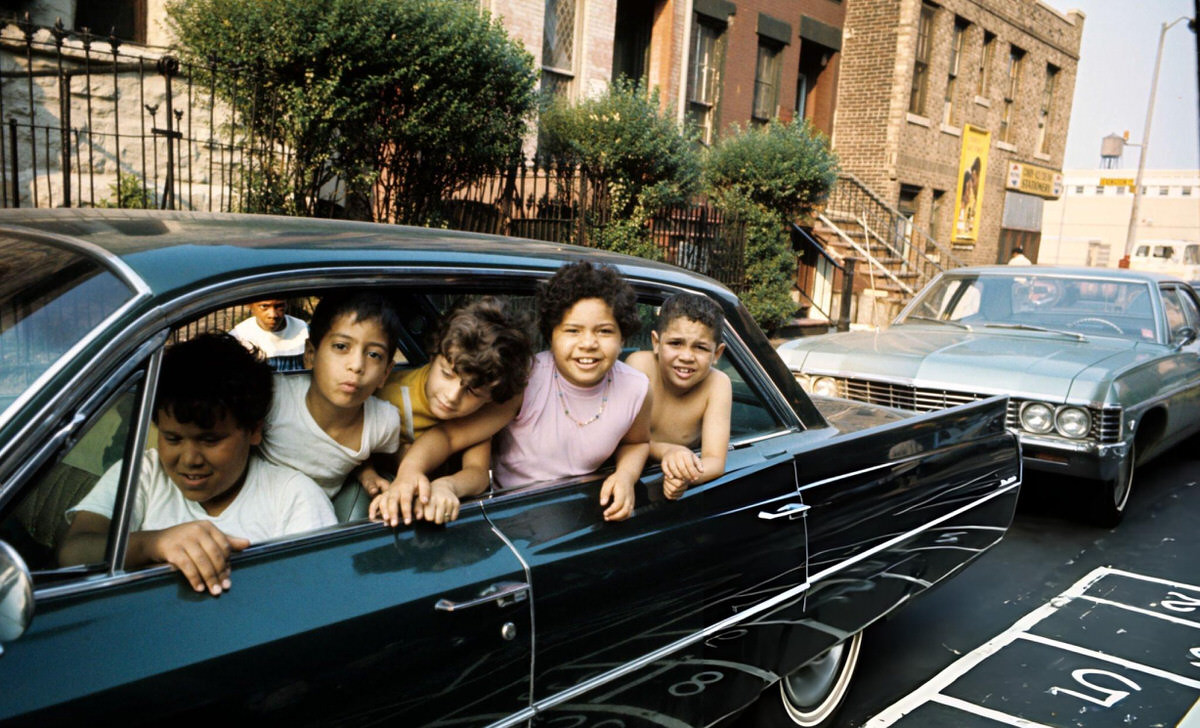
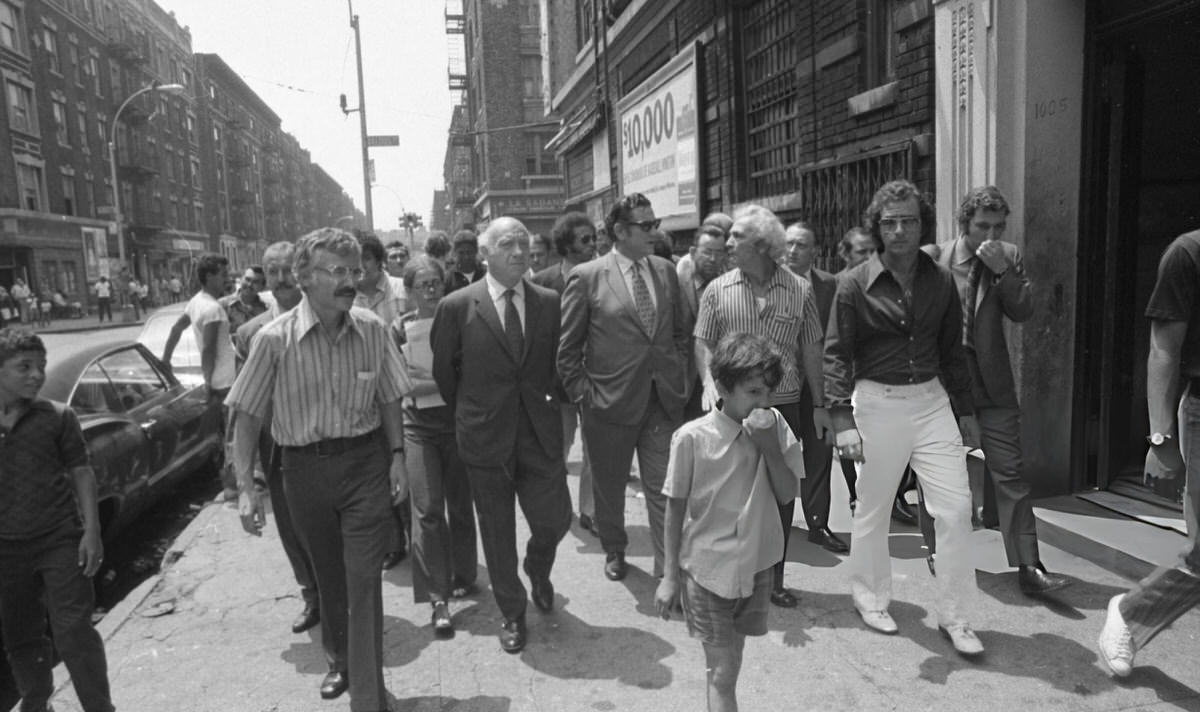
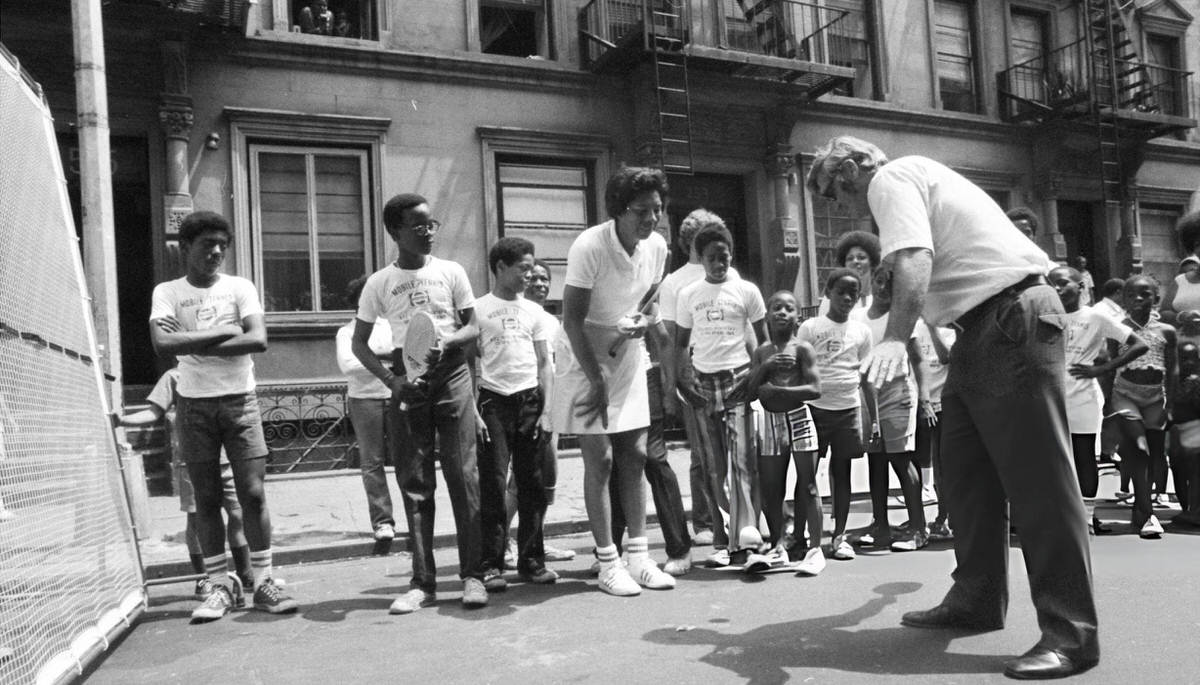
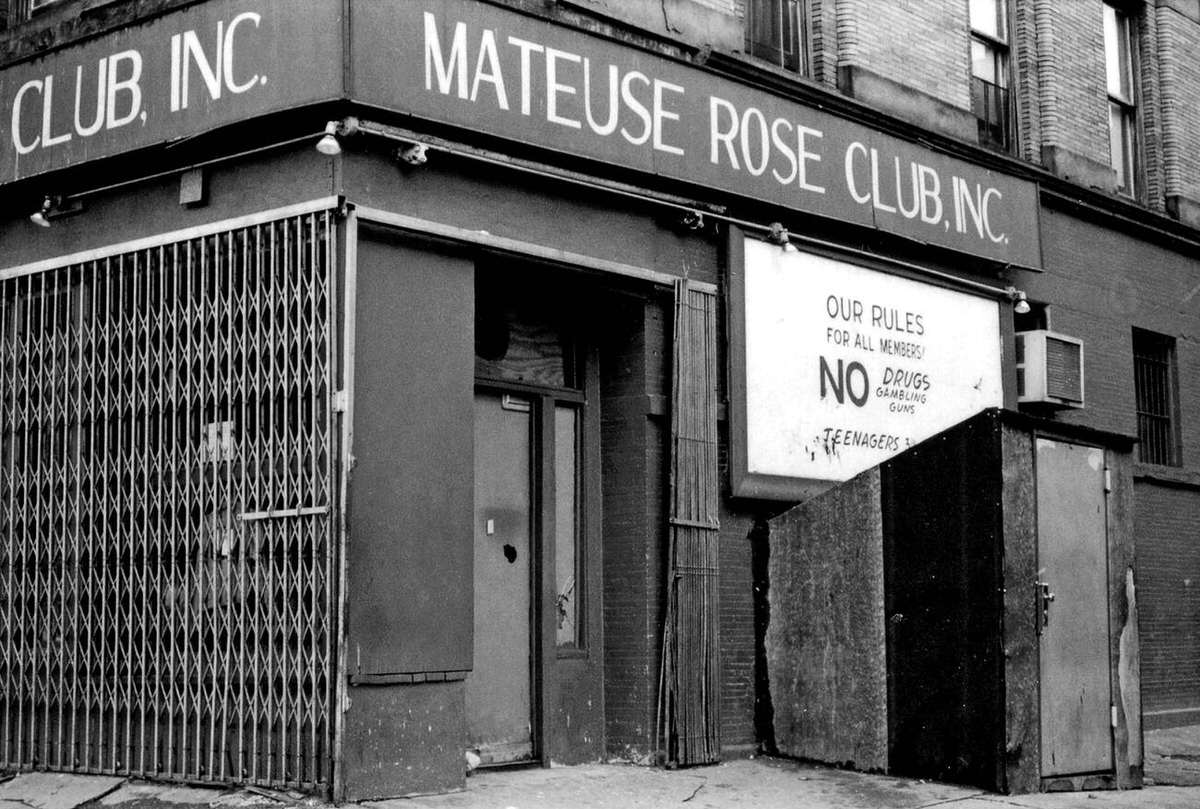
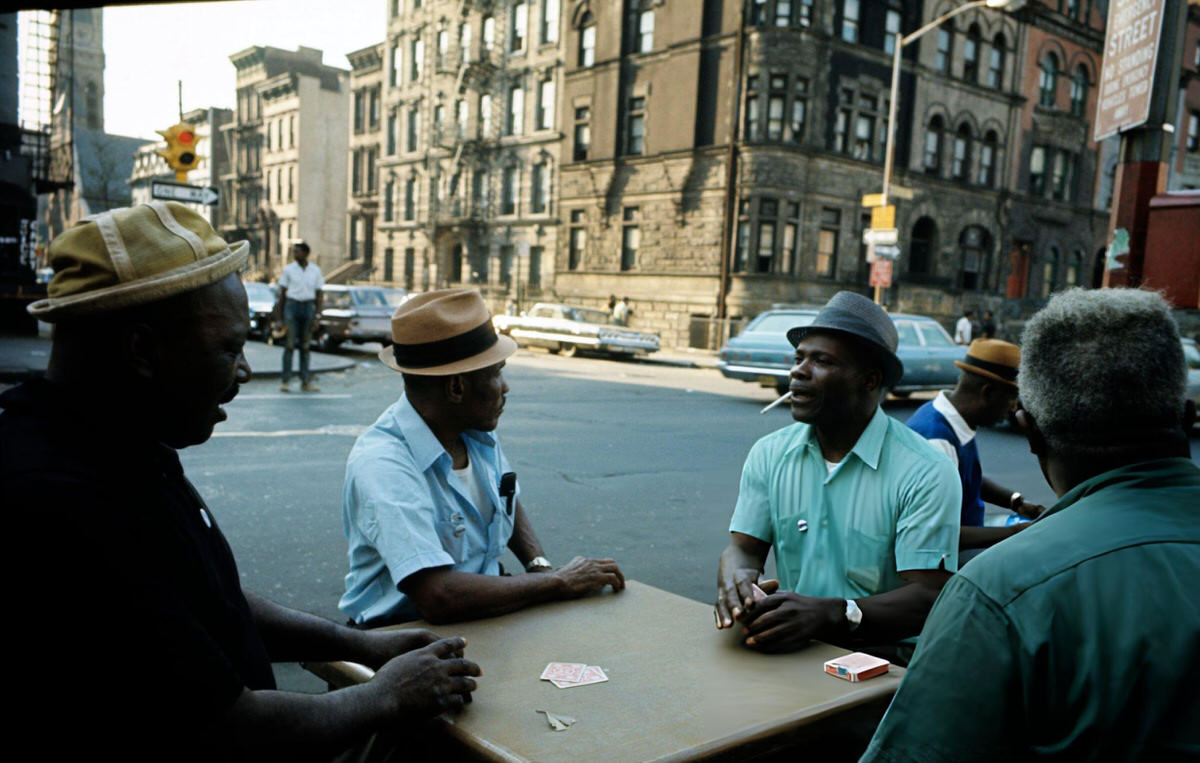
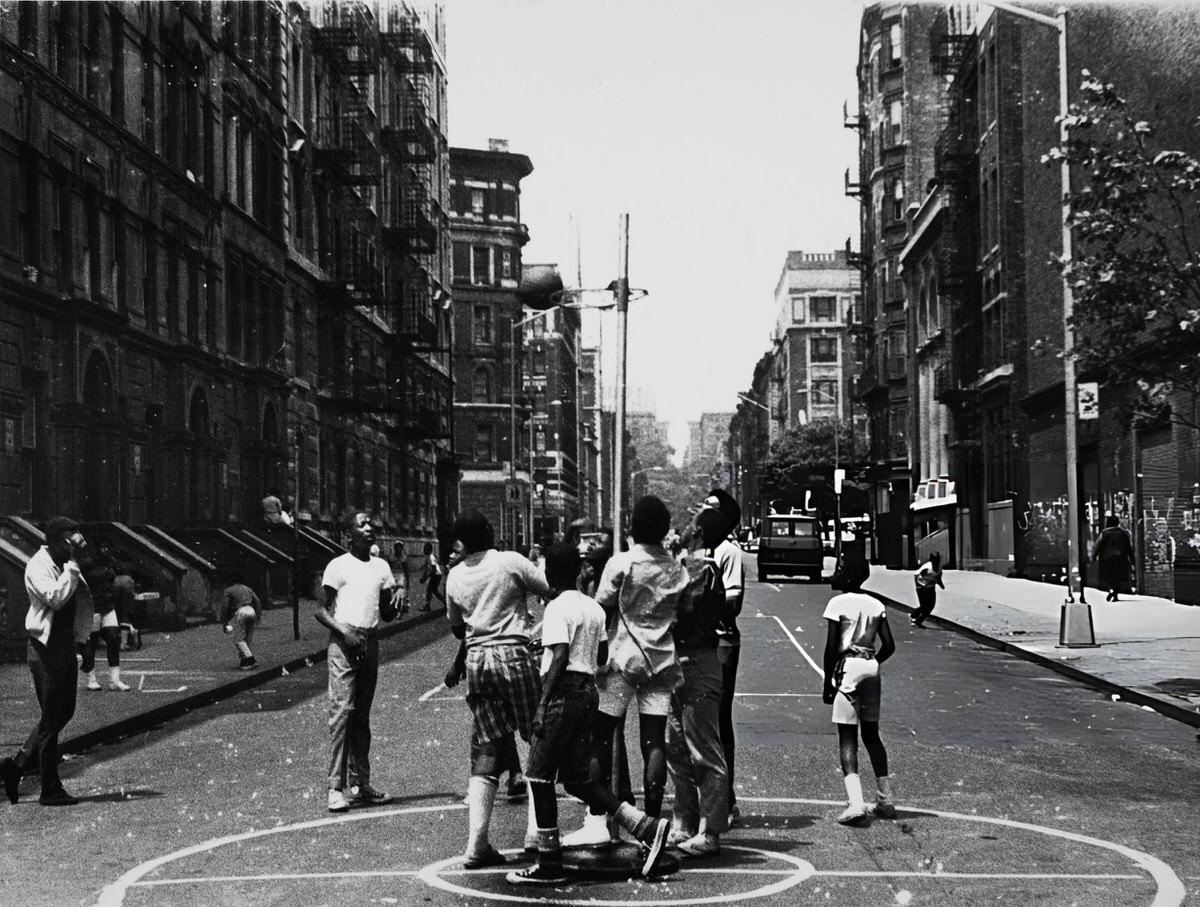
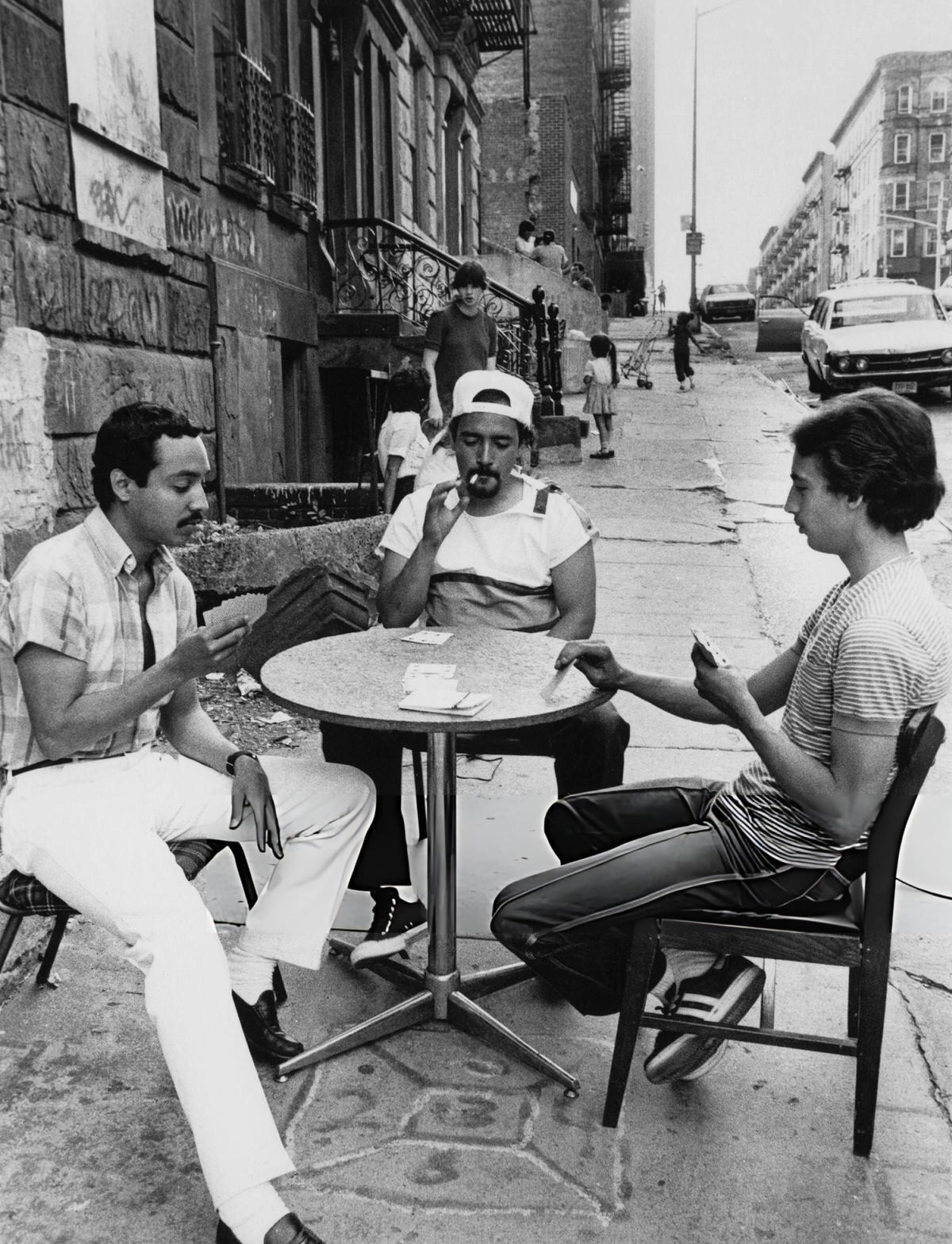
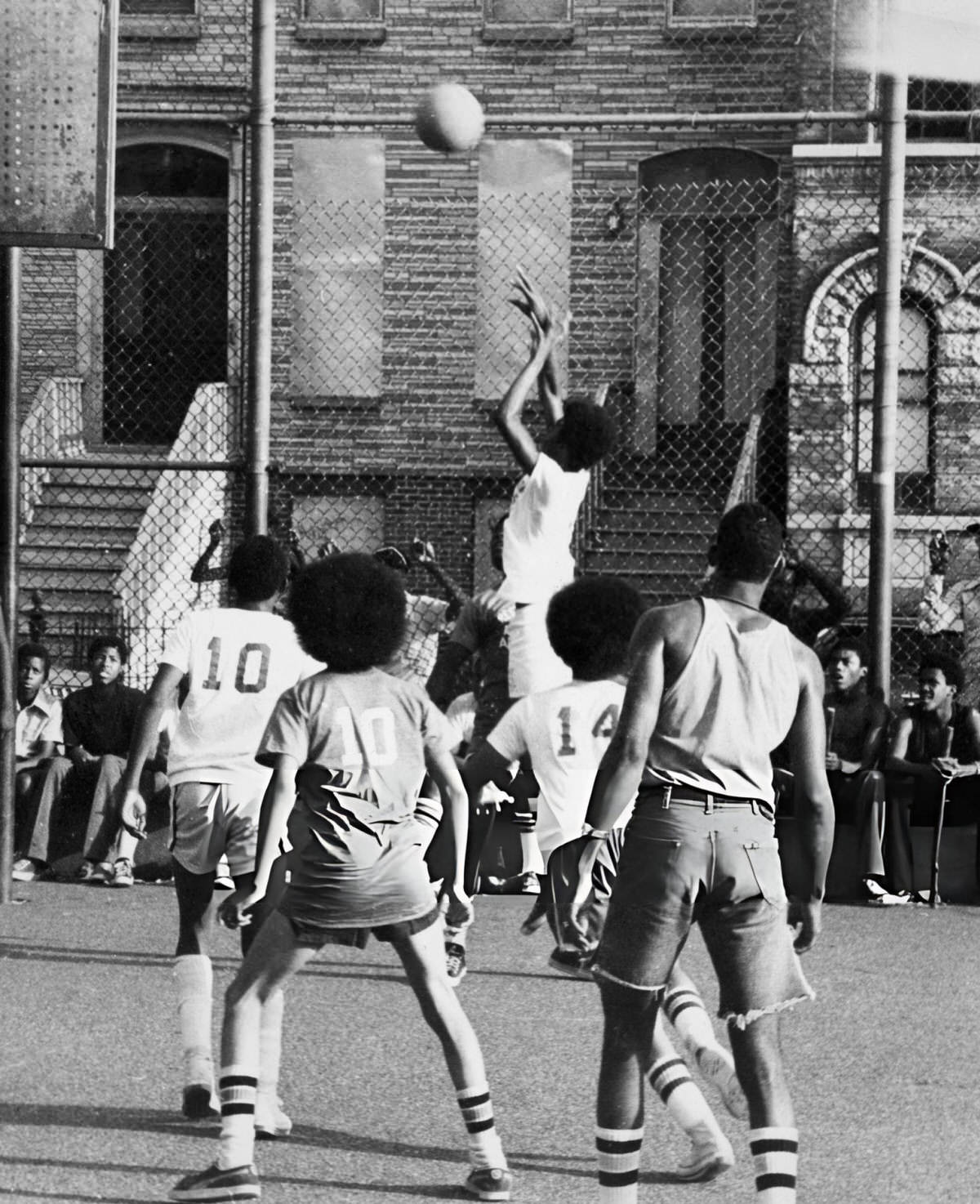
Against all of this, Harlem’s residents organized at the most local level possible. Block associations formed on individual streets to coordinate trash pickup when sanitation was unreliable, to watch out for elderly neighbors, and to pressure landlords through collective action. These weren’t glamorous organizations. They were neighbors deciding that if the city wouldn’t maintain their block, they would do it themselves.
Community organizations like the Harlem Urban Development Corporation worked to attract investment and rehabilitation funding for crumbling housing stock. Results were slow and uneven, but buildings that would otherwise have been abandoned were saved and renovated. The people running these organizations were not politicians or celebrities — they were residents who showed up to meetings and stayed until the work got done.
Percy Sutton and Political Power
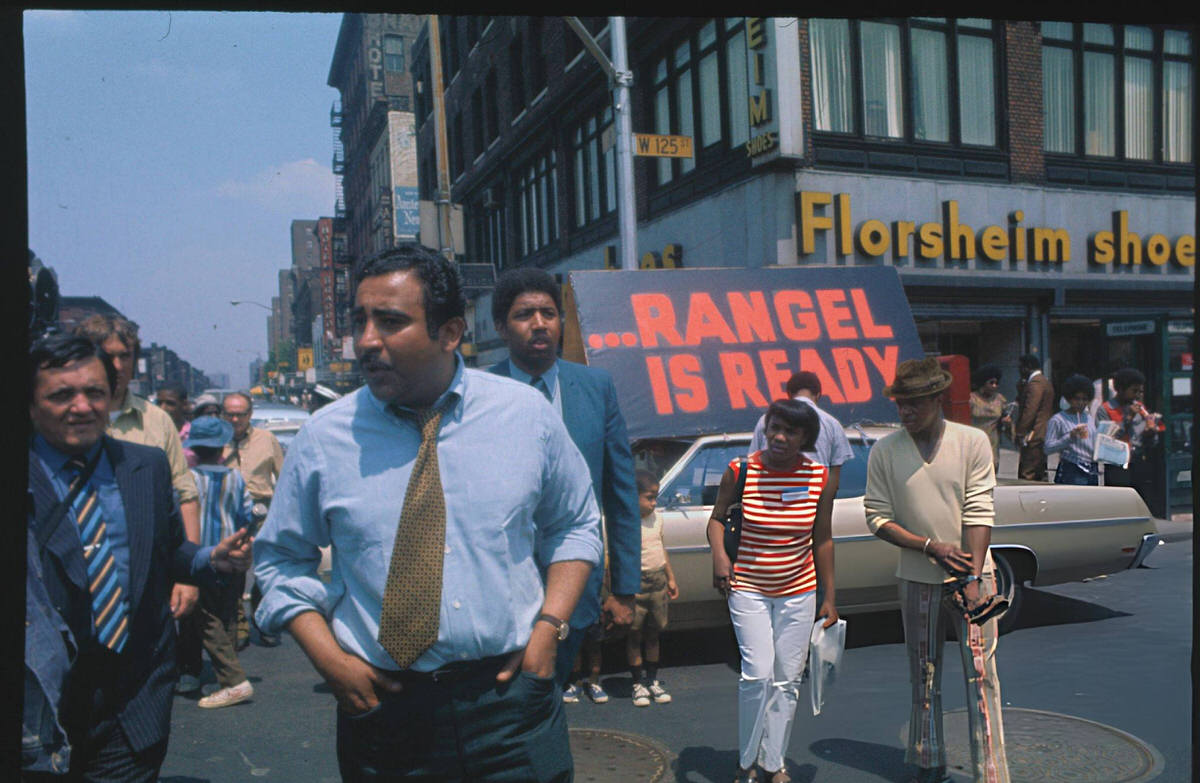
Percy Sutton served as Manhattan Borough President throughout most of the 1970s, having taken the position in 1966. He was one of the most effective Black politicians in New York City history, and his base was entirely in Harlem. Sutton understood that political power required economic power, and he worked to build both simultaneously.
In 1971, Sutton and a group of investors purchased WLIB, making it one of the first Black-owned radio stations in New York City. He later acquired WBLS, which became one of the most listened-to stations in the city. These weren’t symbolic acquisitions — they were profitable media businesses that gave Harlem a voice on the airwaves and generated real economic returns for Black investors.
Sutton’s Inner City Broadcasting became a genuine media company. His political connections and business instincts operated together, and he used both to push for resources and recognition for Harlem at every level of city government.
The Birth of Hip-Hop: Not Just a Bronx Story
Hip-hop is properly claimed by the South Bronx, where DJ Kool Herc threw the party on Sedgwick Avenue in August 1973 that most historians treat as the starting point. But the culture spread into Harlem immediately, and Harlem shaped it in return.
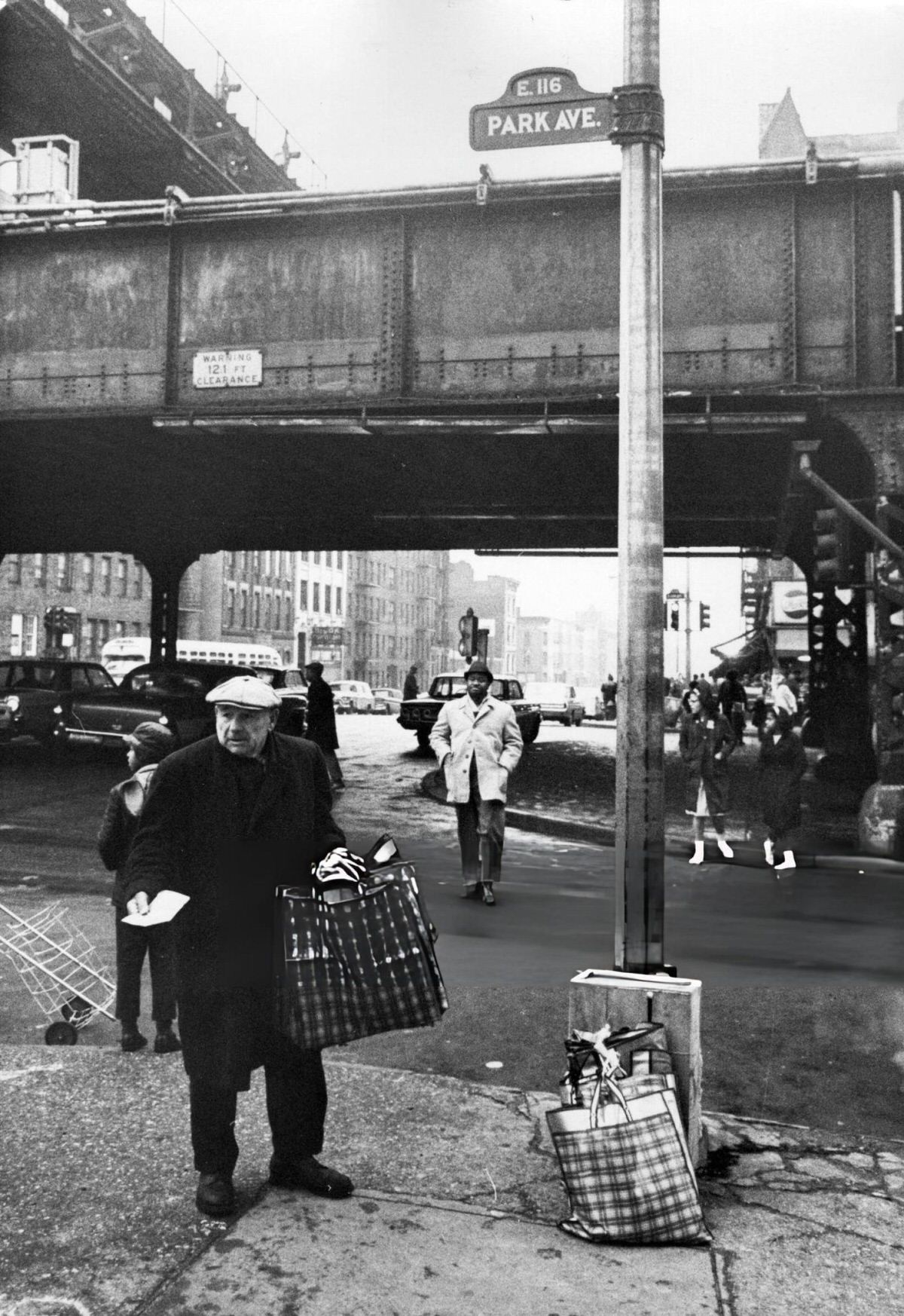
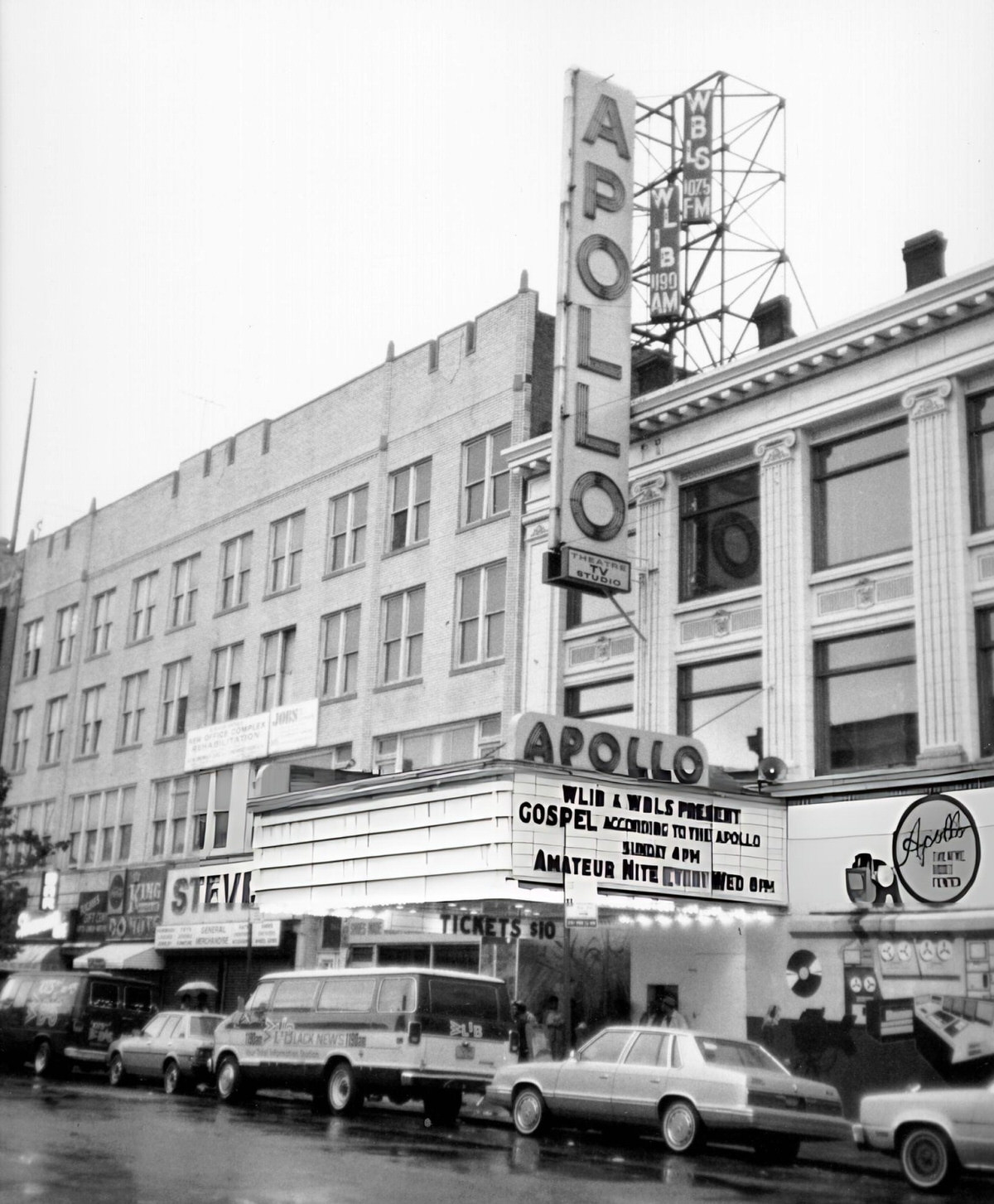
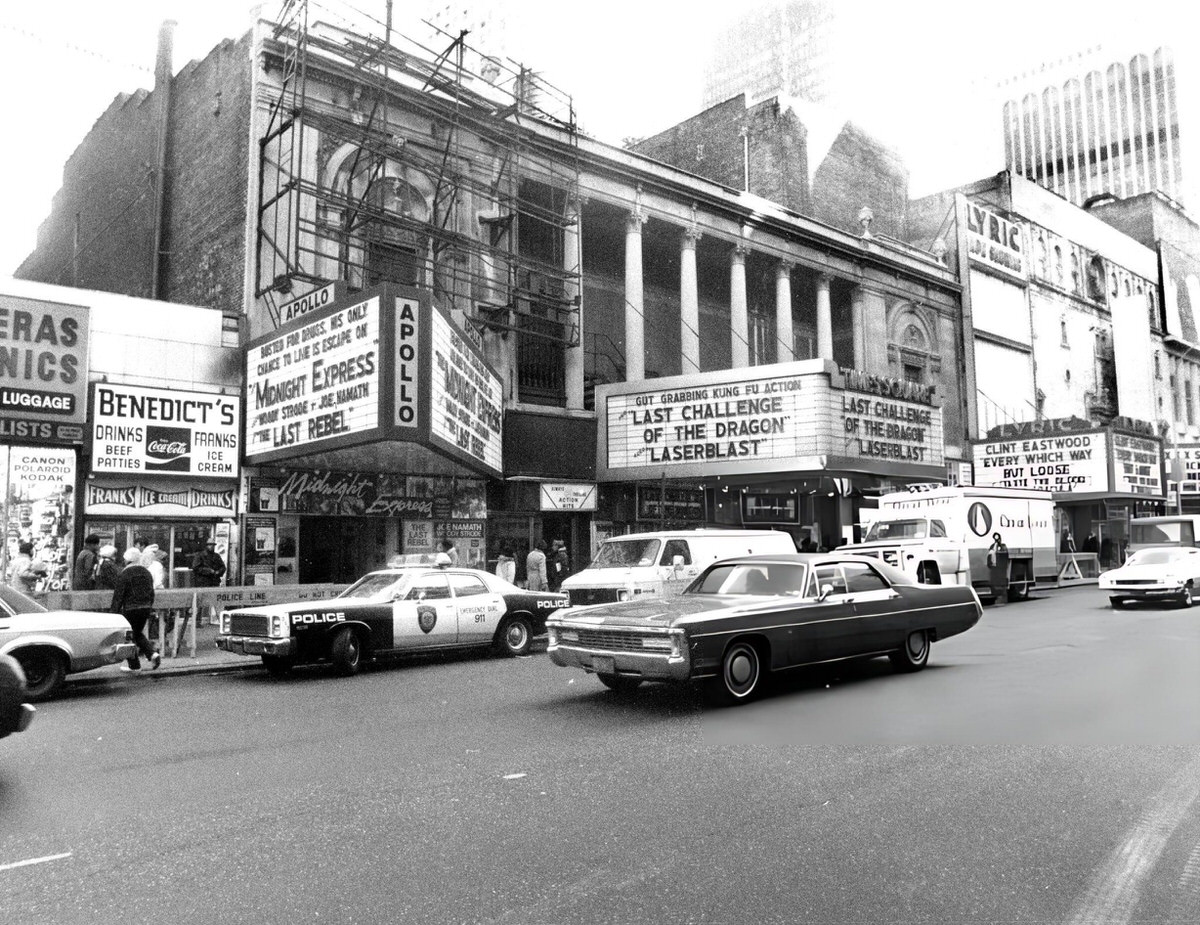
DJ Hollywood was working Harlem clubs and ballrooms by the mid-1970s, developing an MC style — talking over records, keeping crowds moving — that was distinct from what was happening in the Bronx. He performed at the Apollo and at Harlem World, the club on 116th Street that became one of hip-hop’s early proving grounds. The crowds at these venues were older and more demanding than the park jams in the Bronx, which pushed performers to sharpen their skills fast.
Eddie Cheeba was another Harlem-based DJ and MC working the same circuit, known for his crowd control and his ability to move between different musical styles in a single set. These figures connected hip-hop’s emerging energy to Harlem’s existing nightlife infrastructure — the clubs, the promoters, the audiences that had been supporting Black music in the neighborhood for fifty years.
Funk, Soul, and the Soundtrack of the Decade
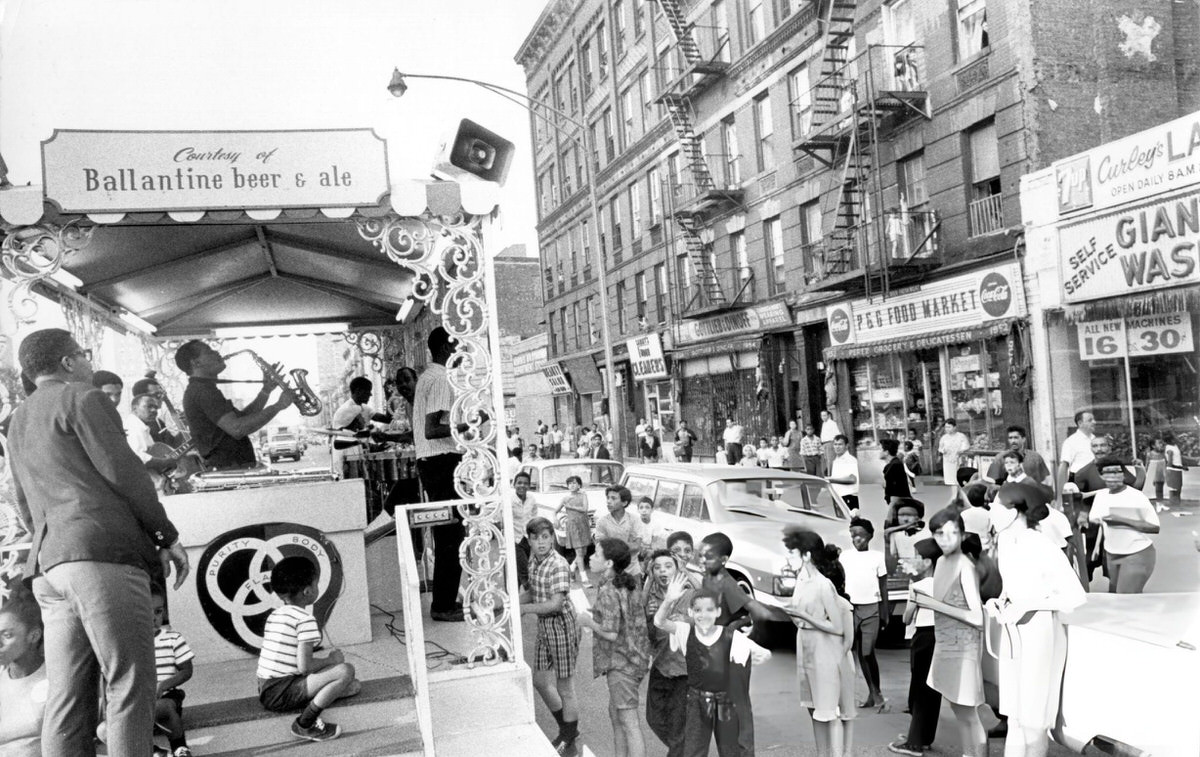
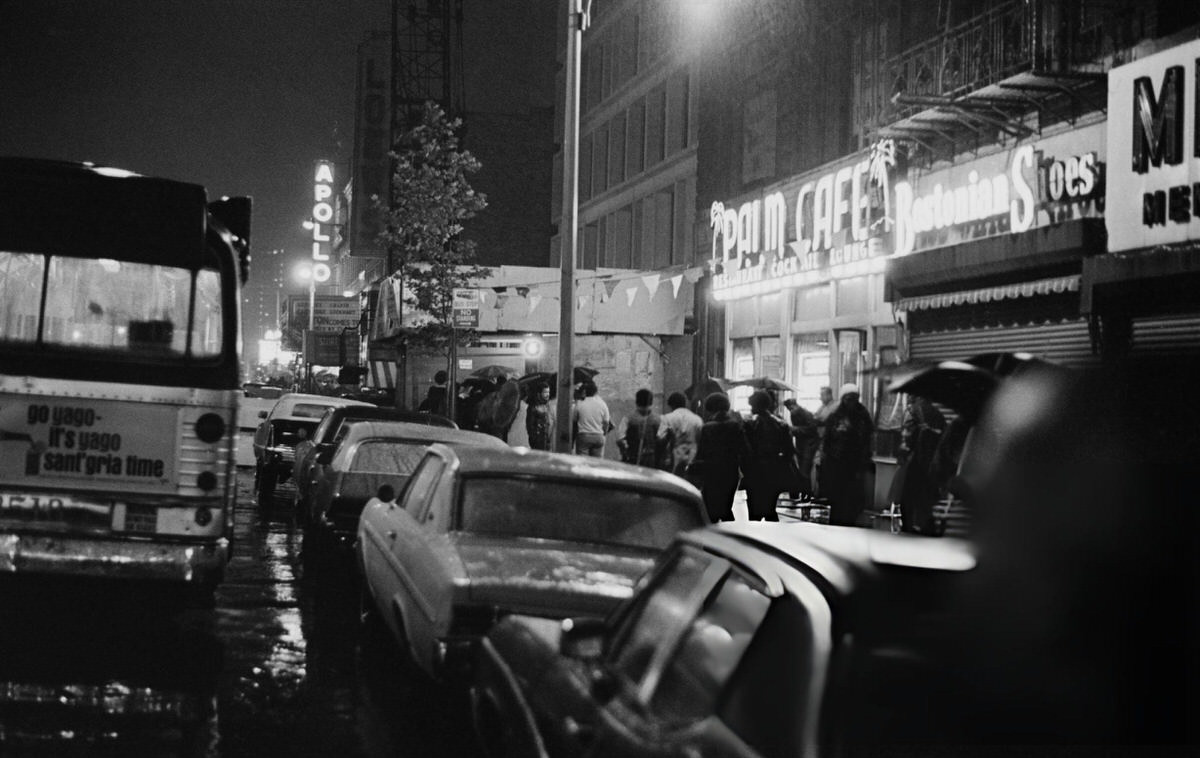
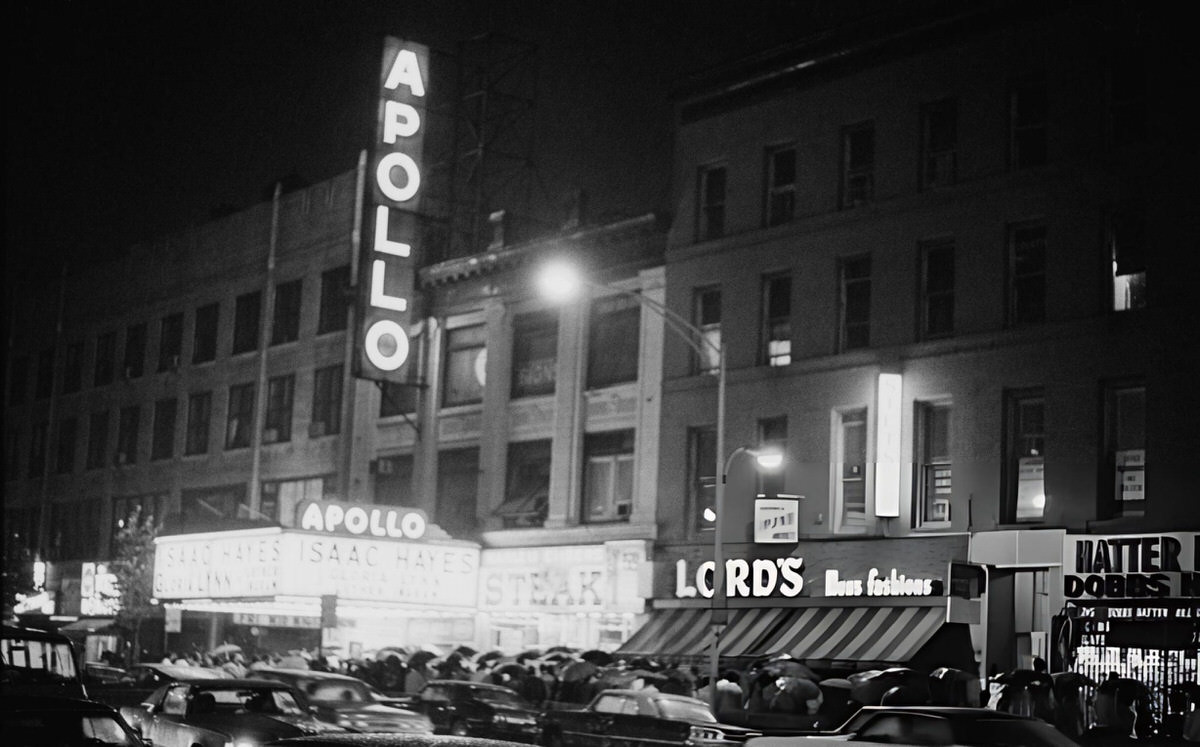
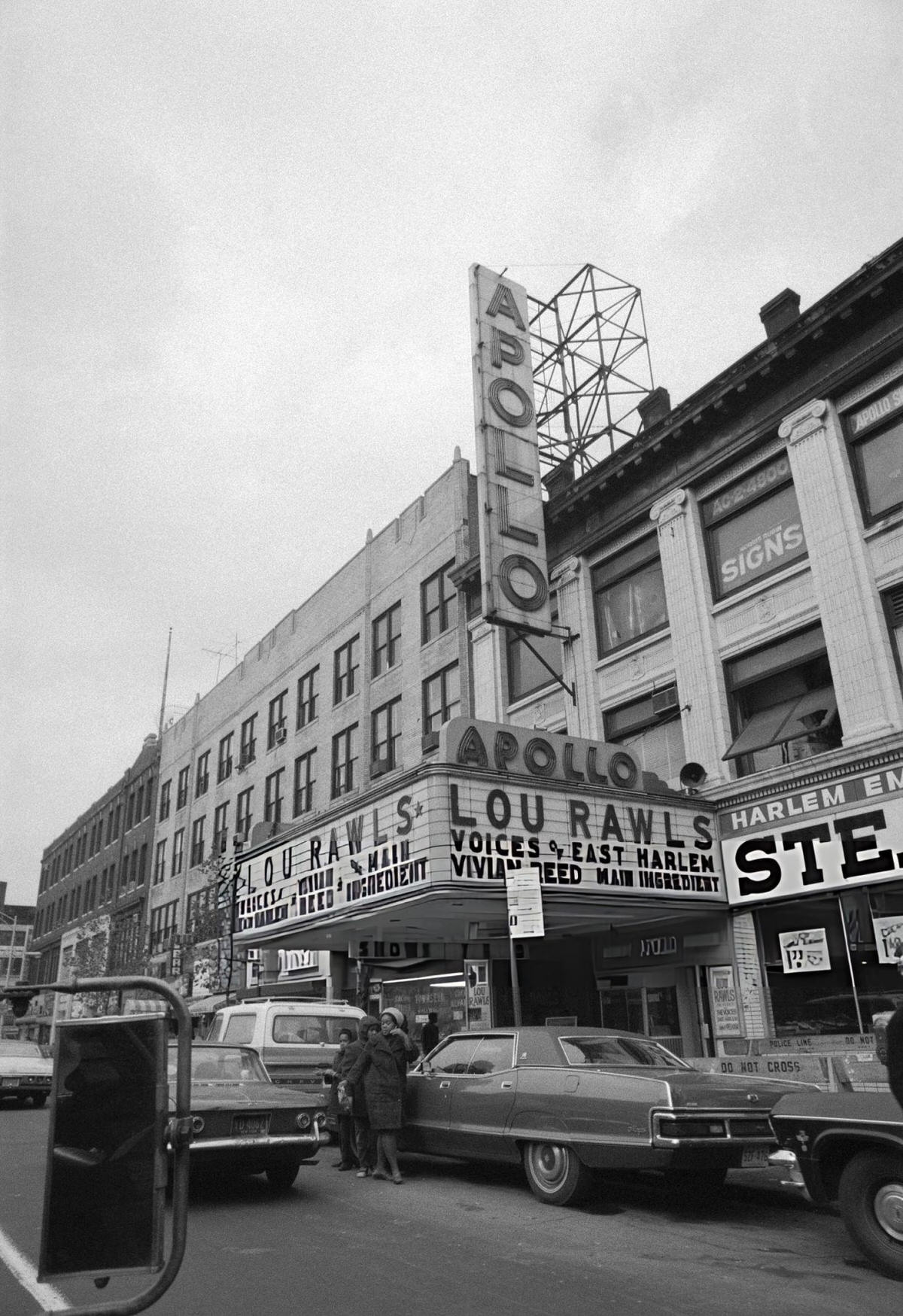
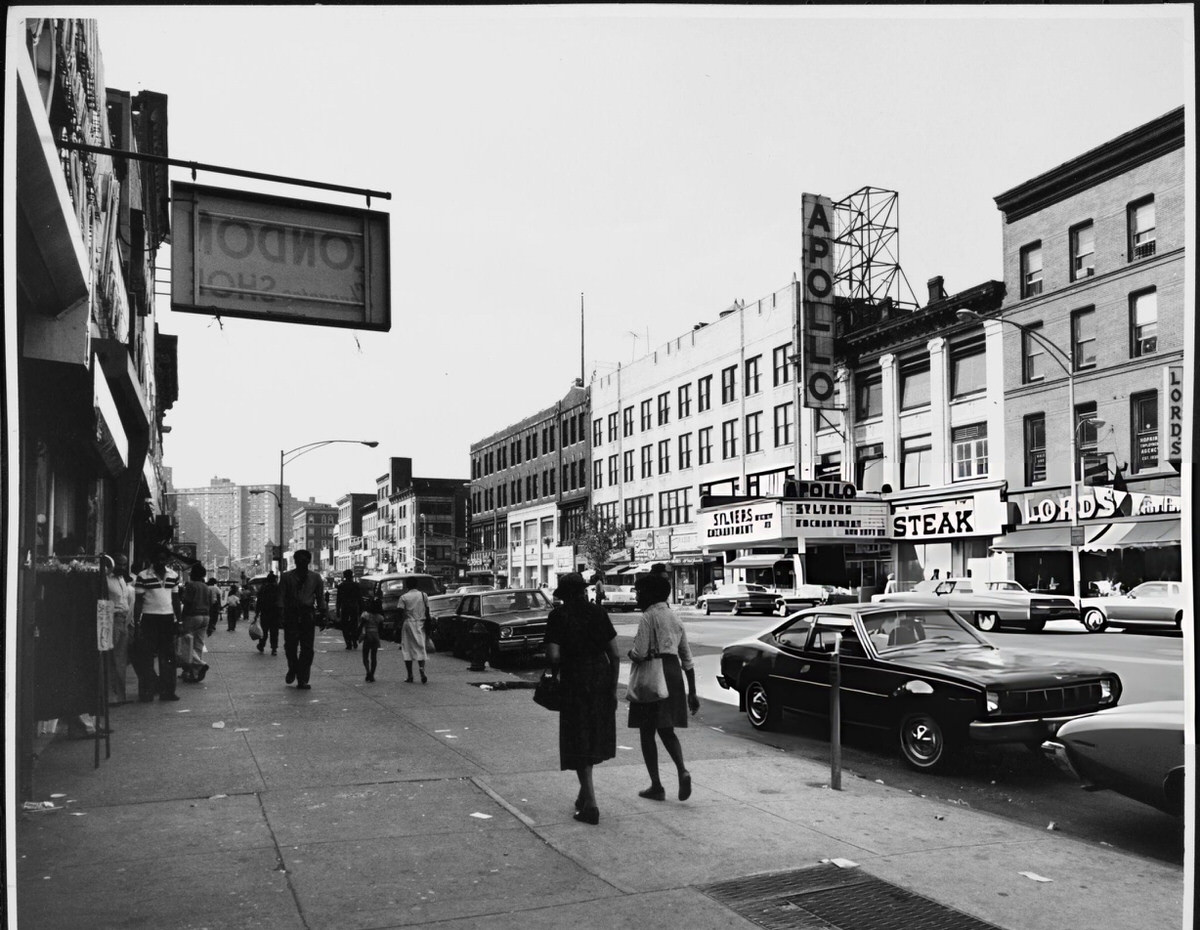
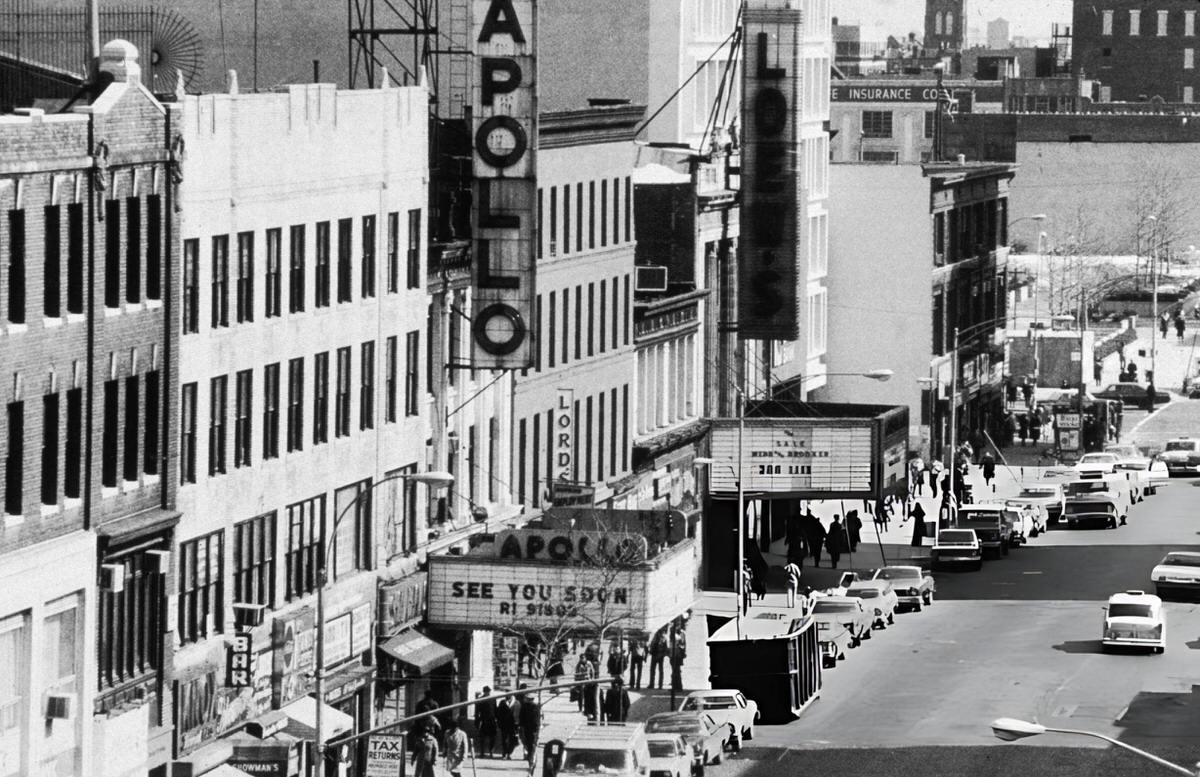
While hip-hop was developing underground, Harlem’s above-ground music scene was running on funk and soul. The Apollo Theater continued booking the biggest names in Black music. James Brown returned repeatedly. Aretha Franklin performed there. Stevie Wonder’s run of albums through the early and mid-1970s — “Innervisions,” “Songs in the Key of Life” — were inescapable in Harlem apartments and on the neighborhood’s streets.
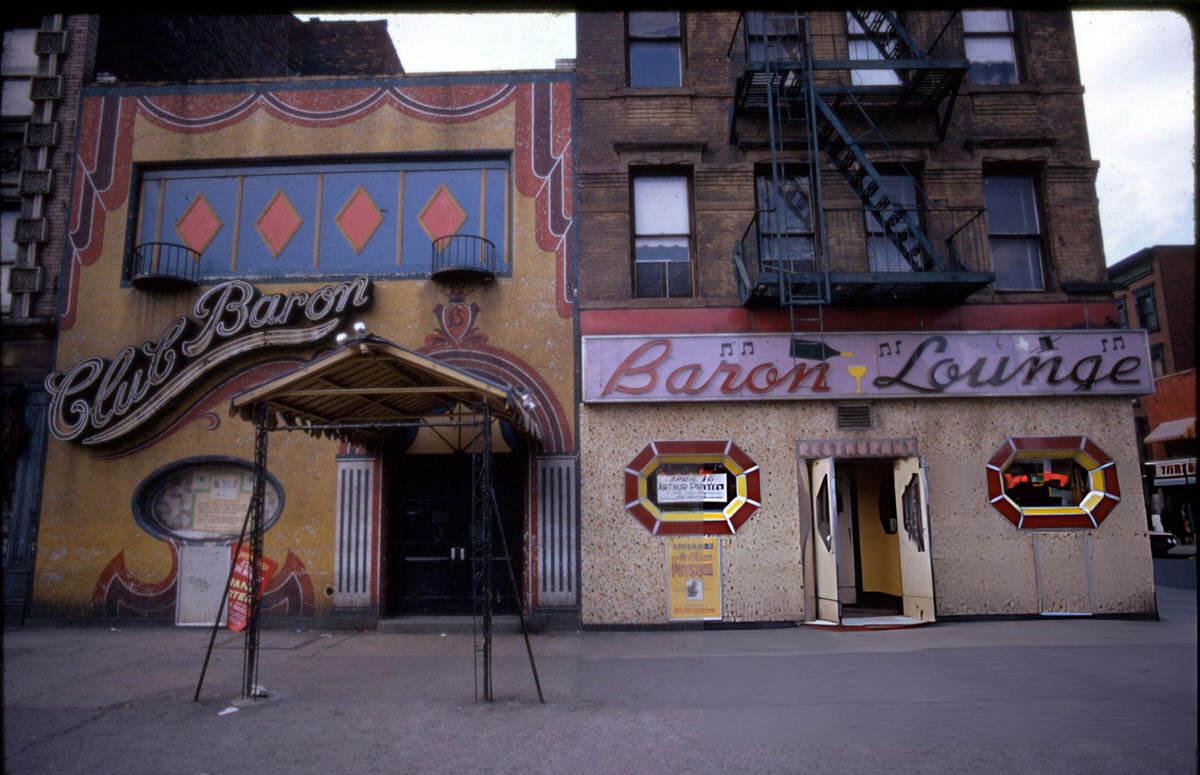
Disco emerged from the same Black and Latino communities that would produce hip-hop, and for a few years in the mid-to-late 1970s the two cultures existed side by side. The music in Harlem’s clubs shifted depending on the night and the crowd. What stayed constant was the seriousness with which the neighborhood took its music — as entertainment, yes, but also as a record of what life actually felt like.

GIPHY App Key not set. Please check settings