

 Wendy Robert
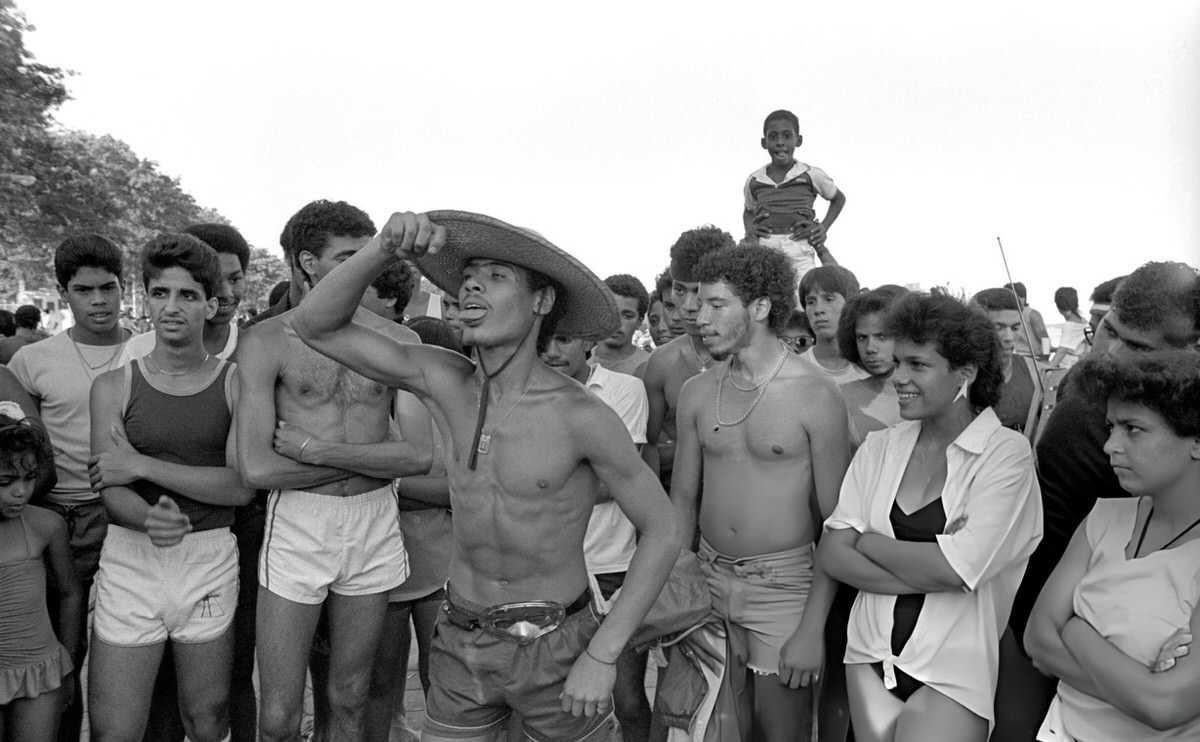
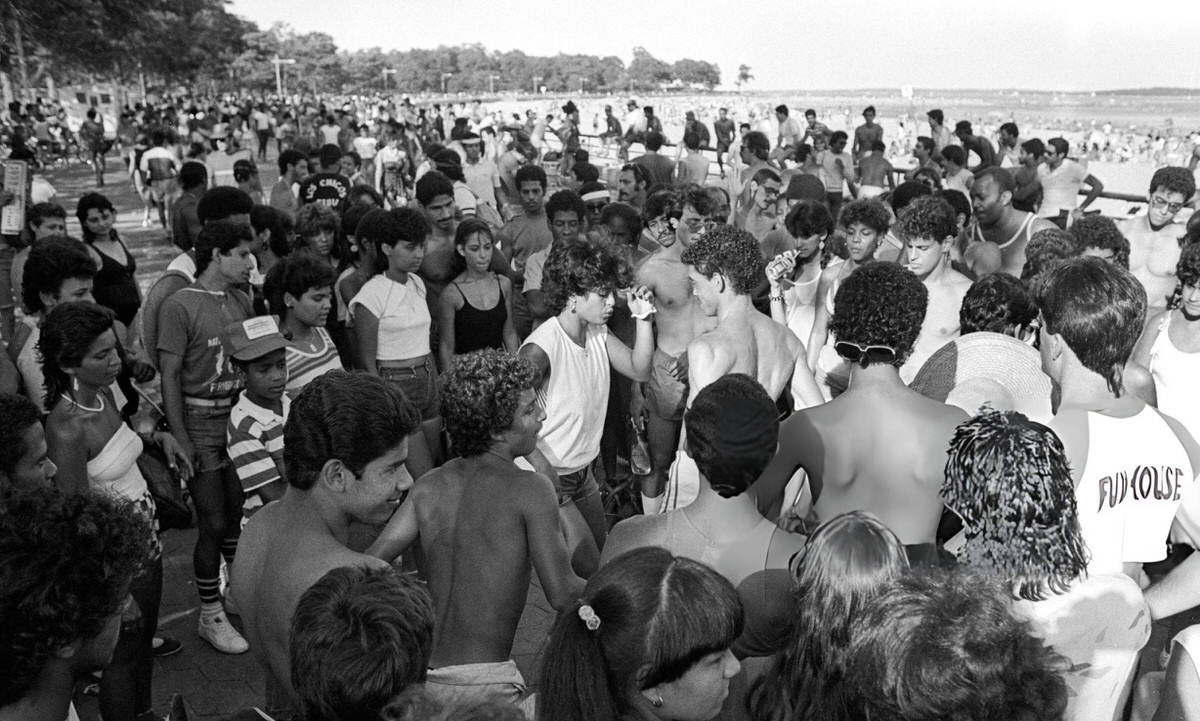
Orchard Beach sits on the shore of the Bronx, stretching over a mile along the Long Island Sound. In the early 1980s, this crescent-shaped beach earned the nickname “The Riviera of New York.” Every weekend from June through August, thousands of residents from the Bronx and upper Manhattan packed the sand. While the water was a draw, the main event took place on the wide concrete promenade and the sections of sand directly in front of the bathhouse.
The Sound of the Boombox
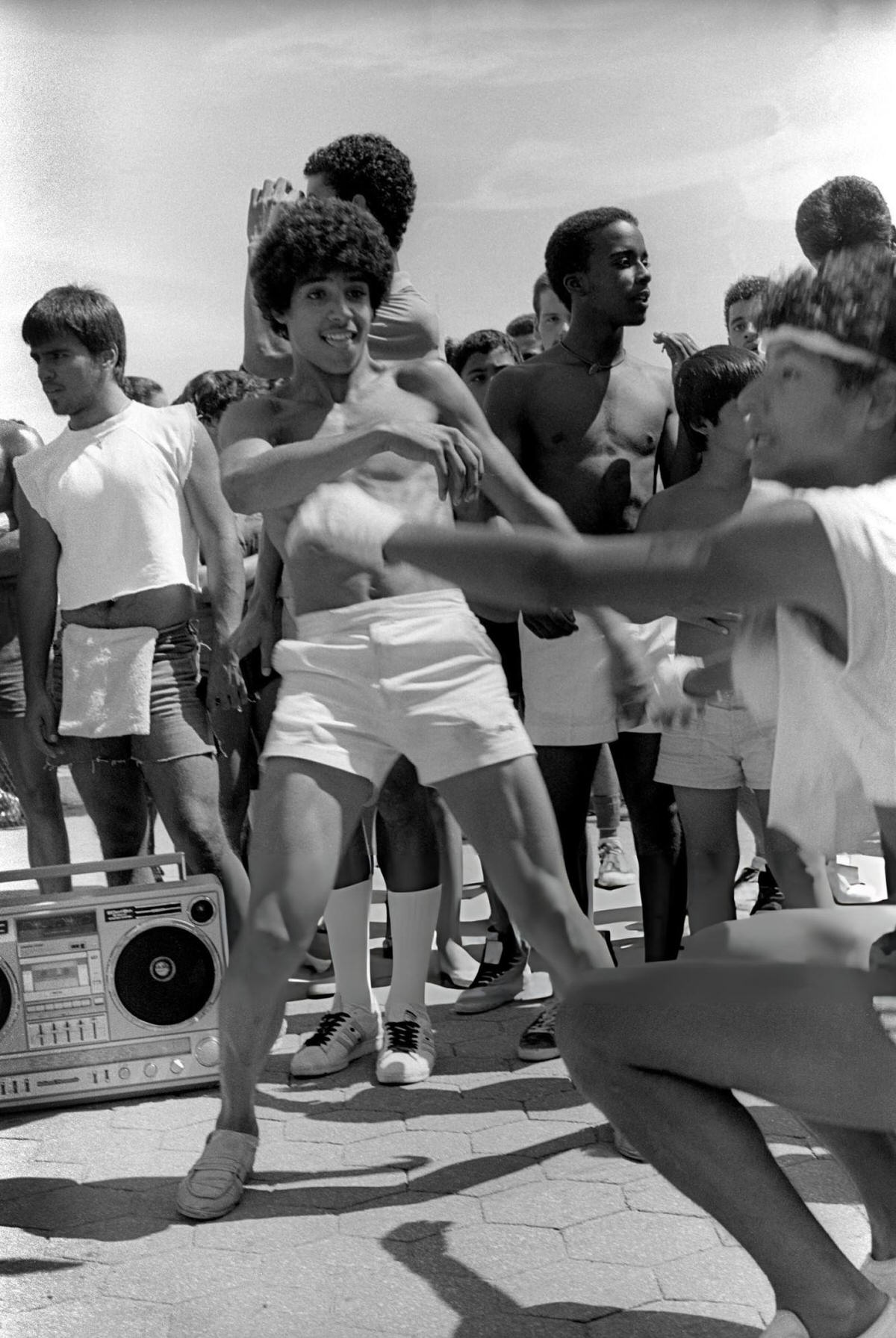
The rhythm of the beach was dictated by the “boombox.” These large, battery-powered radio and cassette players were everywhere. Groups of teenagers and families claimed their spots on the sand by placing their radios on large towels or plastic crates. In the early 1980s, the dominant sounds were a mix of disco, early hip-hop, and salsa. The air was a thick wall of competing bass lines that merged into a single, high-energy soundtrack for the entire shoreline.
Listeners frequently tuned into stations like WBLS or 92 KTU. Others played homemade “mix-tapes” that featured the latest underground hits from the city’s club scene. The volume was consistently high, and the music never stopped from noon until the park rangers cleared the beach at dusk.
Read more
Salsa and Hustle on the Promenade
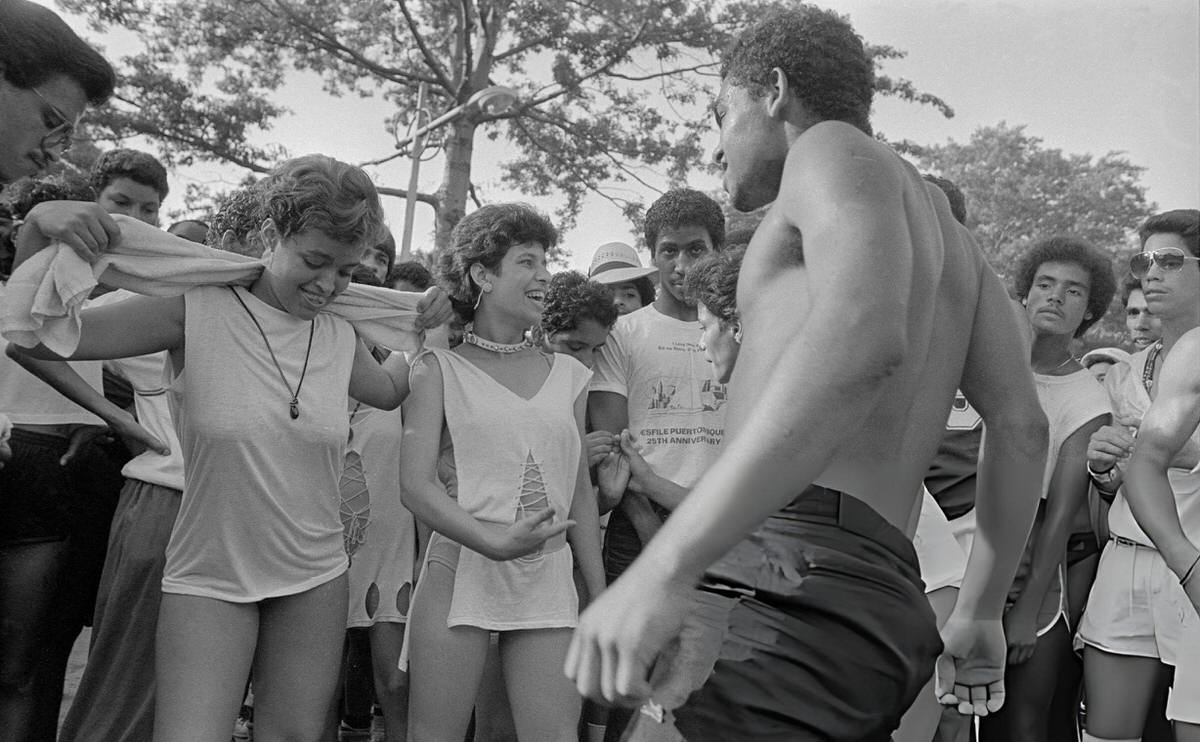
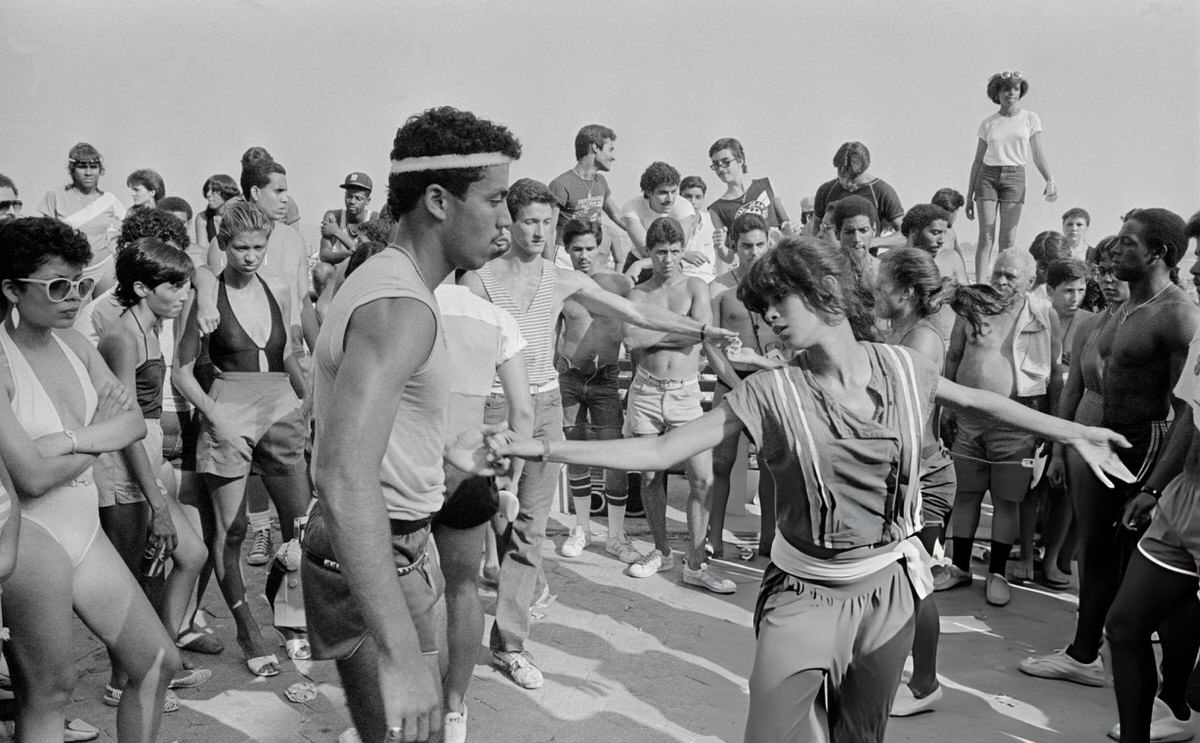
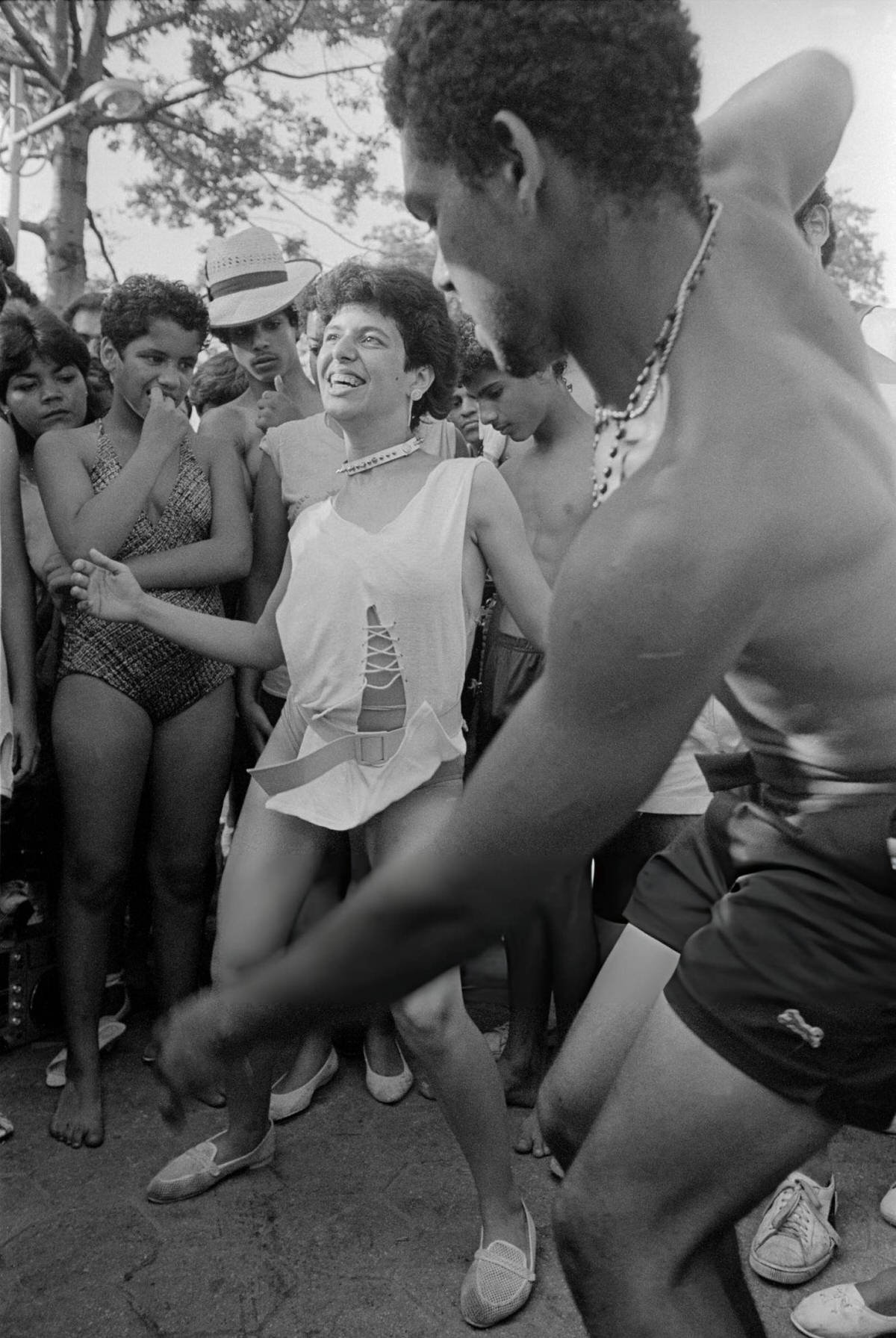
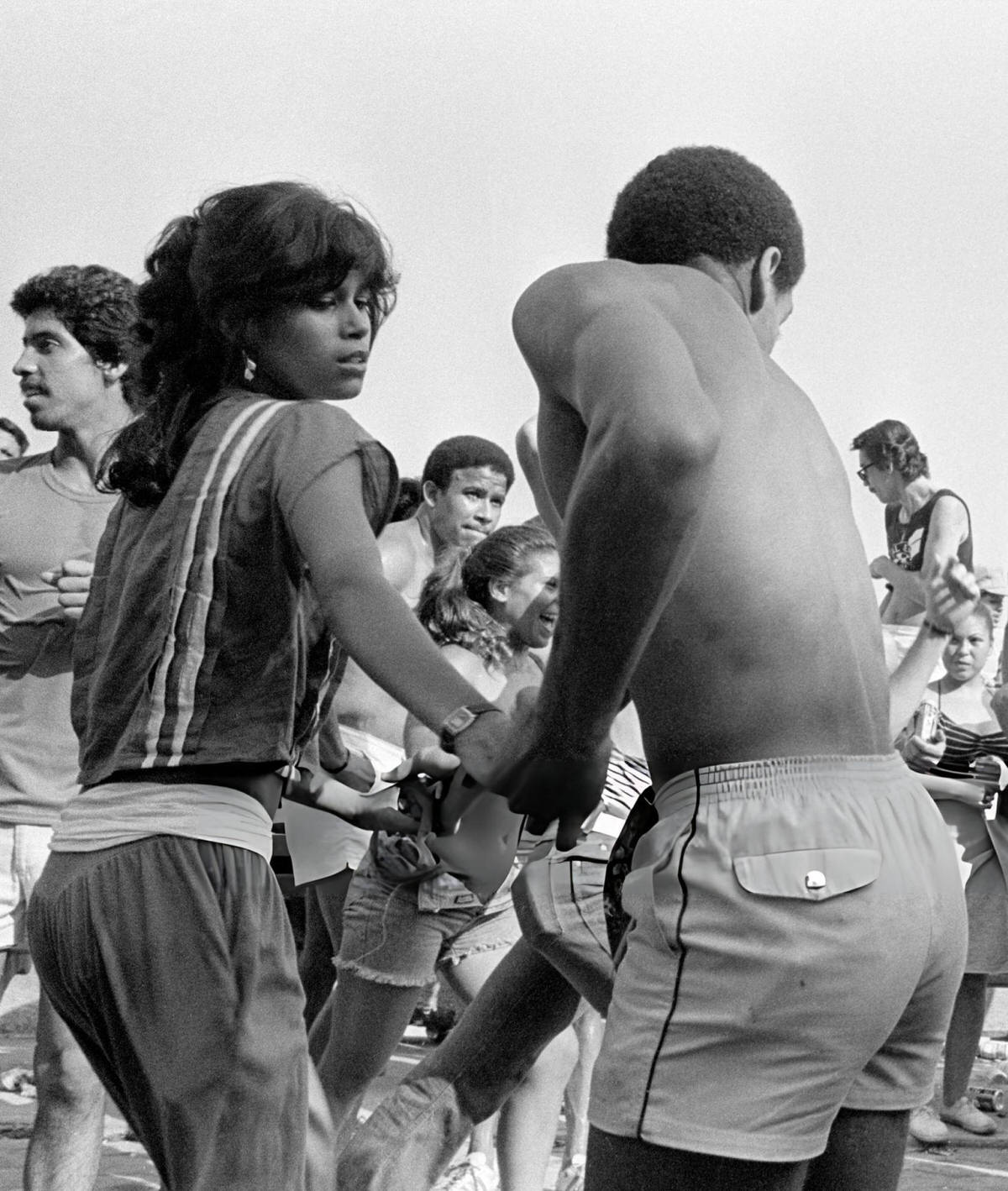
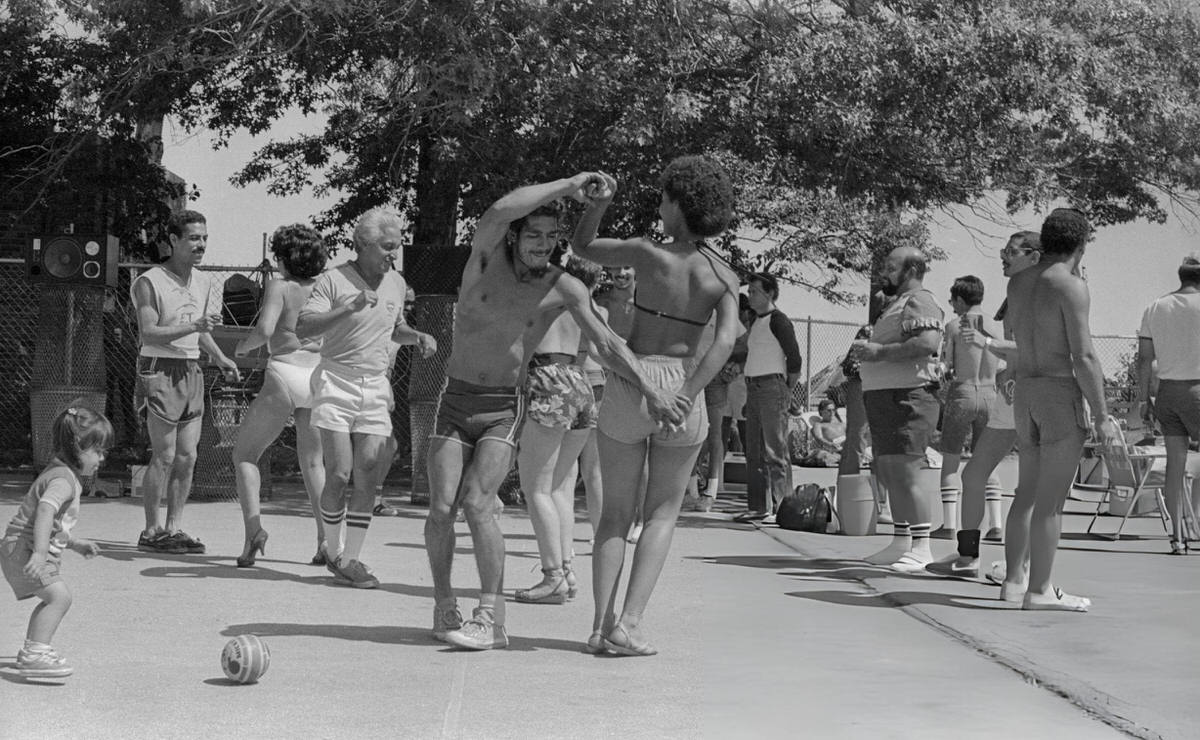
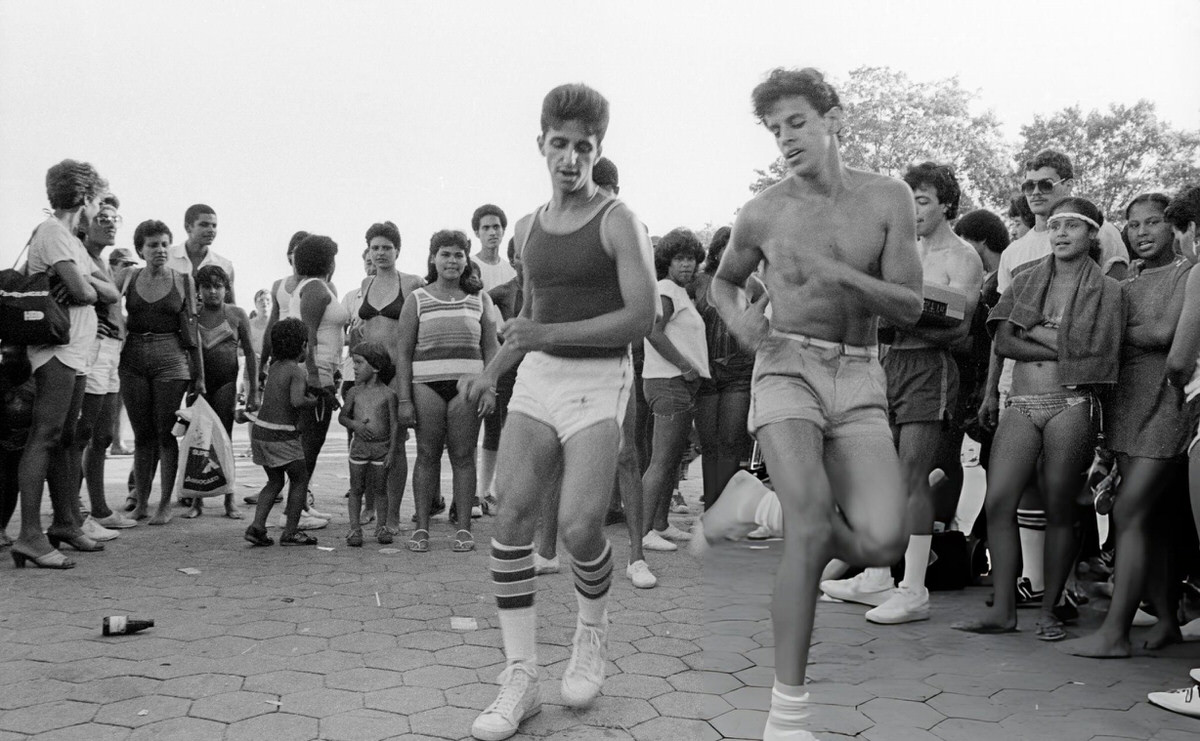
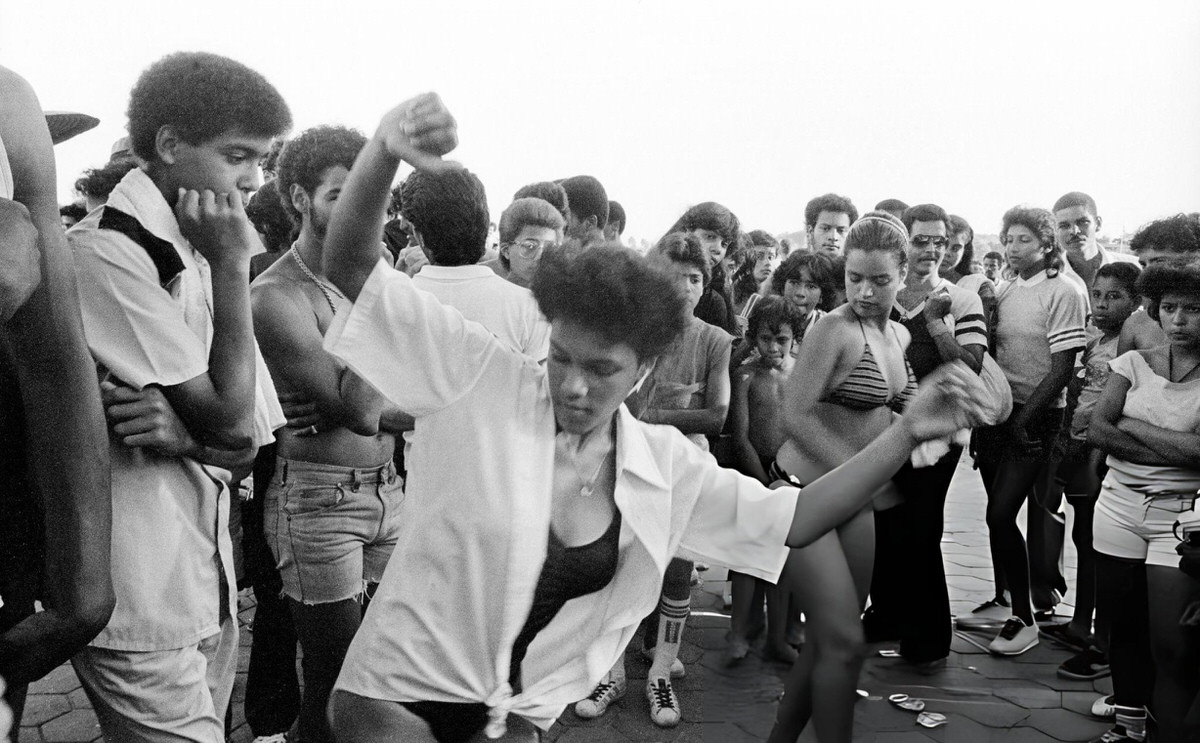
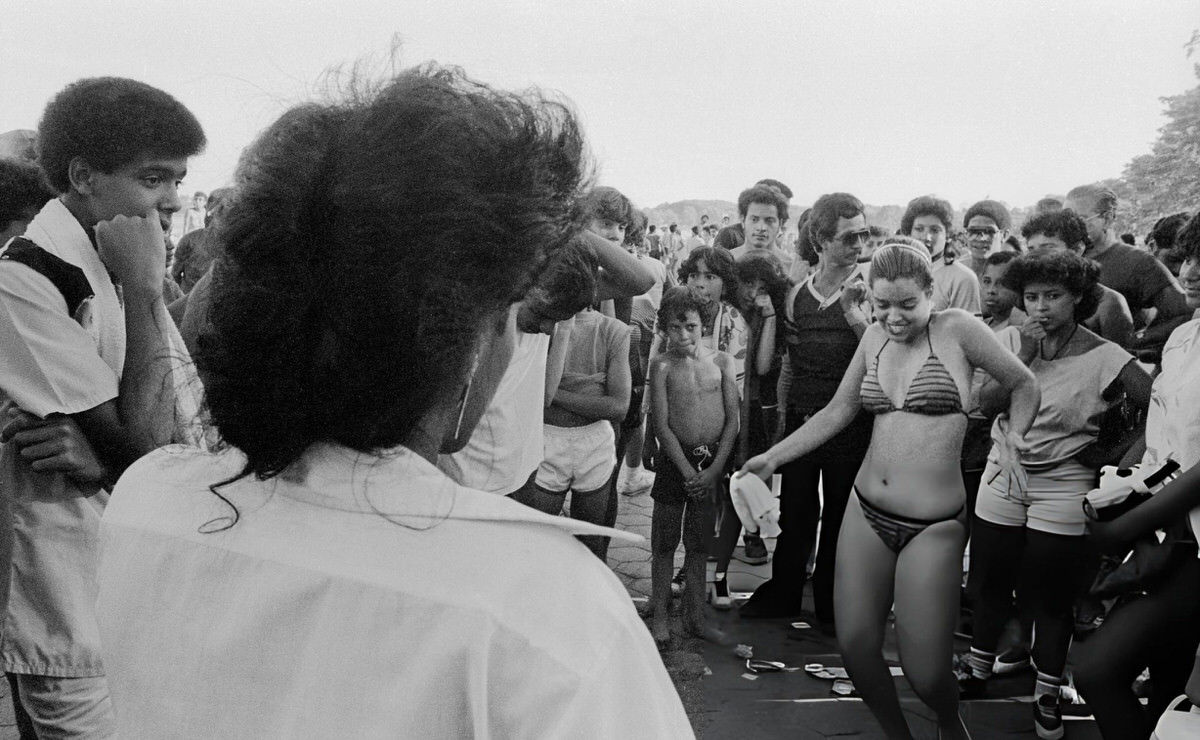
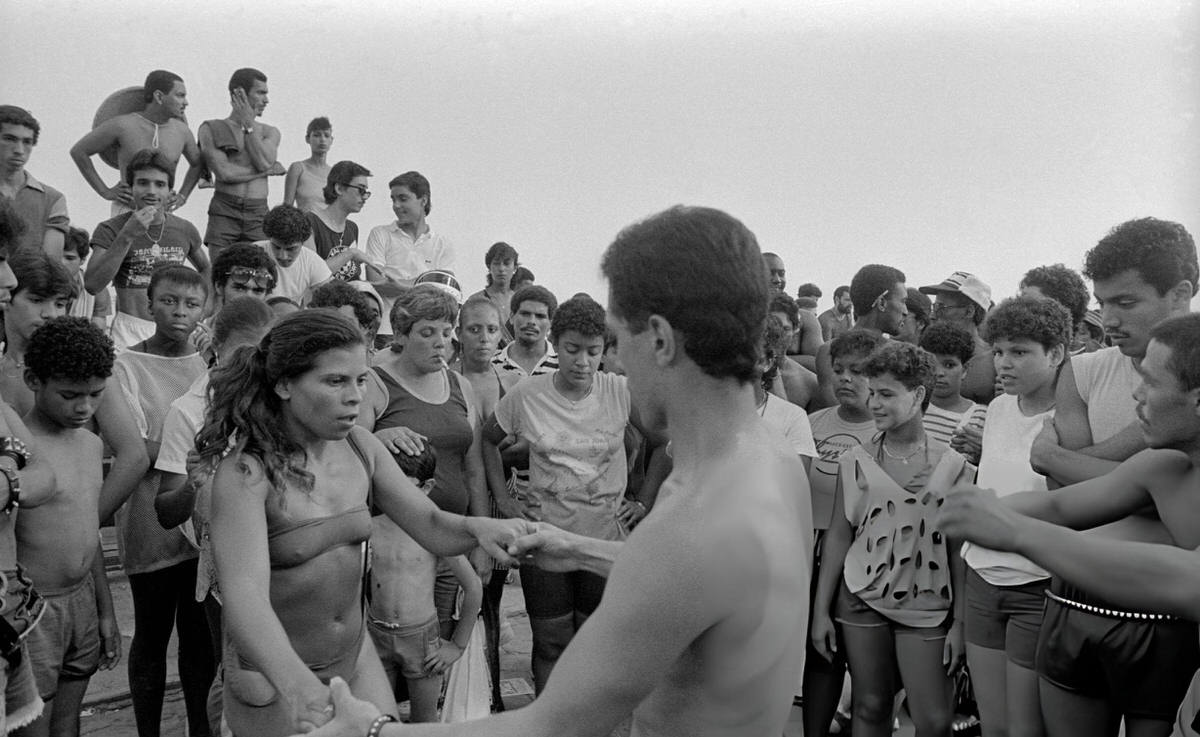
The promenade was the center of the dancing culture. It was made of smooth concrete that allowed dancers to spin and slide without the resistance of the sand. Older couples and expert dancers gathered here to perform the “Hustle.” This was a partner dance that combined disco moves with intricate footwork. They wore matching outfits or stylish summer clothes, such as high-waisted shorts and knit shirts, to stand out from the swimmers.
Salsa dancing was equally prominent. Large circles formed around the most talented pairs. The dancing was fast and technical, reflecting the Puerto Rican and Latino heritage of the surrounding Bronx neighborhoods. Musicians often brought cowbells and tambourines to play along with the music coming from the speakers. This live percussion added a layer of intensity to the recorded tracks, turning the public walkway into an open-air ballroom.
The Rise of Breakdancing
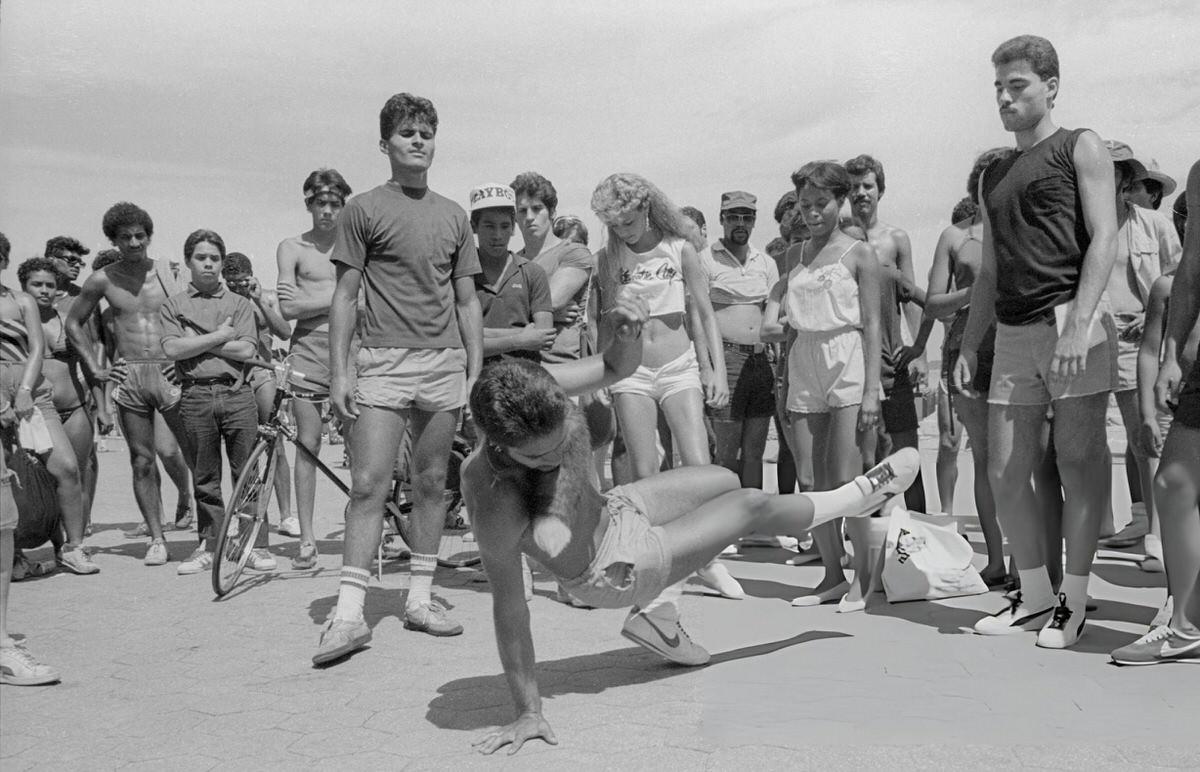
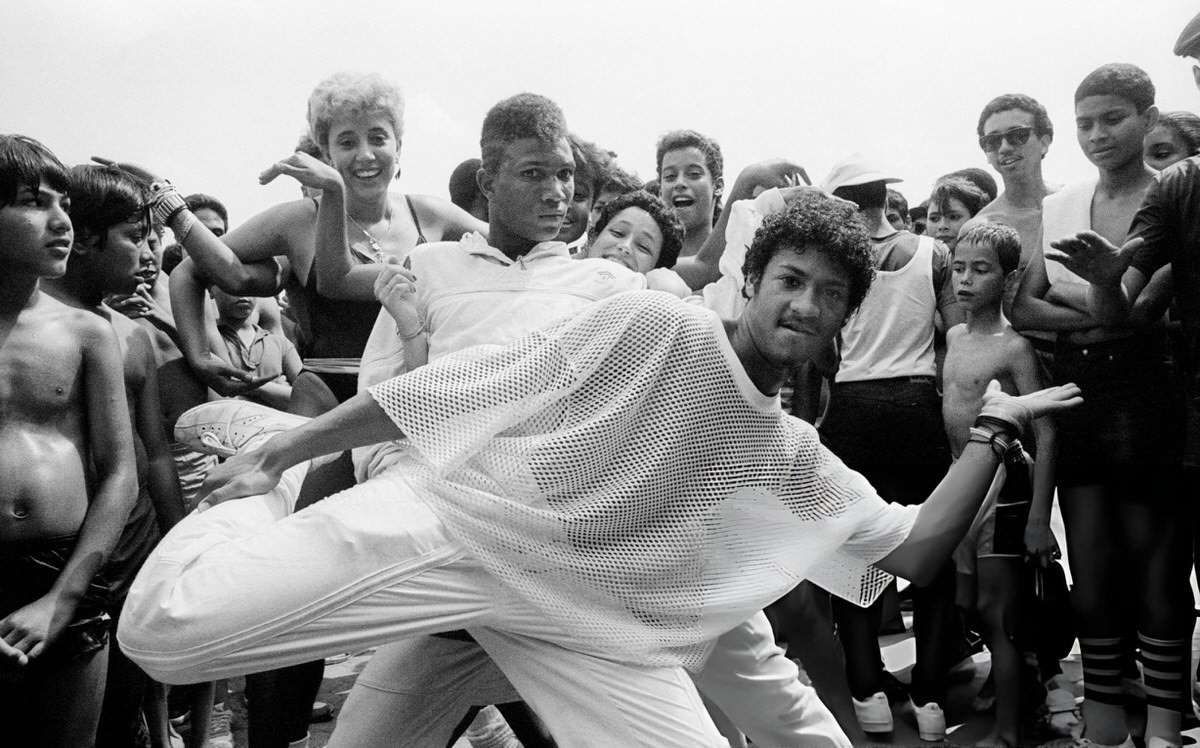
On the flatter sections of the beach and near the pavilion, a younger generation practiced a new style called breakdancing. They carried large pieces of flattened cardboard to protect their skin from the hot, rough concrete. These “B-boys” and “B-girls” performed “toprock” steps before dropping to the ground for power moves like backspins and windmills.
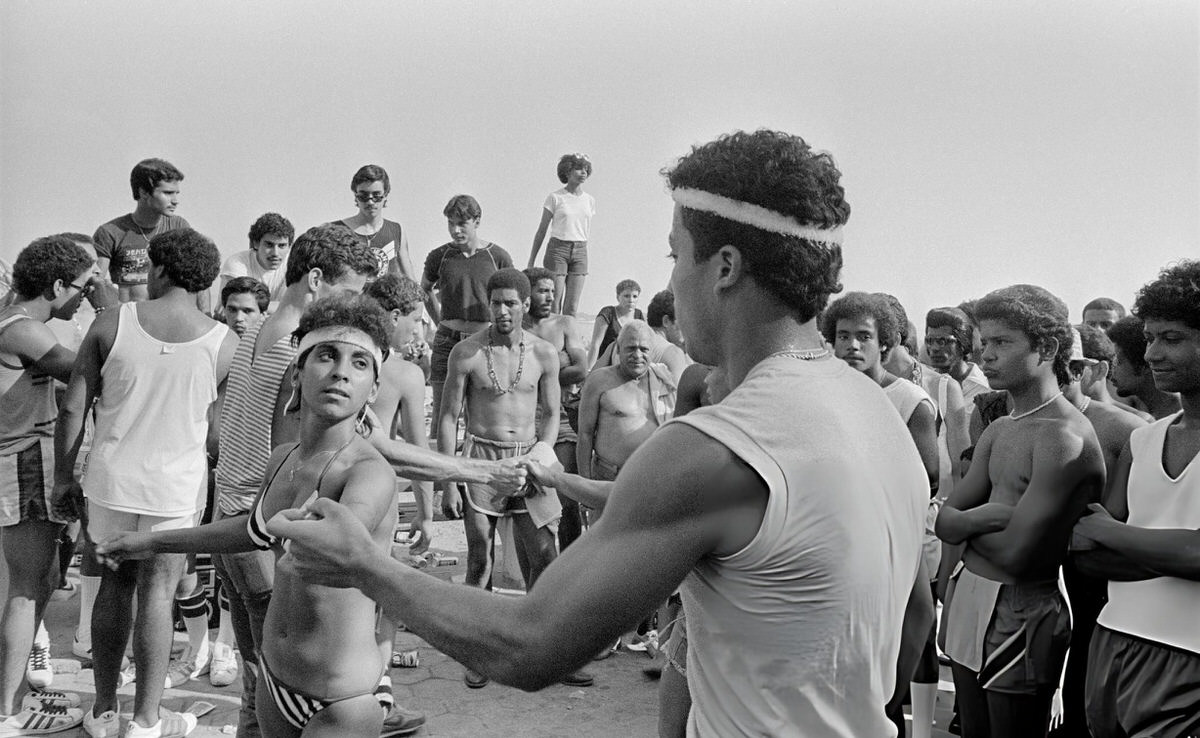
These dance battles were intense but disciplined. A crowd would form a “cipher,” or a circle, leaving space in the middle for one person at a time to show their skills. There were no judges, but the cheers or silences from the crowd determined the winner. Many of these dancers were members of local crews who used the beach as a summer training ground to perfect routines they would later perform in city competitions.
Fashion and Style of the Dancers
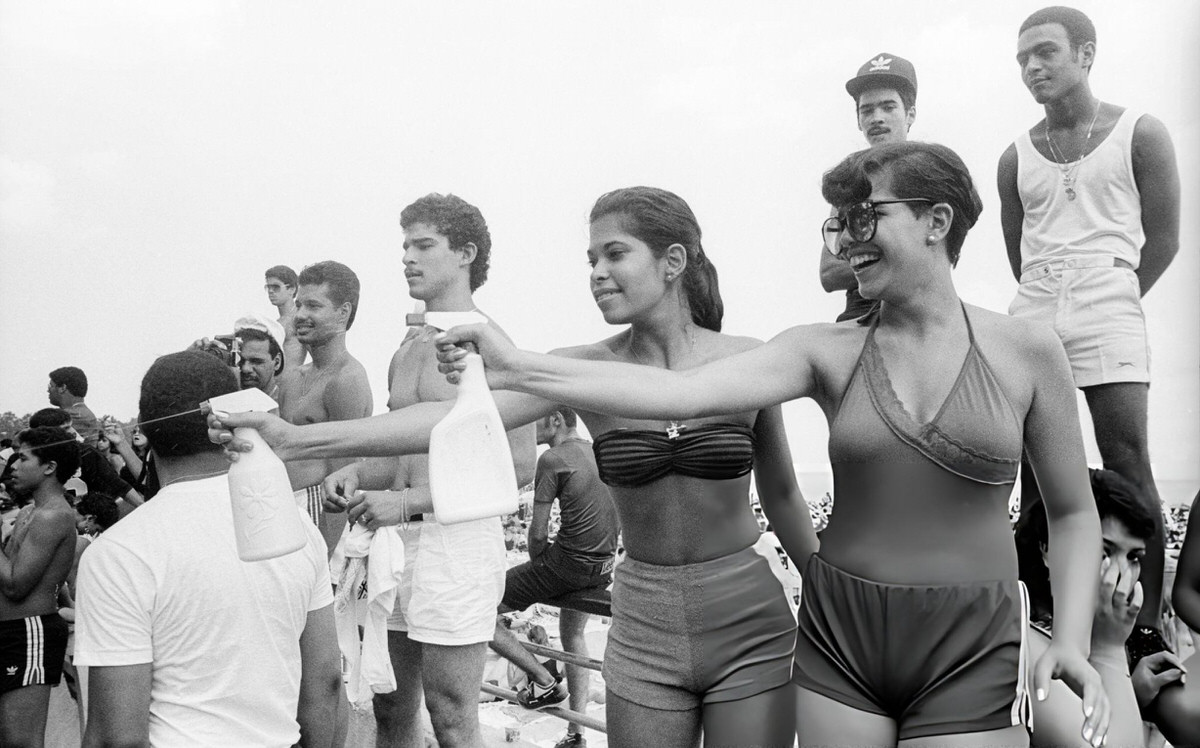
Style was as important as the dancing itself. In the early 1980s, the “look” at Orchard Beach was specific and deliberate. Many men wore nylon tracksuits or “Dolphin” shorts with white tube socks pulled up to the mid-calf. Headbands and wristbands served a practical purpose for the dancers, keeping sweat out of their eyes during long sets.
Women often wore bright, neon-colored bathing suits or spandex leggings paired with oversized t-shirts tied at the waist. Large hoop earrings and gold chains were common accessories. Footwear was a critical choice. Serious dancers wore brand-new sneakers, often Pro-Keds or early Puma models, which they kept meticulously clean despite the sand.

GIPHY App Key not set. Please check settings