

 Makayla White
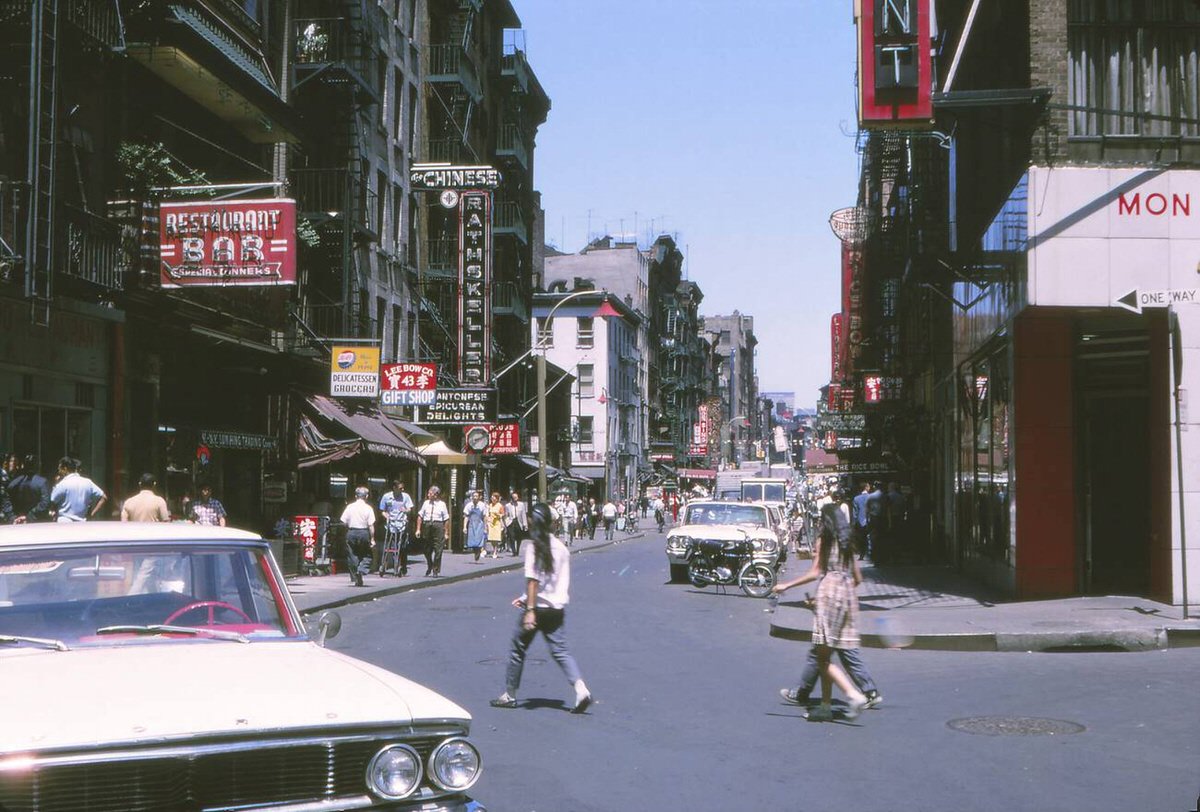
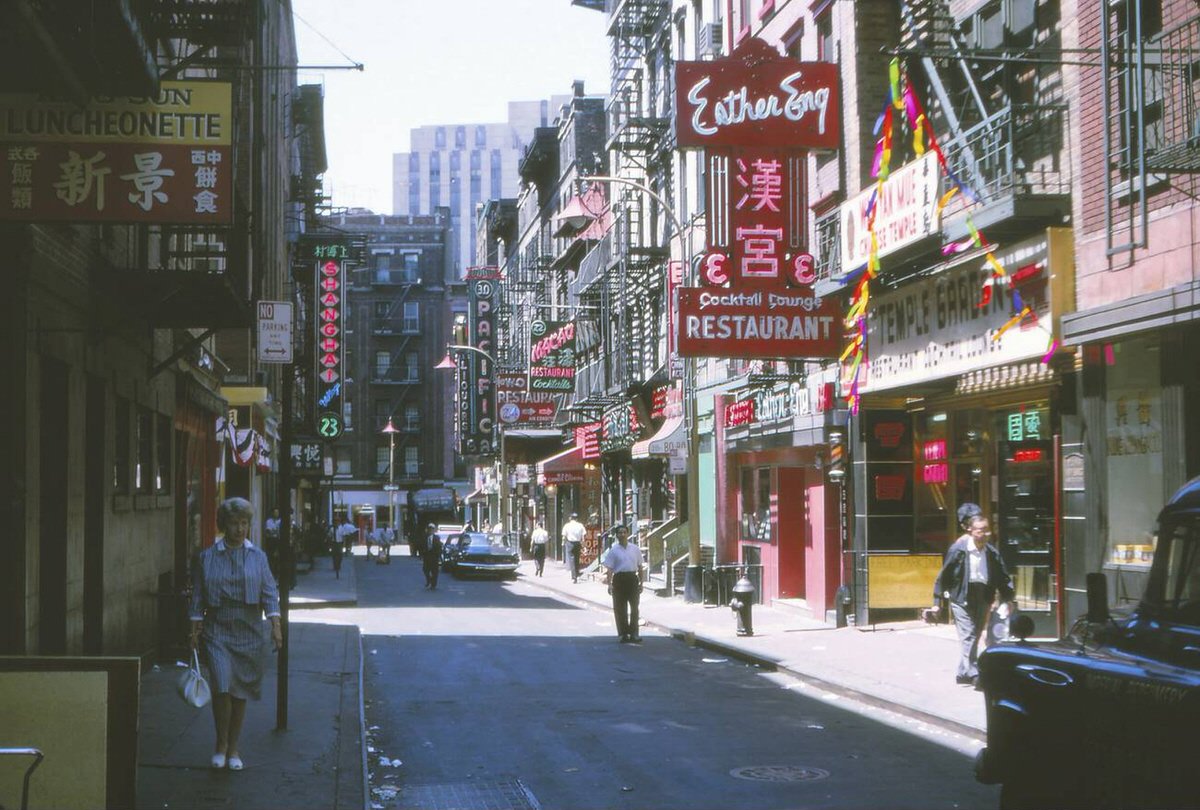
In early 1963, Chinatown, Manhattan prepared for the Lunar New Year with days of activity. The neighborhood centered around Mott Street, Pell Street, and Doyers Street. Red paper decorations appeared on storefronts and apartment doors.
The Chinese community in New York at that time remained smaller than today. Most residents came from southern China, especially Guangdong province. Many families lived in small apartments above restaurants, shops, and association buildings.
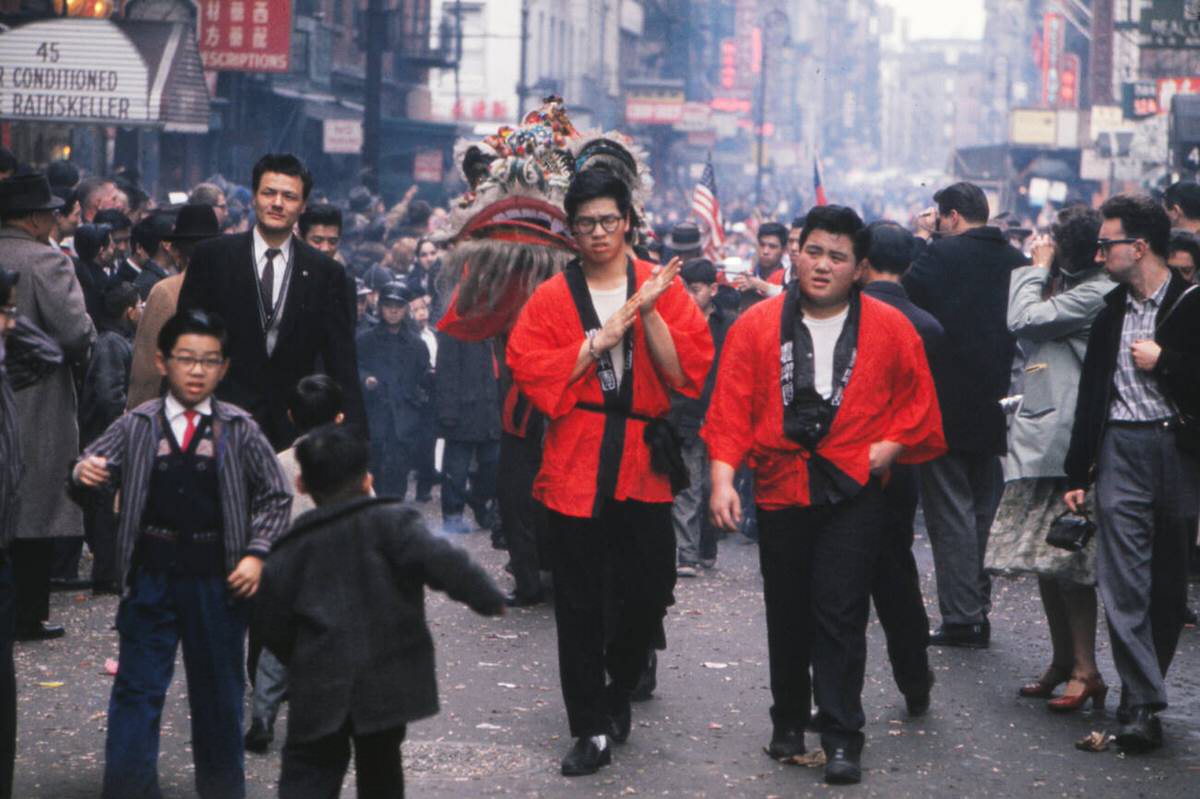
Streets filled with celebration
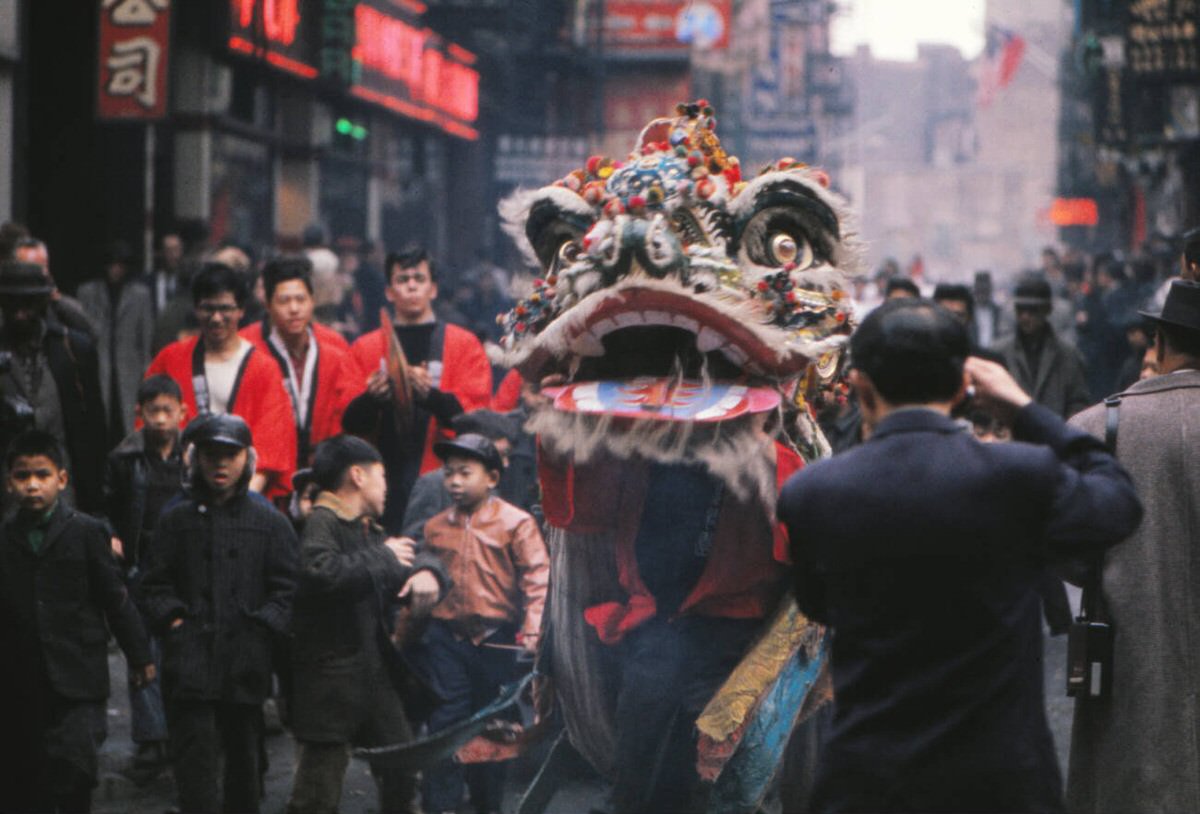
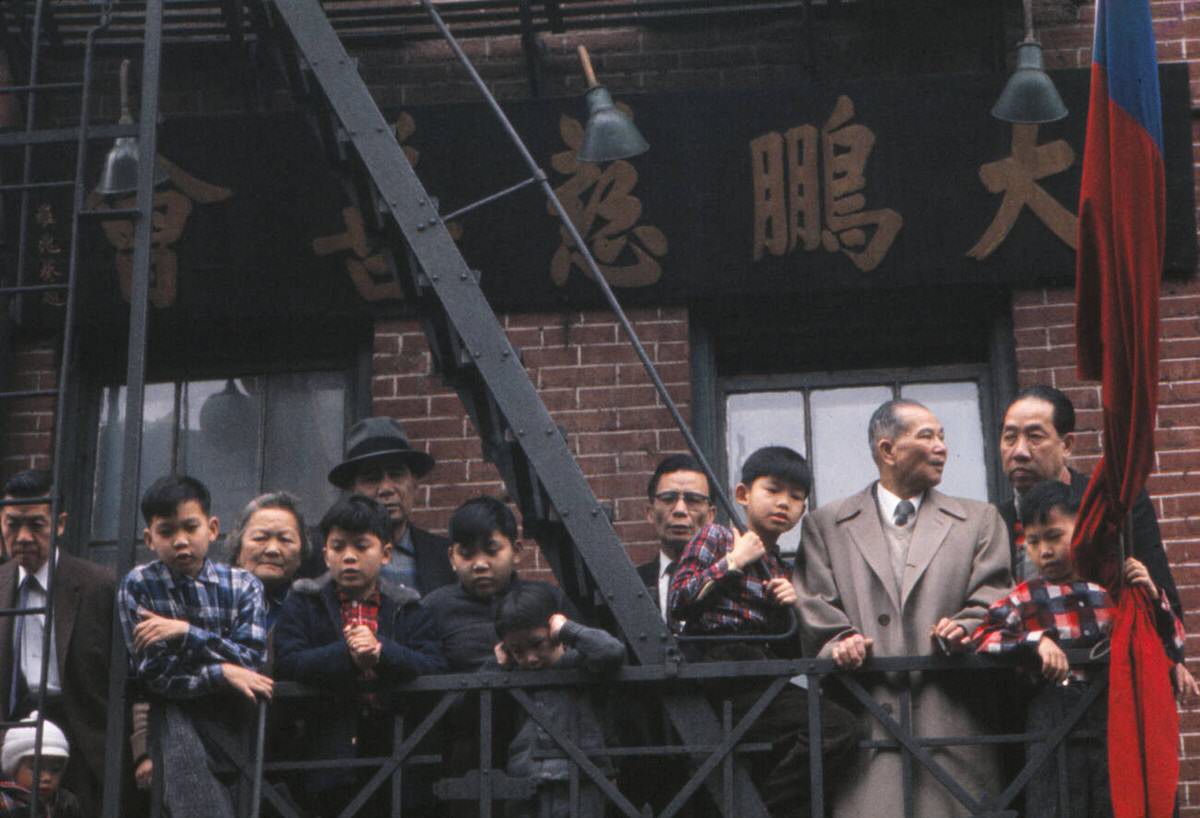
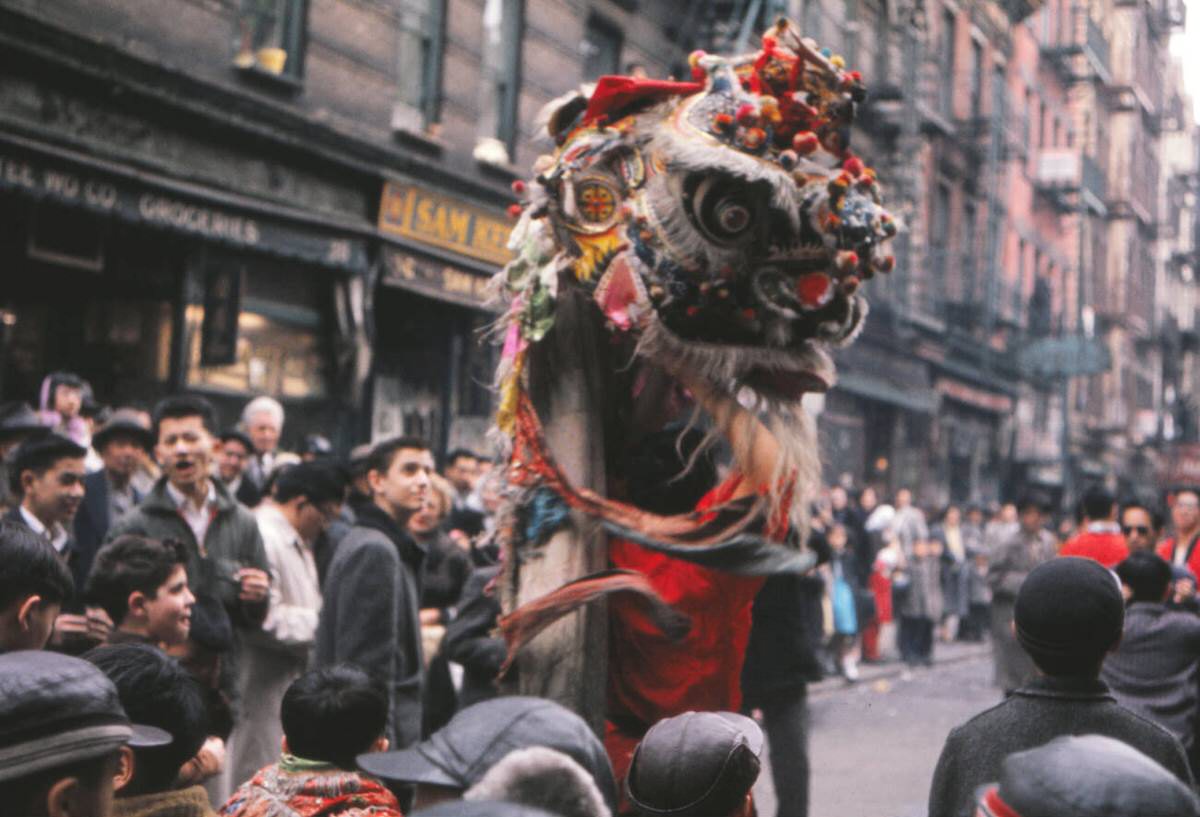
On New Year’s Day, crowds gathered along narrow streets. Children wore new clothes, often in dark wool coats because of the winter cold. Many carried small paper lanterns.
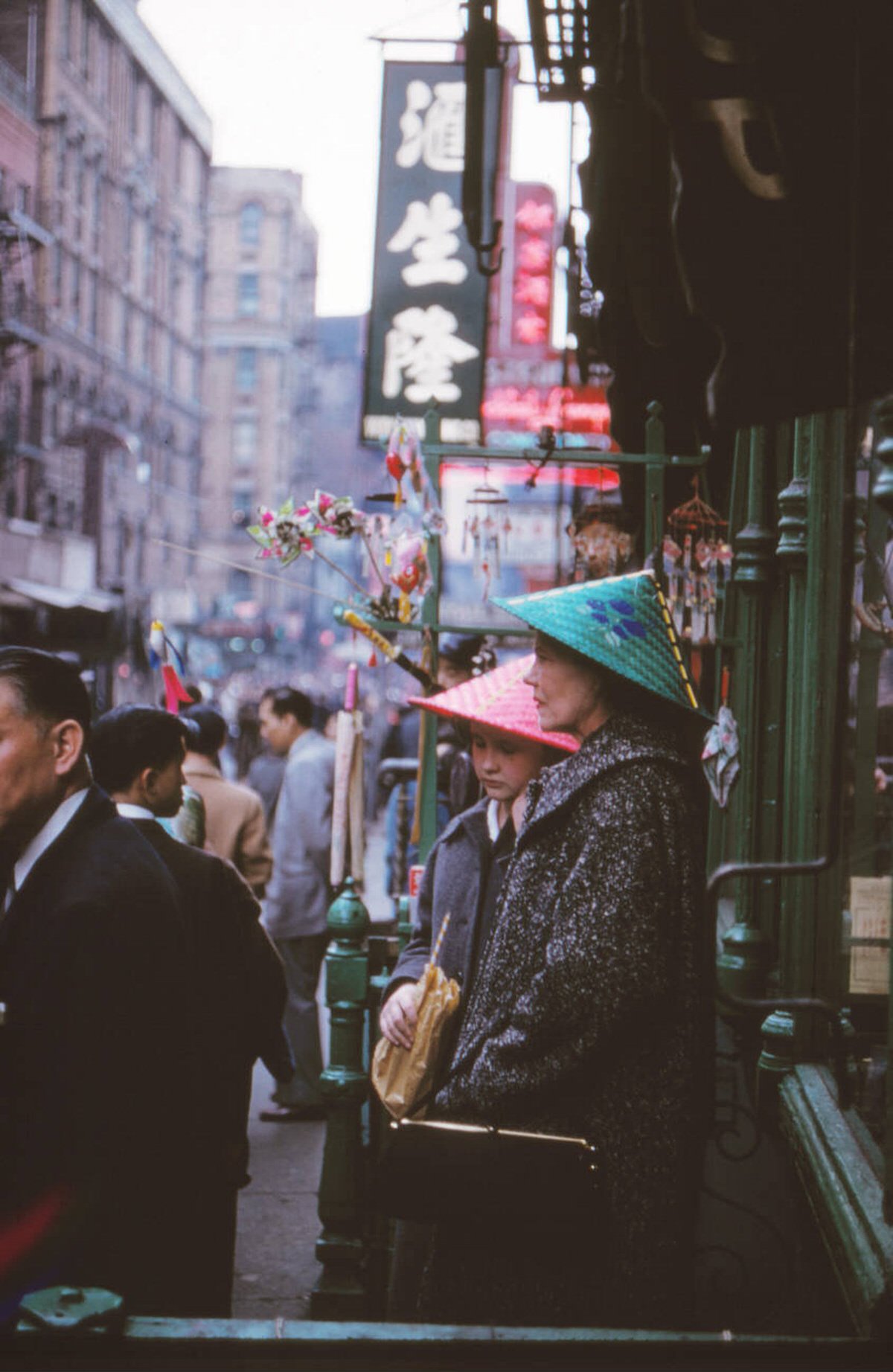
Store owners hung long red banners with gold Chinese characters. These banners showed wishes for good health, business success, and family unity.
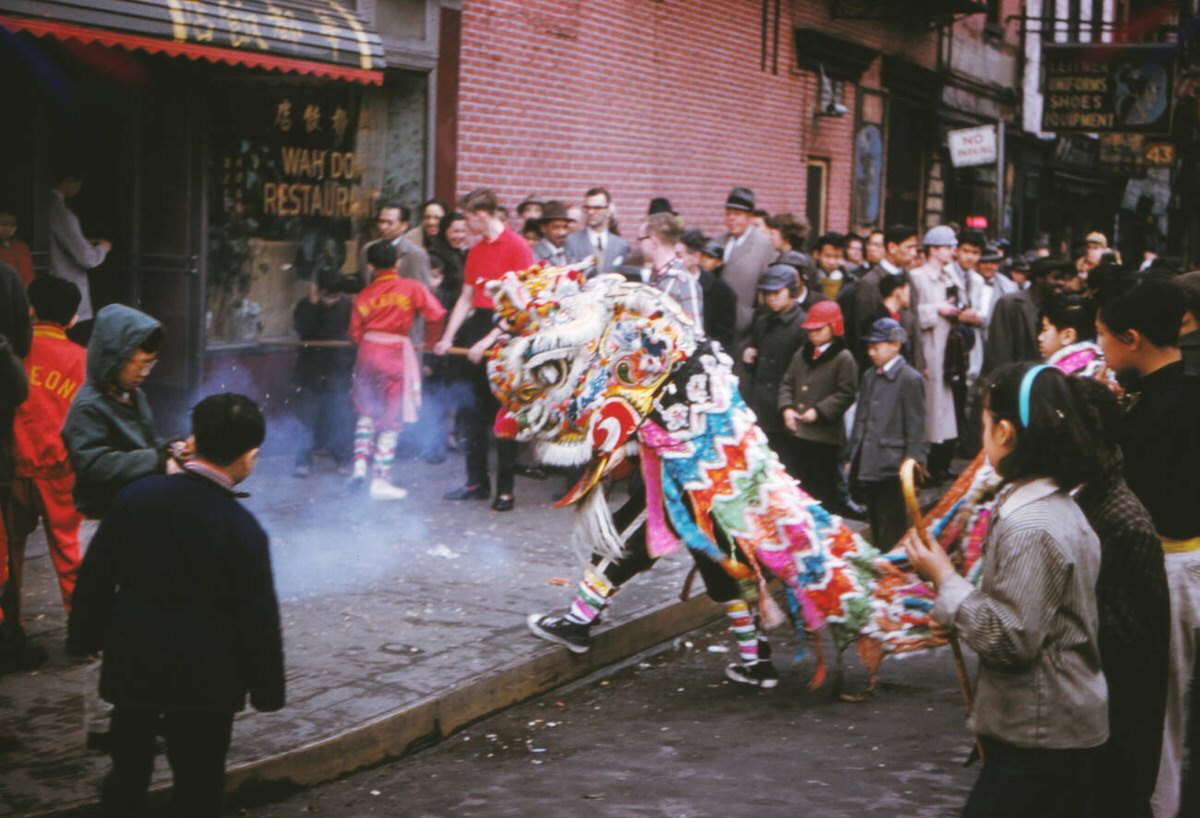
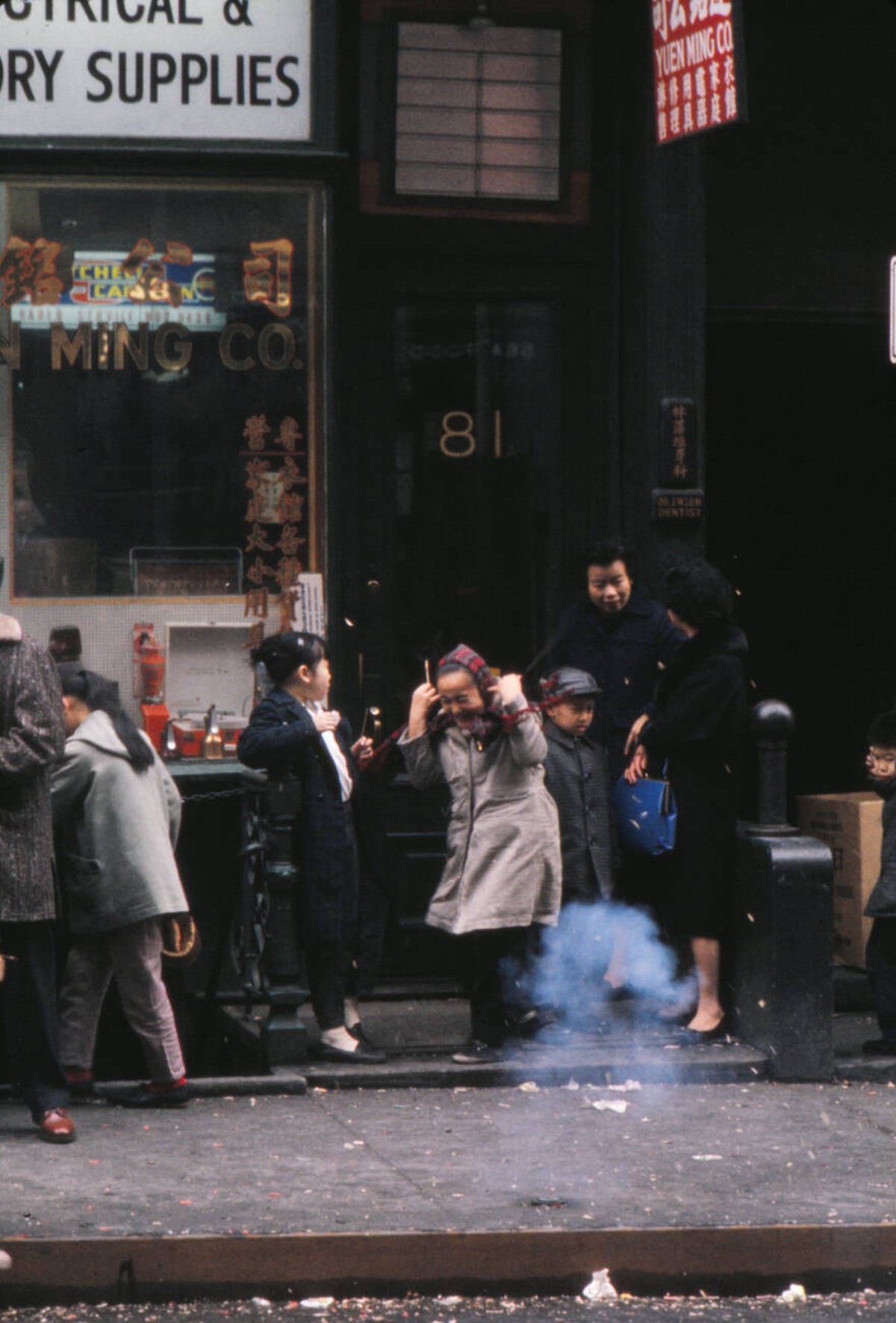
Firecrackers formed long red chains across sidewalks. At certain moments, people lit them in long bursts. Loud popping sounds echoed between the buildings. Red paper fragments covered the streets after each round.
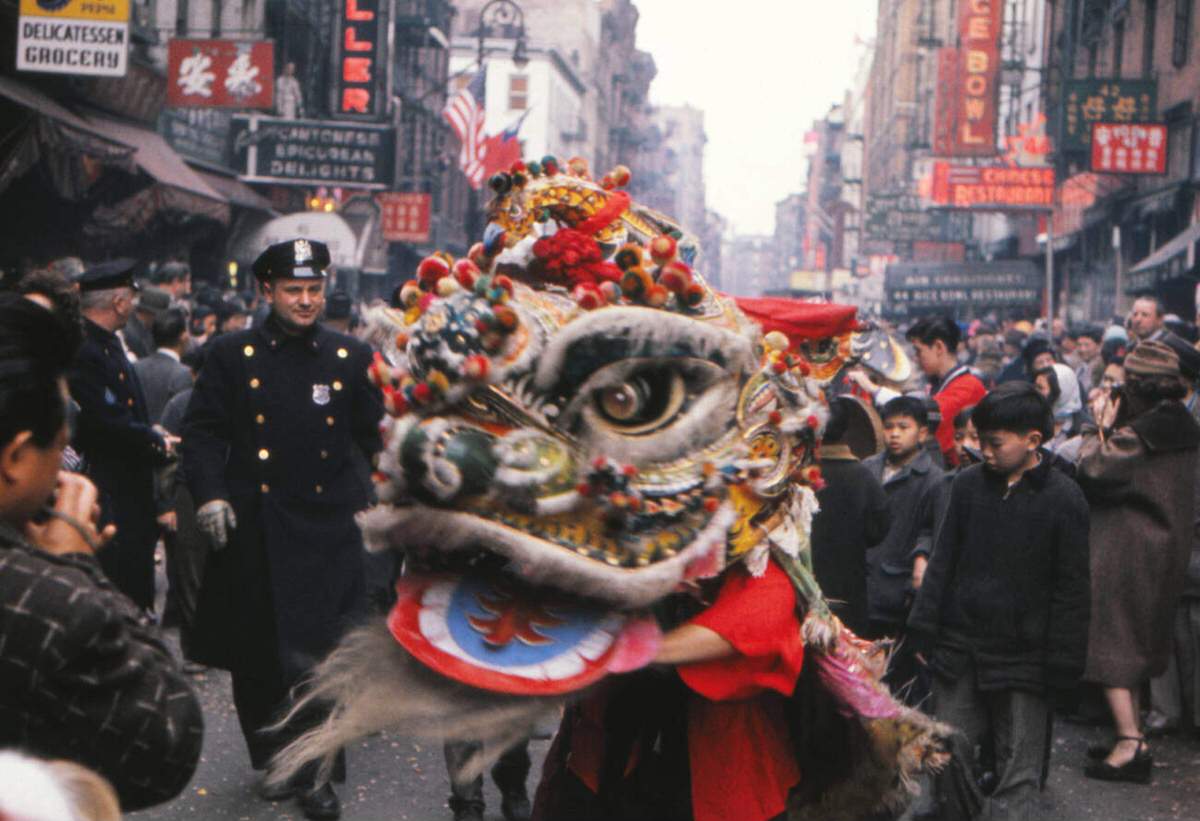
The smoke from firecrackers mixed with cold air. Police officers stood nearby to control crowds and prevent accidents.
Read more
Lion dances and parade groups
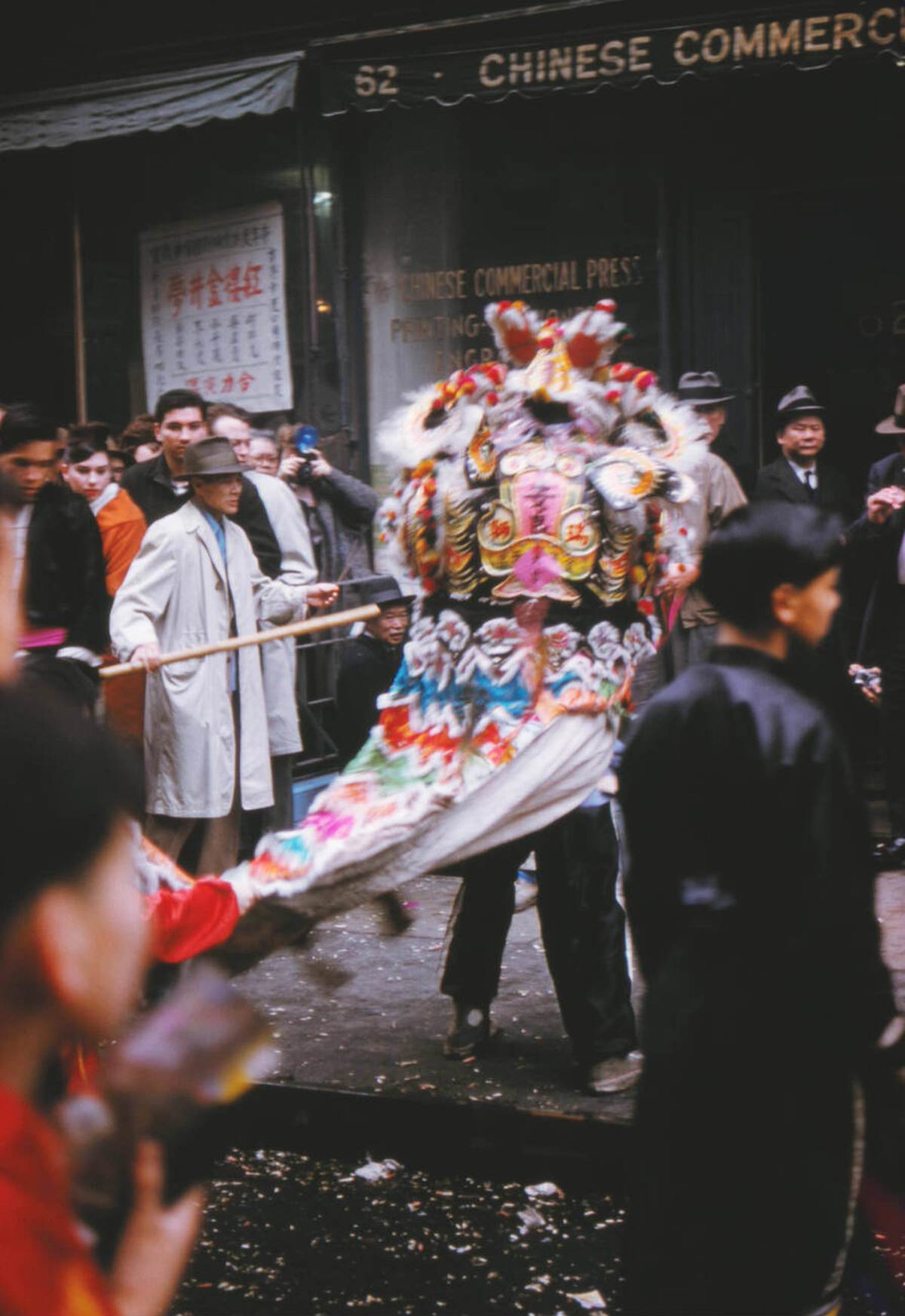
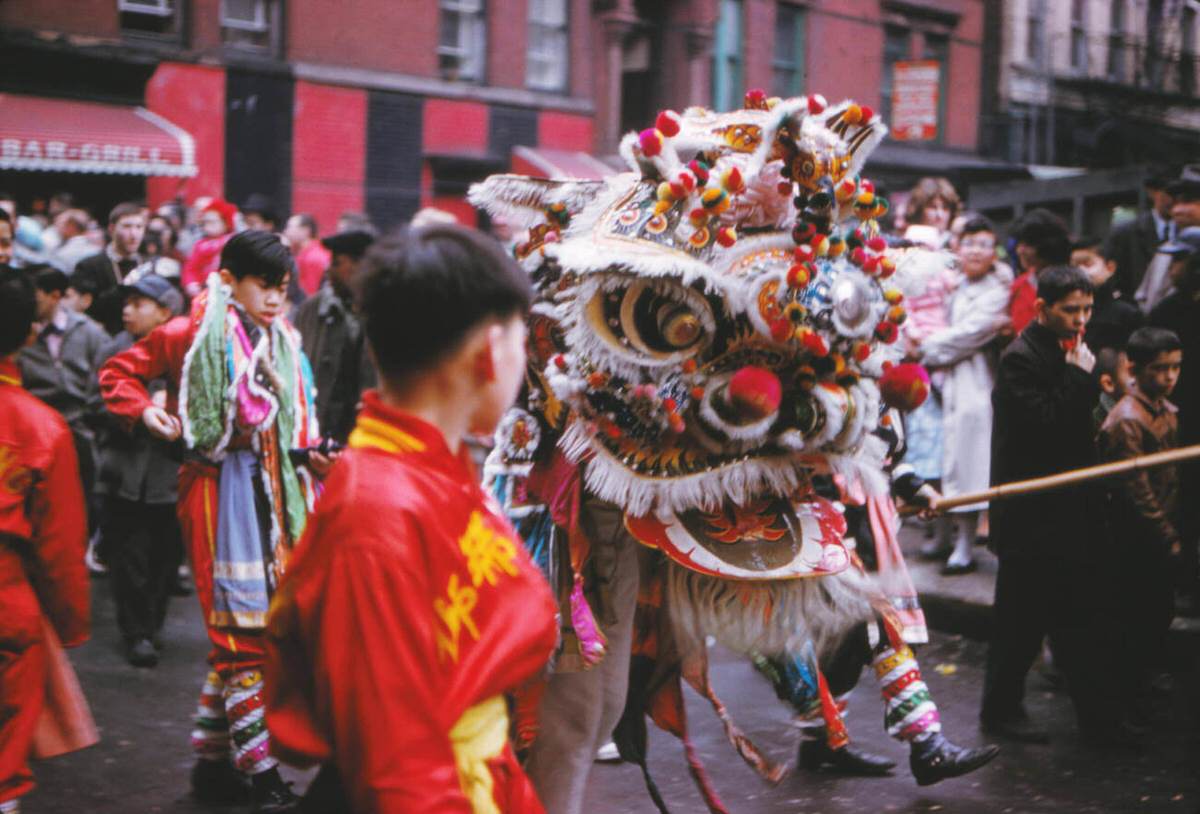
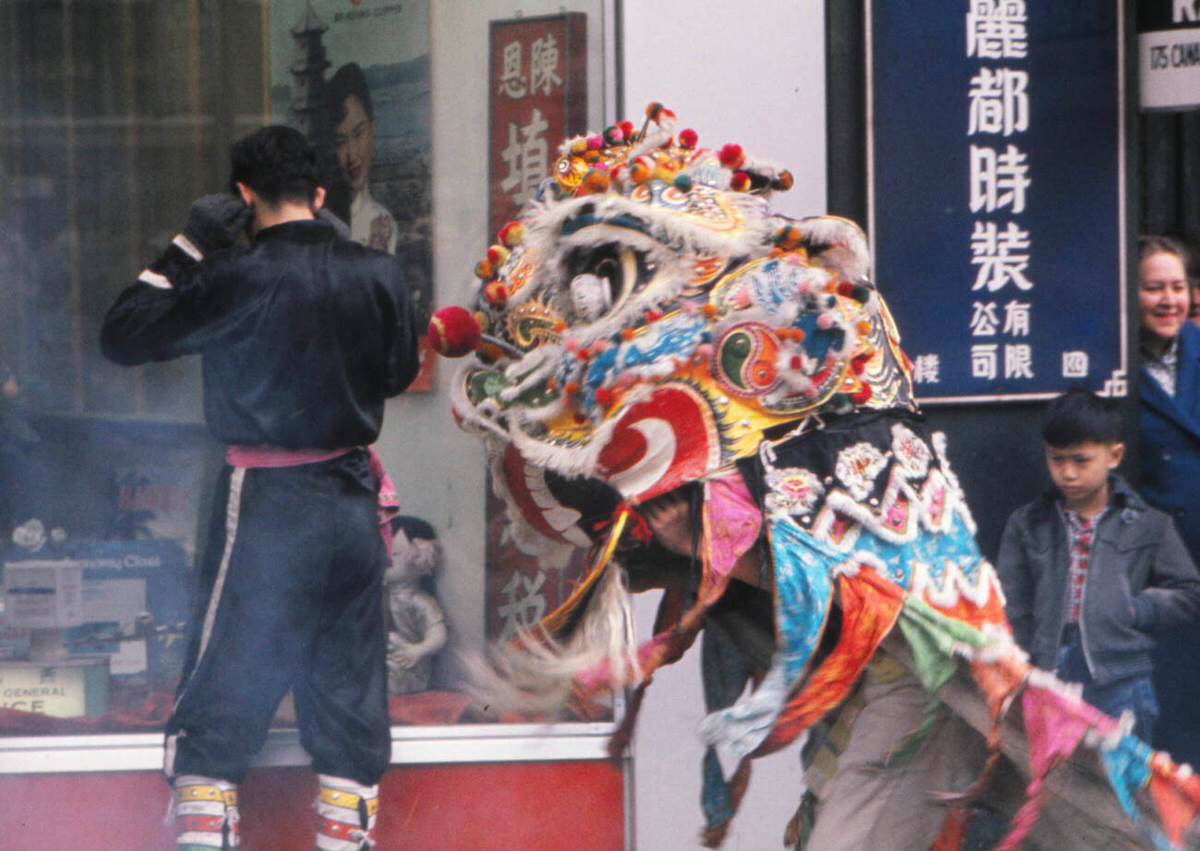
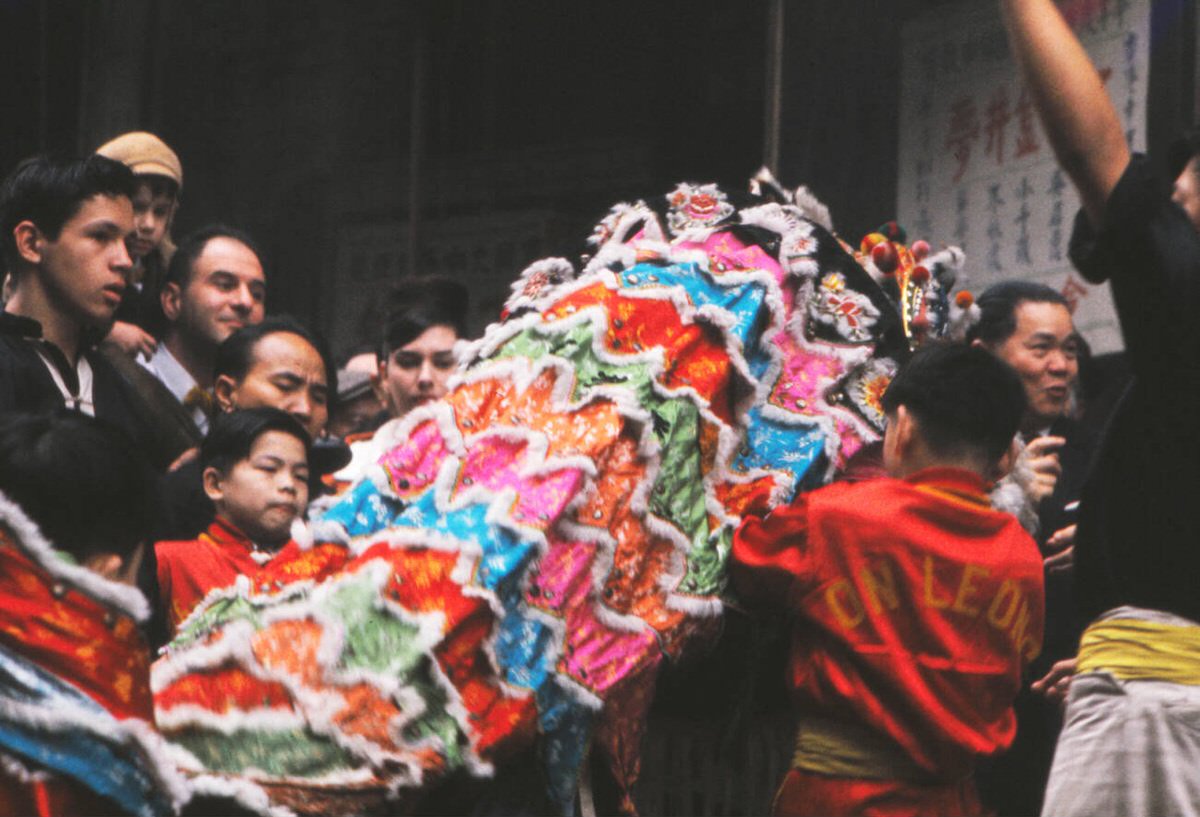
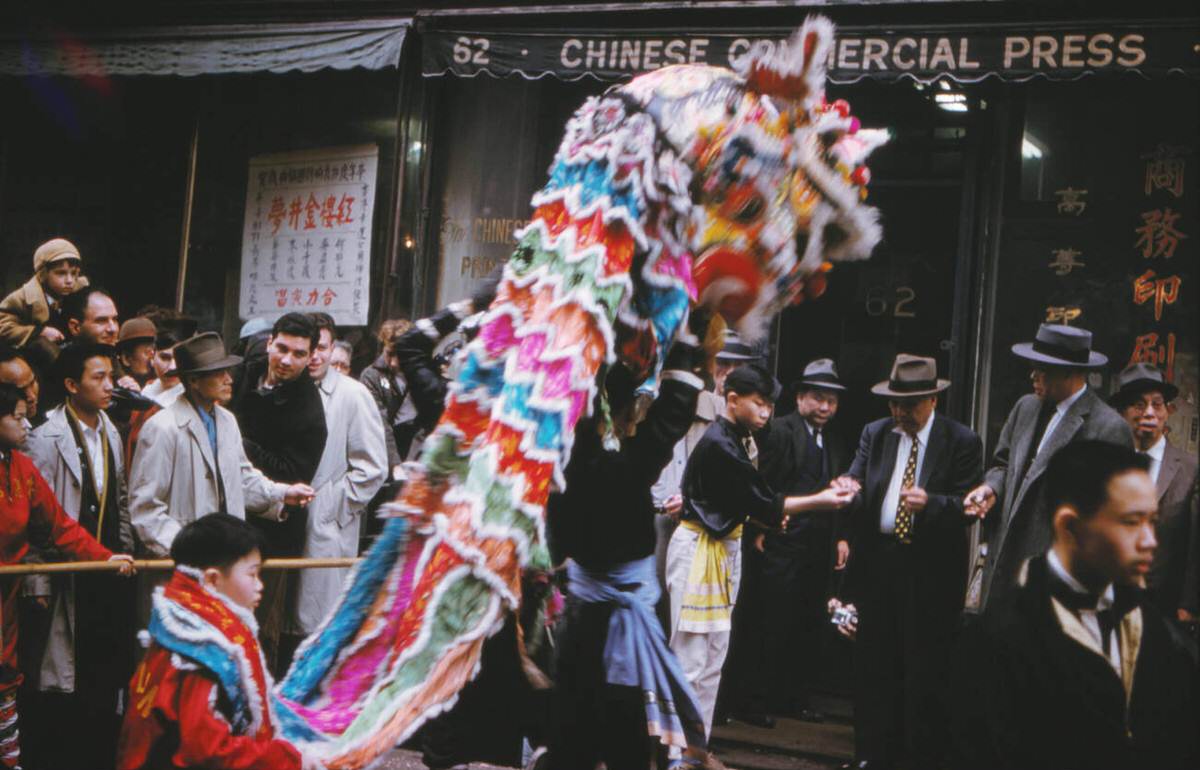
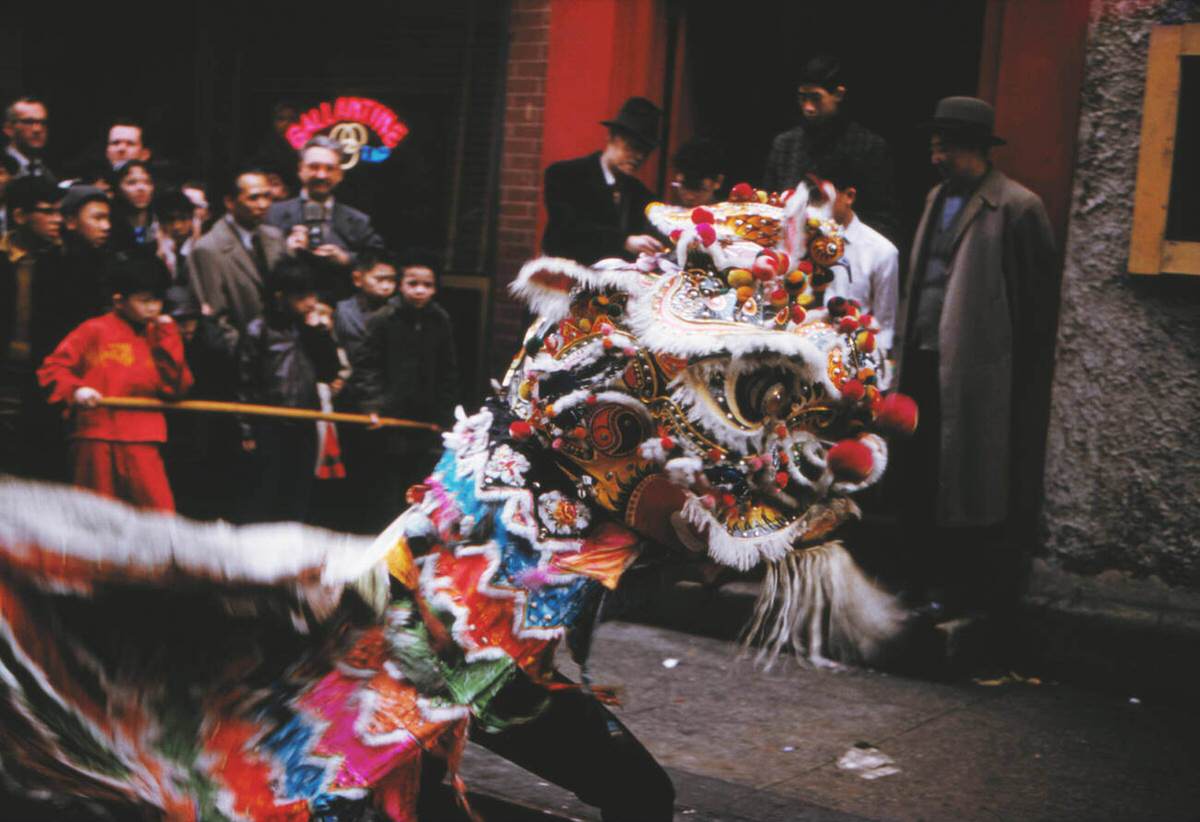
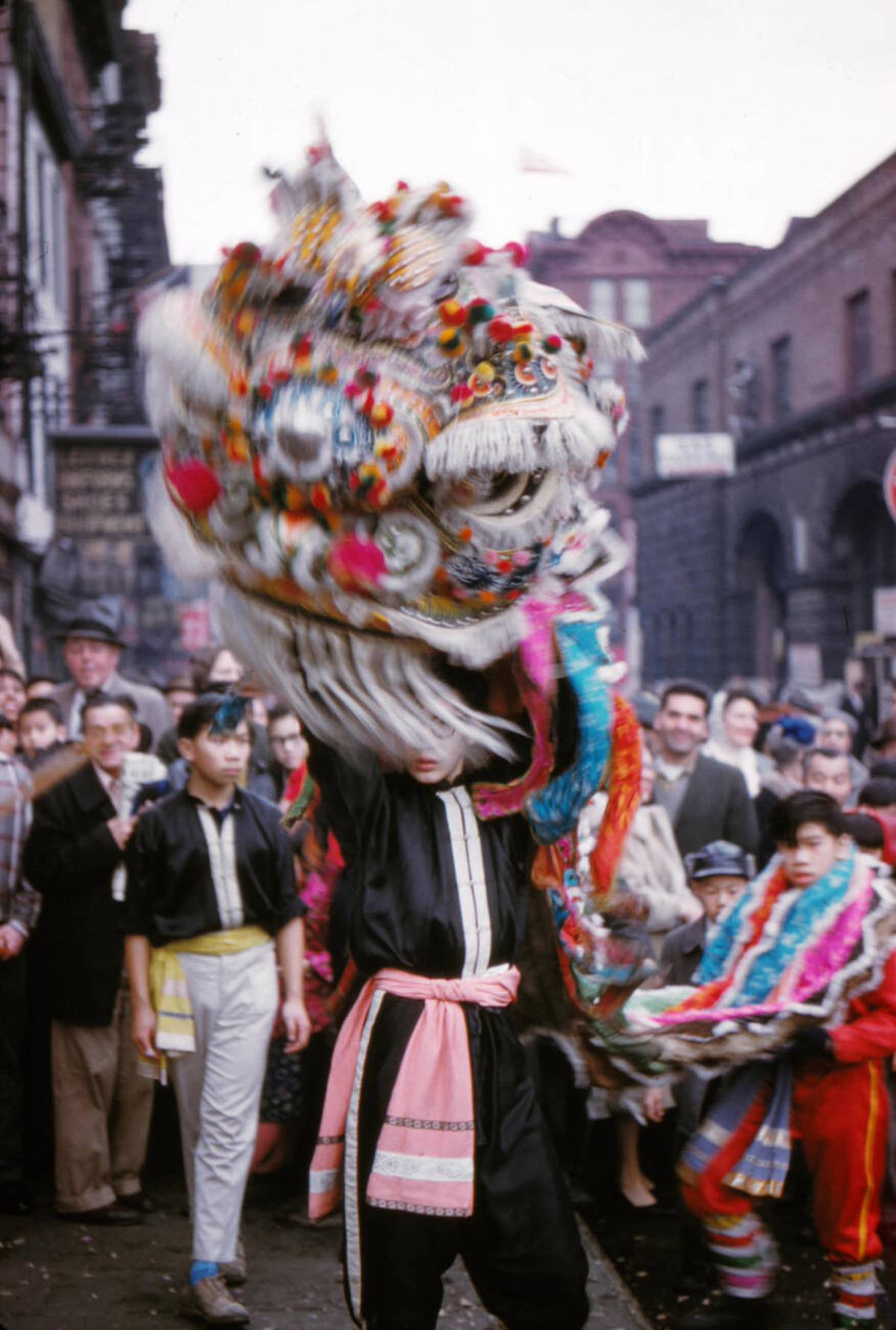
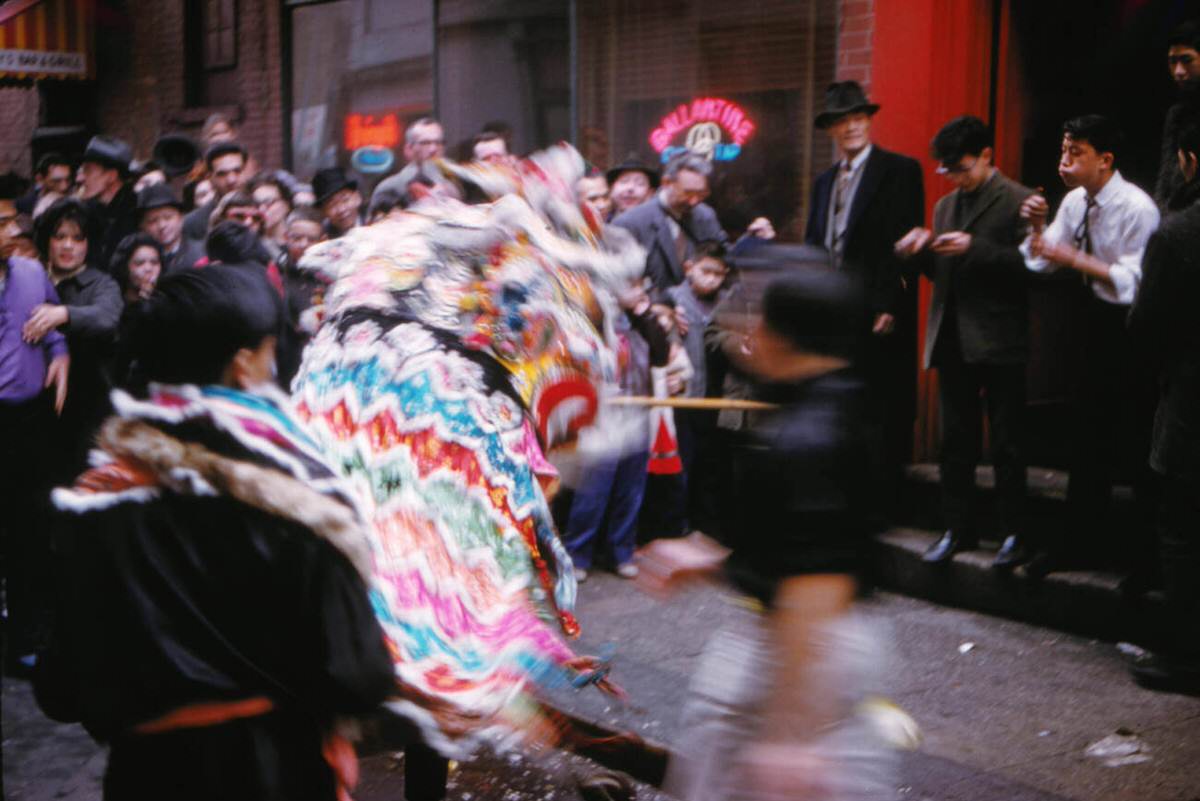
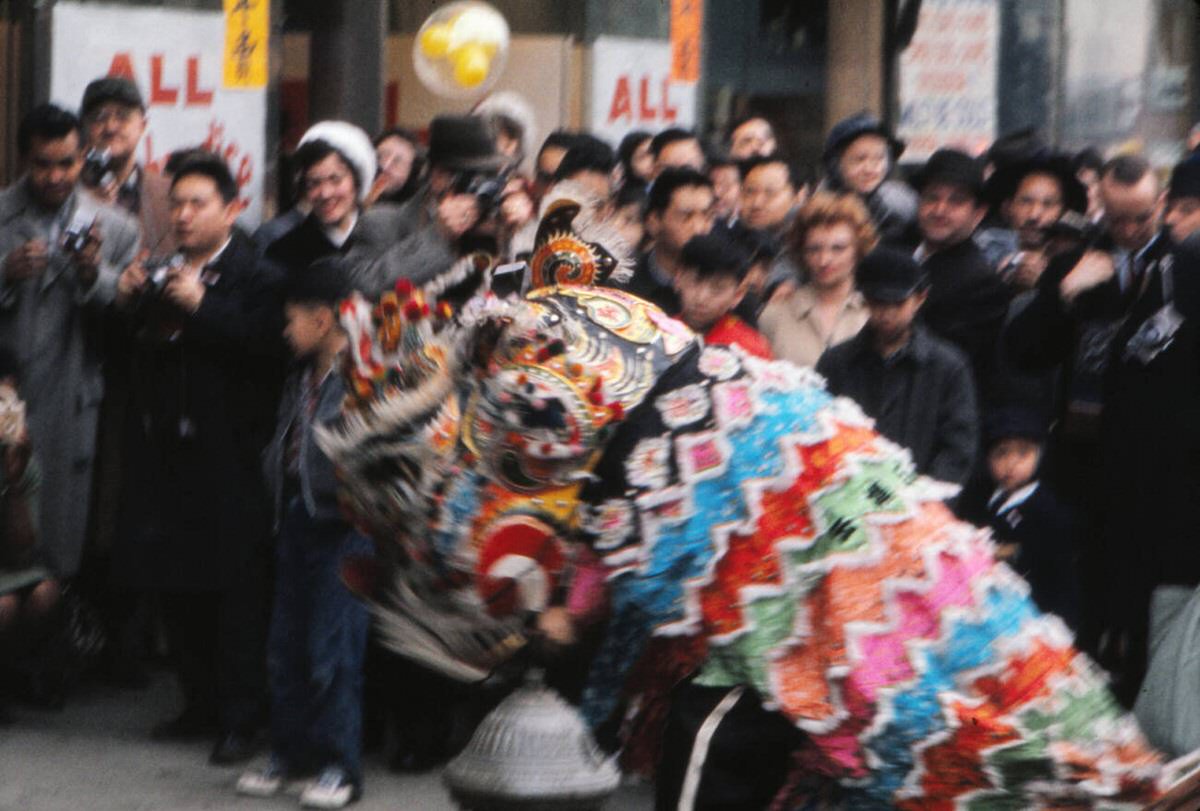
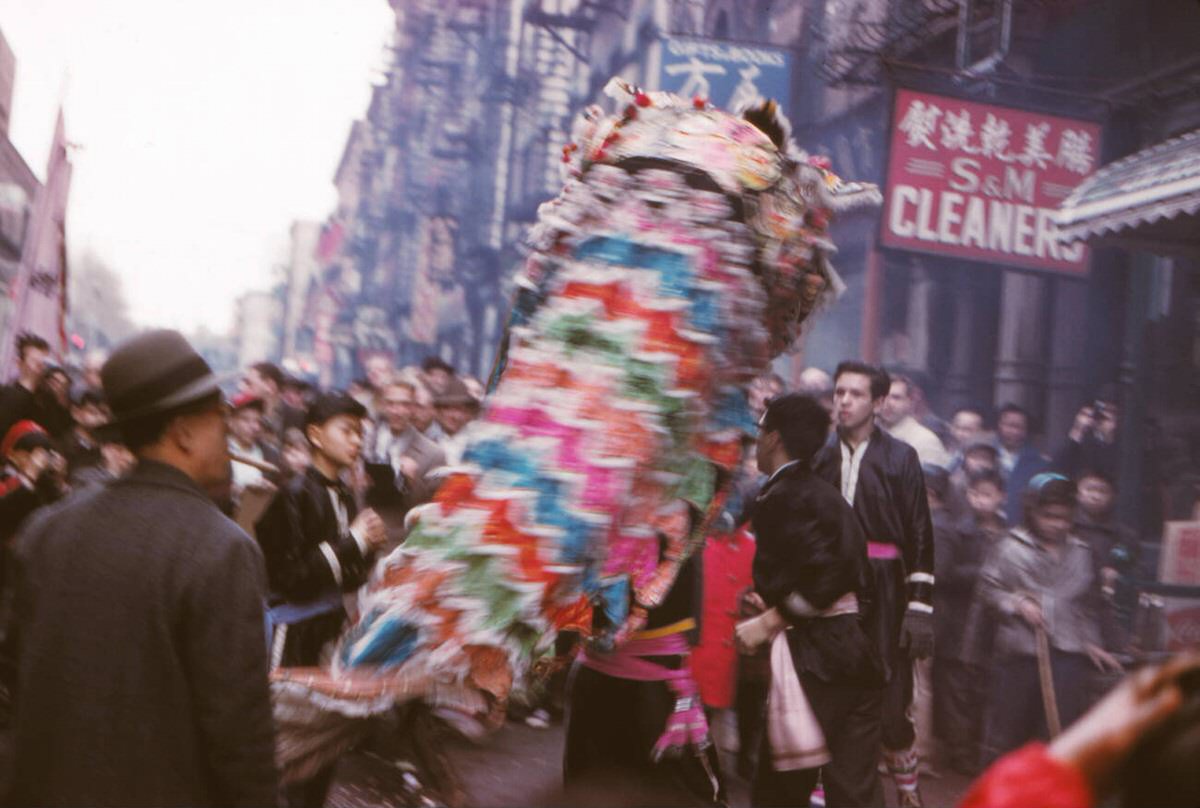
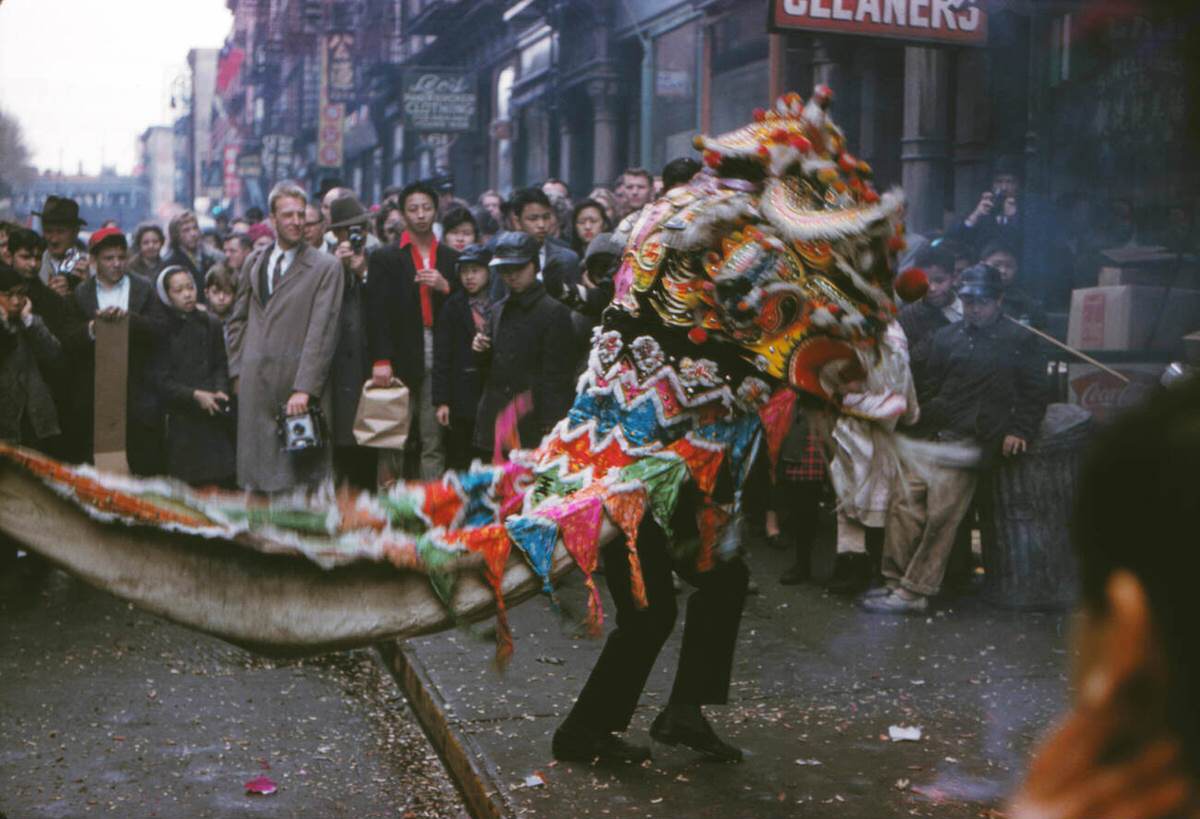
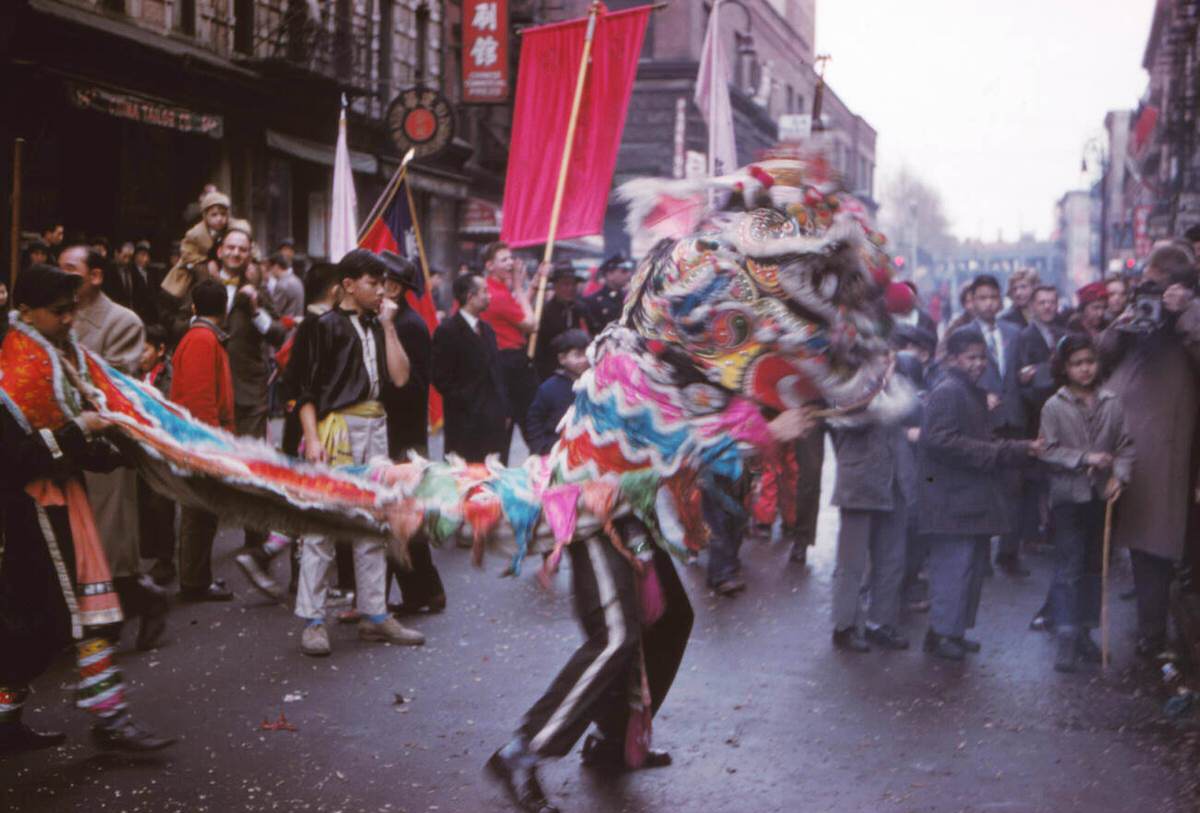
Lion dance teams moved through the neighborhood. Each lion required two performers. One controlled the head. The other formed the body and tail.
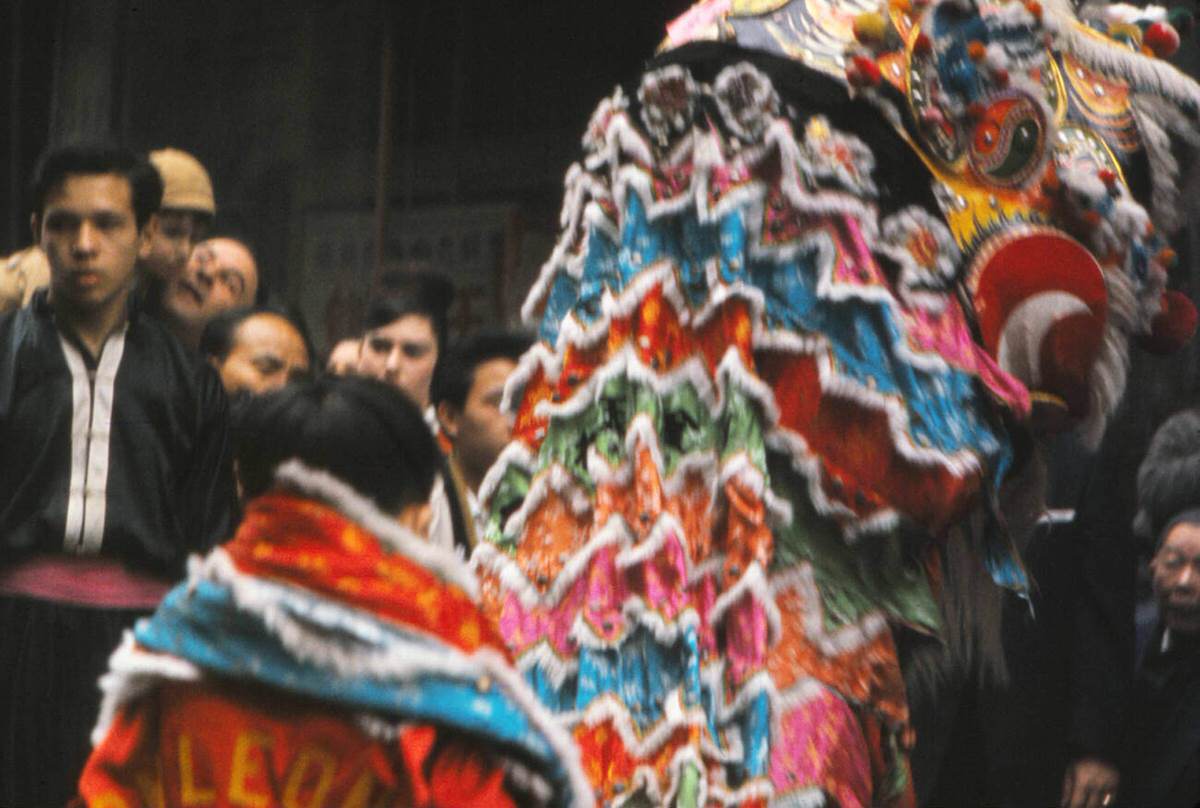
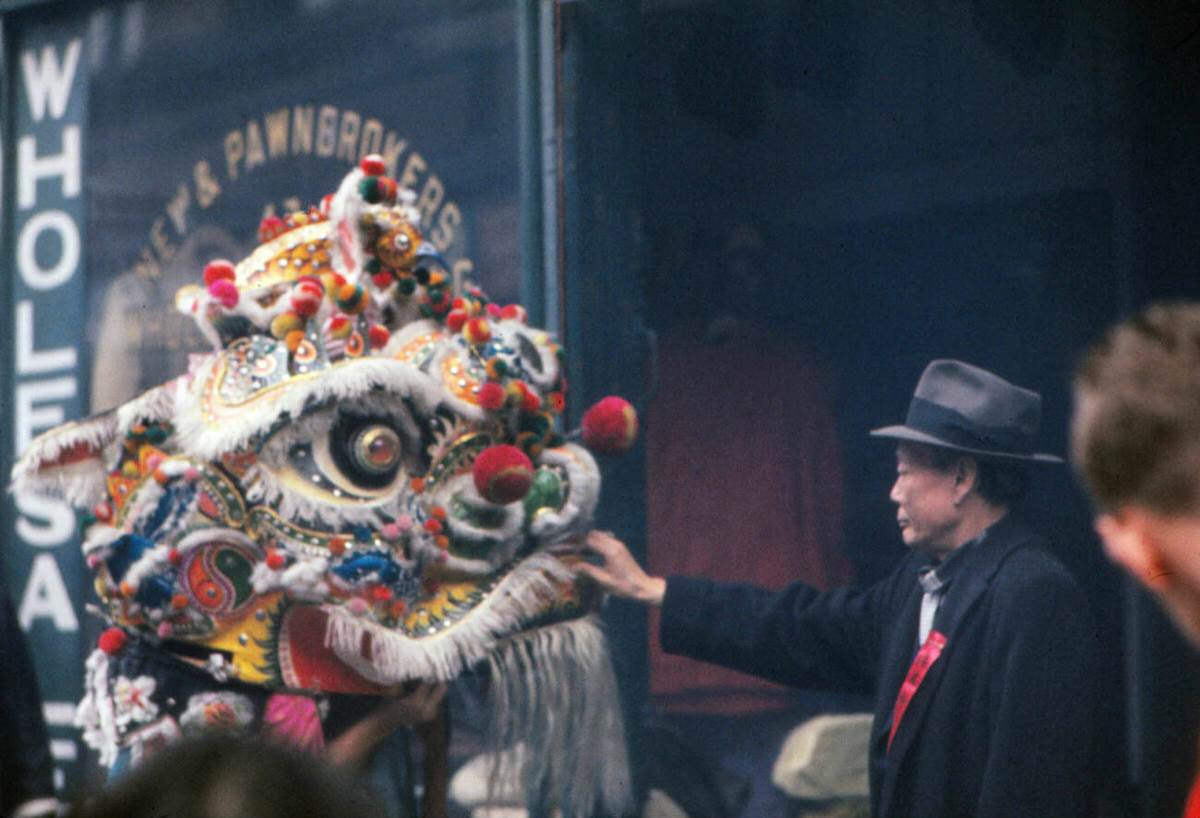
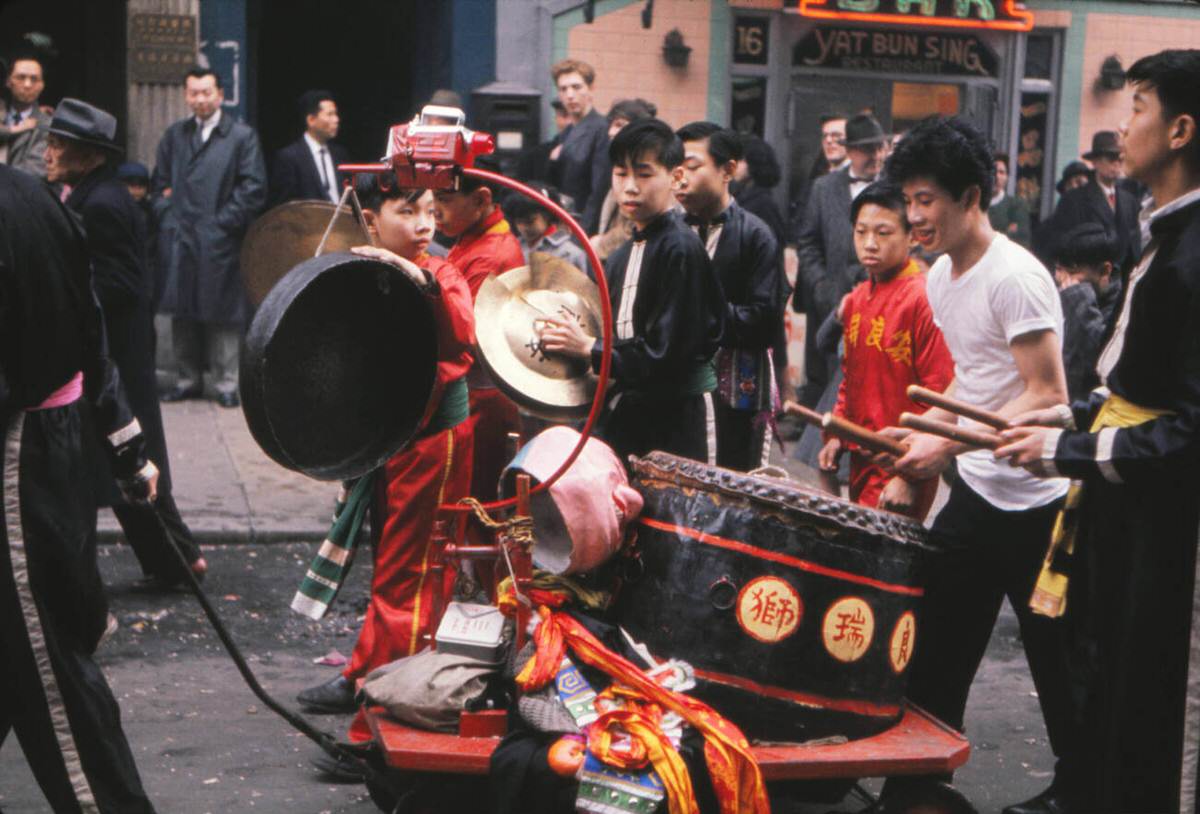
The lion heads used bright colors, mirrors, and fur trim. Performers moved the heads up and down to simulate blinking and eating motions. Drums, cymbals, and gongs set the rhythm.
Local family associations sponsored many of these groups. Organizations such as the Chinese Consolidated Benevolent Association helped organize events and maintain order during celebrations.
Parade groups stopped at restaurants and businesses. Owners presented offerings of oranges, lettuce, and red envelopes. The lion dancers performed short routines in return.
Food and family gatherings
Restaurants prepared special holiday meals. Dining rooms filled with families sharing traditional dishes. Tables included whole fish, roast pork, long noodles, and dumplings.
Bakeries sold mooncakes, sesame balls, and almond cookies. Display windows showed stacked trays of sweets prepared for the holiday.
Inside homes, families honored ancestors with small altars. These often held incense, fruit, and tea. Families gathered for meals after visiting these spaces.

GIPHY App Key not set. Please check settings