

 Makayla White
In the summer of 1974, photographer Danny Lyon spent two months documenting daily life in Brooklyn. He worked as part of the Environmental Protection Agency’s Documerica project, a nationwide effort to record environmental and urban conditions across the United States.
Lyon focused on neighborhoods including Bushwick, Bedford-Stuyvesant, Fort Greene, and Park Slope. His photographs show streets filled with children, aging buildings, small shops, and tight-knit communities. They capture Brooklyn at a time when the borough faced economic hardship and physical decline.
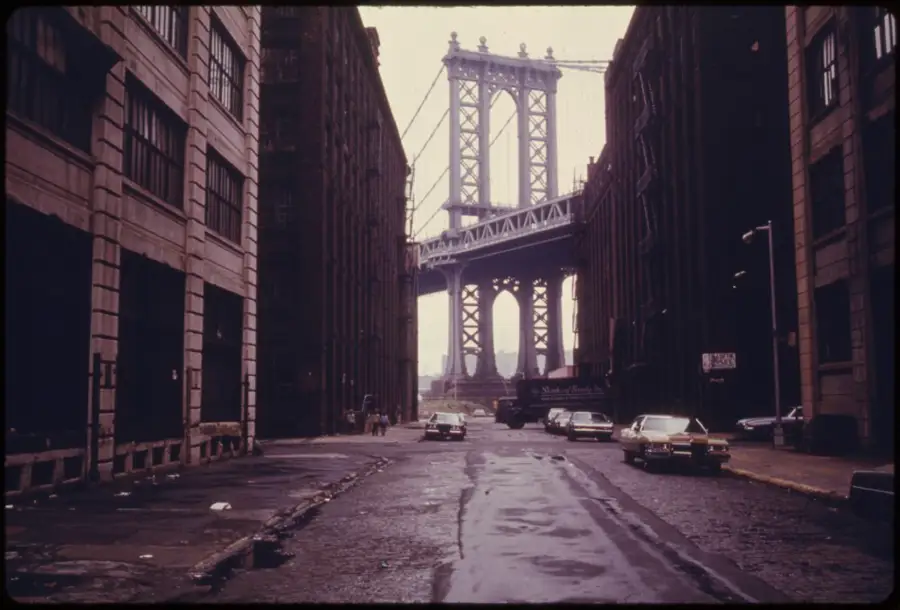
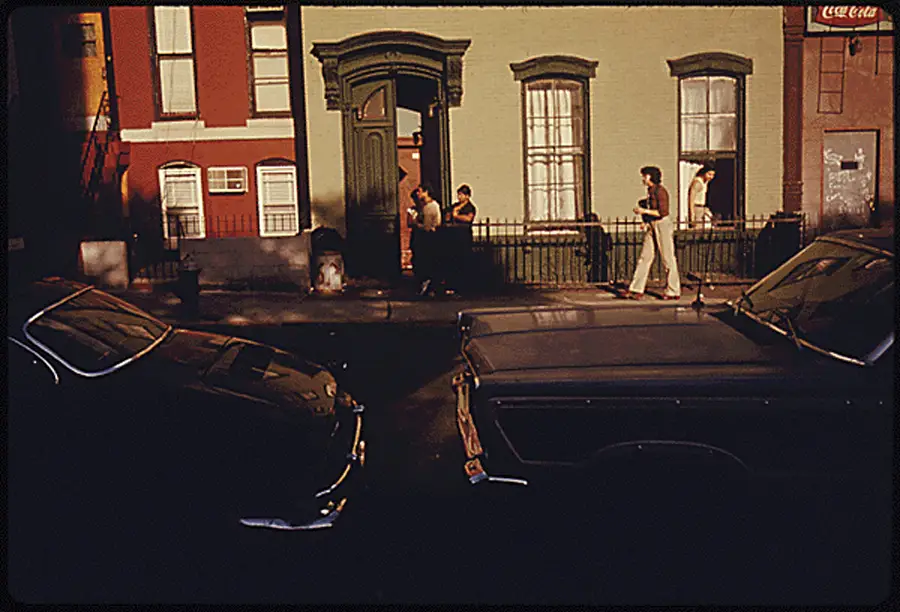
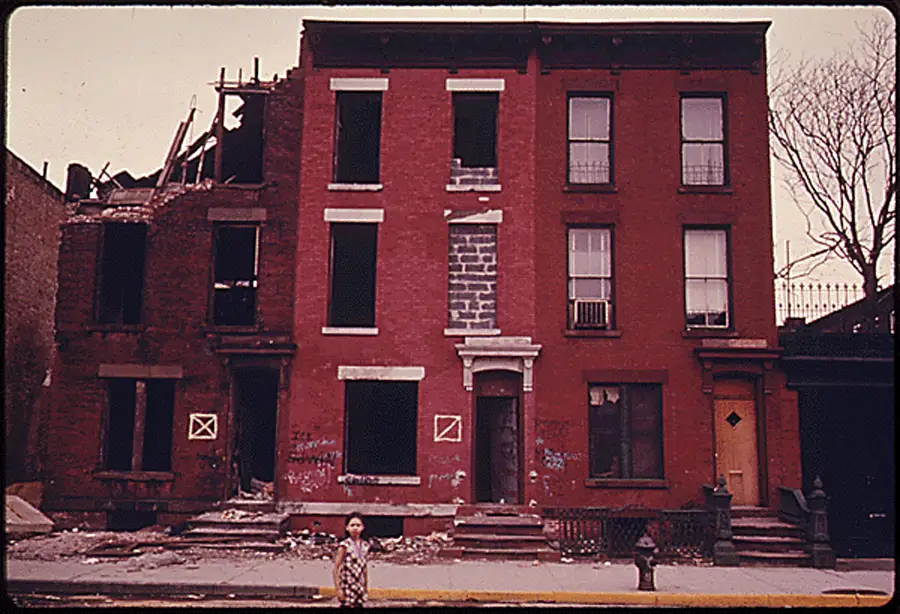
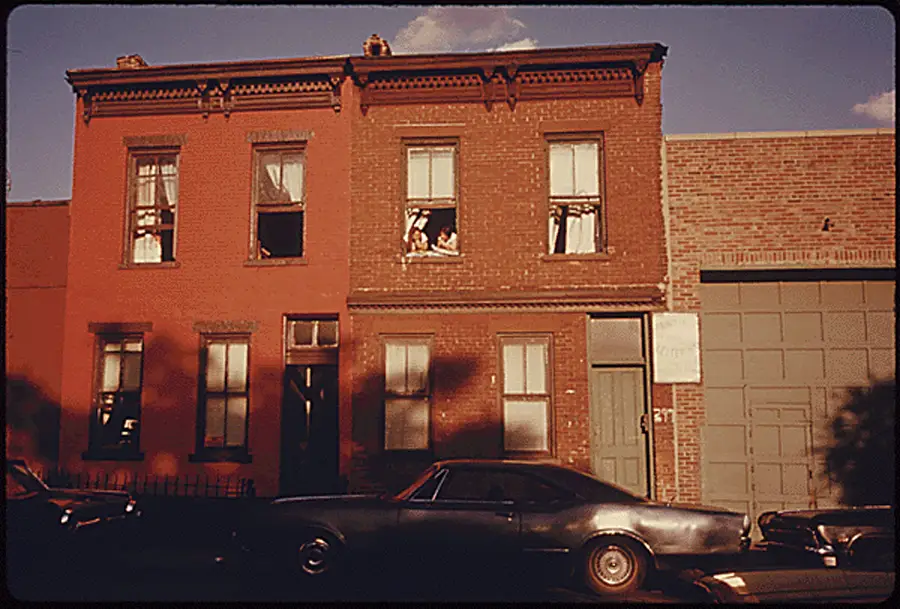
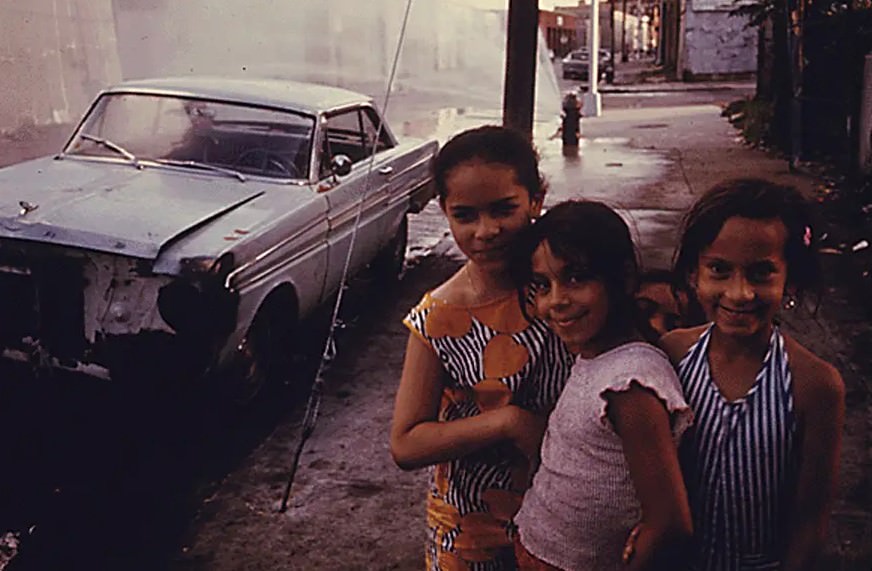
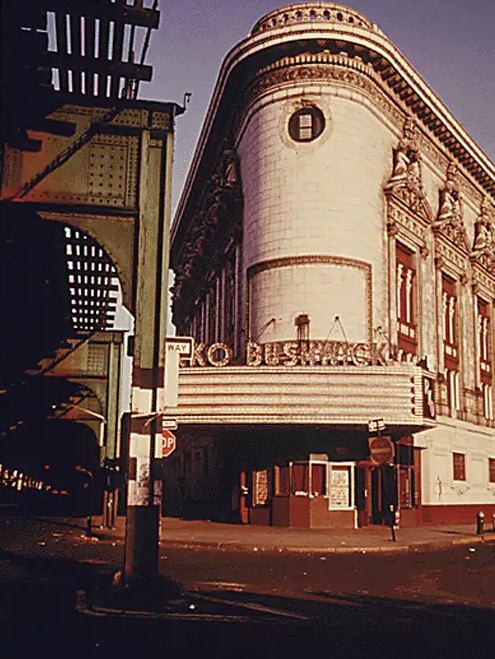
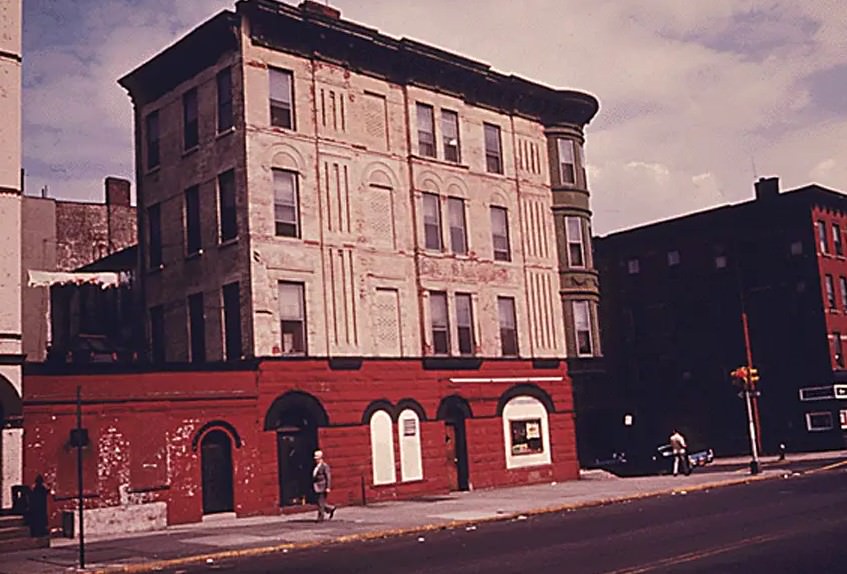
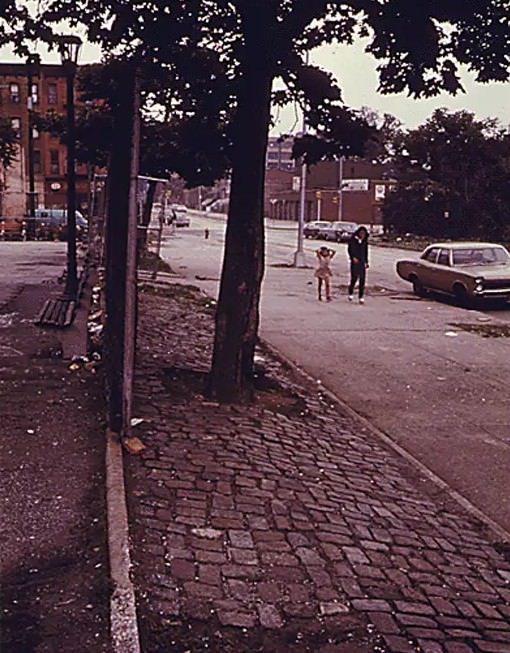
In Bushwick, many buildings show signs of neglect. Brick walls are cracked. Windows are boarded up. Vacant lots sit between occupied homes. Some streets look worn, with trash scattered along sidewalks. Cars from the early 1970s line the curbs, their large frames marking the era.
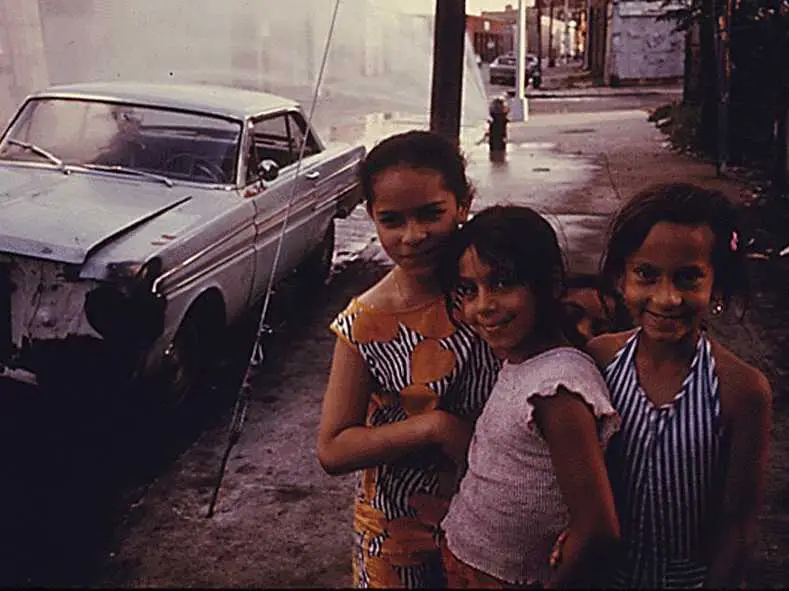
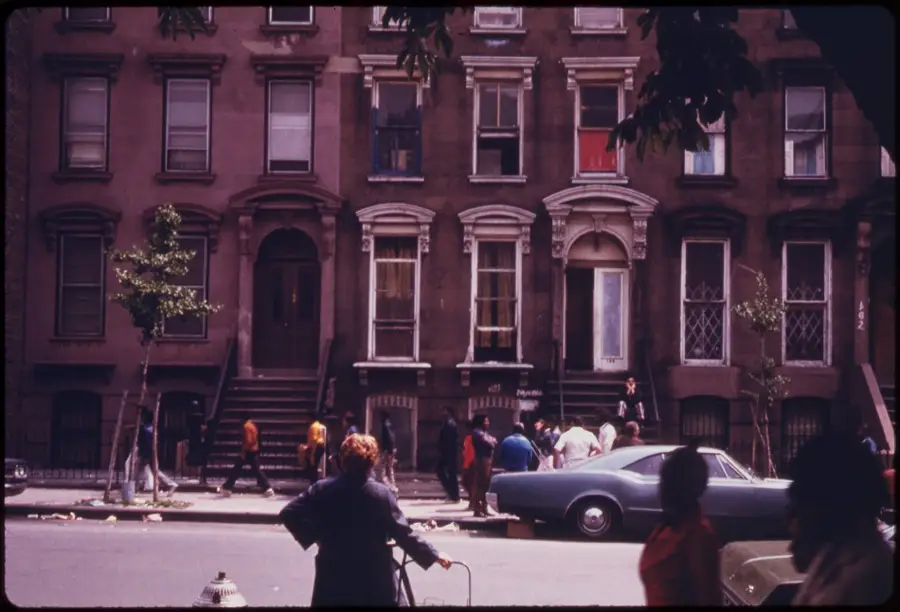
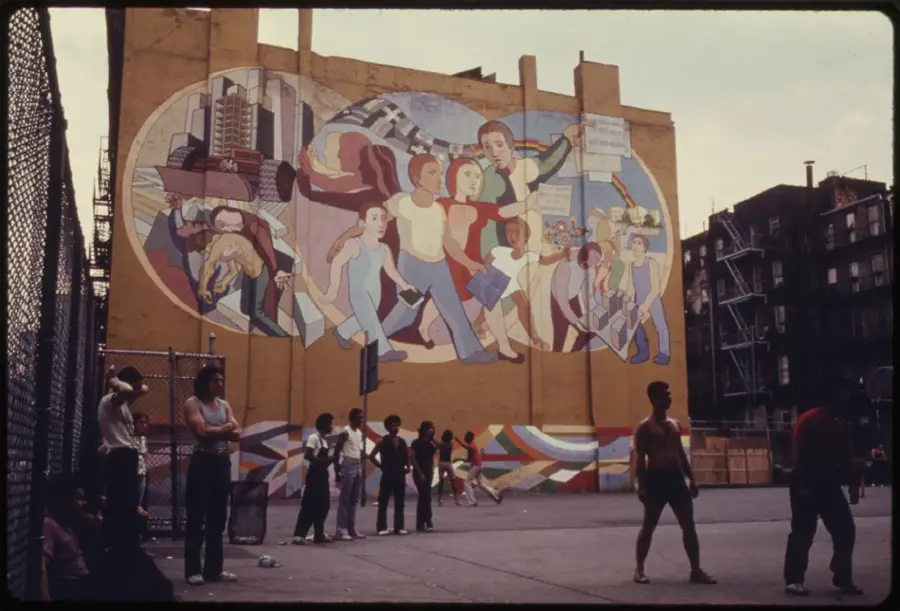
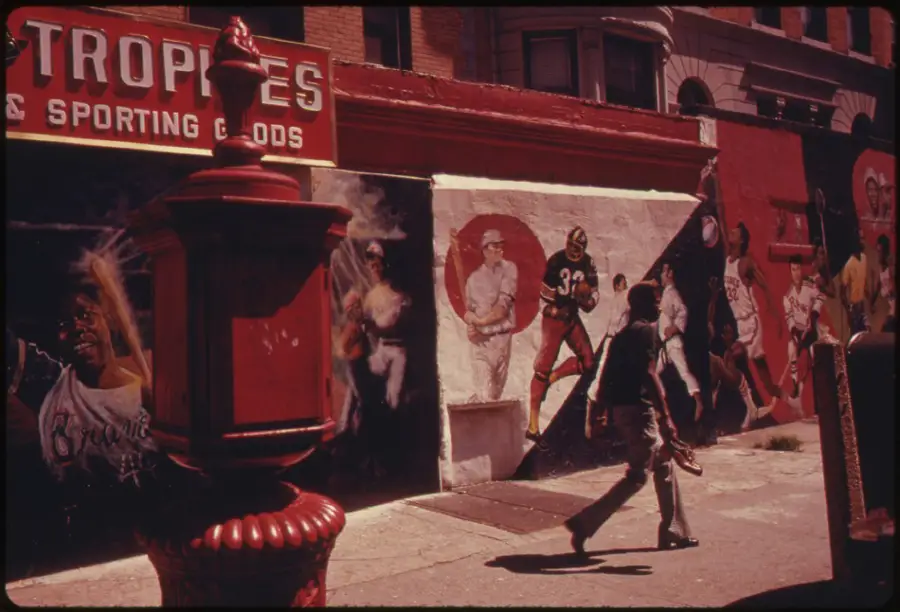
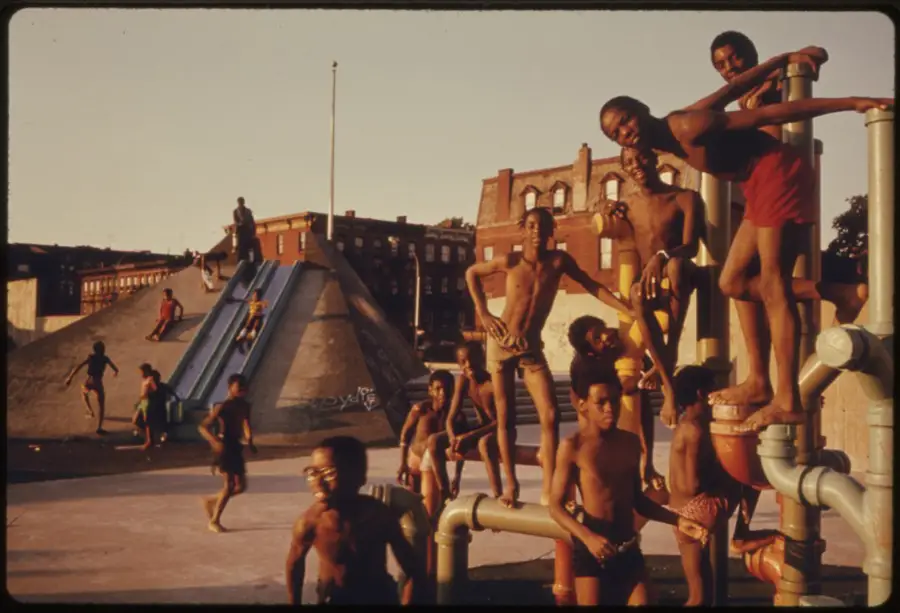
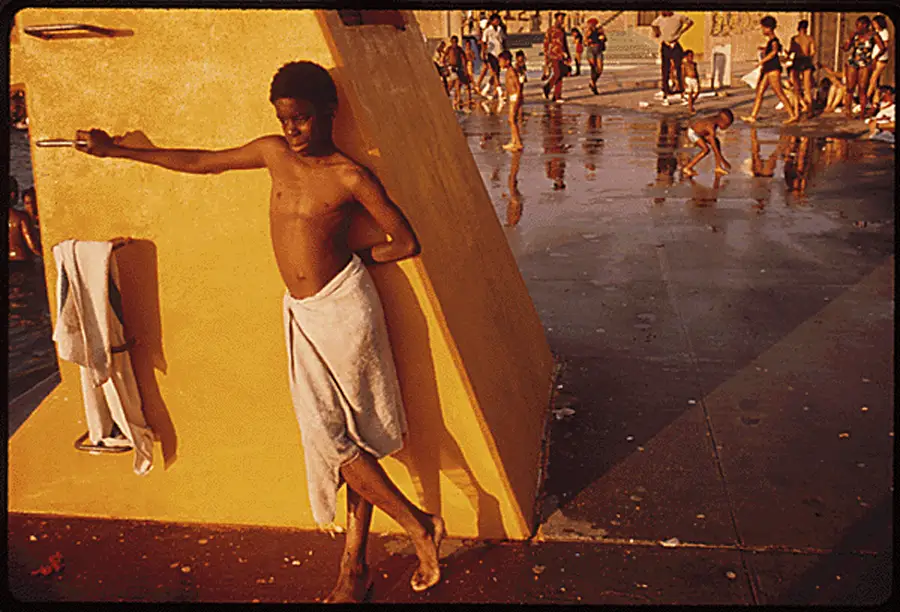
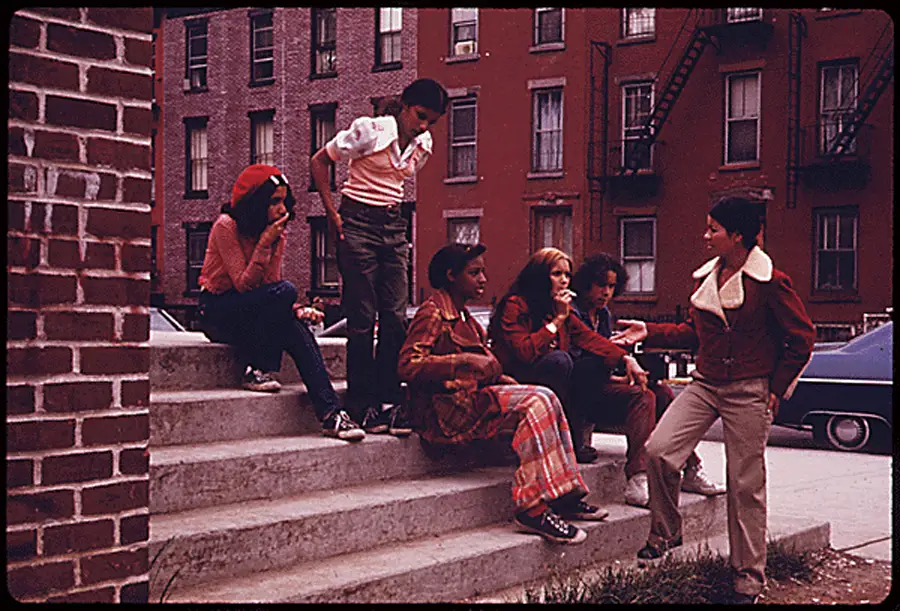
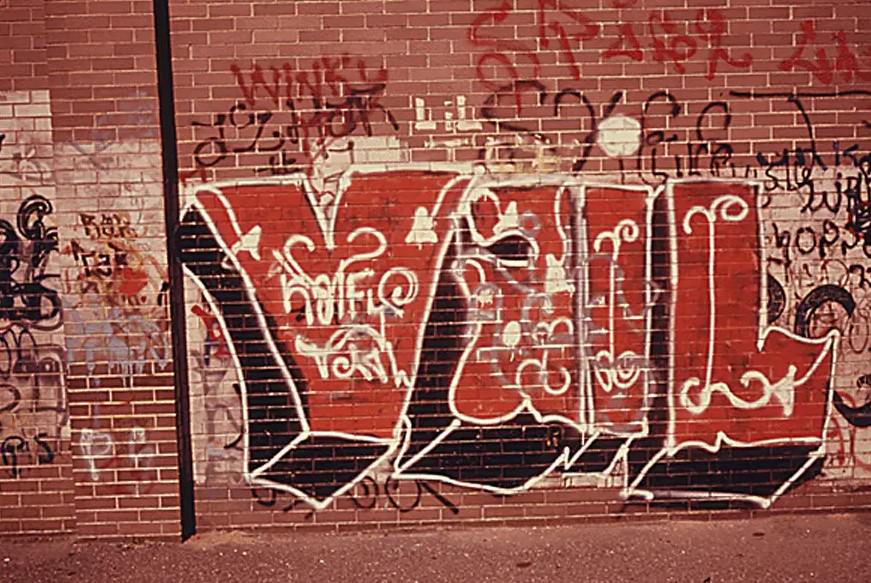
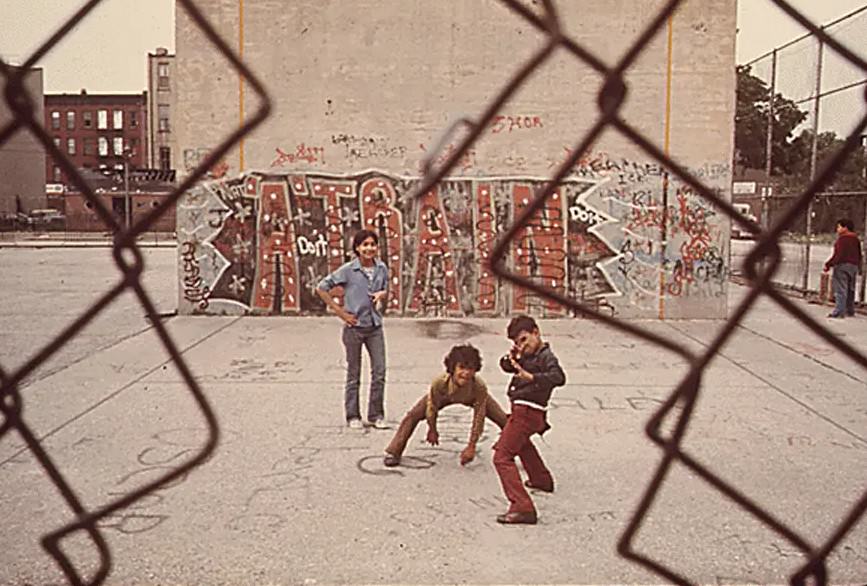
Bedford-Stuyvesant appears busy and active. Children play in open fire hydrants to cool off during the heat. Adults sit on stoops, talking and watching the block. Murals and hand-painted signs cover storefronts. The photos show a strong sense of community life, even as buildings show damage from years of underinvestment.
Read more
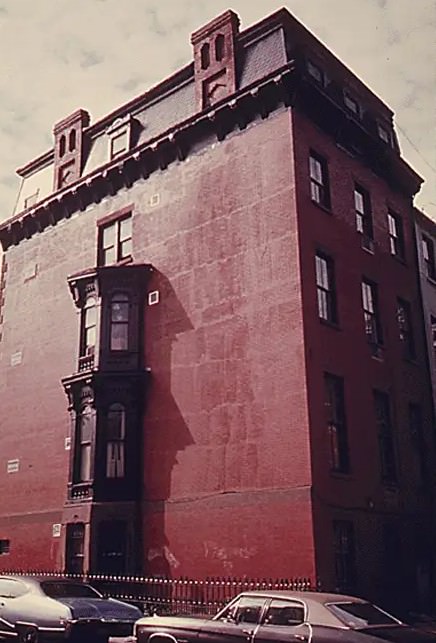
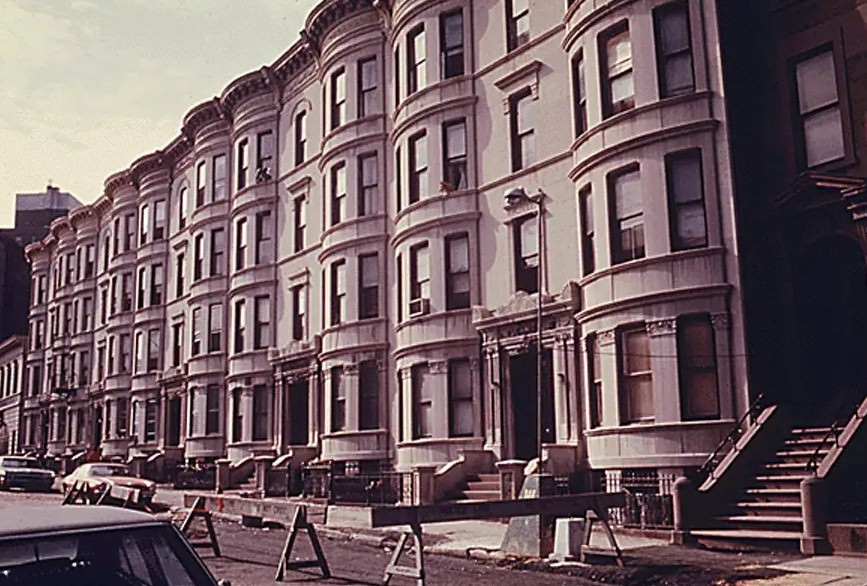
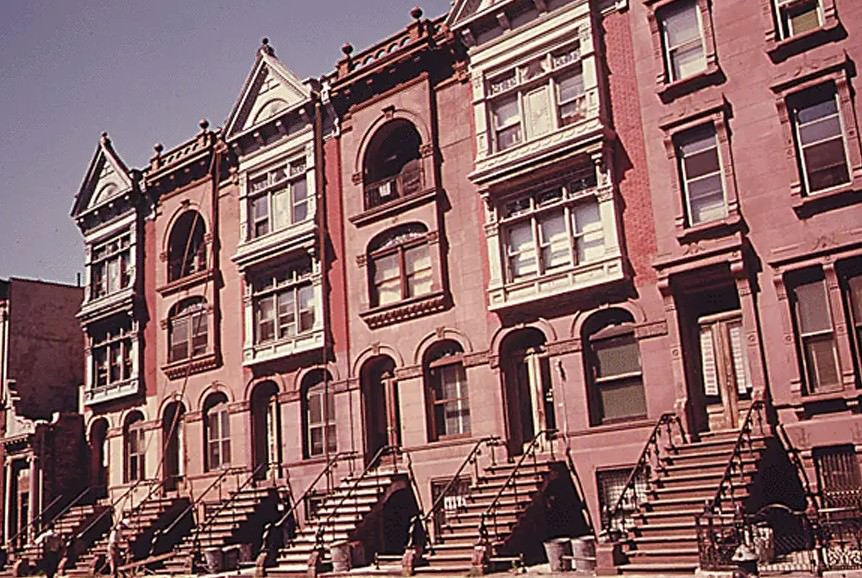
In Fort Greene, Lyon’s images reveal both beauty and strain. Brownstone homes stand tall, though many need repair. Sidewalk scenes show neighbors gathering outside apartment buildings. Street vendors sell food and goods from small stands. The photos highlight everyday routines rather than staged moments.
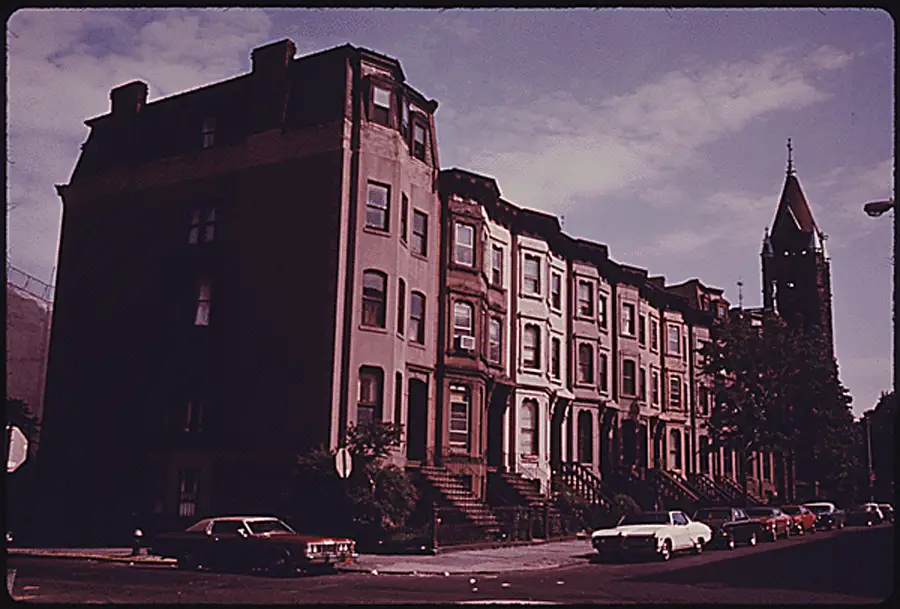
Park Slope looks quieter in comparison. Rows of brownstones stretch down tree-lined streets. Some homes appear well kept, while others show peeling paint and worn steps. Children ride bicycles on sidewalks. Local businesses display simple window signs advertising groceries and household items.
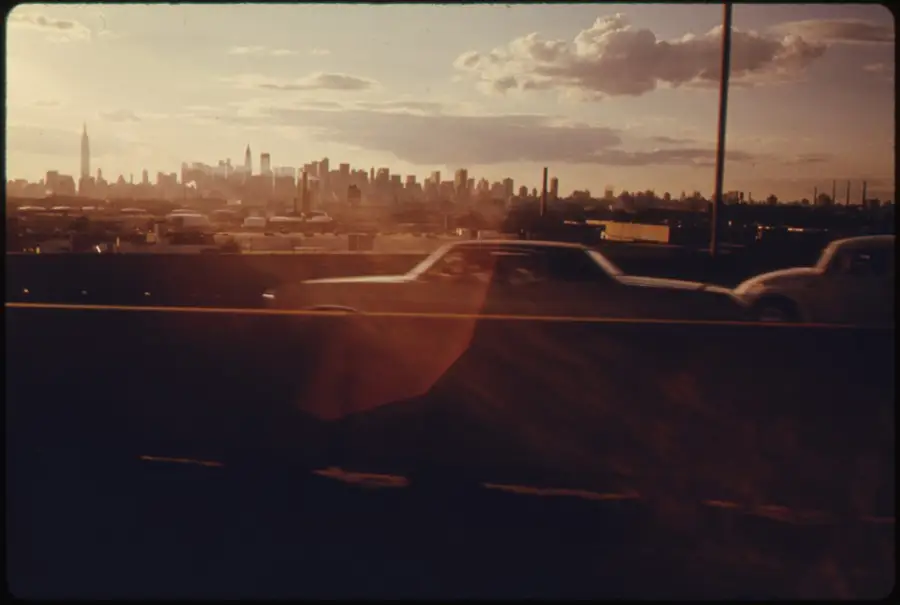
The Documerica project aimed to document environmental concerns. In Brooklyn, that included air pollution, litter, housing decay, and crowded living conditions. Lyon’s camera captures smokestacks in the distance and industrial sites near residential blocks. These elements show how closely people lived to factories and heavy traffic.
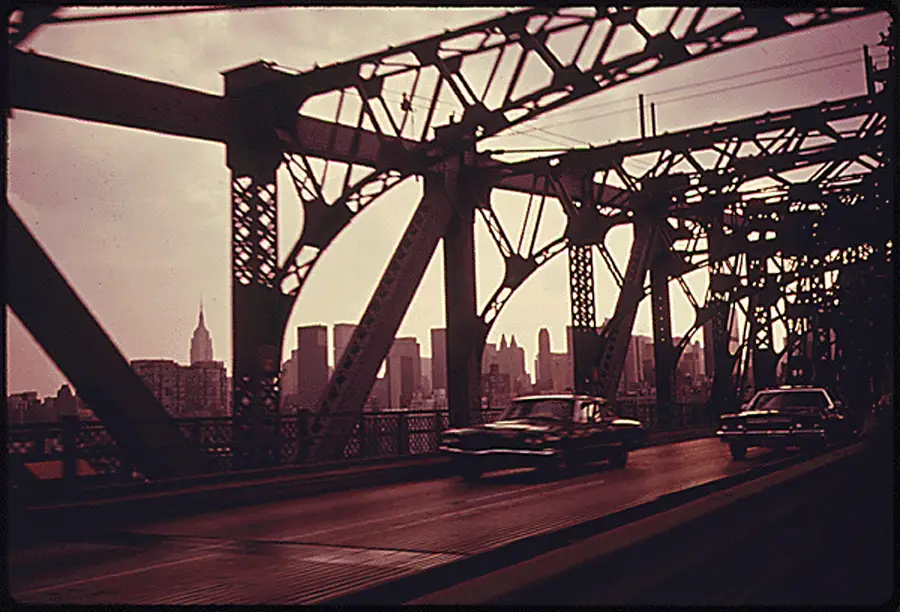
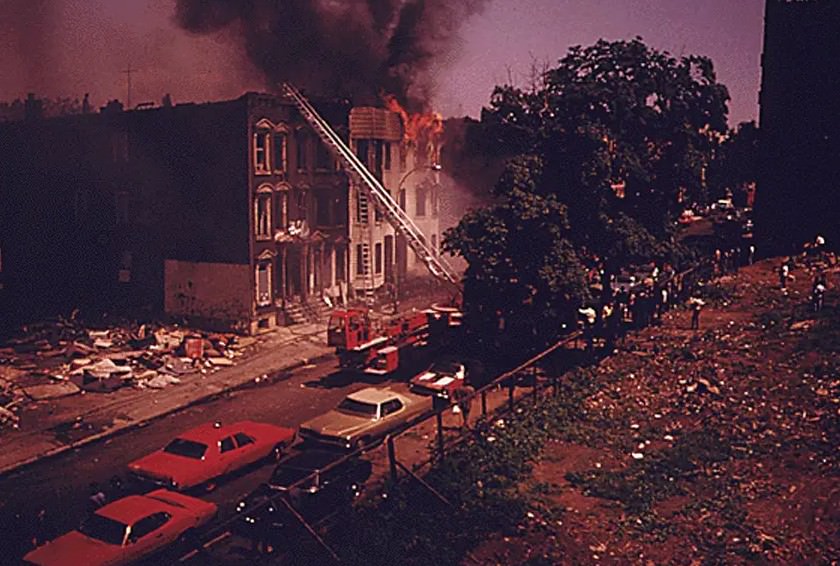
The images also reflect the broader challenges facing New York City in the 1970s. The city struggled with rising crime, shrinking city services, and financial crisis. In 1975, New York City came close to bankruptcy. Lyon’s 1974 photos show neighborhoods already feeling that pressure.
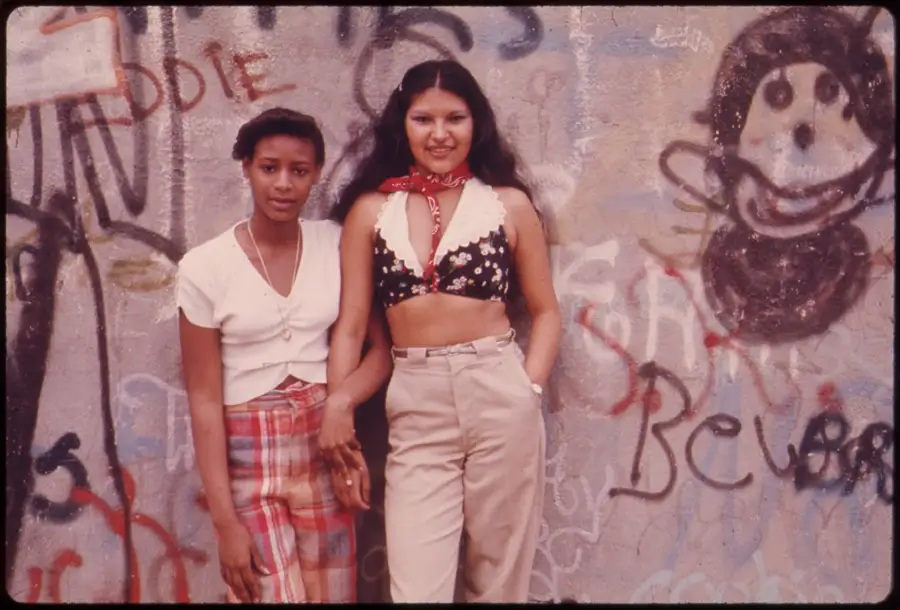
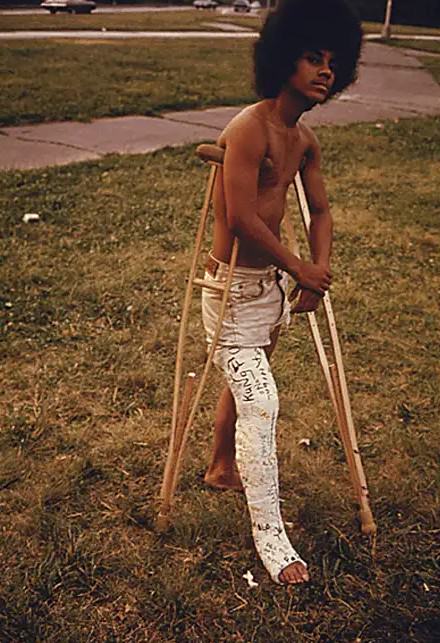
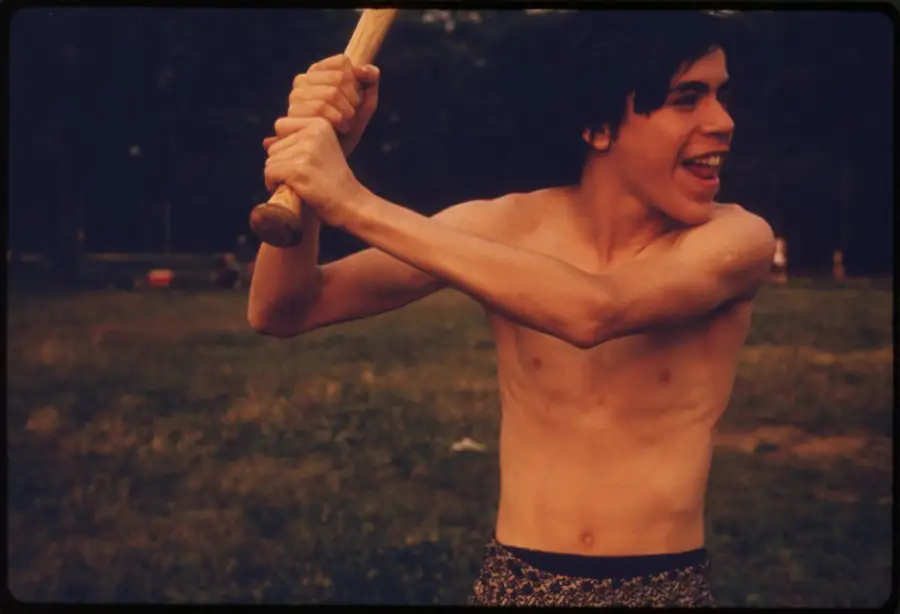
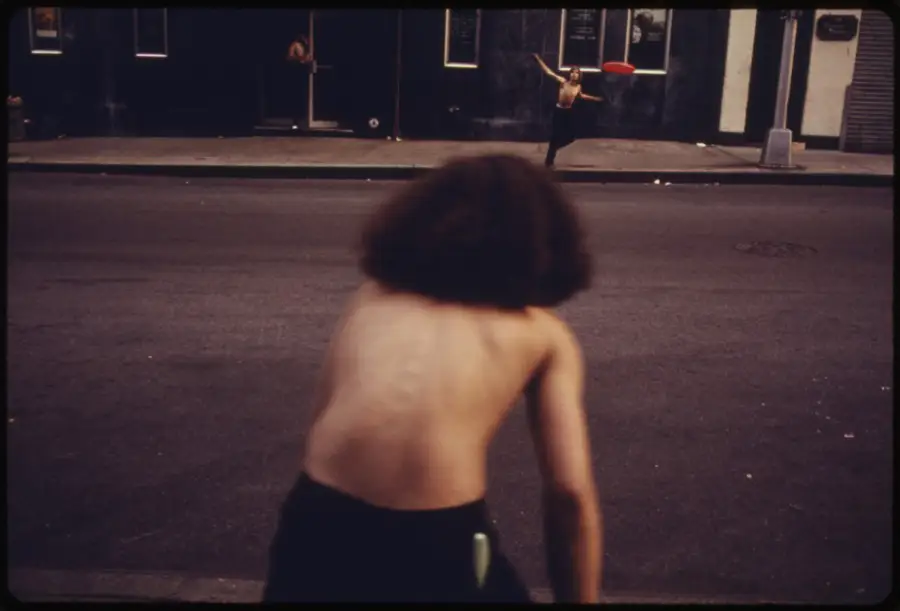
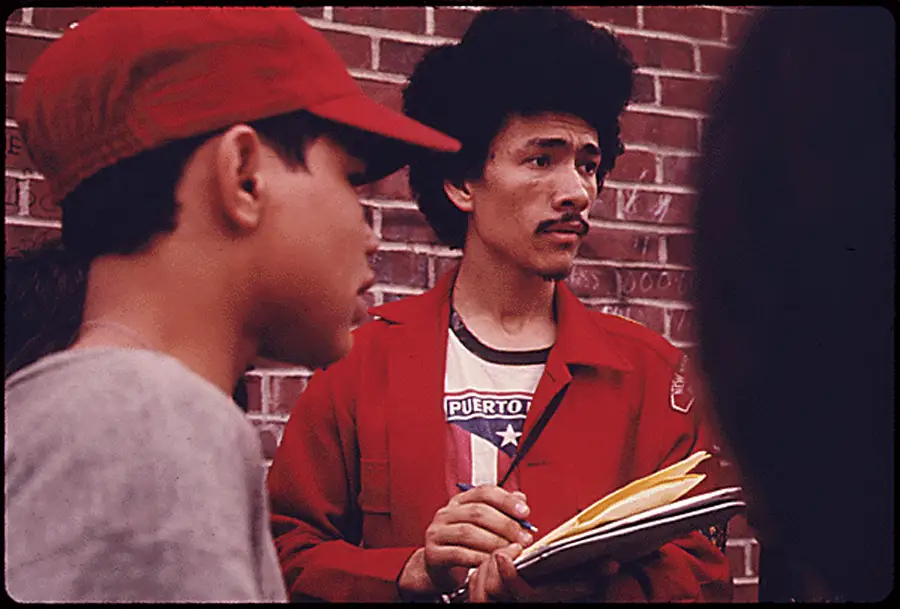
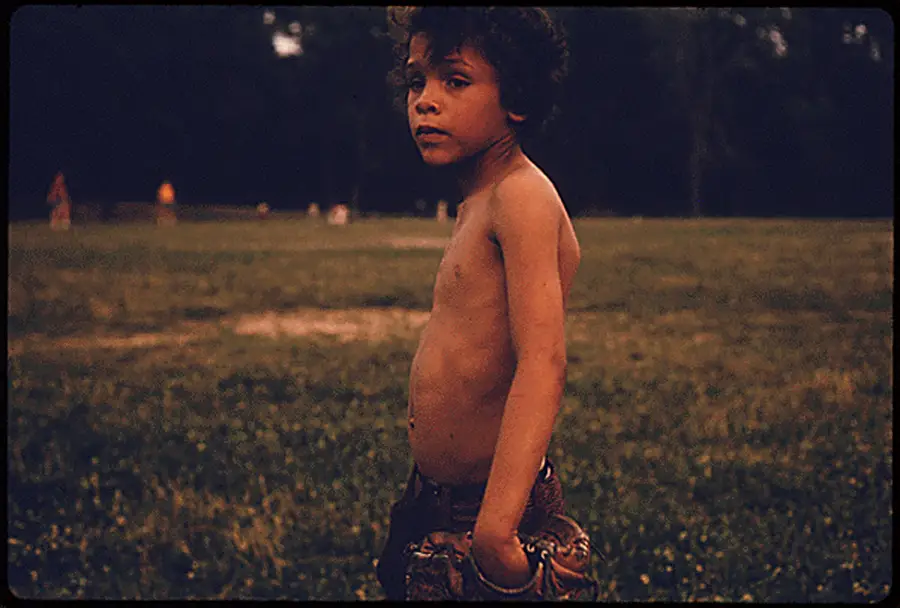
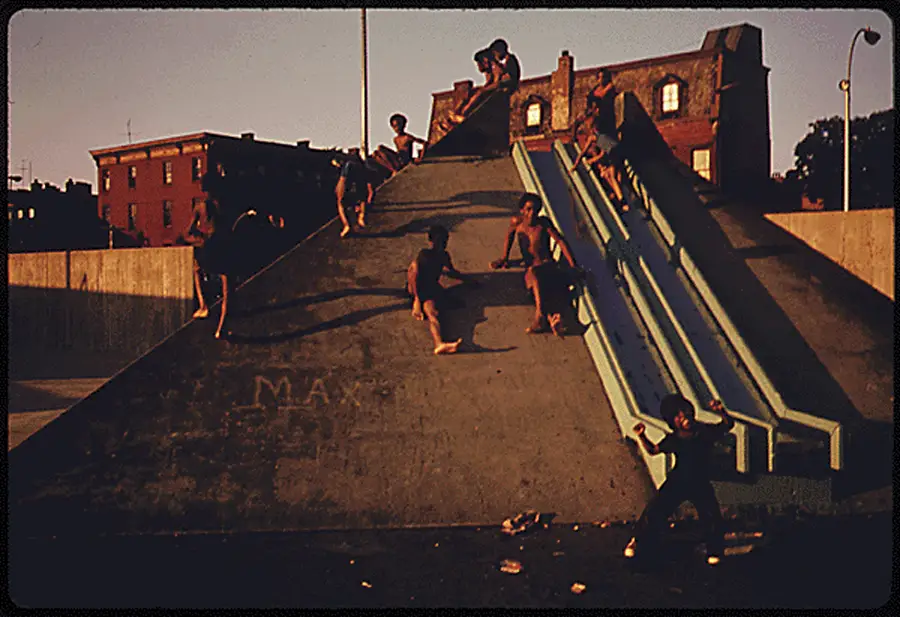
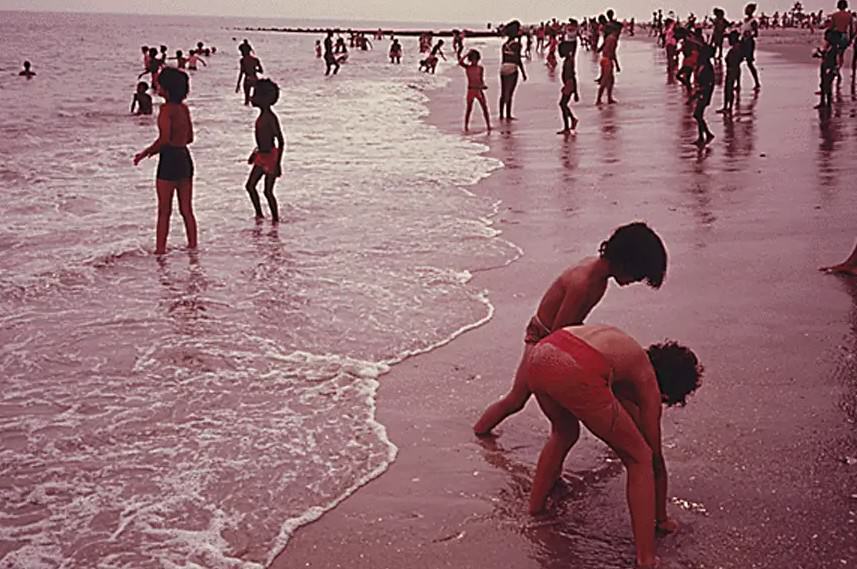
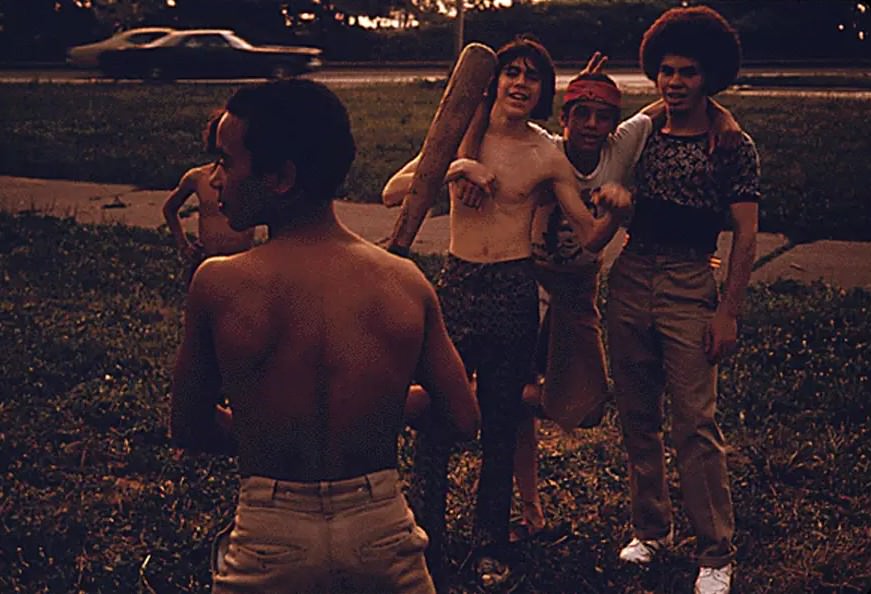
Clothing and style in the photos anchor the time period. Men wear wide-collared shirts and bell-bottom jeans. Women appear in patterned dresses and headscarves. Children wear simple T-shirts and shorts while playing on concrete sidewalks.
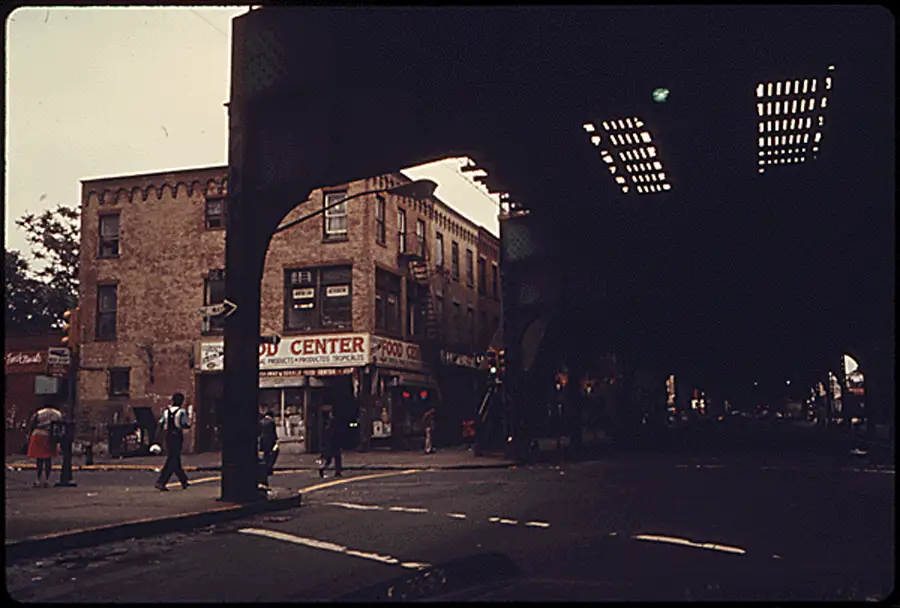
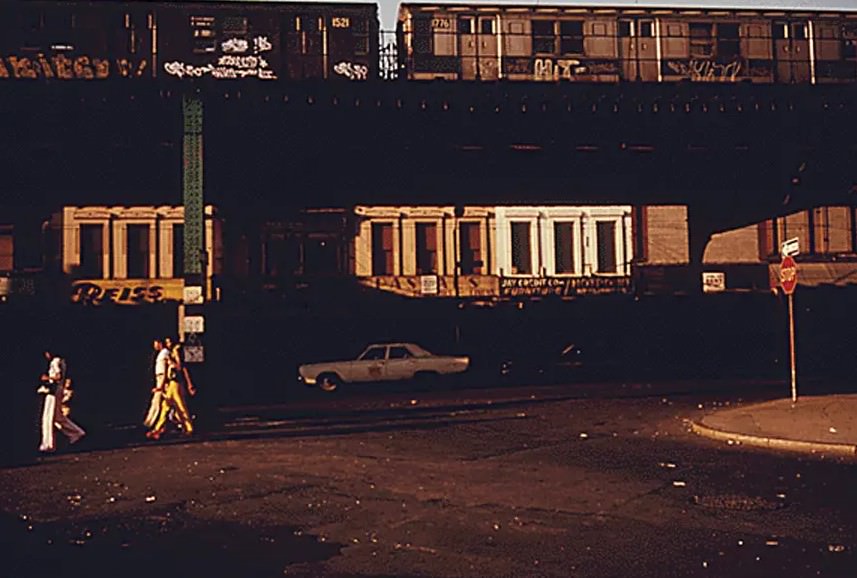
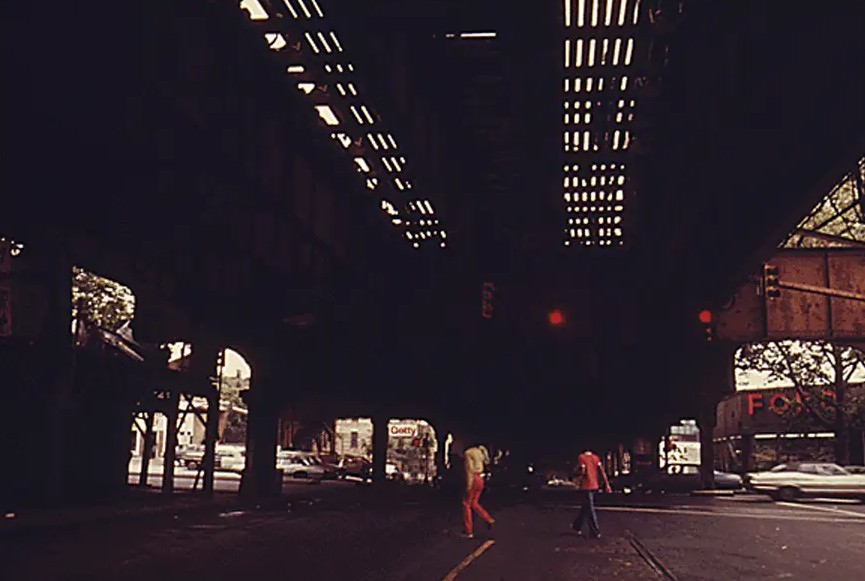
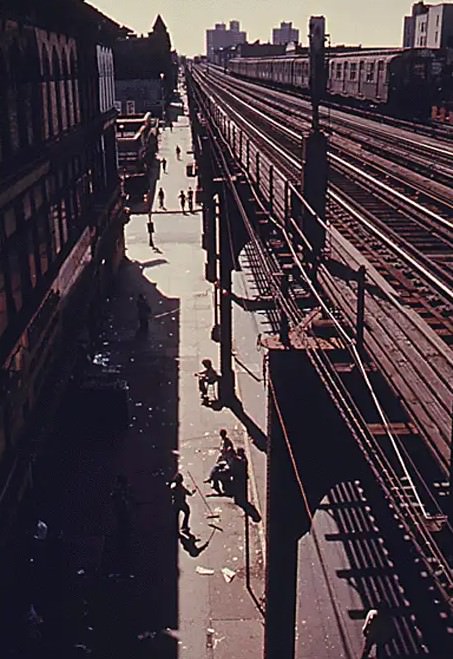
The streets lack the polished storefronts and renovated facades seen today. Many buildings show faded paint and exposed brick. Subway entrances look worn. Elevated train tracks cast long shadows over intersections.
Lyon’s photographs provide a clear record of Brooklyn before large-scale redevelopment reshaped many of these neighborhoods. The images present daily life without filters. They show working families, aging infrastructure, and blocks that carried both struggle and resilience.
Taken together, the photos form a detailed portrait of Brooklyn in 1974. They preserve the look of streets, homes, and public spaces at a time when the borough stood far from the image it holds today.


GIPHY App Key not set. Please check settings