

 Adriana Palmer
Broadway has been the center of American theater for over a century — through two world wars, the Depression, near-bankruptcy, and a full reinvention. No other street in the world has absorbed that much change and kept the lights on.
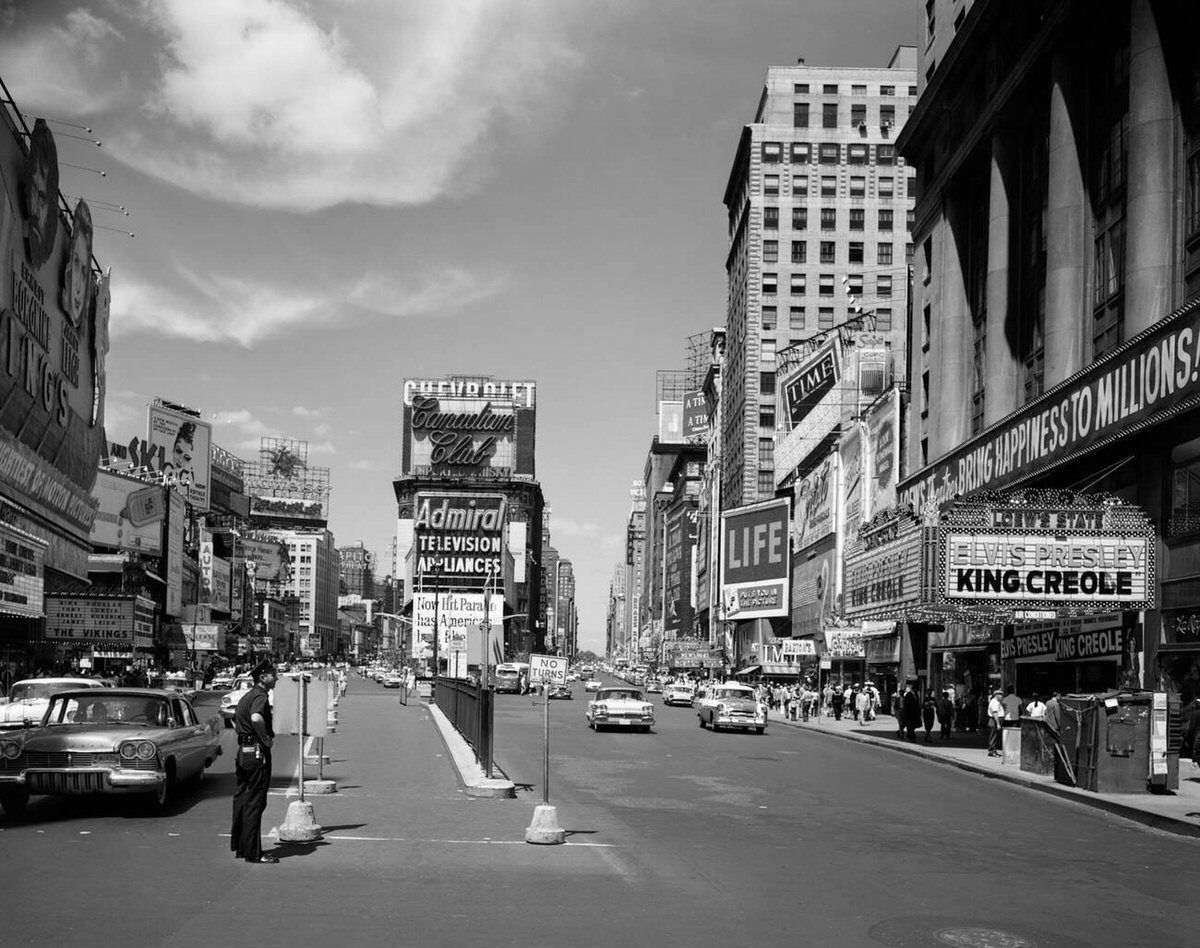
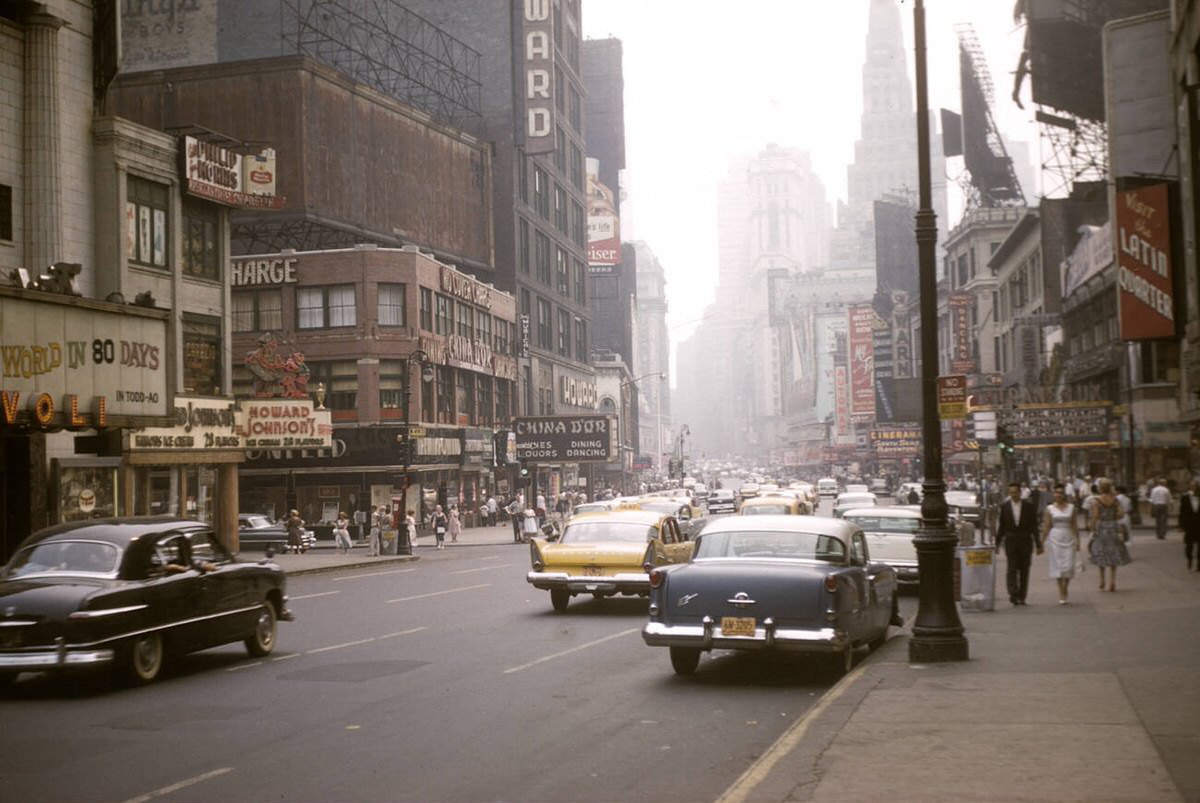
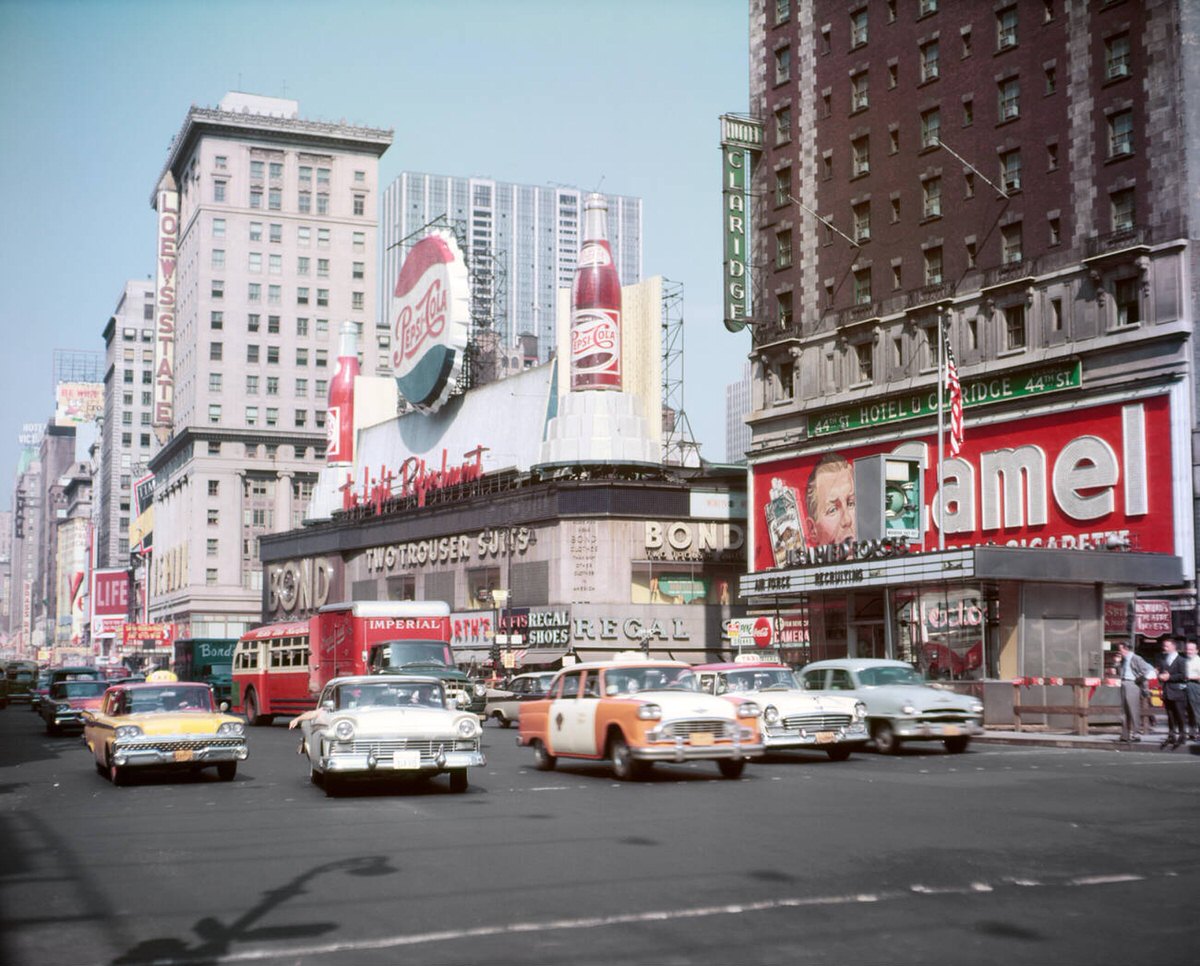
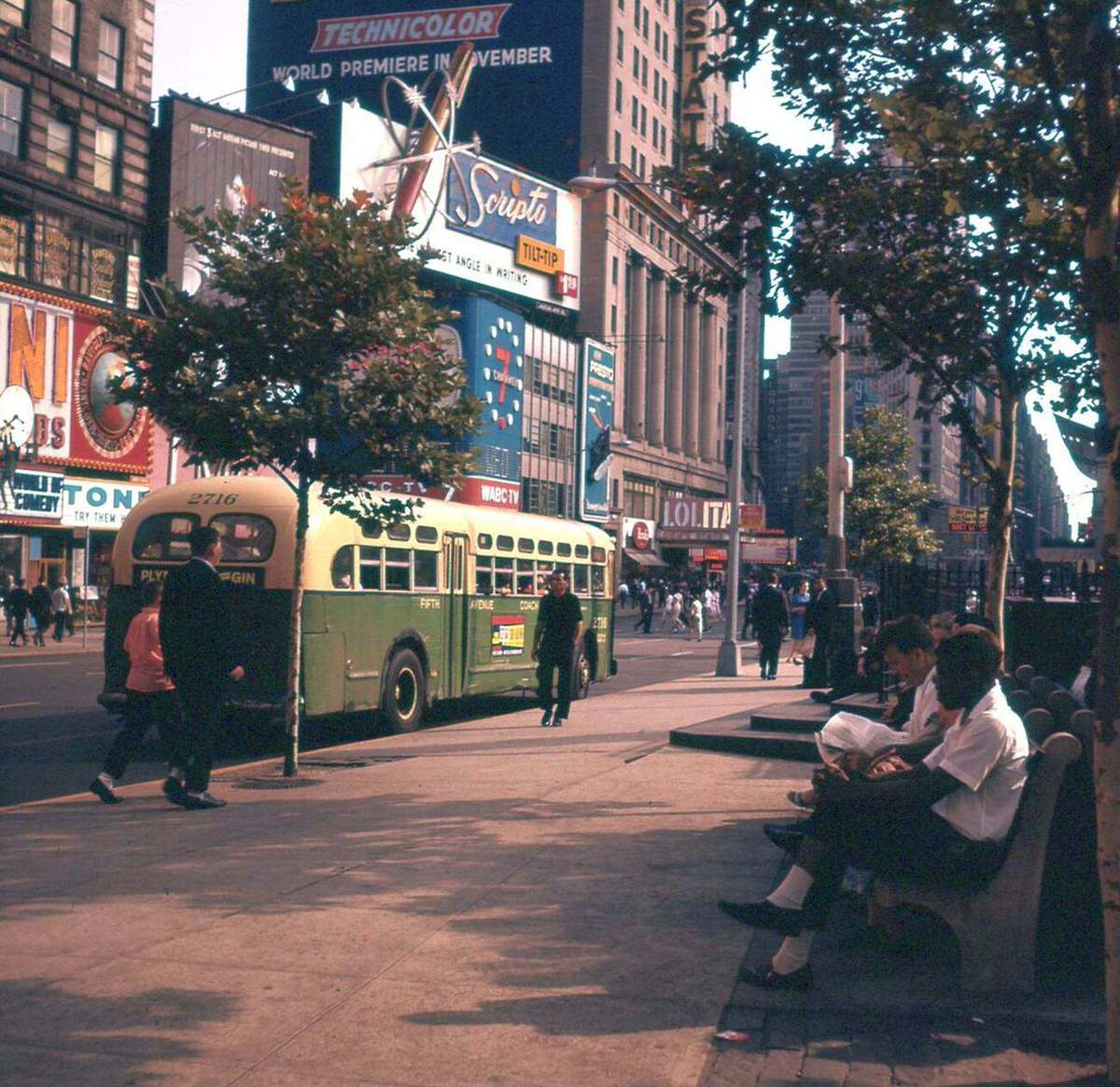
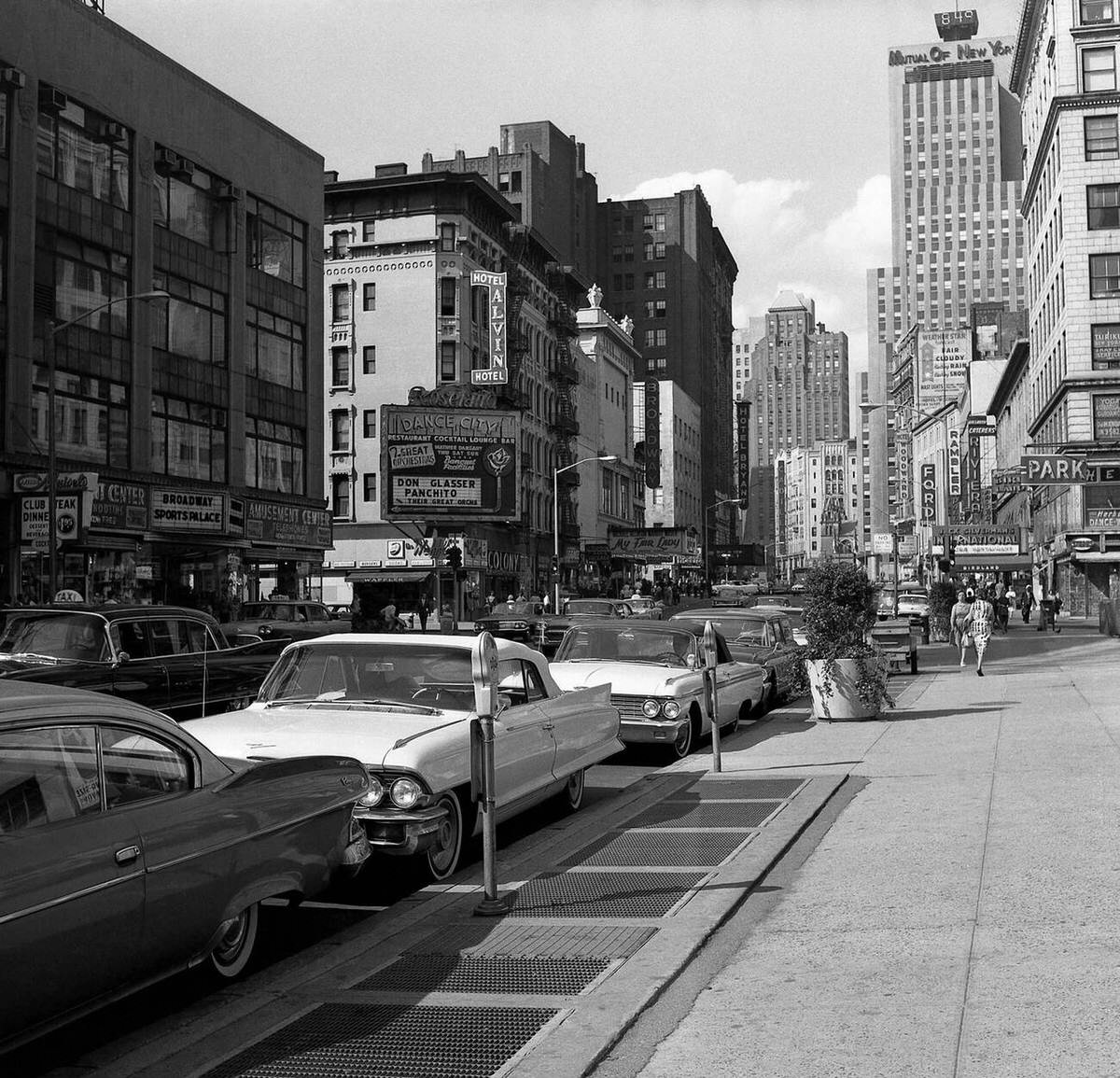
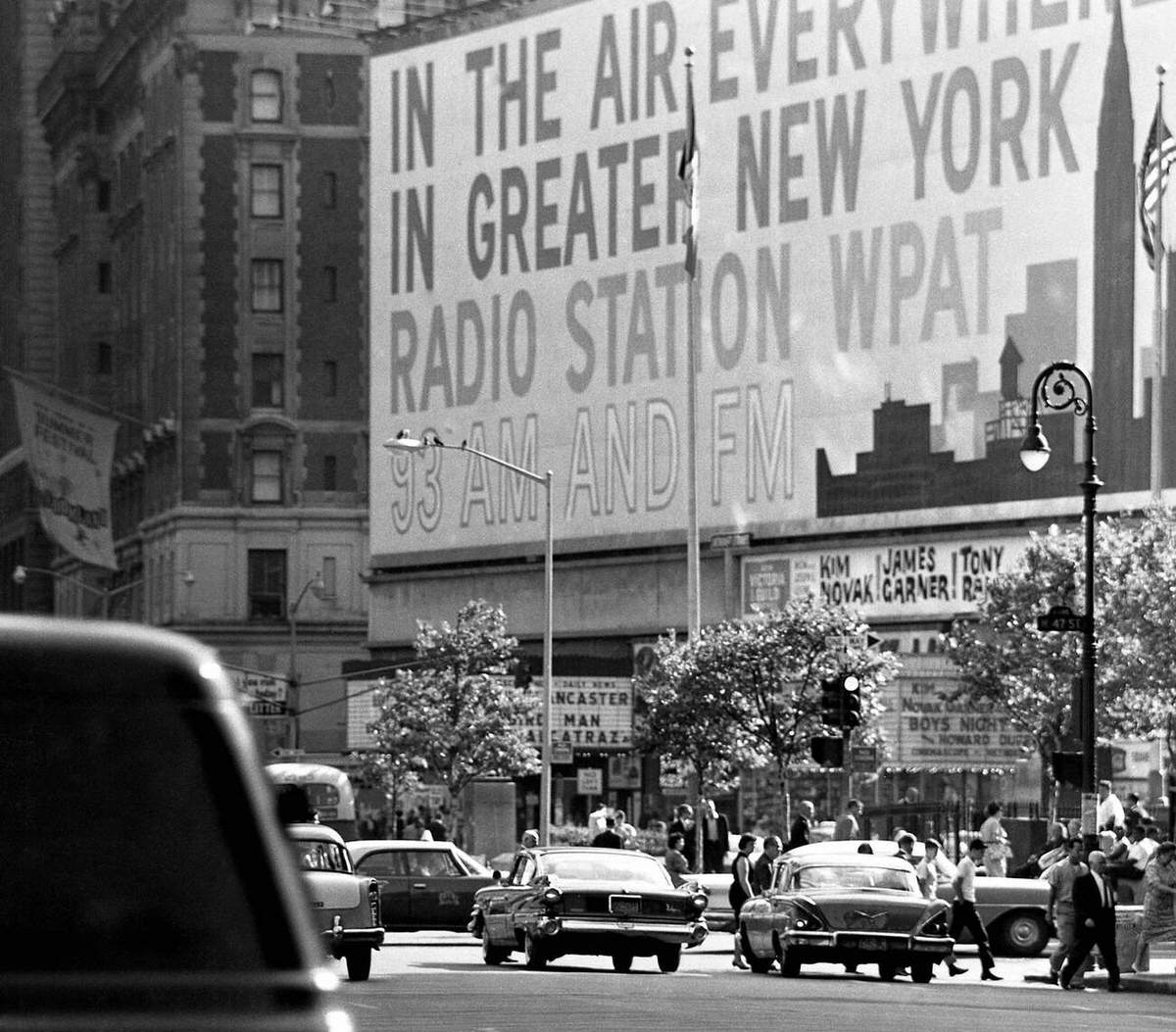
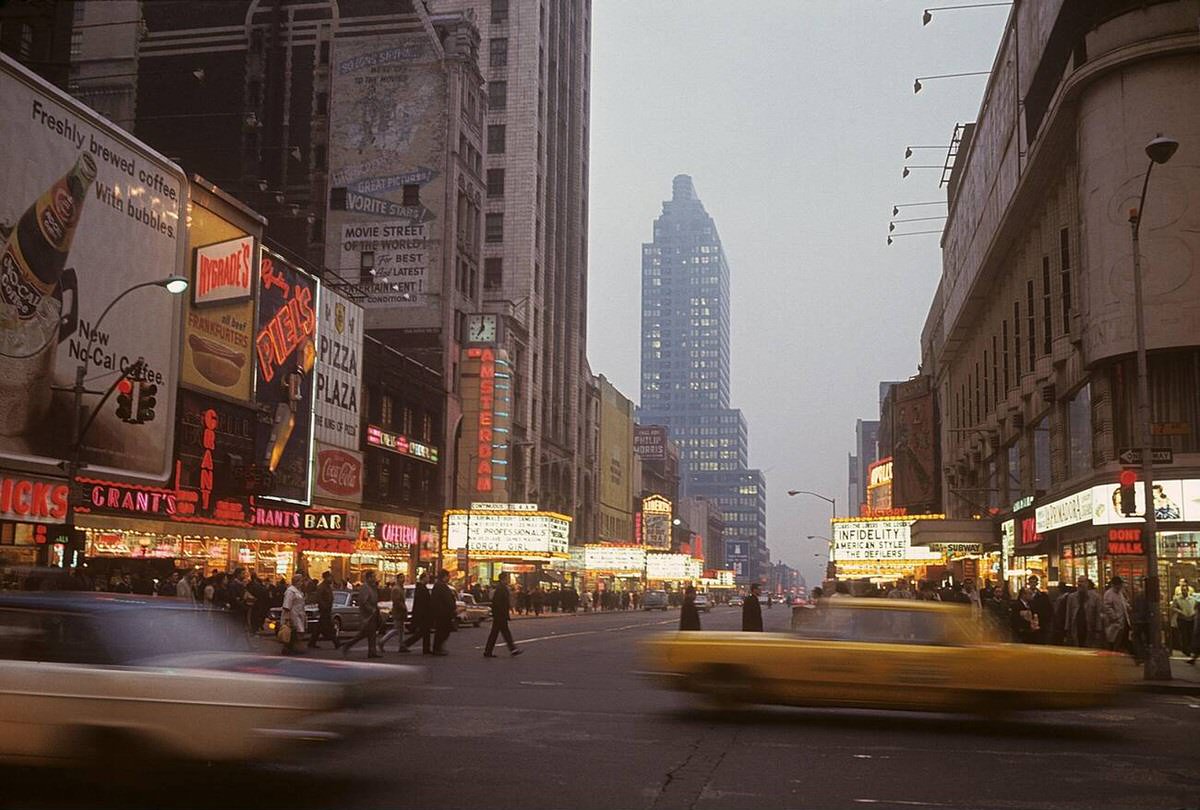
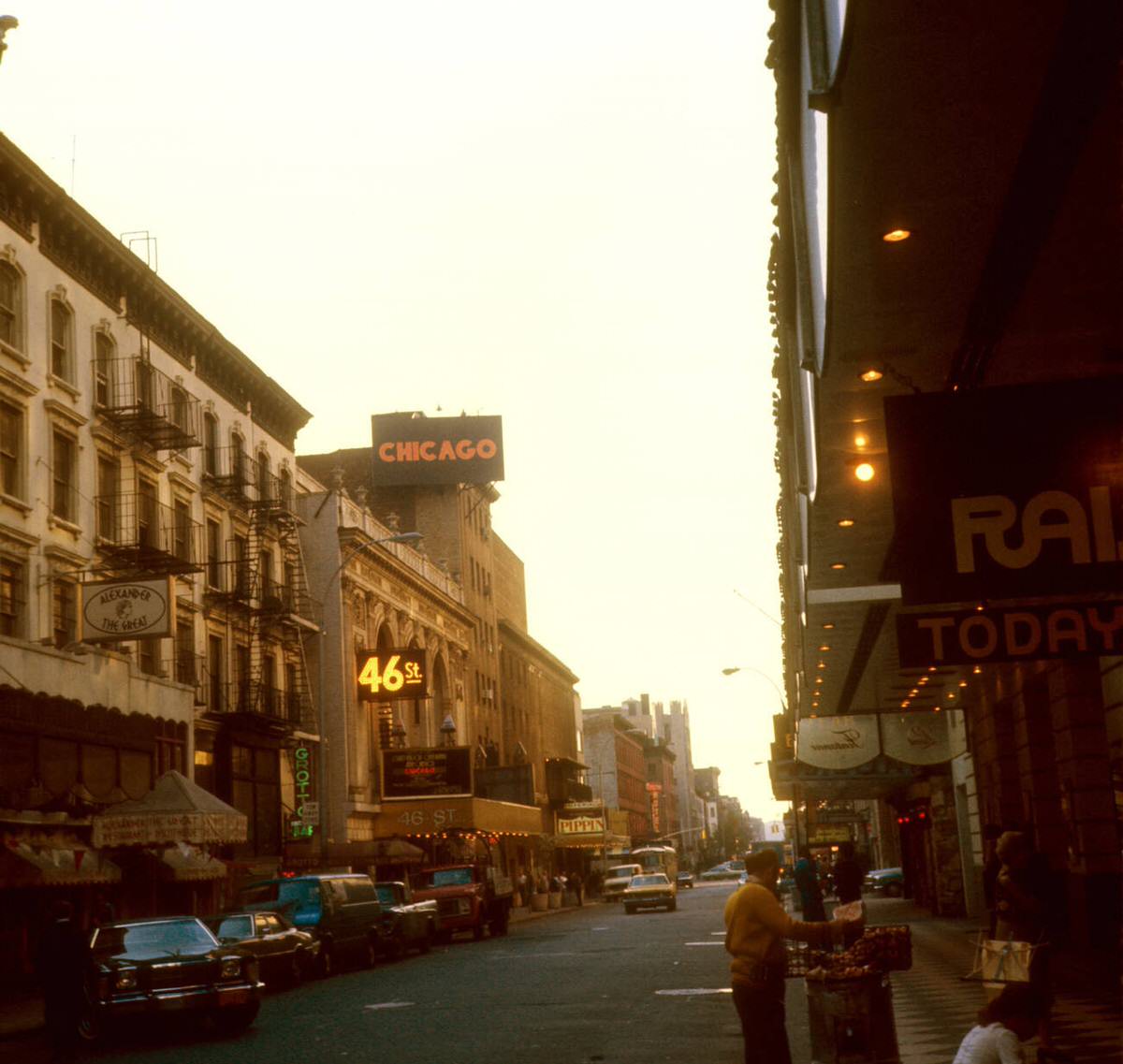
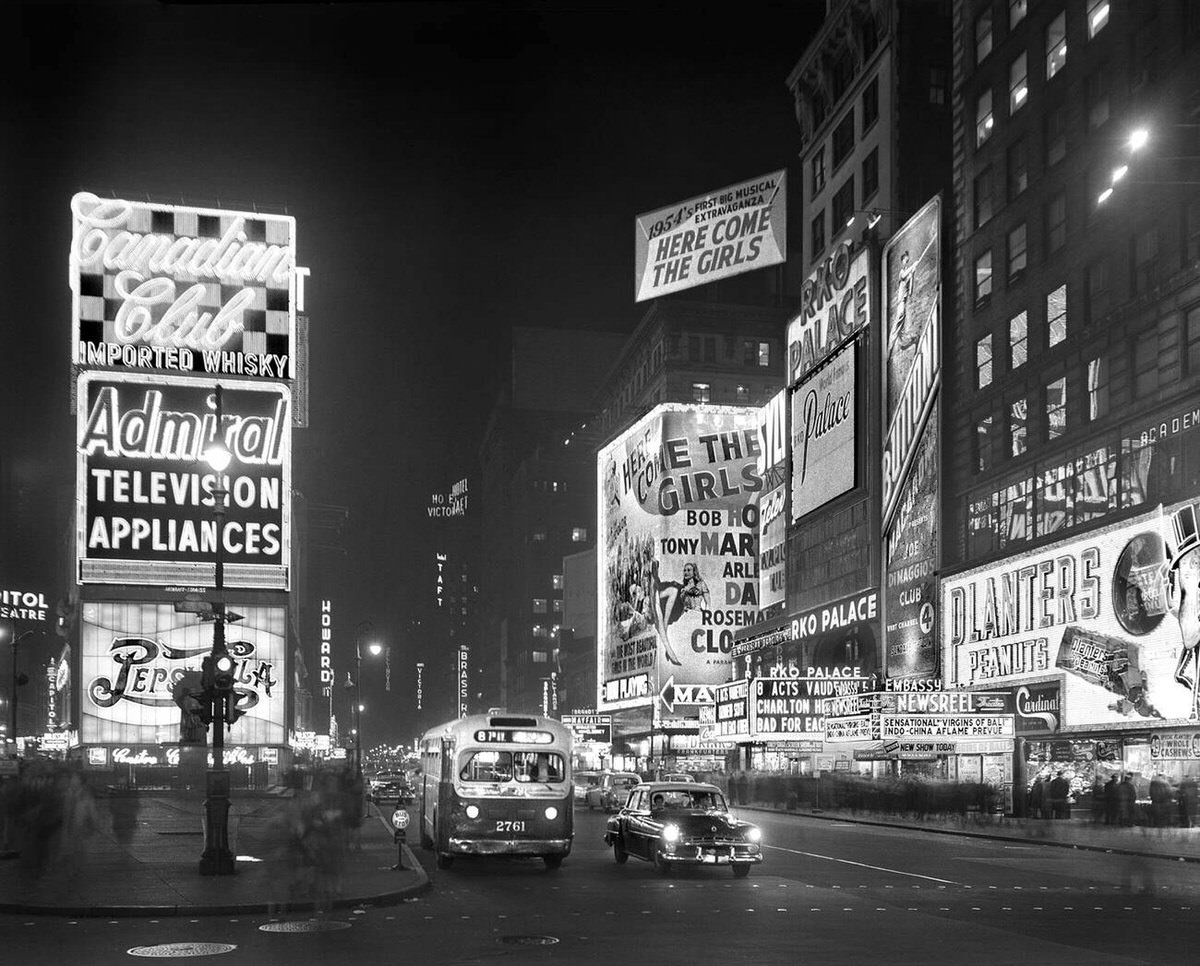
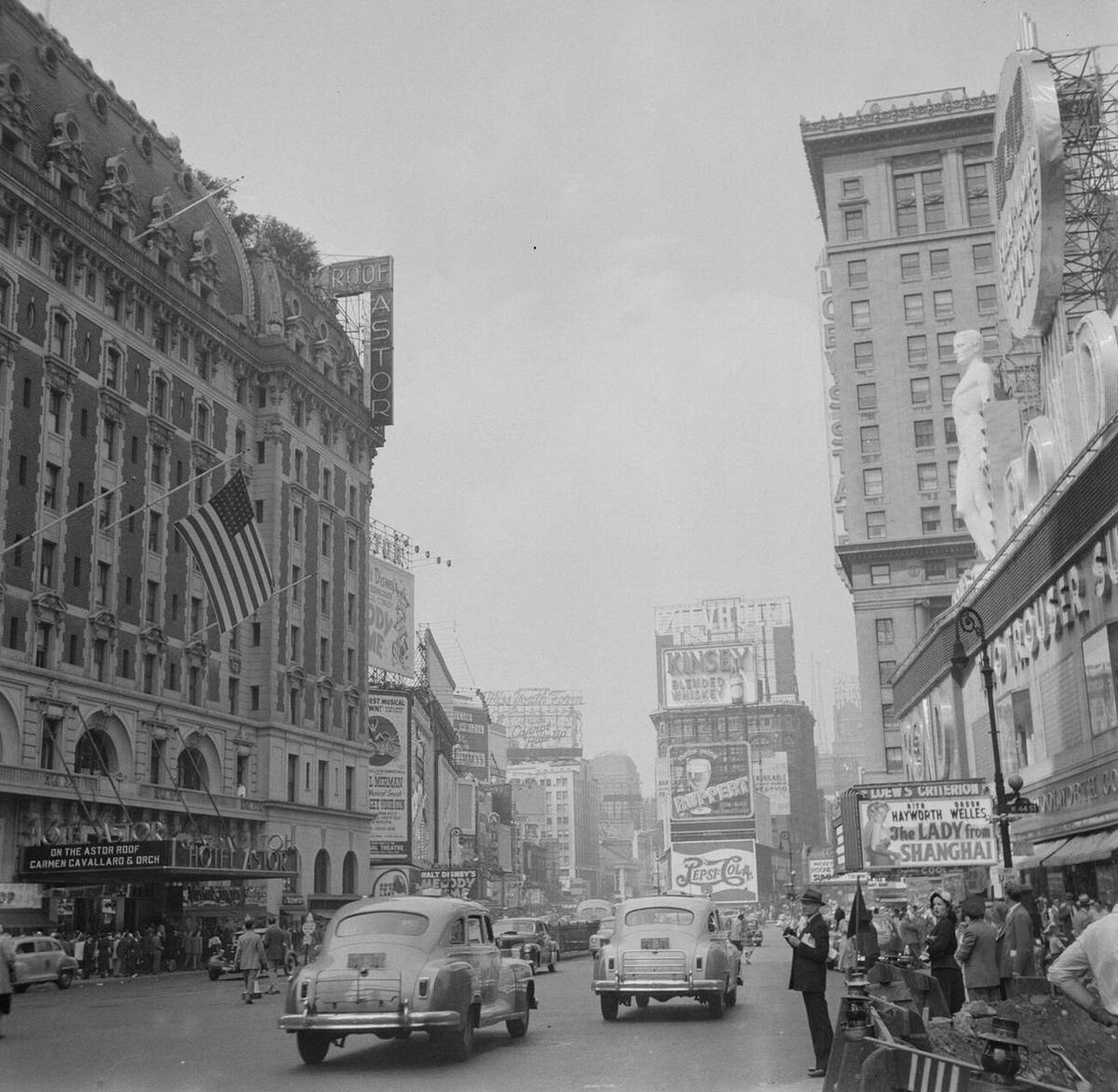
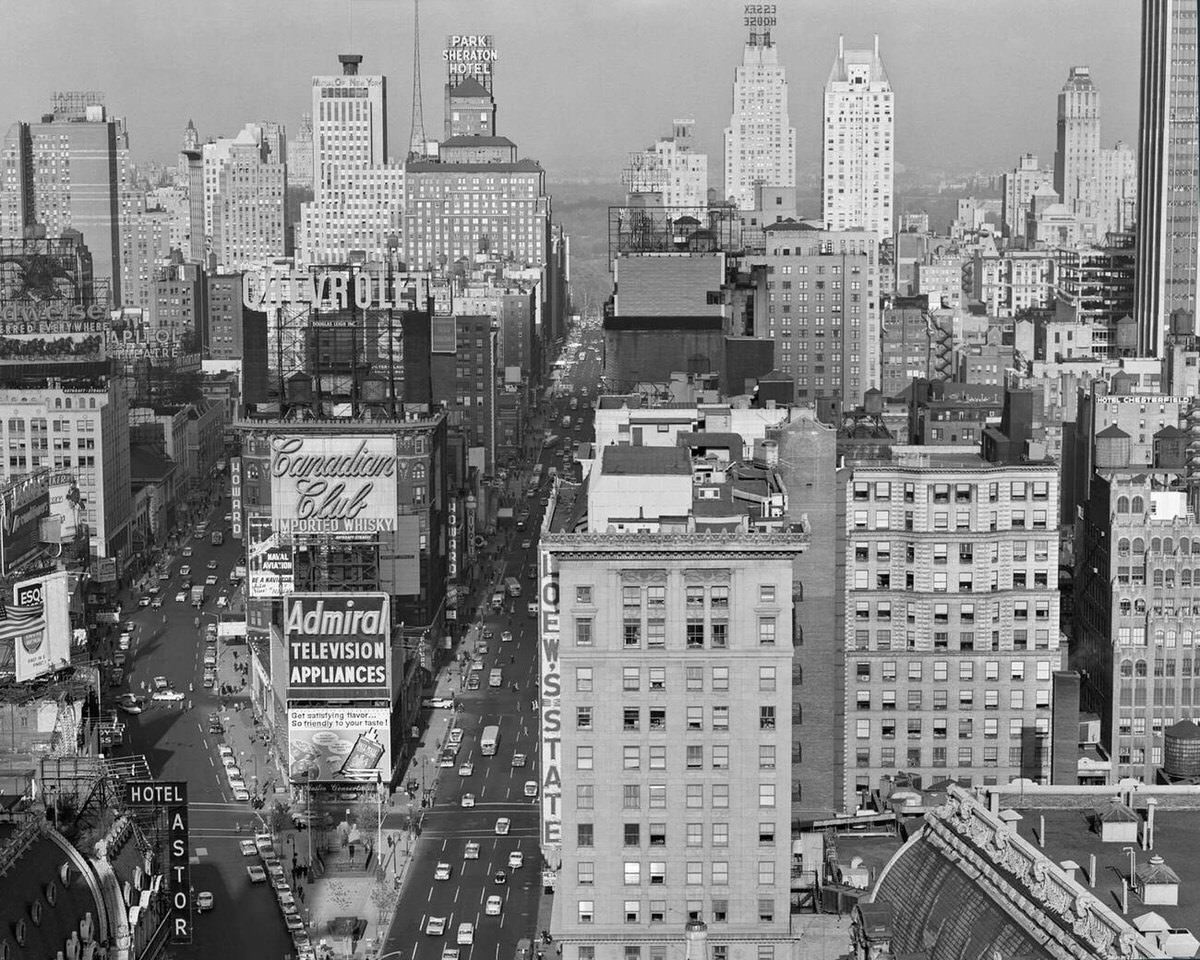
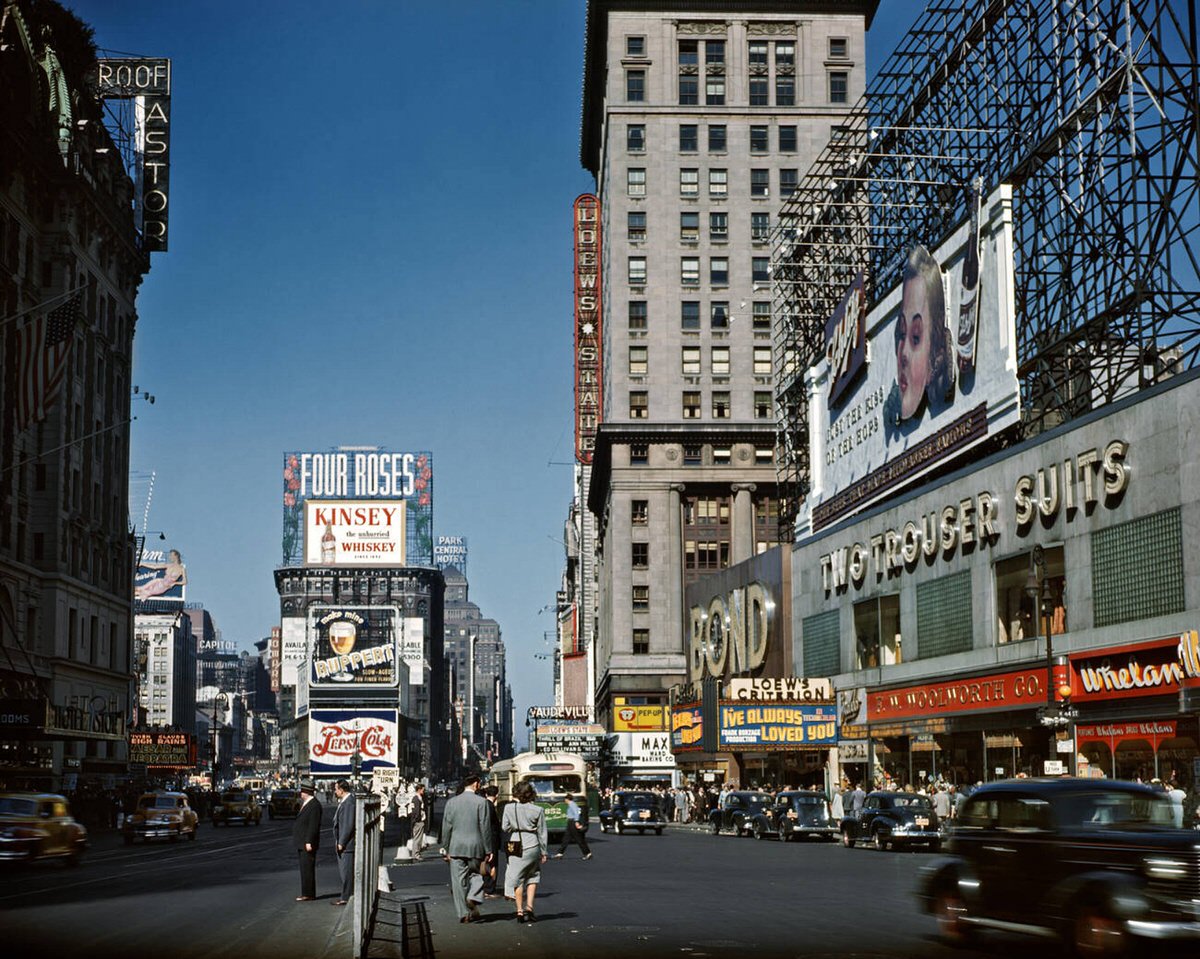
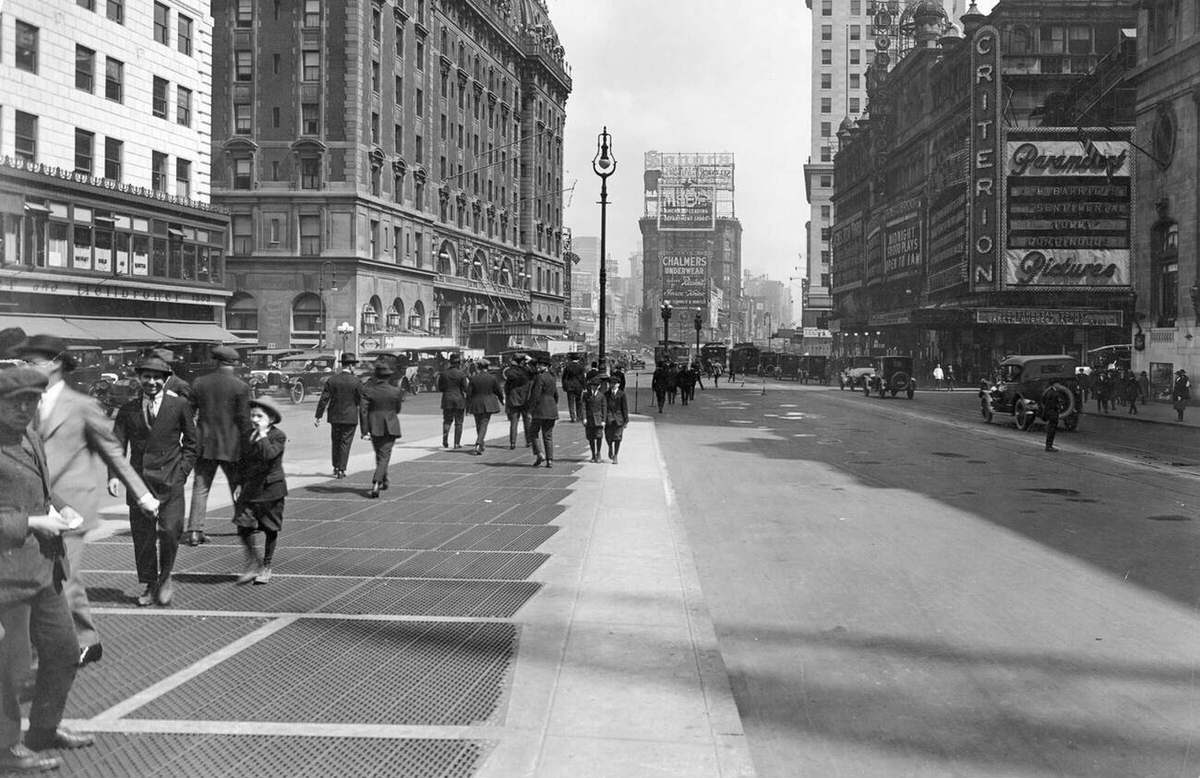
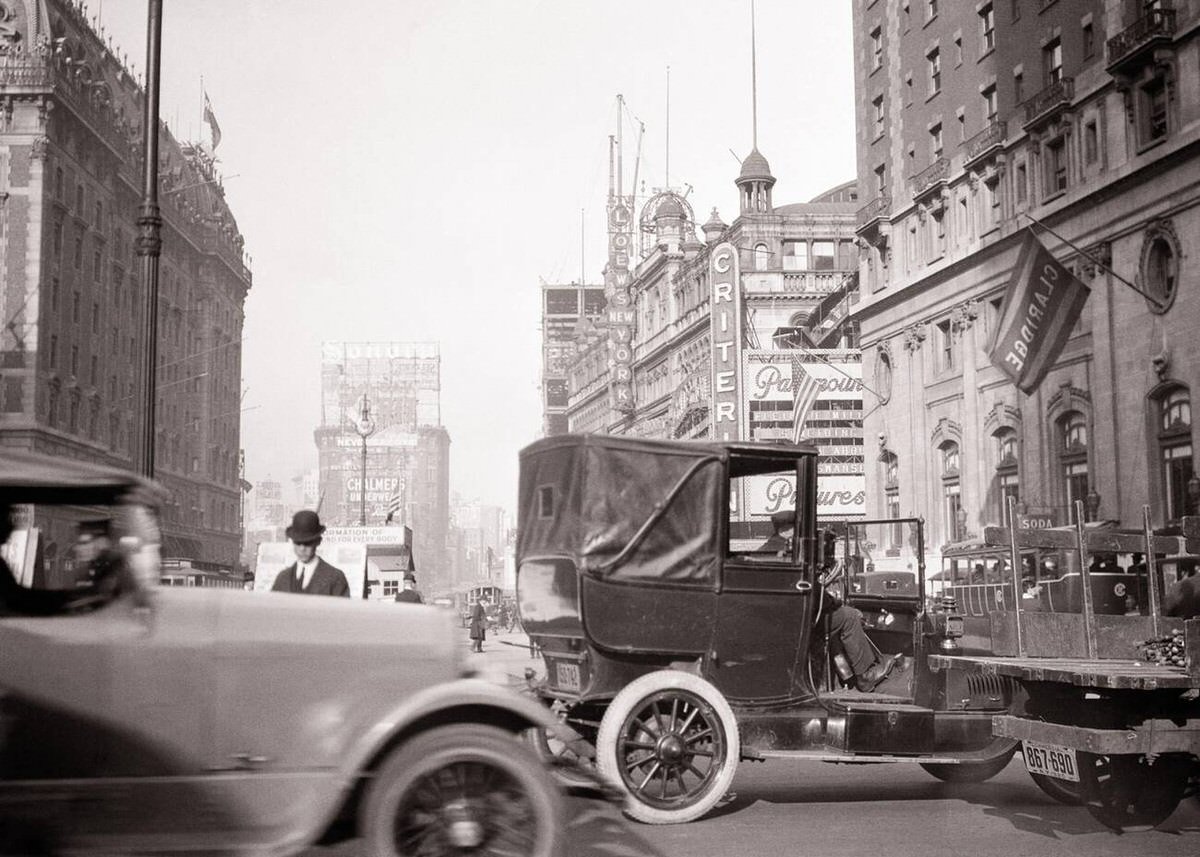
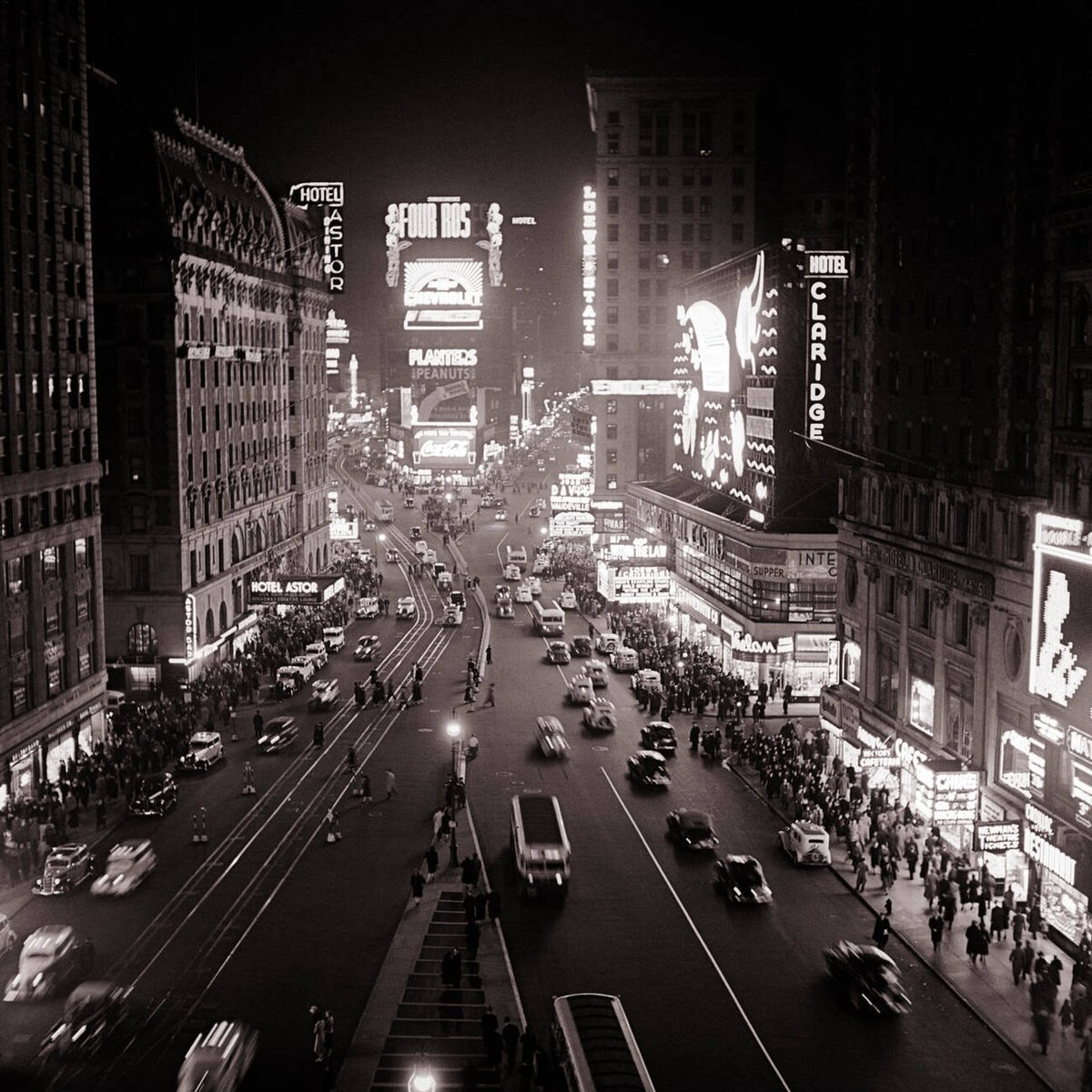
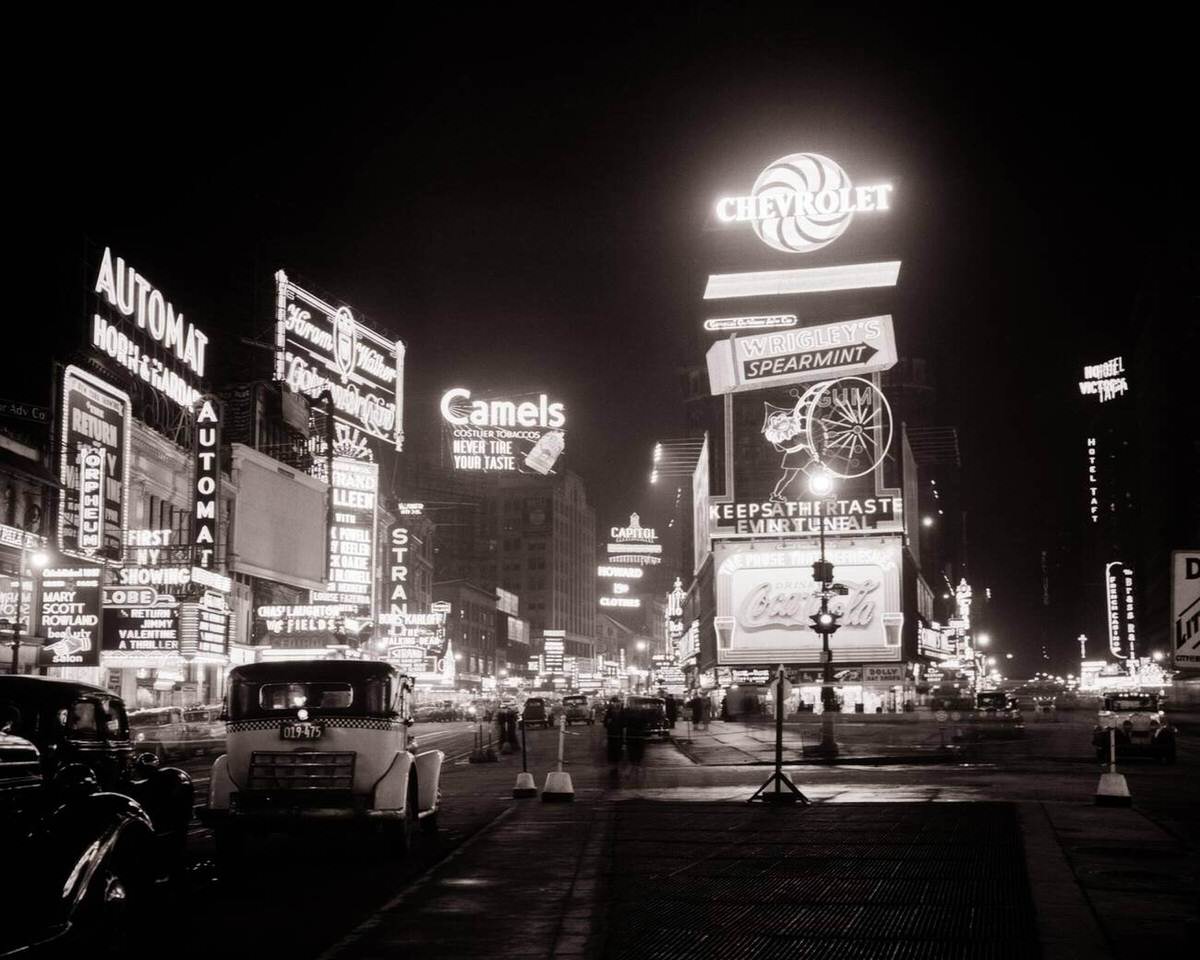
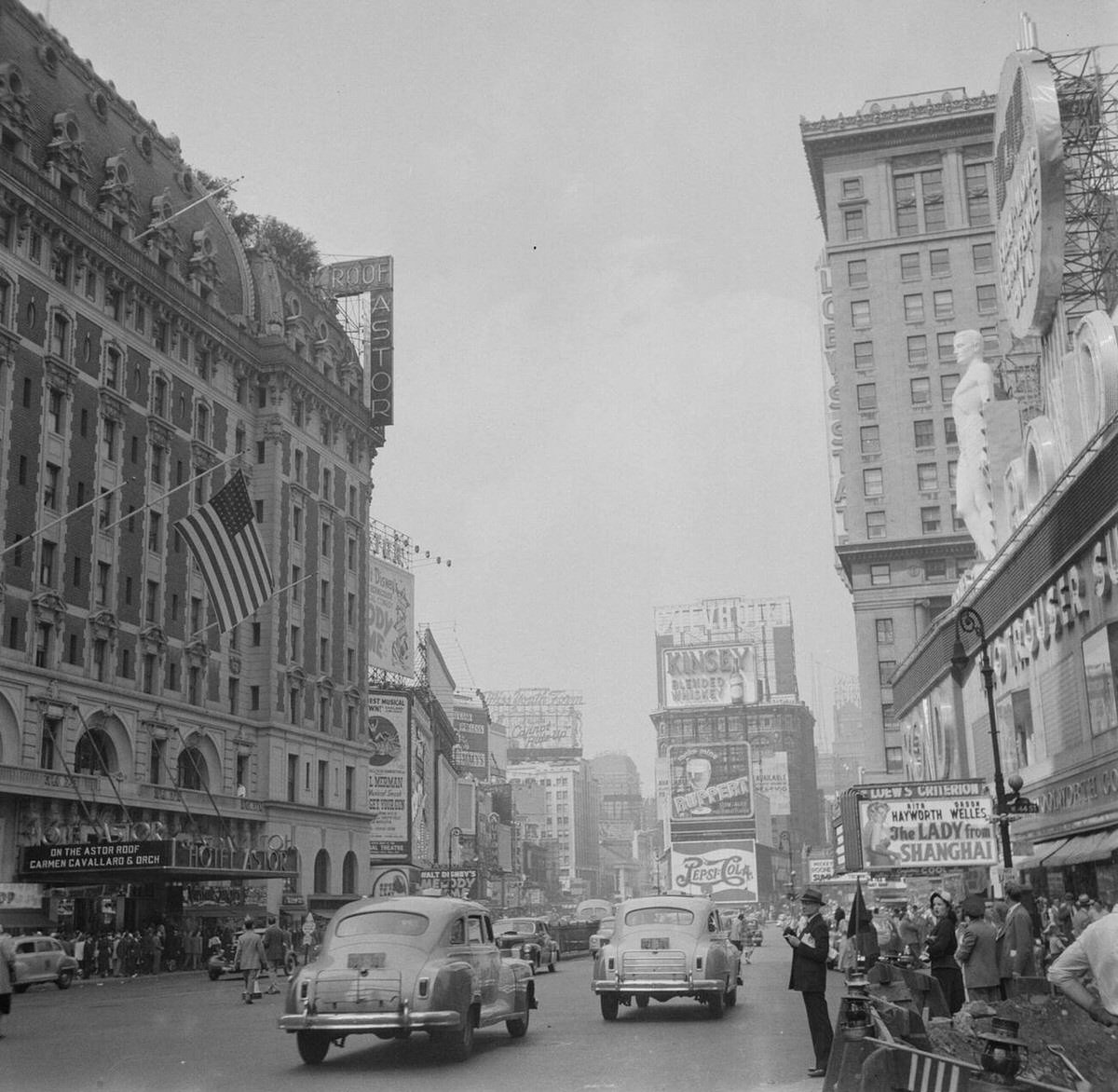
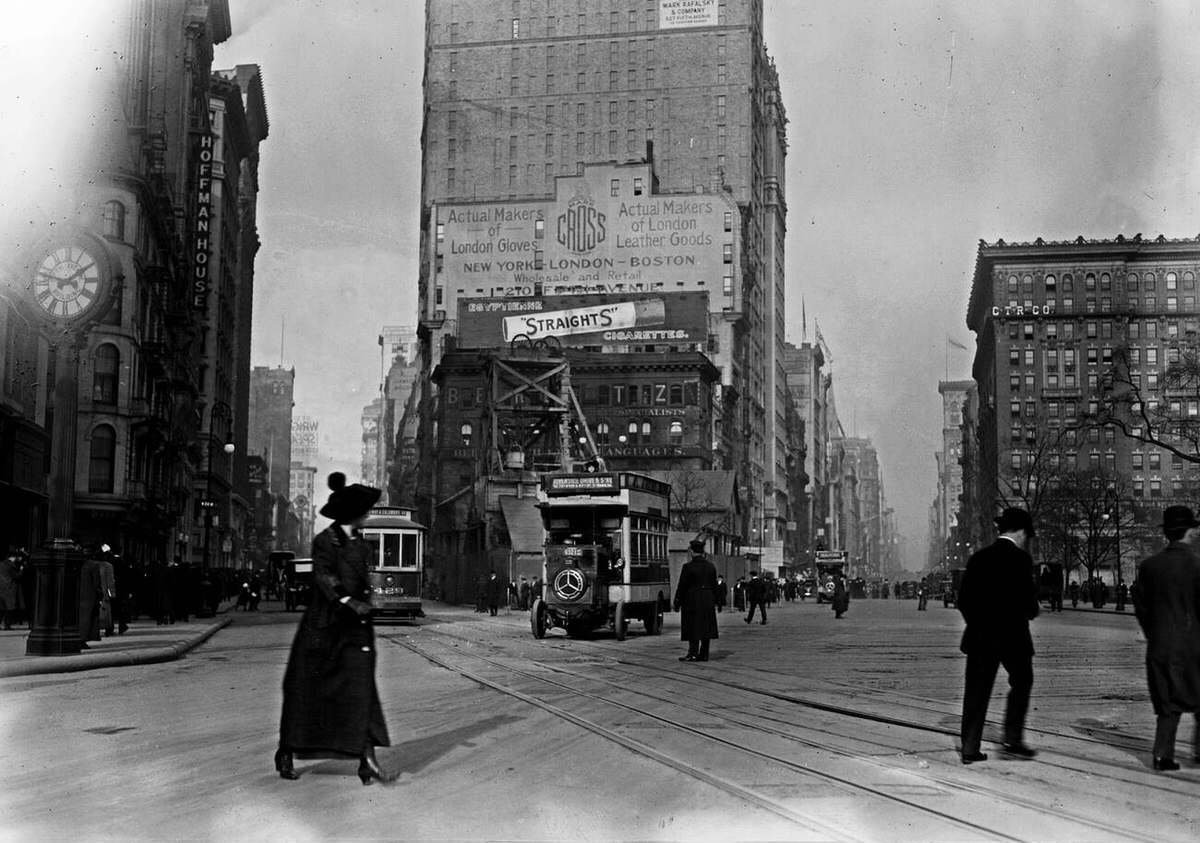
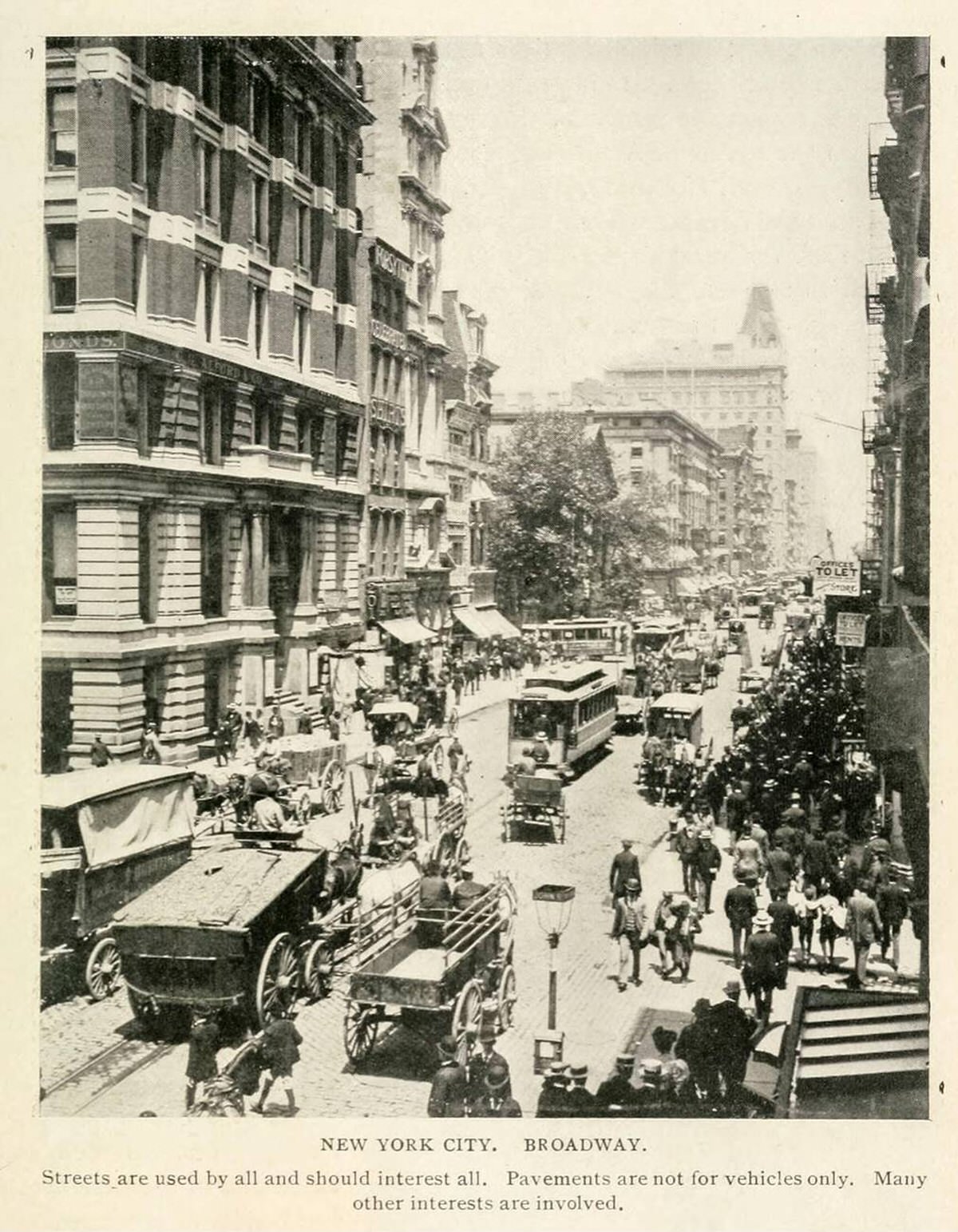
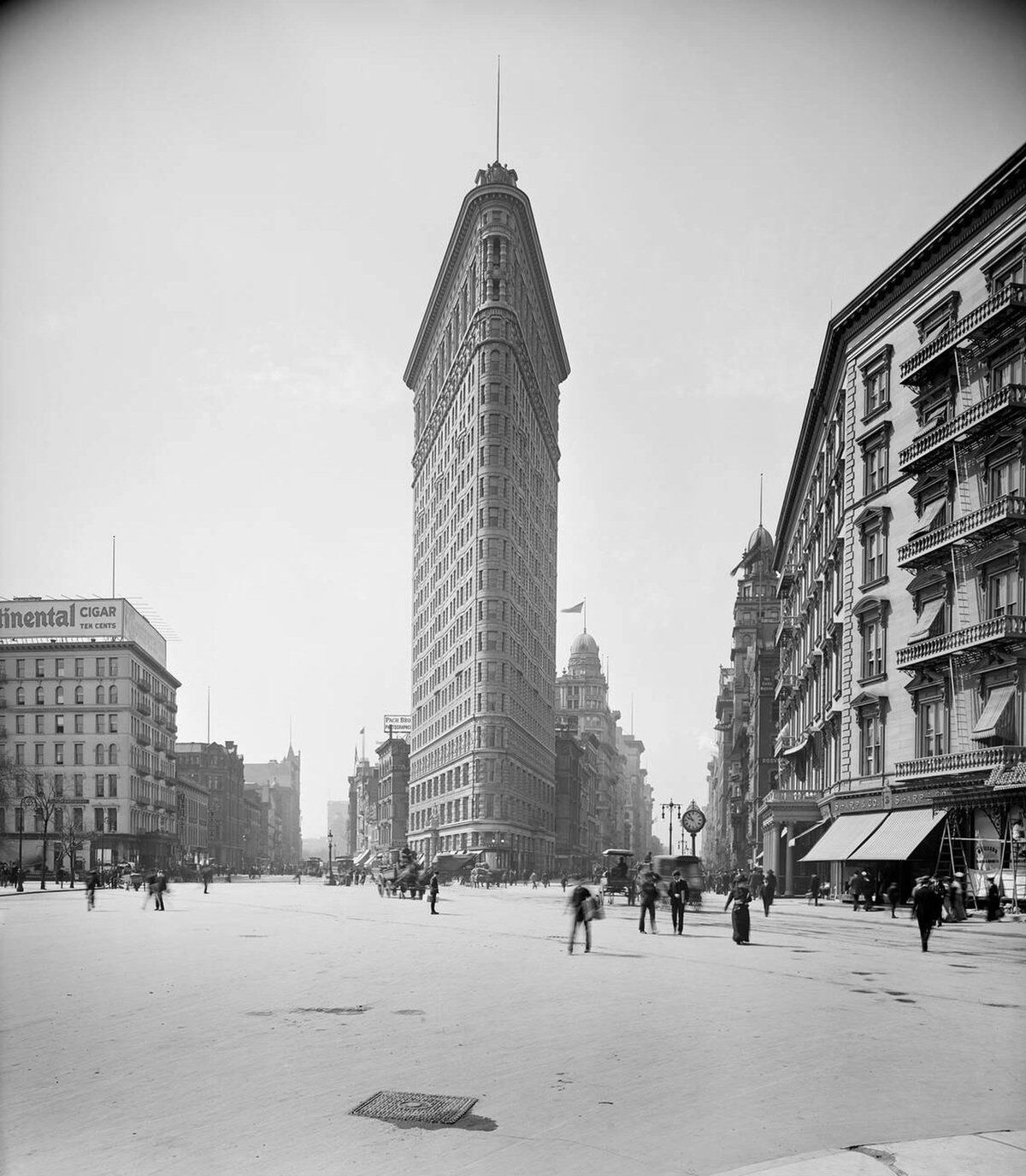
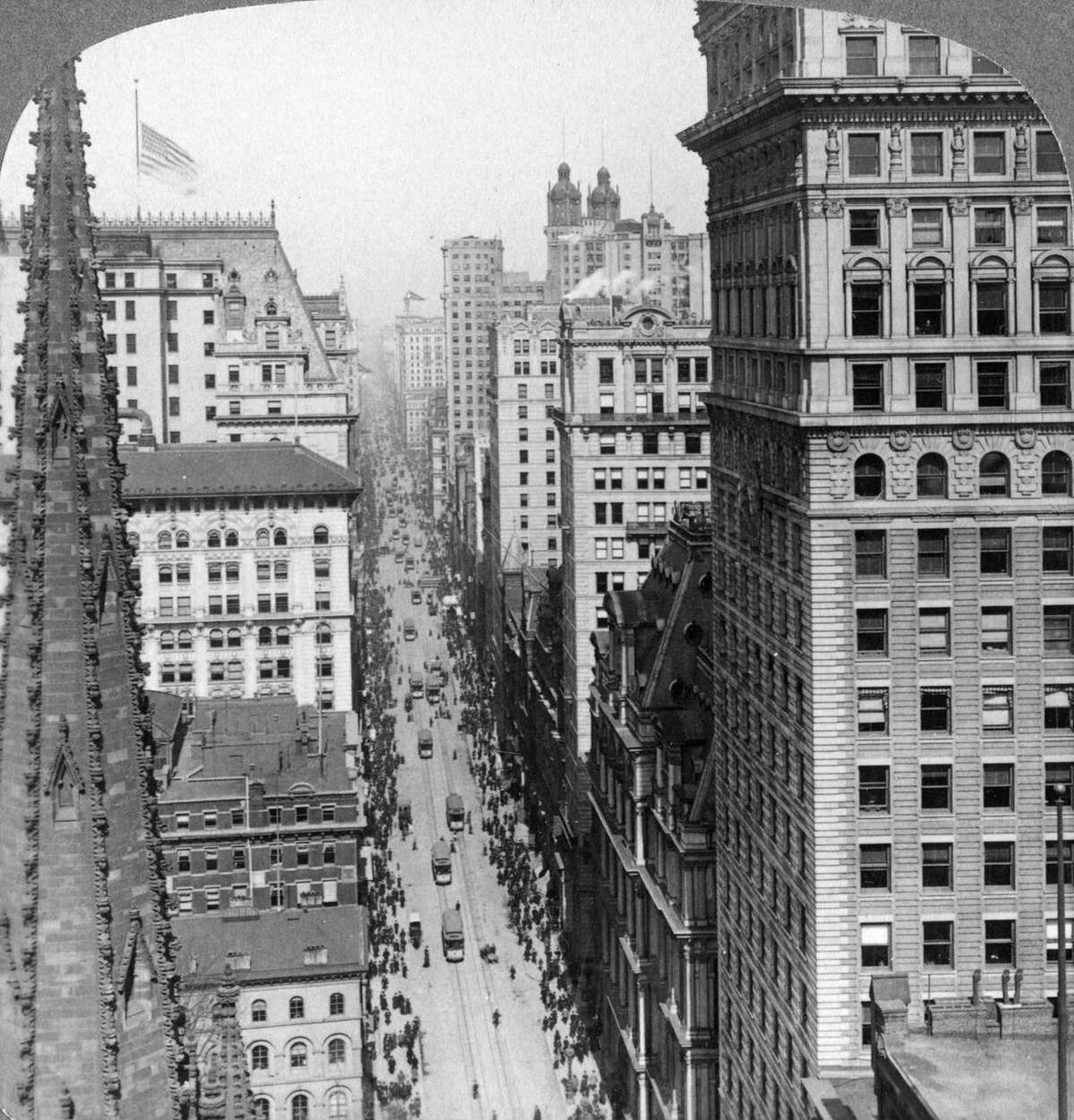
Broadway is not a theater. It is a street — a long, diagonal avenue that cuts through the Manhattan grid from the tip of the island all the way to the Bronx. The stretch that matters for theater runs roughly from 41st Street to 54th Street, in the blocks surrounding Times Square. The theaters themselves sit mostly on the side streets — 44th, 45th, 46th, 47th — not directly on Broadway at all. But the name Broadway stuck, and by the early twentieth century it meant something specific: the highest level of professional theater in the United States, full stop.
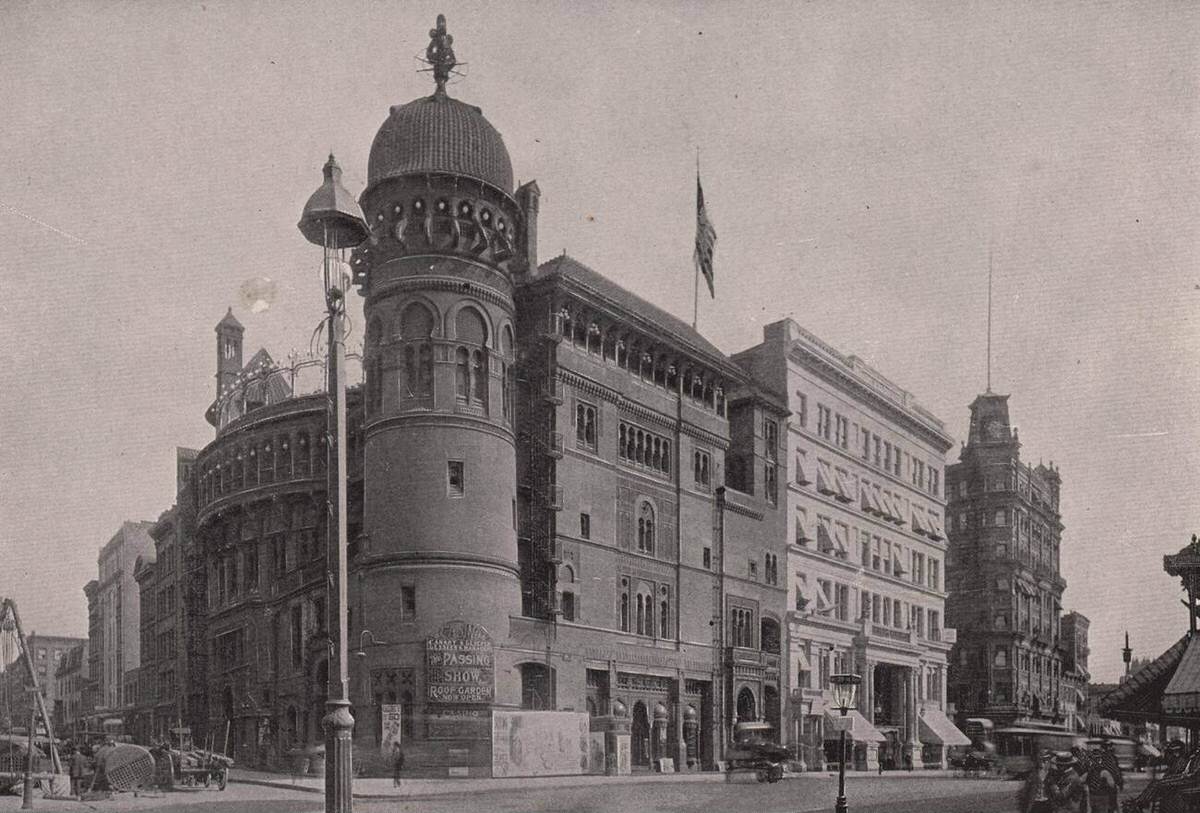
In 1900, there were already over thirty legitimate theaters operating in the district. The producers who ran them were powerful men — Charles Frohman, David Belasco, the Shubert brothers — who controlled which shows got staged, which actors got work, and how much everyone got paid. The Shubert brothers, Sam, Lee, and J.J., arrived in New York from Syracuse in the late 1890s with almost nothing and within a decade controlled a significant portion of the city’s theater real estate. They built or acquired theaters at a pace that alarmed the existing producers, and the competition they created forced ticket prices down and show quality up.
The 1900s and 1910s: Vaudeville and the Legitimate Stage
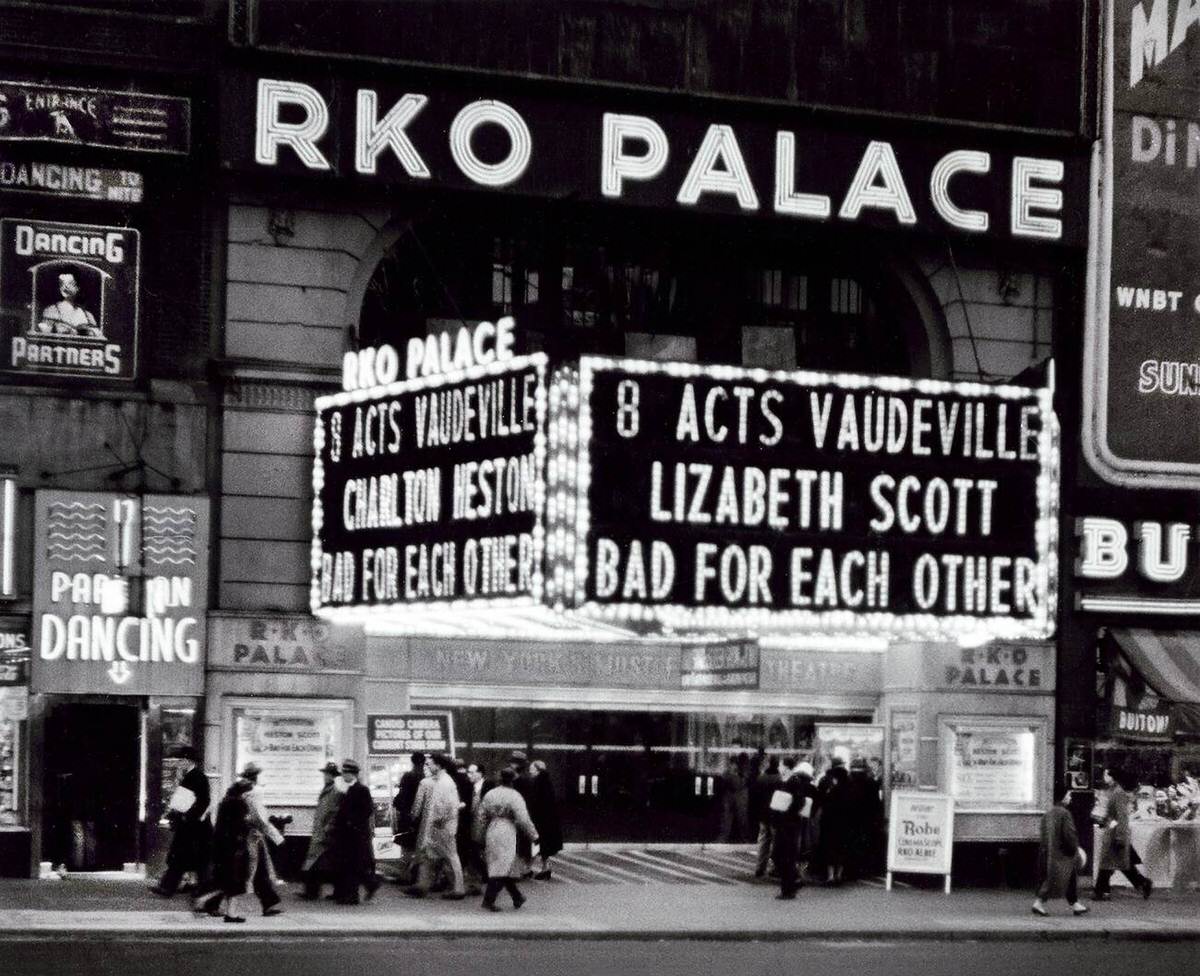
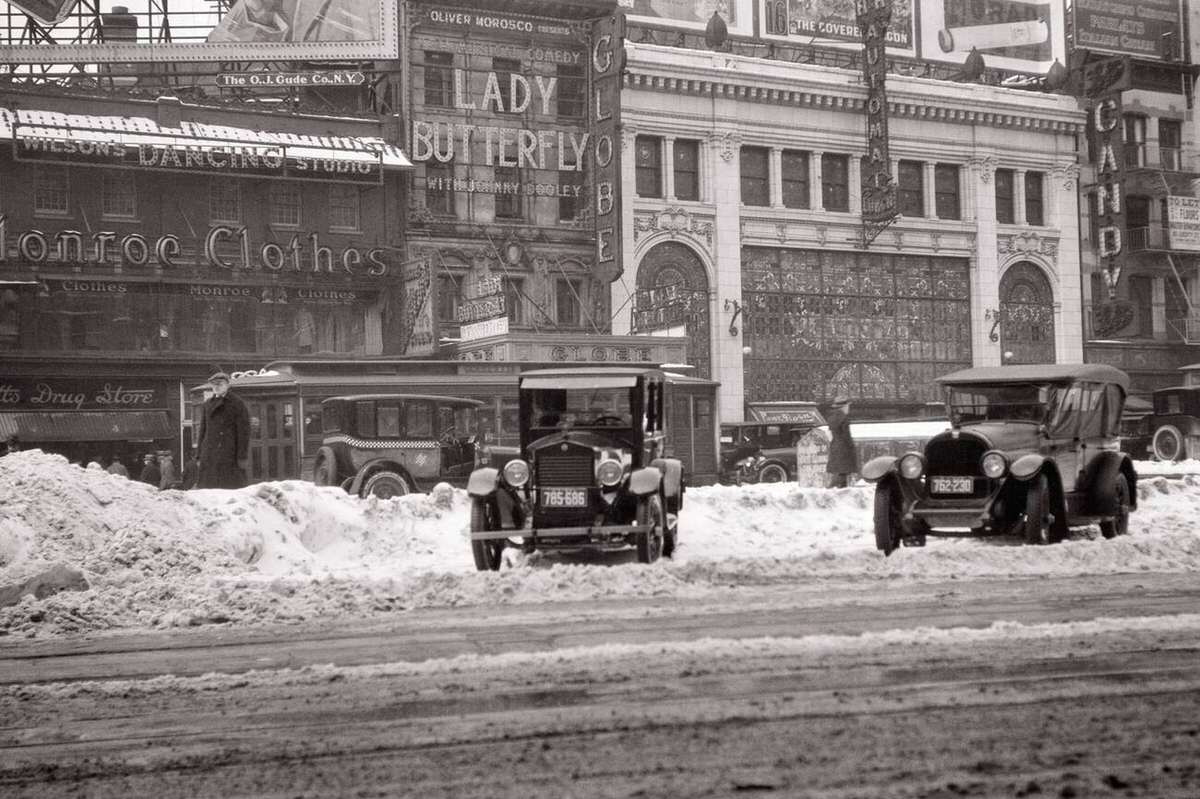
The Broadway of the early 1900s mixed what we would now call highbrow and lowbrow without apology. Serious dramatic productions — Shakespeare, European imports, prestige American plays — ran alongside musical comedies, revues, and variety shows that were barely a step above vaudeville. The audience for all of it was enormous. New York in 1910 had no movies, no radio, and no television. Live theater was the entertainment industry, and Broadway was its capital.
Read more
The musical form that dominated the early years was the revue — a loosely connected series of songs, sketches, and specialty acts held together by a thin theme and a lot of spectacle. Florenz Ziegfeld refined the form into something that was genuinely theatrical with his Follies, which began in 1907 and ran annually through the 1930s. The Ziegfeld Follies were expensive, visually overwhelming productions that filled the New Amsterdam Theatre on 42nd Street with audiences who came as much to see the sets and costumes as the performances. Ziegfeld spent money on his shows at a rate that baffled his competitors and trusted that the audience would reward it. They did.
Ticket prices in this era were accessible to a broad range of New Yorkers. The best seats in a top house ran about a dollar and a half to two dollars — real money for a working-class family, but not impossible. The upper balconies, the galleries, the standing room sections brought prices down to a quarter or fifty cents. The people who filled those cheap seats were not casual theatergoers. They were passionate, opinionated audiences who knew the performers, followed the reviews, and came back repeatedly to productions they loved.
The 1920s: The Golden Age Begins
The 1920s were the first great peak of Broadway. The decade produced more new shows per season than any period before or since — routinely over 200 new productions opening each year by the middle of the decade. The sheer volume is staggering. Producers threw shows at the wall constantly, knowing that most would fail but that the hits could run for years and make fortunes. The risks were real: a flop on Broadway in 1925 cost a producer everything he had put in, with no backend revenue from touring rights or cast albums to soften the loss.
The serious American musical took its first real shape in the 1920s. Jerome Kern and Oscar Hammerstein’s Show Boat opened in 1927 at the Ziegfeld Theatre and changed what a musical could be. Before Show Boat, musical comedies were loosely plotted entertainment built around star performers and comic set pieces. Show Boat had a continuous dramatic narrative drawn from a serious novel, characters who developed across the story, and songs that emerged from the drama rather than interrupting it. The template it set took decades to fully absorb, but absorb it Broadway did.
The Depression and World War Two
The stock market crash of 1929 hit Broadway fast and hard. Productions that were in rehearsal when the crash happened lost their financing overnight. The number of new shows per season dropped from over 200 in the mid-1920s to under 80 by the early 1930s. Theaters that had been full went dark. Several houses were converted to movie theaters, a trend that would continue for decades and that hollowed out the physical stock of Broadway houses in a way the district never fully recovered from.
What survived the Depression was leaner and more focused. The productions that made it to Broadway in the 1930s tended to be serious work — plays and musicals that had something to say about the world audiences were living in. Clifford Odets wrote about labor and class struggle. The Group Theatre, founded in 1931, pushed American acting toward a psychological realism that was new on Broadway. George and Ira Gershwin’s Of Thee I Sing opened in 1931 and became the first musical to win the Pulitzer Prize. Even in the worst years, Broadway kept producing work of real quality.
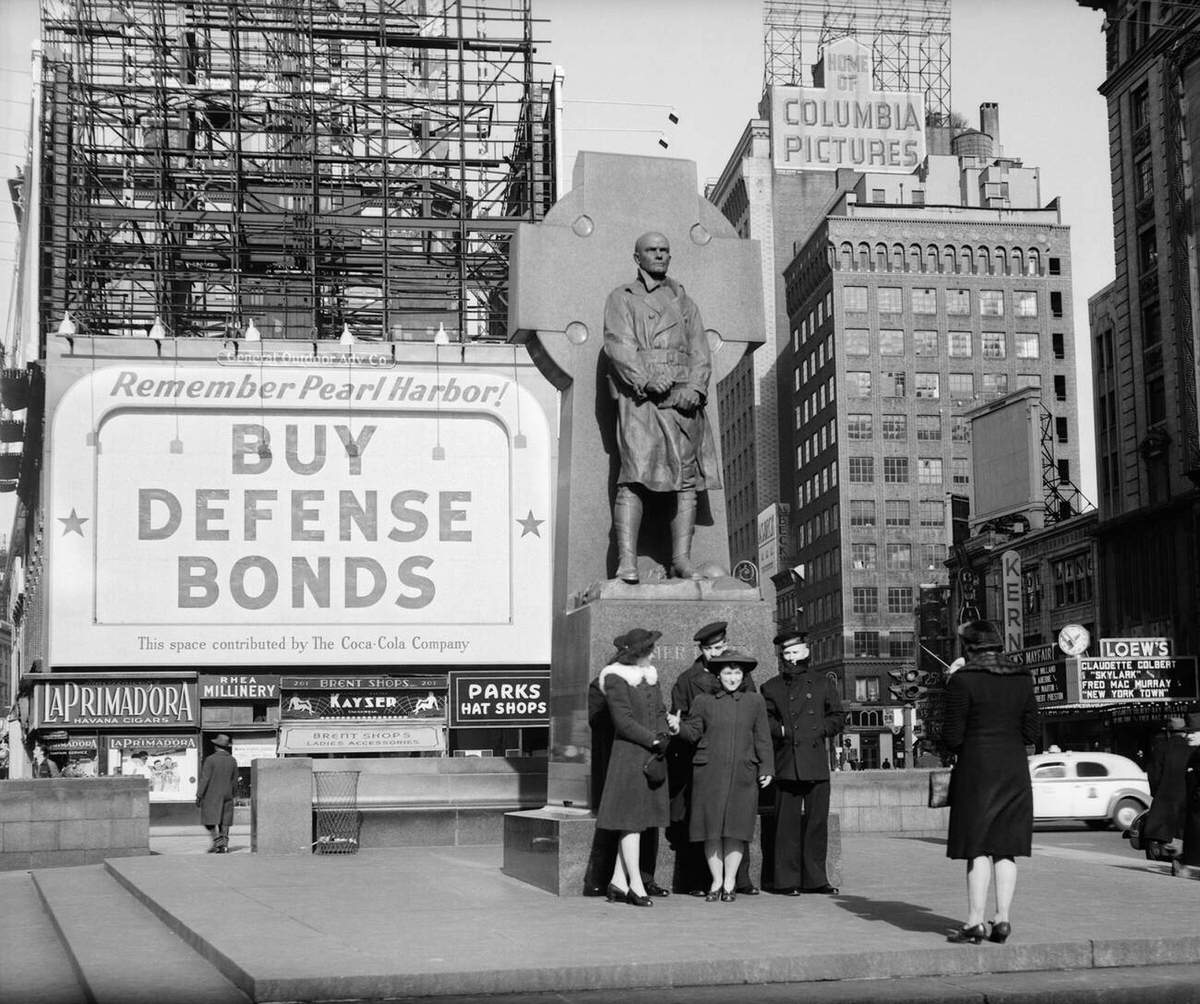
World War Two brought a strange boom. Defense workers poured money into the economy and entertainment spending rose sharply. Broadway ran near-capacity through much of the war, and the shows of the early 1940s reflected the emotional needs of a country at war. Oklahoma!, which opened in March 1943, ran for 2,212 performances — a record at the time — and its combination of integrated song, dance, and drama became the model that defined the American musical for the next three decades.
1907
Ziegfeld Follies debut at the New Amsterdam Theatre, defining Broadway spectacle for a generation.
1927
Show Boat opens, establishing the integrated musical as a serious dramatic form.
1943
Oklahoma! runs 2,212 performances and sets the template for the postwar musical.
1957
West Side Story opens — dance, drama, and urban realism fused into a single show.
1975
A Chorus Line opens at the Public Theater, transfers to Broadway, and runs 6,137 performances.
1994
Disney’s Beauty and the Beast opens, beginning the corporate era of Broadway spectacle.
2016
Hamilton sets a then-record $620 million gross in a single season.
The 1950s and 1960s: The Height of the Musical
The postwar decades were Broadway’s second great peak, and the musical was at the center of it. Rodgers and Hammerstein alone produced South Pacific in 1949, The King and I in 1951, and The Sound of Music in 1959. Leonard Bernstein and Stephen Sondheim’s West Side Story opened in 1957 and brought a level of choreographic and dramatic ambition to the musical form that had not existed before. Jerome Robbins’ staging of the gang sequences used dance as a genuine narrative tool, not decoration. The show transferred the street-level tensions of New York City’s immigrant neighborhoods directly onto the stage of the Winter Garden Theatre.
Straight drama held its own alongside the musicals. Tennessee Williams, Arthur Miller, and William Inge all had their major work produced on Broadway in these years. Death of a Salesman opened in 1949 at the Morosco Theatre with Lee J. Cobb in the original production directed by Elia Kazan. A Streetcar Named Desire had opened two years before. These were not prestige literary events — they were commercial Broadway productions that sold out and ran for years, proving that serious American drama could fill a house on 45th Street as reliably as a musical comedy.
The 1970s: The District Nearly Dies
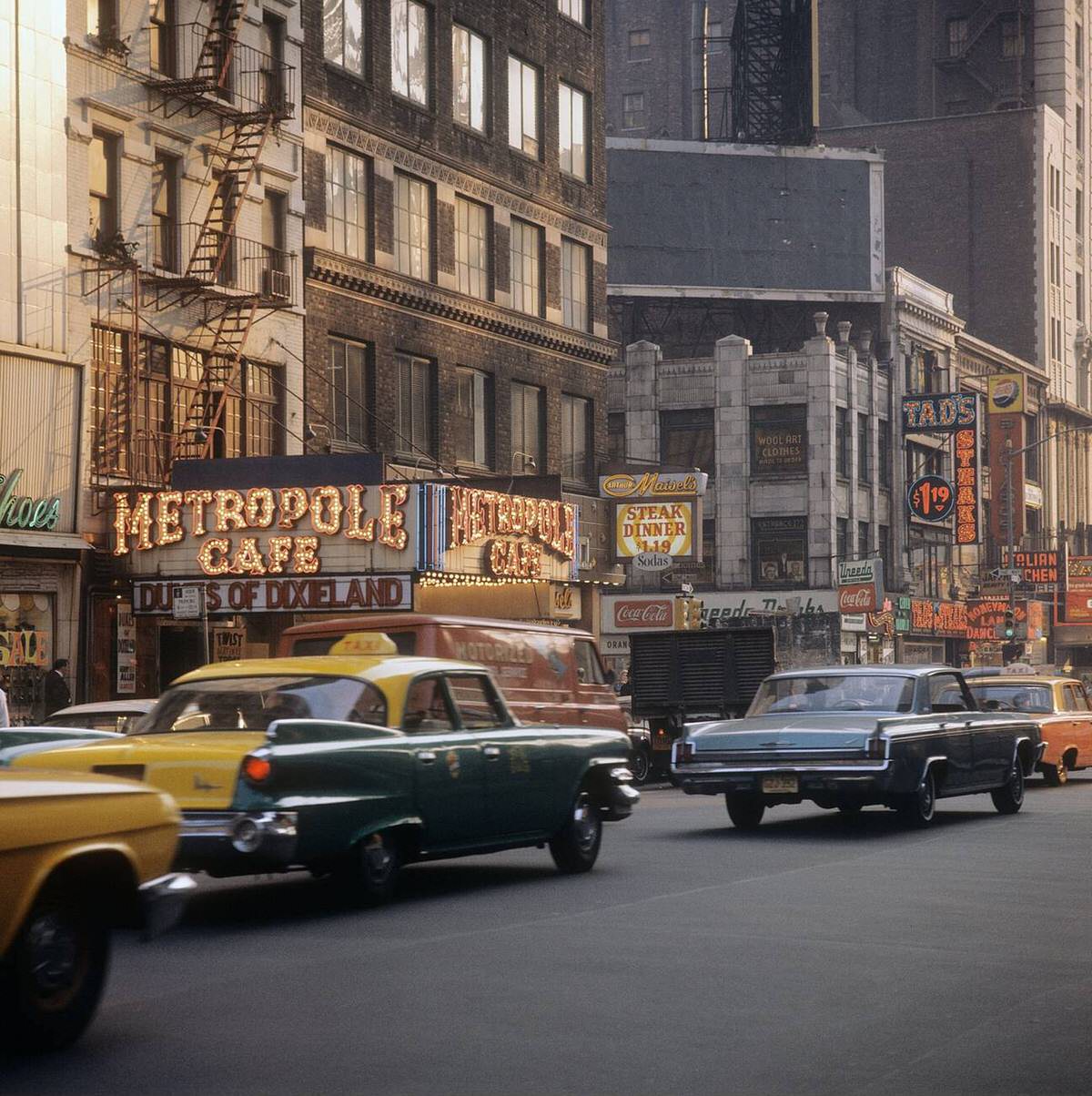
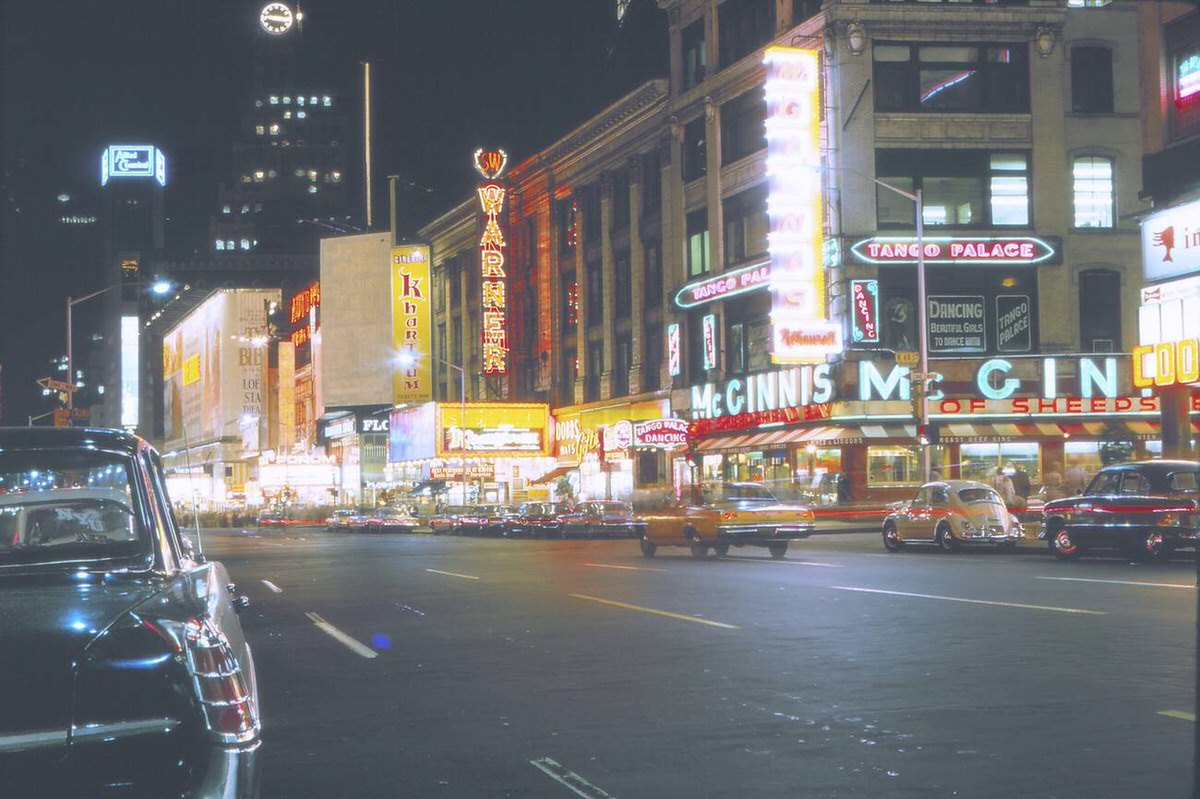
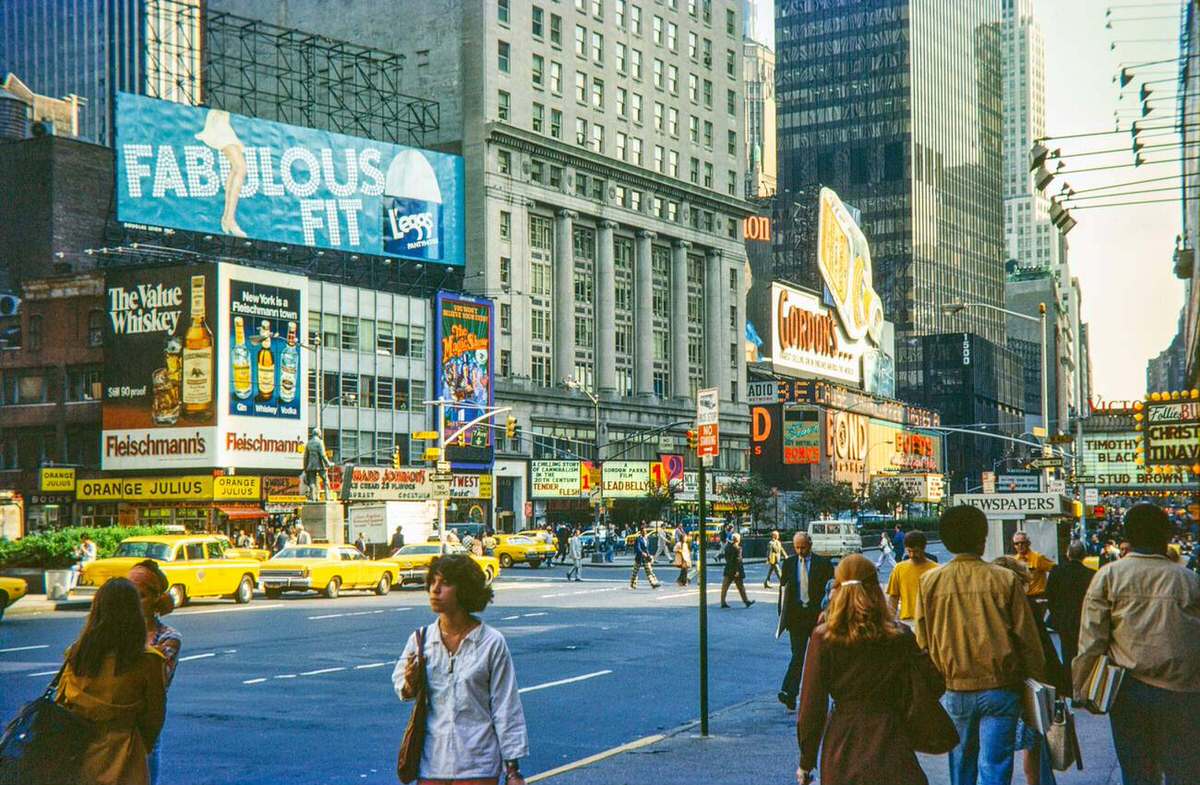
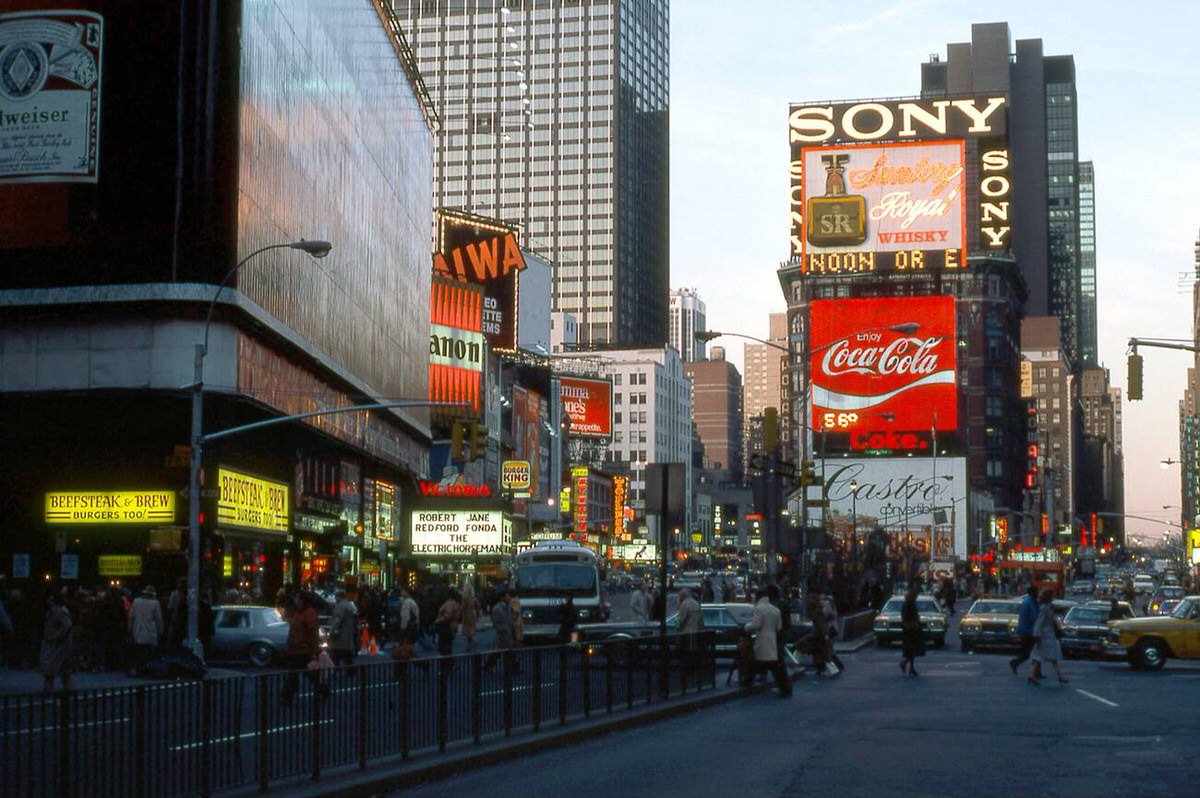
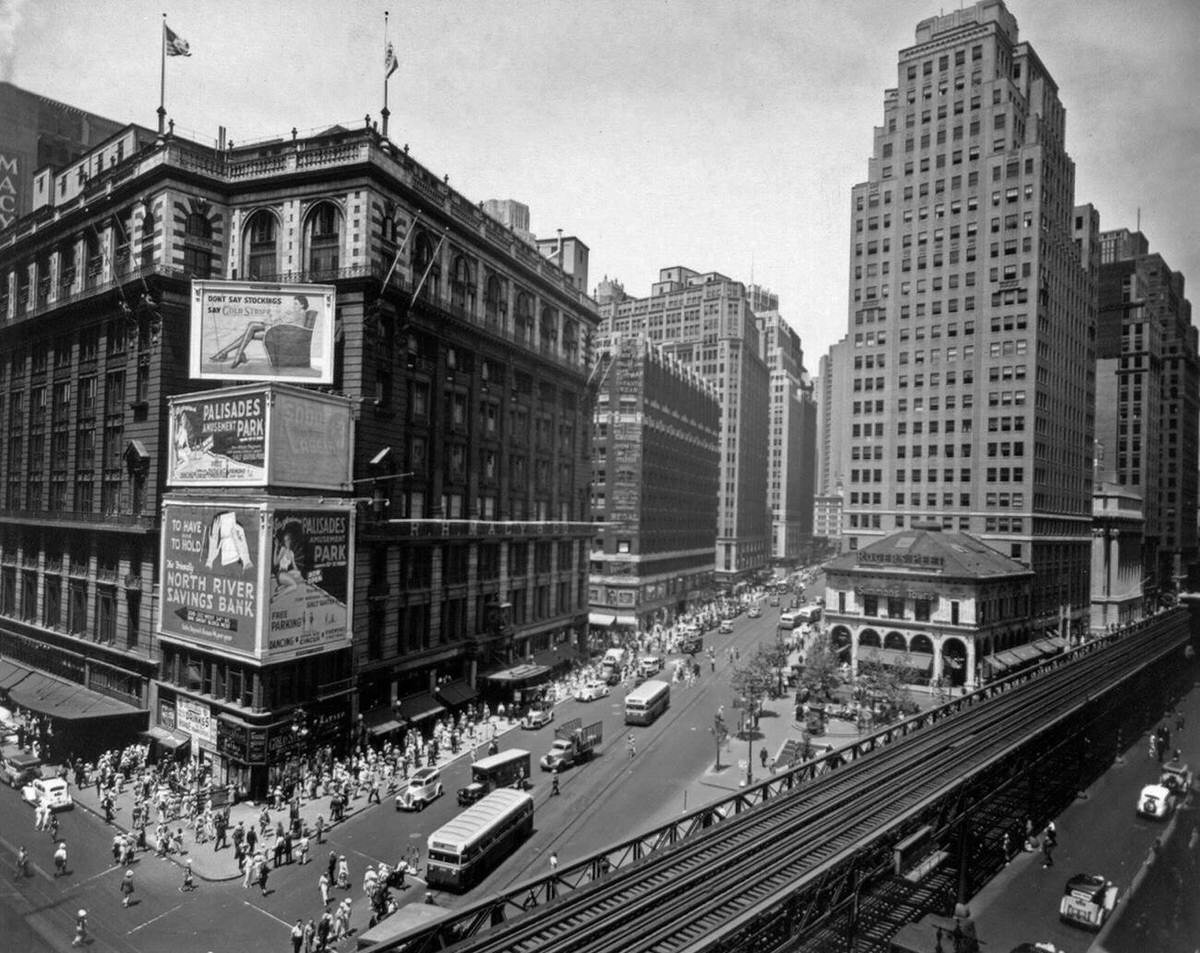
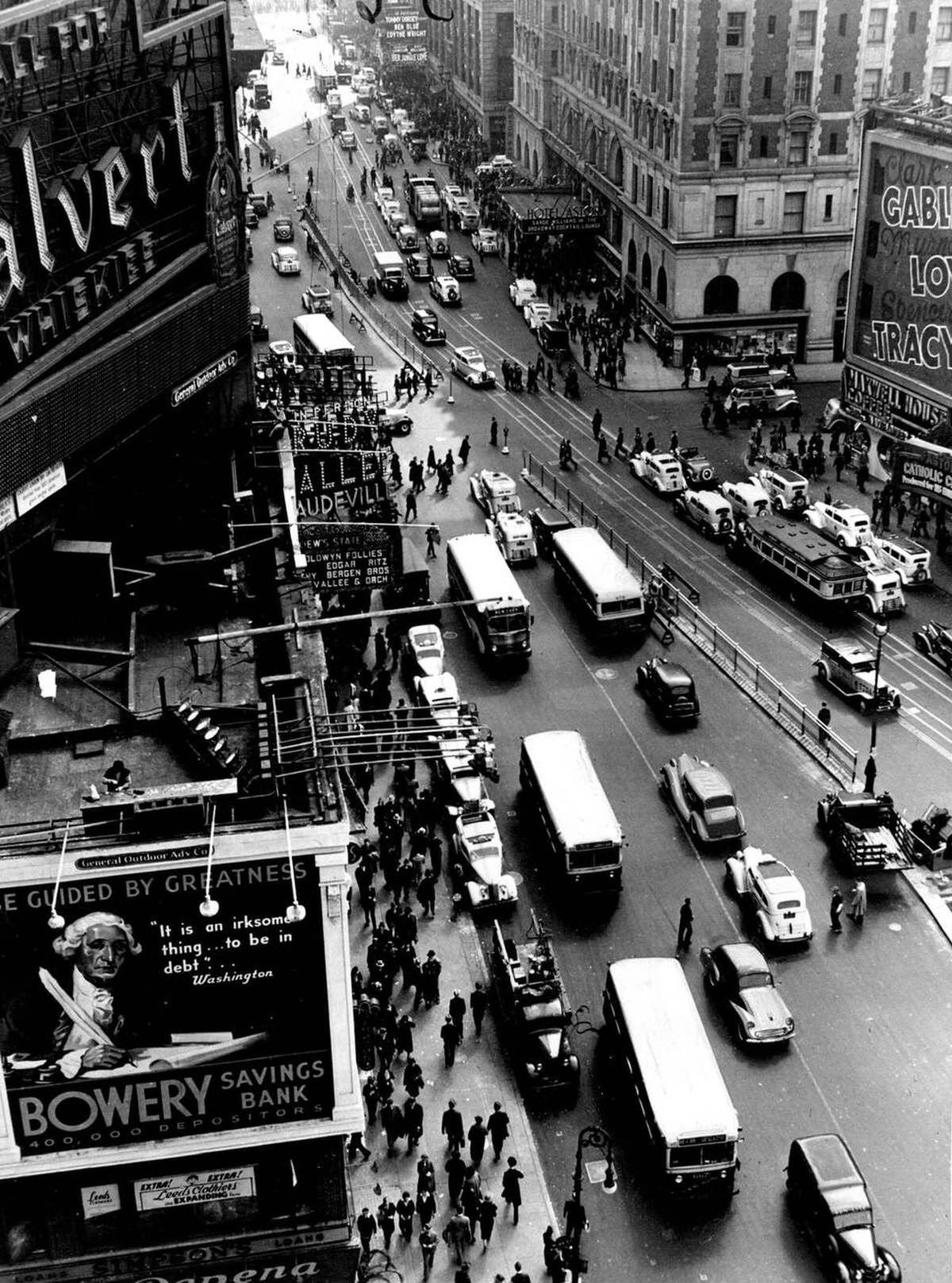
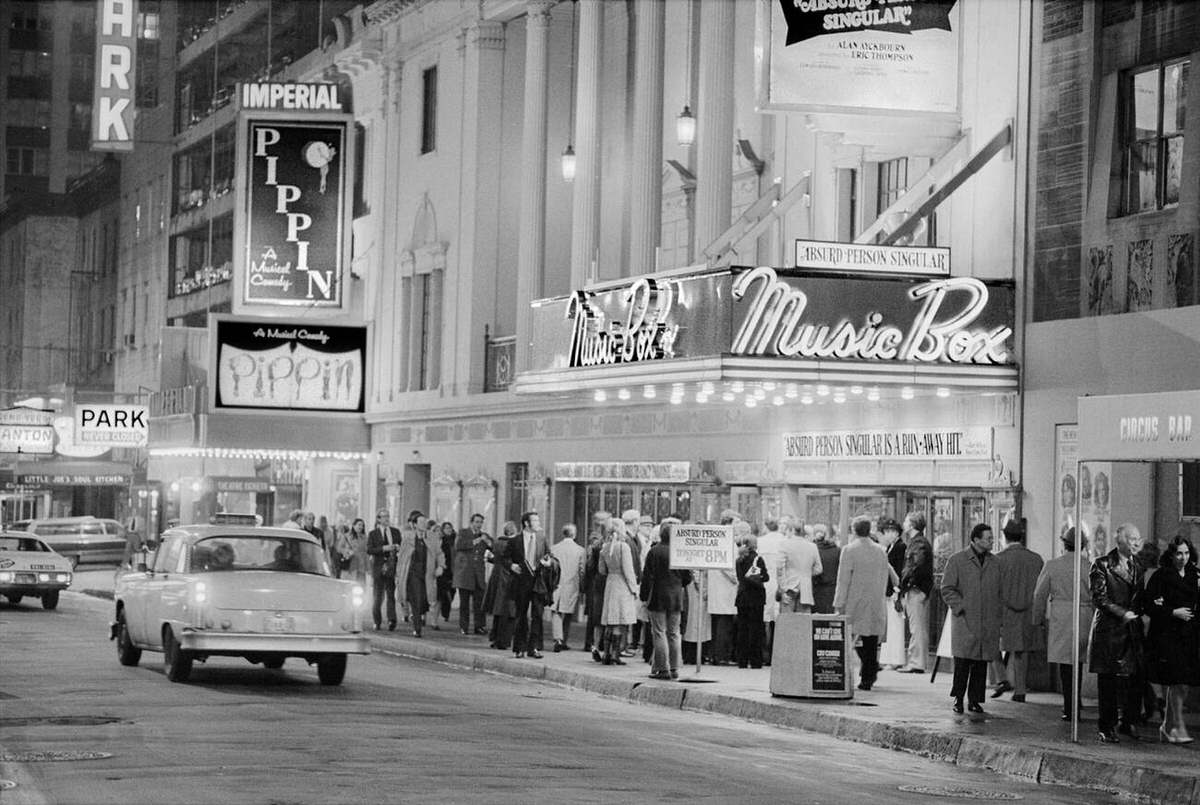
By the early 1970s, Times Square and the surrounding blocks had become genuinely dangerous. The city’s fiscal crisis, the flight of the middle class to the suburbs, and the collapse of maintenance on public spaces all converged on 42nd Street with particular force. The theaters that had housed Ziegfeld’s Follies and Rodgers and Hammerstein’s openings were showing pornographic films. Drug dealing was open on the sidewalks. Legitimate theatergoers — the suburban couples who drove in for a Saturday show — stopped coming. Box office receipts dropped every year through the mid-1970s.
Broadway survived this period partly because of Off-Broadway and the nonprofit theaters that had grown up around the district. Joseph Papp’s Public Theater downtown sent A Chorus Line to Broadway in 1975 after developing it in a downtown workshop. A Chorus Line ran 6,137 performances — a record that stood for fifteen years — and demonstrated that the Broadway audience still existed if the material was strong enough. The show was also a financial model: developed cheaply in a nonprofit space, transferred to Broadway when the work was proven. That model became standard and remains so today.
The 1980s and 1990s: The British Invasion and Corporate Broadway
Andrew Lloyd Webber arrived on Broadway in force with Evita in 1979, Cats in 1982, and The Phantom of the Opera in 1988. These were large-scale, technically sophisticated productions built around spectacle and accessible melody. Phantom ran at the Majestic Theatre from January 1988 until April 2023 — 35 years, 13,981 performances, the longest run in Broadway history. The show that replaced it in the cultural conversation, Les Misérables, arrived from London in 1987 and ran for twelve years. British producers had figured out something American producers were slow to copy: a single show that could run indefinitely was more profitable than a revolving slate of new productions.
Disney’s entry into Broadway with Beauty and the Beast in 1994 and The Lion King in 1997 finished the transformation of the 42nd Street corridor. The city and the state had invested heavily in cleaning up Times Square through the late 1980s and early 1990s — the porn theaters were bought out, the drug markets were pushed back, the streets were policed more aggressively. Disney’s presence was both a symbol of the cleanup and an accelerant of it. The Lion King, directed by Julie Taymor, was a genuinely inventive piece of theatrical design that happened to be produced by a corporation. It is still running at the Minskoff Theatre, over twenty-five years after opening night.
The 2000s Through Today
The first decade of the 2000s saw Broadway recover fully from the 1970s trauma and become genuinely prosperous again. The September 11 attacks hit Times Square tourism hard in the short term, but the district bounced back faster than most of lower Manhattan. By the mid-2000s, Broadway was selling out regularly and grossing more than it ever had in nominal dollars.
Hamilton opened at the Public Theater in February 2015, transferred to the Richard Rodgers Theatre in August of that year, and became the most-talked-about piece of American theater in decades. Lin-Manuel Miranda’s use of hip-hop, R&B, and traditional Broadway forms to tell the story of Alexander Hamilton was a genuine formal breakthrough, not a marketing angle. The show’s casting — a diverse company performing the story of the founding fathers — provoked both celebration and argument, which is what serious theater is supposed to do. Hamilton grossed $620 million in its first full season on Broadway and changed what producers thought a musical could earn.
Broadway today runs on a two-tier economy. At the top are the mega-musicals and proven revivals that can charge $300 or more for premium seats and that market themselves globally to tourists who plan a Broadway show the way they plan a visit to the Statue of Liberty. Below that tier are the straight plays, the smaller musicals, and the transfer productions from regional theaters and London’s West End, which operate on tighter margins and depend on strong reviews and word-of-mouth to survive. The COVID-19 shutdown, which closed every Broadway theater from March 2020 to September 2021, was the longest forced closure in the district’s history — longer than any war, any strike, any financial crisis. The theaters reopened. The shows came back. That is what Broadway does.

GIPHY App Key not set. Please check settings