 Adriana Palmer
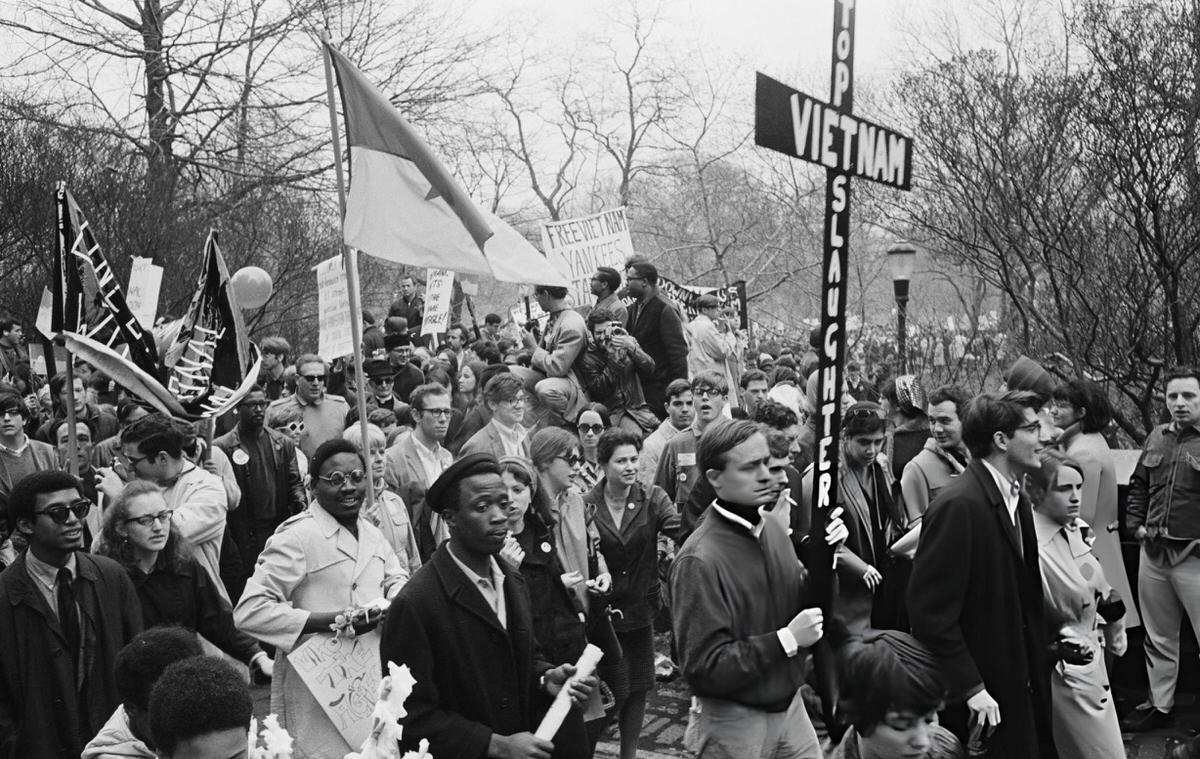
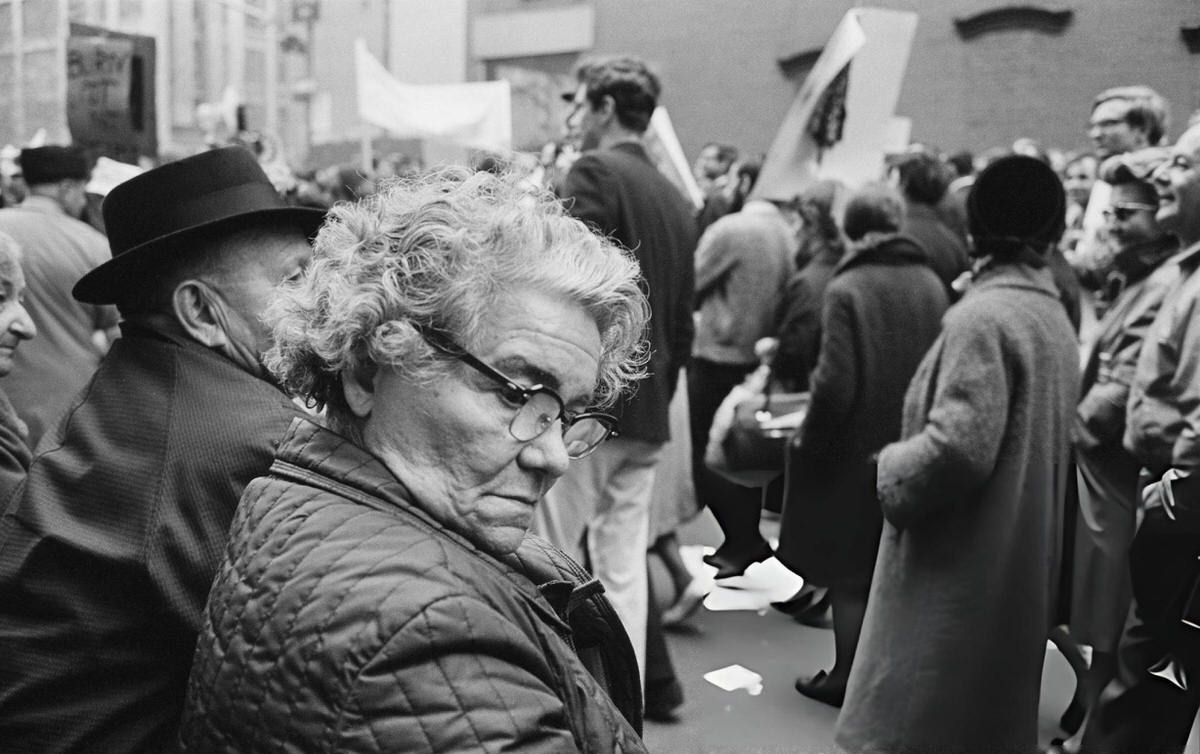
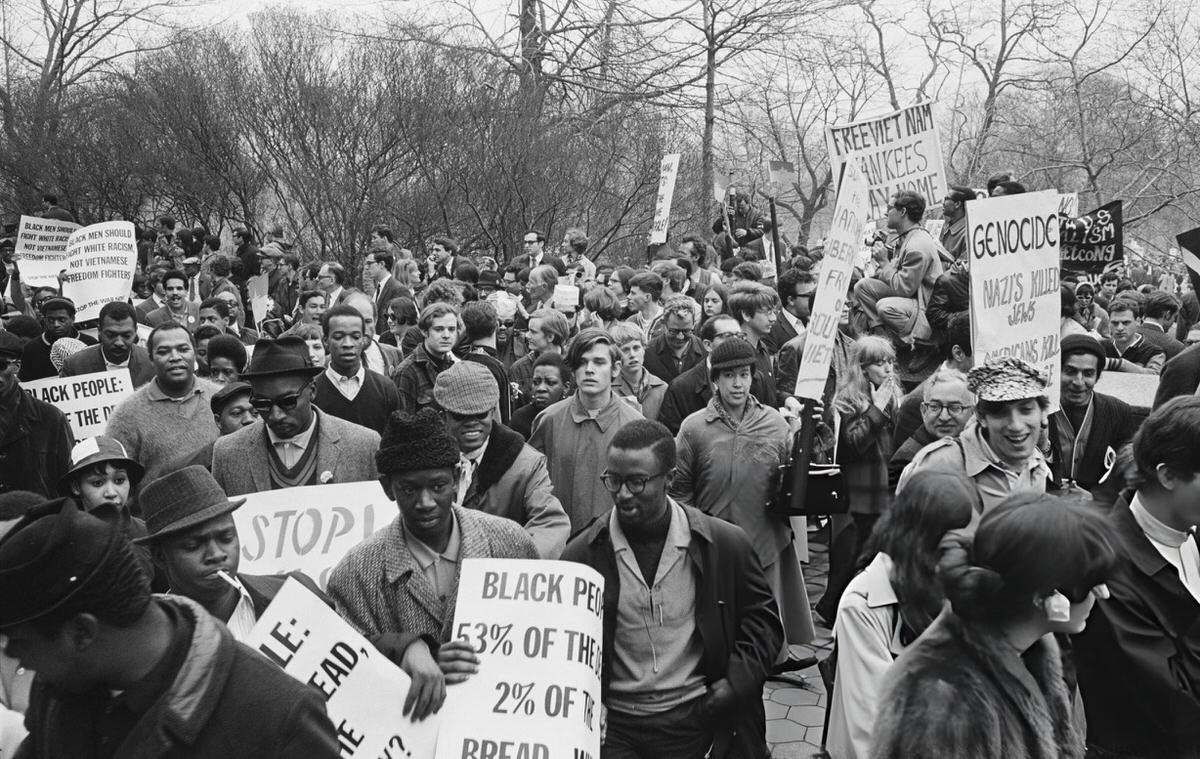
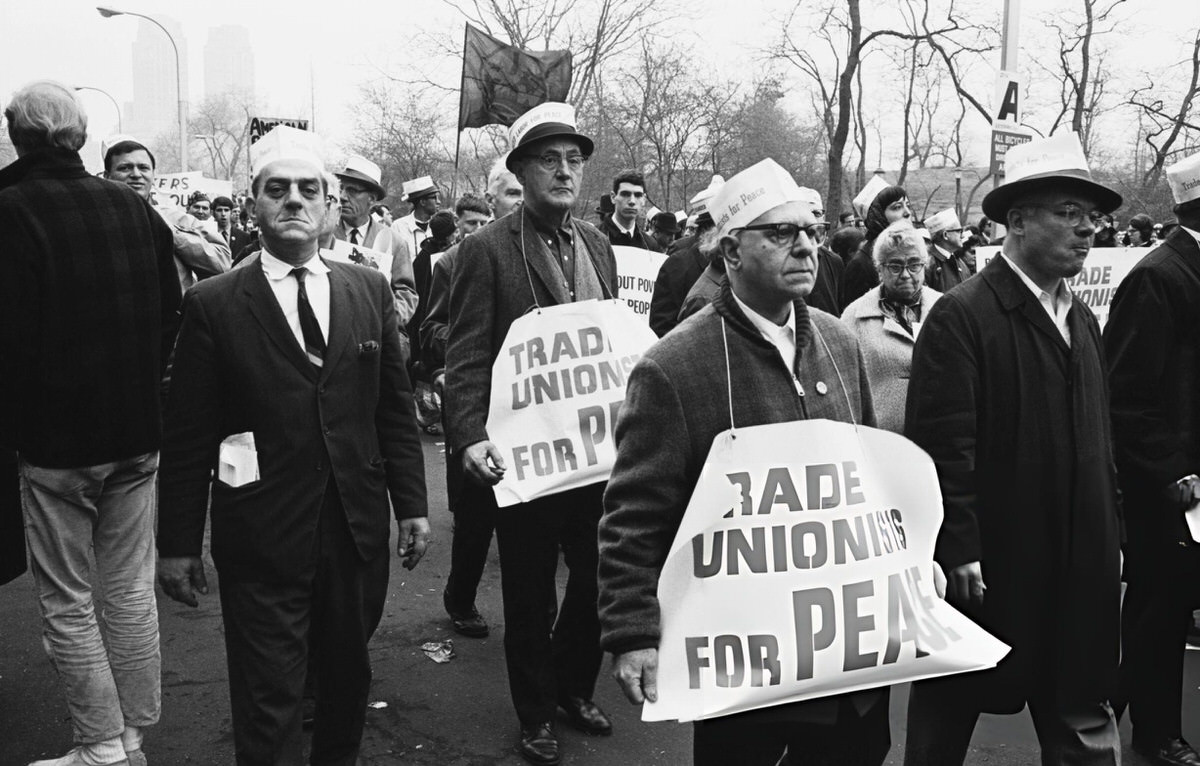
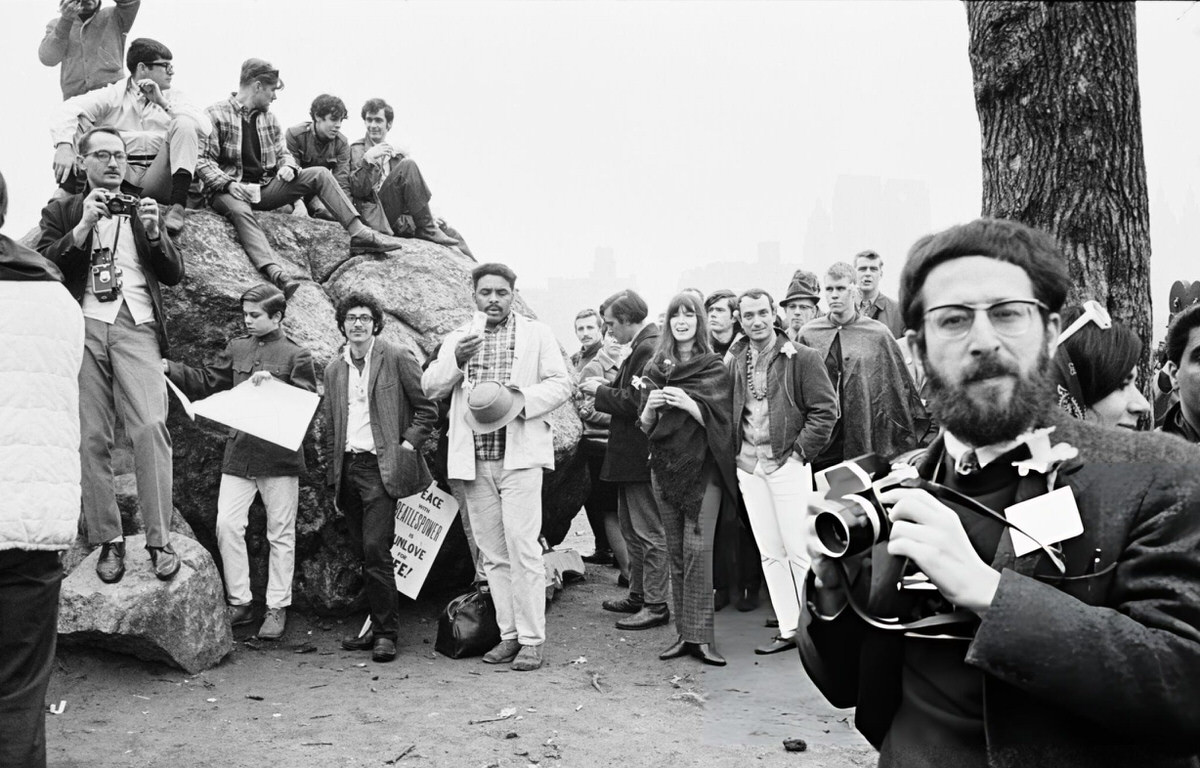
On April 15, 1967, more than 400,000 people gathered in Manhattan for the Spring Mobilization to End the War in Vietnam. This was the largest anti-war demonstration in United States history up to that point. The event began with crowds assembling in Central Park at the Sheep Meadow. Participants represented a wide cross-section of society, including students, labor union members, religious leaders, and families with young children.
The March from Central Park
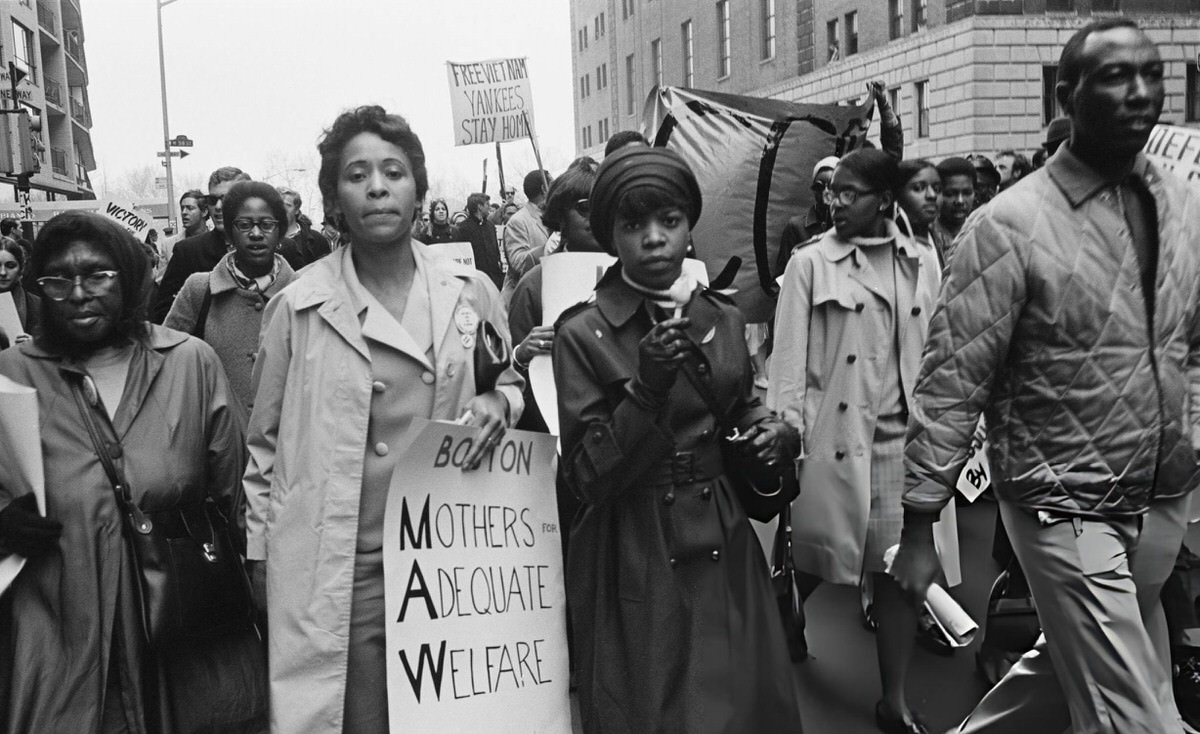
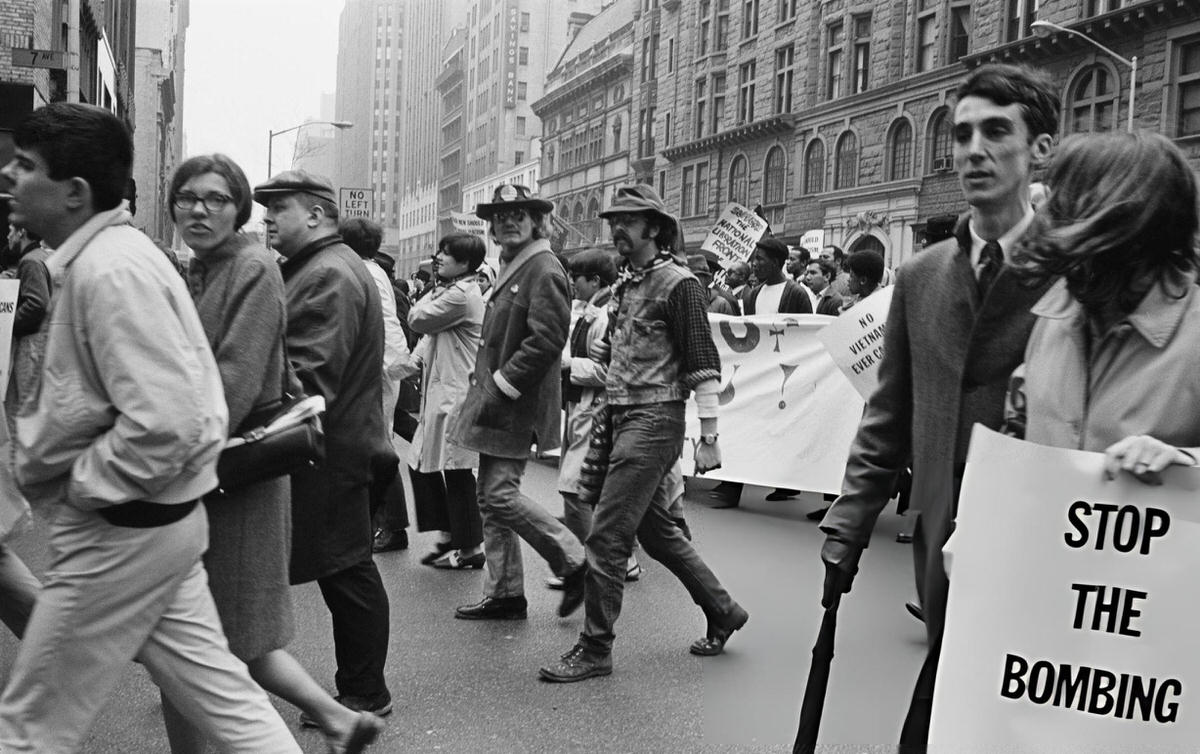
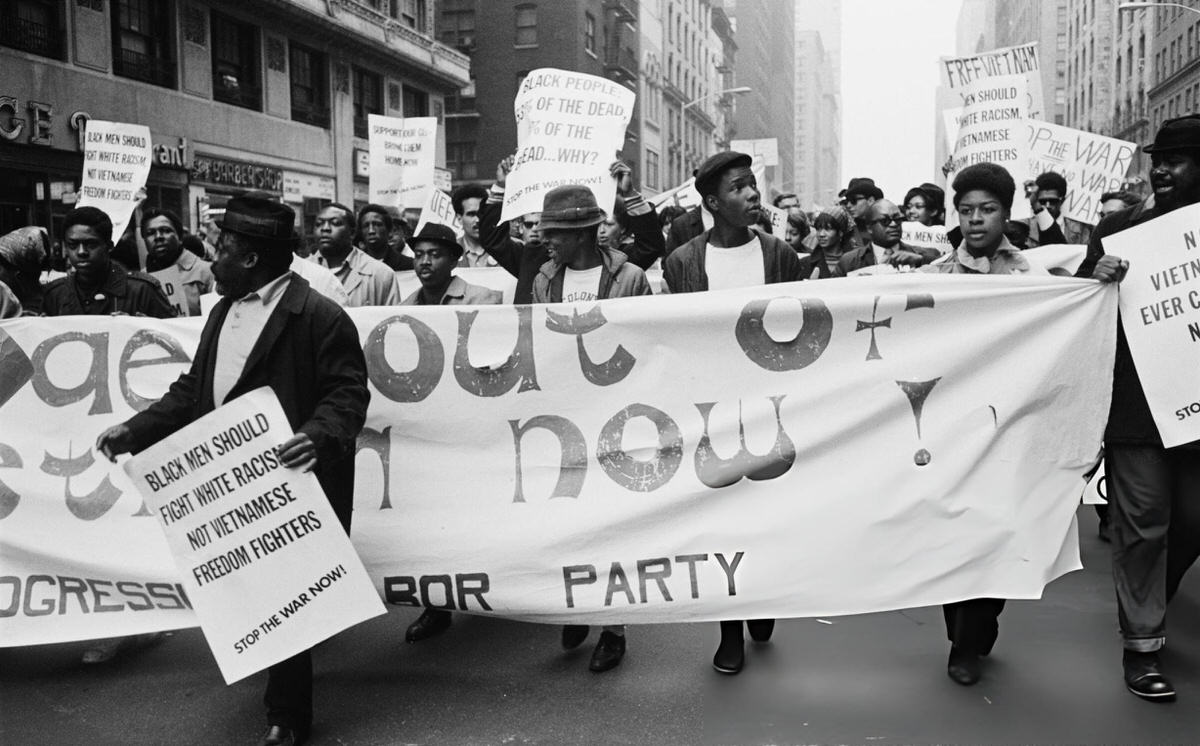
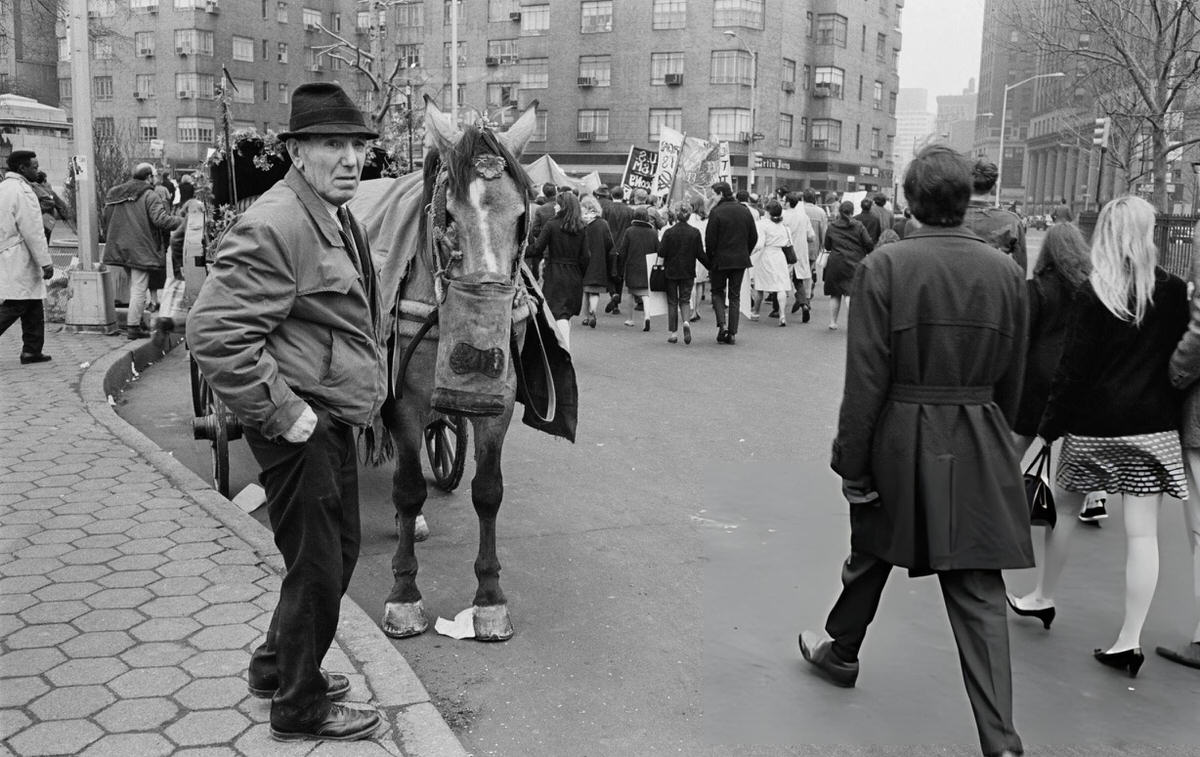
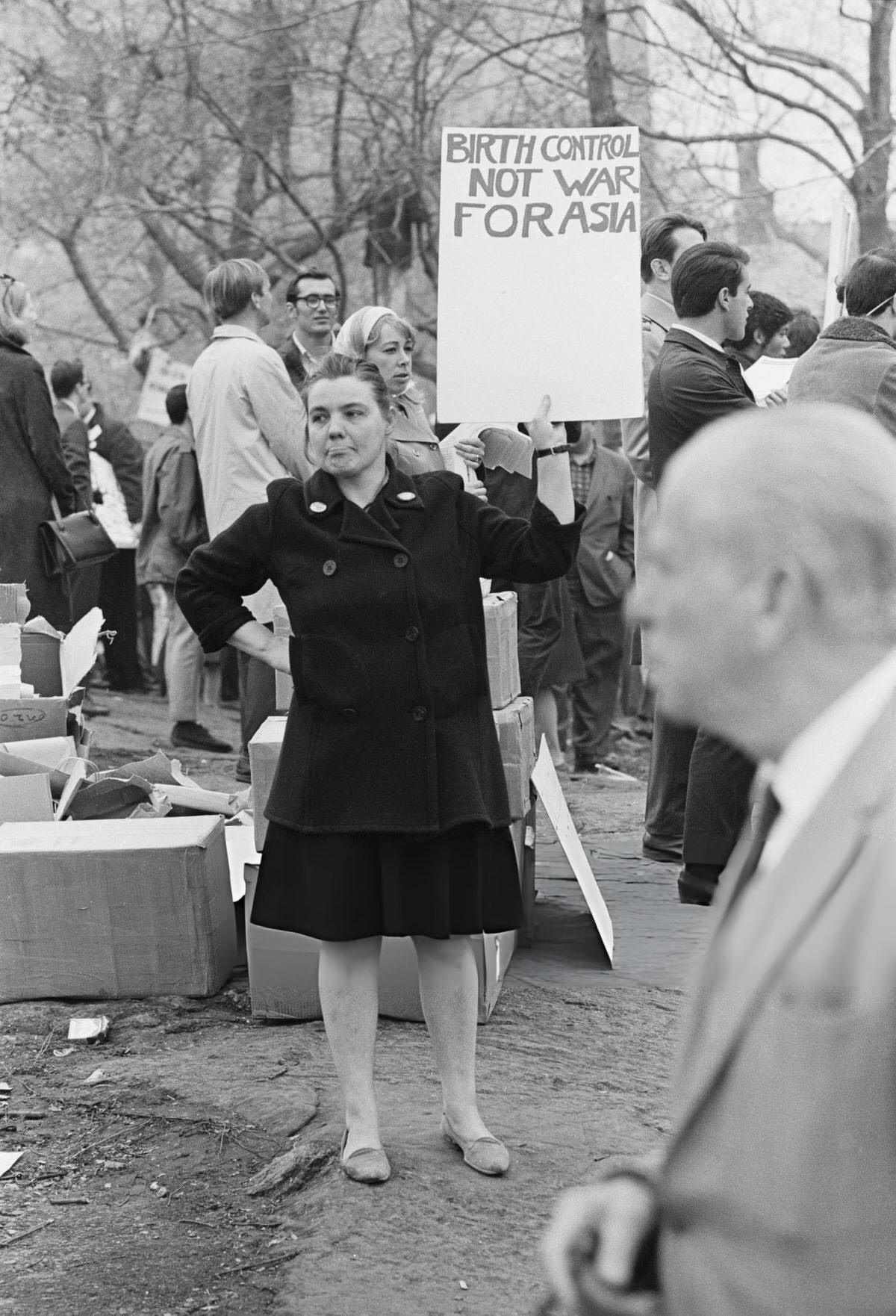
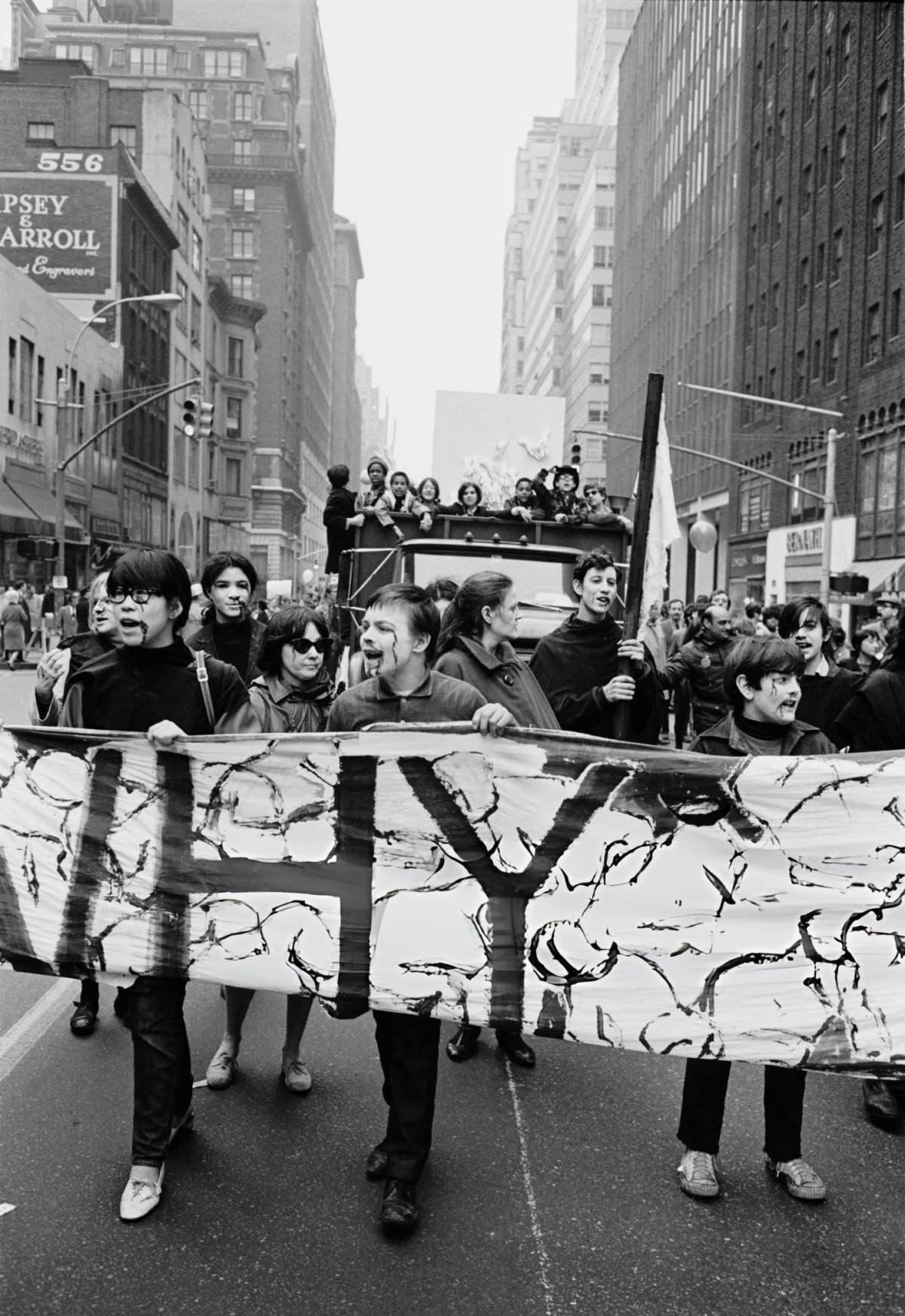
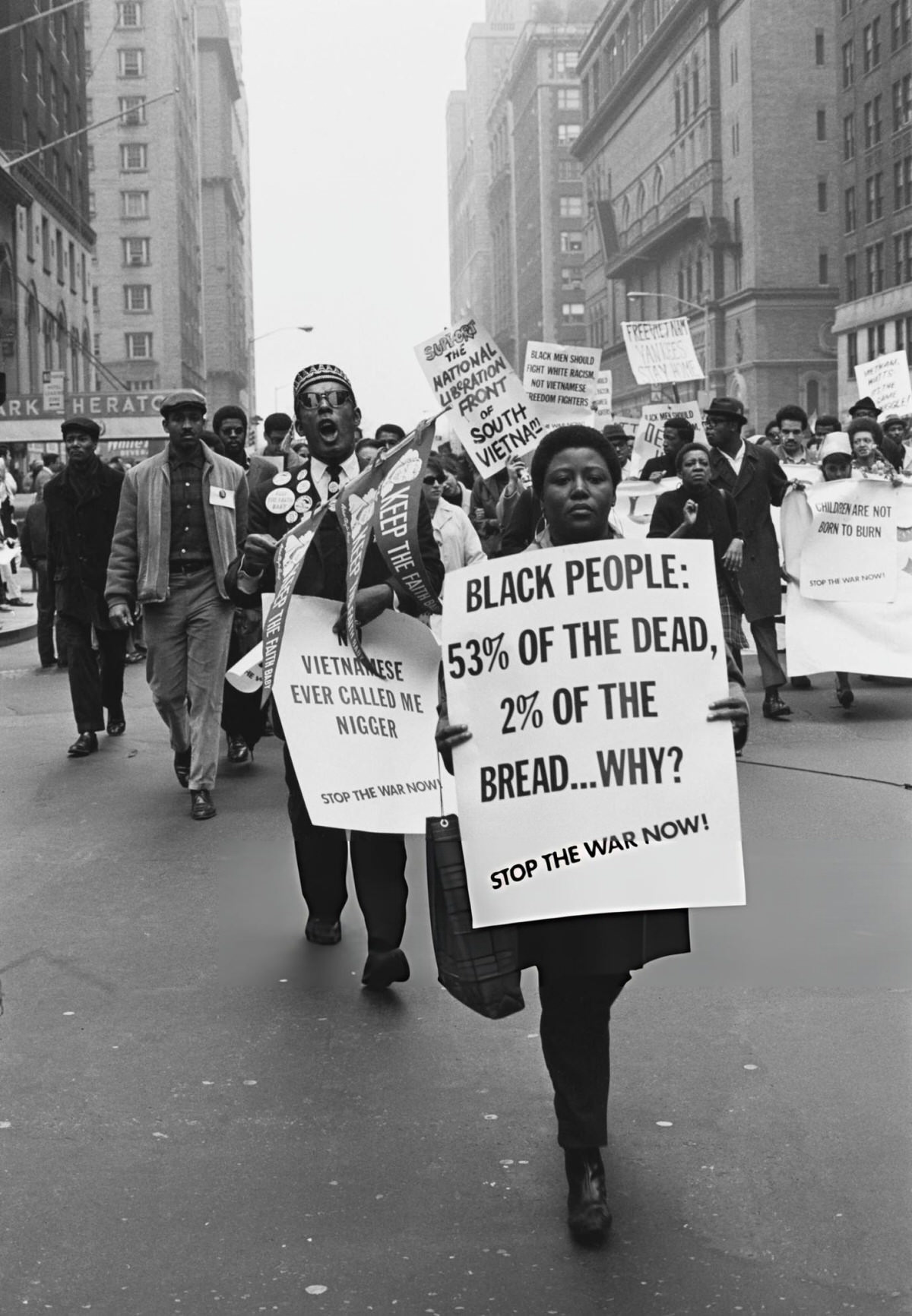
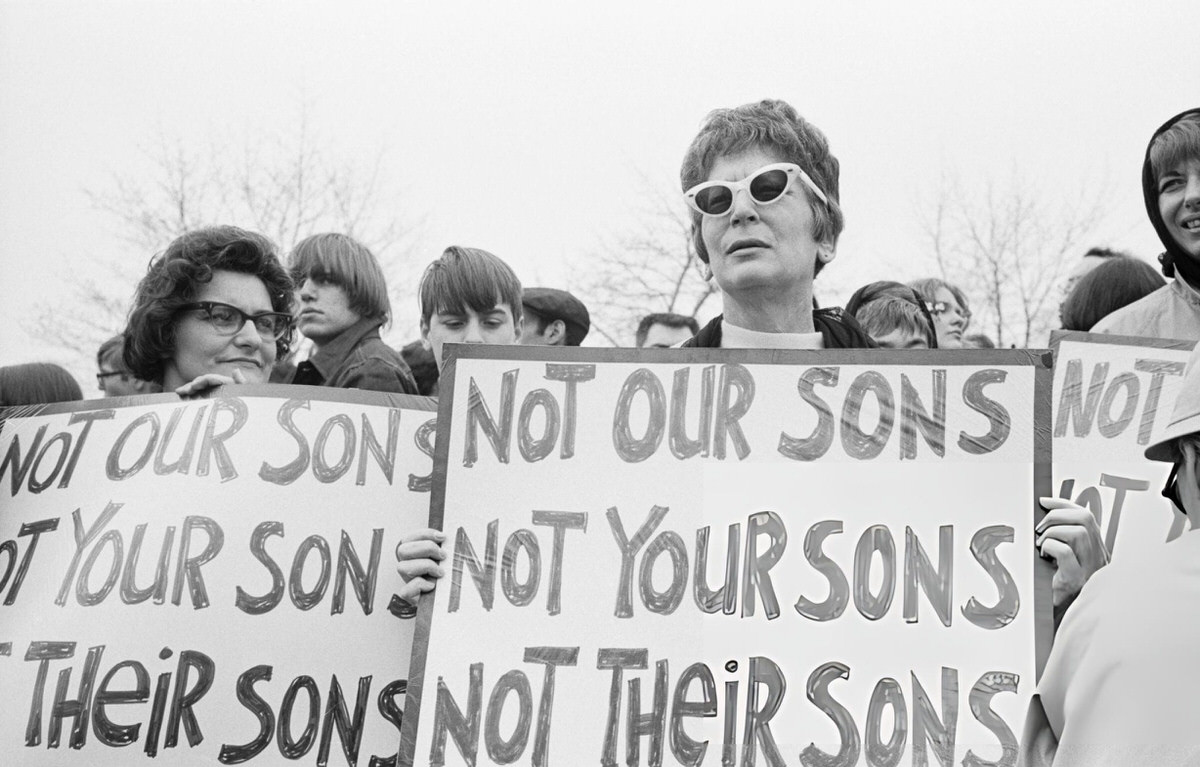
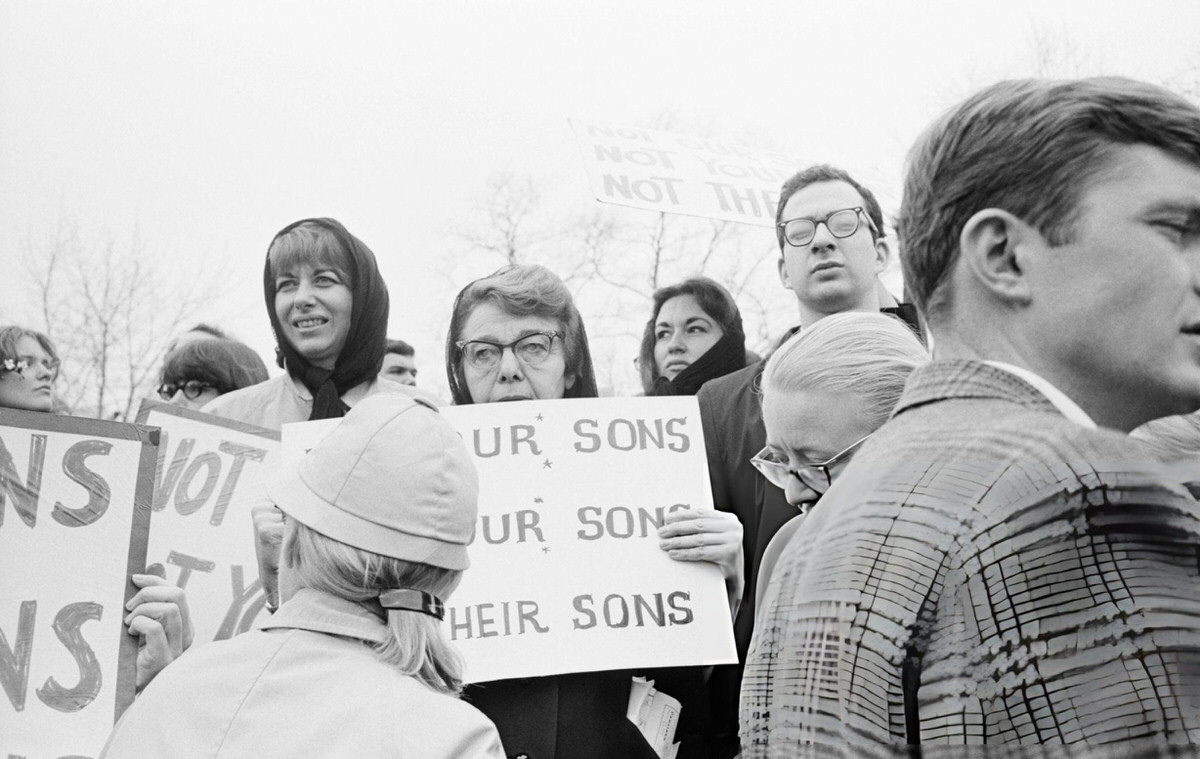
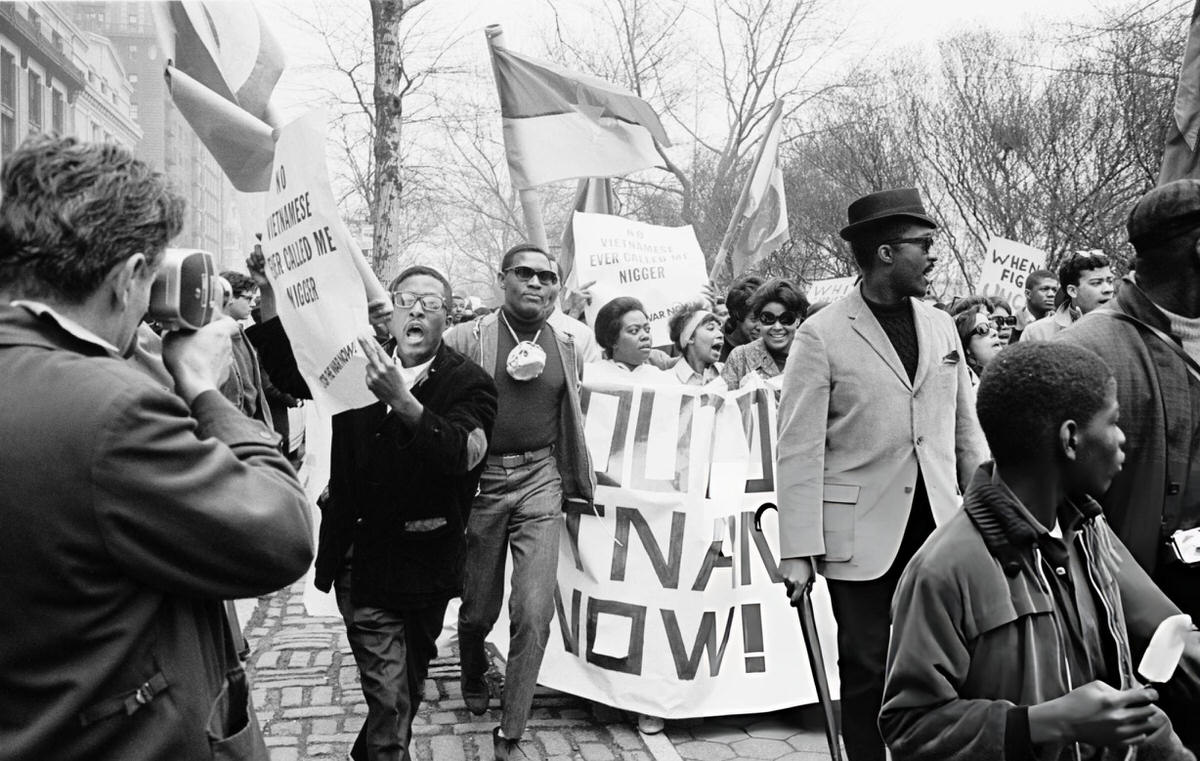
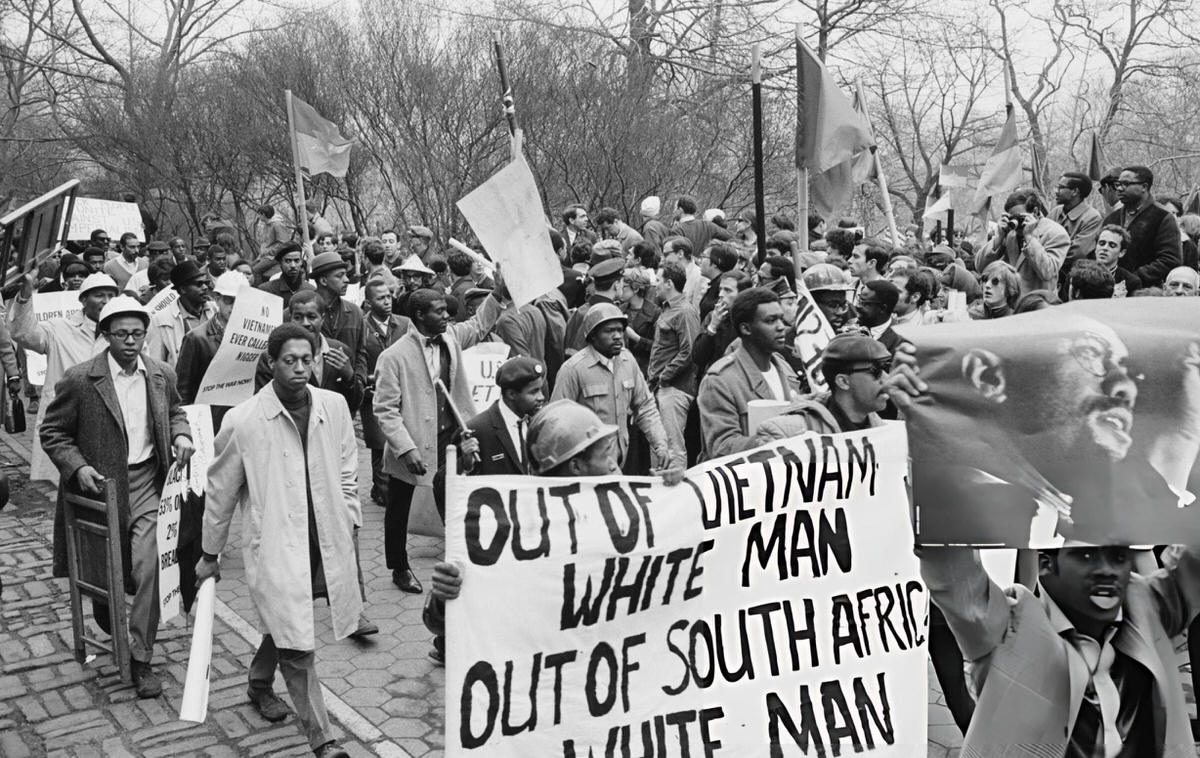
The weather was drizzly and cool as the marchers began their trek from the park toward the United Nations building. People filled the streets from curb to curb, stretching for miles. Many carried handmade signs with slogans like “Peace Now” and “Stop the Bombing.” Others held high large portraits of Vietnamese civilians to highlight the human cost of the conflict.
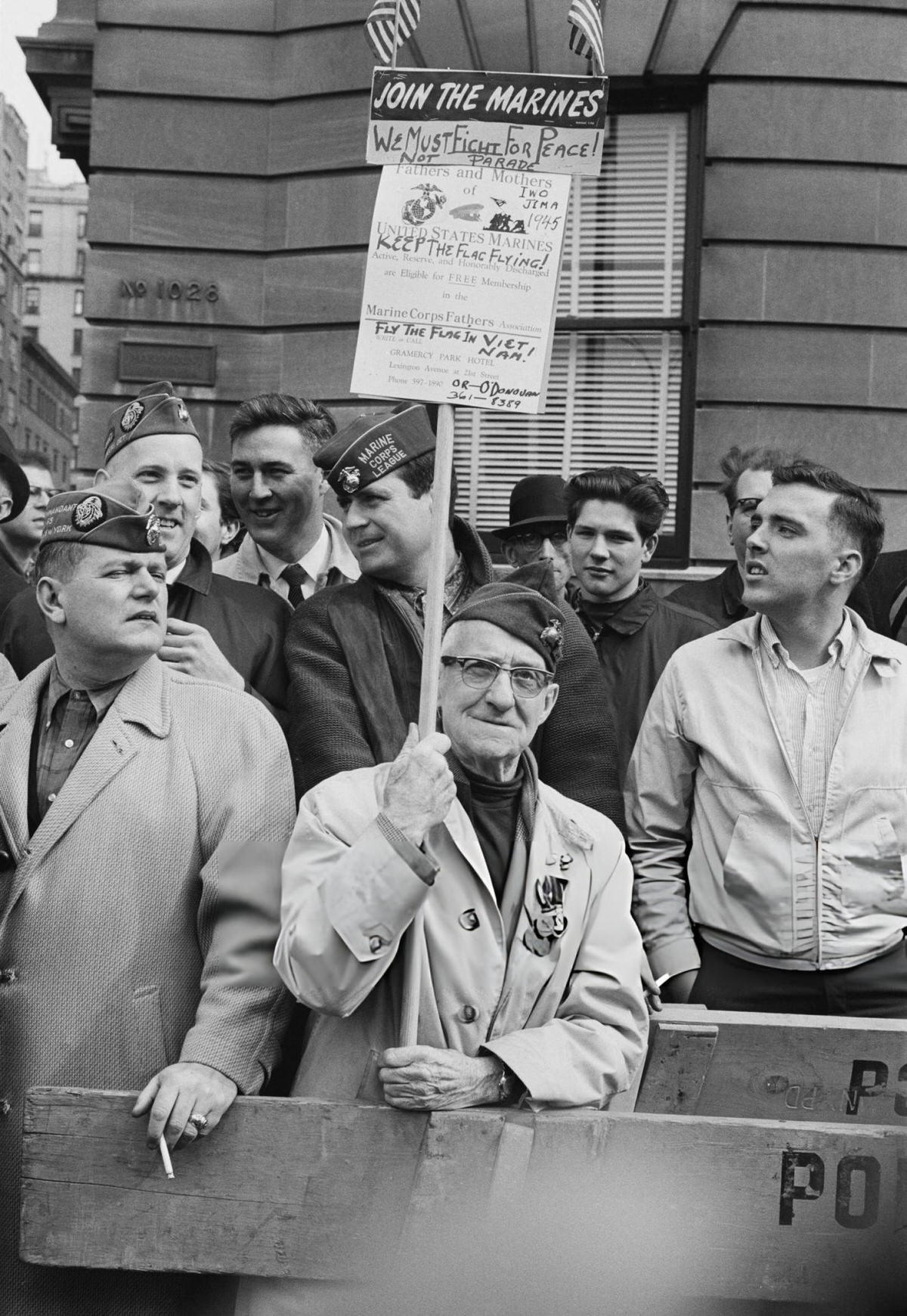
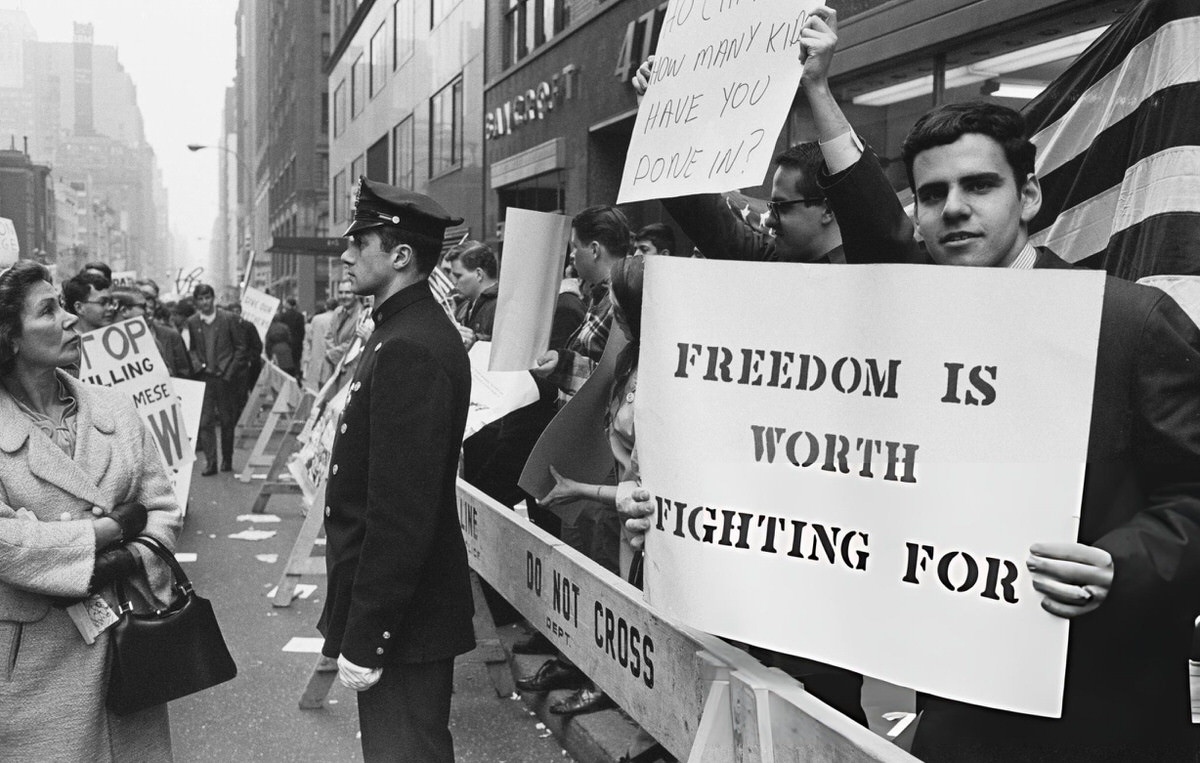
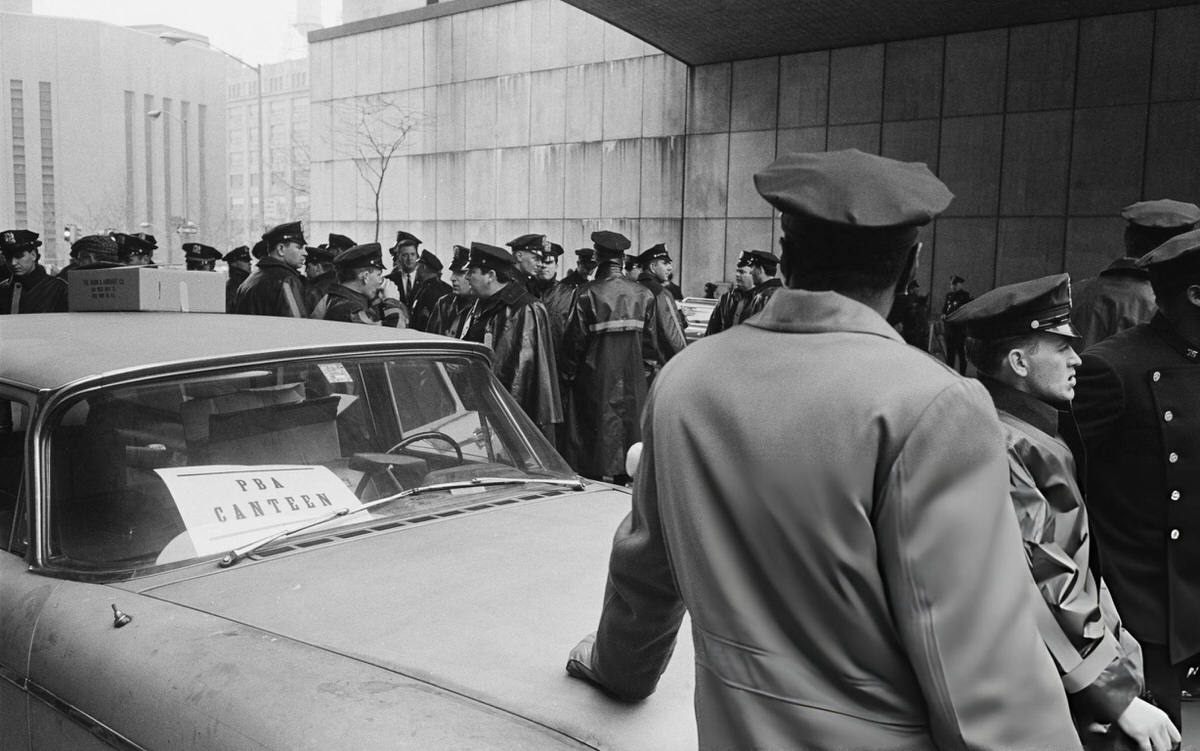
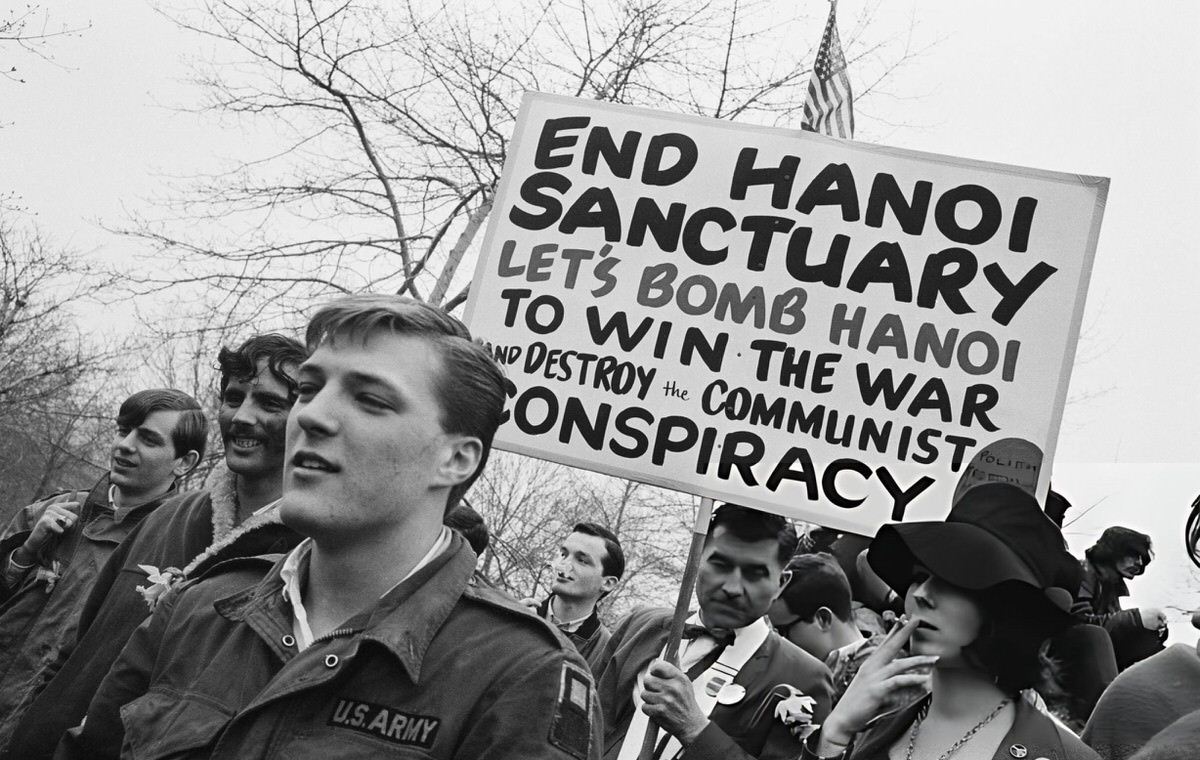
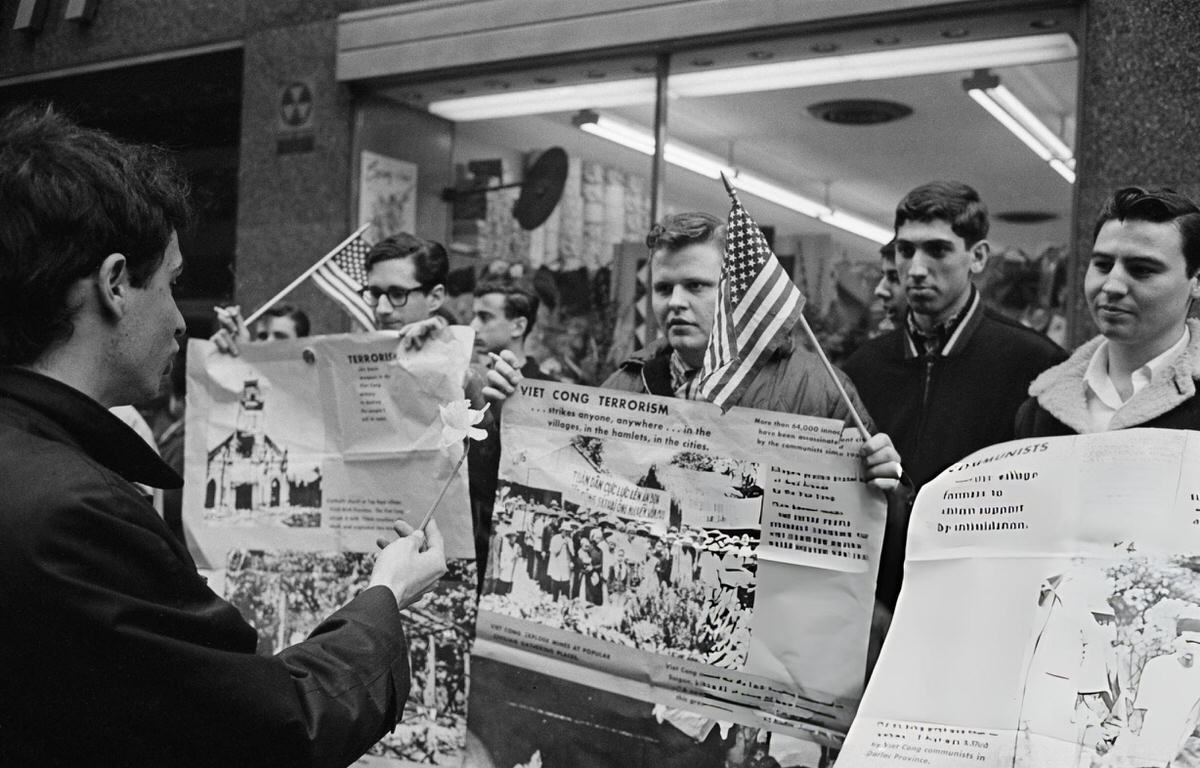
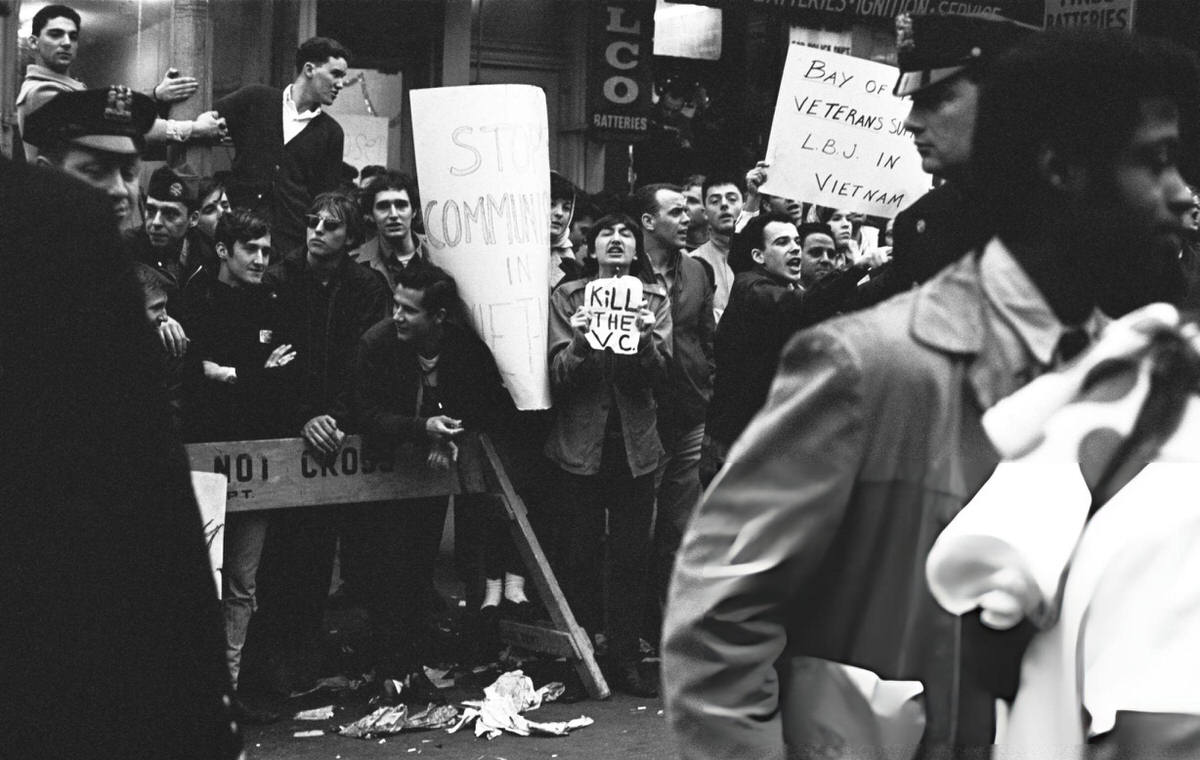
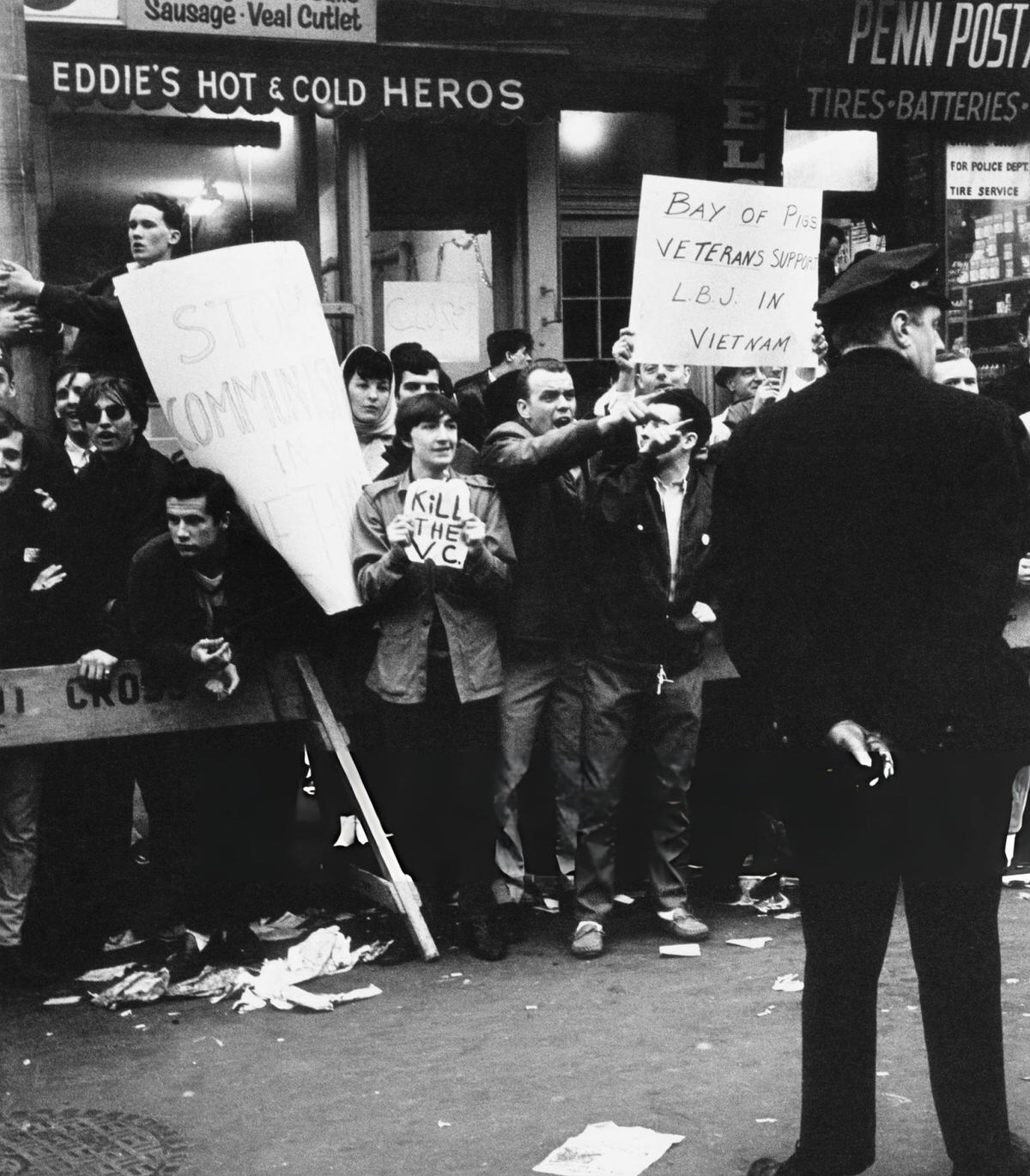
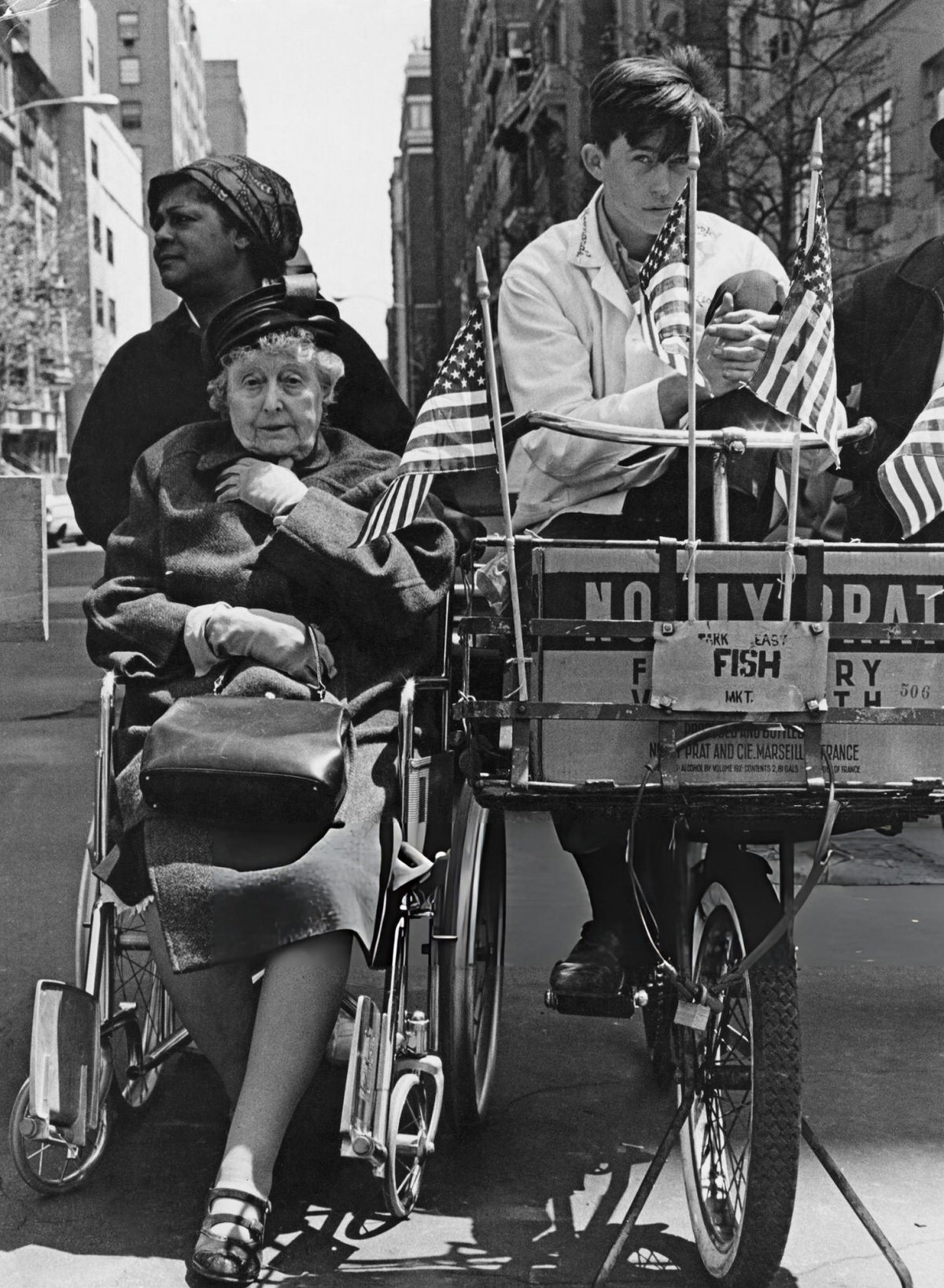
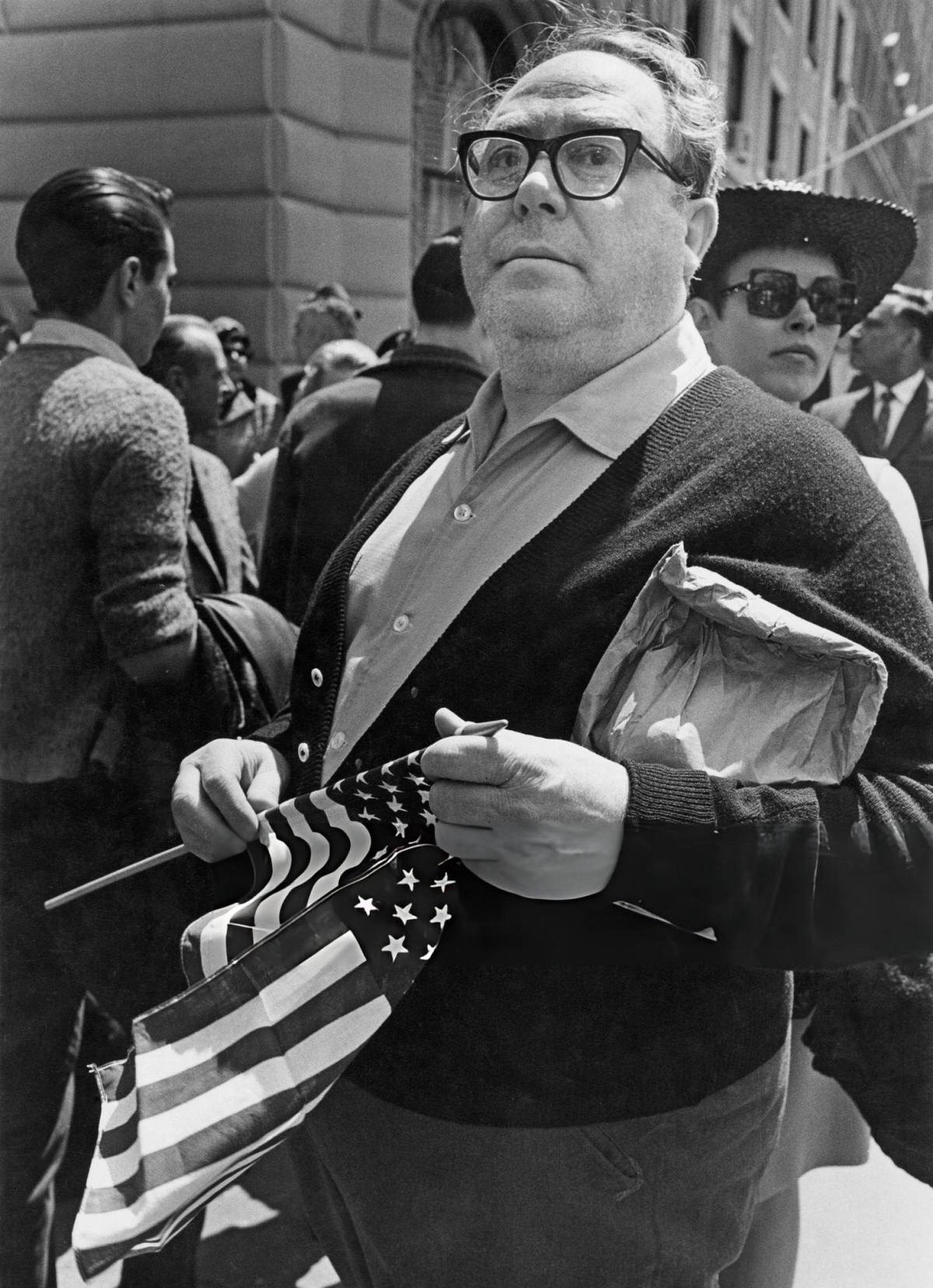
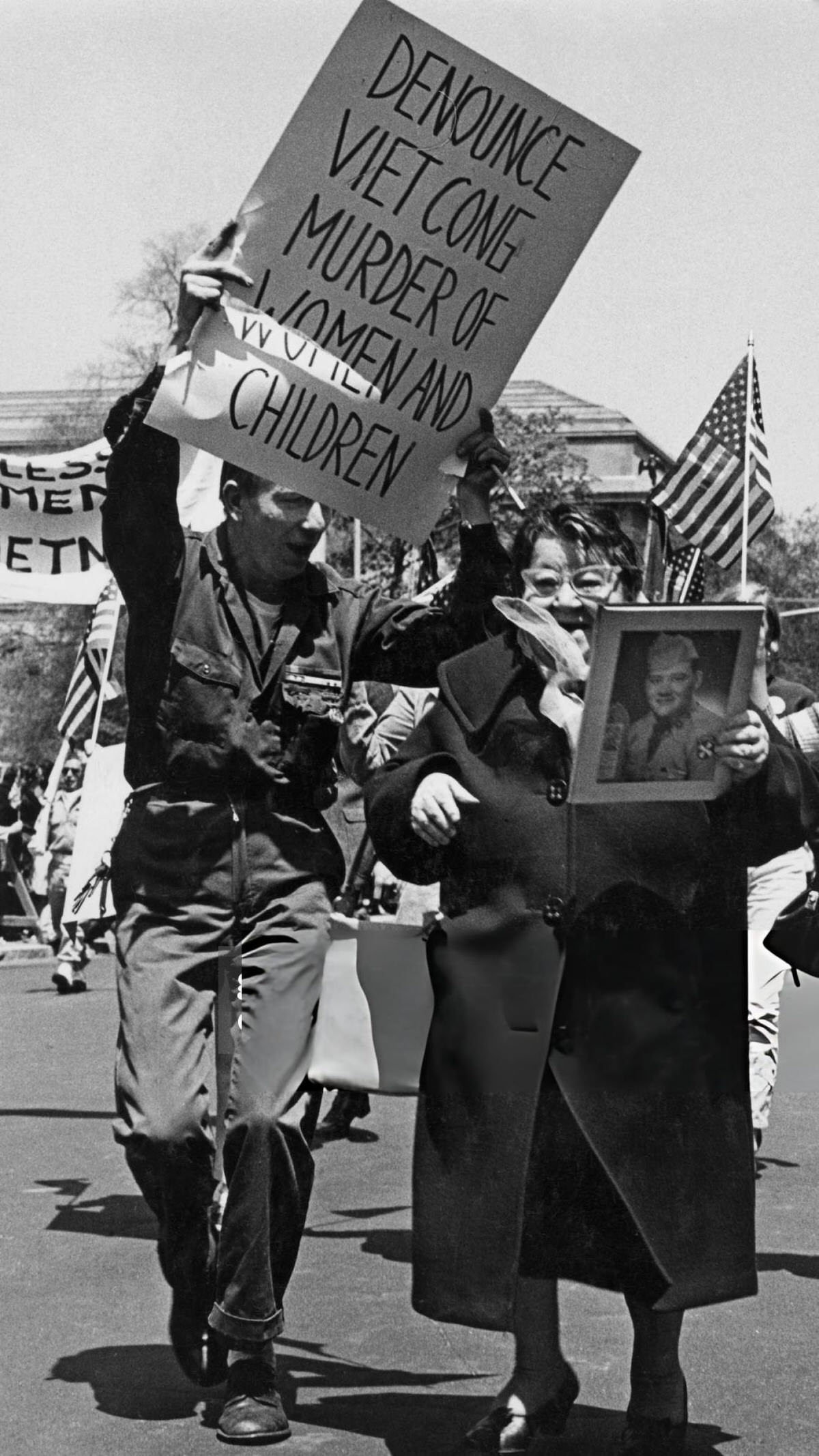
The march was led by Dr. Martin Luther King Jr., Dr. Benjamin Spock, and Harry Belafonte. As they walked down Madison Avenue, the sound of rhythmic drumming and folk songs filled the air. While the majority of the march was peaceful, groups of pro-war counter-protesters stood on the sidewalks. These groups waved American flags and shouted at the marchers, but the police kept the two sides separated with wooden barricades.
Read more
The Scene at the United Nations
The march ended at the United Nations Plaza, where a massive stage was constructed for speakers. The crowd was so large that thousands of people had to stand on side streets because the main plaza was completely full. Large loudspeakers were mounted on poles so those far away could hear the program.
Dr. Martin Luther King Jr. delivered a major speech from the podium. He stood behind a cluster of microphones, wearing a dark suit and a serious expression. He spoke about the link between the civil rights movement and the anti-war movement. He argued that the money being spent on the war should be used to help the poor in American cities. His voice stayed steady and powerful, even as the rain began to fall harder on the crowd.
Symbols of Dissent
During the rally, a group of about 150 young men gathered in a circle to burn their draft cards. This was a direct act of defiance against federal law. They used lighters and matches to set the small paper cards on fire, holding them up for the television cameras to see. This act signaled a shift in the protest movement toward more direct resistance against the military draft system.
Banners from various universities across the country were visible throughout the crowd. Students from Columbia, NYU, and even schools from the Midwest traveled by bus to participate. They wore denim jackets, army surplus coats, and colorful beads. The diverse fashion of the crowd reflected the different social groups joining together for a single cause.
GIPHY App Key not set. Please check settings