

 Wendy Robert
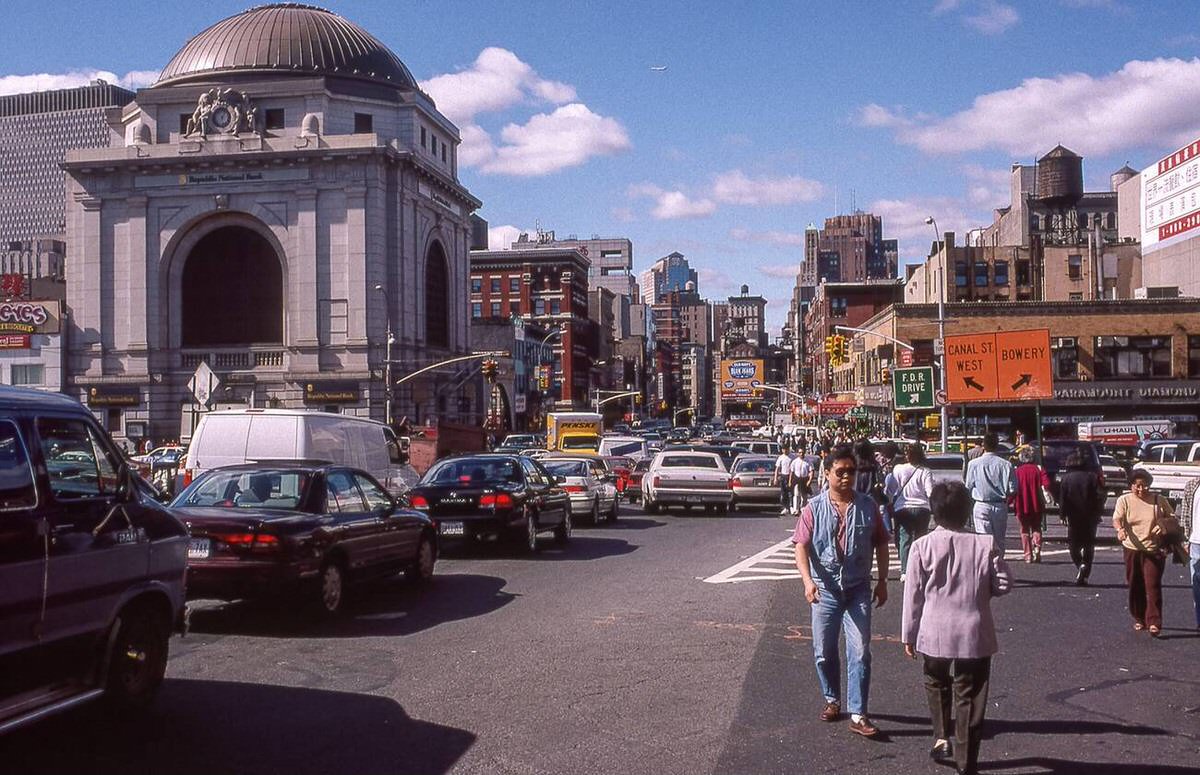
The Bowery entered the 1990s carrying everything the previous decade had loaded onto it — an overwhelmed mission system, a crack-damaged homeless population, a shrinking stock of flophouse beds, and a real estate market that had identified the street as one of the last underpriced miles in Lower Manhattan. The decade did not resolve any of these pressures. It accelerated most of them, and by 1999 the Bowery was in the final years of being recognizable as the place it had been since the 1930s.
The homeless crisis that had exploded through the 1980s did not ease at the start of the new decade. New York City’s shelter census — the count of people sleeping in city-run shelters on any given night — hit a record of over 23,000 in 1992. The Bowery Mission at 227 Bowery was serving more than 700 meals a day and had expanded its programs to include transitional housing and addiction counseling, services it had not previously offered at scale. The mission’s leadership understood by then that feeding men and sending them back to the street was not a solution. The expansion of services was real and significant, but the demand outpaced the capacity throughout the decade.
Read more
Rudolph Giuliani was elected mayor in November 1993 and took office in January 1994. His administration’s approach to homelessness and public disorder on the city’s streets was aggressive and explicit. The Police Department’s quality-of-life enforcement pushed homeless individuals out of public spaces across Manhattan — from the subway, from Grand Central Terminal, from Penn Station, from Times Square, and progressively from the streets of neighborhoods where property values were rising. The Bowery was not exempted from these sweeps. Men who had camped in doorways and on sidewalks along the street for years were moved along repeatedly, though moving along meant moving to the next block or the next neighborhood rather than into stable housing.
The Giuliani administration also pushed the city’s shelter system to enforce its rules more strictly. Shelters began requiring proof of identity, sobriety, and compliance with rules that many of the Bowery’s long-term homeless population — men with addiction histories, untreated mental illness, and deep distrust of institutional systems — found impossible to meet. The practical effect was that a portion of the men who had cycled between the Bowery’s flophouses, the mission, and the street simply became harder to count and harder to reach.
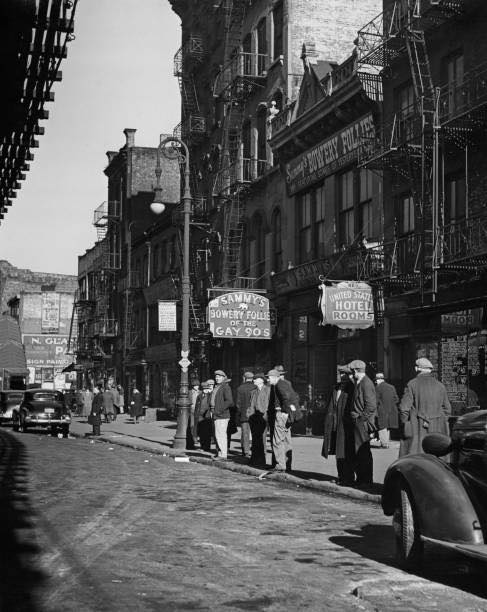
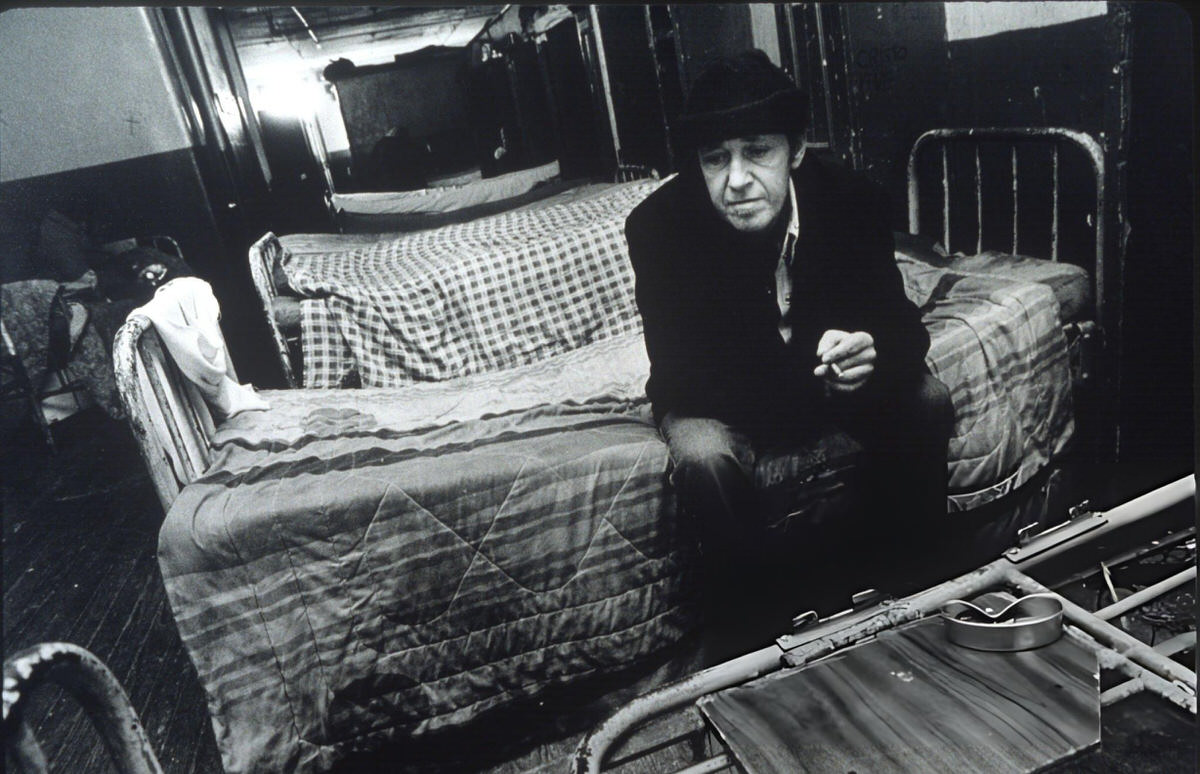
The flophouse stock continued declining. The Whitehouse Hotel at 340 Bowery, which had been operating continuously since before World War II, was sold and converted to other uses during the decade. By the late 1990s, the number of functioning flophouses on the Bowery had dropped to a fraction of what it had been in 1970. The buildings that had housed them were being acquired by developers, held as investments, or converted to commercial space. A flophouse building on the Bowery in 1998 was worth dramatically more as a development site than as a lodging house, and the owners of those buildings were selling.
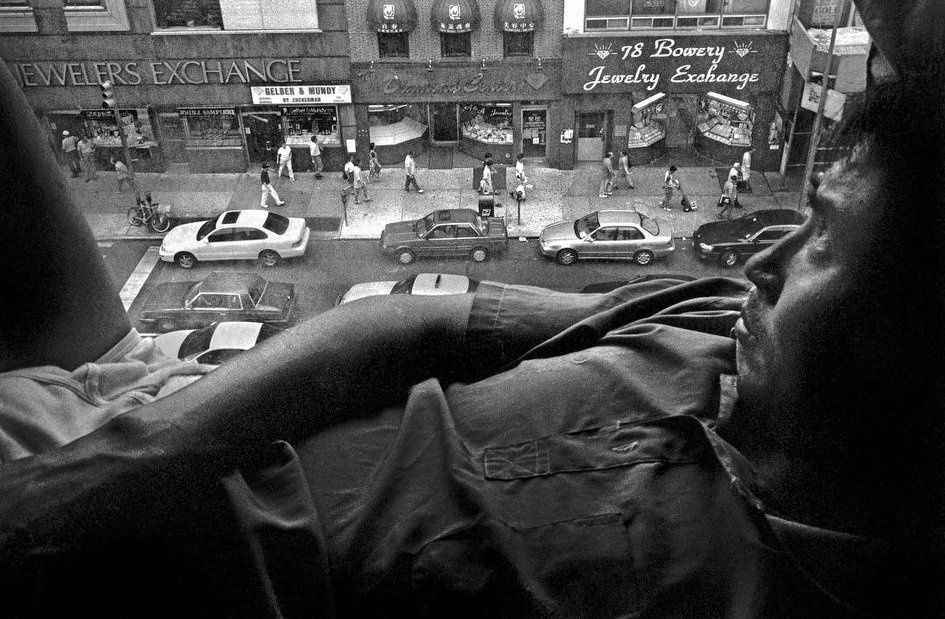
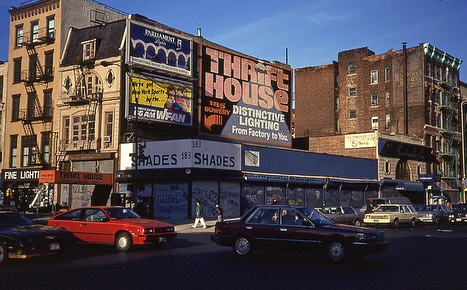
The restaurant supply trade was one of the last old economic identities holding on. The commercial kitchen equipment dealers, lighting fixture wholesalers, and food service suppliers that had lined the Bowery between Delancey and Houston Streets since the mid-twentieth century were still operating through most of the 1990s. Their customers — restaurant owners, caterers, and food service managers from across the five boroughs — still came to the Bowery specifically to buy equipment at wholesale prices. But the leases on these storefronts were running out, and the rents being offered at renewal were not what the equipment dealers had been paying. Several long-standing businesses relocated to New Jersey or Queens as the decade progressed.
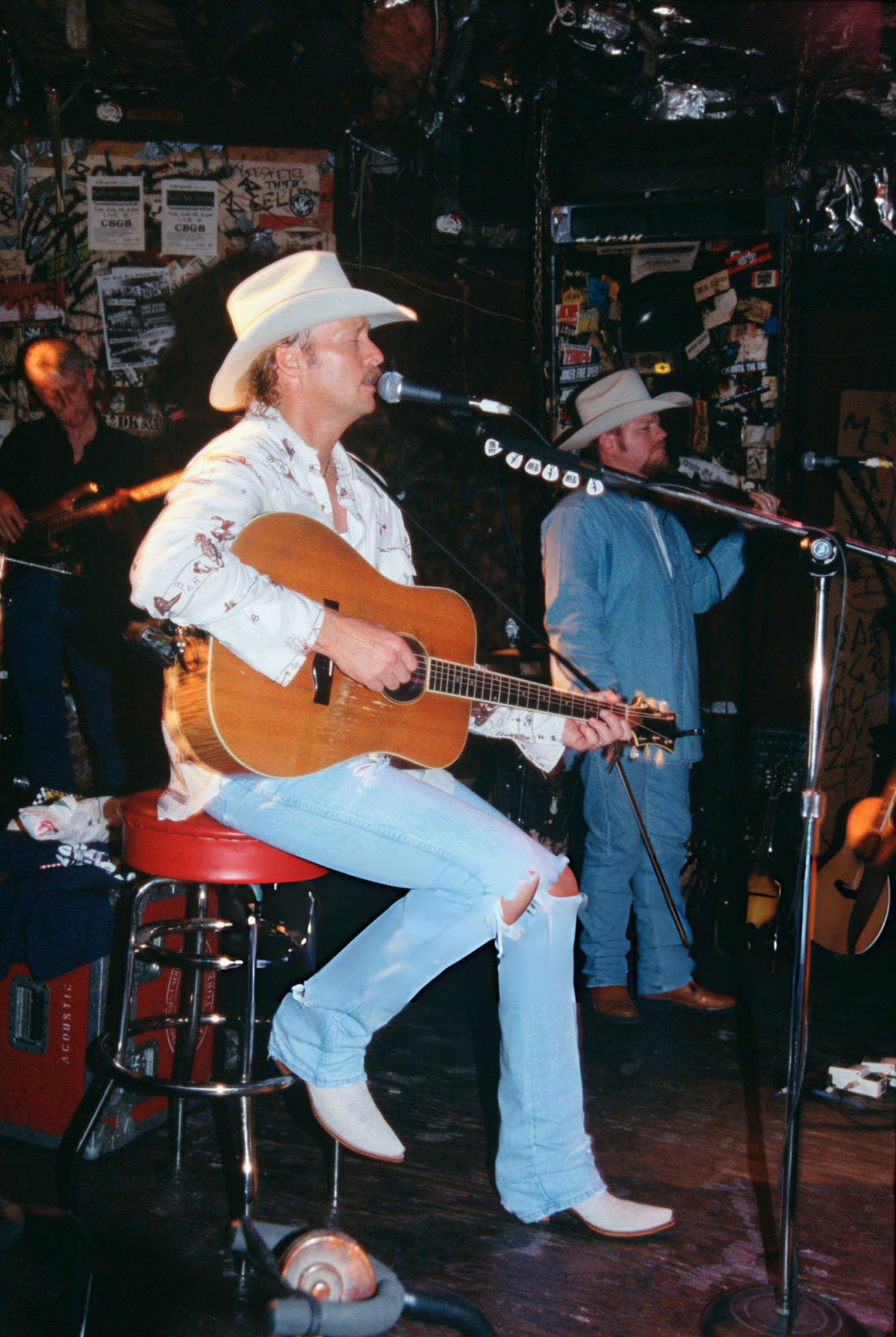
CBGB kept its doors open at 315 Bowery through the entire decade, but the club’s landlord — the Bowery Residents’ Committee, a nonprofit that operated transitional housing for homeless men in the building above the club — was in ongoing rent disputes with Hilly Kristal. The club paid below-market rent and Kristal had little leverage as property values in the area climbed. The dispute would continue into the 2000s and end with the club’s closure in 2006. Through the 1990s, CBGB still functioned as a music venue and attracted a steady stream of bands, but the neighborhood around it was visibly changing in ways that made the club look increasingly like a holdout rather than a fixture.
NoLIta — the area just north of Little Italy, between Houston and Spring Streets east of Lafayette — was named and marketed as a distinct neighborhood in the mid-1990s by real estate brokers who wanted to distinguish it from the blocks immediately south and east. The naming of NoLIta was a real estate move dressed as a cultural observation, and it worked. Boutiques, cafés, and restaurants opened on Elizabeth, Mott, and Mulberry Streets and attracted a young, moneyed clientele. The eastern edge of this new neighborhood pressed against the Bowery’s western face. The distance between a $400-a-month boutique hotel room in NoLIta and a fifty-cent cage bed at a Bowery flophouse was four blocks.
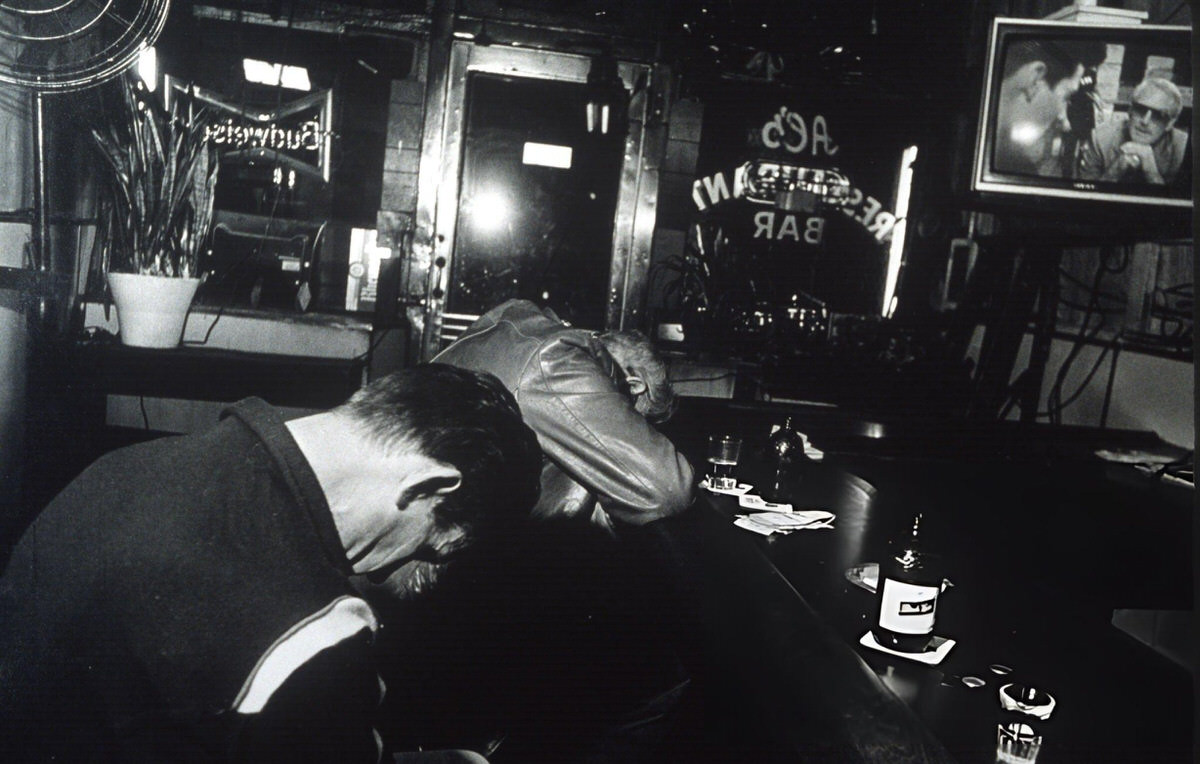
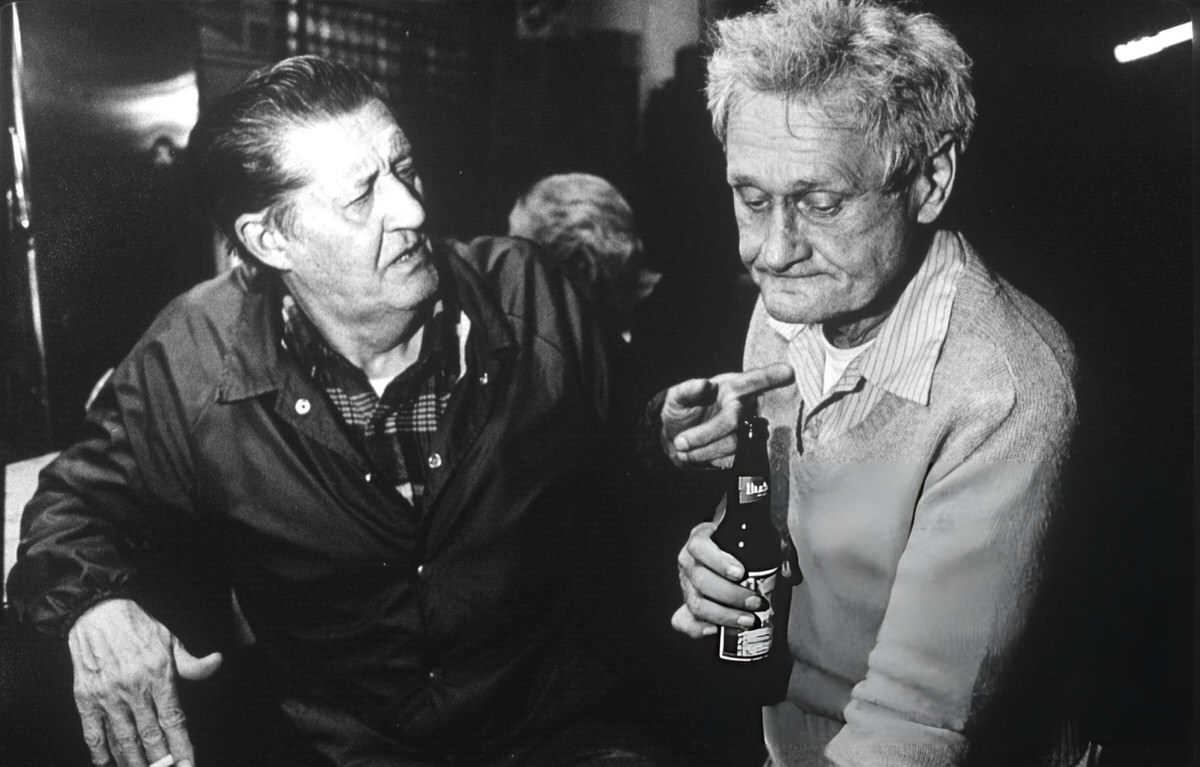
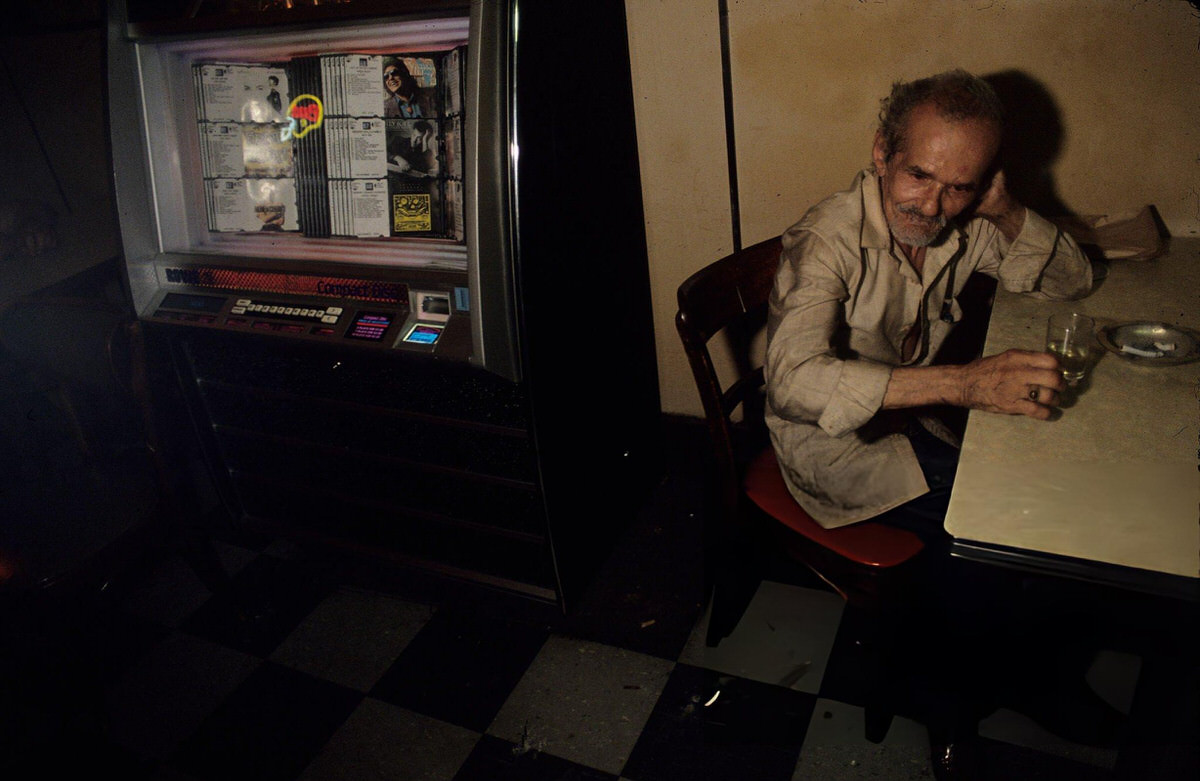
The street photography and documentary work that the Bowery had attracted since the 1940s continued through the 1990s, but with a different awareness. Photographers who came to the Bowery in the 1990s were not just documenting poverty — they were documenting a street that everyone could see was in its final years as itself. The men in the doorways, the mission lines, the hand-lettered signs on the equipment dealer storefronts — all of it had the quality of something being recorded before it disappeared. By 1999, that instinct was correct. The Bowery that had existed since the Depression was not going to survive the decade to come.

GIPHY App Key not set. Please check settings