

 Dennis Saul
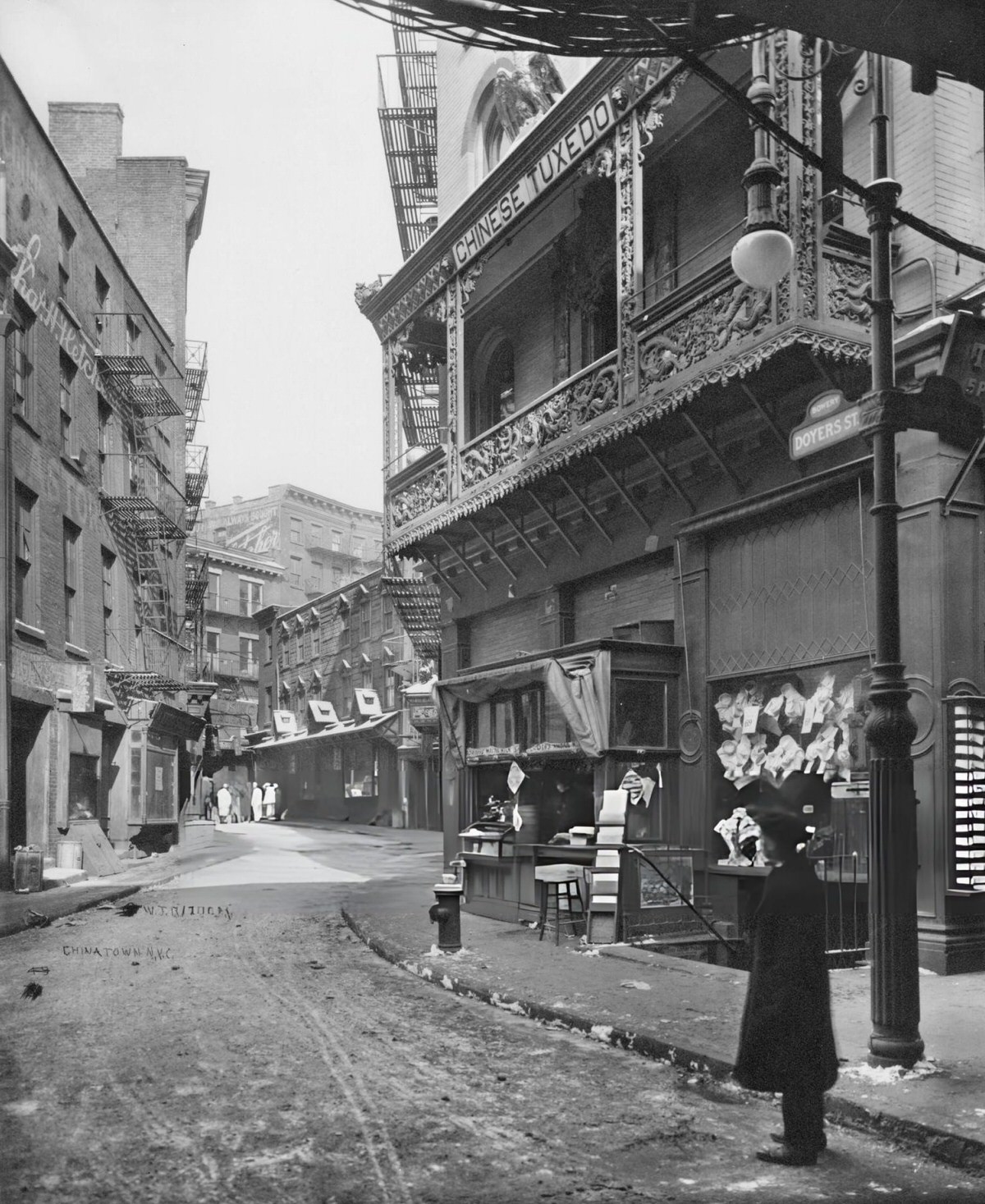
The 1910s arrived on the Bowery with a broom in one hand and a nightstick in the other. Progressive Era reformers had been pressuring city hall for years, and by 1910 some of their demands were being met. Concert saloons lost their licenses. Certain flophouses were shut down for code violations. The most brazen brothel operators moved to other streets. On paper, the Bowery was being cleaned up. On the ground, it was simply being rearranged.
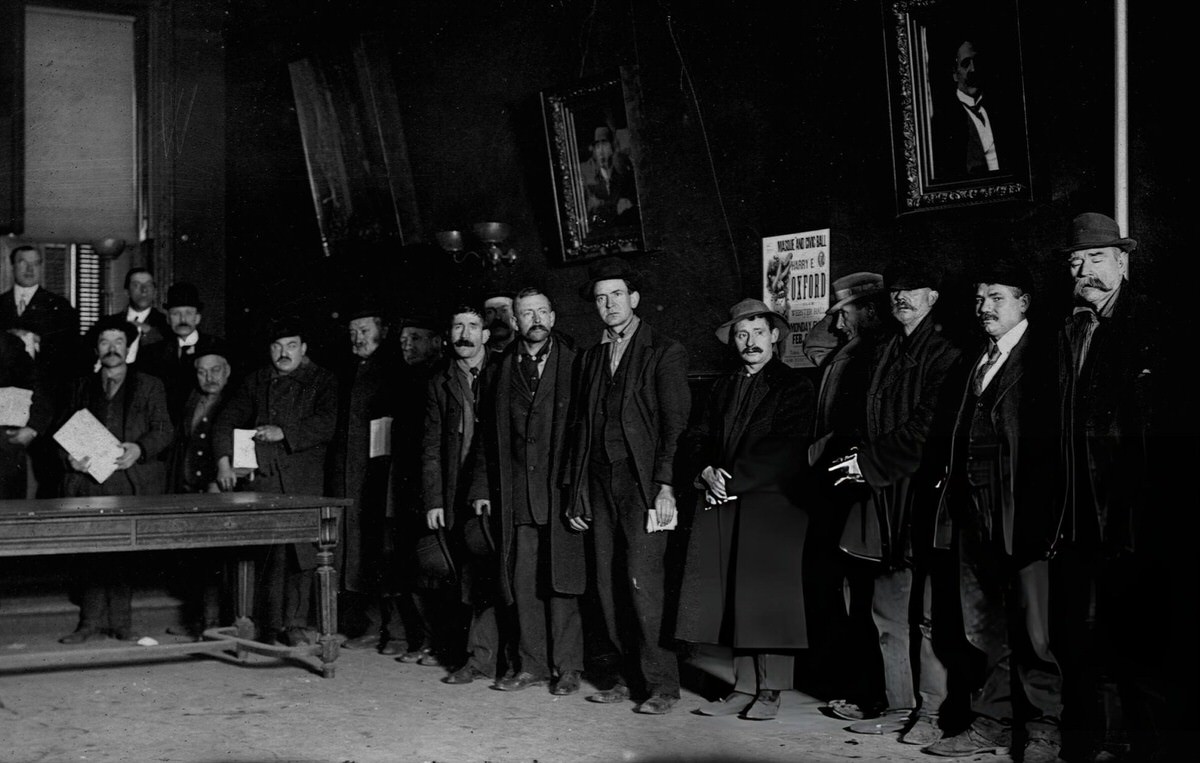
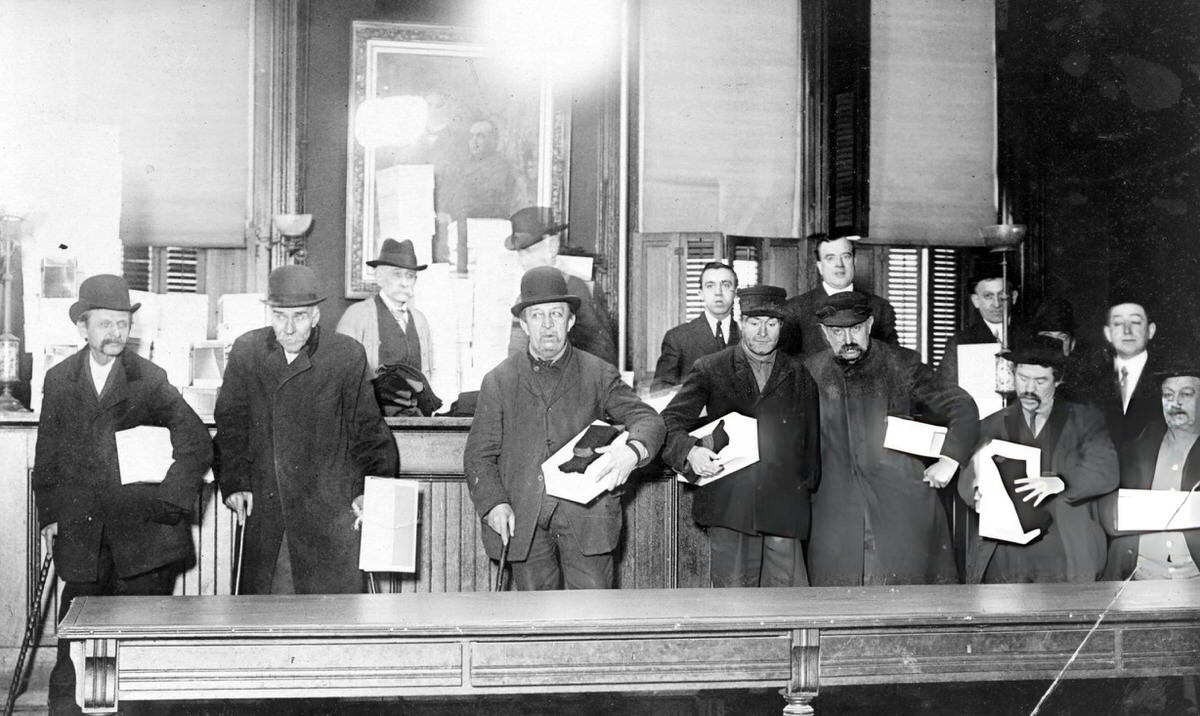
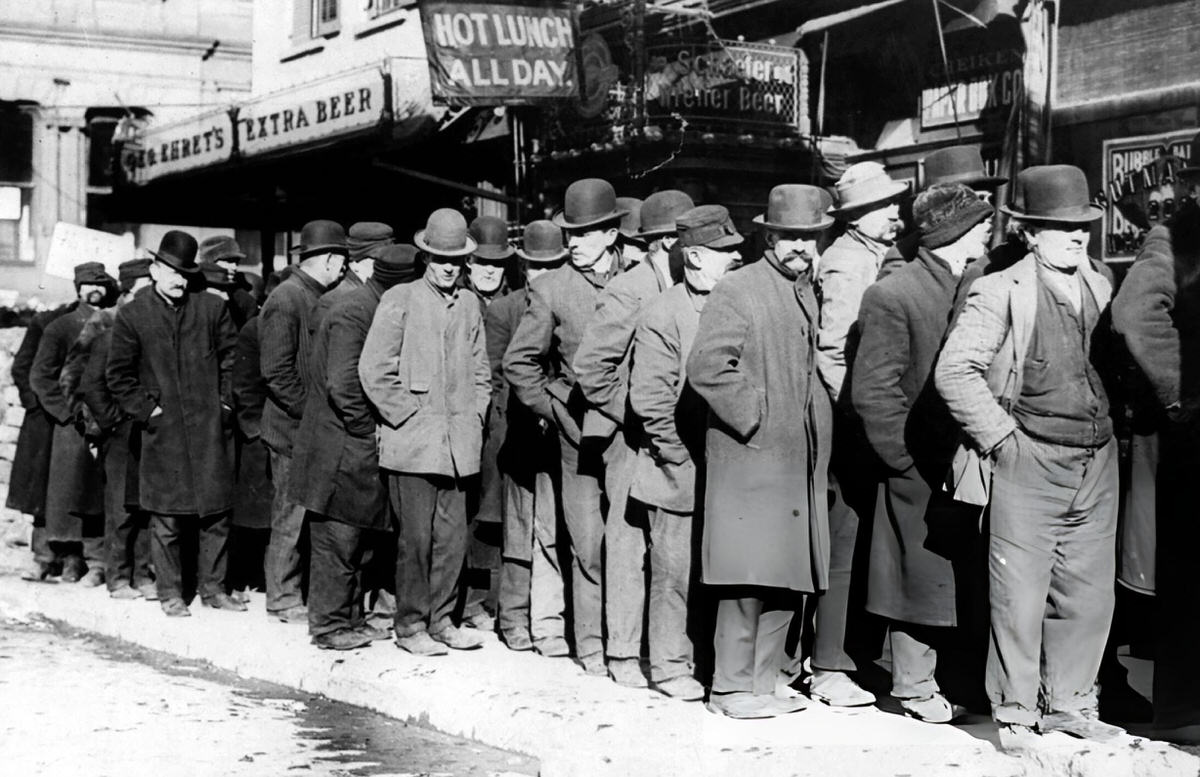
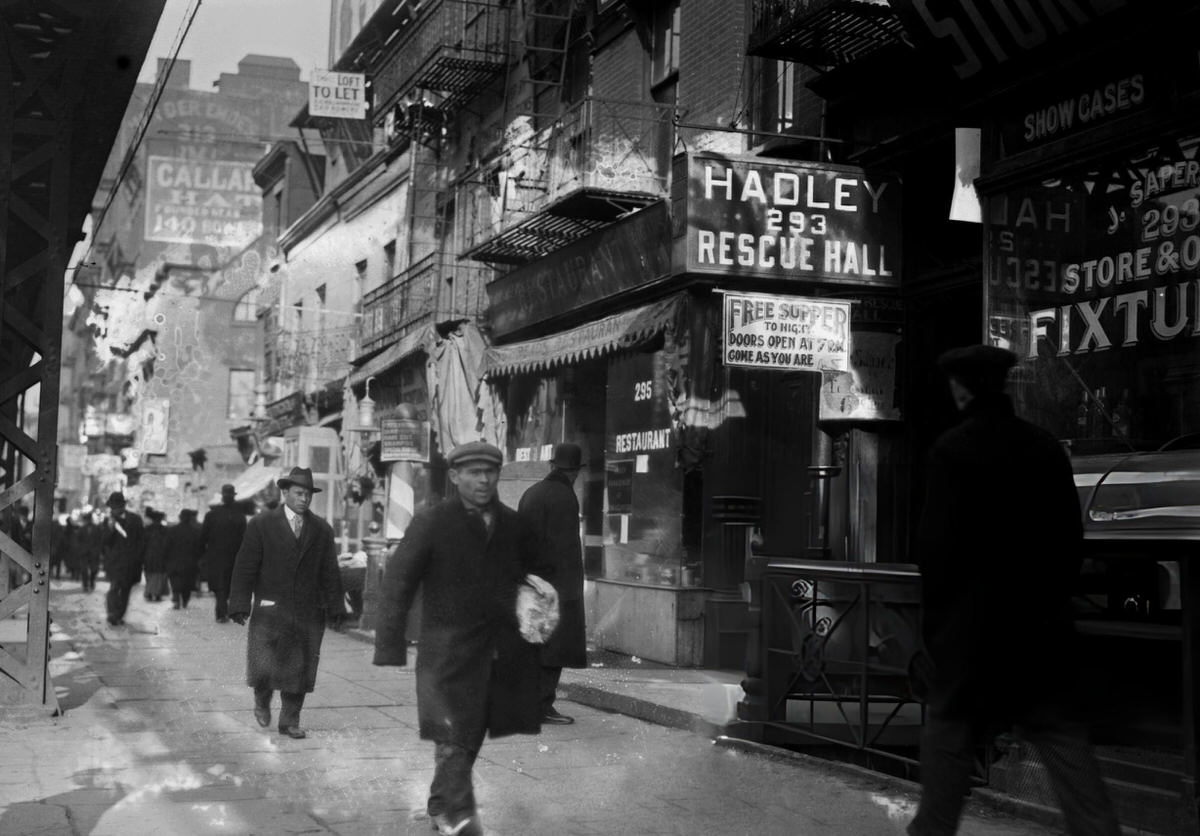
The men who lived on the street did not disappear because a mission house closed or a saloon lost its liquor license. They moved a few doors down. The Bowery’s population of homeless men — called “hobos,” “bums,” or “tramps” depending on who was doing the talking — numbered in the thousands on any given night. The Municipal Lodging House on East 25th Street took in some of them. The Bowery Mission on 227 Bowery fed hundreds every morning before dawn. Neither institution made a dent in the overall number.
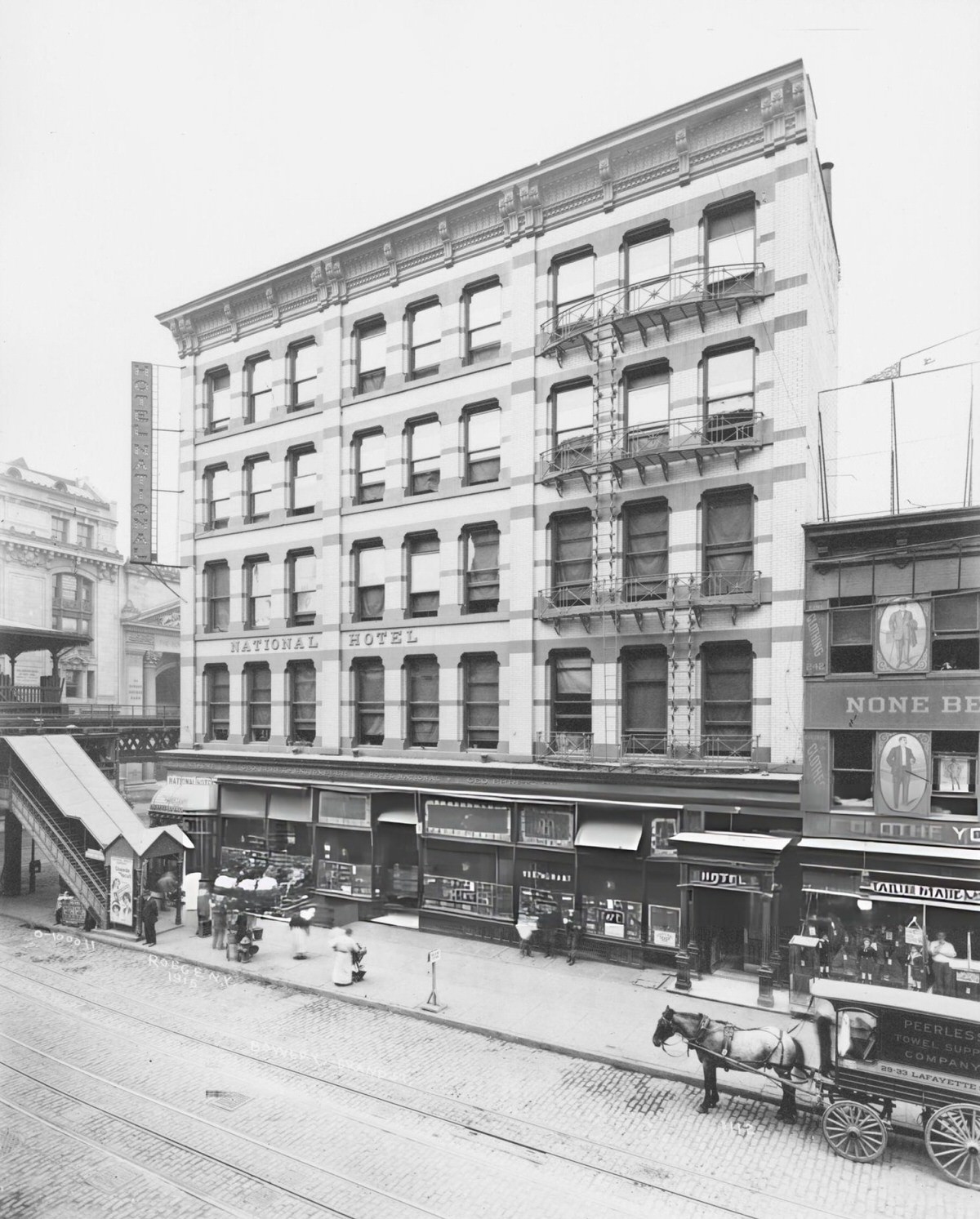
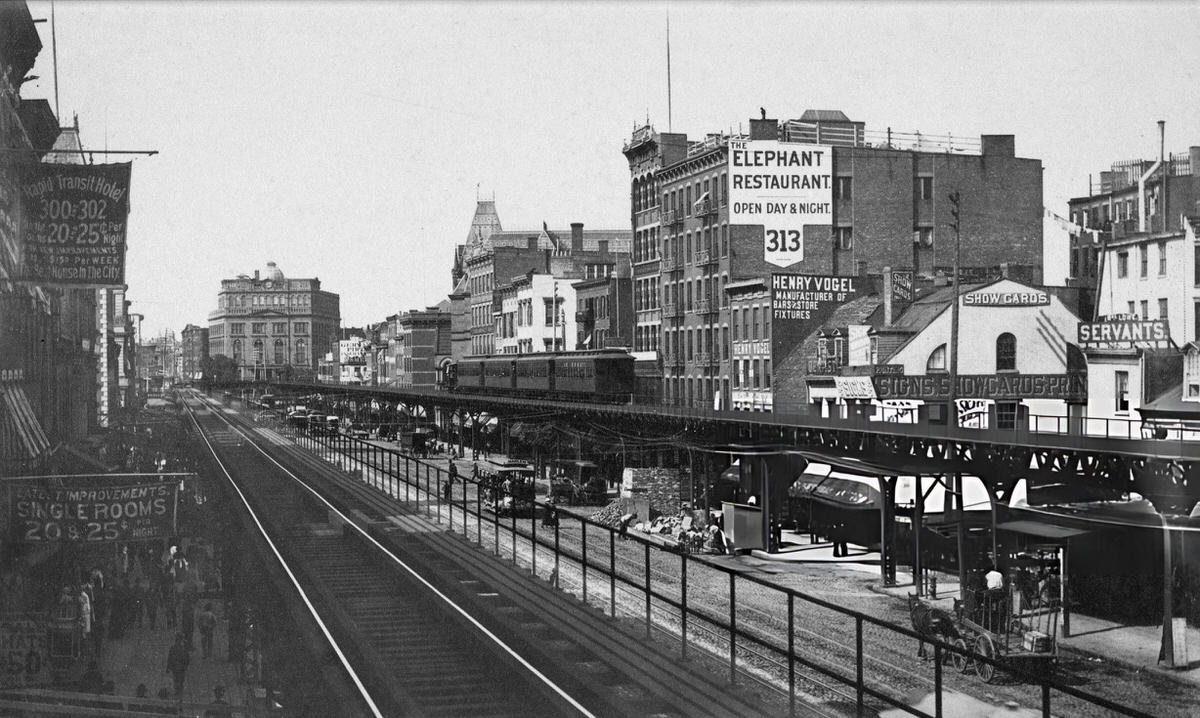
The flophouses that survived reform ran their operations with the precision of a budget hotel. The Comet, the Uncle Sam Hotel, and dozens of unnamed cages houses offered beds — or more accurately, cots enclosed by chicken wire on three sides — for between seven and fifteen cents a night. The wire partitions gave each man just enough privacy to be robbed quietly. Theft inside flophouses was constant. Men slept with their shoes tied to their wrists. A good pair of boots was worth more than a week’s rent.
Read more
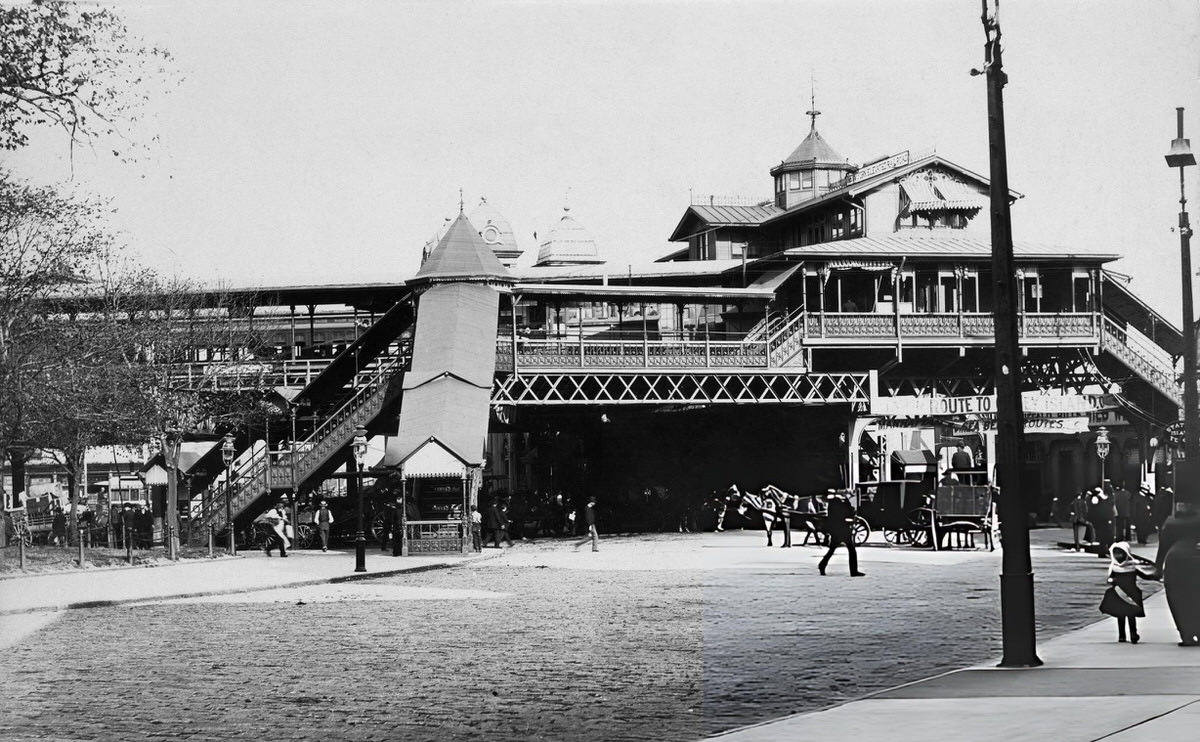
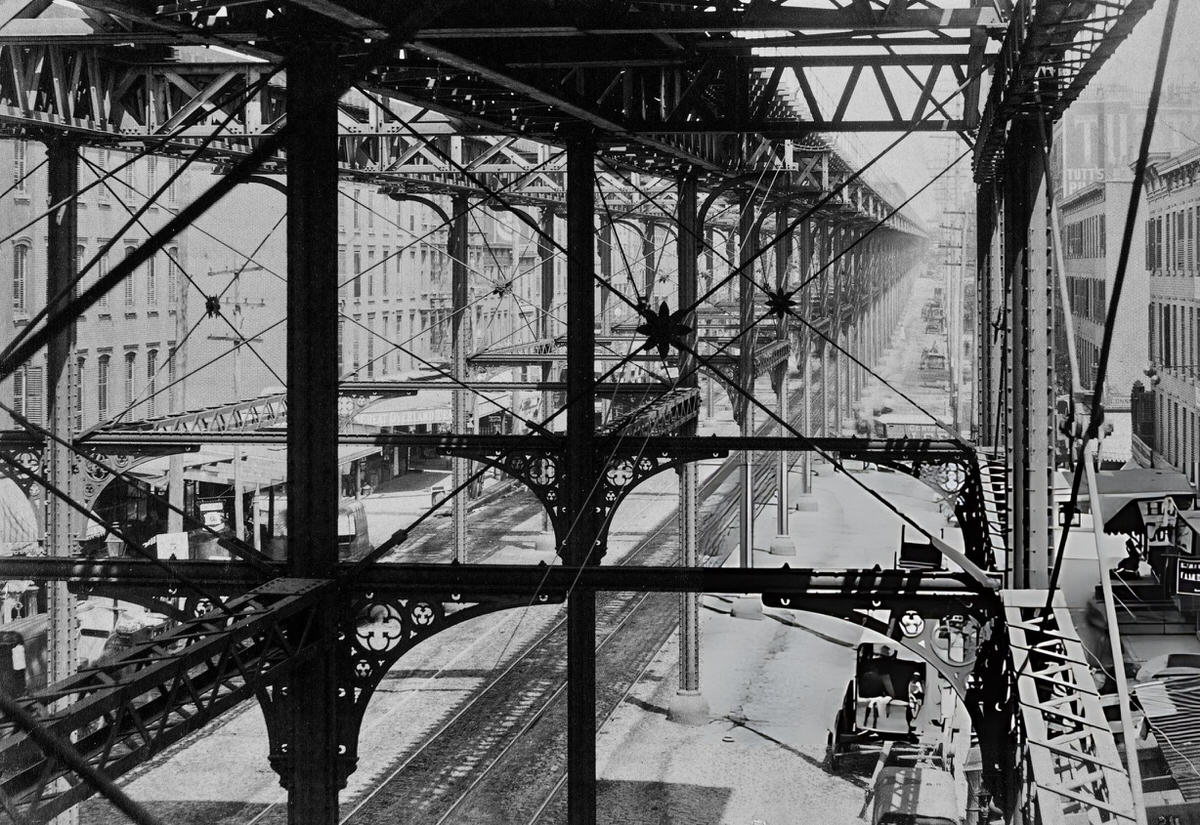
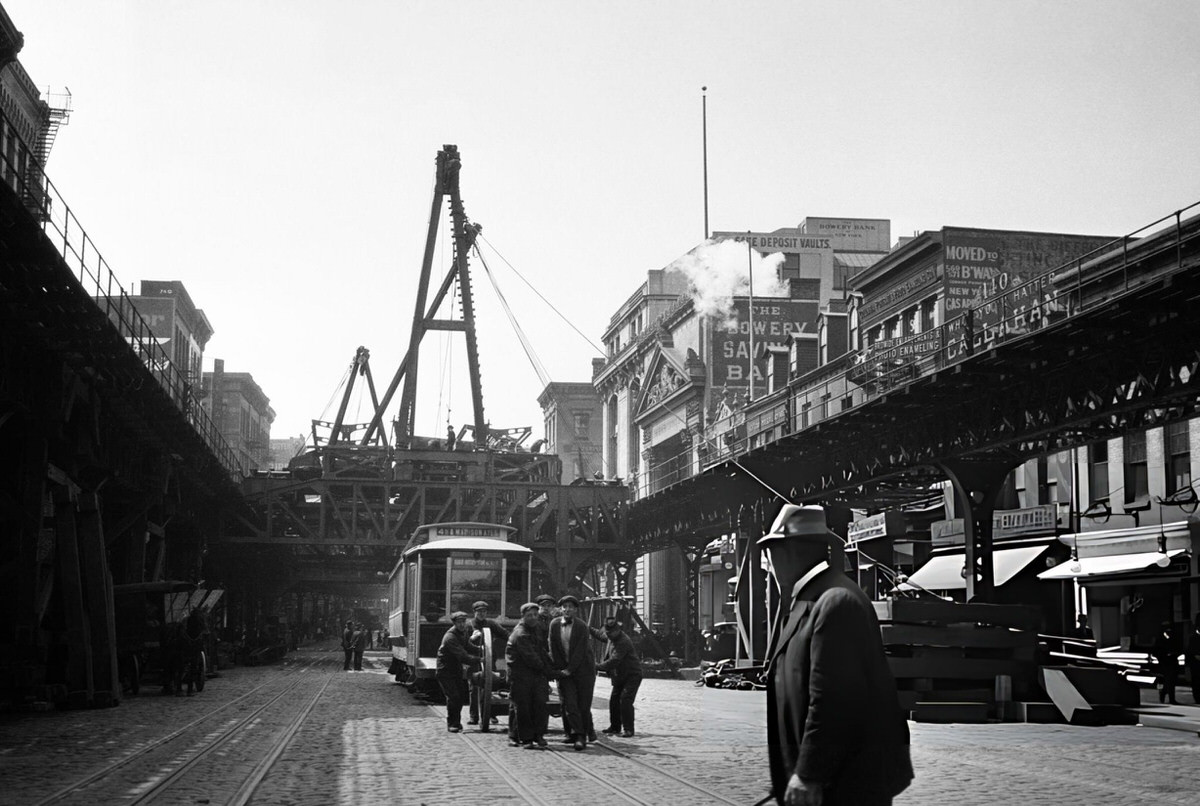
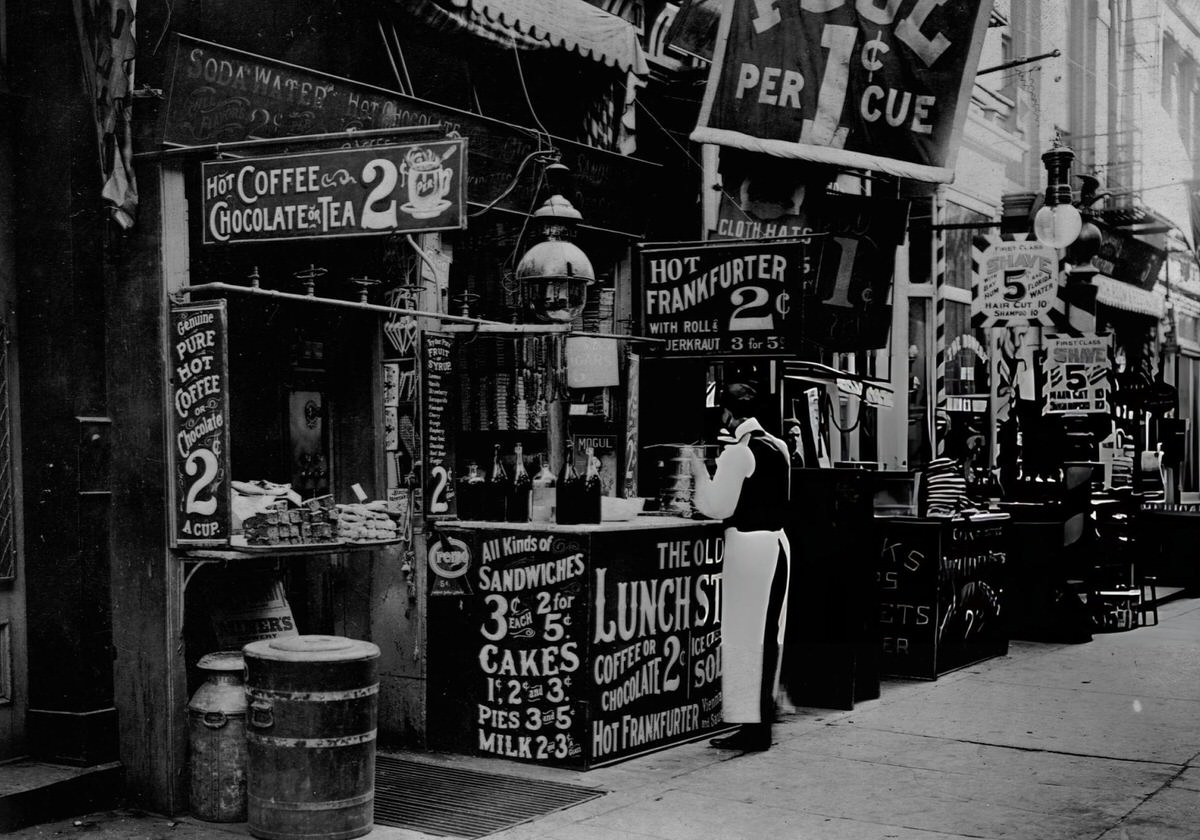
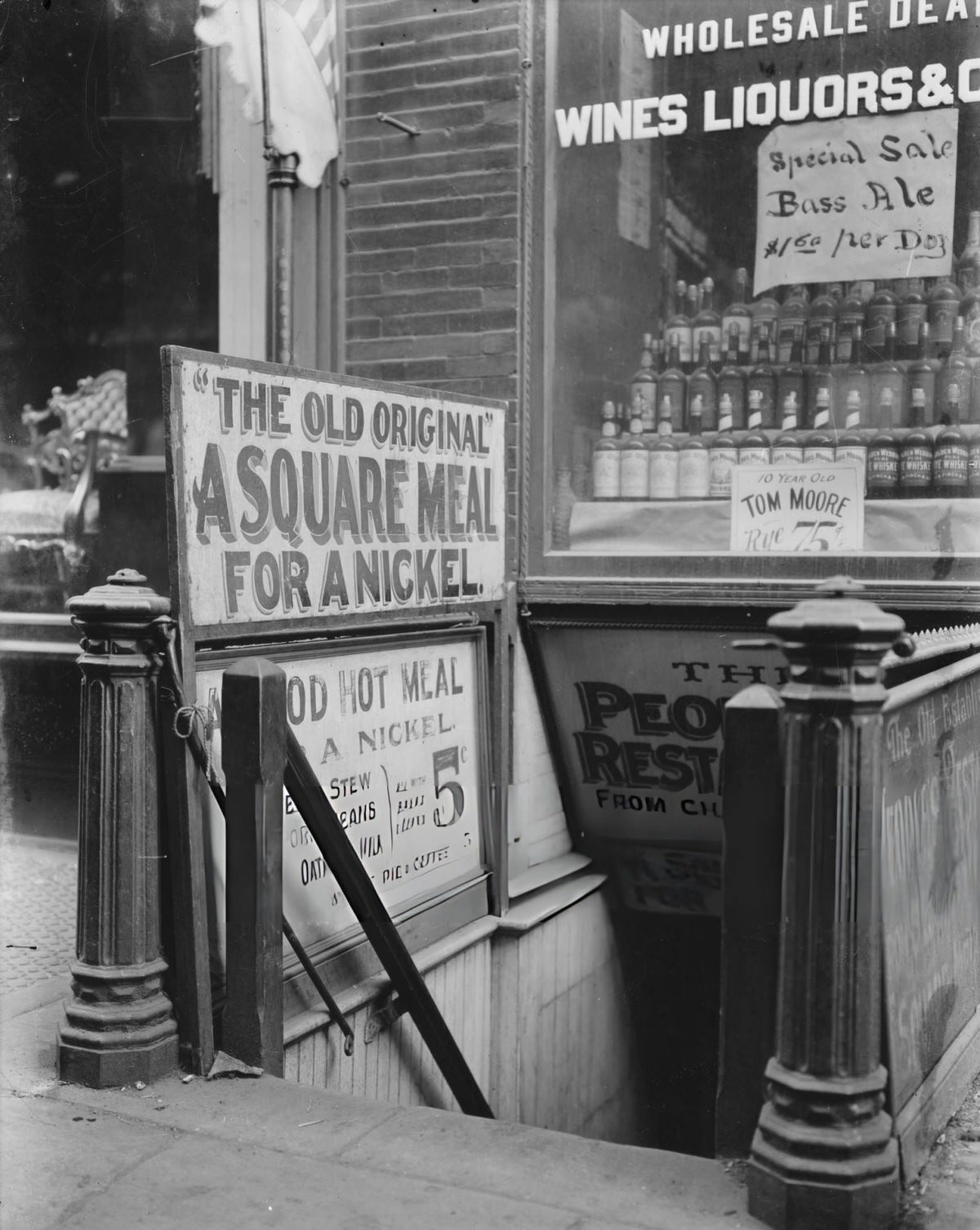
The Second Avenue El still ran overhead, still filled the street with noise and shadow. But the street-level economics had shifted slightly. The pawnshops remained, thick on every block. So did the cheap restaurants — the “beaneries” that served a plate of beans and bread for three cents, a bowl of soup for two. Childs Restaurant opened a Bowery location and was considered almost upscale by local standards. A man could sit at a clean table and eat under electric lights, which was more than most of the neighborhood offered.
The Triangle Shirtwaist Factory fire happened in March 1911, six blocks west of the Bowery on Washington Place. One hundred and forty-six workers died, most of them young immigrant women. The fire tore through the garment district and forced the state legislature to pass serious workplace safety laws for the first time. The Bowery’s population watched it happen from the edges — many of the men on the street had worked in factories like it before drink or injury ended their working lives. The fire showed what happened when the city let employers run without oversight. The Bowery showed what happened to the men those employers discarded.
Prohibition arrived in 1920, but its approach was visible throughout the late 1910s. The temperance movement treated the Bowery as its prime exhibit. Anti-saloon reformers led tours of the street for church groups and civic organizations, pointing at the men on the sidewalks as proof that alcohol destroyed lives. They were not entirely wrong. But they were also using men broken by poverty, injury, and mental illness as props for a political argument. The saloons on the Bowery did not create those men. They just sold them the cheapest oblivion available.
Vaudeville kept running on the Bowery and in the theaters just off it. The old Bowery Theater was gone, but smaller houses continued booking acts. Harry Houdini had started his career performing in Bowery dime museums in the 1890s — tiny storefront spaces where a dime bought you admission to see curiosities, performers, and oddities. By the 1910s the dime museum circuit was dying, replaced by proper vaudeville houses and eventually by nickelodeons. The first movie theaters in lower Manhattan pulled audiences away from the live variety shows that had defined the street’s entertainment for fifty years.
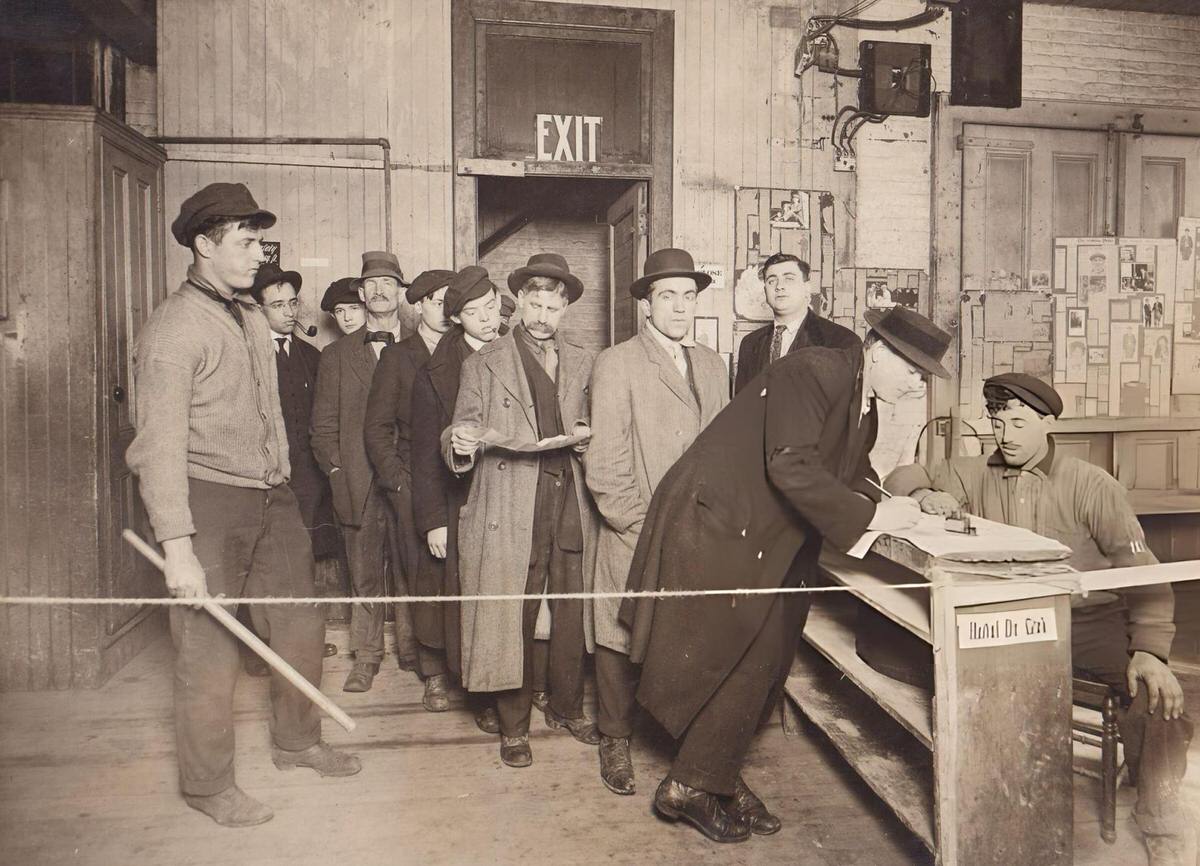
World War One reached the Bowery in 1917 when America entered the fight. Recruitment posters went up on the El columns. Some of the younger men on the street enlisted, partly from patriotism and partly because the Army offered three meals a day and a place to sleep. The war created factory jobs uptown and in Brooklyn that pulled some of the city’s unemployed off the streets. For a brief period between 1917 and 1918, the soup kitchen lines on the Bowery actually got shorter.
But the war ended, the factory work slowed, and the men came back. Veterans with injuries and shell shock — what today is called PTSD — joined the existing population of the street. The Bowery absorbed them the same way it absorbed everyone else: without ceremony, without judgment, and without any particular plan for what to do with them next.
The street in 1919 looked worn in a way that went past its buildings. The El was older. The flophouses were more crowded. The reform energy of the early decade had largely spent itself on other causes. The Bowery continued, indifferent to every attempt to fix it.

GIPHY App Key not set. Please check settings