

 Frederick Victor
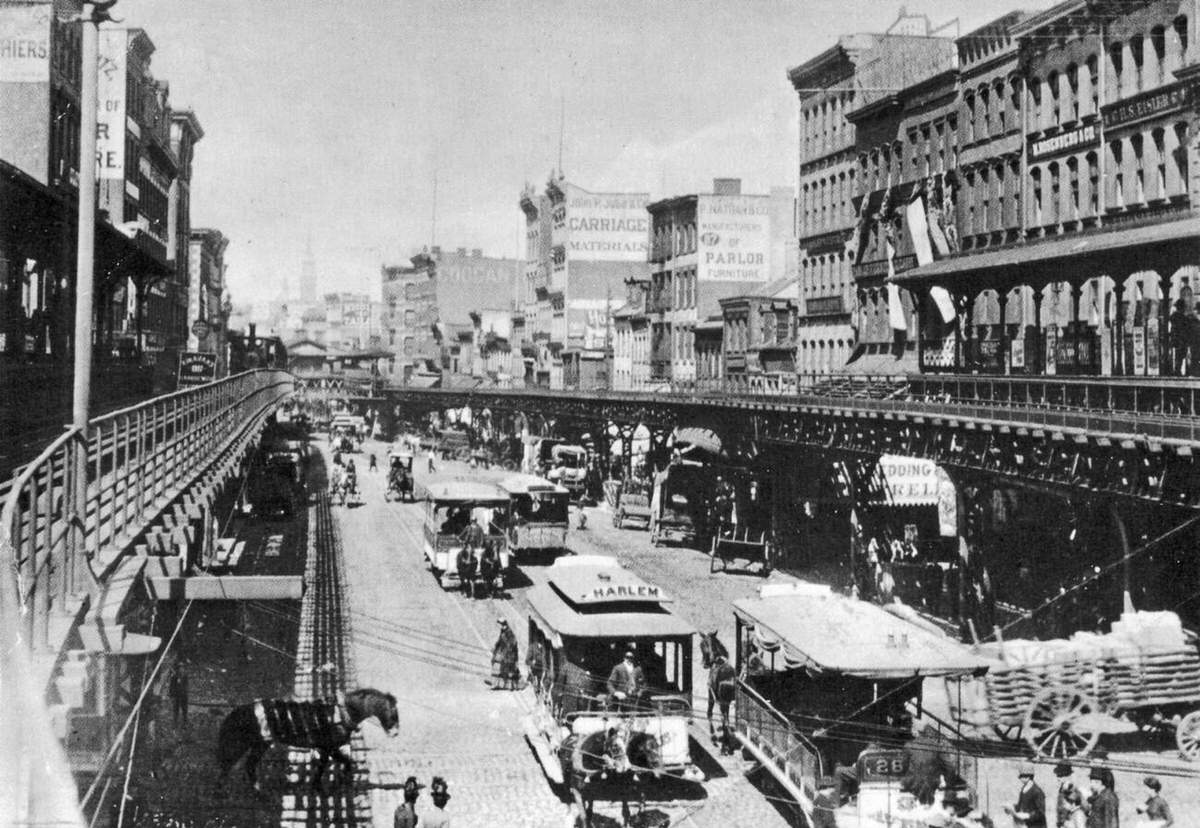
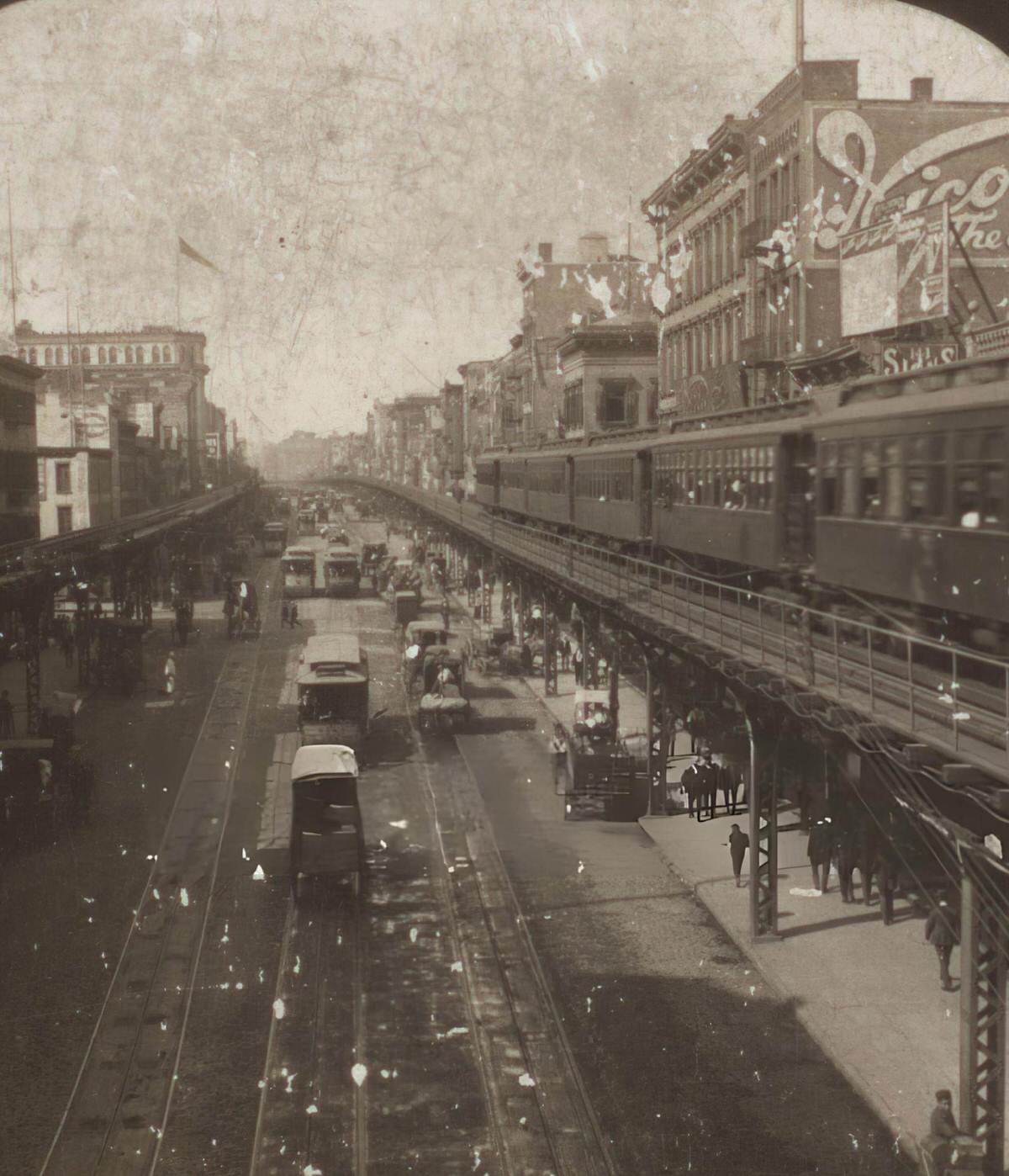
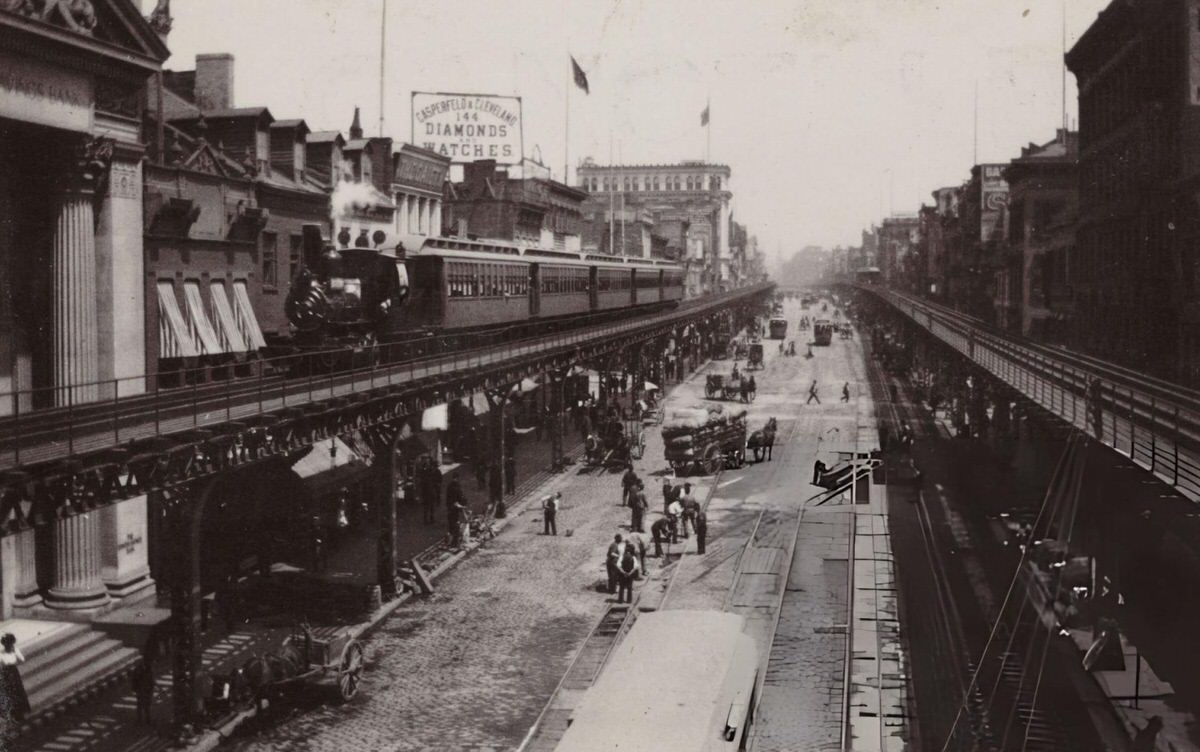
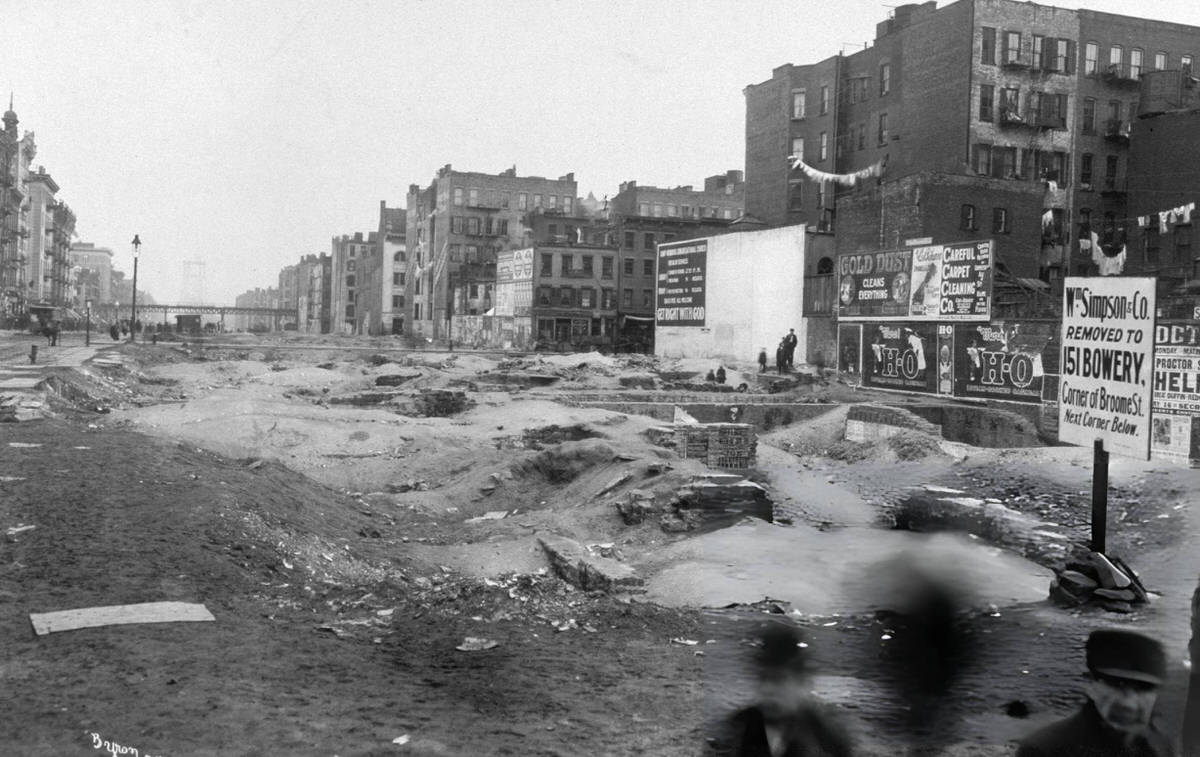
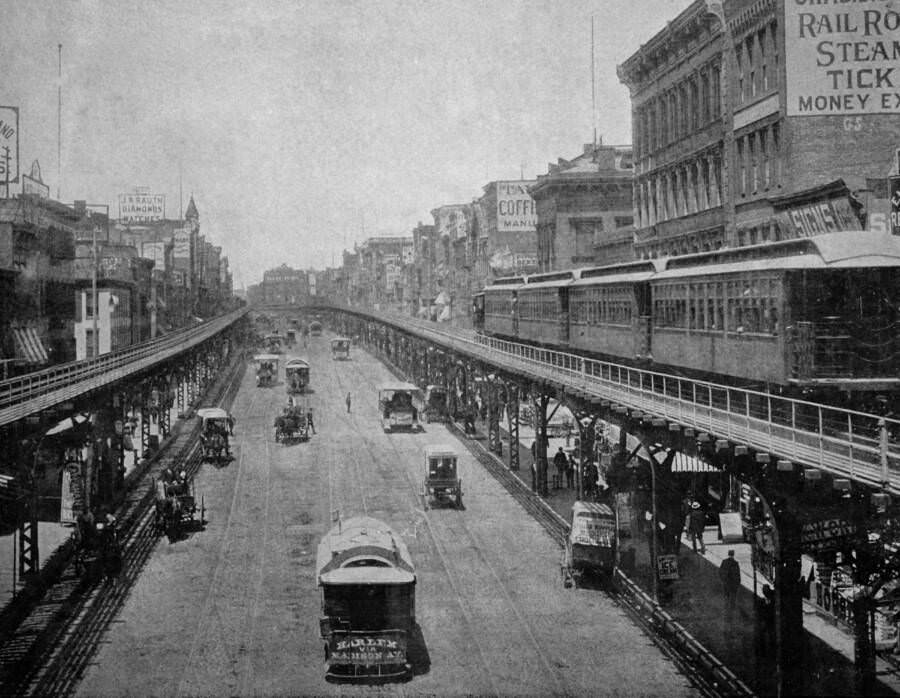
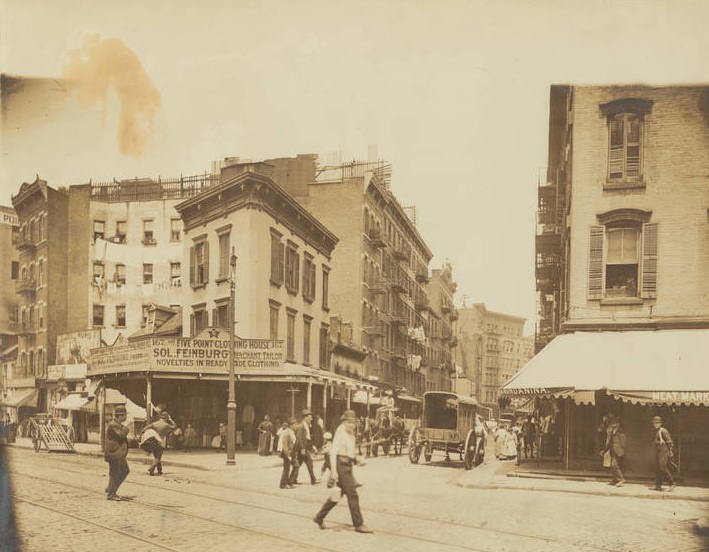
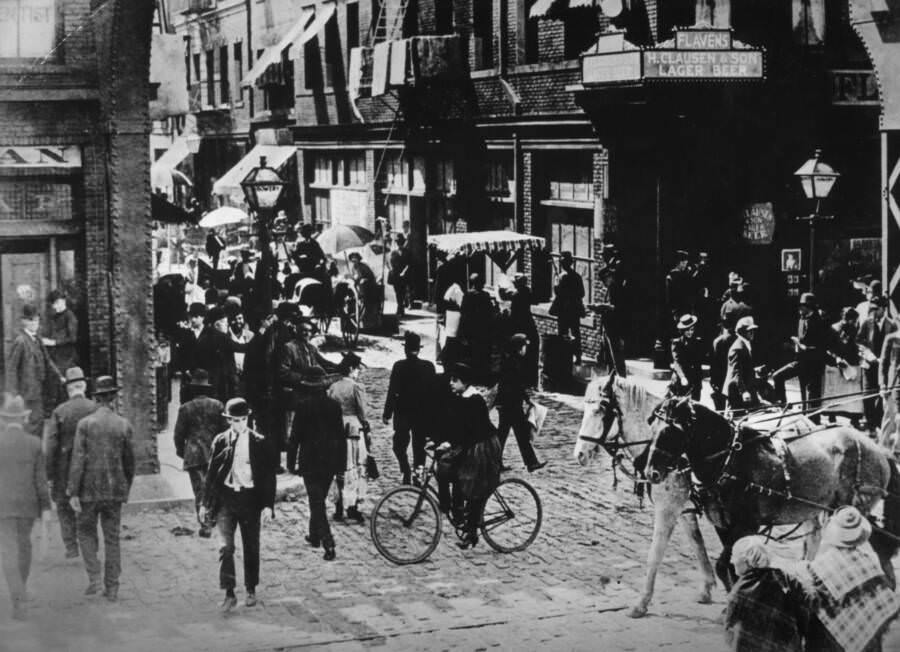
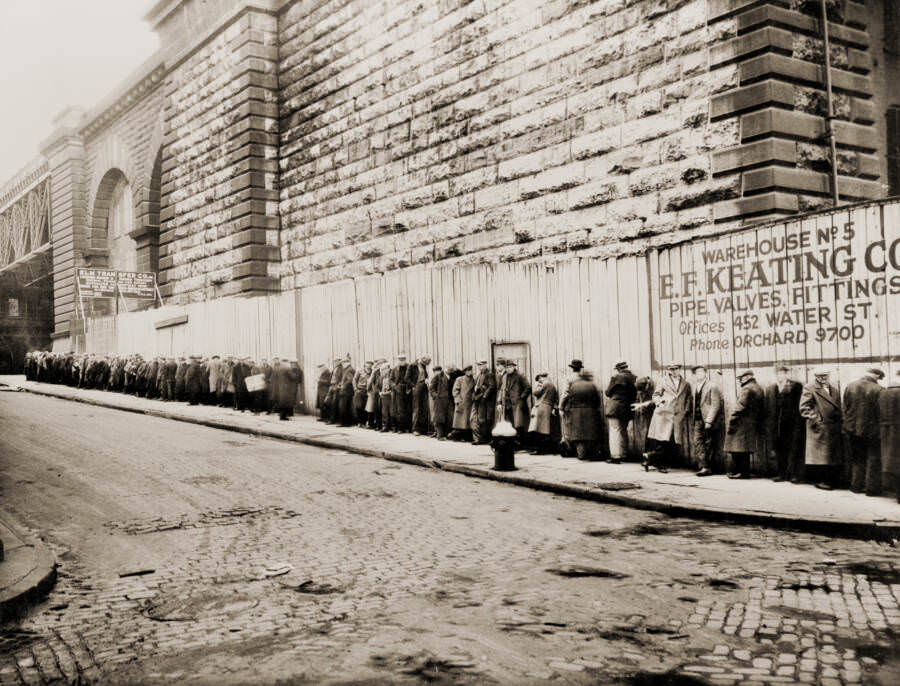
In 1880, the Bowery ran through the heart of lower Manhattan like a scar. One mile long, lit by gas lamps that struggled against the permanent dusk created by the Second Avenue El overhead, it was the most densely packed street in the most densely packed city in America. Every social problem that New York generated — poverty, addiction, crime, homelessness, exploitation — pooled on the Bowery the way water pools at the lowest point of a floor.
The street had been respectable once. In the 1840s it held legitimate theaters, hotels, and shops that drew middle-class New Yorkers. The Bowery Theater was one of the finest playhouses in the country. But the immigration waves of the 1840s and 1850s, the disruption of the Civil War, and the construction of the elevated train in 1878 pushed the respectable businesses north and left the Bowery to a different economy entirely.
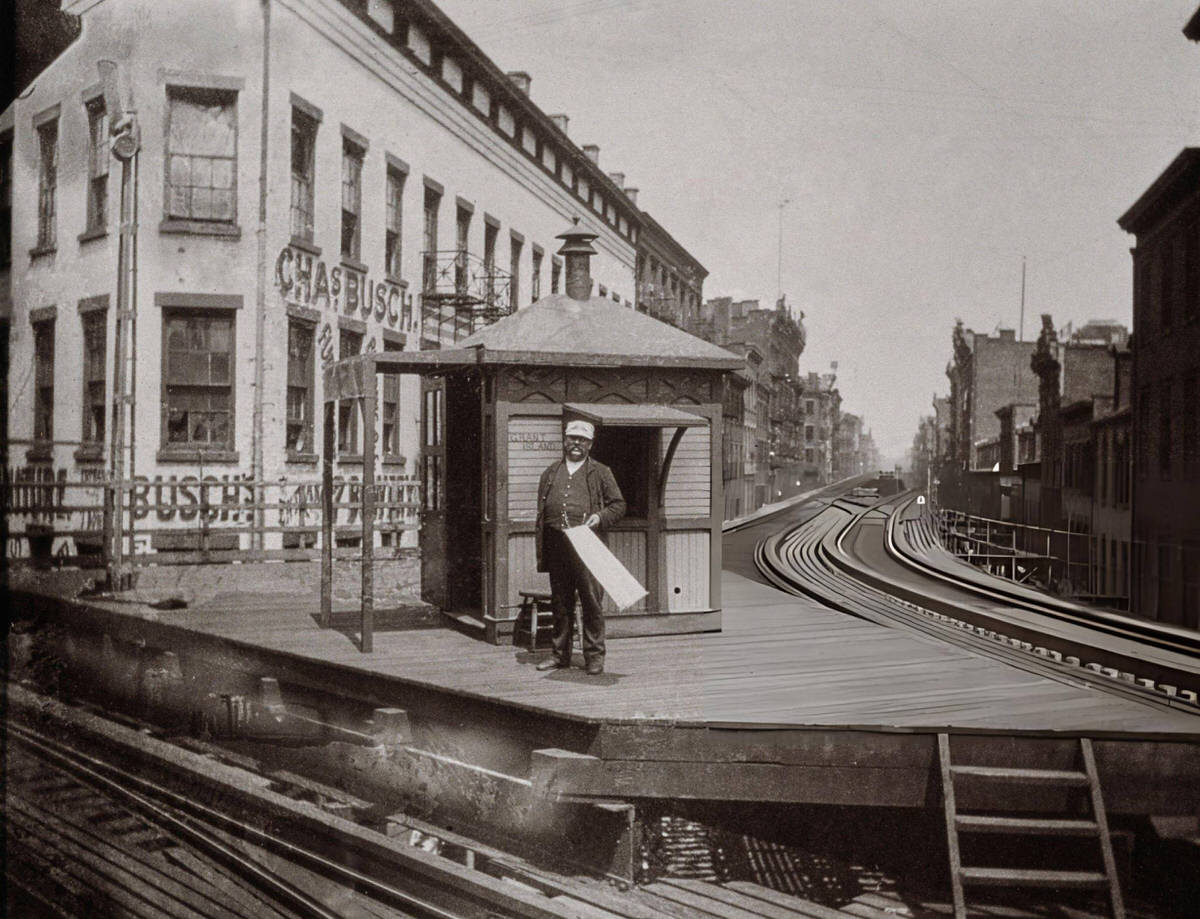
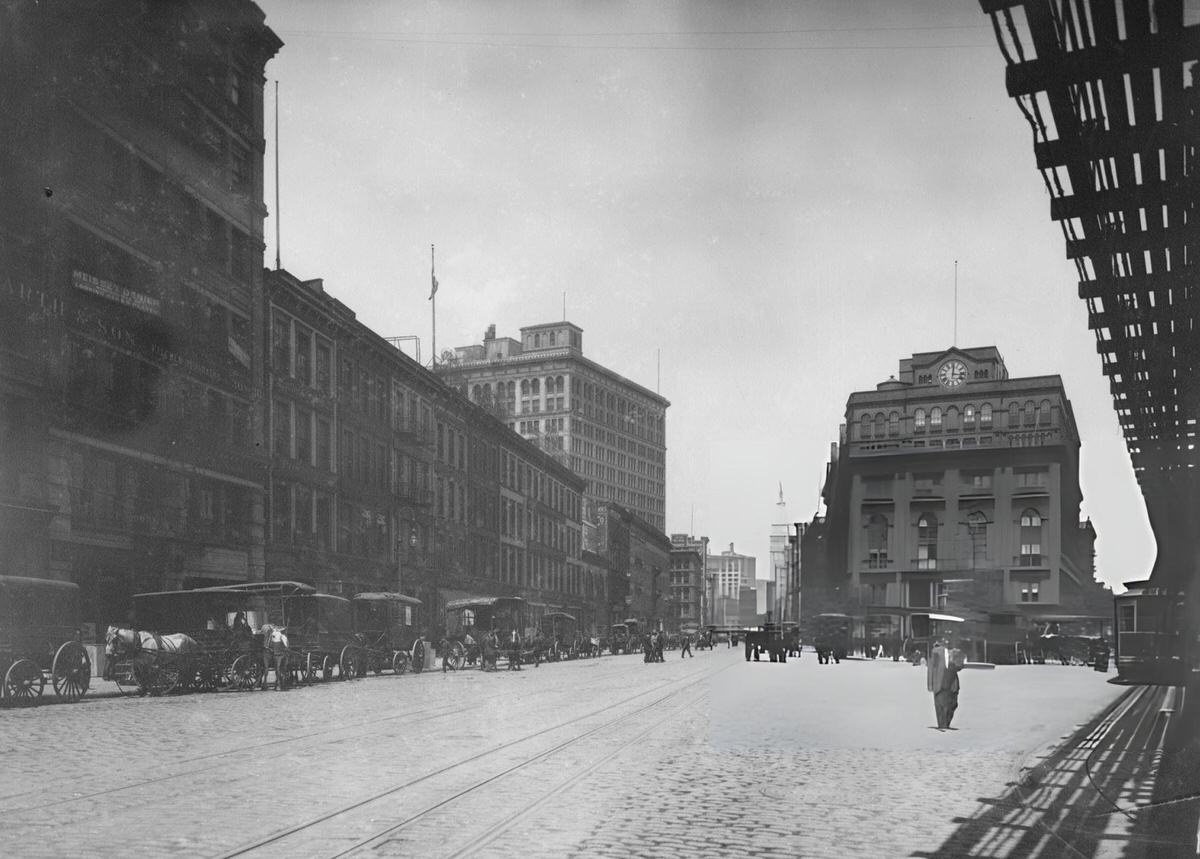
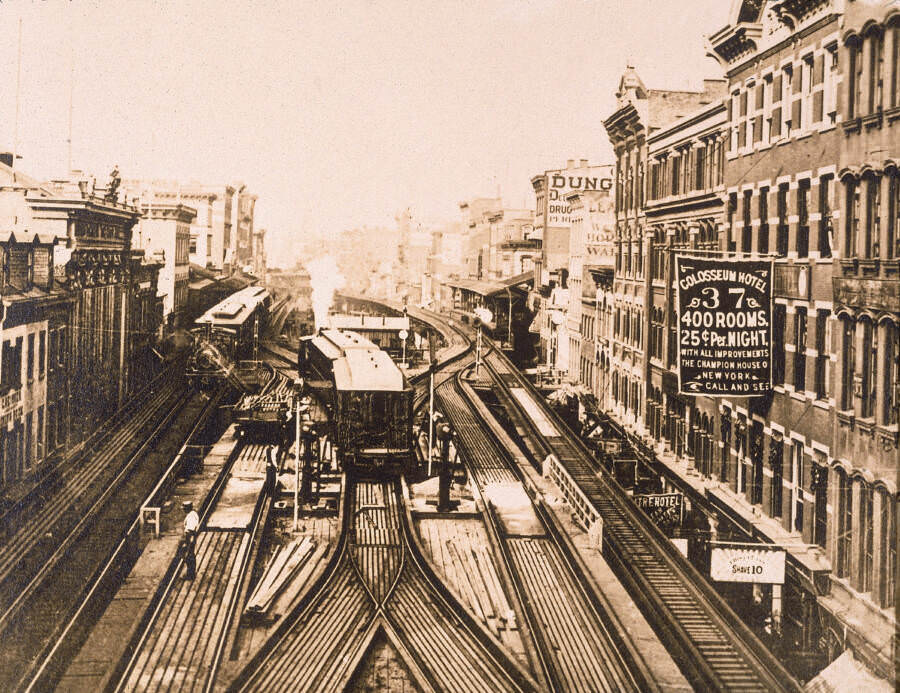
The El changed everything. The Second Avenue elevated line ran directly above the street, its iron structure sitting on columns planted in the middle of the sidewalk. Trains ran from early morning past midnight, shaking the buildings and filling the air with noise and coal smoke. Property values under the El dropped sharply. The landlords who remained stopped maintaining their buildings and started packing in as many tenants as the walls would hold. The Bowery became cheap because the El made it unpleasant, and cheap attracted the people the rest of the city wanted to ignore.
Read more
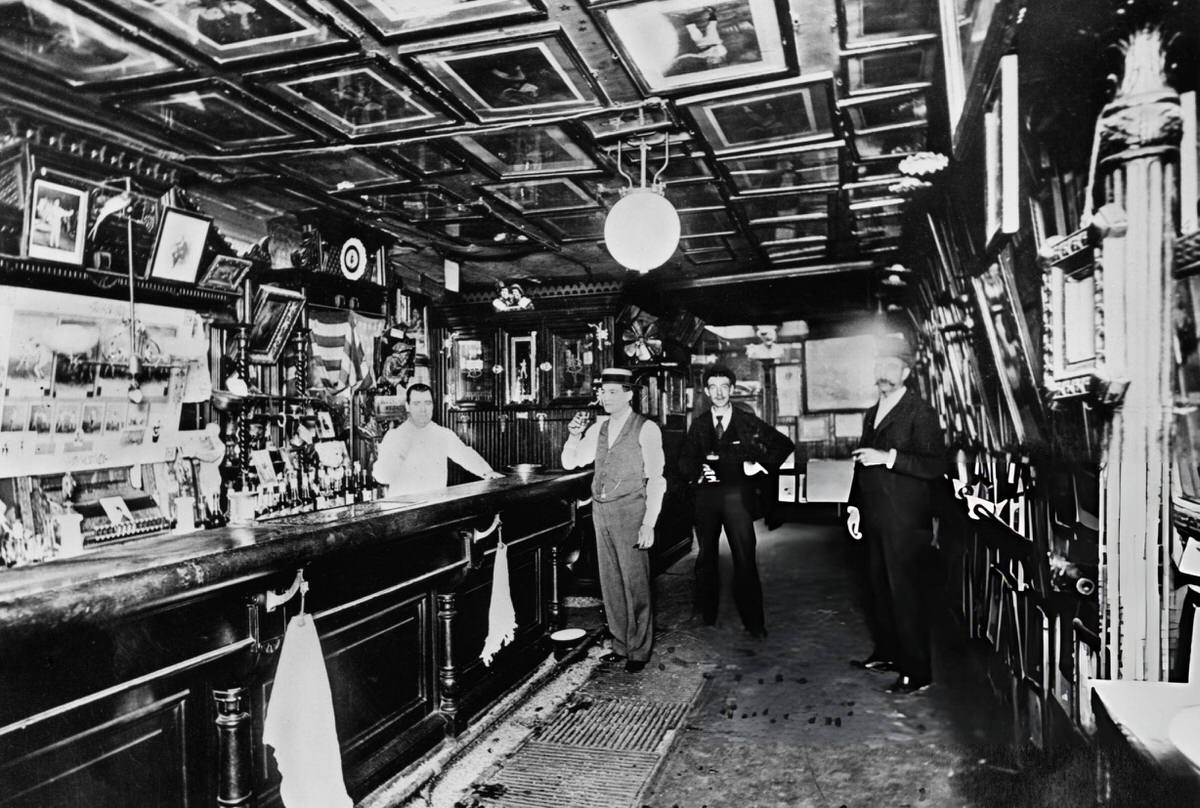
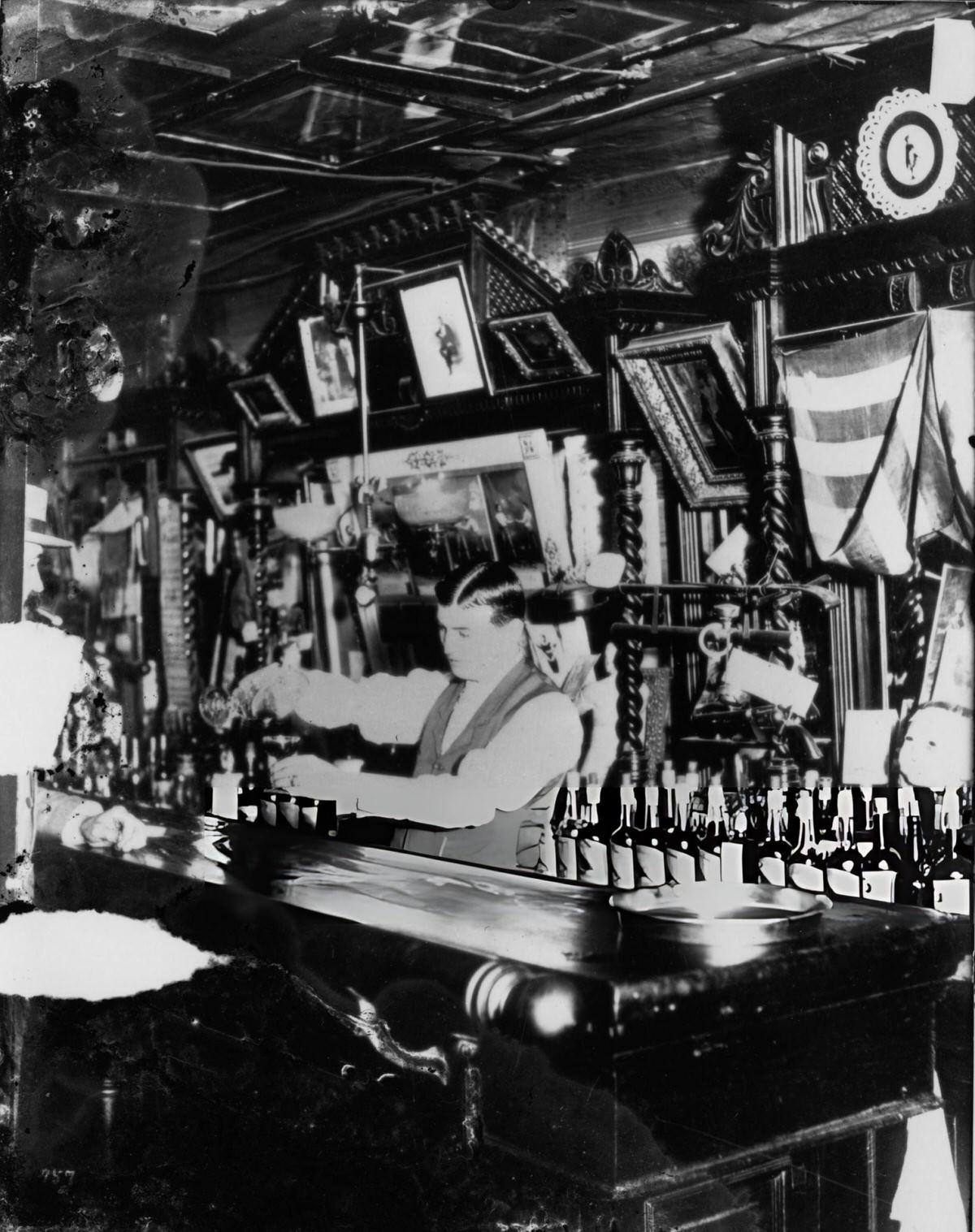
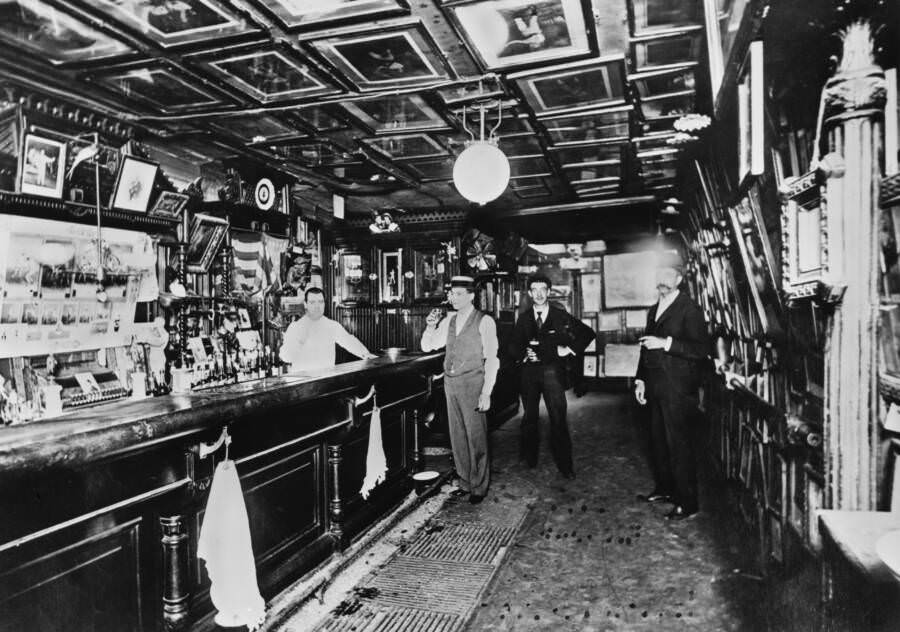
By the 1880s the street’s economy had fully organized itself around poverty and vice. Saloons operated on nearly every block, some running twenty-four hours. The concert saloons — bars with small stages where women performers circulated through the crowd selling drinks between acts — were the most profitable establishments on the street. The women were called “waiter girls” and their job was to get customers to buy as many drinks as possible. The drinks were watered down. The women worked for a cut of what they sold, nothing else. Many supplemented their income in other ways.
McGurk’s Suicide Hall at 295 Bowery opened in 1883 and earned its name before the decade was out. The owner, John McGurk, ran the place as a concert saloon with no pretense about what it was. The women who worked there were at the lowest end of the city’s sex trade, many of them addicted to alcohol or laudanum. Six of them killed themselves on the premises between 1883 and 1902 — some by drinking carbolic acid at the bar. McGurk kept the name because the notoriety brought in customers who wanted to see the spectacle of ruin up close.
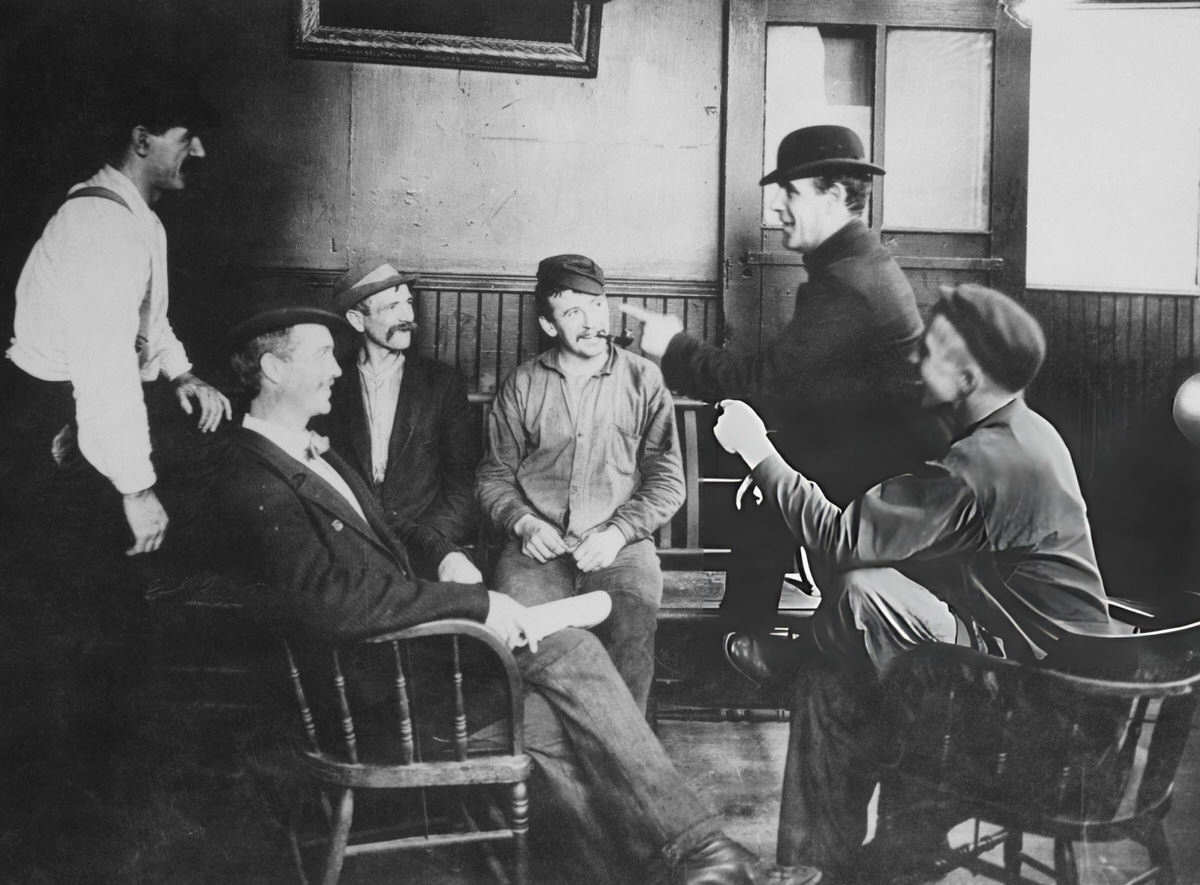
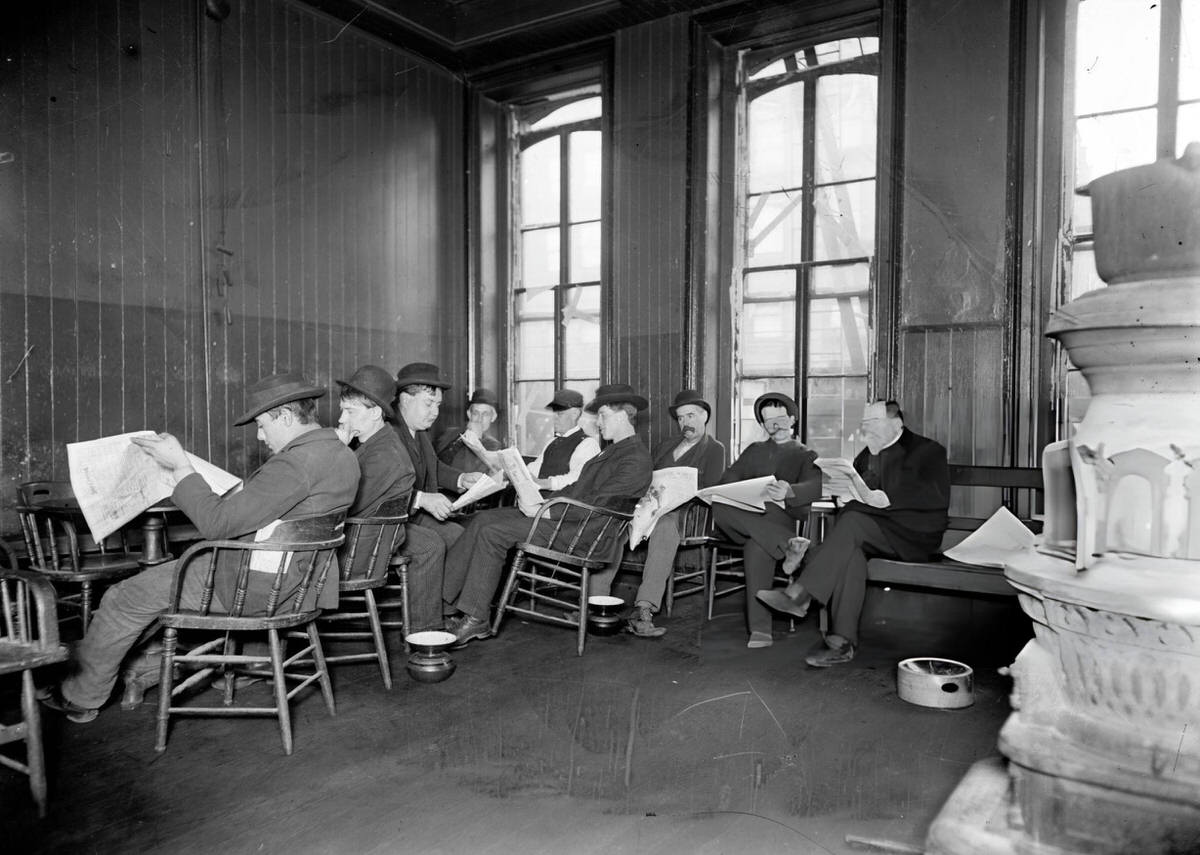
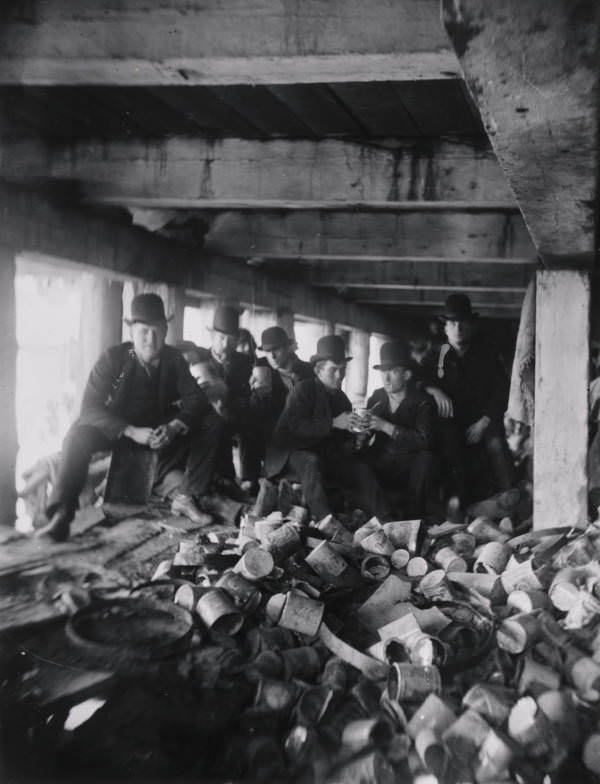
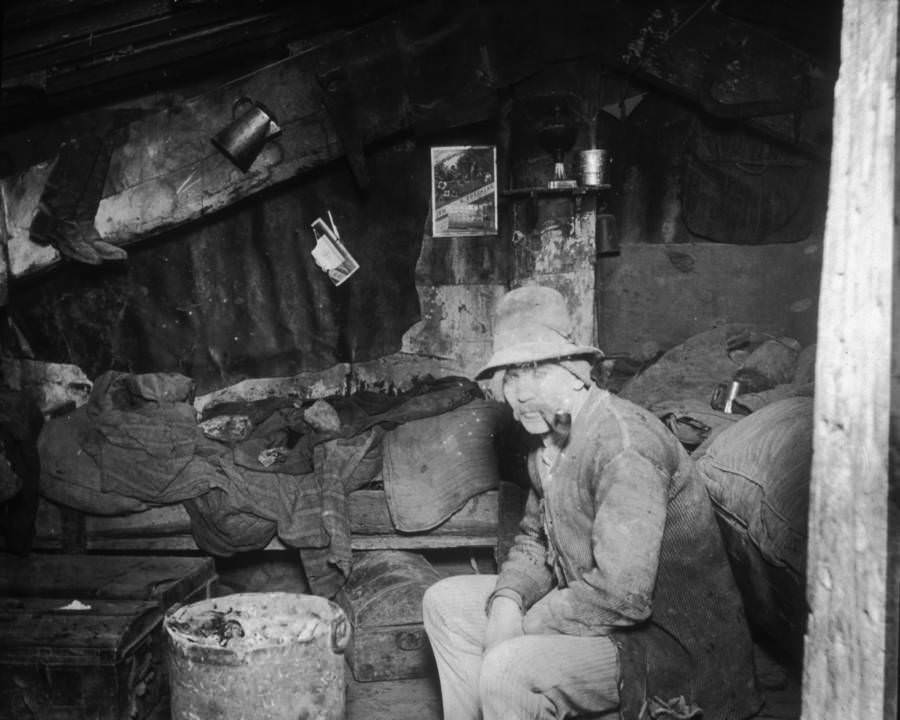
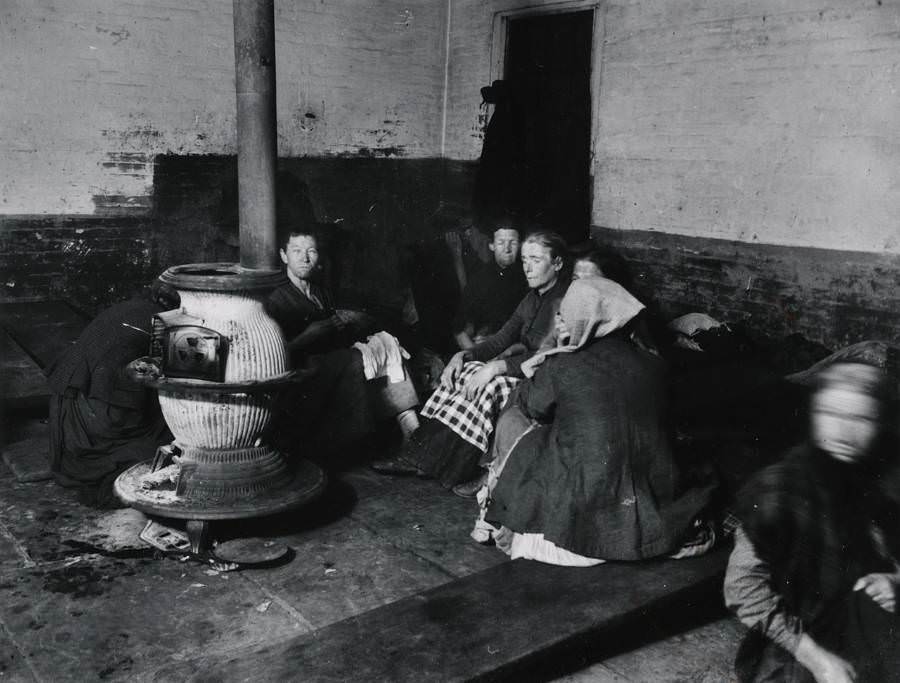
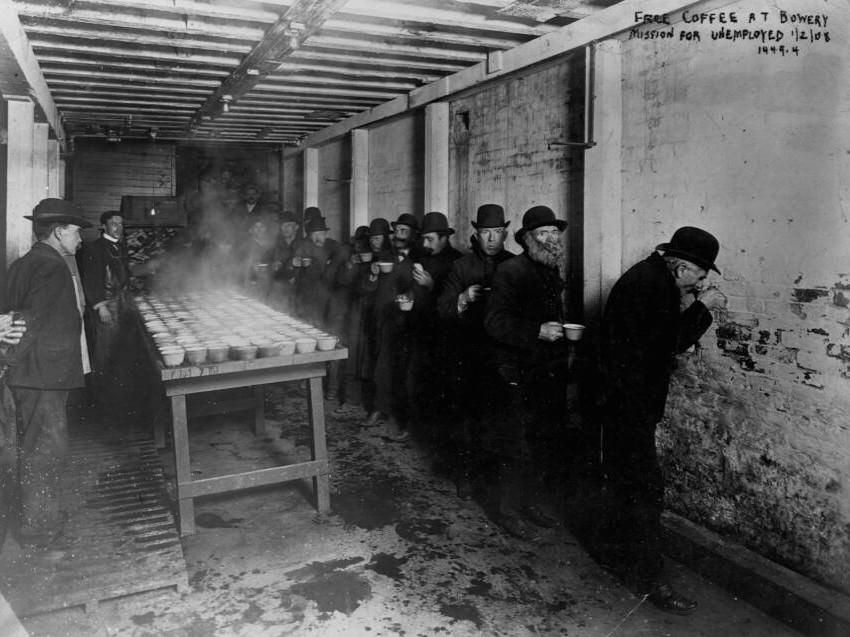
The flophouses lined the side streets feeding off the Bowery. The cheapest charged five cents for floor space. Seven cents bought a cot. Fifteen cents got you a cot with a curtain around it, which passed for privacy. The men who slept in these places were called “lodgers” by the social reformers who studied them and “bums” by everyone else. They were factory workers who had lost their jobs, men who had come to New York looking for work and run out of money, veterans of the Civil War with injuries that kept them from working, and men who had simply been destroyed by the bottle over years of hard drinking.
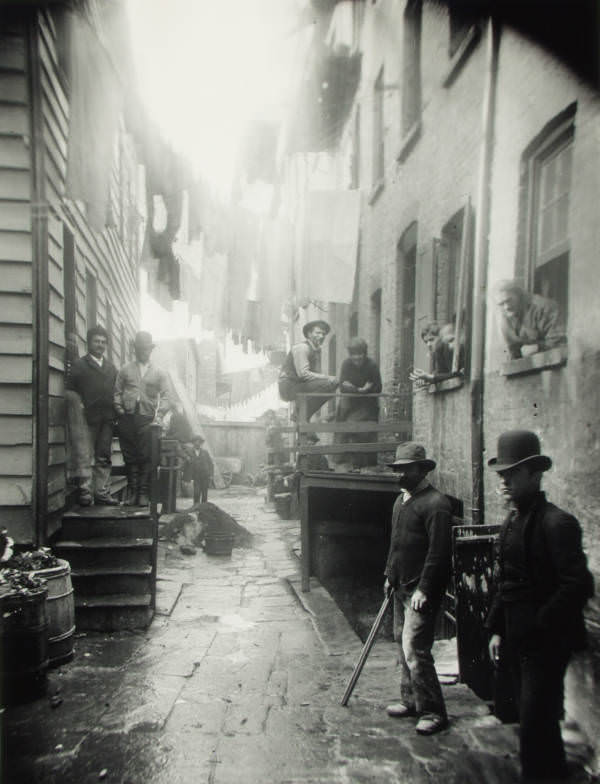
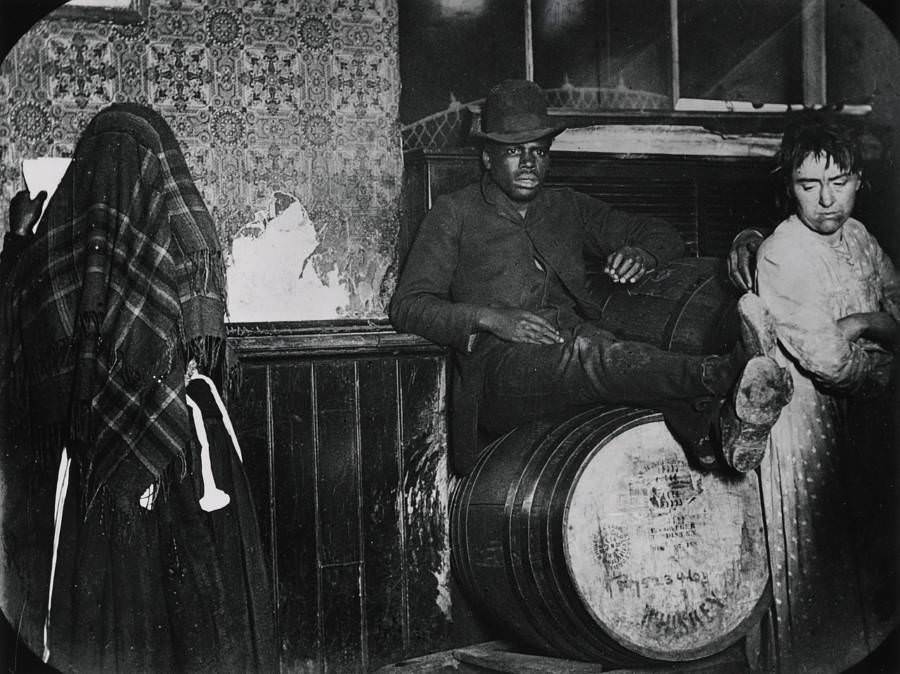
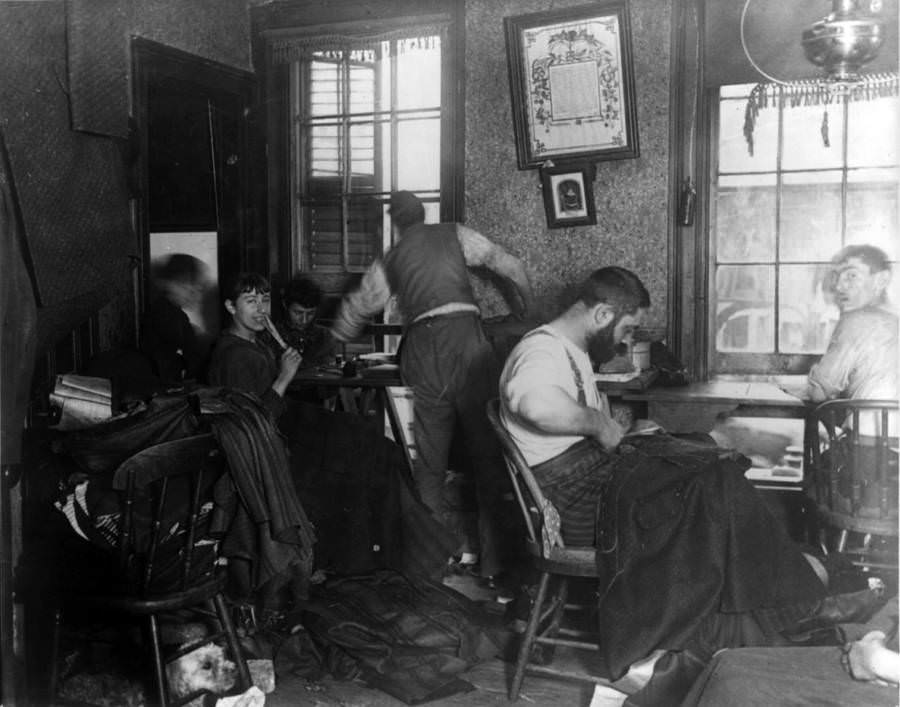
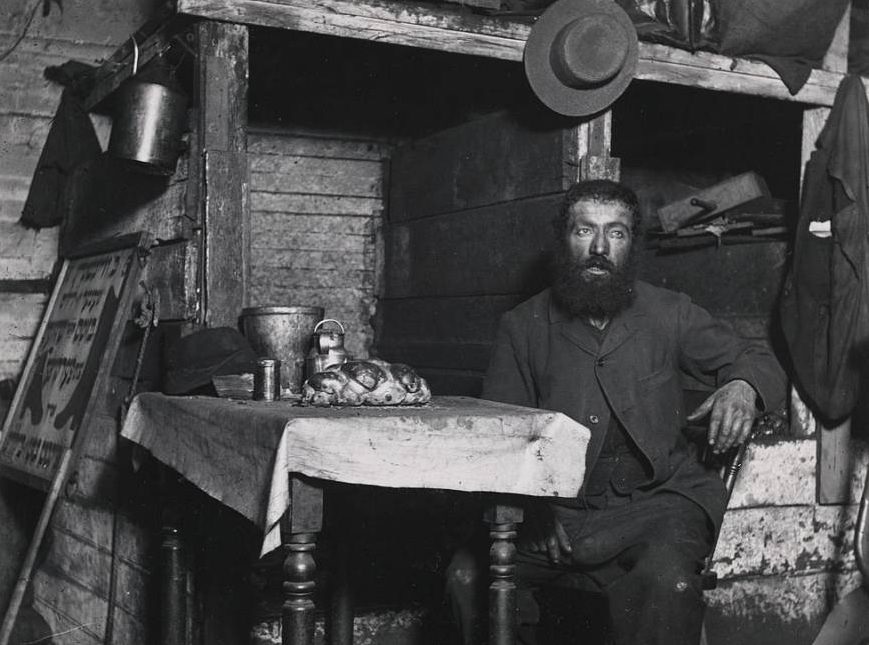
Jacob Riis arrived on the Bowery with a camera in the late 1880s. He was a Danish immigrant who had himself slept in the cheap lodging houses when he first came to New York, and he knew the street from the inside. His photographs used flash powder — a new technology — to illuminate the dark interiors of flophouses and tenement rooms that no one had ever photographed before. How the Other Half Lives, published in 1890, put those images in front of middle-class New York readers for the first time. Riis documented the two-cent lodging houses, the children sleeping in alleys behind Mulberry Street, the saloons running full blast at three in the morning.
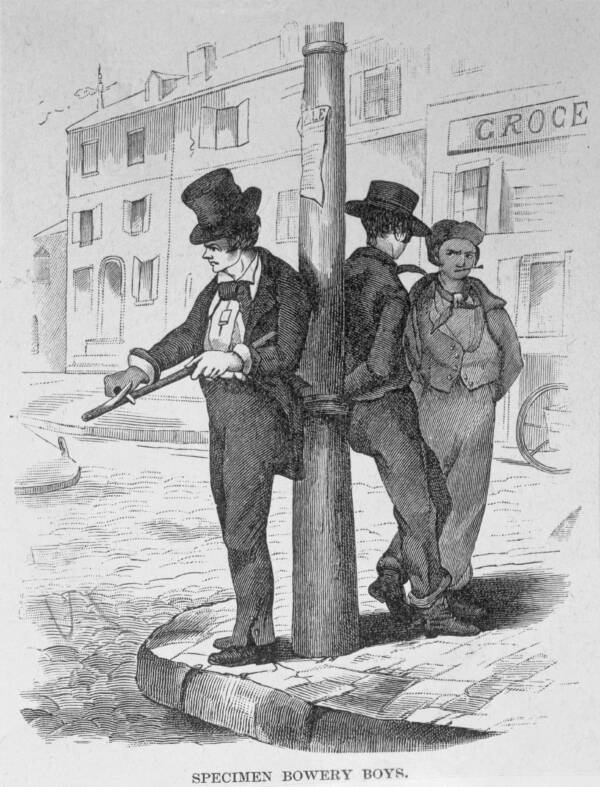
The gangs that operated on the Bowery in the 1870s and early 1880s — the Bowery Boys, the Dead Rabbits — had mostly broken apart by the late 1880s as the NYPD grew larger and Tammany Hall found more efficient ways to control street-level crime. What replaced them was not order but a different kind of organization. Tammany district captains managed the Bowery’s saloon owners and flophouse operators the way a landlord manages tenants. Everyone paid. The police captain at the precinct collected his share. The money moved up the chain to Tammany’s leadership on 14th Street.
Pawnshops served as the street’s banking system. A man with a coat he could not sell pawned it for fifty cents in October and hoped to redeem it before winter ended. Tools, watches, boots, and furniture moved in and out of the pawnshops in a constant cycle of desperation. The shop owners knew their customers by face and knew exactly how bad things had to get before a man walked through the door.
Stephen Crane walked the Bowery in 1892, slept in its flophouses, and ate in its cheap restaurants while researching what became Maggie: A Girl of the Streets. The book was too raw for mainstream publishers and he paid for the first edition himself. It sold almost nothing. The street it described continued without noticing.

GIPHY App Key not set. Please check settings