

 Adriana Palmer
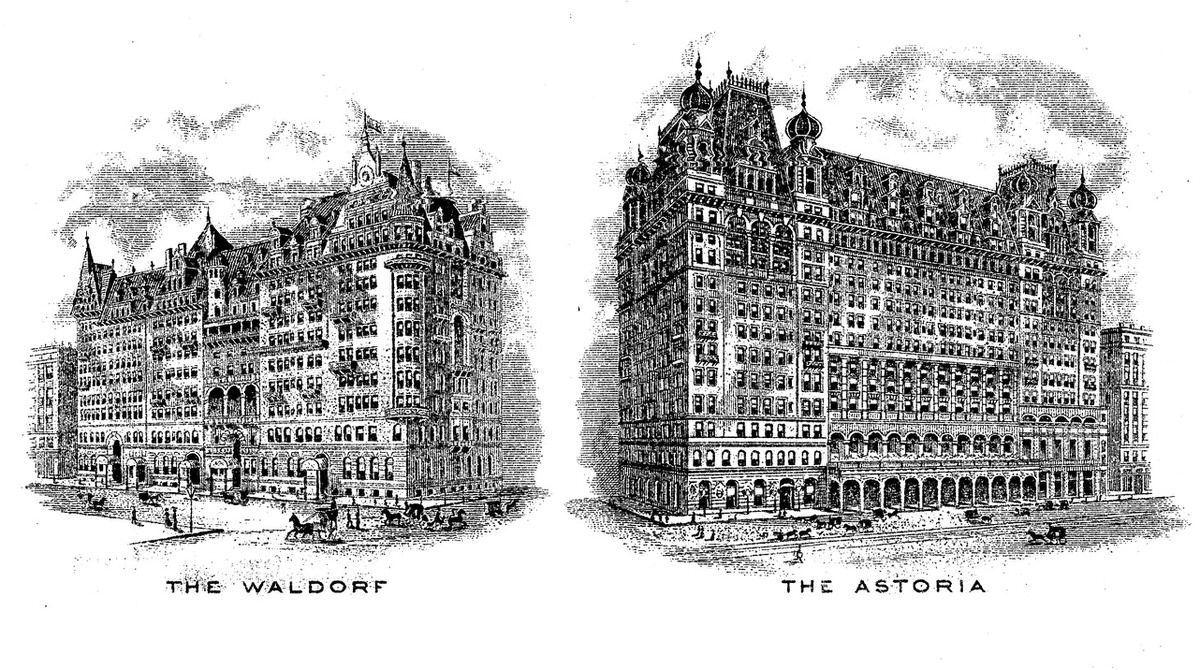
Before the Empire State Building occupied the corner of 34th Street and Fifth Avenue, the site was home to the original Waldorf-Astoria Hotel. This massive structure was actually two separate buildings joined together. William Waldorf Astor opened the Waldorf Hotel in 1893 on the site of his father’s former mansion. Four years later, his cousin John Jacob Astor IV built the taller Astoria Hotel right next door. The two cousins had been in a family feud, but they eventually agreed to connect the buildings through a long hallway.
Peacock Alley and the Corridor of Wealth
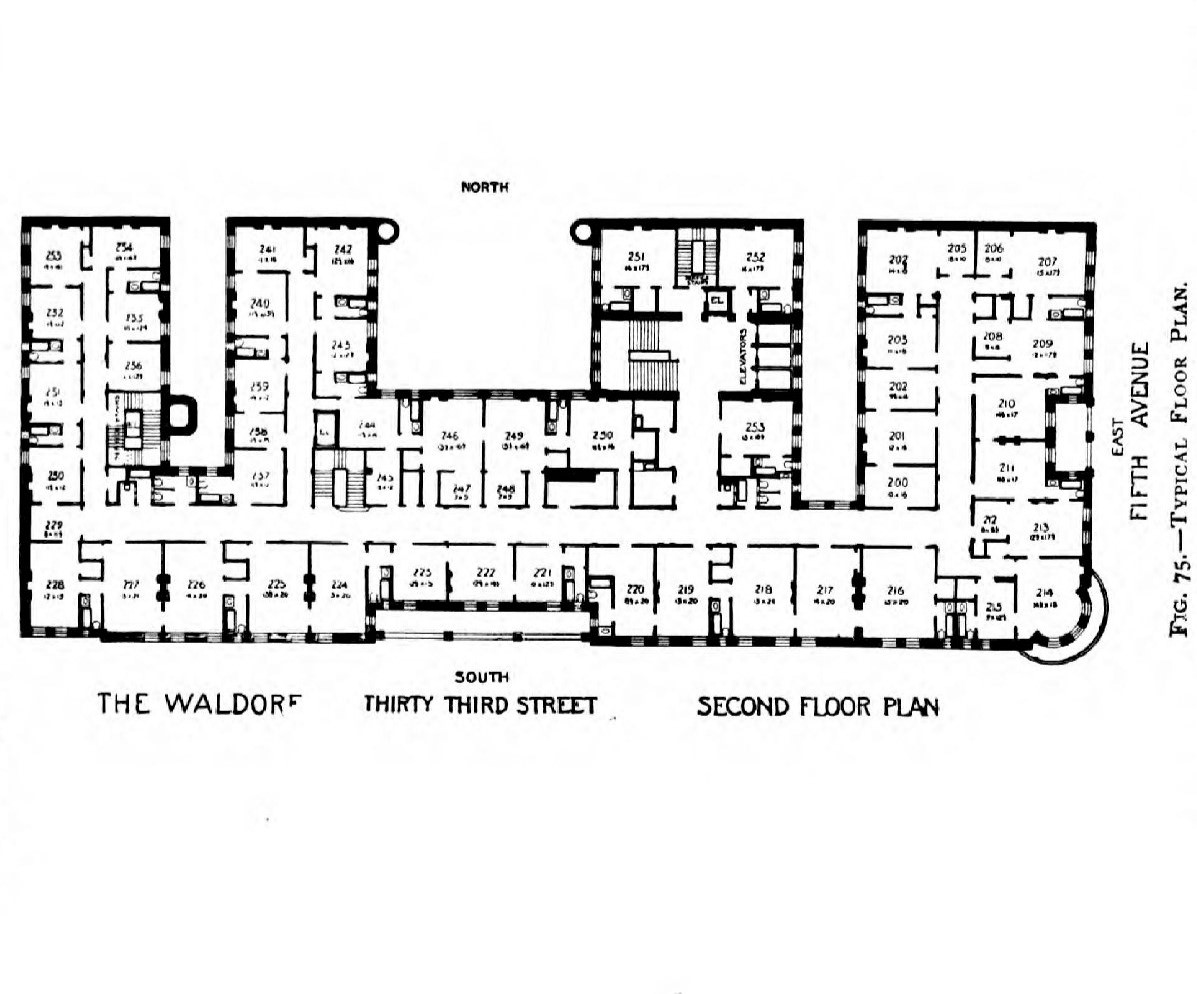
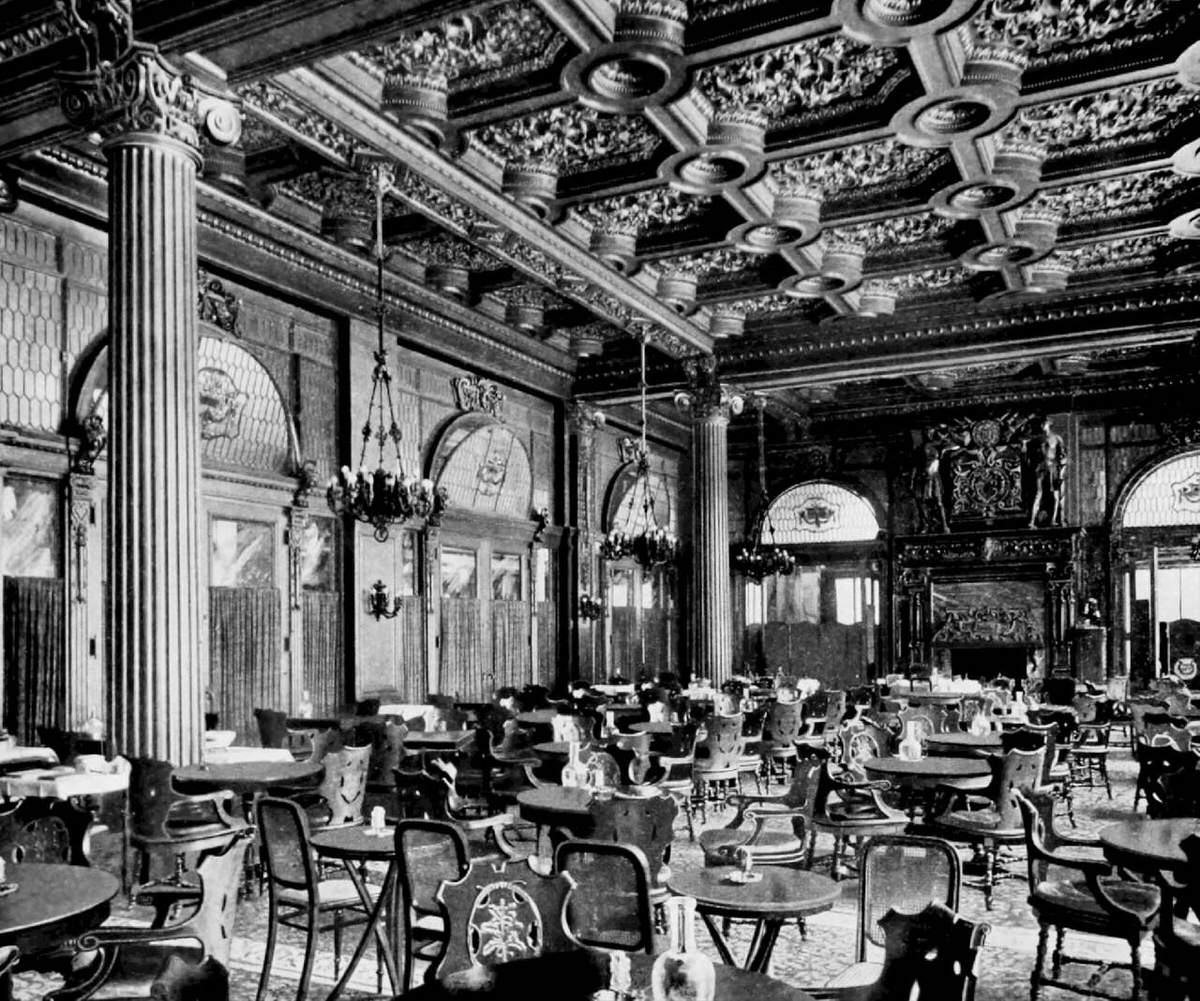
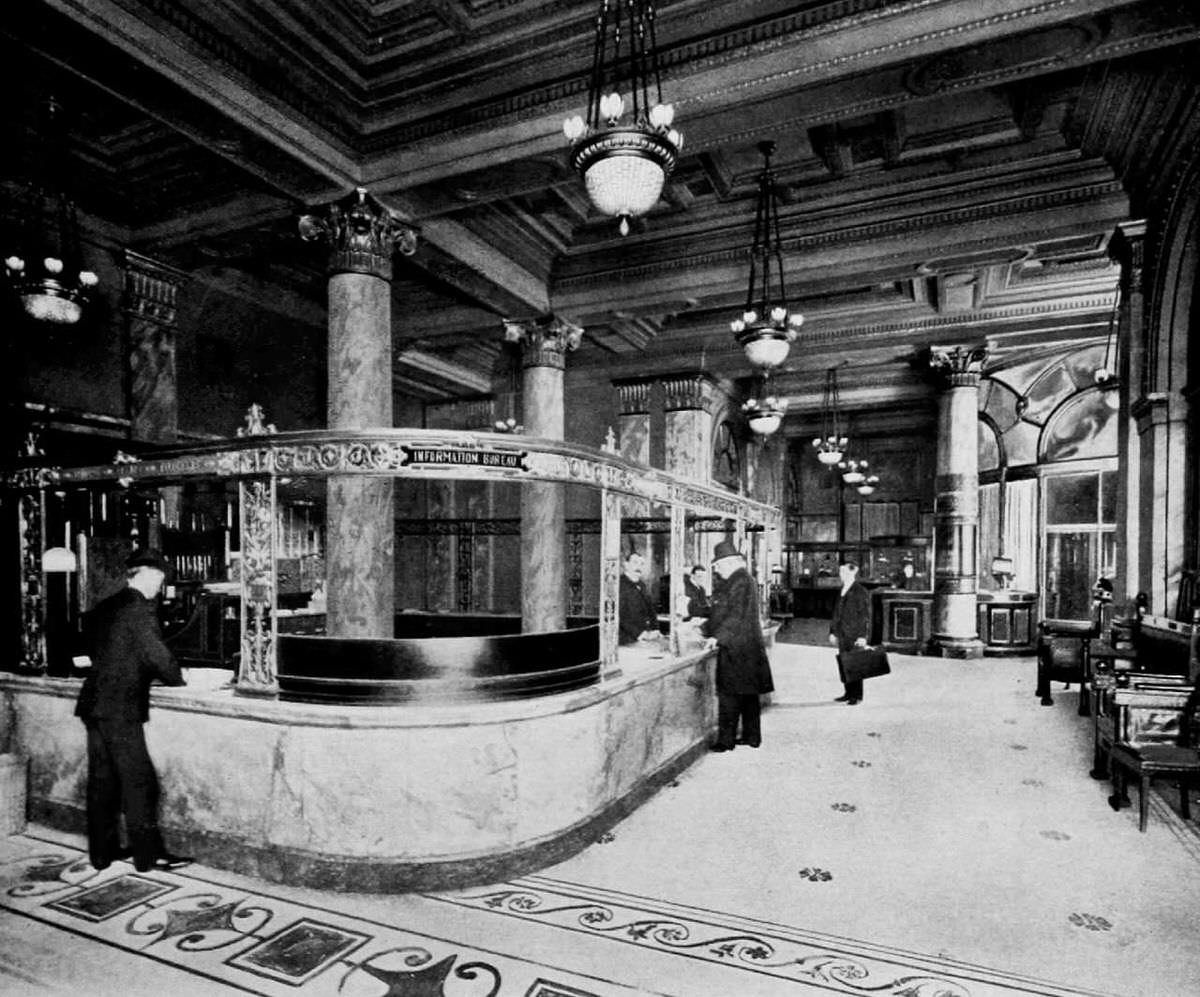
The most famous feature of the hotel was a 300-foot-long corridor known as “Peacock Alley.” This hallway connected the Waldorf and Astoria sections of the building. It was lined with high-quality amber-colored marble and featured massive floor-to-ceiling mirrors. Wealthy New Yorkers walked through this hall specifically to show off their expensive clothes and jewelry.
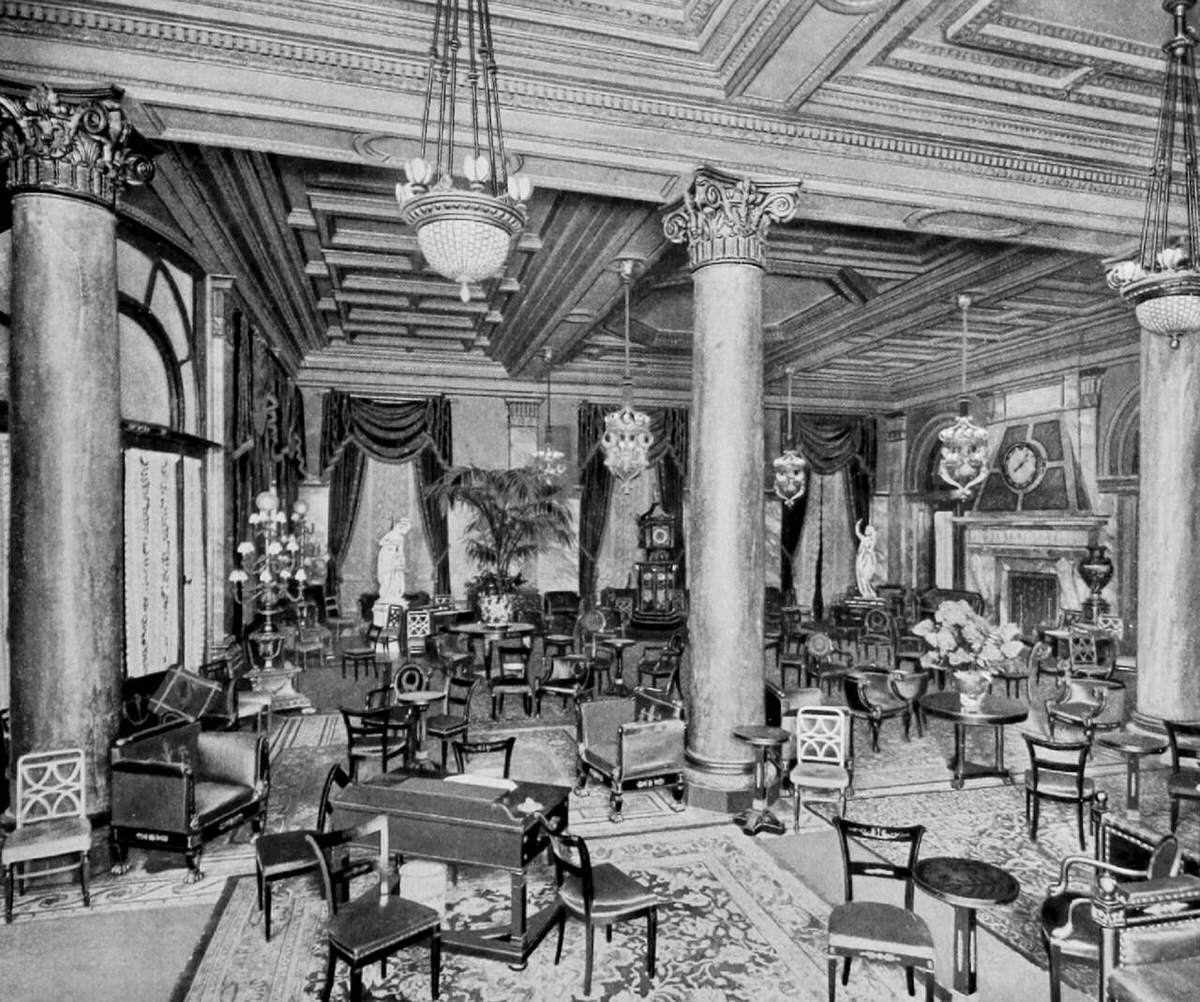
The hotel staff placed plush velvet chairs along the sides of the alley so onlookers could watch the parade of guests. It was the first time a major hotel allowed the general public to enter and socialize in its common areas. This transformed the hotel from a simple place to sleep into a central hub for New York City high society.
Read more
Technological Marvels of the 1890s
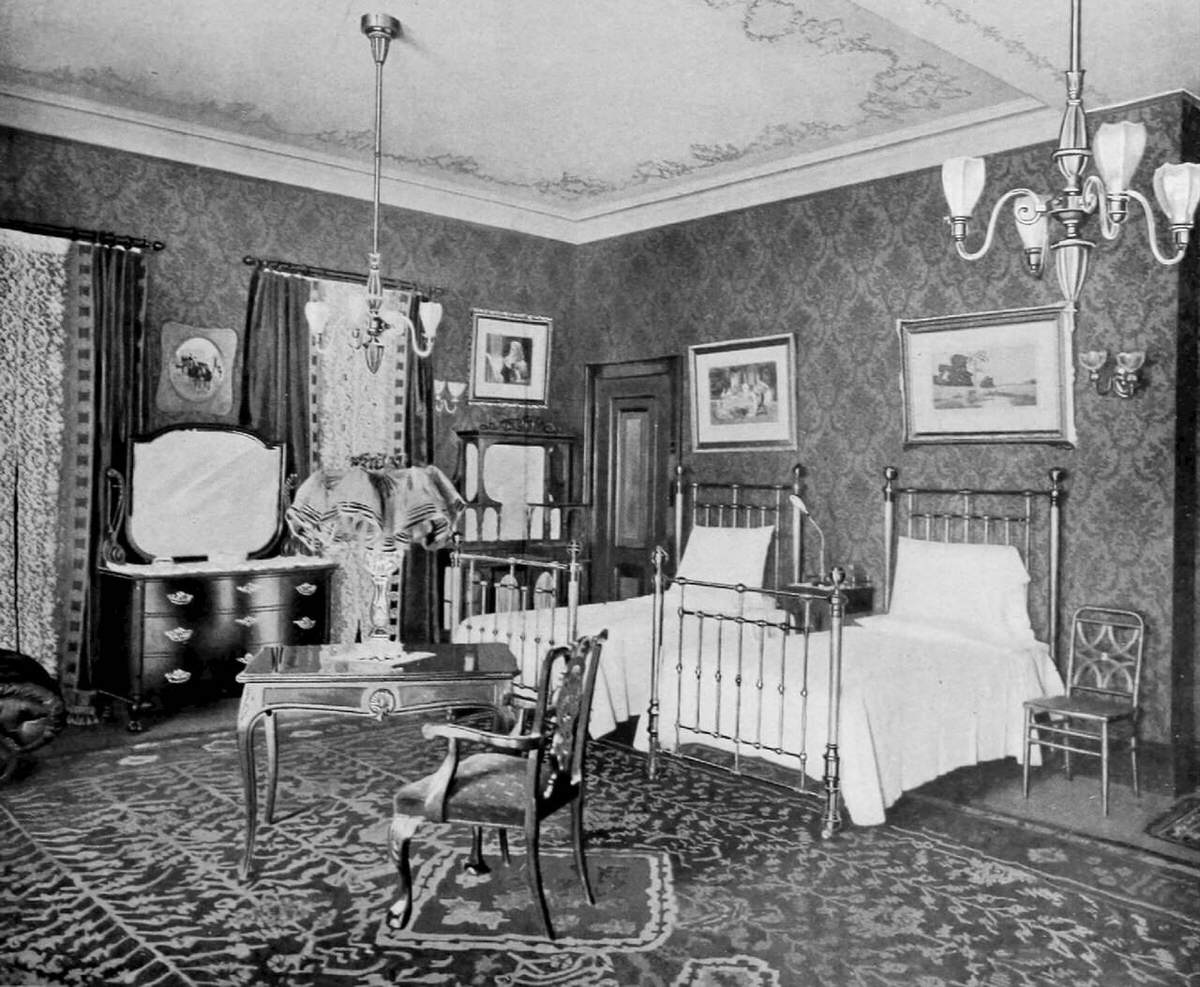
The Waldorf-Astoria was a leader in modern hotel technology at the turn of the century. It was one of the first hotels in the world to offer electricity and telephones in every single guest room. The building utilized a massive basement power plant to run the thousands of light bulbs and the heavy iron elevators.
The hotel featured a complex pneumatic tube system. This allowed the front desk to send messages and bills through the walls using pressurized air. For the comfort of the guests, the building also included an advanced ventilation system that pumped fresh air into the interior ballrooms. These features were unheard of in 1897 and set a new standard for luxury travel.
The Grand Ballroom and Social Events
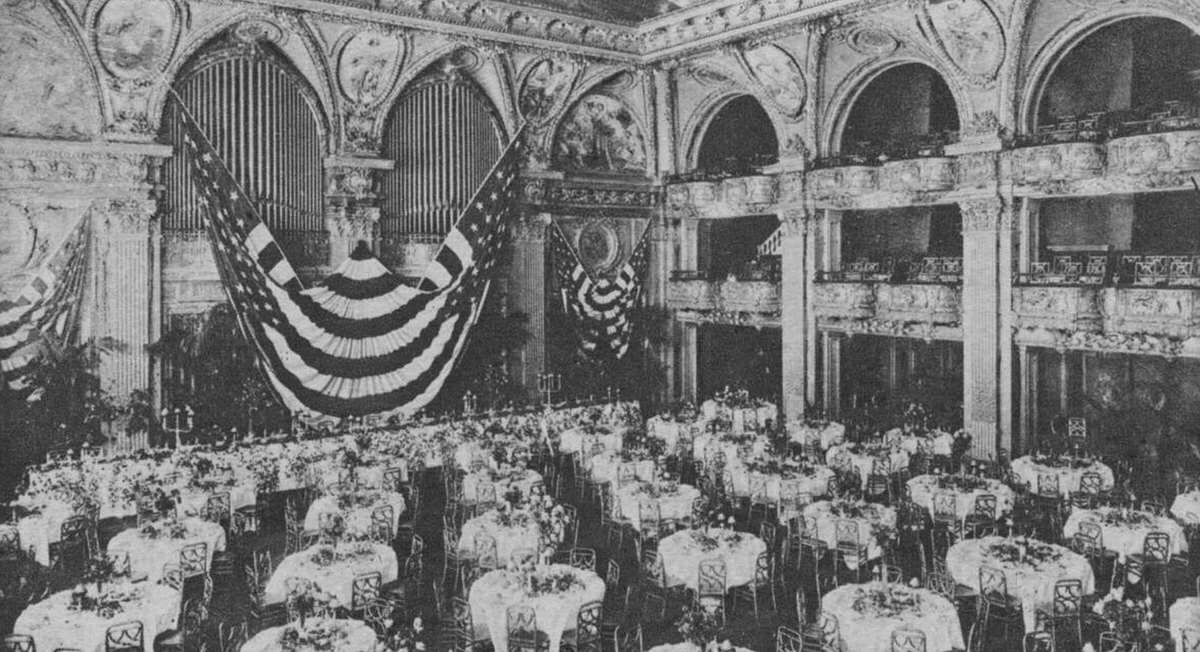
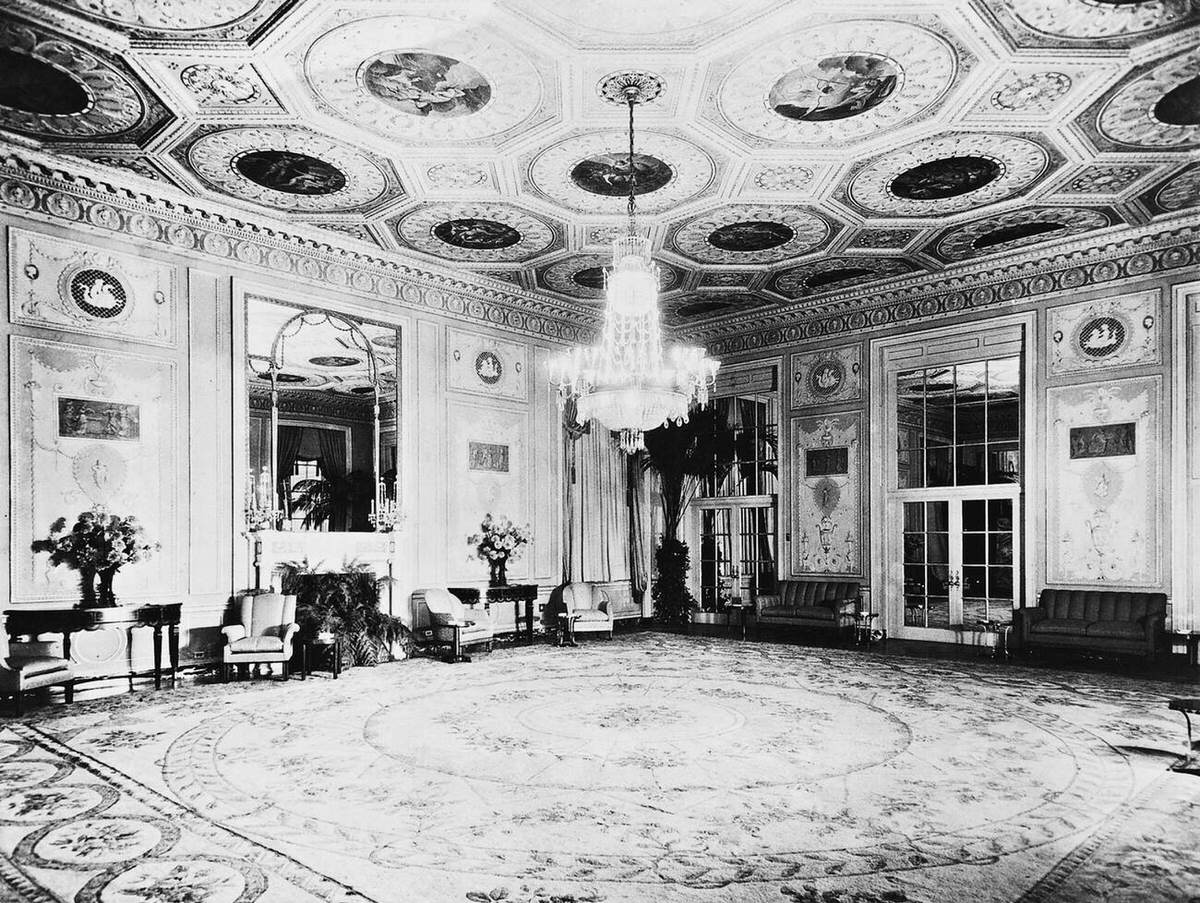
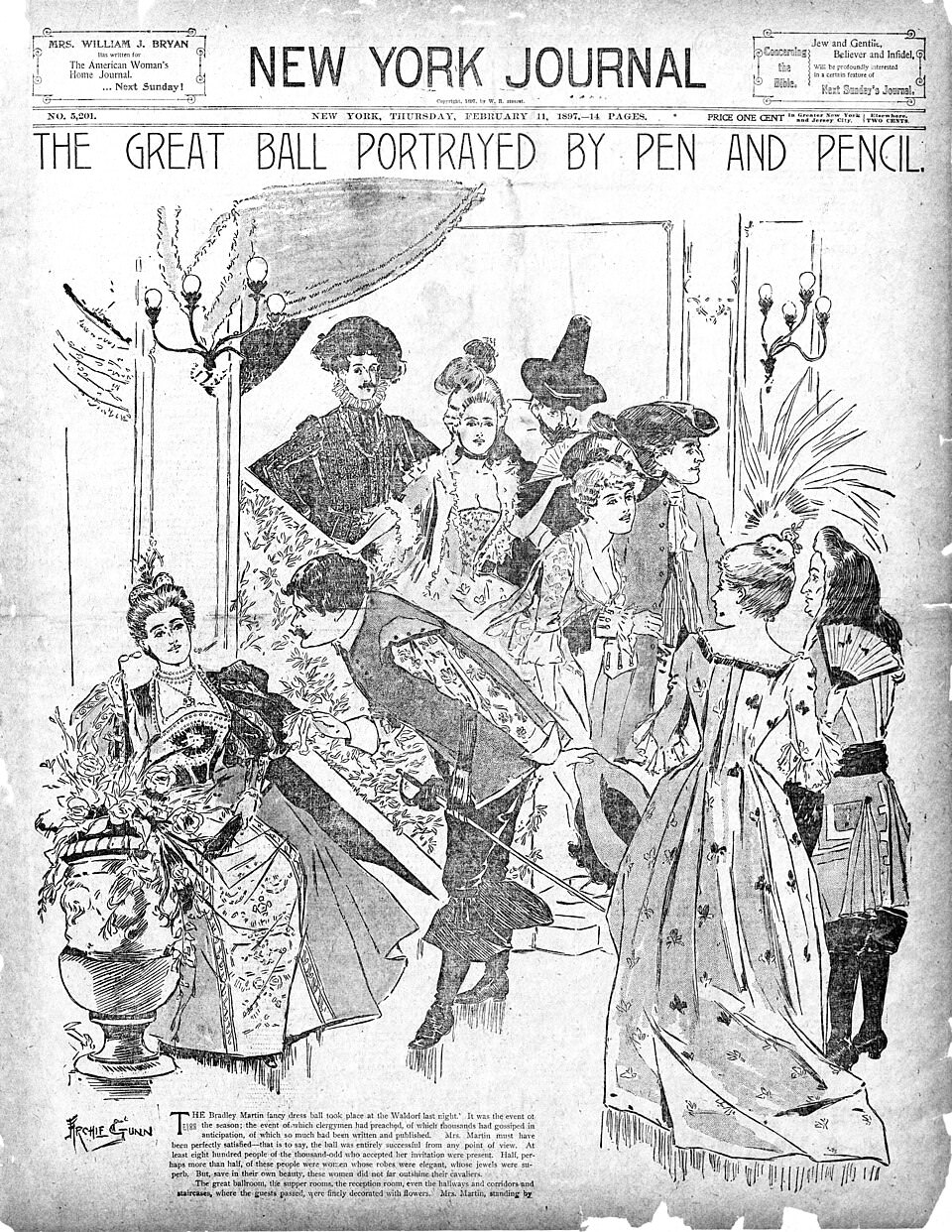
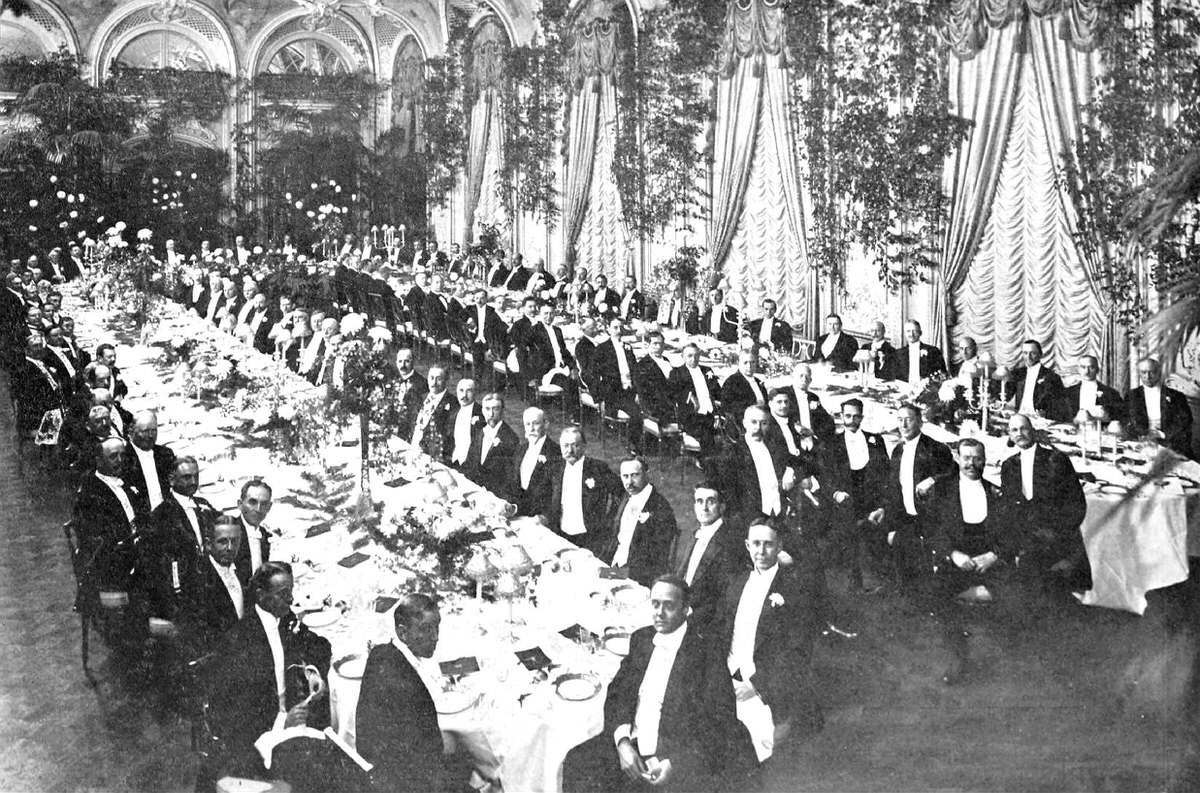
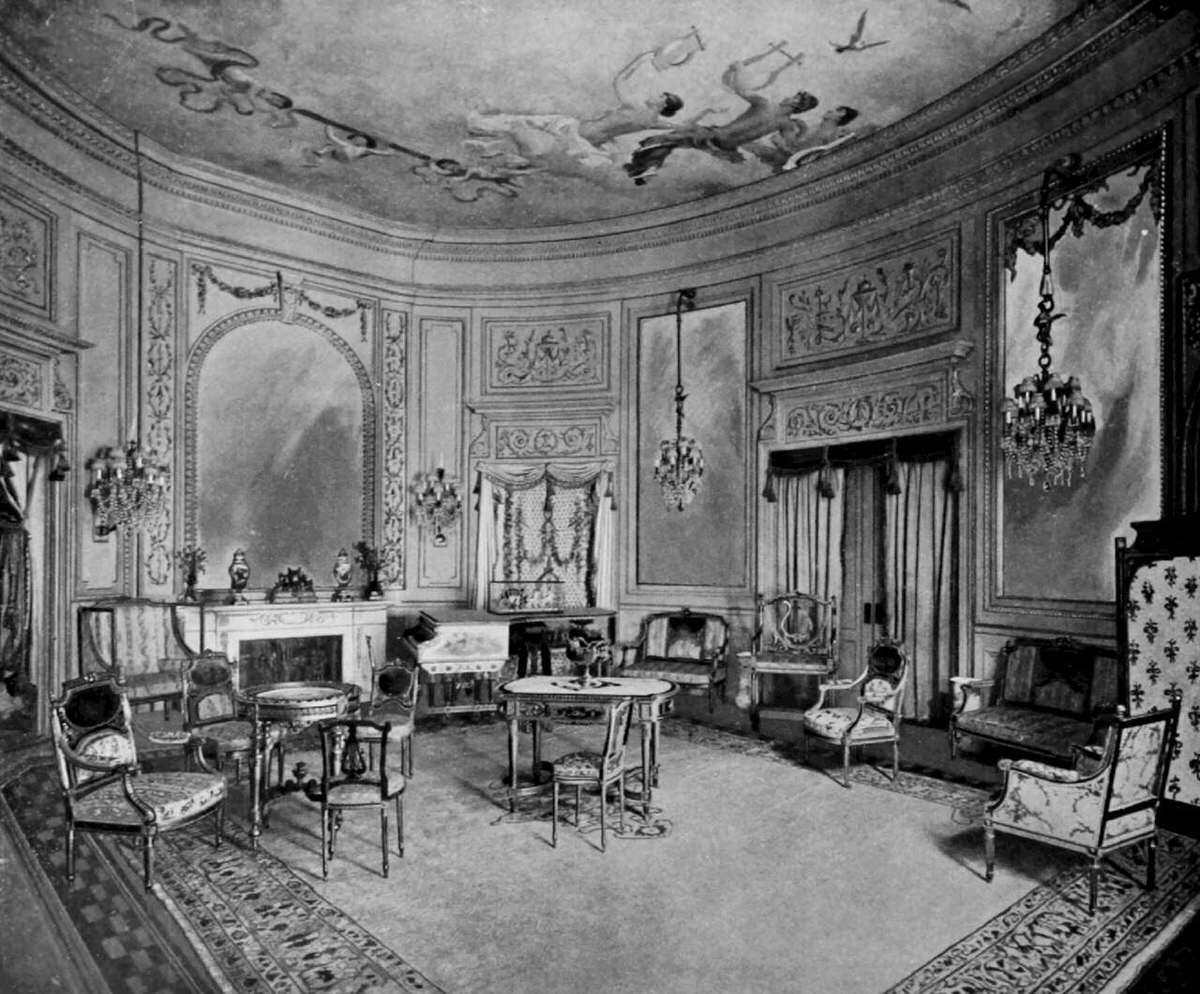
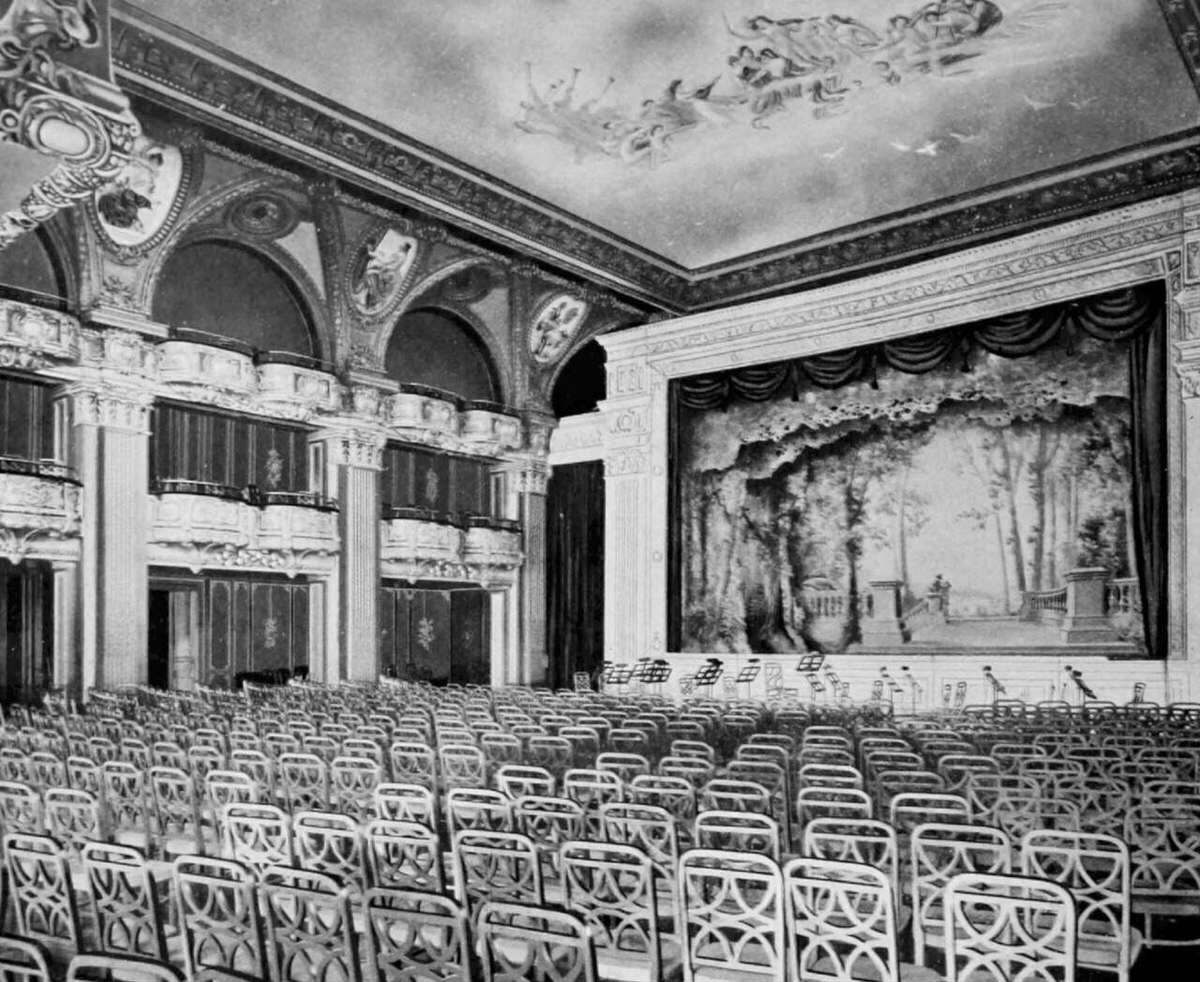
The Grand Ballroom was the centerpiece for New York’s elite “Four Hundred” socialites. It was three stories high and featured a wrap-around balcony for musicians. The ceiling was decorated with elaborate paintings of clouds and mythological figures. Massive crystal chandeliers hung from the gold-leaf beams, illuminating dinner parties that often cost thousands of dollars.
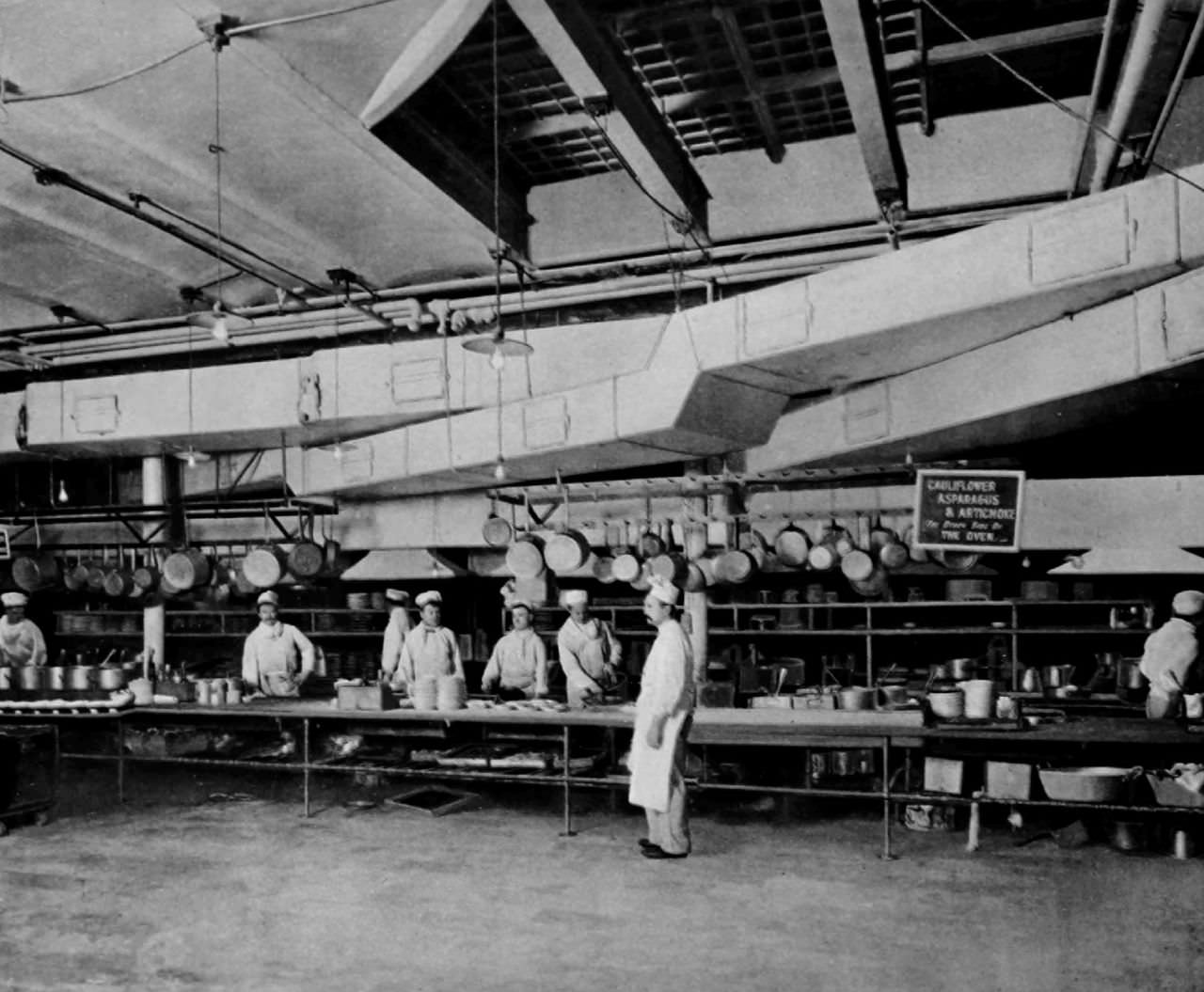
George Boldt, the hotel’s manager, introduced many service standards that are still used today. He required his waitstaff to wear white gloves and tails. He was also responsible for popularizing the “velvet rope” to control crowds at the entrance of the dining rooms. The kitchen was famous for creating the Waldorf Salad, which combined apples, grapes, and walnuts—a dish that became a staple of the hotel’s identity.
Architecture and Exterior Design
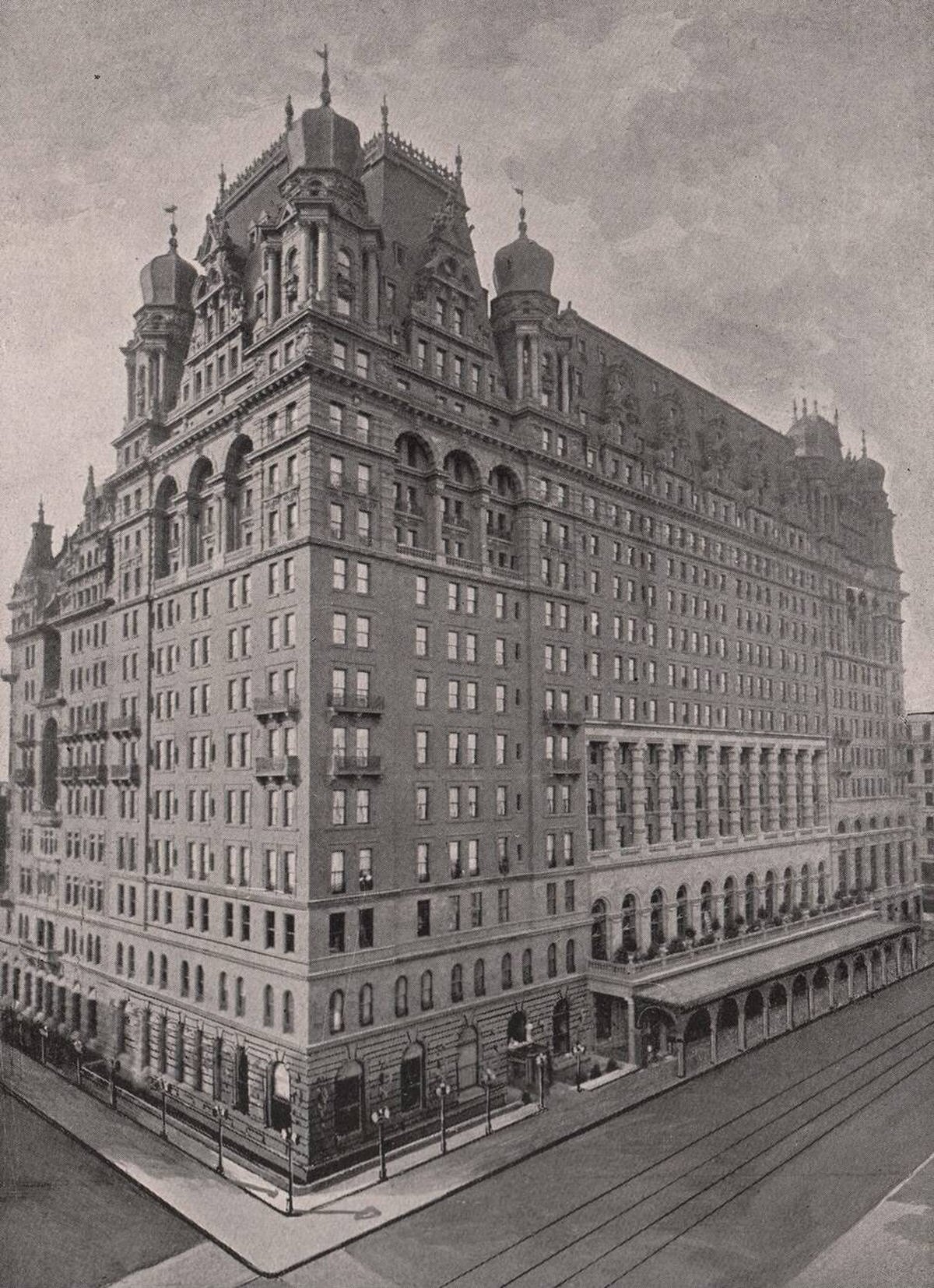
The exterior was designed by architect Henry Janeway Hardenbergh in a German Renaissance style. The building featured red brick and brownstone with many small towers and gables along the roofline. It rose 13 stories high, which made it one of the tallest structures in the neighborhood at the time. The rooftop featured a garden where guests could eat and drink while looking out over the city.
The foundation was built using heavy stone blocks to support the weight of the two massive wings. The Waldorf section had 450 rooms, while the Astoria section added another 550. This created a combined capacity of 1,000 rooms, making it the largest hotel in the world during the late 19th century. The sheer size of the building occupied the entire western side of Fifth Avenue between 33rd and 34th Streets.
The End of an Era and Demolition
By the late 1920s, the original Waldorf-Astoria began to feel outdated. The rise of Art Deco architecture made the Victorian-style red brick look old-fashioned. The rooms were considered too large and difficult to heat, and the plumbing required constant repairs. Additionally, the center of New York’s social life was moving further north toward Central Park.
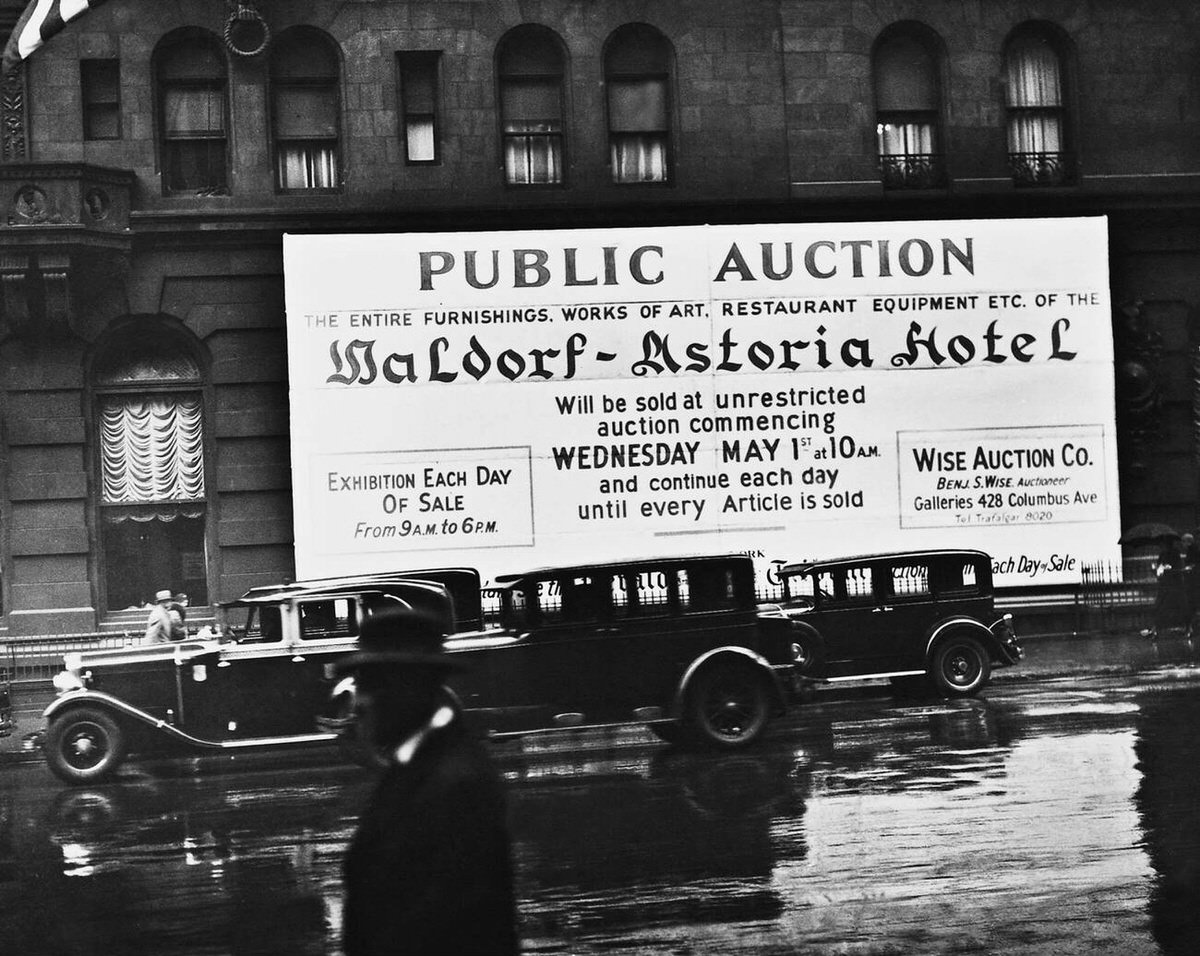
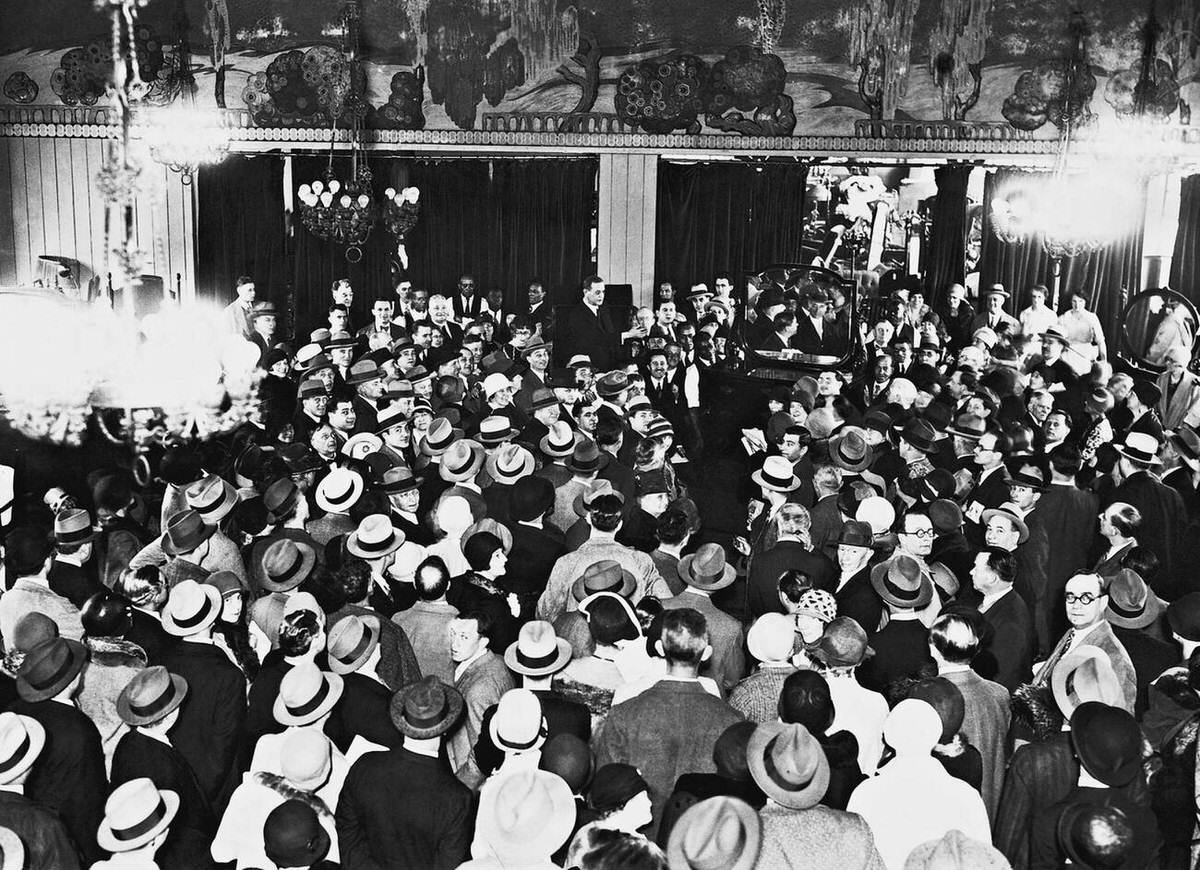
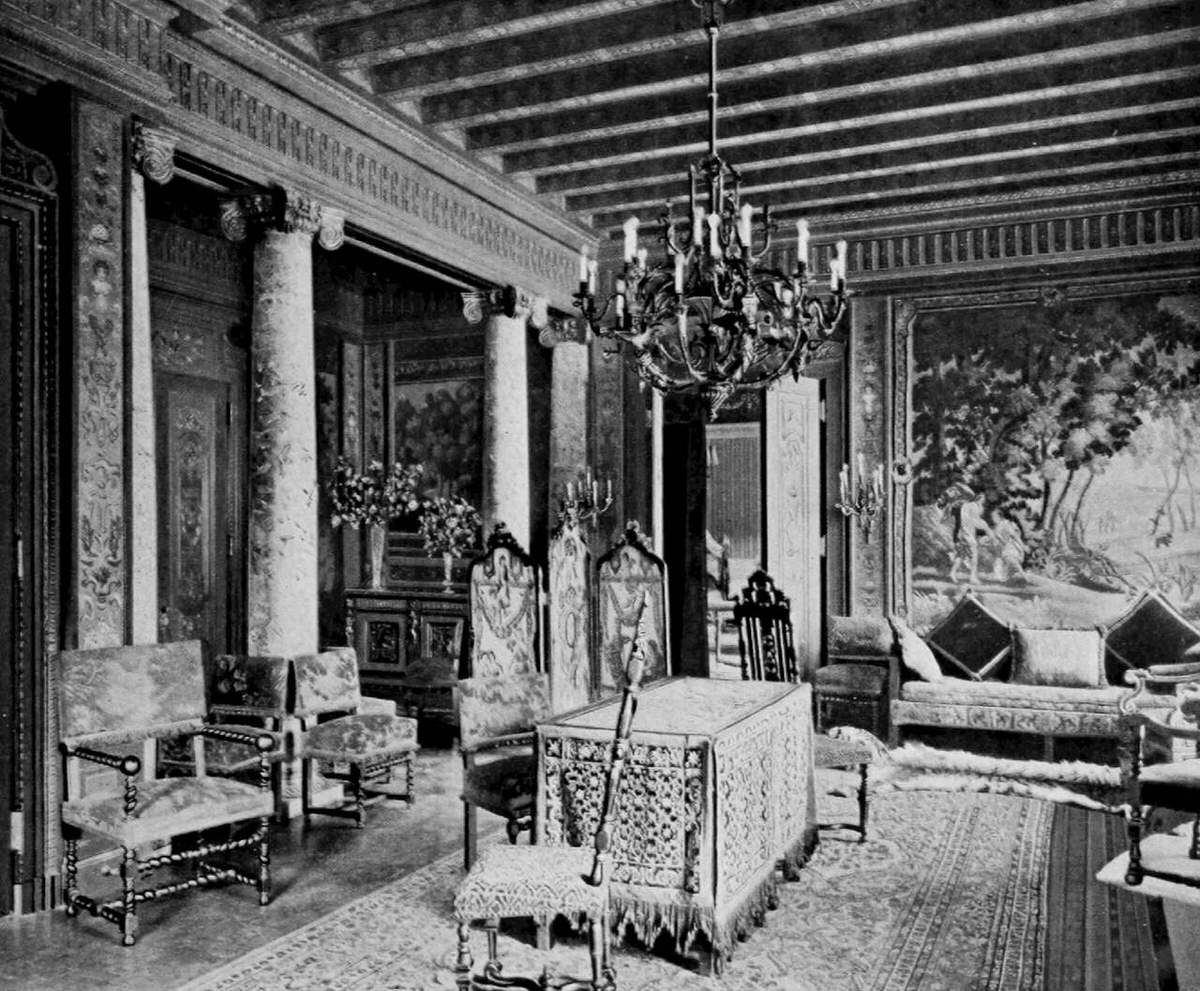
In 1929, the owners sold the land to the Empire State Inc. developers for $20 million. The demolition process was a massive undertaking. Workers had to carefully dismantle the stone and steel while avoiding the busy streetcar lines on 34th Street. Much of the hotel’s interior was auctioned off. The famous marble from Peacock Alley and the brass fixtures from the elevators were sold to collectors and other hotels.
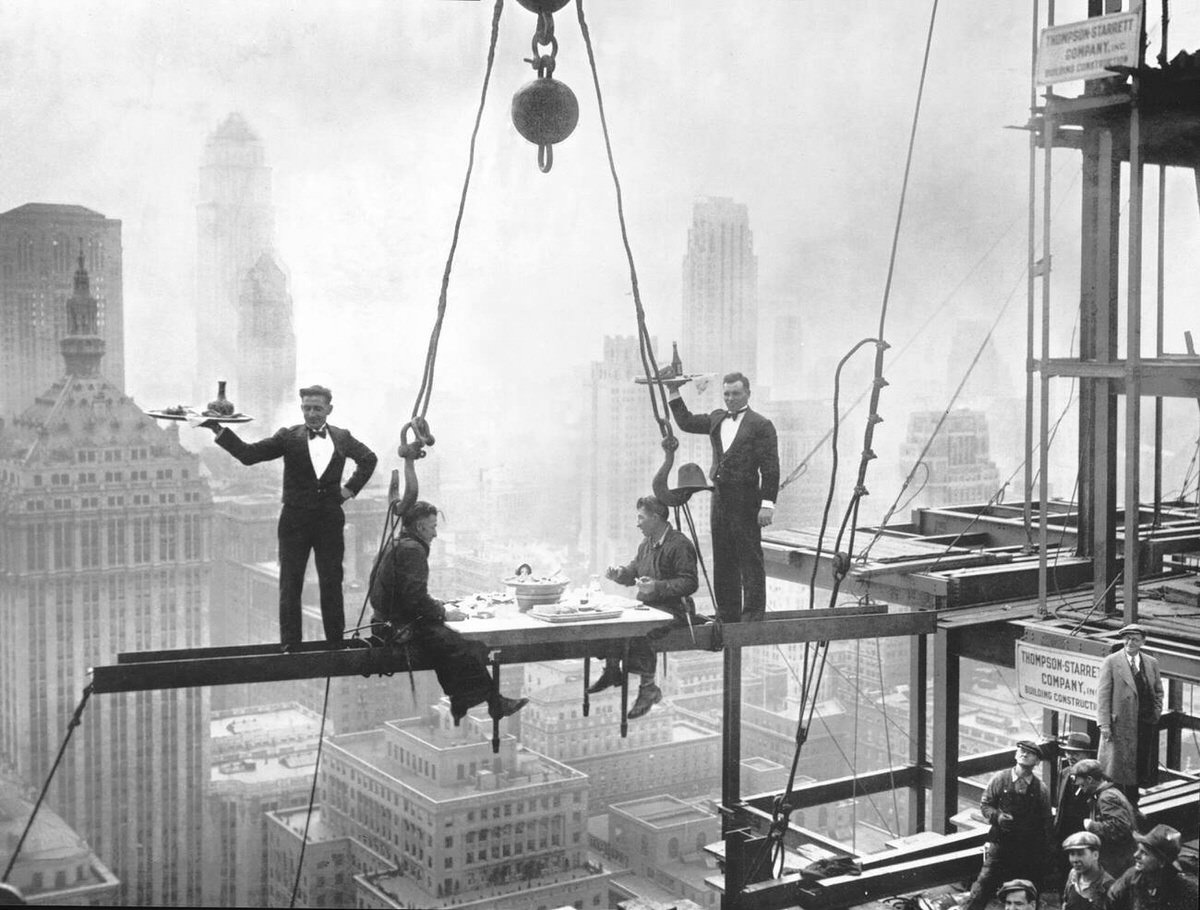
The demolition crews used heavy machinery to tear down the walls that had hosted presidents and kings. The debris was loaded onto trucks and taken to the waterfront, where much of it was loaded onto barges and dumped into the Atlantic Ocean. By the end of 1929, the ground was cleared, leaving a massive hole in the earth that would soon hold the steel pilings of the Empire State Building.


GIPHY App Key not set. Please check settings