

 Henry Parker
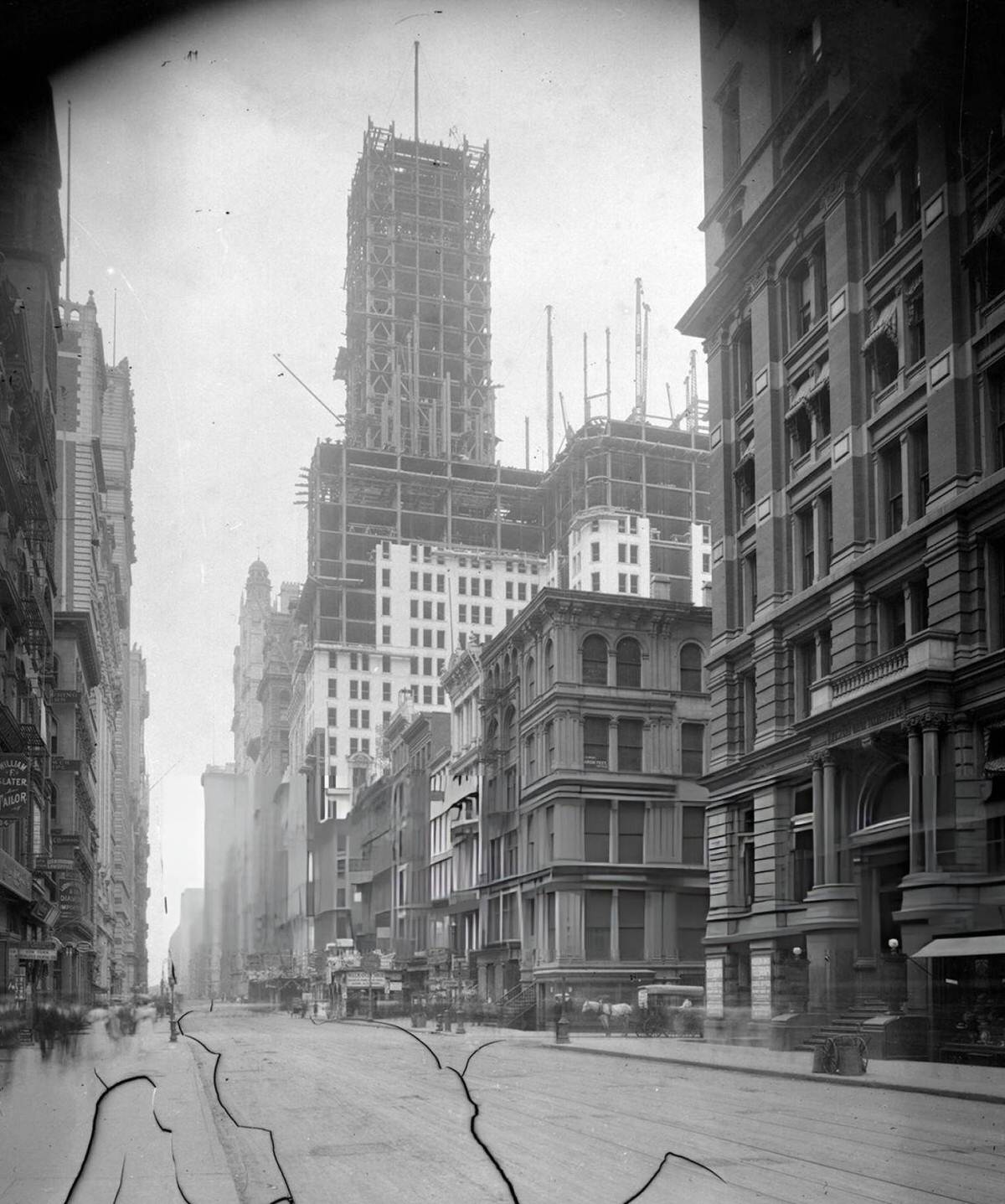
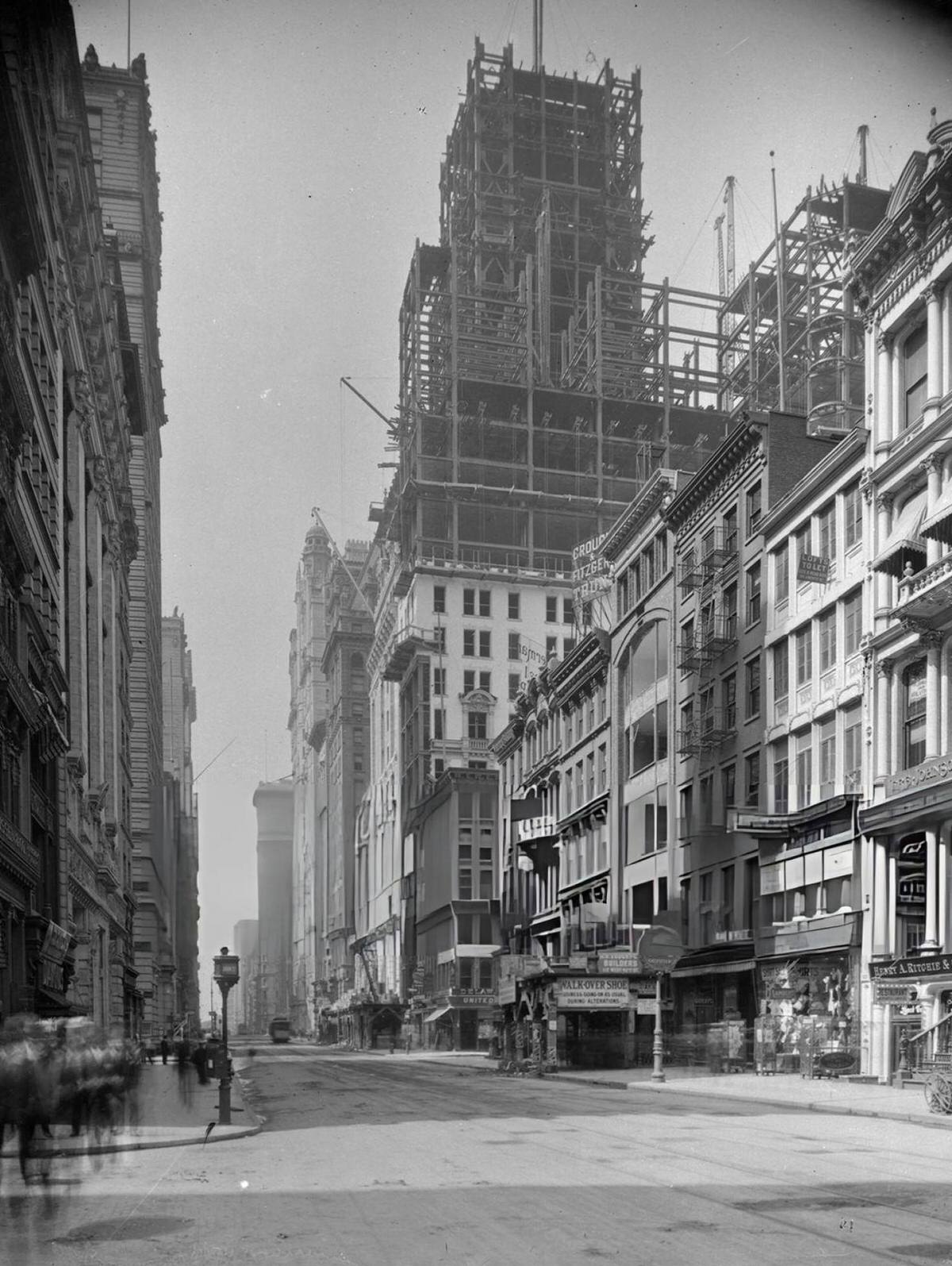
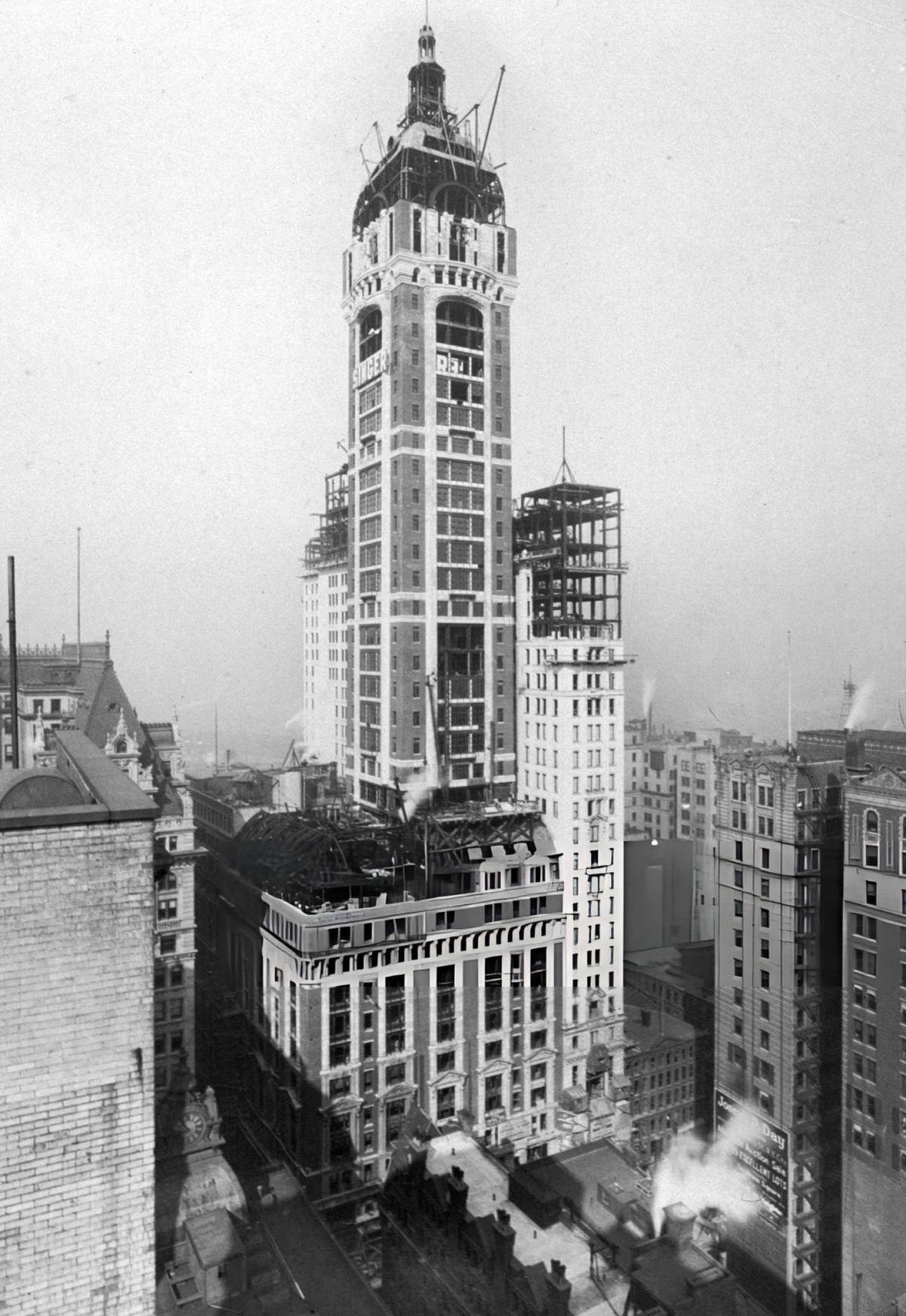
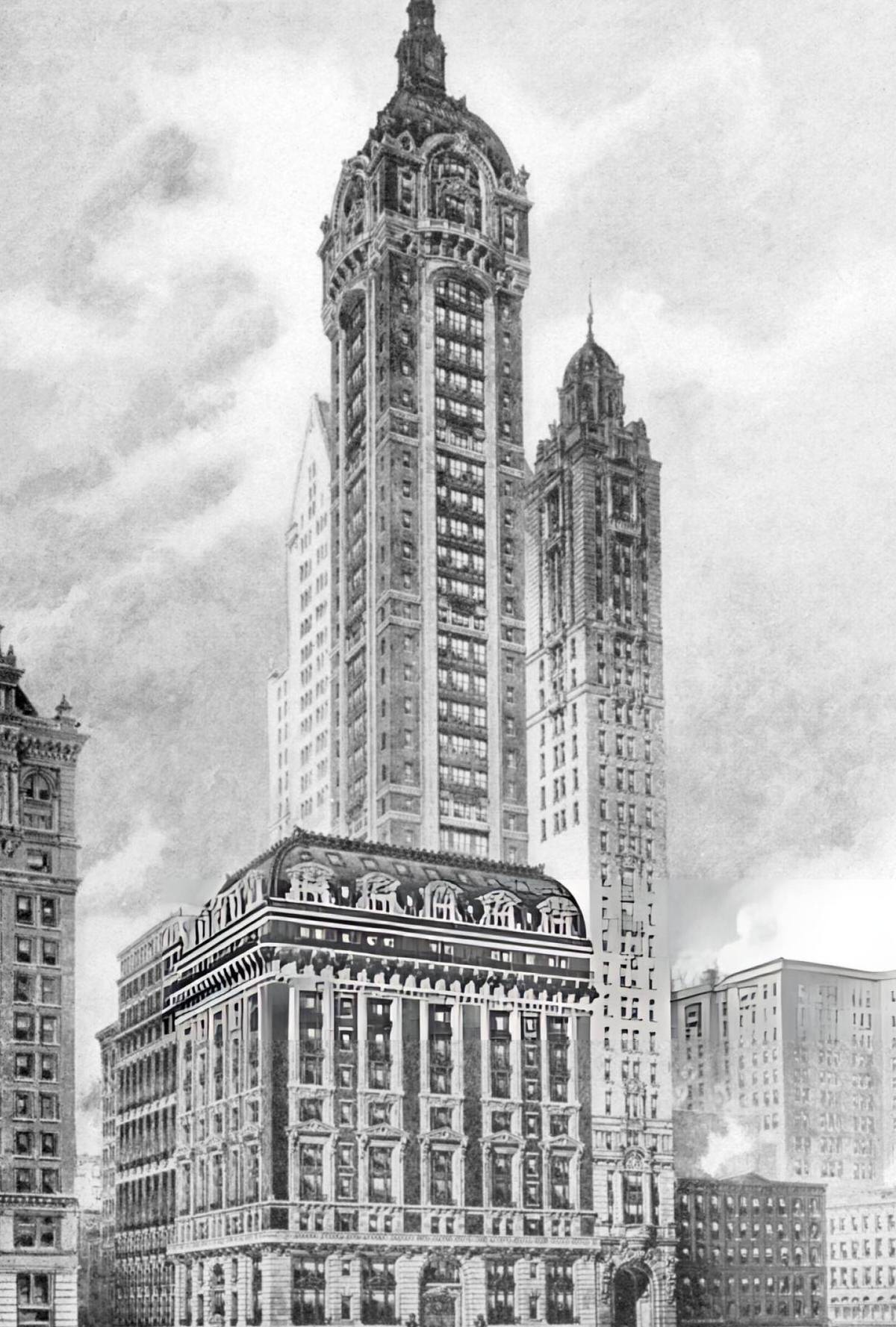
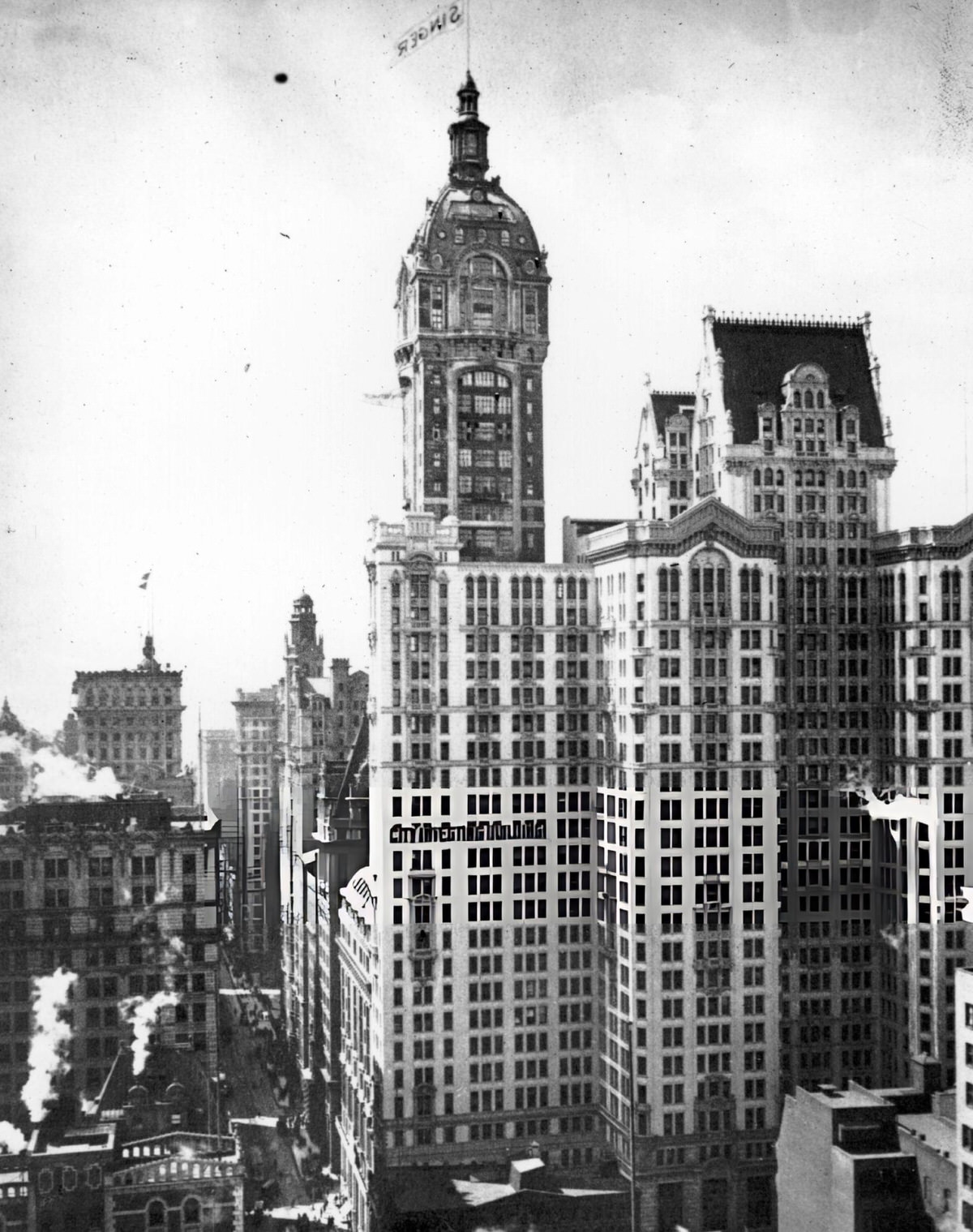
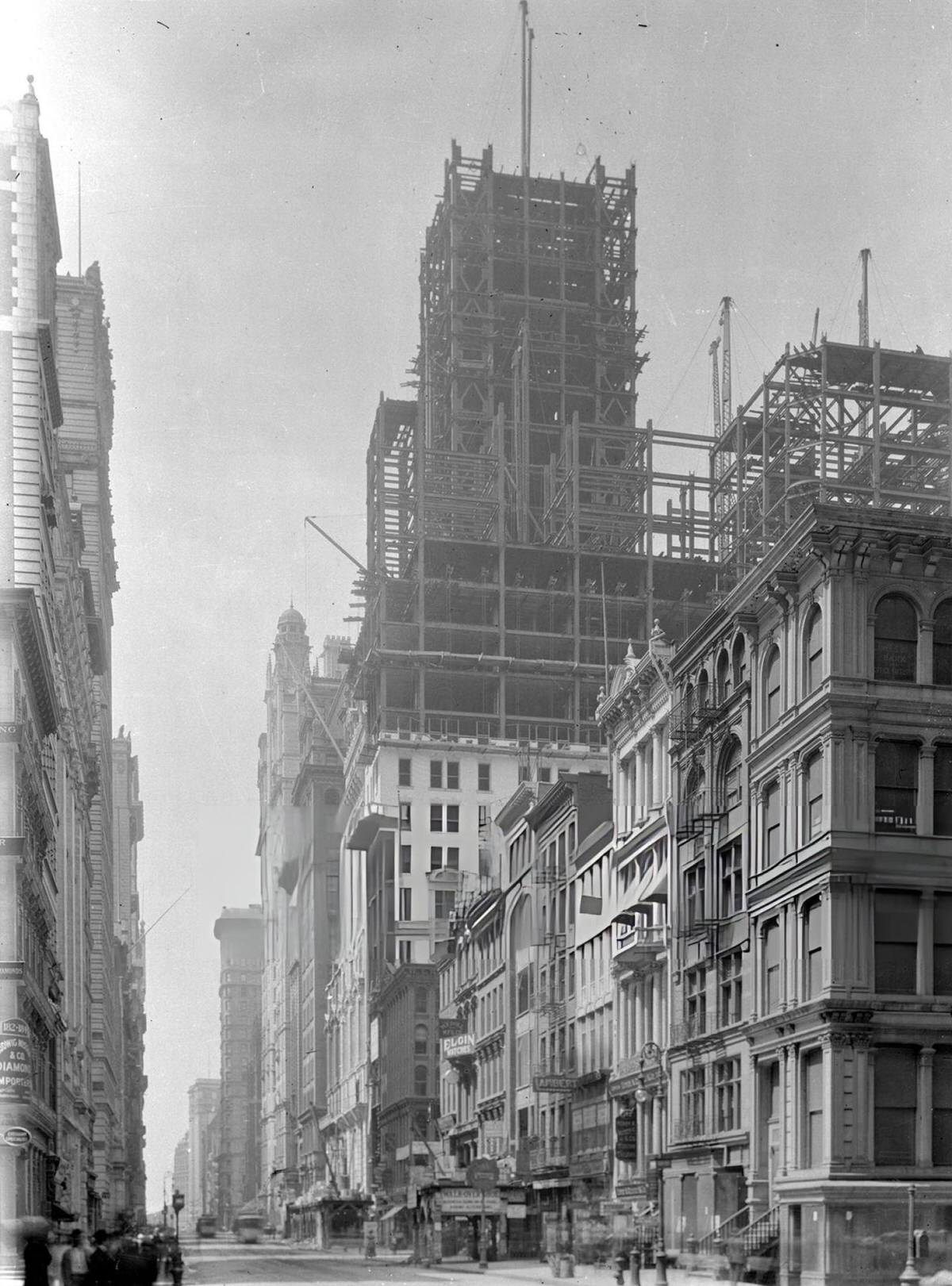
The Singer Building stood at the corner of Liberty Street and Broadway in Lower Manhattan. Completed in 1908, it served as the headquarters for the Singer Sewing Machine Company. At 612 feet tall with 47 stories, it was the tallest building in the world upon its completion. The architect, Ernest Flagg, designed the tower with a very slender profile. A wide base supported a thin, square tower topped by a unique copper bulb and a flagpole.
Architectural Features and the Sky-High Office
The building was a masterpiece of the Beaux-Arts style. Its exterior featured red brick and limestone with large arched windows. Inside, the lobby looked like a cathedral. It had white Italian marble columns and bronze medallions showing the Singer logo. The ceiling of the main hall consisted of glass domes that let in natural light.
The tower portion of the building was only 65 feet square. This made the office floors very small compared to modern skyscrapers. Because the tower was so thin, the building required a massive steel frame to resist the wind coming off the New York harbor. Engineers used “wind bracing” to keep the structure from swaying. This high-quality construction made it a landmark of the city skyline for sixty years.
Decision to Demolish
By the mid-1960s, the Singer Building faced a major problem. Its small floor sizes were no longer practical for large modern companies. Each floor in the tower only offered about 4,000 square feet of usable space. Modern businesses needed much larger, open areas for their desks and equipment. The elevators were also outdated and could not handle the volume of people working in a busy financial district.
Read more
United States Steel purchased the property with the intent to build a much larger skyscraper. The new building, which became One Liberty Plaza, would offer 37,000 square feet of space on every floor. To make room for the new giant, the Singer Building had to be removed. In 1967, the demolition process began. It remains the tallest building ever to be peacefully and intentionally dismantled by its owners.
The Reverse Construction Process
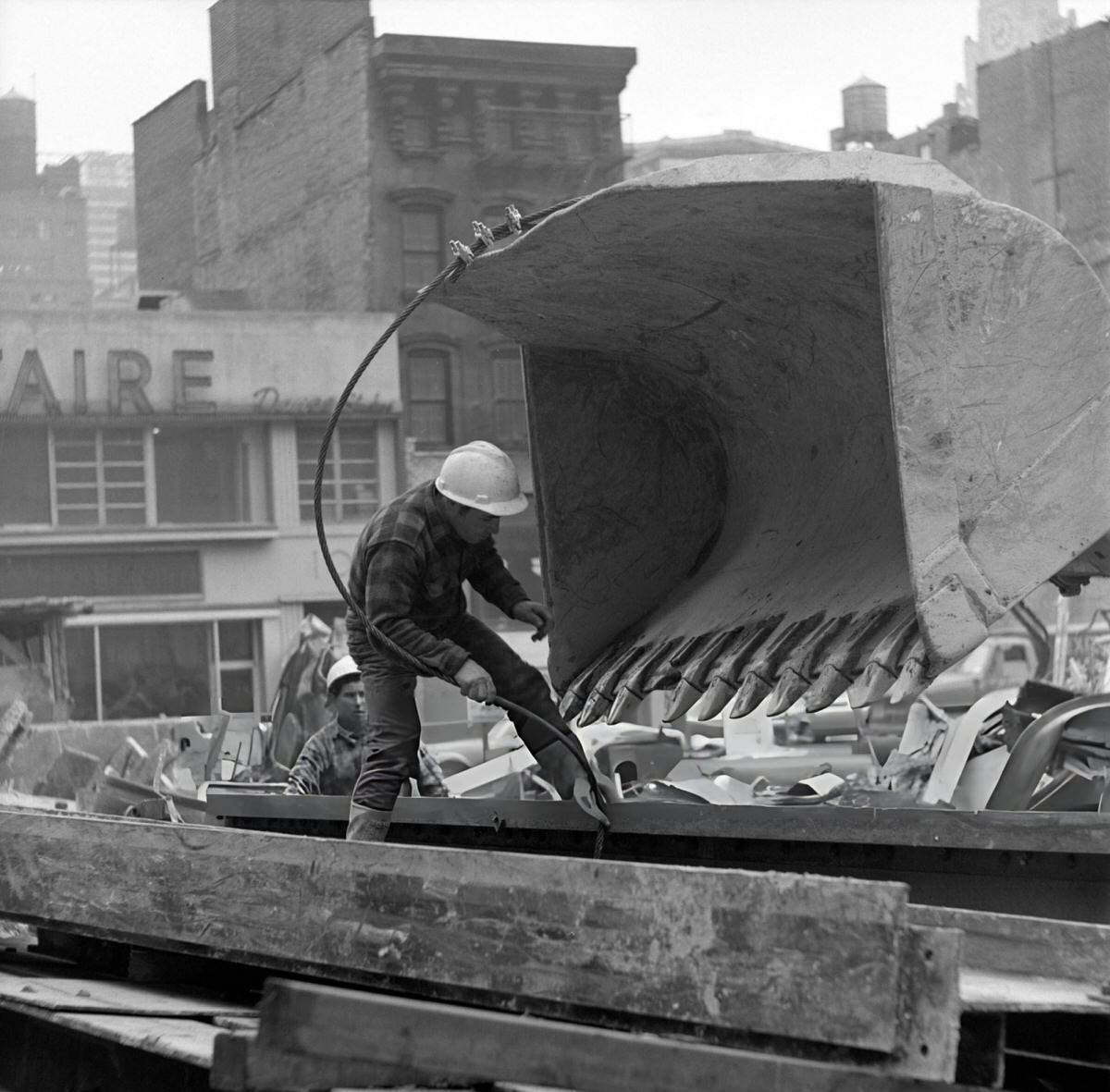
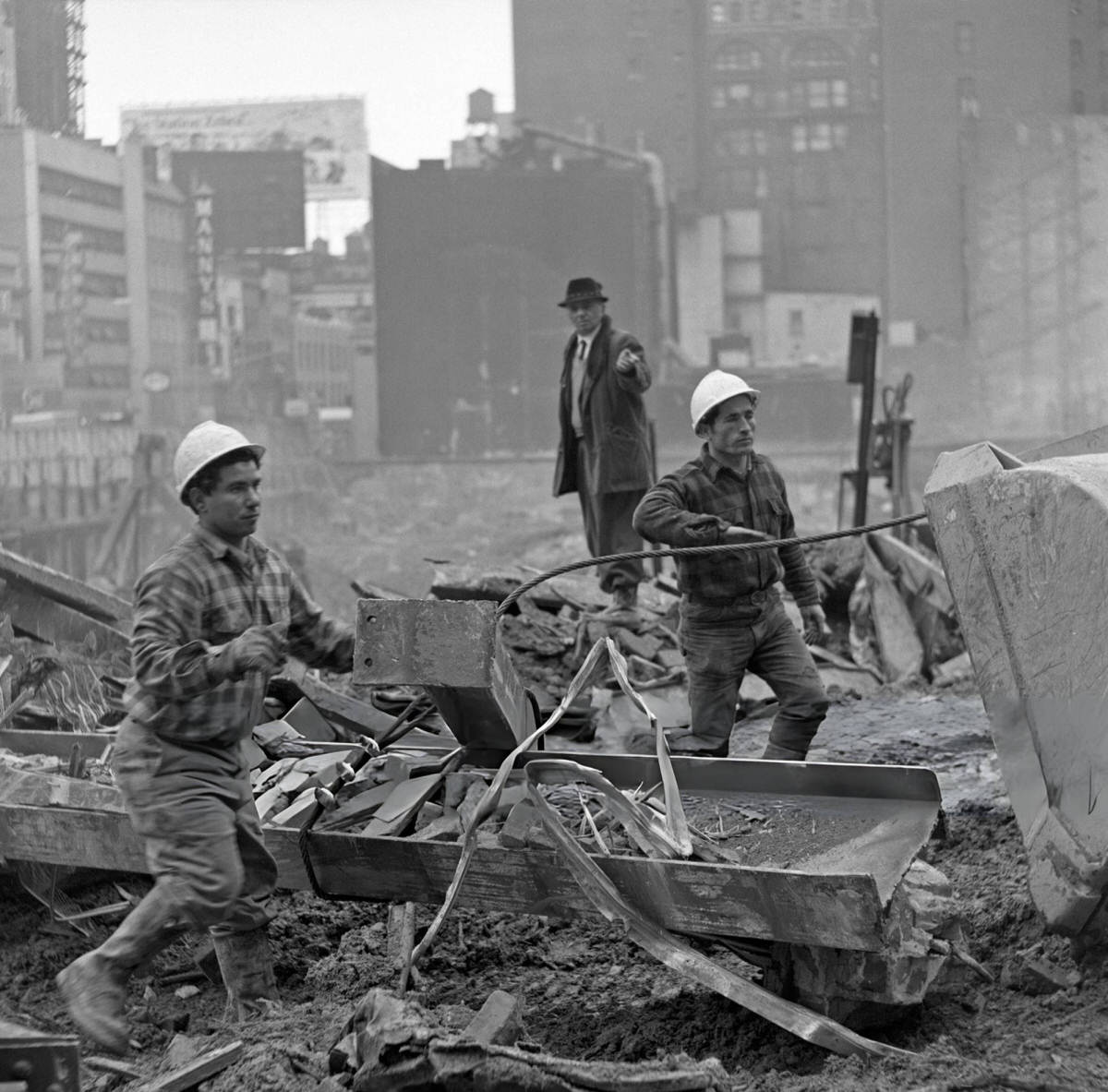
Demolishing a 600-foot tower in the middle of a crowded city was an engineering challenge. Workers could not use explosives or wrecking balls because the debris would hit neighboring buildings or people on the sidewalk. Instead, they had to take the building apart in the exact opposite order it was built. This “piece-by-piece” method ensured the safety of the busy Manhattan streets below.
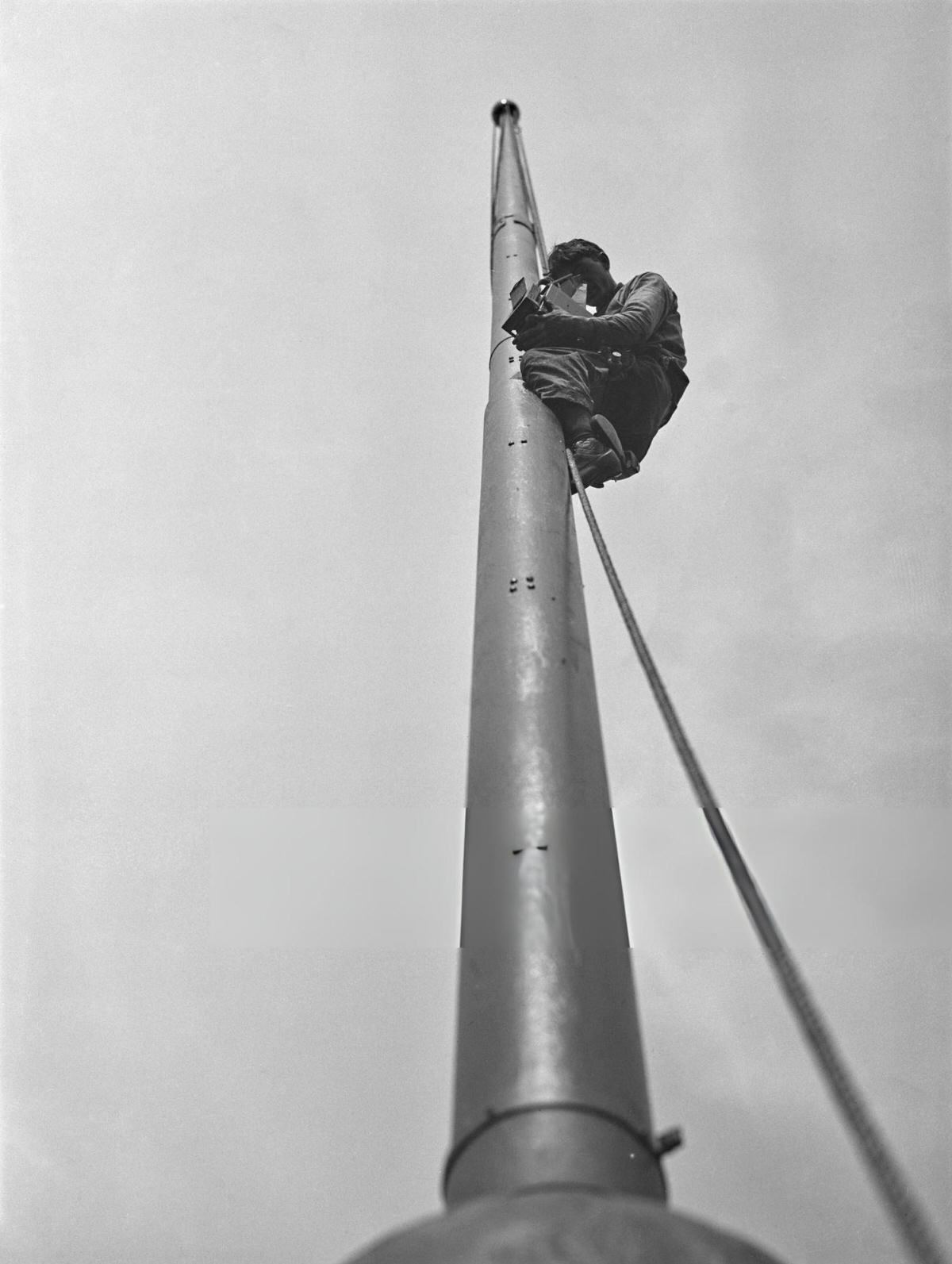
The process started at the very top. Workers climbed onto the copper dome and removed the metal sheets by hand. Next, they used torches to cut through the steel beams of the lantern and the flagpole. They dropped the smaller debris down the elevator shafts, which acted as giant trash chutes. Large steel girders were lowered carefully by cranes to the street level during the night when traffic was light.
Interior Stripping and Salvage
Before the walls came down, crews moved through the interior to strip the building of its valuable materials. They removed miles of copper wiring and lead pipes. The marble from the lobby was chipped away, and the bronze fixtures were sold for scrap or to collectors. Many of the ornate doorknobs and light fixtures ended up in private collections.
The windows were removed one by one to prevent glass from falling into the wind. Workers stood on wooden scaffolding that was moved down the building as each floor disappeared. By 1968, the slender tower that had once defined the New York skyline was gone. The heavy stone base was the last part to be removed, leaving a flat dirt lot where the world’s tallest building had once stood.
The Engineering Toll
The demolition required a crew of over 100 men working year-round. They faced freezing winds at the top of the tower during the winter of 1967. Because the building was so sturdy, the steel was difficult to cut. The rivets that held the beams together were made of hardened steel and had to be popped out with pneumatic hammers.
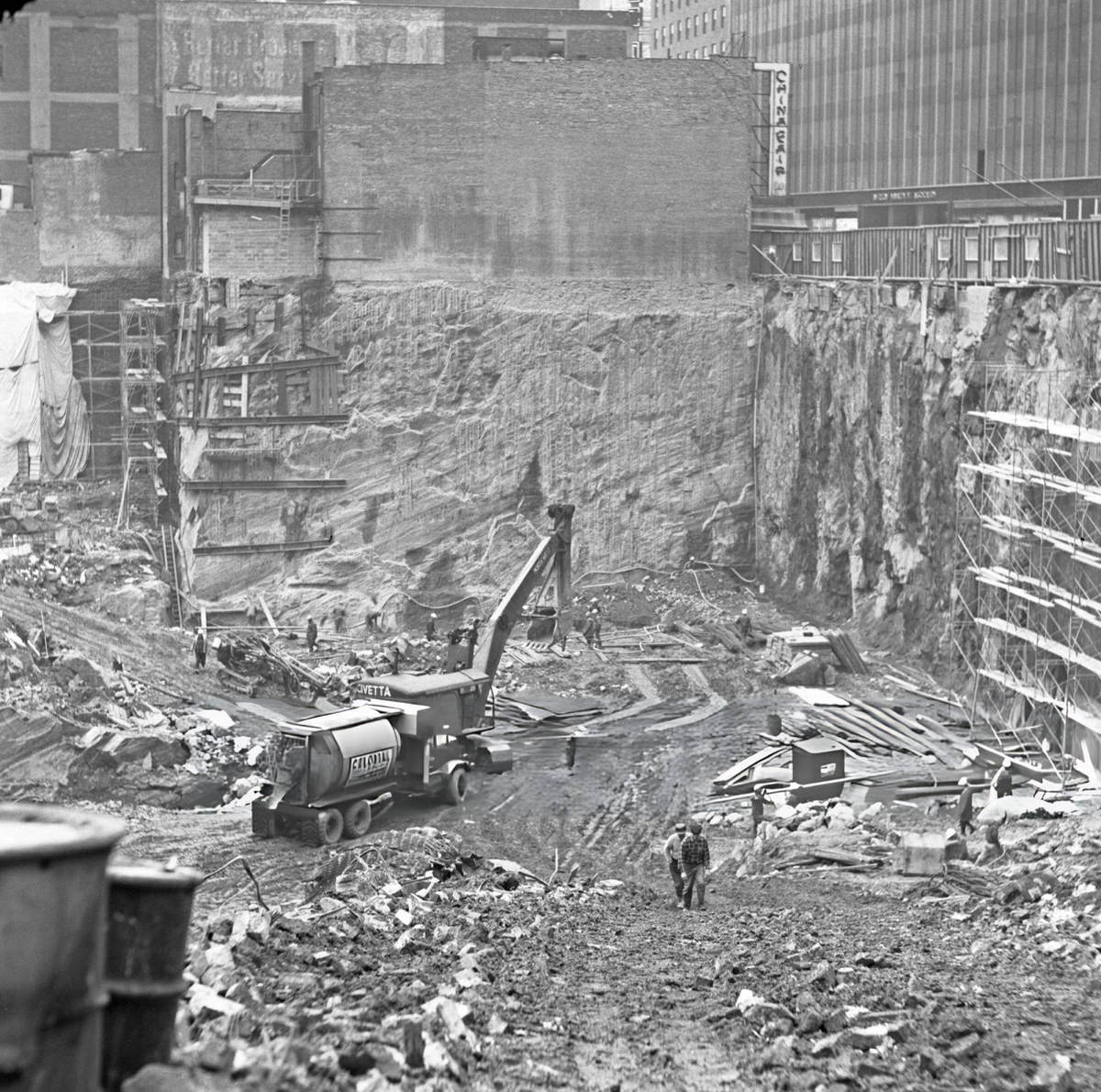
As the building shrank, the neighborhood changed. The dust from the mortar and bricks was a constant presence for nearby office workers. Scaffolding covered the sidewalk for over a year to protect pedestrians. When the final foundation stones were pulled from the ground, the site was prepared for the massive steel pilings of the new One Liberty Plaza. The removal of the Singer Building proved that even the most famous skyscrapers are temporary if their floor plans become obsolete.

GIPHY App Key not set. Please check settings
One Comment