

 Adriana Palmer
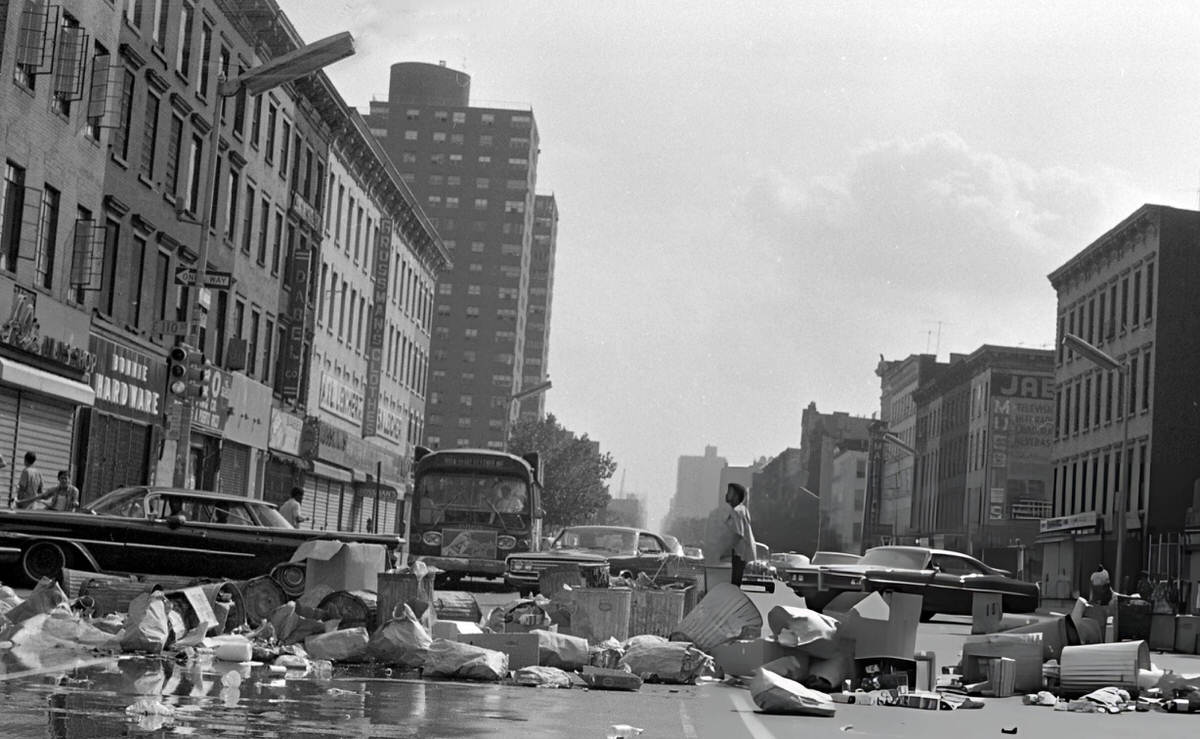
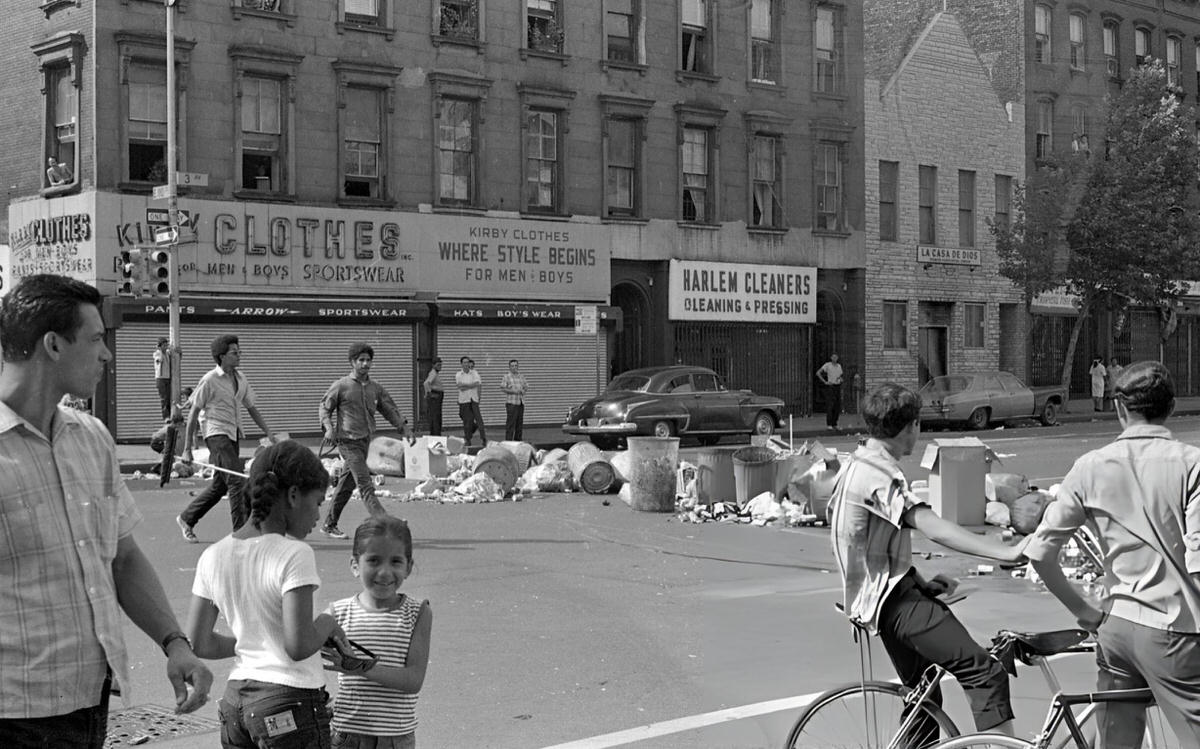
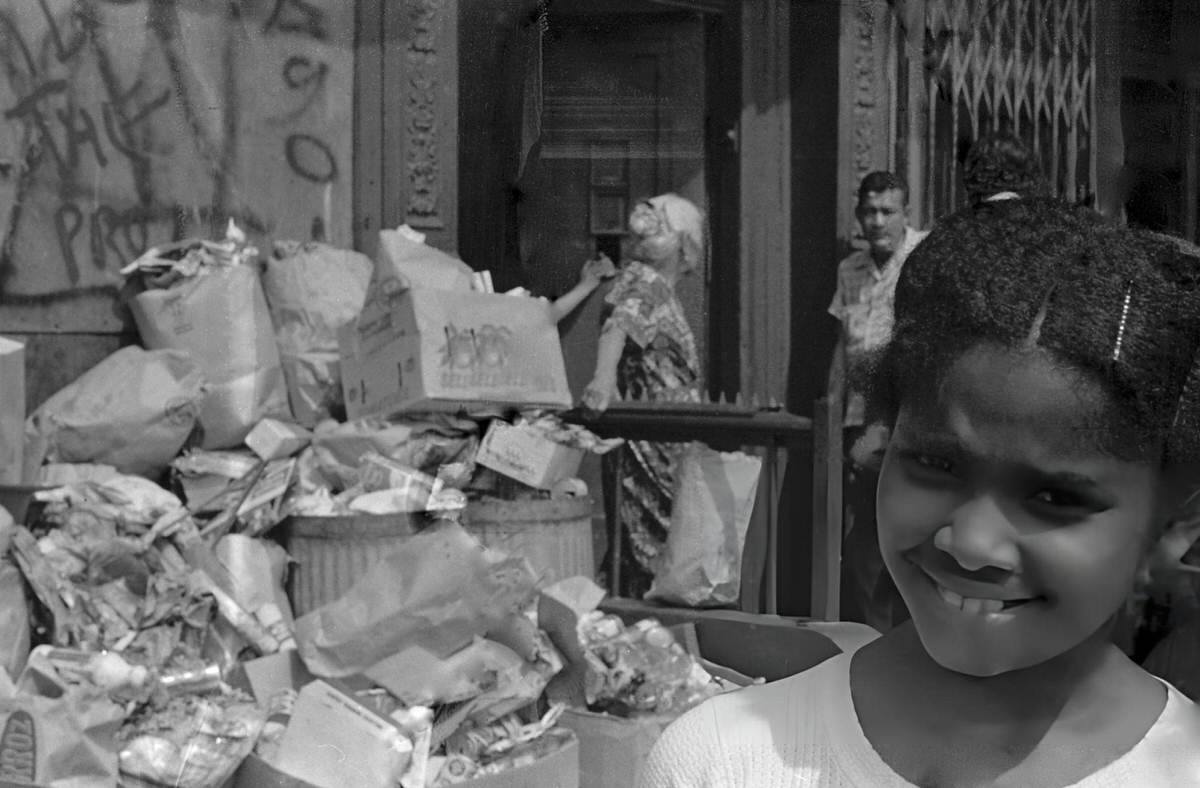
In the summer of 1969, the streets of East Harlem, known as El Barrio, were overflowing with uncollected trash. The New York City Department of Sanitation rarely sent trucks to the neighborhood, while wealthier areas downtown received daily service. Rotting food and paper waste piled up on the sidewalks, attracting rats and creating a severe health hazard for the residents. A newly formed group called the Young Lords Organization decided to take direct action to force the city to clean the neighborhood.
The Beginning of the Cleanup
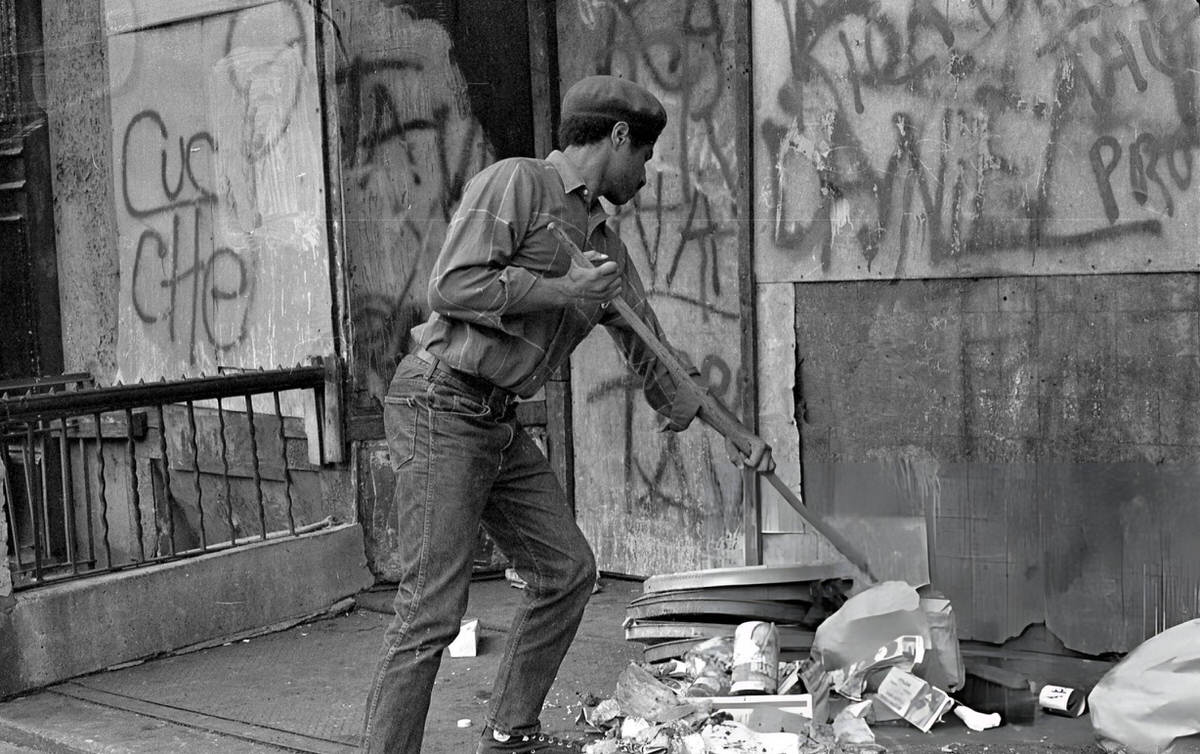
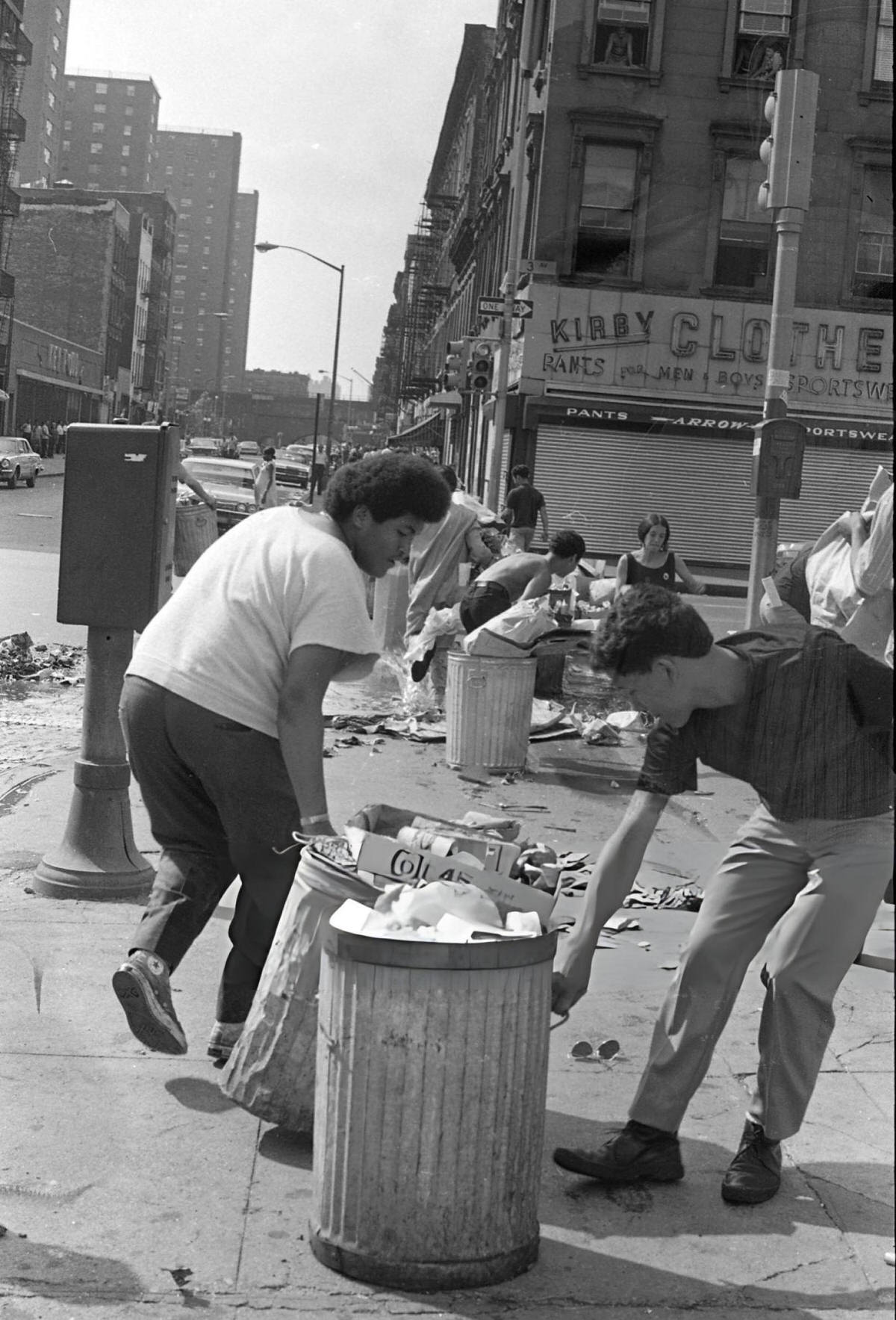
The Young Lords began by asking residents what their biggest concerns were. The answer was consistently the garbage. On several Sunday mornings in July, the group borrowed brooms from local shopkeepers and began sweeping the gutters themselves. They wore their signature berets and military-style jackets to show they were a disciplined organization. They piled the trash into neat heaps at the corners, expecting the sanitation trucks to pick it up on Monday morning.
The city government ignored these efforts. The trucks drove past the piles or skipped the blocks entirely. The Young Lords realized that simply being helpful was not enough to get the city’s attention. They decided to change their strategy from cleaning to a “Garbage Offensive.”
Read more
Creating the Barricades
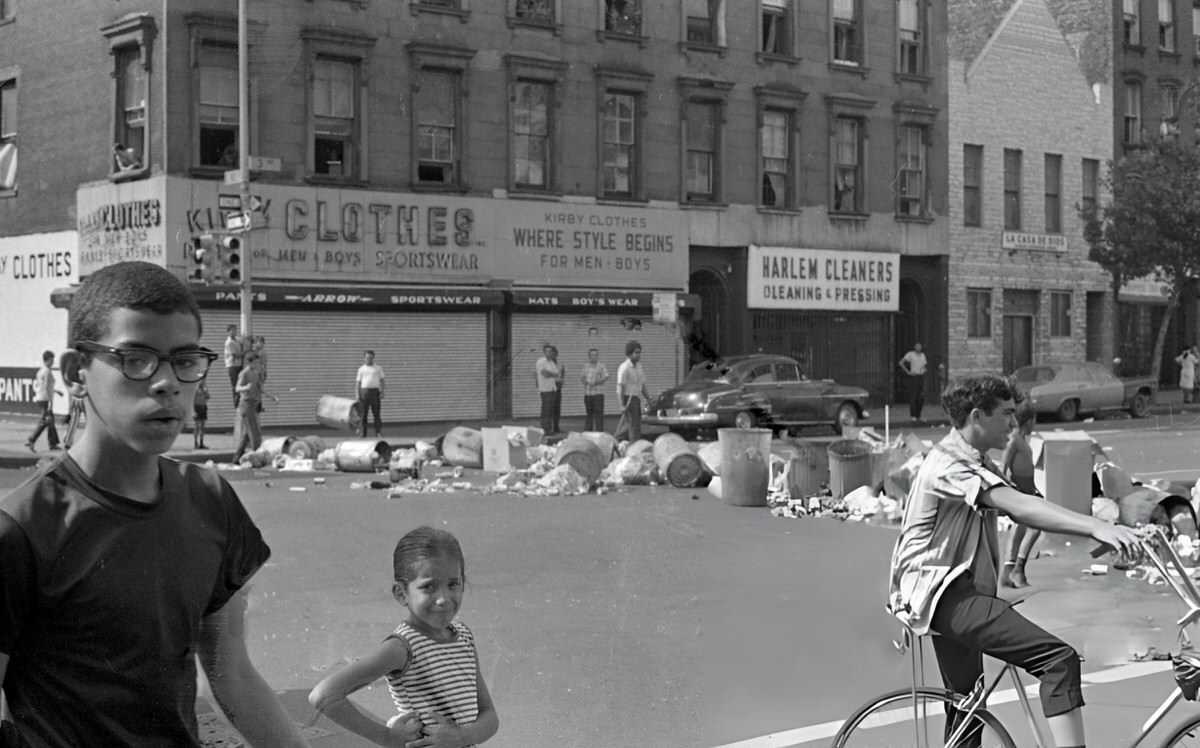
On July 27, 1969, the Young Lords and local residents moved the massive piles of trash into the middle of the intersection at 110th Street and Third Avenue. They used discarded furniture, broken crates, and stinking bags of refuse to build a wall across the road. This blocked all traffic on one of the busiest streets in the Bronx-Manhattan corridor.
The protesters did not just leave the trash there. They set the piles on fire to ensure the police and fire departments would have to respond. The thick, black smoke rose between the tenement buildings, and the smell of burning garbage filled the air for blocks. Similar barricades appeared at 111th, 112th, and 116th Streets. The neighborhood was effectively closed to outside vehicles.
Confrontation with Authorities
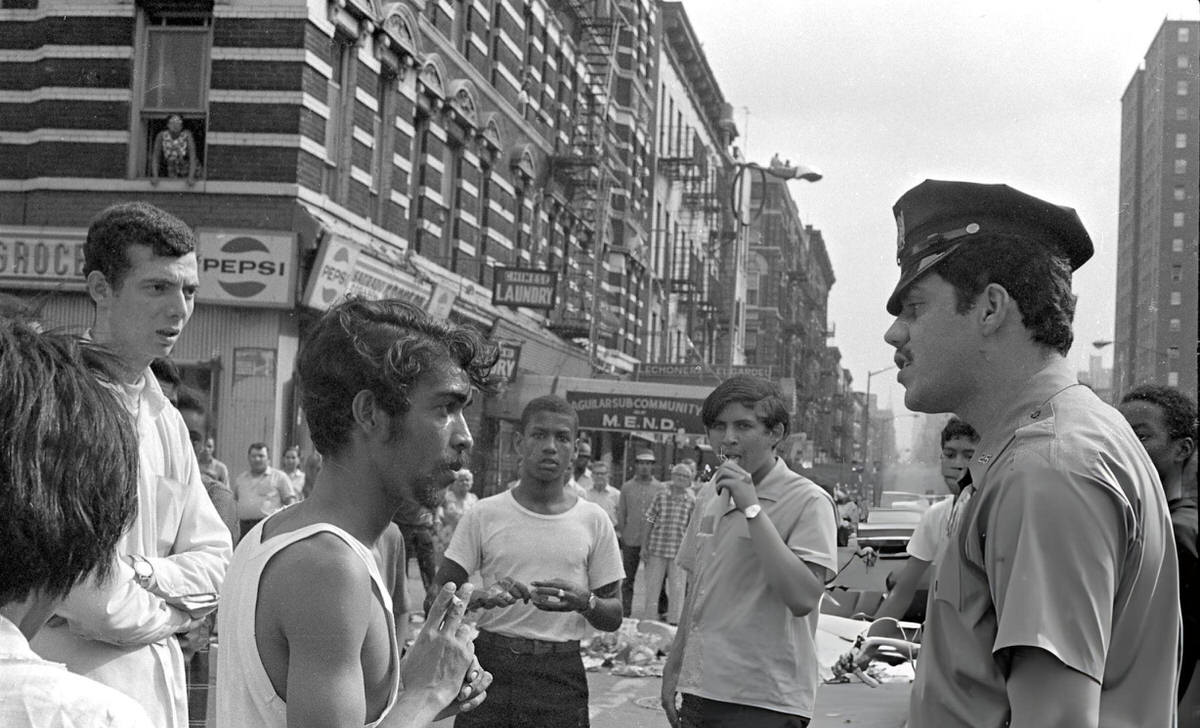
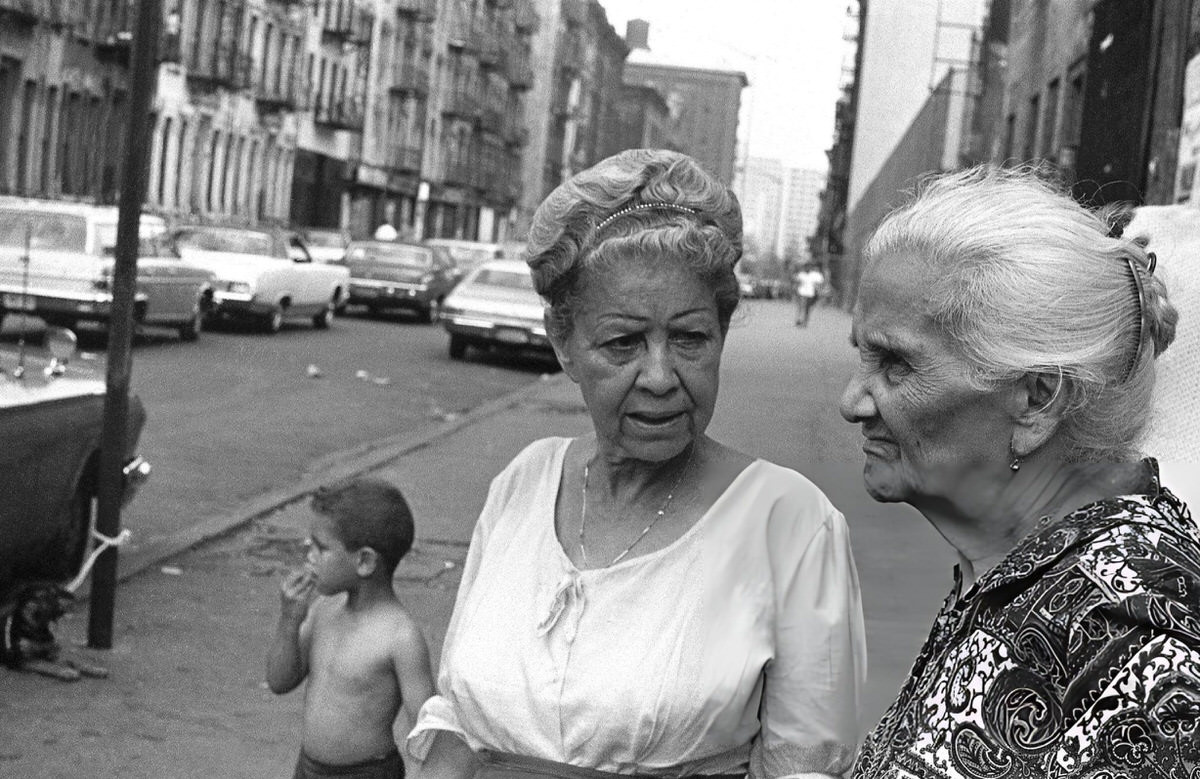
The New York City Police Department arrived in riot gear to clear the streets. Officers moved in with batons to push the protesters back onto the sidewalks. The Young Lords stood their ground, supported by grandmothers and children who lived in the nearby buildings. Residents threw eggs and water from their windows at the officers below.
The Young Lords used the moment to distribute leaflets and speak through bullhorns. They explained that the fire and the blocked streets were the only way to make the mayor’s office see the conditions in El Barrio. They demanded more frequent trash pickups and the hiring of more Puerto Rican workers in the sanitation department. These demands were specific and focused on the immediate physical needs of the community.
Escalation and Media Attention
The Garbage Offensive lasted for several weeks. Every time the city cleared a street, the Young Lords and the neighbors rebuilt the barricades a few blocks away. Television news crews began filming the burning piles and interviewing the young activists. This media coverage brought the neglected state of East Harlem to the attention of people living in the suburbs and other boroughs.
City officials were embarrassed by the images of the “filth” in the streets. Mayor John Lindsay was in the middle of a re-election campaign and could not afford the bad publicity. The Department of Sanitation eventually changed its schedule. More trucks began entering El Barrio, and the city provided more trash cans for the corners. The Young Lords proved that by creating a public nuisance, a neglected neighborhood could force the government to provide basic services.

GIPHY App Key not set. Please check settings