

 Adriana Palmer
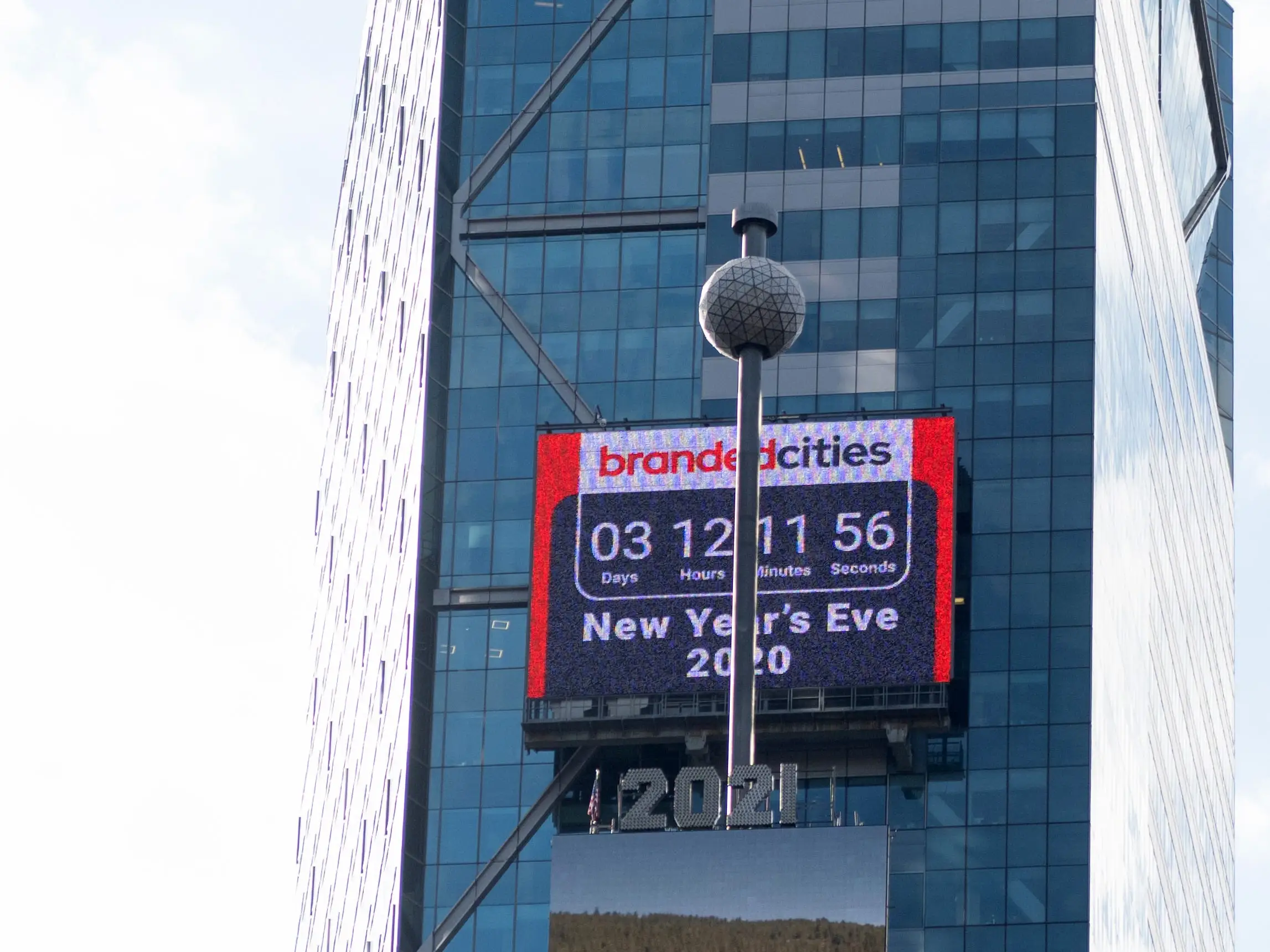
Every year on December 31, a glowing ball slides down a pole at One Times Square in New York City. As the clock strikes midnight, the new year begins. This tradition started in 1907 and has continued for more than a century.
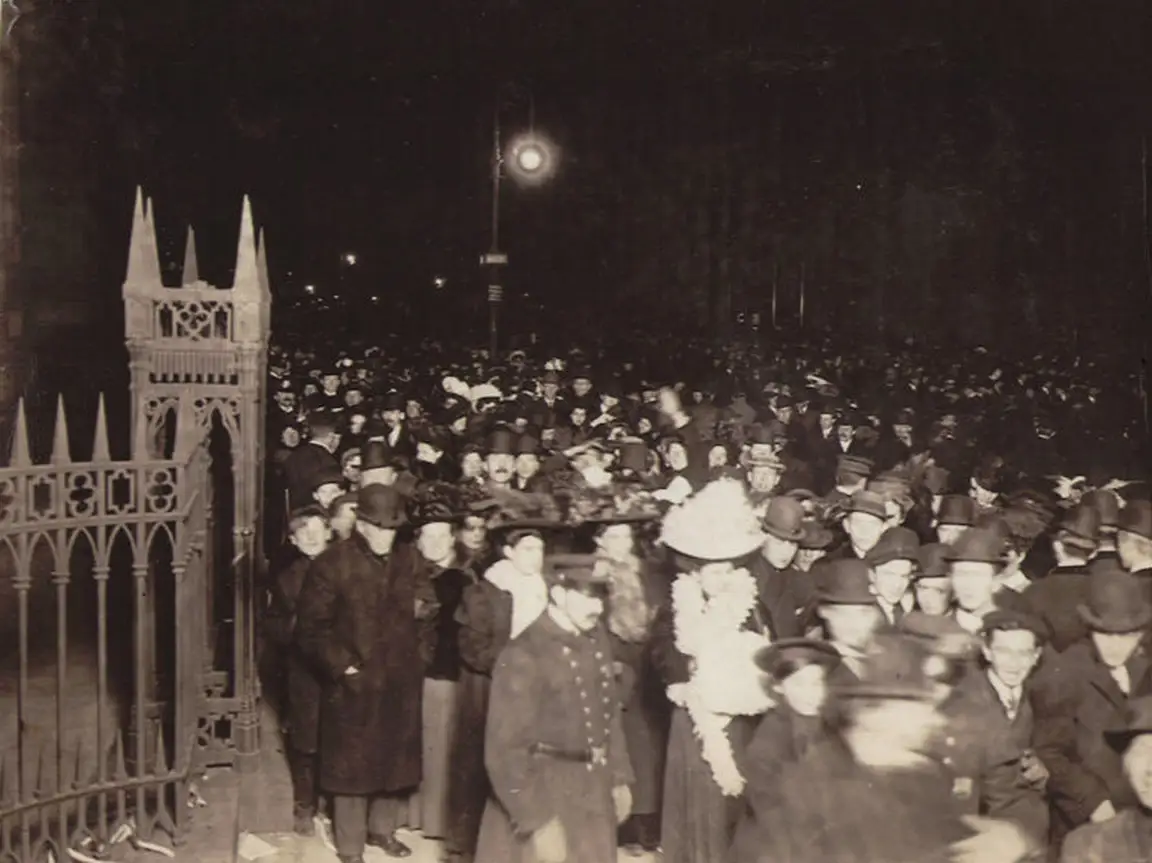
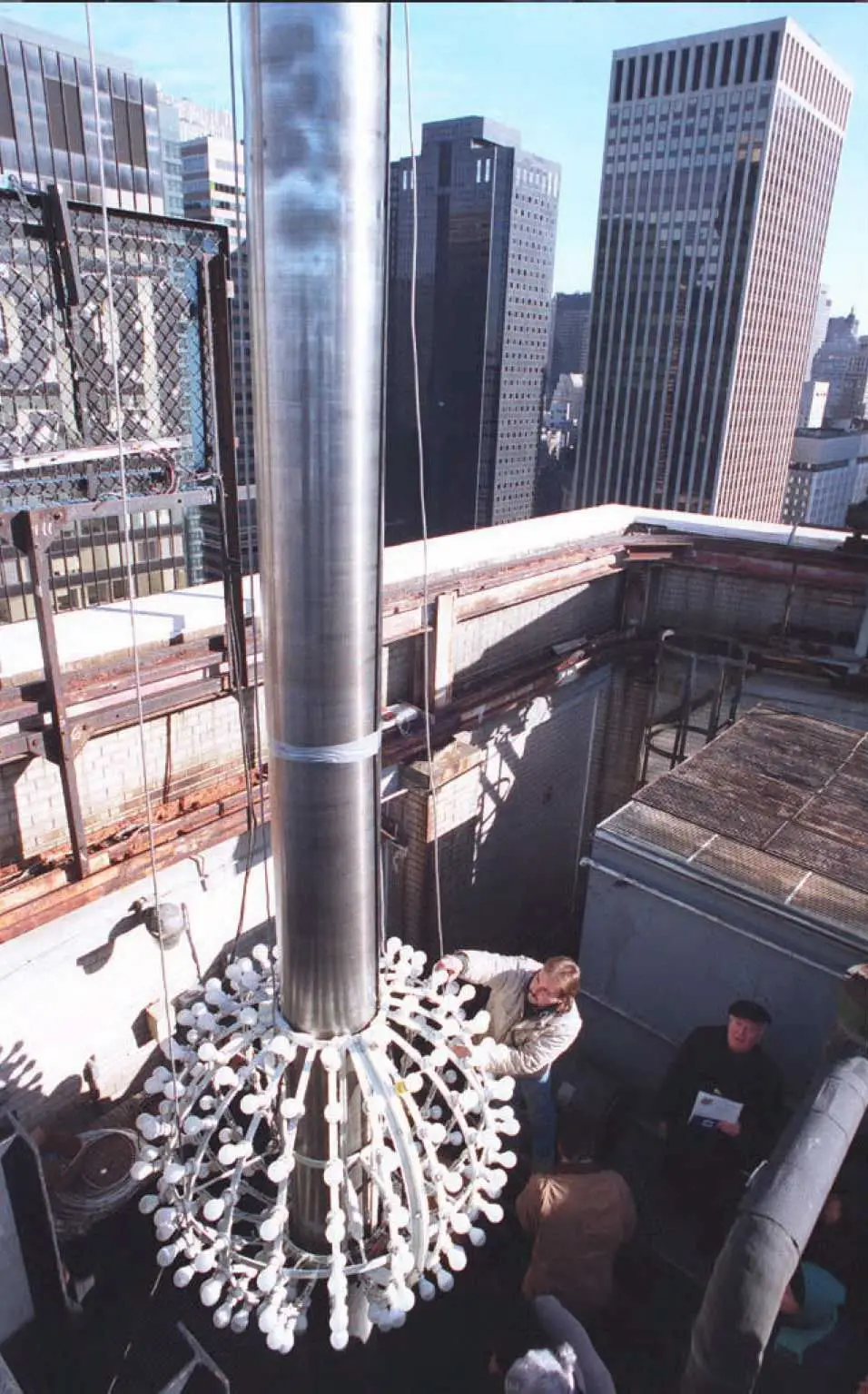
The first New Year’s Eve ball drop took place on December 31, 1907. At that time, six men lowered the ball by hand using ropes and a pulley system. The ball moved slowly down a flagpole on top of the building. When it reached the bottom at midnight, fireworks exploded, and the crowd cheered.
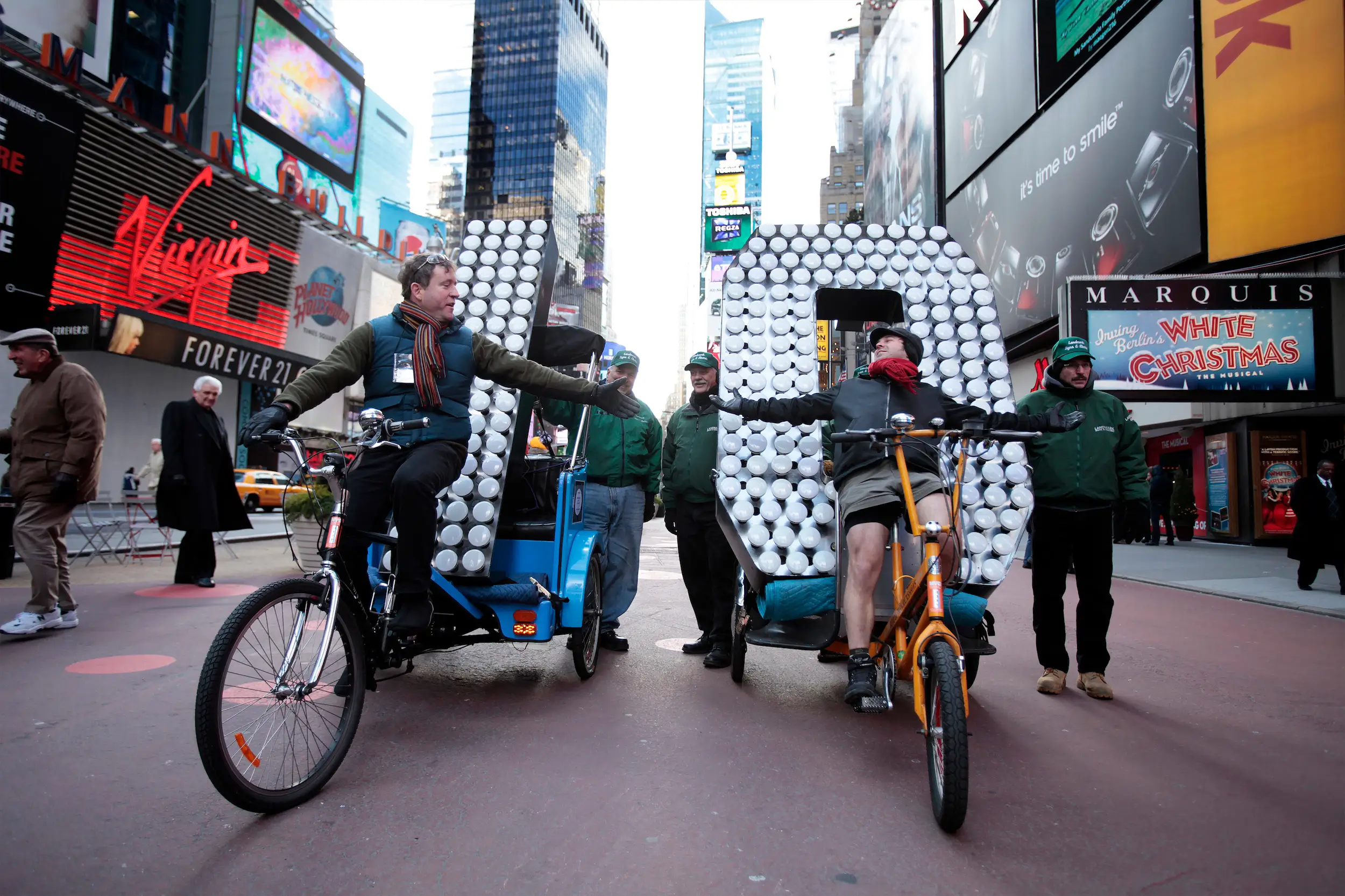
The early ball was made of iron and wood. It measured five feet across and weighed about 700 pounds. Electric light bulbs covered its surface, making it shine against the night sky. For the people gathered below, the bright ball became a clear signal that the new year had arrived.
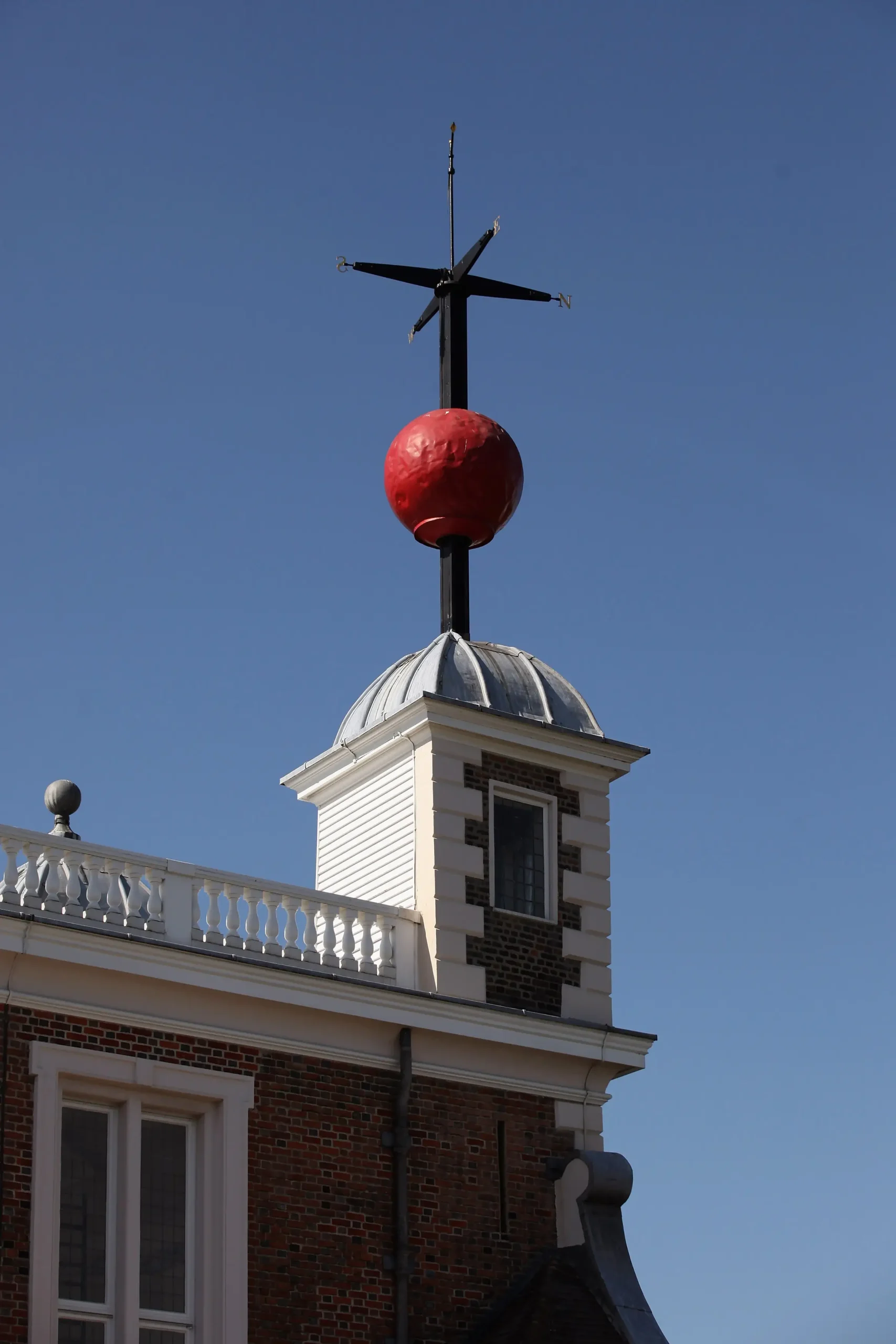
The idea of dropping a ball to mark time was not new in 1907. Time balls had been used since the 1800s to help people tell time accurately. The first one was installed in 1833 on the roof of Flamsteed House at the Royal Observatory, Greenwich in England. Every day at 1 p.m., the ball dropped so ship captains in the harbor could set their chronometers. People in the city also used it to set their watches.
When New York City adopted this idea for New Year’s Eve, it turned a practical tool into a celebration symbol. The ball drop soon became the center of a growing holiday gathering in Times Square.
Read more
Over the years, the ball changed many times. In 1920, the original iron and wood ball was replaced with a lighter one made entirely of iron. In 1955, an aluminum ball took its place. Aluminum made the ball easier to lift and lower. The design stayed simple, but the materials improved.
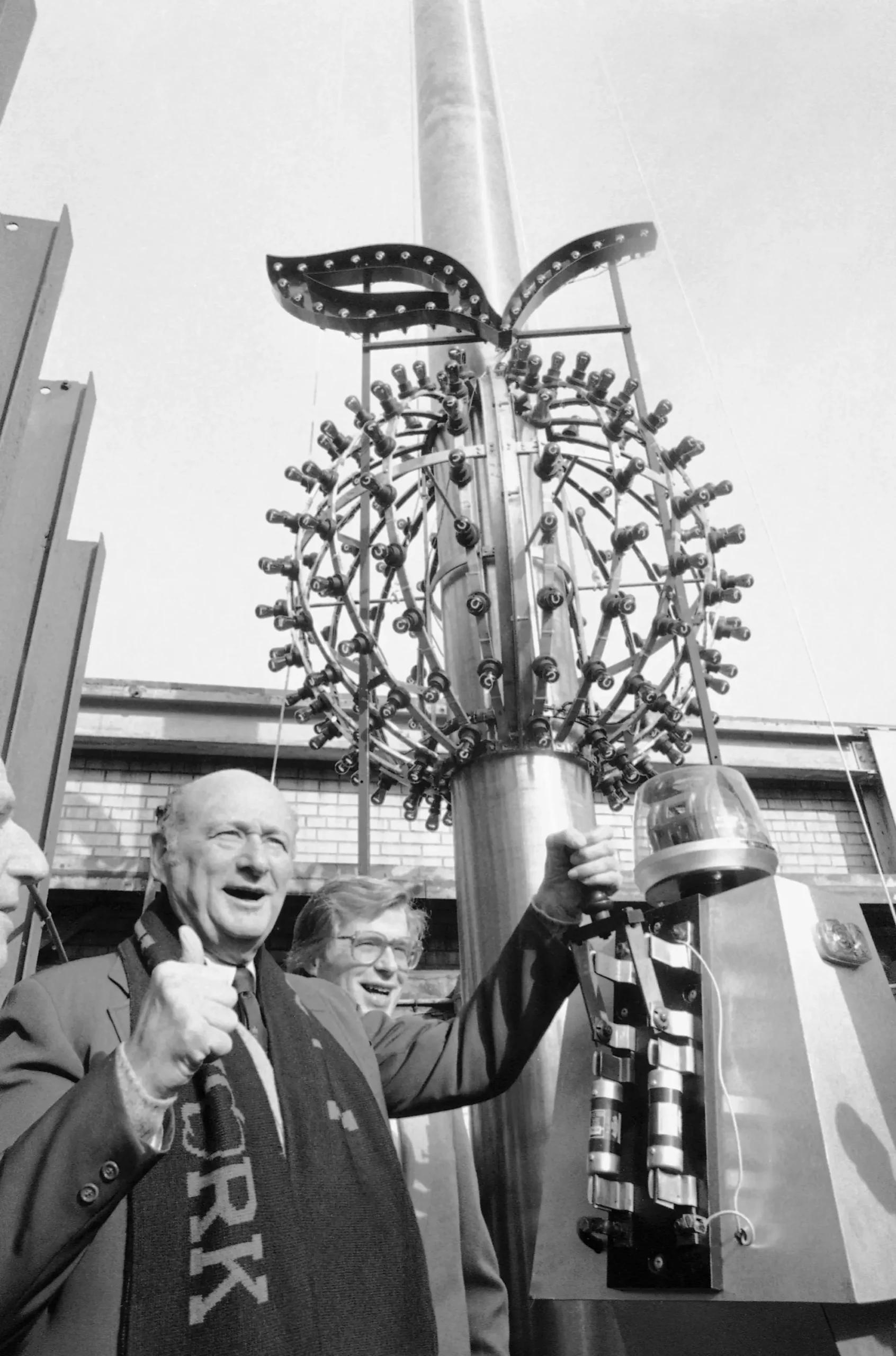
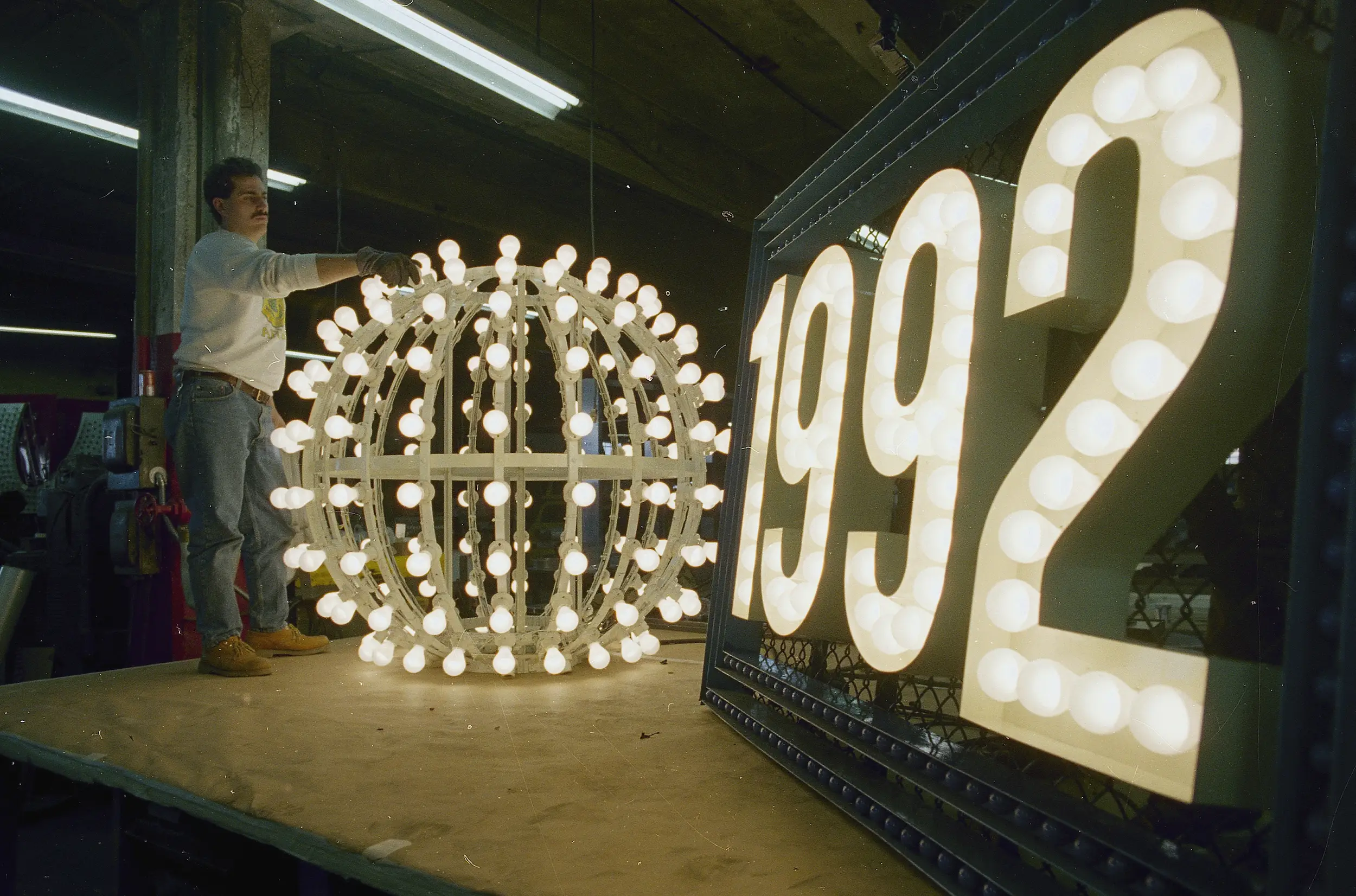
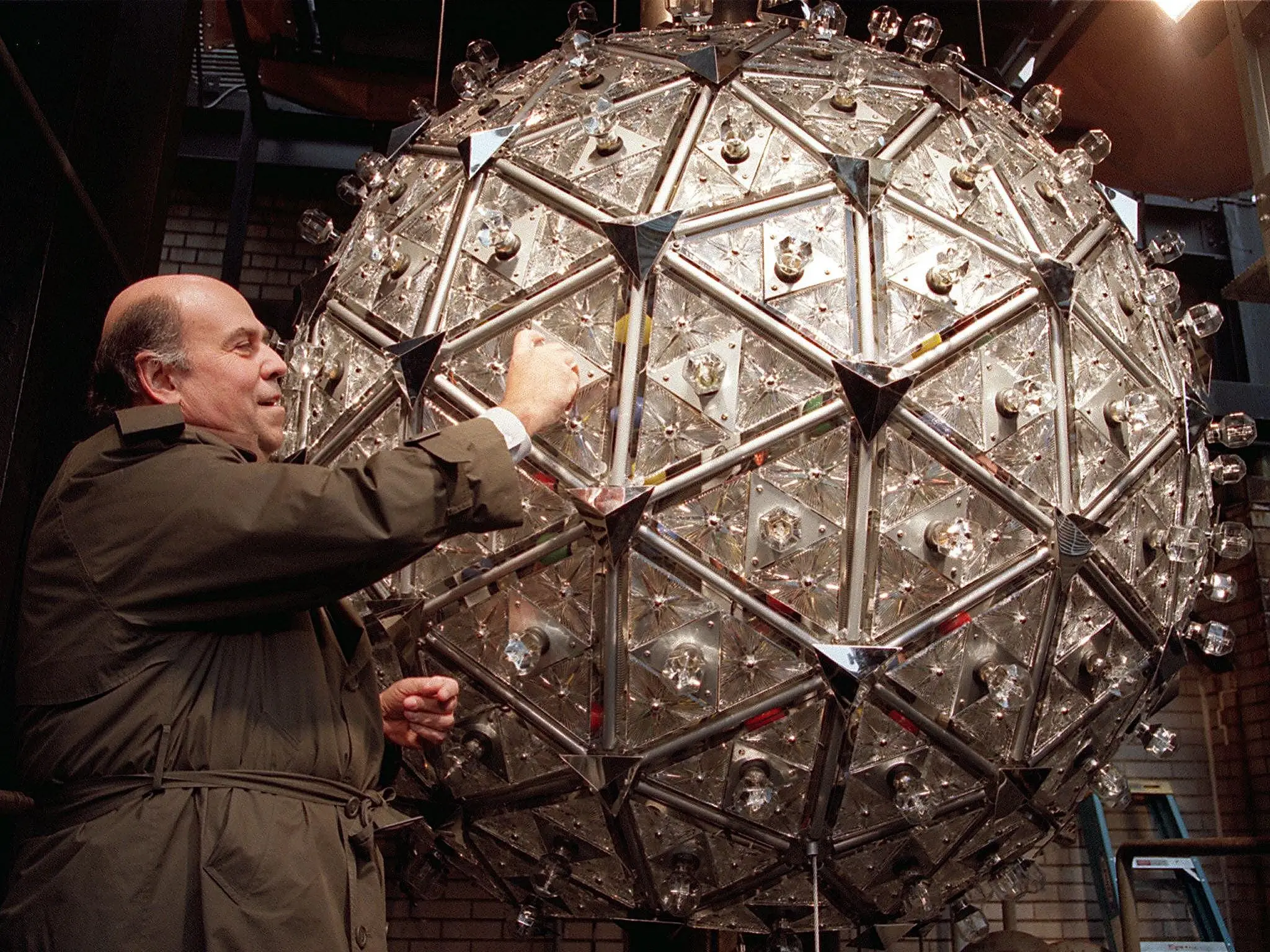
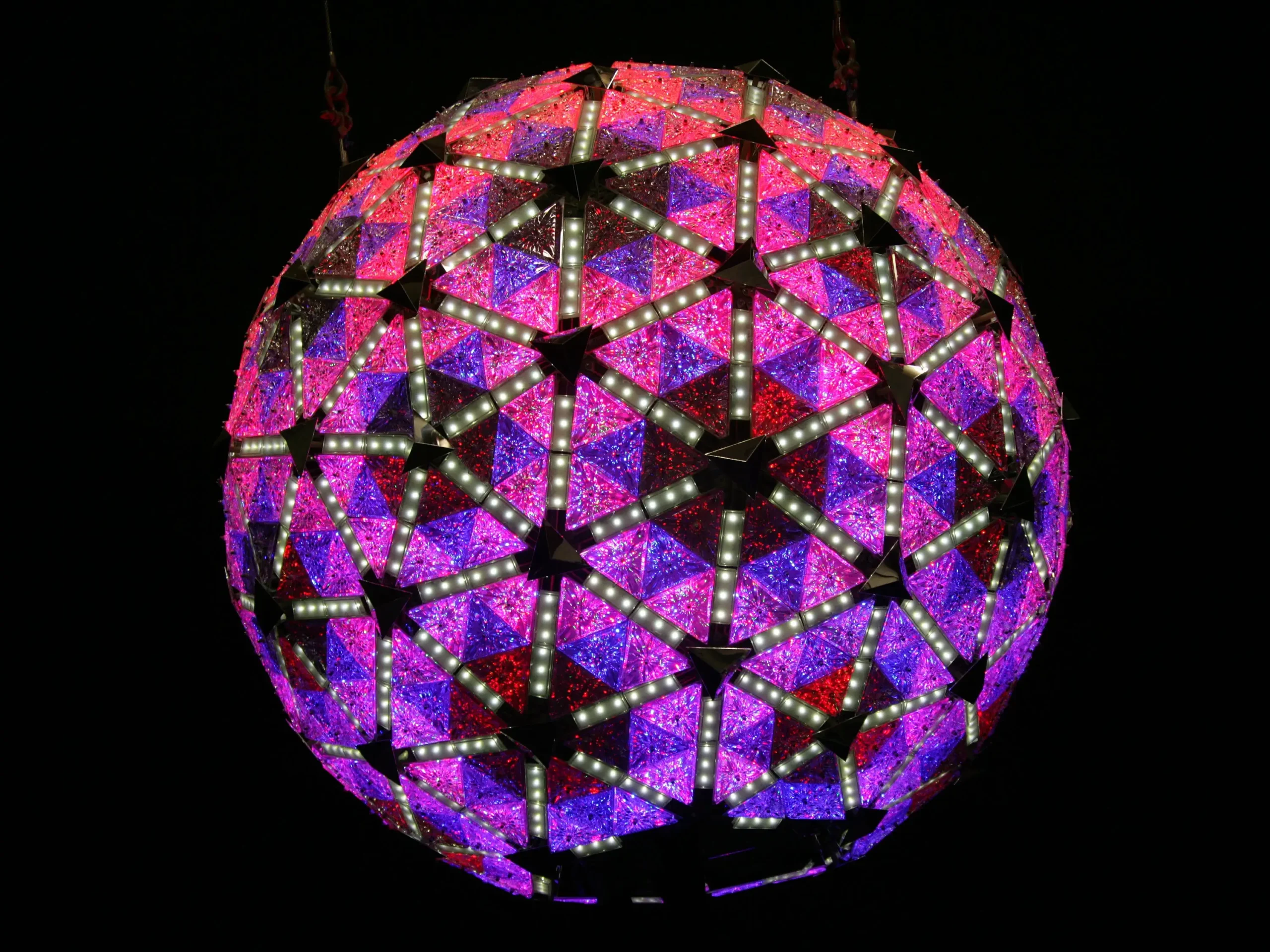
Technology shaped the next big changes. By the 1980s and 1990s, the ball featured halogen lights. In 1999, it was redesigned with crystal triangles and computer-controlled lighting for the new millennium. The ball grew brighter and more detailed. It could display patterns and colors that shifted throughout the night.
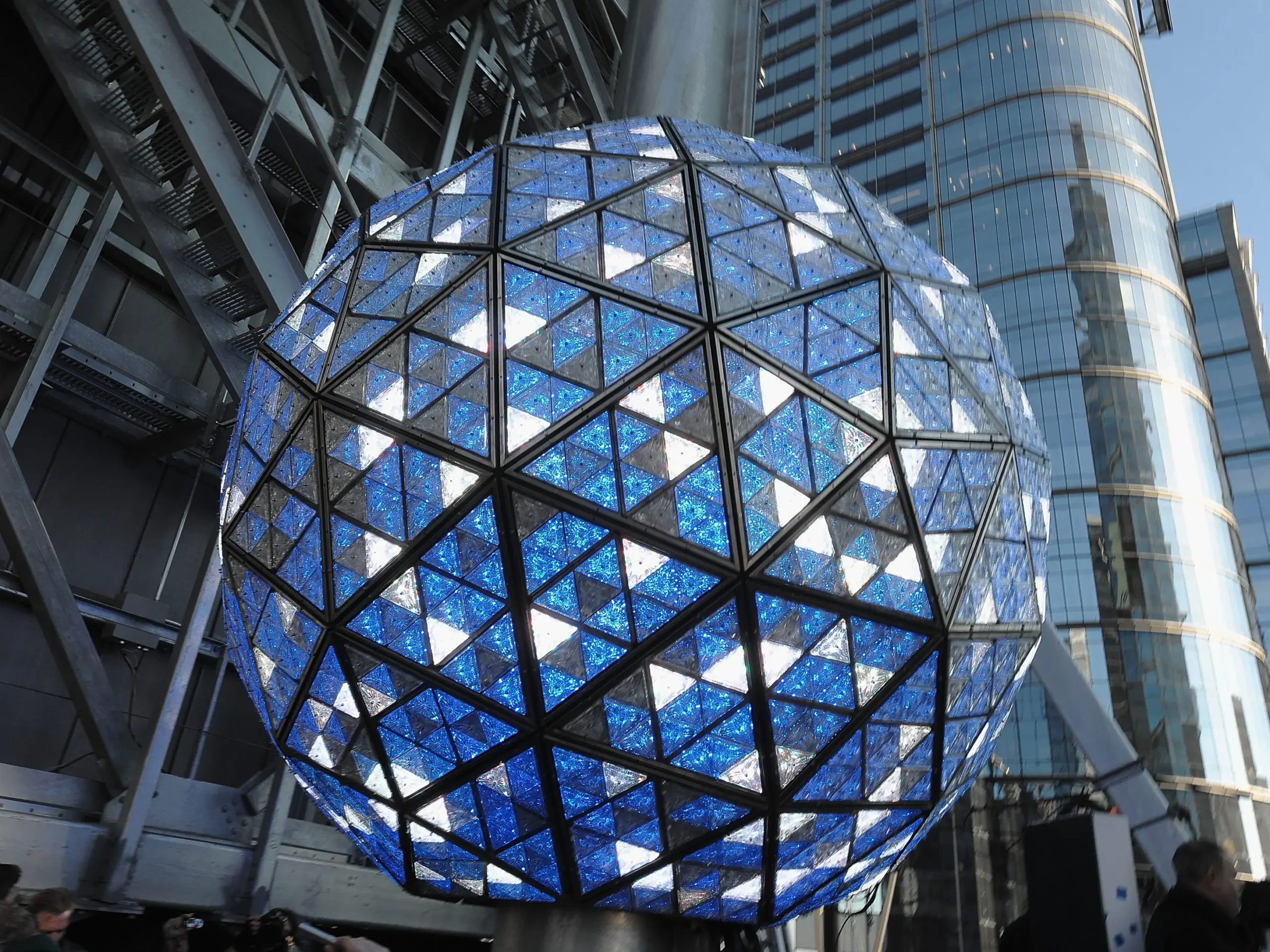
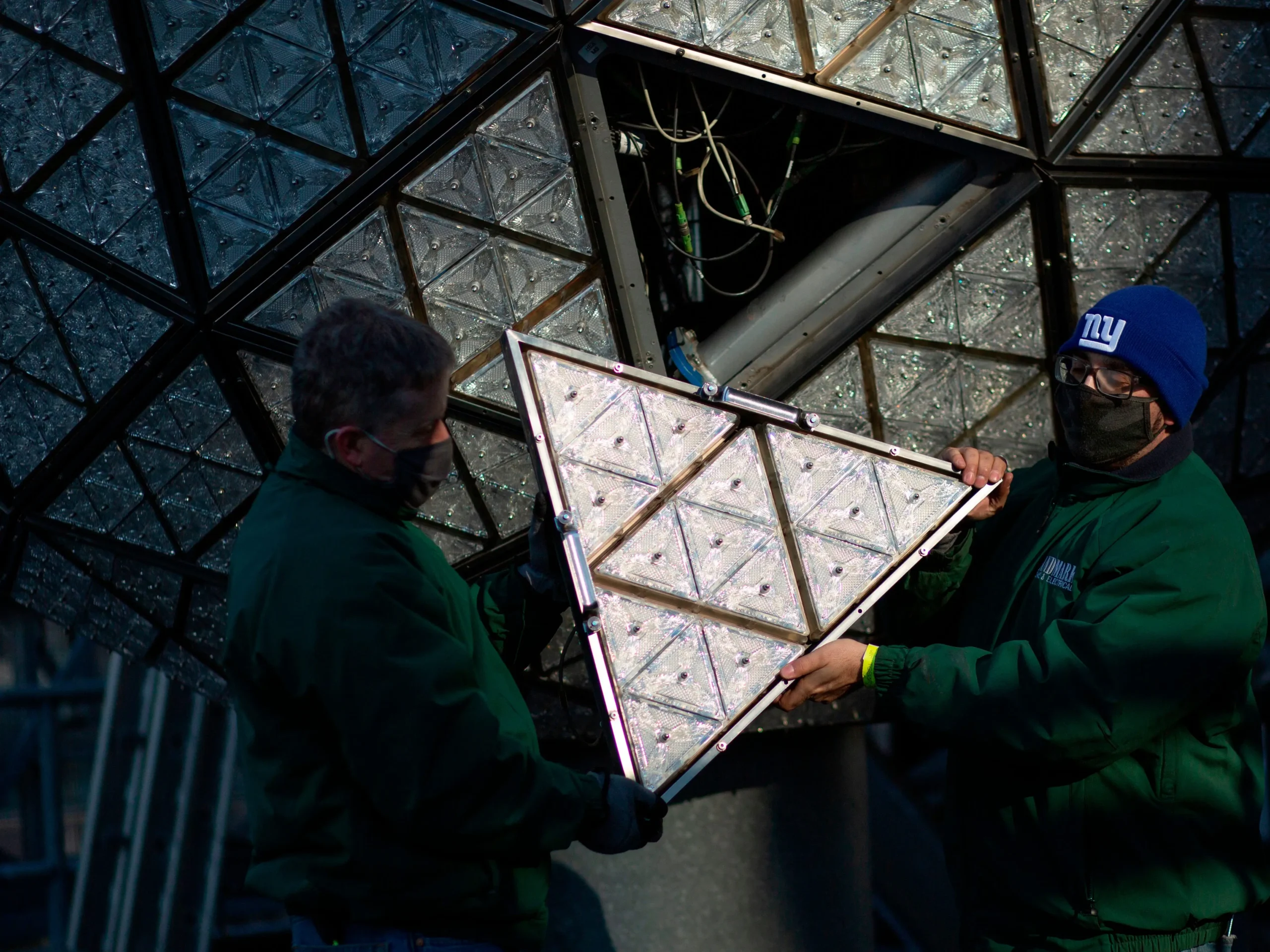
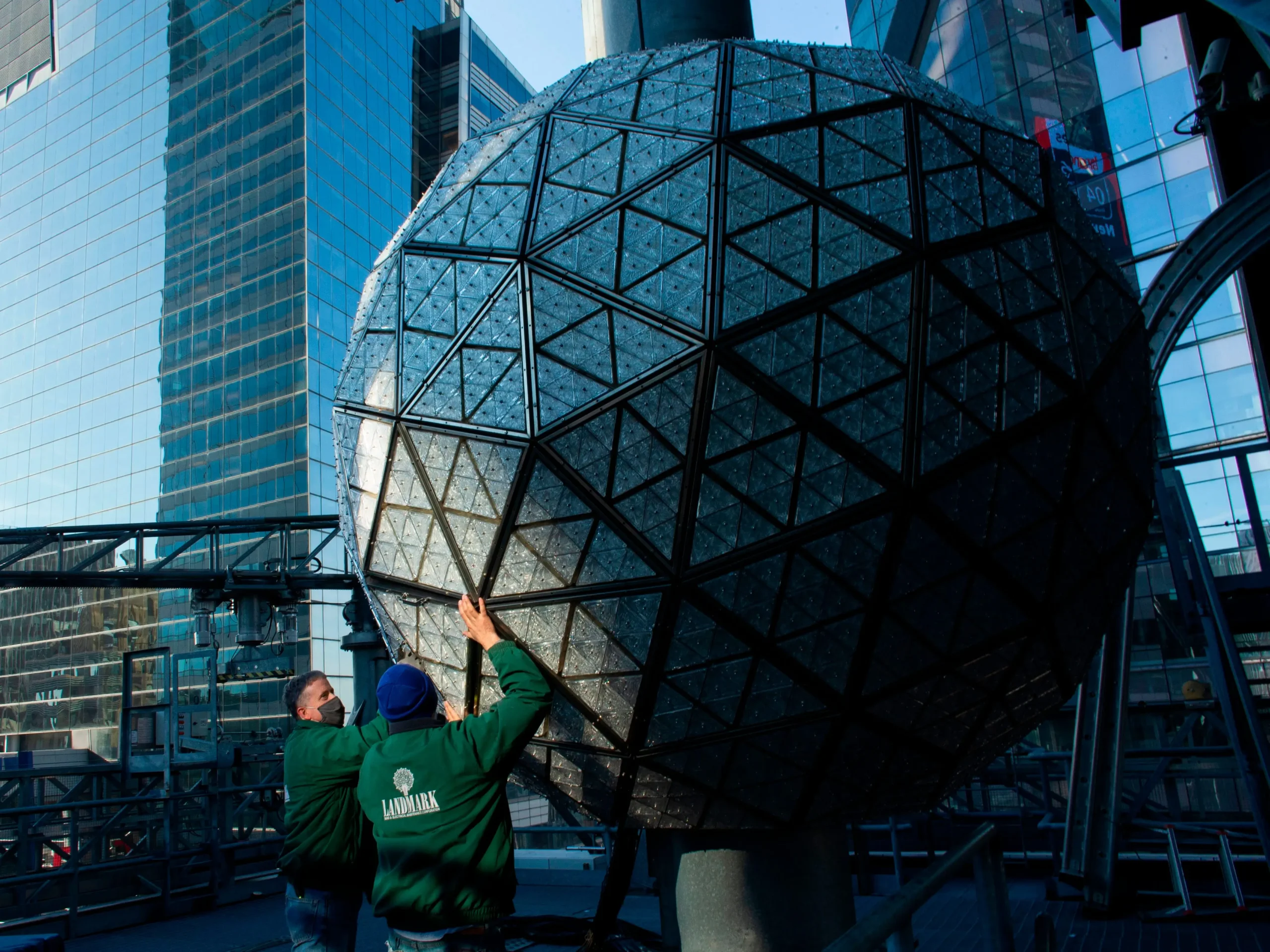
Today’s ball is an icosahedral geodesic sphere. It is covered in thousands of crystal panels and LED lights. A computer system controls the lights and the exact timing of the drop. At 11:59 p.m., the ball begins its 60-second descent. It reaches the bottom at midnight, marking the first second of the new year.
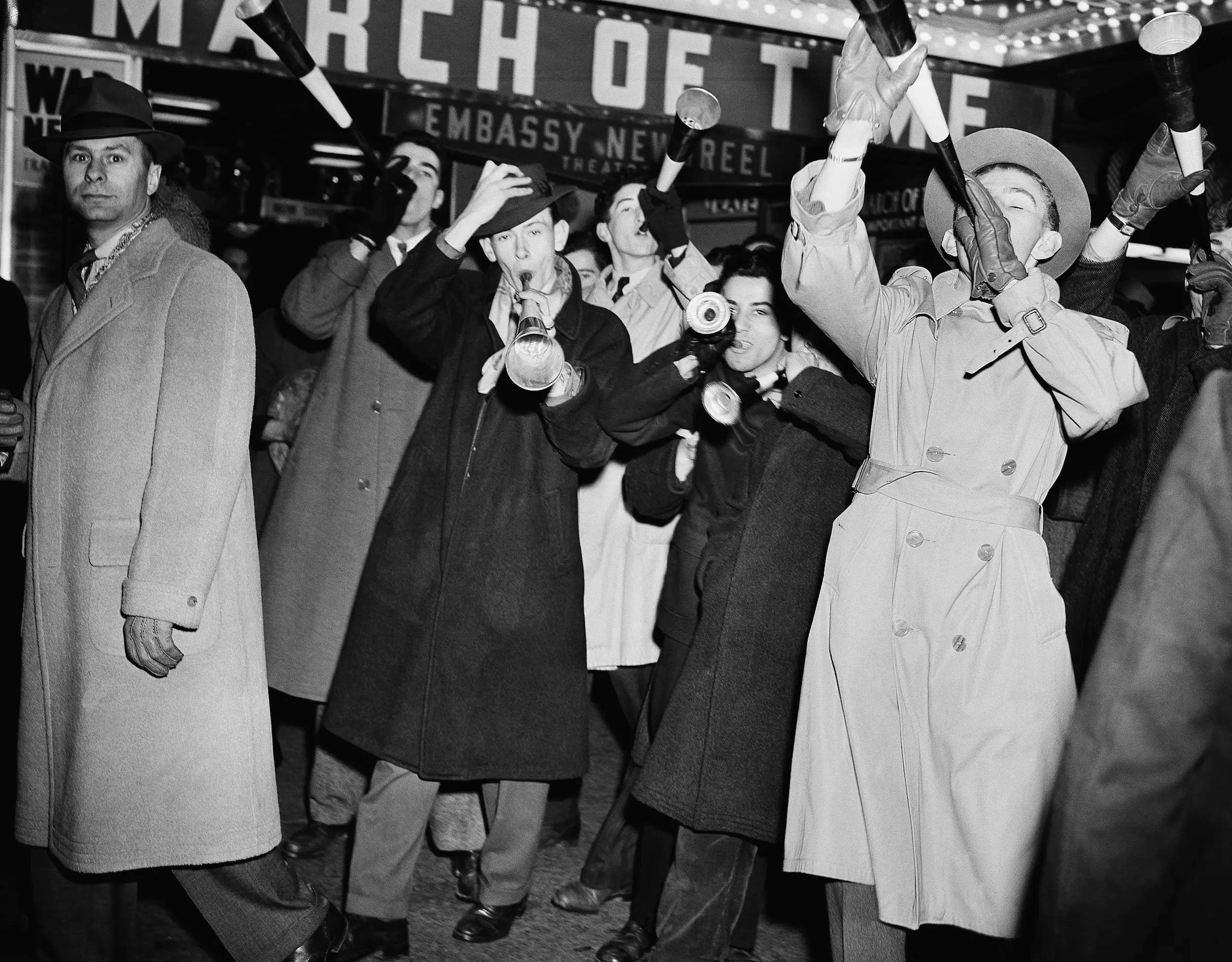
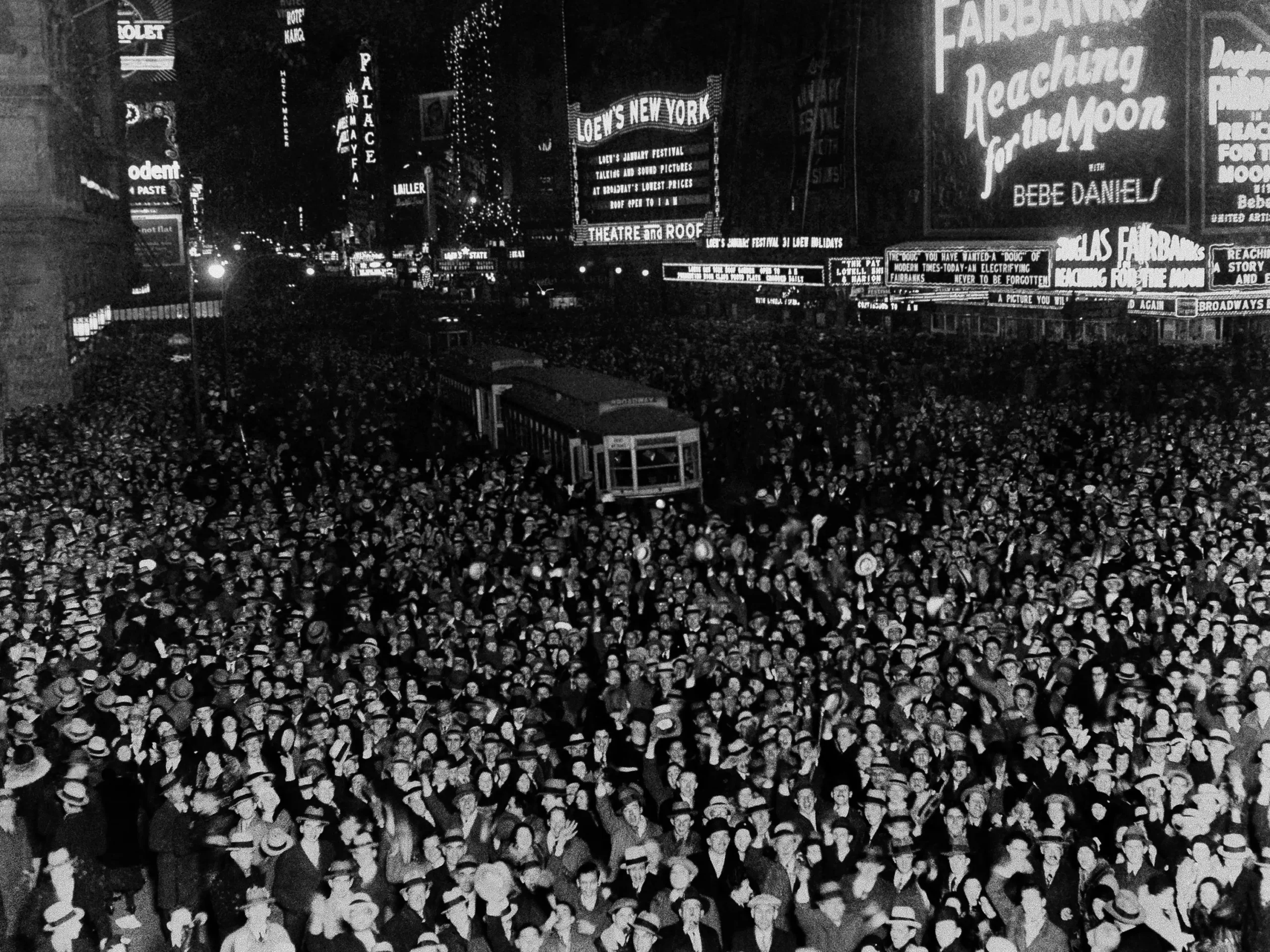
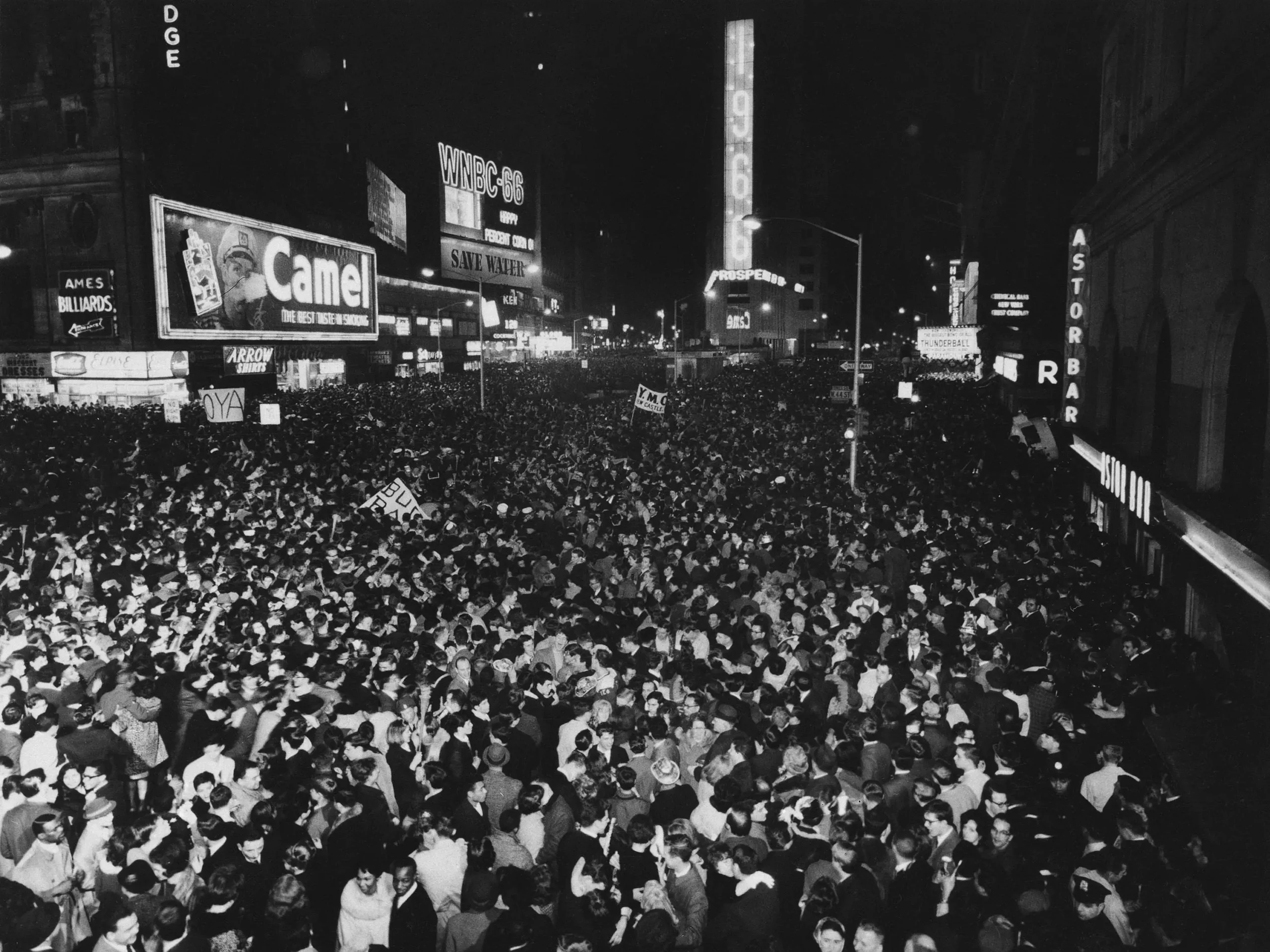
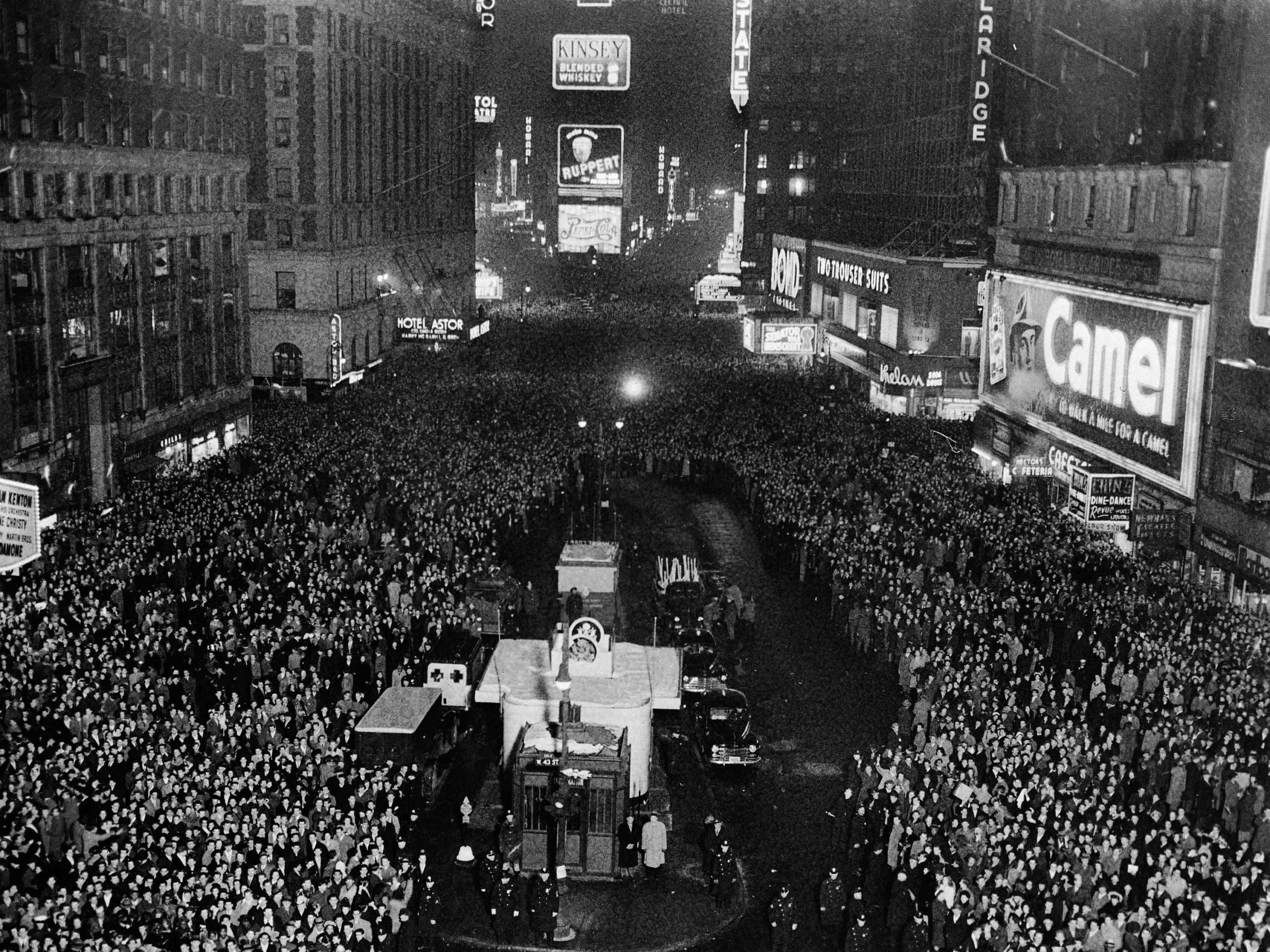
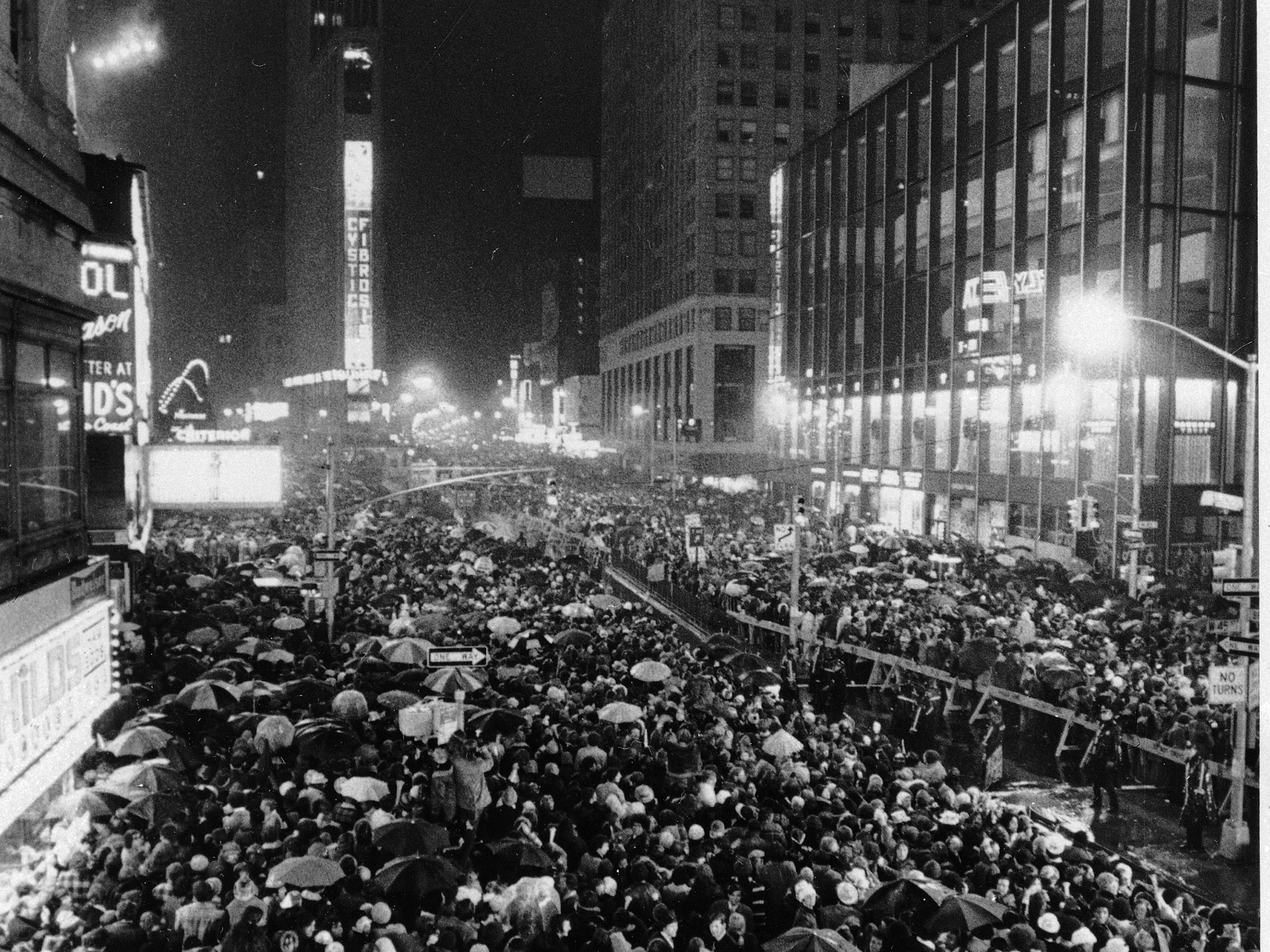
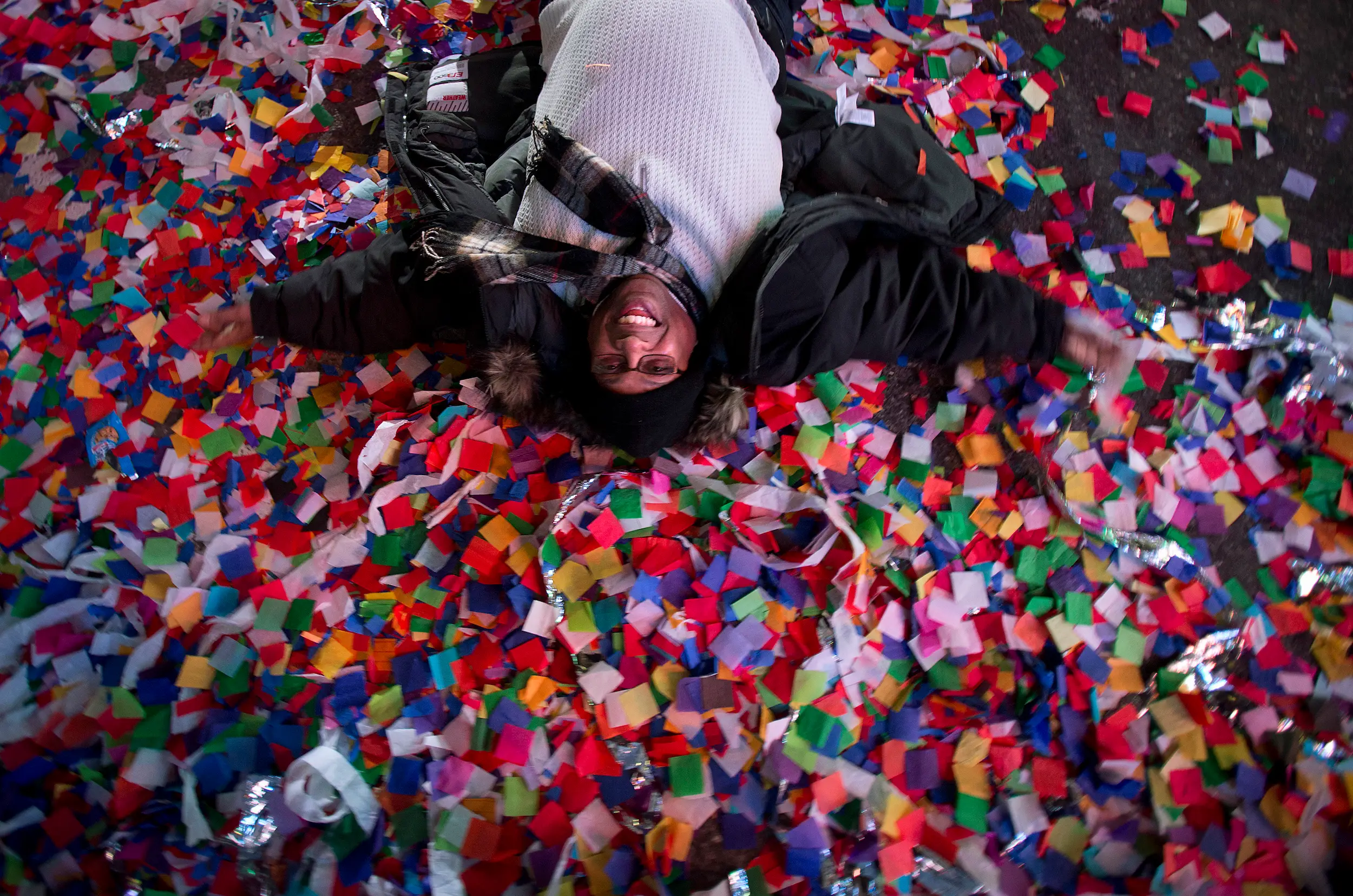
In a typical year, more than one million people fill Times Square. They stand shoulder to shoulder in the cold, watching the glowing sphere high above them. Millions more watch the event on television and online.
In 2021, the celebration marked its 114th anniversary. That year, the event went virtual due to public health concerns. The ball still dropped from One Times Square, but most people watched from home. Cameras streamed the moment across the world, keeping the tradition alive even without the usual crowd.
From a hand-lowered wooden sphere to a computer-driven display of light and crystal, the Times Square ball drop has changed with each generation. The basic act remains the same: a glowing ball slides down a pole, and a new year begins at midnight in New York City.

GIPHY App Key not set. Please check settings