

 Henry Parker
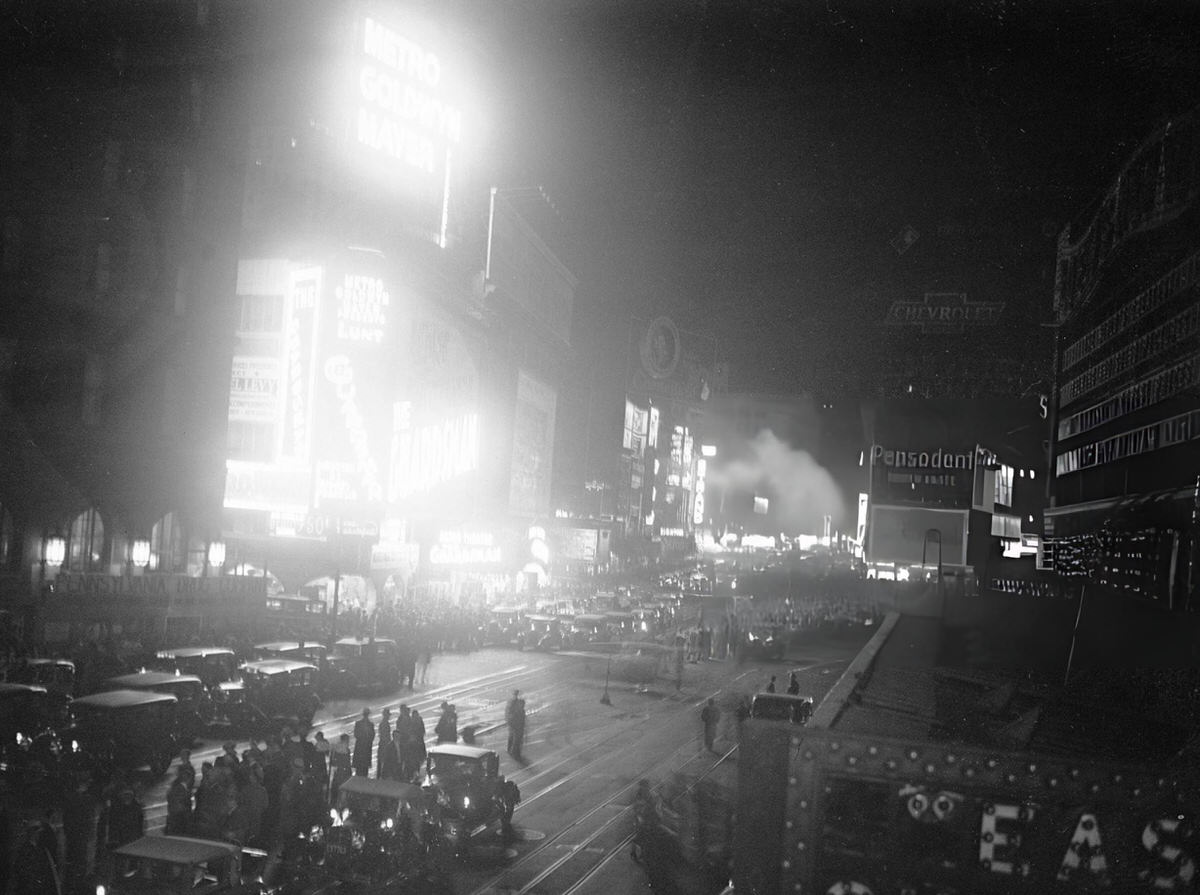
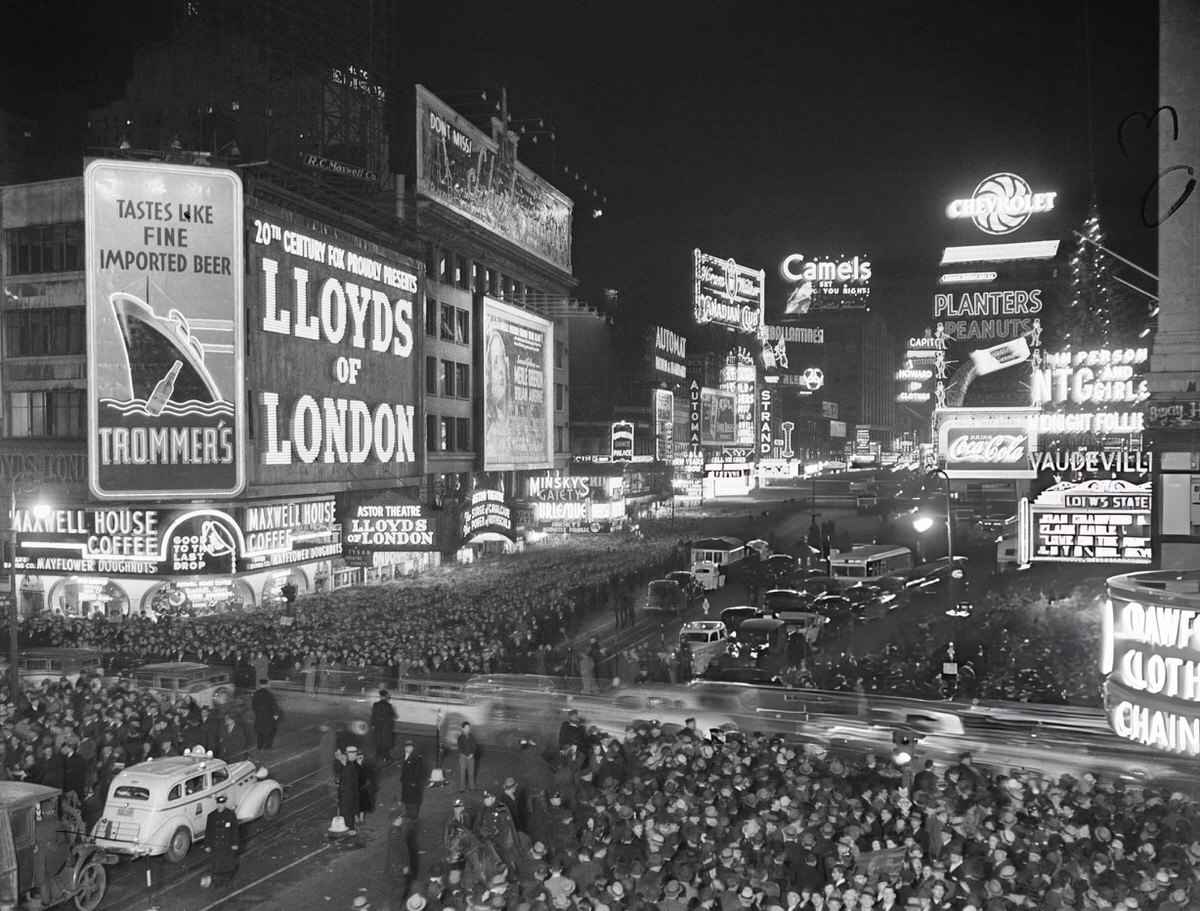
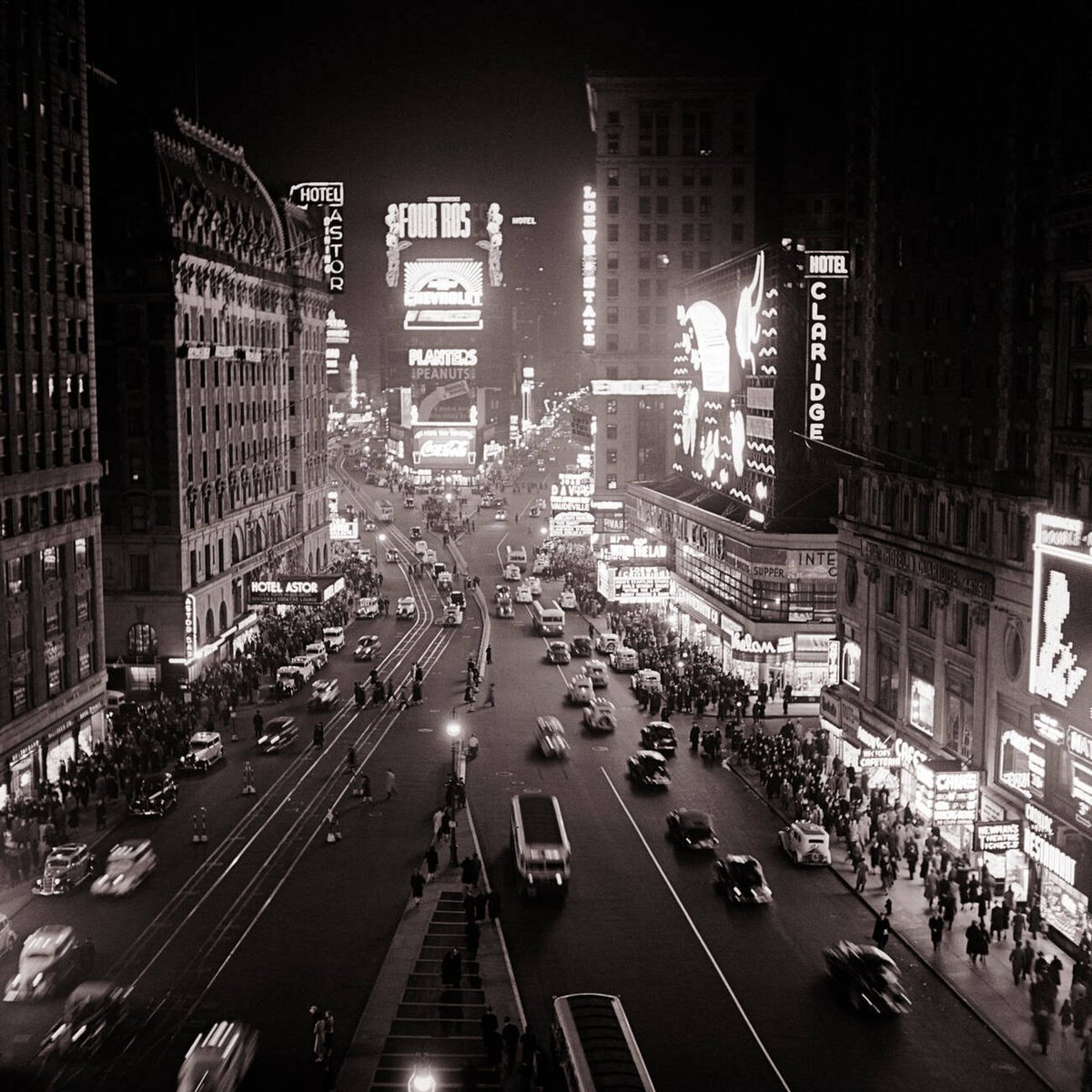
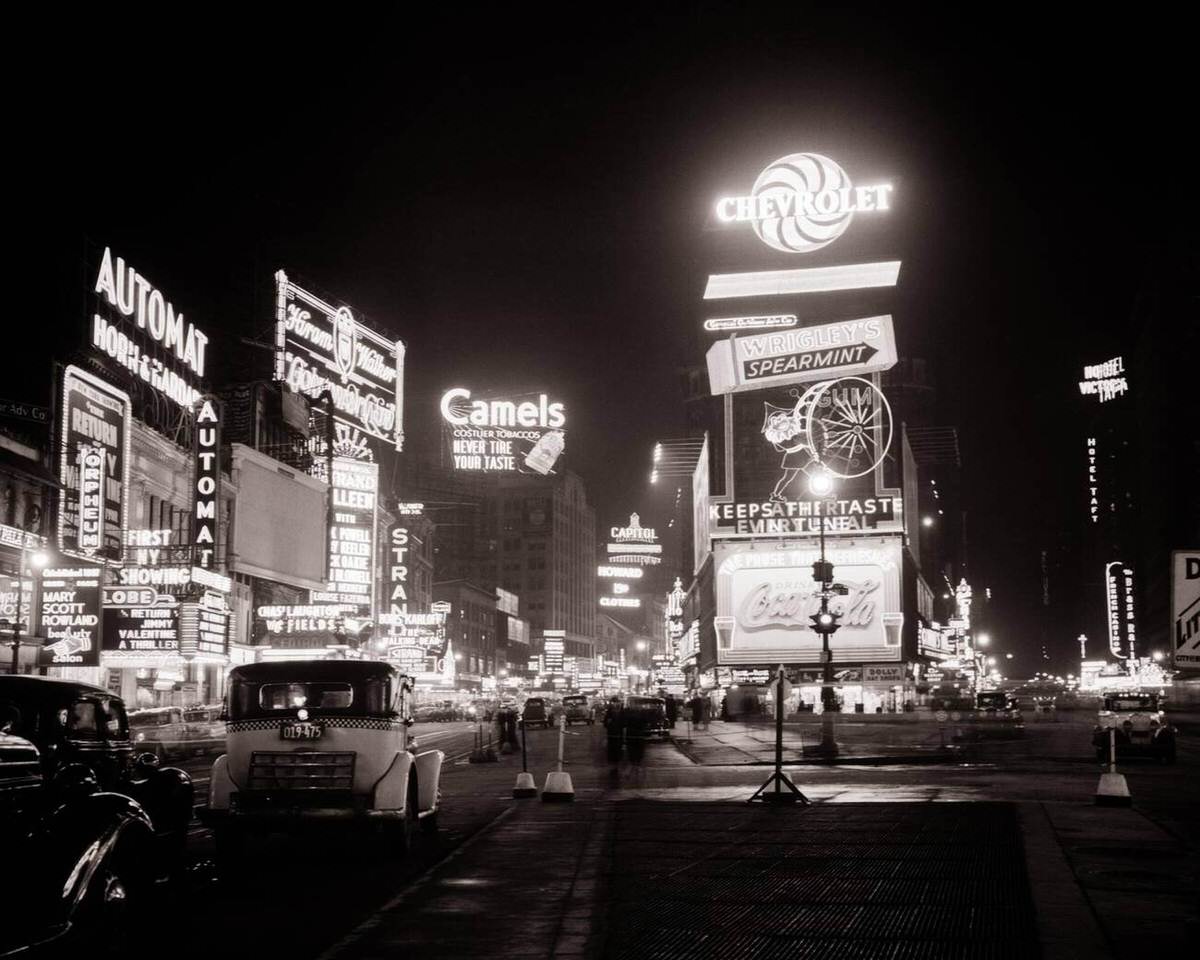
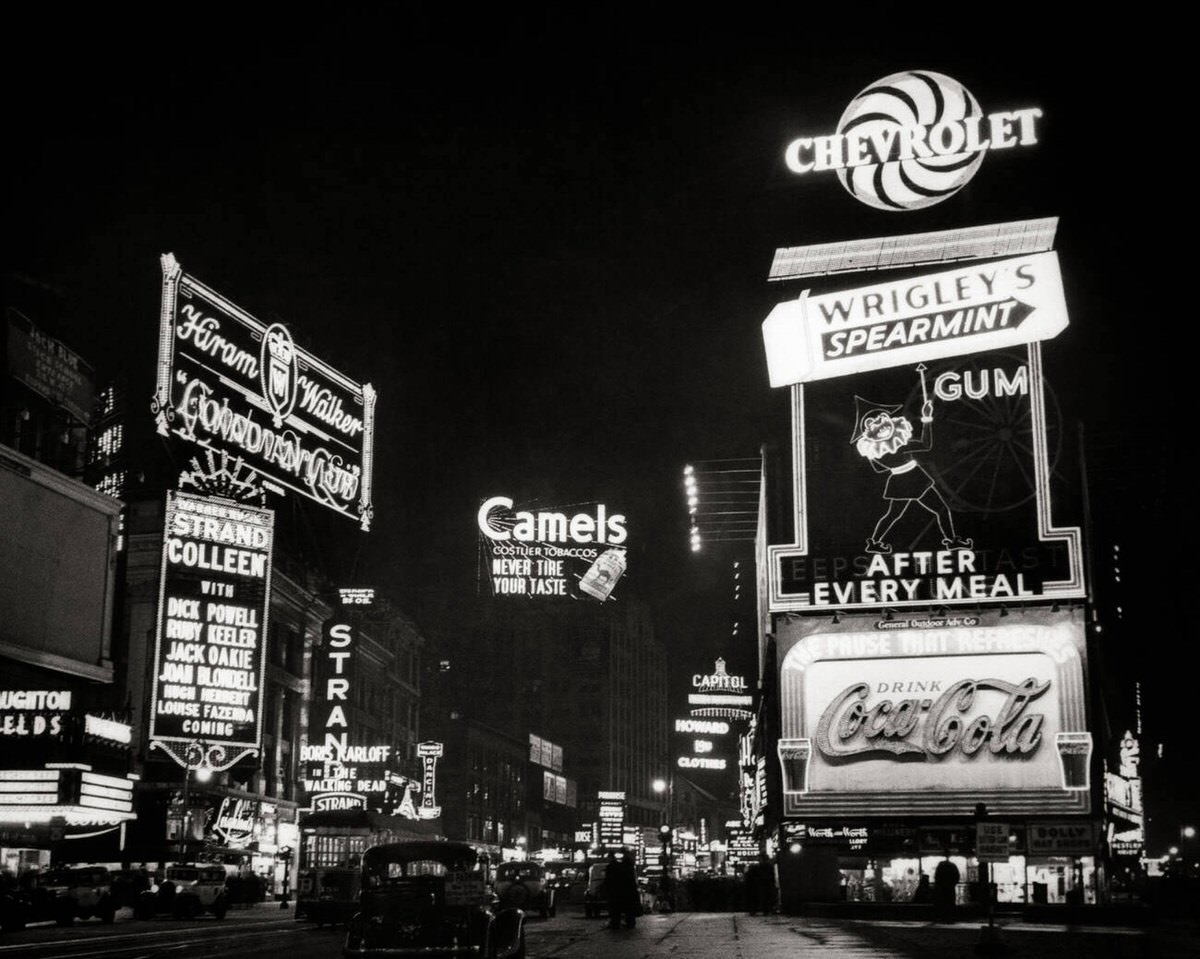
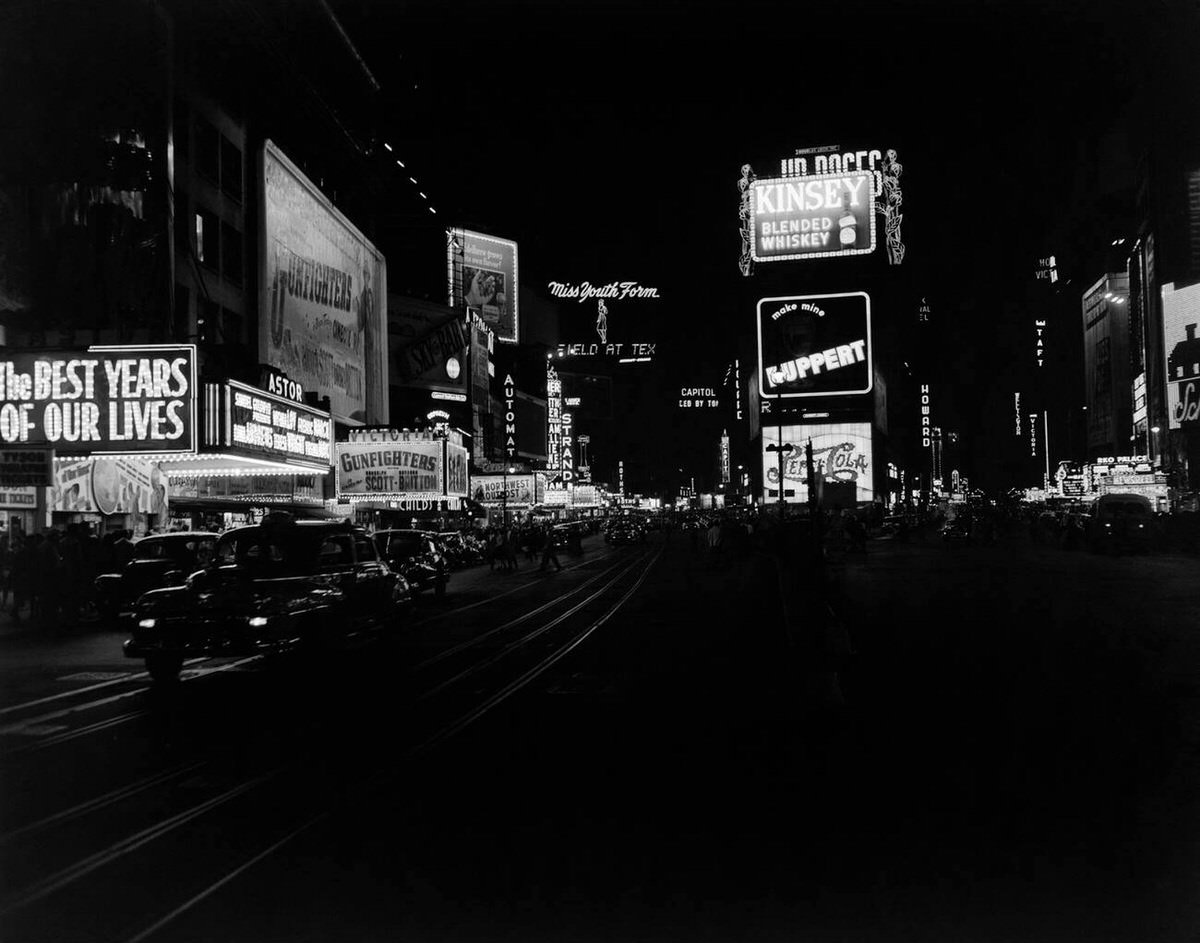
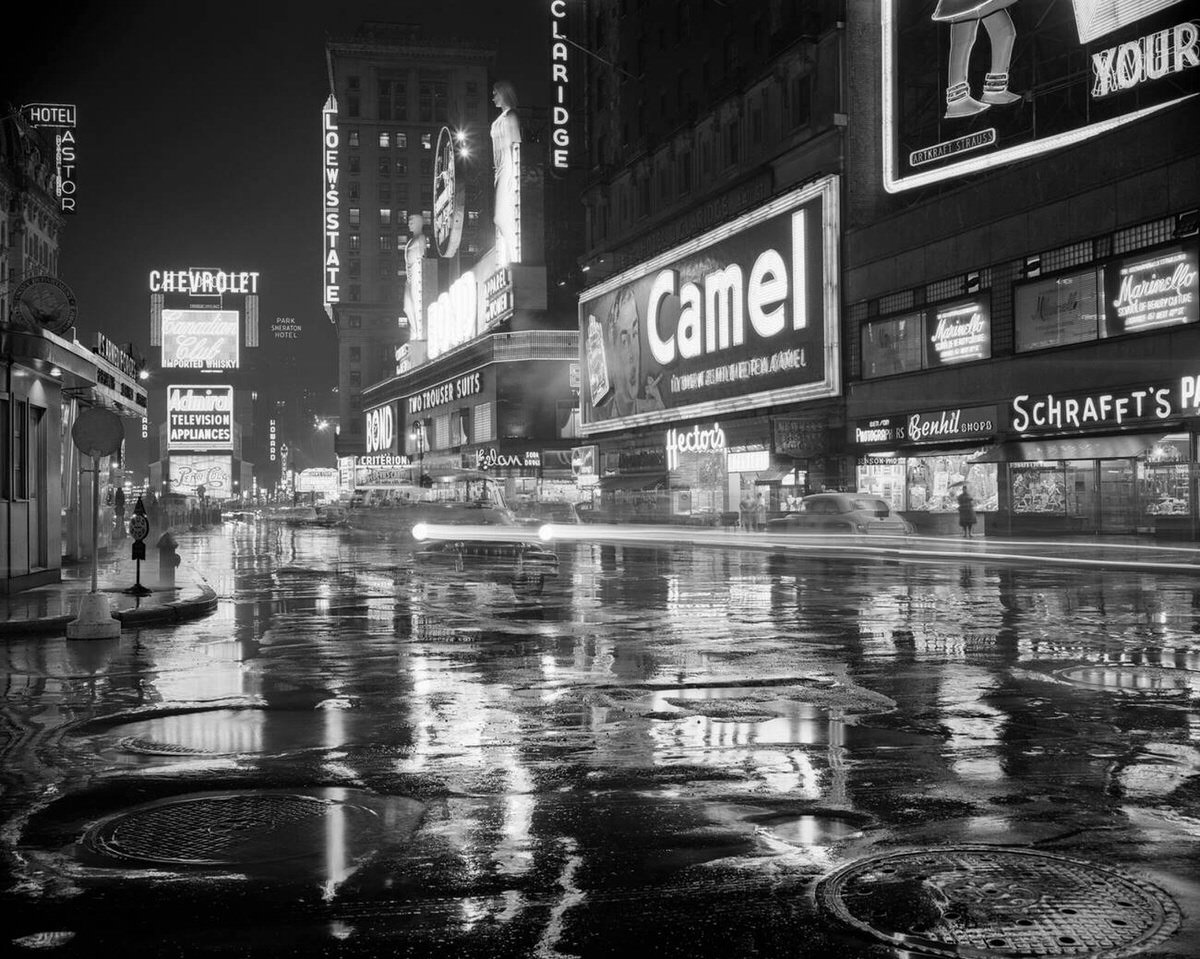
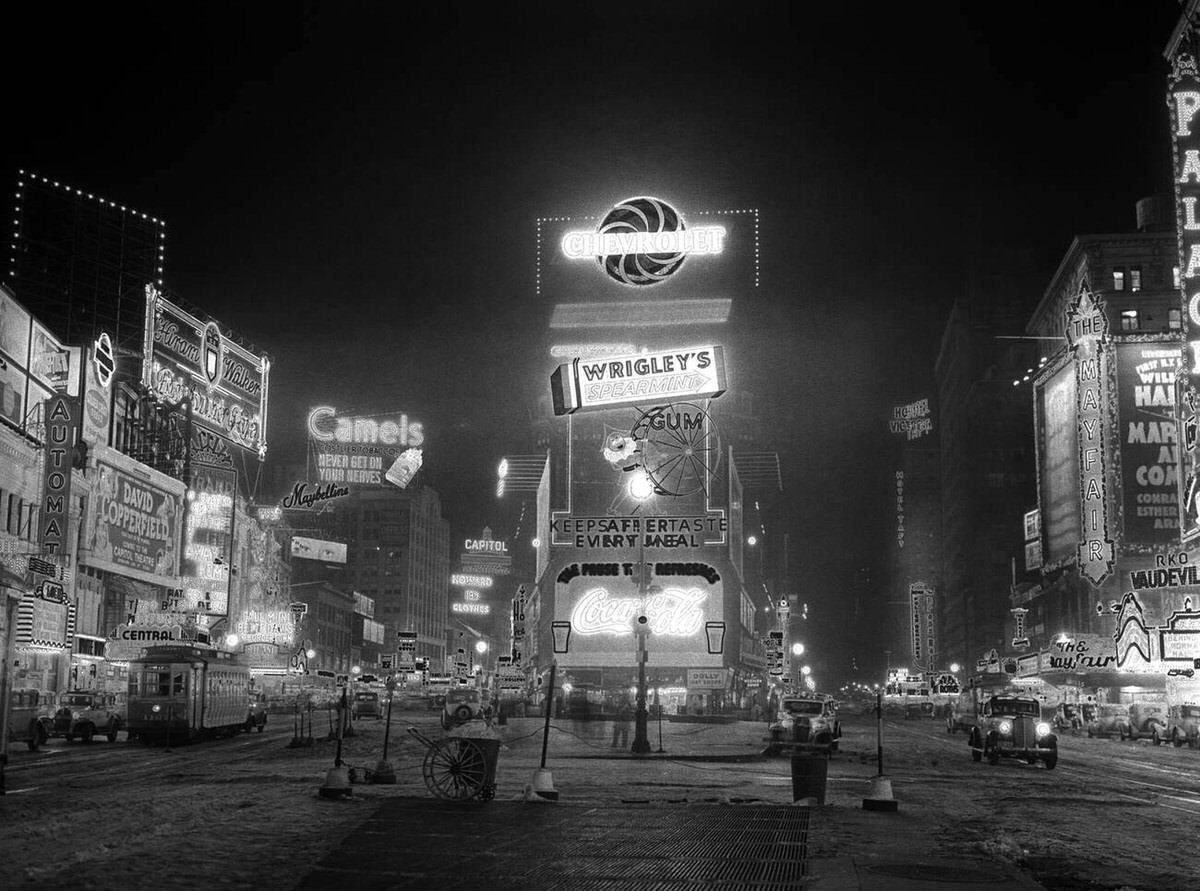
On a clear night in 1910, you could see the glow of Broadway from the Hudson River. Not a soft shimmer — a hard, white blaze. The electric signs on the theaters and hotels along Broadway between 42nd and 53rd Streets burned with enough combined wattage to light a small city. A newspaper reporter named O.J. Gude had started calling it the Great White Way back in 1902, and the name stuck because nothing else came close to describing it.
This was not decoration. The light was advertising, competition, and civic pride compressed into kilowatts. Theater owners understood that the building you walked past was selling you the show inside, and the sign on the front was the first line of the pitch. The brighter your marquee, the more seriously people took your house.
The district as a concentrated theater zone took shape in the 1890s and reached its first peak in the 1920s. Before that, New York’s theaters were scattered — some were downtown near Union Square, others were on 14th Street around what is now the Village. The money and the audience moved uptown, and the theaters followed. By 1900, the action was definitively in the West 40s.
Read more
How the district was built
The physical infrastructure of the Theater District was the work of a small number of producers and real estate men who built or controlled dozens of houses simultaneously. The Shubert brothers — Sam, Lee, and J.J. — arrived in New York from Syracuse in the late 1890s and proceeded to build one of the most aggressive theater empires the city had ever seen. By 1920, the Shubert Organization controlled seventeen Broadway theaters outright and had business arrangements with many more.
Their main rival was Abraham Erlanger, who ran the Theatrical Syndicate with a group of producers that had essentially monopolized booking for American stages since the 1890s. The Syndicate controlled which shows went into which theaters across the country. If you wanted to tour your production through American cities, you worked with them or you didn’t work at all. The Shuberts broke that monopoly after a years-long fight, and the result was a more competitive Broadway — and more theaters built by both sides during the battle.
The physical theaters themselves were built for endurance. The New Amsterdam on 42nd Street, opened in 1903, had a main auditorium that seated 1,702 and a rooftop theater above it used for smaller productions. The New Amsterdam was the home of the Ziegfeld Follies starting in 1913, and Florenz Ziegfeld ran his annual revues there through the 1920s with a budget and a visual scale that other producers couldn’t match. The theater cost $1.5 million to build — an enormous sum in 1903 — and every dollar showed on stage.
The audiences and the economics
Broadway in its peak years was not exclusively for the wealthy, though the orchestra seats and the box seats were priced accordingly. The balcony and the gallery — what regular theatergoers called the gods because of how high up they were — sold for prices that working people could afford. A gallery seat at a major production in the 1920s cost about 50 cents. That put Broadway in reach of a clerk, a factory worker, or a recent immigrant saving up for a Saturday night out.
The matinee was an institution driven largely by women. Wednesday and Saturday afternoon performances were designed for the wives and daughters of middle-class families who had time to attend during the week. The matinee audience was a distinct market, and producers knew it. Certain shows ran longer because their Wednesday matinee numbers were strong even when the evening performances slowed.
Ticket scalping was a serious business from the beginning. Brokers stationed outside the theaters bought up seats and resold them at a premium on the night of the performance. For a hit show, the markup was steep. The producers hated it. The audiences accepted it as a cost of seeing a show that everyone was talking about. The city tried to regulate it repeatedly and never fully succeeded.
What played on those stages
The dominant form in the early decades of the Great White Way was the revue — a staged variety show with music, comedy sketches, elaborate costumes, and a large ensemble cast. The Ziegfeld Follies ran every year from 1907 to 1931. George White’s Scandals ran annually from 1919. The Earl Carroll Vanities started in 1923. These shows competed on spectacle. Ziegfeld’s operating budgets ran into the hundreds of thousands of dollars per production at a time when most Broadway shows cost a fraction of that.
Alongside the revues, the American musical was developing into something more than a collection of songs with thin connective tissue. Jerome Kern’s Show Boat opened at the Ziegfeld Theatre in December 1927 and ran for 572 performances. It had a story that dealt directly with race in America, integrated its songs into the narrative instead of stopping the plot for a number, and treated its subject with more weight than Broadway audiences expected from a musical. Kern and Oscar Hammerstein II wrote it together, and it established a template that would define the form for decades.
Eugene O’Neill’s Anna Christie won the Pulitzer in 1922. Strange Interlude, which ran nearly five hours with a dinner break, won in 1928. O’Neill was not writing light entertainment. His plays were long, heavy, and demanded full attention. Broadway produced them and audiences came, which says something specific about what the Theater District was willing to offer alongside its chorus lines and comedy sketches.
The physical experience of Times Square
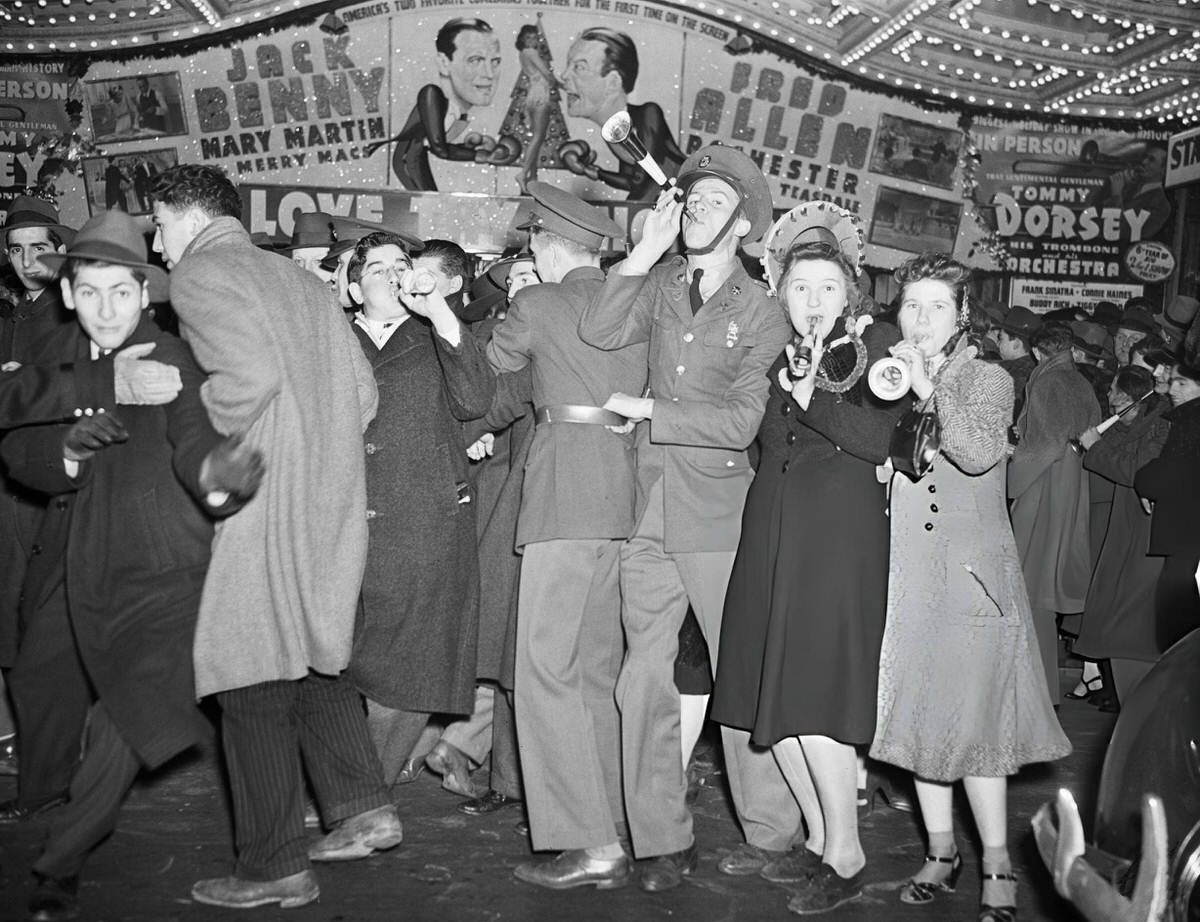
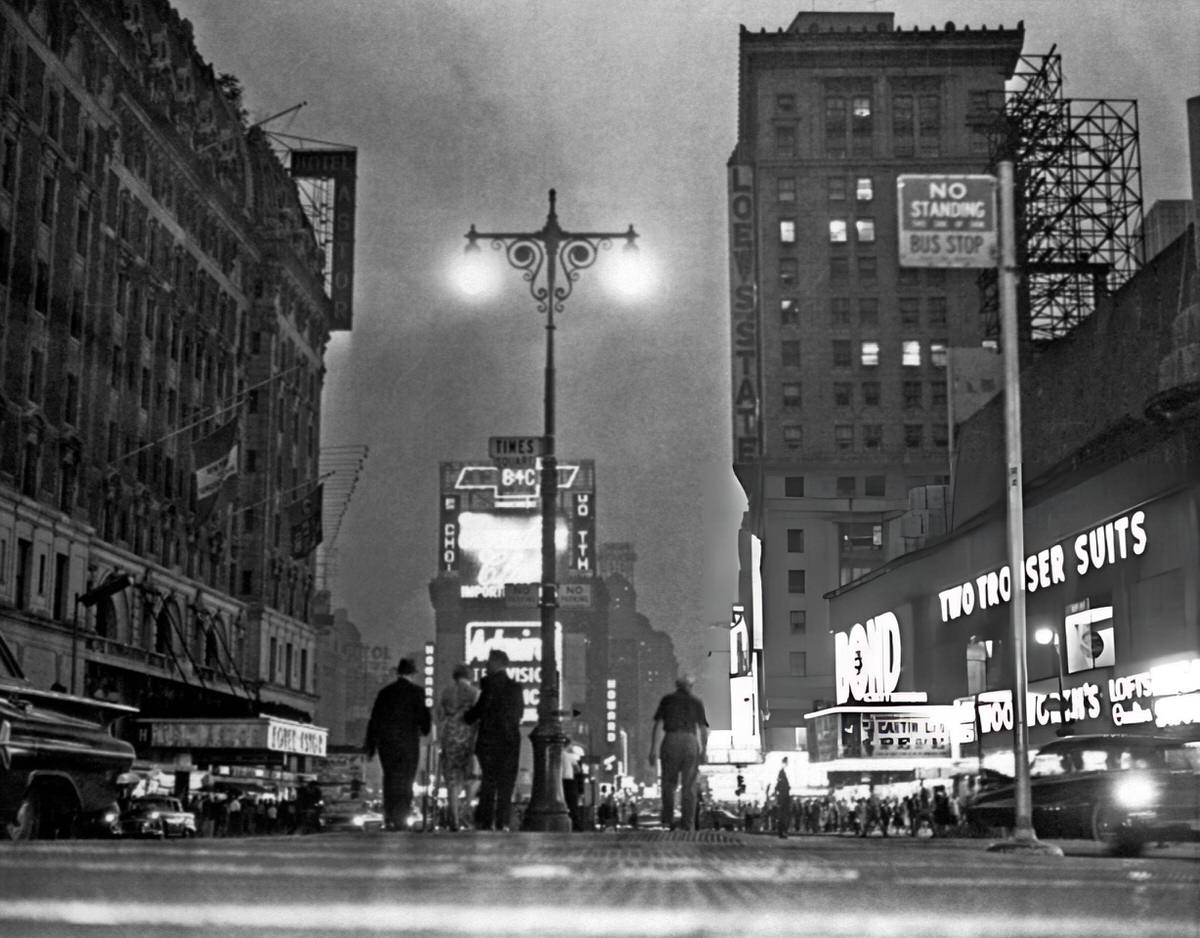
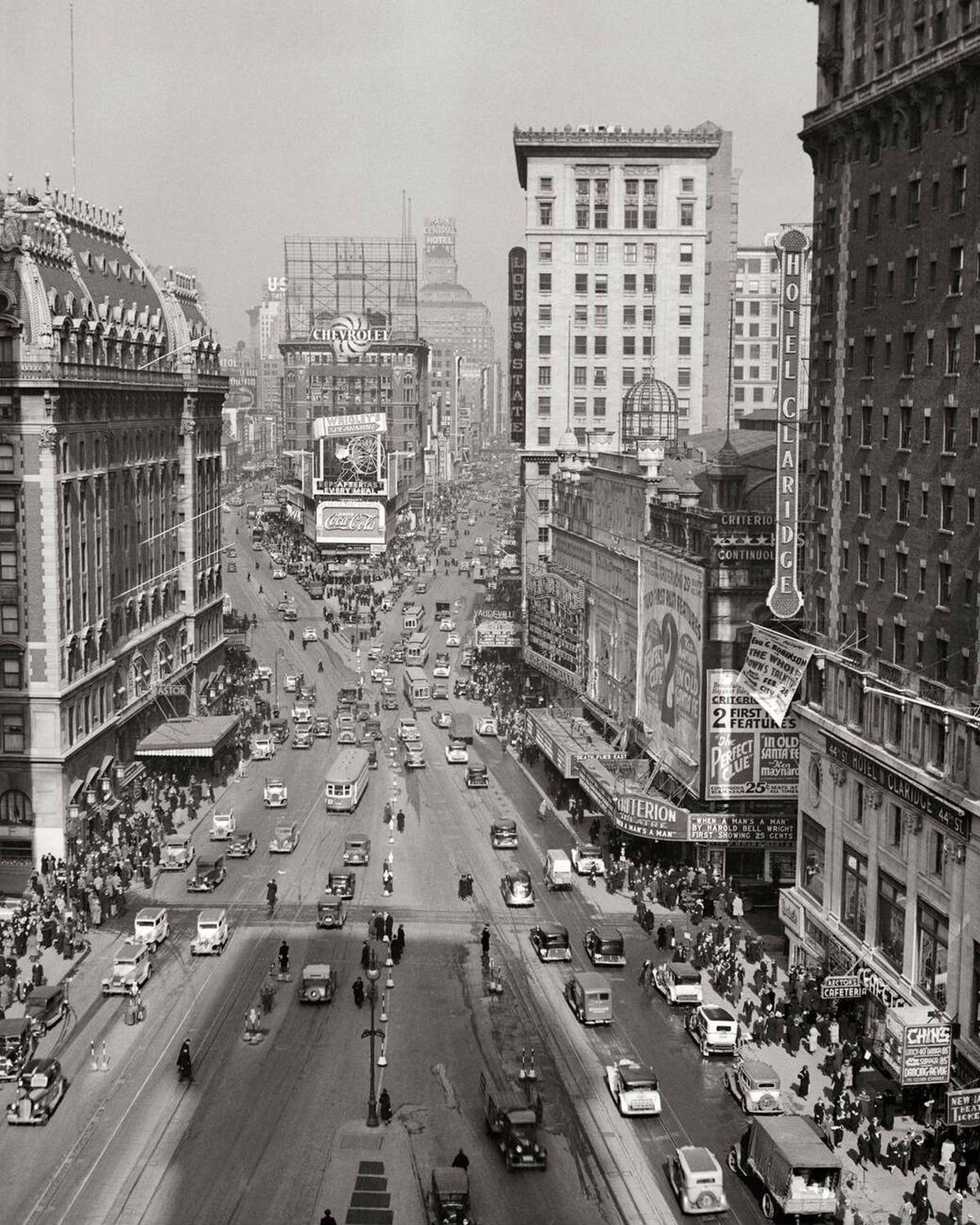
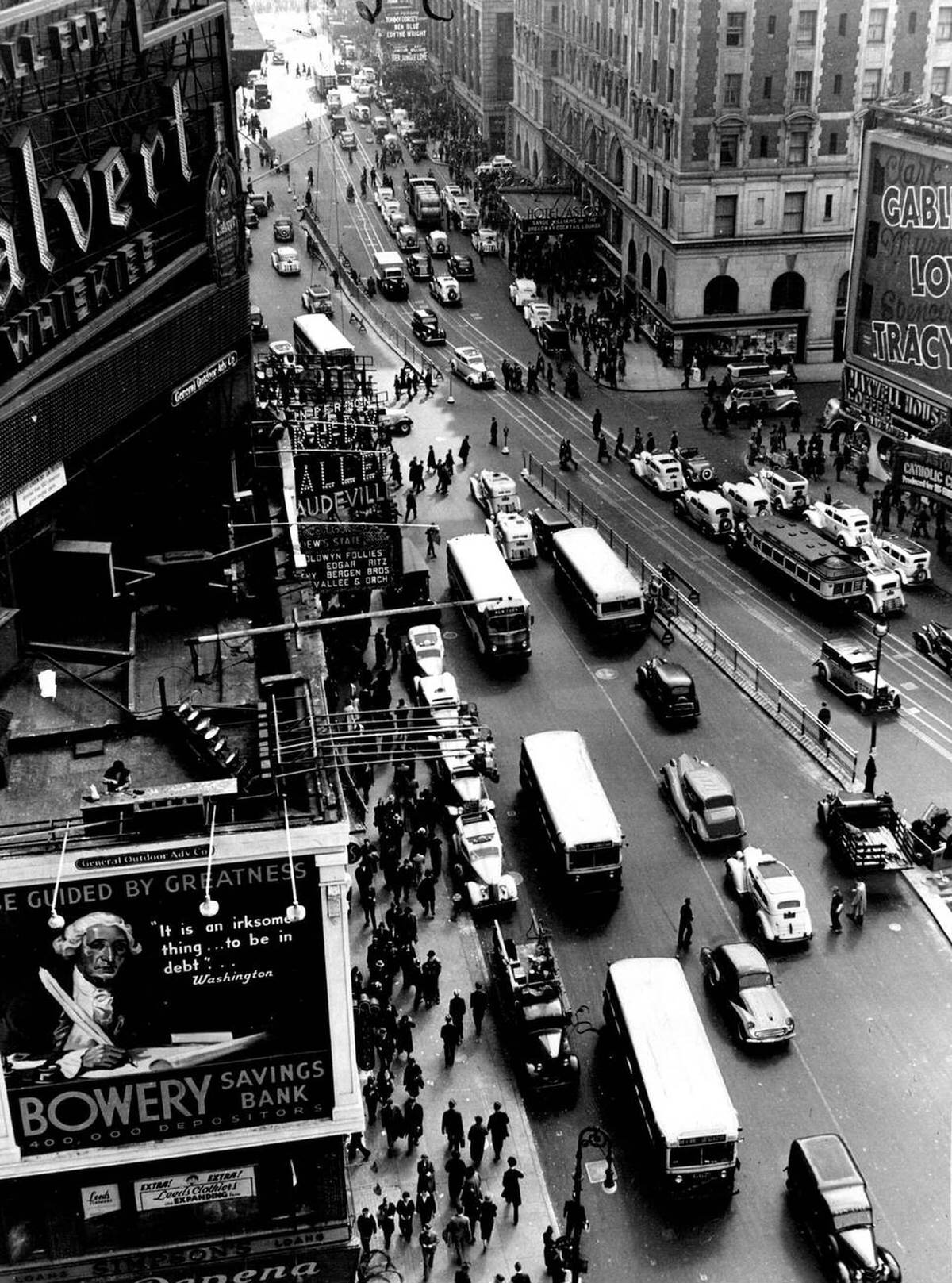
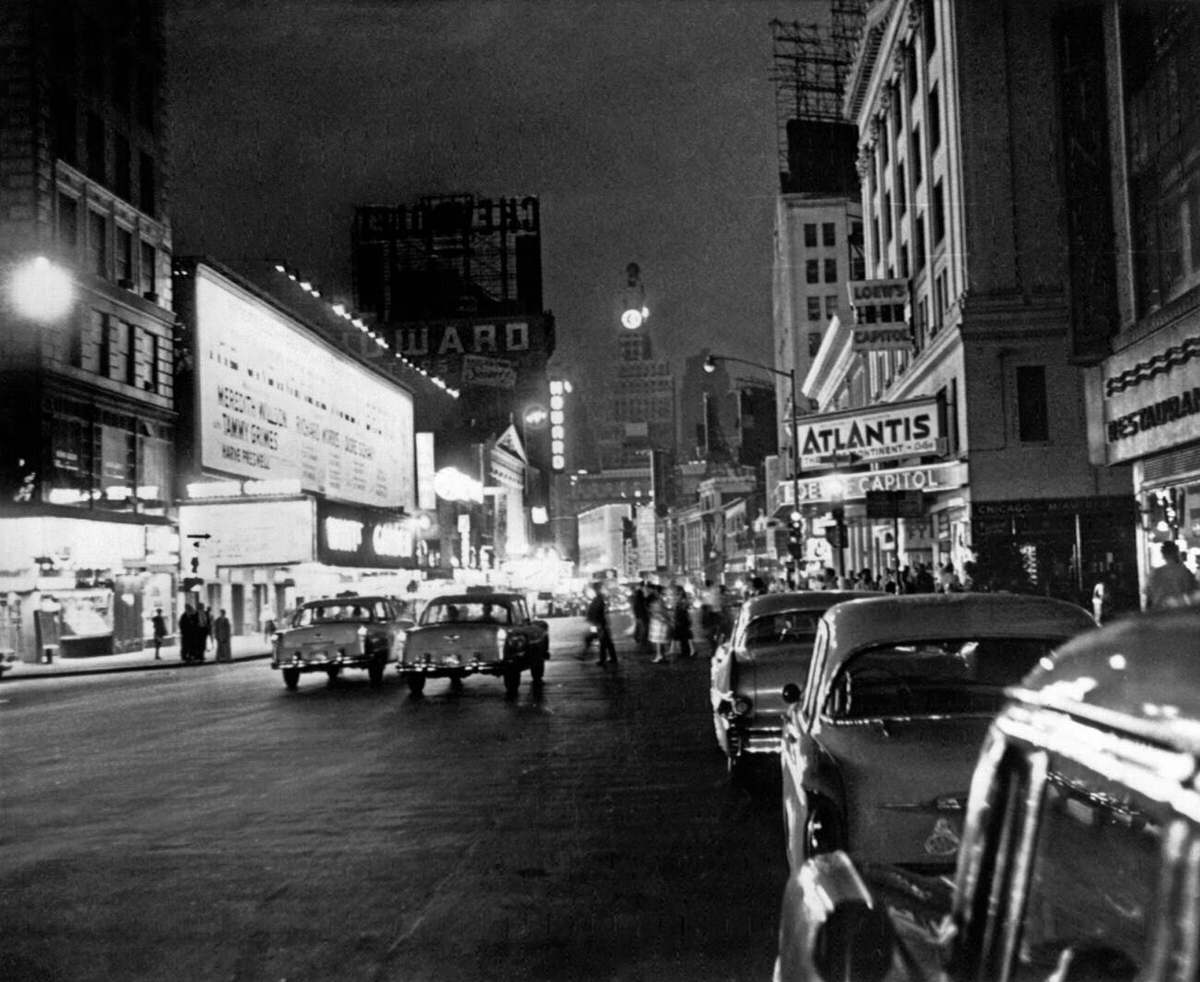
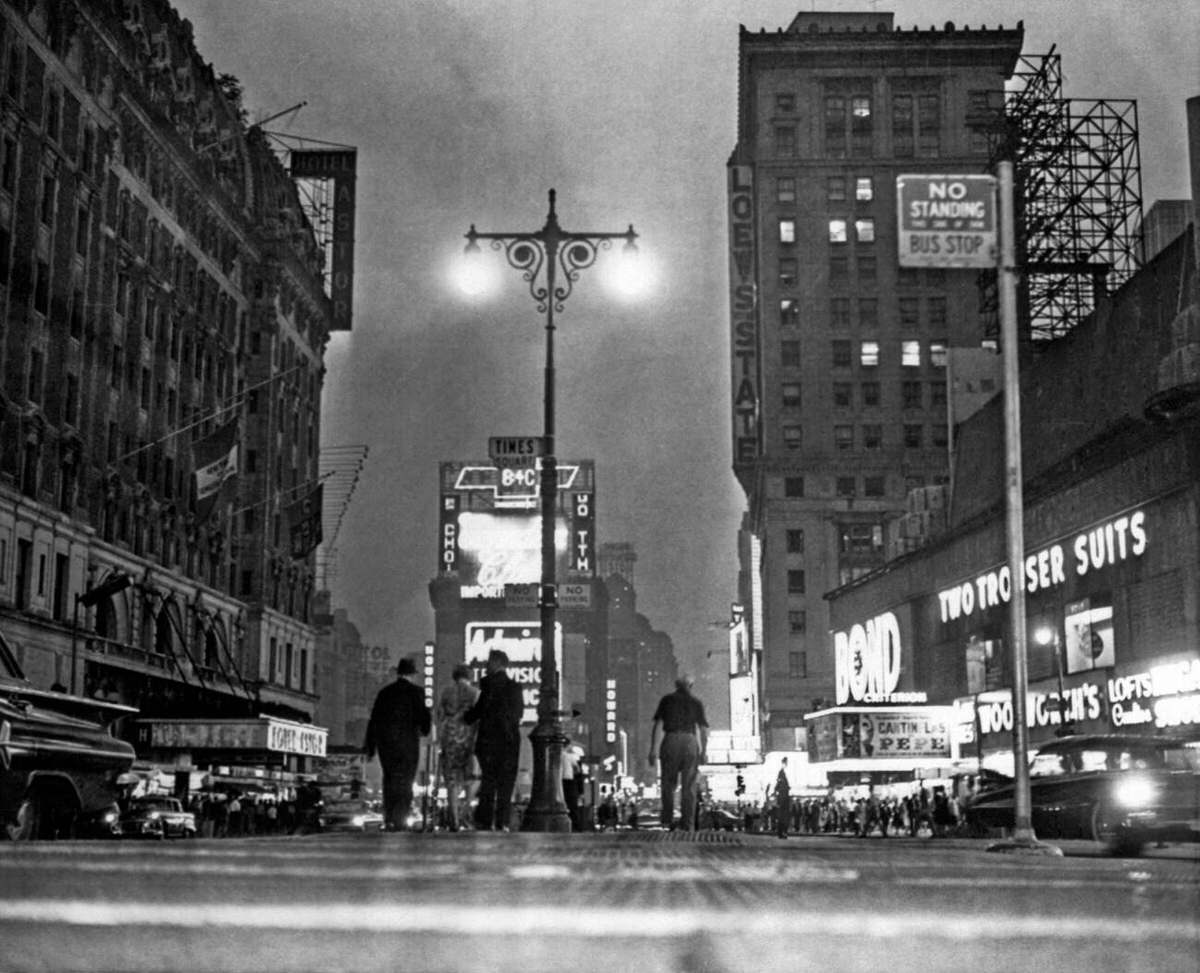
Times Square — the intersection of Broadway and Seventh Avenue at 42nd Street — was the center of gravity for the whole district. The New York Times had moved its headquarters to the tower at the south end of the square in 1904, and the building’s owner, Adolph Ochs, had persuaded the city to rename the area from Longacre Square to Times Square that same year. The newspaper also started the New Year’s Eve ball drop from the tower roof in 1907 as a publicity event, and it became an annual fixture.
The restaurants around Times Square served the theater crowd on a specific schedule. Dinner before 8 PM for the early show. Supper after 11 PM when the curtain came down. Rector’s on Broadway between 43rd and 44th was the most famous of the prewar establishments — a lobster palace where the theater world and the money world mixed at the same tables. It closed in 1914, partly because Prohibition was coming and the writing was on the wall, and partly because the neighborhood’s character was already shifting toward something louder and more commercial.
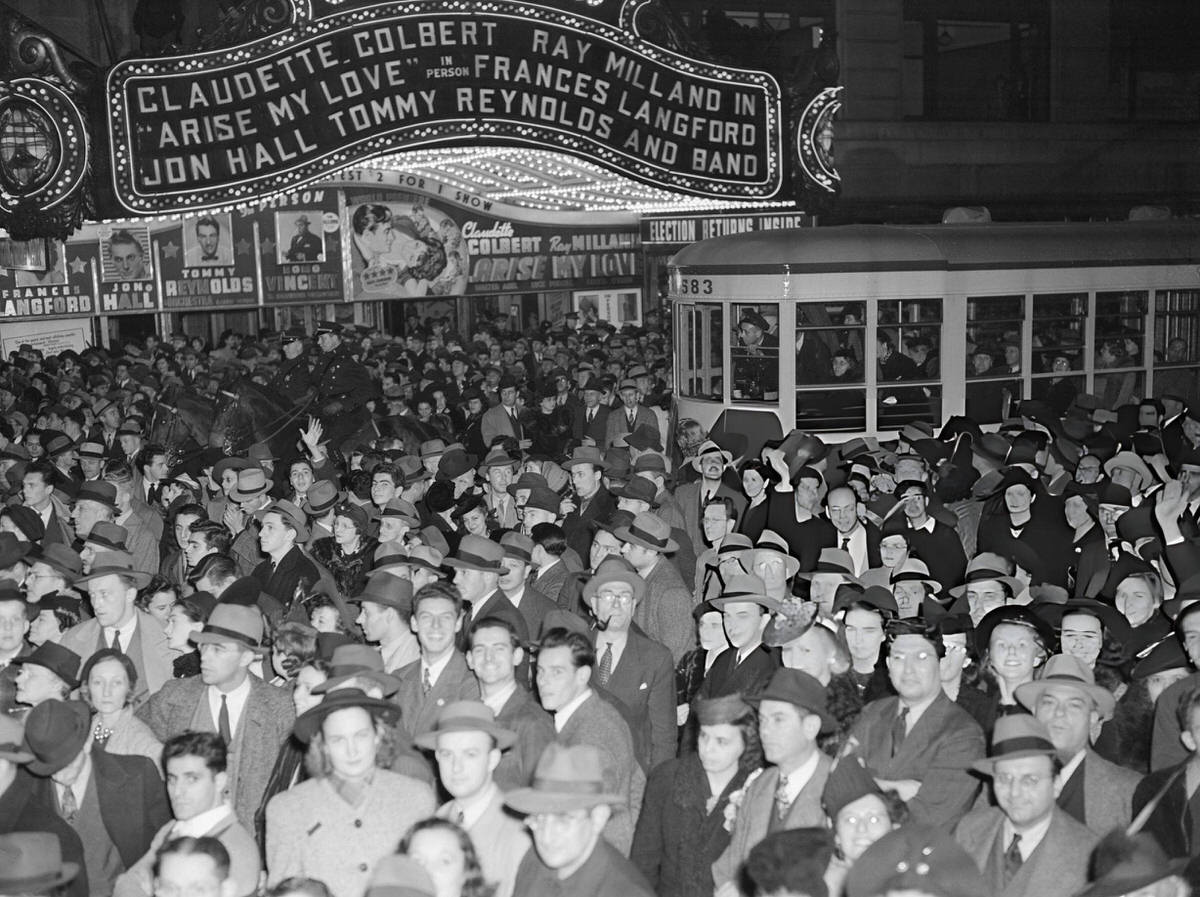
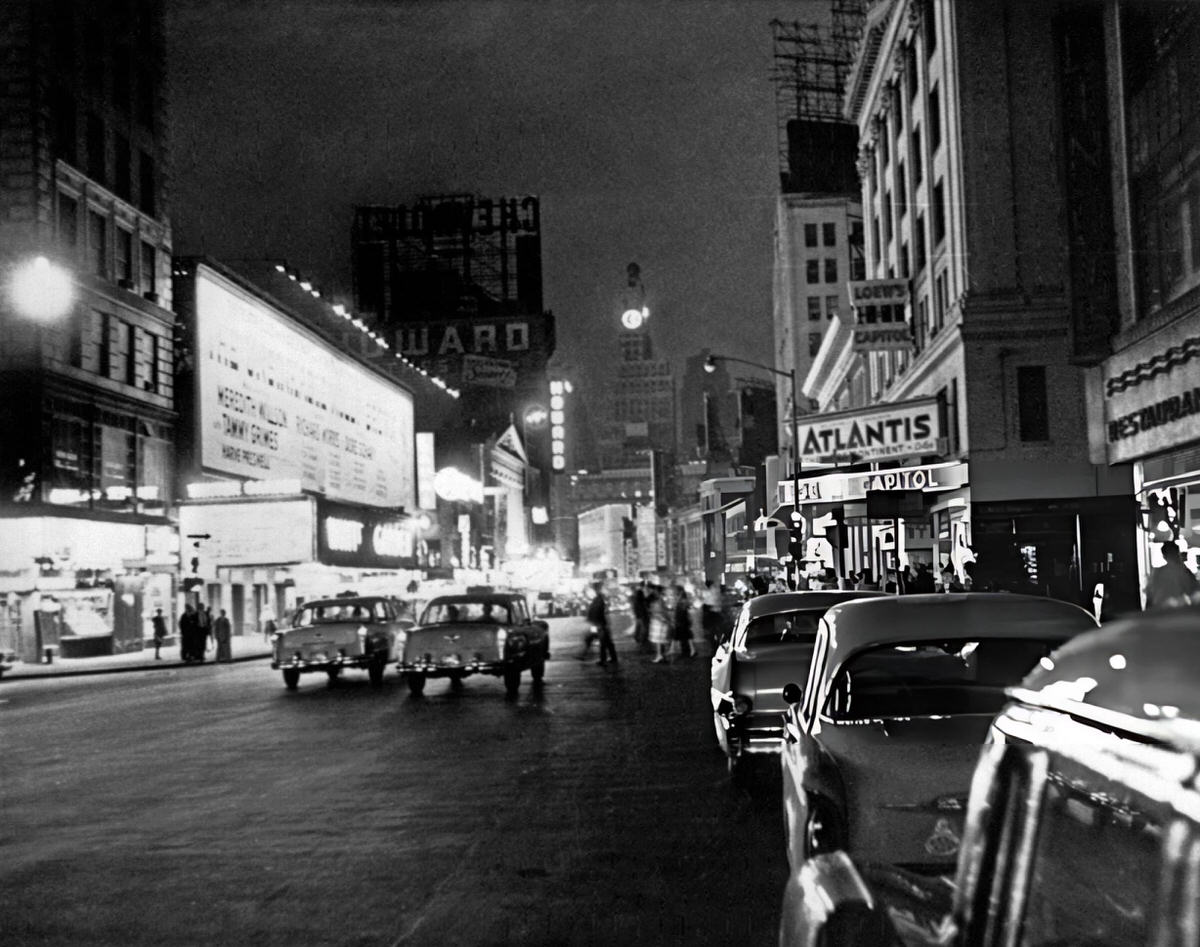
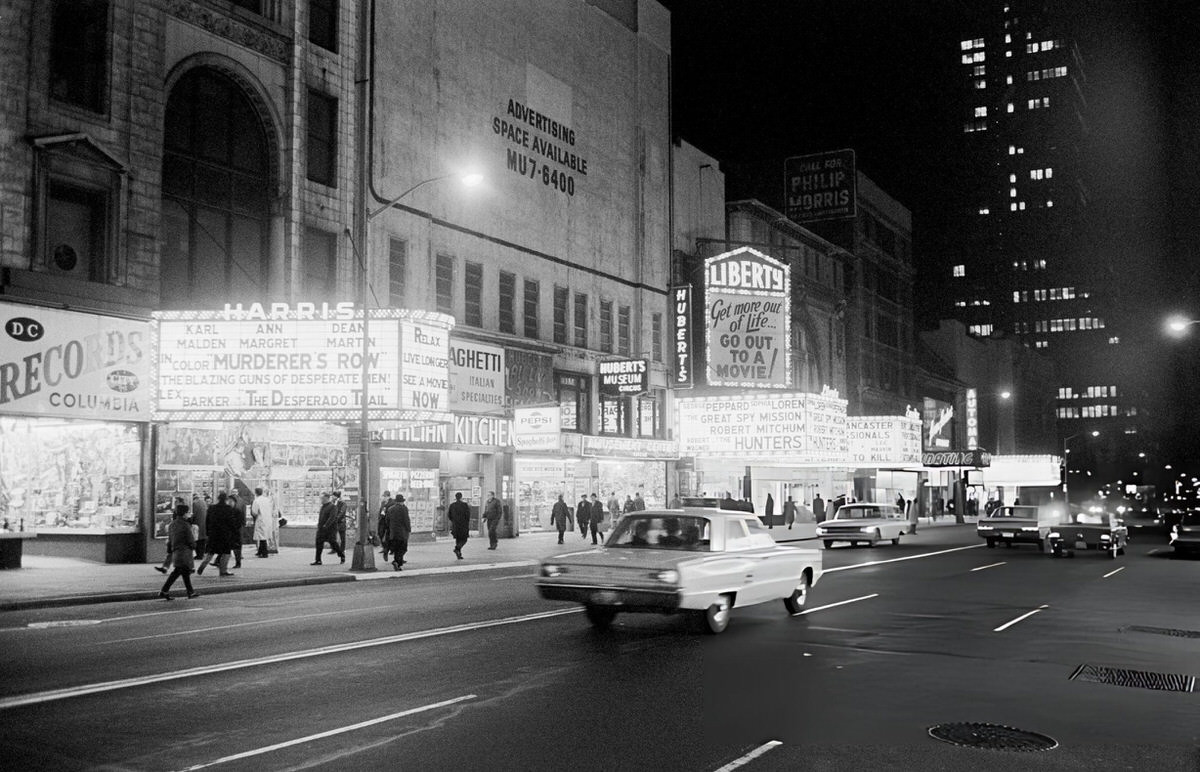
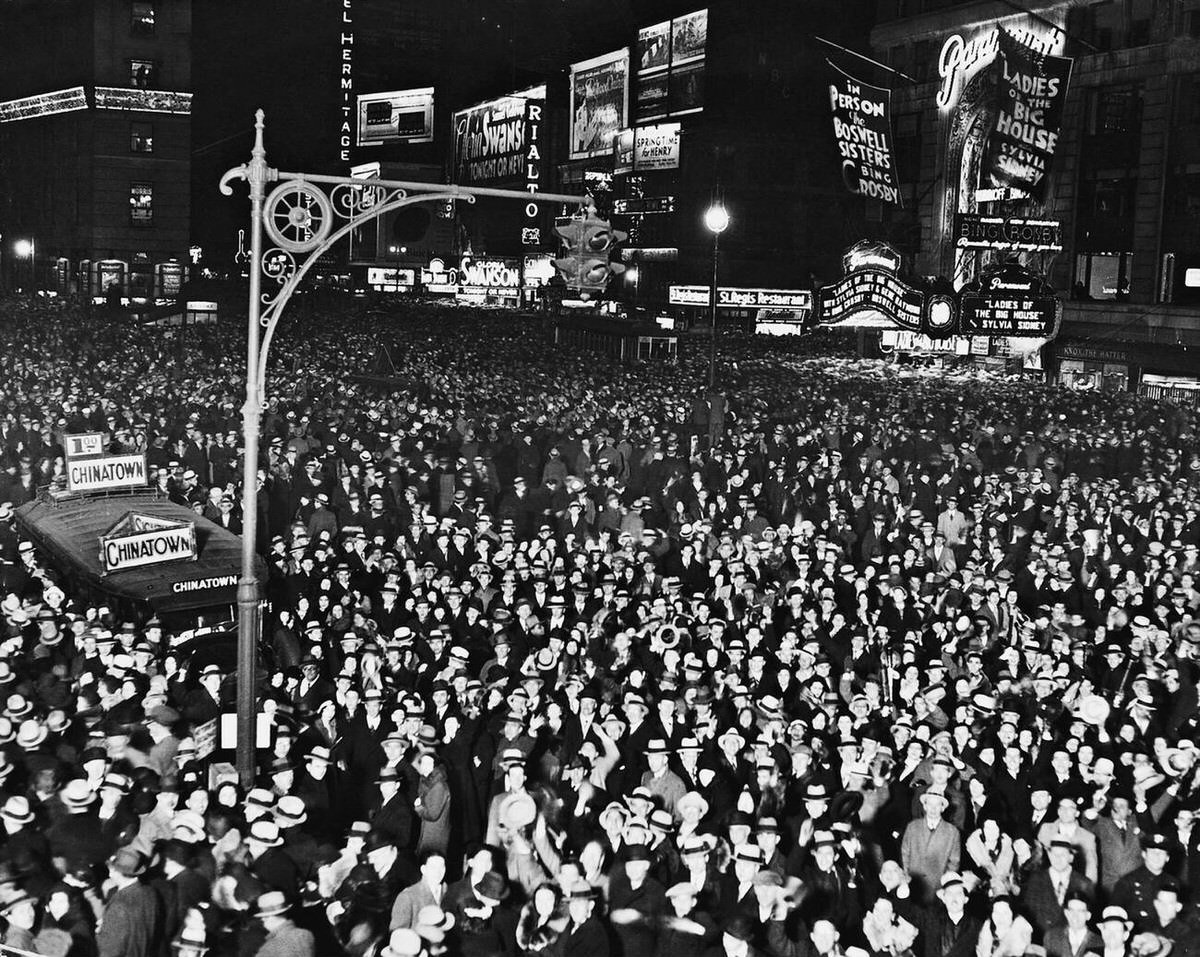
The sidewalks on a Saturday night in the 1920s were genuinely crowded in a way that is hard to overstate. Pedestrian traffic between 44th and 48th Streets ran so thick that walking at a normal pace was impossible. The theaters all let out within a roughly thirty-minute window, and several thousand people hit the street simultaneously from a dozen different houses. The taxi situation was chaotic. The restaurants were packed. The electric signs blazed overhead. It was, in every measurable sense, the most intensely alive block in the Western world on those nights.

GIPHY App Key not set. Please check settings