

 Wendy Robert
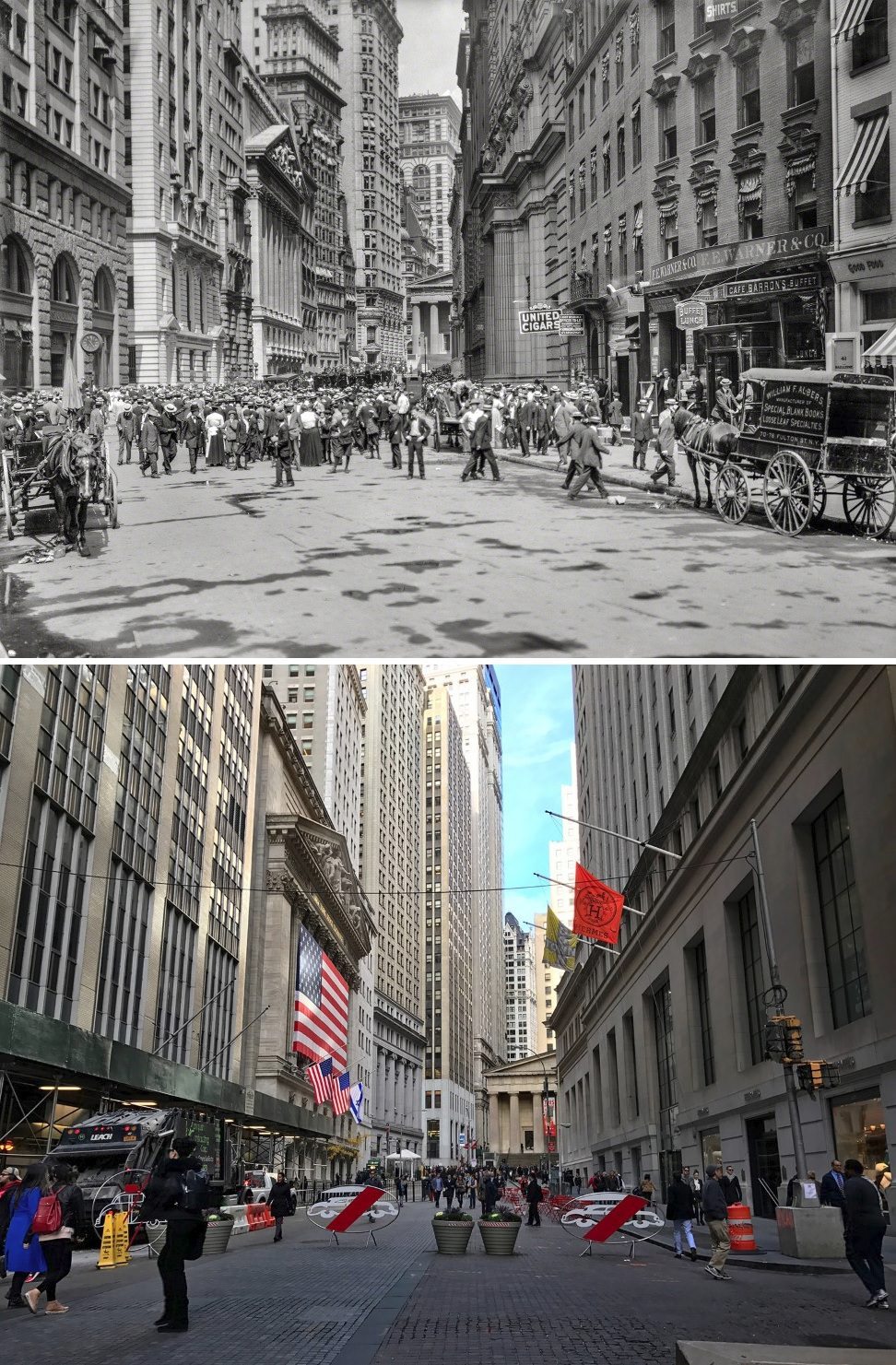
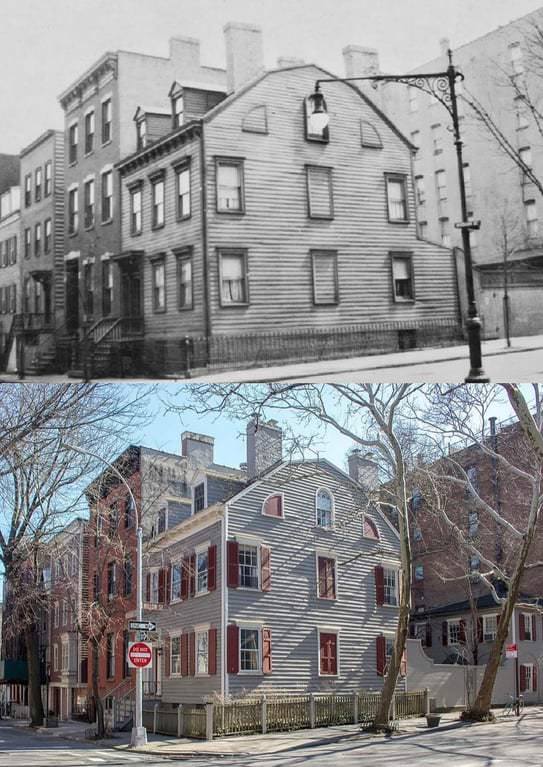
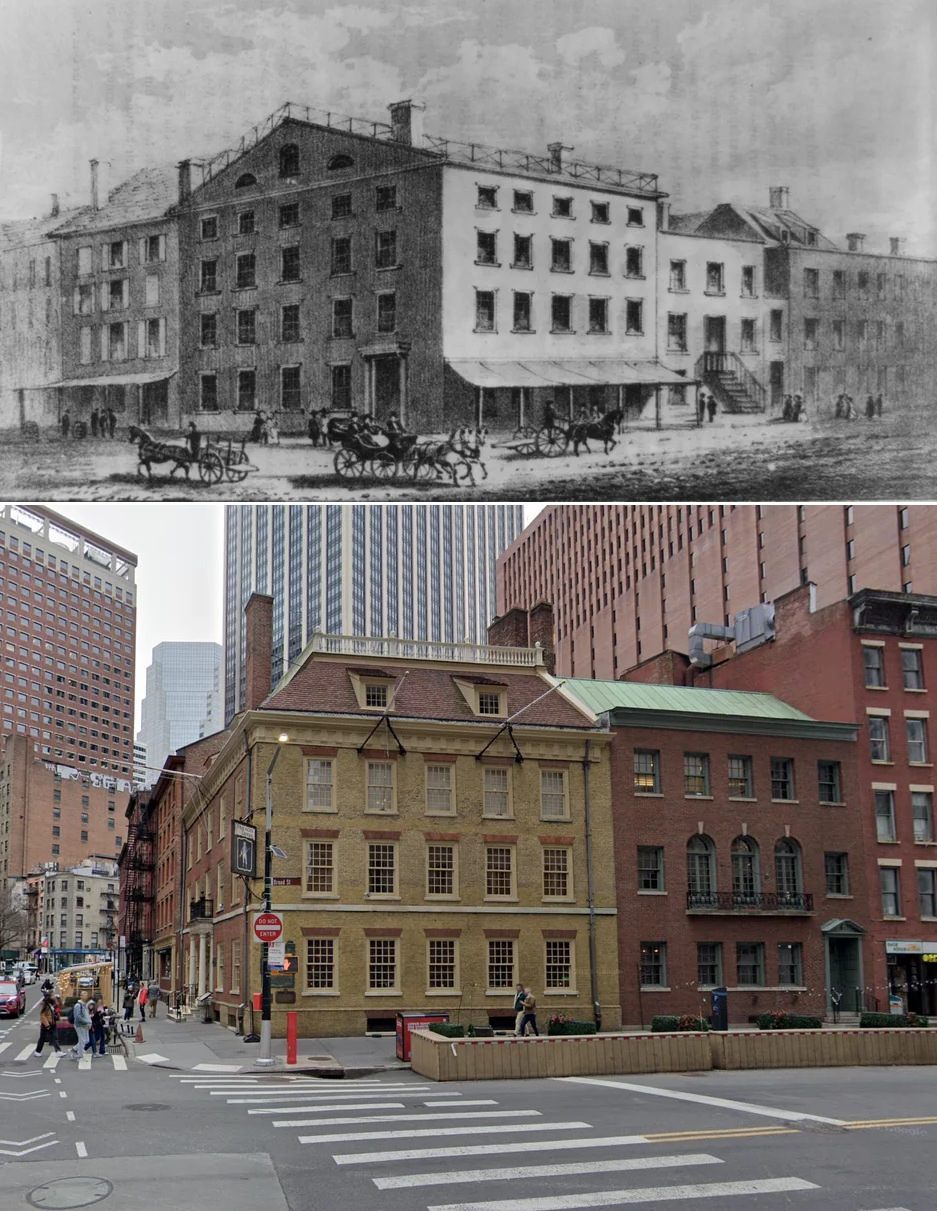
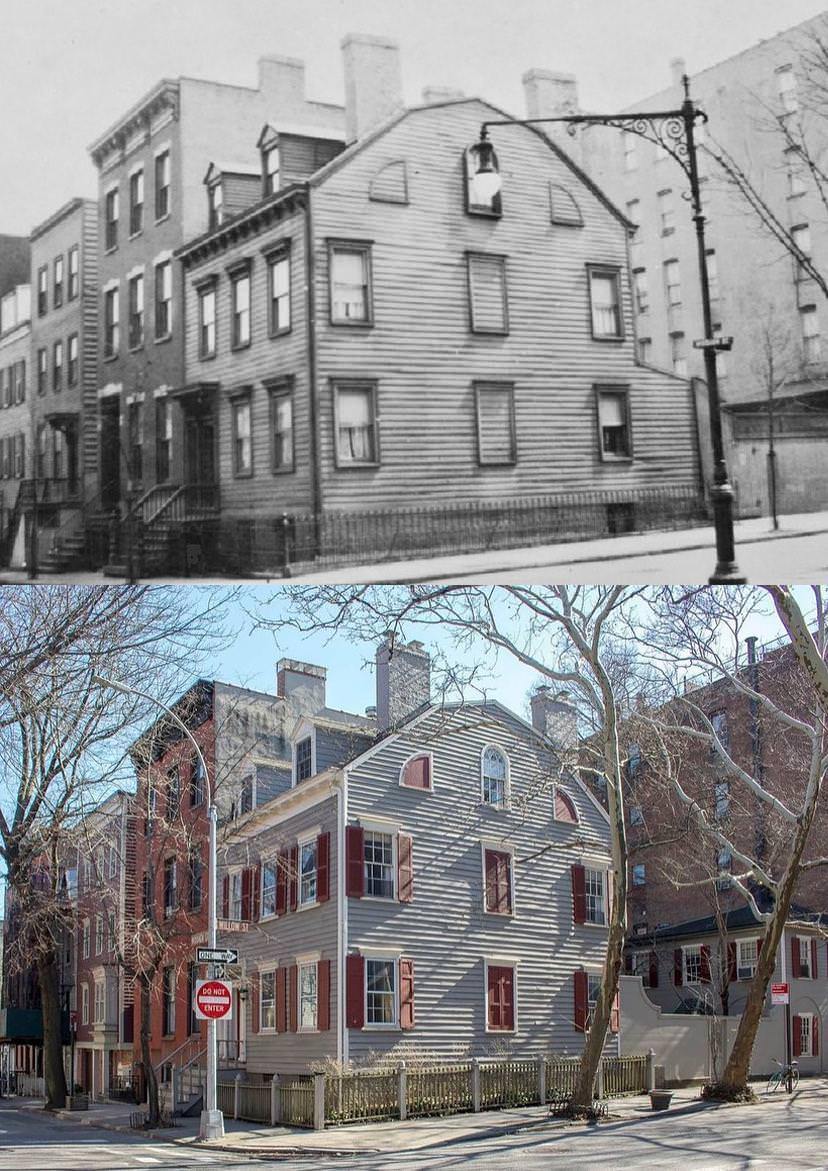
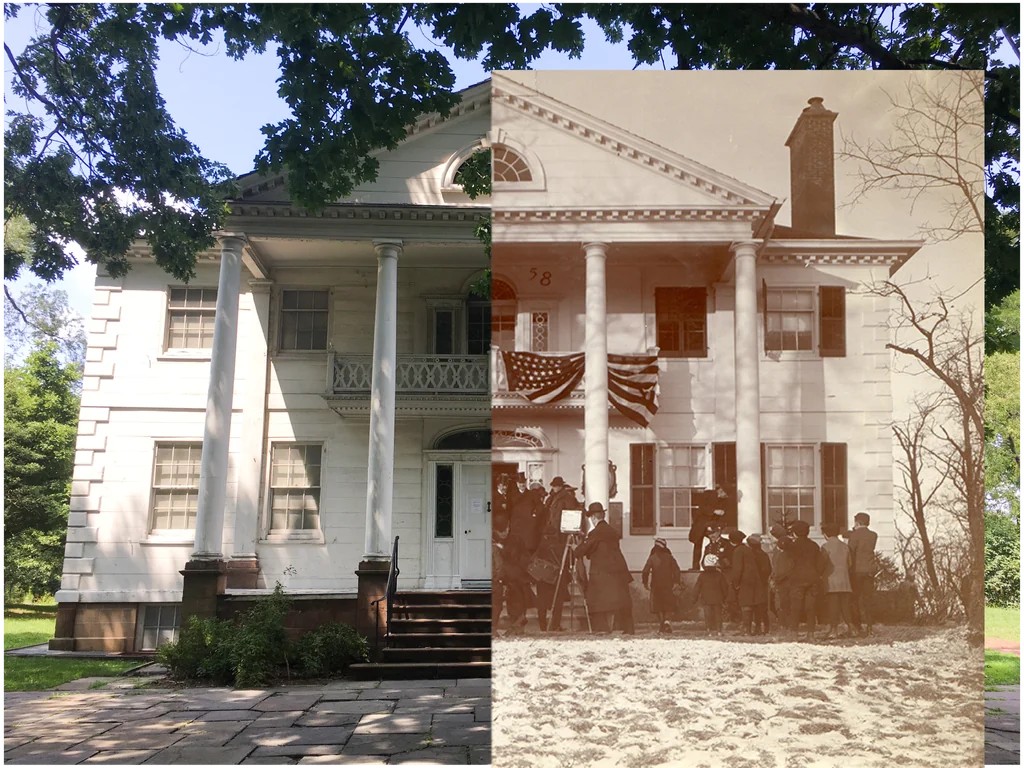
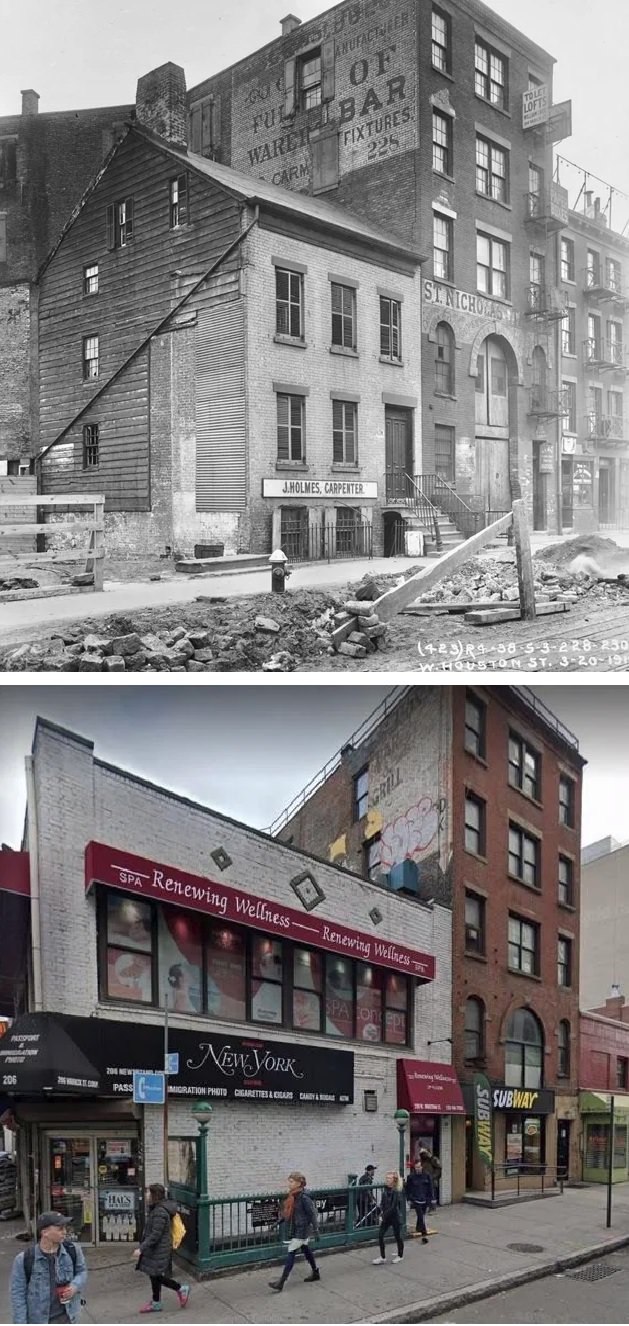
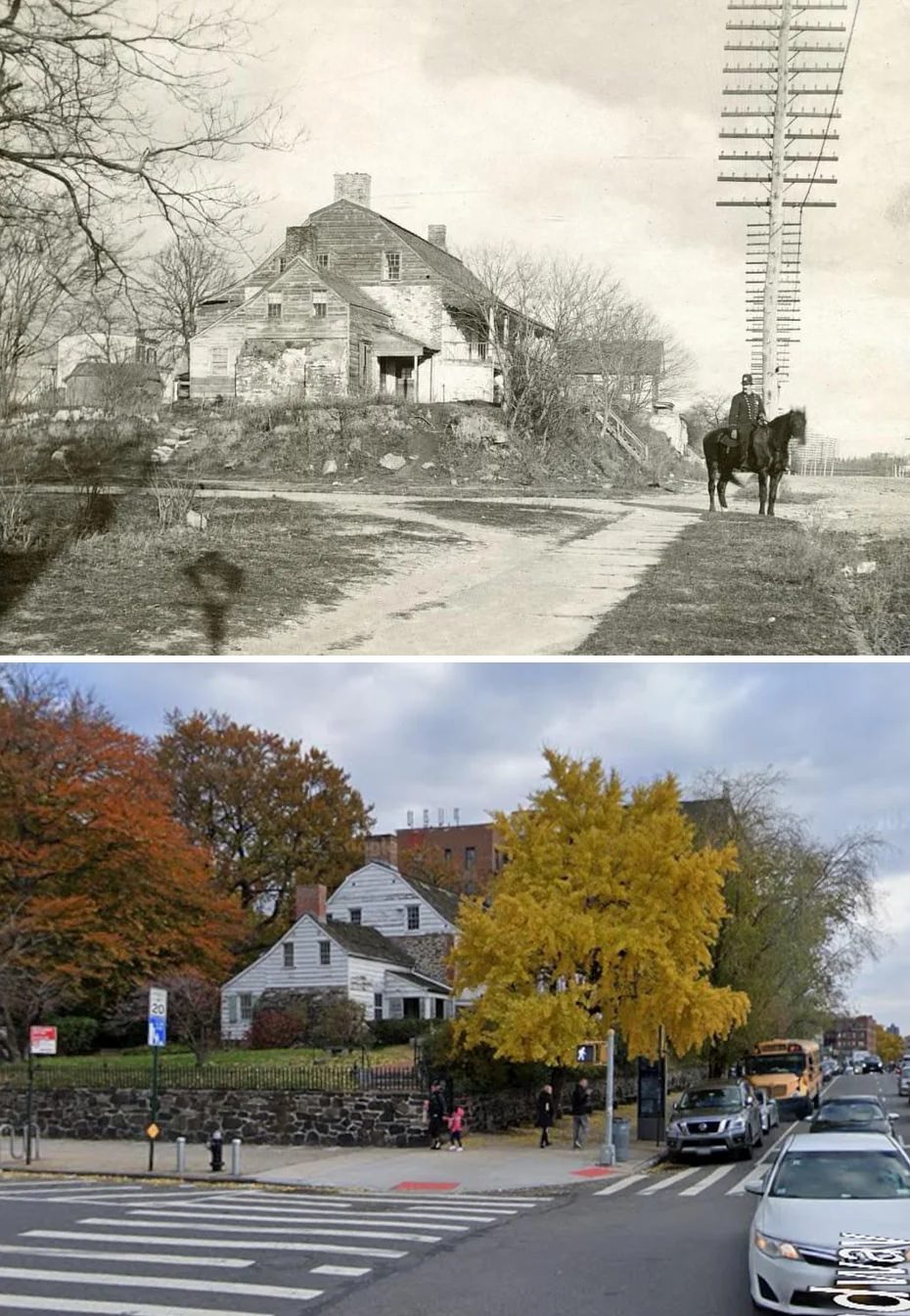
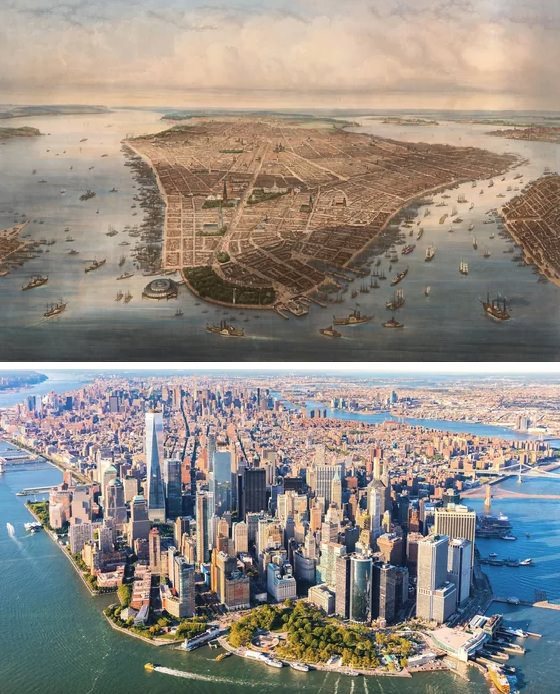
New York City grew from a small colonial port into the largest city in the United States. In the 1600s, Dutch settlers built trading posts and simple wooden homes in what is now Lower Manhattan. Narrow streets followed old paths instead of a planned grid.
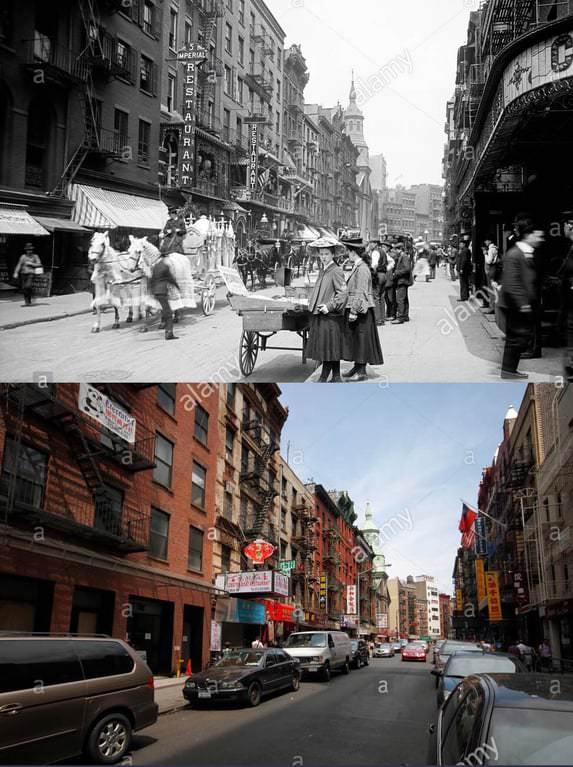
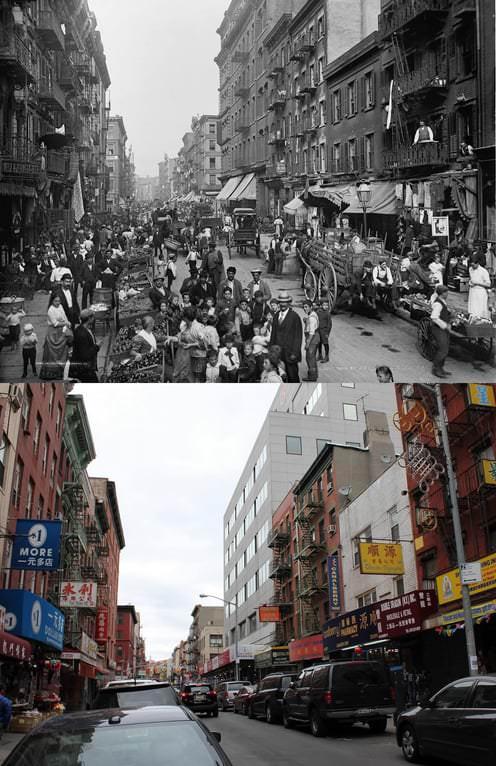
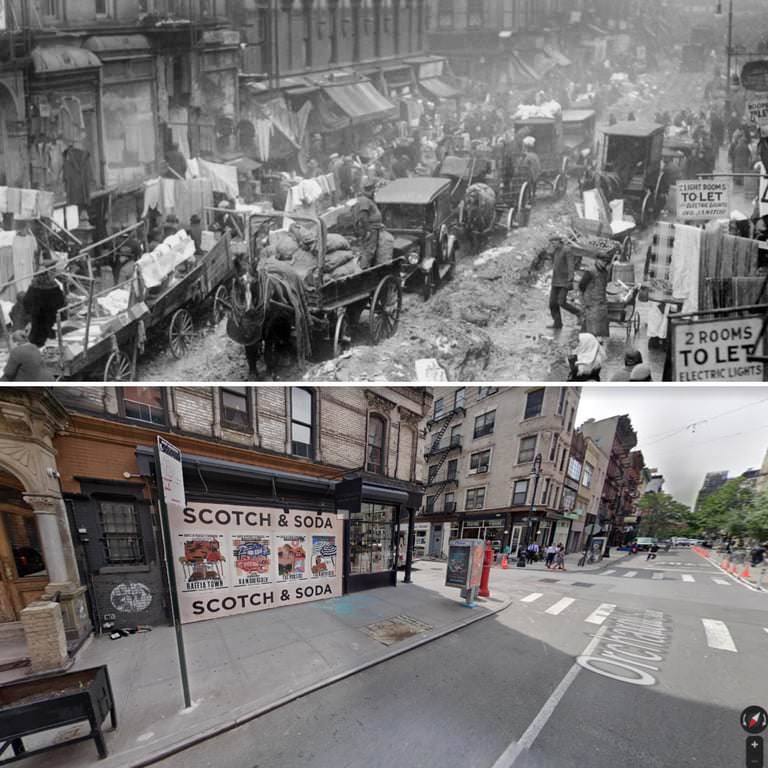
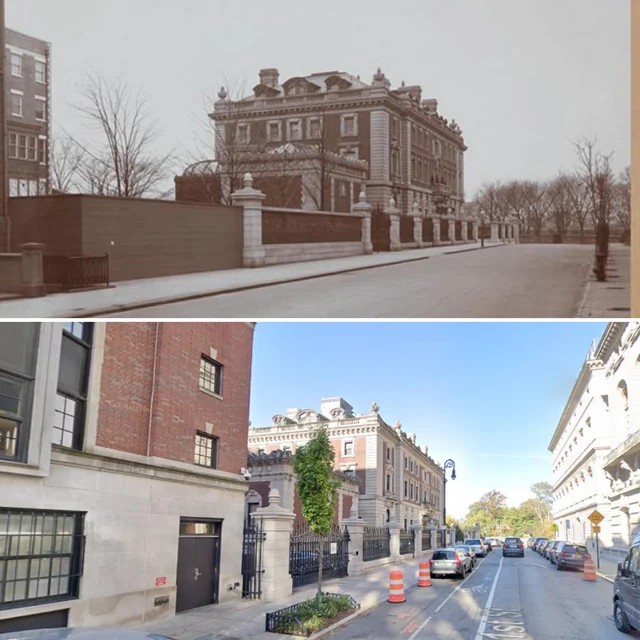
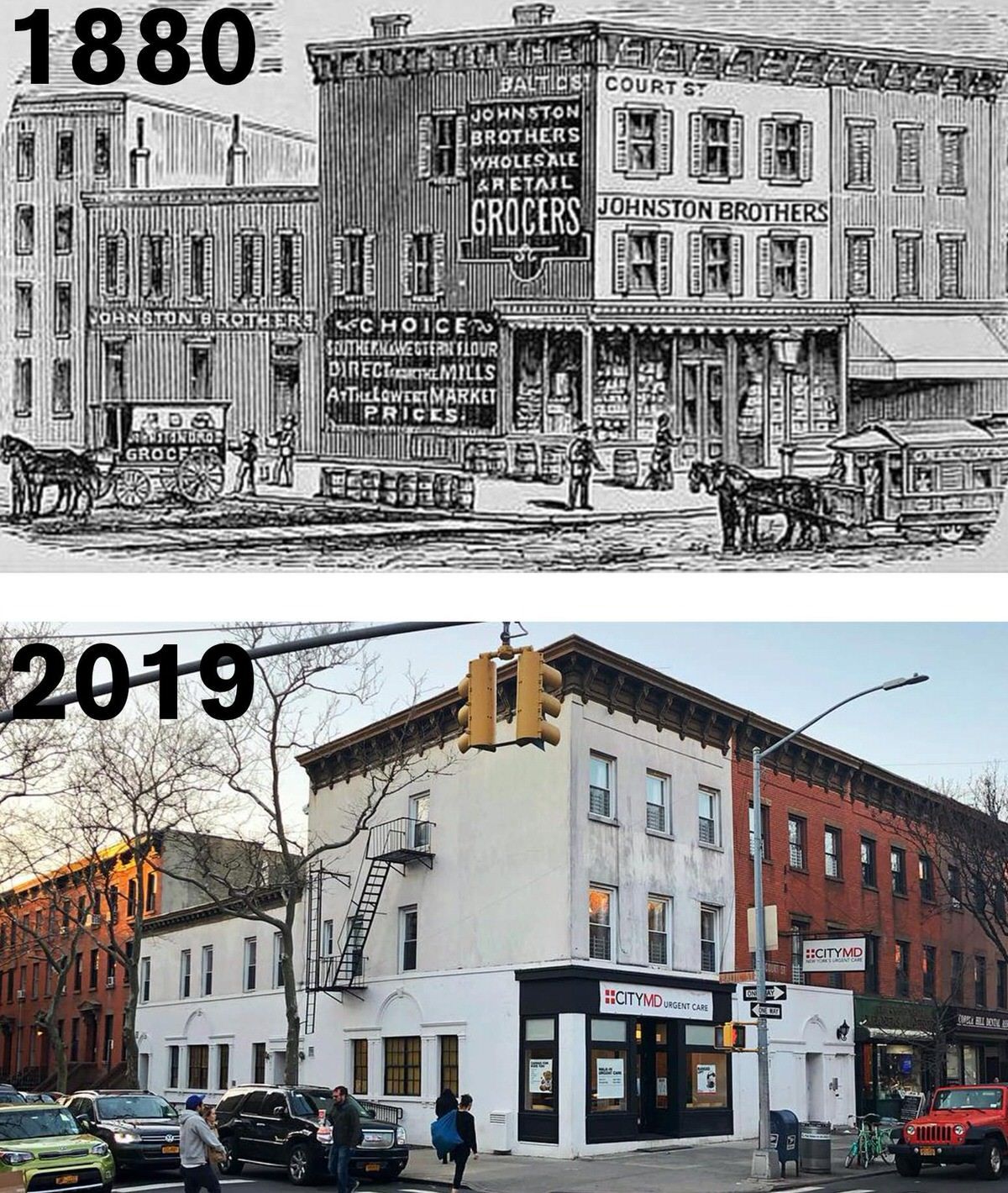
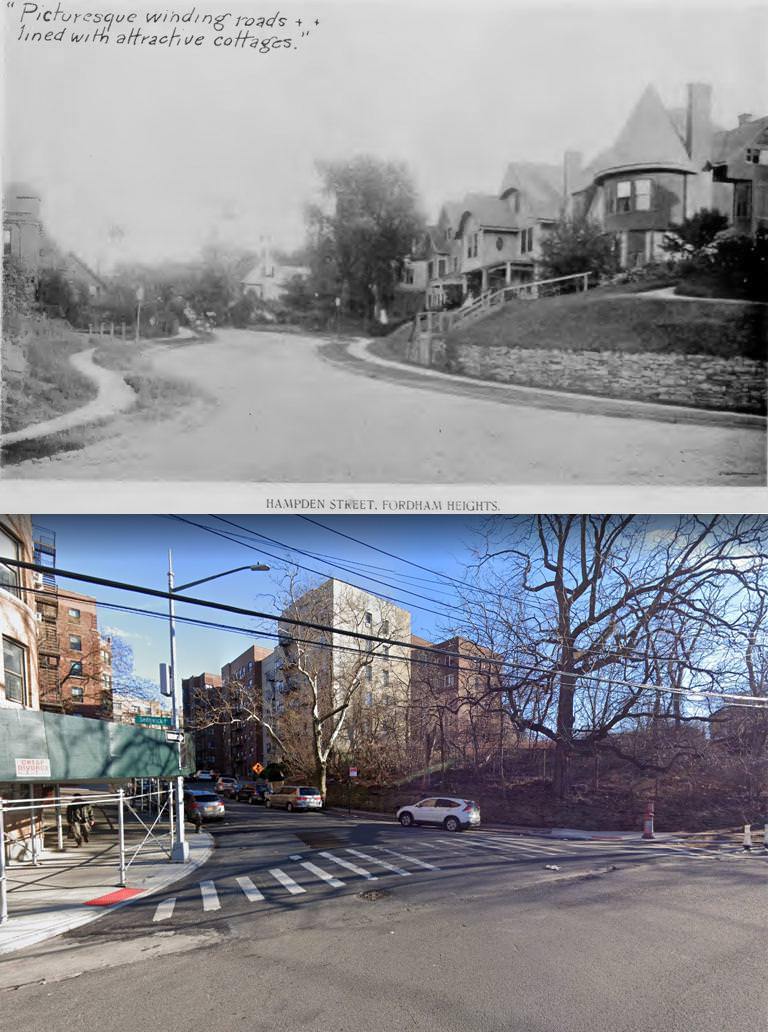
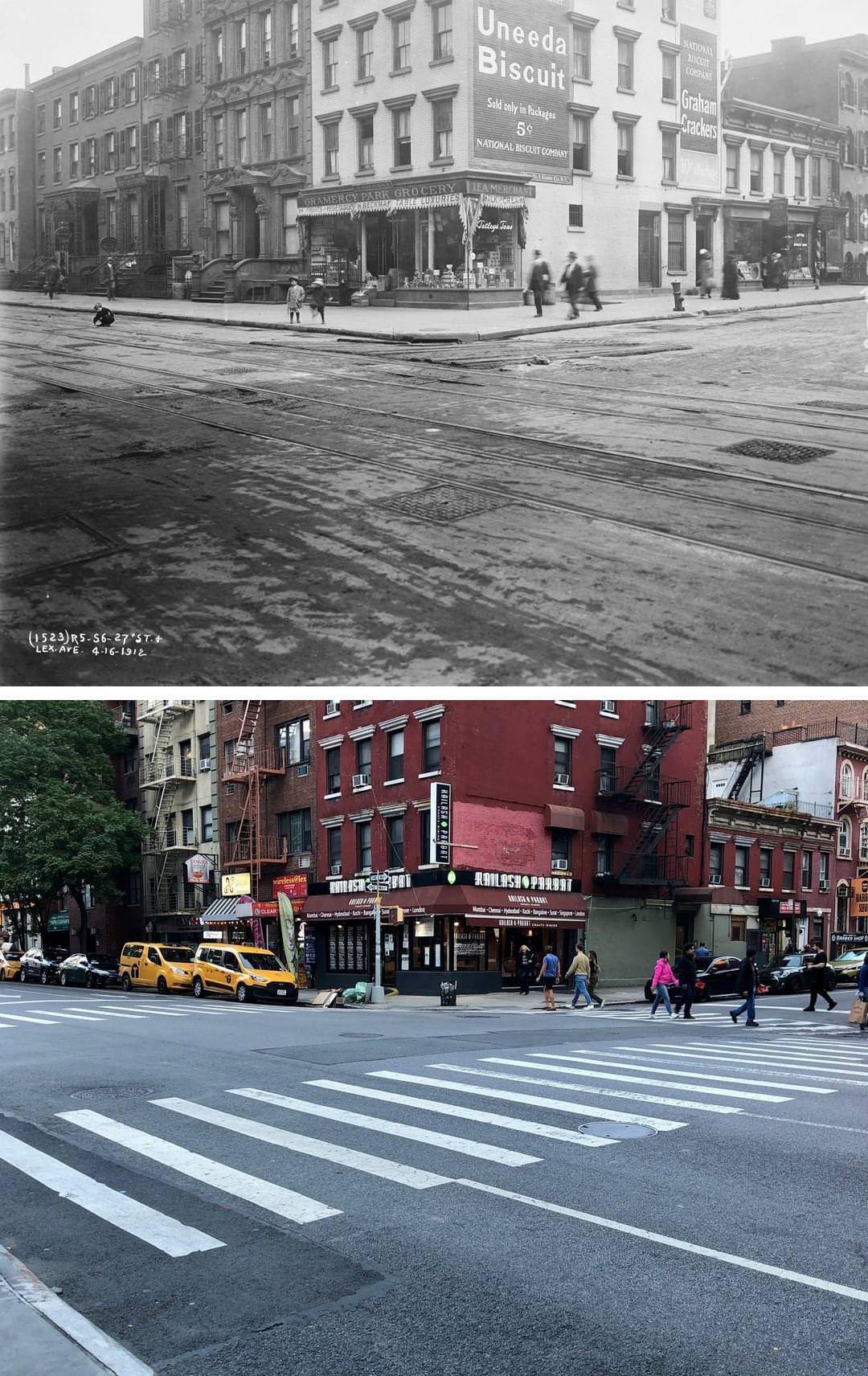
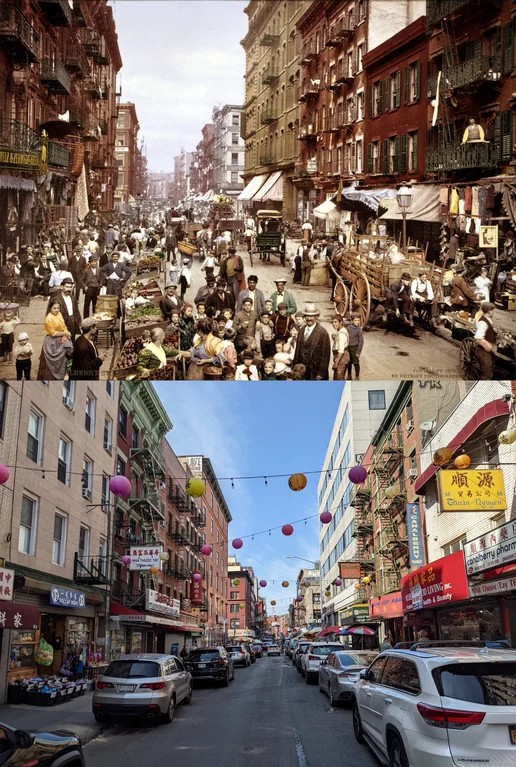
By the 1800s, the city expanded northward. Brick rowhouses replaced many early structures. Immigration increased the population, and new housing blocks filled quickly.
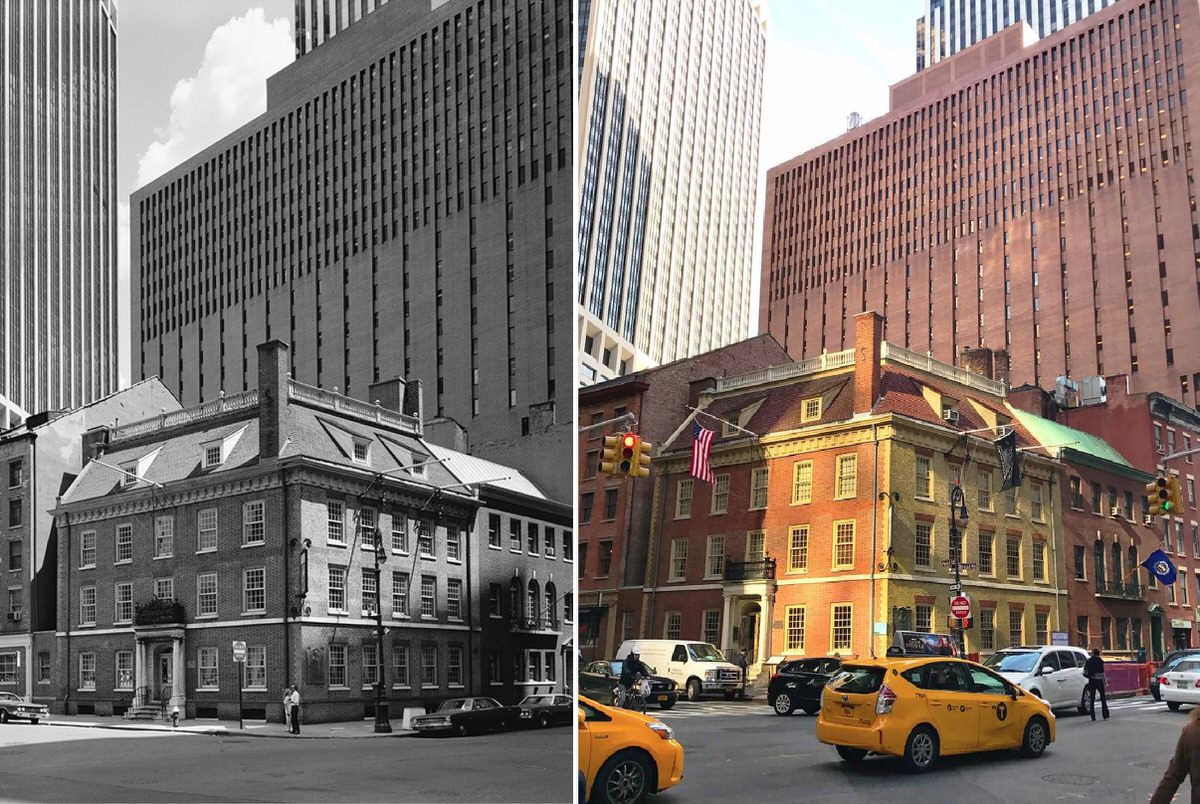
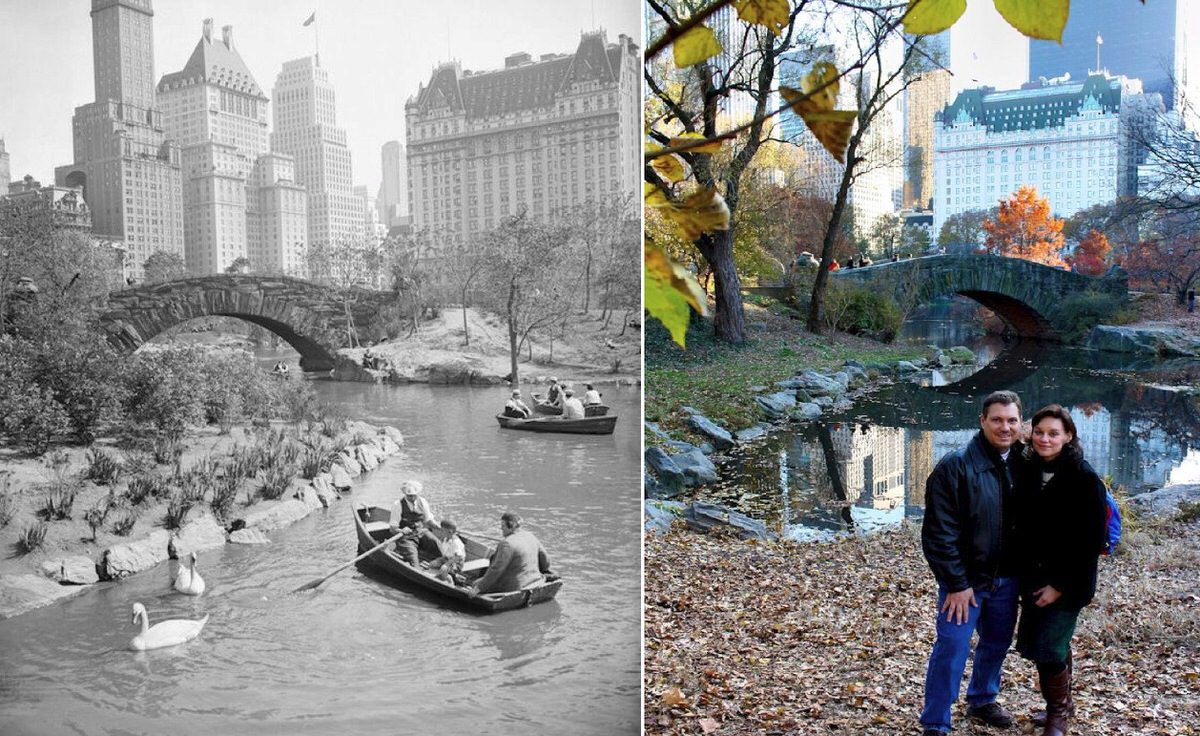
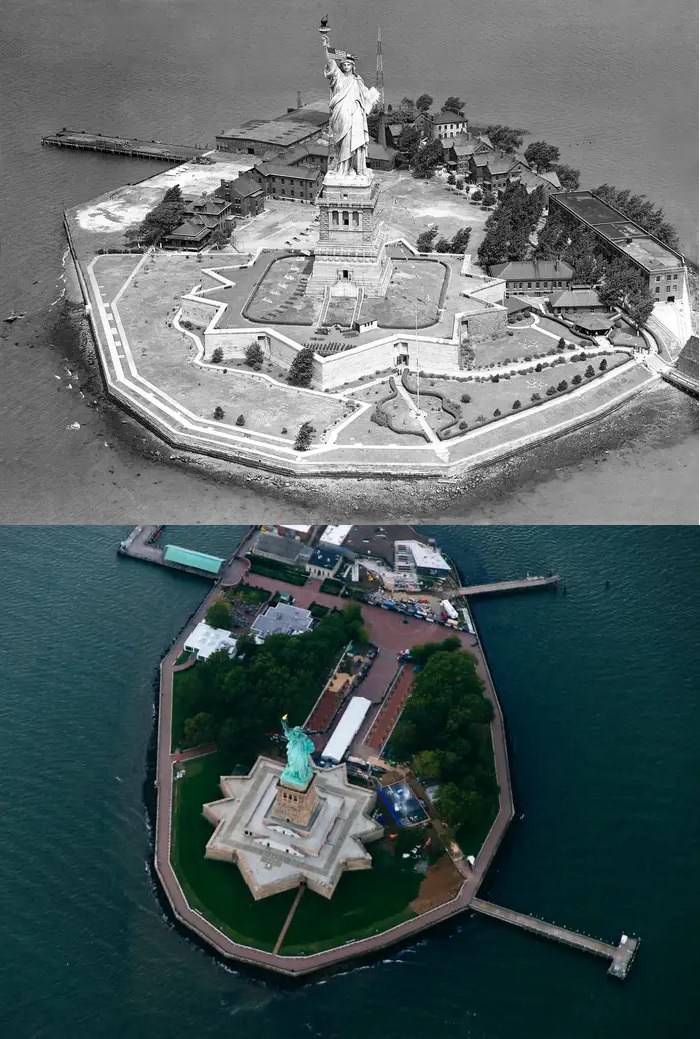
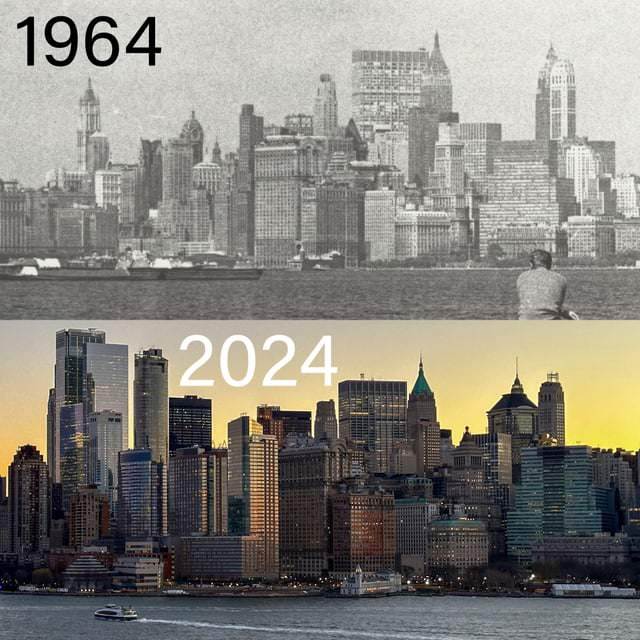
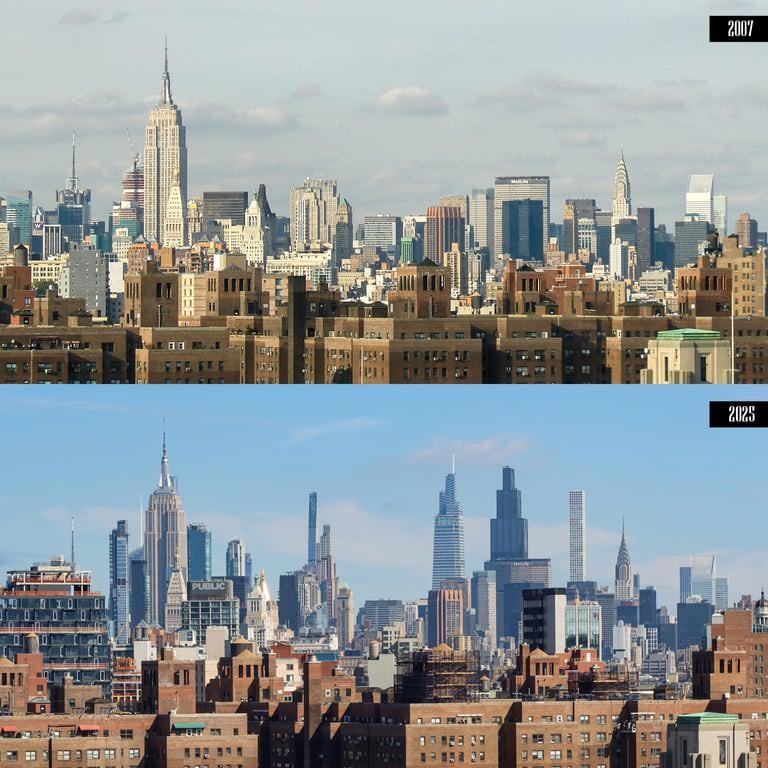
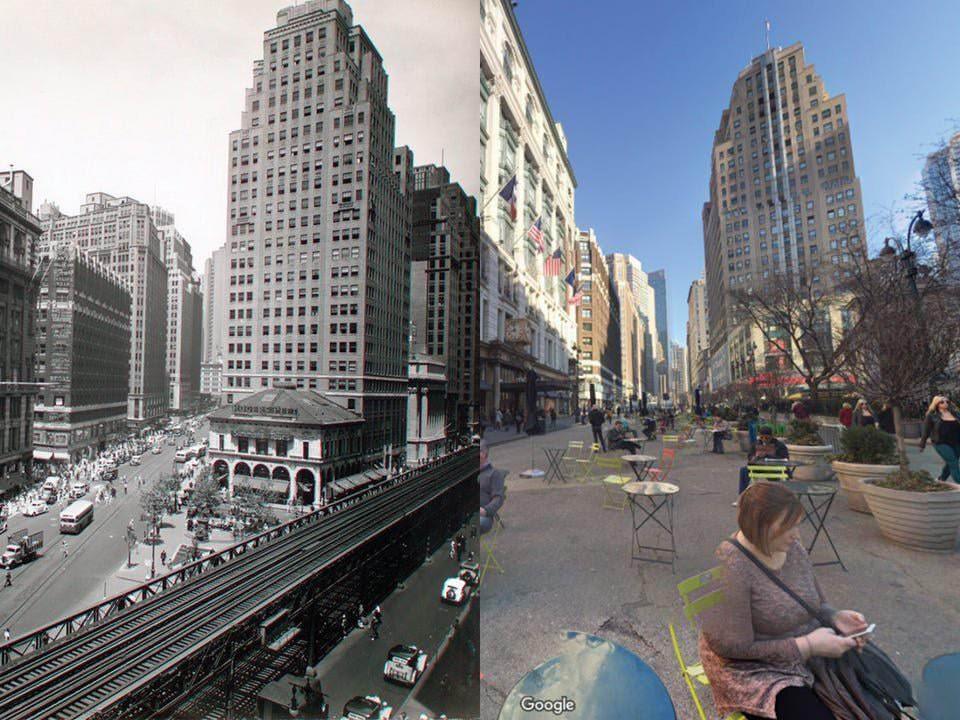
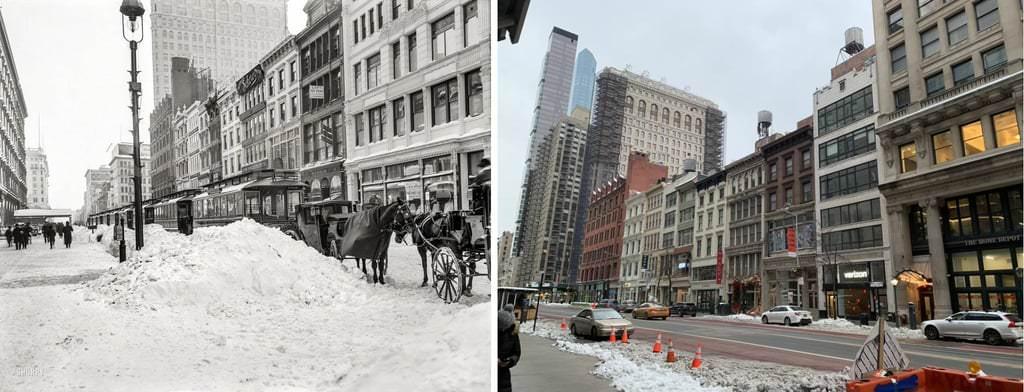
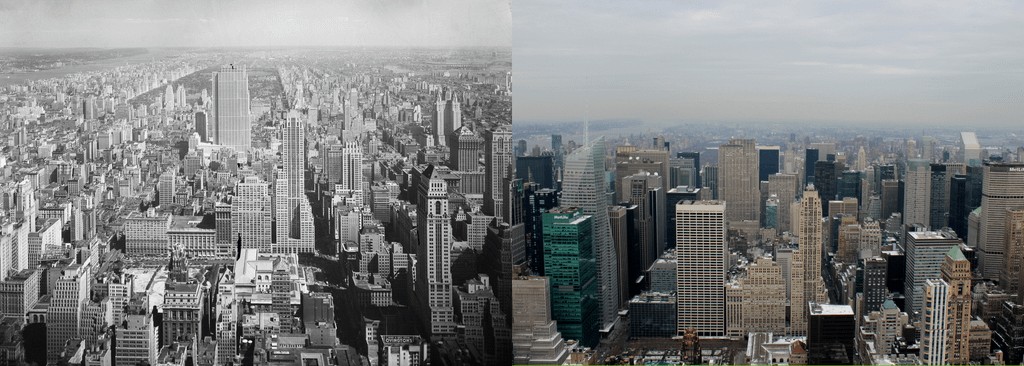
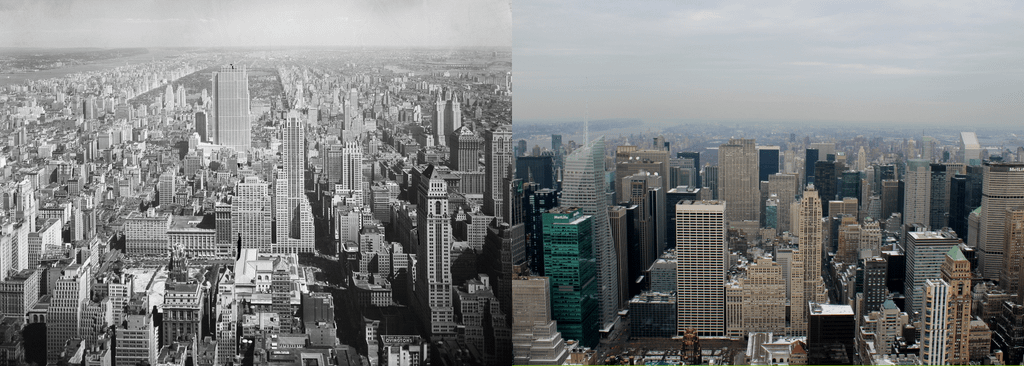
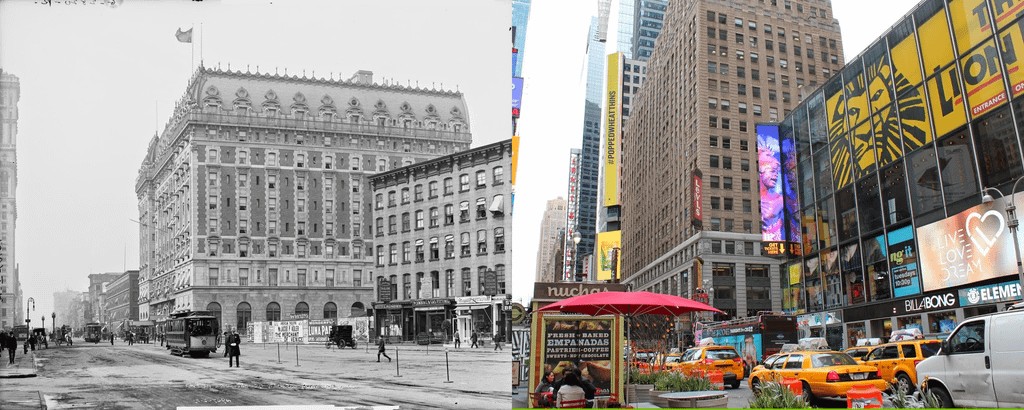
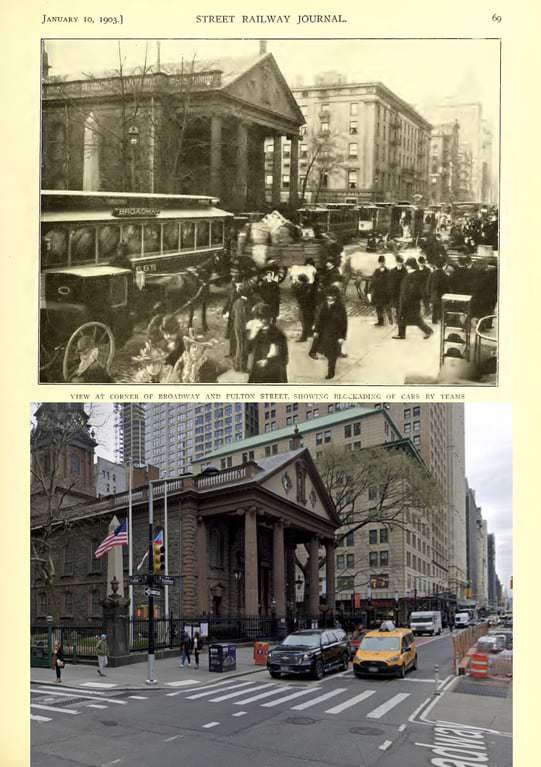
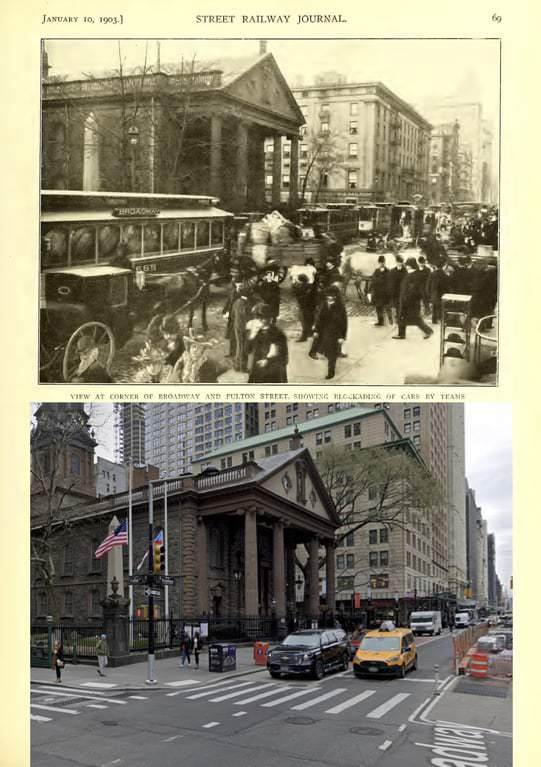
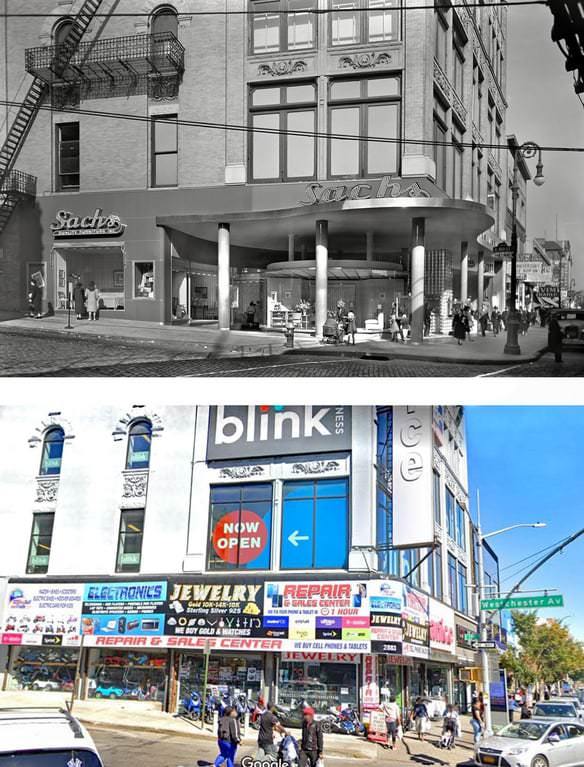
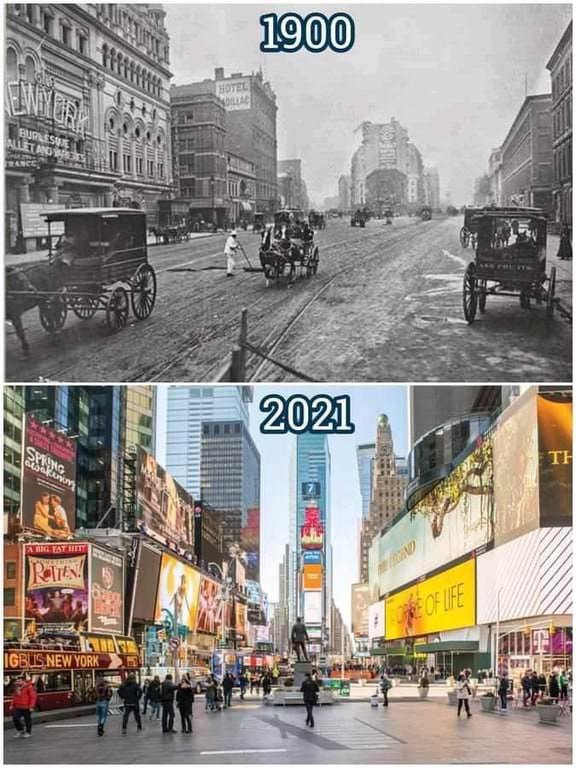
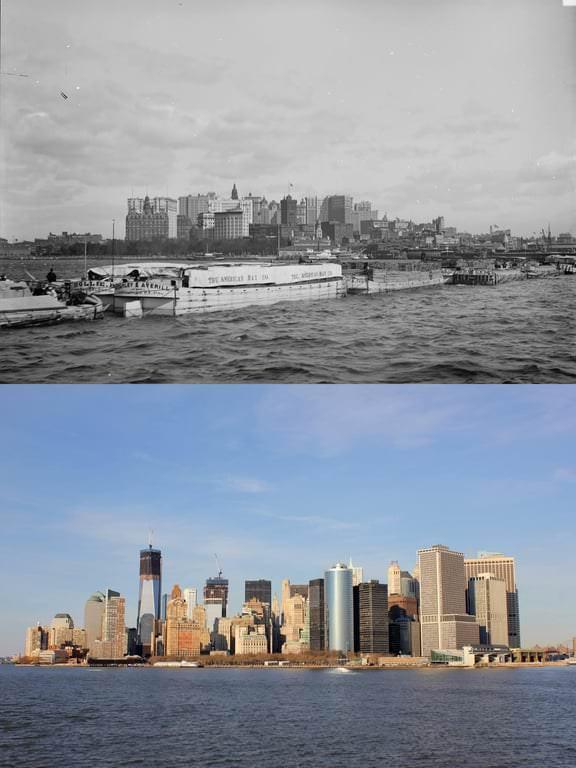
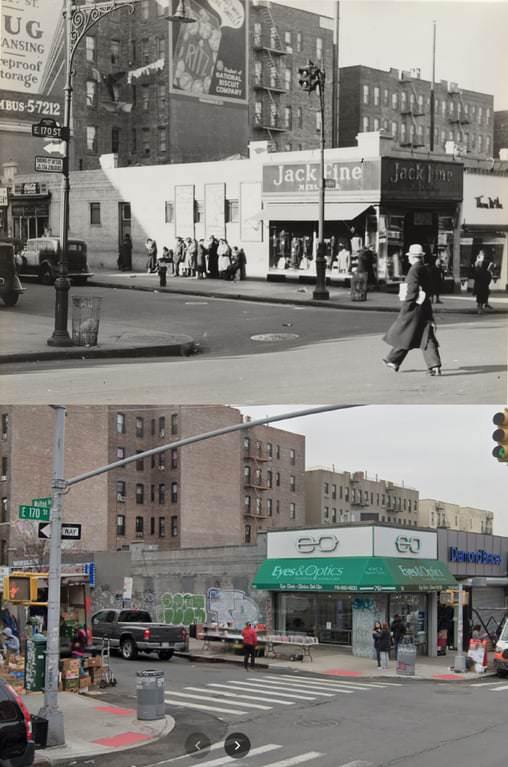
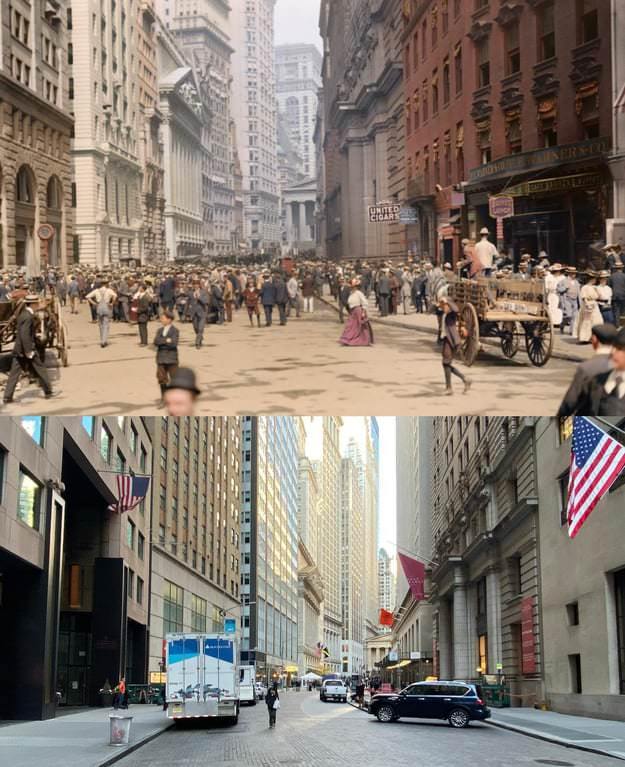
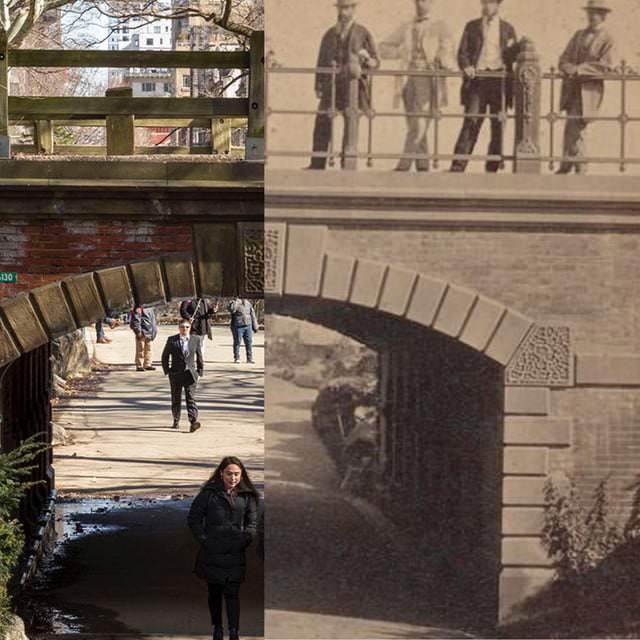
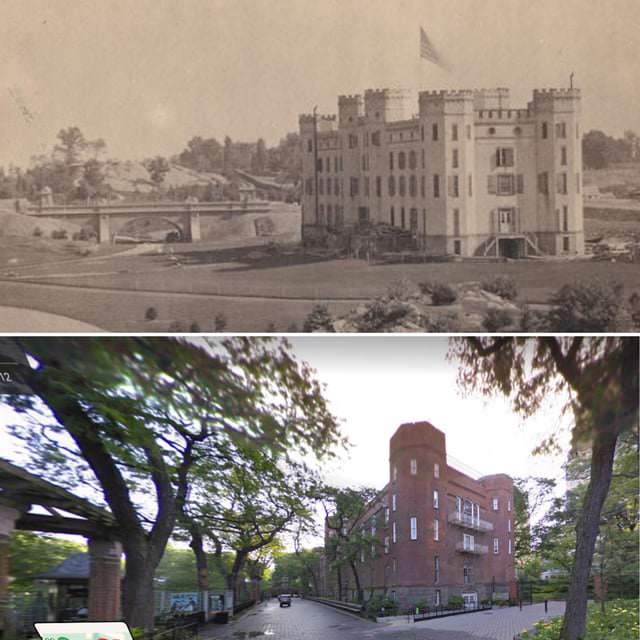
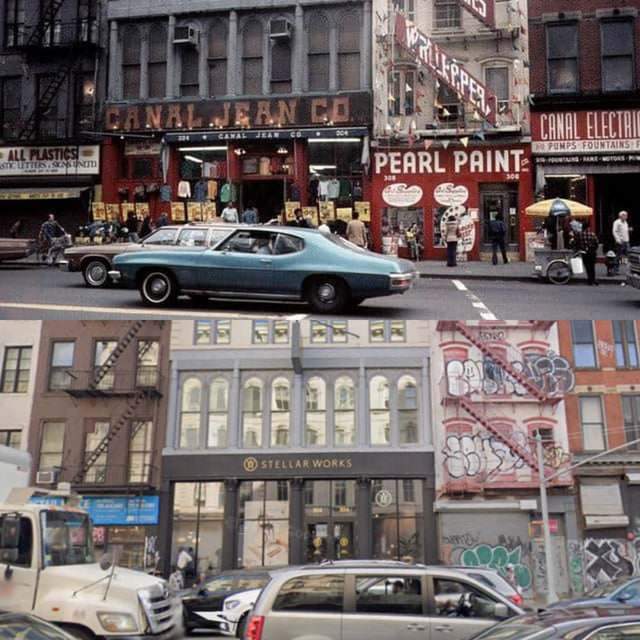
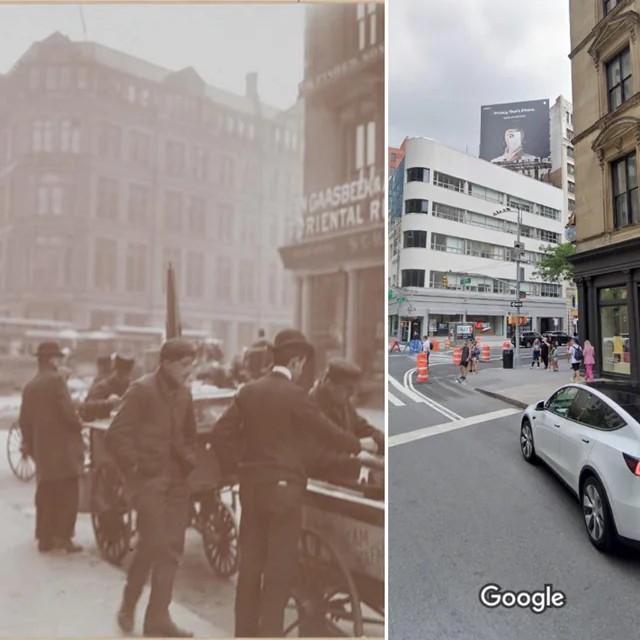
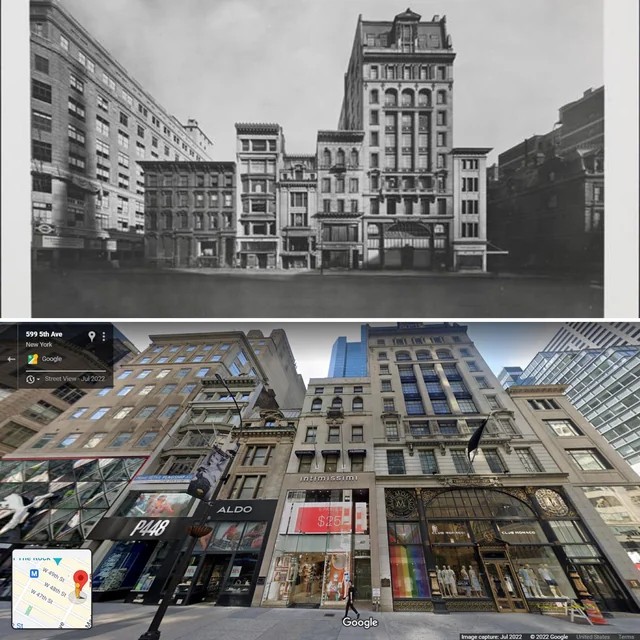
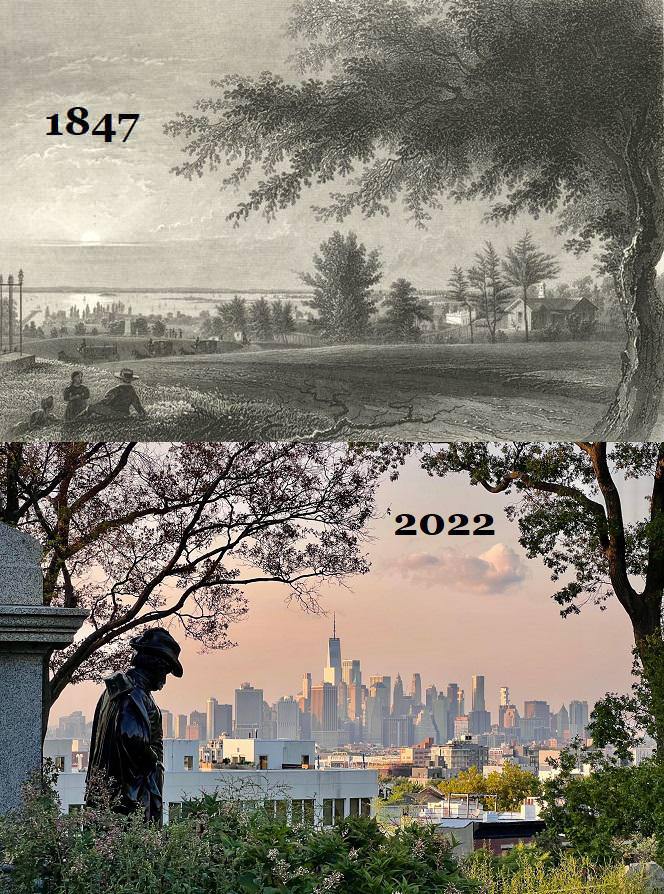
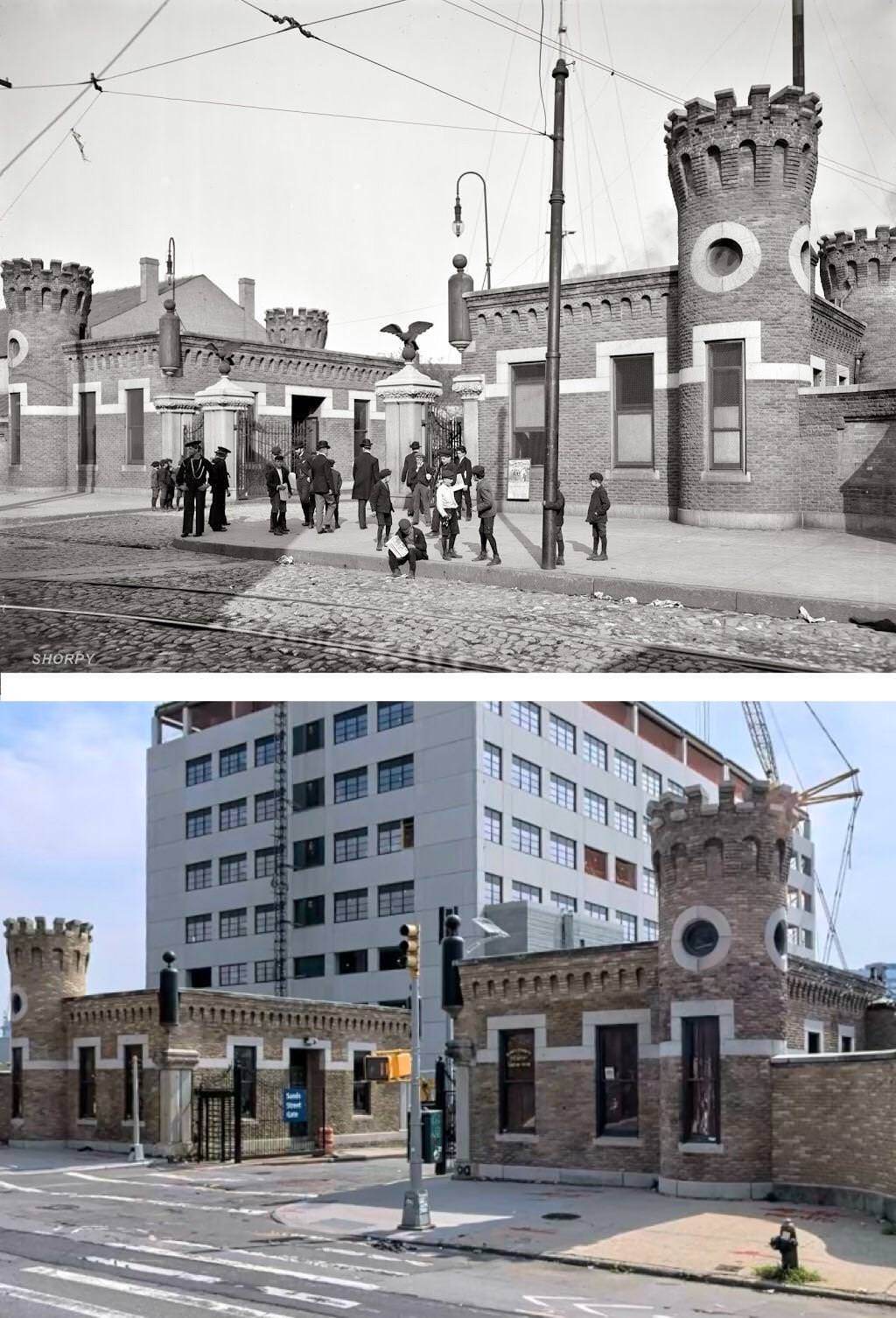
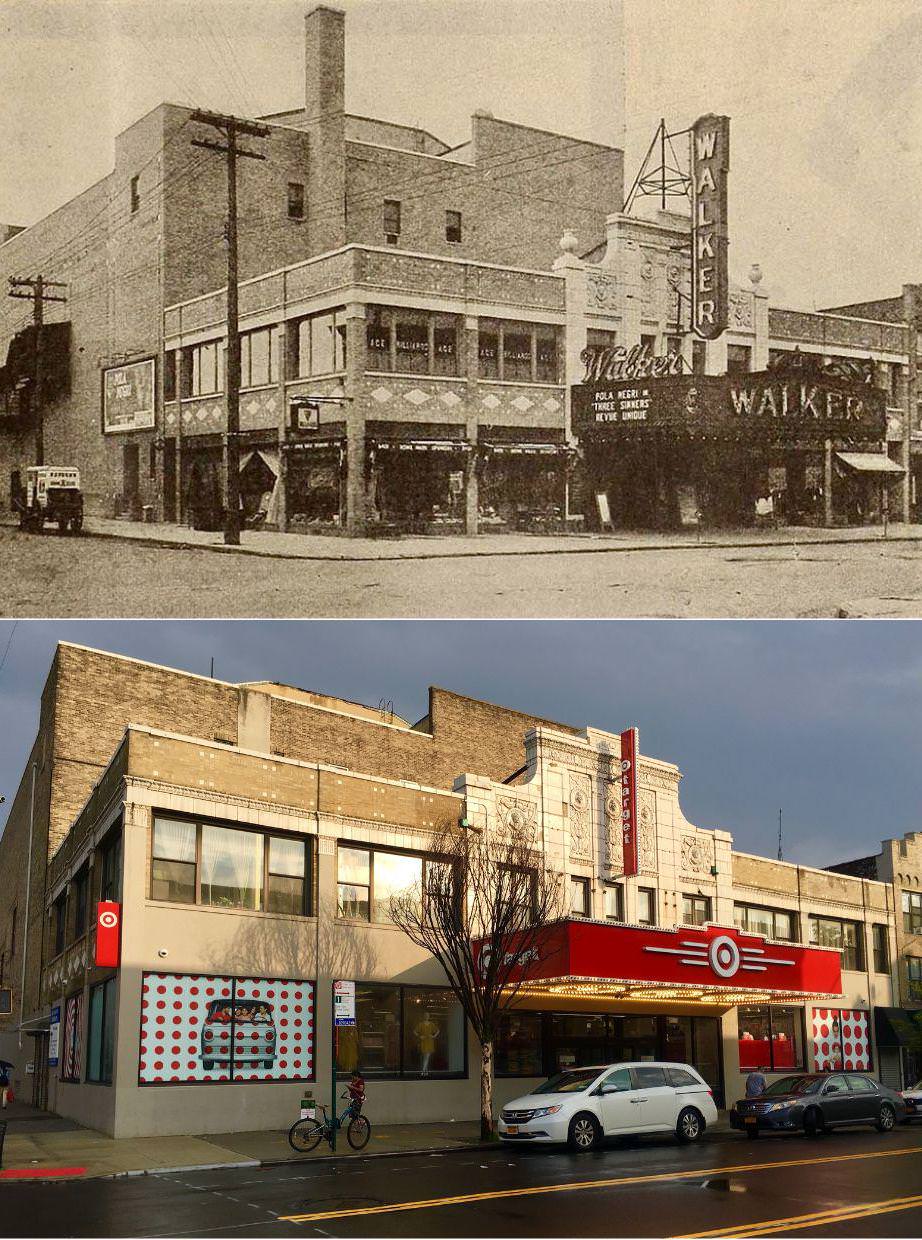
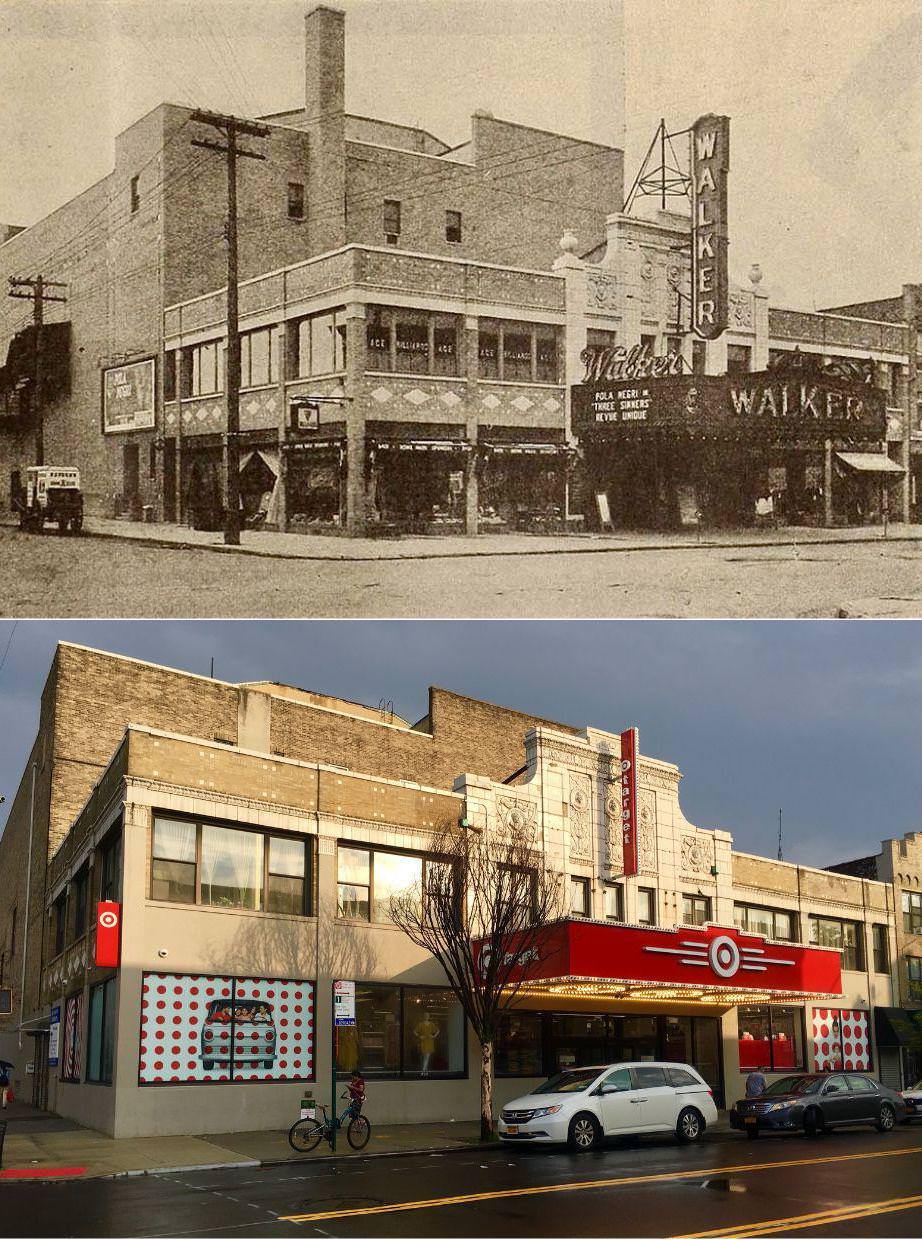
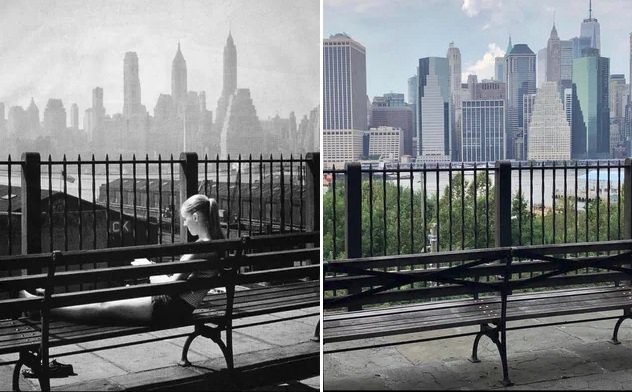
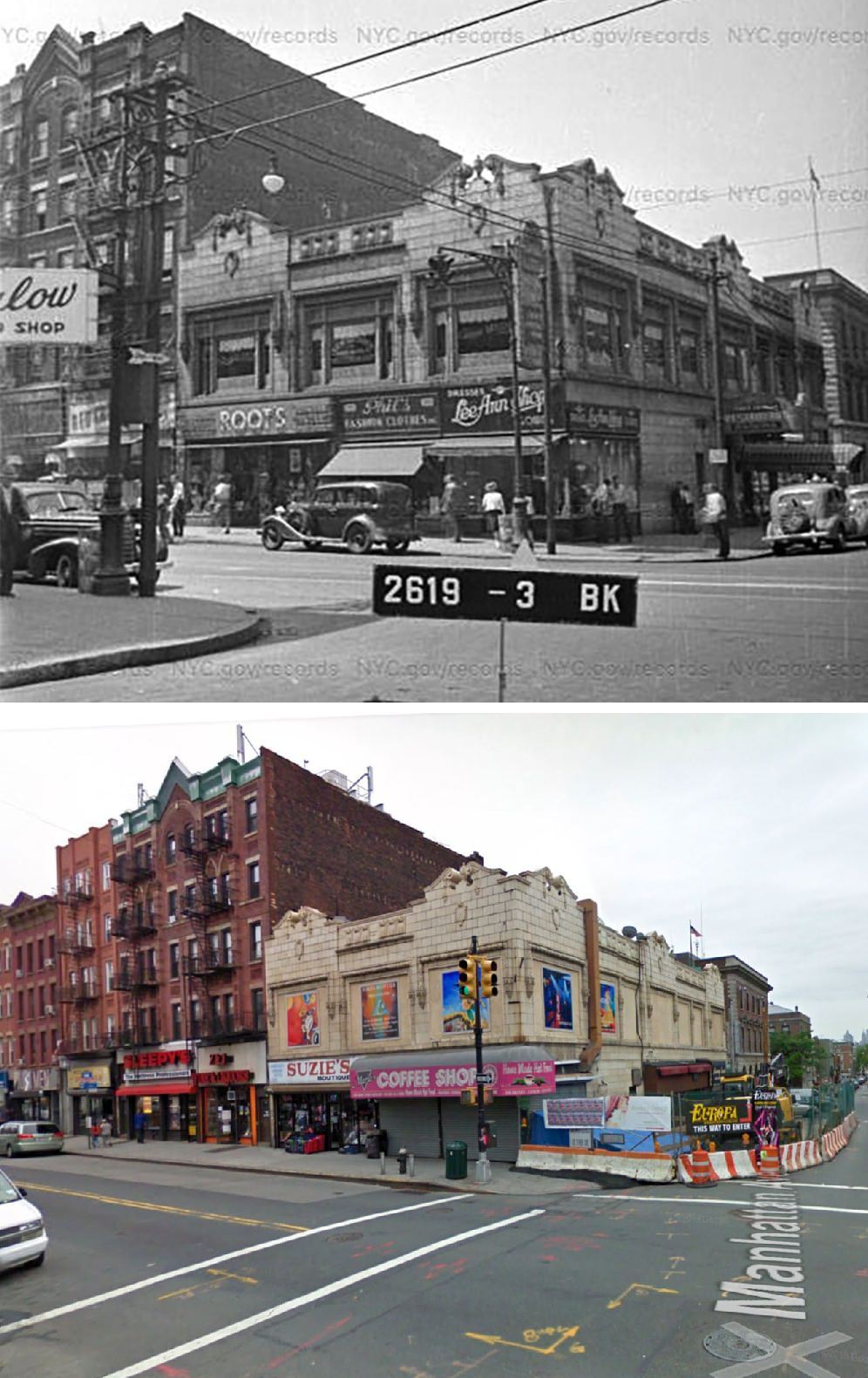
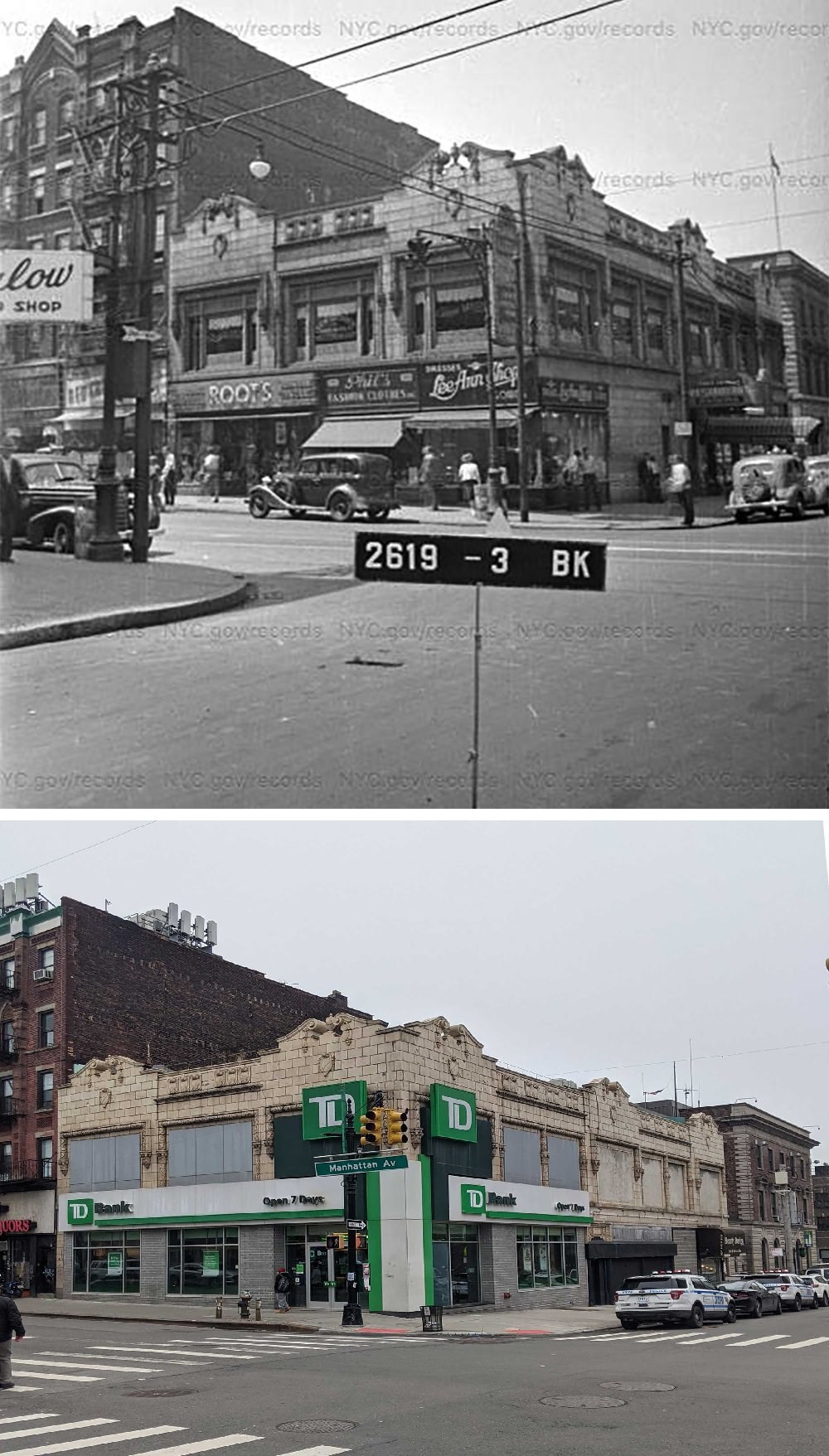
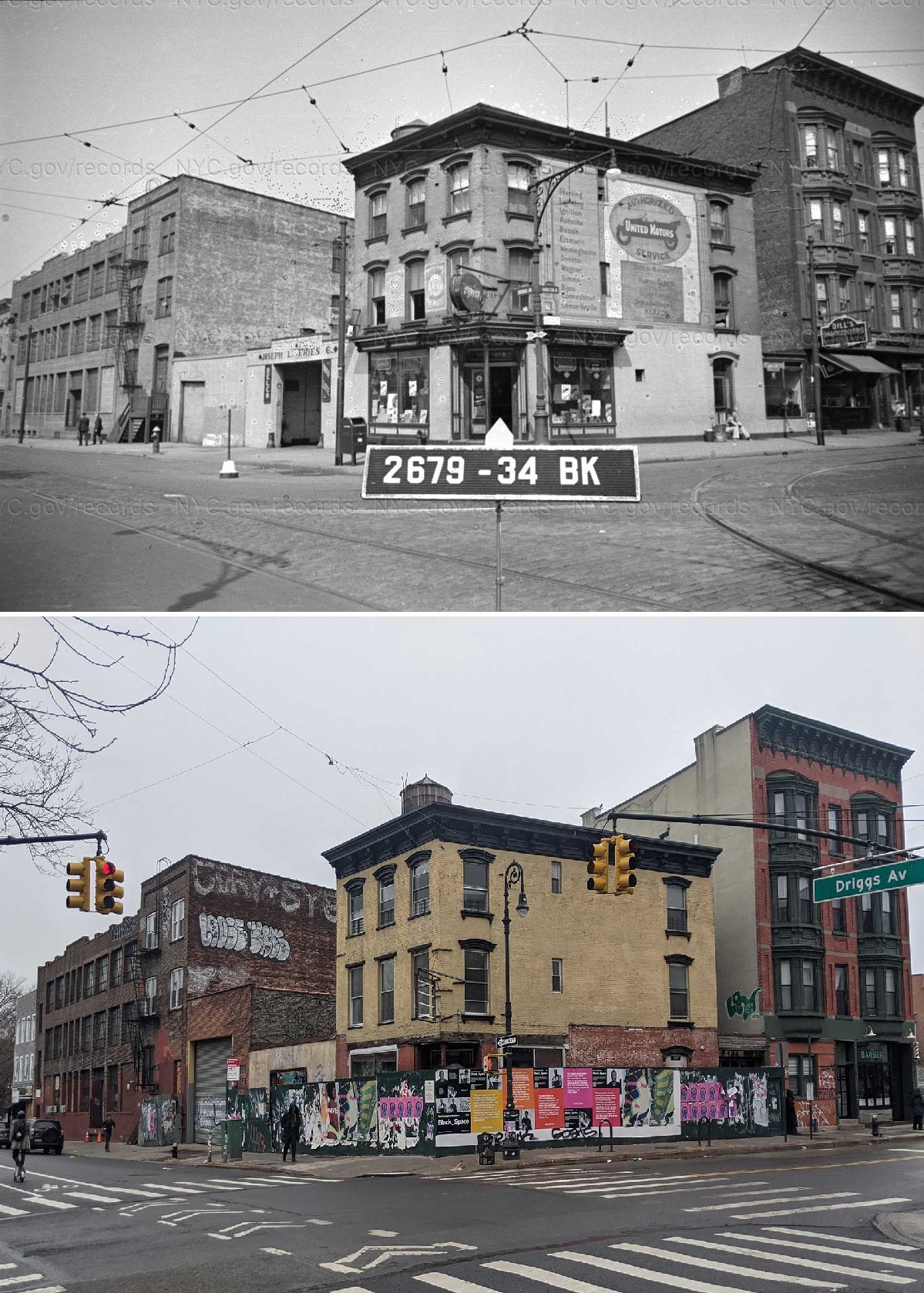
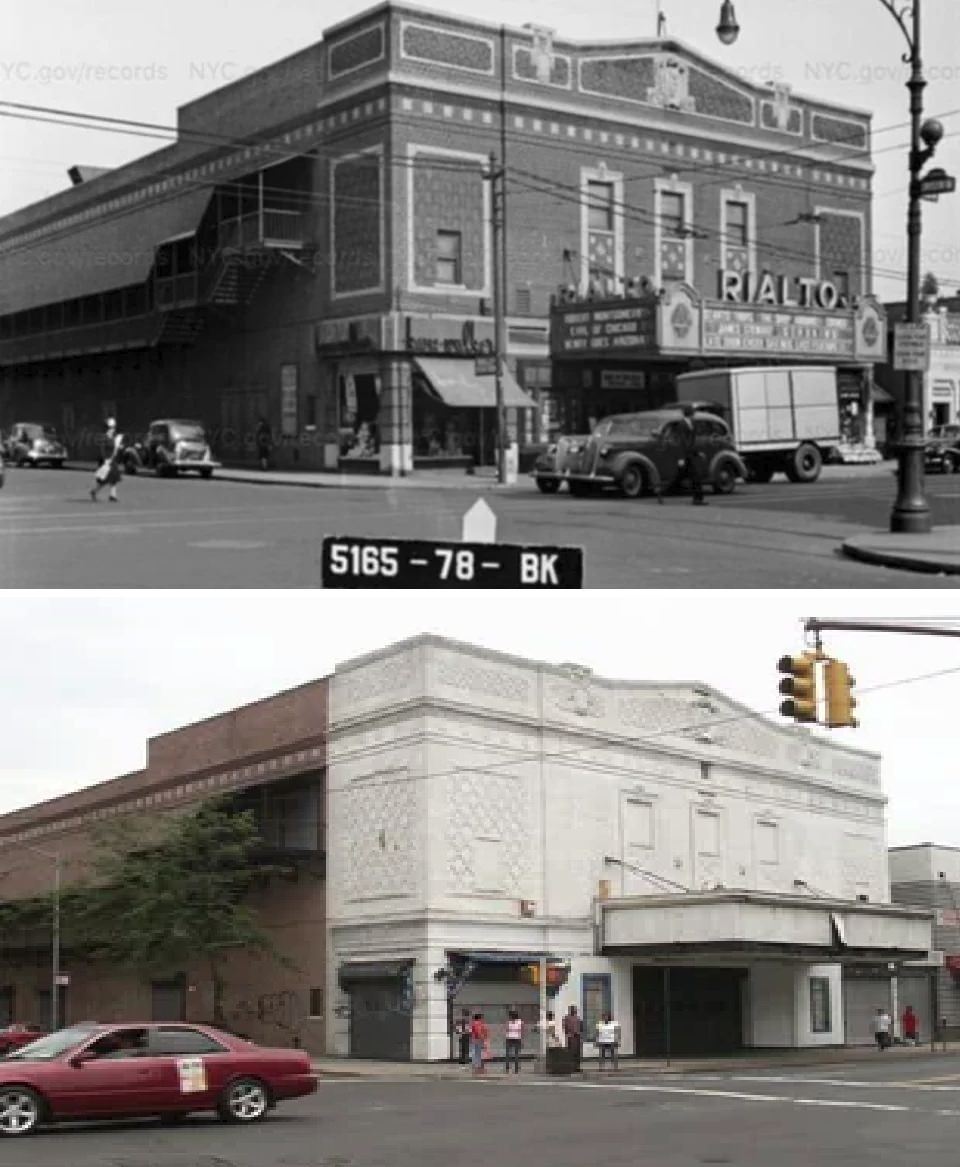
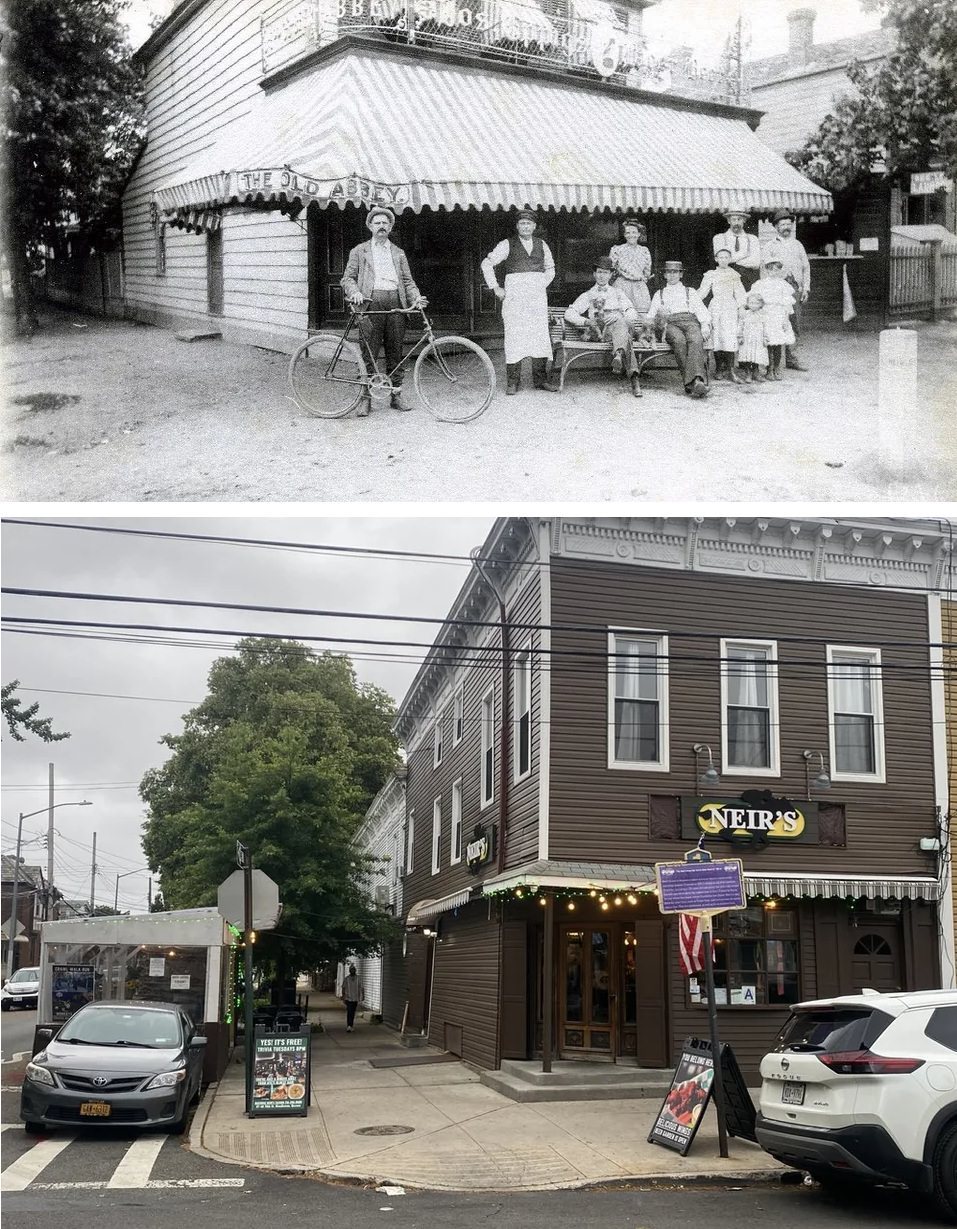
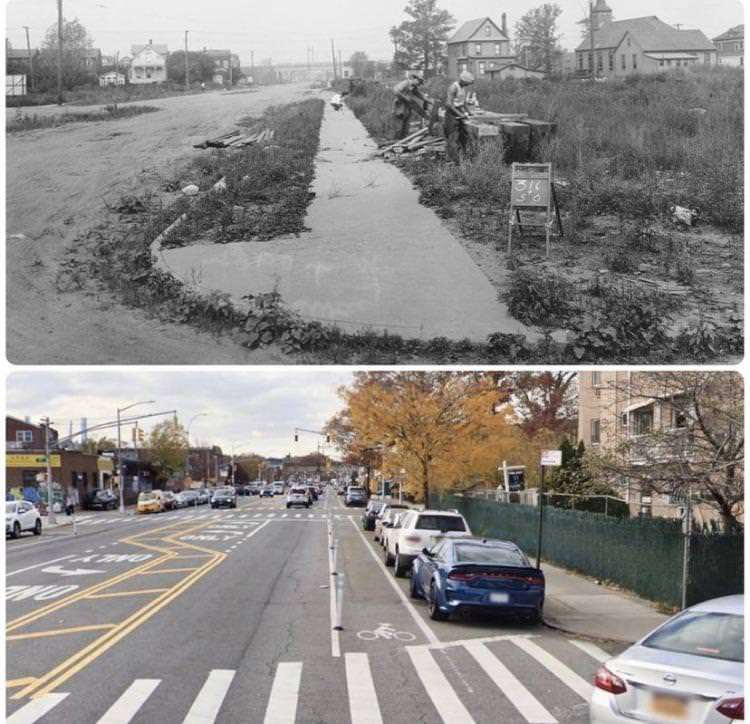
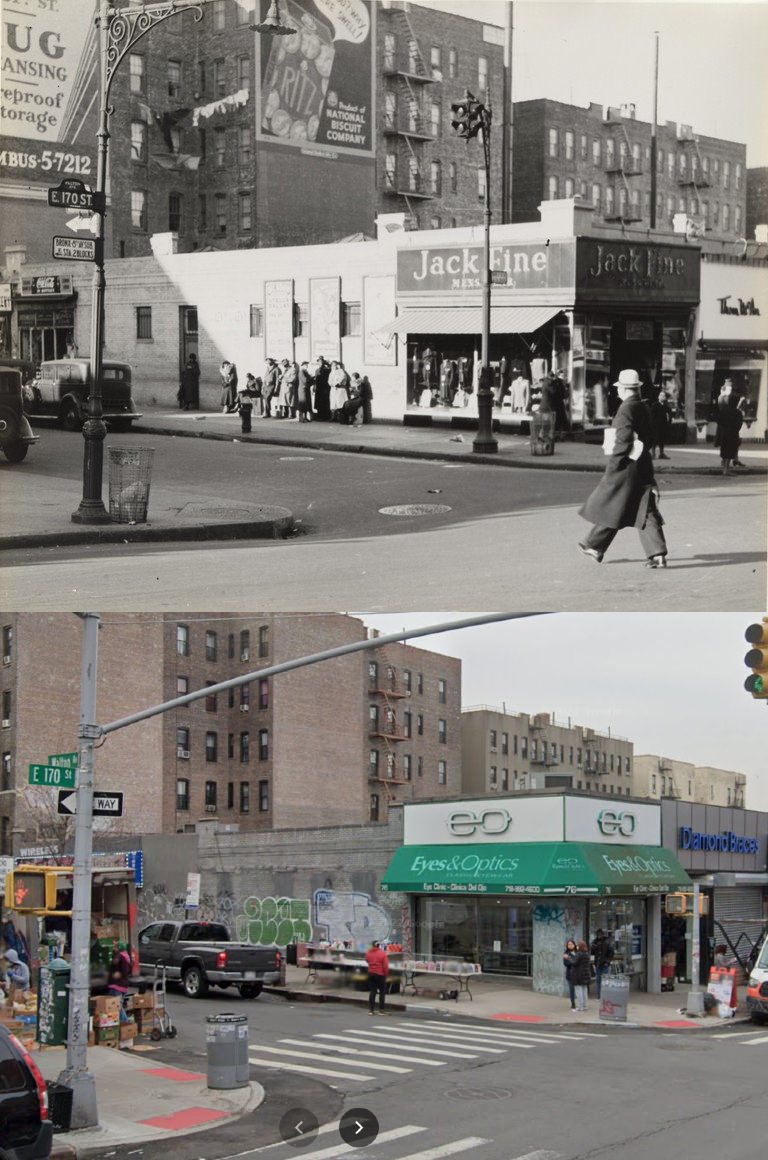
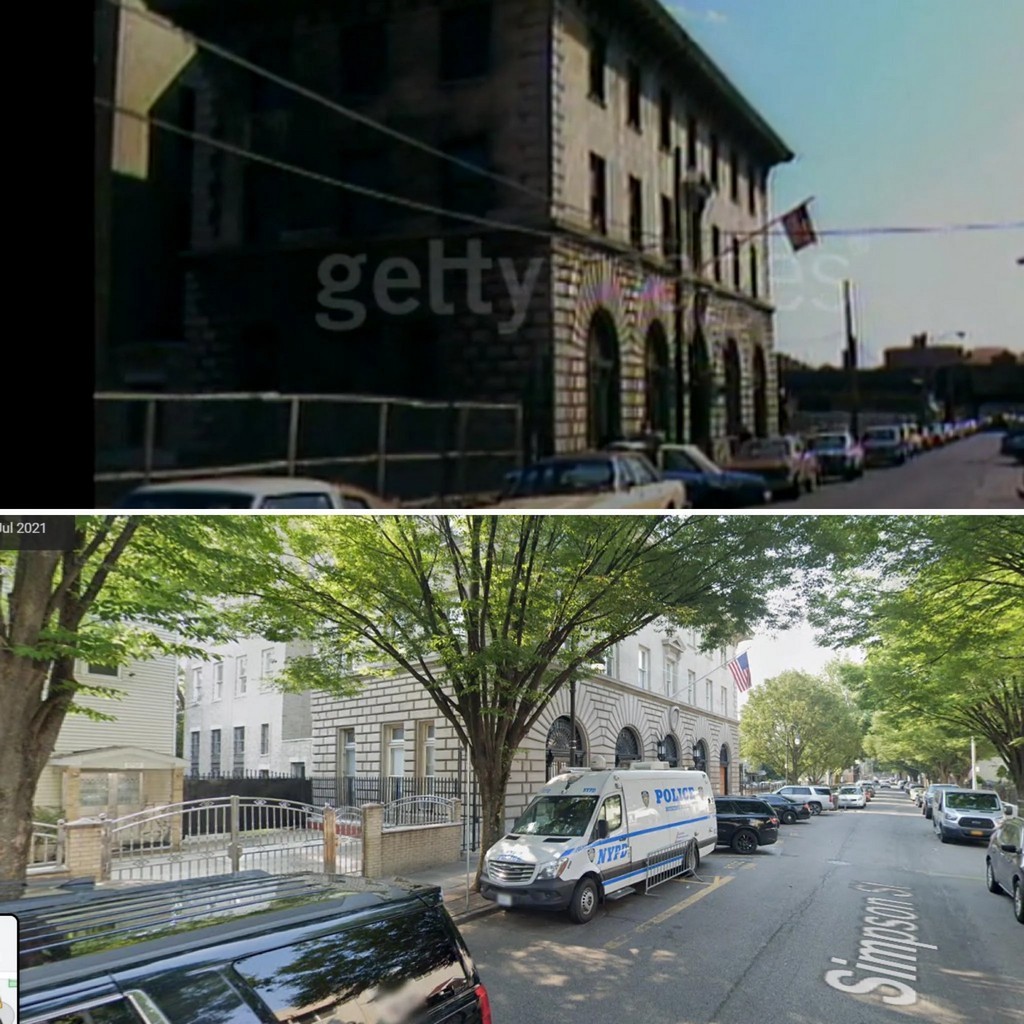
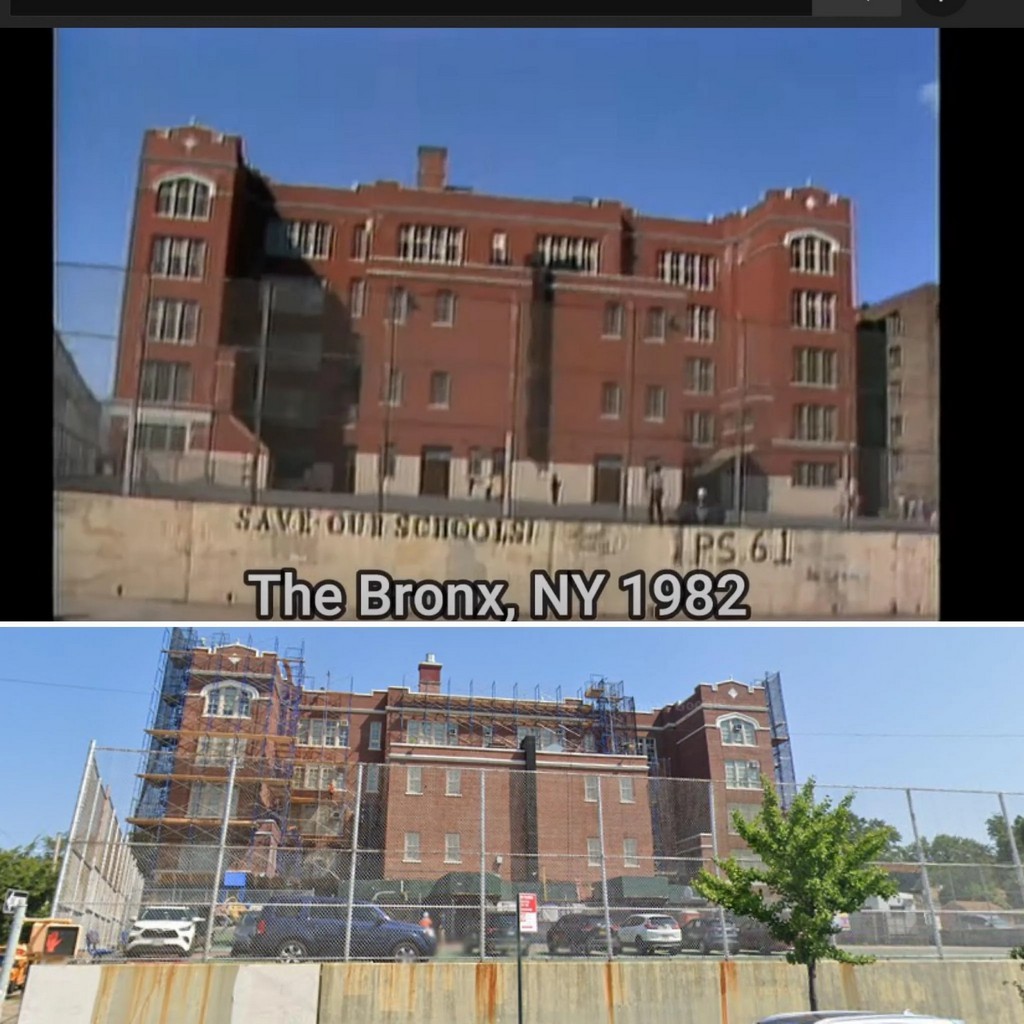
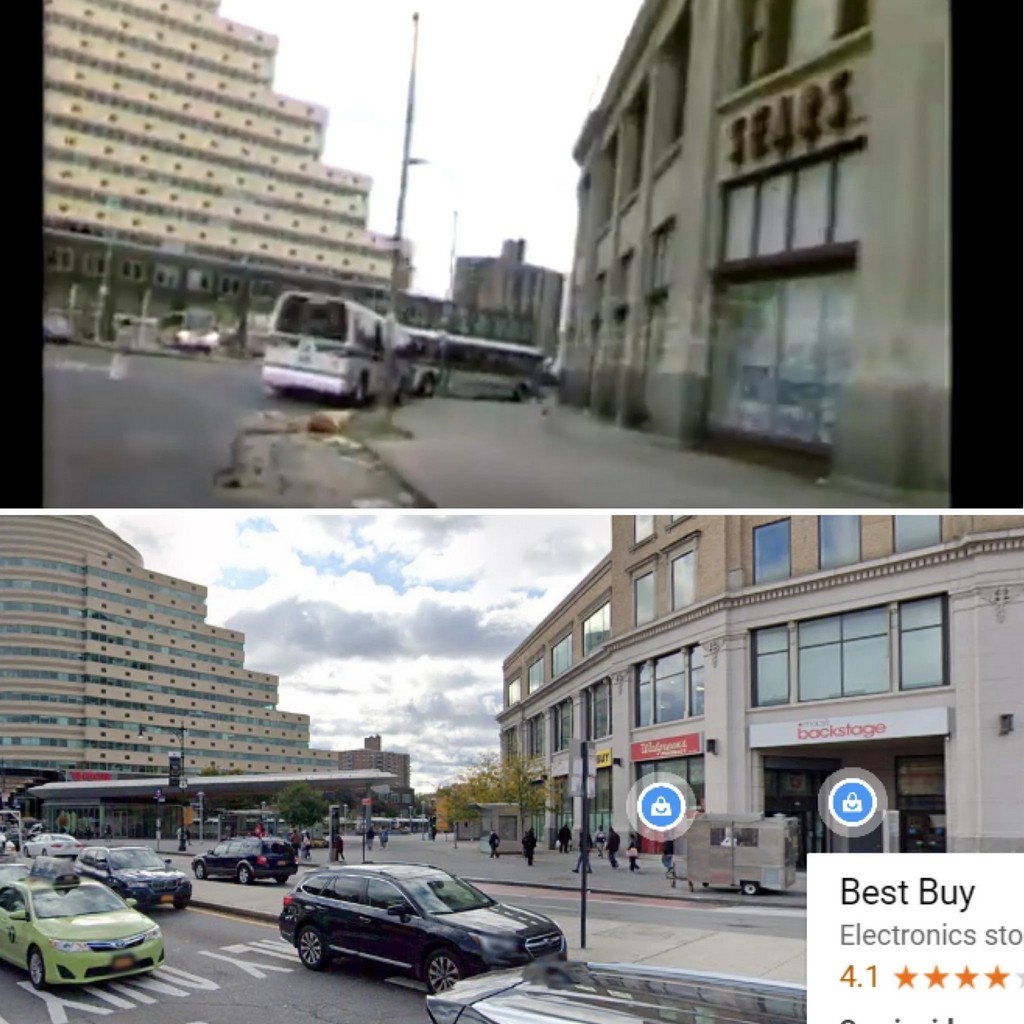
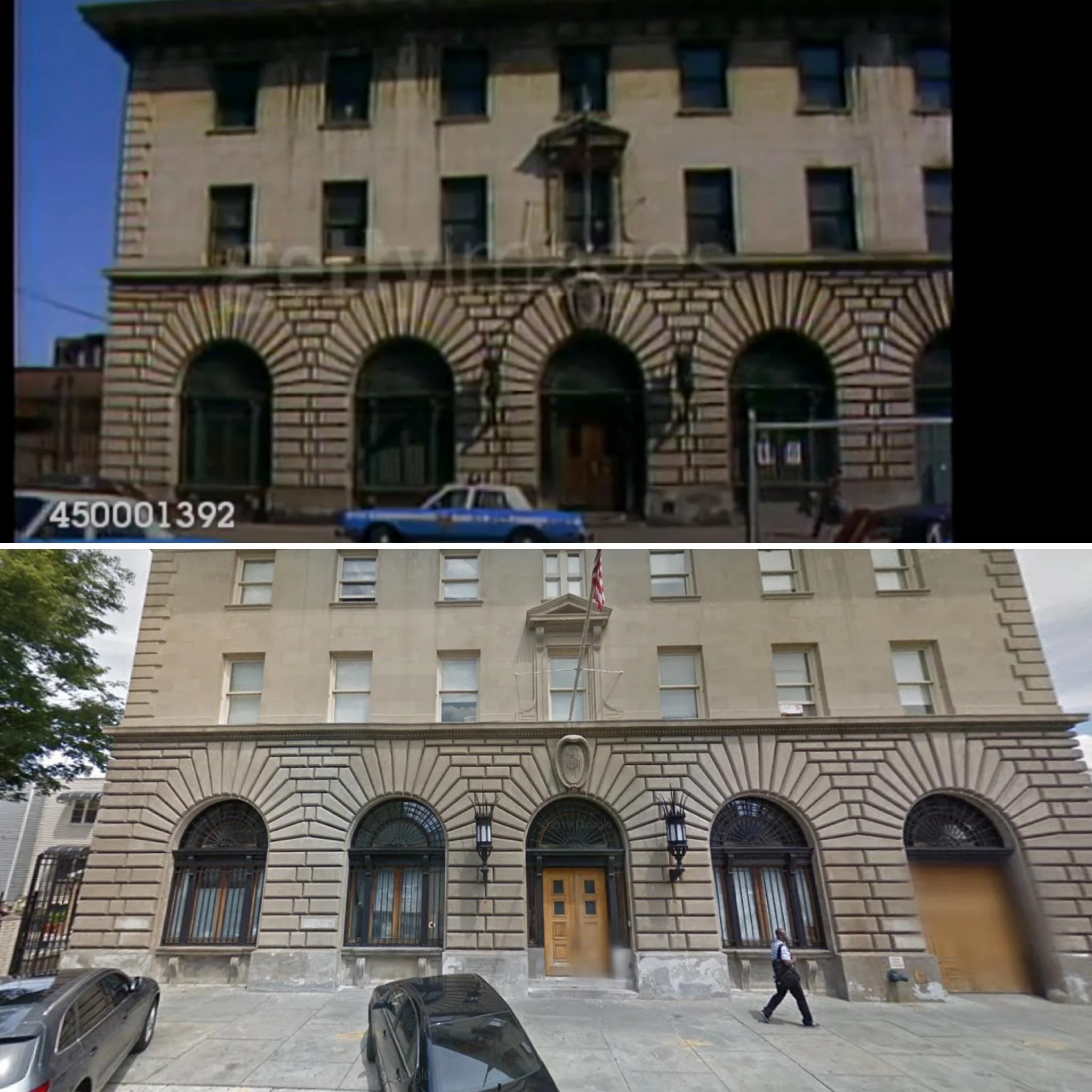
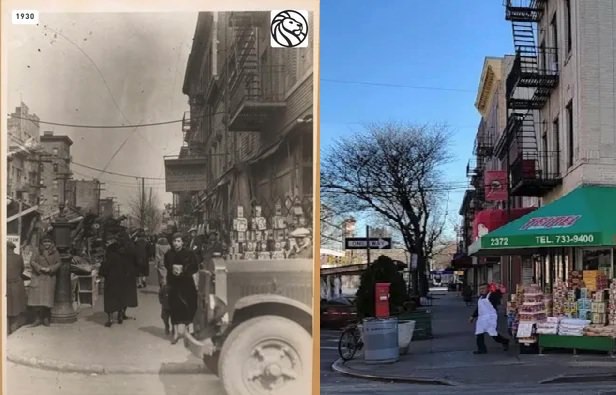
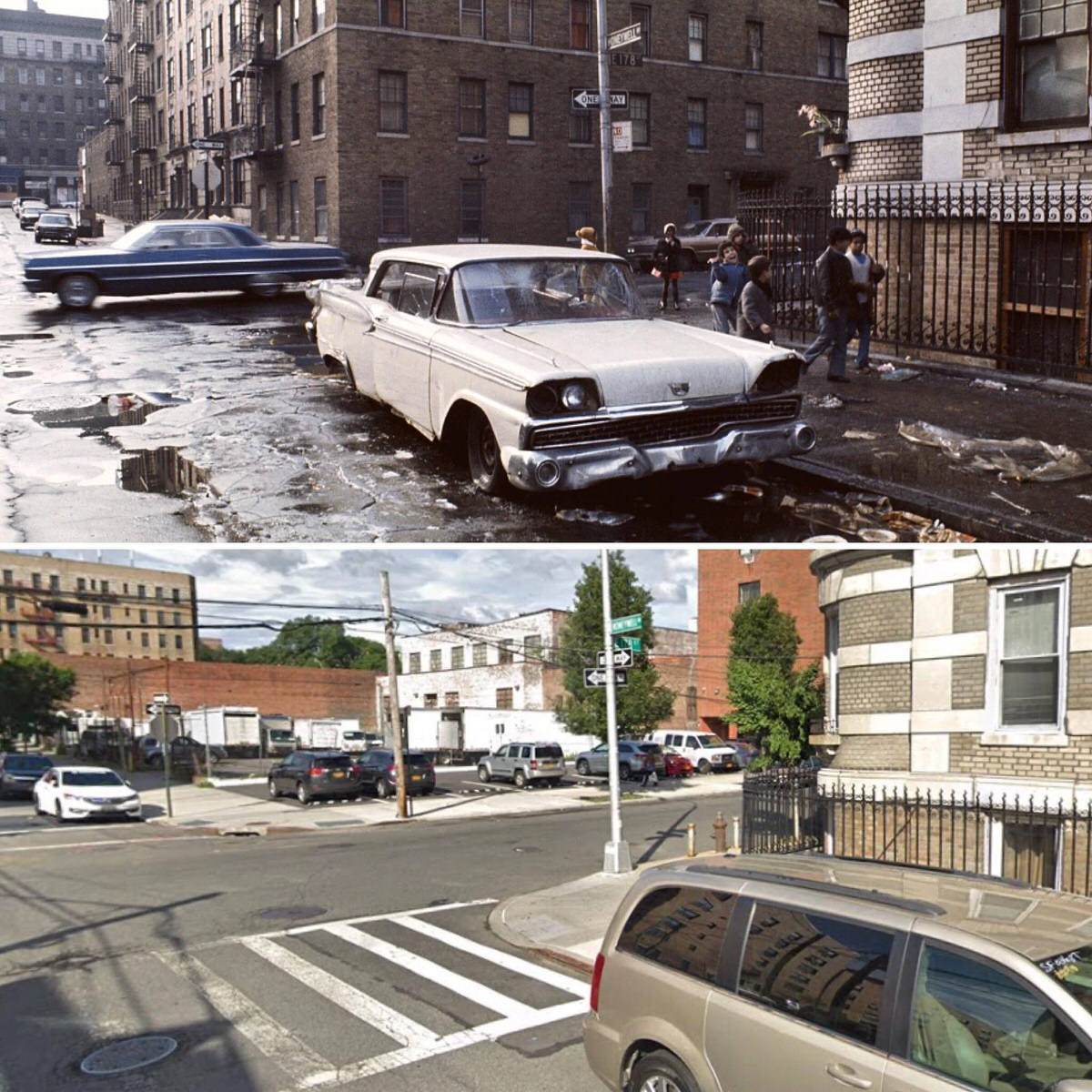
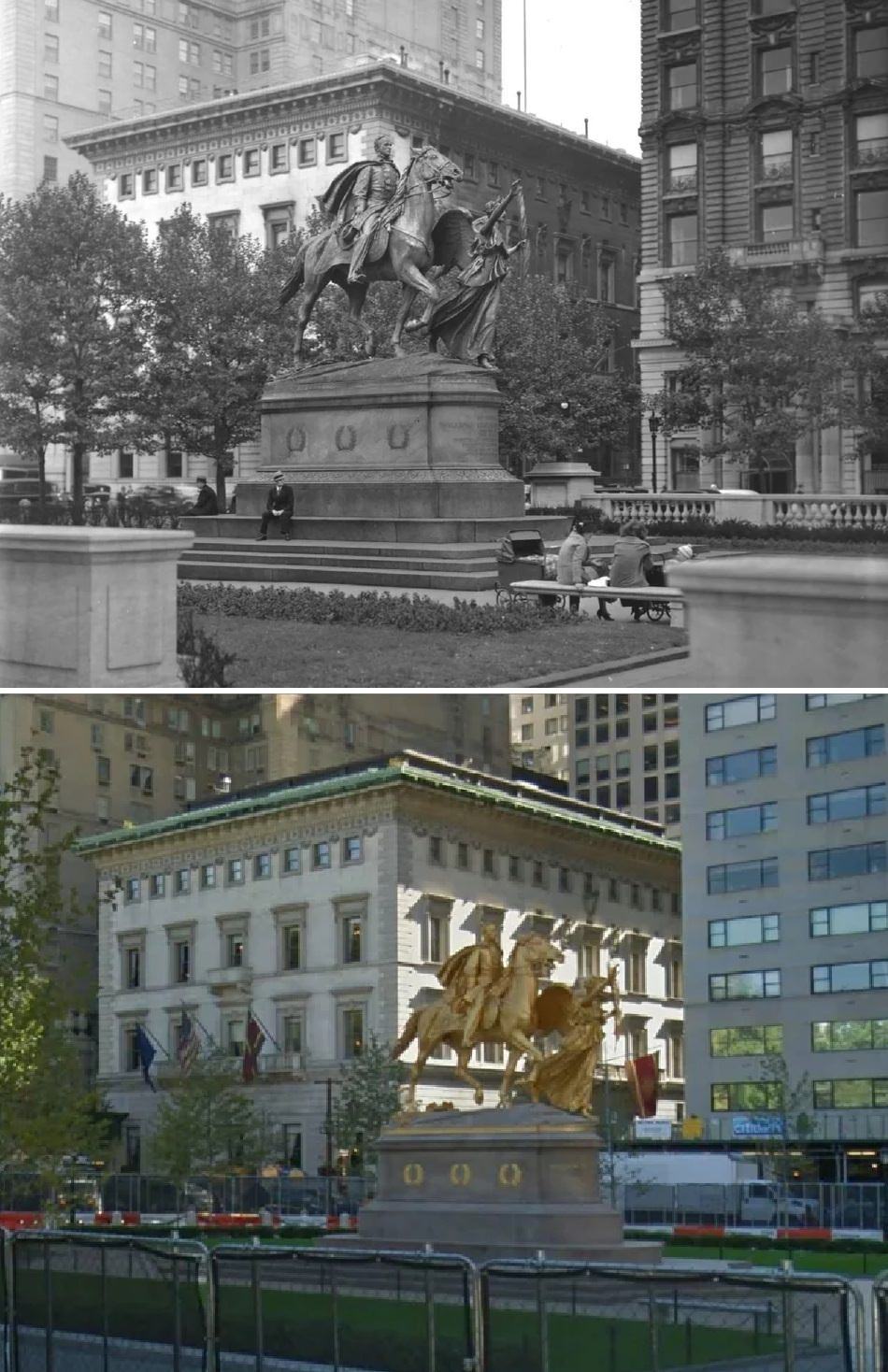
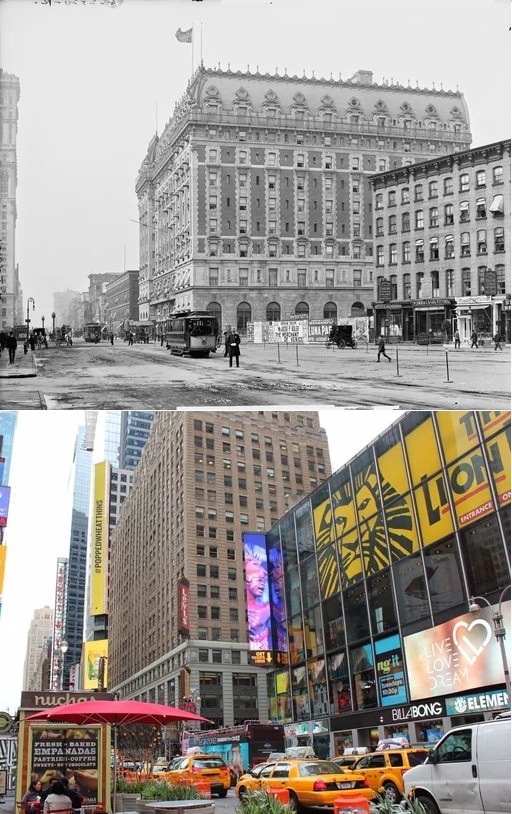
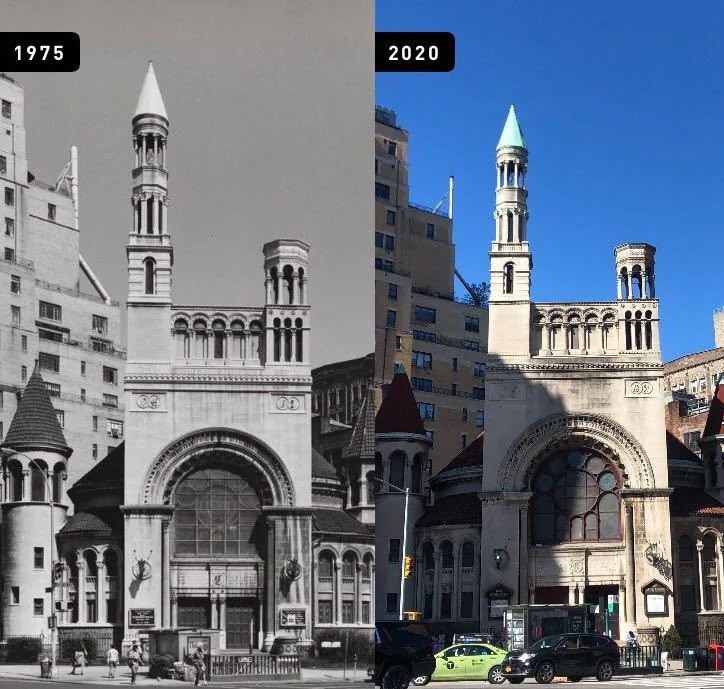
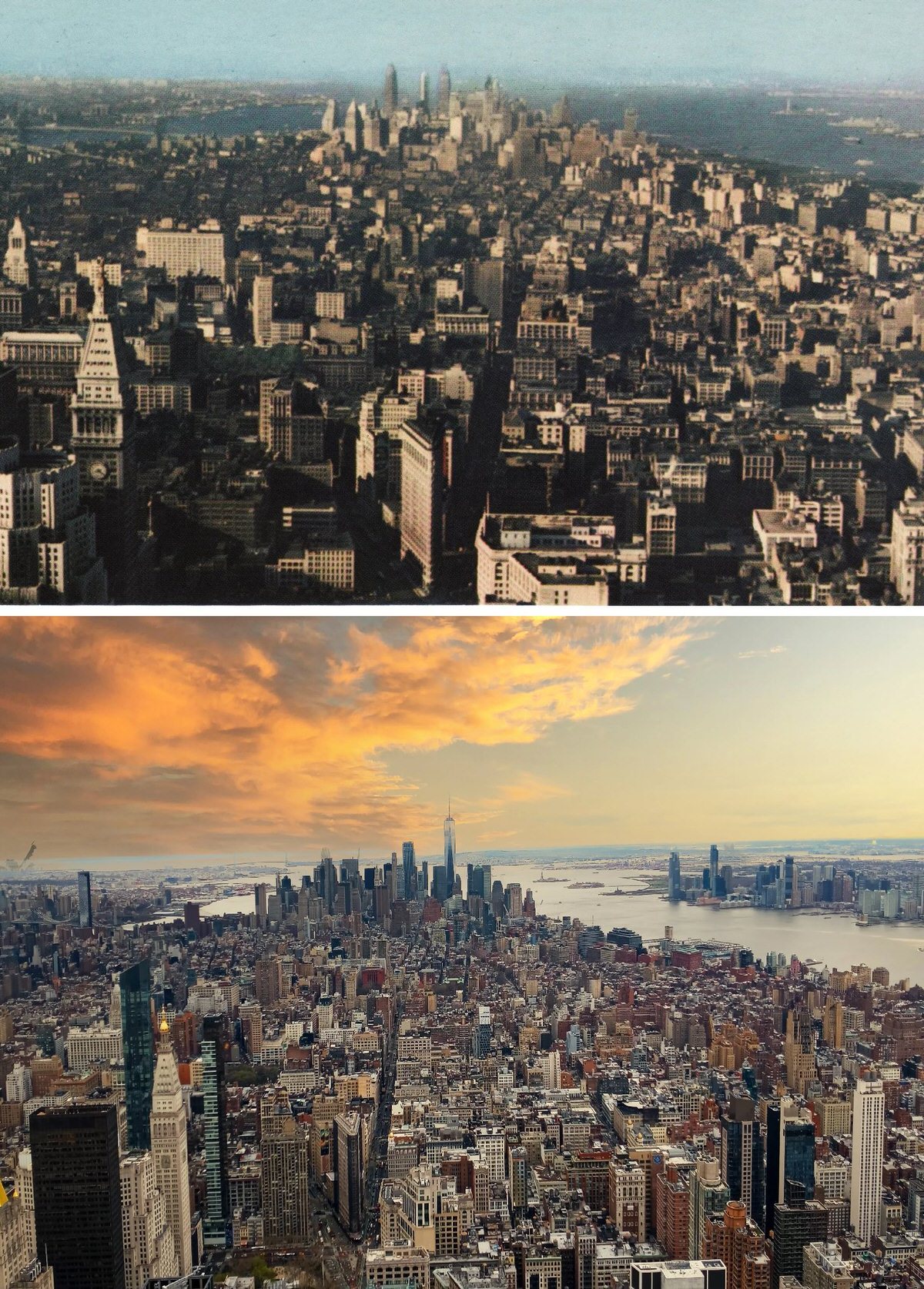
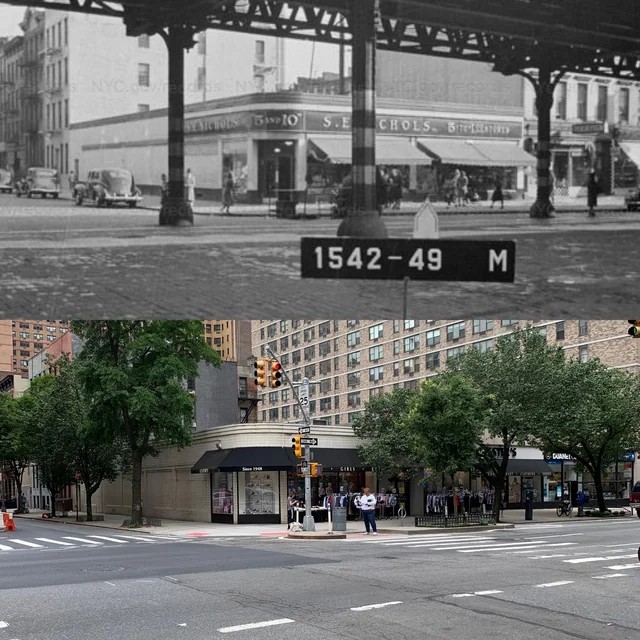
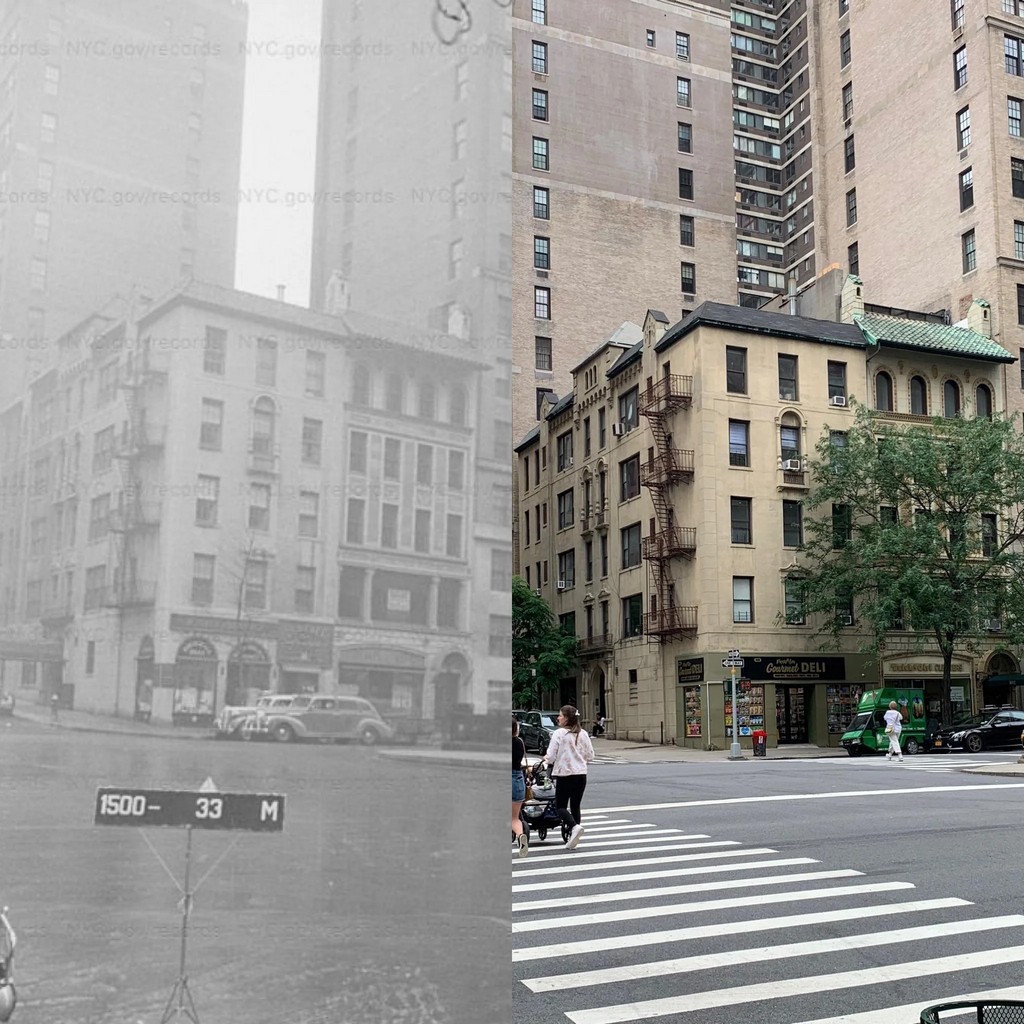
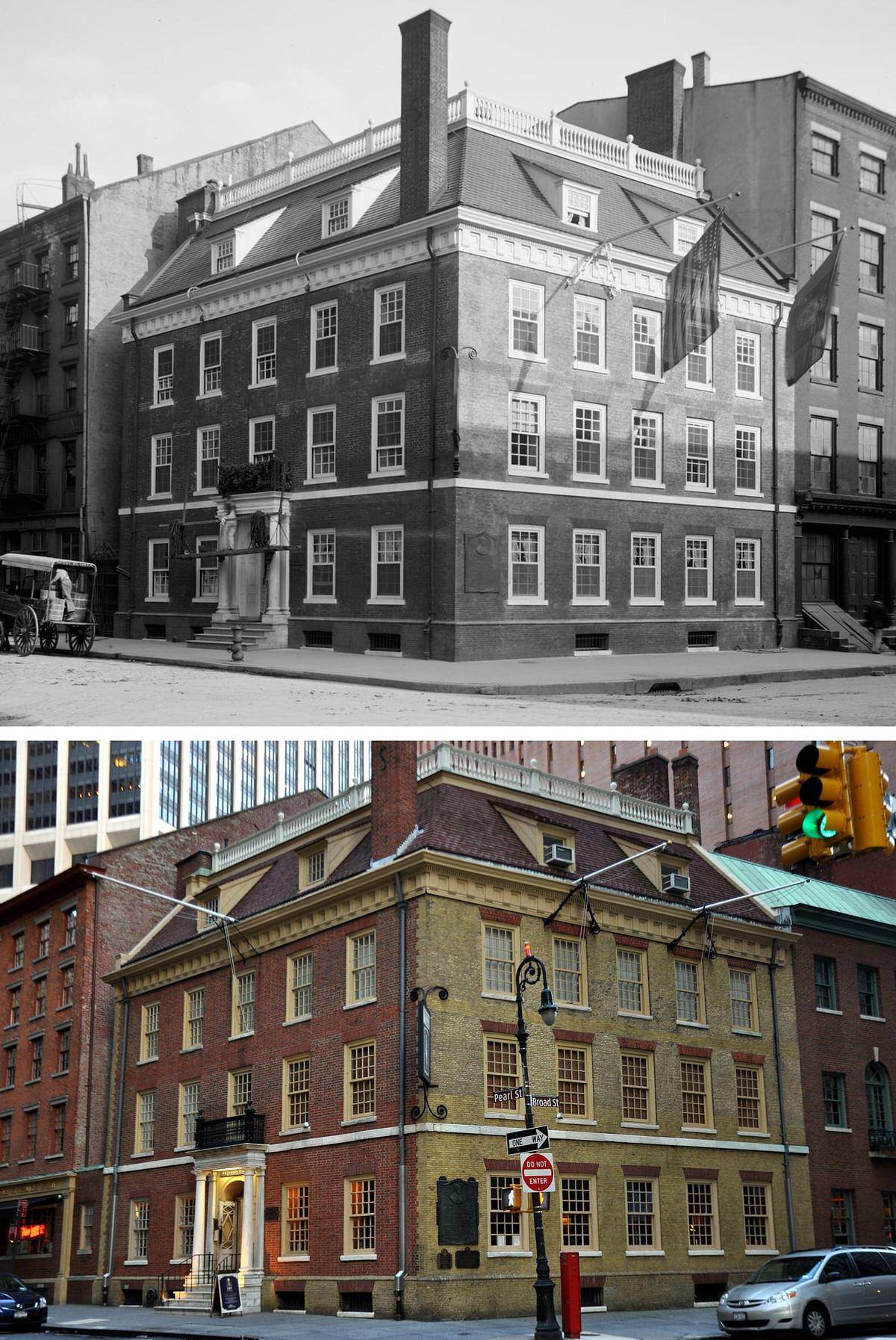
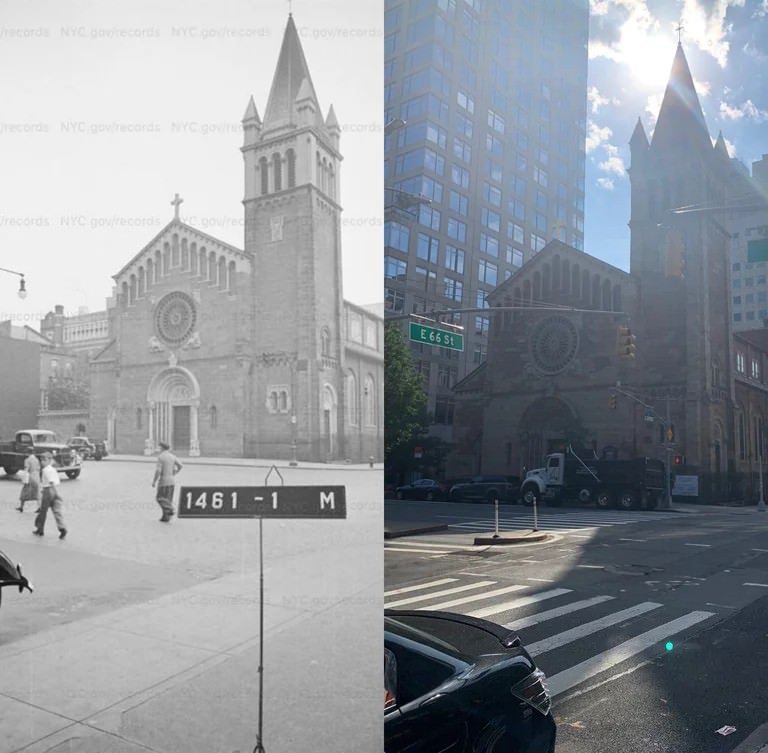
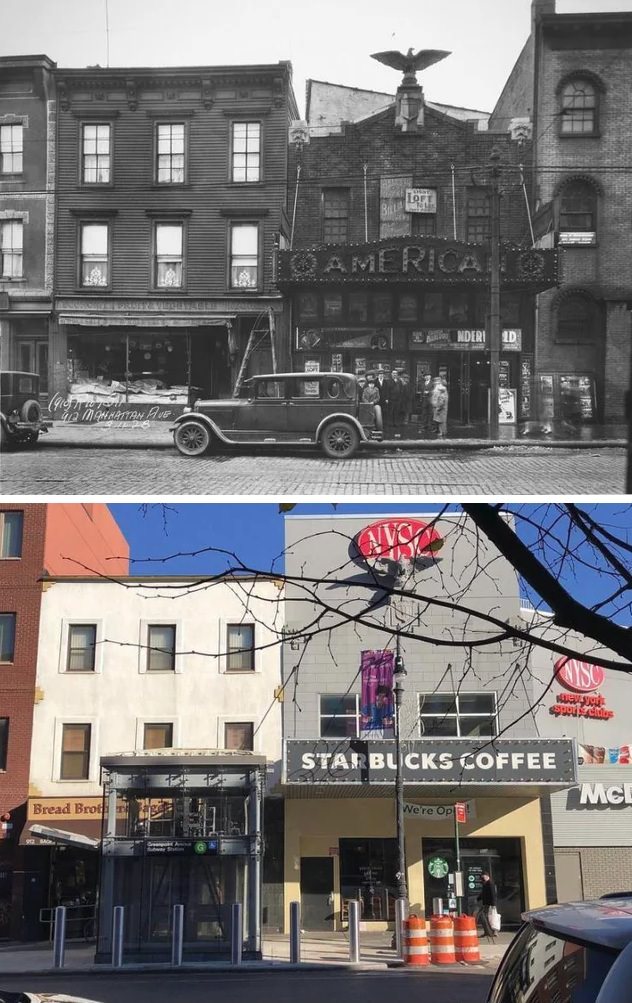
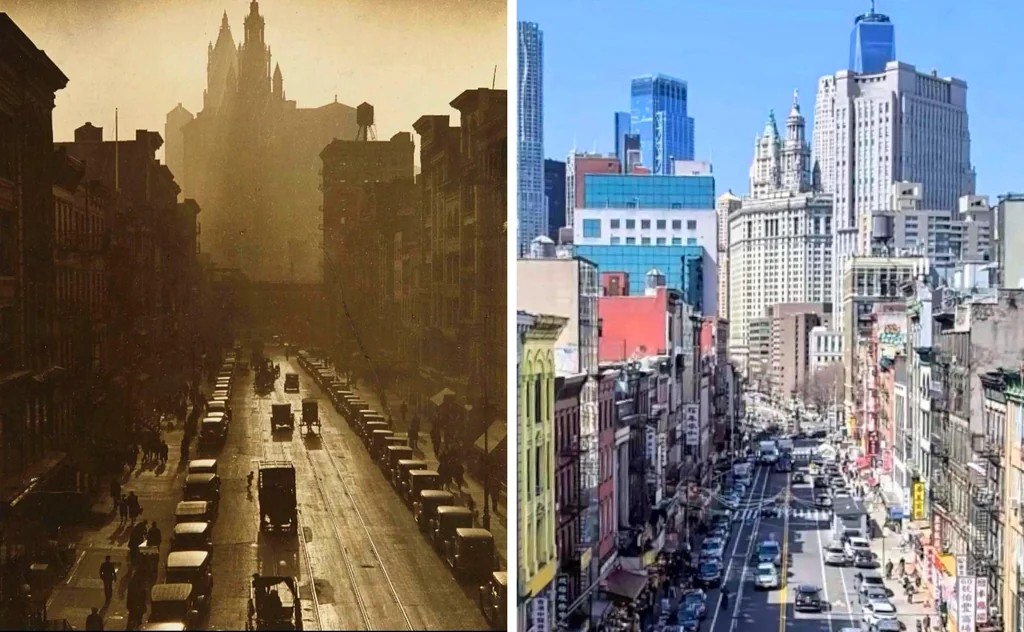
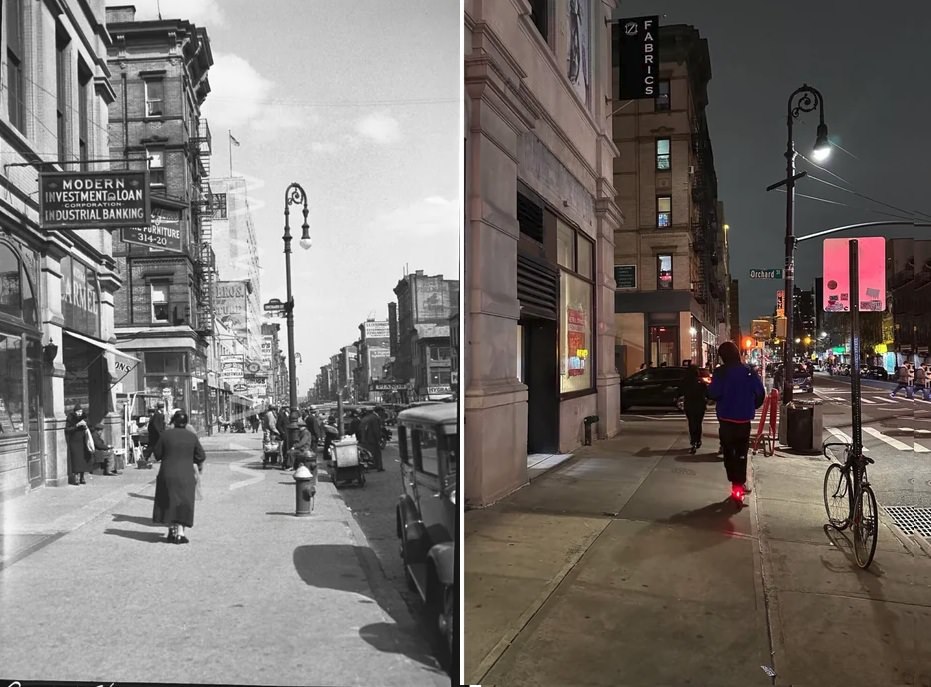
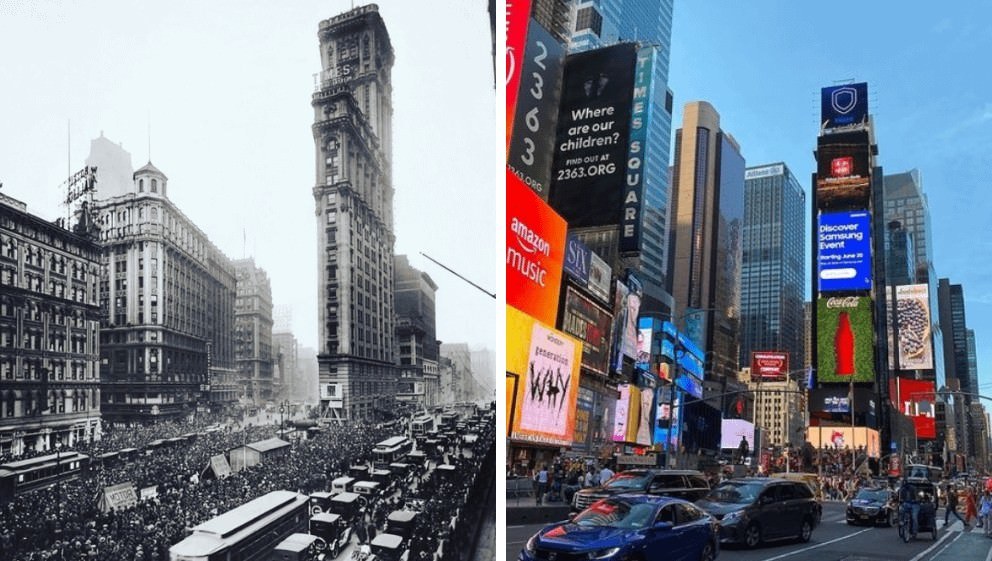
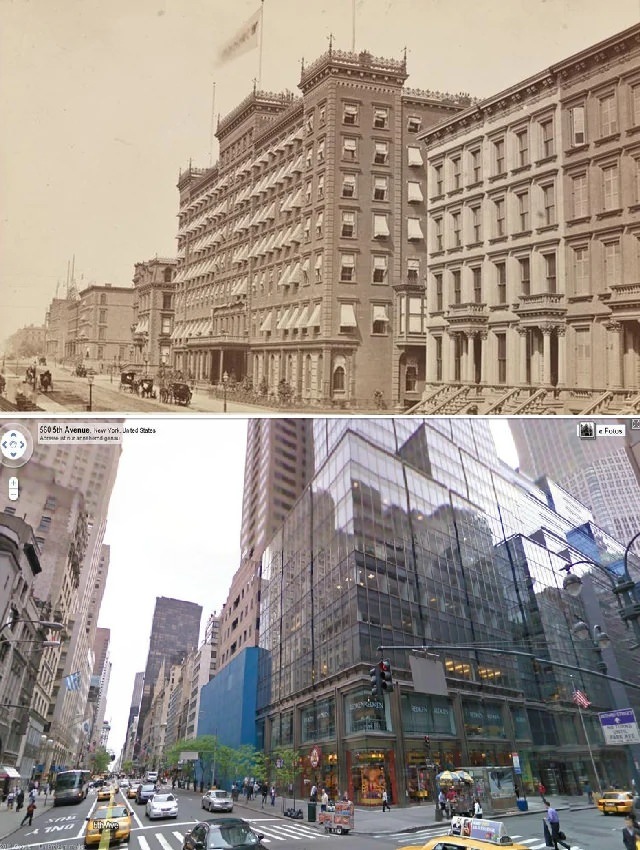
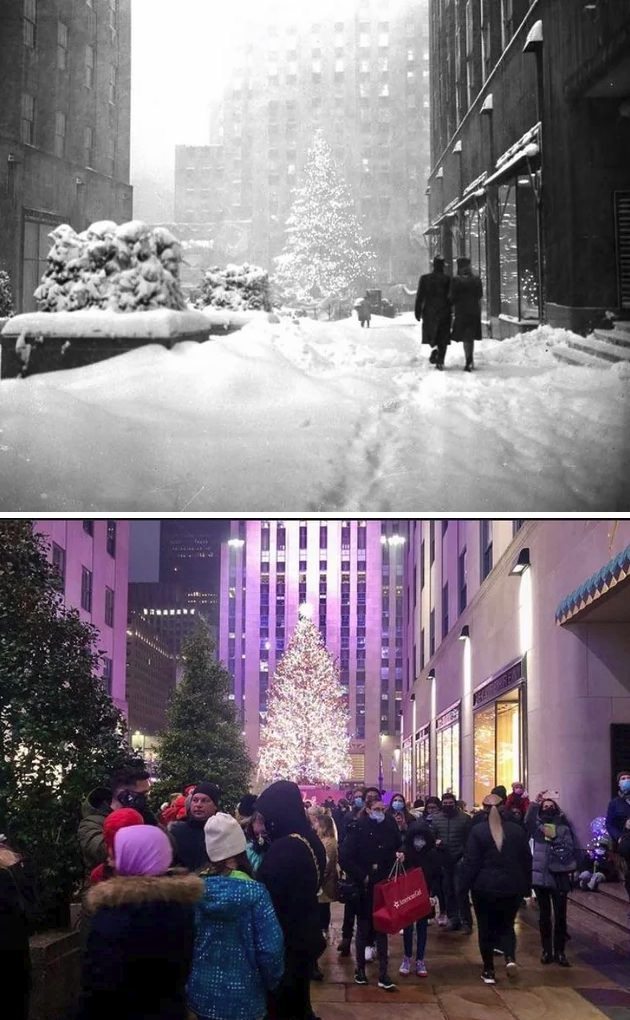
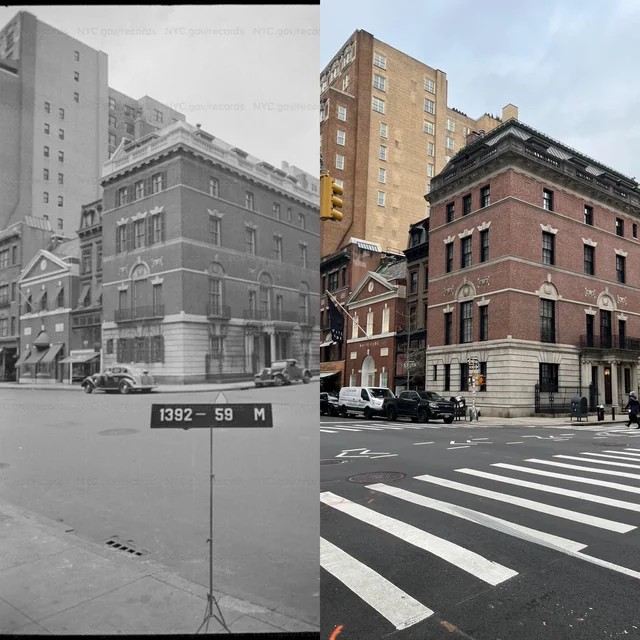
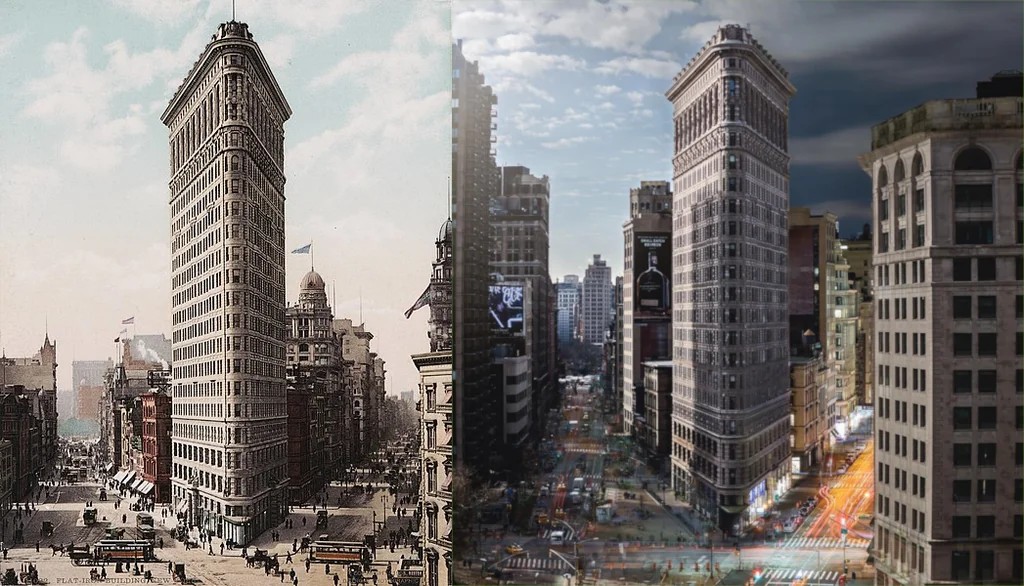
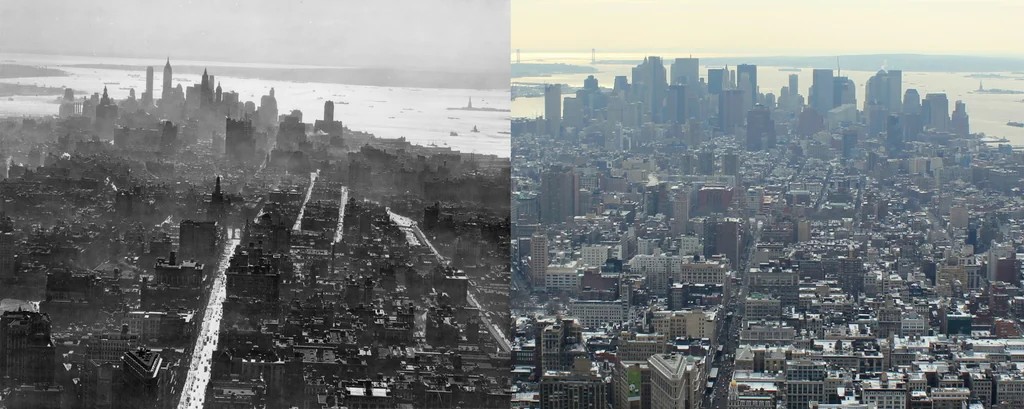
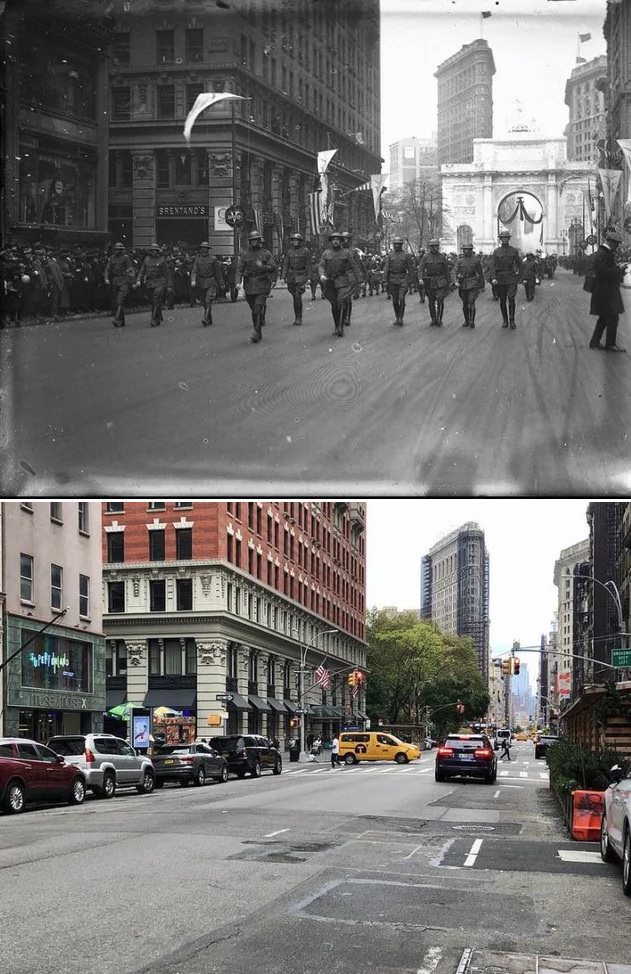
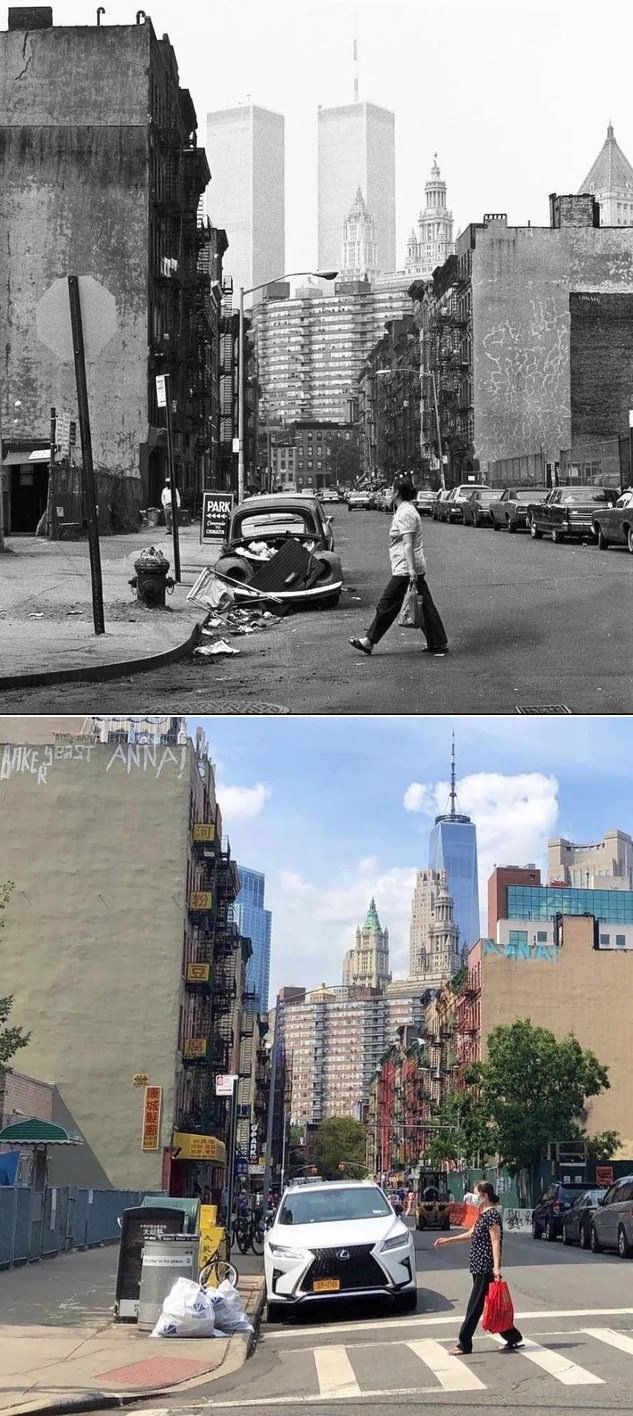
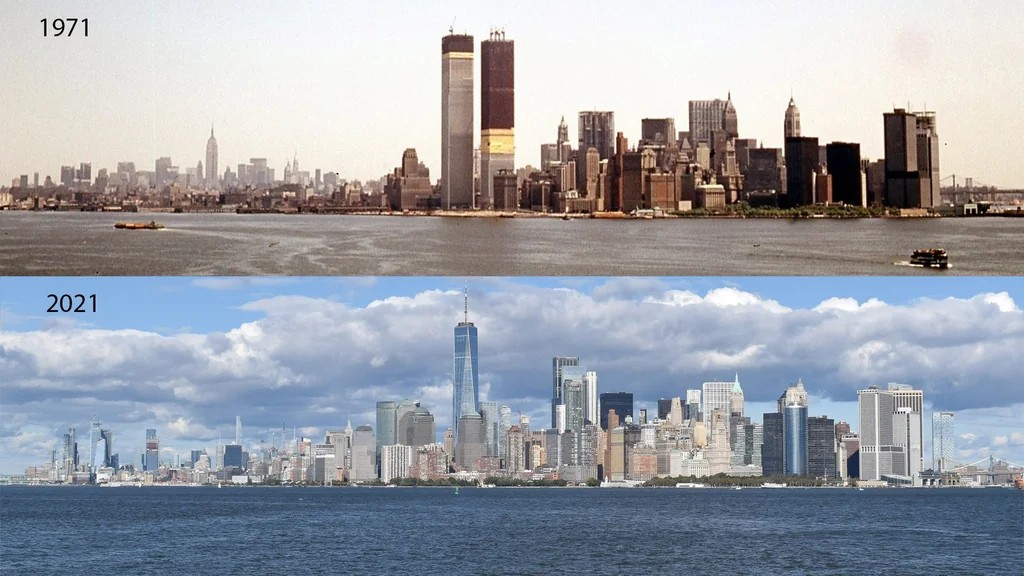
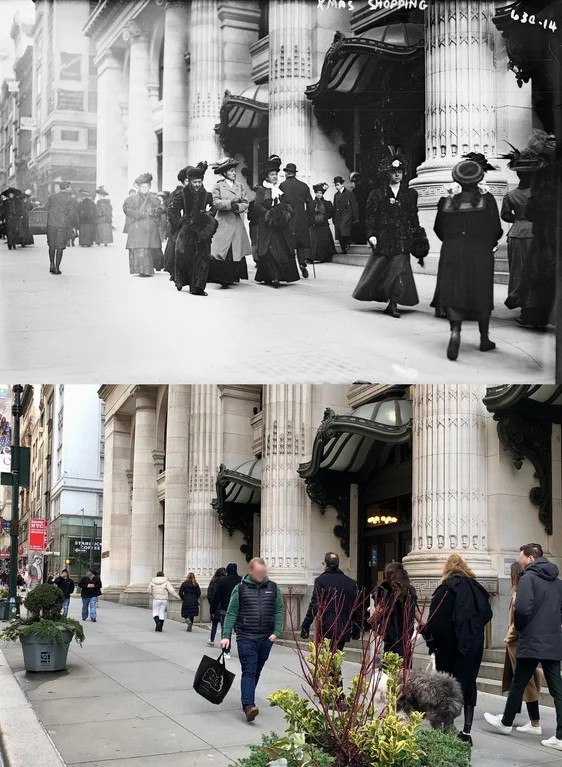
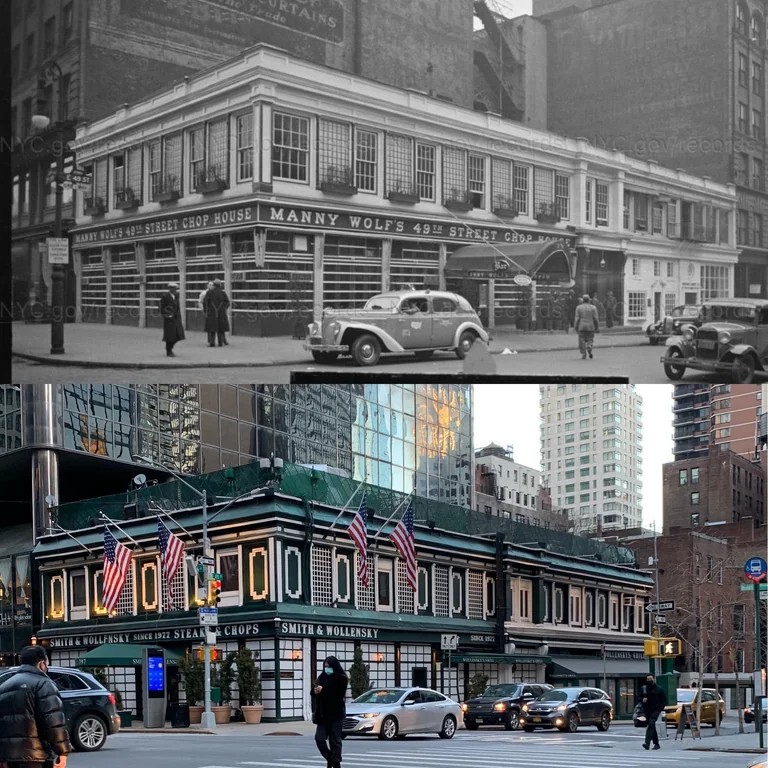
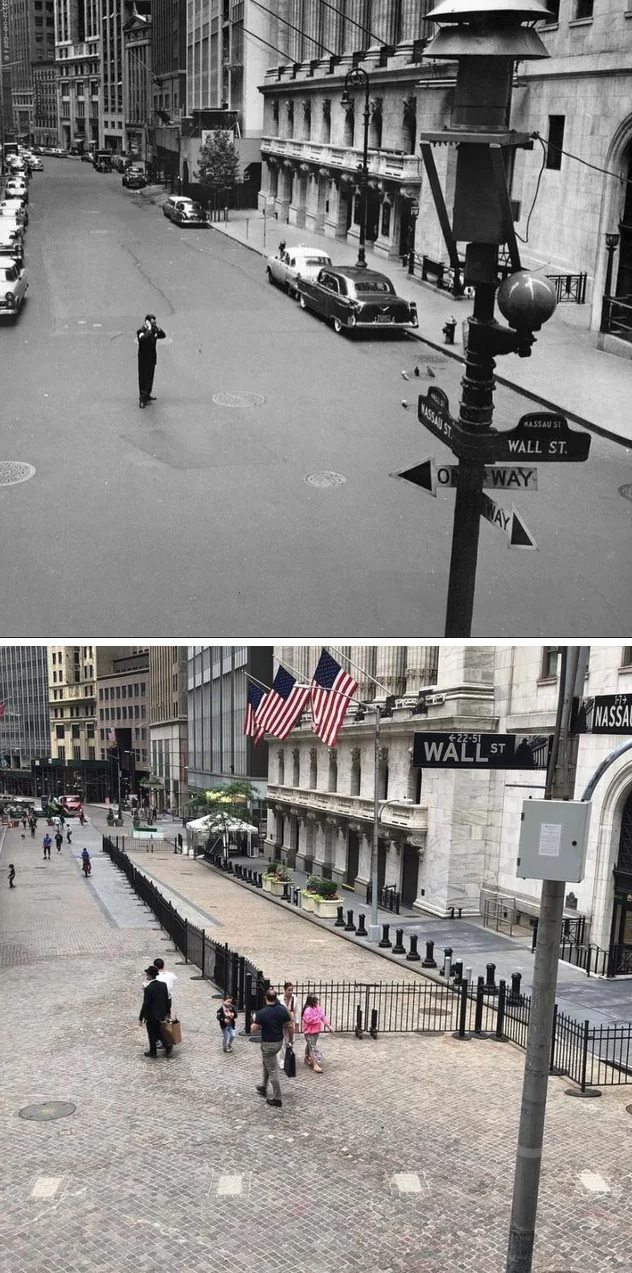
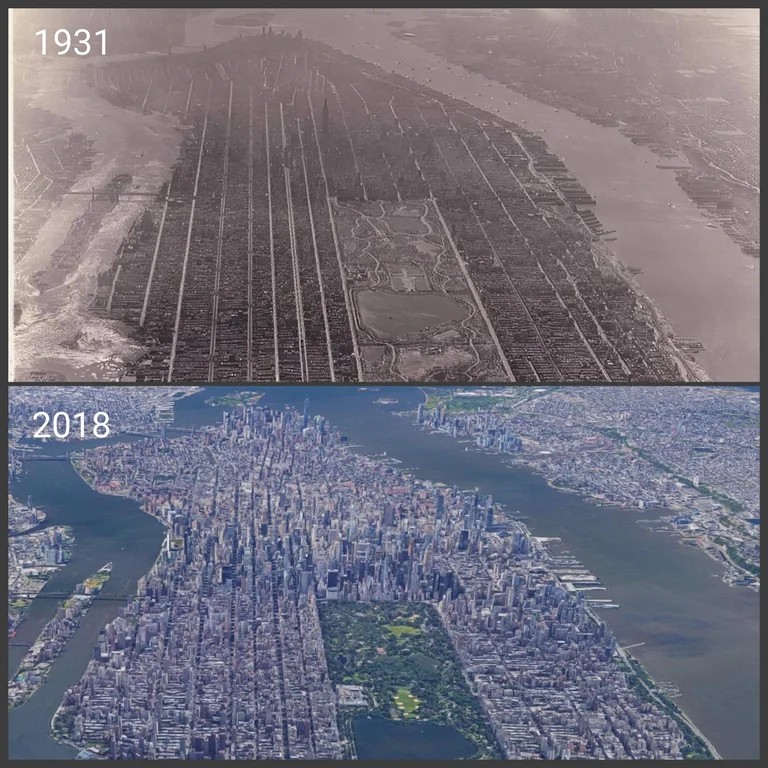
Today, New York City shows layers of development across its five boroughs. Historic brownstones, early skyscrapers, and modern glass towers all stand within the same city blocks.
The five boroughs and their early growth
New York City consists of Manhattan, Brooklyn, Queens, The Bronx, and Staten Island. Each borough developed at a different pace.
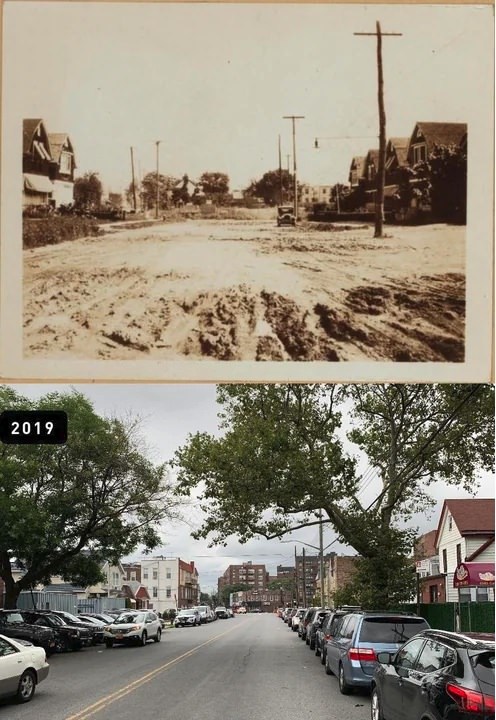
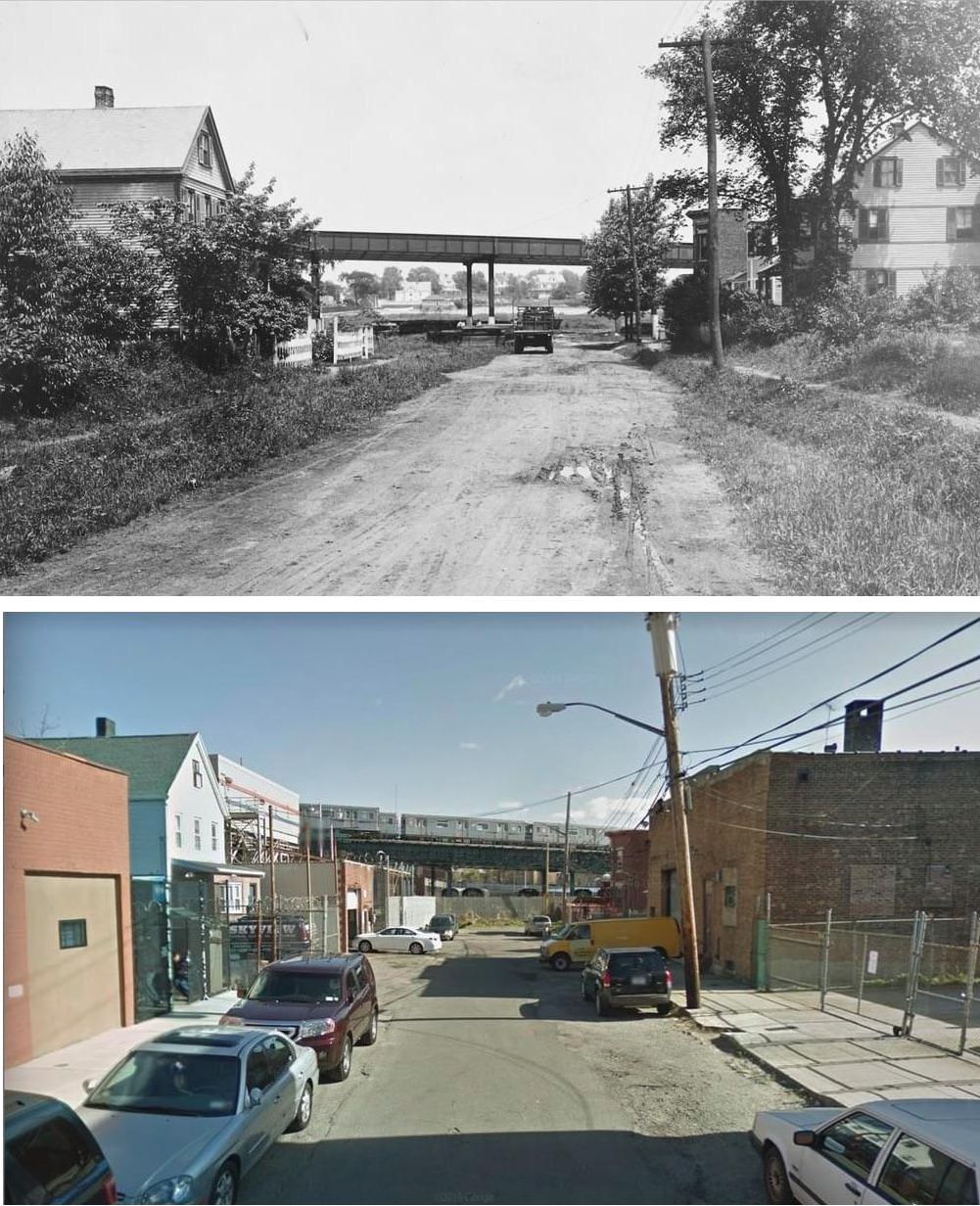
Manhattan became the main business center early in the city’s history. Brooklyn developed strong residential neighborhoods and industrial waterfronts. Queens grew through suburban-style housing and airport construction. The Bronx filled with early apartment districts and civic buildings. Staten Island kept a more suburban pattern with detached homes and smaller commercial centers.
Together, these boroughs show a wide range of building types and planning styles.
Read more
Rowhouses and early apartment buildings
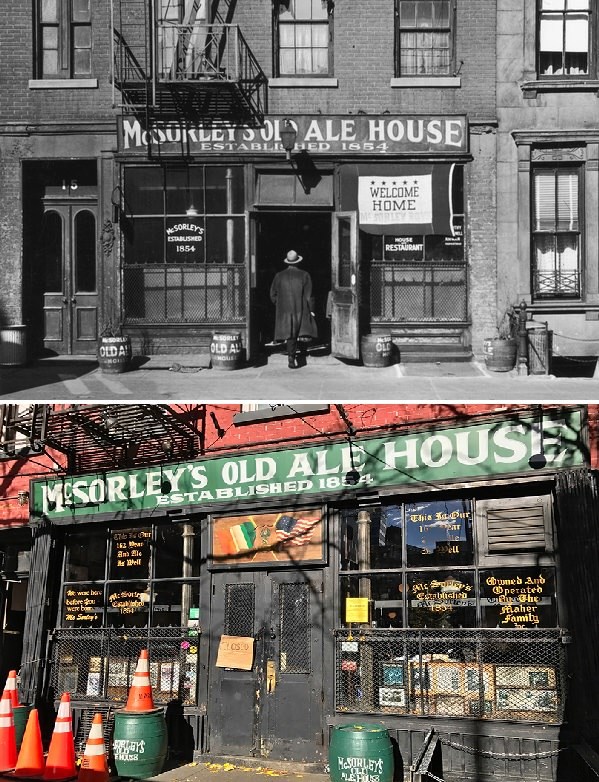
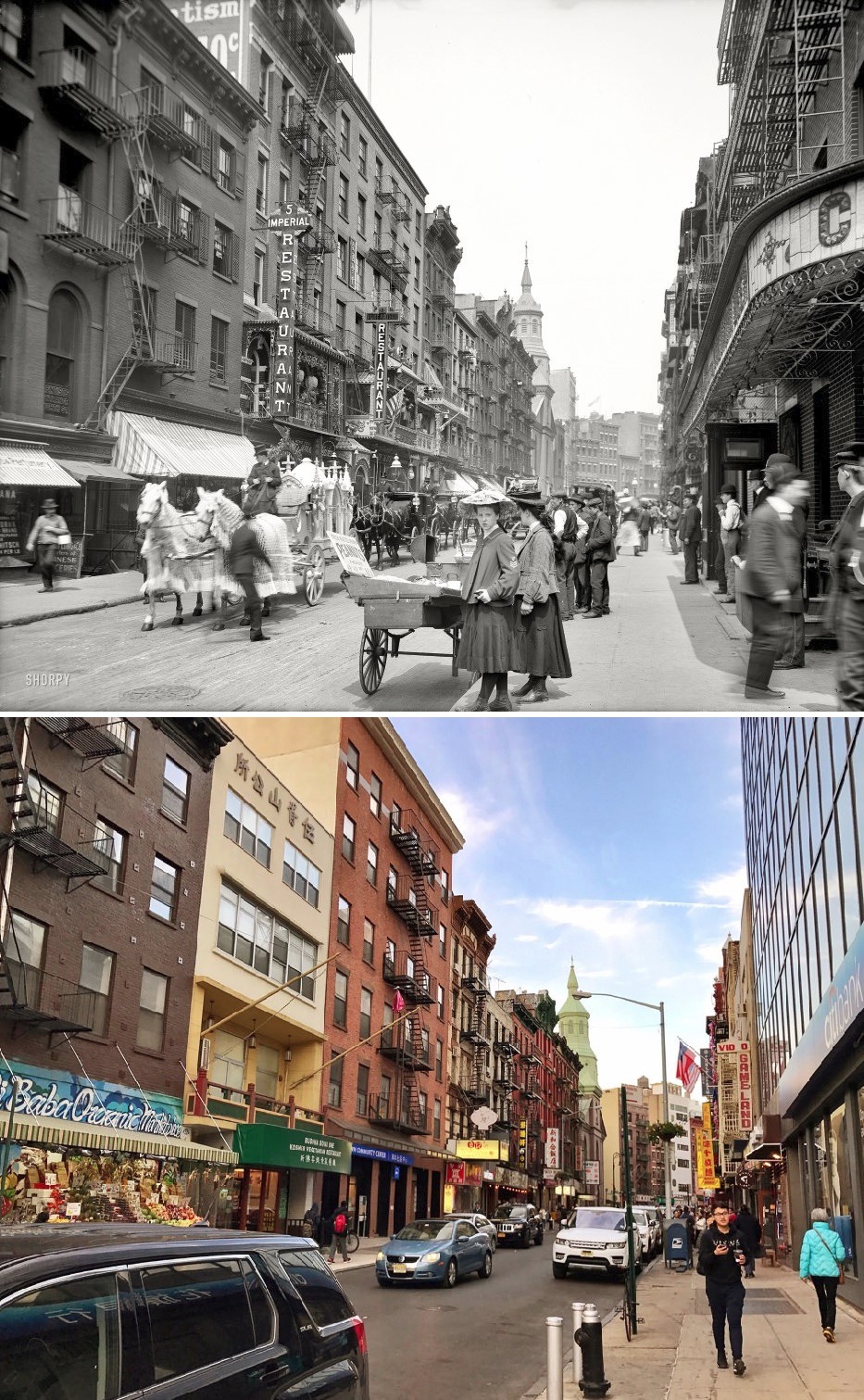
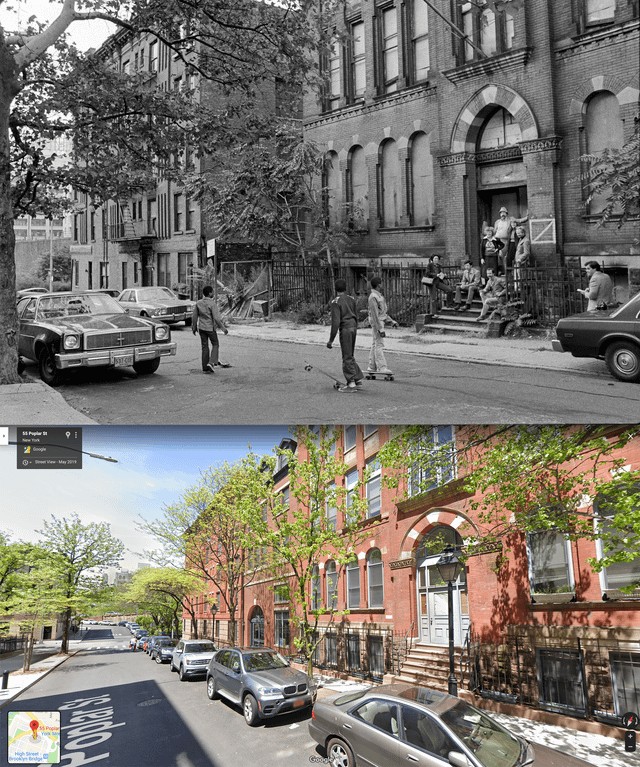
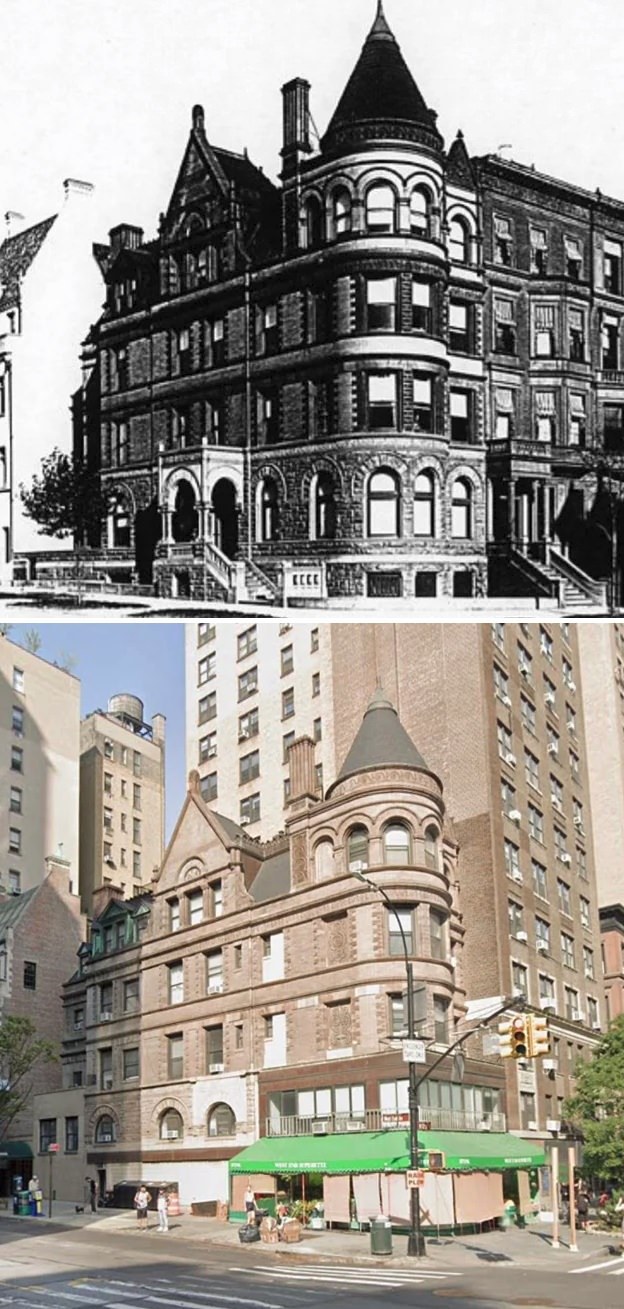
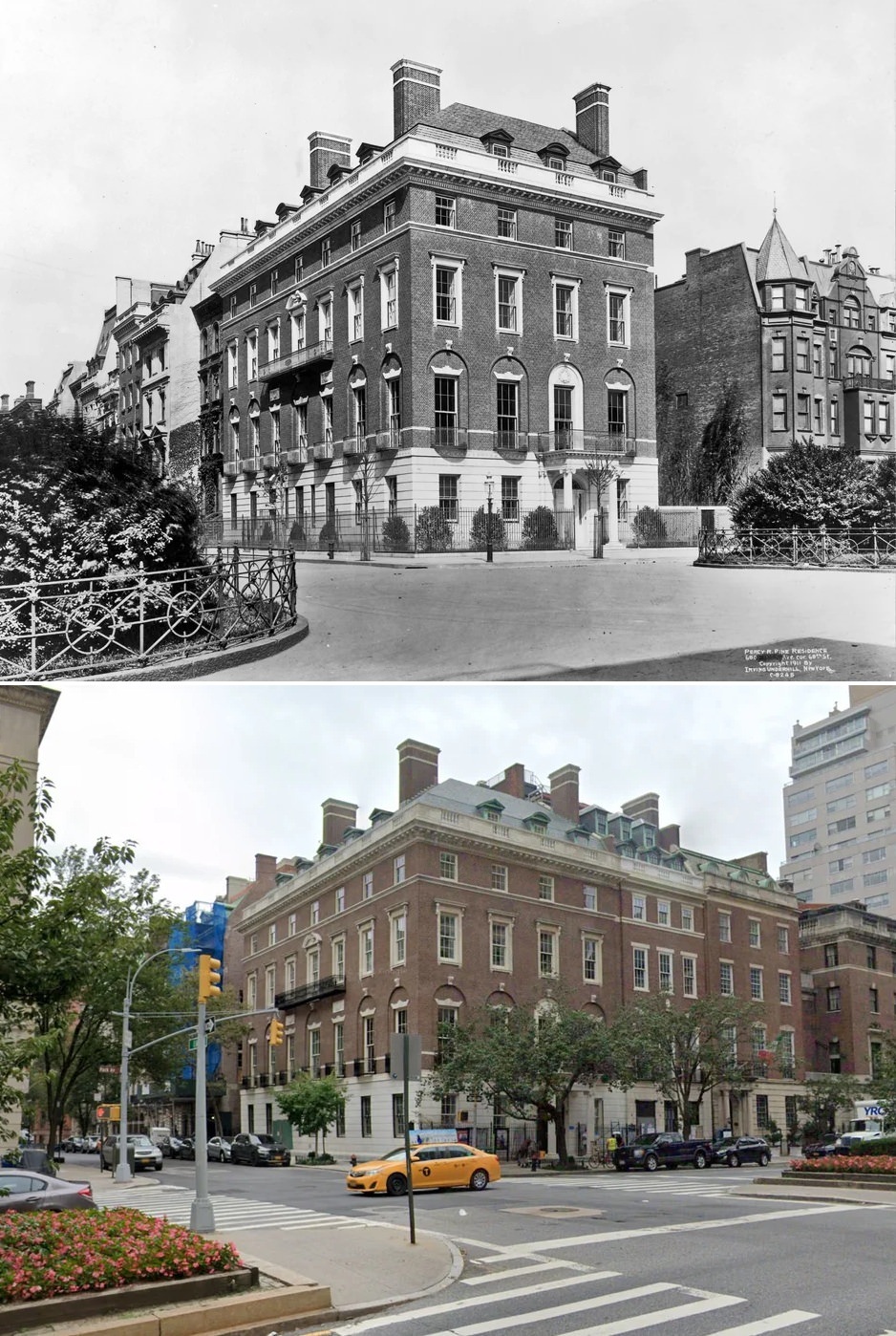
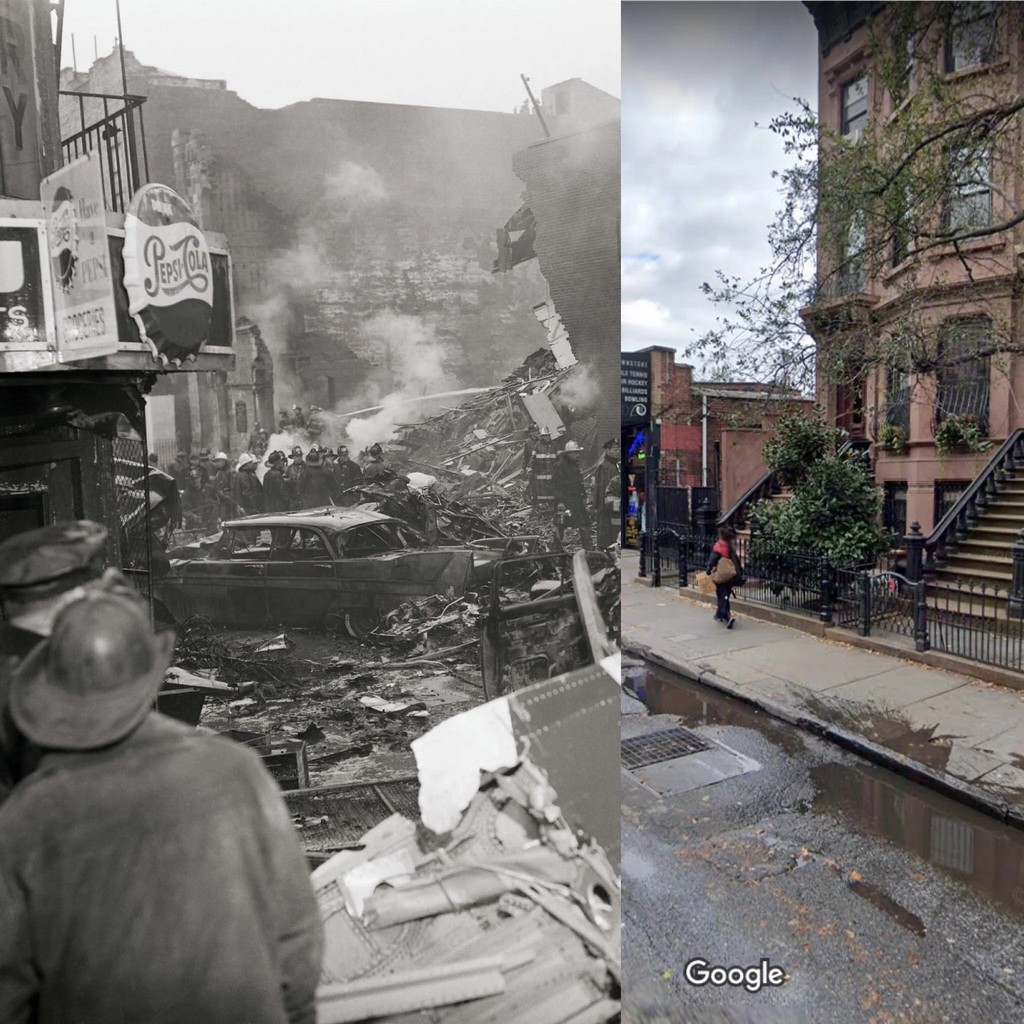
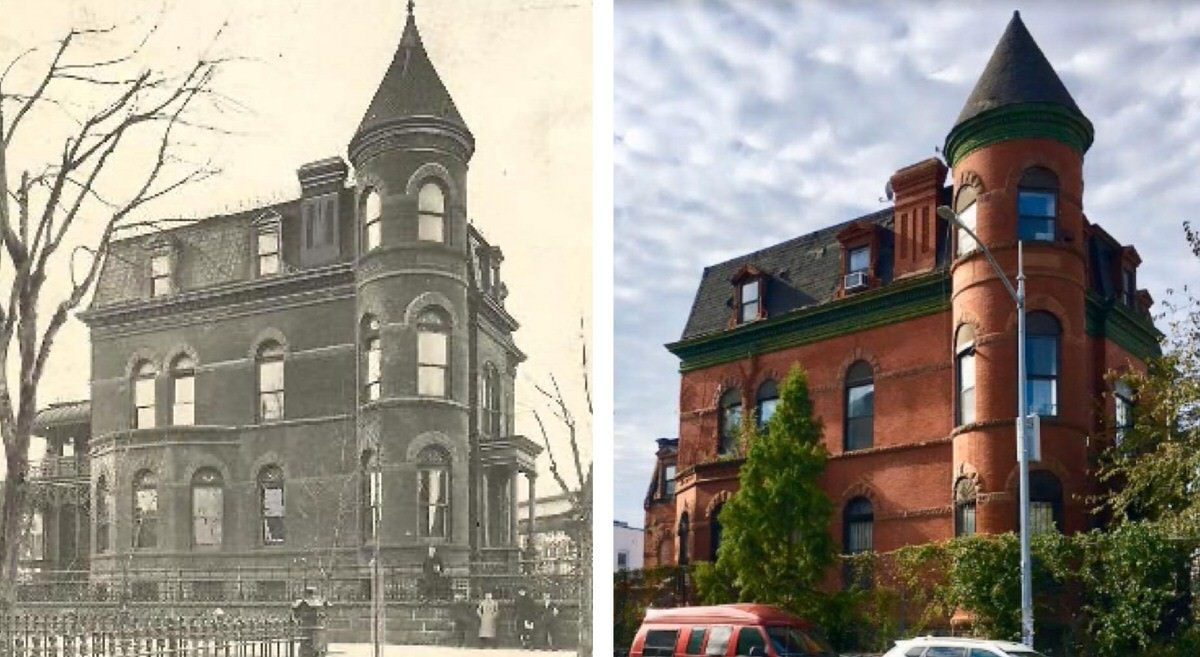
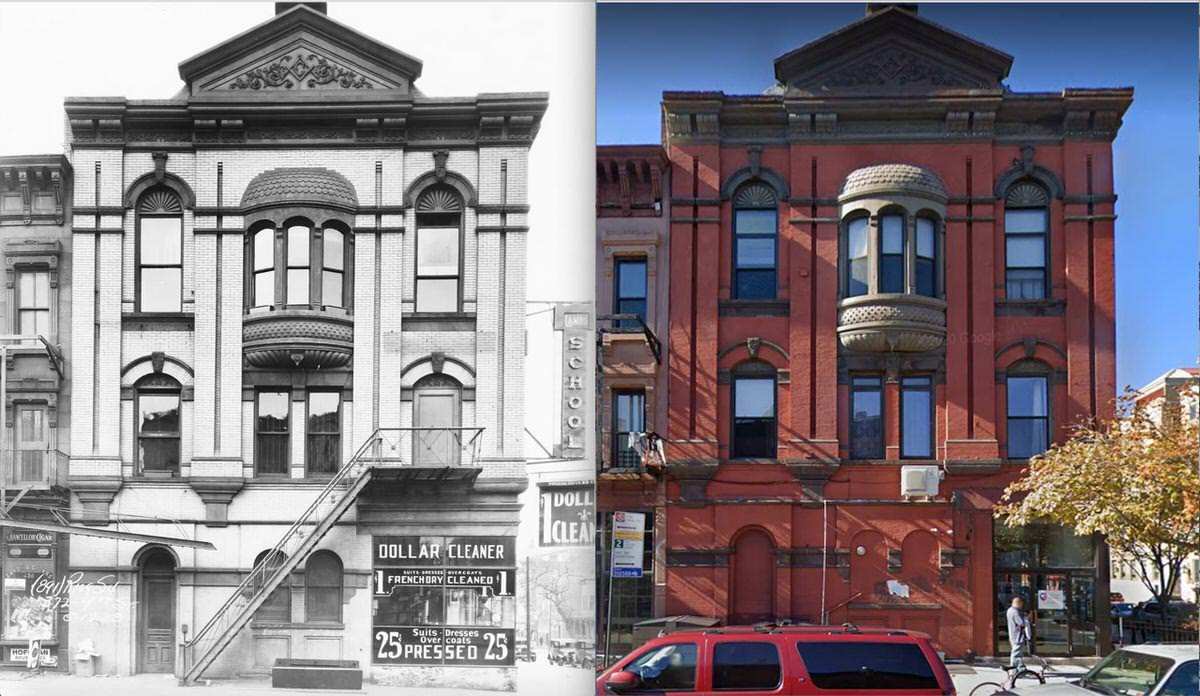
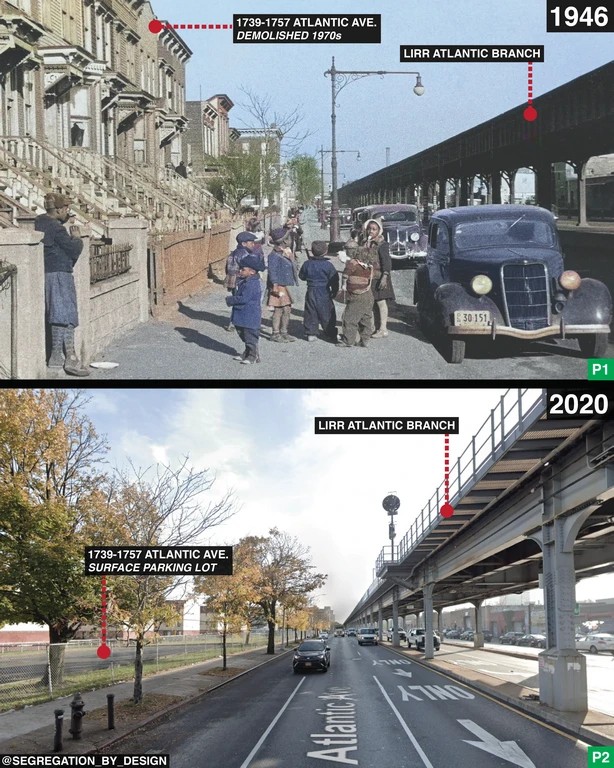
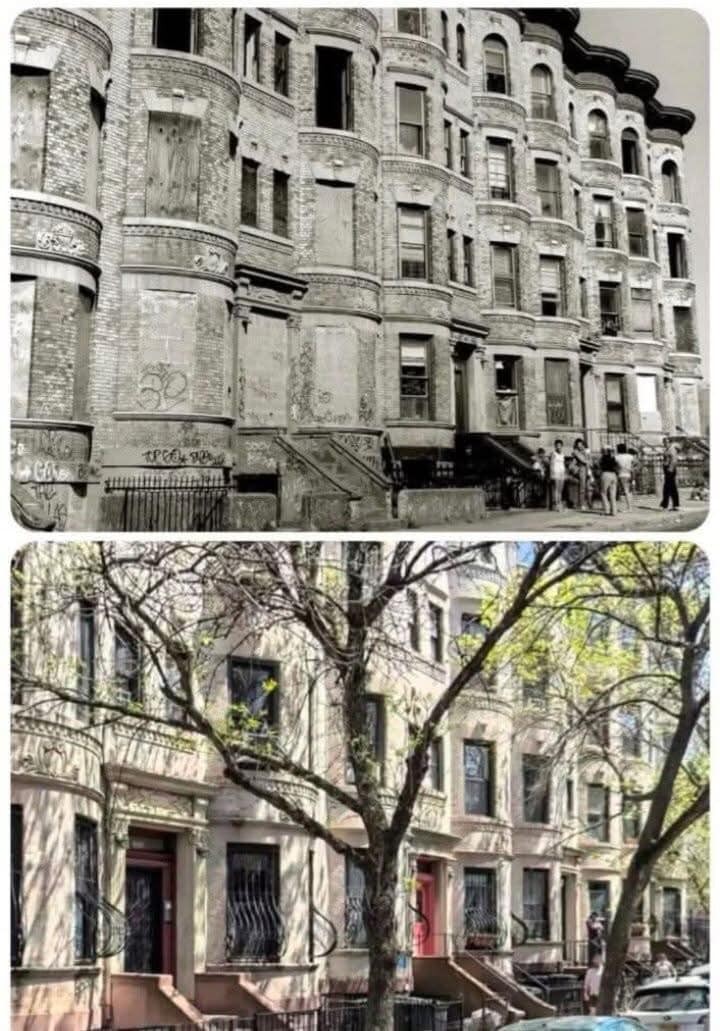
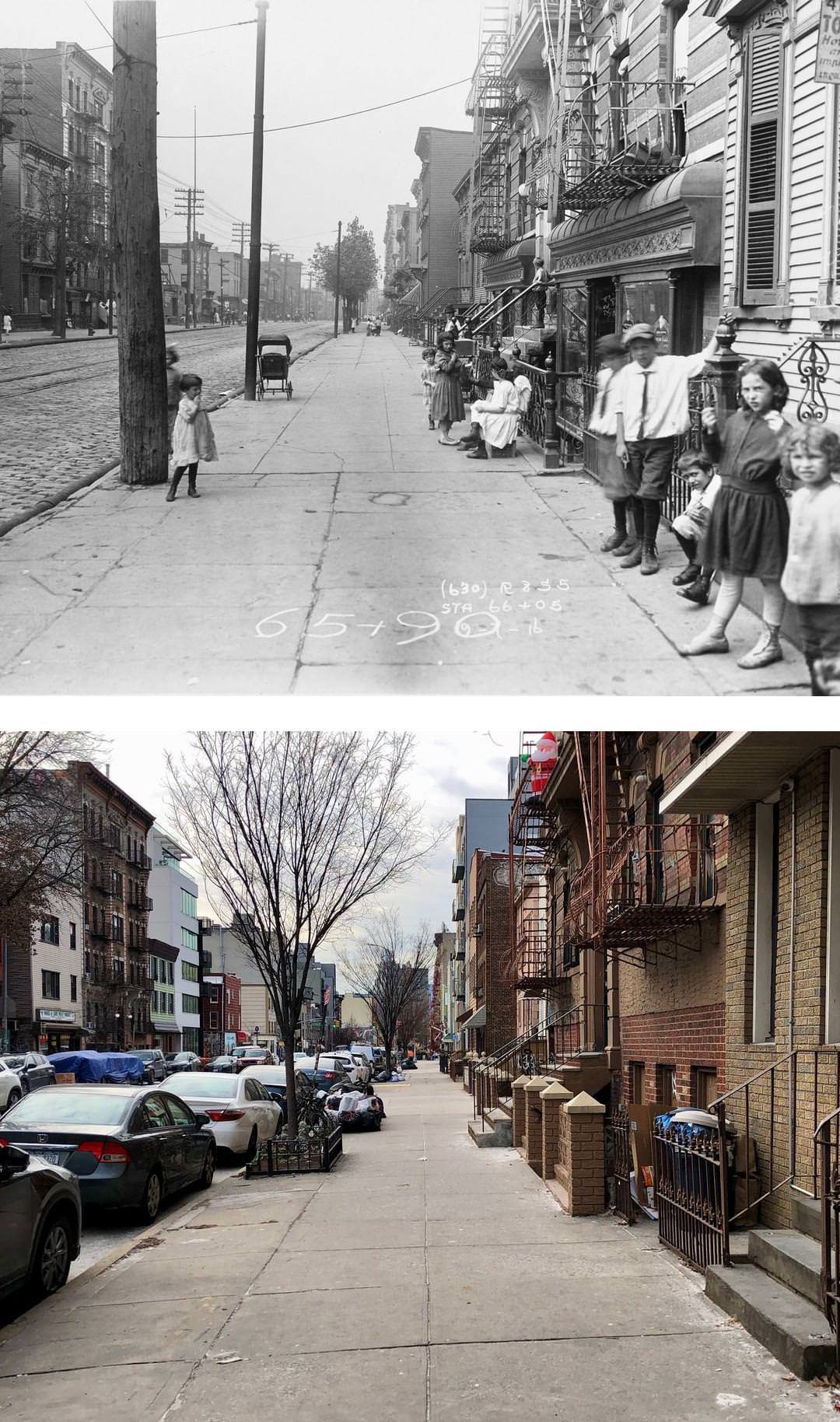
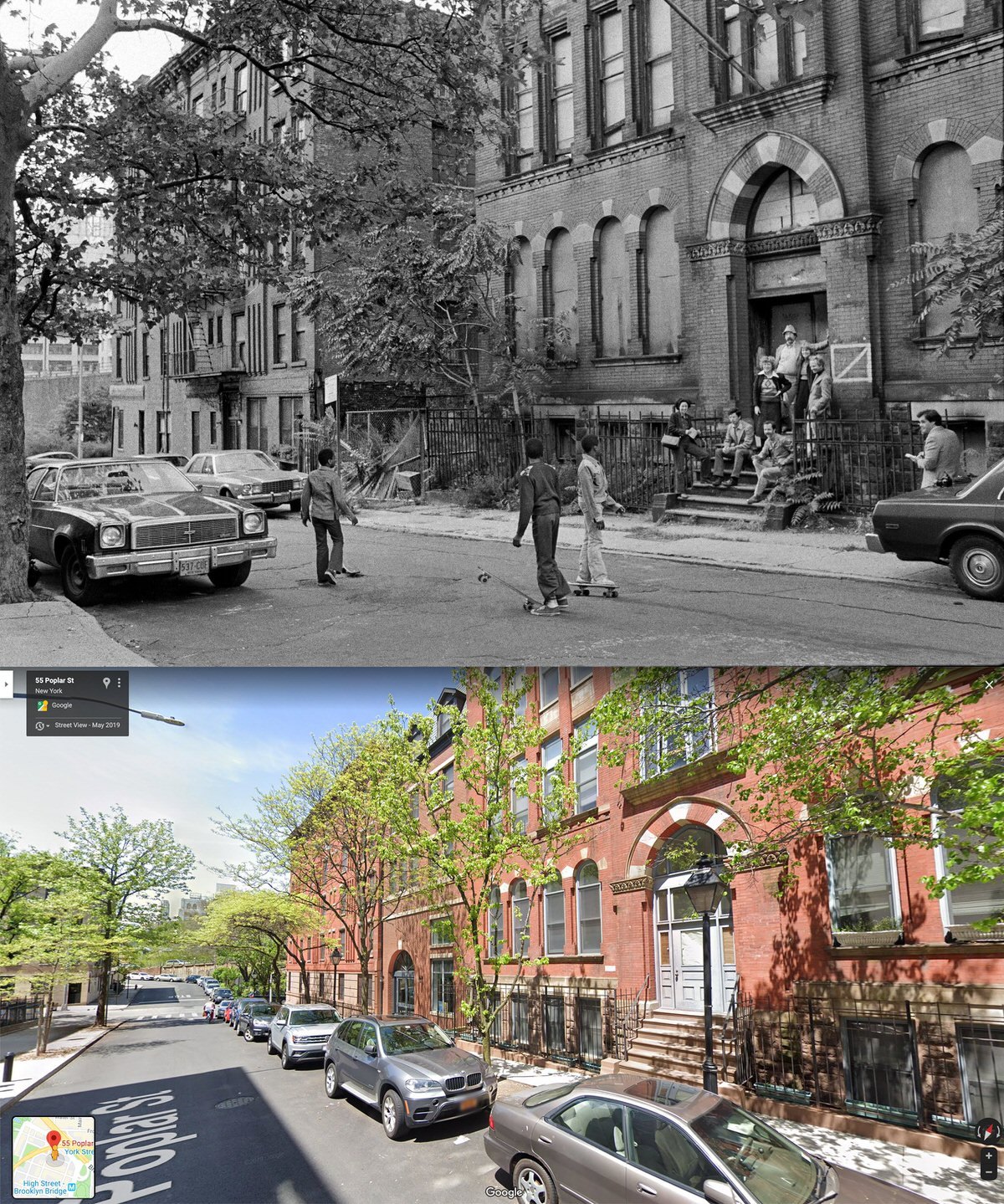
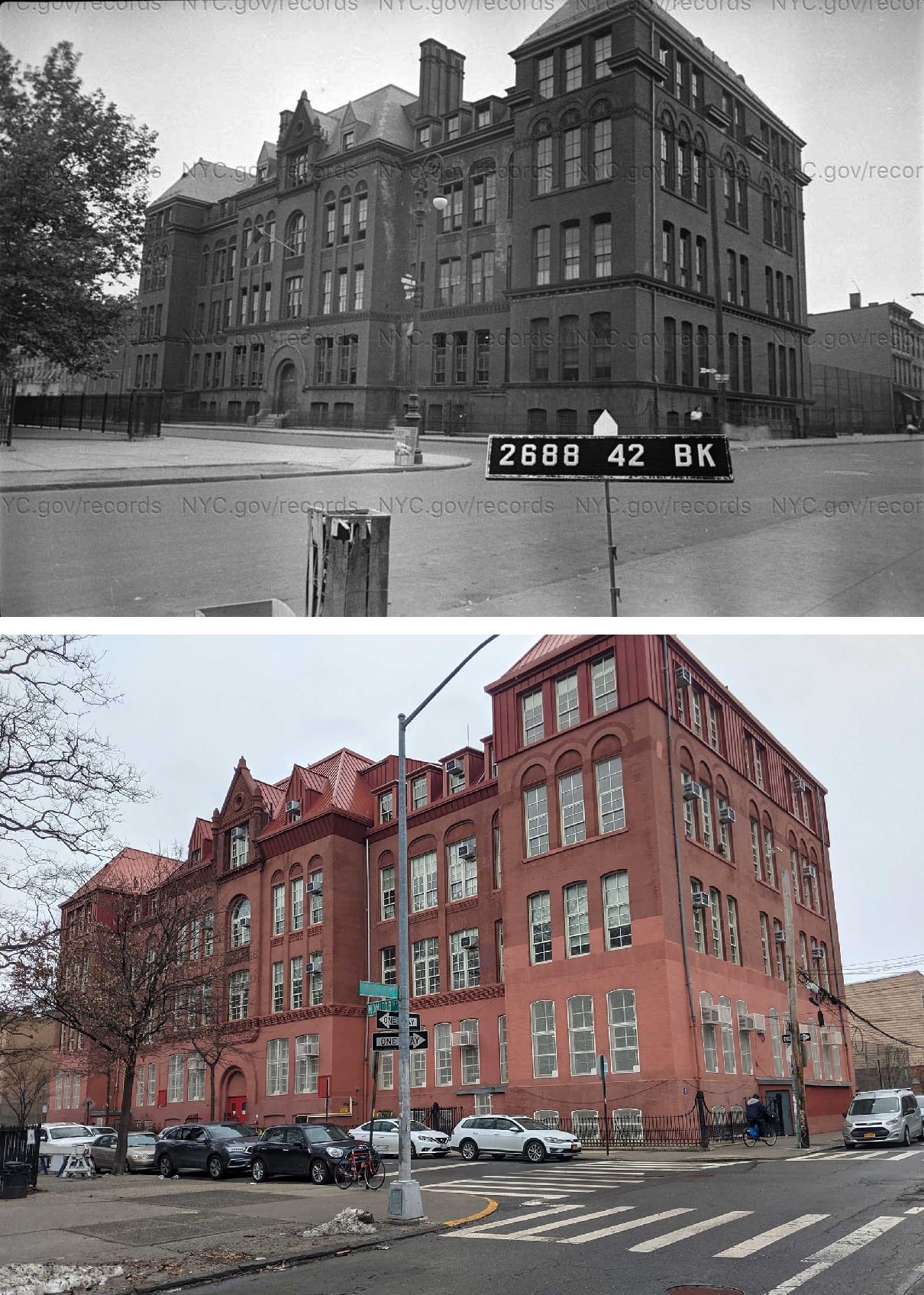
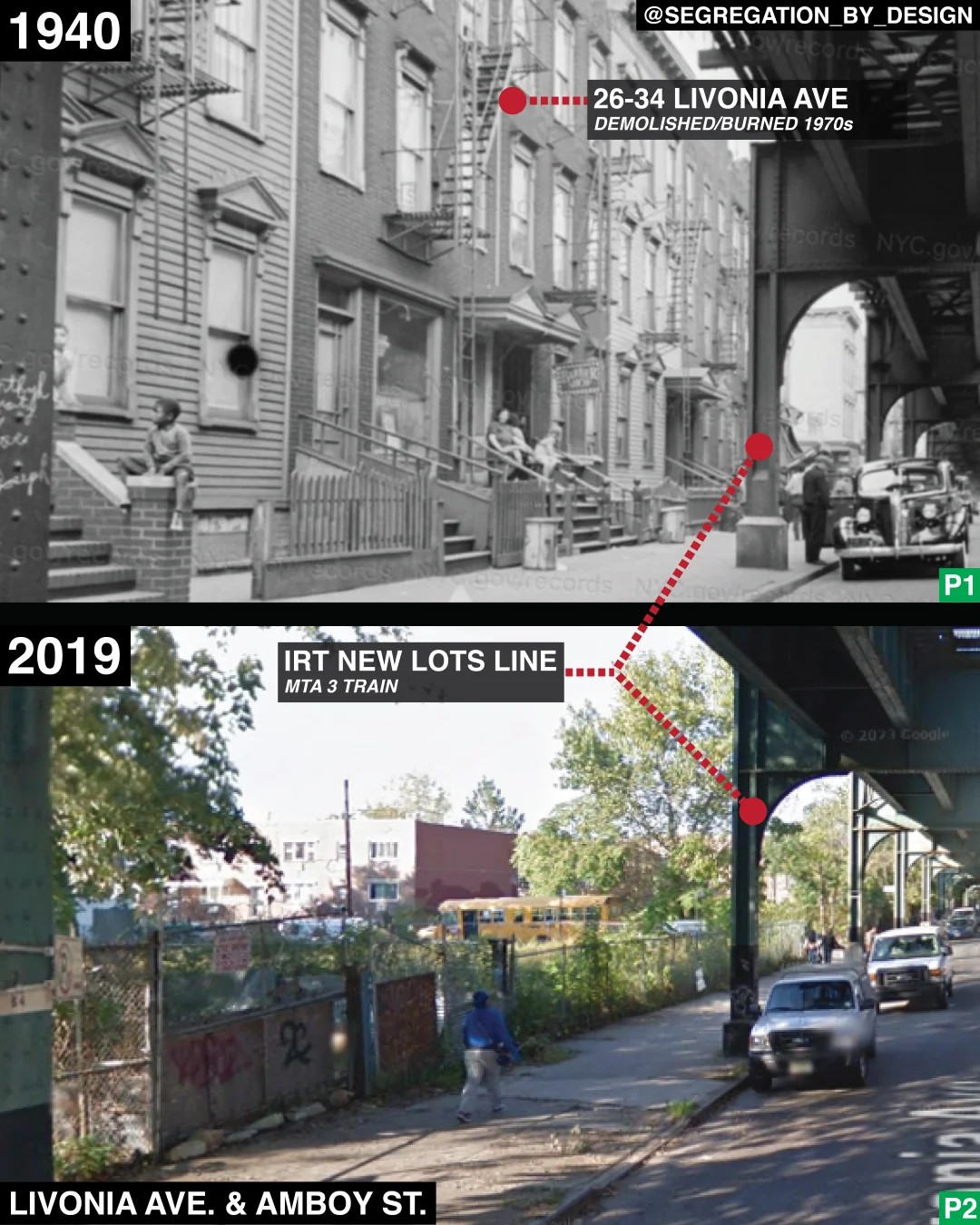
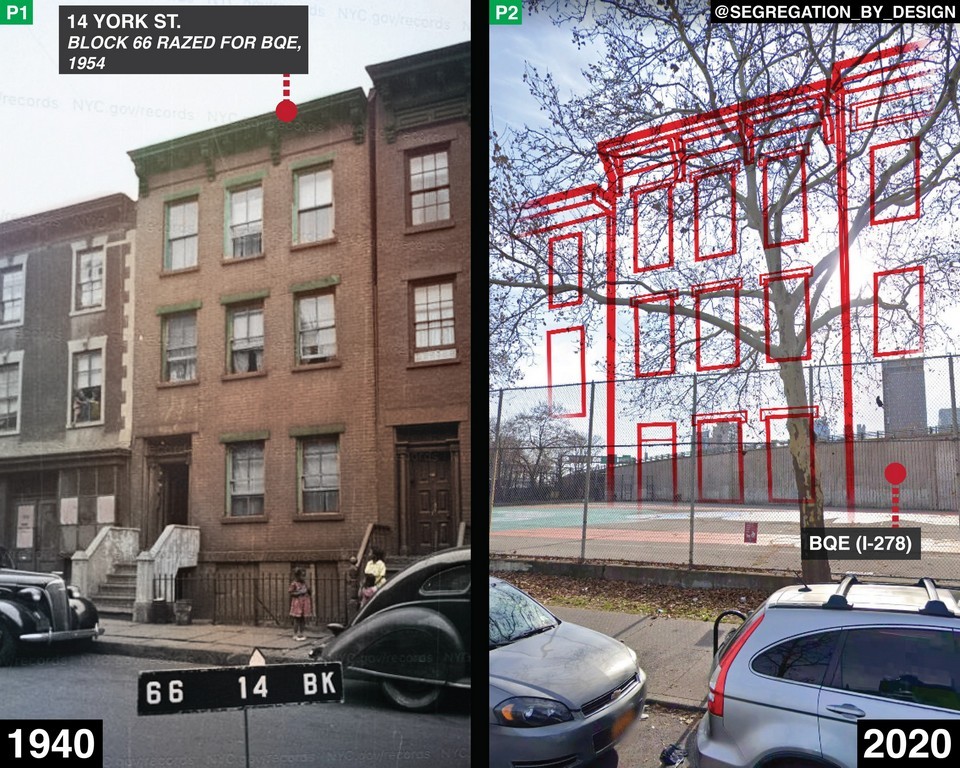
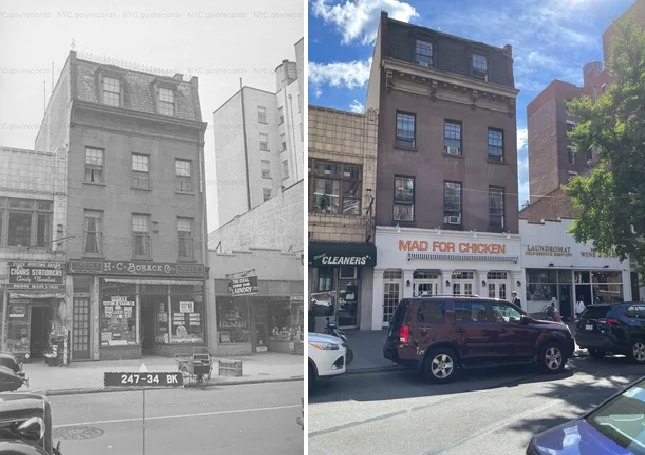
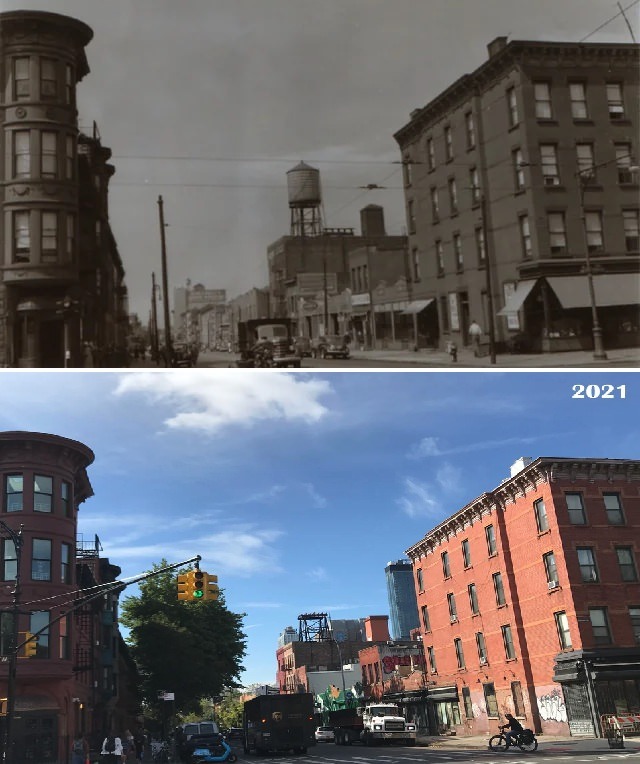
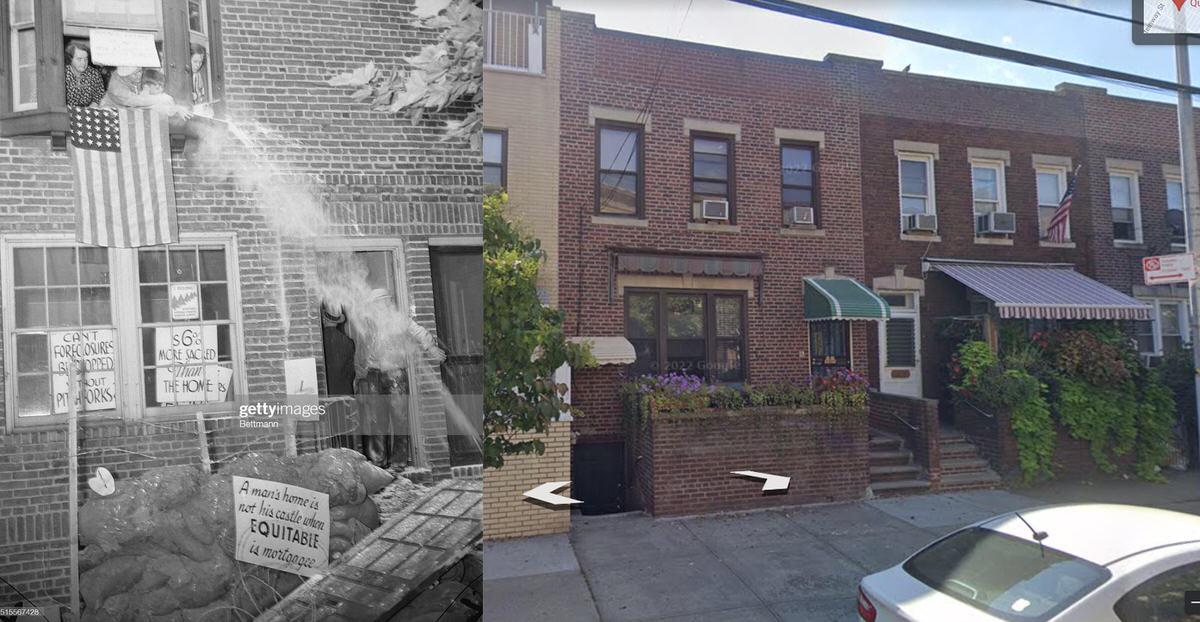
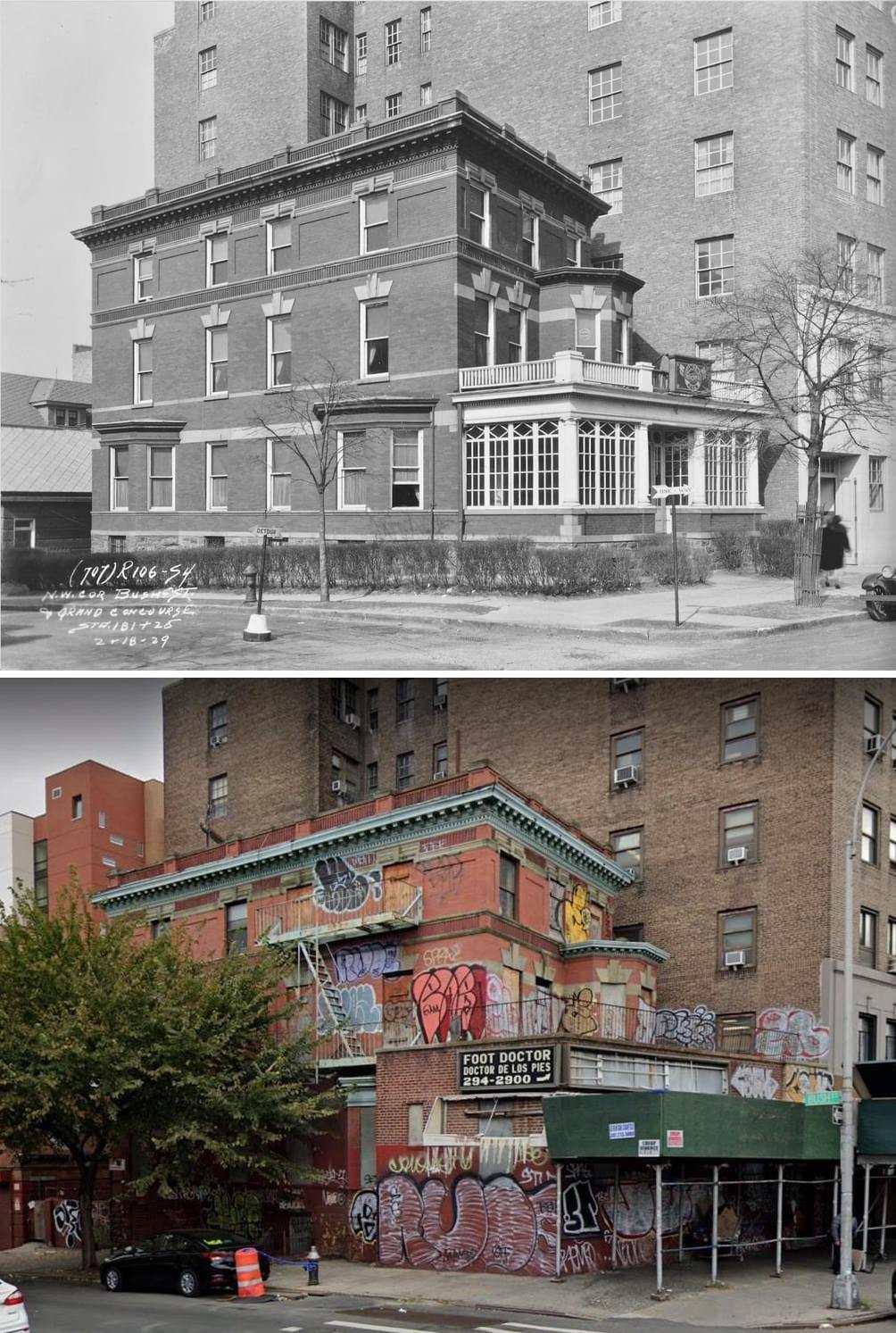
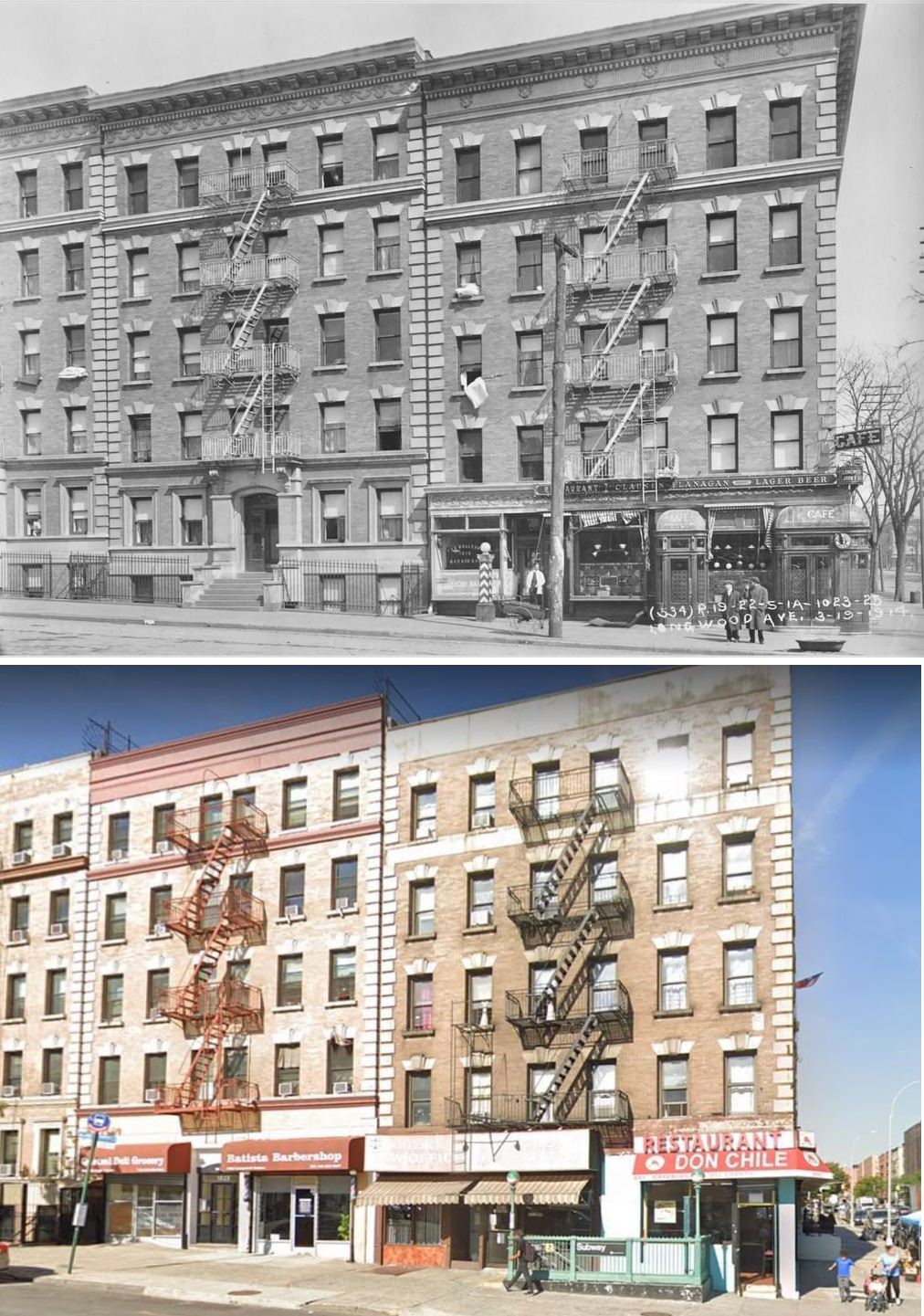
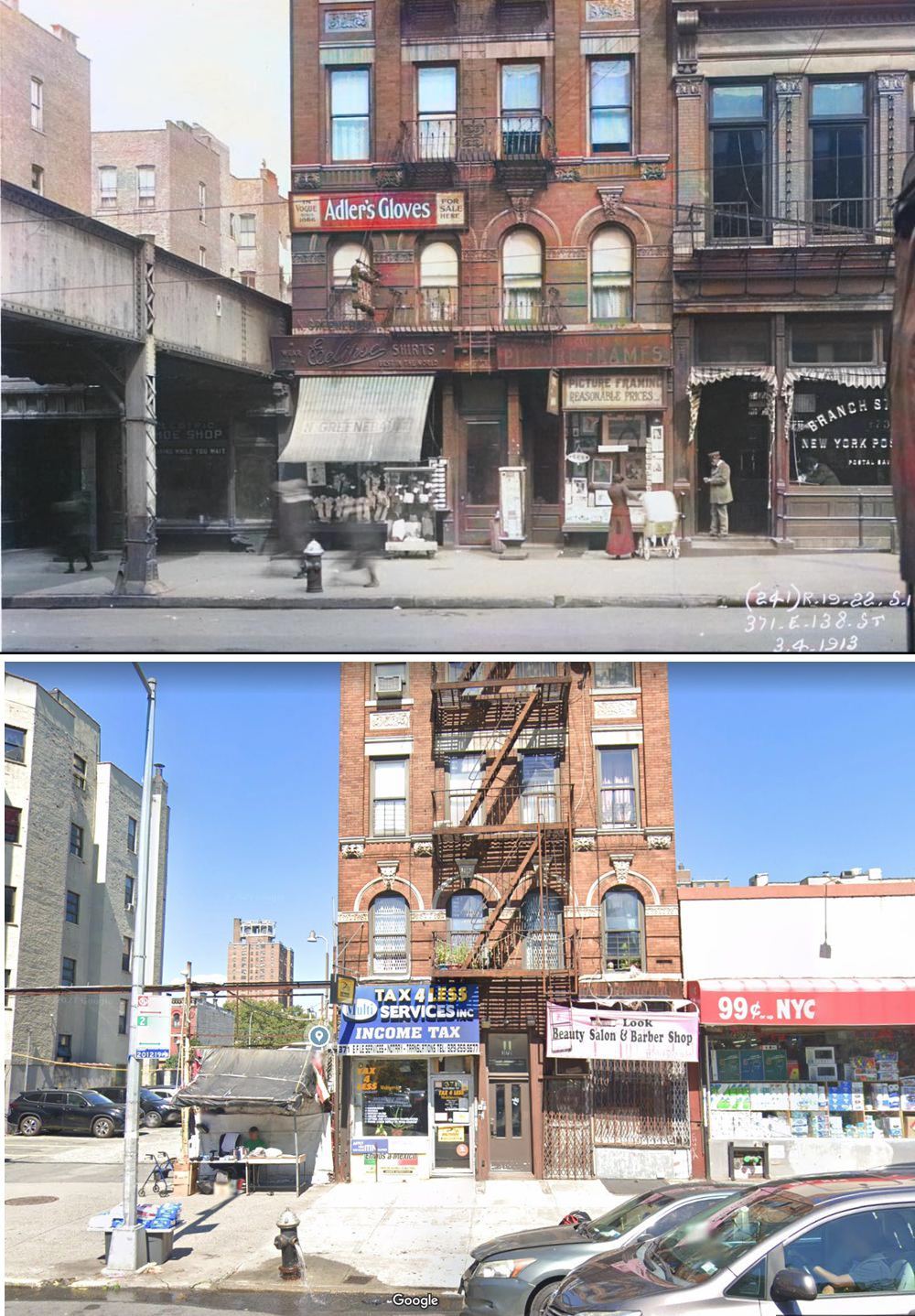
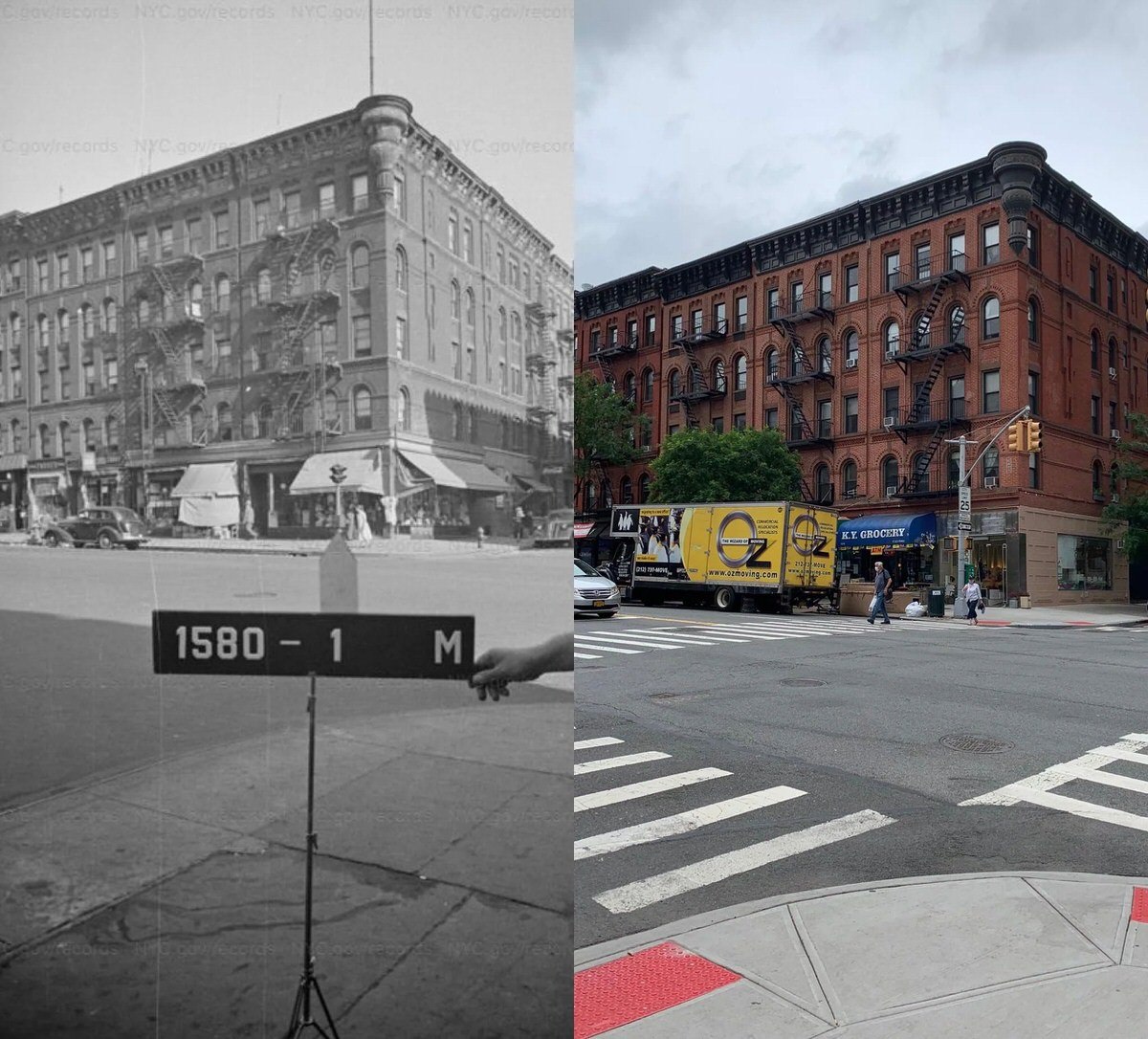
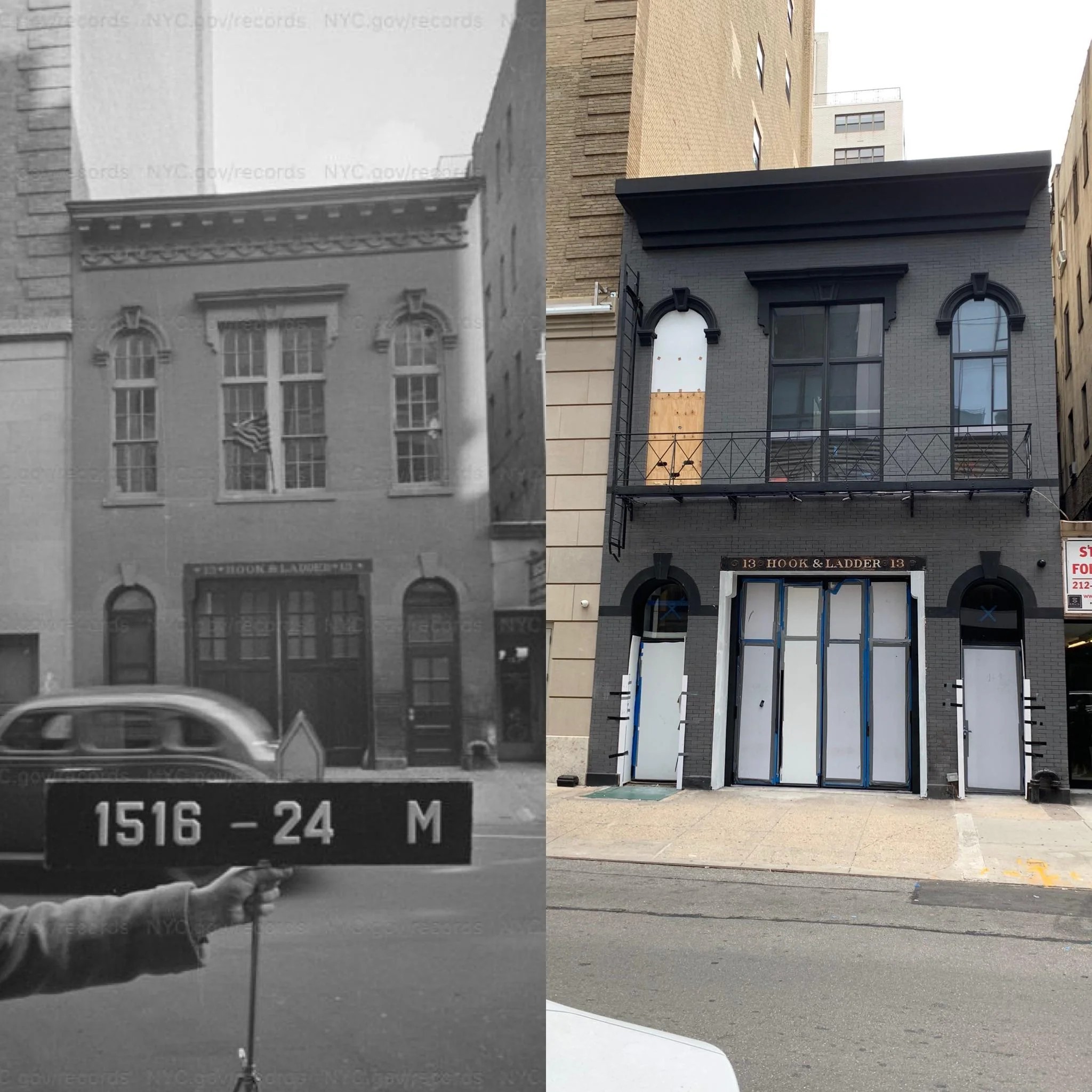
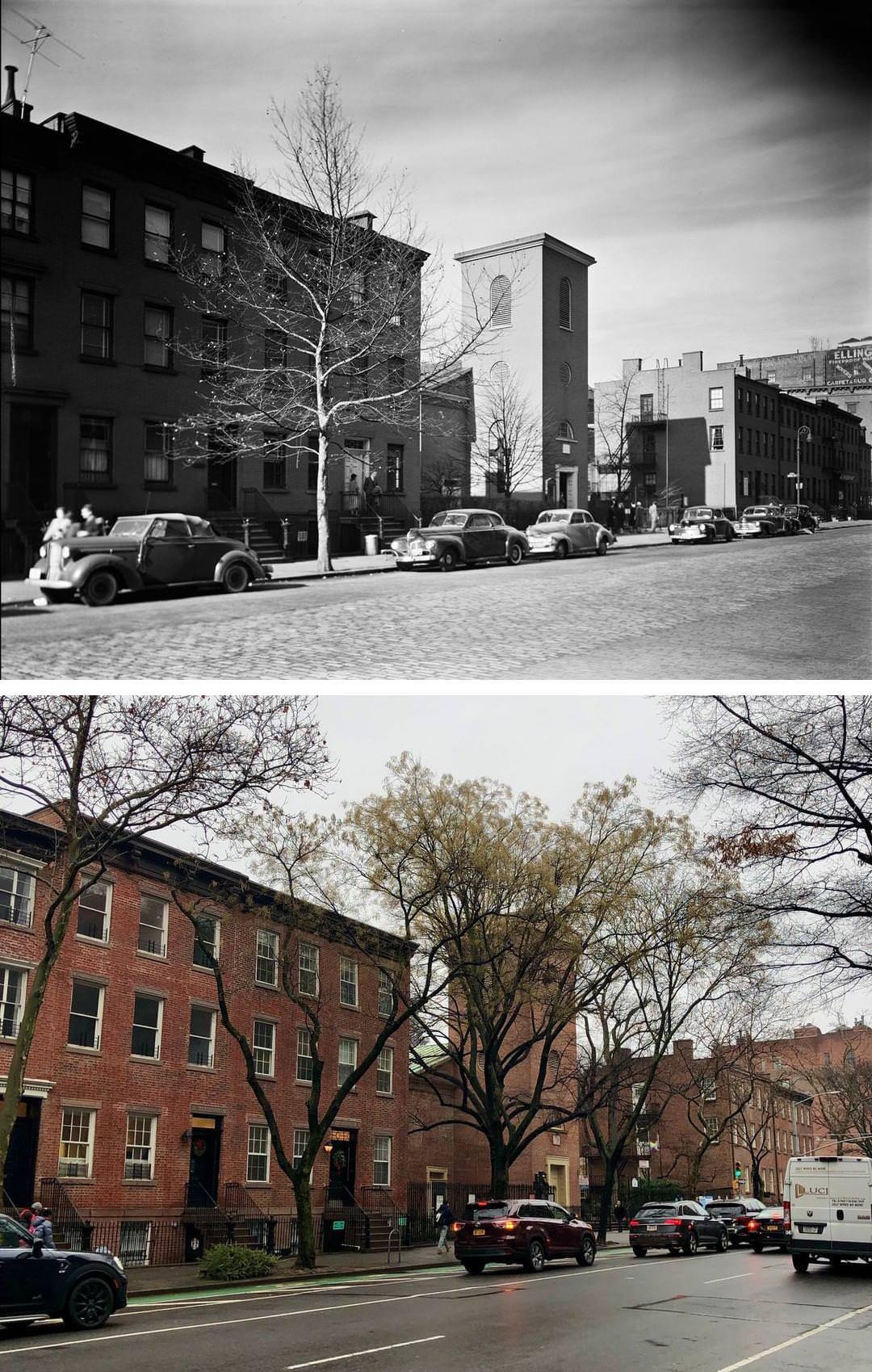
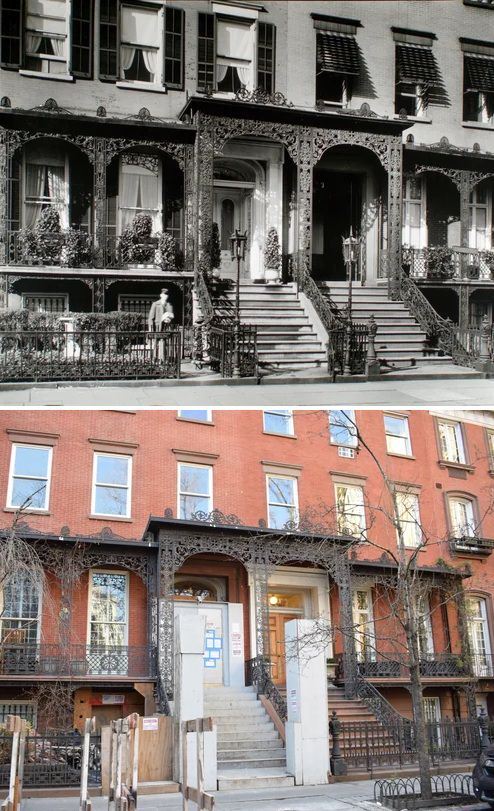
During the late 1800s and early 1900s, rowhouses became common across Manhattan and Brooklyn. Builders used brick and brownstone fronts. Many included stoops, decorative lintels, and iron railings.
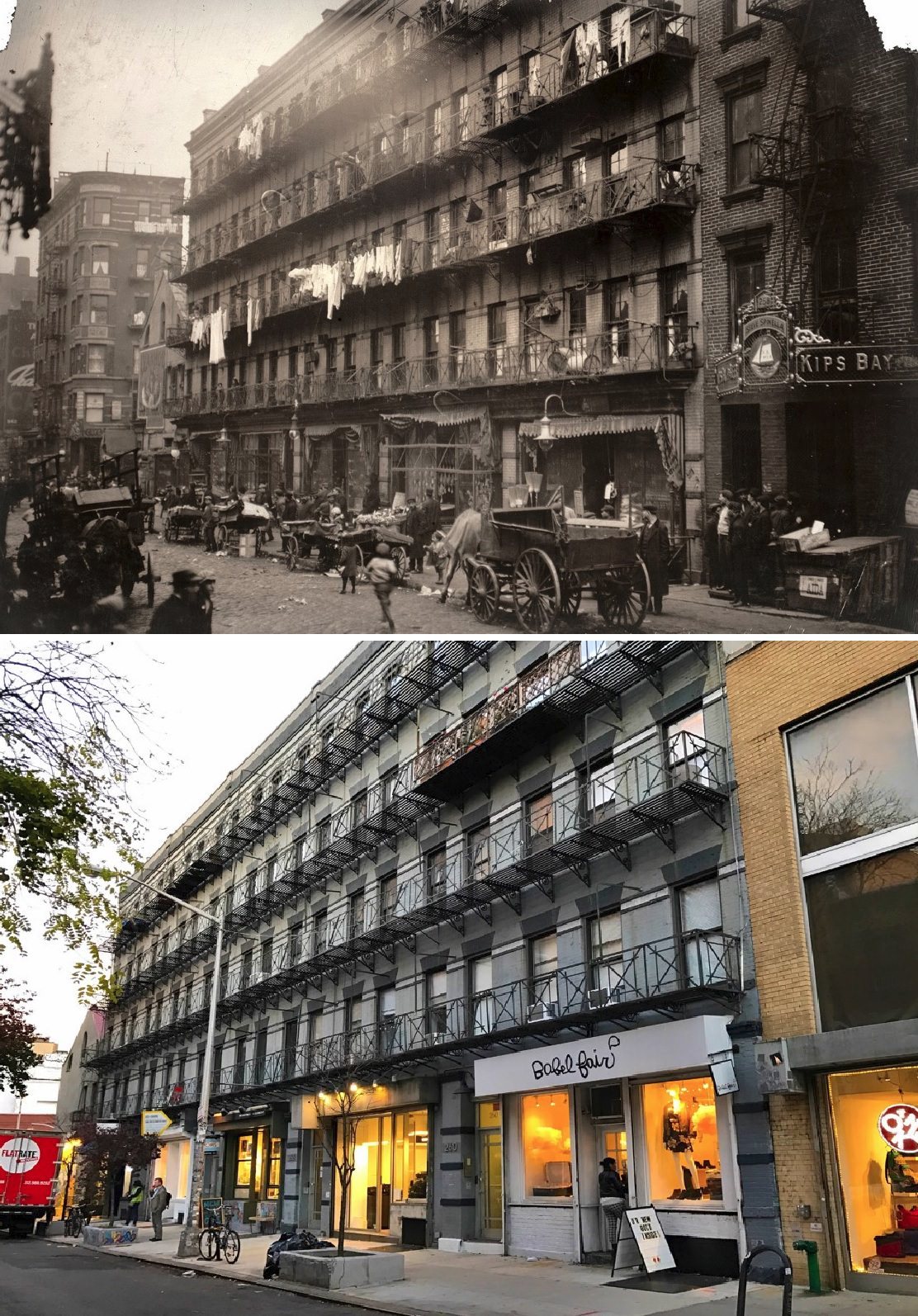
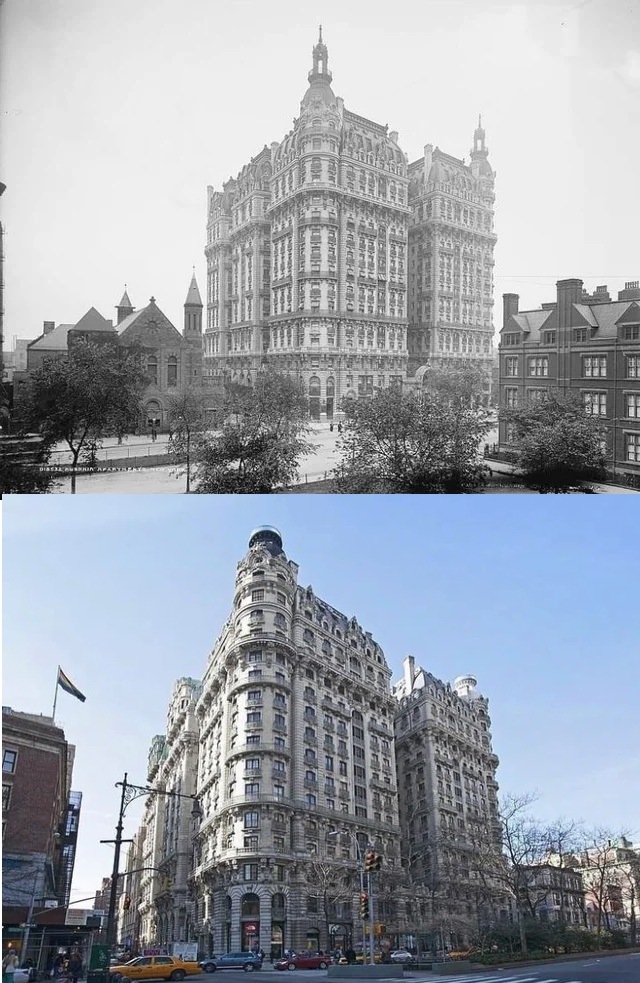
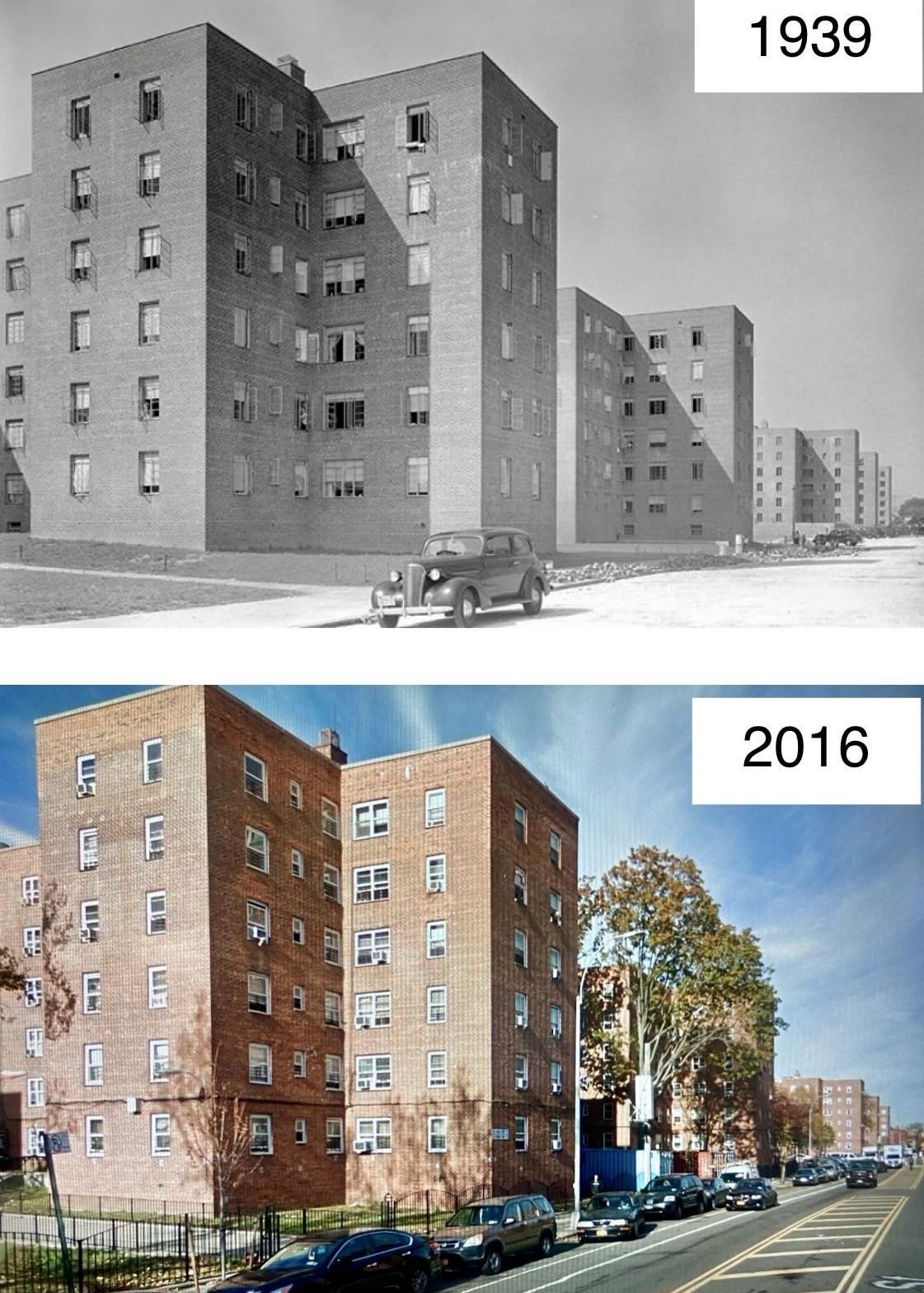
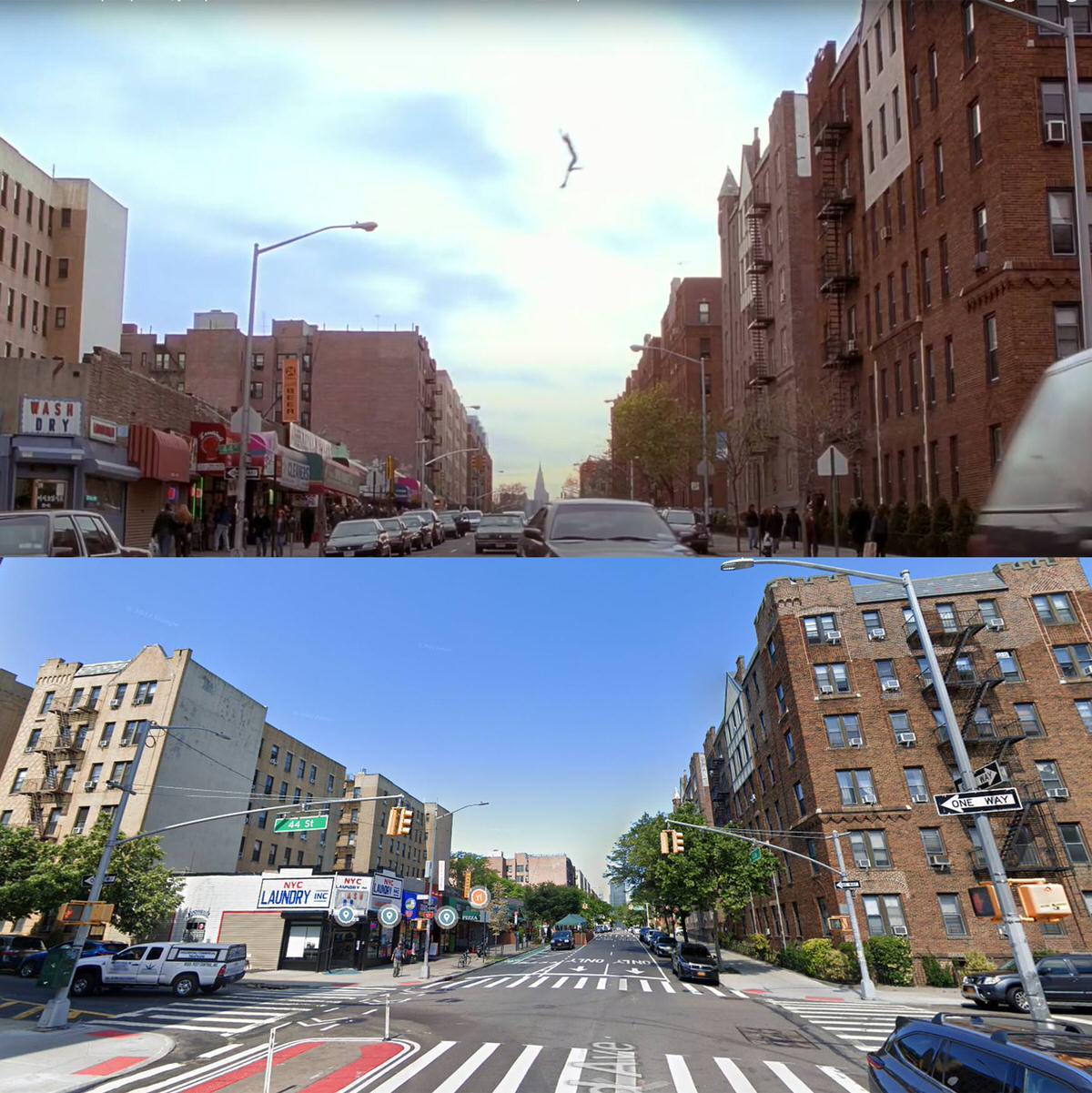
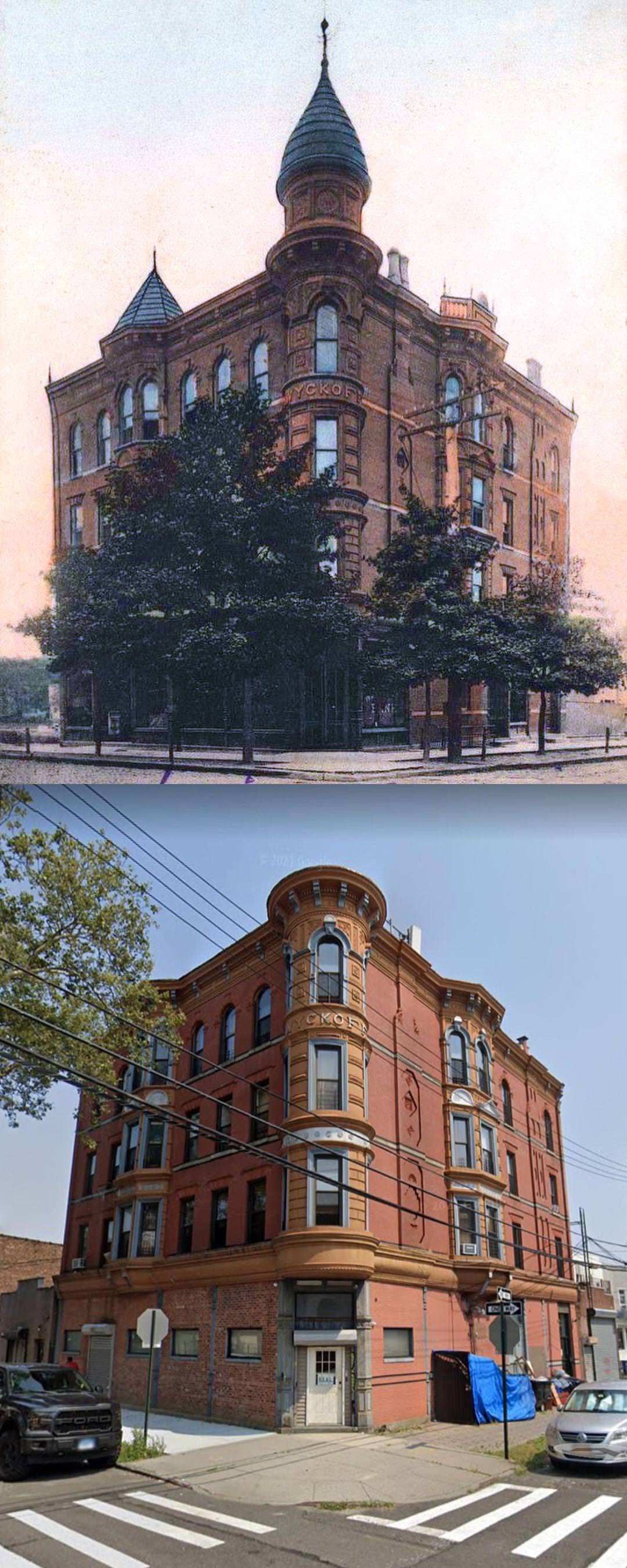
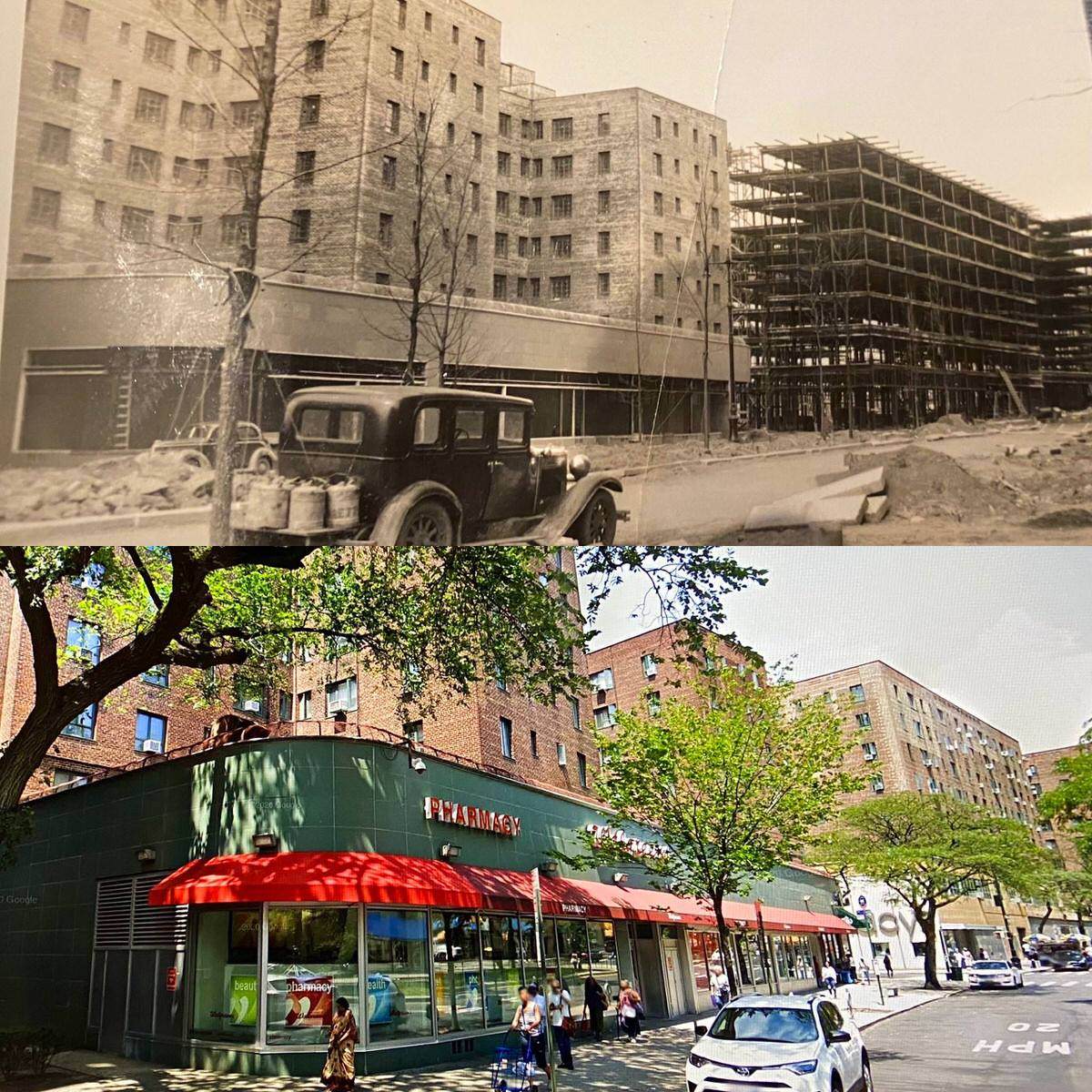
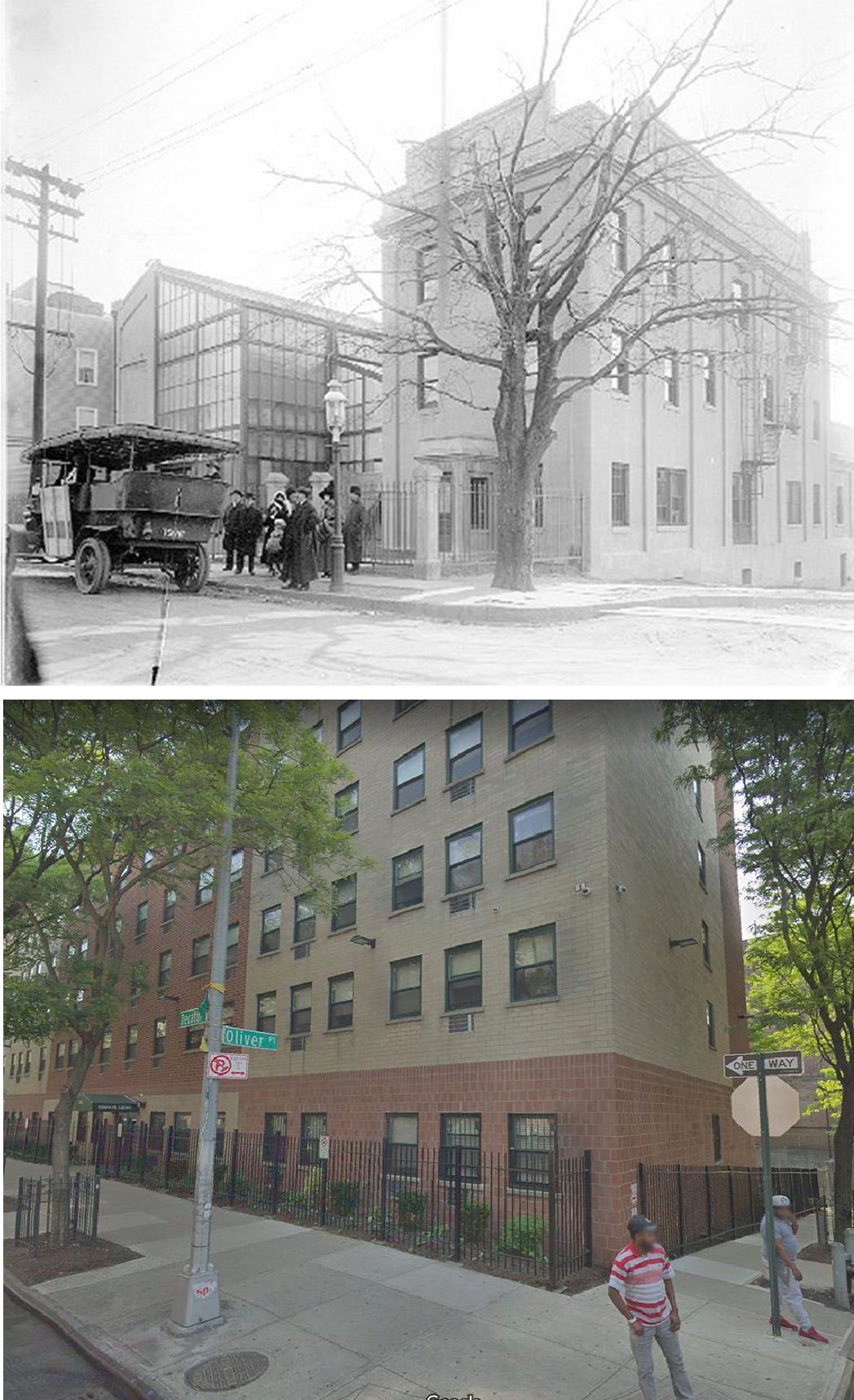
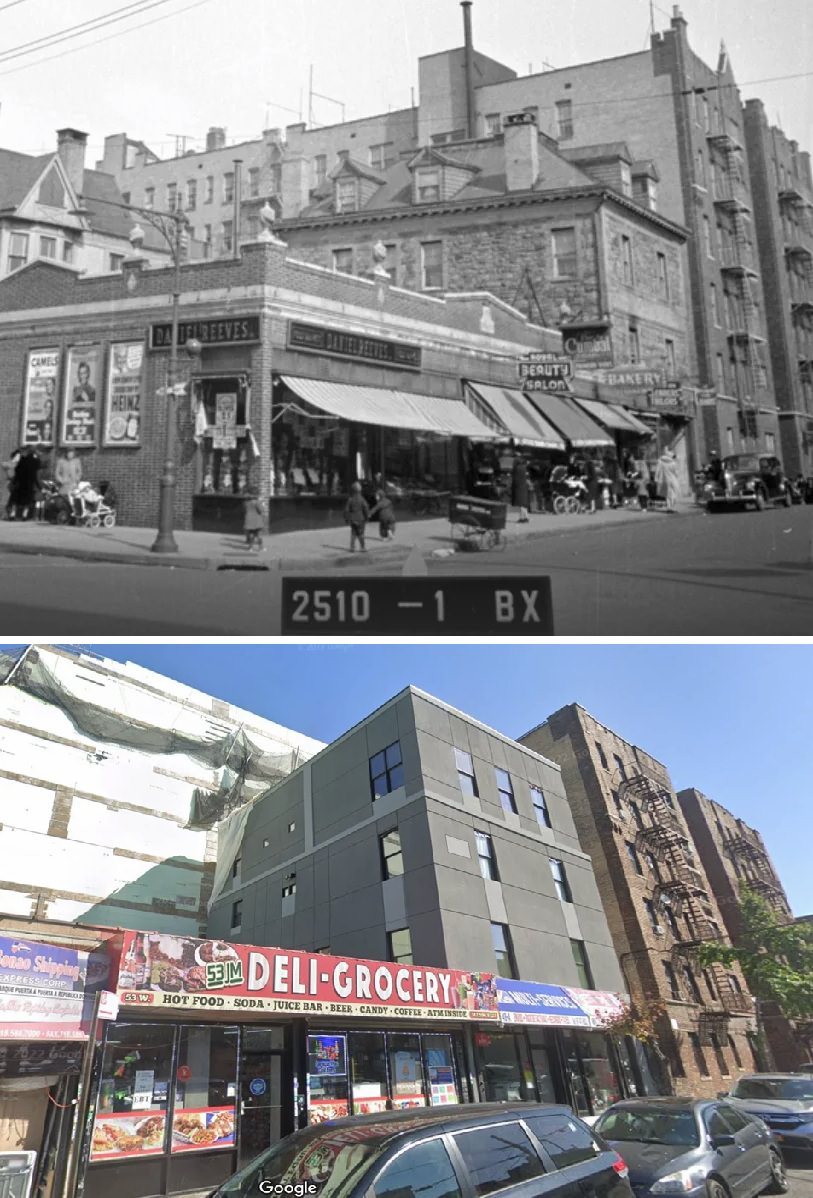
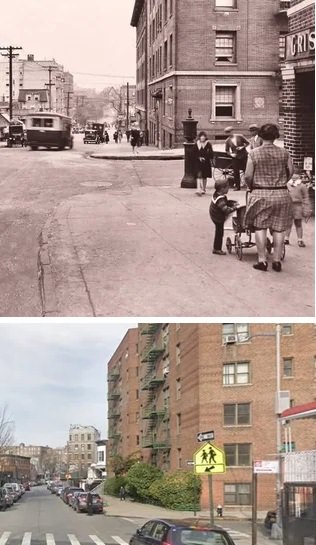
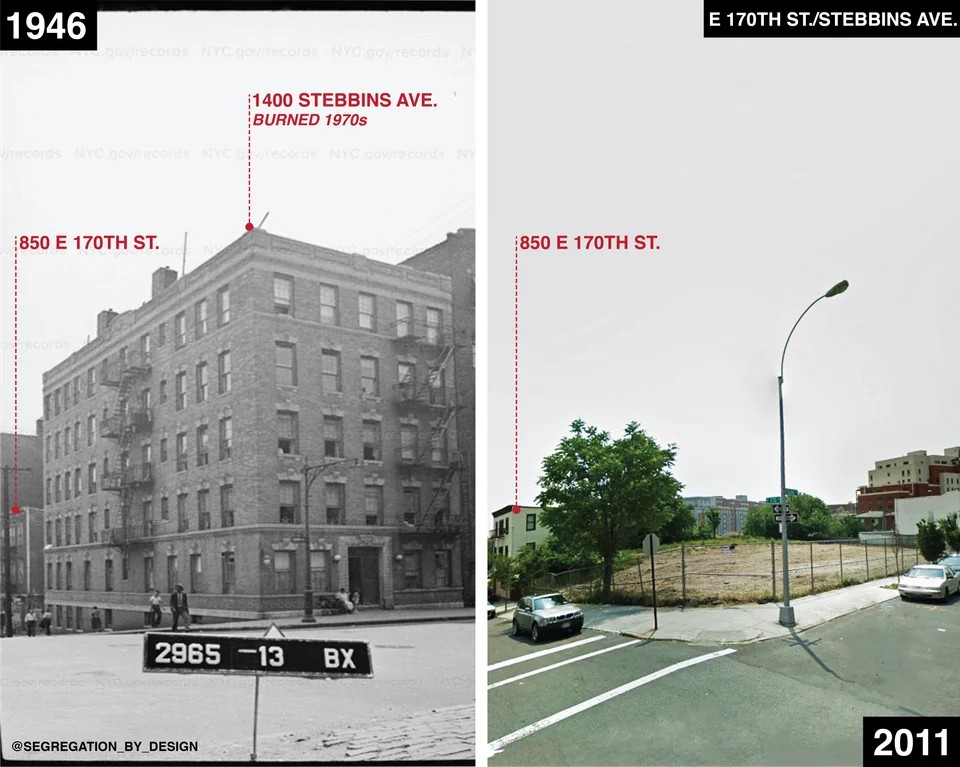
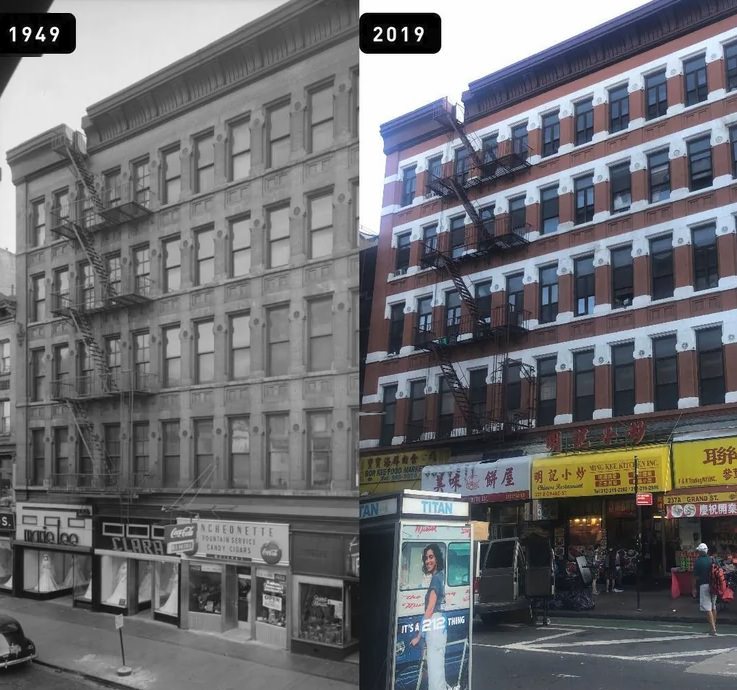
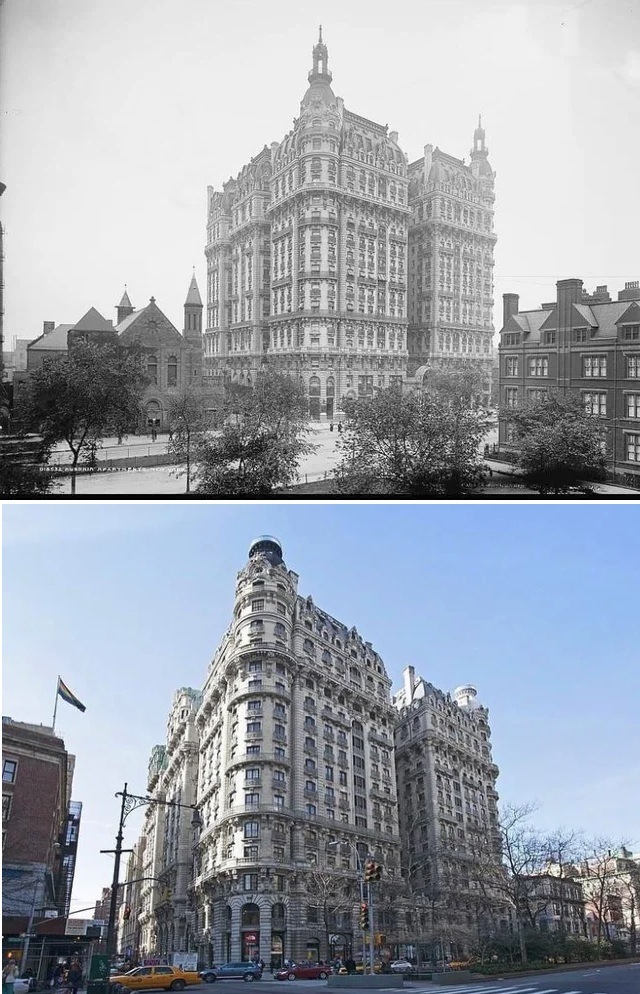
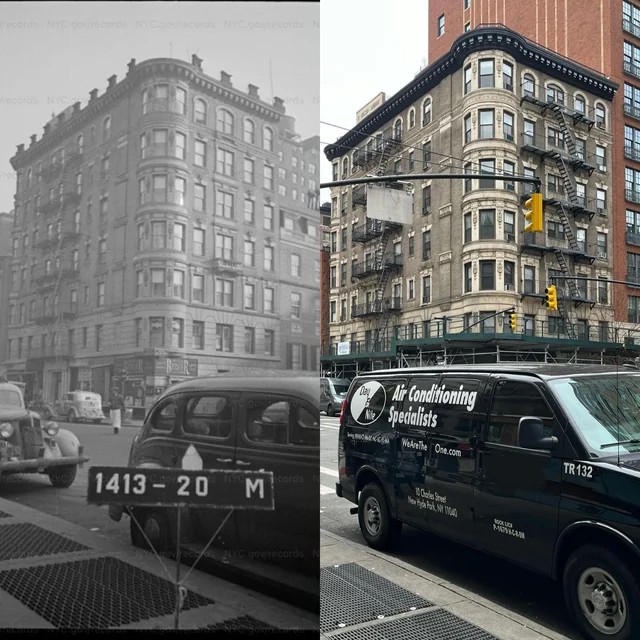
As population density increased, apartment buildings replaced many single-family homes. Early apartments often stood five or six stories tall. These buildings used courtyards to bring light and air into interior rooms.
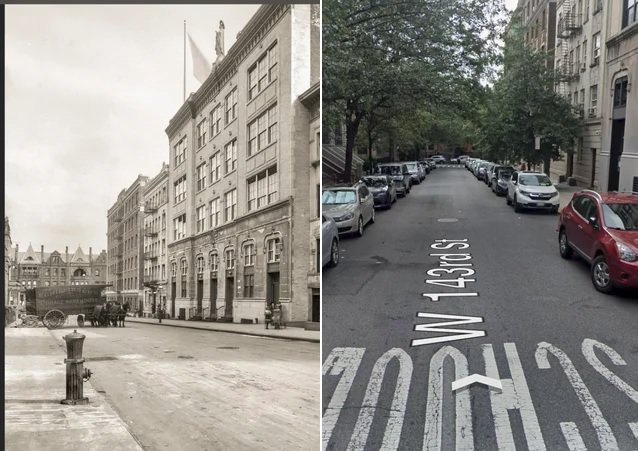
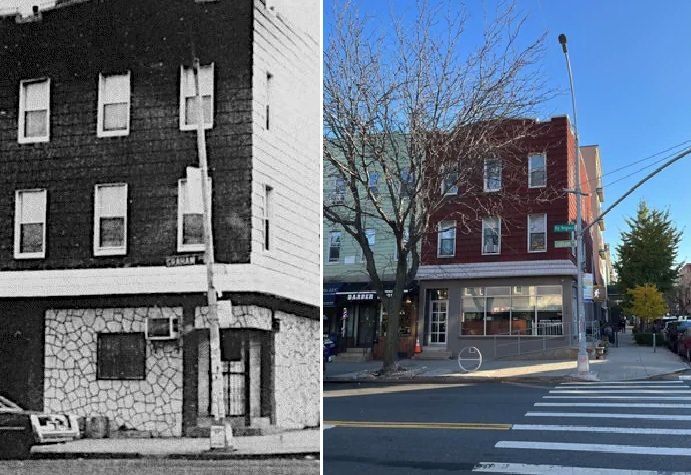
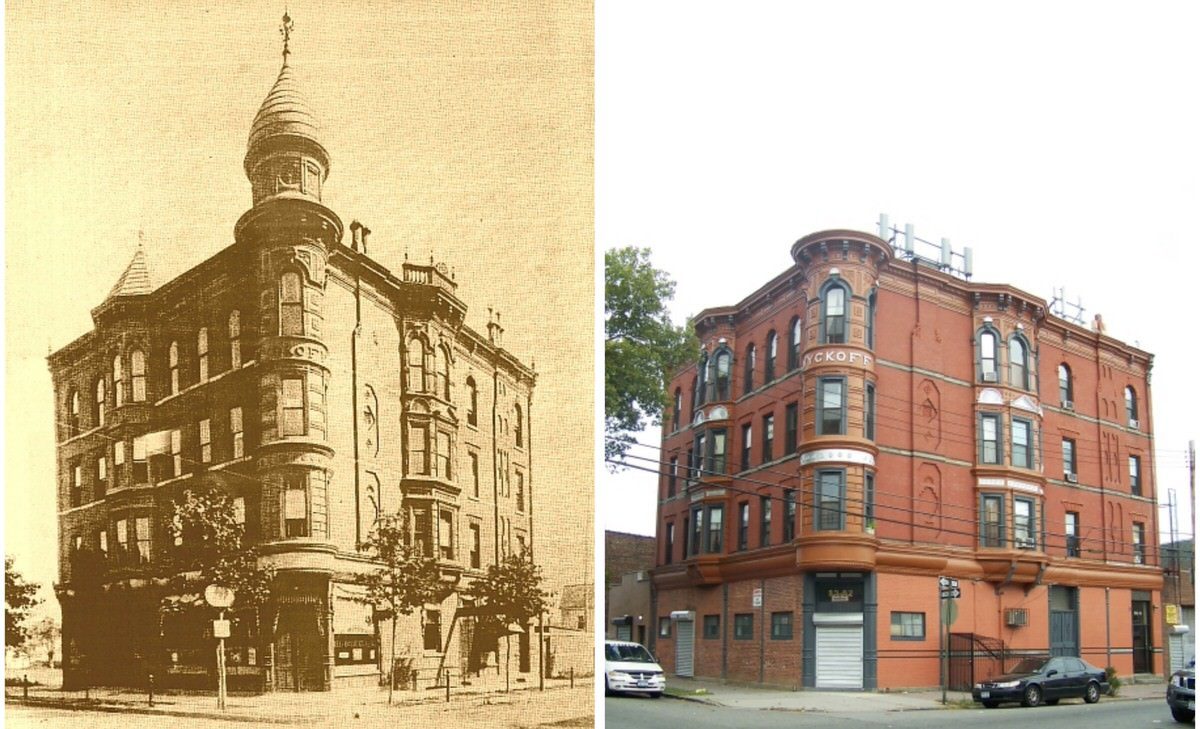
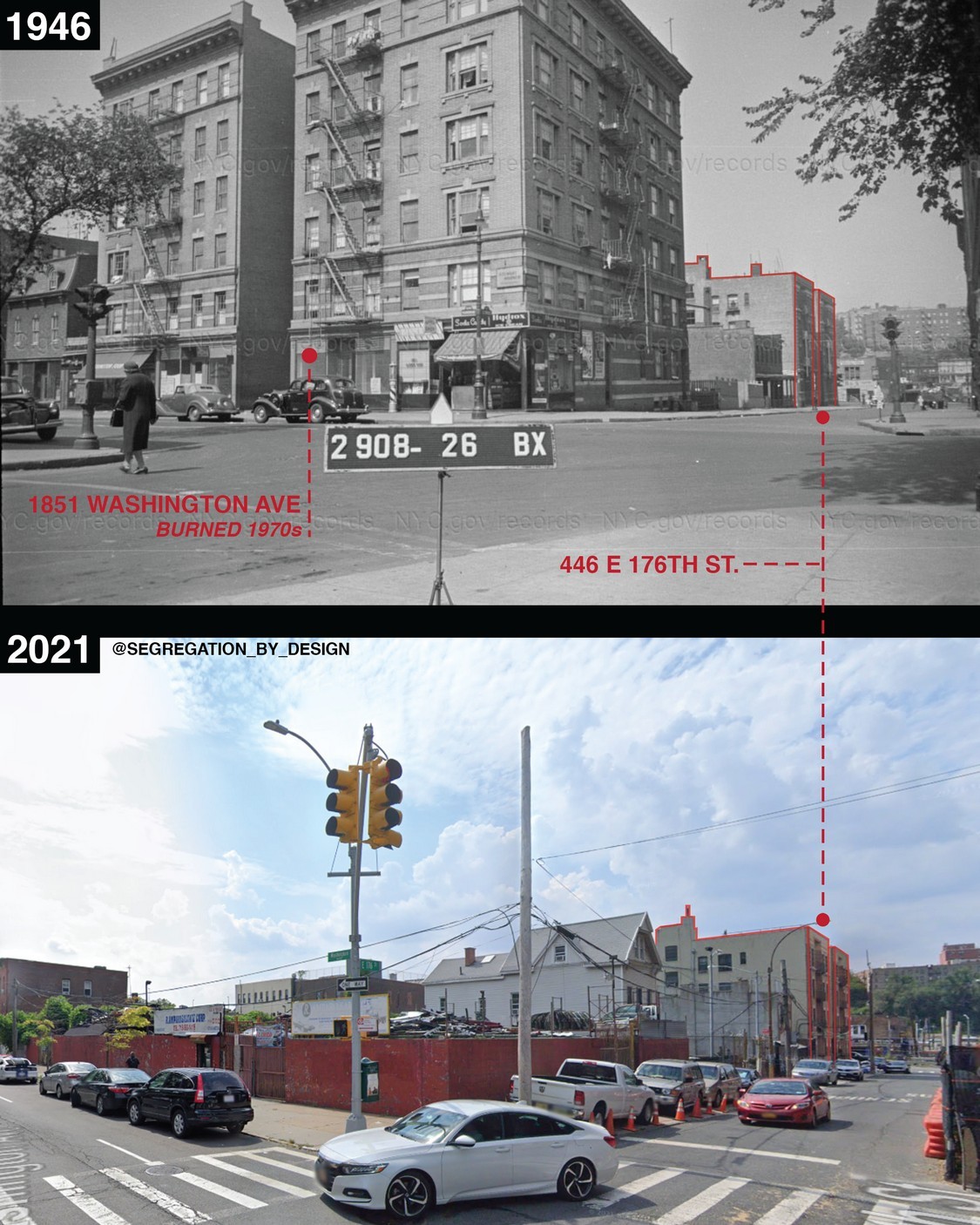
Some neighborhoods still show full blocks of these early designs. Their exterior appearance remains mostly intact even when interiors have been modernized.
The rise of skyscrapers
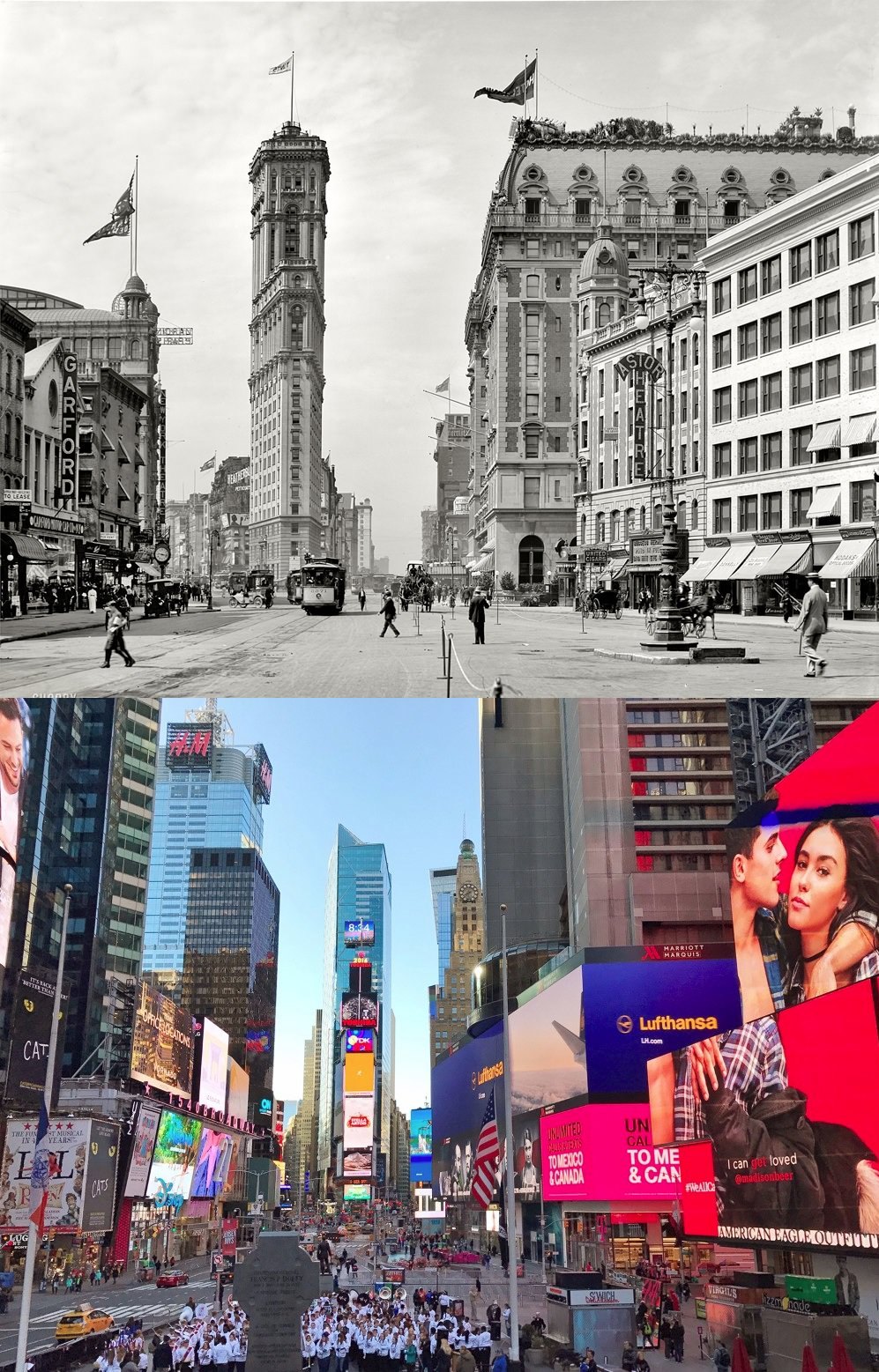
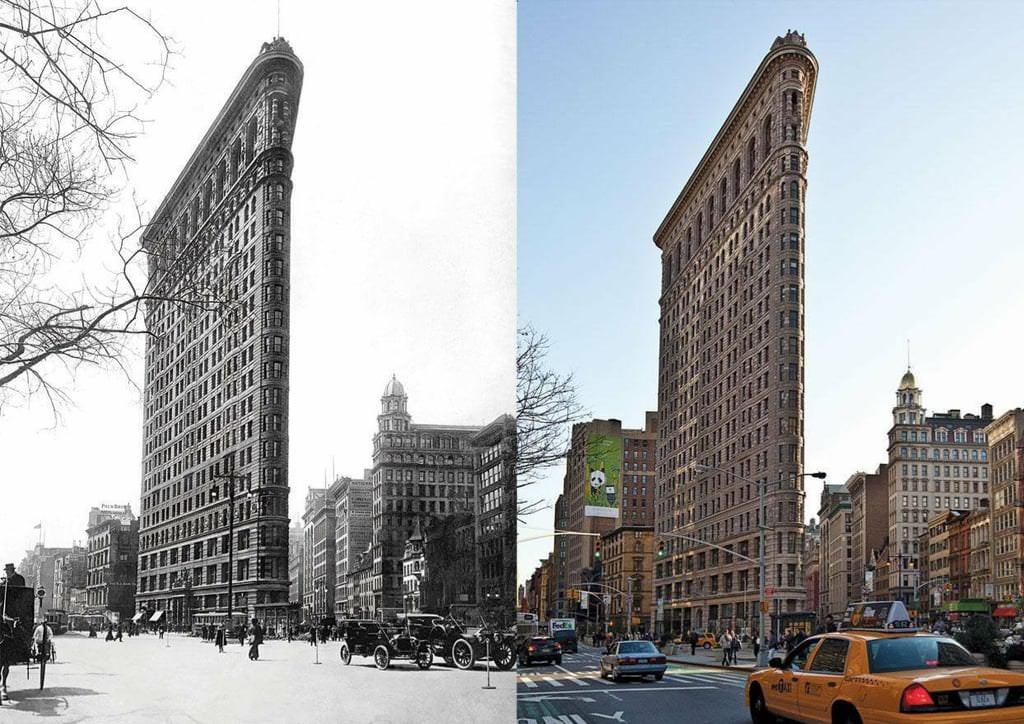
New York City led the early development of skyscrapers. Steel frames allowed buildings to rise much higher than masonry structures. Elevators made upper floors useful for offices and apartments.
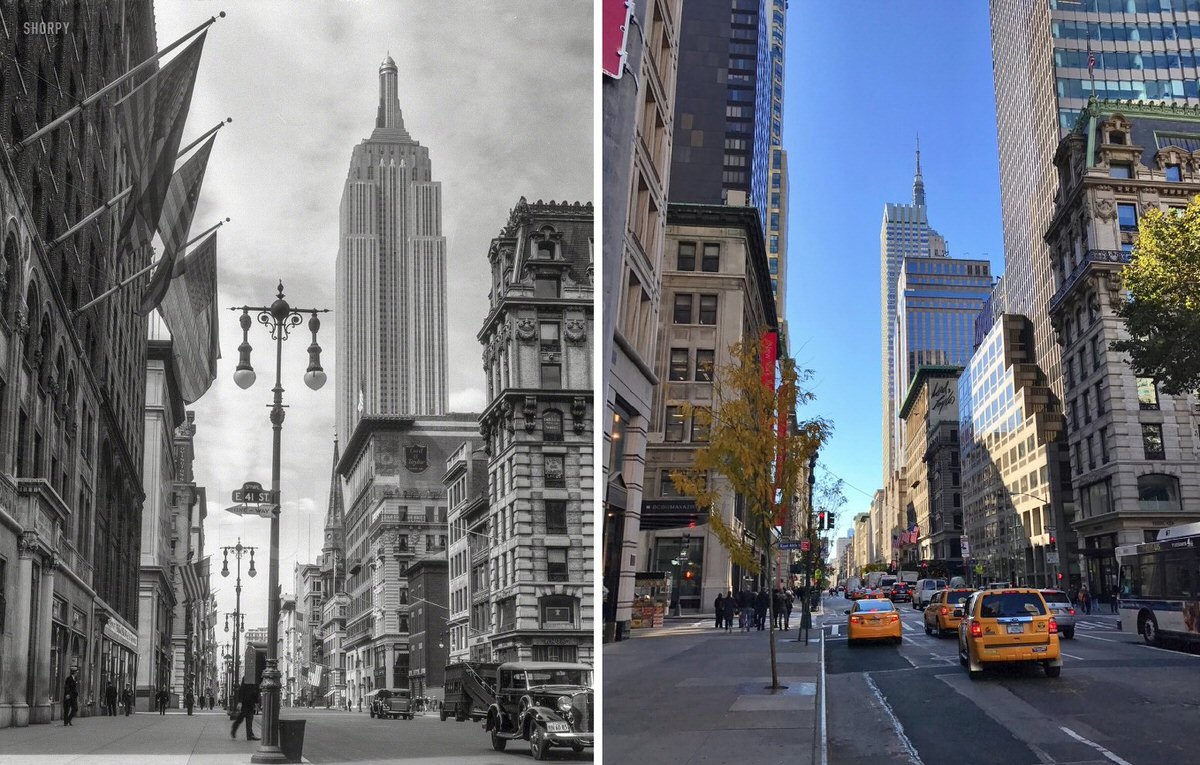
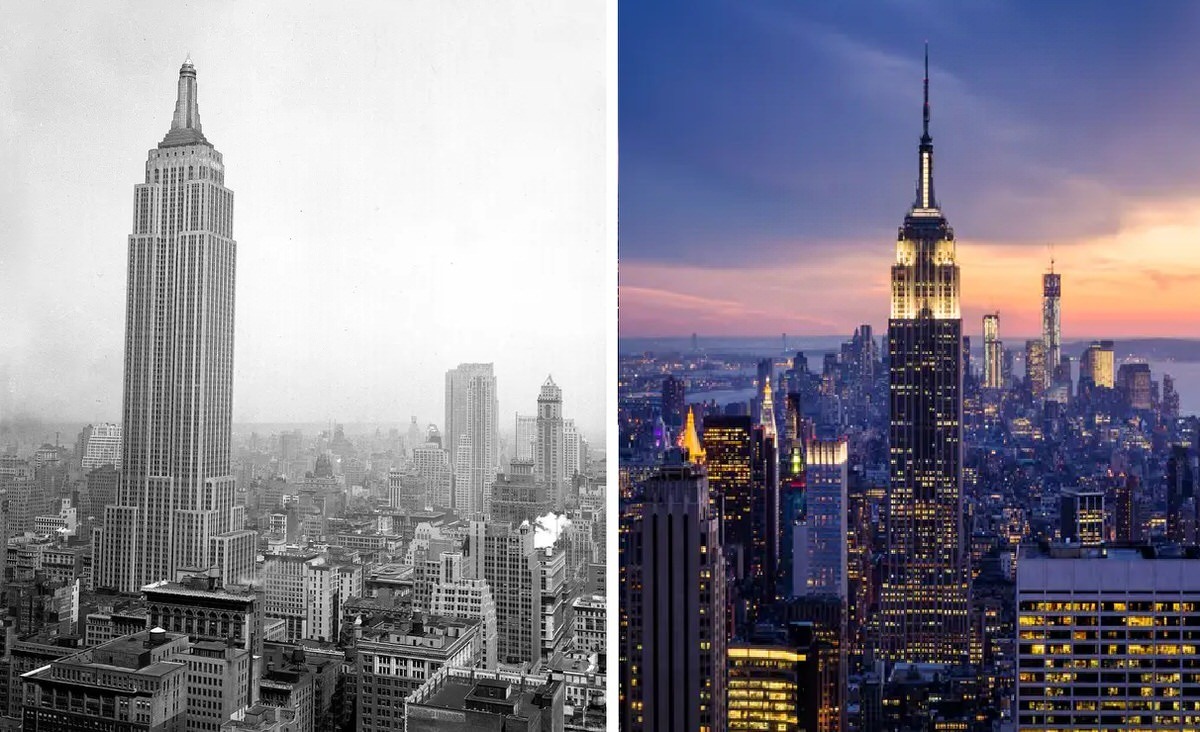
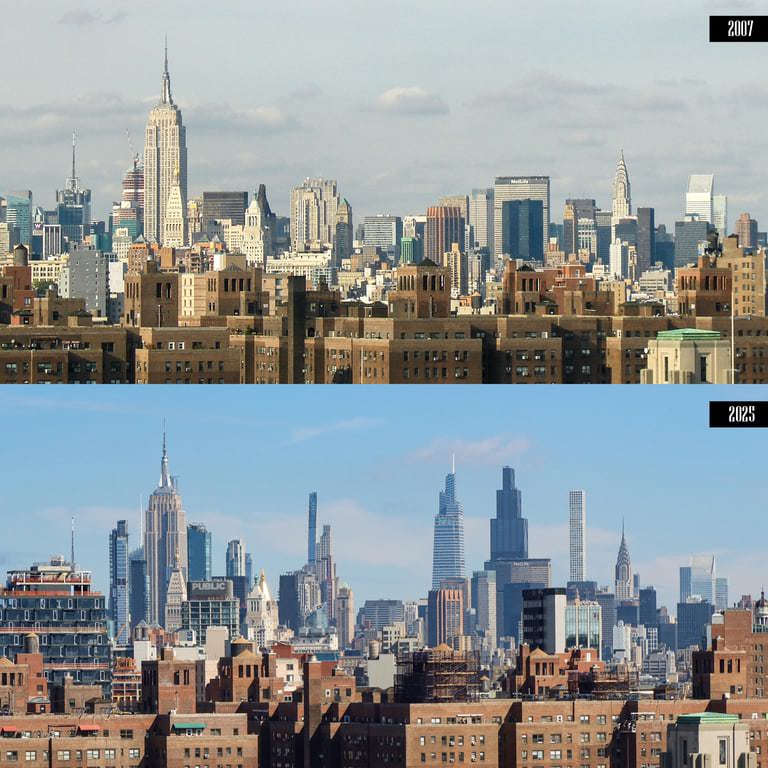
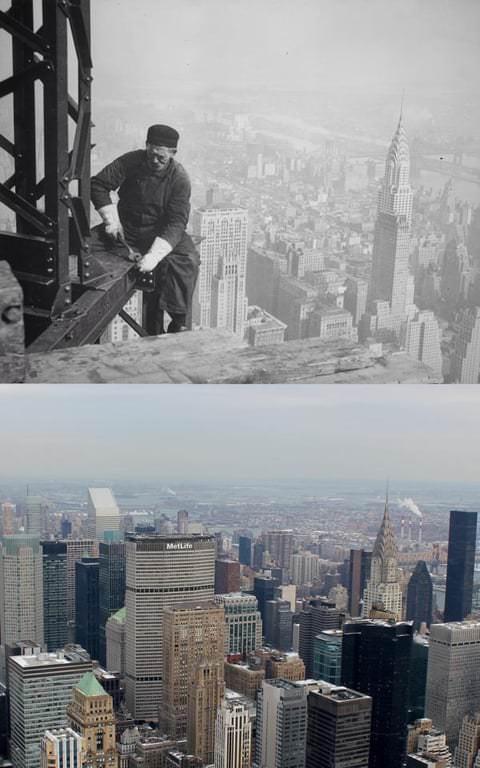
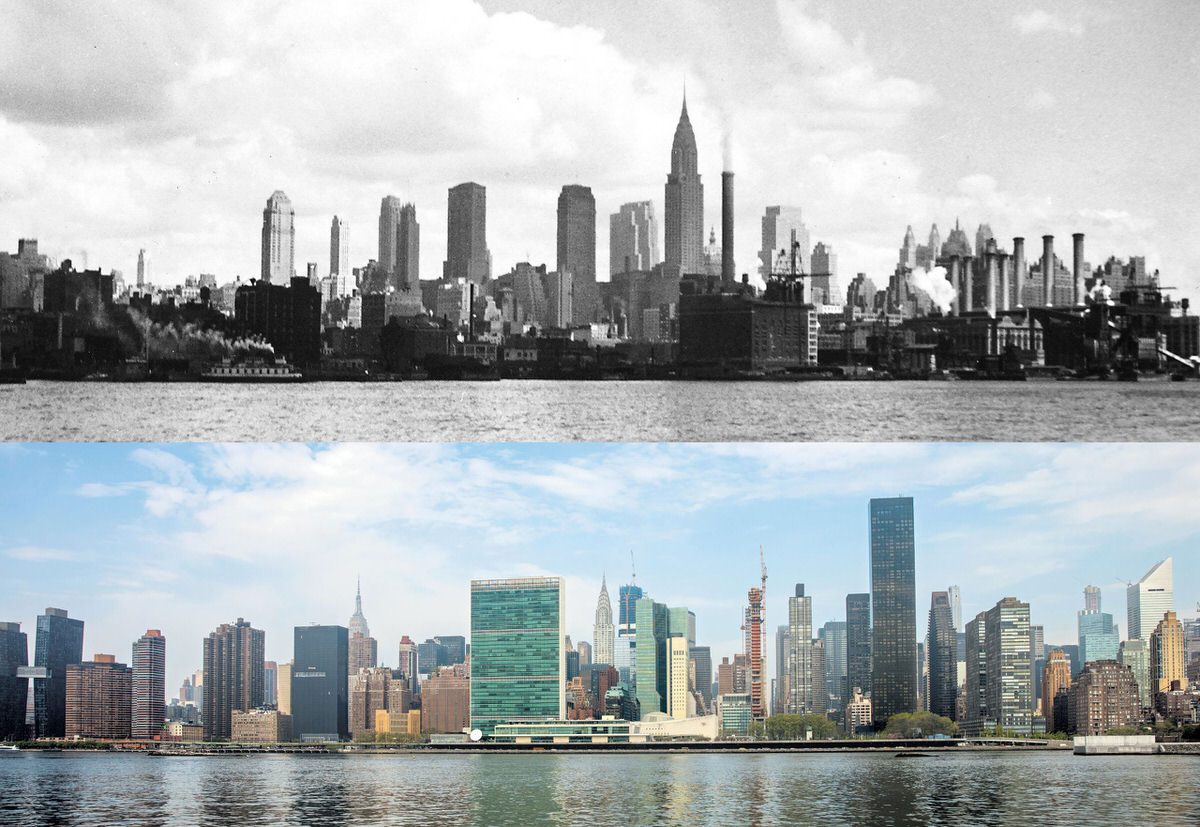
Buildings such as the Empire State Building and the Chrysler Building became global symbols of the city. Their Art Deco designs showed the style of the early 20th century.
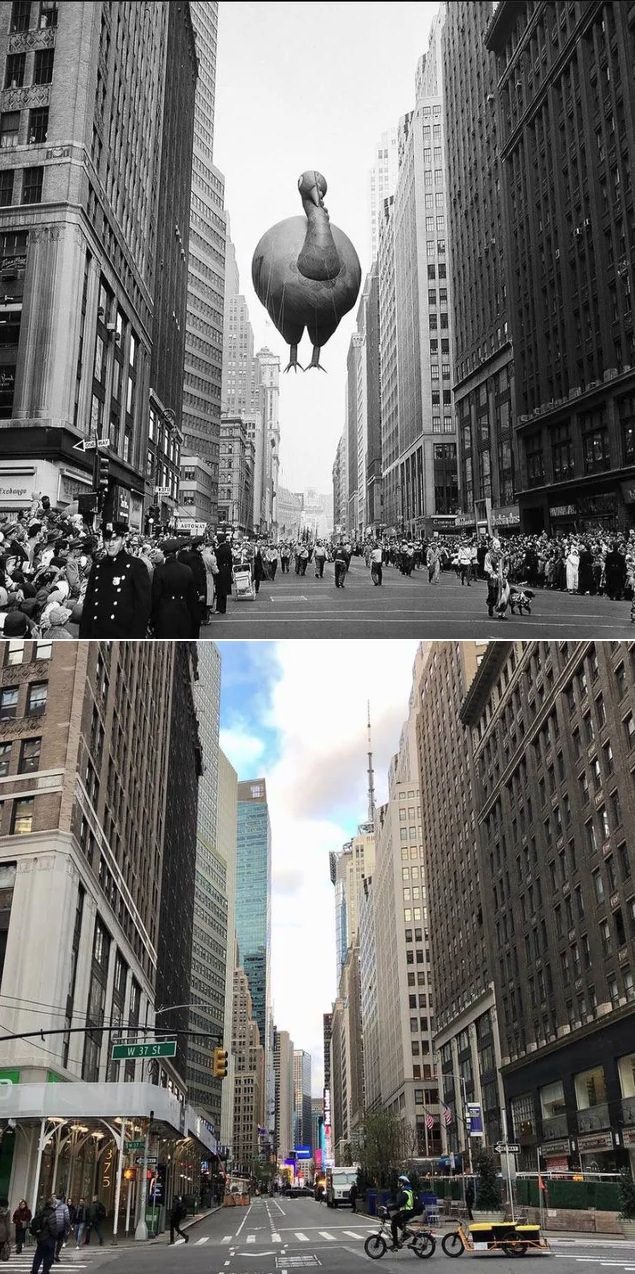
Later office towers introduced glass curtain walls. Midtown Manhattan gained many modern corporate buildings after World War II.
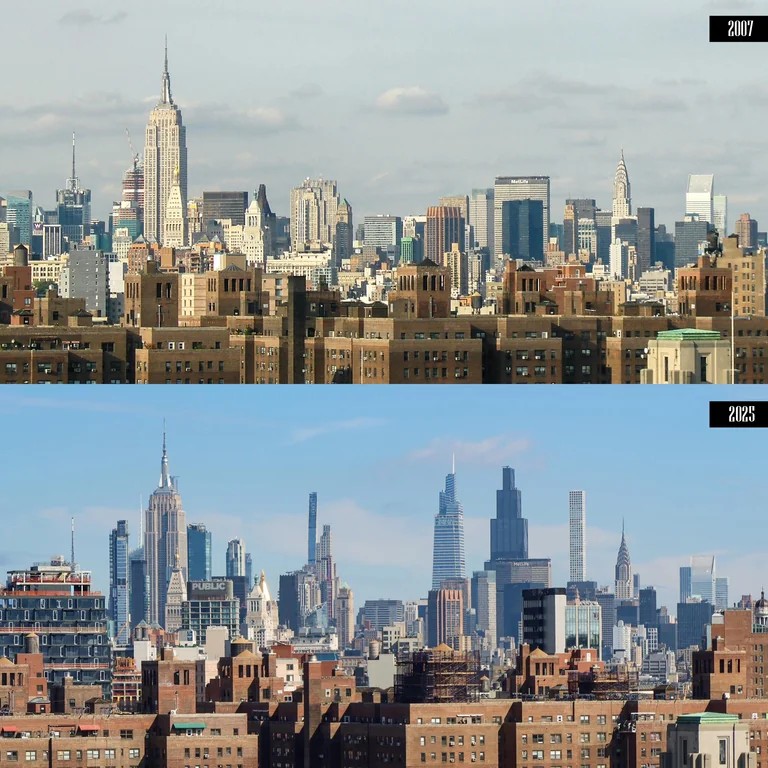
Recent construction added supertall residential towers. These structures use advanced engineering to reach extreme heights while occupying small land areas.
Bridges and transportation structures
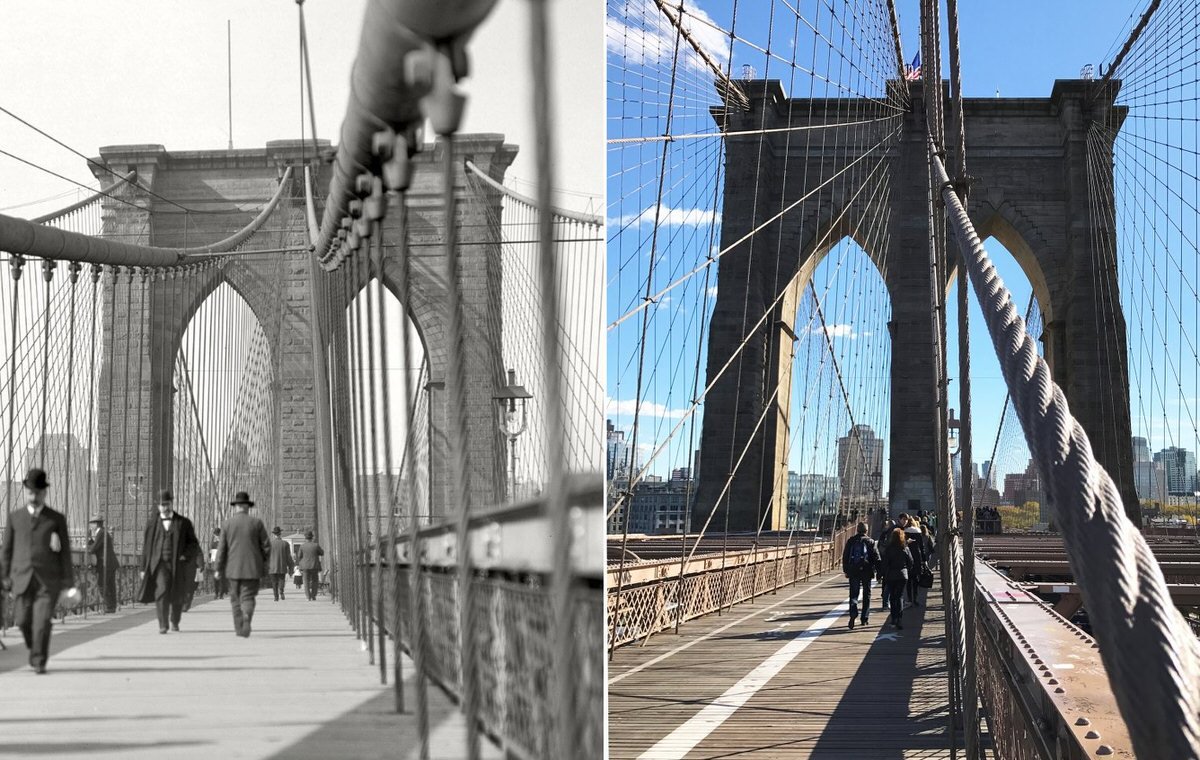
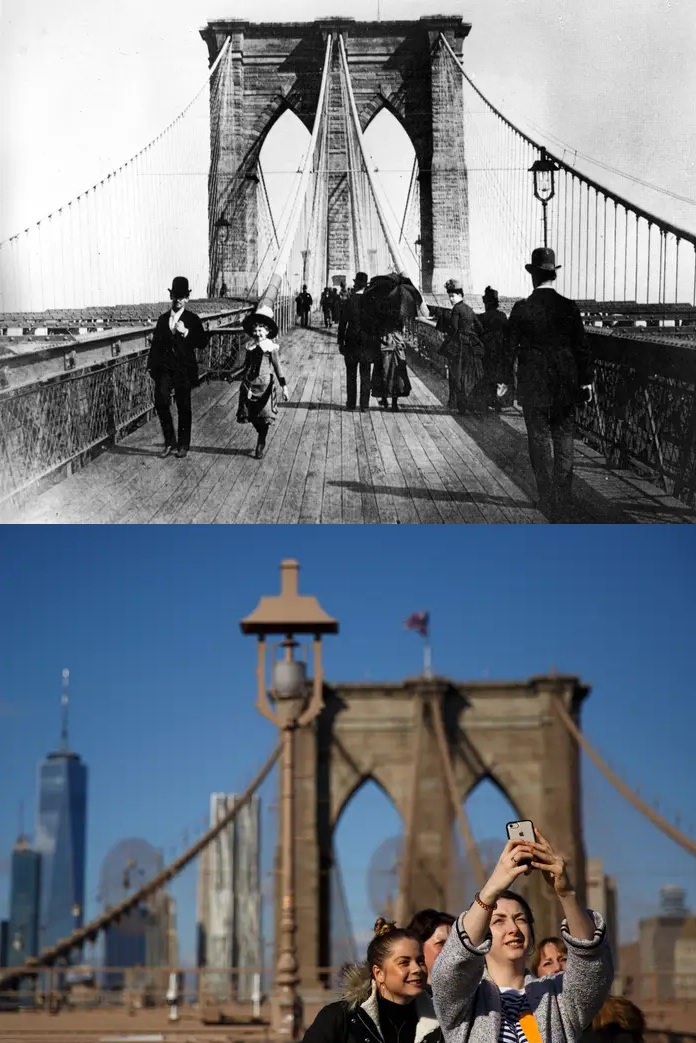
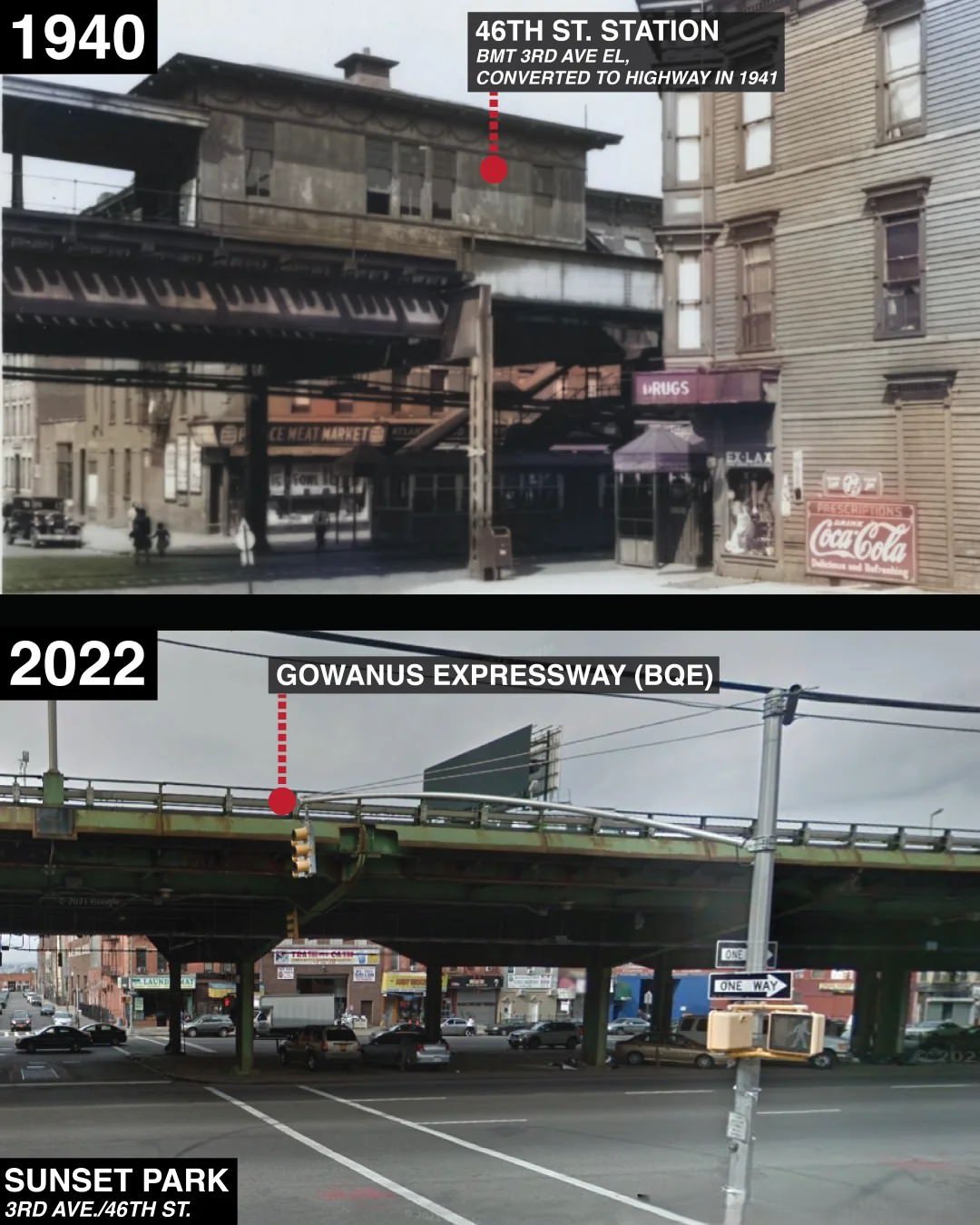
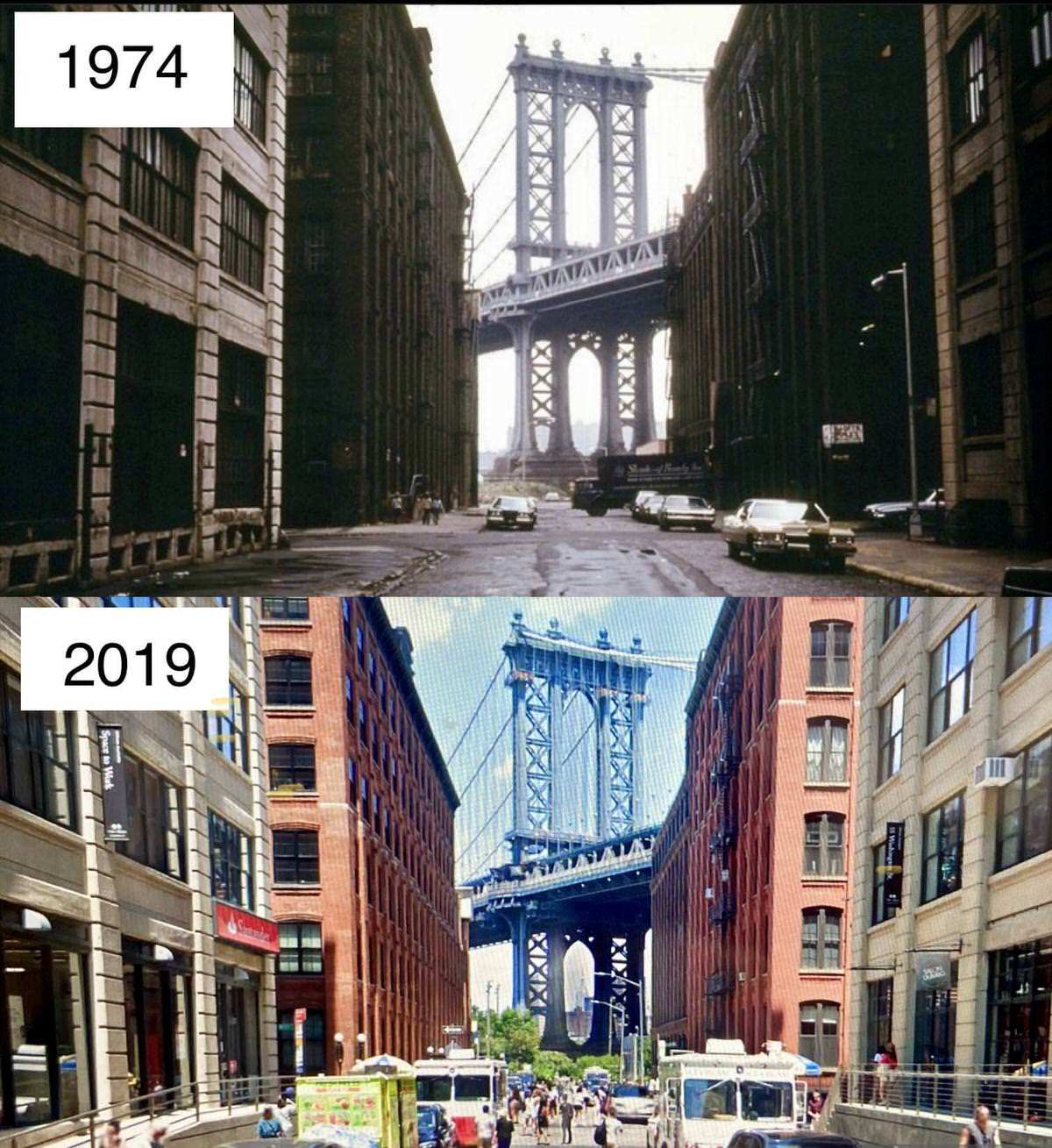
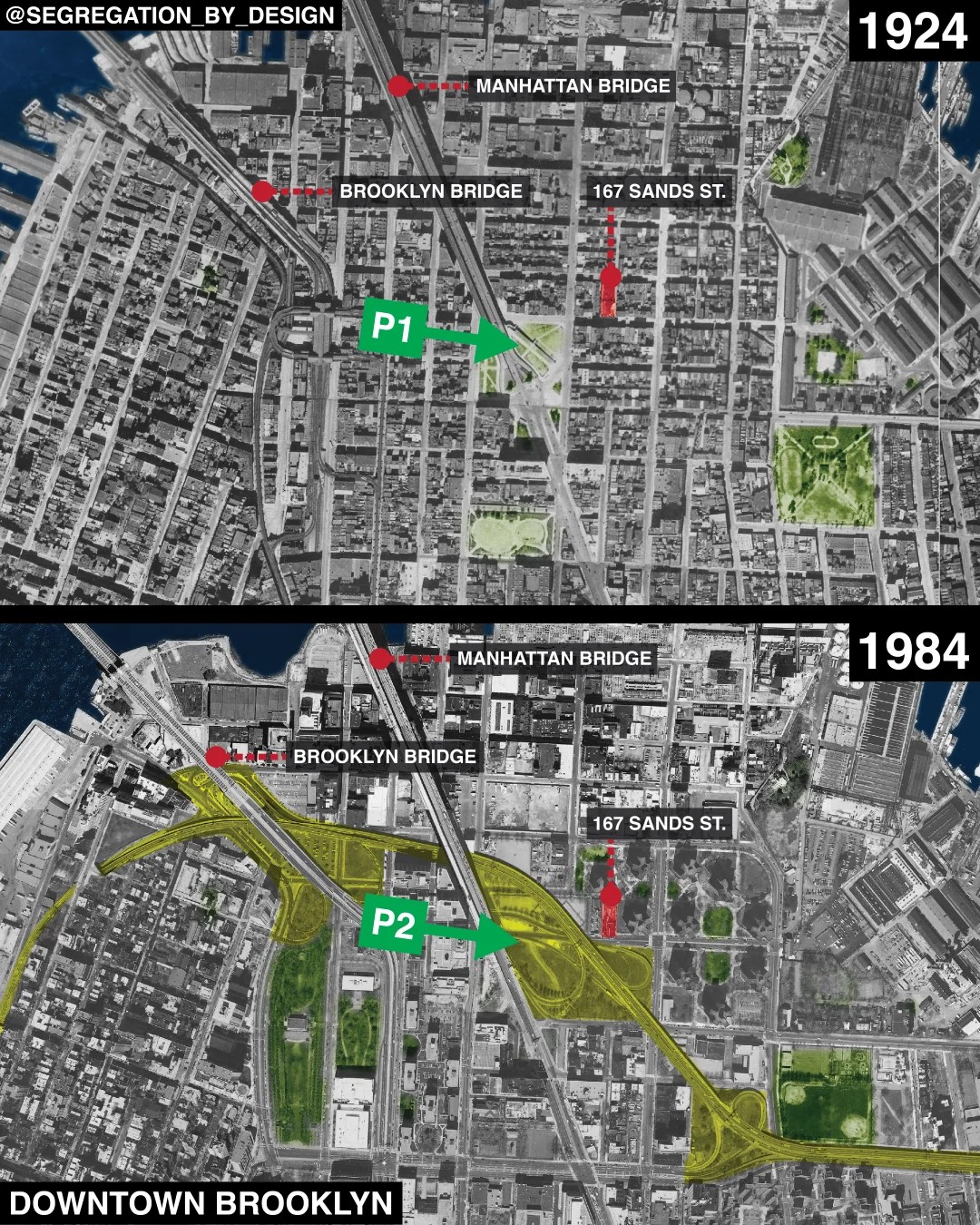
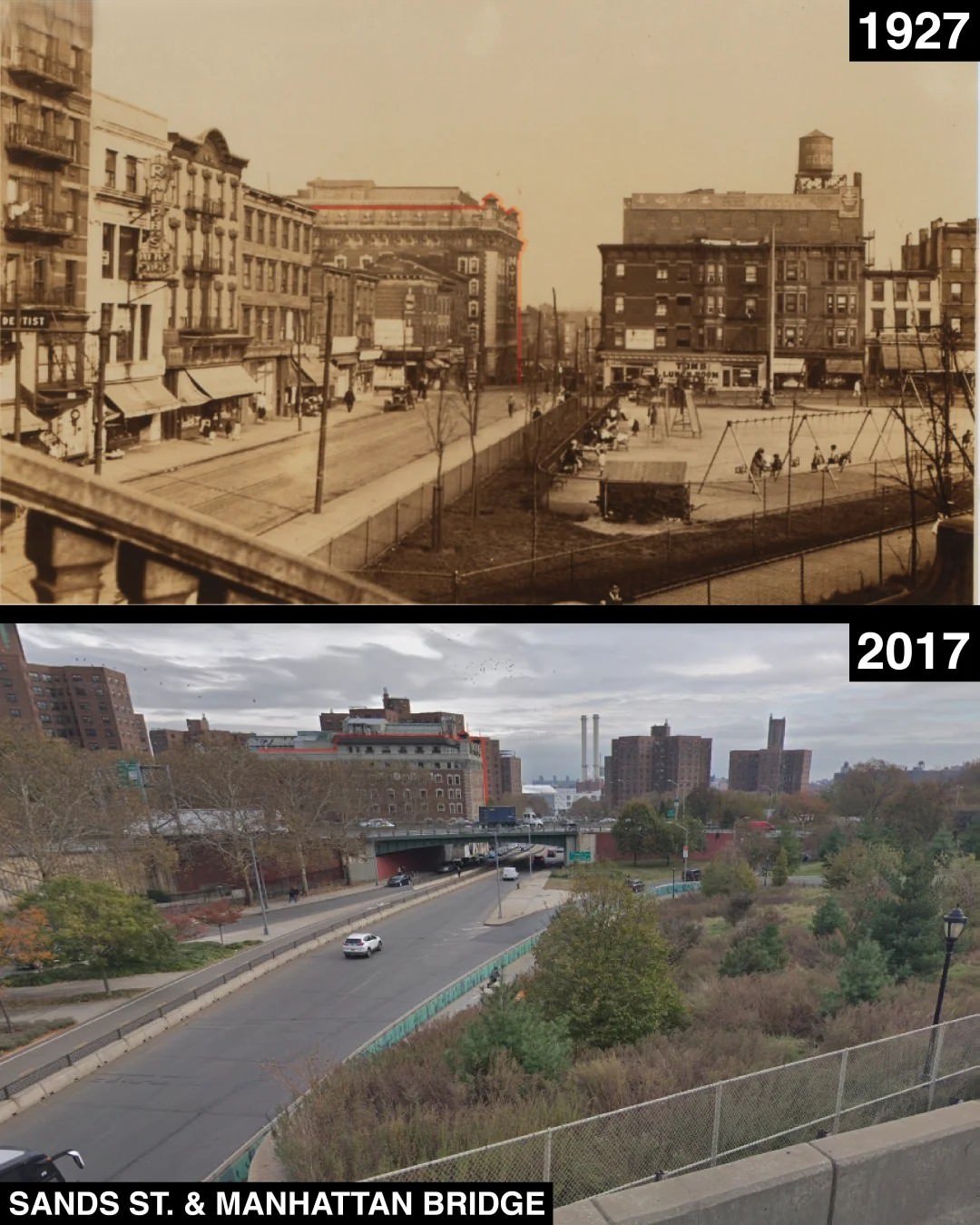
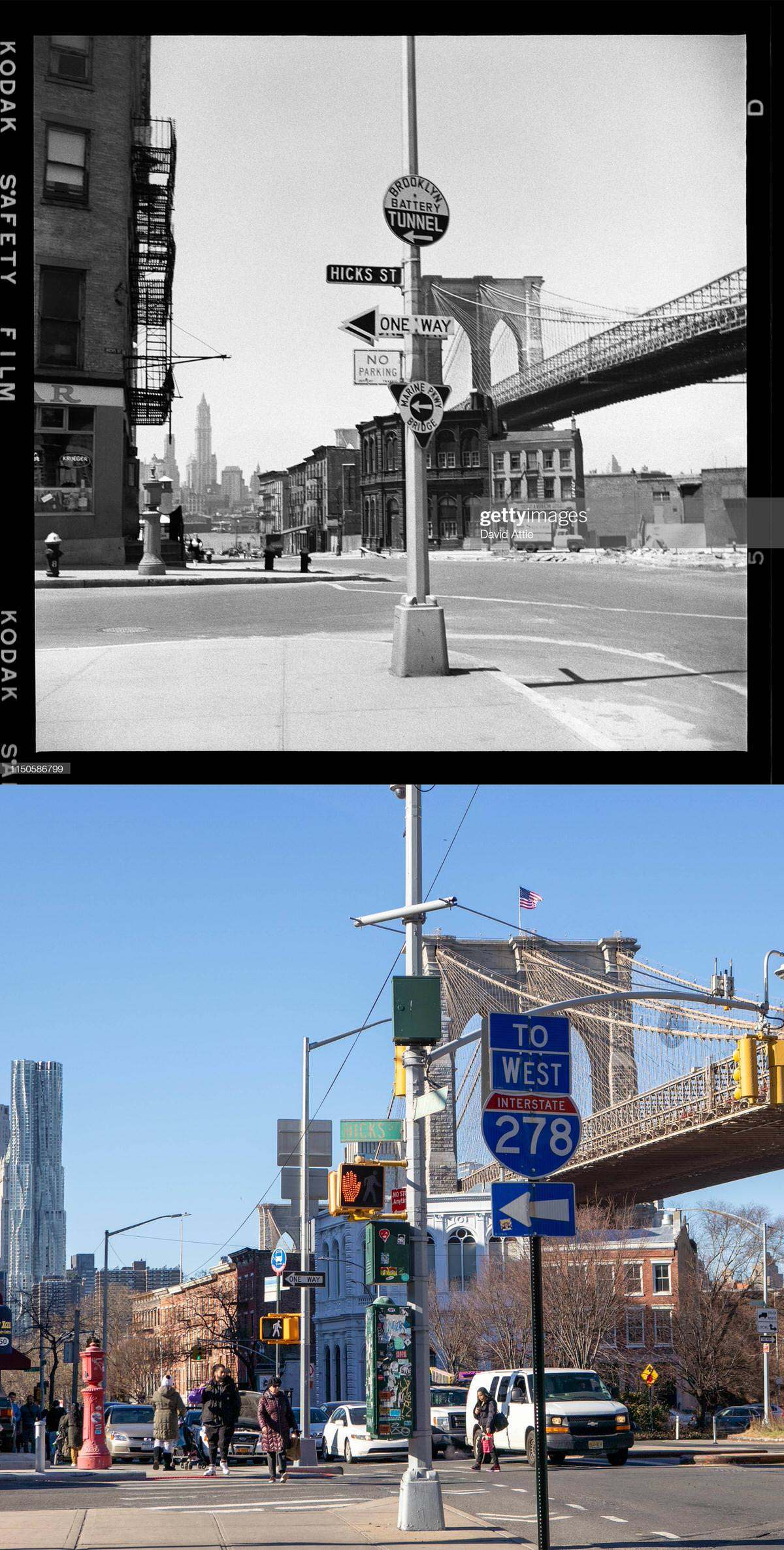
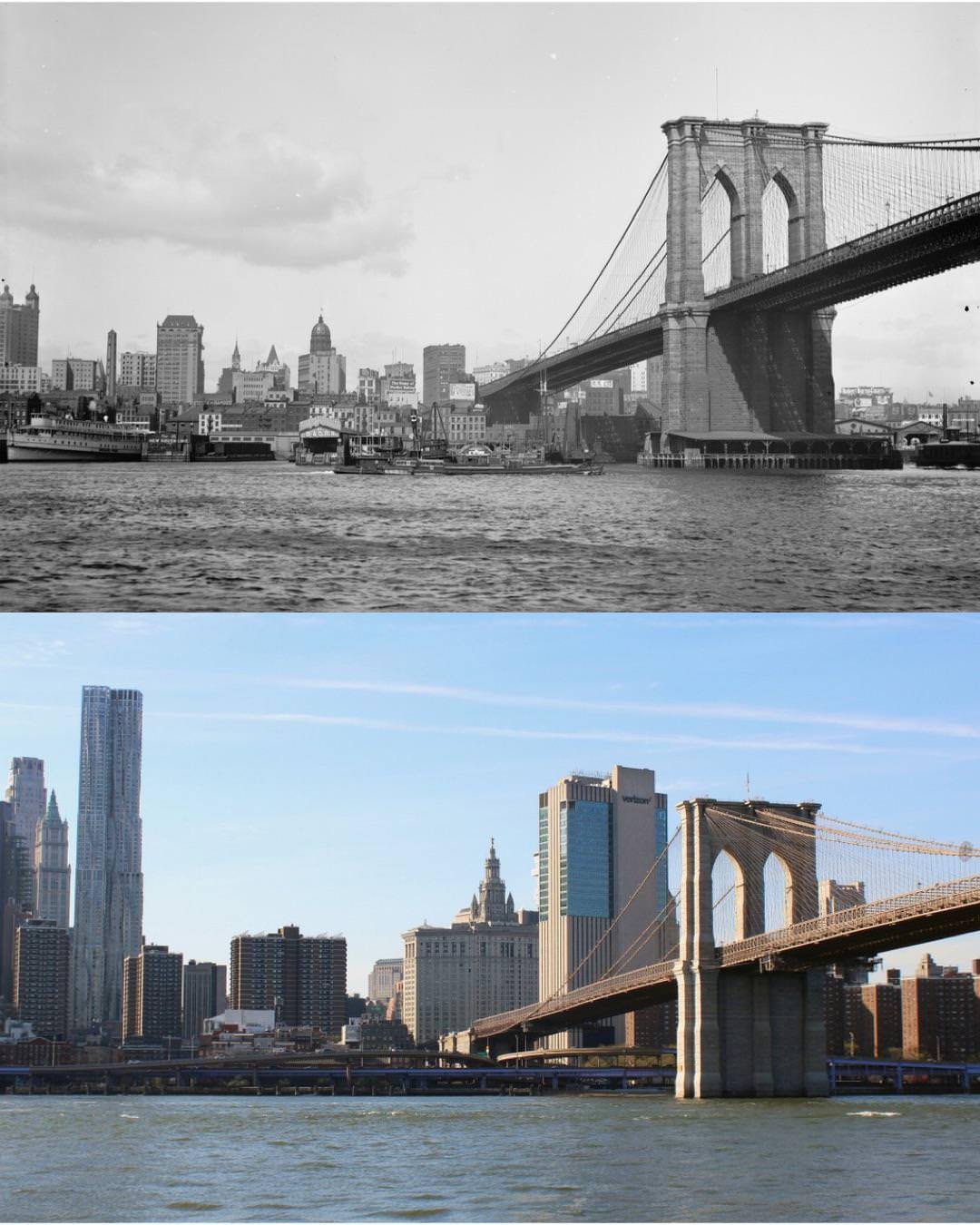
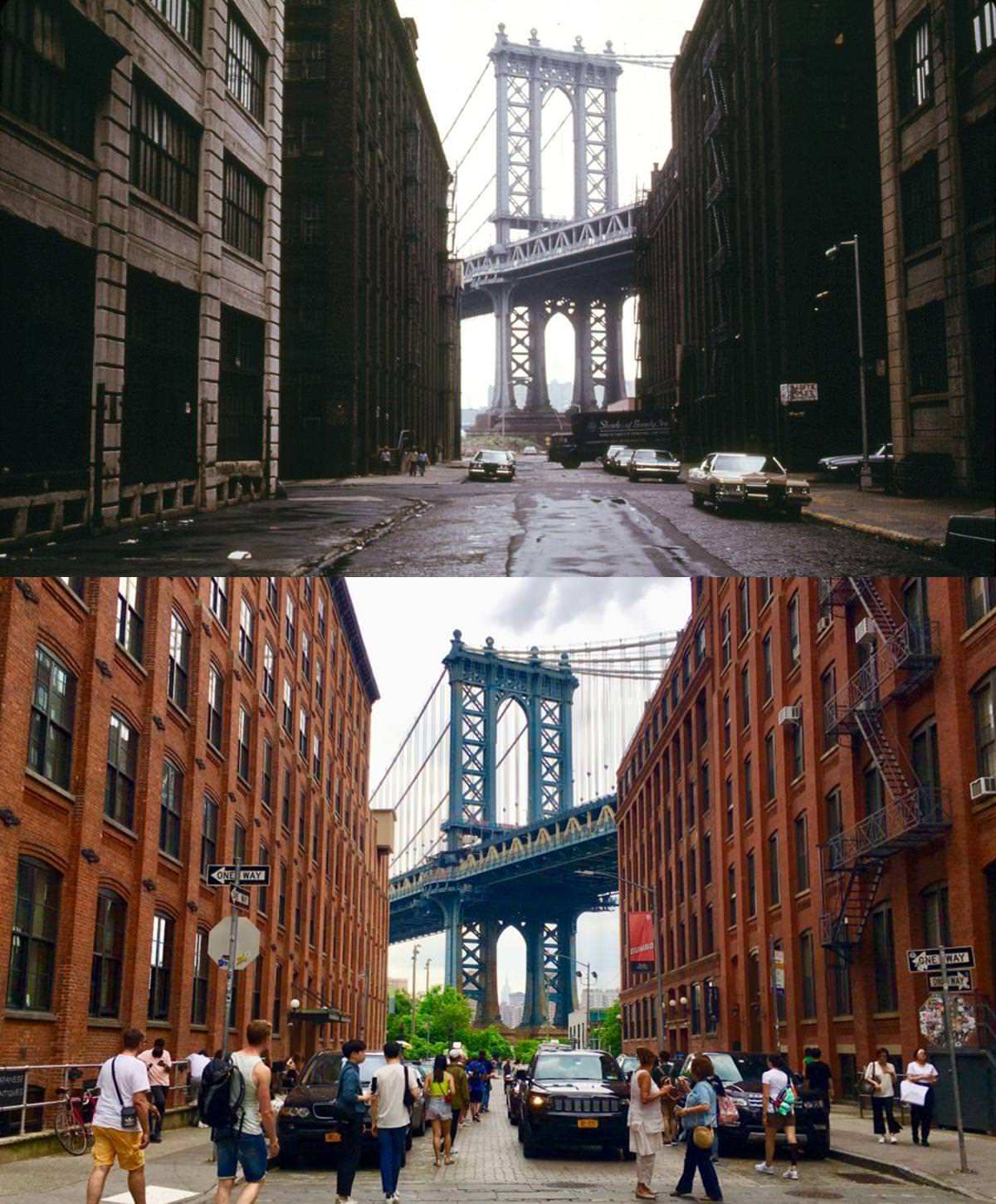
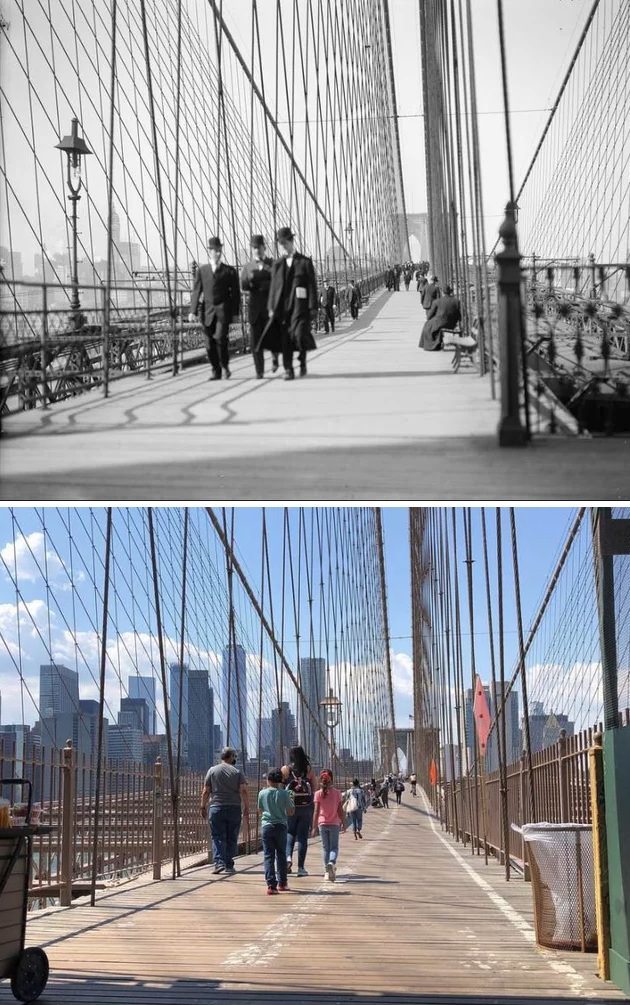
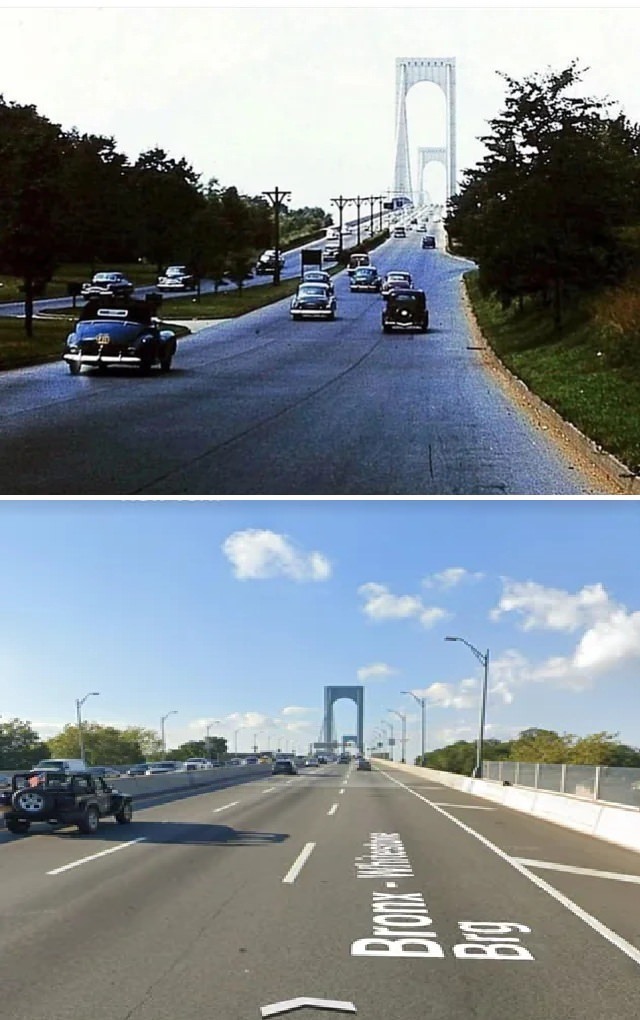
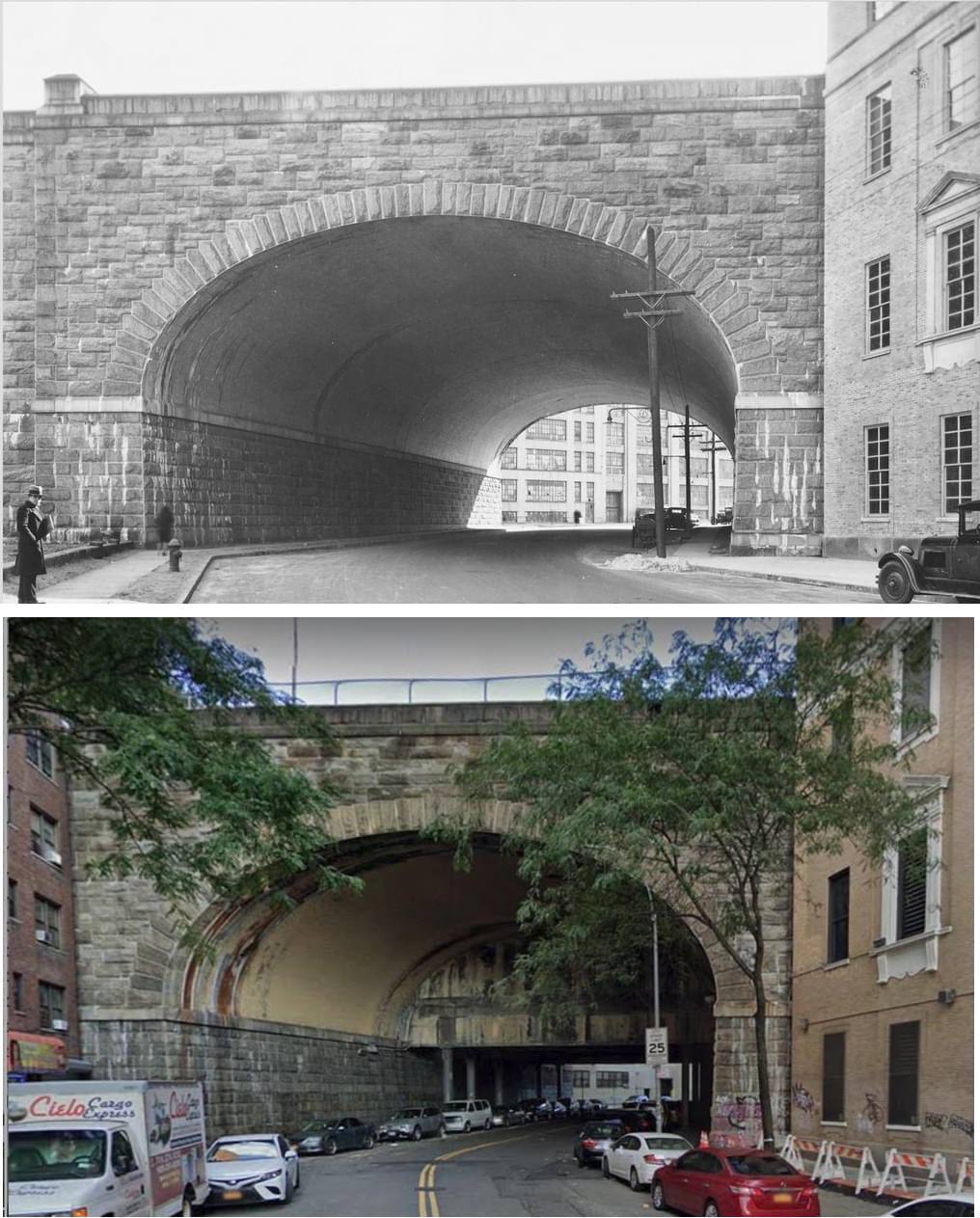
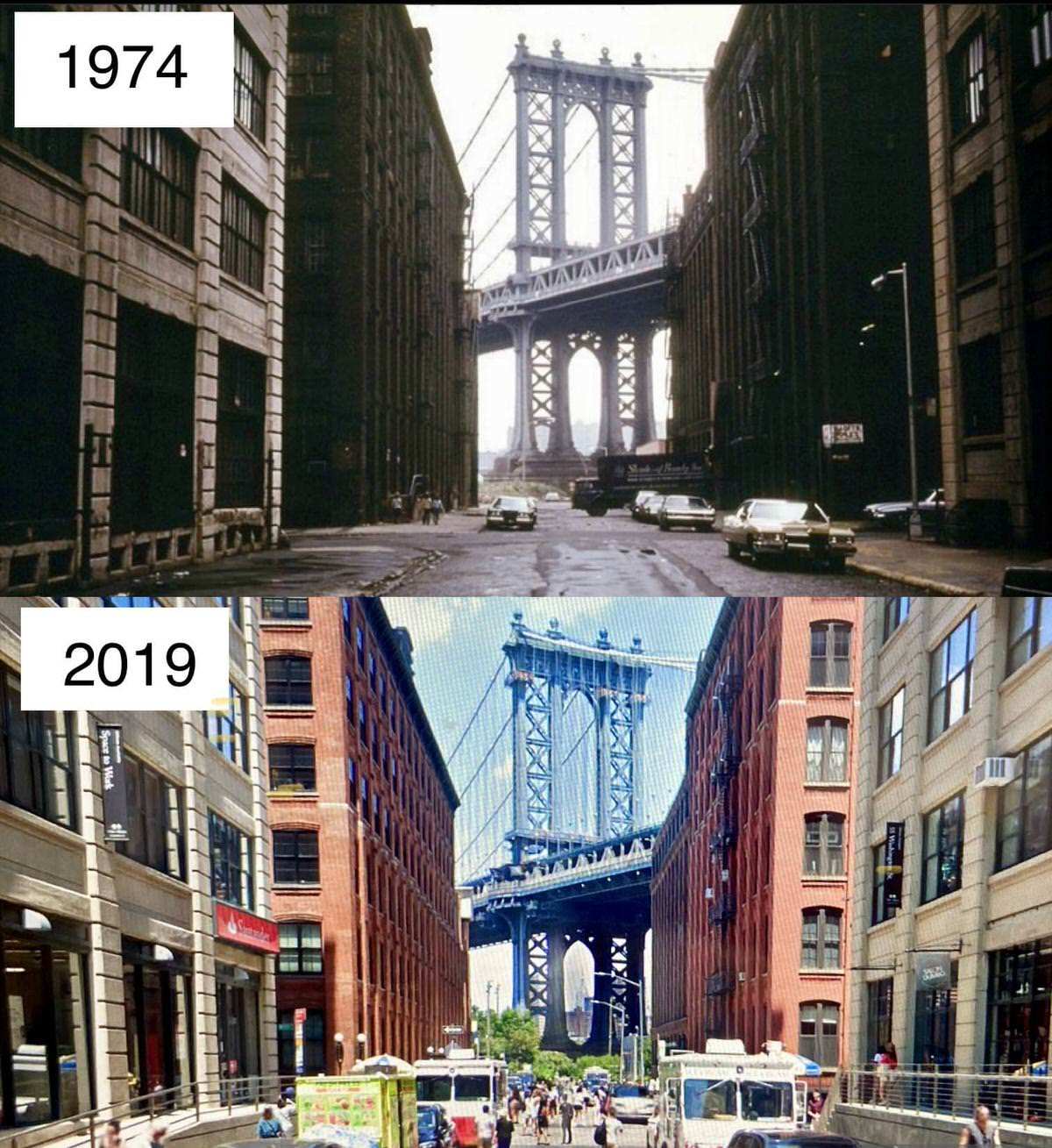
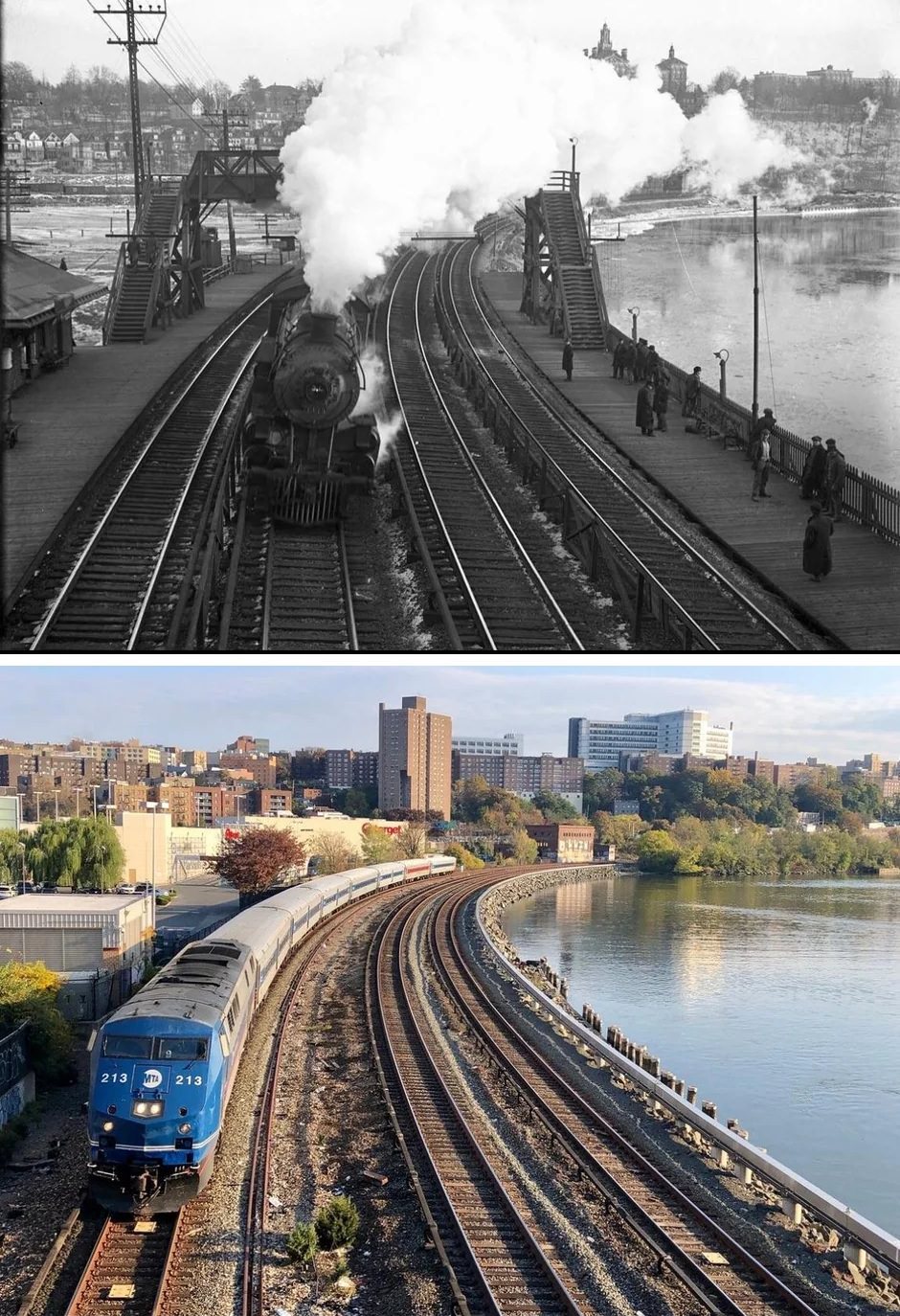
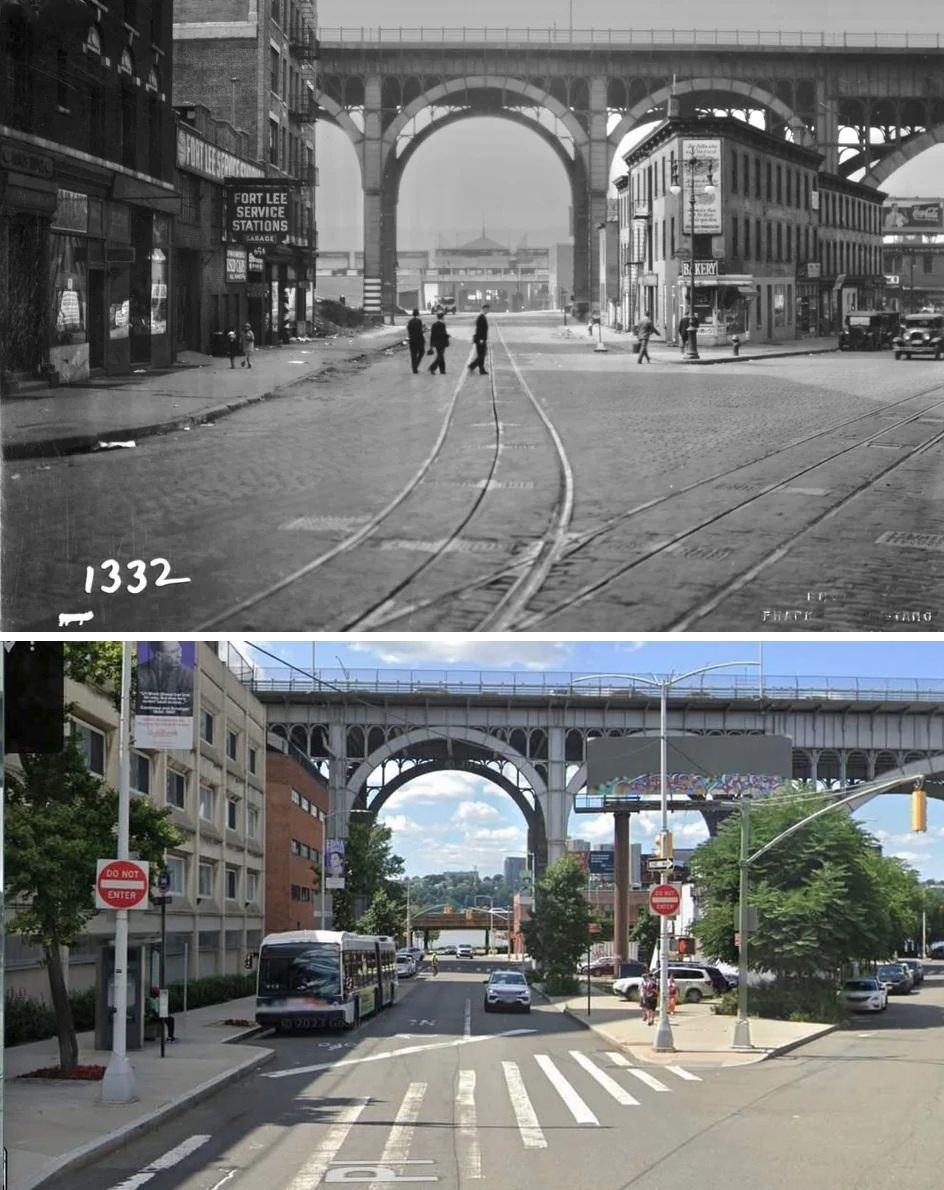
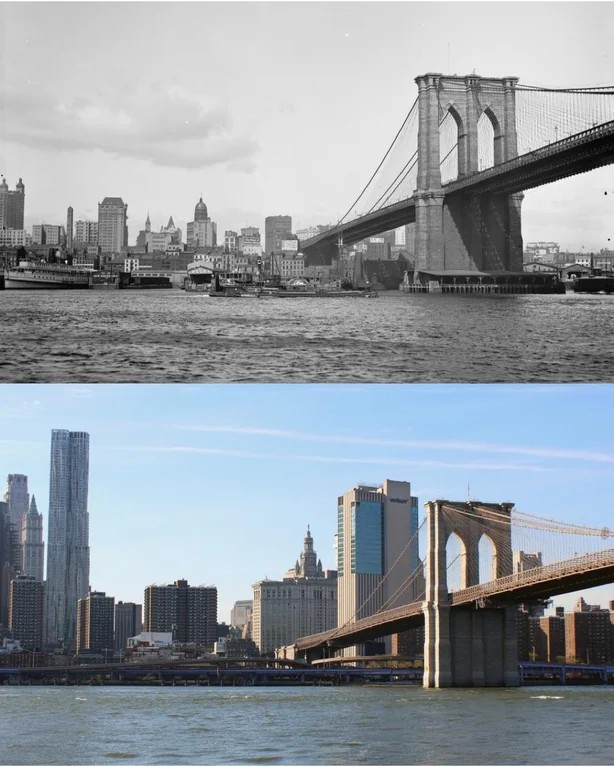
Major bridges helped unite the city. The Brooklyn Bridge connected Manhattan and Brooklyn in 1883. This structure allowed daily commuting between the boroughs.
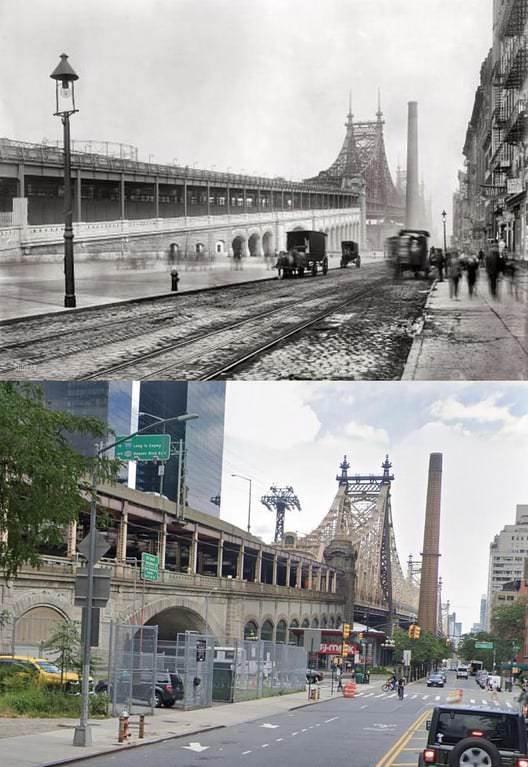
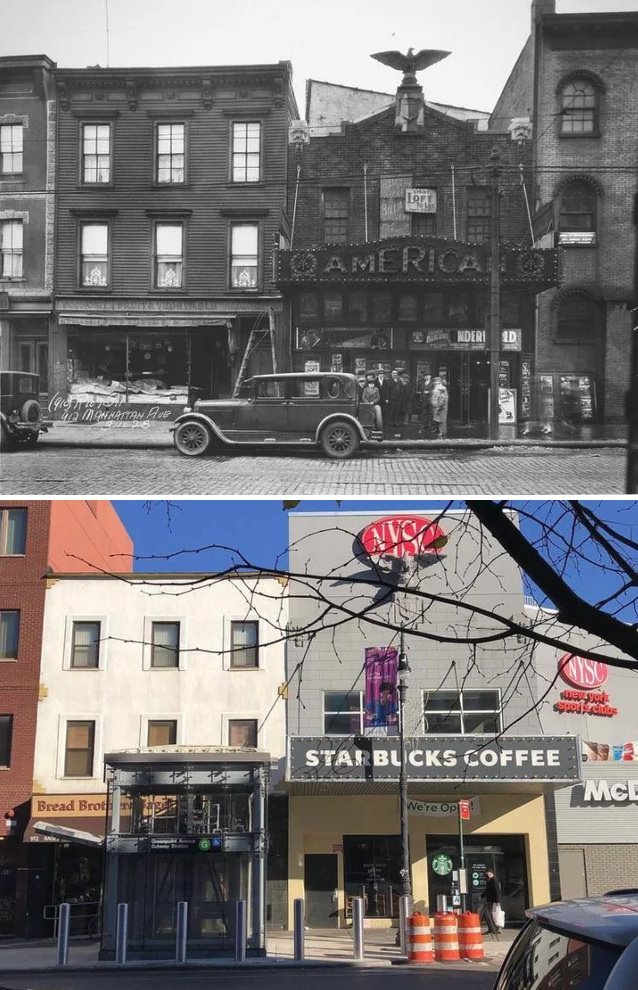
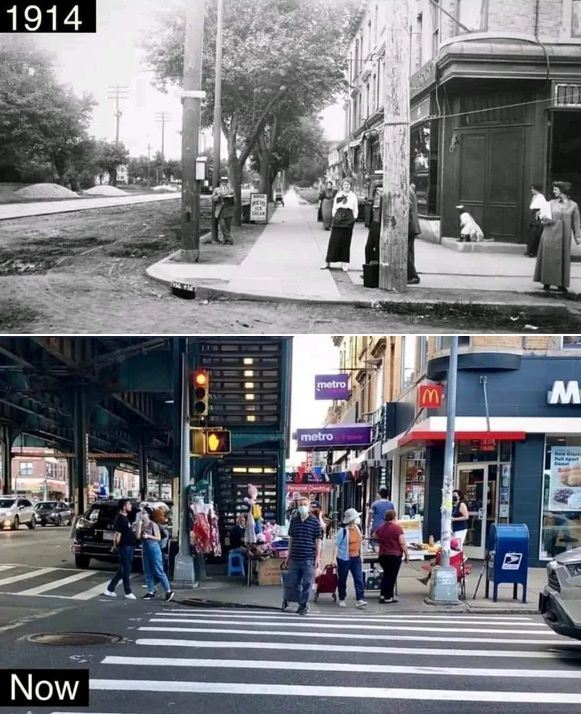
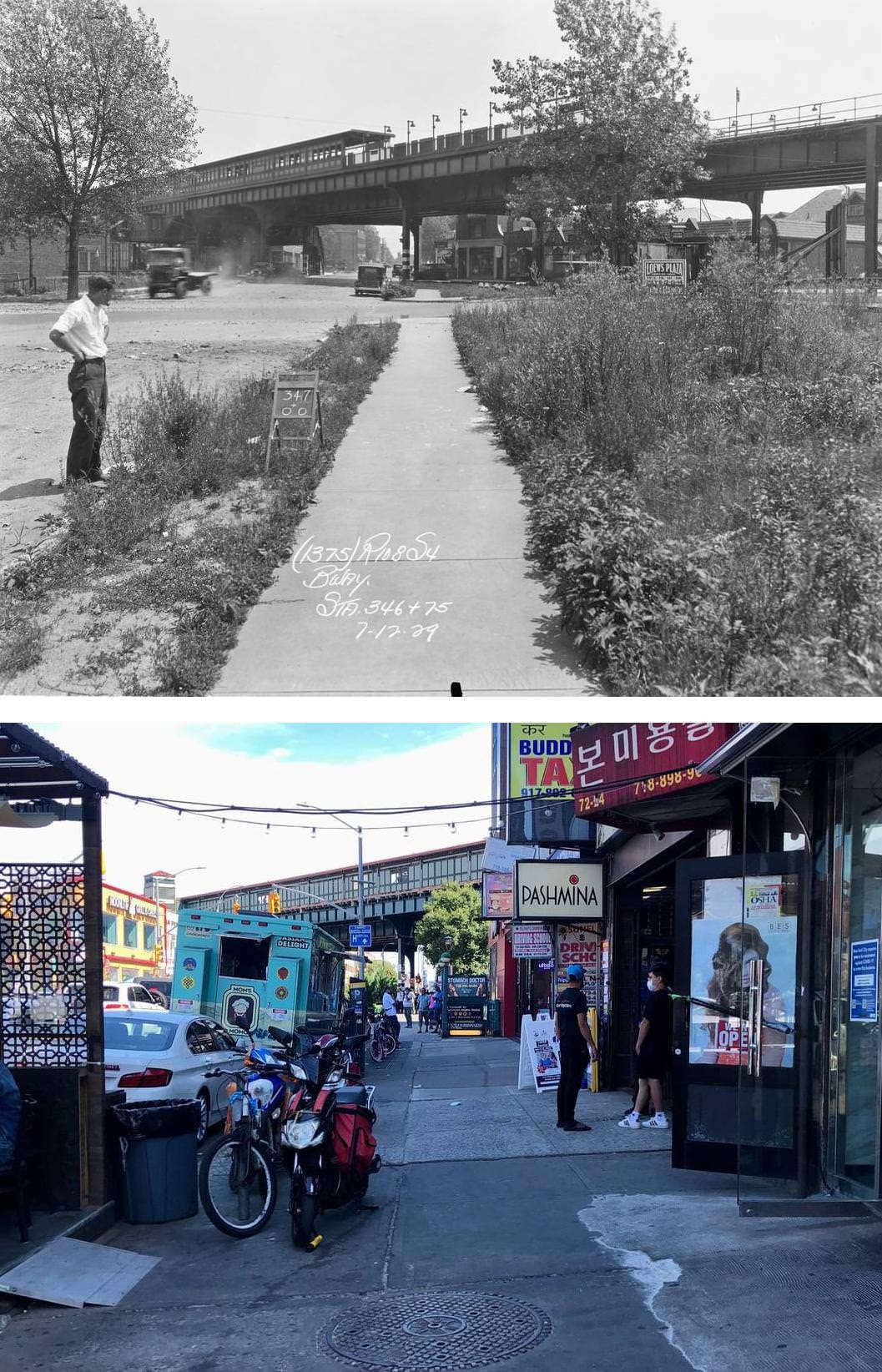
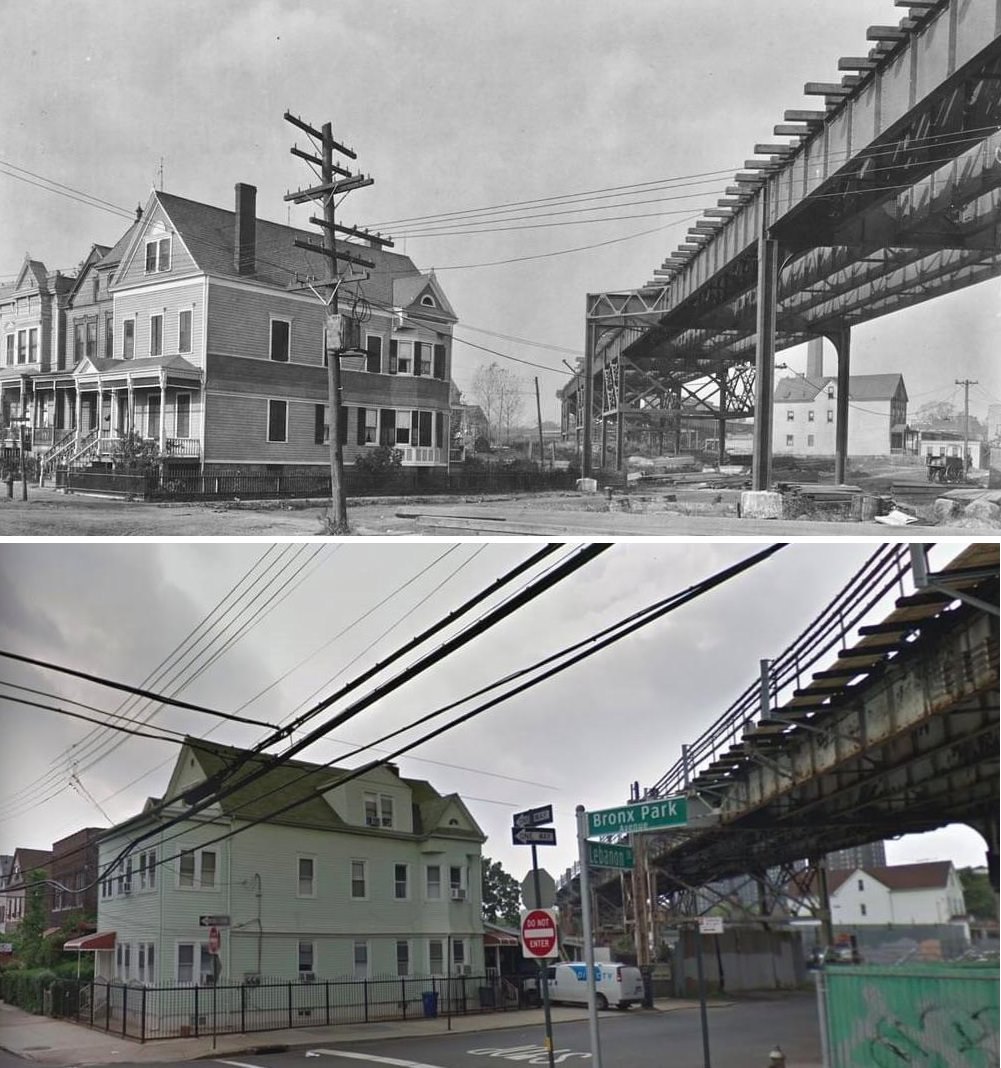
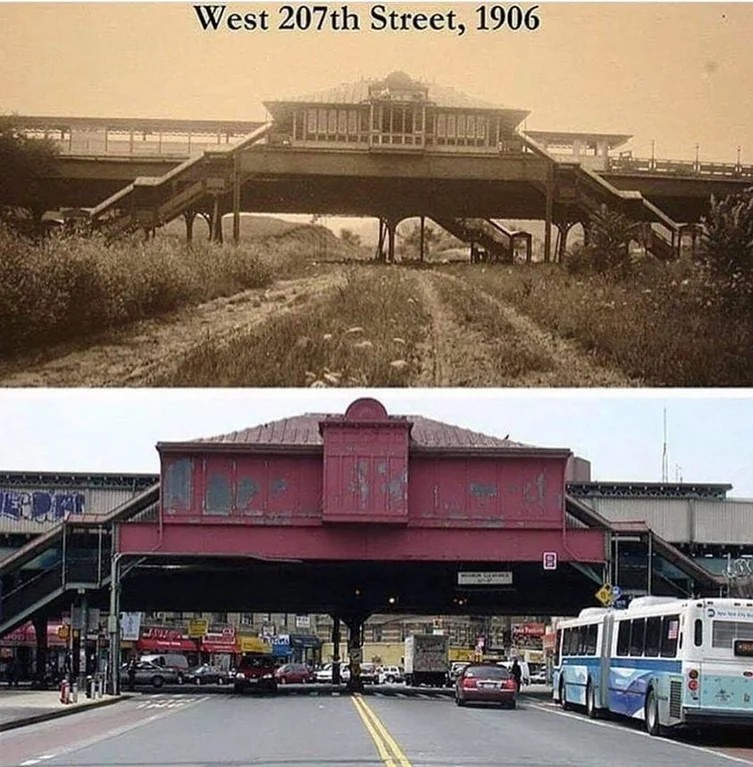
The Queensboro Bridge and other East River crossings supported further growth. Subway expansion also allowed residents to live farther from their workplaces.
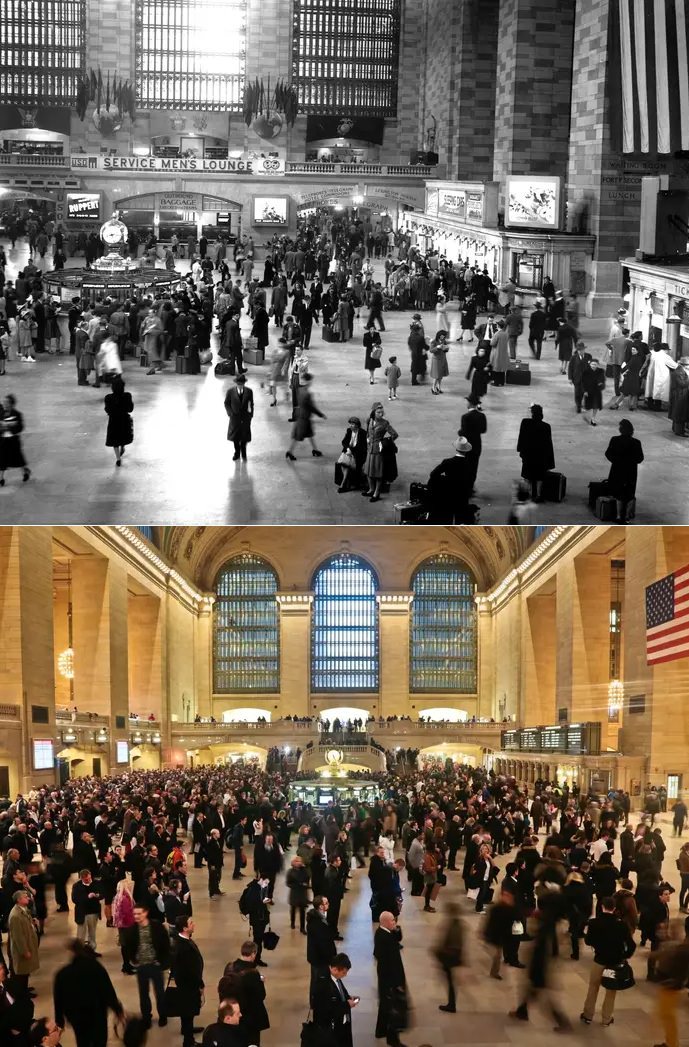
Grand train terminals shaped surrounding districts. Grand Central Terminal remains one of the best known examples of early 20th-century transportation design.
Air travel later shaped the outer boroughs. John F. Kennedy International Airport and LaGuardia Airport brought large transportation complexes into Queens.
Industrial areas and waterfront change
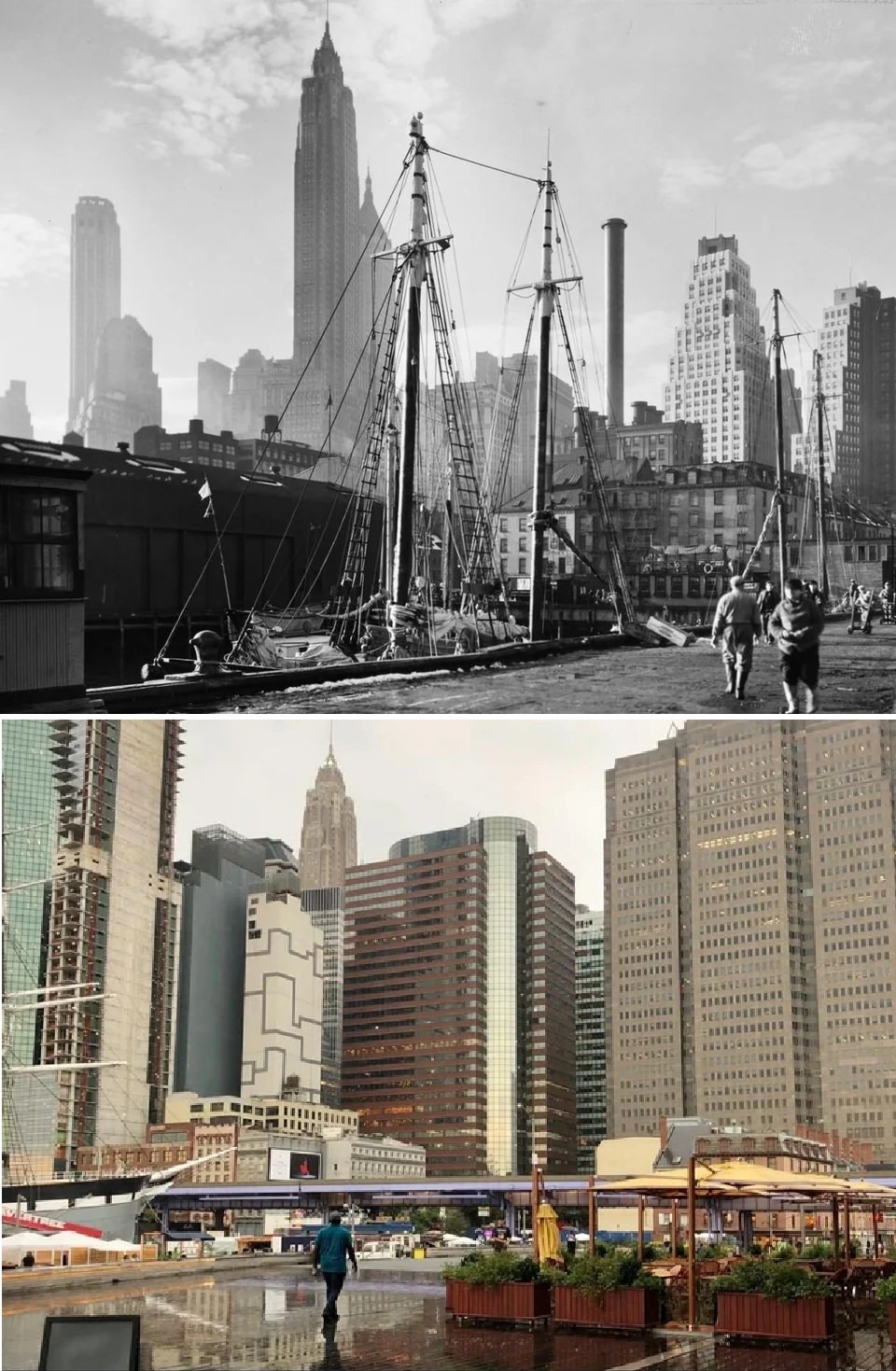
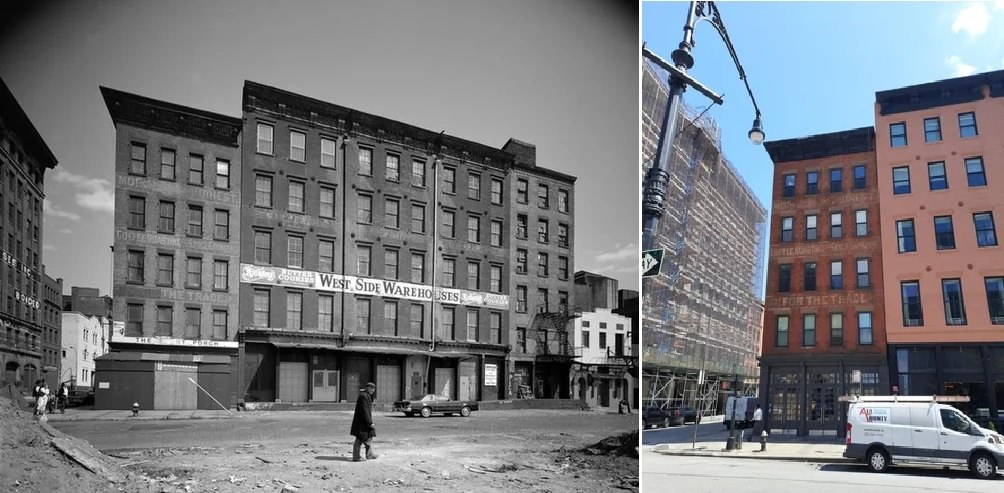
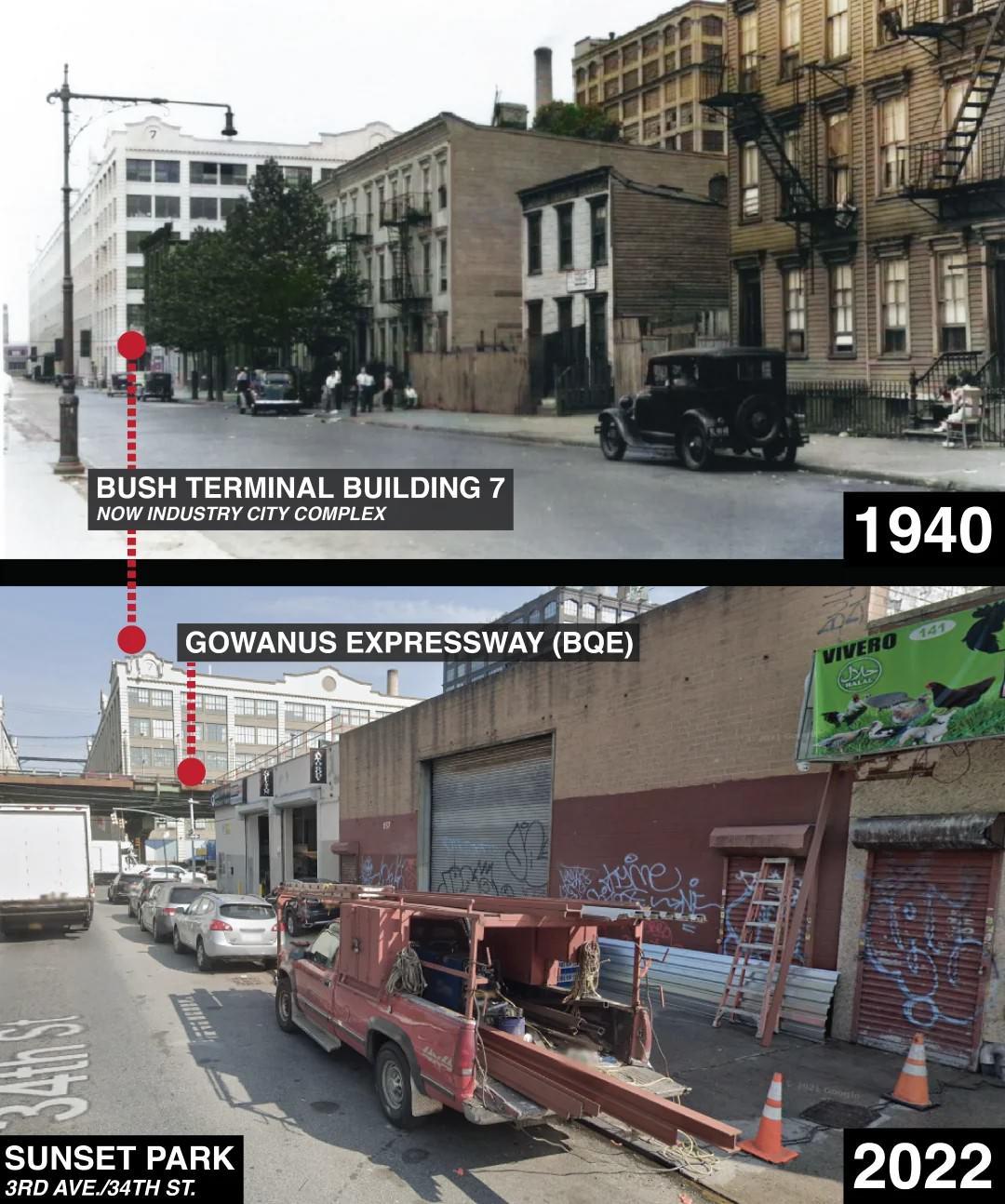
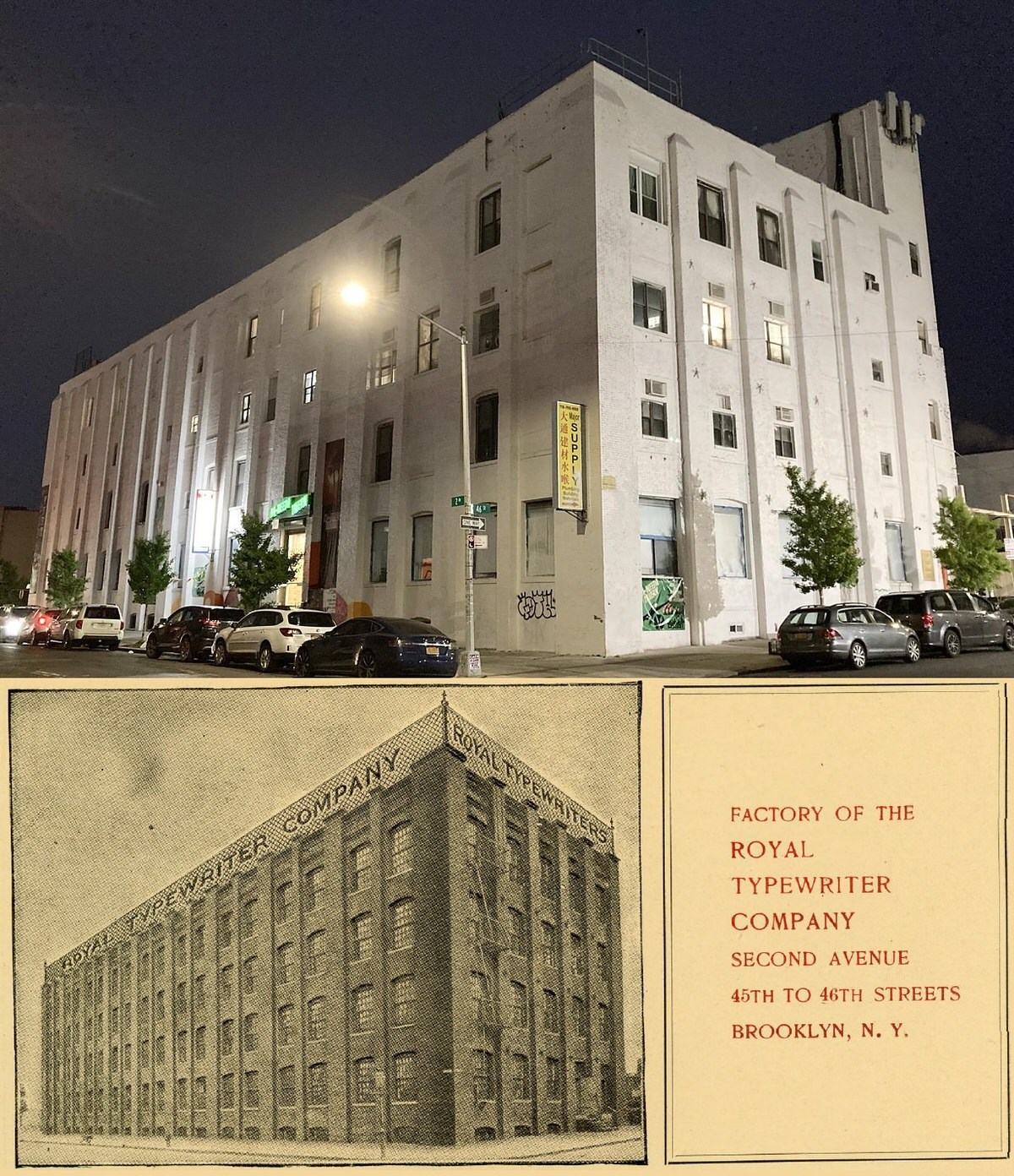
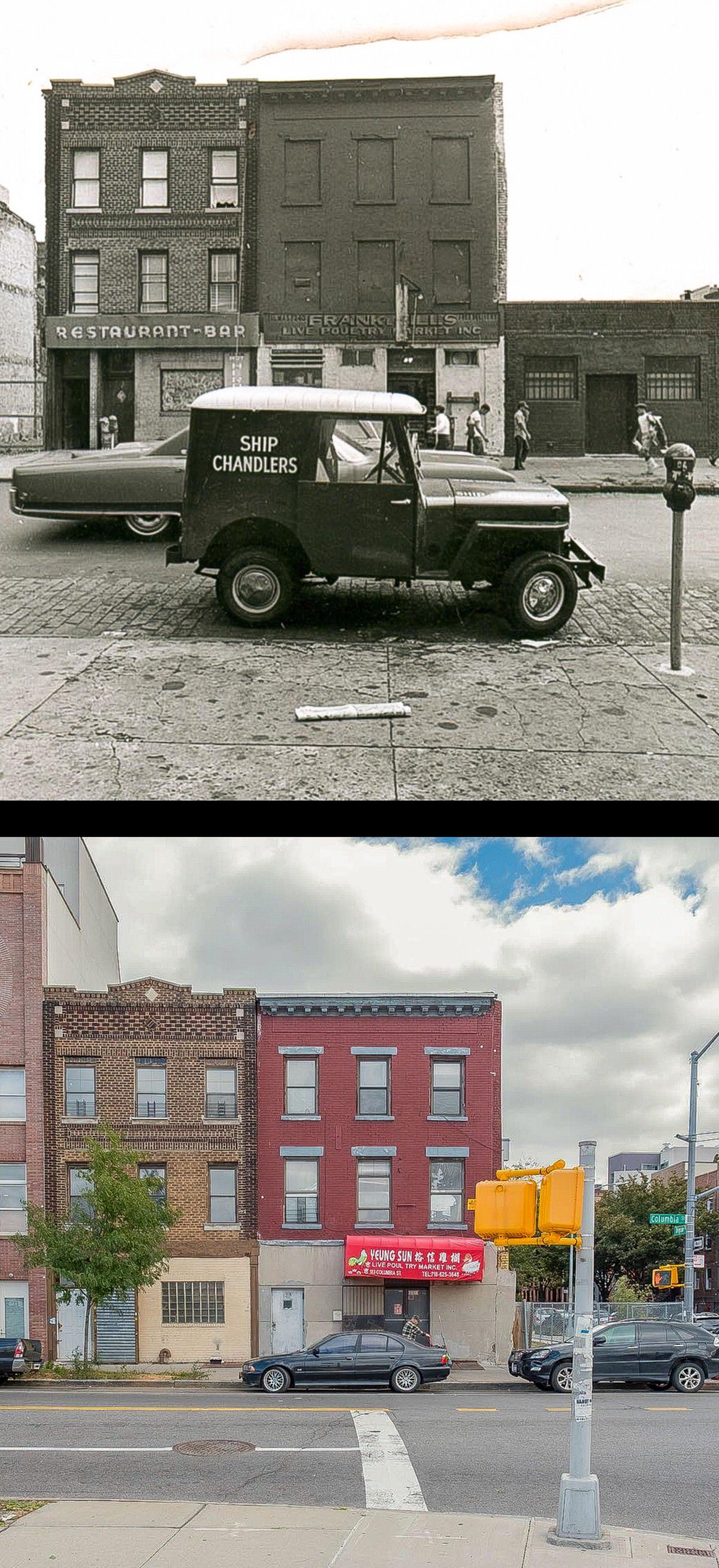
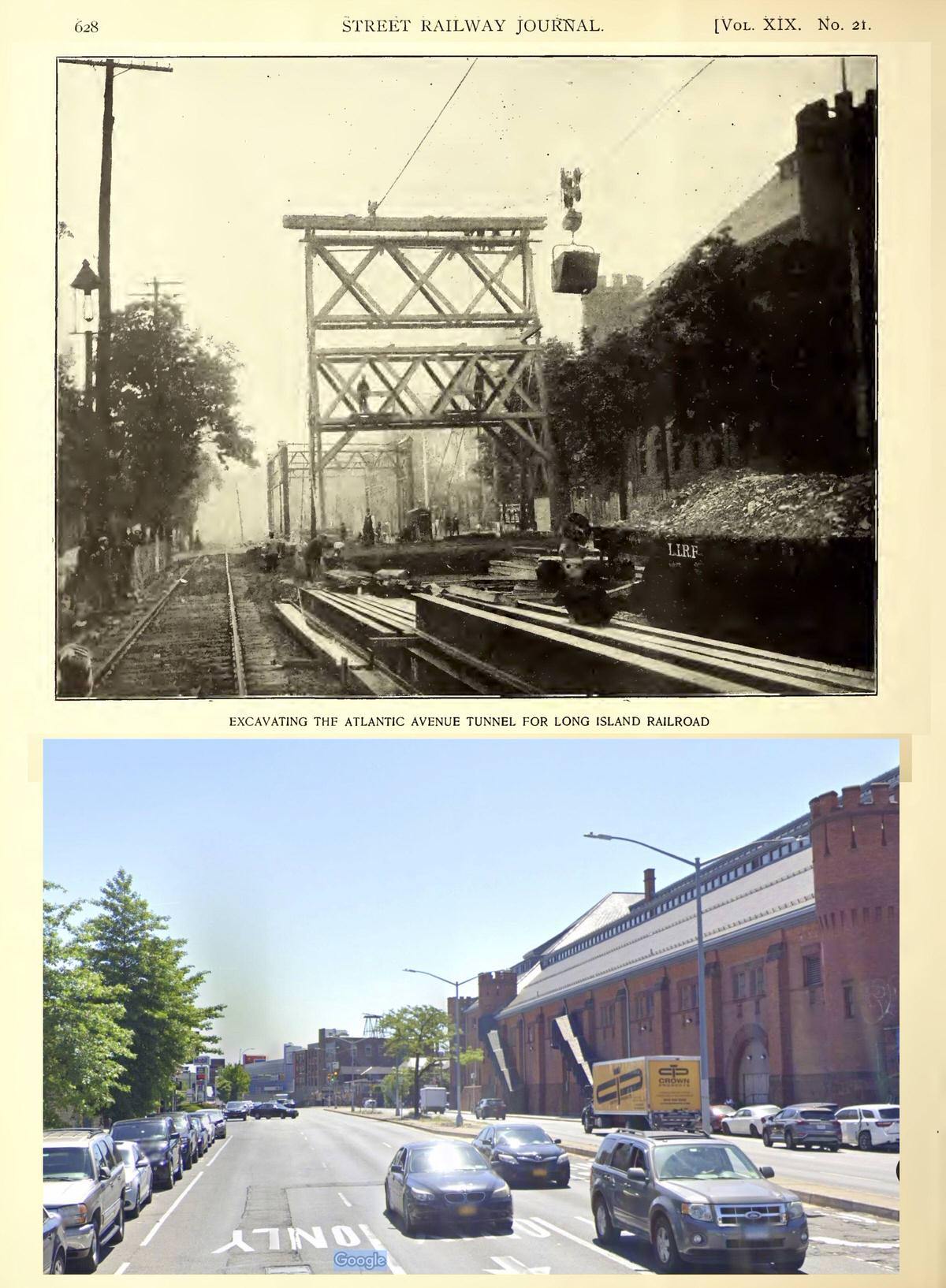
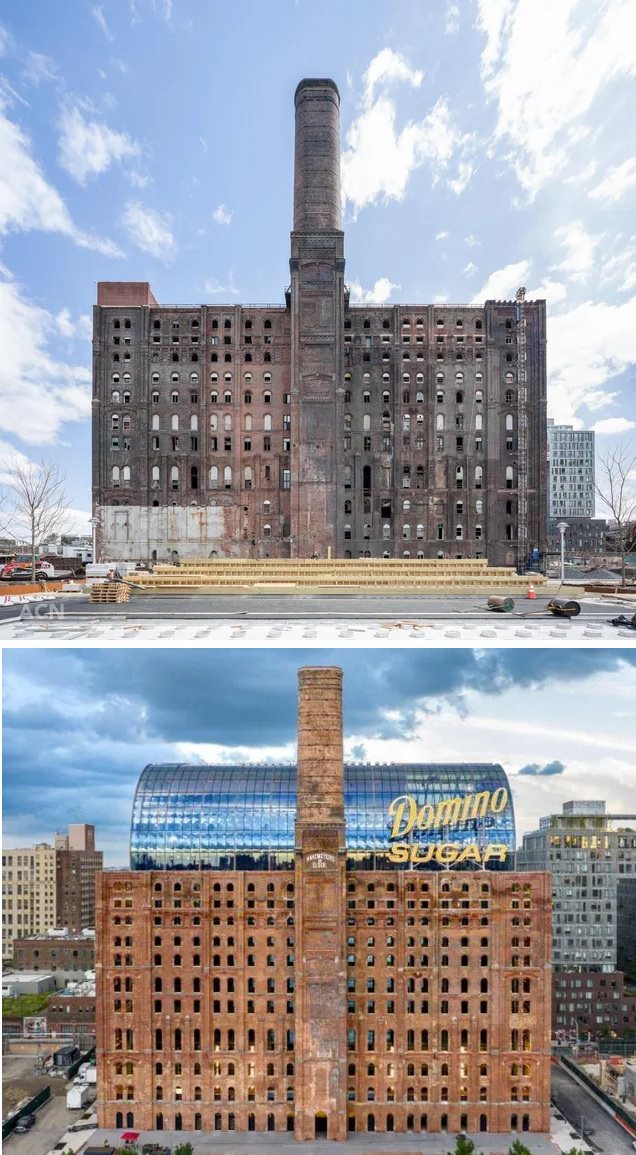
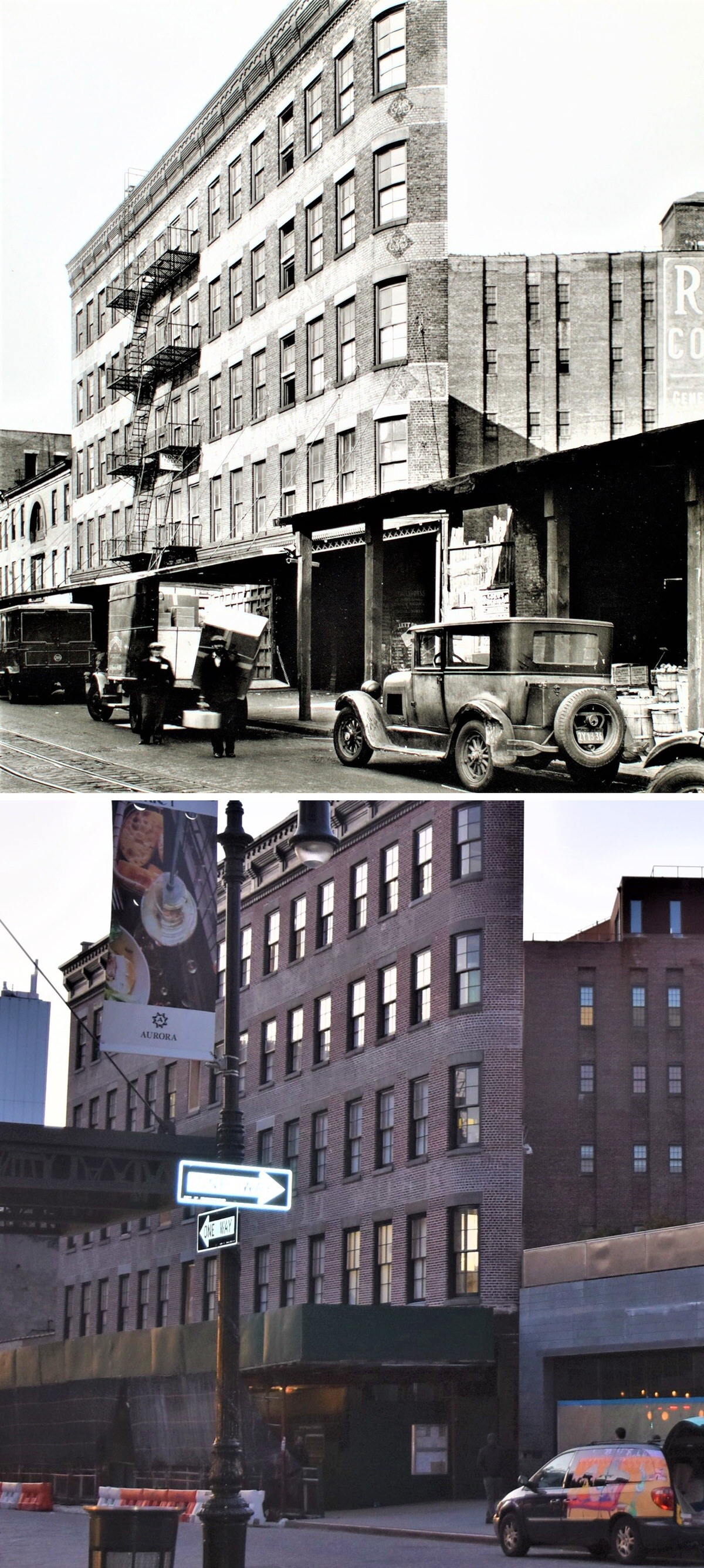
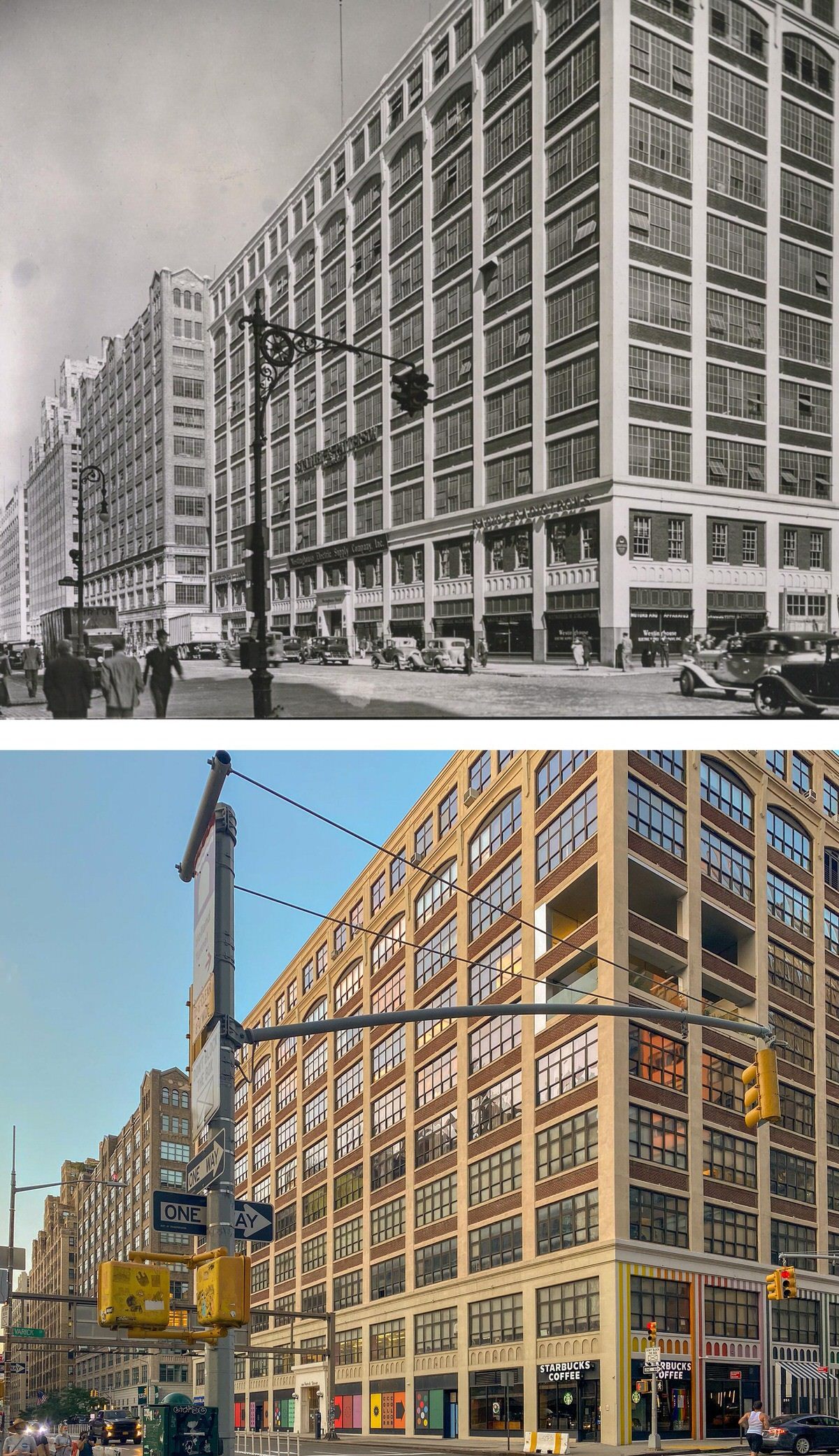
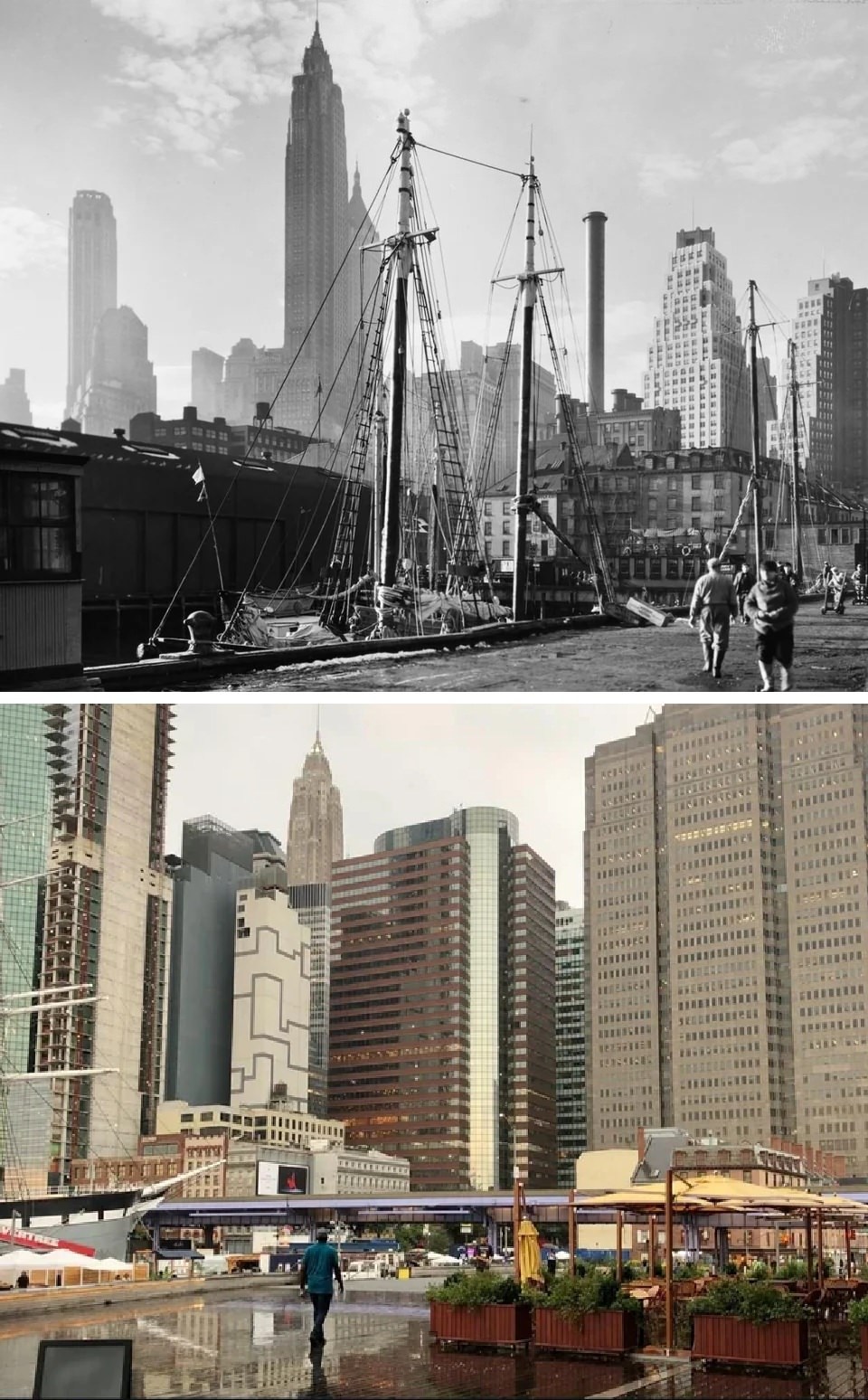
New York City once depended heavily on shipping. Piers along Manhattan, Brooklyn, and the Bronx handled cargo from around the world. Warehouses and factories stood close to the waterfront.
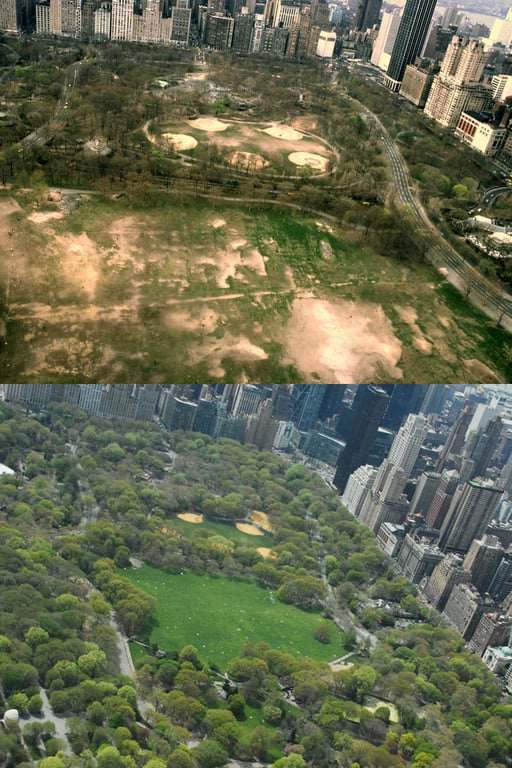
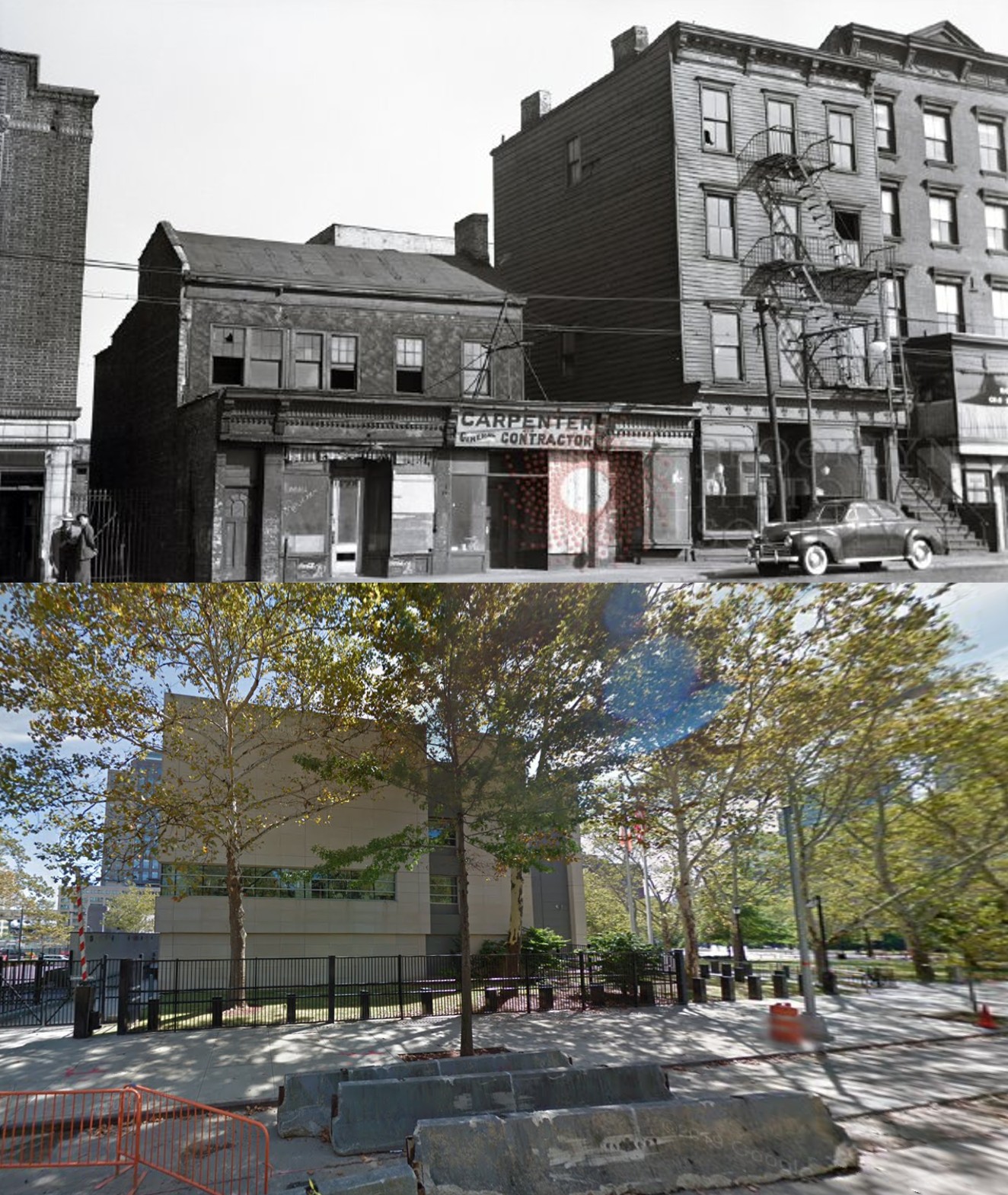
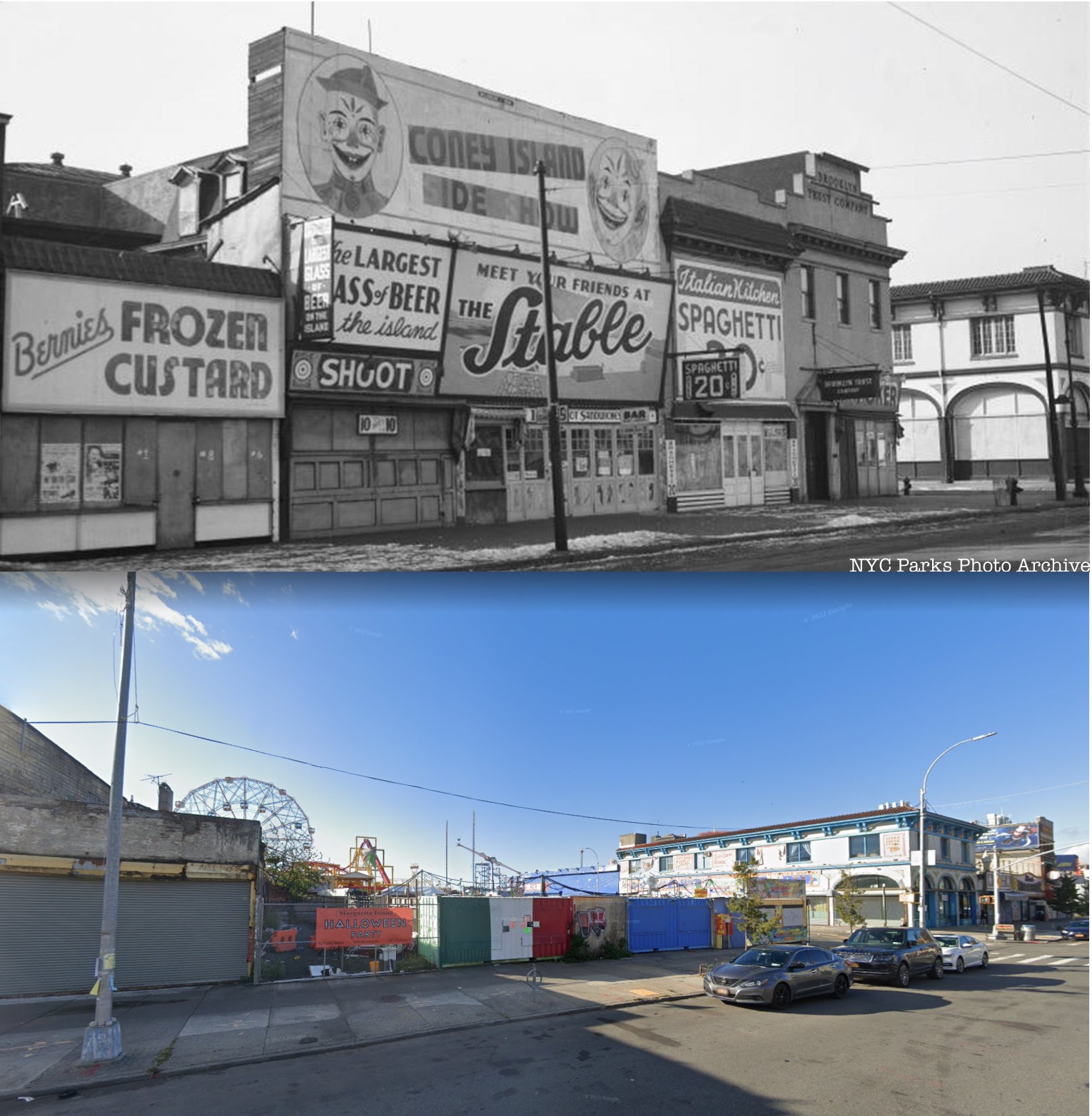
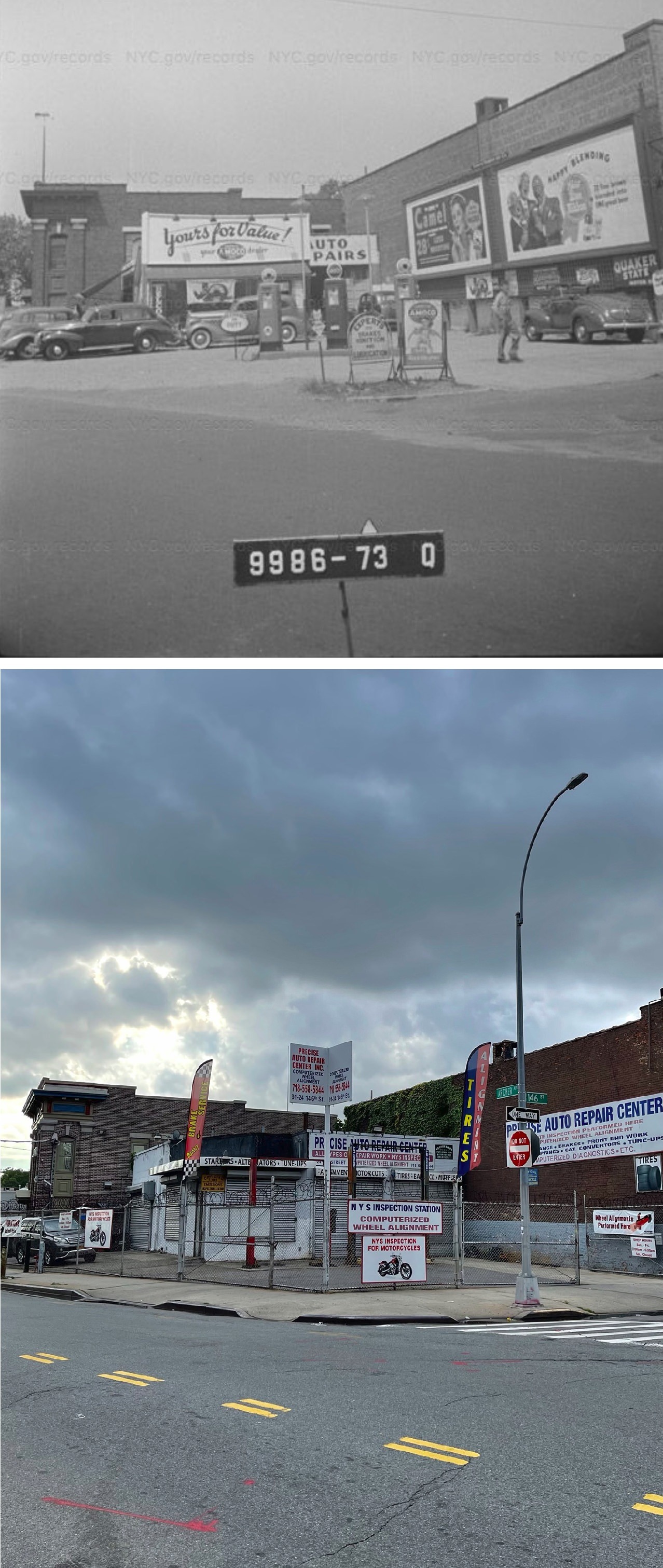
As shipping methods changed, many of these facilities closed or moved. Cities replaced some industrial areas with parks, housing, and office space.
The High Line shows this shift. This former freight rail structure now operates as a public park. Nearby warehouses became residential buildings and offices.
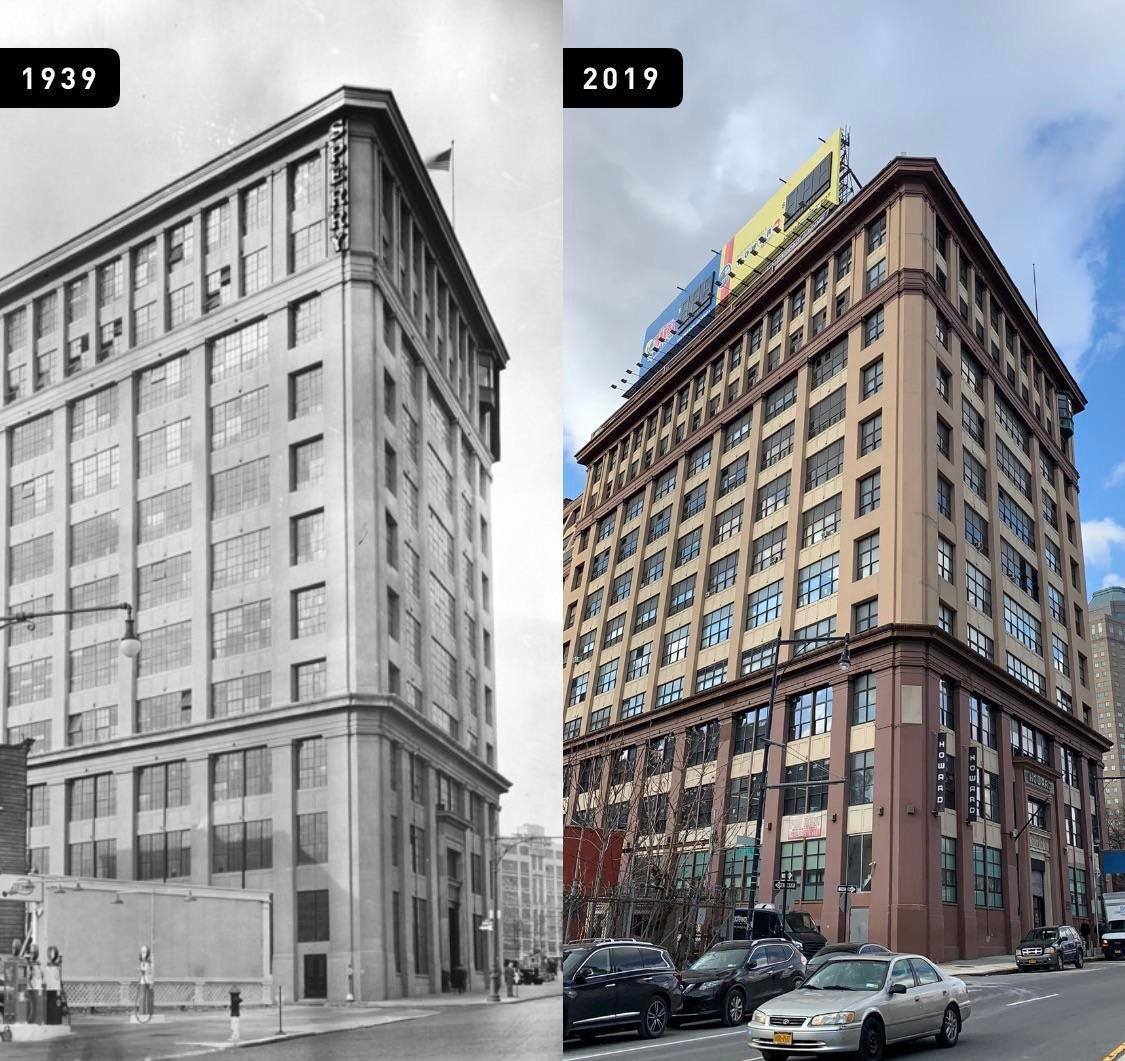
Brooklyn waterfront districts also saw warehouse conversions into apartments and technology offices.
Public housing and large developments
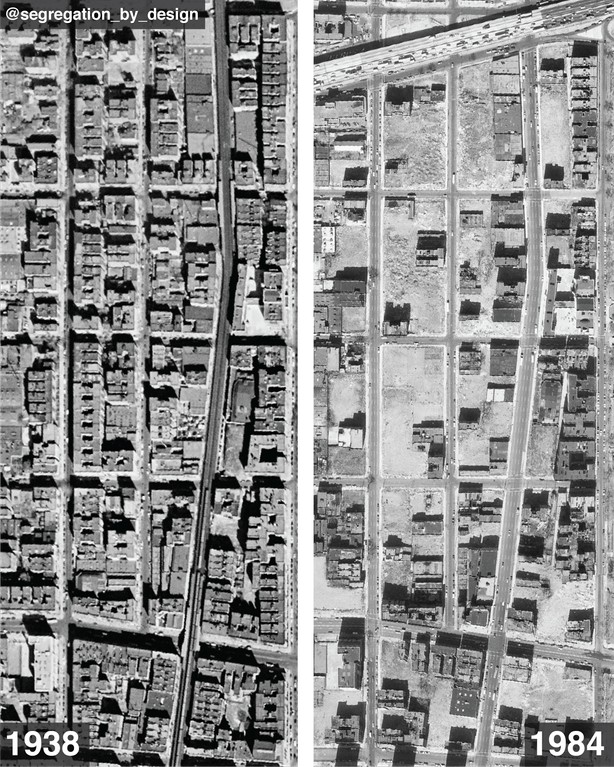
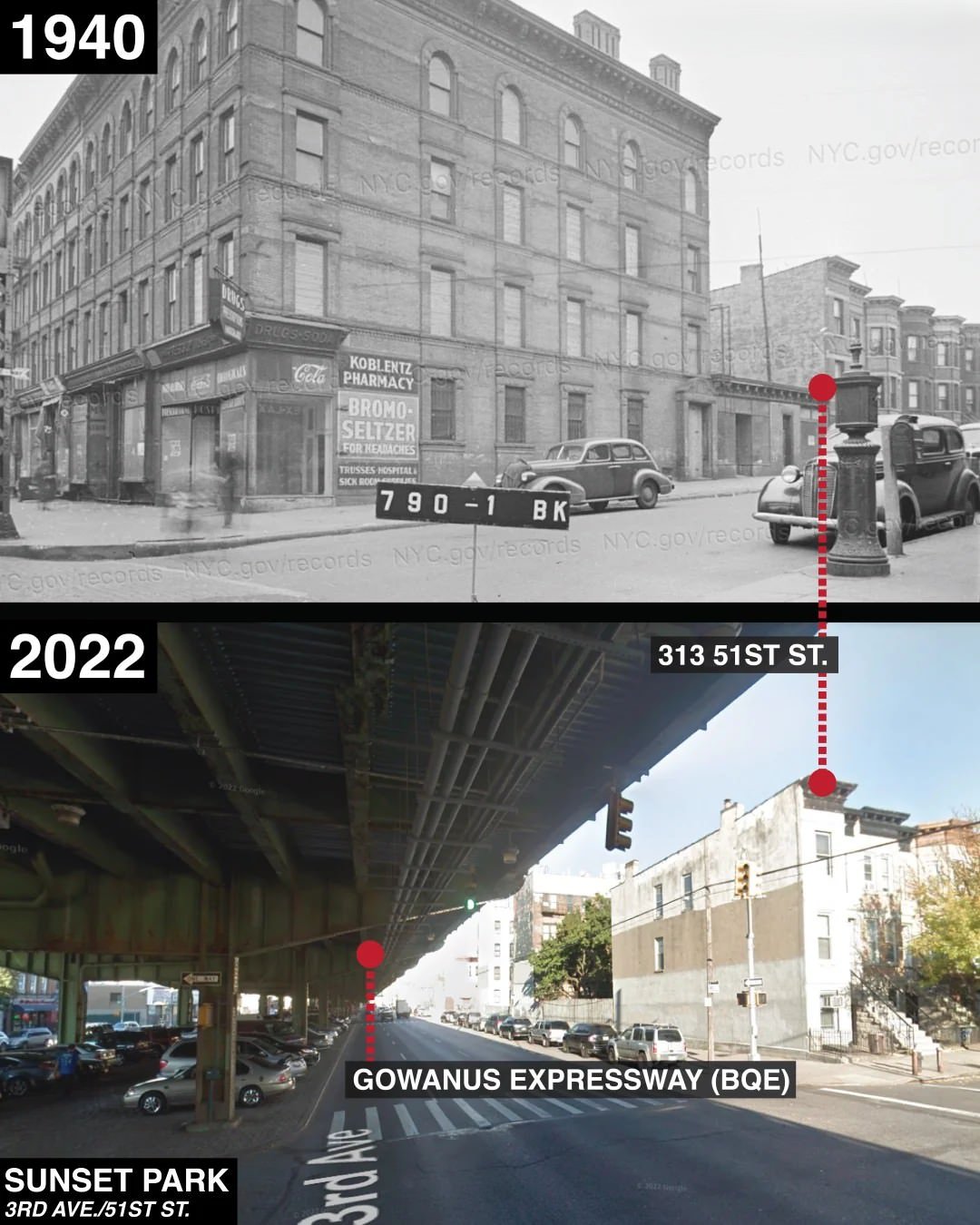
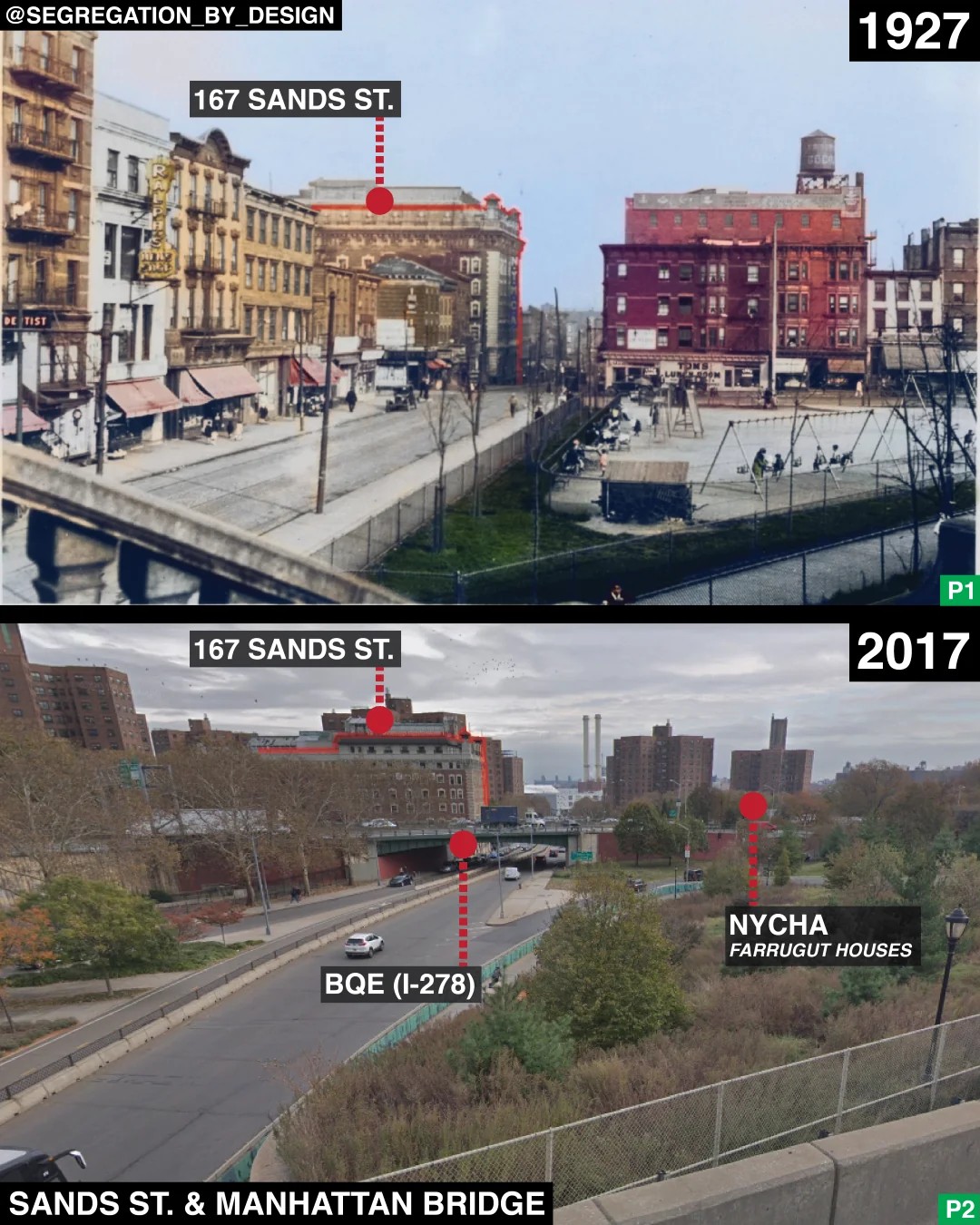
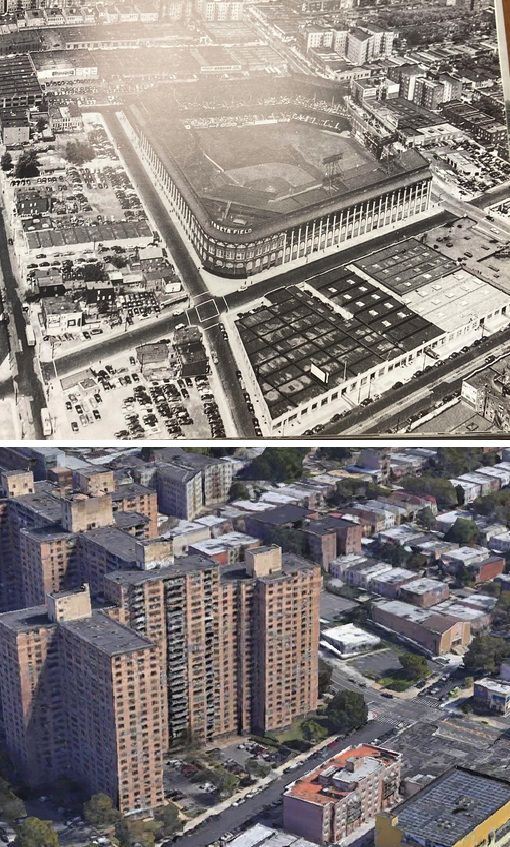
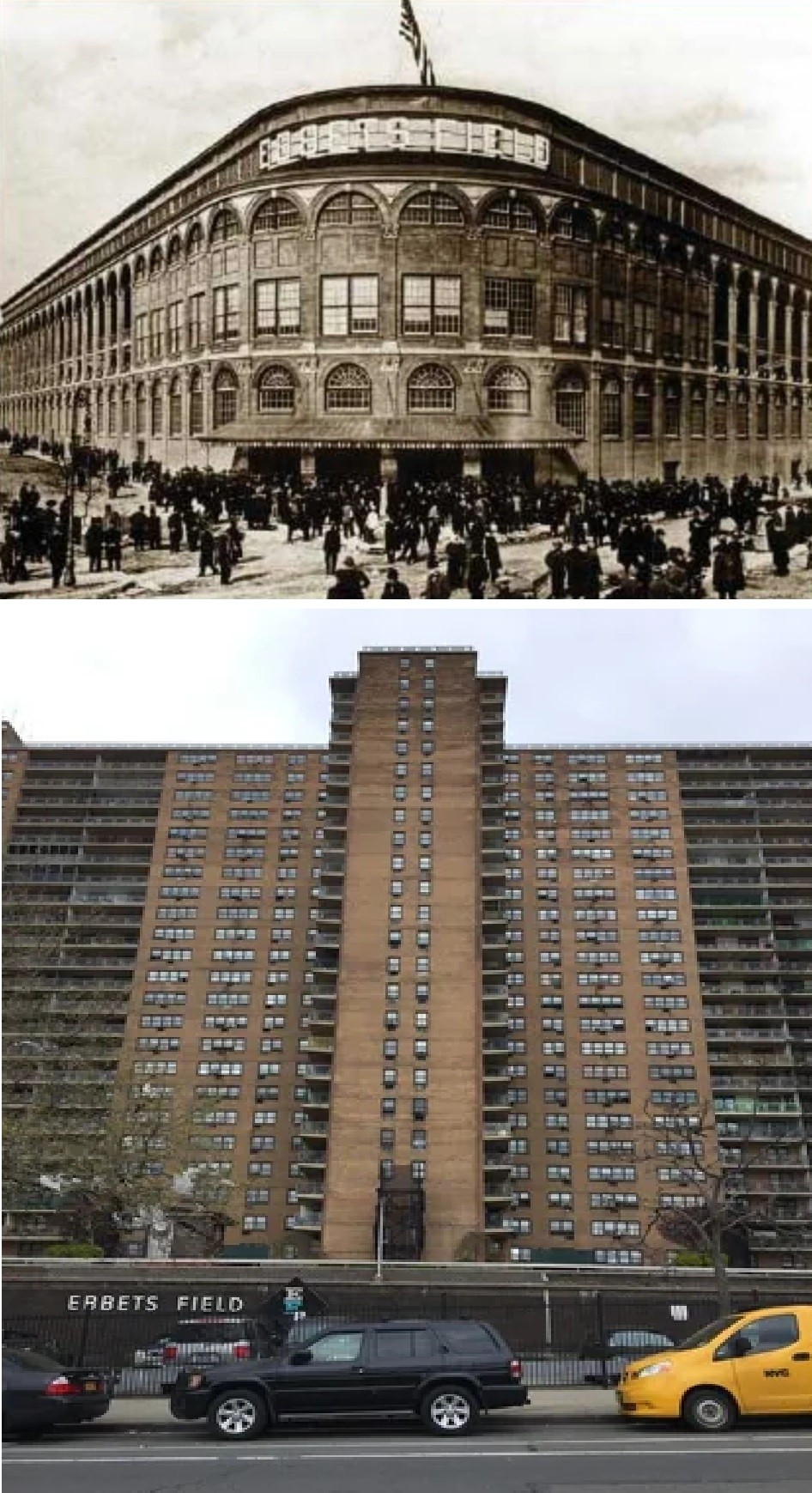
During the mid-1900s, large public housing developments appeared across the city. The New York City Housing Authority built residential towers surrounded by open grounds.
These buildings followed modern planning ideas of the time. Wide open spaces replaced the tighter street patterns of older neighborhoods.
Private development also created large apartment complexes. These often included parking areas and shared green space.
Cultural landmarks and civic structures
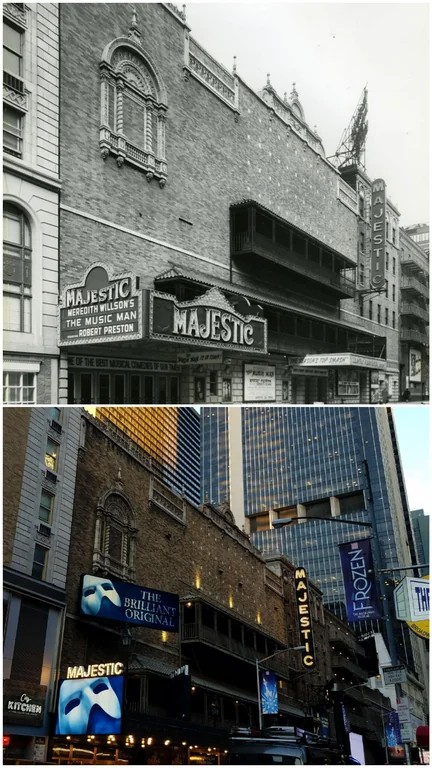
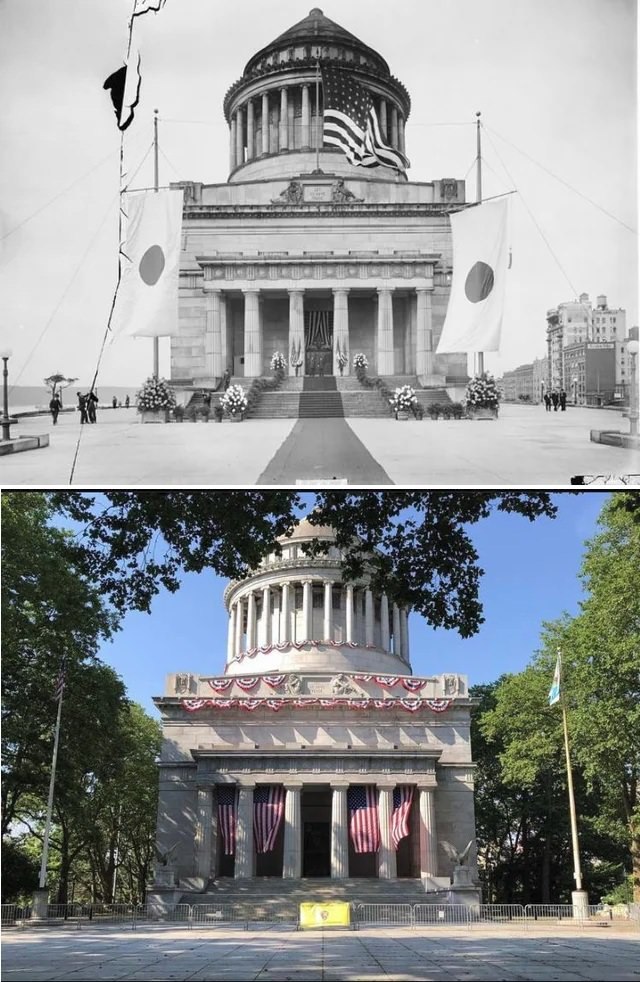
New York City contains major cultural buildings from many eras. Carnegie Hall shows late 1800s construction methods. Lincoln Center reflects mid-1900s civic design.
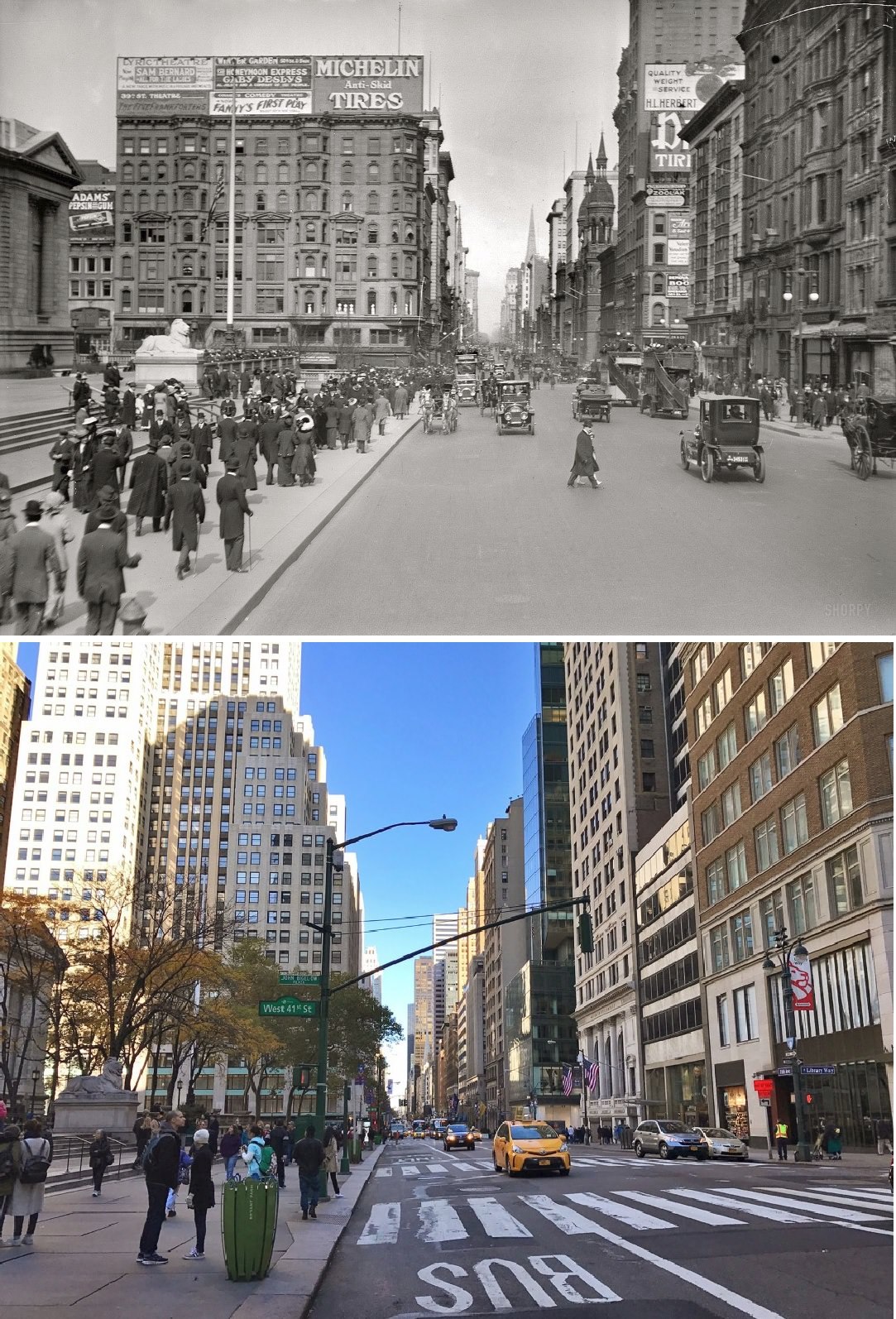
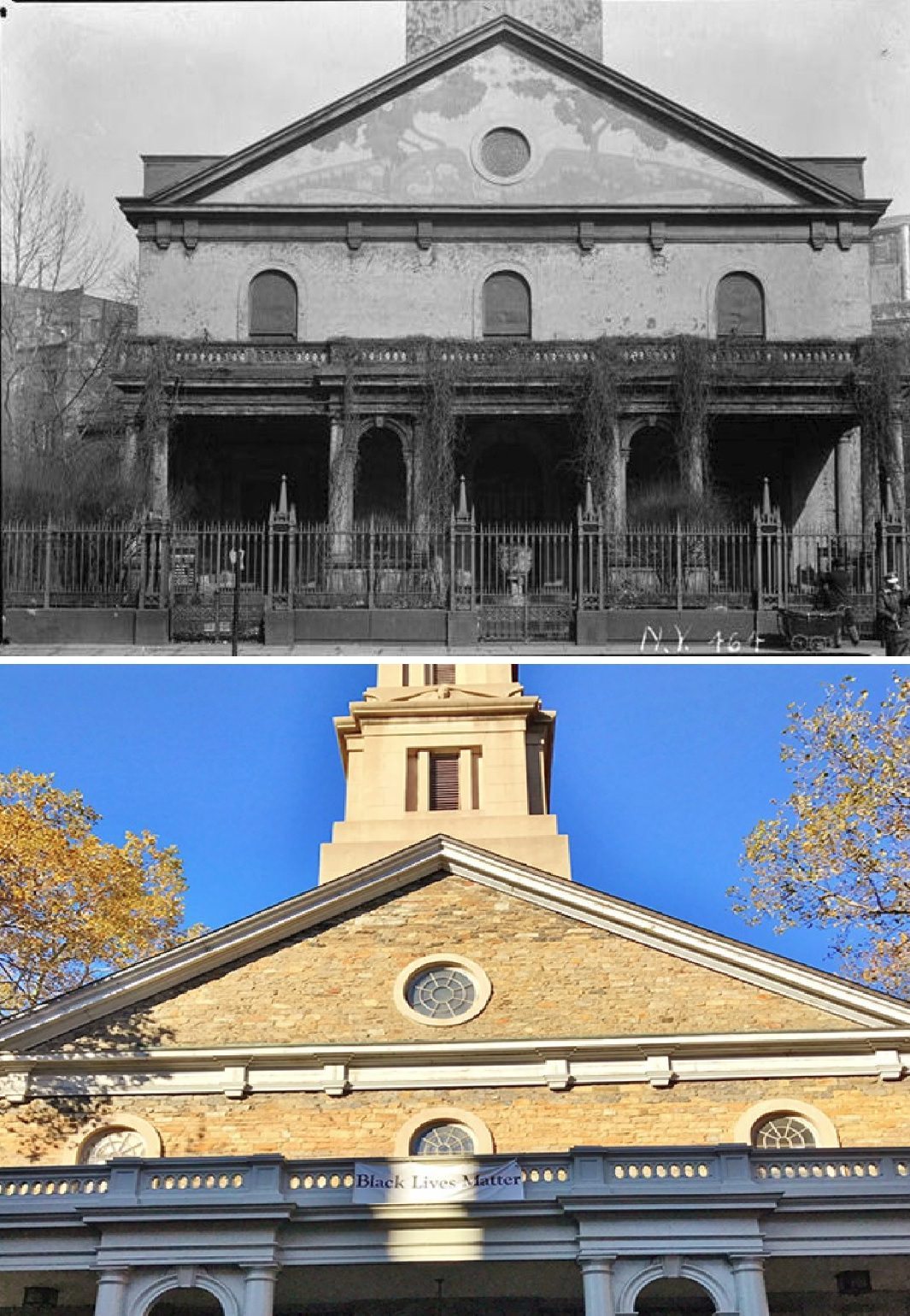
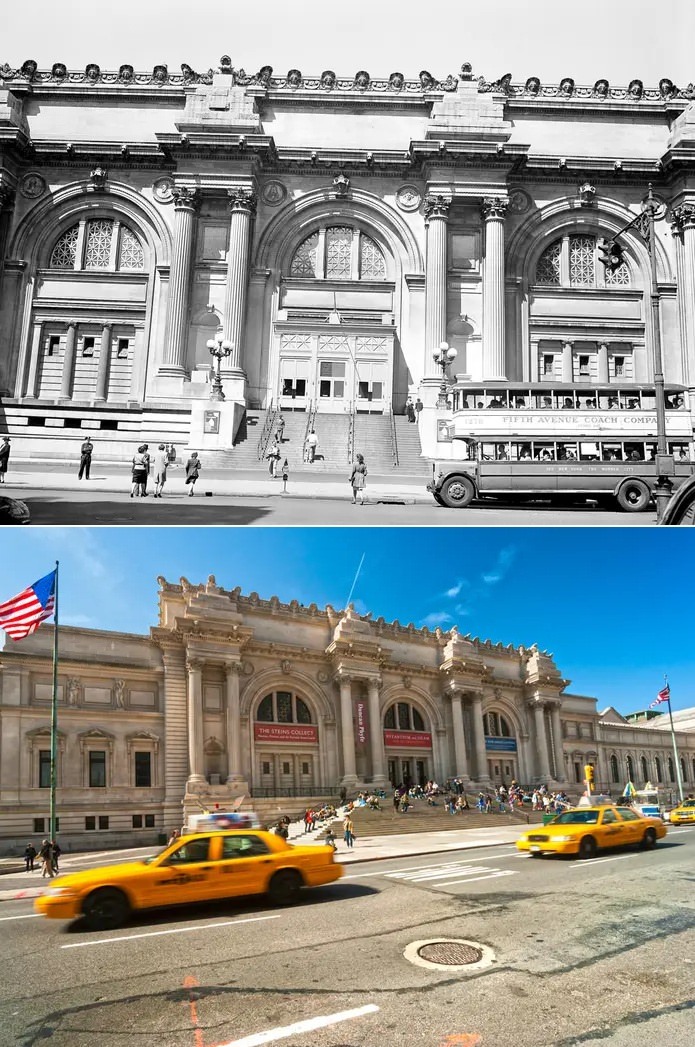
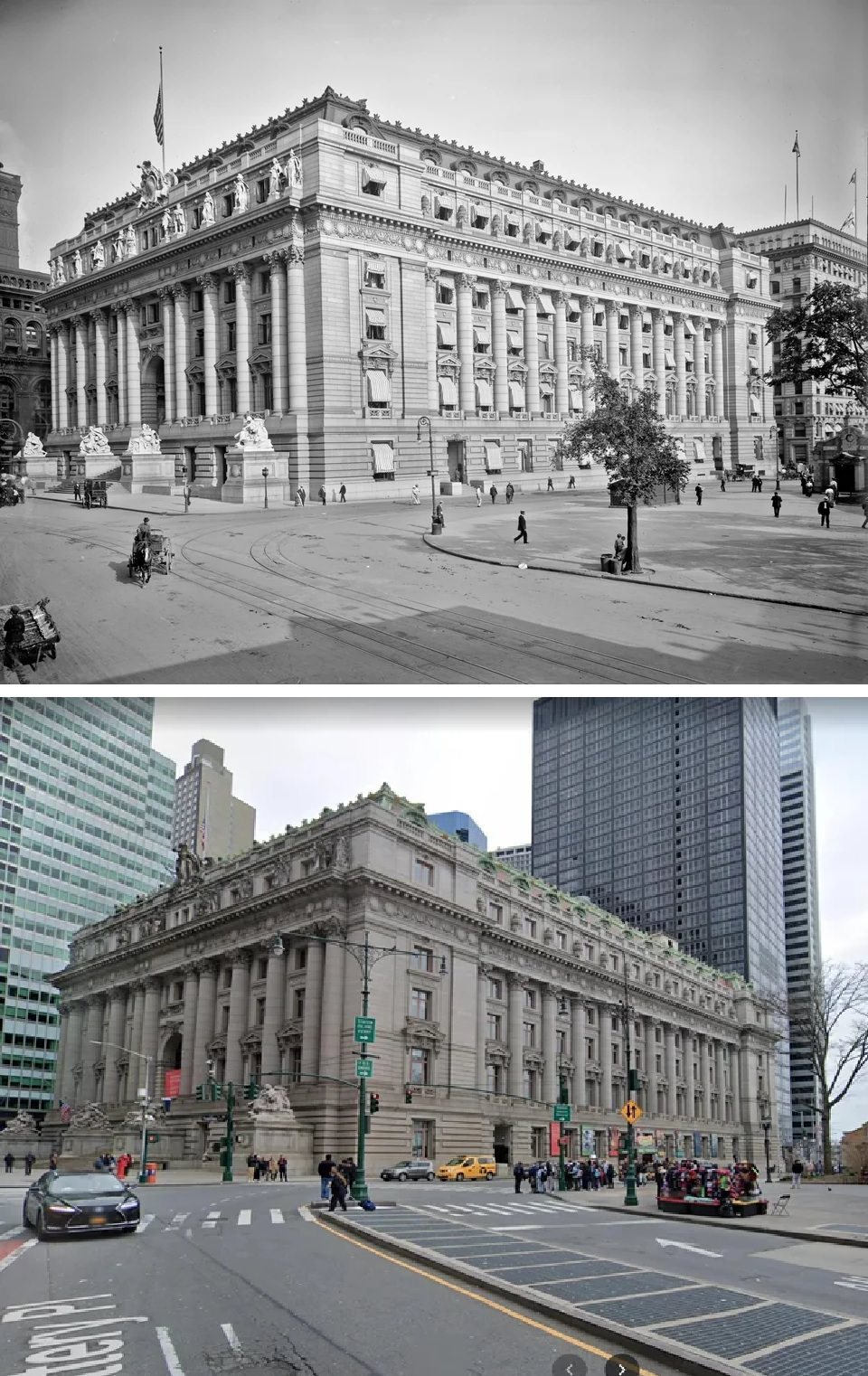
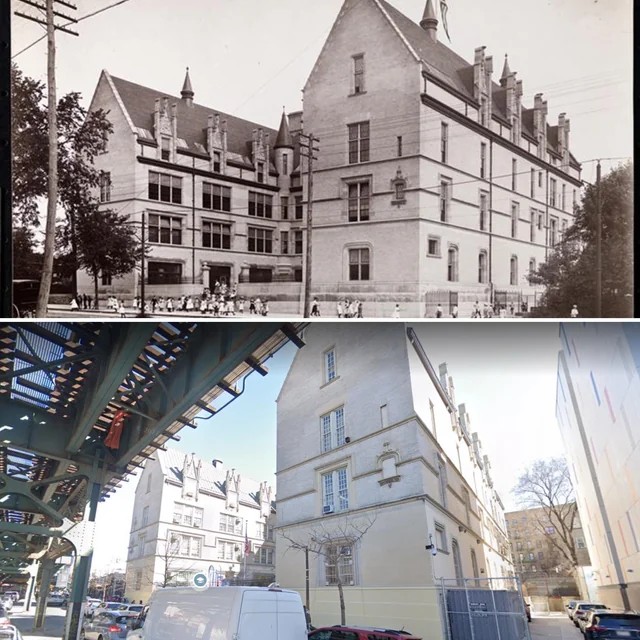
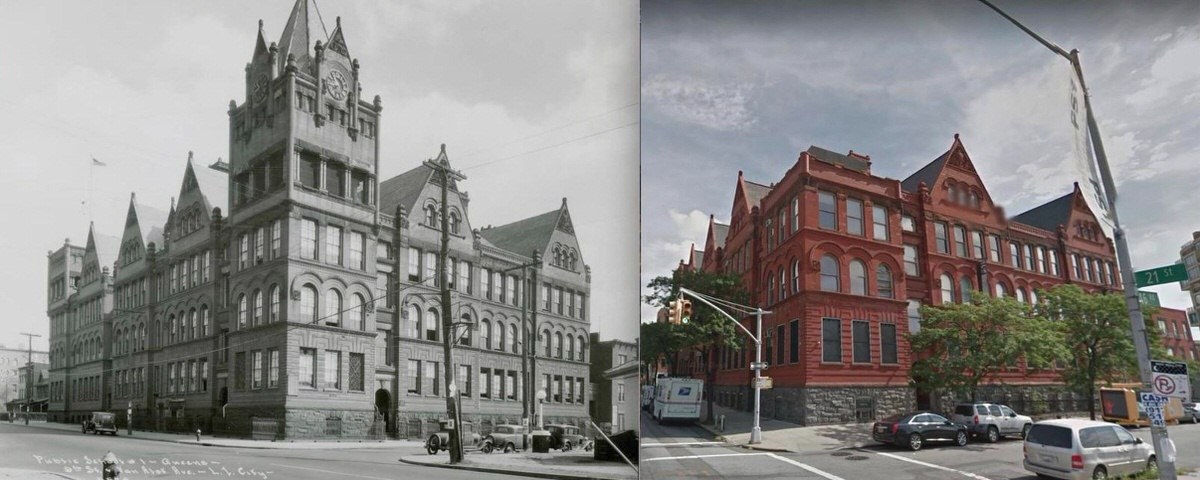
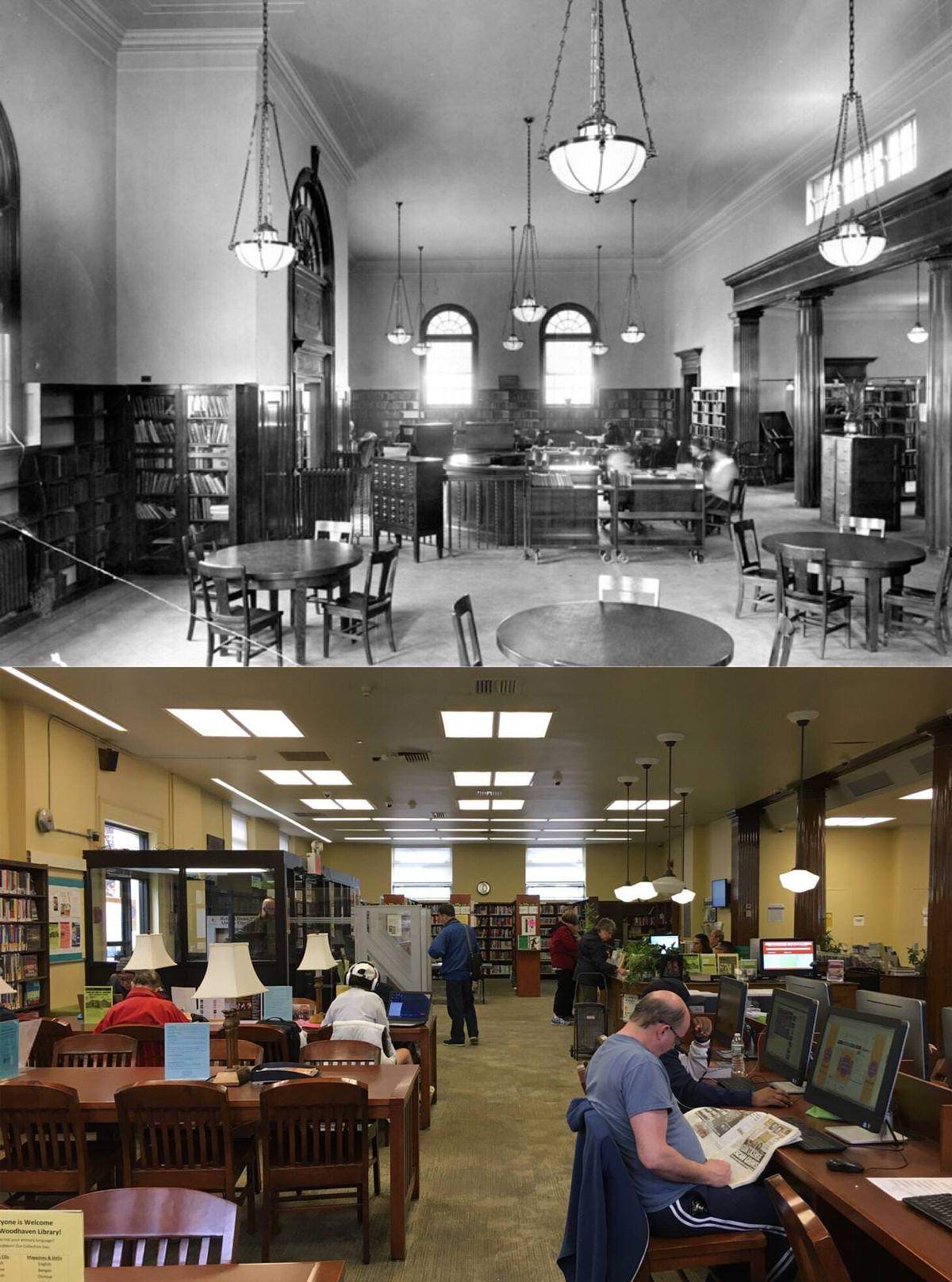
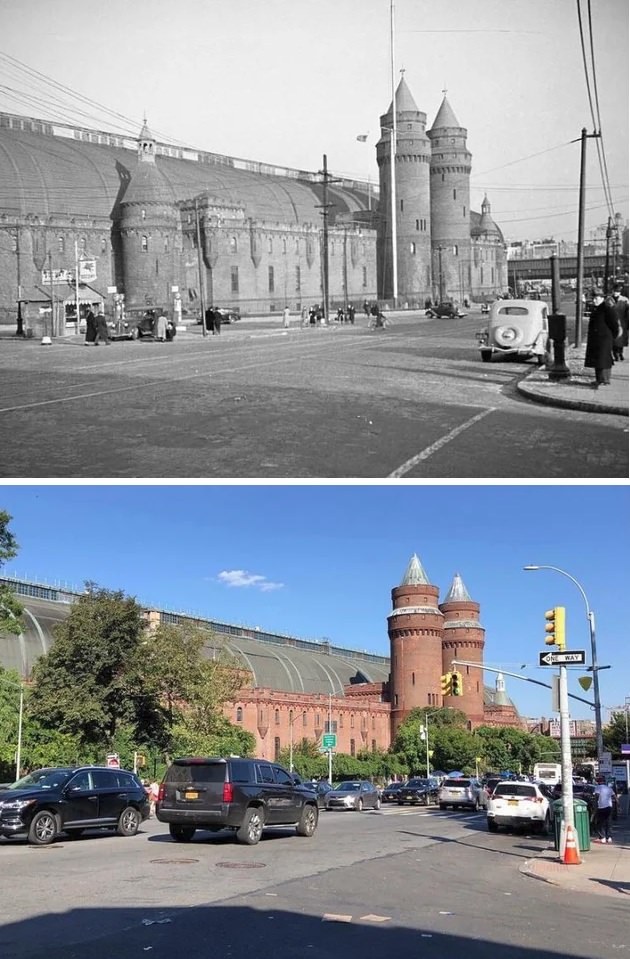
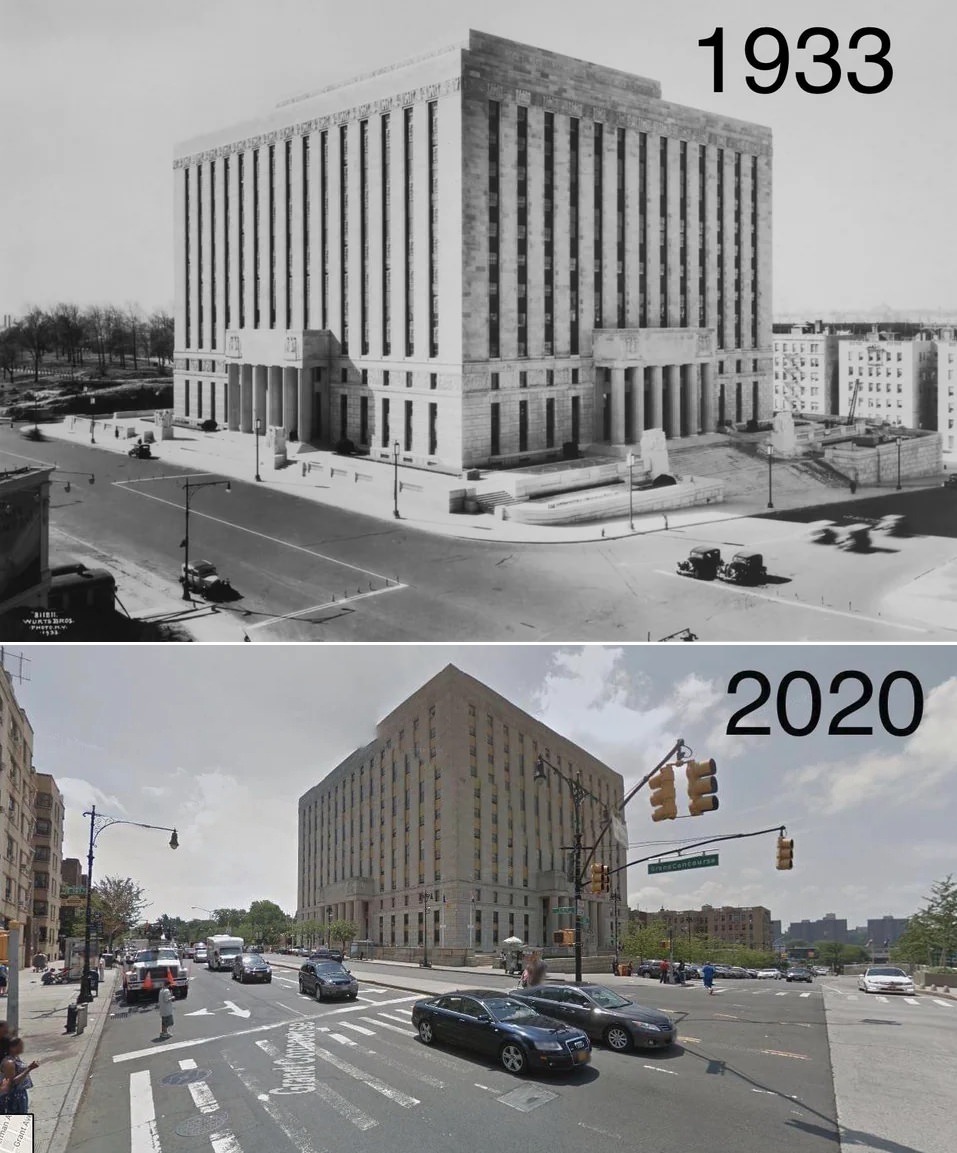
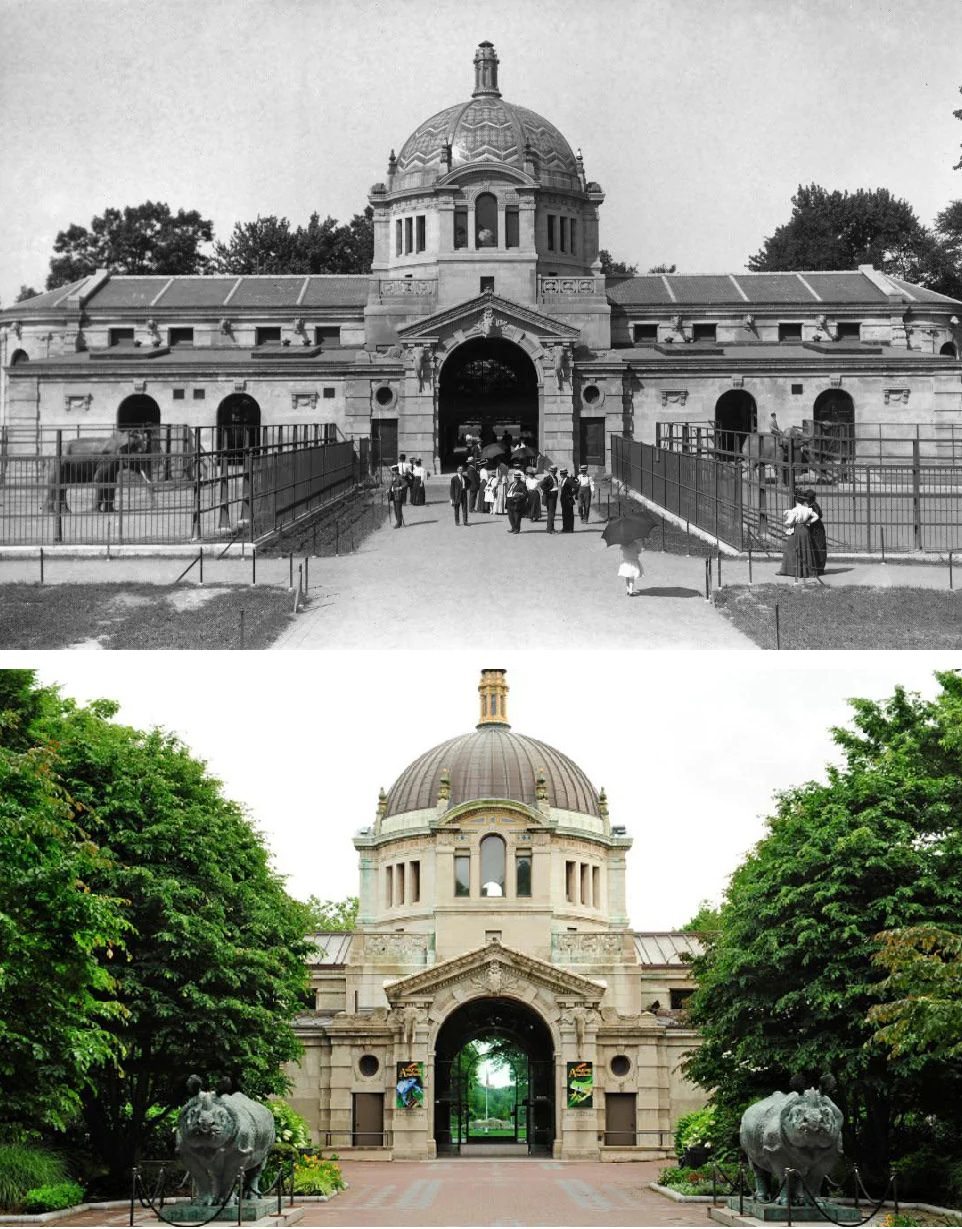
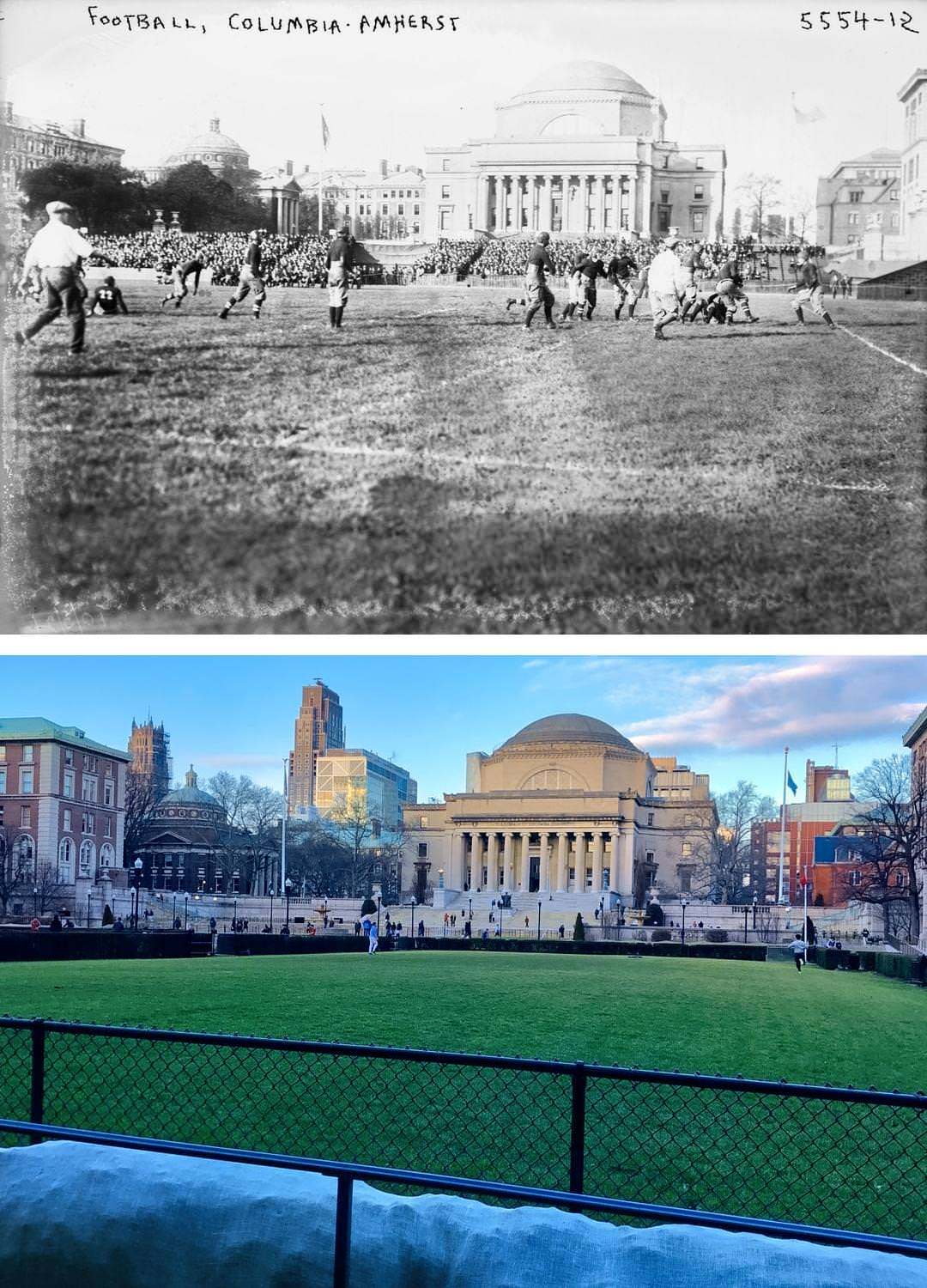
Libraries, museums, and courthouses also show changing architectural styles. Early civic buildings often used classical stone designs. Newer buildings often use glass and steel with open interiors.
Sports venues also reflect change. Modern stadiums include updated seating, lighting systems, and expanded public areas compared to earlier ballparks.
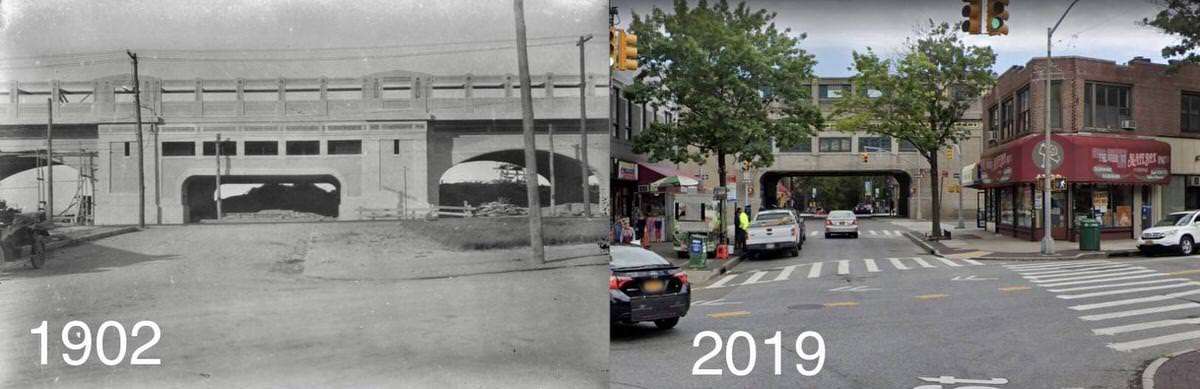
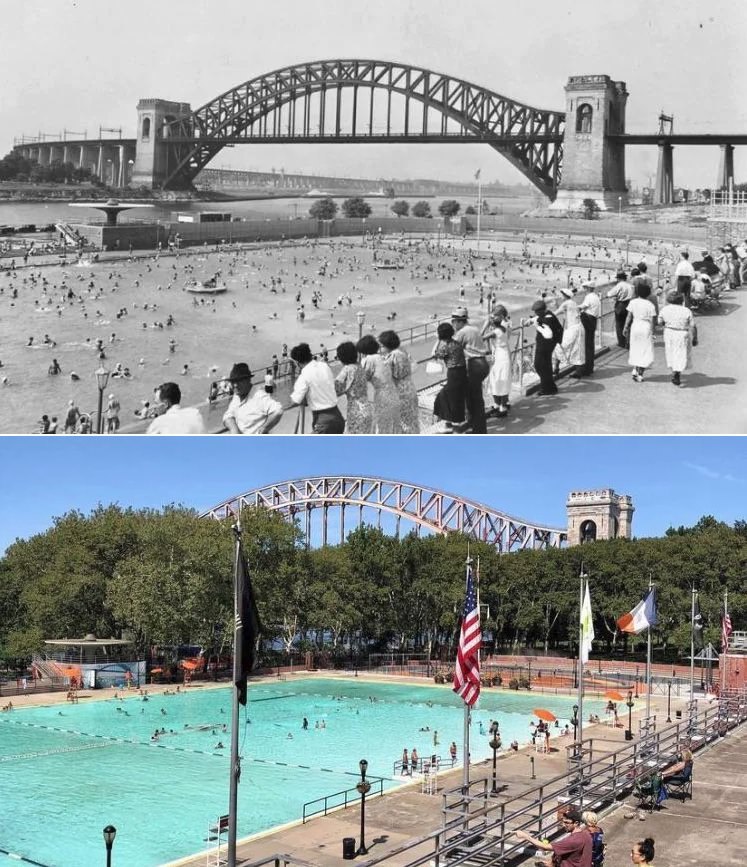
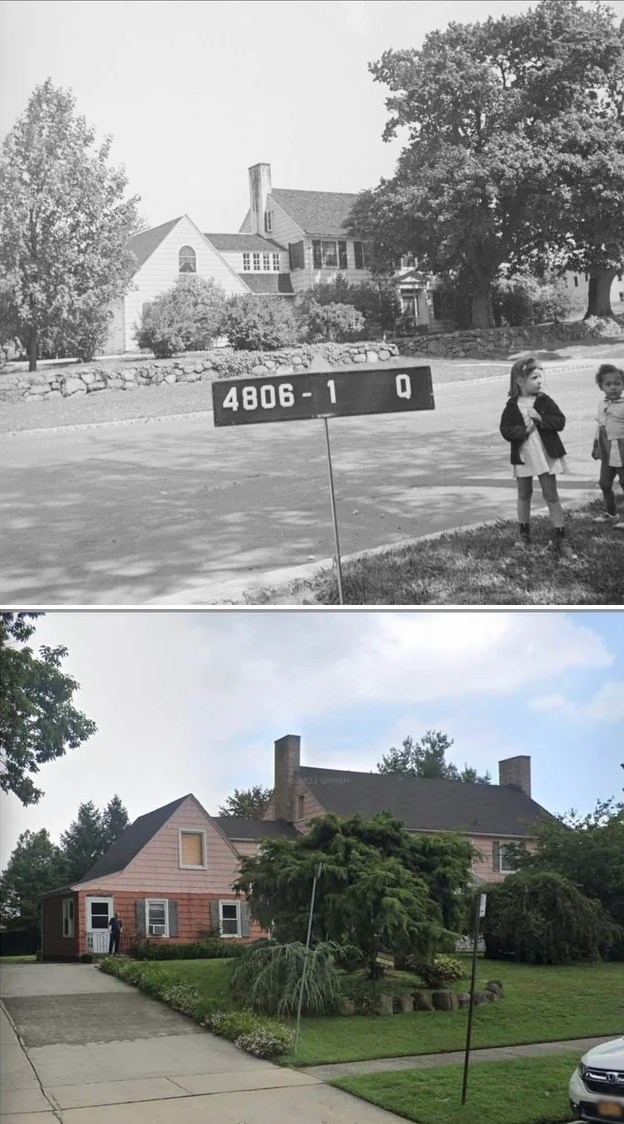
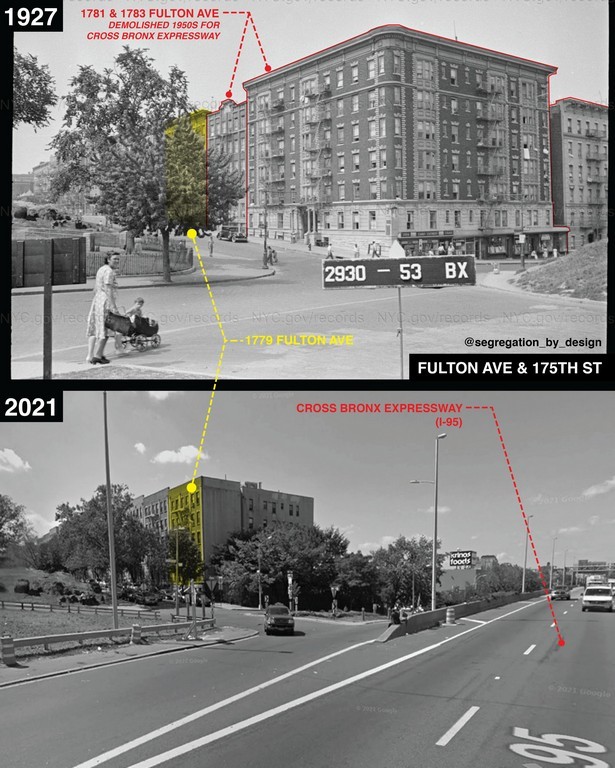

GIPHY App Key not set. Please check settings