

 Henry Parker
Long before the bodegas took every corner and the bank branches swallowed every block, the gas station was the anchor of the New York City neighborhood. You knew your block partly by its station. You knew the guys who worked there. You knew the smell of petrol and rubber on a hot August afternoon drifting up from the concrete apron. These places were not just fuel stops — they were neighborhood institutions, as tied to city life as the diner or the fire house.
New York’s gas station story begins around 1910. The city still had more horses on its streets than motorcars, but the automobile was spreading fast, and somebody had to sell the fuel. The earliest setups were barely stations at all — a hand-pump bolted to the curb, a drum of gasoline sitting out in the open, and a mechanic who worked out of a converted stable around the corner. There were no canopies, no branded signage, no uniformed attendants. Just fuel and a handshake.
The 1920s: The City Starts to Fill Up
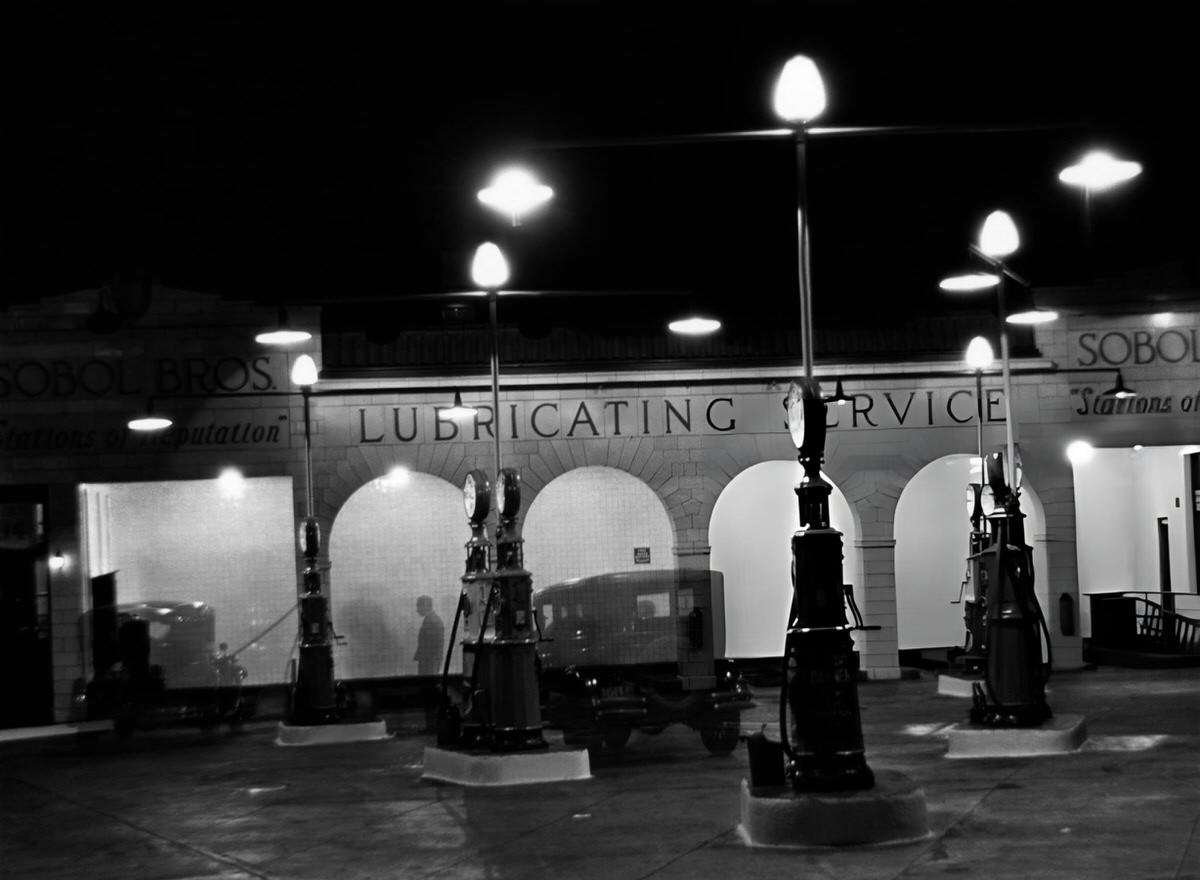
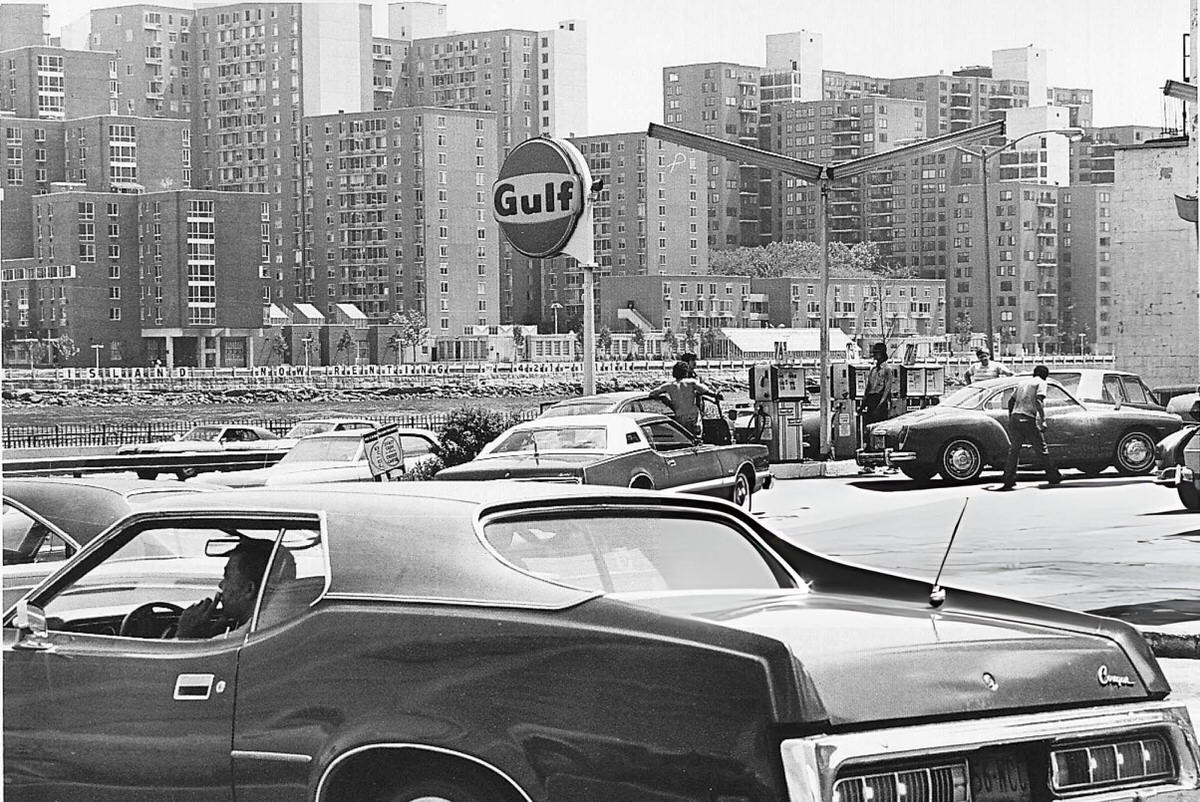
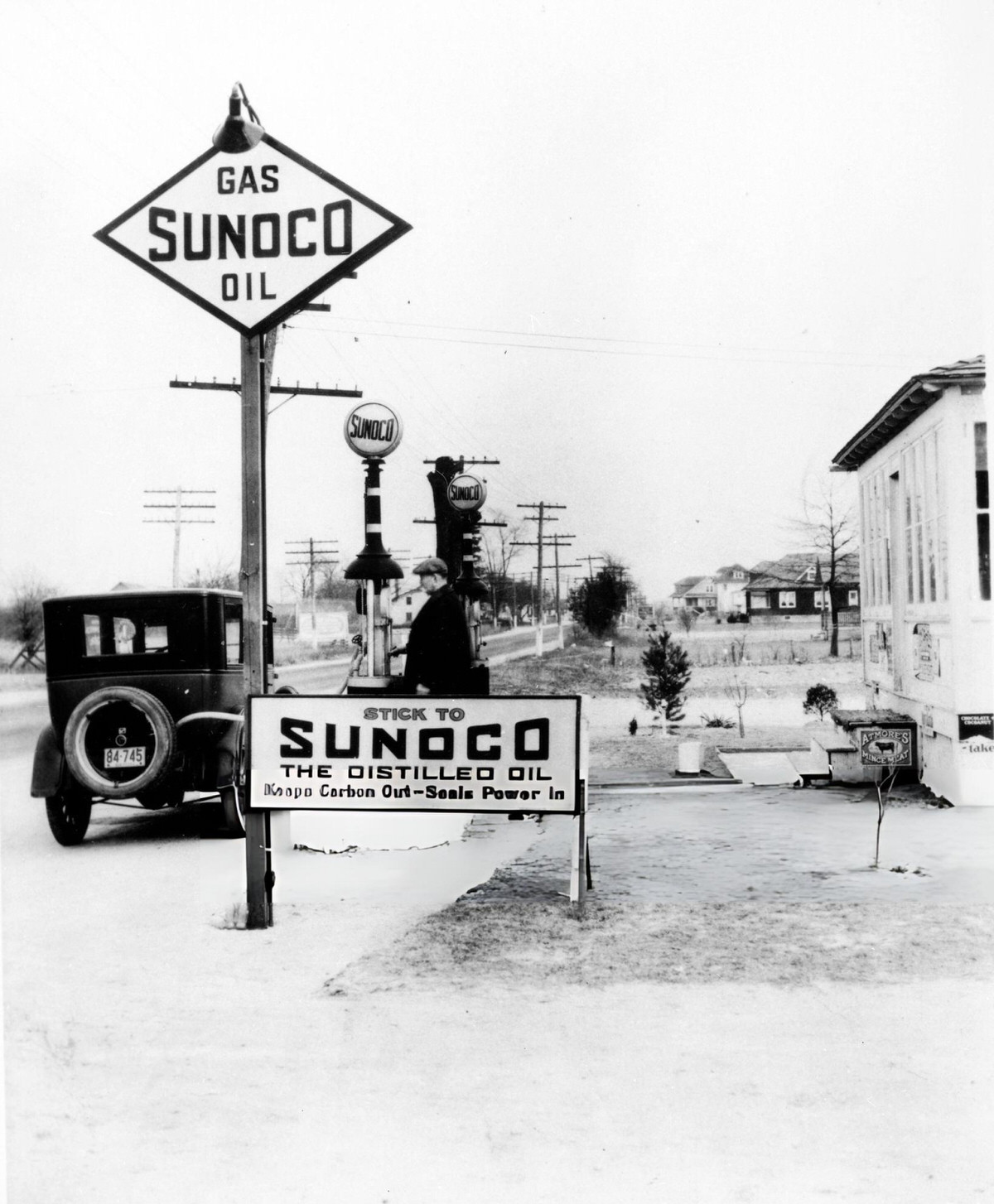
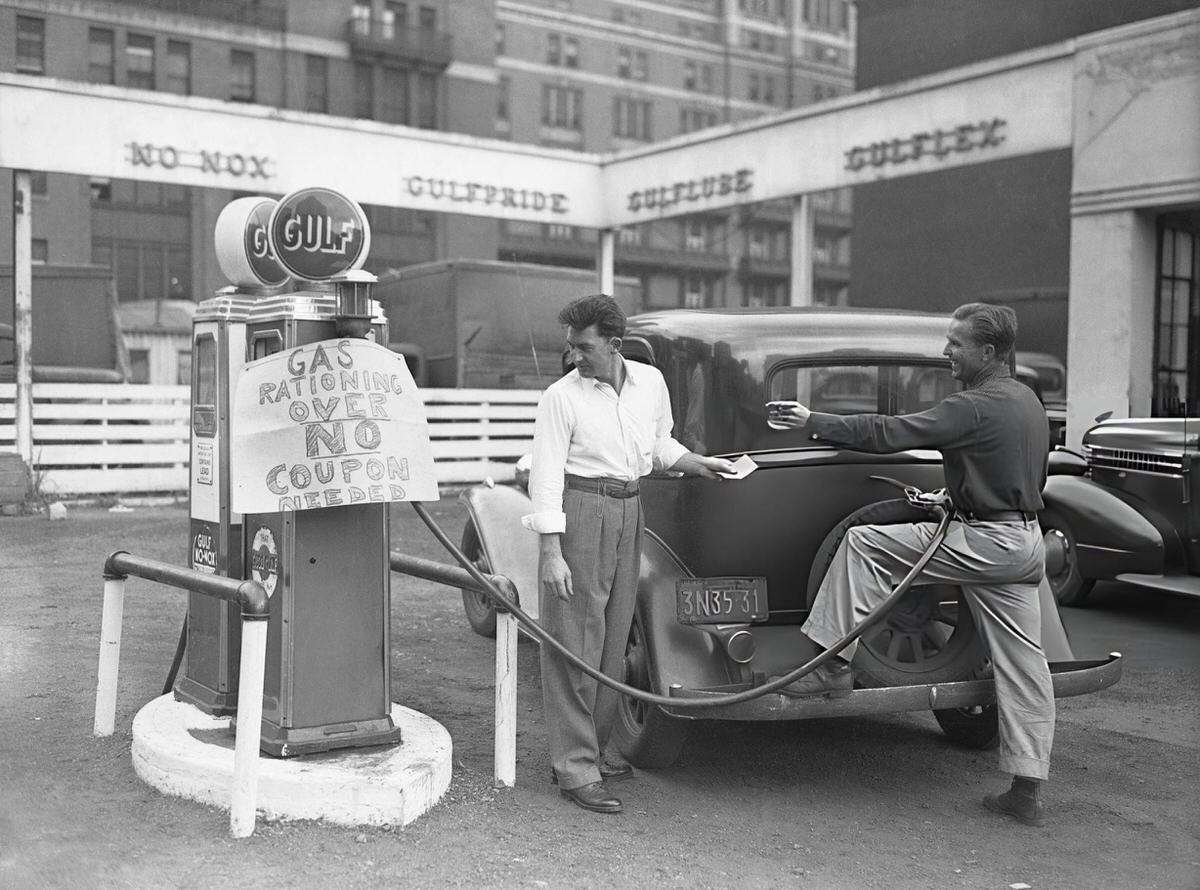
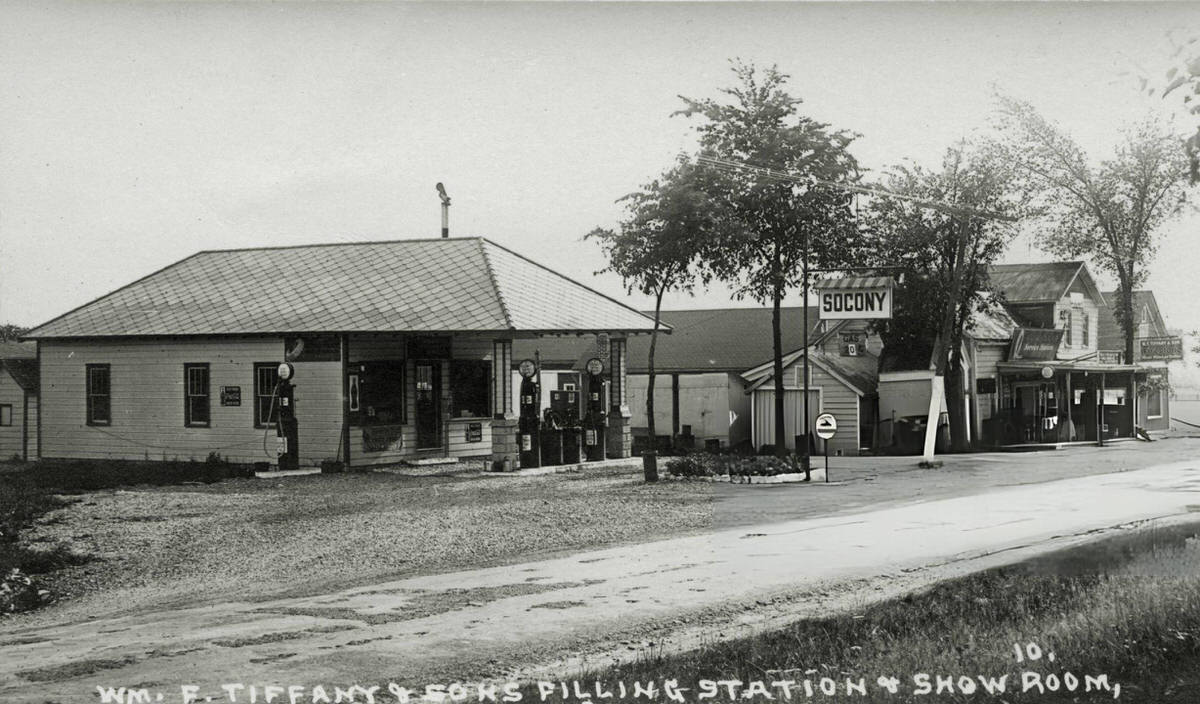
The 1920s changed everything. Car ownership exploded across the five boroughs, and the oil companies — Shell, Standard Oil, Socony, Gulf, Texaco — raced to plant their flags on every viable corner. A proper station now had a small building with a cashier’s window, two or three pumps out front, and a grease pit or lift inside for basic service. The architecture was surprisingly ornate for what was essentially a roadside fuel depot. Designers gave stations arched rooflines, brick facades, and tile work that made them look more like suburban bank branches than utilitarian service stops.
Read more
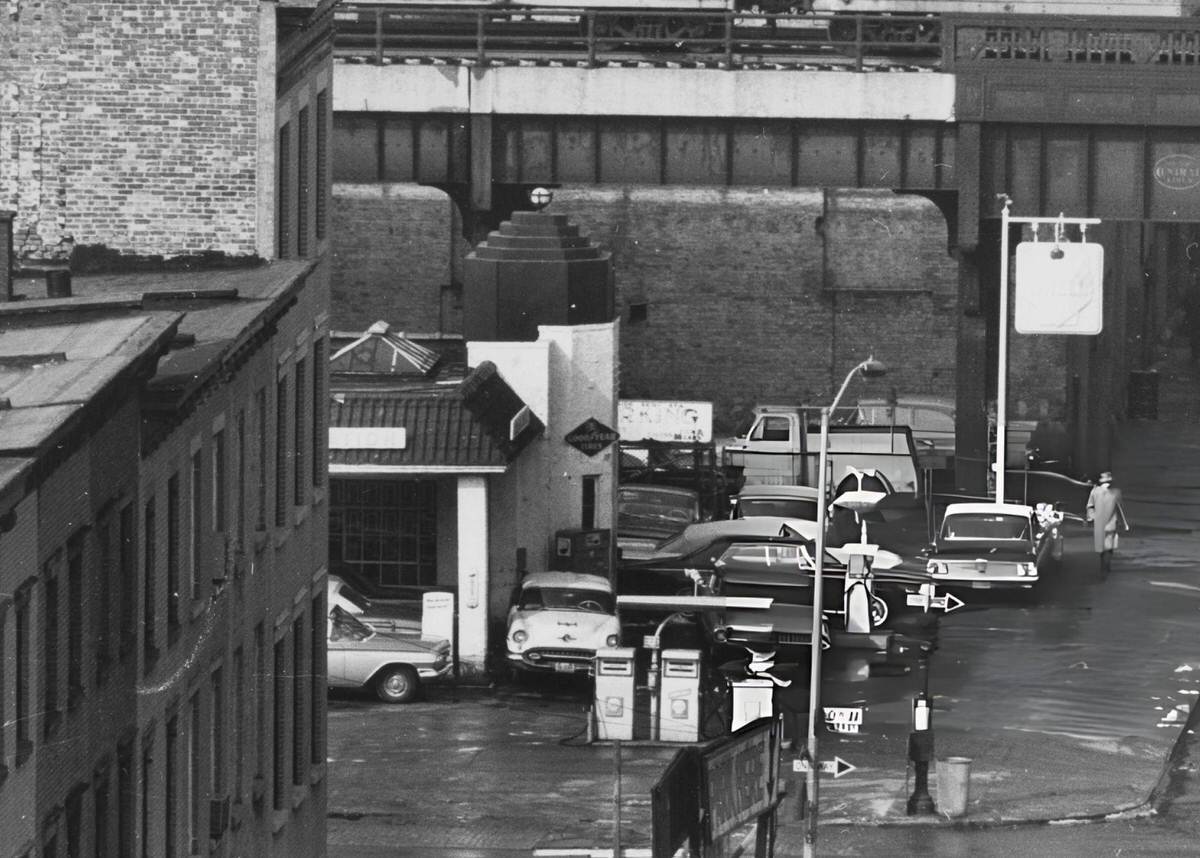
Brooklyn and Queens were especially thick with new stations. The outer boroughs were growing fast, and the newly laid roads brought cars that needed feeding. Long Island City, Flatbush, and Jamaica became high-traffic corridors where two or three competing stations sometimes sat within a block of each other. Midtown Manhattan was different — space was tight and land was expensive, so the stations that survived there tended to be tucked under elevated rail lines or wedged onto awkward triangular lots.
The Major Brands and What They Meant
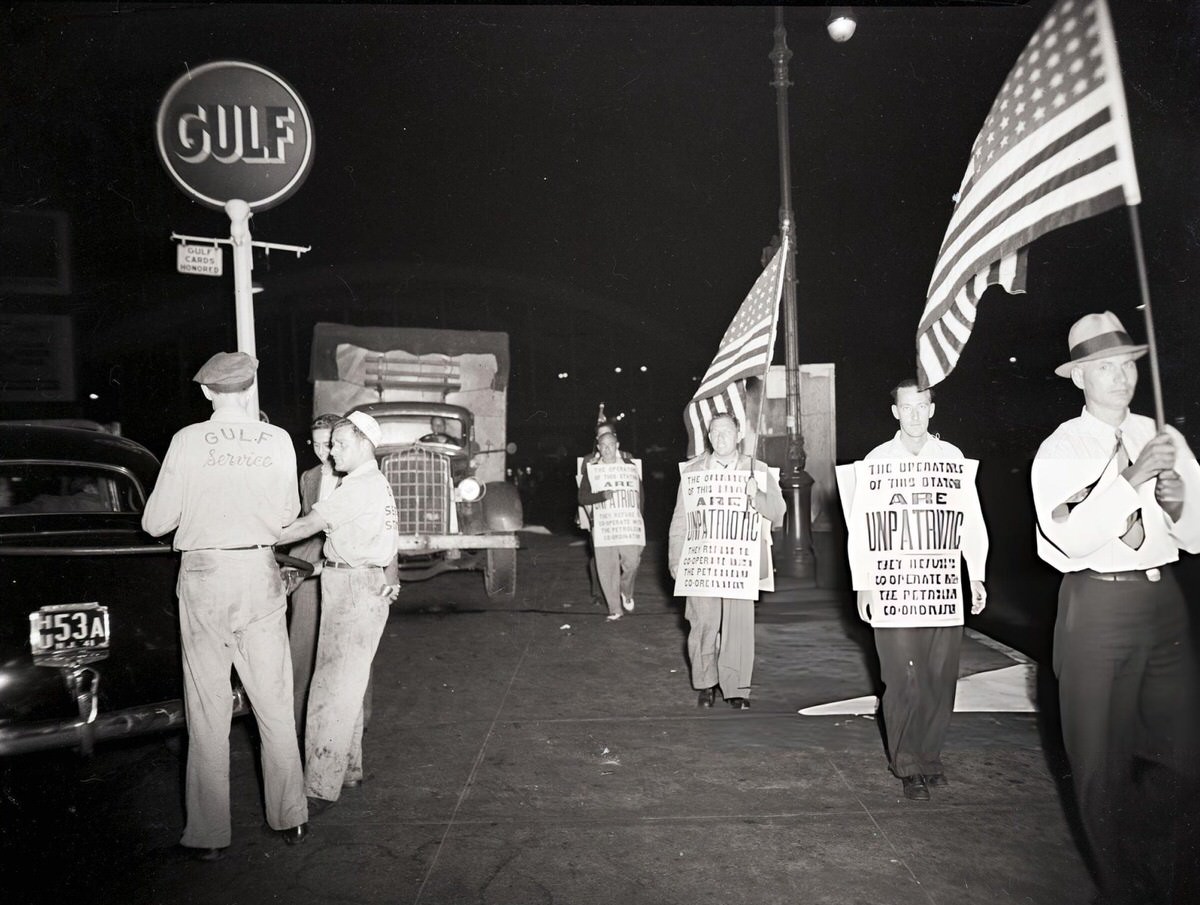
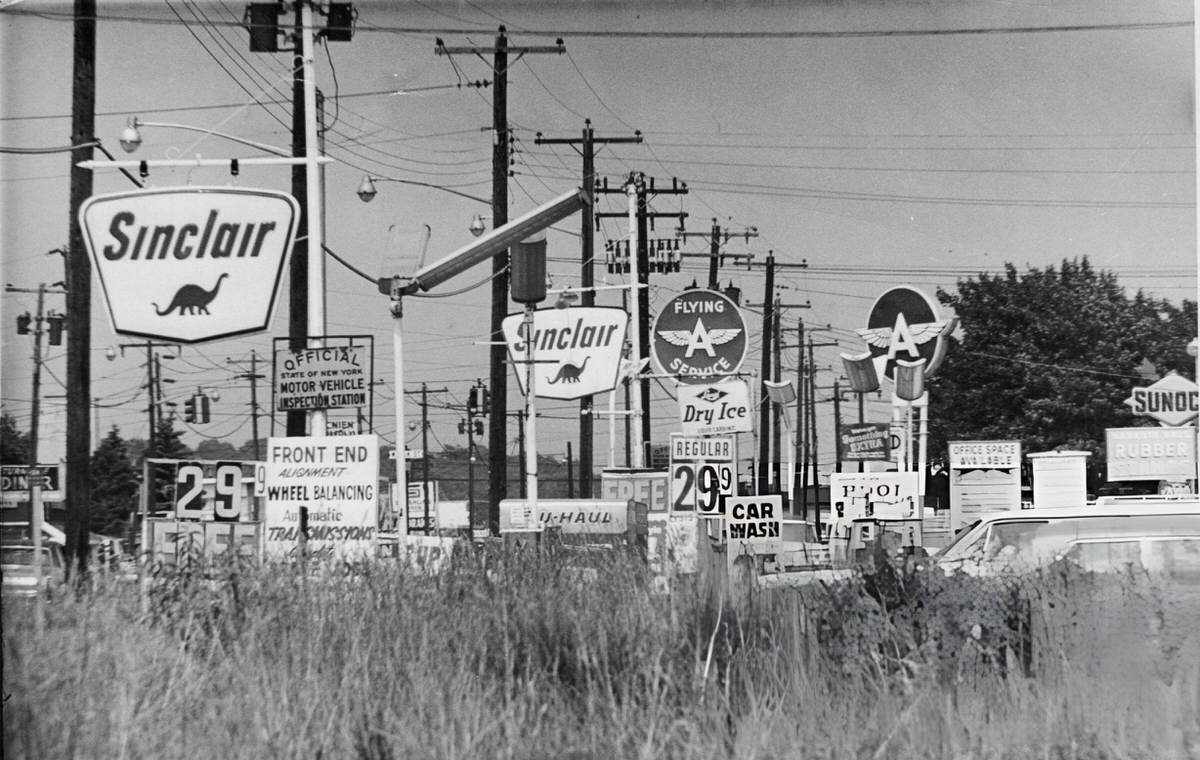
By the 1930s, brand loyalty at the pump was real. New Yorkers had opinions about where they bought their gas the same way they had opinions about their butcher or their barber. The big names that dominated the city were:
Socony-Vacuum Texaco Shell Gulf Oil Esso (Standard Oil) Sunoco Atlantic Richfield Cities Service
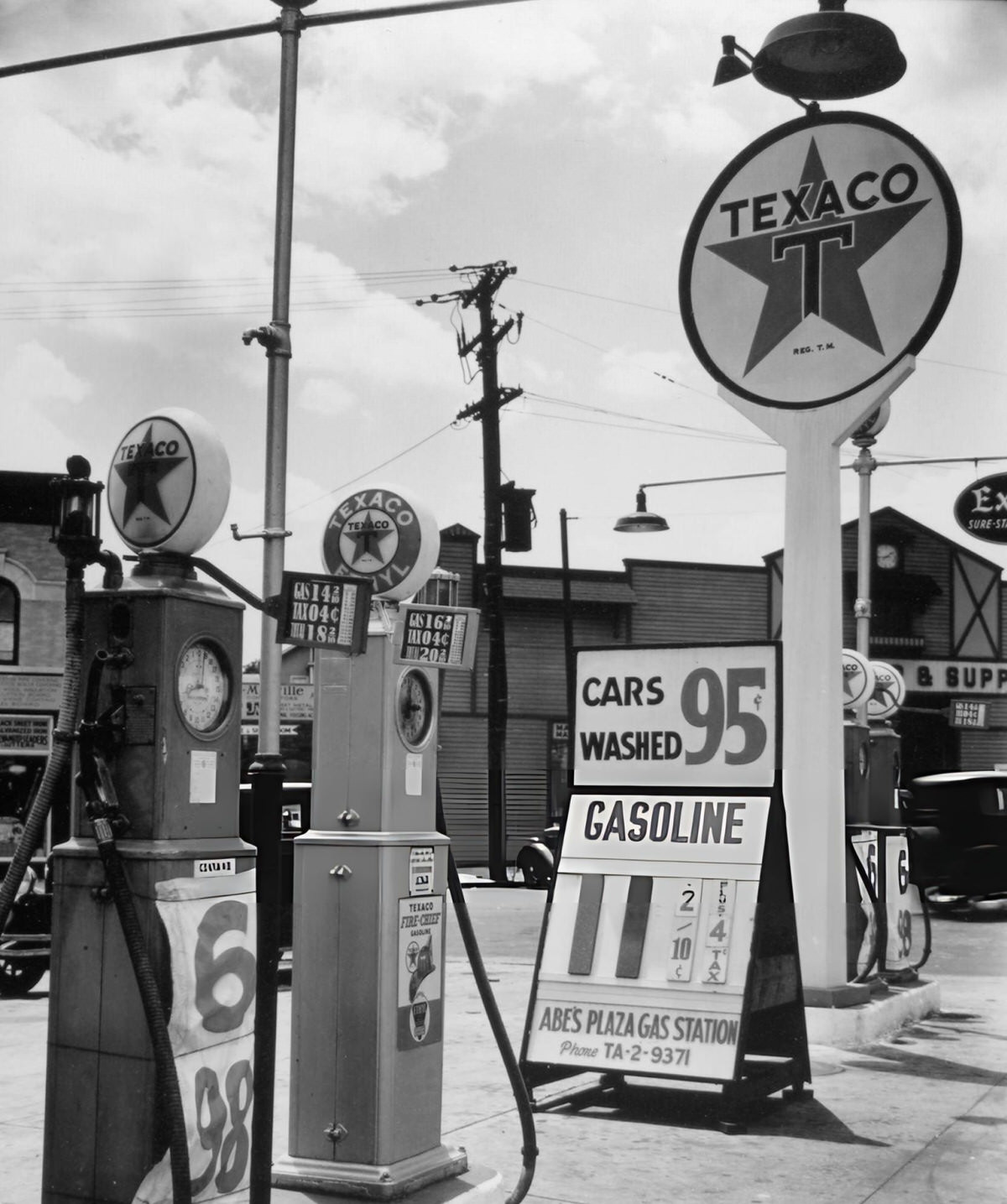
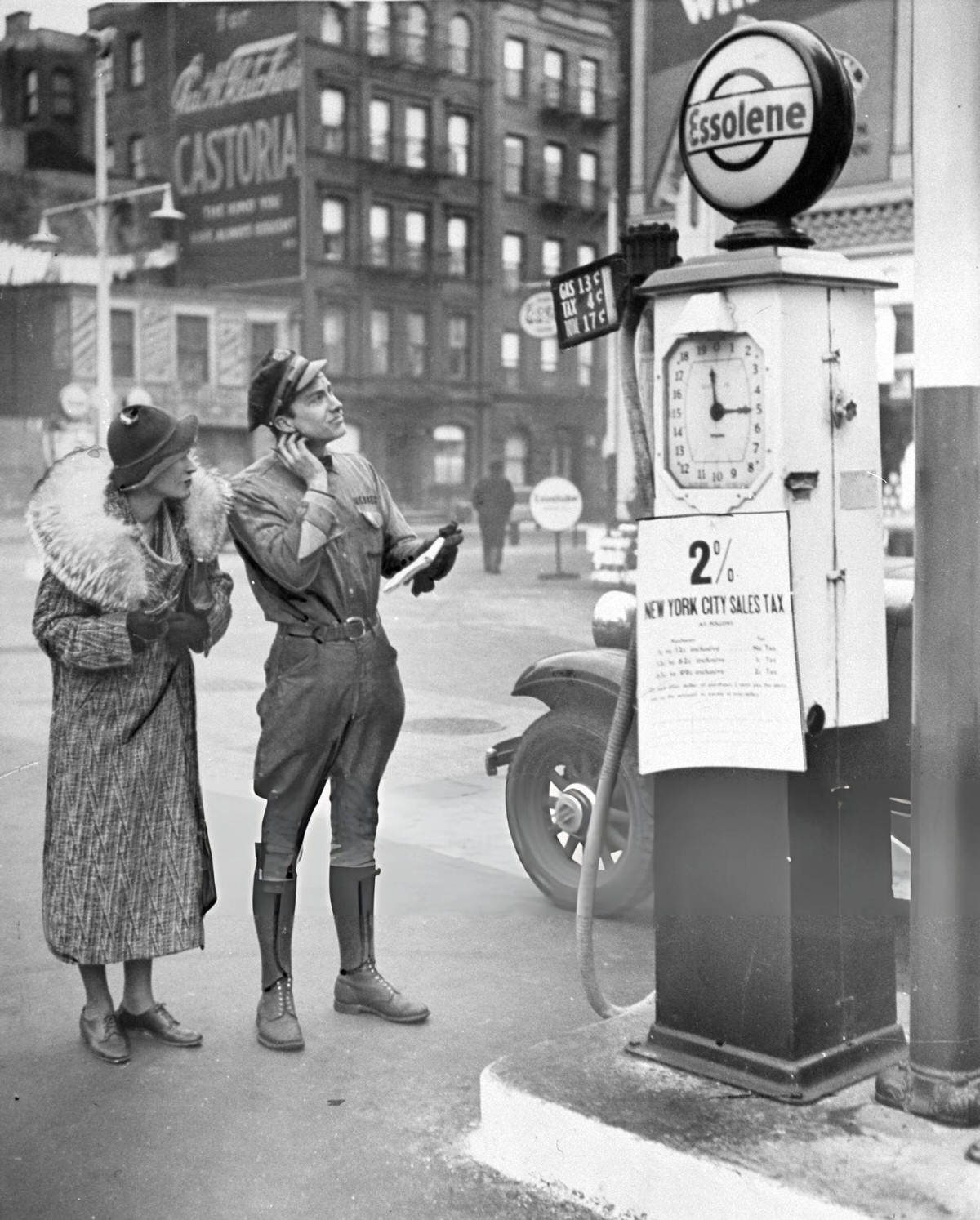
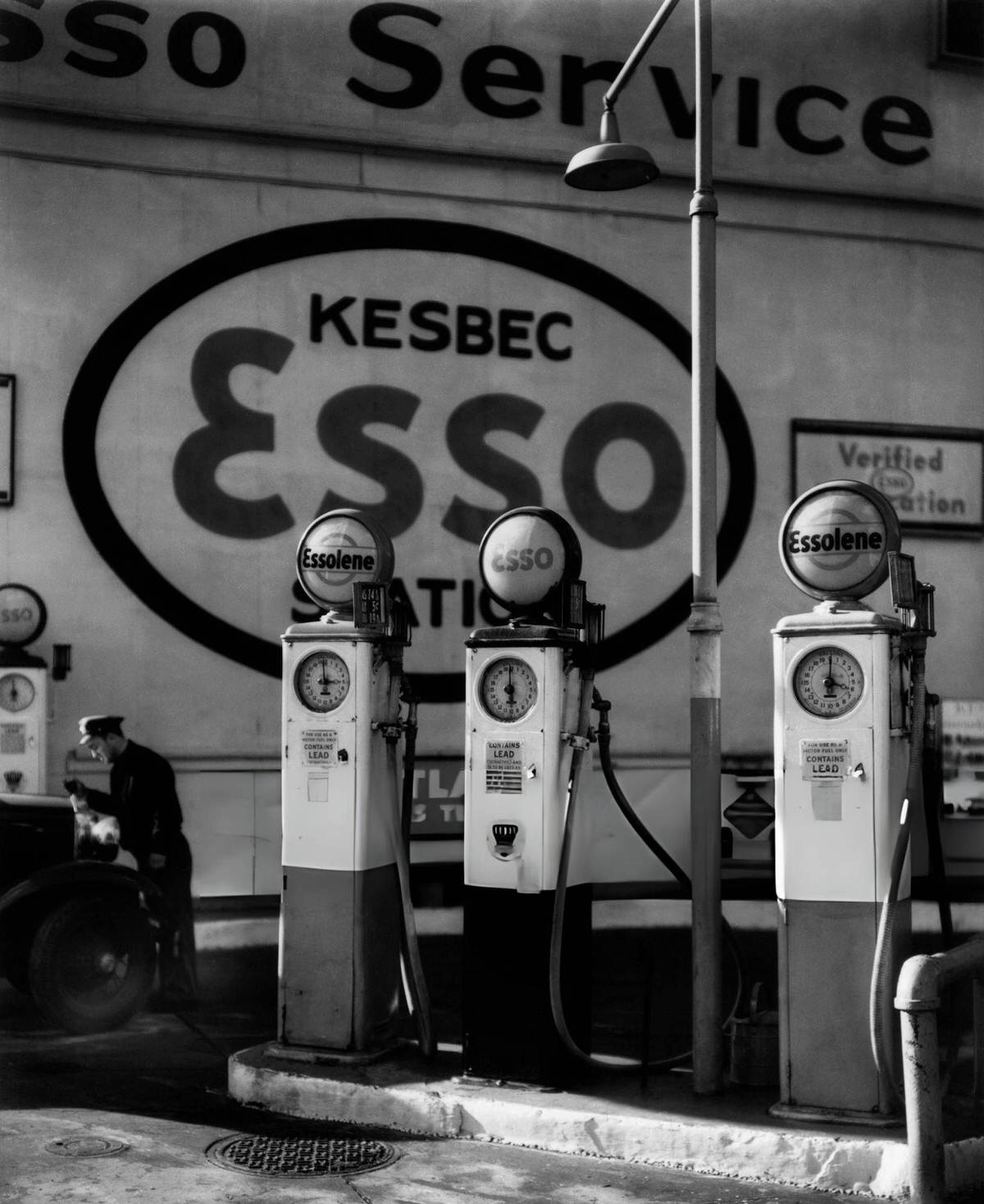
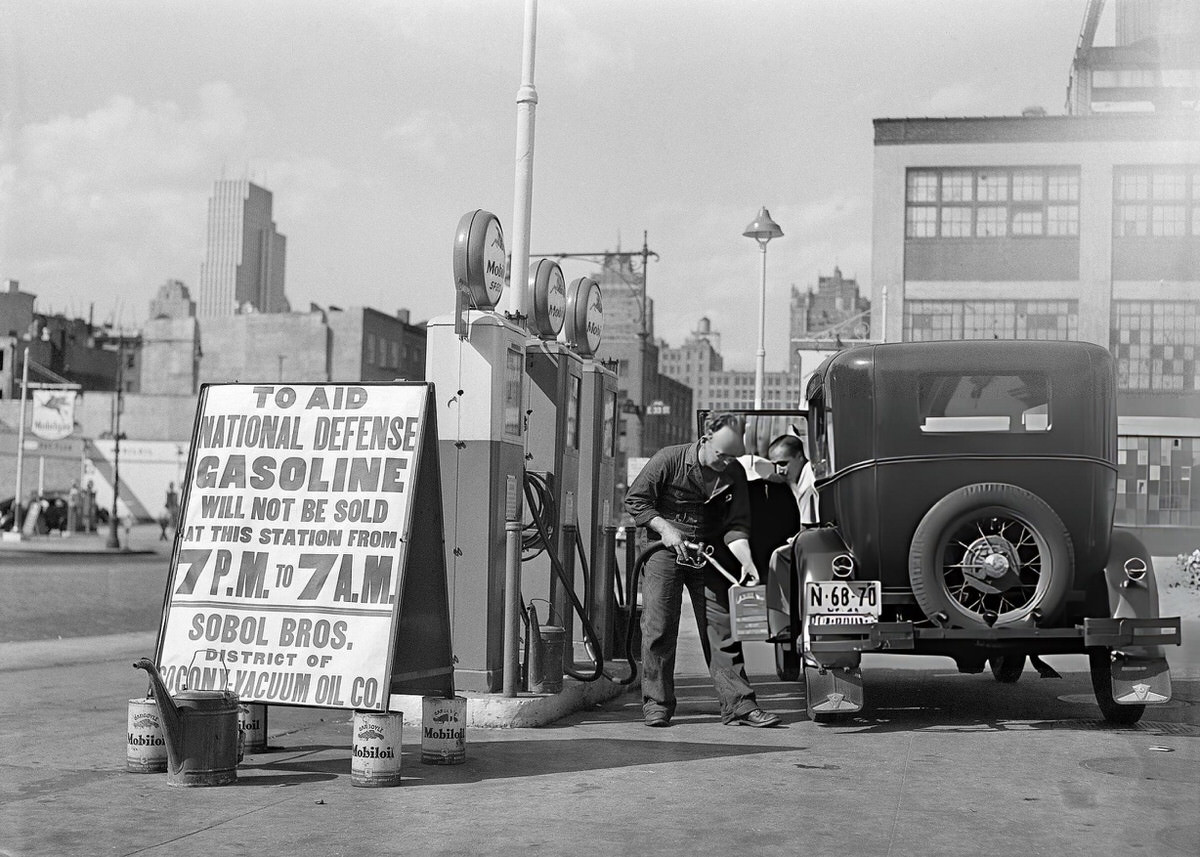
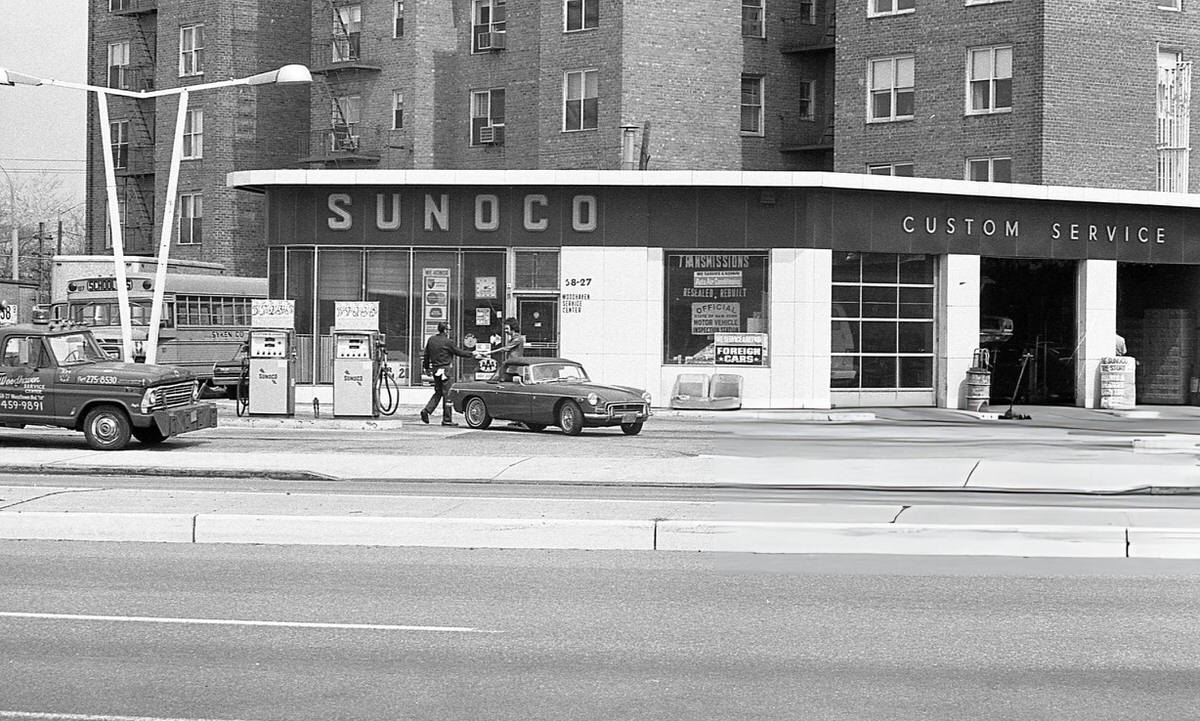
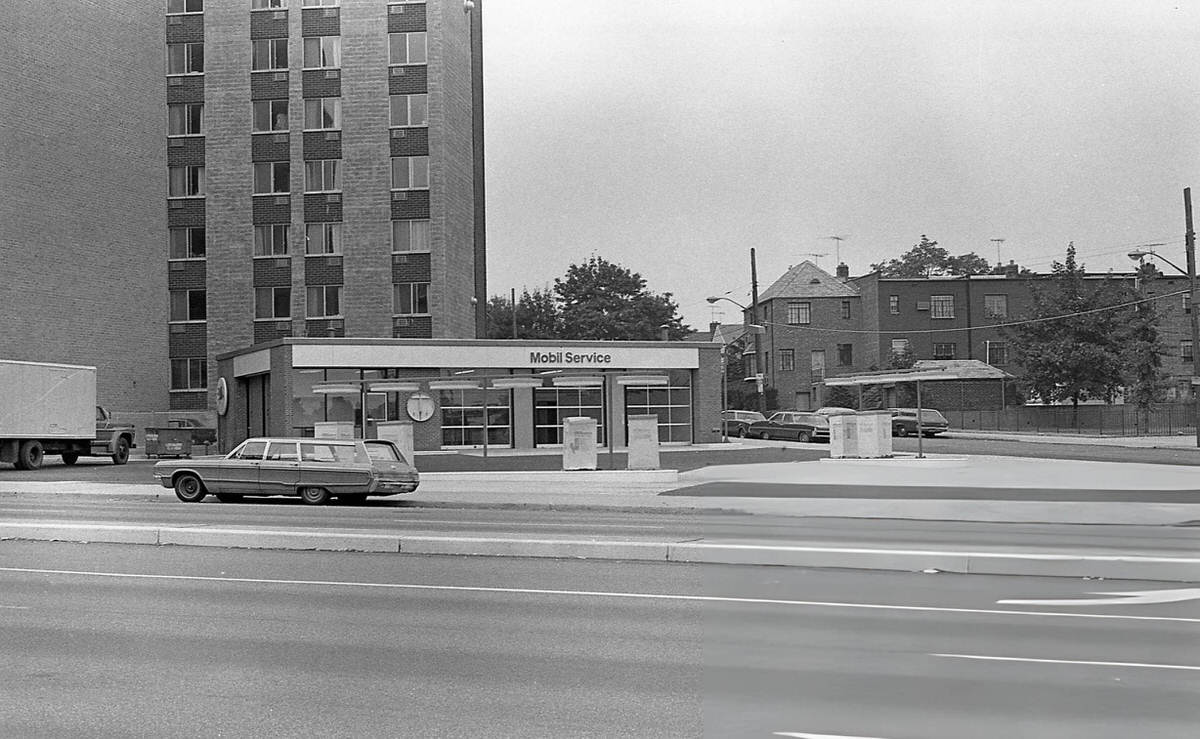
Socony — later called Mobil — had an enormous presence across New York. The flying red horse logo was everywhere. Esso was dominant in the outer boroughs, especially in working-class neighborhoods in the Bronx and Staten Island. Texaco pushed hard on service, training their attendants to clean windshields, check oil, and check tire pressure without being asked. That full-service model was not just a perk — it was the standard. Self-service did not exist in New York until the 1970s, and even then it came slowly.
The Golden Age: 1940s and 1950s
The postwar boom made the gas station one of the most profitable small businesses in the city. Returning veterans bought cars. Families moved into the new housing developments in Queens and the Bronx and Staten Island. Robert Moses was cutting highways through the boroughs and building parkways out to Long Island, and every one of those roads brought more traffic. Stations expanded. The best of them added full repair shops, tire centers, and waiting rooms with vending machines and folding chairs.
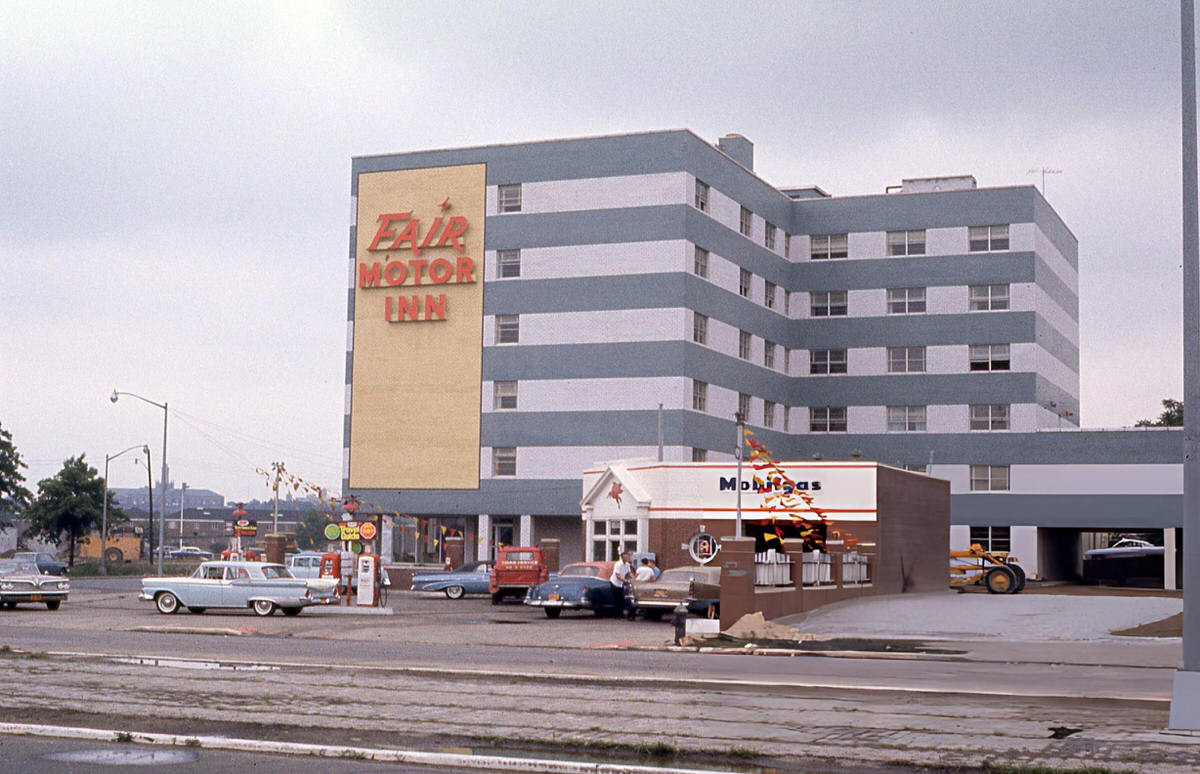
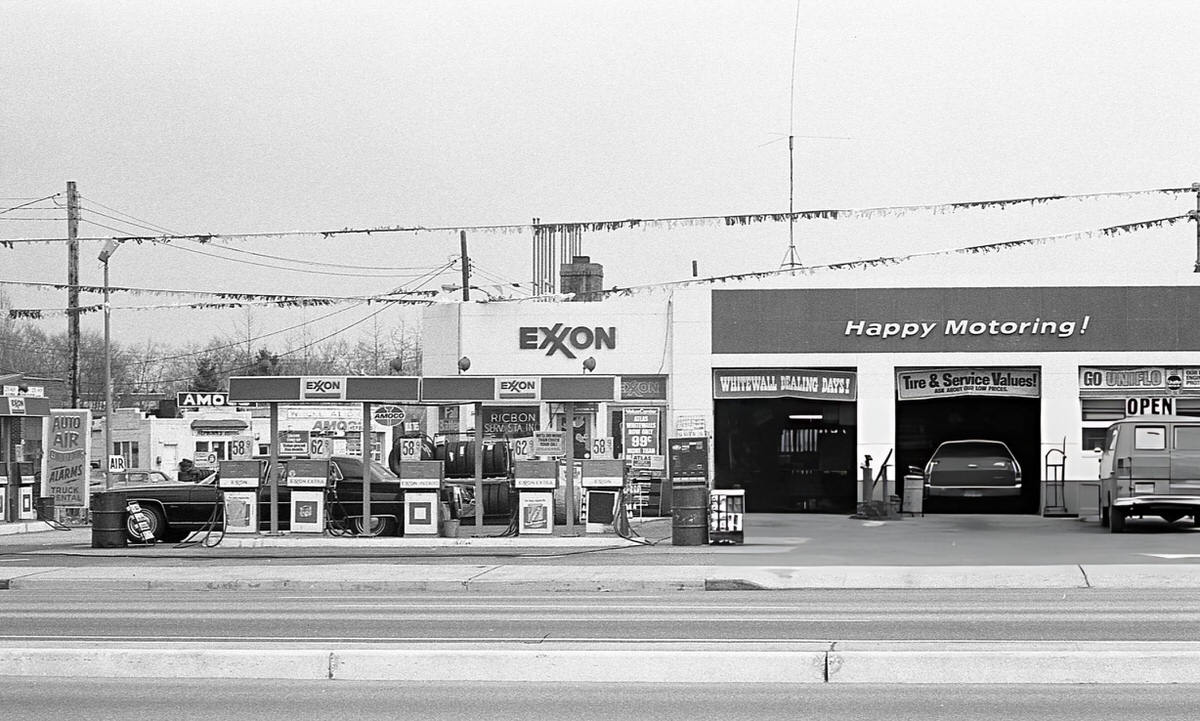
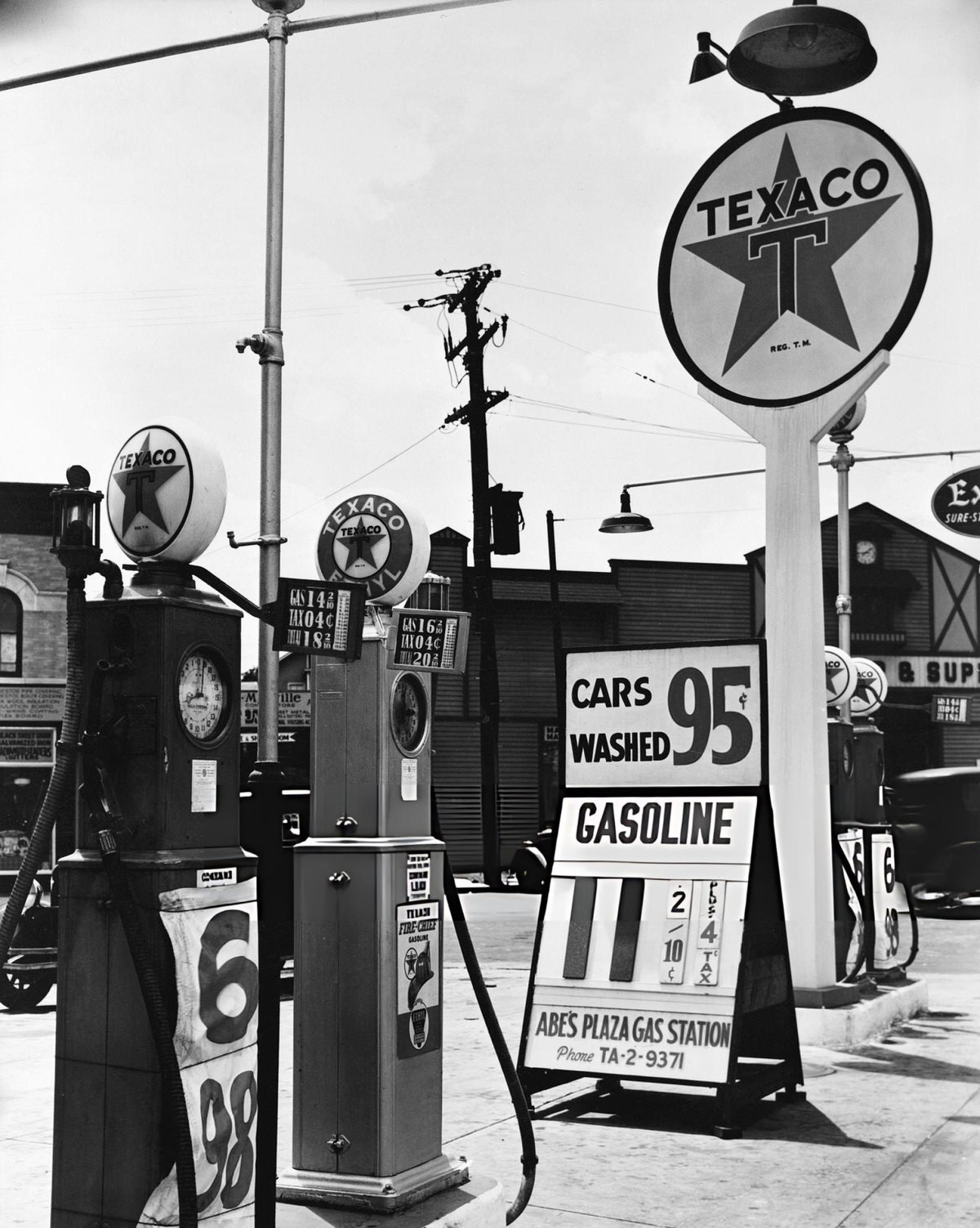
The architecture of the 1950s station was something else entirely. The major oil companies hired serious designers to build stations that looked modern — cantilevered canopies, glass-and-steel service bays, neon signs that glowed red and green into the night. Texaco’s “Texaco Star” design, with its porcelain enamel panels and crisp white trim, became one of the most recognizable commercial facades in the city. These were buildings with real design intentions behind them.
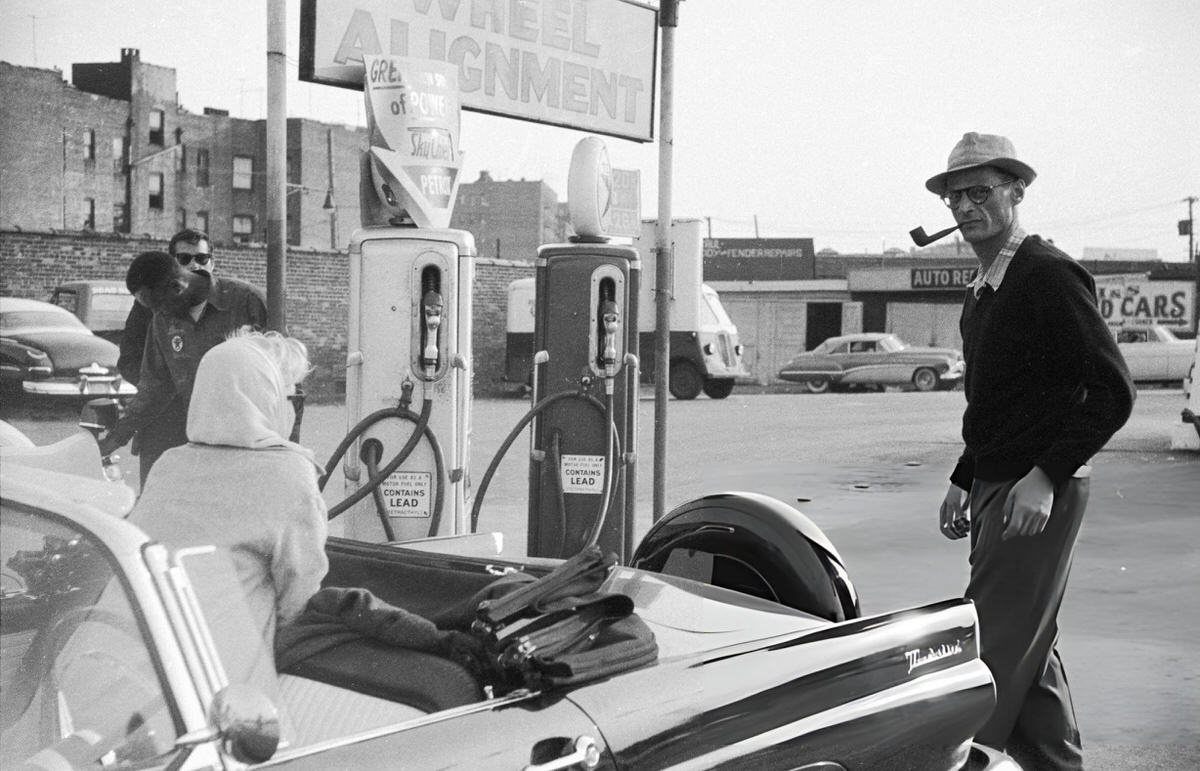
The men who worked these stations were a specific New York type. Most were white, Italian or Irish, from the neighborhood. They wore grey or blue uniform shirts with their first name stitched on a patch. They knew their regular customers by name, by car, and often by the sound of the engine from half a block away. A customer who came in with a knocking rod or a slipping transmission got an honest assessment and a fair price — or they got steered to someone else who could handle it. Reputation was everything on a neighborhood block.
Manhattan’s Unusual Station Life
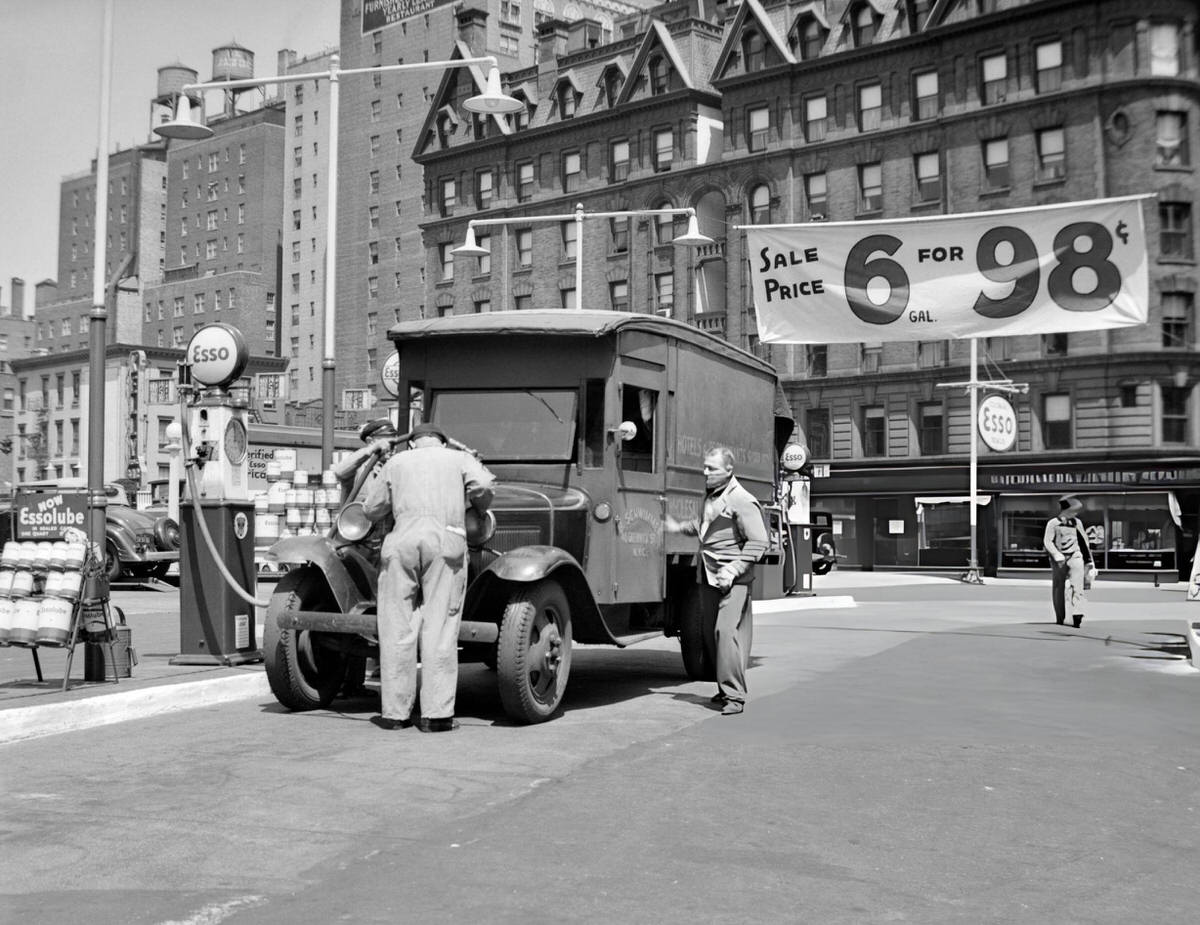
Manhattan was its own world. Land pressure meant that stations on the island occupied spaces that would have been unworkable anywhere else. There were stations built into the ground floors of parking garages on the West Side Highway. There were stations jammed under the Third Avenue El before the elevated train came down in 1955. There were tiny single-pump operations on sliver lots in the West Village and Turtle Bay that served a regular book of taxi drivers and delivery men rather than private car owners.
The cabbies were crucial to Manhattan’s fuel economy. Yellow cabs ran around the clock and burned through gas at a rate that kept multiple stations profitable on routes between the garages in Hell’s Kitchen and the West 50s. The stations that catered to fleet vehicles — taxis, ambulances, delivery trucks — ran differently from neighborhood stations. Volume was everything. Speed mattered more than service chat. The attendants moved fast and the pumps ran almost without stopping during the morning and evening shifts.
The 1960s: Pressure Builds
The 1960s brought the first real squeeze on New York’s gas stations. The city was changing underneath them. Neighborhoods that had been stable for decades began turning over rapidly. Urban renewal knocked down whole blocks in the South Bronx, East Harlem, and parts of Brooklyn, taking gas stations with them. Real estate values in certain corridors shot up faster than a station’s revenue could justify, and owners started selling to developers.
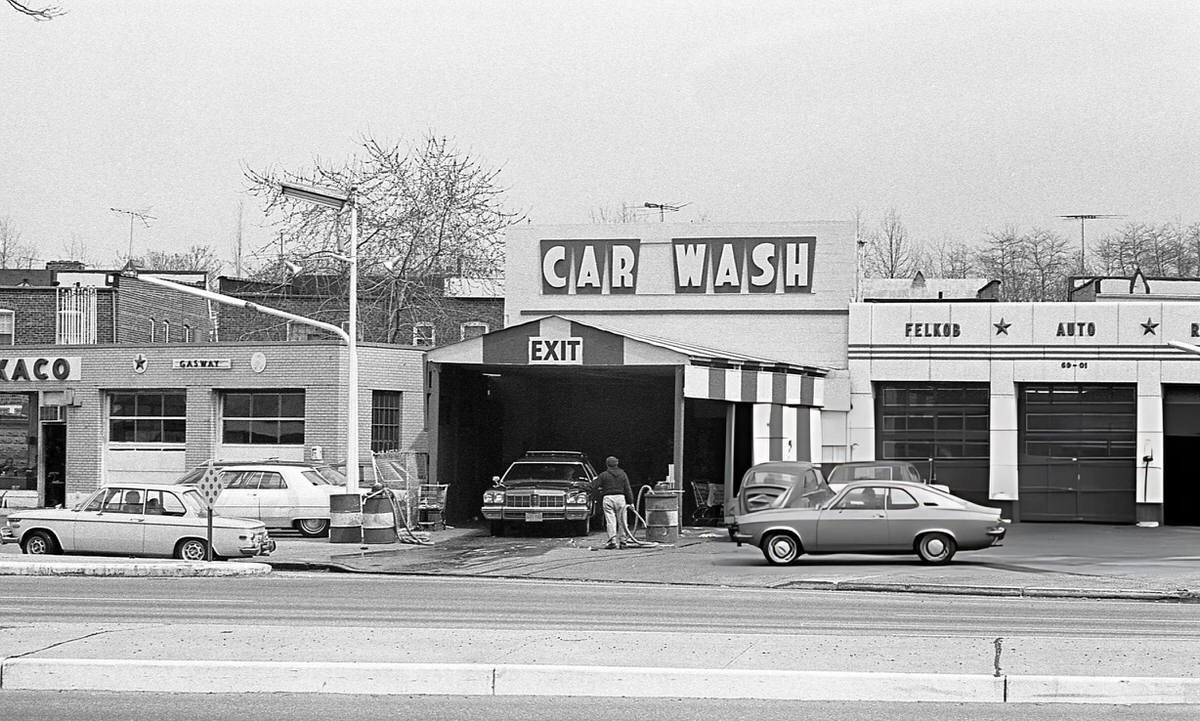
At the same time, the cars themselves were changing. The big American sedans of the 1950s gave way to slightly smaller models, but they were still thirsty engines running on leaded regular. Fuel additives and engine technology meant that not every car needed a full tune-up at every oil change, which cut into the service revenue that stations depended on as much as fuel sales. Some owners responded by specializing — going deep on transmission work or tires or body repair rather than trying to do everything.
The environmental movement also started to make noise in this decade. Leaded gasoline was coming under scrutiny. The oil companies were being pushed by regulators and activists. Nothing changed overnight, but the conversations happening in Washington were the first tremors of the earthquake that hit in the 1970s.
The 1973 Oil Crisis and Its Aftermath
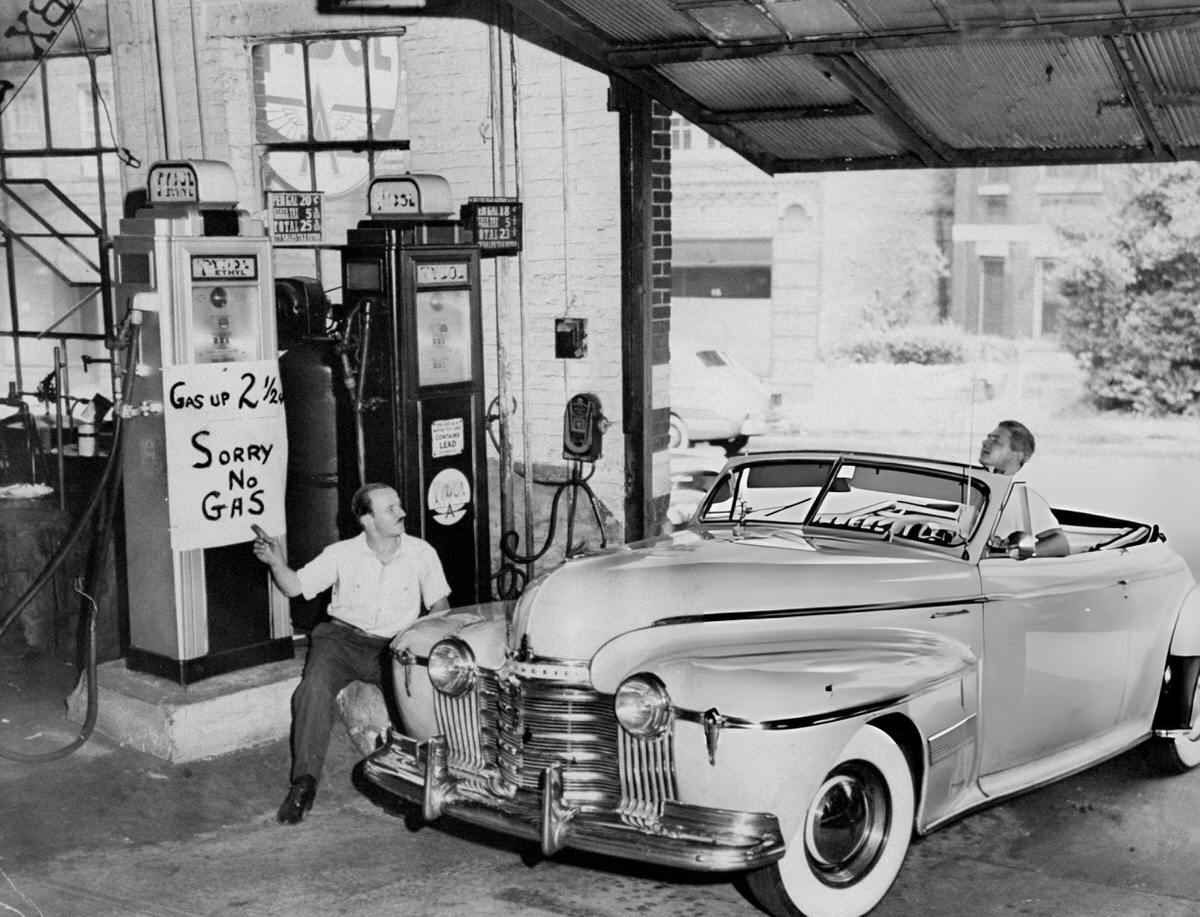
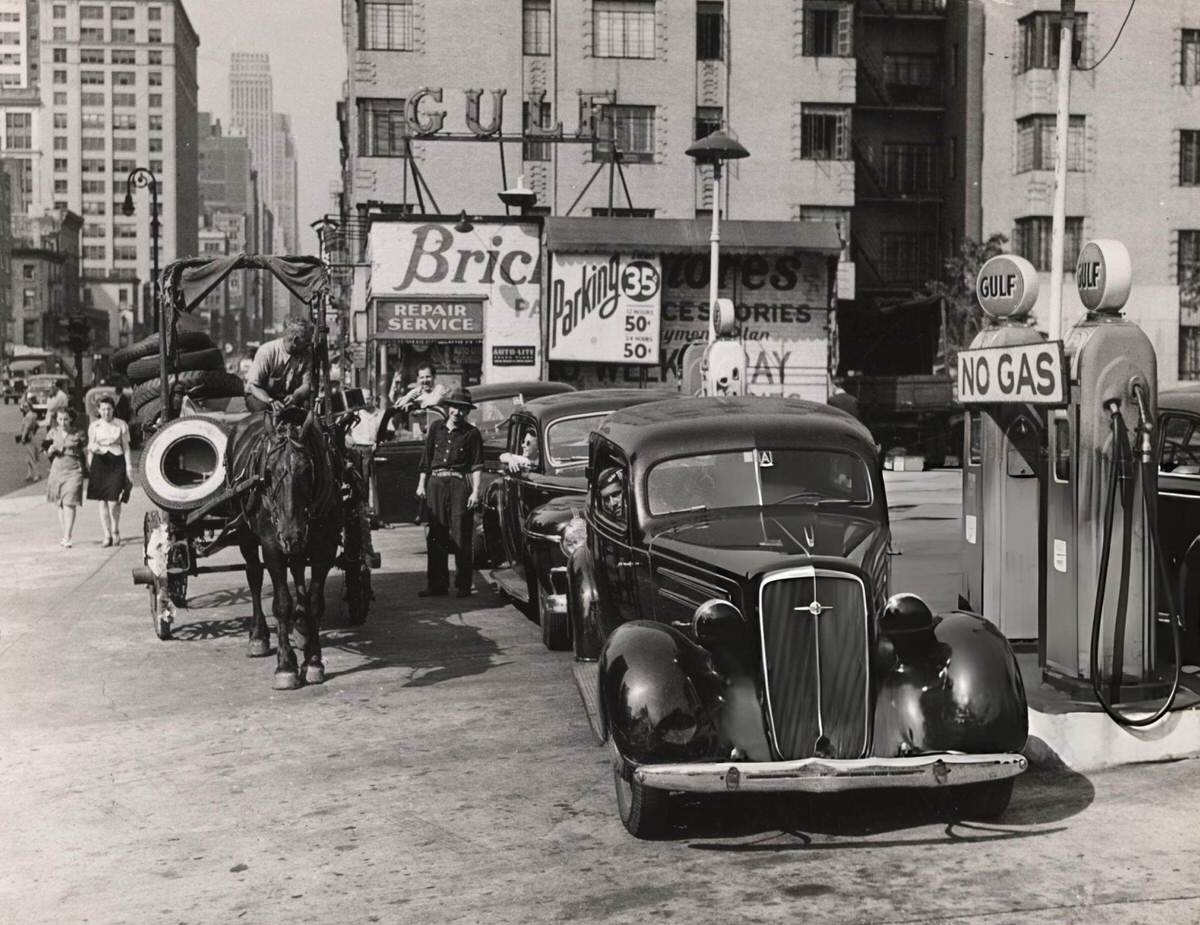
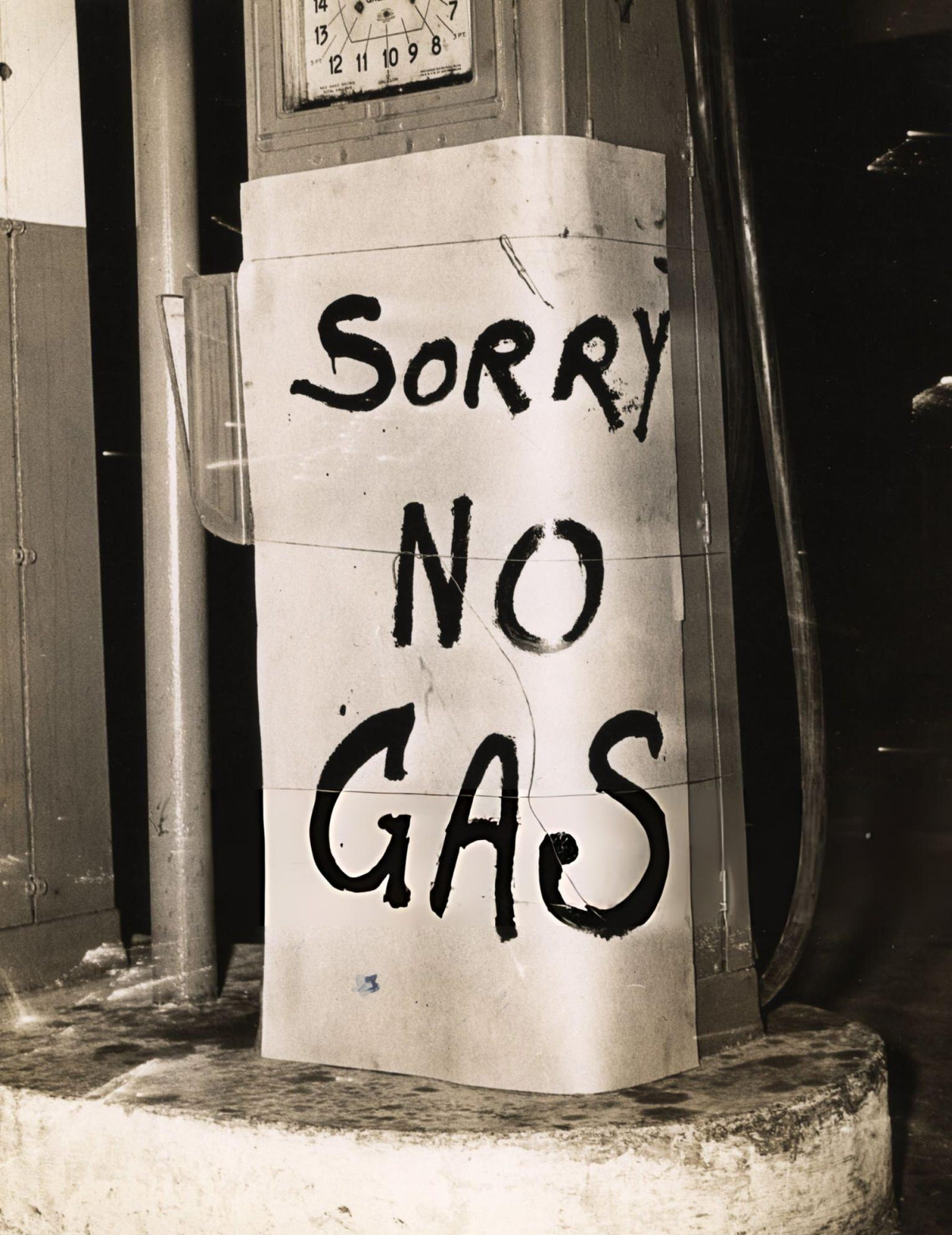
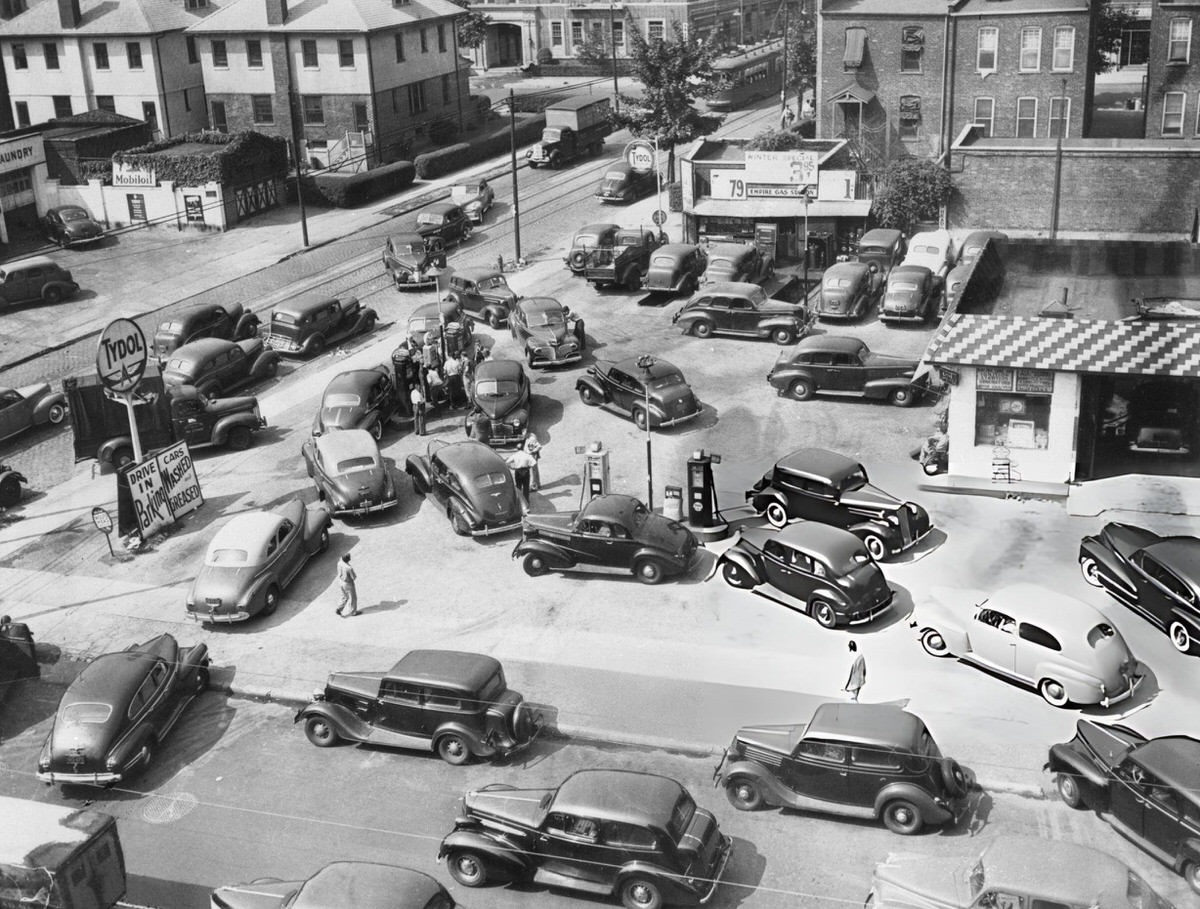
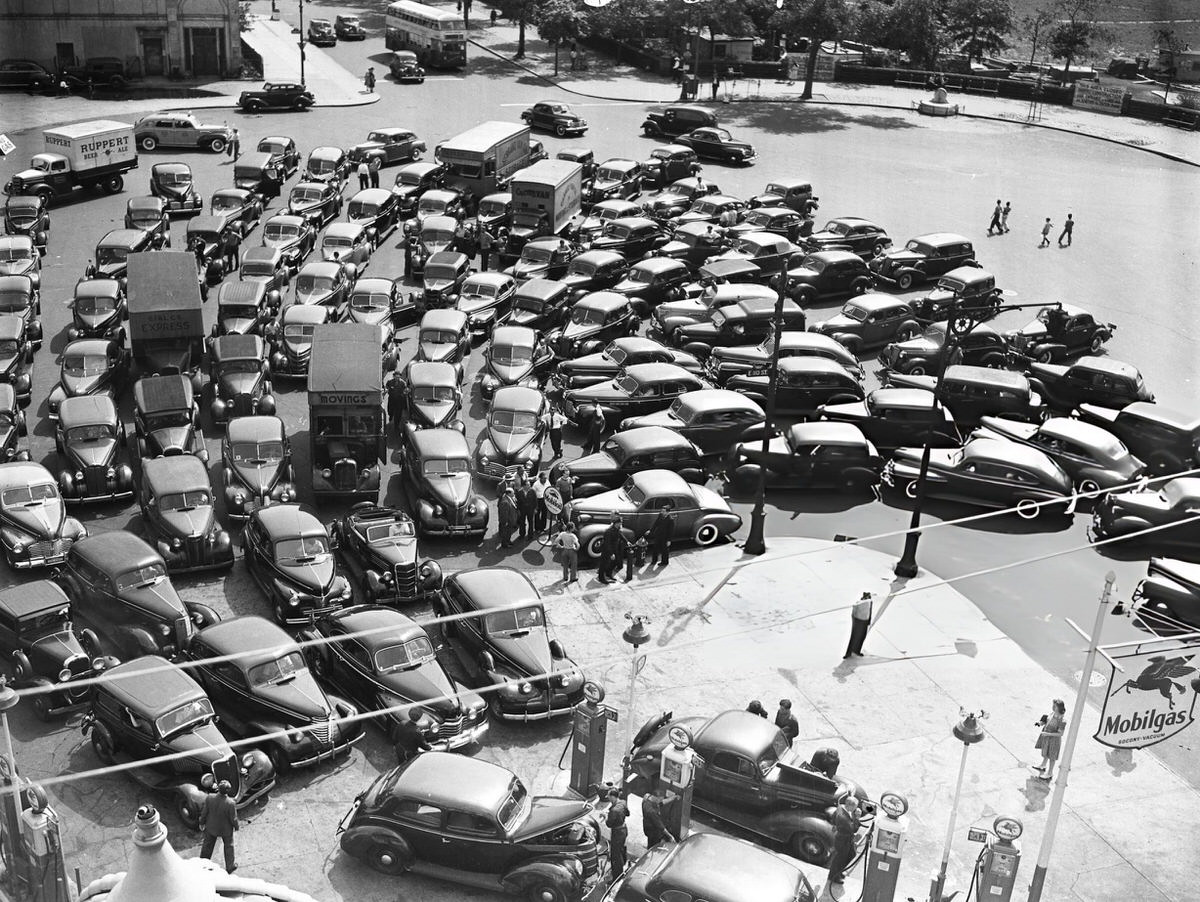
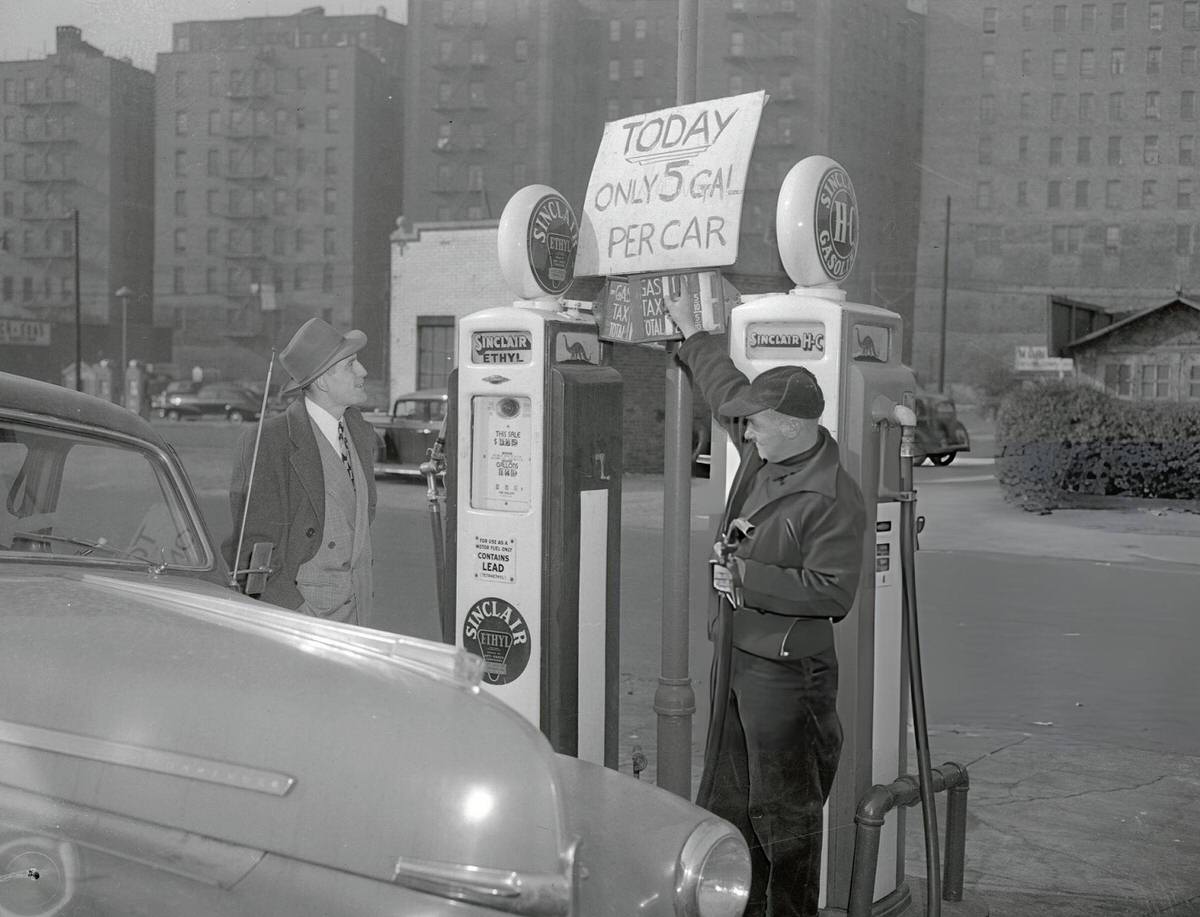
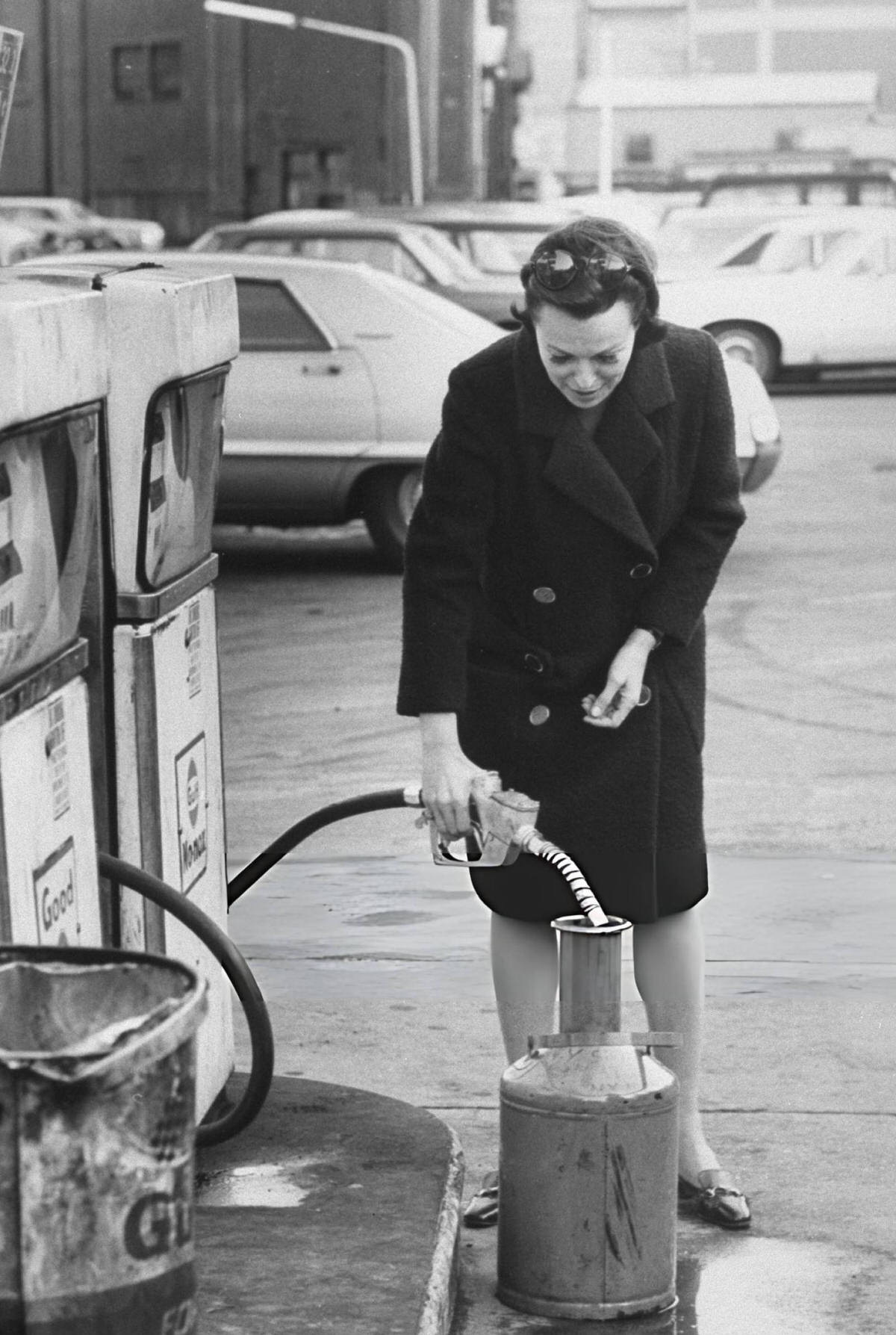
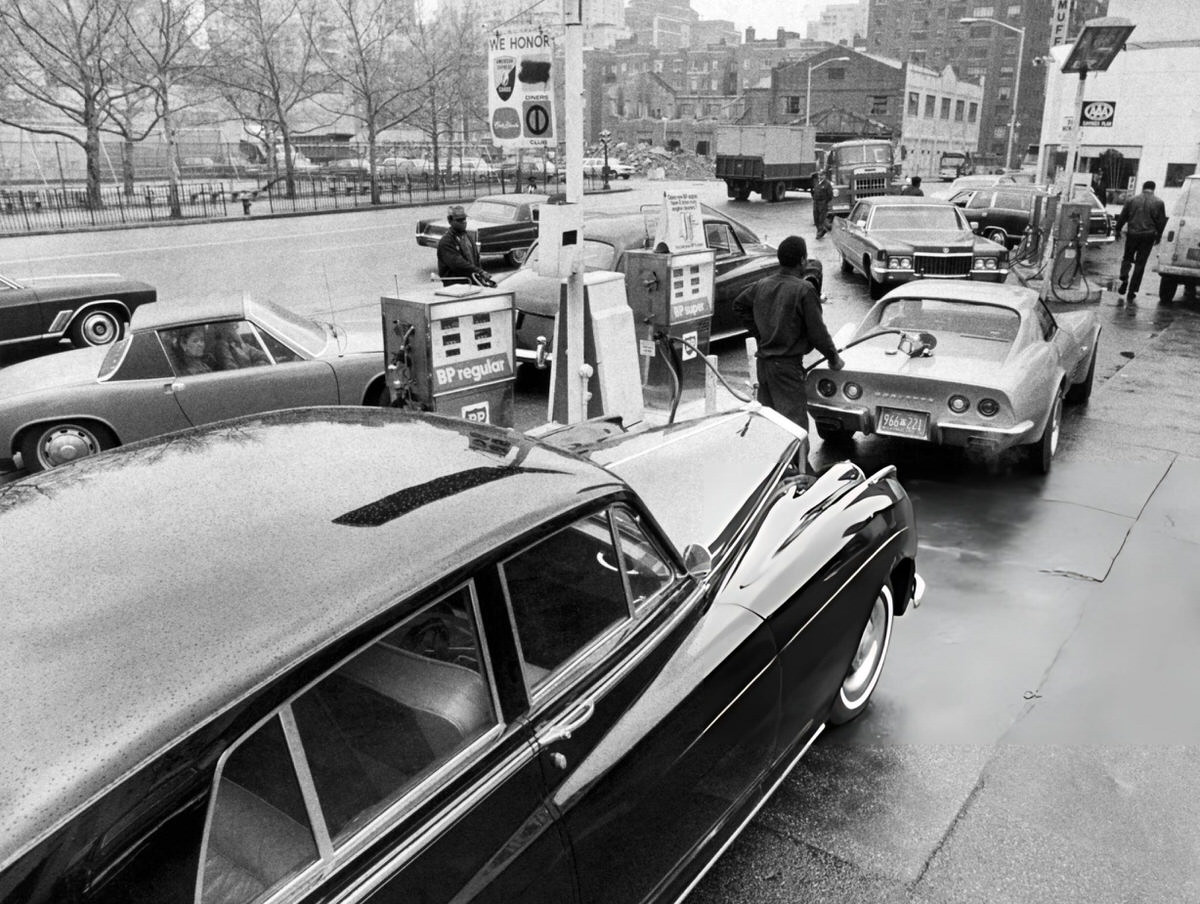
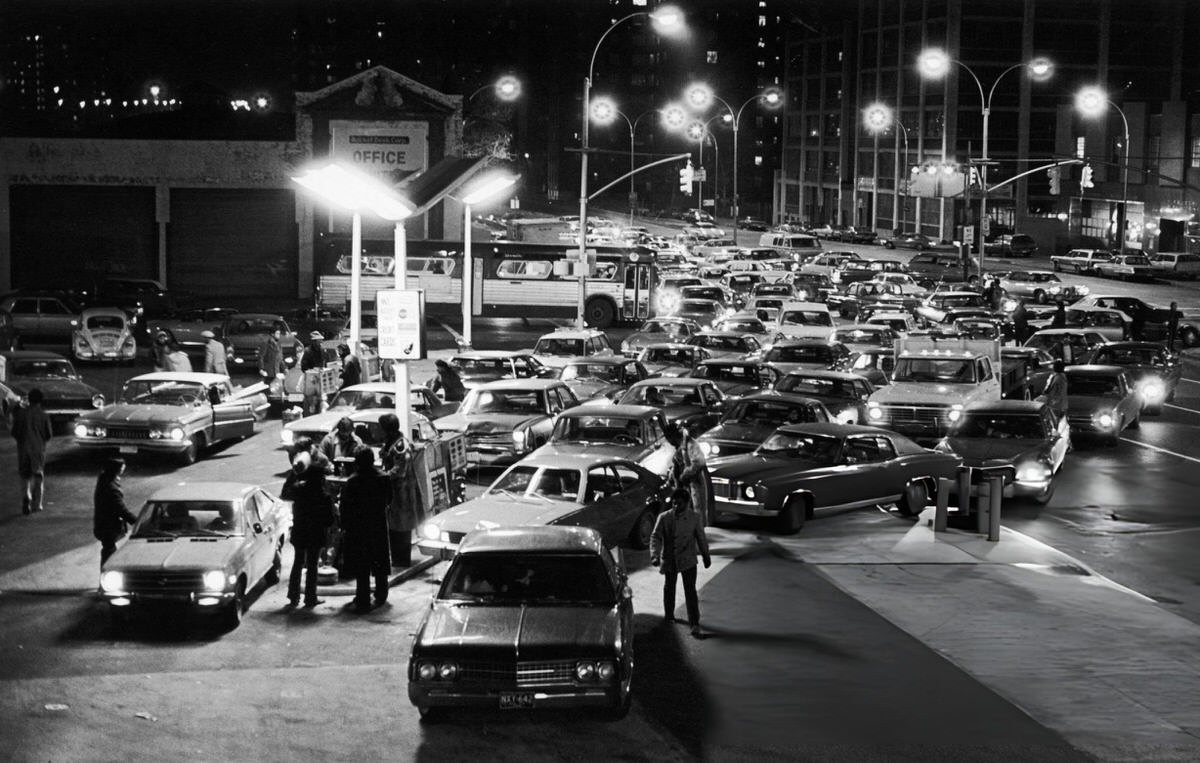
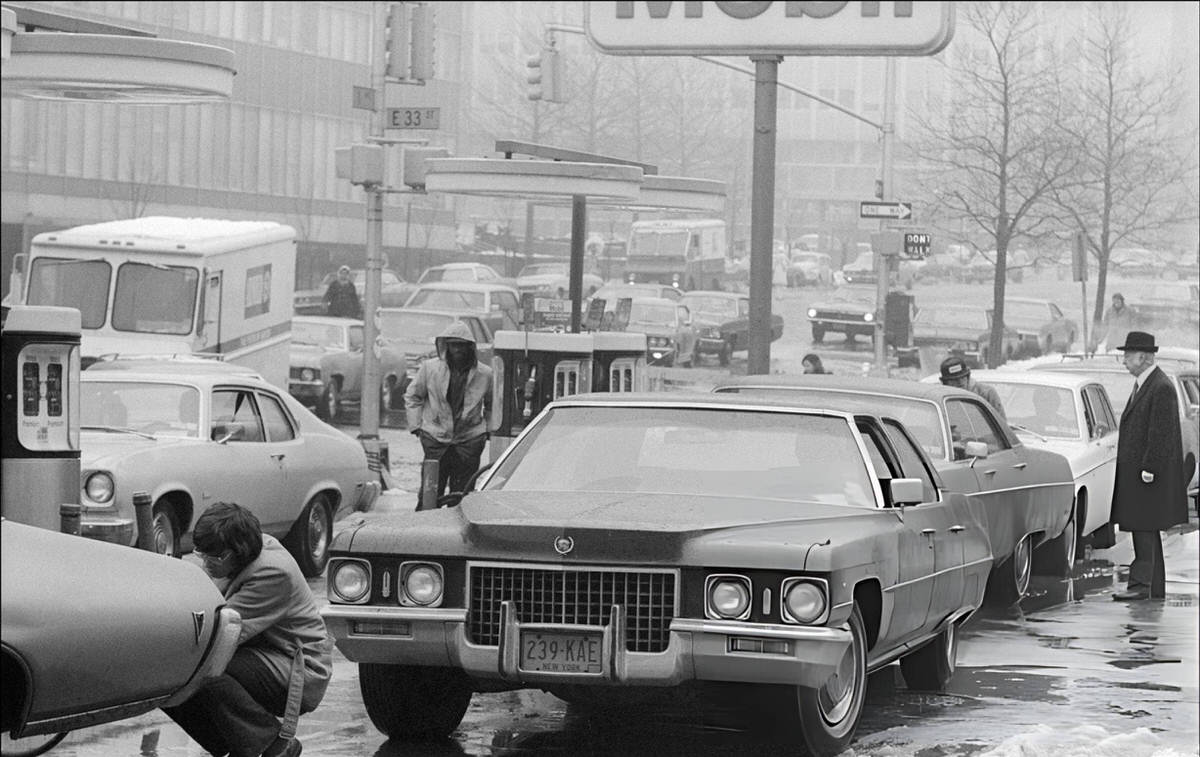
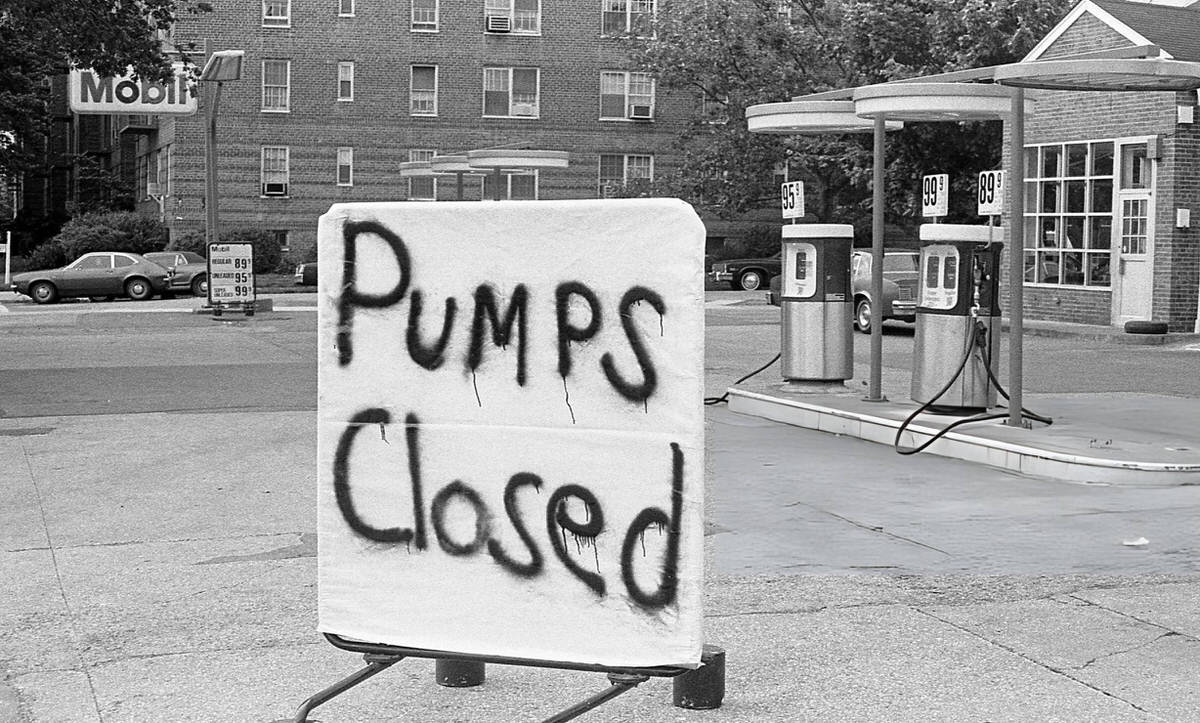
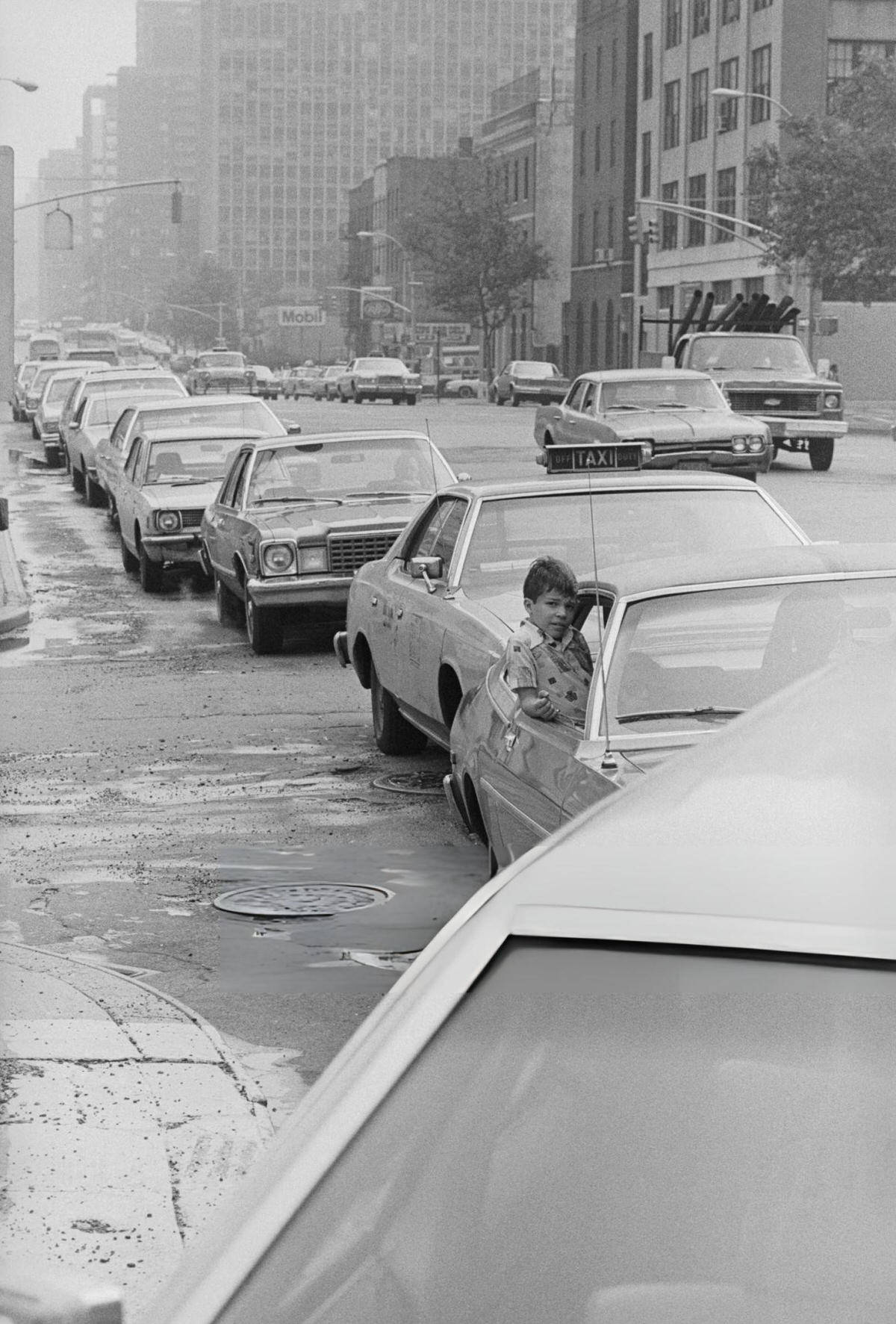
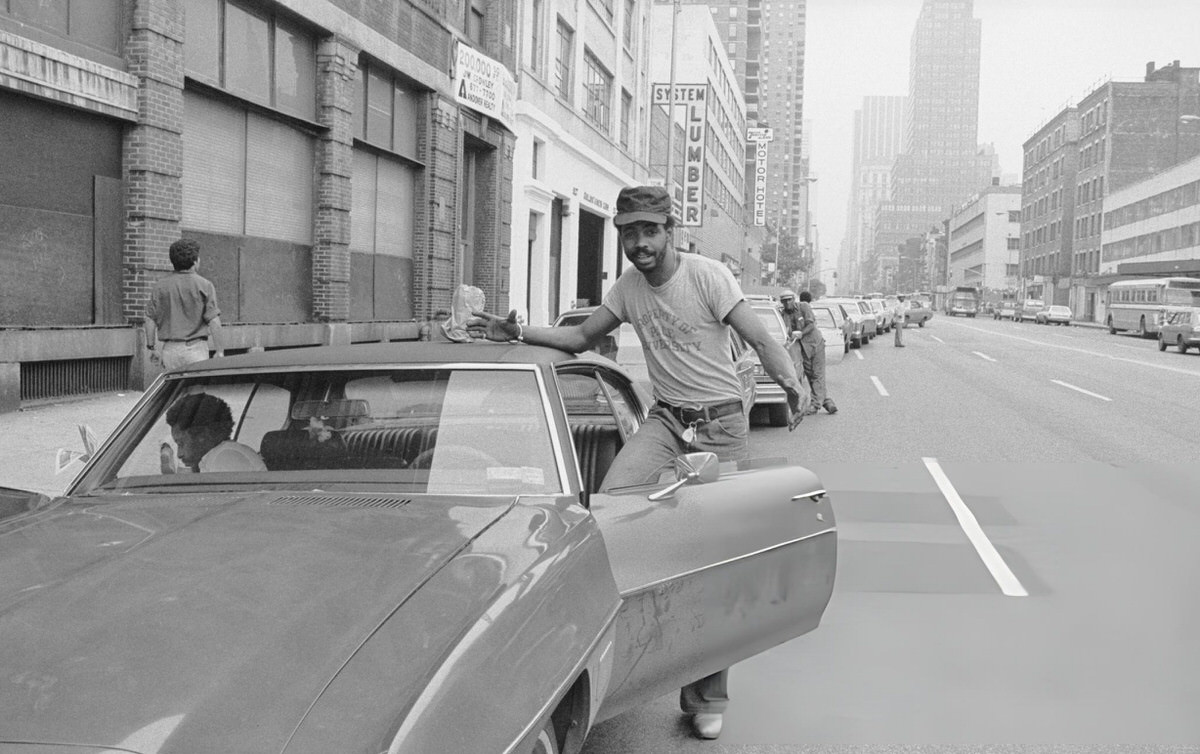
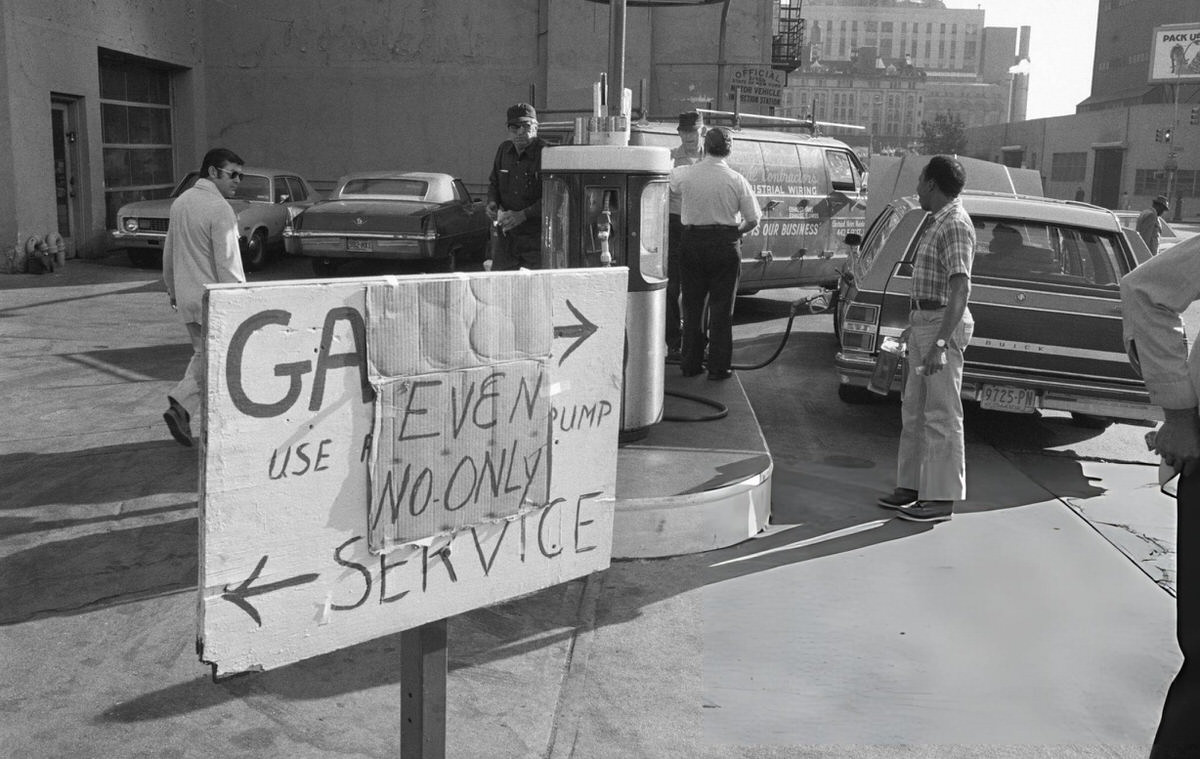
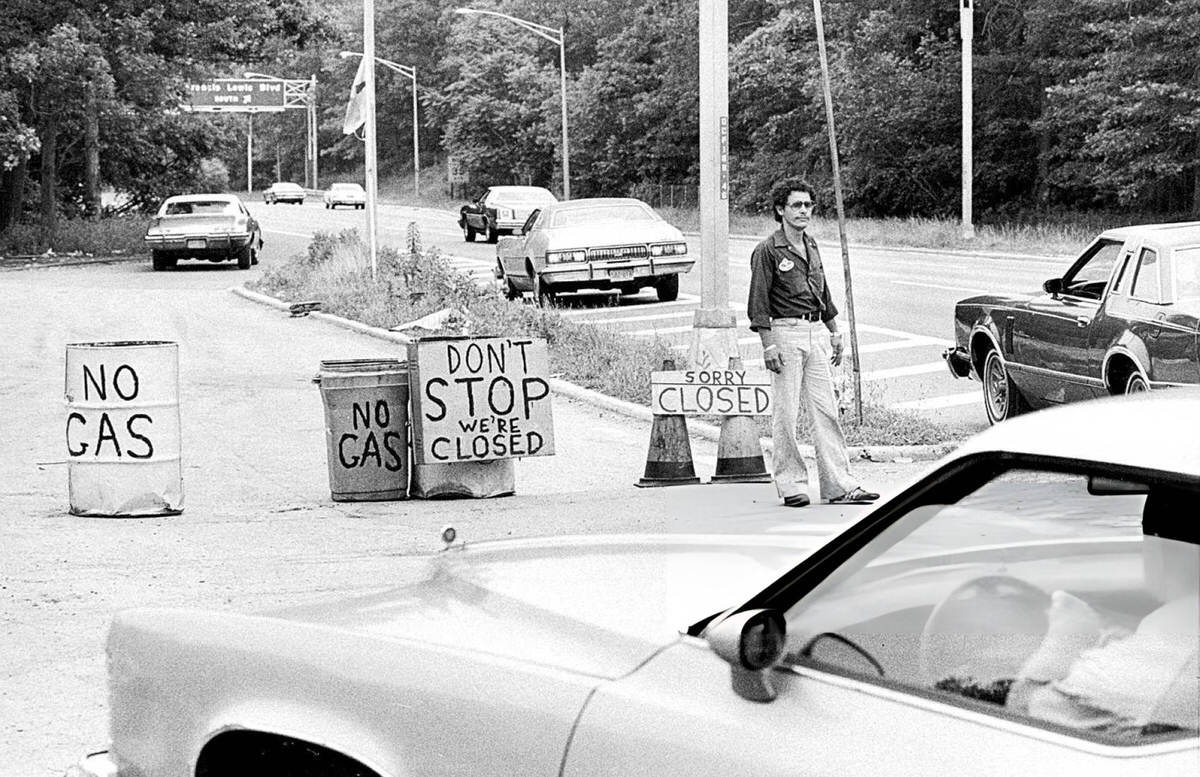
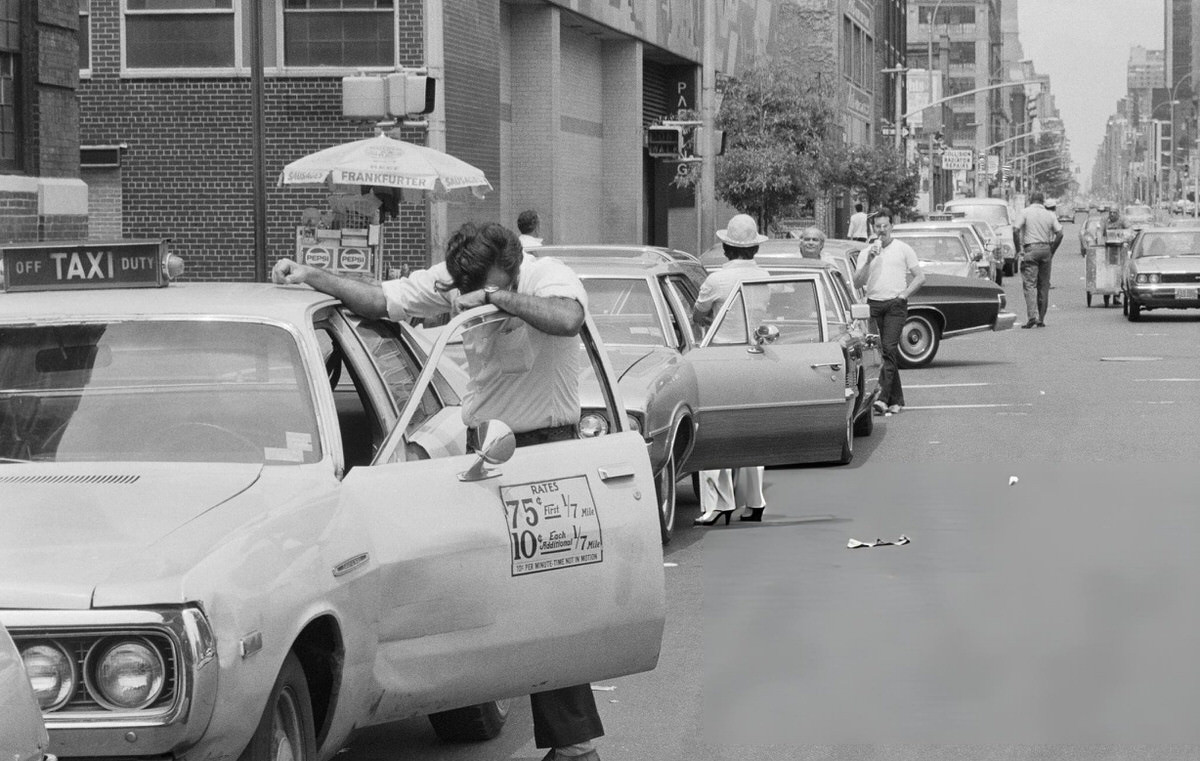
October 1973. The Arab members of OPEC cut off oil exports to the United States, and within weeks the city felt it. Gas prices doubled. Lines at stations stretched around the block and down the street. New Yorkers sat in their cars for two and three hours waiting for a pump. Some stations ran out before noon and closed for the day. The city imposed odd-even rationing — if your license plate ended in an odd number, you bought gas on odd-numbered calendar days; even plates on even days. It was chaos, and it lasted for months.
The stations that had the deepest relationships with their customers held their ground. The ones that tried to gouge or turn away regular clients lost those clients permanently. The crisis accelerated a shift that had already been happening — toward smaller, more fuel-efficient cars — and it permanently changed New York drivers’ relationship with the pump. Fuel was no longer cheap and abundant. It was something to be managed.
A second oil shock hit in 1979, following the Iranian Revolution. This one was in some ways worse because it came after drivers had already adjusted their habits once and assumed the worst was over. Prices spiked again. More independent stations went out of business, unable to absorb the volatility in wholesale fuel costs. The era of the large, multi-bay, full-service neighborhood station was effectively ending.
Self-Service Arrives — and Changes Everything
New Jersey banned self-service gas stations and still bans them to this day. New York took the opposite path. Self-service pumps started appearing in the city in the mid-1970s, initially offering a lower price per gallon to drivers willing to pump their own. The savings were real — several cents per gallon at a time when every cent counted. New Yorkers, practical as always, went for it.
The shift gutted the attendant workforce. A station that had employed four or five men full-time now needed one person sitting in a bulletproof booth to collect money and watch the cameras. The social fabric of the station — the banter, the neighborhoods news exchanged at the pump, the mechanic who remembered your car — frayed rapidly. The station became a transaction point rather than a gathering spot.
Those bulletproof booths became their own symbol of the 1970s city. New York was at its most dangerous during this decade, and the cash-heavy nature of fuel retail made stations targets. The booth was not paranoia — it was a rational response to a real threat. Attendants had been robbed. Some had been shot. The booth was a survival feature that said everything about the condition of the city at the time.
The Boroughs in the Late 1970s and 1980s
By the late 1970s, the distribution of gas stations across the five boroughs told the story of the city’s economic geography. The South Bronx, devastated by arson and abandonment, had lost most of its stations. The ones that remained on major thoroughfares like Boston Road or Southern Boulevard served a much smaller customer base and operated under very different conditions than stations in stable neighborhoods. Queens and Staten Island, which had continued to grow as car-dependent suburbs in all but name, retained a healthier density of stations. Bay Ridge in Brooklyn, Flushing in Queens, and the North Shore of Staten Island all had active stations well into the 1980s that looked and operated much as they had in the 1960s.
Manhattan was thinning out. The West Side Highway stations that had served the heavy truck and cab traffic were closing as the highway itself fell apart — literally. A section of the elevated roadway collapsed in 1973, and the long, slow death of the structure took the commercial ecosystem around it down with it. Midtown held on because the density of traffic made it viable, but the romantic notion of the Manhattan corner station was becoming just that — a romance, not a reality.
What the Station Looked Like on the Inside
Walk into the service bay of a working New York gas station in, say, 1965, and your senses hit a wall. The floor is black with decades of grease, swept but never truly clean. The smell is oil and solvent and exhaust, warm and sharp. Cars sit on lifts or over pits, their undersides exposed under drop lights. Tires are stacked against one wall. Parts catalogs — thick as phone books — sit on a wooden shelf above the workbench. A portable radio plays, usually a talk station or a ball game. The mechanics move with the specific efficiency of men who know exactly where every tool is and have never had to think about it.
The waiting area, if the station had one, was minimal. A few plastic chairs. A Coke machine. A rack of fan belts hanging from a pegboard. Maybe a calendar from a parts supplier on the wall. These spaces were not designed for comfort — they were designed for the brief interval between dropping your keys and getting your car back.
Leaded Gas, Unleaded Gas, and the Final Chapter
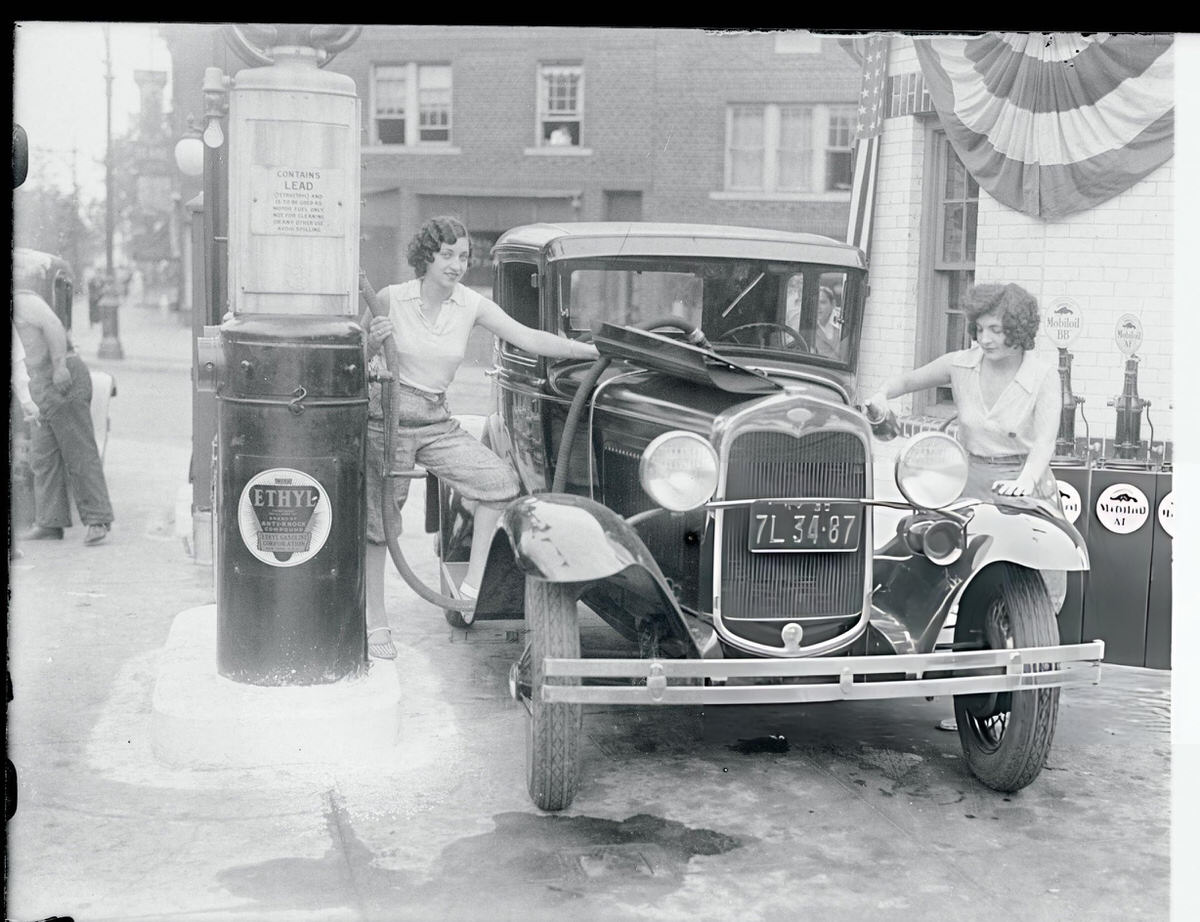
The Clean Air Act of 1970 set the wheels in motion for the elimination of leaded gasoline. Lead had been added to fuel since the 1920s to prevent engine knock, but it was also poisoning the air in every city in America, and urban children were showing elevated lead levels in their blood. New York City’s air was among the worst in the country, and leaded exhaust was a significant contributor.
Unleaded gasoline became mandatory for all new cars starting with the 1975 model year, which required a separate unleaded pump at every station. The transition took until 1986 for leaded gas to be fully phased out of most grades. This was not a small logistical shift — stations had to retrofit underground tanks, add new pumps, and manage two separate fuel supplies simultaneously for over a decade. The smaller operations that could not afford the upgrade closed. The ones that survived were generally the larger, better-capitalized stations or those with long-term leases on valuable corners.
By the mid-1980s, the New York City gas station had been fundamentally transformed. It was smaller, leaner, and more transactional than its predecessors. The full-service model was nearly gone. The multi-mechanic shop had given way to the oil-change chain or the specialized transmission shop. The neighborhood attendant who knew your name and your car was replaced by a minimum-wage worker behind reinforced glass. And the number of stations in the city had dropped dramatically from the peak years of the 1950s.

GIPHY App Key not set. Please check settings