

 Wendy Robert
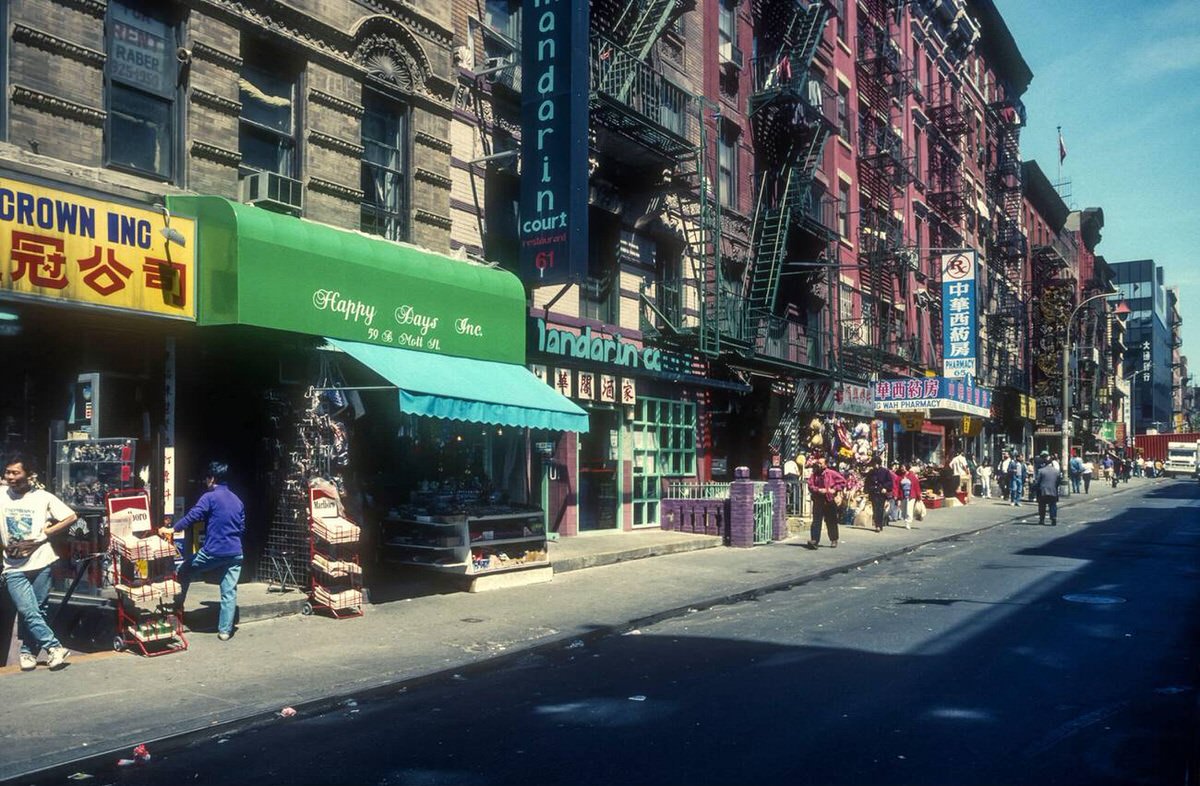
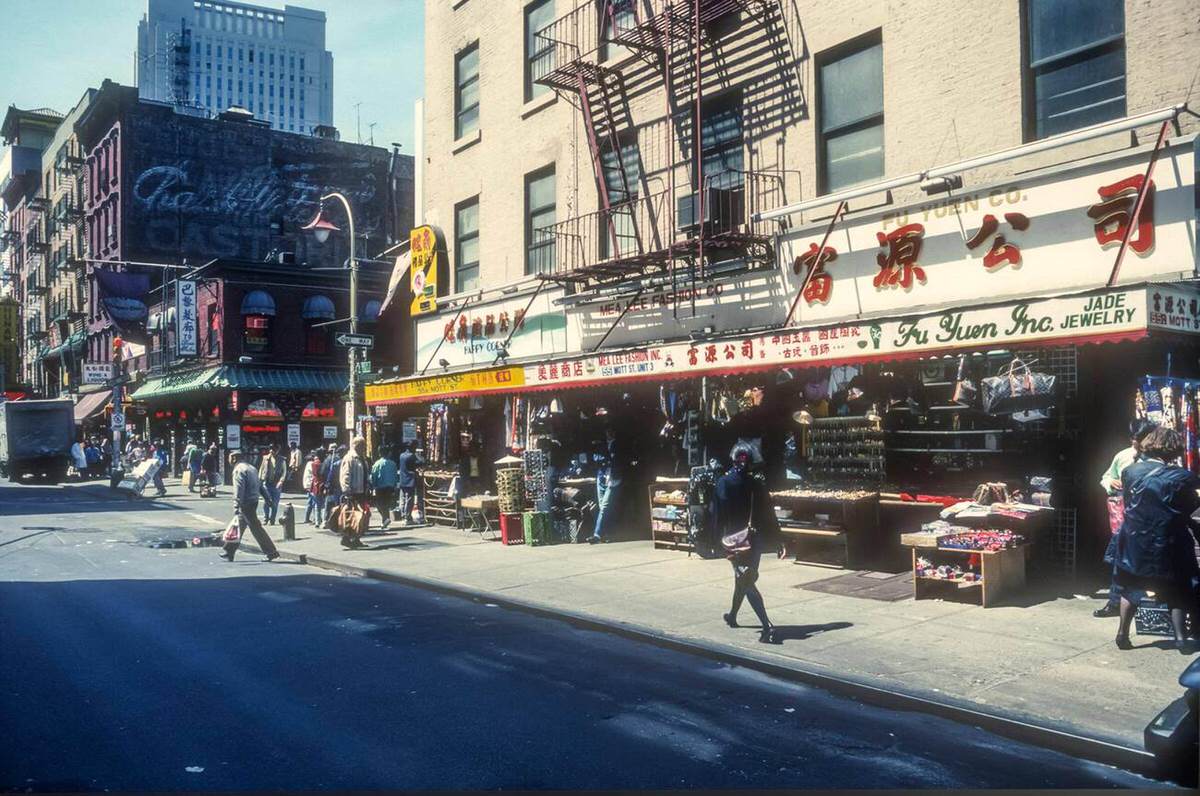
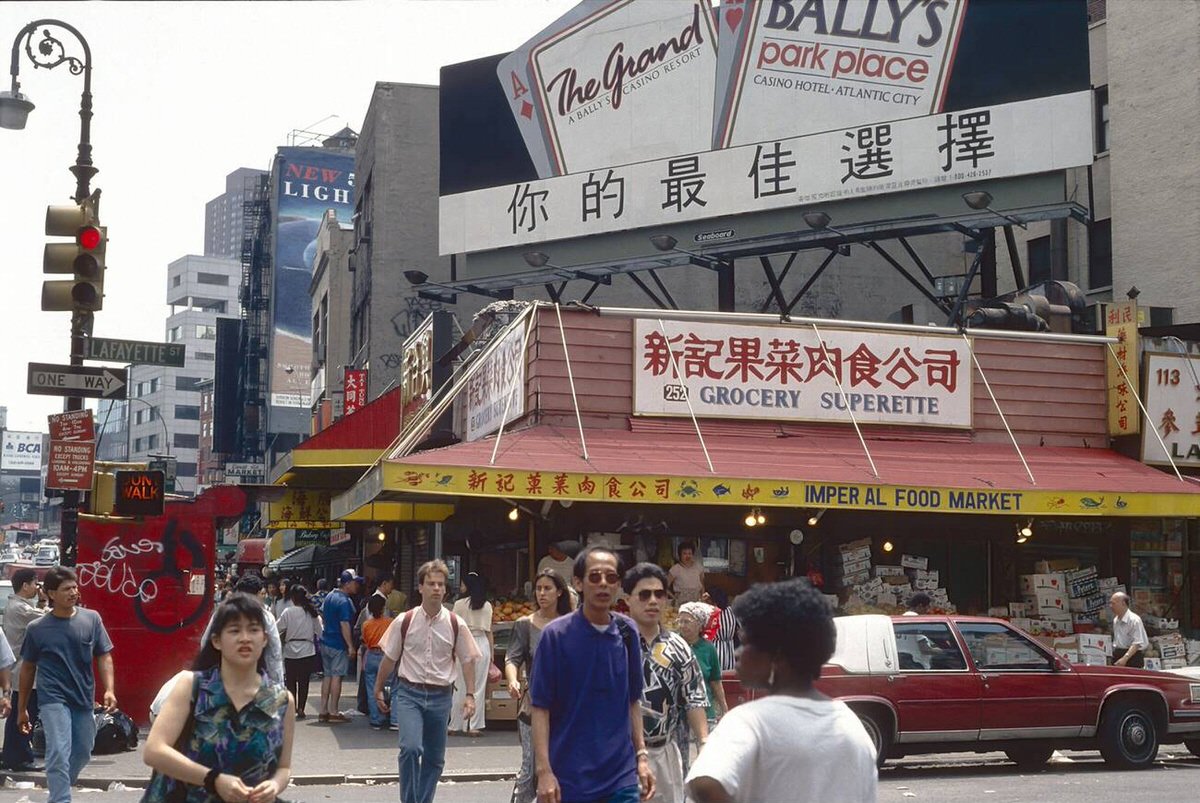
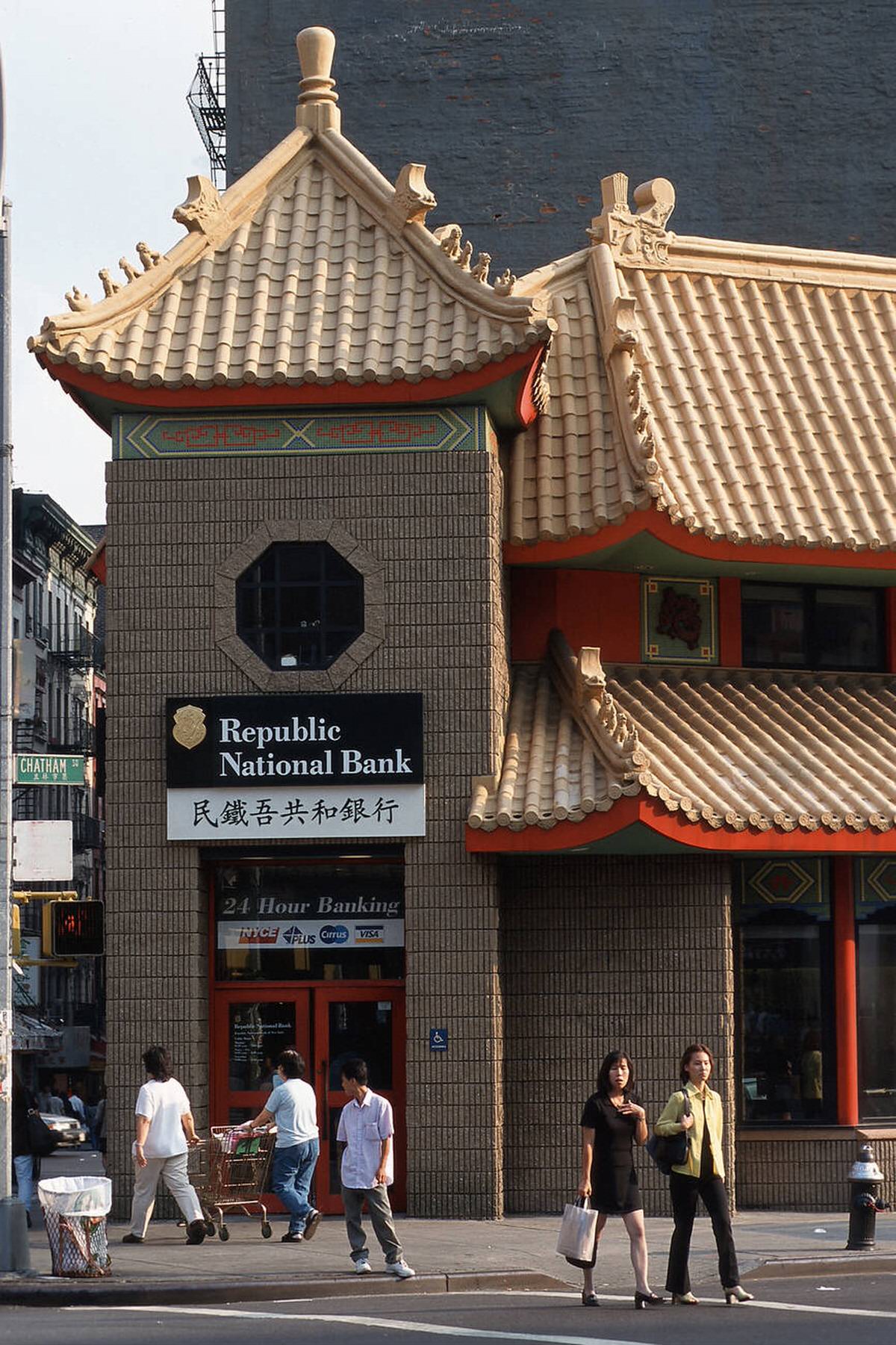
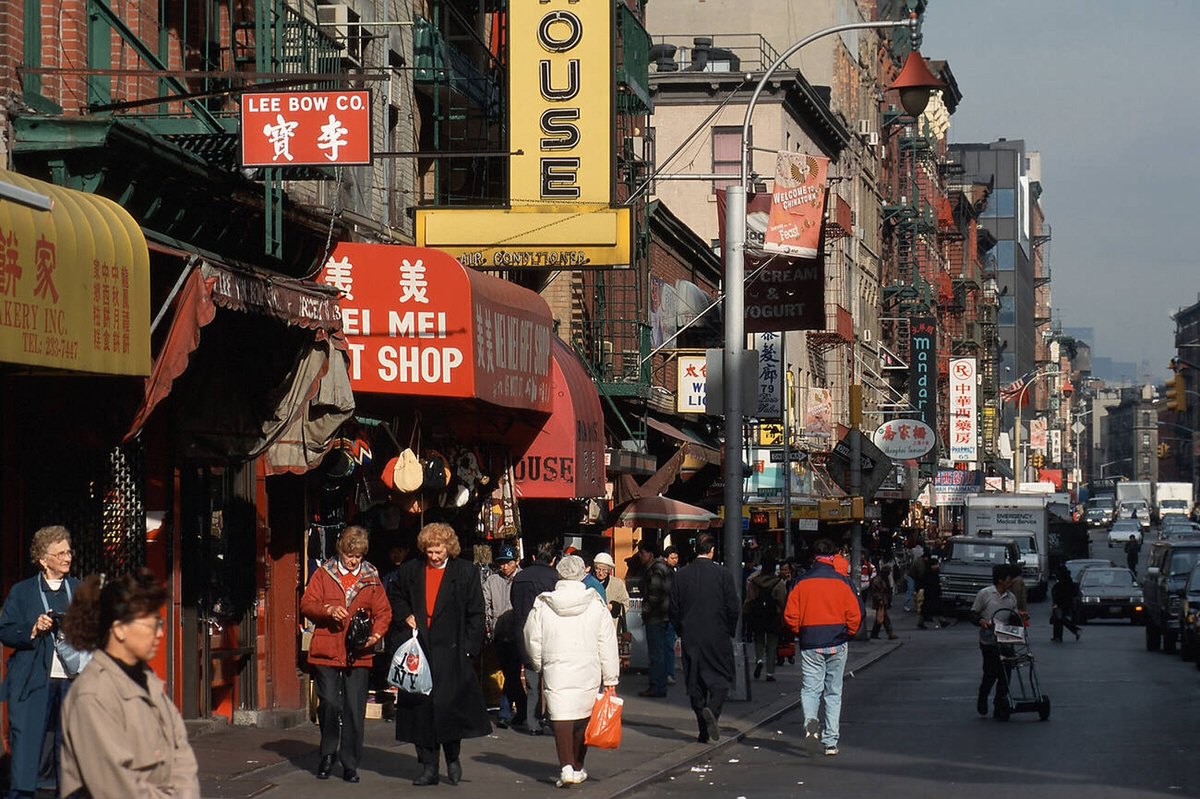
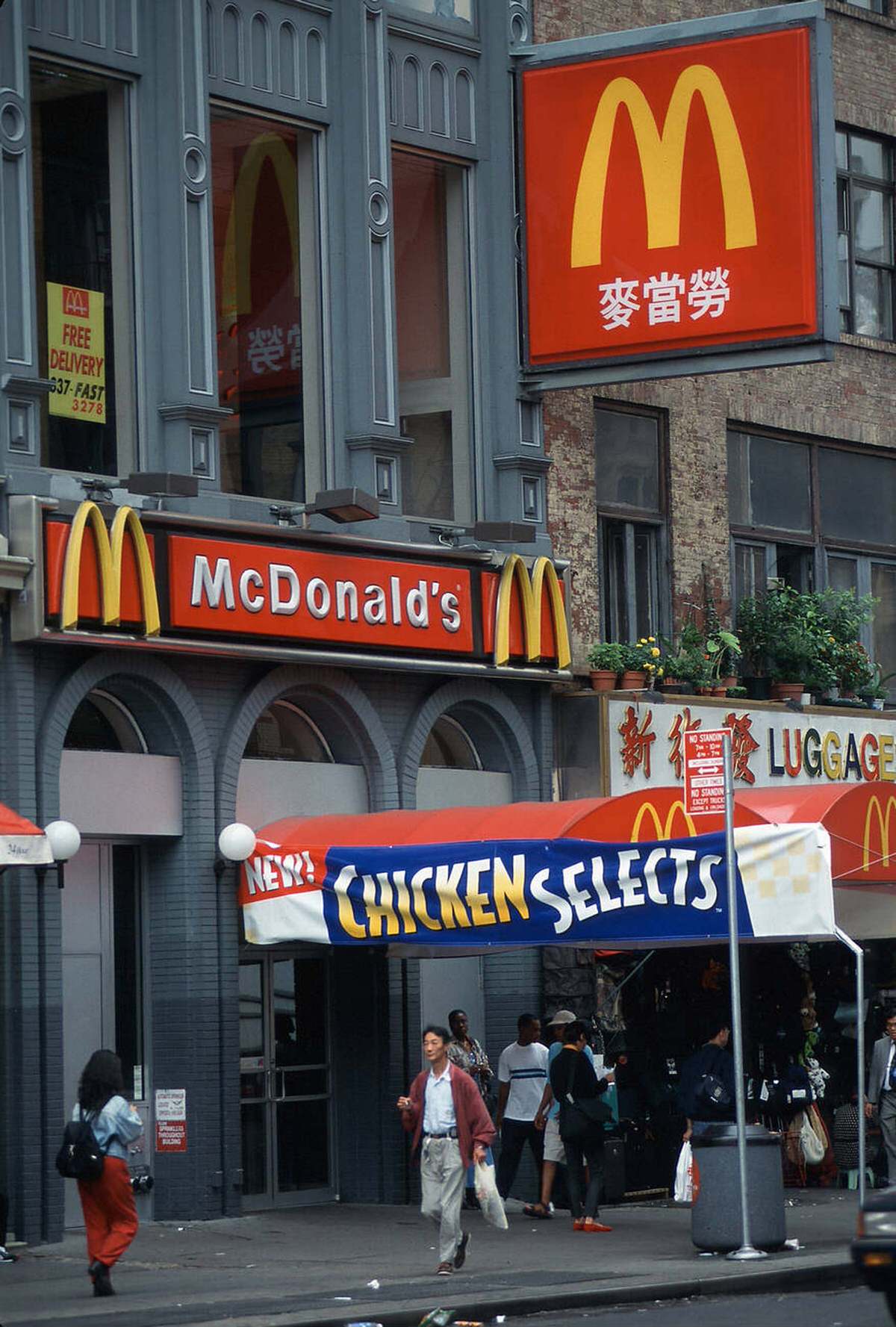
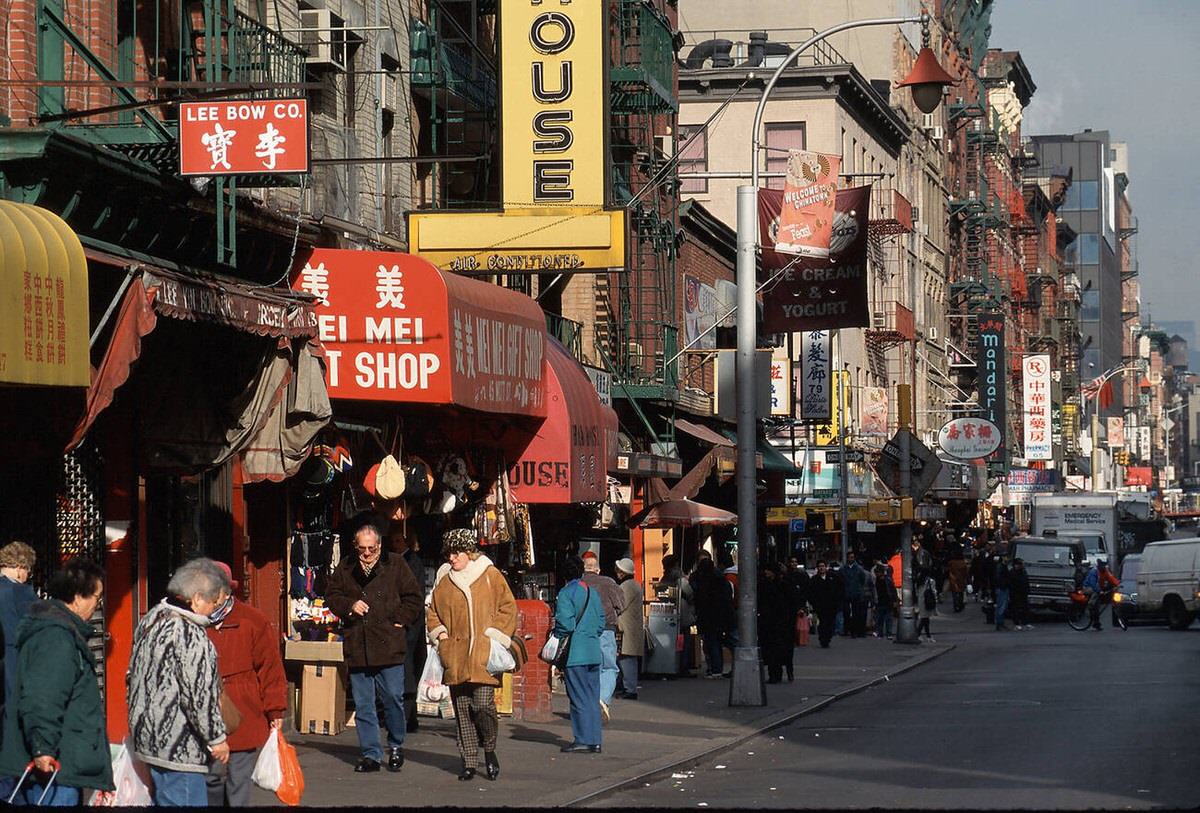
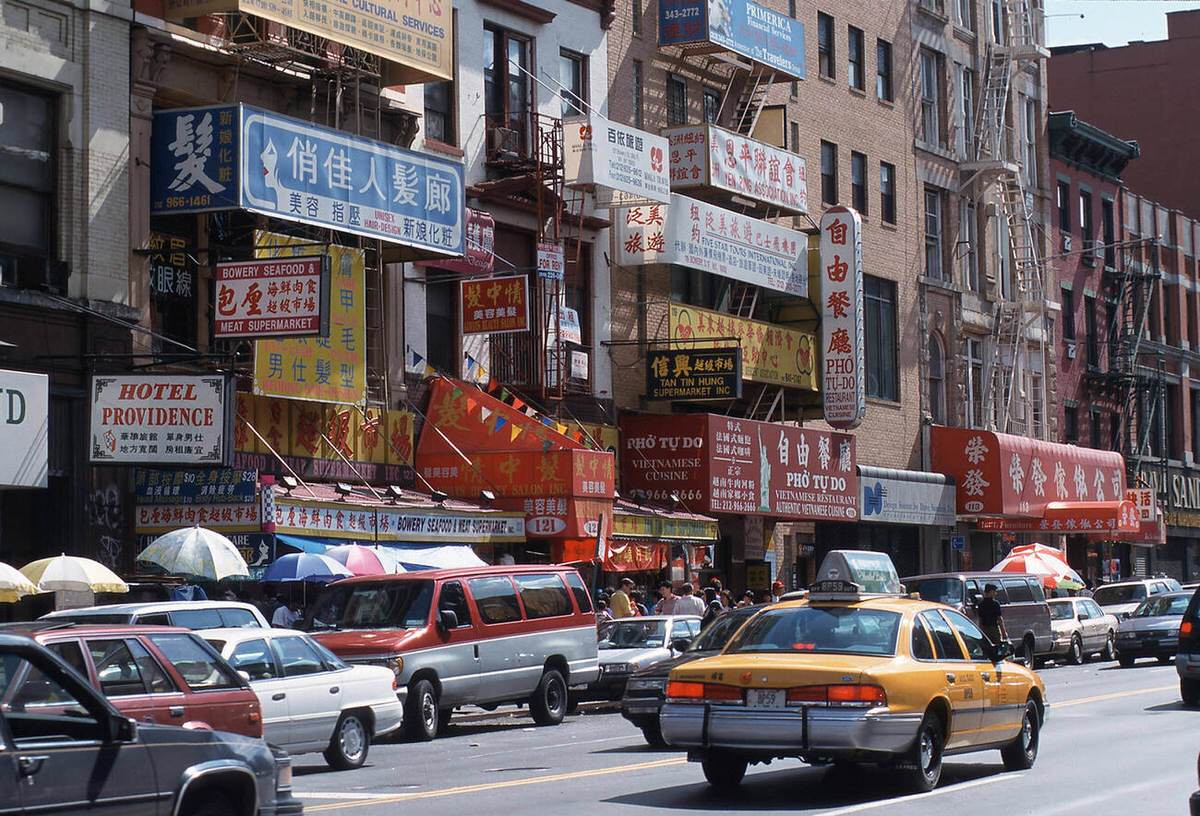
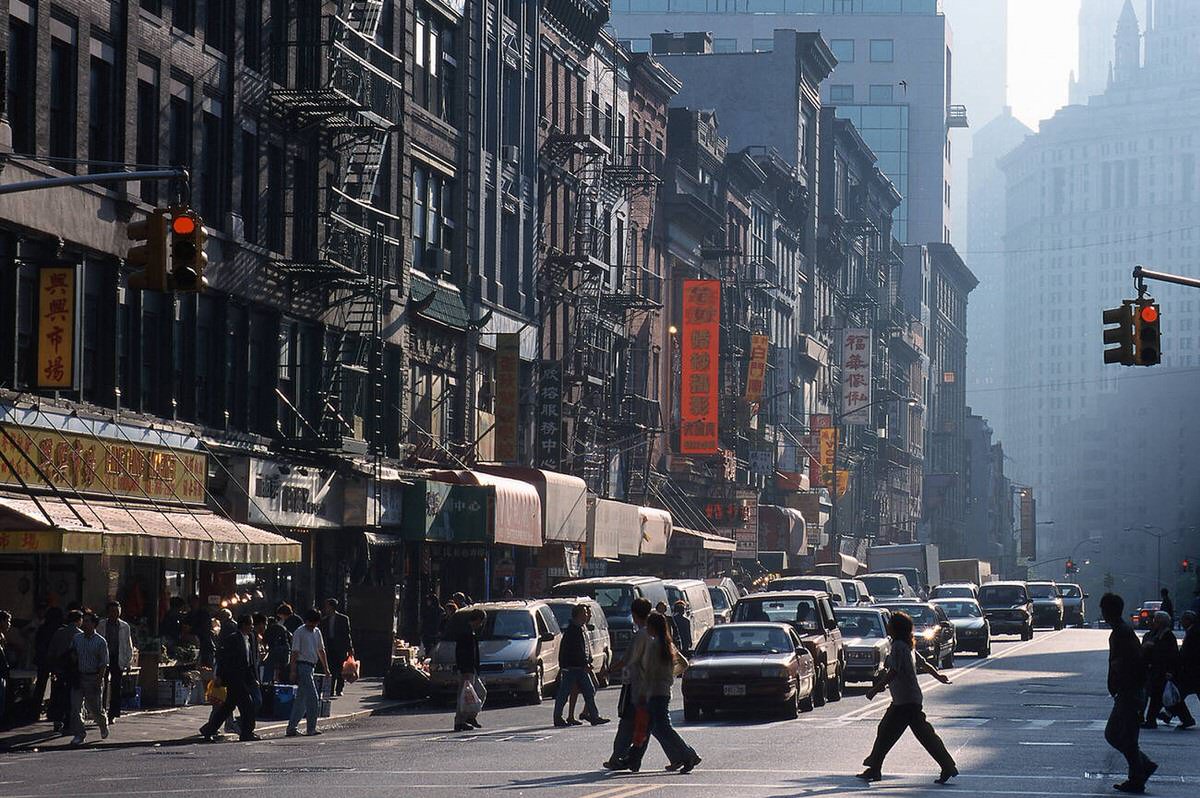
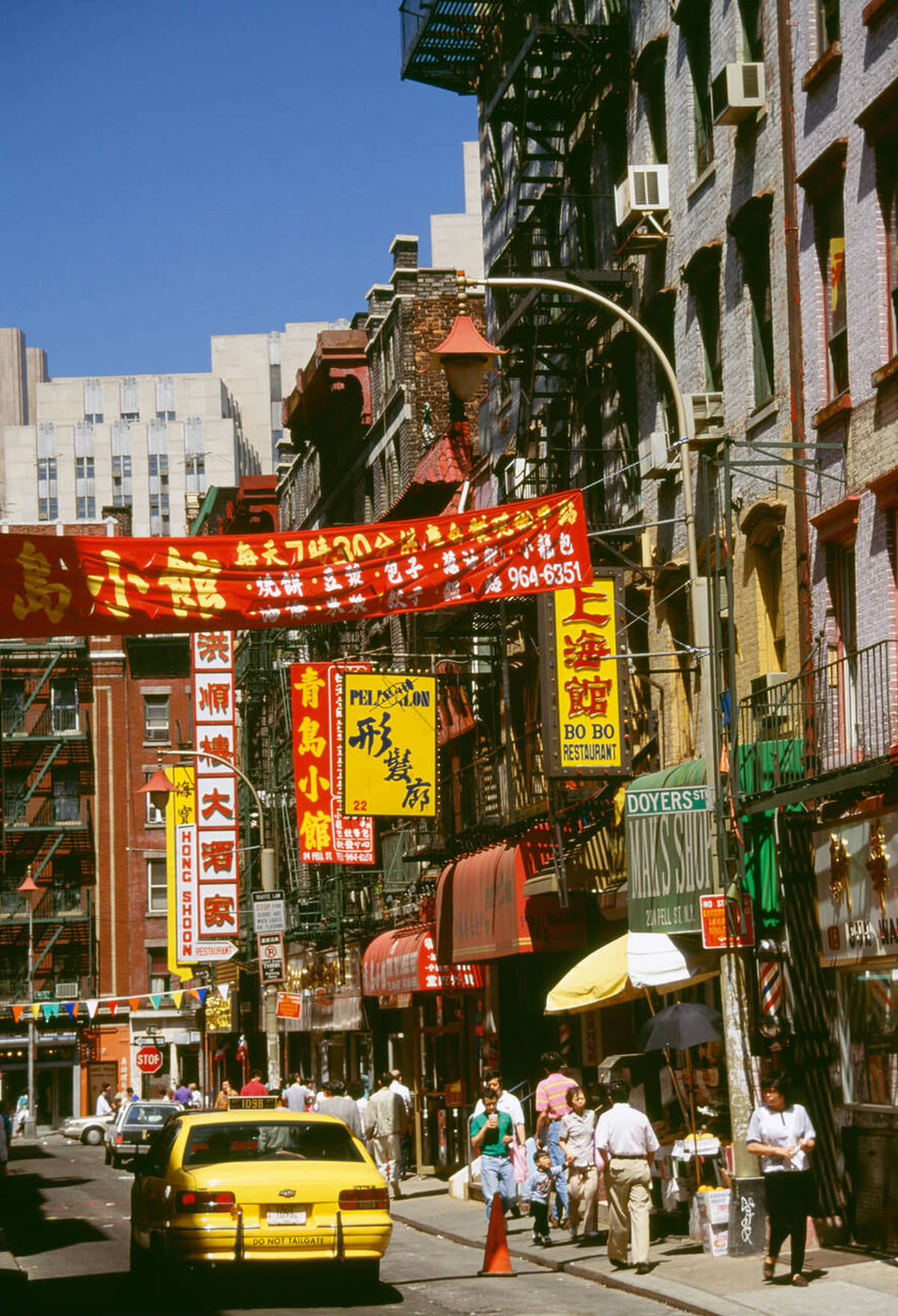
During the 1990s, Chinatown, Manhattan stood as one of the most active immigrant neighborhoods in New York City. The area expanded beyond its historic center along Mott Street, Pell Street, and Doyers Street. New businesses appeared along Canal Street, Bowery, and East Broadway.
The population grew during this period. Many new arrivals came from Hong Kong and the Fujian province of China. Apartment buildings filled with extended families sharing small living spaces.
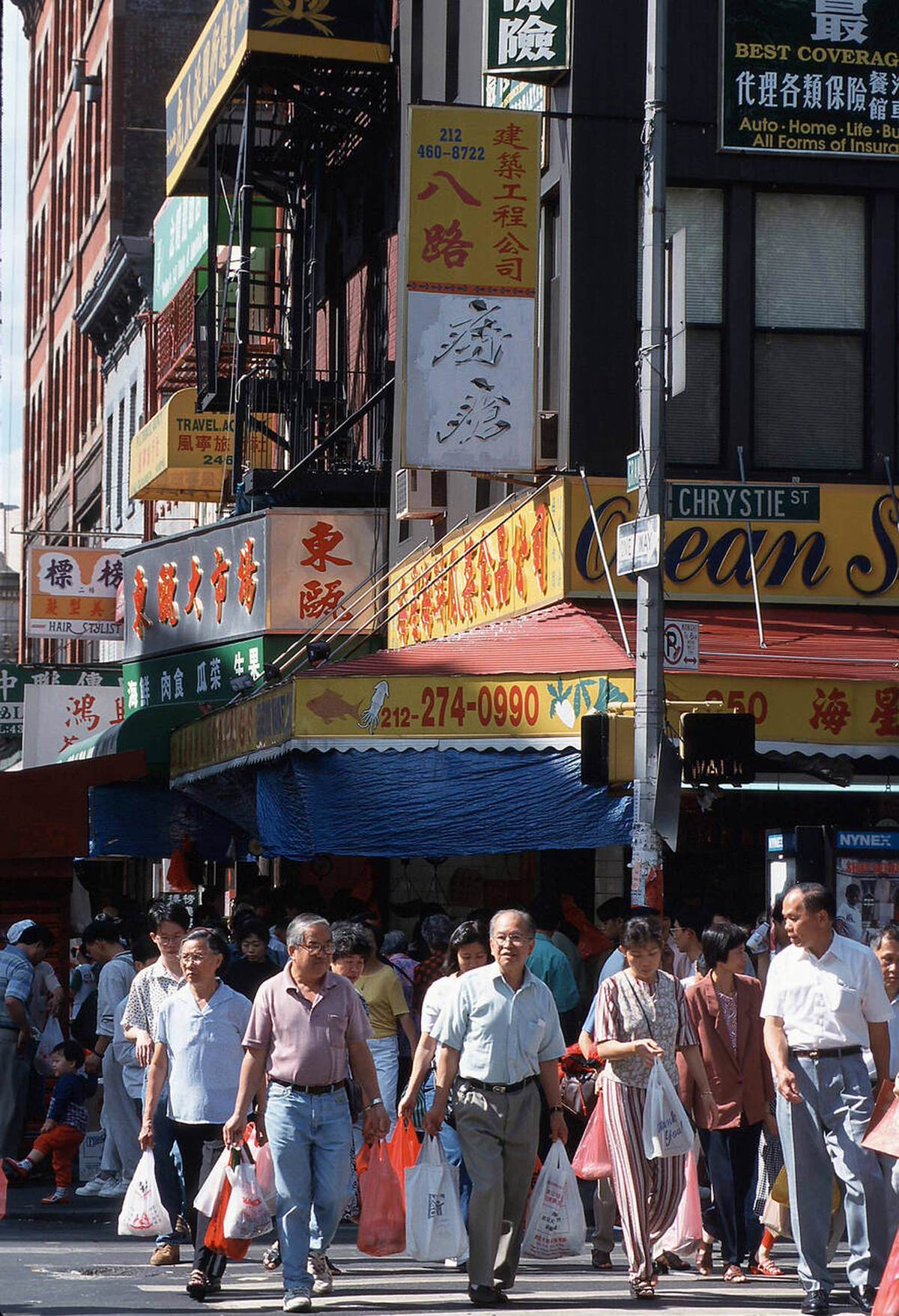
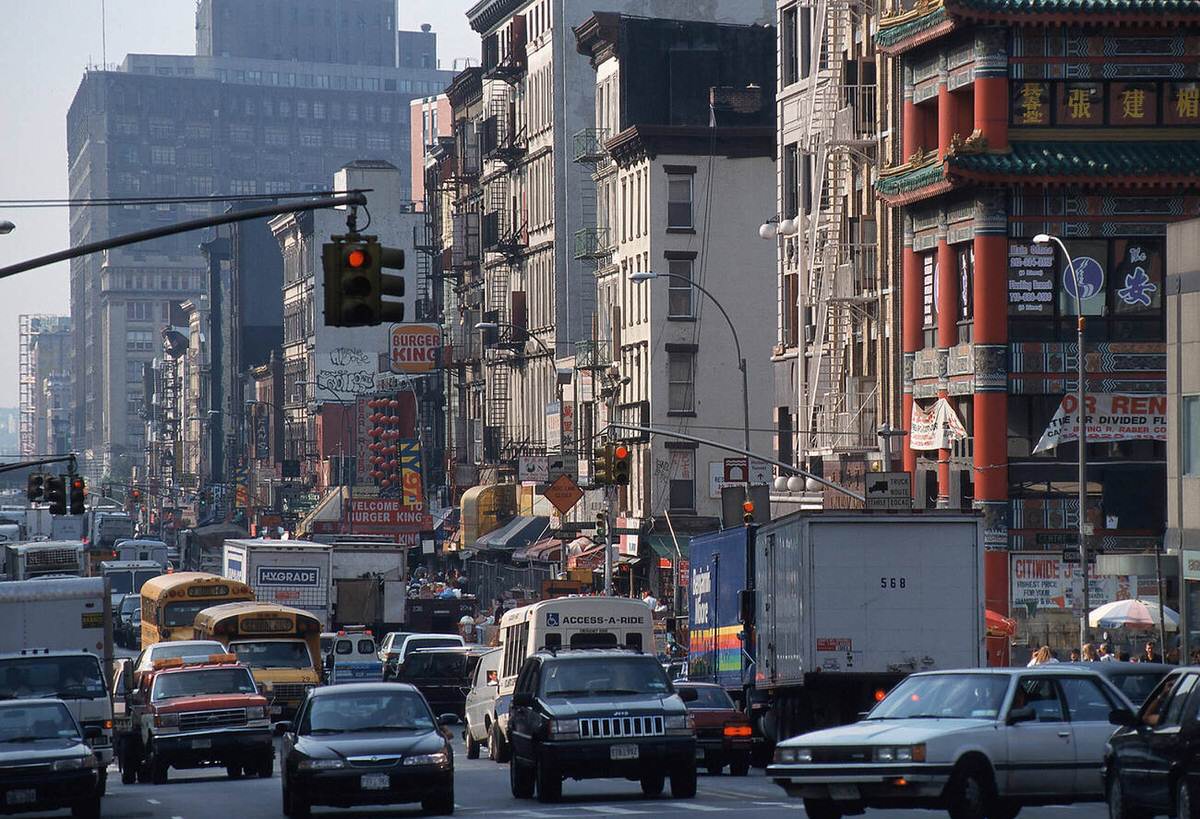
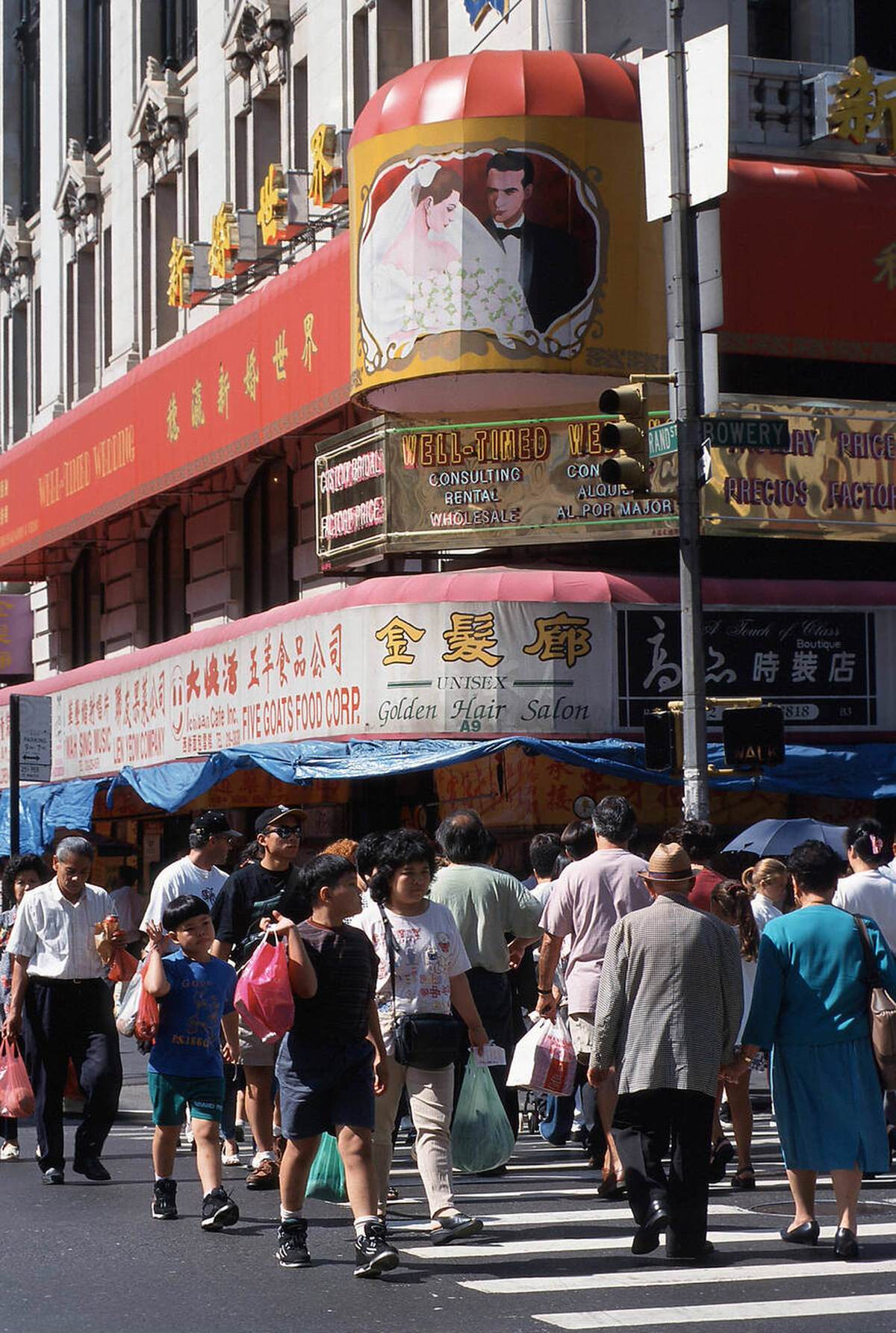
Streets filled with business activity
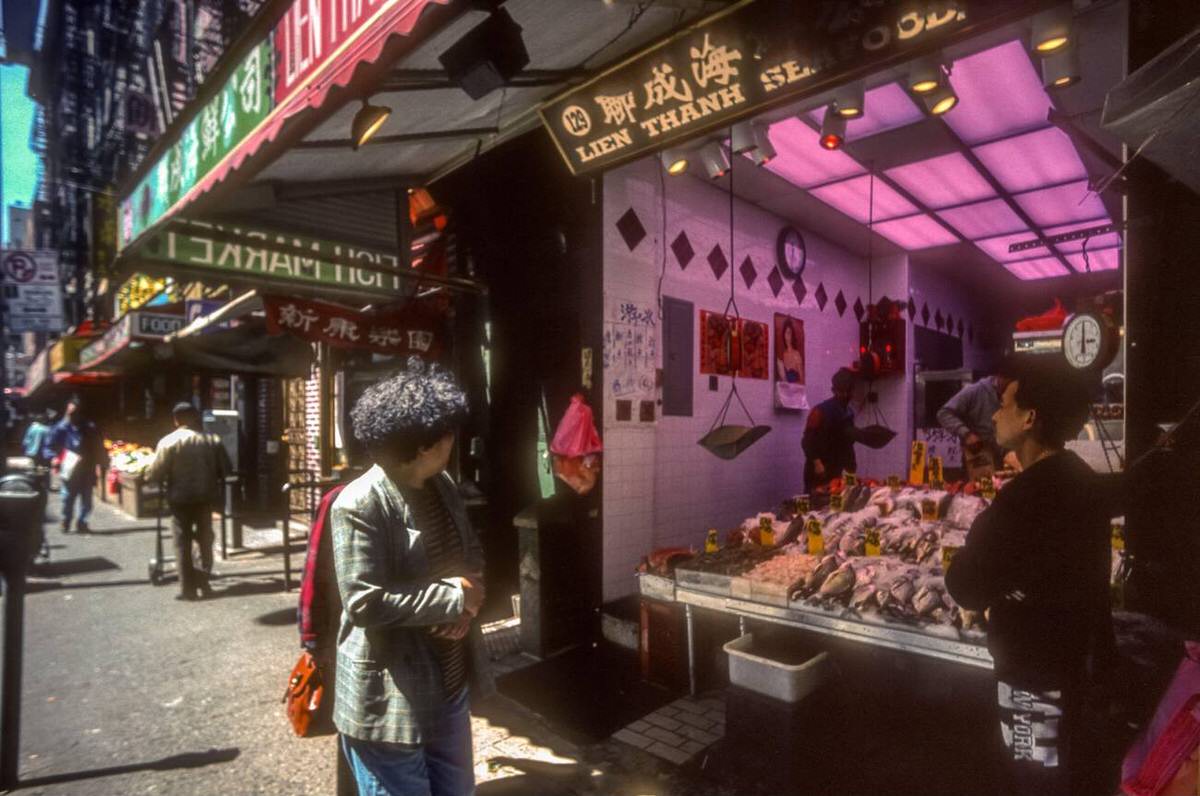
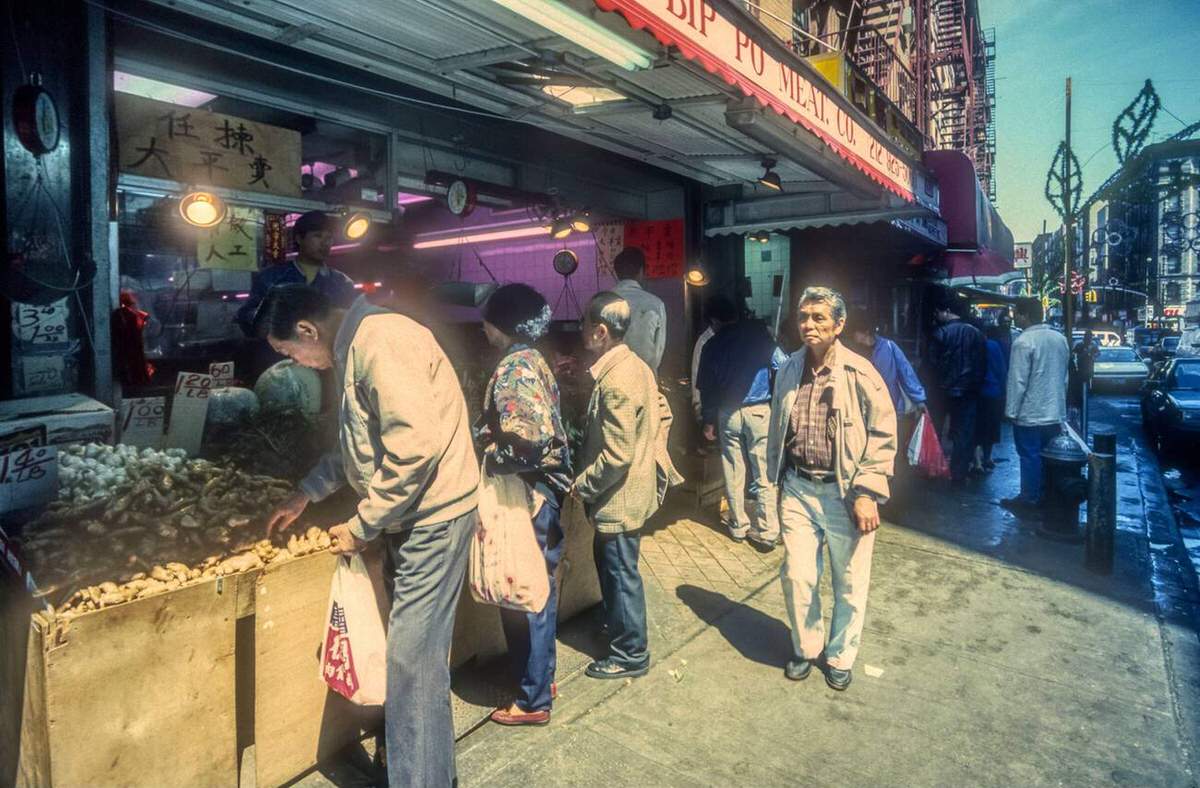
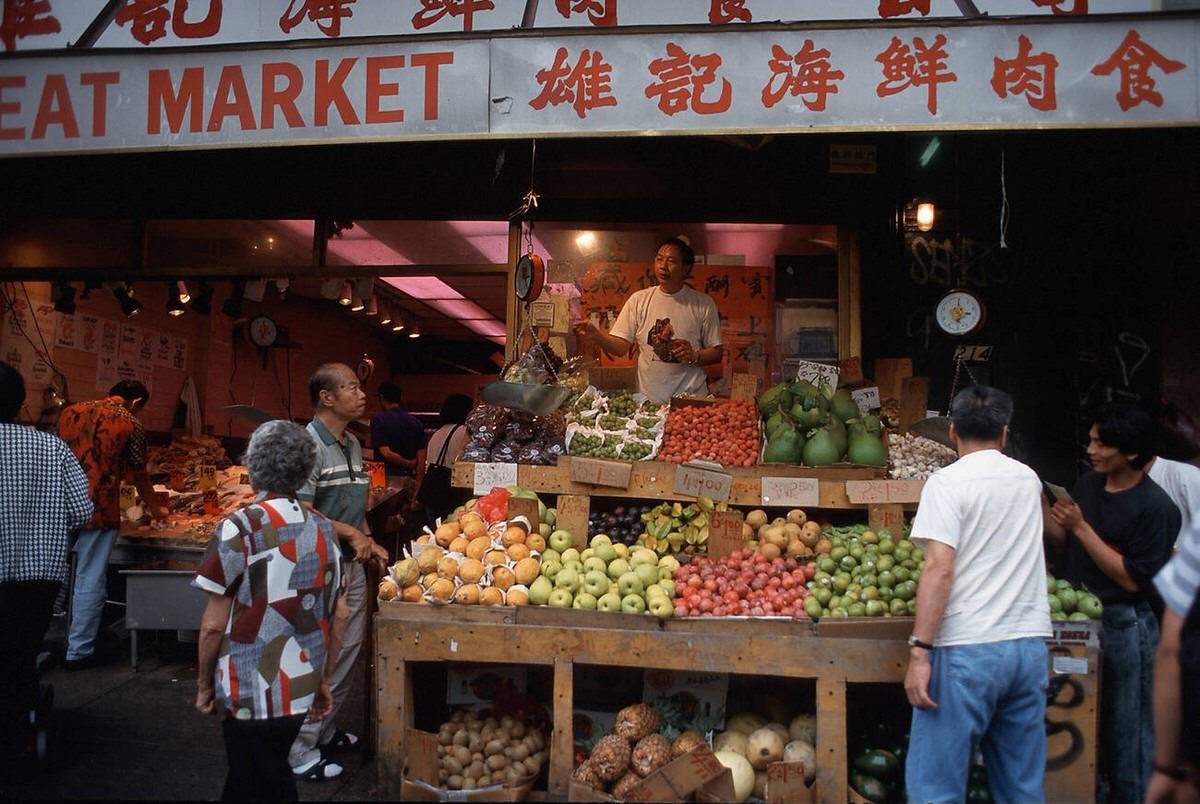
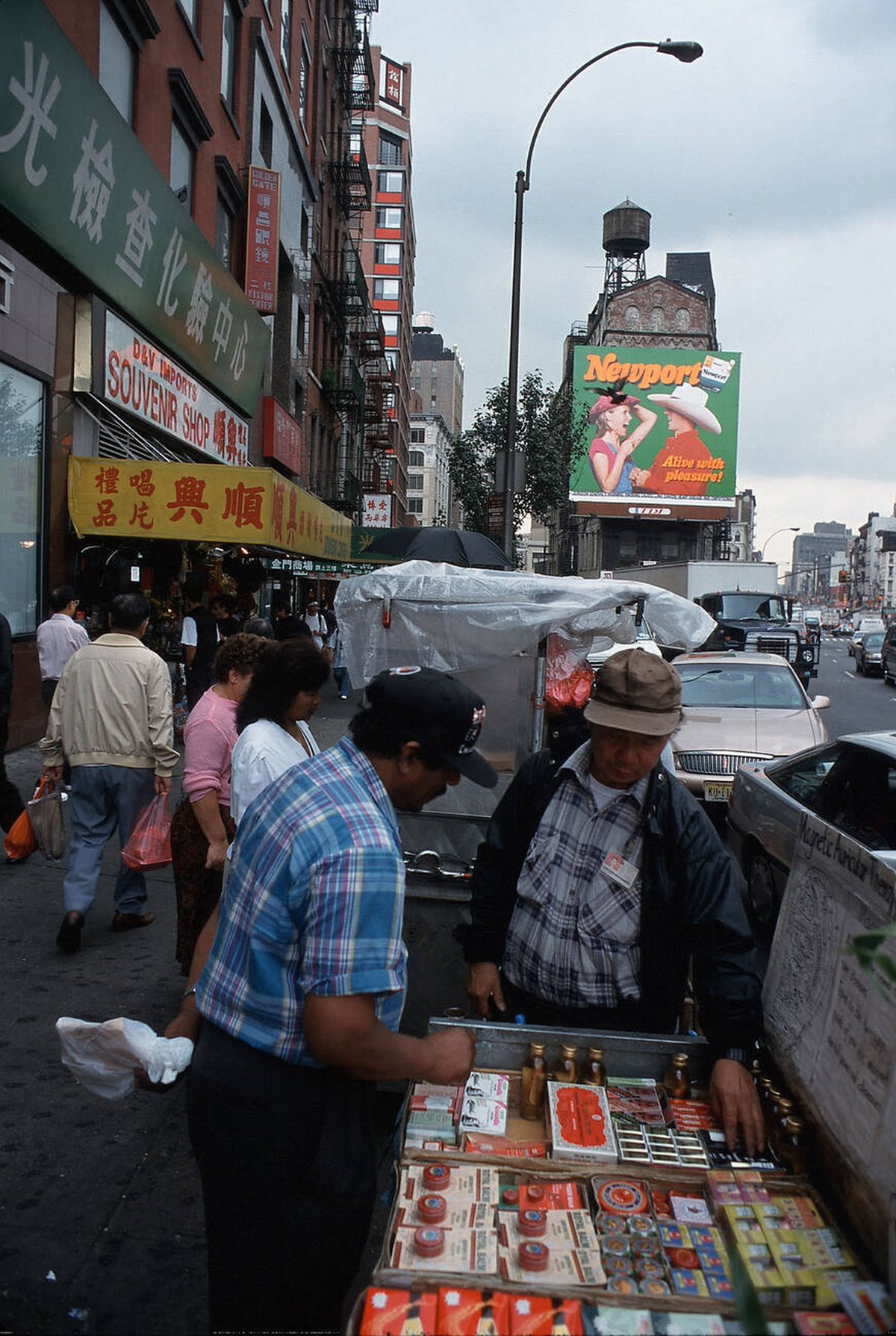
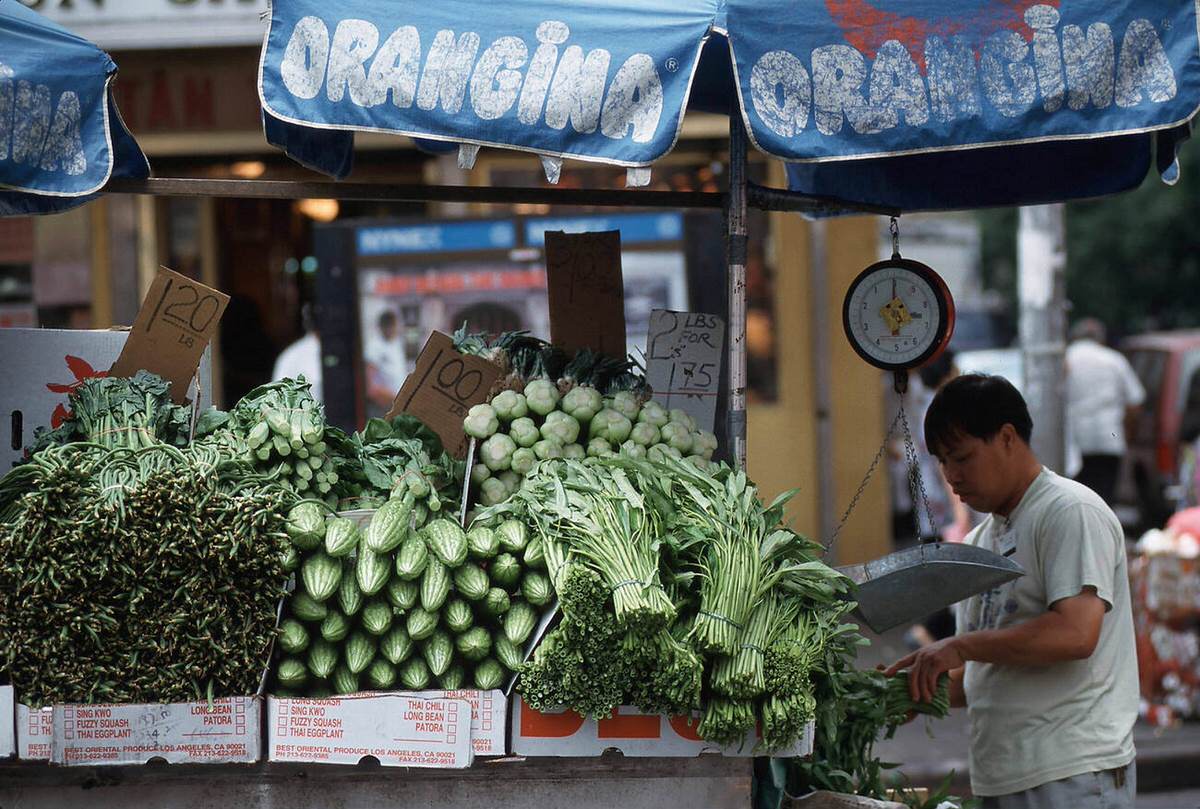
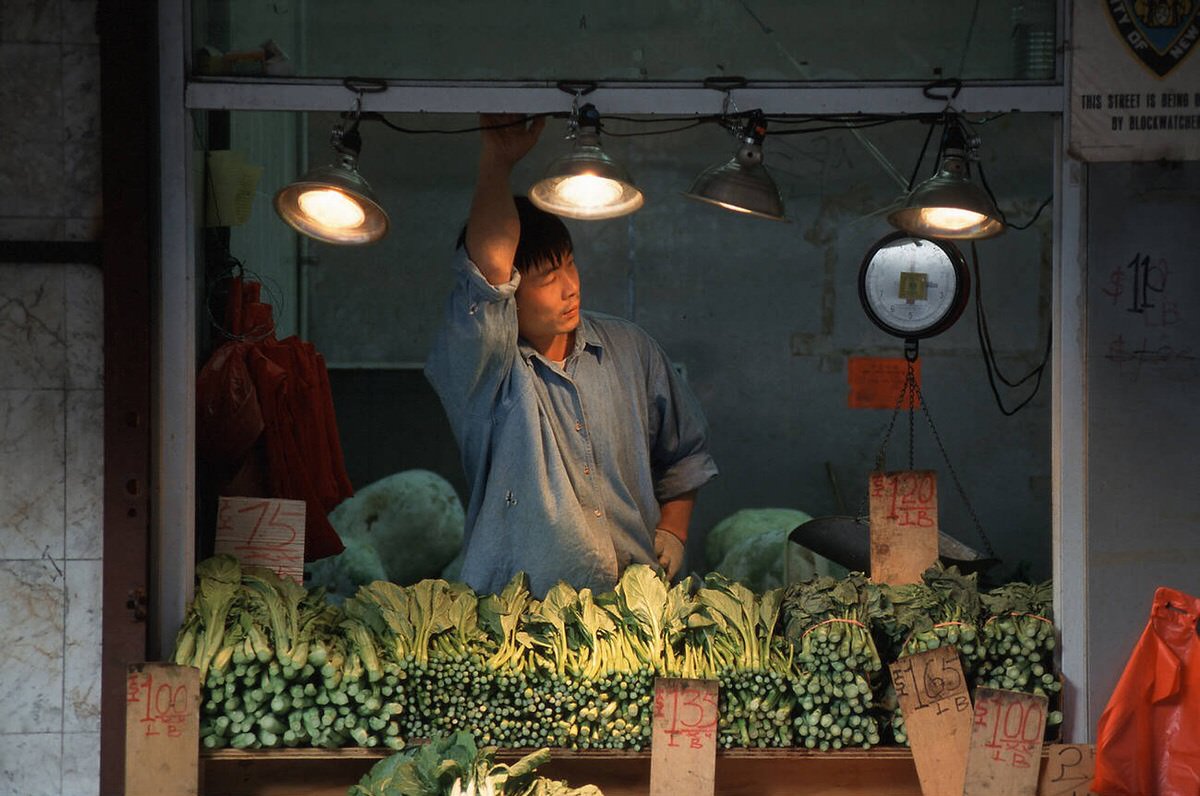
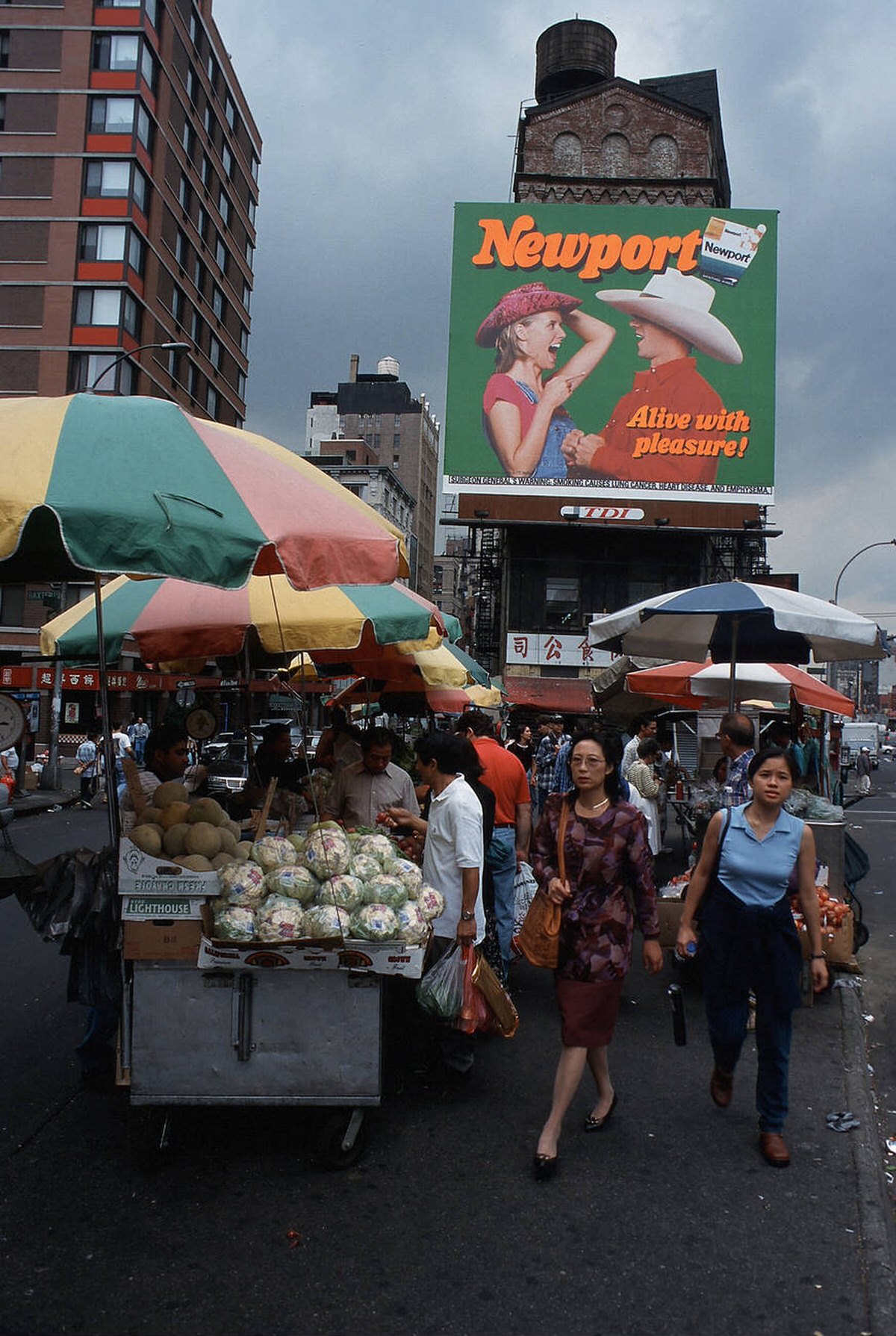
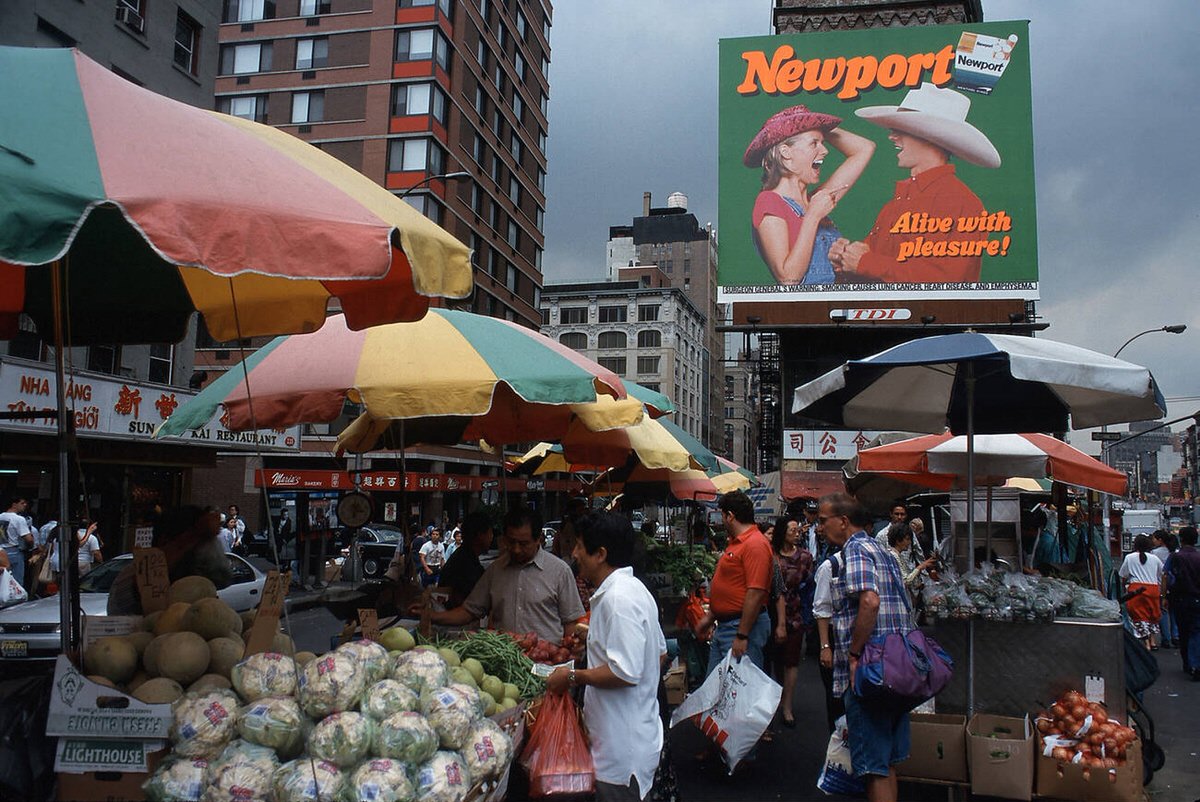
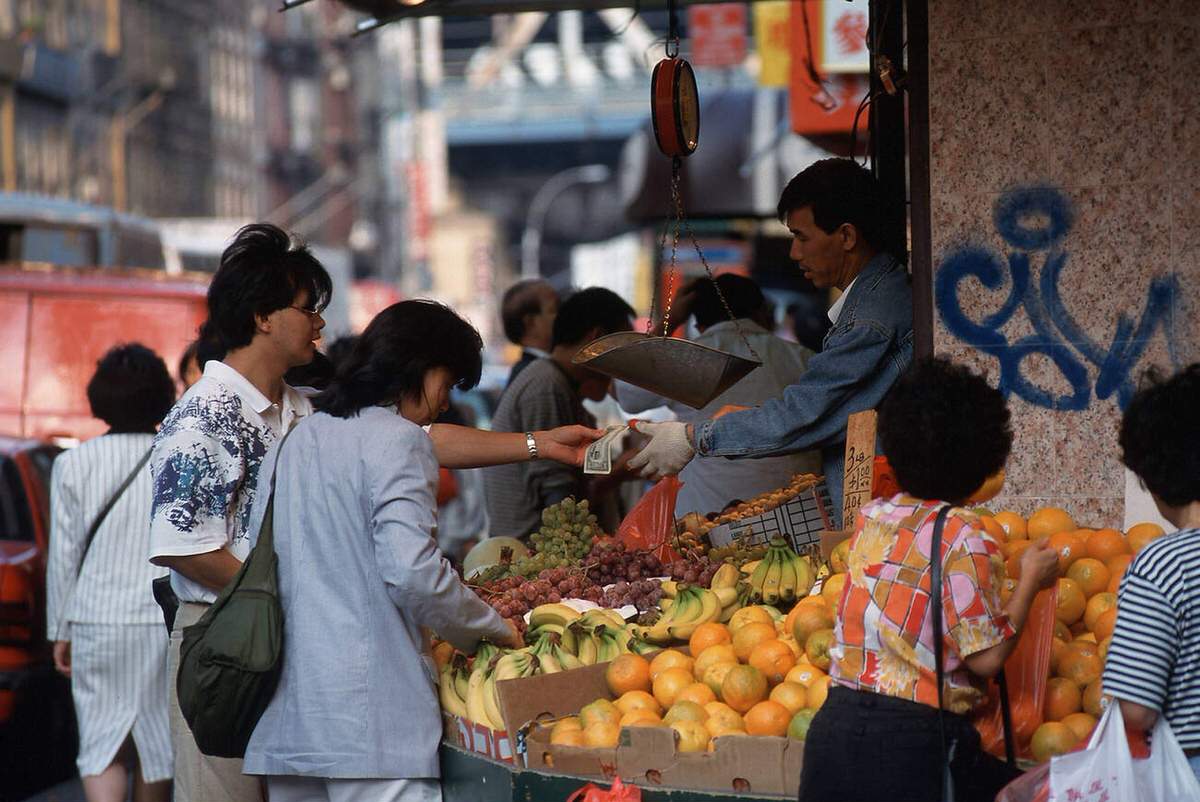
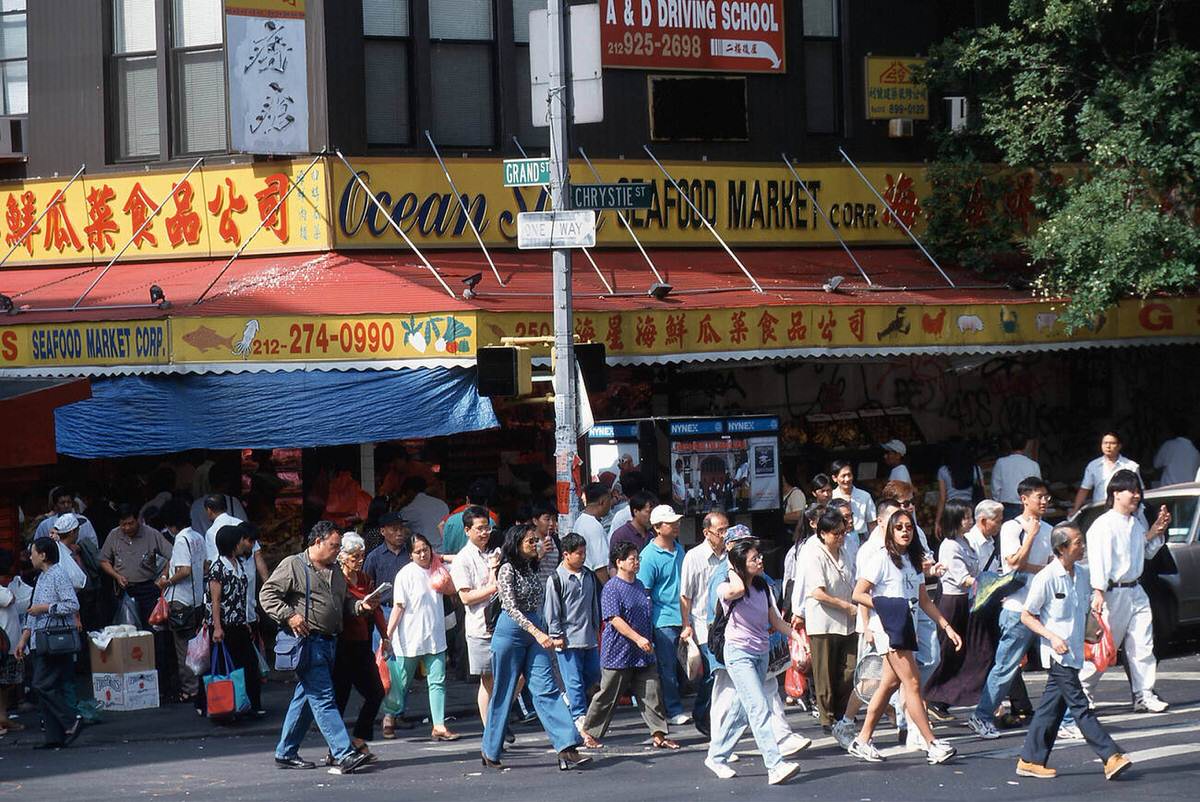
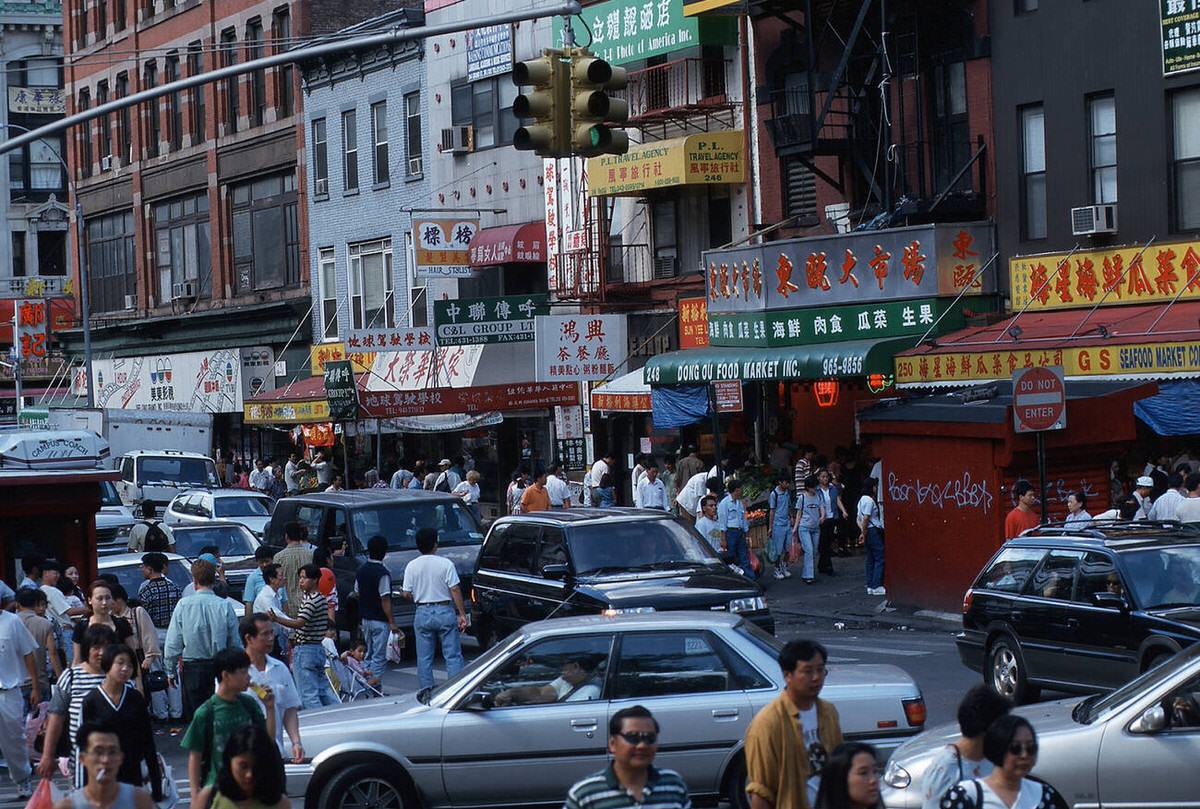
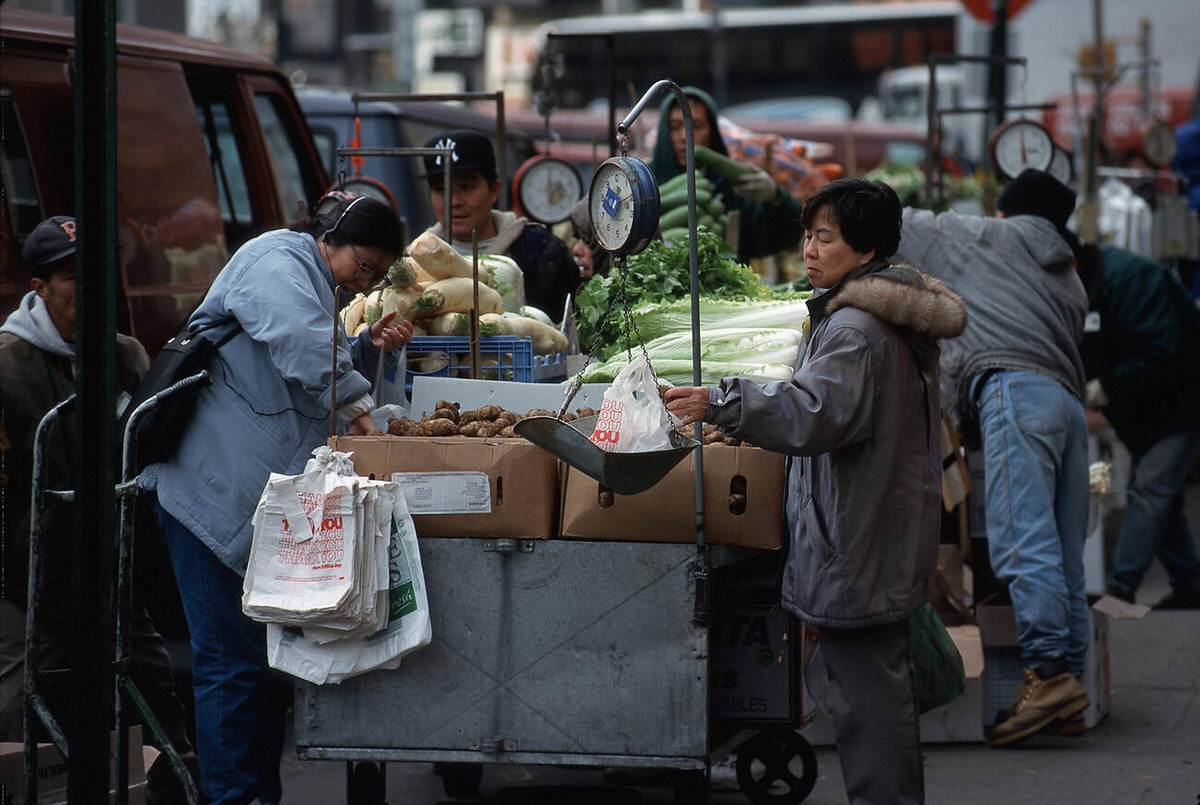
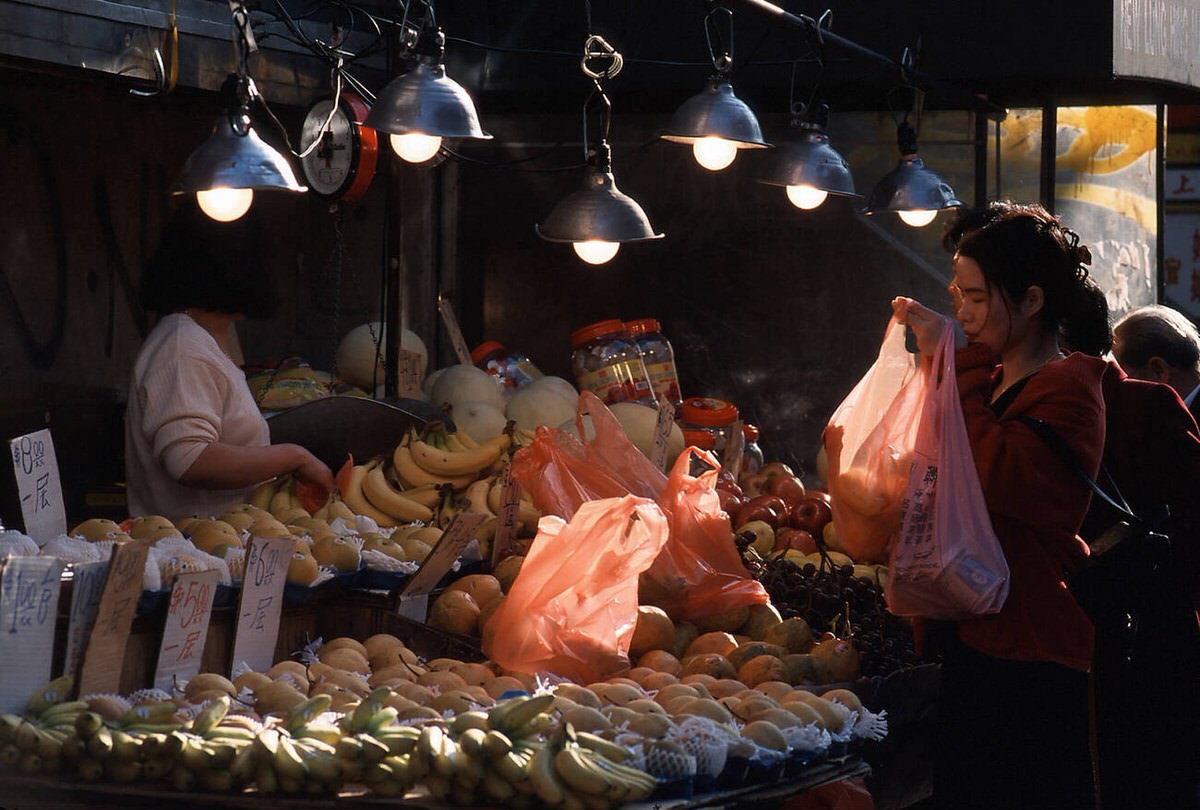
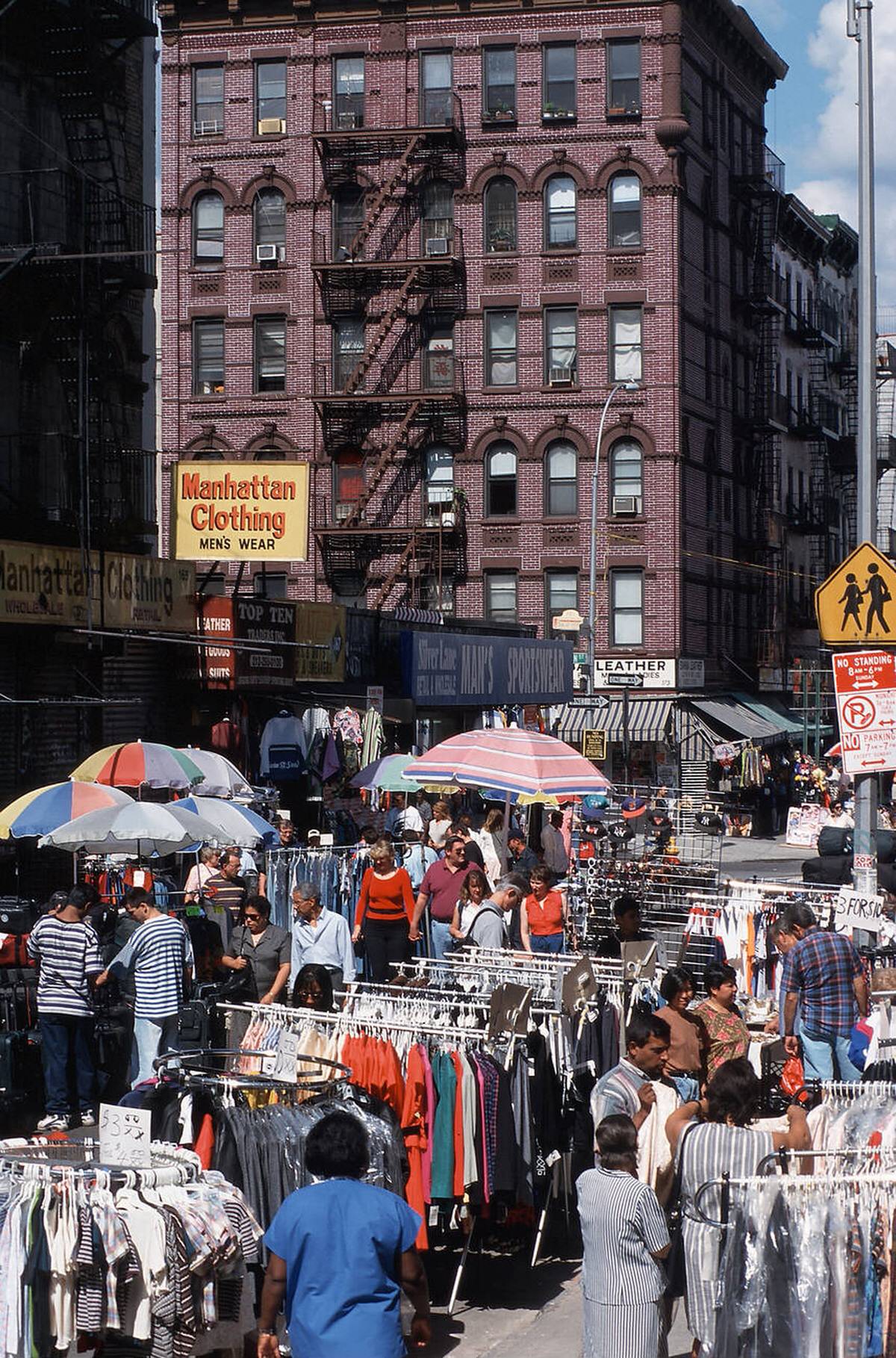
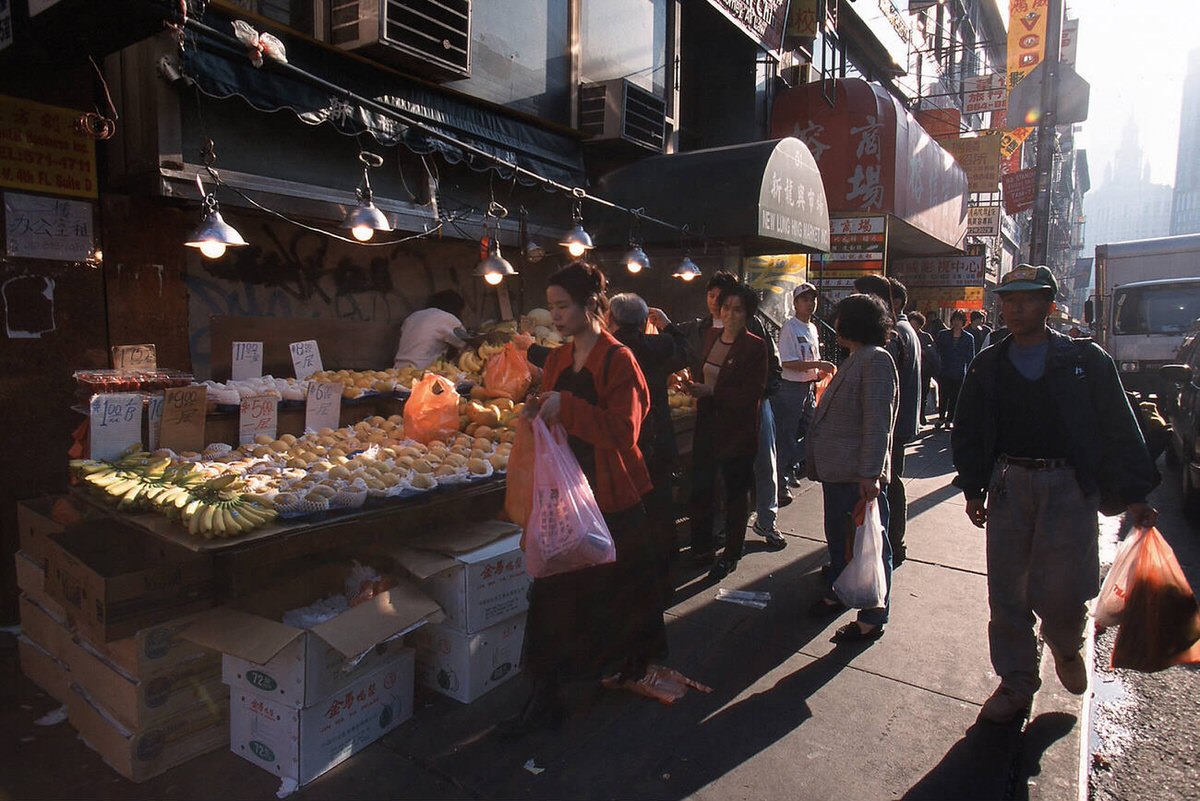
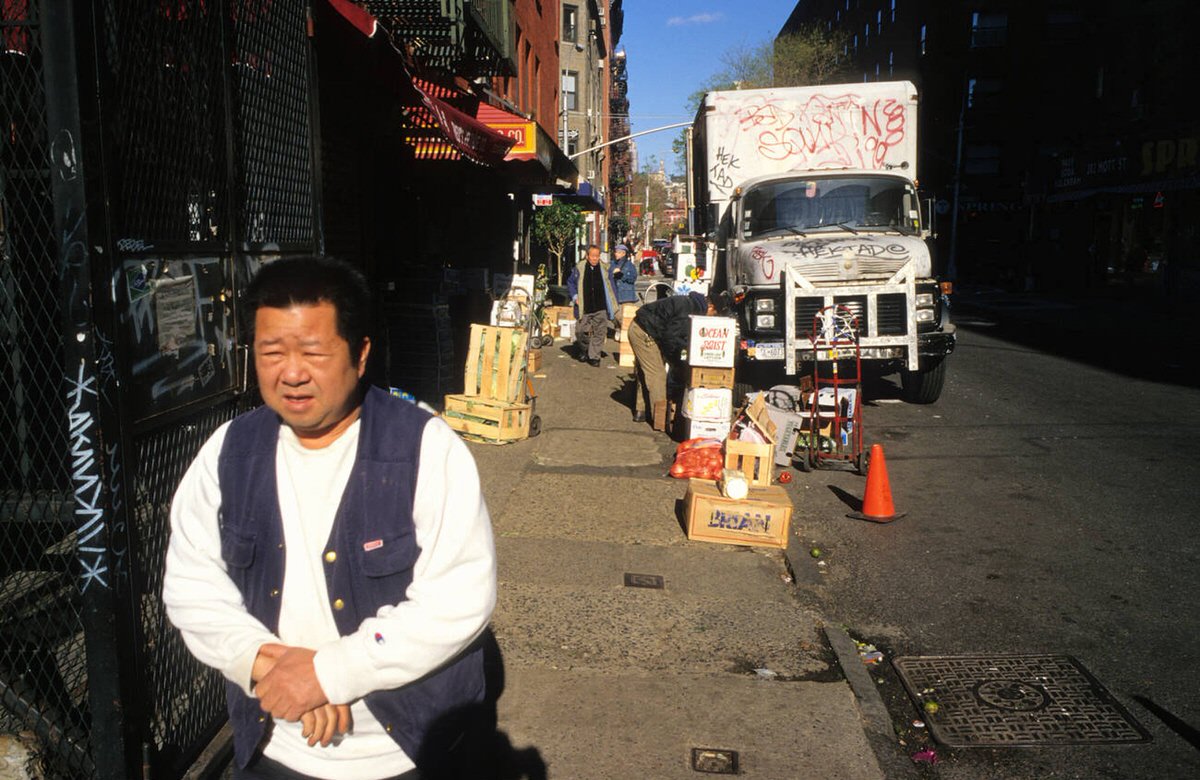
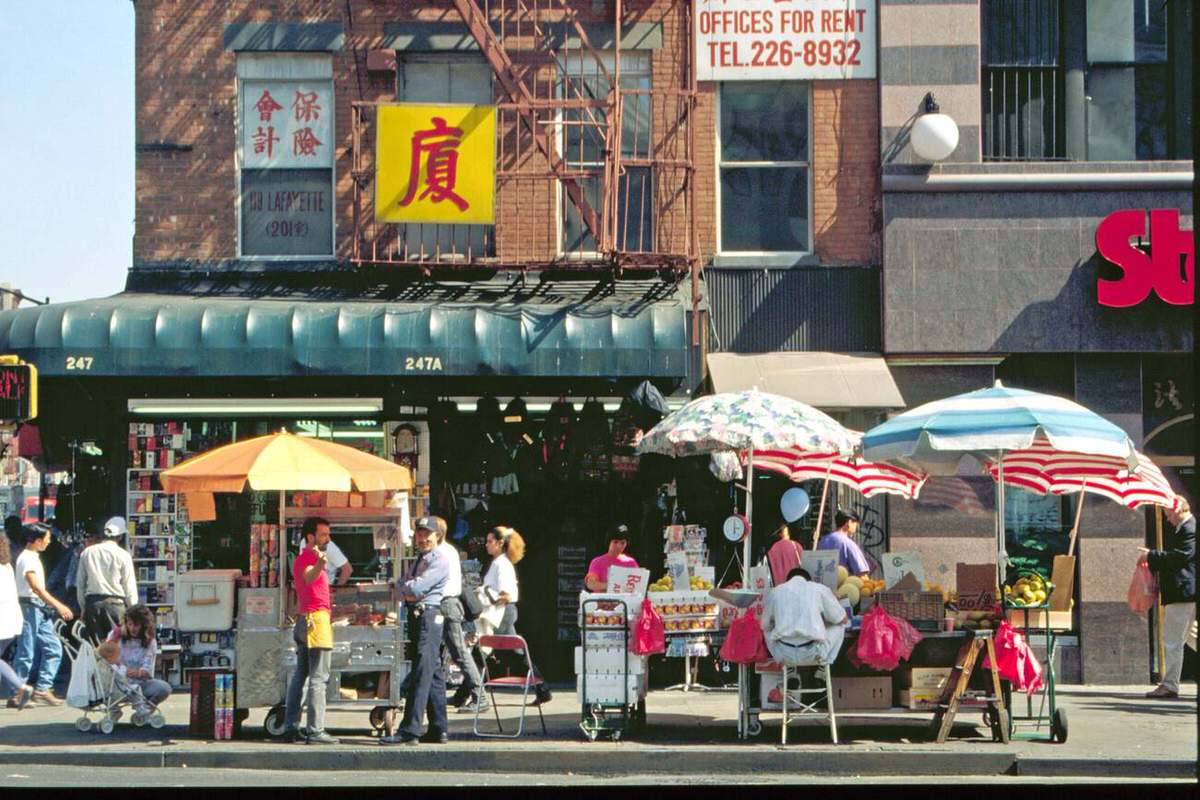
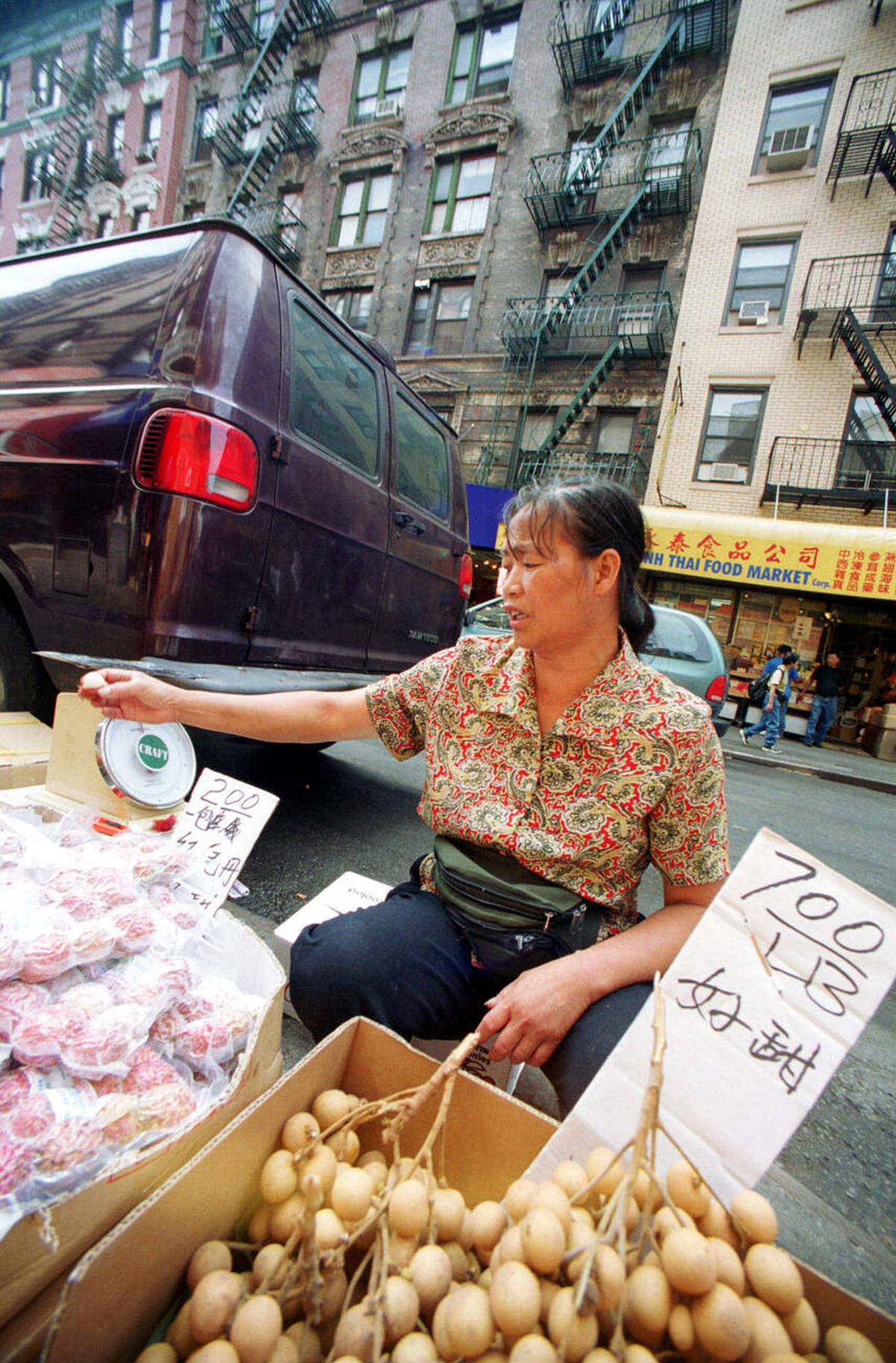
Chinatown streets in the 1990s stayed crowded from morning until late evening. Delivery workers moved boxes of produce, seafood, and dry goods into restaurants and grocery stores. Sidewalk stands displayed vegetables, live fish, and roasted meats.
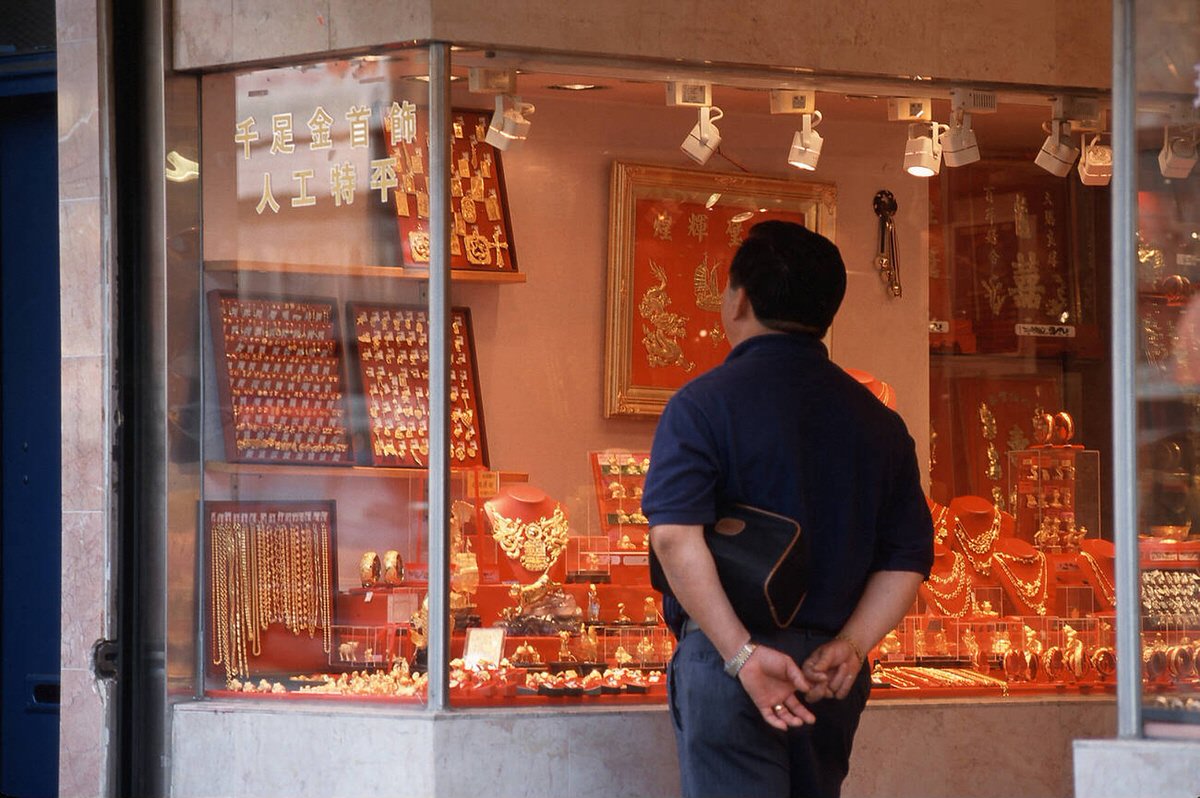
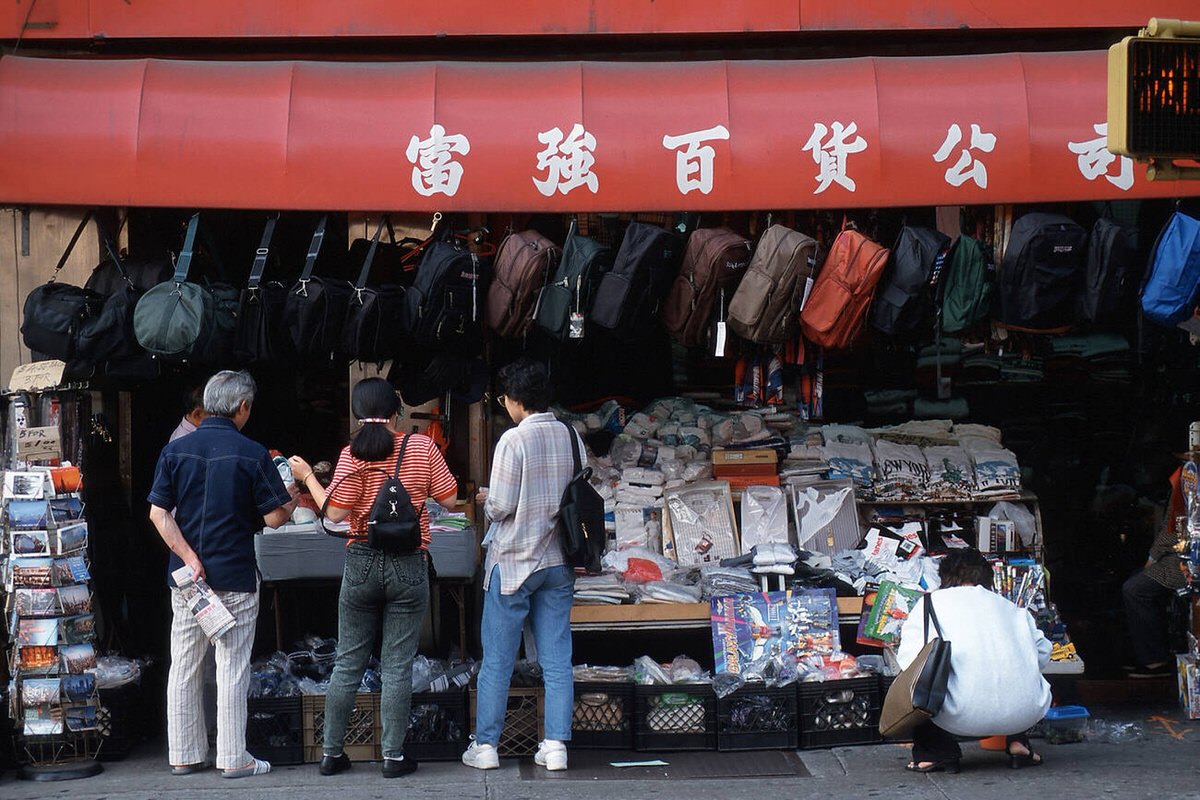
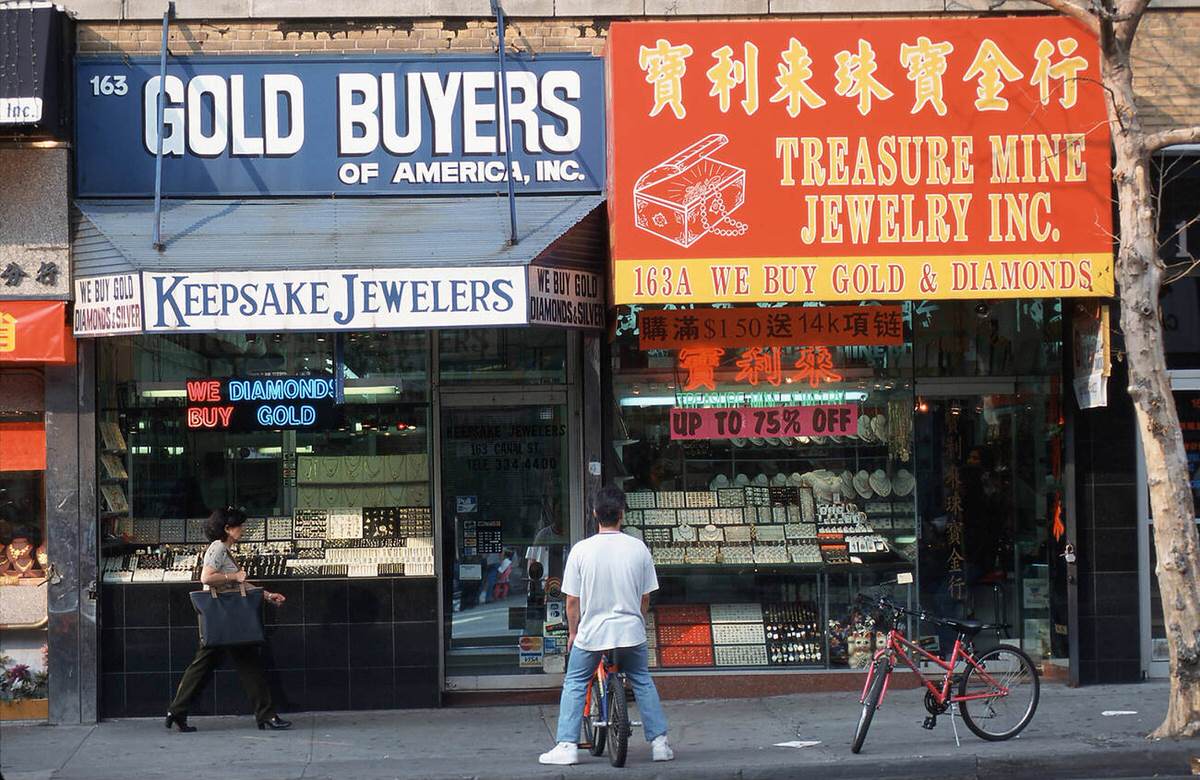
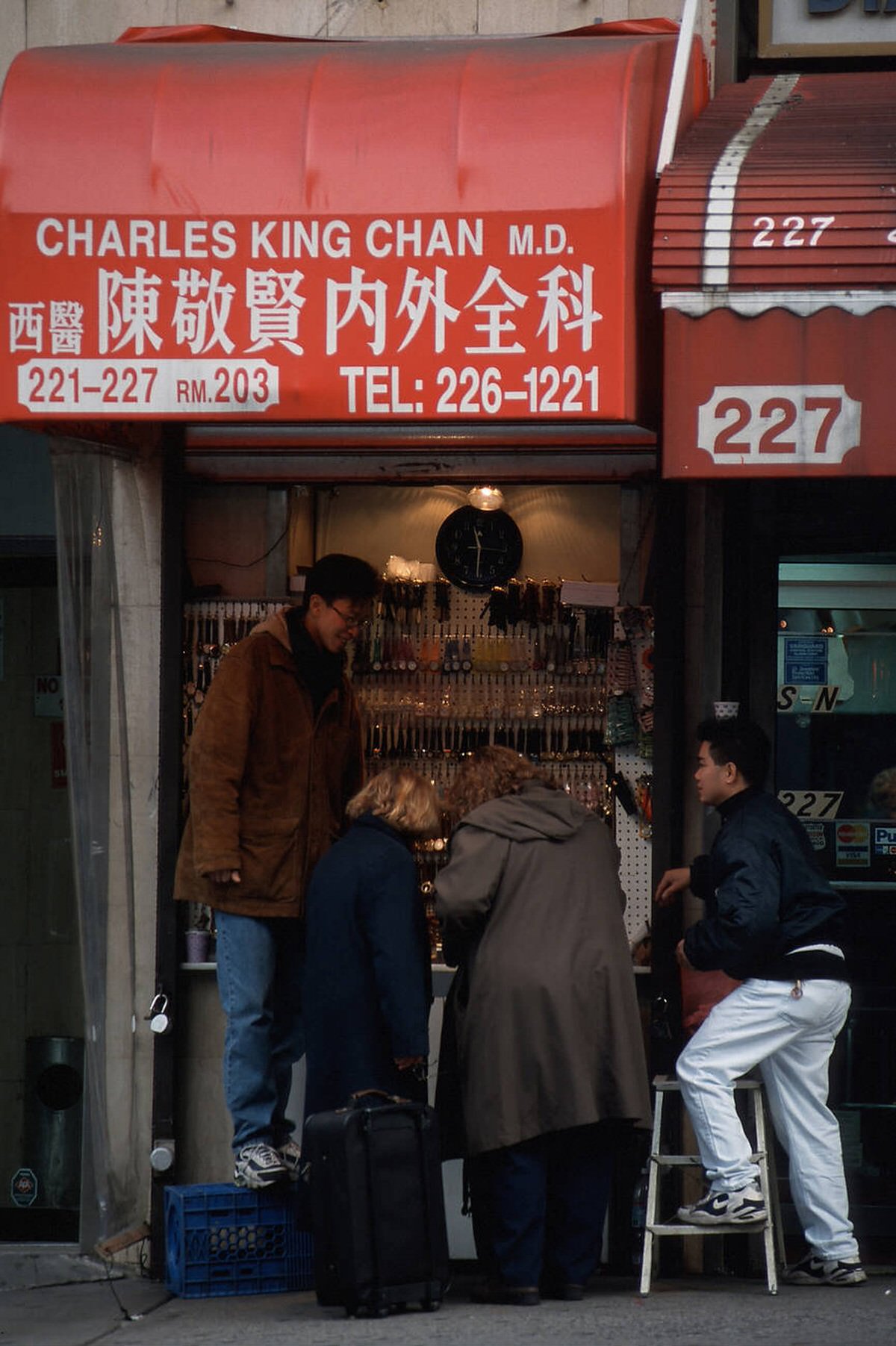
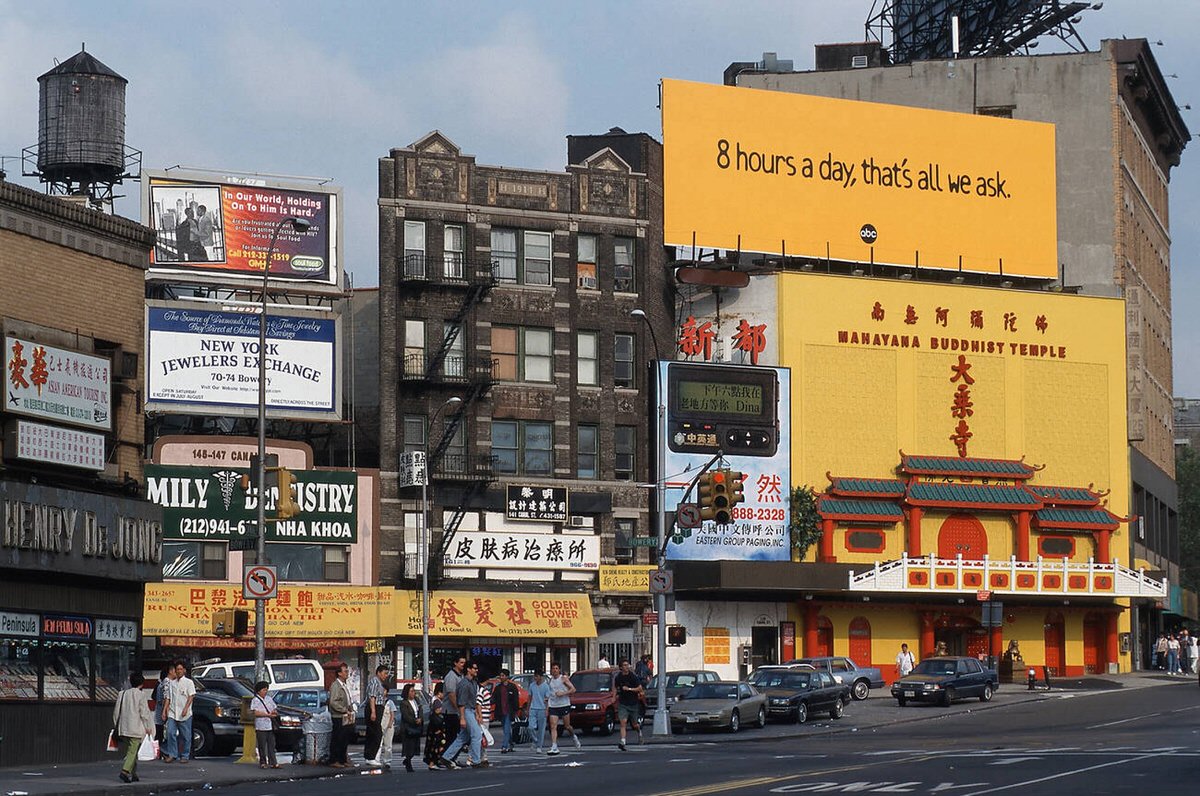
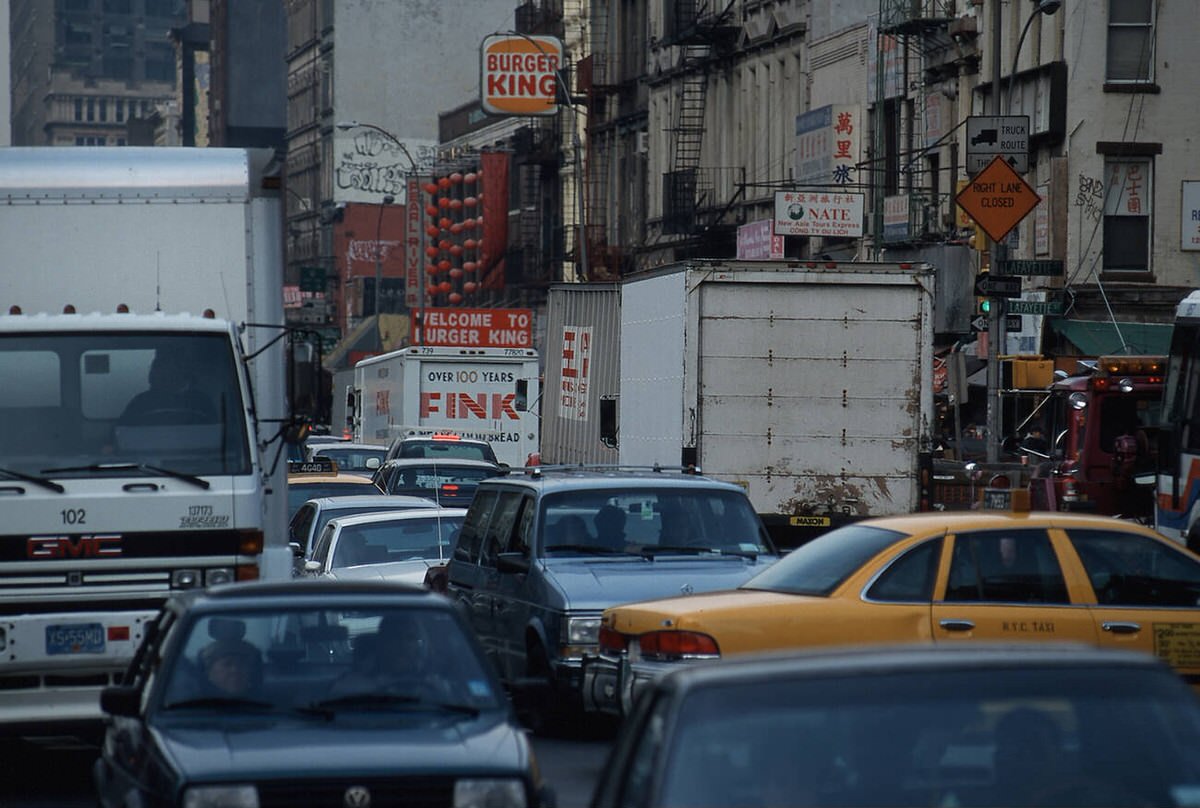
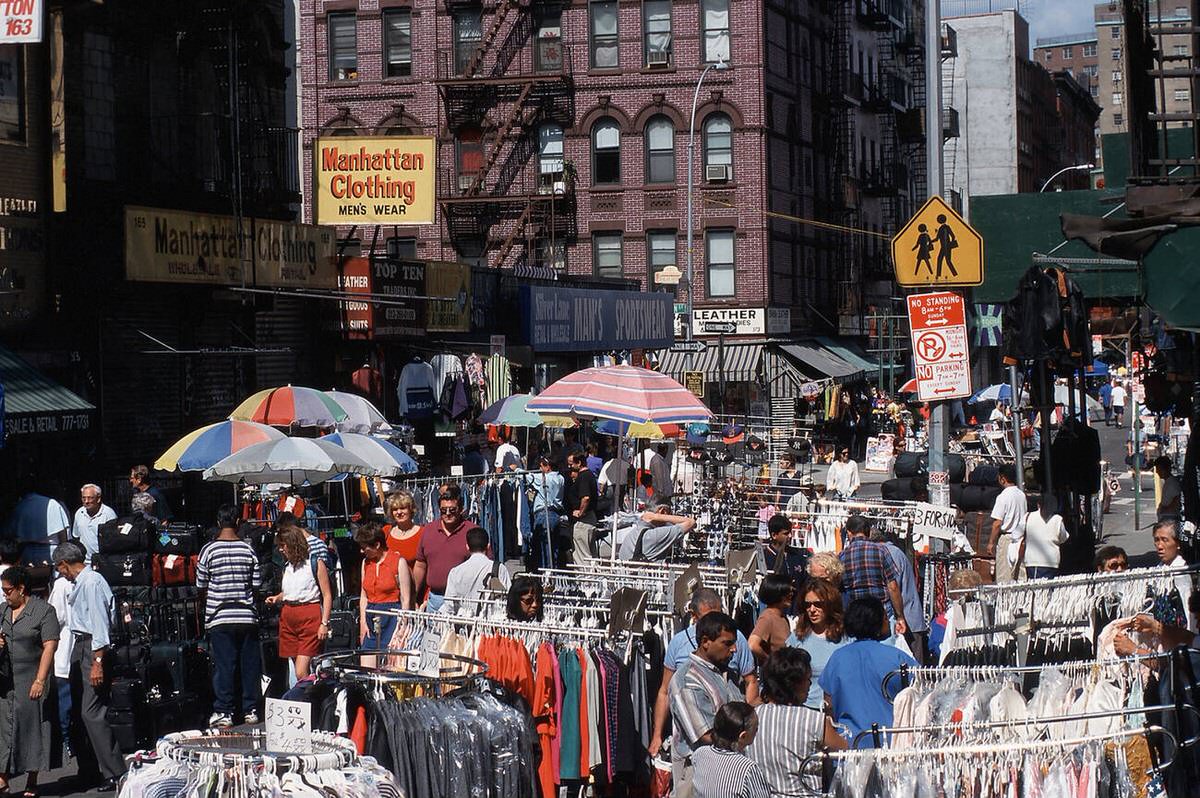
Canal Street became one of the busiest commercial corridors. Jewelry stores, electronics shops, and street vendors filled the blocks. Bus companies also operated from this street, offering routes to other East Coast cities.
Read more
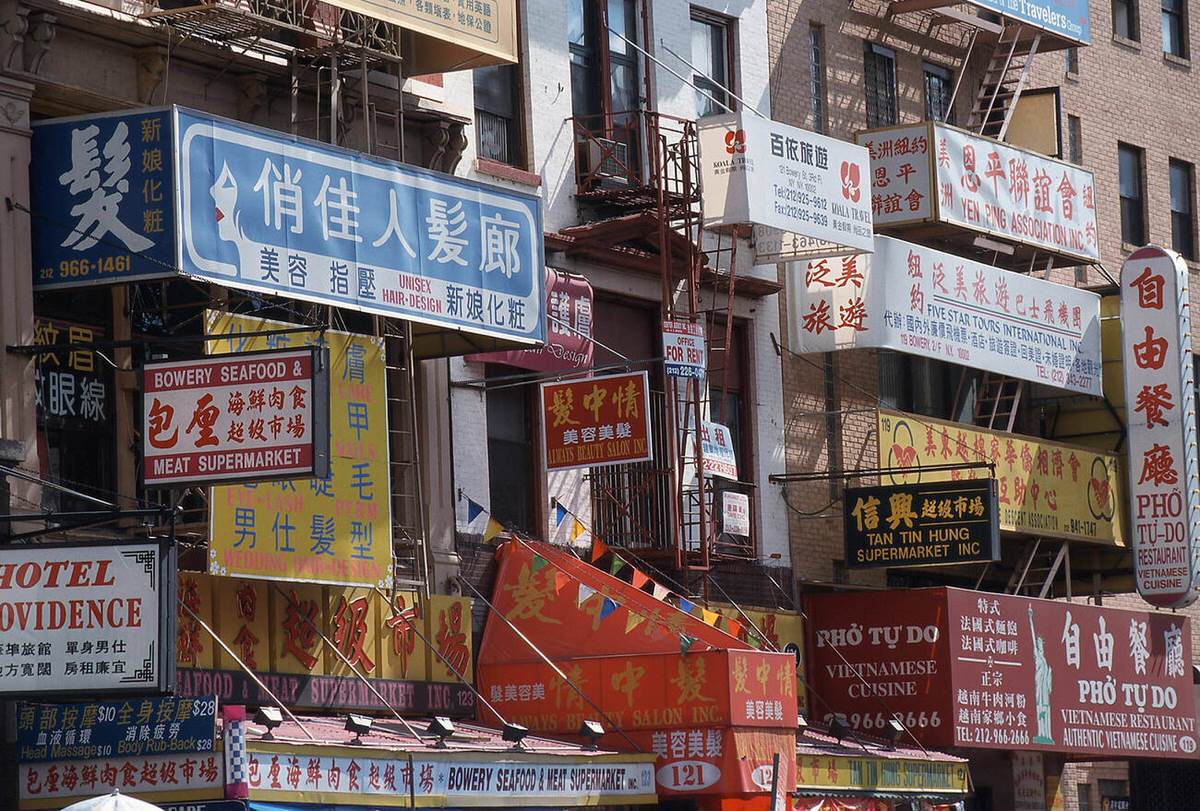
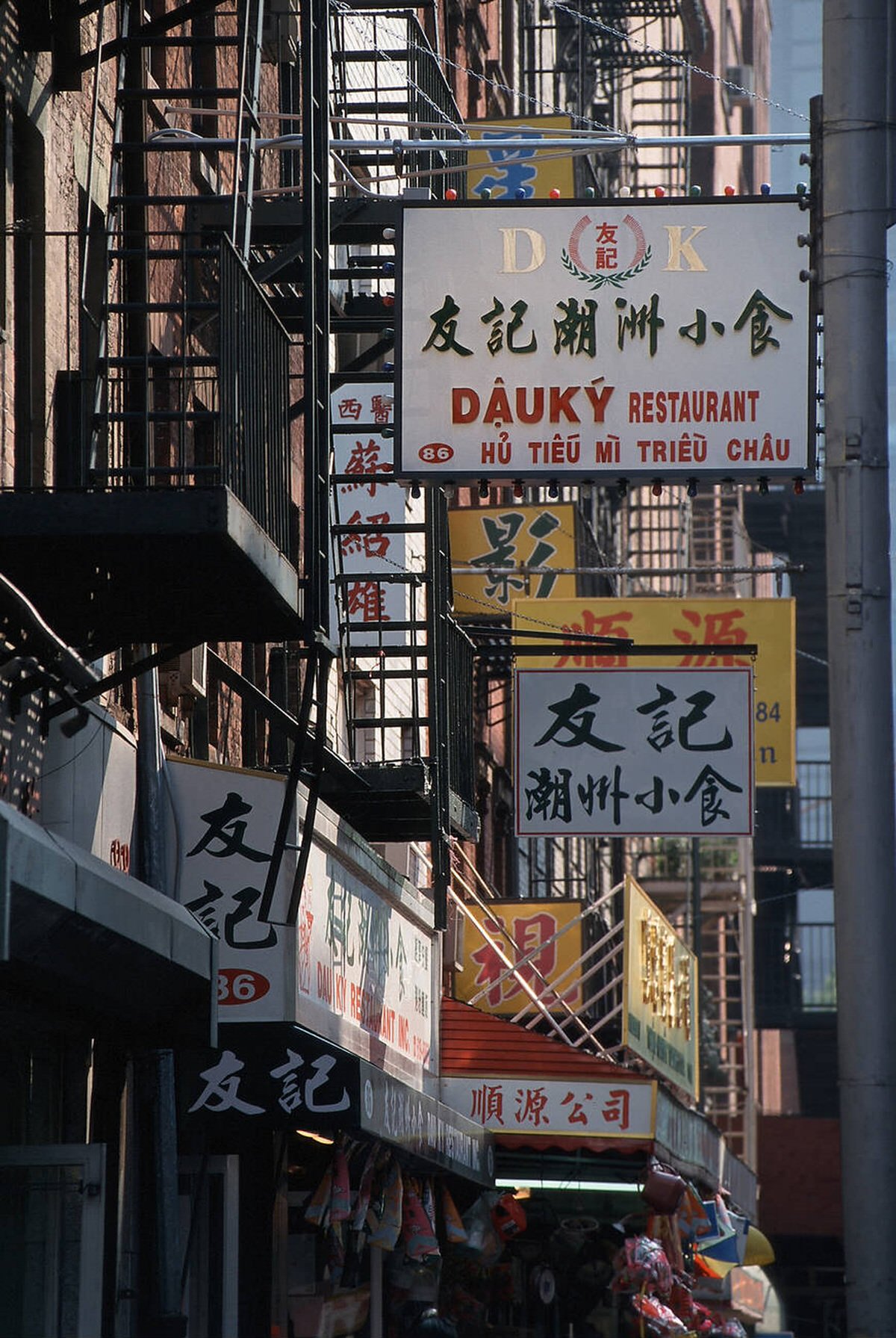
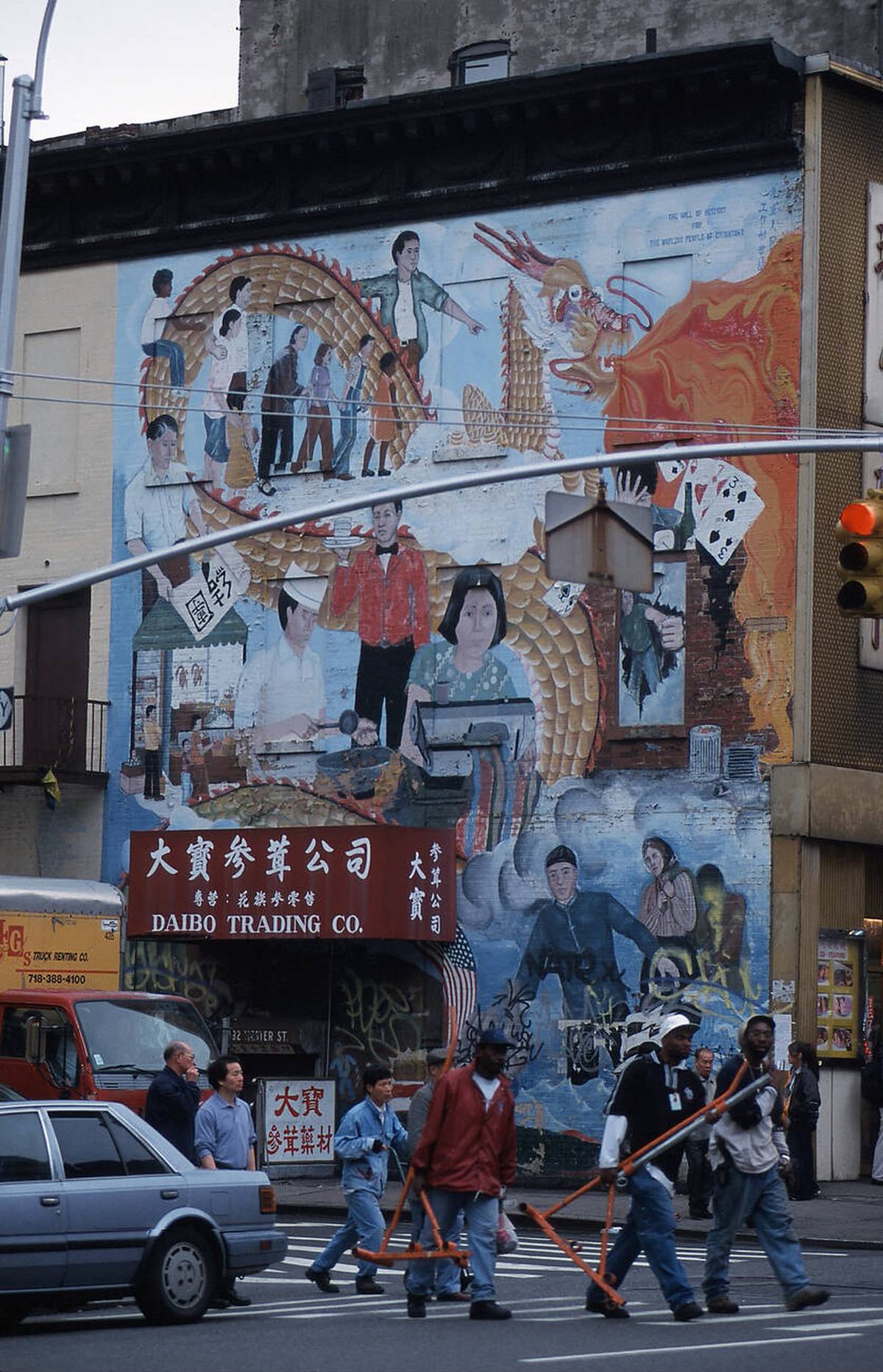
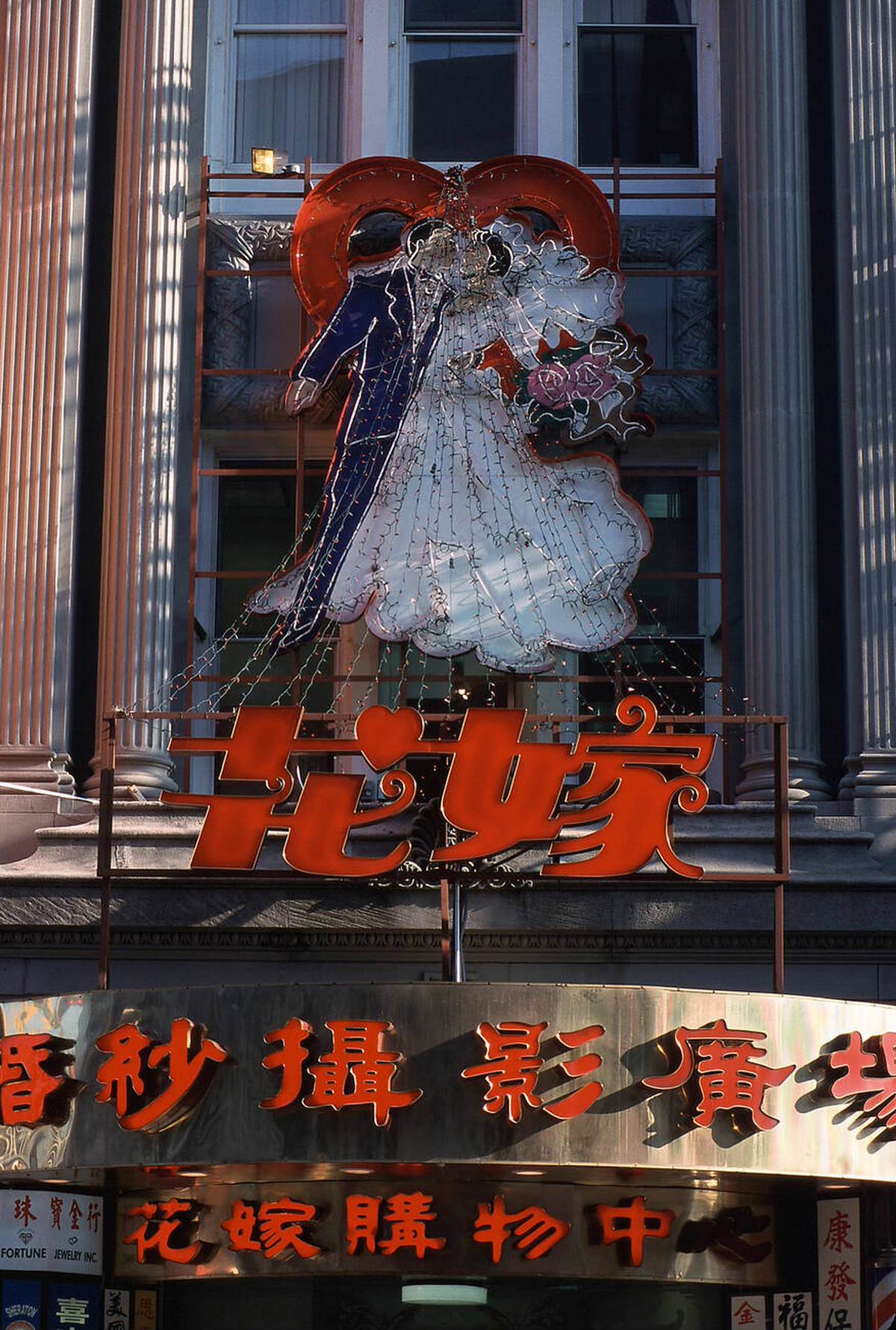
East Broadway developed into a center for Fujianese businesses. Travel agencies, employment offices, and remittance services lined the street. Signs often appeared only in Chinese characters.
Restaurants and food culture
Restaurants played a central role in neighborhood life. Dim sum halls filled with families on weekends. Servers pushed metal carts loaded with dumplings, buns, and rice rolls.
Barbecue shops displayed roast duck and pork in front windows. Noodle shops served hand-pulled noodles and soup dishes throughout the day.
Bakeries sold sponge cakes, egg tarts, and coconut buns. These shops stayed busy in the mornings and late afternoons. Many residents stopped in daily.
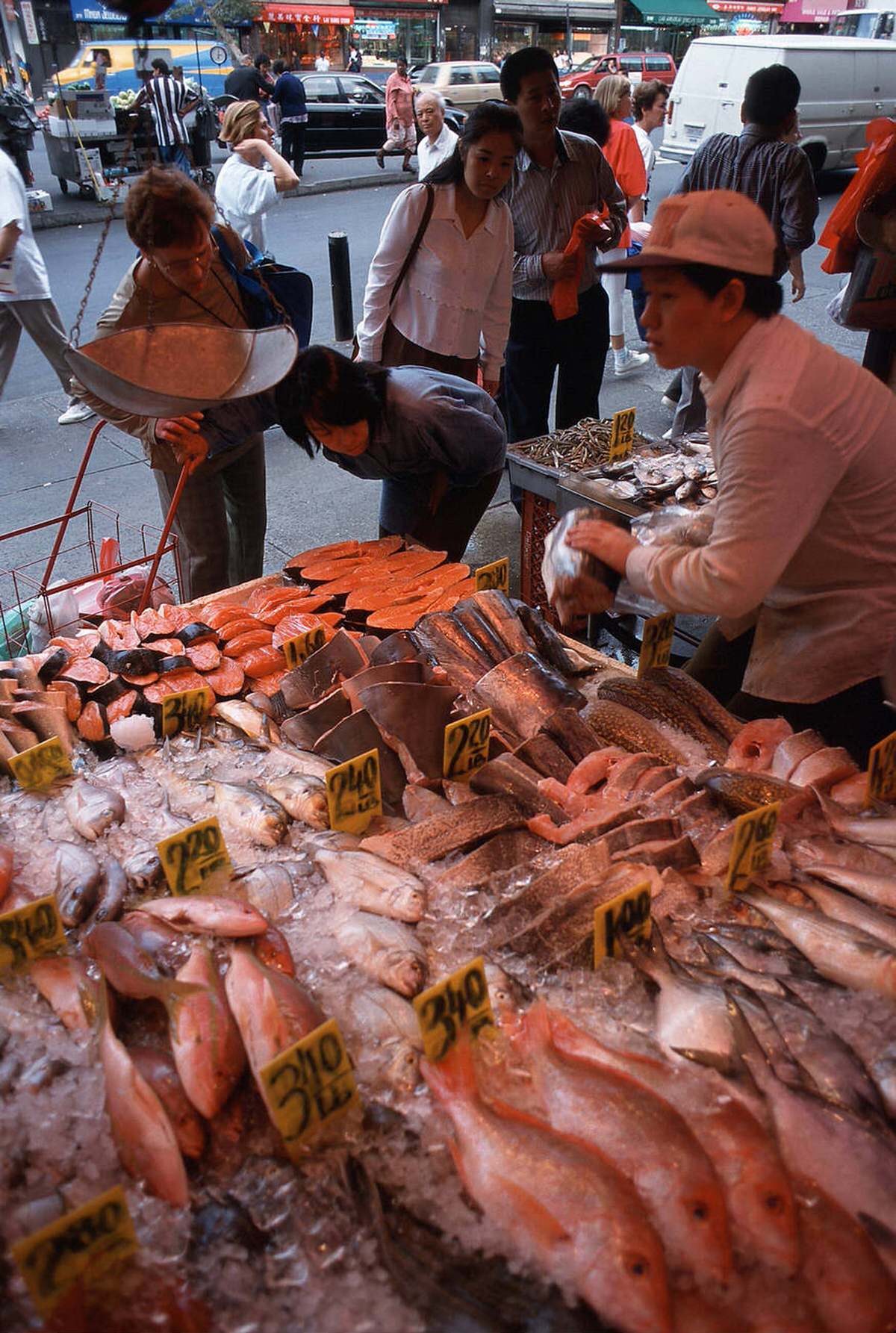
Seafood markets offered live fish, crabs, and lobsters kept in water tanks. Customers selected items directly before purchase.
Housing and building conditions
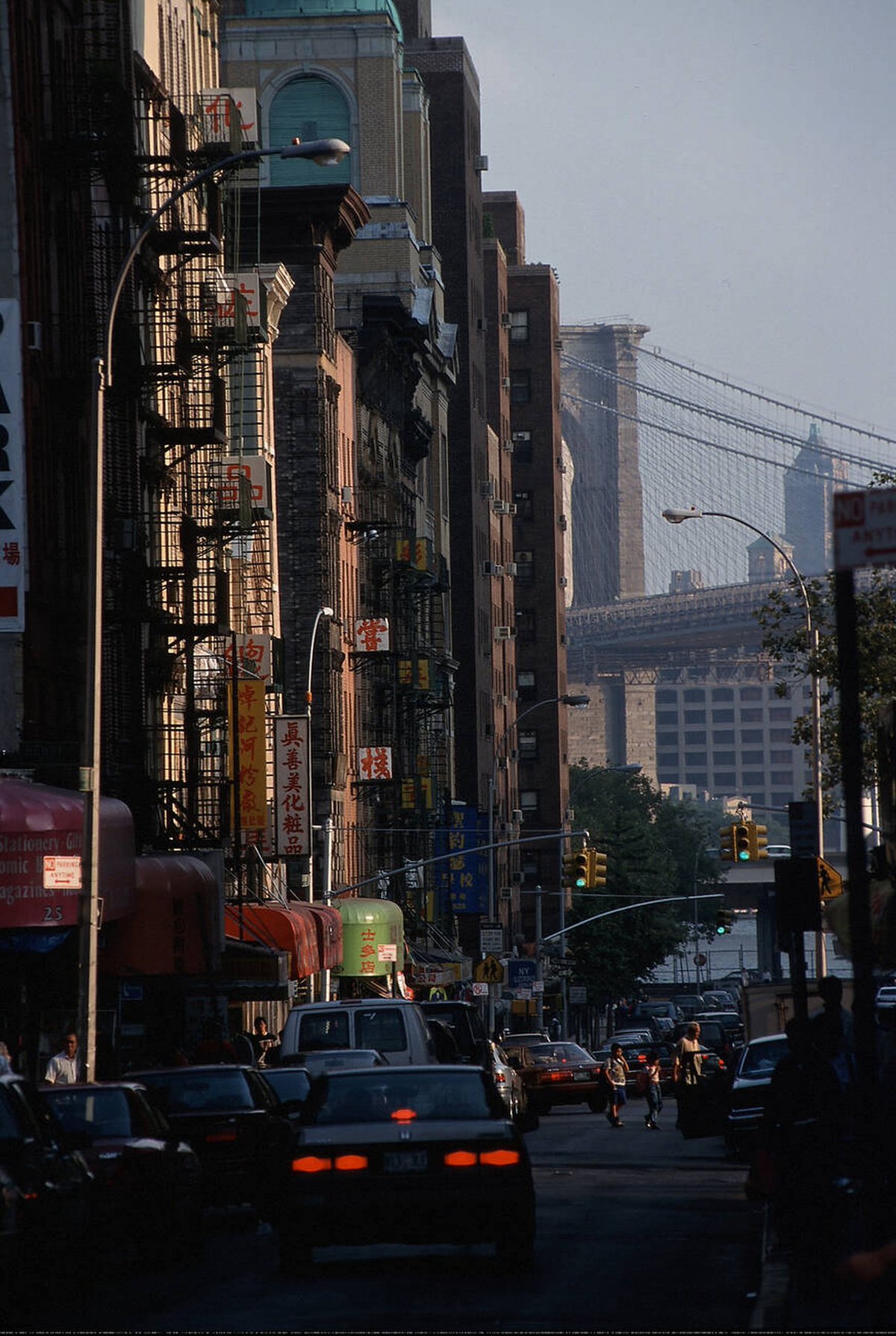
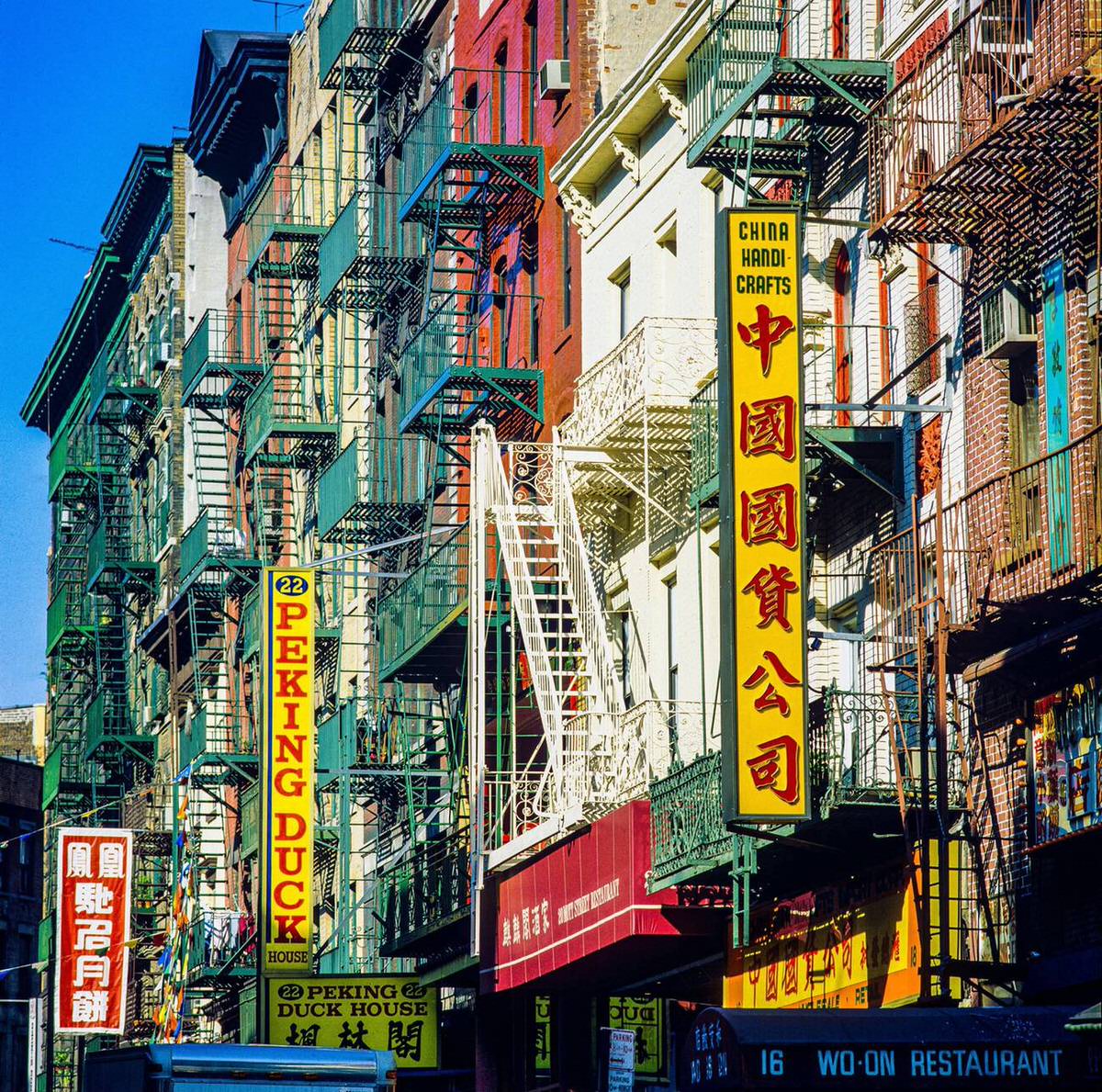
Most residents lived in older tenement buildings. These structures dated back to the late 1800s and early 1900s. Many apartments held several family members in small units.
Buildings often had narrow hallways and steep staircases. Ground floors usually held businesses, while upper floors held apartments.
Some buildings underwent renovation during the 1990s. Owners updated plumbing, added new storefronts, and repaired façades. Even with these improvements, many structures kept their historic exterior appearance.
Community organizations and services
Community groups played an important role during this period. Organizations such as the Chinese Consolidated Benevolent Association continued to provide support services.
Local groups helped immigrants find housing and jobs. English classes, legal services, and translation help operated through these organizations.
Churches and temples also served as gathering places. These buildings hosted meetings, language programs, and youth activities.
Schools and young residents
Public schools in and near Chinatown served large numbers of immigrant children. Many students spoke Cantonese, Mandarin, or Fujianese at home. Schools expanded bilingual programs during this period.
After school, students filled tutoring centers and community programs. Many parents worked long hours in restaurants or garment factories. These programs provided supervision and academic support.
Parks and playgrounds gave children space to gather. Basketball courts and handball walls stayed busy in the afternoons.

GIPHY App Key not set. Please check settings