

 Frederick Victor
For most of the twentieth century, New York ran on newsprint. Every corner had a stand, every straphanger had a paper, and the newsstand operator knew more about the neighborhood than anyone who lived there.
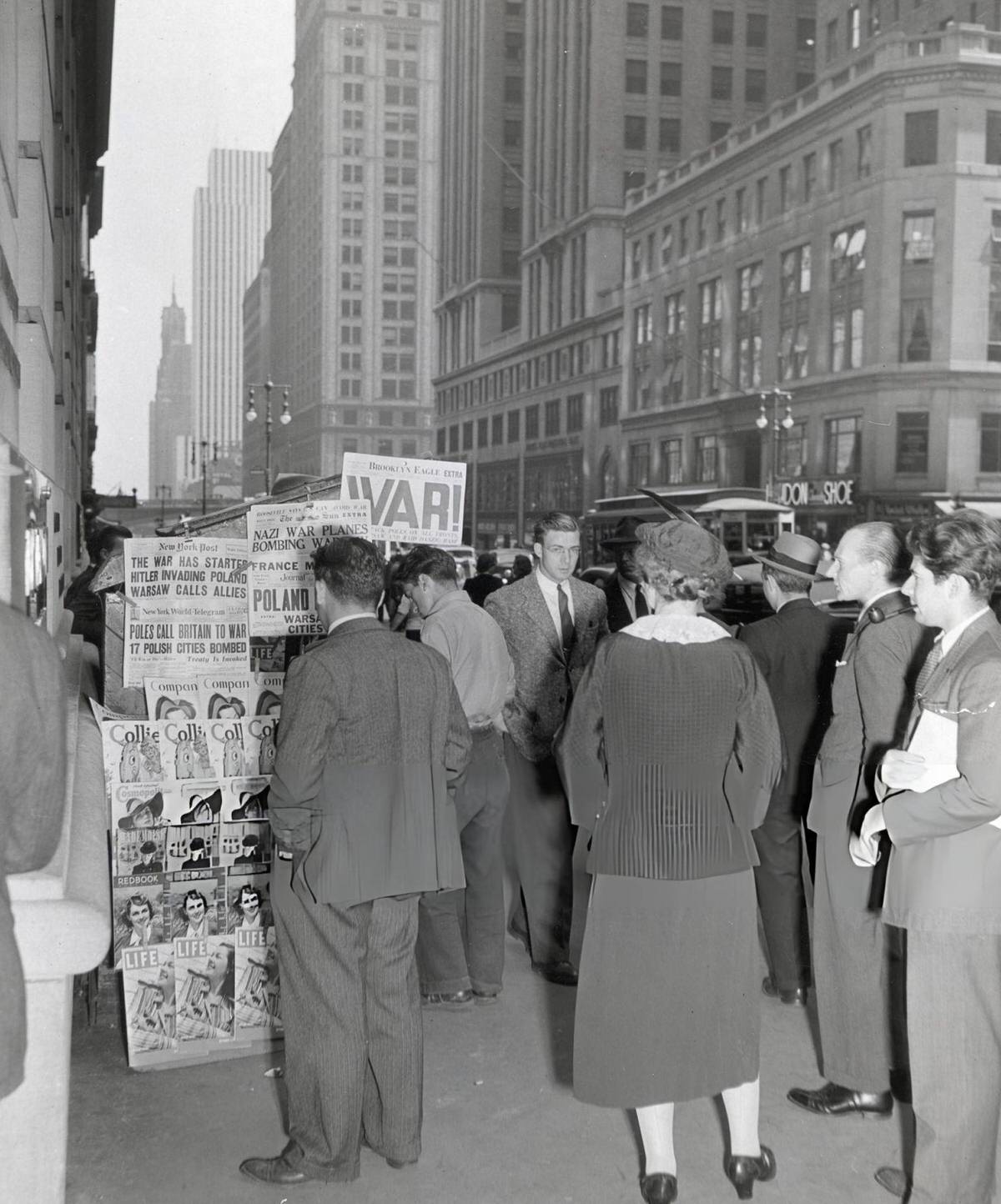
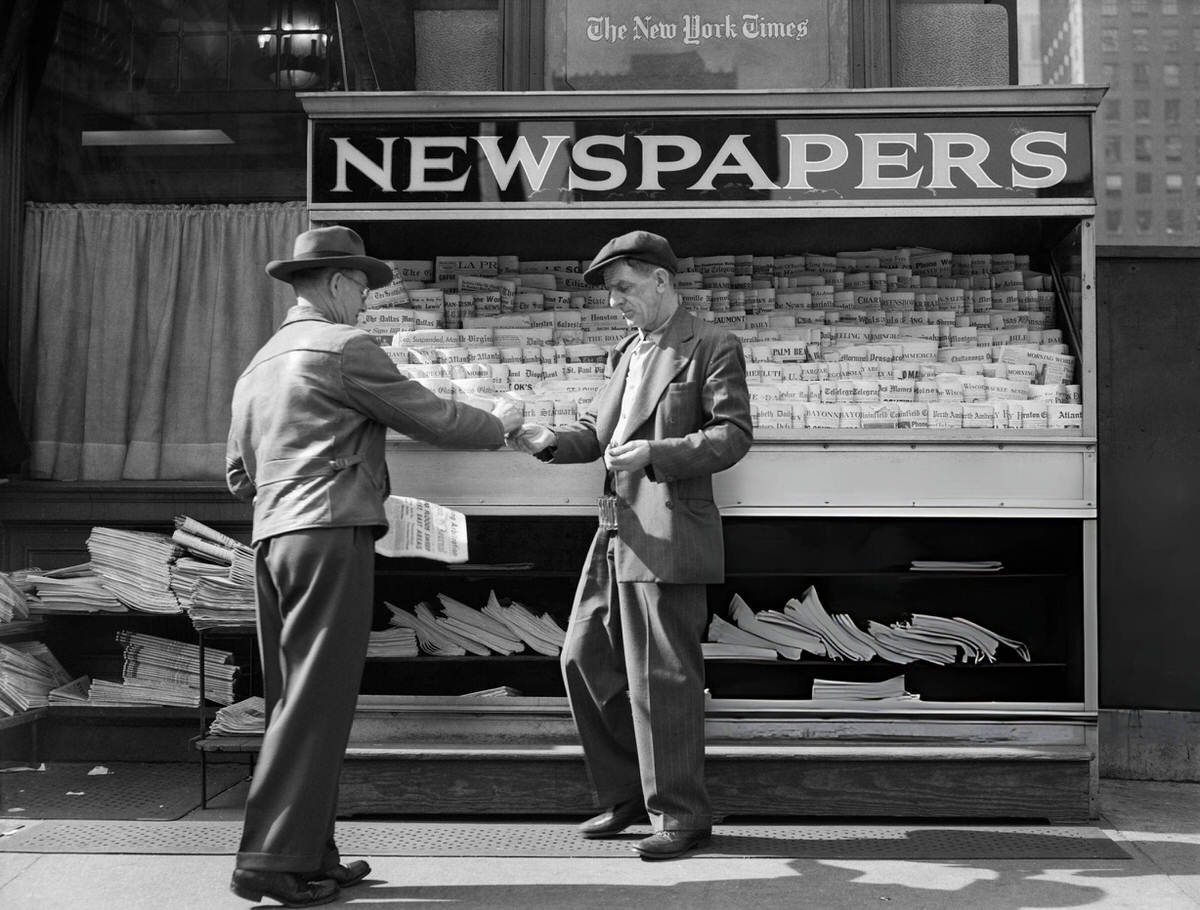
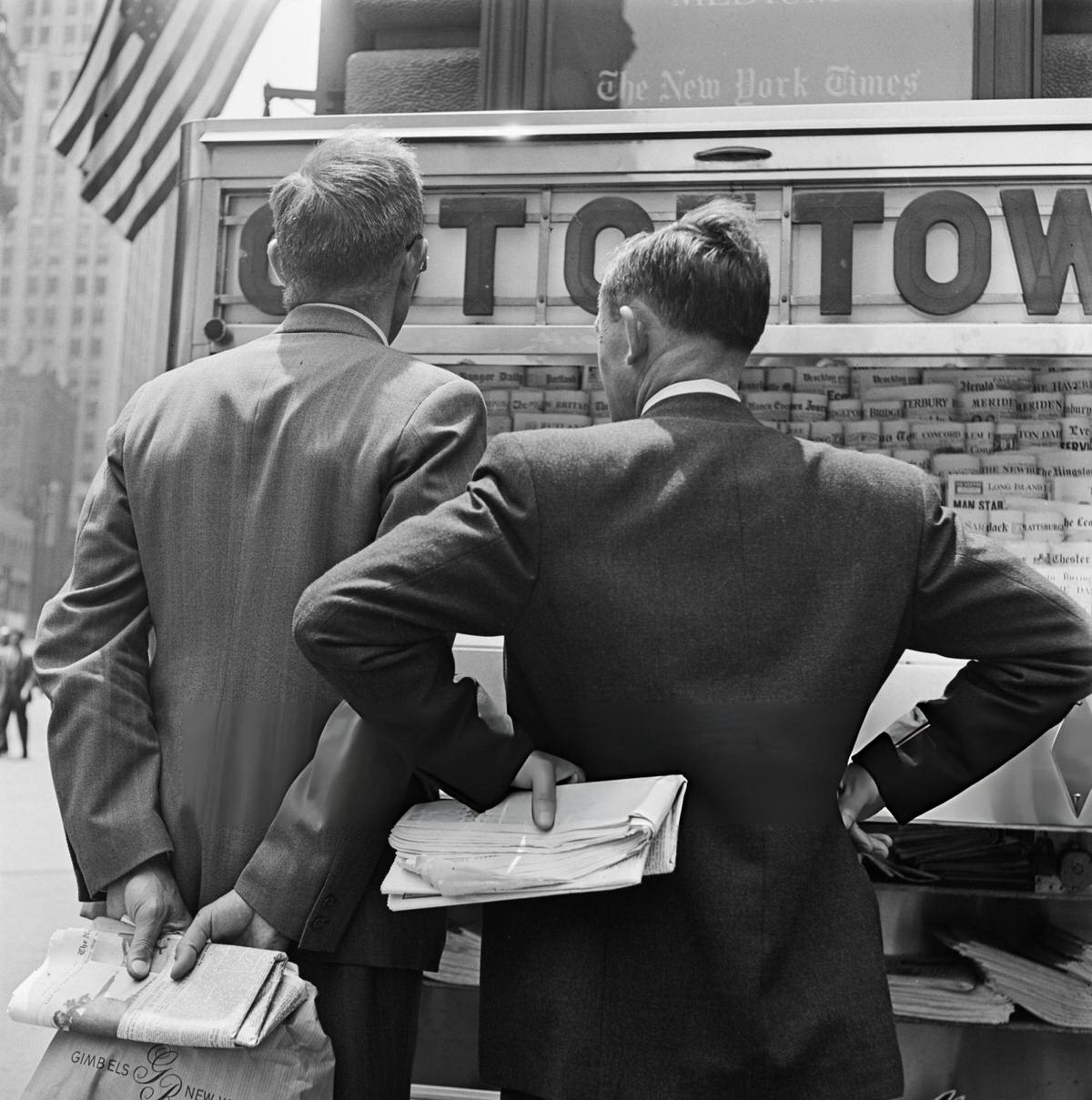
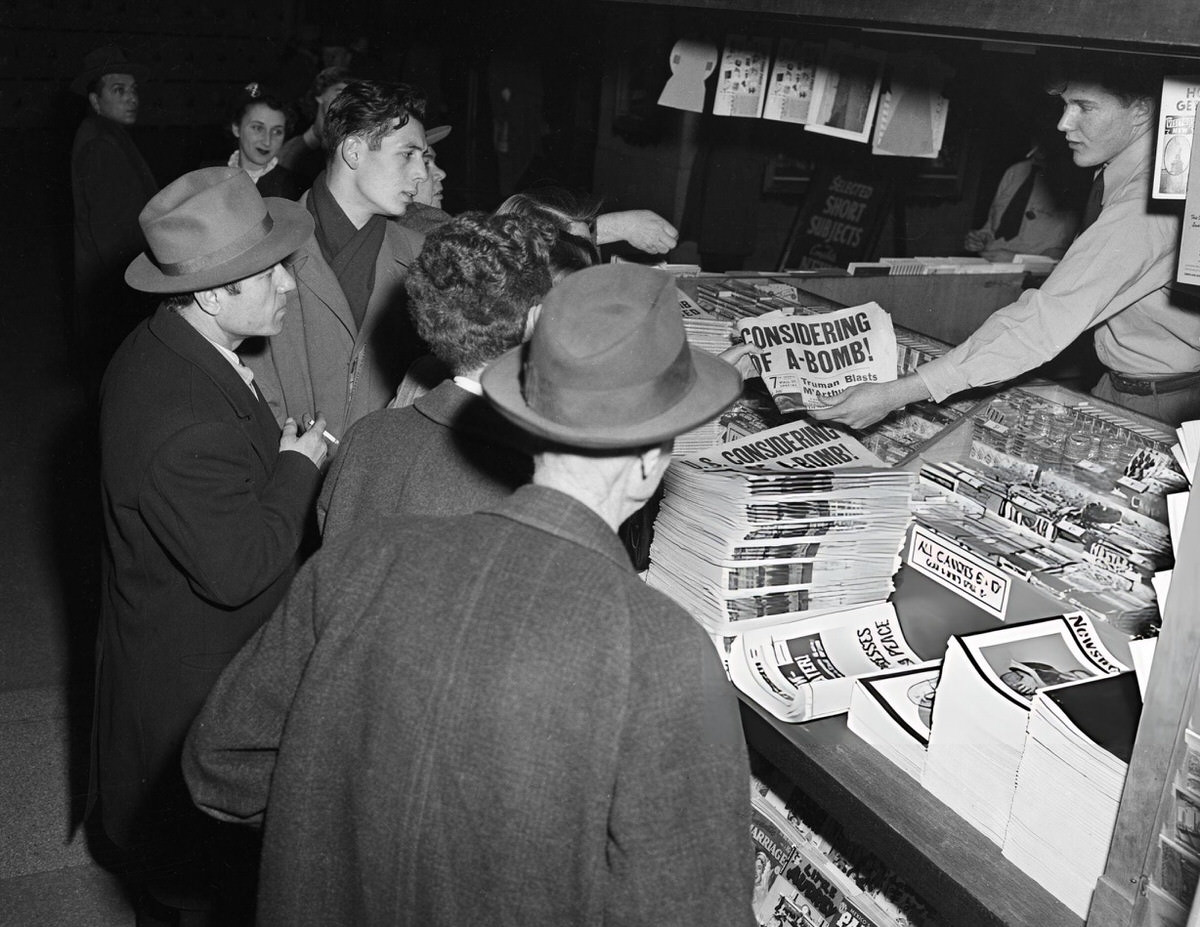
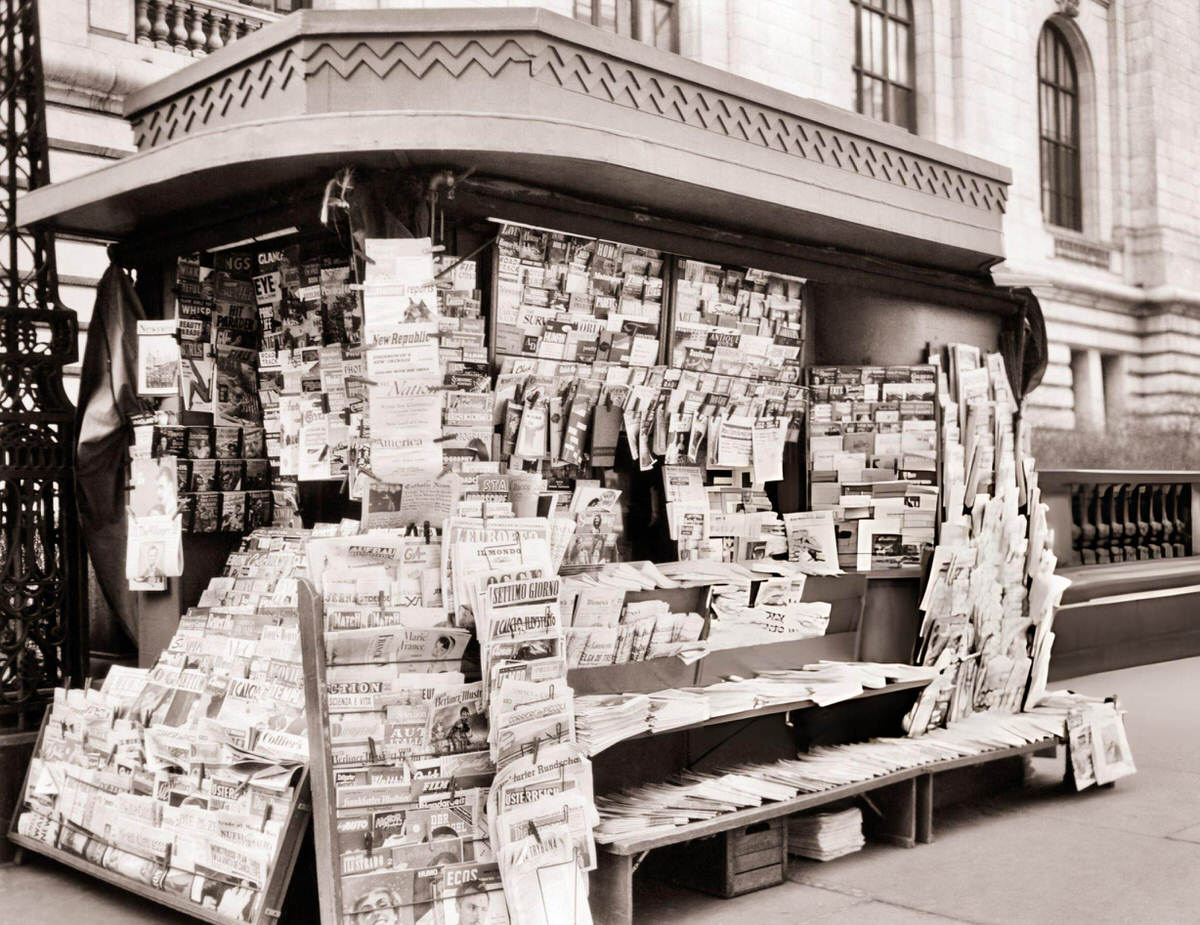
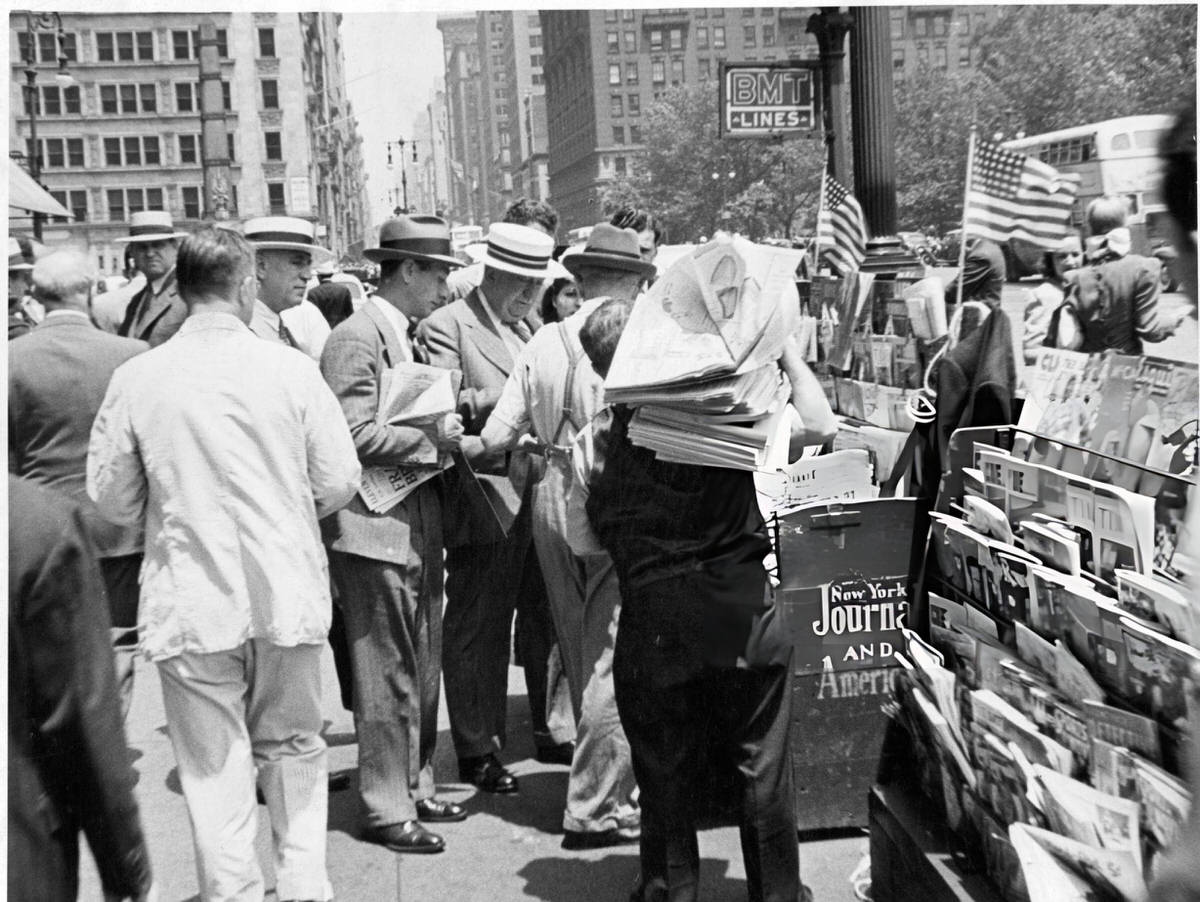
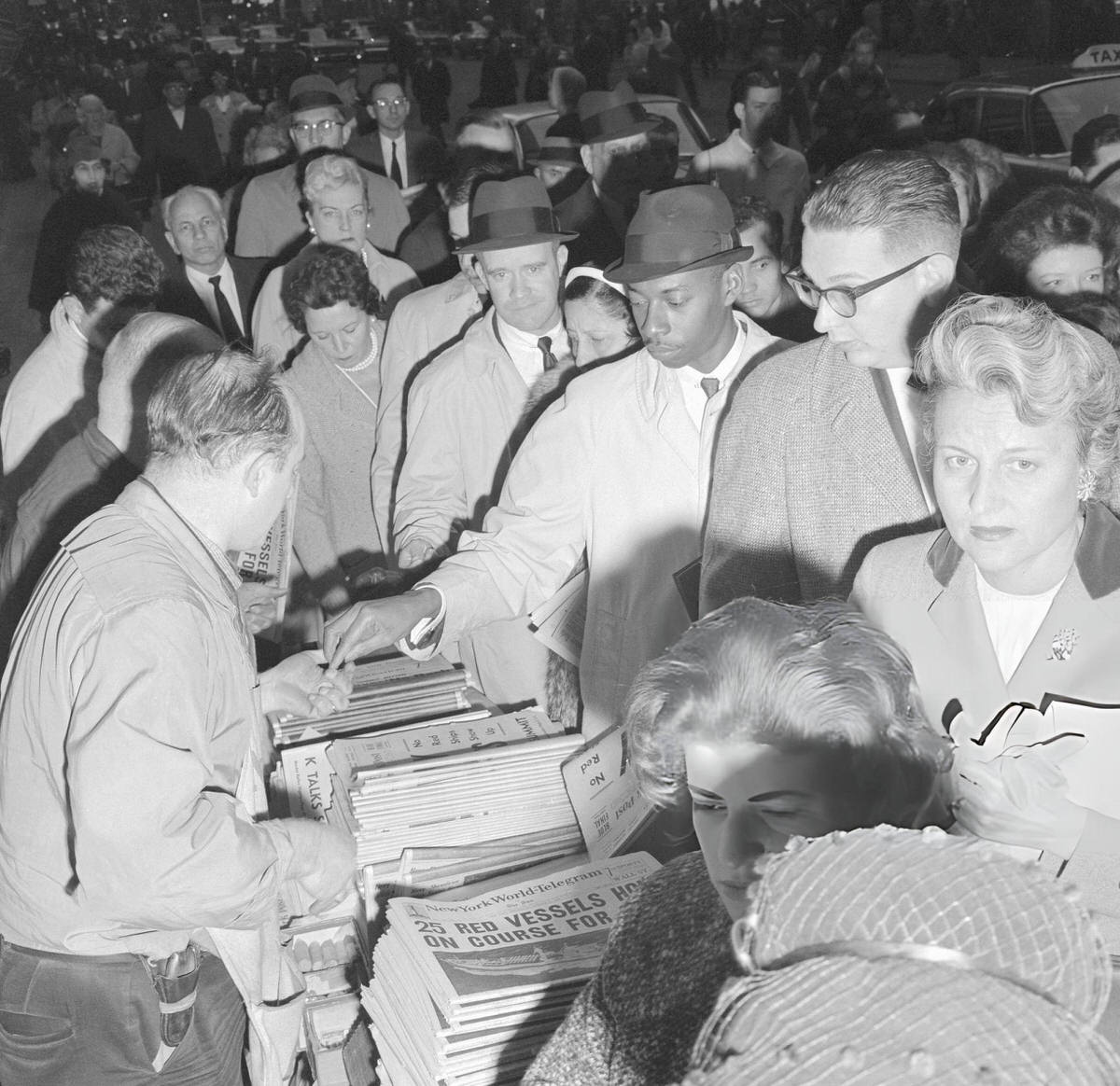
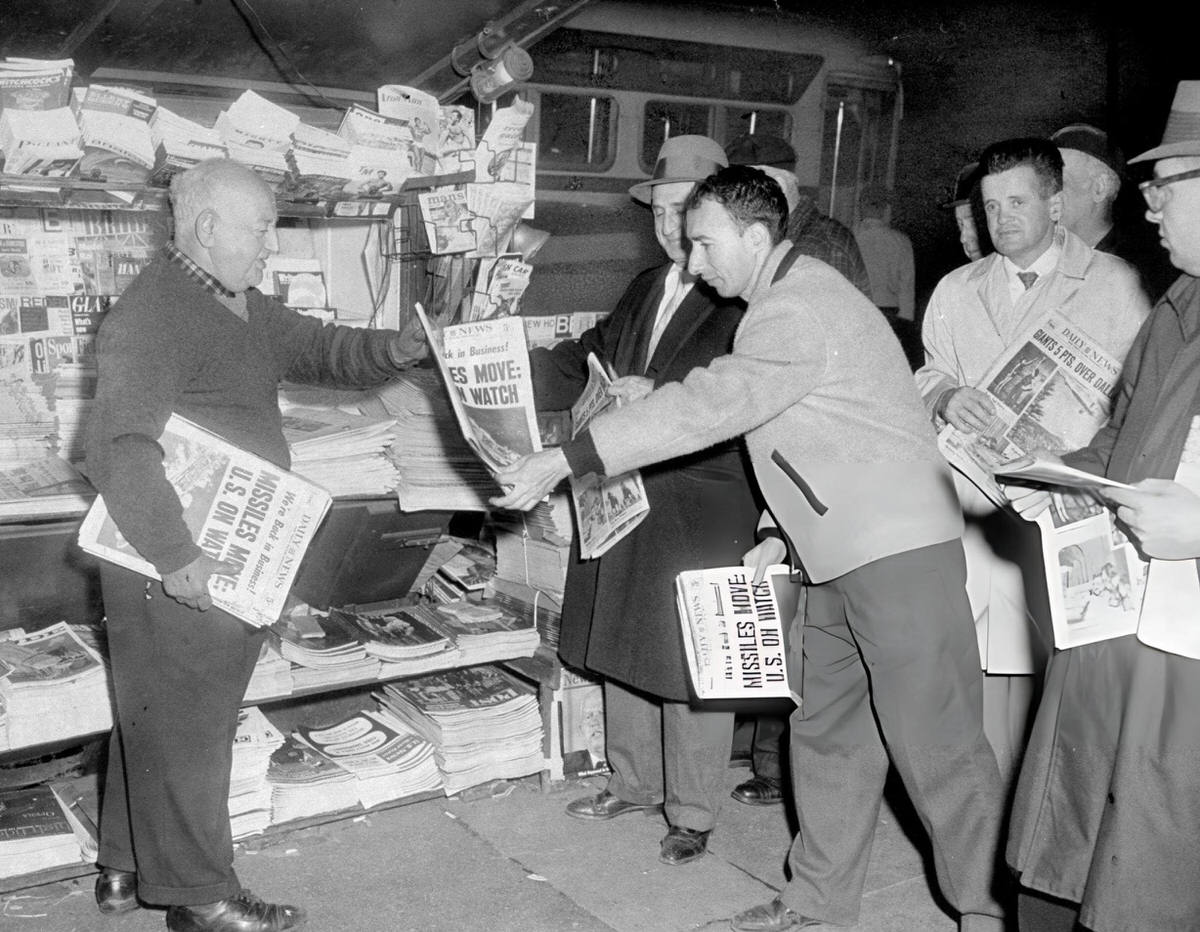
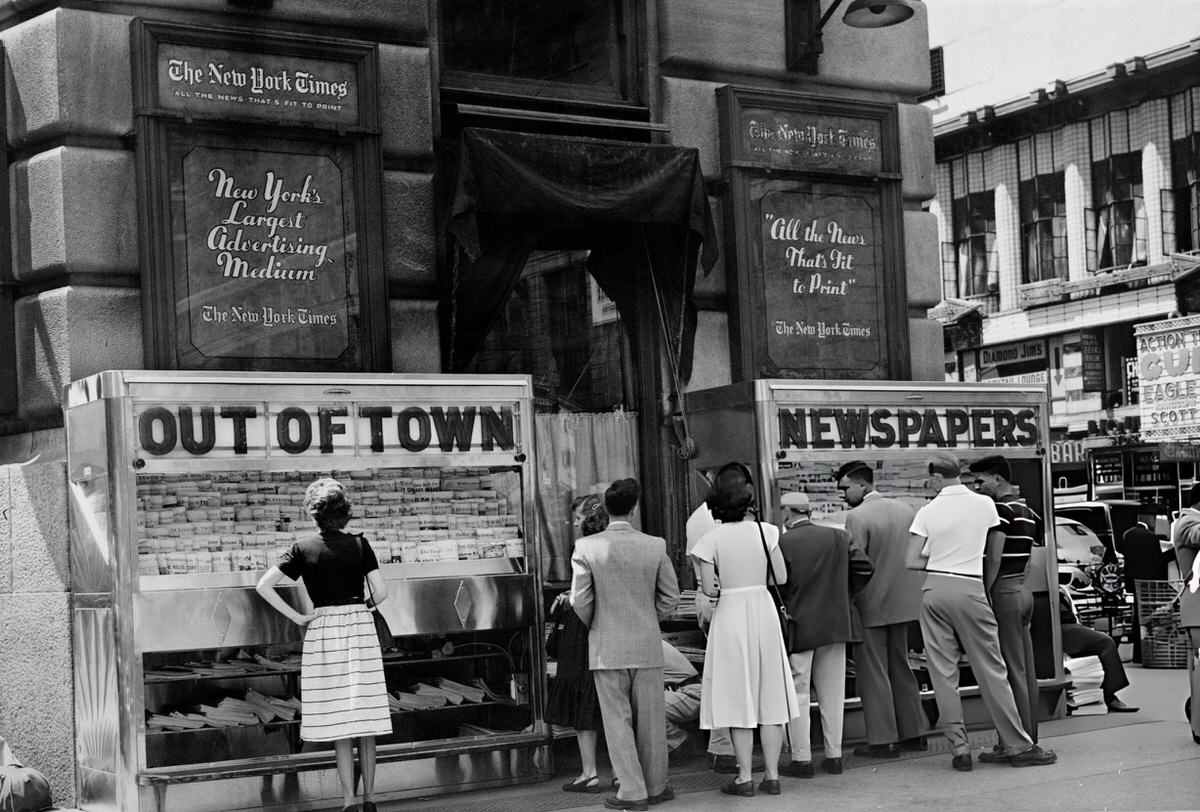
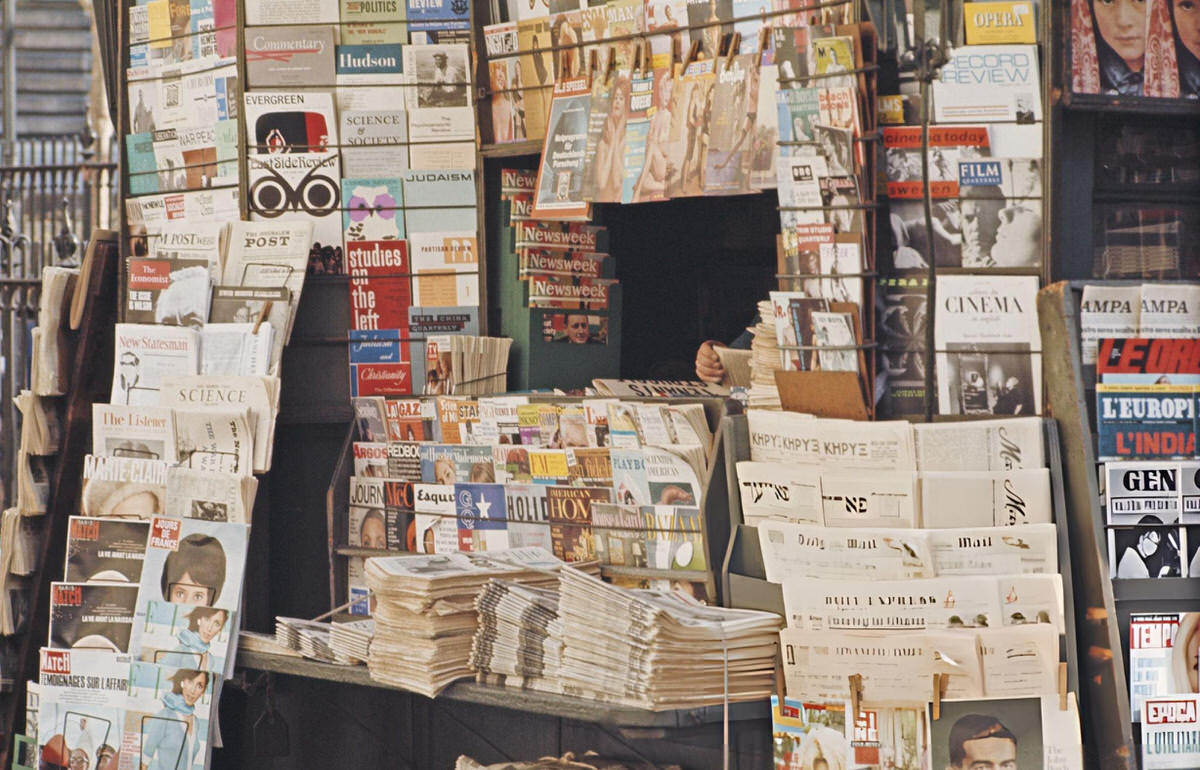
New York City at its reading peak was unlike any place on earth. In the 1940s and 1950s, the city supported over a dozen daily newspapers in English alone, plus a dense ecosystem of foreign-language papers in Yiddish, Italian, German, Spanish, Chinese, and Polish. A newsstand on a busy Midtown corner stocked all of them. The man behind the counter knew which ones moved fast, which ones lingered, and exactly which customer bought which paper without being asked. He had that corner memorized in a way that took years to build and could not be taught.
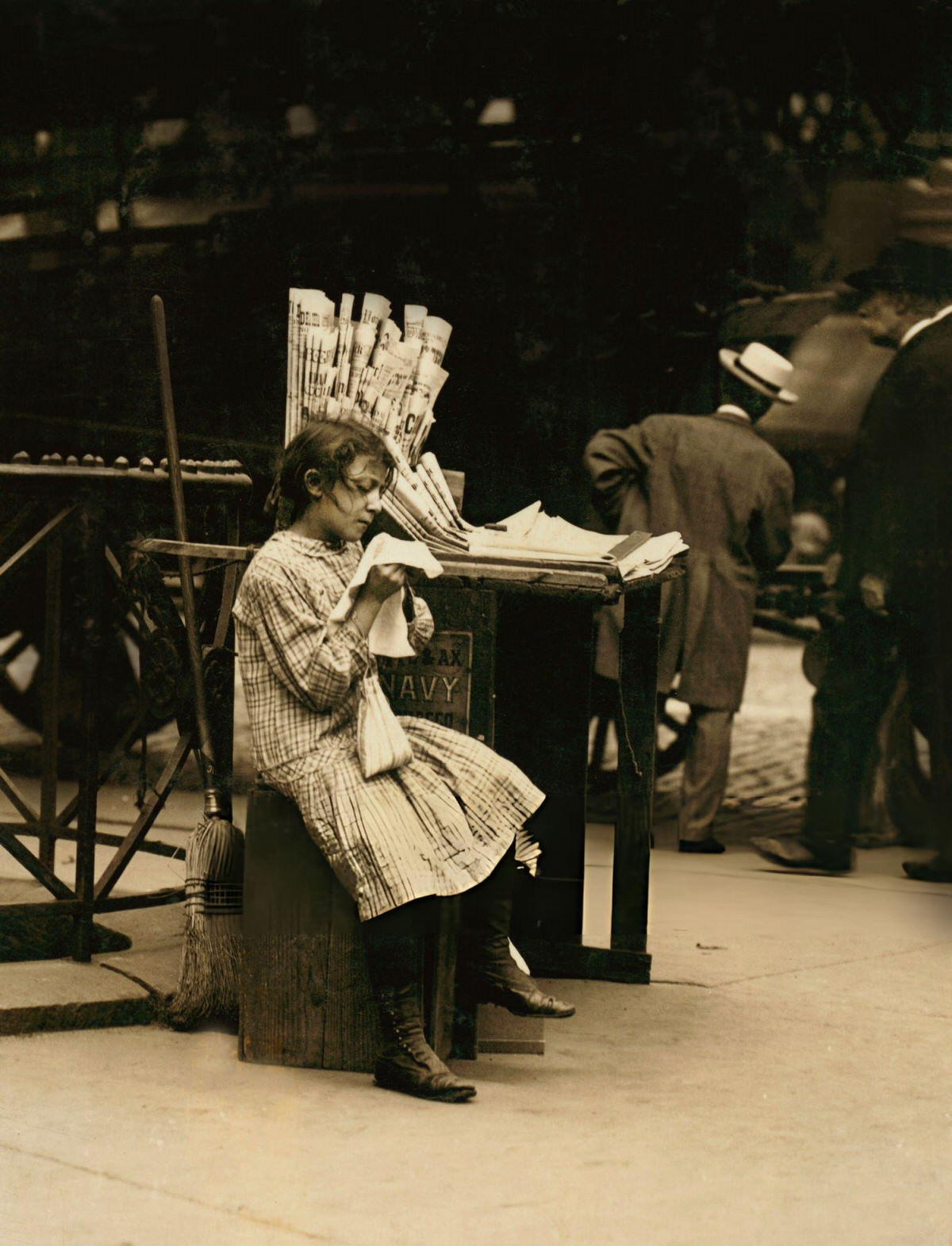
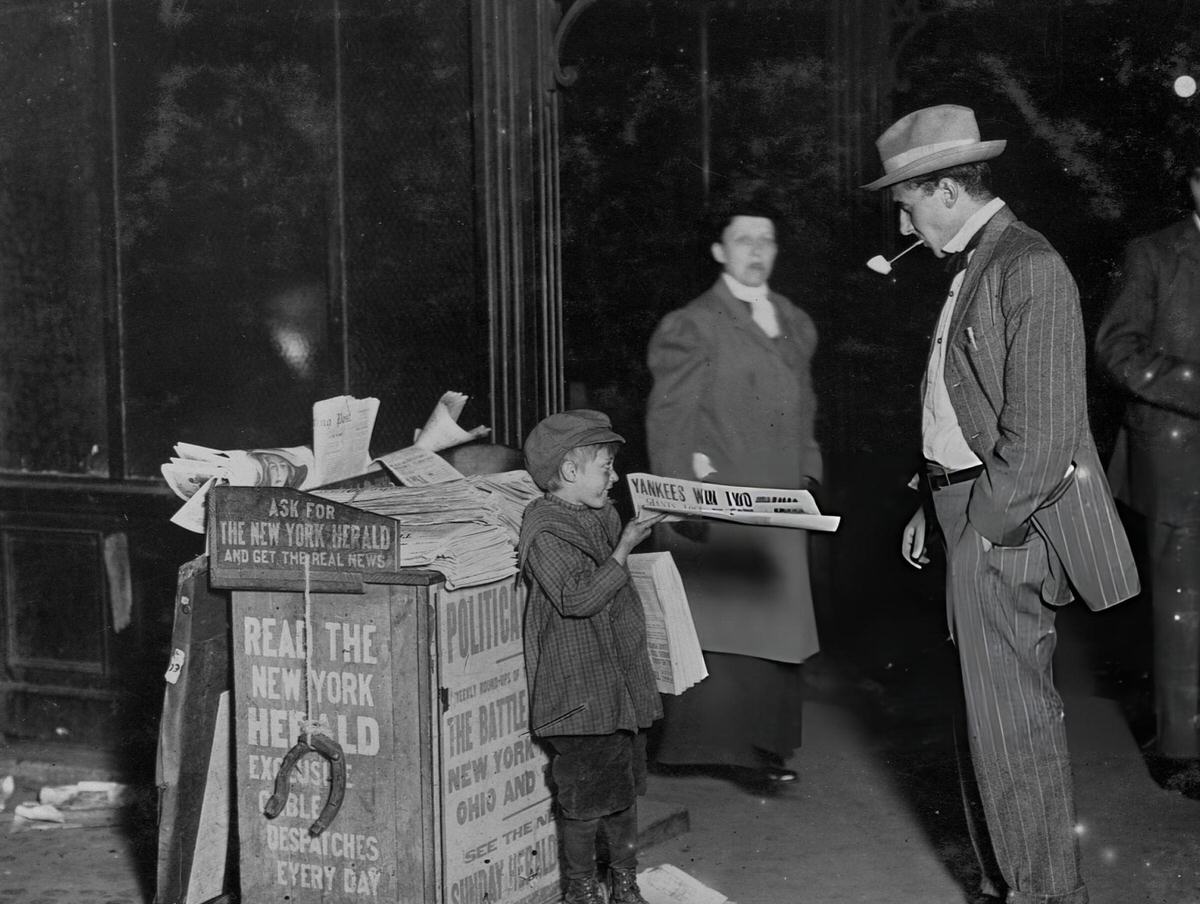
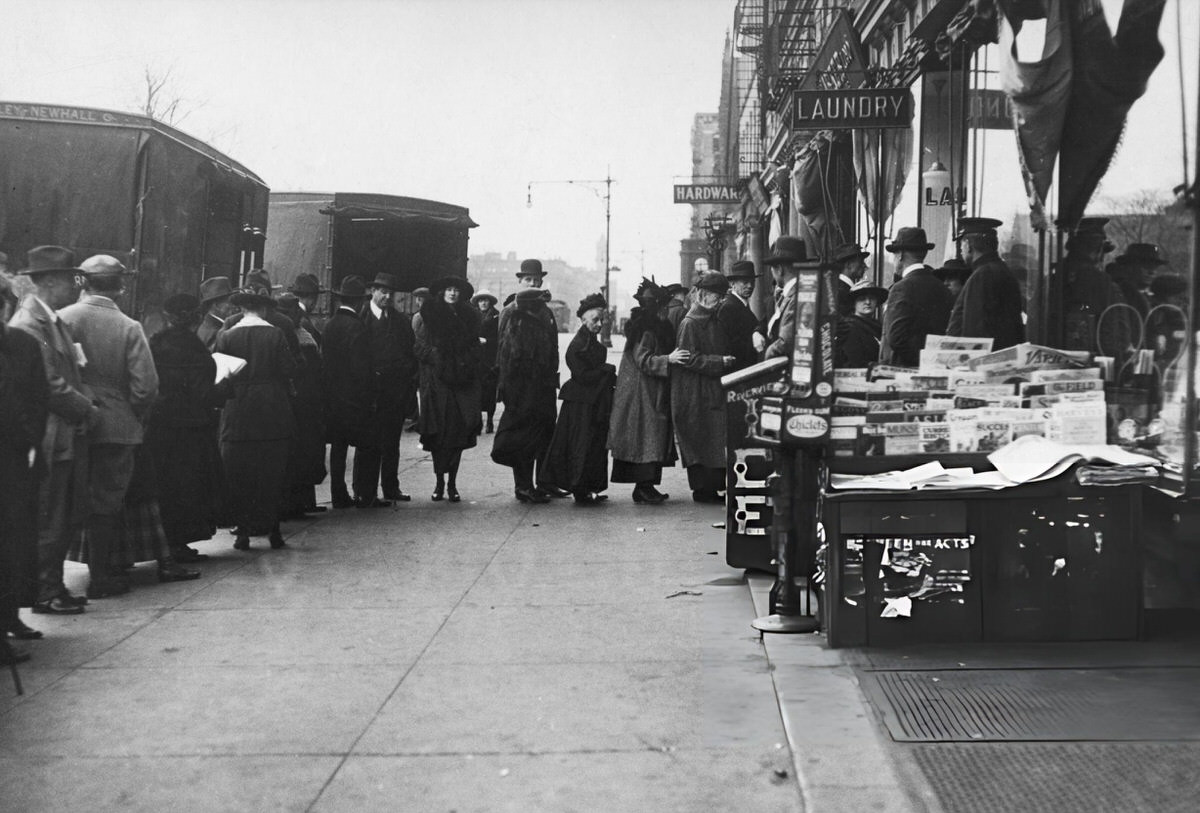
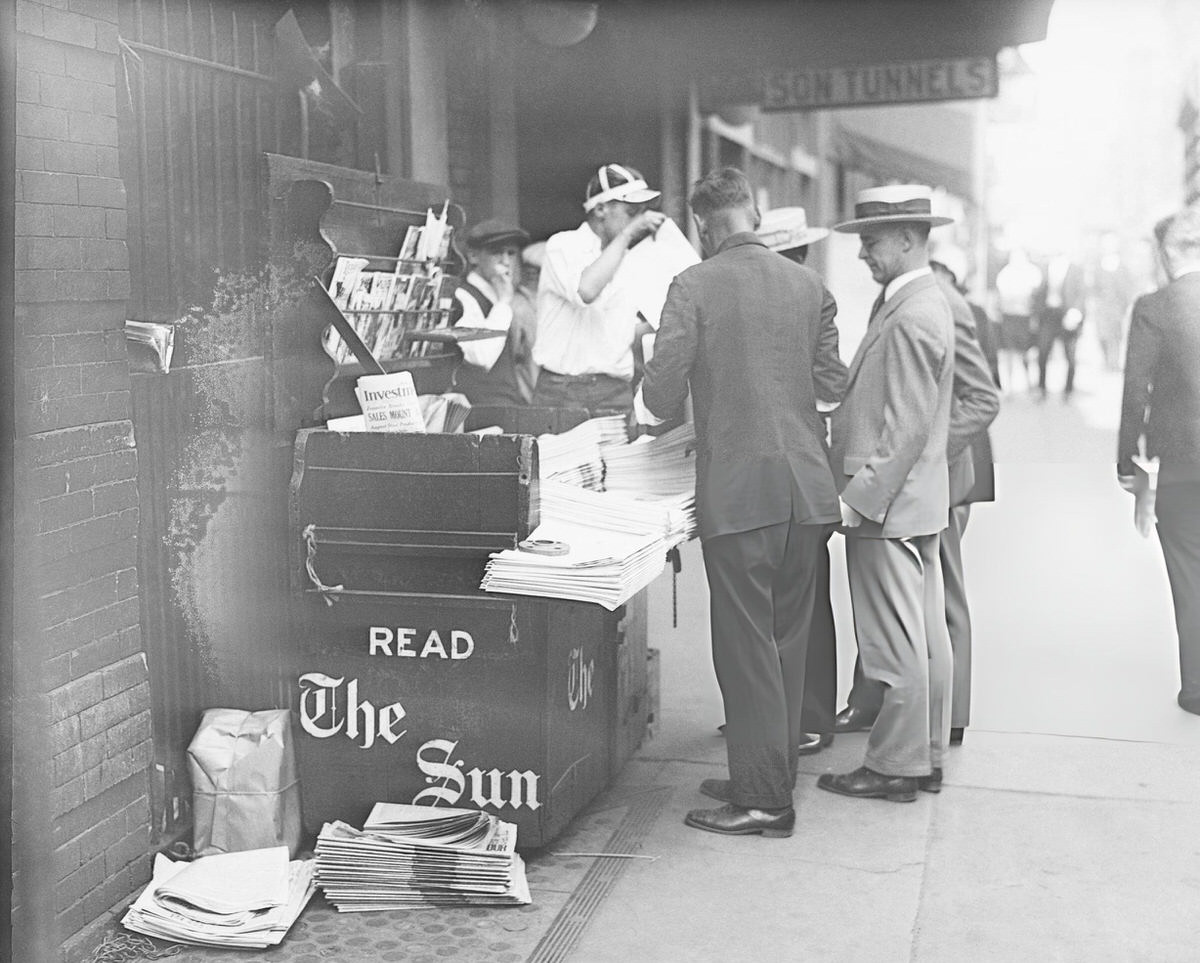
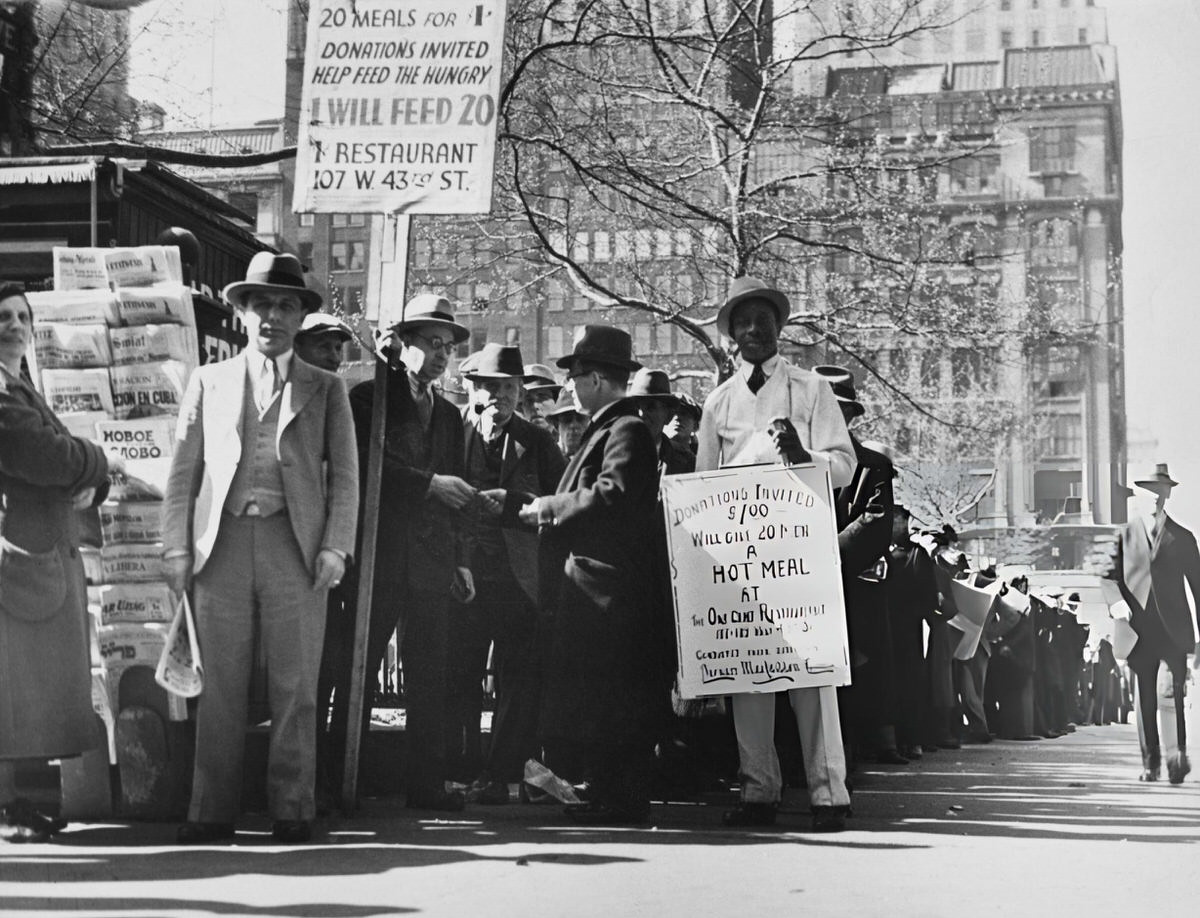
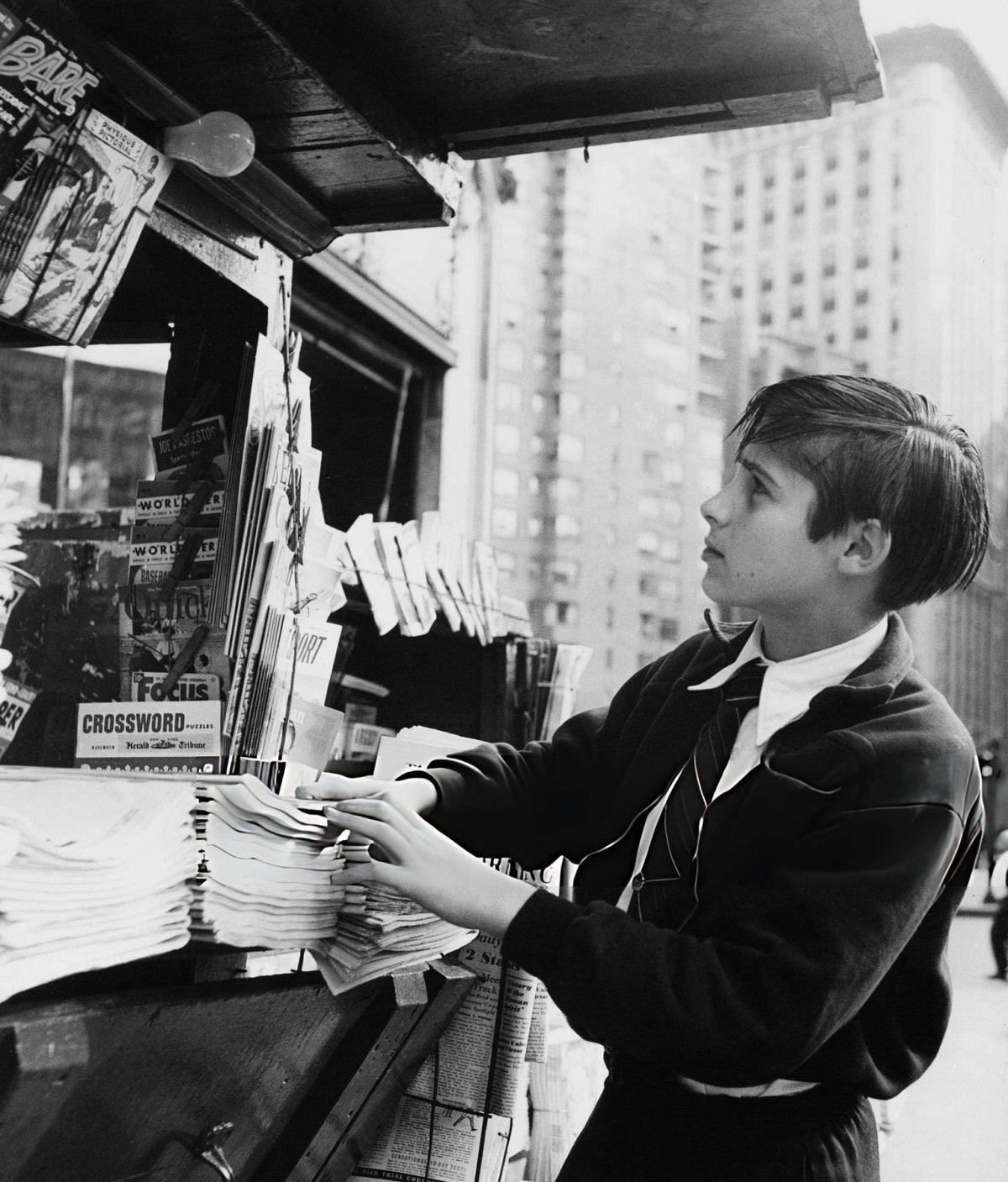
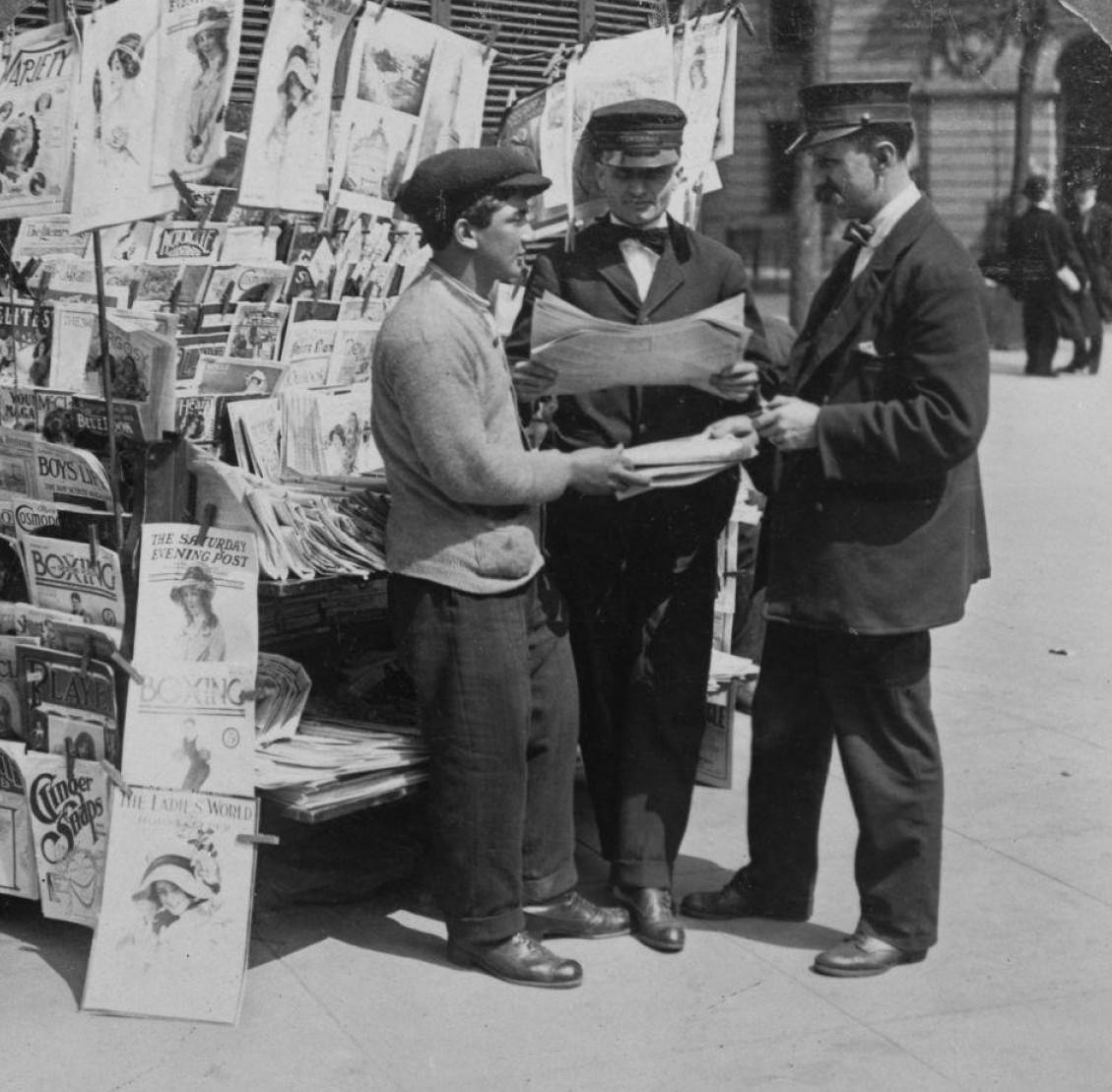
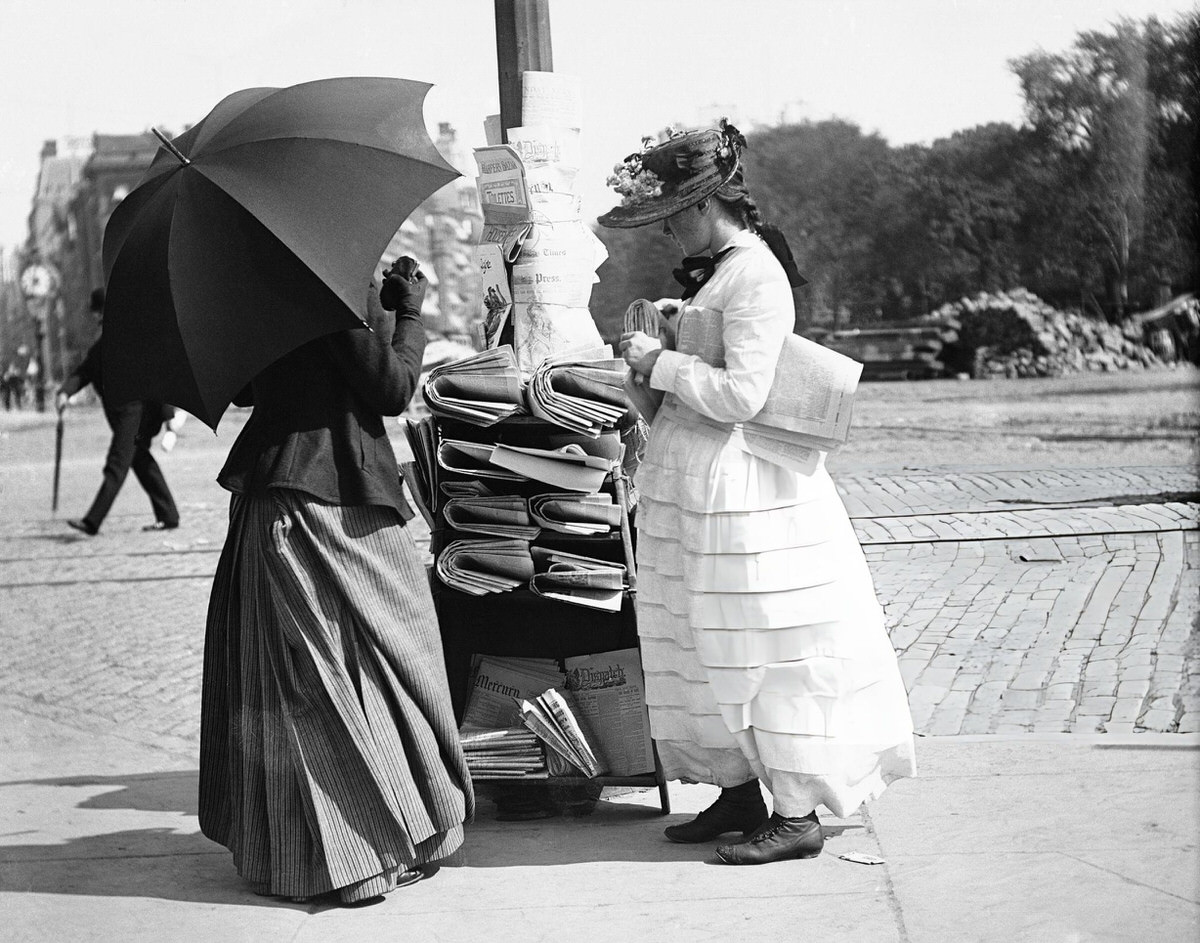
The newsstand as a fixed street fixture took shape in New York in the 1880s. Before that, newspapers were sold by boys — newsies — who ran through the streets shouting headlines and selling single copies out of stacks tucked under their arms. The newsie was a real institution, not a romantic myth. Boys as young as seven or eight worked the corners near Park Row in Lower Manhattan, where most of the city’s major newspaper offices were clustered. They bought papers wholesale from the publishers and sold them at a markup, keeping the difference. On a good day near the Brooklyn Bridge or the ferry terminals, a quick newsie cleared more money than a grown man in a factory.
Read more
The Papers Themselves
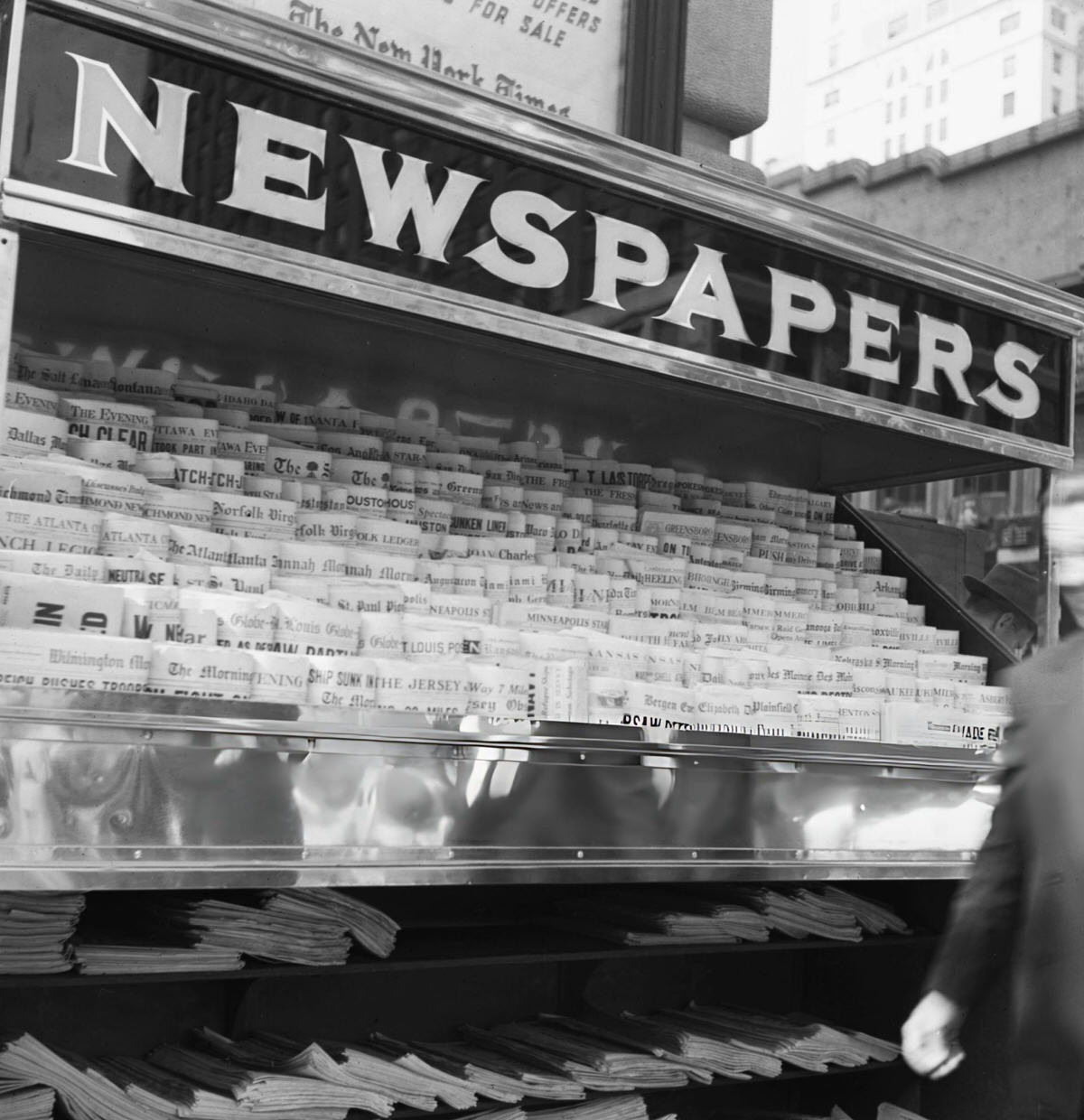
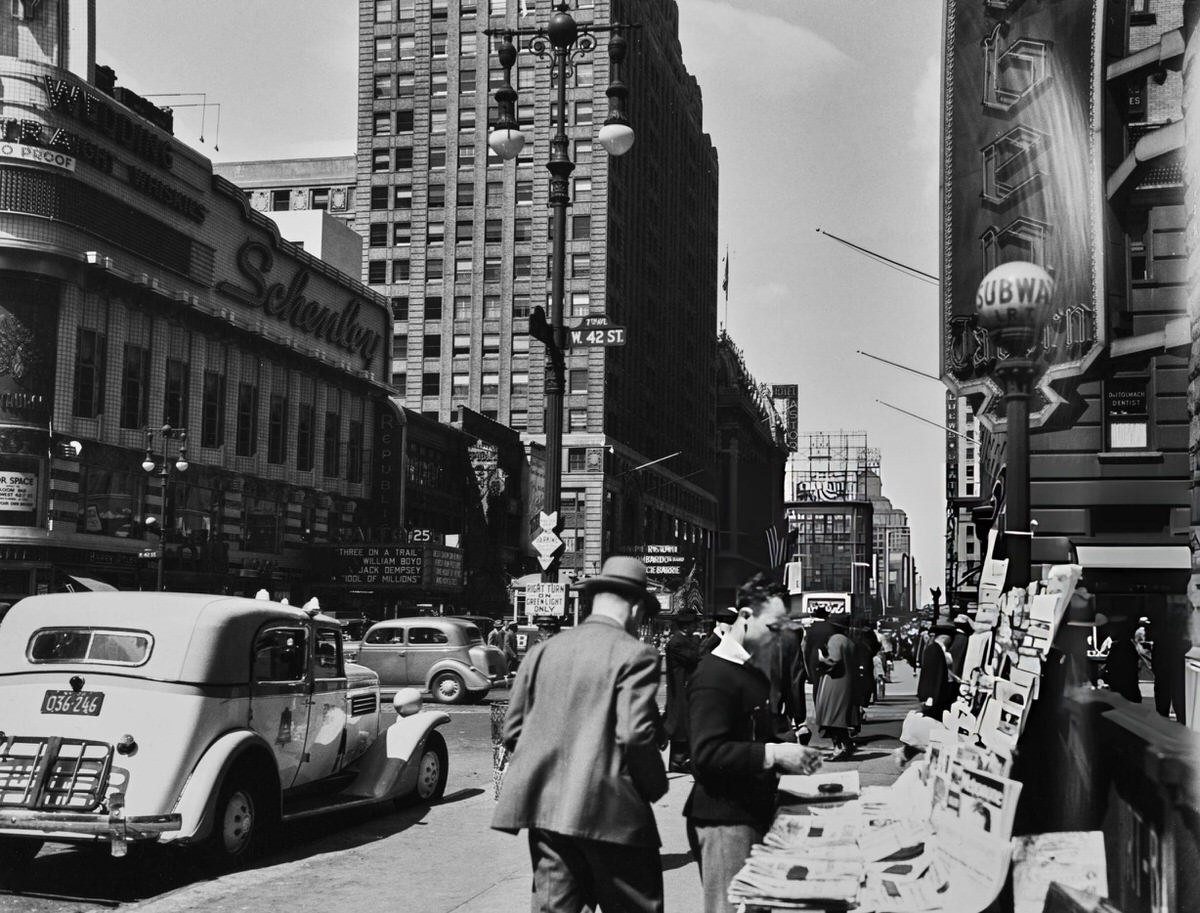
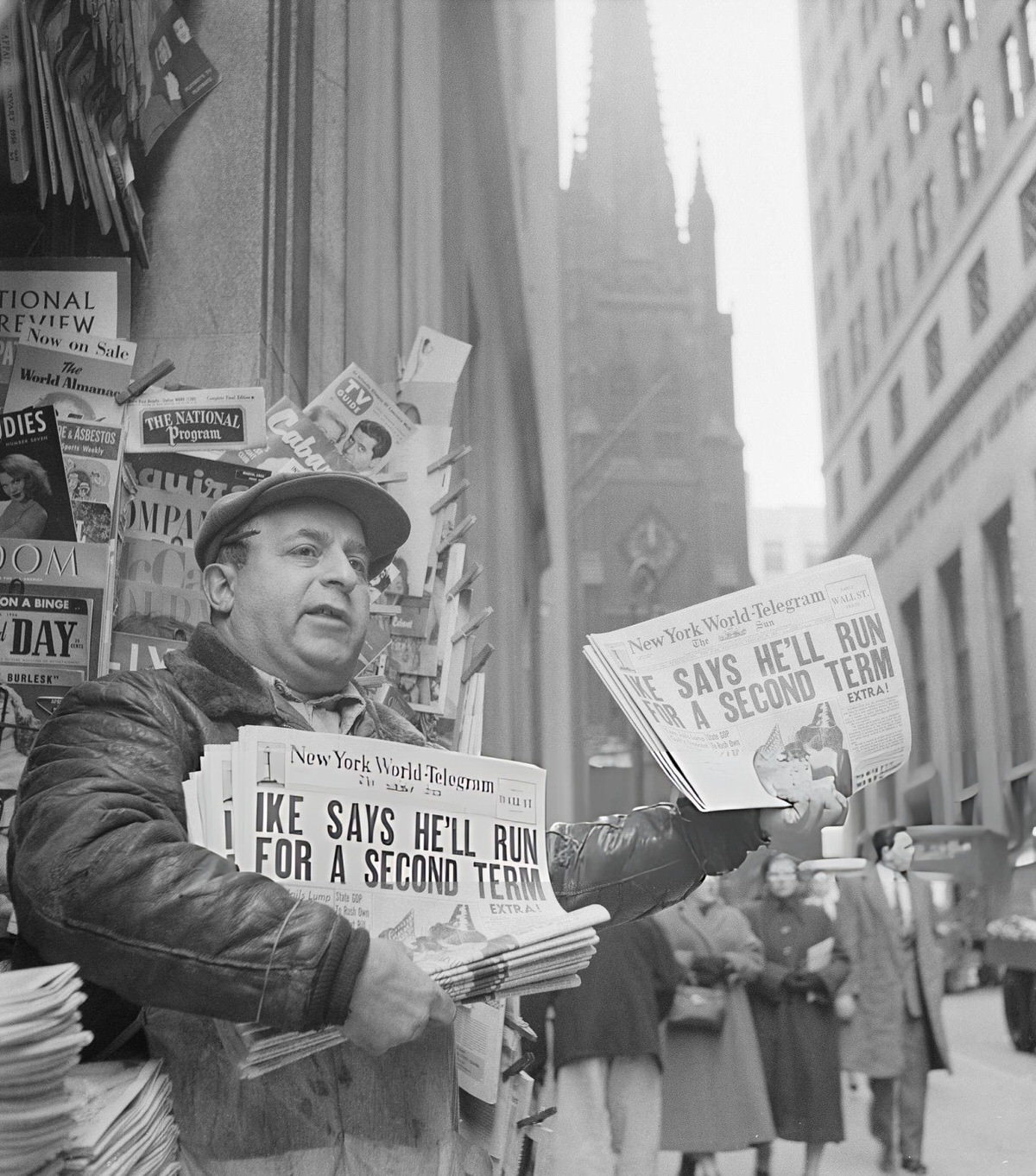
The sheer number of papers available on a New York newsstand in the mid-twentieth century is hard to grasp today. These were the titles a newsstand operator on, say, 42nd Street and Eighth Avenue stocked on any given morning in 1950: The New York Times, Daily News, New York Herald Tribune, New York Post, The Sun, The World-Telegram, Journal-American, The Mirror, PM, The Brooklyn Eagle, El Diario, The Forward (Yiddish), Il Progresso
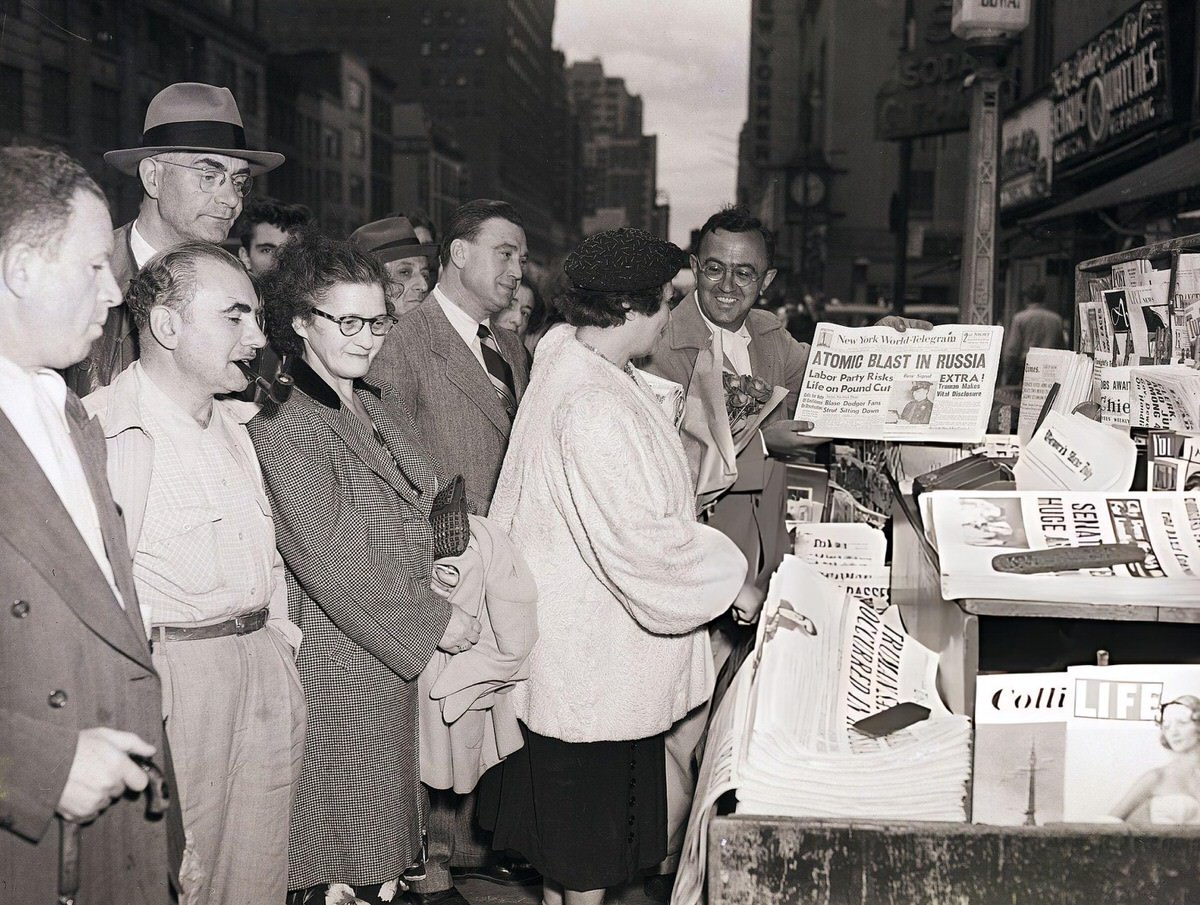
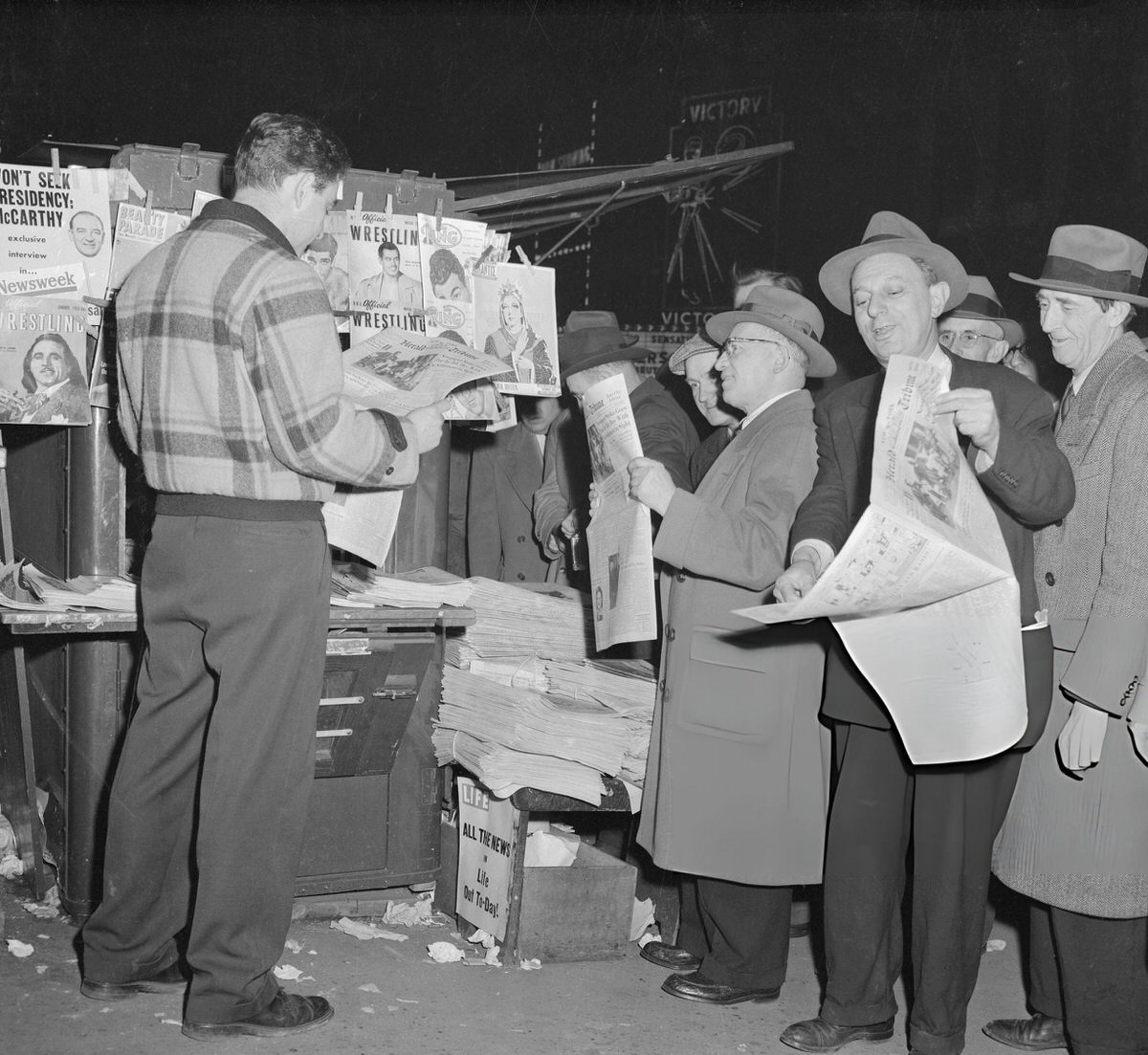
Each paper had its own reader. The Daily News and the Daily Mirror were the tabloids — big photographs, short stories, bold headlines. Working-class New Yorkers on the subway read tabloids because you could fold one in half and hold it in one hand on a packed IRT train without elbowing the person next to you. The Times was for the office, for the professional, for the man who wanted a full account of what happened and why. The Herald Tribune had a loyal uptown readership and some of the best writing in American journalism. The Post in those years was a liberal paper — this was decades before it became a conservative tabloid — with strong labor coverage and a devoted following among union workers and left-leaning readers.
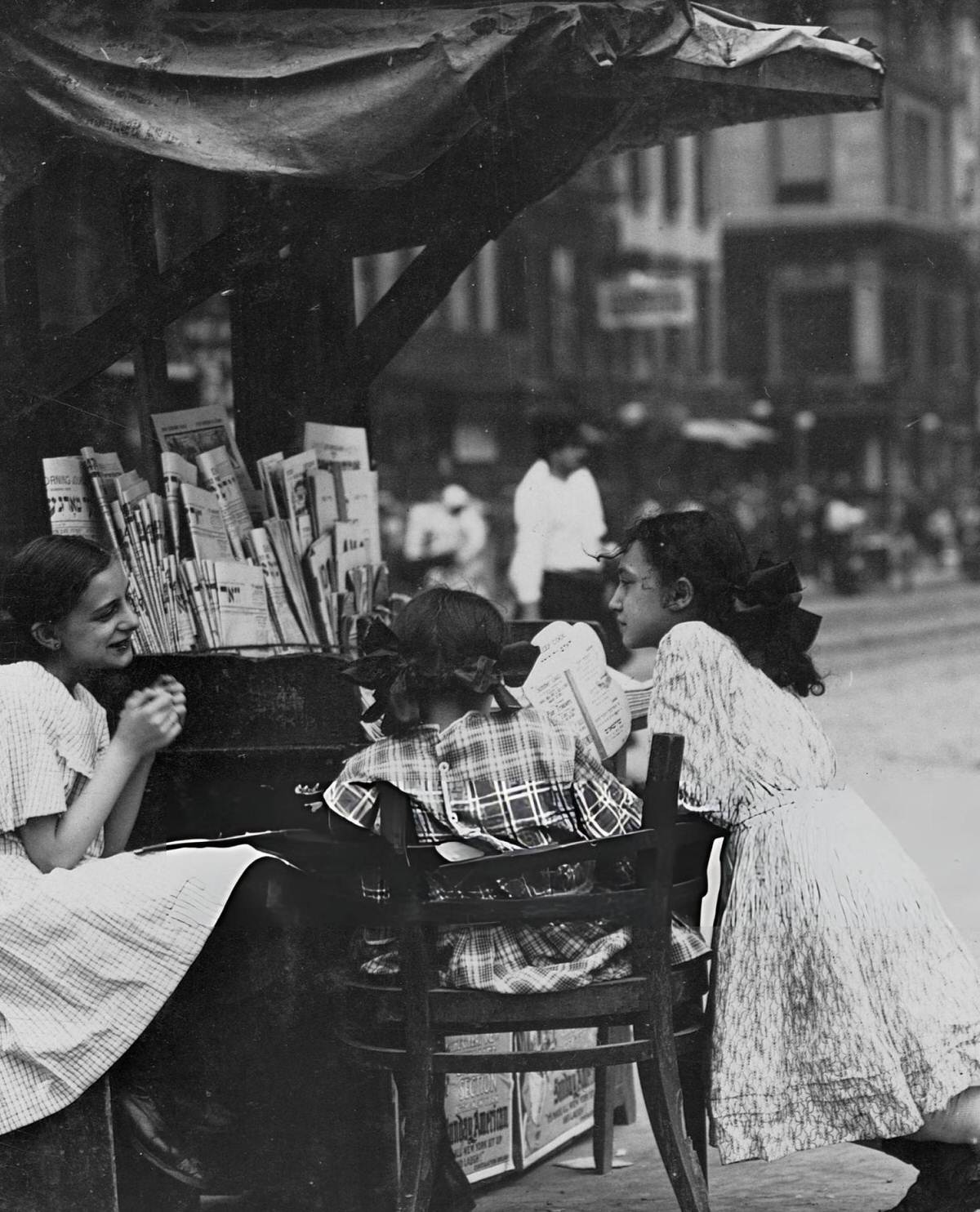
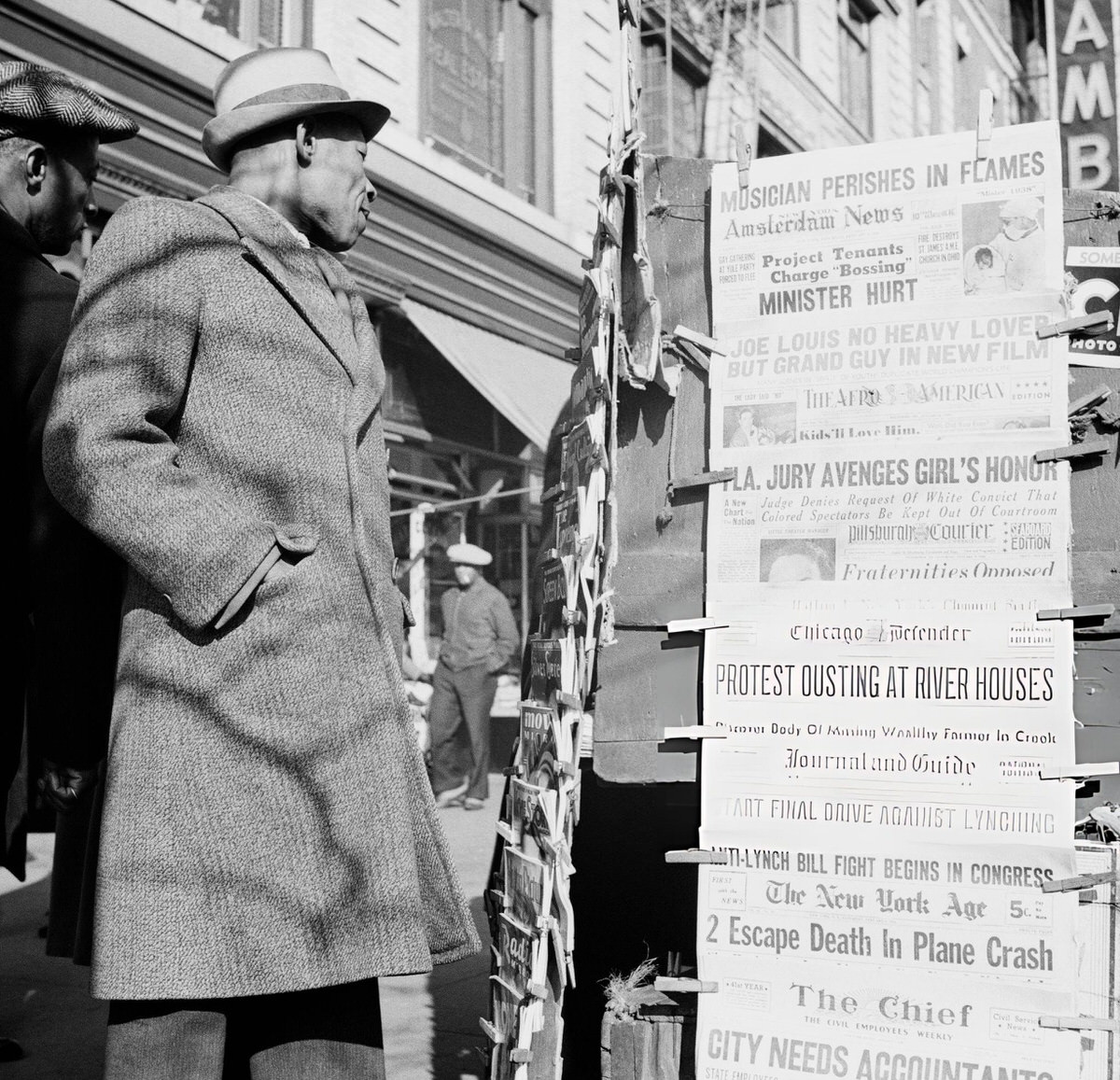
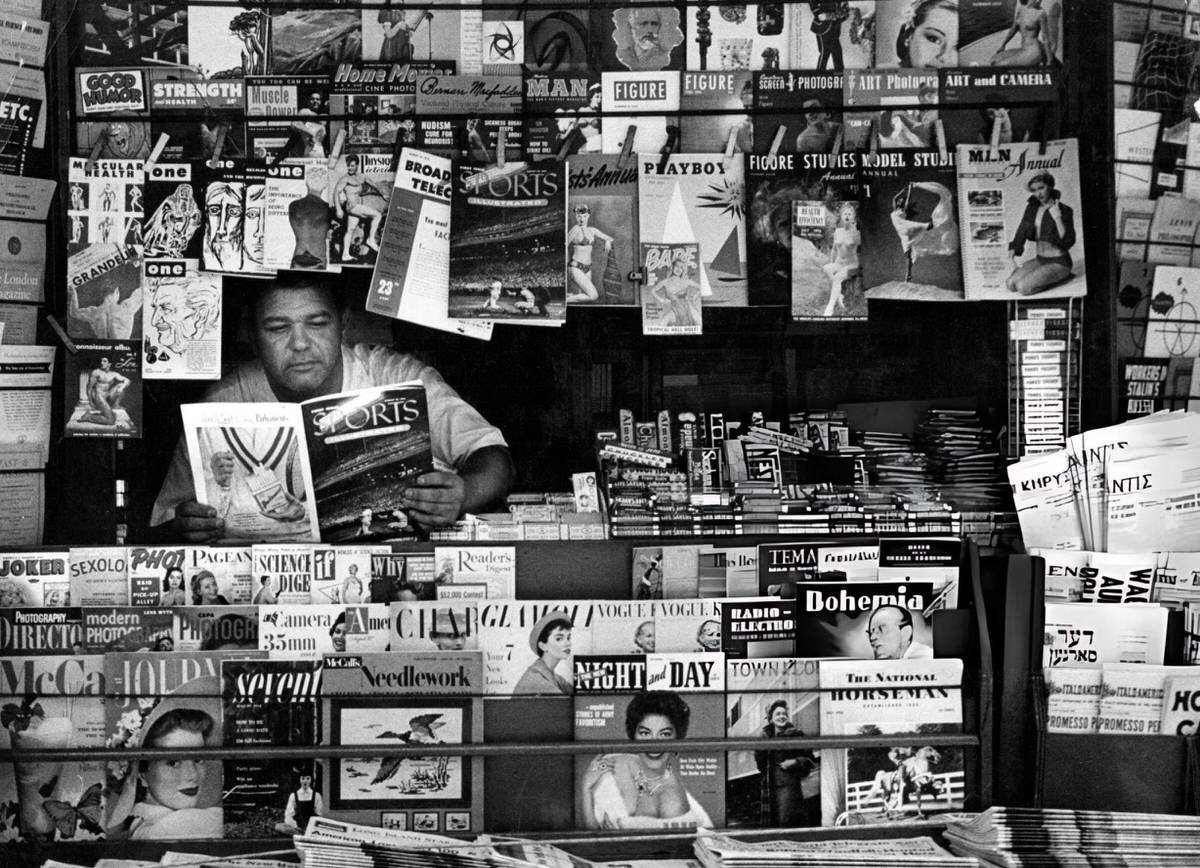
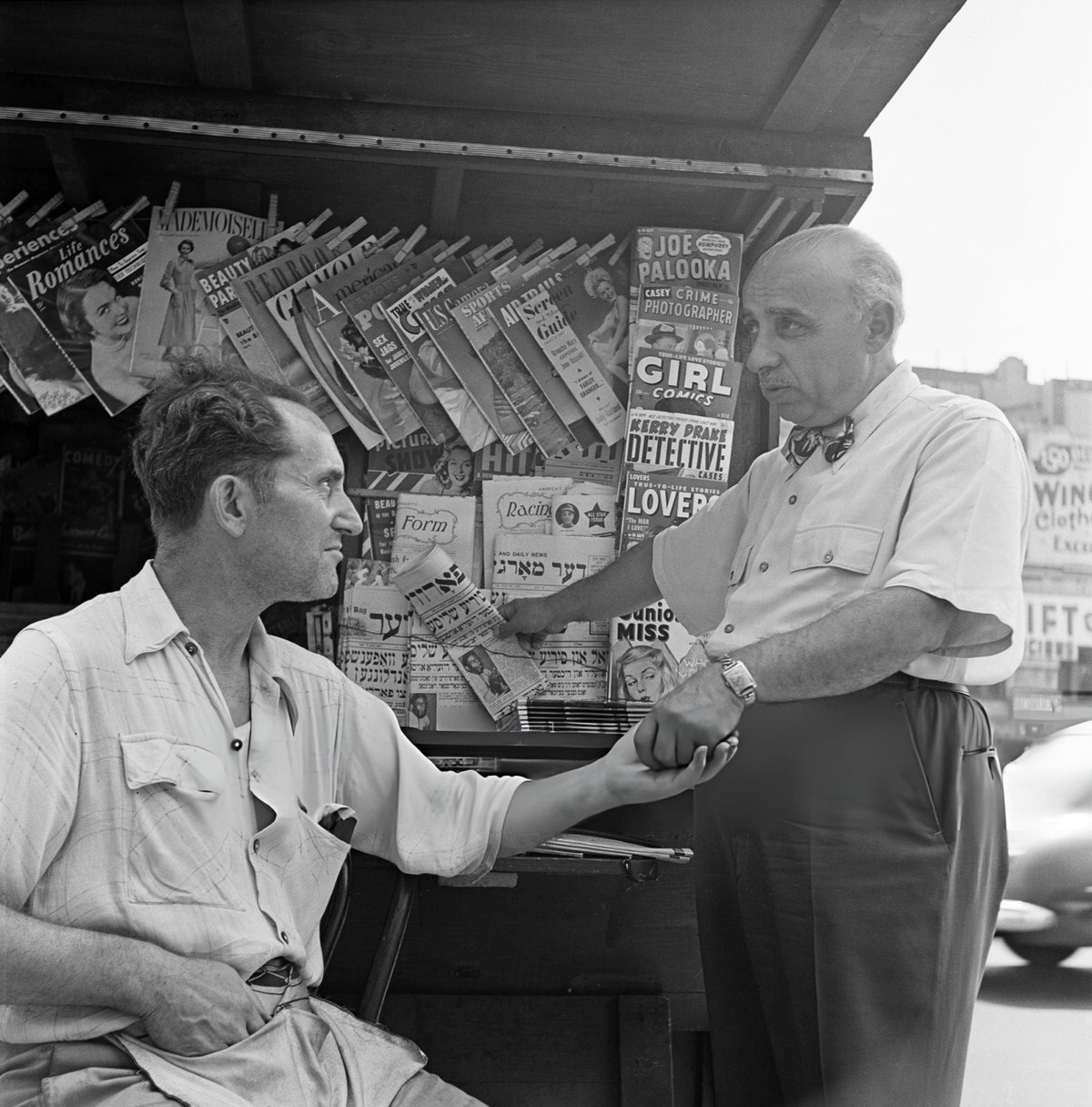
The foreign-language press served the immigrant neighborhoods with the same seriousness that the English papers served Midtown. The Jewish Daily Forward, published on East Broadway on the Lower East Side, was one of the most influential papers in the city for the first half of the twentieth century. At its peak in the 1910s and 1920s it had a circulation of over 200,000. It covered labor organizing, tenement conditions, and the adjustment of Jewish immigrants to American life with a depth and urgency that the English papers never matched for that community. Newsstands on Delancey Street and Canal Street stocked the Forward prominently, spine-out, alongside the Italian and Chinese papers that served those blocks.
The Newsstand Operator
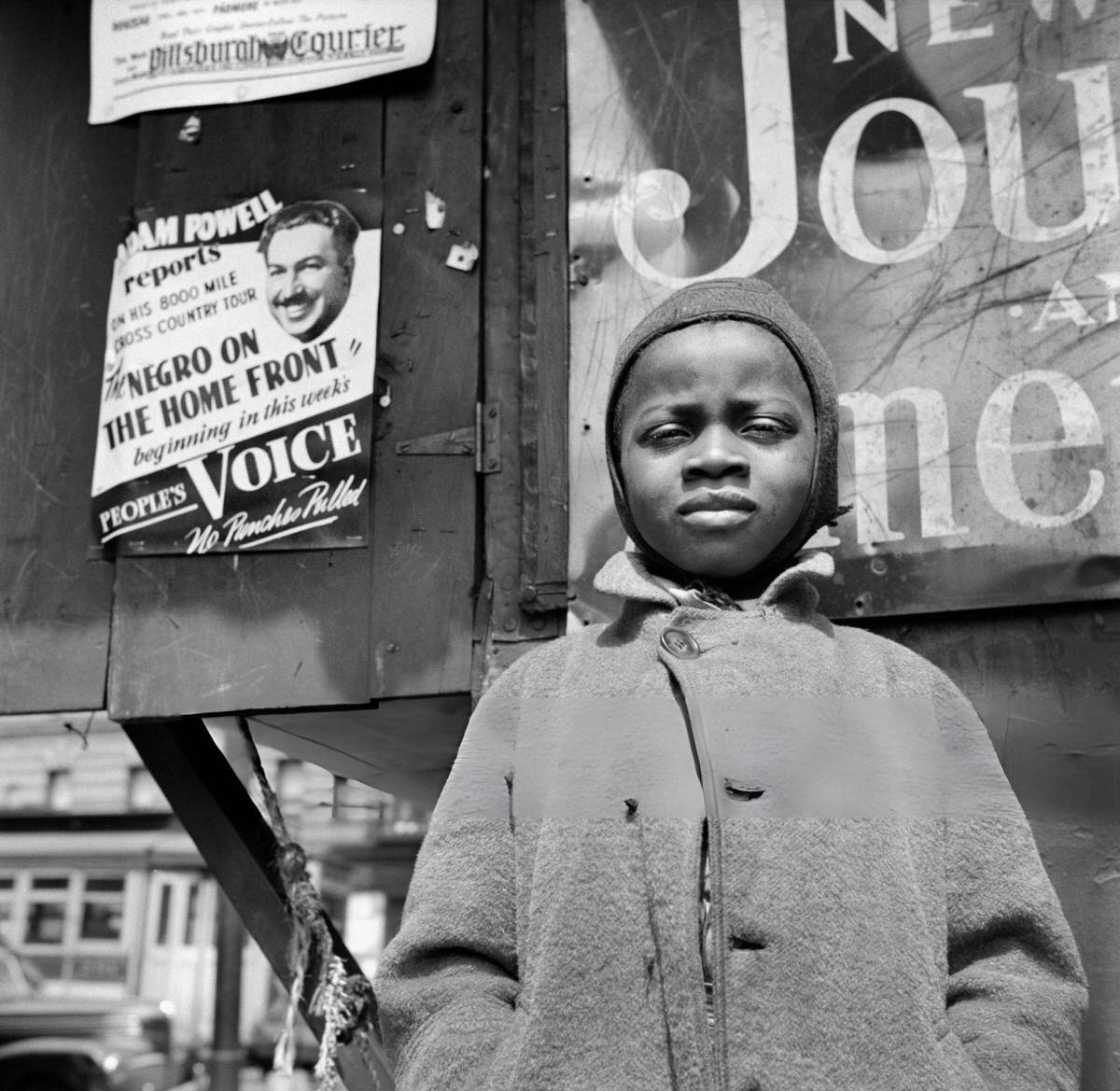
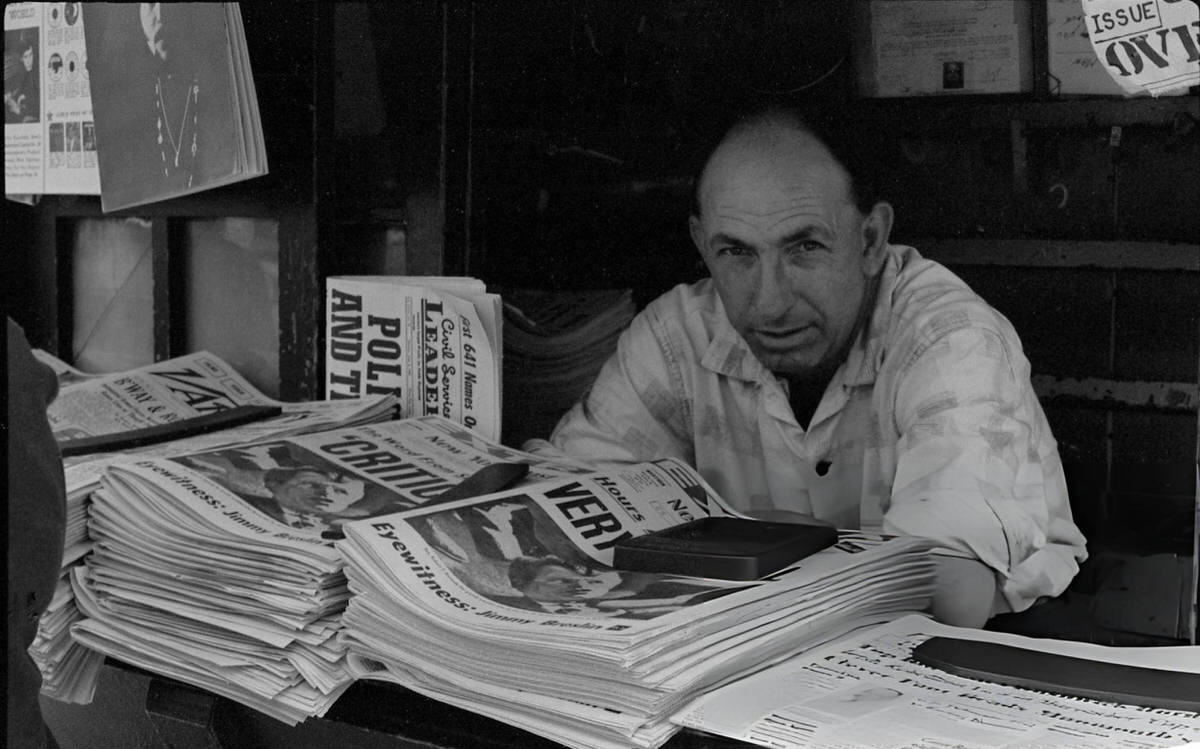
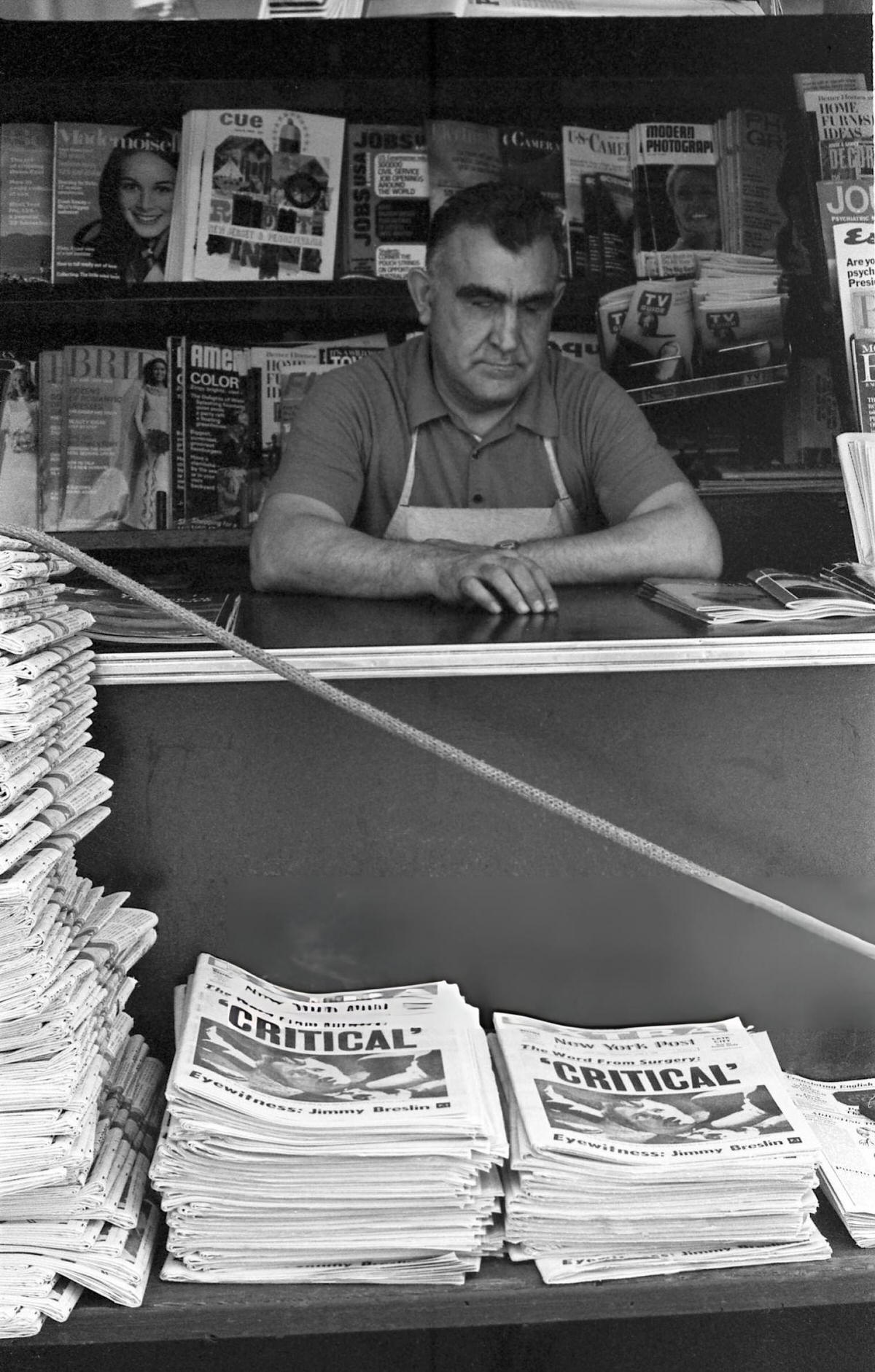
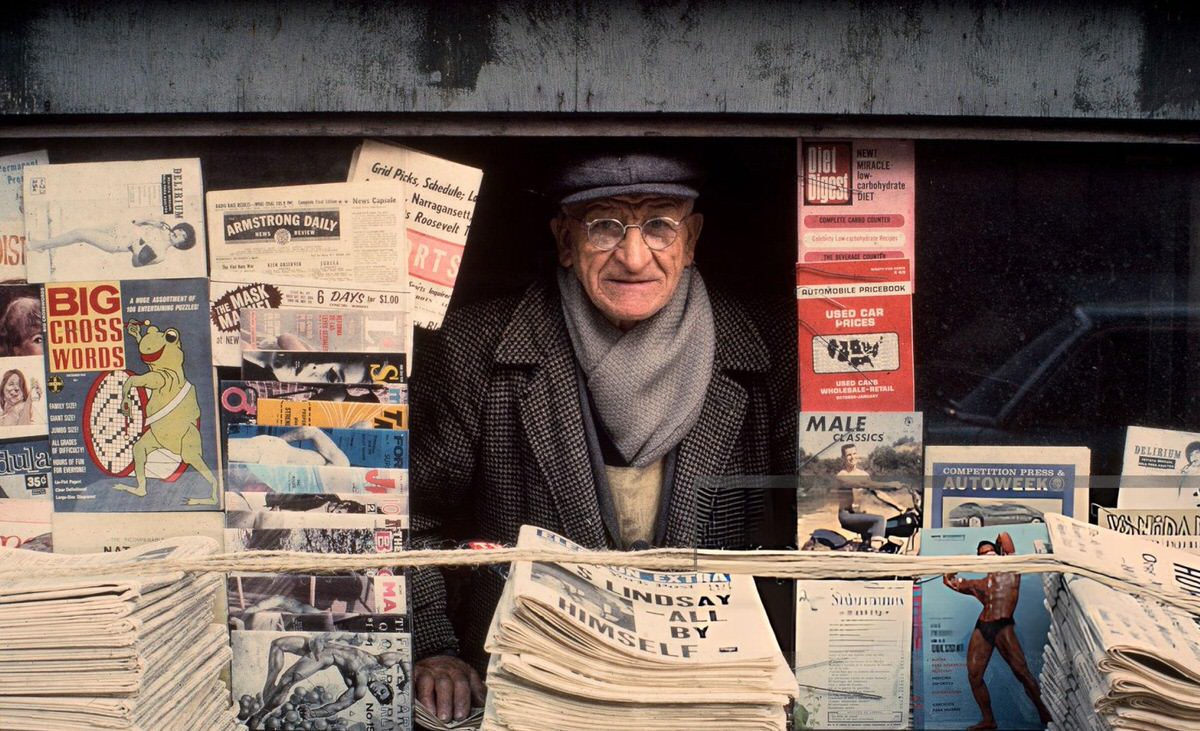
The person running the stand was often a recent immigrant, or the child of one. Greek families ran a significant number of Manhattan newsstands from the 1930s onward. Jewish operators were common in certain neighborhoods through the 1940s. By the postwar years, many stands had been in the same family for a generation, passed from father to son the way a small shop would be.
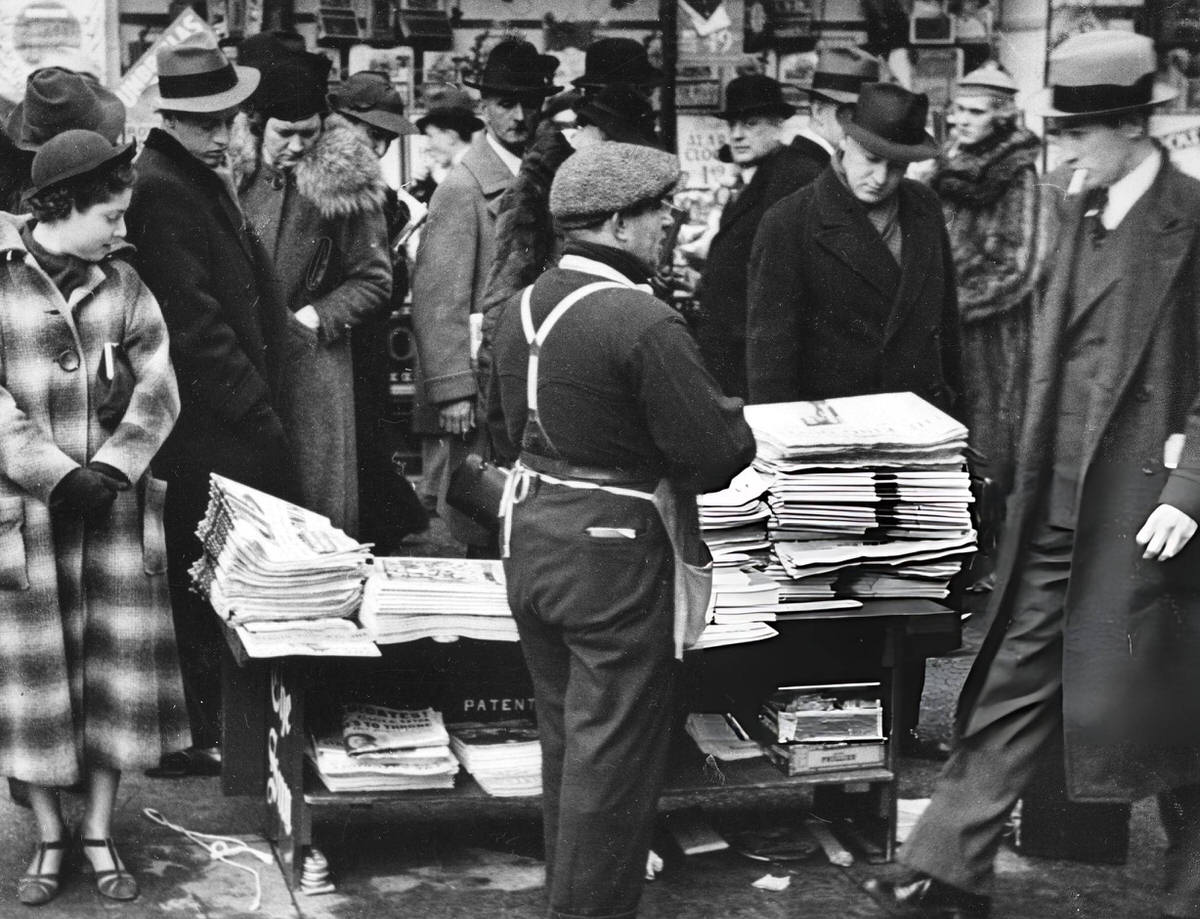
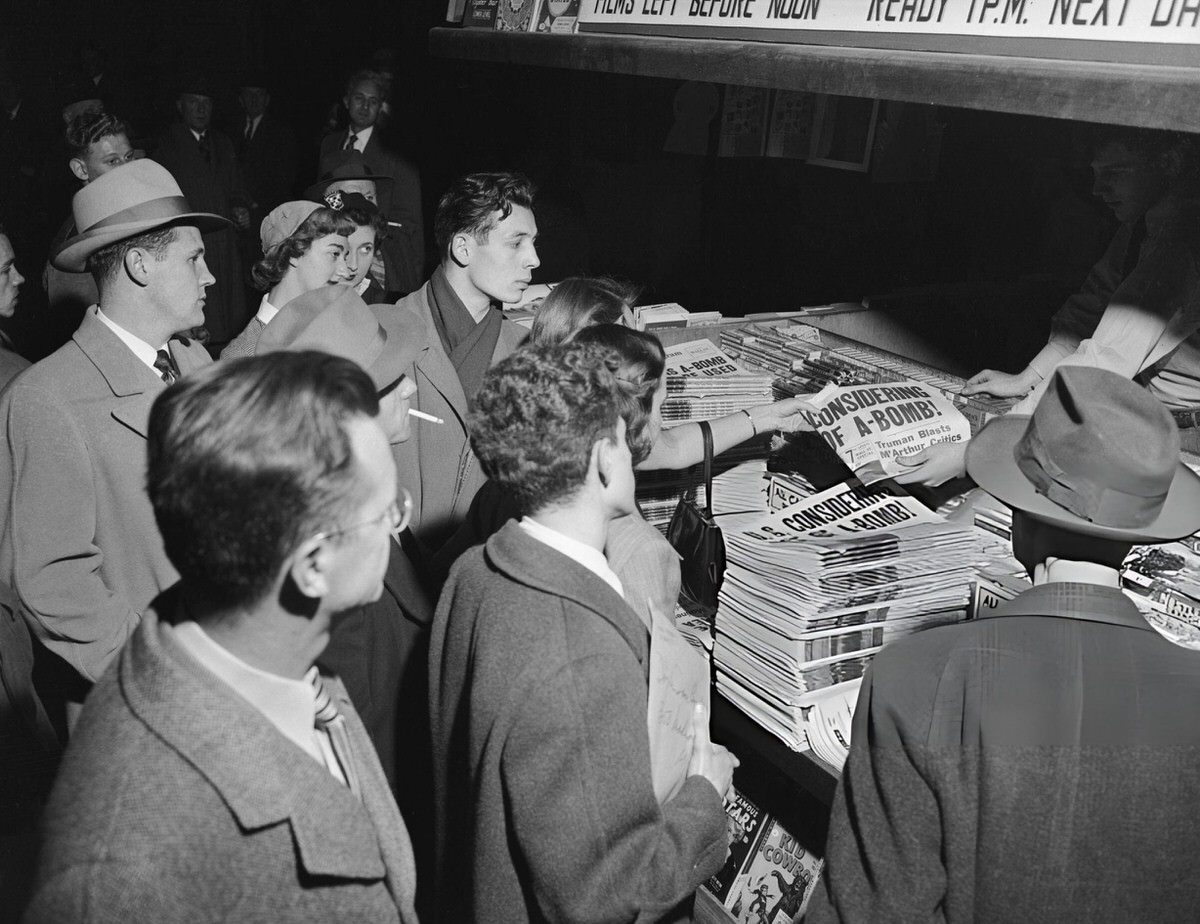
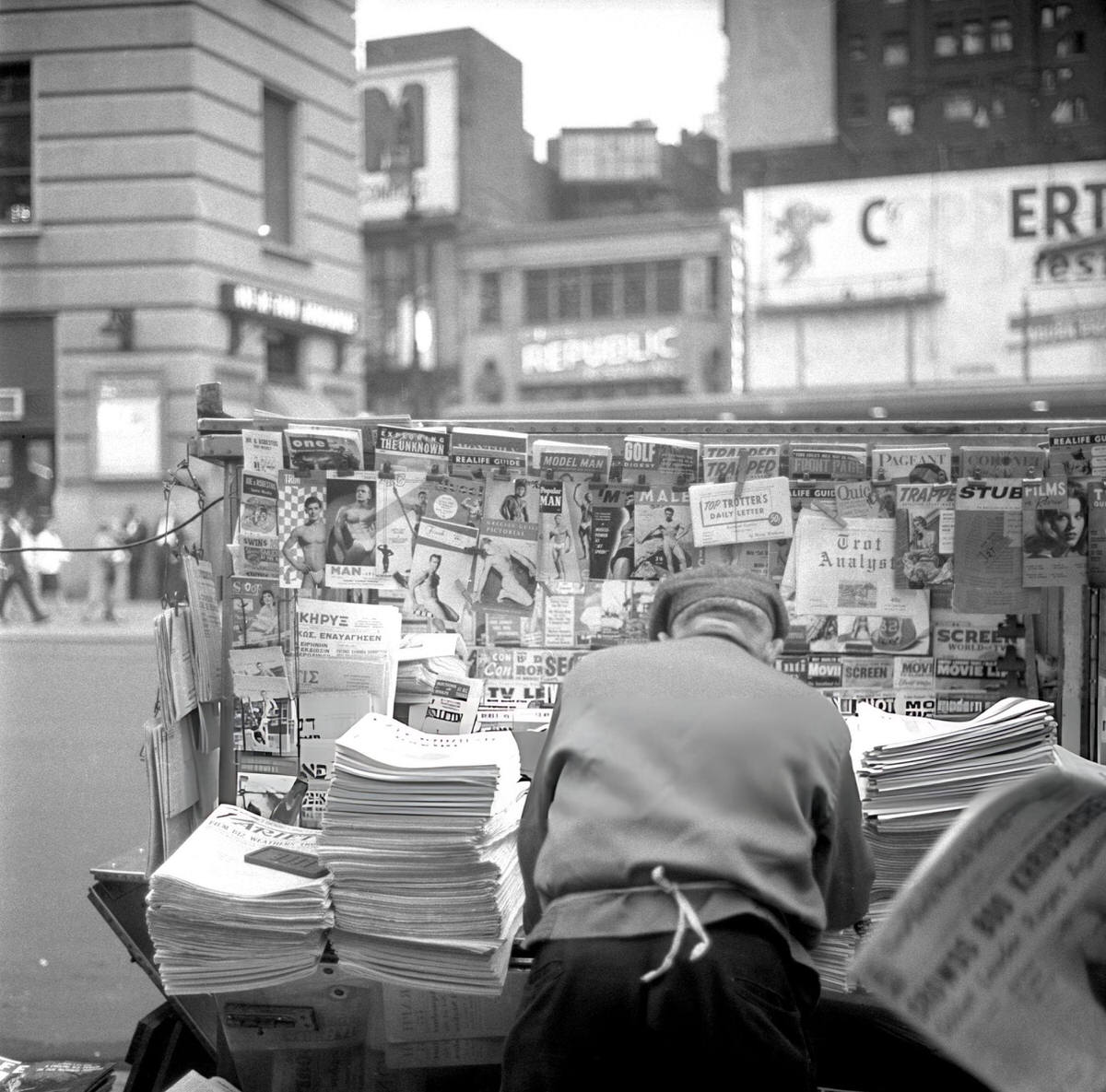
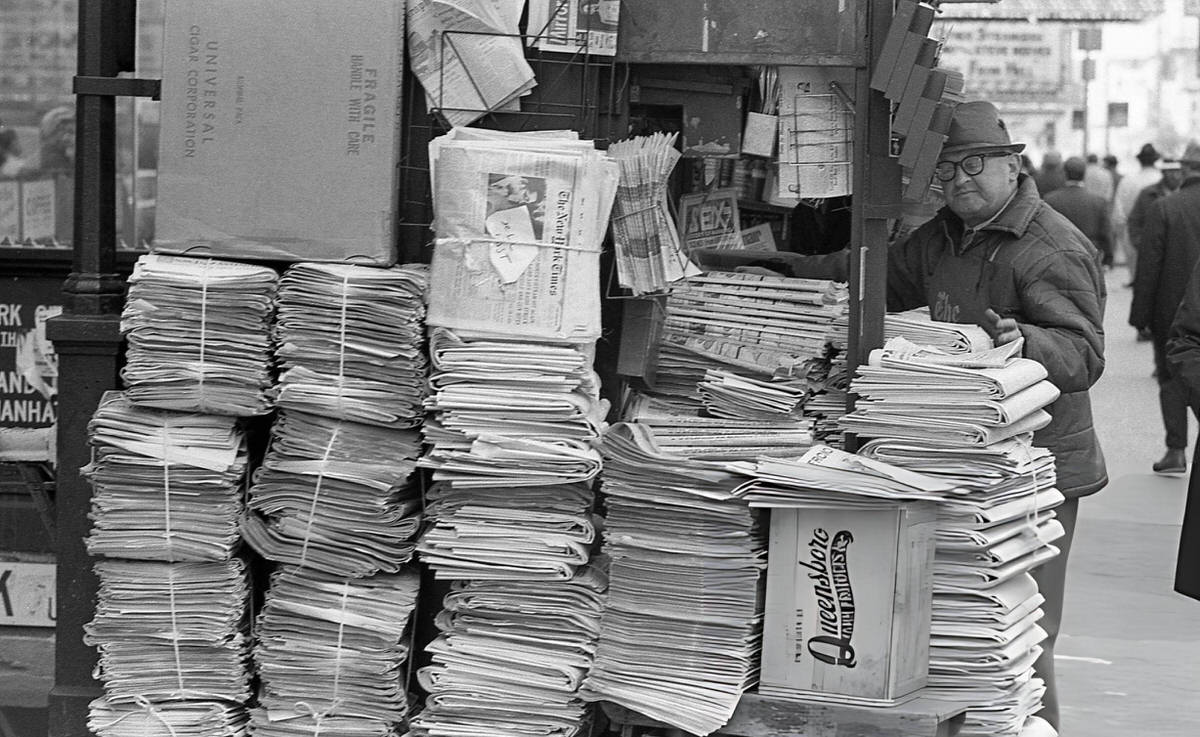
The hours were punishing. The first morning editions arrived before 4 AM, delivered by trucks from the printing plants. The operator was there to receive them, cut the twine on the bundles, price them, and stack them before the first commuters hit the street. On a busy corner near Grand Central or Penn Station, the morning rush from 7 to 9 was a continuous transaction — people dropping coins without breaking stride, the operator making change by feel without looking down, paper after paper moving off the stack. There was no time for chitchat during the rush. You knew what your regular wanted, you had it ready, and the exchange took three seconds.
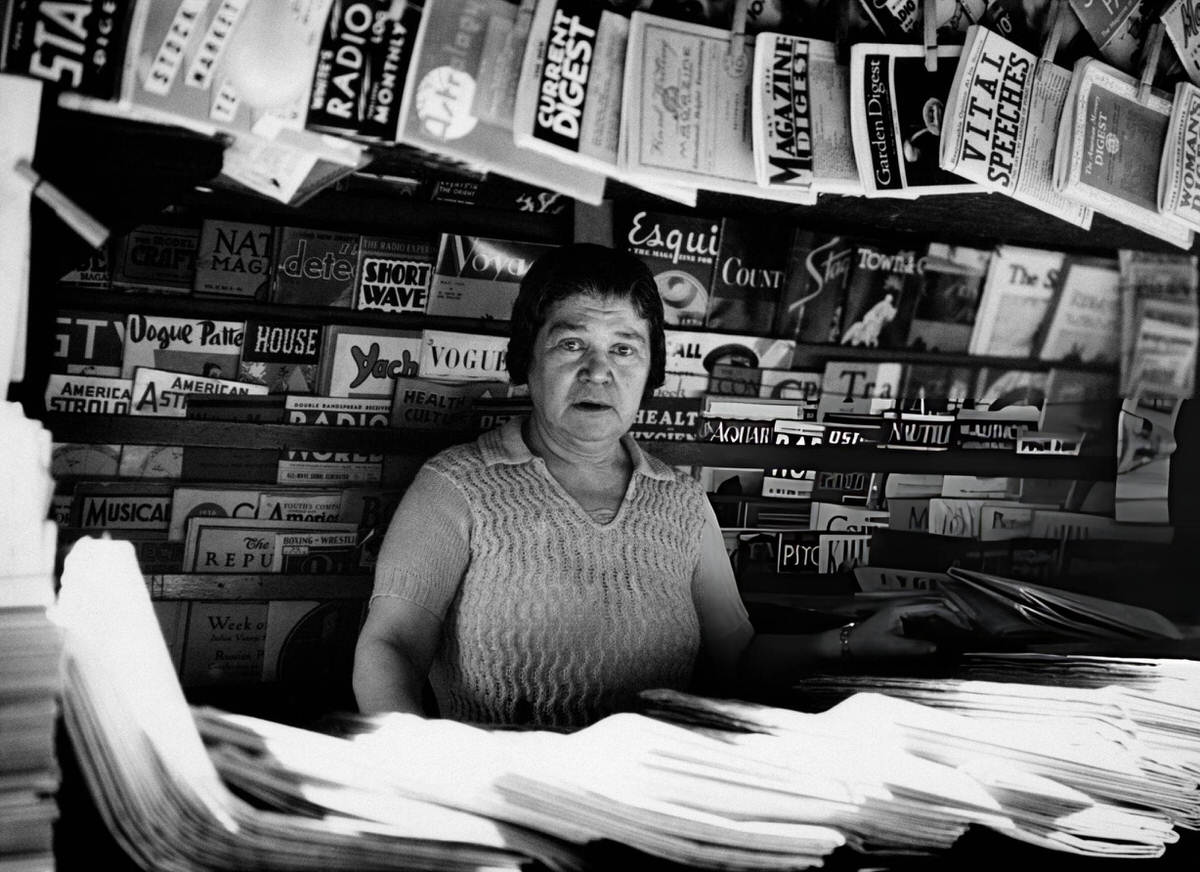
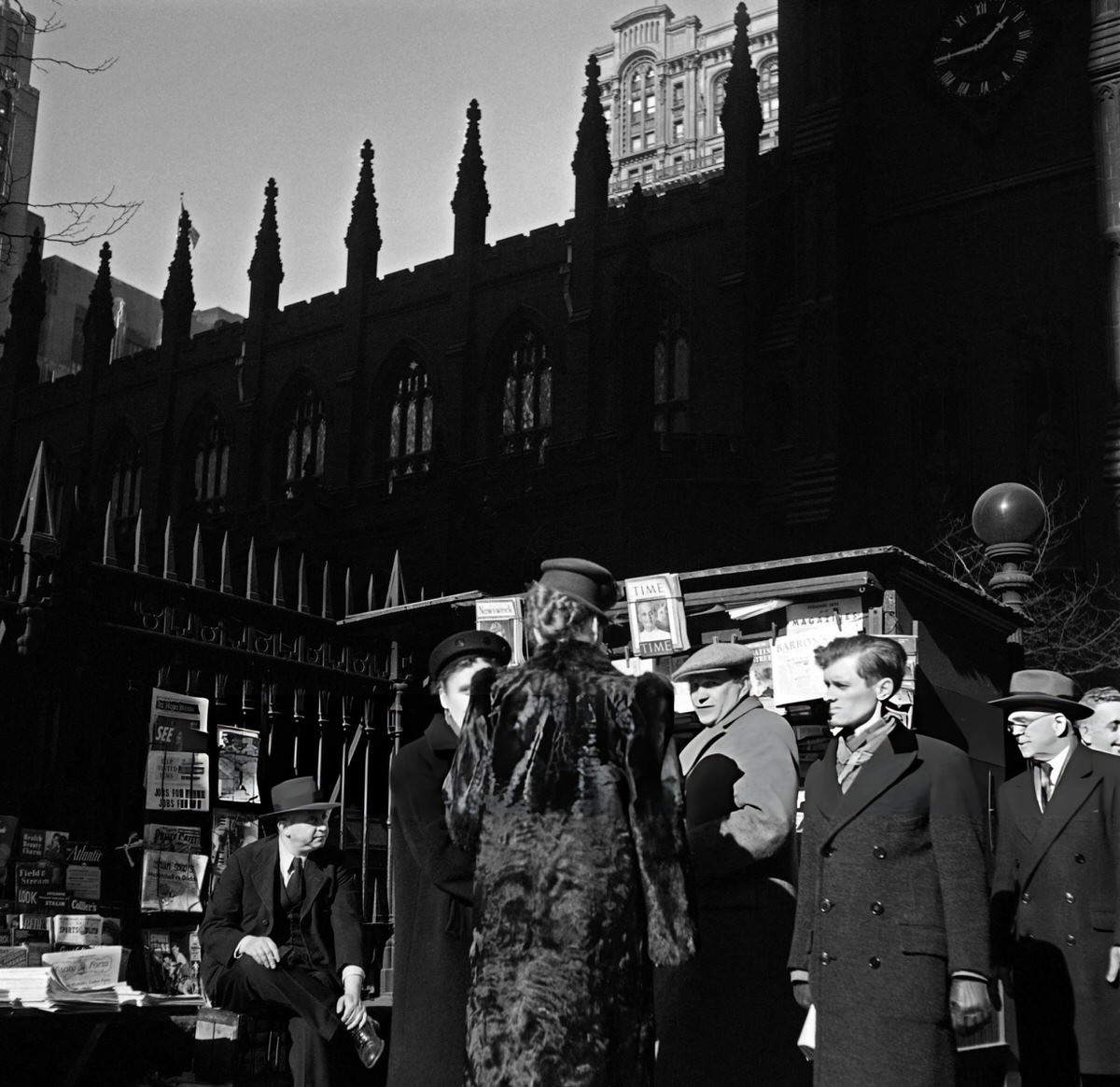
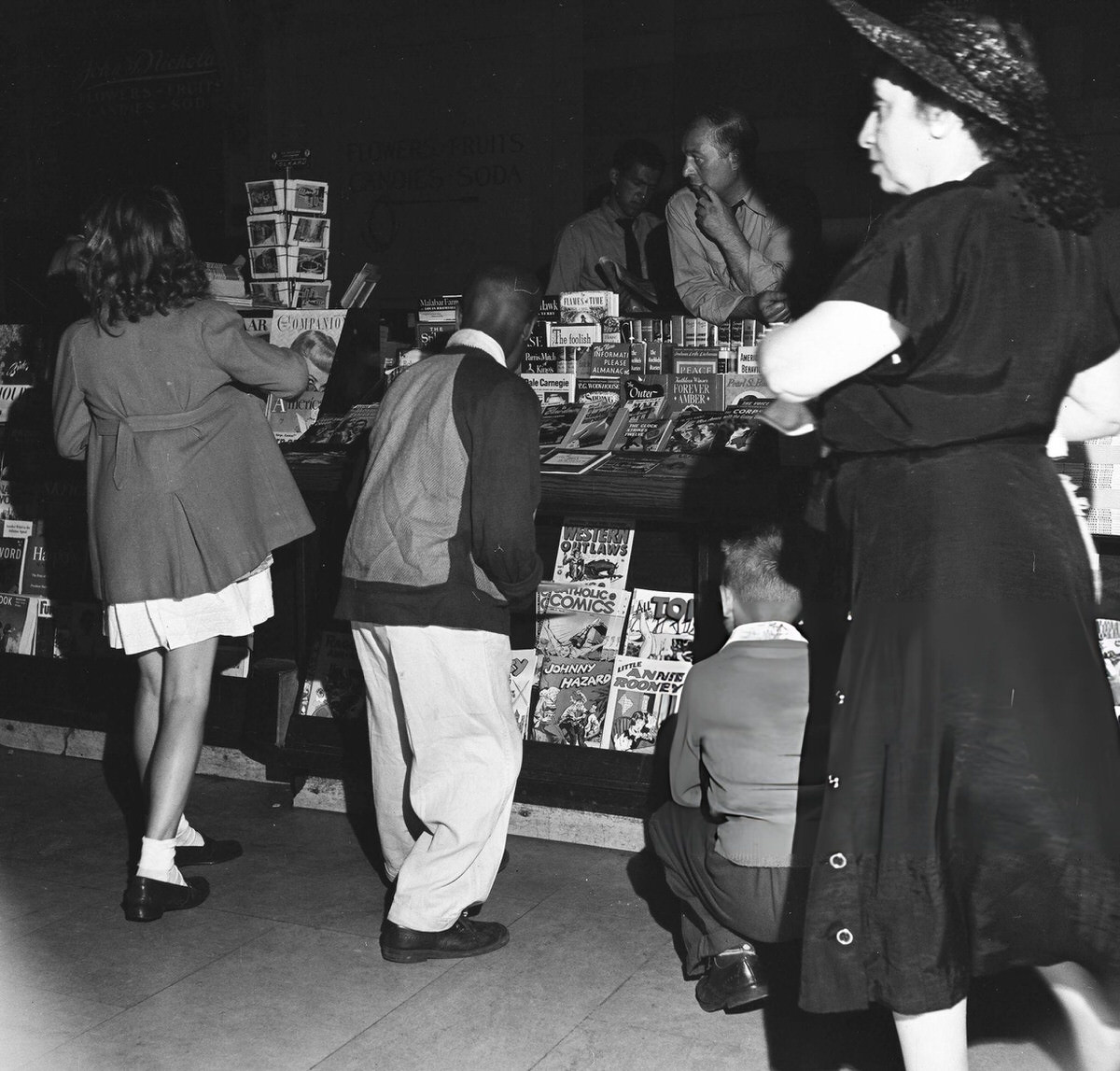
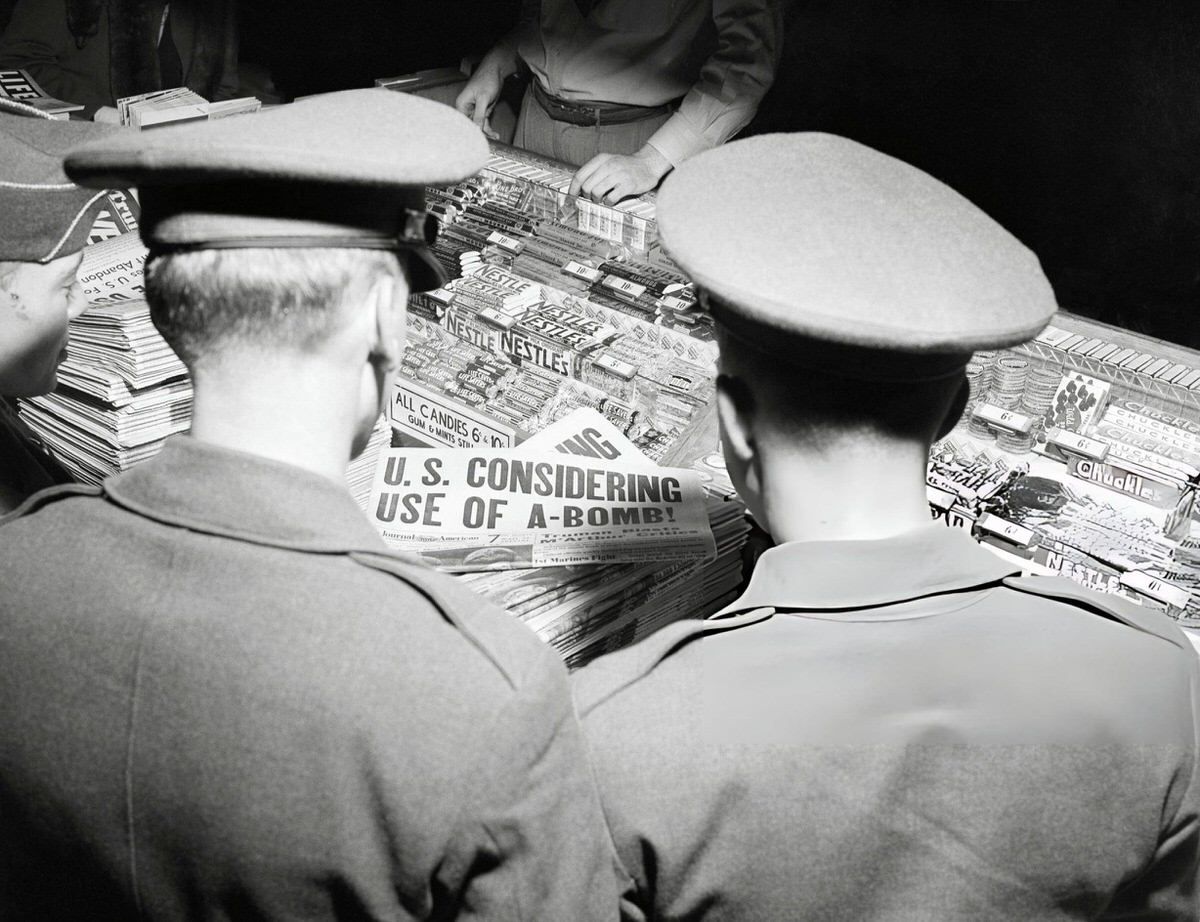
After the morning rush, the stand became something closer to a neighborhood post. The operator knew which buildings had which tenants, who was in town and who had gone to the Catskills for the summer, whose son had just come back from Korea. The afternoon editions — most papers ran two or three editions a day, updating the front page as news developed — brought another wave of customers around lunchtime and again at the end of the workday. The stands that were attached to small kiosks also sold cigarettes, candy, gum, and paperback books, which spread the revenue across the slow hours.
Reading on the Subway
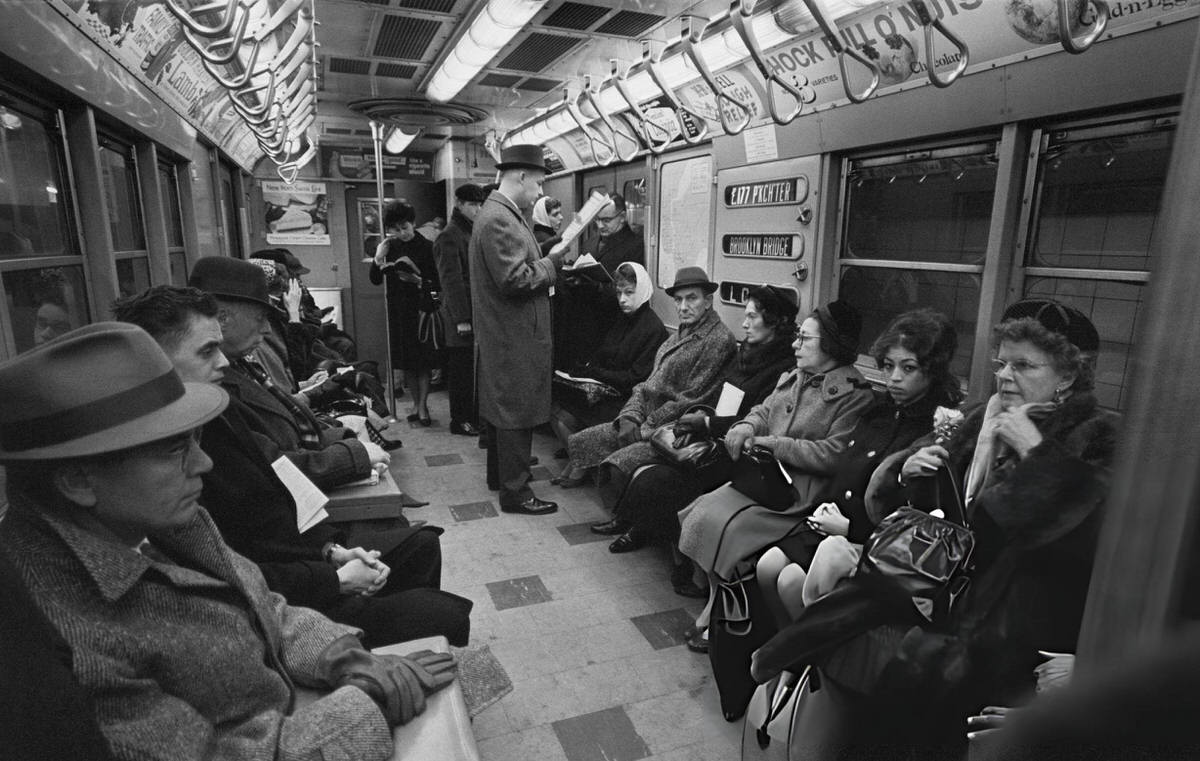
The newspaper and the New York City subway were built for each other. The IRT opened in 1904, and from the first day, passengers read on the train. By the 1920s the subway car was a reading room in motion. Men in suits held the Times. Men in work clothes held the News or the Mirror. A woman might have a copy of the Post or a movie magazine tucked into her bag. The etiquette of subway reading developed organically — you folded your paper to the quarter-page size that fit the space available, you did not let your pages spread into the next seat, and you did not read over someone’s shoulder unless you were prepared to be stared down.
The evening commute produced a specific ritual. A man who bought the morning paper and read it on the way to work left it on the seat when he got off. Someone else picked it up. By the time a copy of the Daily News reached the end of the line, it had been read by four or five people. The paper that cost two cents in the morning was essentially free by afternoon, passed hand to hand through the city’s underground.
The Newsstand at Night
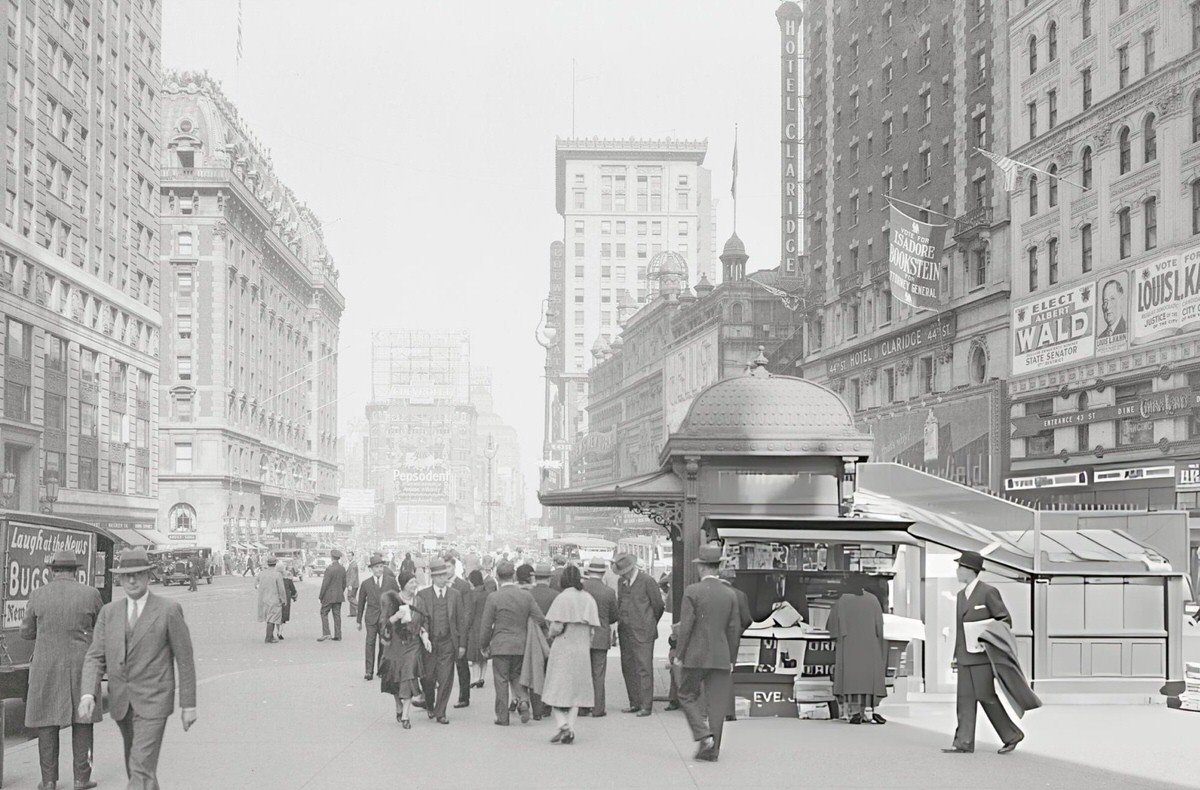
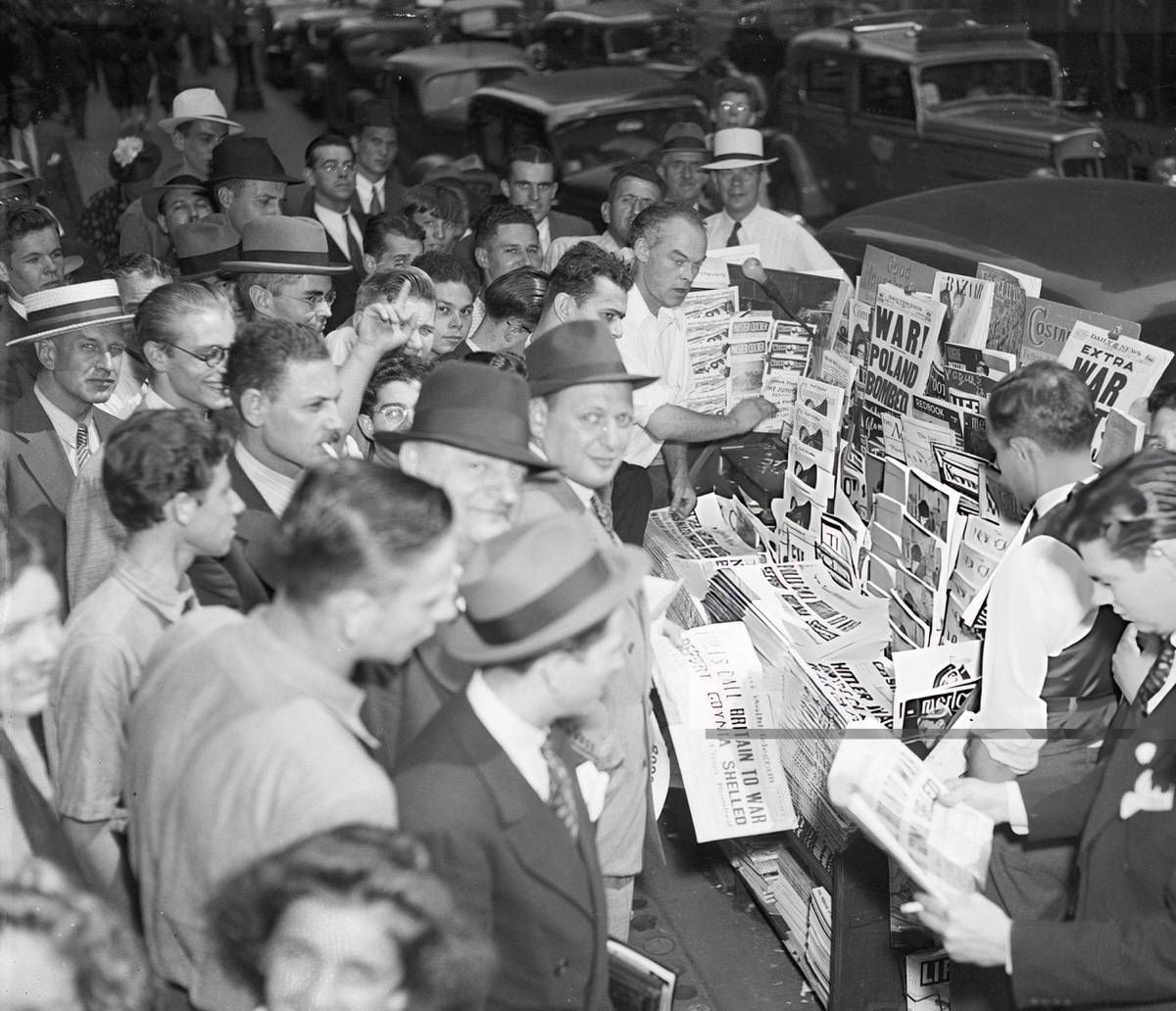
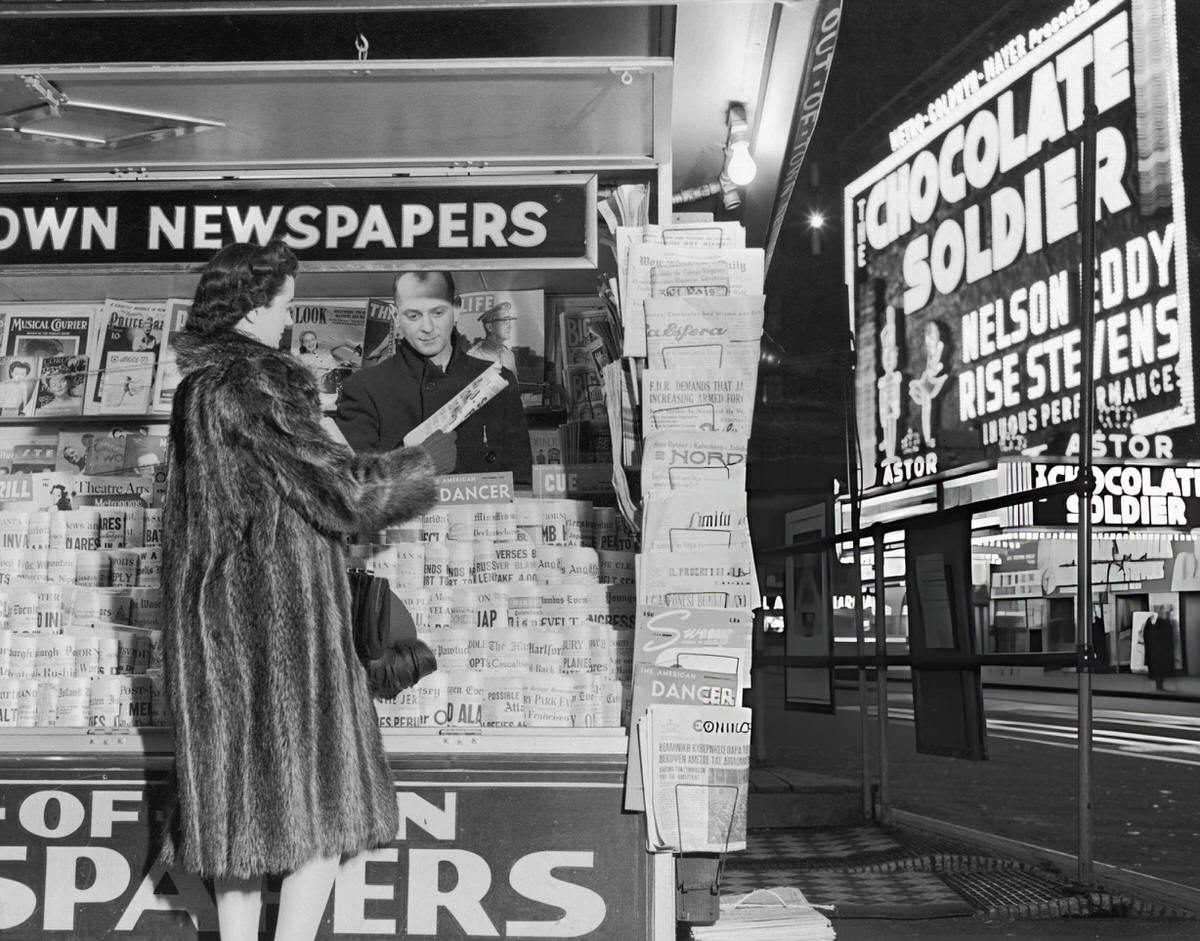
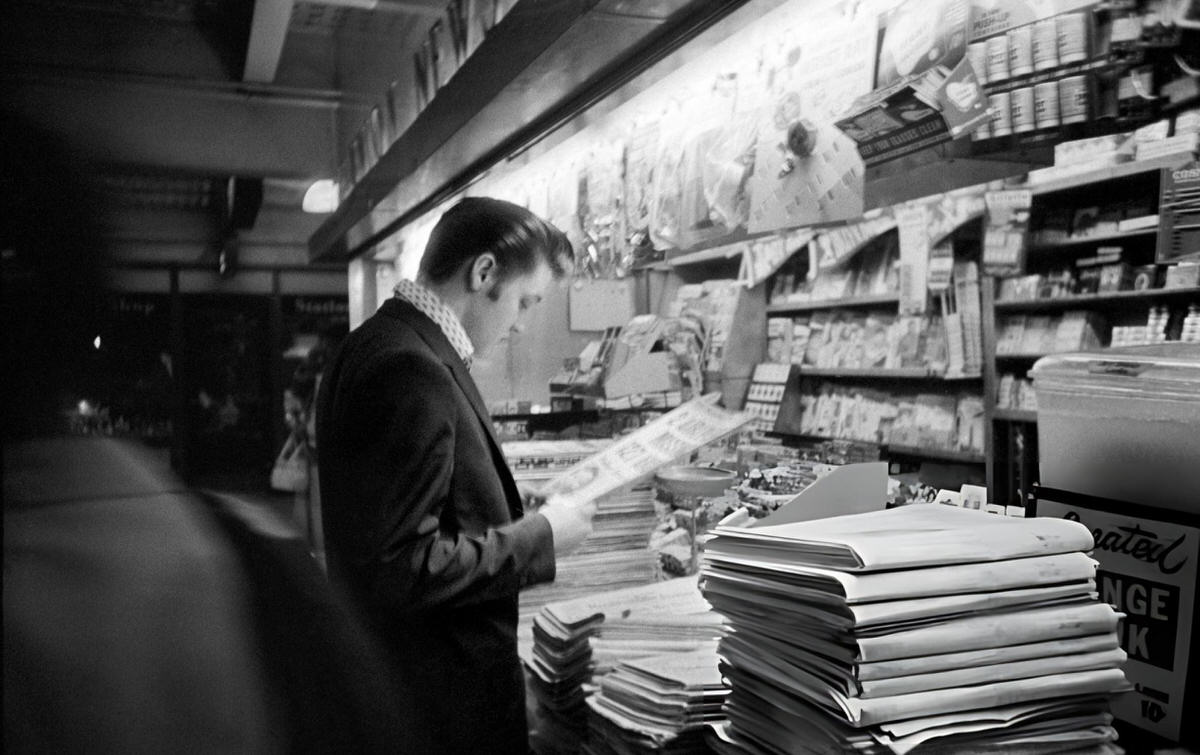
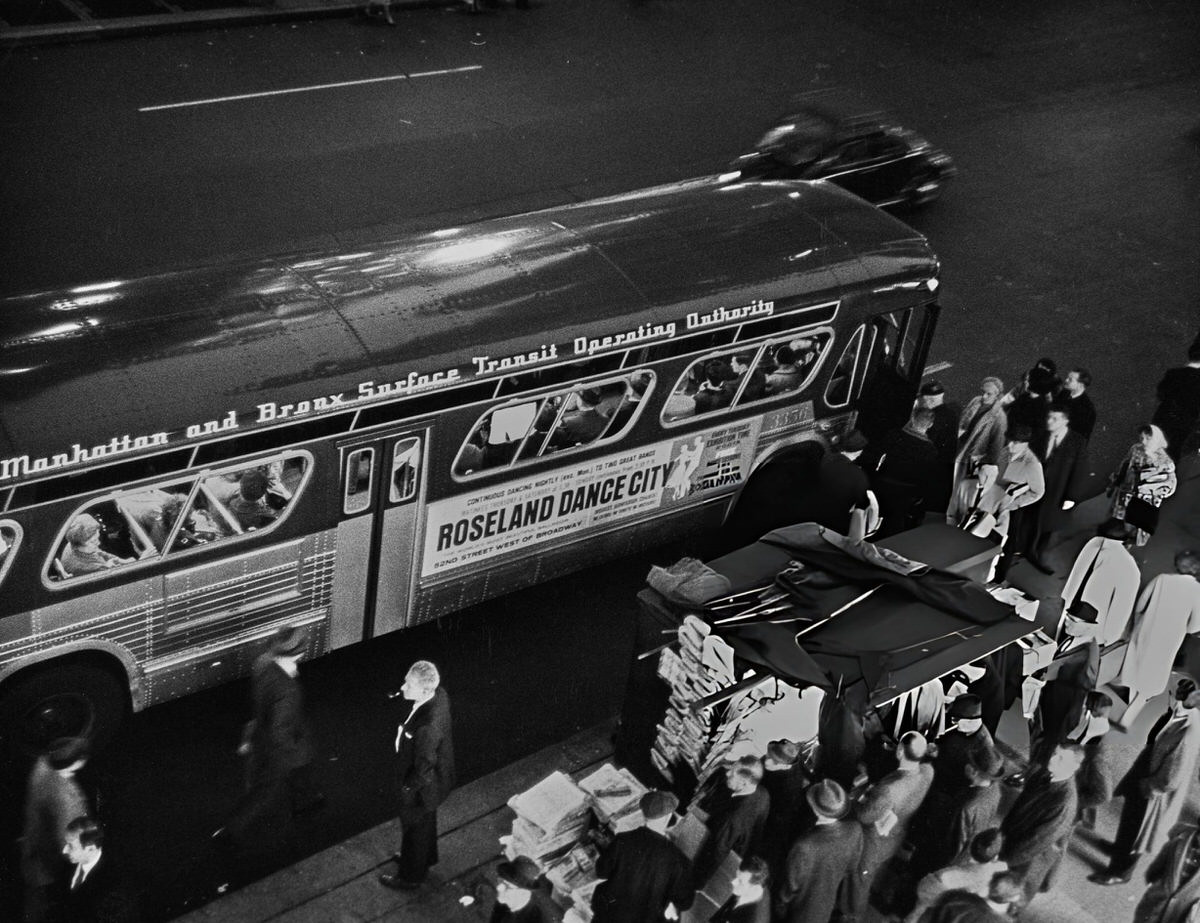
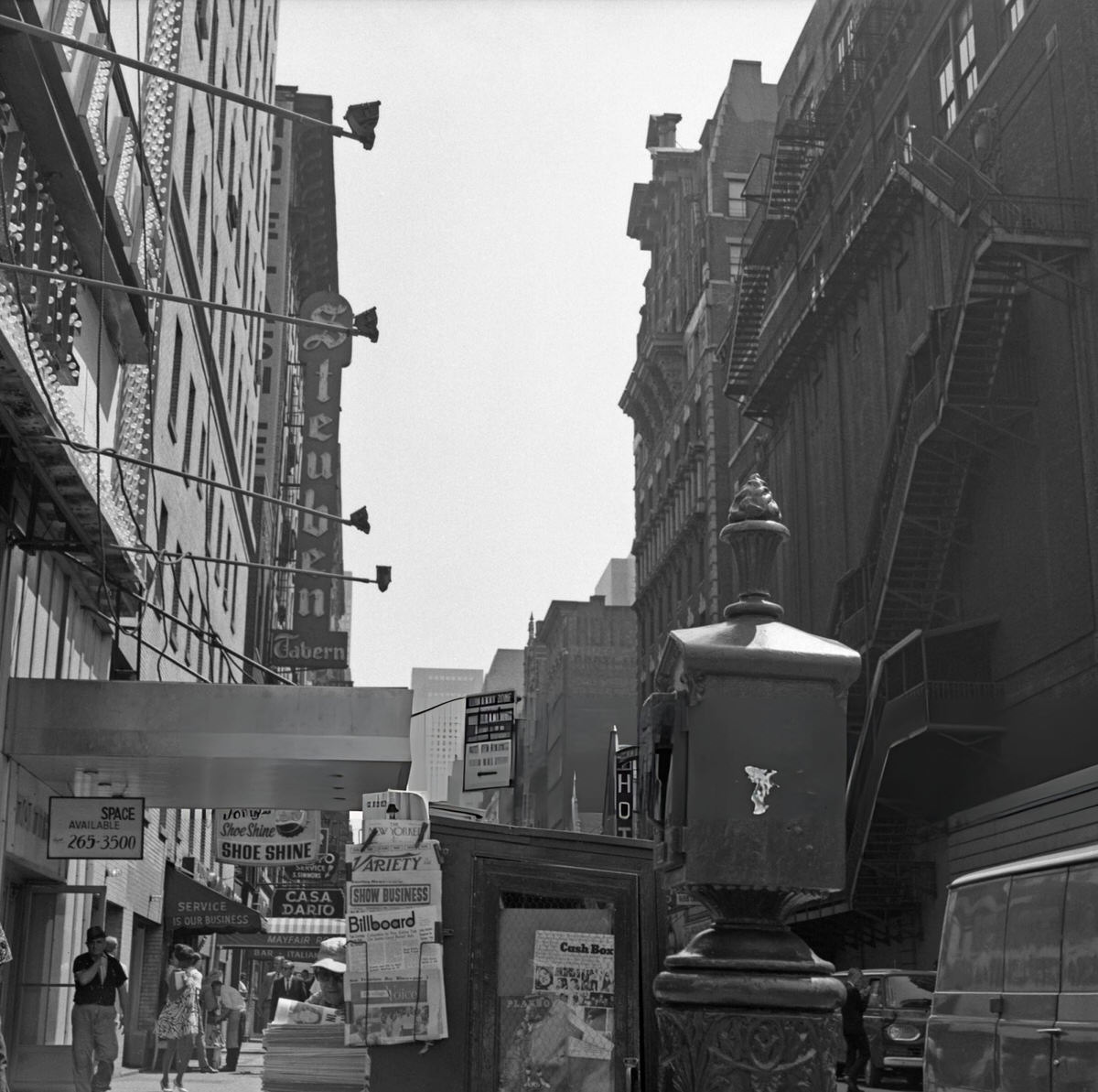
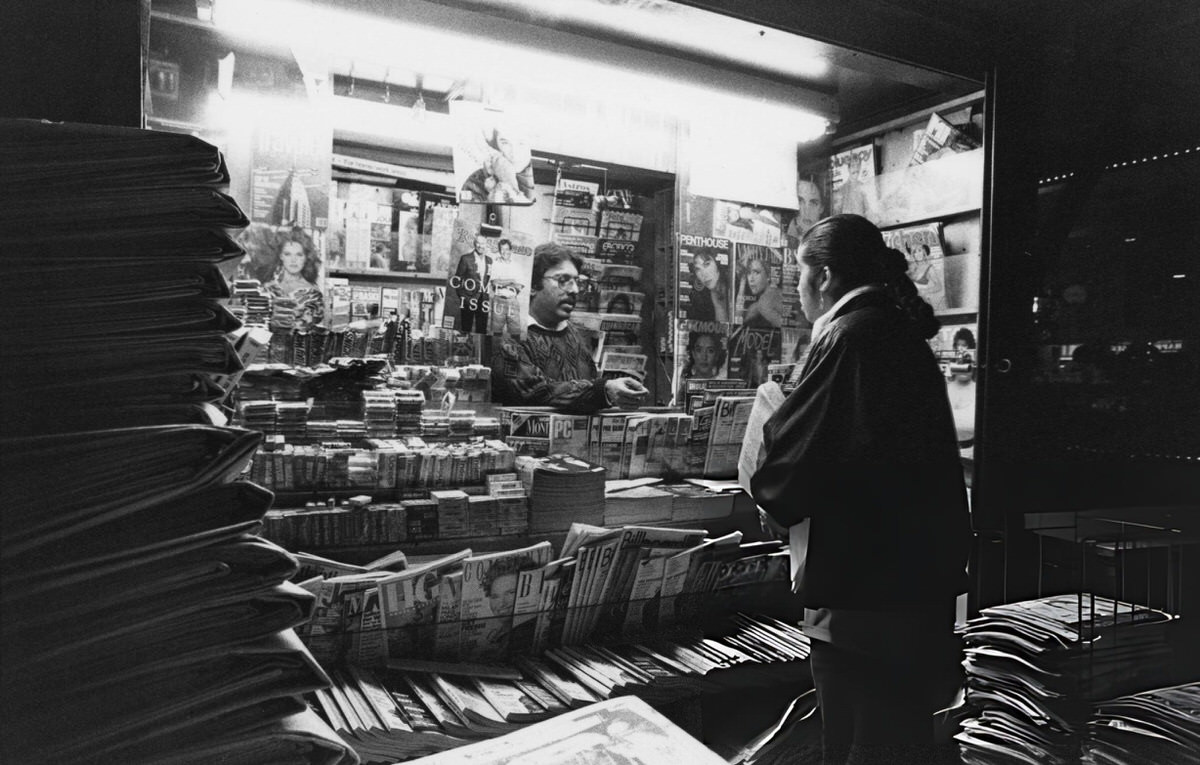
Certain newsstands never closed. The stands at Times Square, at Penn Station, at Grand Central, and along Broadway in the theater district ran through the night. The late editions of the evening papers — and in the 1940s New York had genuine evening papers, including the World-Telegram and the Sun — came out after the stock market closed and carried the day’s financial results and late-breaking news. Theater-goers heading home after a show at eleven o’clock stopped at the stand on the corner to see the final box scores, the late wire results, the closing prices.
The all-night stands also served the city’s night workers — the cabbies, the pressmen, the short-order cooks, the cops on the overnight shift. These men read differently from the commuters. They had time. A cabbie parked between fares at 3 AM read the whole paper, cover to cover, ads included. The racing pages got close attention from drivers who had a few dollars they wanted to put on the second race at Aqueduct. The stands that served that crowd kept a different inventory — the racing forms, the scratch sheets, the tip sheets sold alongside the legitimate papers.
The Great Newspaper Strike of 1962
The newspaper strike that began on December 8, 1962 shut down nine New York City papers for 114 days. It was called by the typographers’ union over automation — the publishers wanted to bring in new typesetting machines that would eliminate jobs, and the union said no. The result was the longest newspaper strike in New York history, and it lasted until March 1963.
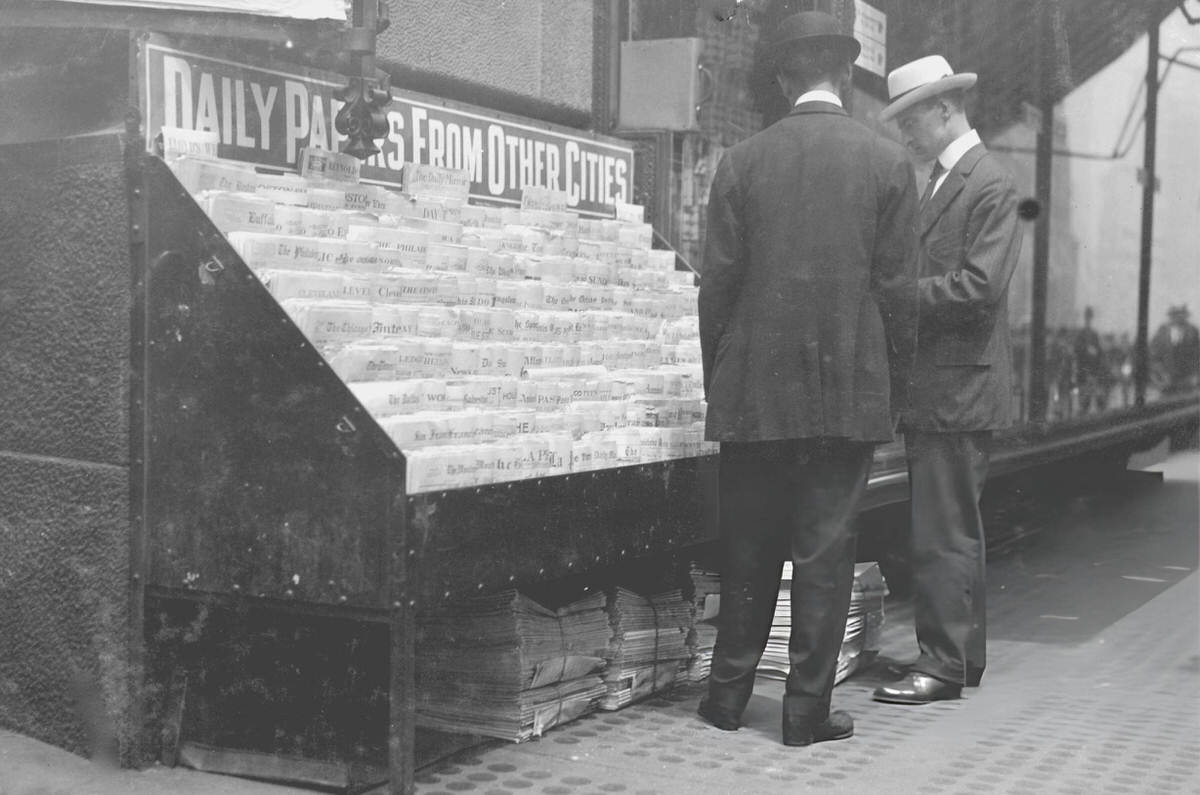
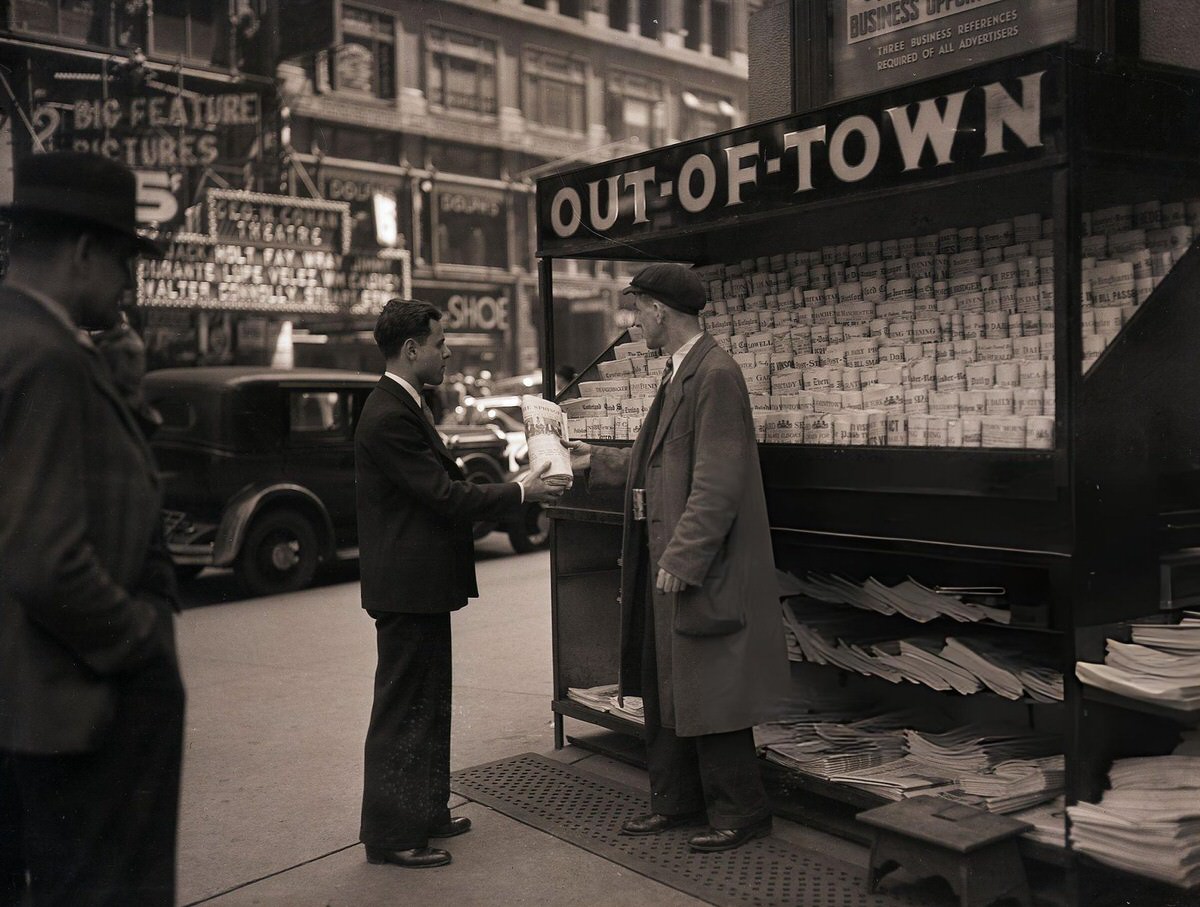
The newsstands during the strike were half-empty. Operators who depended on daily paper sales for the bulk of their revenue took a serious hit. Some supplemented with out-of-town papers — the Philadelphia Inquirer and the Washington Post sold in volumes they never saw before or after. Magazines moved faster. The strike broke the habit of daily paper buying for some New Yorkers who found they could get by without it — and never fully came back. Several papers that were already financially weak before the strike did not survive long after it ended. The World-Telegram, the Journal-American, and the Herald Tribune all folded within four years of the strike’s resolution.
The Physical Stand Itself
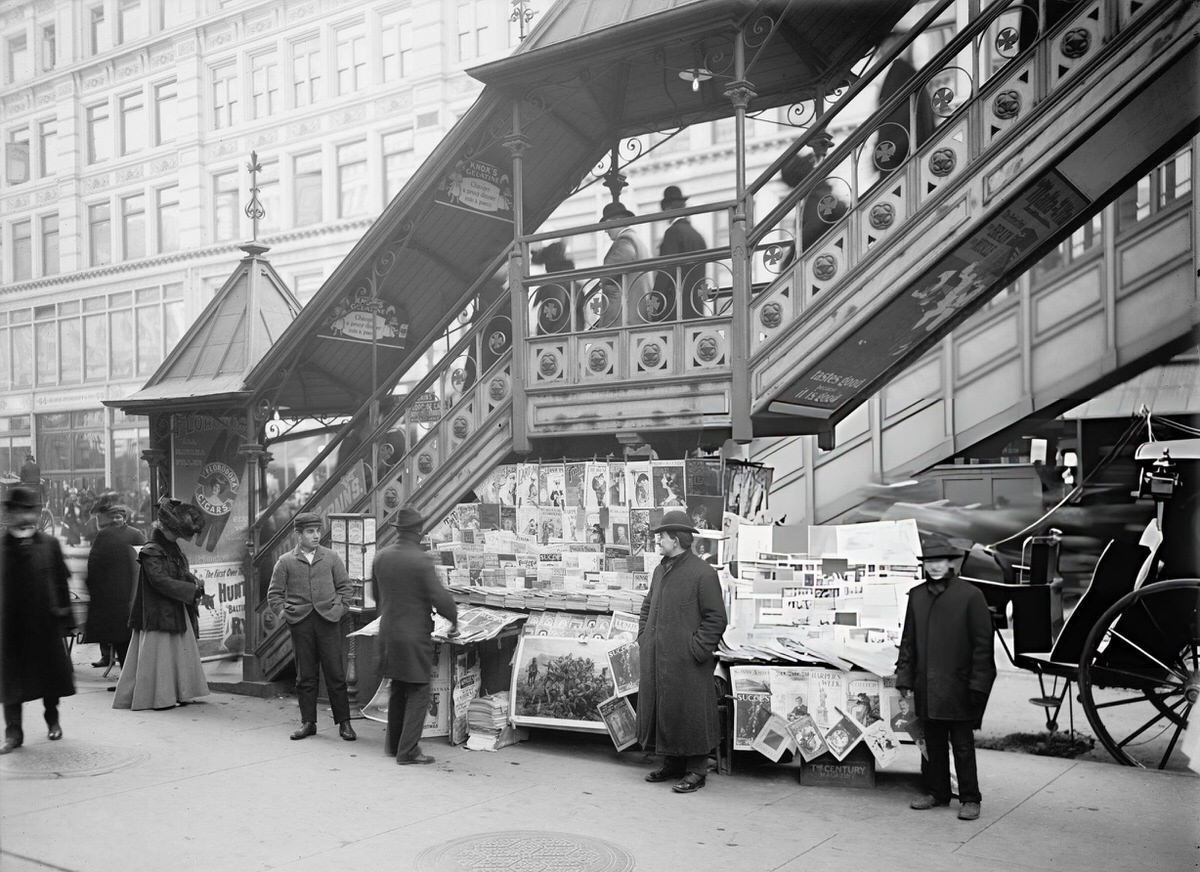
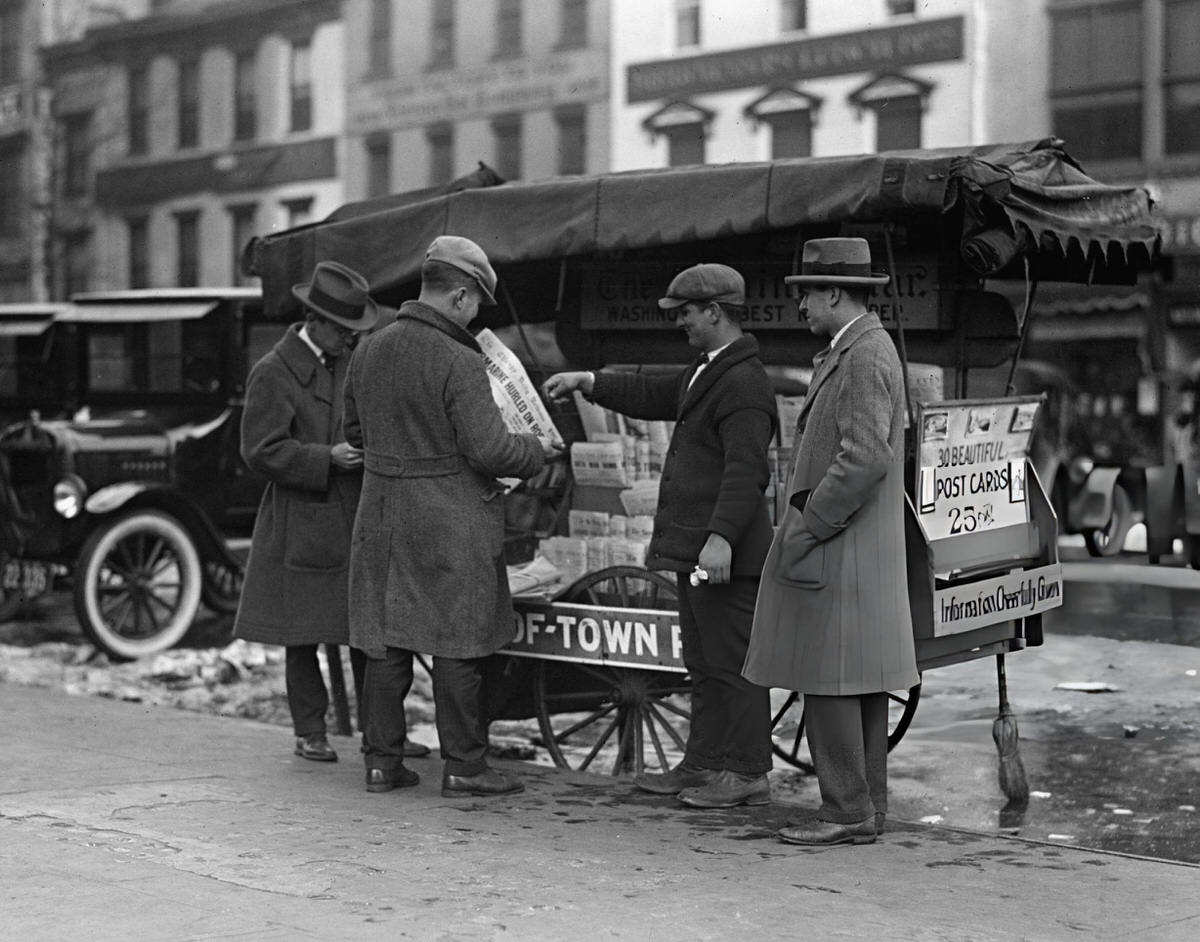
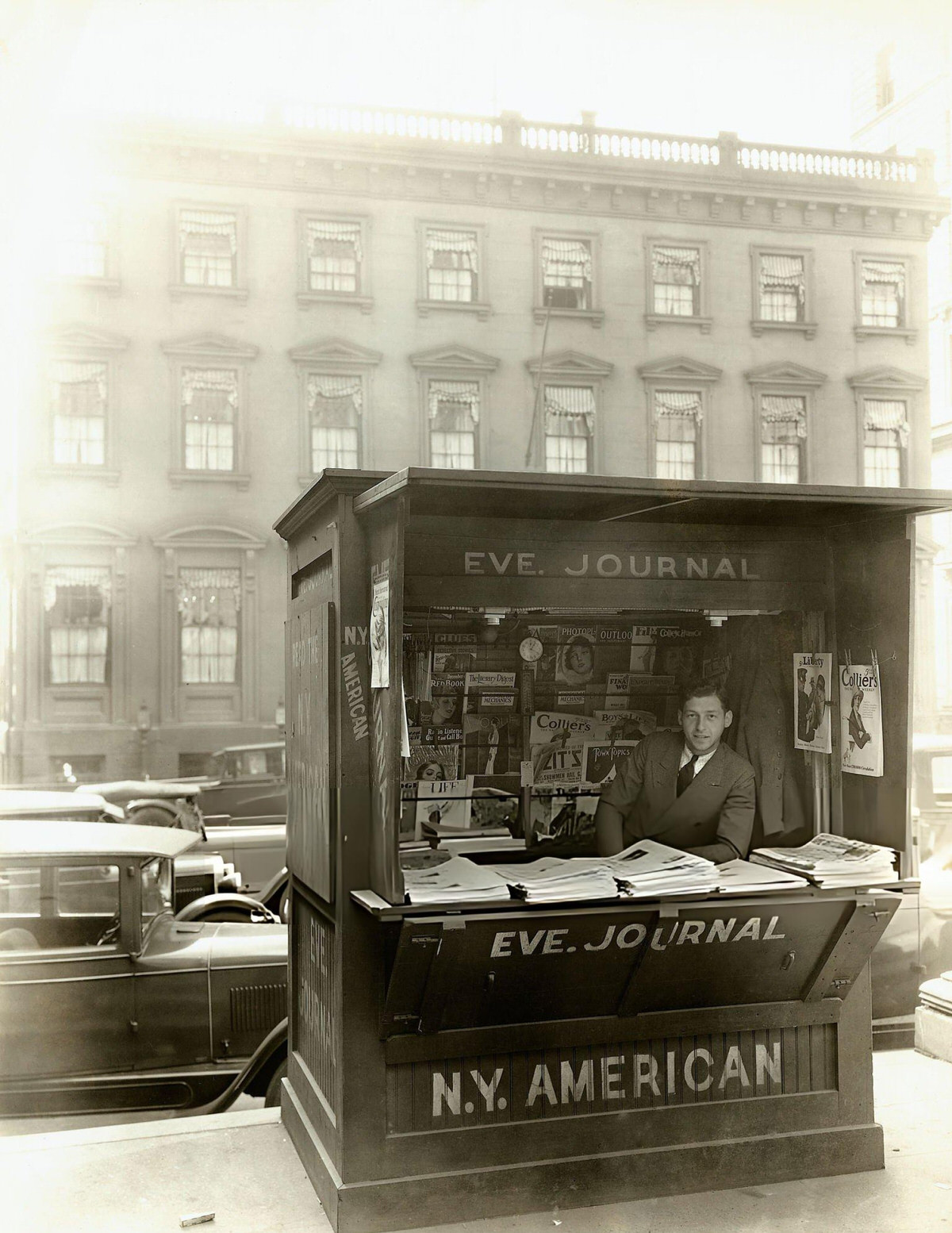
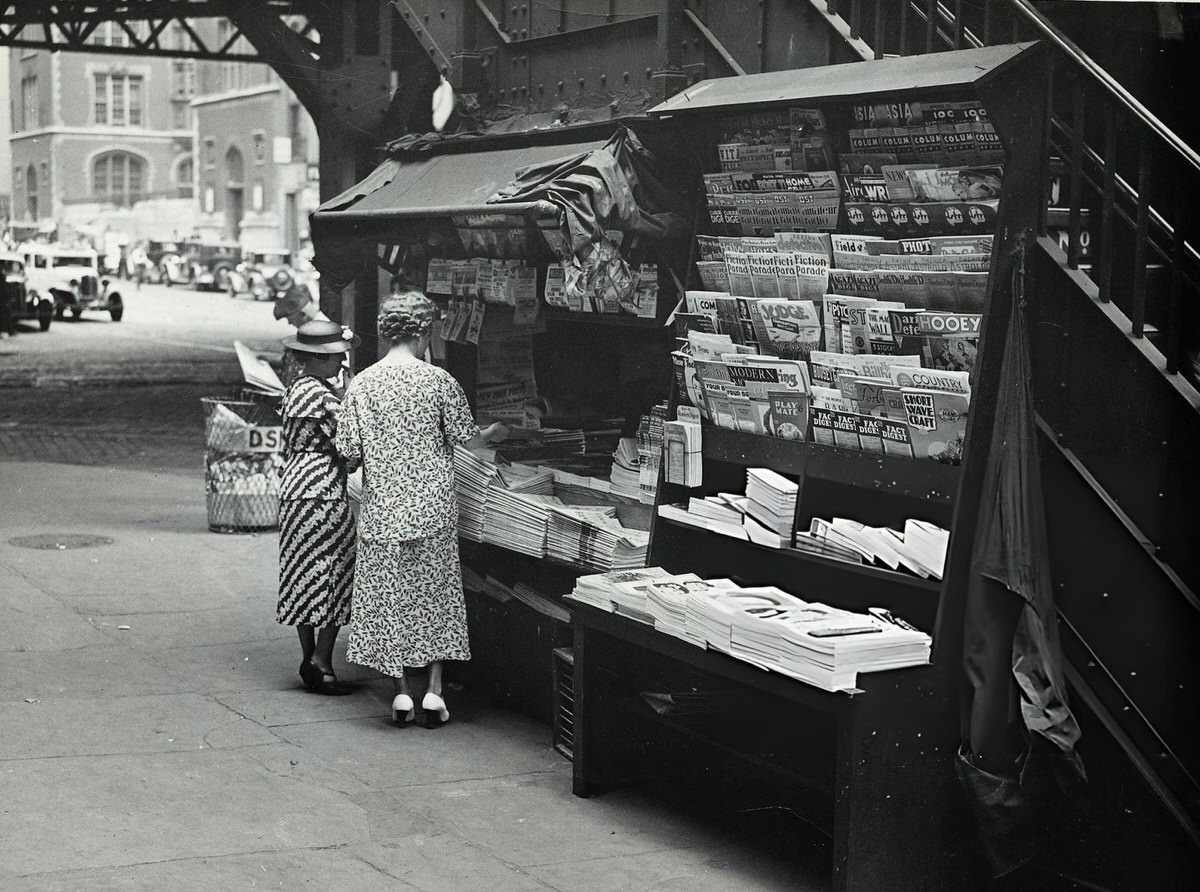
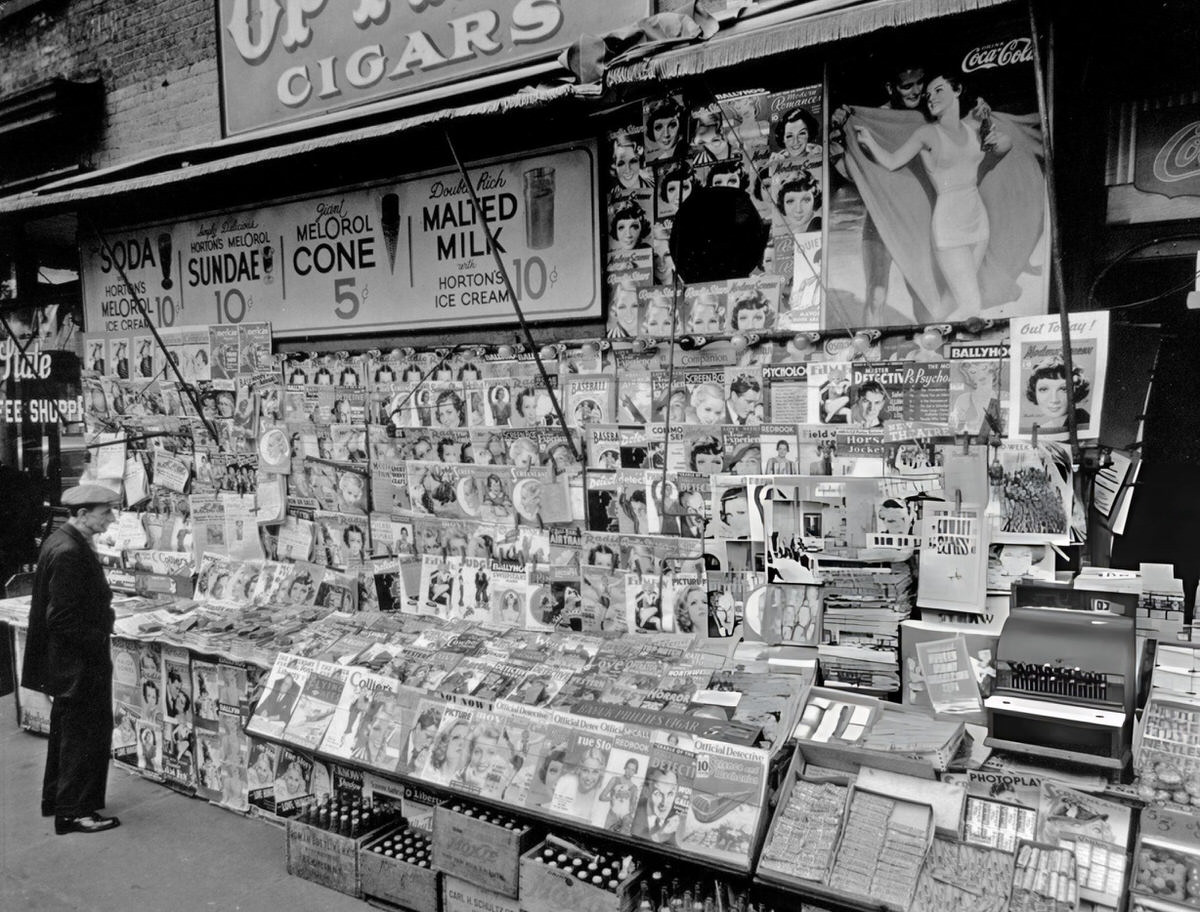
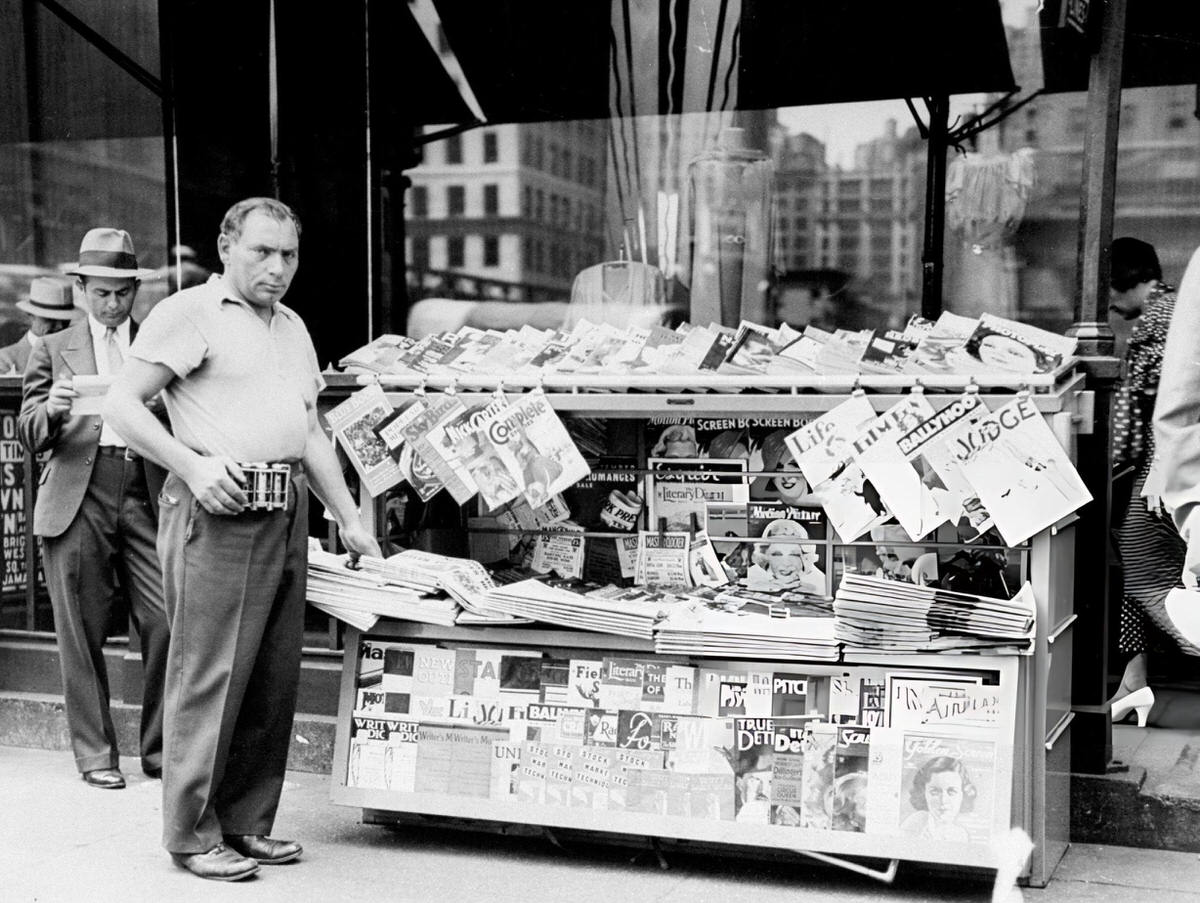
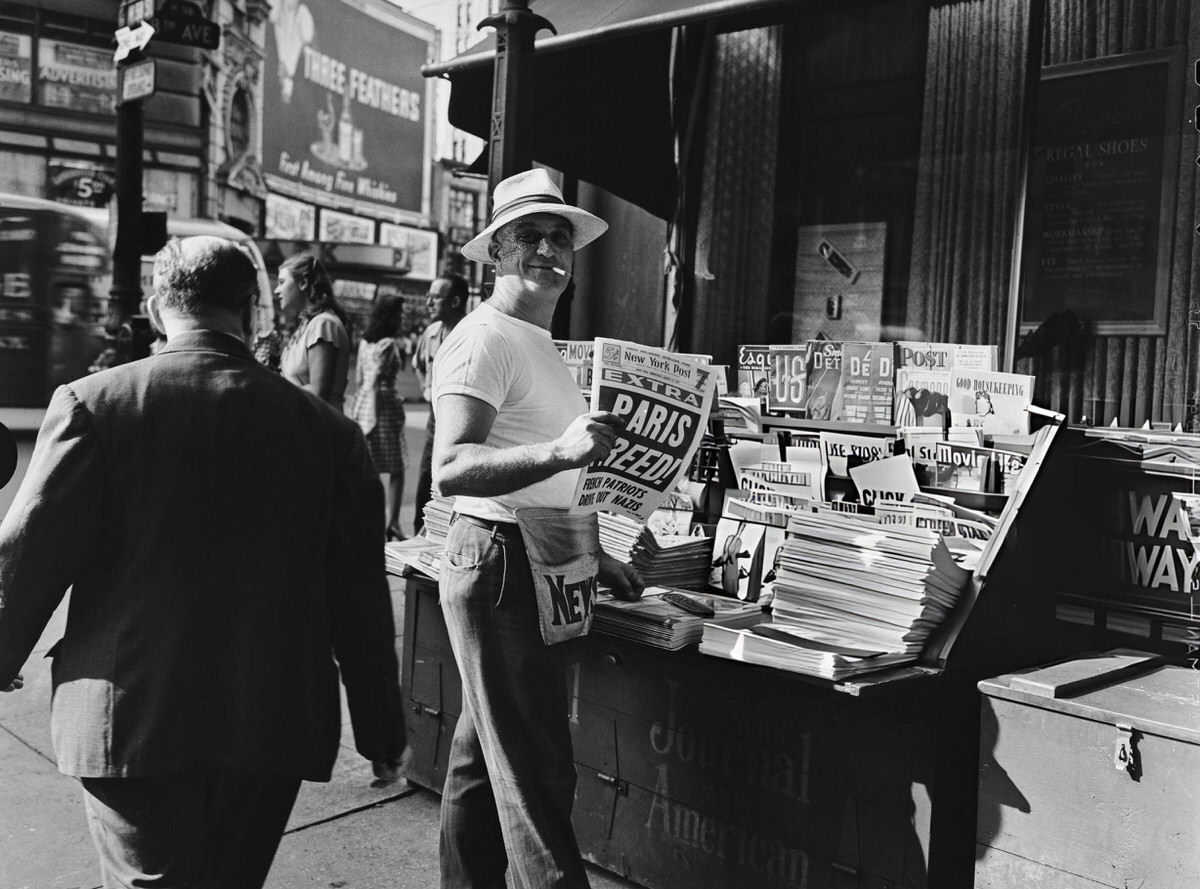
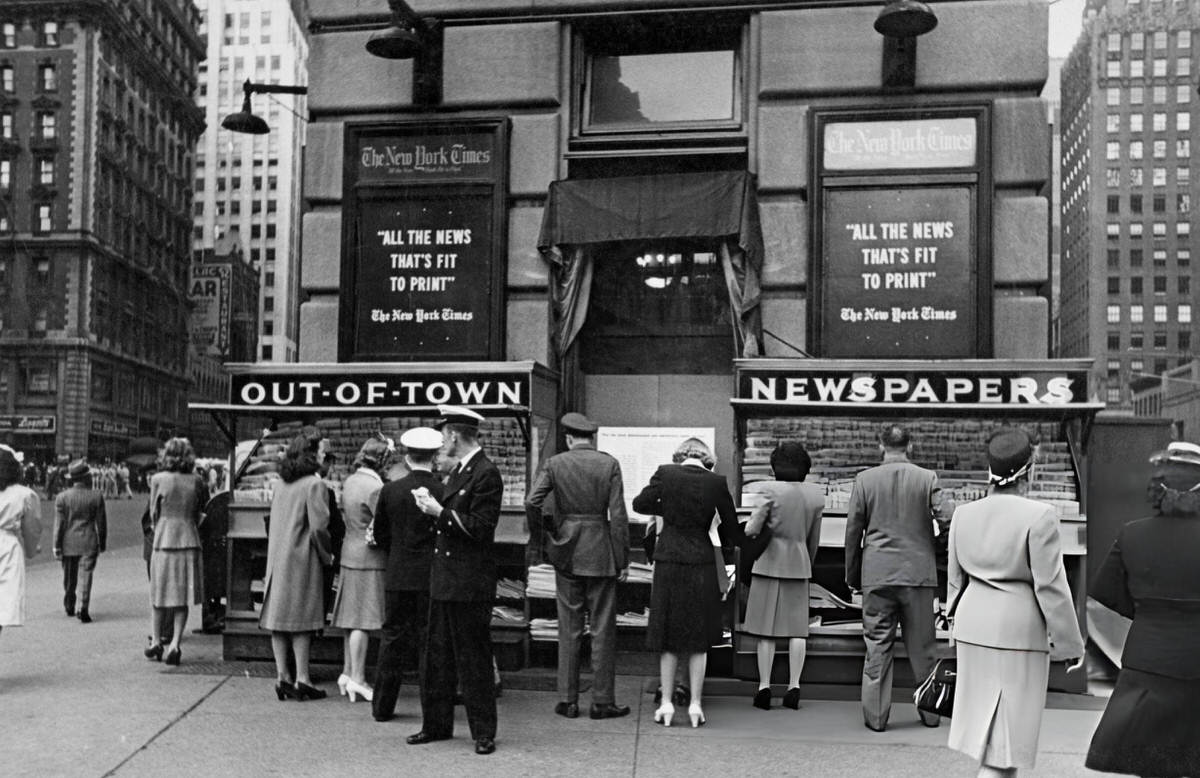
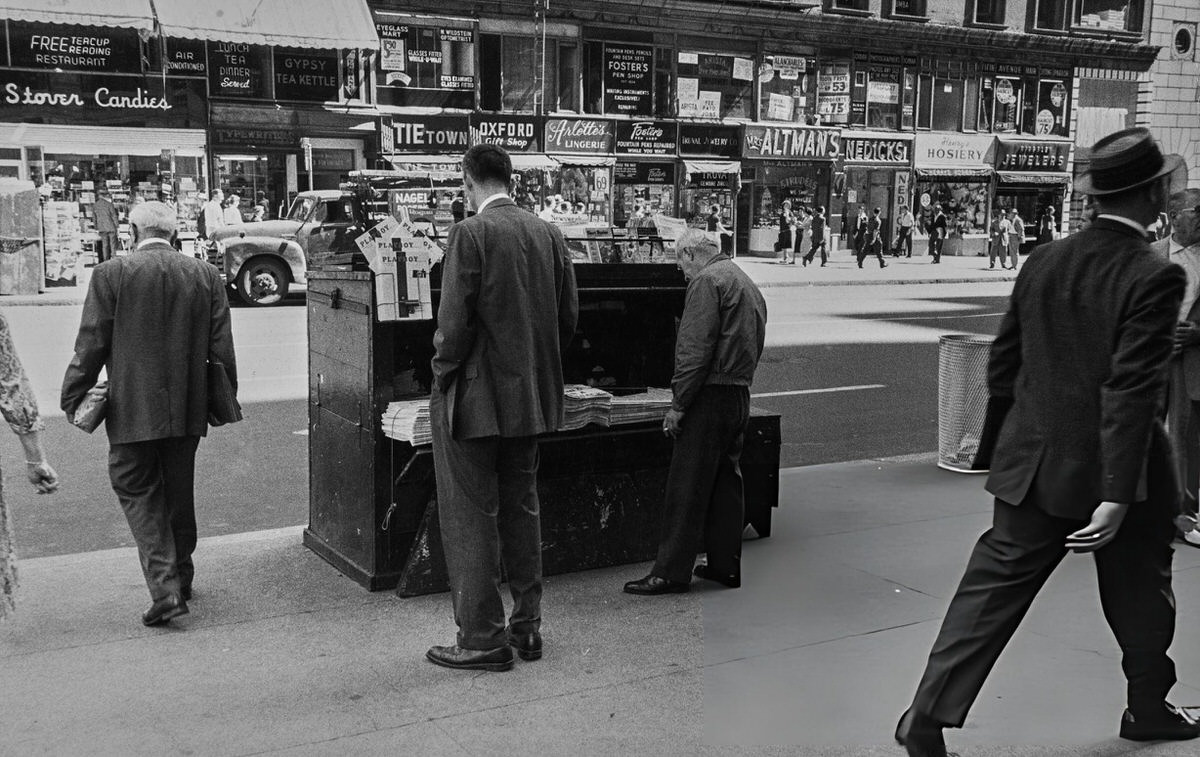
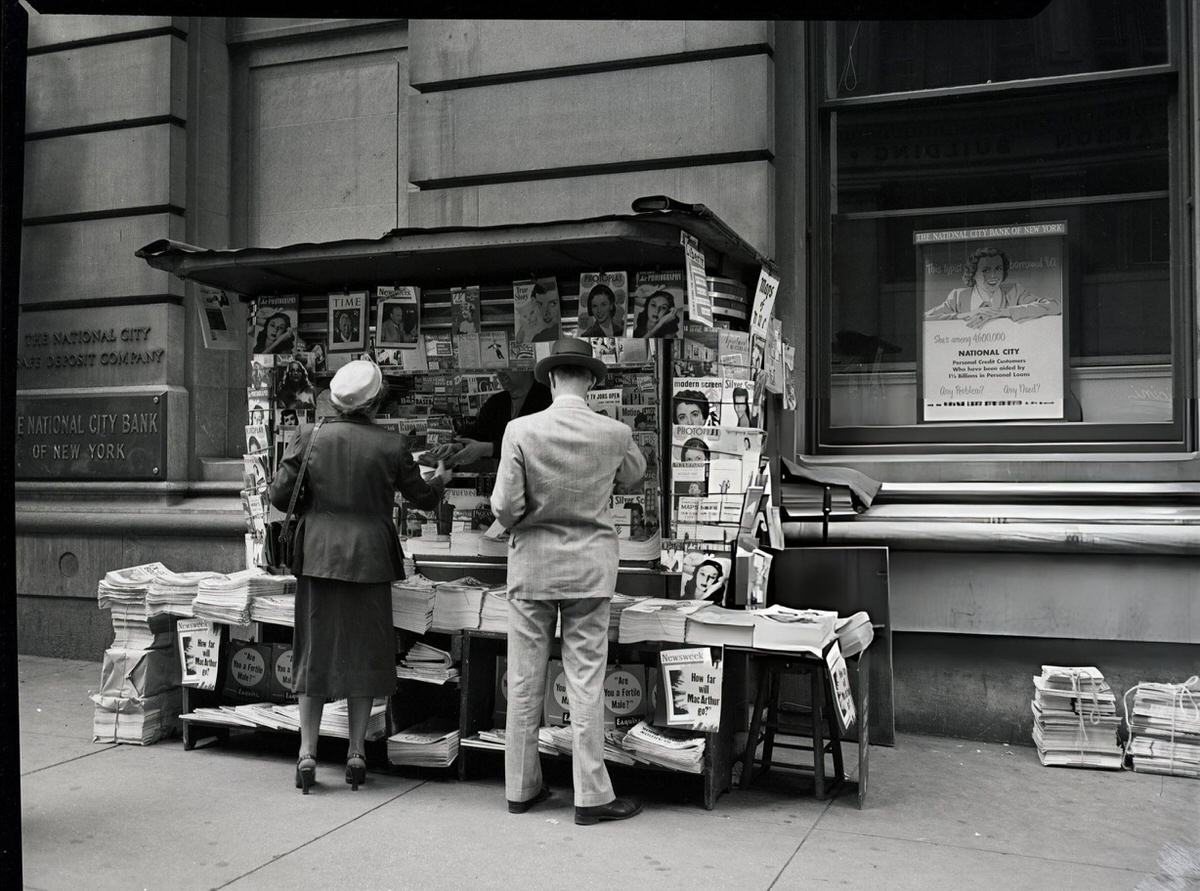
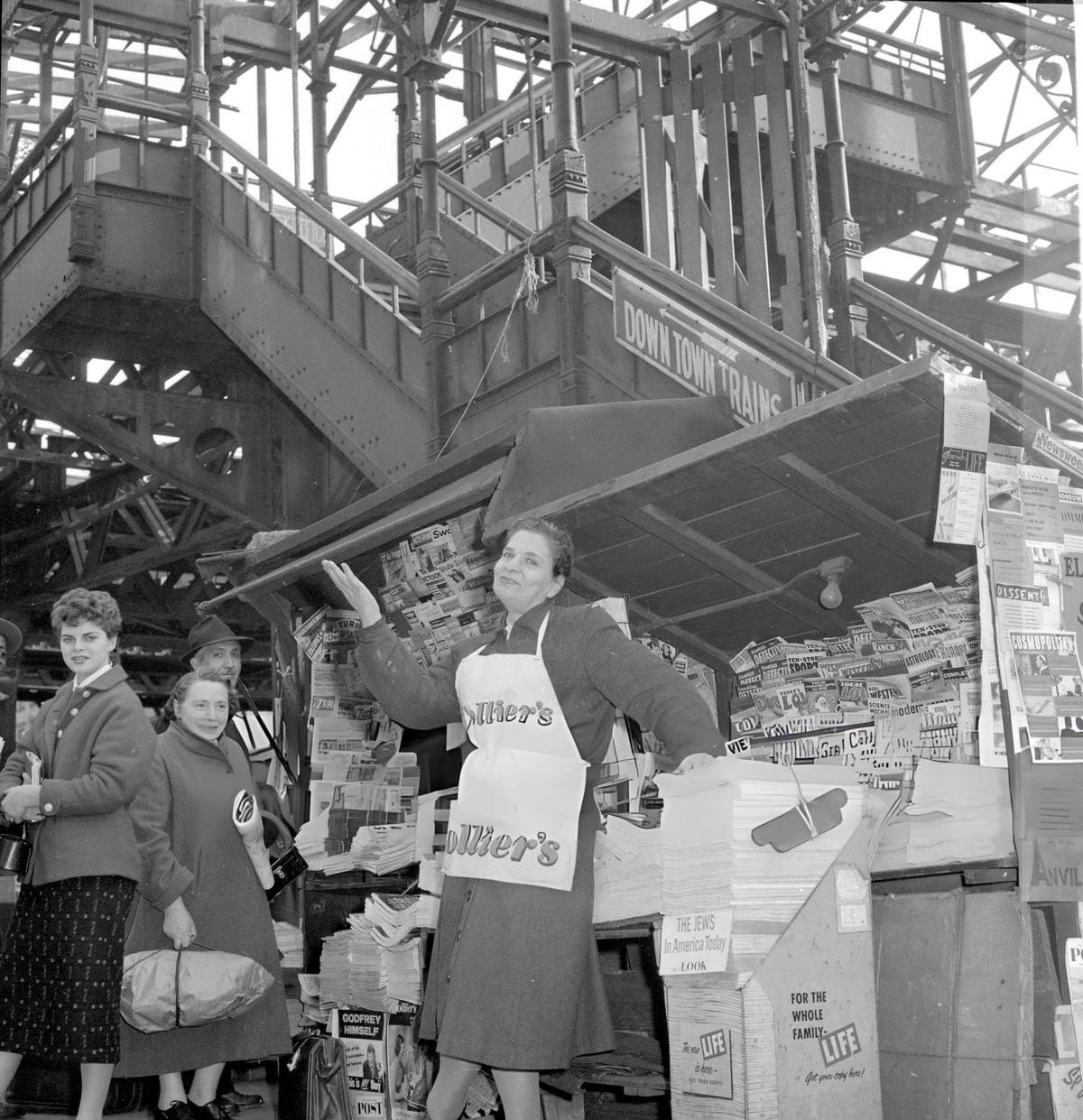
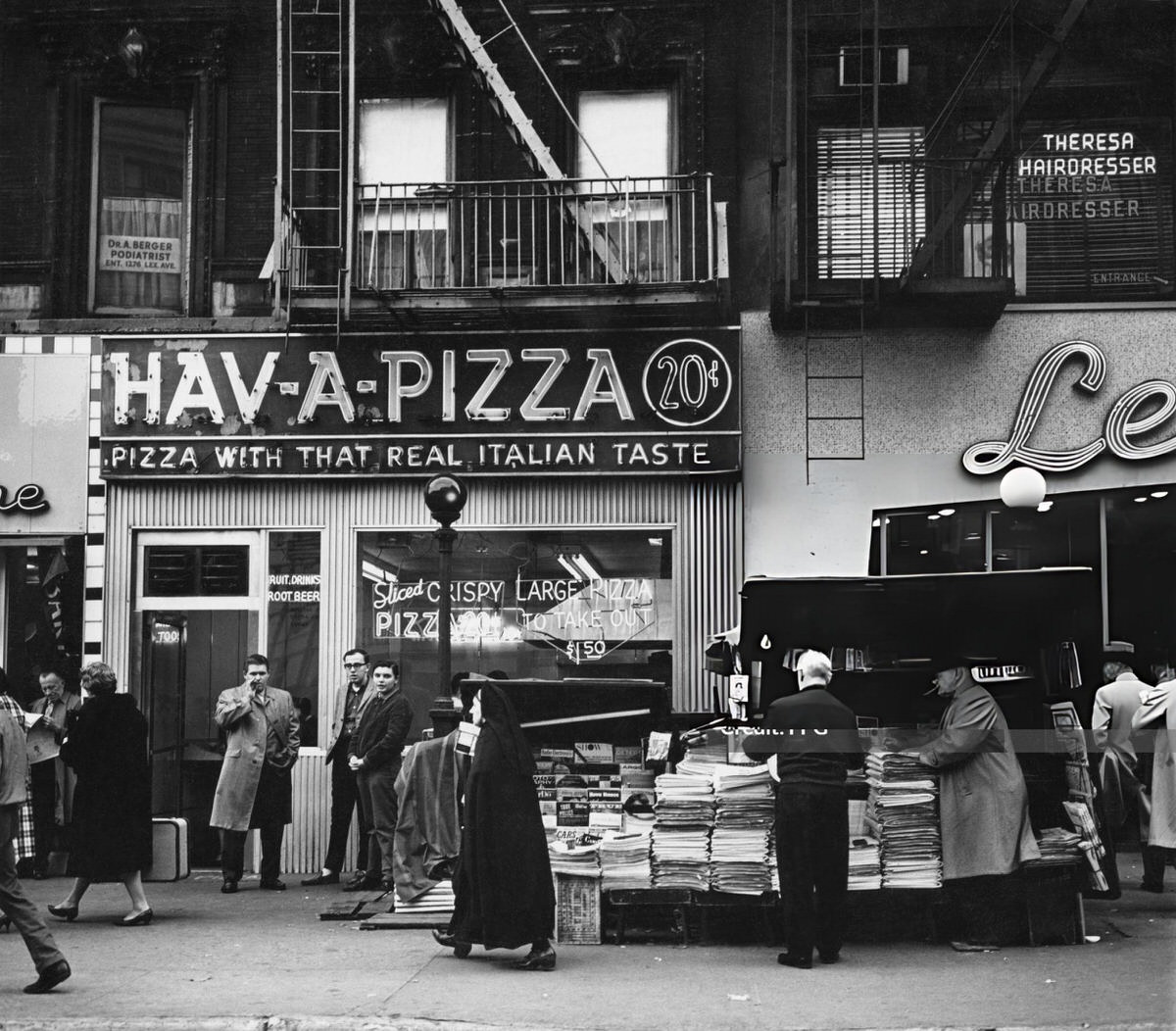
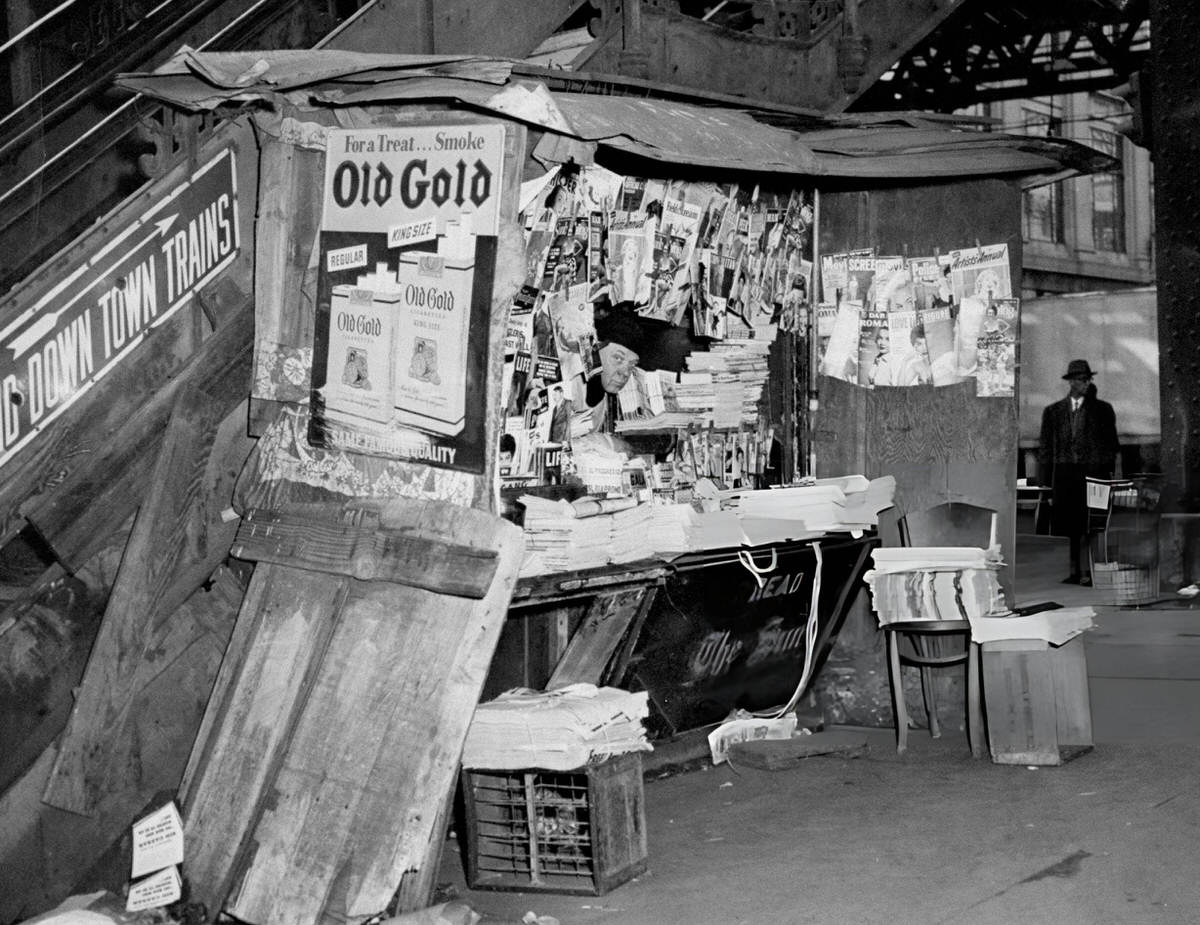
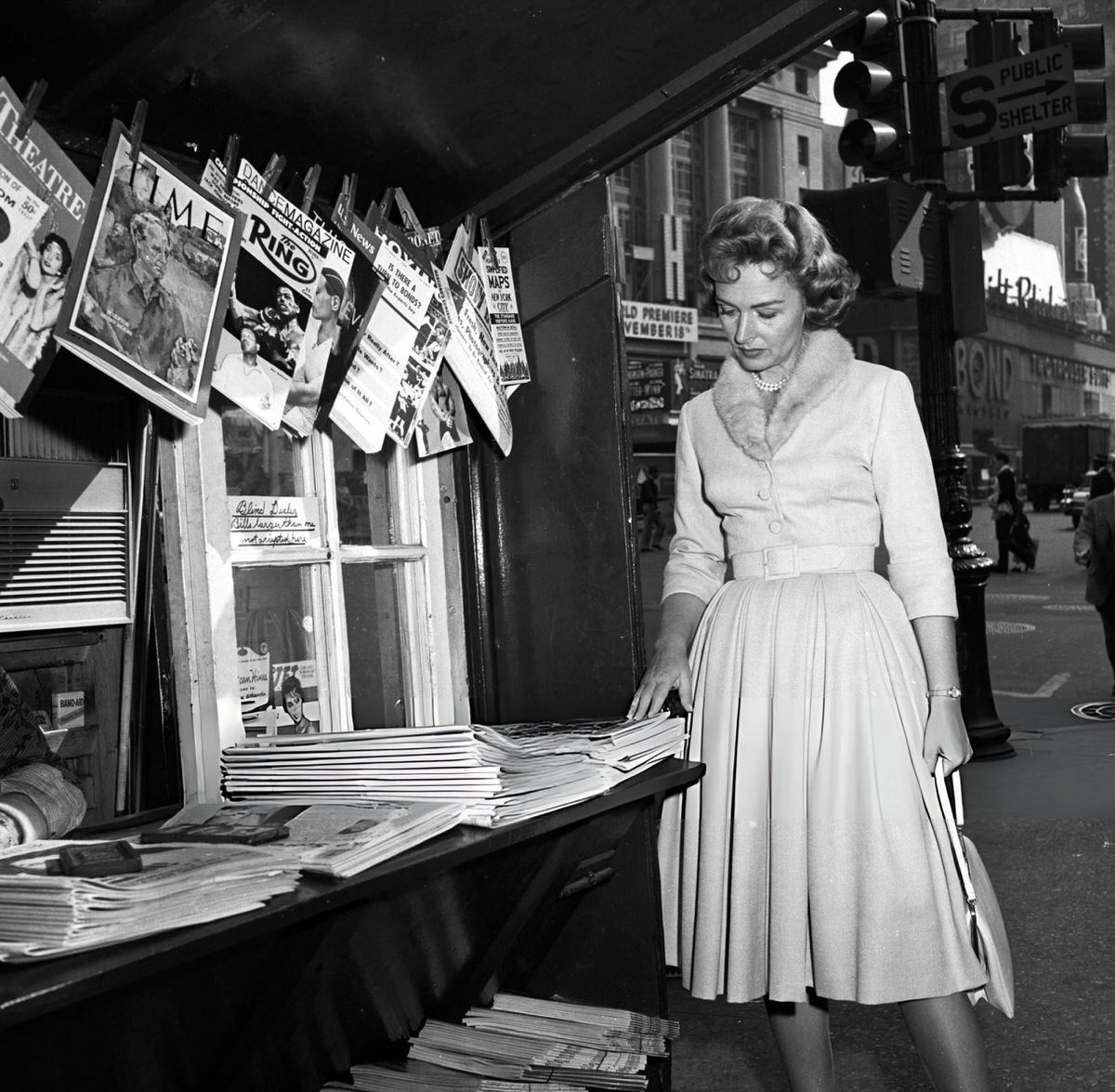
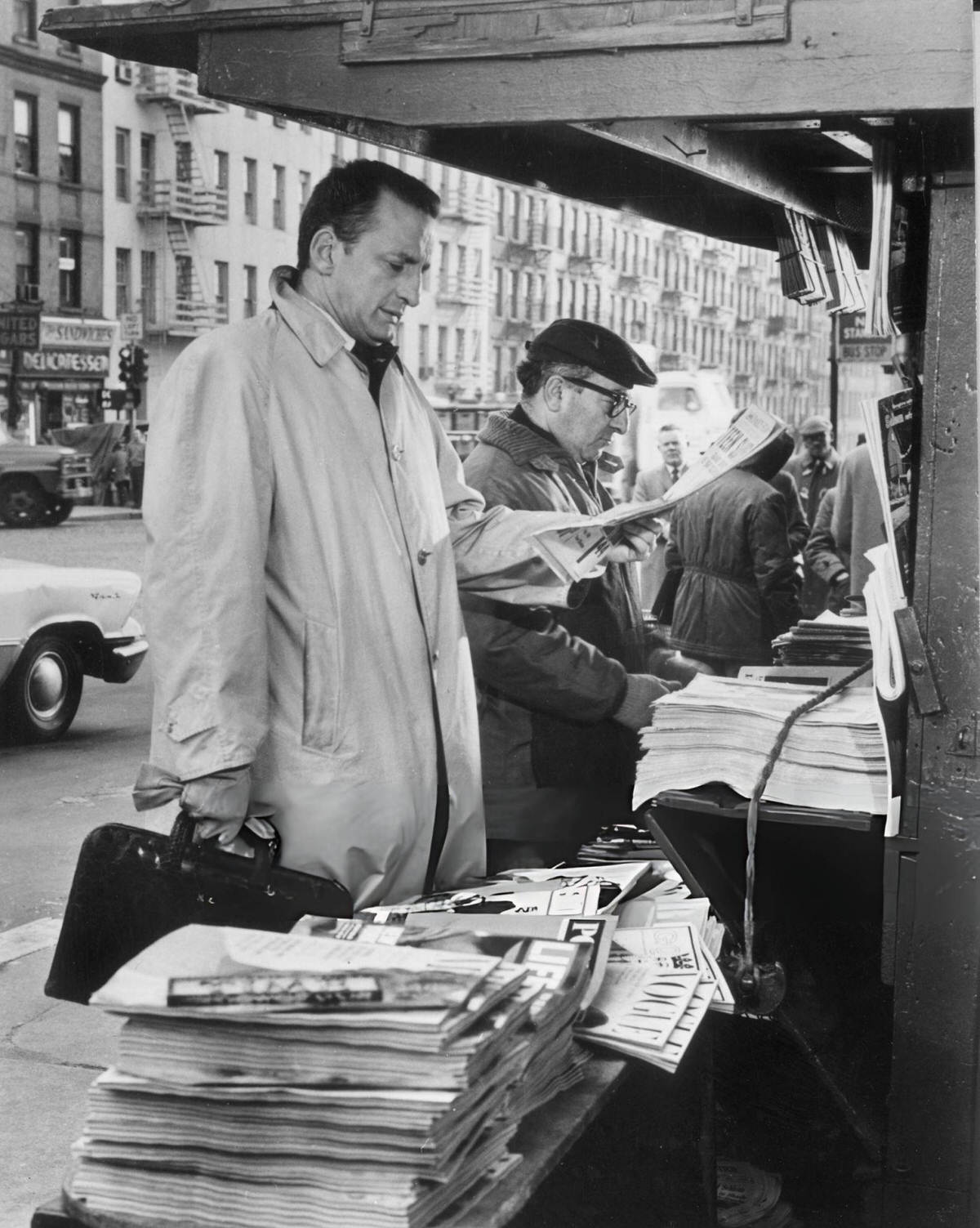
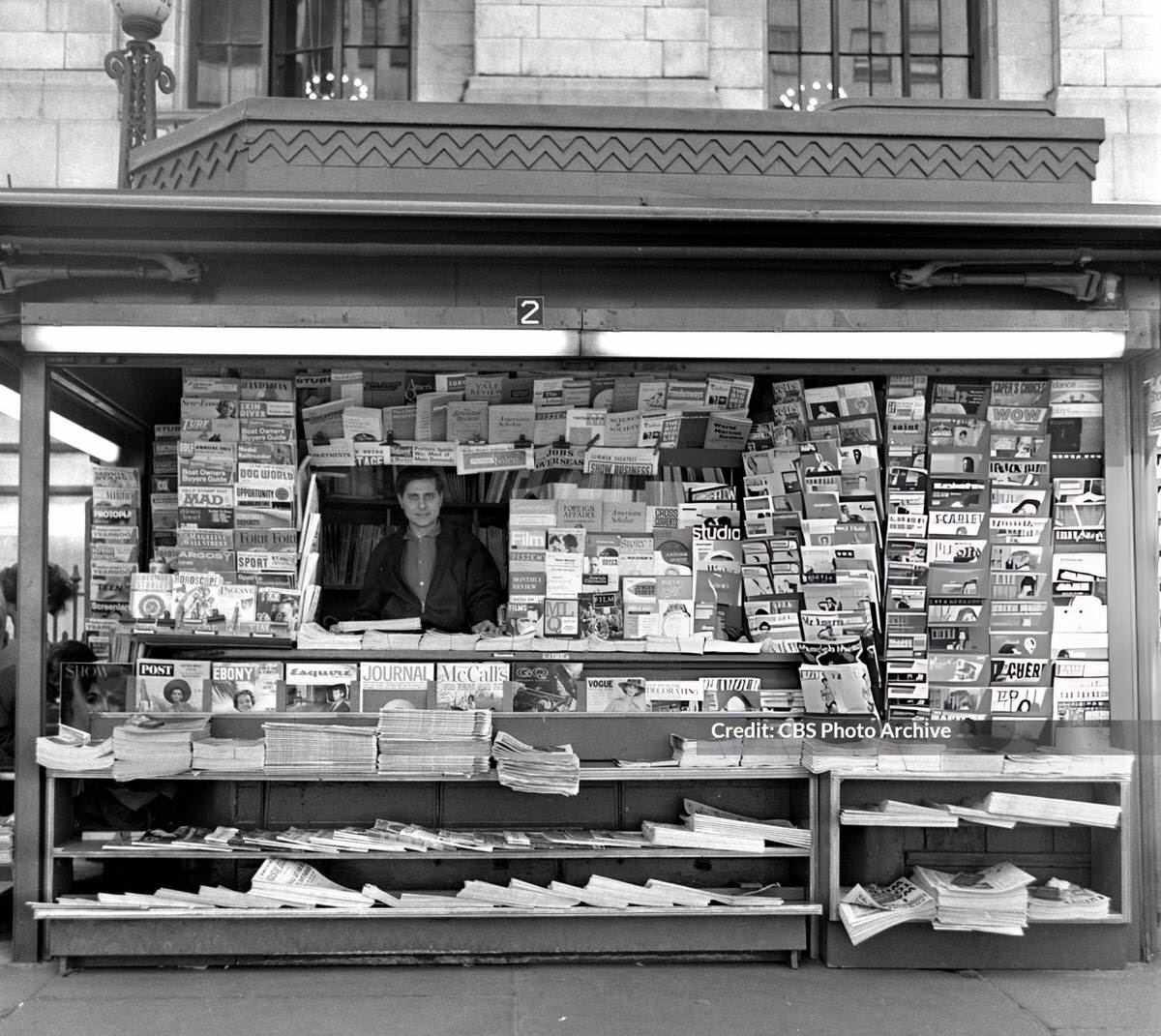
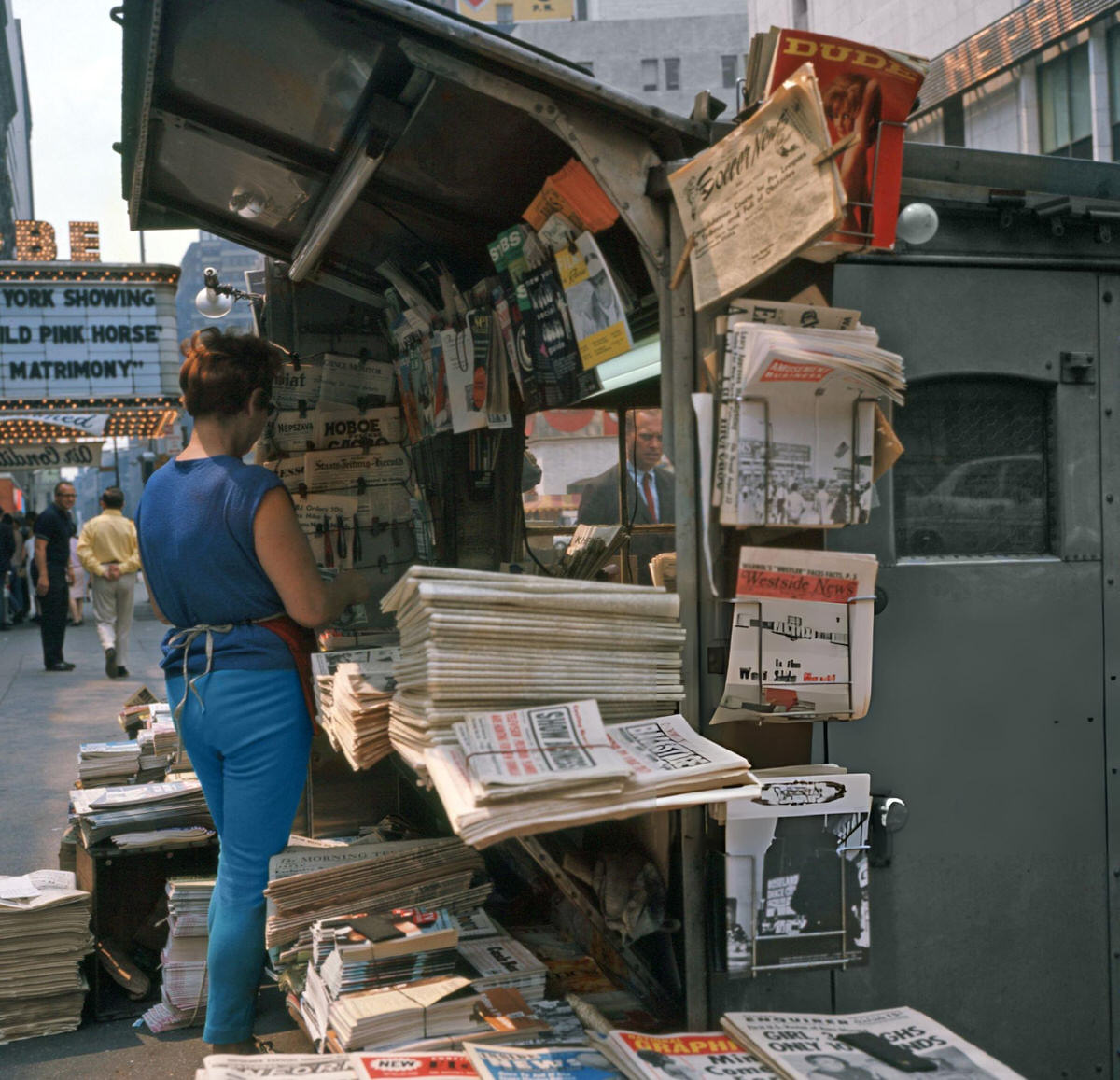
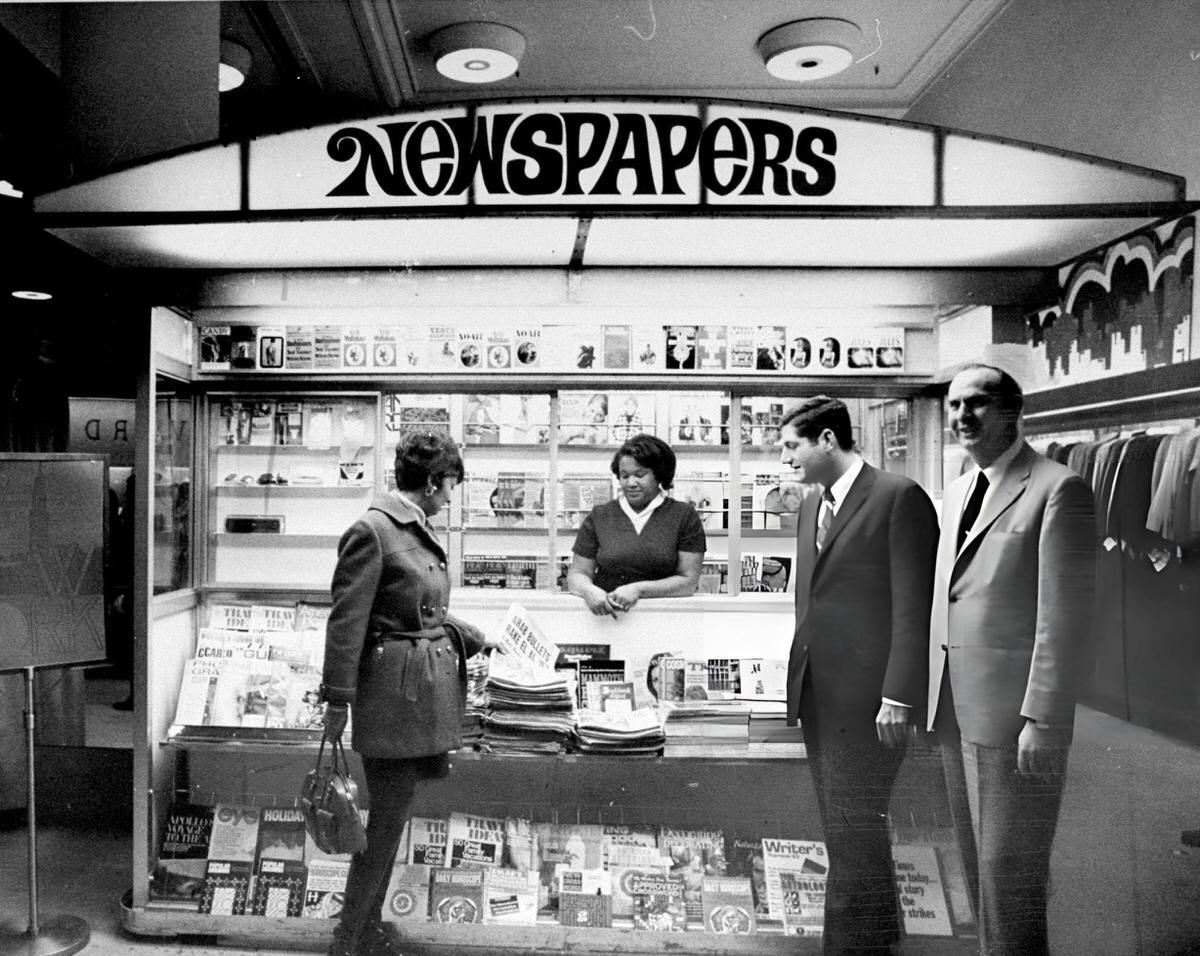
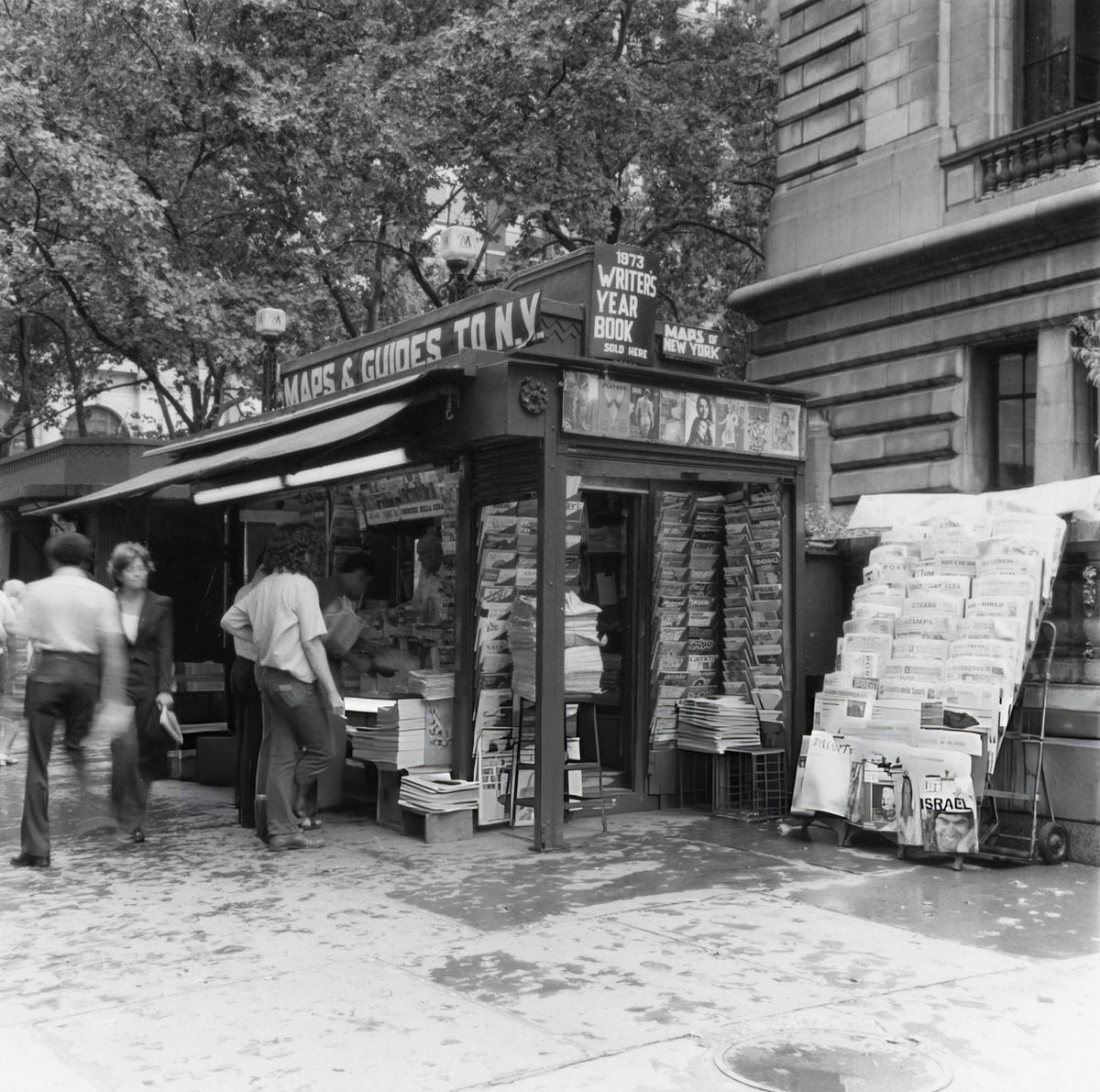
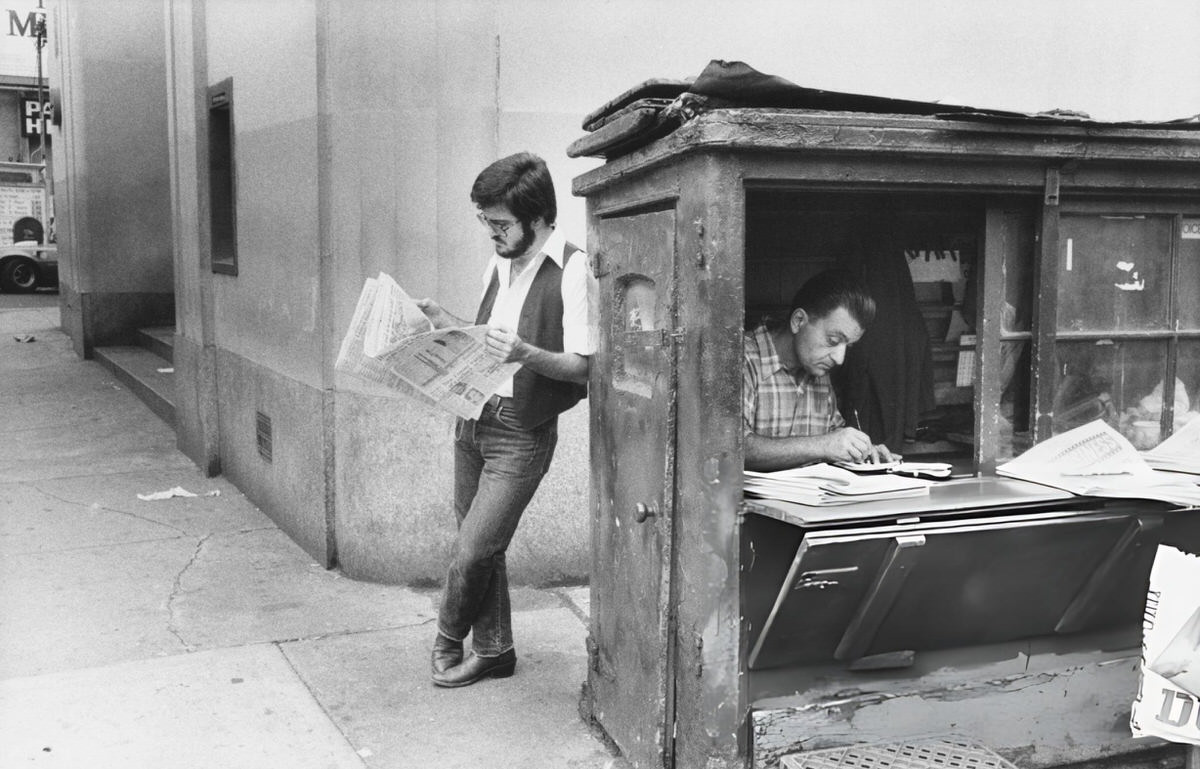
The design of the New York newsstand evolved through the twentieth century from a simple wooden table with a canvas awning to the enclosed metal kiosks that became standard by the 1960s. The city issued licenses for newsstand locations, and a license on a high-traffic corner was worth real money. Operators paid for the right to operate at specific locations and defended those rights fiercely. A corner near a subway entrance in Midtown could move five hundred papers on a busy morning — that was a serious business, not a hobby.
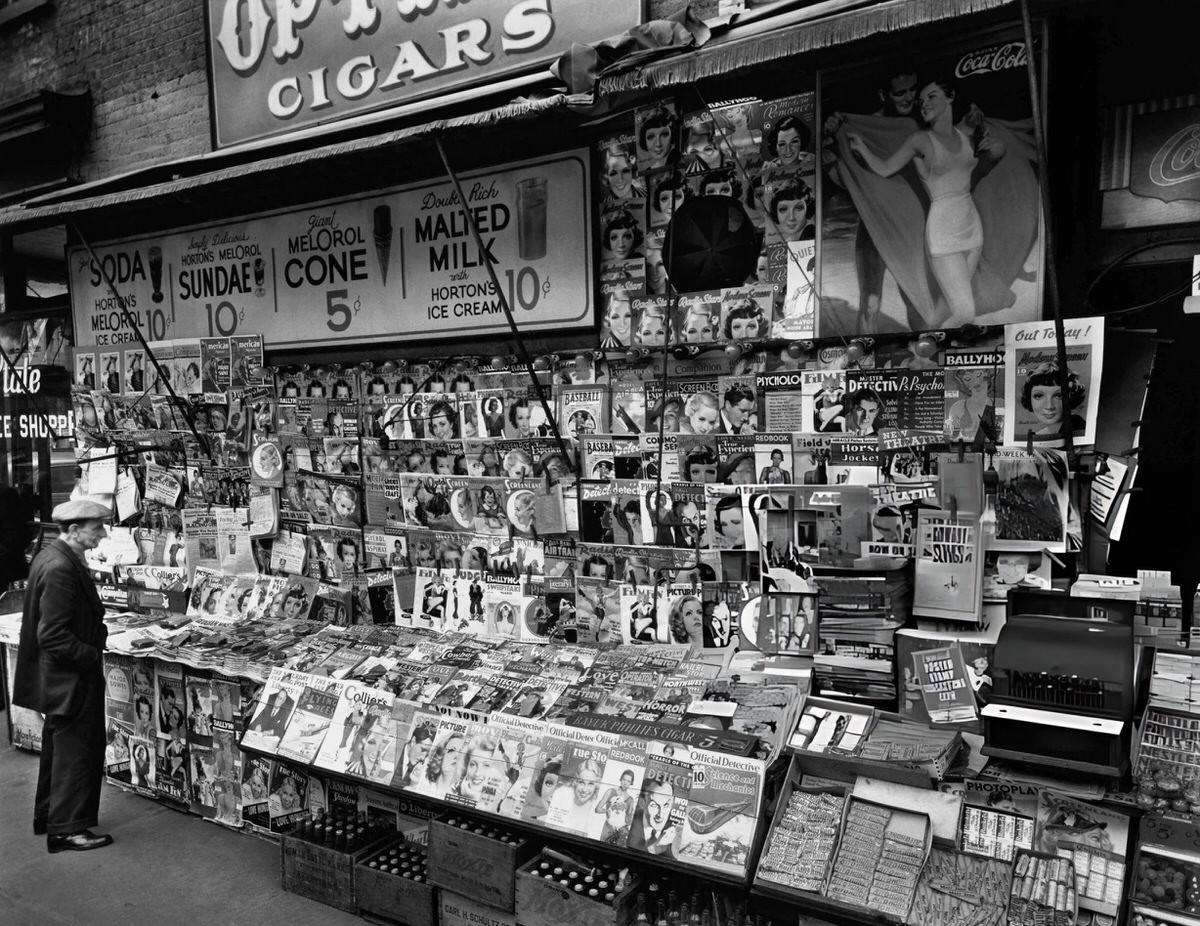
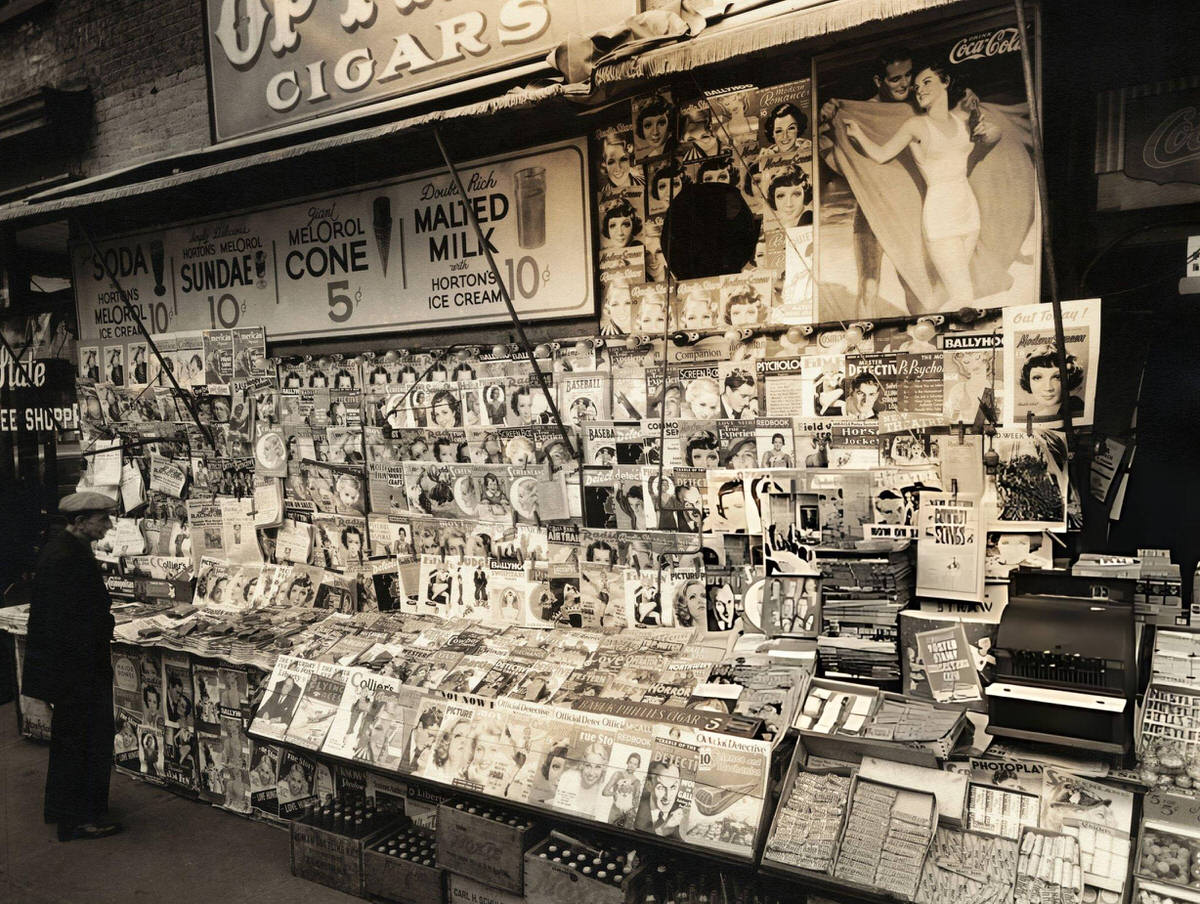
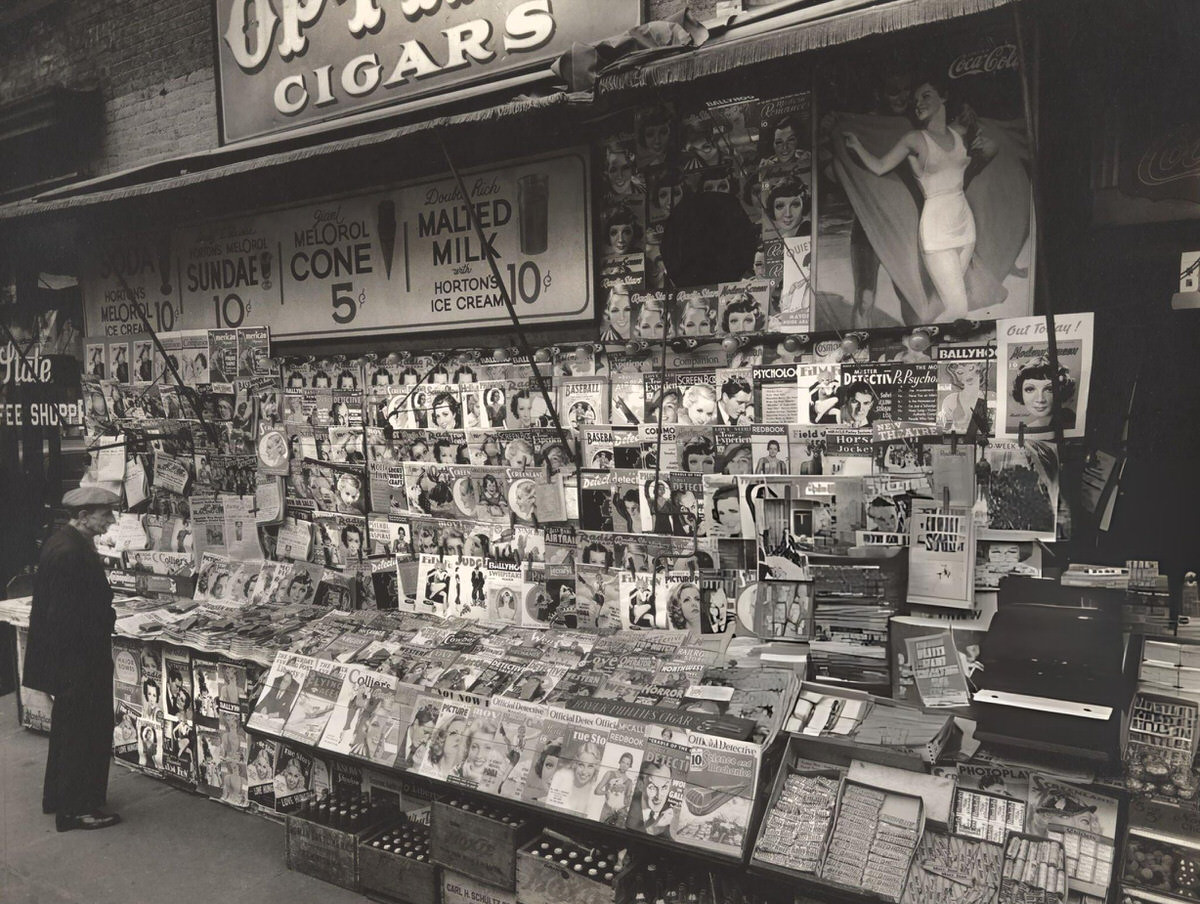
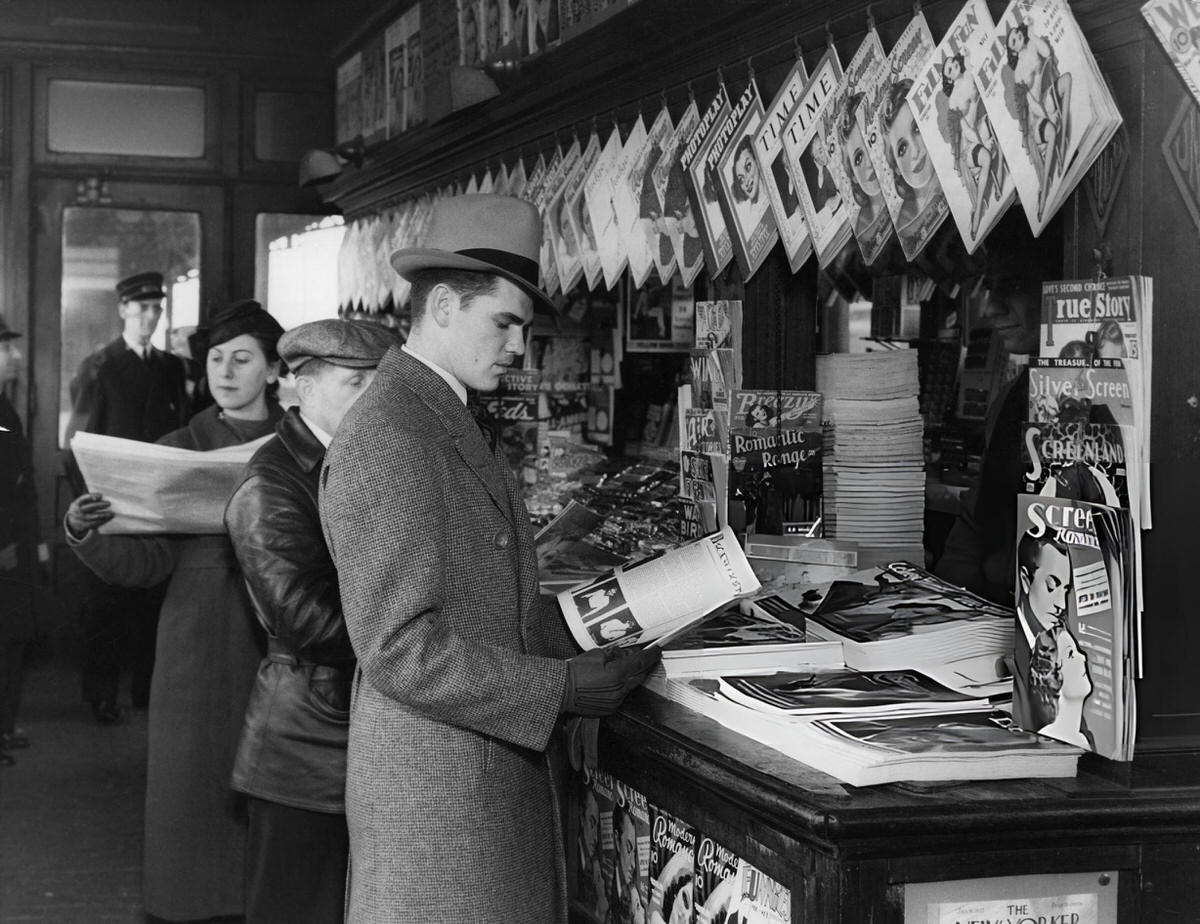
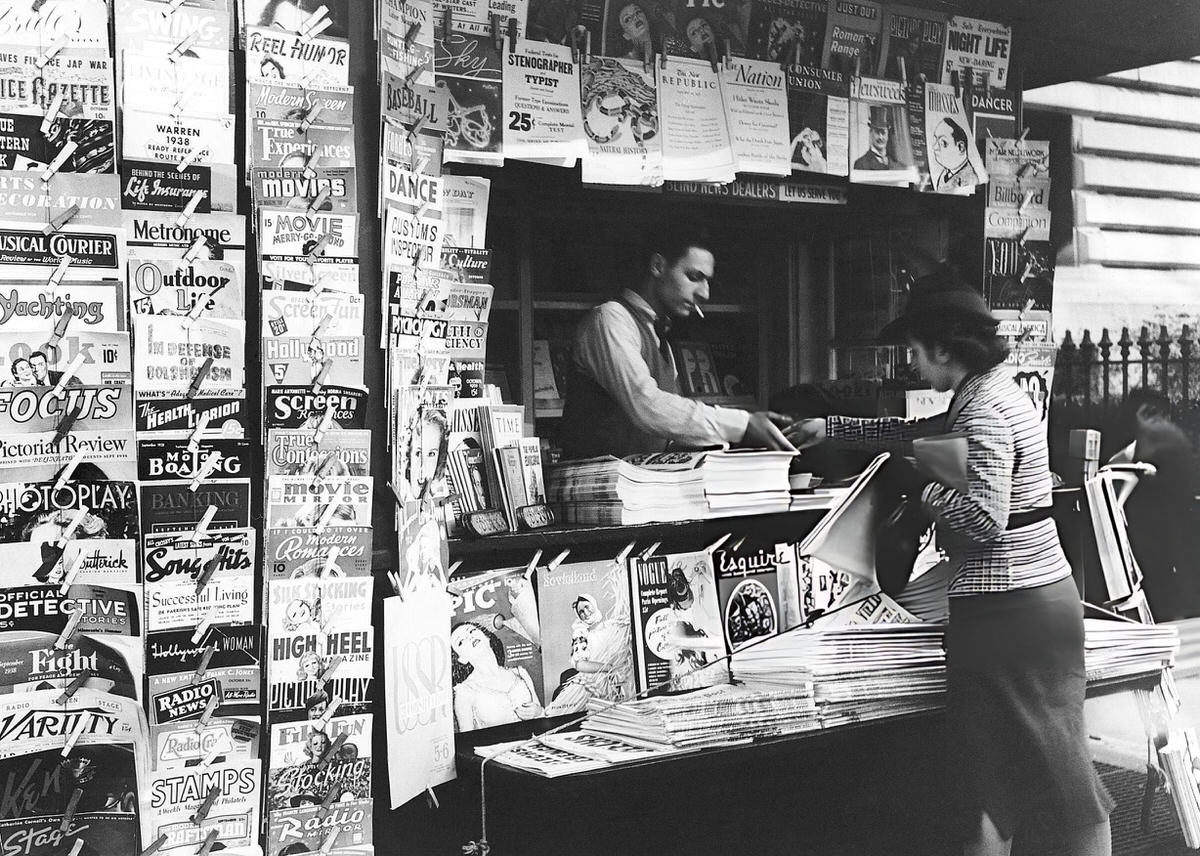
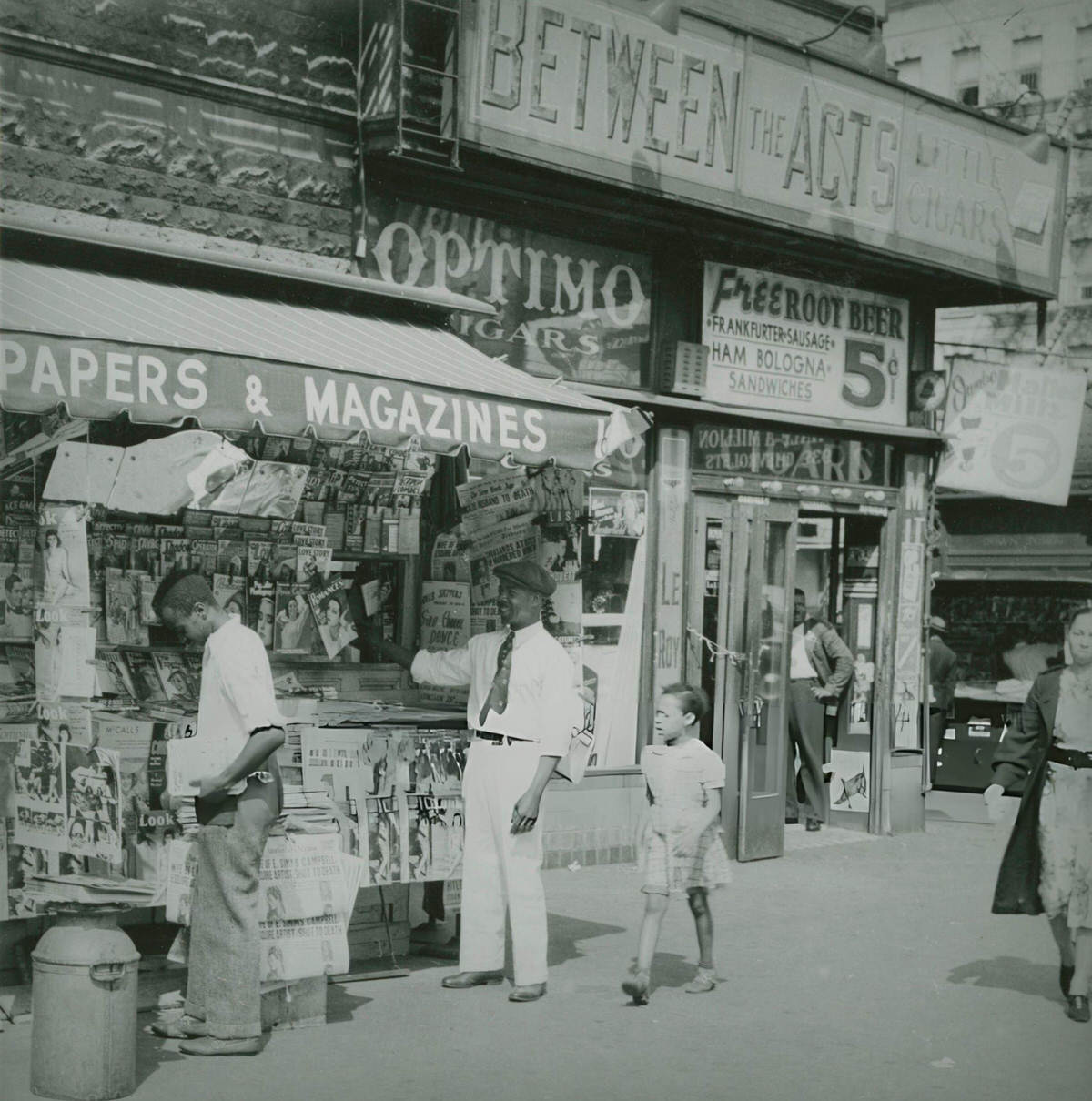
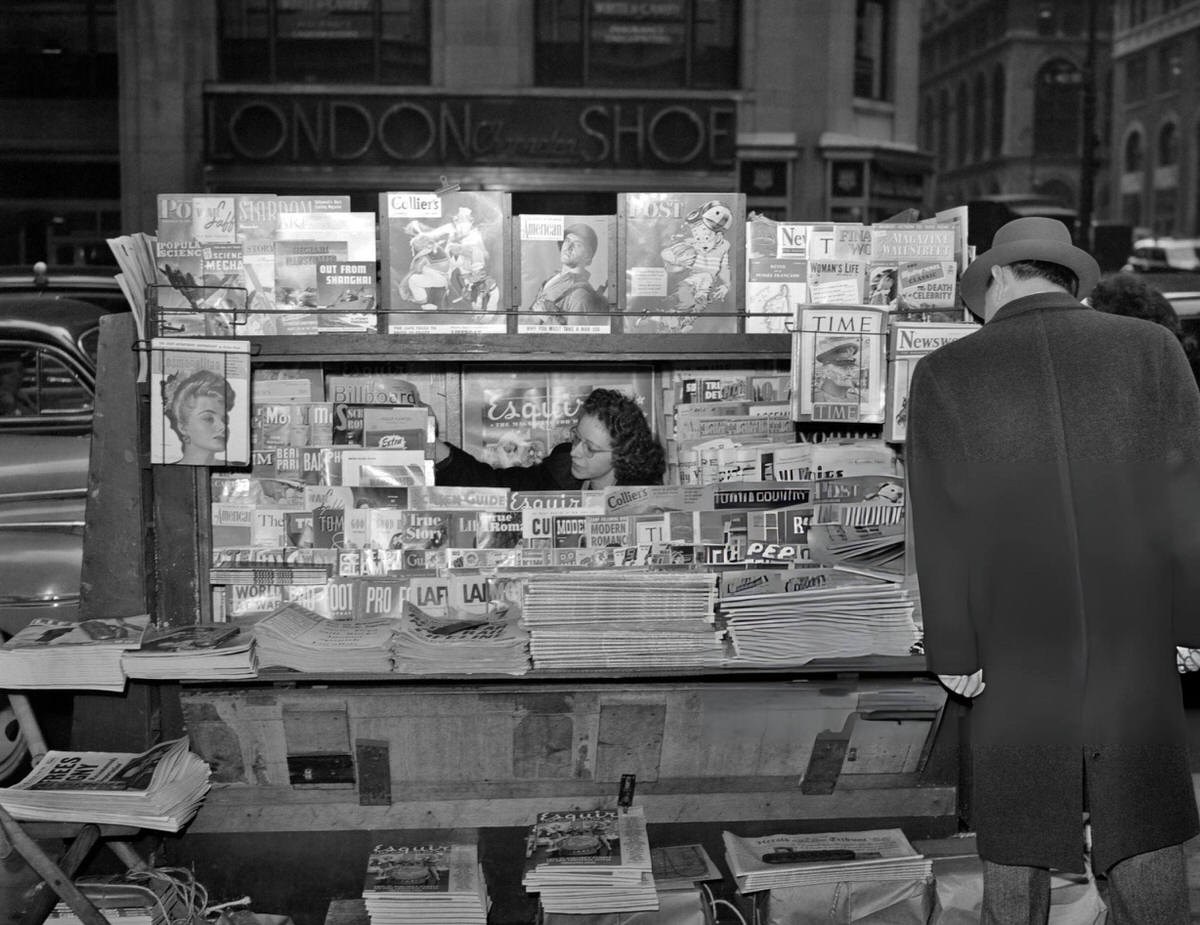
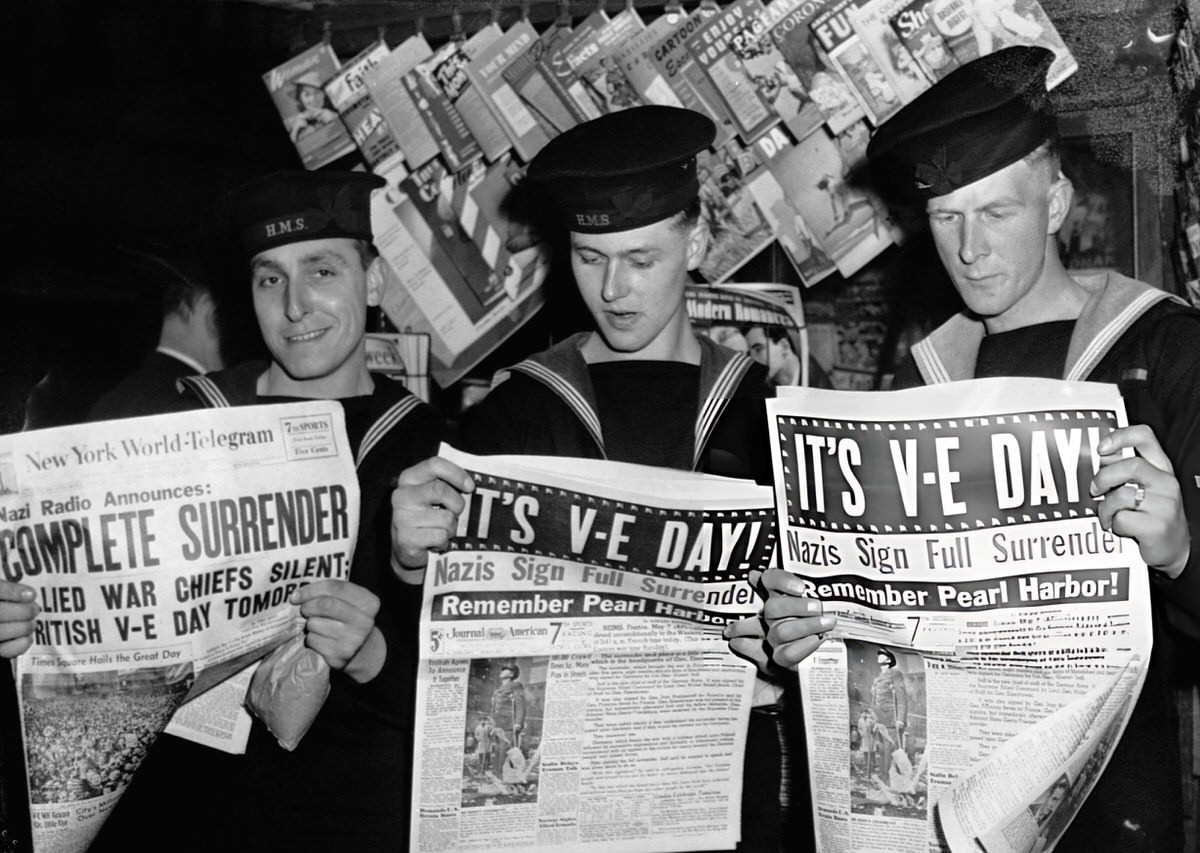
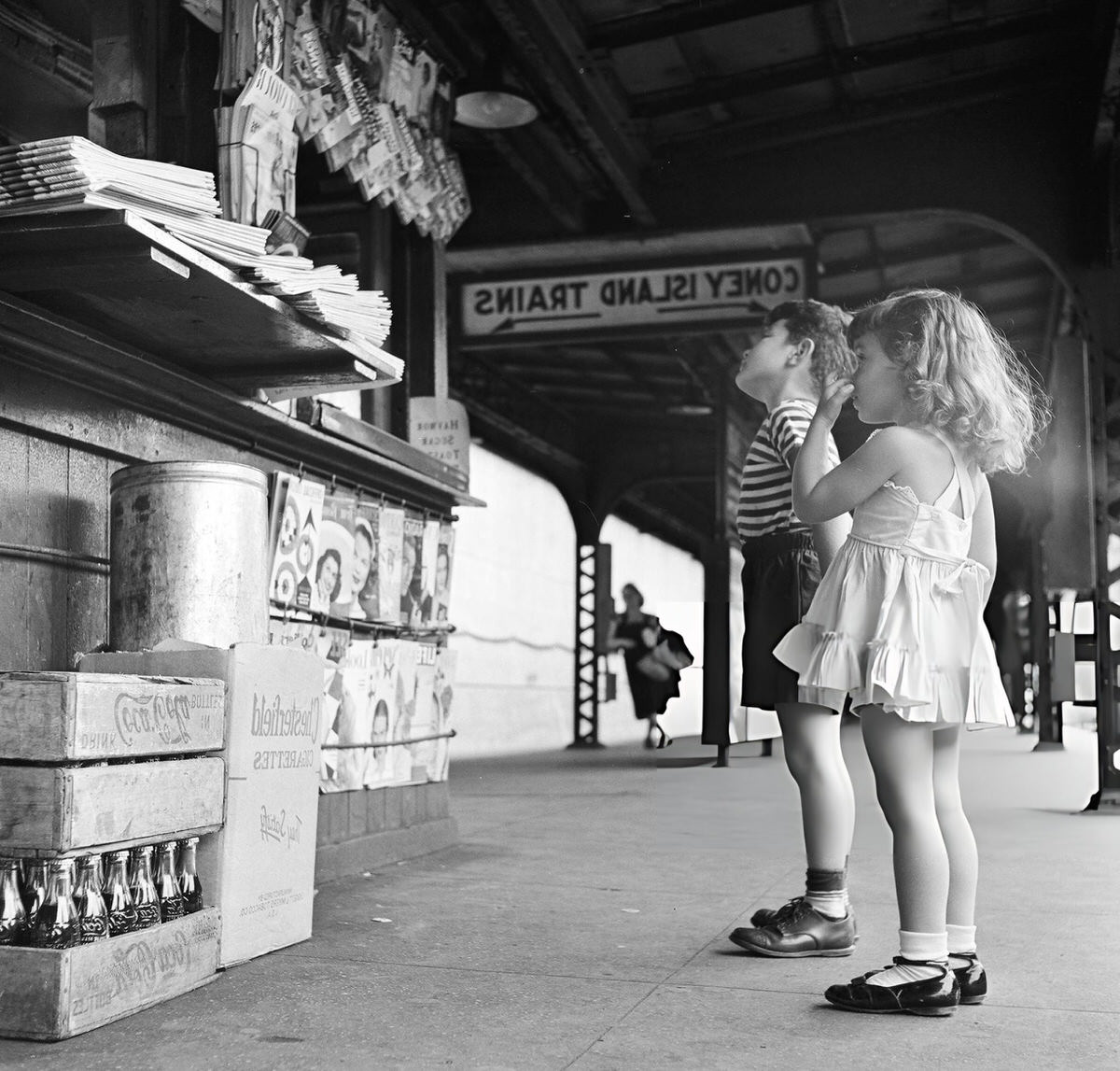
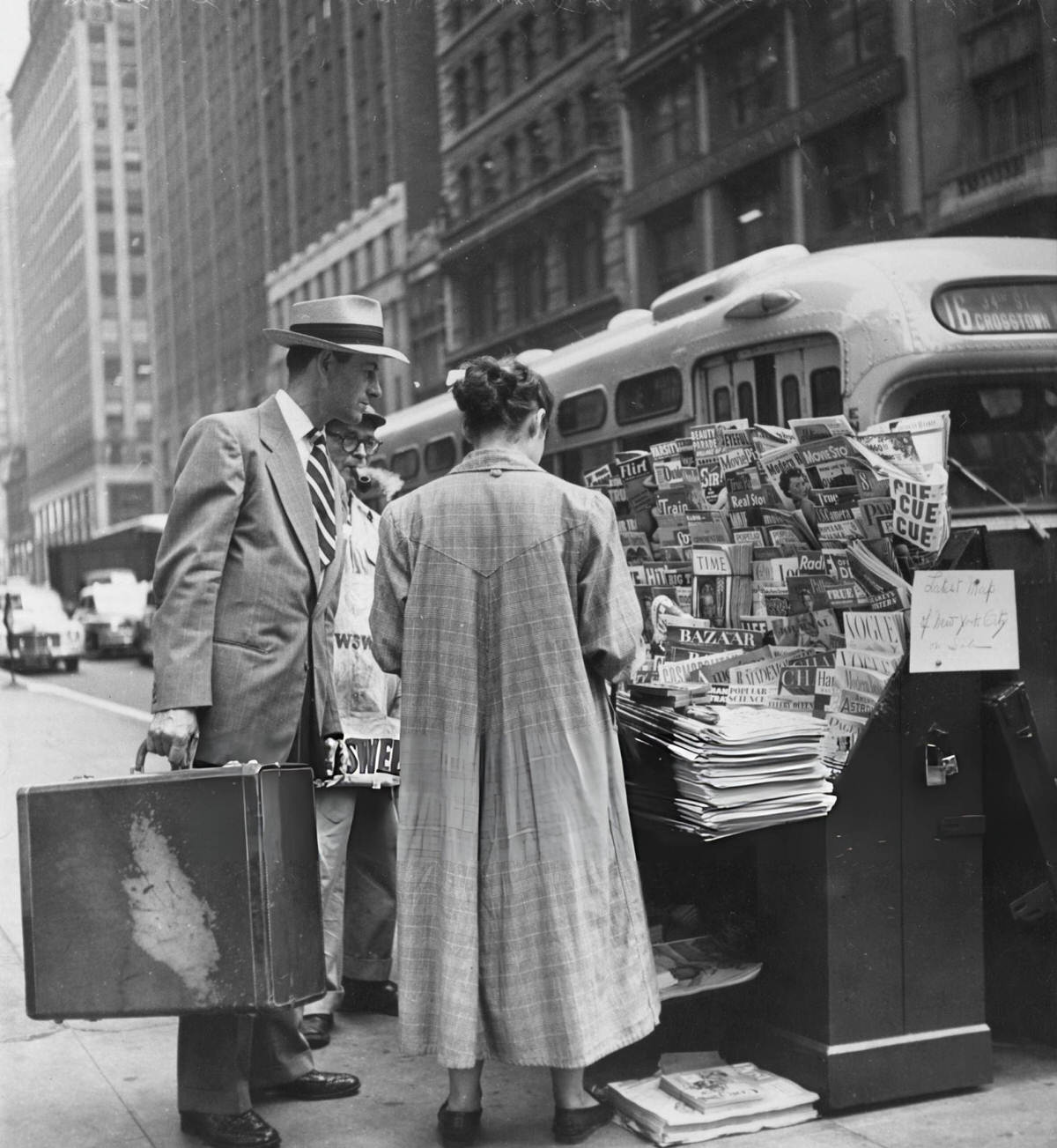
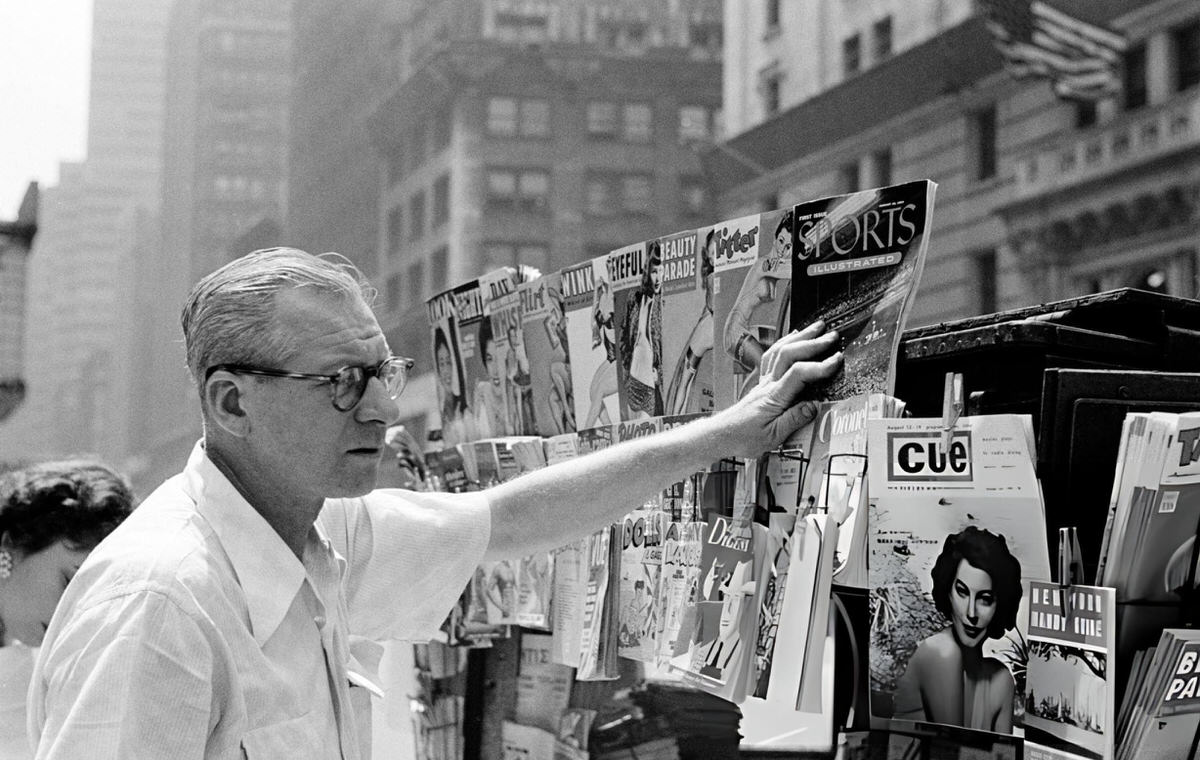
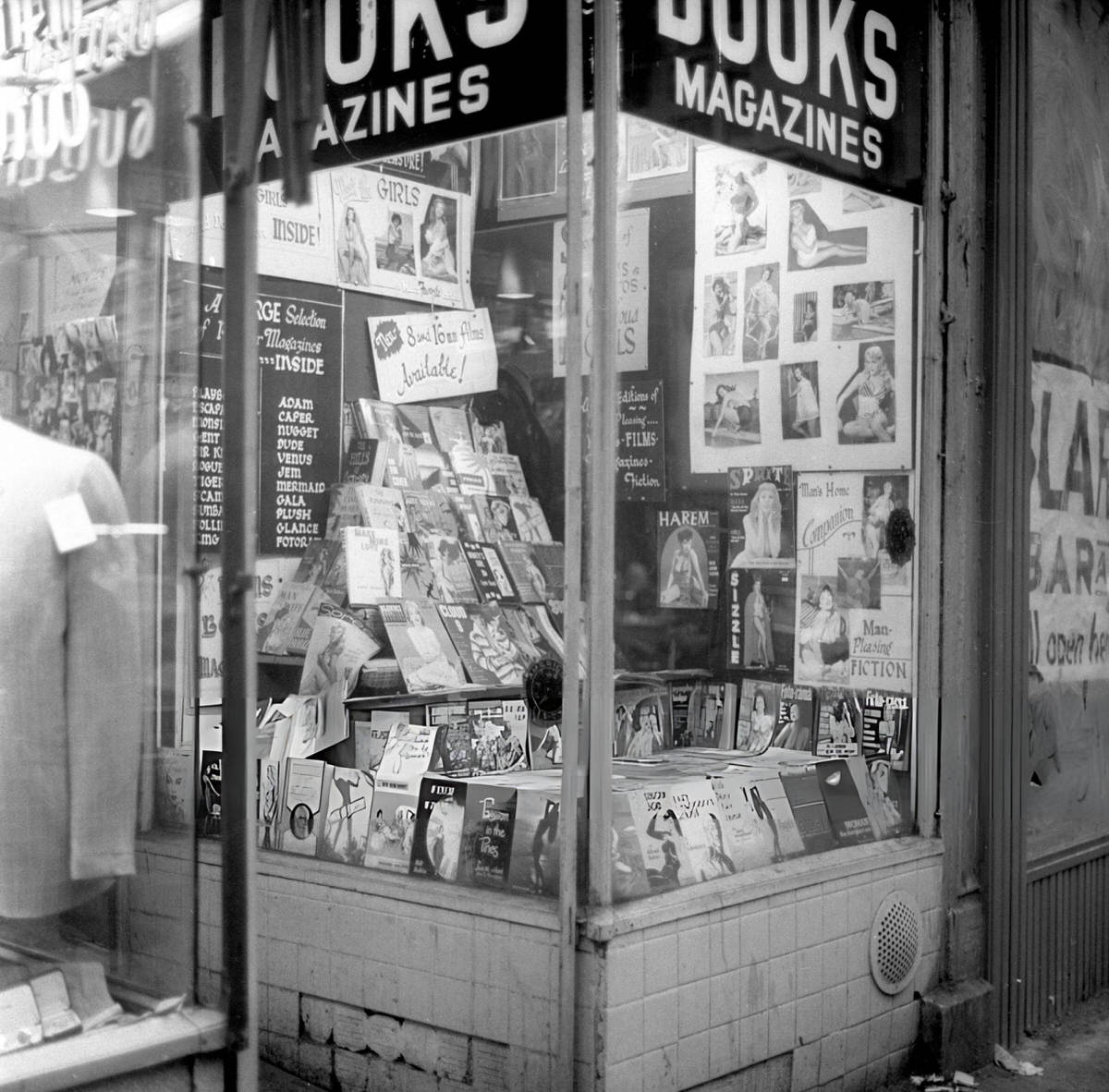
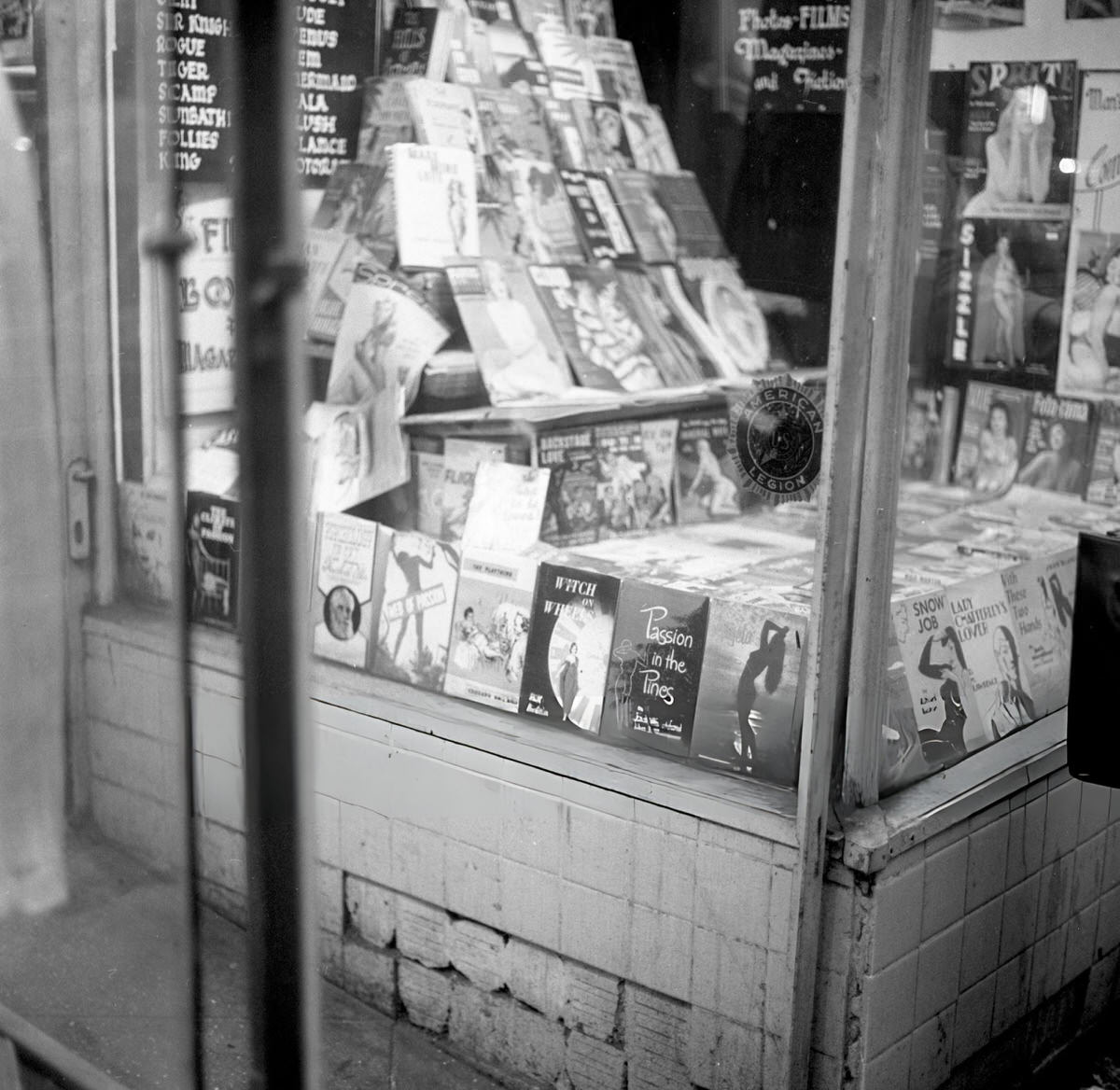
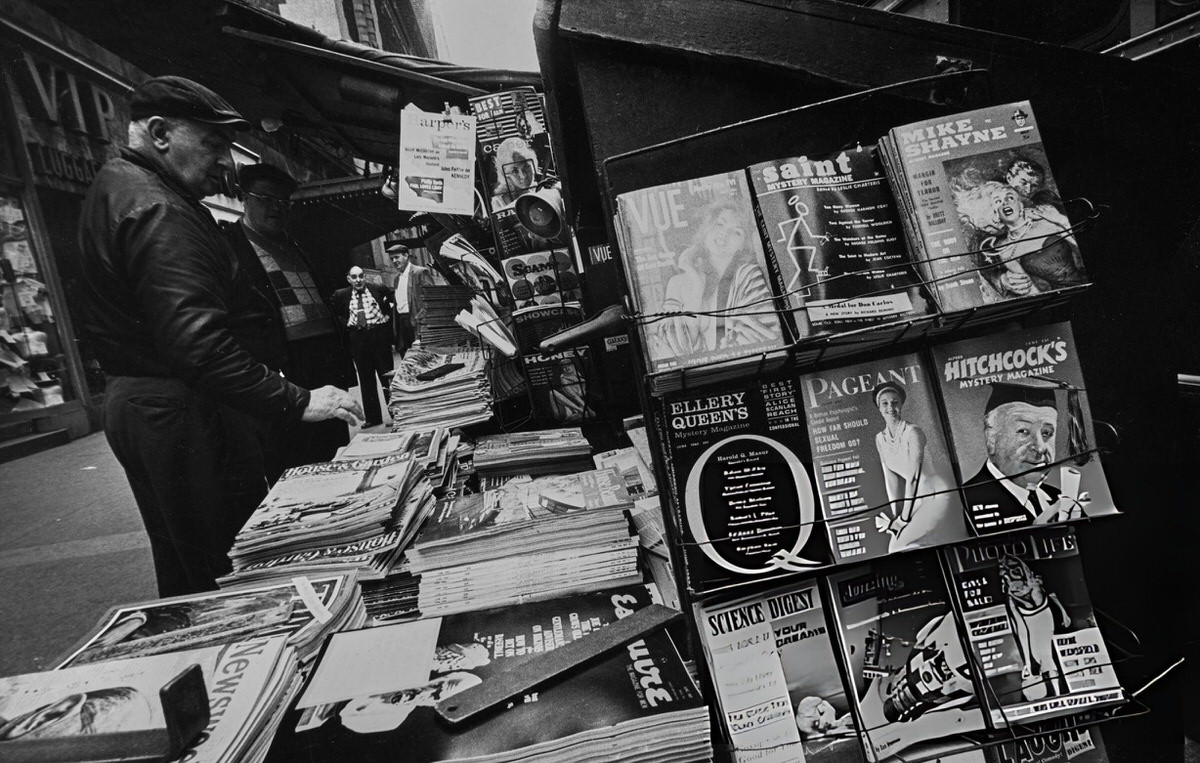
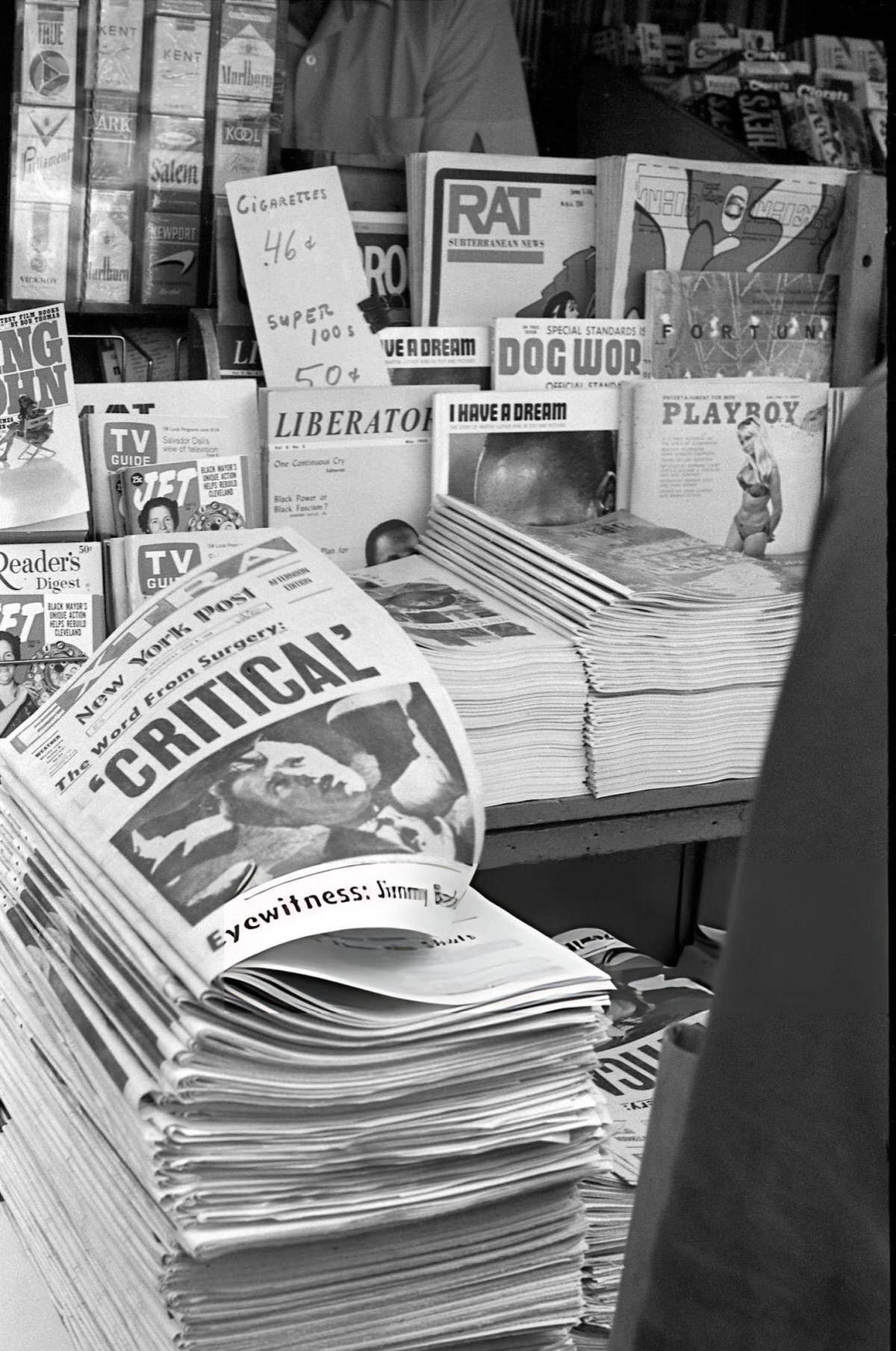
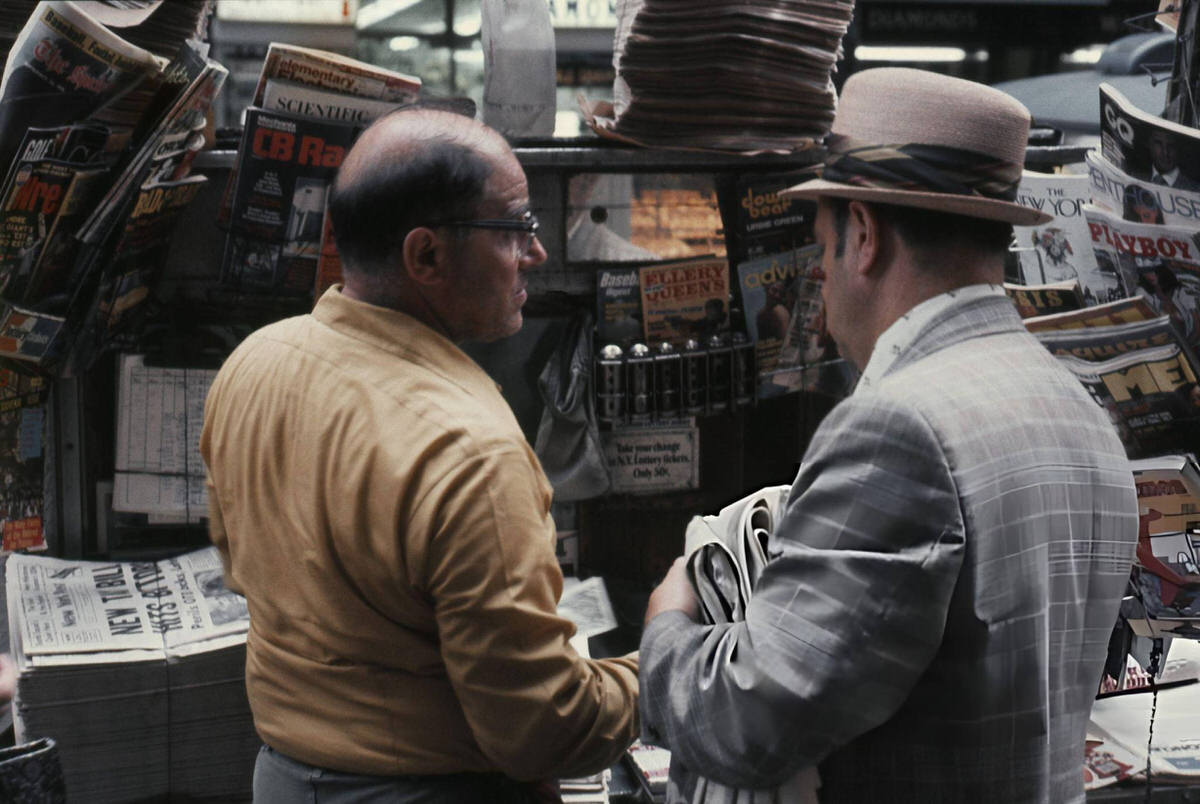
The kiosk design gave the operator shelter and gave the stand security after hours. A folding metal gate pulled down over the front and locked at closing, protecting the inventory of magazines, paperbacks, and cigarettes that represented several hundred dollars’ worth of merchandise. The outside of the stand was wallpapered with magazine covers and front pages, changed weekly as new issues came in. Walking past a well-stocked newsstand was a fast visual summary of what the culture was paying attention to that week — the cover of Life, the front page of the Times, the latest issue of the Daily Racing Form all hung side by side.

GIPHY App Key not set. Please check settings