

 Makayla White
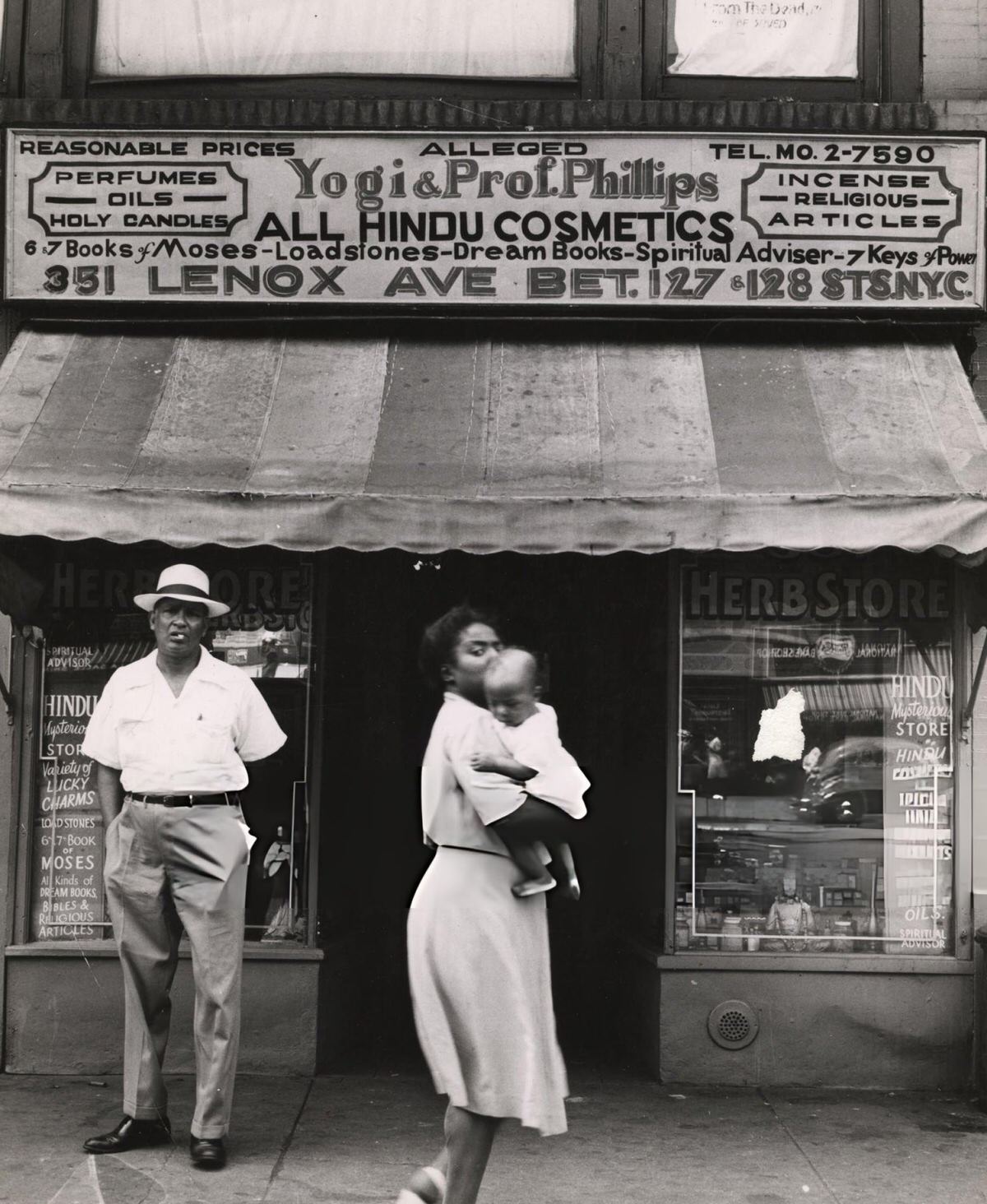
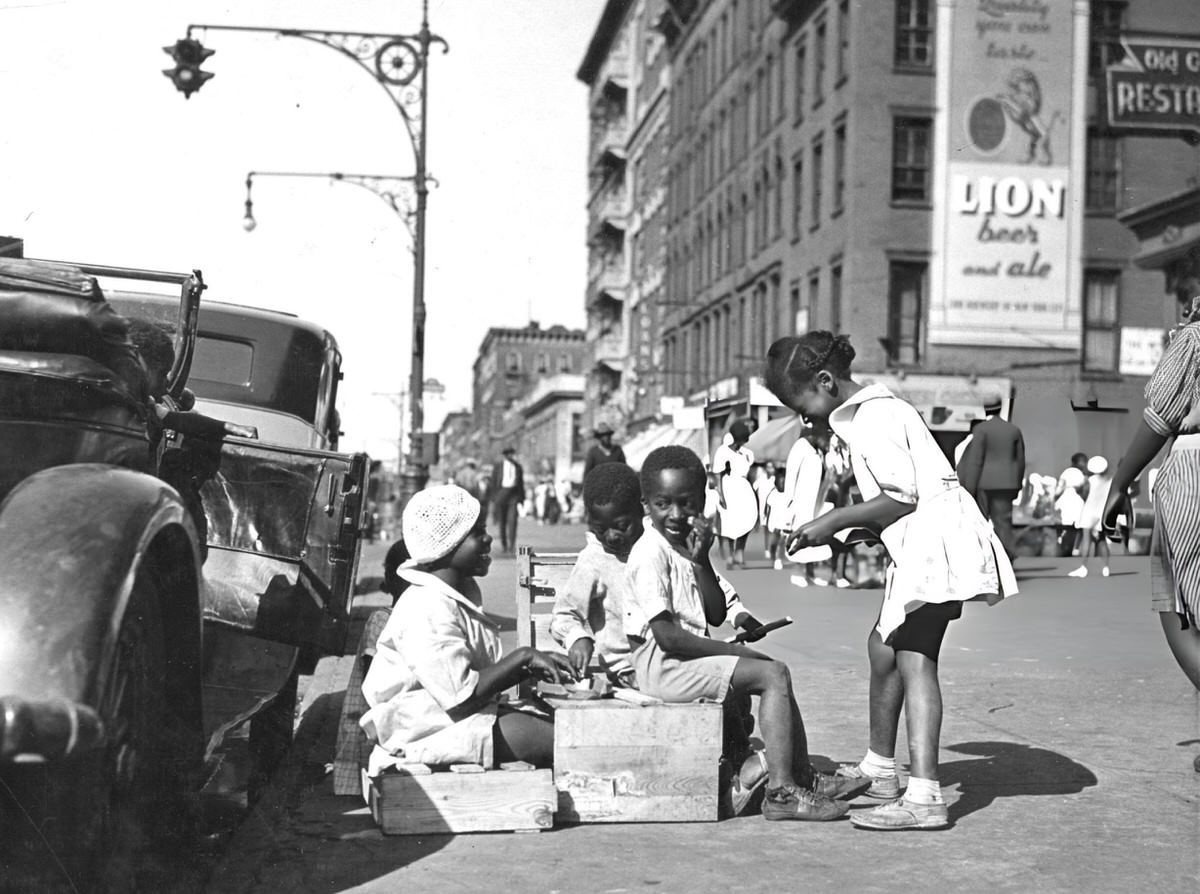
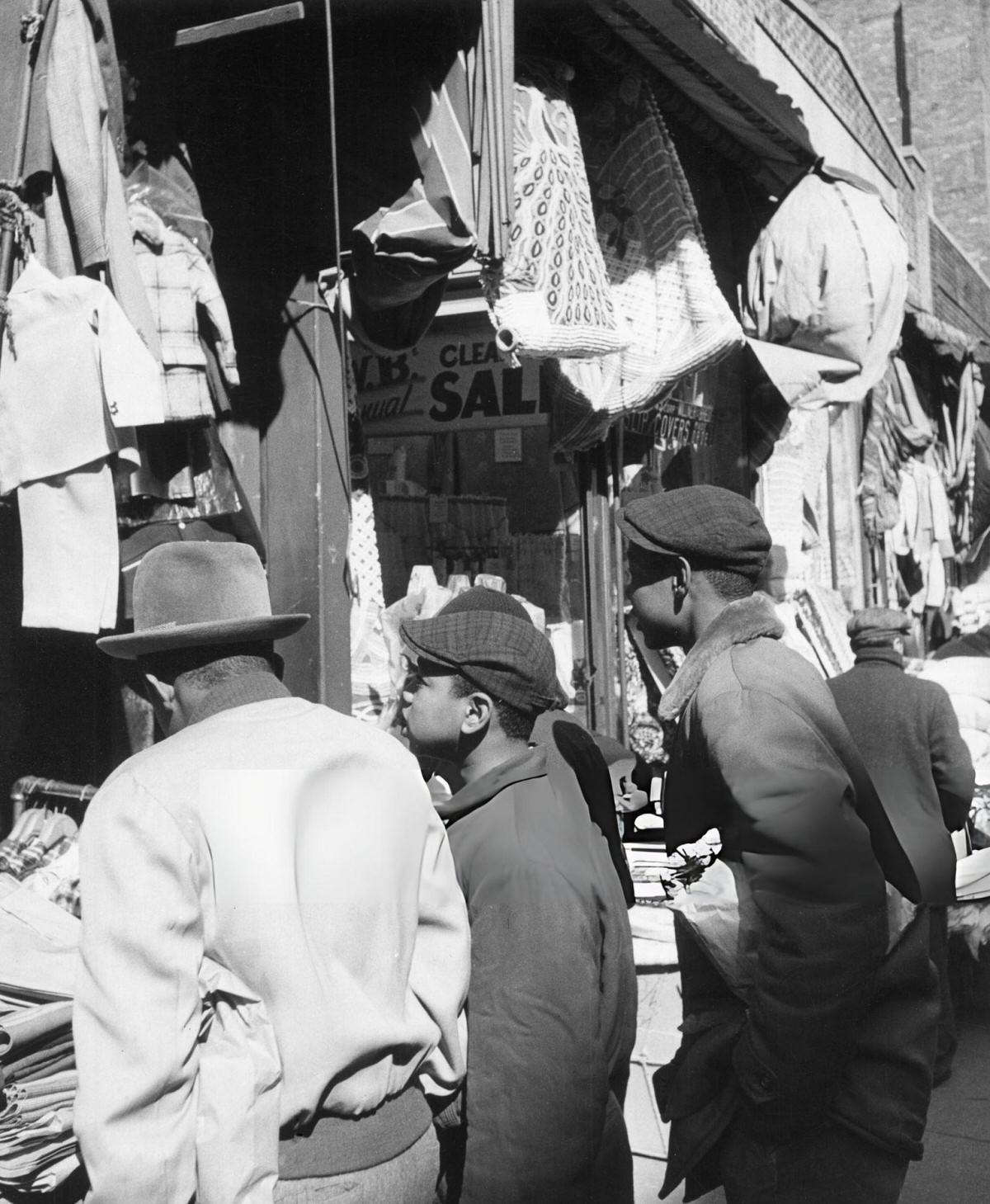
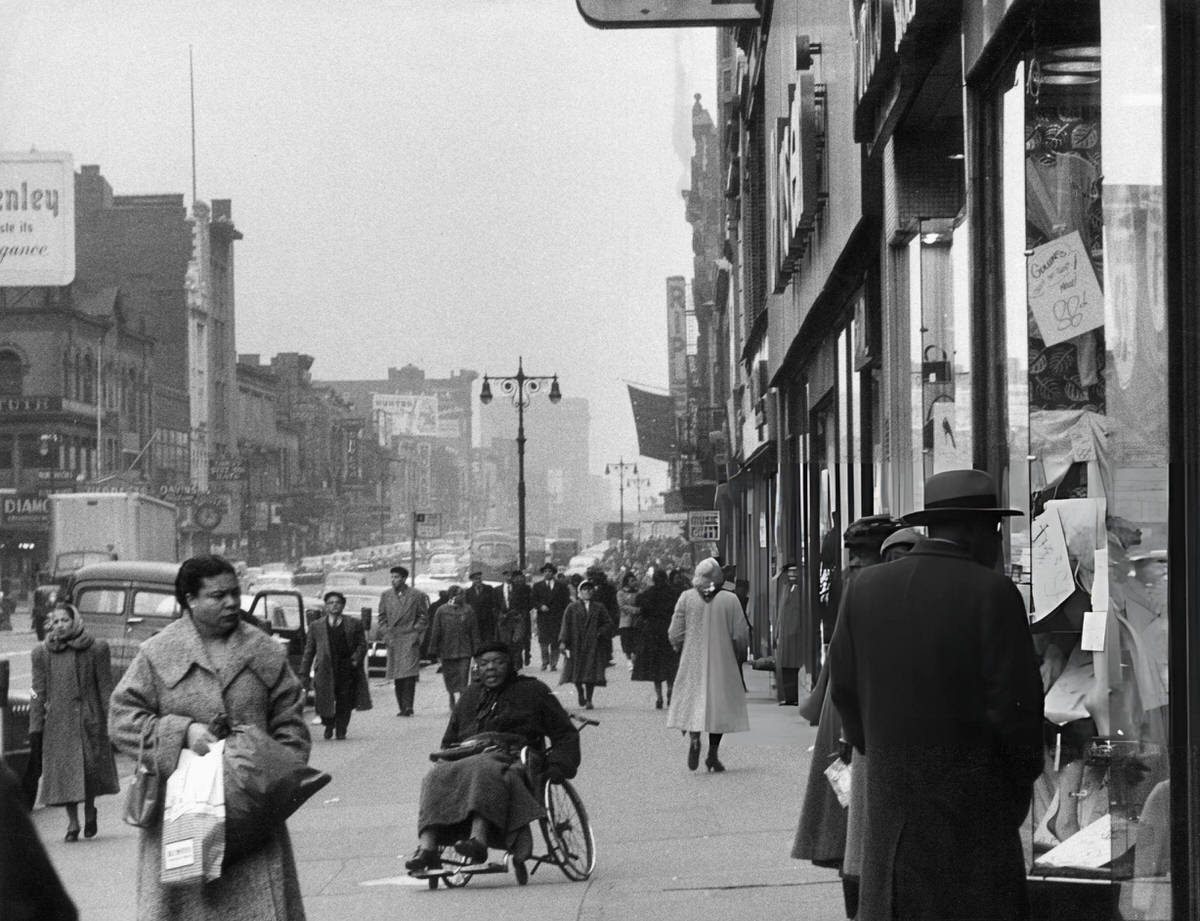
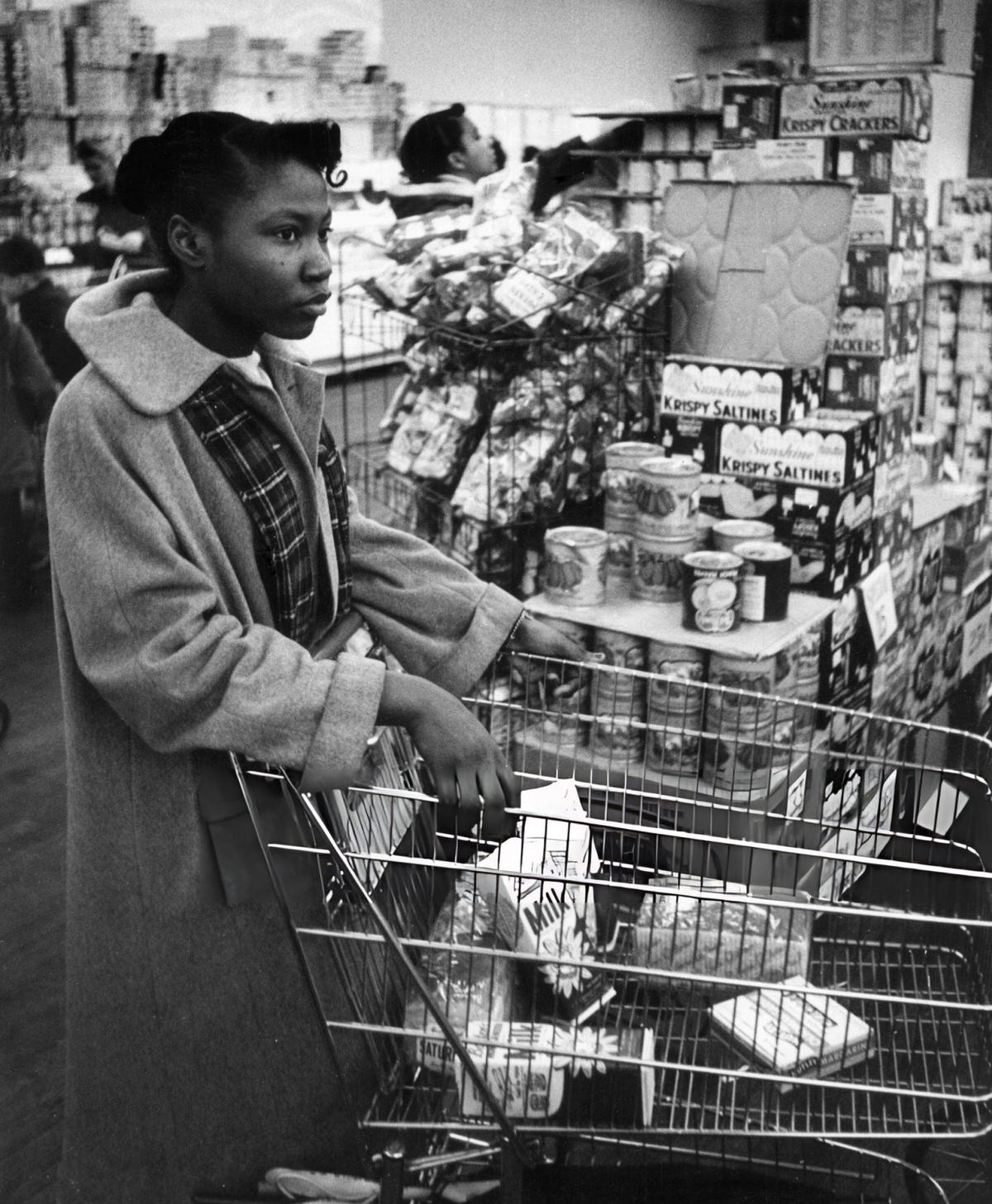
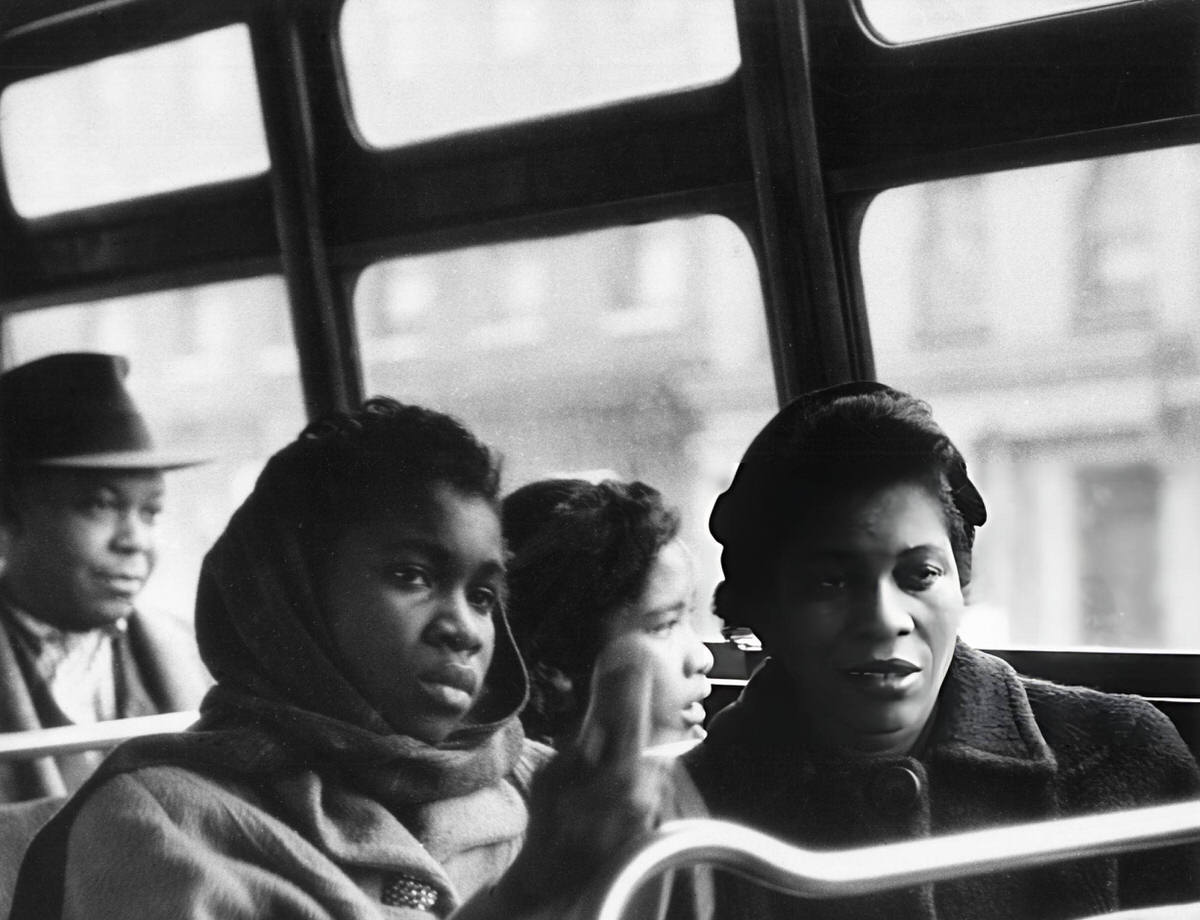
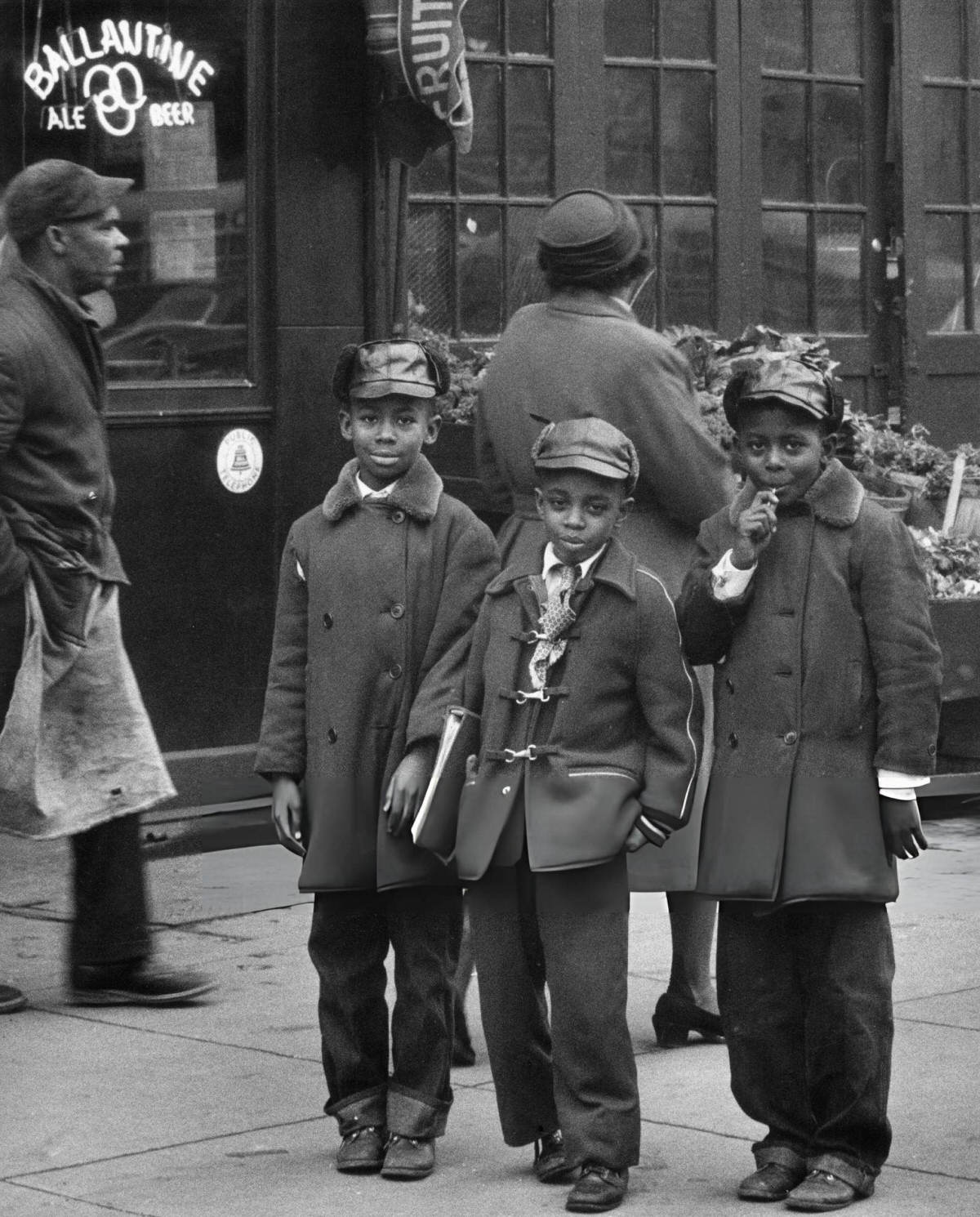
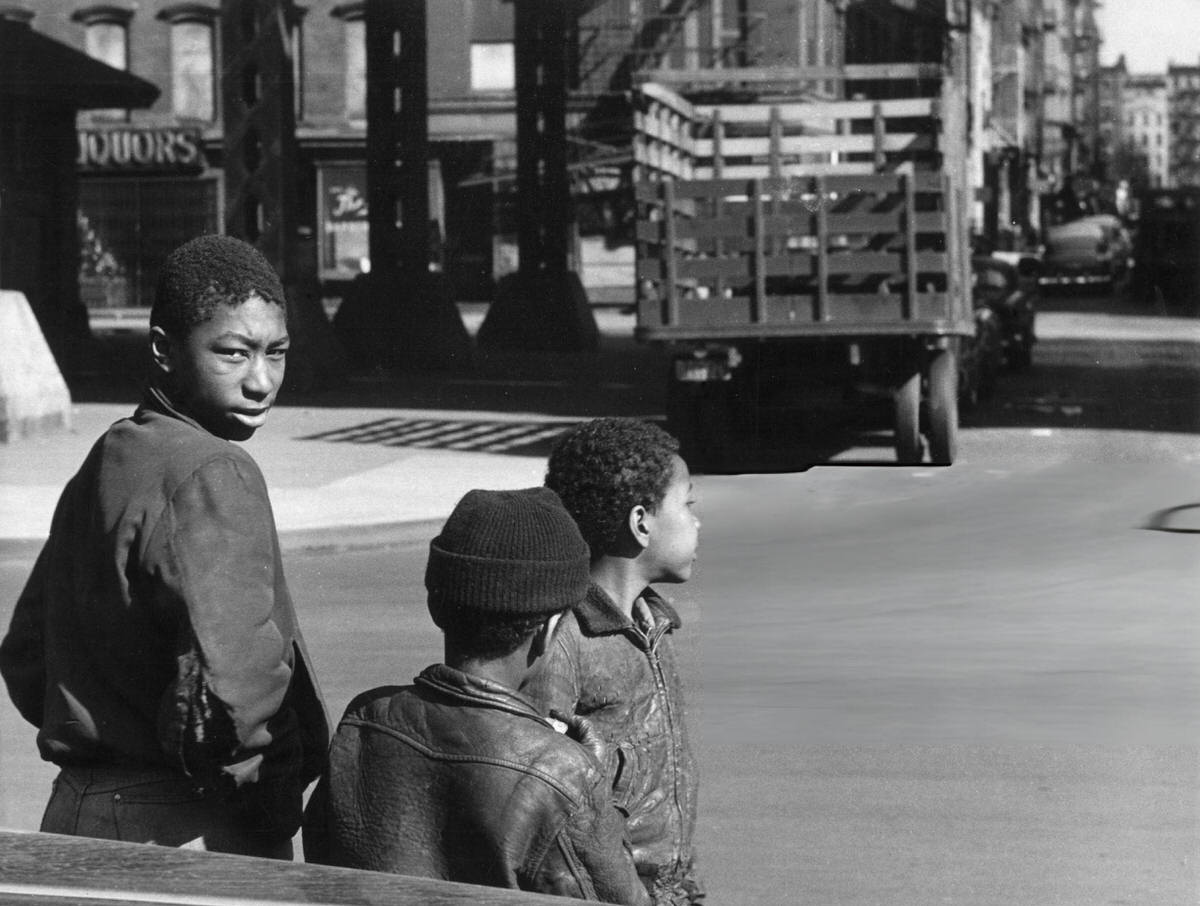
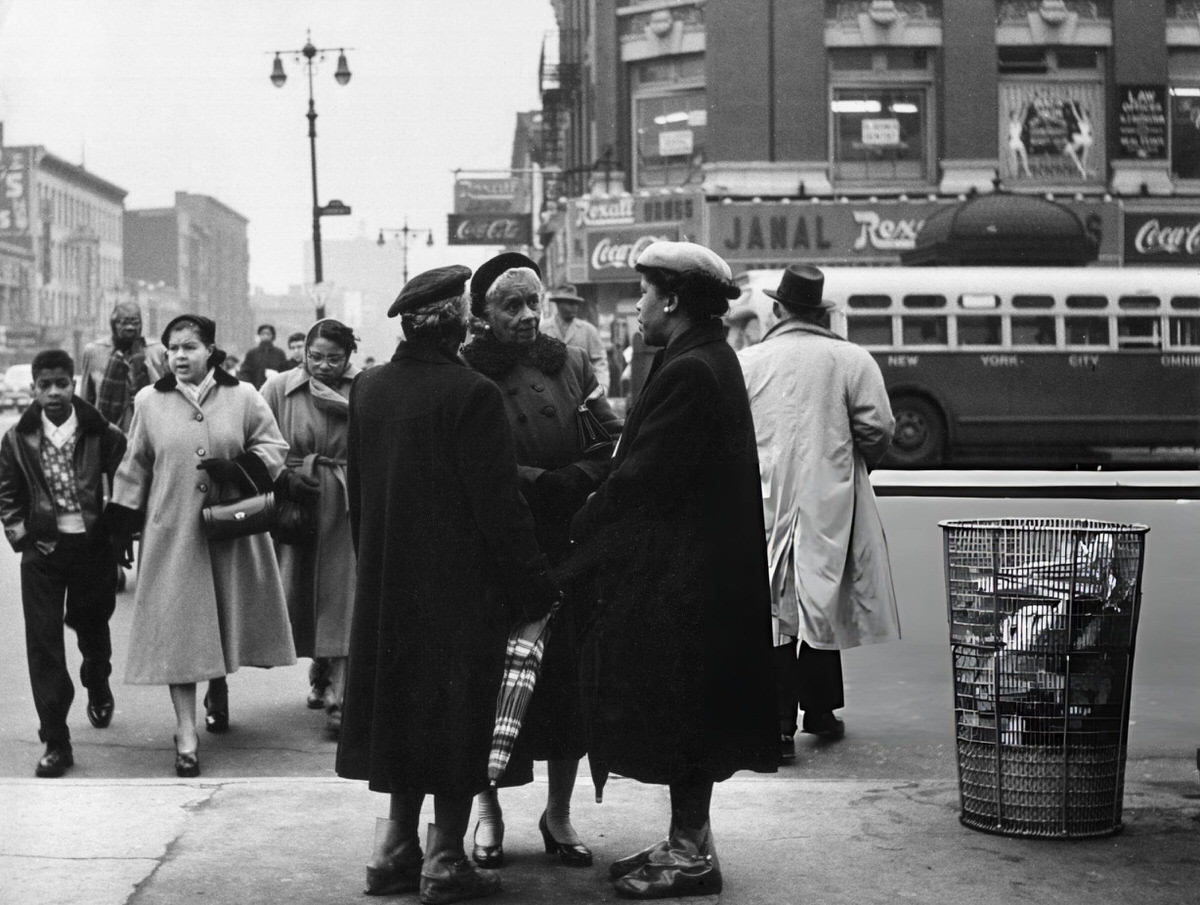
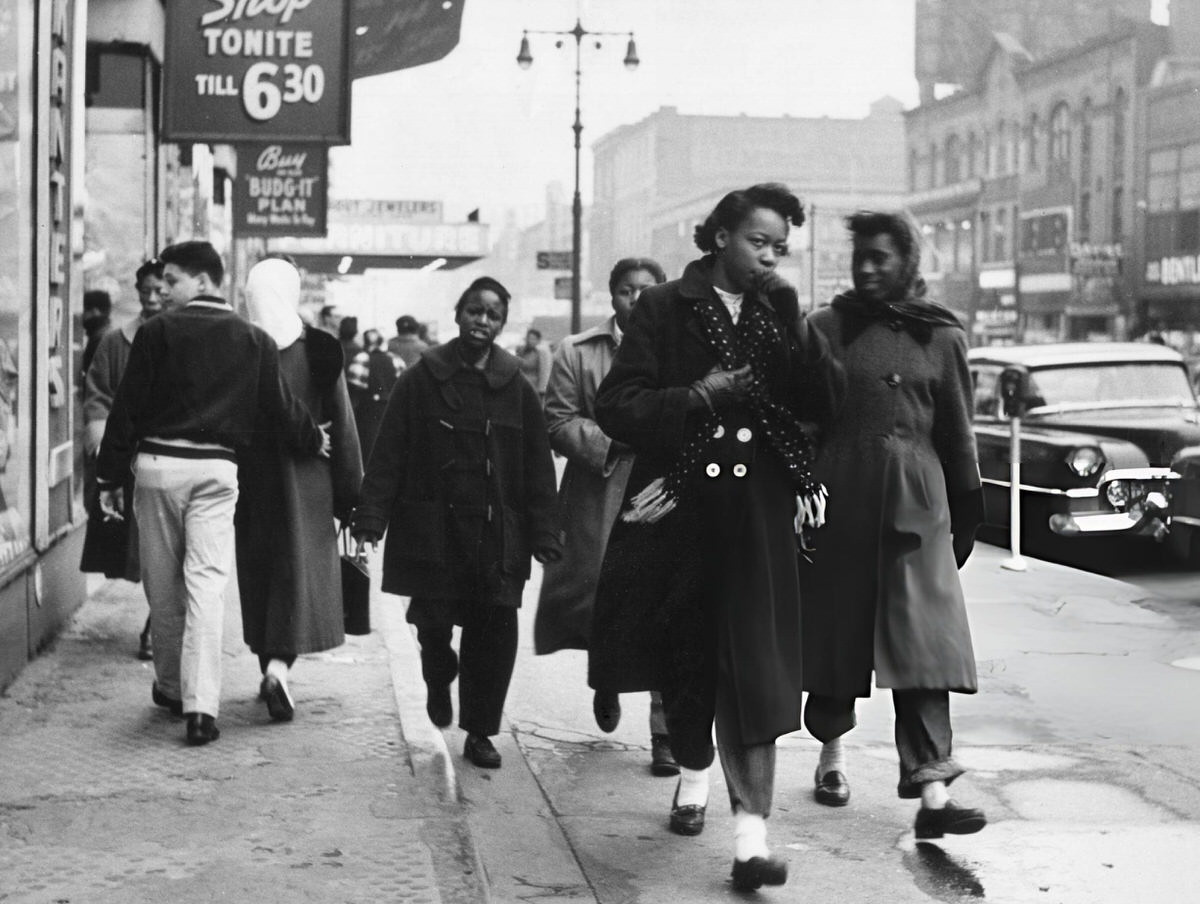
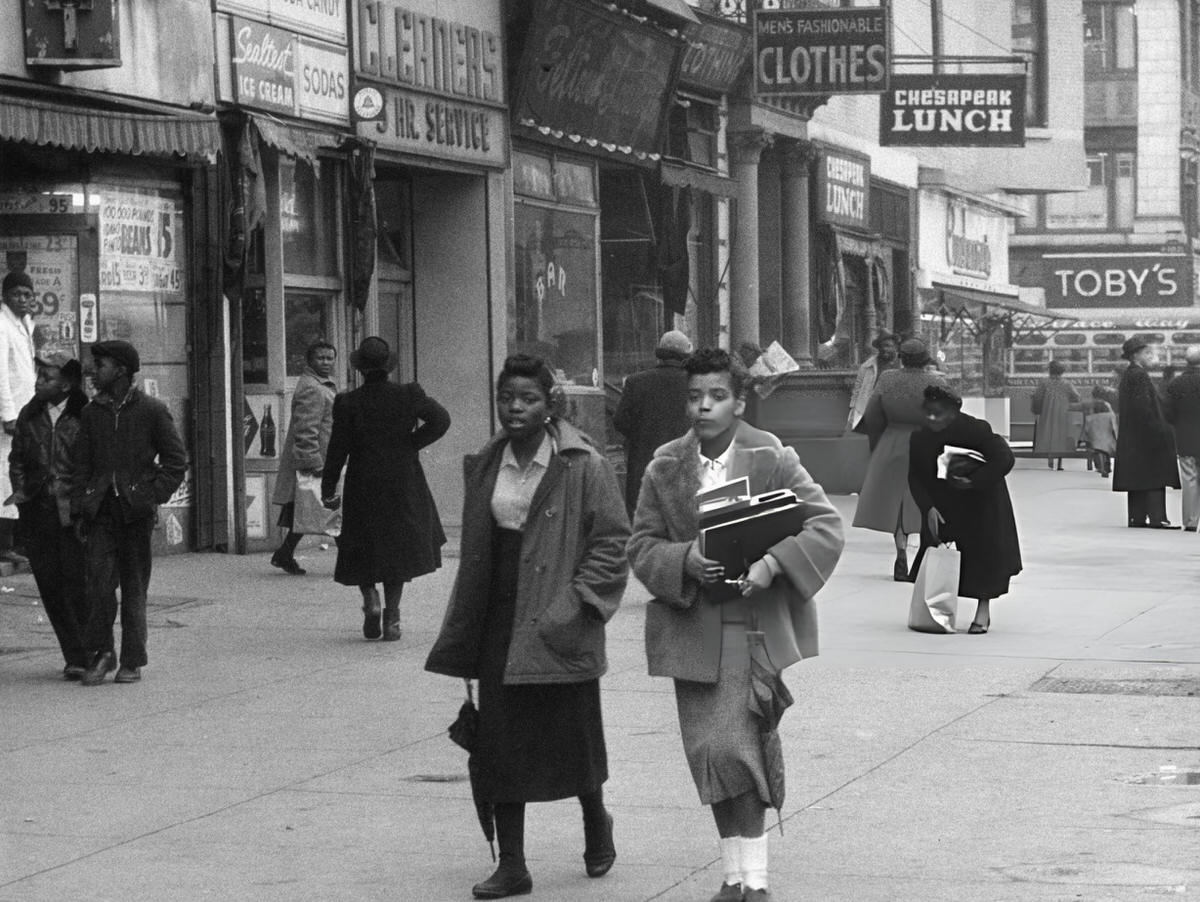
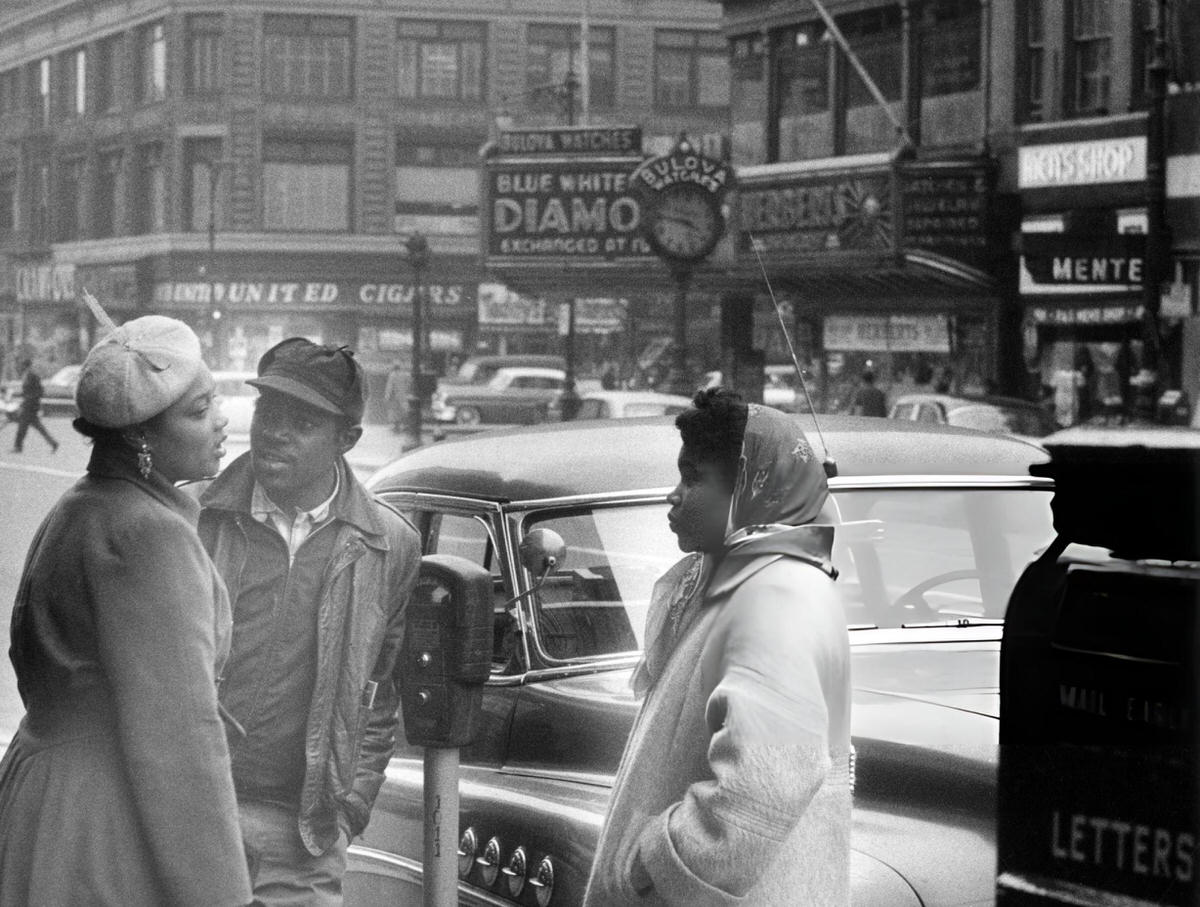
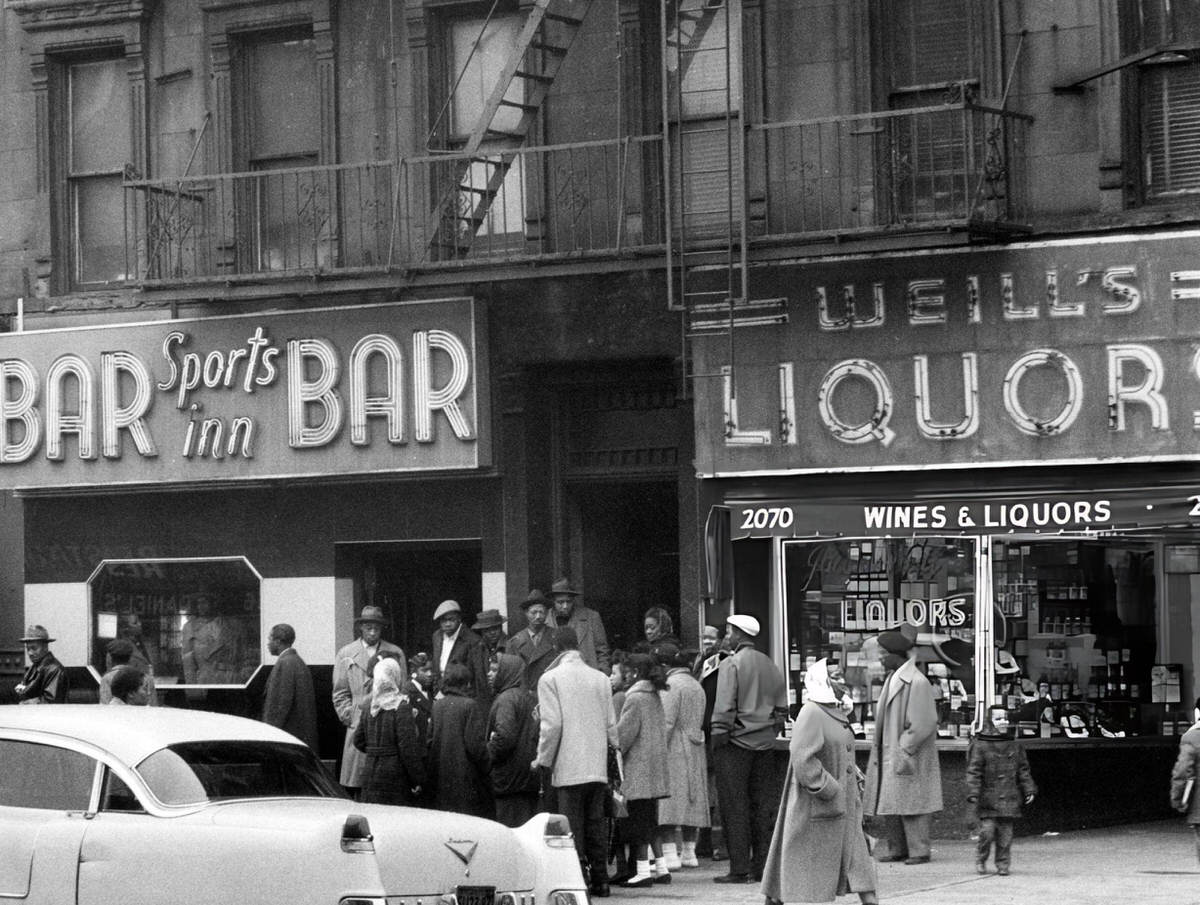
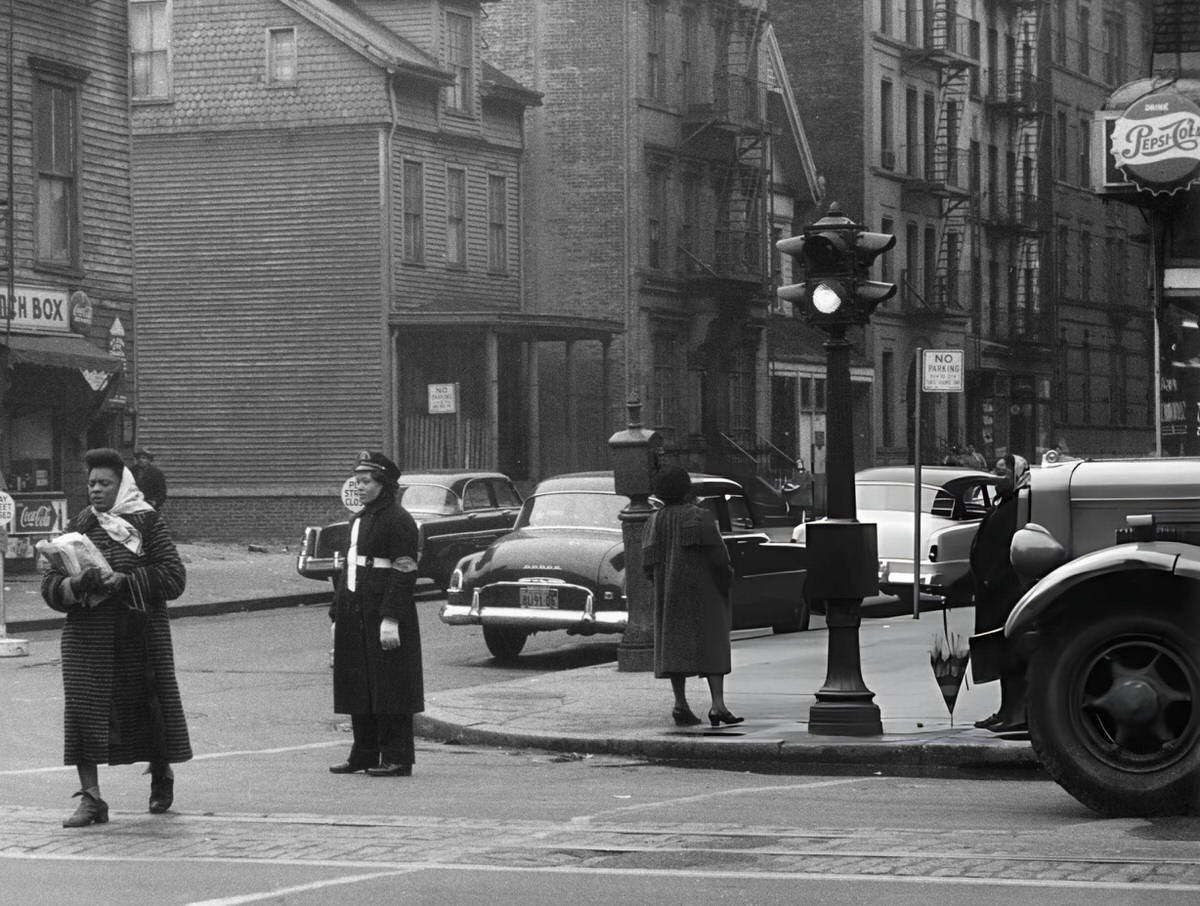
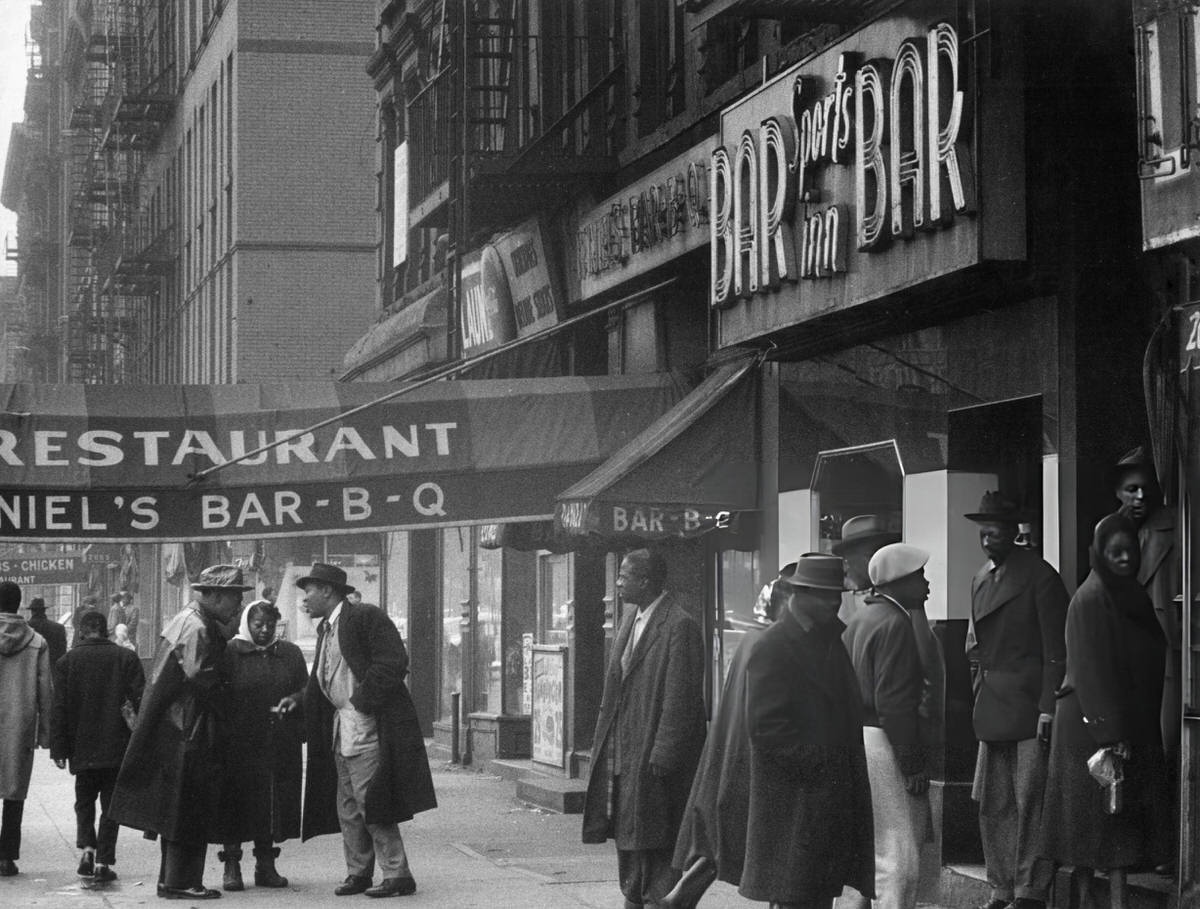
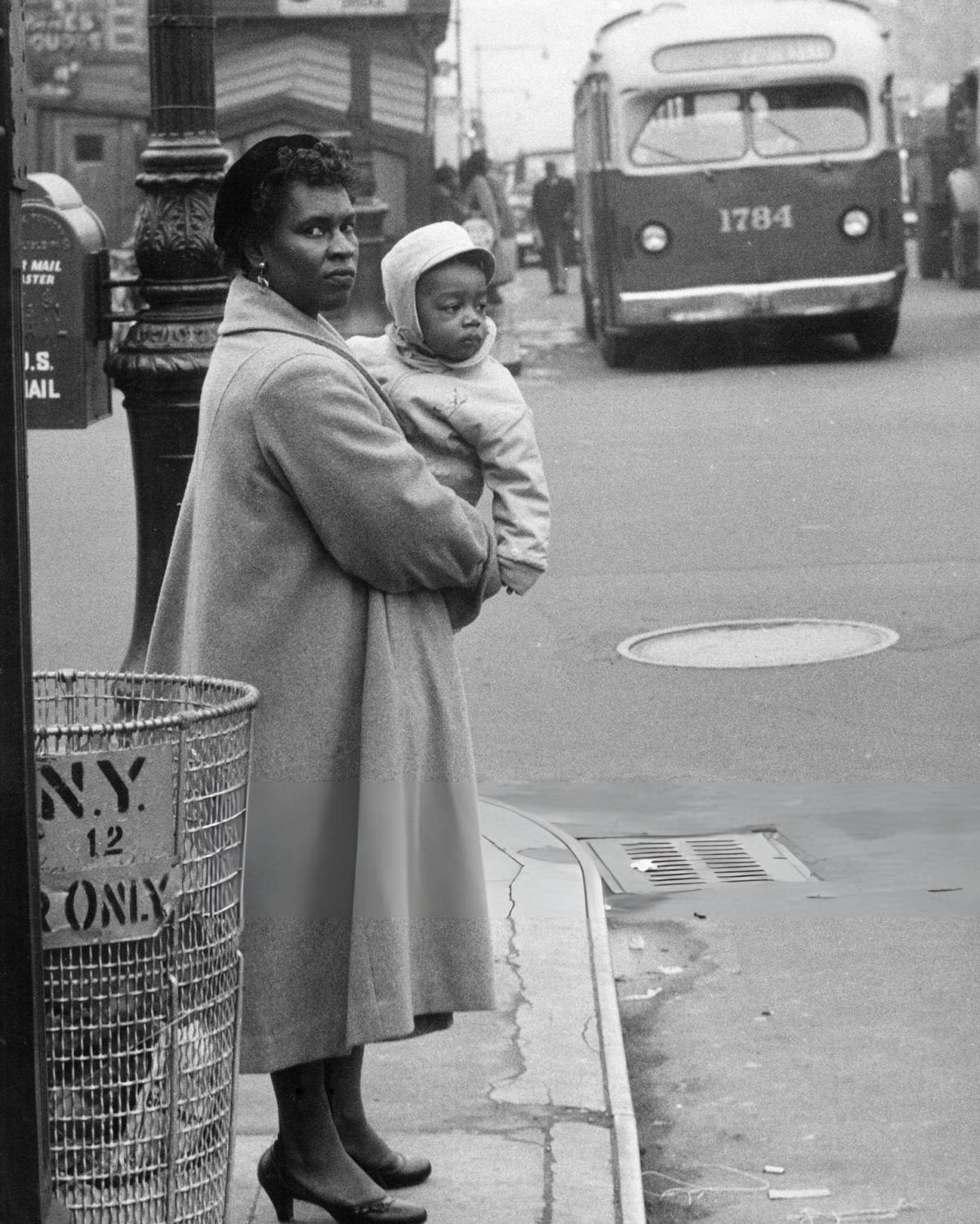
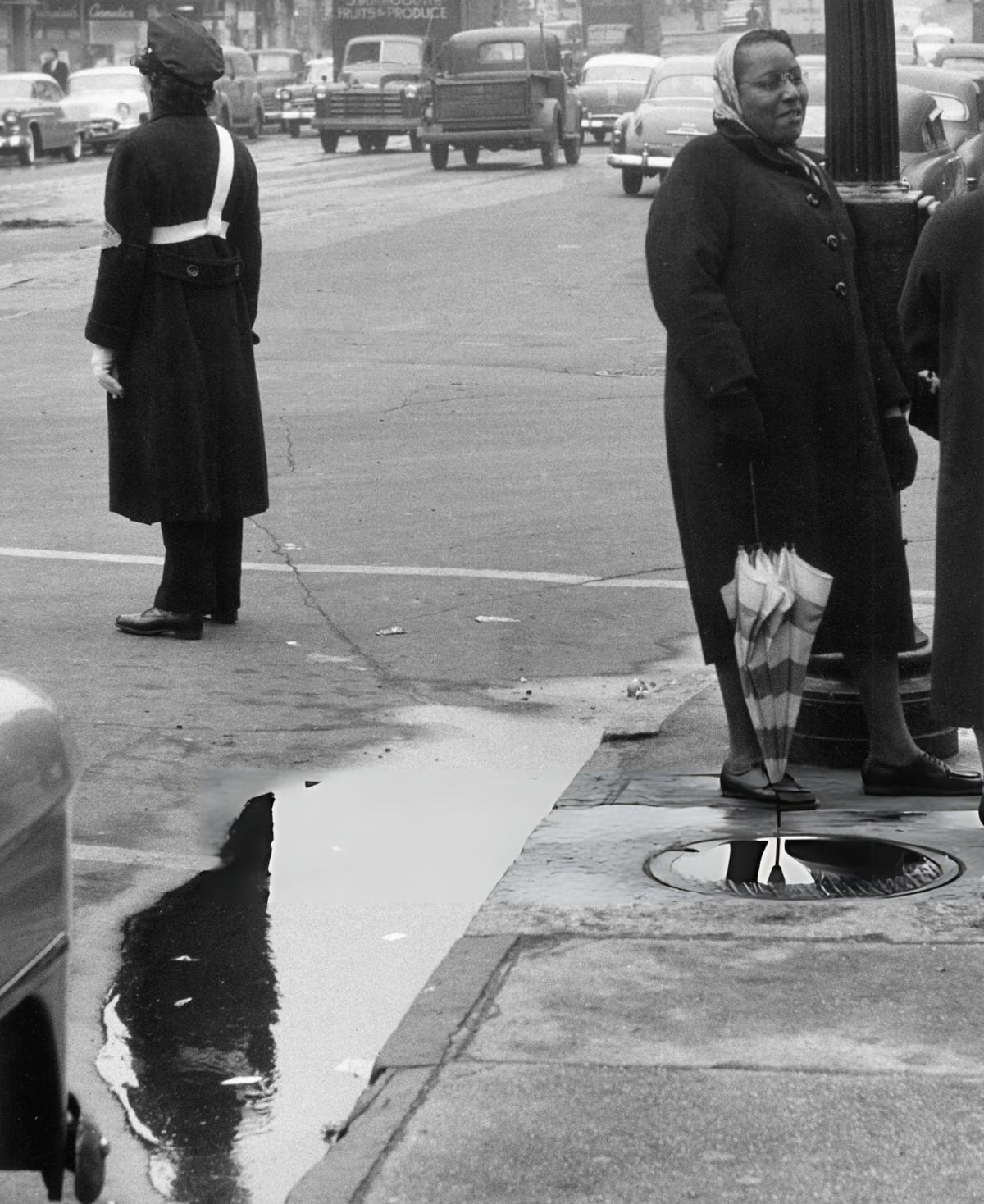
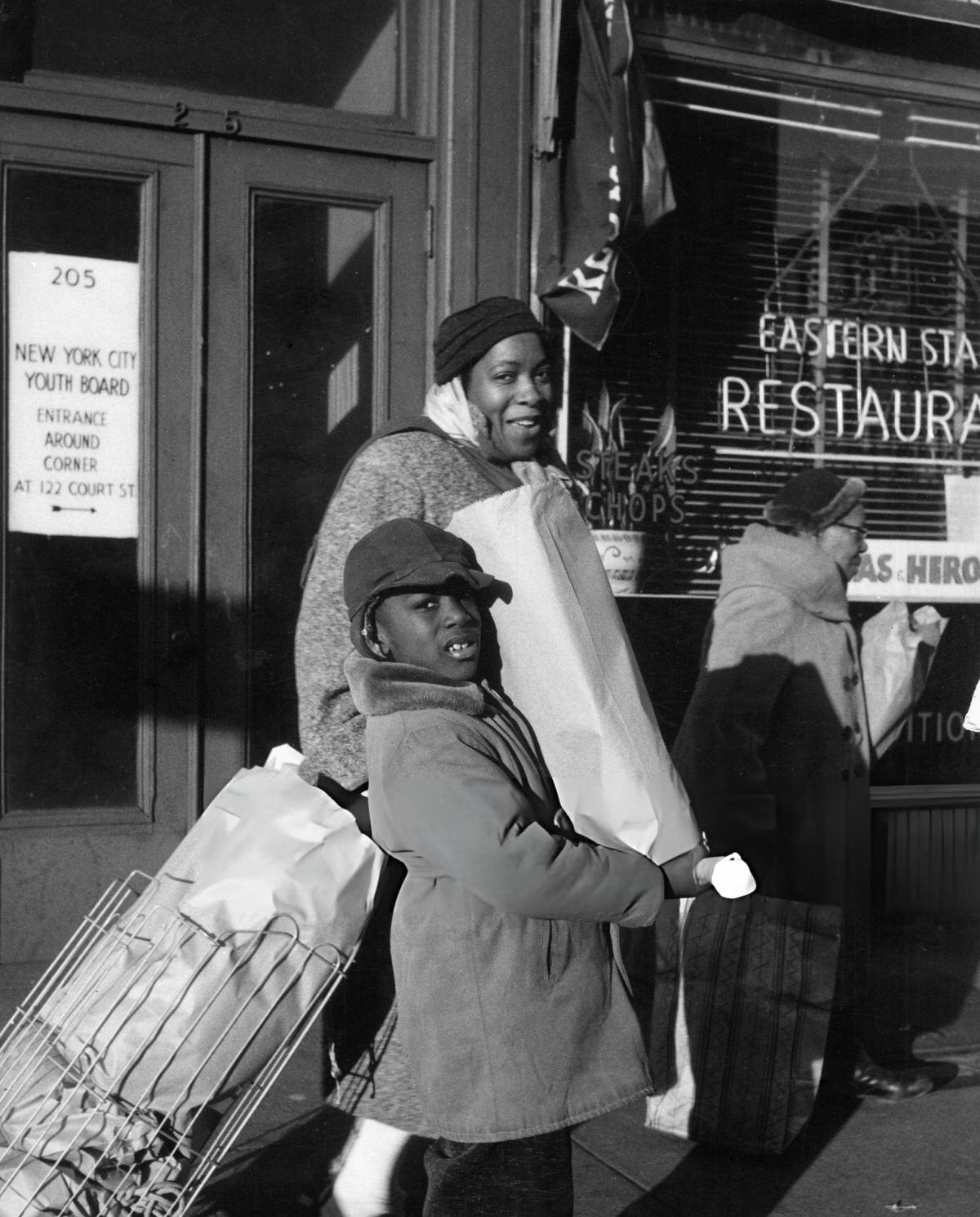
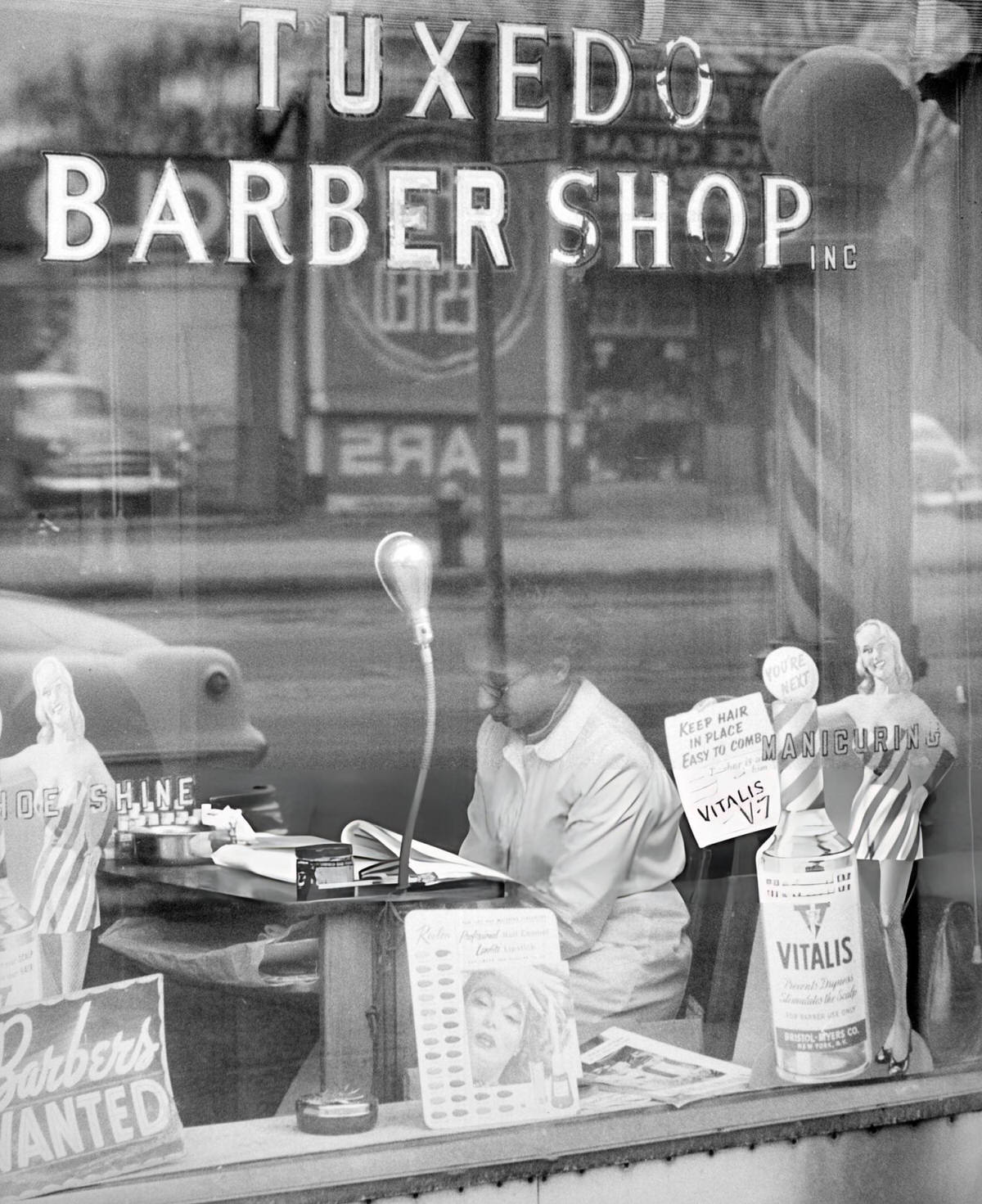
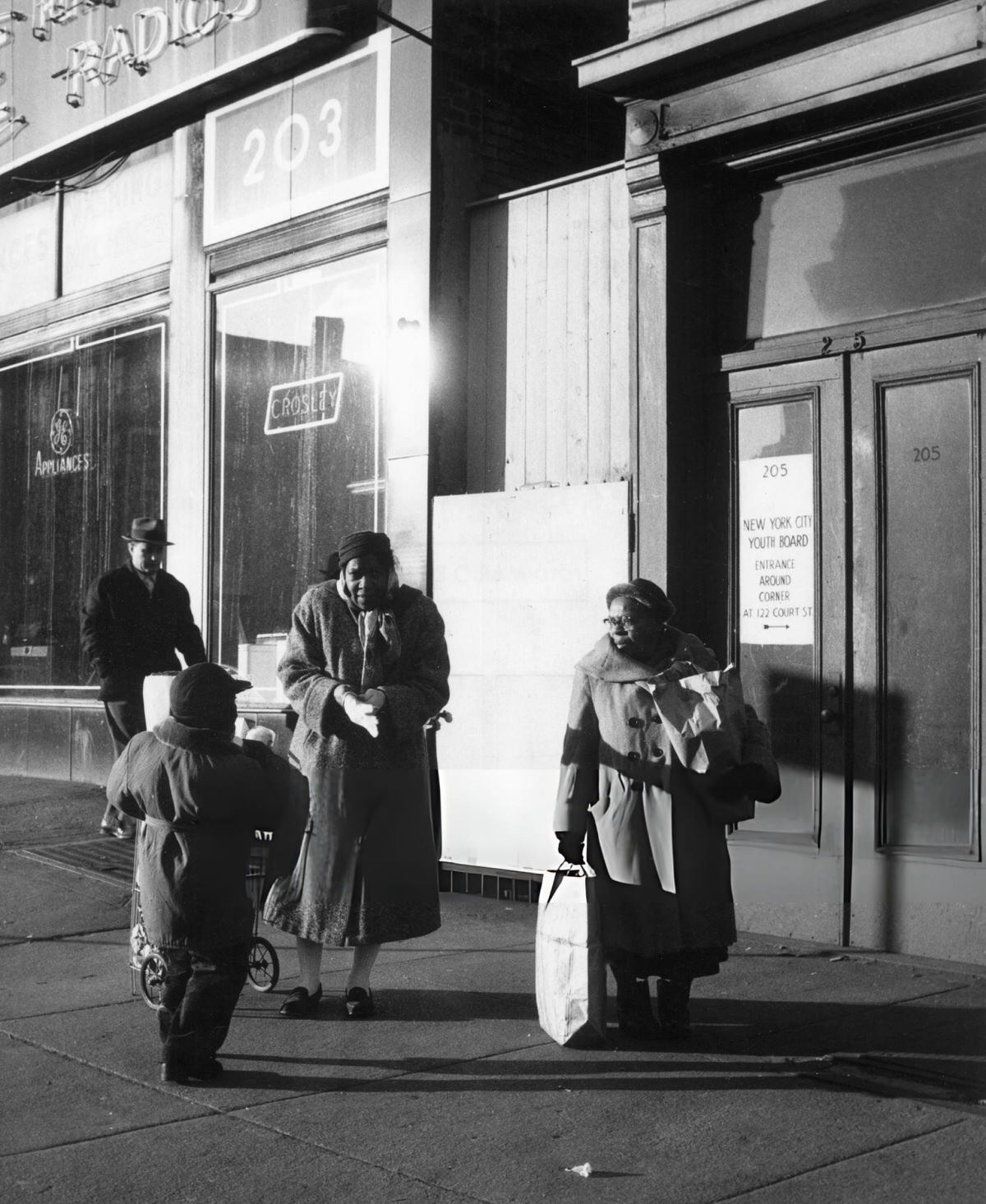
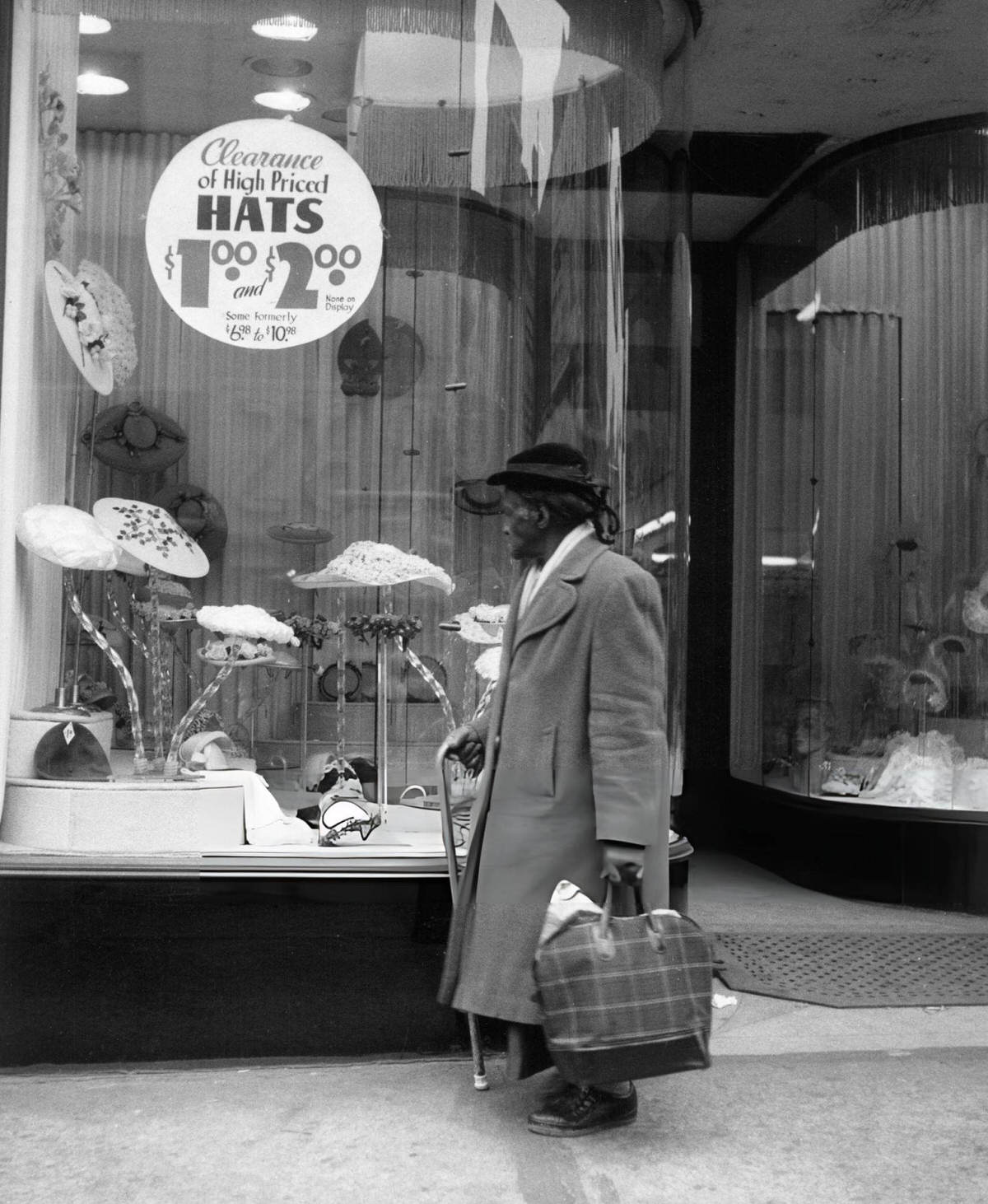
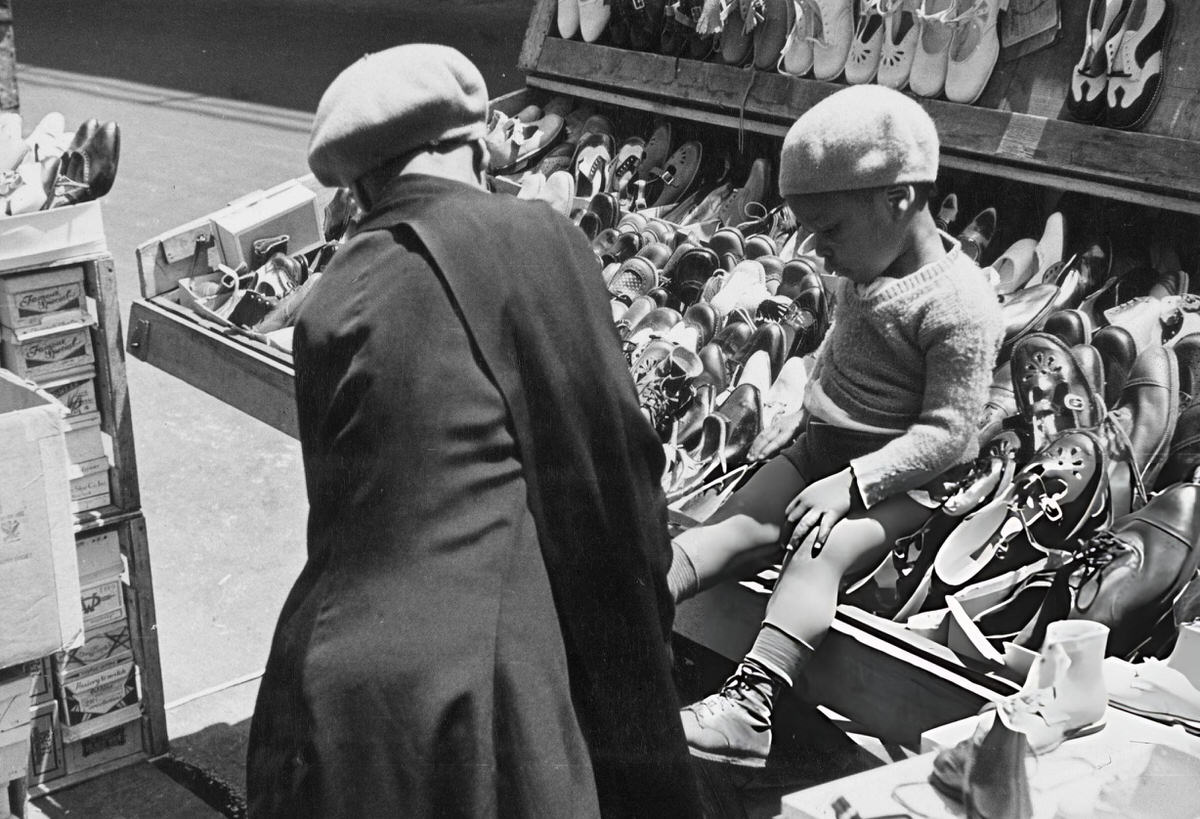
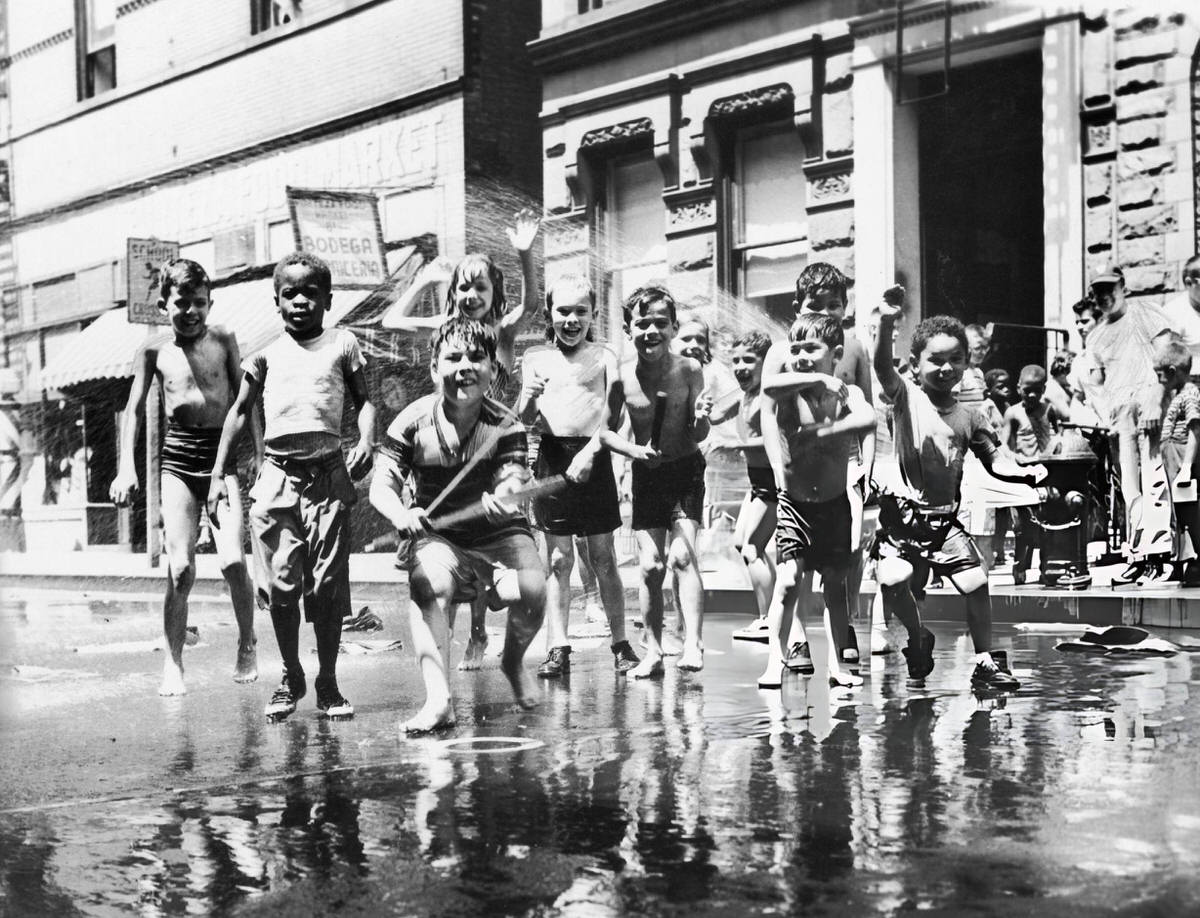
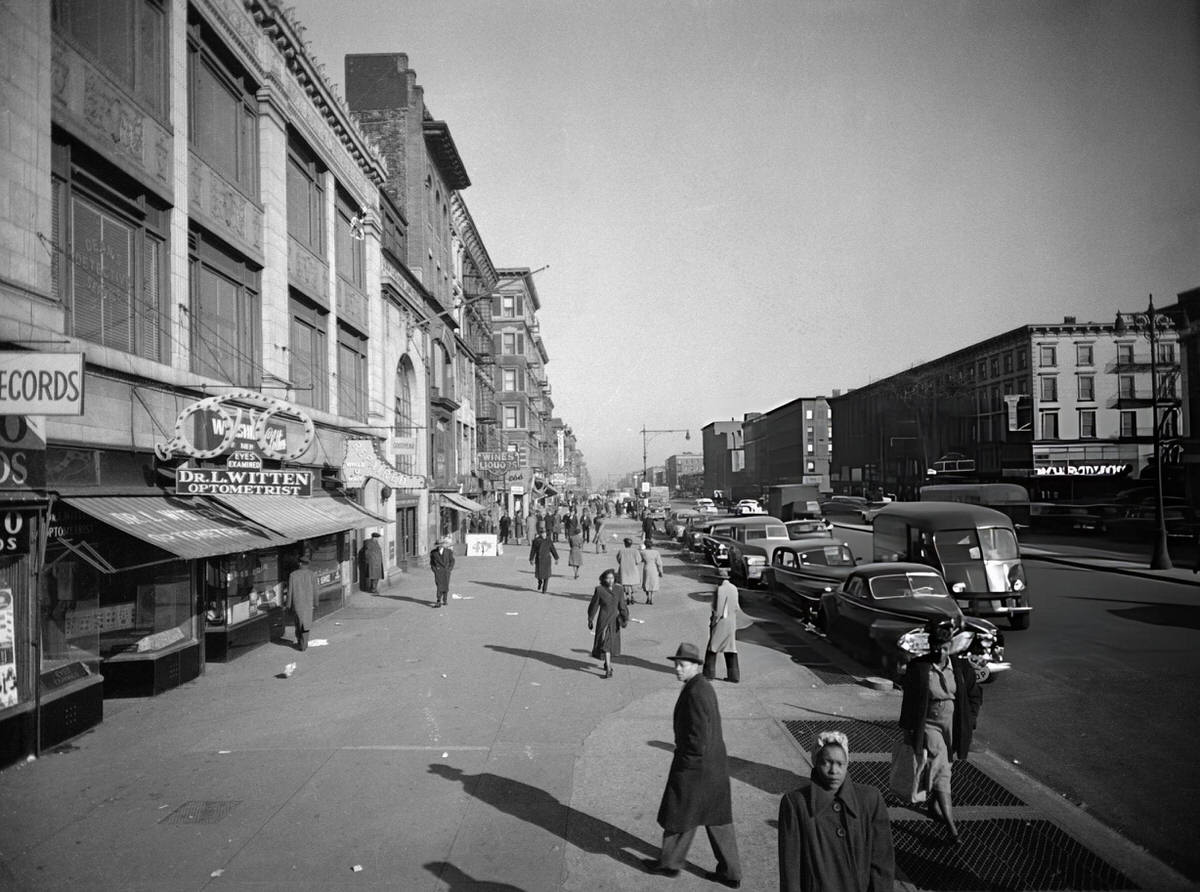
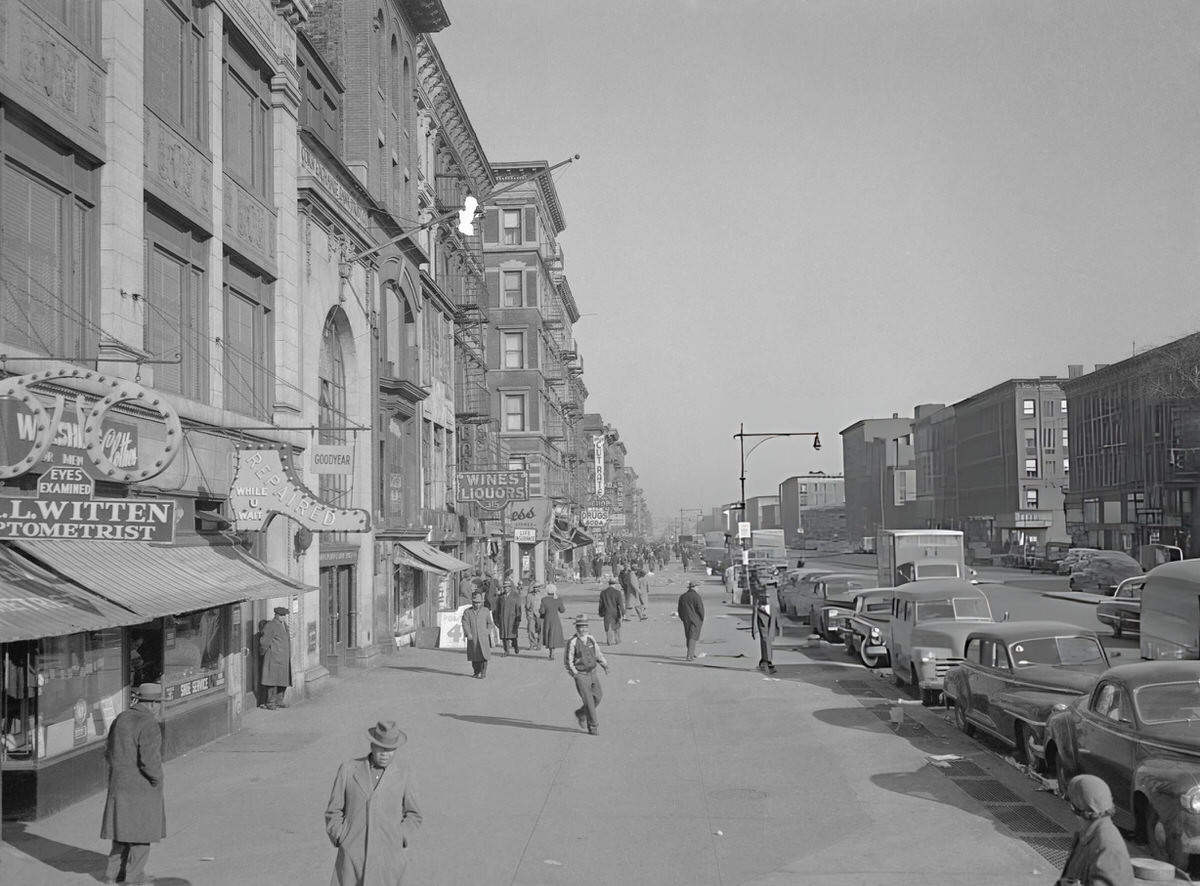
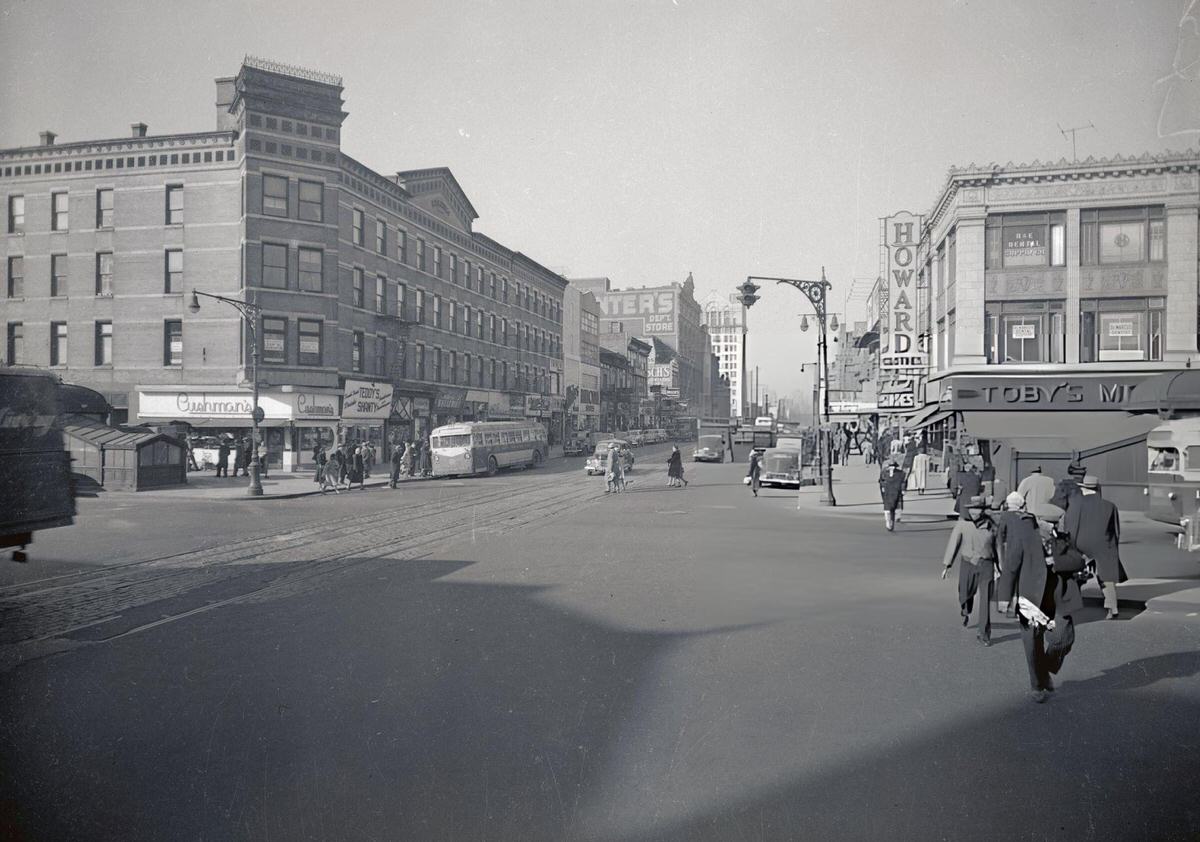
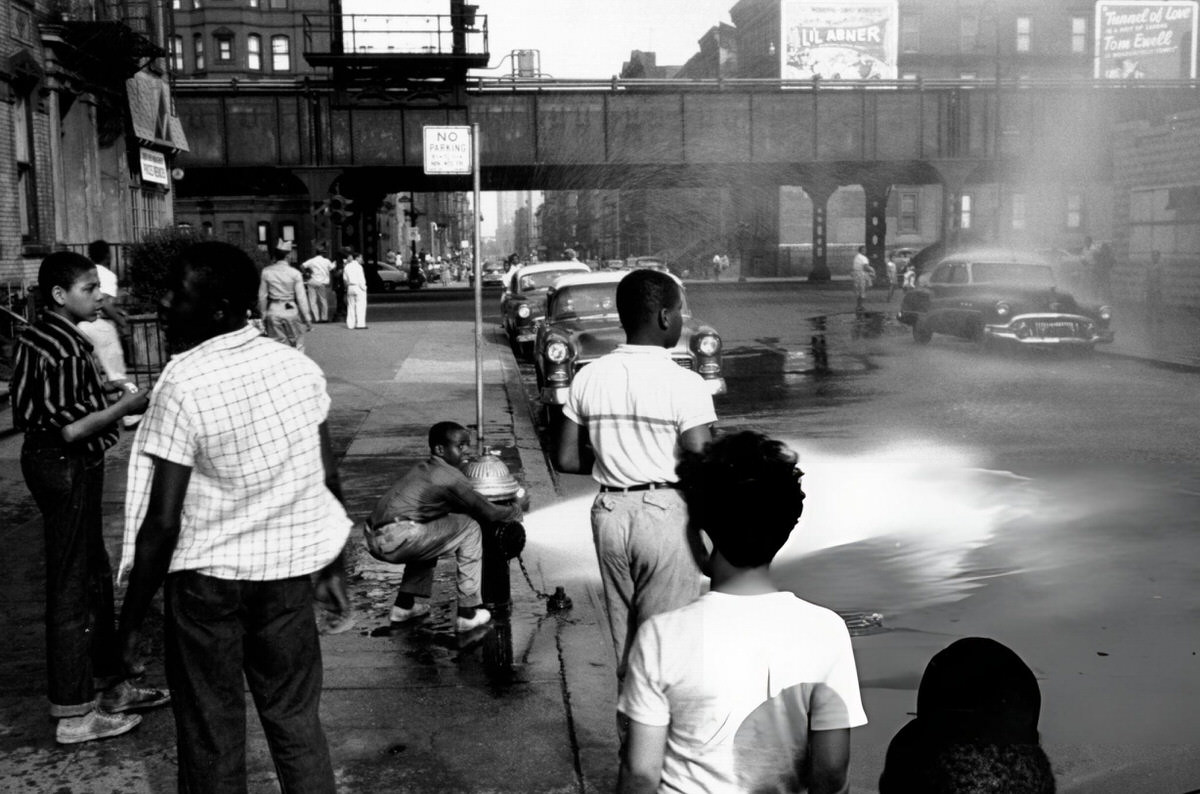
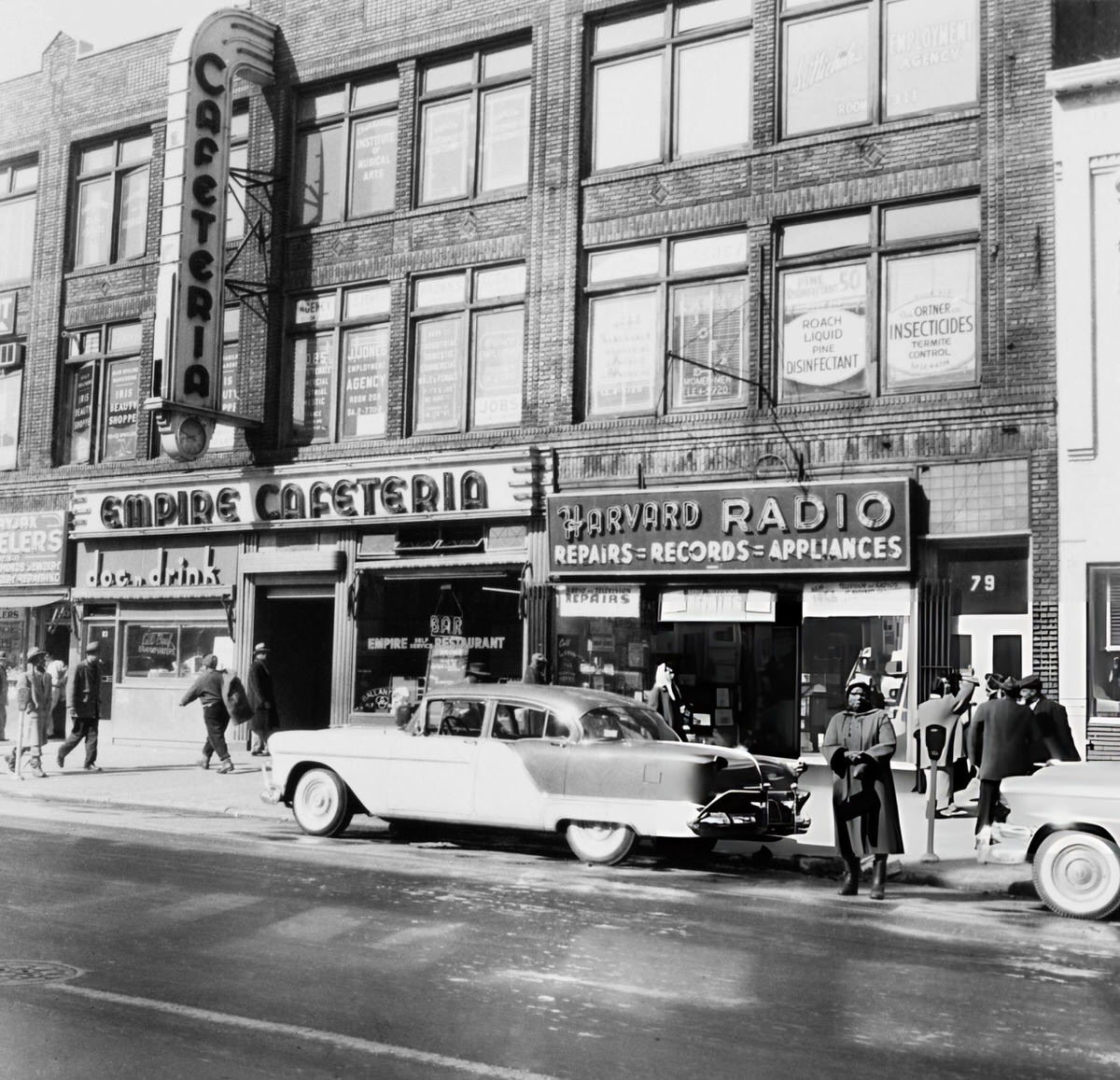
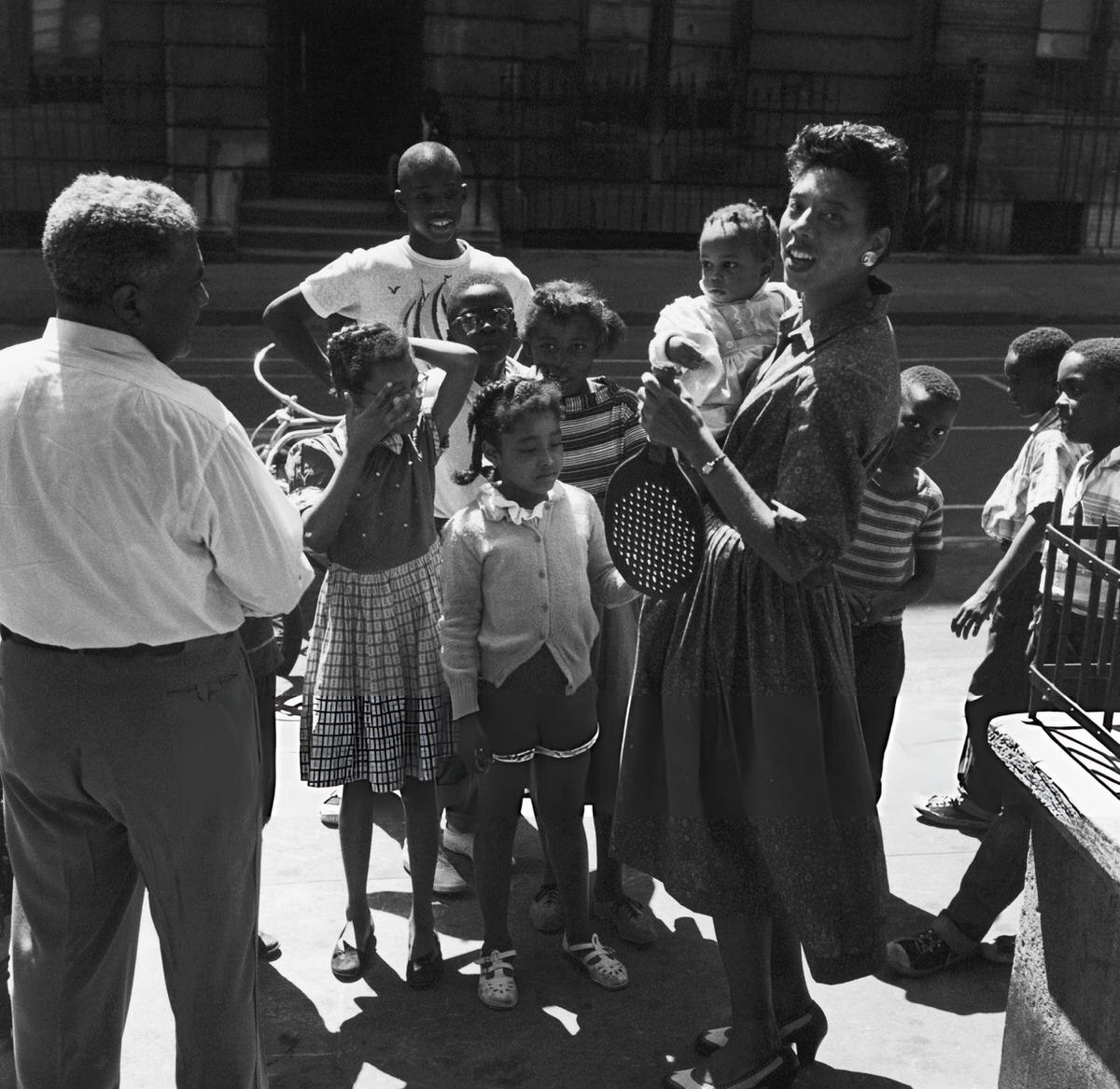
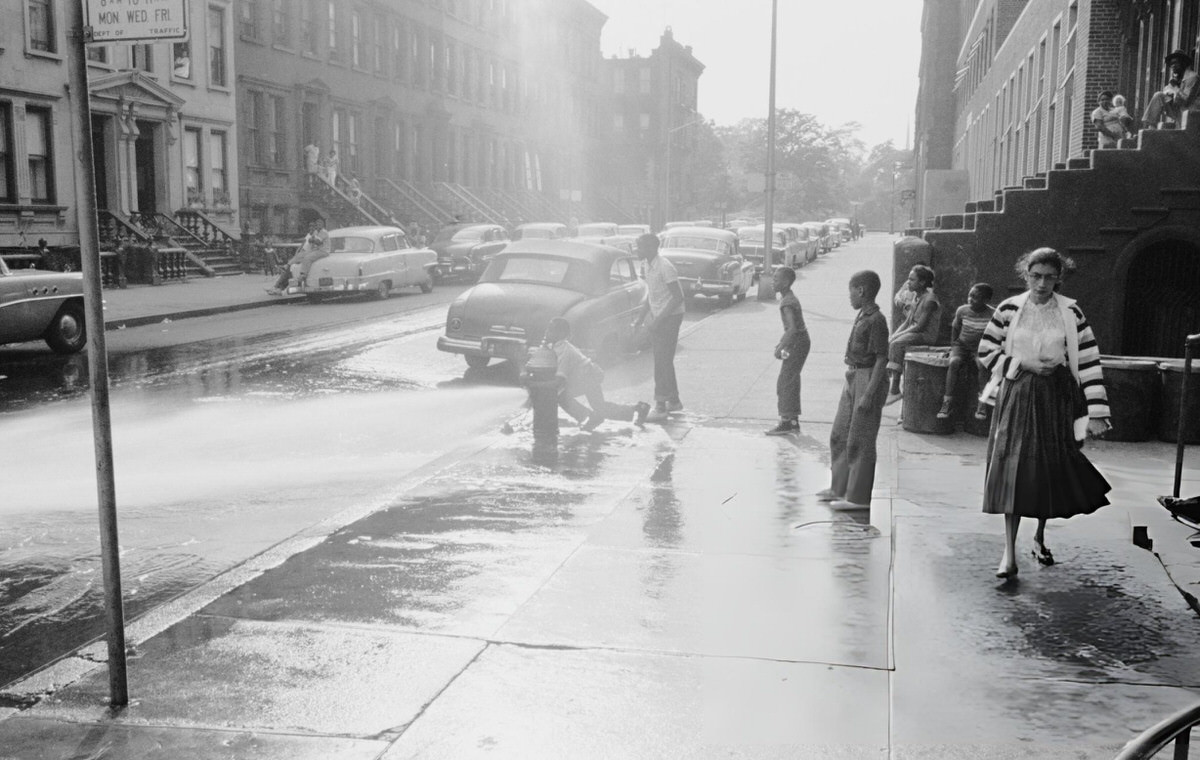
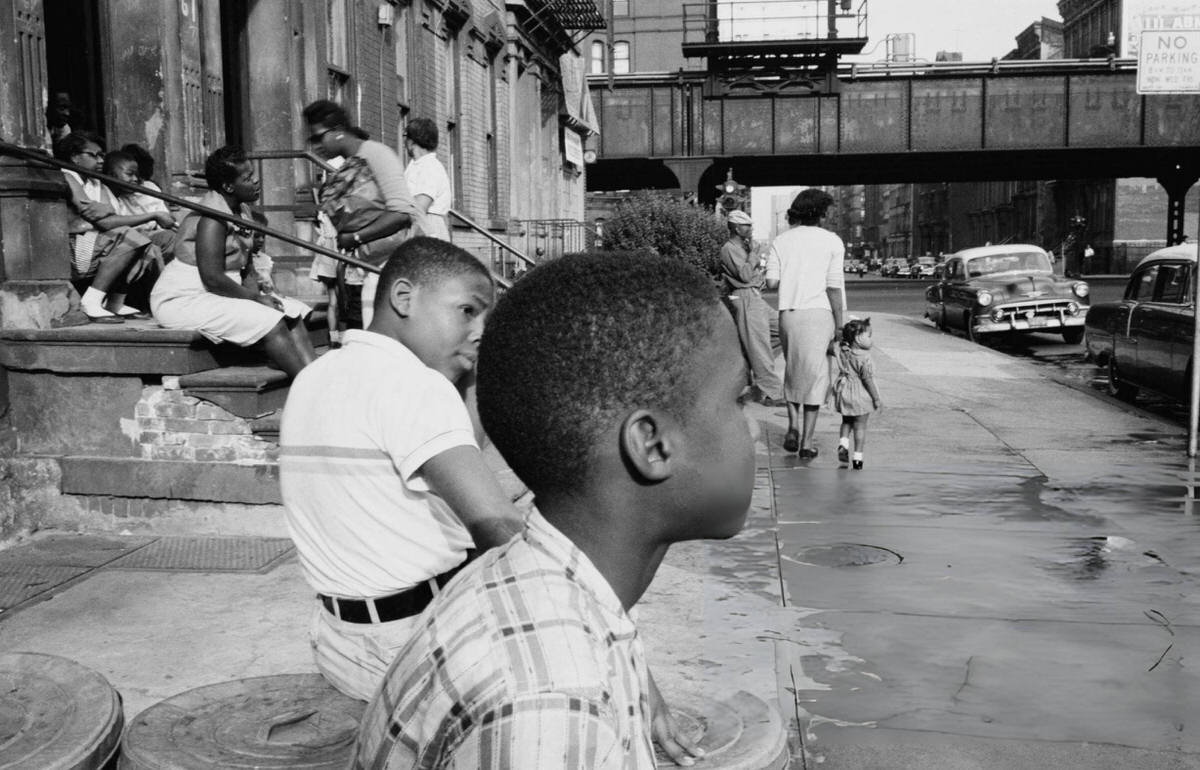
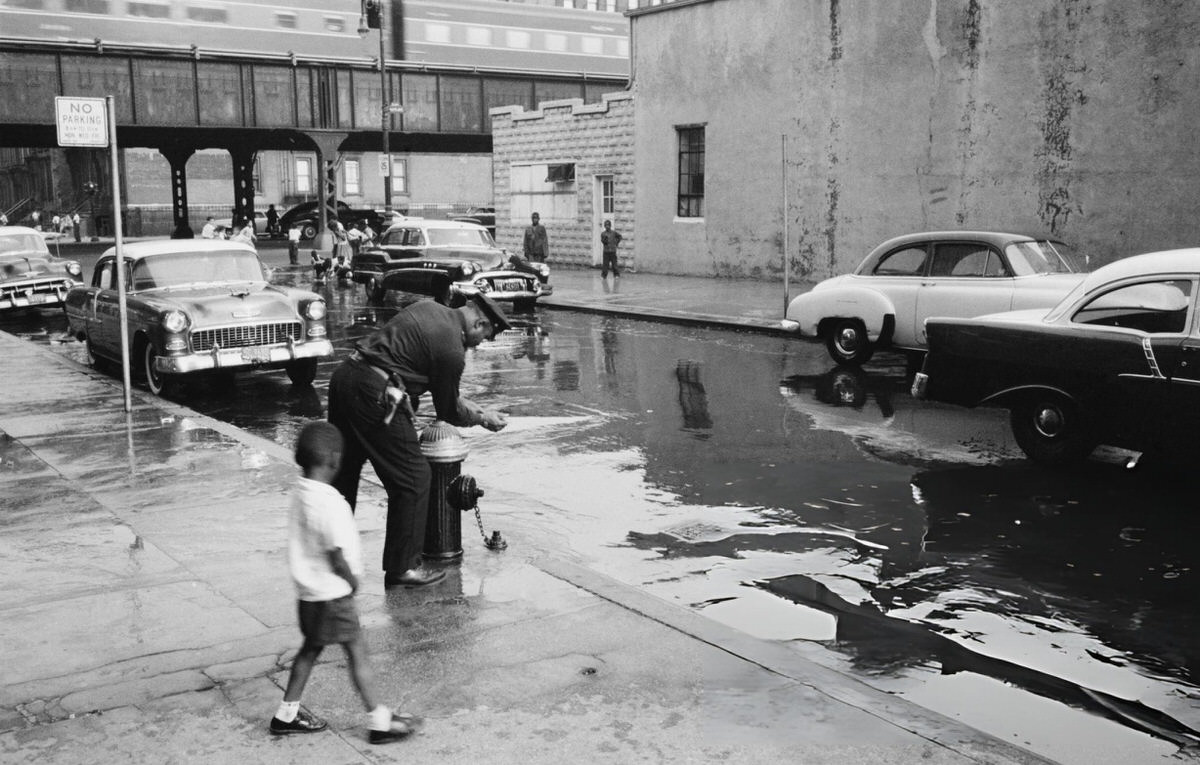
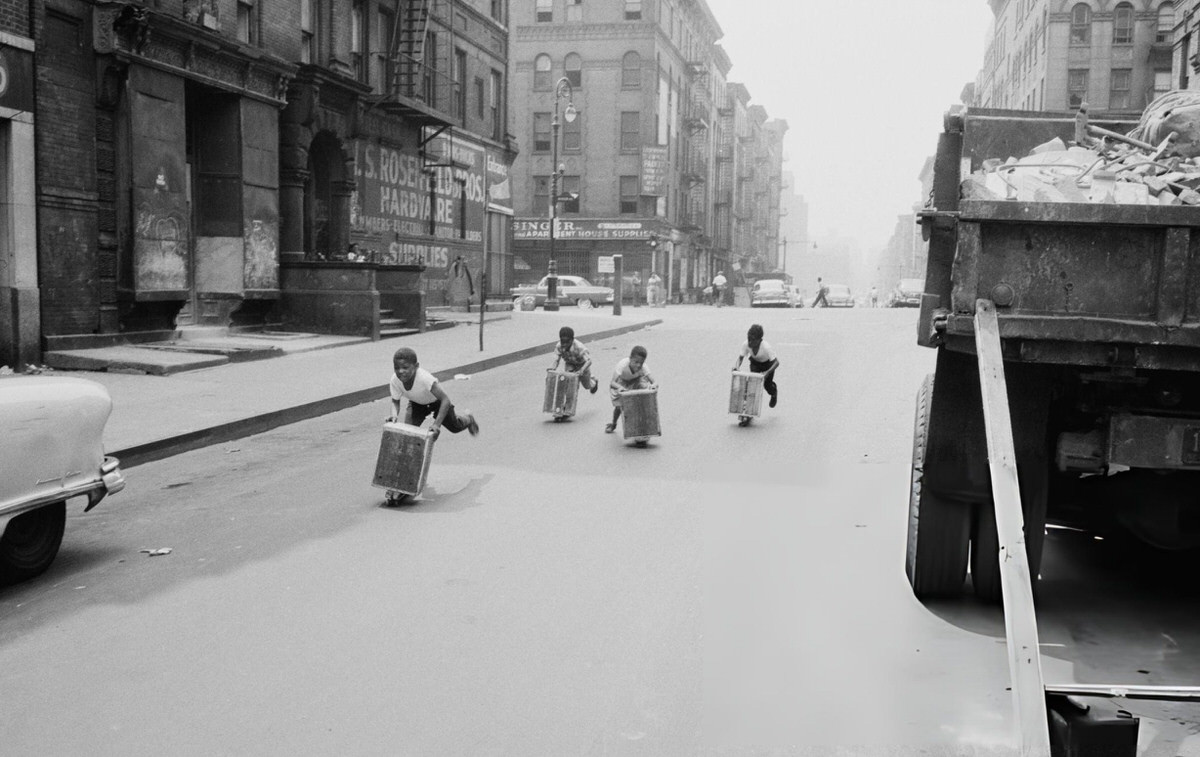
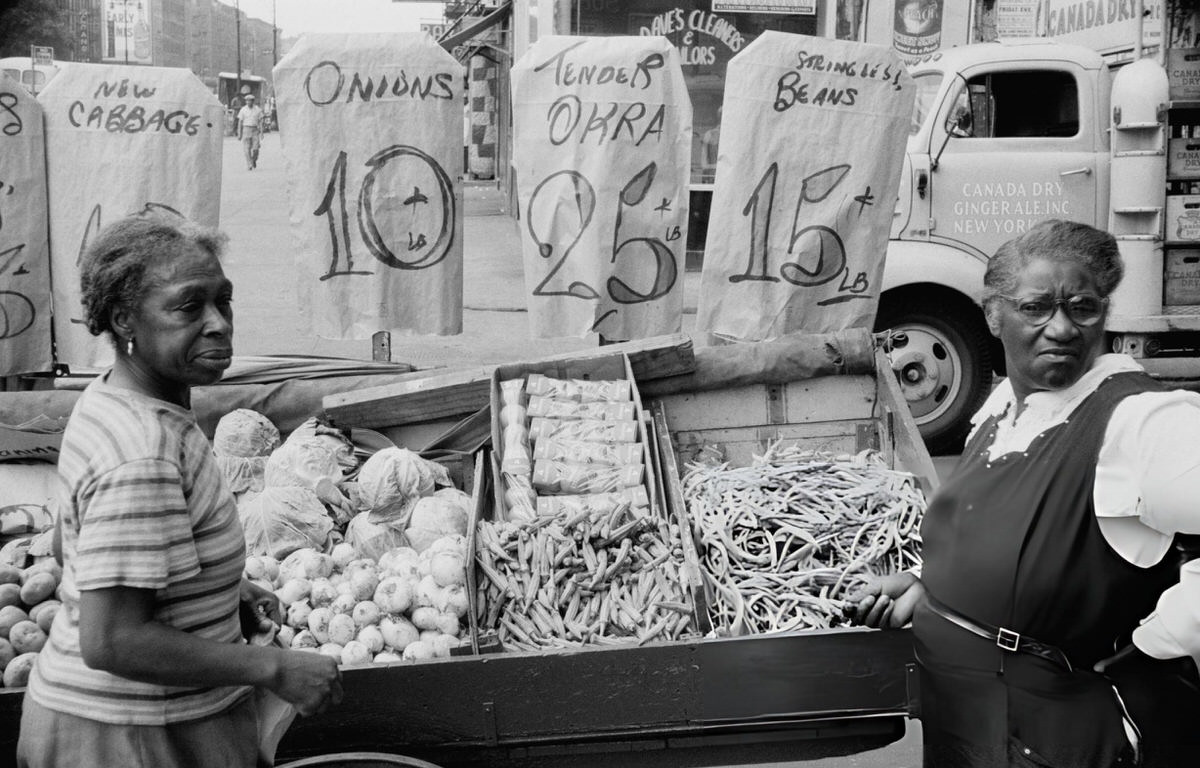
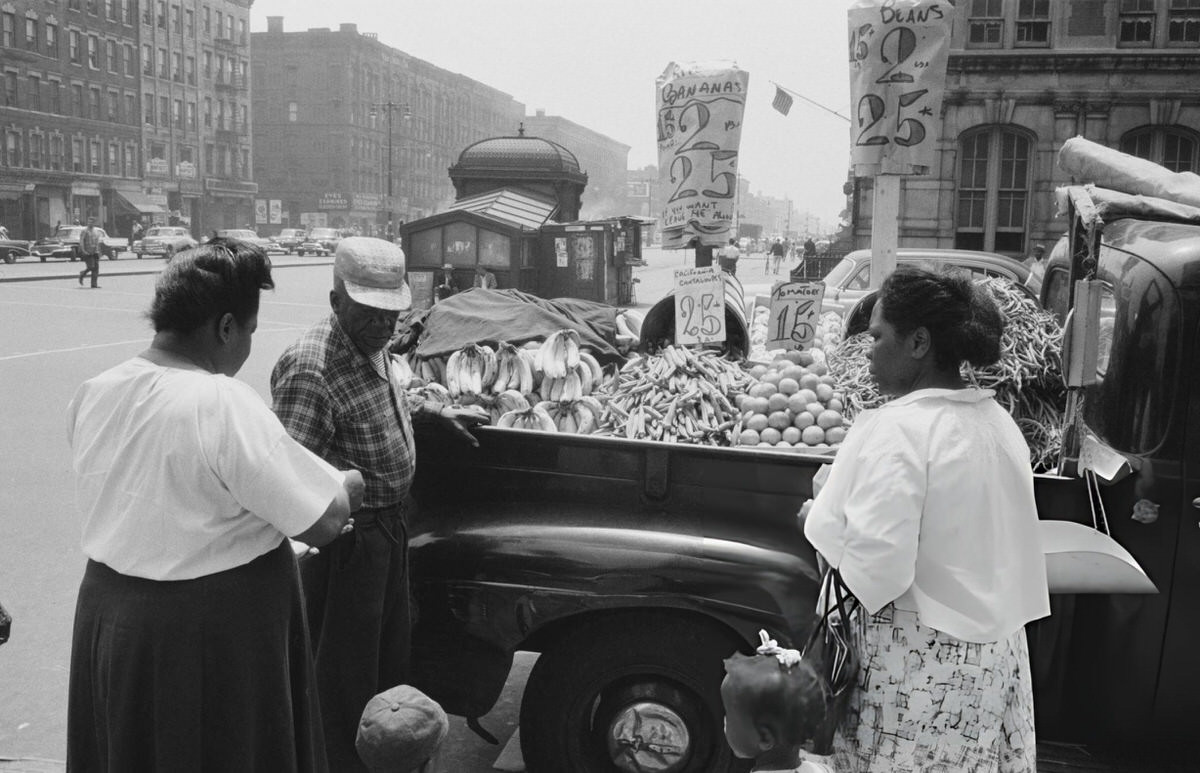
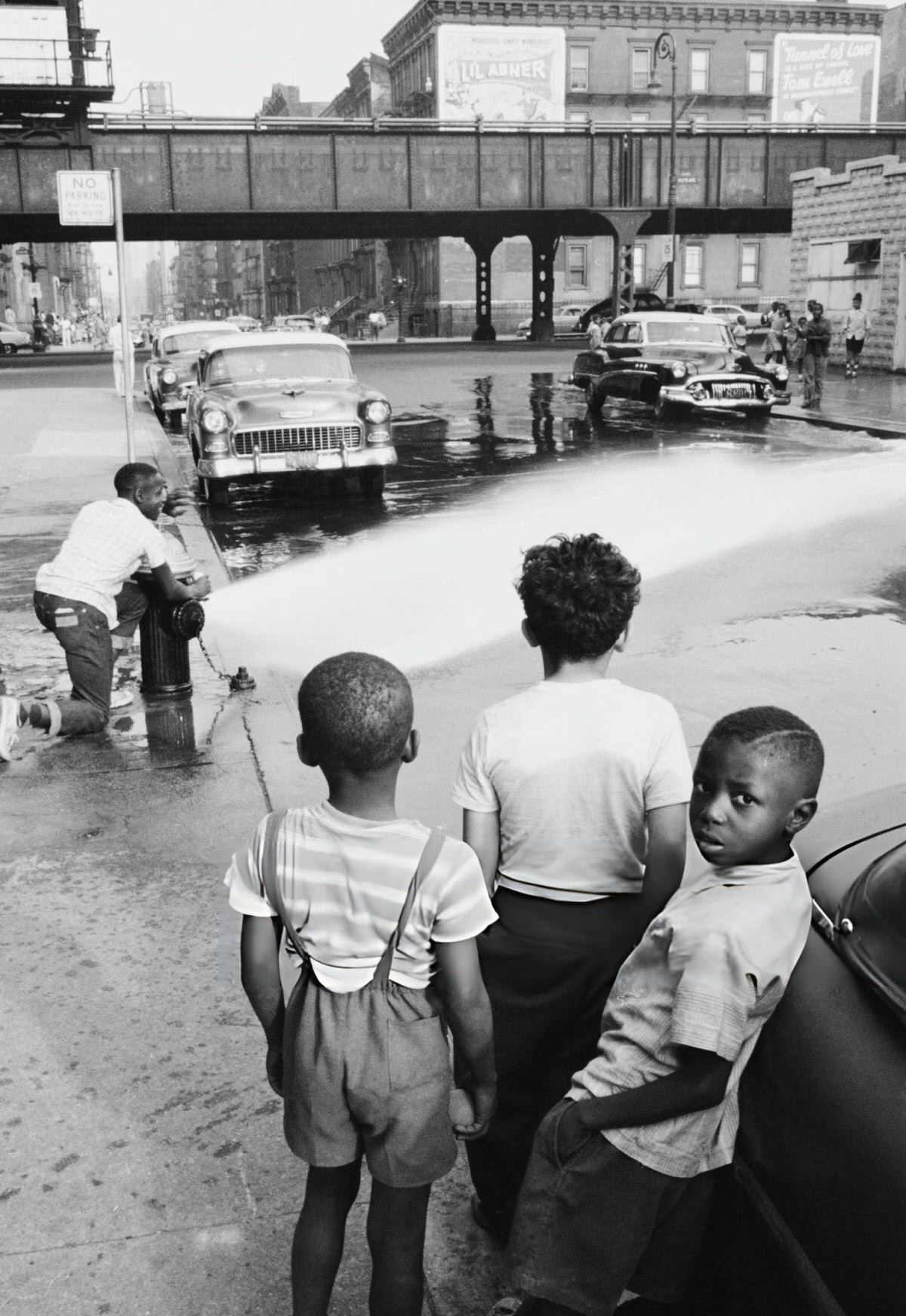
World War II had ended, and America was telling itself a story about prosperity and progress. In many parts of the country, that story had some truth to it. In Harlem, the reality was more complicated. The neighborhood was overcrowded, underfunded, and sitting at the center of a national conversation about race that white America wasn’t yet ready to have honestly.
Who Was Living There and How
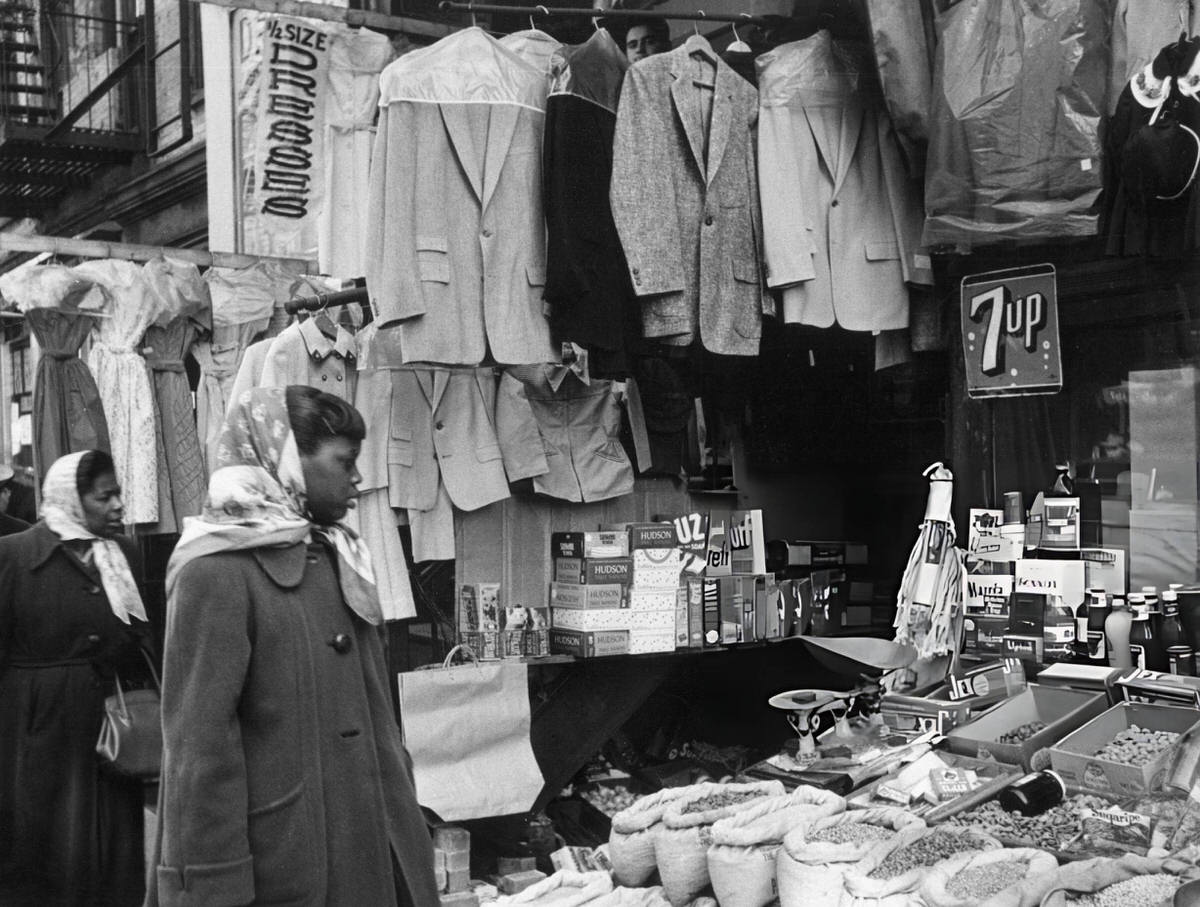
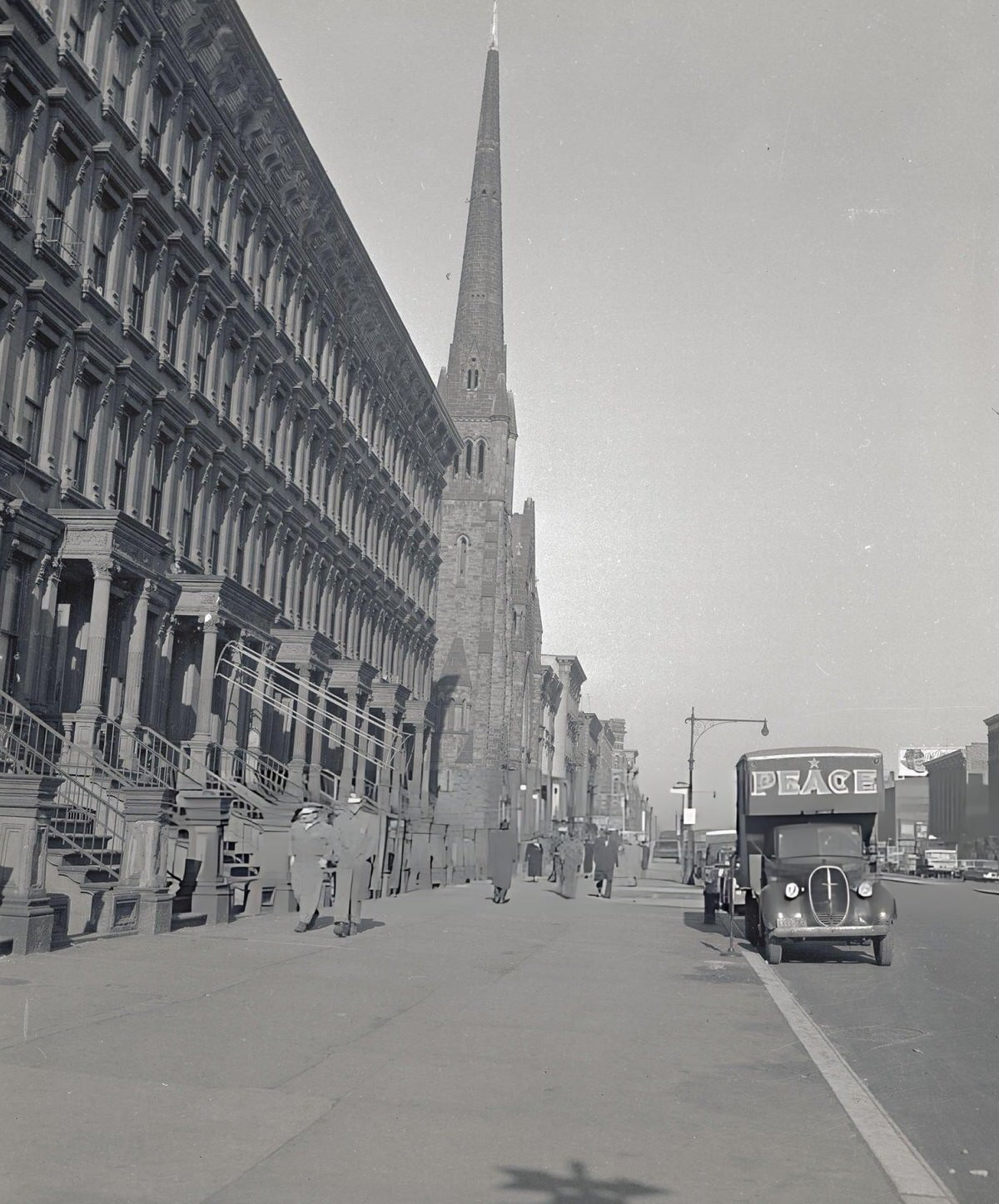
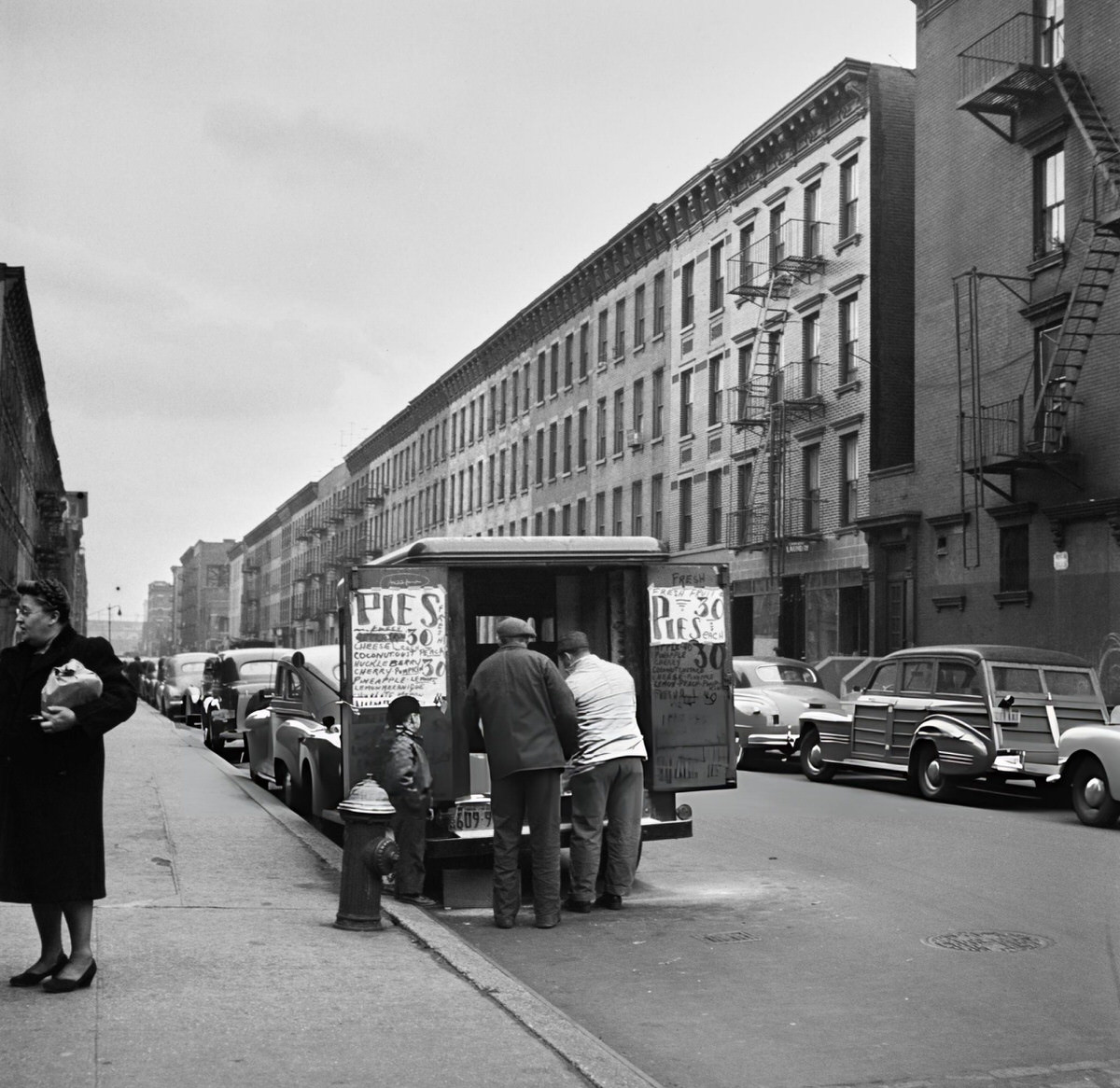
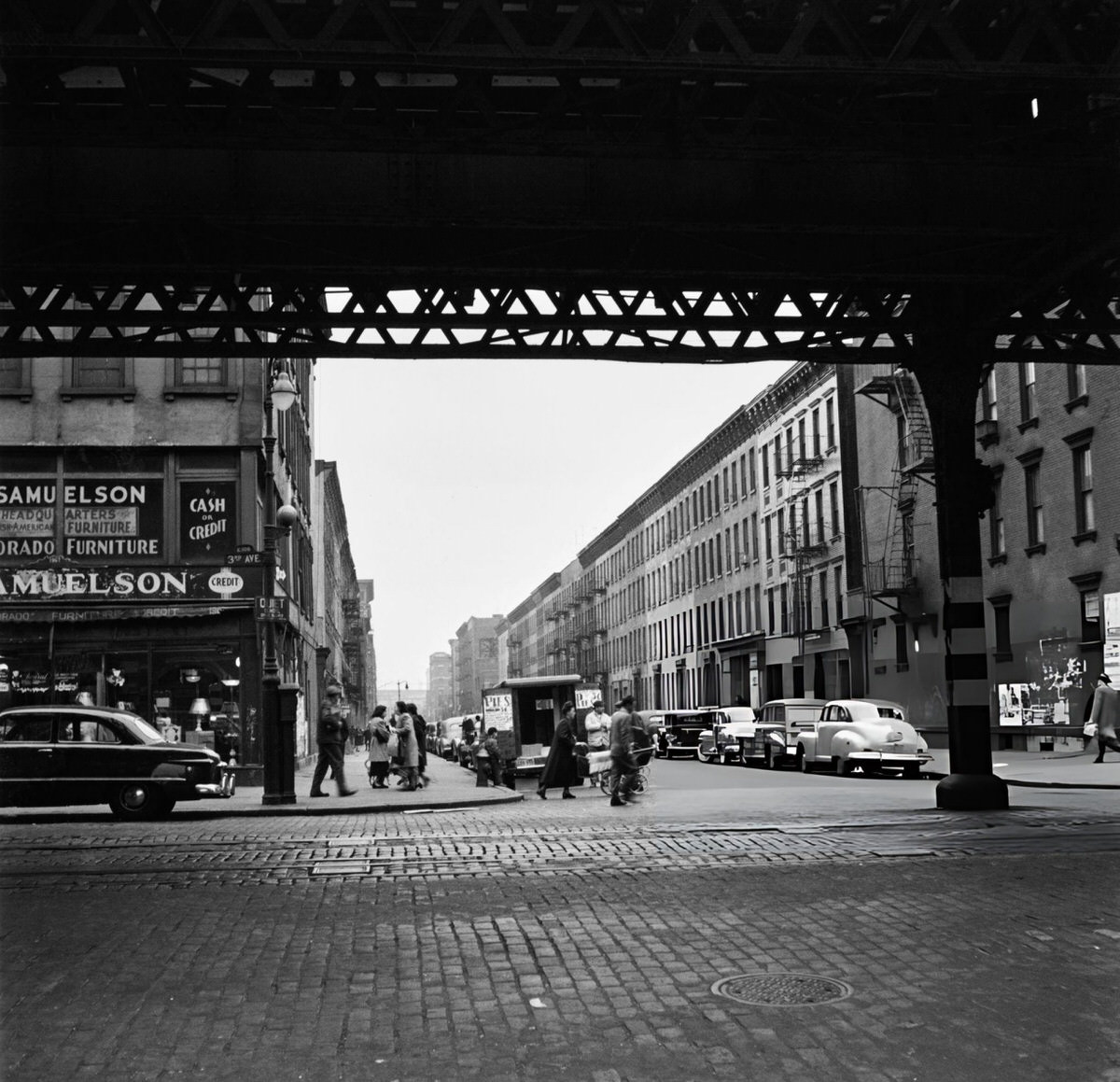
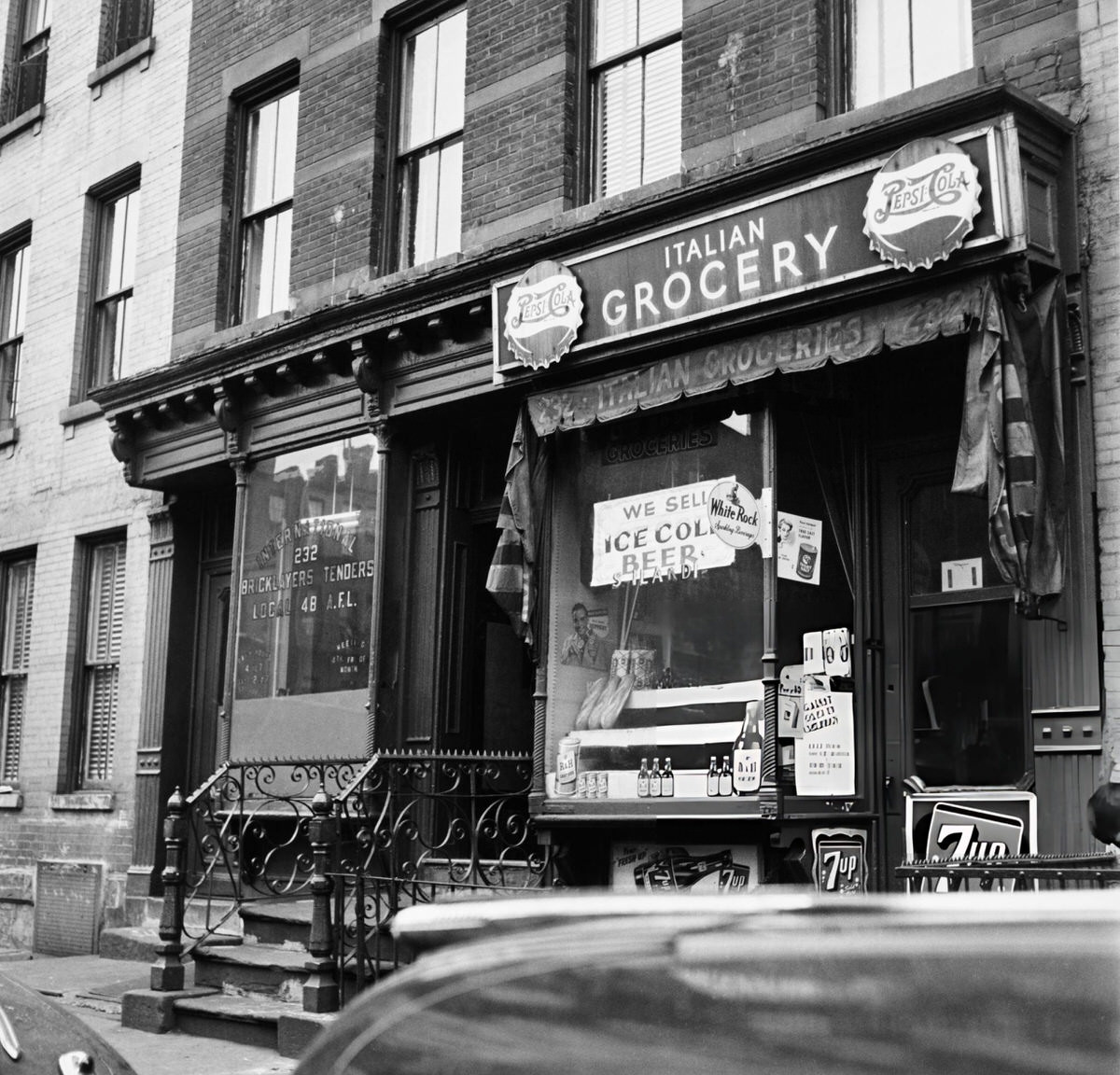
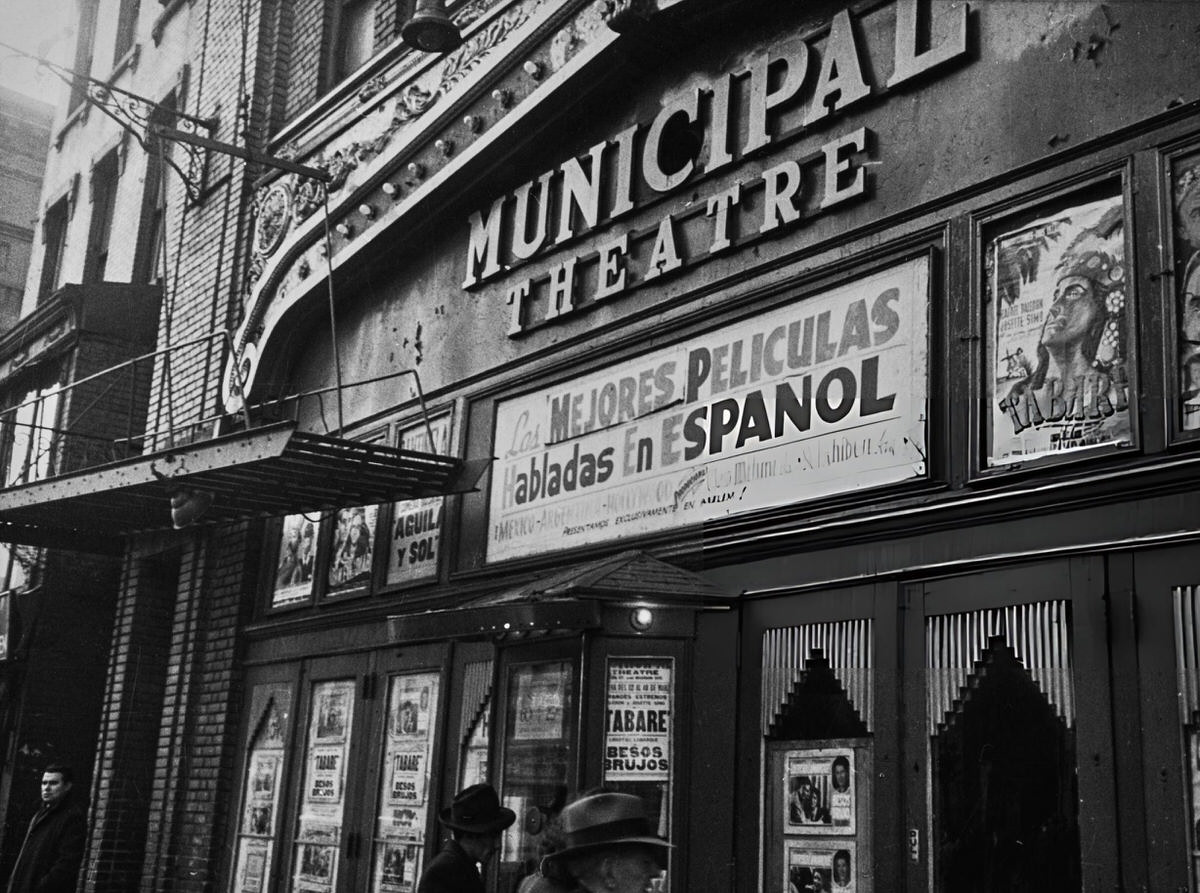
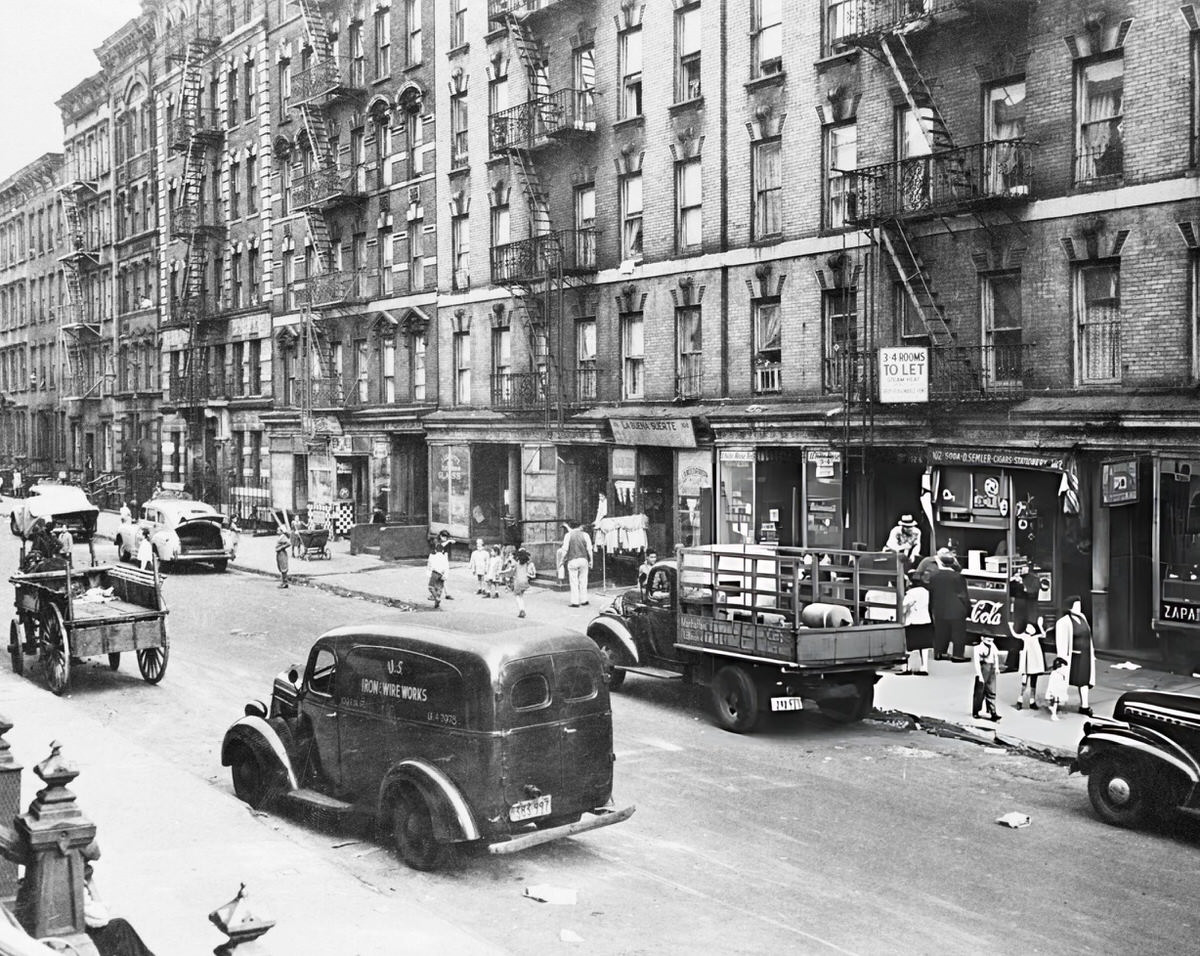
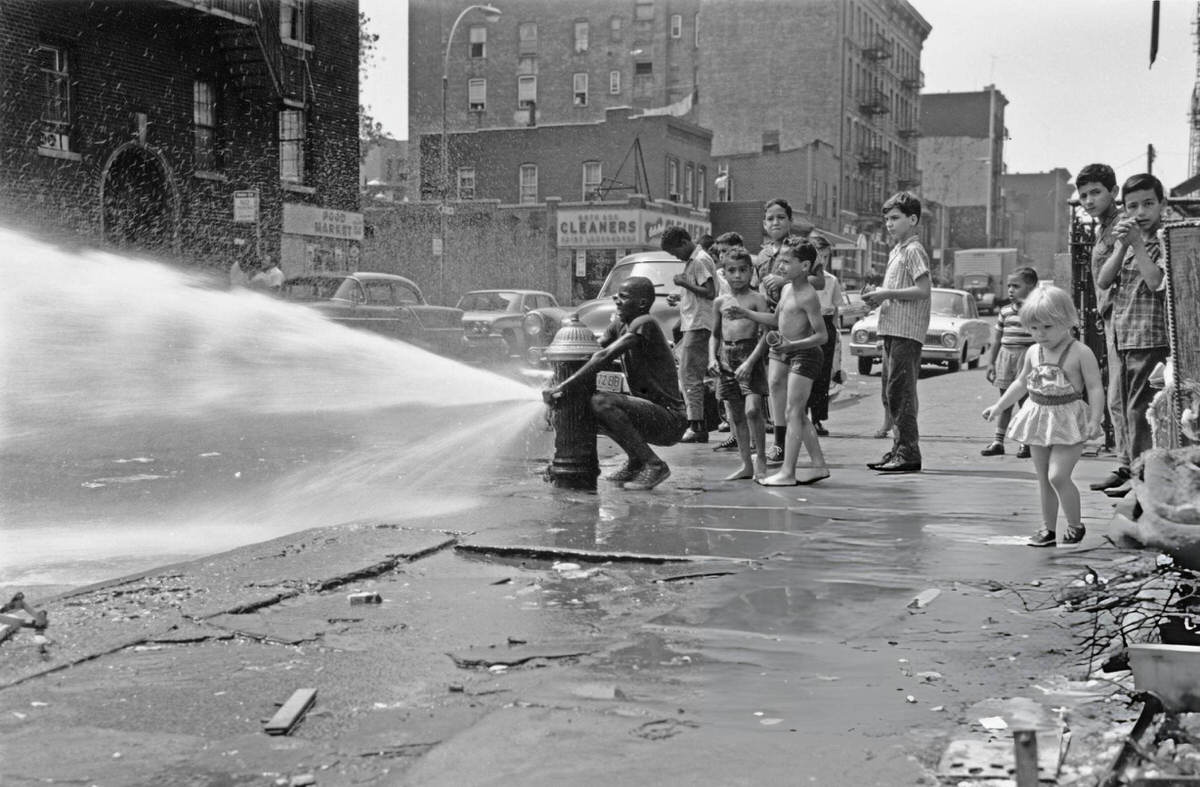
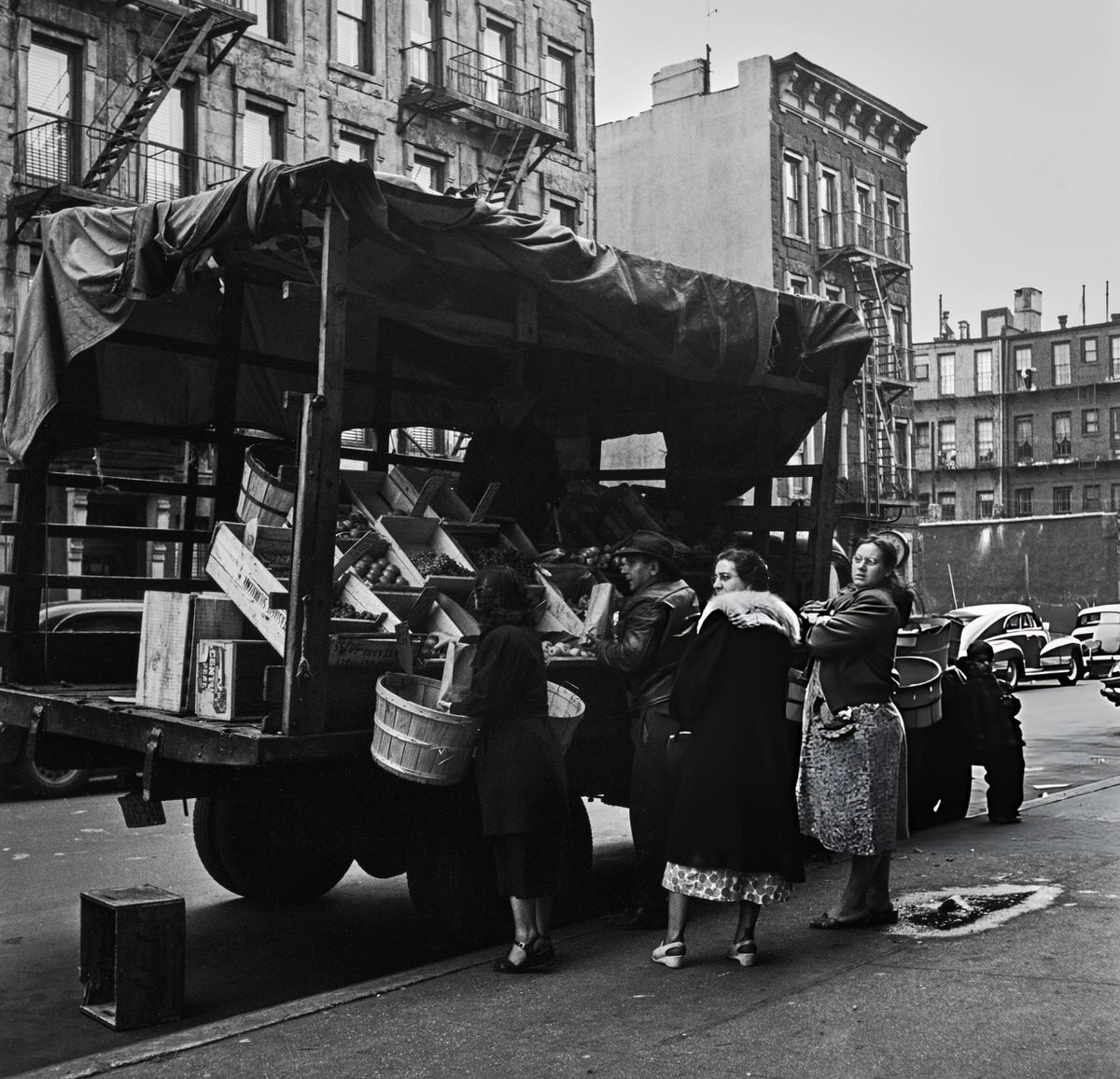
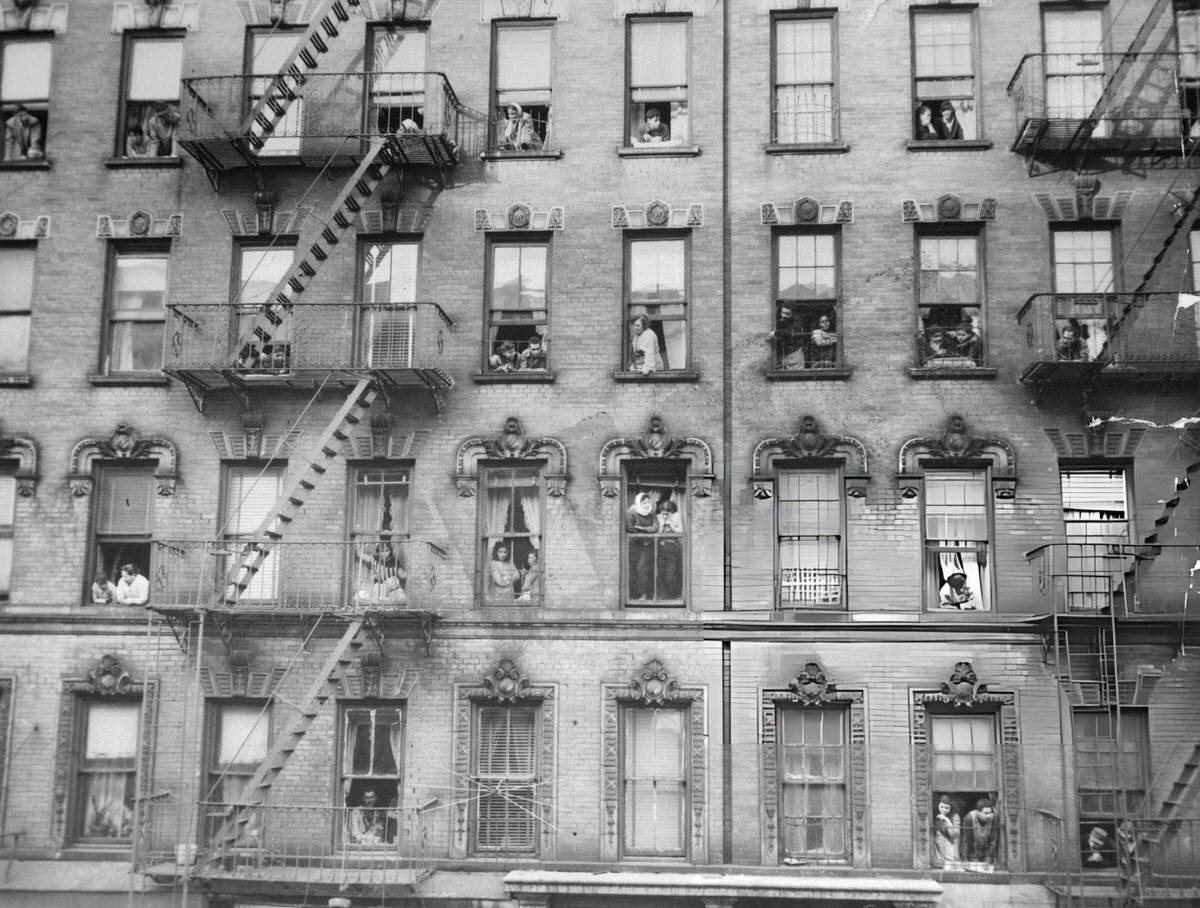
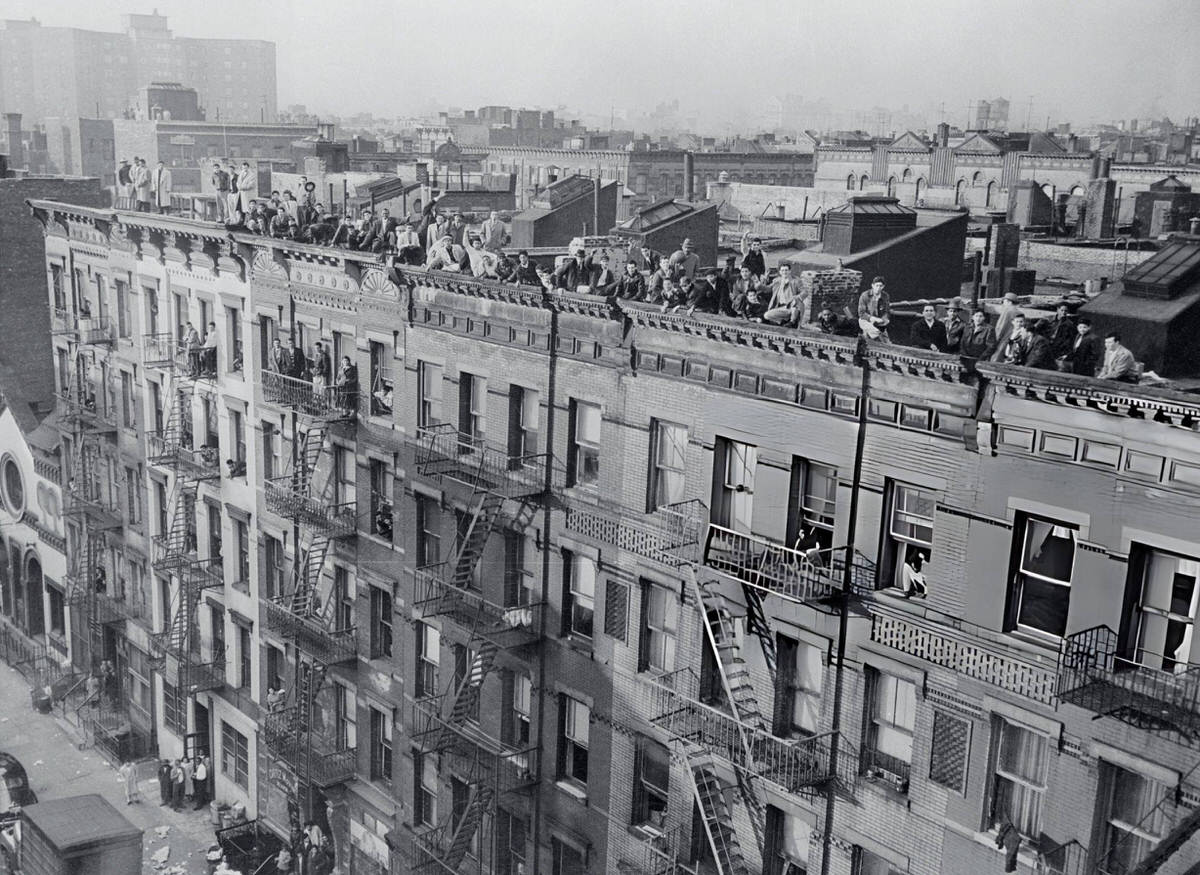
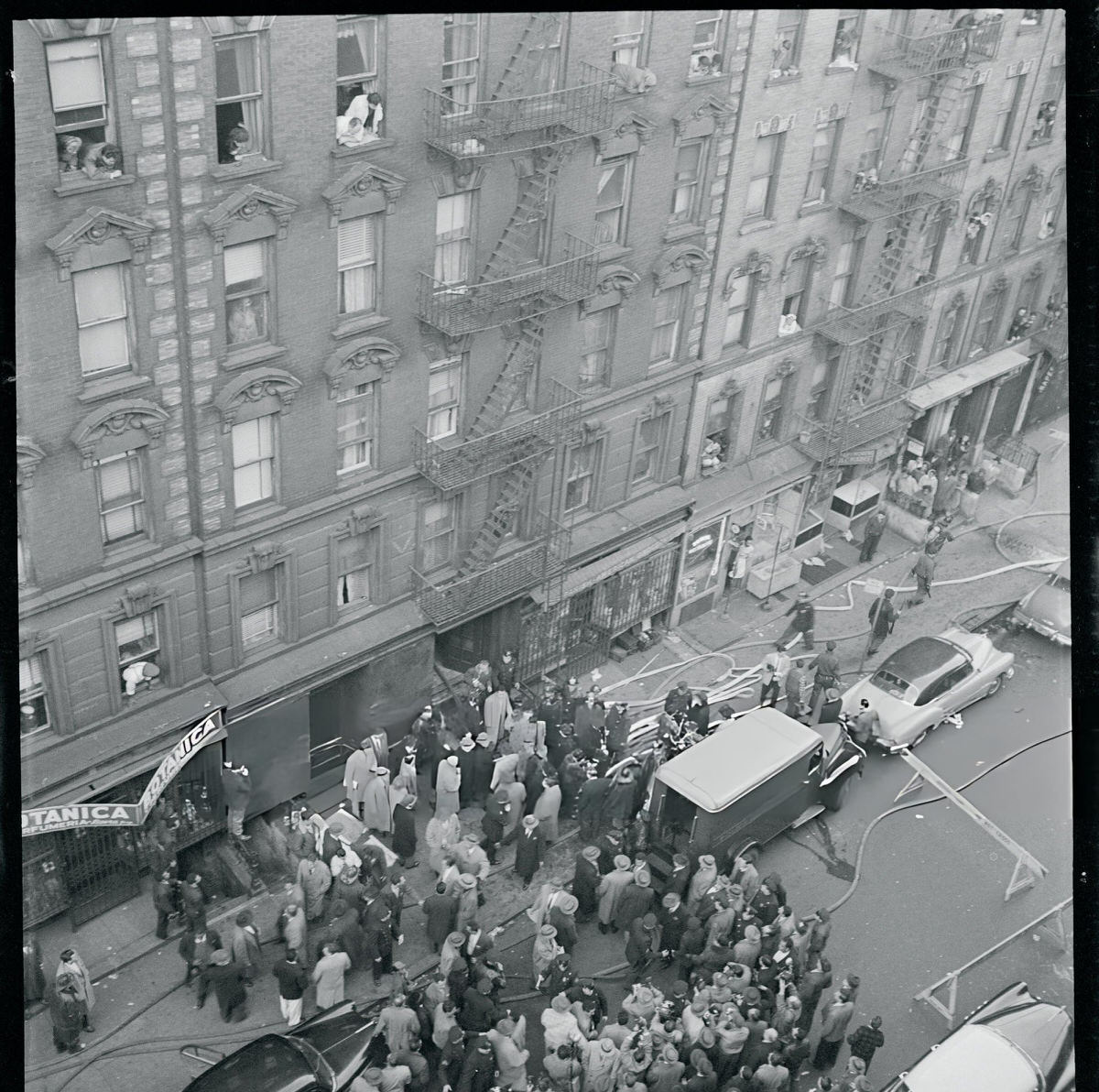
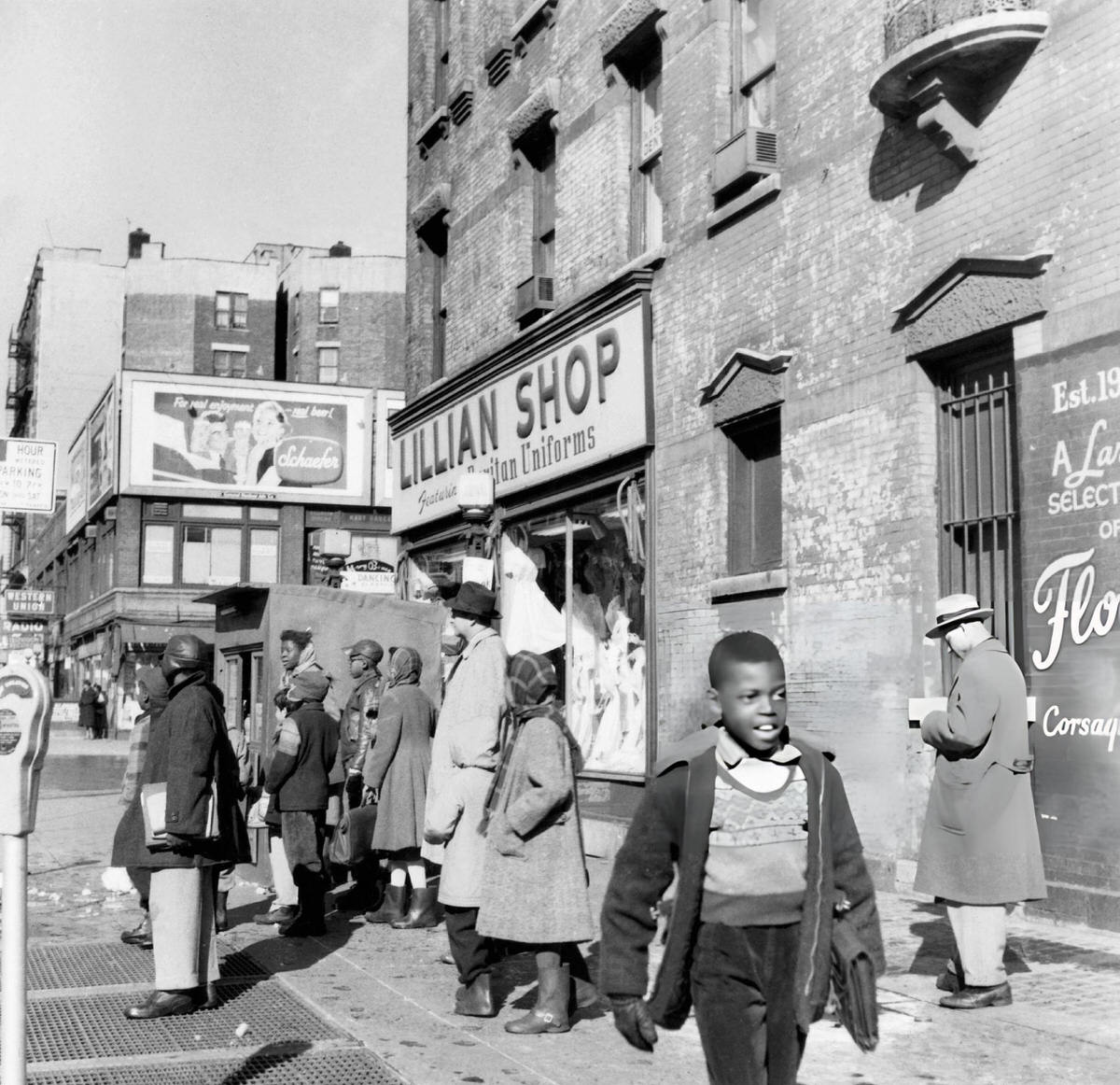
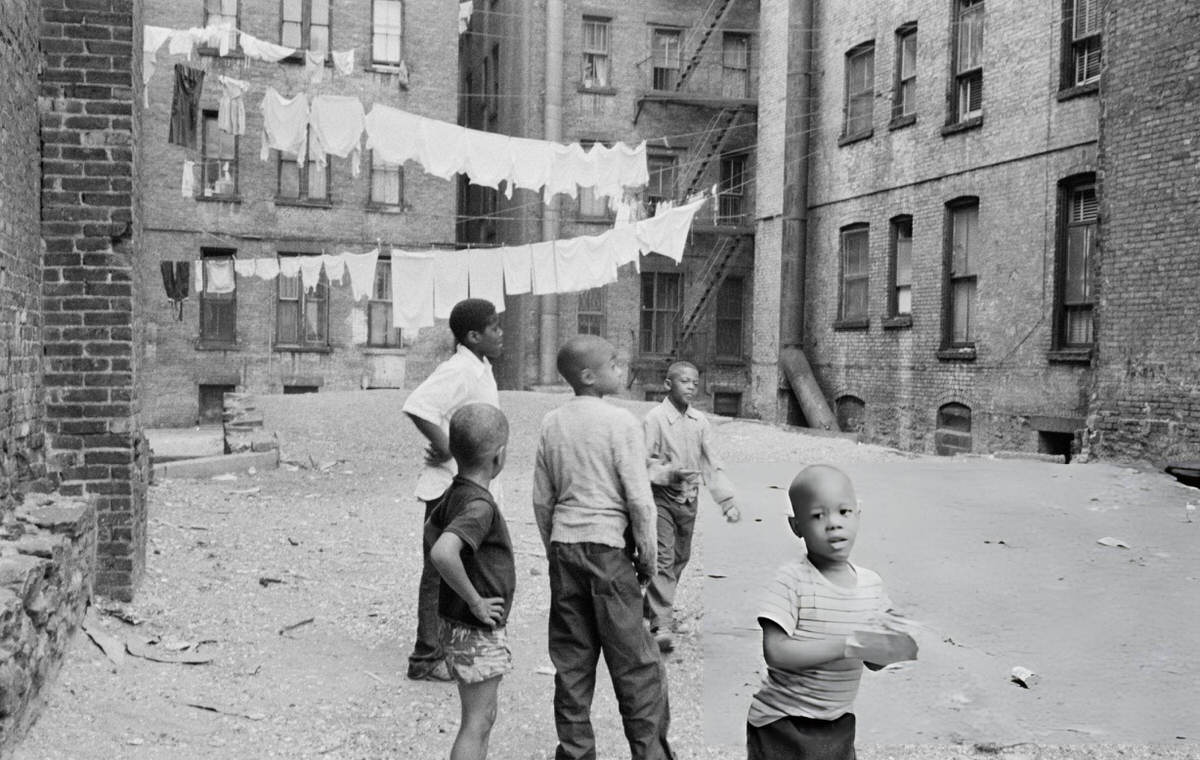
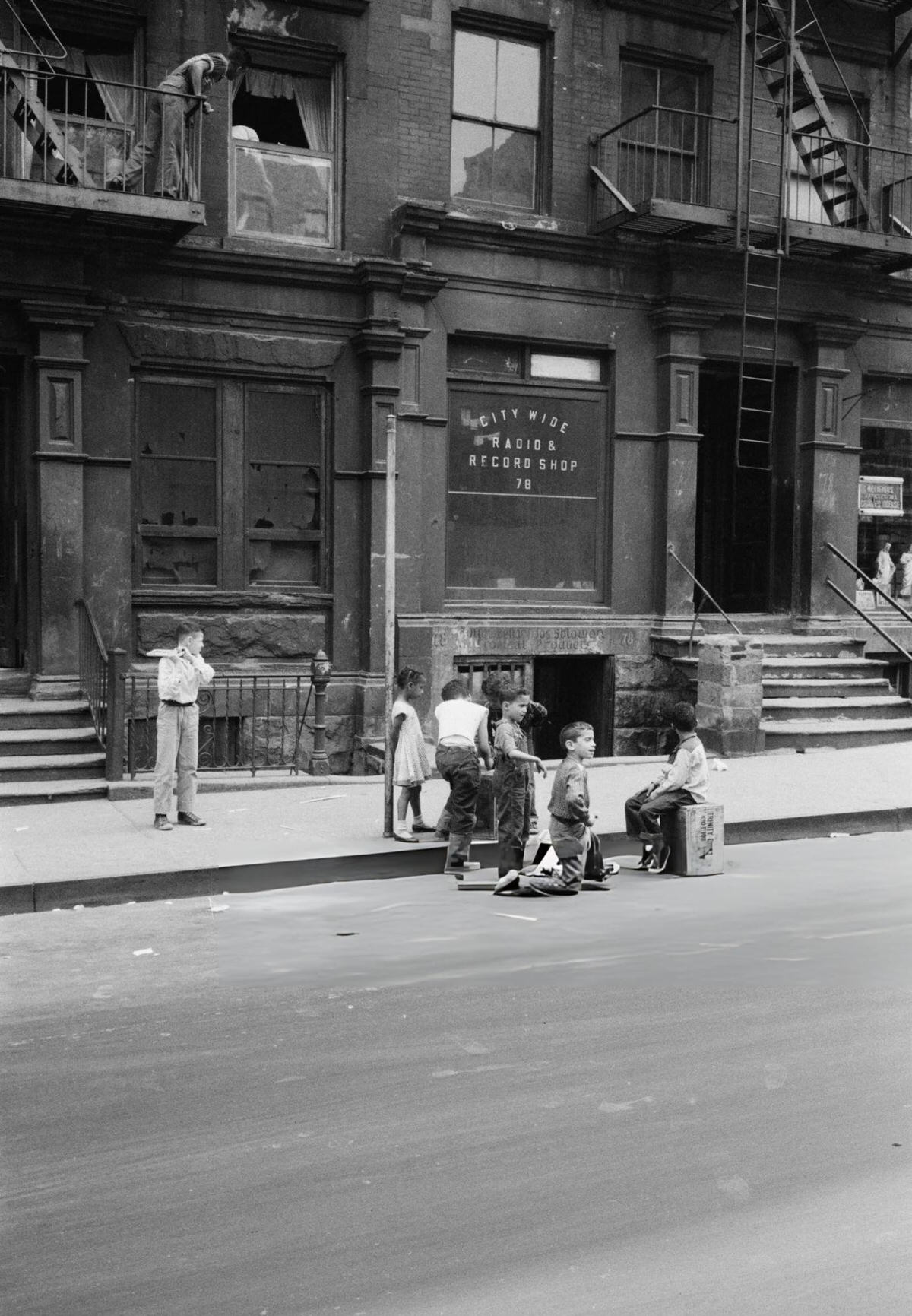
Harlem’s population in 1950 was dense beyond what the housing stock was designed to handle. The neighborhood had absorbed wave after wave of Black migrants from the South throughout the 1940s, drawn by wartime factory jobs. When the war ended, many stayed. Puerto Rican families were also arriving in large numbers, settling in East Harlem — the area around Third Avenue and 116th Street — in such concentration that the neighborhood became known as Spanish Harlem, or El Barrio.
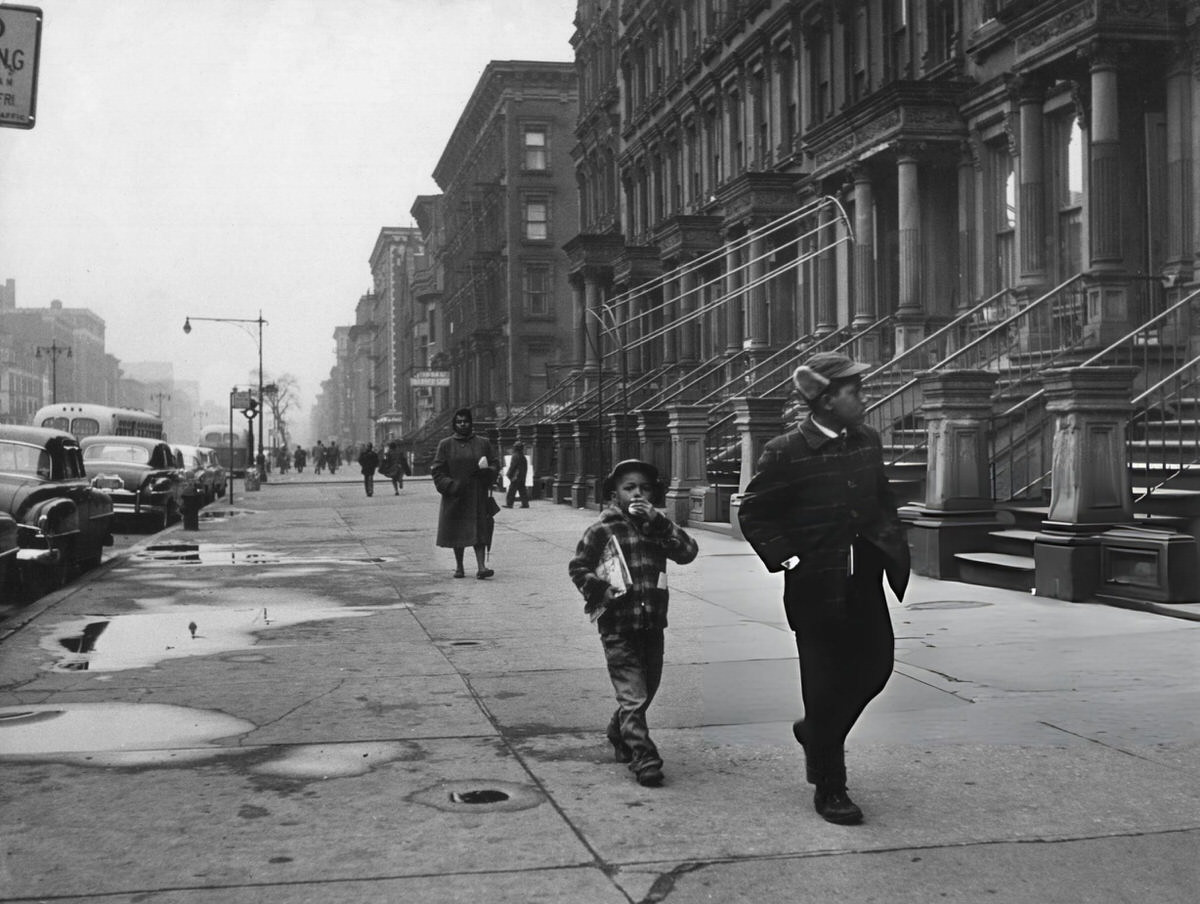
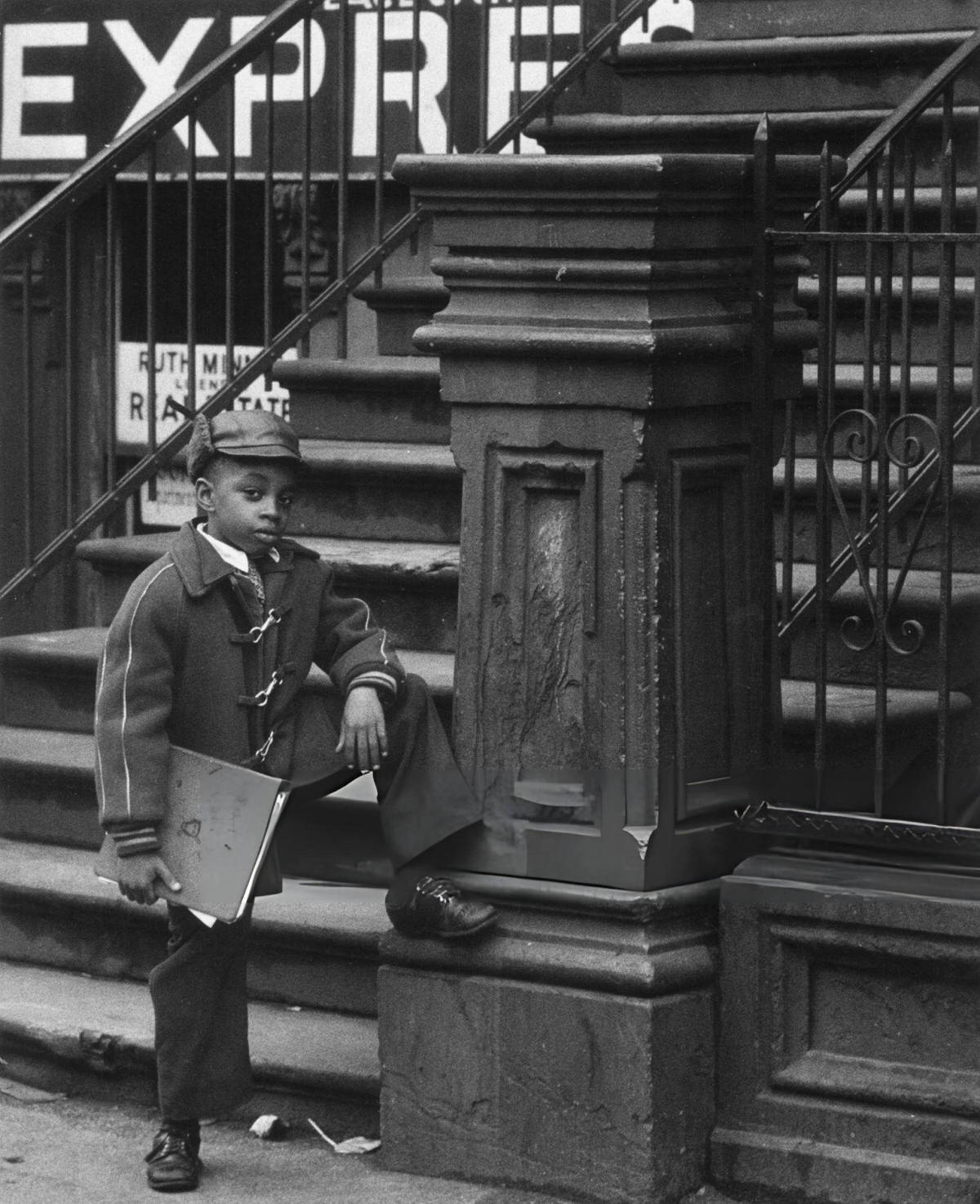
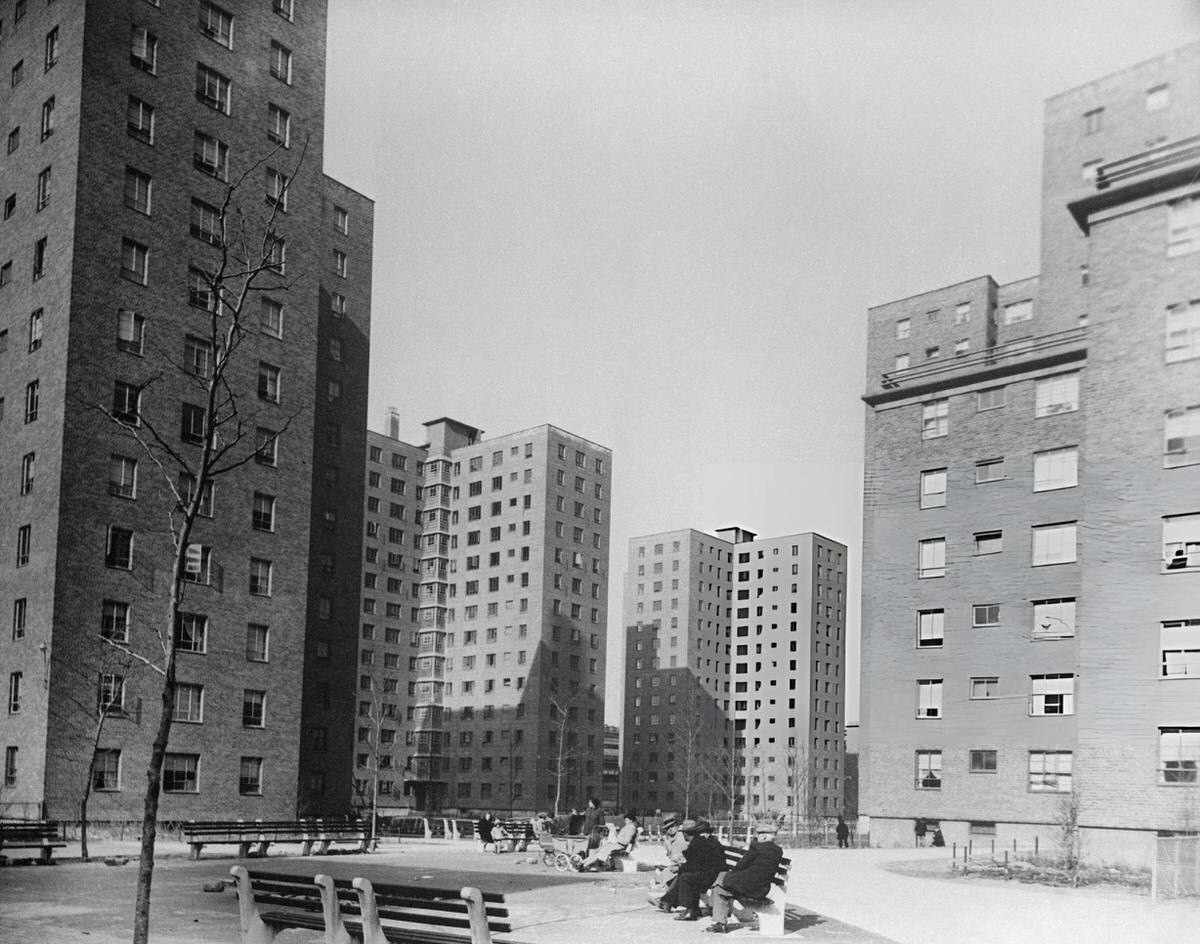
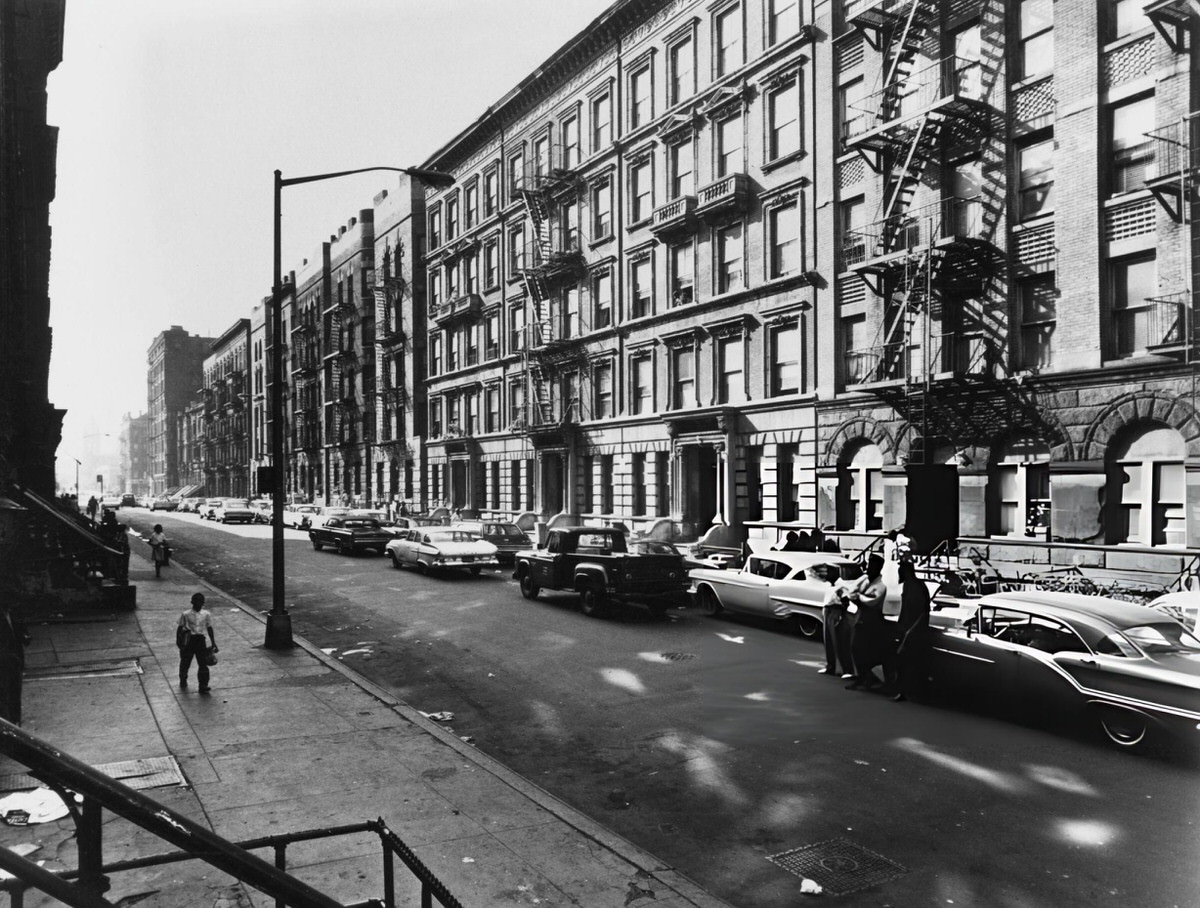
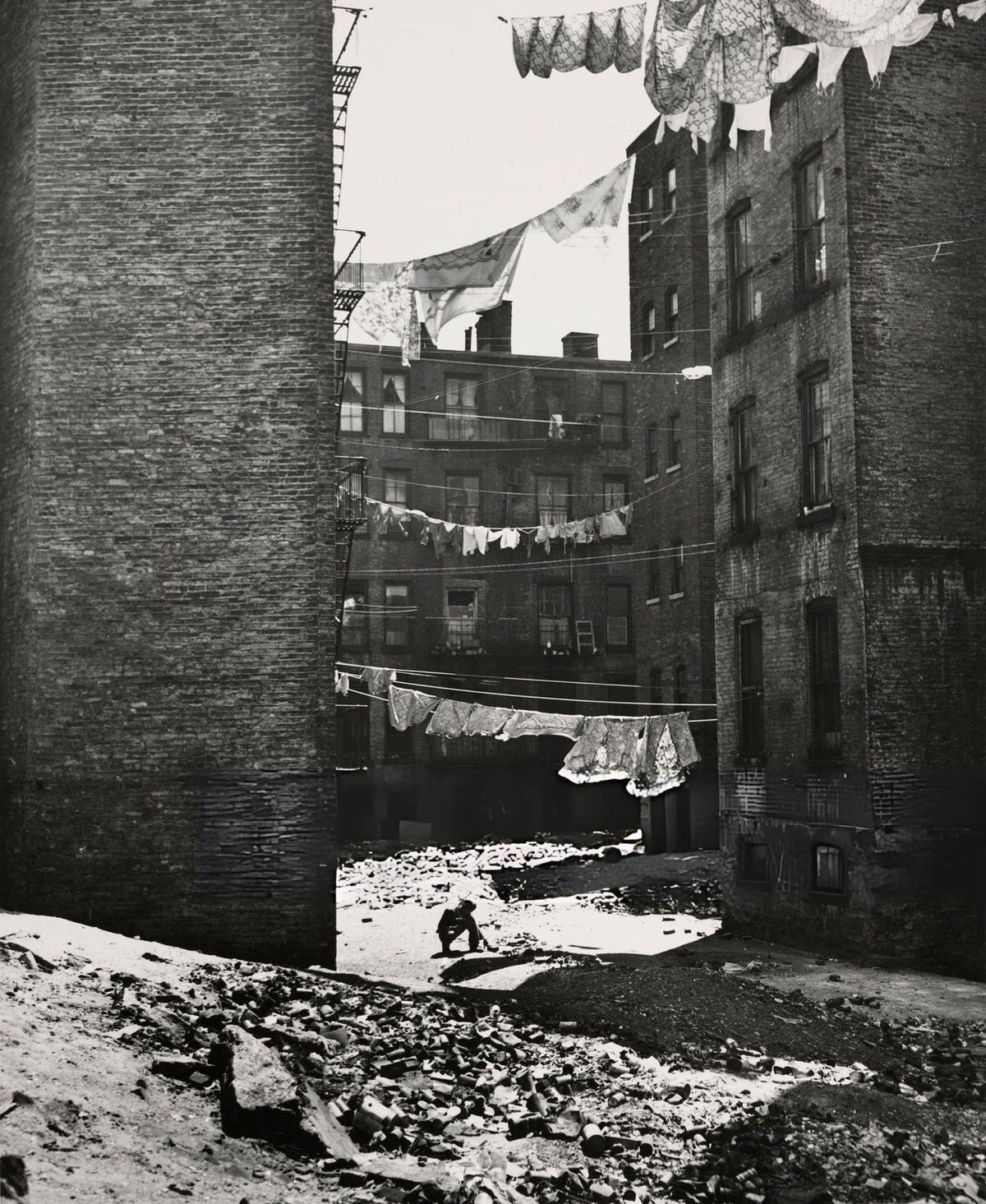
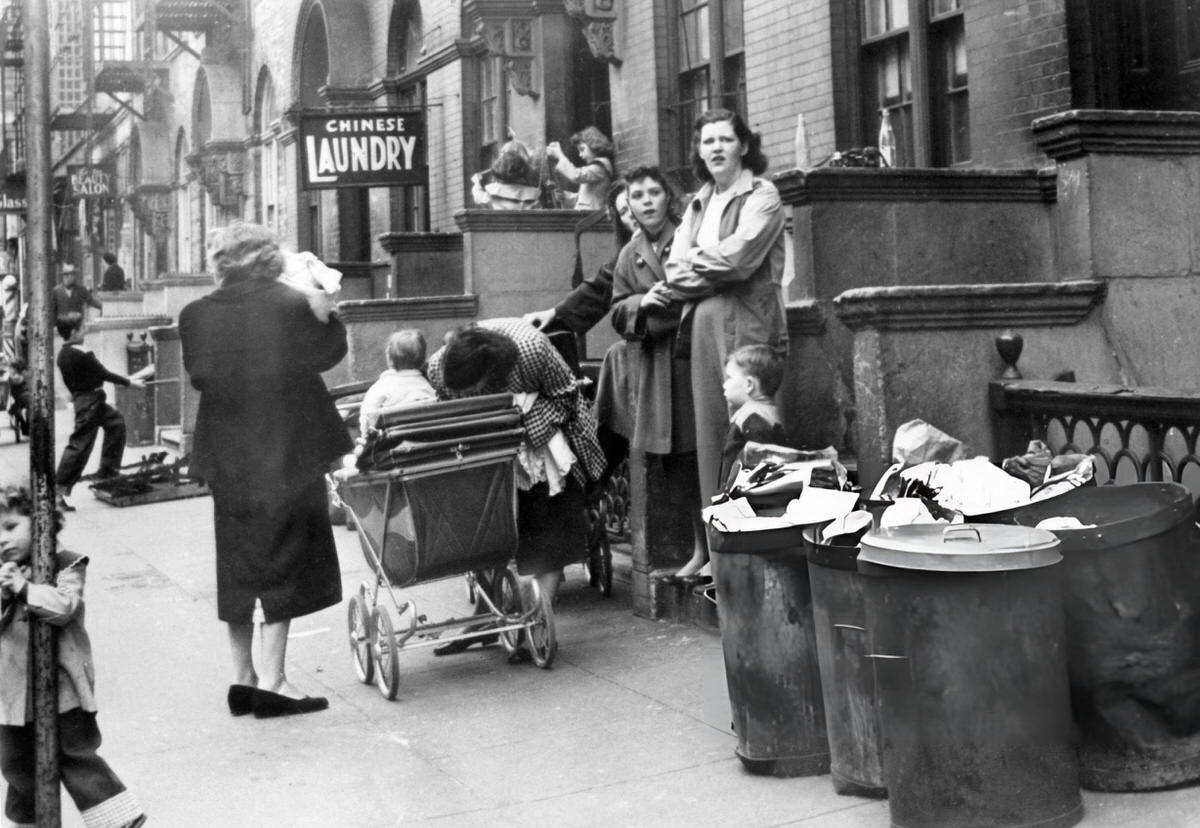
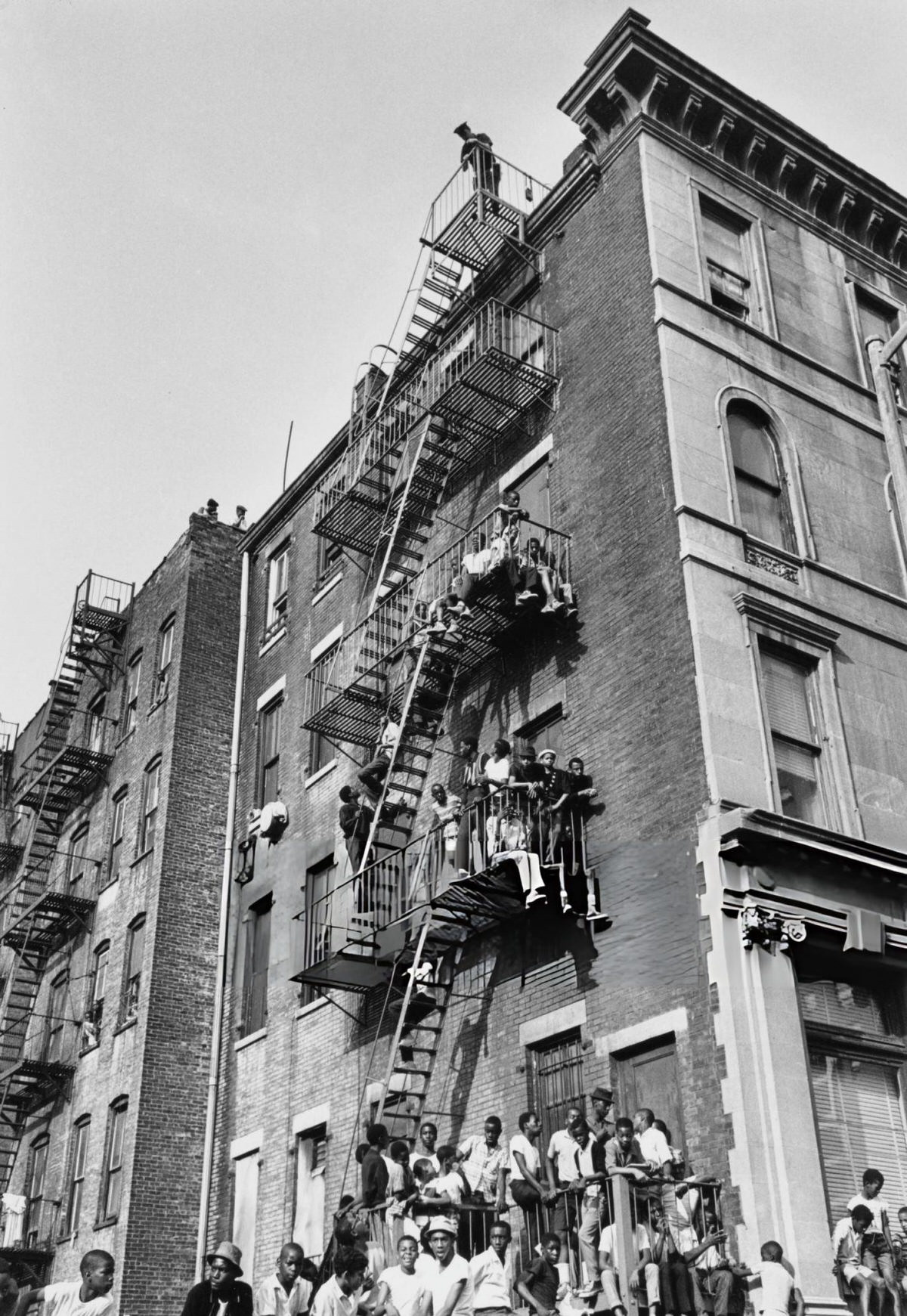
Apartment buildings that had been single-family brownstones in the 1890s were now carved into four or five small units. Landlords did minimal maintenance because tenants had almost no legal leverage to force repairs. Heat failed in winter. Plumbing broke. The city’s housing inspectors cited buildings routinely and followed up rarely.
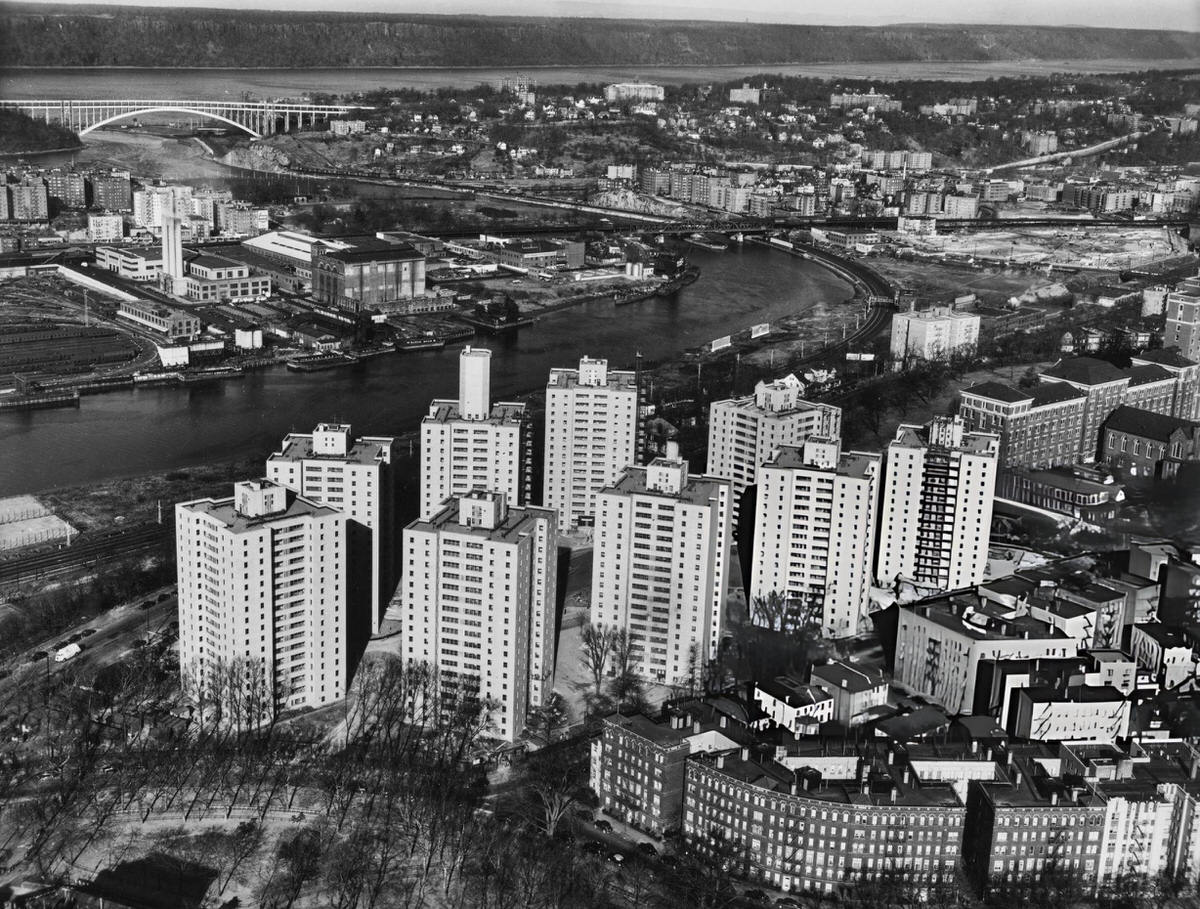
Robert Moses, who controlled an enormous amount of New York City’s planning and construction decisions throughout the 1950s, showed no interest in improving conditions in Harlem. His highway projects and urban renewal schemes demolished working-class Black and Puerto Rican neighborhoods across the city without replacing what was torn down. Harlem residents watched what happened to communities in the Bronx and Brooklyn and understood exactly what Moses thought of them.
Read more
The Heroin Epidemic Nobody Wanted to Talk About
The most destructive force inside Harlem in the 1950s was heroin. The drug moved into the neighborhood in the late 1940s and spread rapidly through the early 1950s. Young men who had grown up during the Depression and served in World War II came home to find the same locked doors and limited options that had always been there. Heroin filled a gap that nothing legitimate was filling.
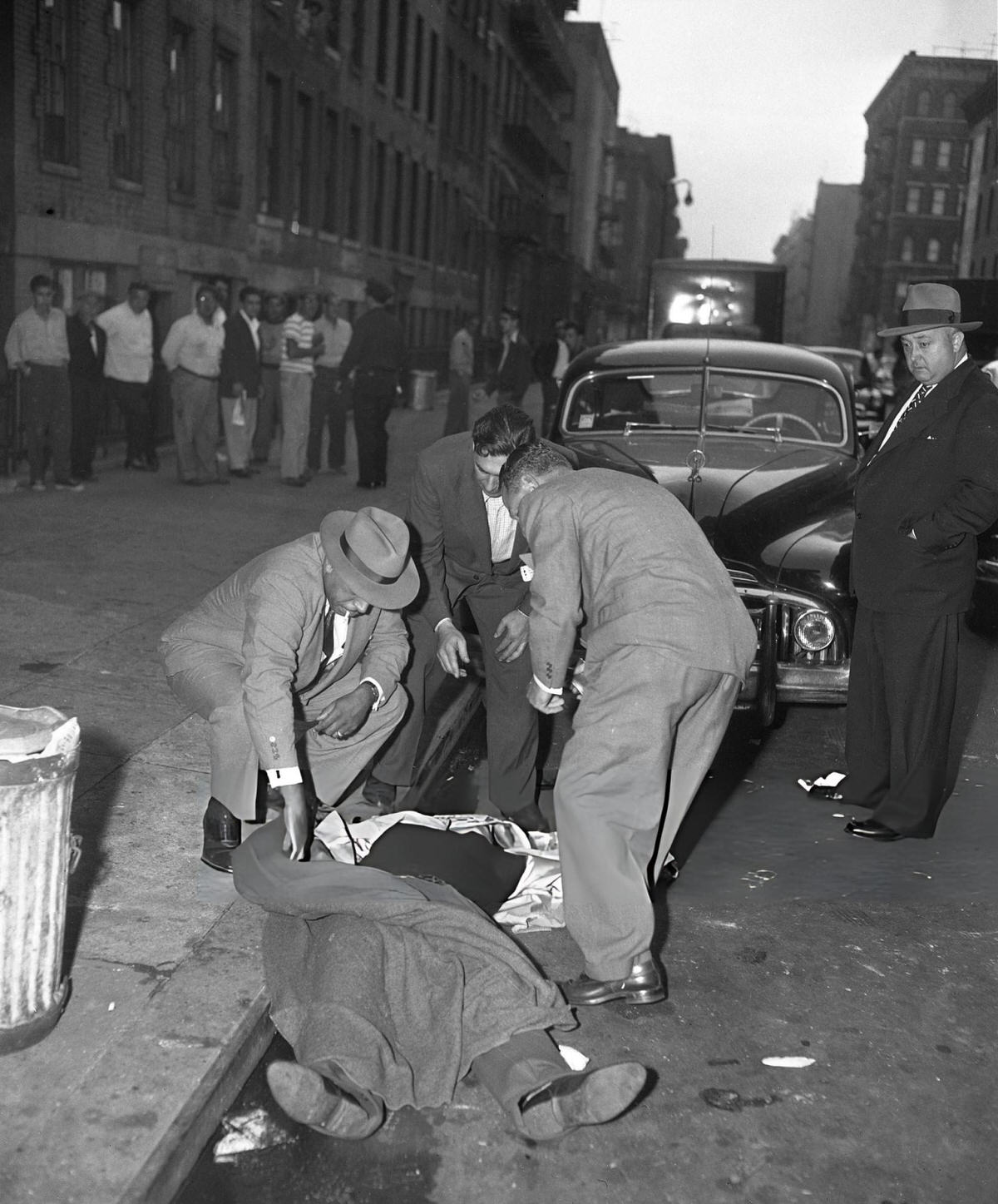
The effect on the community was devastating and visible. Street corners that had been gathering spots became places of transaction. Families watched sons and brothers disappear into addiction. Musicians, athletes, and people with no public profile at all were caught in it equally.
Jazz musician Charlie Parker, who spent considerable time in Harlem during this period, was himself struggling with heroin addiction through most of the early 1950s. His deterioration was public and painful to watch for everyone who knew his music. He died in 1955 at age 34. His story was not unusual in its structure — only in its visibility.
Bebop, Hard Bop, and the Music That Named the Decade
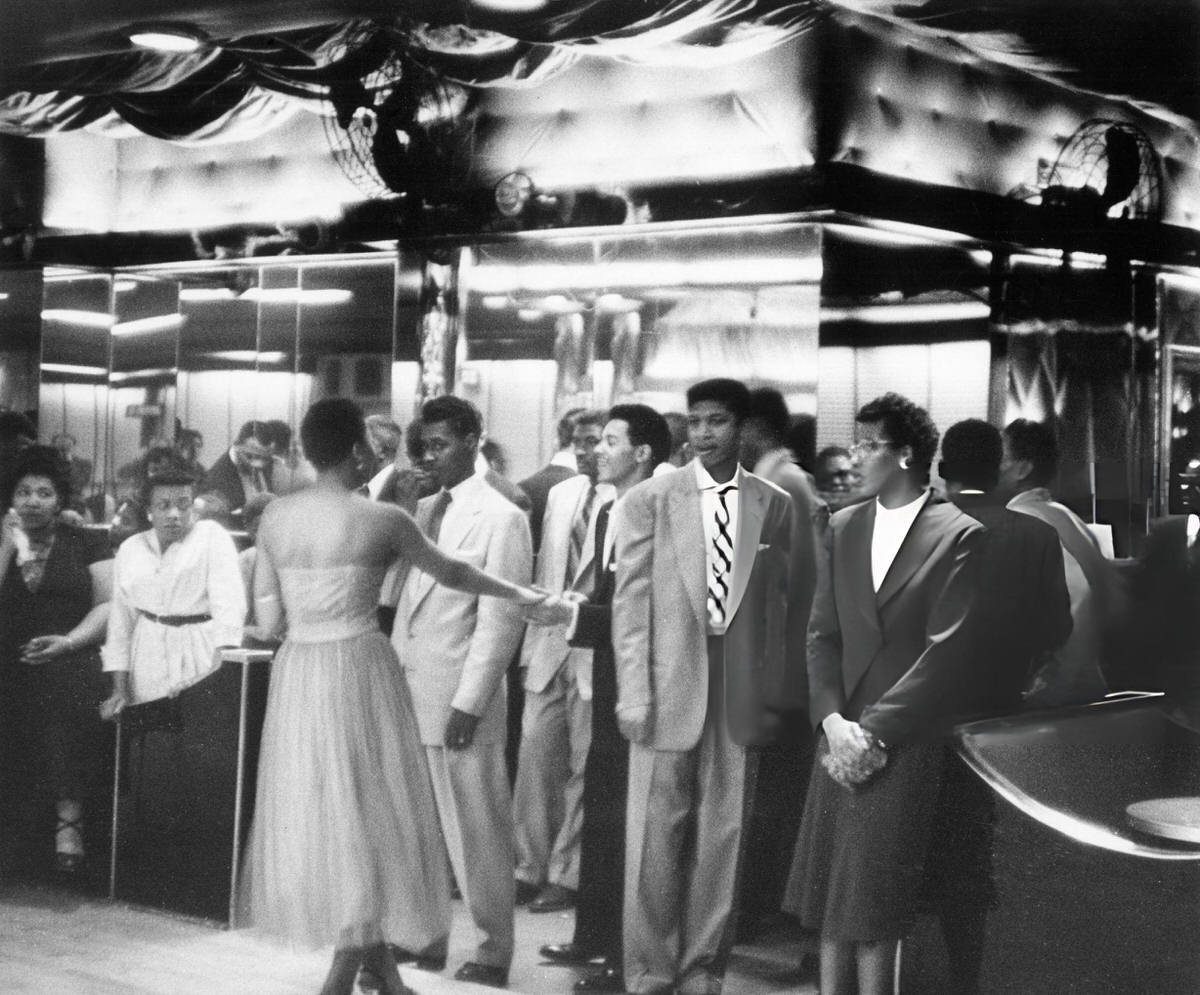
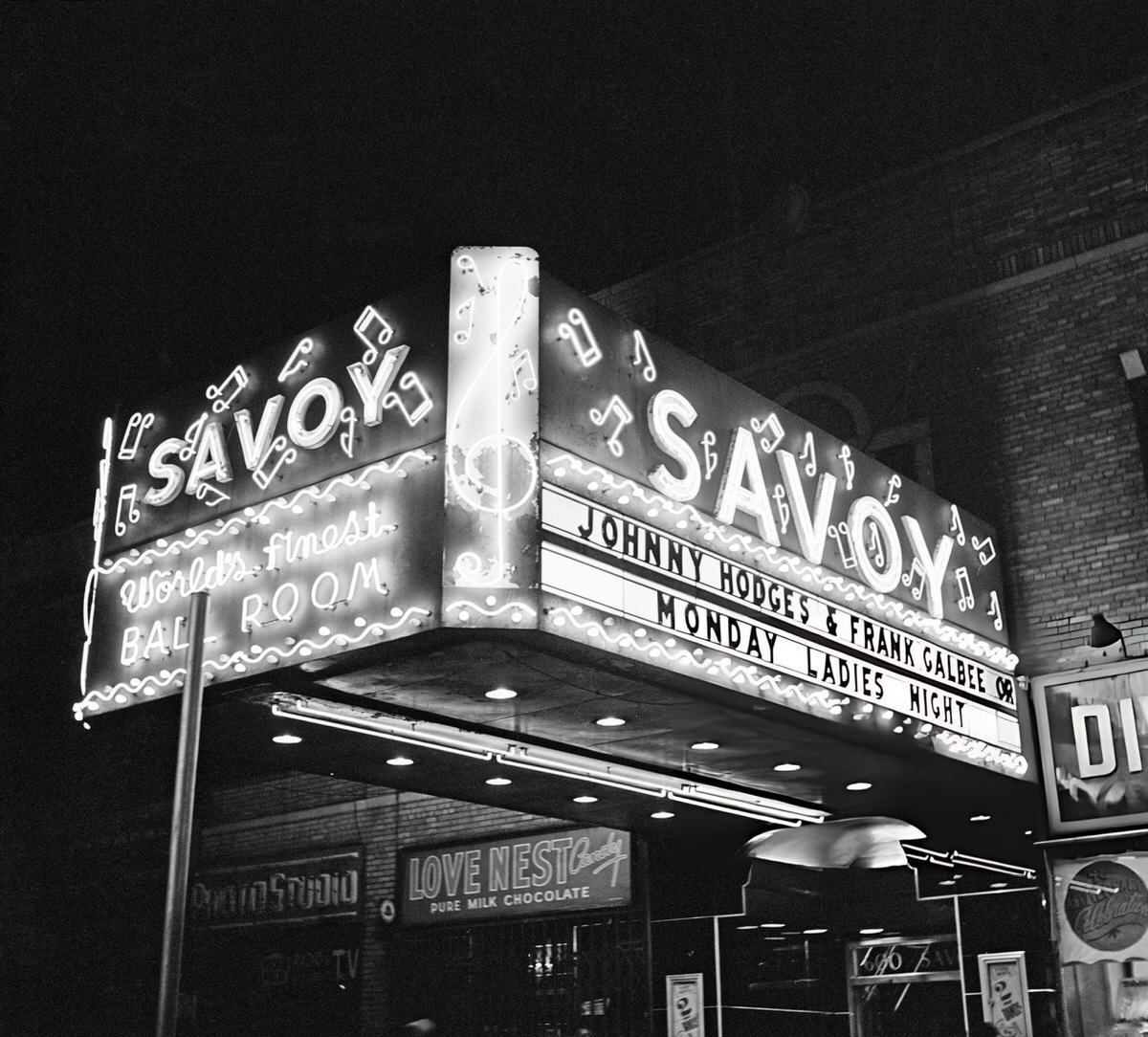
Despite everything pressing down on the neighborhood, Harlem in the 1950s produced some of the most serious and innovative music in American history. Bebop had developed in the 1940s in small clubs on 52nd Street and in Harlem jam sessions. By the 1950s, it had evolved into hard bop — a style that was bebop’s complexity plus the emotional directness of gospel and blues.
Minton’s Playhouse on 118th Street remained the essential laboratory. Musicians gathered there after their regular gigs to play without commercial pressure, testing ideas in front of audiences who knew exactly what they were hearing. Thelonious Monk was a regular. Miles Davis came through. The music being made in these sessions was technical and demanding, and it was also a direct response to the social conditions around it. Hard bop didn’t make polite sounds.
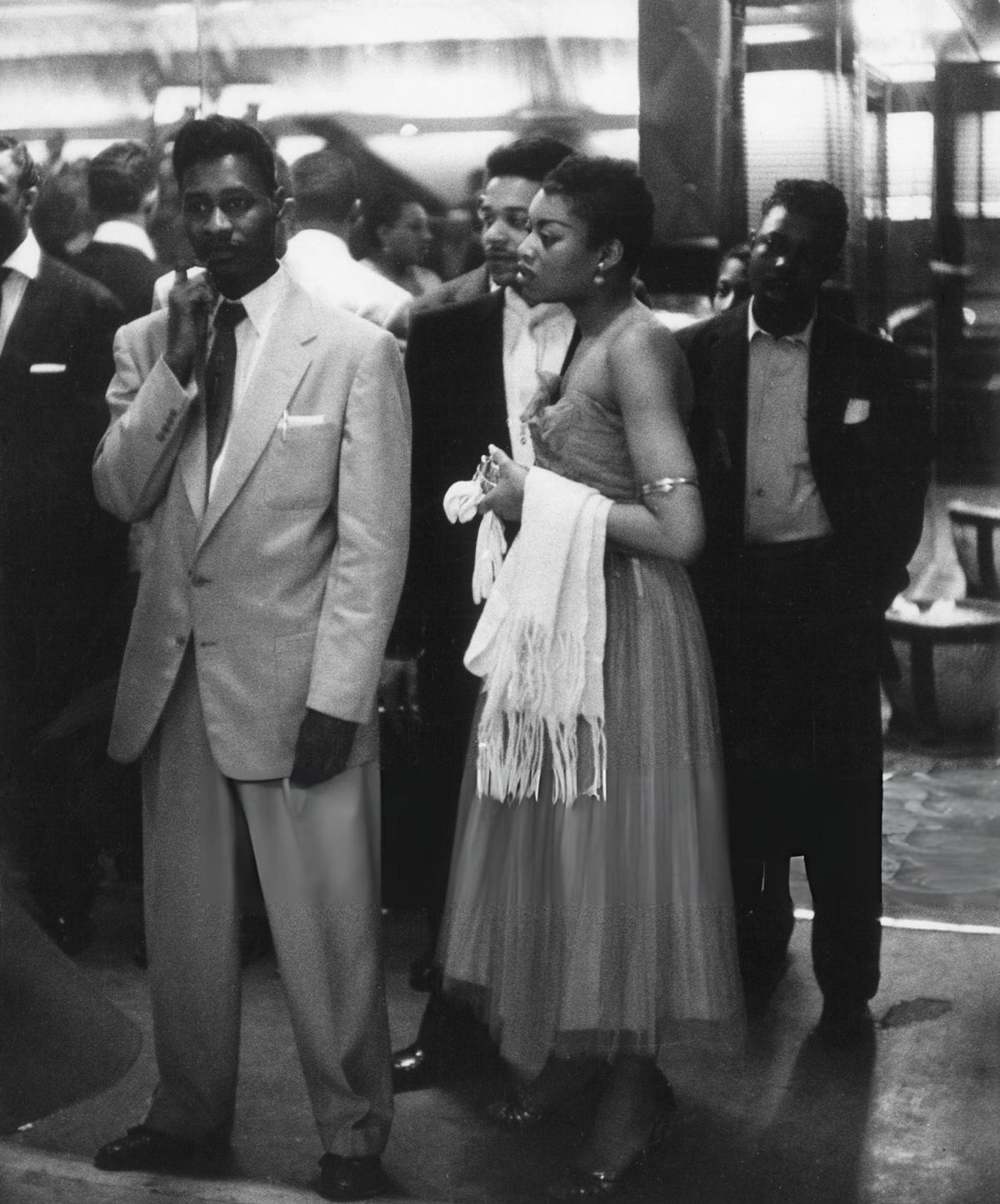
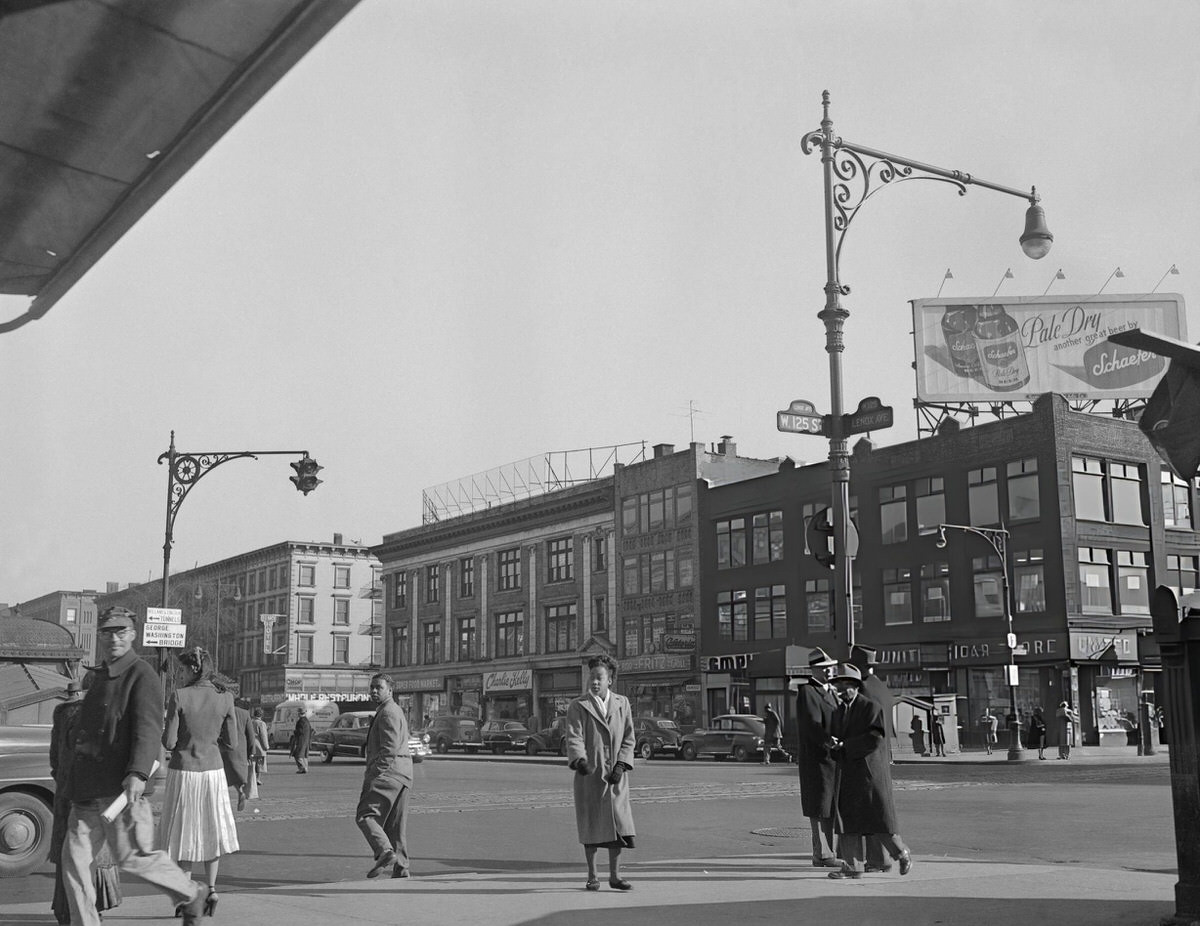
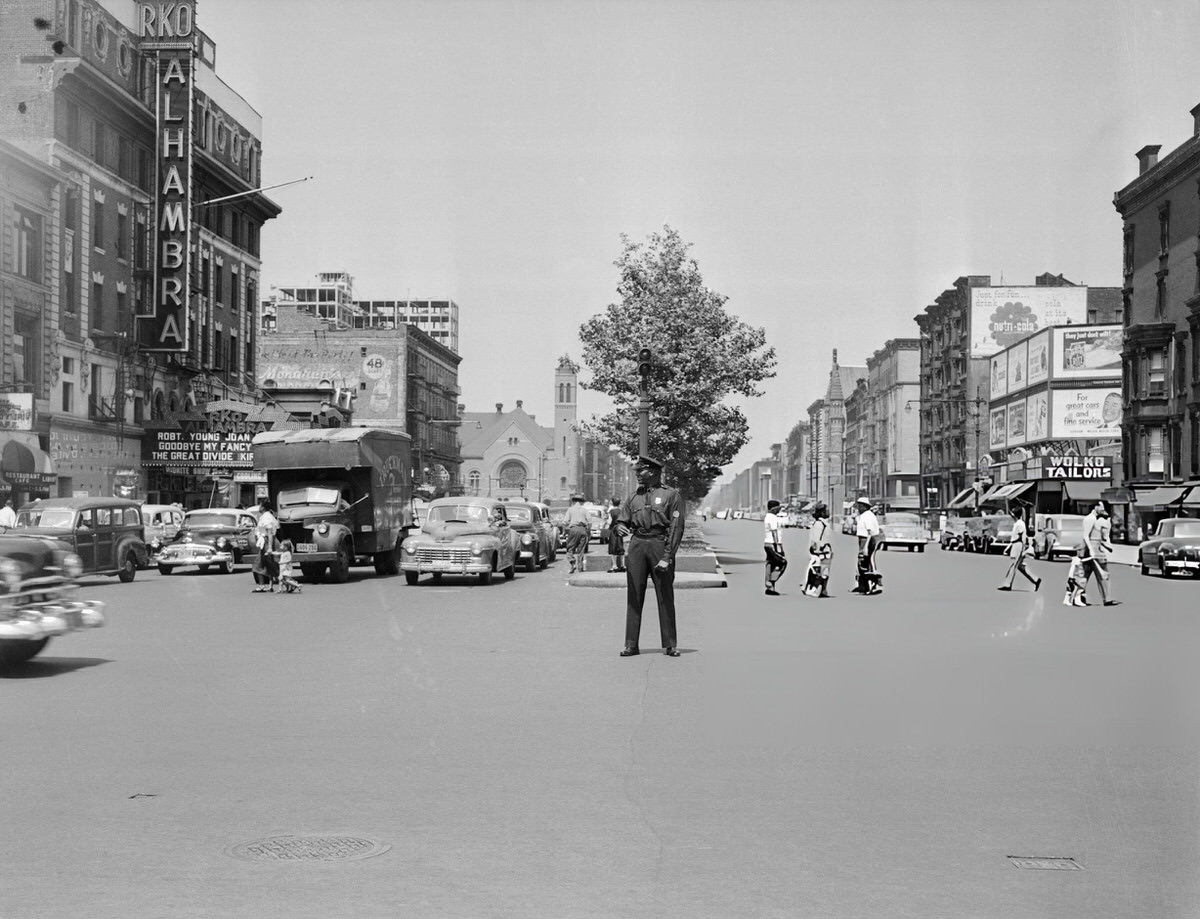
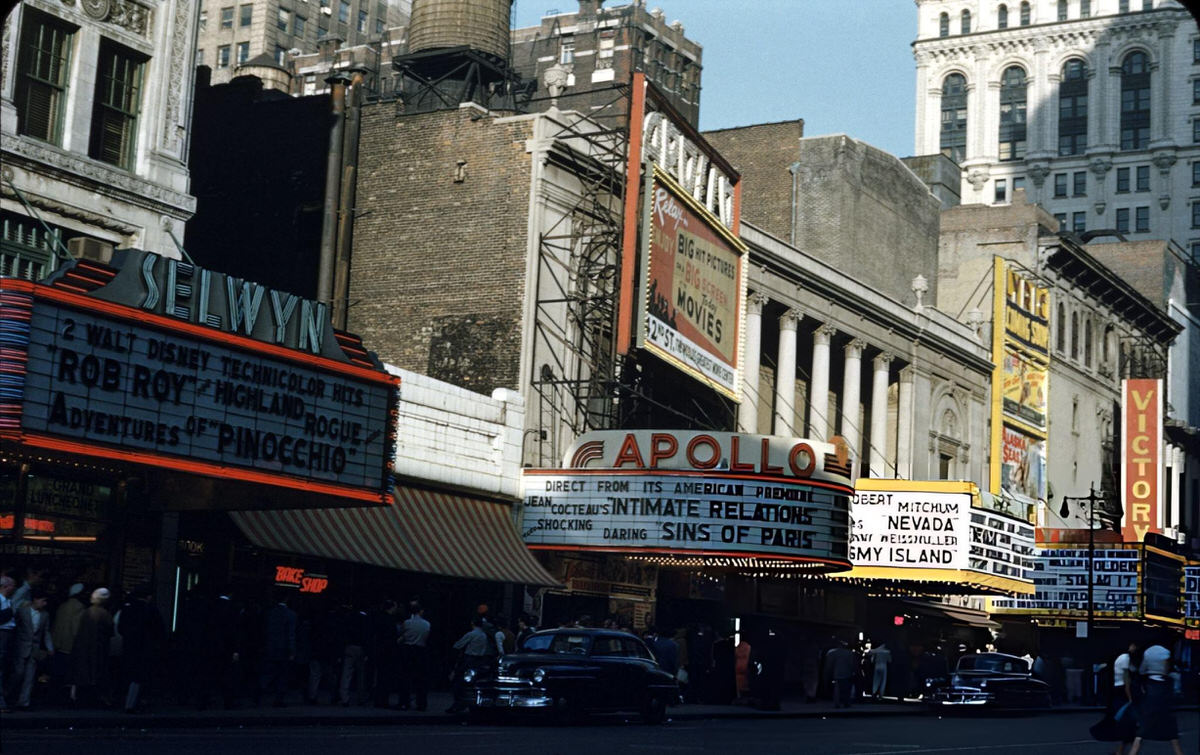
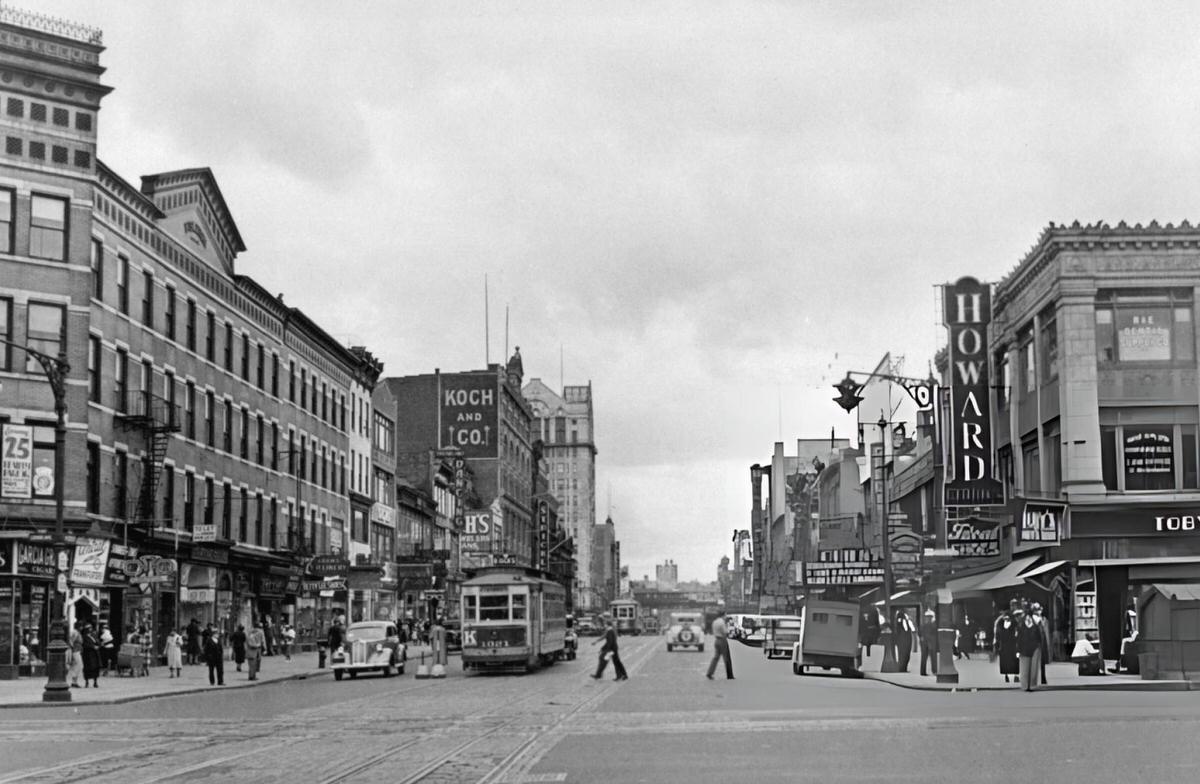
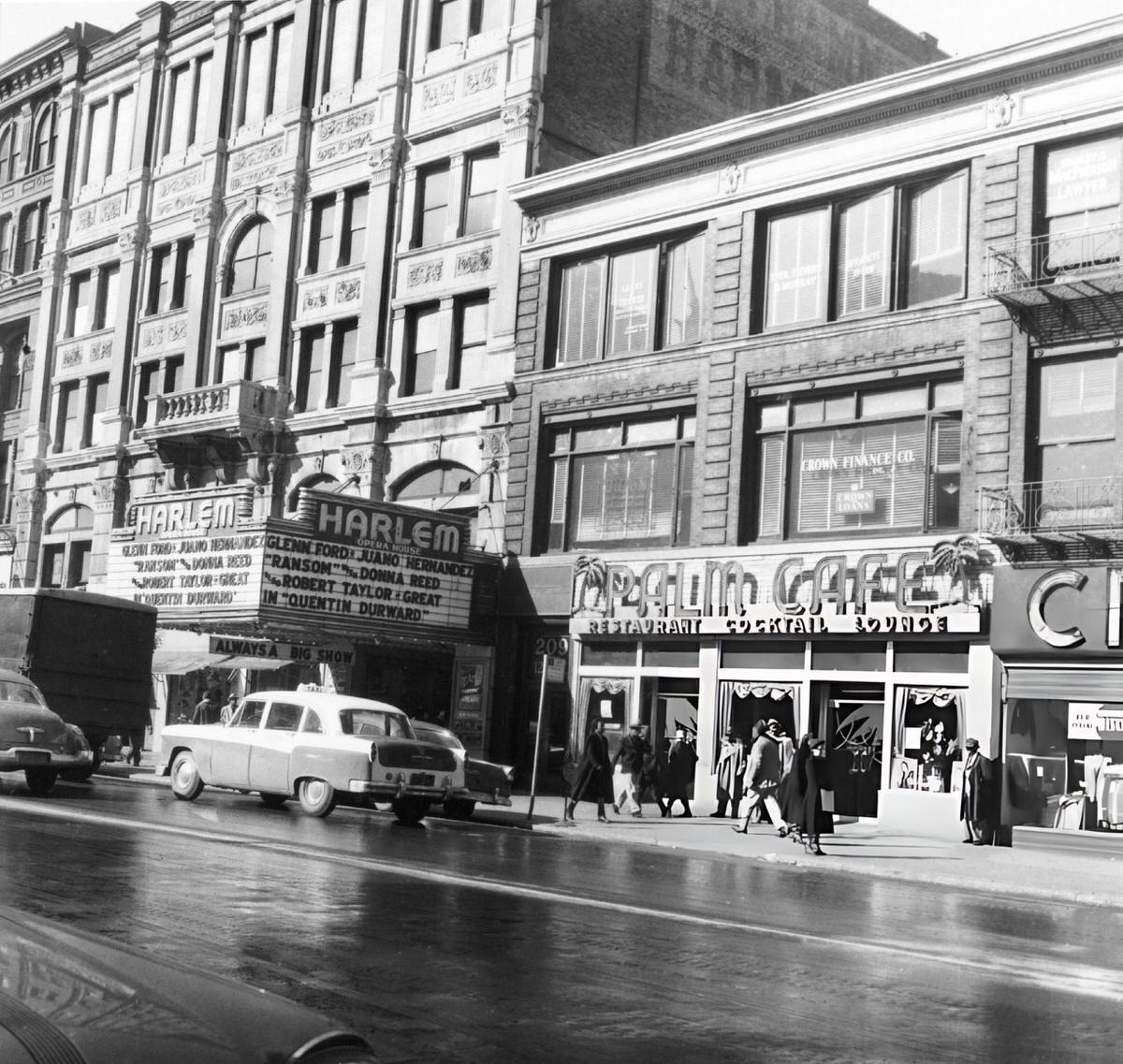
Small’s Paradise on Seventh Avenue and the Apollo Theater on 125th Street remained anchors of the neighborhood’s musical life. The Apollo’s Amateur Night continued to be the most honest talent competition in the city. The audience had no patience for performers who weren’t ready, and acts that survived an Apollo Amateur Night crowd knew they could work anywhere.
Adam Clayton Powell Jr. in Washington
Adam Clayton Powell Jr. had won a seat in Congress representing Harlem in 1944, and by the 1950s he was the most prominent Black elected official in the country. He used his position aggressively. He attached amendments to federal legislation that barred funds from going to any program that practiced racial segregation — what became known as the Powell Amendment.
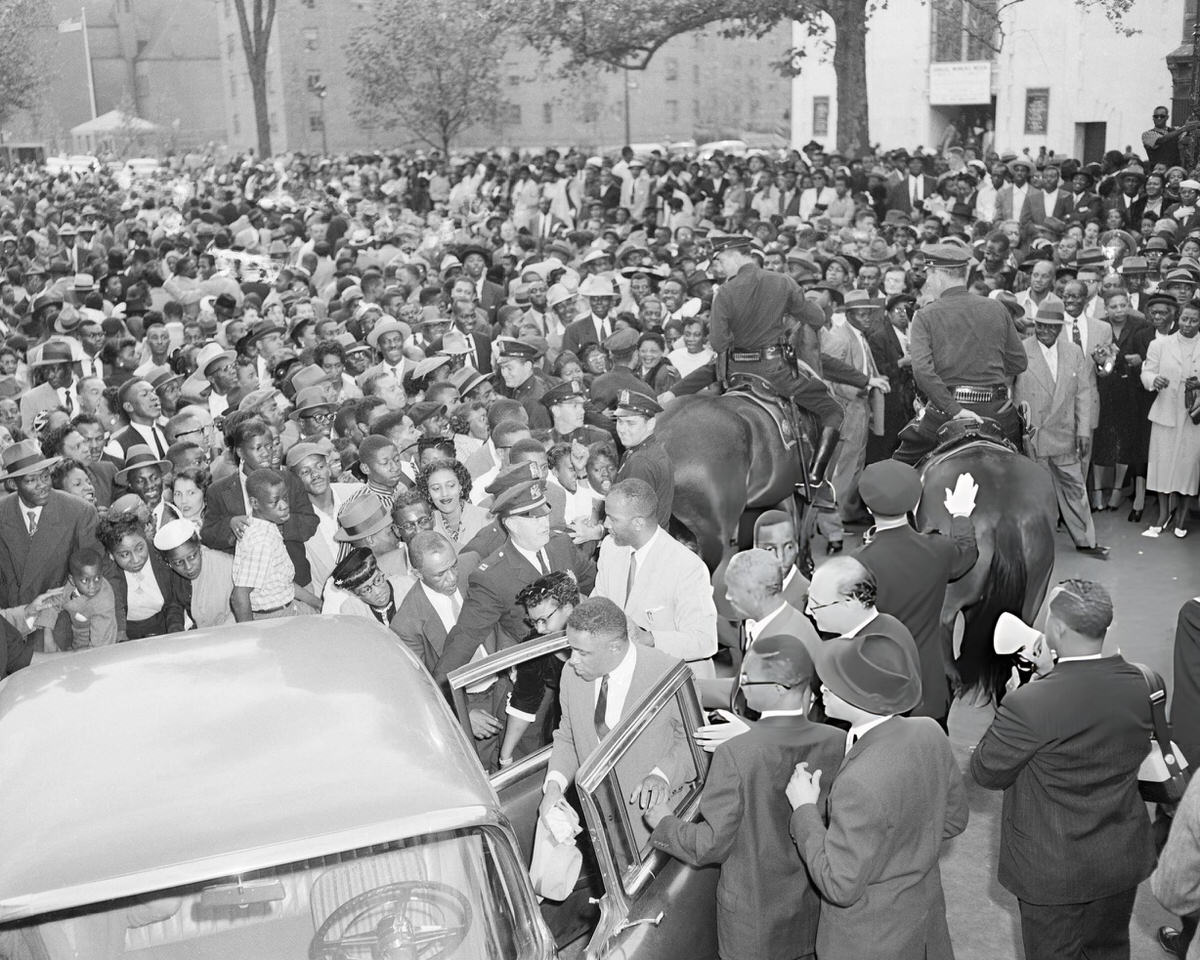
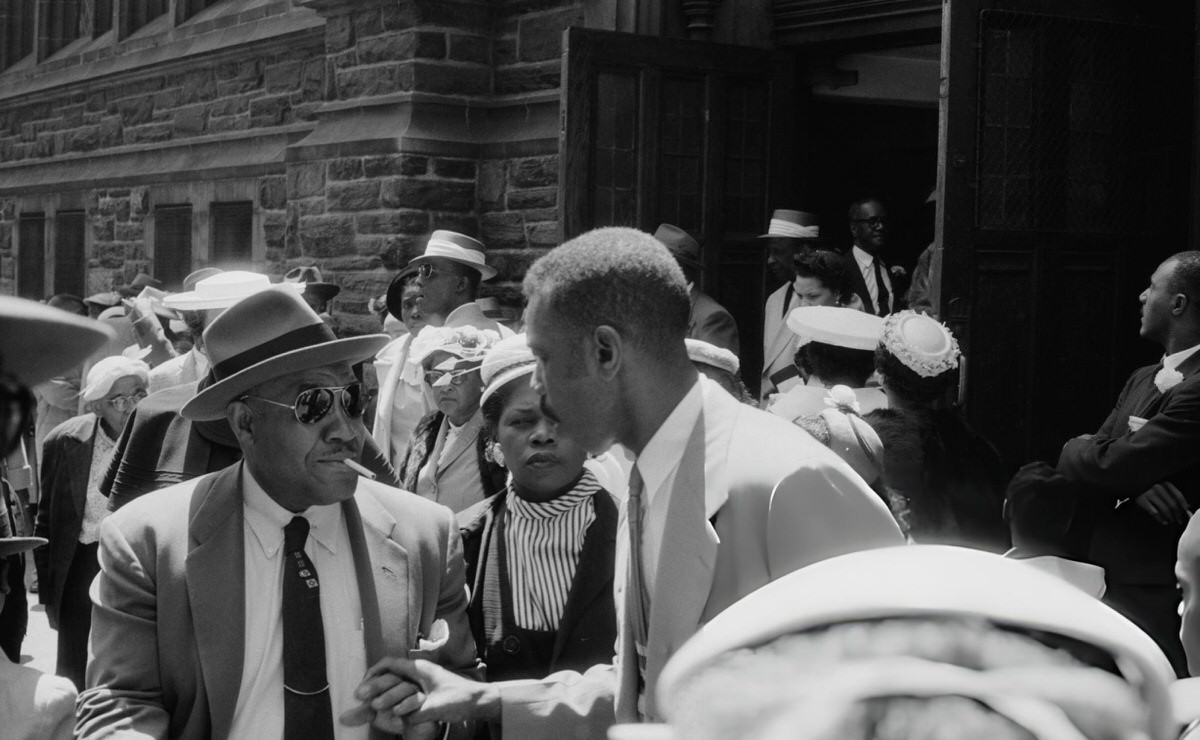
Southern congressmen despised him. The mainstream white press covered him as a troublemaker. In Harlem, he was treated as a genuine champion. His church, Abyssinian Baptist on 138th Street, remained a political headquarters as much as a house of worship. When he came home to the neighborhood, the reception was unambiguous.
Powell was also flamboyant, frequently controversial, and deeply human in his contradictions. He enjoyed his lifestyle visibly and made no apologies. Harlem, which had spent decades watching respectable behavior go unrewarded, largely forgave him his excesses and focused on what he delivered.
Malcolm X and the Nation of Islam
In 1954, Malcolm X was appointed minister of Temple No. 7 on 116th Street, the Nation of Islam’s Harlem mosque. He was 29 years old and had spent years in prison before joining the Nation. He was also one of the most effective public speakers the city had ever produced.
Malcolm set up street-corner speaking spots, particularly at 125th Street and Seventh Avenue. He spoke in plain language about racism, poverty, and self-respect. He didn’t soften his analysis for white audiences or ask for patience. His message — that Black people deserved dignity now, not after further negotiation — landed with particular force in a neighborhood that had been negotiating for decades.
Temple No. 7’s membership grew dramatically under his leadership. The Nation of Islam operated a restaurant and various businesses connected to the temple, offering community members both ideology and practical economic alternatives.
School, Sports, and Getting Out
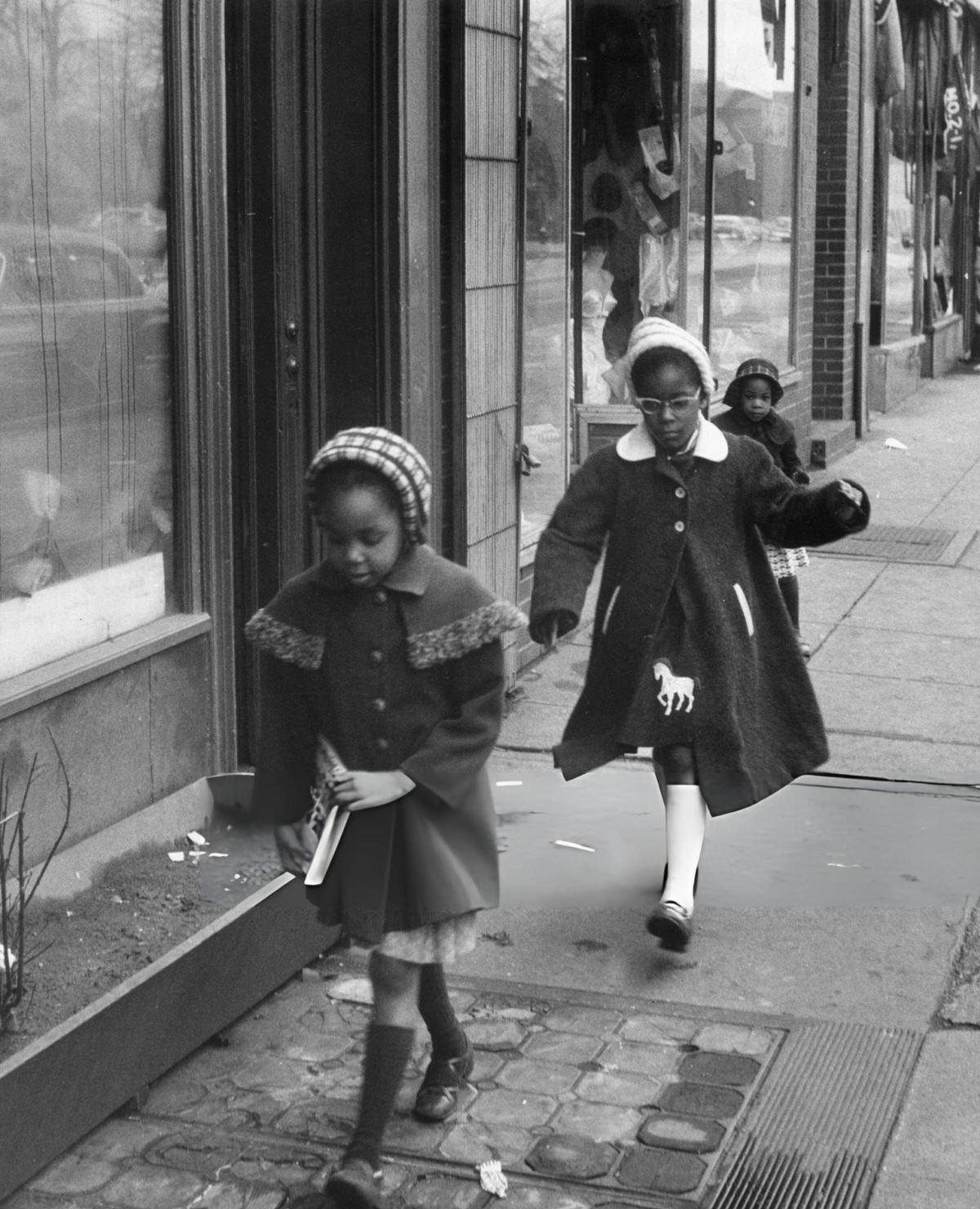
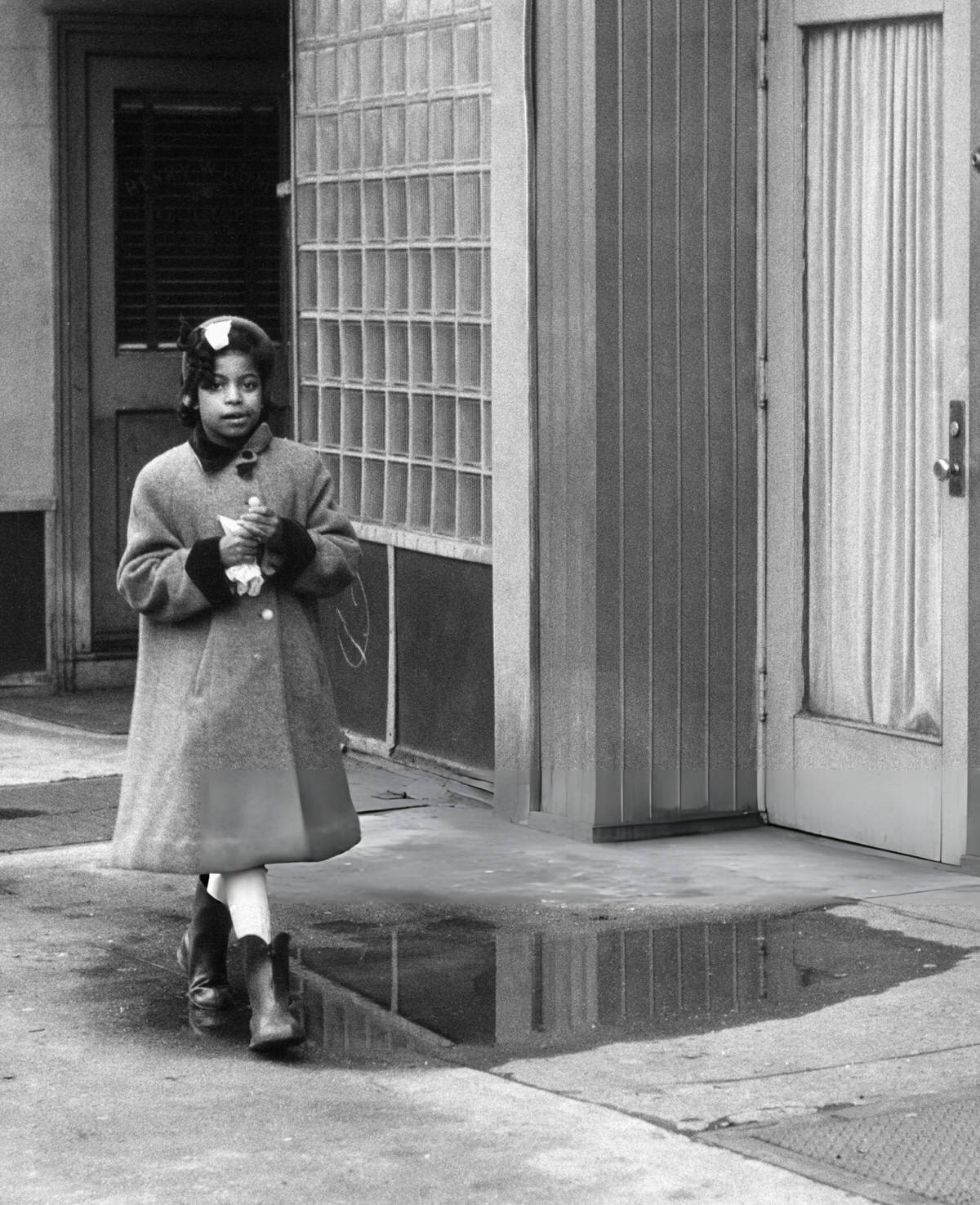
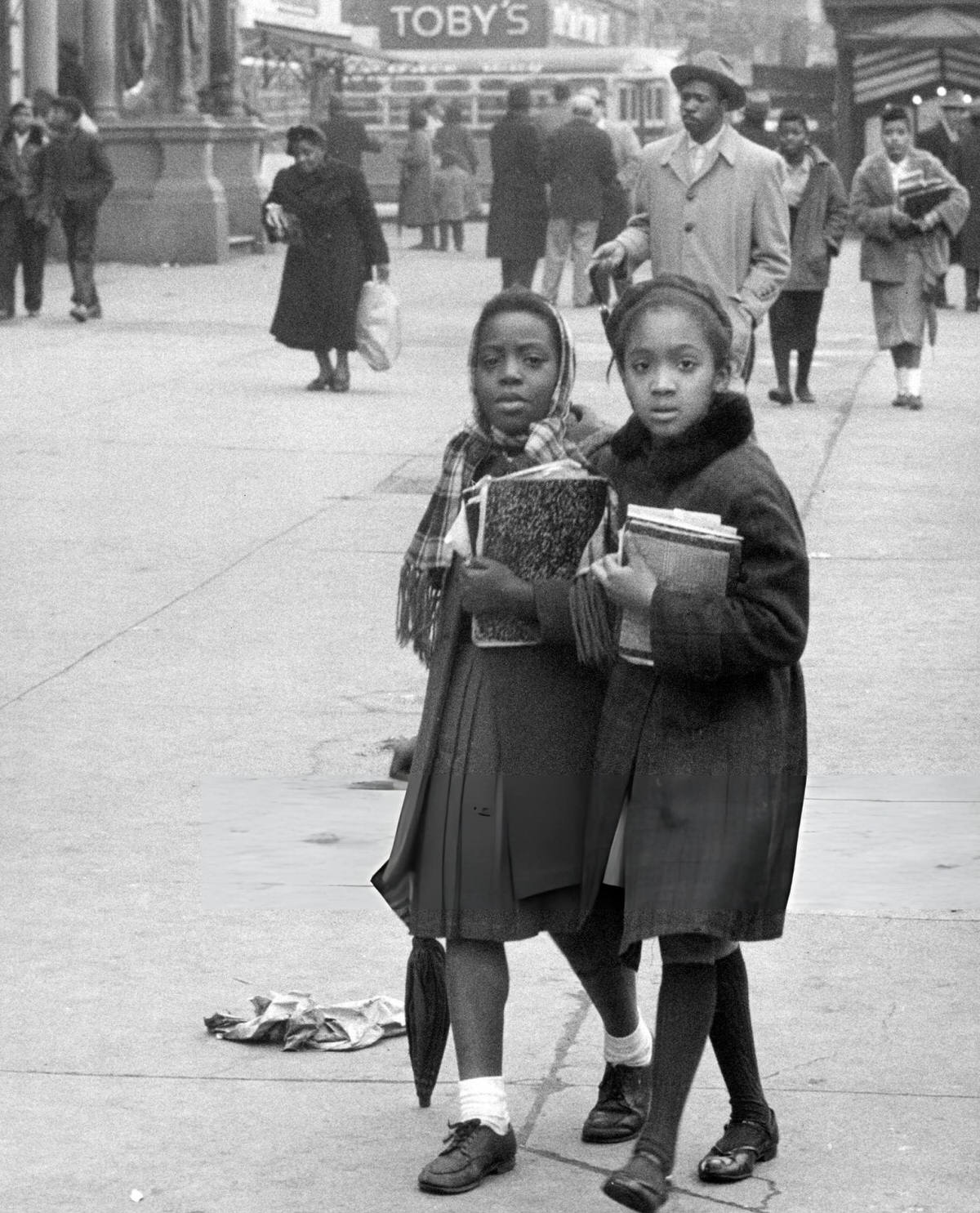
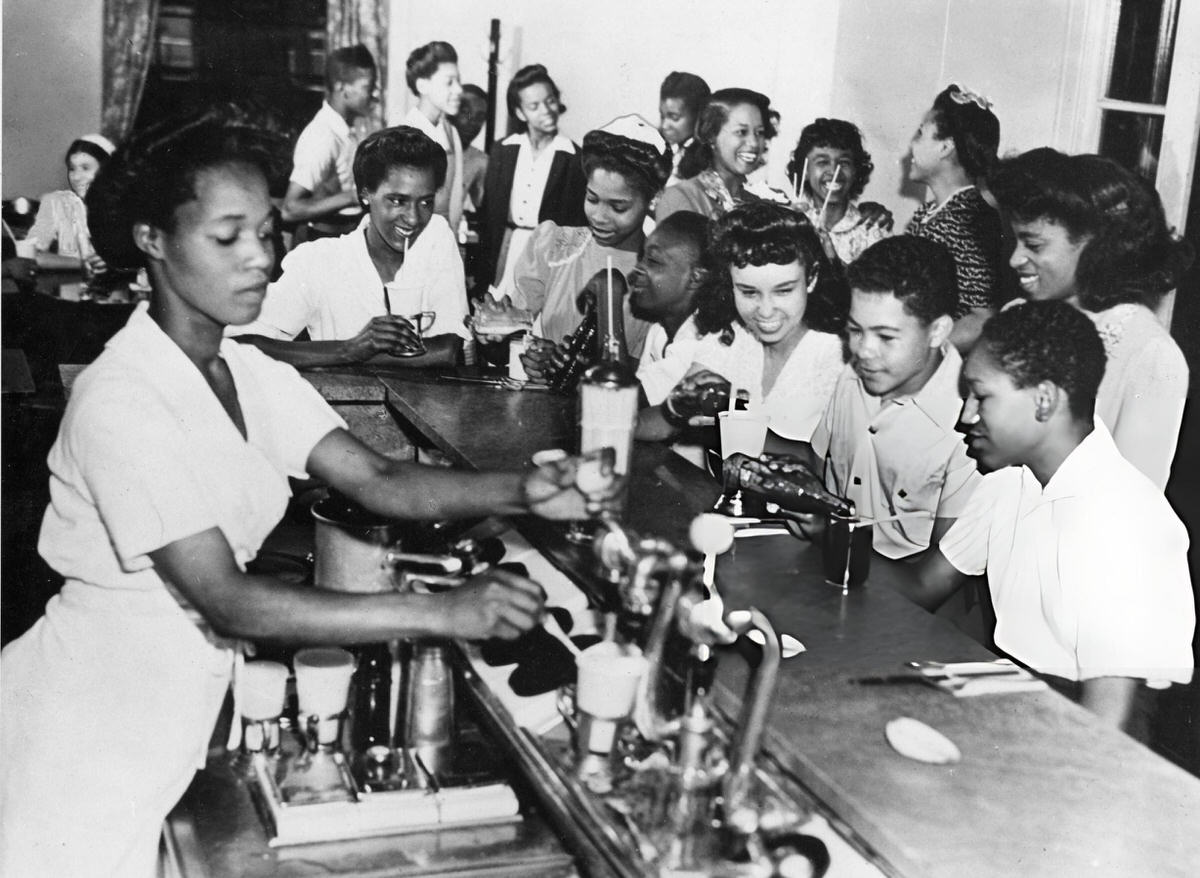
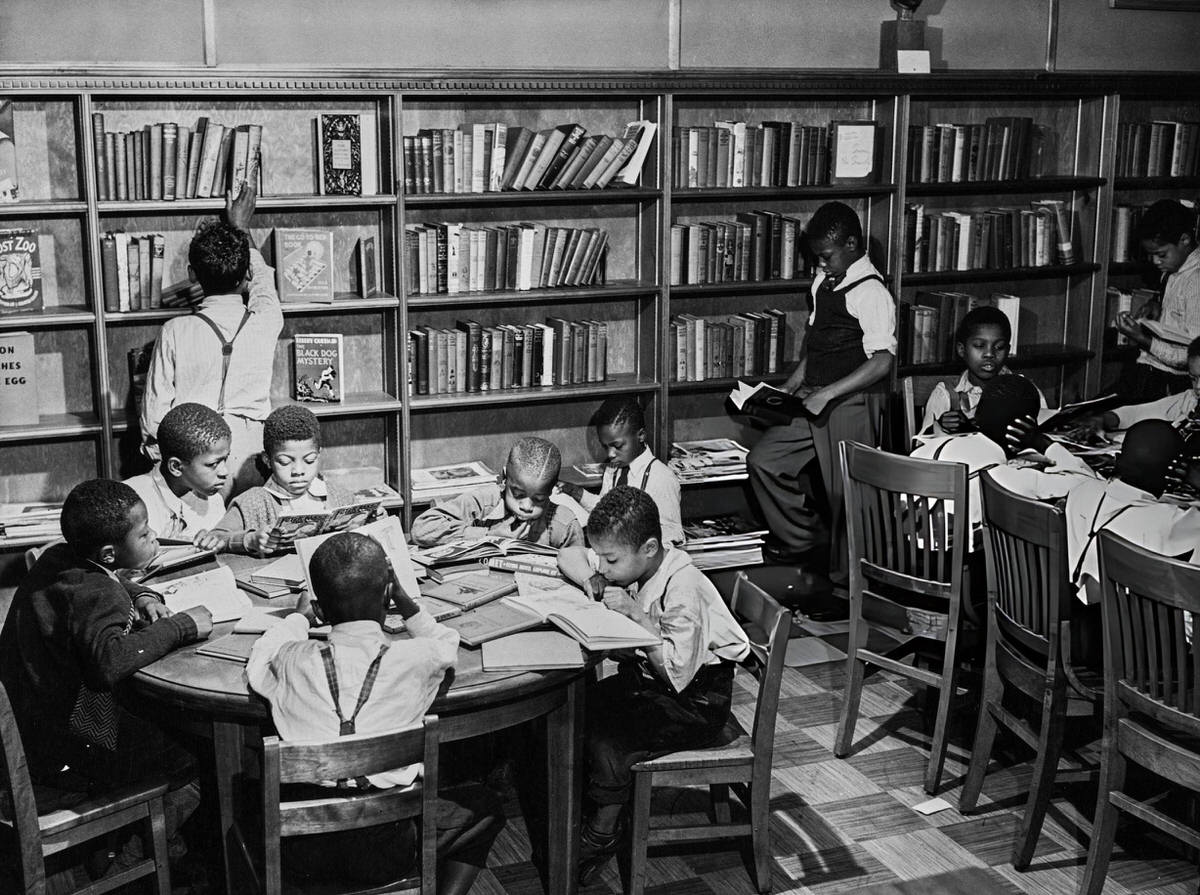
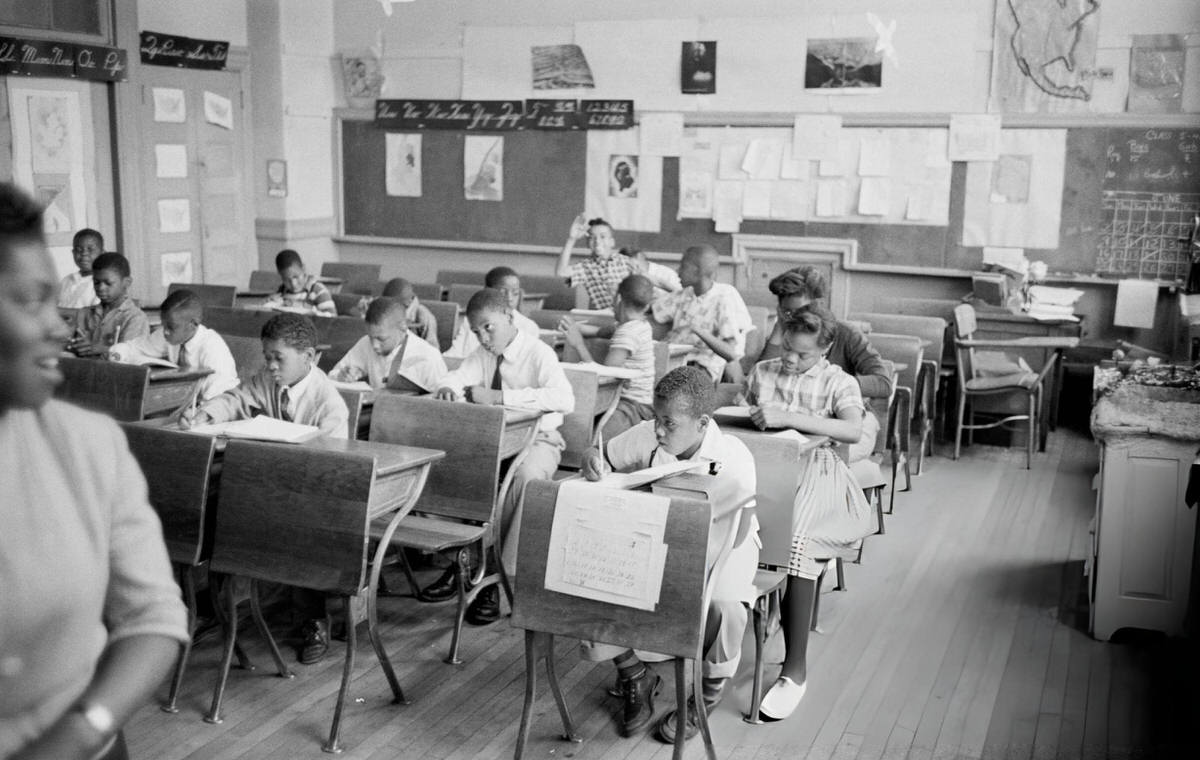
For Harlem’s young people in the 1950s, the paths out of poverty were narrow and well-defined. Sports was one. Education was another, though the public schools in Harlem were consistently underfunded compared to schools in white neighborhoods across the same city.
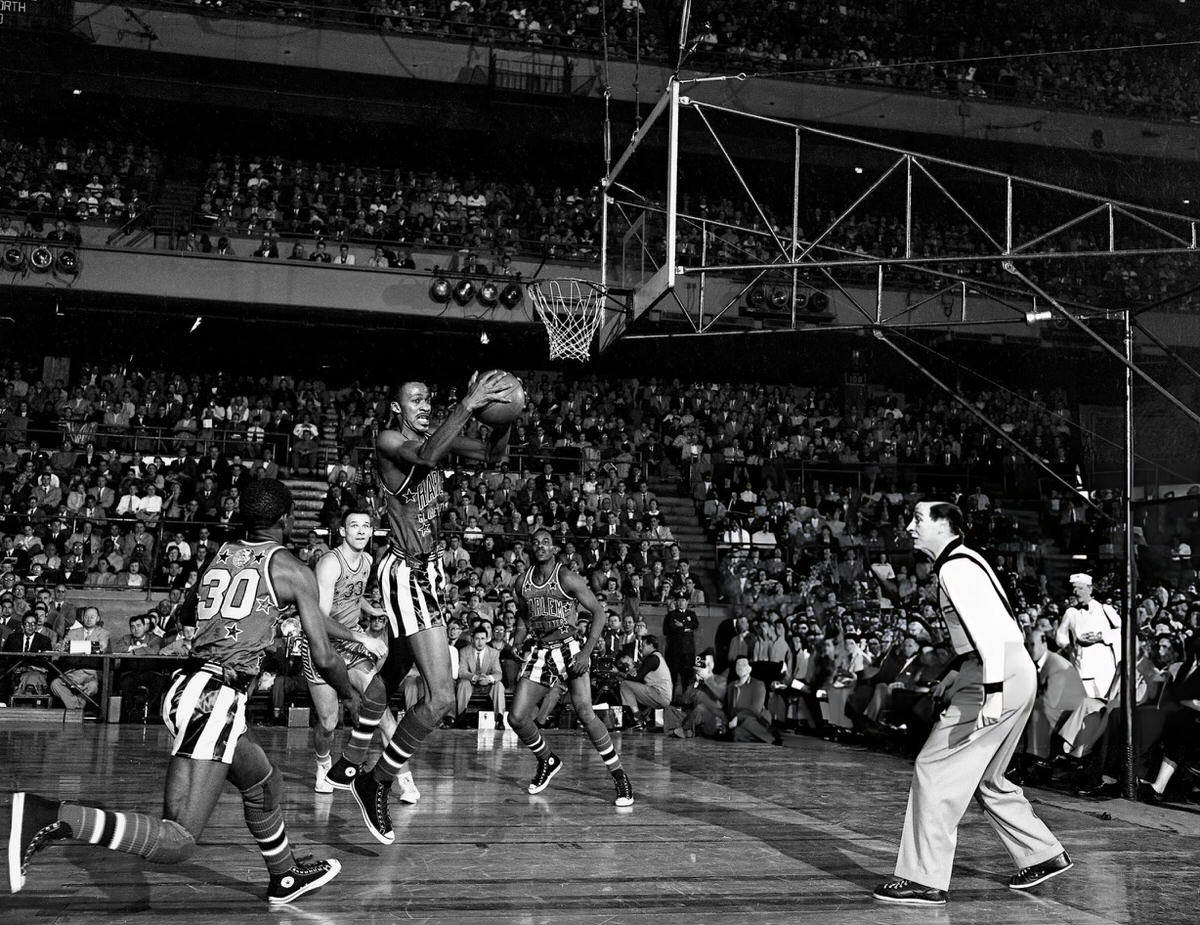
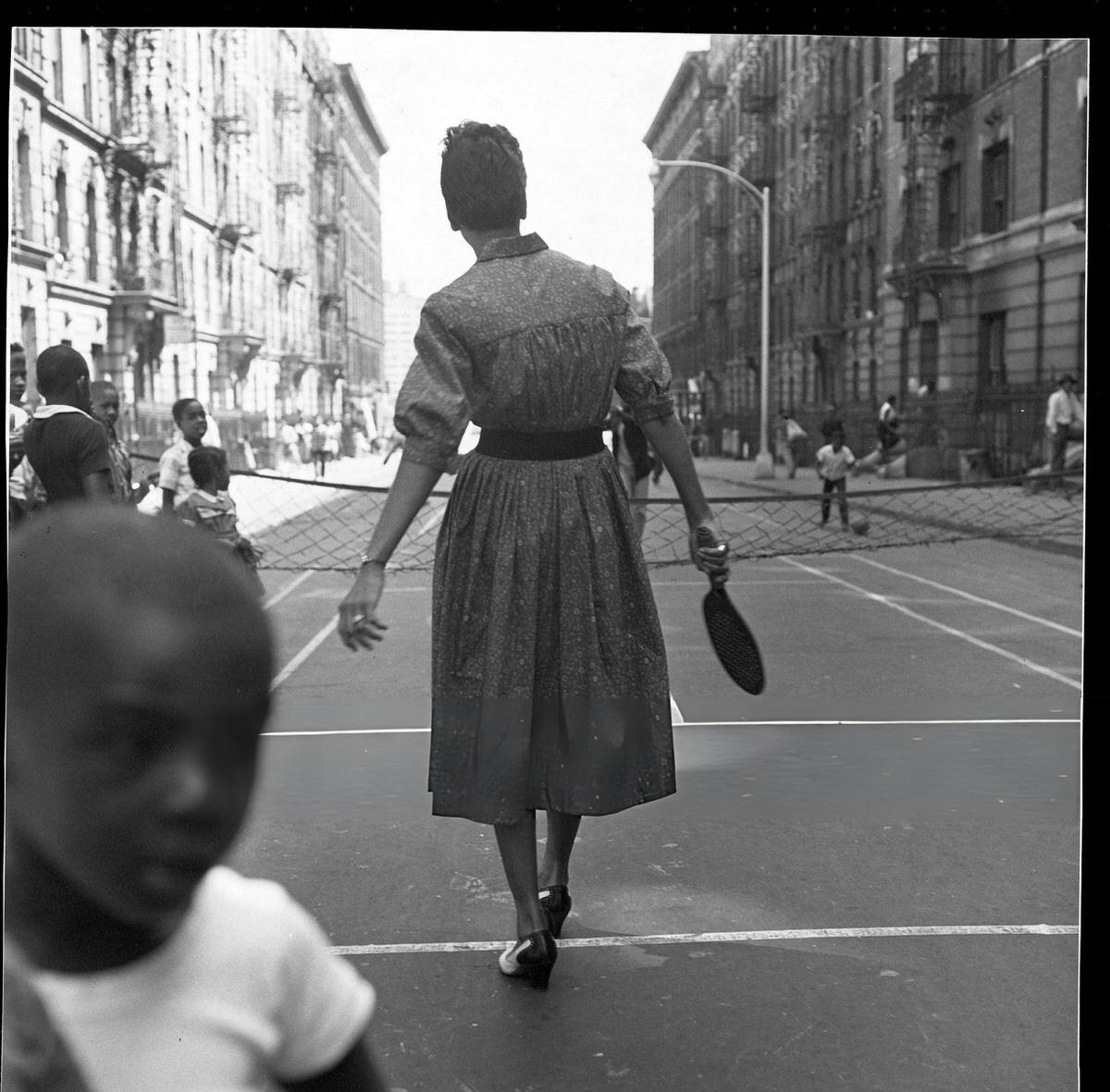
Rucker Park, the outdoor basketball court on 155th Street and Eighth Avenue, became famous during this decade. The tournament that Holcombe Rucker started there in 1950 drew players from across the city and eventually from across the country. Rucker’s mission was explicit: he used basketball to connect young men to educational opportunities. He recruited players, checked their grades, and pushed them toward college. The court became one of the most famous in the world, but its original purpose was a guidance counselor’s dream put into asphalt and chain-link.

GIPHY App Key not set. Please check settings