

 Frederick Victor
In March of 1888, a storm dropped four feet of snow on New York City in less than two days, killed over 400 people, and exposed every weakness in the infrastructure of one of the world’s great cities.
The weekend before the storm was warm. Unusually warm for early March — warm enough that New Yorkers went out without heavy coats, warm enough that the newspapers were writing about an early spring. On Sunday, March 11, 1888, the temperature in the city sat in the mid-50s. People walked the avenues, sat in parks, and had no reason to think that anything unusual was coming. The Weather Bureau in Washington had issued no serious warning. They simply did not see it coming.
What came was the worst blizzard in the recorded history of New York City. By Monday morning, March 12, the temperature had crashed more than 30 degrees. A nor’easter had collided with an arctic cold front over the Northeast, and the result was a storm of extraordinary power. Wind speeds hit 85 miles per hour in some areas. Snow fell so fast and so thick that visibility dropped to zero. The city, within hours, was completely paralyzed.
Monday Morning — The City Walks Into a Wall
Most New Yorkers had no idea what was waiting for them when they left for work Monday morning. The storm had started overnight, and in 1888 there was no radio, no telephone service to speak of, no way to warn a city of a million and a half people that the streets were becoming impassable. Workers stepped out of tenement doors and brownstone stoops and walked straight into drifts that were already chest-high in places. Some turned back immediately. Many kept going, not wanting to miss a day’s pay they could not afford to lose.
Read more
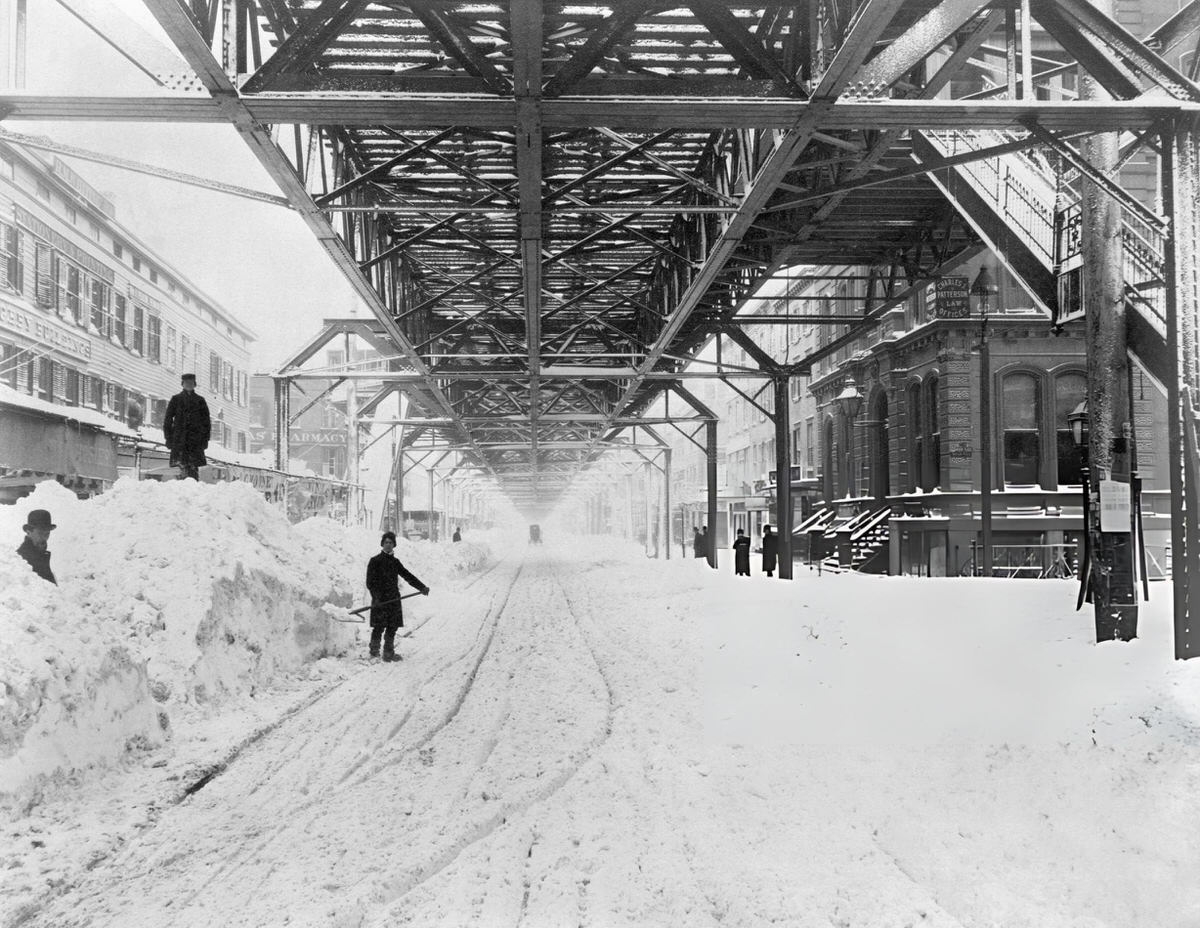
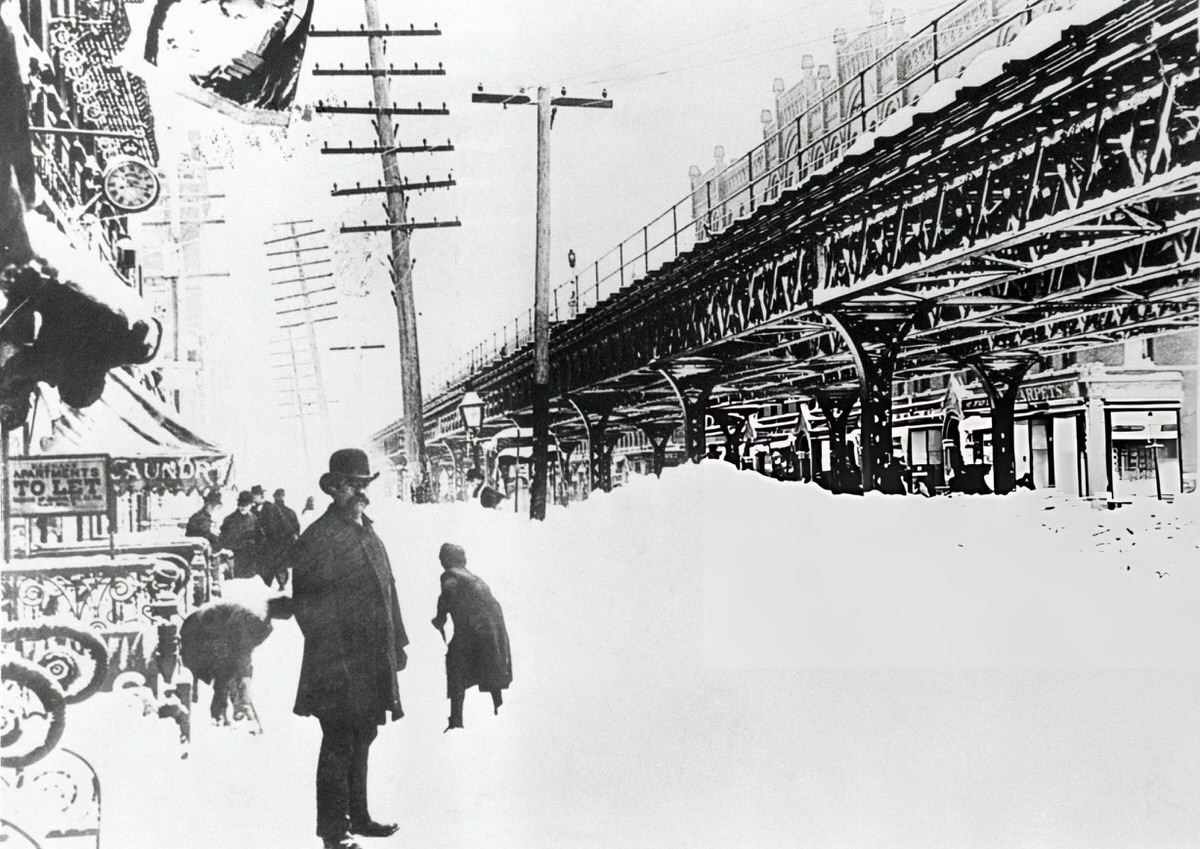
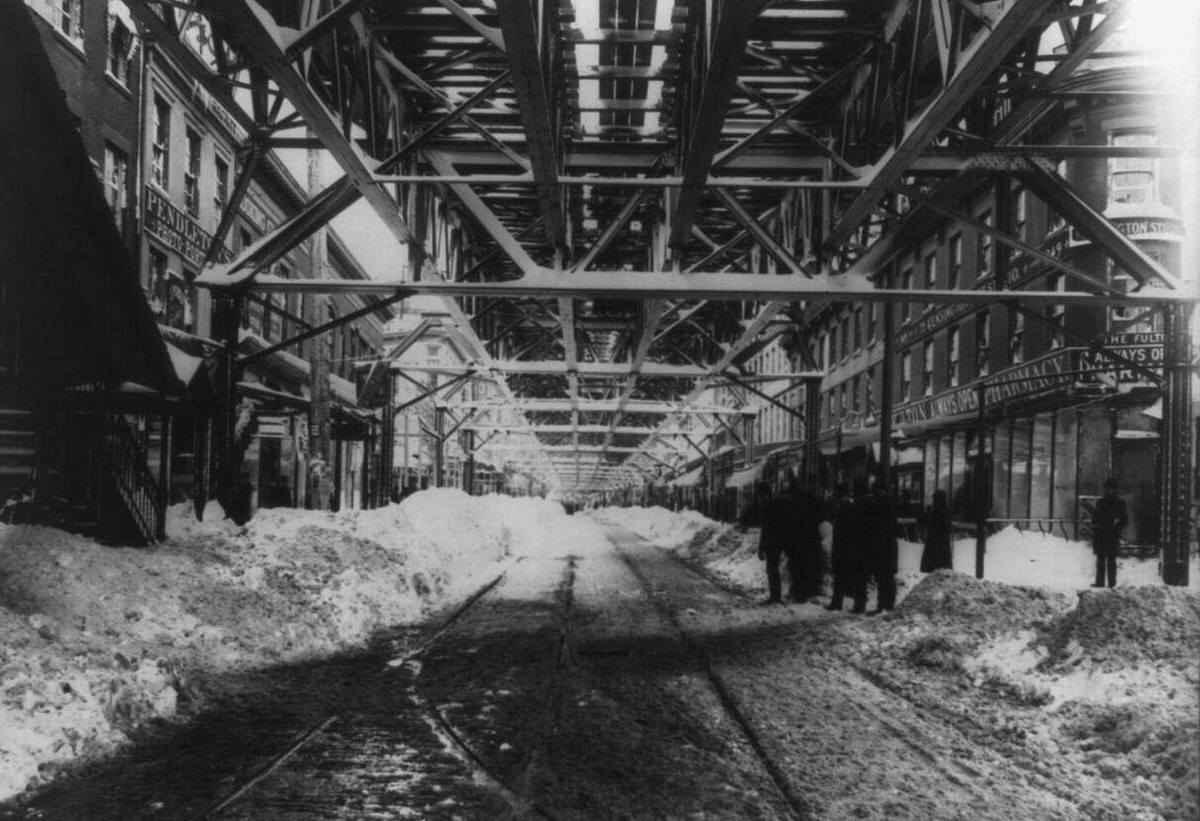
The elevated railroads — the el lines running above Second, Third, Sixth, and Ninth Avenues — stopped dead within the first hours. Snow packed the tracks and froze the switches. Trains stalled between stations and left thousands of passengers stranded on open platforms above the street, exposed to wind and cold, sometimes for hours. Frostbite set in. People climbed down ladders, ropes, and makeshift wooden stairs improvised on the spot. Some fell.
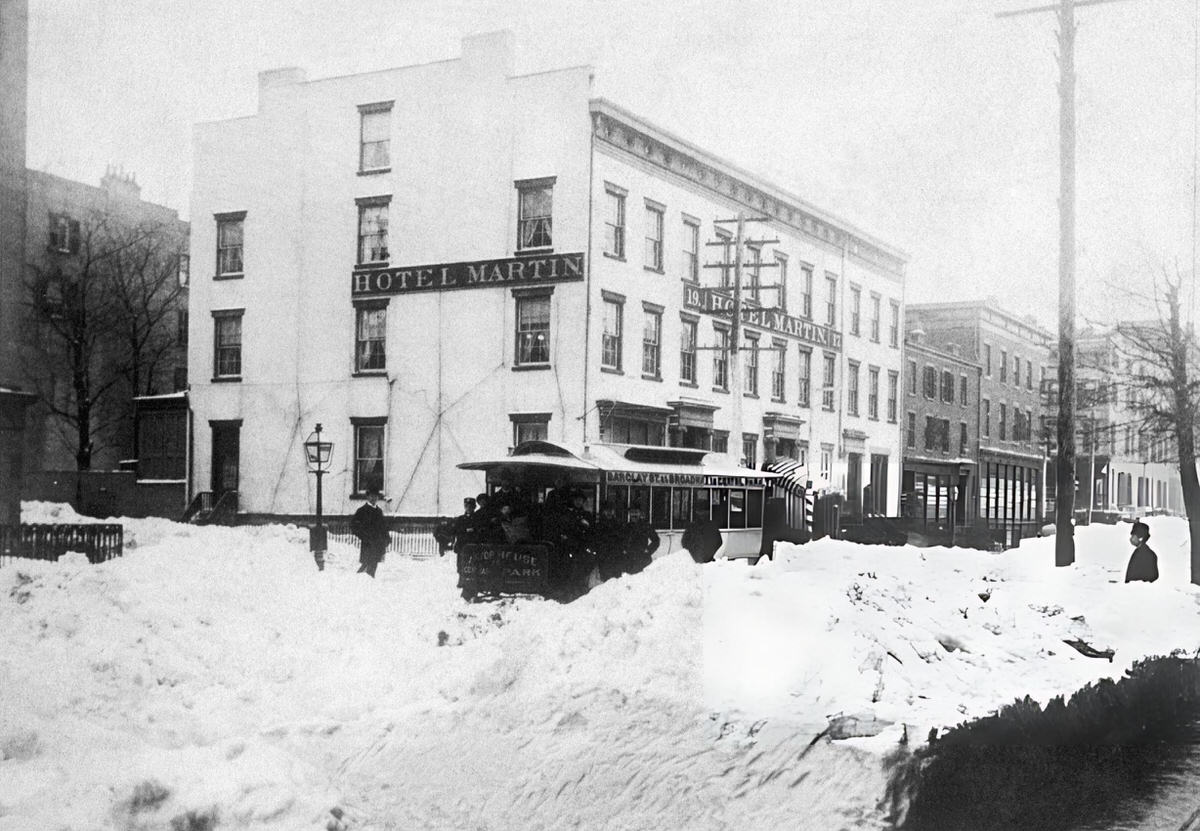
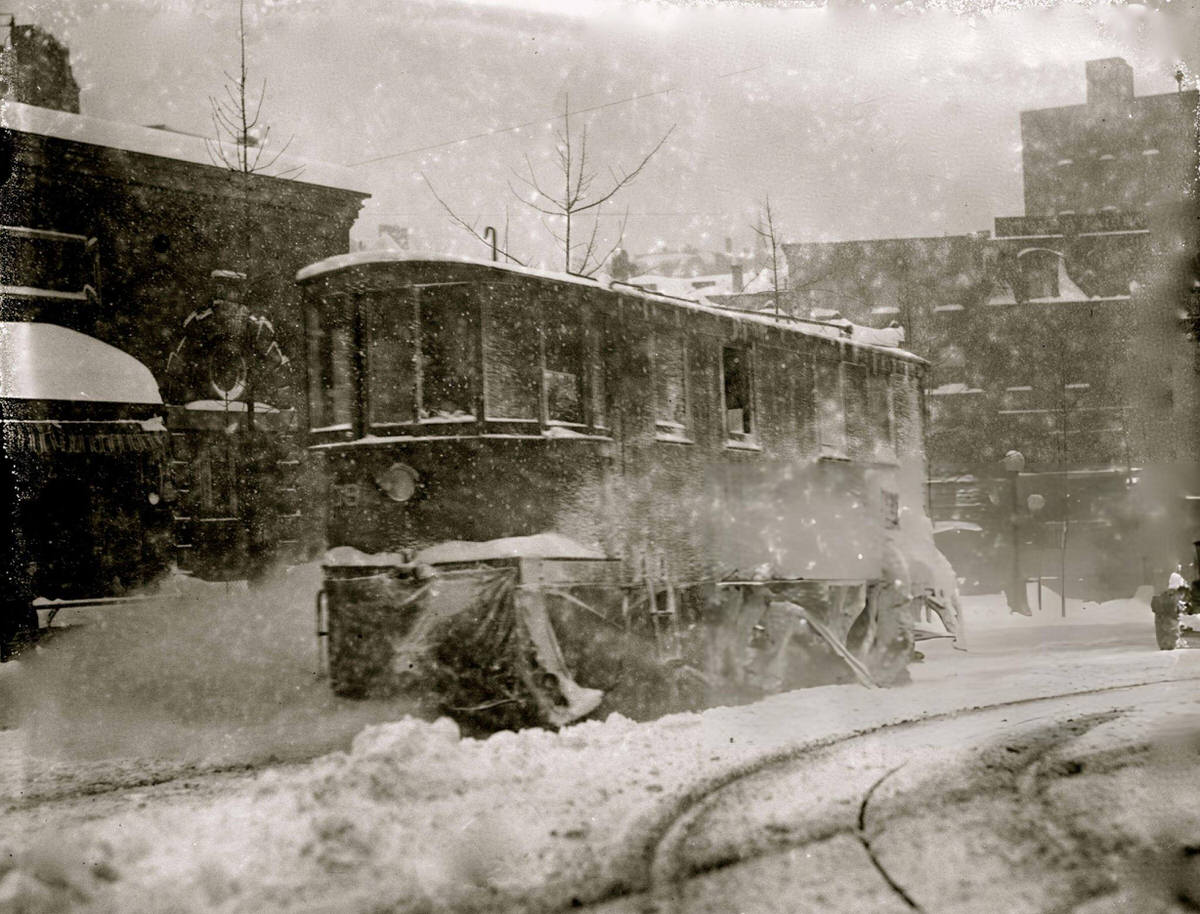
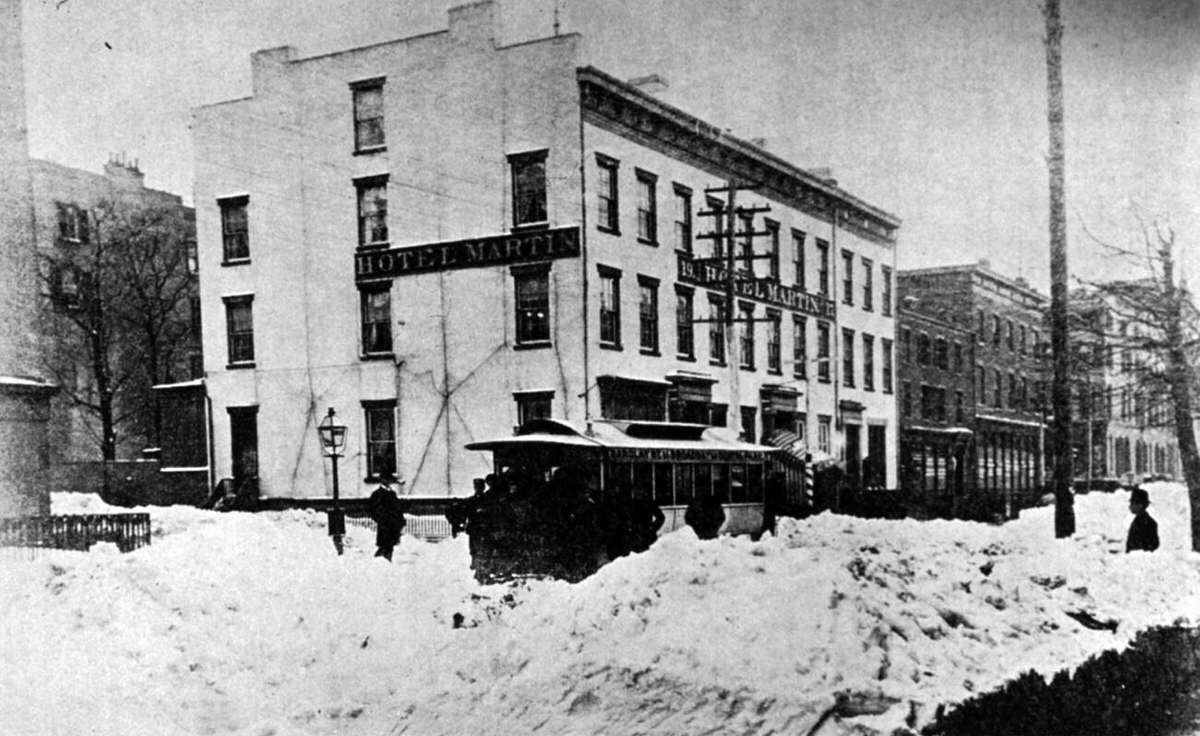
Street-level transportation was no better. The horse-drawn streetcars that served most of the city’s surface routes ground to a halt when drifts buried the tracks. The horses could not move through snow that was deeper than their legs. Drivers abandoned their cars in the street, unhitched the horses, and walked away. By midday Monday, thousands of wagons, streetcars, and carts sat frozen in place across every borough, forming a maze that would take days to clear.
What the Streets Actually Looked Like
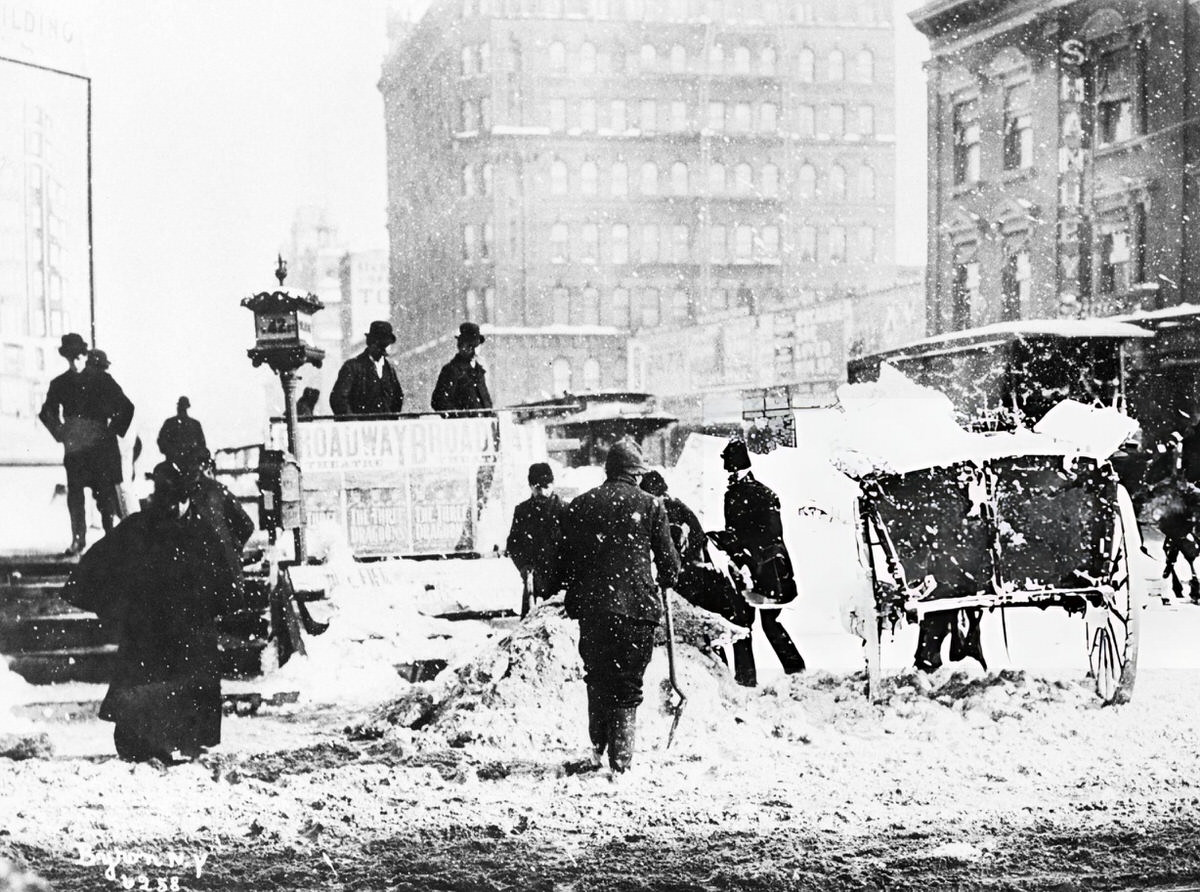
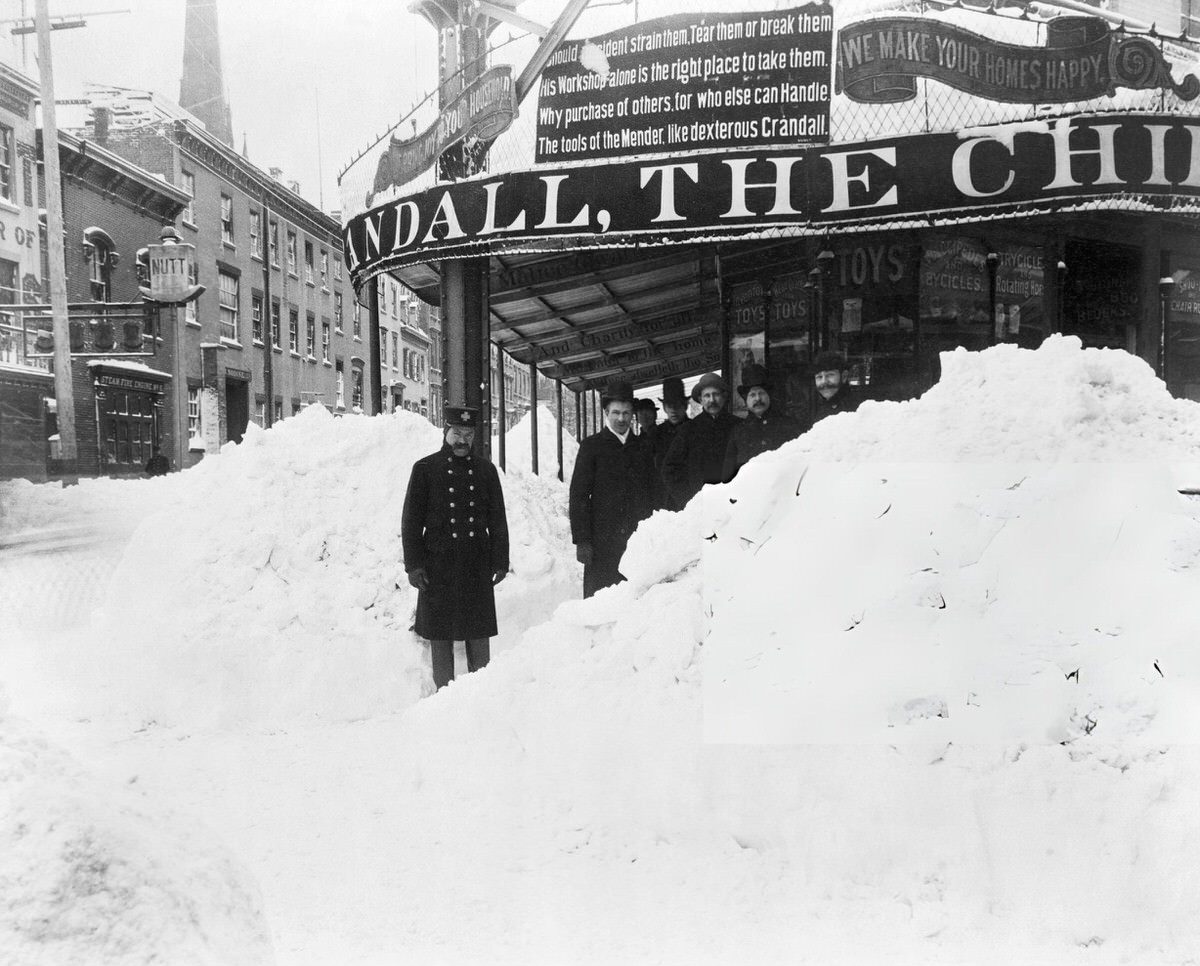
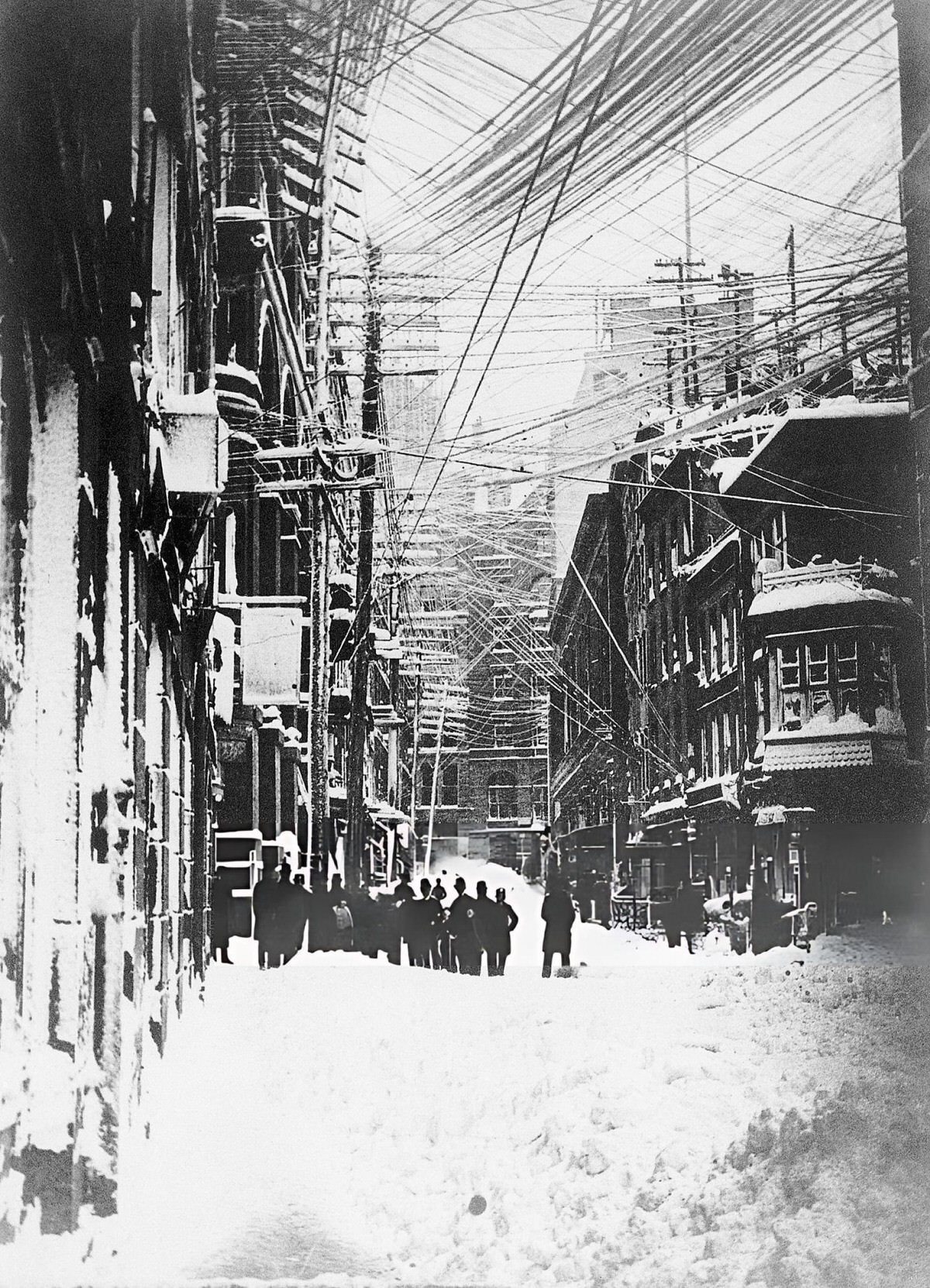
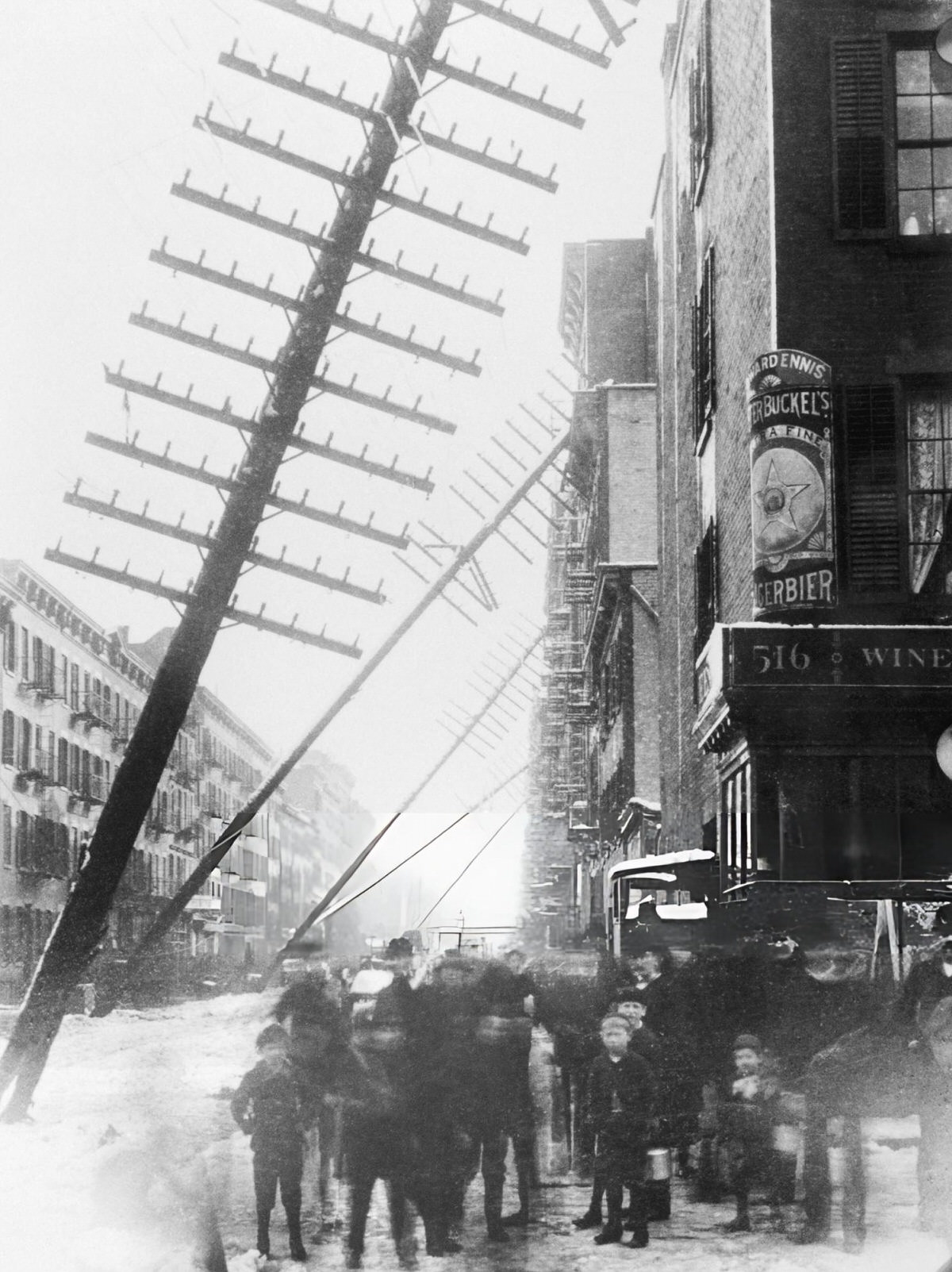
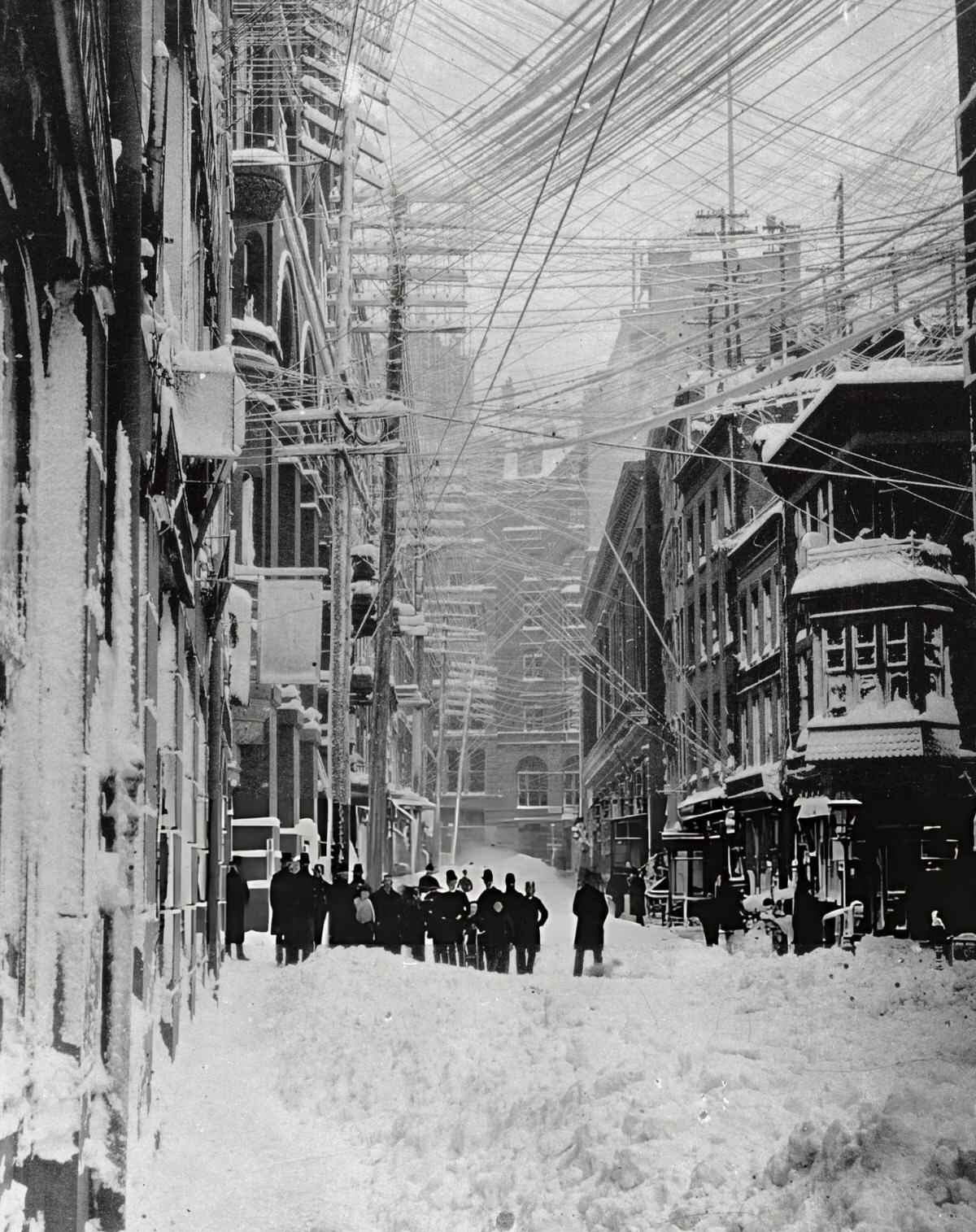
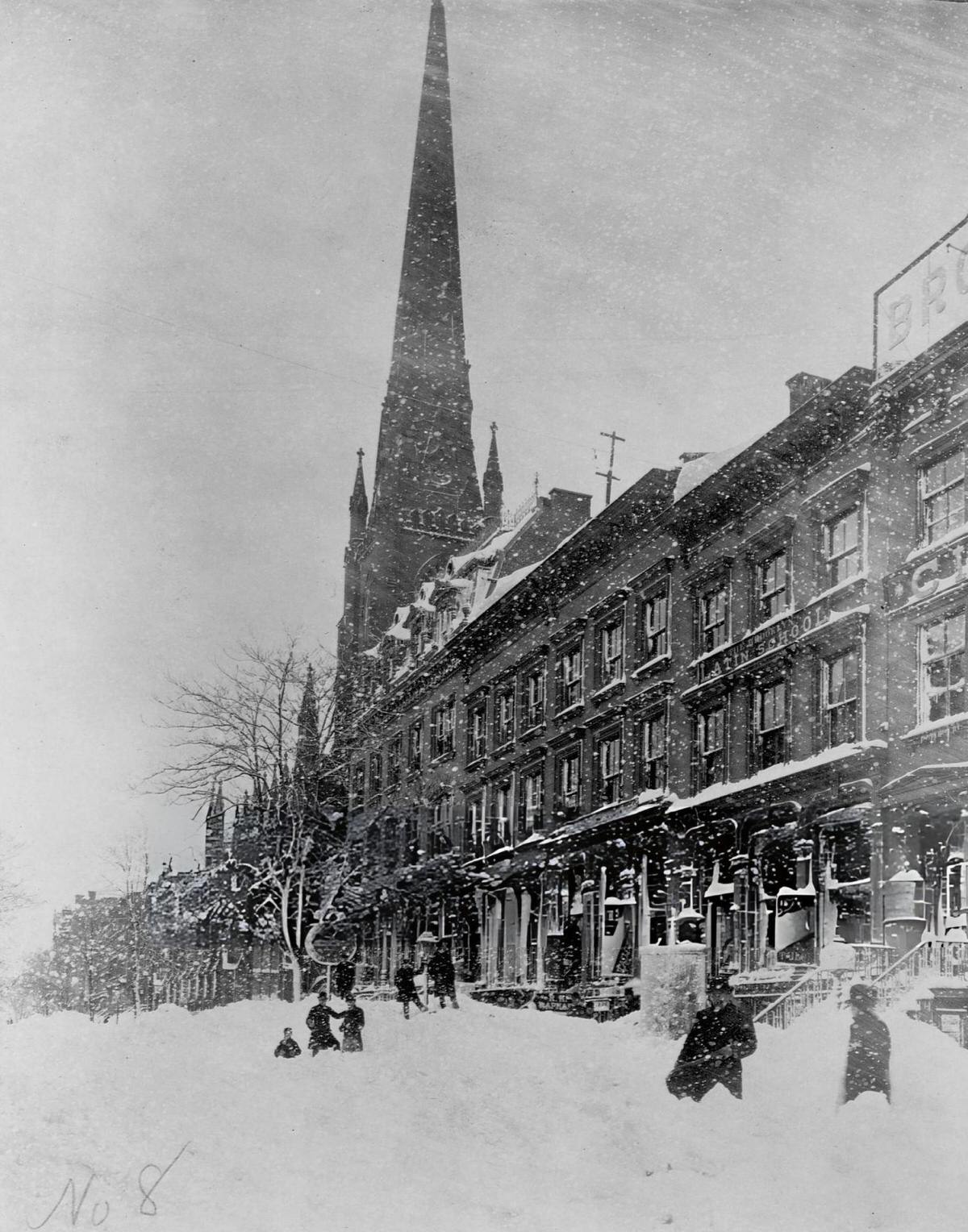
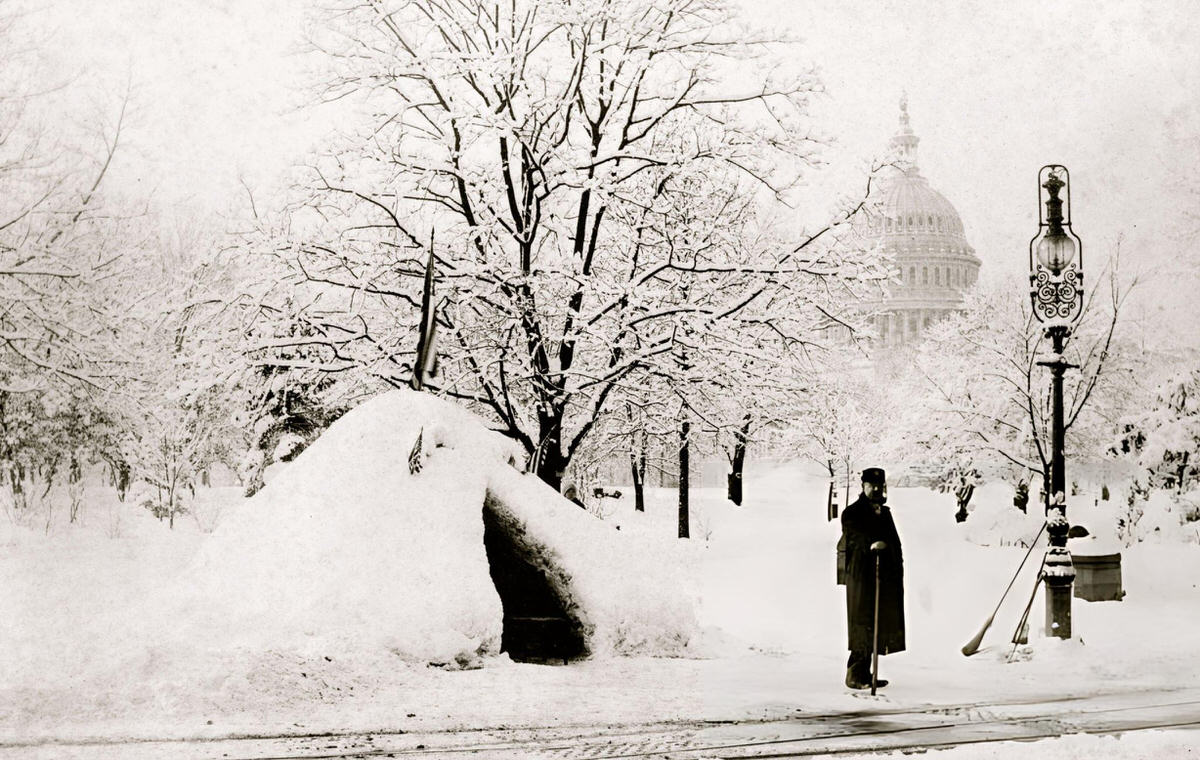
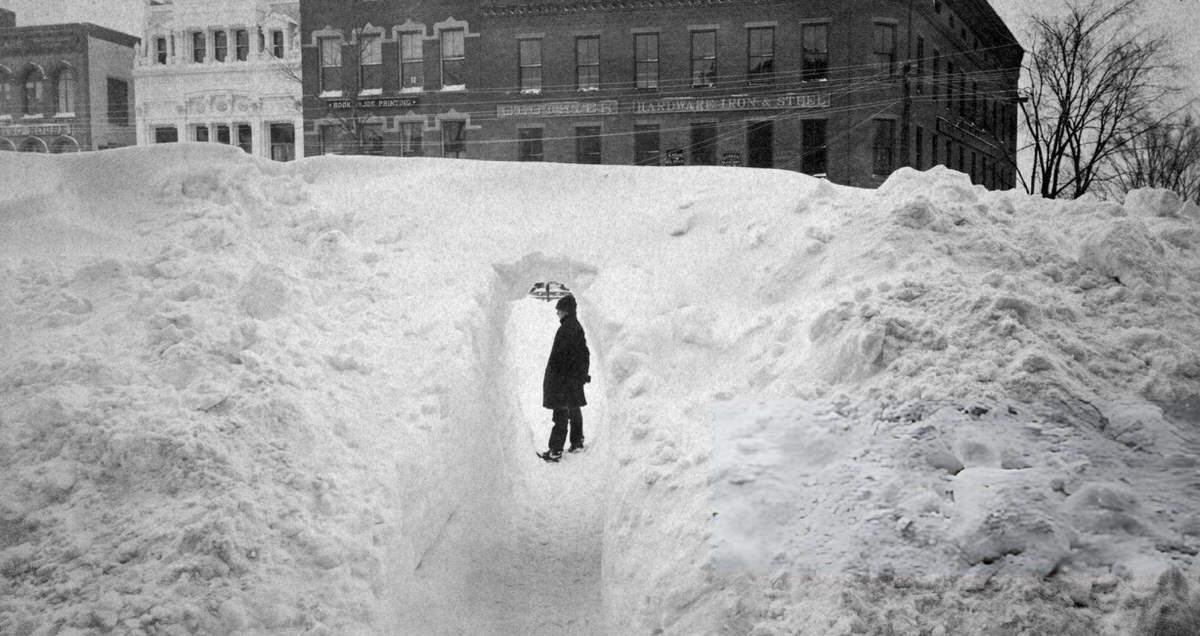
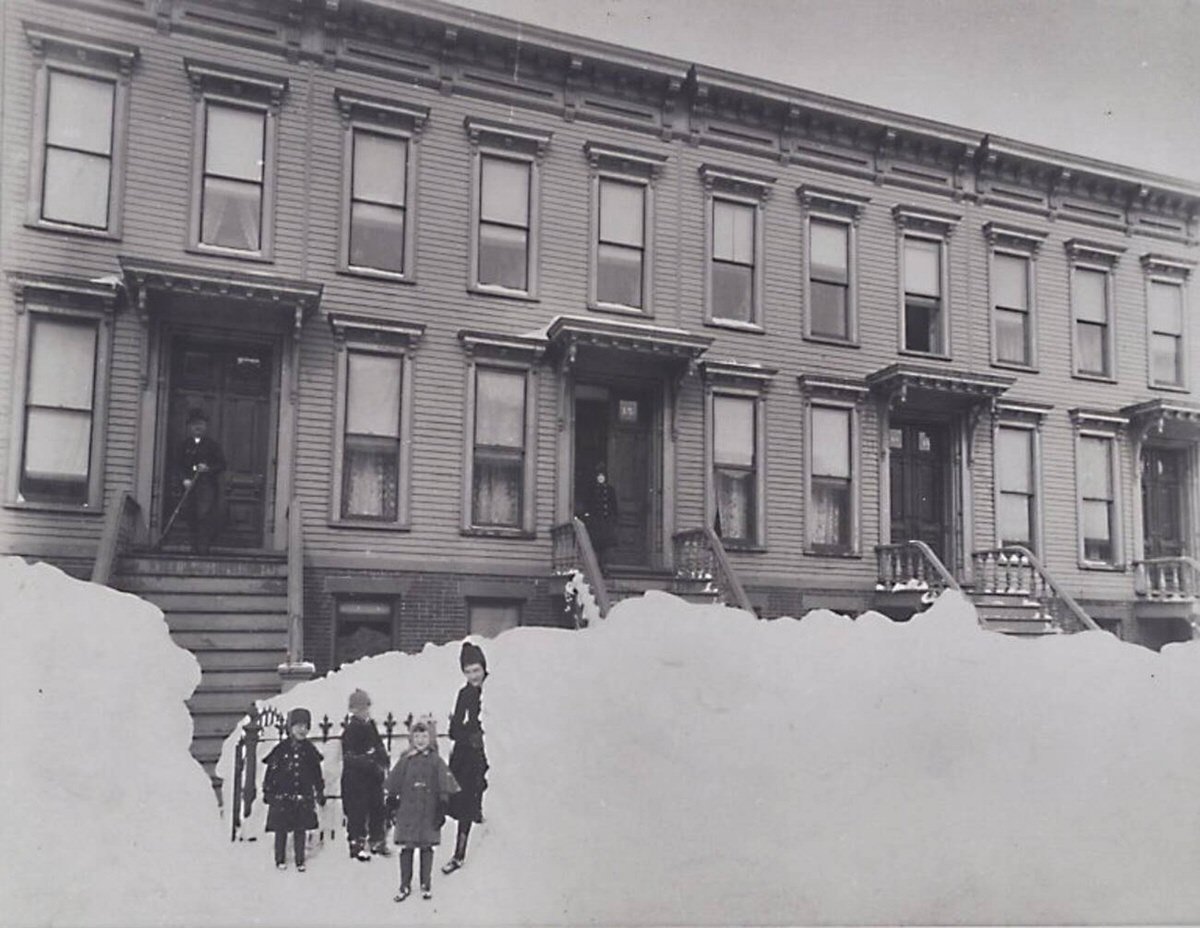
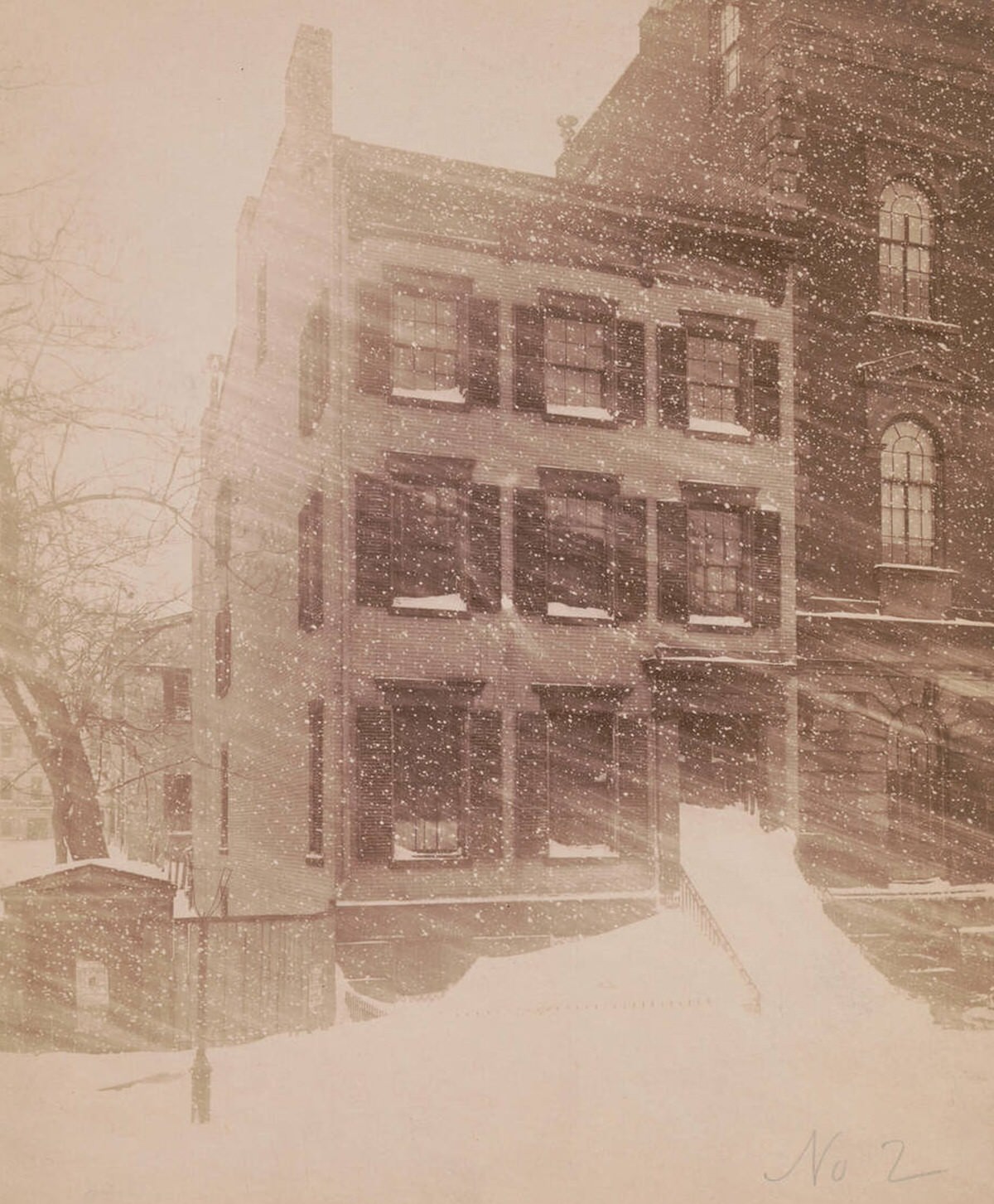
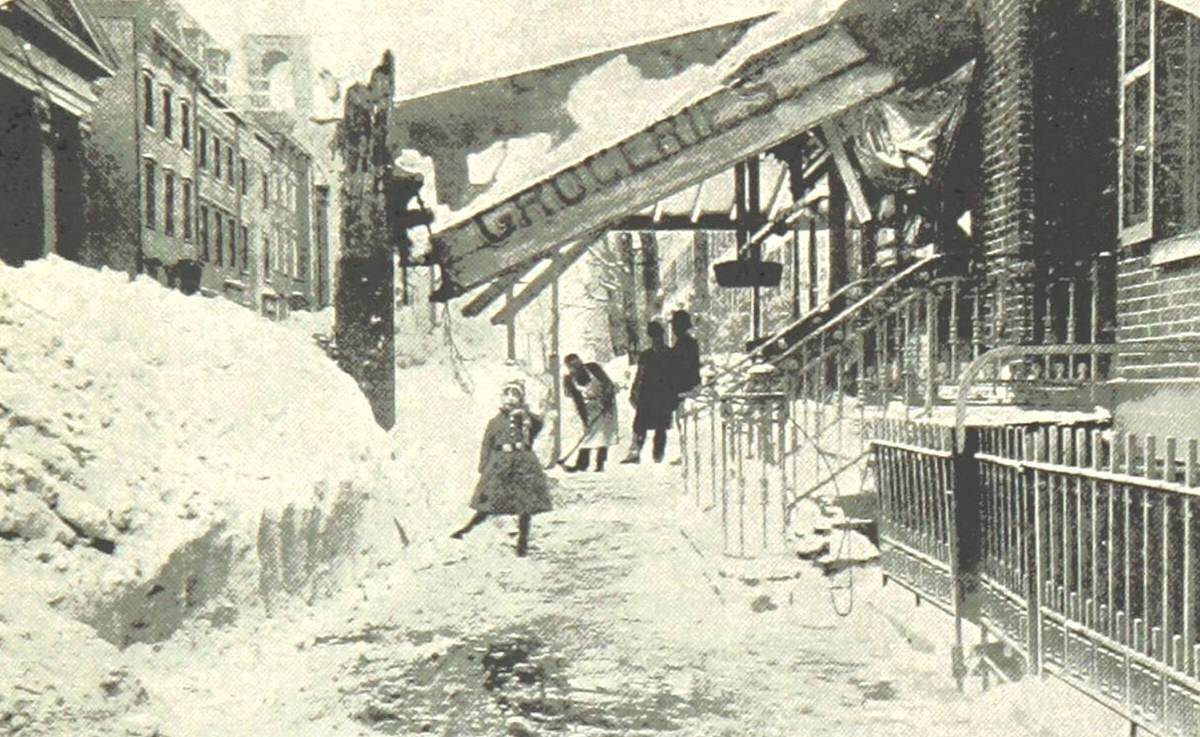
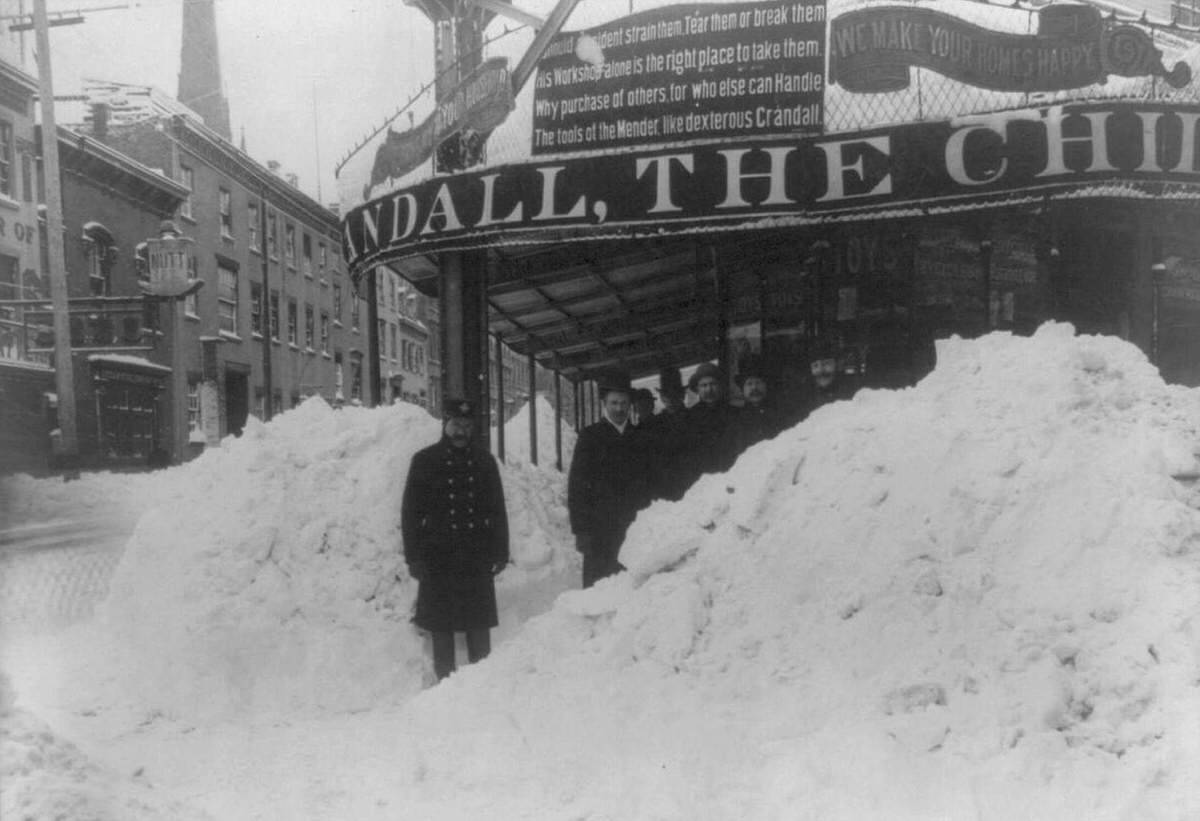
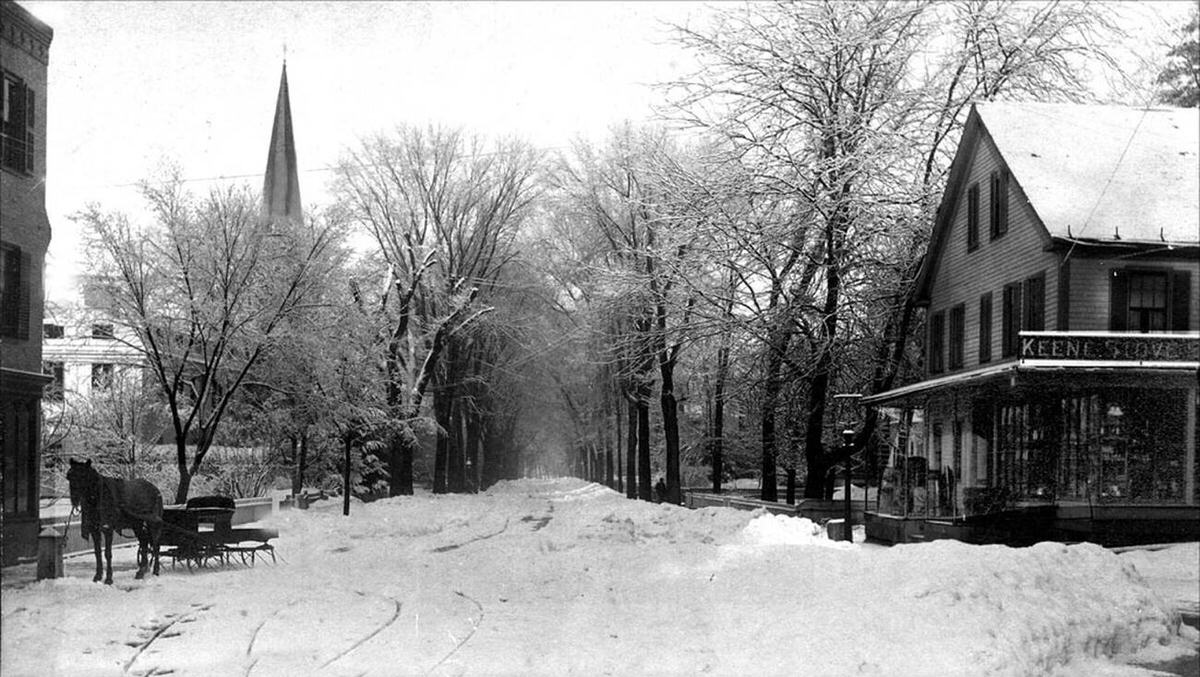
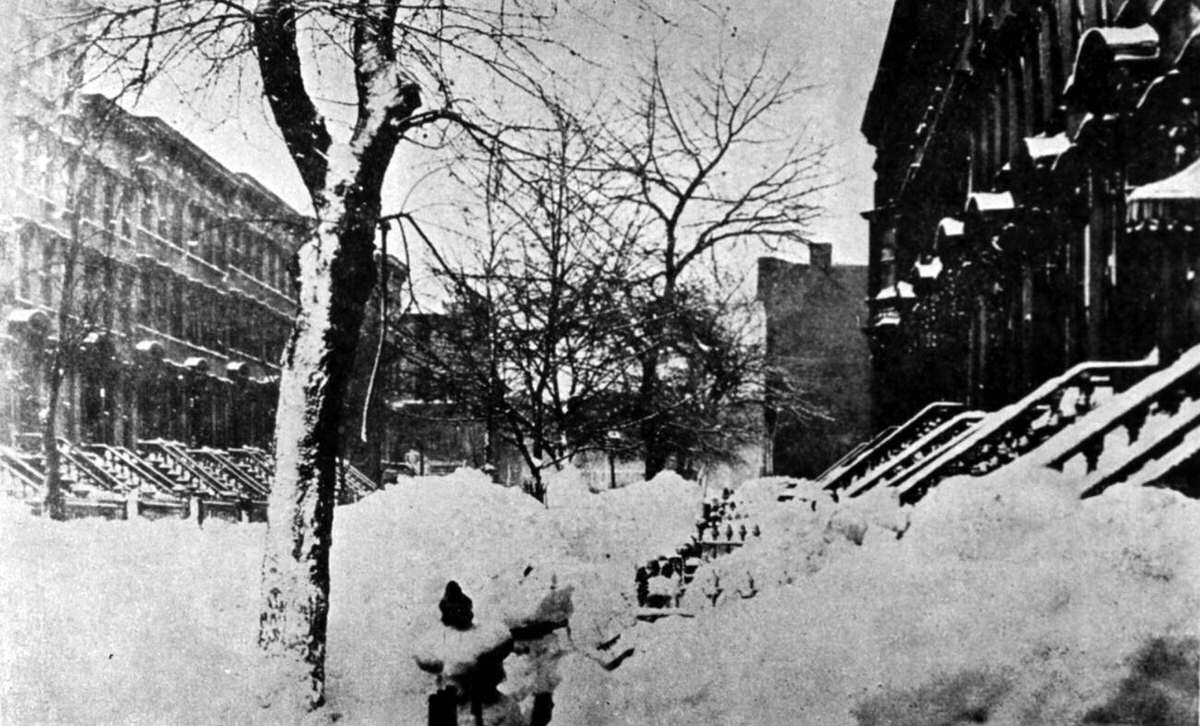
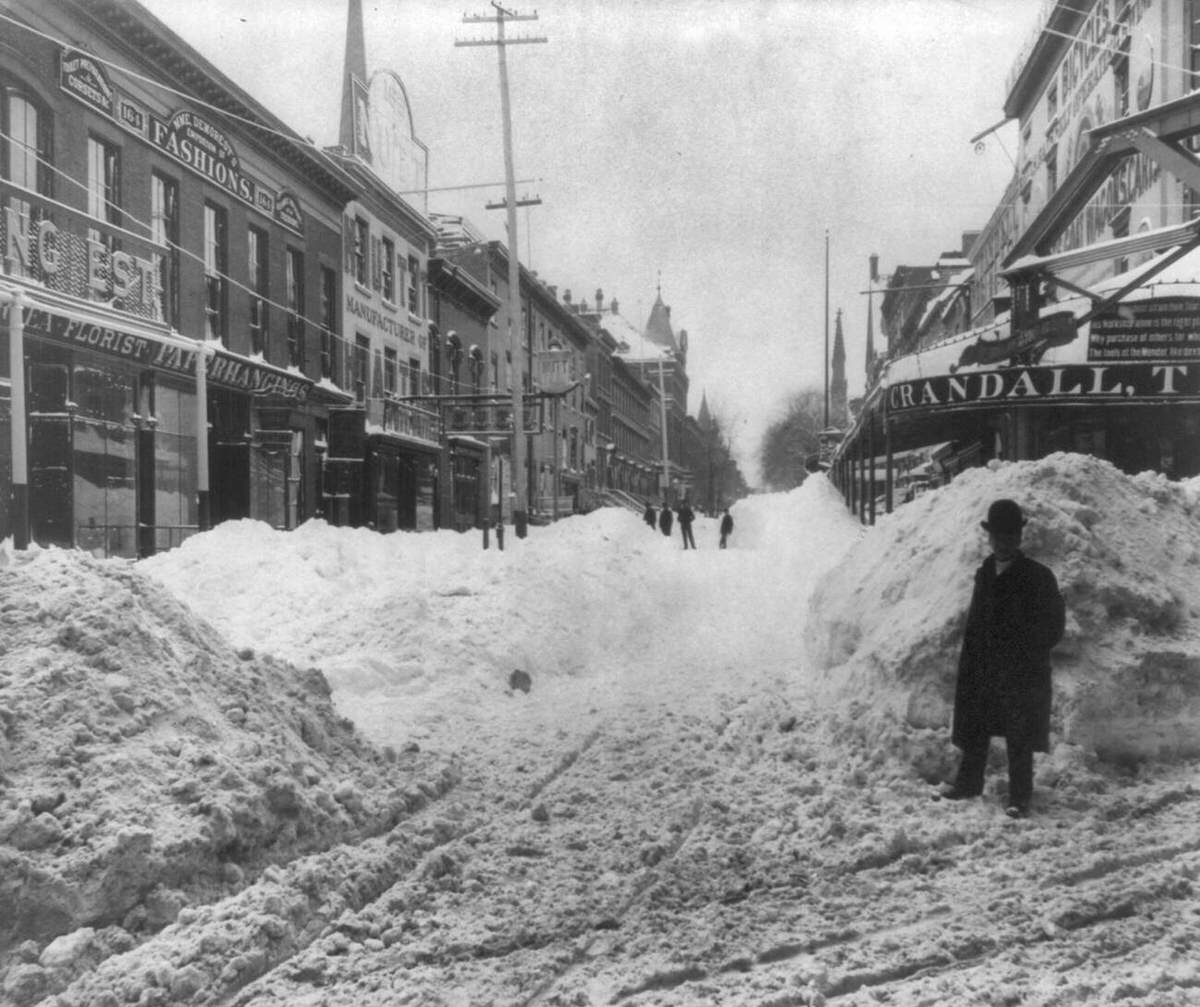
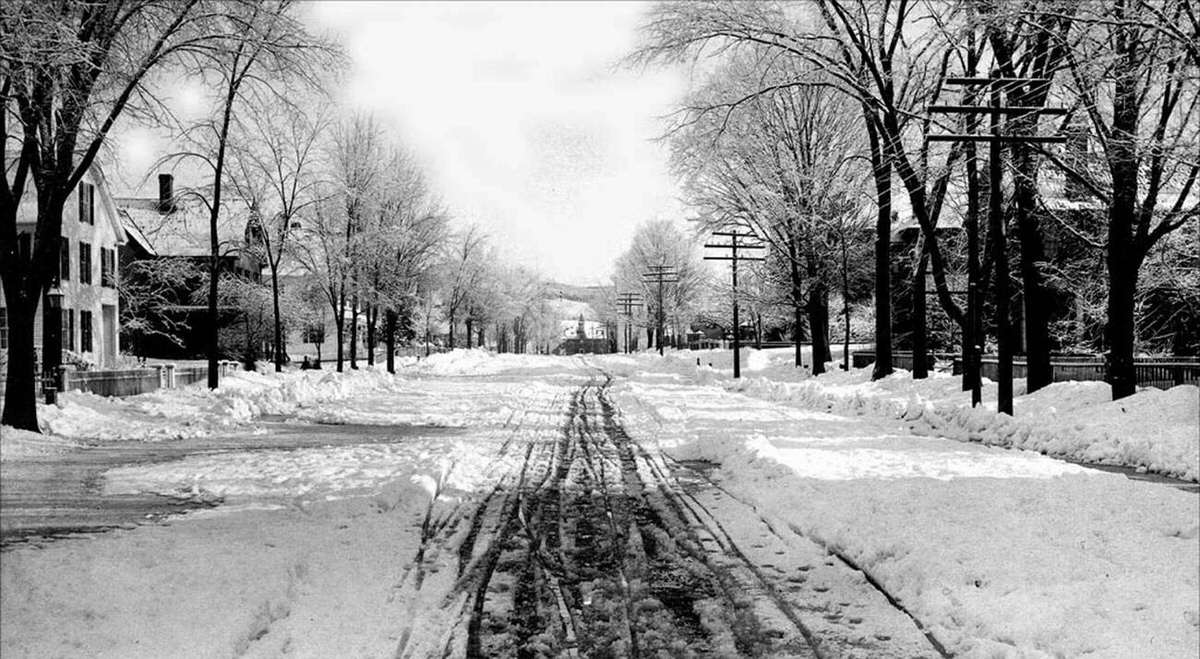
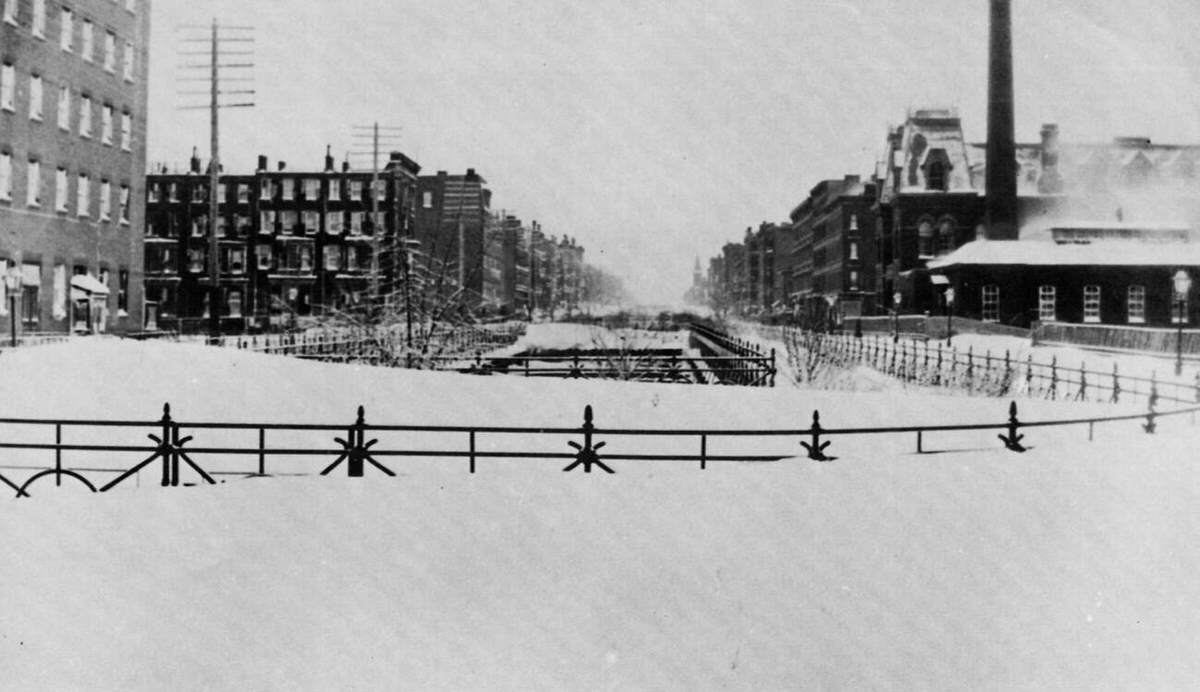
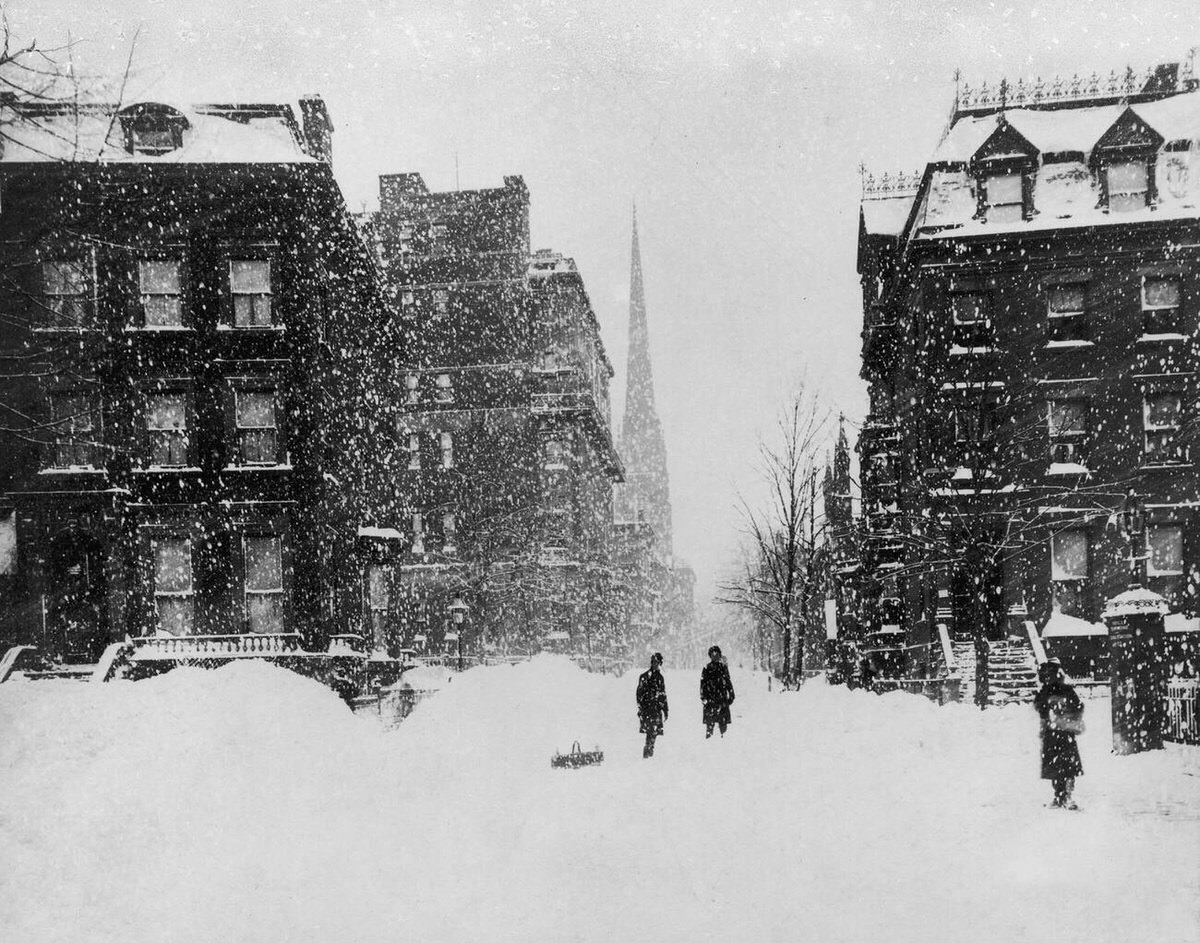
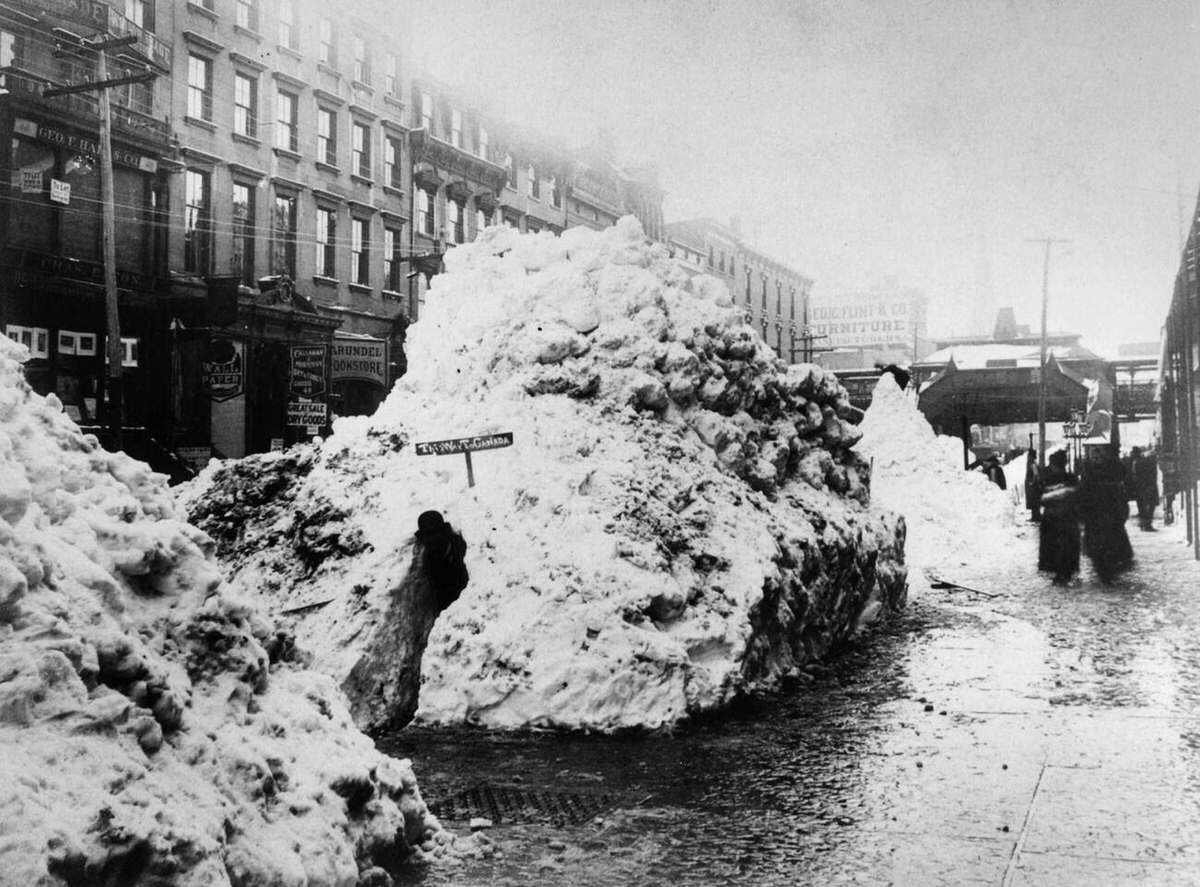
The drifting was extraordinary. Wind moved the fallen snow into shapes that made the city almost unrecognizable. On some blocks the snow was only a foot deep. On the next block it was over the first-floor windows. On Broadway near Union Square, drifts reached 15 and 20 feet. Men walked on top of buried carriages without knowing what was beneath their feet. Mailboxes, fire hydrants, and park benches disappeared entirely.
In Lower Manhattan, where the streets were narrow and the buildings tall, the wind created violent tunnels of blowing snow that knocked people off their feet. A woman crossing Broadway at Fulton Street in the morning of March 12 was picked up by a gust and thrown against a building hard enough to knock her unconscious. She was found by a passerby and dragged inside a store. That kind of story repeated itself across the city all day.
The temperature dropped to 6 degrees Fahrenheit by Monday evening. With the wind chill, it was far colder than that. People who were caught outside without shelter started dying. Bodies were found the next day in doorways, in alleyways, and against the bases of buildings where they had stopped moving and frozen. Most of the dead were men who had been trying to get to or from work.
The Death Toll
New York City alone lost around 200 people in the storm. Across the Northeast — Connecticut, New Jersey, Massachusetts — the total death count reached over 400. Many of the city’s dead were workers from the docks and the rail yards, men whose jobs kept them outside regardless of conditions. Others were elderly people living alone in cold-water flats who ran out of fuel and could not get more delivered. A number were children sent on errands who never came home.
The East River and the Hudson River both became dangerous and then impassable. The ferries that connected Manhattan to Brooklyn — the Brooklyn Bridge had only opened five years earlier, in 1883, and most people still used the ferry — either stopped running or ran so irregularly that crowds backed up at the piers. At least a dozen people drowned trying to cross on ice floes or in capsized small boats. The river that New Yorkers crossed every day without thinking became a barrier that could kill.
Inside the Tenements
For the poor of the Lower East Side, the storm was a crisis of a different kind. Tenement buildings were jammed with immigrant families from Italy, Russia, Poland, and Hungary, most of them just a few years off the boat and barely scraping by. Coal deliveries stopped. The small stoves that heated those apartments could not be fed. Families burned furniture, floorboards, anything wooden they could find. In some buildings, twenty or thirty people crowded into a single room around one stove to share body heat through the long Monday night.
Food ran short too. The city’s supply chain — produce from New Jersey farms, meat from the slaughterhouses uptown, bread from the commercial bakeries — stopped moving when the roads stopped moving. By Tuesday, corner stores were empty of bread, milk, and coal. A loaf of bread that normally cost five cents was selling for twenty-five cents where it was available at all. Profiteering was open and widespread, and the city had no mechanism to stop it.
The Wealthier Neighborhoods
Up on Fifth Avenue and in the brownstone districts of Murray Hill and Gramercy, the experience of the storm was different in degree but not in kind. These families had coal reserves, pantries stocked for weeks, and servants to do the shoveling. But even the wealthy were trapped. The storm did not care about your address. Businessmen who had appointments on Wall Street could not get there. Lawyers missed court dates. Merchants could not reach their stores. The storm was a great equalizer in the sense that it stopped everyone — it just stopped the poor in more dangerous conditions.
Hotels in Midtown filled quickly as people realized they could not get home. The Fifth Avenue Hotel, the Gilsey House, and the Hoffman House all reported turning away guests by Monday afternoon. Men slept on lobby chairs and dining room floors. Some paid five dollars — a week’s wages for many workers — just to sleep in a hotel hallway. The city’s normal social architecture collapsed for the duration of the storm, and people made whatever arrangements they could.
Getting the City Moving Again
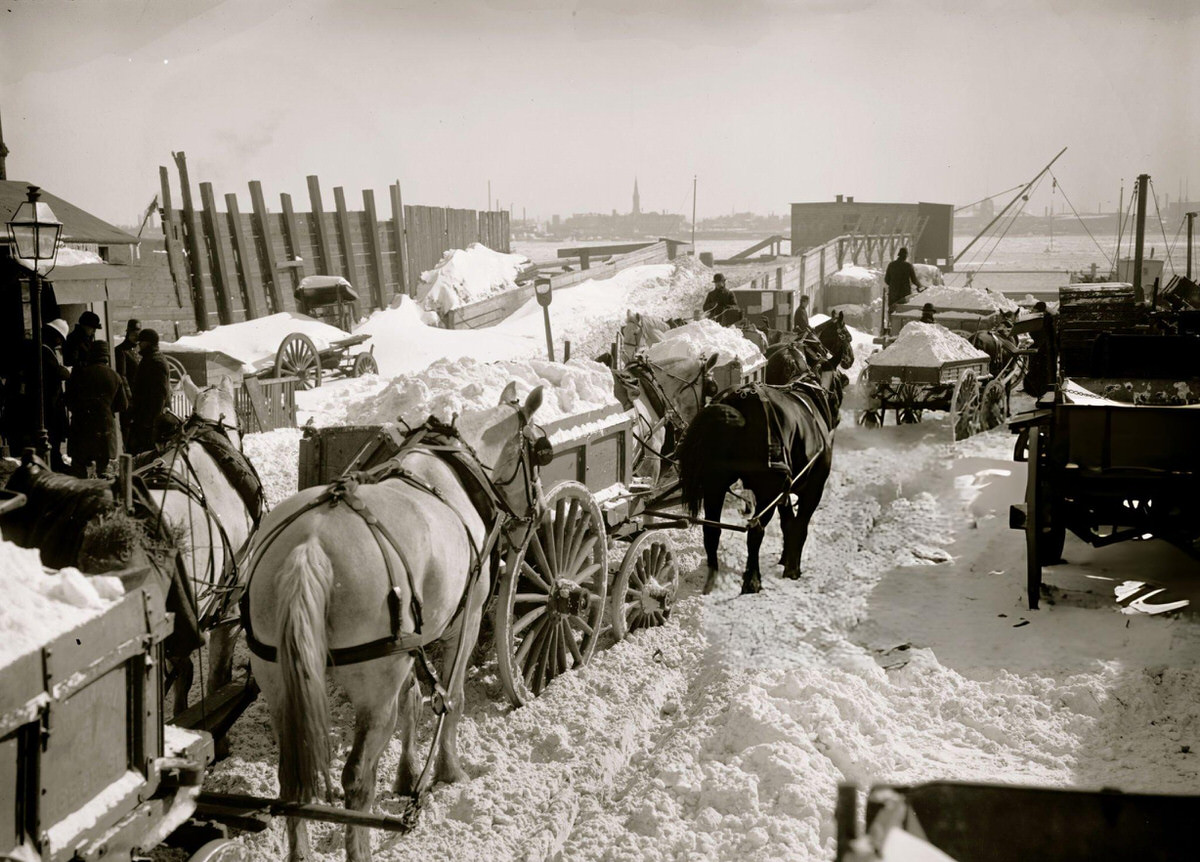
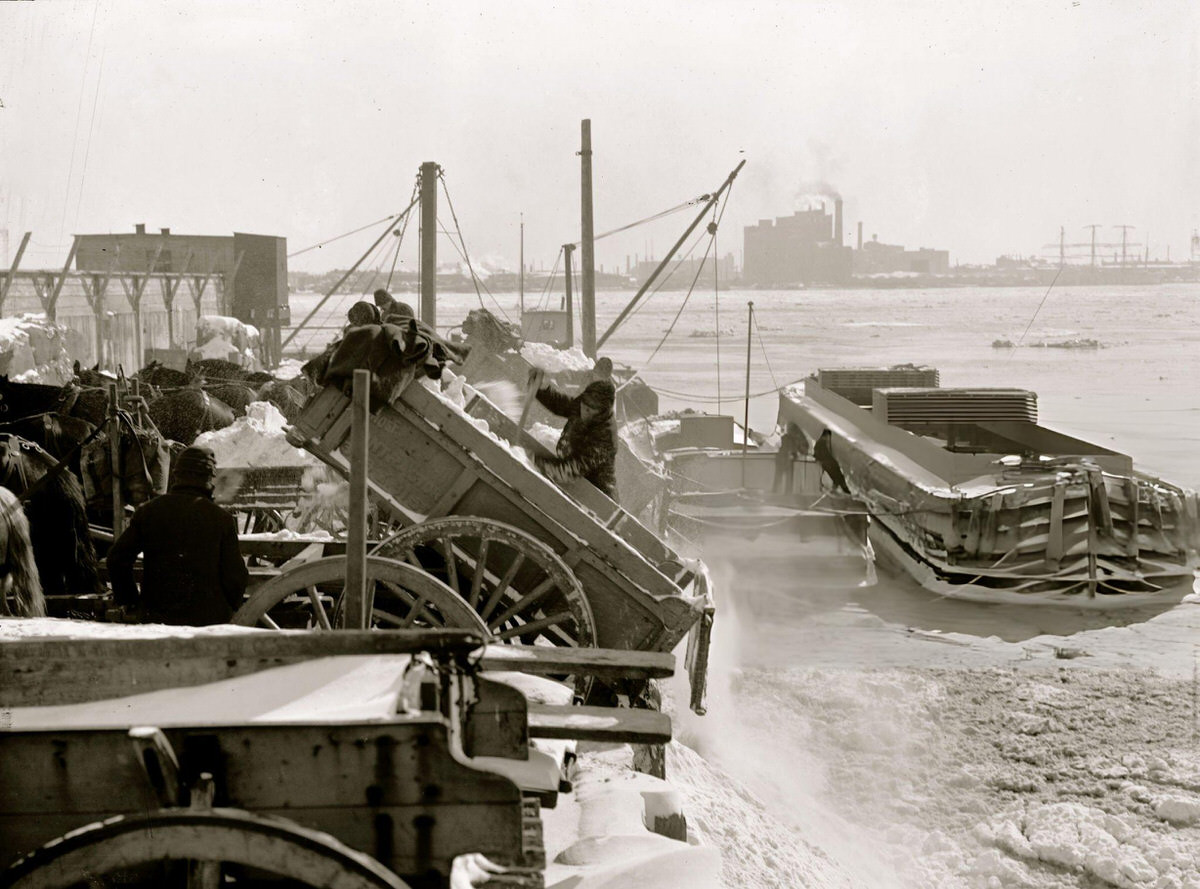
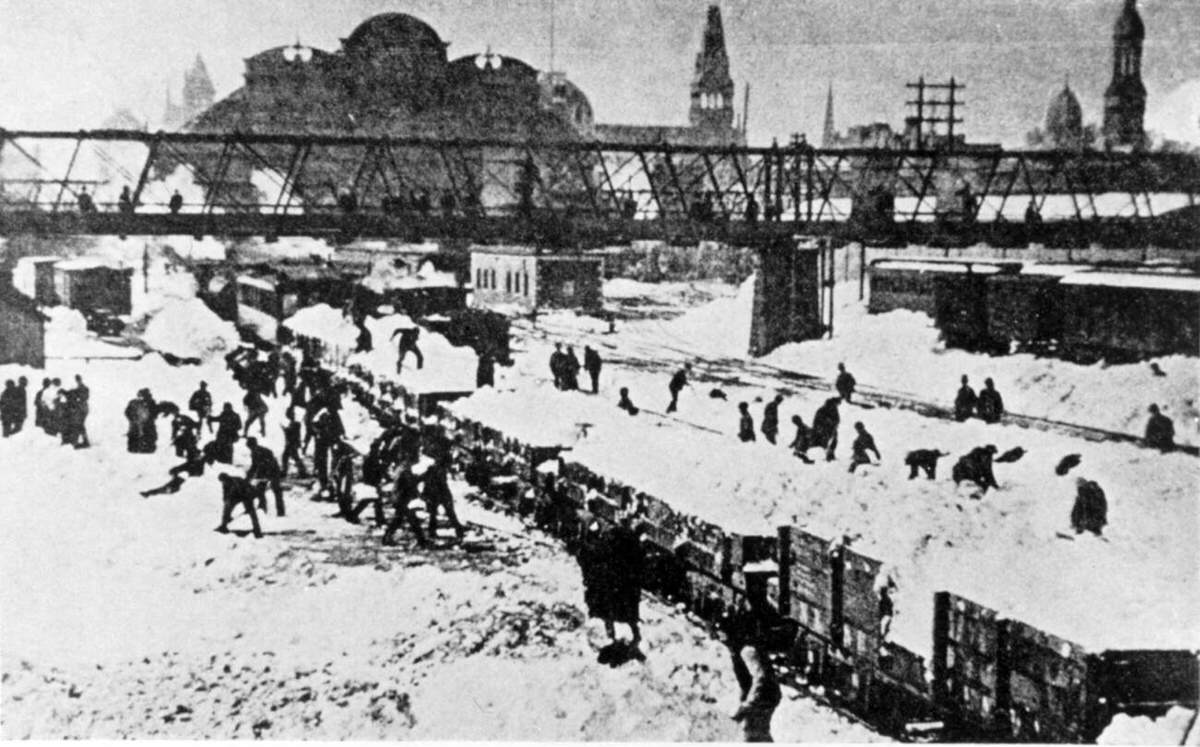
The cleanup took almost two weeks. The city hired thousands of workers at a dollar and a half per day to shovel the streets, and contractors with horse-drawn plows attacked the main thoroughfares. Snow was loaded onto barges and dumped into the rivers — the Hudson and the East River both received enormous quantities of the city’s snow through the second half of March. In some side streets in Brooklyn and Queens, drifts were still present in early April.
The el lines reopened first, because getting workers moving was the priority. The surface car lines came back more slowly, street by street, as the tracks were cleared and the frozen switches were thawed. Full service did not return to all lines until late March. For two weeks, New York City — the commercial capital of the country, the busiest port in the world — ran at a fraction of its normal capacity because of snow.

GIPHY App Key not set. Please check settings