

 Henry Parker
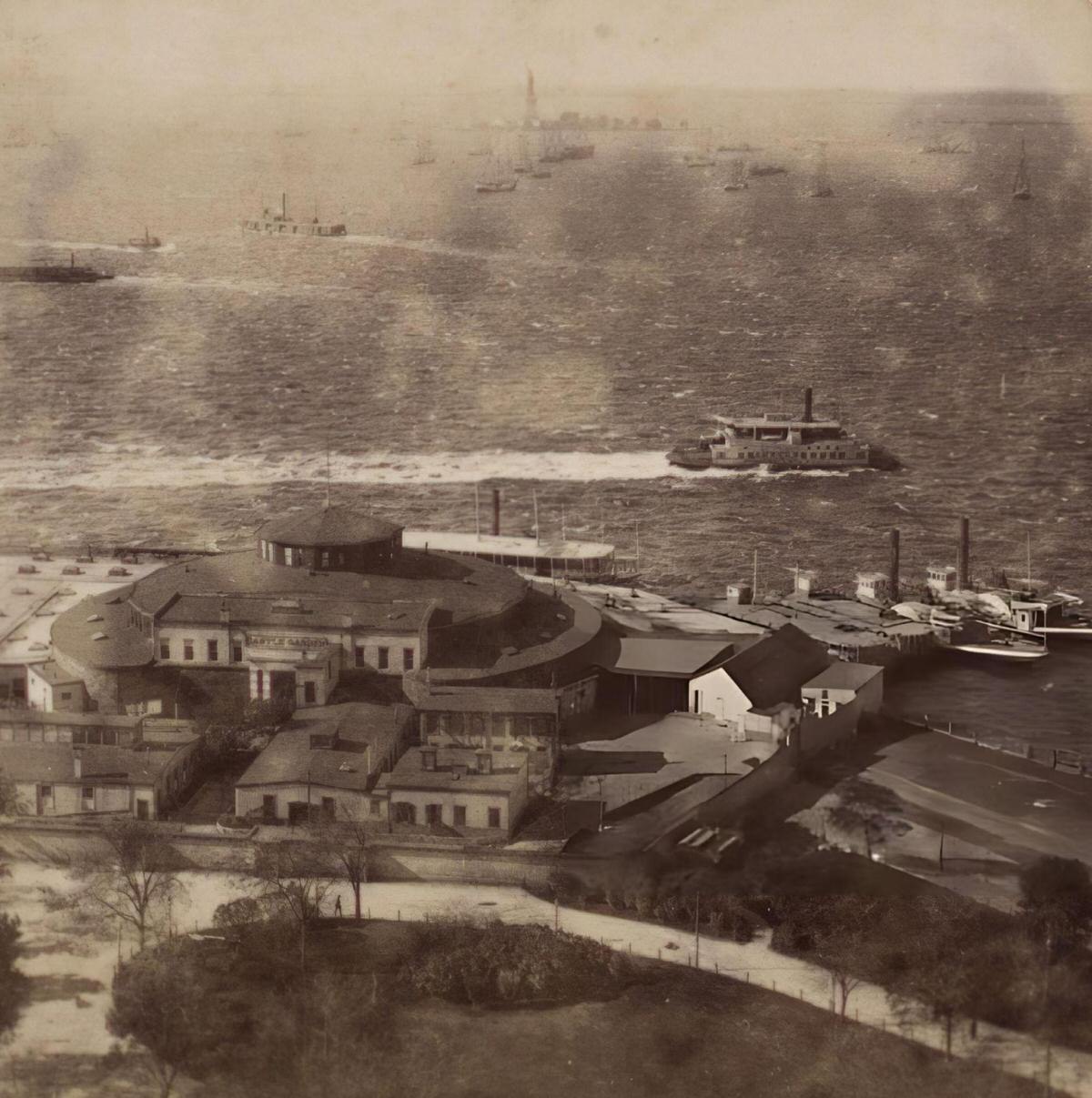
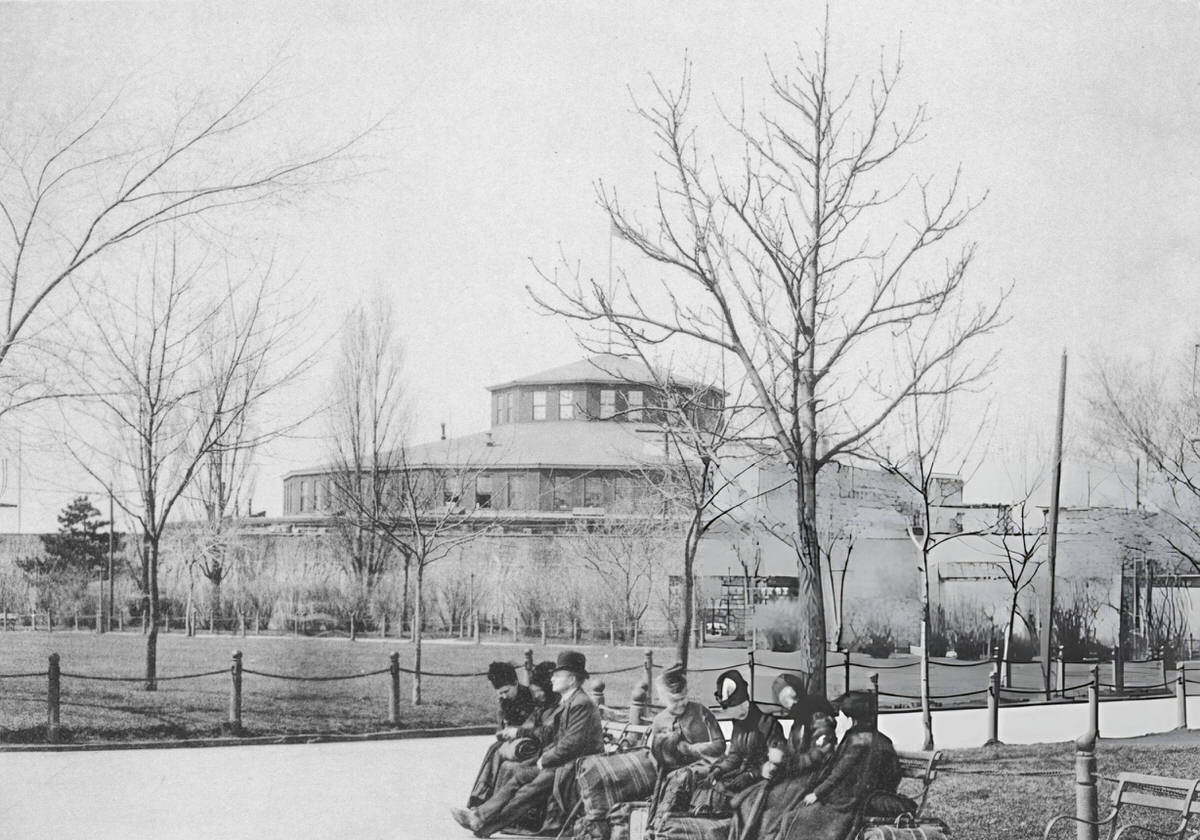
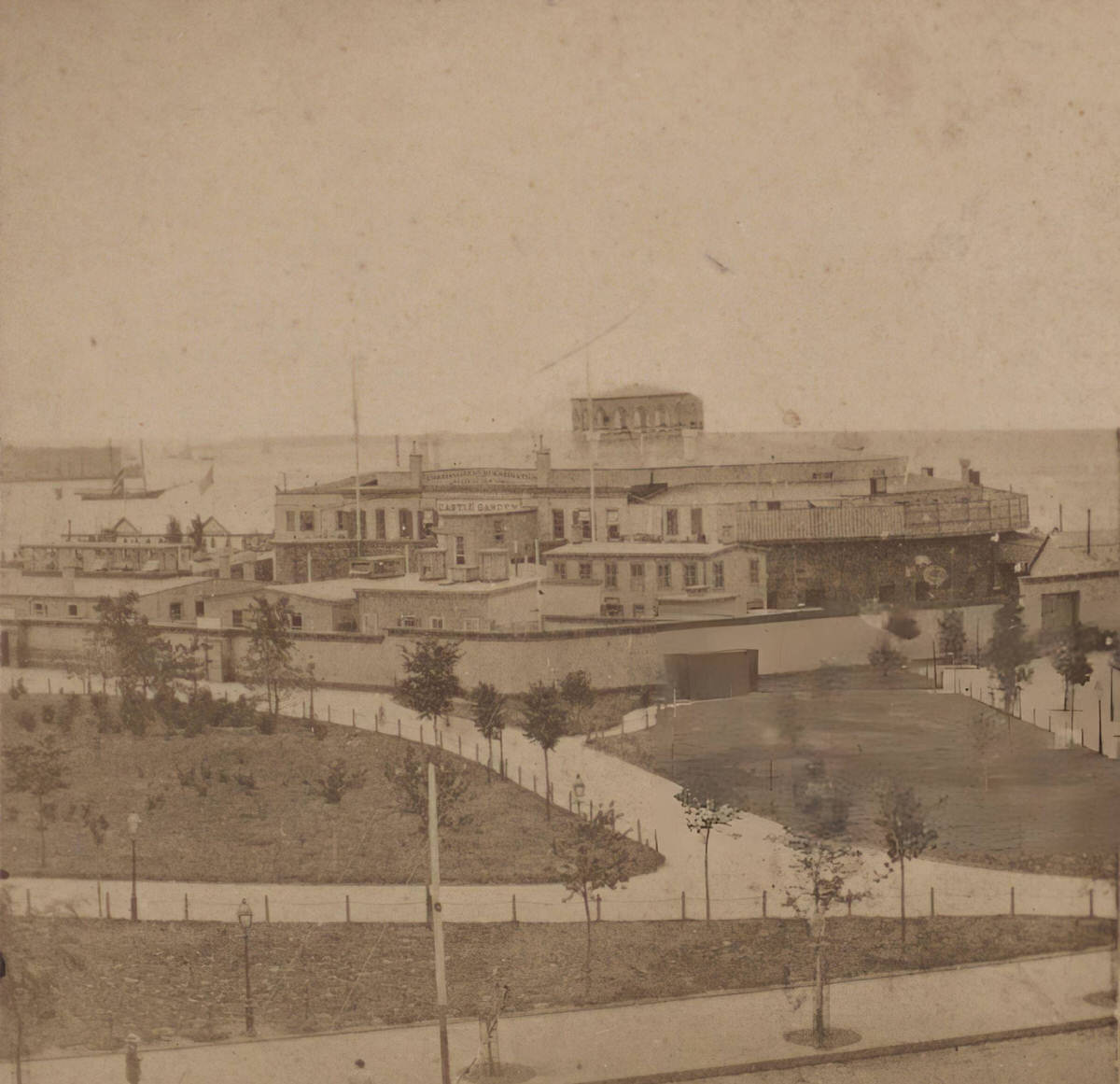
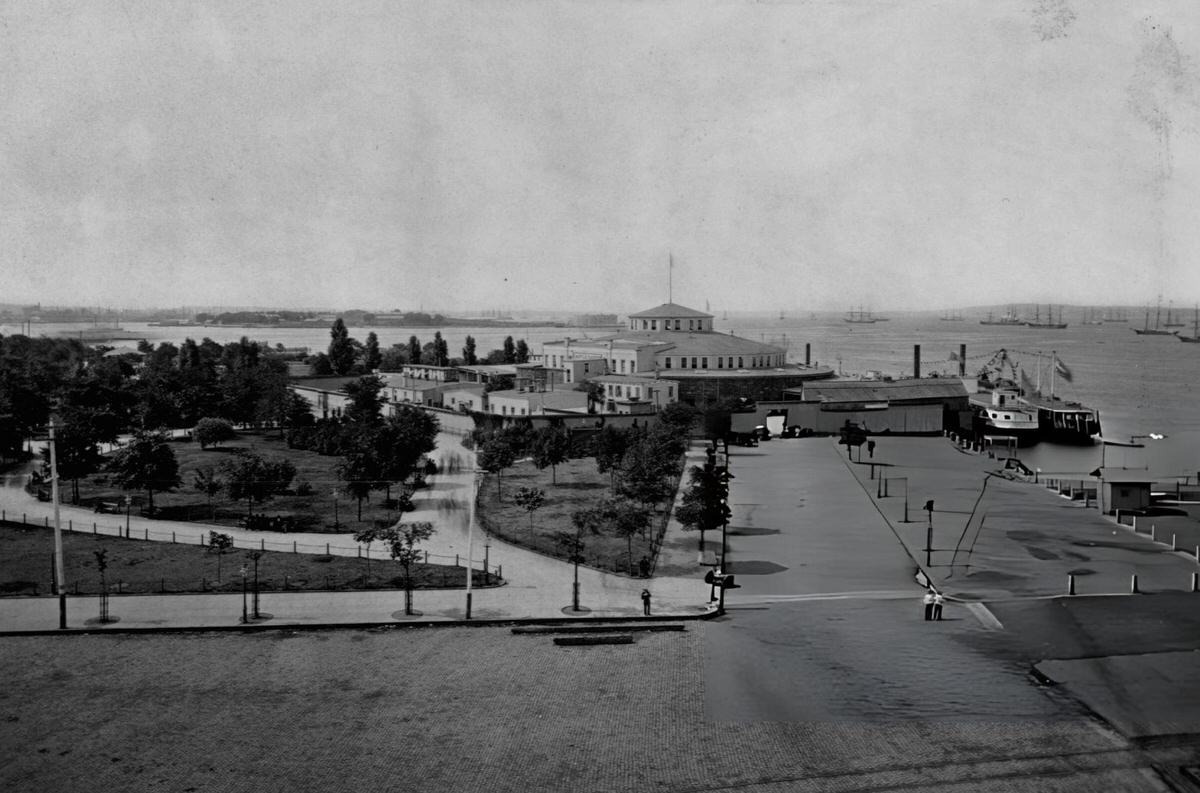
Castle Garden opened as an immigrant processing center on August 1, 1855. It sat at the southern tip of Manhattan in Battery Park. Before it served as a doorway for newcomers, the building was a circular stone fort called Castle Clinton. From 1855 to 1890, more than eight million people passed through its gates. This facility was the first official immigrant station in the United States, created to protect travelers from the chaos of the New York City docks.
The Arrival and the Examination
Steamships arrived in New York Harbor and anchored in the bay. Small boats, called barges, transported the passengers from the ships directly to the Castle Garden pier. This kept the immigrants separated from the “runners” and “touts” who waited outside to steal their luggage or sell them fake train tickets. Once on the pier, the newcomers entered the main rotunda of the massive stone building.
Every person had to undergo a medical examination. Doctors watched the immigrants as they walked up the stairs to see if they were limping or breathing heavily. They checked for contagious diseases like smallpox or eye infections like trachoma. If a person was sick, they were sent to a hospital on Ward’s Island. If they were healthy, they moved to the registration desk where clerks recorded their names, ages, and origins in large leather-bound ledgers.
Read more
Services Inside the Rotunda
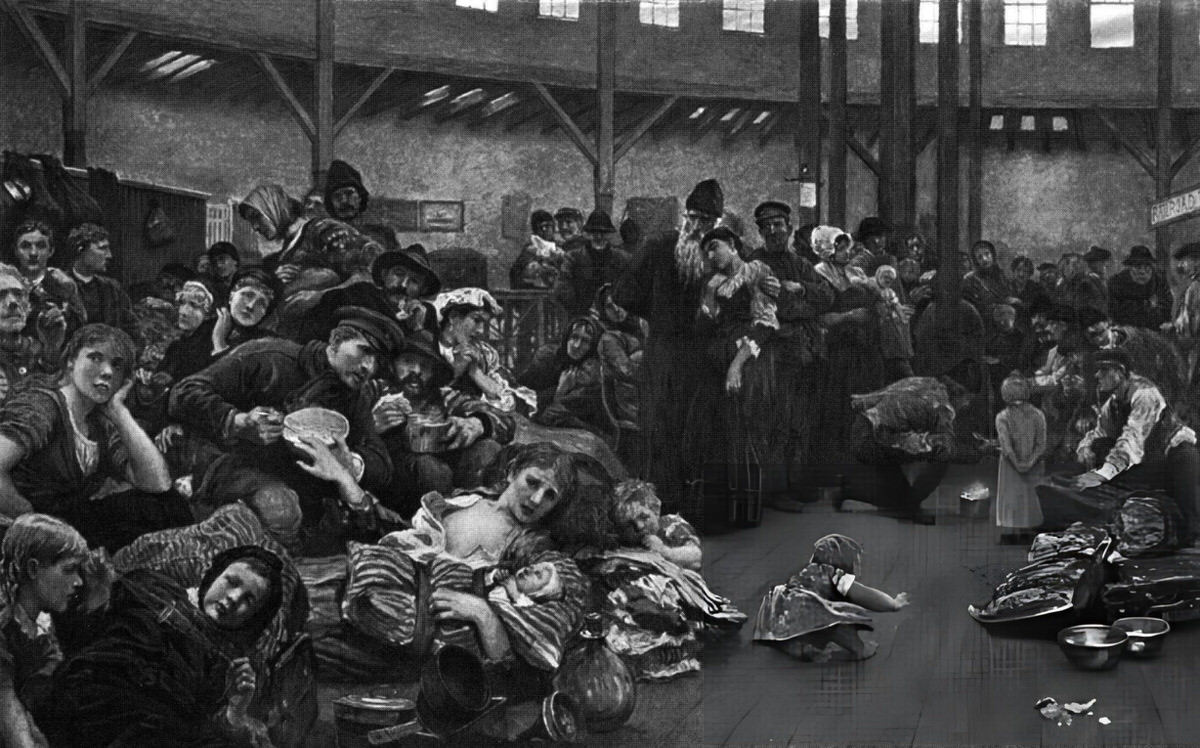
The interior of Castle Garden functioned like a small city. The high, circular ceiling created a loud, echoing environment where dozens of languages were spoken at once. In the center of the room, the Labor Exchange helped immigrants find work. Employers from across the country came here to hire laborers for railroads, farms, and mines. Clerks posted job openings on large boards, and translators helped the immigrants understand the terms of the contracts.
The facility also included a Money Exchange office. Here, immigrants traded their foreign coins and paper bills for American dollars. This office used official exchange rates to ensure the newcomers were not cheated. Next to the bank was a railroad ticket office. Immigrants could buy tickets to cities like Chicago, St. Louis, or Cincinnati without leaving the building. Their luggage was weighed and tagged, then loaded onto wagons to be taken to the ferry terminals.
The Ward’s Island Connection
Castle Garden was managed by the New York State Commissioners of Emigration. They used a portion of the head tax paid by the shipping companies to fund Ward’s Island. This island in the East River held a hospital, an asylum, and a “refuge” for immigrants who became poor or sick within five years of their arrival. If an immigrant could not find a job or lost their money, they could return to Castle Garden and ask for help. The commissioners would then transport them to the island until they were back on their feet.
Daily Life for Workers and Immigrants
The staff at Castle Garden worked from early morning until long after sunset. Scrubwomen cleaned the floors every night to manage the dirt brought in by thousands of boots. Bread and milk were sold at a small restaurant inside the building for those who had to wait several hours for their paperwork. The smell of the facility was a mix of salt air from the harbor, woodsmoke from the stoves, and the scent of crowded wool clothing.
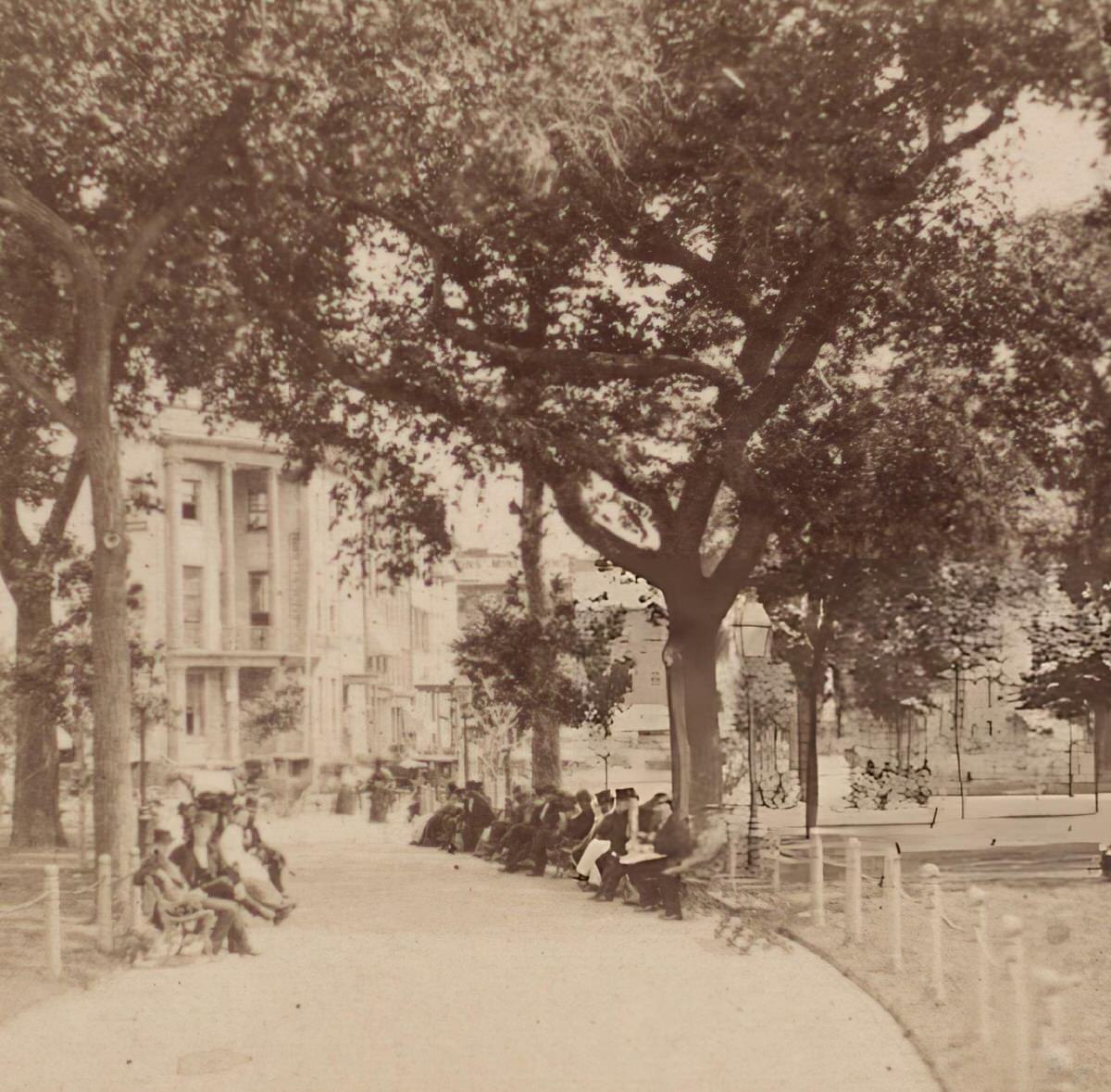
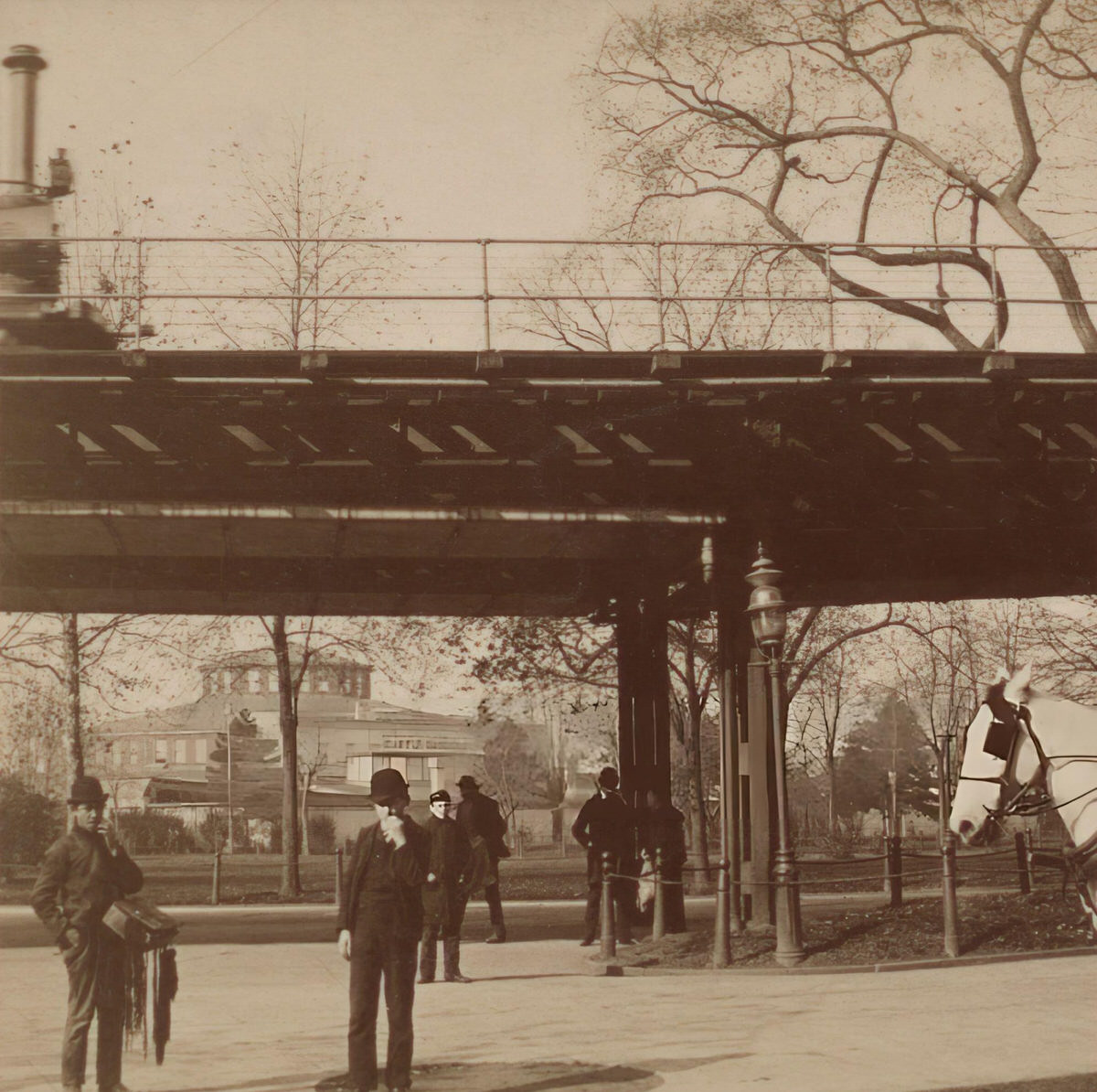
Outside the thick stone walls, a large wooden fence kept the public away. Armed guards stood at the exit to ensure that only registered immigrants left the premises. When an immigrant was finally cleared to leave, they walked out into Battery Park. Many were met by relatives who had arrived years earlier. These families waited for hours near the exit gate, holding signs or calling out names as the doors opened.
The Physical Structure
The building was a masterpiece of military masonry from the early 1800s. The walls were eight feet thick and made of red sandstone. Because it was originally a fort, it had no windows on the ground level, which made the interior dark. Large gas lamps provided light during the winter months. In the 1870s, a large fountain was added to the center of the floor to provide fresh drinking water.
The roof was supported by massive wooden pillars. During heavy rainstorms, the sound of the water hitting the roof was so loud that the clerks had to stop their work. Despite its sturdy appearance, the building suffered from constant wear and tear. A major fire in 1876 destroyed much of the interior, but the stone walls remained standing. The city rebuilt the wooden sections quickly to ensure the flow of immigrants was not interrupted for more than a few days.
The Final Years of Operation
By the 1880s, the number of people arriving grew too large for the old fort to handle. On peak days, over 3,000 people crowded into the rotunda. The federal government decided to take over the immigration process from the state of New York. They wanted a larger, more isolated location to prevent the spread of disease into the city. On April 18, 1890, the last immigrant was processed at Castle Garden. The ledgers were closed, and the remaining staff moved their desks to a temporary office at the Bargain Office before Ellis Island opened in 1892.

GIPHY App Key not set. Please check settings