

 Henry Parker
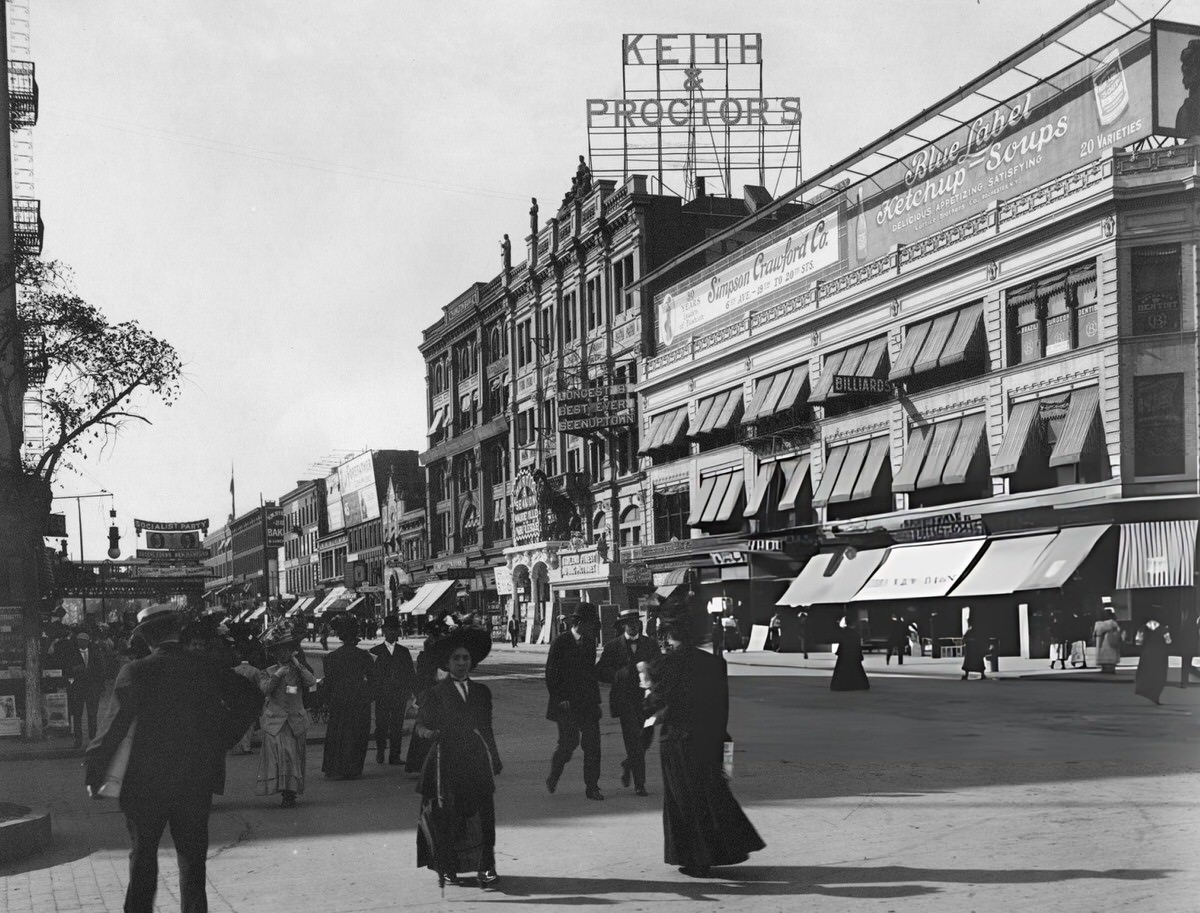
In 1880, Harlem was not the place most people think of when they hear the name. There were no jazz clubs, no rent parties, no brownstones packed with Black families from the South. Harlem in the late nineteenth century was a white, mostly middle-class neighborhood going through a real estate boom that would eventually destroy itself — and in doing so, accidentally create one of the most important Black communities in American history.
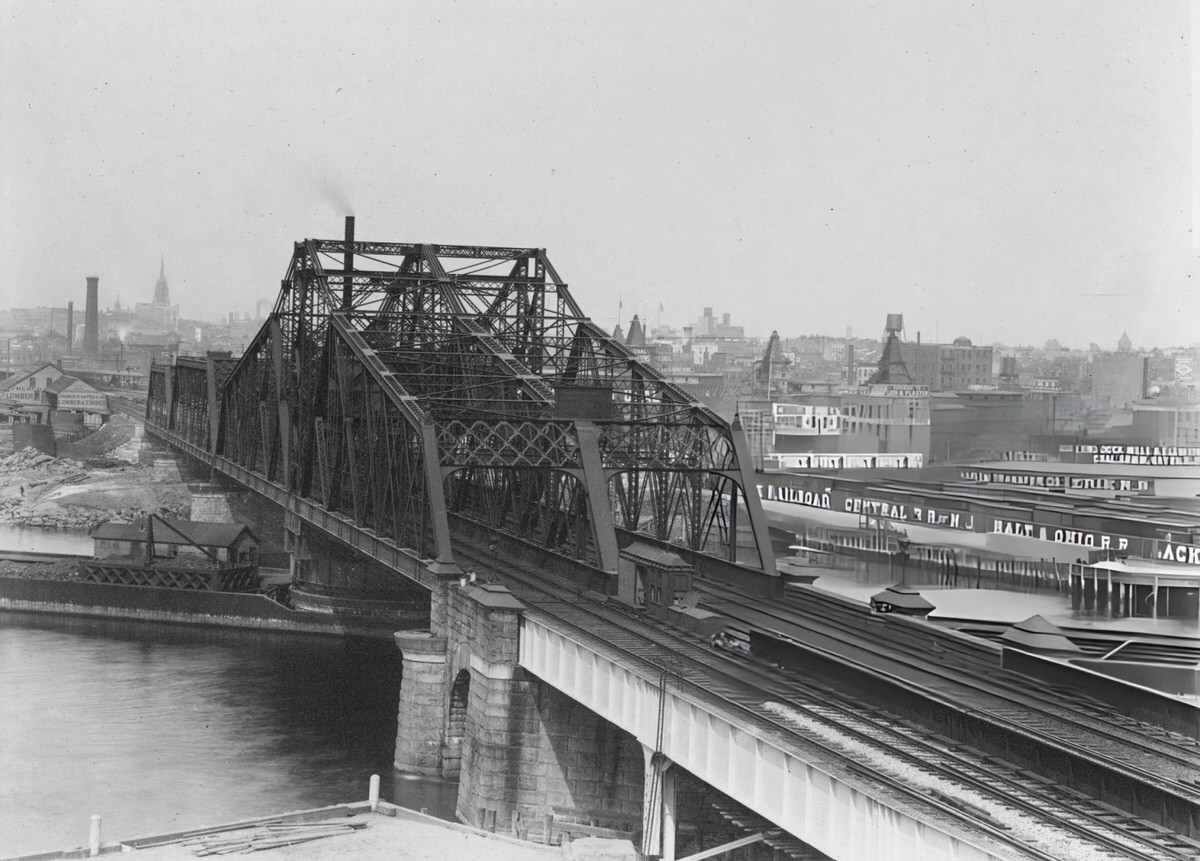
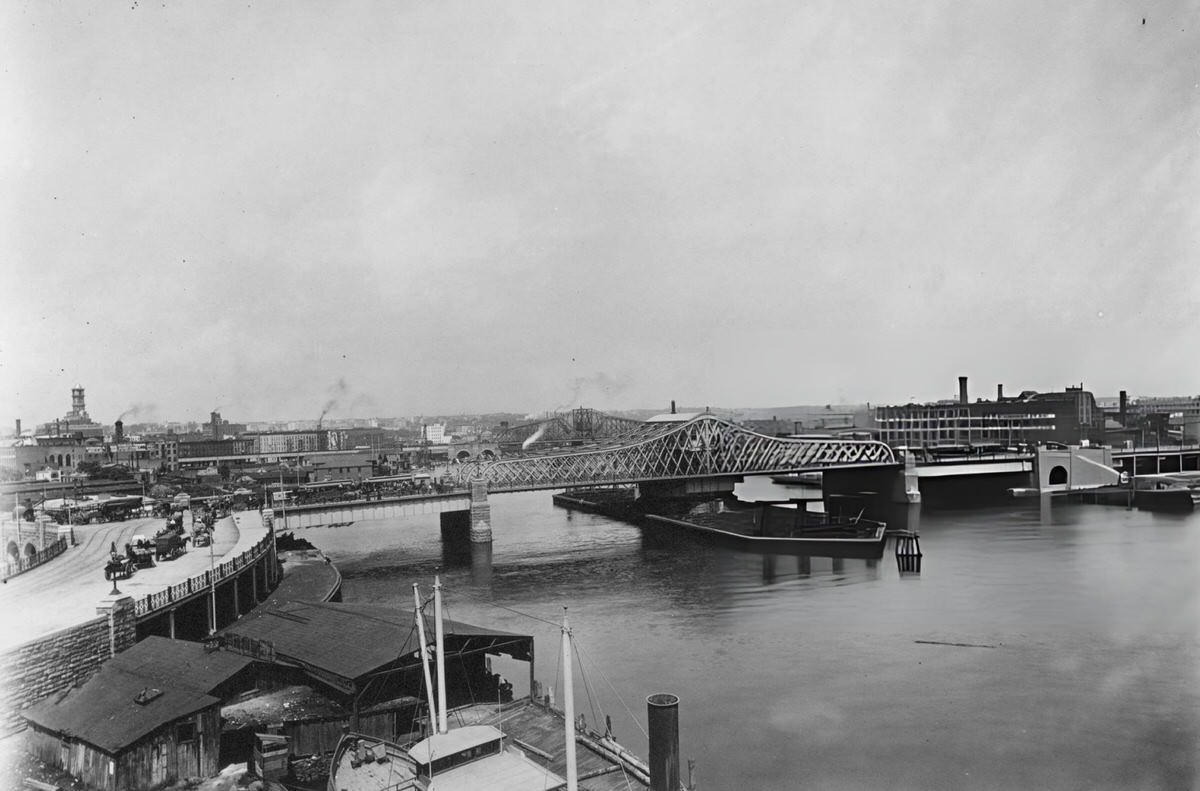
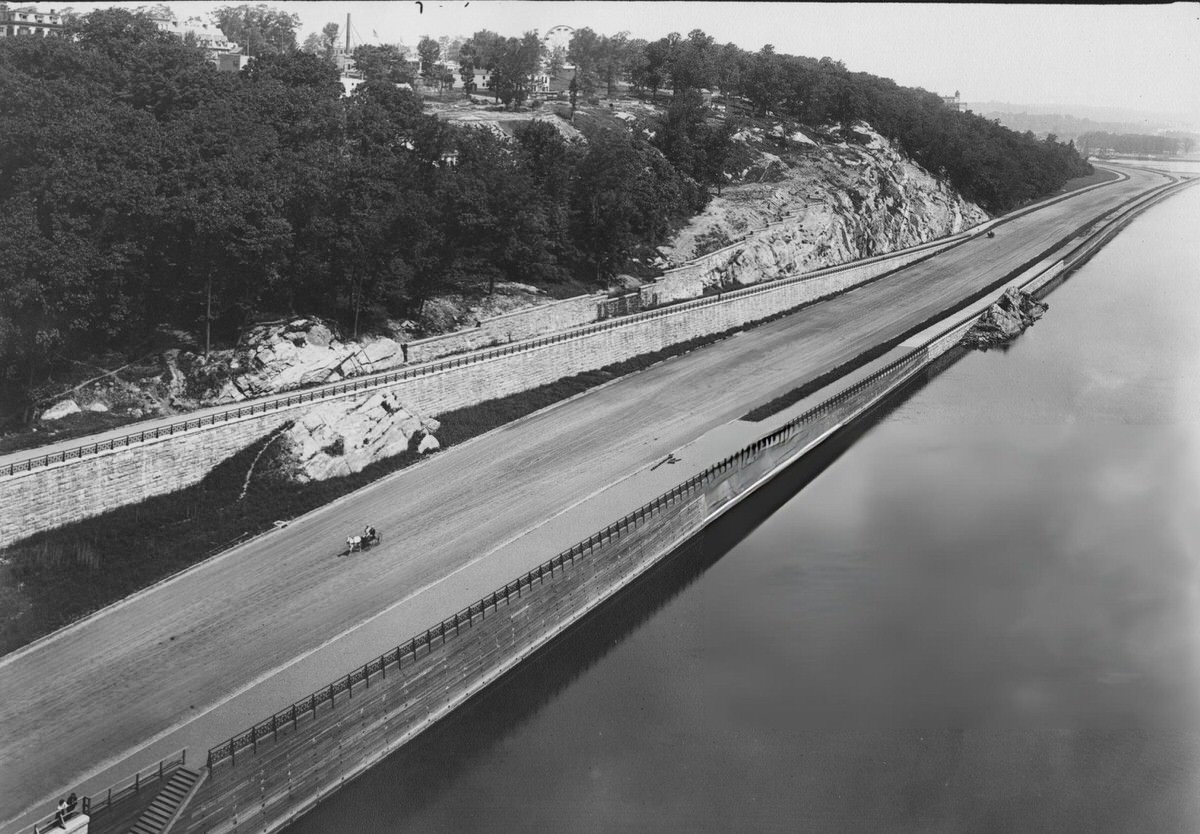
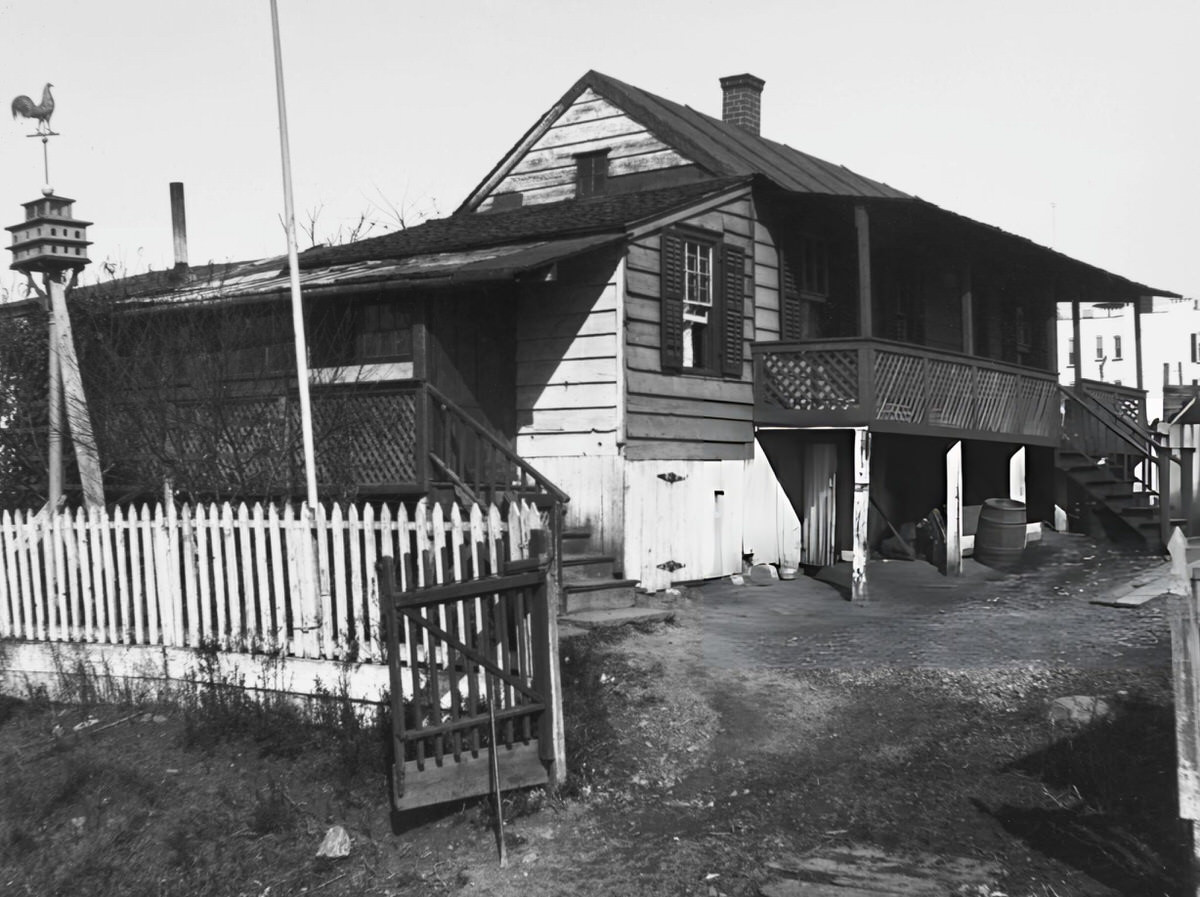
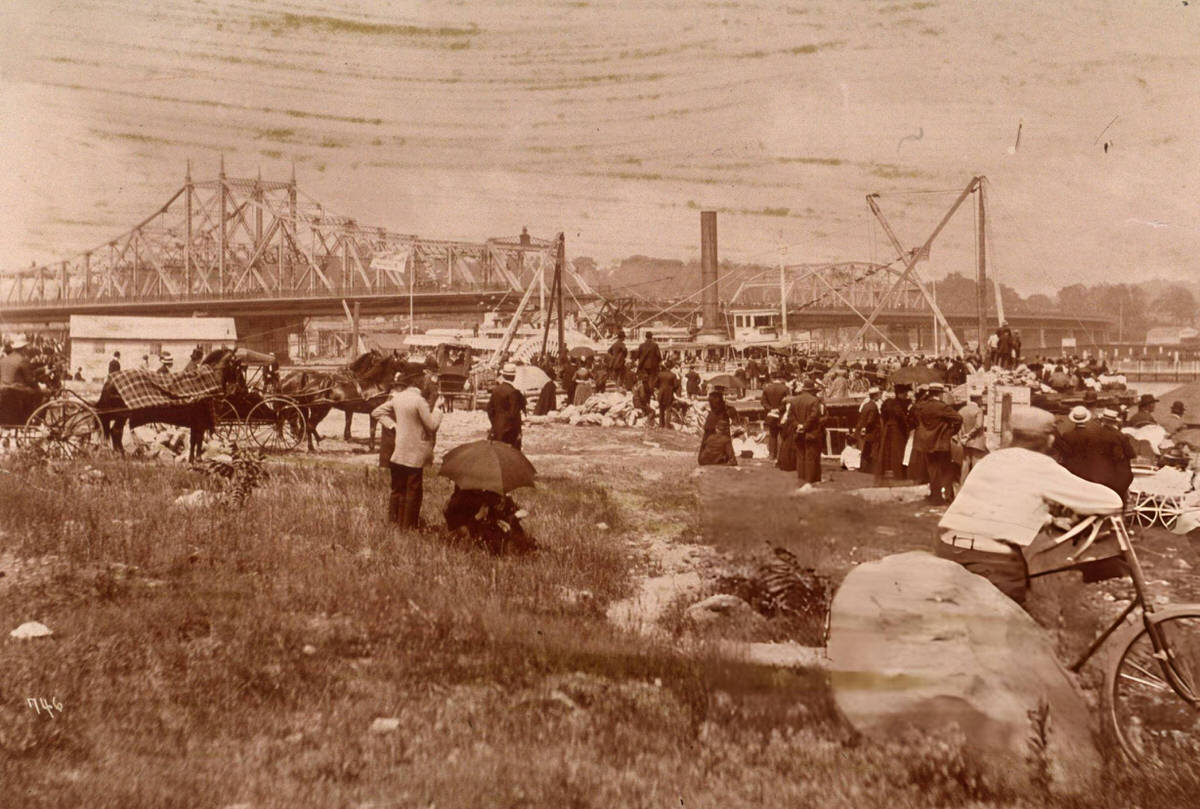
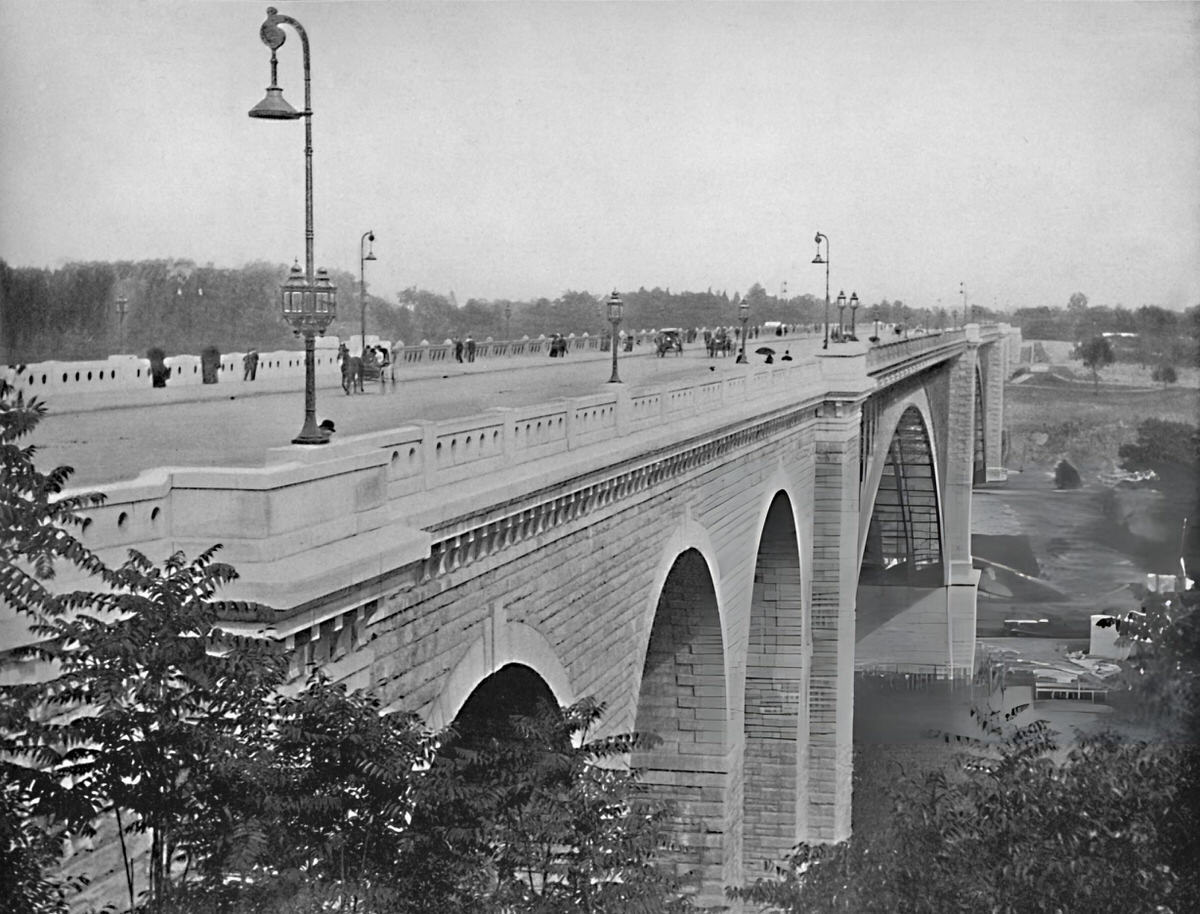
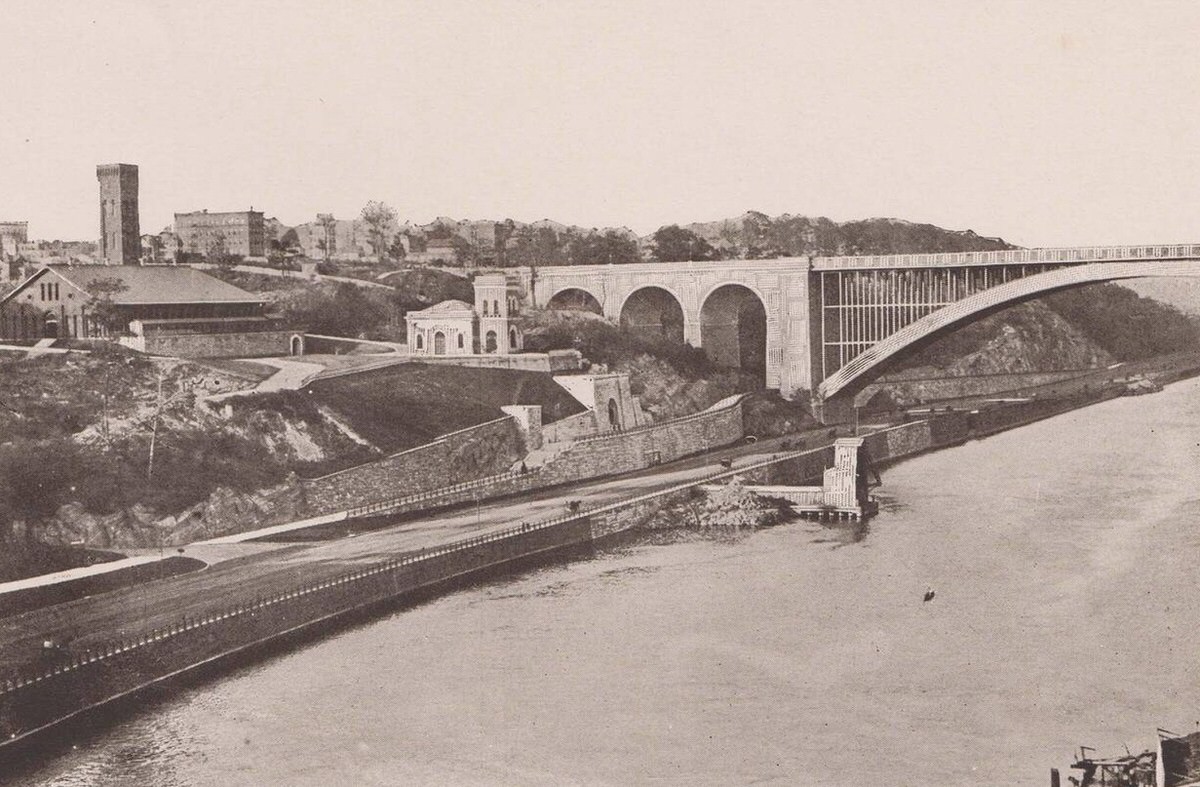
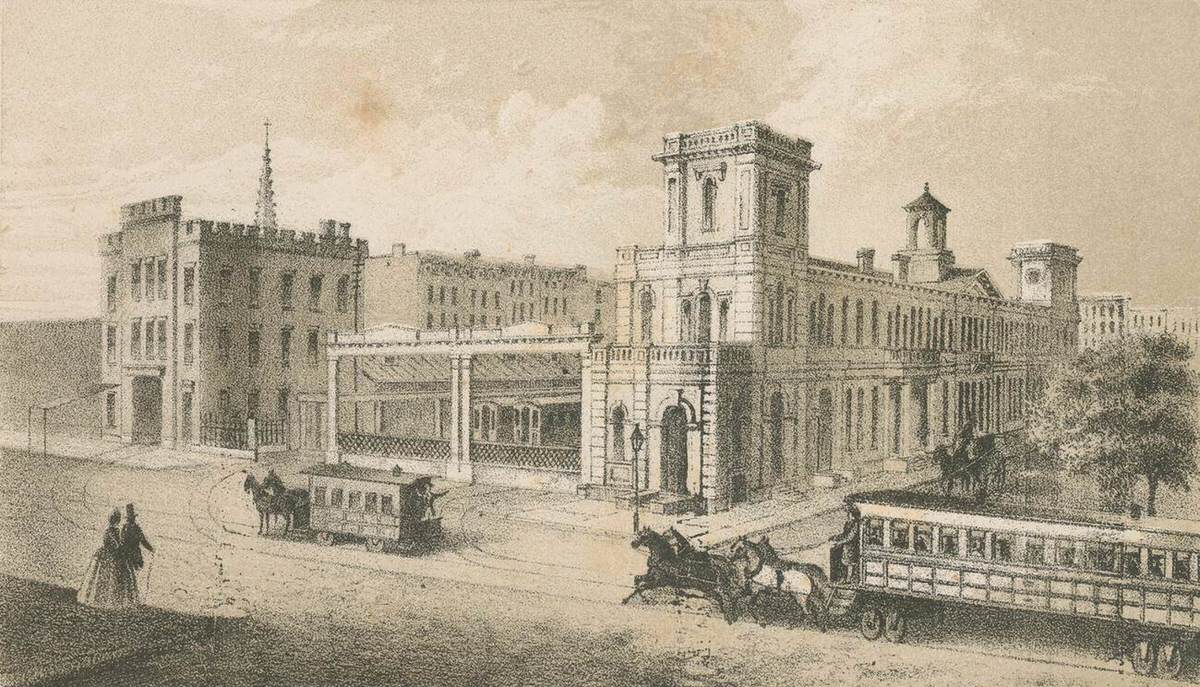
The geography shaped everything. Harlem sat at the northern end of Manhattan, separated from the rest of the island by a rocky ridge called Morningside Heights to the west and the Harlem River to the east and north. For most of the 1800s, getting to Harlem from downtown Manhattan meant a long ride by horse-drawn streetcar or a trip on the New York and Harlem Railroad, which had been running since 1837. The distance kept Harlem semi-rural long after lower Manhattan had become fully urban.
The elevated train lines changed that. The Second, Third, and Eighth Avenue Els extended into Harlem between 1878 and 1886, cutting the travel time to midtown from over an hour to under twenty minutes. Developers saw the train lines arrive and immediately began building. Speculation was the engine. Investors bought lots, put up brownstones and apartment buildings, and sold them to buyers who expected Harlem to become the next fashionable address for New York’s growing upper-middle class.
Read more
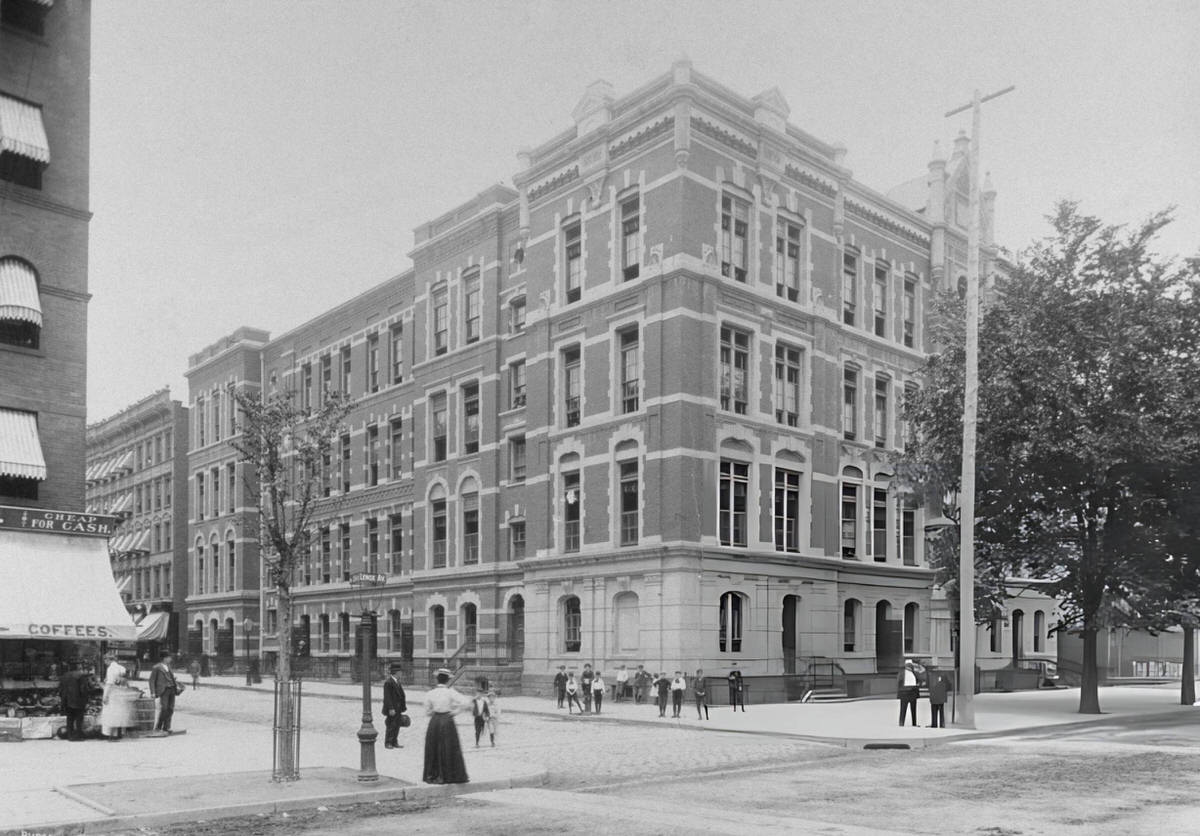
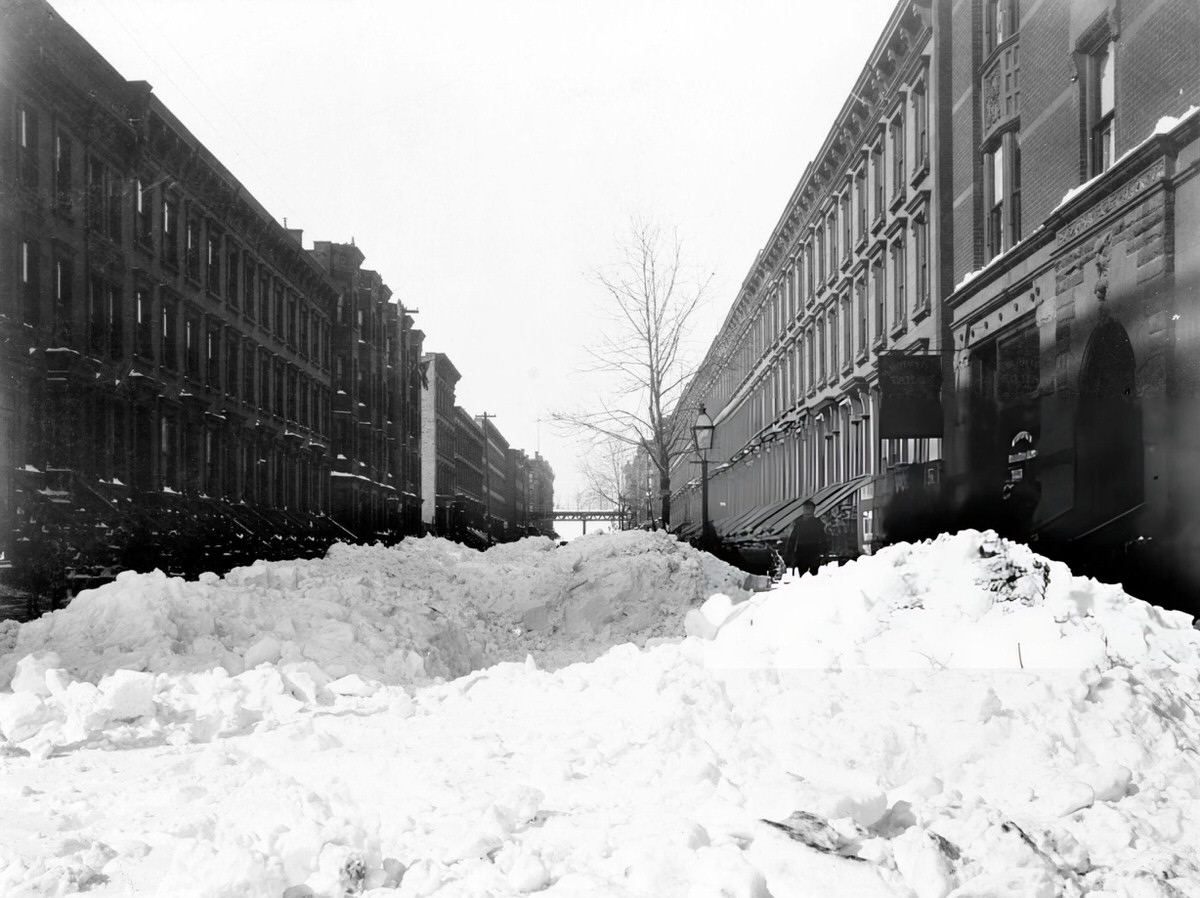
The construction that followed was genuinely impressive in scale. Between 1878 and 1895, developers built thousands of brownstones and limestone rowhouses across central and west Harlem. The blocks around 138th and 139th Streets went up with particularly fine buildings — wide stoops, carved stone facades, high ceilings inside. Developers marketed these blocks to wealthy buyers who wanted space and respectability away from the crowded streets of the Lower East Side and midtown.
The German Jewish community was among the first to move in significantly. German Jews had been in New York since the mid-1800s and had prospered enough by the 1880s to move out of the Lower East Side. They settled along the avenues of central Harlem, built synagogues, and established merchant businesses. Temple Israel opened on East 125th Street. By the early 1890s, Harlem had a substantial German Jewish population that considered itself firmly middle class and distinctly separate from the Eastern European Jews arriving by the hundreds of thousands at the piers downtown.
Italian immigrants settled in East Harlem — the blocks east of Third Avenue and north of 96th Street. This area would eventually become known as Italian Harlem or Spanish Harlem, but in the 1880s and 1890s it was densely Italian, packed with families from southern Italy and Sicily who worked in construction, street vending, and the garment trade. The church of Our Lady of Mount Carmel on East 115th Street became the center of the community and hosted the Feast of Our Lady of Mount Carmel every July, drawing tens of thousands of participants by the 1890s.
The Irish held sections of west Harlem around Amsterdam Avenue. The Swedish community centered around the blocks near what is now Marcus Garvey Park. Small communities of Greeks, Hungarians, and Eastern European Jews occupied pockets throughout the neighborhood. Harlem in the 1890s was a patchwork of European immigrant communities, each claiming specific blocks with churches, social clubs, and businesses in their own languages.
The Black population of Harlem in the late 1800s was tiny and mostly confined to a few blocks on the West Side around 53rd Street — a neighborhood that had been known as Black Bohemia since the 1870s. San Juan Hill, around 60th Street on the West Side, held another small Black community. Harlem itself, in 1890, had almost no Black residents.
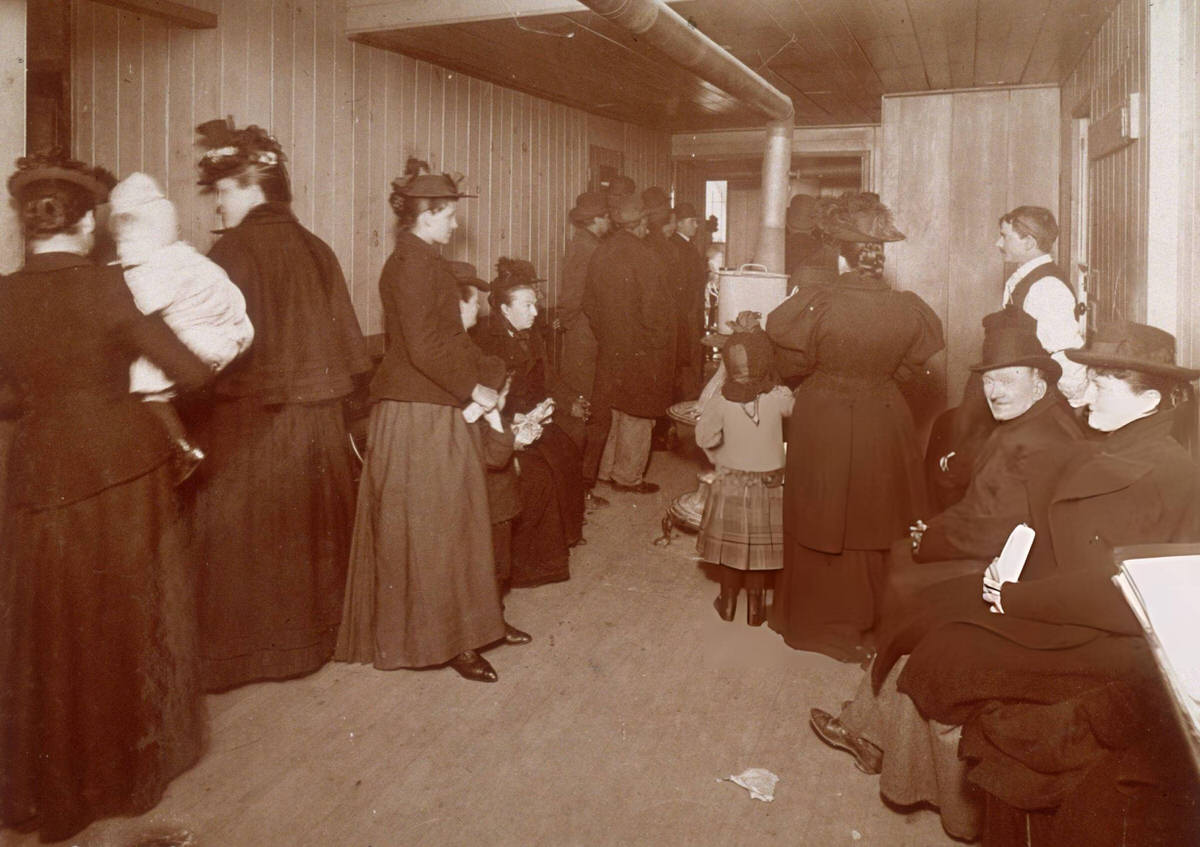
The real estate speculation collapsed in the mid-1890s. Developers had overbuilt badly — there were far more apartments than buyers with the money to fill them. Landlords watched their buildings sit empty while mortgage payments came due. The crash left thousands of new apartments vacant across Harlem, and landlords faced a choice between letting the buildings sit empty and losing everything, or renting to whoever could pay.
Philip Payton Jr., a Black real estate agent operating in the late 1890s, recognized the opening. He approached desperate white landlords in Harlem and offered to fill their empty buildings with Black tenants who would pay slightly above market rent. The landlords, facing foreclosure, agreed. Payton formed the Afro-American Realty Company in 1904 and began managing buildings on West 134th and 135th Streets.
The process was not fast and it was not welcomed by white Harlem residents, who organized committees to buy buildings and keep Black tenants out. But the economics were stronger than the resistance. The crash had left too many empty apartments and too many desperate landlords. Block by block, the demographics of Harlem began to shift.

GIPHY App Key not set. Please check settings