

 Wendy Robert
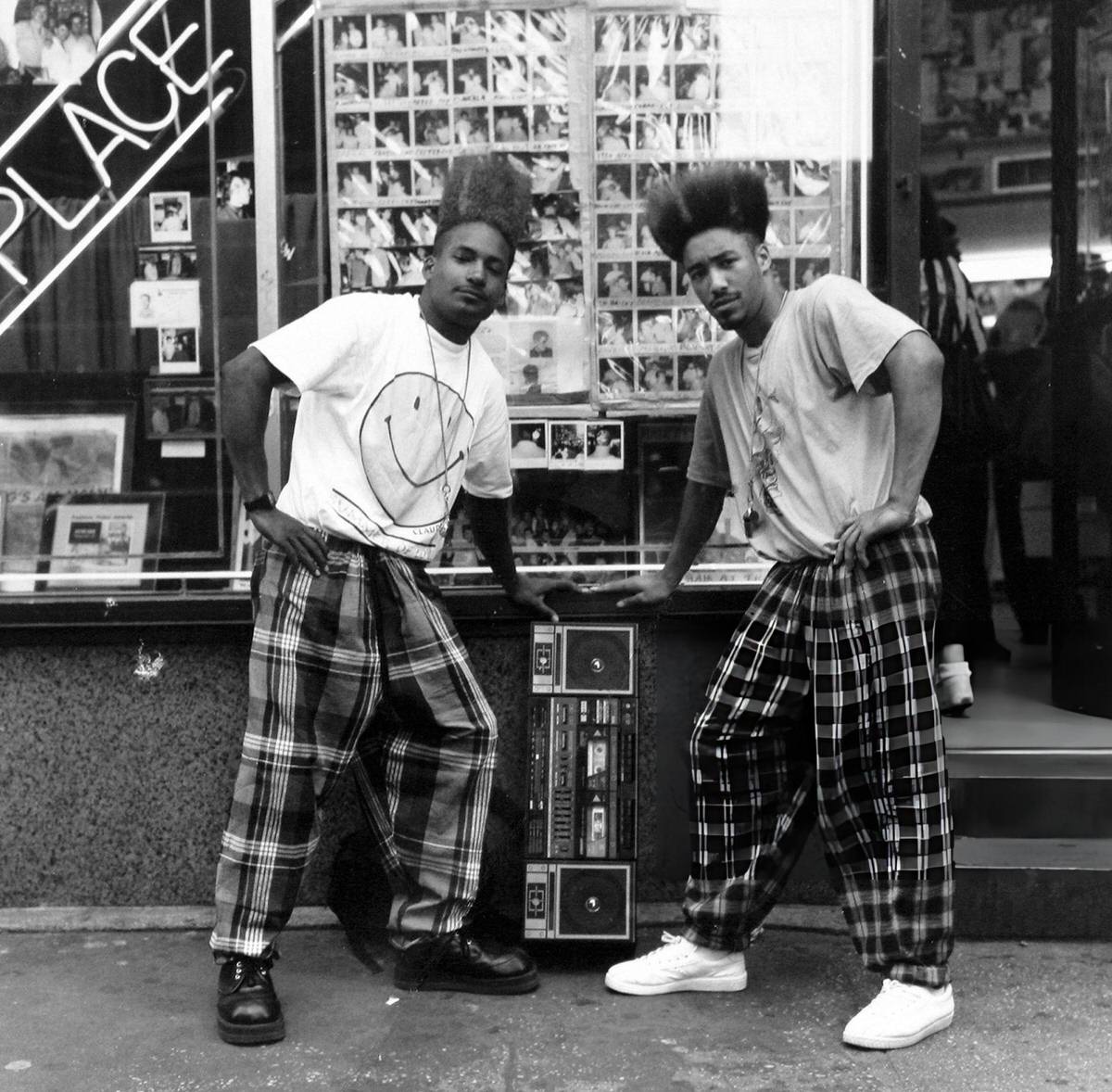
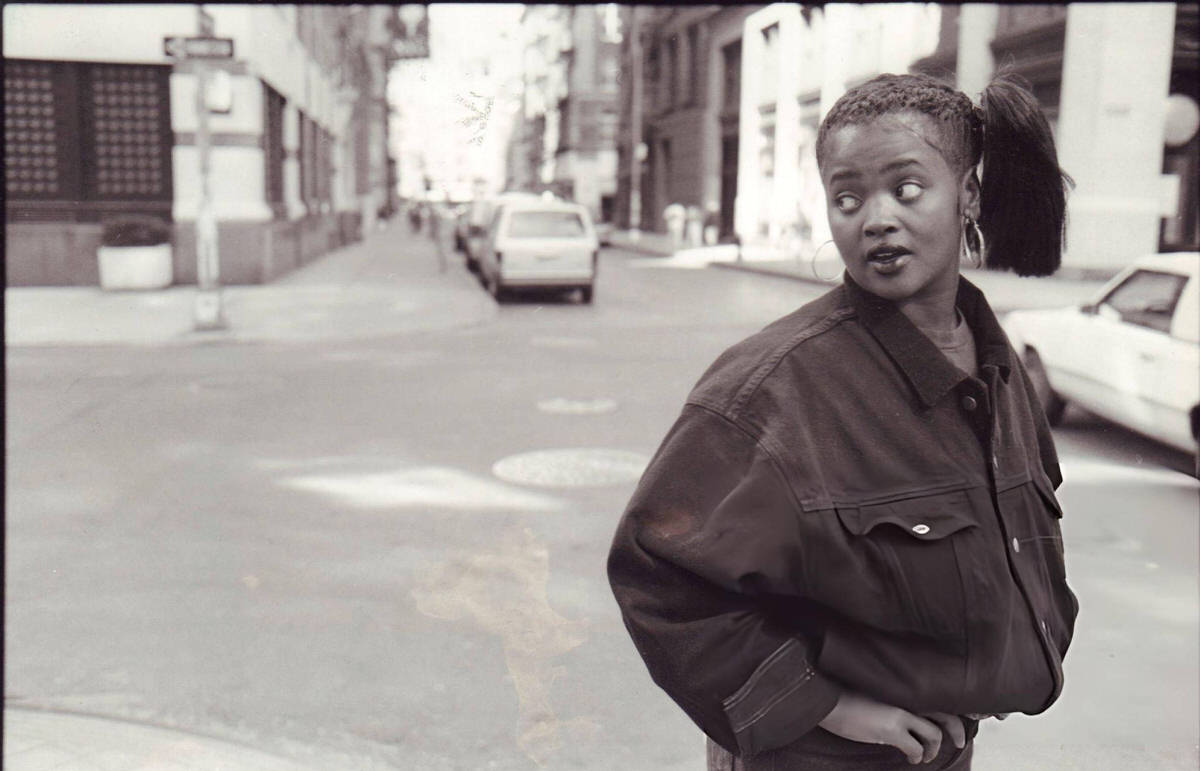
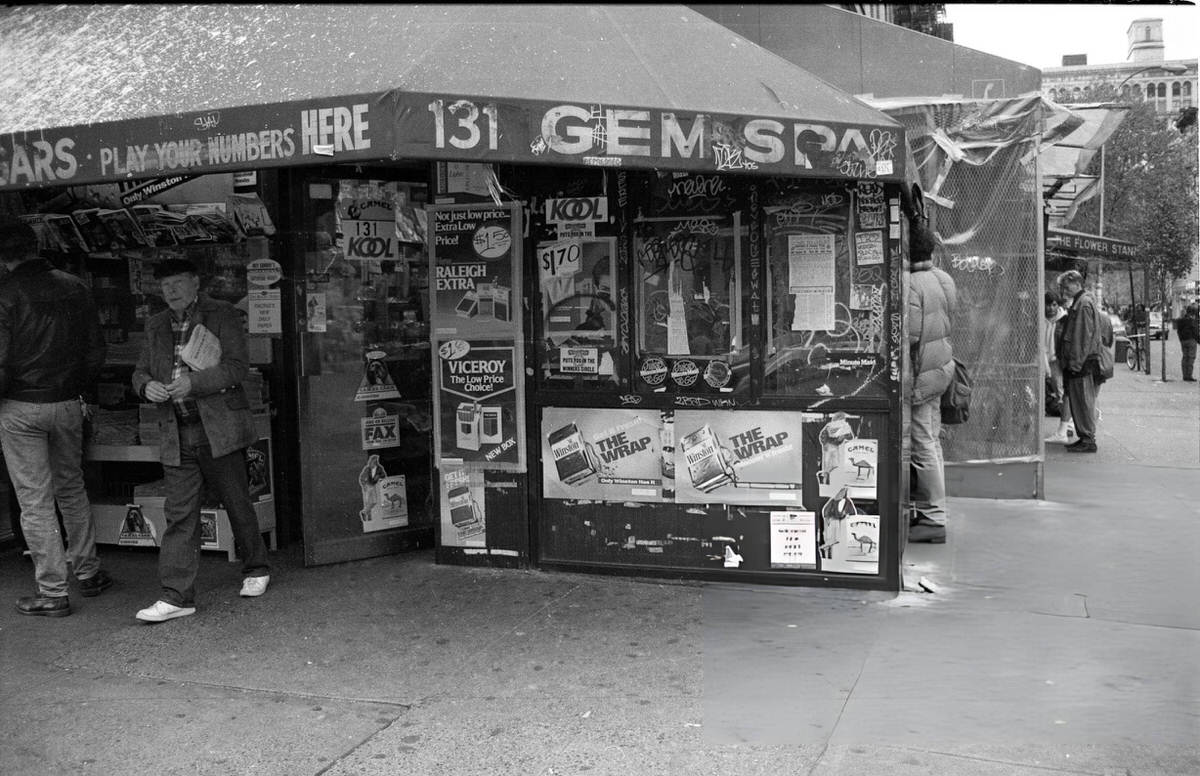
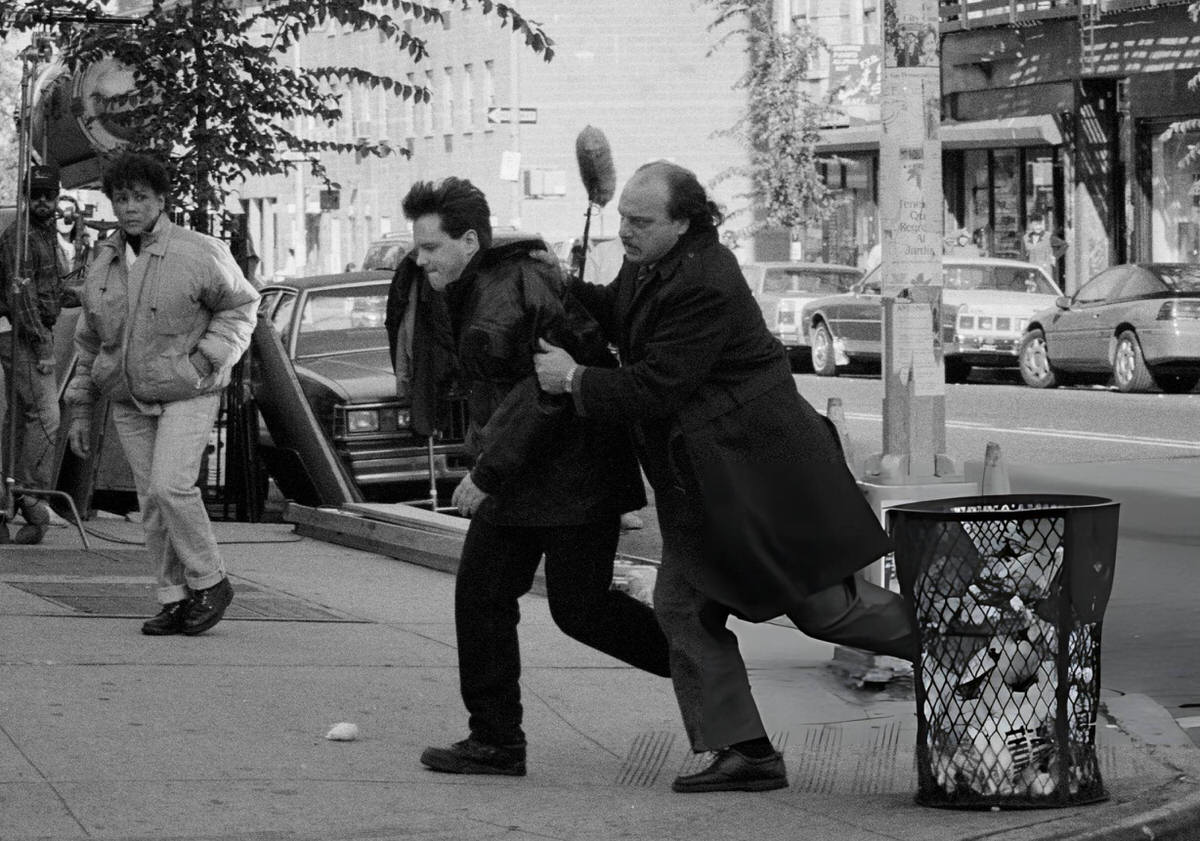
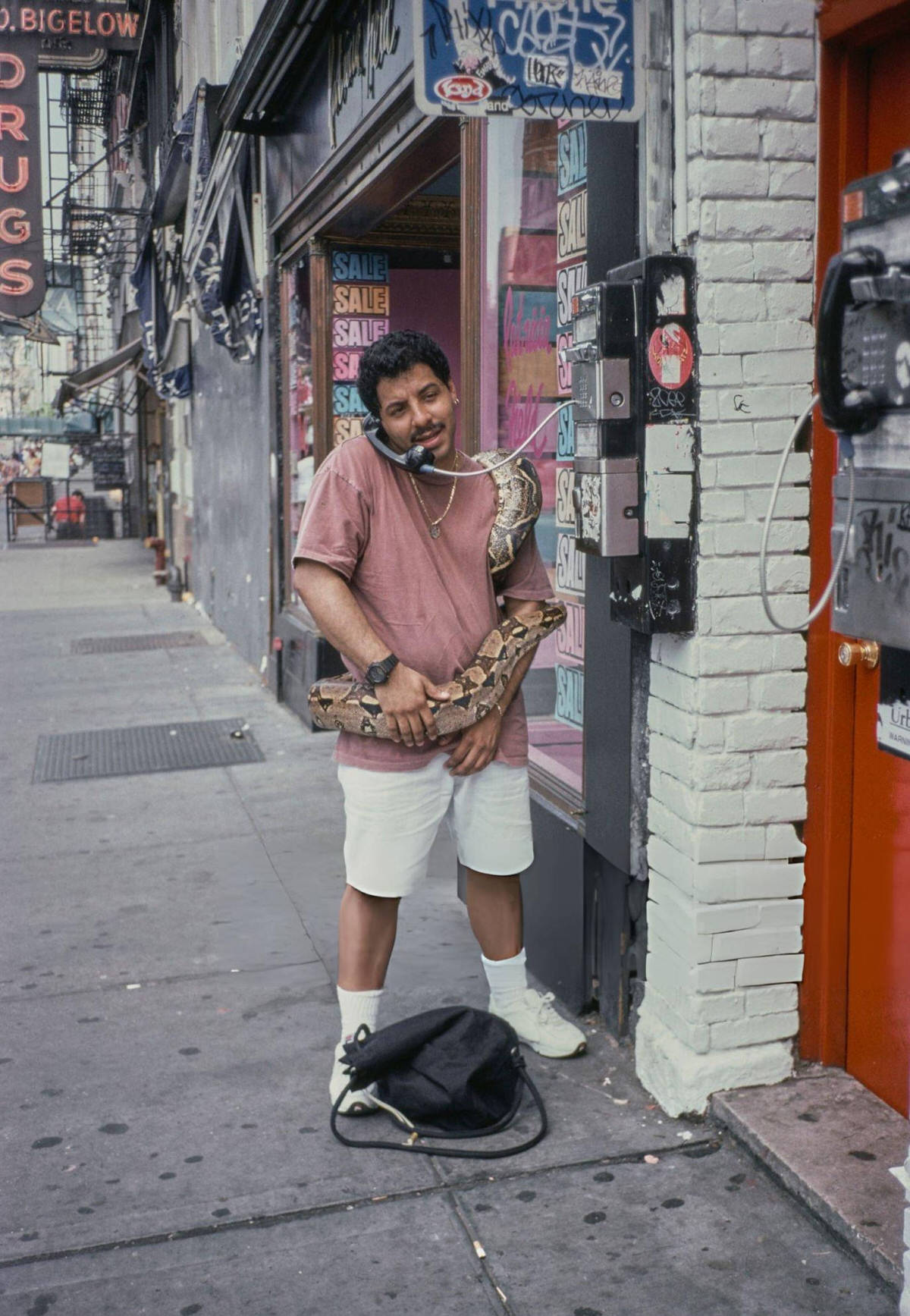
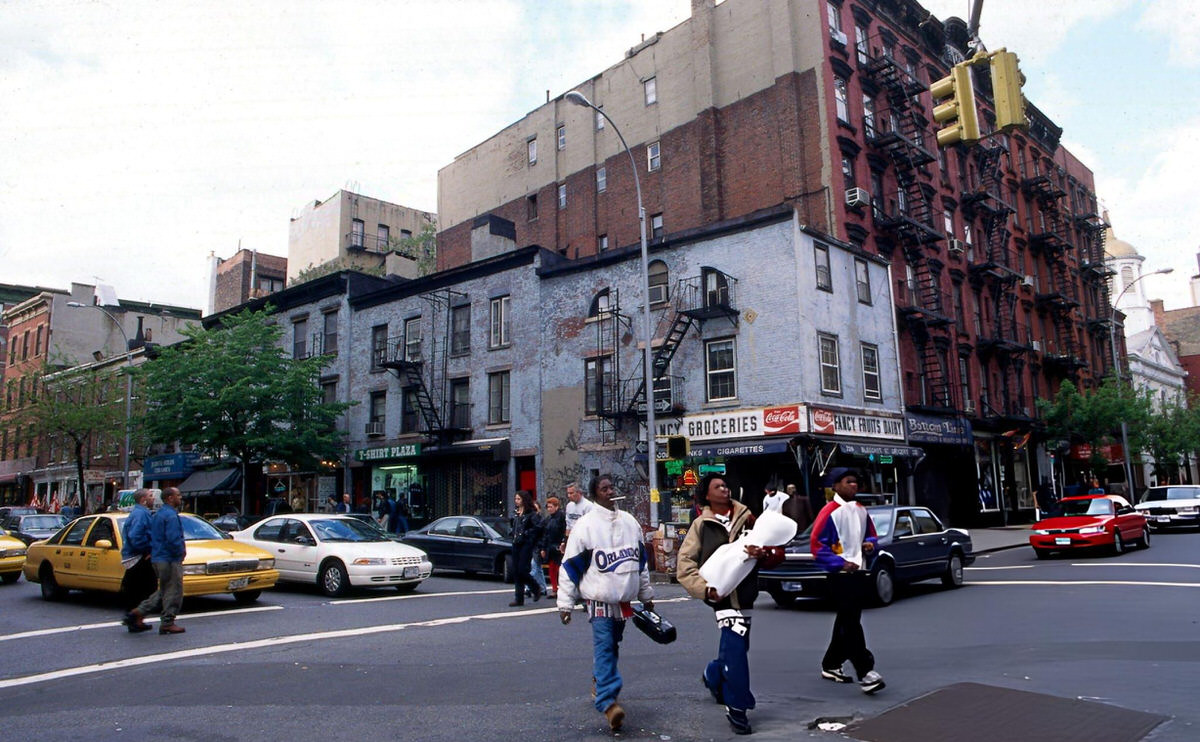
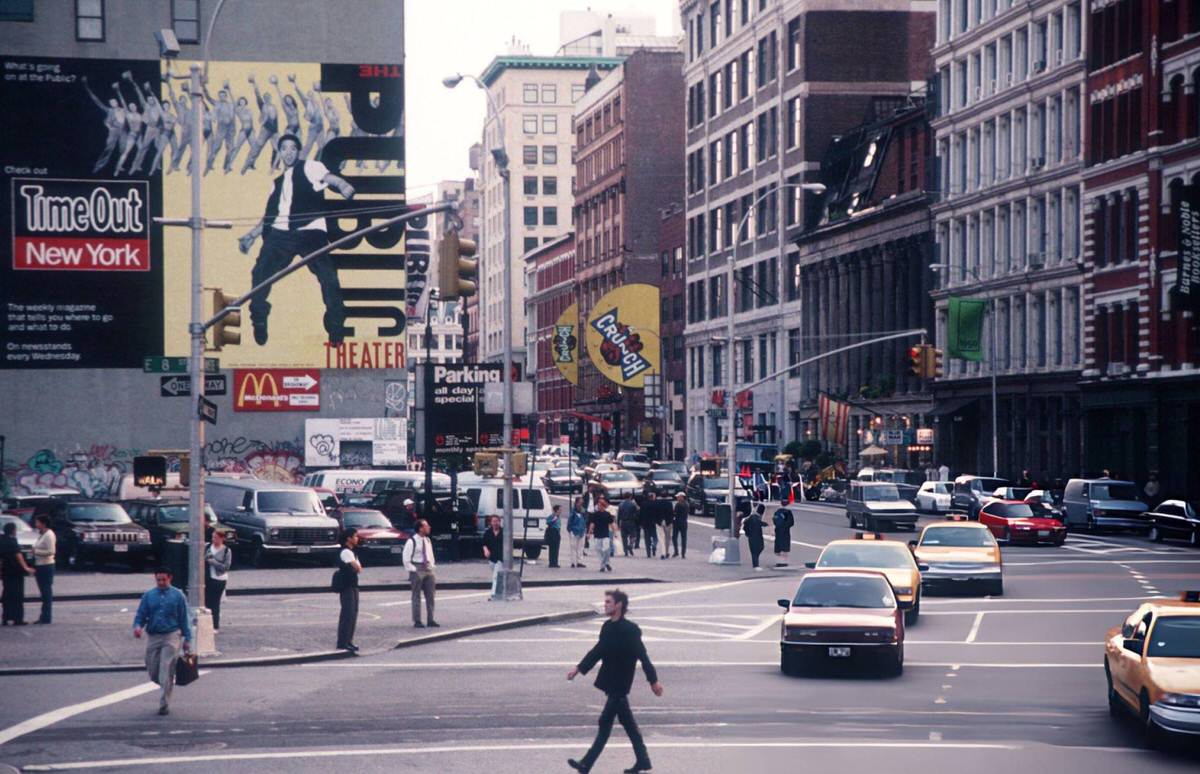
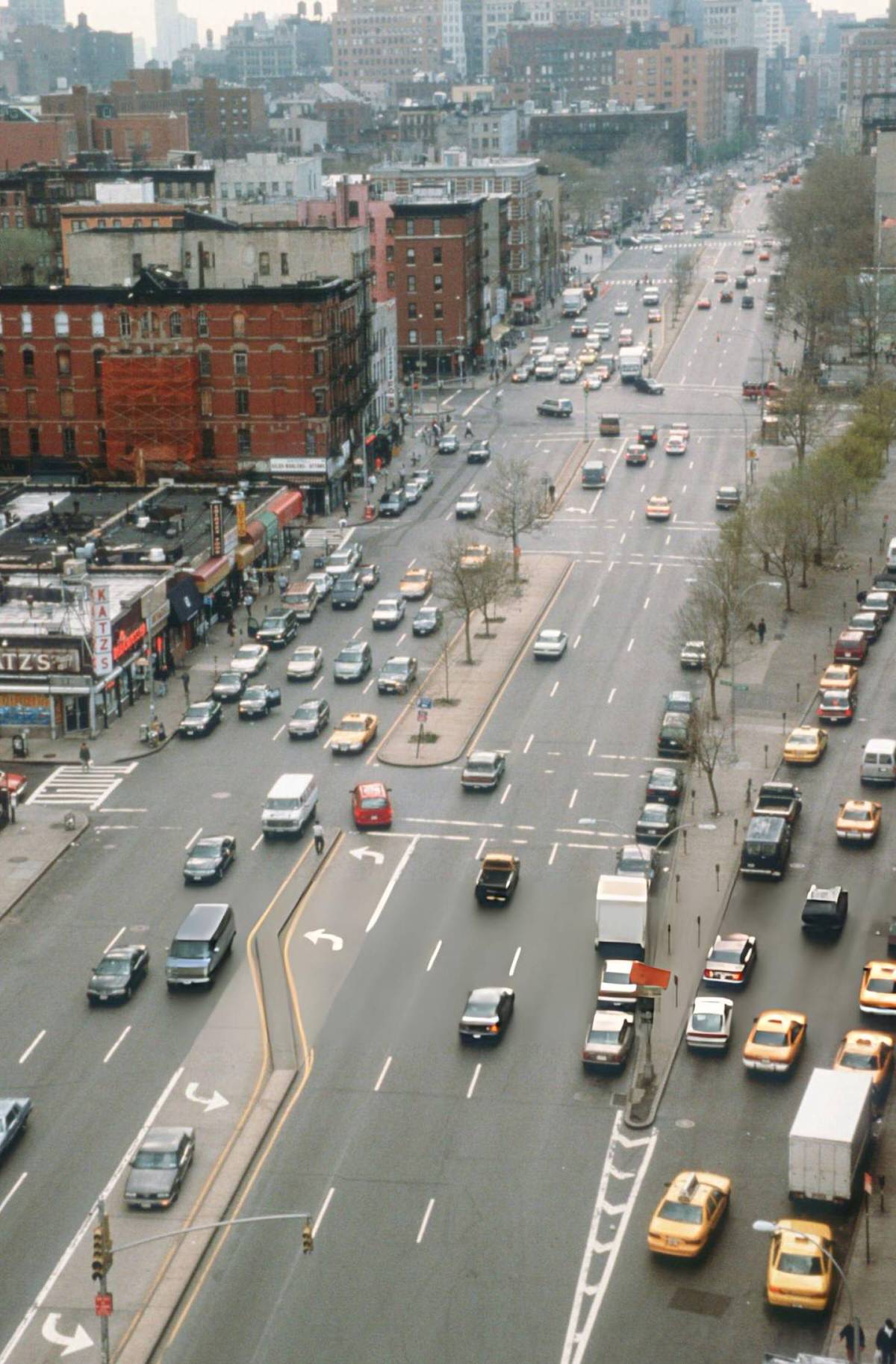
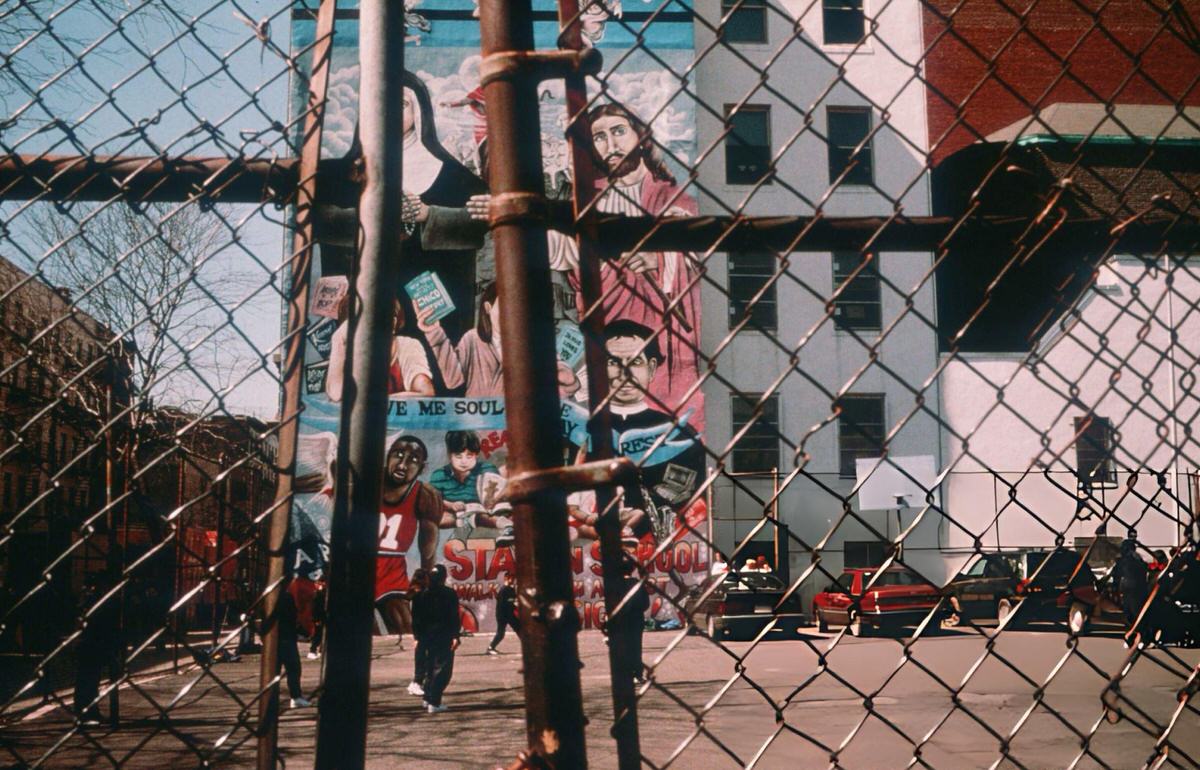
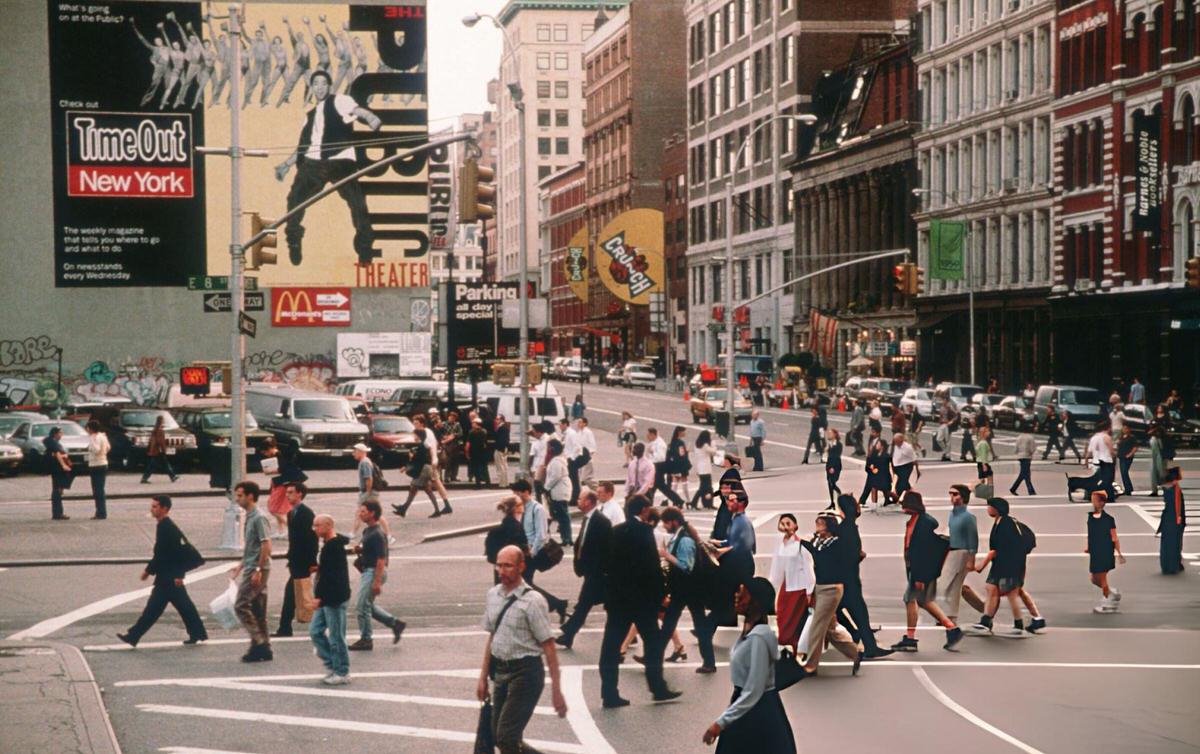
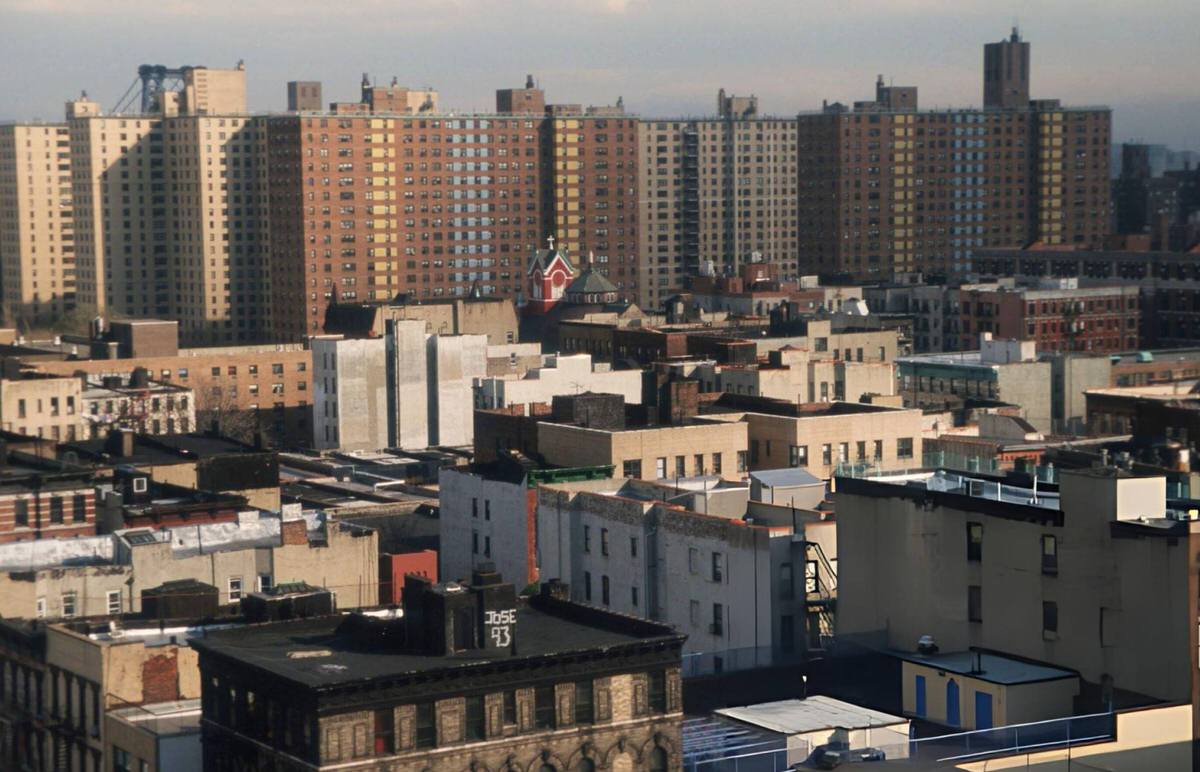
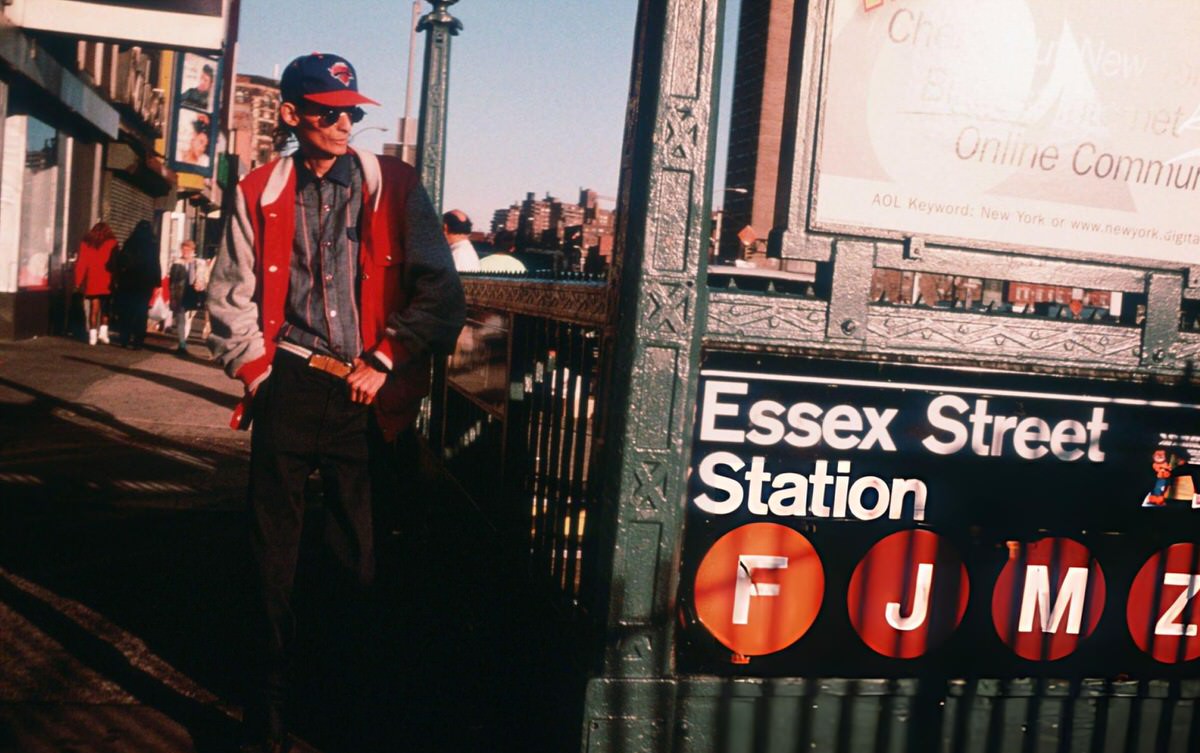
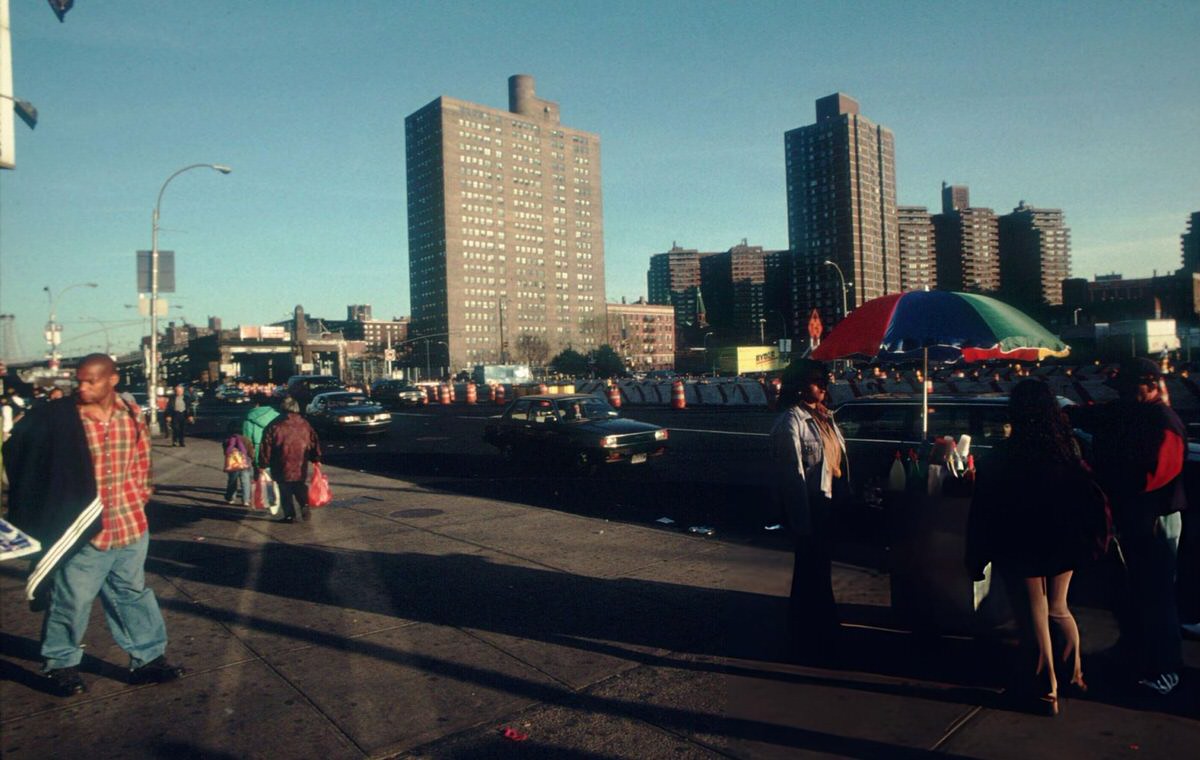
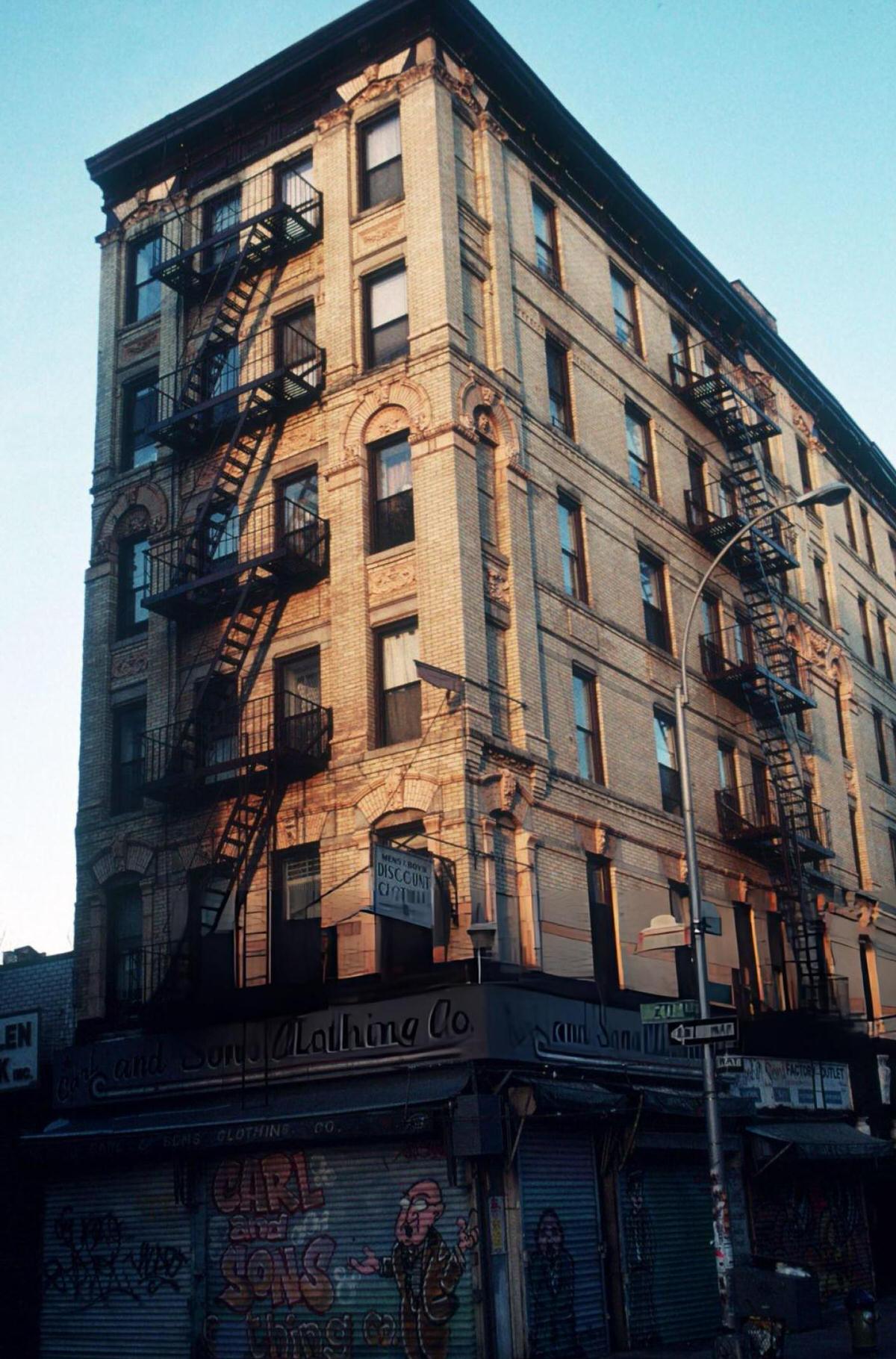
The 1990s began with New York City in recession and ended with it unrecognizable. Greenwich Village sat in the middle of that transformation — still rough around the edges in 1990, polished and expensive by 1999. The decade did not happen to the Village gradually. It happened in waves, and each wave took something with it.
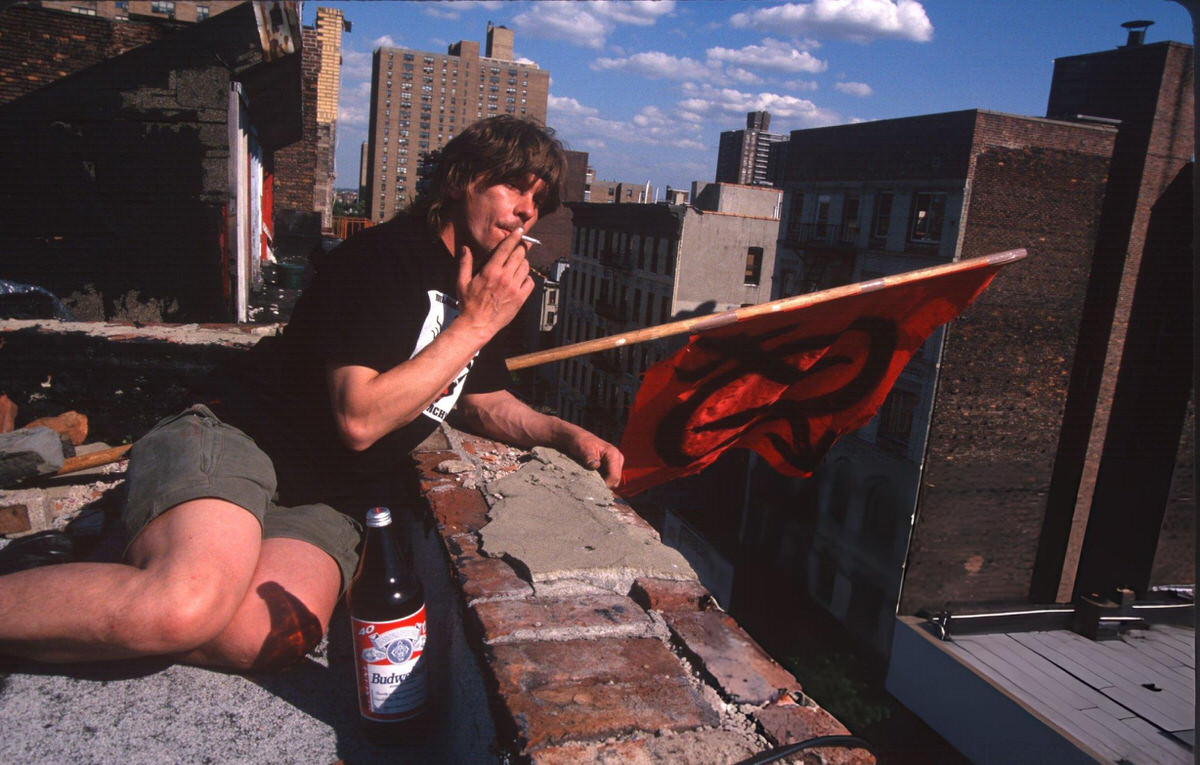
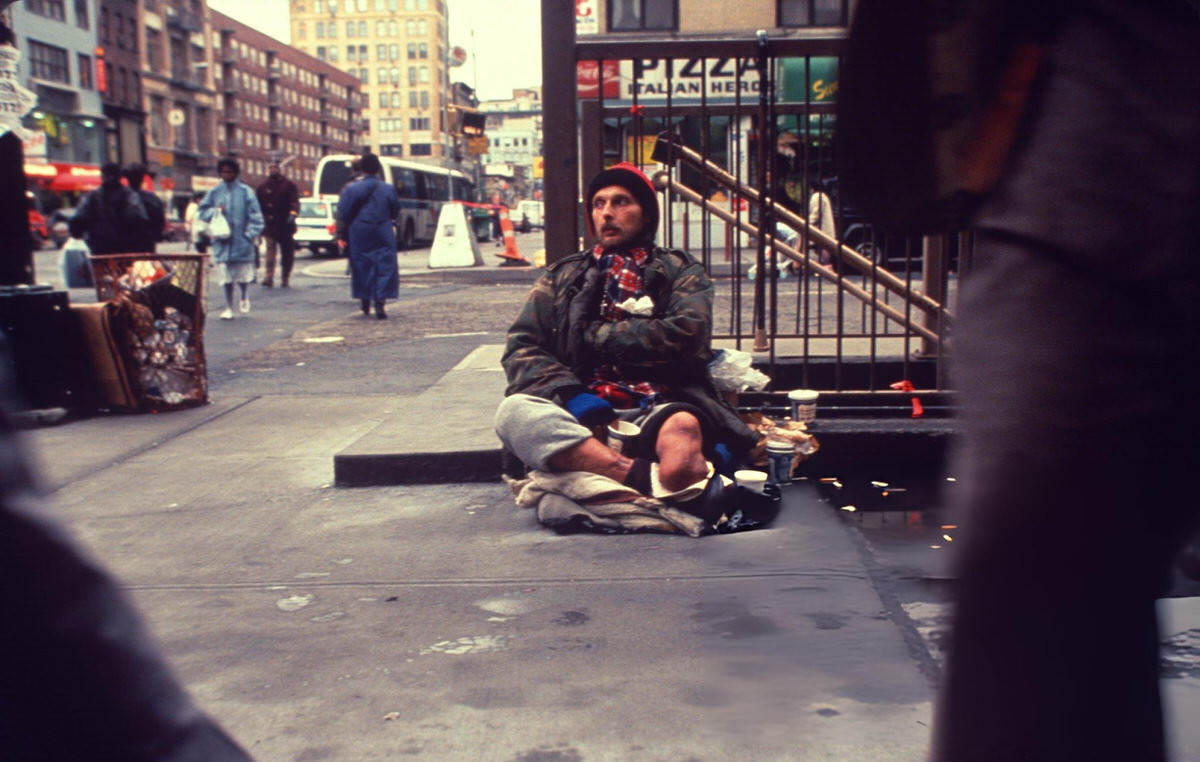
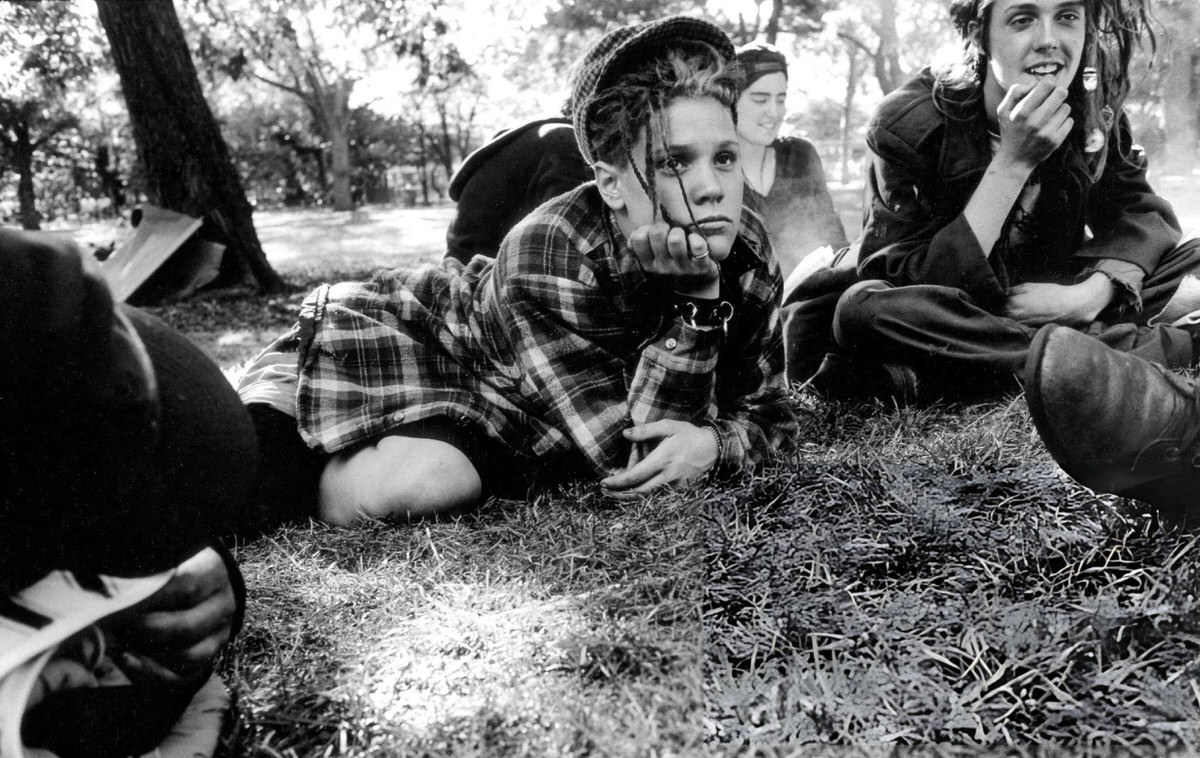
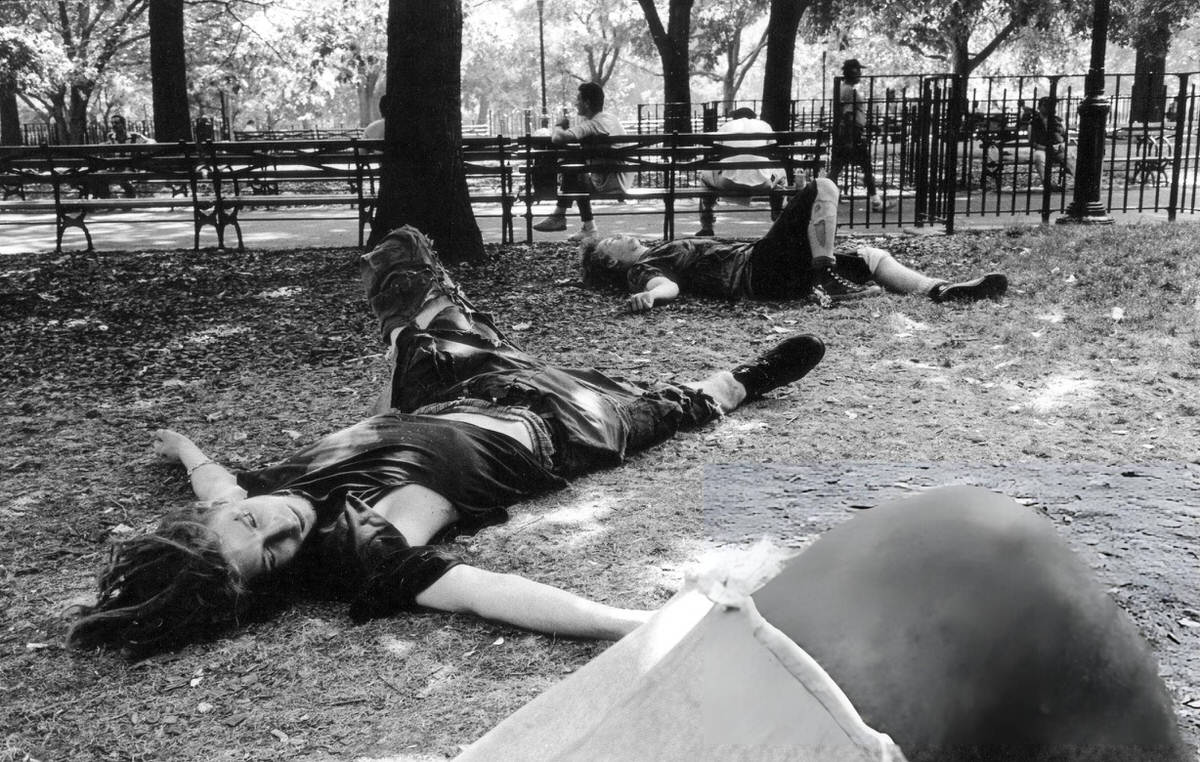
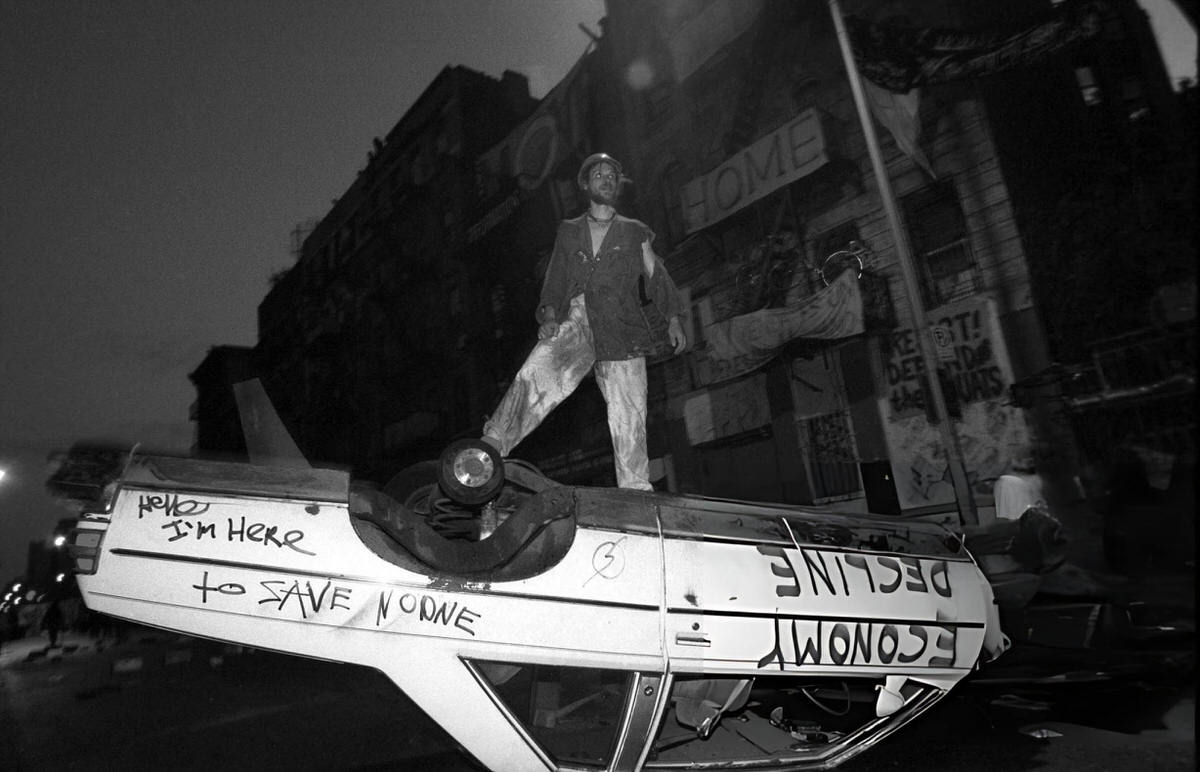
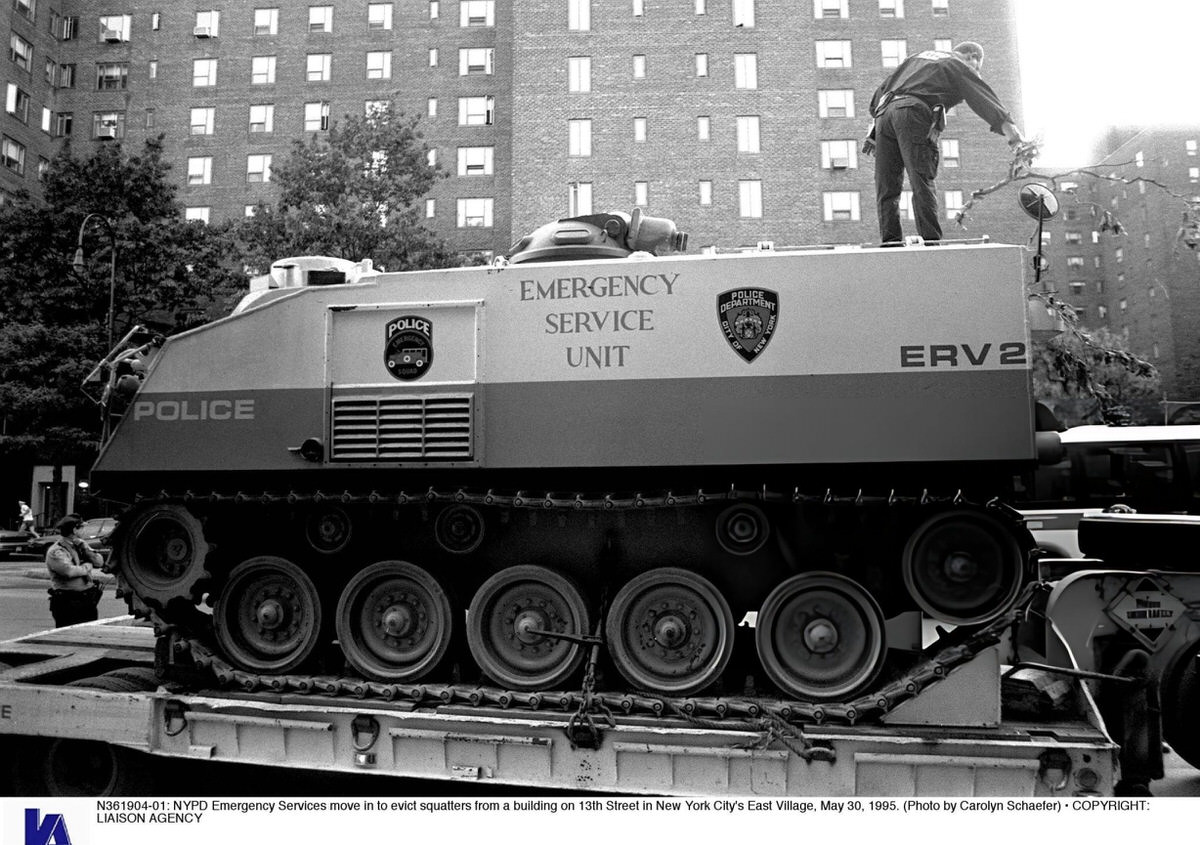
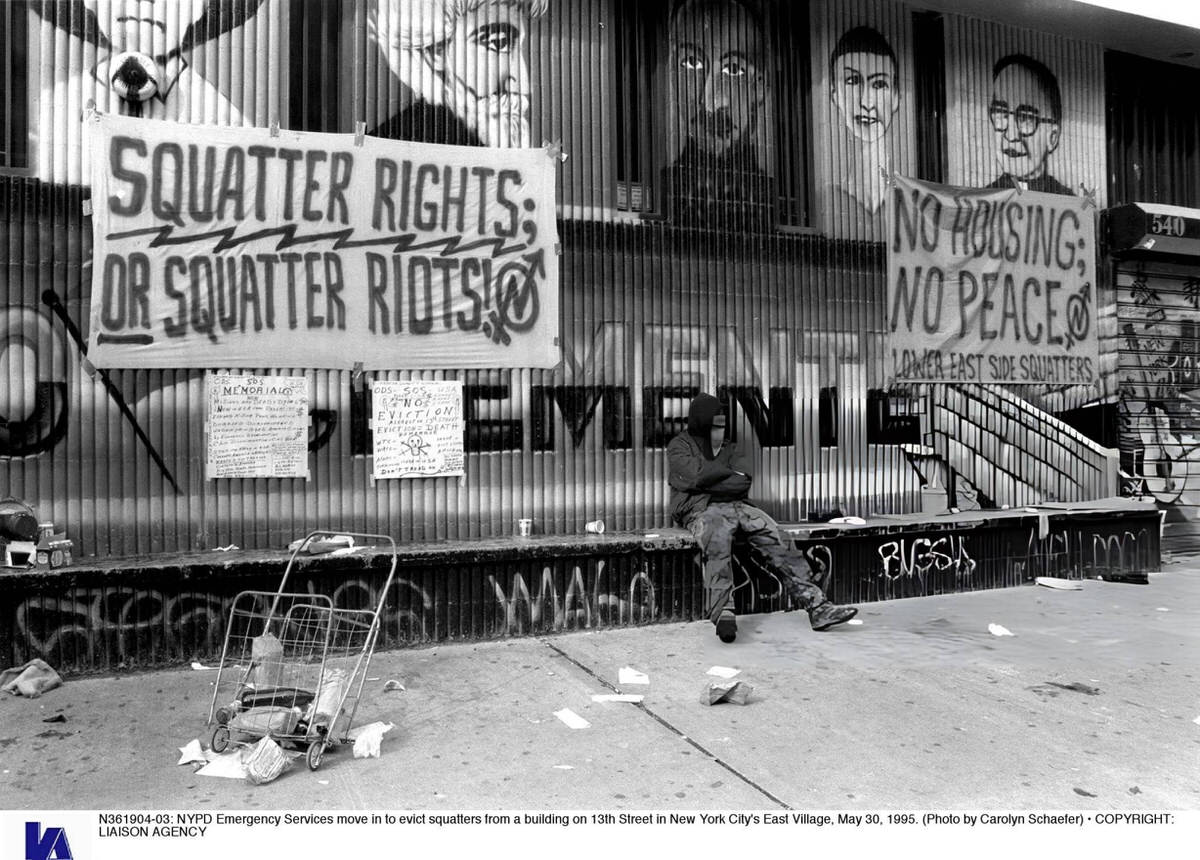
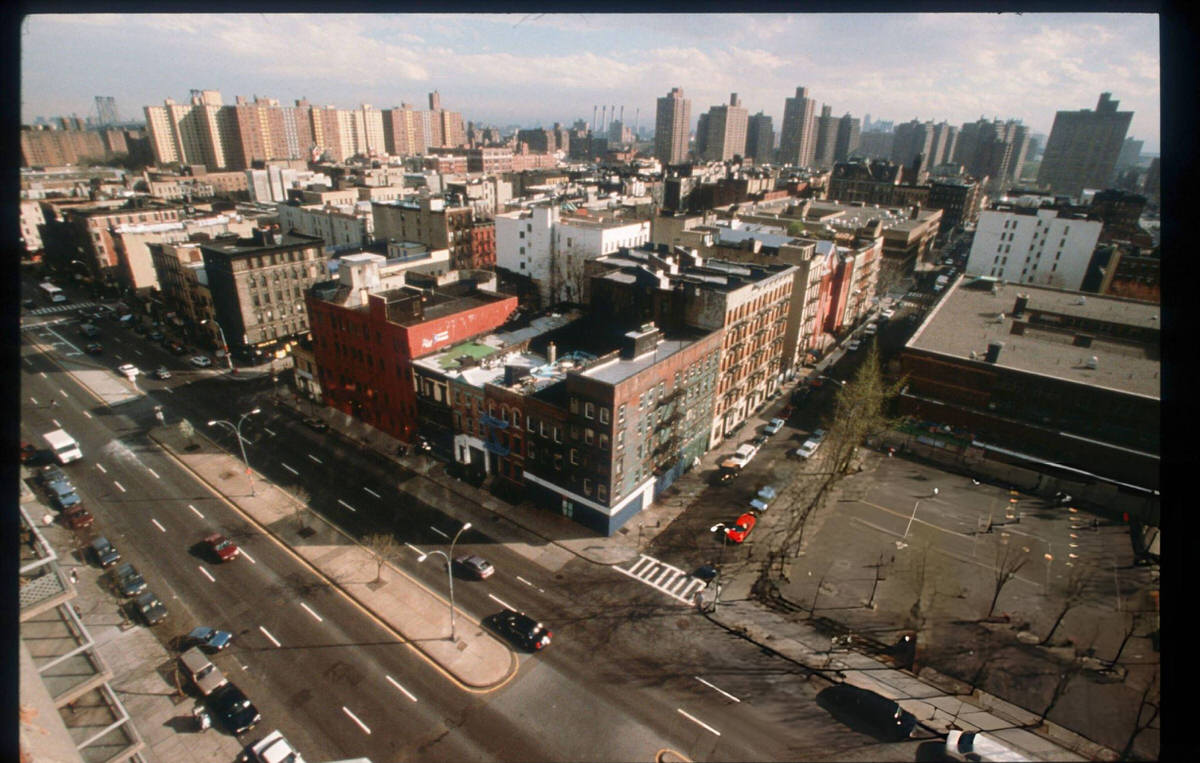
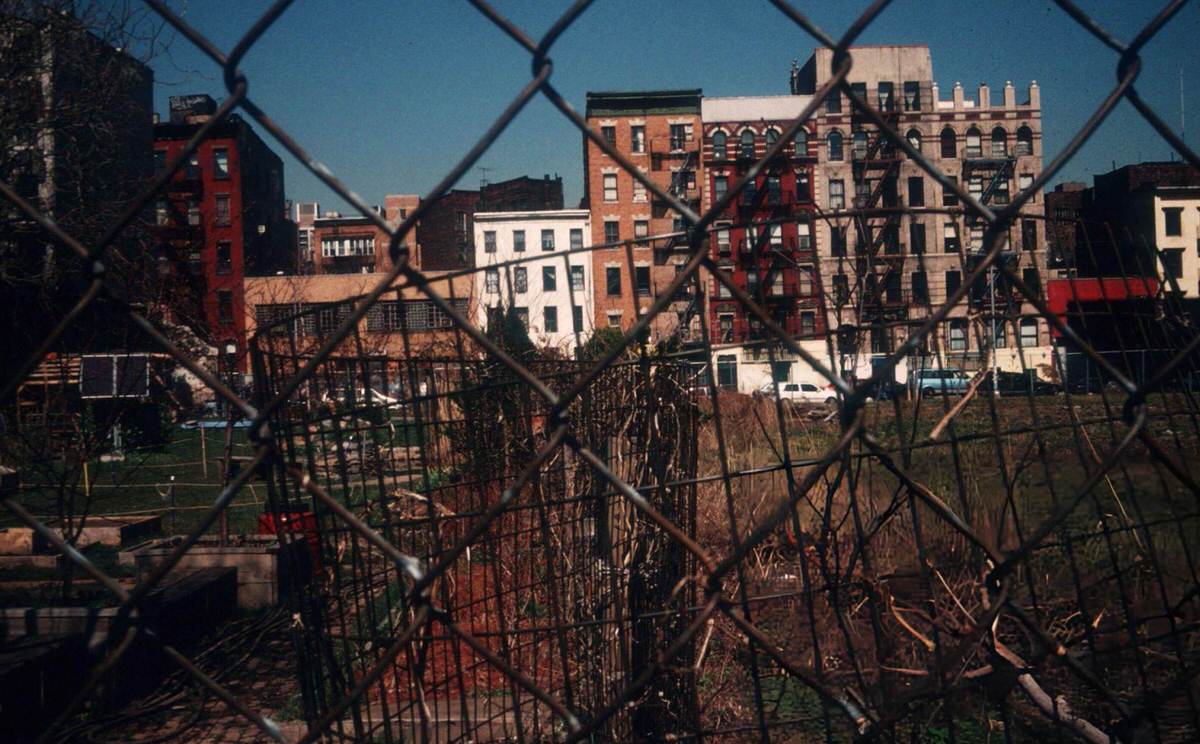
Tompkins Square Park reopened in 1992 after the city cleared the homeless encampment that had been there since the late eighties. The Parks Department renovated the space, added fencing, and set new rules. The park that had been a flashpoint for riots four years earlier now had a dog run and a farmers market schedule. The squatters who had fought the city for years got pushed further east or disappeared into shelters. The artists who had romanticized the chaos moved on or stayed and adjusted.
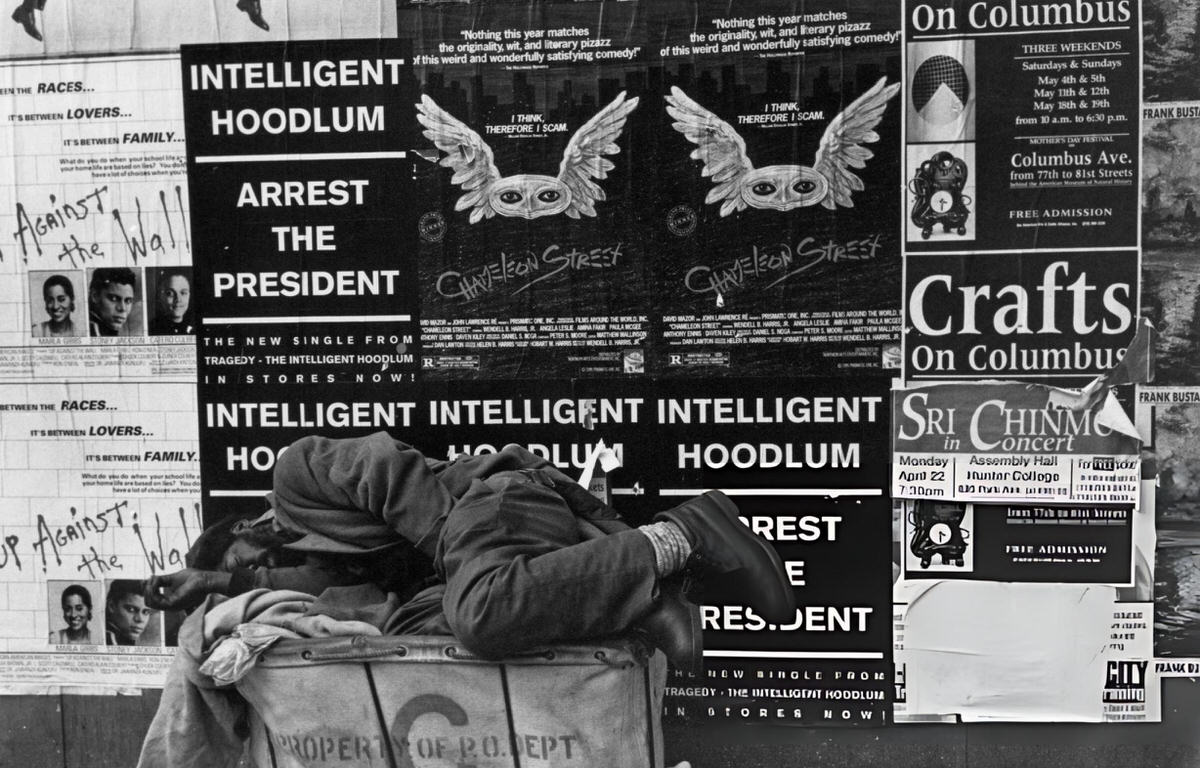
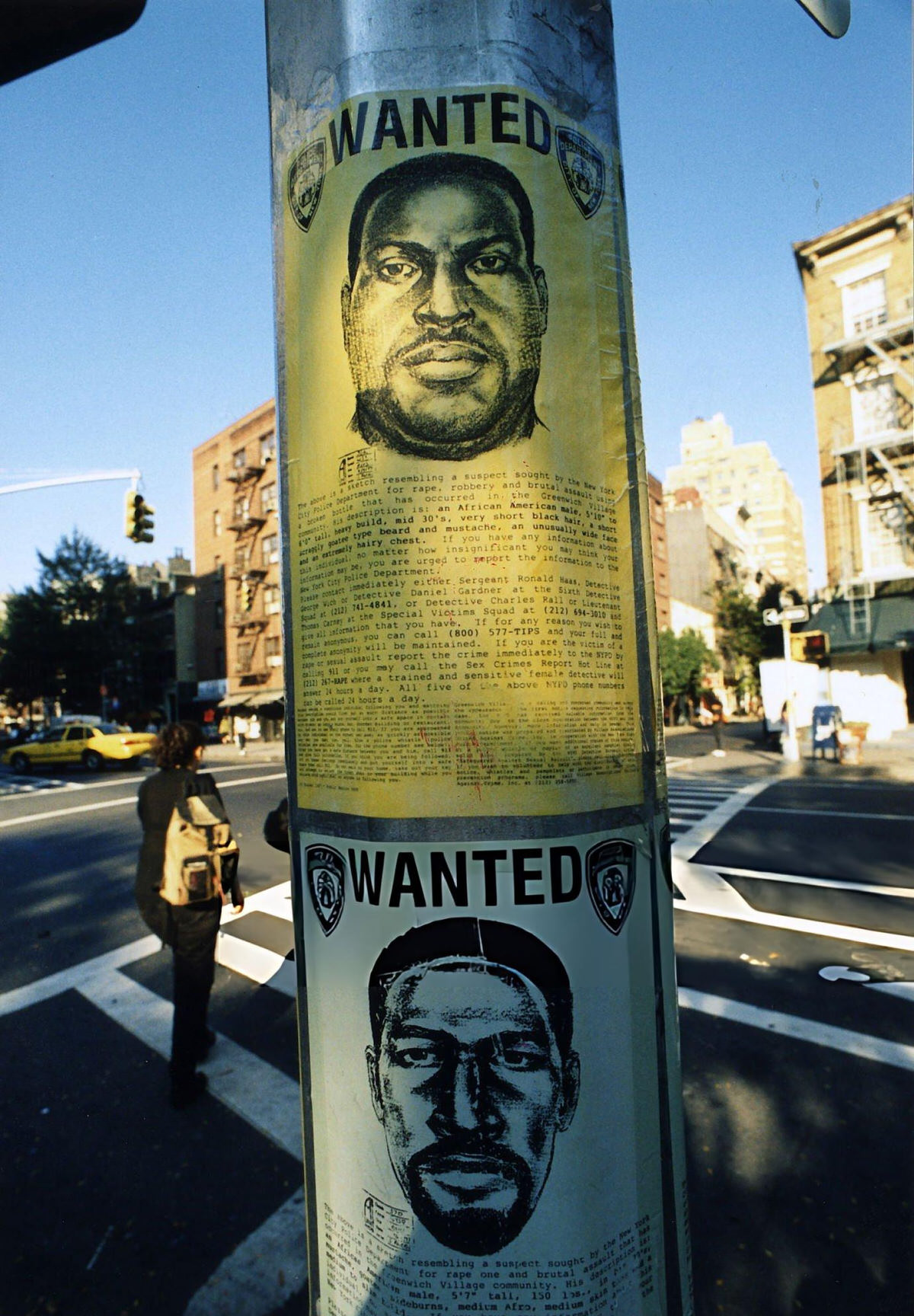
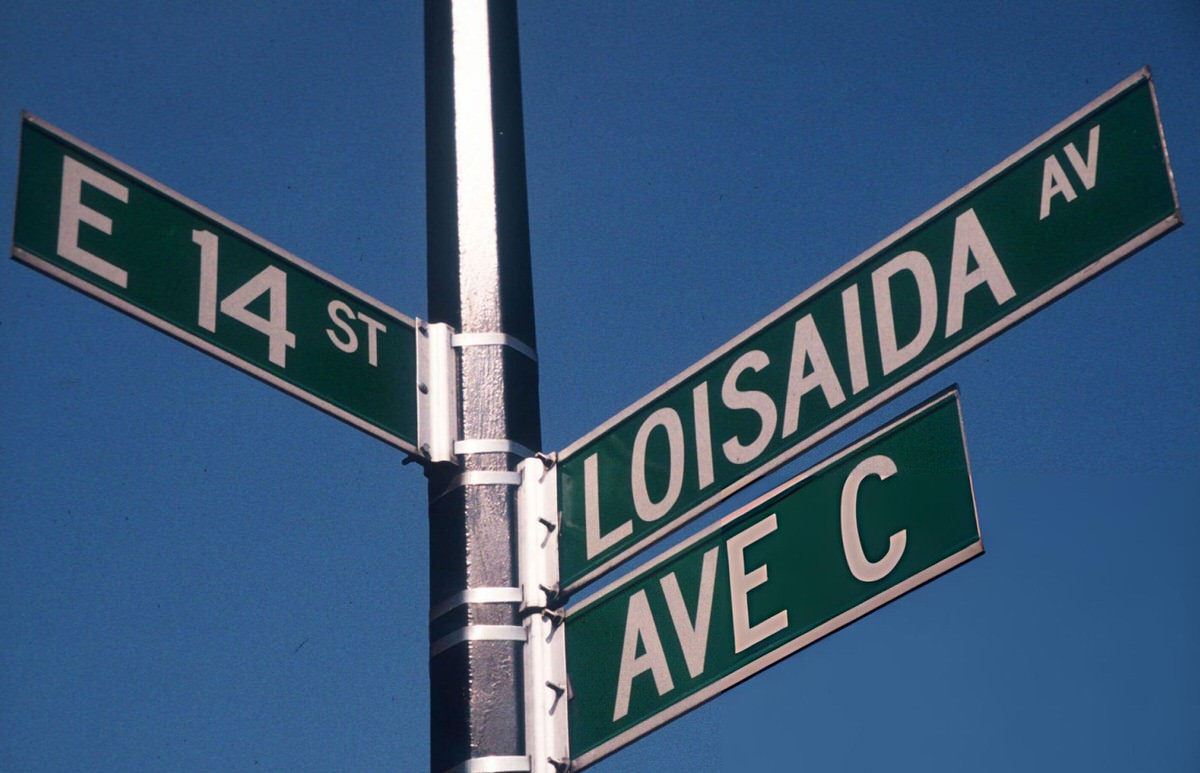
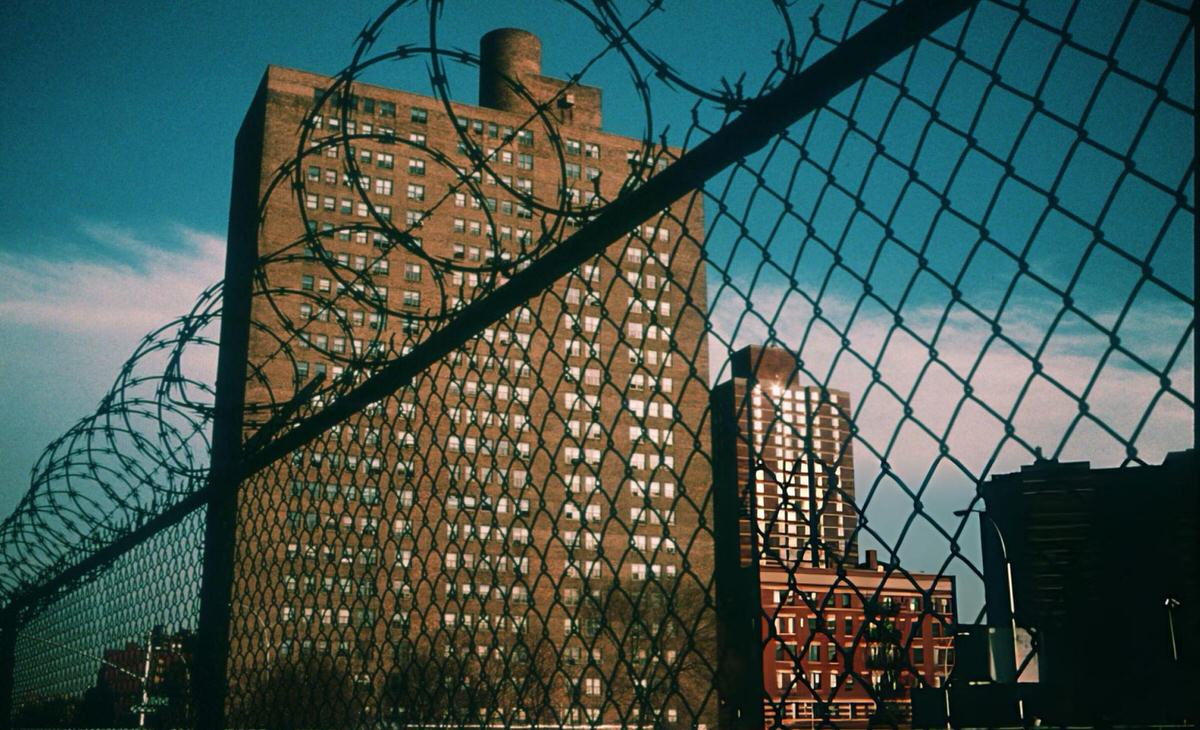
Giuliani became mayor in 1994 and the enforcement approach to the streets changed fast. The NYPD’s CompStat system tracked crime block by block. Squeegee men were removed from intersections. Open drug markets that had operated for years on Avenue B and C got shut down through constant arrests. Crime did fall — significantly. Murders in New York dropped from over 2,000 a year in the early nineties to under 700 by 1999. The Village got quieter and safer, and that safety made it more desirable, which made it more expensive, which changed who lived there.
Read more
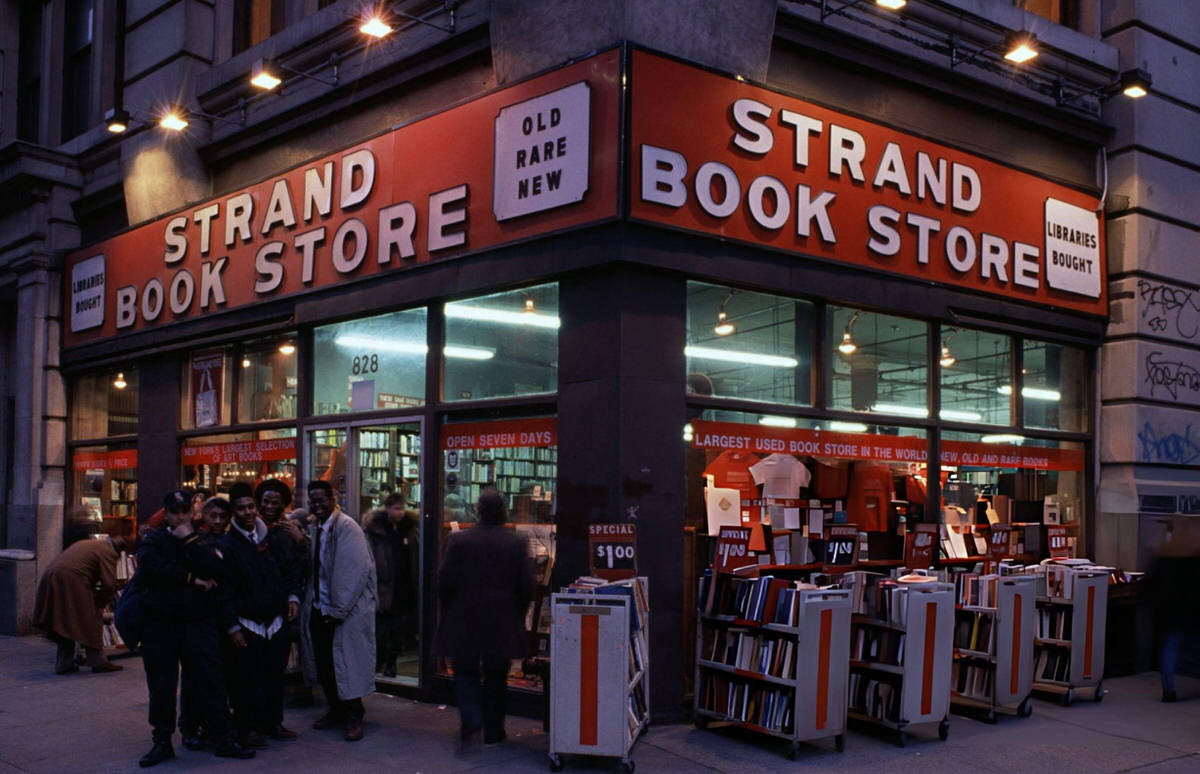
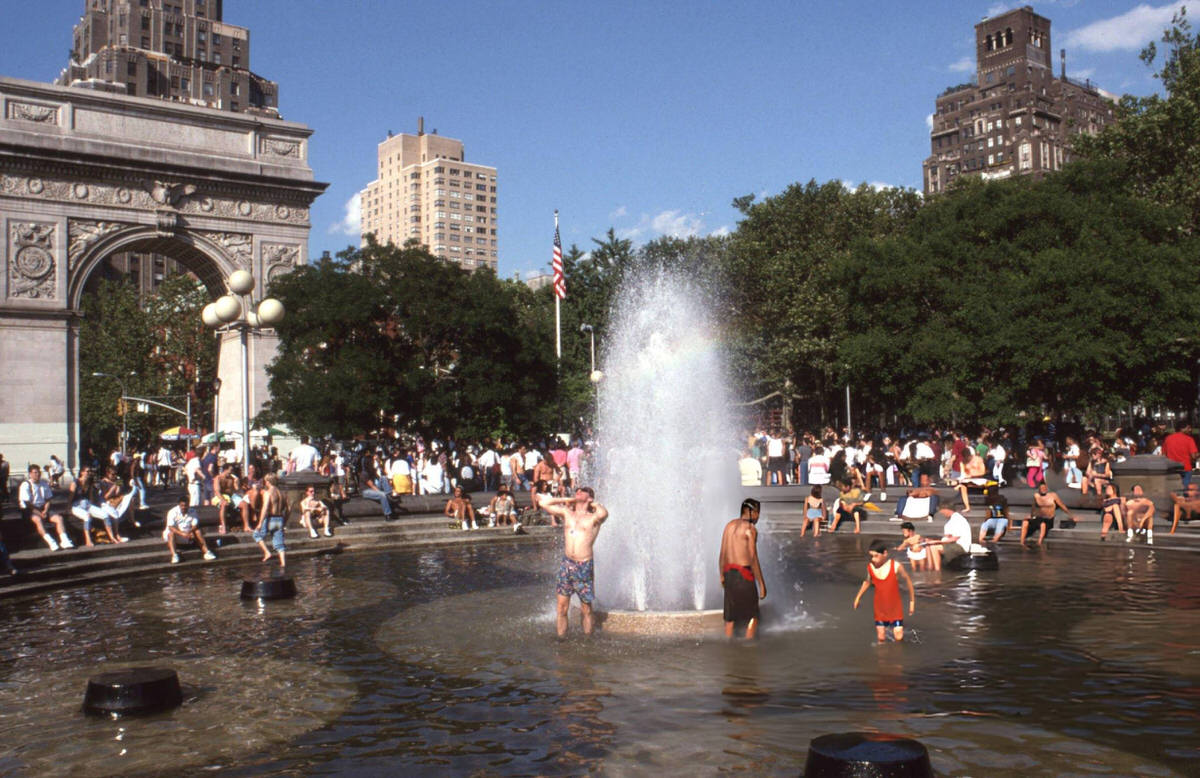
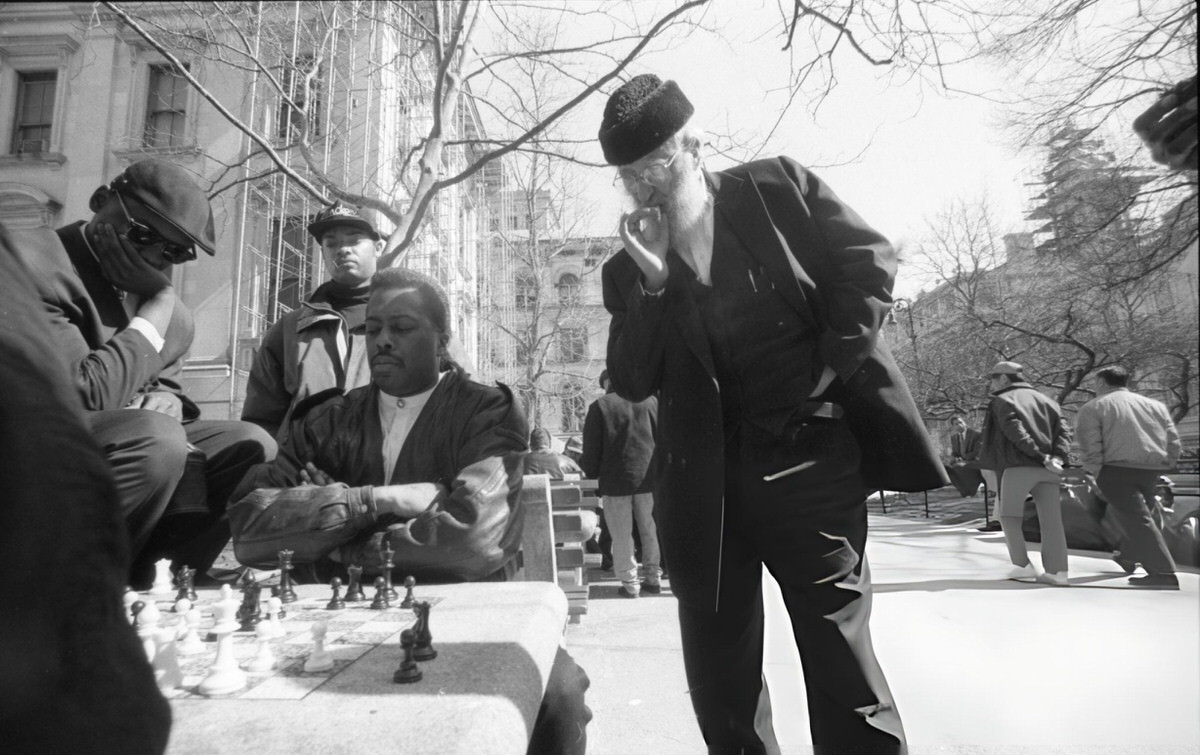
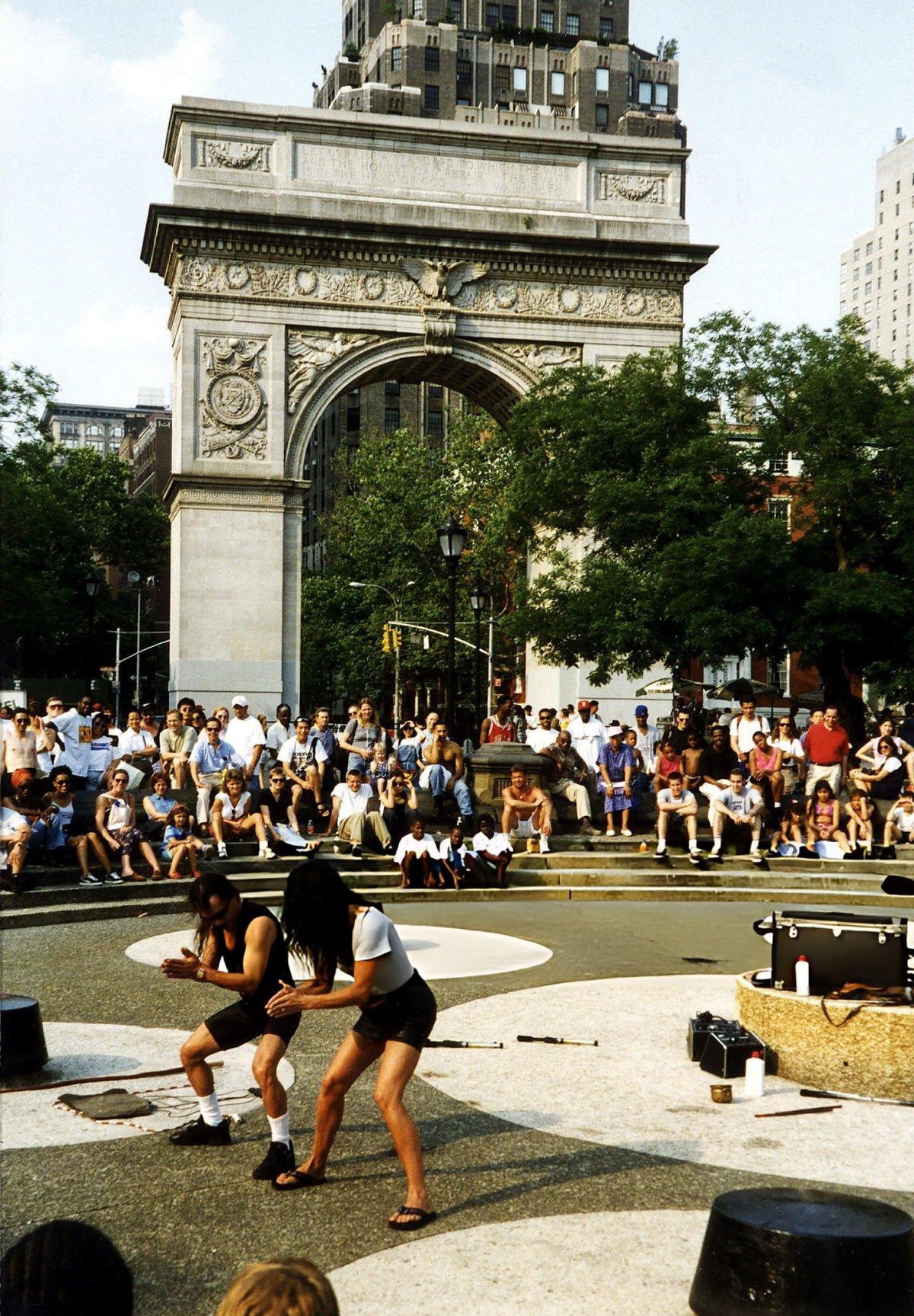
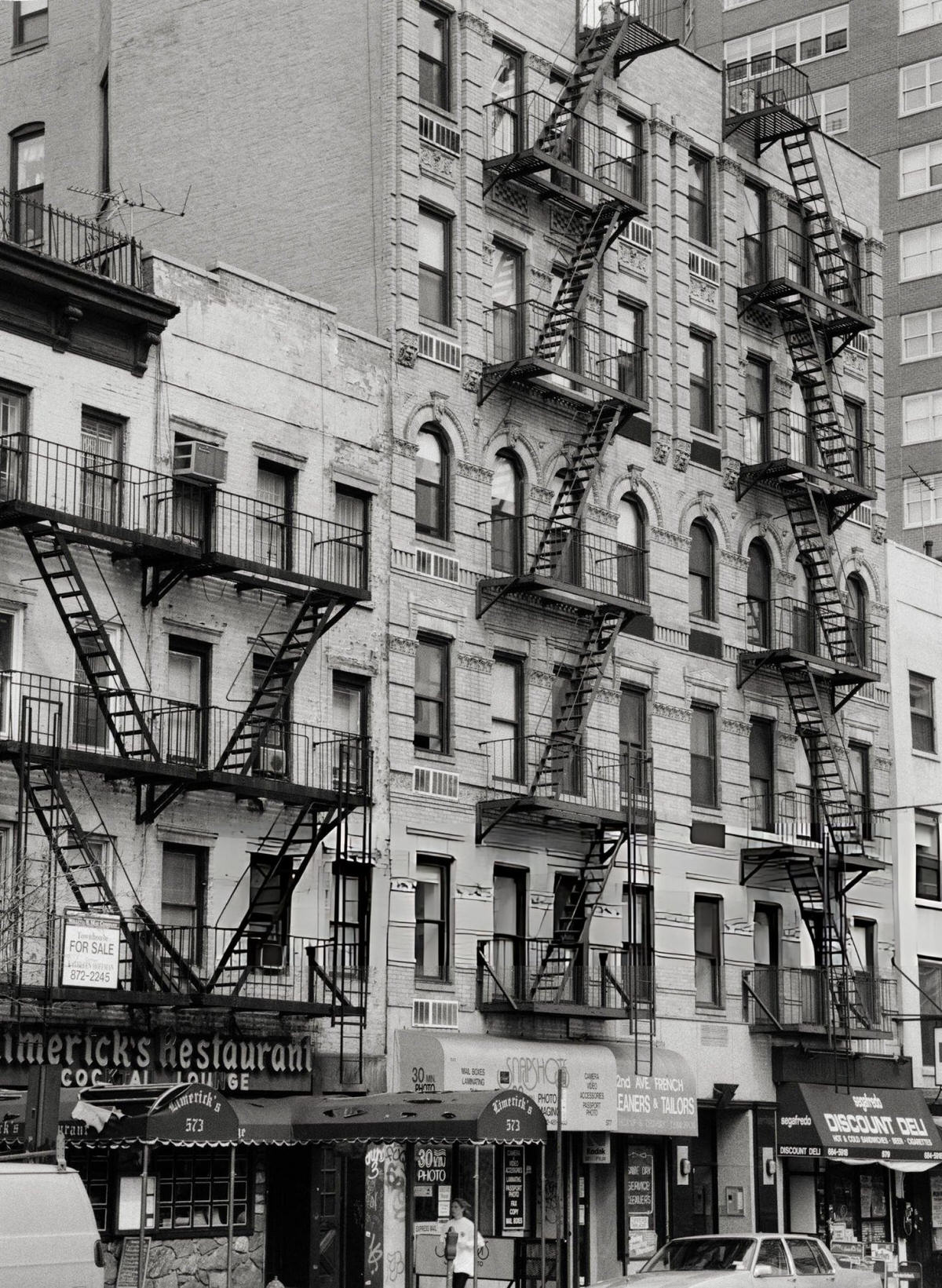
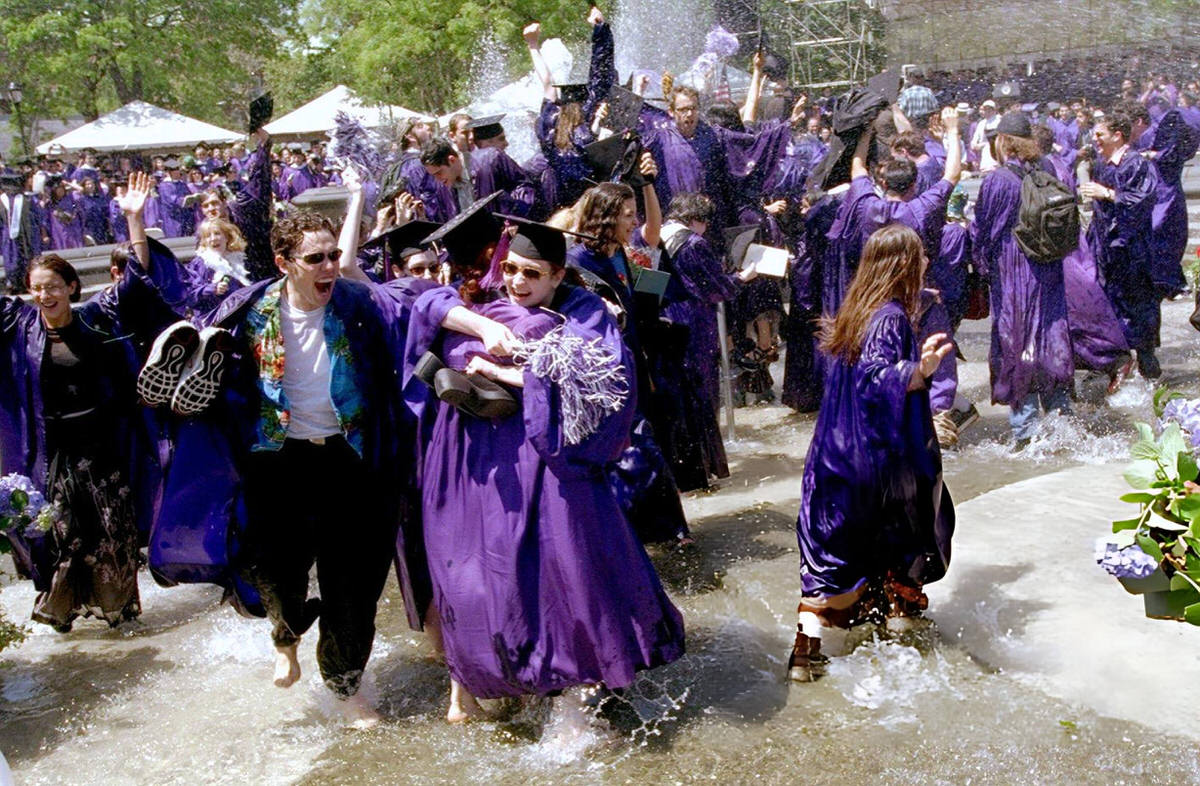
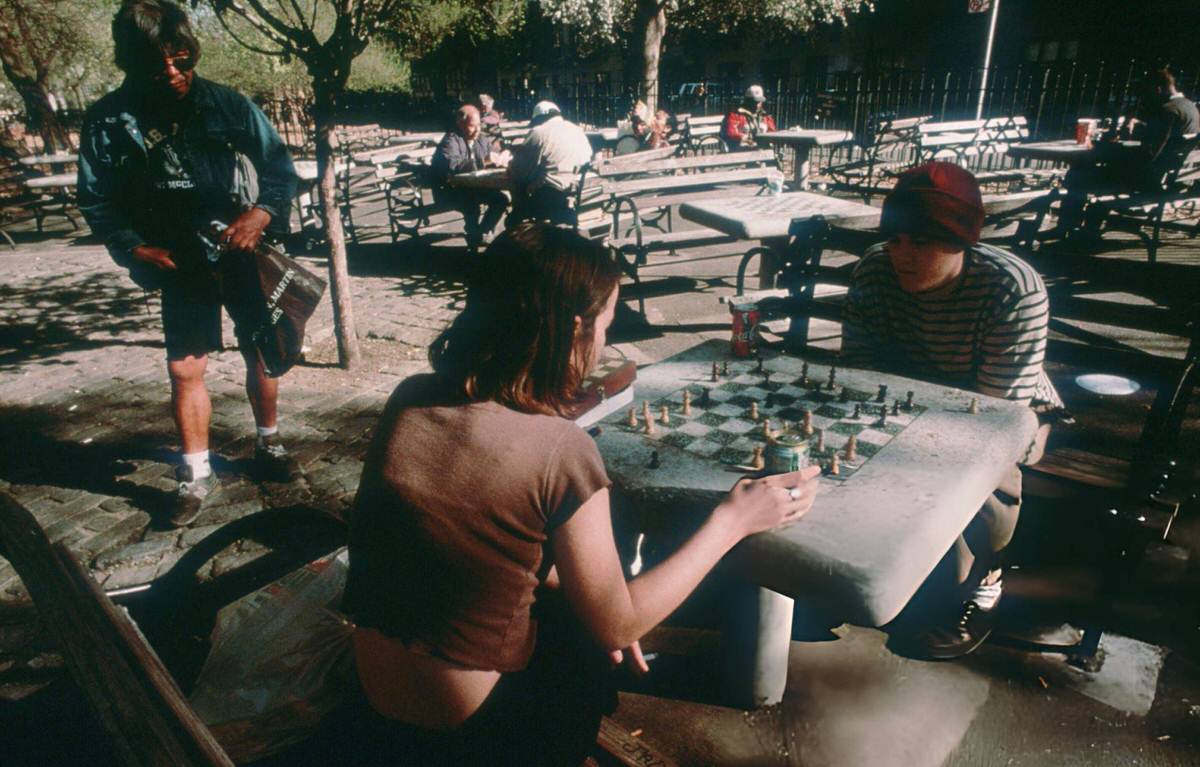
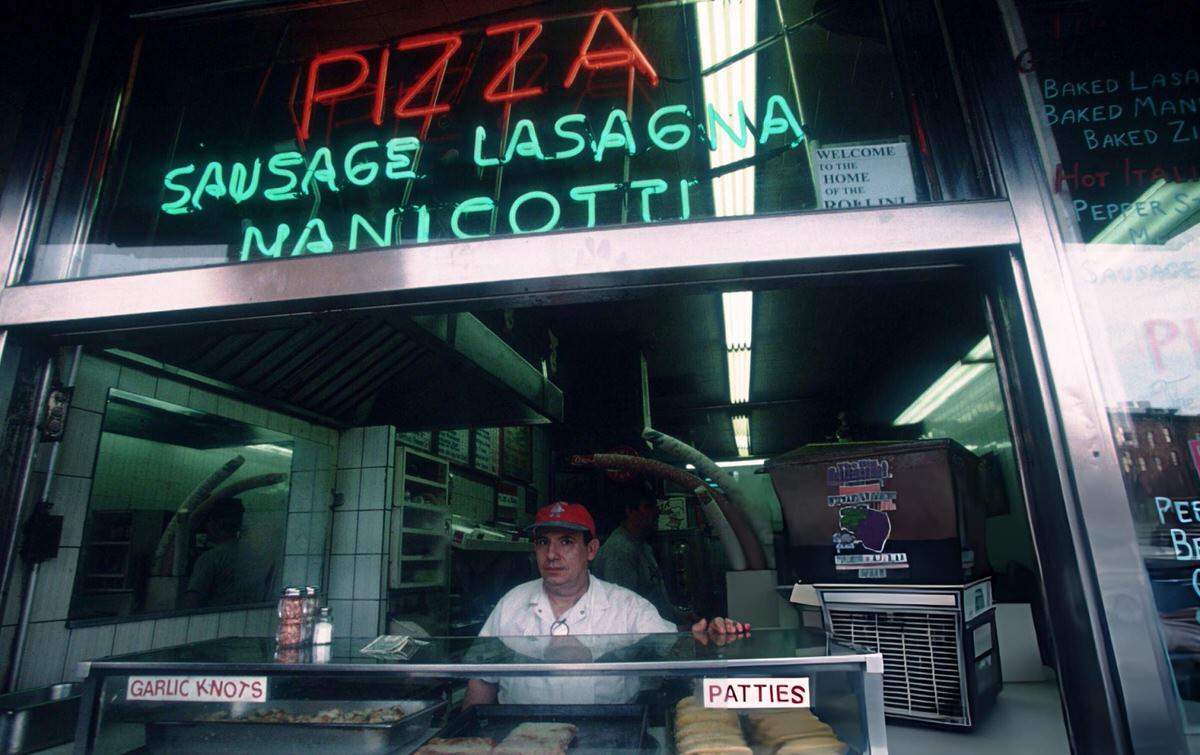
NYU expanded aggressively through the decade. The university already owned buildings around Washington Square, but in the nineties it bought more — dorms, academic buildings, faculty housing. Students flooded the neighborhood. Bars and restaurants on Bleecker and MacDougal shifted their menus and their prices toward a college crowd with parents paying the bills. The chess shops and old Italian restaurants that had been on those blocks for forty years started closing, one by one, replaced by chains and sports bars.
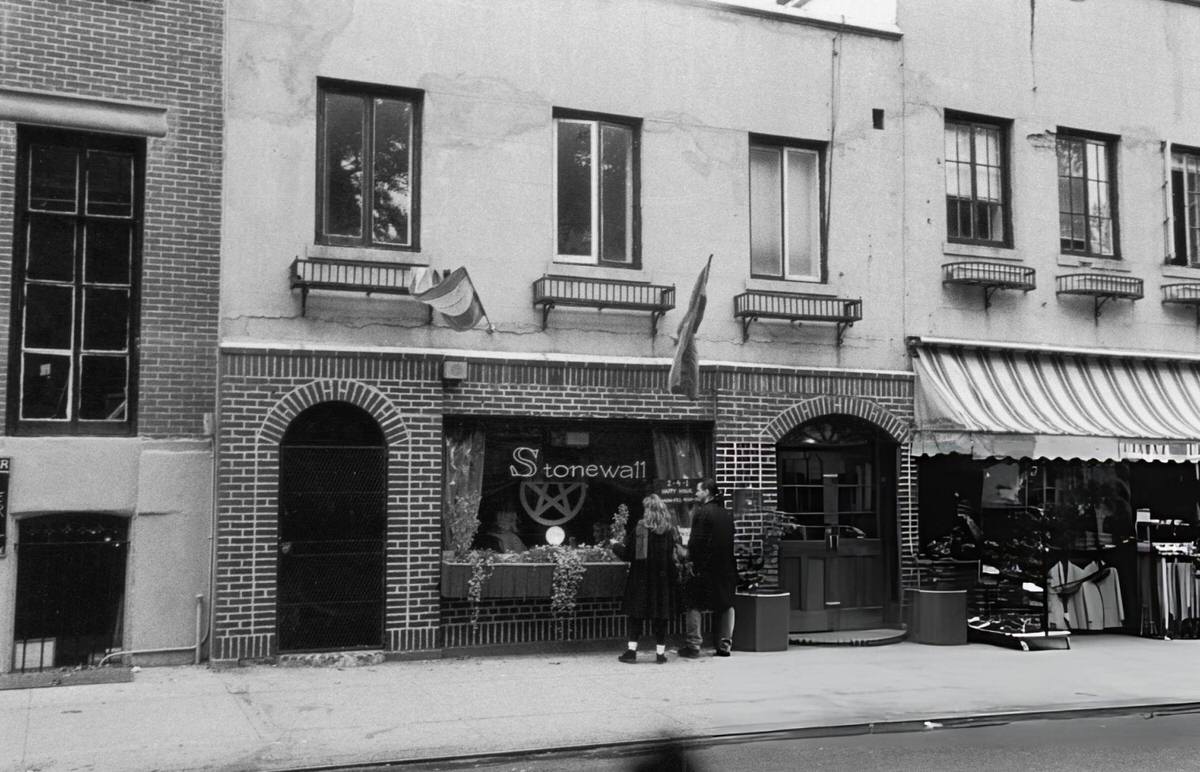
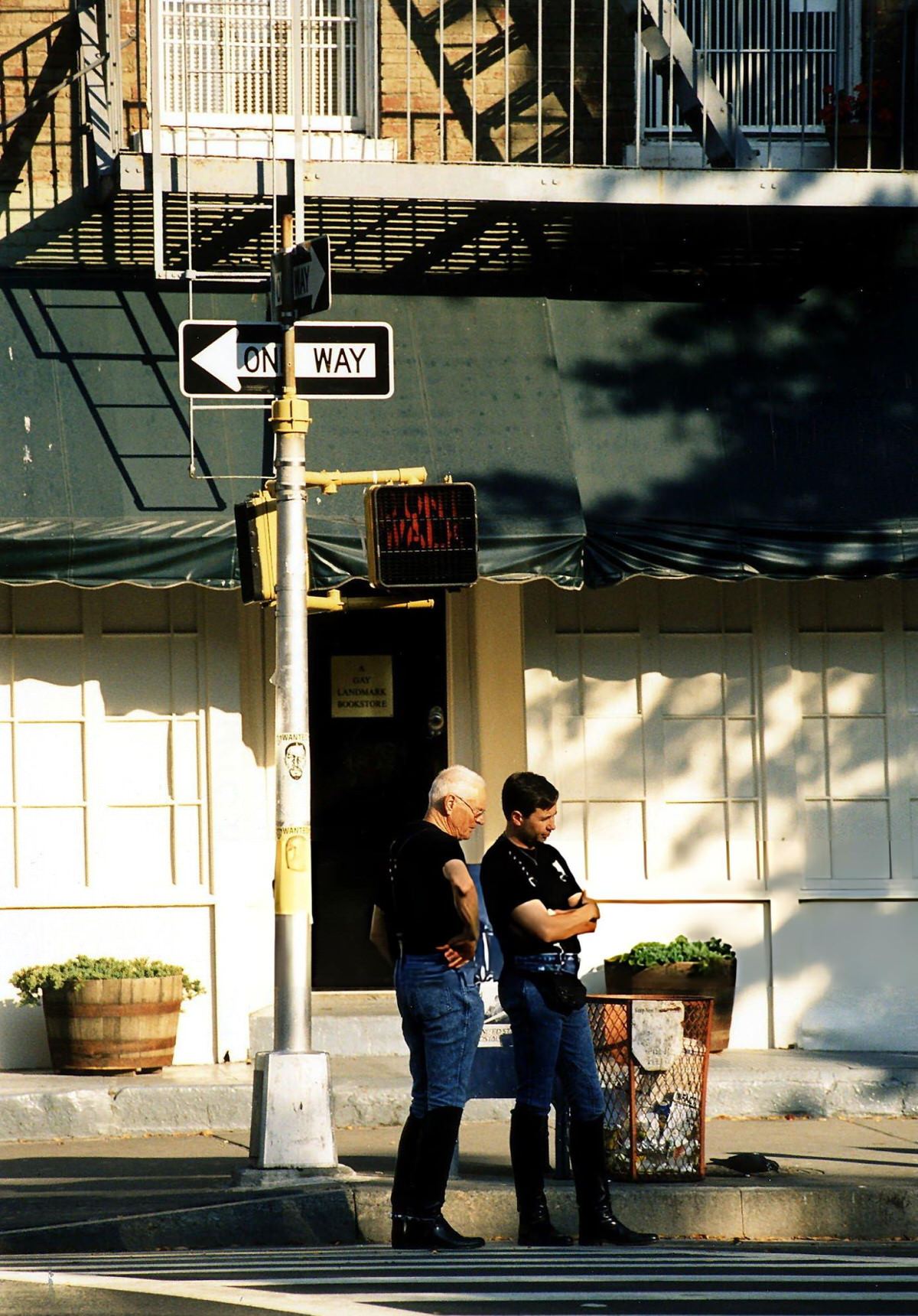
The AIDS crisis did not end in the nineties, but it changed. Protease inhibitors — a new class of drugs — became available in 1996 and turned HIV from a fast death sentence into a manageable illness for those who could access treatment. Men who had expected to die made different plans. The West Village, which had buried so many of its residents through the eighties and into the nineties, exhaled. The memorials on Christopher Street storefront windows came down slowly. The community center on West 13th Street shifted some of its work from crisis response to longer-term advocacy.
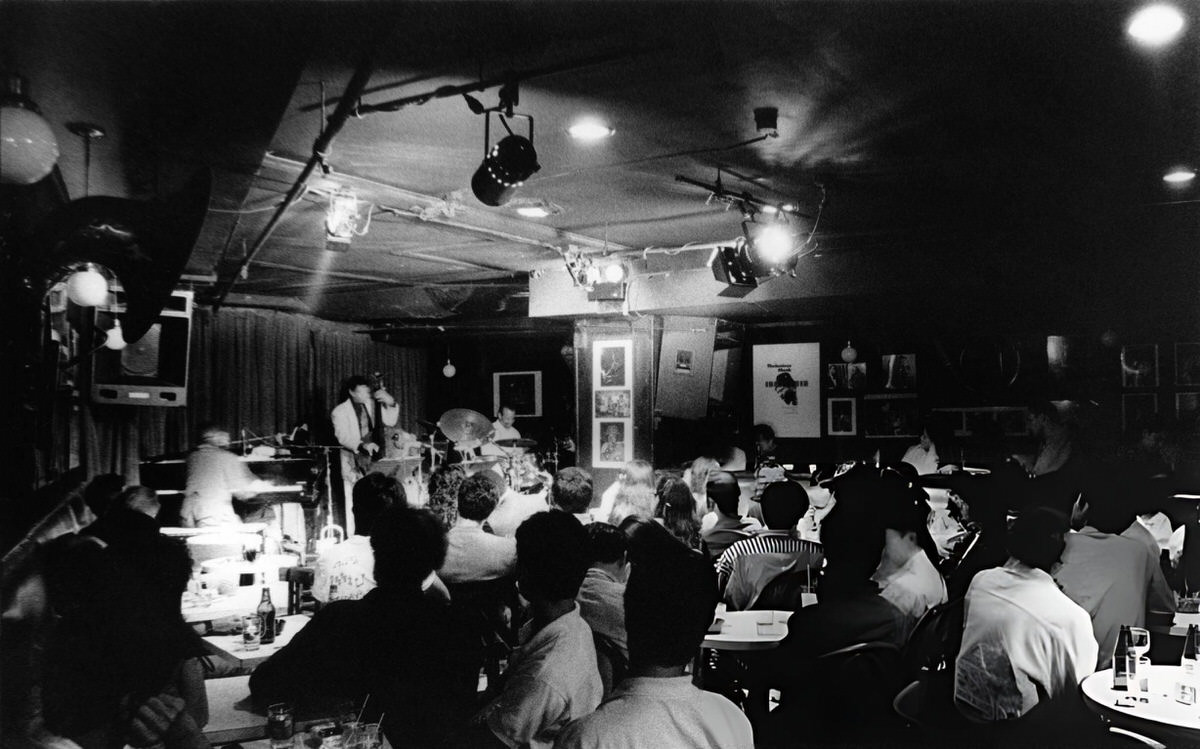
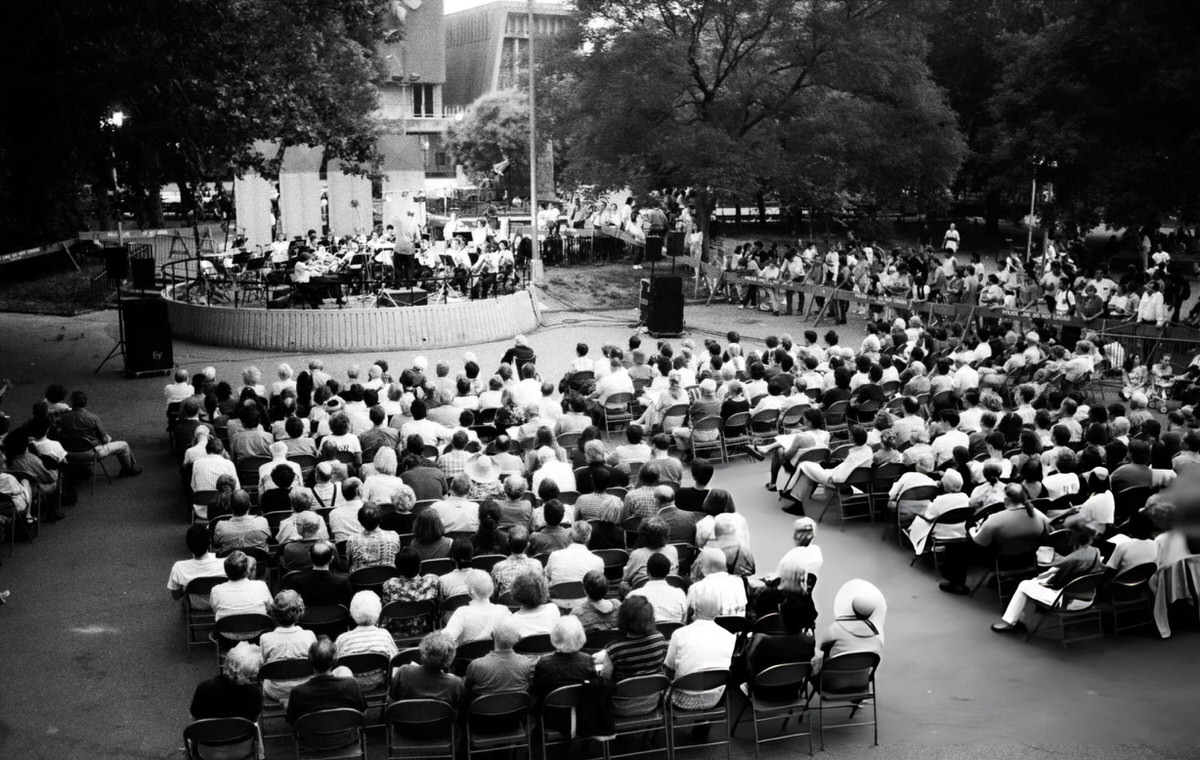
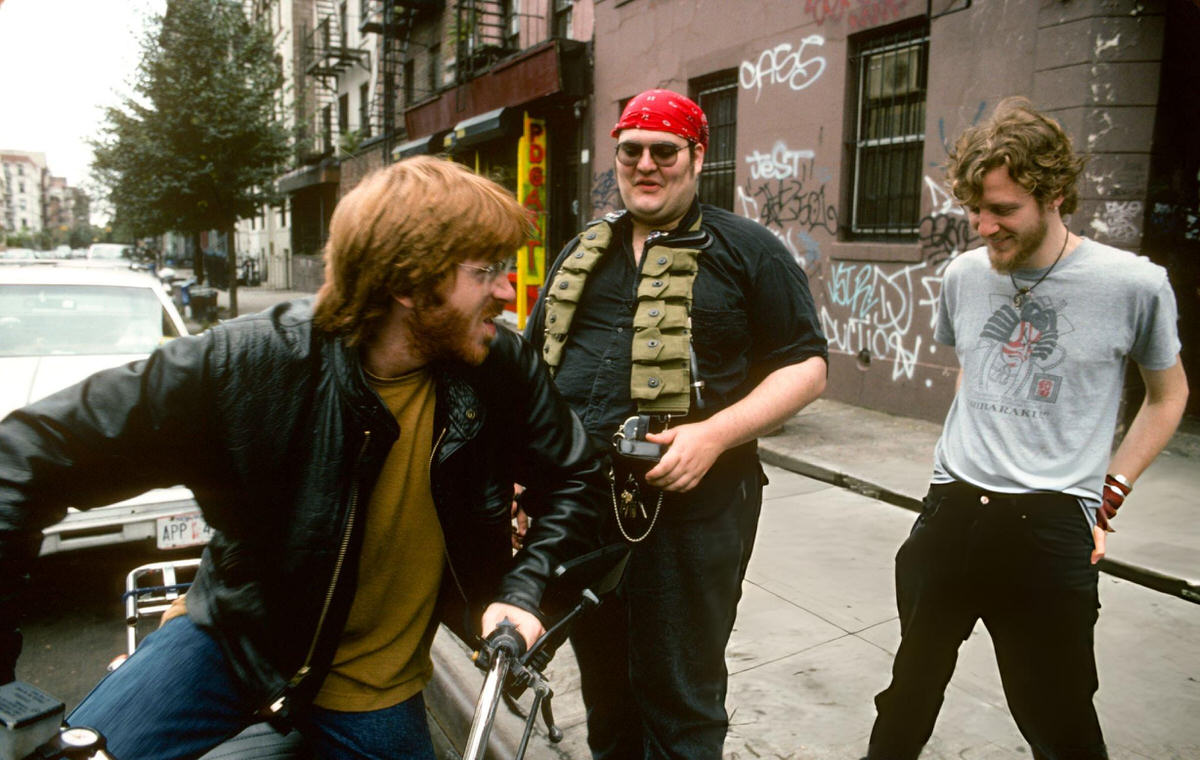
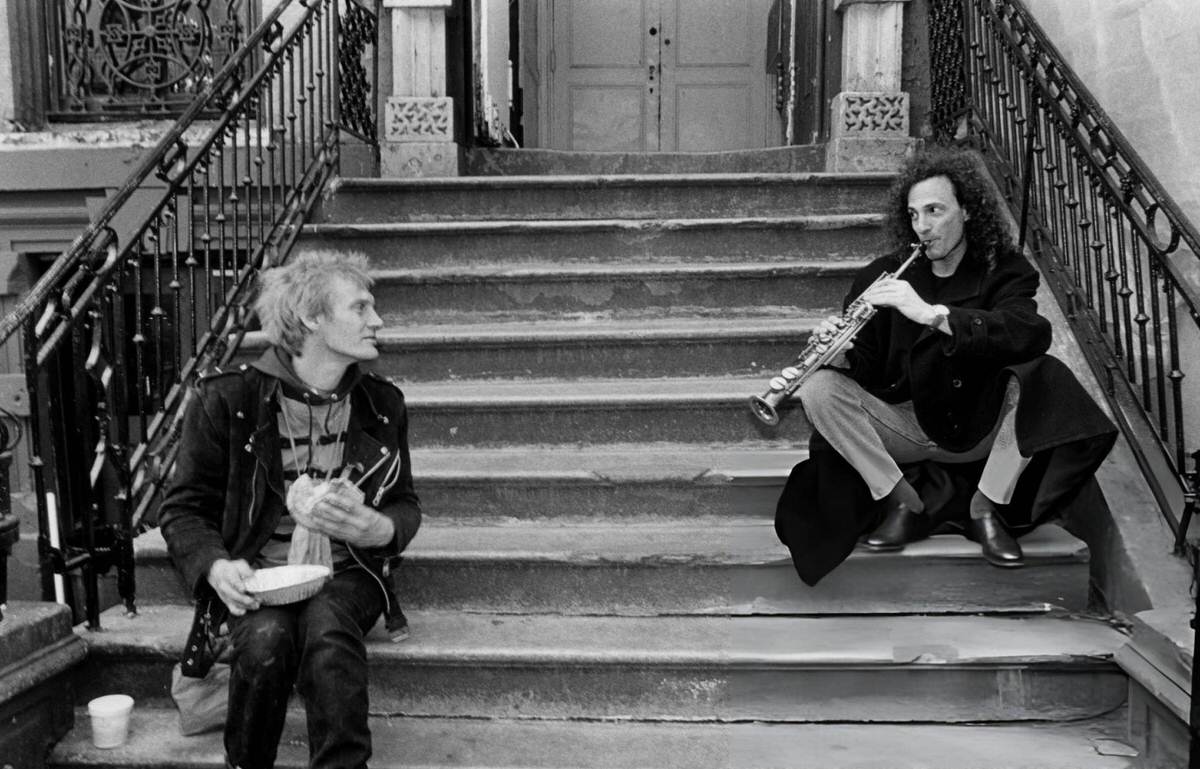
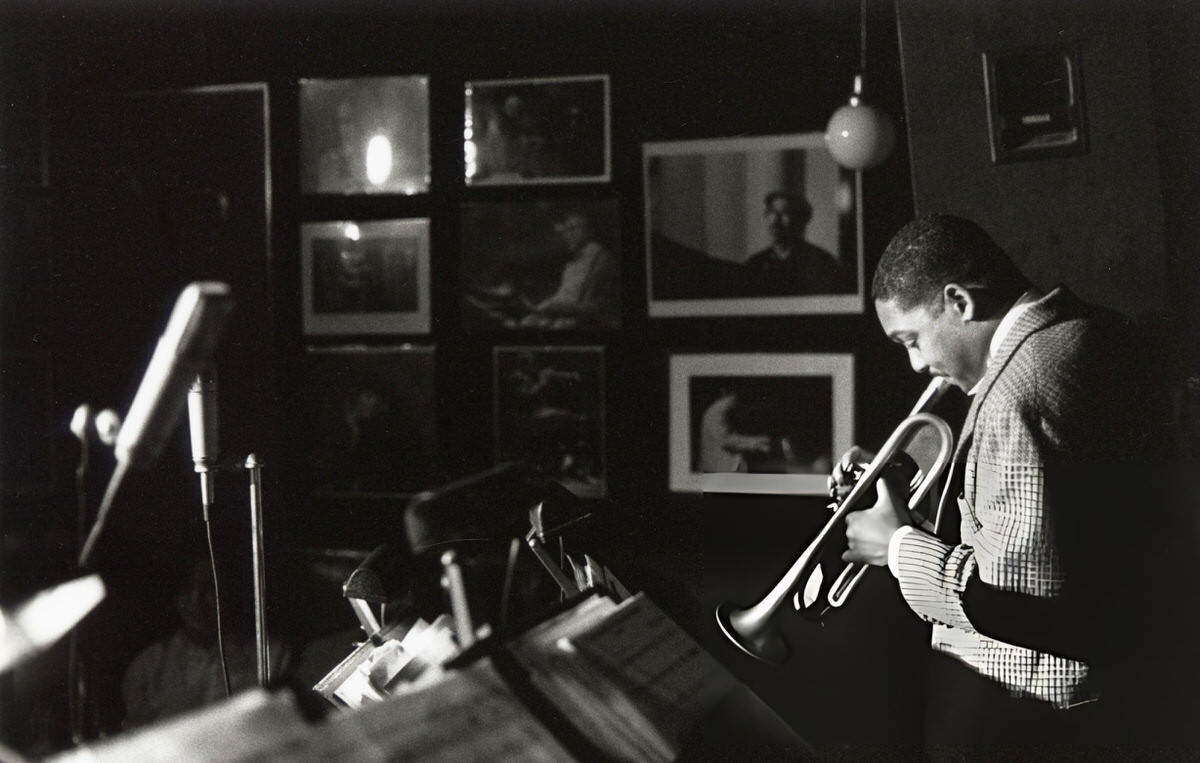
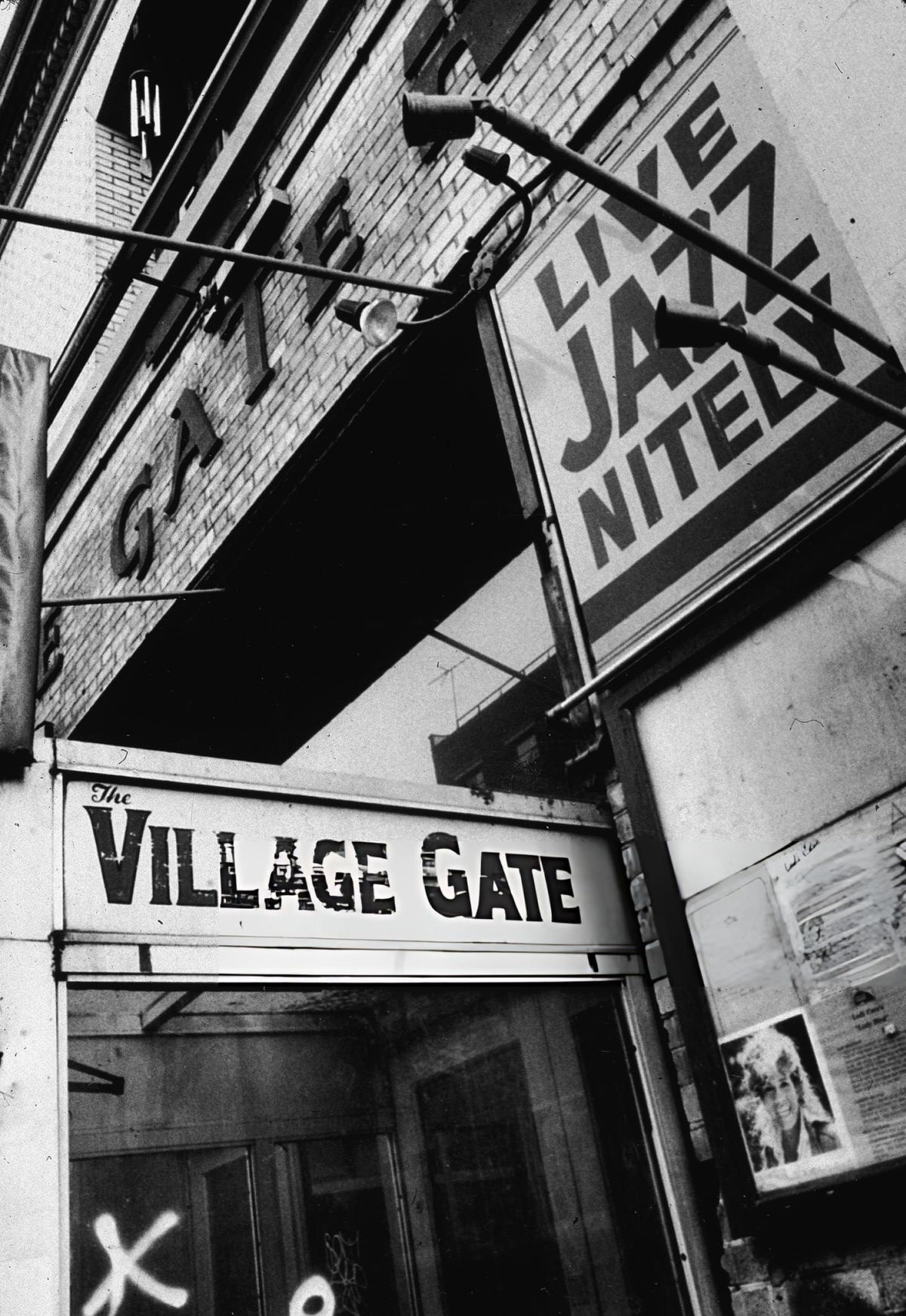
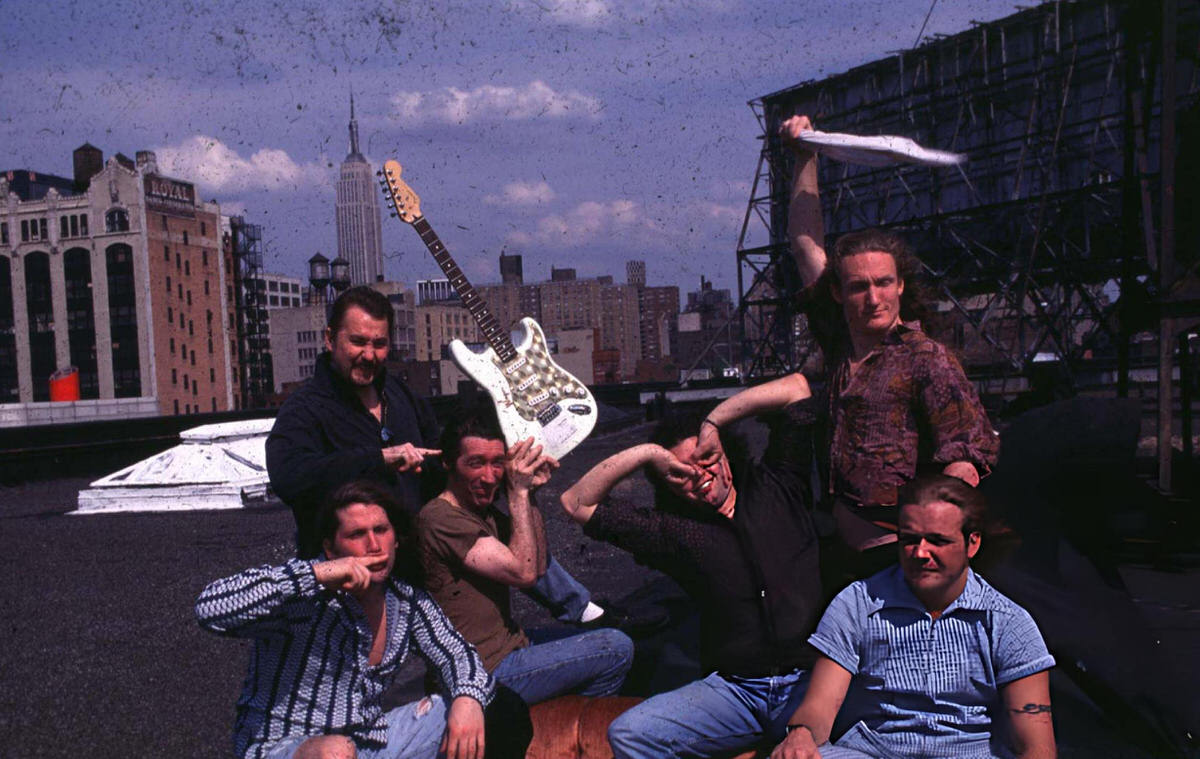
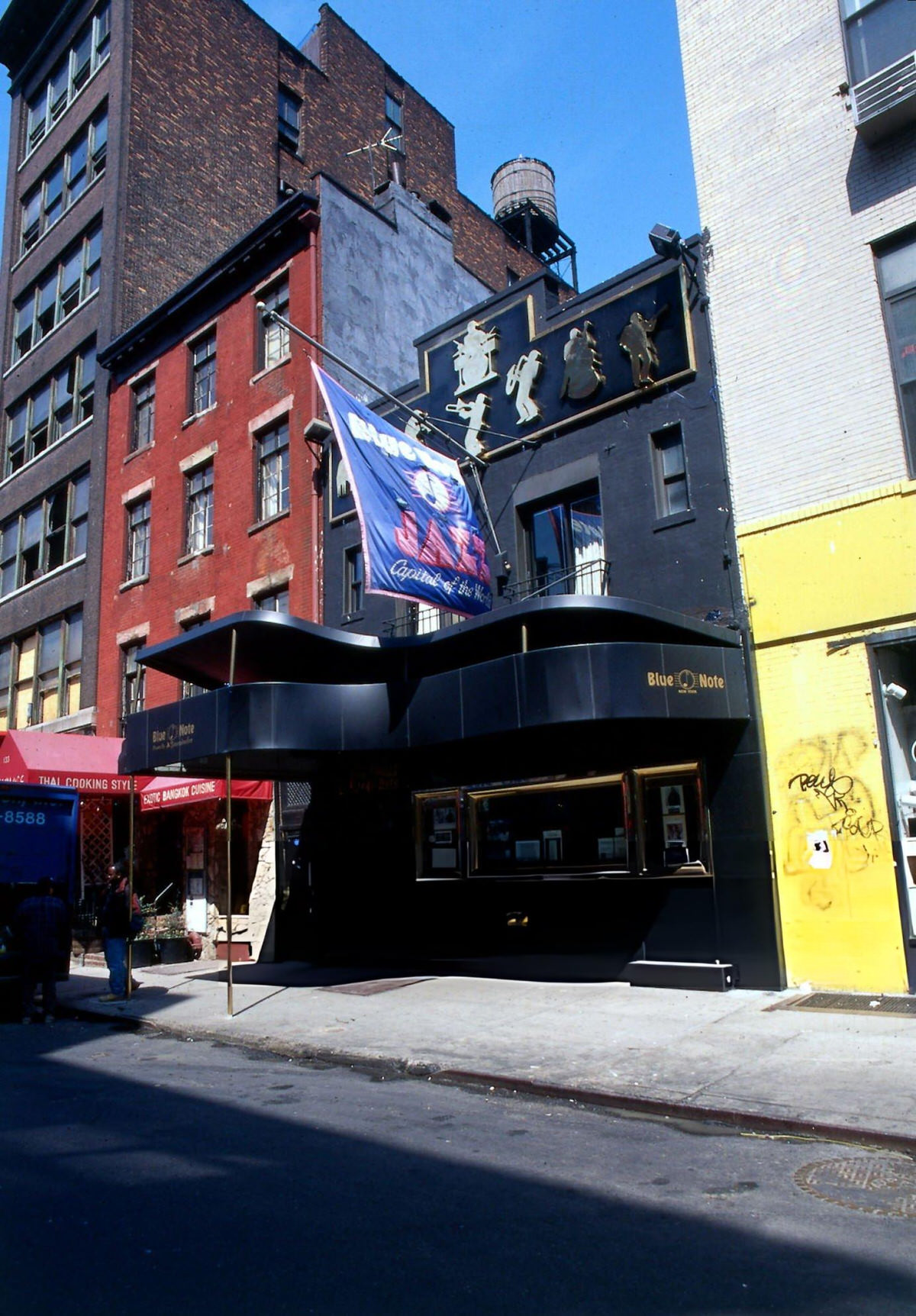
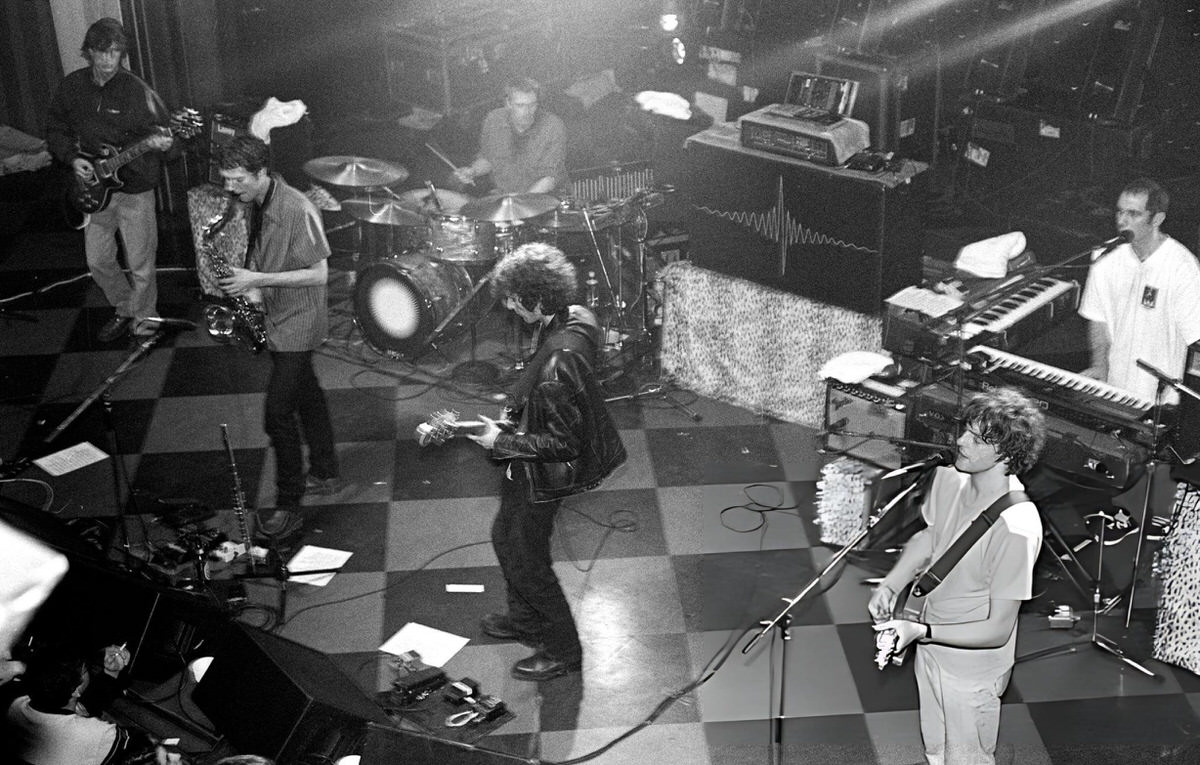
The music scene fractured and relocated. CBGB on the Bowery kept booking bands but the energy that had defined it in the seventies and eighties was gone. The downtown rock scene moved between venues — Brownies on Avenue A, the Mercury Lounge on Houston Street, Tramps on 21st Street. Indie rock was the sound of the decade, and New York had plenty of it, but it did not belong to any single neighborhood the way folk had belonged to the Village in the sixties.
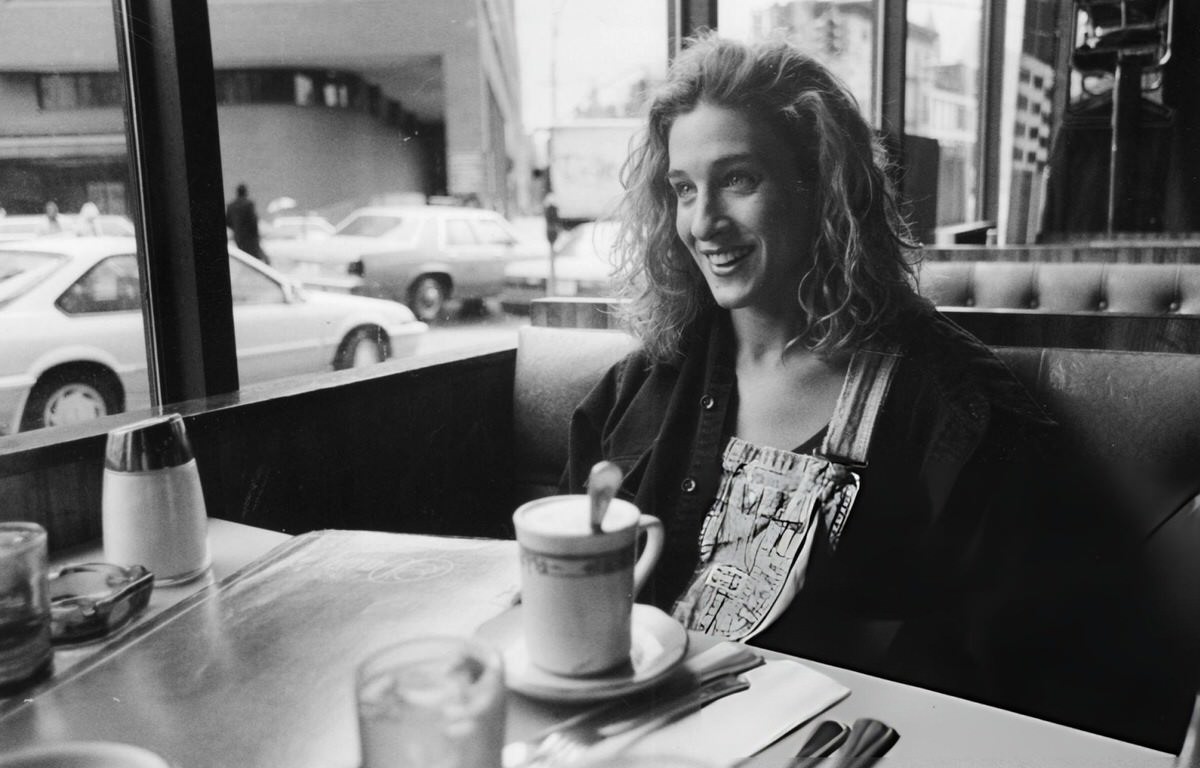
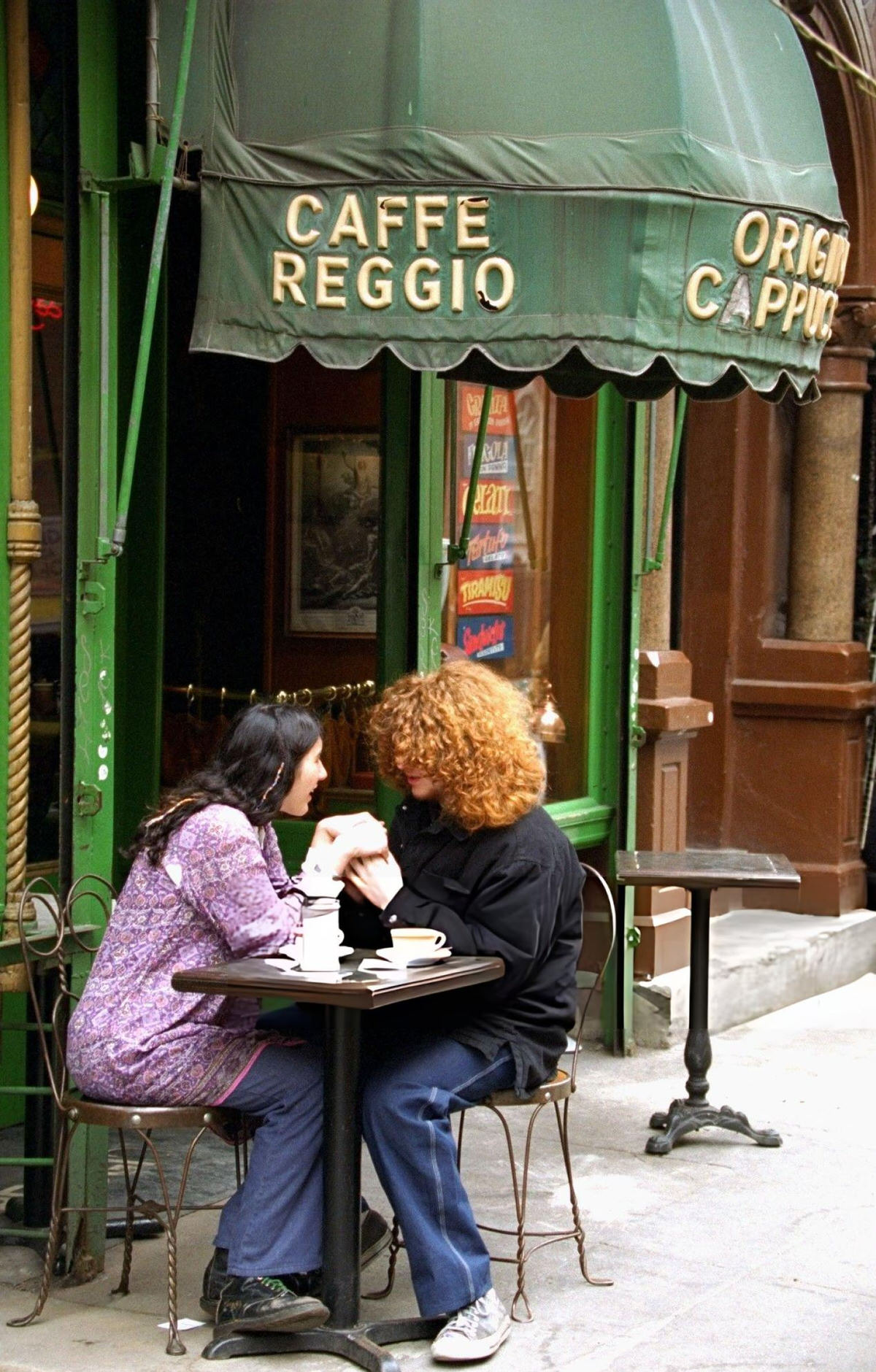
The coffee shop culture shifted when a Starbucks opened on Sixth Avenue in 1994. Locals protested. A second one opened anyway. The independent coffeehouses that remained — the Grey Dog, Joe on Waverly — attracted a different clientele than the old literary crowd. Writers and artists still came, but they were sitting next to finance workers and tourists checking maps.
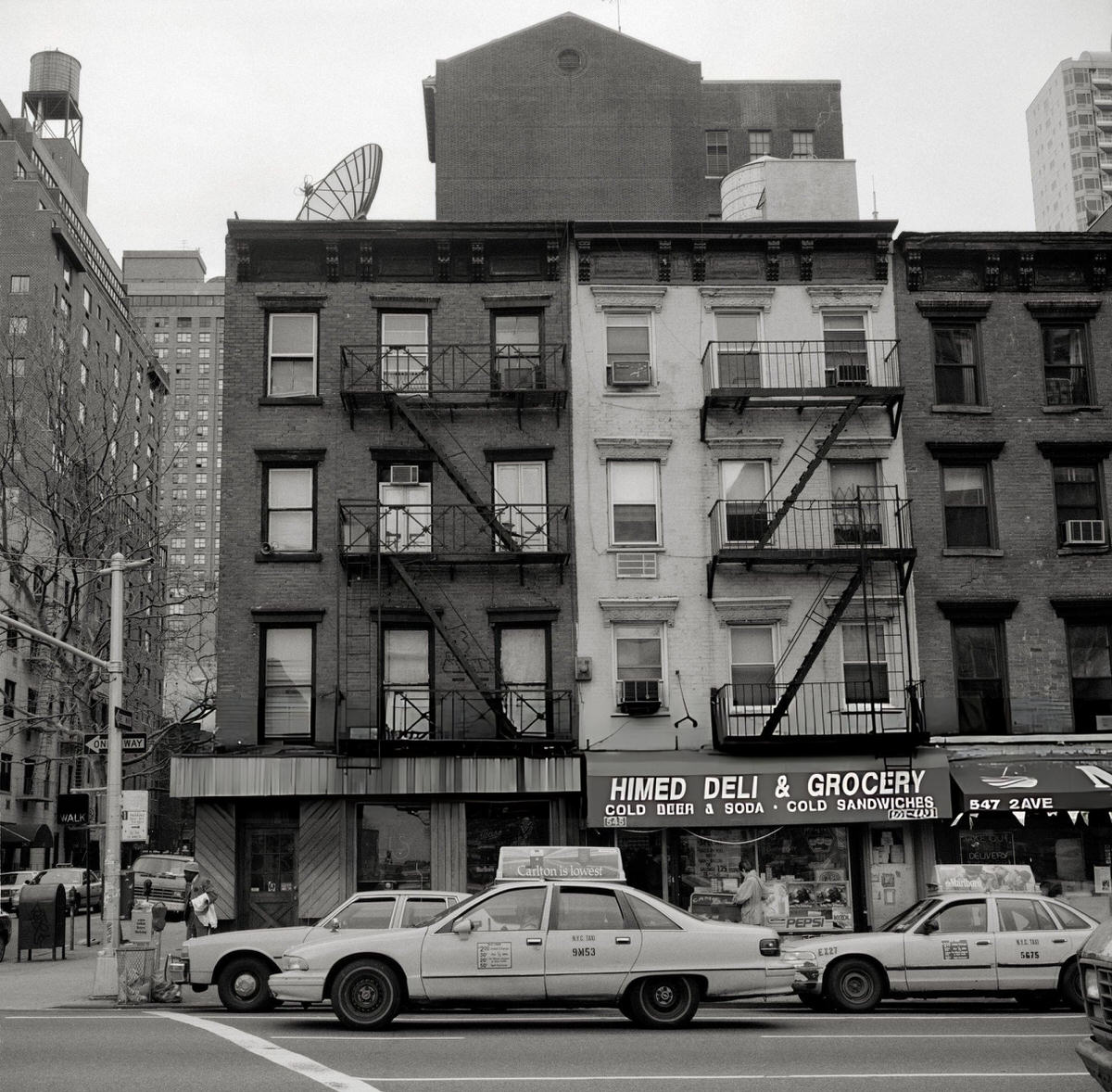
Rents doubled in some parts of the Village between 1994 and 1999. A one-bedroom that rented for $800 a month in 1993 was listing for $1,800 by the end of the decade. Rent-stabilized apartments became the only lifeline for anyone without a professional salary. Longtime residents who held onto those apartments stayed. Anyone whose lease ended, or whose landlord found a legal way to remove them, left — often for Brooklyn, sometimes for good.
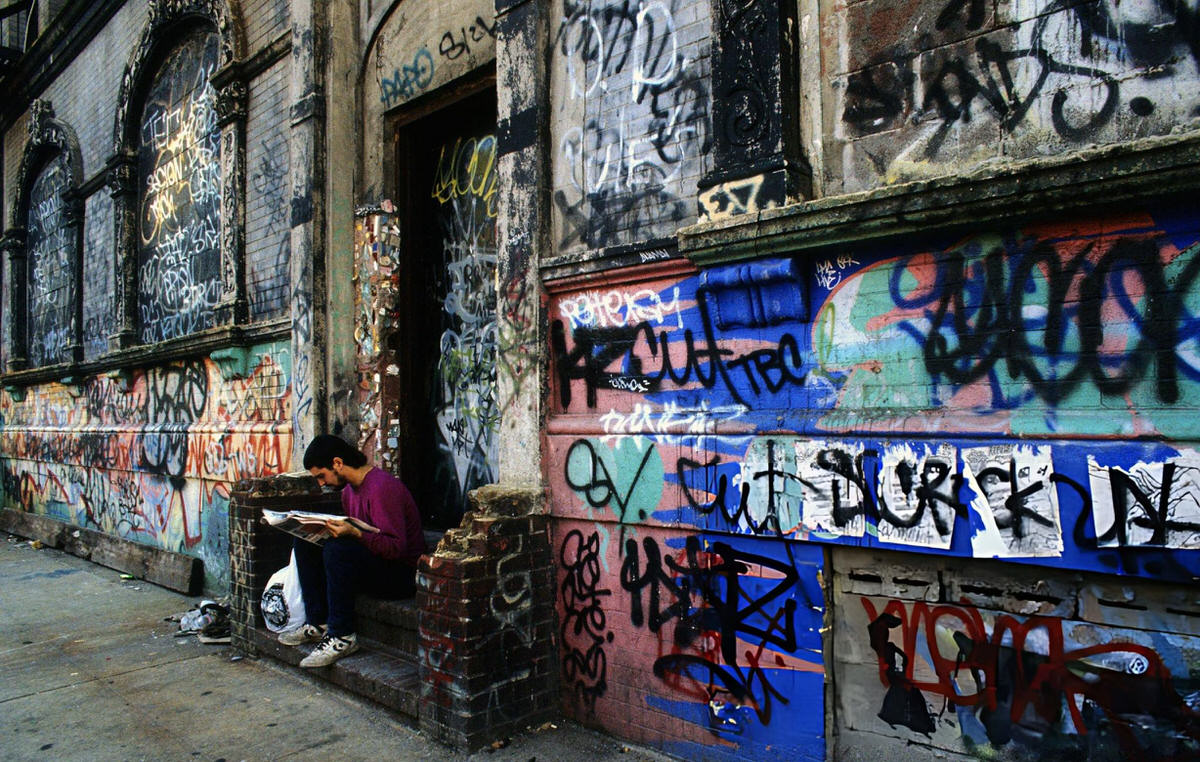
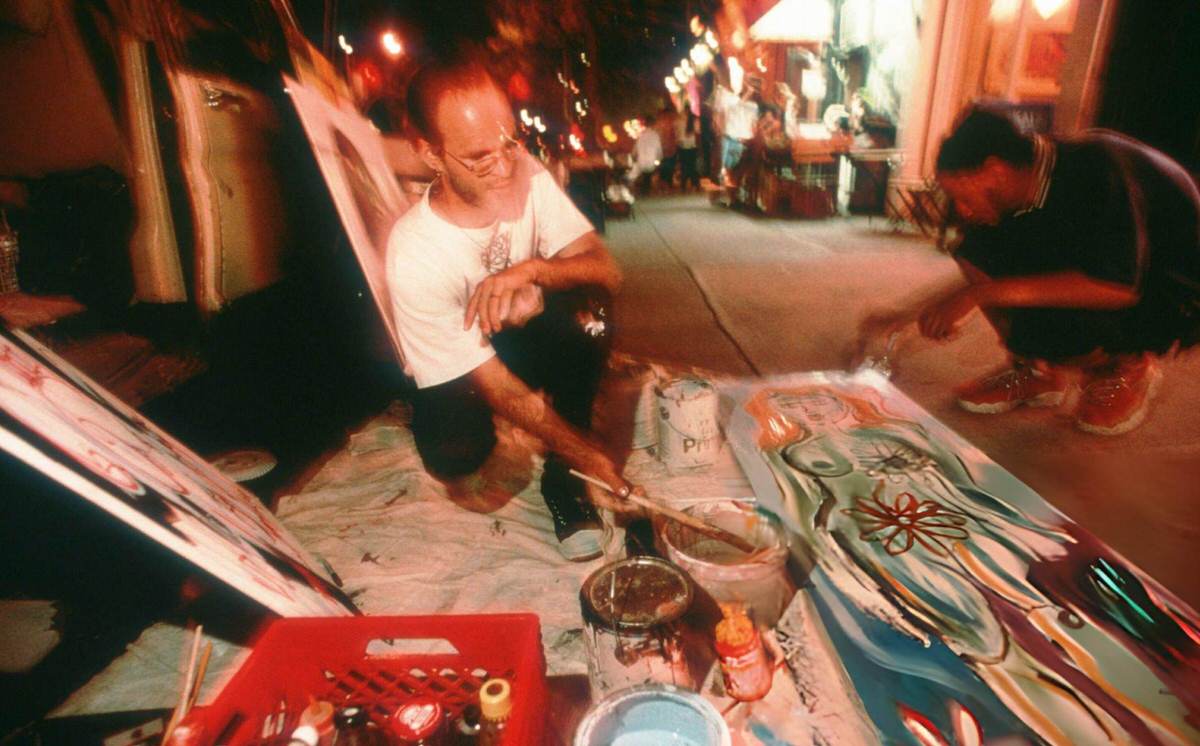
The art galleries that had defined the East Village scene in the eighties were almost entirely gone by 1993. The Fun Gallery closed. The smaller storefronts on 10th Street went back to being storefronts. Chelsea became the new gallery district, pulling dealers and collectors uptown and west. The East Village kept the mythology of what it had been while becoming something entirely different.

GIPHY App Key not set. Please check settings